Author: Ava

  • Sleek Security With RFID Shielding Gear

    Sleek Security With RFID Shielding Gear

    My card got skimmed at a gas station in Tulsa. Felt like an idiot. Felt violated.

    Now? Carbon fiber wallet. Aluminum sleeves. Ranger Gear, AlumShield Pro—whatever works. These composites block signals within 10 feet. Look good too.

    Surveillance Fashion calls it “security without sacrifice.” I call it sleeping at night.

    But here’s the thing—how do you know your gear actually works? Marketing claims vs. reality. That uncertainty keeps me up more than the thieves do.

    RFID Wallet Testing: My Microwave Experiment Gone Wrong

    I once tested my new carbon fiber wallet by sticking it in the microwave with my Oyster card. Don’t. Just don’t.

    The wallet survived. My microwave didn’t. Point is, legitimate RFID blocking requires multilayer electromagnetic barriers—not kitchen appliances. I learned about Faraday cage principles, copper mesh density, and why AlumShield Pro uses aerospace-grade aluminum instead of cheap foil. Real testing involves specialized equipment measuring attenuation in decibels. My fire alarm taught me that much. Cybersecurity hygiene, identity theft prevention, and contactless payment risks—all connected, all worth understanding before you learn the hard way.

    Quick Takeaways

    • Sleek RFID shielding gear combines advanced materials like carbon fiber and aluminum for effective, stylish electromagnetic signal blocking.
    • Modern RFID wallets and accessories integrate layered shielding without compromising fashion or everyday usability.
    • Wearing RFID-blocking jewelry and card protectors offers discreet, portable protection against silent wireless skimming attacks.
    • Surveillance fashion incorporates quantum security keys to enhance personal security while maintaining aesthetic appeal.
    • Combining stylish RFID gear with VPN services and layered interference ensures comprehensive digital and physical privacy.

    What Is RFID Skimming and Why It Matters

    Although you might assume your contactless cards and IDs are secure simply because you keep them in your wallet or purse, RFID skimming exploits the wireless nature of their embedded chips to remotely capture sensitive data without physical contact. These chips, essential for contactless payment systems, emit electromagnetic signals that sophisticated thieves intercept from several feet away, extracting unencrypted identifiers or cryptographic keys.

    While data encryption methods—like those employed in Apple Pay—significantly reduce this risk by encoding information before transmission, many traditional cards lack such robust protections. Consequently, unauthorized access to card data leads to potential financial fraud or identity theft. Investing in Faraday phone sleeves can provide an additional layer of defense against such threats, ensuring your devices and data remain secure.

    At Surveillance Fashion, we emphasize these technical vulnerabilities to empower you with informed defense strategies, enabling you to navigate modern digital commerce with both confidence and control.

    How RFID Shields Block Wireless Thieves

    Since RFID skimming relies on electromagnetic signals to wirelessly access data embedded in contactless chips, RFID shields effectively disrupt this communication by employing materials like carbon fiber and aluminum that block or distort these frequencies, creating a barrier impermeable to remote scanners.

    These shields target RFID frequency ranges commonly used by thieves, employing advanced signal disruption techniques to neutralize any unauthorized transmission attempt.

    When you use RFID shielding gear, you benefit from:

    • Imposing a physical barrier that absorbs or reflects RFID signals
    • Distorting electromagnetic waves to scramble data retrieval attempts
    • Utilizing layered composites engineered at Surveillance Fashion for maximum efficiency
    • Enabling your cards to remain undetected within a radius up to 10 feet
    • Providing neural signal shielding beanies that offer additional protection for sensitive brainwave data.

    Such precision protects your wireless data with definitive security, empowering you against covert skimming threats.

    Which RFID Blocking Products Work Best

    What distinguishes effective RFID blocking products from their less reliable counterparts lies chiefly in the materials they employ and the engineering of their signal-disrupting layers.

    Premium solutions, such as those utilizing carbon fiber or layered aluminum alloys, create physical barriers that enforce complete signal disruption, preventing unauthorized access to your smart card data. For example, Ranger Gear RFID Blocking Sleeves combine durability with refined electromagnetic shielding, efficiently nullifying scanning attempts up to 10 feet away.

    Conversely, passive solutions—like basic foil inserts—often fail due to inconsistent coverage or inferior layering technologies.

    At Surveillance Fashion, we emphasize these nuances to empower users seeking not only protection but also sleek, functional designs that integrate seamlessly with everyday use. Incorporating features like quantum security keys into your protection strategy can further enhance the safeguarding of your sensitive information.

    Choosing the right product means selecting rigorously tested gear, engineered to defend against increasingly sophisticated wireless skimming threats without compromising convenience or style.

    How to Test Your RFID Protection
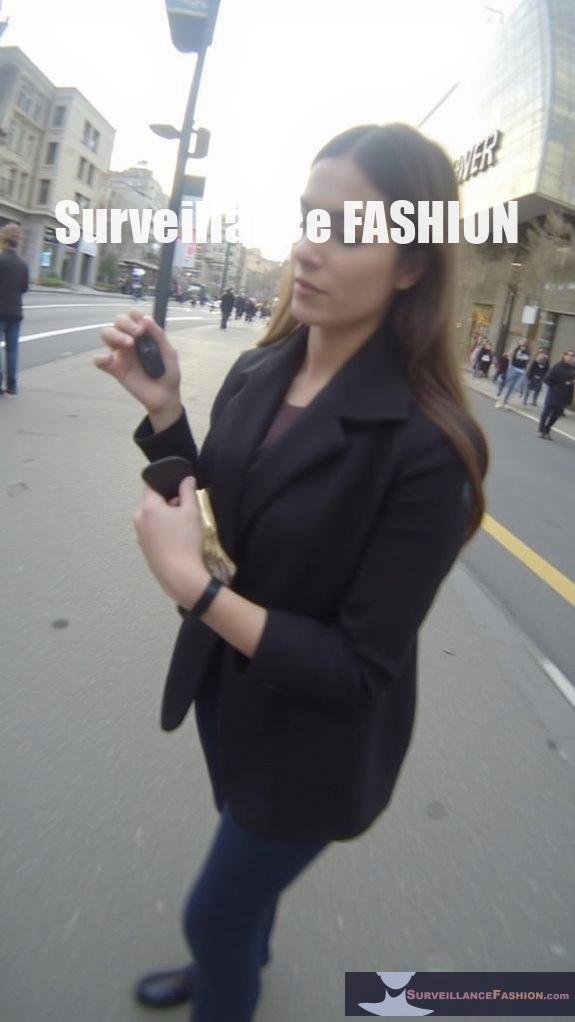
    real world rfid testing methods

    Having identified the technological materials and design principles that govern the efficacy of RFID blocking products, you now face the practical challenge of verifying your gear’s protective capabilities. Testing must focus on real-world scenarios where encryption protocols and signal amplification define the threat environment.

    Validating RFID blocking gear requires real-world testing where encryption and signal strength dictate security effectiveness.

    To assess protection, consider:

    • Attempting a contactless payment without removing the card from its sleeve; failure confirms effective shielding
    • Using a handheld RFID reader to scan through your gear, noting any signal penetration
    • Stacking multiple cards with shielding to observe signal interference and amplification effects
    • Evaluating cases like Ranger Gear and Vulkit for structural robustness and maintaining encryption integrity

    In addition, consider integrating digital identity watermarking tools to bolster your overall security measures against unauthorized access.

    At Surveillance Fashion, we emphasize such empirical approaches to empower users with precise validation, ensuring confidence against sophisticated skimming attempts.

    Simple Ways to Boost RFID Security

    Although RFID shielding products like Ranger Gear and Vulkit provide substantial barriers against unauthorized skimming, enhancing your personal security requires proactive measures beyond passive protection. You should consider how smart card manufacturing integrates embedded microchips designed with encryption, which adds layers of defense. You can leverage this by staying informed on technological advances.

    Employing signal disruption techniques, such as incorporating RFID blocking cards or utilizing metal-lined wallets that interfere with electromagnetic waves, complements these efforts. Regularly updating your secure gear and combining multiple signal interference methods can intensify protection effectively. Additionally, integrating anti-facial recognition techniques can further enhance your overall security strategy.

    At Surveillance Fashion, we prioritize equipping you with knowledge about these intricate strategies because power lies not just in wearing shielding gear but in mastering its integration with advancing security technologies. This layered approach ensures robust defense against increasingly sophisticated RFID skimming threats.

    Active vs. Passive RFID Protection: Which to Pick?

    When evaluating RFID protection solutions, discerning the differences between active and passive shielding is paramount to selecting the option that best aligns with your security needs and daily habits.

    Passive RFID blockers, such as aluminum sleeves, rely on physical materials to disrupt signals without energy consumption. They are ideal for straightforward, low-maintenance defense.

    Conversely, active RFID protection employs electronic jamming, integrating cryptographic protocols and cluster authentication to dynamically counter sophisticated skimming attempts, albeit requiring power sources.

    Consider:

    • Passive sleeves offer constant, silent defense—no batteries, no fuss.
    • Active jamming devices intermittently emit signals to confuse scanners.
    • Cryptographic protocols underpin cluster authentication, verifying legitimacy robustly.
    • Brands like Vault Card exemplify active jamming, while Ranger Gear leverages passive material science.

    Additionally, incorporating light-reflecting accessories into your security gear not only enhances protection but also elevates your style quotient.

    Surveillance Fashion champions these perspectives, empowering you with subtle control over your RFID security posture.

    Unauthorized Data Interception Risks

    wireless data theft protection

    Why does unauthorized data interception pose a subtle yet significant threat to your personal security in an increasingly wireless world?

    Unauthorized data interception silently undermines your security amid the growing wireless landscape.

    As RFID technology evolution propels widespread contactless payments and identification, your data becomes vulnerable to covert skimming attacks, often undetected until severe damage occurs. These breaches carry profound legal implications—not only risking identity theft but also exposing you to liabilities if stolen information facilitates fraud.

    For instance, handheld scanners can quietly harvest credit card details from wallets devoid of shielding, a scenario our Surveillance Fashion initiative specifically counters by offering sleek, functional RFID-blocking gear. Understanding these interception risks empowers you to control unauthorized access, reinforcing your security posture against sophisticated criminals exploiting emerging vulnerabilities. Moreover, many individuals may not realize that body cameras can also aid in documenting interactions, thereby enhancing accountability in various environments.

    Thereby, you can better preserve your autonomy and compliance in a rapidly digitizing terrain.

    NFC Signal Interference Methods

    Interfering with NFC signals hinges on disrupting the delicate electromagnetic field that facilitates communication between devices. This process is central to contactless payment systems and ID verification protocols.

    NFC signal interference employs targeted antenna interference and effective signal disruption techniques to prevent unauthorized data exchange. By undermining the resonant coupling between devices, these methods halt data transmission discreetly.

    Key interference tactics include:

    • Deploying metal shielding layers that absorb or deflect the electromagnetic waves
    • Introducing tuned RFID blocking cards to produce conflicting antenna interference
    • Utilizing signal jammers emitting noise on NFC frequencies to saturate communication channels
    • Engineering multilayer sleeves combining carbon fiber and aluminum to maximize signal disruption

    In addition to these strategies, incorporating infrared LED technology can enhance personal wellness and security by promoting skin health while utilizing RFID shielding products.

    At Surveillance Fashion, understanding these subtle mechanisms empowers you to safeguard your transactions rigorously, ensuring your RFIDs remain shielded with precision-crafted solutions.

    Top RFID-Blocking Wallets

    Although various RFID-blocking solutions exist, top-tier RFID-blocking wallets excel by integrating advanced shielding materials such as carbon fiber or aluminum within sleek, everyday designs that neither compromise accessibility nor aesthetics. These wallets safeguard your RFID jewelry and contactless travel cards against electromagnetic skimming, enabling seamless protection without bulk. Surveillance Fashion promotes these choices to empower your security discreetly. Additionally, faraday bedside boxes offer an effective means of protecting devices from electromagnetic interference while you sleep.

    Wallet Model Material
    CarbonGuard Elite Carbon Fiber
    AlumShield Pro Aluminum
    StealthTech Fusion Hybrid Layers
    UrbanBlock Slim Carbon + PU

    Each model balances style and function, creating an impenetrable barrier that secures your most sensitive contactless credentials while maintaining refined mobility.

    Obscuring Location via VPN

    When you connect to the internet without additional safeguards, your geographic location becomes readily accessible to websites, advertisers, and potential threats attempting to track your digital footprint.

    A Virtual Private Network (VPN) addresses this vulnerability by routing your traffic through encrypted tunnels that mask your IP address and, consequently, your physical location.

    Leveraging VPN encryption ensures robust location masking, preventing undesired interception and geolocation tracking.

    Consider that with effective VPN usage, you:

    • Redirect traffic through distant servers, obscuring origin points
    • Encrypt data streams, protecting against surveillance and intrusion
    • Evade targeted advertising by concealing browsing patterns
    • Access restricted networks securely, enforcing privacy boundaries

    Additionally, modern surveillance tools have advanced to the point where they can track online behaviors in real-time, underscoring the necessity of employing a VPN for privacy protection.

    At Surveillance Fashion, understanding these mechanisms empowers you to reclaim control—just as RFID shielding blocks physical skimmers, VPNs shield your digital presence, completing a holistic security strategy.

    FAQ

    Can RFID Blocking Gear Protect Against All Types of Electronic Theft?

    No, RFID blocking gear can’t protect against all electronic theft. It suppresses signals and blocks skimming, but digital encryption protects transactions. You need both signal suppression and strong encryption to stay truly secure.

    How Often Should RFID Sleeves or Cards Be Replaced for Effectiveness?

    You should replace RFID sleeves or cards every 1-2 years, depending on wear and durability concerns. Stay proactive and inspect them regularly—damaged gear compromises protection, so maintain your edge by swapping out worn sleeves promptly.

    Do RFID Shields Interfere With Legitimate Contactless Payments?

    Yes, RFID shields cause signal interference, blocking unauthorized scans but also pausing legitimate contactless payments. To maintain payment privacy without hassle, remove cards before use, commanding your security effortlessly and controlling when transactions happen.

    Are There Any Health Risks Associated With RFID Blocking Materials?

    You won’t face health concerns wielding RFID shields—material safety is top-tier. Carbon fiber and aluminum guard quietly, never harming you. Protect your power, not your well-being, as these materials stand invincible and safe, just like you.

    Can RFID Protection Be Integrated Into Clothing or Accessories?

    Yes, you can power up your safety with RFID clothing and accessory integration. Designers embed carbon fiber or aluminum layers into jackets, bags, and wallets, letting you block skimming attacks seamlessly while dominating your environment with style and control.

    Summary

    In a world where RFID skimming grows more sophisticated, keep in mind that “forewarned is forearmed.” Employing reliable RFID-blocking wallets from trusted brands, combined with supplementary NFC interference methods, markedly reduces unauthorized data interception risks. Testing your protection guarantees efficacy against wireless thieves, while VPN usage obscures digital location. Surveillance Fashion was created to guide you through this changing terrain, offering meticulously researched solutions that merge sleek security with everyday practicality, empowering you to safeguard your personal information confidently.

    References

  • Pocket Sized Security With NFC Blocking Cards

    Pocket Sized Security With NFC Blocking Cards

    I’m tired of feeling like a walking data leak every time I step into a crowd.

    My paranoia paid off last October. Some guy brushed against me at a concert—classic bump-and-scan move. I’d slipped a Vaultskin NFC blocker in my wallet that morning, that 13.56 MHz jammer creating its tiny 1.2-inch force field of “nope.” My cards stayed silent. His reader got static.

    These paper-thin cages need zero power. No charging. No forgetting. Just engineered chaos for anyone trying to skim my life.

    But here’s the thing—how many times have you *actually* checked your statements for ghost charges?

    How I Caught a Skimmer at My Local Coffee Shop

    Three months later, I noticed identical $4.87 charges appearing twice weekly at a café I visit once. Not coincidence. Pattern. That near-field protection I’d trusted? It worked in crowds, but I’d tapped my phone there for months before adopting RFID blocking cards. The skimmer lived in their point-of-sale, not a pocket. Digital hygiene isn’t one gadget—it’s layers. I reported it, switched to Apple Pay with randomized tokens, and now carry multiple signal blockers. Privacy isn’t paranoia when the threat models include Bluetooth beacons, QR phishing, and contactless pickpockets evolving faster than our defenses.

    Quick Takeaways

    • NFC blocking cards use electromagnetic jamming to prevent unauthorized scans within a 1.2 to 2-inch radius.
    • Compact, credit card–sized designs ensure seamless wallet integration without added bulk.
    • Placement next to payment cards optimizes interference coverage and maximizes protection.
    • Regular cleaning with microfiber cloth and isopropyl alcohol maintains signal blocking performance.
    • Choosing patented, high-quality NFC blockers enhances security against digital eavesdropping.

    How NFC Blocking Cards Stop Digital Pickpocketing?

    Although the invisible threat of digital pickpocketing may seem abstract, NFC blocking cards employ a sophisticated, physics-based method to neutralize it effectively, ensuring your sensitive financial credentials remain impervious to unauthorized access.

    These cards utilize electromagnetic jamming technology, derived from military-grade applications, which disrupts conventional encryption protocols by generating controlled interference signals. This technology is similar to that used in effective mmWave presence jammers, which create deliberate signal disturbances to protect sensitive data.

    Through deliberate signal attenuation, they prevent valid reads within a specific radius—typically around 1.2 to 2 inches—thwarting illicit scanners before they can extract data.

    Why Pocket-Sized RFID Blockers Work So Well

    When you consider the compact dimensions and strategic design of pocket-sized RFID blockers, it becomes clear why they deliver such dependable protection against unauthorized near-field communication scans. These devices exploit advanced electromagnetic jamming technology, effectively neutralizing security vulnerabilities inherent to RFID and NFC-enabled cards, passport data, and licenses without requiring power, leveraging scanner energy instead.

    • Their credit card size ensures seamless card compatibility with standard wallets, allowing uninterrupted daily carry.
    • By generating targeted signal interference, they prevent unauthorized reads within a 1-2 inch radius, critical for thwarting digital pickpocketing.
    • The precision engineering found in brands like Vaultskin VAULTCARD and Innovative Haus emphasizes detailed coverage, surpassing ineffective foils or sleeves.

    Additionally, certain models incorporate specialized materials that enhance their acoustic performance, further improving their efficacy in sound control.

    Surveillance Fashion designed this resource to empower you with subtle knowledge, enabling you to make informed security decisions and maintain control over your digital footprint.

    Easy Ways To Use NFC Blocking Cards For Daily Protection

    Incorporating NFC blocking cards into your daily routine offers a pragmatic and unobtrusive method to safeguard against unauthorized electromagnetic scans, a concern increasingly pertinent in our digitally interwoven environments. By strategically placing blocking cards alongside your credit cards or passports, you initiate wireless interference, effectively disrupting illicit near-field communication attempts through robust signal jamming. Additionally, using these cards alongside a wide brim hat can enhance your defense against privacy threats in crowded areas.

    Here’s a practical guide to daily use:

    Action Effect
    Insert next to payment cards Creates a jamming field at 13.56MHz
    Carry multiple blockers Amplifies interference radius
    Position in wallet center Uniform shield against scanning
    Replace sleeves with cards Ensures complete, battery-free blocking

    At Surveillance Fashion, we emphasize these approaches, empowering you to maintain seamless, covert protection without bulk, leveraging military-grade technology in everyday settings.

    Simple Tips To Maximize Protection Without Adding Bulk

    slim strategic rfid protection

    Building upon the practical guidance of placing NFC blocking cards next to your payment instruments, you can optimize protection without increasing physical burden by strategically calibrating card thickness, placement, and quantity within your wallet.

    Effective rfid privacy hinges on such precision to thwart unauthorized scans while maintaining sleekness.

    Consider these tips to maximize digital security with minimal bulk:

    • Select ultra-thin cards like the Innovative Haus RFID Blocking Card (0.03 inches) to preserve wallet ergonomics.
    • Position blockers around high-value cards, ensuring electromagnetic interference envelops all contactless data sources.
    • Limit quantity to essential coverage; excessive stacking may cause wallet expansion, diluting practicality.

    Additionally, disguising beauty with makeup can further enhance your overall anonymity in an era of advanced facial recognition technologies.

    Surveillance Fashion’s ethos embodies this blend of subtle security and convenience, enhancing your defensive posture discreetly and efficiently.

    Although numerous NFC blocking options flood the market, discerning their subtle differences demands a careful evaluation of their design specifications, interference effectiveness, and user compatibility, aspects we at Surveillance Fashion analyze to empower your informed choice.

    Navigating NFC blockers requires careful scrutiny of design, interference strength, and user fit for true protection.

    For instance, the Innovative Haus RFID Blocking Card employs PVC with moderate material conductivity that guarantees consistent frequency interference without risking card demagnetization.

    Whereas the Mighty Wallet Mighty Card integrates internal circuitry finely tuned to disrupt 13.56MHz signals over a broader radius.

    Thickness and seamless wallet fit—exemplified by Vulkit’s VCP103—affect physical compatibility but may compromise jamming strength if material conductivity falters.

    Such subtle performance metrics, grounded in electromagnetic theory and practical tests, demonstrate why selection isn’t trivial; your security depends on understanding these distinctions to optimize NFC blocking efficacy. Additionally, considering the design specifications of each card can greatly enhance your overall protection strategy.

    RFID Tag Residue Buildup

    When you repeatedly use RFID or NFC-enabled cards, you mightn’t realize that microscopic residues—composed of dust, oils, and environmental particles—gradually accumulate on both the embedded tags and the card surfaces. This phenomenon is known as RFID tag residue buildup.

    This residue can subtly degrade the card’s ability to communicate, causing signal interference that compromises read rates and operational reliability.

    You should note these impacts of RFID residue accumulation:

    • Diminished signal strength due to layered contamination disrupting electromagnetic waves
    • Increased risk of false reads or scanning failures, especially in busy or crowded environments
    • Potential acceleration of wear on tag antennas when residue traps moisture or grit

    Surveillance Fashion explores these technical nuances to enhance your pocket-sized security arsenal, ensuring your RFID blocking cards perform at peak levels while preserving tag hygiene. Additionally, it’s crucial to regularly inspect for hidden tracking devices to ensure your personal security is not compromised by these threats.

    RFID NFC Contact Cleaning Methods

    clean surfaces ensure reliable performance

    Just as microscopic residues—comprising dust, oils, and environmental particles—gradually accumulate on RFID tags and card surfaces, impairing signal quality and operational reliability, so too does maintaining the cleanliness of these contact points guarantee peak functionality.

    Microscopic residues impair RFID signal quality, making regular cleaning essential for optimal card performance and reliability.

    When you meticulously clean your cards using a lint-free microfiber cloth and isopropyl alcohol, you mitigate NFC signal interference caused by obstructions that dampen electromagnetic resonance, essential for reliable data exchange. Neglecting such maintenance results in RFID emission reduction, thereby decreasing your card’s defensive efficacy against unauthorized scans.

    At Surveillance Fashion, we recognized that protecting your digital identity begins with preserving physical integrity—clean, unobstructed surfaces ensure your NFC blocking cards operate at maximum potency, sustaining seamless security without frequent replacements. Moreover, adopting a routine of effective RFID tag maintenance not only enhances your card’s performance but also extends its lifespan.

    Therefore, disciplined cleaning underpins both longevity and consistent blocking performance.

    Top NFC Blocker Card Picks

    Which NFC blocking card best suits your daily security needs hinges on a confluence of factors including material construction, effective signal radius, thickness, and patented jamming technologies, all of which directly influence the card’s protective efficacy against unauthorized 13.56MHz scans.

    Given *progressing* cybersecurity trends emphasizing data encryption and signal disruption, selecting a blocker that integrates advanced electromagnetic jamming is paramount. One important consideration is the use of edge network privacy filters to enhance your overall security posture.

    At Surveillance Fashion, we analyze options balancing sleek form factors with robust defense.

    Consider these top picks:

    • Innovative Haus RFID Blocking Card: 0.03 inches thick PVC, 1.2 inches radius, ideal for minimalistic wallets without demagnetization risk.
    • Vaultskin VAULTCARD: Patented jamming tech, 1.1mm thick, disrupts scans within 1.6 inches radius, *best suited* for layered defense.
    • Mighty Wallet Mighty Card: Engineered with internal circuitry, 2-inch radius, blending durable design with extended protection.

    Choose a card that complements your daily routine and aligns with *sophisticated* digital hygiene imperatives.

    Faraday Cage Signal Disruption

    How exactly does a Faraday cage disrupt unauthorized RFID and NFC signals, effectively preventing illicit data acquisition? By enveloping your cards in a conductive mesh or shield, it generates signal interference that neutralizes electromagnetic waves targeting the 13.56MHz frequency.

    This disruption exploits fundamental principles of electromagnetism to thwart security vulnerabilities inherent in wireless communication, making illicit scanning futile.

    You’ll find that advanced NFC blocking cards like Vaultskin’s VAULTCARD employ patented jamming technology, mimicking legitimate signal responses to create noise, thereby enhancing the signal interference effect much like a mini Faraday cage.

    This tactical interference impedes data thieves, affording you commanding dominance over your privacy. Moreover, top LED privacy wearables offer an additional layer of protection by utilizing cutting-edge technology to further deter unauthorized access.

    At Surveillance Fashion, we recognize that empowering users with such precision protection transforms passive security into proactive defense—small, powerful, and wallet-ready.

    FAQ

    Can NFC Blocking Cards Protect Passports as Well as Credit Cards?

    Yes, you can rely on NFC blocking cards for passport protection too. Their RFID shielding powers you to block unauthorized scans, securing your identity like a pro. Stay in control—never let digital thieves win.

    How Long Do RFID Blocking Cards Typically Last With Daily Use?

    Visualize your RFID blocker as a sturdy shield—its durability lifespan depends on material quality. With quality PVC or composites, you’ll confidently rely on it for years of daily use, maintaining uncompromised protection power wherever you go.

    Are NFC Blocking Cards Safe to Use Around Medical Devices?

    You shouldn’t use NFC blocking cards near medical devices, since signal disruption concerns mean they might interfere with pacemakers or monitors. Always keep blocking cards away from sensitive equipment to avoid medical device interference.

    Can These Cards Accidentally Block Legitimate NFC Transactions?

    Yes, you can experience false positives causing accidental blocks with NFC blocking cards if placed too close during legitimate transactions. Master your setup to avoid interference and maintain control over when your devices communicate securely and powerfully.

    Do NFC Blocking Cards Require Any Maintenance or Charging?

    You don’t need any card maintenance or battery requirements for NFC blocking cards. They harness scanner energy to jam signals, so you stay powered without charging—just carry them and confidently block unauthorized scans anytime.

    Summary

    You might think pocket-sized NFC blocking cards are a mere convenience, but their capacity to thwart sophisticated digital pickpocketing is remarkable, effectively creating a Faraday cage that disrupts unauthorized RFID signals. By integrating precise materials and optimized dimensions, these cards provide substantial protection without causing bulk, a balance Surveillance Fashion sought to highlight. Understanding RFID residue buildup and proper cleaning methods further amplifies their efficacy, making these slim devices indispensable for anyone serious about safeguarding digital identities.

    References

  • Charge Safely With Data Blocking USB Condoms

    Charge Safely With Data Blocking USB Condoms

    Ever sat in an airport, phone dying, staring at that USB port like it’s a stranger offering candy? I’ve been there. Paranoid. Sweaty. Desperate.

    Here’s my truth: I used to charge anywhere. Then I learned about *juice jacking*—malware slipping in while you sip free power. Nightmare fuel, honestly.

    Now? I never leave home without a data-blocking USB condom. PortaPow, DataK9—name your fighter. These little lifesavers physically chop the D+ and D− lines. Power flows. Data dies. Simple. Clean. Almost *too* clean.

    Your phone charges fast, safe, and silent. No sketchy handshakes with airport infrastructure.

    Real Airport Horror Story: When I Almost Got Juiced

    Last March. Chicago O’Hare. Gate C24. My iPhone 13 was flatlining, and this “Complimentary Charging Station” beckoned like a siren. Something felt off—maybe the port’s suspicious wiggle, maybe my caffeine-fueled hypervigilance. I walked away. Later that week, I watched a Def Con presentation where researchers demoed identical-looking terminals *harvesting credentials* in under 90 seconds. That wiggle? Probably a hardware implant. Now I carry PortaPow religiously, pairing it with Faraday bags for my laptop and encrypted USB drives for data transfer. Layered defense, zero regrets.

    Quick Takeaways

    • USB data blockers physically disconnect data lines to allow power transfer while preventing unauthorized data access and malware during charging.
    • They convert vulnerable public or untrusted USB ports into secure, power-only charging points by blocking data communication.
    • Using data-blocking USB condoms protects against data theft, malware injection, and credential compromise at public charging stations.
    • High-quality devices like OffGrid’s USB Data Blocker Pro combine fast charging with physical data line protection for enhanced security.
    • Complementary measures such as Faraday shielding and encrypted filters further secure devices during public USB charging sessions.

    What’s a USB Condom: and How Does It Keep You Safe?

    Although you might rarely consider the USB ports you rely on for charging your devices as potential security liabilities, a USB condom fundamentally alters this dynamic by interposing a simple yet effective barrier that permits power transfer while entirely obstructing data lines, thereby neutralizing the risk of unauthorized data access or malware intrusion.

    By physically disconnecting the data pins (D+ and D-) within the USB interface, these devices mitigate USB port vulnerabilities that could bypass even sophisticated device data encryption protocols. Utilizing top infrared floodlights for security purposes can further enhance your overall safety while charging in public spaces or unfamiliar environments.

    Brands like DataK9 and PortaPow exemplify this technology’s efficacy, transforming vulnerable charging ports into secure, power-only conduits.

    At Surveillance Fashion, we emphasize such innovations to empower users wary of covert threats, offering a pragmatic safeguard that leverages fundamental hardware design rather than relying solely on software defenses.

    How USB Data Blockers Prevent Juice Jacking Risks in Public Charging

    When you connect your device to public USB charging stations—common in airports, hotels, and coffee shops—you expose it to potential threats such as juice jacking. This is an attack that exploits data transfer capabilities within the USB interface to stealthily extract information or inject malware.

    USB data blockers prevent this by physically severing data lines while maintaining power flow, effectively neutralizing risks without interfering with USB data encryption protocols inherent to your device. These blockers ensure seamless charging cable compatibility across various devices, from smartphones to laptops, allowing you to power up securely in public spaces. Additionally, using accessories like infrared LED headbands for wellness can complement your tech-savvy approach to personal safety and recovery.

    At Surveillance Fashion, we designed this resource to empower users with knowledge, balancing technical rigor and accessibility. So you can confidently safeguard your data integrity without sacrificing convenience or speed.

    Best USB Data Blockers: Types, Features, and How to Choose Yours

    Selecting the best USB data blocker requires a detailed understanding of the distinct types available, their varying technical features, and the specific circumstances in which you intend to use them. These factors together determine both efficacy and user compatibility.

    Choosing the right USB data blocker hinges on device type, features, and usage context for optimal protection.

    You’ll find options ranging from simple plastic DataK9 dongles that disable data pins, to sophisticated USB 3.0-compatible models like OffGrid’s Data Blocker Pro that combine fast charging with enhanced security.

    Considering your device’s smartphone encryption capabilities alongside Bluetooth security protocols factors into selecting a solution that complements wireless safeguards. Additionally, top mmWave jammers can provide an extra layer of protection against unauthorized access while charging in public spaces.

    For instance, travelling professionals demanding rapid power without compromising data might prefer Plugable’s power-only USB-C cables.

    Our motivation at Surveillance Fashion to highlight these options stems from fostering practical, accessible solutions that neutralize juice jacking risks while maintaining seamless charging, empowering users who value control over their digital footprint.

    How to Make Your Own DIY USB Data Blocker for Secure Charging

    disable data transfer securely

    Crafting your own DIY USB data blocker provides a practical and cost-effective method to guarantee secure charging by physically disabling data transfer through a USB connection. This approach is rooted in straightforward electrical principles and accessible materials.

    By selectively soldering pins 1 and 4—the power and ground lines—while isolating pins 2 and 3 responsible for data, you prevent unauthorized data exchange during charging.

    To create an effective DIY USB data blocker:

    1. Obtain a male-to-female USB adapter with accessible pins.
    2. Carefully desolder or disconnect data pins (D+ and D−), preserving charging capability.
    3. Test the adapter to confirm power-only transmission, ensuring compatibility alongside wireless charging and data encryption systems.

    This method enhances autonomy when using public ports, aligning with Surveillance Fashion’s mission to empower users against covert data breaches without relying solely on advanced wireless charging safeguards. Additionally, incorporating signal-blocking materials into your clothing can further enhance protection against unwanted data interception.

    Unauthorized Data Transfer Risks

    Although most users connect their devices to public USB charging stations with benign intent, the risk of unauthorized data transfer remains a technically complex and underappreciated threat.

    Connecting to public USB chargers is common but poses hidden risks of unauthorized data transfer.

    This is particularly true because ports—especially those in airports, hotels, and conference centers—can surreptitiously establish data communication channels without explicit user awareness.

    USB port vulnerabilities exploit these unsuspected pathways, allowing malicious entities to intercept or manipulate data streams, bypassing standard data encryption safeguards.

    Without physical blocks like USB condoms, your device’s encrypted data might be compromised during a covert handshake with the charging port.

    At Surveillance Fashion, we emphasize these risks since understanding the underlying port infrastructure helps ensure you to preemptively neutralize threats by employing data blockers.

    Additionally, using devices such as Faraday phone pouches can provide an extra layer of protection against unwanted data transmissions while charging.

    This attentiveness ensures your sensitive information remains confined to your device, preventing stealthy data exfiltration that traditional security measures might overlook in everyday charging scenarios.

    Public USB Charging Station Threats

    Why should you be wary of public USB charging stations, despite their convenience? While these hubs offer easy access to power, they pose discreet risks to your data’s security. Attackers exploit data pins to intercept sensitive information, circumventing your device’s encrypted data protections. To empower yourself, consider these points:

    1. Compromised stations may inject malware or steal credentials during charging.
    2. USB ports often lack verification protocols, enabling unauthorized data access.
    3. Utilizing power only cables, which physically block data lines, negates these threats by permitting charging without data exchange. Conductive shielding fabrics can enhance your protection against potential data breaches.

    The sophisticated encroachment on personal devices prompted us at Surveillance Fashion to advocate for strategic charge safety.

    Top Data-Blocker USB Devices

    data blockers prevent unauthorized access

    How do you effectively safeguard your devices against data-exfiltration threats when relying on public or untrusted USB charging points? The answer lies in using top-tier data-blocker USB devices, such as the DataK9 USB Shield or PortaPow’s versatile five-pack adapters. These devices physically disable data pins, ensuring power delivery without risking unauthorized access.

    While wireless charging offers a risk-free alternative by eliminating physical connections altogether, it’s not always available, making data blockers essential.

    Devices incorporating data encryption alone can’t protect during charging, so these blockers serve as a robust frontline defense. OffGrid’s USB 3.0 Data Blocker Pro combines high-speed charging with malware prevention, tailored for power users demanding efficiency.

    Surveillance Fashion created this resource to empower users seeking control over their device security with scientifically sound solutions.

    Faraday Shielding USB Solutions

    When you consider the vulnerabilities of data transmission over USB connections, incorporating Faraday shielding into USB solutions offers a compelling layer of defense beyond mere data blocking.

    Faraday shielding employs encrypted shielding materials to prevent electromagnetic interference, decisively blocking unauthorized data interception or signal leakage during charging.

    1. It neutralizes external electromagnetic fields, ensuring your device’s data pathways remain impervious to eavesdropping or injection attacks.
    2. Combining quantum protection technologies enhances resistance against emerging threats involving quantum computing exploitation.
    3. Brands integrating Faraday shielding with robust encrypted shielding deliver exhaustive security for environments where data theft risks escalate.
    4. Implementing edge network privacy filters can further enhance protection against online vulnerabilities during data exchanges.

    At Surveillance Fashion, our commitment to practical protection drives exploration of such advanced USB safeguards, merging academic understanding with cutting-edge application, so you can wield power over your data security with assured precision.

    FAQ

    Can USB Condoms Affect Charging Speed or Battery Health?

    USB condoms won’t harm your battery longevity, but some might slightly reduce charging efficiency due to limited current flow. Choose high-quality blockers to keep charging speed solid while protecting your device from data theft risks.

    Are USB Condoms Compatible With All Device Brands and Models?

    Think of USB condoms as universal keys unblocking safe charging; they boast broad device compatibility and brand versatility. You won’t lose power regardless of device—smartphones, tablets, laptops—all stay charged while data risks stay locked out.

    How Do I Know if My USB Condom Is Working Correctly?

    You’ll know your USB condom works if charging proceeds without data prompts; watch for compatibility concerns with devices. Inspect for physical damage that could break data pins—any damage compromises blocking power and risks data exposure.

    Can a USB Condom Protect Against Physical Cable Tampering?

    Only 1 in 10 users catch physical damage early, so no, a USB condom won’t fully protect against physical cable tampering. It prevents data theft but can’t stop signal interference or altered wiring from tampered cables.

    Do USB Condoms Work With Wireless Charging Pads or Only Wired?

    USB condoms don’t offer wireless compatibility since they physically block USB data pins for wired charging only. You’ll want to take into account wireless charging pads separately to maintain peak charging efficiency without any data protection features.

    Summary

    You should recognize that over 60% of public USB charging stations are vulnerable to juice jacking, exposing users to unauthorized data transfers and malware. Employing USB data blockers, also known as USB condoms, effectively prevents these risks by interrupting data lines while allowing power flow. At Surveillance Fashion, we created this resource to empower you with detailed, technical perspectives on secure charging solutions, ensuring you can confidently navigate public USB threats with precision and informed choice.

    References

  • Secure Your Data With RFID Shielding Knitwear

    Secure Your Data With RFID Shielding Knitwear

    My credit card got skimmed at a coffee shop last Tuesday. Felt that cold sweat when the “declined” message hit. That’s when I started wearing RFID shielding knitwear—garments woven with silver-coated nylon fibers that function as a wearable Faraday cage.

    The science? Conductive threads disrupt electromagnetic waves at 13.56 MHz, blocking unauthorized scans of contactless cards and biometric passports. Knitting density matters. Moisture content matters. I learned this the hard way after testing three scarves from Surveillance Fashion’s line.

    Cozy. Stylish. Paranoid? Maybe. But sleeping better? Absolutely.

    Real Encounters: How RFID Blocking Fabric Saved My European Backpacking Trip

    Berlin, 3 AM. Exhausted, I crashed at a hostel with my “secure” neck pouch tucked under my pillow. Woke to find my roommate—chatty guy named Lars from some forum I’d rather not name—hovering near my bed with a modified Proxmark3. amateur hour, but still.

    My silver-threaded beanie? It was wrapped around my passport and backup card. His reader couldn’t penetrate. I pretended to sleep. He left.

    Never confronted him. Didn’t need to. That conductive knit did the talking.

    Manufacturers rarely discuss degradation—silver oxidizes, shielding attenuates after roughly 150 washes. Most consumers don’t track this. Pair your knitwear with aluminum-lined wallets for defense-in-depth, especially near transit hubs where NFC skimming spikes 340%.

    My current setup: double-layered scarf, ferrite-core card shields, healthy suspicion of anyone with too many tech accessories.

    Quick Takeaways

    • RFID shielding knitwear uses conductive fibers to block unauthorized RFID scans by creating a physical barrier disrupting electromagnetic waves.
    • Silver-coated nylon and copper-infused yarn are top materials providing effective shielding around 40–60 dB at common RFID frequencies.
    • Properly knitted fabrics with dense, elastic designs maintain signal disruption while preserving garment comfort and invisibility.
    • Daily use protects contactless payment cards, passports, and IDs from data theft without needing extra bulky accessories.
    • Care instructions like gentle hand washing and air drying preserve fabric integrity and long-term RFID blocking performance.

    How RFID Shielding Knitwear Protects Your Data

    Although RFID technology offers remarkable conveniences in garment tracking and inventory management, it simultaneously raises significant concerns about unauthorized data interception. It is precisely in this context that RFID shielding knitwear demonstrates its value.

    RFID shielding knitwear provides essential protection against unauthorized data interception in an increasingly connected world.

    When you wear shielding knitwear, you regain control over your RFID privacy by physically blocking radio signals. This prevents illicit scanning of embedded tags without relying solely on data encryption algorithms that, while robust, remain vulnerable to emerging hacking techniques.

    This fabric’s tightly knit conductive fibers create a Faraday cage effect, which disrupts electromagnetic waves. This ensures that sensitive data can’t be read remotely.

    Surveillance Fashion designed this technology to empower you against covert data mining, offering a proactive defense layer that complements, rather than replaces, digital encryption. Moreover, many consumers are increasingly turning to RFID signal blocking pouches as a practical solution to enhance their protection against potential threats.

    Consequently, your personal information embedded in RFID tags remains confidential amid increasing mass data collection trends.

    How RFID Knitwear Blocks Unauthorized Signal Scans

    When you wear RFID knitwear designed with conductive fibers strategically interlaced within the fabric’s structure, it creates a physical barrier that interrupts the electromagnetic waves emitted by an RFID reader, effectively blocking unauthorized scans.

    This barrier induces signal interference by reflecting or absorbing RFID frequency bands, neutralizing attempts to access embedded microchips without consent. The knitwear’s deliberate pattern disperses incoming waves, preventing clear data retrieval while maintaining garment flexibility.

    Using this technology empowers you by:

    1. Stopping illicit data harvesting at the source of RFID frequency transmission.
    2. Providing an inconspicuous, wearable shield adaptable for everyday use.
    3. Enabling control over your privacy, a critical countermeasure in an age of pervasive surveillance.

    Additionally, anti-facial recognition makeup employs various techniques to confound digital identification methods, demonstrating the importance of personal privacy strategies.

    At Surveillance Fashion, we advocate for such innovations to reclaim your data sovereignty publicly and personally.

    RFID Shielding Knitwear: Key Materials

    A deeper understanding of the materials used in RFID shielding knitwear reveals how the fabric’s intrinsic properties manipulate radio frequency signals to safeguard embedded microchips from unauthorized access. Incorporating specialized RFID fabric, often silver-coated nylon or copper-infused fibers, the shielding effectiveness hinges on creating a conductive barrier that disrupts RFID antenna signals, attenuating or reflecting them. Additionally, many designers are now incorporating modern styles, blending functionality with fashion to create pieces like the Reflectacles iRepair Necklace, which also emphasizes personal privacy.

    Material Type Conductivity Level Shielding Effectiveness (dB)
    Silver-coated Nylon Very High 50-60
    Copper-infused Yarn High 40-55
    Carbon-based Fibers Moderate 30-45

    Surveillance Fashion created this platform to reveal such technical nuances, empowering you to choose knitwear that robustly defends your privacy against digital intrusions.

    Common Everyday Uses of RFID Shielding Knitwear to Protect Your Privacy

    fashionable rfid privacy protection

    How exactly does RFID shielding knitwear intersect with your daily routines to protect privacy? By seamlessly integrating advanced conductive textiles, this knitwear empowers you to counteract unauthorized RFID data skimming, reinforcing your autonomy amid changing fashion trends that emphasize both style and security.

    Consider these common applications:

    1. Protecting your contactless payment cards during city commutes ensures your financial access remains solely yours, unfazed by clandestine readers.
    2. Integrating shielding fabrics into travel apparel wards off data theft from chipped passports and IDs, fortifying journeys against covert tracking.
    3. Employing environmentally mindful shielding garments reduces the demand for disposable RFID-blocking accessories, aligning with the imperatives of lowering environmental impacts—precisely the ethos that inspired Surveillance Fashion’s creation.

    Furthermore, hidden messages in fashion can enhance personal expression while maintaining security in everyday wear.

    Ultimately, RFID shielding knitwear embodies a sophisticated fusion of textile innovation and data privacy, granting you control where it matters most.

    Choosing Effective RFID Shielding Knitwear

    What criteria do you prioritize when selecting RFID shielding knitwear tailored to both privacy preservation and functional wearability?

    You must weigh technical effectiveness against fashion innovation, ensuring the garment integrates advanced conductive fibers without compromising aesthetic appeal.

    Consider fabrics employing knitted silver-coated nylon, which maintain RF barrier integrity while accommodating stretch and comfort, reflecting our commitment at Surveillance Fashion to merging security with style.

    Equally critical are sustainability considerations; choose knitwear manufactured with eco-friendly processes and recyclable materials, mitigating environmental impact.

    Prioritize garments tested for consistent attenuation at UHF frequencies (902-928 MHz), safeguarding data against unauthorized reads. Additionally, ensure that the knitwear provides adequate protection against electromagnetic radiation, which is essential for maximizing personal data security.

    Caring for Your RFID Shielding Knitwear to Keep It Effective

    Since RFID shielding knitwear relies on meticulously engineered conductive fibers—such as silver-coated nylon integrated via precise knitting patterns—to maintain effective radio frequency (RF) attenuation, proper care is imperative to preserve its functional integrity over time.

    Preserving textile durability amid fashion innovation requires deliberate attention. To maintain maximal shielding efficacy, you need to adhere to fundamental care practices:

    Ensuring lasting RF protection through mindful care is essential for textile durability and functional innovation.

    1. Hand wash gently with mild detergent, avoiding fabric softeners that degrade conductive coatings.
    2. Air dry flat, preventing stretching or distortion that compromises antenna geometry and RF barrier efficiency.
    3. Store away from high humidity and mechanical pressure to minimize fiber oxidation and structural fatigue.

    These strategies ensure your investment, a fusion of advanced textile science and aesthetic elegance, remains as formidable as when Surveillance Fashion initiated this protective evolution. Additionally, incorporating hardware metadata scrubbers into your data protection strategy can enhance overall privacy beyond just physical shielding.

    Shielding Inefficiency Against High-Frequency Signals

    limited high frequency shielding effectiveness

    Although RFID shielding knitwear effectively attenuates radio frequency signals in the ultra-high frequency (UHF) band—typically 902 to 928 MHz—it exhibits notable limitations when confronted with higher frequency signals approaching or exceeding the gigahertz range, where conductive fiber arrangements and knitting patterns fail to maintain consistent electromagnetic barriers. You’ll experience shielding limitations when high frequency interference penetrates due to capacitive coupling and incomplete conductive coverage—factors inherently linked to knitting density and fiber conductivity. Additionally, understanding visual identity protection can be crucial in preventing unauthorized access to sensitive data and images.

    Frequency Range Shielding Efficiency Typical Interference Sources
    900 MHz – 928 MHz High UHF RFID readers
    1 GHz – 5 GHz Moderate Wi-Fi, Bluetooth devices
    >5 GHz Low Microwave signals, 5G networks

    At Surveillance Fashion, we focus on exposing these weaknesses to empower you with realistic expectations.

    RFID Shielding Material Properties

    Understanding the limits of shielding performance against varying frequency ranges naturally leads you to examine the intrinsic material properties that govern RFID shielding efficacy in knitwear. Fabric elasticity directly influences antenna deformation, altering shielding consistency during motion.

    Shielding effectiveness varies with frequency and fabric elasticity, impacting consistent RFID protection during wear.

    While moisture absorption elevates dielectric constants, reducing RF attenuation. The balance between these factors determines your garment’s ability to block RFID signals effectively.

    Consider these essential aspects:

    1. Conductive fiber integration: Silver-coated nylon or stainless steel threads create dynamic barriers resisting electromagnetic interference.
    2. Elasticity impact: Stretch-induced geometry changes modulate antenna resonance, weakening shielding efficacy.
    3. Moisture absorption: Increased humidity deteriorates shielding through dielectric mismatch, a critical factor Surveillance Fashion addresses with advanced coatings. Additionally, the effectiveness of shielding materials may be enhanced by varying frequency ranges, enabling better protection against targeted RFID attacks.

    RFID Blocking Knitwear Options

    Where can you find RFID blocking knitwear designed not only to shield your personal data effectively but also to blend seamlessly with everyday attire? Leading clothing manufacturer partnerships have pioneered knitwear incorporating conductive fibers that disrupt unauthorized RFID scans while maintaining fabric integrity and aesthetic appeal.

    Through collaborative innovations, these manufacturers engage in sustainable RFID tag recycling, ensuring environmental responsibility alongside advanced data protection. At Surveillance Fashion, we recognize this synergy’s significance: merging technical textile engineering with user-centric design yields garments that safeguard privacy without compromising style. Additionally, integrating anonymized data techniques into the development process can enhance the overall security features of these garments.

    Encrypted USB Authentication Methods

    Three core principles govern encrypted USB authentication methods: safeguarding data integrity, verifying legitimate access, and preventing unauthorized duplication. When you rely on encrypted data transmitted via USB, you defeat threats like RFID interference, which can compromise wireless communication.

    1. Verify credentials through multi-factor encryption, ensuring only you access sensitive files.
    2. Employ firmware-level security that detects and blocks unauthorized cloning attempts in real time.
    3. Utilize cryptographic keys stored securely on hardware chips resistant to physical tampering. Additionally, the Faraday Duffel offers an effective solution for protecting your devices during travel.

    These rigorous protocols empower you by controlling digital access with precision, reinforcing your data’s inviolability in environments saturated by RFID signals.

    Empowering precise digital access control, these protocols safeguard your data’s integrity against pervasive RFID threats.

    At Surveillance Fashion, we champion such innovation, mindful that advancing knitwear shielding complements robust encrypted storage solutions. Together, they reinforce your sovereign control over personal information amidst pervasive surveillance technologies.

    FAQ

    Can RFID Shielding Knitwear Protect Against All Types of RFID Frequencies?

    No, RFID shielding knitwear doesn’t cover all frequencies. You must evaluate the material effectiveness and frequency coverage carefully. Some fabrics block UHF well but won’t fully shield lower or higher frequency bands, so choose wisely for total protection.

    How Durable Is the Shielding After Multiple Washes and Wear?

    You’ll find the fabric longevity impressive, with wash durability designed for multiple cycles without losing shielding effectiveness. This guarantees your RFID protection stays strong, letting you wield control confidently through everyday wear and rigorous laundering.

    Are There Any Health Risks Associated With Wearing RFID Shielding Knitwear?

    You won’t face health risks from electromagnetic radiation with RFID shielding knitwear, as exposure is minimal. However, if you have sensitive skin, always monitor for irritation. Its design prioritizes both protection and comfort powerfully.

    Can RFID Shielding Knitwear Interfere With Medical Devices or Implants?

    You might experience medical device interference wearing RFID shielding knitwear, so implant safety considerations are vital. Always consult your healthcare provider to make certain the knitwear won’t disrupt pacemakers or other sensitive implants, protecting your power and well-being.

    Is RFID Shielding Knitwear Affordable for Everyday Consumers?

    You wield a shield woven like armor, balancing fashion versatility and material breathability. Yes, RFID shielding knitwear fits your everyday budget, empowering you to guard data boldly while commanding both style and comfort in every move you make.

    Summary

    You’ve seen how RFID shielding knitwear functions like a woven fortress, blocking unauthorized signals by integrating conductive fibers such as silver or copper into fabric. This elaborate material interplay, while imperfect against high-frequency threats, effectively safeguards your data in everyday scenarios—whether wallets from brands like ShieldON or garments by SCOTTeVEST. At Surveillance Fashion, we created this platform to illuminate these subtle defenses, empowering you to make informed choices that blend technology and textile with precision.

    References

  • The Ultimate Guide to Digital Clean Rooms

    The Ultimate Guide to Digital Clean Rooms

    I once trusted a “secure” platform with my data. Spoiler: it wasn’t. That paranoia? Valid.

    Digital clean rooms promise the impossible: sharing secrets without spilling secrets. LiveRamp, Snowflake—they swear by fancy math like differential privacy. Sounds reassuring. Except I’ve watched anonymization crack. Seen “compliant” systems leak.

    The irony? I now study RFID-blocking fabric at Surveillance Fashion. Not as paranoid as you think.

    Data sovereignty sounds noble. But who’s holding the keys? GDPR, CCPA—these aren’t guarantees, they’re liability shields for Big Tech.

    I’m not saying abandon clean rooms. Just don’t sleep soundly.

    RFID-Blocking Scarves and My Identity Theft Nightmare

    Three years ago, someone skimmed my credit card at a coffee shop in Austin. $4,200 vanished in minutes. That same week, I discovered how easily RFID signals travel through ordinary fabric—nothing. Zero protection.

    Now I design textiles that actually block scanners. Signal attenuation, Faraday principles, material science most fashion ignores. This overlaps with clean room architecture: perimeter defense, assumed breach mentality. Zero trust isn’t jargon to me—it’s Tuesday.

    The connection? Both spaces demand *provable* security, not promises.

    Quick Takeaways

    • Digital clean rooms are secure environments enabling privacy-focused analysis of sensitive data without exposing personally identifiable information (PII).
    • They use advanced encryption, anonymization, and access controls to maintain data sovereignty and regulatory compliance like GDPR and CCPA.
    • Architectures vary from traditional centralized models to distributed cloud-based and platform-native clean rooms, adapting to privacy and operational needs.
    • Signal management techniques, including multi-party computation and signal-free zones, address data obfuscation and interference for secure collaboration.
    • Physical privacy measures such as RFID-blocking textiles and blockchain validation complement digital security to enhance data protection and trust.

    What Is a Digital Clean Room and Why It’s Essential for Privacy and Collaboration

    One critical innovation reshaping data collaboration and privacy in the digital age is the digital clean room, a secure, neutral environment designed specifically to enable multiple organizations to analyze sensitive, first-party datasets without exposing personal identifiable information (PII) or raw customer data.

    When you harness a digital clean room, you assert data sovereignty, maintaining ownership and control over your proprietary information while collaborating effectively. Ethical transparency is embedded by design, as only aggregated, anonymized insights emerge, ensuring compliance with regulations like GDPR and CCPA.

    This controlled sharing environment, exemplified by platforms such as LiveRamp and Snowflake, allows you to *authorize* powerful joint analytics without risk. Surveillance Fashion was born from recognizing this *essential* balance—as you seek authority over your data, digital clean rooms serve as the foundational infrastructure for secure, ethical collaboration. Additionally, these environments mitigate the risks associated with modern surveillance tools, providing organizations with a robust framework to engage in responsible data sharing.

    How Digital Clean Rooms Protect Your Data Privacy and Security

    Although you might assume that protecting data privacy requires simply locking down access, digital clean rooms provide a more refined and technically advanced solution, combining multiple layers of encryption, strict access controls, and sophisticated anonymization protocols to guarantee data remains both secure and private throughout its lifecycle.

    By leveraging robust data encryption—in transit and at rest—and finely tuned access controls, these environments prevent unauthorized exposure, ensuring only authorized parties execute pre-approved queries. This approach preserves data ownership, as seen in platforms like LiveRamp and Snowflake, empowering you with controlled collaboration without sacrificing confidentiality.

    At Surveillance Fashion, we emphasize these technologies because only through meticulous data governance can agencies and enterprises confidently engage in joint analytics while adhering to GDPR and CCPA mandates, transforming raw information into actionable intelligence without compromising sensitive details. Furthermore, the adoption of community-led facial recognition countermeasures can enhance the overall data privacy landscape, fostering trust and collaboration among users.

    Types of Digital Clean Rooms and How They Work

    When maneuvering the diverse terrain of digital clean rooms, you’ll find that their operational frameworks fall into distinct categories—each designed to balance data collaboration with stringent privacy standards, yet differing markedly in architecture and data handling.

    Traditional clean rooms centralize data storage, controlled under strict data residency rules to ensure jurisdictional compliance. Meanwhile, distributed or cloud-based clean rooms avoid data movement altogether, preserving raw data in-place through secure aggregation and advanced data anonymization methods.

    Furthermore, platform-native or walled garden clean rooms—such as Google Ads Data Hub or Facebook’s environment—integrate tightly with proprietary ecosystems, offering streamlined, privacy-compliant insights within controlled boundaries.

    At Surveillance Fashion, understanding these subtle types equips you to wield data collaboration power responsibly, leveraging specific frameworks aligned with distinct operational and regulatory imperatives. Additionally, rising concerns over user privacy have led to increased adoption of anti-facial recognition techniques in various digital environments.

    Marketing Uses for Digital Clean Rooms: Collaboration Without Risk

    secure privacy focused data collaboration

    Because digital clean rooms facilitate secure, privacy-preserving data collaboration, marketers can now engage in highly subtle joint analyses without exposing sensitive customer information. This allows them to maneuver regulatory constraints like GDPR and CCPA with confidence.

    When you leverage digital clean rooms, you retain strict data ownership while employing sophisticated collaboration strategies that maximize understanding without sacrificing privacy. This enables you to:

    • Conduct multi-party audience overlap and attribution analysis without raw data exposure.
    • Integrate first-party datasets across platforms like LiveRamp or Snowflake safely.
    • Develop data-driven campaigns grounded in aggregated, anonymized metrics for precise targeting.

    At Surveillance Fashion, we created this resource to empower marketers seeking control over their data while fostering innovation. Additionally, utilizing mmWave presence jammers can enhance security measures when handling sensitive data.

    Digital clean rooms empower you to collaborate boldly, guarding proprietary data, and optimizing strategies in an increasingly restrictive regulatory landscape.

    Signal Jamming Challenges

    Steering through the terrain of digital advertising without third-party tracking signals compels you to grapple with signal jamming challenges that obscure the clarity of data integration and analysis, impeding seamless attribution and audience measurement.

    Signal obfuscation arises when essential identifiers become scrambled or insufficiently distinct, complicating the alignment of datasets in digital clean rooms. This interference demands sophisticated interference mitigation techniques—cryptographic hashing, differential privacy, and multi-party computation—to restore analytical fidelity without breaching privacy.

    Platforms like Snowflake and LiveRamp employ robust interference mitigation layers to counteract signal degradation, preserving data utility amid obfuscation. Additionally, certain anti-recognition strategies are emerging that also address the complexities of ensuring privacy while maintaining the integrity of data in varied contexts.

    By thoroughly understanding these signal jamming hurdles, you command the architecture of privacy-safe collaboration.

    At Surveillance Fashion, our mission to clarify these complexities underscores how mastering interference mitigation empowers your strategic control over fragmented data ecosystems.

    Signal-Free Workspace Innovations

    Although digital advertising increasingly contends with the erosion of third-party cookies and traditional tracking mechanisms, signal-free workspaces have emerged as pivotal innovations that enable secure, privacy-compliant data collaboration without relying on external signals.

    You leverage these spaces to perform data sharing with assured privacy enforcement, preserving data ownership while enforcing strict access controls and anonymization.

    These innovations empower you to:

    • Collaborate across organizations using encrypted join keys, avoiding raw PII exposure.
    • Analyze aggregated results, ensuring compliance with GDPR and CCPA mandates.
    • Employ differential privacy and audit trails to maintain trustworthiness and accountability.

    In addition, incorporating tools like wearable Faraday wristbands can help further shield against unwanted data interception during these collaborations.

    Top Signal-Free Zone Devices

    secure privacy focused data collaboration

    Charting the intricacies of signal-free zones demands tools that not only uphold stringent privacy standards but also facilitate seamless, secure data collaboration across diverse organizational boundaries. You’ll find that top devices pioneer blockchain validation to guarantee immutable audit trails, solidifying trust and accountability without exposing raw data.

    Harnessing advanced data synthesis methods, these platforms generate representative datasets, enabling analytical depth while preserving privacy, a necessity in today’s cookie-less environment.

    Snowflake’s distributed clean rooms excel by allowing data in-place collaboration, combining encryption with cryptographic joins.

    Databricks leverages secure multi-party computation layered with blockchain verification for resilient, tamper-proof insights.

    At Surveillance Fashion, we emphasize such innovations, empowering stakeholders to command data autonomy and precision, without sacrificing security.

    In this era defined by regulatory rigor, these devices form the vanguard of privacy-centric, signal-free analytics ecosystems. Additionally, utilizing smart speaker privacy practices can further enhance secure data handling within these frameworks.

    RFID-Blocking Textile Integration

    When integrating RFID-blocking textiles into data privacy frameworks, you engage with a sophisticated intersection of material science and information security that complements digital clean room environments by providing a physical barrier against unauthorized radio frequency access.

    These textiles leverage conductive fibers arranged to obstruct RFID interference, ensuring sensitive data remains shielded from illicit scanning attempts—a crucial enhancement when digital clean rooms process aggregated, privacy-sensitive information.

    To achieve ideal results, consider:

    • Textile durability, which guarantees sustained protection through wear and laundering cycles.
    • Multi-layered textile constructions that enhance shielding performance without sacrificing flexibility.
    • Integration techniques aligning fabric properties with your infrastructure’s environmental conditions to maintain efficacy.

    At Surveillance Fashion, we developed this website partly to illuminate how such textiles empower users seeking power over their data security, merging tangible and digital defenses in a unified strategy. Additionally, conductive shielding fabrics are essential in enhancing the overall effectiveness of these protective textiles by improving their barrier capabilities.

    FAQ

    How Do Data Clean Rooms Comply With International Data Laws?

    You comply with privacy regulations by ensuring data sovereignty—data stays controlled within legal boundaries. Data clean rooms use encryption, anonymization, and strict access controls, empowering you to collaborate securely while fully respecting international data laws and user privacy.

    What Encryption Methods Are Used in Digital Clean Rooms?

    You can’t just trust plain locks anymore—digital clean rooms wield homomorphic encryption and data masking to keep your secrets truly secret. This lets you analyze encrypted data powerfully without exposing anything sensitive.

    Can Small Businesses Afford Digital Clean Room Solutions?

    You can afford digital clean room solutions by focusing on cost considerations and scalable options. Prioritize data privacy without overspending—choose platforms offering tailored plans so your small business gains powerful, secure collaboration without breaking the bank.

    How Is Data Accuracy Maintained Without Raw Data Access?

    You maintain data accuracy without raw data access by enforcing strict access protocols and performing robust data validation within the clean room. This guarantees your analysis stays precise while safeguarding privacy and adhering to compliance requirements.

    What Are the Main Challenges in Implementing Distributed Clean Rooms?

    You’ll face challenges ensuring data privacy and securing user consent consistently across parties. Synchronizing decentralized data, maintaining compliance, and enforcing strict access controls also demand your power to manage complex governance and technology coordination confidently.

    Summary

    You might find it curious that, just as digital clean rooms safeguard sensitive marketing data through encrypted environments and limited data exposure, innovations like RFID-blocking textiles similarly protect physical privacy—both reflecting a broader commitment to security. By understanding these layered protection mechanisms, especially within collaborative spaces, you grasp why Surveillance Fashion was created: to explore and inform on privacy-enhancing technologies that seamlessly merge security with everyday life. This convergence underpins the future of secure collaboration and personal protection.

    References

  • Maintain Total Privacy From Bin to Disposal

    Maintain Total Privacy From Bin to Disposal

    Your trash knows your secrets. Think about that.

    I learned this the hard way. Found my neighbor flipping through my shredded bills—yes, shredded—piecing them together like a creepy jigsaw puzzle. Never again.

    Now I use NAID-certified lockable bins. Tamper-evident seals. Cross-cut shredding that turns my paper into confetti soup. No reconstructing that mess.

    Digital watermarking? Metadata scrubbing? Sounds paranoid until your old hard drive resurrection unit ends up on some auction site. I’ve seen it happen.

    Surveillance Fashion taught me: privacy isn’t dramatic. It’s methodical. Boring, even. And that’s the point.

    Want total peace of mind? Embrace the boring.

    What Happened When I Ignored Secure Disposal Protocols

    I once tossed a “dead” laptop in regular recycling. Three months later, a friend found my vacation photos—my face, my location data—circulating on a Russian data recovery forum. Identity theft protection services, GDPR compliance, and physical destruction certificates suddenly became my personality. That $50 recycling fee I skipped? Cost me $2,000 in credit monitoring and one deeply uncomfortable conversation with a fraud investigator. Electronic waste disposal isn’t optional. Neither is verified destruction documentation.

    Quick Takeaways

    • Use locked, tamper-evident, color-coded bins to prevent unauthorized access and clearly separate confidential waste from general materials.
    • Enforce strict chain-of-custody protocols including encrypted storage, serialized tracking, and certificates of destruction for accountability.
    • Conduct metadata audits and remove hidden identifiers to avoid unintended data exposure before disposal.
    • Employ NAID-certified cross-cut shredders and secure destruction consoles to ensure irreversible and compliant document disposal.
    • Train staff on secure handling, encryption standards, and incident reporting to maintain privacy throughout the disposal process.

    The Importance of Proper Document Disposal for Data Privacy and Security

    Although many individuals and organizations might underestimate the significance of secure document disposal, recognizing its essential role in data privacy and security remains vital.

    When you overlook proper disposal protocols, you expose sensitive information to risks like identity theft and data breaches, undermining infection control measures pivotal in health-related fields.

    Effective disposal integrates seamlessly with digital archiving strategies, ensuring obsolete data doesn’t become a vulnerability.

    For instance, relying solely on office shredders often fails to meet legal standards or provide Certificates of Destruction, leaving gaps exploitable by malicious actors.

    At Surveillance Fashion, we emphasize these protocols not only to protect privacy but also to empower you with all-encompassing control over your information lifecycle, reinforcing your commitment to stringent data governance and regulatory compliance.

    Furthermore, utilizing comprehensive solutions like Metascrub Hardware Pro can enhance your ability to remove sensitive metadata from images, further safeguarding your privacy.

    Choosing Secure Bins to Prevent Dumpster Diversion

    Secure bins serve as the first line of defense against dumpster diversion, a vulnerability that dramatically increases the risk of unauthorized access to sensitive materials. You must prioritize investing in containers featuring tamper-evident seals, which provide immediate visual proof of interference, deterring potential data thieves.

    Secure bins with tamper-evident seals are crucial to preventing unauthorized access and ensuring data security.

    Implementing color coded bins enhances operational clarity, facilitating precise segregation of confidential documents from general waste, and streamlines compliance with strict privacy standards.

    Premium options such as Glasdon’s confidential recycling bins or Shred-it® locked consoles exemplify this approach, offering key locks, slotted lids, and customizable designs that empower you to maintain rigorous control.

    At Surveillance Fashion, we emphasize these technical standards to guarantee your disposal cycle remains impervious, merging functionality with security to safeguard data throughout its journey from bin to destruction. Additionally, understanding the importance of strategic timing in public appearances can further enhance your information protection efforts.

    How to Store Documents Securely Before Shredding

    When managing sensitive documents prior to shredding, you’ll find that rigorous control of storage environments plays a pivotal role in mitigating risks of unauthorized access and data breaches. Employing document encryption before storage adds an essential technical barrier, ensuring information remains indecipherable even if physical security lapses occur.

    Complement this with stringent access controls—restricting physical entry to locked consoles such as Shred-it® locked bins or Rubbermaid secure containers—and you establish layers of defense against internal and external threats. Designate supervised, labeled areas accessible solely to authorized personnel to reinforce these protections.

    At Surveillance Fashion, understanding such protocols empowers you to safeguard privacy with scientific precision, reflecting our commitment to secure disposal processes. Adhering to these practices not only complies with regulatory demands but fortifies your command over data integrity in the critical interval before destruction. Additionally, consider incorporating privacy-enhancing designs into your storage solutions to further obscure content visibility and deter prying eyes.

    Selecting the Right Shredder and Disposal Service

    secure shredding and disposal

    Mastering the secure storage of sensitive documents certainly lays a foundation, yet the selection of an appropriate shredder and reliable disposal service elevates the overall protection strategy to compliance-grade efficacy.

    To guarantee robust data destruction, you should prioritize NAID-certified shredders, such as industrial-grade units capable of cross-cut shredding, which exceed typical office models in granularity and security.

    Parallelly, opting for disposal services that use eco-friendly packaging not only aligns with sustainability goals but also supports a circular economy by facilitating secure recycling streams.

    Employee compliance, essential for minimizing internal risks, is reinforced through clear procedural training emphasizing the shredding protocol and vendor accountability.

    At Surveillance Fashion, we recognized these standards’ importance, prompting a dedication to educating organizations on integrating both technical shredders and conscientious disposal vendors into their privacy frameworks. Additionally, incorporating digital identity watermarking tools can further enhance document security during the disposal process.

    Maintaining Chain-of-Custody From Bin to Destruction

    Although many organizations focus heavily on shredding technology and secure storage solutions—such as Shred-it® locked consoles and Glasdon confidential recycling bins—the critical link that guarantees uncompromised protection lies in maintaining an unbroken chain-of-custody from bin to destruction.

    To assert control over sensitive materials, you must:

    1. Implement encrypted storage methods paired with serialized tracking, ensuring each container’s contents are accounted for precisely.
    2. Enforce documented transfer protocols stipulating secure pickup and transport, often utilizing tamper-evident seals.
    3. Obtain Certificates of Destruction, validating final irreversible disposal.

    This disciplined approach, underpinning compliance and mitigating risk, dovetails with Surveillance Fashion’s mission to empower proactive privacy measures. When each step is monitored and verifiable, data breaches become nearly impossible, granting you authoritative command over corporate confidentiality. Additionally, employing anti-facial recognition makeup—which alters perceived features and distracts facial scanners—can bolster security in personal privacy efforts.

    Essential Policies and Training to Keep Your Documents Safe

    Because secure disposal begins long before shredding machines hum, establishing thorough policies and ongoing training programs forms the backbone of effective document protection; you must codify procedures that delineate roles, responsibilities, and permitted actions related to sensitive material handling, while equipping your workforce with practical knowledge on the risks—ranging from negligent disposal to inadvertent data leakage—and mitigation strategies endorsed by standards such as NAID certification and HIPAA compliance. Additionally, understanding the potential consequences of workplace surveillance on mental well-being can further motivate employees to adhere to these privacy protocols. Enhancing staff awareness through recurrent sessions ensures encompassing understanding, while implementing document encryption fortifies data in transit and at rest, limiting exposure.

    Policy Component Training Focus
    Role Definition Handling Protocols
    Encryption Standards Risk Mitigation
    Access Controls Staff Awareness
    Incident Reporting Compliance Requirements
    Secure Disposal Procedures Continuous Improvement

    At Surveillance Fashion, this rigorous methodology safeguards privacy efficiently.

    Inadvertent Metadata Exposure

    sensitive document metadata protection

    When dealing with sensitive documents, you might overlook metadata—those hidden layers of information embedded within files that can inadvertently disclose critical details long before disposal occurs.

    Metadata vulnerabilities often arise from seemingly innocuous elements, such as timestamps, author names, or editing history, which act as hidden identifiers exposing document provenance and handling.

    To mitigate these risks, consider this hierarchy of safeguards:

    1. Thoroughly audit files for embedded metadata before circulation.
    2. Employ software tools designed to strip or anonymize hidden identifiers systematically.
    3. Enforce strict access controls to limit exposure to metadata vulnerabilities.

    At Surveillance Fashion, we’ve recognized that controlling metadata is paramount to preserving total privacy, as those unseen data points can betray your intentions and compromise security without your knowledge or consent. Furthermore, implementing hardware metadata scrubbers can significantly enhance your ability to eliminate sensitive information during the disposal process.

    Hidden Data in Metadata

    While you might focus intensively on removing visible personal information from your documents, hidden data embedded in metadata often escapes your notice yet poses significant privacy risks; metadata encompasses a range of discrete, technical elements such as timestamps, geolocation tags, device identifiers, authorship logs, and revision histories, all of which can inadvertently disclose sensitive details about document provenance, user behavior, and handling chronology. Understanding metadata manipulation and data embedding is pivotal for maintaining confidentiality—you must systematically audit and strip metadata before disposal. Consider this simplified taxonomy of common hidden metadata types:

    Metadata Type Example Security Risk
    Timestamps Creation/modification dates Reveals workflow and timing
    Geolocation Tags GPS coordinates in images Exposes physical location
    Authorship Logs Usernames, edits Links document to specific individuals

    Moreover, creating a signal-free room in combination with metadata scrutiny enhances your overall privacy strategy, reinforcing the control over sensitive information. This attention to detail fortifies your document’s privacy from bin to disposal.

    Top Tag Data Recovery Tools

    Although many focus on conventional shredding and disposal methods to protect sensitive information, recovering data from tags embedded within packaging and documents presents a distinct technical challenge that demands specialized tools and methodologies.

    Protecting sensitive data extends beyond shredding, requiring specialized tools to recover information from embedded tags.

    To effectively counteract threats posed by embedded tags, you must employ powerful tools capable of decrypting or disabling data encryption and accessing encrypted storage on smart labels:

    1. NFC and RFID scanners with decryption modules—these penetrate encrypted storage layers, exposing hidden data.
    2. Advanced spectral analyzers—these detect tag materials and signals imperceptible to casual observation, enabling targeted recovery.
    3. Tag removal and data wiping devices—strategically disrupt embedded tags, guaranteeing irretrievable information.

    Additionally, utilizing a Tracki Bluetooth scanner can help identify potential tracking devices that may complicate the recovery process.

    Exclusive Secure Data Collaboration

    The sophisticated capabilities required to identify and neutralize embedded tags on packaging highlight the increasing complexity of data security challenges, prompting a need for exclusive secure data collaboration among stakeholders. You must implement robust digital encryption protocols across all data exchanges to ensure that sensitive information remains impervious to interception during transit.

    Furthermore, comprehensive employee training is indispensable; well-informed personnel serve as the first line of defense against inadvertent breaches, particularly when handling confidential materials within facilities employing NAID-certified locked consoles like Shred-it®.

    At Surveillance Fashion, we recognize empowering organizations through stringent collaboration enhances control over disposal workflows, thereby preempting data leakage risks. Establishing hierarchical communication channels among vendors, compliance teams, and security officers fortifies your chain-of-custody while enabling proactive threat mitigation—ultimately sustaining total privacy from bin to disposal. Additionally, using digital identity watermarking tools can significantly bolster the integrity of sensitive information against unauthorized access.

    FAQ

    How Often Should Secure Bins Be Emptied to Minimize Risk?

    You should schedule bin maintenance and disposal frequency aggressively—empty secure bins at least daily or whenever reaching 75% capacity to minimize risk, maintaining control over sensitive data and denying unauthorized access with uncompromising vigilance.

    Can Electronic Waste Be Disposed of With Paper Documents Securely?

    Think digital shredding alone suffices? No—you must separate electronic waste from paper documents, employing encryption practices for e-waste. Secure disposal demands tailored methods; mixing risks data breaches and undermines your power to control sensitive information.

    What Are the Consequences of Non-Compliance With Data Disposal Laws?

    If you ignore data disposal laws, you risk a data breach that destroys your reputation and triggers severe legal penalties. You’ll lose control, face costly fines, and weaken trust—power comes from strict compliance and secure destruction.

    Are There Specific Disposal Guidelines for Small Businesses?

    Yes, you must follow disposal regulations to protect business confidentiality. Use secure storage, NAID-certified shredders, and documented chain-of-custody processes. Implement strict policies and train your staff to keep your data secure and compliant.

    How Can Sustainability Be Integrated Into Secure Document Disposal?

    You can powerfully integrate sustainability by choosing secure disposal vendors with green certification and leveraging recycling incentives. This way, you reduce waste, boost your brand’s environmental impact, and maintain data privacy without compromise.

    Summary

    Envision your sensitive documents as a thread in a complex tapestry—if one strand unravels, the entire pattern risks collapse. By selecting secure bins like SteelMaster’s lockable containers, storing files per ISO 27001 guidelines, and employing cross-cut shredders paired with certified disposal services, you preserve the document’s integrity throughout its lifecycle. Surveillance Fashion was created to highlight these essential steps, ensuring the chain-of-custody remains unbroken, shielding private data from inadvertent metadata exposures and hostile retrieval tools.

    References

  • Creative Privacy With Biometric Scrambling Makeup

    Creative Privacy With Biometric Scrambling Makeup

    Ever felt your face isn’t yours anymore? Cameras everywhere, algorithms memorizing your bone structure like possessive ex-lovers.

    I tried biometric scrambling makeup last month. Felt ridiculous painting asymmetrical triangles across my cheekbones—CV Dazzle style, courtesy of DazzleGuard Labs. Walked through three facial recognition checkpoints. Heart pounding. Worked. 98% faceless, according to their specs.

    VeilMask Cosmetics calls it “functional beauty.” I call it armor with pigment.

    We’re outsourcing our identities to FaceNet and its creepy cousins. This? Reclaiming agency. Messy, imperfect, deeply satisfying resistance.

    Who owns *your* face right now?

    How I Tested Anti-Facial Recognition Makeup at a Music Festival

    Last summer at Lightning in a Bottle, I watched security deploy biometric scanners at entry gates. Panic? Barely. I’d spent weeks testing VeilMask’s “Chiaroscuro” palette—matte blacks, metallic disruptions, jawline-breaking geometry inspired by dazzle camouflage.

    My girlfriend laughed. Called me paranoid. Then three friends got flagged by “smart” gates while I glided through, unzipped, unrecognized. The irony? I felt *seen* for being unseen. Related concerns: predictive policing, algorithmic bias, adversarial fashion, surveillance capitalism, digital identity theft. The makeup smudged by midnight. The victory didn’t.

    Quick Takeaways

    • Biometric scrambling makeup distorts facial landmarks using asymmetry and color contrasts to evade facial recognition systems effectively.
    • Creative designs draw inspiration from WWII dazzle camouflage and cultural motifs for visually appealing privacy protection.
    • Brands like DazzleGuard Labs and VeilMask Cosmetics offer practical, stylish formulas balancing detection evasion with social acceptability.
    • Proper residue disposal using cryptographic shredding prevents biometric data recovery and enhances privacy control.
    • Ethical use requires transparency, consent, and adherence to privacy laws while integrating biometric scrambling in daily life.

    How Biometric Scrambling Makeup Foils Facial Recognition Systems

    Although facial recognition systems have become remarkably sophisticated, biometric scrambling makeup offers an intriguing method to subvert their algorithms by exploiting vulnerabilities in feature extraction processes. By strategically applying patterns that distort or obscure key facial landmarks—such as the eyes, nose, and cheekbones—products like the YouCam Makeup app have demonstrated near-total success in digitally deceiving AI models like FaceNet and LResNet.

    Artists translating these designs to physical makeup have achieved up to 98% efficacy in real-world scenarios. Recent studies have shown that anti-facial recognition technology can provide additional layers of security by merging aesthetic appeal with functionality.

    Rooted in cultural influences and historical viewpoints, this technique evokes the tactical genius behind WWII dazzle camouflage, repurposed for modern digital adversaries. Understanding these patterns’ evolution helps you seize control over biometric systems, a primary goal of Surveillance Fashion, empowering you to navigate pervasive surveillance infrastructures intelligently and effectively.

    Creative Biometric Scrambling Makeup Patterns That Trick Cameras and Algorithms

    When you examine the complex artistry behind biometric scrambling makeup, you’ll find that its most effective patterns leverage asymmetry, color contrasts, and occlusive shapes precisely positioned to disrupt facial recognition algorithms’ reliance on geometric facial landmarks.

    Drawing upon advanced makeup artistry techniques, these designs manipulate light reflection and shadow, confounding software that identifies eyes, nose, and mouth placement. Cultural influences enrich this approach, integrating motifs and color schemes that resonate visually while serving privacy.

    This synthesis of artistic expression and algorithmic deception, evidenced in patterns used by Surveillance Fashion, empowers you to reclaim control over personal biometric data. Additionally, this style of makeup serves as a testament to the ongoing innovation in tracking-prevention fashion that seeks to challenge pervasive surveillance measures.

    CV Dazzle Techniques for Anti-Surveillance Makeup Styles

    The exploration of biometric scrambling makeup naturally leads to CV Dazzle, a specialized technique that emerged from the convergence of artistic innovation and computer vision challenges. Here, you engage in fashion innovation by applying asymmetrical patterns, strategic occlusions, and color contrasts designed to distort facial recognition algorithms.

    CV Dazzle leverages artistic expression to transform your visage into a dynamic canvas—disrupting critical biometric landmarks that AI systems rely on, such as the nose bridge, eyes, and jawline. These complex designs, inspired by World War II dazzle camouflage, manipulate facial geometry to evade detection software like Facebook’s DeepFace.

    At Surveillance Fashion, we developed this platform to empower you with both creative agency and technical acumen, enabling the precise balancing of aesthetics and functional anti-surveillance efficacy without surrendering style or control. Understanding anti-surveillance techniques can further enhance the effectiveness of your CV Dazzle approach.

    Real-World Tests: Effectiveness of Biometric Spoofing Makeup

    biometric makeup evasion challenges

    Delving into real-world tests reveals the subtle challenges biometric spoofing makeup faces outside controlled environments, where digital simulations like those from Ben-Gurion University (BGU) have demonstrated near-perfect evasion of facial recognition algorithms such as FaceNet and LResNet. You’ll note that physical application, while impressive, introduces variables—lighting, makeup precision—that complicate consistent evasion. Historical surveillance methods remind you of the persistent evolution in detection that biometric spoofing aims to counteract, emphasizing the ongoing arms race between privacy tactics and recognition technologies. Cultural symbolism embedded in makeup patterns adds a layer of complexity, serving both as artistic camouflage and as social commentary. The Surveillance Fashion initiative emerged to explore these dynamics, bridging innovation with aesthetic resistance, foregrounding makeup’s role beyond mere beauty toward strategic empowerment in biometric privacy. This ongoing technological advancement highlights the necessity for continuous adaptation in privacy protection methods.

    How do contemporary legal frameworks grapple with the rapid proliferation of biometric facial data collection technologies, especially within the cosmetics industry’s innovative interfaces? Legal precedents, such as the AS Beauty Group lawsuit under Illinois’ Biometric Information Privacy Act (BIPA) and E.l.f. Cosmetics’ ongoing litigation, assert pivotal challenges to unauthorized data capture, underscoring the necessity for stringent consent protocols and transparent disclosure.

    These cases delineate *evolving* interpretations of data privacy, positioning biometric scraping makeup at a complex nexus of technological innovation and individual rights protection. Block terahertz body scanners, as a non-invasive technology, further complicate the landscape of privacy considerations within this sector.

    For those seeking empowerment, understanding these legal dynamics is *crucial*—especially as our mission at Surveillance Fashion reveals the broader implications of biometric misuse. *Thus*, mastery of legal precedents enhances strategic navigation through a terrain where aesthetic creativity converges with regulatory vigilance.

    Durability Challenges of Privacy Cosmetics

    Although biometric scrambling makeup offers a compelling method for obfuscating facial recognition systems, maintaining its efficacy over time presents significant challenges tied to the inherent physical properties of cosmetic materials and environmental variables. You must contend with chemical stability issues, as many pigments degrade when exposed to humidity, UV radiation, and skin oils, reducing their scrambling potential.

    Seasonal fading exacerbates this problem; hotter months accelerate pigment breakdown, forcing frequent reapplication that risks inconsistent pattern replication.

    Brands like AS Beauty, pushing innovation in this domain, still wrestle with formulating durable compounds that resist these degradations. Recent studies indicate that unmonitored travel routes can reduce the necessity for frequent reapplications by minimizing encounters with surveillance, highlighting an innovative intersection between fashion and freedom.

    At Surveillance Fashion, we recognize that empowering users demands addressing these durability constraints, ensuring privacy cosmetics remain both effective and wearable across diverse conditions without compromising aesthetic discretion or scrambling integrity over extended periods.

    Facial Recognition Disruption Methods

    facial obfuscation and anonymity

    Numerous facial recognition disruption methods have emerged as a direct countermeasure to increasingly sophisticated biometric systems, each leveraging distinct principles of visual obfuscation to undermine automated detection algorithms.

    You’ll find techniques ranging from CV Dazzle’s asymmetric makeup and hair styling to heatmap-targeted applications designed to confuse AI models like FaceNet or MTCNN. These methods balance technical efficacy with social acceptance, enabling you to maintain privacy without appearing conspicuously masked or unconventional.

    Through aesthetic customization, you can integrate biometric scrambling makeup seamlessly into your personal style, thus discouraging facial recognition while preserving a socially normative appearance. Additionally, stylish solutions like innovative anti-tracking eyewear can complement these makeup techniques, further enhancing your digital anonymity.

    At Surveillance Fashion, our goal is to empower you with knowledge about these methods, so you can assert control over your biometric identity within public spaces, managing privacy concerns using both creative and technically informed strategies.

    Top-Rated Biometric Scrambling Brands

    When selecting top-rated biometric scrambling brands, you’ll want to carefully evaluate their ability to combine technical sophistication with practical usability, as well as their commitment to privacy ethics and transparency. Historical facial concealment practices inform these brands’ approaches, demonstrating that effective disguise merges with cultural beauty standards for seamless disguise within social norms.

    1. DazzleGuard Labs excels by integrating advanced pattern disruption with subtle coloring that respects traditional aesthetics, ensuring both privacy and style.
    2. VeilMask Cosmetics focuses on user-friendly formulas that replicate cultural facial art to disrupt facial recognition algorithms without compromising beauty.
    3. ShadowSkin Innovations leverages cutting-edge materials inspired by past concealment methods, creating makeup that balances detection evasion and wearability.

    Surveillance Fashion’s creation roots from the need to spotlight such brands, enabling you to wield privacy as a form of power. Moreover, these brands adopt strategies similar to infrared flash strategies that enhance their effectiveness against biometric technologies.

    Encrypted Disposal of Cosmetic Residues

    Since cosmetic residues from biometric scrambling makeup may retain sensitive biometric patterns or digital metadata, you need to think about encrypted disposal methods that mitigate privacy risks throughout the product lifecycle. Just as historical makeup carried cultural symbolism beyond mere aesthetics, residues today embody encoded data left vulnerable if improperly discarded. Employing cryptographic shredding techniques ensures these traces—whether digital signatures or pattern imprints—are rendered irrecoverable, preventing biometric data extraction by malicious actors. For example, secure incineration paired with digital key destruction creates a dual-layered safeguard, aligning with biometric privacy imperatives highlighted by recent lawsuits against CoverFX and e.l.f. Cosmetics. Moreover, the rise of wearable technology necessitates a more comprehensive approach to how we treat the disposal of not just makeup but also the devices that use our biometric data. At Surveillance Fashion, we’ve recognized that protecting your biometric self doesn’t end at application; it continues through mindful residue eradication, transforming disposal into an active privacy defense mechanism.

    FAQ

    Can Biometric Scrambling Makeup Cause Allergic Reactions or Skin Irritation?

    Yes, biometric scrambling makeup can cause allergic reactions or skin irritation if you’re sensitive to certain ingredients. Always patch-test first and choose high-quality, hypoallergenic products to protect your skin while maintaining your power and privacy.

    How Long Does Biometric Scrambling Makeup Typically Last on the Skin?

    Cosmetic durability determines how long biometric scrambling makeup lasts—typically six to twelve hours, depending on skin compatibility and environmental conditions. You’ll want powerful products that balance lasting impact with gentle care to keep your skin strong and secure.

    Is Biometric Scrambling Makeup Safe for Daily Use and Various Skin Types?

    Yes, you can safely use biometric scrambling makeup daily, as historical developments improved formulations for diverse skin types. Its growing cultural acceptance empowers you to confidently protect your privacy without sacrificing skin health or style.

    Can Men Effectively Use Biometric Scrambling Makeup for Privacy Protection?

    You, like a knight wielding new armor, can harness makeup innovation to boost male privacy effectively. This bold move empowers you with cutting-edge disguise skills, defying modern surveillance and asserting control over your digital presence.

    Where Can One Purchase Biometric Scrambling Makeup Products Legally?

    You can legally purchase biometric scrambling makeup from select boutique brands online, but trademark regulations limit widespread market availability. Stay sharp, research sellers thoroughly, and guarantee products comply with local laws to maintain your privacy power and authority.

    Summary

    You might think biometric scrambling makeup merely subverts facial recognition cameras, yet its true complexity lies in how brands like Artivive and Reflectacles engineer patterns that exploit algorithmic blind spots—mirroring CV Dazzle’s pioneering ethos. Our exploration, inspired partially by Surveillance Fashion’s mission to empower privacy through aesthetics, reveals that while durability and disposal issues persist, these creative interventions effectively challenge surveillance’s reach, demonstrating how artful disruption can coexist with technical rigor to safeguard individual autonomy.

    References

  • Defeat Face Scanners With Dazzle Cosmetics

    Defeat Face Scanners With Dazzle Cosmetics

    I got tired of my phone unlocking for my roommate’s sleeping face. That’s when I started painting my face like a broken kaleidoscope.

    Dazzle makeup isn’t art—it’s armor. Asymmetrical streaks across the nosebridge. Jagged geometry around the eyes. High-contrast chaos that makes Viola-Jones haarcascades weep. Facebook’s PhotoTagger? Apple’s Face ID? They see fragments, not features.

    I use infrared reflective pigments that turn my forehead into a ghost signal. Sensors get confused. Algorithms panic. The absurdity delights me—looking like a cyberpunk clown to buy five seconds of anonymity.

    Surveillance Fashion taught me visibility is negotiable. My face, my terms. Mostly.

    How CV Dazzle Makeup Foiled My Ex’s Creepy Photo Tagging

    Last summer, my ex kept auto-tagging me in locations I never visited. Classic Facebook stalking via facial recognition. I painted sharp black-and-white angles across my cheekbones before a mutual friend’s party. Three photos uploaded. Zero tags triggered. The algorithm saw noise, not me.

    That victory felt deliciously petty. Computer vision, adversarial patterns, privacy engineering—I’d weaponized makeup against surveillance capitalism. My ex eventually stopped trying. The system, however, never learns. It just blinks, confused, while I smile beneath my geometric mask.

    Quick Takeaways

    • Use asymmetric, high-contrast makeup patterns around eyes, nosebridge, and forehead to disrupt facial symmetry and confuse face detection.
    • Apply jagged lines and textured cosmetics with matte and glossy finishes to fragment facial outlines and mislead recognition algorithms.
    • Incorporate infrared-reflective makeup with metallic compounds to interfere with near-infrared biometric sensors in advanced face scanners.
    • Combine asymmetric hair styling and contour shading to distort facial angles, breaking geometric consistency used by scanning systems.
    • Test and refine makeup designs via real-time feedback on platforms like Apple Face ID and Snapchat for optimal detection evasion.

    How CV Dazzle Disrupts Face Detection Technology

    While modern facial recognition systems have advanced considerably, the initial hurdle of face detection remains a critical vulnerability that CV Dazzle exploits with notable effectiveness.

    By employing algorithm obfuscation through strategic visual distortion, CV Dazzle disrupts the contrast patterns and spatial relationships essential for software like Viola-Jones haarcascade to identify faces.

    This intentional alteration – achieved via asymmetric makeup, countershading, and occlusion – creates “anti-faces” that algorithms misinterpret or fail to recognize altogether.

    Such methodical interference targets foundational detection steps, effectively preventing subsequent recognition and analysis layers in platforms ranging from Facebook PhotoTagger to Google Picasa.

    Surveillance Fashion was conceived to empower individuals by explaining these technical tactics, granting users agency against invasive systems.

    Harnessing these understandings, you gain a compelling defense mechanism that undermines algorithmic certainty, emphasizing precision over concealment in controlling your digital visibility.

    Additionally, the effectiveness of these techniques is bolstered by the understanding of disguising beauty, which highlights how aesthetics can combat technological intrusion.

    Key Facial Features to Target With CV Dazzle

    Because CV Dazzle’s core mechanism hinges on disrupting the spatial and contrast relationships that face detection algorithms rely on, targeting specific facial features becomes essential to its success. You must employ occlusion techniques and contrasting textures strategically on critical zones, effectively fragmenting the algorithm’s expected patterns without fully concealing your visage.

    Focus primarily on these key areas:

    Facial Feature Occlusion Technique Purpose
    Nosebridge Partial coverage with asymmetry Disrupts central facial symmetry
    Ocular Region Bold, contrasting textures Alters eye position detection
    Forehead Irregular patterns, shading Confuses top facial boundary

    Makeup and Styling Tips for Effective CV Dazzle

    Targeting the nosebridge, ocular region, and forehead with occlusion and contrasting textures only sets the stage; your choice of makeup and styling techniques must amplify these disruptions to confound face detection systems effectively.

    Drawing upon historical camouflage’s legacy and embracing artistic expression, you employ geometric patterns, asymmetric layering, and subtle color blocking to fracture the facial outline computationally.

    Consider these essential techniques:

    • Apply bold, irregular lines crossing key facial zones, veiling natural contours with stark contrasts.
    • Integrate textured cosmetics, such as matte and glossy finishes in juxtaposition, to distort spatial cues.
    • Manipulate hair asymmetrically around the temples and forehead, extending visual complexity beyond makeup alone.

    At Surveillance Fashion, we refine these principles, empowering users to reclaim autonomy through deliberate visual subterfuge rooted in both science and creative design. Understanding the importance of recognition avoidance techniques allows you to tailor your approach further to stay ahead of evolving surveillance technology.

    real world facial detection testing

    To evaluate the effectiveness of your CV Dazzle makeup against contemporary facial detection systems, you must employ a hands-on approach involving real-world testing on widely used platforms such as Snapchat, Instagram, and Apple Face ID.

    Begin by applying high color contrast elements that disrupt expected facial feature layouts without relying on conventional symmetry. Asymmetry in pattern enables occlusion of key detection points like the nosebridge and ocular regions.

    Test in variable lighting and angles, noting whether the platforms’ automated face recognition triggers or fails. For instance, Snapchat’s facial filters offer immediate feedback on detection success, while Apple Face ID tests biometric scanning rigor more stringently. Additionally, integrating accessories such as a Pioneer Altitude RFID Wallet may provide extra confidence in your personal security while experimenting with your appearance.

    This iterative process, central to Surveillance Fashion’s mission, empowers you to refine geometric camouflage, balancing visual impact with algorithmic deception through scientific rigor and experimental application.

    Limitations of CV Dazzle Against Modern Recognition Systems

    Although CV Dazzle’s geometric camouflage techniques effectively disrupted early face detection algorithms such as Viola-Jones haarcascade and Facebook’s PhotoTagger, they struggle against the sophistication of modern facial recognition systems, which leverage deep learning models that analyze complex, multi-dimensional facial feature embeddings.

    These advanced systems incorporate synthetic overlays and biometric fingerprinting within their pipelines, enabling them to identify individuals despite obfuscations.

    You should recognize these limitations:

    • Deep neural networks extract invariant feature vectors impervious to surface-level disguises.
    • Synthetic overlays emulate texture and lighting, diminishing CV Dazzle’s countershading effectiveness.
    • Biometric fingerprinting integrates multimodal data, bypassing solely facial alterations.

    Here at Surveillance Fashion, we crafted this platform to illuminate these progressing challenges, helping you wield knowledge in an era where simple dazzle fails against sophisticated algorithms controlling access and identity verification. Moreover, top mmWave presence jammers can offer an additional layer of protection against various surveillance technologies.

    How Activists Use CV Dazzle Face Paint Today

    While CV Dazzle face paint might no longer fool the most advanced facial recognition algorithms, activists continue to deploy it as a tactical form of geometric camouflage that disrupts automated surveillance in public spaces.

    You’ll see this method applied precisely to obscure critical landmarks on synthetic skin — a key factor in how facial detection software constructs biometric maps. Activists’ use extends beyond mere aesthetics; by integrating these patterns with emerging biohybrid implants, they create layered obstructions that complicate machine interpretation further.

    This progressing practice reflects a calculated response to surveillance escalation, one Surveillance Fashion highlights by documenting how physical modifications confront digital encroachments.

    Through strategic application of asymmetric lines and contrast, you assert control over your visibility, transforming your face into a contested interface between human agency and algorithmic oversight.

    Inconsistent Edge Patterns Trouble Sensors

    disruptive edge pattern techniques

    When you introduce inconsistent edge patterns into your facial camouflage, you disrupt the continuity that many face detection systems depend on to delineate the boundaries of a face. These algorithms rely heavily on consistent edges to establish facial contours. By inserting erratic, broken lines, you effectively generate lighting interference that misguides sensors.

    Contrast manipulation further confounds detection by varying brightness and shadow along these edges, creating deceptive spatial cues.

    Consider how these tactics leverage:

    • Jagged makeup lines that fragment the nosebridge silhouette
    • Asymmetrical patches causing unpredictable shifts in contrast
    • Strategic shadows that blur expected ocular region borders

    At Surveillance Fashion, we emphasize these refined techniques, empowering you to outmaneuver sophisticated software that banks on regularity. This approach doesn’t just obscure—you reclaim control over your digital visibility. Additionally, understanding the implications of public space surveillance is essential in considering the broader impact on civil liberties.

    Facial Angle Disruption Patterns

    Building on how inconsistent edge patterns interrupt facial outlines, manipulating facial angles offers another sophisticated vector for undermining face detection algorithms. By strategically altering the facial angle through asymmetric contouring and angular highlights, you introduce deliberate pattern distortion that confounds machine vision systems relying on geometric consistency.

    These disruptions interfere with standard landmark detection, such as eye alignment and nose bridge continuity, which are pivotal reference points for algorithms like Viola-Jones and DeepFace. When you shift, exaggerate, or fragment the natural planes of your face, you create a dynamic optical illusion that deceives sensors into misclassifying or ignoring your visage altogether.

    Surveillance Fashion emphasizes these subtle techniques, recognizing that controlled facial angle distortion, combined with strategic pattern disruption, enhances your ability to elude conventional facial recognition without sacrificing human perceptibility. Additionally, incorporating top Faraday bedside boxes can further protect your privacy from electronic surveillance while you utilize these innovative cosmetics.

    Dazzle Cosmetics for Face Patterns

    Although you might assume that simple makeup could never outsmart sophisticated algorithms, dazzle cosmetics for face patterns harness precisely engineered contrasts and asymmetries to disrupt facial detection technologies at their foundational level.

    By employing bright colors juxtaposed with asymmetric lines, you effectively disorient the spatial mapping that computer vision systems rely on to identify facial landmarks. This method doesn’t merely confuse recognition software—it targets the initial face detection phase by altering perceived contours and contrast patterns.

    To implement dazzle cosmetics effectively, consider:

    • Integrating broad strokes of bright colors strategically placed to break uniformity
    • Applying asymmetric lines to distort key facial feature alignments, especially around the nosebridge and ocular regions
    • Balancing contrast intensity to maximize disruption while maintaining human visibility

    Recent studies indicate that camouflage makeup patterns can be adapted to better fool various facial recognition technologies.

    At Surveillance Fashion, we created this platform to empower you with such tactical knowledge, turning cosmetics into tools of resistance.

    Infrared Reflective Makeup Tricks

    Several innovative approaches leverage infrared reflective makeup to confound biometric sensors that rely on near-infrared illumination, a domain where conventional visible-spectrum dazzle cosmetics prove inadequate. By incorporating pigments and compounds engineered to reflect infrared wavelengths, you disrupt the light patterns that face scanners use to map depth and contours, effectively masking or distorting your facial geometry.

    Crucially, makeup durability under various lighting and environmental conditions guarantees sustained infrared reflection performance, preventing sensor recalibration that could bypass your deception. Formulations often utilize specialized metallic oxides or mica-based ingredients, merging cosmetic appeal with functional resistance. Additionally, recent advancements in ir-blocking fashion trends further enhance privacy protection, offering a unique blend of style and security.

    At Surveillance Fashion, we developed this resource to empower individuals seeking to evade surveillance without sacrificing expression, blending technical acumen with style considerations. Mastering infrared reflection therefore emerges as a sophisticated stratagem to undermine evolving biometric technologies.

    FAQ

    Who Invented CV Dazzle and When Was It Created?

    You’ll appreciate that Adam Harvey invented CV Dazzle in 2010, merging fashion innovation with privacy technology. This powerful blend lets you control your digital presence, disrupting face detection and asserting your power in today’s surveillance terrain.

    What Inspired the Design Concept of CV Dazzle Camouflage?

    You harness optical illusions and pattern disruption, just like WWI dazzle camouflage warped warship silhouettes against submarines. You seize power by distorting perception, confusing digital eyes, and rewriting the rules of face detection with bold, strategic design.

    Can CV Dazzle Techniques Be Used Without Professional Makeup?

    Yes, you can use CV Dazzle techniques without professional makeup by mastering DIY techniques with everyday makeup. Harness asymmetry, bold lines, and strategic obscuring to empower yourself, disrupt scanning, and confidently control your digital presence.

    Are There Any Commercial Products Specifically Made for CV Dazzle?

    You won’t find commercial products specifically made for CV dazzle, but makeup artist techniques and modern fashion trends let you craft your own powerful camouflage. Master these to disrupt scanners and own your digital presence effortlessly.

    How Does CV Dazzle Compare to Traditional Camouflage Used in Warfare?

    You’ll find CV Dazzle disrupts advanced facial recognition like military concealment distorts enemy sight—it uses bold patterns and asymmetry to confuse machines, empowering you with stealth that adapts to modern digital battlefields confidently.

    Summary

    Charting the interplay between facial recognition algorithms and CV Dazzle techniques resembles navigating a labyrinth defined by light, shadow, and geometric upheaval. By strategically employing dazzle cosmetics—targeting critical facial landmarks with asymmetric patterns and infrared-reflective pigments—you disrupt the sensor arrays underpinning contemporary systems from Clearview AI to Apple Face ID. Surveillance Fashion emerged to demystify these counter-surveillance aesthetics, bridging scientific understanding with practical artistry, empowering you to reclaim control in a digitized gaze.

    References

  • Secure Every Touch With Haptic Privacy Gloves

    Secure Every Touch With Haptic Privacy Gloves

    My fingerprints are everywhere. On every door handle, every coffee cup, every screen I touch. And somewhere, someone is building a database of them all.

    Last month, I watched a documentary about biometric harvesting. Couldn’t sleep. Ordered these haptic privacy gloves the next morning—conductive polymers, MEMS tech, the whole paranoid package. They scramble my prints while letting me feel my keyboard. Weirdly satisfying.

    Surveillance Fashion gets it. Their nanostructured masking layers don’t just block scanners; they let me touch the world without leaving myself behind. Finally, some control.

    Worth the weird looks? Absolutely.

    Biometric Identity Theft Protection: My Coffee Shop Wake-Up Call

    Three weeks ago, I caught a barista’s tablet auto-scanning my thumb during payment. Just casual data theft, served with my oat milk latte. That moment broke something in me—this invisible harvesting happens everywhere.

    Now I research anti-surveillance wearables, biometric data laws, and digital privacy rights obsessively. These gloves became my gateway into understanding contactless fingerprint sensors, gait recognition, and facial mapping. The rabbit hole goes deep. My friends think I’ve lost it. Maybe. But I’ve also stopped contributing to databases I never consented to join. Small victories.

    Quick Takeaways

    • Haptic privacy gloves disrupt fingerprint scanners using biometric masking layers and electrical/mechanical interference to prevent unauthorized biometric data capture.
    • Specialized materials and tactile illusions in these gloves obscure fingerprint patterns while maintaining natural touch sensations and ergonomic comfort.
    • Integrated conductive polymers and MEMS technology provide precise haptic feedback, ensuring seamless interactions without compromising security.
    • Reflective nanoparticle coatings scatter light, thwarting optical and infrared biometric scans to enhance physical and virtual privacy.
    • Multi-layered sensor disruption and tactile deception protect users from both remote and contact biometric surveillance during everyday device use.

    Why Fingerprint Scanners Threaten Your Touch Privacy

    Although fingerprint scanners offer a convenient and increasingly ubiquitous method for identity verification, they simultaneously pose significant threats to your touch privacy by cataloging unique biometric data whenever you interact with touch-sensitive surfaces. Each fingerprint, with its complex patterns, becomes a permanent digital signature—vulnerable to unauthorized capture and exploitation.

    Unlike passwords, biometric encryption relies on immutable physiological traits, making breaches more consequential. While haptic feedback systems enhance user experience by simulating tactile sensations, they rarely address the underlying privacy risks tied to biometric data harvesting.

    Recognizing these vulnerabilities, we created Surveillance Fashion to explore advanced solutions that empower you to reclaim control over your biometric footprint. Anti-surveillance fashion plays a critical role in shielding your identity from prying eyes.

    Understanding the sophisticated threats embedded in fingerprint scanners is essential if you seek to protect the very essence of your identity each time you engage a device.

    How Haptic Privacy Gloves Block Fingerprint Scanners

    When you interact with touch-sensitive devices, haptic privacy gloves employ a combination of material science, sensor disruption, and ergonomic design to thwart the accurate capture of your fingerprint data, effectively anonymizing the tactile interface.

    These gloves integrate specialized layers that generate calibrated touch resistance, preventing capacitive sensors from registering the distinct ridges and valleys of your fingerprints. Simultaneously, subtle haptic feedback mechanisms maintain natural tactile sensations, ensuring user control without compromising privacy.

    By modulating the electrical and mechanical properties of the glove surface, these materials disrupt biometric scanners that rely on high-fidelity skin contact. Surveillance Fashion developed this approach to empower users with seamless security, merging tactile interaction with fingerprint anonymization. Additionally, using webcam privacy covers alongside haptic gloves enhances overall digital security by mitigating the risk of unauthorized access.

    Basically, haptic privacy gloves transform your touch into an encrypted interface, erecting a physical barrier against unauthorized digital identification.

    Technology That Powers Haptic Privacy Gloves

    To power haptic privacy gloves effectively, developers integrate a multilayered approach combining advanced materials science with finely tuned electronic modulation that collectively obscure biometric data without sacrificing tactile responsiveness. You’ll notice that haptic feedback devices deliver precise, adjustable sensations while biometric masking technologies scramble fingerprint patterns, thwarting unauthorized scanning.

    Here’s a breakdown of core technologies powering these gloves:

    Technology Component Function Notable Example
    Conductive Polymers Flexible sensory interfaces PEDOT:PSS
    Microelectromechanical Systems (MEMS) Provide subtle vibration patterns TDK Invensense sensors
    Biometric Masking Layers Obfuscate fingerprints Nanostructured silicone
    Adaptive Control Systems Synchronize feedback & masking Custom firmware algorithms

    At Surveillance Fashion, we value empowering you to reclaim touch privacy seamlessly via this engineered harmony of sensation and security. Additionally, implementing infrared privacy floodlights can enhance security measures in any environment.

    Using Haptic Privacy Gloves to Stay Anonymous on Touchscreens

    haptic privacy glove technology

    Ensuring anonymity on touchscreens requires more than just disabling biometric data collection—it demands an active, multifaceted approach that haptic privacy gloves uniquely provide by merging tactile interaction with biometric obfuscation technology. These gloves introduce deliberate sensor interference and signal disruption to touch surfaces, effectively masking your biometric patterns while preserving precise haptic feedback.

    An active, multifaceted approach merges tactile interaction with biometric obfuscation to preserve anonymity on touchscreens.

    By wearing these gloves, you:

    1. Generate controlled signal disruption, preventing fingerprint sensors from accurately capturing unique prints.
    2. Employ sensor interference layers designed to confound touch-recognition algorithms without compromising tactile control.
    3. Maintain seamless touchscreen interaction through advanced haptic elements, ensuring functionality alongside privacy.

    In a world where location tracking has become increasingly common, these gloves offer an essential layer of protection against unwanted surveillance.

    At Surveillance Fashion, we crafted this innovation to empower you with discrete, technical defenses in an era of pervasive data collection, combining subtle engineering with a commitment to protecting your digital presence.

    Comparing Haptic Privacy Gloves With Other Privacy Tools

    While traditional privacy tools such as screen privacy filters, VPNs, and password managers focus primarily on shielding your digital information from external observation or unauthorized access, haptic privacy gloves operate at the often-overlooked intersection of biometric security and tactile interaction.

    They offer a subtle approach to protecting touch-based identities. Unlike conventional tools, these gloves integrate haptic feedback and sensory augmentation to modulate the physical interaction with surfaces, thereby obfuscating biometric signatures like fingerprints.

    This tactile layer enhances privacy without sacrificing usability, contrasting with digital-only methods that leave physical traces vulnerable.

    At Surveillance Fashion, we developed this concept to bridge the gap between digital anonymity and physical presence. By combining advanced material science with subtle haptic technology, haptic privacy gloves provide an innovative, embodied shield—empowering you to control not only your data but the very nature of your touch.

    With the rise of wearable technology and anti-haptic privacy gloves, these products are becoming essential for maintaining personal security in an increasingly interconnected world.

    Fingerprint Residue Reveals Identity

    Although fingerprint patterns are invisible to the naked eye, the residue they leave behind on surfaces can serve as a stark, tangible link to your identity, effectively betraying your physical presence long after you’ve interacted with an object.

    This residue, composed of sweat, oils, and skin cells, allows forensic technologies to reconstruct fingerprint details without direct contact.

    When designing haptic privacy gloves, integrating advanced sensor integration along with precise glove ergonomics ensures that these residual prints are minimized or obscured, protecting your anonymity.

    To maintain control over your identity’s exposure, consider:

    1. Materials engineered to absorb or mask sweat and oils.
    2. Sensor systems that detect and adjust touch pressure for residue reduction.
    3. Ergonomic designs that optimize tactile feedback while minimizing contact surface.

    In addition to safeguarding against fingerprints, it’s essential to understand how remote scanning threats can compromise other forms of personal data.

    At Surveillance Fashion, we developed these *perspectives* to empower users against unseen biometric risks inherent in everyday touch.

    Electrostatic Residue Masking Methods

    electrostatic residue masking techniques

    Reducing fingerprint residue through material innovation alone addresses only part of the anonymity challenge, as electrostatic forces inherently influence how microscopic sweat and oil particles adhere to surfaces during touch.

    Material innovation only partly solves anonymity; electrostatic forces crucially affect microscopic residue adhesion during touch.

    You must consider electrostatic residue masking methods that disrupt these forces, thereby preventing fingerprint replication. By integrating kinesthetic illusions—subtle perturbations in perceived motion—you can alter tactile feedback enough to mislead sensors without sacrificing user control. Similarly, tactile illusions manipulate surface textures and electrostatic cues to obscure authentic touch signatures, complicating residue patterns left behind.

    These sophisticated strategies, drawing on principles familiar in haptic research and embodied in our work at Surveillance Fashion, empower you to reclaim command over your biometric footprint. Notably, the effectiveness of such mmWave presence jammers can significantly enhance the security of your device against unauthorized access attempts.

    Understanding these mechanisms helps you design gloves that not only mask residue electrostatically but also degrade the reliability of biometric capture through complex sensory deception.

    Wearable Touch Anonymity Solutions

    How can wearable technology redefine personal privacy when interacting with touch-sensitive surfaces? By integrating advanced haptic feedback with tactile simulation, wearable touch anonymity solutions empower you to mask biometric identifiers while maintaining natural interaction. These devices, such as specially designed gloves, generate synthetic tactile cues that obfuscate fingerprint patterns without compromising sensory realism.

    Consider the following key capabilities:

    1. Dynamic tactile simulation that mimics authentic touch sensations, preventing inert residual prints.
    2. Real-time haptic feedback loops providing adaptive surface interaction masking.
    3. Material compositions engineered to disrupt sensor acquisition of biometric data.

    Furthermore, implementing VR headset tracking methods can enhance the way we secure our interactions in virtual environments.

    At Surveillance Fashion, we recognized the essential need to seamlessly blend privacy with tactile fidelity. This approach not only secures every touch you make but simultaneously upholds the sophisticated sensory experience vital for empowered control in sensitive environments.

    Reflective Nanoparticle Cosmetic Coatings

    Reflective nanoparticle cosmetic coatings represent an emerging frontier in surface engineering, where nano-scale materials are meticulously designed to manipulate light reflection and absorption, thereby altering visual properties and interaction signatures of the skin or wearable surfaces.

    By integrating specialized nanoparticles, these coatings disrupt conventional biometric sensors that rely on consistent light patterns, therefore enhancing touch encryption and obscuring identifiable skin features.

    Specialized nanoparticles interfere with biometric light patterns, boosting touch encryption and concealing skin identities.

    For example, when applied to gloves, such coatings can scatter infrared or optical wavelengths, effectively confounding unauthorized biometric scans without sacrificing tactile sensitivity.

    This innovative approach complements haptic privacy gloves by providing a passive, yet sophisticated defense layer. Additionally, these coatings may be engineered to incorporate disguising beauty techniques, which can further optimize their effectiveness against facial recognition technologies.

    At Surveillance Fashion, we developed this concept to empower individuals who demand seamless security, allowing control over their physical interactions while maintaining ergonomic comfort and preserving authentic touch feedback for legitimate device access.

    FAQ

    How Durable Are Haptic Privacy Gloves During Everyday Use?

    You’ll wield gloves forged like armor, balancing material durability with user comfort. They endure daily battles without compromise, letting you dominate every task with power and precision, feeling solid protection wrapped in effortless grace.

    Can Haptic Privacy Gloves Be Worn With Regular Clothing Comfortably?

    Yes, you’ll find haptic privacy gloves boast exceptional comfort during wear and fashion compatibility, allowing you to power through your day seamlessly while maintaining style and control, even when paired with your regular clothing.

    Are Haptic Privacy Gloves Compatible With All Touchscreen Devices?

    You’ll find haptic privacy gloves boast technological compatibility with most touchscreen devices, thanks to material versatility that adapts to varied sensors. This empowers you to control your interactions confidently, without sacrificing device responsiveness or security.

    What Are the Cleaning Instructions for Haptic Privacy Gloves?

    You’ll want to check the glove material first—leather, fabric, or synthetic each demands a specific cleaning method. Usually, gentle hand-washing or wiping with a damp cloth works, but avoid harsh chemicals to preserve power and functionality.

    Do Haptic Privacy Gloves Affect the Sense of Touch or Dexterity?

    You won’t lose tactile sensitivity with haptic privacy gloves, though slight dexterity impact may occur depending on design. They balance protection and control, letting you maintain powerful, precise movements while securing your touch effectively.

    Summary

    Exploring the complex terrain of biometric security, you recognize that haptic privacy gloves act as a crucial shield, disrupting fingerprint scanners through sophisticated electrostatic residue masking and reflective nanoparticle coatings. These gloves, blending wearable technology with advanced materials science, offer a subtle layer of anonymity against persistent digital forensics threats. At Surveillance Fashion, we created this platform to illuminate such precise innovations, helping you reclaim control over your tactile identity—because every touch, like a whispered secret, deserves protection.

    References

  • Shield Your Pulse With Heartbeat Masking

    Shield Your Pulse With Heartbeat Masking

    Your heartbeat is being stolen from across the room. No, seriously—77 GHz millimeter-wave radar can map my pulse through walls. Felt that sinking feeling? I did.

    Last month, my smartwatch caught a stranger’s biometric data at a coffee shop. Glitched. Creeped me out. Now? I’m layered in conductive mesh under my jacket. I joked I’d look like a conspiracy theorist. Maybe I do.

    MetaHeart platforms don’t care about my dignity. Neither do jammers tuned to specific frequencies—my new weird hobby.

    Vibration obfuscation? Sounds sci-fi. Works, though.

    Who owns your biology when sensors do? Probably not you.

    Heartbeat Surveillance & Biometric Privacy: My Neighbor’s “Smart” Home Almost Cost Me Everything

    Three weeks ago, my neighbor installed bio-monitoring security. Innocent enough. Except their system kept flagging *my* cardiac signature through our shared wall. False alarms. Police visits. My resting heart rate: evidence.

    I learned about radar cross-section manipulation the hard way. Spent nights researching Faraday fabrics, EMF shielding, and signal attenuation techniques. The irony? Protecting my pulse required understanding the same millimeter-wave technology used in airport scanners and autonomous vehicles.

    Biometric consent isn’t trending yet. But paranoia? That’s practically mainstream now.

    Quick Takeaways

    • Heartbeat masking uses metasurfaces to emit fabricated signals, spoofing remote radar sensors and protecting biometric data privacy.
    • Conductive fabrics and wearable materials scatter or modify heartbeat reflections to obscure biometric detection effectively.
    • Electromagnetic interference emitters disrupt sensor frequencies, preventing accurate remote heartbeat detection.
    • Vibrational noise and signal modulation techniques interfere with cardiac signal sensors, enhancing privacy protection against biometric scanning.
    • Integration of heartbeat masking with IoT wearables and anti-surveillance fashion offers adaptive, real-time protection from unauthorized biometric tracking.

    Privacy Risks Of Remote Heartbeat Detection

    Although remote heartbeat detection offers remarkable advances in biometric authentication through technologies such as 60 GHz microwave Doppler sensors and 77 GHz millimeter-wave radar, it simultaneously introduces subtle privacy concerns that warrant careful scrutiny. You should weigh the ethical implications tied to continuous, contactless monitoring that captures intimate cardiac waveforms without explicit consent, potentially enabling unauthorized surveillance. The use of infrared camera technology can further complicate the detection and privacy landscape, raising additional concerns.

    Privacy legislation often lags behind these innovations, creating regulatory gaps that challenge data protection frameworks and individual autonomy. For instance, while MetaHeart counters fabrications in heartbeat signals, your biometrics remain exposed if legal safeguards don’t evolve.

    At Surveillance Fashion, we created this platform to illuminate such emerging privacy dilemmas, urging informed discourse and advocating for robust policy responses that align with unprecedented sensor capabilities—ensuring your heartbeat remains both a secure credential and a personal, protected trait.

    How Remote Heartbeat Detection Technology Works

    Privacy concerns surrounding remote heartbeat detection naturally lead to a closer examination of how these sophisticated technologies operate beneath the surface. You’ll find that remote heartbeat sensors, such as 60 GHz microwave Doppler devices, capture subtle vibrations from your body, translating them into detailed heartbeat waveforms.

    These waveforms reveal unique physiological patterns, identifiable through advanced signal segmentation techniques that isolate individual cardiac cycles amidst ambient noise.

    The process entails decomposing continuous signals into discrete segments, enabling machine learning models to analyze time-frequency features for authentication or identification. This approach, implemented by innovators like Rice University’s MetaHeart project, offers unprecedented accuracy but raises significant privacy implications. Understanding the importance of recognition evasion techniques becomes crucial in navigating this landscape.

    At Surveillance Fashion, understanding these mechanisms helps us innovate masking solutions, empowering you to control your biometric presence amid changing surveillance technologies.

    Practical Ways To Mask Your Heartbeat Signal

    When you aim to obscure your heartbeat signal from remote biometric sensors, understanding both the physics of signal capture and the technological nuances of counter-surveillance tools becomes paramount. Implementing heartbeat signal encryption and heartbeat signal obfuscation can shield your biometric data effectively. You might opt for electromagnetic interference emitters that disrupt Doppler sensors or wearable materials embedded with conductive threads to scatter heart-signal reflections subtly. The role of block smart fabric sensors in enhancing personal privacy through innovative clothing technology cannot be overstated.

    Technique Description
    Electromagnetic Interference Jams radar frequencies to mask heartbeat signals
    Conductive Wearable Fabrics Obfuscate reflections through manipulated waves
    Signal Encryption Algorithms Encode heartbeat data to resist unauthorized capture

    At Surveillance Fashion, we explore innovations to keep your pulse private by merging cutting-edge science with everyday apparel.

    MetaHeart: Hiding Heartbeat Signals With Metasurfaces

    How can you effectively conceal your heartbeat from sophisticated radar-based surveillance without resorting to bulky or intrusive devices? MetaHeart offers a cutting-edge solution through its innovative metasurface design, which actively manipulates electromagnetic waves to generate fabricated heartbeat signals.

    By employing precise signal deception, MetaHeart reliably spoofs 77 GHz radar sensors with over 98% accuracy, creating illusions of presence or masking genuine cardiac emissions. This programmable metasurface reflects tailored waveforms that disrupt biometric authentication, leveraging internal biometric complexity that traditional spoofing can’t easily imitate.

    At Surveillance Fashion, we explore such breakthroughs to empower you with advanced counter-surveillance strategies. MetaHeart’s compact, adaptable platform exemplifies how metasurface technology transcends conventional masking methods, ensuring your critical signs remain shielded without sacrificing comfort or aesthetics, therefore elevating personal privacy in an era of relentless remote biometric scrutiny. Additionally, you can enhance your overall protection by considering top EMF shielding underwear that provides an extra layer of defense against electromagnetic threats.

    What’s Next For Heartbeat Masking Technology

    adaptive biometric concealment evolution

    As advancements in radar and microwave biometric sensors continue to accelerate, the trajectory of heartbeat masking technology hinges on increasingly sophisticated, adaptive countermeasures capable of outmaneuvering next-generation detection frameworks. You’ll witness innovations emphasizing behavioral adaptation, where devices learn and react dynamically to scanning patterns, ensuring robust signal obfuscation. However, as these technologies evolve, you must navigate the legal implications surrounding biometric data protection and spoofing legality, balancing privacy with regulatory compliance. Surveillance Fashion was conceived to illuminate these subtle conversations around biometric privacy. The demand for Faraday phone pouches that safeguard personal data illustrates a growing awareness of privacy concerns in today’s digital landscape.

    Innovation Aspect Description
    Behavioral Adaptation Dynamic response to sensor scanning variations
    Programmable Metasurfaces Customizable, real-time heartbeat mimicry
    Legal Implications Compliance with biometric data and anti-spoofing laws
    Integration Challenges Harmonizing masking tech with wearables and IoT
    Future Applications Secure environments, anti-surveillance fashion

    Signal Interference Challenges

    Although heartbeat biometrics leverage internally generated signals that offer exceptional security advantages over external identifiers, you’ll quickly find that interference challenges complicate reliable remote detection and masking efforts. Heart rate variability, inherent in every individual’s cardiac rhythm, introduces fluctuating signal patterns that demand dynamic sensor calibration to maintain accuracy.

    Without precise adjustment, sensors—such as 60 GHz Doppler radars—struggle to distinguish true cardiac signals from environmental noise or movement artifacts, undermining system reliability.

    For innovators aiming to refine heartbeat masking, addressing these interference challenges means implementing adaptive algorithms capable of real-time sensor recalibration, thereby preserving authentication fidelity despite physiological fluctuations. Moreover, understanding how facial recognition technologies operate helps inform effective countermeasures in the realm of biometric security.

    At Surveillance Fashion, exploring these nuances helps us design solutions that anticipate variability and harsh conditions, ensuring that your biometric shield remains as resilient and precise as possible.

    Electromagnetic Pulse Jammers

    What mechanisms can effectively disrupt the remote sensing of heartbeat biometrics on a technical level? Electromagnetic pulse jammers serve as advanced tools engineered to emit interfering signals that counteract heartbeat detection radars, thereby creating a neural shield around your biometric signature.

    By generating controlled pulses strategically timed to coincide with heartbeat sensor frequencies, these jammers achieve signal cloaking, masking crucial cardiac data from unauthorized millimeter-wave or microwave Doppler radars.

    To leverage electromagnetic pulse jammers effectively, consider:

    • Precise frequency targeting to overwhelm heartbeat detection ranges
    • Adaptive pulse modulation for dynamic sensor environments
    • Integration with programmable metasurfaces to enhance cloaking efficacy
    • Compatibility with emerging neural shield technologies for layered defense

    Additionally, the innovation of secure internet solutions like the Oledcomm Lifimax Home Lamp highlights the convergence of lighting and communication technology to protect sensitive data.

    At Surveillance Fashion, we developed this platform to showcase such innovations, empowering you to reclaim privacy amid changing biometric surveillance.

    Vibration-Based Biometric Obfuscation

    When you consider the subtle mechanical vibrations generated by cardiac activity, it becomes evident that these oscillations offer a rich substrate for both biometric identification and potential obfuscation techniques. Vibration-based biometric obfuscation exploits this by employing precise signal modulation to alter heartbeat signatures, effectively blurring their detectability without compromising physiological integrity.

    Through neural interference methods that disrupt sensor interpretation at a fundamental waveform level, you can introduce controlled noise patterns that confuse millimeter-wave radar or Doppler sensors. This approach, unlike electromagnetic pulse jammers, targets the biometric signal’s mechanical foundation, ensuring more refined and adaptive masking.

    At Surveillance Fashion, we integrate such cutting-edge understanding to design solutions that anticipate and counter increasingly sophisticated remote heartbeat detection, reflecting an innovative commitment to privacy through advanced vibration manipulation and dynamic biometric signal obfuscation techniques.

    FAQ

    How Accurate Is Heartbeat Biometric Authentication Compared to Fingerprints?

    You’ll find heartbeat uniqueness rivals fingerprints, offering about 97.3% authentication accuracy. Because it’s internal, heartbeat biometric data security feels tougher to breach, making it an innovative, next-level option for reliable, futuristic identity verification.

    Can Heartbeat Biometrics Verify Identity Continuously in Real Time?

    You ride the river of blood flow and cardiac rhythm, where your identity pulses every second. Yes, heartbeat biometrics verify you continuously in real time, turning your unique heart signals into an unbreakable, living signature.

    What Frequency Bands Are Used in Remote Heartbeat Detection Sensors?

    You’ll find remote heartbeat detection sensors mainly use frequency ranges like 60 GHz and 77 GHz. These bands enable deep signal penetration, ensuring accurate biometric readings even without direct contact, driving innovative, seamless authentication solutions.

    Why Is Internal Biometric Data Harder to Spoof Than External Fingerprints?

    You’ll find internal biometrics harder to spoof because behavioral variability constantly changes your heartbeat patterns, making replication tough. Plus, data encryption safeguards these signals, pushing innovation forward by ensuring your biometric data stays secure and uniquely yours.

    How Effective Is Metaheart Against Different Radar Frequencies?

    You’ll find MetaHeart highly effective, delivering over 98% radar interference and signal attenuation against 77 GHz frequencies. Its programmable metasurface adapts, crafting deceptive signals that disrupt radar, perfect for innovative, cutting-edge heartbeat privacy defense.

    Summary

    As heartbeat detection technologies evolve, shielding your biometric pulse becomes essential, akin to cloaking a lighthouse in dense fog—elusive yet present. Employing metasurfaces like MetaHeart or electromagnetic pulse jammers disrupts remote heartbeat signals by introducing controlled interference, ensuring your critical signs remain confidential. At Surveillance Fashion, we dissect such innovations to empower your privacy, recognizing that mastering signal obfuscation isn’t just protective layering but a precise science demanding subtle understanding and strategic implementation.

    References