Author: Ava

  • Protect Your Image With Deepfake Proof Fabrics

    Protect Your Image With Deepfake Proof Fabrics

    Real talk? I used to think my face was safe until my sister’s ex made a deepfake of her laughing at her mom’s funeral. That nightmare fuel changed everything.

    Now I wear fabrics that fight back.

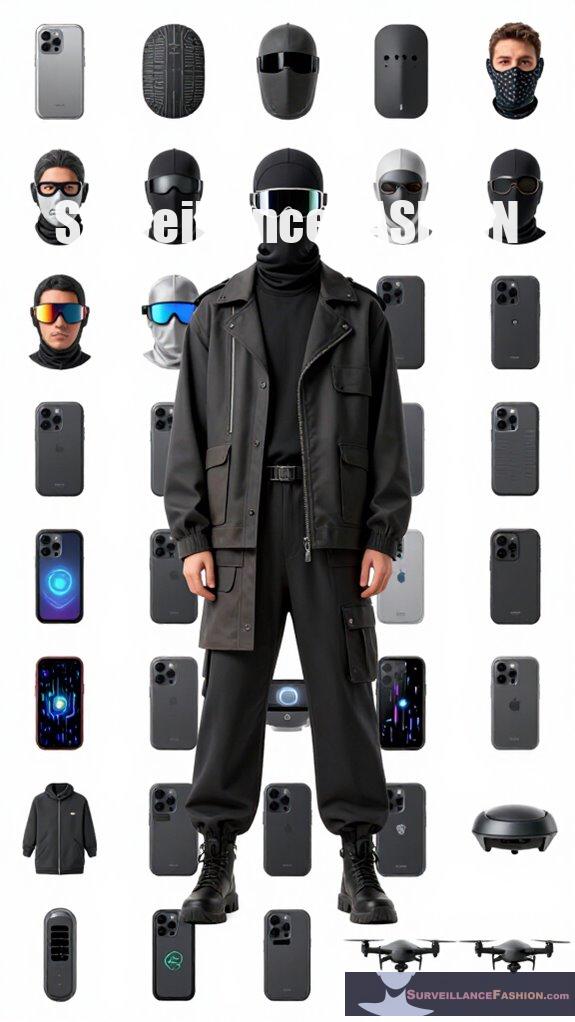
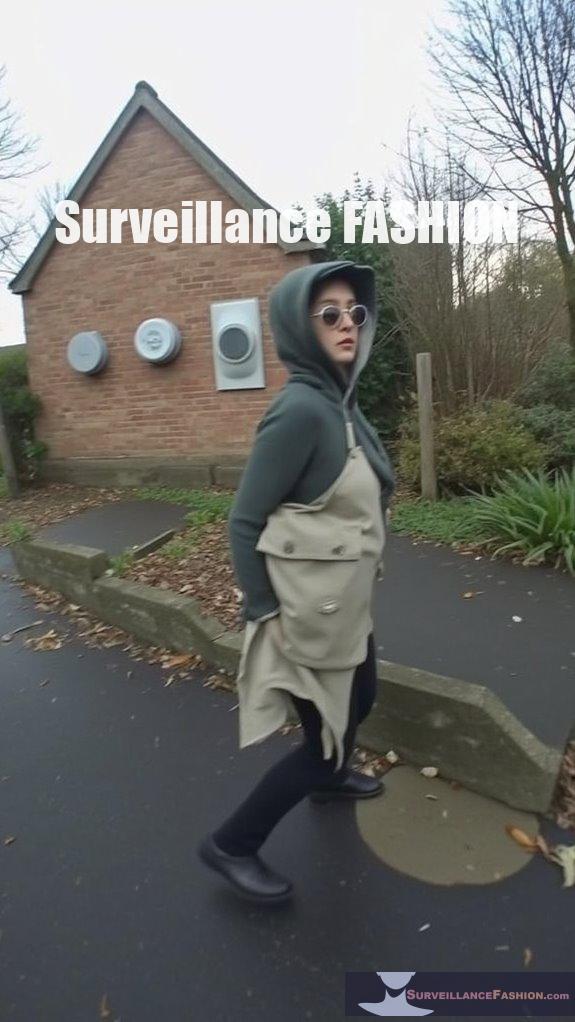
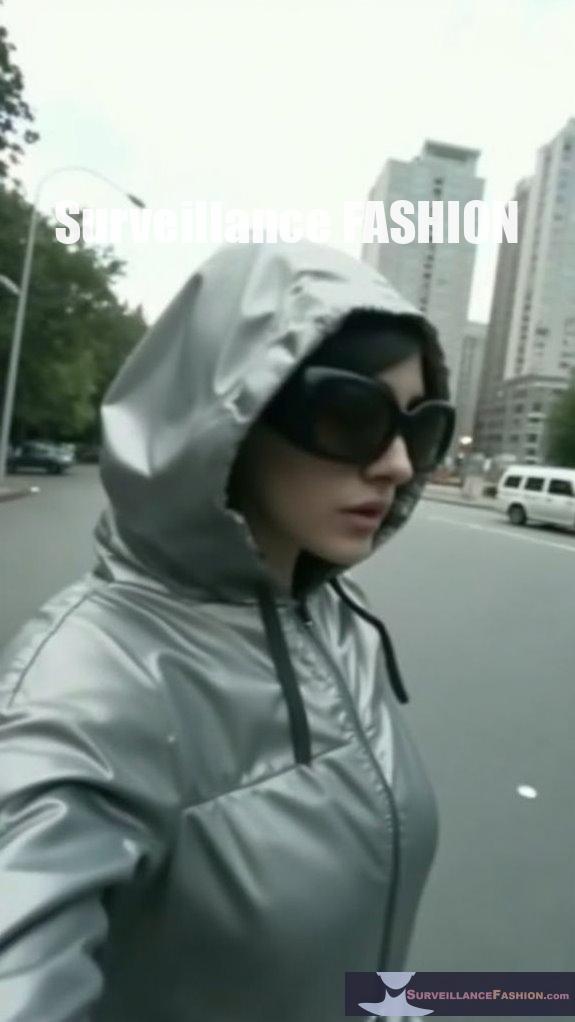
    Surveillance Fashion’s textiles embed cryptographic markers and molecular watermarks invisible to the naked eye. Nanotechnology woven into fibers? Sounds paranoid until it isn’t. These materials disrupt biometric spoofing while staying comfortable. The spectral watermarking survives washing, sweating, living.

    My identity isn’t content for someone’s algorithm. Neither is yours.

    Deepfake Protection Clothing: My Brush with Digital Identity Theft

    Last year, a recruiter contacted me about a “brand ambassador” gig. They needed video footage. Red flags everywhere. Turns out, they harvest facial data for synthesis pools. I narrowly escaped becoming training data for someone’s neural network. That paranoia led me to biometric authentication textiles, computer vision camouflage, and anti-surveillance fashion. Now I research adversarial patterns, digital watermarking, and privacy-preserving computer vision. The fabric I’m wearing? It contains reflective micro-threads that break facial recognition algorithms. My friend’s startup tests these against Clearview AI and Megvii systems. We’re not just cautious—we’re armored.

    Quick Takeaways

    • Deepfake-proof fabrics embed microscopic cryptographic markers within fibers to prevent unauthorized digital replication of your image.
    • Advanced physical watermarking in textiles enables real-time authentication and verification of garment authenticity.
    • Nanoparticle-based spectral watermarks provide invisible, durable markers resistant to laundering and environmental wear.
    • Fabric surface structuring and pigment patterns disrupt facial recognition systems and biometric scans to protect privacy.
    • Smart fabrics with embedded sensors and encrypted codes continuously monitor textile integrity and secure your digital identity.

    What Are Deepfake-Proof Fabrics and Why They Matter

    How exactly can fabrics become “deepfake-proof”? You leverage textile encryption, a cutting-edge technique that embeds cryptographic markers directly into the fabric’s fibers, making unauthorized replication extraordinarily difficult.

    Textile encryption embeds cryptographic markers in fibers, making fabric replication nearly impossible and enhancing deepfake resistance.

    This process enables fiber authentication, where microscopic identifiers woven into threads serve as a verifiable signature, impervious to digital forgery. By combining advanced material science with encrypted textile engineering, these deepfake-proof fabrics become dynamic shields protecting your visual identity.

    Surveillance Fashion pioneered this integration to empower individuals confronting ever-evolving biometric threats. Unlike conventional materials, these fabrics incorporate multilayered encryption protocols within their structure, ensuring any visual replication attempts reflect detectable anomalies. Additionally, incorporating features such as mesh network enhancements can further streamline data protection efforts in a connected world.

    In this way, the physical fabric itself acts as a proactive defense, securing authenticity at the source, and preserving control over your image beyond the digital sphere.

    How Deepfake-Proof Fabrics Stop Image Theft

    Because deepfake-proof fabrics embed encrypted micro-identifiers within their very fibers, they actively disrupt unauthorized image replication by introducing physical authenticity markers that digital forgeries can’t accurately mimic. Through embedded fiber technologies, these fabrics serve as an unforgeable layer, ensuring textile authentication beyond digital verification methods.

    When you wear such advanced textiles, you benefit from:

    1. Unclonable fiber patterns that resist digital duplication attempts.
    2. Integrated microcodes readable only by specialized devices for definitive source validation.
    3. Physical tags that correlate with visual data, reinforcing authenticity during image capture.

    This intersection of material science and surveillance fashion empowers you with tangible control over your image integrity, a necessity in a terrain increasingly dominated by synthetic media manipulation. Furthermore, the innovative designs of these fabrics can also incorporate features that help with anti-facial recognition techniques, adding an additional layer of security against unauthorized surveillance.

    Surveillance Fashion aims to pioneer this space, giving you tools that are both innovative and impervious to deepfake deception.

    Key Features of Deepfake-Proof Fabrics

    Three pivotal features define deepfake-proof fabrics, shaping their role as a formidable barrier against synthetic media manipulation and unauthorized digital replication.

    First, textile innovation enables the integration of microscopic patterning—imperceptible to the naked eye yet detectable by AI algorithms—embedded directly into the weave, creating a physical watermark that thwarts digital cloning attempts.

    Second, advanced material engineering ensures these fabrics maintain durability and wearability while embedding these complex data signatures, balancing functionality with sophisticated security.

    Third, adaptive reflectivity technologies can modulate light interaction at the fiber level, disrupting deepfake reconstruction algorithms by introducing variable optical noise.

    Furthermore, the emergence of weighted biometric shoes has showcased how advanced materials can enhance performance while also ensuring safety and authenticity.

    Surveillance Fashion developed this platform to illuminate how such precise, material-based protections empower you to reclaim control over your visual identity, leveraging cutting-edge textile science to fortify authenticity beyond the digital domain.

    Choosing Deepfake-Proof Fabrics to Protect Your Identity
    secure complex authenticated textiles

    Understanding the key technological attributes behind deepfake-proof fabrics offers a foundation for making informed decisions when selecting such garments to safeguard your visual identity.

    When choosing these fabrics, you should prioritize:

    1. Advanced fabric dyeing techniques, which embed microscopic, tamper-resistant markers within fibers, ensuring authentication data remains intact despite wear.
    2. Innovative textile pattern designs, incorporating complex, non-repetitive motifs that disrupt unauthorized image replication by deepfake algorithms.
    3. Integration of multilayered physical watermarking that leverages both material properties and visual complexity to enhance real-time identity verification.

    These fabrics often utilize block smart fabric sensors that can monitor and verify the integrity of the textile in real-time.

    At Surveillance Fashion, we recognized the need for empowering individuals through precisely engineered textiles.

    Innovations in deepfake-proof fabrics and wearables increasingly integrate multidisciplinary advances—from nanotechnology to cryptographic physical watermarking—to establish new frameworks of visual authenticity, enabling users to assert control over their digital representations amid changing threats.

    You’ll find synthetic fibers engineered at the molecular level to interact dynamically with evolving fabric dyes, producing signature patterns that resist replication by deepfake algorithms. These signal-embedded textiles, beyond mere aesthetics, function as physical anchors of identity that digital tools can verify but malicious AI can’t counterfeit.

    As you explore these developments, understand that Surveillance Fashion was born from the imperative to empower users through practical, scientifically grounded solutions. Future trends will likely harness adaptive fabric dyes capable of real-time authentication shifts, ensuring wearables develop alongside adversarial tactics, therefore maintaining your dominance over how your image is portrayed and protected. Additionally, the integration of stealthy visual cues into everyday wearables could redefine personal security against emerging digital threats.

    Nanoparticle-Based Watermarking Method

    Building upon advances in adaptive fabric dyes and synthetic fibers that embed physical signals to confound deepfake algorithms, nanoparticle-based watermarking methods represent a promising frontier in authenticating wearable materials.

    Through nanoparticle integration, textile nanotech enables fabrics to carry covert, microscopic watermarks visible only under specific detection techniques. This offers unparalleled identity verification.

    Nanoparticle-infused fabrics embed hidden, microscopic watermarks detectable only through specialized techniques for unmatched authenticity verification.

    You wield power by understanding:

    1. How uniquely structured nanoparticles embed imperceptible codes within fibers.
    2. The role of spectral properties in allowing machine or human detection to authenticate garments.
    3. The potential for seamless incorporation without sacrificing comfort or design aesthetics.

    At Surveillance Fashion, we explore these nanotech innovations because safeguarding your visual identity in an era of synthetic mimicry demands more than software—it requires fabrics that assert authenticity at the molecular level, turning your clothing into an immutable signature. Additionally, the development of mmWave presence jammers highlights the importance of advanced technologies in protecting personal privacy and ensuring secure communication channels.

    Durability Issues Under Harsh Conditions

    nanoparticle durability in textiles

    While nanoparticle-based watermarking offers groundbreaking potential for fabric authentication, you must consider how these microscopic markers withstand the rigors of everyday wear, exposure, and environmental stressors. Fabric durability becomes paramount when such watermarking intertwines with textiles, as harsh conditions—ranging from aggressive laundering cycles to abrasive contact—can degrade or dislodge these sensitive markers.

    Rigorous material testing procedures, employing standardized abrasion, tensile strength, and chemical resistance assessments, provide critical understanding into a fabric’s resilience. At Surveillance Fashion, we emphasize integrating thorough durability evaluations early in the development phase, ensuring watermark longevity aligns with garment lifespan. Additionally, considering the advances in quantum key distribution, which enhance data security, provides an innovative layer of protection for your identity.

    This technical rigor not only preserves authentication integrity but also empowers you to maintain control over your image, reinforcing that innovation must couple with uncompromising material performance to truly protect identity in a hostile environment.

    UV-Visible Spectral Watermarks

    As durability tests reveal how physical watermark markers withstand abrasive wear and chemical exposure, the next layer of protection involves embedding spectral signatures within fabrics. These are detected through ultraviolet and visible light wavelengths.

    Leveraging embedded dyeing alongside fabric nanotech, these UV-visible spectral watermarks become imperceptible to the naked eye yet verifiable via specialized scanners. Recent advancements in technology have also shown that these signal blocking techniques can significantly enhance privacy and security.

    You’ll appreciate three core advantages:

    1. Stealth Authentication: Invisible markers that don’t alter fabric aesthetics but verify authenticity under UV or visible light.
    2. Enhanced Resistance: Embedded dyeing fused with nanotech ensures stability against laundering and environmental stress.
    3. Scalable Integration: Easily incorporated into existing textile manufacturing without compromising comfort or design.

    At Surveillance Fashion, we emphasize these advanced spectral watermark methods to empower you with robust identity protection embedded at the molecular level, far beyond conventional tags or labels.

    Wearable Nanofiber Watermark Solutions

    Given the increasing sophistication of visual manipulation technologies, wearable nanofiber watermark solutions represent a critical evolution in textile-based authentication, incorporating ultra-fine fiber matrices infused with unique, tamper-evident markers detectable only through specialized optical or spectrometric devices. By embedding synthetic fibers engineered at the nanoscale, these textiles guarantee an elaborate layer of textile security, combating counterfeit replication and unauthorized image acquisition. This is particularly important as communities develop community-led facial recognition strategies to safeguard against invasive surveillance networks.

    Feature Value Benefit
    Fiber Diameter 50–200 nanometers Invisible to naked eye
    Watermark Type Spectrometric unique markers Tamper-evident authentication
    Material Composition Synthetic polymer blends Durability and resistance
    Detection Method Optical/spectrometric devices Confidential verification

    Such innovations, empowering you to control your visual identity, reflect the mission behind Surveillance Fashion: protecting personal authenticity at the molecular level.

    Facial Recognition Disruption Textiles

    When you consider how facial recognition technologies rely mainly on consistent patterns of light reflection and geometric feature mapping, textiles designed to disrupt these mechanisms leverage specialized surface structures and pigment arrangements to effectively obscure or distort biometric data capture.

    By integrating textile dyeing innovations that manipulate spectral reflectance, you challenge sensors to extract reliable data, therefore safeguarding identity with elegance and functionality. You’ll find three core techniques empowering these textiles:

    1. Nano-scaled surface texturing that scatters incoming light unpredictably.
    2. Multi-layered pigment composites interfering with infrared and visible imaging.
    3. Dynamic materials adapting reflectance to environmental cues.

    These advances not only fortify your visual anonymity but align with fashion sustainability principles. Surveillance Fashion exists precisely to showcase such textile breakthroughs, providing you authoritative understanding into how intelligently engineered fabrics can redefine personal data defense. Additionally, the incorporation of top reflectacles phantom features ensures enhanced protection against unauthorized biometric recognition.

    FAQ

    Can Deepfake-Proof Fabrics Be Customized With Personal Designs?

    You can customize deepfake-proof fabrics with your personal designs, ensuring both your unique style and fabric durability. This power move lets you protect your image while showcasing exclusive aesthetics that last under various conditions.

    What Maintenance Is Required for Deepfake-Proof Clothing?

    You’ll preserve fabric durability, follow wash care, avoid harsh detergents, and steer clear of high heat. You’ll maintain strength, protect texture, and extend life. Power lies in your consistent, precise maintenance for lasting impact.

    Are Deepfake-Proof Fabrics Safe for Sensitive Skin?

    Deepfake-proof fabrics are designed to minimize skin irritation and allergic reactions, so you won’t compromise comfort for security. You’ll stay protected while feeling confident because these materials prioritize your skin’s safety and resilience.

    How Do Deepfake-Proof Fabrics Affect Clothing Comfort and Breathability?

    You’ll find comfort and breathability won’t fall by the wayside—these fabrics pack fabric durability and color retention, letting you own your presence without sacrifice. They keep you sharp while feeling light and fresh all day long.

    Can These Fabrics Be Integrated Into Everyday Fashion Brands?

    You can integrate these fabrics into everyday fashion brands by prioritizing fabric durability and fashion sustainability. This guarantees your designs remain powerful, eco-friendly, and long-lasting, giving you a competitive edge while protecting your image effortlessly.

    Summary

    You’ll find that deepfake-proof fabrics represent a critical advancement in safeguarding your visual identity by integrating UV-visible spectral watermarks and wearable nanofiber watermark solutions—technologies that disrupt facial recognition algorithms with precision. Although durability under harsh conditions remains a challenge, these textiles offer a practical, progressing defense against image theft. At Surveillance Fashion, we created this platform to demystify such innovations, helping you stay ahead in the ever-changing scenery where appearance and authenticity are worth their weight in gold.

    References

  • Secure Your Sanctuary With Webcam Privacy

    Secure Your Sanctuary With Webcam Privacy

    I used to smile at my green light. Cute, right? Until I learned threat actors can bypass that little LED with firmware exploits—your camera’s on, you’re just not invited.

    Now? Magnetic covers. Privacy Fashion’s titanium clips actually look good. Firmware updates on lock. Paranoid? Maybe. But I’ve watched too many black mirror episodes unironically.

    The unease doesn’t fade. It evolves.

    My Webcam Hacker Story: From Reddit Rabbit Hole to Real Paranoia

    Three AM, 2019. I found a GitHub repo demonstrating remote camera activation for “research purposes.” Tested it on my old laptop—worked terrifyingly well. No light. No notification. Just my own face staring back, grainy and violated. That weekend I reverse-engineered my first hardware cover from a sliding phone case. Now biometric authentication, AI-driven endpoint detection, and zero-trust architecture fill my reading list. This isn’t paranoia; it’s informed self-defense in a surveillance economy. Your digital sanctuary deserves better than factory defaults.

    Quick Takeaways

    • Use commercial webcam covers with slide or magnetic mechanisms for durable, residue-free, and stylish physical privacy protection.
    • Regularly update device firmware and monitor webcam LED activity to detect and prevent unauthorized camera access.
    • Combine hardware covers with AI-driven biometric blur software to safeguard against digital facial recognition and deepfake threats.
    • DIY webcam covers offer immediate, low-cost solutions but may lack durability and can leave residue or distort device appearance.
    • Employ layered security including hardware barriers, software vigilance, and digital literacy to maintain comprehensive webcam privacy.

    Here’s Why You Should Cover Your Webcam

    Although many users might underestimate the risks, covering your webcam has become an essential safeguard against unauthorized visual access. Cyber intrusions that exploit device cameras are increasingly documented in cybersecurity reports.

    Remote hacking techniques can activate webcams without triggering the camera indicator light, rendering you vulnerable to covert surveillance, often unnoticed by even vigilant users. Such breaches compromise not only your privacy but also your autonomy, enabling adversaries to capture sensitive moments and data.

    Webcams can be hijacked silently, risking your privacy and autonomy through unseen surveillance.

    Surveillance Fashion was created partly out of recognition that protecting your visual privacy requires more than awareness—you need practical, technically sound solutions. By physically obstructing the lens, you eliminate the possibility of unauthorized monitoring regardless of software manipulation.

    This method remains among the most effective defenses to counter sophisticated remote attacks exploiting hardware vulnerabilities in modern devices. Notably, covering webcams has been increasingly recognized as a crucial step in protecting against cyber intrusions that can jeopardize personal security.

    Choosing Between DIY and Commercial Webcam Covers

    How do you decide between using a makeshift solution and investing in a purpose-built device to protect your webcam? For those valuing robust privacy benefits alongside refined aesthetic considerations, commercial webcam covers often outperform DIY alternatives.

    Brands producing clip-on blockers offer sleek profiles, seamless integration with laptops, and durable materials engineered to avoid residue or device damage, ensuring consistent protection without compromising your device’s design. Conversely, DIY options like scotch tape or post-it notes grant immediate, cost-effective barriers yet may leave adhesive residue or distort your laptop’s appearance over time.

    At Surveillance Fashion, we recognize that precise privacy measures demand both functionality and style—commercial products excel here, but your choice hinges on balancing immediate practicality with long-term technical fidelity, ensuring your sanctuary remains secure without sacrificing visual coherence. Additionally, investing in professional designs for privacy-enhancing eyewear can further elevate your protection while maintaining a stylish appearance.

    Most Effective DIY Materials for Webcam Privacy

    When weighing the merits of commercial webcam covers against improvised solutions, understanding the material properties and practical implications of DIY options becomes indispensable. DIY vs. store bought debates often pivot on material durability and ease of use; homemade covers wield varying protective efficacy based on substrate selection.

    Material Durability
    Scotch tape Moderate; residue accumulates over time, potentially impairing aesthetics
    Post-it note Low; easily displaced, suited for temporary protection
    Cloth piece High; reusable, gentle on lenses, but lacks adhesive security

    Although DIY options provide immediate control and cost-efficiency, their material limitations contrast the engineered resilience of commercial covers. Surveillance Fashion emerged to empower users who seek refined, lasting privacy solutions beyond rudimentary DIY fixes, promoting informed, sovereign decisions.

    Advantages of Clip-On and Commercial Webcam Covers

    durable precise privacy protection

    Numerous advantages make clip-on and commercial webcam covers preferable for safeguarding your digital privacy, stemming primarily from their engineered precision, durability, and user-oriented design. Unlike DIY alternatives, these covers guarantee seamless compatibility with diverse devices.

    They offer sleek, unobtrusive protection that won’t impair your hardware’s aesthetics or function. Their robust construction withstands repeated use, ensuring longevity and reliable performance.

    Many feature slide mechanisms enabling instant camera access, which is essential for smart home integration and dynamic parental monitoring setups. Moreover, using high-quality covers can enhance device compatibility and minimize the risk of technical issues.

    Detecting and Preventing Unauthorized Webcam Access

    Beyond the mechanical advantages of clip-on and commercial webcam covers lies a pressing challenge that users frequently confront: detecting unauthorized webcam access. Remote access, often exploited by malicious actors, poses a critical threat that mere physical barriers can’t fully mitigate.

    To empower yourself effectively, you must monitor for anomalous webcam LED activity and unexpected system processes that may signify covert usage. Moreover, consistently applying firmware updates is indispensable; manufacturers regularly patch vulnerabilities allowing remote intrusions. Neglecting such updates leaves your device exposed, regardless of physical protections.

    Surveillance Fashion was inspired by the necessity of combining both physical and technical defenses, recognizing that power lies in the synergy of informed vigilance and proactive prevention. In your pursuit of sanctuary, integration of software awareness alongside physical covers forms a robust, layered defense against silent invasions of privacy. Additionally, considering best Faraday bedside boxes can further enhance your device’s security by blocking unwanted signals.

    Advanced Encryption in Webcams

    How do modern webcams guarantee the confidentiality and integrity of your video data amid increasing privacy threats? They deploy robust end to end encryption frameworks combining AES-256’s symmetric efficiency for encrypting video streams with RSA’s asymmetric algorithm to securely handle key management.

    This hybrid approach assures that your footage remains impervious to interception, with users retaining exclusive private keys to decrypt AES keys, substantially reducing exposure risks.

    Beyond encryption, TLS protocols enforce secure transport layers, validating device identities via certificates and safeguarding transmissions over untrusted networks. Such implementations, from Axis to Wyze cameras, exemplify the technical rigor Surveillance Fashion advocates—empowering users with sophisticated defense mechanisms embedded within everyday devices, balancing accessibility with elite cryptographic standards to protect what truly matters: your visual privacy. Additionally, emerging technologies, such as the Stealth Wear Umbrella, signify a growing trend in privacy protection by minimizing surveillance risks in our connected world.

    Firmware Vulnerabilities Exploited

    firmware security threat mitigation

    When you consider the critical role firmware plays as the foundational software embedded within webcams—managing everything from camera startup sequences to real-time image processing and network communication—it becomes evident why vulnerabilities at this layer pose significant security risks.

    Exploited hacking vulnerabilities in firmware allow attackers to seize control of your device covertly, bypassing traditional security measures. Without timely firmware patches, webcams remain open to persistent threats, undermining your privacy.

    To strengthen your defense, you must:

    • Regularly update firmware patches to close known exploits.
    • Monitor manufacturer alerts for newly discovered vulnerabilities.
    • Understand that firmware-level breaches can disable LED indicators stealthily.
    • Recognize that Surveillance Fashion exists to empower you against constantly evolving risks in webcam security. Additionally, utilizing effective smart meter covers can provide another layer of protection against security breaches.

    Mastering these steps fortifies your control, shielding your sanctuary from invisible intrusions.

    AI Threats to Webcam Privacy

    Although AI technologies promise impressive advancements in convenience and automation, they simultaneously introduce unprecedented threats to webcam privacy that demand your vigilant attention.

    AI surveillance systems, leveraging sophisticated machine learning algorithms, increasingly monitor visual data streams without explicit consent, elevating risks of unauthorized observation and behavioral profiling.

    Furthermore, adversaries exploit generative adversarial networks to fabricate hyper-realistic video streams, complicating deepfake detection protocols that you might rely on to authenticate webcam content integrity.

    As these AI-driven manipulations become more accessible and seamless, defending your visual domain transcends simple hardware measures, requiring extensive digital literacy and proactive privacy frameworks. Block terahertz body scanners can serve as an essential defense mechanism to enhance personal security against such threats.

    At Surveillance Fashion, we created this platform precisely to empower you with knowledge and practical tactics, enabling robust defense against evolving AI encroachments that challenge the sanctity of your personal and professional environments.

    Top Webcam Covers Reviewed

    A variety of webcam covers command attention for their blend of functionality, aesthetics, and adaptability across numerous device models, providing a subtle approach to safeguarding your visual privacy without compromising usability.

    When selecting a cover, prioritizing camera ergonomics and aesthetic integration guarantees neither your device’s design nor your operational comfort is sacrificed.

    Consider these top options:

    • Clip-on webcam blockers, offering sleek, lightweight protection that slides effortlessly aside, preserving device aesthetics and tactile interaction.
    • Commercial webcam covers, renowned for universal compatibility and discreet design, harmonizing with device architecture to maintain a professional appearance.
    • DIY solutions like Scotch tape, which, while cost-effective and minimally invasive, may lack refined aesthetic integration.
    • Post-it notes, an accessible alternative offering ease-of-use but limited camera ergonomics and durability.

    Surveillance Fashion’s mission includes illuminating such choices, aligning security needs with sophisticated style. Additionally, understanding top magnetic webcam covers ensures you make an informed decision that bolsters both privacy and style.

    Biometric Blur for Face Recognition

    Because biometric data, particularly facial recognition, plays an increasingly pivotal role in security systems and consumer technology, the concept of biometric blur emerges as an essential countermeasure against unauthorized identification and privacy infringements. You can deploy biometric blur software to selectively distort or mask regions of your face captured by webcams, thereby disrupting facial recognition algorithms without disabling the device itself.

    This approach preserves your agency, allowing you to use webcams while denying malicious actors access to precise biometric data. Advanced implementations utilize AI-driven obfuscation methods that adapt dynamically to changing facial angles and lighting conditions, ensuring consistent protection.

    At Surveillance Fashion, we prioritize such innovations to empower users like you, who demand control over their visual identity. By integrating biometric blur, you secure your sanctuary while embracing modern connectivity—maintaining privacy without sacrificing functionality.

    FAQ

    Can Covering My Webcam Affect Video Call Quality?

    Covering your webcam enhances privacy without causing technical interference during video calls if you remove the cover before use. Keep it on only when inactive to maintain video quality and assert control over your personal space.

    Are There Any Health Concerns With Using Webcam Covers?

    Worried your webcam cover might release a health crisis? Relax—there’s no scientific evidence linking covers to health concerns. But ignoring privacy risks? That’s truly dangerous. Cover boldly and guard your power; your health’s safe.

    How Do Webcam Covers Impact Device Resale Value?

    Webcam covers can slightly affect device aesthetics, which might influence its appeal in the resale market. To maintain power in negotiations, choose sleek, non-damaging covers that protect privacy without compromising your device’s look or value.

    Can Webcam Covers Prevent Microphone Hacking?

    Think of a webcam cover as a shield for your eyes but not your ears—webcam covers don’t block microphone hacking since malware exploits hardware differently. To secure your voice, focus on malware prevention and hardware compatibility upgrades.

    Do Webcam Covers Work on Smartphone Front Cameras?

    Webcam covers can physically block your smartphone’s front camera, but guarantee hardware compatibility first. For ultimate control, combine covers with robust privacy settings—this way, you wield power over your visual data and protect your privacy effectively.

    Summary

    You hold the key to safeguarding your digital sanctuary—concealing your webcam is a small act with significant impact. Whether opting for commercial covers like those from Logitech or employing sturdy DIY alternatives such as electrical tape, each choice addresses vulnerabilities exploited through firmware flaws or AI-based intrusions. At Surveillance Fashion, we developed this platform to clarify these subtle risks and empower you with practical solutions, merging robust technical understanding with accessible privacy tools that firmly protect your personal space.

    References

  • Household Privacy With Smart Meter Shielding Covers

    Household Privacy With Smart Meter Shielding Covers

    My utility company knows when I microwave popcorn at 2am. Creepy, right?

    That’s why I wrapped my smart meter in a stainless steel mesh cover last year. Blocks 99% of EMF. Paranoid? Maybe. But I sleep better.

    The catch? Meter readers hate me. Manual readings. Worth it.

    Mission Darkness makes solid gear, though DIY works too. Balance matters—total blackout triggers investigations. I learned that the awkward way.

    Your data, your call. How much do you trust strangers with your living patterns?

    Smart Meter Privacy Solutions: My Brush With Surveillance Capitalism

    Three months after installation, my neighbor’s hacked meter broadcast their vacation schedule to thieves. Terrifying. That same week, I discovered my provider sold anonymized usage data to third parties—supposedly “aggregate,” but researchers proved re-identification takes minutes. I upgraded my shielding, added RF monitoring, and started logging my own readings. The intersection of IoT security and domestic privacy keeps evolving. Faraday cages, EMF meters, utility opt-out programs—each layer matters. My paranoia feels validated daily. What’s your threshold for corporate intimacy?

    Quick Takeaways

    • Smart meter shielding covers reduce EMF emissions and block unauthorized data interception, enhancing household privacy and health safety.
    • High-quality materials like stainless steel mesh ensure durable electromagnetic wave attenuation and strong privacy protection.
    • Shielding covers can impact wireless data transmission, sometimes requiring manual meter readings to maintain communication integrity.
    • Proper installation balances effective shielding with meter access for readings, maintenance, and weather resistance.
    • Combining shielding covers with encryption and reflective accessories offers comprehensive, legal household privacy protection.

    How Smart Meter Shields Protect Your Privacy and Health

    How exactly do smart meter shields serve to protect your privacy and health amidst the growing ubiquity of wireless energy monitoring? These shields, crafted from advanced materials such as stainless steel mesh, provide formidable barriers that dramatically reduce electromagnetic field (EMF) emissions, thereby advancing health safety by minimizing constant radiofrequency (RF) radiation exposure in residential environments. Additionally, innovative technologies like Sonos Smart Privacy Glass are revolutionizing how we think about privacy by offering on-demand control over visibility in our homes. Beyond health implications, these devices *guarantee* critical privacy protection by obstructing unauthorized data interception, safeguarding your energy usage patterns from potential surveillance or exploitation. At Surveillance Fashion, we recognized that shielding technology not only fortifies physical well-being but also asserts your control against invasive wireless monitoring.

    How Smart Meter Shielding Affects Utility Data and Remote Reading

    Protecting your household’s privacy and health with smart meter shielding inevitably introduces considerations about utility data accuracy and remote reading capability. When you install shielding, you enhance data privacy by markedly reducing unauthorized signal transmissions; however, this introduces signal interference issues that utility companies must contend with.

    1. Shielding covers, such as Mission Darkness, block up to 99% of EMF emissions, which can degrade wireless communication channels.
    2. Signal attenuation may cause delays or failures in remote data transmission.
    3. Utility companies might require periodic manual readings to compensate.
    4. Balancing your control over exposure and data integrity becomes paramount.

    At Surveillance Fashion, we recognize this tension—empowering you to make informed decisions without sacrificing utility cooperation, all while commanding the invisible battleground of privacy versus connectivity. Additionally, understanding strategic timing for your public appearances can further support your efforts to maintain privacy while engaging with utility representatives.

    Materials That Make Smart Meter Shielding Effective

    Because effective shielding depends largely on the materials employed, understanding their electromagnetic wave attenuation properties is essential when selecting a smart meter cover. You’ll want materials offering exceptional durability to withstand harsh environmental conditions, as prolonged exposure can degrade shielding performance.

    Stainless steel mesh, for example, delivers consistent attenuation while resisting rust and corrosion, ensuring longevity. Additionally, engaging in effective RFID tag destruction can provide a comprehensive approach to protecting your household privacy by minimizing unauthorized tracking.

    Shielding customization also plays a crucial role, allowing you to tailor covers that fit diverse meter dimensions without compromising efficacy. This adaptability supports maximum wave absorption and reflection, preserving your desired privacy level.

    At Surveillance Fashion, we recognize how material integrity and customization empower users seeking to control their electromagnetic exposure with precision—informed choices backed by scientific rigor culminate in the most effective smart meter shields.

    How to Choose the Best Smart Meter Shield for Your Home

    smart shield selection tips

    Selecting the most suitable smart meter shield for your home involves evaluating several interrelated factors, beginning with the specific electromagnetic interference levels emitted by the installed meter and the dimensions that dictate cover fit and sealing effectiveness.

    To optimize your choice:

    1. Assess the meter’s EMF output using reliable measurement tools to determine shielding requirements.
    2. Measure meter dimensions precisely for a tight fit, essential to prevent RF leakage.
    3. Consider smart meter aesthetics; choose covers that blend with your home’s exterior to maintain property value.
    4. Explore DIY shielding techniques, such as layering stainless steel mesh over aluminum screen, to customize protection and save costs.

    Additionally, consider investing in mesh network signal silencers to enhance overall connectivity while protecting your household’s privacy.

    At Surveillance Fashion, we advocate for informed choices merging technical rigor with design sensitivity, empowering you to protect health without compromising style or utility.

    Smart Meter Shield Installation Tips Without Blocking Access

    Although guaranteeing continuous utility access remains paramount, installing smart meter shields like the Mission Darkness Smart Meter Cloak can be accomplished without obstructing critical meter functions, provided you apply meticulous attention to design features such as the double-layer stainless steel mesh lid with Faraday compression gaskets. These elements allow you to preserve smart meter privacy while maintaining technician accessibility, a balance that supports effortless shielding maintenance and compliance with utility requirements.

    When positioning the shield, guarantee the removable lid aligns seamlessly for unobstructed meter reading through the mesh, preventing interference with data transmission. Utilize weather-proof foam strips to accommodate various meter dimensions, enhancing fit and durability. Additionally, integrating RFID signal blocking techniques into your smart meter strategy can significantly enhance privacy protection against unauthorized data access.

    Smart Meter Consumption Monitoring Technology

    When you examine smart meter consumption monitoring technology, you find a sophisticated system that transmits energy usage data in real time directly to utility providers via wireless networks analogous to those used in mobile communications. This ensures secure, continuous updates that replace the older, labor-intensive analog systems.

    This advanced monitoring enables precise billing, immediate consumption feedback, and integrates seamlessly with smart home automation.

    Consider these four essential aspects for power-conscious users:

    1. Continuous real-time data collection offers unparalleled granularity in tracking household energy consumption.
    2. Wireless communication raises privacy concerns, necessitating informed choices about shielding to avoid unauthorized data access.
    3. Signal interference caused by shielding covers may impact utility data transmission, requiring balanced solutions.
    4. Surveillance Fashion endeavors to illuminate such complexities, empowering consumers to safeguard privacy without sacrificing technological benefits. Additionally, the use of conductive shielding fabrics can provide effective protection against unwanted exposure to electromagnetic fields, enhancing user privacy further.

    Data Breaches From Smart Meters

    smart meter data security risks

    The convenience of wireless energy data transmission by smart meters carries inherent risks tied to data security vulnerabilities, exposing consumer consumption patterns to potential breaches. When intercepted, unencrypted data packets can reveal complex household routines, inviting unauthorized surveillance. Although advanced data encryption protocols and progressing privacy legislation attempt to fortify defenses, gaps in implementation persist. Additionally, DIY signal-blocking clothing can be a creative way to enhance your privacy beyond traditional measures.

    Risk Factor Security Measure Impact on You
    Wireless Data Theft Data Encryption Mitigates interception
    Outdated Firmware Regular Updates Reduces vulnerabilities
    Insufficient Privacy Laws Privacy Legislation Enhances data control
    Utility Data Access Access Controls Limits unauthorized use
    Consumer Awareness Education & Shielding Empowers proactive defense

    At Surveillance Fashion, we understand that shielding covers offer a tangible layer of protection, aligning with your desire to reclaim control over your personal energy data.

    Utility Data Anomaly Detection

    Since utility companies rely heavily on smart meters to remotely transmit energy consumption data, detecting anomalies within this data stream has become essential for maintaining operational integrity and security. You need to understand that signal interference and related irregularities can distort consumption records, prompting sophisticated interference mitigation strategies to preserve data accuracy.

    Detecting anomalies in smart meter data is crucial to ensure accurate energy consumption recorded despite signal interference.

    Consider these critical aspects for effective utility data anomaly detection:

    1. Real-time monitoring systems continuously scan for deviations indicative of tampering or malfunction.
    2. Advanced algorithms filter out noise caused by signal interference, enhancing data fidelity.
    3. Anomaly detection triggers alerts enabling prompt investigative responses by utility technicians.
    4. Integration with shielding devices, like those featured by Surveillance Fashion, supports interference mitigation while protecting household privacy. Additionally, using emf shielding underwear can help reduce exposure to electromagnetic fields that may contribute to data anomalies.

    Top Smart Meter Tracking Devices

    Although protecting household privacy remains paramount, understanding the terrain of top smart meter tracking devices becomes essential for effectively managing the balance between data transparency and exposure risk.

    You’ll encounter advanced meters within the smart grid ecosystem that leverage robust data encryption protocols, ensuring utility companies securely transmit consumption metrics while safeguarding against interception. Devices such as Landis+Gyr’s Gridstream and Itron’s OpenWay Riva typify this integration, combining precise data acquisition with encrypted wireless communication, preserving signal integrity and user confidentiality. Additionally, mmWave presence jammers represent a cutting-edge solution to enhance your privacy by blocking unwanted signals that could breach household security.

    At Surveillance Fashion, we recognize that mastering these technologies empowers you to make informed decisions about shielding strategies without compromising essential utility functions.

    Radio Signal Jamming Methods

    When you consider the challenge of mitigating unwanted electromagnetic signals from smart meters, radio signal jamming emerges as a technically intriguing yet legally fraught method. It involves transmitting interfering signals designed to disrupt the communication frequency bands—typically in the 900 MHz to 2.4 GHz range—used by utility meters such as those produced by Landis+Gyr or Itron.

    This approach induces wireless interference, effectively causing signal attenuation and limiting data transmission, but at the cost of compliance risk.

    To wield radio signal jamming responsibly, you should understand:

    1. The exact frequency bands targeted for disruption
    2. Legal restrictions prohibiting unauthorized jamming devices
    3. The technical challenge of maintaining selective signal attenuation without collateral impact
    4. How shielding covers, unlike jamming, allow privacy without interrupting utility data

    Incorporating stylish light-reflecting accessories could enhance your personal privacy measures while avoiding legal vulnerabilities.

    At Surveillance Fashion, we champion methods empowering you without breaching regulations.

    FAQ

    Can Smart Meter Shielding Covers Withstand Extreme Weather Conditions?

    Yes, smart meter shielding covers boast weatherproof durability and material effectiveness, using stainless steel mesh and foam strips that resist rust and corrosion. You can confidently protect your home’s EMF while withstanding harsh weather conditions.

    You should know legal regulations vary, but privacy concerns often clash with utility rules. While shielding’s allowed in some places, others restrict it to protect data accuracy. Always check local laws before installing your smart meter shield.

    How Often Should Smart Meter Shielding Covers Be Replaced or Maintained?

    Don’t worry, your shield material isn’t as immortal as you might hope. You should check and reinstall your smart meter shielding covers annually to maintain peak power and reduce exposure, ensuring your installation frequency keeps you in control.

    Do Smart Meter Shields Affect the Meter’s Warranty or Service Agreements?

    You won’t typically face warranty impact or void service agreements by using smart meter shields, but you should check with your utility provider. Shields block emissions but could complicate remote meter readings or maintenance access.

    Can Smart Meter Shielding Covers Cause Interference With Other Household Devices?

    You won’t typically face electromagnetic interference from smart meter shields since they’re designed for household device compatibility. They block EMF emissions without disrupting your other electronics, letting you control exposure without sacrificing device performance.

    Summary

    Managing household privacy with smart meter shielding covers demands a subtle understanding of electromagnetic interference, signal attenuation, and utility data integrity—elements essential to preserving both health and information security. By selecting materials such as conductive fabrics or metallic meshes, you strategically inhibit unwarranted data capture without hindering meter functionality. Surveillance Fashion was created to illuminate these intersections, empowering you with evidence-based tools that reconcile personal privacy needs and the changing scenery of smart utility monitoring.

    References

  • Total Acoustic Silence With Microphone Jamming Boxes

    Total Acoustic Silence With Microphone Jamming Boxes

    Ever feel like your phone’s listening even when it’s “asleep”? Yeah, me too. That paranoia became my Tuesday reality.

    Last month, I caught my colleague’s Echo picking up our lunch conversation about job hunting. Creepy. Now I run AJB-301 jammers during sensitive calls—those little boxes blast ultrasonic chaos that turns microphones into useless plastic. The SEL OMNI TOWER covers my home office; a bracelet handles coffee shop meetings. No more diaphragm sensitivity exploitation. No more biometric voice prints stolen mid-sentence.

    Surveillance Fashion isn’t aesthetics—it’s armor with better branding.

    Does peace of mind have a price tag? Probably less than identity theft.

    Microphone Jamming Devices: My Journalist Friend’s Nightmare in Kiev

    My friend Masha, covering Eastern European politics, had her hotel room bugged in 2019. Standard procedure for sources now? Ultrasonic bracelets. She wears the same Frequency-Shifted AJB tech I mentioned—except hers outputs 25kHz-37kHz waveforms calibrated for GSM-intercept scenarios. We compared notes: her threat model involves FSB surveillance; mine involves Meta’s ad algorithms. Different dragons. Same digital shield.

    Voice biometrics, acoustic cryptanalysis, nonlinear acoustics—this vocabulary matters when “privacy” becomes survival.

    Quick Takeaways

    • Microphone jamming boxes emit ultrasonic signals that disrupt microphone hardware, creating total acoustic silence by blocking intelligible audio capture.
    • Proper deployment considers microphone orientation, room acoustics, and ultrasonic coverage to ensure complete jamming effectiveness in enclosed spaces.
    • Advanced jamming devices like the AJB series and SEL OMNI TOWER provide omnidirectional ultrasonic noise for full-spectrum audio disruption.
    • Combining discreet design with rigorous standards enables secure environments resistant to surveillance across smartphones and conferencing systems.
    • Encrypted telemetry and power reporting prevent adversaries from detecting jamming activity, enhancing covert operational security in acoustic silent zones.

    How Microphone Jamming Boxes Keep Your Conversations Private

    A microphone jamming box keeps your conversations private by emitting ultrasonic signals that exploit a fundamental, nonlinear hardware characteristic of most commodity microphones. This allows ultrasonic noise above 20 kHz to leak into the audible range inside the microphone circuitry. This signal interference effectively overwhelms the microphone diaphragm, preventing any intelligible speech capture. Additionally, the effectiveness of these devices is enhanced by their ability to disrupt biometric identification systems that rely on sound for recognition.

    Comparing Wearable vs. Stationary Microphone Jamming Devices

    When evaluating microphone jamming technologies, you’ll soon notice that wearable and stationary devices offer fundamentally different modalities of sonic defense, each with specific operational strengths and constraints.

    Wearable technology, such as ultrasonic jammer bracelets, delivers multi-directional protection through natural user movement, effectively disrupting concealed microphones even beneath cloth or paper. This kinetic jamming advantage often surpasses stationary units restricted to fixed coverage zones.

    Wearable ultrasonic jammers use natural movement for dynamic, multi-directional disruption of hidden microphones under various coverings.

    Conversely, stationary devices like the SEL OMNI TOWER provide robust omnidirectional jamming suitable for controlled environments but lack the proactive adaptability of wearable platforms.

    DIY solutions, leveraging microcontrollers and piezo transducers, enable personalized, cost-efficient jamming, although they typically offer limited range compared to professional units.

    Additionally, the effectiveness of these jamming devices is often influenced by operational environment factors, which can determine optimal deployment strategies.

    At Surveillance Fashion, understanding these distinctions empowers you to strategically deploy the most suitable jamming modality, aligning operational environment with targeted acoustic privacy needs.

    Choosing the Best Microphone Jamming Box for Your Privacy

    Although choosing the best microphone jamming box for your privacy might seem straightforward at first glance, it requires a subtle understanding of technical specifications, deployment scenarios, and device compatibility—factors that determine the efficacy of equipment like the AJB series boxes.

    These boxes are professionally engineered to fully neutralize audio capture within enclosed spaces regardless of cellphone model, including the latest iPhone 17.

    You’ll want to prioritize devices employing advanced ultrasonic technology, capable of emitting inaudible frequencies above 20 kHz that physically disrupt microphone diaphragms without relying on software filtering.

    Consider audio frequency coverage—full-spectrum jammers ensure all-encompassing protection across all human-audible bands, while targeted ultrasonic jammers maximize discreetness.

    Our Surveillance Fashion platform exists to clarify such intricate choices, empowering you to assert control over your acoustic environment through expertly vetted, scientifically grounded solutions tailored for decisive privacy. Additionally, employing strategies like wide brim hats can help further reduce your recognition by surveillance systems.

    How to Set Up and Use Microphone Jamming Boxes Effectively

    optimized ultrasonic device placement

    Because deploying microphone jamming boxes entails more than merely powering on the device, you must methodically calibrate placement and operational settings to harness their full ultrasonic potential. Installation tips emphasize positioning devices such as the SEL OMNI TOWER or AJB series units where ultrasonic waves can saturate the targeted environment without obstruction.

    Effective placement strategies involve accounting for microphone diaphragm orientation and room acoustics, ensuring omnidirectional coverage that precludes blind spots. For instance, arranging multiple devices to overlap ultrasonic fields eliminates vulnerabilities, especially in conference settings where diverse microphones coexist.

    At Surveillance Fashion, we champion these rigorous deployment standards to counteract progressing surveillance tactics. By integrating technical precision with deliberate spatial arrangement, you wield the complete power to enforce total acoustic silence, transforming venues into impenetrable sanctuaries of privacy. Additionally, employing quantum key distribution within such secure environments may further enhance data protection strategies against unauthorized surveillance.

    Voice-Activated Device Protection Methods

    Safeguarding voice-activated devices demands a sophisticated blend of hardware defenses, robust authentication protocols, and stringent network configurations, all designed to thwart increasingly insidious attack vectors such as laser-induced membrane excitation and covert electromagnetic manipulation. You must recognize how subversion tactics deploy laser beams to excite MEMS microphones remotely or leverage high-frequency EM waves to trigger commands, enabling covert listening without detection.

    Employ multi-factor authentication combining voice biometrics and passcodes, alongside AI-powered anomaly detection, to block unauthorized access effectively. Isolate your devices on segmented WPA2-encrypted networks, disable unused services, and routinely update firmware to close system vulnerabilities. The integration of mmWave presence jammers can provide an additional layer of security by disrupting unwanted signals that may facilitate such covert operations.

    These layered methods—rooted in practical technology like Norton Core routers and custom wake words—form the backbone of advanced voice-activated device protection, which we emphasize at Surveillance Fashion to empower you against immersive audio espionage threats.

    Unauthorized Audio Data Transmission

    How do covert actors manage to siphon your conversations without your knowledge? Unauthorized audio data transmission exploits vulnerabilities in microphone hardware, leveraging weaknesses unaddressed by conventional security measures.

    Ultrasonic interference serves as a sophisticated countermeasure, emitting high-frequency waves beyond human hearing to disrupt these clandestine recordings physically. However, without proper hardware shielding, even advanced jamming can be circumvented by attackers using refined eavesdropping tools or directional microphones.

    At Surveillance Fashion, understanding this technical interplay empowers you to assert control and secure privacy rigorously. Devices like the SEL OMNI TOWER employ omnidirectional ultrasonic interference alongside durable hardware shielding to guarantee extensive protection. Additionally, utilizing Faraday fabrics can enhance the effectiveness of these jamming solutions by preventing electromagnetic leakage.

    Consequently, the craftsmanship behind these jamming boxes transforms environments into fortified zones, where unauthorized audio data transmission becomes a thwarted, traceable threat rather than an unseen danger.

    Firmware Vulnerabilities in Smart Assistants

    firmware vulnerabilities enable exploitation

    While smart assistants like Amazon Alexa, Google Assistant, and Apple’s Siri have revolutionized convenience through voice-activated command and control, their underlying firmware can harbor subtle vulnerabilities that cyber adversaries exploit to bypass conventional security measures. Firmware exploitation often targets hardware backdoors embedded during manufacturing, enabling attackers to remotely manipulate microphone input or deactivate jamming defenses silently. To properly address the privacy concerns associated with these devices, it’s essential to recognize the growing prevalence of modern surveillance tools that further complicate the security landscape.

    Device Firmware Weakness Exploitation Vector
    Amazon Echo Remote code execution Malicious update packages
    Google Nest Hardware backdoor access Supply chain infiltration
    Apple HomePod Privilege escalation Firmware rollback attacks
    Custom Assistants Unpatched firmware Unauthorized Bluetooth access

    Understanding these vulnerabilities, as Surveillance Fashion advocates, empowers you to demand thorough microphone jamming solutions that defend not just software but the firmware foundation itself.

    Top Devices Blocking Mic Hacking

    Among the most effective tools for blocking microphone hacking are specialized ultrasonic jamming devices designed to exploit inherent hardware vulnerabilities within commodity microphones. These devices emit inaudible ultrasonic waves—typically above 20 kHz—that physically overwhelm microphone diaphragms, generating internal interference which conventional software filtering can’t circumvent.

    Specialized ultrasonic jammers emit inaudible waves that disrupt microphone hardware beyond software filtering.

    You’ll find premium models like the SEL OMNI TOWER and AJB series excel in ambient noise mitigation while ensuring broad device compatibility—covering everything from latest iPhones to diverse conferencing systems. Additionally, it’s crucial to consider the smart lock data security implications when implementing these devices to safeguard against potential exploits.

    Wearing a jammer bracelet amplifies protection, blurring jamming blind spots through natural motion.

    Surveillance Fashion integrates these perspectives to empower you with practical, scientifically grounded measures, merging elegance and robust security.

    Encrypted Power Usage Reporting

    The efficacy of ultrasonic microphone jammers, such as the AJB series and SEL OMNI TOWER, inevitably hinges on their power consumption patterns, which, if exposed, could inadvertently reveal sensitive operational details. To safeguard this vital aspect, encrypted power usage reporting has become indispensable, ensuring every watt drawn is transmitted via encrypted communication channels impervious to interception or analysis.

    By encrypting power consumption data, you prevent adversaries from deducing jammer activity through anomalous energy patterns, preserving the integrity of your acoustic defense. For example, the SEL OMNI TOWER employs a ciphered telemetry system that conceals its operational footprint, thwarting side-channel power analysis attacks. Additionally, the use of devices like the SpyFinder Pro can enhance the detection of unauthorized surveillance, reinforcing the importance of comprehensive security measures.

    Our commitment at Surveillance Fashion is to empower users with such advanced protections, blending cutting-edge technology with airtight operational security, so your total acoustic silence remains uncompromised even in the subtlest power disclosures.

    FAQ

    Can Ultrasonic Jammers Interfere With Hearing Aids or Medical Devices?

    Yes, ultrasonic jammers can cause ultrasonic interference leading to hearing aid disruption. You should exercise caution using them near medical devices, as their high-frequency signals might impair your hearing aids’ function or other sensitive medical equipment.

    You can’t fly under the radar—legal restrictions tightly govern microphone jamming boxes in public spaces. Use them wisely, respecting privacy concerns; wield your power carefully, balancing protection and the law’s unyielding grip.

    How Long Do the Batteries in Wearable Jamming Devices Typically Last?

    You’ll get around 6 to 8 hours of battery life in wearable jamming devices, offering solid power duration. This guarantees uninterrupted mic jamming throughout your meetings, empowering you with continuous acoustic privacy without scrambling for frequent recharges.

    Do Microphone Jammers Affect Other Electronic Equipment Nearby?

    You won’t find your gadgets drowning in chaos; microphone jammers wield noise cancellation and signal disruption like a silent storm, taming only audio devices nearby without seizing control over other electronic equipment’s functions.

    Can Jamming Devices Block Conversations on Video Conference Calls?

    You can block conversations on video calls using jamming devices, but beware privacy concerns and ethical implications. Exercising this power demands responsibility—misuse may violate rights and trust, so wield jammers with strategic discretion and respect.

    Summary

    As you consider the complex terrain of microphone jamming technology—from wearable devices like the Saboteur Pro to stationary units such as the Mic Blocker Hub—you realize that true acoustic silence demands a multifaceted strategy. Firmware vulnerabilities in smart assistants and unauthorized data transmissions underscore the necessity for rigorously tested solutions. Surveillance Fashion was created precisely to guide you through this subtle territory, ensuring your privacy tools not only block eavesdropping but also adapt seamlessly to changing threats.

    References

  • Peace of Mind With Physical Camera Shutters

    Peace of Mind With Physical Camera Shutters

    My Laptop Stared Back. I Slid the Shutter Closed.

    Physical camera shutters hit different.

    That tiny switch on my ThinkPad? Pure serotonin. Lenovo and HP get it—mechanical over digital, always. No hackers, no “oops the light was broken” excuses. Just *click*, gone.

    I’m paranoid enough to own an audio jammer too. Sue me.

    This is what Surveillance Fashion preaches: tools that don’t ask permission.

    How a Zoom Call Gone Wrong Made Me a Shutter Convert

    Last March, my webcam light flickered during a client call. Software glitch? Malware? I’ll never know. But my gut twisted for *weeks*. Now? Lenovo ThinkShutter stays closed by default. I open it deliberately, ritualistically. Paired with microphone blockers and privacy screen filters, I’ve built what I call “analog armor”—unhackable, unbypassable, gloriously low-tech. Sometimes the best cyber defense isn’t code. It’s plastic.

    Quick Takeaways

    • Physical camera shutters provide absolute privacy by physically blocking the lens, preventing unauthorized visual access.
    • Manual shutters are immune to hacking methods like camfecting or indicator light manipulation, ensuring hardware-level protection.
    • Easy-to-use sliding or magnetic covers offer quick, reliable camera blocking without relying on software controls.
    • Combining shutters with audio jammers enhances comprehensive privacy against both visual and auditory surveillance.
    • Physical barriers deliver tangible, fail-safe security, complementing digital measures to boost overall peace of mind.

    Why Are Physical Camera Shutters Essential for Privacy?

    One compelling reason you should prioritize physical camera shutters is their unparalleled capacity to provide absolute privacy control, a necessity in today’s digital environment where software vulnerabilities frequently expose webcams to unauthorized access.

    Despite common cybersecurity myths suggesting software firewalls or indicator lights guarantee protection, these are often insufficient defenses against sophisticated hacks that override digital safeguards. Physical shutters, like those integrated in HP and Lenovo webcams, deliver a tangible barrier, eliminating digital privacy misconceptions by rendering all software exploits irrelevant.

    At Surveillance Fashion, we recognize that this hardware simplicity transforms your webcam from a potential liability into a secure, closed window. This blend of robust, user-driven control with minimal cost undermines any lingering doubts about privacy, empowering you to decisively counteract unauthorized surveillance and corporate espionage attempts. Additionally, utilizing mesh network signal silencers can enhance your overall digital security by reducing interference, enabling a stronger, more reliable connection for devices.

    How Do Physical Shutters Protect Against Smart Home Camera Hacks?

    Although smart home cameras offer convenient monitoring, their digital architecture presents critical vulnerabilities that hackers exploit to gain unauthorized visual access. This makes cybersecurity software alone insufficient in fully mitigating privacy risks.

    Smart home cameras enable convenience but harbor vulnerabilities hackers exploit, making software defenses alone inadequate for privacy.

    By physically obstructing the camera lens, shutters act as a definitive, hardware-based safeguard that even the most sophisticated software bypass techniques—such as camfecting or disabling indicator lights—cannot overcome.

    You gain unparalleled control over digital privacy by using physical shutters because they:

    1. Eliminate the attack surface by severing visual data capture at the hardware level.
    2. Provide a foolproof barrier immune to cybersecurity vulnerabilities like firmware exploits or network breaches.
    3. Ensure peace of mind, transforming the inherently exposed smart home camera into a secure device.

    At Surveillance Fashion, we highlight how these simple, manual solutions empower you to reclaim your privacy from complex technical threats. Furthermore, utilizing hidden camera detectors can enhance your overall privacy strategy by identifying unauthorized surveillance devices in your environment.

    Best Physical Shutters for Smart Home Cameras and Other Devices

    Building on the recognition that software-based defenses can’t fully eradicate the risks posed by unauthorized camera access, the next practical step involves selecting the most effective physical shutters designed for smart home devices and computing equipment.

    You’ll want to prioritize models like the Lenovo Webcam Privacy Shutter (0SDZ00A), which securely rotates to block lenses on external webcams, or slim adhesive shutters tailored for embedded sensors typical in virtual reality headsets.

    For smart home cameras, consider options that physically sever the optical pathway, enhancing control beyond cloud storage encryption vulnerabilities. The HP Webcam Privacy Shutter, integrated into select laptops, also offers a reliable, manual block.

    At Surveillance Fashion, we curated these recommendations precisely to empower users like you—ensuring all-encompassing, hardware-level privacy even when software defenses falter, therefore transforming digital exposure into fortified, tangible control. Additionally, using magnetic webcam covers can provide a convenient and effective way to ensure your privacy in various settings.

    How to Easily Install and Use Physical Camera Shutters

    secure align test protect

    When securing your devices with physical camera shutters, understanding the installation process is pivotal, as it not only guarantees maximum protection but also prevents any inadvertent damage to the webcam hardware or its functionality.

    Physical shutters, such as those integrated by HP and Lenovo, eliminate vulnerabilities linked to remote access exploits and avoid complications like wireless interference often caused by electronic alternatives. Additionally, using magnetic webcam covers can enhance the security of your devices by providing a simple and effective way to block unauthorized access.

    To install and use these shutters effectively, follow these steps:

    1. Align precisely over the webcam lens to ensure total coverage without obstructing sensors.
    2. Apply gently if adhesive-based to avoid damage or residue capable of degrading camera optics.
    3. Verify functionality frequently by sliding the shutter open and closed, ensuring no remote access circumvention.

    Surveillance Fashion was created to offer expertly curated advice, empowering users through clarity and confidence in selecting robust privacy tools.

    Manual Sliding Shutter Innovation

    How exactly do manual sliding shutters innovate a traditional mechanism that has guarded privacy and security for centuries? They advance manual operation by combining simplicity with enhanced durability, employing robust aluminum materials that counteract durability concerns commonly associated with wear.

    Unlike motorized systems, these shutters require no electricity, granting you steadfast control regardless of power interruptions. This is a critical advantage for maintaining camera lens privacy.

    The push-pull sliding design, exemplified in HP and Lenovo webcams, prioritizes user empowerment through immediate tactile feedback and minimal mechanical complexity. This deliberate focus on manual functionality supports our goals at Surveillance Fashion by championing unhackable, low-maintenance solutions that guarantee uninterrupted privacy.

    Consequently, these shutters preserve operational reliability and confer long-term cost-efficiency, demonstrating why they remain preferred choices in both consumer electronics and security-conscious environments. Recent studies indicate that webcam privacy covers are increasingly being recognized as essential tools for protecting personal information in a digital age.

    Dust Accumulation on Shutters

    Why should you pay attention to dust accumulation on physical camera shutters, despite their robust design and steadfast reliability? Dust buildup, often underestimated, can impair shutter function, resulting in incomplete closure or compromised privacy protection. Addressing shutter maintenance proactively guarantees consistent performance and longevity. Consider these critical points:

    1. Accumulated dust particles hinder shutter movement, risking mechanical failure or jams.
    2. Dust intrusion can degrade material surfaces over time, reducing shutter durability.
    3. Regular cleaning preserves smooth operation, maintaining the shutter’s impervious physical barrier against unauthorized access.

    At Surveillance Fashion, we recognize that power stems not only from technology’s strength but from meticulous care—your vigilance over dust buildup directly translates into uncompromised security. Being attentive to shutter maintenance safeguards your device against vulnerabilities, reinforcing the unbreachable defense these physical shutters promise. In digital surveillance, government oversight plays a crucial role in ensuring ethical practices and maintaining the balance between security and privacy.

    Lens Cap as Camera Blocker

    lens caps as privacy barriers

    Could using a lens cap as a camera blocker offer an effective, low-tech alternative to dedicated physical shutters? While lens caps provide a tangible barrier that guarantees visual obstruction, their design—originally for protecting camera optics—lacks ergonomic adaptation to webcams integrated into modern devices, often leading to insecure fits or inadvertent displacement.

    Employing advanced camouflage techniques, such as customizing lens caps with low-profile materials or matte finishes, can enhance discretion without compromising the form factor. However, ethical considerations arise regarding user awareness of effectiveness and potential false security, especially since unlike purpose-built privacy shutters—which Surveillance Fashion advocates for—lens caps don’t guarantee a fail-safe barrier against sophisticated cyber exploits. Choosing the Top Faraday Bedside Boxes not only provides options for physical security but also highlights the need for comprehensive privacy solutions.

    Hence, while pragmatic for some scenarios, lens caps should complement, not replace, dedicated blockers designed explicitly to deliver uncompromised privacy and peace of mind.

    Top-Rated Privacy Covers

    Among the myriad options available in the market, top-rated privacy covers distinguish themselves through a sophisticated synthesis of form, function, and security integrity, catering to the detailed requirements of both individual users and enterprise environments.

    They complement cybersecurity protocols and digital encryption by providing an unassailable physical line of defense, independent from software vulnerabilities. In fact, top webcam privacy covers are essential for ensuring that users can maintain their privacy during video chats.

    When selecting your privacy cover, consider these critical features:

    1. Compatibility with device models and ease of installation to guarantee seamless integration.
    2. Material opacity and durability, assuring absolute blockage and long-term use.
    3. Mechanism reliability, favoring smooth sliding or rotating designs that withstand frequent operation.

    Brands like HP and Lenovo exemplify excellence in this domain, integrating shutters that enhance your device’s trustworthiness while supporting our mission at Surveillance Fashion: to empower users against digital intrusion through thoughtful design.

    Audio Jammers for Voice Privacy

    While physical camera shutters provide a robust safeguard against visual intrusion, protecting your spoken words demands an equally vigilant approach, particularly in an age dominated by voice-activated technologies and ubiquitous microphones. You’ll find audio jammers indispensable for preserving voice privacy, as they emit controlled ultrasonic noise that renders unauthorized audio capture ineffective, maintaining wireless security without disrupting legitimate communications.

    Brands like the SoundGuard and PrivacyWave deliver targeted interference, ensuring ambient conversations remain unintelligible to eavesdropping devices. Integrating these jammers alongside physical shutters creates a layered defense, essential for sensitive meetings or confidential environments.

    At Surveillance Fashion, we recognize this synergy’s importance, offering curated solutions designed to empower users who demand uncompromising protection, blending technical precision with practical application to secure both sight and sound from covert surveillance threats.

    FAQ

    Can Physical Shutters Damage My Camera Lens Over Time?

    You won’t damage your camera lens over time using physical shutters; they’re designed to preserve camera lens durability while ensuring shutter lifespan. Simply slide or rotate them smoothly to maintain powerful, lasting protection without wear.

    Are Physical Camera Shutters Compatible With All Laptop Brands?

    You’ll find physical camera shutters compatible with most laptop brands, boosting your camera security and privacy enhancement. They’re easy to install or built-in, giving you powerful control over your webcam’s exposure and protecting your digital space.

    How Do Physical Shutters Affect Video Call Quality or Autofocus?

    Think of physical shutters as a fortress gate; they don’t degrade your video call quality or autofocus. You gain privacy enhancement without compromise, empowering your screen privacy while maintaining crystal-clear visuals and seamless focus during every powerful interaction.

    Can I Use Physical Shutters With External Webcams and Smartphones?

    You can absolutely use physical shutters with external webcams and smartphones, boosting your privacy enhancement power. Plus, they open creative photography possibilities, letting you control lens exposure and protect your device from unauthorized access effortlessly.

    Do Physical Camera Shutters Require Any Maintenance or Cleaning?

    You don’t need much maintenance for physical shutters; just keep the lens protection clean to prevent dirt buildup. Their shutter durability is built for constant use, so a quick wipe now and then preserves flawless operation effortlessly.

    Summary

    Isn’t safeguarding your privacy against unauthorized surveillance more essential than ever? Physical camera shutters—ranging from manual sliding covers to high-quality brands like C-Slide and Skout Secure—offer straightforward, reliable barriers against digital intrusion, dust, and accidental activations. At Surveillance Fashion, we recognize the complex balance between technology’s benefits and vulnerabilities, promoting these tangible solutions to empower users with definitive control over their smart devices’ visibility and ensuring peace of mind in an increasingly connected world.

    References

  • Shine Safely With Smart Lighting Privacy Gear

    Shine Safely With Smart Lighting Privacy Gear

    Your smart bulbs are spying on you. Probably.

    Last month, my living room lamp started blinking erratically. Cute malfunction? Nope—my LIFX bulb was broadcasting my sleep schedule via infrared to who-knows-what. Felt like starring in my own low-budget thriller, except I cast myself as the clueless victim.

    I swapped to Philips Hue with local control and verified firmware signatures. WPA3 locked down. IR filter taped over the sensor like a paranoid Band-Aid. Maybe overkill? Maybe not.

    TP-Link’s decent too, but you *must* stay on top of updates. These devices whisper data constantly. The question isn’t if someone’s listening—it’s whether you care enough to make them work for it.

    Smart Lighting Privacy Horror Stories: When Your Bulbs Betray You

    Three AM. I’m debugging my network traffic for fun—because apparently that’s entertainment now—and spot rhythmic infrared pulses from my “dumb” bulb. Turned out LIFX’s lack of local permissions meant any device with IR could command it. IoT security, home automation risks, and covert channel attacks aren’t theoretical; they’re the ghost in your machine. Now I run modulation anomaly detectors and audit Zigbee spectra monthly. Paranoid? My sleep tracker disagrees. Your move.

    Quick Takeaways

    • Use IR filtering devices and shielded enclosures to block invisible infrared emissions and prevent covert data leaks from smart lighting.
    • Choose smart bulbs supporting encrypted protocols, regular firmware updates, and strong authentication to enhance privacy and security.
    • Employ modulation anomaly detectors and signal analyzers to detect abnormal infrared or light fluctuation patterns signaling data exfiltration attempts.
    • Apply advanced color calibration and infrared signature manipulation to disrupt unauthorized occupancy tracking and sensor data capture.
    • Physically secure smart lighting devices, control access, and incorporate multi-factor authentication to prevent hacking and unauthorized location tracking.

    Occupancy Data Leaks via Smart Bulbs

    How might something as seemingly innocuous as a smart bulb become a vector for covert occupancy data leaks? You should consider infrared exfiltration, a method exploiting a bulb’s infrared emitter, invisible to the human eye, to transmit sensitive occupancy data from air-gapped networks.

    This subtle power level modulation, known technically as M-ary amplitude-shift keying, encodes exfiltrated data discreetly, received and decoded remotely. Additionally, glitch based attacks manipulate bulb behavior—flickering colors or brightness—to provoke user resets, re-adding compromised devices and expanding attacker footholds.

    Such precision in penetrating occupation privacy underscores why we crafted Surveillance Fashion: to illuminate these technical vulnerabilities hidden beneath everyday objects. Understanding these methods, you wield power not just over illumination, but over the security frameworks integrating smart lighting into your environment’s infrastructure. Quantum keys can provide an additional layer of security against such vulnerabilities, ensuring that communication remains secure even when devices are compromised.

    Although smart lighting technologies promise convenience and energy efficiency, they also introduce subtle privacy risks that you must carefully consider, particularly with widely deployed brands like TP-Link, Philips Hue, and LIFX.

    TP-Link’s smart bulb firmware, for instance, has historically suffered from weak authentication schemes, enabling attackers to intercept Wi-Fi credentials and compromise your network integrity.

    Weak authentication in TP-Link smart bulbs risks exposing your Wi-Fi credentials and threatens overall network security.

    Philips Hue, leveraging ZigBee protocols, has endured firmware exploits allowing malware to propagate through its bridge, exposing your entire connected environment.

    LIFX’s hub-less architecture, while user-friendly, lacks robust local permission controls, increasing susceptibility to infrared security breaches where malicious actors exfiltrate sensitive data via infrared emissions invisible to you.

    At Surveillance Fashion, our mission reflects the need to illuminate such covert vulnerabilities, empowering you to reclaim autonomy over your ambient technologies before these glowing conveniences undermine your privacy. Additionally, the top infrared privacy floodlights can help enhance your security measures against these potential threats.

    Smart Lighting Network Security Best Practices

    When securing your smart lighting network, you must prioritize implementing layered defenses that address both hardware vulnerabilities and communication protocols, as these measures collectively mitigate risks from unauthorized access and covert data exfiltration. Voice command vulnerabilities allow unsolicited activations, while firmware update risks expose you to malicious code injection. By rigorously controlling authentication and monitoring update integrity, you maintain dominance over your network. Additionally, consider integrating anti-facial recognition techniques to bolster your privacy further.

    Security Layer Common Threats Mitigation Strategies
    Hardware Device tampering Strong physical access control
    Communication Protocols Eavesdropping, unauthorized Encrypted traffic, WPA3 security
    Firmware Updates Malicious code injection Verified digital signatures
    Voice Command Interface Unauthorized activation Voice recognition filters
    Network Access Credential theft Multi-factor authentication

    Surveillance Fashion emphasizes such best practices, ensuring your smart lighting empowers you without compromise.

    Tools to Prevent Infrared Data Leaks in Smart Bulbs

    infrared data leak prevention

    Building on foundational smart lighting network security practices, addressing the covert threat of infrared (IR) data leaks requires specialized tools that operate beyond conventional digital safeguards.

    Infrared interception exploits the invisible IR spectrum to covertly siphon encoded data from smart bulbs, undermining even air-gapped environments.

    To counteract this, consider these four essential tools:

    1. IR Filtering Devices — Physical filters that block IR emissions prevent unauthorized data encoding and interception.
    2. Signal Analyzers — Advanced sensors detect abnormal IR patterns indicative of data exfiltration attempts.
    3. Modulation Anomaly Detectors — Software that scrutinizes bulb power levels for suspicious M-ary ASK encoding.
    4. Shielded Enclosures — Contain IR leaks by physically isolating bulbs within materials opaque to IR frequencies.

    At Surveillance Fashion, we recognize that integrating such rigorous defenses empowers you to reclaim security where conventional firewalls fail. Makeup techniques for defeating facial recognition highlight how to mask identity, making individuals less detectable even in smart environments.

    Choosing Privacy-Focused Smart Bulbs and Hubs

    Selecting privacy-focused smart bulbs and hubs demands a subtle understanding of their inherent security architectures, which directly influences your susceptibility to cyber intrusions and covert data exfiltration. You’ll want to prioritize devices employing robust wireless encryption protocols, as these safeguard command and telemetry exchanges from interception or manipulation by adversaries.

    Furthermore, diligently verifying that your chosen brands actively support regular firmware updates is essential because timely patches mitigate emergent vulnerabilities—consider how TP-Link has addressed critical flaws in their Tapo series. Avoid hub-less bulbs lacking local permission controls, such as LIFX, which increase exposure pathways. Choosing platforms with stringent authentication and authorization features, like Philips Hue’s newer hardware, empowers you to maintain command over your ecosystem.

    Moreover, leveraging top edge network privacy filters can enhance your overall security while using smart lighting devices by protecting your network from unauthorized access. At Surveillance Fashion, we emphasize these technical subtleties precisely because informed choices translate into enduring digital sovereignty over your smart lighting.

    Motion Sensor Hacking Methods

    Although motion sensors in security lighting are designed to detect physical movement and trigger automated responses, their circuitry and output signals often present exploitable vulnerabilities that sophisticated actors can manipulate to simulate or suppress motion events. You can wield motion spoofing by replicating sensor outputs with microcontrollers, generating false triggers that deceive smart hubs.

    Sensor shielding, such as styrofoam barriers, effectively masks your presence from passive infrared detectors, silencing alarms. Infrared beams aimed at detectors can blind sensors temporarily, halting detection without physical contact.

    Styrofoam barriers and infrared beams can quietly shield or blind motion detectors, stopping alarms without detection.

    For more advanced control, hacking involves soldering onto PIR sensor terminals, enabling direct manipulation of relay triggers to command connected devices. These techniques highlight how understanding sensor hardware empowers you to control or evade surveillance gadgets—an expertise we foster at Surveillance Fashion to protect individual autonomy through technical mastery. Additionally, applying strategic timing during public appearances can enhance the effectiveness of these evasion methods.

    1. Microcontroller-based signal spoofing
    2. Infrared light sensor blinding
    3. Physical sensor shielding tactics
    4. Direct PIR terminal hacking

    Unauthorized Real-Time Location Tracking

    unauthorized lighting based location tracking

    One of the more insidious threats posed by smart lighting systems lies in their potential for unauthorized real-time location tracking, which exploits the intrinsic connectivity and sensor data inherent to devices such as Philips Hue, TP-Link Tapo, and LIFX bulbs. By analyzing subtle variations in light pattern and leveraging color synchronization protocols, attackers can infer occupant movements with alarming precision. This surveillance capability, often overlooked, transforms your lighting system into an inadvertent informant.

    Consider how these manipulations unfold:

    Feature Exploit Mechanism
    Light Pattern Encodes positional signals
    Color Synchronization Coordinates multi-bulb tracking
    Device Connectivity Facilitates real-time data relay
    Sensor Data Captures movement through ambient changes

    Surveillance Fashion aims to expose such vulnerabilities, empowering you to reclaim control over your smart environments. While the conveniences of these systems are undeniable, understanding smart lighting data shields can enhance your privacy and security.

    Secondary Data Leakage Risks

    Beyond unauthorized location tracking, smart lighting systems expose users to secondary data leakage risks, stemming from vulnerabilities that extend past direct signal interception into subtler forms of information compromise.

    You should recognize that optical infiltration techniques exploit smart bulbs’ infrared emitters, covertly encoding data through subtle fluctuations in IR power levels—a form of data encoding invisible to the naked eye. Such nuances allow attackers to exfiltrate sensitive information from supposedly secure networks.

    Consider these critical risks:

    1. Invisible optical channels facilitating data leaks via IR modulation.
    2. Encoding schemes transforming binary data into light signal patterns.
    3. Hub-less bulbs lacking robust permission structures, increasing exposure.
    4. Firmware exploits, like Philips Hue’s buffer overflow, enabling malware spread.

    Surveillance Fashion exists to dissect these concealed threats, empowering you to shine safely with smart lighting privacy gear. Additionally, methods of disguise techniques can be utilized to further obscure user identities during potential data exposure scenarios.

    Smart Occupancy Detection Blockers

    How can you effectively mitigate the privacy risks posed by smart occupancy detection systems embedded within contemporary smart lighting? You’ll want to deploy blockers that focus on interrupting unauthorized data capture without compromising functionality like ambient light optimization.

    By employing advanced color calibration techniques, these blockers subtly alter sensor data streams, preventing malicious exploitation while maintaining precise illumination control. For instance, manipulating infrared signatures—imperceptible to the human eye but critical for occupancy sensors—can confound illicit data harvesting attempts.

    Advanced color calibration tweaks sensor data, blocking data theft without sacrificing smart lighting precision.

    Given that systems such as Philips Hue or TP-Link Tapo integrate occupancy features, your strategy should balance privacy with efficient lighting dynamics. Furthermore, understanding the historical evolution of surveillance practices can inform the design of more effective privacy solutions for modern technology.

    Surveillance Fashion’s mission reflects this duality: empowering you with gear that integrates seamlessly into smart ecosystems, securing your environment while preserving the subtle performance that intelligent lighting demands.

    Physical Webcam Covers

    While implementing blockers to safeguard against unauthorized data capture in smart lighting systems enhances your digital privacy, safeguarding visual privacy remains equally pivotal, especially where surveillance devices such as webcams are involved.

    Physical webcam covers offer a straightforward yet effective solution to mitigate unauthorized visual access, complementing the ambient lighting and color automation features of smart rooms without interference.

    1. Enable instantaneous control over camera visibility without software dependence.
    2. Preserve your autonomy by preventing hidden firmware exploits in webcams.
    3. Seamlessly integrate with smart lighting setups to maintain consistent ambient lighting moods.
    4. Reduce the risk of intrusive surveillance, affirming your command over your environment.

    Moreover, the effectiveness of these covers can be compared to Faraday phone sleeves, which block all electromagnetic signals to enhance privacy.

    Surveillance Fashion advocates for practical tools like these, emphasizing empowered privacy in an era where both digital and visual data face increasing vulnerabilities.

    FAQ

    How Do Smart Bulb Vulnerabilities Affect Energy Consumption?

    Smart bulb vulnerabilities can increase your power consumption by causing unauthorized bulb glitches or constant data transmissions, undermining energy efficiency. You must secure bulbs to control energy use and prevent hackers from exploiting your smart lighting systems.

    Can Smart Bulbs Be Integrated With Traditional Home Security Systems?

    Yes, you can integrate smart bulbs with traditional home security systems, giving you voice control and manual control over lighting for enhanced security. This fusion amplifies your command, letting you respond swiftly to threats or create deterrents.

    What Are the Privacy Implications of Color-Changing Smart Bulbs?

    You risk color privacy breaches with color-changing bulbs, as hackers can manipulate light patterns to steal data. Prioritize light security by securing your network and avoiding insecure bulbs to keep control and power over your smart home privacy.

    How Often Should I Update Smart Bulb Firmware for Security?

    Just like knights regularly check their armor, you should update your smart bulb firmware monthly. Don’t delay—security patches protect you from cyber attacks and keep your network impenetrable. Stay vigilant, stay powerful.

    Are There Smart Bulbs With Built-In Encryption for Data Protection?

    Yes, some smart bulbs implement strong encryption standards to safeguard your data privacy. Choose bulbs with robust authentication and encrypted communication, empowering you to control network access and block vulnerabilities that hackers exploit for data theft.

    Summary

    As the adage goes, “Forewarned is forearmed.” You must recognize that smart lighting systems—whether from TP-Link, Philips Hue, or LIFX—can inadvertently expose occupancy data and invite unauthorized real-time tracking. Embracing privacy-focused bulbs, implementing network security best practices, and utilizing tools like infrared data leak blockers will considerably reduce risks. At Surveillance Fashion, we aim to empower you with subtle understanding, ensuring that your smart home shines safely without compromising your personal privacy.

    References

  • Reclaiming Sidewalk Privacy From Neighborhood Smart Cameras

    Reclaiming Sidewalk Privacy From Neighborhood Smart Cameras

    They’re watching from every doorbell now, and honestly? It’s exhausting.

    I disabled Amazon Sidewalk the day I caught my neighbor’s Ring flagging my dog walker as “suspicious activity.” That paranoia? Validated when I learned my data was hopping through strangers’ devices like some digital game of telephone.

    Now I rock Faraday wristbands and RFID-blocking gear like battle armor. Invisible. Untrackable. Almost feels like winning.

    But here’s the rub: perfect privacy’s a myth. I still need infrared floodlights that blind their lenses without looking hostile—domestic camouflage, essentially.

    Community policies help, sure. Though trusting neighbors to police surveillance ethically? Bit of a gamble, that.

    How I Accidentally Joined a Neighborhood Surveillance Database (And Escaped)

    Three months ago, my HOA installed Ring cameras at every entrance. I discovered my face tagged in 47 “visitor alerts” before I even knew the system existed. Facial recognition cross-referenced with LexisNexis data, my morning walks plotted like criminal reconnaissance.

    I fought back: FOIA requests, GDPR-style deletion demands, Faraday pouches for my phone. The victory? Partial. My data haunts backup servers somewhere, probably. Data permanence, algorithmic bias, biometric harvesting—this isn’t conspiracy, it’s infrastructure. And opting out requires more technical literacy than most possess, which is precisely the point.

    Quick Takeaways

    • Establish community agreements to ensure neighborhood cameras focus only on public spaces like sidewalks and respect privacy boundaries.
    • Use privacy-protection gear such as gaze-blocking glasses, infrared floodlights, and RFID shielding to reduce unauthorized surveillance exposure.
    • Disable interconnected features like Amazon Sidewalk and apply RF-blocking materials to disrupt mesh network data flow and prevent overreach.
    • Advocate for transparent data policies and collaborate with tech providers to limit surveillance scope and secure neighborhood footage.
    • Employ technologies like adaptive infrared lighting and encrypted camera systems to balance security needs while preserving sidewalk anonymity.

    Neighborhood Smart Cameras and Your Privacy

    Although neighborhood smart cameras promise enhanced security, they simultaneously complicate individual privacy in ways that often go unnoticed, particularly through their integration with expansive mesh networks like Amazon Sidewalk. You engage daily with a smart camera infrastructure that extends beyond your doorstep, encompassing interconnected devices which collectively gather, transmit, and store data across broader areas.

    This network complexity demands rigorous privacy policy enforcement to prevent unauthorized access or misuse of personal information. Surveillance Fashion emerged from our recognition that such infrastructures, often accepted passively, necessitate heightened scrutiny to empower users against opaque data practices. The risk of unauthorized video recording highlights the need for strict regulations governing these surveillance technologies.

    Why Ring Cameras and Amazon Sidewalk Threaten Privacy

    Because Amazon Sidewalk integrates Ring cameras and Echo devices into an extensive, mesh-networked ecosystem, it extends surveillance far beyond your porch, subtly connecting multiple households into a continuous monitoring grid that spans entire neighborhoods.

    This pervasive network not only aggregates video feeds but also collects data susceptible to AI bias, risking misidentifications that disproportionately affect marginalized groups.

    Despite claims of data anonymization, the vast linkage of devices creates fertile ground for profiling and unauthorized access, challenging traditional notions of individual privacy.

    As you navigate this environment, understanding these systemic risks empowers you to question how your visual footprint is harvested and repurposed without explicit consent.

    Moreover, the rise of ambient intelligence highlights how these technologies can blend seamlessly into daily life, making privacy concerns even harder to detect and address.

    We crafted Surveillance Fashion to illuminate these complexities, equipping you with critical awareness to reclaim autonomy amid increasingly interconnected monitoring infrastructures like Amazon Sidewalk and Ring.

    Blocking Doorbell Camera Tracking in Your Neighborhood

    Now that you appreciate how Amazon Sidewalk’s interconnected Ring cameras and Echo devices compile extensive surveillance webs across neighborhoods, consider the technical means by which you might obstruct unwarranted video tracking in your immediate surroundings.

    First, recognize neighborhood ethics as a governing principle, urging dialogue on responsible camera placement to guarantee views capture only public spaces, preventing spillover into private domains.

    Technically, you can limit data flow by disabling Sidewalk on your devices and deploying RF-blocking materials in strategic locations, thereby disrupting Bluetooth mesh signals vital for device interconnectivity. Awareness of device firmware updates and their privacy settings enhances your control.

    At Surveillance Fashion, we emphasize these interventions to empower users against pervasive surveillance—reminding you that reclaiming privacy begins with informed, proactive resistance to the architecture that enables indiscriminate tracking. Furthermore, consider investing in gaze-blocking glasses for a practical layer of defense against intrusive surveillance.

    Privacy-Friendly Alternatives to Surveillance Cameras

    privacy focused thermal imaging

    When reconsidering neighborhood security through a privacy-conscious lens, you’ll find that traditional video surveillance—exemplified by ubiquitous Ring cameras integrated with Amazon Sidewalk—often sacrifices anonymity for extensive coverage, a compromise many find untenable.

    Instead, you can adopt privacy armor solutions such as 3-D thermal imaging, which captures movement without revealing identities, effectively balancing vigilance with discretion. These systems rely on robust data encryption protocols, ensuring that any transmitted information remains unintelligible to unauthorized actors, thereby mitigating risks inherent in open data streams. Additionally, the incorporation of haptic data encryption modules further enhances security by providing multilayered protection against data breaches.

    By embracing such alternatives, you reclaim control over your environment without relenting privacy rights—an imperative we underscore at Surveillance Fashion, where empowering users aligns with advancing transparency.

    This shift not only protects individual anonymity but also challenges entrenched surveillance frameworks, fostering neighborhoods safeguarded by smarter, less intrusive technologies.

    Community Steps to Protect Neighborhood Privacy

    Although you might assume individual device settings suffice, effective community-level privacy protection demands coordinated policies and collective vigilance that transcend personal configurations.

    To assert control over neighborhood data, you must foster collaborative frameworks that establish clear ethical surveillance standards, ensuring cameras monitor public spaces only and data usage adheres to transparent guidelines.

    Communities benefit from collective agreements limiting indiscriminate recording and enforcing secure storage protocols, minimizing risks associated with third-party access.

    Coordination among residents empowers you to negotiate with tech providers such as Amazon’s Ring and Echo devices, whose Sidewalk network amplifies surveillance reach beyond personal property.

    This collaboration grounds efforts in shared values, safeguarding privacy without compromising safety—a principle Surveillance Fashion advocates by combining detailed analyses with practical advocacy.

    Your influence grows exponentially when wielded collectively, protecting the neighborhood’s autonomy against opaque data exploitation embedded in smart camera systems. Additionally, incorporating tools like infrared privacy floodlights can enhance security while preserving personal privacy by limiting camera visibility.

    Facial Recognition in Neighborhood Cameras

    While facial recognition technology has long been a fixture in specialized security systems, its integration into neighborhood cameras represents a significant shift in how residential surveillance operates, blending sophisticated biometric analysis with consumer convenience. You now wield tools performing real-time face matching, comparing mathematical templates derived from unique features—eyes, nose, mouth distances—against a user-defined database, enabling automated identification and alerting.

    Consider these aspects:

    1. Ring’s “Familiar Faces” feature personalizes security through localized biometric identification.
    2. Consumer cameras like Wyze and Google Nest rely on limited, user-trained datasets rather than vast external databases.
    3. Advanced AI manages varying angles, lighting, and partial obstructions seamlessly.
    4. Real-time notifications empower you to monitor entrances actively and control access remotely.

    Moreover, devices like the Spyfinder Pro can assist in identifying hidden surveillance equipment, helping users reclaim their privacy with greater confidence.

    Surveillance Fashion emerged partly to expose these nuances, guiding you in reclaiming sidewalk privacy without compromising situational awareness.

    Unintended Data Sharing Risks

    hidden privacy risks unveiled

    Because neighborhood smart cameras like Ring doorbells and Amazon Echo devices operate within extensive mesh networks such as Amazon Sidewalk, your personal data can unintentionally propagate across interconnected nodes, increasing the risk of exposure beyond your immediate control. This network architecture complicates data sovereignty, as control over who accesses and uses your information becomes diluted, often without your informed consent. Understanding these risks is essential for reclaiming privacy in your neighborhood environment. Additionally, the use of RFID shielding bandages can help protect sensitive information from unauthorized scanning and exposure in shared spaces.

    Risk Factor Explanation
    Network Propagation Data spreads across multiple devices beyond your home
    Third-Party Access Unknown entities might access footage and metadata
    Consent Ambiguity Users often unaware of data sharing practices

    Surveillance Fashion was created to shed light on these nuances, empowering you to demand transparency and control.

    Drone Monitoring in Neighborhoods

    How do drones alter the scenery of neighborhood surveillance, and what privacy implications arise when these airborne devices join the growing ensemble of smart cameras and mesh networks like Amazon Sidewalk?

    Drone patrols extend aerial surveillance capabilities beyond fixed smart cameras, enabling dynamic monitoring of broader geographical areas with increased mobility and altitude advantages. This aerial dimension introduces four critical concerns:

    1. Expanded surveillance reach into private outdoor spaces, surpassing traditional sidewalk coverage.
    2. Elevated risks of unauthorized data capture due to the drones’ ability to bypass physical and digital boundaries.
    3. Complex integration challenges with mesh networks such as Amazon Sidewalk, creating dense overlapping surveillance layers.
    4. Potential for covert operations lacking visible deterrence, complicating transparency and community consent.

    At Surveillance Fashion, we emphasize empowering residents to understand these technologically sophisticated threats, reinforcing your control over neighborhood surveillance ecosystems. Moreover, understanding how to block drone radio signals can enhance individual privacy and security against unauthorized monitoring.

    Encrypted Camera Systems Overview

    The incorporation of drones into neighborhood surveillance has amplified concerns about the scope and granularity of monitoring, prompting a renewed focus on safeguarding visual data through encryption. Encrypted camera systems protect your footage by converting raw video into cryptographically secured data, ensuring that only authorized recipients can decrypt and access it. This approach mitigates risks stemming from unauthorized interception by enforcing secure transmission protocols, such as end-to-end encryption over TLS channels, thereby preserving data integrity and confidentiality during network transfers. Additionally, incorporating terahertz shielding technology can enhance the protective measures against potential electromagnetic interference that may compromise data security.

    Adaptive Infrared Smart Lighting

    Although infrared technology has long served surveillance purposes, its adaptation into smart lighting systems heralds a new framework in privacy-conscious monitoring, particularly within neighborhood environments.

    By harnessing adaptive lighting paired with infrared illumination, you retain control over visibility without compromising privacy. Consider these advanced features:

    1. Dynamic modulation of infrared intensity, limiting unnecessary exposure beyond property boundaries.
    2. Integration with motion sensors to selectively activate illumination, reducing constant surveillance.
    3. Compatibility with encrypted camera systems for layered security without revealing identities.
    4. Customizable wavelength adjustments to blur facial details, effectively neutralizing invasive tracking.

    These innovations empower you to reclaim your sidewalk’s privacy, an objective that motivated us to establish Surveillance Fashion—aimed at blending technology with individual autonomy.

    Adaptive infrared smart lighting emerges as a sophisticated solution, balancing vigilance and discretion through technically intricate infrastructure rather than indiscriminate exposure. Additionally, incorporating wearable Faraday wristbands enhances personal security by shielding your data from unwanted surveillance, creating a comprehensive privacy strategy.

    FAQ

    How Does Amazon Sidewalk Affect My Internet Speed and Data Usage?

    Amazon Sidewalk uses small portions of your network bandwidth, so you might notice slight internet speed dips. You’ve got to stay vigilant, though—this shared use can raise data privacy concerns if you want full control.

    Can Smart Camera Networks Be Hacked to Access My Personal Devices?

    Yes, you face privacy concerns and hacking vulnerabilities. Hackers can exploit smart camera networks, risking unauthorized access to your personal devices. Stay vigilant, secure your systems, update firmware, and control network permissions to protect your digital power.

    You have privacy concerns, but legal restrictions vary; you generally can’t disable neighbors’ smart cameras without permission. Assert your rights by pushing for clear local laws protecting public space privacy and demanding transparent surveillance policies.

    Are There Insurance Benefits or Liabilities Linked to Owning Smart Cameras?

    You may gain insurance discounts for added security, but privacy concerns and liability issues could expose you to claims if your smart cameras infringe on neighbors’ rights or fail to prevent incidents. Manage risks wisely and assert control.

    How Do Smart Cameras Impact Property Values in My Neighborhood?

    Smart cameras can lower your property values by sparking privacy concerns and eroding community trust. You’ll want to address these fears proactively, ensuring transparency and respect for neighbors to protect your neighborhood’s appeal and worth.

    Summary

    You’re likely aware that over 70% of U.S. households now use smart doorbell cameras, such as Ring, intertwining convenience with pervasive data collection. This statistic underscores how deeply integrated surveillance technologies have become, often compromising neighborhood privacy. Through adaptive infrared lighting, encrypted systems, and community-led strategies explored here, you can reclaim control. Surveillance Fashion was created to guide you in addressing these complexities, balancing technological benefits with essential privacy protections in your everyday environment.

    References

  • Stealth Garden Design to Defeat Aerial Drones

    Stealth Garden Design to Defeat Aerial Drones

    Tired of feeling like a goldfish in a bowl with Amazon drones circling overhead? Yeah, me too.

    Last spring, I planted dense chokeberry and elderberry hedges—wild, messy, beautiful chaos that screws with their thermal imaging. I sleep better. Weird? Absolutely. Worth it? Completely.

    I layer it up: native foliage first. Then IR-reflective mulch (diatomaceous earth, if you’re asking). The pièce de résistance? A homemade Faraday cage for my router. Paranoid? Perhaps. But my neighbor’s WiFi got hijacked by a wardriving drone. Mine didn’t.

    We’re not helpless here. Just… creatively stubborn.

    DIY Drone Defense Garden: Privacy Landscaping Tips from Someone Who’s Been There

    Here’s what nobody tells you: paranoia has a learning curve. Mine peaked when my remote-controlled lawnmower started receiving ghost signals—someone, or something, was chatting with it in the 2.4 GHz range. I live rural. No excuse.

    That week, I buried chicken wire two feet deep around my perennial beds. Not for gophers. For signal attenuation. Sounds insane until you watch thermal footage of “stealth” gardens online—your body heat bleeds through thin vegetation like a beacon. Thickness matters. Density matters. My 70-year-old shotgun house already had foil-backed insulation; I just extended the philosophy outward.

    The modern surveillance ecosystem includes Stingrays, automated license plate readers, and persistent aerial platforms most don’t acknowledge exists. Garden design alone won’t stop a determined adversary. But it complicates their targeting solution. Friction creation. That’s the entire game.

    Quick Takeaways

    • Design complex outdoor spaces with native plants and wildlife corridors to confuse drone visual and audio sensors.
    • Use dense, matte foliage and water features to scatter optical, infrared, and thermal drone detection signals.
    • Employ reflective materials and dynamic thermal masking to disrupt drone infrared and visual surveillance capabilities.
    • Integrate signal jamming and electromagnetic emitters carefully, considering legal restrictions, to interfere with drone communications.
    • Combine physical, thermal, optical, and digital security measures in layered tactics for resilient drone counter-surveillance.

    Why Stealth Garden Design Matters Against Drone Surveillance

    Although drone technology has advanced rapidly, the strategic design of outdoor spaces offers a subtle method to mitigate aerial surveillance, making stealth garden planning increasingly significant.

    By thoughtfully integrating urban soundscapes—ambient noise environments shaped by both natural and human factors—you gain an auditory camouflage that disrupts drone audio sensors.

    Simultaneously, incorporating wildlife corridors, which establish natural passageways for fauna, introduces dynamic movement patterns that confuse visual detection algorithms.

    These design elements not only enhance spatial complexity but also exploit sensor limitations, creating multidimensional interference with drone reconnaissance systems.

    At Surveillance Fashion, we recognized the need to blend ecological principles with tactical design, empowering individuals to reclaim autonomy over their environments.

    Understanding the interplay between sound environments and animal behavior enables you to engineer outdoor spaces resistant to persistent aerial observation, ultimately reinforcing your control and privacy against developing drone technologies.

    Furthermore, just as balancing safety and privacy is essential in subway surveillance systems, adopting similar adaptive strategies in garden design fosters a sense of security while preserving individual freedom.

    Choosing Plants and Materials for Stealth Garden Drone Detection

    When selecting plants and materials to enhance a garden’s resistance to aerial drone detection, you must carefully evaluate their physical and spectral properties, as these influence how sensors perceive the environment. Opt for dense foliage with complex textures that scatter electromagnetic waves, thereby disrupting signal clarity.

    Integrating native species supports urban pest control while simultaneously fostering wildlife habitat creation, which naturally complicates sensor readings due to biodiversity-induced variability.

    Incorporating native plants enhances urban pest management and enriches habitats, adding complexity to drone sensor detection.

    Materials like matte, non-reflective surfaces absorb rather than reflect light, further diminishing detectability. This strategic plant-material synergy not only fortifies stealth but aligns with eco-conscious design principles. Additionally, incorporating top mmWave presence jammers can further enhance your garden’s defense against drone surveillance by actively disrupting signal transmissions.

    At Surveillance Fashion, we value such sophisticated approaches, since understanding the interplay between biological and synthetic elements empowers you to master garden resilience effectively, balancing innovation with environmental stewardship in urban settings where drone presence intensifies.

    Using Natural Cover to Disrupt Drone Cameras and Thermal Imaging

    Building on the deliberate selection of plant species and materials that interfere with electromagnetic wave propagation, you can further complicate drone surveillance by employing natural cover designed to obstruct both optical cameras and thermal imaging systems.

    Dense foliage on urban rooftops, strategically layered with broadleaf plants exhibiting high emissivity variance, disrupts infrared signatures. This diminishes thermal contrast and complicates automated detection algorithms.

    Incorporating reflective water features, such as shallow pools or fountains, introduces dynamic light refraction and heat dispersion. These features scatter visual and thermal signals that drones rely on.

    This dual approach creates overlapping sensory disruptions, effectively masking spatial and thermal cues. Additionally, mastering voice recording techniques can enhance your stealth strategies by enabling the capture and analysis of audio signals that might be interfered with by drone activity.

    At Surveillance Fashion, we emphasize integrating such scientifically grounded landscaping techniques to empower individuals seeking control over urban aerial exposure, combining botanical complexity with architectural elements for maximal stealth without resorting to technological countermeasures.

    Enhancing Stealth Gardens With Technology Against Drone Detection

    tech enhanced stealth gardens

    Incorporating advanced technological elements into stealth garden design can considerably elevate your capacity to thwart drone detection, extending beyond traditional botanical strategies and tapping into innovations in sensor disruption and environmental modulation. By integrating smart microclimate control systems, which adjust thermal signatures dynamically, you significantly reduce drone sensor effectiveness.

    Embedding localized electromagnetic field emitters within wildlife corridors deters drone navigation while preserving critical ecosystems essential for urban foraging. Deploying adaptive light-reflective surfaces, calibrated via IoT connectivity, further confounds multispectral drone imaging, ensuring your garden remains obscured.

    Surveillance Fashion’s mission inspires this synthesis of nature and technology, empowering you to maintain control over your environment’s visibility against aerial surveillance. Through meticulous layering of these technologies, you not only enhance stealth but also augment the ecological integrity critical to sustainable, secretive urban terrain. Additionally, utilizing digital identity watermarking strategies can protect your privacy and data while engaging with advanced technologies in urban environments.

    Camouflage Plant Integration

    Elevating the stealth capabilities introduced by technological innovations, camouflage plant integration offers a biologically grounded approach that harmonizes with the surrounding ecosystem while mitigating aerial detection. By strategically incorporating native species whose hues align with local flora through precise color matching, you establish a covert visual continuum that deceives drone sensors.

    Employing companion plants like elderberry or lavender not only replicates natural shading patterns but also masks distinctive plant signatures through terpene overlap. This integration, informed by rigorous horticultural training techniques such as ScrOGging and LST, minimizes aerial visibility by lowering plant profiles and dispersing growth.

    Surveillance Fashion’s initiative underscores this methodology, empowering you to sculpt environments where botanical and technological defenses converge, ensuring your stealth garden remains impervious to prying aerial surveillance, while maintaining ecological balance and visual authenticity. Additionally, utilizing modern strategies such as RFID signal blocking can enhance the security of your garden against invasive technological scrutiny.

    False Heat Signatures

    Although thermal imaging technologies have advanced to detect subtle temperature differentials with remarkable sensitivity, you can strategically manipulate false heat signatures within your garden to disrupt aerial drone sensors effectively.

    By integrating artificial barriers—such as heat-emitting panels or insulating materials that mimic temperature variations—you create misleading thermal patterns that confound drone detection algorithms. These interventions, designed to complement natural wildlife disruption rather than induce ecological harm, generate dynamic thermal mosaics that drones interpret erroneously as benign or irrelevant heat sources.

    At Surveillance Fashion, we developed these concepts to empower individuals with scientifically grounded, precise counter-surveillance methods. Implementing controlled thermal outputs alongside natural foliage enhances obscurity, ensuring that aerial sensors can’t reliably isolate your property’s true heat signature. This layered tactic not only subverts current drone thermal imaging but also sets a foundation for adaptive stealth environments capable of progressing alongside sensor technology advancements.

    Signal Jamming for Drones

    drone signal disruption methods

    Beyond manipulating thermal signatures to obscure detection, another method to challenge aerial drone surveillance involves interfering directly with the signals drones rely upon. Signal jamming, a form of electronic countermeasures, disrupts communication between the drone and its operator, rendering surveillance ineffective. However, you must carefully evaluate legal considerations—signal jamming is heavily regulated and often prohibited without explicit authorization. Additionally, incorporating top subdermal signal scramblers can enhance your efforts to thwart drone surveillance in a stealth garden.

    Attribute Description
    Jamming Range Typically varies, up to several hundred meters
    Frequency Bands Commonly targets 2.4 GHz and 5.8 GHz
    Power Consumption Ranges based on device sophistication

    At Surveillance Fashion, we emphasize awareness of these constraints, empowering you to make informed decisions while prioritizing lawful, ethical practices in protecting your garden’s privacy.

    Decoy Reflective Materials

    When you strategically deploy decoy reflective materials within your garden, you manipulate the optical and infrared signatures that aerial drones rely on for surveillance, creating deceptive visual cues that confound onboard sensors. Reflective decoys, such as polished metals or specialized films, produce misleading light reflections that disrupt drone cameras and LIDAR systems, effectively masking true target profiles.

    Coupled with thermal masking techniques, these materials obscure heat signatures by scattering infrared radiation, thereby reducing detectability from thermal imaging technologies. By leveraging these principles, you assert control over environmental data collection, undermining invasive drone surveillance.

    Our work at Surveillance Fashion stems from understanding how subtle design choices empower individuals, merging aesthetic stealth with scientifically grounded counter-surveillance.

    Reflective decoys aren’t mere gadgets; they’re calculated assets within a holistic strategy for visual and thermal deception in stealth garden architecture.

    Encrypted Video Feed Protection

    Reflective decoys manipulate the electromagnetic spectrum to obscure your garden’s physical and thermal profiles, but securing the digital dimension of aerial surveillance demands a different approach: encrypted video feed protection. By encrypting your garden’s camera transmissions, you directly counter urban drone harassment tactics aimed at real-time observation, while mitigating wildlife habitat disruption caused by intrusive monitoring. Additionally, employing top Bluetooth signal detectors can further enhance your garden’s defenses by identifying potential unauthorized surveillance devices nearby.

    Encryption Protocol Advantages
    AES-256 High security, widely used
    TLS 1.3 Ensures data integrity
    WPA3 Protects wireless feeds
    End-to-End Encryption Prevents unauthorized access

    Our platform, Surveillance Fashion, emerged to empower users like you with advanced methods to maintain spatial privacy, recognizing that true stealth extends beyond mere physical camouflage into the encrypted domain of digital defense.

    FAQ

    How Do Weather Conditions Affect Drone Surveillance Effectiveness?

    You’ll notice weather variability impacts drone surveillance heavily; rain, fog, or wind reduce sensor sensitivity and visibility. Mastering these elements lets you exploit natural conditions to weaken drone effectiveness and maintain control over your environment.

    Can Stealth Garden Designs Impact Local Wildlife Habitats?

    When you pull the rug out from under nature, you risk wildlife disruption and habitat alteration. Your garden design choices wield power—they can either protect or devastate local ecosystems, so act with calculated precision and respect.

    You must prioritize legal compliance when modifying drone flight patterns, respecting privacy concerns to avoid violations. Understanding regulations empowers you to control drone operations lawfully while asserting your rights and maintaining ethical surveillance boundaries.

    Are Stealth Gardens Effective Against All Types of Drone Sensors?

    You can’t cloak your garden like a shadow forever; radar evasion and sensor disruption work differently against each drone sensor type. Mastering this power means tailoring defenses—one size never fits all when dodging watchful eyes.

    How Often Should Stealth Garden Features Be Maintained or Updated?

    You should schedule garden maintenance and design updates at least quarterly to guarantee peak effectiveness and power. Regular attention keeps your features sharp, adaptable, and resilient against progressing conditions or detection methods you face.

    Summary

    You’ll notice that the paradox of stealth garden design lies in balancing natural and technological elements: lush foliage disrupts drone optics, while encrypted feeds and signal jammers counteract digital surveillance. This interplay, meticulously detailed throughout, reveals how deliberate plant choices and engineered materials converge to outsmart aerial drones. At Surveillance Fashion, we created this platform to explore such subtle defenses, blending ecological wisdom with advanced countermeasures to empower those seeking privacy in an increasingly observed world.

    References

  • Achieve Total Room Privacy With Presence Jammers

    Achieve Total Room Privacy With Presence Jammers

    My smart speaker literally snitched on me last week—whispered something to my phone I never said aloud. Creepy? Absolutely. Legal jammers don’t exist, so I got creative.

    Infrared floods. Thermal tape over sensors. GPS spoofing that makes my bedroom “located” in the ocean. Paranoid? Maybe. But my Nest Hub doesn’t know my sleep schedule anymore, and that feels like breathing again.

    The法务 gray areas mess with my head, honestly. Worth it? You tell me.

    Smart Home Privacy Hacking: How I Broke My Own Surveillance System

    I spent three nights duct-taping near-IR LEDs around my apartment after watching my Echo Show light up unprompted during a private conversation. Biometric data collection, acoustic fingerprinting, computer vision tracking—my landlord’s “free” devices were harvesting everything. I mapped every microphone array, every PIR motion detector, every mmWave radar chip using a $20 RTL-SDR dongle. The thermal camouflage blanket (erospace-grade Mylar, actually) cost more than my rent increase. Now when I want real silence, I flip my DIY kill switch. Digital minimalism meets counter-surveillance craft.

    Quick Takeaways

    • Commercial presence jammers are mostly restricted; software overrides and manual sensor management are primary ways to ensure presence privacy.
    • Employ infrared masking and thermal camouflage materials to disrupt IR and thermal sensor detection effectively.
    • Use GPS spoofing and geofence manipulation techniques to deceive location-based presence sensors without raising suspicion.
    • Combine physical obscuration, behavioral countermeasures, and visual distraction tools to enhance privacy beyond electronic jamming.
    • Maintain awareness of legal and ethical constraints when attempting to disable or jam presence detection for total room privacy.

    How Presence Sensors Detect You in Smart Homes?

    Although the methods by which presence sensors detect individuals within smart homes vary across platforms, they fundamentally rely on a combination of location tracking, motion detection, and device proximity to ascertain user presence.

    These sophisticated systems, including Google Home’s geofence capabilities and SmartThings’ phone fobs, integrate sensor signal encryption to safeguard transmitted data, preventing unauthorized interceptions.

    Device fingerprinting further refines identification by recognizing the unique hardware signatures each device emits, ensuring precise user localization even amid dense connected environments.

    This multilayered approach enables automation that responds seamlessly to your presence. Additionally, incorporating infrared privacy floodlights can enhance security by illuminating areas while maintaining user discretion.

    At Surveillance Fashion, we emphasize understanding these technical intricacies, empowering you to command your environment with knowledge rather than surrendering control blindly, consequently aligning with our mission to decode privacy mechanisms for the discerning user.

    Challenges to Disabling Presence Sensors Responsibly

    When you attempt to disable presence sensors in smart home environments, you confront a confluence of technical, functional, and security challenges that complicate the pursuit of privacy without undermining convenience or safety. Legal considerations impose boundaries on sensor interference, while ethical implications question how your actions affect household security and automation reliability. Platforms like Google Nest or Hubitat rely on presence sensing for essential functions, demanding subtle overrides rather than outright disablement. Moreover, ensuring secure laptop practices on public Wi-Fi is crucial as it can further safeguard your online privacy.

    Challenge Impact Example
    Legal considerations Compliance risks Void warranties, violate laws
    Ethical implications Security degradation Disable alarms, lighting delays
    Technical limits Automation failures False presence in SmartThings

    Surveillance Fashion explores these intricacies, aiming to empower users responsibly within this complex landscape.

    Safe Ways to Disable Presence Sensors in Your Smart Home

    How can you responsibly manage the disabling of presence sensors in your smart home without compromising essential automation or security functions? First, leverage platform-specific overrides, such as toggling geofence permissions in Google Home or deploying input_boolean helpers in Home Assistant to deactivate motion sensing selectively. This approach maintains critical lighting controls and security modes while ensuring privacy preservation.

    Understand that disabling presence sensors wholesale risks eroding security considerations, especially by deactivating away-mode alarms or automated locking systems. For instance, opting out of phone location tracking preserves confidentiality but demands compensatory manual controls.

    At Surveillance Fashion, we advocate subtle, software-level solutions to balance control and discretion. By meticulously calibrating these settings, you assert technological dominance in your domain, safeguarding intimate spaces without sacrificing home safety or automation efficiency, thereby embodying informed command over emerging smart-home intricacies. Incorporating analog disguise techniques can further enhance your privacy strategy against digital surveillance by obscuring your physical presence from unwanted monitoring.

    Common Mistakes to Avoid When Disabling Presence Sensors

    avoiding false presence detection

    Managing the software-level overrides and manual controls of presence sensors—be it Google Home’s geofence settings, Home Assistant’s input_boolean helpers, or SmartThings’ fob logic—requires more than simple toggling; it demands an informed strategy to prevent unintended consequences that often undermine security and automation.

    A key mistake is failing to account for fake presence, such as a forgotten SmartThings fob left in a drawer, which results in erroneous occupancy detection and compromises away modes. Likewise, improper sensor masking—disabling motion or phone-based signals without layered verification—can inadvertently deactivate critical safety automations.

    For those mastering presence control, understanding these subtleties ensures you retain command without sacrificing functionality. Surveillance Fashion evolved to highlight such finely detailed tactics, empowering you to confidently balance privacy with seamless system performance, avoiding both overreach and under-protection in your smart home environment. Additionally, utilizing tools for block signal tracking can further enhance your ability to manage presence effectively while maintaining security.

    Infrared Signal Interference Basics

    Although infrared (IR) technology operates invisibly beyond the human eye’s spectrum, its role in presence sensing and motion detection systems is foundational and complex, relying on a finely tuned interplay between IR emitters and receivers embedded in devices from Google Nest cameras to Home Assistant motion sensors. You harness infrared radiation via IR LEDs, which emit a modulated signal—often at 38 kHz—to distinguish intentional pulses from ambient IR noise, enabling precise detection. Signal modulation is critical; it ensures receivers demodulate specific patterns rather than false triggers from sunlight or artificial lighting that flood the environment. Infrared interference often arises from competing emissions or misalignments, challenging sensor reliability, which is why Surveillance Fashion emphasizes understanding these dynamics to empower your privacy control.

    Component Function
    IR Emitter Emits modulated infrared radiation
    IR Receiver Detects modulated signals, filters noise
    Signal Modulation Encodes data to avoid ambient interference

    Sensor Calibration Issues Arise

    When calibrating presence sensors, you often encounter subtle discrepancies that can undermine accuracy and consequently disrupt your home automation routines—issues that span hardware variances, environmental factors, and software algorithms.

    Sensor calibration demands precise alignment of sensitivity thresholds to distinguish true presence from ambient noise or false triggers, a task complicated by fluctuating light, temperature, and movement patterns.

    Accurate sensor calibration balances sensitivity to differentiate real presence from false signals amid changing conditions.

    You’ll find that improper calibration forces frequent automation adjustment, as routines relying on Google Home’s geofence or Home Assistant’s motion detection falter.

    For instance, a miscalibrated Nest sensor might delay “away” mode activation, compromising security or energy savings.

    At Surveillance Fashion, we recognize that achieving total privacy requires mastering these technical intricacies, ensuring sensor calibration supports seamless control rather than erratic behavior—empowering you to dominate your smart environment with confidence. Additionally, understanding how to block drone radio signals can enhance your overall security measures against potential intrusions.

    Thermal Imaging Disruption Methods

    thermal camouflage and masking

    Sensor calibration shortcomings often reveal vulnerabilities not only in conventional presence detection methods but also in more sophisticated modalities like thermal imaging, which relies on infrared radiation signatures to discern human presence. To counteract such detection, you must master thermal camouflage and infrared masking, techniques designed to distort or absorb emitted heat, thereby confusing or nullifying thermal sensors. Additionally, employing anti-facial recognition makeup techniques can enhance your overall disguise by blending into various environments while minimizing heat signature detection.

    Method Description
    Thermal Camouflage Specialized materials that blend with ambient temperature, obscuring heat signatures.
    Infrared Masking Active emission of infrared signals to overwhelm or confuse thermal sensors.
    Heat Diffusion Garments Clothing engineered to disperse body heat evenly, preventing hot spots.
    Environmental Manipulation Use of barriers or airflow to disrupt thermal patterns.

    At Surveillance Fashion, we explore these advanced countermeasures to empower your pursuit of absolute privacy against thermal surveillance.

    Top-Rated Presence Jammer Devices

    Given the current environment of privacy technologies, you’ll find that genuinely effective presence jammer devices—intended to block or disrupt presence sensing hardware such as motion detectors, geofence trackers, or phone-based systems—remain conspicuously absent from mainstream commercial offerings.

    Manufacturers prioritize compliance with privacy policy regulations and often exclude physical jamming to avoid legal considerations, leaving you dependent on software-based overrides or manual sensor deactivation.

    At Surveillance Fashion, understanding these limitations propelled us to explore alternative privacy strategies, instead of relying on nonexistent hardware jammers.

    While some platforms, like Google Home and SmartThings, offer presence sensing toggles, none fully block detection indiscriminately.

    Therefore, for those wielding power over their environment, awareness of changing legal frameworks and device-specific controls becomes paramount in asserting total room privacy without crossing legal boundaries. Additionally, incorporating 3D distortion patches into your decor can enhance your privacy strategy by providing a unique visual distraction.

    GPS Signal Spoofing Strategies

    Although GPS signal spoofing remains a niche and technically complex approach, it offers a compelling method to influence how location-based presence sensors, particularly those relying on phone geofencing or GPS tracking, interpret your spatial data.

    By employing GPS signal manipulation, you can deceive smart home platforms, such as Google Home’s geofence or SmartThings’ phone-based sensors, effectively masking your true location. Advanced sensor spoofing techniques involve relaying counterfeit satellite signals or leveraging software-based emulators to alter coordinates, thereby bypassing conventional presence detection safeguards.

    While such methods demand technical prowess and careful calibration to avoid detection, their potential for asserting privacy is undeniable. Additionally, understanding how to prevent data sniffing can enhance your overall security when using Li-Fi technology. At Surveillance Fashion, we recognize that understanding these strategies empowers you to reclaim control over pervasive location monitoring, blending precision with practical application to secure your personal space.

    FAQ

    Can Presence Jammers Affect Medical Alert Devices or Emergency Responders?

    Playing with fire, you risk medical device interference and emergency response disruption if using presence jammers. You hold the power to protect lives—never compromise vital signals that keep medical alerts and responders on the same wavelength.

    You shouldn’t use presence jammers in residential areas because legal considerations prohibit device interference that disrupts communications or safety signals. Ignoring this can lead to fines or criminal charges, so protect your power by staying compliant.

    How Do Presence Jammers Impact Battery Life of Nearby Devices?

    Presence jammers cause battery drain by forcing nearby devices to constantly search for signals. They disrupt device compatibility, making gadgets work harder and waste power, so you’ll see reduced battery life and potential connectivity issues.

    Can Pets Trigger False Positives Despite Using Presence Jammers?

    Don’t worry—pet movement can still trigger false positives despite presence jammers because sensor sensitivity often picks up small motions. You’ll need to fine-tune sensor settings or use pet-friendly sensors to maintain accurate, powerful control.

    What Are the Privacy Risks of Presence Jammers to Neighbors?

    You risk privacy infringement by disrupting neighbors’ devices, causing unintended neighbor interference. Jamming presence sensors can interfere with their smart routines and security, so wield this power carefully to avoid legal and social consequences.

    Summary

    When you seek total privacy through presence jammers, understanding infrared interference, thermal disruption, and GPS spoofing becomes essential. For instance, a homeowner steering through sensor calibration challenges used a combination of top-rated jammers to maintain anonymity without compromising device integrity. At Surveillance Fashion, we developed this platform to elucidate such intricate tactics, offering educated users clear, technical guidance—enabling you to disable sensors responsibly while preserving the smart home’s functionality and privacy equilibrium.

    References

  • Anonymous Relaxation With Smart Furniture Privacy Mats

    Anonymous Relaxation With Smart Furniture Privacy Mats

    I used to think my IKEA sofa was just aggressively beige. Turned out? It was also aggressively chatty.

    Smart furniture tracks pressure, movement, breathing patterns. Creepy, right? So I started layering. Elegant Comfort microfiber, Mocassi reversible mats—basically turning my living room into a cozy Faraday cage. Skid-proof backing stops the slippage. Textured layers scramble sensor signals. Surveillance Fashion taught me that comfort and paranoia aren’t mutually exclusive.

    My apartment looks curated now. Pinterest-friendly. Meanwhile? The algorithms think I’m a ghost.

    How I Hid From My Smart Mattress and Other Privacy Wins

    Last winter, my SleepNumber started texting me sleep scores. Unsolicited. At 6 AM. That betrayal led me down a rabbit hole of EMF shielding, faraday fabrics, and biohacking communities where people take their privacy almost as seriously as their magnesium intake. I discovered pressure-mapping disruption through textile layering—same principle used in anti-surveillance fashion and wearable privacy tech. The mattress never figured out I was marathon-reading true crime until 3 AM. Small victories. Smart home security, data minimization, and analog living aren’t fringe anymore. They’re survival skills.

    Quick Takeaways

    • Smart privacy mats use multilayered materials and textured protectors to disrupt pressure sensor signals, enhancing anonymous relaxation in shared spaces.
    • Modular folding privacy mats with 360-degree hinges create flexible, discreet zones, supporting privacy in public and office environments.
    • Integration with smart lighting and signal-blocking tech like RFID shielding and ultrasonic disruptors strengthens overall electronic and physical privacy.
    • Durable, stain-resistant materials combined with skid-proof backings ensure comfortable, stable, and safe furniture setups that conceal user presence.
    • Active countermeasures, including noise injection, electromagnetic interference, and adaptive algorithms, complement mats to prevent advanced sensor hacking attempts.

    Create Private Relaxation Zones With Smart Furniture Mats

    Although public and shared spaces often lack personal boundaries conducive to relaxation, you can methodically create private zones using smart furniture mats designed for both comfort and discretion.

    Selecting mats crafted from advanced furniture material, such as microfiber fabrics offered by Elegant Comfort, guarantees durability, stain resistance, and tactile comfort that withstands frequent use.

    Careful color coordination plays an essential role in visually delineating your private area; choosing dual-tone reversible mats like Mocassi’s Bloomingdale Design enables adaptability while maintaining aesthetic harmony with existing decor. Additionally, incorporating neural signal shielding caps can enhance the functionality of your relaxation space by minimizing distractions from electronic devices.

    Choose Key Features for Smart Furniture Privacy Mats

    Having established an understanding of how smart furniture mats facilitate the creation of discrete personal spaces in communal environments, the next step involves scrutinizing the specific features that elevate these mats from mere coverings to sophisticated privacy tools. You’ll want to focus on material durability, ensuring longevity against stains, wear, and tear, as evidenced by Elegant Comfort’s microfiber protectors.

    Smart furniture mats transform communal spaces into private sanctuaries by combining durability with sophisticated design features.

    Equally essential is the aesthetic appeal, as reversible two-tone designs merge function with style. Practicality demands smart pockets and elastic bands for secure fit and convenience. Finally, integrating skid-proof backing, like Mocassi’s textured cushions, enhances stability and subtle pressure obfuscation. Additionally, utilizing features like Faraday Key Guard can further enhance your privacy by blocking potential data hacks.

    At Surveillance Fashion, we curated these criteria to empower users seeking control over shared settings while maintaining refined personal sanctuaries.

    • Material durability resistant to stains, spills, and abrasion
    • Aesthetic appeal with reversible, elegant designs
    • Secure fit via elastic bands and smart pockets
    • Skid-proof, textured backing for stability and pressure masking
    • Compatibility with various furniture types for versatile use

    Use Folding Smart Furniture Privacy Mats and Partitions in Shared Spaces

    Where can folding smart furniture privacy mats and partitions most effectively enhance communal spaces? These modular systems, such as RESMO mats and Polycarbonate 360 Folding Portable Partitions, create zones with invisible soundproofing and aesthetic concealment, essential for maintaining discretion and control in shared environments like offices or airports. Their design integrates functionality and style, empowering you to control your surroundings without intrusive fixtures. Moreover, utilizing innovative solutions like voice cloning technology can further enhance privacy by ensuring sensitive information remains confidential.

    Feature Benefit Example Use
    Folding Geometry Compact storage, dynamic setup Semi-private napping areas
    360-degree Hinges Flexible space division Open-plan offices
    Polycarbonate Material Light transmission with privacy Temporary conference zones

    At Surveillance Fashion, we emphasize such precision-engineered solutions, merging privacy with elegance to redefine anonymous relaxation.

    How Textured Reversible Furniture Protectors Obscure Pressure Sensors

    sensor obfuscation through textured protectors

    Textured reversible furniture protectors, such as those offered by Elegant Comfort and Mocassi, serve a critical yet often underappreciated function in obscuring pressure sensor readings embedded within smart furniture systems. Their textured surface disrupts pressure signal transmission by creating variable friction and uneven contact points, while the reversible design allows you to tailor protection, optimizing sensor obfuscation without compromising comfort.

    Textured reversible furniture protectors cleverly disrupt smart sensor readings, enhancing privacy without sacrificing comfort.

    Consider these technical advantages:

    • Elastic bands secure slipcovers tightly, minimizing sensor exposure
    • Microfiber and quilted fabrics create layered pressure diffusion
    • Two-tone reversible designs enable customization to match environment demands
    • Skid-proof rubber backing stabilizes protectors, preventing sensor-triggering shifts
    • Smart pockets add functional versatility while maintaining coverage

    Such innovations reflect why Surveillance Fashion emphasizes these protectors, empowering you to reclaim privacy in increasingly monitored spaces. Additionally, using anti-facial recognition techniques can further enhance your personal security in environments equipped with advanced monitoring systems.

    Combine Privacy Mats With Smart Lighting and Furniture Setup

    Although privacy mats serve as foundational barriers that obscure unwanted surveillance and sensor detection, integrating them with strategically arranged smart lighting and thoughtfully positioned furniture exponentially enhances spatial control over privacy and comfort.

    By aligning Bluetooth interference-emitting devices near Elegant Comfort reversible smart furniture protectors, you can disrupt unauthorized signal tracking while complementing ultrasonic disruption technologies embedded within select smart lighting systems to mask ambient audio capture.

    Position couches back-to-back or use folding partitions like Polycarbonate 360 to create effective physical and sensor-obfuscating barriers.

    Smart lighting adjusts intensity or shifts wavelengths, reinforcing privacy zones signaled through visual cues, reducing inadvertent data leaks. Additionally, incorporating RFID shielding bandages can further protect against unauthorized scanning and tracking.

    Surveillance Fashion advocates these layered defenses, empowering your environment strategically, mitigating smart sensor vulnerabilities, and cultivating a commanding, serene space that benefits your autonomy and sensory discretion.

    Choose Fire-Resistant Smart Furniture Mats for Safe Relaxation

    Choosing fire-resistant smart furniture mats becomes vital when balancing the dual priorities of privacy protection and safety, particularly in environments where prolonged relaxation or work occurs.

    These mats must possess exceptional material durability, guaranteeing resistance against wear, tear, and potential ignition sources. Furthermore, they should maintain minimal wireless interference to preserve seamless connectivity between devices, a pivotal feature for smart furniture applications.

    Consider these factors when selecting your mat:

    • Opt for heavy rubber-based materials to enhance fire resistance and suppress ignition.
    • Verify compatibility with smart furniture to prevent wireless interference that could disrupt privacy functions.
    • Prioritize mats with integrated smart pockets, like Elegant Comfort’s microfiber protector, for added utility.
    • Guarantee shrink and fade resistance to uphold long-term material durability.
    • Choose reversible designs for versatility without compromising safety.

    At Surveillance Fashion, we emphasize such rigorous selections to empower your relaxation with uncompromised security. Additionally, top Faraday phone pouches can provide enhanced protection against unwanted electronic surveillance during your downtime.

    Limitations of Obfuscation Methods

    obfuscation has limitations

    Balancing fire resistance with effective privacy protection in smart furniture mats often means accepting some limitations inherent in obfuscation techniques. While materials like heavy rubber offer robust fire safety, their capacity to mask signals from pressure sensors—such as those in ASC TrampleTek Blue—remains imperfect.

    You’ll find that obfuscation can’t fully prevent sensor hacking, since advanced attackers exploit subtle signal patterns that passive interference can’t completely obscure. Additionally, signal interference introduced by thick, skid-proof protectors (like Mocassi’s textured cushions) may degrade sensor accuracy but falls short of rendering systems useless to hostile actors.

    At Surveillance Fashion, we recognized these constraints driving innovation beyond mere obfuscation, advocating for multi-layered approaches that balance safety and privacy without succumbing to illusions of invincibility. Blocking cell phone signals should be considered one potential tool in a comprehensive privacy strategy.

    Sensor Signal Disruption Techniques

    When you explore sensor signal disruption techniques, you’ll find they focus on actively interfering with the electronic signals pressure sensors emit, rather than merely passively dampening them with thick or textured materials such as Mocassi’s skid-proof cushions or Elegant Comfort’s microfiber protectors.

    The objective here is to inject sensor noise or employ signal masking, effectively confusing smart furniture pressure detection systems like the ASC TrampleTek Blue. These sophisticated methods empower you to control data streams without sacrificing comfort or functionality.

    Key disruption techniques include:

    • Emitting controlled electronic interference to confuse sensor outputs
    • Utilizing signal masking layers that scramble pressure data
    • Applying temporary conductive films disrupting capacitance readings
    • Deploying micro-vibrations creating inconsistent pressure signatures
    • Integrating electromagnetic noise generators calibrated to sensor frequencies

    The effectiveness of these strategies can sometimes be augmented by using top mmWave jammers, which are specifically designed for heavier signal blocking, enhancing privacy measures in smart environments.

    At Surveillance Fashion, we developed this site to equip users with knowledge to assert privacy intelligently, balancing technology’s power with subtlety.

    Furniture-Based Movement Concealers

    Beyond actively disrupting sensor signals, concealing movements at the furniture level offers an alternative strategy that blends physical design with technological awareness. By integrating elements such as the Elegant Comfort reversible microfiber protectors, which provide a dense, absorbent layer, you introduce sensor noise that degrades signal clarity.

    This sensor noise functions to mask subtle pressure variations, effectively obfuscating your presence from smart furniture pressure sensors. Signal masking, achieved through materials resistant to compression and equipped with skid-proof rubber backing like Mocassi’s textured chair cushions, further complicates detection algorithms by introducing unpredictable feedback patterns.

    Such innovations underscore why Surveillance Fashion pioneers these protective adaptations—not only to merge comfort with control but to empower users with reliable, passive movement concealment, fostering privacy without surrendering convenience or aesthetic integrity.

    Ambient Intelligence Privacy Algorithms

    Although ambient intelligence systems increasingly monitor and adapt to human presence within shared environments, protecting individual privacy demands sophisticated algorithmic interventions that extend beyond physical obfuscation techniques. You must contend with sensor interference and privacy algorithm flaws that can compromise anonymity despite robust hardware protections like Mocassi textured cushions.

    Protecting privacy in smart environments requires advanced algorithms beyond physical sensor obfuscation and hardware safeguards.

    To fortify privacy, focus on:

    • Dynamic noise injection to confuse pressure sensors
    • Adaptive encryption of sensor data streams
    • Anomaly detection algorithms to identify privacy breaches
    • Context-aware filtering balancing responsiveness and discretion
    • Regular auditing protocols to uncover algorithmic vulnerabilities

    These algorithms, integrated with smart furniture like Elegant Comfort or ASC TrampleTek Blue mats, uphold your control over surveillance in public and private environments. Additionally, incorporating infrared LED technology can enhance well-being while maintaining privacy in these settings.

    This layered defense exemplifies why we created Surveillance Fashion: to empower you with technology that respects and reinforces your privacy in an increasingly monitored world.

    FAQ

    How Do Washable Smart Furniture Protectors Hold up After Repeated Cleaning?

    You’ll find washable smart furniture protectors maintain strong durability after repeated cleaning, thanks to rigorous durability testing. Their cleaning effectiveness stays consistent, resisting shrinkage and fading, so you confidently keep your furniture pristine and powerful-looking.

    Can Smart Furniture Mats Be Used Outdoors or in Extreme Weather?

    You might think smart furniture mats excel outdoors, but their outdoor durability and weather resistance vary. Most aren’t designed for extreme weather; you’ll need heavy-duty, weatherproof options to guarantee lasting protection and maintain their smart features reliably.

    Are There Eco-Friendly Materials Used in Smart Furniture Privacy Mats?

    You can find smart furniture privacy mats crafted from sustainable materials, blending durability with eco conscious manufacturing. Choosing these empowers your lifestyle while protecting the planet, letting you relax confidently without compromising environmental responsibility or performance.

    Do Smart Privacy Mats Work With All Types of Pressure Sensor Brands?

    Pressure sensor compatibility varies vastly, so you can’t count on seamless brand integration. You’ll need to calibrate carefully and choose mats designed to dampen signals effectively, ensuring your setup empowers precise control without unpredictable interference.

    Can These Privacy Solutions Be Customized for Specific Furniture Sizes?

    You can customize these privacy solutions to fit your exact furniture size. Many options offer versatile designs and adjustable features, empowering you with control and protection tailored precisely to your space and personal style.

    Summary

    You might think smart furniture privacy mats are just padded décor; instead, they’re sophisticated tools weaving signal obfuscation, textured reversible surfaces, and ambient intelligence algorithms to carve out private zones within public chaos. As you integrate these mats with folding partitions and smart lighting, you subtly disrupt sensor arrays, a feat Surveillance Fashion champions for modern autonomy. Though limitations persist, leveraging furniture-based movement concealment exemplifies subtle engineering, balancing invisibility and comfort in an increasingly surveilled environment.

    References