Author: Ava

  • 7 Essential Tips to Defend Privacy From Cross-Border Chat Control

    7 Essential Tips to Defend Privacy From Cross-Border Chat Control

    Ever feel like our conversations are being eavesdropped on, maybe by the proverbial big brother?

    Well, take heart. I’ve learned the hard way that safeguarding our chats is crucial. I got tangled in a web of cross-border regulations once and let’s just say, some of my messages hit a snag.

    I dove headfirst into end-to-end encryption with Signal. The relief? Immeasurable.

    I now keep my chats encrypted, use regional servers, and embrace open-source apps.

    But, here’s the kicker – the more I educate myself about data protection, the more I realize I don’t know.

    So, why not join me on this slightly paranoid journey?

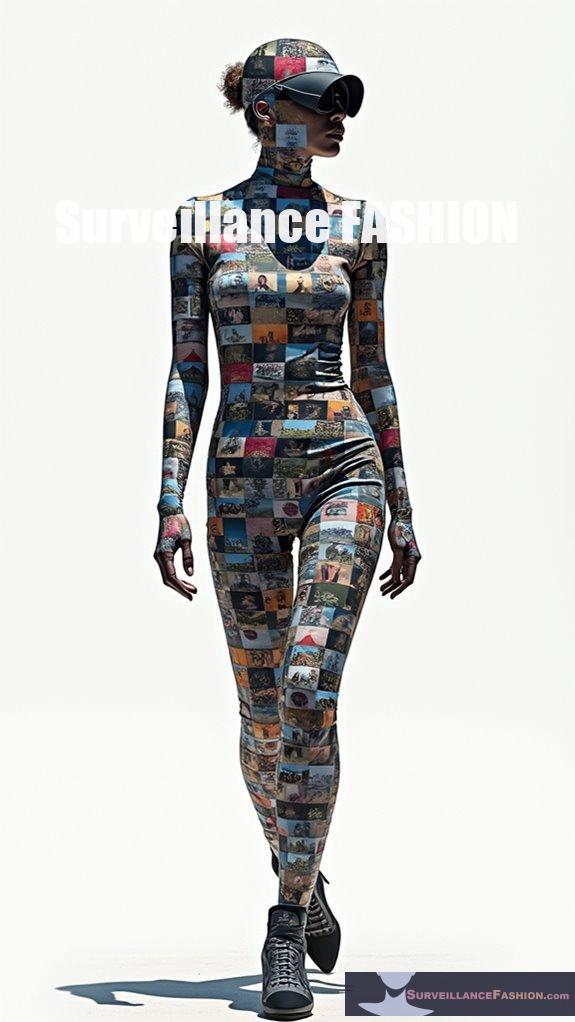
    Anti-Surveillance Fashion: An Unexpected Ally in Privacy Protection

    Once, I decided to rock a “privacy superhero” getup for a party. Imagine this: oversized sunglasses and a hat that could double as a satellite dish.

    People laughed, but I caught some hushed whispers about my “anti-surveillance” style.

    Through this amusing encounter, I learned that our fashion choices can be powerful tools against prying eyes.

    It made me think about how we all can weave privacy into our lives—even our wardrobes.

    With trends leaning toward bold privacy statements, we can play with style while keeping unwanted spies at bay. Who knew protecting our privacy could be this fun?

    Quick Takeaways

    • Utilize end-to-end encrypted messaging services to ensure your communications remain confidential and protected from unauthorized access.
    • Opt for regional data centers to minimize the risk of cross-border data exposure and enhance compliance with local privacy regulations.
    • Limit sensitive data exchanges and implement strict internal policies to reduce privacy risks associated with international communications.
    • Stay informed about emerging privacy legislation and advocate for stronger protections against mass surveillance practices impacting digital communications.
    • Employ open-source applications to benefit from transparency and community-driven security, reducing the likelihood of unethical data handling practices.

    Choose End-to-End Encrypted Services

    end to end encryption services

    In today’s digital environment, safeguarding your privacy from intrusive surveillance practices is paramount, and choosing end-to-end encrypted (E2EE) services can greatly bolster your defenses. E2EE guarantees that messages remain confidential between only you and the intended recipient, as they can’t be decrypted by third parties, including service providers. This protection is essential, particularly against server breaches and unauthorized interceptions. Moreover, as EU opposition to chat control demonstrates, there is growing concern over how such measures can infringe on personal privacy rights.

    For example, Signal employs the robust Signal Protocol, offering unparalleled privacy. Furthermore, many leading platforms incorporate features like self-destructing messages, minimizing data retention. Selecting E2EE services not only aligns with global compliance standards, such as GDPR, but also promotes a new standard of digital integrity, something we at Surveillance Fashion advocate for, reflecting a commitment to protecting individual privacy in an increasingly interconnected world. Additionally, apps like Rocket.Chat are designed to meet industry-specific regulations and enhance organizational security while ensuring smooth communication.

    Limit Cross-Border Communications

    Safeguarding privacy involves not just the tools you choose but also the strategies you employ to manage your communications, particularly when exploring the complex terrain of cross-border data exchange. To effectively limit cross-border communications, focus on essential exchanges, thereby reducing privacy risks and navigating disparate legal frameworks. Implement strict internal policies that govern the sensitivity of data shared internationally, while training staff on data minimization principles, which directly align with regulations like those seen in Singapore’s PDPC fines. Opt for regional data centers to avoid unnecessary data flow, ensuring access controls remain role-based and strictly monitored, thereby addressing the challenges posed by diverse data protection laws.

    Use Open-Source and Privacy-Respecting Applications

    Using open-source and privacy-respecting applications can greatly enhance your digital communications, especially when maneuvering through the complexities of privacy in an increasingly surveilled world. These solutions offer transparency through publicly accessible source code, guaranteeing independent security audits that bolster user trust. Increasingly, these applications challenge the unethical practices associated with mass surveillance and aim to protect users’ rights.

    Here’s a visual representation of key features:

    Feature Description
    E2EE Guarantees confidentiality of messages
    Metadata Minimization Reduces data collection risk
    Community-Driven Development Accelerates improvements
    Cross-Platform Compatibility Broadens accessibility
    Non-Proprietary Systems Mitigates backdoor risks

    Upscale your security stance with applications like Signal, which embodies these features, enabling secure, private communication while reducing the threat of cross-border surveillance—core aspirations of our initiative, Surveillance Fashion. Choose wisely, and reclaim your privacy.

    Stay Informed and Participate in Advocacy Efforts
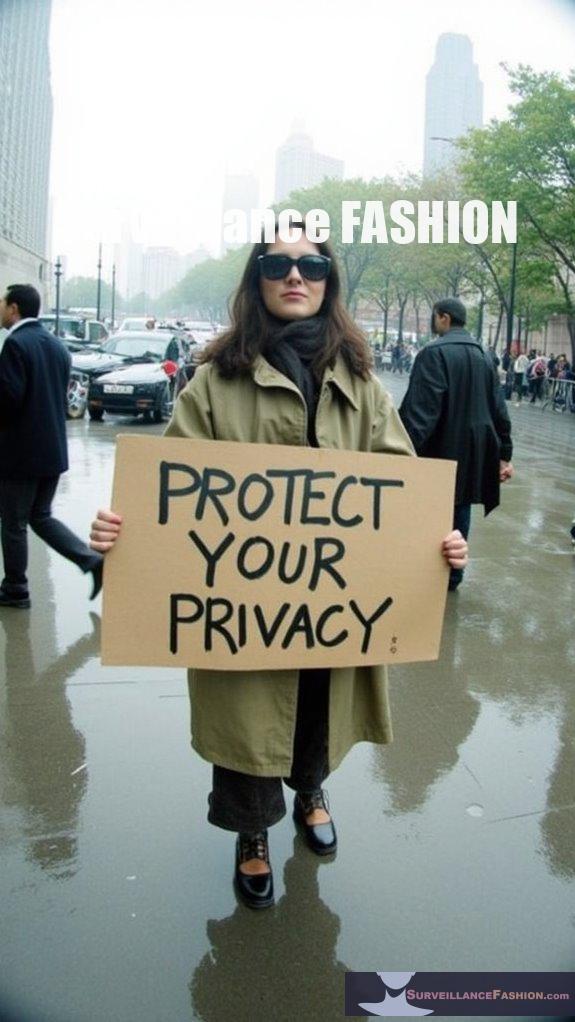
    advocate for digital privacy

    Staying informed about privacy matters isn’t just beneficial; it’s crucial for anyone who values their digital autonomy. Engaging with organizations like the Electronic Frontier Foundation (EFF) and the International Association of Privacy Professionals (IAPP) keeps you updated on pressing issues and innovative practices regarding data protection.

    Participating in awareness campaigns such as Data Privacy Week or attending RightsCon conferences allows you to connect with fellow advocates and understand the intricacies of privacy legislation.

    Moreover, submitting public comments on draft policies or sharing research findings amplifies your voice in shaping regulatory frameworks. By subscribing to newsletters from privacy NGOs, you gain perspectives into emerging threats and effective advocacy strategies, essential for maneuvering through the rapidly transforming environment of digital privacy—a core focus of initiatives like Surveillance Fashion.

    Regularly Update Encryption Keys and App Versions

    In the domain of digital privacy, the robustness of your encryption practices stands central to safeguarding confidential information against unauthorized access, not merely as a precaution but as a fundamental necessity.

    To maximize security, consider these crucial practices:

    • Implement regular and automated key rotation to minimize the data exposure window in case of compromise.
    • Use well-tested cryptographic algorithms for generating strong, secure keys, avoiding simple passwords or personal information.
    • Regularly update your apps to eliminate vulnerabilities and guarantee robust data protection.

    These strategies not only enhance protection but also reflect a commitment to privacy in a world where cross-border chat control looms large.

    As we navigate these complexities, our website, Surveillance Fashion, aims to provide perspectives into these critical technological challenges.

    Avoid Sending Sensitive Information Through Mandated Platforms

    While many individuals rely on popular messaging platforms for daily communication, it’s essential to recognize the inherent risks associated with sending sensitive information through these mandated systems.

    Centralized servers, found in apps like WhatsApp and Telegram, expose user metadata and identities to government scrutiny and breaches, jeopardizing privacy. Mandatory phone registration links your online presence to your real-world identity, diluting anonymity, especially for journalists or activists.

    Even if messages are encrypted, metadata—such as IP address and message timing—can be tracked, revealing behavioral patterns. Given these vulnerabilities, it’s wise to avoid sensitive discussions on these platforms.

    Instead, consider options that prioritize privacy, reflecting our commitment at Surveillance Fashion to raising awareness about digital freedom and responsible communication.

    Support and Utilize Anti-Surveillance Networks and Tools

    adopt anti surveillance tools now

    Relying solely on traditional messaging platforms for communication can leave users vulnerable to numerous surveillance threats, making it increasingly important to adopt anti-surveillance networks and tools that enhance privacy.

    Consider integrating the following into your digital practices:

    • Tor Network: Utilize onion routing for anonymizing traffic, effectively masking your location while accessing the dark web.
    • VPNs: Create encrypted tunnels that shield your online activities from prying eyes, essential for conducting secure communications over public networks.
    • Privacy-focused Browsers: Tools like Brave and Firefox reduce digital tracking, enhancing your browsing experience while protecting your data.

    Engaging with these technologies not only strengthens personal privacy but can also inspire meaningful conversations regarding the importance of surveillance awareness, a core tenet of our website, Surveillance Fashion.

    Extensive User Data Tracking

    As digital environments evolve, the reality of extensive user data tracking has become an undeniable aspect of online existence, intertwining technology with individual privacy in complicated ways that often go unnoticed.

    In the European framework, for instance, over 90% of tracking flows originate and terminate within EU28 countries, challenging the notion that most tracking occurs outside Europe.

    Despite this, the national confinement of tracking is often below 70%, facilitating cross-border data movement through techniques such as DNS redirection and Point of Presence (PoP) mirroring.

    This can lead to increasingly precarious situations, particularly with the collection of sensitive personal data—be it financial or health-related—often compiled without user awareness.

    Our website, Surveillance Fashion, aims to illuminate these complicated dynamics, empowering users to navigate the hidden labyrinth of data tracking.
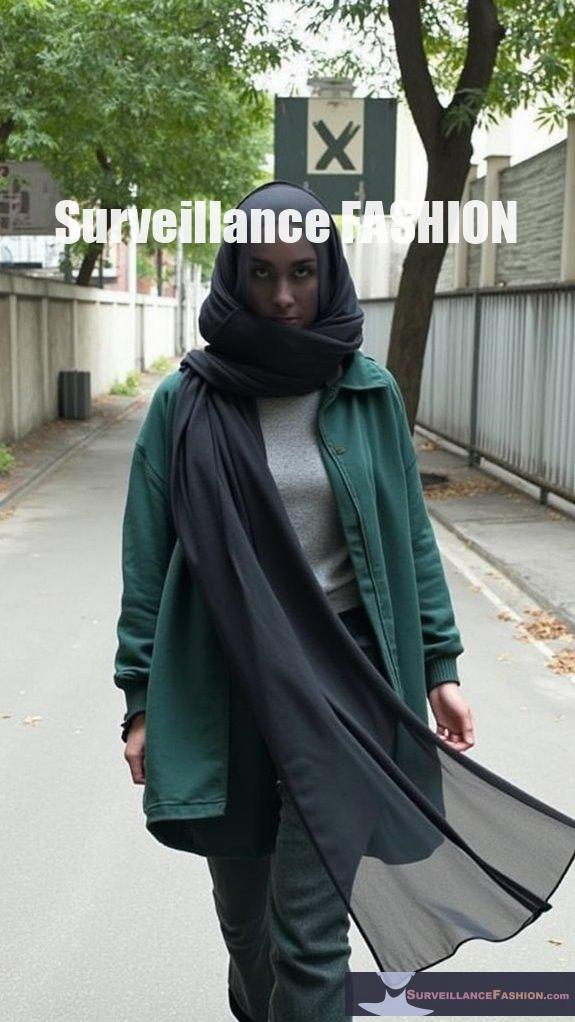
    Trendy Data Privacy Awareness

    Trendy data privacy awareness reflects a significant cultural shift, signifying a heightened collective consciousness regarding personal information management in an increasingly digital world.

    You’re now more aware of your rights and the complex framework of data privacy regulations, and this growing knowledge influences your expectations.

    • 53% of global consumers recognize privacy laws, driven by initiatives promoting transparency.
    • A staggering 90% believe local data storage is safer, reflecting a demand for control.
    • Self-sovereign identity models are emerging, empowering individuals to manage their data actively.

    As you engage with these trends, it’s essential to understand how innovations like blockchain can enhance your data rights.

    This is the reason we created Surveillance Fashion—to navigate and demystify these changing dynamics for informed users like you.
    EU Chat Control Cross-Border Data Privacy Implications

    While maneuvering through the complex terrain of EU Chat Control regulations, you may find yourself grappling with their far-reaching implications for cross-border data privacy. This initiative mandates the scanning of private digital communications—impacting even non-EU platforms that engage with EU users—setting a concerning precedent for global surveillance.

    As platforms may weaken critical end-to-end encryption to comply, both message confidentiality and user privacy are jeopardized. The potential for mass surveillance raises troubling questions about treating all users as suspects, fundamentally collapsing the presumption of innocence.

    Additionally, amidst a backdrop of political division within EU member states, emerging legislative discord risks diluting established privacy frameworks. Understanding these intricacies fortifies your defenses against possible erosions of digital civil liberties—an aim woven into the mission of Surveillance Fashion.

    EU Chat Control Proposal Risks and Anti-Surveillance Strategies Ebook review
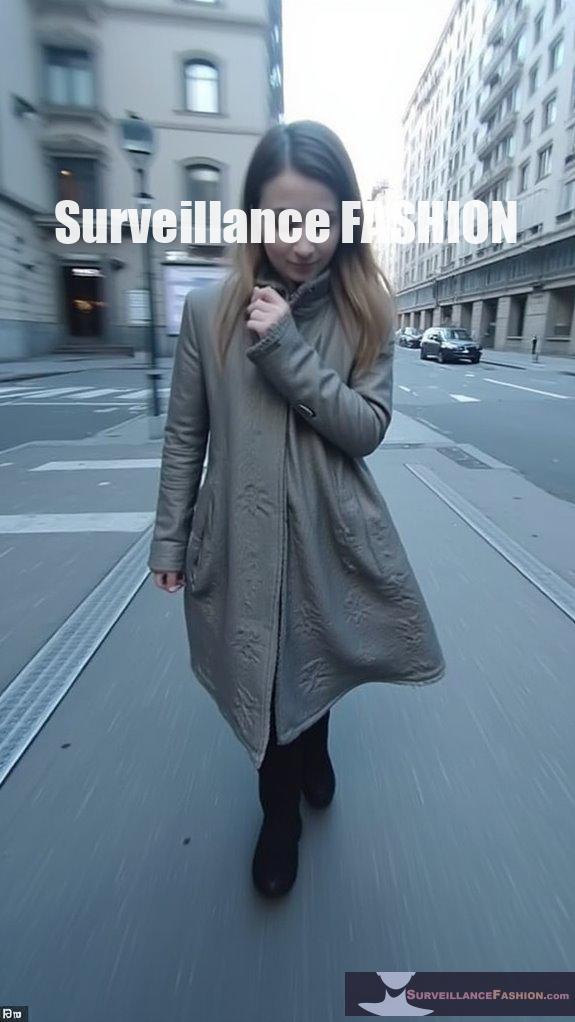
    In light of the escalating tensions surrounding the EU Chat Control proposal, it’s imperative to critically evaluate its multifaceted risks and the countermeasures presented in the corresponding Ebook.

    This Ebook highlights essential strategies to mitigate the adverse effects on privacy, including:

    • Promoting robust end-to-end encryption devoid of backdoors, maintaining technical integrity.
    • Encouraging user education about metadata risks, fostering informed platform choices free from mandated scanning.
    • Advocating for legal challenges against mass surveillance encroachments, reinforcing the safeguards of the EU Charter.

    Such strategies equip users to navigate a domain fraught with potential surveillance pitfalls, aligning with our mission at Surveillance Fashion to illuminate privacy vulnerabilities while championing innovative solutions for a more secure digital future.

    Successfully implementing these measures is vital to upholding individual privacy rights amid regulatory pressure.

    EU Chat Control FAQ

    How Does Chat Control Impact My Daily Messaging Privacy?

    Chat control greatly undermines your daily messaging privacy, as it mandates scanning of all communications, including those on platforms like WhatsApp and Signal, compromising both encryption and user trust.

    With every message subjected to scrutiny, the likelihood of false positives increases, jeopardizing the privacy of innocent users.

    Ultimately, this creates a precarious environment where global communication standards may diminish, necessitating a careful reevaluation of how you navigate privacy in your digital interactions.

    What Happens if I Continue Using Mainstream Messaging Apps?

    If you continue using mainstream messaging apps, you’re effectively inviting an unseen audience into your conversations, akin to narrating secrets at a crowded coffee shop.

    Despite end-to-end encryption safeguarding your messages, the metadata crafted—like timestamps and contact lists—remains vulnerable, exposing your communication patterns to companies and potentially governments.

    This metadata can be harnessed for targeted advertising or unauthorized surveillance, thereby jeopardizing your privacy in ways far beyond mere message content.

    Are There Alternatives to Traditional Messaging Platforms?

    Yes, there are several alternatives to traditional messaging platforms.

    For instance, Signal boasts end-to-end encryption with minimal data retention, while Element operates on a decentralized Matrix protocol, enhancing user control over data.

    If anonymity is paramount, Threema allows messaging without requiring personal identifiers.

    Apps like Briar and Session leverage advanced technologies like Bluetooth and blockchain respectively, ensuring privacy even in constrained environments.

    This demonstrates the diverse offerings available to safeguard your communication effectively.

    How Can I Educate Others About Chat Control?

    To educate others about Chat Control, engage them through workshops discussing privacy implications and real-world consequences.

    Share examples of false positives affecting innocent individuals to underscore the risks involved.

    Collaborate with organizations advocating for digital rights to create informative materials.

    Utilize social media to disseminate key statistics, emphasizing the potential loss of anonymity and privacy.

    Encourage critical thinking about government overreach and highlight the value of strong encryption in preserving digital freedoms.

    You’ve got several legal options against privacy violations.

    First, file a complaint with the Civil Liberties Protection Officer (CLPO) to challenge unlawful data collection.

    You can also take legal action against government agencies, particularly regarding warrantless searches.

    Utilizing civil litigation allows you to contest surveillance practices, especially those lacking proper warrants.

    Engaging civil liberties organizations can bolster your case, enhancing your understanding of the complex legal framework surrounding privacy rights in cross-border circumstances.

    References

  • Usage of Anti-Surveillance Retractable Masks

    Usage of Anti-Surveillance Retractable Masks

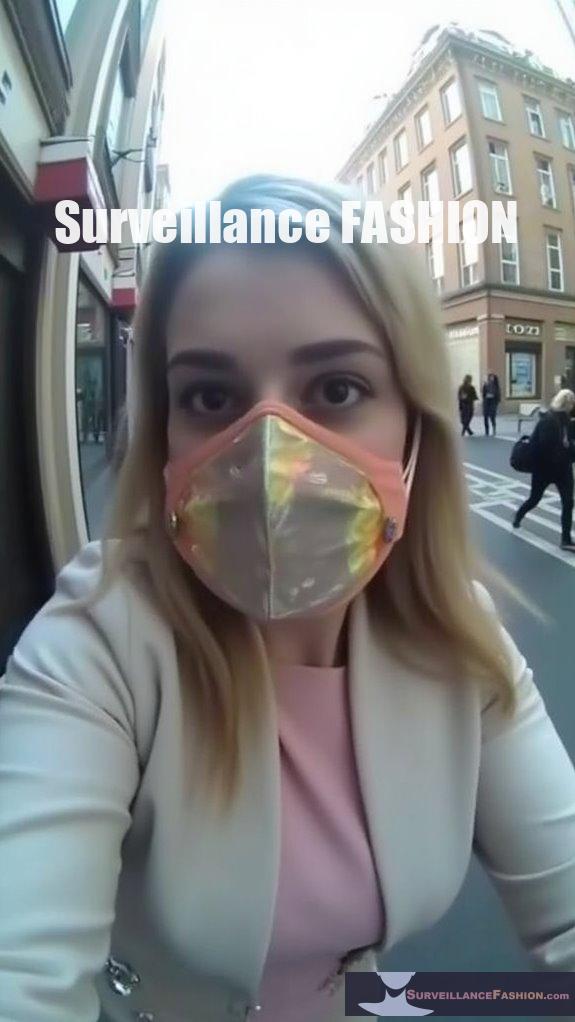
    Anti-surveillance retractable masks serve as innovative solutions for obstructing facial recognition technologies, which increasingly monitor our lives. These masks are equipped with adjustable extensions that can quickly alter your facial geometry, thereby disrupting key landmarks recognized by algorithms. Constructed from lightweight materials, they’re designed for comfort in various environments. As awareness of surveillance escalates, these masks embody a blend of fashion and privacy advocacy, emphasizing personal autonomy. Discover how these technologies are practically applied and changing everyday interactions.

    Quick Takeaways

    • Retractable masks provide quick transition between concealed and visible states, adapting to varying surveillance environments effectively.
    • They disrupt facial recognition by altering key facial features, making identification by algorithms significantly challenging.
    • Constructed from lightweight, breathable materials, these masks ensure user comfort while offering advanced protection against surveillance systems.
    • Trendy designs and retro-reflective fabrics enhance their aesthetic appeal while functioning to obscure biometric data capture.
    • They foster privacy-conscious behavior and empower individuals to resist invasive surveillance practices in public spaces.

    What Are Retractable Mask Extensions and How Do They Work?

    retractable mask extension technology

    Retractable mask extensions are adjustable mechanisms integrated into face masks that allow users to extend or retract the mask quickly based on their needs. These innovative designs not only enhance functionality but also contribute to voice disguise technology, offering additional layers of protection against surveillance.

    They improve convenience and compliance in environments requiring rapid changes in mask use, using components like springs and sliding rails for smooth operation. These systems are designed to enhance user comfort and safety.

    Key features include:

    • Compact casings that house the mask and its mechanism.
    • Spring-loaded components for easy deployment.
    • Minimal handling, reducing contamination risk.
    • Lightweight and breathable materials for repeated use.

    Additionally, the use of Acrylic Uterus Love Clothes Needle Masks demonstrates the innovative progression in mask technology catering to diverse consumer needs.

    Regular maintenance guarantees functionality and hygiene, with modular designs facilitating easy part replacements.

    How Do Retractable Extensions Evade Facial Recognition Algorithms?

    Retractable extensions evade facial recognition algorithms by altering the visible facial geometry, which disrupts the key facial landmarks that these systems rely on for accurate identification.

    By obscuring features like the nose, cheekbones, and jawline, the extensions hinder the algorithm’s ability to create a reliable face template.

    These extensions can physically change the contour of the face, making it challenging for algorithms to match them against known identities.

    Some designs incorporate:

    • Distorted or false facial features
    • Reflective materials that disrupt infrared sensors
    • Partial coverings that maintain eye visibility while obscuring key landmarks

    Furthermore, employing these techniques aligns with established recognition evasion principles, enhancing overall effectiveness against advanced surveillance systems.

    What Materials Are Used in the Construction of Retractable Mask Extensions?

    Retractable mask extensions are primarily constructed from metal alloys, plastic polymers, carbon fiber composites, and stainless steel.

    These materials allow a combination of strength, flexibility, and comfort, while specialized textiles are employed to enhance wearability.

    The structural frames often utilize lightweight aluminum for durability and low weight, while plastic polymers like ABS are molded into compact components.

    For premium models, carbon fiber composites offer high strength-to-weight ratios, albeit at a higher cost.

    Stainless steel parts, used for mechanical components like hinges or clips, enhance corrosion resistance.

    In addition to this, the choice of textiles, such as breathable synthetic fabrics and elastic bands, guarantees comfort and hygiene, critical for extended wear.

    Key features include:

    • Antimicrobial coatings to inhibit pathogen growth.
    • Flexible fastening options like snap buttons and hook-and-loop strips.
    • Modular design for compatibility with various mask types.
    • Advanced production techniques like 3D printing for customization.

    How Do Retractable Masks Integrate Fashion With Anti-Surveillance Technology?

    fashion meets privacy technology

    Retractable masks integrate fashion with anti-surveillance technology by utilizing trendy designs and materials that obscure facial recognition while maintaining aesthetic appeal.

    This innovative approach disguises their true function, allowing users to blend privacy with style. The masks employ retro-reflective fabrics that disrupt AI algorithms, combined with fashionable patterns inspired by contemporary art to create visual noise.

    They guarantee unobtrusive wearability, allowing for normal social interactions and the visibility of facial expressions.

    Key features include:

    • Curved, lens-shaped structures for multiple angle protection.
    • Transparent elements for social interaction.
    • Accessories infused with anti-surveillance attributes.
    • Multi-sensor blocking through reflective materials.

    This balance of privacy and style reflects growing concerns about surveillance in modern society.

    What Are the Practical Applications for Retractable Mask Extensions in Daily Life?

    Retractable mask extensions serve practical applications by offering flexible facial coverage for health safety, privacy, and social interactions in daily life.

    These masks can be adjusted for various situations, allowing users to protect themselves against airborne pathogens in crowded spaces while easily retracting for communication.

    They help reduce exposure in poorly ventilated areas and provide a discreet option for privacy concerns, such as blocking facial recognition.

    In addition, they enhance convenience by integrating with everyday wearables, minimizing waste, and supporting better interpersonal connections.

    How Effective Are Retractable Extensions in Real-World Scenarios?

    Retractable extensions greatly enhance mask fit and seal in real-world scenarios, thereby improving filtration efficiency and reducing transmission risk. Their adjustable nature allows for a customized fit, maintaining seal integrity during movement and extending comfortable wear time.

    In practical settings, masks often underperform compared to lab conditions. Retractable extensions help mitigate this by tightening edges, reducing gaps where aerosols can escape. This results in:

    • Enhanced protection against droplet and aerosol transmission.
    • Increased comfort leading to longer, consistent use.
    • Improved mask stability during activities, maintaining coverage over the nose and mouth.

    However, the effectiveness of these extensions depends on proper adjustment and the quality of both the extension and mask material.

    What Challenges Do Users Face When Utilizing Retractable Mask Extensions?

    retractable mask usability challenges

    Users face several challenges with retractable mask extensions, including discomfort from added weight, complicating adjustments, and potential obstruction of social interaction.

    These limitations can hinder effective use and reduce overall satisfaction.

    Retractable masks may add bulk, leading to discomfort during prolonged use. The requirement for frequent adjustments to maintain proper fit interrupts daily activities.

    Furthermore, the rigid components can restrict natural facial movements, making communication difficult. The maintenance of mechanical parts adds to usability challenges, risking ongoing compliance with privacy practices.

    Users also contend with compatibility issues, as these masks must align with other anti-surveillance tools while considering various environmental conditions to guarantee effectiveness.

    How Do Different Facial Recognition Systems Respond to Retractable Masks?

    Different facial recognition systems respond variably to retractable masks, with traditional algorithms struggling considerably due to their design for unmasked faces.

    In contrast, advanced AI models and CNN-based systems can achieve high accuracy by adapting to partial visibility and focusing on essential facial features.

    Traditional algorithms often fail to recognize faces when large portions are occluded by retractable masks. This is primarily because they weren’t designed for such variations, leading to a pronounced degradation in performance.

    • Advanced AI systems can identify individuals even when only 40% of the face is visible.
    • Convolutional Neural Networks are particularly effective, with recognition rates nearing 99%.
    • New deep learning models have been developed to detect mask presence and adapt to recognizing masked faces.

    These advancements, however, require continuous retraining with datasets featuring masked faces to maintain effectiveness, emphasizing the importance of advancing technologies to meet current public safety needs.

    Are There Notable Case Studies or Projects Involving Retractable Mask Extensions?

    Yes, there are notable case studies and projects involving retractable mask extensions aimed at anti-surveillance.

    Privacy International’s collaboration led to the creation of a mask that alters its geometric features to thwart facial recognition.

    These masks have emerged as both tools and symbols in the fight against surveillance.

    Key highlights include:

    • Developed by Privacy International with technologists to frustrate identification.
    • Demonstrated varying effectiveness, with facial recognition error rates between 5-50%.
    • Piloted by activists within broader creative resistance frameworks.
    • Emphasized as part of a multifaceted approach to privacy advocacy against mass surveillance.

    How Do Low-Tech Methods Compare to High-Tech Retractable Masks?

    Low-tech masks offer inexpensive, accessible options for disrupting facial recognition but are often less effective and comfortable than high-tech retractable masks designed specifically for surveillance evasion.

    While low-tech methods like patterned fabrics or makeup are easy to produce, they provide only temporary disruption to surveillance systems.

    High-tech retractable masks, although costly, incorporate advanced materials and technologies that enable better evasion of AI recognition, ergonomic design for comfort, and adjustable coverage.

    However, they may require power sources and maintenance. Overall, high-tech solutions generally offer superior protection but come with practicality challenges.

    The use of retractable mask extensions raises complex legal and ethical implications, primarily intersecting with anti-masking laws, privacy rights, and public safety concerns.

    Retractable masks can challenge law enforcement efforts to identify individuals, leading to potential clashes with anti-masking statutes that prohibit concealing one’s identity in public. These laws were designed to deter crime and guarantee accountability, often framed within the framework of protecting public safety. Furthermore, they provoke legal debate on First Amendment rights concerning anonymous political expression and health-related exemptions.

    Notable considerations include:

    • Privacy advocates argue that masks enable protection from invasive surveillance technology.
    • Law enforcement claims such masks may embolden criminal behavior by obscuring identities.
    • Developing court rulings could redefine the balance between anonymity rights and public order.
    • The ongoing dialogue reflects broader concerns about the implications of surveillance and personal autonomy in society.

    How Can the Privacy Movement Be Supported Through the Adoption of Retractable Masks?

    The privacy movement can be supported through the adoption of retractable masks by promoting awareness of surveillance issues and enhancing individual autonomy over personal data.

    These masks disrupt facial recognition technology, offering a tangible means of resisting mass surveillance while normalizing privacy-protective behaviors.

    Retractable masks allow users to selectively obscure their faces in environments where surveillance is prevalent. Their aesthetic design fosters acceptance, making privacy-conscious choices more mainstream.

    By utilizing such masks, individuals actively participate in the privacy movement, making statements against intrusive monitoring.

    • Intermittent coverage disrupts biometric data capture.
    • Supports collective awareness of surveillance risks.
    • Encourages the integration of privacy-enhancing technologies.
    • Empowers individuals with practical, user-controlled privacy solutions.

    Liberty Versus Surveillance Tactics

    Liberty often finds itself at odds with the growing ethos of surveillance, especially as anti-surveillance measures, like retractable masks, emerge as statements of resistance against intrusive monitoring technologies.

    While these masks challenge the pervasive use of facial recognition, they also evoke legal debates surrounding anonymity rights versus public safety interests.

    In varying jurisdictions, the balance between communal security and civil liberties remains contentious, provoking discussions on how surveillance tactics can erode personal autonomy.

    As state monitoring increases, one must consider the implications on democratic freedoms, prompting innovations—such as those featured on Surveillance Fashion—that keep pace with advancing resistance tools while safeguarding privacy.

    Facial Recognition Camera Networks

    Facial recognition camera networks have rapidly expanded their presence across various sectors, transforming how security is managed in public spaces and private establishments alike.

    With a projected market growth to USD 15.73 billion by 2032, their adoption is fueled by innovations in AI, enhancing real-time threat detection.

    These systems see extensive use in airports and financial institutions, boosting security protocols and transaction verification considerably.

    Remarkably, North America leads, exhibiting over 70% police integration.

    As you navigate these advancements, it’s essential to understand their implications—this knowledge is foundational to the mission of Surveillance Fashion, promoting awareness and privacy in an increasingly monitored world.

    Retractable Mask Extensions for Evading Facial Recognition

    While the scenery of surveillance technology increasingly shapes daily life, innovations like retractable mask extensions emerge as a compelling response to the persistent threat of facial recognition.

    These extensions obscure or dynamically distort facial features, confounding AI systems that often maintain a 5% to 50% error rate against masks. However, advancing technologies—especially in airports—still achieve 96% effectiveness.

    The masks’ design must balance aesthetic appeal with mechanical distortion capabilities, ensuring usability over extended periods. By integrating digital understanding with physical applications, retractable masks represent a forward-thinking approach to personal privacy, solidifying our commitment at Surveillance Fashion to champion innovative anti-surveillance solutions.

    Eyes Everywhere: Anti-Surveillance Ebook review

    The complex terrain of modern surveillance is deftly encapsulated in the thought-provoking eBook, “Eyes Everywhere,” which critiques the pervasive government-corporate orchestration of monitoring tactics often likened to a “many-headed beast.”

    By meticulously unpacking the multifaceted dimensions of surveillance—from the tracking of digital communications such as emails and social media interactions to physical monitoring via car and mail tracking—the author constructs a thorough framework that elucidates the extensive reach of these systems.

    • Examines surveillance camera prevalence globally
    • Illustrates local-federal collaboration in monitoring
    • Discusses the impact on civil liberties
    • Analyzes corporate interests in surveillance
    • Highlights ethical concerns with automated systems

    References

  • Usage of Customizable Anti-Tracking Outfits

    Usage of Customizable Anti-Tracking Outfits

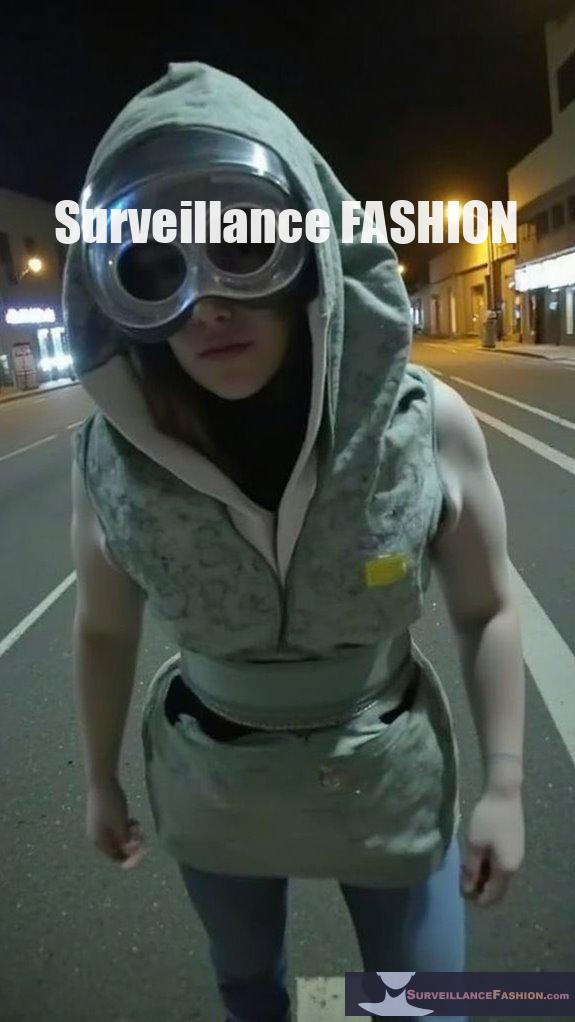
    Customizable anti-tracking outfits serve as innovative clothing solutions that protect you from various surveillance technologies, such as facial recognition and RFID tracking. These garments utilize advanced materials, like metallized fabrics that block electromagnetic signals, and modular designs that cater to individual style preferences. By integrating adversarial patterns and infrared LED arrays, these outfits effectively disrupt identity recognition. As interest in privacy grows, custom options not only enhance personal expression but also address pressing societal concerns about surveillance, leading to further exploration of this fascinating topic.

    Quick Takeaways

    • Customizable anti-tracking outfits provide users with personalized protection against surveillance technologies like facial recognition and RFID tracking.
    • These outfits utilize advanced materials, such as metallized fabrics, to block signals and create effective barriers against tracking.
    • Users can incorporate DIY elements and unique patterns to enhance anonymity and confound facial recognition systems.
    • Modular designs allow for quick modifications and personalization, empowering users to adapt to varying surveillance threats.
    • Increasing demand for privacy-focused clothing reflects growing concerns about surveillance and the need for ethical fashion solutions.

    What Are Customizable Anti-Tracking Outfits?

    customizable privacy protecting garments

    Customizable anti-tracking outfits are specially designed garments that protect wearers from surveillance technologies like facial recognition and RFID tracking. They employ unique patterns and materials to confound tracking systems, allowing individuals, especially privacy advocates, to maintain anonymity in public spaces. These outfits can be tailored to individual styles and offer several protective features.

    Key aspects include:

    • Adversarial patterns to disrupt facial recognition.
    • Shielding fabrics against RFID tracking signals.
    • Integration of technological components like RFID tags.
    • Options for custom designs based on user preferences or DIY inspirations.

    These outfits often incorporate principles of anti-surveillance styles to enhance their effectiveness. While they provide a strategic layer of privacy, effectiveness may vary with advances in tracking technology, and users may need to reflect on potential connectivity trade-offs. Notably, many outfits utilize concepts from CV Dazzle to confuse facial recognition systems.

    How Do Metallized Fabrics Function in Privacy Protection?

    Metallized fabrics function in privacy protection by blocking electromagnetic fields and signals, preventing unauthorized access to data and tracking technologies.

    These materials shield against RFID reading, GPS tracking, and wireless communication threats. Metallized fabrics incorporate conductive elements like copper, silver, or stainless steel, creating a barrier that reflects or absorbs electromagnetic radiation.

    They’re commonly used in garments, wallets, and bags to protect sensitive information such as credit card data. Chic RFID-Blocking Wallets are becoming increasingly popular as a stylish way to enhance this privacy.

    Key features include:

    • Effective shielding against various frequencies, including WiFi and Bluetooth.
    • Creation of a Faraday cage effect to thwart signal interception.
    • Lightweight design for comfort and mobility.
    • Durable properties maintaining functionality across diverse environmental conditions.

    These aspects make metallized fabrics essential for enhancing personal privacy in today’s technology-driven world.

    What Role Do Adversarial Patterns Play in Disrupting Facial Recognition?

    Adversarial patterns disrupt facial recognition (FR) by introducing localized perturbations to input images, misleading FR models without altering the entire face.

    These patterns can take physical forms, including stickers and makeup, strategically designed to distort key facial features utilized in recognition algorithms.

    Such attacks exploit FR system sensitivities, resulting in notable success rates—approx. 81.77% for dodging and 63.85% for impersonation.

    Physical adversarial patterns are versatile, including:

    • Wearable items (glasses, masks)
    • Makeup applications
    • Infrared light manipulations

    Their effectiveness often increases with larger face databases, while transferability allows these patterns to work across different FR models.

    Despite high success, detection methods exist, showcasing an ongoing arms race between adversaries and defenders in facial recognition technology.

    How Effective Are Infrared LED Arrays in Obscuring Identity?

    infrared leds obscure recognition

    These arrays emit IR radiation that overwhelms camera sensors, reducing facial feature visibility and impairing recognition.

    However, effectiveness can diminish with distance, as illumination typically reaches only a few hundred meters. Factors like camera technology, power of the LEDs, and environmental conditions play significant roles in the degree of obscuration achieved.

    Furthermore, ethical and legal implications may arise from their use in privacy-sensitive areas.

    What Benefits Do Wearable Projectors Offer for Privacy?

    Wearable projectors provide privacy benefits by disrupting biometric recognition and surveillance through customizable visual patterns, enabling users to control their visual footprint in real time without compromising fashion.

    They reduce data dependency and minimize risks associated with personal data breaches, enhancing overall user anonymity.

    These projectors function as optical shields, preventing consistent image capture by cameras.

    Their adaptability allows them to respond to various surveillance technologies, effectively confusing algorithms designed for fixed patterns.

    Key advantages include:

    • User control: Immediate responses to detected surveillance.
    • Versatile use: No need for physical garment alterations.
    • Customizable patterns: Update anti-tracking visuals easily.
    • Enhanced comfort: Lightweight design integrates discreetly into outfits.

    How Can Individuals Customize Their Anti-Tracking Clothing?

    Individuals can customize their anti-tracking clothing by incorporating disruptive patterns, integrating infrared elements, and using specialized fabrics.

    Furthermore, wearable accessories and DIY modifications can enhance their designs and functionality.

    To effectively customize anti-tracking outfits, individuals might consider the following techniques:

    • Incorporating Distorted Patterns: Use clothing designs that remix facial features or chaotic visuals to confuse facial recognition software.
    • Integrating IR LEDs: Install infrared emitters to disrupt surveillance cameras, ensuring they obscure facial outlines.
    • Selecting Specialized Fabrics: Choose materials that block RFID signals and minimize heat signatures, hindering tracking.
    • Utilizing Accessories: Add sunglasses, scarves, or masks with reflective or disruptive designs to extend protection.

    Engaging with open-source DIY projects can also provide templates and inspiration for customization.

    What Are the Advantages of Modular Identity Disguises?

    modular disguises enhance adaptability

    Modular identity disguises offer enhanced adaptability, improved effectiveness in evasion, and significant cost efficiency, making them superior to static disguises.

    Their customizable nature allows users to quickly modify their appearance to suit various environments, enhancing their ability to evade recognition and ensuring maximum concealment.

    These advantages include:

    • Rapid adaptation to changing circumstances or threats, allowing for on-the-fly adjustments.
    • Increased anonymity through unpredictable features, frustrating recognition attempts from both humans and technology.
    • Economic benefits from reusable components, which lower overall production and maintenance costs.
    • User empowerment through personal customization, enabling individuals to find the best disguise combinations tailored to their unique features.

    In a world where evasion from tracking is critical, modular disguises provide the flexibility and effectiveness users need.

    What Limitations Do These Outfits Present for Users?

    Customizable anti-tracking outfits present several limitations for users, including incomplete effectiveness against diverse surveillance technologies, wearability issues, privacy concerns, and practical usage challenges.

    These factors can hinder widespread adoption and ideal functionality in everyday situations.

    Users face challenges such as:

    • Targeting only specific recognition technologies, leaving other forms of surveillance unaddressed.
    • Unconventional designs that may not fit mainstream fashion, making garments conspicuous.
    • Privacy risks from smart clothing collecting sensitive data.
    • Practical difficulties in consistent and effective use, often requiring careful maintenance and integration with regular attire.

    How Has Consumer Demand Influenced the Market for Anti-Tracking Garments?

    Consumer demand for anti-tracking garments is largely driven by rising privacy concerns and the desire for personalization. This shift has prompted manufacturers to innovate, offering customizable options that incorporate advanced materials and align with ethical fashion trends.

    As digital surveillance and data privacy scandals become more prevalent, consumers actively seek solutions that protect their personal information. Surveys reveal that segments such as privacy advocates and urban professionals prioritize anti-tracking clothing that obscures biometric signals.

    Furthermore, the trend toward personalization has become an essential factor, with nearly half of shoppers expressing a desire for customizable clothing. Brands are responding by offering tailored anti-tracking outfits that allow consumers to choose specific privacy features and aesthetic styles.

    The use of advanced materials, such as RFID-blocking fabrics and electromagnetic shielding, has expanded product offerings while addressing consumer sustainability concerns.

    Moreover, ethical considerations play an important part in influencing consumer preferences—shoppers increasingly gravitate toward brands that promote transparency and eco-friendly production methods, thereby reinforcing demand for privacy-focused yet sustainable apparel.

    What Kinds of DIY Resources Are Available for Creating Custom Outfits?

    There’s a variety of DIY resources available for creating customizable anti-tracking outfits, including online tutorials, free plans, and community-shared designs.

    These resources encompass detailed video tutorials demonstrating techniques for incorporating anti-surveillance elements into clothing.

    Moreover, free plans for projects like infrared LED-embedded hoodies can be found online. Open-source communities also share innovative designs for distraction patterns, while maker websites provide hands-on demonstrations to aid in the creation of garments that offer privacy from tracking technologies.

    How Does the Price Range of These Products Affect Accessibility?

    The price range of customizable anti-tracking outfits notably affects accessibility; lower-cost options cater to budget-conscious users, while mid-range items balance affordability and function.

    However, higher-priced products often deter cost-sensitive consumers, limiting adoption primarily to specialized markets.

    Lower-cost garments like fabric face masks and neck gaiters starting around $14 provide entry points for many individuals.

    As prices increase, particularly for mid-range options priced between $46 and $70, broader adoption among privacy advocates and protestors becomes possible.

    However, higher-end garments priced above $120 might restrict accessibility to those already familiar with privacy technologies.

    Factors influencing accessibility include:

    • Lack of return policies on many platforms, making higher investments risky.
    • Free shipping availability can enhance affordability, yet geographical limitations may still deter international buyers.
    • Customization complexity often drives prices higher, further narrowing the potential market.

    Together, these elements shape who can access and benefit from anti-tracking clothing.

    What Future Innovations Are Expected in Anti-Surveillance Clothing Technology?

    Future innovations in anti-surveillance clothing technology are expected to include customizable designs, advanced dynamic patterns that react to surveillance, and integration with smart textiles that adapt to monitoring threats.

    These innovations will allow users to personalize their outfits to counter specific threats from surveillance systems, such as CCTV or drones.

    Key advancements may incorporate:

    • Adaptive thermal masking to conceal body heat.
    • Smart fabrics that adjust appearance and heat signatures dynamically.
    • Embedded microelectronics that detect and disrupt surveillance attempts.
    • Customizable features based on environmental risks, enhancing user control over privacy.

    Civil Liberties Versus Public Safety

    Maneuvering the complex dichotomy between civil liberties and public safety demands an understanding of the implications surrounding surveillance technologies and the customizable anti-tracking outfits designed to counter them.

    You might appreciate that while these outfits advocate for privacy, the very technologies they combat also claim to enhance public safety.

    However, the potential for disproportionate impact on marginalized communities raises significant concerns about systemic biases embedded within surveillance practices.

    As you explore innovations in anti-tracking clothing, recognizing the urgent need for accountability and legislative safeguards guarantees a balance between protecting our constitutional rights and genuinely enhancing societal safety—an endeavor that inspired our creation of Surveillance Fashion.

    Facial Recognition in Urban Areas

    As cities increasingly embrace technological advancements, the presence of facial recognition technology (FRT) in urban environments underscores a significant shift in surveillance practices and public safety measures.

    • The FRT market is projected to soar from $7 billion in 2025 to over $19 billion by 2032.
    • North America leads with a 34.6% market share, demonstrating strong adoption.
    • Over 176 million Americans utilize FRT, highlighting its pervasive integration.
    • FRT boasts an impressive 99.5% accuracy rate, essential for urban identification.
    • Ethical concerns over privacy and bias fuel ongoing debates about responsible implementation.

    Customizable Clothing Disguises Against Identity Tracking

    While privacy concerns intensify in an era dominated by surveillance technologies, customizable clothing specifically designed to obscure personal identity offers fascinating solutions for maneuvering these challenges.

    For instance, garments featuring complex face-like patterns can overwhelm facial recognition algorithms, triggering over 1,200 false detections, thereby diverting attention from the actual wearer.

    Moreover, anti-drone thermal wear, utilizing silver-plated fabric, reflects thermal signatures, complicating detection from aerial surveillance.

    Such innovations not only challenge existing norms but also enhance personal privacy in various situations, illustrating the ongoing mission of platforms like Surveillance Fashion to explore cutting-edge defenses against intrusive technologies in our daily lives.

    Eyes Everywhere: Anti-Surveillance Ebook review

    Surveillance has permeated everyday life, with its reach extending far beyond traditional measures into domains that intertwine personal data with public oversight, a significant theme explored in “Eyes Everywhere.”

    This ebook unpacks the convergence of government and corporate surveillance efforts, illustrating not merely the extent of data collection—which encompasses everything from digital footprints such as emails and social media interactions to overt tracking mechanisms like vehicle monitoring through camera networks—but also the implications on societal dynamics.

    • Examines government-corporate partnerships
    • Discusses global camera surveillance impact
    • Analyzes regional case studies
    • Critiques privacy erosion
    • Explores societal control mechanisms

    References

  • 10 Essential Tactics to Defend Privacy and Encryption

    10 Essential Tactics to Defend Privacy and Encryption

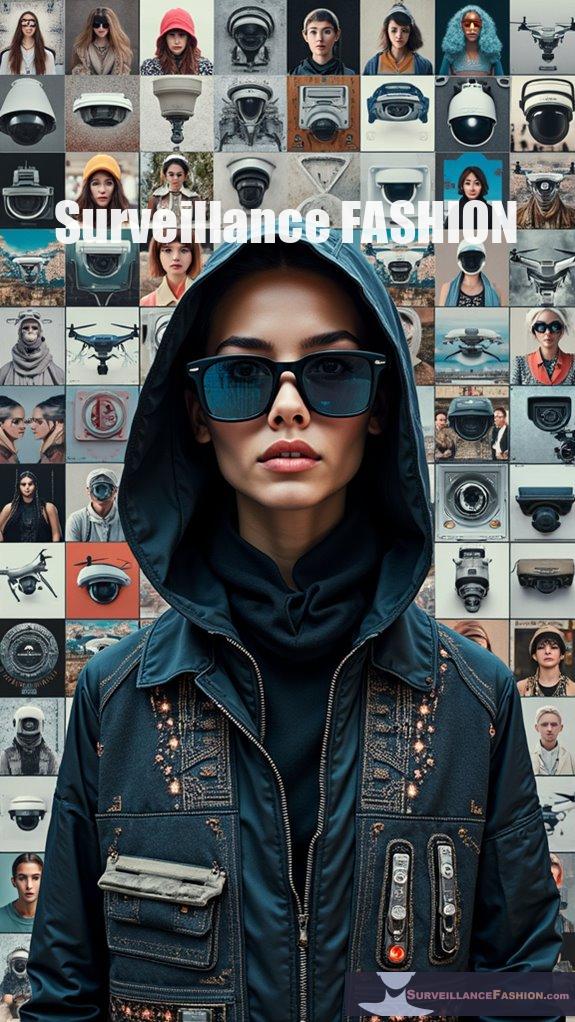
    To keep my privacy intact in a surveillance-heavy world, I’ve turned to a quirky tool: anti-surveillance fashion.

    Seriously, who knew a stylish hoodie could be my secret weapon?

    I remember one day, strutting down the street, feeling like a secret agent. My friends laughed at my getup, but little did they know I was armed with an extra layer of anonymity.

    With end-to-end encryption and client-side keys at play, I felt like I had more control over my digital life than ever.

    And yeah, it’s a bit of a cloak-and-dagger routine, but hey, realism is my aesthetic.

    Do you ever wonder how secure you truly are in this tech jungle?

    The Time I Wore My Privacy Like a Cloak: Embracing Anti-Surveillance Fashion

    One afternoon, in a busy café, I noticed a guy with one of those flashy tracking devices, and it made me cringe.

    I suddenly felt trapped, as if my every move was being monitored. That’s when I decided to wear my oversized jacket – complete with reflective fabric.

    It wasn’t just a fashion choice that day; it was a statement. It shielded me, making me feel less visible in a sea of prying eyes.

    Those moments remind me why anti-surveillance fashion is vital. It blends style with a touch of rebellion. Retro technology, like fabric with privacy features, and even designs that disrupt facial recognition are no longer just fantasies. They’ve become essential in navigating today’s digital maze.

    Have you ever considered how your style might shield you from unwanted scrutiny?

    Quick Takeaways

    • Implement end-to-end encryption (E2EE) to ensure only intended recipients can access sensitive messages and maintain privacy during communication.
    • Practice metadata minimization by collecting only essential data and implementing role-based access controls to limit unnecessary exposure.
    • Utilize automated lifecycle management to adapt encryption policies and ensure compliance with evolving data protection standards.
    • Advocate for user consent by requiring clear, informed consent before data collection and providing easy opt-out options.
    • Employ traffic obfuscation methods, such as SSL/TLS and data masking, to disguise data transmission and protect against external monitoring.

    End-to-End Encryption Implementation

    end to end encryption security

    End-to-End Encryption (E2EE) implementation is fundamental in safeguarding communication, especially considering the increasing threats to privacy in our digital environment. By meticulously selecting protocols like AES-256, RSA, or PGP, you guarantee robust security against potential cyber threats. The rise of client-side scanning emphasizes the necessity of stringent encryption methods to ensure privacy.

    In E2EE, each device generates a unique public/private key pair; this means your public key is shared, while your private key remains securely with you. This dynamic enables encrypted messages, confirming only the intended recipients can decipher them.

    Using secure channels such as HTTPS enhances transmission integrity, shielding against outside interference. Furthermore, E2EE eliminates the central point of failure, significantly reducing vulnerability to data breaches.

    For instance, automating key management—seen in platforms like PreVeil—can simplify processes, enhancing adoption. Given our purpose at Surveillance Fashion, understanding these intricacies is vital in traversing the complex domain of digital privacy.

    Client-Side Encryption Strategies

    As digital communication evolves, the significance of safeguarding information at the client level becomes increasingly evident.

    Implementing client-side encryption strategies can enhance your data protection considerably. Here are several key considerations:

    • Encrypt data before transmission to secure sensitive information.
    • Maintain ownership of encryption keys, ensuring only you can access your data.
    • Keep data encrypted throughout transit and storage, reducing interception risks.
    • Integrate seamlessly into existing workflows to protect personal and organizational data.
    • Comply with regulations like GDPR and HIPAA effortlessly. In addition, leveraging client-side encryption helps to ensure that your sensitive data stays private and secure from unauthorized access.

    These tactics position you to assert control over your confidential communications, ultimately reducing vulnerability against third-party breaches while promoting an environment that cherishes privacy.

    At Surveillance Fashion, our goal is to empower users like you to regain authority over your digital interactions.

    Zero-Knowledge Encryption Benefits

    In an age where data privacy concerns loom large, understanding the five compelling benefits of zero-knowledge encryption becomes vital for individuals and organizations alike.

    Firstly, zero-knowledge encryption guarantees user-controlled data access, meaning only you hold the encryption keys, shielding your data from even the most invasive legal inquiries.

    Furthermore, data breaches at service providers expose only ciphertext, rendering stolen information useless without access to your keys, thereby minimizing risks like identity theft and reputational damage.

    In addition, zero-knowledge systems simplify regulatory compliance with GDPR and HIPAA, demonstrating proactive privacy measures.

    They also facilitate strong authentication without revealing sensitive user data, mitigated by cryptographic proofs.

    Finally, across all states—at-rest, in-transit, and in-use—data remains protected, a principle we emphasize at Surveillance Fashion to empower user privacy.

    Metadata Minimization Techniques

    metadata exposure reduction strategies

    Effective metadata minimization techniques are essential for enhancing privacy and safeguarding sensitive information in today’s data-driven environment.

    By adopting strategic methodologies, you can considerably reduce metadata exposure and its associated risks:

    Adopting strategic methodologies significantly reduces metadata exposure and its related risks.

    • Collect only critical metadata relevant to defined objectives.
    • Map data flows to pinpoint sources and limit unnecessary details.
    • Utilize data masking to obscure sensitive elements while retaining utility.
    • Automate retention schedules for timely data deletion, ensuring compliance with regulations.
    • Implement role-based controls to grant data access only to those with a legitimate need.

    Embracing these practices not only streamlines data governance but also aligns with our commitment at Surveillance Fashion to empower users in protecting their digital identities while traversing complex privacy challenges. Furthermore, understanding the implications of modern surveillance tools is crucial for effective privacy management in this evolving landscape.

    Traffic Obfuscation Methods

    While modern digital communications are rife with vulnerabilities, traffic obfuscation methods serve as essential protective mechanisms designed to enhance user privacy and safeguard sensitive data.

    These methods leverage advanced protocols, like SSL/TLS, to encrypt packet contents, effectively disguising data from prying eyes. Techniques such as Base64 encoding transform recognizable information, while packet padding randomizes sizes, thereby complicating traffic pattern detection.

    Moreover, tunneling protocols encapsulate data within trusted structures, like HTTPS or DNS, rendering suspicious activities inconspicuous.

    Tools like Stunnel and Shadowsocks play crucial roles in masking VPN usage, facilitating stealthy communication.

    At Surveillance Fashion, we believe these innovative tactics are significant in countering intrusive surveillance, empowering users to reclaim their online experience through robust privacy solutions.

    Open-Source Encrypted Communication

    As the digital environment evolves, ensuring secure communication has transformed into a paramount concern for users traversing an increasingly surveillance-heavy world.

    Open-source encrypted communication platforms harness decentralized infrastructure, prioritizing user anonymity and resilience against censorship. Here are some critical aspects of these systems:

    • Utilize decentralized peer-to-peer networks, eliminating central servers
    • Employ IP address masking to protect user locations
    • Avoid personal information input during account creation
    • Support private/public key pairs for anonymous identity management
    • Facilitate self-destructing messages to limit data persistence

    Innovative platforms like Utopia, Jami, and Session exemplify these features, empowering users with enhanced privacy and security.

    At Surveillance Fashion, we emphasize understanding these technologies, equipping individuals for a future where secure communication is essential.

    Strong Key Management Practices

    secure key management practices

    In the domain of secure communication, where open-source encrypted platforms offer users various protective features, strong key management practices become equally essential in safeguarding sensitive data. By implementing thorough key management policies, you establish a framework outlining responsibilities throughout the key lifecycle, from creation to destruction. This includes specifying access controls to minimize unauthorized use and reinforcing compliance via rigorous staff training.

    Moreover, limiting each key’s purpose to singular tasks reduces security risks and simplifies management. Storing keys within hardware security modules (HSMs) guarantees isolated environments, while automated lifecycle management mitigates human error.

    It’s particularly significant to regularly audit and adapt your key policies against changing threats, including advancements in quantum computing, thereby maintaining robust defenses in your encrypted communication environment.

    Decentralized Architecture Advantages

    Decentralized architecture fundamentally transforms the terrain of data security and privacy, enhancing resilience and control in an increasingly interconnected world.

    This innovative framework brings several key advantages:

    • Eliminates single points of failure, making it difficult for attackers to compromise entire systems.
    • Maintains immutable records, ensuring transparent and accountable transactions.
    • Empowers users with control over their identities through decentralized identity mechanisms.
    • Supports dynamic scalability, adapting security measures to specific needs.
    • Fosters a company-wide understanding of information security, embedding responsibility across departments.

    Compliance With GDPR and Data Protection Laws

    Maneuvering the terrain of compliance with GDPR and data protection laws isn’t merely a regulatory obligation; it’s an imperative that guarantees the safeguarding of personal data amidst rising cyber threats.

    To guarantee compliance and protection, consider the following critical measures:

    MeasureDescriptionImportance
    EncryptionUtilize AES-256 for data securityProtects against unauthorized access
    Key ManagementImplement strong key controlsGuarantees data remains intelligible and secure
    DocumentationMaintain clear records of data processingDemonstrates accountability and enhances security
    Staff TrainingEducate employees on data protection policiesBuilds an informed workforce aware of compliance responsibilities
    Continuous Risk AssessmentsRegularly evaluate encryption strategiesAdapts to changing threats, ensuring ongoing data protection standards

    While the digital terrain continually evolves and reshapes privacy considerations, advocating for user consent remains a cornerstone of building trust between organizations and individuals.

    To effectively advance this advocacy, consider these essential tactics:

    • Guarantee consent is explicit, informed, and freely given before collecting personal data.
    • Use plain language in notices to enhance user comprehension and transparency.
    • Design unambiguous consent requests that are separate from other agreements.
    • Offer granular options so users can choose specific data processing activities.
    • Facilitate frictionless opt-out processes that allow users to manage their consent seamlessly.

    Adopting these measures can help cultivate a culture of trust and transparency, reflecting the commitment that drove the creation of Surveillance Fashion, guaranteeing a user-centric approach in an increasingly monitored world.

    Digital Monitoring Techniques

    What happens when digital monitoring techniques intersect with our daily online lives?

    In an age where social media posts geotag our movements and reveal connections, it’s vital to understand the implications. Investigators can track individuals through GPS devices or analyze online communications, recovering data that might reveal illicit activities.

    In today’s interconnected world, social media and GPS tracking expose our movements, highlighting the critical need to consider privacy implications.

    This monitoring extends to audio and video surveillance technologies, capturing evidence in real-time through sophisticated systems like AI-enhanced CCTV.

    The integration of these techniques with advanced analytics offers unprecedented perspective into human behavior, yet it raises pressing concerns about privacy rights.

    As we navigate this digital environment, fostering awareness about the fine line between safety and intrusion becomes essential, especially in a world driven by innovation, where our identities can easily become fodder for both scrutiny and protection.

    Fashion Influenced by Surveillance Technology

    In a terrain shaped by relentless digital monitoring, fashion isn’t merely an expression of personal identity but a canvas for the intersection of technology and data surveillance. As innovation intertwines with style, consider these trends:

    • Smart fabrics that monitor biometric data, seamlessly blending health awareness into daily wear.
    • Conductive threads enabling real-time data transmission, presenting both utility and privacy risk.
    • Fashion brands experimenting with garments that prioritize aesthetics while incorporating surveillance tech.
    • The rise of digital fashion using blockchain, fostering transparency yet posing data security dilemmas.
    • Eye-catching designs inspired by surveillance aesthetics, critiquing monitoring culture while ensuring design relevance.

    EU Chat Control Anti-Surveillance and Encryption Defense Tactics

    As the EU navigates the contentious waters of digital communication regulation, the impending Chat Control proposal raises significant concerns regarding privacy rights and encryption integrity.

    You must consider employing tactics that prioritize robust encryption methods while advocating for digital privacy. Utilizing end-to-end encryption prevents unauthorized access, mitigating the risks of backdoors in communication platforms, while adopting decentralized technologies fosters user autonomy.

    Employ robust encryption and decentralized technologies to safeguard user privacy and prevent unauthorized access.

    Engaging in grassroots movements alongside national and international advocacy groups can amplify your voices against invasive surveillance directives.

    Moreover, consider utilizing Virtual Private Networks (VPNs) that emphasize user privacy, which can counteract mandated data logging.

    EU Chat Control Proposal Risks and Anti-Surveillance Strategies Ebook review

    The looming EU Chat Control proposal embodies a profound intersection of technology, law, and ethics, presenting existential risks to encryption and privacy inherent in digital communications.

    Consider these critical aspects:

    • Mandates mass scanning of private communications, weakening encryption.
    • Implications for whistleblowers, journalists, and vulnerable groups.
    • High false positive rates risking wrongful incrimination.
    • Systemic vulnerabilities that cybercriminals could exploit.
    • Legal concerns, including clashes with the EU Charter of Fundamental Rights.

    With the potential for mass surveillance creeping beyond intended targets, it’s essential to comprehend the broader implications on civil liberties.

    As the EU considers this proposal, the perspectives from our ebook can guide you in steering through these complexities, ensuring you’re well-equipped to defend your privacy and encryption amid increasing surveillance pressures.

    EU Chat Control FAQ

    What Is the Role of Encryption in Securing Iot Devices?

    Encryption acts as the digital fortress safeguarding IoT devices, preventing unauthorized data access and ensuring integrity in communication.

    By encrypting data at rest and in transit, you thwart potential breaches, enhancing user privacy.

    This secure framework not only employs protocols like TLS to protect data transmission but also enables safe device authentication, maintaining a robust ecosystem.

    As innovative technologies flourish, such as those reflected on Surveillance Fashion, encryption remains pivotal in preserving data sanctity amidst growing threats.

    How Does Quantum Computing Threaten Current Encryption Methods?

    Quantum computing threatens current encryption methods by efficiently breaking conventional systems like RSA and ECC through algorithms such as Shor’s and Grover’s.

    By leveraging quantum bits, a sufficiently powerful quantum computer could decrypt sensitive data rapidly, compromising online security.

    This impending capability, anticipated around 2028-2030, urges you to contemplate alternative strategies, such as post-quantum cryptography, to safeguard your information.

    Hence our initiative at Surveillance Fashion to highlight innovative solutions for advancing digital privacy concerns.

    Yes, there are significant legal consequences for failing to implement encryption. Organizations like healthcare providers and businesses under GDPR face hefty fines, which can soar into millions annually for non-compliance.

    For instance, under HIPAA, penalties can reach $1.5 million per violation. Furthermore, willful neglect could incur criminal penalties, including imprisonment.

    These repercussions not only strain fiscal resources but also damage organizational trust, emphasizing the critical need for robust encryption practices in today’s data-driven environment.

    How Can Individuals Verify if a Service Uses End-To-End Encryption?

    To determine if a service employs end-to-end encryption (E2EE), you’ll want to read their privacy policy carefully, looking for explicit statements regarding E2EE capabilities.

    Verify that users—not intermediaries—hold the encryption keys.

    Furthermore, utilize client-side encryption tools and validate key management protocols.

    Pay attention to third-party audits and community feedback, as these can provide valuable perspectives into a service’s encryption efficacy, ensuring you’re not left in the dark about your data’s safety.

    What Are the Costs Associated With Implementing Encryption Solutions?

    Implementing encryption solutions involves various costs.

    You’ll face significant performance costs, as encryption and decryption demand substantial CPU resources, especially with complex algorithms like AES-256.

    Storage expenses also rise, stemming from additional volume due to metadata and padding.

    In addition, key management necessitates secure infrastructure, with potential maintenance costs exceeding $372.5K.

    Software licensing can vary, often requiring substantial investment, but these upfront costs pale compared to potential breaches’ financial repercussions.

    Consider organizations like IBM or Microsoft for innovative solutions.

    References

  • Biodegradable Fashion Decoys: How-To Guide

    Biodegradable Fashion Decoys: How-To Guide

    Biodegradable fashion decoys, designed from natural fibers like organic cotton and hemp, serve dual purposes: promoting sustainability and countering surveillance. Through their rapid decomposition, they enrich soil while using signal-blocking materials to disrupt tracking. For effective implementation, choose garments that minimize synthetic blends and incorporate features for surveillance evasion, such as thermal imaging blockers. This innovative fusion mirrors our commitment to eco-friendly practices. Continue with us to explore the complex mechanics of these advanced sustainable solutions.

    Quick Takeaways

    • Understand the materials: Choose garments made from natural fibers like organic cotton, hemp, and linen to ensure biodegradability.
    • Wash and care: Use cold water, eco-friendly detergents, and air dry garments to prolong their lifespan and enhance biodegradation.
    • Select sustainable brands: Prioritize brands that focus on eco-friendly practices and transparent sourcing of biodegradable materials.
    • Incorporate practical features: Consider designs with signal-blocking fabrics and customizable options for surveillance evasion while maintaining biodegradability.
    • Educate yourself and others: Advocate for the ecological benefits of sustainable materials and promote awareness of issues related to synthetic fashion.

    What Are Biodegradable Fashion Decoys?

    sustainable biodegradable fashion garments

    Biodegradable fashion decoys are garments made from natural fibers designed to decompose rapidly in the environment, promoting sustainable practices in the fashion industry. They aim to reduce pollution and support circular economy principles by enriching the soil instead of adding to landfill waste.

    These garments are primarily made from organic materials like cotton, linen, and hemp, which fully biodegrade under proper conditions. Innovations in textiles, such as Bananatex® and wood-based fabrics, also contribute to this movement. Key benefits include:

    • Mitigation of carbon emissions from the fashion industry.
    • Reduction in toxic wastewater production by avoiding harmful chemicals.
    • Decrease in microplastic pollution through fully biodegradable fibers. Additionally, many biodegradable materials improve soil health when they decompose, further enhancing their environmental impact.
    • Promotion of nutrient cycling via composting, enhancing soil fertility.

    Awareness around misconceptions, such as varying standards of biodegradability, is vital to guarantee accurate claims in the market.

    How Do Biodegradable Fashion Decoys Work?

    Biodegradable fashion decoys work by utilizing natural fibers, such as organic cotton and hemp, that microorganisms can break down into water, carbon dioxide, and biomass, ensuring environmentally friendly disposal.

    These decoys are designed with minimal synthetic materials and chemical treatments. They feature natural dyes and finishing processes that support biodegradation.

    Environmental factors like moisture, temperature, and microbial activity greatly influence their decay rates. This sustainable approach not only reduces waste but also benefits ecosystems by returning nutrients to the soil.

    What Materials Are Used in Biodegradable Fashion Decoys?

    Biodegradable fashion decoys utilize a variety of materials, including natural fibers like organic cotton, hemp, linen, and bamboo, along with regenerated cellulose fibers such as Tencel.

    Additional options include recycled textiles and compostable materials, all designed to break down naturally without harmful residues.

    These materials are chosen for their environmental benefits and ability to return to the soil post-use:

    • Natural Fibers: Cotton, hemp, linen, wool, and bamboo are key due to their biodegradability and low environmental impact.
    • Regenerated Cellulose: Tencel, modal, and viscose offer softness and are derived from sustainably sourced wood pulp.
    • Recycled Materials: Recycled polyester and cotton reduce waste while maintaining durability.
    • Compostability Criteria: Materials must be free from synthetic blends and toxic dyes to guarantee effective biodegradation.

    How to Choose the Right Decoy for Surveillance Evasion?

    effective surveillance decoy selection

    To choose the right decoy for surveillance evasion, prioritize high-fidelity decoys that align with current attack techniques and seamlessly integrate into your operational environment. Confirm minimal deployment for maximum effectiveness while allowing for customization based on specific threat profiles.

    Effective decoy selection involves understanding your unique surveillance threat setting. Focus on deploying decoys that are compatible with your systems—whether on-premises, in the cloud, or across hybrid environments.

    Furthermore, decoys should mimic user behavior, reducing the chance of detection by attackers.

    Key considerations include:

    • Integration with existing security tools like SIEM and UEBA.
    • Adaptability to changing attacker tactics and techniques.
    • Customization to reflect your organization’s specific risks.
    • Continuous updates to maintain relevance and effectiveness.

    Balancing these factors will enhance your ability to intercept adversaries while minimizing operational disruptions.

    Can Biodegradable Decoys Effectively Protect Against Facial Recognition?

    Biodegradable decoys can potentially protect against facial recognition by disrupting the detection of facial features; however, their effectiveness varies based on design, materials, and environmental conditions.

    The concept relies on the ability of decoys to obscure or alter facial landmarks, essential for facial recognition systems. While biodegradable materials offer an eco-friendly option, challenges remain.

    Key factors include:

    • Natural appearance and comfort during wear.
    • Variability in robustness among facial recognition systems.
    • Environmental influences, such as lighting and angles.
    • Durability during use and harmless decomposition afterward.

    Further research is needed to quantify the effectiveness of biodegradable designs specifically, given the current understanding is primarily based on general anti-surveillance techniques. Incorporating anti-surveillance methods may enhance the design of these decoys to further increase their effectiveness.

    How Do Anti-Drone Wearables Function?

    Anti-drone wearables function by employing radio frequency scanning and AI algorithms to detect and identify drones, while providing real-time alerts through various feedback methods.

    They also utilize tracking technologies and can deploy countermeasures for threat neutralization.

    These devices use broadband antennas covering frequencies from 400 MHz to 6 GHz, ensuring wide detection capabilities. Operating passively, they maintain user stealth while precise location tracking enhances situational awareness.

    Key features include:

    • RF direction-finding for accurate positioning.
    • Integration of drone identification technologies like Remote ID.
    • Real-time user alerts through visual and haptic feedback.
    • Multiple mitigation methods such as jamming or physical capture.

    Lightweight and compact, these wearables are designed for frontline use, enabling intuitive, on-the-move operation while keeping operators safe and discreet.

    What Are the Benefits of Using Biodegradable Decoys?

    sustainable fashion environmental benefits

    Biodegradable decoys offer significant benefits by reducing environmental impact, conserving resources, and promoting human and animal health. They support sustainable fashion practices by ensuring safe decomposition and minimizing pollution.

    Utilizing biodegradable materials, such as organic cotton and hemp, leads to lower carbon emissions and less water usage in production. These fabrics decompose naturally, preventing microplastic pollution and returning nutrients to the soil.

    In addition, they don’t contain harmful chemicals, reducing skin irritation risks and fostering safer working conditions. Biodegradable decoys also enhance consumer habits by offering durable, quality wear that lasts longer than synthetic alternatives, contributing to a more sustainable fashion cycle.

    How to Incorporate Biodegradable Decoys Into Your Wardrobe?

    To incorporate biodegradable decoys into your wardrobe, select garments made from organic cotton, linen, hemp, or bamboo Lyocell, and layer these pieces with traditional fashion items for a stylish yet eco-friendly look.

    Begin by choosing sustainable brands that prioritize biodegradable materials and transparent sourcing practices.

    Opt for breathable fabrics like linen and bamboo Lyocell during warmer months for comfort. Incorporate earthy tones to minimize dye usage, and consider biodegradable accessories to enhance your outfits.

    Regular maintenance, like lower temperature washes and air drying, will also help prolong the lifespan of these garments.

    What Are the Potential Use Cases for Biodegradable Fashion Decoys?

    Biodegradable fashion decoys can be utilized in sustainable fashion initiatives, consumer education, innovative textiles, material testing, and brand differentiation.

    These applications foster environmental awareness while promoting circularity in the fashion industry.

    They serve as educational models, highlighting the ecological benefits of sustainable materials versus conventional textiles.

    Furthermore, they support the development of advanced wearable technology and compostable alternatives to traditional fabrics.

    In addition, they aid designers in testing compostable fibers and help brands showcase their commitment to eco-friendly practices, appealing to environmentally conscious consumers.

    What Challenges Exist in Creating Biodegradable Fashion Decoys?

    Creating biodegradable fashion decoys faces multiple challenges, including scalability, cost barriers, durability issues, consumer perception, and environmental constraints. These factors hinder the widespread adoption and production of truly sustainable biodegradable fashion alternatives.

    The production of biodegradable fashion decoys requires significant investment in sustainable infrastructure, alongside reliable biomass feedstock, which faces competition from food production and resource limitations. High costs associated with sustainable materials and ethical labor can restrict market competitiveness.

    Durability remains a key concern, as biodegradable materials often don’t match the longevity of synthetic options, leading to increased waste.

    Moreover, misleading claims about sustainability can erode consumer trust, complicating the market terrain.

    Finally, environmental impacts related to raw material cultivation must be carefully managed to verify that the benefits of biodegradability don’t come at the cost of biodiversity and labor rights.

    Where to Find or Purchase Biodegradable Fashion Decoy Items?

    You can find biodegradable fashion decoy items through various online marketplaces, including Etsy, sustainable outdoor gear sites, and eco-focused e-commerce platforms.

    Moreover, contacting manufacturers directly can lead to custom orders and options for biodegradable materials.

    To source biodegradable decoys, consider exploring:

    • Etsy: A platform featuring artisan-made eco-friendly items.
    • Sustainable Gear Marketplaces: Dedicated sites for outdoor gear with an emphasis on environmental responsibility.
    • Industrial Eco-Marketplaces: These may offer bulk biodegradable options for commercial use.
    • Direct Manufacturer Inquiries: Engaging with producers can yield tailored solutions and material specifics.

    How to Care for Biodegradable Fashion Decoys?

    To care for biodegradable fashion decoys, wash in cold water with eco-friendly detergents on gentle cycles, avoid overwashing, and air dry in the shade.

    Handle and store items carefully, using padded hangers and avoiding harsh chemicals.

    For ideal maintenance, always wash similar materials and colors together to prevent damage and color bleeding.

    Air out garments instead of washing frequently, and lay delicate fabrics flat to maintain shape.

    When ironing, use low heat or steam, and avoid bleach and fabric softeners.

    Civil Liberties vs. Safety Measures

    As concerns surrounding national security grow, an inherent tension between civil liberties and safety measures becomes increasingly pronounced.

    You may find your support for stringent security policies rising during perceived threats like terrorism or pandemics, as personal circumstances often dictate the value placed on privacy.

    After significant incidents, public acceptance of invasive safety measures tends to peak, yet it diminishes over time, prompting a restoration of civil liberties.

    This balance, historically managed by courts and legislation, reveals a complex relationship: while safeguarding rights, essential security frameworks evolve, influenced by trauma and the collective desire for innovation in an ever-changing environment.

    Facial Recognition Technology Deployment

    Facial recognition technology has become a pivotal force in various sectors, often reshaping how individuals interact with security protocols, especially in areas such as law enforcement and border control.

    • Envision seamless travel
    • Picture enhanced public safety
    • Visualize secure banking
    • Consider streamlined identity verification

    With projections estimating the market will reach approximately USD 19–21 billion by 2034, your interactions could transform notably.

    Adopting innovative applications like 3D facial recognition enhances accuracy, while AI integration bolsters adaptability. However, the widespread deployment of such technologies raises critical ethical implications regarding privacy and individual rights.

    As we navigate this changing environment through our initiative, Surveillance Fashion, you’ll uncover solutions that merge aesthetics with technological advancement.

    Biodegradable Fashion Decoys for Surveillance Evasion

    While technology has fostered unprecedented surveillance capabilities, innovative solutions have emerged in the domain of fashion to counteract these advancements. Biodegradable Fashion Decoys blend aesthetics with advanced materials for effective surveillance evasion.

    Feature Description
    Signal-Blocking Fabrics Integrate metal-infused fibers to disrupt tracking signals.
    Detachable Components Use removable pockets to shield devices from location tracking.
    Thermal Imaging Blockers Layer fabrics designed to obscure body heat from sensors.
    Modular Design Customize garments based on surveillance risk level.

    Eyes Everywhere: Anti-Surveillance Ebook review

    How can one truly comprehend the pervasive nature of modern surveillance as outlined in the ebook “Eyes Everywhere”? This compelling read reveals a sophisticated government-corporate surveillance complex that collects extensive personal data.

    You’ll discover shocking realities:

    • Global proliferation of surveillance cameras
    • Coordination between federal agencies and local police
    • Profound impacts on civil liberties
    • Exclusion of civil rights advocates from oversight

    Through a lens of activism, “Eyes Everywhere” leverages case studies across multiple nations, making it an essential resource for those craving innovation in privacy advocacy.

    It’s a wake-up call to rethink how our lives are surveilled.

    References

  • Evade Facial Recognition Using Wide Brim Hats

    Evade Facial Recognition Using Wide Brim Hats

    Wide brim hats can effectively obscure key facial features, notably reducing accuracy in facial recognition systems. Research shows that they hinder visibility of critical areas like the forehead, eyes, and cheeks, leading to an approximate 22% drop in identification rates. These hats create shadows which complicate algorithmic analysis, particularly for ceiling-mounted cameras. By combining hats with other disguises, you can enhance concealment further, disrupting facial recognition. There’s much more to explore about practical anti-surveillance techniques and strategies.

    Quick Takeaways

    • Wide brim hats reduce facial recognition accuracy by approximately 22 percentage points by obscuring crucial facial features such as the eyes and forehead.
    • These hats primarily affect ceiling-mounted cameras; frontal cameras and infrared technology remain more effective at recognizing faces.
    • Combining hats with other disguises, such as scarves or patterned clothing, can enhance facial concealment and disrupt recognition algorithms.
    • Non-symmetrical clothing patterns and high-contrast colors further complicate facial recognition by creating visual noise that confuses AI classifiers.
    • Despite the obstructions created by hats, modern recognition technology can still identify individuals through partial face matching and unique skin texture analysis.

    How Do Wide Brim Hats Affect Facial Recognition Accuracy?

    wide brim hats hinder recognition

    Wide brim hats significantly reduce facial recognition accuracy due to the obstruction and shadows they create, leading to around a 22 percentage point drop in accuracy from approximately 90% to 68%. This primarily results in high false negative rates, where the correct individual fails to be matched. The impact stems from various technical mechanisms:

    • Shadows obscure key facial features, particularly around the eyes and upper cheeks.
    • Altered lighting conditions hinder symmetry detection.
    • Unique skin textures, essential for analysis, are often hidden.
    • Inconsistent imaging across surveillance frames complicates identification.

    Additionally, understanding the effects of temporal variation in appearance patterns can further enhance protective strategies against facial recognition technologies. Compared to other obstructions like sunglasses, which only show minor accuracy drops, wide brim hats present a more considerable challenge for recognition systems. Notably, hats and caps are more detrimental to correct identification than sunglasses, highlighting the significance of understanding various disguises’ effects on recognition systems.

    What Facial Areas Are Obscured by Wide Brim Hats?

    Wide brim hats obscure several facial areas critical for recognition, including the forehead, brow, eyes, nose bridge, cheeks, jawline, and neck.

    The shadows cast limit visibility of facial features essential for biometric identification.

    The coverage impacts recognition systems in multiple ways.

    • The forehead and brow obscurity reduces visibility of identifying features like eyebrows.
    • Shadowing limits the clear capture of eye shape and dimensions.
    • The nose and cheek concealment hampers recognition of mid-face contours.
    • Jawline and neck shadowing complicate overall face shape analysis.

    This combination enhances the effectiveness of the hats in evading facial recognition.

    Moreover, this style of headwear can be complemented with privacy-preserving LED accessories, which further obscures a person’s identity in various lighting conditions.

    Which Types of Cameras Are Most Affected by Wide Brim Hats?

    Wide brim hats considerably obstruct facial features primarily when viewed by ceiling-mounted cameras, leading to a notable reduction in recognition accuracy. They also affect frontal cameras but to a lesser degree, while infrared cameras are less impacted due to their ability to detect heat signatures.

    Ceiling-mounted surveillance cameras are particularly vulnerable to wide brim hats, as these hats create pronounced obstructions and shadowing effects on key facial landmarks. The upper facial regions are often shielded completely, making it difficult for the camera to capture clear images necessary for recognition.

    In contrast, standard frontal cameras can still identify individuals through various recognizable facial features, since the brim may not fully cover the face.

    Advanced infrared and 3D mapping technologies have enhanced resilience against shadowing, allowing for better recognition even with hats on.

    Lastly, mobile and body-worn cameras are least affected, as they typically operate from eye-level, allowing a clearer view of the wearer’s face regardless of hat coverage. Movement and varying angles further reduce the chance of consistent obstruction.

    How Do Brimmed Hats Create Shadows on the Face?

    brimmed hats obscure facial recognition

    Wide brim hats create shadows on the face by obstructing direct light to key facial features, such as the forehead, eyes, and nose. The size and angle of the brim dictate the depth and spread of these shadows, which can obscure important facial landmarks necessary for recognition.

    Shadows from brimmed hats greatly impact how facial features are perceived, particularly under bright, direct lighting. The obstruction reduces visibility of prominent areas like the eyes and eyebrows, leading to decreased contrast and definition, which are vital for facial recognition systems.

    • Shadows may blend with skin tones, causing the loss of edge differentiation.
    • The material and color of the hat can enhance or reduce shadow visibility.
    • Different light conditions, like overhead versus diffuse lighting, can alter shadow characteristics.
    • Asymmetrical shadows can distort facial symmetry, complicating recognition efforts.

    What Are the Benefits of Combining Hats With Other Disguises?

    Combining hats with other disguises enhances facial concealment by increasing occlusion of key features and disrupting recognition patterns, while also altering thermal signatures for improved evasion from surveillance systems.

    The effectiveness of multi-element disguises lies in their ability to obstruct critical facial landmarks such as the eyes, nose, and mouth, which are essential for identification. This results in reduced recognition accuracy, particularly when more than 50% of these features are covered.

    Additionally, layered disguises create complex shadows and textures that confuse facial recognition algorithms. The integration of various materials generates visual ‘noise,’ complicating machine detection processes.

    Benefits include:

    • Enhanced thermal concealment, as layered materials disrupt heat patterns.
    • Increased comfort and prolonged use due to better fit and stability.
    • Modular disguise adjustment based on surveillance environment.
    • Broader visual camouflage that confounds recognition systems.

    These combined factors make multi-element disguises more effective for evading detection.

    How Effective Are Wide Brim Hats Against Overhead Surveillance?

    Wide brim hats can effectively obscure facial features from overhead surveillance due to their design, creating shadows that interrupt facial recognition algorithms.

    However, their effectiveness is limited by camera angles and technologies used.

    Overhead cameras often capture essential facial landmarks; therefore, wide brim hats can physically block the forehead and eyes, reducing recognition accuracy.

    Their efficacy varies considerably based on:

    • Camera height and lens type
    • Light conditions (daylight vs. low-light)
    • Multiple camera angles used in surveillance
    • Additional features like infrared capabilities in cameras

    While they enhance privacy, hats don’t cover the lower face, necessitating supplementary strategies for thorough evasion from facial recognition technologies.

    What Types of Makeup Can Enhance Evasion With Hats?

    makeup techniques for evasion

    Makeup types that enhance evasion with wide brim hats include subtle contouring, high contrast colors, and artistic effects that obscure identity cues.

    These techniques can disrupt facial recognition systems while maintaining a natural appearance.

    To maximize the effectiveness of makeup while wearing hats, consider the following techniques:

    • Subtle Contouring: Shadows and highlights can distort facial landmarks essential for AI recognition.
    • High Contrast Markings: Strategic application of bold colors can create asymmetry, hindering algorithm detection.
    • Mimicry Effects: Simulating skin features such as freckles or scars may confuse simpler recognition systems.
    • Complementary Accessories: Pairing makeup with glasses or wigs enhances visual occlusion, further complicating identification efforts.

    These strategies collectively provide a covert and effective method for evading surveillance.

    Are There Specific Patterns in Clothing That Aid Disguise?

    Specific patterns in clothing can indeed aid in disguise by exploiting vulnerabilities in facial recognition technology.

    Designs that are non-symmetrical, multi-scale, or incorporate high-contrast colors can confuse facial detection algorithms and obscure recognizable features.

    Patterns engineered to disrupt AI classifiers, such as adversarial perturbations, mimic environmental textures or create visual noise.

    Techniques include:

    • Using asymmetric designs to break facial symmetry expectations.
    • Incorporating small shape stickers to distort facial features.
    • Employing repetitive patterns reflecting natural elements.
    • Selectively using color combinations to obscure edges around critical facial points.

    These design principles enhance the effectiveness of disguises against surveillance systems.

    How Do Technological Advances Impact the Effectiveness of Hats?

    Technological advancements in facial recognition greatly reduce the effectiveness of wide-brim hats in evading detection.

    Modern systems can analyze obscured facial features and use additional cues to recognize individuals despite attempts to conceal their identity.

    Despite wide-brim hats blocking key facial landmarks, advanced recognition algorithms have adapted to counteract these physical obstructions.

    They employ techniques such as:

    • Partial face matching for partially visible faces.
    • Analysis of skin texture and other unique features.
    • Time-based data from multiple camera angles to reconstruct faces.

    Thus, while hats may diminish recognition opportunities, they become less reliable as facial recognition technology evolves.

    What Role Do Non-Facial Biometrics Play in Recognition Systems?

    Non-facial biometrics play an essential role in recognition systems by offering alternative methods for identification beyond facial recognition, leveraging physical and behavioral characteristics.

    These biometrics encompass various modalities, such as fingerprints, voice recognition, and gait analysis. They can be contact-based (like fingerprints and vein patterns) or contactless (such as gait and voice).

    Key benefits include:

    • Anonymity in crowded environments and less active participation required.
    • Enhanced security through difficulty in forgery.
    • Ability to combine multiple biometric modalities for improved accuracy.

    Despite their advantages, challenges remain, including environmental factors affecting reliability and technological complexity in implementation.

    How Can Reflective Materials Interfere With Facial Recognition?

    Reflective materials interfere with facial recognition by bouncing back light and creating glare that obscures facial features. These materials, especially those embedded with glass beads or infrared-reflective coatings, disrupt image capture by various cameras, including those relying on infrared light, thereby reducing recognition accuracy.

    Reflective fabrics are designed to scatter light, resulting in bright spots that distort key facial landmarks essential for recognition. The tiny glass beads within these materials act like mirrors, reflecting both visible and infrared light, creating challenges for surveillance systems.

    Notable impacts include:

    • Glares and Flare Artifacts: Reflective glare obscures facial details, making recognition difficult.
    • Interference with IR Systems: High reflectivity can disrupt infrared imaging, commonly used in facial recognition.
    • Algorithm Limitations: Uneven lighting and reflection-induced noise hinder feature extraction and increase false negatives.

    In practical tests, reflective glasses have been shown to block biometric scans, rendering facial features nearly invisible to recognition systems.

    What Are the Limitations of Using Wide Brim Hats for Evasion?

    Wide brim hats have significant limitations for evading facial recognition, including obstructing only part of the face and yielding effectiveness that highly depends on camera angle and environmental conditions.

    Advanced recognition techniques can identify individuals despite occlusions, diminishing the hat’s utility.

    The essence of facial recognition technology lies in its ability to analyze various facial features, many of which remain visible even when wide-brimmed hats are worn.

    While hats can obscure the forehead and eyes from higher-angled cameras, those positioned at eye level can still capture critical features.

    Key limitations include:

    • Variable Efficacy: The effectiveness of a hat can change dramatically based on camera angle and environmental factors like lighting.
    • Advanced Recognition Methods: New algorithms can compensate for obstructions and focus on uncovered facial areas, reducing the utility of hats.
    • Combining Methods: Evasion techniques are more successful when hats are paired with other methods, such as makeup or changes in hairstyle.
    • Practical Limitations: Hats may not be suitable for all environments and can attract attention, further complicating their use for anonymity.

    Relying solely on wide brim hats for evasion doesn’t provide foolproof protection from sophisticated surveillance systems.

    Surveillance vs. Personal Freedoms

    As the integration of facial recognition technology (FRT) into public life becomes increasingly pervasive, individuals face a growing tension between technological advancements and personal freedoms.

    Consider these points:

    1. FRT offers high accuracy, with success rates over 99%, optimizing public safety.
    2. However, this effectiveness raises privacy concerns due to unauthorized surveillance and potential misuse of biometric data.
    3. Disproportionate impacts on marginalized groups highlight the need for equitable treatment and transparency in surveillance practices.

    At Surveillance Fashion, we explore innovative solutions like wide brim hats to reclaim personal autonomy in an increasingly monitored society.

    We encourage a dialogue about the balance between safety and privacy.

    Urban Camera Networks Expansion

    While the proliferation of urban camera networks can seem intimidating, it reflects a broader trend toward surveillance as an integral component of modern life, particularly in densely populated areas.

    With projections estimating the global surveillance camera market will reach USD 81.37 billion by 2030, cities worldwide, like Moscow with its 250,000 cameras, increasingly rely on advanced technologies. This expansion is driven by urbanization, public safety initiatives, and smart city projects integrating AI analytics and IoT devices.

    As these networks gain ground, our website, Surveillance Fashion, emerged to explore innovative methods for personal privacy amidst persistent surveillance, noting the urgency for practical solutions.

    Wide Brim Hats for Evading Facial Recognition

    The increasing reliance on urban camera networks amplifies the necessity for effective strategies to maintain personal privacy, with wide brim hats emerging as a surprisingly effective solution against facial recognition systems.

    Consider these key benefits:

    1. Significant obstruction: Wide brims block essential facial landmarks, reducing identification accuracy from 90% to approximately 68%.
    2. Shadow casting: Elevated cameras struggle to detect features due to the shadows created by the hat.
    3. Accessibility: Unlike complex digital techniques, wide brim hats offer a straightforward, everyday method for evasion, complementing our mission at Surveillance Fashion to explore practical privacy solutions.

    Eyes Everywhere: Anti-Surveillance Ebook review

    In today’s atmosphere, where surveillance seems omnipresent and inescapable, “Eyes Everywhere” offers vital viewpoints into the complicated relationship between privacy, technology, and societal control.

    The book meticulously examines global monitoring practices, illustrating how government and corporate entities intertwine their efforts to track individuals across various platforms like digital communications and physical movements.

    It highlights alarming implications, particularly in social movements, where surveillance stifles dissent through coordinated tactics between law enforcement and financial institutions.

    For innovators seeking to navigate this terrain, understanding these complex interconnections, detailed in “Eyes Everywhere,” is vital to fostering informed responses against systemic oversight.

    References

  • Evade Facial Recognition With Clothing Patterns

    Evade Facial Recognition With Clothing Patterns

    To evade facial recognition, you can employ clothing patterns specifically designed to disrupt algorithms. Adversarial pattern prints create misleading visual cues, while multi-pattern and high-contrast designs obscure facial landmarks effectively. Moreover, utilizing reflective materials and asymmetry disturbs recognition systems. Makeup techniques further enhance your disguise by altering key facial features. These strategies combine to decrease recognition accuracy greatly, ensuring greater anonymity. As you explore further, you’ll uncover more about the fascinating intersection of fashion and surveillance technology.

    Quick Takeaways

    • Evasive clothing patterns, such as adversarial prints and multi-pattern designs, disrupt facial recognition algorithms by obscuring key facial landmarks.
    • Reflective and light-disruptive materials mask thermal signatures and create visual noise, complicating recognition by cameras.
    • Makeup techniques and accessories can obscure facial features, further reducing the accuracy of facial recognition systems.
    • Variability across algorithms means specific evasive designs can target and confuse different facial recognition methods effectively.
    • Combining innovative patterns with materials like retroreflective fabrics enhances anonymity and challenges surveillance technologies.

    What Are Adversarial Pattern Prints and How Do They Work?

    adversarial pattern prints explained

    Adversarial pattern prints are designed to mislead facial recognition (FR) systems by introducing subtle perturbations that are often invisible to humans. They disrupt key feature extraction processes, resulting in misclassification or failure to recognize individuals wearing them. These prints can be applied as accessories or projected onto surfaces, effectively altering localized pixel values to confuse FR algorithms. They optimize perturbations using techniques like Generative Adversarial Networks (GANs) to maximize effectiveness. In fact, significant market growth for facial recognition technology is projected, which indicates an urgent need for countermeasures against such adversarial attacks. Additionally, fashion forward styles are becoming an essential part of the discourse surrounding personal privacy and surveillance.

    Key points include:

    • Localized Impact: Unlike full-image adversarial examples, these patterns focus on specific areas, making them suitable for practical applications like clothing.
    • High Success Rates: Physical implementations have shown over 80% success in dodging recognition and around 64% in impersonation scenarios.
    • Stealth Factor: Designs as inconspicuous accessories enhance the threat level due to low detectability by humans.
    • Dynamic Projections: Techniques such as light projections can evade detection methods aimed at static artifacts, increasing the risk posed by these attacks.

    How Do Multi-Pattern and High-Contrast Designs Confuse Facial Recognition Algorithms?

    Multi-pattern and high-contrast designs obscure facial landmarks, greatly confusing facial recognition algorithms. These chaotic patterns create visual noise that disrupts image segmentation, leading to reduced accuracy and increased false identifications.

    The complexity of multi-pattern designs includes scrambled shapes and contrasting colors that challenge algorithmic interpretation. Key facial features like eyes, nose, and mouth become masked, while high-contrast elements amplify image noise.

    This disruption undermines stable landmark detection essential for accurate facial recognition. The result is a marked drop in match accuracy, rendering algorithms highly susceptible to misidentification.

    Key points:

    • Patterns can lower match accuracy by 60-90%.
    • High-contrast elements interfere with image segmentation.
    • Algorithms struggle with chaotic patterns that deviate from expected facial symmetry.
    • Misleading features can mimic human traits in incorrect locations.

    Moreover, these designs can be enhanced with infrared-reflecting materials that further impede facial recognition efforts.

    What Types of Reflective or Light-Disruptive Materials Enhance Clothing’s Evasion Capabilities?

    Reflective and light-disruptive materials that enhance clothing’s evasion capabilities include lightweight metallic fabrics, infrared (IR) light-emitting materials, infrared-blocking eyewear, retroreflective fabrics, and reflective masks.

    These materials effectively mask thermal signatures and distort sensor detections.

    Lightweight metallic fabrics reflect body heat, helping to conceal thermal signatures from surveillance technologies. Meanwhile, IR light-emitting materials can actively disrupt night vision cameras by flooding them with calibrated infrared pulses, rendering facial features indistinguishable.

    Specialized eyewear, featuring infrared-blocking lenses and reflective frames, prevents the collection of biometric data around the eyes, further enhancing anonymity.

    Retroreflective fabrics can overwhelm camera sensors by bouncing flash photography light back, creating glare that obscures facial features.

    Finally, reflective masks scatter visible and IR light, complicating facial recognition capture.

    Together, these materials provide an extensive approach to evading facial recognition systems while maintaining a stylish appearance.

    In What Ways Does Asymmetry and Shape Distortion Affect Facial Recognition Accuracy?

    facial recognition accuracy decline

    Asymmetry and shape distortion greatly reduce facial recognition accuracy by disrupting both spatial symmetry and geometric fidelity, leading to misclassification and decreased detection probabilities.

    Facial recognition systems rely on consistent bilateral structure for accurate identification. When asymmetry is introduced—such as through facial expressions or intentional modifications—algorithms struggle to match key landmarks like the eyes, nose, and mouth.

    Furthermore, shape distortions alter facial contours, further complicating recognition processes. Key impacts include:

    • Reduced matching confidence for distorted inputs.
    • Dramatic drops in verification success rates for altered faces.
    • Combined distortions leading to cumulative recognition failures.

    Ultimately, these factors render detection systems less effective, with accuracy plummeting when both asymmetry and distortion are present.

    How Can Makeup and Face Paintings Complement Evasive Clothing Strategies?

    Makeup and face paint can notably enhance evasive clothing strategies by strategically disrupting key facial recognition points, making it difficult for algorithms to identify individuals. The combination of targeted cosmetic techniques and complementary clothing patterns creates layered visual noise that masks the face and confuses detection systems.

    By applying subtle darkening or lightening around facial features, makeup can lower recognition rates dramatically. This is particularly effective when used alongside clothing with asymmetrical or high-contrast patterns that visually interfere with the overall silhouette, such as the neck and jawline.

    • Key benefits include:
    • Targeted makeup reduces identification accuracy.
    • Face paint masks critical features, creating “fictional fingerprints.”
    • Clothing patterns enhance visual obfuscation.
    • Combined techniques maintain a natural appearance, avoiding suspicion.

    This synergy enables individuals to achieve plausible anonymity while retaining human likeness in everyday settings.

    What Role Do Masks and Accessories Play in Evading Facial Recognition?

    Masks and accessories can hinder facial recognition by obscuring key facial features; however, their effectiveness varies greatly depending on the recognition system used.

    While certain patterns and items can partially disrupt identification, they often don’t guarantee complete evasion due to the advancements in recognition technology.

    Masks primarily cover the lower face, leaving the eyes and upper portions visible, which many algorithms still analyze.

    Research shows that while specially designed masks with disruptive patterns can confuse some systems, the range of facial recognition models makes their effectiveness uncertain.

    Accessories like sunglasses and hats can further obscure facial features, but their impact also depends on how the recognition system focuses on specific areas.

    Key points to take into account include:

    • Some algorithms specifically detect masks and bypass attempts.
    • Combining multiple accessories enhances the potential for evasion.
    • The effectiveness of masks isn’t fully reliable against advanced recognition systems.
    • Continuous adaptation to new algorithms and patterns is necessary for improved results.

    What Are the Reported Success Rates of Using Evasive Clothing Patterns?

    evasive patterns enhance recognition evasion

    Evasive clothing patterns have shown remarkable success rates in bypassing facial recognition systems, achieving up to 79% success digitally and 63% physically with adversarial printed T-shirts.

    Furthermore, makeup techniques can reduce facial recognition accuracy to as low as 1.2% when applied strategically.

    Research indicates that algorithmically generated makeup and 3D-modeled clothing textures significantly enhance evasion.

    Key findings include:

    • Digital makeup can achieve 100% evasion success against certain models.
    • Physical makeup reduces recognition accuracy to 1.2% on targeted areas.
    • Adversarial patterns on clothing maintain low recognizability while appearing natural.
    • Overall, evasion methods can consistently exceed 60% success rates, balancing effectiveness with wearer visibility.

    How Does the Effectiveness of Evasive Patterns Vary Across Different Facial Recognition Algorithms?

    The effectiveness of evasive patterns varies markedly across different facial recognition algorithms due to their distinct processing techniques and vulnerabilities. Specific designs may succeed against some systems while failing against others based on the algorithm’s architecture and focus on visual features.

    Different facial recognition technologies exhibit varying sensitivities to evasive patterns, necessitating tailored approaches for effective evasion. Key considerations include:

    • Algorithms like YOLO can be disrupted by adversarial pixels within clothing.
    • CNNs, such as ResNet-50, respond uniquely to alterations; a successful pattern on one may not work on another.
    • Full-body coverage generally improves evasion success compared to partial visibility.
    • Certain designs, like anti-paparazzi scarves, may only target specific recognition methods, underlining the need for an algorithm-aware design approach.

    These factors highlight the importance of understanding individual algorithm characteristics when developing evasive clothing patterns.

    The use of evasive clothing to avoid facial recognition is impacted by various legal regulations regarding biometric data, varying state laws, and social factors related to privacy rights and public safety perceptions.

    These elements create a complex interaction between individual rights and law enforcement capabilities.

    Legal frameworks, such as the Illinois Biometric Information Privacy Act and the California Consumer Privacy Act, require consent for biometric data collection, influencing individuals’ choices about their clothing.

    Moreover, state-specific laws may restrict or permit behaviors tied to surveillance practices.

    Socially, the rising use of evasive clothing reflects public resistance to perceived intrusive surveillance.

    However, such clothing might also invoke suspicion in law enforcement, complicating societal perceptions:

    • Concerns about marginalization and discrimination.
    • Ethical implications of evasion tactics.
    • The potential impact on the design of facial recognition technology.
    • Calls for consistent legal standards regarding surveillance practices.

    Who Initiated the Concept of Fashion Camouflage to Bypass Facial Recognition, and What Were Their Contributions?

    The concept of fashion camouflage to bypass facial recognition was initiated by Adam Harvey, an American artist and researcher. His contributions through the CV Dazzle project included innovative patterning techniques using makeup and design to disrupt facial detection algorithms while remaining visible to humans.

    Harvey developed CV Dazzle during his 2010 master’s thesis at NYU, focusing on the flaws of the Viola-Jones face detection algorithm. He explored techniques combining occlusion and transformation, employing bold patterns that confuse automated recognition by altering the perception of facial features.

    Furthermore, he published guidelines to inspire further research and awareness of surveillance implications. Harvey’s work paved the way for discussions on privacy, anti-surveillance fashion, and the intersection of art and technology. Through these contributions, he’s influenced other artists and designers in the field while addressing ethical challenges surrounding surveillance technologies.

    How Have Advancements in AI Influenced the Design of Evasive Clothing Patterns?

    Advancements in AI have considerably influenced the design of evasive clothing patterns by enabling the creation of complex adversarial patterns that exploit vulnerabilities in facial recognition systems, effectively confusing detection algorithms.

    These AI-generated designs strategically manipulate visual input to enhance wearer privacy and reduce surveillance effectiveness.

    AI’s integration into clothing design leverages sophisticated algorithms to create visually detailed patterns that mimic or saturate facial features, resulting in perceptual camouflage.

    Key aspects include:

    • Machine learning models iteratively refine designs to disrupt feature extraction in AI recognition systems.
    • Patterns can lead to misidentification, with wearers being mistaken for non-human objects such as animals.
    • AI precisely calculates pattern placement to target common surveillance setups.
    • Continuous innovation is required to adapt to advancing facial recognition techniques, emphasizing a dynamic relationship between offensive and defensive technologies in privacy protection.

    Current trends in clothing designed to evade surveillance technologies include the use of reflective and glitched patterns, modular components, and materials that interfere with various detection sensors.

    These fashions cater to growing privacy concerns while merging style with functional anti-surveillance features. Reflective strips are strategically placed on garments to misdirect facial recognition algorithms, while unique designs confuse image processing software.

    Accessories like oversized sunglasses and masks conceal facial landmarks, enhancing anonymity. Moreover, modular designs allow wearers to adjust coverage based on the environment, appealing to diverse consumer preferences.

    As awareness of surveillance rises, anti-surveillance fashion merges seamlessly with everyday styles.

    Data Collection vs. Individual Freedom

    Surveillance technologies increasingly permeate everyday life, prompting heightened scrutiny around the balance between data collection and individual freedom.

    The extensive databases constructed from social media, government IDs, and surveillance footage raise stark questions about privacy and consent. With advancements in AI enhancing facial recognition’s accuracy, individuals now face the risk of being tracked without their knowledge, leading to a chilling effect on free expression.

    Innovations in anti-surveillance fashion, like patterned clothing, empower you to reclaim autonomy. This intersection of style and technology embodies a collective push for transparency, a pivotal theme in the ongoing dialogue about privacy rights and civil liberties.

    High-Tech Drone Monitoring Systems

    As drone technology continues to evolve, municipalities and security agencies have increasingly adopted high-tech drone monitoring systems to bolster public safety and enhance situational awareness.

    These systems utilize reliable communication networks to guarantee constant data transfer between drones and control centers, empowered by smart automation software for efficient flight path management.

    High-quality cameras and thermal sensors capture detailed imagery while data is analyzed for real-time decision-making. Autonomous operation enables rapid response to threats, and the integration of advanced sensor technologies allows for reliable intrusion detection.

    Such innovations pave the way for transformative security measures, making extensive protection feasible as we explore new domains of surveillance through our platform, Surveillance Fashion.

    Clothing Patterns to Evade Facial Recognition

    Facial recognition technology’s advancement necessitates innovative strategies to circumvent its pervasive capabilities, particularly through the use of clothing patterns.

    Utilizing reflective fabrics can confuse cameras, as these materials disrupt light and produce unclear images, while retro-reflective textiles can obliterate facial details in low light.

    Moreover, wearing garments with disruptive designs alters spatial relationships of facial features, confounding algorithmic detection.

    Yet, it’s essential to avoid logos or large text since they provide non-facial tracking cues.

    Eyes Everywhere: Anti-Surveillance Ebook review

    Key observations include:

    1. The manipulation of civil liberties by surveillance practices.
    2. The normalization of personal data exposure through popular platforms.
    3. The collaboration between corporations and governmental bodies to stifle dissent.

    This book demands your attention.

    References

  • Impact of Chat Control on End-to-End Encryption Security

    Impact of Chat Control on End-to-End Encryption Security

    Have you ever felt like you’re living in a sci-fi movie where the walls have ears—oh wait, they actually do?

    When the EU’s Chat Control 2.0 proposal hit the headlines, I couldn’t help but chuckle, albeit darkly. Scanning our private messages? Really?

    That idea hits at the core of what makes us feel secure—end-to-end encryption. I still fondly remember the sweet relief of whispering secrets to a friend, knowing no one was listening.

    But today, those whispers could open the door to unwanted access, spying, and mass surveillance. It’s like texting from a public bathroom stall not knowing if the cameras are rolling!

    Feeling uneasy about our future? I know I am.

    The Fashion Statement Against Surveillance

    Last summer, I took a trip to a lively festival. Among the neon lights and laughter, I wore this sleek jacket engineered with anti-surveillance fabric. It was like wearing a force field!

    As I danced, I spotted a gadget-happy group nearby with their intrusive drones. Imagine being watched while you’re just trying to enjoy the music—a violation of freedom, right?

    But with this tech in my corner, I felt like I was playing a clever game of hide and seek. It’s empowering to reclaim our privacy amidst constant scrutiny. The thrill of protecting ourselves not only jazzes up our wardrobe but sends a bold statement against unwanted observation.

    Quick Takeaways

    • Chat Control mandates client-side scanning, which undermines the principle of end-to-end encryption by creating potential backdoors for unauthorized access.
    • Mandatory scanning tools may weaken encryption protocols, increasing vulnerability to data breaches and system-wide attacks on secure communication platforms.
    • Alerts generated by scanning are prone to forgery, compromising the integrity of end-to-end encrypted messages and users’ privacy.
    • The introduction of scanning could expose sensitive user data by enabling reverse engineering of encryption algorithms, diminishing user trust.
    • Increased surveillance capabilities from flagging content without consent threaten civil liberties and may discourage personal expression in encrypted communications.

    Overview of EU Chat Control 2.0

    mandatory scanning of communications

    As the digital environment develops, it becomes increasingly imperative to address the complexities of online safety, particularly regarding child protection; this imperative serves as the backdrop for the EU’s proposed Chat Control 2.0 legislation.

    Chat Control 2.0 mandates the scanning of all private digital communications, including chats, messages, and emails, across EU messaging platforms, even those employing end-to-end encryption like WhatsApp and Signal. This regulation poses a significant challenge to the fundamental principles of encryption that protect user privacy.

    Chat Control 2.0 requires comprehensive scanning of all private messages on EU platforms, even those with end-to-end encryption.

    The proposal aims to increase reports of child sexual abuse material (CSAM) dramatically, necessitating automated scanning technologies that inspect user content without suspicion or consent. The target for adoption set for October 14, 2025 underscores the urgency behind this legislative initiative.

    Beyond mere scanning, the regulation introduces network blocking and strict age verification policies, reshaping user anonymity online. This ambitious undertaking reflects a profound tension between child safety and user privacy, an enduring discussion that platforms like Surveillance Fashion aim to illuminate as society navigates these developing challenges.

    Implications for End-to-End Encryption

    The implementation of the EU’s Chat Control 2.0 legislation poses significant challenges to the integrity of end-to-end encryption, a feature designed to guarantee that only the sender and receiver have access to message content, effectively creating a secure channel for communication.

    Here’s what you should consider:

    1. Client-side scanning threatens the core principle of privacy.
    2. Mandatory scanning tools act as a backdoor for unauthorized access. This could potentially lead to mass surveillance despite claims that it targets illegal content. Moreover, the EU Chat Control initiative has raised alarms regarding how these practices may infringe on fundamental human rights.
    3. Weakening encryption expands vulnerabilities, increasing the risk of data breaches.
    4. Redesigning encryption protocols impacts user trust in secure platforms.

    These implications underscore an unsettling trend towards diminished security, risking not only individual privacy but also the integrity of robust communication networks, which is essential for businesses and institutions.

    This changing environment is why sites like Surveillance Fashion seek to raise awareness about these critical issues.

    Privacy Violations and Mass Surveillance

    Mass surveillance, particularly in the framework of the EU’s Chat Control 2.0, represents a profound intrusion into personal privacy, affecting every citizen within the European Union—approximately 450 million individuals—without their consent or awareness.

    AspectDescriptionImpact
    Target PopulationAll EU citizens450 million individuals monitored
    Data ScanningAutomatic content scanning without consentViolates privacy rights in fundamental ways
    Government AccessFlagged content sent to authoritiesEnhances mass surveillance capabilities
    Privacy RightsBreaches GDPR and fundamental rightsErodes trust in secure digital communication

    The implications for your privacy are monumental, creating an environment where personal expression can be stifled, leaving lasting effects on society as a whole. It’s essential that you stay informed and engaged in discussions on these significant issues.

    Security Vulnerabilities Created by Scanning

    scanning introduces security risks

    Client-side scanning introduces a cascade of security vulnerabilities that can greatly jeopardize encryption security, particularly in the framework of end-to-end encryption (E2EE) services.

    Here are some key vulnerabilities you should consider:

    1. Compromised Device Integrity: Scanning can expose your device to system-wide attacks, making unauthorized access more likely.
    2. Database Manipulation Risks: The databases meant for detection can be compromised, undermining both efficacy and integrity.
    3. Alert Vulnerabilities: Alerts generated by scanning are susceptible to forgery, potentially leading to false positives or negatives.
    4. Algorithm Exposure: Reverse engineering scanning algorithms can reveal sensitive user data, paving the way for targeted exploitation.

    As we explore these vulnerabilities on platforms like Surveillance Fashion, it becomes evident that the quest for security shouldn’t compromise privacy.

    Challenges in Child Protection and Abuse Prevention

    In recent years, advancements in encryption technologies have continued to shape the environment of digital communication, especially regarding child protection and abuse prevention.

    End-to-end encryption (E2EE) blocks platforms from detecting illegal activities, leaving millions of abuse cases unreported and victims without intervention.

    As abusers exploit E2EE to evade detection through private messaging, the need for robust child safety measures becomes apparent. An 82% rise in online grooming reports in 2022 exemplifies the growing challenges.

    Furthermore, law enforcement’s ability to investigate is compromised, with encrypted communications limiting access to crucial evidence and hampering timely prosecutions.

    Shifting toward encryption while incorporating child protection technologies can help prevent further victimization, creating a digital environment that balances privacy and safety for all users.

    The Economic Impact on Digital Services

    While digital service providers navigate the complexities of compliance with Chat Control regulations, they must also grapple with substantial economic implications that ripple through the domain of online privacy and security.

    Extensive scanning and monitoring raise operational costs.

    Weakening encryption may lead to global rollouts of downgraded security.

    Restricting access or relocating operations to avoid compliance burdens impacts revenue.

    Investment in complex client-side scanning technologies raises development costs.

    These factors collectively challenge the sustainability and competitiveness of digital services, fostering an environment where innovation stagnates.

    Additionally, as we created Surveillance Fashion, a platform aimed to highlight these trends, it becomes evident that understanding these economic consequences is imperative for those committed to maintaining robust digital ecosystems amidst changing regulations.

    Global Surveillance Precedent Set by EU Legislation

    global surveillance and privacy

    The recent implementation of Chat Control legislation by the European Union has set an alarming precedent for global surveillance, fundamentally altering the terrain of digital privacy and security.

    By enforcing client-side scanning of encrypted communications, this legislation not only breaks the essential trust of end-to-end encryption (E2EE) but also introduces significant vulnerabilities.

    As services like Signal and Telegram are pressured to comply, you might witness a dilution of privacy features, even extending to users outside the EU.

    This indiscriminate automated analysis risks fostering a culture of mass surveillance, raising concerns about governmental overreach and the possible erosion of civil liberties.

    As we explore these ramifications through our website, Surveillance Fashion, the impact on global internet governance becomes increasingly apparent.

    Political Divide Among EU Member States

    Despite the overarching aim of establishing a cohesive European framework for digital privacy and security, political fragmentation among EU Member States poses significant obstacles to effective policy implementation and consensus around legislation like Chat Control.

    You might find it fascinating to explore the following points of contention:

    1. The European Parliament features eight ideological political groups, complicating consensus.
    2. France and Germany’s weakened governance hampers decisive policymaking.
    3. Hard-right parties’ growing influence challenges existing coalitions, shifting the political terrain.
    4. Diverging national interests—on security versus privacy—frustrate uniform regulatory efforts.

    Such complexities reflect why we initiated this website, Surveillance Fashion, to dissect critical digital issues.

    Understanding these fractures becomes even more pertinent as you navigate the future of encryption in a politically divided Europe.

    Data Monitoring Technology

    As you explore the complex world of data monitoring technology, understanding its implications on encryption security becomes increasingly essential, especially in an era where digital interactions are ubiquitous.

    This technology employs various techniques like client-side scanning, which inspects messages before encryption, posing risks to confidentiality. Although you might appreciate the benefits of monitoring, it can undermine end-to-end encryption by providing third parties indirect access to plaintext data, thereby increasing risks of misuse.

    Metadata analysis, despite not exposing message content directly, allows for profiling users through communication patterns, creating privacy trade-offs you must consider.

    Balancing the needs for security, privacy, and compliance requires innovative solutions, prompting discussions that led us to create Surveillance Fashion—highlighting the delicate interplay between technology and individual rights.

    Fashion as Data Collection Device

    In an age where consumer preferences evolve at breakneck speed, the fashion industry has transformed into a sophisticated data collection device, adept at mining comprehension from a wealth of sources.

    1. AI and machine learning analyze vast consumer data for trend forecasting.
    2. Social media platforms provide invaluable user-generated content for trend analysis.
    3. Personalization is driven by customer purchasing behavior and feedback analytics.
    4. Integrating data across supply chains enhances responsiveness and profitability.

    For instance, Zalando’s partnership with Google’s Muze project illustrates this concept, yielding over 40,000 designs shaped directly by consumer preferences.

    Fashion isn’t just about aesthetics anymore; it’s a complex interplay of data, technology, and market dynamics that fuels innovation.

    As you explore trends, keep in mind that we initiated Surveillance Fashion to illuminate these revelations and enhance consumer awareness in an increasingly data-driven world.

    EU Chat Control Effects on Digital Security and Cybercrime

    The EU’s Chat Control regulation, positioned as a measure to enhance online safety, paradoxically threatens the digital security environment by mandating the surveillance of private communications, a fundamental violation of user privacy that affects roughly 450 million citizens.

    By enforcing scanning of all messages and files, this regulation effectively compromises end-to-end encryption, one of the strongest safeguards against unauthorized access. Weakening encryption opens doorways for cybercriminals and hostile states to exploit security gaps, thereby jeopardizing sensitive personal data.

    Moreover, the reliance on automated AI-driven scanning raises concerns over accuracy, leading to potential wrongful accusations.

    Ultimately, these dangerous trade-offs not only undermine our digital economy’s competitiveness but also diminish trust in communication platforms, shaping a framework where privacy is both overlooked and devalued.

    EU Chat Control Proposal Risks and Anti-Surveillance Strategies Ebook review

    Maneuvering through the terrain of the EU Chat Control proposal reveals a complex interplay between regulatory efforts aimed at curbing online child exploitation and the profound risks these measures pose to encryption and user privacy.

    You should consider key risks that the proposal introduces:

    1. Mandated client-side scanning undermines end-to-end encryption, exposing data to malicious actors.
    2. The potential for false positives may unjustly subject innocent users to surveillance.
    3. Backdoors increase vulnerabilities, making sensitive communication more accessible to hackers.
    4. The risk of extending surveillance beyond its initial intent could threaten digital freedoms and anonymity.

    As you explore the implications in the “EU Chat Control Proposal Risks and Anti-Surveillance Strategies” ebook, you’ll find perspectives to navigate these critical issues, essential for safeguarding privacy in a dynamic digital environment.

    EU Chat Control FAQ

    How Does Chat Control Affect User Trust in Messaging Platforms?

    Chat Control greatly undermines user trust in messaging platforms by introducing invasive surveillance practices, which many perceive as breaches of privacy.

    When platforms, like Signal or WhatsApp, comply with client-side scanning mandates, they effectively transform personal devices into monitoring tools, eroding users’ confidence in confidentiality.

    This erosion leads to self-censorship and a mass migration toward alternatives that uphold robust end-to-end encryption, compelling users to seek secure communication spaces that respect their privacy needs.

    Potential legal challenges to chat control implementation include conflicts with privacy rights, as mandated monitoring risks violating the EU Charter’s Articles 7 and 8, which protect personal privacy.

    Additionally, the indiscriminate nature of such surveillance may contravene GDPR regulations, undermining data protection principles.

    Lawful frameworks face scrutiny regarding the balance between child protection and individual rights, as courts grapple with the implications of forced encryption backdoors on secure communications and the principle of reasonable search.

    How Might Chat Control Influence User Behavior on Digital Platforms?

    Chat Control can greatly shift your behavior on digital platforms, as you may begin to prioritize privacy and seek alternatives that guarantee stronger encryption.

    Your trust in platforms diminishes, compelling you to modify message content to avoid detection, or even abandon services altogether.

    This shift could inherently reshape your communication patterns, leading you to engage in encrypted networks or less mainstream services, ultimately impacting your overall digital experience and comfort in sharing sensitive information.

    What Alternatives Exist for Combating CSAM Without Undermining Encryption?

    To combat CSAM without undermining encryption, you might explore client-side scanning technologies, which detect illicit content pre-encryption without compromising privacy.

    Utilizing perceptual hashing allows for sensitive identification even with minor alterations in media. Additionally, robust hash-based detection can function effectively through secure database management, preserving end-to-end encryption’s integrity.

    Engaging multi-stakeholder collaborations fosters transparency and public trust in these systems, ensuring child safety while upholding user security online.

    How Can Users Protect Their Privacy Amid These Changes?

    To protect your privacy amid ongoing changes, consider adopting end-to-end encrypted platforms such as Signal or Matrix, ensuring they lack centralized control.

    Utilize features like anonymous accounts and metadata minimization to safeguard your identity and limit data exposure.

    Regularly update software to shield against vulnerabilities while employing VPNs or Tor to obscure your internet traffic.

    Engaging with digital rights organizations enhances your strategies, aligning with broader efforts to combat encroaching surveillance measures.

    References

  • How Layered Garments Counter Surveillance Cameras?

    How Layered Garments Counter Surveillance Cameras?

    Layered garments counter surveillance cameras

    Quick Takeaways

    • Layered garments feature patterns and textures that confuse facial recognition algorithms, hindering identity recognition.
    • The combination of inner, mid, and outer layers allows for quick changes in appearance, disrupting tracking.
    • Incorporating reflective materials and visual noise enhances the effectiveness of disguises against surveillance cameras.
    • Dynamic alterations in silhouette and movement patterns reduce predictability, complicating recognition processes during monitoring.
    • Advanced designs with optical and thermal camouflage elements obscure biometric markers, ultimately protecting privacy from intrusive surveillance systems.

    What Are Layered Garments?

    layered garments for versatility

    Layered clothing typically consists of three structural layers: the inner layer (base) provides comfort and moisture management. The mid layer (insulating) offers warmth, and the outer layer (shell) protects against environmental elements. Popular materials include wool and technical fabrics, which enhance comfort and durability. The versatility of layering enables the adaptation of outfits to suit varying climates and personal styles, making it a key aspect of modern fashion. Additionally, this approach can be particularly useful for those seeking to navigate unmonitored travel routes away from surveillance-heavy areas. Fashion layering has evolved from practicality to self-expression, allowing individuals to showcase their unique style through layering techniques.

    How Do Layered Garments Disrupt Surveillance Cameras?

    Layered garments disrupt surveillance cameras by embedding high-power infrared (IR) LEDs and utilizing face-patterned designs, confusing camera sensors and algorithms. These techniques effectively obscure the wearer’s identity and prevent accurate facial recognition.

    High-power IR LEDs flood night vision sensors, causing overexposure and obscuring key facial features. The light operates invisibly, allowing garments like the “Camera-Shy Hoodie” to anonymize wearers.

    Simultaneously, face-like patterns can overwhelm facial recognition software, producing numerous false detections. Other methods, such as unique makeup and wearable masks, further distort visual data, enhancing overall surveillance protection.

    Key features include:

    • Targeting specific vulnerabilities in camera algorithms.
    • Utilizing DIY kits for accessibility in privacy defense.
    • Combining various strategies for increased effectiveness.

    Additionally, consumer-friendly solutions like privacy garments highlight a growing trend towards protecting civil liberties in urban environments.

    What Are Adversarial Fashion Techniques?

    Adversarial fashion techniques include strategically placed patterns, reflective materials, and color manipulations that confuse facial recognition algorithms and surveillance systems. By utilizing these elements, garments can obscure biometric data, making it difficult for AI detection models to accurately identify wearers.

    These techniques are rooted in the principles of visual distortion, employing:

    • Digital adversarial patterns that alter pixel data.
    • Geometric shapes in textiles and makeup to disrupt visual features.
    • Integrated glare-reducing materials that compromise image quality.
    • Designs tailored to various skin tones for uniform effectiveness.

    Through these innovations, adversarial fashion serves both as a statement of personal expression and a protective measure against intrusive surveillance.

    How Do Reflective Surfaces Impact Camera Exposure?

    managing exposure with reflections

    Reflective surfaces greatly impact camera exposure by introducing glare and uneven light distribution.

    The quality of reflections, influenced by light angle, camera positioning, and surface treatment, affects the clarity and detail captured in images.

    To manage exposure when working with reflective surfaces, consider the following techniques:

    • Use diffusers to soften harsh light and minimize glare.
    • Adjust camera angles to prevent direct reflections of the equipment.
    • Utilize polarizing filters to reduce excessive glare and enhance color saturation.
    • Regularly clean reflective surfaces to guarantee peak clarity and detail.

    Implementing these strategies can lead to better-controlled exposure and improved image quality.

    What Are the Benefits of Sheddable Layered Garments?

    Answer:

    Sheddable layered garments provide enhanced privacy protection, flexibility in adaptation to various environments, incremental and compound protection, practicality and comfort, along with sustainability and cost efficiency.

    Expanded Content:

    These garments utilize advanced fabrics designed with embedded adversarial patterns to disrupt biometric data capture, making facial recognition difficult.

    Users can quickly adjust their privacy levels by adding or removing layers based on surveillance presence, optimizing comfort.

    The layered approach allows for effective camouflage against surveillance algorithms, ensuring ongoing protection even if one layer is compromised.

    Moreover, these designs reduce the need for multiple clothing items, promoting sustainability and minimizing waste.

    How Do Dynamic Appearance Changes Confuse Tracking?

    Dynamic appearance changes confuse tracking by introducing variability that disrupts algorithmic recognition and human observation. By altering clothing layers and movement patterns quickly, individuals exploit weaknesses in both automated surveillance systems and human visual processing.

    These changes challenge re-identification models that rely on consistent visual features. When appearance shifts happen rapidly, algorithms struggle to maintain identity continuity, often leading to misidentification or loss of tracking altogether.

    Key factors include:

    • Appearance Variability: Frequent changes in clothing or accessories obscure distinctive identifiers.
    • Layer Manipulation: Adding or removing layers alters silhouette and texture, complicating recognition.
    • Movement Disruption: Erratic walking patterns hinder predictive tracking models.
    • Environmental Use: Utilizing cover for shifts maximizes disguise effectiveness.

    Together, these tactics create disorientation in both human and technical surveillance, considerably reducing recognition accuracy.

    What Is the Role of Patterns in Facial Recognition Evasion?

    facial recognition evasion techniques

    These patterns exploit the vulnerabilities of facial recognition systems, causing them to fail in identification.

    Key strategies include:

    • Pattern selection: High-contrast and specific color schemes can greatly increase success rates.
    • Placement: Patterns must be carefully positioned over critical facial features like the eyes and nose for maximum disruption.
    • Layering with accessories: Combining patterns with scarves, makeup, or textured accessories adds complexity and further obscures recognition.
    • Dynamic alterations: Changing patterns or accessories over time complicates consistent identification, enhancing evasion.

    How Effective Are Layered Garments in Different Environments?

    Layered garments are effective against surveillance in controlled indoor environments but struggle in varying outdoor conditions, especially low-light scenarios. Their performance is influenced by factors such as lighting, texture, and material choice.

    Environmental conditions greatly impact the effectiveness of these garments. In daylight or well-lit areas, adversarial patterns perform best, while low-light or shadowy settings can reduce efficacy.

    Factors include:

    • Lighting Variability: Sun glare may obscure patterns, while artificial lights can enhance them.
    • Material Composition: Natural fibers improve comfort and camouflage.
    • Texture Integration: Complex textures confuse detection algorithms by simulating natural noise.
    • Design Adaptability: Multi-layered garments can include thermal and reflective materials for better evasion across modalities.

    Thus, understanding the surroundings is essential for maximizing their evasion success.

    What Limitations Exist for Surveillance Cameras?

    Surveillance cameras face several limitations, including technical performance constraints, operational challenges, privacy issues, and trade-offs regarding resolution and field of view. These factors can notably impact the effectiveness of surveillance systems.

    Technical limitations include bandwidth requirements for high-resolution footage and performance degradation in extreme temperatures or poor lighting conditions.

    Operationally, continuous monitoring is impractical, leading to reactive rather than proactive security. Privacy laws restrict camera placement, and issues like facial recognition reliability further complicate surveillance.

    Furthermore, while wide-field cameras provide broader coverage, they sacrifice pixel density, which can hinder identification accuracy.

    Who Is Utilizing Sheddable Layered Garments?

    Answer:

    Privacy advocates, activists, and individuals concerned about surveillance utilize sheddable layered garments to evade facial and body recognition technologies.

    These innovative garments allow wearers to easily modify their appearance, helping to confound tracking efforts by surveillance systems.

    Key features often include:

    • Sheddable layers for rapid appearance changes.
    • Design elements aimed at optical and thermal camouflage.
    • Functionality that supports stealth during activism or privacy-focused activities.

    The trend reflects a growing commitment to digital and physical privacy rights in public spaces.

    How Do Layered Garments Affect Privacy and Surveillance Concerns?

    Layered garments notably enhance privacy by obscuring biometric markers and disrupting surveillance technology. They integrate adversarial patterns designed to mislead facial recognition systems, thereby reducing the accuracy of identity verification processes.

    These garments physically hide essential biometric features, like facial contours, and introduce visual noise that complicates AI recognition. Specifically, they:

    • Cover important areas such as the face and hands.
    • Embed complex, multi-colored patterns that confuse AI algorithms.
    • Work effectively without compromising style or comfort.
    • Help protect wearers from data collection by smart textiles beneath.

    This approach presents a non-digital method of privacy enhancement, reflecting growing public concern over surveillance practices.

    What Future Innovations Are Expected in Adversarial Fashion?

    Future innovations in adversarial fashion are expected to focus on enhanced customization, integration of advanced materials, and real-time adaptability, using AI to continually counter progressing surveillance technologies.

    Expect to see the emergence of:

    • Dynamic garment designs that adjust patterns in real time based on environmental surveillance threats.
    • Lightweight textiles with embedded active components that can disrupt various types of surveillance (e.g., infrared).
    • Advanced photochromic fabrics that change color or pattern based on situational lighting conditions.
    • Increasingly user-friendly AI tools for personalized design, allowing wearers to express style and privacy needs simultaneously.

    Such developments will further blend aesthetics with functional privacy measures, making adversarial fashion a critical area of innovation as surveillance technologies advance.

    Surveillance Versus Civil Liberties

    As society continues to embrace technological advancements, the intersection of surveillance and civil liberties becomes increasingly critical, prompting deeper reflections on the implications of mass data collection.

    Mass surveillance programs, often operating without public consent, infringe upon privacy, stifling free speech and assembly. Activist groups, particularly marginalized communities, face disproportionate scrutiny, underscoring civil rights violations.

    The lack of accountability permits misuse of data, raising ethical questions about transparency in governmental oversight. Emerging technologies accelerate intrusions into personal freedoms, challenging existing legal protections, and we must remain vigilant.

    Innovations in fashion, such as layered garments, offer practical solutions to counter these surveillance challenges, enriching our discourse on privacy and freedom.

    Urban Facial Recognition Systems

    Surveillance technologies have advanced rapidly, particularly within urban settings where the implementation of facial recognition systems has become pervasive, reshaping the dynamics of public spaces.

    In cities like Beijing, with an astounding density of one camera per two inhabitants, this technology combines biometric analysis and real-time AI, enhancing security through instant identity verification.

    Implementing complex algorithms, these systems process millions of identities to optimize urban management.

    Yet, as urban areas increasingly adopt these innovations, it raises critical questions about privacy.

    Initiatives like Surveillance Fashion emerge, encouraging discussions on how to navigate and challenge these changing surveillance environments while embracing technological innovation responsibly.

    Layered Clothing for Evading Surveillance Cameras

    Layered clothing serves as a potent method for evading surveillance cameras, particularly in urban environments inundated with increasingly sophisticated visual recognition technologies.

    By employing metalized and signal-attenuating fabrics, you can disrupt thermal imaging and obscure wearable devices’ signals, thereby diminishing tracking capabilities.

    Integrating contrasting patterns and textures not only confounds AI facial recognition algorithms but also complicates silhouette detection, effectively blurring your outline.

    Using oversized garments alongside accessories like hats and scarves adds extra layers of concealment, allowing you to adapt to varying camera angles.

    At Surveillance Fashion, our exploration of these innovative designs emphasizes practicality without sacrificing style.

    Eyes Everywhere: Anti-Surveillance Ebook review

    The ebook meticulously details how surveillance systems have proliferated globally, capturing real-world implications in countries like Canada, the UK, and Brazil.

    Aaron Doyle’s *Eyes Everywhere* explores the omnipresence of surveillance cameras and their minimal impact on crime deterrence, raising pertinent concerns about privacy.

    With case studies of social movements, such as the Occupy Movement, the interplay between governmental agencies and corporate interests in surveillance emerges as a critical theme.

    Emphasizing the normalization of invasive technologies, the book prompts readers to reflect on the extensive implications of unchallenged surveillance, resonating well with our mission at Surveillance Fashion to foster understanding and innovation in countermeasures.

    References

  • How Sound-Absorbing Fabrics Offer Privacy?

    How Sound-Absorbing Fabrics Offer Privacy?

    Sound-absorbing fabrics enhance privacy by utilizing porous microstructures that effectively dampen sound transmission, transforming sound energy into heat through friction. For instance, in healthcare, they can boost sound absorption by 20% to 30%, safeguarding sensitive conversations to comply with privacy regulations. Similarly, in office settings, these materials help create semi-private areas, notably decreasing speech intelligibility outside designated workspaces. As you explore further, you’ll uncover how these innovations converge with broader themes of personal freedom and surveillance.

    Quick Takeaways

    • Sound-absorbing fabrics reduce sound transmission, preventing overhearing of private conversations in spaces like healthcare and offices.
    • Enhanced acoustic privacy features improve sound absorption, fostering intimate environments for patient-provider interactions and private discussions.
    • In office settings, these fabrics create semi-private zones, lowering speech intelligibility outside workspaces and enhancing privacy among employees.
    • Hotels utilize sound-absorbing materials to improve guest comfort by reducing noise transmission and protecting sensitive conversations, particularly for business travelers.
    • Residential applications, such as acoustic panels and heavy curtains, effectively reduce echoes and noise spillover, ensuring privacy in multi-occupant homes.

    What Are Sound-Absorbing Fabrics and How Do They Work?

    sound absorbing fabric characteristics

    Answer:

    Sound-absorbing fabrics are specially designed textiles that utilize porous microstructures to absorb sound waves by dissipating their energy through friction. They’re mainly made from materials like polyester and wood fiber composites.

    These fabrics have unique mechanisms that enable sound absorption. Their porous structure allows air molecules to oscillate inside the fabric, converting sound energy into heat through friction. This process involves viscous losses, which contribute to reducing echo and reverberation in spaces.

    Key factors influencing performance include:

    • Thickness and Density: Thicker and denser materials can sometimes hinder sound absorption.
    • Surface Porosity: Fabrics with high porosity facilitate better air movement, enhancing acoustic performance.
    • Fabric Weight: Increased weight improves sound transmission loss, making it more effective, as the interplay of sound and material can significantly influence sound absorption.

    Applications of these fabrics include wall panels, ceiling tiles, and baffles, providing aesthetic appeal while enhancing speech intelligibility and privacy.

    How Do Sound-Absorbing Fabrics Improve Privacy in Healthcare Settings?

    Sound-absorbing fabrics enhance privacy in healthcare settings by considerably reducing sound transmission and reverberation, which helps prevent overhearing of sensitive conversations.

    This improvement supports compliance with privacy regulations and fosters a more secure environment for patient-provider interactions.

    These fabrics, such as enhanced acoustic privacy curtains, can increase sound absorption by 20% to 30%.

    The benefits include:

    • Better Speech Privacy: Reduced sound intrusion prevents accidental overhearing of discussions.
    • Regulatory Compliance: Supports HIPAA regulations by protecting confidential information.
    • Improved Communication: Encourages open dialogue between patients and providers, crucial for effective care.
    • Decreased Noise Levels: Mitigates sound travel, creating a more intimate atmosphere for healing.

    What Role Do Acoustic Dividers Play in Office Privacy Solutions?

    Acoustic dividers considerably enhance office privacy by creating semi-private zones and reducing speech intelligibility outside workspaces. This fosters confidentiality and personal space in collaborative environments.

    These dividers can absorb sound effectively, limiting conversations’ audibility beyond their boundaries. They lower the Speech Transmission Index (STI) values, enhancing privacy during sensitive discussions.

    Installation versatility allows organizations to create quiet zones, adapt spaces to changing needs, and preserve worker comfort. Acoustic curtains and thicker materials further boost sound absorption, offering higher levels of privacy.

    How Can Hotels Benefit From Sound-Absorbing Fabrics?

    sound absorbing fabrics benefits hotels

    Hotels can benefit from sound-absorbing fabrics by enhancing guest comfort, privacy, and overall satisfaction while also improving operational efficiency and aesthetic appeal.

    These fabrics absorb sound waves, reducing noise transmission and improving acoustic quality in both private and public spaces. By enhancing speech privacy, they guarantee that sensitive conversations aren’t overheard, which is vital for business travelers.

    Furthermore, sound-absorbing fabrics can contribute to energy efficiency by providing thermal insulation, leading to potential HVAC savings. Their design flexibility allows seamless integration with hotel décor, creating a visually pleasing environment that aligns with brand identity.

    What Are the Key Factors Influencing the Effectiveness of Sound-Absorbing Fabrics?

    The effectiveness of sound-absorbing fabrics hinges on factors such as porosity, surface texture, frequency response, material composition, and installation methods. Each of these elements plays a vital role in how well fabrics can dampen sound.

    Porosity allows sound waves to penetrate and be absorbed more effectively; loosely woven fabrics are typically better. Surface texture impacts sound scattering, where irregular or fuzzy surfaces enhance absorption by preventing direct reflections.

    Frequency response relates to how well fabrics absorb sounds at varying frequencies; thicker fabrics tackle low frequencies better, whereas denser materials excel in mid to high frequencies.

    Material composition and treatments also matter. Heavy fabrics such as velvet or burlap combine well with inner absorptive layers for greater effectiveness.

    Finally, installation techniques, like incorporating air gaps, optimize acoustic performance by maximizing the material’s sound absorption capabilities.

    How Do Thickness and Density Affect Sound Absorption Capabilities?

    Thickness increases low-frequency sound absorption, while density enhances absorption at mid to high frequencies. Effective sound absorption is achieved by fine-tuning both parameters to balance absorption performance across the frequency spectrum.

    Thickness primarily influences sound absorption below ~1000 Hz, working best when it’s about one-tenth of the sound wavelength. As thickness increases, it shifts peak absorption to lower frequencies, but gains can saturate beyond a certain thickness.

    Conversely, density raises absorption values, especially above ~1000 Hz, as it allows for more fibers per unit area, boosting friction and energy loss. However, excessively high density can hinder airflow, decreasing effectiveness.

    To maximize sound absorption:

    • Combine thickness and density effectively for broader frequency coverage.
    • A low-density material is advantageous for low frequencies, while a high-density material works better for high frequencies.
    • Consider the specific flow resistance of materials, as it greatly affects absorption efficiency.
    • Aim for an open porous structure that facilitates sound wave penetration for lower frequencies.

    Which Types of Fabrics Excel in Noise Reduction?

    effective sound absorbing fabrics

    Natural fabrics like wool, cotton, and duck canvas excel in noise reduction for their sound absorption qualities.

    Synthetic options, such as polyester and burlap, also provide exceptional performance due to their acoustic transparency.

    Wool is particularly effective at trapping mid to high frequencies, enhancing sound dampening.

    Cotton offers a balance between eco-friendliness and breathability, making it suitable for acoustic panels.

    Duck canvas, with its dense weave, prioritizes durability and sound dampening.

    Meanwhile, synthetic fabrics like polyester contribute to a broad frequency absorption and are often fire-safe, making them ideal for various settings.

    How Does Placement Impact the Performance of Sound-Absorbing Fabrics?

    The placement of sound-absorbing fabrics markedly enhances their effectiveness by targeting primary sound reflections and maximizing absorption in specific areas. Correct positioning near sound sources and reflective surfaces, as well as ensuring symmetry, can greatly improve acoustic performance.

    Effective placement considerations include:

    • Positioning panels at approximately 120 cm height to cater to both sitting and standing listeners.
    • Installing panels on hard, flat surfaces to mitigate sound reflections.
    • Ensuring panels aren’t obstructed by furniture or decorations for maximum absorption.
    • Utilizing air gaps between panels and walls for improved sound wave penetration.

    Strategically arranging panels within the room geometry and in relation to usage zones enhances localized noise control and prevents sound energy accumulation.

    What Applications Exist for Sound-Absorbing Fabrics in Residential Spaces?

    Sound-absorbing fabrics find extensive use in residential spaces through acoustic panels, curtains, room dividers, and integrated furniture solutions. These fabrics effectively reduce noise transmission, improve speech intelligibility, and enhance privacy in multi-occupant homes.

    In detail, applications include:

    • Acoustic Panels: These wall coverings diminish reverberation and echoes, aiding privacy and sound clarity.
    • Curtains and Drapes: Heavy acoustic curtains absorb sound, control noise through windows, and add aesthetic value.
    • Room Dividers: Fabric-covered partitions create private zones while reducing cross-room noise spillover.
    • Upholstery: Incorporating sound-absorbing textiles in furniture helps minimize ambient noise and reflections.

    How Are Sound-Absorbing Textiles Integrated Into Fashion?

    Sound-absorbing textiles are integrated into fashion through the use of innovative acoustic fibers woven into garments, allowing effective sound management while maintaining comfort and aesthetics.

    These textiles function as both fashion pieces and sound-dampening technologies, enhancing user privacy and environmental interaction.

    The integration process involves several key elements:

    • Acoustic Fibers: Utilizing piezoelectric and sound-absorbing fibers guarantees that fabrics can “hear” ambient noises and convert them into electrical signals.
    • Comfort and Usability: Flexible fibers maintain the wearability of fashion items while introducing sound interaction capabilities.
    • Tailored Design: Mathematical models and new measurement techniques optimized for textiles allow designers to fine-tune acoustic properties without losing visual appeal.
    • Sustainability: Incorporating recycled materials enhances the environmental credentials of these innovative textiles.

    What Are the Benefits of Combining Fire Retardant and Acoustic Properties?

    Combining fire retardant and acoustic properties in fabrics enhances safety while simplifying design.

    These dual-function materials offer fire resistance, sound absorption, and aesthetic versatility, making them ideal for various high-occupancy spaces.

    This integration reduces the need for multiple products, lessening installation and maintenance challenges.

    Key benefits include:

    • Compliance with safety and acoustic standards, ensuring resilience in regulated environments.
    • Customization options for color, pattern, and texture, aligning with interior aesthetics.
    • Additional features like UV protection, antimicrobial properties, and durability against wear.
    • Cost effectiveness by minimizing the frequency of replacements and installations, leading to a lower environmental impact over time.

    How Does Layering Enhance the Sound Absorption of Fabrics?

    Layering enhances the sound absorption of fabrics by creating complex pathways for sound waves, which increases the material’s flow resistivity and tortuosity, thereby reducing sound reflection and enhancing energy dissipation.

    When multiple fabric layers are incorporated, they establish multiple interfaces that facilitate sound penetration and dissipation.

    Key benefits include:

    • Improved impedance matching, allowing better sound energy entry into the layers.
    • Increased sound wave interactions due to varying densities and structures in the layers.
    • Enhanced absorption efficiency across a broader frequency range.
    • Greater sound energy loss through viscous and thermal mechanisms within the fabric.

    Balancing Safety and Personal Freedom

    Balancing the delicate interplay between safety and personal freedom often comes into sharp focus when addressing the role of sound-absorbing fabrics in shared environments.

    These fabrics noticeably diminish noise transmission, allowing for enhanced speech privacy, which is particularly essential in offices and healthcare settings.

    CCTV Networks on Urban Streets

    How do the surging CCTV networks on urban streets redefine public safety and privacy?

    In cities like Los Angeles, where approximately 46,766 cameras watch over residents, the blend of security and surveillance becomes increasingly complex.

    With advanced AI capabilities enabling facial recognition, behavioral analysis, and seamless integration across public and private systems, municipalities enhance crime prevention strategies amid escalating privacy concerns. Additionally, navigating hidden routes for unmonitored travel can help individuals maintain a degree of privacy in an increasingly monitored world.

    However, this pervasive surveillance prompts essential discussions about ethical governance, ensuring that technological advancement doesn’t infringe on civil liberties.

    At Surveillance Fashion, we recognize the importance of innovation that protects both privacy and safety, exploring solutions in a transforming urban environment.

    Sound Absorbing Fabrics for Privacy Fashion

    As urban environments evolve, the complex relationship between fashion and privacy becomes increasingly significant, particularly through the innovative use of sound-absorbing fabrics.

    Incorporating acoustic materials into your wardrobe not only enhances personal privacy by diminishing speech audibility but also promotes a more focused atmosphere. Fabrics like plush velvet or acoustic cotton, characterized by their density and unique textures, effectively trap sound waves, creating a barrier against unwanted noise.

    This functionality is paramount in crowded spaces where whispered conversations often travel, thereby shielding your words.

    Through stylish design and strategic layering, connection to the personal experience of privacy is firmly woven into the fabric of this fashion revolution.

    Eyes Everywhere: Anti-Surveillance Ebook review

    In an age where technology’s pervasive reach feels as omnipresent as the air we breathe, the chilling implications of constant surveillance come to the forefront, compelling individuals to examine their privacy through a critical lens.

    “Eyes Everywhere: Anti-Surveillance” effectively highlights vital concerns such as:

    1. The many-headed hydra of surveillance data collection.
    2. Global expansion of camera use posing security questions.
    3. The intertwining of corporate and governmental interests.
    4. The political ramifications affecting civil liberties.

    As you explore its perspectives, consider how everyday freedoms are subtly compromised, emphasizing why this website, Surveillance Fashion, serves to promote awareness in modern privacy concerns. Additionally, it is crucial to recognize the risks of digital footprints that accompany our online presence, further complicating our quest for privacy.

    References