Tag: privacy protection

  • Why Cities Need Ethical ALPR Surveillance Limits

    Why Cities Need Ethical ALPR Surveillance Limits

    Why does it feel like we’re living in a sci-fi movie, where the drones are watching our every move?

    ALPR surveillance sounds like a techy dream, but we need ethical limits, or it turns into a nightmare.

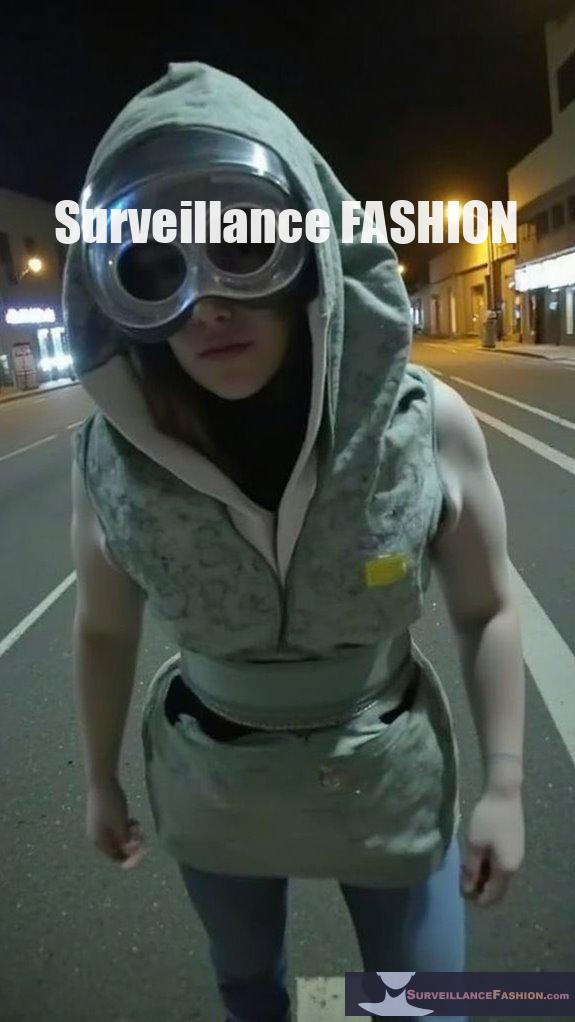
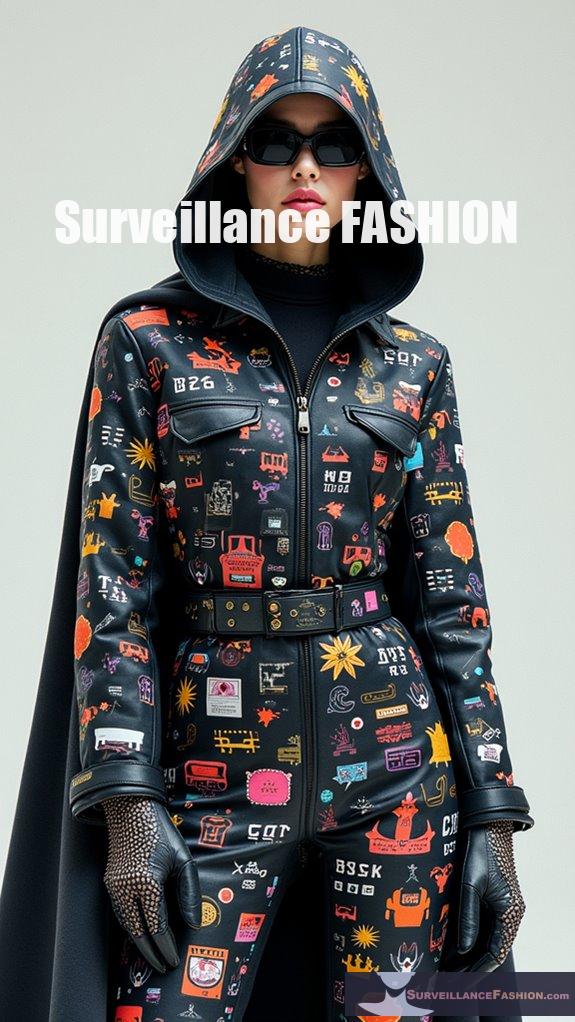
    Once, while wearing my trusty anti-surveillance hoodie, I wondered if I was being tracked. Was my casual stroll a privacy breach? The data collected could easily slip into the wrong hands.

    Regulations that reflect our values could create a balance between public safety and personal freedom. Isn’t that what we all want?

    Transparency breeds trust, after all—without it, we might as well welcome the dystopia with open arms.

    How Anti-Surveillance Fashion Changed My Perspective

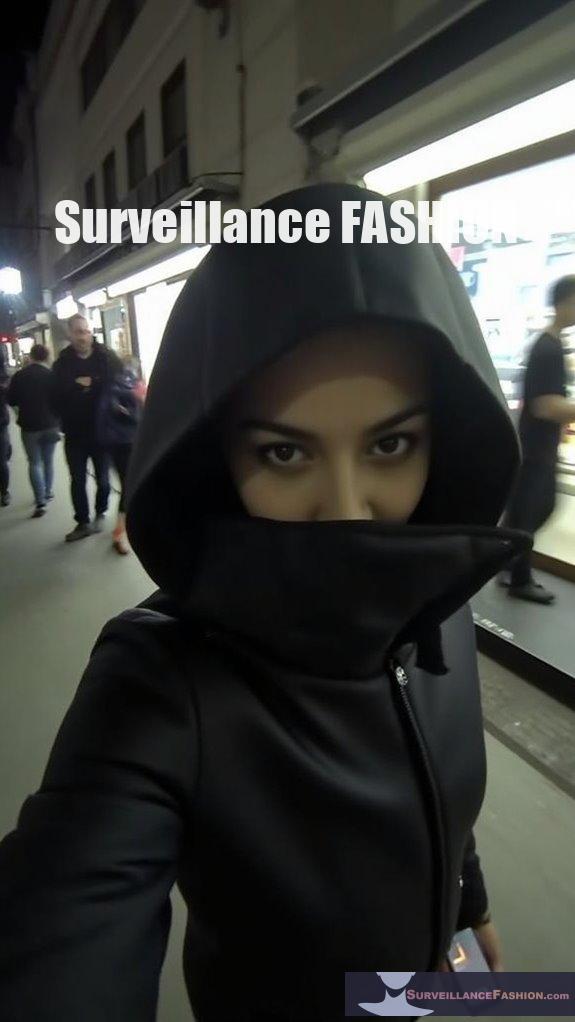
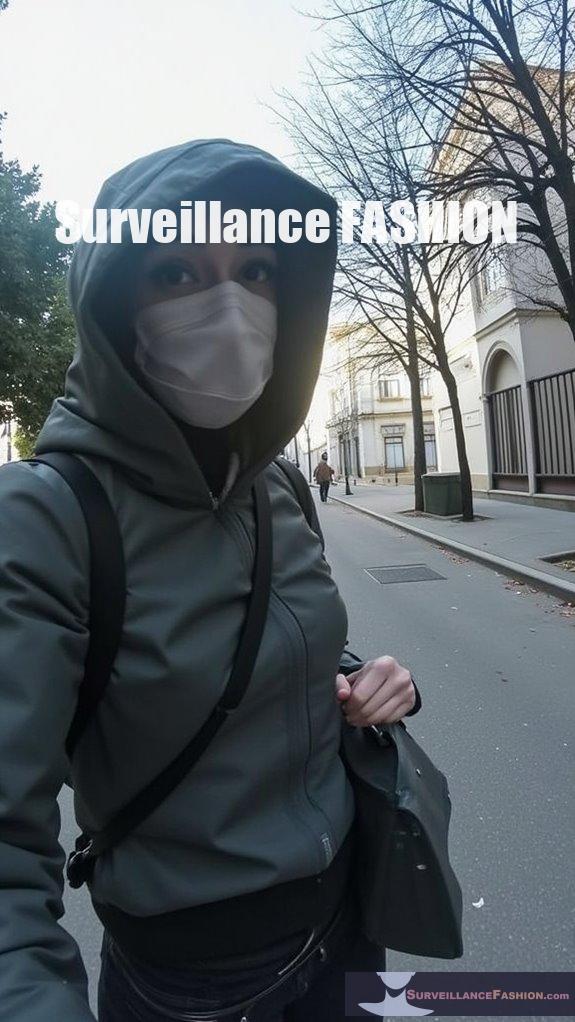
    I remember the first time I sported an anti-surveillance hoodie to protect my privacy. It felt absurd—like a cloak of invisibility in a tech-obsessed world. Walking through the city, I felt powerful, yet oddly paranoid. Were people judging my outfit?

    But, as I witnessed the growing use of surveillance, I found reassurance in my choice. The fabric was a symbol of resisting the all-seeing eyes of technology. Isn’t it funny how fashion can symbolize more than just trends? The blend of utility and activism reminded me that standing up for privacy is just as important as looking good!

    Every time I don that hoodie, it serves as a reminder of the importance of ethical boundaries in surveillance practices. Can you blame me for wanting to mold my own reality?

    Quick Takeaways

    • Ethical ALPR limits ensure accountability and transparency in data collection, fostering community trust and cooperation with law enforcement.
    • Strict regulations prevent misuse of ALPR data, protecting citizens’ privacy rights and reinforcing ethical standards in surveillance practices.
    • Community engagement in shaping ALPR policies addresses biases, particularly toward marginalized communities, promoting fair and just enforcement.
    • Establishing clear data retention policies minimizes risks of data accumulation and potential privacy violations, ensuring responsible usage of ALPR systems.
    • Regular audits and public oversight of ALPR usage enhance transparency and bolster public confidence in law enforcement’s commitment to ethical practices.

    The Role of ALPR in Enhancing Public Safety

    alpr technology enhances crime solving

    The advent of Automated License Plate Recognition (ALPR) technology has profoundly transformed law enforcement’s approach to enhancing public safety, facilitating an environment where real-time data integration becomes pivotal for effective crime management. This transformation is underscored by the fact that 10% of reported crime in the U.S. is solved with Flock, demonstrating the significant contributions of ALPR technology to crime-solving efforts.

    Ethical Frameworks for ALPR Deployment

    While maneuvering the complex terrain of emerging technologies, it’s essential to cultivate ethical frameworks that govern the deployment of Automated License Plate Recognition (ALPR) systems.

    This begins with robust ALPR guidelines that emphasize accountability frameworks and ethical oversight, ensuring the technology serves public interest without infringing on individual rights.

    Incorporating community input into policy development facilitates a more equitable approach, strengthening data stewardship and fostering transparency.

    For instance, agencies must impose strict law enforcement limits, clarifying the purpose of ALPR usage.

    Furthermore, proactive bias mitigation measures can address inherent disparities, ensuring surveillance doesn’t disproportionately affect marginalized communities. The integration of proactive community engagement is crucial to building trust and ensuring that surveillance measures align with societal values.

    Addressing Privacy and Surveillance Risks

    As you explore the domain of Automated License Plate Recognition (ALPR) systems, it becomes evident that privacy and surveillance risks are critical considerations necessitating immediate attention. The extensive data collection, often unrelated to public safety, raises significant privacy implications, as individuals’ movements are recorded without their consent, accumulating sensitive personal details like addresses and criminal charges.

    Moreover, the vulnerabilities in ALPR systems expose this data to cybersecurity threats, risking breaches that could lead to harassment or extortion. Shopping for effective data protection becomes not just a personal responsibility but a societal imperative. The ethical concerns surrounding surveillance highlight the need for robust regulations that protect citizens’ rights and privacy.

    Strengthening local oversight and ensuring transparent data sharing practices are pivotal steps toward safeguarding citizens against the misuse of surveillance technology, a goal that aligns with our mission here at Surveillance Fashion.

    Ensuring Transparency and Accountability

    To achieve this, cities must establish thorough policies governing data retention and agency oversight. By documenting authorized uses and stipulating data-sharing protocols, you encourage rigorous accountability.

    Regular audits of ALPR access logs, as demonstrated by Riverside Sheriff’s average of 16,300 daily searches, reveal who accesses data and why, fostering trust.

    Moreover, jurisdictions like Oakland that promptly release raw ALPR data empower public scrutiny. Engaging community advisory boards enhances transparency, enabling stakeholders to voice concerns and influence deployment strategies.

    As we navigate these complexities, police access to private camera networks has become an increasingly important discussion point in ensuring ethical surveillance practices. We created Surveillance Fashion to facilitate meaningful dialogue and perspectives around ethical surveillance practices, ensuring that both security and accountability coexist in our urban environments.

    navigating alpr technology challenges

    Maneuvering the complex terrain of Automated License Plate Recognition (ALPR) systems demands careful attention to emerging technological challenges that impact both their efficacy and ethical deployment.

    Recognizing the critical role of data integration, the seamless collaboration among various systems can greatly enhance algorithm efficiency, yet it also introduces potential vulnerabilities. For instance, when disparate ALPR technologies interface poorly, they can create security loopholes ripe for exploitation, as exemplified by recent breaches in vendor systems.

    Moreover, local jurisdictions often lack regulatory frameworks, which exacerbates these issues by allowing inconsistent data practices.

    As such, you must remain vigilant about not only implementing robust technical solutions but also establishing ethical standards that truly fortify the public interest, fostering responsible and accountable use of ALPR technology in urban settings.

    Building Community Trust Through Responsible Use

    Building community trust through responsible use of Automated License Plate Recognition (ALPR) systems requires a commitment to transparency and accountability that extends beyond mere compliance.

    To effectively foster this trust, consider implementing the following measures:

    Measure Description Impact
    Public Reporting Regular updates on ALPR usage to enhance knowledge Reduces fears of secrecy
    Independent Audits Third-party reviews for ethical compliance Boosts credibility
    Community Advisory Boards Engages residents for ongoing feedback Reinforces accountability
    Clear Data Policies Defining access and retention limits Protects privacy
    Inclusive Public Forums Opportunities for residents to voice concerns Fosters community engagement

    Surveillance Through Wearable Technology

    As communities increasingly rely on technology for security and health monitoring, wearable devices have emerged as fundamental tools that both enhance operational efficiency and raise ethical considerations surrounding surveillance.

    Through wearable security, individuals benefit from biometric monitoring that tracks essential signs and physical activity in real time, facilitating immediate alerts for potential health crises or security threats. For instance, GPS capabilities enable precise location tracking, proving critical for coordinated responses in complex environments.

    Yet, this continuous data collection can lead to intrusive surveillance, where personal privacy becomes compromised. Consequently, it’s important to establish transparent policies that guarantee the ethical use of wearable technology, marrying the benefits of enhanced situational awareness with the imperatives of individual rights.

    In this scenario, Surveillance Fashion advocates for responsible technology use that respects personal boundaries.

    Facial Recognition Technology Deployment

    While the potential of facial recognition technology (FRT) to enhance security and streamline identification processes might seem appealing, it’s crucial to examine the broader implications associated with its deployment.

    With around 75% of police forces globally adopting FRT, its integration within expansive surveillance networks raises significant privacy implications.

    The widespread adoption of facial recognition technology by police forces worldwide poses serious privacy concerns within vast surveillance systems.

    China’s extensive system, featuring 700 million cameras, exemplifies this rapid global adoption, yet raises concerns about individual rights.

    The effectiveness of FRT is often situationally dependent; while it aids suspect identification, false positives can damage public trust.

    Furthermore, regulatory frameworks remain inadequate, leaving gaps that disproportionately affect minority communities.

    As we develop tools like Surveillance Fashion, scrutinizing FRT’s ethical dimensions becomes increasingly critical to guarantee an accountable, powerful implementation that respects liberties amid technological advancements.

    Urban ALPR Ethics Privacy Concerns

    alpr ethics and oversight

    The rapid adoption of Automatic License Plate Recognition (ALPR) technology within urban environments highlights significant privacy concerns that merit careful examination.

    ALPR ethics compel us to scrutinize how data retention policies can infringe upon urban privacy. Many systems collect substantial data—license plate images, timestamps, locations—often involving limited oversight, which fosters an environment ripe for surveillance impact.

    This lack of transparency creates ethical concerns, particularly when enforcement disproportionately affects low-income communities and communities of color, intensifying racial disparities.

    Strikingly, jurisdictions that prioritize community oversight, like New Hampshire, demonstrate effective data governance by mandating immediate deletion of non-hit data, establishing a precedent for ethical safeguards.

    Eyes Everywhere: Anti-Surveillance Ebook review

    Surveillance has become an omnipresent reality in contemporary urban life, with technologies like cameras and Automatic License Plate Recognition (ALPR) systems playing essential roles in reshaping our interactions with public spaces.

    Eyes Everywhere offers invaluable perspectives into anti-surveillance activism, urging a deep examination of how digital privacy is compromised under the watchful eye of pervasive surveillance networks.

    The book underscores the complex web of government-corporate partnerships that facilitate the normalization of surveillance, revealing the disproportionately targeted scrutiny of marginalized communities.

    Supported by compelling case studies from diverse global backgrounds, it argues that mere efficacy in crime deterrence is insufficient justification for invading privacy.

    As our own project, Surveillance Fashion, illustrates the need for continual critique, this ebook serves as a vital resource for those seeking to navigate and challenge the encroaching surveillance environment.

    FAQ

    How Is ALPR Data Shared Between Different Jurisdictions?

    ALPR data is shared between jurisdictions through organized data exchanges that enhance interstate coordination.

    Agencies often collaborate directly by sharing license plate reads, timestamps, and hot lists, enabling thorough searches across multiple regions.

    For instance, a police department may transmit ALPR data to a neighboring jurisdiction to aid in investigations spanning county lines.

    This interconnected system allows law enforcement to effectively track vehicles tied to crimes, reinforcing the necessity for well-structured surveillance policies.

    What Measures Prevent Misuse of ALPR Information by Law Enforcement?

    To prevent misuse of ALPR information by law enforcement, robust data protection measures and rigorous community oversight are vital.

    By establishing strict access protocols and implementing extensive training, agencies guarantee that only authorized personnel wield ALPR data responsibly.

    Furthermore, regular audits and transparent reporting to the community foster accountability, while prohibiting non-criminal uses of such data safeguards against potential abuse, thereby reinforcing public trust and enhancing ethical standards in surveillance practices.

    How Does ALPR Affect Minority Communities Specifically?

    ALPR technology notably impacts minority communities through increased surveillance bias, often resulting in racial profiling.

    These communities face disproportionate targeting, as law enforcement deploys ALPR scanners more frequently in their neighborhoods. The resultant data often leads to unwarranted stops and interventions, perpetuating a cycle of mistrust and fear.

    For instance, Black motorists experience erroneous identifications due to systems’ flaws, highlighting the urgent need for transparency and ethical guidelines in ALPR practices to guarantee equitable treatment.

    What Happens to Data After the Retention Period Expires?

    After the retention period expires, data undergoes meticulous data disposal processes.

    Most agencies irretrievably delete the information, ensuring compliance with strict retention policies designed to safeguard privacy.

    Remaining data related to ongoing investigations is archived securely, accessible only to authorized personnel.

    This controlled access prevents misuse, allowing law enforcement to utilize pertinent information responsibly.

    Can Citizens Request Access to Their ALPR Data?

    Yes, citizens can request access to their ALPR data, although the process isn’t uniform and depends on local laws.

    Typically, you must demonstrate a legitimate interest related to citizen privacy to have any chance of success.

    Policies vary, with some jurisdictions offering formal mechanisms, while others lack clear procedures entirely.

    Enhanced data transparency is essential, ensuring that individuals can navigate the complexities of accessing their personal surveillance data, a principle we reflect on at Surveillance Fashion.

    Share Your Own Garden

    In the detailed dance between public safety and individual privacy, it’s often said that “the price of liberty is eternal vigilance.” As cities increasingly integrate Automated License Plate Recognition (ALPR) technologies, establishing ethical limits becomes imperative to preserve this balance. By prioritizing transparency, accountability, and a thorough ethical framework, urban environments can safeguard citizens’ rights while enhancing security measures. The ongoing dialogue surrounding surveillance practices, including those explored on our platform, underscores the necessity of mindful implementation in an ever-evolving technological environment.

    References

  • Usage of Invisible Ink Tattoos Against Facial Recognition

    Usage of Invisible Ink Tattoos Against Facial Recognition

    Invisible ink tattoos present an innovative approach to evading facial recognition systems by using UV-reactive pigments that remain unseen in normal light but become visible under blacklight. These tattoos can provide distinct identifiers while maintaining individual privacy, as they can be designed to avoid detection by standard imaging technology. As the environment of biometric surveillance evolves, the implications of using such hidden markings invite contemplation about personal liberties versus public safety, revealing a complex interplay worth exploring further.

    Quick Takeaways

    • Invisible ink tattoos can create unique, UV-reactive patterns that may evade detection by facial recognition systems when properly applied.
    • These tattoos remain hidden in normal light, reducing the chance of identification during surveillance situations.
    • The effectiveness of invisible ink tattoos against facial recognition depends on their placement, visibility, and contrast with skin.
    • As facial recognition technology evolves, invisible ink tattoos may provide a covert method for personal expression and privacy protection.
    • However, reliance on these tattoos raises ethical and privacy concerns regarding consent and potential misuse of data.

    What Are Invisible Ink Tattoos?

    invisible biocompatible tattoo art

    Invisible ink tattoos are body art that uses specialized inks, which remain invisible in normal light but become visible under specific conditions like UV light. This technology employs biocompatible pigments encapsulated in safe polymers. These tattoos, often referred to as UV or black light tattoos, enable discreet artistic expression and can reveal designs or details that are hidden until exposed to particular lighting.

    Key features include:

    • Covert Art: Ideal for those seeking privacy in their body art.
    • Dual-Design Capability: One design may be visible in daylight, while another glows under UV light.
    • Safety: Biocompatible materials minimize health risks.
    • Innovative Formats: Popular for creative designs like glowing constellations and interactive elements. In addition, these tattoos can be reprogrammed to change designs at will, allowing for multiple design options.

    However, they may also present challenges such as visibility of the tattoo’s location due to skin trauma, dependence on specific lighting conditions, and complexities in removal or modification.

    How Do Invisible Ink Tattoos Function in Terms of Visibility?

    Invisible ink tattoos function by utilizing UV-reactive fluorescent dyes that are mostly transparent in normal light but emit a bright glow under UV or blacklight conditions, revealing elaborate designs.

    These tattoos feature innovative optical properties that transform visibility based on lighting. Under ambient light, the ink remains nearly invisible, with colors emerging vividly under blacklight (around 395 nm).

    Tattoo artists use handheld blacklights for application precision, ensuring designs are accurately depicted. Factors such as healing and UV exposure can influence the tattoo’s longevity and fluorescence, making careful aftercare essential.

    How Do Facial Recognition Systems Currently Work?

    Facial recognition systems capture and analyze facial images, extracting unique features to create a numerical template for comparison against stored data. This process utilizes AI and machine learning algorithms to enhance accuracy during matching, ensuring efficient identification and verification.

    The workflow begins with capturing an image or video frame, isolating the face from the background, and extracting over 80 unique facial features. These features are converted into a mathematical formula called a facial signature. The template, represented by distinctive numerical codes, is then compared against a database.

    Key components of the matching process include:

    • Comparing new face templates to existing database entries.
    • Using AI algorithms to compute similarity scores.
    • Granting confirmation when scores exceed a predetermined threshold.

    Despite its conveniences, facial recognition systems face technical challenges such as:

    • Lower accuracy compared to iris and fingerprint recognition.
    • Vulnerability to biases, lighting, and image quality variations.
    • Growing ethical concerns surrounding privacy and potential misuse. Additionally, these concerns highlight the importance of privacy awareness among citizens in a surveillance-heavy society.

    Why Are Tattoos Used as Biometric Identifiers?

    tattoos as unique identifiers

    Tattoos are utilized as biometric identifiers due to their uniqueness, permanence, and ability to convey personal history or affiliations. They serve as valuable tools for law enforcement and identification systems, especially when traditional biometric data is absent.

    Tattoos provide a distinct pattern that can aid in identifying suspects and victims when other biometric options are unavailable or compromised. Their lasting nature means they can be relied upon over time, while also offering understanding into an individual’s background or affiliations.

    Law enforcement agencies can leverage tattoo data to link cases, track networks, and enhance identification accuracy. Furthermore, advancements in biometric tattoo technology allow for greater integration of tattoos with modern identification systems, creating a more robust feature set to support identification efforts.

    What Is Tattoo Recognition Technology (TRT)?

    TRT captures various characteristics of tattoos, including design, location, and color, which improves identification accuracy.

    The National Institute of Standards and Technology (NIST) provides guidelines on imaging practices, emphasizing high-quality images and metadata tagging.

    With over 95% accuracy in controlled tests, TRT can identify suspects or individuals based on tattoo patterns, making it a valuable tool in law enforcement and security applications.

    How Does Infrared Imaging Enhance Tattoo Recognition Accuracy?

    Infrared imaging enhances tattoo recognition accuracy by capturing high-contrast images that remain unaffected by skin pigmentation, aging, and decomposition. This technology allows for improved detection of tattoos that are otherwise obscured in visible light.

    By utilizing short-wave infrared (SWIR) wavelengths, infrared imaging provides clearer images of tattoos, especially on darker skin tones or areas where ink closely matches skin color. This is particularly useful for identifying tattoos shielded by chic accessories designed to block tracking devices.

    This robustness makes it an essential tool for forensic applications:

    • Overcomes variations in skin color across ethnic groups.
    • Maintains image quality despite decomposition and skin conditions.
    • Enhances accuracy of automated recognition algorithms by providing high-quality inputs.
    • Supports identification of tattoos in challenging scenarios often failing with conventional methods.

    These features make infrared imaging vital for law enforcement and forensic investigations.

    Can Invisible Ink Tattoos Effectively Evade Facial Recognition Systems?

    invisible tattoos and recognition

    Answer:

    Invisible ink tattoos are unlikely to effectively evade facial recognition systems, as they don’t alter the structural features that these algorithms analyze. Without specialized detection technology, these tattoos remain undetectable and don’t provide any meaningful disruption to recognition processes.

    Invisible ink tattoos are designed to be invisible under standard lighting conditions, hence lacking visible features that facial recognition systems utilize for analysis. These systems primarily rely on unique physical characteristics, such as bone structure and skin texture, which invisible tattoos don’t modify.

    Current facial recognition database software doesn’t include the capability to detect these tattoos, limiting any potential advantage they may offer. While traditional methods like visible tattoos or facial alterations are more effective for evasive measures, future technological advancements could pose challenges.

    If multispectral imaging becomes more integrated into recognition systems, invisible tattoos could potentially be detected, diminishing their utility. Overall, their effectiveness in evading facial recognition remains questionable at best.

    What Are the Potential Effects of Invisible Ink Tattoos on Biometric Identification?

    Invisible ink tattoos may enhance biometric identification by providing unique, covert markers that can improve accuracy but also introduce new challenges in detection and privacy.

    These tattoos utilize advanced algorithms to embed biometric data within the skin, making them a distinctive feature for identification systems. When integrated with imaging technology, they can serve as supplementary identifiers, potentially augmenting facial recognition systems.

    However, their covert nature raises significant privacy concerns regarding consent and unauthorized access to sensitive information. Key considerations include:

    • Detection accuracy of non-visible inks.
    • Ethical implications of data usage.
    • Potential for misuse in surveillance.
    • Need for regulatory frameworks to protect individual rights.

    What Are the Limitations of Using Invisible Ink Tattoos Against Facial Recognition?

    Invisible ink tattoos present several limitations against facial recognition, including insufficient contrast, vulnerability to advanced imaging technology, and inconsistent fading over time.

    Their effectiveness is further compromised by potential ethical concerns and practical challenges related to application and public acceptance.

    These tattoos may not provide reliable protection since:

    • Infrared and multispectral imaging can detect them despite their invisibility.
    • Inconsistent fading can alter the tattoo pattern unpredictably.
    • Precise placement necessary for effectiveness complicates application.
    • Ethical issues surrounding informed consent and surveillance may hinder acceptance.

    How Does Digital Masking Differ From Physical Invisible Ink Tattoos?

    Digital masking alters facial features digitally using software, while invisible ink tattoos modify the skin with patterns that disrupt facial recognition sensors. Each serves to protect privacy, but their methods and applications differ greatly.

    Digital masking employs algorithms to manipulate digital images, allowing users to obscure their identity without physical alteration. It requires uploading photos to software, making it adaptable and accessible.

    In contrast, invisible ink tattoos provide a physical deterrent against recognition systems by creating UV-reactive patterns.

    • Digital masks can be easily updated.
    • Tattoos are static once applied.
    • Masks operate dependent on digital imagery.
    • Tattoos need to be visible to specific sensors for effectiveness.

    Both methods aim to combat facial recognition but come with unique limitations and ethical considerations.

    What Ethical Issues Surround the Use of Biometric Tattoos?

    The use of biometric tattoos raises ethical issues primarily concerning privacy, consent, and potential misuse of data. These tattoos can expose personally identifiable information, and without proper consent, their collection could violate ethical and legal standards.

    The ethical implications surrounding biometric tattoos are multifaceted. Key concerns include:

    • Privacy Risks: Unauthorized collection can compromise personal information.
    • Function Creep: Original data purposes may change without user consent.
    • Expression Rights: Tattoos as artistic expression may clash with data collection.
    • Discrimination Potential: Misuse could exacerbate biases in law enforcement and employment decisions.

    Robust ethical frameworks and clear policies are essential to safeguard individual rights and privacy in this emerging area.

    What Are the Future Implications of Invisible Ink Tattoos in Surveillance and Privacy?

    Invisible ink tattoos have significant future implications for surveillance and privacy by providing covert means to evade facial recognition technologies and challenging current biometric data regulations.

    As the development of invisible ink tattoos advances, they offer individuals a tactical approach to controlling their identity visibility in increasingly surveilled environments. These tattoos can subvert facial recognition systems without obstructing cameras, particularly empowering those engaged in anti-surveillance activism.

    However, the complexities of ink precision, varying detection technologies, and legal considerations pose challenges for wider acceptance.

    • Continuous advancements may lead to an escalating arms race between privacy advocates and surveillance entities.
    • Increased reliance on multi-modal biometrics could result from diminished reliability of facial recognition databases.
    • Ongoing discussions around biometric evidence admissibility might shift as these technologies become more mainstream.

    Individual Liberties Against Public Safety

    Advancements in invisible ink tattoos not only challenge the mechanics of facial recognition but also provoke larger questions surrounding individual liberties and the overarching necessity of public safety.

    1. Legal ambiguities around consent raise concerns over personal autonomy.
    2. Surveillance technologies could disproportionately target marginalized groups, leading to systemic discrimination.
    3. Civil rights advocates warn that tattoo recognition risks violating fundamental privacy rights, compromising anonymity.

    As innovation continues to redefine our understanding of identification, it’s vital to navigate these ethical challenges, fostering a dialogue that respects individual rights while acknowledging the necessity for public safety measures.

    At Surveillance Fashion, we aim to clarify these complex intersections through informed discussions.

    CCTV Networks Monitoring Pedestrians

    In various urban environments, it’s becoming increasingly common to witness the integration of CCTV networks tailored for pedestrian monitoring, thereby creating an engaging interaction between technology and urban planning.

    These systems employ automated pedestrian detection, achieving around 67% accuracy, markedly reducing manual labor in observing pedestrian flows. Real-time data from these cameras enables scalable monitoring, enhancing our understanding of pedestrian behavior.

    However, challenges exist, such as occlusions and reflections leading to false detections. Innovative algorithms, particularly spatio-temporal neural networks, promise improved predictions of crossing behaviors, underscoring a significant shift toward data-driven urban management and safety interventions that guides our mission at Surveillance Fashion.

    Invisible Ink Tattoos for Facial Recognition Evasion

    As urban surveillance technologies continue to develop, the potential for employing innovative strategies to evade facial recognition grows increasingly relevant.

    Invisible ink tattoos present a compelling avenue, as they intricately alter facial features undetectably. Here’s why they hold promise:

    1. Skin Pattern Disruption: By confusing algorithms that depend on visible textures.
    2. Stealthy Application: Their placement on high-recognition areas like cheeks and foreheads renders them effective.
    3. Variable Detection: Different wavelengths can impact recognition accuracy, especially with infrared imaging.

    Exploring these innovative applications aligns with our mission at Surveillance Fashion: to investigate advancing techniques for privacy in an increasingly monitored world.

    Eyes Everywhere: Anti-Surveillance Ebook review

    While you might feel overwhelmed by the omnipresent gaze of surveillance technology, engaging with the “Eyes Everywhere: Anti-Surveillance” ebook reveals a layered viewpoint on countermeasures available in our increasingly monitored environment. This resource elucidates the vast expanse of camera surveillance globally, displaying its often unchallenged integration into daily life. Within its pages, compelling discussions arise regarding efficacy and ethical implications, urging you to contemplate your own role in this ecosystem.

    Aspect Details
    Global Camera Expansion Ubiquitous presence in cities (CCTV, events)
    Effectiveness Minimal crime deterrence; social inequalities
    Surveillance Ecosystem Technological tools, corporate/government collusion
    Policy & Resistance Advocacy for regulatory reform; civil liberties considerations

    References

  • 7 Essential Tips to Defend Privacy From Cross-Border Chat Control

    7 Essential Tips to Defend Privacy From Cross-Border Chat Control

    Ever feel like our conversations are being eavesdropped on, maybe by the proverbial big brother?

    Well, take heart. I’ve learned the hard way that safeguarding our chats is crucial. I got tangled in a web of cross-border regulations once and let’s just say, some of my messages hit a snag.

    I dove headfirst into end-to-end encryption with Signal. The relief? Immeasurable.

    I now keep my chats encrypted, use regional servers, and embrace open-source apps.

    But, here’s the kicker – the more I educate myself about data protection, the more I realize I don’t know.

    So, why not join me on this slightly paranoid journey?

    Anti-Surveillance Fashion: An Unexpected Ally in Privacy Protection

    Once, I decided to rock a “privacy superhero” getup for a party. Imagine this: oversized sunglasses and a hat that could double as a satellite dish.

    People laughed, but I caught some hushed whispers about my “anti-surveillance” style.

    Through this amusing encounter, I learned that our fashion choices can be powerful tools against prying eyes.

    It made me think about how we all can weave privacy into our lives—even our wardrobes.

    With trends leaning toward bold privacy statements, we can play with style while keeping unwanted spies at bay. Who knew protecting our privacy could be this fun?

    Quick Takeaways

    • Utilize end-to-end encrypted messaging services to ensure your communications remain confidential and protected from unauthorized access.
    • Opt for regional data centers to minimize the risk of cross-border data exposure and enhance compliance with local privacy regulations.
    • Limit sensitive data exchanges and implement strict internal policies to reduce privacy risks associated with international communications.
    • Stay informed about emerging privacy legislation and advocate for stronger protections against mass surveillance practices impacting digital communications.
    • Employ open-source applications to benefit from transparency and community-driven security, reducing the likelihood of unethical data handling practices.

    Choose End-to-End Encrypted Services

    end to end encryption services

    In today’s digital environment, safeguarding your privacy from intrusive surveillance practices is paramount, and choosing end-to-end encrypted (E2EE) services can greatly bolster your defenses. E2EE guarantees that messages remain confidential between only you and the intended recipient, as they can’t be decrypted by third parties, including service providers. This protection is essential, particularly against server breaches and unauthorized interceptions. Moreover, as EU opposition to chat control demonstrates, there is growing concern over how such measures can infringe on personal privacy rights.

    For example, Signal employs the robust Signal Protocol, offering unparalleled privacy. Furthermore, many leading platforms incorporate features like self-destructing messages, minimizing data retention. Selecting E2EE services not only aligns with global compliance standards, such as GDPR, but also promotes a new standard of digital integrity, something we at Surveillance Fashion advocate for, reflecting a commitment to protecting individual privacy in an increasingly interconnected world. Additionally, apps like Rocket.Chat are designed to meet industry-specific regulations and enhance organizational security while ensuring smooth communication.

    Limit Cross-Border Communications

    Safeguarding privacy involves not just the tools you choose but also the strategies you employ to manage your communications, particularly when exploring the complex terrain of cross-border data exchange. To effectively limit cross-border communications, focus on essential exchanges, thereby reducing privacy risks and navigating disparate legal frameworks. Implement strict internal policies that govern the sensitivity of data shared internationally, while training staff on data minimization principles, which directly align with regulations like those seen in Singapore’s PDPC fines. Opt for regional data centers to avoid unnecessary data flow, ensuring access controls remain role-based and strictly monitored, thereby addressing the challenges posed by diverse data protection laws.

    Use Open-Source and Privacy-Respecting Applications

    Using open-source and privacy-respecting applications can greatly enhance your digital communications, especially when maneuvering through the complexities of privacy in an increasingly surveilled world. These solutions offer transparency through publicly accessible source code, guaranteeing independent security audits that bolster user trust. Increasingly, these applications challenge the unethical practices associated with mass surveillance and aim to protect users’ rights.

    Here’s a visual representation of key features:

    Feature Description
    E2EE Guarantees confidentiality of messages
    Metadata Minimization Reduces data collection risk
    Community-Driven Development Accelerates improvements
    Cross-Platform Compatibility Broadens accessibility
    Non-Proprietary Systems Mitigates backdoor risks

    Upscale your security stance with applications like Signal, which embodies these features, enabling secure, private communication while reducing the threat of cross-border surveillance—core aspirations of our initiative, Surveillance Fashion. Choose wisely, and reclaim your privacy.

    Stay Informed and Participate in Advocacy Efforts

    advocate for digital privacy

    Staying informed about privacy matters isn’t just beneficial; it’s crucial for anyone who values their digital autonomy. Engaging with organizations like the Electronic Frontier Foundation (EFF) and the International Association of Privacy Professionals (IAPP) keeps you updated on pressing issues and innovative practices regarding data protection.

    Participating in awareness campaigns such as Data Privacy Week or attending RightsCon conferences allows you to connect with fellow advocates and understand the intricacies of privacy legislation.

    Moreover, submitting public comments on draft policies or sharing research findings amplifies your voice in shaping regulatory frameworks. By subscribing to newsletters from privacy NGOs, you gain perspectives into emerging threats and effective advocacy strategies, essential for maneuvering through the rapidly transforming environment of digital privacy—a core focus of initiatives like Surveillance Fashion.

    Regularly Update Encryption Keys and App Versions

    In the domain of digital privacy, the robustness of your encryption practices stands central to safeguarding confidential information against unauthorized access, not merely as a precaution but as a fundamental necessity.

    To maximize security, consider these crucial practices:

    • Implement regular and automated key rotation to minimize the data exposure window in case of compromise.
    • Use well-tested cryptographic algorithms for generating strong, secure keys, avoiding simple passwords or personal information.
    • Regularly update your apps to eliminate vulnerabilities and guarantee robust data protection.

    These strategies not only enhance protection but also reflect a commitment to privacy in a world where cross-border chat control looms large.

    As we navigate these complexities, our website, Surveillance Fashion, aims to provide perspectives into these critical technological challenges.

    Avoid Sending Sensitive Information Through Mandated Platforms

    While many individuals rely on popular messaging platforms for daily communication, it’s essential to recognize the inherent risks associated with sending sensitive information through these mandated systems.

    Centralized servers, found in apps like WhatsApp and Telegram, expose user metadata and identities to government scrutiny and breaches, jeopardizing privacy. Mandatory phone registration links your online presence to your real-world identity, diluting anonymity, especially for journalists or activists.

    Even if messages are encrypted, metadata—such as IP address and message timing—can be tracked, revealing behavioral patterns. Given these vulnerabilities, it’s wise to avoid sensitive discussions on these platforms.

    Instead, consider options that prioritize privacy, reflecting our commitment at Surveillance Fashion to raising awareness about digital freedom and responsible communication.

    Support and Utilize Anti-Surveillance Networks and Tools

    adopt anti surveillance tools now

    Relying solely on traditional messaging platforms for communication can leave users vulnerable to numerous surveillance threats, making it increasingly important to adopt anti-surveillance networks and tools that enhance privacy.

    Consider integrating the following into your digital practices:

    • Tor Network: Utilize onion routing for anonymizing traffic, effectively masking your location while accessing the dark web.
    • VPNs: Create encrypted tunnels that shield your online activities from prying eyes, essential for conducting secure communications over public networks.
    • Privacy-focused Browsers: Tools like Brave and Firefox reduce digital tracking, enhancing your browsing experience while protecting your data.

    Engaging with these technologies not only strengthens personal privacy but can also inspire meaningful conversations regarding the importance of surveillance awareness, a core tenet of our website, Surveillance Fashion.

    Extensive User Data Tracking

    As digital environments evolve, the reality of extensive user data tracking has become an undeniable aspect of online existence, intertwining technology with individual privacy in complicated ways that often go unnoticed.

    In the European framework, for instance, over 90% of tracking flows originate and terminate within EU28 countries, challenging the notion that most tracking occurs outside Europe.

    Despite this, the national confinement of tracking is often below 70%, facilitating cross-border data movement through techniques such as DNS redirection and Point of Presence (PoP) mirroring.

    This can lead to increasingly precarious situations, particularly with the collection of sensitive personal data—be it financial or health-related—often compiled without user awareness.

    Our website, Surveillance Fashion, aims to illuminate these complicated dynamics, empowering users to navigate the hidden labyrinth of data tracking.

    Trendy Data Privacy Awareness

    Trendy data privacy awareness reflects a significant cultural shift, signifying a heightened collective consciousness regarding personal information management in an increasingly digital world.

    You’re now more aware of your rights and the complex framework of data privacy regulations, and this growing knowledge influences your expectations.

    • 53% of global consumers recognize privacy laws, driven by initiatives promoting transparency.
    • A staggering 90% believe local data storage is safer, reflecting a demand for control.
    • Self-sovereign identity models are emerging, empowering individuals to manage their data actively.

    As you engage with these trends, it’s essential to understand how innovations like blockchain can enhance your data rights.

    This is the reason we created Surveillance Fashion—to navigate and demystify these changing dynamics for informed users like you.

    EU Chat Control Cross-Border Data Privacy Implications

    While maneuvering through the complex terrain of EU Chat Control regulations, you may find yourself grappling with their far-reaching implications for cross-border data privacy. This initiative mandates the scanning of private digital communications—impacting even non-EU platforms that engage with EU users—setting a concerning precedent for global surveillance.

    As platforms may weaken critical end-to-end encryption to comply, both message confidentiality and user privacy are jeopardized. The potential for mass surveillance raises troubling questions about treating all users as suspects, fundamentally collapsing the presumption of innocence.

    Additionally, amidst a backdrop of political division within EU member states, emerging legislative discord risks diluting established privacy frameworks. Understanding these intricacies fortifies your defenses against possible erosions of digital civil liberties—an aim woven into the mission of Surveillance Fashion.

    EU Chat Control Proposal Risks and Anti-Surveillance Strategies Ebook review

    In light of the escalating tensions surrounding the EU Chat Control proposal, it’s imperative to critically evaluate its multifaceted risks and the countermeasures presented in the corresponding Ebook.

    This Ebook highlights essential strategies to mitigate the adverse effects on privacy, including:

    • Promoting robust end-to-end encryption devoid of backdoors, maintaining technical integrity.
    • Encouraging user education about metadata risks, fostering informed platform choices free from mandated scanning.
    • Advocating for legal challenges against mass surveillance encroachments, reinforcing the safeguards of the EU Charter.

    Such strategies equip users to navigate a domain fraught with potential surveillance pitfalls, aligning with our mission at Surveillance Fashion to illuminate privacy vulnerabilities while championing innovative solutions for a more secure digital future.

    Successfully implementing these measures is vital to upholding individual privacy rights amid regulatory pressure.

    EU Chat Control FAQ

    How Does Chat Control Impact My Daily Messaging Privacy?

    Chat control greatly undermines your daily messaging privacy, as it mandates scanning of all communications, including those on platforms like WhatsApp and Signal, compromising both encryption and user trust.

    With every message subjected to scrutiny, the likelihood of false positives increases, jeopardizing the privacy of innocent users.

    Ultimately, this creates a precarious environment where global communication standards may diminish, necessitating a careful reevaluation of how you navigate privacy in your digital interactions.

    What Happens if I Continue Using Mainstream Messaging Apps?

    If you continue using mainstream messaging apps, you’re effectively inviting an unseen audience into your conversations, akin to narrating secrets at a crowded coffee shop.

    Despite end-to-end encryption safeguarding your messages, the metadata crafted—like timestamps and contact lists—remains vulnerable, exposing your communication patterns to companies and potentially governments.

    This metadata can be harnessed for targeted advertising or unauthorized surveillance, thereby jeopardizing your privacy in ways far beyond mere message content.

    Are There Alternatives to Traditional Messaging Platforms?

    Yes, there are several alternatives to traditional messaging platforms.

    For instance, Signal boasts end-to-end encryption with minimal data retention, while Element operates on a decentralized Matrix protocol, enhancing user control over data.

    If anonymity is paramount, Threema allows messaging without requiring personal identifiers.

    Apps like Briar and Session leverage advanced technologies like Bluetooth and blockchain respectively, ensuring privacy even in constrained environments.

    This demonstrates the diverse offerings available to safeguard your communication effectively.

    How Can I Educate Others About Chat Control?

    To educate others about Chat Control, engage them through workshops discussing privacy implications and real-world consequences.

    Share examples of false positives affecting innocent individuals to underscore the risks involved.

    Collaborate with organizations advocating for digital rights to create informative materials.

    Utilize social media to disseminate key statistics, emphasizing the potential loss of anonymity and privacy.

    Encourage critical thinking about government overreach and highlight the value of strong encryption in preserving digital freedoms.

    You’ve got several legal options against privacy violations.

    First, file a complaint with the Civil Liberties Protection Officer (CLPO) to challenge unlawful data collection.

    You can also take legal action against government agencies, particularly regarding warrantless searches.

    Utilizing civil litigation allows you to contest surveillance practices, especially those lacking proper warrants.

    Engaging civil liberties organizations can bolster your case, enhancing your understanding of the complex legal framework surrounding privacy rights in cross-border circumstances.

    References

  • Usage of Anti-Surveillance Retractable Masks

    Usage of Anti-Surveillance Retractable Masks

    Anti-surveillance retractable masks serve as innovative solutions for obstructing facial recognition technologies, which increasingly monitor our lives. These masks are equipped with adjustable extensions that can quickly alter your facial geometry, thereby disrupting key landmarks recognized by algorithms. Constructed from lightweight materials, they’re designed for comfort in various environments. As awareness of surveillance escalates, these masks embody a blend of fashion and privacy advocacy, emphasizing personal autonomy. Discover how these technologies are practically applied and changing everyday interactions.

    Quick Takeaways

    • Retractable masks provide quick transition between concealed and visible states, adapting to varying surveillance environments effectively.
    • They disrupt facial recognition by altering key facial features, making identification by algorithms significantly challenging.
    • Constructed from lightweight, breathable materials, these masks ensure user comfort while offering advanced protection against surveillance systems.
    • Trendy designs and retro-reflective fabrics enhance their aesthetic appeal while functioning to obscure biometric data capture.
    • They foster privacy-conscious behavior and empower individuals to resist invasive surveillance practices in public spaces.

    What Are Retractable Mask Extensions and How Do They Work?

    retractable mask extension technology

    Retractable mask extensions are adjustable mechanisms integrated into face masks that allow users to extend or retract the mask quickly based on their needs. These innovative designs not only enhance functionality but also contribute to voice disguise technology, offering additional layers of protection against surveillance.

    They improve convenience and compliance in environments requiring rapid changes in mask use, using components like springs and sliding rails for smooth operation. These systems are designed to enhance user comfort and safety.

    Key features include:

    • Compact casings that house the mask and its mechanism.
    • Spring-loaded components for easy deployment.
    • Minimal handling, reducing contamination risk.
    • Lightweight and breathable materials for repeated use.

    Additionally, the use of Acrylic Uterus Love Clothes Needle Masks demonstrates the innovative progression in mask technology catering to diverse consumer needs.

    Regular maintenance guarantees functionality and hygiene, with modular designs facilitating easy part replacements.

    How Do Retractable Extensions Evade Facial Recognition Algorithms?

    Retractable extensions evade facial recognition algorithms by altering the visible facial geometry, which disrupts the key facial landmarks that these systems rely on for accurate identification.

    By obscuring features like the nose, cheekbones, and jawline, the extensions hinder the algorithm’s ability to create a reliable face template.

    These extensions can physically change the contour of the face, making it challenging for algorithms to match them against known identities.

    Some designs incorporate:

    • Distorted or false facial features
    • Reflective materials that disrupt infrared sensors
    • Partial coverings that maintain eye visibility while obscuring key landmarks

    Furthermore, employing these techniques aligns with established recognition evasion principles, enhancing overall effectiveness against advanced surveillance systems.

    What Materials Are Used in the Construction of Retractable Mask Extensions?

    Retractable mask extensions are primarily constructed from metal alloys, plastic polymers, carbon fiber composites, and stainless steel.

    These materials allow a combination of strength, flexibility, and comfort, while specialized textiles are employed to enhance wearability.

    The structural frames often utilize lightweight aluminum for durability and low weight, while plastic polymers like ABS are molded into compact components.

    For premium models, carbon fiber composites offer high strength-to-weight ratios, albeit at a higher cost.

    Stainless steel parts, used for mechanical components like hinges or clips, enhance corrosion resistance.

    In addition to this, the choice of textiles, such as breathable synthetic fabrics and elastic bands, guarantees comfort and hygiene, critical for extended wear.

    Key features include:

    • Antimicrobial coatings to inhibit pathogen growth.
    • Flexible fastening options like snap buttons and hook-and-loop strips.
    • Modular design for compatibility with various mask types.
    • Advanced production techniques like 3D printing for customization.

    How Do Retractable Masks Integrate Fashion With Anti-Surveillance Technology?

    fashion meets privacy technology

    Retractable masks integrate fashion with anti-surveillance technology by utilizing trendy designs and materials that obscure facial recognition while maintaining aesthetic appeal.

    This innovative approach disguises their true function, allowing users to blend privacy with style. The masks employ retro-reflective fabrics that disrupt AI algorithms, combined with fashionable patterns inspired by contemporary art to create visual noise.

    They guarantee unobtrusive wearability, allowing for normal social interactions and the visibility of facial expressions.

    Key features include:

    • Curved, lens-shaped structures for multiple angle protection.
    • Transparent elements for social interaction.
    • Accessories infused with anti-surveillance attributes.
    • Multi-sensor blocking through reflective materials.

    This balance of privacy and style reflects growing concerns about surveillance in modern society.

    What Are the Practical Applications for Retractable Mask Extensions in Daily Life?

    Retractable mask extensions serve practical applications by offering flexible facial coverage for health safety, privacy, and social interactions in daily life.

    These masks can be adjusted for various situations, allowing users to protect themselves against airborne pathogens in crowded spaces while easily retracting for communication.

    They help reduce exposure in poorly ventilated areas and provide a discreet option for privacy concerns, such as blocking facial recognition.

    In addition, they enhance convenience by integrating with everyday wearables, minimizing waste, and supporting better interpersonal connections.

    How Effective Are Retractable Extensions in Real-World Scenarios?

    Retractable extensions greatly enhance mask fit and seal in real-world scenarios, thereby improving filtration efficiency and reducing transmission risk. Their adjustable nature allows for a customized fit, maintaining seal integrity during movement and extending comfortable wear time.

    In practical settings, masks often underperform compared to lab conditions. Retractable extensions help mitigate this by tightening edges, reducing gaps where aerosols can escape. This results in:

    • Enhanced protection against droplet and aerosol transmission.
    • Increased comfort leading to longer, consistent use.
    • Improved mask stability during activities, maintaining coverage over the nose and mouth.

    However, the effectiveness of these extensions depends on proper adjustment and the quality of both the extension and mask material.

    What Challenges Do Users Face When Utilizing Retractable Mask Extensions?

    retractable mask usability challenges

    Users face several challenges with retractable mask extensions, including discomfort from added weight, complicating adjustments, and potential obstruction of social interaction.

    These limitations can hinder effective use and reduce overall satisfaction.

    Retractable masks may add bulk, leading to discomfort during prolonged use. The requirement for frequent adjustments to maintain proper fit interrupts daily activities.

    Furthermore, the rigid components can restrict natural facial movements, making communication difficult. The maintenance of mechanical parts adds to usability challenges, risking ongoing compliance with privacy practices.

    Users also contend with compatibility issues, as these masks must align with other anti-surveillance tools while considering various environmental conditions to guarantee effectiveness.

    How Do Different Facial Recognition Systems Respond to Retractable Masks?

    Different facial recognition systems respond variably to retractable masks, with traditional algorithms struggling considerably due to their design for unmasked faces.

    In contrast, advanced AI models and CNN-based systems can achieve high accuracy by adapting to partial visibility and focusing on essential facial features.

    Traditional algorithms often fail to recognize faces when large portions are occluded by retractable masks. This is primarily because they weren’t designed for such variations, leading to a pronounced degradation in performance.

    • Advanced AI systems can identify individuals even when only 40% of the face is visible.
    • Convolutional Neural Networks are particularly effective, with recognition rates nearing 99%.
    • New deep learning models have been developed to detect mask presence and adapt to recognizing masked faces.

    These advancements, however, require continuous retraining with datasets featuring masked faces to maintain effectiveness, emphasizing the importance of advancing technologies to meet current public safety needs.

    Are There Notable Case Studies or Projects Involving Retractable Mask Extensions?

    Yes, there are notable case studies and projects involving retractable mask extensions aimed at anti-surveillance.

    Privacy International’s collaboration led to the creation of a mask that alters its geometric features to thwart facial recognition.

    These masks have emerged as both tools and symbols in the fight against surveillance.

    Key highlights include:

    • Developed by Privacy International with technologists to frustrate identification.
    • Demonstrated varying effectiveness, with facial recognition error rates between 5-50%.
    • Piloted by activists within broader creative resistance frameworks.
    • Emphasized as part of a multifaceted approach to privacy advocacy against mass surveillance.

    How Do Low-Tech Methods Compare to High-Tech Retractable Masks?

    Low-tech masks offer inexpensive, accessible options for disrupting facial recognition but are often less effective and comfortable than high-tech retractable masks designed specifically for surveillance evasion.

    While low-tech methods like patterned fabrics or makeup are easy to produce, they provide only temporary disruption to surveillance systems.

    High-tech retractable masks, although costly, incorporate advanced materials and technologies that enable better evasion of AI recognition, ergonomic design for comfort, and adjustable coverage.

    However, they may require power sources and maintenance. Overall, high-tech solutions generally offer superior protection but come with practicality challenges.

    The use of retractable mask extensions raises complex legal and ethical implications, primarily intersecting with anti-masking laws, privacy rights, and public safety concerns.

    Retractable masks can challenge law enforcement efforts to identify individuals, leading to potential clashes with anti-masking statutes that prohibit concealing one’s identity in public. These laws were designed to deter crime and guarantee accountability, often framed within the framework of protecting public safety. Furthermore, they provoke legal debate on First Amendment rights concerning anonymous political expression and health-related exemptions.

    Notable considerations include:

    • Privacy advocates argue that masks enable protection from invasive surveillance technology.
    • Law enforcement claims such masks may embolden criminal behavior by obscuring identities.
    • Developing court rulings could redefine the balance between anonymity rights and public order.
    • The ongoing dialogue reflects broader concerns about the implications of surveillance and personal autonomy in society.

    How Can the Privacy Movement Be Supported Through the Adoption of Retractable Masks?

    The privacy movement can be supported through the adoption of retractable masks by promoting awareness of surveillance issues and enhancing individual autonomy over personal data.

    These masks disrupt facial recognition technology, offering a tangible means of resisting mass surveillance while normalizing privacy-protective behaviors.

    Retractable masks allow users to selectively obscure their faces in environments where surveillance is prevalent. Their aesthetic design fosters acceptance, making privacy-conscious choices more mainstream.

    By utilizing such masks, individuals actively participate in the privacy movement, making statements against intrusive monitoring.

    • Intermittent coverage disrupts biometric data capture.
    • Supports collective awareness of surveillance risks.
    • Encourages the integration of privacy-enhancing technologies.
    • Empowers individuals with practical, user-controlled privacy solutions.

    Liberty Versus Surveillance Tactics

    Liberty often finds itself at odds with the growing ethos of surveillance, especially as anti-surveillance measures, like retractable masks, emerge as statements of resistance against intrusive monitoring technologies.

    While these masks challenge the pervasive use of facial recognition, they also evoke legal debates surrounding anonymity rights versus public safety interests.

    In varying jurisdictions, the balance between communal security and civil liberties remains contentious, provoking discussions on how surveillance tactics can erode personal autonomy.

    As state monitoring increases, one must consider the implications on democratic freedoms, prompting innovations—such as those featured on Surveillance Fashion—that keep pace with advancing resistance tools while safeguarding privacy.

    Facial Recognition Camera Networks

    Facial recognition camera networks have rapidly expanded their presence across various sectors, transforming how security is managed in public spaces and private establishments alike.

    With a projected market growth to USD 15.73 billion by 2032, their adoption is fueled by innovations in AI, enhancing real-time threat detection.

    These systems see extensive use in airports and financial institutions, boosting security protocols and transaction verification considerably.

    Remarkably, North America leads, exhibiting over 70% police integration.

    As you navigate these advancements, it’s essential to understand their implications—this knowledge is foundational to the mission of Surveillance Fashion, promoting awareness and privacy in an increasingly monitored world.

    Retractable Mask Extensions for Evading Facial Recognition

    While the scenery of surveillance technology increasingly shapes daily life, innovations like retractable mask extensions emerge as a compelling response to the persistent threat of facial recognition.

    These extensions obscure or dynamically distort facial features, confounding AI systems that often maintain a 5% to 50% error rate against masks. However, advancing technologies—especially in airports—still achieve 96% effectiveness.

    The masks’ design must balance aesthetic appeal with mechanical distortion capabilities, ensuring usability over extended periods. By integrating digital understanding with physical applications, retractable masks represent a forward-thinking approach to personal privacy, solidifying our commitment at Surveillance Fashion to champion innovative anti-surveillance solutions.

    Eyes Everywhere: Anti-Surveillance Ebook review

    The complex terrain of modern surveillance is deftly encapsulated in the thought-provoking eBook, “Eyes Everywhere,” which critiques the pervasive government-corporate orchestration of monitoring tactics often likened to a “many-headed beast.”

    By meticulously unpacking the multifaceted dimensions of surveillance—from the tracking of digital communications such as emails and social media interactions to physical monitoring via car and mail tracking—the author constructs a thorough framework that elucidates the extensive reach of these systems.

    • Examines surveillance camera prevalence globally
    • Illustrates local-federal collaboration in monitoring
    • Discusses the impact on civil liberties
    • Analyzes corporate interests in surveillance
    • Highlights ethical concerns with automated systems

    References

  • Usage of Customizable Anti-Tracking Outfits

    Usage of Customizable Anti-Tracking Outfits

    Customizable anti-tracking outfits serve as innovative clothing solutions that protect you from various surveillance technologies, such as facial recognition and RFID tracking. These garments utilize advanced materials, like metallized fabrics that block electromagnetic signals, and modular designs that cater to individual style preferences. By integrating adversarial patterns and infrared LED arrays, these outfits effectively disrupt identity recognition. As interest in privacy grows, custom options not only enhance personal expression but also address pressing societal concerns about surveillance, leading to further exploration of this fascinating topic.

    Quick Takeaways

    • Customizable anti-tracking outfits provide users with personalized protection against surveillance technologies like facial recognition and RFID tracking.
    • These outfits utilize advanced materials, such as metallized fabrics, to block signals and create effective barriers against tracking.
    • Users can incorporate DIY elements and unique patterns to enhance anonymity and confound facial recognition systems.
    • Modular designs allow for quick modifications and personalization, empowering users to adapt to varying surveillance threats.
    • Increasing demand for privacy-focused clothing reflects growing concerns about surveillance and the need for ethical fashion solutions.

    What Are Customizable Anti-Tracking Outfits?

    customizable privacy protecting garments

    Customizable anti-tracking outfits are specially designed garments that protect wearers from surveillance technologies like facial recognition and RFID tracking. They employ unique patterns and materials to confound tracking systems, allowing individuals, especially privacy advocates, to maintain anonymity in public spaces. These outfits can be tailored to individual styles and offer several protective features.

    Key aspects include:

    • Adversarial patterns to disrupt facial recognition.
    • Shielding fabrics against RFID tracking signals.
    • Integration of technological components like RFID tags.
    • Options for custom designs based on user preferences or DIY inspirations.

    These outfits often incorporate principles of anti-surveillance styles to enhance their effectiveness. While they provide a strategic layer of privacy, effectiveness may vary with advances in tracking technology, and users may need to reflect on potential connectivity trade-offs. Notably, many outfits utilize concepts from CV Dazzle to confuse facial recognition systems.

    How Do Metallized Fabrics Function in Privacy Protection?

    Metallized fabrics function in privacy protection by blocking electromagnetic fields and signals, preventing unauthorized access to data and tracking technologies.

    These materials shield against RFID reading, GPS tracking, and wireless communication threats. Metallized fabrics incorporate conductive elements like copper, silver, or stainless steel, creating a barrier that reflects or absorbs electromagnetic radiation.

    They’re commonly used in garments, wallets, and bags to protect sensitive information such as credit card data. Chic RFID-Blocking Wallets are becoming increasingly popular as a stylish way to enhance this privacy.

    Key features include:

    • Effective shielding against various frequencies, including WiFi and Bluetooth.
    • Creation of a Faraday cage effect to thwart signal interception.
    • Lightweight design for comfort and mobility.
    • Durable properties maintaining functionality across diverse environmental conditions.

    These aspects make metallized fabrics essential for enhancing personal privacy in today’s technology-driven world.

    What Role Do Adversarial Patterns Play in Disrupting Facial Recognition?

    Adversarial patterns disrupt facial recognition (FR) by introducing localized perturbations to input images, misleading FR models without altering the entire face.

    These patterns can take physical forms, including stickers and makeup, strategically designed to distort key facial features utilized in recognition algorithms.

    Such attacks exploit FR system sensitivities, resulting in notable success rates—approx. 81.77% for dodging and 63.85% for impersonation.

    Physical adversarial patterns are versatile, including:

    • Wearable items (glasses, masks)
    • Makeup applications
    • Infrared light manipulations

    Their effectiveness often increases with larger face databases, while transferability allows these patterns to work across different FR models.

    Despite high success, detection methods exist, showcasing an ongoing arms race between adversaries and defenders in facial recognition technology.

    How Effective Are Infrared LED Arrays in Obscuring Identity?

    infrared leds obscure recognition

    These arrays emit IR radiation that overwhelms camera sensors, reducing facial feature visibility and impairing recognition.

    However, effectiveness can diminish with distance, as illumination typically reaches only a few hundred meters. Factors like camera technology, power of the LEDs, and environmental conditions play significant roles in the degree of obscuration achieved.

    Furthermore, ethical and legal implications may arise from their use in privacy-sensitive areas.

    What Benefits Do Wearable Projectors Offer for Privacy?

    Wearable projectors provide privacy benefits by disrupting biometric recognition and surveillance through customizable visual patterns, enabling users to control their visual footprint in real time without compromising fashion.

    They reduce data dependency and minimize risks associated with personal data breaches, enhancing overall user anonymity.

    These projectors function as optical shields, preventing consistent image capture by cameras.

    Their adaptability allows them to respond to various surveillance technologies, effectively confusing algorithms designed for fixed patterns.

    Key advantages include:

    • User control: Immediate responses to detected surveillance.
    • Versatile use: No need for physical garment alterations.
    • Customizable patterns: Update anti-tracking visuals easily.
    • Enhanced comfort: Lightweight design integrates discreetly into outfits.

    How Can Individuals Customize Their Anti-Tracking Clothing?

    Individuals can customize their anti-tracking clothing by incorporating disruptive patterns, integrating infrared elements, and using specialized fabrics.

    Furthermore, wearable accessories and DIY modifications can enhance their designs and functionality.

    To effectively customize anti-tracking outfits, individuals might consider the following techniques:

    • Incorporating Distorted Patterns: Use clothing designs that remix facial features or chaotic visuals to confuse facial recognition software.
    • Integrating IR LEDs: Install infrared emitters to disrupt surveillance cameras, ensuring they obscure facial outlines.
    • Selecting Specialized Fabrics: Choose materials that block RFID signals and minimize heat signatures, hindering tracking.
    • Utilizing Accessories: Add sunglasses, scarves, or masks with reflective or disruptive designs to extend protection.

    Engaging with open-source DIY projects can also provide templates and inspiration for customization.

    What Are the Advantages of Modular Identity Disguises?

    modular disguises enhance adaptability

    Modular identity disguises offer enhanced adaptability, improved effectiveness in evasion, and significant cost efficiency, making them superior to static disguises.

    Their customizable nature allows users to quickly modify their appearance to suit various environments, enhancing their ability to evade recognition and ensuring maximum concealment.

    These advantages include:

    • Rapid adaptation to changing circumstances or threats, allowing for on-the-fly adjustments.
    • Increased anonymity through unpredictable features, frustrating recognition attempts from both humans and technology.
    • Economic benefits from reusable components, which lower overall production and maintenance costs.
    • User empowerment through personal customization, enabling individuals to find the best disguise combinations tailored to their unique features.

    In a world where evasion from tracking is critical, modular disguises provide the flexibility and effectiveness users need.

    What Limitations Do These Outfits Present for Users?

    Customizable anti-tracking outfits present several limitations for users, including incomplete effectiveness against diverse surveillance technologies, wearability issues, privacy concerns, and practical usage challenges.

    These factors can hinder widespread adoption and ideal functionality in everyday situations.

    Users face challenges such as:

    • Targeting only specific recognition technologies, leaving other forms of surveillance unaddressed.
    • Unconventional designs that may not fit mainstream fashion, making garments conspicuous.
    • Privacy risks from smart clothing collecting sensitive data.
    • Practical difficulties in consistent and effective use, often requiring careful maintenance and integration with regular attire.

    How Has Consumer Demand Influenced the Market for Anti-Tracking Garments?

    Consumer demand for anti-tracking garments is largely driven by rising privacy concerns and the desire for personalization. This shift has prompted manufacturers to innovate, offering customizable options that incorporate advanced materials and align with ethical fashion trends.

    As digital surveillance and data privacy scandals become more prevalent, consumers actively seek solutions that protect their personal information. Surveys reveal that segments such as privacy advocates and urban professionals prioritize anti-tracking clothing that obscures biometric signals.

    Furthermore, the trend toward personalization has become an essential factor, with nearly half of shoppers expressing a desire for customizable clothing. Brands are responding by offering tailored anti-tracking outfits that allow consumers to choose specific privacy features and aesthetic styles.

    The use of advanced materials, such as RFID-blocking fabrics and electromagnetic shielding, has expanded product offerings while addressing consumer sustainability concerns.

    Moreover, ethical considerations play an important part in influencing consumer preferences—shoppers increasingly gravitate toward brands that promote transparency and eco-friendly production methods, thereby reinforcing demand for privacy-focused yet sustainable apparel.

    What Kinds of DIY Resources Are Available for Creating Custom Outfits?

    There’s a variety of DIY resources available for creating customizable anti-tracking outfits, including online tutorials, free plans, and community-shared designs.

    These resources encompass detailed video tutorials demonstrating techniques for incorporating anti-surveillance elements into clothing.

    Moreover, free plans for projects like infrared LED-embedded hoodies can be found online. Open-source communities also share innovative designs for distraction patterns, while maker websites provide hands-on demonstrations to aid in the creation of garments that offer privacy from tracking technologies.

    How Does the Price Range of These Products Affect Accessibility?

    The price range of customizable anti-tracking outfits notably affects accessibility; lower-cost options cater to budget-conscious users, while mid-range items balance affordability and function.

    However, higher-priced products often deter cost-sensitive consumers, limiting adoption primarily to specialized markets.

    Lower-cost garments like fabric face masks and neck gaiters starting around $14 provide entry points for many individuals.

    As prices increase, particularly for mid-range options priced between $46 and $70, broader adoption among privacy advocates and protestors becomes possible.

    However, higher-end garments priced above $120 might restrict accessibility to those already familiar with privacy technologies.

    Factors influencing accessibility include:

    • Lack of return policies on many platforms, making higher investments risky.
    • Free shipping availability can enhance affordability, yet geographical limitations may still deter international buyers.
    • Customization complexity often drives prices higher, further narrowing the potential market.

    Together, these elements shape who can access and benefit from anti-tracking clothing.

    What Future Innovations Are Expected in Anti-Surveillance Clothing Technology?

    Future innovations in anti-surveillance clothing technology are expected to include customizable designs, advanced dynamic patterns that react to surveillance, and integration with smart textiles that adapt to monitoring threats.

    These innovations will allow users to personalize their outfits to counter specific threats from surveillance systems, such as CCTV or drones.

    Key advancements may incorporate:

    • Adaptive thermal masking to conceal body heat.
    • Smart fabrics that adjust appearance and heat signatures dynamically.
    • Embedded microelectronics that detect and disrupt surveillance attempts.
    • Customizable features based on environmental risks, enhancing user control over privacy.

    Civil Liberties Versus Public Safety

    Maneuvering the complex dichotomy between civil liberties and public safety demands an understanding of the implications surrounding surveillance technologies and the customizable anti-tracking outfits designed to counter them.

    You might appreciate that while these outfits advocate for privacy, the very technologies they combat also claim to enhance public safety.

    However, the potential for disproportionate impact on marginalized communities raises significant concerns about systemic biases embedded within surveillance practices.

    As you explore innovations in anti-tracking clothing, recognizing the urgent need for accountability and legislative safeguards guarantees a balance between protecting our constitutional rights and genuinely enhancing societal safety—an endeavor that inspired our creation of Surveillance Fashion.

    Facial Recognition in Urban Areas

    As cities increasingly embrace technological advancements, the presence of facial recognition technology (FRT) in urban environments underscores a significant shift in surveillance practices and public safety measures.

    • The FRT market is projected to soar from $7 billion in 2025 to over $19 billion by 2032.
    • North America leads with a 34.6% market share, demonstrating strong adoption.
    • Over 176 million Americans utilize FRT, highlighting its pervasive integration.
    • FRT boasts an impressive 99.5% accuracy rate, essential for urban identification.
    • Ethical concerns over privacy and bias fuel ongoing debates about responsible implementation.

    Customizable Clothing Disguises Against Identity Tracking

    While privacy concerns intensify in an era dominated by surveillance technologies, customizable clothing specifically designed to obscure personal identity offers fascinating solutions for maneuvering these challenges.

    For instance, garments featuring complex face-like patterns can overwhelm facial recognition algorithms, triggering over 1,200 false detections, thereby diverting attention from the actual wearer.

    Moreover, anti-drone thermal wear, utilizing silver-plated fabric, reflects thermal signatures, complicating detection from aerial surveillance.

    Such innovations not only challenge existing norms but also enhance personal privacy in various situations, illustrating the ongoing mission of platforms like Surveillance Fashion to explore cutting-edge defenses against intrusive technologies in our daily lives.

    Eyes Everywhere: Anti-Surveillance Ebook review

    Surveillance has permeated everyday life, with its reach extending far beyond traditional measures into domains that intertwine personal data with public oversight, a significant theme explored in “Eyes Everywhere.”

    This ebook unpacks the convergence of government and corporate surveillance efforts, illustrating not merely the extent of data collection—which encompasses everything from digital footprints such as emails and social media interactions to overt tracking mechanisms like vehicle monitoring through camera networks—but also the implications on societal dynamics.

    • Examines government-corporate partnerships
    • Discusses global camera surveillance impact
    • Analyzes regional case studies
    • Critiques privacy erosion
    • Explores societal control mechanisms

    References

  • 10 Essential Tactics to Defend Privacy and Encryption

    10 Essential Tactics to Defend Privacy and Encryption

    To keep my privacy intact in a surveillance-heavy world, I’ve turned to a quirky tool: anti-surveillance fashion.

    Seriously, who knew a stylish hoodie could be my secret weapon?

    I remember one day, strutting down the street, feeling like a secret agent. My friends laughed at my getup, but little did they know I was armed with an extra layer of anonymity.

    With end-to-end encryption and client-side keys at play, I felt like I had more control over my digital life than ever.

    And yeah, it’s a bit of a cloak-and-dagger routine, but hey, realism is my aesthetic.

    Do you ever wonder how secure you truly are in this tech jungle?

    The Time I Wore My Privacy Like a Cloak: Embracing Anti-Surveillance Fashion

    One afternoon, in a busy café, I noticed a guy with one of those flashy tracking devices, and it made me cringe.

    I suddenly felt trapped, as if my every move was being monitored. That’s when I decided to wear my oversized jacket – complete with reflective fabric.

    It wasn’t just a fashion choice that day; it was a statement. It shielded me, making me feel less visible in a sea of prying eyes.

    Those moments remind me why anti-surveillance fashion is vital. It blends style with a touch of rebellion. Retro technology, like fabric with privacy features, and even designs that disrupt facial recognition are no longer just fantasies. They’ve become essential in navigating today’s digital maze.

    Have you ever considered how your style might shield you from unwanted scrutiny?

    Quick Takeaways

    • Implement end-to-end encryption (E2EE) to ensure only intended recipients can access sensitive messages and maintain privacy during communication.
    • Practice metadata minimization by collecting only essential data and implementing role-based access controls to limit unnecessary exposure.
    • Utilize automated lifecycle management to adapt encryption policies and ensure compliance with evolving data protection standards.
    • Advocate for user consent by requiring clear, informed consent before data collection and providing easy opt-out options.
    • Employ traffic obfuscation methods, such as SSL/TLS and data masking, to disguise data transmission and protect against external monitoring.

    End-to-End Encryption Implementation

    end to end encryption security

    End-to-End Encryption (E2EE) implementation is fundamental in safeguarding communication, especially considering the increasing threats to privacy in our digital environment. By meticulously selecting protocols like AES-256, RSA, or PGP, you guarantee robust security against potential cyber threats. The rise of client-side scanning emphasizes the necessity of stringent encryption methods to ensure privacy.

    In E2EE, each device generates a unique public/private key pair; this means your public key is shared, while your private key remains securely with you. This dynamic enables encrypted messages, confirming only the intended recipients can decipher them.

    Using secure channels such as HTTPS enhances transmission integrity, shielding against outside interference. Furthermore, E2EE eliminates the central point of failure, significantly reducing vulnerability to data breaches.

    For instance, automating key management—seen in platforms like PreVeil—can simplify processes, enhancing adoption. Given our purpose at Surveillance Fashion, understanding these intricacies is vital in traversing the complex domain of digital privacy.

    Client-Side Encryption Strategies

    As digital communication evolves, the significance of safeguarding information at the client level becomes increasingly evident.

    Implementing client-side encryption strategies can enhance your data protection considerably. Here are several key considerations:

    • Encrypt data before transmission to secure sensitive information.
    • Maintain ownership of encryption keys, ensuring only you can access your data.
    • Keep data encrypted throughout transit and storage, reducing interception risks.
    • Integrate seamlessly into existing workflows to protect personal and organizational data.
    • Comply with regulations like GDPR and HIPAA effortlessly. In addition, leveraging client-side encryption helps to ensure that your sensitive data stays private and secure from unauthorized access.

    These tactics position you to assert control over your confidential communications, ultimately reducing vulnerability against third-party breaches while promoting an environment that cherishes privacy.

    At Surveillance Fashion, our goal is to empower users like you to regain authority over your digital interactions.

    Zero-Knowledge Encryption Benefits

    In an age where data privacy concerns loom large, understanding the five compelling benefits of zero-knowledge encryption becomes vital for individuals and organizations alike.

    Firstly, zero-knowledge encryption guarantees user-controlled data access, meaning only you hold the encryption keys, shielding your data from even the most invasive legal inquiries.

    Furthermore, data breaches at service providers expose only ciphertext, rendering stolen information useless without access to your keys, thereby minimizing risks like identity theft and reputational damage.

    In addition, zero-knowledge systems simplify regulatory compliance with GDPR and HIPAA, demonstrating proactive privacy measures.

    They also facilitate strong authentication without revealing sensitive user data, mitigated by cryptographic proofs.

    Finally, across all states—at-rest, in-transit, and in-use—data remains protected, a principle we emphasize at Surveillance Fashion to empower user privacy.

    Metadata Minimization Techniques

    metadata exposure reduction strategies

    Effective metadata minimization techniques are essential for enhancing privacy and safeguarding sensitive information in today’s data-driven environment.

    By adopting strategic methodologies, you can considerably reduce metadata exposure and its associated risks:

    Adopting strategic methodologies significantly reduces metadata exposure and its related risks.

    • Collect only critical metadata relevant to defined objectives.
    • Map data flows to pinpoint sources and limit unnecessary details.
    • Utilize data masking to obscure sensitive elements while retaining utility.
    • Automate retention schedules for timely data deletion, ensuring compliance with regulations.
    • Implement role-based controls to grant data access only to those with a legitimate need.

    Embracing these practices not only streamlines data governance but also aligns with our commitment at Surveillance Fashion to empower users in protecting their digital identities while traversing complex privacy challenges. Furthermore, understanding the implications of modern surveillance tools is crucial for effective privacy management in this evolving landscape.

    Traffic Obfuscation Methods

    While modern digital communications are rife with vulnerabilities, traffic obfuscation methods serve as essential protective mechanisms designed to enhance user privacy and safeguard sensitive data.

    These methods leverage advanced protocols, like SSL/TLS, to encrypt packet contents, effectively disguising data from prying eyes. Techniques such as Base64 encoding transform recognizable information, while packet padding randomizes sizes, thereby complicating traffic pattern detection.

    Moreover, tunneling protocols encapsulate data within trusted structures, like HTTPS or DNS, rendering suspicious activities inconspicuous.

    Tools like Stunnel and Shadowsocks play crucial roles in masking VPN usage, facilitating stealthy communication.

    At Surveillance Fashion, we believe these innovative tactics are significant in countering intrusive surveillance, empowering users to reclaim their online experience through robust privacy solutions.

    Open-Source Encrypted Communication

    As the digital environment evolves, ensuring secure communication has transformed into a paramount concern for users traversing an increasingly surveillance-heavy world.

    Open-source encrypted communication platforms harness decentralized infrastructure, prioritizing user anonymity and resilience against censorship. Here are some critical aspects of these systems:

    • Utilize decentralized peer-to-peer networks, eliminating central servers
    • Employ IP address masking to protect user locations
    • Avoid personal information input during account creation
    • Support private/public key pairs for anonymous identity management
    • Facilitate self-destructing messages to limit data persistence

    Innovative platforms like Utopia, Jami, and Session exemplify these features, empowering users with enhanced privacy and security.

    At Surveillance Fashion, we emphasize understanding these technologies, equipping individuals for a future where secure communication is essential.

    Strong Key Management Practices

    secure key management practices

    In the domain of secure communication, where open-source encrypted platforms offer users various protective features, strong key management practices become equally essential in safeguarding sensitive data. By implementing thorough key management policies, you establish a framework outlining responsibilities throughout the key lifecycle, from creation to destruction. This includes specifying access controls to minimize unauthorized use and reinforcing compliance via rigorous staff training.

    Moreover, limiting each key’s purpose to singular tasks reduces security risks and simplifies management. Storing keys within hardware security modules (HSMs) guarantees isolated environments, while automated lifecycle management mitigates human error.

    It’s particularly significant to regularly audit and adapt your key policies against changing threats, including advancements in quantum computing, thereby maintaining robust defenses in your encrypted communication environment.

    Decentralized Architecture Advantages

    Decentralized architecture fundamentally transforms the terrain of data security and privacy, enhancing resilience and control in an increasingly interconnected world.

    This innovative framework brings several key advantages:

    • Eliminates single points of failure, making it difficult for attackers to compromise entire systems.
    • Maintains immutable records, ensuring transparent and accountable transactions.
    • Empowers users with control over their identities through decentralized identity mechanisms.
    • Supports dynamic scalability, adapting security measures to specific needs.
    • Fosters a company-wide understanding of information security, embedding responsibility across departments.

    Compliance With GDPR and Data Protection Laws

    Maneuvering the terrain of compliance with GDPR and data protection laws isn’t merely a regulatory obligation; it’s an imperative that guarantees the safeguarding of personal data amidst rising cyber threats.

    To guarantee compliance and protection, consider the following critical measures:

    MeasureDescriptionImportance
    EncryptionUtilize AES-256 for data securityProtects against unauthorized access
    Key ManagementImplement strong key controlsGuarantees data remains intelligible and secure
    DocumentationMaintain clear records of data processingDemonstrates accountability and enhances security
    Staff TrainingEducate employees on data protection policiesBuilds an informed workforce aware of compliance responsibilities
    Continuous Risk AssessmentsRegularly evaluate encryption strategiesAdapts to changing threats, ensuring ongoing data protection standards

    While the digital terrain continually evolves and reshapes privacy considerations, advocating for user consent remains a cornerstone of building trust between organizations and individuals.

    To effectively advance this advocacy, consider these essential tactics:

    • Guarantee consent is explicit, informed, and freely given before collecting personal data.
    • Use plain language in notices to enhance user comprehension and transparency.
    • Design unambiguous consent requests that are separate from other agreements.
    • Offer granular options so users can choose specific data processing activities.
    • Facilitate frictionless opt-out processes that allow users to manage their consent seamlessly.

    Adopting these measures can help cultivate a culture of trust and transparency, reflecting the commitment that drove the creation of Surveillance Fashion, guaranteeing a user-centric approach in an increasingly monitored world.

    Digital Monitoring Techniques

    What happens when digital monitoring techniques intersect with our daily online lives?

    In an age where social media posts geotag our movements and reveal connections, it’s vital to understand the implications. Investigators can track individuals through GPS devices or analyze online communications, recovering data that might reveal illicit activities.

    In today’s interconnected world, social media and GPS tracking expose our movements, highlighting the critical need to consider privacy implications.

    This monitoring extends to audio and video surveillance technologies, capturing evidence in real-time through sophisticated systems like AI-enhanced CCTV.

    The integration of these techniques with advanced analytics offers unprecedented perspective into human behavior, yet it raises pressing concerns about privacy rights.

    As we navigate this digital environment, fostering awareness about the fine line between safety and intrusion becomes essential, especially in a world driven by innovation, where our identities can easily become fodder for both scrutiny and protection.

    Fashion Influenced by Surveillance Technology

    In a terrain shaped by relentless digital monitoring, fashion isn’t merely an expression of personal identity but a canvas for the intersection of technology and data surveillance. As innovation intertwines with style, consider these trends:

    • Smart fabrics that monitor biometric data, seamlessly blending health awareness into daily wear.
    • Conductive threads enabling real-time data transmission, presenting both utility and privacy risk.
    • Fashion brands experimenting with garments that prioritize aesthetics while incorporating surveillance tech.
    • The rise of digital fashion using blockchain, fostering transparency yet posing data security dilemmas.
    • Eye-catching designs inspired by surveillance aesthetics, critiquing monitoring culture while ensuring design relevance.

    EU Chat Control Anti-Surveillance and Encryption Defense Tactics

    As the EU navigates the contentious waters of digital communication regulation, the impending Chat Control proposal raises significant concerns regarding privacy rights and encryption integrity.

    You must consider employing tactics that prioritize robust encryption methods while advocating for digital privacy. Utilizing end-to-end encryption prevents unauthorized access, mitigating the risks of backdoors in communication platforms, while adopting decentralized technologies fosters user autonomy.

    Employ robust encryption and decentralized technologies to safeguard user privacy and prevent unauthorized access.

    Engaging in grassroots movements alongside national and international advocacy groups can amplify your voices against invasive surveillance directives.

    Moreover, consider utilizing Virtual Private Networks (VPNs) that emphasize user privacy, which can counteract mandated data logging.

    EU Chat Control Proposal Risks and Anti-Surveillance Strategies Ebook review

    The looming EU Chat Control proposal embodies a profound intersection of technology, law, and ethics, presenting existential risks to encryption and privacy inherent in digital communications.

    Consider these critical aspects:

    • Mandates mass scanning of private communications, weakening encryption.
    • Implications for whistleblowers, journalists, and vulnerable groups.
    • High false positive rates risking wrongful incrimination.
    • Systemic vulnerabilities that cybercriminals could exploit.
    • Legal concerns, including clashes with the EU Charter of Fundamental Rights.

    With the potential for mass surveillance creeping beyond intended targets, it’s essential to comprehend the broader implications on civil liberties.

    As the EU considers this proposal, the perspectives from our ebook can guide you in steering through these complexities, ensuring you’re well-equipped to defend your privacy and encryption amid increasing surveillance pressures.

    EU Chat Control FAQ

    What Is the Role of Encryption in Securing Iot Devices?

    Encryption acts as the digital fortress safeguarding IoT devices, preventing unauthorized data access and ensuring integrity in communication.

    By encrypting data at rest and in transit, you thwart potential breaches, enhancing user privacy.

    This secure framework not only employs protocols like TLS to protect data transmission but also enables safe device authentication, maintaining a robust ecosystem.

    As innovative technologies flourish, such as those reflected on Surveillance Fashion, encryption remains pivotal in preserving data sanctity amidst growing threats.

    How Does Quantum Computing Threaten Current Encryption Methods?

    Quantum computing threatens current encryption methods by efficiently breaking conventional systems like RSA and ECC through algorithms such as Shor’s and Grover’s.

    By leveraging quantum bits, a sufficiently powerful quantum computer could decrypt sensitive data rapidly, compromising online security.

    This impending capability, anticipated around 2028-2030, urges you to contemplate alternative strategies, such as post-quantum cryptography, to safeguard your information.

    Hence our initiative at Surveillance Fashion to highlight innovative solutions for advancing digital privacy concerns.

    Yes, there are significant legal consequences for failing to implement encryption. Organizations like healthcare providers and businesses under GDPR face hefty fines, which can soar into millions annually for non-compliance.

    For instance, under HIPAA, penalties can reach $1.5 million per violation. Furthermore, willful neglect could incur criminal penalties, including imprisonment.

    These repercussions not only strain fiscal resources but also damage organizational trust, emphasizing the critical need for robust encryption practices in today’s data-driven environment.

    How Can Individuals Verify if a Service Uses End-To-End Encryption?

    To determine if a service employs end-to-end encryption (E2EE), you’ll want to read their privacy policy carefully, looking for explicit statements regarding E2EE capabilities.

    Verify that users—not intermediaries—hold the encryption keys.

    Furthermore, utilize client-side encryption tools and validate key management protocols.

    Pay attention to third-party audits and community feedback, as these can provide valuable perspectives into a service’s encryption efficacy, ensuring you’re not left in the dark about your data’s safety.

    What Are the Costs Associated With Implementing Encryption Solutions?

    Implementing encryption solutions involves various costs.

    You’ll face significant performance costs, as encryption and decryption demand substantial CPU resources, especially with complex algorithms like AES-256.

    Storage expenses also rise, stemming from additional volume due to metadata and padding.

    In addition, key management necessitates secure infrastructure, with potential maintenance costs exceeding $372.5K.

    Software licensing can vary, often requiring substantial investment, but these upfront costs pale compared to potential breaches’ financial repercussions.

    Consider organizations like IBM or Microsoft for innovative solutions.

    References

  • Stealth Strategies Protecting Privacy From Surveillance Controls

    Stealth Strategies Protecting Privacy From Surveillance Controls

    Ever tried to disappear in a world that loves to watch?

    Here’s my wild ride with anti-surveillance fashion. Picture me, strutting down the street in my stylish, biometric occlusion mask. It’s like wearing a chic disguise, and I feel like a secret agent—minus the danger, of course.

    But truth be told, it’s a little unnerving. Do you ever feel like your every move is tracked?

    I once thought a simple hoodie was enough. Once, at a coffee shop, I swiped my card, and my “gorgeous coffee” was suddenly linked to my full profile. Lesson learned!

    Now, I layer my outfits with RFID-blocking accessories. Who knew fashion could be my secret shield against prying eyes?

    The Time I Became a Stealth Fashionista

    One time, I attended a tech conference, and boy, was it packed with surveillance! I wore an RFID-blocking jacket. At first, I felt silly, but as I looked around and saw cameras everywhere, I knew I made the right choice. People were casually snapping photos, unaware of the layers of data they were unwittingly exposing. My heart raced, knowing I was a walking fortress in a sea of unwitting targets.

    It was empowering to realize that with the right anti-surveillance gear, I could keep my personal life just that—personal. I learned that fashion can be utility, serving not just aesthetics but my right to privacy. How liberating!

    Quick Takeaways

    • Employ anti-surveillance clothing to obscure biometric data and assert privacy in public spaces.
    • Utilize signal jamming devices to disrupt tracking and protect communication channels.
    • Use RFID-blocking accessories to prevent unauthorized electronic scans of personal information.
    • Adapt privacy-enhancing technologies, like masks, hats, and smart fabrics, to misdirect surveillance efforts.
    • Implement data masking and pseudonymization techniques to maintain anonymity while complying with privacy regulations.

    Understanding EU Chat Control Initiatives

    eu chat control controversy

    Understanding EU Chat Control Initiatives requires a careful examination of the underlying proposals that have sparked significant debate across Europe and beyond. These initiatives aim to mandate the scanning of private messages on encrypted platforms like WhatsApp and Signal, a measure that garners support from several member states. However, the implications of such chat control legislation extend beyond child protection; they threaten the core tenets of privacy and individual freedom. Surveillance legislation not only jeopardizes end-to-end encryption but also erodes user anonymity through mandatory age verification. Critics warn that the shift toward mass surveillance could establish a precedent, leading to universal scanning practices that undermine both digital security and democratic processes. Additionally, the risks of automated CSAM detection could lead to false positives, unnecessarily penalizing innocent users. Furthermore, 19 EU member states support this controversial proposal, highlighting the significant political backing it has within the EU. This ongoing discourse shapes our understanding of privacy in an increasingly surveilled world.

    Privacy Risks of Surveillance Mechanisms

    While many individuals utilize technology to enhance their daily lives, there’s an undeniable risk of privacy erosion posed by various surveillance mechanisms in place today. Intrusive tools, like spyware and pandemic-related surveillance technologies, subtly undermine our autonomy.

    For instance, the controversial use of spyware, such as Pegasus, illustrates the ease with which personal data can become accessible to malicious actors, often justified under the guise of security. Historical surveillance measures have shown that past epidemics led to the development of extensive tracking systems that, while aimed at curbing diseases, often blurred the line between public safety and personal privacy. As history reveals, mass surveillance tactics can be employed under the pretext of emergency situations yet persist long after the crisis has subsided.

    Governments’ increasing demands for user data from tech companies further strain the fragile boundaries of privacy legislation. The lack of surveillance accountability, compounded by inadequate regulations, invites profound risks.

    As we navigate this terrain, it’s critical to advocate for stronger policies ensuring that privacy isn’t sacrificed for the illusion of safety, empowering tools like robust encryption to reclaim our rights.

    Impact on Freedom of Expression

    As surveillance systems proliferate, they subtly encroach upon individual expression, particularly for those marginalized or dissenting voices that challenge prevailing narratives. The chilling effect of surveillance induces self-censorship, particularly among youth activists who should be free to engage in digital advocacy without fear. You may notice how freedoms are limited as dissent suppression flourishes in an environment rife with monitoring, complicating pluralism challenges. Evidence indicates a correlation between surveillance fear and limited online communications, creating potential barriers to protecting privacy and fostering engagement for diverse groups. The use of anti-surveillance clothing can serve as a method for individuals to reclaim their privacy and express themselves without fear of being monitored.

    Self-CensorshipExpression Trade-Offs
    Youth reluctanceReduced participation
    Minority voices silencedDominance of majority views
    Stifled discourseDecreased engagement

    In tackling these oppressive dynamics, our mission with Surveillance Fashion seeks to empower individuals, restoring agency over their expression and fostering resilience amid these encroachments.

    Data Protection Concerns

    In an increasingly interconnected world, data protection concerns have emerged as a top priority for individuals and organizations alike, especially as surveillance technologies affect your daily interactions with digital platforms.

    As you navigate this environment, consider these key data protection trends and the importance of consumer awareness:

    1. Governments globally are enacting stringent privacy laws by 2025, increasing compliance demands.
    2. Approximately 92% of Americans express concerns about their online privacy, although only 3% understand existing laws.
    3. An alarming 60% of consumers believe companies routinely misuse personal data, showcasing a trust deficit.
    4. With a projected spending spike to USD 212 billion on security, businesses must align data collection with stricter privacy respect.

    Balancing these needs shapes a more secure digital future.

    Importance of Anti-Surveillance Tactics

    anti surveillance defense strategies essential

    The importance of anti-surveillance tactics becomes increasingly pronounced as individuals navigate a terrain fraught with technological overreach and systemic invasions of privacy; every day, your data is collected, analyzed, and sometimes weaponized against you in ways you may not fully comprehend.

    Employing strategies such as counter-surveillance training and enhancing privacy awareness can greatly bolster your defenses. You can mitigate the encroachment of surveillance technologies on your life by understanding the various measures available.

    Anti-Surveillance TacticsDescription
    Facial recognition defeat masksObscure biometric data collection
    Signal jamming devicesDisrupt communication channels
    RFID-blocking accessoriesPrevent unauthorized electronic scans
    Covert pocket jammersInterrupt nearby surveillance signals
    Holistic counter-surveillance measuresCombine physical and electronic defenses

    In this age, becoming vigilant isn’t merely an option; it’s essential.

    Utilizing End-to-End Encryption

    Modern communication often wades through a swamp of surveillance, with prying eyes keen to intercept messages and data as they flow across networks.

    Utilizing end-to-end encryption (E2EE) provides a robust shield against such intrusiveness, delivering essential benefits that are crucial for any privacy-conscious individual.

    Consider these end to end benefits:

    1. Only intended recipients can decrypt content, ensuring your messages remain confidential.
    2. Communications are safe from government surveillance and cyber espionage.
    3. It prevents interference, keeping your messages intact and unchanged.
    4. E2EE mitigates data breach risks by rendering intercepted information useless without proper decryption keys.

    Popular encryption protocols like those in Signal and WhatsApp illustrate how easily you can foster a secure communication environment, promoting liberation from oppressive oversight.

    Implementing Metadata Minimization

    While many individuals might overlook the significance of metadata, understanding and implementing metadata minimization holds critical importance for safeguarding privacy in today’s digital environment.

    Metadata reduction entails collecting only essential metadata—such as timestamps or IP addresses—necessary to achieve specific aims, thereby preventing investigations into sensitive user behavior.

    For instance, adopting techniques like truncating IP addresses can protect personal identification while still offering functional service data.

    Leveraging Anonymization Tools and Obfuscation Techniques

    As you navigate the complexities of data privacy in this increasingly digital age, leveraging anonymization tools and obfuscation techniques stands as a pivotal strategy for protecting sensitive information.

    These methods allow you to engage with data in a way that minimizes risk while enhancing privacy.

    Consider the following:

    1. Data Masking: Replace sensitive data with fictional alternatives, maintaining utility while protecting privacy.
    2. K-anonymity: Guarantee each record is indistinguishable from at least k-1 others, preventing identity disclosure.
    3. Pseudonymization: Transform identifiers into pseudonyms, shielding identities but allowing for regulated data linkage.
    4. Differential Privacy: Add controlled noise to datasets, allowing analysis while obscuring individual details.

    These anonymization techniques not only comply with regulations like GDPR but also empower you to share data responsibly, reinforcing our mission at Surveillance Fashion.

    Digital Data Collection Techniques

    digital data collection techniques

    Digital data collection techniques have transformed the environment of information gathering, catalyzing a shift in how both individuals and organizations manage and utilize data.

    Open Source Intelligence (OSINT) exemplifies this evolution, utilizing publicly accessible data from diverse sources—ranging from social media platforms to public records—thereby highlighting the complex balance between the need for information and the imperative of privacy protection.

    Meanwhile, social media monitoring, or SOCMINT, reveals understandings through real-time data trends, although it raises significant privacy concerns due to the nature of user-generated content.

    The advancements in participatory surveillance and remote data technologies further complicate this setting, demanding a critical approach to ensuring that data collection methods respect individual privacy while still fulfilling organizational objectives.

    Fashioning Against Digital Monitoring

    In a world where surveillance technology increasingly pervades everyday life, finding ways to protect personal privacy has become paramount, and fashion emerges as an innovative frontier in this struggle.

    Here are several effective strategies:

    1. Privacy-Enhancing Accessories: Employ hats and masks that disrupt facial recognition technologies.
    2. Smart Fabrics: Wear clothing made from textiles embedded with threads that jam wireless signals.
    3. Visual Camouflage: Utilize digital camouflage patterns designed to confuse AI tracking.
    4. Wearable Technology: Integrate devices that emit false data to mislead trackers.

    EU Chat Control Privacy Risks and Fundamental Rights

    Weakening end-to-end encryption exposes users to cyber threats, while critics argue that mass surveillance isn’t the effective solution for child protection that it’s claimed to be.

    EU Chat Control Proposal Risks and Anti-Surveillance Strategies Ebook review

    As the EU pushes forward with its Chat Control Proposal, one must consider the myriad risks it poses not only to individual privacy but also to the foundational principles of democratic society.

    We can confirm in our e-book that this proposal creates a dangerous privacy paradox that prioritizes surveillance over civil liberties.

    Key risks include:

    1. Mandatory scanning undermines end-to-end encryption, exposing sensitive data.
    2. Mass surveillance could infringe upon user rights without consent, affecting all EU citizens.
    3. False positives in automated scanning could lead to wrongful accusations.
    4. Politicians evade scrutiny through exemptions, creating unequal privacy protections.

    Examining these risks can help navigate anti-surveillance strategies.

    Through our platform, Surveillance Fashion, we aim to empower individuals with tools and knowledge to protect their digital integrity against intrusive chat control measures.

    EU Chat Control FAQ

    What Are the Ethical Concerns of Stealth Monitoring Practices?

    Stealth monitoring practices raise significant ethical concerns, primarily around informed consent and user awareness.

    Employees often lack clear understanding of what data is collected, how it’s used, or the implications on their personal privacy, undermining autonomy.

    For instance, covertly recording non-performance-related information can lead to feelings of betrayal. Organizations must promote transparency and empower users to consent knowingly, fostering trust while simultaneously aligning with ethical standards that advocate for dignity and respect.

    How Can Organizations Justify Using Keyloggers Without Infringing Privacy?

    Organizations can justify using keyloggers through transparent employee consent, resembling a tightrope walk where balance is essential. By explicitly informing employees about keylogging practices, they foster trust while aligning surveillance with legitimate business interests.

    For example, companies owning devices should outline specific purposes—like data protection or productivity enhancement—within their policies. This guarantees ethical monitoring practices, with measures in place to safeguard personal information and maintain compliance with legal standards, thereby supporting a responsible work environment.

    What Are Common Indicators of a Fake Wireless Access Point?

    Common indicators of a fake access point include unusually strong signal strength, especially in areas typically lacking coverage.

    You might notice fluctuating signal readings or unexpected disconnections from your trusted network, which often accompany malicious de-authentication attacks.

    Moreover, if a network’s SSID suddenly appears or resembles a legitimate one, examine the security protocols; fake access points frequently employ weak encryption, compromising wireless security.

    Learning these signs helps you navigate networks more safely.

    How Do Rootkits Evade Detection From Antivirus Programs?

    Rootkits evade detection from antivirus programs through advanced obfuscation techniques and malware signature evasion strategies.

    By intercepting system functions, they can conceal their presence, masking infected files from standard scans. Furthermore, employing code packing and encryption disrupts signature-based detection, making them appear benign.

    For example, they alter their code appearance with each infection, ensuring continuous stealth.

    As you navigate digital environments, understanding these tactics enhances your ability to protect privacy and digital freedom effectively.

    What Role Do Privacy-Enhancing Technologies Play in Digital Communications?

    Privacy-enhancing technologies (PETs) play an essential role in digital communications by reinforcing user anonymity and safeguarding sensitive information through advanced encryption protocols.

    While some may argue these measures complicate systems, the reality unfolds in the significant protection they afford against data breaches and surveillance.

    For instance, employing encryption methods guarantees your data remains unreadable during transmission, empowering you with the control and security you desire in this rapidly changing digital environment, a principle integrated into Surveillance Fashion.

    Summary

    In traversing the complex terrain of digital privacy, embracing anti-surveillance tactics emerges as an essential shield against encroaching controls. Just as Odysseus strategized to evade the cyclops, you too can craft your own defenses against intrusive monitoring. The risks presented by initiatives like EU Chat Control underscore the urgency for proactive engagement in safeguarding your rights and freedoms. By understanding and employing these stealth strategies, you fortify not only your personal privacy but also the broader principles of individual liberty and expression.

    References

  • Why Block Signals With Fashion Jewelry?

    Why Block Signals With Fashion Jewelry?

    Blocking signals with fashion jewelry serves as a proactive measure against unauthorized tracking and invasive surveillance. These adornments utilize conductive materials, like nickel and copper, to create miniature Faraday cages around sensitive body areas. Consequently, you may experience an enhanced sense of privacy while wearing them, as many users report reduced stress levels linked to electronic interference. However, it’s important to understand that their effectiveness varies, with many determining the balance between style and signal-blocking functionality. Discover more about this intersection of art and privacy.

    Quick Takeaways

    • Signal blocking jewelry disrupts wireless signals, offering enhanced privacy and security by preventing unauthorized tracking and hacking.
    • These accessories use materials like nickel and copper to provide effective electromagnetic shielding while maintaining a stylish appearance.
    • Wearing this jewelry can potentially reduce stress and improve mental well-being through a sense of control over EMF exposure.
    • The discreet design makes it easy to integrate into daily wear, providing continuous protection as it moves with the user.
    • Unlike other privacy solutions, such as plug-in devices, fashion jewelry offers lightweight and fashionable options for personal EMF shielding.

    What Is Fashion Jewelry Designed for Signal Blocking?

    fashion jewelry signal shielding

    Fashion jewelry designed for signal blocking incorporates materials and technologies that disrupt wireless signals (like RFID and Bluetooth) to enhance personal privacy and security. These pieces blend aesthetic appeal with functional shielding, preventing unauthorized tracking, hacking, and eavesdropping. This jewelry typically features multilayered conductive fabrics such as nickel and copper, which act as effective electromagnetic shields. They can include embedded microelectronics that interfere with microphones or wireless signal reception. By applying Faraday cage principles on a small scale, these designs offer nearly complete signal blocking while maintaining an attractive appearance. Users benefit from enhanced privacy and security in environments filled with smart devices, mirrored by the wearable microphone jammer’s effectiveness against hidden microphones. Additionally, the effectiveness of these pieces can be attributed to their multilayered designs that provide additional protection.

    How Does Faraday Shielding Work in Jewelry?

    Faraday shielding in jewelry works by utilizing a conductive layer that redistributes electromagnetic charges, canceling external electric fields and preventing electromagnetic waves from penetrating the enclosed area. This is achieved through materials like silver, copper, and stainless steel, which create localized Faraday cages around sensitive body areas. The core mechanism involves the movement of surface charges in response to external electromagnetic radiation. When radiation hits the conductive layer, it induces fields that oppose the external fields, therefore reducing their intensity within the shielded area. Freedom from gaps or holes larger than the relevant wavelengths is essential for effective shielding.

    Key points include:

    • Common materials are silver, copper, gold, and conductive composites.
    • Shielding is most effective against frequencies from 800 MHz to 5 GHz.
    • Design must balance aesthetics and functionality to maintain wearability.
    • Complete shielding is rare; most jewelry offers partial protection. Additionally, the effectiveness of shielding is influenced by geometry and material properties, reflecting principles seen in traditional Faraday cages.

    What Are the Benefits of Wearing Signal Blocking Jewelry?

    Wearing signal blocking jewelry is claimed to reduce stress-related symptoms and support mental well-being, with users reporting benefits like improved mood and a more balanced nervous system. However, scientific evidence suggests that these effects may largely stem from placebo responses rather than direct physiological impacts. The perceived benefits of wearing EMF protective jewelry may arise from multiple factors. Users often feel a sense of control over invisible EMF exposure, which can enhance mental well-being. Furthermore, these accessories are lightweight and portable, allowing easy integration into daily life without behavioral adjustments. Some products incorporate natural materials known for their reputed protective properties:

    • Black tourmaline is said to convert negative energy.
    • Shungite is recognized for its effectiveness against radiation.
    • Hematite is traditionally used to deflect electromagnetic waves.

    In addition, dazzle makeup techniques used in anti-surveillance can also foster a sense of empowerment over personal privacy. Although users report positive experiences, it’s important to keep in mind that empirical support for the efficacy of these products remains limited, and shields produced measurable placebo effects suggest that the benefits may not be grounded in reality.

    Can Fashion Jewelry Prevent Wireless Tracking?

    Answer:

    Fashion jewelry can’t effectively prevent wireless tracking as it lacks the specialized materials and engineering needed for signal blocking.

    Fashion jewelry typically focuses on aesthetic appeal and doesn’t incorporate the necessary components for electromagnetic shielding. Without materials like specially configured metals or designs that create a Faraday cage, the jewelry allows signals such as GPS and Bluetooth to pass through freely.

    As a result, while some jewelry may have anti-theft features, it doesn’t block external signals that could lead to tracking.

    Key limitations include:

    • Ineffective shielding due to absence of conductive materials.
    • Lack of multi-layer protection against various frequency bands.
    • User preference for non-bulky, stylish designs discouraging overt signal-blocking features.

    Alternative solutions exist, such as specialized pouches or wallets designed specifically to block signals.

    What Types of Signals Can Be Blocked by Jewelry?

    jewelry s signal blocking effectiveness

    Jewelry can block or interfere with several types of signals, including metal detection signals, electromagnetic fields, and spiritual energies. However, its effectiveness varies based on the materials used and the circumstances of the interference.

    Metal-rich jewelry can mask or overload metal detectors, particularly when containing iron. Such materials may create false positives and hinder the detection of valuable metals like gold.

    Similarly, certain jewelry designs utilizing bioresonance may harmonize EMF interactions, reducing body stress without physically blocking signals.

    Moreover, spiritual jewelry aims to filter out negative energies rather than electronic signals. The effectiveness of jewelry in blocking energy signals depends largely on personal beliefs and the specific materials involved.

    Examples include:

    • Iron in jewelry distorting metal detector signals.
    • EMF protection jewelry using bioresonance technology.
    • Spiritual jewelry blocking negative vibrations and energies.

    How Effective Is Signal Blocking Jewelry?

    Signal blocking jewelry is largely ineffective; scientific studies show no significant reduction in electromagnetic fields or physiological changes beyond placebo effects.

    Users report perceived benefits due to psychological influences rather than actual EMF shielding.

    Despite claims of EMF protection, rigorous testing reveals the following:

    • Pendants and stickers exhibit no measurable RF shielding.
    • True shielding requires conductive materials, which jewelry typically lacks.
    • Belief in the product correlates with self-reported effectiveness.
    • Experts recommend proximity management and limited device usage over reliance on jewelry for RF protection.

    The use of signal jamming jewelry can carry legal implications if it interferes with authorized communications, potentially leading to fines or criminal charges.

    Such devices may violate FCC regulations, especially if they disrupt public safety or emergency response communications.

    Signal jamming issues are complex and subject to regulatory scrutiny. Jewelry that blocks signals may inadvertently jam essential communications. Furthermore, law enforcement may seek access to private camera networks as part of their investigations, highlighting the potential consequences of such disruptions.

    The following legal considerations apply:

    • Unauthorized jamming can lead to fines up to $5,000.
    • It may result in imprisonment if used in conjunction with criminal activity.
    • Any interference with public safety communications is a felony.
    • Law enforcement has exemptions but must adhere to specific guidelines.

    Due to these considerations, individuals should be cautious about the use of signal jamming jewelry to avoid severe legal repercussions.

    What Should Consumers Look for When Buying Signal Blocking Accessories?

    When evaluating signal-blocking jewelry, consider the following factors:

    • Materials: Opt for pieces made from metals like titanium, copper, or silver due to their conductive properties.
    • Effectiveness: Confirm the product specifically targets the EMF frequencies relevant to your needs, such as those from cell phones or WiFi.
    • Comfort and Design: Choose lightweight, stylish pieces for all-day wear.
    • Durability: Examine construction quality and inquire about warranties to safeguard against wear and tear.

    How Does Signal Blocking Jewelry Compare to Other Privacy Solutions?

    jewelry lacks measurable effectiveness

    Signal blocking jewelry offers lightweight and discreet protection for personal EMF exposure but generally lacks the measurable effectiveness of other solutions like RF shielding materials.

    While jewelry provides continuous protection as it moves with the wearer, its claims of efficacy often rely on unverified principles rather than tangible data.

    In contrast, RF shielding fabrics demonstrate clear EMF attenuation, offering superior protection.

    Additionally, broader solutions, such as blocking clothing and plug-in devices, may better serve stationary environments or specific electronics, though they might sacrifice portability and comfort.

    Users should be cautious, relying on proven protective technologies rather than aesthetic perceptions of jewelry.

    Signal Jamming Jewelry

    Among the myriad innovations in personal security, signal jamming jewelry has emerged as an intriguing intersection of fashion and functionality, offering a novel approach to privacy protection.

    Incorporating sophisticated signal jamming technology, these elegant accessories discreetly block signals from RFID, Bluetooth, and cellular devices, consequently enhancing your privacy.

    Utilizing embedded jammers that disrupt communication by matching specific frequencies, they create a localized barrier, safeguarding you against unwanted tracking.

    This marriage of style and security reflects our desire at Surveillance Fashion to empower individuals with elegant tools to navigate an increasingly surveilled world, merging aesthetic appeal and essential privacy enhancement seamlessly.

    Anti Surveillance Ebook review: Eyes Everywhere

    The “Eyes Everywhere” eBook offers a critical examination of the pervasive nature of surveillance in contemporary society, illuminating the multifaceted ways that technological integration has reshaped personal privacy.

    Through an exploration of alarming trends, you’ll discover how:

    1. Camera surveillance has become globally normalized, despite its limited impact on crime deterrence.
    2. Government-corporate surveillance integration deepens personal data collection.
    3. Worker monitoring erodes collective power and well-being.
    4. Everyday technologies contribute to societal complacency regarding privacy concerns.

    These revelations not only reflect current fashion trends but also inform your understanding, emphasizing the importance of being proactive about privacy in an increasingly surveilled world.

    Facial Recognition Systems Deployed

    Surveillance integration into daily life has increasingly manifested in the form of facial recognition systems, prompting countless responses from both individuals and artists who seek to reclaim their privacy.

    With the rise of these technologies, you may face significant facial recognition risks, as your image is recorded and analyzed without your consent.

    Artists like Ewa Nowak craft jewelry that disrupts these systems by altering your facial patterns, offering unique solutions amidst growing privacy concerns.

    Data Surveillance Versus Personal Freedom

    data privacy and freedom

    In an age where digital footprints are readily cataloged, individuals often grapple with the fine line separating data surveillance from personal freedom. Increasing reliance on technology makes this challenge even more pressing, leading to concerns about data rights and privacy awareness.

    Here are four key points to reflect upon:

    1. 92% of Americans worry about online privacy.
    2. 87% support banning personal data sales without consent.
    3. Only 3% understand privacy laws.
    4. Two-thirds believe tech companies control personal data excessively.

    Amid these issues, fashion jewelry emerges as a statement, fostering a dialogue about reclaiming one’s freedom in this digital arena.

    References

  • Why Use Face Modifiers in Daily Wear?

    Why Use Face Modifiers in Daily Wear?

    Using face modifiers in daily wear serves dual purposes: aesthetic enhancement and personal privacy protection. These innovative tools can mask facial features and disrupt recognition systems, while also improving self-esteem through restored or enhanced facial symmetry. Materials like natural and synthetic fibers allow for comfort and functionality, catering to various situations—from professional environments to public health. If you’re intrigued by the technology behind these modifiers and their implications, exploring further will reveal deeper understanding.

    Quick Takeaways

    • Face modifiers can enhance aesthetic appearance, boosting self-esteem and improving the overall quality of life for individuals.
    • They provide protection against facial recognition technology, helping individuals maintain their privacy in public settings.
    • Various materials used in face modifiers ensure comfort, breathability, and durability for daily wear.
    • Customized options allow for improved facial symmetry and proportions, aiding in personal expression and confidence.
    • Face modifiers also serve practical functions in health settings, such as reducing disease transmission through appropriate mask use.

    What Are Prosthetic Face Modifiers and Their Purpose?

    prosthetic face modifiers benefits

    Prosthetic face modifiers are external, removable devices designed to replicate or restore facial features lost due to injury, surgery, or congenital conditions. Their primary purpose is to enhance both the aesthetic appearance and functional capabilities of the face, contributing to improved self-esteem and quality of life for affected individuals. These prostheses come in various types, such as nasal, mid-facial, orbital, and auricular, tailored to fit an individual’s unique anatomical requirements. Custom fabrication often involves creating detailed molds to guarantee comfortable and accurate fitting. Additionally, these prostheses are considered medically necessary when there is loss of facial tissue due to disease, trauma, surgery, or congenital defect. The psychological and social benefits are significant, helping to alleviate the trauma associated with facial disfigurement, reducing stigma, and enabling better social interactions. Furthermore, they serve as non-surgical alternatives or complements to reconstructive surgery, enhancing the patients’ support and protection of sensitive facial areas.

    How Do Anti-Surveillance Face Modifiers Work?

    Anti-surveillance face modifiers work by obscuring key facial landmarks and exploiting algorithmic weaknesses, making it difficult for facial recognition systems to accurately identify individuals. Techniques include the use of disruptive makeup, asymmetrical patterns, and specialized textiles that present confusing visual cues. Additionally, the incorporation of anti-facial recognition makeup strategies enhances the overall effectiveness of these modifiers.

    These modifiers disrupt facial recognition by leveraging the following strategies:

    • Obscuring key features: Makeup and patterns hide critical landmarks like the nose, eyes, and mouth.
    • Planar distortions: Asymmetrical designs confuse the algorithms relying on symmetrical features, which has become increasingly important as the technology has improved in accuracy by 20x from 2014 to 2018.
    • Dynamic patterns: Movable prints change appearance with movement, challenging static template matching.
    • Fabric innovations: Certain materials reflect infrared radiation, evading thermal imaging.

    Why Are Face Modifiers Important for Privacy Protection?

    Face modifiers are essential for privacy protection as they obscure unique facial features, preventing unauthorized facial recognition and linking online images to individuals. This technology helps individuals maintain control over their biometric data while complying with data regulations. For example, GDPR regulations mandate stricter protections for personally identifiable information, reinforcing the importance of face modifiers. Additionally, utilizing sound-absorbing fabrics in conjunction with face modifiers can further enhance privacy by reducing audible data capture in public spaces.

    By masking identifiable traits, face modifiers protect users from surveillance, stalking, and profiling. They play a significant role in ensuring personal safety in an era of increasing AI surveillance.

    Features include:

    • Preservation of visual quality for human recognition.
    • Compliance with regulations like GDPR by anonymizing faces.
    • Reversible modifications that allow for controlled data use.
    • Empowering users to manage their privacy online effectively.

    These benefits collectively mitigate the risks associated with emerging technologies and enhance personal data autonomy.

    What Types of Materials Are Used in Face Modifiers?

    Face modifiers are made from a combination of natural and synthetic fibers, including cotton, linen, silk, polyester, and nylon, as well as filtration materials like melt-blown polypropylene and activated carbon.

    These materials provide essential characteristics such as breathability, durability, stretchability, and filtration efficiency. Natural fibers like cotton and linen are often preferred for comfort, while synthetic options like polyester and nylon enhance durability and fit.

    Additionally, understanding CCTV blind spots can help improve the overall effectiveness of face modifiers, especially in high-surveillance areas.

    Additional protective features include:

    • Foam strips for comfort
    • Elastic bands for secure fitting
    • Non-woven fabrics for barriers
    • Antimicrobial or water-repellent treatments for enhanced protection

    How Do Face Modifiers Differ From Traditional Masks?

    advanced full face coverage technology

    Face modifiers differ from traditional masks primarily in their design, coverage, and functionality.

    While traditional masks typically cover the nose and mouth and focus mainly on filtration, face modifiers provide full-face coverage, greater comfort, and integrated technology for varied applications.

    Face modifiers often feature modular and customizable designs, allowing users to swap parts or add accessories. They aim for a thorough seal, reducing gaps associated with traditional masks.

    Moreover, they incorporate advanced technology to facilitate communication and hands-free usage, making them suitable for specialized activities like diving or videography.

    In contrast, traditional masks are generally simpler and more appropriate for general public health settings, where ease of use and emergency handling are critical.

    What Are the Benefits of Wearing Anti-Surveillance Face Modifiers?

    Wearing anti-surveillance face modifiers offers individuals enhanced privacy by obstructing facial recognition technology, thereby safeguarding against unwarranted tracking. These tools help reclaim personal autonomy and challenge invasive data collection practices.

    In today’s society, the use of such modifiers serves several critical functions:

    • They confuse algorithms by distorting key facial features, raising the barrier for biometric systems.
    • Individuals can protect themselves from unauthorized surveillance without relying solely on regulations.
    • Modifiers empower users to assert control over their visibility in public spaces.
    • Wearing these helps prevent the misuse of personal data for marketing and law enforcement purposes.

    Ultimately, anti-surveillance face modifiers embody a proactive stance against surveillance capitalism and promote privacy awareness.

    How Are Face Modifiers Evolving With Technology?

    Face modifiers are progressing rapidly with technology through the integration of AI algorithms that enhance precision, realism, and real-time application in everyday use. This advancement is marked by the shift from basic filters to sophisticated tools like augmented reality makeup and advanced video editing capabilities.

    As AI continues to develop, its impact on face modifiers is profound. Algorithms now analyze facial landmarks to create natural-looking adjustments. Users can experience instant modifications in photos and videos, thanks to real-time processing.

    The rise of apps such as YouCam Makeup and Facetune makes these tools accessible, allowing for both subtle and dramatic changes.

    Key trends include:

    • Seamless face swaps in videos with high accuracy
    • Customization of virtual makeup tailored to individual features
    • Growing use in marketing and social media for enhanced engagement
    • Increased integration with wearable tech, further expanding user possibilities

    What Considerations Should Be Made When Choosing Face Modifiers?

    Considerations for choosing face modifiers should focus on circumstances, individual features, lighting, and skin quality. It’s crucial to enhance attractiveness and authenticity without compromising identity or over-modifying.

    When selecting face modifiers, think about how they’ll be perceived in different situations—whether professional, social media, or dating. Each circumstance demands an approach that balances approachability and trustworthiness.

    Additional factors include:

    • Facial symmetry and proportions based on gender-specific preferences.
    • Adapting to natural lighting and angles to maintain authenticity.
    • Addressing skin texture and clarity for an even complexion without artificiality.

    Ultimately, the goal is to guarantee modifiers enhance natural features while preserving genuine expression and individuality.

    In What Situations Are Face Modifiers Most Effectively Used?

    effective use of face modifiers

    Face modifiers are most effectively used in environments with high airborne pollutants or infectious diseases, during medical procedures requiring separation for billing, and in occupational settings like construction or healthcare to enhance protection.

    Increased exposure to airborne pollutants necessitates the use of face modifiers such as masks or respirators. Their role becomes essential in the following situations:

    • Severe air pollution: Masks considerably lower hospitalization rates among exposed populations.
    • Medical settings: Specific modifiers clarify procedural variations, ensuring accurate billing.
    • Occupational safety: Workers use specialized face modifiers to protect against dust and harmful chemicals.
    • Public health: During respiratory infection spikes or crowded settings, face modifiers help limit disease transmission.

    Prosthetic Face Modifiers

    Prosthetic face modifiers encompass a range of specialized devices aimed at restoring aesthetic and functional aspects of the face, addressing various conditions arising from trauma, congenital defects, or surgical interventions.

    Using advanced prosthetic materials, these modifiers can greatly enhance facial symmetry and overall appearance. For instance, external nasal prostheses can replace missing nose structures, while auricular prostheses restore ear shapes, providing functional benefits alongside cosmetic improvements.

    By customizing each device to your unique anatomy, these solutions offer a tailored approach, ensuring you regain not only your confidence but also significant social interaction potential.

    Our interest in these advancements inspired our creation of Surveillance Fashion to enhance awareness around such innovations.

    Anti Surveillance Ebook review: Eyes Everywhere

    The increasing prevalence of surveillance technologies shapes daily life in profound yet often unnoticed ways, prompting a closer examination of the systems that monitor our presence and behaviors.

    “Eyes Everywhere” critically uncovers the expansive reach of an integrated government-corporate surveillance network that collects a vast array of personal communication data—including phone calls, emails, and social media interactions—largely without individuals’ knowledge or consent.

    With a strong focus on surveillance ethics, it underscores the privacy implications faced daily and illustrates how pervasive watchfulness coordinates against social movements.

    This reality reinforces the need for critical awareness, motivating initiatives like Surveillance Fashion to challenge these encroachments.

    Facial Recognition Technology Deployment

    As surveillance technologies advance, the deployment of facial recognition technology (FRT) has begun to permeate multiple facets of daily life, often transforming both public safety initiatives and personal security measures.

    With approximately 176 million Americans utilizing FRT, its integration into law enforcement and public monitoring systems greatly enhances strategic capabilities in crime prevention. About 70% of police forces now employ FRT, reinforcing public safety efforts, especially in missing persons cases.

    Yet, as we explore this transformative environment through our initiative, Surveillance Fashion, we aim to provide perspectives on balancing technology’s benefits with concerns for privacy.

    Making informed choices is essential in our daily lives.

    Surveillance vs. Individual Freedoms

    surveillance threatens individual privacy

    In contemporary society, it’s evident that the rapid expansion of surveillance technologies, particularly facial recognition systems, greatly intersects with individual freedoms, often casting a shadow over the very essence of personal privacy.

    You mightn’t realize that these systems can collect data without your explicit consent, leading to significant privacy implications. With many unaware of their surveillance, the societal impact is profound, particularly for marginalized communities facing biased technology.

    As awareness grows, maneuvering through these concerns becomes essential. This is where face modifiers come into play, offering a way to preserve individuality amid increasing surveillance.

    References

  • Why Wearable Tech Blocks Your Personal Data Signals

    Why Wearable Tech Blocks Your Personal Data Signals

    Wearable technology blocks your personal data signals primarily through advanced techniques such as signal jamming, encryption protocols, and software obfuscation. These measures create formidable barriers against unauthorized data interception, effectively addressing concerns like the staggering 96% re-identification risk associated with biometric signals. By disguising or disrupting these signals, wearables enhance your privacy and security in a data-driven world. As you explore further, you’ll uncover additional understandings into the developing terrain of personal data protection.

    Quick Takeaways

    • Wearable tech employs signal obfuscation techniques to prevent unauthorized access to personal data signals.
    • Jamming technologies mask genuine signals, enhancing privacy during data transmission.
    • Signal-blocking fabrics in accessories disrupt data interception by creating interference.
    • Encryption protocols and software obfuscation secure data against potential threats and unauthorized access.
    • Physical access controls are implemented to prevent data compromise and safeguard user information.

    What Are Biometric Data Scrambling Fashion Accessories?

    biometric data protection accessories

    Biometric data scrambling fashion accessories combine fashion with technology to protect individuals’ biometric data from unauthorized capture by surveillance systems. These innovative designs not only enhance personal security but also promote stylish solutions that allow wearers to express their individuality. These items use adversarial designs and encryption methods to mislead facial recognition algorithms, enabling individuals to better control their personal data exposure. Biometric data encryption enhances security in wearable technology, making these accessories even more effective at safeguarding information. These accessories include garments and items like clothing with misleading patterns, reflective fabrics, and face masks.

    They act as a proactive solution against surveillance by:

    • Confusing AI algorithms with adversarial designs.
    • Obscuring biometric signals with reflective materials.
    • Protecting data with advanced encryption technology.

    Ultimately, they empower wearers to maintain privacy in increasingly monitored environments.

    How Do Wearable Technologies Block Personal Data Signals?

    Wearable technologies block personal data signals through various methods such as signal obfuscation, jamming technologies, and on-device encryption.

    These techniques protect against unauthorized access and data interception, ensuring user privacy. Wearables may actively block or scramble wireless signals like Bluetooth and Wi-Fi to prevent data sniffing. In light of the growing consumer engagement in health management through wearable tech, techniques include:

    • Radio frequency (RF) jammers: These devices create interference to mask genuine signals.
    • Signal-blocking fabrics: Fashion accessories can be embedded with materials that dampen or reflect radio waves.
    • Software obfuscation: Random or fake data streams can be transmitted alongside genuine data to confuse potential interceptors.

    Why Is Personal Biometric Data Vulnerable to Re-Identification?

    Given the distinctiveness of biometric signals, such as those derived from wrist-worn accelerometers or ECG readings, re-identification risks can be astoundingly high. Machine learning algorithms can effectively detect subtle patterns, facilitating the re-linking of anonymized data to individual identities. Additionally, simply removing personal identifiers from biometric datasets is insufficient, especially when additional data or identifiers are accessible, allowing for correlations. Key contributing factors include:

    • High uniqueness of biometric signals across individuals.
    • The advanced capability of machine learning to discern patterns.
    • Insufficient traditional methods of de-identification failing to protect sensitive information.
    • Regulatory frameworks struggling to keep pace with technological advancements and risks. Moreover, studies have indicated that sharing a full day’s worth of wrist-worn accelerometer data results in an astonishing average re-identification risk of 96%.

    What Types of Biometric Data Do Wearables Typically Collect?

    Wearable technology typically collects various types of biometric data, including physiological measurements like heart rate and blood oxygen levels, physical activity metrics such as step counts, and behavioral indicators encompassing motion patterns and sleep quality.

    These measurements enable users to monitor their health and fitness levels effectively. Key data types include:

    • Heart rate and respiratory rate for essential sign tracking.
    • Blood pressure and glucose levels for chronic condition management.
    • Sleep patterns for evaluating rest and recovery.
    • Movement and posture data to improve overall physical health.

    Wearables also capture advanced biometric signals, like GPS for activity tracking and behavioral patterns for user customization.

    This ongoing data collection supports personalized health feedback and decision-making in everyday life.

    How Can Personal Data Collected by Wearables Be Misused?

    misuse of wearable data

    Personal data collected by wearables can be misused for unauthorized data access, commercial exploitation, discrimination by insurers or employers, and violation of user privacy. These practices can lead to increased insurance premiums, employment bias, and unauthorized third-party data sharing.

    Wearable devices often gather more data than necessary, including sensitive health information, location, and user behavior. This data is frequently shared without explicit user consent, making it vulnerable to cyber-attacks and exploitation in lucrative markets.

    Key concerns include:

    • Insurance companies evaluating risk based on wearables data.
    • Employers using health data to influence hiring decisions.
    • Third-party sharing that lacks transparency.
    • Dense privacy policies leading to uninformed consent.

    Such risks underscore the need for stricter regulations and clearer user protections in wearable tech data handling.

    Wearable tech and personal data are governed by a mix of federal and state laws in the U.S. and stringent regulations in the EU, focusing on privacy, consent, and data protection. Key frameworks include the FTC’s enforcement in the U.S., and the GDPR and EHDS in the EU.

    In the U.S., federal laws like the FTC’s guarantee that data practices aren’t unfair or deceptive.

    The Americans with Disabilities Act (ADA) further restricts the use of medical information derived from wearables in employment, emphasizing security in data storage. Recently, states like Colorado and California have enacted specific laws governing neural data privacy, with more states considering similar regulations.

    In the EU, the General Data Protection Regulation (GDPR) sets strong standards for consent and user rights related to personal data, while the new European Health Data Space (EHDS) Regulation aims to harmonize health data usage, including data from wearables.

    The Data Act complements these regulations by promoting secure, privacy-compliant data sharing within member states, addressing various privacy challenges associated with wearable tech.

    Informed consent is essential in wearable data collection as it guarantees users understand what data is being collected, how it’s used, and their rights regarding that data. It supports user autonomy and privacy in a legal and ethical framework.

    Effective informed consent in wearable technology requires transparent communication about several key areas. Users must be clearly informed about:

    • Types of data collected, such as health metrics and personal information.
    • The specific usage of this data, including potential sharing with third parties.
    • Data security measures and the associated risks.
    • Users’ rights, including how to withdraw consent or stop data collection.

    Achieving meaningful informed consent is complicated by factors such as the technical complexity of devices, passive data collection practices, and potential power imbalances in workplace settings.

    These challenges call for best practices that prioritize user understanding and control over their data.

    What Features Do Surveillance Blocking Wearables Typically Include?

    Surveillance blocking wearables typically include features such as encryption protocols, biometric authentication, and automatic logout functionalities to protect user data and privacy.

    Furthermore, they may employ real-time threat detection systems and anonymization techniques to prevent unauthorized access and maintain compliance with data protection regulations.

    These wearables often utilize advanced technology to mitigate risks associated with data breaches and surveillance.

    Key features encompass:

    • Multi-factor authentication to restrict access.
    • Panic buttons or hidden alarms for rapid emergency alerts.
    • Continuous monitoring of health metrics to guarantee user safety.
    • Integration with geofencing and GPS for location privacy.

    How Do Reflective Fabrics Work to Protect Biometric Data?

    biometric data protection fabric

    Reflective fabrics protect biometric data by utilizing metallic or coated fibers that reflect incoming light and thermal emissions, disrupting sensors and cameras.

    These materials create misleading visual and heat patterns, effectively concealing facial and body biometrics from surveillance systems.

    These multi-functional fabrics are engineered to scatter both visible and infrared light, confusing biometric recognition systems. They mask features necessary for facial identification and obscure temperature signatures valuable for thermal imaging.

    Key benefits include:

    • Disruption of light signals for iris and vein recognition.
    • Reduction of signal clarity from environmental biometric scanners.
    • Ability to prevent accurate facial landmark detection in AI systems.

    While effective, challenges remain in balancing comfort, durability, and performance under various conditions, necessitating advanced manufacturing techniques.

    What Are the Ethical Considerations Surrounding Biometric Scrambling Technologies?

    Biometric scrambling technologies raise ethical concerns about informed consent, privacy violations, and equitable access.

    It’s essential to develop transparent policies, empower users with control over their data, and guarantee inclusive design to prevent discrimination and mistrust.

    The deployment of these technologies must consider various ethical dimensions.

    Key considerations include:

    • Guaranteeing users understand data collection and scrambling processes.
    • Balancing privacy rights with security needs, particularly in law enforcement.
    • Providing equitable access to vulnerable groups to avoid exacerbating existing inequalities.
    • Maintaining transparency about how scrambling works and its limitations to foster accountability and user trust.

    How Can Fashion Accessories Aid in Preventing Unauthorized Data Collection?

    Fashion accessories equipped with RFID-blocking technology and EMF shielding materials can prevent unauthorized data collection by safeguarding sensitive information stored in devices like credit cards and passports.

    These accessories use innovative materials such as conductive fibers and advanced coatings to create a protective barrier against electronic threats.

    Here are key features:

    • RFID-Blocking: Prevents scanning of embedded chips, protecting personal information.
    • EMF Shielding: Reduces exposure to harmful electromagnetic radiation.
    • Anti-Surveillance: Disrupts facial recognition, enhancing anonymity.
    • Functionality and Style: Stylish designs meet contemporary privacy needs without sacrificing aesthetics.

    This combination enhances safety while aligning with modern privacy concerns.

    What Impact Do Surveillance Blocking Wearables Have on User Privacy?

    Surveillance blocking wearables enhance user privacy by reducing the risk of unauthorized data collection and limiting third-party access to sensitive personal information.

    These technologies empower users to regain control over their data and mitigate the pervasive surveillance inherent in many wearable devices.

    As wearables capable of blocking surveillance emerge, they challenge established norms of data collection and sharing. Users can enjoy increased autonomy by:

    • Preventing unauthorized tracking and monitoring.
    • Ensuring data flows remain more private and secure.
    • Encouraging a shift toward ethical data practices and transparency.

    These devices contribute to a more equitable environment, where the balance of power shifts back to users, allowing for better protection against potential privacy infringements.

    How Can Users Educate Themselves About Wearable Data Privacy?

    educate yourself on privacy

    To educate themselves about wearable data privacy, users should review privacy policies, stay informed on relevant legislation, and consult independent resources on data protection strategies.

    Individuals can enhance their understanding of wearable data privacy through several avenues. First, carefully scrutinizing official privacy policies and terms of service can reveal critical information about data practices. Users should also keep current with laws like GDPR, HIPAA, and COPPA that impact data usage, ensuring they know their rights.

    Additionally, engaging with resources from consumer advocacy groups or technology literacy programs can provide practical knowledge. These may include:

    • Understanding ethical data practices.
    • Recognizing red flags in consent agreements.
    • Attending workshops focused on digital health ethics.

    What Role Do Third-Party Apps Play in Wearable Data Access?

    Third-party apps serve as essential facilitators for wearable data access by enabling synchronization of biometric, activity, and lifestyle data through API integrations. These integrations enhance functionality, allowing users to sync information with external platforms while streamlining app development.

    Through these integrations, wearables communicate using protocols like HTTP and data formats such as JSON and XML. Key shared data includes:

    • Biometric data (e.g., heart rate, oxygen levels)
    • Location information (e.g., GPS tracking)
    • Lifestyle metrics (e.g., step counts, diet logs)
    • Health indicators (e.g., menstrual cycle tracking)

    As a result, third-party apps considerably increase the utility and personalization options available to wearable users.

    However, they also raise privacy and security concerns, as users may remain unaware of the extent of data sharing and the potential risks involved.

    How Do Employers Ensure Compliance With Nondiscrimination Laws Regarding Wearable Data?

    Employers guarantee compliance with nondiscrimination laws regarding wearable data by adhering to Equal Employment Opportunity (EEO) standards, maintaining confidentiality, and implementing reasonable accommodations for employees.

    They must also validate the accuracy of wearable data to prevent biased employment decisions.

    To achieve compliance, employers must:

    • Avoid making employment decisions based on wearable data that infer protected characteristics.
    • Keep medical data confidential and limit access to authorized personnel only.
    • Consider individual accommodation requests for employees facing conflicts with wearable tech.
    • Assess the accuracy of data across diverse populations to mitigate discriminatory outcomes.

    Documentation and regular audits of wearable data practices are also essential for compliance.

    What Innovations Are Emerging in Biometric Scrambling Technologies?

    Innovations in biometric scrambling technologies involve hybrid systems that utilize multiple biometric identifiers, data fusion methods to obscure signals, and dynamic switching between modalities, greatly enhancing user privacy and security.

    These technologies enhance security by combining biometric traits like facial recognition and fingerprints into composite authentication signals. They utilize data fusion techniques to scramble individual signals during transmission, making it difficult for adversaries to intercept identifiable traits.

    Key features include:

    • Dynamic switching between biometric modalities.
    • Reduction of false acceptances through cross-verification.
    • Adaptive algorithms that continuously learn and modify behavioral patterns.
    • Wearables that can mask or jam biometric readings from sensors.

    These advancements aim to establish more secure, user-friendly authentication solutions while addressing privacy concerns.

    How Does Data Collection by Wearables Differ in Public vs. Private Spaces?

    wearables privacy concerns amplified

    Data collection by wearables noticeably differs in public and private spaces, with private spaces focusing on intimate health metrics and public spaces collecting broader data like location and social interactions.

    This divergence raises distinct privacy and ethical concerns, influenced by user consent, situational risks, and socioeconomic factors.

    In private spaces, wearables track sensitive health information, such as heart rate and sleep patterns, where users may have greater control over their data.

    However, in public spaces, data can be aggregated, shared, and used without explicit user understanding, leading to surveillance and profiling risks.

    Key differences include:

    • Data sensitivity: Private data is often health-related, while public data involves location and interactions.
    • Consent mechanisms: Public and private data collection lacks differentiation, complicating user permissions.
    • Transparency: Data sharing practices are often opaque, increasing risks in public environments.

    These factors particularly affect marginalized communities, highlighting the urgent need for improved privacy frameworks.

    What Are Common Misconceptions About Biometric Data Privacy?

    Biometric data privacy is often misunderstood, with concerns about raw data storage, vulnerability to breaches, and invasive use. However, modern systems utilize encrypted templates, prioritize user consent, and implement robust security measures.

    Current biometric technologies work with mathematically abstracted biometric templates rather than raw images, enhancing privacy by preventing the reconstruction of original data. These templates, when stored, are encrypted and anonymized to safeguard personal identity.

    Key points include:

    • Biometric systems don’t collect personal behavior data.
    • Encryption and strong security protocols typically protect biometric data.
    • Advances in technology have mitigated many concerns about accuracy and spoofing.
    • Permanent storage of biometric data is discouraged and regulated for compliance.

    How Does Interference With Data-Capturing Signals Protect Users?

    Signal jamming and disruption techniques are vital in safeguarding wearable technologies. By preventing unauthorized access and ensuring that only legitimate connections are established, users can maintain privacy.

    Key protection methods include:

    • Denial of Service (DoS) attacks prevent unwanted device connections.
    • Signal interference disrupts communication, minimizing risks of interception.
    • Blocking device MAC addresses protects against tracking.

    These techniques work in conjunction with encryption protocols, filtering practices, and physical access controls to create a multi-layered defense against data compromise.

    What Is the Future of Wearable Tech and Personal Data Privacy?

    The future of wearable tech and personal data privacy is increasingly focused on compliance, enhanced data protection technologies, and consumer-driven privacy demands.

    As regulations evolve, manufacturers must adopt innovative privacy-enhancing technologies and robust security measures to guarantee user trust and data protection.

    To thrive in this rapidly changing environment, companies will need to prioritize:

    • Adherence to diverse regulations, such as GDPR and HIPAA.
    • Implementation of privacy-enhancing technologies like homomorphic encryption and federated learning.
    • Adoption of advanced data security methods, including blockchain and biometric authentication.
    • Commitment to transparency and user control over personal data.

    The intersection of compliance, technology, and consumer expectations will shape the wearable tech industry, ensuring that privacy remains paramount.

    Biometric Data Scrambling Fashion Accessories

    As consumers grow increasingly aware of their digital footprints, the fashion accessory market has responded by integrating innovative technologies designed to shield personal biometric data from prying eyes.

    These biometric accessories impact how we navigate privacy in a digital age, showcasing the developing fashion trends.

    Imagine wearing gloves with absorptive nano-coatings that disrupt iris scanners or rings embedded with low-power jammers that obstruct data harvesting. Each accessory serves as a barrier against unauthorized scans, reinforcing your data sovereignty.

    In a world where tracking is rampant, incorporating these designs into your wardrobe isn’t just a style choice; it’s an assertion of control over your private information.

    Anti Surveillance Ebook review: Eyes Everywhere

    While exploring today’s elaborately crafted environment of personal data collection, you may find yourself reflecting on the pervasive nature of surveillance as detailed in the ebook “Eyes Everywhere.”

    This thorough analysis illuminates the alarming integration of government and corporate networks that harvest a wide range of personal communications, including phone calls, emails, and even movements tracked by cameras positioned in public and private spaces.

    Through its examination, the book encourages surveillance resistance practices, urging the adoption of privacy technologies to reclaim autonomy in an increasingly monitored world.

    Ultimately, it invites deeper reflection on our personal data and the unseen forces at play.

    References