
Have you ever felt like you were being watched?
I mean, one day I walked past a store, and there it was—the friendly neighborhood surveillance camera on every corner.
Sure, I get it—community safety and all that jazz. But as someone who values their privacy, it makes me chuckle nervously.
One time, during a protest, I donned my sleek anti-surveillance gear. I felt both rebellious and like a superhero in a weird way.
But let’s be honest, who’s really keeping tabs on us?
The dance between our rights and risks never ends, right?
What’s your take?
—
Hidden in Plain Sight: My Anti-Surveillance Fashion Adventure
Once, I wore a chic anti-surveillance jacket to a busy downtown festival. It felt like my shield against prying eyes. As I strolled through the crowd, a street vendor caught my attention.
“Nice coat! Where’d ya get it?” he asked, revealing a knowing smile.
“By blending in, I stand out!” I replied, secretly pleased with myself.
It turned out this jacket not only made me feel cool but also sparked conversations on privacy, freedom, and technology—topics we casually ignore in our digitized lives.
It’s a dance of fashion and freedom, and I’m all in!
Quick Takeaways
- Police access to private camera footage generally requires a warrant or court order, balancing public safety and individual privacy rights.
- Exigent circumstances allow police to bypass warrant requirements, raising significant privacy concerns post-event without property owner consent.
- Public surveillance is regulated, while private surveillance often operates with less oversight, complicating privacy protection efforts.
- The influence of security companies on access policies can lead to increased police authority over surveillance data, potentially compromising community needs.
- Collaborations between law enforcement and private camera networks enhance safety, but can also infringe on civil liberties and individual rights during protests.
Legal Standards for Accessing Private Footage
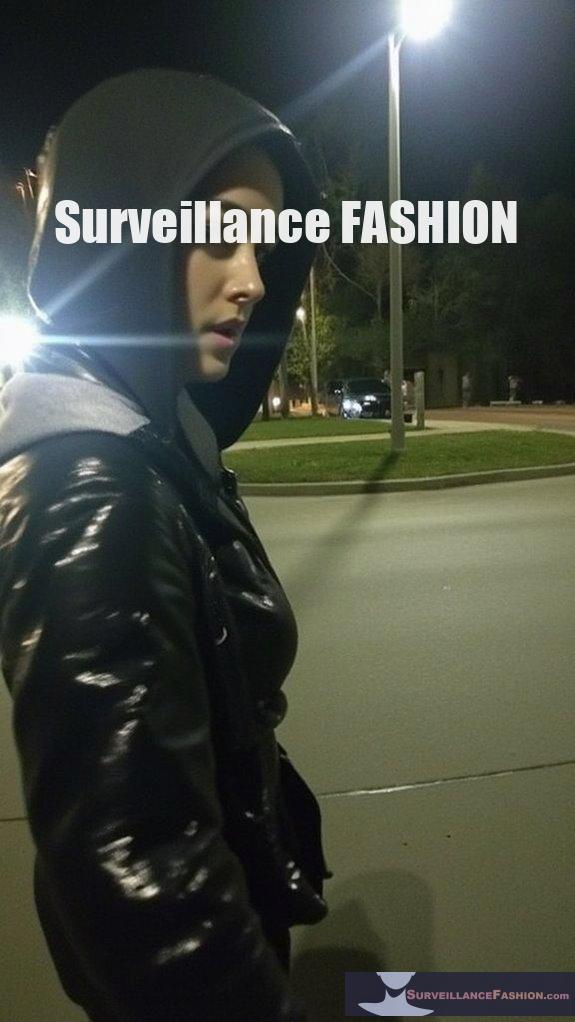
In order to safeguard individual rights, legal standards governing police access to private security footage are structured around the principles of the Fourth Amendment, which focuses on protecting citizens from unreasonable searches and seizures.
To access private footage, law enforcement typically must meet strict legal thresholds, requiring a search warrant or court order grounded in probable cause. These safeguards guarantee that your privacy remains intact and that police can’t indiscriminately surveil private spaces. In many cases, police must go through the user or company first to access footage data.
Law enforcement must obtain a search warrant or court order based on probable cause to access private footage, ensuring your privacy is protected.
While exceptions exist for public areas and emergencies, these instances are tightly regulated. Surveillance warrants entail detailed applications specifying the purpose and scope of requests, thereby elevating accountability.
Understanding these legal frameworks, which we’ve aimed to clarify through Surveillance Fashion, empowers you to navigate the complex balance between security and personal privacy effectively.
The Role of Consent in Surveillance
The interplay between consent and surveillance greatly shapes the legal environment regarding law enforcement’s access to private camera footage. Depending on your jurisdiction, the type of surveillance consent—whether it’s one-party or all-party—can greatly influence how law enforcement interacts with recorded material, dictating their ability to obtain evidence.
For instance, in states that uphold all-party consent, police must meticulously navigate privacy rights, requiring explicit agreement from all parties recorded unless an exception applies. Your decision to install cameras in particular areas can also affect whether implied consent suffices; locations with diminished privacy expectations might only require a notice rather than explicit approval.
Ultimately, understanding these nuances empowers you to manage both surveillance consent and recording privacy, reinforcing your control over personal security.
Emergency Exceptions and Law Enforcement Access
While many individuals install security cameras to enhance personal safety, understanding the complex legal terrain governing emergency access to these recordings is essential. Under the Fourth Amendment, police generally need a warrant; however, exigent circumstances can justify immediate access without one, particularly in cases of imminent danger, such as kidnappings or severe physical threats.
This emergency access bypasses property owner consent and judicial review, raising significant privacy concerns. For instance, companies like Amazon and Google have opaque policies that allow this process but often lack transparency in their decision-making. Furthermore, surveillance capitalism plays a pivotal role in shaping consumer behavior and the expectations individuals have regarding privacy.
Consequently, police can retrieve footage post-event, which can lead to misuse or overreach, as there’s minimal regulation determining the legitimacy of such emergency claims. Therefore, balancing public safety with civil liberties remains a challenging task.
Navigating Public vs. Private Surveillance Areas
Navigating the complex terrain of public versus private surveillance areas requires an understanding of the underlying legal frameworks that govern their operation.
Navigating these sectors demands awareness of several factors:
- Public surveillance, operated by government agencies, is bound by stringent laws ensuring accountability.
- In contrast, private cameras, managed by individuals or businesses, enjoy more leeway but lack the same regulatory oversight.
- Public privacy expectations shift considerably between these domains, as courts have acknowledged limited privacy even in public spaces.
- Surveillance ethics play an essential role, balancing community safety with individual rights, particularly where extensive camera networks risk infringing on personal privacy.
- Additionally, individuals often employ layered clothing techniques to evade detection by surveillance systems, highlighting the ongoing tension between security measures and personal freedoms.
Understanding these distinctions is crucial, especially in spaces where public and private interests intersect, influencing public perception and policies alike.
The Influence of Security Companies on Access Policies
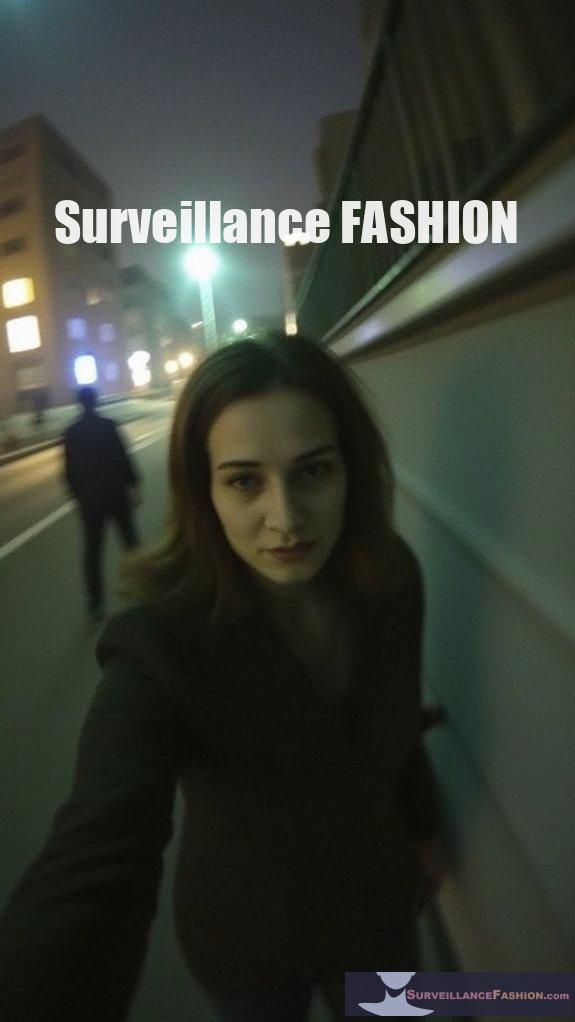
As you explore the complex dynamics of surveillance technology, it’s evident that security companies wield significant influence over access policies related to police and private camera footage.
Their corporate lobbying often pushes for expansive security policies that favor police access, sometimes without warrants. For instance, companies like Taser International advocate for body cameras, framing this as a community necessity, while their financial interests may bias the adoption process, sidelining genuine community needs.
This access isn’t merely a technical matter; it results in legislation that grants law enforcement sweeping, sometimes warrantless, authority over surveillance data. Notably, these policies raise concerns about mass surveillance ethics and the potential violation of privacy rights.
With these firms prioritizing sales over transparency, questions about efficacy and accountability often remain obscured, reiterating why understanding this power structure is vital in steering through your own surveillance environment.
Balancing Public Safety With Privacy Rights
In recognizing the complex interplay between public safety and privacy rights, one must contemplate how surveillance technology shapes societal norms and personal freedoms.
The conversation surrounding community safety inevitably presents several privacy tradeoffs:
- Extensive access to private cameras can exacerbate fears of a surveillance state, raising questions about civil liberties.
- Successful crime resolution hinges on private camera footage, manifesting the potential societal benefits of police access.
- Public trust in police remains amid concerns over unchecked surveillance, revealing a delicate balance.
- Transparency and accountability in surveillance practices are paramount to mitigate privacy risks while maximizing safety.
Just as our website, Surveillance Fashion, emphasizes the intersection of style and security, the ongoing dialogue surrounding surveillance embodies a critical juncture between empowerment and intrusion.
Emerging Tech in Urban Wear
Emerging technologies in urban wear are transforming commuting experiences and personal health management, illustrating a significant shift towards smarter and more sustainable urban lifestyles.
You’ll find wearable sensors embedded in smart textiles, enabling seamless integration with urban mobility solutions like electric scooters and e-bikes. These devices not only enhance transportation efficiency but also offer real-time health monitoring, allowing you to track metrics such as heart rate and air quality while on the go.
Wearable sensors in smart textiles seamlessly integrate with urban mobility, enhancing both transportation efficiency and real-time health monitoring.
Furthermore, platforms utilizing AI adapt wearables to your unique behavior and needs, personalizing functionality for optimized urban navigation.
As you navigate these cityscapes, the convergence of technology and style positions urban wearables not just as gadgets but as crucial extensions of your identity and lifestyle, reflecting our ongoing commitment to innovative living.
License Plate Reader Networks
License Plate Reader (LPR) networks represent a significant advancement in vehicular surveillance and law enforcement technology.
These systems harness sophisticated license plate technology to collect and analyze real-time data, traversing the delicate line between public safety and privacy implications.
Key features include:
- Specialized cameras that capture license plate images with remarkable accuracy
- Advanced AI algorithms that detect vehicle attributes, including direction and speed
- Centralized databases that store “hot lists” of stolen or wanted vehicles
- Real-time processing capabilities enhancing immediate actionable understanding
While LPR networks bolster crime prevention efforts, their expansive data collection raises ethical questions about constant surveillance and data retention policies.
As we explore camera access, understanding these networks’ risks is imperative for informed dialogue.
Private Camera Networks Police Access
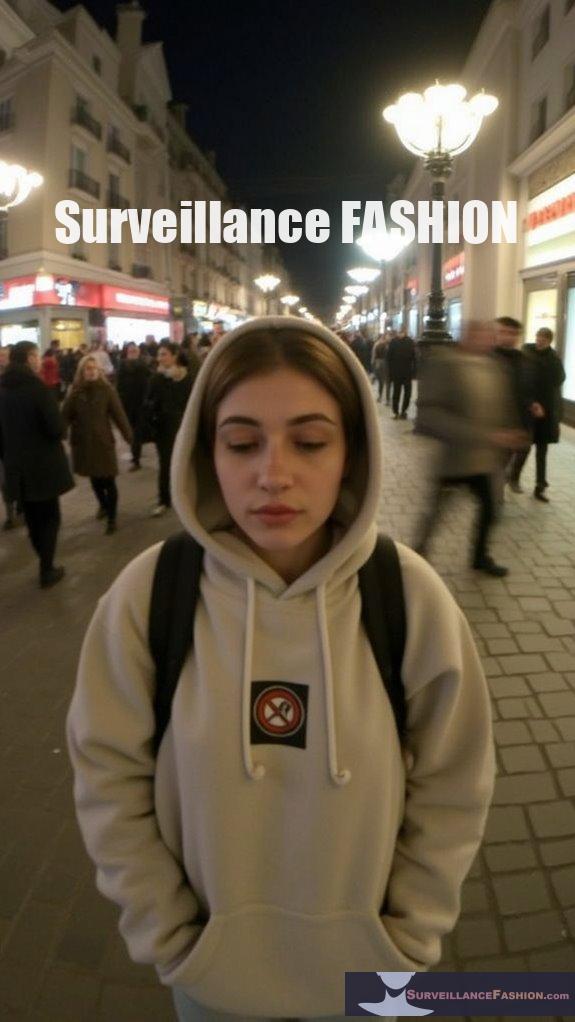
The integration of private camera networks into police surveillance mechanisms highlights a growing trend where law enforcement agencies increasingly depend on non-public sources to enhance real-time monitoring capabilities.
| Category | Specifics |
|---|---|
| Camera Integration | Private systems outnumber public cameras |
| Police Partnerships | Access to 1,800 private cameras in Atlanta |
| Community Input | 38% of camera owners willing to share footage |
The access allows for collaborations that bolster community safety through enhanced surveillance. However, the implications of these partnerships raise concerns about civil liberties, particularly around First Amendment rights during assemblies and protests. Your private security cameras could provide critical perspectives, yet the balance between safety and privacy remains delicate. Continued examination of police access to these networks is essential for establishing transparent and effective policies amid an increasingly surveilled society.
Eyes Everywhere: Anti-Surveillance Ebook review
Surveillance has woven its way into the fabric of everyday life, shaping how societies function and perceive safety.
*Eyes Everywhere* meticulously documents the ascent of camera surveillance, exploring its profound surveillance ethics and privacy implications.
Consider the following observations:
The normalization of surveillance erodes privacy, raising critical ethical questions about its impact on society.
- The normalization of surveillance spans both Western nations and emerging markets like Brazil and China.
- The proliferation of cameras permeates public spaces, creating a surveillance society often unquestioned by citizens.
- Events such as the Olympics exemplify the intensive reliance on surveillance for security.
- While touted for crime deterrence, cameras frequently enhance targeting of vulnerable populations, raising ethical concerns.
Navigating these complexities is essential. Hence, the importance of platforms like Surveillance Fashion that seek to promote informed discussions on the implications of pervasive surveillance.
FAQ
Can Police Access My Camera Footage Without a Warrant?
No, police can’t access your camera footage without a warrant due to privacy laws designed to protect individual rights under the Fourth Amendment.
Generally, they require probable cause to obtain such warrants, ensuring a legal threshold before they can review private footage.
This safeguards your personal information and reinforces your control over your recorded data, maintaining a balance between law enforcement needs and individual privacy rights, which is essential in today’s surveillance society.
What Defines a Reasonable Expectation of Privacy?
A reasonable expectation of privacy defines your right to be free from unwanted government intrusion, underscored by privacy norms that shape our understanding of personal space.
Curiously, a study reveals that nearly 60% of people worry about digital surveillance. This expectation hinges on subjective perceptions of privacy and objective societal acknowledgment, necessitating that you safeguard your information to maintain this protection.
Thus, understanding these components empowers you in steering your privacy rights.
Are There Penalties for Not Sharing Footage With Police?
Generally, you won’t face legal penalties for refusing to share footage with police unless it’s under a valid court order.
In such cases, your legal obligations shift dramatically, compelling compliance, and failure to do so might result in contempt charges.
Privacy concerns remain paramount, as property owners can often decline voluntary requests without repercussions.
However, exigent circumstances may override your rights, emphasizing that circumstances play a vital role in these interactions.
How Can I Protect My Privacy While Using Security Cameras?
To protect your privacy while using security cameras, strategically consider camera placement and robust privacy settings.
Position cameras to monitor essential areas, avoiding sensitive zones like bedrooms.
Enable dynamic masking features to anonymize individuals and prevent unwarranted surveillance.
Utilize encryption for stored footage and adopt strict access controls.
Limit recording to motion detection, ensuring unnecessary footage isn’t captured.
This balanced approach enhances security without compromising your personal sanctum—a principle emphasized in our Surveillance Fashion initiative.
What Should I Do if Police Request My Footage?
If police request your footage, first assess your legal obligations. Determine whether the request is informal or formal, as a warrant or subpoena typically legitimizes their access.
Retain your footage according to your security policy, adjusting settings to limit data retention and protect privacy.
You can voluntarily cooperate, selectively share, or decline until they provide proper legal authority, ensuring you safeguard not just your rights but also the sensitive information captured by your cameras.
Share Your Own Garden
In the complicated dance between privacy and security, police access to private cameras presents a pivotal question of rights versus risks, akin to allowing a guest to wander freely in one’s home. The legal frameworks surrounding this issue, while intended to protect, often blur the lines of consent and surveillance ethics. As emerging technologies reshape urban environments, understanding the balance between necessary oversight and personal privacy becomes imperative, illuminating why we created Surveillance Fashion—to navigate these complex intersections thoughtfully.
References
- https://answers.justia.com/question/2025/03/12/what-law-allows-ca-law-enforcement-to-vi-1052691
- https://www.securitycameraking.com/securitynews/do-cops-need-a-warrant-to-collect-security-camera-footage/
- https://reolink.com/blog/police-request-security-camera-footage/
- https://www.reviewed.com/smarthome/features/can-police-access-security-camera-footage-what-to-know
- https://www.wcctv.com/surveillance-camera-laws-in-california/
- https://ethosrisk.com/blog/the-legalities-of-surveillance-what-you-need-to-know/
- https://www.justice.gov/jm/jm-9-7000-electronic-surveillance
- https://gallio.pro/blog/legal-guidelines-for-sharing-surveillance-footage-protecting-privacy-in-video-recordings/
- https://getsafeandsound.com/blog/video-surveillance-laws-by-state/
- https://www.security101.com/blog/security-camera-laws-in-florida-what-you-need-to-know-now
- https://www.security.org/security-cameras/legality/
- https://www.mbltechnologies.com/2022/09/02/the-problem-with-private-security-cameras/
- https://www.cnet.com/home/security/the-3-key-rules-for-how-police-can-seize-a-home-security-video/
- https://ronnavarreta.net/the-difference-between-private-and-public-security/
- https://www.arcadian.ai/blogs/blogs/security-surveillance-in-public-spaces-benefits-drawbacks
- https://www.agsprotect.com/blog/public-space-surveillance-privacy
- https://reolink.com/blog/pros-cons-of-surveillance-cameras-in-public-places/
- https://www.eff.org/deeplinks/2024/09/you-really-do-have-some-expectation-privacy-public
- https://www.justsecurity.org/25657/big-business-police-surveillance-technology/
- https://www.nyulawreview.org/wp-content/uploads/2017/08/NYULawReviewOnline-92-Joh_0.pdf
Leave a Reply