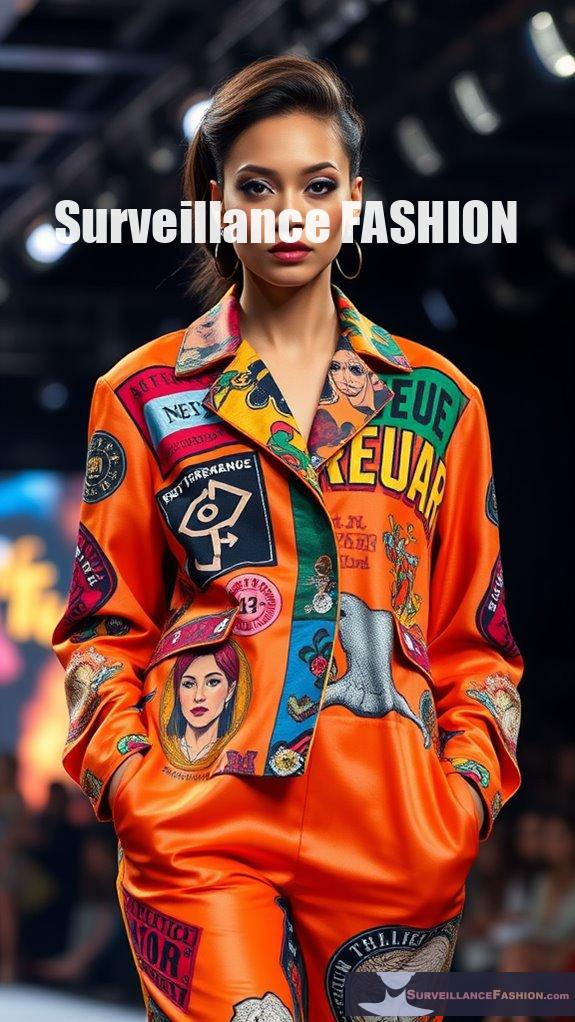
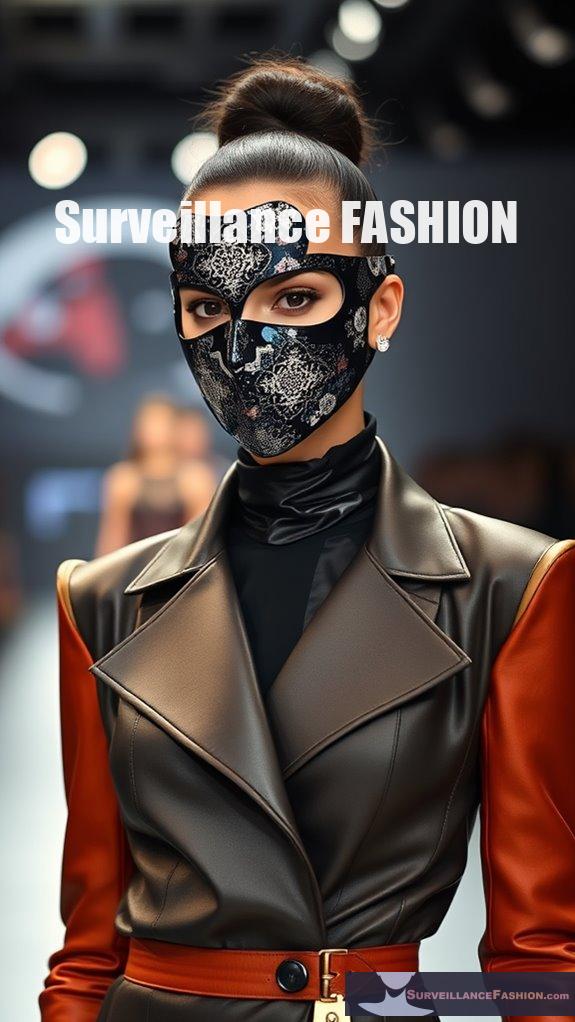
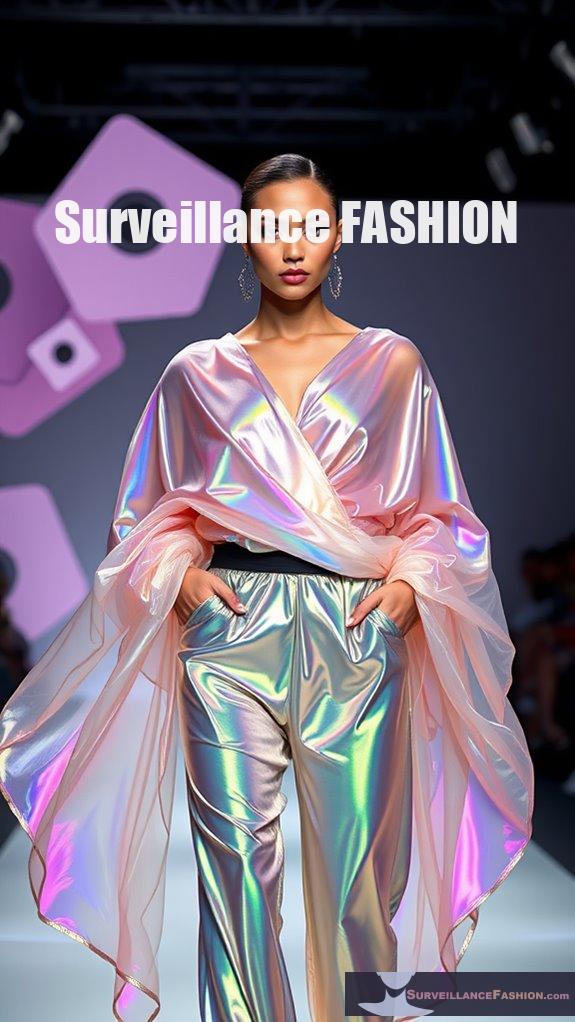
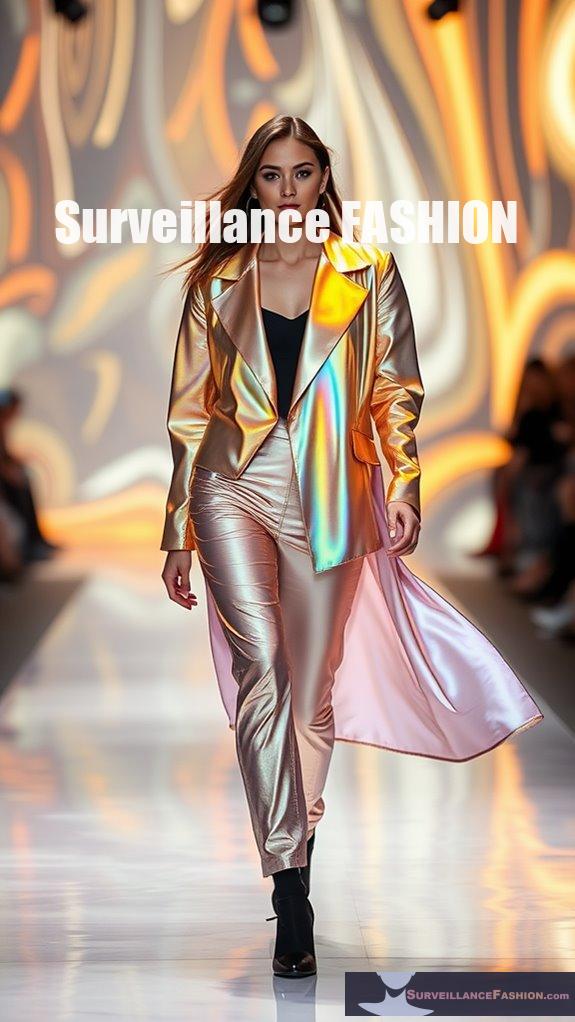
Tag: privacy protection

  • 7 Anti-Surveillance Patterns for Daily Clothing

    7 Anti-Surveillance Patterns for Daily Clothing

    In a world where my every move is tracked, I sometimes wonder if I should just throw on a disguise and live like a spy.

    But, I’ve found a quirky solution.

    Anti-surveillance fashion!

    Once, I wore a shirt with a crazy pattern that looked like I stumbled through a paintball fight. Surprisingly, it turned heads, but not for the reasons I thought. Facial recognition? Nope. Just an amusing conversation starter.

    Who knew wearing my art skills could double as a privacy shield?

    So, when I get overwhelmed by the thought of Big Brother watching, I reach for those high-contrast designs that make me feel both stylish and a little invincible.

    Privacy with a twist? Yes, please!

    The Day I Became a Stealth Ninja in a Crowded Mall

    I remember that time I wandered into a mall on a particularly busy Saturday. Eager to blend in, I sported my favorite thermal signature obscuring jacket—a lifesaver! Just as I stepped into that chaotic crowd, I spotted a guy with camera gear.

    My heart raced. Was he filming us?

    I slipped into a store, confident my jacket was working its magic. As I browsed, I thought about all the data that was being collected around me—my shopping habits, my preferences. Information is power, and I was determined not to hand it over on a silver platter.

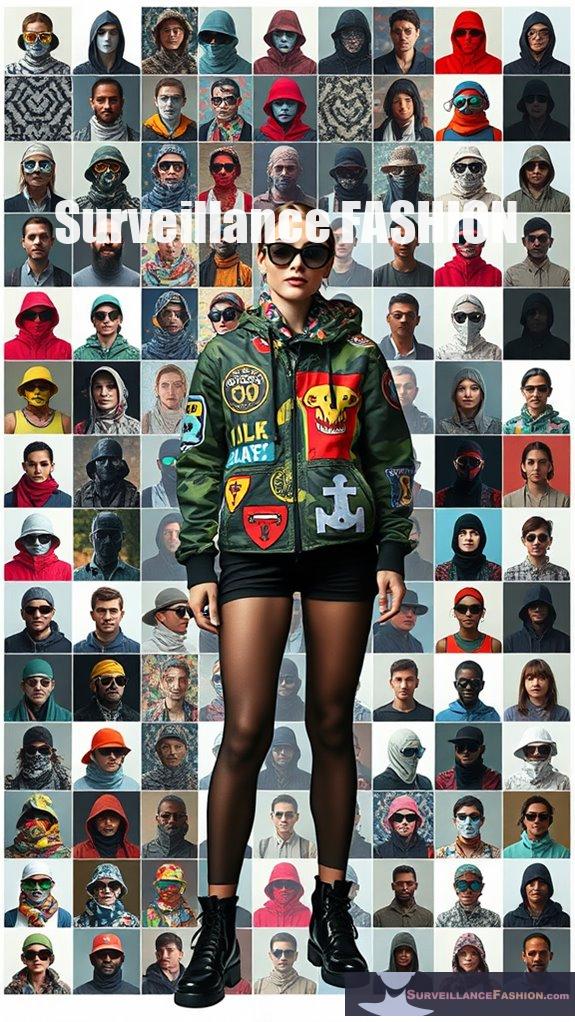
    With growing anxiety, I quickly snagged a ridiculously loud hoodie, transforming into a chaotic pattern of colors. The hunt for privacy turned into an unexpected adventure; fashion and a touch of rebellion led me to freedom from digital scrutiny.

    It’s a wild world out there, and we have to find clever ways to navigate our privacy, don’t you think?

    Quick Takeaways

    • Adversarial facial patterns use visual distortions to obstruct facial recognition, creating “junk data” that confounds automated detection.
    • High-contrast, visually busy patterns introduce “visual noise” that complicates shape detection, enhancing privacy.
    • Face-like pattern multiplicity employs decoy markers to confuse recognition systems, exemplified by Adam Harvey’s Hyperface project.
    • Thermal signature obscuring fabrics manage heat detection, integrating advanced materials for functionality in everyday fashion.
    • Color-changing and environmental camouflage fabrics dynamically adapt to surroundings, providing personal safety in an increasingly surveilled world.

    Adversarial Facial Patterns
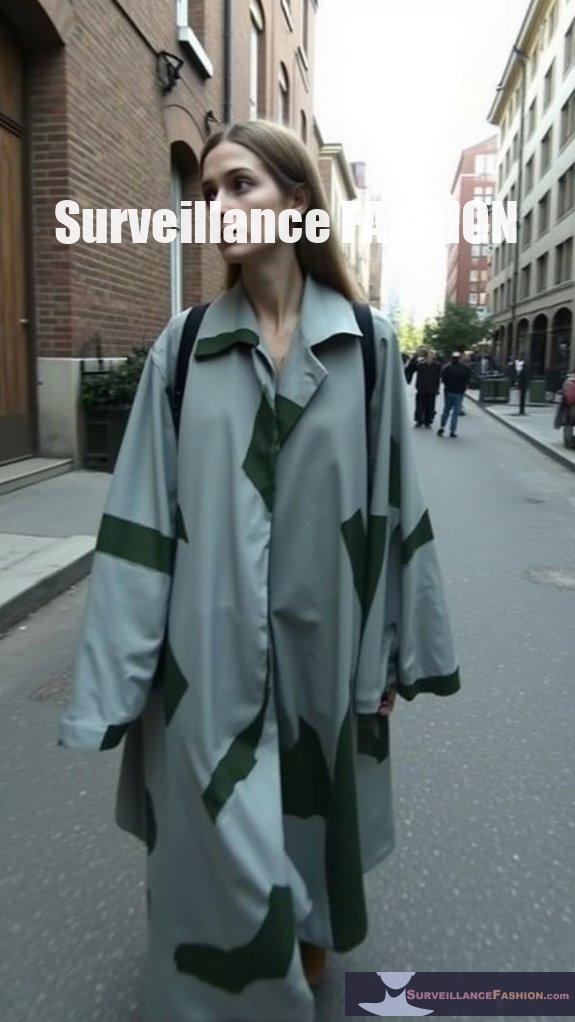
    adversarial fashion for privacy

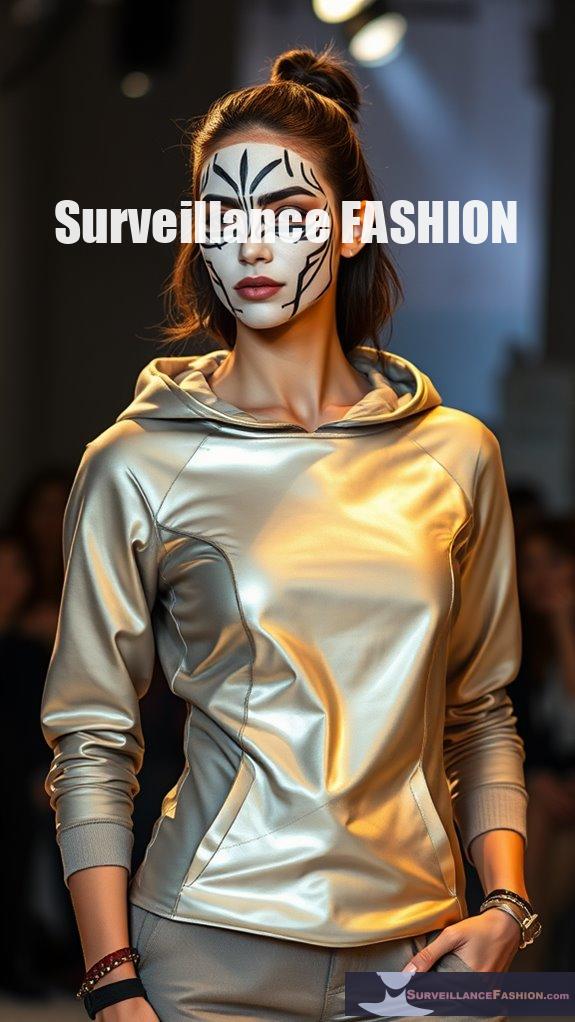
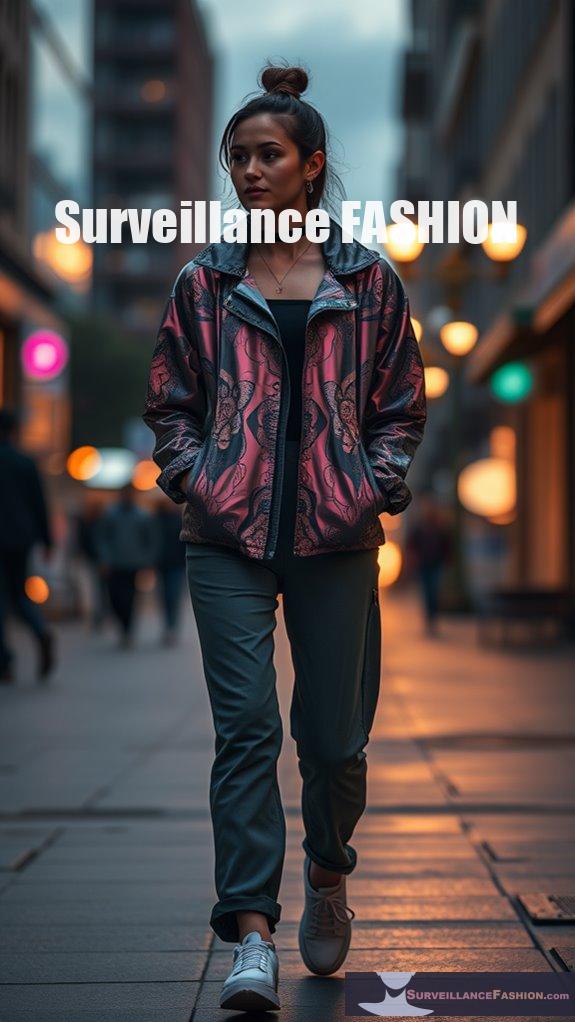
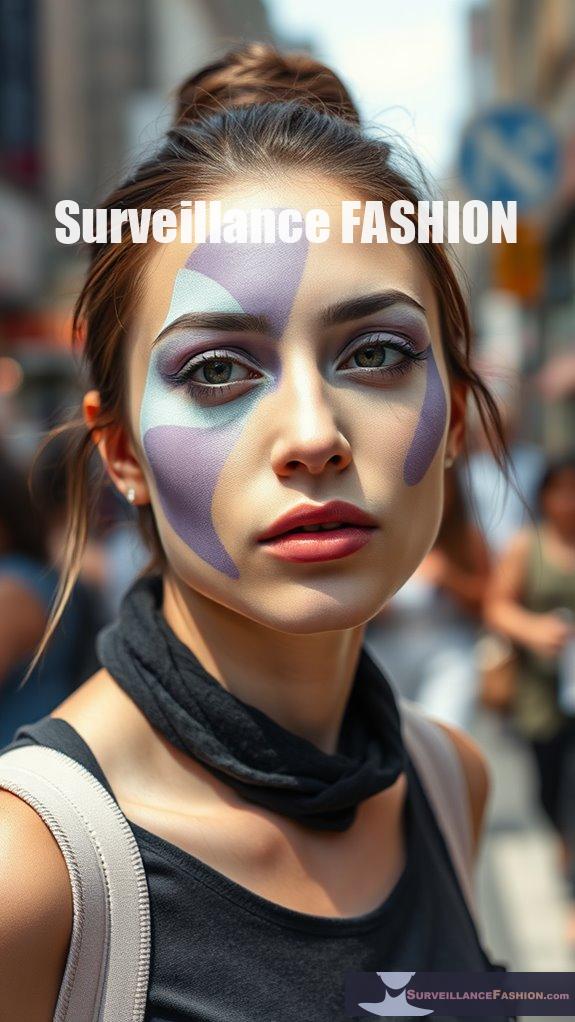
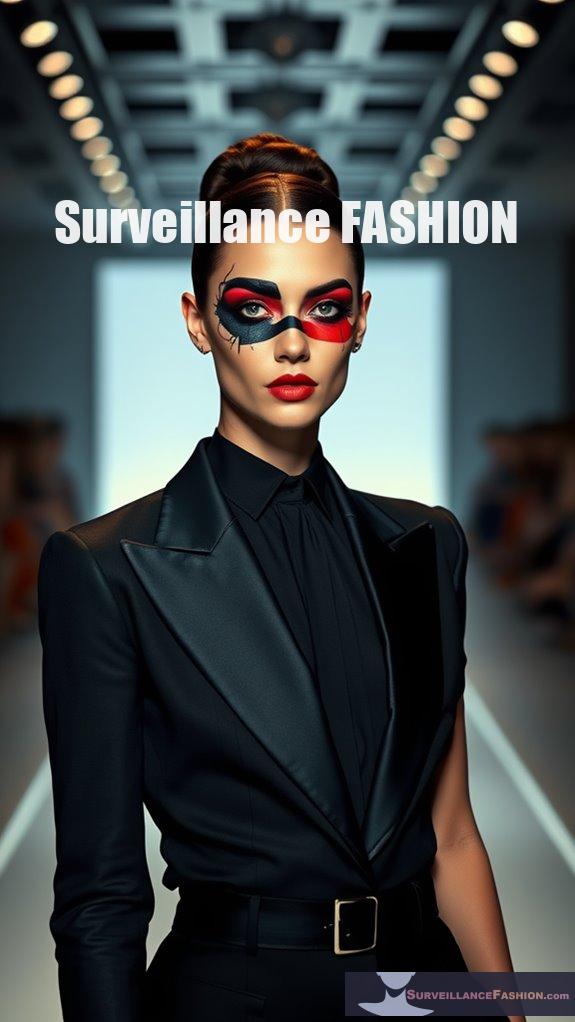
    Adversarial facial patterns, while innovative, serve an important role in combating the pervasive reach of surveillance technologies that increasingly infiltrate daily life. These complex designs utilize visual distortions, colors, and shapes to obstruct facial recognition algorithms, effectively creating “junk data” that thwarts automated detection. For instance, asymmetrical geometric shapes and historical dazzle camouflage disrupt facial outlines, challenging AI systems to misidentify or overlook individuals entirely. Such clothing, available from niche brands, demonstrates that privacy can coexist with style, empowering you to resist unwarranted tracking. This purposeful fusion of art and activism culminates in a crucial movement towards enhanced digital privacy, showcasing the importance of adversarial fashion as a means of self-advocacy and defense against surveillance. Studies have shown that specific patterns can significantly reduce the effectiveness of facial recognition technology, paving the way for a more private existence.

    Thermal Signature Obscuring Fabrics

    thermal camouflage fabric technology

    As surveillance technologies evolve, the demand for innovative clothing that can obscure thermal signatures has become imperative in both military and civilian settings.

    Advanced fabrics, such as Carrington Textiles’ “Stealth,” actively manage thermal signatures through a highly conductive textile composition, rendering them nearly indistinguishable from the surrounding terrain in field trials.

    This technology incorporates Noble Biomaterials’ CIRCUITEX® SIGMA, effectively suppressing thermal detection.

    Additionally, emerging graphene-based thermal camouflage fabrics offer programmable thermal emissivity, providing dynamic adaptation to match environmental conditions. Furthermore, thermal camouflage materials are being designed to integrate seamlessly into everyday fashion while maintaining functionality.

    High-Contrast, Visually Busy Patterns
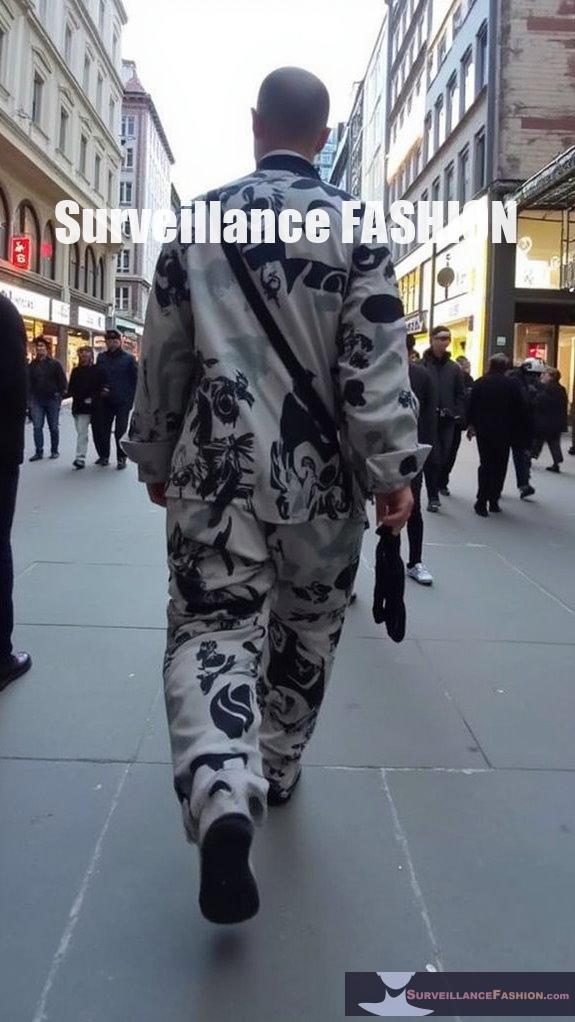
    patterns disrupt surveillance recognition

    High-contrast, visually busy patterns challenge the efficiency of digital surveillance systems, creating a necessary barrier between personal privacy and intrusive monitoring. These patterns disrupt recognition algorithms by introducing “visual noise,” which complicates shape detection. This table illustrates how high-contrast designs function against surveillance:

    Pattern Type Key Feature Effect on Surveillance
    Chaotic Motifs Irregular Shapes Breaks recognizable outlines
    Adversarial Design Contradictory Colors Misleads AI bounding boxes
    Scale Variations Mixed Dimensions Masks consistent features

    Incorporating such patterns into daily clothing enhances personal privacy while serving the community’s interest in protecting individual rights. These designs are increasingly seen as a crucial element in the fight against unauthorized monitoring practices.

    Face-Like Pattern Multiplicity

    fashion against facial recognition

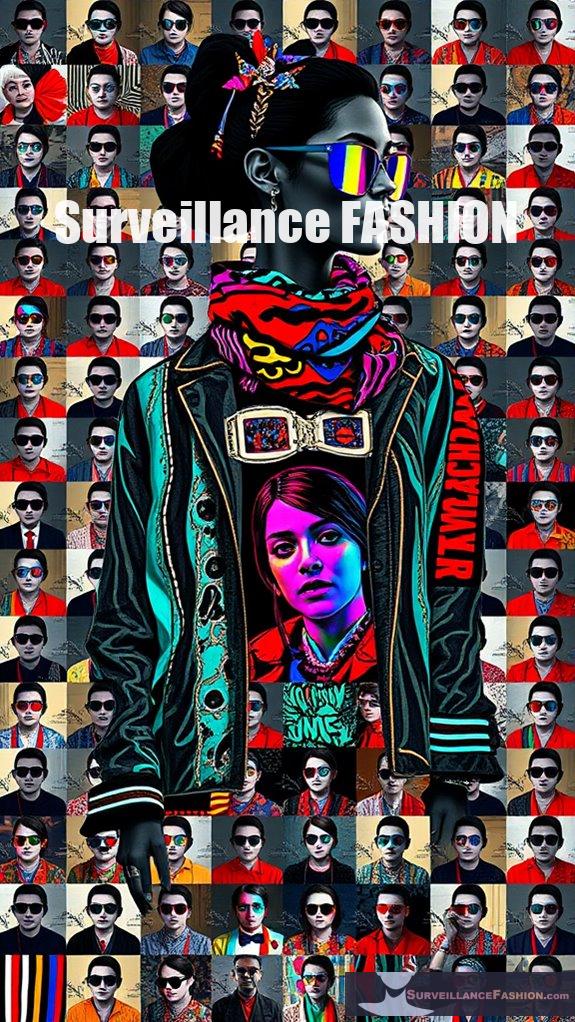
    While surveillance technology continues to evolve, the adaptation of clothing designed with face-like pattern multiplicity offers a compelling countermeasure to facial recognition systems. By printing numerous false facial features—such as eyes and mouths—on garments, these designs confuse AI algorithms, flooding them with multiple “faces” that obscure your actual identity.

    For example, Adam Harvey’s Hyperface project exemplifies this concept, incorporating thousands of decoy markers on wearable fabrics to disrupt automated identity tagging.

    This approach not only protects privacy but also serves as a canvas for innovation, advocating for thoughtful fashion that empowers individual freedom amidst increasing surveillance.

    Color-Changing and Environmental Camouflage Fabrics
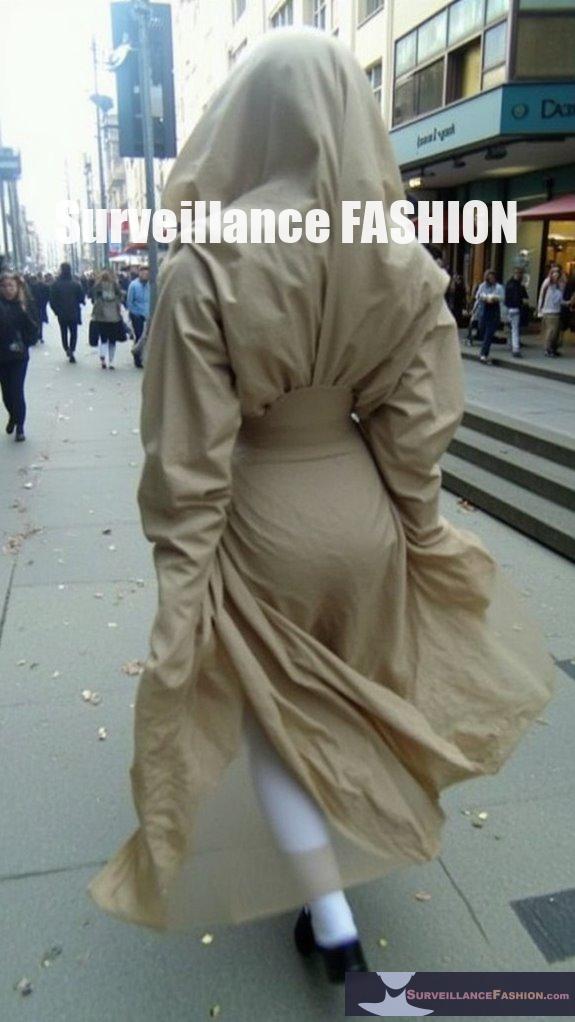
    dynamic camouflage fabric technology

    Color-changing and environmental camouflage fabrics represent a notable evolution in protective garment technology, complementing the strategies employed in designs that disrupt facial recognition systems.

    These fabrics utilize advanced materials, such as thermochromic microcapsules and conductive polymers, allowing them to react dynamically to environmental stimuli.

    For instance, the organic polymer can shift color within seconds when low voltage is applied, adapting to surroundings for effective concealment.

    Furthermore, the innovative biomimetic fibers change based on light and temperature, providing multi-dimensional camouflage.

    Such technologies reflect our commitment to developing garments that prioritize personal safety and enhanced mobility in an increasingly surveilled world, a core aim of Surveillance Fashion.

    Anti-CCTV Reflective Accessories

    anti surveillance fashion accessories

    Anti-CCTV reflective accessories provide an invaluable solution for individuals seeking to navigate an increasingly monitored world, merging style and function in a unique fashion statement. These elements disrupt facial recognition technologies, enhancing your privacy seamlessly.

    Accessory Type Features Price Range
    Reflectables Eyewear Reflects visible and infrared light $85 – $125
    Infrared Blocking Glasses Blocks near-infrared light $85 – $125
    Privacy Visors Emits infrared noise to obscure features Experimental Pricing

    Embracing such accessories not only serves personal privacy interests but also contributes to a broader movement against extensive surveillance, reflecting a commitment to serving privacy rights for all.

    Adversarial Pattern Clothing for AI Vision
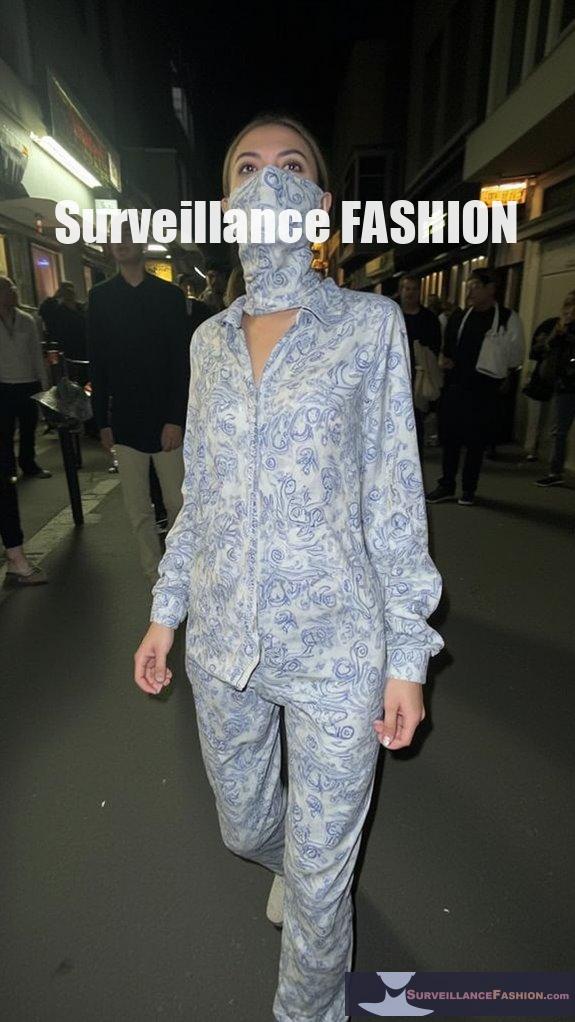
    adversarial clothing enhances privacy

    In an era defined by the omnipresence of AI surveillance systems, adversarial pattern clothing emerges as a pioneering approach to counteracting invasive monitoring technologies, broadening the toolkit of personal privacy strategies.

    Adversarial pattern clothing revolutionizes personal privacy, offering innovative solutions against pervasive AI surveillance technologies.

    These garments employ complex designs that exploit AI detection vulnerabilities, providing wearers with a more robust shield against facial recognition and person-detection algorithms.

    For instance, the invisibility sweater developed at the University of Maryland markedly reduced YOLOv2 accuracy. By leveraging high-contrast, chaotic patterns, these clothing items confuse AI systems, making it difficult for them to classify human forms accurately.

    Consequently, they represent a practical endeavor toward enhancing privacy in our constantly monitored world.

    Stealthy Fabric Prints
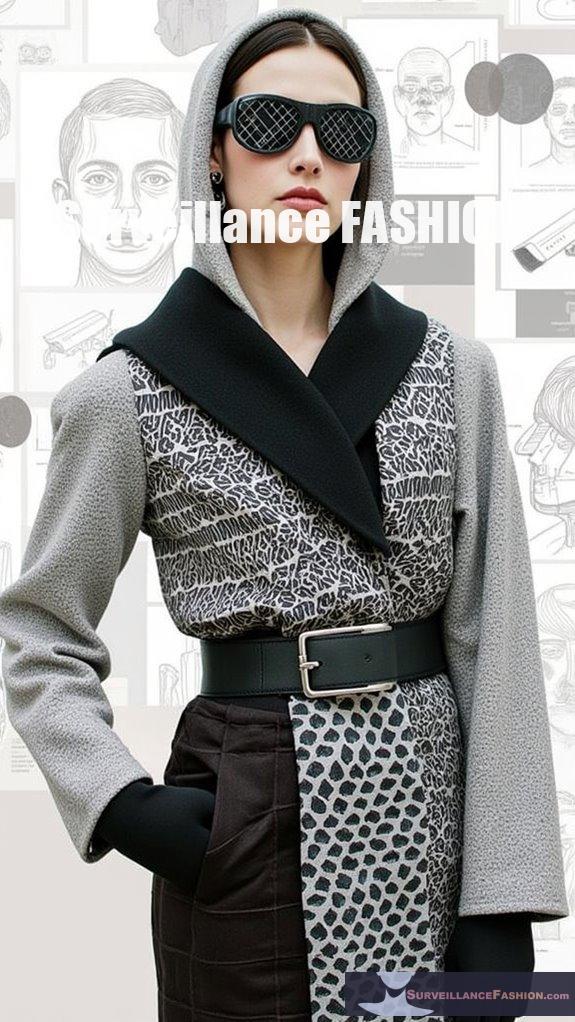
    privacy enhancing fabric designs

    Stealthy fabric prints represent a revolutionary advancement in the ongoing battle against intrusive surveillance technologies, employing innovative designs to disrupt recognition algorithms and enhance wearer privacy.

    These prints incorporate disruptive patterns specifically crafted to confuse facial recognition AI, utilizing glitch effects or exaggerated features that misdirect software from accurately identifying individuals.

    Garments featuring these stealthy prints serve not only as fashion statements but also as protective measures against relentless scrutiny in public spaces.

    Such advancements underscore a growing need for privacy-focused apparel, aligning with the mission of platforms like Surveillance Fashion to share knowledge and promote understanding of anti-surveillance innovations.

    Camouflage-Inspired Textile Designs
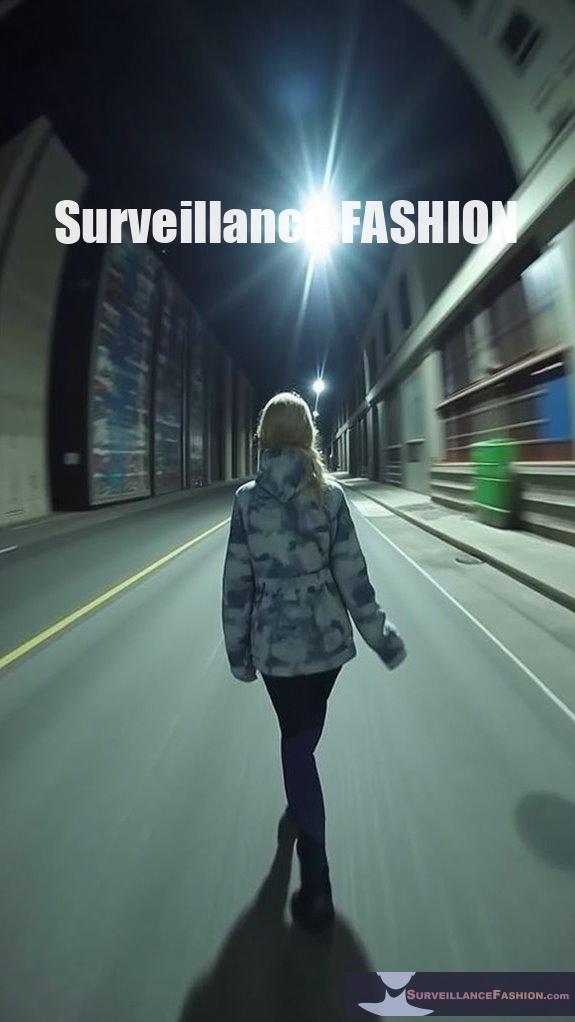
    stealthy urban camouflage textiles

    Camouflage-inspired textile designs extend the innovations seen in stealthy fabric prints, showcasing a sophisticated approach to evading surveillance technologies through visual deception.

    By employing military-grade irregular patterns and adaptive colors, these textiles disrupt both human and machine recognition capabilities.

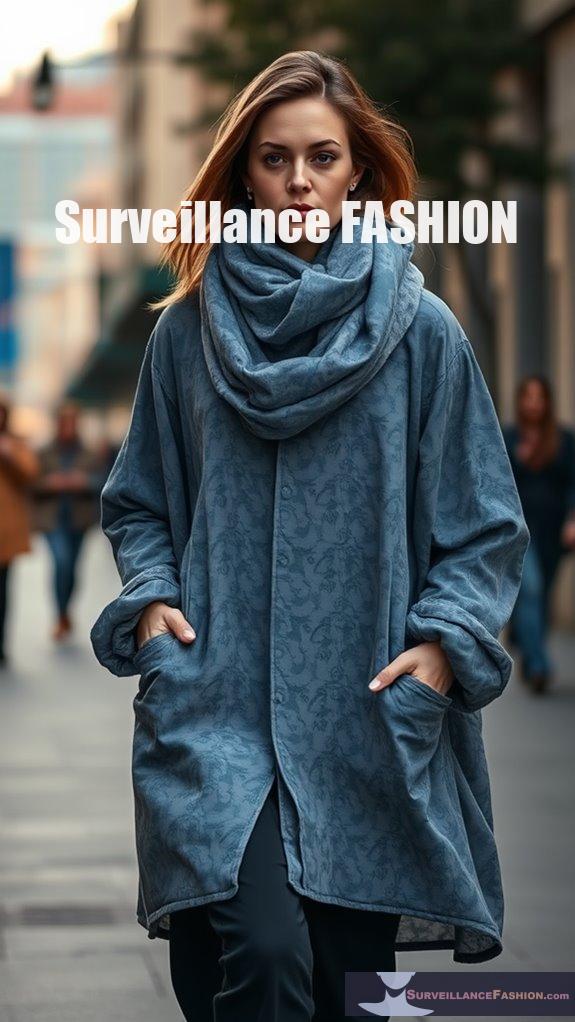
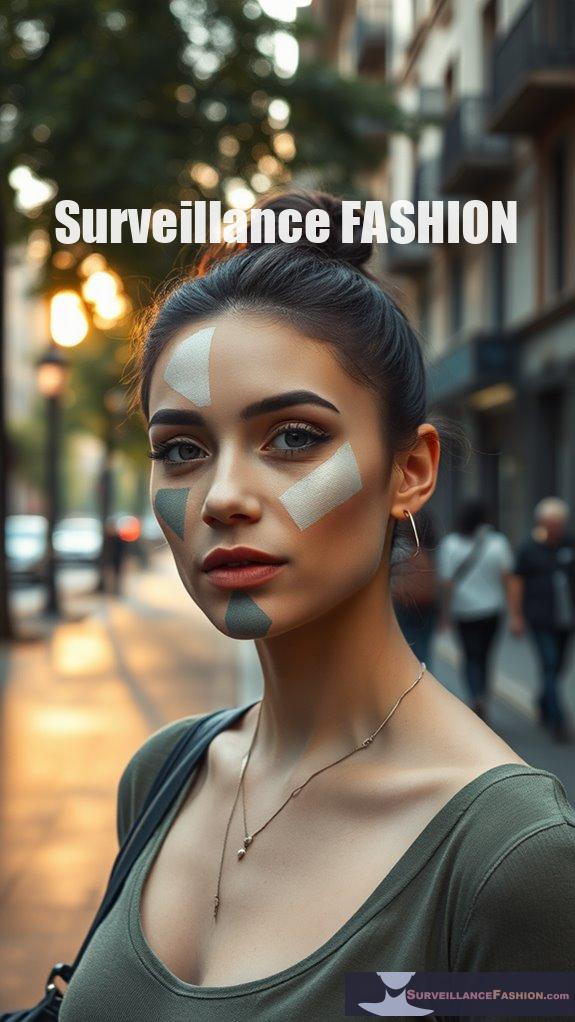
    Urban camouflage integrates high-contrast, abstract motifs that blend seamlessly within typical city environments, employing grays and muted blues to obscure identity.

    Urban camouflage utilizes striking abstract designs to merge effortlessly into cityscapes, cleverly disguising the wearer’s identity with muted tones.

    Moreover, textiles infused with nanoparticles enhance infrared concealment while maintaining comfort and durability, ensuring your attire is as functional as it’s stylish.

    This blend of modern technology and classic design philosophy shapes today’s anti-surveillance wardrobe, serving a greater purpose in privacy advocacy.

    Fashion That Thwarts Tracking

    privacy enhancing fashion innovations

    When considering everyday attire in the framework of contemporary surveillance, you’re likely to appreciate the innovative trends that not only prioritize fashion but also protect your privacy.

    Garments utilizing reflective and infrared-blocking fabrics confuse facial recognition systems by altering light patterns around your face, while metallic textiles shield against thermal imaging.

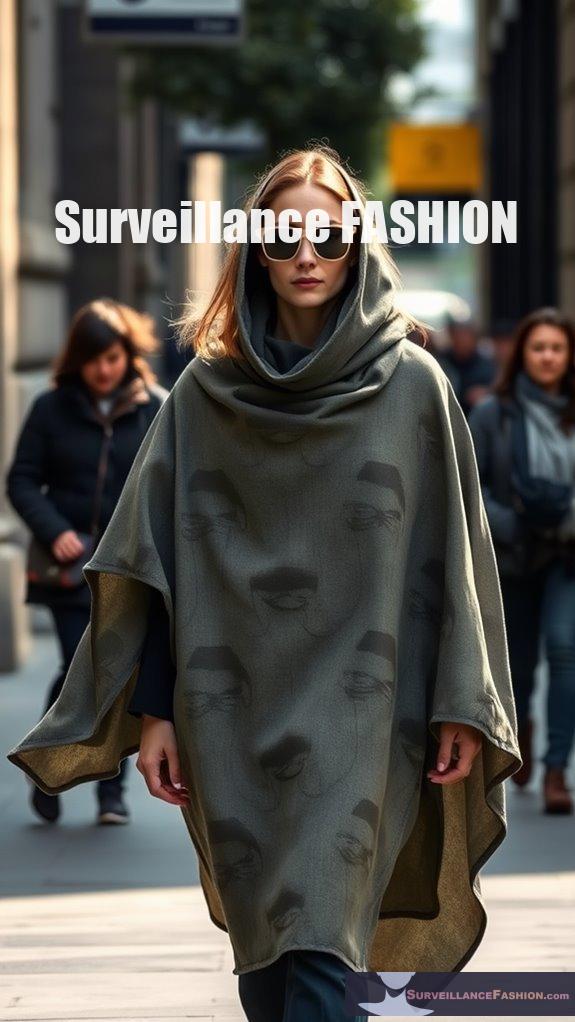
    Asymmetrical, busy patterns act as visual noise, disrupting the detection capabilities of recognition software.

    Moreover, incorporating signal-jamming technology within clothing layers prevents unauthorized tracking, promoting anonymity in public spaces.

    This fusion of style and security epitomizes the mission behind Surveillance Fashion: to empower wearers through informed choices that prioritize personal privacy.

    Questions and Answers

    Are Anti-Surveillance Clothing Options Available for Children?

    Yes, you can find anti-surveillance clothing options for children that protect their privacy. These garments are stylish, made from comfortable materials, and raise awareness about digital risks, ensuring your child stays both secure and trendy.

    How Do I Wash and Maintain These Specialized Fabrics?

    To wash and maintain specialized fabrics, use cold water on a gentle cycle, avoid bleach, and dry on low heat. Always inspect your garments for signs of wear to guarantee their longevity and effectiveness.

    Can Anti-Surveillance Patterns Be Stylish and Fashionable?

    You’ll feel like a trendsetting superhero when you wear stylish anti-surveillance patterns. These designs blend function and fashion, turning heads while keeping your identity secure. Who says privacy can’t be fabulous? Embrace uniqueness!

    Where Can I Purchase Anti-Surveillance Clothing?

    You can purchase anti-surveillance clothing from platforms like Etsy and Redbubble, which offer diverse options. Check specialized brands like Cap_able.design for premium styles, ensuring your choices reflect your commitment to privacy and freedom.

    Are There Any Certifications for Effectiveness in These Garments?

    Currently, there aren’t standardized certifications for effectiveness in these garments. Most evaluations are informal and conducted by designers themselves, so it’s essential to research thoroughly and rely on reputable sources when considering such clothing.

    References

  • Why Infrared-Blocking Clothes Are Privacy Essentials

    Why Infrared-Blocking Clothes Are Privacy Essentials

    Ever felt like you're living in a sci-fi movie? Yeah, me too.

    In a world where everyone seems to be watching, I found my peace in infrared-blocking clothes.

    Once, I wore my trusty anti-paparazzi scarf to a crowded festival. I felt like a ninja, blending into the shadows while dodging cameras. It was oddly liberating.

    These garments aren't just trendy—they're my shield against prying eyes. I mean, who knew fashion could also scream, "Stay away, stalkers!"?

    Do you ever wonder how much privacy we really have left? Sometimes, it feels like a joke without a punchline.

    Embracing Anti-Surveillance Fashion: My Personal Encounter

    Last summer, I strolled through a bustling city wearing my beloved Camera Shy Hoodie. Suddenly, I spotted a group of photographers. My heart raced—would I be the next viral sensation?

    I quickly tucked my face into the hoodie, laughing at the absurdity of it all. I felt like a celebrity hiding from the flashbulbs. But who needs that kind of attention?

    This experience made me appreciate the balance between style and privacy. Anti-surveillance fashion isn't just about looking good; it's about reclaiming my space in an ever-watchful world.

    As I navigated through that crowded street, I realized the power of choice—choosing when to be seen and when to disappear into the fabric of anonymity.

    Quick Takeaways

    • Infrared-blocking clothes absorb infrared light, preventing unauthorized tracking by surveillance technologies, thereby enhancing personal privacy.
    • These garments confuse facial recognition software with complex patterns, empowering individuals to maintain their anonymity in monitored environments.
    • Anti-surveillance clothing acts as fashion activism, asserting the right to privacy while promoting awareness of surveillance issues in society.
    • Innovations in fabric technology ensure that infrared-blocking clothing remains stylish and functional, appealing to a wide range of consumers.
    • Wearable tech like the Camera Shy Hoodie showcases the importance of privacy-enhancing apparel in protecting individuals from pervasive surveillance.

    The Rise of Surveillance and Its Impact on Privacy

    surveillance threatens personal privacy

    As surveillance technologies continue to proliferate, their impact on privacy becomes increasingly profound, prompting a critical examination of how these tools shape our daily lives.

    Today, surveillance technology pervades public and private spaces, raising significant privacy concerns. The extensive data collection by companies and governments often occurs without informed consent, leading to potential identity theft and unwarranted scrutiny. For example, facial recognition systems track individuals without their knowledge, complicating personal autonomy. As we navigate this environment, it's essential to advocate for thorough privacy protections, fostering a society where ethical standards prioritize human rights. This growing reliance on modern surveillance tools has sparked a backlash, inspiring initiatives like Surveillance Fashion to promote awareness and solutions against invasive surveillance practices. Moreover, the extensive data collection practices highlighted in the recent FTC report further emphasize the urgent need for consumer privacy protections.

    How Infrared-Blocking Fabrics Work

    infrared radiation absorption technology

    Infrared-blocking fabrics serve a critical function by utilizing advanced materials that absorb infrared light, thereby rendering individuals less detectable to thermal imaging devices. Through innovative infrared absorption techniques, these textiles effectively prevent infrared waves from passing through, ensuring privacy protection. Employing dual layer technology, manufacturers enhance these fabrics' blocking capabilities by integrating multiple layers designed specifically to absorb or reflect infrared wavelengths across various spectrums. Notably, Mizuno's development of infrared blocking fabric highlights the increasing importance of such technologies in protecting athletes from illicit photography. Additionally, stealth fashion is emerging as a trend, combining style with cutting-edge functionality. Collaborations among material experts and sports apparel companies enable the creation of versatile fabrics, suitable not just for athletic wear but also for everyday clothing, serving the dual purpose of performance and privacy in an increasingly surveilled world.

    The Benefits of Anti-Surveillance Clothing

    privacy protection through fashion

    The emergence of anti-surveillance clothing offers individuals a proactive means to navigate environments increasingly dominated by monitoring technologies, providing not just a layer of physical protection but also a statement about personal agency. These garments serve as a form of fashion activism, enabling wearers to assert their right to privacy while challenging invasive biometric surveillance. By utilizing complex patterns that confuse facial recognition software, anti-surveillance clothing embodies a commitment to civil rights advocacy. Items like anti-paparazzi scarves exemplify this trend, reflecting light and obscuring identities, thereby reinforcing the critical need for biometric protection in a world where personal data is often collected without consent. Additionally, these innovations often incorporate advanced textile technology that enhances their effectiveness against surveillance measures. The collection named Adversarial Fashion, designed by Kate Rose, features clothing that can disrupt automated license plate readers.

    Innovative Designs in Infrared-Blocking Fashion

    infrared blocking fashion innovations

    While many may not immediately consider the implications of infrared-blocking fashion, the innovative designs emerging from collaborative efforts among material scientists and sportswear manufacturers are transforming the environment of privacy protection. These functional innovations, inspired by stealth technology, incorporate specialized materials that effectively absorb infrared radiation, thereby enhancing user privacy without sacrificing performance. Furthermore, the introduction of infrared cameras has raised significant concerns about the safety and privacy of athletes. Moreover, the seamless integration of design aesthetics guarantees that these garments remain appealing and comfortable for athletes. As the demand for such advanced textiles grows, the sportswear industry responds by prioritizing both functionality and visual appeal, ultimately fostering a culture of awareness and protection against invasive imaging technologies.

    Real-World Applications for Privacy Protection

    privacy protection in practice

    As surveillance technology becomes a ubiquitous presence in our daily lives, the need for innovative solutions to protect personal privacy has never been more pressing. Clothing technology that incorporates infrared-blocking fabrics serves as a critical tool for identity protection, effectively disrupting facial recognition systems reliant on night vision. For instance, athletes donning such garments can prevent illicit photography during competitions, allowing them to focus on performance rather than privacy concerns. Moreover, these garments empower individuals in protests to engage civilly without fear of repercussions, illustrating the potential of infrared-blocking clothing to reclaim personal space in an increasingly monitored world. The Camera Shy Hoodie, featuring integrated high-powered infrared LEDs, exemplifies how wearable technology can actively combat surveillance efforts.

    Stylish Infrared-Resistant Jackets

    fashionable heat blocking outerwear

    How can one balance personal style with cutting-edge technology in today's fashion environment? Stylish infrared-resistant jackets exemplify this harmony, featuring unique materials that block infrared radiation while ensuring comfort.

    With functional aesthetics, these innovative designs incorporate advanced technologies, such as phase-change materials, enhancing thermal management. Available in sporty and classic styles, they cater to diverse preferences, all while maintaining high-quality construction and durability. One standout option is the UA Storm ColdGear® Infrared Shield 2.0 Mens Jacket, which utilizes ColdGear® Infrared technology to retain body heat without added weight.

    Zippered pockets and adjustable cuffs add practicality, complementing your daily needs. At Surveillance Fashion, we celebrate the intersection of privacy and style, offering options that empower you to protect yourself without sacrificing your wardrobe's elegance.

    Trendy Fabric Patterns and Textures

    stylish textile designs showcased

    In the domain of contemporary fashion, the convergence of innovative technology and aesthetic appeal manifests vividly through trendy fabric patterns and textures.

    1. Incorporation of IR-absorbing materials enhances camouflage without sacrificing style.
    2. Advanced dyeing techniques create vibrant patterns that mimic natural environments, enriching fabric aesthetics. The integration of IoT devices in healthcare showcases the potential for blending technology with everyday applications, much like the innovative designs in clothing.
    3. Blended fibers, combining cotton and polyester, improve durability and camouflage performance.
    4. Texture innovations, such as microfabrication, optimize functionality while maintaining visual appeal.

    As we explore infrared-blocking clothing, these elements serve not only to protect privacy but also to elevate style, reflecting our commitment at Surveillance Fashion to blend function with design.

    Definition of Privacy-Enhancing Apparel

    clothing that protects privacy

    Privacy-enhancing apparel represents a fascinating intersection of fashion, technology, and personal autonomy, a concept that resonates deeply in today's hyper-connected world.

    These garments utilize advanced garment technology to protect personal privacy by disrupting surveillance systems. For instance, stealth wear evades thermal imaging, while hyperface designs confuse facial recognition algorithms.

    Utilizing materials like signal-blocking fabrics and IR-reflective textiles, these innovative designs enable individuals to maintain anonymity in increasingly surveilled environments. As concerns about data collection and digital tracking grow, privacy-enhancing apparel emerges as an essential tool.

    Our website, Surveillance Fashion, aims to spotlight these developments, empowering you to navigate your privacy with confidence and style.

    References

  • What Are Wearable Anti-Surveillance Light Reflectors?

    What Are Wearable Anti-Surveillance Light Reflectors?

    Ever felt like a walking target?

    I sure have.

    When I first stumbled upon wearable anti-surveillance light reflectors, I thought, finally—fashion that fights back!

    Imagine my surprise when I tried on the Camera Shy Hoodie. It’s like wearing an invisibility cloak, except it doesn’t come with wizardry. The infrared lights? They practically blind those pesky cameras.

    I wore it out for a night on the town, feeling like a blend of James Bond and a fashionista. Who knew privacy could look this good? But, let’s be real—navigating privacy today is a minefield, right?

    What’s your go-to for staying off the radar?

    Embracing Minimalism in the Age of Surveillance

    A while back, I decided to declutter my life—both physically and digitally. I tossed stuff I hadn’t used in ages, like that old camera I never touched.

    It felt liberating, but it also got me thinking about the things we keep for “just in case.”

    So, I traded my bulky wardrobe for a few versatile pieces, including my trusty anti-surveillance hoodie. Now, I can be stylish and stealthy!

    Less really is more, especially when it comes to maintaining a private life in a world where everything feels exposed.

    Quick Takeaways

    • Wearable anti-surveillance light reflectors are designed to protect personal privacy from pervasive surveillance technologies.
    • They use infrared LEDs and reflective materials to obscure images captured by cameras.
    • These devices create glare and disrupt identification, complicating facial recognition and targeting by surveillance systems.
    • Popular examples include the Camera Shy Hoodie and Reflectacles, which prioritize both security and style.
    • The growing demand for these wearables reflects increasing societal concerns about privacy and surveillance ethics.

    Overview of Wearable Anti-Surveillance Light Reflectors

    wearable anti surveillance technology

    As concerns about surveillance escalate, wearable anti-surveillance light reflectors have emerged as innovative solutions designed to safeguard personal privacy in an increasingly monitored world. These privacy technologies, like the Camera Shy Hoodie, utilize infrared LEDs to disrupt night vision cameras, rendering surveillance efforts less effective.

    The hoodie features high-powered infrared LEDs that blind cameras and protect individuals’ privacy in public spaces. Additionally, these devices often incorporate infrared-reflecting materials that enhance their effectiveness against various types of surveillance equipment.

    How Light Reflectors Disrupt Surveillance Technologies

    light reflectors hinder surveillance

    Wearable anti-surveillance light reflectors disrupt surveillance technologies through various mechanisms that impair the functionality of cameras and detection systems.

    By utilizing light interference, these reflectors create glare and obscure images captured by both visible and infrared cameras, exposing surveillance vulnerabilities. For instance, when bright reflective materials scatter light, they distort camera views, making it difficult for AI systems to identify targets accurately.

    Furthermore, infrared LEDs, while invisible to the naked eye, overwhelm IR night-vision capabilities, further complicating detection efforts. These innovative technologies exemplify how individuals can reclaim privacy in a world increasingly dominated by surveillance. Additionally, the use of light interference techniques showcases the potential for fashion to serve as both a statement and a shield against intrusive monitoring.

    Popular Devices: The Camera Shy Hoodie and More

    camera shy hoodie popularity

    The emergence of innovative anti-surveillance devices has sparked a growing interest in personal privacy and security, particularly in an age where technology increasingly encroaches upon individual freedoms.

    Among the most notable creations is the Camera Shy Hoodie, designed to incapacitate night vision cameras using infrared LEDs. This hoodie aims to protect privacy in the presence of security cameras, making it a vital tool for those concerned about surveillance. Such garments are part of a broader trend of stealth accessories that prioritize personal security.

    Reflectacles, another compelling solution, employ reflective fashion to thwart facial recognition.

    Furthermore, the Opt-Out Cap confounds algorithms, protecting your identity.

    These devices reflect a rising consumer demand for privacy, highlighting the need for empowerment against pervasive surveillance, a mission that inspired the creation of our platform, Surveillance Fashion, dedicated to exploring and promoting these cutting-edge innovations.

    Technical Insights: The Role of Infrared LEDs

    infrared led technology overview

    While the implications of surveillance technology on personal privacy continue to evoke concern, a closer examination of infrared (IR) LEDs reveals their pivotal role in counteracting these advancements. By emitting light at wavelengths around 940nm, these LEDs saturate surveillance cameras, disrupting their ability to capture clear images. Integrated into wearables, they enhance privacy without interfering with normal human activity. As surveillance cameras are prevalent in public spaces, the use of IR technology becomes increasingly relevant for those seeking to protect their identity.

    FeatureInfrared LEDsBenefits
    Wavelength~940nmInvisible to the naked eye
    Power ConsumptionLowExtended lifespan
    ApplicationWearable devicesEnhanced privacy

    This technology offers individuals a powerful tool in the ongoing battle for privacy enhancement.

    Legal and Ethical Implications of Wearable Countermeasures

    wearable technology legal issues

    As advancements in wearable anti-surveillance technologies, such as light reflectors utilizing infrared LEDs, become increasingly prevalent, it’s imperative to contemplate the legal and ethical environment that surrounds their use.

    Legal considerations include compliance with existing surveillance laws and obtaining informed consent from users, particularly in workplace settings. Additionally, many states have enacted laws regarding employee monitoring technologies that employers must navigate to avoid potential legal issues.

    Ethical dilemmas arise from privacy concerns, data sharing, and the potential for inaccurate data leading to discrimination. Balancing these complex legal frameworks with ethical responsibilities is paramount, especially as society grapples with the implications of personal data collection.

    At Surveillance Fashion, we aim to cultivate awareness regarding these critical issues, promoting informed decision-making in a changing environment.

    DIY Options for Anti-Surveillance Fashion

    anti surveillance fashion ideas

    How can you creatively enhance your personal privacy in an increasingly surveilled world? By embracing DIY techniques for privacy garments, you can assert control over your visibility.

    Consider crafting a Camera-Shy Hoodie, utilizing infrared LEDs to blind night vision cameras, or employing unique face paint patterns to obscure your features from facial recognition systems. Incorporating silver-plated or RFID-blocking fabrics into your designs can further safeguard against intrusive technologies. Additionally, using anti-surveillance fashion can inspire unique designs that blend functionality with personal expression.

    Engaging in community workshops or online forums allows you to refine your skills, ensuring your garments not only promote privacy but also reflect your unique aesthetic, merging function with fashion effortlessly.

    Reflective Accessories for Stealth

    stealth enhancing reflective gear

    Reflective accessories for stealth offer a unique intersection of functionality and design, enabling wearers to navigate an increasingly surveilled environment with heightened discretion.

    By incorporating non-reflective materials like brush nylon and microfleece, these stealth gear items minimize visibility while enhancing noise suppression through specialized construction, such as mesh linings that reduce friction sounds during movement. Additionally, effective heat management is essential to ensure that wearers remain undetected by thermal optics.

    Incorporating non-reflective materials, stealth gear minimizes visibility and enhances noise suppression for discreet movement.

    Moreover, employing magnetic closures instead of traditional zippers guarantees a quieter operation, essential for evading detection.

    The thoughtful integration of sound suppression and visual concealment technologies empowers you to engage your surroundings effectively, aligning with our mission at Surveillance Fashion to provide tools for those who value both security and style.

    Creative Reflective Design Ideas

    innovative design concepts explored

    Wearable technology has evolved beyond mere functionality, embracing creative design elements that both enhance personal style and offer anti-surveillance benefits.

    Imagine clothing crafted from reflective textiles, which not only deflect visible light but also block infrared detection, rendering you invisible to prying eyes.

    Innovative designs utilize adaptive camouflage, similar to the Black Squid jacket, dynamically shifting colors to blend seamlessly into surroundings.

    Additionally, patterns overload facial recognition systems, creating confusion and ensuring your identity remains obscured.

    These advancements illustrate the potential of fashion as a tool for empowerment, aligning with our mission at Surveillance Fashion to champion privacy through style.

    Fashion That Evades Tracking

    untraceable stylish attire

    As concerns about personal privacy escalate in our hyper-connected world, innovative fashion emerges as a pivotal countermeasure against pervasive tracking technologies. You can embrace emerging privacy trends through wearables designed to thwart surveillance systems.

    Wearable TypeFunctionality
    Freedom ShieldOverwhelms surveillance cameras with IR LEDs
    Camera Shy HoodieBlinds cameras using high-powered IR LEDs
    Opt-Out CapSpecifically targets facial recognition
    CHBL Jammer CoatBlocks radio waves for enhanced privacy
    Metallized FabricsDisrupts surveillance signals

    These innovations challenge surveillance ethics, empowering you to reclaim your privacy.

    Questions and Answers

    How Effective Are These Devices Against Different Types of Surveillance Cameras?

    When evaluating effectiveness metrics against surveillance technology, you’ll find these devices excel primarily against night vision cameras. However, their performance varies with camera quality, highlighting the need for strategic use in specific environments.

    Are There Any Health Concerns Related to Using IR LEDS?

    You might think IR LEDs are completely safe, but they can pose health risks. Without proper precautions, you could face potential eye damage. Prioritizing IR LED safety measures is essential for protecting yourself while enjoying their benefits.

    Can These Devices Be Used Legally in All Locations?

    You need to understand the legal implications before using such devices. While they protect your privacy rights, laws vary by location, so check local regulations to guarantee you’re not inadvertently breaking any rules.

    How Long Do the Batteries in These Wearable Devices Typically Last?

    Like a phoenix rising, these wearable devices boast impressive battery lifespan, often lasting hours with ideal power efficiency. You’ll find they usually recharge in about 90 minutes, keeping you powered up for your adventures.

    What Materials Are Commonly Used to Construct These Anti-Surveillance Garments?

    You’ll find fabric choices like metallized and signal-blocking materials in anti-surveillance garments. Design innovations, including complex patterns and smart fabrics, empower you to evade tracking and maintain your privacy in an increasingly monitored world.

    References

  • What Anti-Facial Recognition Eyewear Actually Works?

    What Anti-Facial Recognition Eyewear Actually Works?

    Ever felt like a walking target for surveillance?

    I sure have.

    Once, I stepped out wearing my flashy sunglasses, feeling cool. But I quickly realized they didn’t do much against those pesky facial recognition algorithms.

    Talk about a letdown.

    Then I discovered these quirky reflective lenses. They created enough glare to send cameras into a tizzy! Suddenly, I was the master of disguise.

    Layering my infrared-blocking eyewear with a mask? Game-changer.

    Got any privacy tips? Because I’m all ears!

    In a world obsessed with surveillance, embracing minimalism has helped me reclaim my privacy.

    Rediscovering my style has been an adventure, and I’ve found that simple choices can make a significant impact in avoiding the watchful digital gaze.

    Quick Takeaways

    • Anti-Facial Recognition Privacy Glasses utilize multispectral technology to effectively block both infrared and visible light, enhancing protection against surveillance.
    • Reflective lenses can confuse facial recognition systems by reflecting infrared light, making it difficult for cameras to accurately capture facial features.
    • Combining eyewear with accessories like masks and caps can significantly disrupt recognition algorithms by obscuring critical facial features.
    • Retroreflective glasses and innovative designs enhance visibility disruption, making them effective in environments with pervasive surveillance.
    • Layered clothing, such as hoodies with eyewear, adds additional concealment, further reducing recognition accuracy in surveillance scenarios.

    Limitations of Sunglasses in Facial Recognition Defense

    sunglasses hinder facial recognition

    While many believe that simply donning a pair of sunglasses can provide a shield against facial recognition technology, the reality is far more complicated and complex.

    The effectiveness of sunglasses in obstructing facial features varies greatly with design; thick frames may obscure critical elements, yet this method isn’t foolproof. Advanced facial recognition systems utilize algorithms that adapt, focusing on visible features like the eyes, even with partial obstruction. Furthermore, reflective lenses might interfere with image quality, undermining any perceived advantages.

    While they offer some defense, relying solely on sunglasses for security is a precarious strategy in an age of changing surveillance technology. Anti-Facial Recognition Privacy Glasses are specifically designed to address these limitations by employing multispectral anti-surveillance technology for better protection. Integrating infrared-reflecting materials into clothing may provide an extra layer of defense against evolving camera systems.

    The Role of Face Masks in Obscuring Identity

    masks conceal personal identity

    As facial recognition technology proliferates, face masks have emerged as a notable tool for obscuring identity, particularly in situations where individuals wish to evade surveillance.

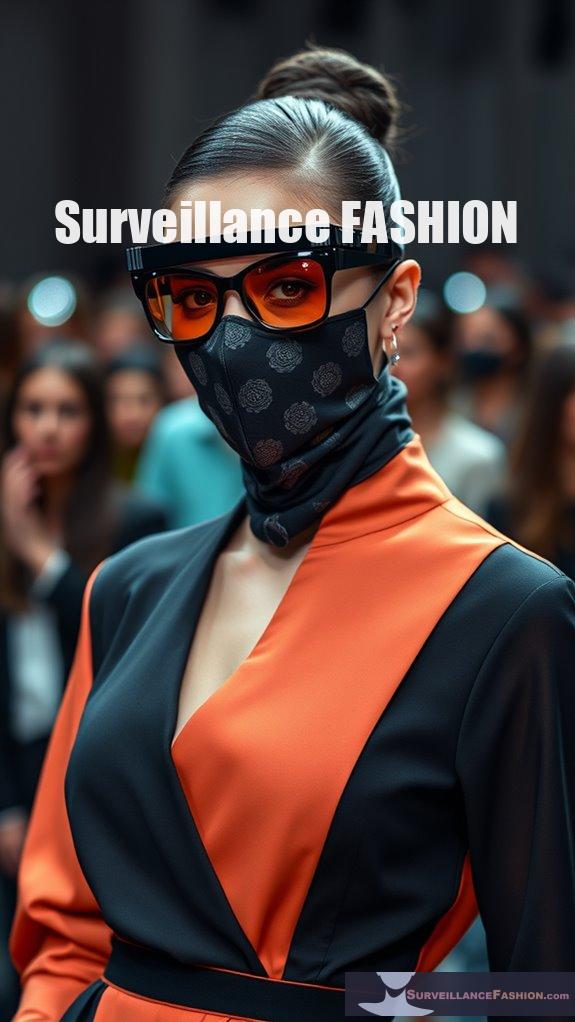
    The strategic mask design focuses on concealing critical facial features, such as the mouth and nose, thereby impairing identification accuracy. While conventional masks offer some degree of identity concealment, innovative designs may incorporate patterns or even false faces to confound recognition systems. Masks significantly reduce recognition accuracy for facial identity, highlighting their effectiveness in evading surveillance. In addition to masks, other face-obscuring accessories are gaining traction as essential elements in modern privacy fashion.

    Such advancements reflect a broader societal discomfort with pervasive surveillance, underscoring the need for effective countermeasures.

    These developments highlight a growing societal unease with constant surveillance, emphasizing the importance of finding effective ways to protect personal privacy.

    As we explore the intersection of fashion and technology at Surveillance Fashion, these masks exemplify the ongoing battle for personal privacy.

    Effectiveness of Caps With Reflective Materials

    reflective caps enhance visibility

    Caps with reflective materials offer a compelling solution for those seeking to obscure their identity from facial recognition systems. Their effectiveness lies in their ability to create glare, which disrupts the clarity of facial features captured in surveillance footage.

    Unlike sunglasses, caps excel in covering more facial areas, considerably reducing the accuracy of identification algorithms. Hats and caps have been shown to be more detrimental to correct identification than sunglasses in forensic facial comparison studies. These accessories can be designed with light-reflecting technology that enhances their ability to confuse cameras further.

    However, while these caps provide a tactical advantage, they may attract unwanted attention in social settings, challenging the balance between privacy and acceptability.

    As technology evolves, the effectiveness of reflective materials may diminish, necessitating continued exploration of innovative anti-facial recognition strategies, such as those discussed on Surveillance Fashion.

    Innovations in Invisible Light Disruption

    invisible light disruption technologies

    Innovations in invisible light disruption represent a critical frontier in the ongoing battle against facial recognition technology, which has become increasingly sophisticated. These advancements leverage invisible technology to create effective barriers against surveillance systems. Key elements include:

    • Light Emission Mechanism: Devices emit invisible infrared light, obstructing facial recognition.
    • Device Design: Varied designs, from glasses to hats, target different light spectrums.
    • Usage Scenarios: Most effective in environments where privacy is paramount. For instance, these devices are particularly beneficial in smart cities where surveillance is pervasive.
    • Prolonged Use Limitations: Uncertainty lingers regarding long-term efficacy against advancing technologies.

    As we explore these innovations, we at Surveillance Fashion aim to empower individuals seeking to reclaim their privacy.

    Combining Accessories for Optimal Protection

    optimal accessory protection combination

    Combining various anti-facial recognition accessories can greatly enhance your defense against surveillance technologies, especially in a world where these systems are continuously advancing. Layered accessories, such as masks paired with infrared-blocking eyewear, create strategic combinations that markedly disrupt facial recognition capabilities. For instance, retroreflective glasses can overpower IR cameras, while a hoodie can obscure vital facial areas.

    Employing contouring makeup can further confuse these systems, providing an additional layer of complexity. As you navigate this changing environment, consider how these multifaceted approaches can empower you, protecting your privacy in an age where surveillance is omnipresent. Recent advancements in facial recognition systems emphasize the need for more effective evasion strategies as traditional methods become less effective.

    Evaluating Advanced Anti-Facial Recognition Technologies

    anti facial recognition technologies evaluation

    As you explore the domain of advanced anti-facial recognition technologies, it’s essential to understand the complex mechanics that underpin these innovative eyewear solutions.

    Consider the following elements that define their efficacy:

    • Reflective coatings that disrupt infrared light, thwarting data capture.
    • Infrared blocking features that prevent facial detection.
    • Multi-spectral protection, shielding against both visible and infrared spectrums.
    • CE and FDA certifications ensuring product reliability.

    These anti-surveillance technologies resonate with the growing privacy implications in our interconnected world, emphasizing the need for effective countermeasures against pervasive surveillance. This need is driven by concerns over facial recognition technology and its potential to compromise individual privacy.

    This is a core motivation behind our initiative, Surveillance Fashion.

    Trendy Oversized Frames

    stylish large eyewear trend

    While many individuals might view eyewear merely as a functional accessory, trendy oversized frames have evolved into a significant fashion statement that seamlessly blends aesthetic appeal with innovative technology. These frames not only reflect current fashion trends but also incorporate advanced anti-facial recognition features.

    Design ElementBenefits
    Frame MaterialDurable options like acetate
    Color VariabilityBold hues for visual impact
    Comfort FeaturesAdjustable nose pads

    Embracing oversized styles allows you to assert your individuality while enhancing personal privacy, aligning with the growing demand for stylish yet functional eyewear, a core motivation behind our Surveillance Fashion initiative.

    Unique Lens Tints

    colorful optical lens shades

    Unique lens tints represent a pivotal advancement in the domain of eyewear technology, specifically designed to combat the pervasive challenges posed by facial recognition systems.

    Unique lens tints mark a significant breakthrough in eyewear, effectively addressing the challenges of facial recognition technology.

    These specialized lenses not only enhance privacy but also empower you against surveillance. Consider:

    • Reflective Lenses: They throw back IR light, confusing cameras.
    • Multispectral Lenses: Designed to thwart both infrared and visible light recognition.
    • IR-Opaque Lenses: Block infrared radiation, preventing mapping.
    • Retrorreflective Lenses: Embed retroreflectors for heightened visibility.

    Fashionable Privacy-Enhancing Accessories

    stylish privacy protection gear

    Fashionable privacy-enhancing accessories extend beyond mere utility; they represent a conscious choice to reclaim personal autonomy in an age dominated by surveillance.

    By embracing innovative designs, such as chunky, thick-framed glasses with reflective materials, you can seamlessly blend privacy fashion with everyday style.

    These fashionable accessories, featuring infrared-blocking lenses, not only protect against facial recognition technologies but also guarantee comfort and daily wearability.

    As you navigate public spaces, consider how these choices contribute to a broader conversation on privacy rights, a core mission of our website, Surveillance Fashion, advocating for stylish yet functional solutions that empower you in an increasingly monitored world.

    Questions and Answers

    How Do Anti-Facial Recognition Glasses Block Infrared Light Effectively?

    Envision wielding a shield against unseen forces. Anti-facial recognition glasses absorb infrared light wavelengths, disrupting recognition. By reflecting and distorting vital data, they empower you to reclaim privacy, turning technology’s gaze into mere shadows.

    Can Reflective Materials Confuse All Types of Facial Recognition Systems?

    Reflective materials can confuse many facial recognition systems, but their effectiveness varies. While reflective coatings disrupt some technologies, others may still recognize partial features. You’ll need to stay informed on material effectiveness to enhance your privacy.

    What Environments Are Anti-Facial Recognition Glasses Designed For?

    Anti-facial recognition glasses are designed for urban environments where privacy protection is essential. They help you maintain anonymity in high-surveillance areas, ensuring you stay out of the watchful eyes of intrusive facial recognition systems.

    Are There Any Side Effects of Wearing Anti-Facial Recognition Eyewear?

    Wearing anti-facial recognition eyewear can affect your comfort level during long-term use. You might experience eye strain, distortions, or social perceptions that challenge your authority, making it essential to weigh the benefits against potential drawbacks.

    How Do Advanced Materials Enhance the Performance of These Glasses?

    Advanced coatings and material innovations in these glasses empower you by effectively blocking infrared light and disrupting facial recognition systems. You gain an edge in privacy, ensuring your identity remains shielded from prying eyes and surveillance.

    References

  • Streetwear That Shields You From Digital Tracking

    Streetwear That Shields You From Digital Tracking

    Ever felt like you're being watched? Yeah, me too.

    I remember this one time at a crowded festival. I was wearing my favorite anti-surveillance hoodie, complete with those wild facial disruption patterns. I felt like a secret agent, dodging the watchful eyes of cameras everywhere.

    It was oddly empowering. I mean, who knew fashion could give me a shield against digital prying? That RFID-blocking fabric really makes me feel like I'm winning the privacy game, even if it's just a little.

    But let's be real—can we ever truly escape the digital eye?

    Embracing Minimalism: A Journey to Freedom from Clutter

    A few months back, I decided to embrace a minimalist lifestyle. I got rid of half my wardrobe, including those old clothes that screamed "please track me." I was left with only essential pieces, including my stylish anti-surveillance gear.

    Imagine the relief of knowing that each item I own serves a purpose and keeps me off the radar.

    Living simply has taught me to value function over fashion, but with a stylish twist. It's about reclaiming my space, both physically and digitally.

    Who knew that shedding material things could lead to a more profound sense of freedom?

    Quick Takeaways

    • Look for streetwear brands that use RFID-blocking fabrics to prevent unauthorized scanning of personal information.
    • Choose garments made from IR-reflective materials to obscure visibility from surveillance cameras.
    • Explore designs incorporating dazzle camouflage techniques that confuse computer vision and tracking algorithms.
    • Seek out accessories like Faraday bags that protect smartphones from wireless signal interception.
    • Consider fashion lines that emphasize digital shielding designs, integrating style with privacy protection seamlessly.

    Facial Disruption Patterns: Confusing Surveillance Systems

    facial recognition challenges arise

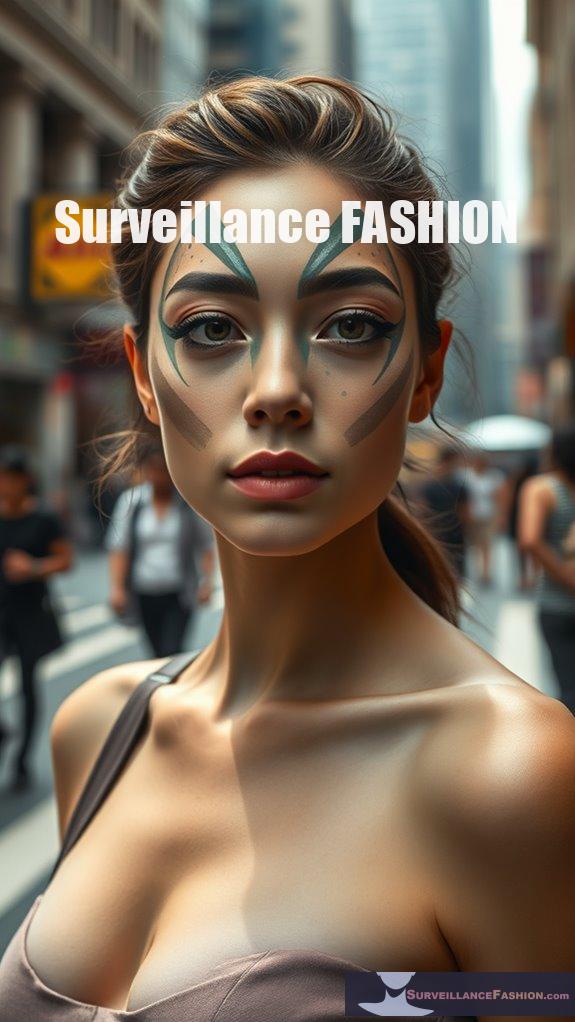
    In an era where facial recognition technology permeates various aspects of daily life, the emergence of facial disruption patterns offers a compelling countermeasure, enabling individuals to reclaim their privacy. These complex designs, such as Adam Harvey's "Computer Vision Dazzle," effectively confuse surveillance systems by employing abstraction techniques that disrupt image recognition. For instance, asymmetrical masks and multiple face prints can thwart algorithms, while adaptive camouflage materials dynamically reflect light to obscure detection. As facial recognition systems utilize unique nodes to identify individuals, such innovations highlight the pattern effectiveness of these artistic expressions, merging fashion with a strategic approach to privacy—an essential endeavor underscored by the mission of Surveillance Fashion to promote awareness and empower individuals against invasive technology. Dazzle patterns have been shown to significantly decrease recognition accuracy, making them a practical choice for those seeking anonymity.

    Privacy-Centric Brands Leading the Way

    privacy focused brands excel

    As the digital age continues to evolve, a growing number of brands are stepping up to prioritize consumer privacy through innovative fashion solutions that reflect both style and technological sophistication.

    These privacy-centric brands are revolutionizing streetwear with privacy innovation, integrating digital shielding designs, anti-tracking prints, and signal-jamming accessories into their collections. Gender inclusive brands like TomboyX and WILDFANG are also making strides in this space, ensuring that their products cater to a diverse audience while maintaining a focus on privacy.

    Privacy-focused brands are transforming streetwear by incorporating innovative designs that protect against digital tracking and enhance personal security.

    Brand collaborations with tech companies and cybersecurity experts enhance product efficacy, ensuring robust protection against digital tracking. Tracking-resistant fashion is becoming a key aspect of modern design, appealing to consumers who understand the importance of safeguarding their personal information.

    By emphasizing sustainable practices and ethical production, these companies not only safeguard your identity but also promote a meaningful mission.

    Such initiatives resonate with the educated consumer, fostering a community that values both privacy and fashion.

    The Role of Anti-Surveillance Fashion in Civil Rights

    fashion against surveillance abuse

    Anti-surveillance fashion emerges not merely as a trend but as a significant movement within the broader framework of civil rights advocacy, where the intersection of clothing design and technological resistance becomes essential. It embodies anti-surveillance activism by challenging oppressive surveillance systems and emphasizes the civil liberty implications inherent in personal privacy. This fashion trend signifies a shift in the purpose of clothing towards protecting individual visibility and asserting the right to privacy amidst pervasive surveillance. Additionally, these garments often incorporate community-led facial recognition countermeasures that enhance personal security against intrusive technologies.

    Aspect Description Impact
    Facial Recognition Targets biased technology Protects marginalized identities
    Protest Anonymity Maintains individual anonymity Empowers grassroots movements
    Ethical Debates Questions legality of anti-surveillance Sparks vital regulatory discourse

    Through these efforts, you can reclaim your autonomy and resist unwanted observation.

    Combining Style With Security: Fashion Meets Function

    fashionable yet secure designs

    Fashion can serve as a powerful tool for privacy, merging style with functionality to create garments that not only look appealing but also protect wearers from invasive surveillance technologies. Digital ID tags aim to enhance sustainability in the fashion industry while ensuring that consumer data remains protected.

    The Future of Streetwear in the Age of Surveillance

    surveillance impacts streetwear culture

    The evolution of streetwear, particularly in response to growing surveillance concerns, reflects an energetic interaction between innovation and societal values, where the need for privacy increasingly shapes consumer choices.

    1. Technological integration of adversarial patches confuses AI surveillance systems. These adversarial patches are woven into fabric to create garments that can misclassify wearers as animals, enhancing their ability to deceive surveillance technology.
    2. Fashion emerges as a protest, commenting on privacy issues.
    3. Innovative materials disrupt digital tracking, enhancing sustainable practices.
    4. Artistic expression flourishes, merging functionality with aesthetic appeal.

    As consumer awareness heightens, streetwear adapts, empowering individuals to reclaim their privacy while expressing identity.

    This dynamic fusion of style and security promotes a future where your clothing not only adorns but also protects.

    Cloaking Fabrics for Privacy

    privacy enhancing cloaking materials

    Cloaking fabrics represent a remarkable intersection of advanced material science and privacy-focused design, where innovative technologies are employed to shield individuals from pervasive surveillance systems. These privacy materials utilize various strategies, such as bending light and disrupting facial recognition algorithms, enhancing personal security. Each piece, from InvisDefense to Hyperface, embodies a commitment to protecting one's identity, illustrating why we created Surveillance Fashion, emphasizing empowerment through style and science. Recent advancements in invisibility technology have further inspired the development of these cloaking fabrics, pushing the boundaries of what is possible in privacy protection.

    Cloaking Technology Privacy Materials
    Quantum Stealth Non-Conductive Materials
    Metamaterials IR-Reflective Fabrics
    AI-Confooing Patterns Thermal Disruption Fabrics

    Privacy-Enhancing Design Inspirations

    privacy focused design concepts

    As technology evolves, individuals increasingly seek ways to protect their privacy through innovative design.

    You'll find several privacy-enhancing inspirations in streetwear that embody privacy aesthetics and wearable technology:

    1. Signal Blocking Materials: Fabrics that thwart RFID signals, safeguarding your devices.
    2. IR-Reflective Fabrics: Materials that reflect light, disrupting nighttime surveillance.
    3. Metamaterials: Experimental fabrics capable of bending light, mimicking invisibility.
    4. Smartphone Shielding Bags: Accessories like Faraday bags that block wireless signals to protect personal data.

    These designs not only challenge traditional fashion norms but also respond to society's growing need for privacy amid pervasive digital tracking.

    These innovative designs redefine fashion while addressing the urgent demand for privacy in an age of constant surveillance.

    This ethos is core to our platform, Surveillance Fashion.

    Definition of Surveillance Fashion

    monitoring style trends discreetly

    While you might think of fashion merely as a form of self-expression, surveillance fashion transcends traditional aesthetics by merging style with cutting-edge anti-surveillance technology. This innovative approach, often referred to as privacy fashion, actively disrupts digital tracking and facial recognition, utilizing advanced materials and unique designs.

    Anti-Surveillance Aesthetics Key Technologies
    Confuses facial recognition RFID-blocking fabrics
    Obscures visibility IR-reflective materials
    Tricks computer vision Dazzle camouflage techniques
    Represents modern camouflage Metamaterials bending light

    This dynamic interplay empowers individuals, advocating for personal privacy in an increasingly surveilled society.

    Questions and Answers

    How Do I Care for Anti-Surveillance Clothing?

    So, you've got your stylish anti-surveillance gear—congrats! Just recall, gentle washing's your best friend, and avoid bleach. Treat those special fabrics like royalty; they'll maintain your power over prying eyes with proper care.

    Are There Any Specific Brands to Avoid?

    When considering specific brands, you should research their reputation thoroughly. Some brands may prioritize profit over privacy, compromising quality. Choose wisely to guarantee your investment reflects your values and empowers your stance on privacy.

    Can These Clothes Be Customized for Individual Styles?

    Absolutely, you can customize your clothes to reflect personal preferences. Envision bold custom designs that express your unique style, contrasting with generic fashion. Embrace your individuality and stand out in a sea of sameness.

    What Are the Environmental Impacts of These Materials?

    The environmental impacts of sustainable materials are significant. By choosing eco-friendly practices, you minimize waste, reduce water consumption, and lower carbon emissions, empowering yourself and the planet while promoting a healthier, more responsible fashion industry.

    How Do I Verify the Effectiveness of These Garments?

    You don't want to gamble with your privacy. To verify effectiveness, conduct rigorous testing on garment materials, examining signal blocking and design capabilities. User reviews and independent lab tests can reveal the truth behind their protective promises.

    References

  • Best UV Patterns Blocking Facial Recognition Systems

    Best UV Patterns Blocking Facial Recognition Systems

    To effectively block facial recognition systems, you should explore UV patterns that utilize advanced technologies, such as generative adversarial networks, to craft complex designs. These designs confuse recognition algorithms by creating high spatial frequency patterns that adapt to environmental changes. Furthermore, clothing incorporating reflective materials can obscure facial features, while UV makeup can further enhance these privacy strategies. This unique fusion of fashion and technology reflects the ongoing dialogue about personal identity and privacy in an increasingly surveilled world, inviting you to discover more.

    Quick Takeaways

    • UV patterns with high spatial frequencies can significantly reduce recognition accuracy by confusing facial recognition algorithms.
    • Complex adaptive UV designs enhance spoof detection, making it difficult for systems to accurately identify individuals.
    • Incorporating reflective materials into clothing and accessories disrupts infrared detection, adding another layer of privacy protection.
    • Generative adversarial networks can create synthetic UV patterns that improve effectiveness against facial recognition systems.
    • Utilizing tactical gear with high-tech fabrics that absorb or reflect UV light can further enhance anti-surveillance strategies.

    Innovative Strategies for Privacy Protection

    privacy protection innovations strategy

    As privacy concerns escalate in our increasingly surveilled society, individuals are exploring innovative ways to evade facial recognition systems, particularly through the use of UV-blocking patterns. The advent of facial recognition technology, which identifies individuals by analyzing unique facial features, has prompted a growing unease regarding its implications for personal privacy. With surveillance systems proliferating globally, the need for effective privacy protection has never been more pressing.

    As surveillance intensifies, innovative UV-blocking patterns emerge as a vital defense against facial recognition technology’s threat to privacy.

    In response, fashion designers and artists are embracing the concept of anti-surveillance fashion, crafting clothing and accessories that not only serve aesthetic purposes but also act as formidable countermeasures against invasive technologies. One of the more intriguing methods employed in this domain involves the utilization of UV-blocking patterns. These patterns can be incorporated into various garments and accessories, effectively confusing the algorithms underpinning facial recognition systems. Notably, facial recognition technology has been widely utilized by law enforcement in the US for identification and safety measures, highlighting the urgent need for countermeasures. Recent studies in public health surveillance have also shown that social media data can enhance our understanding of how individuals interact with surveillance technologies.

    For instance, clothing designed with facial-like patterns can inundate the system with false positives, rendering it unable to accurately identify the wearer. Similarly, reflective materials, when applied to various accessories like glasses or hats, can disrupt the infrared detection capabilities of surveillance cameras, creating a layer of obfuscation that’s both practical and stylish. Additionally, disguise techniques such as UV makeup can further confuse these systems, adding another layer of complexity to the challenge of facial recognition. Employing these makeup techniques can obscure facial features, making it difficult for the technology to achieve accurate identification.

    In addition, the integration of high-tech fabrics into everyday wear is a reflection of the innovation driving the anti-surveillance fashion movement. By employing materials specifically engineered to reflect or absorb UV and infrared light, designers aren’t only enhancing the protective capabilities of their creations, but they’re also making a bold statement about privacy in the digital age. For example, consider scarves or hats that aren’t merely fashion items but also serve as tactical gear against pervasive surveillance.

    Physical methods of evasion also complement the use of UV-blocking patterns. You might find that tilting your head or adjusting your posture can greatly hinder a camera’s ability to capture your facial features accurately. Additionally, combining these strategies with carefully chosen accessories—such as glasses equipped with infrared-blocking films—can create an additional layer of defense.

    The synergy of these approaches underscores the multifaceted nature of privacy protection in an age dominated by technology. As you explore deeper into the world of anti-surveillance fashion, you’ll discover an array of innovative solutions designed to thwart facial recognition systems. From reflective tapes to camera-distorting accessories, each design element serves a dual purpose: to enhance personal style and safeguard individual privacy.

    This intersection of fashion and technology isn’t just a trend; it’s a transforming environment that reflects a collective desire for autonomy in a world increasingly characterized by surveillance. At Surveillance Fashion, we’ve dedicated ourselves to exploring these advancements, providing a platform for discussion and innovation in the field of privacy protection.

    Cloaking Designs With UV Patterns

    uv patterned cloaking designs

    Cloaking designs with UV patterns represent a sophisticated approach to enhancing privacy in an era dominated by facial recognition technology. By employing innovative cloaking methods, these designs utilize UV technology to create undetectable alterations to one’s appearance, effectively confusing recognition algorithms. For instance, reflective materials incorporated into eyewear can obscure facial features, while UV patterns can block harmful rays and prevent identification. This multi-layered strategy, which includes microscopic adjustments, leverages pixel-level manipulation to guarantee that even subtle changes remain invisible to the naked eye yet disrupt machine detection. The technology behind Fawkes Image Cloaking has inspired new methods that enhance personal privacy online. Additionally, infrared-reflecting materials are being researched to further improve the efficacy of these designs. Infrared-resistant fabrics are also being explored for their potential to augment privacy by providing stylish yet functional clothing options. As various companies and researchers compete to develop these privacy-enhancing tools, the demand for effective solutions grows.

    Our website, Surveillance Fashion, aims to illuminate these advancements, providing perspectives into how you can safeguard your identity in an increasingly surveilled world. Embracing these cutting-edge designs could redefine your experience in public spaces, merging functionality with style to promote privacy. The Phantom Miasma eyewear, for instance, utilizes innovative lens technology to block infrared illumination and prevent facial mapping, making it a powerful tool in the quest for privacy.

    Creative UV Pattern Innovations

    innovative ultraviolet design techniques

    What if you could transform the way facial recognition systems perceive your identity through the innovative use of UV patterns? By embracing adaptive UV designs, you can create a new frontier in privacy protection.

    Envision projecting complex UV pattern aesthetics—these patterns not only enhance spoof detection but also obscure your identity from prying eyes. For instance, high spatial frequency UV patterns can be dynamically adjusted to suit varying environmental conditions, effectively rendering your facial features indistinguishable to recognition algorithms. Utilizing deep learning models, specialized algorithms interpret these UV projections, enabling pose-invariant recognition even under challenging lighting scenarios. Moreover, advancements in generative adversarial networks (GANs) allow for the generation of synthetic UV patterns, which can camouflage faces that might otherwise be detected. These developments align with the increasing integration of AFR in security and surveillance, highlighting the need for innovative privacy solutions.

    The use of makeup techniques can further enhance the effectiveness of these UV patterns in obstructing identity detection. Furthermore, the application of real 3D information in facial recognition enhances the effectiveness of such UV patterns in obstructing identity detection. As a result, employing anti-surveillance makeup alongside these UV innovations can significantly improve your chances of evading detection.

    As we explore these exciting innovations, the potential for privacy enhancement becomes apparent, making the technology a vital element in the ongoing discourse surrounding surveillance fashion and individual rights.

    Questions and Answers

    How Effective Are UV Patterns Against Various Facial Recognition Systems?

    You’ll find that UV patterns have varying effectiveness against different recognition systems. By comparing their vulnerabilities, you can explore innovative ways to enhance privacy protection and potentially outsmart advancing facial recognition technologies.

    Can UV Patterns Be Customized for Individual Users?

    Yes, you can customize UV patterns for individual users. Personalized UV patterns leverage custom user designs, enhancing privacy and effectiveness while considering facial structure and recognition system vulnerabilities for innovative, tailored solutions in evading surveillance.

    Are There Any Legal Implications of Using UV Patterns?

    Using UV patterns is like dancing on a legal tightrope; you’ve got to navigate privacy concerns and legal regulations carefully. Without clear laws, you might find yourself in uncharted waters, risking unintended consequences. Stay informed!

    How Durable Are UV Patterns on Clothing and Accessories?

    UV patterns on clothing and accessories can offer impressive fabric longevity and pattern resilience. However, factors like moisture, temperature, and wear can impact their durability, so you should choose wisely and maintain them properly for lasting effectiveness.

    What Materials Work Best for Applying UV Patterns?

    When applying UV patterns, consider fabric types like metallic textiles and reflective materials. Utilize innovative application techniques, such as embedding UV-blocking properties or using fluorescence, to enhance effectiveness and disrupt recognition systems creatively.

    References

  • Best Algorithm-Disrupting Makeup Patterns For Privacy

    Best Algorithm-Disrupting Makeup Patterns For Privacy

    To effectively disrupt facial recognition algorithms, consider utilizing geometric patterns and asymmetrical designs that confuse recognition systems. Bold colors and layering techniques enhance visual complexity, while incorporating textures can greatly obscure identifiable features. Utilizing UV pigments adds another layer of challenge, as neon colors shift under different lighting, further complicating algorithmic analysis. By experimenting with these innovative makeup patterns, you not only enhance your personal security but also creatively express your individuality, with more understanding available on this emerging trend.

    Quick Takeaways

    • Utilize geometric shapes and bold colors to confuse facial recognition algorithms effectively.
    • Apply asymmetrical designs to disrupt facial symmetry detection, enhancing anonymity.
    • Experiment with layering techniques to create depth and complexity in your makeup.
    • Incorporate textures and materials that change appearance under different lighting conditions for added visual complexity.
    • Consider using UV pigments for vibrant looks that enhance visibility in low-light environments while obscuring identifiable features.

    Makeup as a Tool for Privacy Protection

    makeup for personal concealment

    In an era where surveillance technologies permeate daily life, the integration of makeup as a tool for privacy preservation emerges as a compelling subject for exploration. As facial recognition systems become increasingly sophisticated, the need for innovative strategies to protect personal identity grows more pressing. You might find it fascinating that researchers have investigated the application of makeup not just for aesthetic enhancement but as a means of disrupting the algorithms behind facial recognition technology.

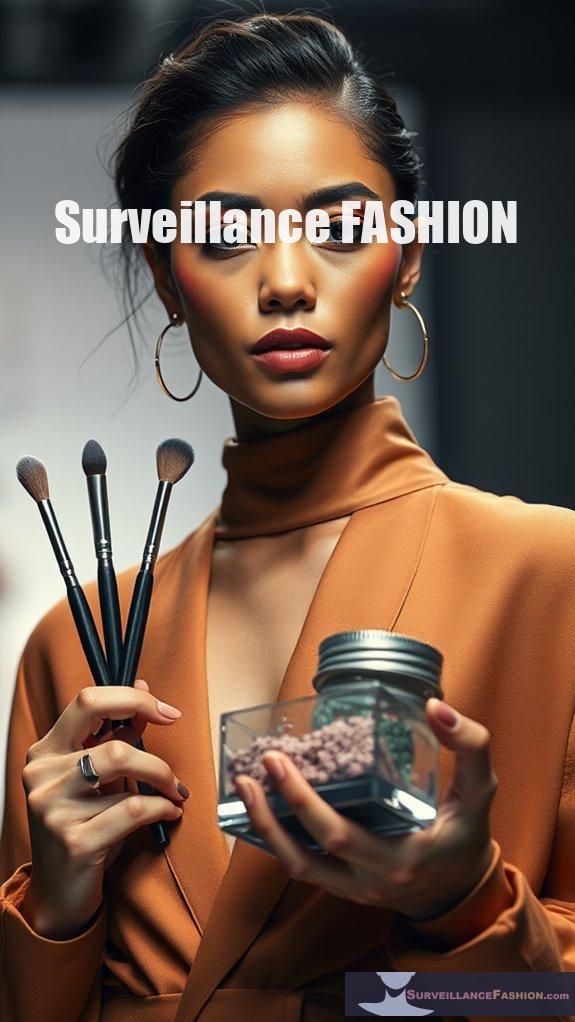
    Through meticulous studies, experts have discovered that specialized makeup patterns can effectively alter facial symmetry, thereby reducing identification rates considerably. By employing software-generated designs, they create makeup that targets identifiable regions of the face, such as the nose, mouth, and eyes. These areas are vital since they’re often the focal points for recognition algorithms. Utilizing heatmap analysis, researchers can pinpoint the most recognizable facial features and deploy makeup techniques that disrupt the symmetry essential for accurate identification. Recent studies have demonstrated that the use of adversarial makeup can lead to a significant drop in identification rates, showcasing its potential as a privacy-preserving tool. Interestingly, the effectiveness of these patterns is supported by research on algorithmic vulnerabilities, which highlights how certain visual alterations can confuse recognition systems. Moreover, the concept of visual disruption lies at the heart of these innovative makeup strategies, emphasizing their role in privacy protection.

    Digital makeup tools, like YouCam Makeup, allow users to simulate these innovative designs virtually. This capability paves the way for practical applications, where skilled makeup artists can replicate digital patterns on individuals for real-world testing. The application methods vary, encompassing both digital and physical strategies, ensuring versatility and accessibility for those interested in privacy preservation through makeup.

    Interestingly, while randomly applied makeup can yield some reduction in identification rates, strategically applied patterns demonstrate a markedly higher success rate, achieving up to 100% efficacy in bypassing certain facial recognition models. In physical testing scenarios, participants adorned with these specially designed makeup patterns experienced identification in only about 1% of frames, illustrating the effectiveness of targeted makeup application. Furthermore, this research aligns with BGU’s findings that makeup application significantly impacts facial recognition accuracy, emphasizing the potential of this approach.

    However, it’s essential to acknowledge the limitations of this approach. While these innovative patterns can confuse facial recognition systems, they may inadvertently draw attention in other ways, potentially defeating the purpose of privacy preservation. The careful balance between maintaining a discreet appearance and effectively disrupting facial symmetry is critical in the design of these makeup patterns.

    The artistic influence behind these techniques often draws from projects like CV Dazzle, which similarly aim to confuse facial recognition algorithms through creative expression. The notion that makeup can serve not just as a cosmetic tool but as a form of self-defense against surveillance is a radical shift in understanding personal privacy.

    Ultraviolet Color Theory Techniques

    color theory techniques explained

    Exploring unconventional techniques for privacy preservation through makeup naturally leads to the fascinating domain of ultraviolet (UV) color theory, where the interplay between light and pigment reveals a new dimension of artistic expression.

    When considering UV Pigment Selection, it’s essential to prioritize pigments with fluorescent properties, as they create striking, luminous effects under UV light. For instance, neon pigments not only enhance visibility but also introduce a vibrant palette that transforms in dark environments. Understanding contrast levels can help artists choose shades that complement their unique features when using UV makeup. By leveraging color theory, artists can enhance application techniques and improve shade matching in UV makeup. Furthermore, utilizing anti-facial recognition techniques can enhance the effectiveness of UV makeup by creating an additional layer of visual complexity. Incorporating facial distortion methods can further disrupt recognition algorithms, allowing for enhanced privacy.

    Moreover, understanding UV Light Effects can greatly alter the perception of colors, making certain hues more vivid and appealing. This aspect is particularly advantageous for artists aiming to craft unique temporary art pieces on the skin, as UV-sensitive makeup elevates the visual experience.

    Understanding UV light effects enhances color perception, allowing artists to create captivating temporary art on the skin with UV-sensitive makeup.

    At Surveillance Fashion, we’re dedicated to showcasing innovative techniques that redefine personal expression while ensuring privacy protection. We emphasize the importance of safety and stability in UV makeup applications.

    Unique Ultraviolet Color Combinations

    vibrant uv color pairings

    While many might perceive ultraviolet makeup merely as a fleeting trend, the art of crafting unique ultraviolet color combinations offers an expansive canvas for personal expression, especially in vibrant social settings. Experimenting with neon gradients and custom blends can elevate your look, particularly in environments where UV light enhances visibility. Many colorful makeup products may already contain glow-reactive pigments, which can further enhance your designs. It is essential to recognize that dazzle makeup techniques can effectively disrupt facial recognition technology. Incorporating elements like disruptive patterns can further amplify the effectiveness of your makeup. Below is a table showcasing some vibrant color combinations that can be particularly effective:

    Primary ColorSecondary ColorEffect
    PinkBright TealEnergetic and playful
    OrangePastel PinkSoft yet vibrant
    GreenYellowFresh and striking
    PurpleUV WhiteMystical and ethereal
    MagentaLight BlueBold and eye-catching

    Incorporating these combinations not only amplifies your artistic expression but also aligns with the innovative spirit of our platform, Surveillance Fashion, where we celebrate the intersection of creativity and privacy through makeup – like utilizing a 12 Color UV Water Activated Glow Palette which can enhance your options by providing a highly pigmented formula designed for visibility under UV light.

    Questions and Answers

    Can Makeup Patterns Help Evade Facial Recognition Technology?

    Makeup techniques can indeed help you evade facial recognition. By altering key facial features and creating contrasts, you disrupt algorithmic detection, making it harder for technology to identify you. Embrace innovation in your beauty routine!

    What Materials Are Best for Creating These Makeup Patterns?

    To create innovative makeup patterns, use sustainable materials like natural pigments and reusable stencils. Employ application techniques such as sponging and layering for vibrant effects, ensuring your designs are both impactful and environmentally conscious.

    How Long Do These Makeup Patterns Last on the Skin?

    Like a fleeting shadow, makeup patterns can vary in application duration. Your skin compatibility plays an essential role; high-quality products may last longer, but environmental factors can quickly turn your masterpiece into a fading echo.

    Are There Specific Brands Recommended for Privacy-Focused Makeup?

    For privacy-focused makeup, consider brands like Crunchi and RMS Beauty. They prioritize ethical beauty while offering transparency in ingredients. These innovative options guarantee you’re not just looking good, but also making responsible choices.

    Can I Customize Makeup Patterns for Different Environments?

    Yes, you can customize makeup patterns for different environments using innovative customization techniques. By leveraging environmental adaptations, you’ll enhance your look, ensuring it suits varying lighting and conditions, creating a truly personalized beauty experience.

    References

  • 7 Camera-Defeating Fashion Trends for 2023

    7 Camera-Defeating Fashion Trends for 2023

    In 2023, I discovered that fashion can be my secret weapon against prying eyes.

    I mean, who knew I'd need a jacket just to grab coffee without feeling like a walking target for cameras?

    With Adam Harvey's Stealth Wear, I felt like a ninja—not a thermal signature in sight!

    And that ISHU Anti-Flash Scarf? It's my new best friend at parties. Just wrap it around my neck, and poof—no flash photobombs for me.

    But let's be real; I'm still figuring out how to dodge all the algorithms that seem to know me better than my friends do.

    Do you ever feel that way?

    Embracing Minimalism: A Journey to Privacy and Clarity

    Recently, I decided to declutter my life—and it felt liberating. I ditched half my closet, including clothes that never saw the light of day.

    This minimalist lifestyle not only cleared my space but also made me more conscious of what I wear.

    Now, I choose pieces that serve multiple purposes—think anti-surveillance fashion that doubles as everyday wear.

    Less really is more, and I can focus on what matters: my privacy and peace of mind.

    How many layers do we really need to feel secure?

    Quick Takeaways

    • Stealth Wear employs thermal signature-masking technology, transforming clothing into a defense mechanism against thermal surveillance in 2023.
    • ISHU's Anti-Flash Scarf obscures wearers' faces in flash photography, catering to privacy-conscious individuals and celebrities alike.
    • Cap_able's Manifesto Collection features garments with adversarial patches to confuse facial recognition systems, promoting anonymity and personal security.
    • The Black Squid Jacket uses biomimicry to provide adaptive camouflage, blending into urban environments while ensuring visibility and protection.
    • Multifunctional designs are increasingly popular, reflecting a societal shift towards fashion that prioritizes privacy and safety in a surveillance-driven world.

    Stealth Wear: Adam Harvey's Innovative Approach

    innovative fashion for privacy

    Stealth Wear, as conceived by Adam Harvey, emerges not merely as a fashion statement but as a profound commentary on the intersection of technology and privacy in contemporary society. This collection, utilizing silver-plated fabric, effectively reduces your thermal signature, making you less visible to thermal surveillance systems. By drawing inspiration from traditional Islamic attire, Harvey's work serves as a privacy advocacy platform, engaging in a crucial surveillance critique. As you don these garments, you're not just embracing innovative design; you're participating in a broader dialogue about autonomy and surveillance, embodying a creative resistance against pervasive monitoring in our increasingly digital world. This approach reflects Harvey's commitment to counter-surveillance technologies, showcasing how fashion can be a form of defense against unwanted observation. Additionally, the use of thermal signature-masking garments has the potential to redefine personal privacy in an era dominated by constant monitoring.

    The Black Squid Jacket: Mimicking Nature for Camouflage

    nature inspired camouflage jacket

    In recent years, the intersection of advanced materials and nature-inspired design has produced innovative garments that challenge conventional notions of visibility, such as the Black Squid Jacket. This jacket employs cutting-edge glass sphere technology, embedding over two billion microscopic glass spheres in resin to mimic squid skin inspiration, creating an iridescent exterior that alters appearance based on light. Notably, the jacket is fully waterproof and windproof, ensuring extreme weather protection for its wearers. Additionally, this design leverages biomimicry principles, allowing it to adapt seamlessly to various urban environments.

    In bright conditions, it reflects the entire color spectrum, while in dim light, it appears black with a metallic sheen. With waterproof features and layering compatibility, this jacket embodies a bionic clothing revolution, exemplifying how fashion can merge functionality with nature's brilliance.

    ISHU's Anti-Flash Scarf: Defeating Flash Photography

    flash photography defense scarf

    As the demand for privacy in an increasingly digital age continues to grow, ISHU's Anti-Flash Scarf emerges as a groundbreaking solution, adeptly addressing concerns surrounding unwanted exposure in photography. This innovative scarf utilizes nano-spherical crystals to create an inverse retro-reflective effect, effectively transforming you into a black silhouette under flash photography. Highly reflective material enhances its ability to obscure faces in flash photography, making it an essential accessory for those seeking privacy. Additionally, the scarf's design is rooted in light-reflecting accessories, which significantly boosts its performance against surveillance technology.

    Catering to privacy fashion enthusiasts, it reflects light back into cameras, ensuring anonymity, especially in low light. Significantly, celebrities have embraced this unique accessory, highlighting its relevance in today's social media environment. As a result, ISHU's designs offer both style and protection, aligning seamlessly with the ethos of our website, Surveillance Fashion.

    Cap_able's Manifesto Collection: Adversarial Patches in Fashion

    adversarial fashion statement collection

    Cap_able's Manifesto Collection emerges as a compelling intersection of fashion and technology, particularly in the domain of rising concerns over biometric data privacy.

    Utilizing adversarial patches, these garments—crafted from 100% Egyptian cotton—confound facial recognition systems, rendering wearers unrecognizable or falsely identified as animals.

    With vibrant, maximalist designs, the collection not only champions technological fashion but also ignites discussions surrounding the misuse of biometric data.

    Zach Blas' Facial Weaponization Suite: Masks Against Surveillance

    masks for privacy protection

    The Facial Weaponization Suite, an innovative art project by Zach Blas, actively challenges the pervasive reach of biometric facial recognition technology through a series of thought-provoking masks designed to disrupt the algorithms that govern surveillance.

    • Masks embody collective anonymity and biometric resistance.
    • Unique designs critique the biases embedded in surveillance technologies.
    • Public interventions raise awareness about the consequences of digital profiling.

    Lauren Bowker's Air Collection: Environmentally Responsive Designs

    eco friendly fashion innovations

    While many fashion trends focus solely on aesthetics, Lauren Bowker's Air Collection transcends traditional boundaries by incorporating innovative materials that respond dynamically to environmental stimuli.

    This collection employs color-changing technology, with products that adapt to temperature, UV light, and moisture—each piece a demonstration of environmental adaptability.

    For instance, wallets react to body temperature, while backpacks shift hues based on wind and sunlight.

    Created in collaboration with Selfridges, these limited-edition items blend artistry and functionality, inviting you to explore a wearable experience that challenges conventional perceptions of fashion, ultimately reflecting our website's vision of merging style with surveillance awareness.

    The Future of Material Science in Anti-Surveillance Fashion

    innovative anti surveillance clothing materials

    As advancements in material science continue to evolve, the terrain of anti-surveillance fashion is set to undergo a significant transformation, enabling individuals to navigate increasingly monitored environments with enhanced privacy.

    • Innovative textiles disrupt facial recognition algorithms
    • Smart fabrics adapt to environmental conditions
    • Metamaterials could bend electromagnetic waves

    The future applications of these material advancements promise not only to enhance personal security but also to empower individuals in reclaiming their privacy.

    As technology becomes more prevalent, understanding these innovations fosters a culture of awareness, emphasizing the importance of protective clothing in a world where personal data is increasingly at risk.

    Cloaking Fabrics and Patterns

    invisible material design techniques

    Cloaking fabrics and patterns represent an innovative frontier in the domain of anti-surveillance fashion, where the intersection of technology and design fosters a new approach to personal privacy.

    Utilizing advanced cloaking technology, these fabrics disrupt surveillance by obscuring facial features and confusing algorithms.

    Advanced cloaking technology in fabrics obscures facial features, effectively disrupting surveillance and confusing recognition algorithms.

    Innovative patterns, such as those seen in the Hyperface Project, overload facial recognition systems with human-like features, enhancing privacy.

    Moreover, RFID-blocking materials prevent tracking through devices.

    As consumers increasingly seek fashion that embodies privacy enhancement, it reflects a growing awareness of surveillance's implications, highlighting why we created this website, Surveillance Fashion, to navigate these developing trends.

    Reflective Material Innovations

    advancements in reflective materials

    Reflective material innovations are rapidly gaining traction as a significant trend within the fashion industry, particularly as consumers seek to balance aesthetics with functionality in their apparel.

    • Embrace reflective versatility in your wardrobe.
    • Experience futuristic aesthetics with smart materials.
    • Stand out with laser-based patterns that enhance visibility.

    These innovations, ranging from glass beads to micro prisms, merge safety and style, redefining how you approach nighttime visibility.

    As you explore reflective fabrics, you're not merely adopting trends; you're participating in a movement that enhances personal expression while prioritizing safety.

    This evolution in fashion reflects a broader societal shift toward conscious, multifunctional design.

    Fashion That Evades Monitoring

    untraceable fashion trends emergence

    In a world increasingly dominated by surveillance technologies, fashion that evades monitoring emerges as a compelling response to rising privacy concerns, offering both protection and aesthetic appeal.

    Designs like Adam Harvey's Hyperface project utilize elaborate patterns to overload facial recognition systems. Meanwhile, Cap_able's Manifesto Collection features garments with adversarial patches that mislead AI cameras. Innovations such as the anti-flash scarf by IShu obscure wearers in bright conditions, embodying a new era of privacy fashion.

    These garments serve as a form of surveillance resistance, transforming clothing into a powerful statement against invasive monitoring practices. Your choice of apparel can actively defend your identity in today's scrutinized society.

    References

  • Best Non-Technical Ways To Thwart Facial Surveillance

    Best Non-Technical Ways To Thwart Facial Surveillance

    To thwart facial surveillance non-technically, consider employing distinct makeup strategies, such as bold lip colors or asymmetrical application, which distract from identifiable features. Accessorize thoughtfully with wide-brimmed hats and oversized sunglasses, while incorporating reflective fabrics. Stylize your outfits using complex designs or patterns that confuse recognition algorithms. Innovate with face paint and hairstyles that obscure key facial markers; these methods collectively contribute to a growing movement on privacy rights, revealing further revelations on protecting identity.

    Quick Takeaways

    • Utilize asymmetrical makeup techniques to create visual confusion and obscure identifiable features.
    • Wear wide-brimmed hats and oversized sunglasses to shield your face from surveillance cameras.
    • Choose clothing with complex patterns or infrared reflective fabrics to disrupt facial recognition algorithms.
    • Incorporate reflective accessories, like scarves or hats, to alter how your identity is perceived.
    • Engage in the privacy movement by adopting fashion choices that promote anonymity and reclaim personal autonomy.

    Non-Technical Strategies for Facial Anonymity

    facial recognition avoidance techniques

    In an age where facial surveillance technologies permeate public and private life, the quest for personal anonymity has garnered significant attention, prompting individuals to seek non-technical methods to evade the prying eyes of cameras. You might find yourself pondering how to navigate this terrain of constant observation, where even a casual outing can feel fraught with the potential for misidentification or data breaches.

    Fortunately, there are makeup strategies and accessory choices that can enhance your ability to remain under the radar. When considering makeup, think beyond the conventional application. You can use strategically placed cosmetics to alter your facial features subtly, making it challenging for facial recognition systems to identify you. For instance, contouring your jawline or cheekbones can create shadows that confuse these systems, while a bold lipstick can draw attention away from your eyes, which are often the primary focus for identification. Additionally, the use of innovative techniques like privacy preservation by birth can inspire new ways to think about how we can maintain our anonymity. Moreover, makeup for privacy protection can include unconventional patterns that further obscure your identity. Adding to this, disguise techniques can be an essential aspect of your overall strategy to avoid detection.

    You might also experiment with unconventional colors or patterns; vibrant hues or unique designs can disrupt the standard visual cues that cameras rely on for recognition. As you weigh your options, accessory choices become equally critical. Wide-brimmed hats can shield your face from view, offering a simple yet effective way to obscure key features. Pairing these with oversized sunglasses can further enhance your disguise, providing a double layer of defense against prying lenses.

    Anti-surveillance goggles, designed specifically to deflect light, can also serve as an innovative solution for individuals concerned about their privacy. These accessories not only contribute to a fashionable look but also work to frustrate the algorithms that power facial recognition technology. Moreover, reflective and metalliferous fabrics have emerged as intriguing options for clothing.

    These materials disrupt camera imaging by reflecting various wavelengths of light, making it difficult for systems to capture a clear image of your face. Consider incorporating such textiles into your wardrobe, perhaps as a stylish shirt or jacket, to embrace an avant-garde approach to privacy. Even a simple scarf made from a reflective fabric can act as a clever shield, subtly enhancing your anonymity while contributing to your overall aesthetic.

    With the increasing awareness surrounding data security concerns, it's essential to recognize the broader implications of facial recognition technologies. Misidentification risks can lead to serious legal issues, and the loss of anonymity in public spaces can erode personal privacy. By employing these non-technical methods, you not only protect yourself but also contribute to a growing movement that champions the right to privacy.

    As you explore these makeup strategies and accessory choices, keep in mind that each decision you make is a step toward reclaiming your autonomy in a world that often prioritizes surveillance over individuality. Engaging with these ideas through our website, Surveillance Fashion, can help you navigate the complexities of modern life, allowing you to express yourself while safeguarding your privacy.

    Stylish Anti-Surveillance Outfit Tips

    fashionable privacy protection attire

    How can you blend style with functionality when it comes to thwarting facial surveillance?

    By selecting fashion patterns that confuse facial recognition algorithms, you can create an effective yet stylish wardrobe. Opt for garments featuring complex designs or asymmetrical cuts, which disrupt symmetry and challenge detection systems. In 2024, many designers are experimenting with patterned fashion that confuses the eye, making their pieces not only visually striking but also practical for anti-surveillance purposes.

    Consider incorporating metamaterials or infrared reflective fabrics, as they not only enhance your invisibility but also make for chic outfits. Additionally, clothing featuring camera-confusing patterns can significantly improve your chances of remaining undetected in public spaces.

    Accessorize with trendy items like anti-paparazzi scarves or stealth headgear, which cleverly disguise your features while keeping you fashionable. Face masks, now a staple in many wardrobes, can obscure your identity while providing a unique fashion statement.

    As you explore accessory trends, keep in mind that the balance between practicality and aesthetics is essential for an effective anti-surveillance strategy.

    This website, Surveillance Fashion, aims to inspire you to embrace innovative textiles while making bold fashion choices that protect your privacy.

    Creative Disguise Ideas

    inventive costume transformation concepts

    Creative disguise ideas offer a unique opportunity to blend aesthetics with functionality, allowing individuals to navigate environments laden with surveillance while maintaining a sense of personal style and identity.

    Consider employing innovative makeup techniques, such as using contrasting tones to obscure facial features and disrupt algorithms. For instance, apply dark colors on light skin or vice versa, creating visual confusion. You might also partially obscure your nose and eyes, utilizing asymmetrical hair styling or makeup to enhance unpredictability. Techniques like anti-surveillance makeup patterns can be particularly effective in thwarting recognition.

    Complement your look with accessory ideas like asymmetrical headgear or stylish face paint that distracts from key facial markers. A reflective hat or a vibrant scarf can alter the perception of your identity, making recognition challenging. Additionally, incorporating anti-surveillance makeup techniques can further enhance your ability to evade detection.

    These creative strategies resonate with our mission at Surveillance Fashion, which seeks to empower individuals through stylish yet practical means to resist invasive technologies.

    References

  • Camouflaging Your Face: Computer Vision-Proof Makeup Guide

    Camouflaging Your Face: Computer Vision-Proof Makeup Guide

    Ever thought about how to hide from the all-seeing eyes of surveillance?

    Let me tell you, I once walked into a party looking like a Picasso painting. I used CV Dazzle techniques—high-contrast makeup and asymmetrical designs, all to confuse those pesky facial recognition algorithms.

    Sure, I got a few weird looks, but hey, I was invisible!

    With natural bristles for precision and accessories that sparkled like a disco ball, I felt like a stealthy ninja of identity.

    But let's be real—how often do we really need to hide?

    Embracing Minimalism: A Journey to Identity Protection

    I remember decluttering my closet one rainy afternoon, realizing that less is truly more. I ditched the excess and kept only the essentials—like my trusty oversized sunglasses and a chic hat.

    These pieces became my armor against prying eyes. Each item holds a story, and I felt liberated, shedding the pressure of constant surveillance.

    Minimalism isn't just about owning fewer things; it's about carving out a space for privacy in a world that tries to know everything about us. Who knew simplifying my life would also protect my identity?

    Quick Takeaways

    • Use asymmetrical makeup techniques to disrupt facial symmetry and confuse facial recognition algorithms targeting key landmarks.
    • Incorporate high-contrast colors and geological patterns to obscure facial features and alter textures effectively.
    • Combine theatrical cosmetics with contouring to mimic target characteristics and enhance evasion from biometric systems.
    • Employ accessories like hats, scarves, and reflective eyewear to physically shield your face from recognition technologies.
    • Explore fashion trends designed with privacy features, such as adaptive camouflage and distracting patterns, to enhance personal privacy.

    Understanding CV Dazzle Techniques

    cv dazzle camouflage methods

    In the domain of contemporary aesthetics and technology, CV Dazzle techniques emerge as a fascinating intersection of art and science, offering individuals a means to navigate the complexities of facial recognition systems.

    Drawing from makeup history and innovative camouflage techniques, these methods exploit algorithm vulnerabilities by manipulating light and dark areas on the face. High-contrast makeup, often black and white, disrupts expected facial symmetry, while asymmetric styling occludes key features. CV Dazzle was initially designed to target the Viola-Jones face detection algorithm, showcasing its ability to thwart machine vision systems while remaining visible to humans. This approach has proven effective against facial recognition algorithms that rely on detecting facial landmarks.

    Inspired by WWI dazzle camouflage, CV Dazzle adapts to advancing technologies, embodying not just a practical response to surveillance but also a form of artistic expression within the movement for privacy awareness.

    Essential Makeup Tools and Materials

    makeup tools and materials

    The application of makeup has evolved considerably, especially when considering its intersection with technology and personal expression. To effectively navigate this environment, understanding essential makeup materials and beauty tools is vital. Durable metals like stainless steel and aluminum are favored for their versatility in beauty tools, while elegant glass containers enhance user experience. Metal tools often provide a professional and polished appearance, making them a popular choice among makeup enthusiasts. The use of anti-facial recognition techniques in makeup application is becoming increasingly significant in today's tech-driven society.

    Natural bristles in luxury brushes offer gentle application, and silicone sponges guarantee flexibility. Packaging often utilizes resilient plastics, such as polypropylene, combining functionality with aesthetic appeal. As we explore these materials, it's clear that sustainable practices are emerging, reflecting a growing commitment to mindful beauty—an ethos that inspired our creation of Surveillance Fashion.

    Key Makeup Strategies for Obscuring Features

    makeup techniques for concealment

    While traditional makeup application often highlights and enhances facial features, key strategies for obscuring those features have emerged, especially in the framework of evading facial recognition technologies. To disrupt detection algorithms, consider employing asymmetrical makeup that skews typical facial symmetry, utilizing techniques targeting prominent landmarks like the nose bridge and eyes. Incorporating geological patterns inspired by CV Dazzle, and layering contrasting colors, can further confuse recognition systems. Additionally, utilizing anti-surveillance methods can enhance the effectiveness of your makeup by creating a more unpredictable visual profile. Moreover, hairstyles and fashion accessories can obscure facial contours, enhancing the illusion of irregularity. These methods not only empower individual expression but also align with our mission at Surveillance Fashion to navigate an increasingly monitored world. Notably, makeup presentation attacks maintain liveness cues, making them effective against detection systems.

    Limitations of Computer Vision Makeup

    challenges in makeup application

    As you explore the terrain of computer vision makeup, recognizing its limitations becomes essential for understanding how effectively these techniques can obscure facial features in the face of advanced recognition systems.

    Occlusion challenges arise when masks or other makeup techniques obscure critical facial elements, greatly impairing recognition accuracy. For instance, while masks can halve performance, eye occlusions also diminish effectiveness but to a lesser degree.

    Furthermore, the privacy implications of using such makeup techniques can complicate ethical concerns surrounding surveillance technologies. Ultimately, tailored approaches and ongoing algorithm improvements are necessary to address these limitations and enhance personal freedom in an increasingly monitored world.

    Makeup Presentation Attacks Explained

    makeup presentation attack methods

    Makeup presentation attacks (M-PAs) represent a fascinating intersection of artistry and technology, where individuals leverage cosmetics to manipulate their facial appearance for various motives, ranging from impersonation to evasion of biometric recognition systems.

    Utilizing impostor techniques, skilled makeup artists apply concealment methods to alter facial textures and shapes, thereby challenging facial recognition algorithms. For instance, theatrical cosmetics and strategic contouring can effectively mimic target features, achieving a deceptive likeness.

    As social media illustrates, these transformations can be striking, revealing vulnerabilities in biometric security systems. Ultimately, understanding M-PAs empowers individuals, highlighting the need for innovative approaches to combat identity concealment and impersonation.

    Countermeasures to Facial Recognition Detection

    facial recognition evasion techniques

    Facial recognition technology continues to advance, prompting a need for effective countermeasures that individuals can utilize to protect their identities.

    To enhance your digital privacy, consider physical and digital strategies for facial obfuscation. For example, wearing hats or reflective eyewear can obscure your features physically, while tools like Fawkes can corrupt your uploaded images online.

    Moreover, using face masks in appropriate settings or employing infrared disruptors can further shield your identity.

    Combining these methods into an extensive strategy not only helps deter surveillance but also emphasizes the importance of personal freedom in an increasingly monitored world.

    Disruptive Color Patterns

    vibrant unconventional design aesthetics

    Disruptive color patterns, which cleverly manipulate visual perception, can greatly enhance your ability to obscure your identity in an age of increasing surveillance.

    By employing high-contrast designs that promote visual fragmentation, you can effectively confuse facial recognition technologies.

    • Use non-repetitive configurations for unpredictability.
    • Incorporate spots, stripes, or geometric shapes to break outlines.
    • Combine these patterns with other techniques like background matching.
    • Experiment with color contrasts to distract from facial features.
    • Stay versatile across different environments, ensuring adaptability.

    Incorporating these disruptive patterns into your makeup can provide significant advantages in maintaining your privacy.

    Visual Disruption Techniques

    visual interference methods employed

    Visual disruption techniques encompass a range of strategies designed to confound the visual processing systems employed by various forms of computer vision, effectively rendering traditional identification methods less reliable.

    Fashion for Evading Recognition

    disguise through stylish clothing

    In an era characterized by ubiquitous surveillance, the intersection of fashion and privacy emerges as a compelling domain, where innovative designs not only challenge traditional aesthetics but also serve as shields against invasive recognition technologies.

    Consider these fashion trends that blend style with protection:

    • Anti-paparazzi scarves using reflective materials
    • Face masks, practical in common environments
    • Temporary face paintings for obscuring features
    • Patterned clothing with distracting prints
    • Adaptive camouflage jackets reflecting varied colors

    These innovations reflect a growing awareness of privacy rights, as more individuals seek to navigate a world increasingly dominated by surveillance technologies while maintaining their personal freedom.

    References