Author: Ava

  • Chat Control Legislative Timeline and Privacy Risks

    Chat Control Legislative Timeline and Privacy Risks

    The Chat Control proposal feels like standing in a crowded room where everyone is whispering secrets.

    I stumbled upon it one late night, cocktail in hand, browsing rabbit holes on digital privacy.

    Suddenly, I realized they’re trying to scan our messages for child exploitation stuff. Yes, that’s terrifying, but then again, can you imagine the sheer chaos?

    High false positives? Authoritarian regimes? It’s like giving your nosy neighbor the keys to your diary.

    Can you really trust that?

    So, I might just rock my anti-surveillance gear a little harder now.

    I mean, privacy isn’t just a running trend—it’s a vital human right.

    My Adventure into Anti-Surveillance Fashion: Turning Heads, Not Data

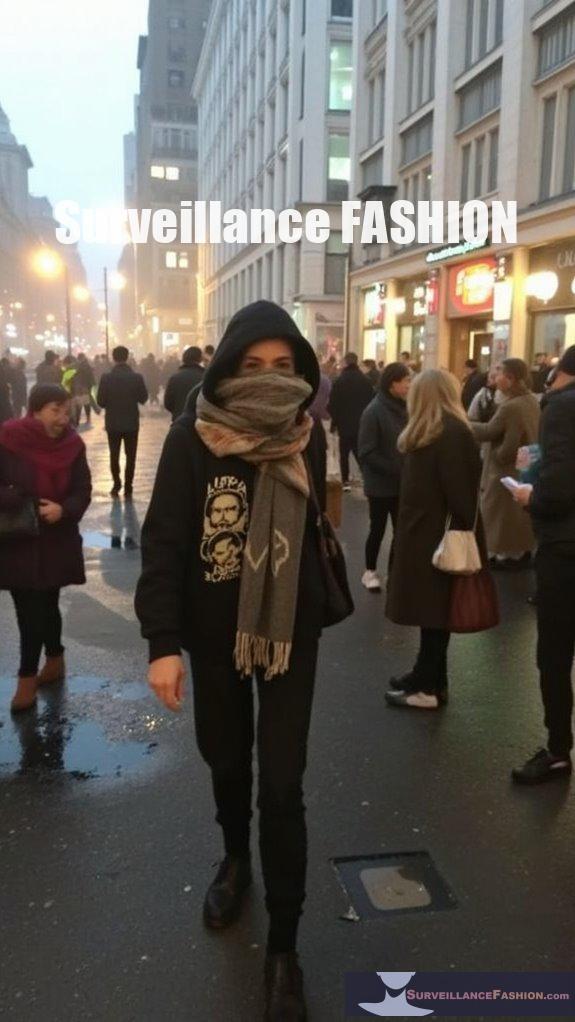
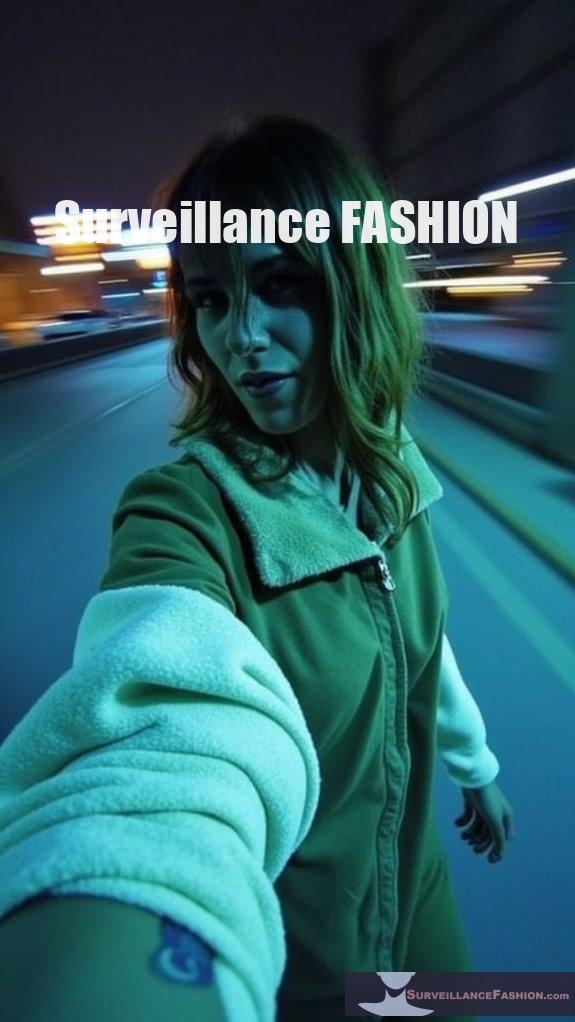
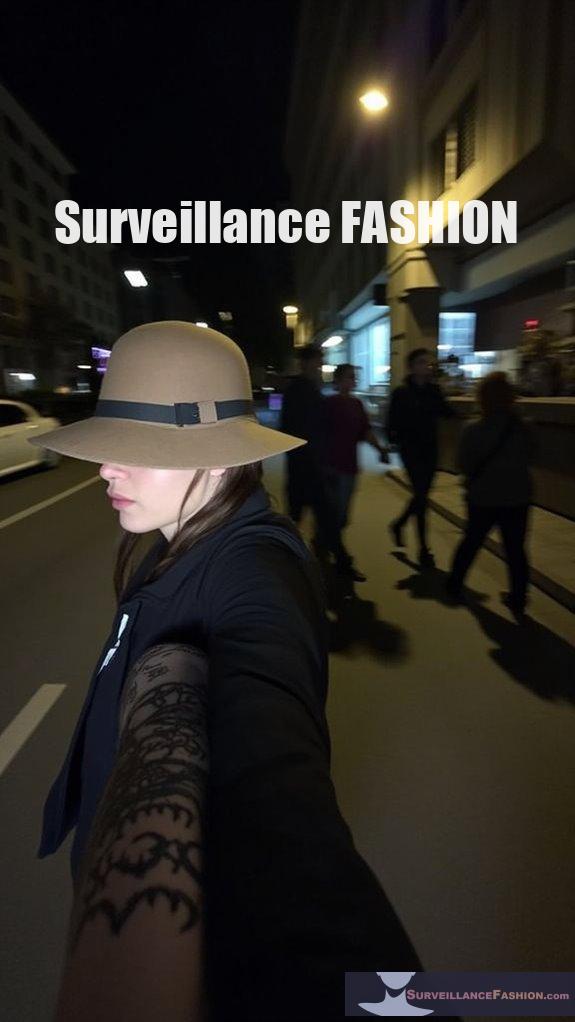
    Picture this: I’m strutting down the street in a jacket that’s as untraceable as my mom’s secret cookie recipe.

    One evening, I wore this wild reflective gear. It was like blending in and standing out at the same time—perfect! But here’s the kicker; a stranger walked by and complimented my jacket, unaware of its anti-surveillance intent.

    Suddenly, it was clear—my fashion choices can spark conversations about data privacy without even trying. Isn’t that a win-win?

    With the rise of pervasive surveillance, blending style with security felt empowering. Who knew fashion could be rebellious?

    I felt a thrill knowing every footprint—or lack thereof—was uniquely mine.

    Quick Takeaways

    • The Chat Control proposal was introduced in May 2022, aiming for a 2025 vote while emphasizing mandatory scanning for detecting CSAM.
    • Legislative developments reveal division among EU member states, with advocacy groups raising concerns about privacy erosion and implications for user trust.
    • High false positive rates (48%) in detecting abuse materials may lead to unwarranted investigations, affecting innocent users’ experiences and privacy.
    • Client-side scanning threatens end-to-end encryption, risking the confidentiality and reliability of communications on messaging platforms.
    • Ongoing debates highlight the tension between innovation, digital rights, and the potential for broad surveillance frameworks under the proposed legislation.

    Overview of the Chat Control Proposal

    child exploitation regulation proposal

    As the digital environment continues to progress, recognizing the need for a robust regulatory framework to combat child exploitation is essential; for this reason, the Chat Control Proposal, officially known as the Child Sexual Abuse Regulation (CSAR), was introduced by European Commissioner Ylva Johansson on May 11, 2022.

    This proposal seeks to enhance the detection and prevention of child sexual abuse material (CSAM) and online grooming across EU digital platforms by requiring proactive scanning of all communications, regardless of encryption. In doing so, it aims to expand existing voluntary initiatives into mandatory obligations, effectively dismantling privacy safeguards while attempting to increase CSAM reports considerably. However, this approach raises substantial concerns about digital rights and the implications for innovation amid a setting of advancing technology. Additionally, the proposed regulations have ignited widespread debate among stakeholders regarding their potential to infringe on privacy safeguards. The proposal has faced significant delays and persistence into 2025, highlighting the ongoing debate surrounding its implementation.

    Timeline of Legislative Developments

    Recognizing the significant implications for digital privacy, the timeline of legislative developments surrounding the Chat Control Proposal reveals a complex interplay of advocacy, opposition, and regulatory intent that has emerged since its introduction in 2022. Recent AI-related bills and state-level regulations show a growing focus on consumer protections. Additionally, privacy risks associated with chat control have prompted widespread opposition from various EU member states.

    YearEventImpact
    Early 2022Proposal revealed by EU to scan encrypted chatsLegislative urgency indicated with a 2025 vote target
    2024U.S. states introduce chatbot regulationsFocus on user protections and privacy enforcement
    Pre-2025EU final negotiations scheduled for September 12Advocacy campaigns amplify privacy concerns
    2025Global division among EU member states on support for Chat ControlPolarized legislative environment highlighted

    As you follow this timeline, consider the technological implications and the necessity for continued advocacy for digital rights, which our website Surveillance Fashion aims to promote.

    Key Political Dynamics and Stakeholders

    The ongoing political dynamics surrounding the Chat Control Proposal illustrate a complex environment shaped by varying interests and positions among stakeholders across Europe.

    Key players include:

    • The European Parliament, which largely opposes mandatory scanning yet supports targeted surveillance with judicial oversight.
    • The European Commission, favoring scanning measures to bolster law enforcement while facing criticisms about privacy risks.
    • Diverse member states, many supporting the proposal, while others express robust opposition rooted in fundamental rights concerns.
    • Advocacy organizations, including privacy advocates and child protection groups, presenting conflicting viewpoints on effective protection versus privacy erosion.

    Such dynamics point to a complicated balance of innovation and responsibility, a challenge that prompted the creation of our website, Surveillance Fashion, to foster informed discourse amidst ongoing debates.

    Privacy Concerns Surrounding Chat Control

    surveillance risks user privacy

    Understanding the ramifications of the Chat Control Proposal requires a careful examination of the privacy concerns it engenders, particularly given the unprecedented scale of mandated surveillance.

    By mandating the scanning of private messages, including those protected by end-to-end encryption, this legislation risks establishing a surveillance framework that could be exploited by authoritarian regimes, while simultaneously undermining the digital security of citizens across Europe.

    Furthermore, the high false positive rates in abuse material detection—reported to be around 48%—could lead to unwarranted investigations, impacting innocent users.

    As these technical inaccuracies persist, they may erode trust in digital communication platforms, driving users towards less secure options.

    This dynamic reinforces our commitment at Surveillance Fashion to advocate for robust privacy standards and innovation in digital safety.

    Impact on End-to-End Encryption

    As the debate over the Chat Control Proposal intensifies, it’s essential to grasp its far-reaching implications on end-to-end encryption, particularly since this legislative approach mandates client-side scanning, a process that inherently compromises the foundational integrity of encrypted communication.

    Consider the following key aspects:

    • Client-side scanning bypasses end-to-end encryption protections, exposing message content during analysis.
    • Messaging providers face pressure to implement backdoors, undermining encryption’s reliability.
    • The core principle of encryption—confidentiality between endpoints—is at risk, leading to potential breaches.
    • Compliance may force trusted providers, such as Signal and Tuta Mail, to exit the market, diminishing the diversity of platforms.

    Ultimately, the erosion of encryption integrity creates risks that extend beyond privacy, prompting critical discussions about digital safety and innovation within our platform, Surveillance Fashion.

    Responses From Privacy Advocates and Industry

    While numerous stakeholders articulate their viewpoints on the contentious Chat Control Proposal, one can’t overlook the vigorous opposition mounted by privacy advocates and esteemed members of the scientific community, who argue that the legislation fundamentally undermines individual privacy rights and digital security.

    Organizations like Privacy Guides vehemently oppose the proposed mandates, warning of pervasive mass surveillance and erosion of fundamental rights that extend beyond the EU.

    Organizations like Privacy Guides strongly condemn the proposed mandates, highlighting the risks of extensive surveillance and the erosion of fundamental rights beyond the EU.

    Additionally, over 600 cryptographers and security experts assert that mandatory scanning of encrypted messages risks introducing vulnerabilities and backdoors, potentially allowing malicious exploitation.

    Major secure messaging platforms, including Signal, might withdraw from the EU to maintain encryption integrity, showcasing the potential global ramifications of this legislation, ultimately affecting users’ privacy worldwide, particularly for those reaching out to individuals in the EU.

    Potential Mitigations and Compromises

    ai regulation and transparency

    Recognizing the contentious atmosphere surrounding AI regulation, stakeholders are keen to explore potential mitigations and compromises that balance innovation with user safety and privacy.

    To foster an environment of transparency and trust, several promising strategies emerge:

    • Implementing laws requiring chatbot providers to disclose AI interactions clearly, reducing the risk of user deception.
    • Mandating watermarks on AI-generated content, making it readily identifiable.
    • Introducing free AI detection tools to enhance user awareness of synthetic content.
    • Establishing oversight provisions for auditing AI systems, ensuring compliance with accuracy and fairness standards.

    Through these measures, potential risks can be mitigated while still encouraging innovation, reflecting the aims of our initiative, Surveillance Fashion, to promote ethical technology usage without stifling progress.

    Broader Implications for Privacy Rights in the EU

    The ongoing evolution of privacy rights in the European Union entails a complex interplay of legislative frameworks, aimed at fortifying consumer protections amidst the rapidly advancing environment of digital technology.

    As the General Data Protection Regulation (GDPR) establishes a global benchmark, it propels enhancements across member states, particularly in articulating algorithmic transparency and strict opt-in requirements.

    Complementing this, the forthcoming EU Data Act, effective September 2025, empowers users and businesses with rights to access data from IoT devices, disrupting monopolistic control by manufacturers.

    Moreover, the synergy between the Digital Markets Act and GDPR further pressurizes major platforms, ensuring adherence to transparent user data handling protocols.

    Ultimately, these regulations embody a crucial step toward equitable information governance, reflecting our collective commitment to innovative privacy frameworks—revealing why we created Surveillance Fashion.

    Data Tracking Initiative

    Data tracking initiatives, integral to developing digital frameworks, present a robust attempt to navigate the complexities of user privacy and data governance.

    As you explore this domain, you’ll encounter significant features that shape the environment, such as:

    • The EU’s GDPR, which mandates transparency and user consent in data processing.
    • The ePrivacy Regulation, specifically targeting online tracking technologies like cookies.
    • The upcoming Digital Product Passport, which aims for thorough sustainability data tracking.
    • Legislative efforts in the U.S. pushing towards heightened consumer privacy protections.

    These regulatory frameworks aim to enhance user control while mitigating privacy risks, such as unauthorized surveillance and potential data breaches.

    Style Meets Pervasive Monitoring

    Maneuvering the intersection of personal style and pervasive monitoring reveals a compelling setting where appearance and privacy converge, often in tension. As you curate your online presence, the specter of pervasive monitoring—characterized by indiscriminate data collection—looms large.

    Techniques such as traffic analysis and behavioral profiling may compromise your individuality while revealing unanticipated understanding about your preferences. Each keystroke and location trace contributes to a digital persona, often at odds with your carefully crafted self-presentation.

    Traffic analysis and behavioral profiling obscure individuality, crafting a digital persona that clashes with your curated self-image.

    For instance, even seemingly benign social media interactions can feed into the algorithmic machinery that analyzes your choices.

    In this complex scenario, our platform, Surveillance Fashion, aims to shed light on the overlooked nuances of style amid surveillance, helping you navigate these elaborate dynamics with awareness.

    EU Chat Control Political Timeline and Legislative Process

    As you explore the complexities of the EU Chat Control political timeline, understanding the legislative process reveals a multifaceted environment shaped by diverse political interests and societal implications.

    Key developments include:

    • The proposal’s introduction in May 2022 aimed to enhance mandatory scanning beyond voluntary detection.
    • Denmark’s leadership in July 2025 reignited efforts, targeting a legislative vote by October 2025.
    • Preceding opposition from several member states contributed to significant delays, highlighting the fragile consensus.
    • The legal journey continues in the Council while contrasting viewpoints emerge between the Council and Parliament.

    This complex dynamic underscores the essential balance between innovation in technology and the safeguarding of civil liberties, a principle crucial to our mission at Surveillance Fashion.

    EU Chat Control Proposal Risks and Anti-Surveillance Strategies Ebook review

    The potential implications of the EU Chat Control Proposal extend far beyond legislative debates, impacting your daily digital interactions and security protocols.

    By mandating the scanning of all private communications—including encrypted messages—this proposal not only threatens individual privacy but also undermines essential encryption protections, exposing sensitive information to malicious actors.

    Experts from around the globe warn of the precarious balance between safeguarding children online and fostering an environment of mass surveillance that inevitably targets innocent conversations.

    With automated scanning yielding false positives, you might find your private exchanges misconstrued as illegal.

    For those invested in innovation, exploring anti-surveillance strategies becomes critical, as evidenced through our work at Surveillance Fashion, which aims to promote awareness and advocacy surrounding these pressing issues.

    EU Chat Control FAQ

    How Will Chat Control Affect Messaging Apps Globally?

    Chat control could considerably reshape messaging apps globally.

    You might see platforms, like WhatsApp and Signal, experience pressures to implement intrusive scanning measures, which may compromise your privacy.

    As developers scramble to adapt, they might consider shifting operations outside the EU or removing encryption, creating uncertainty in your online interactions.

    This environment reflects a growing trend towards surveillance, compelling users to weigh security against compliance burdens, especially as innovations like Surveillance Fashion emerge to inform the dialogue.

    What Technical Measures Can Prevent Mass Surveillance?

    To prevent mass surveillance, employing robust technical measures like end-to-end encryption (E2EE) proves essential.

    You should utilize secure messaging platforms, such as Signal or WhatsApp, which utilize protocols designed to thwart interception.

    Coupling these with anonymity tools like Tor or VPNs enhances privacy by obfuscating your IP address and encrypting traffic.

    Furthermore, applying data minimization principles guarantees you collect only necessary information, consequently further protecting you from unauthorized scrutiny while maneuvering digital environments.

    Yes, user consent will be required for scanning under the proposed legislation.

    However, this consent isn’t truly voluntary, as users who refuse may lose access to essential features like multimedia sharing.

    While purported as a mechanism for user control, the reality reveals a complex interplay of privacy and functionality, potentially reshaping platforms into tools for surveillance.

    Consequently, this sparks debates on user rights and privacy pathways that drive the necessity for innovation in digital communication.

    What Are the Consequences for Non-Compliant Messaging Services?

    Non-compliant messaging services face severe repercussions, including hefty fines per violation, which can reach $1,500 for willful infractions.

    Specifically, businesses risk multi-million dollar lawsuits, as seen with Designer Shoe Warehouse’s $4.42 million penalty in 2025.

    Furthermore, service disruptions can occur, halted campaigns, and reputational damage follows, resulting in lost consumer trust.

    Maintaining compliance guarantees operational continuity and protects against punitive legal challenges, crucial for fostering innovation in digital communications.

    How Does This Legislation Align With GDPR Principles?

    This legislation sharply conflicts with GDPR principles, particularly data minimization and lawful processing.

    It mandates indiscriminate scanning of private communications, undermining essential rights to privacy, transparency, and fairness.

    For instance, using AI tools without human oversight breaches the GDPR’s stipulation for human intervention.

    The absence of targeted measures can result in wrongful incrimination, directly contravening the spirit of proportionality inherent in GDPR, emphasizing the importance of safeguarding data integrity in our increasingly monitored digital environment.

    References

  • 7 Best Ethical Oversight Frameworks For Smart Surveillance

    7 Best Ethical Oversight Frameworks For Smart Surveillance

    Ever feel like your new outfit’s just a disguise for all the surveillance cameras around?

    I’ve been there, truly.

    Once, while strutting my stuff in a sleek jacket with anti-surveillance tech woven in, I couldn’t shake the feeling that I was starring in my own spy movie.

    It’s fascinating how frameworks like Ethical Impact Assessments are supposed to keep our privacy intact, yet here I am, dodging cameras like I’m on a mission.

    We crave trust in this tech frenzy, yet we still need our stylish armor.

    Are we ready for this future? Who’s really watching?

    The showcase of surveillance feels ever-looming, but there’s a way to combat it—fashionably, of course.

    With each ethical framework, I can’t help but wish for more conversations and audits to ensure our style remains our secret.

    H2: My Spy-level Encounter with Anti-Surveillance Fashion

    I vividly recall a day at a tech expo where I wore my favorite anti-surveillance hoodie. The fabric reflected light, cleverly confusing the cameras. As I walked past, I felt like James Bond, invisibly blending into a crowd of tech enthusiasts who were all too absorbed in their screens.

    There’s a unique thrill in knowing I could be a step ahead. But let’s face it, the irony of “fashionable invisibility” is not lost on me. Sure, I could have strutted with pride, yet I was also acutely aware of the complexities of privacy in an increasingly monitored world.

    It’s an ongoing balancing act, don’t you think?

    Quick Takeaways

    • Ethical Impact Assessments (EIAs) preemptively evaluate potential harms, ensuring responsible deployment of surveillance technologies.
    • Independent oversight mechanisms, such as civilian review boards, enhance transparency and public trust in surveillance practices.
    • Privacy and security must be integrated from the inception of surveillance systems to mitigate risks and protect civil liberties.
    • Engaging diverse stakeholders through public forums and surveys ensures inclusive participation in ethical oversight discussions.
    • Developing clear accountability policies fosters trust and provides redress mechanisms for privacy violations in surveillance contexts.

    Ethical Impact Assessments (EIAs)

    ethical impact assessments importance

    As technologies advance, the necessity for Ethical Impact Assessments (EIAs) in smart surveillance has become increasingly paramount, not just to assess potential harms, but also to guide responsible technological deployment. EIAs preemptively identify ethical consequences before the rollout of surveillance systems, ensuring that deployments respect democratic values and uphold surveillance accountability. These assessments involve rigorous steps, beginning with screening for ethical concerns, followed by scoping to determine relevant stakeholders and boundaries of the assessment. Impact analysis systematically evaluates both positive and negative repercussions, fostering stakeholder engagement to understand diverse societal impacts. To effectively conduct EIAs, it is essential to consider the role of privacy in shaping public trust and acceptance of surveillance technologies. The ultimate aim remains to balance security benefits with civil liberties, illustrating the importance of a robust framework that protects fundamental freedoms throughout the surveillance system lifecycle. Data Minimization is crucial in this context, as it advocates for collecting only necessary data to reduce risks of misuse and privacy violations.

    Privacy by Design and Security by Design

    Incorporating privacy and security from the outset of a smart surveillance system isn’t simply advisable; it’s essential for fostering trust and compliance in today’s digital environment.

    Privacy engineering and security architecture must be embedded within the framework, ensuring that privacy controls are proactive and seamlessly integrated throughout the system’s lifecycle. This entails applying the principles of Privacy by Design, including full lifecycle security and automated data minimization, to mitigate potential threats.

    Utilizing edge computing, for instance, allows local data processing, considerably reducing cloud exposure and enhancing privacy.

    Stakeholder Engagement and Consultation

    Engaging stakeholders in the development and implementation of smart surveillance systems isn’t just an ancillary task; it’s a fundamental aspect of ethical oversight that directly influences the system’s credibility and acceptance.

    Through effective stakeholder mapping, you can systematically identify relevant parties, including local communities, government bodies, and civil rights organizations, ensuring inclusive participation from all, especially marginalized groups.

    Implement public forums and online surveys, facilitating broad demographic input while employing diverse communication formats to maintain accessibility.

    Establish frameworks for gathering feedback that allow you to document stakeholder responses thoroughly, ensuring their viewpoints inform ongoing system refinements.

    Independent Oversight and Auditing

    Establishing independent oversight and auditing mechanisms is vital for the ethical management of smart surveillance systems, particularly given the potential for misuse and the heightened scrutiny these technologies often attract.

    Independent evaluation through robust oversight frameworks not only guarantees unbiased scrutiny, but also reinforces public trust. Independent bodies, such as civilian review boards and data protection authorities, should operate free from law enforcement or political influence, guaranteeing thorough reviews of surveillance practices.

    Regular public reporting enhances transparency, fostering community confidence. Moreover, incorporating mass surveillance practices into ethical discussions ensures that these technologies are regularly assessed for their impact on civil liberties.

    To achieve effectiveness, systematic audits that assess both technical performance and policy compliance are critical. Utilizing internationally recognized protocols guarantees that ethical standards are met, while combining automated tools with expert manual reviews optimizes oversight.

    Through this, proactive engagement in ethical surveillance can thrive, aligning closely with the mission of Surveillance Fashion.

    Transparency and Accountability Mechanisms

    ethical smart surveillance practices

    Transparency and accountability mechanisms play a vital role in the ethical deployment of smart surveillance technologies, guaranteeing that systems operate not only within legal frameworks but also in a manner that respects individual rights and public interests.

    Effective surveillance transparency begins with clear legal bases, which enhances public awareness of rights and safeguards, while detailed explanations of technology use, impacts, and procurement policies strengthen accountability frameworks.

    For instance, municipalities adopting modular transparency policies can foster local trust and enable experts and citizens to scrutinize technology deployment.

    Furthermore, strict controls on data collection and retention limit privacy risks, reinforcing the ethical implications of surveillance. The presence of pervasive surveillance can lead to heightened privacy awareness among individuals, prompting them to reconsider their personal data sharing practices.

    Consequently, integrating these mechanisms into regulatory frameworks like GDPR guarantees oversight remains rigorous, supporting informed consent and algorithmic fairness, principles we champion at Surveillance Fashion for long-term societal benefit.

    Ethical AI Use and Algorithmic Fairness

    The imperative for ethical AI use and algorithmic fairness becomes increasingly essential in a society where digital technologies permeate every aspect of life, often without critical oversight.

    Algorithmic ethics dictates that we design AI systems free from unjust bias, ensuring equitable treatment across various demographics.

    With applications spanning recruitment, credit scoring, and law enforcement, these technologies must address outcome disparities carefully.

    Employing fairness metrics—such as demographic parity or equal opportunity—enables you to quantitatively assess potential biases arising from flawed training data or algorithm designs.

    Regulatory Compliance and Ethical Guidelines

    Incorporating smart surveillance technologies into everyday life requires adherence to robust regulatory compliance and ethical guidelines that protect individual rights while promoting public safety.

    You must navigate complex regulatory frameworks, ensuring compliance with domestic laws and international human rights obligations, which emphasize lawfulness, necessity, and proportionality.

    As you consider the ethical challenges inherent in surveillance, implement transparency and accountability measures that foster public trust.

    For instance, establish clear policies detailing the types of data collected and their retention period. Implement independent oversight to audit practices regularly, addressing data misuse complaints.

    Additionally, prioritize privacy protection through data minimization, anonymization, and strict retention policies.

    This dual commitment to regulatory compliance and ethical guidelines will facilitate responsible and just surveillance practices, aligning your objectives with the foundational principles of individual rights.

    Fashionable Technology-Driven Monitoring

    As fashion retailers increasingly adopt technology-driven monitoring systems, a transformative shift in security management emerges, enhancing both safety and customer experience. These advancements, characterized by fashion tech integration, leverage AI-powered surveillance innovations tailored to unique retail environments.

    Features Benefits
    Real-time threat detection Rapid response and improved security
    AI analytics Reduced false alarms, increased efficiency
    Smart cameras Identification of staff and threats, minimized interventions
    Cloud management Remote monitoring, optimized customer experience
    Biometric recognition Personalized engagement and heightened security

    Through seamless interoperability with existing retail technologies, these systems not only fortify safety but also enrich the overall shopping experience, aligning with our vision at Surveillance Fashion of integrating ethics with cutting-edge surveillance capabilities.

    Urban Camera Networks Expansion

    modern surveillance technology advancements

    Urban camera networks are rapidly advancing into a cornerstone of modern surveillance, fundamentally reshaping public safety strategies within cities. The extraordinary camera proliferation, particularly in urban centers, showcases a commitment to enhancing urban safety through preventive measures, intelligence-gathering, and real-time responsiveness.

    With projections indicating a surge in the global IP camera market from USD 15.21 billion in 2024 to USD 31.11 billion by 2030, the overwhelming adoption of advanced technologies—such as AI-driven facial recognition and cloud-based analytics—underscores an era focused on proactive safety initiatives.

    Cities like Beijing and Moscow exemplify this trend, integrating extensive networks that harness high-definition imagery and rapid data processing capabilities to challenge threats effectively.

    In this rapidly changing environment, we at Surveillance Fashion emphasize the importance of ethical vigilance.

    Smart Surveillance Ethical Oversight Policies

    Although the rapid advancement of smart surveillance technologies poses exciting opportunities for enhancing urban safety, it simultaneously necessitates the development of extensive ethical oversight policies to govern their use.

    To uphold surveillance ethics and public trust, these policies must mandate transparency regarding data collection, technology implementation, and the purposes of surveillance.

    Moreover, establishing accountability mechanisms is critical, allowing individuals to seek redress for privacy violations.

    It’s also essential to confront AI biases that may skew outcomes, thereby ensuring equitable treatment across diverse populations.

    Involving public oversight entities in the policy-making process not only enriches discourse but also fortifies the legitimacy of surveillance practices.

    Through such thorough frameworks, we can navigate the delicate balance between security enhancement and the preservation of individual rights, a core principle underpinning our vision at Surveillance Fashion.

    Eyes Everywhere: Anti-Surveillance Ebook review

    Smart surveillance doesn’t just reshape our urban environments; it fundamentally alters how personal data is perceived and collected, raising myriad questions about privacy and governance.

    “Eyes Everywhere” exposes the ethical dilemmas and surveillance consequences of an omnipresent monitoring system, illustrating how technology intertwines with power dynamics.

    • Explores the corporate-government surveillance collaborations
    • Examines daily life impacts from unprecedented data collection
    • Documents the state’s disruption of social movements
    • Highlights the asymmetrical transparency of surveillance infrastructures
    • Discusses global proliferation and its effects on social behavior

    FAQ

    How Can Communities Participate in Developing Ethical Surveillance Practices?

    Communities can participate in developing ethical surveillance practices through active community engagement and participatory design.

    By organizing public forums and focus groups, you can gather concerns and values directly from residents, fostering a genuine dialogue. This collaborative approach not only empowers citizens but also enhances trust and accountability.

    For example, involving community leaders in decision-making processes guarantees that ethical considerations align with public interest, ultimately promoting transparency and shared responsibility in surveillance efforts.

    What Are the Consequences of Poor Ethical Oversight in Surveillance Systems?

    Poor ethical oversight in surveillance systems leads to severe privacy violations, undermining public trust in these vital technologies.

    When surveillance operates without accountability, you witness not just data misuse but a chilling effect on society; marginalized communities face targeted abuses while dissenters become shadows in a data-driven world.

    Ultimately, you’re left grappling with both societal disparities and pervasive doubts regarding the very institutions meant to protect your freedoms, highlighting the urgent need for responsible oversight frameworks.

    How Is Bias in AI Surveillance Identified and Corrected?

    You can identify bias in AI surveillance through robust bias detection methods, such as confusion matrices, which reveal discrepancies in false positive rates among demographic groups.

    Correcting these biases requires algorithm transparency, wherein you augment datasets to include underrepresented demographics, thereby ensuring equitable representation.

    Employ automated libraries and continuous monitoring to refine models post-deployment, ensuring they adapt effectively to changing societal settings, fostering both compliance and trust as emphasized in our aim with Surveillance Fashion.

    What Role Do Citizens Play in Independent Audits?

    In independent audits, you play an essential role through active citizen involvement, promoting audit transparency.

    By participating, you not only gain firsthand understanding into methodologies but also empower your community by exposing potential abuses within public institutions.

    This shared responsibility reinforces accountability, ensuring that surveillance practices align with ethical standards.

    Your engagement ultimately fosters a more equitable system, strengthening public trust and creating a foundational aspect for initiatives like Surveillance Fashion, aimed at raising awareness.

    How Can Data Retention Policies Support Ethical Surveillance?

    Data retention policies can markedly support ethical surveillance by adhering to data minimization principles and transparency requirements.

    By explicitly defining retention periods for various data categories, you guarantee that information is collected and maintained only as long as necessary, mitigating potential privacy intrusions.

    Furthermore, clear communication about data practices enhances trust, allowing individuals to understand what data is retained and the rationale behind it, thereby promoting accountability and responsible data usage in organizational settings.

    Share Your Own Garden

    Incorporating ethical oversight frameworks for smart surveillance is essential for fostering trust, promoting accountability, and safeguarding individual rights. By implementing Ethical Impact Assessments, prioritizing Privacy by Design, engaging stakeholders, and ensuring independent oversight, we create a balanced system where technology serves society responsibly. As urban camera networks proliferate, the need for transparent policies becomes even more pronounced, echoing the ongoing dialogue about surveillance practices. Ultimately, a commitment to ethics not only enhances security but also respects civil liberties, guiding us toward a fairer technological future.

    References

  • 5 Tips: Navigating Smart City Surveillance Concerns

    5 Tips: Navigating Smart City Surveillance Concerns

    Surveillance is a wild ride, right?

    I remember the first time I wore my anti-surveillance hood. I felt like a ninja trying to blend into the shadows.

    Privacy seems like a thing of the past, as I watch people snap selfies in public, totally oblivious. How strange is it that I worry about cameras catching my every move while they post their lives online?

    Engaging in community conversations about surveillance helps me feel a little less paranoid, but honestly, it’s mind-boggling how little we consider our privacy.

    Let’s face it, the world is changing fast, and staying informed isn’t just smart; it’s essential.

    The Day I Became a Fashion Rebel: My Anti-Surveillance Experience

    Last summer, I donned an anti-surveillance jacket to a crowded festival. I felt like I was wearing armor against the relentless gaze of facial recognition cameras. Funny enough, my outfit sparked a trend! People began asking where I got it.

    It turned into a mini-movement — those hoodies and patterns became conversation starters about privacy rights. We discussed consent, data, and even lighter topics, like how many hours it took to get ready.

    These moments reminded me that fashion isn’t just clothing; it’s a statement, a form of activism. Amidst the excitement, I realized my rebellious look could change how we view public spaces and the right to anonymity in our hyper-connected world.

    Quick Takeaways

    • Engage in community discussions to understand how data is collected and used, fostering transparent communication with local authorities.
    • Advocate for strong consent mechanisms and awareness around data ownership to empower citizens and protect their privacy rights.
    • Support regular audits of data usage to ensure compliance with privacy policies and safeguard individual rights against potential misuse.
    • Stay informed about the implications of Facial Recognition Technology and be aware of its accuracy disparities to promote fairness in surveillance practices.
    • Champion anti-surveillance initiatives that raise public awareness and adapt community activism to protect civil liberties against encroaching surveillance measures.

    Understand Surveillance Scope and Technology

    smart surveillance for public safety

    In today’s urban setting, one might find that the scope of surveillance technologies has evolved drastically, transforming cities into smart environments where data drives decision-making and enhances public safety.

    Through advanced technology integration, cities deploy a variety of IoT devices, sensors, and cameras to thoroughly capture and analyze real-time data, ranging from traffic flow to environmental conditions. This mass surveillance technology poses ethical questions about privacy and consent that must be addressed through robust regulations.

    Advanced technology integration enables cities to utilize IoT devices and sensors for real-time data analysis, enhancing urban management and public safety.

    For instance, AI-driven algorithms leverage video and sensor data to identify potential threats rapidly, underscoring the importance of data ethics in managing personal information responsibly. The use of AI and machine learning enhances threat detection through advanced video analysis capabilities.

    As you navigate these technologies, consider how their strategic placement not only maximizes coverage but also addresses aesthetic concerns.

    The synergy between surveillance applications and operational efficiency empowers decision-makers, driving initiatives that guarantee public safety while fostering responsible innovation.

    Advocate for Transparency

    Surveillance technologies, while equipped to enhance public safety and streamline urban operations, invite intense scrutiny regarding ethical implications and community trust. Advocating for transparency is not merely a civic duty; it’s a strategic imperative that empowers residents.

    By participating in community workshops, you engage directly with local officials, fostering dialogue that shapes transparency policies. These initiatives clarify data collection processes, accessibility, and usage, transforming potential mistrust into collaborative support. Moreover, understanding surveillance privacy concerns can help residents become more informed advocates for their rights.

    Benefits of Transparency Challenges Community Solutions
    Builds trust Overcoming skepticism Regular public workshops
    Enhances accountability Complexity of data usage Transparent policies
    Promotes ethical governance Resistance to change Citizen oversight

    Without transparency, cities risk losing public support and legitimacy, underscoring the need for ongoing advocacy in smart city initiatives.

    Protect Privacy Rights

    As urban areas embrace smart city initiatives, the imperative to protect privacy rights has never been more critical, considering how integrated technology increasingly influences daily life.

    You hold the power to demand robust consent mechanisms that clearly define data ownership, guaranteeing that residents know what information is collected and how it’s utilized.

    Collaborating with local governance, advocate for data minimization practices, limiting collection to essentials for city services, thereby reducing privacy risks.

    Regular audits of data usage can further guarantee alignment with stated purposes.

    Importantly, educate your community about their rights and the implications of surveillance technologies, empowering them to make informed decisions and maintain agency over their personal data.

    Transparency fosters trust, directly aligning smart city initiatives with public interest, which we’ve worked to promote through Surveillance Fashion. Moreover, understanding the ethical implications of mass surveillance is essential for fostering a responsible smart city environment.

    Promote Data Security and Anonymization

    Data security and anonymization stand as foundational pillars in fostering trust within smart city initiatives, ensuring that the progression toward urban digitization doesn’t compromise individual privacy.

    Implementing robust data minimization techniques is essential, as it limits the amount of personal information collected and processed, thereby safeguarding citizens against potential breaches. Techniques such as differential privacy and pseudonymization play a vital role, allowing for data analysis while preserving anonymity.

    Moreover, integrating continuous threat monitoring enhances security protocols, enabling quick detection and response to vulnerabilities. By adopting edge computing solutions that facilitate local data processing, you’ll further minimize privacy risks, transmitting only anonymized information.

    Engaging with these practices not only protects citizens but also strengthens the legitimacy of smart city projects, reinforcing societal confidence in urban digitalization efforts.

    Engage in Public Dialogue

    public engagement fosters trust

    In developing robust smart city initiatives, engaging in public dialogue becomes integral to establishing a framework of trust that bolsters transparency and encourages community participation.

    By fostering open communication, you can facilitate robust stakeholder engagement, allowing for community feedback that truly reflects the needs and concerns of citizens. For instance, Boston’s Envision Boston 2030 initiative illustrates how inclusive practices, such as community meetings and surveys, empower residents to prioritize their privacy in data collection initiatives.

    Moreover, clear dialogue about data ownership reassures citizens that they control what information is shared and how it’s used.

    This proactive approach not only alleviates fears of pervasive surveillance but also builds a more collaborative atmosphere, enhancing the legitimacy of the initiatives that ultimately shape our increasingly interconnected urban environments.

    While cities evolve into sophisticated smart environments, trends in urban attire surveillance are rapidly emerging, reflecting not only advancements in technology but also a growing focus on managing public safety and security.

    The integration of attire tracking through wearable sensors, like RFID tags in clothing, allows real-time monitoring of individuals’ movements and attire characteristics.

    Advanced AI-powered behavioral analysis enhances anomaly detection by identifying patterns that correlate attire with suspicious behavior.

    Mobile Surveillance Units equipped with multi-sensor arrays effectively monitor crowded spaces, capturing critical perspectives that contribute to reducing crime rates considerably.

    With these innovations, urban areas can create dynamic security zones, ensuring that public safety is prioritized without compromising individual privacy, a key principle behind our website Surveillance Fashion.

    Facial Recognition in Public Spaces

    Surveillance technologies, such as wearable sensors for monitoring attire, set the stage for a deeper exploration into the domain of facial recognition in public spaces, illustrating the multi-faceted scenery of urban security initiatives.

    Surveillance technologies pave the way for nuanced discussions around facial recognition in public urban security initiatives.

    As you navigate the ethical considerations surrounding facial recognition technology (FRT), consider these pivotal points:

    1. Public Acceptance: About 46% of U.S. adults support police use of FRT, particularly for serious crimes, highlighting situational acceptance.
    2. Privacy Concerns: Many Americans believe that monitoring in public is inevitable, yet nearly 39% prioritize privacy in these spaces.
    3. Discrimination Risks: Significant accuracy disparities among racial groups raise concerns regarding fairness and societal impact.

    Understanding public sentiment and these intricacies is paramount as we assess the implications of FRT in urban environments, which our website, Surveillance Fashion, aims to illuminate.

    Privacy Implications of Urban Sensor Networks

    As urban centers increasingly adopt sensor networks to enhance efficiency and livability, the privacy implications of these technologies demand careful examination. You’re facing challenges regarding sensor data collection, which often leads to privacy concerns over unauthorized access and data sharing.

    Issue Concern Mitigation Strategy
    Data Collection Personal movement and behavior tracking Implement data minimization principles
    Commercial Use Potential for unauthorized data repurposing Enforce strict anonymization practices
    Security Vulnerabilities Risks of data breaches and identity theft Adopt industry-standard encryption protocols
    Lack of Regulations Variability in data privacy laws across jurisdictions Advocate for thorough federal legislation

    Eyes Everywhere: Anti-Surveillance Ebook review

    surveillance awareness and activism

    The rapid integration of surveillance technologies within urban environments raises significant questions regarding autonomy and the reach of both governmental and corporate oversight.

    “Eyes Everywhere” explores these concerns, offering a meticulous examination of anti-surveillance strategies essential for informed community activism.

    Here are three key takeaways:

    1. The interconnectedness of surveillance networks emphasizes the need for collective awareness, as private interests increasingly dictate public safety protocols.
    2. Effective countermeasures involve understanding technical systems—knowledge equips you to navigate and resist invasive monitoring.
    3. Community activism must evolve, incorporating new methods to safeguard civil liberties from pervasive surveillance practices.

    FAQ

    How Can Citizens Monitor Surveillance Practices in Their City?

    To effectively monitor surveillance practices in your city, engage in community advocacy by participating in transparency initiatives.

    You can utilize public access tools like surveillance maps and open data portals to assess camera placement and data usage.

    Attend city council meetings to voice concerns and support policy changes, and leverage mobile apps that notify you of surveillance expansions.

    What Role Do Local Governments Play in Surveillance Regulation?

    Local governments act like vigilant sentinels, regulating surveillance through local oversight and stringent privacy policies. They guarantee public involvement, requiring transparency in technology deployment, emphasizing accountability within municipal processes.

    How Can I Report Suspicious Surveillance Activities?

    To report suspicious surveillance activities, contact your local authorities instead of federal agencies.

    Utilize community reporting systems that encourage residents to remain vigilant about potential privacy infringements.

    Document detailed observations, including when, where, and what you noticed, emphasizing the reasons behind your suspicions.

    Supporting local privacy advocacy efforts empowers you to maintain control over your environment, reinforcing safety and ethical standards.

    Timely, precise reporting enhances community awareness and influences effective responses from law enforcement.

    Yes, there are legal consequences for misuse of surveillance data.

    Surveillance ethics demand strict adherence to privacy laws, such as the California Electronic Communications Privacy Act, which restricts governmental access without warrants. Misconduct can result in evidence exclusion from criminal cases, private lawsuits, and hefty fines.

    These regulations guarantee that entities prioritize data privacy and accountability. As we address these complexities through Surveillance Fashion, we advocate for informed citizen engagement in upholding their rights.

    What Technologies Can Help Limit Personal Data Exposure?

    To limit personal data exposure, you should explore data anonymization techniques and privacy-preserving technologies.

    Implementing differential privacy allows you to analyze aggregated information without revealing individual identities. You might also consider using AI-powered pseudonymization, which replaces real identifiers with artificial labels, retaining analytical value while enhancing security.

    Share Your Own Garden

    Maneuvering the complex terrain of smart city surveillance requires a subtle understanding of technology, policy, and individual rights. By advocating for transparency, safeguarding privacy, and promoting robust data security practices, you can contribute to a more equitable urban environment. Engaging in public dialogue not only informs citizens but also demystifies the technologies shaping our cities. As you explore the subtleties of surveillance fashion, keep in mind that informed participation is your strongest tool against unwarranted observation, ensuring a balance between safety and freedom.

    References

  • What Impact Will Chat Control Have on Encrypted Messaging?

    What Impact Will Chat Control Have on Encrypted Messaging?

    Imagine this: I’m texting my friends on a Saturday night, casually avoiding the “Big Brother” eyes of the internet.

    With chat control measures inching closer, encrypted messaging starts feeling more like a game of hide-and-seek with surveillance. I mean, who knew trying to keep my conversations private would turn into a high-stakes drama?

    The tension between client-side scanning and end-to-end encryption has me on edge. It’s as if the apps I trust could betray me. And let’s not even talk about those cringe-worthy false positives! They’re a recipe for wrongful investigations, a thrilling plot twist I’d like to avoid, thank you very much.

    I wonder—are we really safe anywhere in this digital maze?

    The Unexpected Fashion Statement against Surveillance

    Last year, I decided to spice up my life with some anti-surveillance fashion. Picture me snatching up a trendy jacket from a pop-up store, designed with reflective fabrics that deflect cameras. Yup, I felt like a superhero in disguise!

    One evening, I wore it to a tech meet-up and felt invincible. It was funny to think that while everyone was worried about being watched, I was flaunting my quirky gear. It started conversations on privacy, encryption, and what it means to live in today’s society.

    By bridging fashion with privacy, I found a unique way to engage with people while feeling a tad rebellious. I mean, isn’t it wild that style can become a statement in the surveillance age?

    Quick Takeaways

    • Chat control regulations may compromise end-to-end encryption, exposing user communications to potential surveillance and eroding trust in messaging platforms.
    • Implementing client-side scanning increases privacy threats by subjecting messages to content inspection before encryption, violating user confidentiality principles.
    • The use of AI for scanning could lead to false positives, causing wrongful investigations and psychological harm to innocent users.
    • Global adoption of stricter encryption standards will hinge on EU regulations, potentially influencing security protocols worldwide and challenging tech compliance.
    • Resistance from messaging platforms may arise in prioritizing user privacy over regulatory compliance, fueling advocacy for privacy-preserving technologies.

    The Conflict Between Client-Side Scanning and End-to-End Encryption

    confidentiality versus threat detection

    As you navigate the complex framework of digital communication, you might find yourself confronted with a critical tension between client-side scanning (CSS) and end-to-end encryption (E2EE), both of which shape the future of online privacy and security.

    CSS scans message content prior to encryption, aiming to identify malicious material, yet this undermines E2EE’s fundamental principle of confidentiality, as inspecting messages inherently exposes content. Client-side scanning checks messages against a database of hashes before sending, creating a significant risk to user privacy.

    CSS prioritizes threat detection over privacy, exposing content and challenging the core of E2EE’s confidentiality.

    Picture browsing a library wherein every book is read before it’s checked out, defeating the purpose of privacy.

    With no viable method to integrate CSS and E2EE without inviting systemic vulnerabilities, users stand on a precarious precipice, facing a choice between security and surveillance.

    In this situation, Surveillance Fashion explores how these conflicting technologies influence consumer trust and the broader digital environment.

    Threats to Privacy and Data Protection Rights

    The proposed Chat Control measures have emerged as a formidable challenge to privacy and data protection rights, fundamentally altering how users perceive and engage with their digital communications.

    • Mandatory scanning of encrypted messages erodes privacy protections.
    • Weakening end-to-end encryption increases vulnerability to cyber threats, as experts warn that mass surveillance will become more prevalent.
    • Ordinary citizens face scrutiny while politicians enjoy exemptions.
    • Data protection risks extend beyond EU borders, impacting global privacy norms. A major concern raised is the potential for mass surveillance, compelling messaging platforms like Signal and WhatsApp to implement invasive scanning, transforming user devices into surveillance tools.

    The implications are profound, given that privacy rights enshrined in the Charter of Fundamental Rights of the European Union could be jeopardized, leading you to question the fundamental tenets of safety and security in your messages—a reality we’ve explored through our initiative, Surveillance Fashion.

    The Risks of False Positives and Wrongful Investigations

    While many users engage with encrypted messaging platforms like Signal and WhatsApp, believing their communications remain private and secure, the introduction of AI-driven surveillance technologies brings a notable risk of false positives that can profoundly disrupt lives.

    Consequences of False PositivesImplications for Individuals
    Wrongful investigationsLoss of employment or social standing
    Presumption of guiltPsychological harm, including depression
    Unlawful data retentionPermanent loss of digital content
    Erosion of trust in law enforcementIncreased prejudice against targeted groups

    Detection technologies often misclassify benign communications, leading to unnecessary scrutiny and potential psychological despair. Consequently, this diminishing confidence in legal frameworks can stifle innovation, prompting entities like Surveillance Fashion to advocate for more transparent solutions. As the landscape of surveillance grows, mass surveillance ethics will become increasingly vital to mitigate such risks and protect individual rights.

    Global Implications of EU Regulations on Encryption Standards

    global encryption regulatory impact

    Global encryption standards, particularly in the scope of the European Union’s regulatory framework, have far-reaching implications that extend well beyond the continent, affecting global cybersecurity norms and practices.

    • EU’s push for quantum-resistant encryption may redefine security protocols worldwide.
    • Law enforcement access demands could weaken end-to-end encryption across international platforms.
    • Stricter regulations may compel global tech firms to adapt to EU standards, reshaping development and implementation practices.
    • Interoperable systems from the e-evidence Regulation may influence how communication networks operate globally.

    In this dynamic environment, as organizations contemplate shifting encryption measures, the balance between privacy and security remains tenuous, compelling ongoing dialogue among innovators and regulators alike across various sectors.

    This interconnectedness highlights the necessity for platforms, including Surveillance Fashion, to remain informed about these changing regulations.

    Potential Resistance From Messaging Platforms and Users

    As regulatory pressures intensify, resistance from messaging platforms and users is increasingly evident, reflecting a profound apprehension regarding potential infringements on privacy.

    Major services like Signal and WhatsApp have vowed to uphold encryption standards, resisting government-imposed mandates for client-side scanning. For instance, Signal has threatened to exit the UK market rather than compromise user security.

    Major messaging platforms, including Signal and WhatsApp, stand firm on encryption, prioritizing user security over government surveillance demands.

    Users share similar concerns, fearing that such surveillance measures could transform personal devices into tools for government oversight, undermining the essence of secure communication.

    The prospect of erroneous flagging by poorly designed algorithms only amplifies distrust. As we navigate these challenges, it becomes imperative to advocate for innovation in privacy-preserving technologies, fostering a digital environment that prioritizes user security and autonomy.

    Government Monitoring Initiative

    The government monitoring initiative regarding encrypted messaging highlights the complex interplay between national security demands and users’ rights to privacy, a balance that has never been more delicate in today’s digitized world.

    • Federal agencies are divided on the use of encrypted messaging, impacting user trust.
    • The NSA has labeled Signal a “high-value target” amid espionage concerns.
    • An Executive Order mandates end-to-end encryption across federal communications to bolster security.
    • Researchers are innovating new technologies to protect messaging from intrusive oversight.

    Such dynamics require you to weigh personal privacy against national interests, especially as government entities endeavor to shape policies on security and regulation.

    Steering through this environment means understanding the trade-offs embedded in communication and the intent behind the emerging regulations, often underscoring the work of platforms and entities like Surveillance Fashion.

    What Defines Surveillance Fashion?

    surveillance inspired wearable art

    Surveillance fashion transcends mere clothing; it’s a cultural commentary manifesting through creative design that incorporates elements of monitoring and surveillance into wearable art.

    This innovative fashion genre critiques and raises awareness of our increasing surveillance culture, using aesthetics intertwined with functionality, such as embedded cameras and RFID tags.

    Motifs like barcodes and QR codes often signify an awareness of monitoring, allowing wearers to express their concerns regarding privacy.

    Integrating technologies such as GPS trackers and smart fabrics empowers designs to adapt dynamically to the user’s environment.

    EU Chat Control Potential Global Influence of EU Regulation

    While some might argue that regulations like the EU’s Chat Control are necessary for ensuring online safety, the broader implications of such policies could reshape the setting of digital communication worldwide.

    • Global platforms may face compliance pressures, prompting reduced encryption levels.
    • Communications involving EU residents might be scanned regardless of origin, blurring geographical boundaries.
    • This could set a precedent for similar regulations in allied nations like those in the Five Eyes.
    • The push for mass surveillance poses risks to privacy, security, and fundamental rights.

    As these measures evolve, especially with the ProtectEU strategy in play, the environment of encrypted messaging mightn’t only shift but fundamentally challenge notions of privacy you thought secure, ultimately impacting your digital experiences in unforeseen ways.

    EU Chat Control Proposal Risks and Anti-Surveillance Strategies Ebook review

    Addressing the multifaceted implications of the EU Chat Control proposal raises concerns that extend beyond digital safety into the sphere of privacy and technological integrity.

    The mandated scanning of all private communications fundamentally threatens the essence of end-to-end encryption, thereby jeopardizing sensitive data for users, including vulnerable populations. This loss of privacy invites the risk of data breaches, potentially facilitating criminal exploitation.

    Additionally, the implementation of automated content detection tools, known for their high false positive rates, raises significant concerns regarding wrongful accusations.

    Engaging with the complex balance of security and civil liberties, platforms like Surveillance Fashion aim to inform users of such complexities while advocating for robust anti-surveillance strategies, fostering a more secure digital environment for all.

    EU Chat Control FAQ

    Will Chat Control Affect My Ability to Communicate Privately?

    Yes, Chat Control will greatly affect your ability to communicate privately.

    By mandating client-side scanning, it compromises end-to-end encryption. This means that even before your messages are encrypted, they’re analyzed, eroding your privacy.

    Consequently, if you interact with individuals in the EU or use services like Signal or WhatsApp, you may lose the protections you’ve relied upon.

    Ultimately, this shift could reshape your digital communication environment towards surveillance.

    How Will Age Verification Be Implemented on Messaging Apps?

    Messaging apps implement age verification through several innovative methods, including government-issued ID checks and AI facial age estimation, which, while efficient, spark privacy concerns.

    By using behavioral analytics to assess user interactions, these platforms can identify underage users discreetly. Additionally, they often rely on digital ID systems for seamless verification, integrating with third-party APIs.

    This increasingly stringent regulatory environment ultimately pushes developers to balance user experience with compliance, which we explore at Surveillance Fashion.

    What Technology Is Used in Client-Side Scanning?

    Client-side scanning (CSS) technology employs perceptual hashing algorithms to locally detect prohibited content, such as child sexual abuse material (CSAM), on user devices.

    It generates unique digital fingerprints for multimedia files, facilitating rapid comparisons against curated hash databases, like those maintained by NCMEC.

    Users’ data undergoes scrutiny in cleartext prior to encryption, thereby compromising end-to-end encryption.

    Such surveillance expands, as the scanning software monitors content across multiple applications continuously, underscoring a significant shift in privacy dynamics.

    Can I Still Use Encrypted Messaging Apps Outside the EU?

    Using encrypted messaging apps outside the EU is like sailing through uncharted waters, where digital privacy remains largely intact.

    You can still access robust applications like Signal or WhatsApp, which offer end-to-end encryption globally.

    Even in the absence of EU regulations, these apps uphold high privacy standards, ensuring your communications are secure.

    Simply download them from major platforms, and enjoy the same features without significant concern for regulatory implications impacting your experience.

    What Actions Can I Take to Protect My Privacy?

    To protect your privacy effectively, adopt end-to-end encryption tools like Signal or WhatsApp, and regularly update your apps to patch potential vulnerabilities.

    Explore multi-factor authentication to add an extra security layer and avoid cloud backups for sensitive chats.

    Furthermore, utilize disappearing messages and limit app permissions to minimize data exposure.

    Finally, stay informed about legal implications regarding encryption, thereby fostering a proactive approach in safeguarding your digital communications, which is integral to the ongoing discourse at Surveillance Fashion.

    References

  • 10 Smart City Surveillance Tips: Rights Versus Security

    10 Smart City Surveillance Tips: Rights Versus Security

    Ever felt like a security camera is eyeing you as you stroll down the street? Welcome to the smart city era, my friend.

    I’ve turned to anti-surveillance fashion on more than one occasion. Picture me donning a trendy hoodie that screams “I value my privacy!” as I humorously dodge those watchful eyes. It’s like playing a game of hide and seek with technology.

    Sure, I get it—public safety is crucial. But can we have a little fun and keep our anonymity? It’s a tightrope walk balancing our rights with the urge to be seen. Let’s not let our personal data become the next trending topic!

    Why I Embraced Anti-Surveillance Fashion: A Personal Journey

    A while back, I attended a festival in a bustling city. As I noticed the drones buzzing overhead, I suddenly regretted my choice of a bright, patterned outfit that practically shouted, “Look at me!” But later, I stumbled upon some rad anti-surveillance gear—think reflective fabrics and wild prints. I felt empowered—like I was taking back control in a world that’s so voyeuristic.

    Fashion can be a fierce shield against prying eyes. With each stylish layer, I felt less like a data point and more like… well, me. It stirred up a mix of rebelliousness and excitement, knowing I could subtley blend in while letting my personality shine through. Let’s face it: in a world craving transparency, sometimes a little mystery isn’t such a bad thing. Stay savvy, peeps!

    Quick Takeaways

    • Implement transparent policies on data collection and usage to foster public trust in surveillance practices.
    • Prioritize data minimization techniques to protect individual privacy while utilizing surveillance technology.
    • Establish robust accountability frameworks ensuring ongoing oversight of surveillance practices and adherence to ethical standards.
    • Incorporate clear access controls and legal definitions to safeguard citizens’ rights within surveillance systems.
    • Balance public safety measures with ethical considerations to prevent privacy violations while ensuring community security.

    The Importance of Transparency in Surveillance Practices

    transparency fosters community trust

    Transparency considerably underpins the ethical environment of smart city surveillance, fostering an important framework for accountability and safeguarding citizens’ rights as urban areas increasingly adopt camera-based systems.

    When municipalities prioritize data transparency, they cultivate community trust, enabling residents to feel empowered and informed about how surveillance technology operates in their environments. Moreover, understanding the legal boundaries of surveillance practices is critical for ensuring ethical standards are upheld.

    Developing clear policies regarding data collection and usage is crucial, as they facilitate effective communication about objectives, which can mitigate concerns surrounding privacy. For instance, initiatives like Boston’s “Imagine Boston 2030” underscore the significance of community engagement, illustrating how public input can shape surveillance practices that reflect residents’ viewpoints.

    Clear policies on data collection and usage foster effective communication, alleviating privacy concerns and building community trust.

    Such proactive approaches not only enhance transparency but also guarantee that citizens can hold their governments accountable, reinforcing the ethical foundation of smart city initiatives. Moreover, establishing policies for the deployment of surveillance technology can further ensure a commitment to addressing community concerns.

    Implementing Data Minimization Strategies

    As cities embrace advanced surveillance technologies, the implementation of data minimization strategies becomes indispensable for ensuring ethical practices that prioritize citizen privacy.

    To effectively address privacy concerns and enhance data governance, consider these critical approaches:

    1. Utilize anonymization techniques, ensuring minimal personal identifiers remain in datasets.
    2. Implement edge computing, which processes data locally and limits data transfer needs.
    3. Enforce strict access limitations and consent requirements to control who accesses sensitive information.
    4. Establish clear data retention policies that mandate automatic deletion of unnecessary data.

    Moreover, cities must carefully balance the necessity of public safety and individual privacy rights to foster trust within the community.

    Establishing Accountability Through Oversight

    Guaranteeing accountability within the framework of smart city surveillance requires meticulous oversight mechanisms that protect citizens’ rights while allowing for effective governance. By establishing robust accountability frameworks, cities can implement transparent approval processes, guaranteeing public disclosure and open hearings before deploying surveillance technologies.

    Institutional review boards play a critical role in evaluating these applications, effectively bridging the gap between safety and civil liberties. Ongoing oversight guarantees adherence to legally enforceable use policies while appraising the impacts on rights. Moreover, effective oversight should include input from community stakeholders to ensure that surveillance practices align with community values and priorities.

    Utilizing annual public reports not only discloses technology usage data but also reinforces trust by exposing potential policy violations. Such mechanisms are crucial as they demand transparency from elected officials, whom you can hold accountable for any lapse in protection against intrusive surveillance, thereby safeguarding democratic principles.

    Engaging Citizens in Surveillance Policy Discussions

    Engaging citizens in surveillance policy discussions emerges as a vital aspect of fostering trust and accountability in smart city initiatives, especially when you consider the rapid deployment of surveillance technologies.

    By actively involving residents, governments can acknowledge privacy concerns while balancing surveillance rights.

    1. Encourage community input through public hearings, guaranteeing diverse voices are heard.
    2. Implement transparent decision-making processes, enhancing public awareness of surveillance measures.
    3. Foster collaborative engagement strategies that highlight technology ethics and ethical implications.
    4. Establish continuous feedback loops to adapt to advancing citizen concerns.

    Incorporating these elements not only strengthens community bonds but also guarantees that technology aligns with public expectations, ultimately facilitating a more vibrant, secure urban environment.

    This is where platforms like Surveillance Fashion come into play, aiding in informed discussions around surveillance technology.

    Incorporating Privacy by Design in Technology

    privacy by design implementation

    Surveillance strategies in smart cities must incorporate Privacy by Design (PbD) from the outset, fundamentally reshaping how technology interacts with citizens’ data. By embedding privacy safeguards proactively, you can mitigate risks that arise during urban project development.

    Conducting privacy impact assessments will highlight vulnerabilities, enabling you to establish robust data governance frameworks.

    Adopting privacy technologies such as differential privacy and homomorphic encryption allows you to analyze data while ensuring individual identities remain protected.

    Leveraging differential privacy and homomorphic encryption ensures data analysis while safeguarding individual identities and maintaining privacy integrity.

    In addition, utilizing blockchain for consent management guarantees transparency and offers citizens control over their data.

    These strategies demand a culture of accountability, necessitating regular audits and clear communication with residents about data usage, thereby fostering a trustworthy environment that can elevate the mission of platforms like Surveillance Fashion.

    Defining Limits on Facial Recognition Usage

    As cities increasingly adopt facial recognition technology (FRT) to enhance public safety and streamline urban operations, it becomes imperative to define clear limits on its usage to balance efficiency with individual privacy rights.

    You should consider the following facial recognition limitations and usage regulations:

    1. Authorization Requirements: Guarantee all deployed FRT systems undergo legislative scrutiny before installation.
    2. Police Usage Limits: Mandate that law enforcement can only employ FRT for serious crimes, preserving judicial oversight through warrants.
    3. Real-Time Surveillance Restrictions: Enforce strict guidelines when using live FRT, protecting the innocent from unwarranted scrutiny.
    4. Transparency and Accountability: Require agencies to disclose their FRT usage policies, fostering community trust and guaranteeing ethical practices.

    Conducting Regular Privacy and Ethical Audits

    While many cities embrace smart technologies to enhance public safety and improve civic engagement, the significance of conducting regular privacy and ethical audits can’t be overstated, especially when it comes to the responsible implementation of surveillance systems.

    Establishing a robust privacy framework guarantees compliance with ethical criteria, addressing essential audit metrics for surveillance technology. Engaging stakeholder involvement throughout the auditing process fosters collective accountability, leading to stronger consent management strategies.

    Data transparency remains vital; citizens deserve to know how their information is collected, used, and safeguarded. For instance, regular assessments can monitor compliance with established ethical standards, mitigating risks associated with surveillance creep.

    Ultimately, these audits serve as a foundation for ethical compliance, balancing individual rights with the demands of modern security needs.

    Maintaining Strict Access Controls on Surveillance Data

    Maintaining strict access controls on surveillance data is crucial in modern smart cities, where the volume and sensitivity of information collected necessitate fortified security measures.

    Maintaining stringent access controls on surveillance data is vital for enhancing security in today’s smart cities.

    To effectively manage this complexity, consider the following:

    1. Implement Zero Trust Data Access (ZTDA) authentication protocols, requiring constant verification.
    2. Define clear roles within your user management system to restrict data access based on operational needs.
    3. Maintain meticulous audit trails to track all access and modifications, facilitating accountability and transparency.
    4. Cultivate robust security governance frameworks that deter insider threats and privilege escalation.
    protecting rights in surveillance

    Robust legal frameworks designed to protect citizens’ rights in the area of surveillance aren’t merely beneficial; they’re necessary in an age where technology pervades every facet of urban life.

    Achieving legal clarity begins with explicitly defining “surveillance technology” within legislation, ensuring uniform understanding across government agencies, and mandating detailed inventories of technologies in use.

    Framework development should incorporate human rights protections, applying the proportionality principle to prevent overreach. High-risk technologies, such as facial recognition, must undergo rigorous rights impact analyses prior to deployment.

    Additionally, transparency mechanisms, such as public-facing surveillance impact reports and independent advisory boards, foster public trust and accountability.

    When societies embrace these principles, they not only safeguard their citizens but also strengthen the legal fabric inherent in smart city dynamics, an objective that underpins our interest in promoting Surveillance Fashion.

    Ensuring a Public Safety Focus in Surveillance Systems

    In an age where urban environments are increasingly intertwined with sophisticated surveillance technologies, ensuring a strong public safety focus in these systems becomes vital.

    1. Embrace AI and predictive analytics to anticipate threats before they escalate.
    2. Foster community trust through transparency in surveillance practices.
    3. Integrate diverse data sources for thorough situational awareness.
    4. Customize surveillance parameters to address unique local safety challenges.

    Balancing surveillance ethics and safety is essential; without this balance, safeguards often falter, leading to potential breaches of privacy.

    Striking the right balance between surveillance ethics and safety is crucial to prevent privacy breaches and uphold public trust.

    Attaining effective public safety requires leveraging technology.

    Surveillance as Everyday Attire

    Surveillance technologies are advancing at a rapid pace, embedding themselves into the very fabric of urban life, prompting a re-examination of our relationship with privacy through the lens of everyday attire.

    You can leverage anti-surveillance fashion, strategically designed to provide wearable privacy. Through specific patterns, garments confuse facial recognition systems, while reflective accessories impede camera clarity, enhancing your personal anonymity. However, be mindful of local laws that may restrict such innovations.

    Anti-Surveillance Item Purpose
    Camouflage Patterns Confuses facial recognition systems
    Reflective Accessories Impairs clear facial capture
    Smart Nanotechnology Protects from wireless tracking

    CCTV Networks on City Streets

    CCTV networks have become an integral aspect of modern urban environments, influencing not only public safety practices but also the elaborate dynamics of privacy and personal security.

    You might want to weigh the following key points regarding CCTV effectiveness and urban safety:

    1. The average city hosts about 11 cameras per 1,000 people, enhancing visibility and deterrence.
    2. Visible security cameras make homes 300% less likely to experience burglary.
    3. In cities like New York, over 70,000 cameras operate, creating a pervasive safety network.
    4. Traffic cameras have led to a 14% reduction in injuries, showcasing their role in safeguarding our streets.

    Such advancements emphasize the delicate balance between security and privacy.

    This is why our website, Surveillance Fashion, explores these critical themes.

    Smart City Security Versus Civil Liberties

    As the evolution of smart cities progresses, the tension between security measures and civil liberties becomes increasingly pronounced, leading citizens and policymakers alike to confront crucial dilemmas regarding the appropriate application of surveillance technologies.

    Security Measure Civil Liberty Concern
    Facial recognition advancements Bias against underrepresented groups
    Drones and license plate readers Potential for over-policing
    Data sharing with law enforcement Erosion of community trust

    Given these ethical considerations, it’s imperative that transparency remains central to discussions of smart city surveillance. Engaging the community in decision-making fosters trust and accountability, enabling residents to scrutinize potential infringements on their rights. Ultimately, without robust oversight, smart city initiatives risk compromising democratic governance, inadvertently granting undue power to external corporate entities, which is a concern we aim to address through our website, Surveillance Fashion.

    Eyes Everywhere: Anti-Surveillance Ebook review

    The rapid expansion of camera surveillance across the globe invites scrutiny not just of its impact on security but also on social and political dynamics, as emphasized in the thoughtful critique found in “Eyes Everywhere: The Global Growth of Camera Surveillance.”

    This extensive volume examines the complex relationship between surveillance technology and societal structures, presenting a compelling analysis of its effectiveness—or lack thereof—when it comes to deterring crime.

    Here are four essential observations to reflect upon:

    1. Surveillance often fails to deter criminal activity effectively.
    2. Marginalized groups frequently face intensified scrutiny and monitoring.
    3. A global network fosters collaboration among oppressive regimes.
    4. Anti-surveillance strategies highlight the necessity for surveillance education.

    Understanding these dynamics is vital for shaping a resilient society against pervasive surveillance and reclaiming individual power.

    FAQ

    What Technologies Are Used in Smart City Surveillance Systems?

    Smart city surveillance systems leverage advanced technologies like facial recognition and drone monitoring to enhance urban safety.

    You’ll find facial recognition swiftly identifying individuals, streamlining access control in secured areas.

    Meanwhile, drone monitoring provides an aerial vantage point, gathering data over expansive regions, detecting incidents like crowd disturbances or unauthorized activities.

    This integration of AI-driven observations and automated responses creates an efficient environment for proactive security measures in urban settings, making cities safer for everyone.

    How Is AI Enhancing Threat Detection in Smart Cities?

    AI enhances threat detection in smart cities primarily through facial recognition technologies and predictive analytics.

    By swiftly identifying potential threats, facial recognition enables authorities to act in real-time, while predictive analytics examines historical crime data, allowing you to anticipate incidents before they transpire.

    This combination creates a robust framework for maintaining safety, as cities leverage these sophisticated tools to monitor unusual behaviors and ultimately fortify their infrastructures against emerging threats.

    What Are the Potential Drawbacks of Widespread Surveillance?

    Widespread surveillance presents significant drawbacks, primarily privacy concerns and data misuse.

    For instance, in a hypothetical scenario, a city’s surveillance system records your movements, leading to your profile being sold to advertisers. This erodes your autonomy and personal space.

    Enhanced data gathering risks amplifying instances of unauthorized access and manipulation.

    As you navigate this digital terrain, the tension between societal security and your fundamental rights becomes increasingly evident, underscoring the importance of informed engagement with smart city technologies.

    How Can Cities Ensure Ethical Use of Surveillance Data?

    To guarantee ethical use of surveillance data, cities must prioritize data privacy through robust ethical guidelines.

    Implementing privacy by design principles from the outset, while employing anonymization techniques—such as real-time face blurring—preserves individual identities.

    Furthermore, establishing citizen oversight boards allows for community involvement, making certain data collection serves declared purposes.

    Regular audits and mandatory reporting on data use enhance accountability, creating a system that respects individual rights and maintains public trust in surveillance practices.

    What Role Do Citizens Play in Surveillance Policy Development?

    Citizens play a crucial role in surveillance policy development through active engagement, fostering both policy transparency and accountability.

    When you participate in public workshops or advisory committees, you guarantee diverse viewpoints shape governance frameworks. By co-designing policies with your community, you can highlight ethical concerns, promoting transparency and responsiveness in technology use.

    Your involvement empowers decentralized oversight, making certain that surveillance practices align with public interests, thereby enhancing the legitimacy of these systems in practice.

    Share Your Own Garden

    In maneuvering the complex balance between surveillance and civil rights, one must ponder: how do we safeguard our privacy without compromising our security? As you consider the implications of widespread surveillance technologies, recall the critical role transparency, accountability, and citizen engagement play in shaping these practices. By fostering an environment that values input, enabling privacy by design, and critically analyzing our CCTV networks, we can create smart cities that honor both innovation and individual liberties, exemplifying our purpose here at Surveillance Fashion.

    References

  • The Ethics of Urban Facial Recognition Surveillance

    The Ethics of Urban Facial Recognition Surveillance

    I rolled my eyes the last time I spotted a facial recognition camera glaring down at me. Seriously?

    I’ve embraced anti-surveillance fashion like it’s the latest trend. Picture this: oversized hoodies, reflective sunglasses—I’ve become a walking “please don’t track me” billboard.

    But I can’t help but feel uneasy. These cameras are stealing snippets of our lives. What happens to our faces in those digital databases, anyway?

    It’s a strange world when staying anonymous feels like an act of rebellion. Am I paranoid? Maybe a little. But who wouldn’t want a smidgen of privacy in a hyper-monitored society?

    I wonder, am I the only one?

    The Day My Hoodie Saved Me: Embracing Anti-Surveillance Fashion

    One day, I strolled through downtown, armed with my trusty anti-surveillance hoodie. I felt like a superhero dodging the watchful eyes of algorithms.

    As I passed by a high-tech shopping mall, a bright flash from a surveillance camera flickered in my periphery. My heart raced. Could they actually track me?

    With a smirk, I pulled my hood tighter, channeling an undercover vibe. Sneaky selfies, dodging the digital gaze—it’s a thrill! I felt unseen, like a ghost in this modern city.

    Navigating urban spaces, I realized that anti-surveillance fashion isn’t just clothing; it’s a statement about individuality, freedom, and maybe a touch of mischief.

    Quick Takeaways

    • Urban facial recognition surveillance presents ethical dilemmas when balancing public safety against individual privacy rights and autonomy.
    • The potential for biased recognition raises significant concerns for marginalized groups, necessitating equitable algorithm design and oversight.
    • Informed consent mechanisms, such as opt-in frameworks, are essential to uphold ethical standards in surveillance practices.
    • The fragmented regulatory environment complicates accountability, emphasizing the need for unified frameworks governing facial recognition technology.
    • Mass surveillance risks undermining civil liberties, highlighting the importance of transparent data governance and public oversight.

    The Rise of Facial Recognition Technology in Urban Areas

    facial recognition surveillance expansion

    As urban areas increasingly adopt advanced surveillance technologies, the rise of facial recognition systems presents both opportunities and challenges that demand careful scrutiny.

    You’ll find cities like Moscow with over 217,000 CCTV cameras integrated into AI-powered facial recognition networks, while China operates a staggering 700 million cameras nationwide. The push for urban monitoring through facial recognition aims to enhance public safety, with police forces leveraging this technology to identify suspects and deter criminal activity. Notably, smart city initiatives are accelerating in regions like Africa and Asia, expanding the scope and potential for such surveillance systems. Additionally, mass surveillance ethics are coming under increasing debate as concerns about privacy and civil liberties gain momentum.

    However, the real power lies in how these systems evolve; improvements in accuracy and efficiency, driven by continuous algorithm development, blend with the logistical capabilities of large-scale deployment—factors that will shape your authority and control in future urban settings.

    The evolution of facial recognition technology will redefine authority and control in urban environments.

    The emerging terrain underscores the need for strategic oversight, which is why we created Surveillance Fashion.

    Privacy Concerns and the Erosion of Anonymity

    While traversing through bustling urban environments, you may feel a sense of anonymity—an illusion that rapidly dissipates in the face of advancing facial recognition technology. The erosion of anonymity in public spaces becomes stark as unique facial features link directly to identifiable personal data, fundamentally threatening any concept of privacy formerly cherished.

    In cities employing extensive surveillance systems, you might experience surveillance fatigue, where the constant identification undermines your autonomy, making every movement subject to scrutiny.

    The blending of biometric data with big data analytics amplifies your vulnerability, inviting exploitation and profiling that infringes upon your rights. Consequently, traditional notions of privacy crumble, transforming public areas into perpetual monitoring zones, exposing the limitations of current regulations and leaving you questioning the implications for freedom in your urban existence. Moreover, balancing privacy and safety becomes crucial as urban populations increasingly navigate these intrusive technologies.

    Informed consent, a cornerstone of ethical surveillance practices, emerges as an essential element in the deployment of facial recognition technology, prompting questions of individual autonomy in public spaces. You need to recognize that consent frameworks dictate not only the necessity of explicit and informed consent but also the obligations on organizations to disclose how these technologies operate. This transparency is paramount for user autonomy, fostering trust and accountability. Additionally, ensuring robust consent mechanisms serves to mitigate potential harms stemming from mass surveillance practices, which can lead to a chilling effect on individuals’ willingness to engage freely in public life.

    Consent Mechanism Description
    Opt-in Users provide explicit approval before data collection.
    Opt-out Users can refuse participation in data collection.
    Transparent Disclosure Organizations must clarify operational details.

    When user autonomy is compromised, it not only disturbs ethical norms, but also activates privacy concerns, thereby reinforcing the significance of consent frameworks in surveillance practices.

    Recognizing the critical role of legal frameworks surrounding facial recognition technology (FRT) is paramount, especially as you navigate the complexities posed by rapid advancements in surveillance practices.

    Several salient federal guidelines and state laws govern this domain:

    • Maryland’s 2024 law limits FRT use to serious crime investigations and emphasizes transparency.
    • Montana and Utah necessitate warrants for deployments, strengthening privacy protections.
    • Illinois employs the Biometric Information Privacy Act (BIPA), mandating consent for data collection.
    • Colorado prohibits continuous real-time surveillance without warrants, focusing on consent.

    These regulations illustrate a piecemeal approach, where the absence of thorough federal FRT legislation creates a fragmented regulatory environment.

    This fragmentation compels you to understand the complex interplay of privacy rights and surveillance efficacy in urban areas.

    The Ethical Implications of Biased and Inaccurate Recognition

    biased facial recognition risks

    The ethical implications of biased and inaccurate recognition in facial recognition technology (FRT) pose significant challenges, especially in urban settings where surveillance systems frequently intersect with diverse populations.

    Algorithm reliability is crucial, as biases in recognition accuracy can lead to severe consequences—erroneous identifications disproportionately impact marginalized groups. For instance, studies show demographic disparities, with significant error rates observed in recognizing women and individuals of darker skin tones.

    Such biases highlight critical issues in surveillance ethics, especially when the technology’s implications perpetuate systemic inequities.

    A notable error analysis reveals that lower-quality images further exacerbate algorithm performance, complicating civil rights protections. As technology evolves, understanding bias evaluation becomes essential, ensuring that our urban environments don’t fall victim to unreliable and potentially harmful surveillance practices.

    Impact on Marginalized Communities and Human Rights

    Facial recognition technology (FRT) has escalated state and corporate surveillance practices, particularly affecting marginalized communities who bear the brunt of intensified scrutiny.

    • Increased racial profiling exacerbates policing disparities.
    • Biometric databases contain millions of photos, often without consent.
    • Community activism serves as a powerful tool for surveillance resistance.
    • The erosion of civil liberties heightens vulnerability in these groups.

    Discriminatory practices thrive in these environments, wherein FRT not only amplifies the surveillance burden but also perpetuates systemic inequalities.

    Discriminatory practices flourish in an environment where facial recognition technology exacerbates both surveillance and systemic inequalities.

    As seen with initiatives like Detroit’s Project Green Light, racial minorities confront invasive scrutiny that undermines their rights and freedoms.

    While mass surveillance tactics can chill community activism.

    Ultimately, the unchecked use of FRT jeopardizes human rights, demanding a reevaluation of our collective ethical stance in urban surveillance discourse.

    The Need for Accountability and Oversight in Surveillance Technology

    As concerns about surveillance technologies grow, the need for accountability and oversight in their deployment has never been more critical. Regulatory frameworks must integrate effective accountability measures and oversight committees to establish ethical standards for facial recognition technology (FRT) use. Implementing mandatory surveillance audits, along with stringent technology regulations, can safeguard data protection and promote public transparency. The table below illustrates essential components of this oversight framework:

    Component Description
    Accountability Measures Systems ensuring agencies are answerable for misuse
    Oversight Committees Groups tasked with monitoring FRT implementation
    Surveillance Audits Regular assessments of FRT practices for compliance
    Enforcement Mechanisms Tools for applying penalties on negligent agencies

    Governing Personal Image Choices

    Surveillance technologies exert significant influence over personal image choices, raising complex discussions about individual autonomy and privacy in a world increasingly reliant on facial recognition systems.

    • Insidious unauthorized image use threatens personal autonomy.
    • Consent is paramount; mere public posting doesn’t relinquish your image rights.
    • Laws such as Illinois BIPA emphasize your control over biometric data.
    • Regulatory frameworks must safeguard against misuse, especially for vulnerable groups.

    As you navigate this digital environment, it’s essential to understand that your rights remain intact, even amid public exposure.

    Engaging with regulations guarantees accountability, compelling corporations to prioritize transparency in their practices.

    At Surveillance Fashion, we recognize the importance of celebrating personal autonomy in image choices, ultimately advocating for ethical governance that respects your dignity and privacy in the domain of facial recognition.

    Smart Camera Networks Deployment

    advanced urban surveillance networks

    In the domain of urban development, understanding smart camera networks becomes essential for comprehending their multifaceted roles within the Internet of Things (IoT) ecosystems.

    These networks, with their robust smart camera capabilities, utilize advanced AI-powered analytics to enhance urban security. As you deploy these cameras, consider their adaptive nature; they dynamically adjust surveillance intensity based on real-time threat assessments.

    Seamlessly integrated with other sensors and privacy technology, they synthesize vast data inputs, leading to actionable understandings that empower city governance.

    Additionally, they replace outdated physical security measures with virtual perimeters, optimizing safety and flexibility. In a world where we created Surveillance Fashion to explore these advancements, leveraging smart camera networks becomes not just a technological ambition but a necessity for agile urban management and enhanced civic life.

    CCTV Facial Recognition Ethical Implications Cities

    Facial recognition technology (FRT) in urban environments introduces a complex interplay between modern security measures and ethical dilemmas, sparking significant debate regarding privacy and civil rights.

    • Ethical considerations around consent are often disregarded in public environments, leaving individuals vulnerable to constant identification.
    • Algorithmic bias exacerbates racial and gender inequalities, challenging the integrity of urban safety initiatives.
    • Mass surveillance risks eroding fundamental civil liberties, demanding rigorous democratic oversight to uphold privacy values.
    • Data governance remains ambiguous, raising critical concerns over how collected facial data is stored and utilized.

    As cities increasingly adopt FRT for perceived safety, it becomes imperative to maintain a balance between effective urban management and upholding the rights of individuals, reminding us of why we created Surveillance Fashion—to monitor these essential debates.

    Eyes Everywhere: Anti-Surveillance Ebook review

    An elaborate web of power dynamics and technological innovation unfolds in “Eyes Everywhere,” a compelling examination of contemporary surveillance practices that resonate deeply within urban environments.

    An intricate tapestry of power and technology reveals the pervasive nature of urban surveillance in “Eyes Everywhere.”

    You’ll discover how the intertwined government-corporate surveillance nexus functions as an extensive system capturing personal data through both digital and physical means.

    This exploration reveals the insidious nature of surveillance culture and the consequential privacy trade-offs that individuals navigate unconsciously.

    From the ordinary presence of C.C.T.V. cameras on city streets to the covert monitoring of protest movements, the book meticulously details the alarming reach of surveillance technologies.

    As you immerse yourself in this critical discourse, consider the implications for civil liberties, as the book offers essential perspectives into a world where eyes are indisputably everywhere.

    FAQ

    How Can Individuals Protect Their Privacy in Publicly Monitored Areas?

    To protect your privacy in publicly monitored areas, leverage privacy-enhancing technologies and stay informed about legal frameworks designed to safeguard your biometric data.

    Consider employing accessories like hats or sunglasses to disrupt facial recognition capabilities.

    Additionally, familiarize yourself with your rights under local privacy laws, like those preventing unauthorized data usage.

    What Are Some Alternatives to Facial Recognition Technology in Urban Settings?

    Some effective alternatives to facial recognition technology in urban settings include anonymity tools like LiDAR, which analyzes real-time data without compromising individual identities.

    You can explore surveillance alternatives that utilize non-identifiable monitoring systems, such as networked sensors and smart lampposts, to enhance security without invasive data collection.

    Engaging in community-driven initiatives further empowers you to advocate for transparency in surveillance, aligning with the ethos of platforms like Surveillance Fashion that encourage informed participation in urban safety.

    How Do Different Countries Regulate Facial Recognition Technology?

    Regulating facial recognition technology varies greatly across the globe, much like a kaleidoscope continuously shifting views.

    Countries implement diverse privacy frameworks to govern this technology, with examples from China’s strict device-specific regulations to the U.S.’s fragmented state-level laws.

    The European Union demands explicit consent under GDPR, emphasizing transparency.

    Nations prioritize their citizens’ rights, working for security while traversing complex ethical environments, prompting initiatives like our website, Surveillance Fashion, to spotlight these pressing issues.

    What Accountability Measures Exist for Misuse of Facial Recognition Data?

    To counter data misuse, robust accountability frameworks are essential, mandating organizations to establish clear governance policies while ensuring compliance.

    For instance, audit trails must meticulously document every interaction with facial recognition systems, enabling transparent oversight.

    Furthermore, third-party audits and bias testing bolster the integrity of these frameworks, allowing you to pinpoint and rectify misuse effectively.

    Ultimately, emphasizing user rights and informed consent fosters a culture of accountability, reinforcing trust in facial recognition technology’s implementation.

    How Is Public Awareness About Facial Recognition Technology Being Raised?

    Public awareness about facial recognition technology is raised primarily through community outreach and education initiatives.

    Governments and NGOs organize workshops, distribute informative materials, and collaborate with schools to integrate privacy ethics into curricula.

    Furthermore, media reporting amplifies concerns regarding misuse, highlighting transparency issues and fostering public debate.

    This multifaceted approach, including expert discussions and public service announcements, effectively engages citizens, ensuring they comprehend the profound implications of facial recognition surveillance in their daily lives.

    Share Your Own Garden

    In a world where urban surveillance employs facial recognition technology with increasing fervor, the irony lies in our quest for security, often overshadowed by the unsettling erosion of privacy. While cities adopt smart camera networks in the name of safety, the potential for biased algorithms raises ethical questions. Consequently, as you navigate these streets, consider that the very systems designed to protect you may simultaneously strip away your anonymity—a paradox of modern urban existence we’ve sought to explore through our work on Surveillance Fashion.

    References

  • 10 Best Global Privacy Risks From Digital Regulation

    10 Best Global Privacy Risks From Digital Regulation

    Navigating the maze of global privacy risks feels like entering a digital funhouse—twisty, complicated, and just a little unsettling.

    I still chuckle when I remember trying to explain GDPR to my grandma. She didn’t get it!

    But hey, it’s stressful keeping up with EU vs. U.S. privacy laws. It’s like trying to follow a ping-pong game while you’re blindfolded.

    And speaking of blindfolds, I once sported an anti-surveillance hoodie at a tech conference. I definitely caught some curious glances!

    Seriously though, with rogue apps and data tracking us like we’re the stars of a cheesy reality show, it’s time we take control.

    H2: The Day My Hoodie Saved Me from Overexposure

    I was at a high-profile tech event, feeling a bit unsettled by the data vultures circling around. There I was, wearing my trendy anti-surveillance hoodie, and as I glanced around, I realized it was my invisible shield against rampant data collection.

    While everyone else was casually scrolling through their phones, I felt like I was part of a secret club. It was liberating! Observing their glossy, data-leaking world from the outside, I pondered—can fashion really provide privacy in this hyper-connected age?

    With digital footprints strewn everywhere, I felt empowered wearing that hoodie—a tiny rebellion against a vastly surveilled existence.

    Quick Takeaways

    • Regulatory fragmentation increases compliance costs and complexity for multinational corporations navigating diverse global privacy laws.
    • Mandated mass scanning under EU Chat Control Regulation undermines user consent and infringes on fundamental rights.
    • Rising consumer awareness leads to increased Subject Rights Requests and challenges for organizations to manage compliance effectively.
    • Lack of transparency in data collection practices contributes to consumer discomfort and distrust in technology firms handling personal information.
    • Stricter regulations can hinder innovation by imposing high compliance burdens, particularly on startups and small businesses in emerging markets.

    Fragmented Regulatory Landscape

    fragmented global privacy regulations

    The complex tapestry of privacy regulation across the globe, though profoundly influenced by the General Data Protection Regulation (GDPR), has become increasingly fragmented, as each jurisdiction, driven by its own socio-economic needs and cultural values, crafts its unique legal environment.

    The global landscape of privacy regulation is increasingly fragmented, shaped by diverse socio-economic needs and cultural values.

    For instance, the U.S. lacks federal legislation, leading to a patchwork of state laws like California’s CCPA and Virginia’s Consumer Data Protection Act, generating variability in compliance obligations. Meanwhile, Asian and Middle Eastern jurisdictions introduce distinct frameworks, further complicating the international terrain. This surveillance-heavy society often exacerbates concerns about ethical data usage, heightening the stakes for both regulators and businesses.

    This fragmentation forces businesses to adopt versatile governance strategies that align with diverse regulations, often increasing compliance costs. As a result, global organizations, intent on innovation, must continuously recalibrate their data management strategies in response to shifting legal models, facing particular challenges due to the increasing number and scope of data protection and privacy laws globally.

    • Companies face rising scrutiny of privacy policies.
    • Ethical AI design must emphasize user consent and data security. Additionally, the proliferation of modern surveillance tools highlights the urgent need for robust privacy protections.
    • Transparent data practices are becoming essential for maintaining trust. Additionally, with 68% of global consumers being somewhat or very concerned about online privacy, companies must prioritize data protection.

    Moreover, AI’s handling of sensitive data requires accountability, given that regulatory frameworks like the EU AI Act seek integration of privacy safeguards.

    Your expectations for ethical AI must align with advancing legislation, reflecting the overarching need for innovative solutions that respect individual rights and enhance community trust—values we endorse at Surveillance Fashion.

    Challenges in Cross-Border Data Transfers

    Steering through the increasingly complex environment of cross-border data transfers presents its own set of challenges, exacerbated by the ongoing developments in artificial intelligence and data protection regulations.

    Regulatory fragmentation, highlighted by the EU’s stringent GDPR, contrasts sharply with the more relaxed U.S. scenario, complicating compliance for multinational corporations.

    Fragile frameworks like the EU-US Data Privacy Framework risk invalidation, mirroring past agreements’ failures.

    Additionally, geopolitical tensions, such as those arising from the Russia-Ukraine conflict, can abruptly halt data flows, while national security measures from governments introduce further complexities.

    Understanding varying cultural attitudes toward consent—such as the EU’s opt-in requirement versus the U.S. opt-out model—forces organizations to navigate a labyrinth of compliance challenges, ultimately shaping their global operational strategies.

    This is essential in our initiative through Surveillance Fashion, enhancing awareness of privacy intricacies.

    Data Subject Rights and Management Challenges

    data rights compliance challenges

    As organizations endeavor to comply with an increasingly complex environment of data protection regulations, traversing the elaborate web of data subject rights has become essential. Increased consumer awareness amplifies the urgency, compelling you to adapt swiftly.

    • The rights frameworks established by the EU GDPR and CPRA require meticulous navigation.
    • With rising volumes of Subject Rights Requests (SRRs), the administrative burden escalates, demanding effective resource allocation.
    • Technological solutions, including automated DSAR management tools, become important in ensuring compliance.

    Fulfilling these rights not only strengthens consumer trust but minimizes risks tied to regulatory violations, which can yield substantial fines or legal repercussions.

    As we explored in our website Surveillance Fashion, understanding these frameworks is essential for innovative organizations aimed at maintaining adherence in a rapidly changing digital environment.

    Cybersecurity Threats and Breach Notification Pressures

    While the terrain of cybersecurity continues to evolve, organizations can’t afford to overlook the precarious balance between emerging threats and necessary compliance measures.

    The alarming 30% increase in global cyber threats signals an urgent need for innovation in security practices. As ransomware attacks sweep through sectors like retail and education, breaching millions of records, you’ll find that conventional defenses may no longer suffice.

    In light of escalating regulatory scrutiny, timely breach notifications have become imperative, heightening reputational risks and operational complexities.

    For example, the fallout from Oracle Cloud’s recent breach illustrates the stakes; failing to comply with these regulations can lead to significant legal and financial repercussions.

    In this rapidly transforming environment, proactive measures are essential for safeguarding sensitive information.

    Expansion of Privacy Regulations Across US States

    The proliferation of privacy regulations across various U.S. states marks a significant shift in the domain of consumer data protection, responding to an amplified societal awareness about personal information security.

    You’re witnessing an acceleration in legislative activity, with states implementing numerous privacy laws that challenge traditional data handling methods.

    • Seven extensive laws were enacted in 2023 alone.
    • By 2024, states like Delaware and New Jersey began enacting stipulations for consumer opt-out rights and data protection assessments.
    • Mandates for consent on sensitive data highlight an advancing framework of consumer empowerment.

    As businesses grapple with this complex patchwork of regulations in 2025, it’s essential to stay informed, ensuring compliance while effectively managing consumer relationships for a hopeful future in data ethics, a vision that’s central to our initiative at Surveillance Fashion.

    Intensified Regulatory Enforcement and Oversight

    regulatory compliance and accountability

    Intensified regulatory enforcement and oversight have emerged as defining features of the contemporary data protection framework, shaping how businesses handle compliance and accountability.

    As regulatory bodies ramp up their monitoring activities—evident from GDPR fines exceeding €5.88 billion—the scope of scrutiny now encompasses multiple sectors, including finance and healthcare, rather than just technology.

    Companies must prepare for stringent audits and swift enforcement actions, necessitating a proactive stance on breach reporting and accountability.

    With global spending on security projected to reach USD 212 billion in 2025, the focus on compliance is unmistakably growing.

    In addressing these complexities, organizations can leverage platforms like Surveillance Fashion to innovate while staying compliant, striking a balance between operational agility and regulatory adherence.

    Privacy Risks From EU Chat Control Regulation

    Concerns about privacy have escalated with the introduction of the EU Chat Control Regulation, which mandates the extensive scanning of all private digital communications. This approach raises significant privacy risks that could reshape digital interactions globally.

    • Mandated mass scanning undermines user consent and infringes upon fundamental rights, including the right to privacy and data protection.
    • The weakening of end-to-end encryption creates vulnerabilities that can be exploited by malicious actors, threatening both individual and collective security.
    • High rates of false positives from automated content analysis risk wrongful accusations, diverting essential resources from effective child protection initiatives.

    As we navigate these complexities, it’s important to advocate for measures that prioritize user privacy while still addressing pressing social issues, a balance we endeavor to promote through Surveillance Fashion.

    Global Influence of EU Regulatory Models

    While maneuvering through the increasingly complicated terrain of digital regulation, it’s essential to recognize how the European Union’s regulatory frameworks are influencing global standards and practices.

    The EU’s extraterritorial rules, like the General Data Protection Regulation (GDPR) and the Digital Services Act, set high benchmarks that resonate worldwide, compelling companies, even outside Europe, to align their policies for market access. This phenomenon, often termed the “Brussels effect,” illustrates how EU regulations shape competitive practices globally.

    For instance, the Digital Markets Act propels significant U.S. tech companies to adapt their operations, while emerging economies grapple with the economic and administrative implications of EU frameworks, leading to partial adoption or tailored responses.

    As digital sovereignty becomes more pertinent, the dialogue we foster at Surveillance Fashion reflects these complicated dynamics.

    Balancing Child Protection and Privacy Rights

    As the digital environment continues to evolve, the delicate balance between child protection and privacy rights has sparked ongoing debates among policymakers, parents, and educators alike.

    • The recent COPPA amendments emphasize verifiable parental consent for children under 13.
    • Stricter guidelines for “mixed audience” sites aim to clarify regulatory compliance.
    • Emerging laws increasingly address the risks of unauthorized data sharing and targeted advertising.

    Navigating this complex terrain requires website operators to be vigilant, ensuring that they not only comply with stringent data protection regulations but also foster innovation in educational and social applications.

    Website operators must balance compliance with data protection laws while promoting innovation in educational and social platforms.

    For instance, parental controls must evolve to respect children’s autonomy while maintaining safety.

    At Surveillance Fashion, we highlight such complexities to better inform stakeholders in this rapidly shifting framework.

    A striking 87% of global consumers advocate for prohibiting the sale of personal data without explicit user consent, underscoring a profound unease surrounding unauthorized data collection practices permeating the digital sphere.

    Two-thirds of individuals express discomfort with technology firms exerting significant control over their personal information, while alarming statistics reveal that 72.6% of iOS applications track data often without proper user awareness or agreement.

    Free apps, enticingly priced, are four times more likely to engage in such practices, creating a terrain ripe for exploitation.

    Navigating this complex web of data collection can be intimidating, especially as regulations loom, emphasizing transparency and user consent.

    As creators of Surveillance Fashion, we aim to illuminate these issues, fostering a more informed, empowered consumer base.

    Trendy Data-Tracking Clothing Styles

    There’s a growing fascination with trendy data-tracking clothing styles, as consumers increasingly seek to blend fashion with functionality in their wardrobe choices.

    The surge in the global wearable technology market, projected to hit $62.82 billion by 2025, underscores this demand.

    Consider how these innovations can transform everyday wear:

    • Smart fabrics incorporate AI for personalized health awareness.
    • Embedded sensors monitor essential signs without compromising comfort.
    • Wireless data transmission offers effortless connectivity to devices.

    Integrating technology seamlessly into your lifestyle, these garments serve diverse purposes, from fitness tracking to health monitoring.

    As we navigate this changing environment of Surveillance Fashion, the importance of understanding privacy implications rises, urging users to remain vigilant about their data security while enjoying the benefits of innovative activewear.

    EU Chat Control Potential Global and USA Influence of EU Regulation

    The proposed EU chat control regulation, if enacted, could reshape global digital communication standards, compelling platforms to implement rigorous scanning of private messages, including end-to-end encrypted communications.

    The EU’s chat control regulation could redefine digital communication, threatening the integrity of end-to-end encryption worldwide.

    By mandating thorough scanning, this regulation threatens to undermine existing encryption methods utilized by platforms like WhatsApp and Signal, introducing backdoor tools that compromise user privacy.

    As countries like Australia and the USA signal potential alignment with EU strategies, the implications extend beyond European borders, affecting non-EU users.

    This regulation could pressure global platforms to relax privacy protections universally, creating a cascading effect on digital security standards.

    Ultimately, the EU’s regulatory decisions risk normalizing invasive surveillance practices, challenging established norms around privacy and free expression which we’ve aimed to highlight with our initiative, Surveillance Fashion.

    EU Chat Control Proposal Risks and Anti-Surveillance Strategies Ebook review

    While exploring the implications of the EU Chat Control Proposal, one must consider how it threatens to dismantle not just individual privacy but the very fabric of digital communication as it’s understood.

    The proposal mandates invasive scanning technologies that compromise end-to-end encryption, raising myriad concerns, including:

    • The creation of security vulnerabilities exploitable by malicious actors.
    • An increase in false positives, affecting innocent private communications and fostering mistrust.
    • The potential for a chilling effect on civil liberties, especially regarding sensitive topics and dissent.

    As enthusiasts of innovation, we recognize the delicate balance between security and privacy, an ethos mirrored in our creation of Surveillance Fashion.

    This Ebook review reflects on critical anti-surveillance strategies you’ll need to navigate this precarious terrain effectively.

    EU Chat Control FAQ

    How Do Businesses Prepare for Evolving Global Privacy Regulations?

    To prepare for changing global privacy regulations, you need to establish thorough compliance frameworks that account for diverse standards.

    Start by implementing robust data governance strategies, including classification, monitoring, and user consent mechanisms.

    Regularly assess vendor risks and integrate automated reporting tools to guarantee transparency.

    Moreover, stay informed about legislative changes, adjusting privacy policies accordingly, as failure to do so could lead to significant fines.

    Your proactive approach will safeguard both your reputation and consumer trust.

    What Are the Implications of Privacy Regulation on Small Businesses?

    Privacy regulations impose significant implications on your small business, elevating compliance costs and complicating marketing efforts.

    With regulatory frameworks like the CCPA generating exorbitant initial expenses, you’re likely to face financial strains that can eclipse your workforce investments.

    Furthermore, fragmented laws hinder customer acquisition, often crippling digital marketing effectiveness.

    If you’re reliant on data-driven strategies, adapting to these challenges becomes essential for survival in an increasingly competitive environment shaped by stringent privacy mandates.

    How Can Individuals Protect Their Privacy Amid Increasing Surveillance?

    To protect your privacy amid increasing surveillance, utilize tools like VPNs to encrypt your internet connection, ensuring anonymity.

    Update antivirus programs regularly to block malicious threats, and consider using password managers for secure, unique passwords.

    Be vigilant with personal data, limiting information shared online. Employ multi-factor authentication on accounts.

    Finally, educate yourself on current privacy regulations and trends, as understanding your rights enhances your ability to safeguard personal information in a rapidly changing digital environment.

    What Role Do Privacy Advocacy Groups Play in Regulation?

    Privacy advocacy groups play an essential role in shaping regulation by lobbying for thorough digital privacy laws, developing policy frameworks, and litigating to uphold citizens’ rights.

    They collaborate within coalitions to amplify voices on issues like algorithmic accountability and surveillance. By engaging policymakers with research-backed recommendations, they influence legislative outcomes, ensuring transparency and fairness in technology.

    Such efforts underline the importance of civil rights, a central theme on sites like Surveillance Fashion, advocating for informed discourse in digital environments.

    Are There Technology Solutions to Manage Compliance With Privacy Laws?

    Yes, technology solutions exist to manage compliance with privacy laws effectively.

    Platforms like privacy compliance management systems integrate frameworks for GDPR and CCPA, harmonizing over 9,300 IT controls.

    Automated privacy operations leverage AI, boosting productivity by 75% while minimizing regulatory risk.

    Furthermore, incident management tools streamline breach notifications with audit-ready documentation.

    This suite of capabilities not only simplifies processes but also strengthens organizational trust, a fundamental goal that inspired the creation of Surveillance Fashion.

    References

  • Usage of Invisible Ink Tattoos Against Facial Recognition

    Usage of Invisible Ink Tattoos Against Facial Recognition

    Invisible ink tattoos present an innovative approach to evading facial recognition systems by using UV-reactive pigments that remain unseen in normal light but become visible under blacklight. These tattoos can provide distinct identifiers while maintaining individual privacy, as they can be designed to avoid detection by standard imaging technology. As the environment of biometric surveillance evolves, the implications of using such hidden markings invite contemplation about personal liberties versus public safety, revealing a complex interplay worth exploring further.

    Quick Takeaways

    • Invisible ink tattoos can create unique, UV-reactive patterns that may evade detection by facial recognition systems when properly applied.
    • These tattoos remain hidden in normal light, reducing the chance of identification during surveillance situations.
    • The effectiveness of invisible ink tattoos against facial recognition depends on their placement, visibility, and contrast with skin.
    • As facial recognition technology evolves, invisible ink tattoos may provide a covert method for personal expression and privacy protection.
    • However, reliance on these tattoos raises ethical and privacy concerns regarding consent and potential misuse of data.

    What Are Invisible Ink Tattoos?

    invisible biocompatible tattoo art

    Invisible ink tattoos are body art that uses specialized inks, which remain invisible in normal light but become visible under specific conditions like UV light. This technology employs biocompatible pigments encapsulated in safe polymers. These tattoos, often referred to as UV or black light tattoos, enable discreet artistic expression and can reveal designs or details that are hidden until exposed to particular lighting.

    Key features include:

    • Covert Art: Ideal for those seeking privacy in their body art.
    • Dual-Design Capability: One design may be visible in daylight, while another glows under UV light.
    • Safety: Biocompatible materials minimize health risks.
    • Innovative Formats: Popular for creative designs like glowing constellations and interactive elements. In addition, these tattoos can be reprogrammed to change designs at will, allowing for multiple design options.

    However, they may also present challenges such as visibility of the tattoo’s location due to skin trauma, dependence on specific lighting conditions, and complexities in removal or modification.

    How Do Invisible Ink Tattoos Function in Terms of Visibility?

    Invisible ink tattoos function by utilizing UV-reactive fluorescent dyes that are mostly transparent in normal light but emit a bright glow under UV or blacklight conditions, revealing elaborate designs.

    These tattoos feature innovative optical properties that transform visibility based on lighting. Under ambient light, the ink remains nearly invisible, with colors emerging vividly under blacklight (around 395 nm).

    Tattoo artists use handheld blacklights for application precision, ensuring designs are accurately depicted. Factors such as healing and UV exposure can influence the tattoo’s longevity and fluorescence, making careful aftercare essential.

    How Do Facial Recognition Systems Currently Work?

    Facial recognition systems capture and analyze facial images, extracting unique features to create a numerical template for comparison against stored data. This process utilizes AI and machine learning algorithms to enhance accuracy during matching, ensuring efficient identification and verification.

    The workflow begins with capturing an image or video frame, isolating the face from the background, and extracting over 80 unique facial features. These features are converted into a mathematical formula called a facial signature. The template, represented by distinctive numerical codes, is then compared against a database.

    Key components of the matching process include:

    • Comparing new face templates to existing database entries.
    • Using AI algorithms to compute similarity scores.
    • Granting confirmation when scores exceed a predetermined threshold.

    Despite its conveniences, facial recognition systems face technical challenges such as:

    • Lower accuracy compared to iris and fingerprint recognition.
    • Vulnerability to biases, lighting, and image quality variations.
    • Growing ethical concerns surrounding privacy and potential misuse. Additionally, these concerns highlight the importance of privacy awareness among citizens in a surveillance-heavy society.

    Why Are Tattoos Used as Biometric Identifiers?

    tattoos as unique identifiers

    Tattoos are utilized as biometric identifiers due to their uniqueness, permanence, and ability to convey personal history or affiliations. They serve as valuable tools for law enforcement and identification systems, especially when traditional biometric data is absent.

    Tattoos provide a distinct pattern that can aid in identifying suspects and victims when other biometric options are unavailable or compromised. Their lasting nature means they can be relied upon over time, while also offering understanding into an individual’s background or affiliations.

    Law enforcement agencies can leverage tattoo data to link cases, track networks, and enhance identification accuracy. Furthermore, advancements in biometric tattoo technology allow for greater integration of tattoos with modern identification systems, creating a more robust feature set to support identification efforts.

    What Is Tattoo Recognition Technology (TRT)?

    TRT captures various characteristics of tattoos, including design, location, and color, which improves identification accuracy.

    The National Institute of Standards and Technology (NIST) provides guidelines on imaging practices, emphasizing high-quality images and metadata tagging.

    With over 95% accuracy in controlled tests, TRT can identify suspects or individuals based on tattoo patterns, making it a valuable tool in law enforcement and security applications.

    How Does Infrared Imaging Enhance Tattoo Recognition Accuracy?

    Infrared imaging enhances tattoo recognition accuracy by capturing high-contrast images that remain unaffected by skin pigmentation, aging, and decomposition. This technology allows for improved detection of tattoos that are otherwise obscured in visible light.

    By utilizing short-wave infrared (SWIR) wavelengths, infrared imaging provides clearer images of tattoos, especially on darker skin tones or areas where ink closely matches skin color. This is particularly useful for identifying tattoos shielded by chic accessories designed to block tracking devices.

    This robustness makes it an essential tool for forensic applications:

    • Overcomes variations in skin color across ethnic groups.
    • Maintains image quality despite decomposition and skin conditions.
    • Enhances accuracy of automated recognition algorithms by providing high-quality inputs.
    • Supports identification of tattoos in challenging scenarios often failing with conventional methods.

    These features make infrared imaging vital for law enforcement and forensic investigations.

    Can Invisible Ink Tattoos Effectively Evade Facial Recognition Systems?

    invisible tattoos and recognition

    Answer:

    Invisible ink tattoos are unlikely to effectively evade facial recognition systems, as they don’t alter the structural features that these algorithms analyze. Without specialized detection technology, these tattoos remain undetectable and don’t provide any meaningful disruption to recognition processes.

    Invisible ink tattoos are designed to be invisible under standard lighting conditions, hence lacking visible features that facial recognition systems utilize for analysis. These systems primarily rely on unique physical characteristics, such as bone structure and skin texture, which invisible tattoos don’t modify.

    Current facial recognition database software doesn’t include the capability to detect these tattoos, limiting any potential advantage they may offer. While traditional methods like visible tattoos or facial alterations are more effective for evasive measures, future technological advancements could pose challenges.

    If multispectral imaging becomes more integrated into recognition systems, invisible tattoos could potentially be detected, diminishing their utility. Overall, their effectiveness in evading facial recognition remains questionable at best.

    What Are the Potential Effects of Invisible Ink Tattoos on Biometric Identification?

    Invisible ink tattoos may enhance biometric identification by providing unique, covert markers that can improve accuracy but also introduce new challenges in detection and privacy.

    These tattoos utilize advanced algorithms to embed biometric data within the skin, making them a distinctive feature for identification systems. When integrated with imaging technology, they can serve as supplementary identifiers, potentially augmenting facial recognition systems.

    However, their covert nature raises significant privacy concerns regarding consent and unauthorized access to sensitive information. Key considerations include:

    • Detection accuracy of non-visible inks.
    • Ethical implications of data usage.
    • Potential for misuse in surveillance.
    • Need for regulatory frameworks to protect individual rights.

    What Are the Limitations of Using Invisible Ink Tattoos Against Facial Recognition?

    Invisible ink tattoos present several limitations against facial recognition, including insufficient contrast, vulnerability to advanced imaging technology, and inconsistent fading over time.

    Their effectiveness is further compromised by potential ethical concerns and practical challenges related to application and public acceptance.

    These tattoos may not provide reliable protection since:

    • Infrared and multispectral imaging can detect them despite their invisibility.
    • Inconsistent fading can alter the tattoo pattern unpredictably.
    • Precise placement necessary for effectiveness complicates application.
    • Ethical issues surrounding informed consent and surveillance may hinder acceptance.

    How Does Digital Masking Differ From Physical Invisible Ink Tattoos?

    Digital masking alters facial features digitally using software, while invisible ink tattoos modify the skin with patterns that disrupt facial recognition sensors. Each serves to protect privacy, but their methods and applications differ greatly.

    Digital masking employs algorithms to manipulate digital images, allowing users to obscure their identity without physical alteration. It requires uploading photos to software, making it adaptable and accessible.

    In contrast, invisible ink tattoos provide a physical deterrent against recognition systems by creating UV-reactive patterns.

    • Digital masks can be easily updated.
    • Tattoos are static once applied.
    • Masks operate dependent on digital imagery.
    • Tattoos need to be visible to specific sensors for effectiveness.

    Both methods aim to combat facial recognition but come with unique limitations and ethical considerations.

    What Ethical Issues Surround the Use of Biometric Tattoos?

    The use of biometric tattoos raises ethical issues primarily concerning privacy, consent, and potential misuse of data. These tattoos can expose personally identifiable information, and without proper consent, their collection could violate ethical and legal standards.

    The ethical implications surrounding biometric tattoos are multifaceted. Key concerns include:

    • Privacy Risks: Unauthorized collection can compromise personal information.
    • Function Creep: Original data purposes may change without user consent.
    • Expression Rights: Tattoos as artistic expression may clash with data collection.
    • Discrimination Potential: Misuse could exacerbate biases in law enforcement and employment decisions.

    Robust ethical frameworks and clear policies are essential to safeguard individual rights and privacy in this emerging area.

    What Are the Future Implications of Invisible Ink Tattoos in Surveillance and Privacy?

    Invisible ink tattoos have significant future implications for surveillance and privacy by providing covert means to evade facial recognition technologies and challenging current biometric data regulations.

    As the development of invisible ink tattoos advances, they offer individuals a tactical approach to controlling their identity visibility in increasingly surveilled environments. These tattoos can subvert facial recognition systems without obstructing cameras, particularly empowering those engaged in anti-surveillance activism.

    However, the complexities of ink precision, varying detection technologies, and legal considerations pose challenges for wider acceptance.

    • Continuous advancements may lead to an escalating arms race between privacy advocates and surveillance entities.
    • Increased reliance on multi-modal biometrics could result from diminished reliability of facial recognition databases.
    • Ongoing discussions around biometric evidence admissibility might shift as these technologies become more mainstream.

    Individual Liberties Against Public Safety

    Advancements in invisible ink tattoos not only challenge the mechanics of facial recognition but also provoke larger questions surrounding individual liberties and the overarching necessity of public safety.

    1. Legal ambiguities around consent raise concerns over personal autonomy.
    2. Surveillance technologies could disproportionately target marginalized groups, leading to systemic discrimination.
    3. Civil rights advocates warn that tattoo recognition risks violating fundamental privacy rights, compromising anonymity.

    As innovation continues to redefine our understanding of identification, it’s vital to navigate these ethical challenges, fostering a dialogue that respects individual rights while acknowledging the necessity for public safety measures.

    At Surveillance Fashion, we aim to clarify these complex intersections through informed discussions.

    CCTV Networks Monitoring Pedestrians

    In various urban environments, it’s becoming increasingly common to witness the integration of CCTV networks tailored for pedestrian monitoring, thereby creating an engaging interaction between technology and urban planning.

    These systems employ automated pedestrian detection, achieving around 67% accuracy, markedly reducing manual labor in observing pedestrian flows. Real-time data from these cameras enables scalable monitoring, enhancing our understanding of pedestrian behavior.

    However, challenges exist, such as occlusions and reflections leading to false detections. Innovative algorithms, particularly spatio-temporal neural networks, promise improved predictions of crossing behaviors, underscoring a significant shift toward data-driven urban management and safety interventions that guides our mission at Surveillance Fashion.

    Invisible Ink Tattoos for Facial Recognition Evasion

    As urban surveillance technologies continue to develop, the potential for employing innovative strategies to evade facial recognition grows increasingly relevant.

    Invisible ink tattoos present a compelling avenue, as they intricately alter facial features undetectably. Here’s why they hold promise:

    1. Skin Pattern Disruption: By confusing algorithms that depend on visible textures.
    2. Stealthy Application: Their placement on high-recognition areas like cheeks and foreheads renders them effective.
    3. Variable Detection: Different wavelengths can impact recognition accuracy, especially with infrared imaging.

    Exploring these innovative applications aligns with our mission at Surveillance Fashion: to investigate advancing techniques for privacy in an increasingly monitored world.

    Eyes Everywhere: Anti-Surveillance Ebook review

    While you might feel overwhelmed by the omnipresent gaze of surveillance technology, engaging with the “Eyes Everywhere: Anti-Surveillance” ebook reveals a layered viewpoint on countermeasures available in our increasingly monitored environment. This resource elucidates the vast expanse of camera surveillance globally, displaying its often unchallenged integration into daily life. Within its pages, compelling discussions arise regarding efficacy and ethical implications, urging you to contemplate your own role in this ecosystem.

    Aspect Details
    Global Camera Expansion Ubiquitous presence in cities (CCTV, events)
    Effectiveness Minimal crime deterrence; social inequalities
    Surveillance Ecosystem Technological tools, corporate/government collusion
    Policy & Resistance Advocacy for regulatory reform; civil liberties considerations

    References

  • Usage of Biometric Spoofing Tools

    Usage of Biometric Spoofing Tools

    Biometric spoofing tools, like anti-surveillance makeup, challenge monitoring technologies by altering identifiable features. Such makeup uses bold patterns and asymmetric designs, which disrupt facial recognition systems, particularly 2D models that struggle with texture analysis. While effective against basic algorithms, advancements in facial recognition, such as depth cameras, have limited spoofing success. Understanding these techniques is essential, especially as privacy concerns grow in surveillance-dominated societies. Continue exploring how these tools integrate with other strategies and the legal implications involved.

    Quick Takeaways

    • Biometric spoofing tools, like anti-surveillance makeup, aim to disrupt facial recognition systems and enhance individual privacy protection.
    • Effectiveness varies with system complexity, with 2D facial recognition being more vulnerable compared to advanced 3D systems.
    • Makeups boost anonymity by obscuring key facial features, although their conspicuousness may attract unwanted attention.
    • Integration with other spoofing methods, such as prosthetics, can enhance visual disruption for biometric systems.
    • Legal implications exist regarding their use, considering potential conflicts with privacy laws and regulations against anti-mask legislation.

    What Is Anti-Surveillance Makeup and How Does It Relate to Biometric Spoofing?

    disrupting facial recognition techniques

    Anti-surveillance makeup is a form of facial camouflage designed to disrupt facial recognition software, serving as a biometric spoofing tool that targets AI systems relying on facial landmarks. It aims to alter appearances through bold patterns to prevent identification in surveillance situations. This innovative makeup technique leverages occlusion and transformation to confuse facial detection algorithms and research has indicated that it can vary in effectiveness across different environments.

    By using high-contrast geometric shapes, asymmetry, and contrasting colors, users can effectively mislead AI systems while maintaining a human presence. Additionally, a study showed a significant drop in identification rates, from 47.57% to 1.22% with the intentional application of makeup, highlighting its potential effectiveness.

    Key details include:

    • Bold Patterns: High-contrast markings disrupt recognition.
    • Decoy Elements: Misleading designs create “false faces.”
    • Physical Interaction: Unlike digital spoofs, it remains wearable.
    • Social Motivation: Commonly used by activists opposing unjust surveillance practices.

    As awareness spreads through social media, anti-surveillance makeup empowers individuals to protect their privacy and civil liberties amid increasing monitoring and biometric tracking.

    How Effective Is Anti-Surveillance Makeup in Disrupting Facial Recognition?

    Anti-surveillance makeup can disrupt facial recognition systems by altering facial features and creating adversarial artifacts, but its effectiveness varies with model complexity and environmental factors.

    While makeup can obscure identification, achieving everyday anonymity is challenging due to the often conspicuous designs required.

    Key limitations include:

    • New facial recognition systems increasingly use depth cameras, reducing the impact of makeup.
    • High-contrast patterns may attract unwanted attention.
    • Environmental factors like lighting and camera angle can hinder efficacy.

    Research into personalized makeup using AI aims to enhance effectiveness while minimizing visual disturbance, making it a promising area for future developments. Additionally, the integration of biometric spoofing tools into makeup techniques may further improve the chances of successfully defeating advanced recognition systems.

    What Types of Biometric Systems Can Be Fooled by Anti-Surveillance Makeup?

    Answer:

    2D facial recognition systems, especially those using Haarcascade detectors and poor liveness detection techniques, can be easily fooled by anti-surveillance makeup. Conversely, advanced systems such as 3D facial recognition, infrared sensors, and eye-based recognition are generally more resistant to such spoofing methods.

    Detailed Content:

    Anti-surveillance makeup exploits the vulnerabilities in 2D image analysis, specifically designed to manipulate facial features through strategic color and texture changes.

    Key factors include:

    • Basic liveness detection can fail when makeup mimics depth.
    • Algorithms that analyze surface texture often misidentify made-up faces.
    • Portraits with contrasting makeup confuse face detection pipelines.

    While these systems are susceptible, more advanced technologies remain robust against such tactics:

    • 3D systems incorporate depth data, rendering surface manipulations ineffective.
    • Infrared cameras detect thermal signatures that makeup can’t camouflage.
    • Eye recognition focuses solely on iris patterns, unaffected by facial cosmetics.

    Can Anti-Surveillance Makeup Be Used in Conjunction With Other Spoofing Methods?

    enhanced disguise effectiveness integration

    Yes, anti-surveillance makeup can effectively be used in conjunction with other spoofing methods, enhancing the overall disguise effectiveness and complicating detection by biometric systems.

    Combining makeup with prosthetics like toupees or fake facial hair allows for more extensive alterations in appearance, effectively preserving liveness cues such as skin texture and eye movement.

    This integration can greatly increase the risk of biometric system vulnerabilities, as makeup can mask distinct facial features. Furthermore, makeup’s temporary nature allows users to quickly adapt their appearance, enabling repeated attempts against security systems while reducing the time and cost of spoofing.

    However, skillful application is vital, as poorly executed combinations may lead to detection or failures.

    What Techniques Are Used in the Formulation of Anti-Surveillance Makeup?

    Anti-surveillance makeup employs techniques such as machine learning-guided pattern design, contrast and color manipulation, facial feature obscuration, and intentional asymmetry to disrupt facial recognition algorithms.

    This makeup strategically utilizes bold colors and asymmetrical patterns to interfere with key facial landmarks like the eyes and nose. By creating contrasting edges and avoiding enhancements of identifiable features, the design confuses algorithms.

    Important techniques include:

    • Use of unique and non-repetitive patterns.
    • Application of disruptive shapes to break symmetry.
    • Partial coverage of critical facial regions.
    • Leveraging hairstyling and accessories to alter head silhouette.

    These approaches aim to provide a physical adversarial attack against digital identification systems while maintaining a visually striking appearance.

    Are There Specific Patterns or Colors That Are Most Effective in Anti-Surveillance Makeup?

    High contrast colors and asymmetric patterns are most effective in anti-surveillance makeup. Specifically, dark colors on light skin or light colors on dark skin create maximal disruption of facial recognition algorithms.

    To maximize anti-surveillance effectiveness, incorporate the following techniques:

    • Geometric Shapes: Use triangles, stripes, or irregular polygons to confuse AI mapping.
    • Occlusion Patterns: Partially cover features like the eyes and nose to hide key landmarks.
    • Bold Colors: Incorporate vivid, non-skin tones to mask natural skin gradients and break color cues.
    • Asymmetry: Employ irregular color placements and asymmetric hair styles to distort perceived facial symmetry.

    These strategies enhance obfuscation, complicating software detection while acknowledging that bold designs may attract human attention.

    How Does the Use of Anti-Surveillance Makeup Vary Across Different Demographics?

    demographic variations in anti surveillance makeup

    The use of anti-surveillance makeup varies greatly across demographics, with higher adoption rates among racial justice activists, younger adults, and women, driven by awareness of surveillance technologies and concerns over discriminatory practices.

    Usage is remarkably higher in marginalized communities, particularly among Black and ethnic minority groups, due to distrust in law enforcement and facial recognition technologies.

    Gender differences reveal that women engage with makeup-based evasion more than men, influenced by cultural norms and activism.

    Furthermore, socioeconomic factors limit access, as both knowledge and disposable income can constrain use.

    Urban populations are more likely to experiment with anti-surveillance makeup, aided by online DIY resources, although effective application remains a challenge for many outside activist circles.

    The use of anti-surveillance makeup raises complex legal and ethical considerations, including clashes with existing biometric privacy laws, potential violations of anti-mask legislation, and the tension between individual privacy rights and law enforcement surveillance.

    Legal implications encompass developing frameworks impacting biometric data collection, with laws like the Illinois Biometric Information Privacy Act and California Consumer Privacy Act potentially influencing makeup application.

    Additionally, in states with anti-mask laws, covering facial features can lead to legal penalties.

    Ethically, the makeup serves as a form of protest against mass surveillance but can paradoxically draw attention to wearers.

    This tactic also highlights the need for balancing public safety concerns and privacy rights, especially for marginalized groups facing disproportionate surveillance.

    How Do Advancements in Biometric Technology Impact the Effectiveness of Anti-Surveillance Makeup?

    Advancements in biometric technology, particularly in facial recognition algorithms, greatly diminish the effectiveness of anti-surveillance makeup by improving detection methods and introducing multi-spectral analysis. This evolution makes it increasingly challenging for makeup to effectively mask facial features or evade detection in diverse and sophisticated surveillance environments.

    As facial recognition systems enhance their accuracy, traditional anti-surveillance makeup techniques become less viable. Key developments include:

    • Deep learning algorithms that can detect subtle facial changes.
    • Integration of additional identifiers such as gait and clothing into biometric analysis.
    • Use of infrared and thermal imaging, complicating the reliance on visible spectrum makeup alone.
    • Constant updates to biometric algorithms requiring frequent revisions to makeup methods.

    Consequently, those seeking anonymity may find that makeup alone isn’t sufficient against advanced surveillance technologies.

    Can Anti-Surveillance Makeup Be Considered a Reliable Long-Term Solution for Privacy?

    Anti-surveillance makeup can’t be considered a reliable long-term solution for privacy due to its conspicuousness, limitations in effectiveness against advancing facial recognition technologies, and social acceptance issues.

    While it may serve as a symbolic resistance tool, practical application is hindered by the need for precision and the inconvenience associated with heavy makeup.

    The environment of facial recognition is constantly advancing, making past successful counterfeit strategies less effective.

    Although subtle makeup can disrupt recognition models, its practical application requires expertise in algorithm vulnerabilities, limiting accessibility for average users.

    Furthermore, bold styles may effectively avoid recognition but draw unwanted attention, which is impractical in daily life.

    Key limitations include:

    • Increasing robustness of facial recognition systems diminishes spoofing success.
    • Heavy makeup can lead to misidentification and social repercussions.
    • Limited social acceptance hampers the consistent use of these methods.
    • Emerging algorithms are increasingly effective at detecting both light and heavy makeup.

    What Are the Potential Risks of Using Anti-Surveillance Makeup for Individuals?

    Using anti-surveillance makeup poses several risks, including increased visibility to law enforcement, limited effectiveness against advanced facial recognition systems, physical health concerns, and technical skill barriers for application.

    The bold designs of this makeup can attract unwanted attention, making wearers more noticeable and potentially targetable by security personnel and police.

    Many modern facial recognition technologies are sophisticated enough to render some makeup designs ineffective.

    Skin irritation and allergic reactions can occur with frequent use, and improper removal may cause infections.

    Moreover, the makeup requires precise application, which can be challenging, especially in spontaneous situations. Users might struggle to achieve reliable results due to time constraints or lack of technical skill, leading to possible false confidence in their privacy strategy.

    How Can Individuals Educate Themselves About the Effectiveness of Anti-Surveillance Makeup?

    Individuals can educate themselves about anti-surveillance makeup effectiveness by exploring peer-reviewed research, experimenting with techniques, and reviewing resources from relevant organizations.

    Engaging with independent projects and attending workshops can also enhance understanding.

    To gain deeper understanding, consider these approaches:

    • Access academic papers examining how different makeup styles impact facial recognition.
    • Follow independent initiatives like Adam Harvey’s CV Dazzle for practical patterns and designs.
    • Review legal and ethical discussions from organizations like S.T.O.P and the ACLU regarding surveillance technology.
    • Participate in workshops focused on adversarial machine learning and makeup application strategies tailored to disrupt AI models.

    Data Protection vs. Surveillance Strategies

    As biometric technologies proliferate, their dual role as tools for security and surveillance raises significant questions regarding data protection and individual privacy.

    While systems like fingerprint or iris recognition boast over 99% accuracy, the risk of data misuse looms large, with 88% of consumers expressing concerns about potential violations.

    Integration of biometric systems into surveillance infrastructure often leads to ethical dilemmas, as these strategies can erode privacy and conflict with data protection laws like GDPR.

    Continuous development of anti-spoofing measures, including liveness detection and behavioral biometrics, is essential, ensuring that innovation in security doesn’t compromise individual rights, which aligns with our initiative at Surveillance Fashion.

    Facial Recognition at Intersections

    The integration of facial recognition technology at intersections presents a fascinating intersection of innovation and regulation, which reflects broader themes related to data protection and privacy concerns explored previously.

    Facing real-time identification, you’ll find that enhanced traffic flow analysis emerges, while systems detect violations like red light running through linked databases. Such innovations facilitate adaptive signal timing, improving safety.

    For instance, cities report up to a 20% reduction in accidents post-implementation. However, continuous data capture raises significant privacy issues, demanding transparency in data handling.

    Ultimately, balancing safety benefits with individual rights remains essential, illustrating the needed dialogue surrounding technologies we explore at Surveillance Fashion.

    Anti-Surveillance Makeup for Biometric Spoofing

    To combat the incessant rise of biometric surveillance, innovative techniques like anti-surveillance makeup have emerged as a compelling means of identity obfuscation, allowing you to navigate an increasingly monitored environment with greater anonymity.

    Makeup’s ability to alter facial features enables you to subvert facial recognition systems. Utilizing non-permanent alterations such as painted patterns or fake facial hair, you can obscure distinguishing attributes. This approach maintains critical liveness cues, bypassing traditional detection methods.

    For instance, applying creative cosmetics like CV Dazzle patterns can disrupt algorithmic recognition by manipulating shadow and contrast.

    Our website, Surveillance Fashion, aims to provide tools and perspectives on these cutting-edge strategies.

    Eyes Everywhere: Anti-Surveillance Ebook review

    “Eyes Everywhere,” authored by Boghosian, presents a detailed exploration of the deeply entrenched surveillance systems that intertwine governmental authority and corporate interests, revealing an unsettling reality we often overlook.

    Through extensive research, the book illustrates how surveillance integrates into our daily lives, encompassing everything from digital communications to physical tracking.

    Key case studies, such as the monitoring of the Occupy movement, reveal the sophisticated cooperation between state and corporate players, raising critical questions about civil liberties.

    For those interested in understanding the implications of these dynamics, “Eyes Everywhere” serves as an essential resource, particularly as we navigate the burgeoning environment of biometric spoofing tools.

    References

  • What Cities Monitor Citizens Most?

    What Cities Monitor Citizens Most?

    Ever feel like you’re living in a sci-fi movie?

    With Dubai boasting a jaw-dropping 800 government-controlled cameras per km², I often wonder how long before we’re all on reality TV!

    I once tried dodging cameras in London — 399 of them per km² — only to trip over a banana peel (classic me).

    It’s wild how we balance safety and freedom; does anyone else feel like Big Brother is just a tad too close?

    Well, let’s just say, I’ve started to embrace anti-surveillance fashion. I like my privacy like I like my coffee: strong and not shared.

    The Stealthy Art of Anti-Surveillance Fashion

    Turning heads, not cameras. Once, I wore this brilliant oversized hooded coat to an event loaded with cameras. It became my cloak of invisibility—not just for style but for privacy. It felt liberating to blend in while everyone else stood out, unknowingly exposed.

    The world of anti-surveillance fashion is growing, combining creativity with a hint of rebellion. As people become more aware of data privacy and targeted surveillance, we’re seeing bold designs that not only look cool but cleverly obscure identities. From digital camouflage to reflective patterns, it’s a movement of self-expression and personal protection — all about being stylishly incognito.

    Quick Takeaways

    • Dubai leads globally with 800 government-controlled cameras per km², highlighting its extensive surveillance network.
    • China has installed approximately 700 million cameras nationwide, under its Safe City initiative, for crime reduction.
    • London features 399 cameras per km², emphasizing strong public safety through constant monitoring of urban areas.
    • Atlanta is notable in the U.S. with 124.14 cameras per 1,000 residents, showing a high commitment to surveillance infrastructure.
    • Seoul, with 281 cameras per km², showcases significant urban oversight and an advanced focus on public safety measures.

    Global Leaders in CCTV Density

    cctv density urban surveillance

    In an age where urban environments increasingly deploy surveillance technologies, the global leaders in CCTV density exemplify the extent and complexity of monitoring citizens.

    Dubai dominates this field, boasting an astonishing 800 government-controlled cameras per km², nearly three times that of any competitor. Following closely is Seoul, with 281 cameras per km², highlighting a significant focus on urban oversight. Notably, Washington, D.C. also ranks high with 171 cameras per km², reflecting advanced surveillance integration among U.S. cities. In fact, the use of surveillance technologies in these cities raises ongoing debates about the balance between security and civil liberties.

    London, notable for its high 399 cameras per km², underscores the Western world’s growing emphasis on public safety through monitoring.

    Similarly, South American cities, like Guayaquil and Buenos Aires, maintain impressive monitoring levels, showing that surveillance infrastructure isn’t exclusive to major tech hubs.

    Through “Surveillance Fashion,” we explore how these advancements shape urban experiences.

    Asian Cities at the Forefront of Surveillance

    As urban environments around the globe become increasingly interconnected through surveillance technologies, Asian cities are emerging as leaders in this transformation, leveraging their unique socio-political circumstances to implement extensive monitoring systems.

    CountryKey Features
    China700 million cameras, Safe City initiative, effective crime reduction.
    JapanPrecision engineering, AI and IoT integration, mature data protection laws.
    IndiaRapid surveillance adoption, smart city development, public safety focus.
    Southeast AsiaFastest-growing market, regulatory challenges, urban safety concerns.

    China’s dominance is underscored by its “Safe City” initiative, while Japan highlights innovation through technology integration. Emerging markets in India and Southeast Asia indicate rapid growth, underscoring the importance of effective surveillance systems. These advancements resonate with our mission at Surveillance Fashion, emphasizing the balance between mass surveillance ethics and ethical considerations.

    European Surveillance Hotspots

    While European cities increasingly embrace surveillance technologies to enhance urban safety and public order, the scene varies greatly across the continent, presenting a patchwork of monitoring systems that reflect local socio-political dynamics and regulatory environments.

    London stands out with a staggering 68.4 cameras per 1,000 inhabitants, greatly outpacing Berlin’s 11.2. This discrepancy prompts questions about the efficacy of surveillance, as cities like Paris, with a lower ratio of 3.1, have expanded monitoring for public safety, particularly post-terror attacks.

    Expanding smart-city initiatives incorporate AI, enhancing both traffic flow and emergency responses, while GDPR compliance assists in maintaining individual privacy rights. In contrast, Istanbul’s notable 7.2 cameras per 1,000 residents exemplifies a blend of both innovative surveillance and localized security responses, aligning with our interest in how technology shapes urban living, hence the inception of Surveillance Fashion.

    U.S. Cities With the Highest Camera Counts

    urban surveillance network growth

    Across the United States, cities are rapidly integrating vast surveillance networks that often serve as critical components of urban security strategies.

    Atlanta, for instance, leads with an impressive 60,864 cameras, giving it a staggering 124.14 cameras per 1,000 residents. This showcases a model for high-density surveillance infrastructure designed to monitor urban activities effectively.

    Following closely is Washington, D.C., with 35,082 cameras, where innovative integration with criminal justice systems facilitates responsive policing.

    Philadelphia, San Francisco, and Denver also maintain substantial camera counts, reflecting a national trend toward adopting advanced surveillance as a means to enhance public safety.

    This website, Surveillance Fashion, aims to illuminate these developments, providing understanding into the advancing environment of urban monitoring systems across the country.

    The Impact of Surveillance on Society and Safety

    The proliferation of surveillance technologies substantially impacts societal norms and individual safety perceptions, fundamentally reshaping how you navigate public spaces.

    With each camera installed, the boundary of personal privacy blurs, prompting you to reconsider your everyday actions.

    You’re often unaware that data collection is happening without your explicit consent; government and private surveillance can overlap, creating an extensive tracking network that monitors movements and behaviors.

    Interestingly, while cameras aim to deter crime, their effectiveness varies; studies indicate that high surveillance doesn’t necessarily translate into heightened safety, and a false sense of security may arise.

    As societal expectations shift, public spaces evolve into controlled environments, silencing spontaneous interactions and subtly eroding trust, which necessarily demands your attention amidst these technological advancements—we created Surveillance Fashion to address these emerging privacy concerns.

    Fashion’s Role in Privacy Invasion

    Given the rapid integration of technology into daily attire, fashion increasingly acts as a channel for the invasion of personal privacy, manifesting in ways that mightn’t be immediately visible to you in the fabric of your life.

    Smart textiles embedded with sensors collect biometric data, tracking metrics such as heart rate and movement. Fashion brands utilize this data, enabling them to analyze consumer behavior without explicit consent.

    Additionally, security features like facial recognition can be paired with stylish accessories, broadening the scope of surveillance. These innovations not only enhance commercial understanding but also raise significant ethical concerns.

    The need for policies addressing privacy in fashion has never been more important, as our data becomes more entangled with the garments we choose to wear, which is why we created this website, Surveillance Fashion, to raise awareness.

    FAQ

    How Are CCTV Camera Locations Selected in Urban Areas?

    CCTV camera locations in urban areas are selected by evaluating high-risk zones, such as entrances and crime hotspots, focusing on potential vulnerabilities and overlapping coverage.

    Engaging community stakeholders guarantees compliance with legalities while mitigating privacy concerns. For instance, mounting cameras at ideal heights between 8 to 10 feet maximizes image clarity.

    Regular evaluations of environmental changes, like foliage growth, also inform effective placements, enhancing surveillance capacity while maintaining a balance between security and privacy.

    What Technologies Enhance CCTV Camera Effectiveness?

    To enhance CCTV effectiveness, you’ll find AI-powered video analytics automatically analyzing footage for real-time threats, thereby providing rapid alerts that considerably cut response times.

    Facial recognition systems, utilizing biometric data, offer swift identity verification, integrating seamlessly into various security infrastructures.

    Moreover, sensor networks equipped with IoT technology create dynamic surveillance, adapting to real-time data.

    All these innovations underscore our aim at Surveillance Fashion to explore the convergence of technology and personal security seamlessly.

    Do CCTV Cameras Reduce Crime Rates?

    Yes, CCTV cameras do reduce crime rates, particularly in vehicle and property crimes.

    For instance, car parks with surveillance saw a staggering 51% drop in criminal activity, while downtown areas experienced around 10%.

    Active monitoring systems greatly enhance effectiveness, leveraging deterrence; visible cameras discourage potential offenders substantially.

    Studies reveal that integrating CCTV into broader crime prevention strategies yields even greater reductions, ultimately highlighting its role as a critical tool in urban safety advancements.

    How Is Citizen Privacy Protected in Surveillance Zones?

    In surveillance zones, your privacy is protected through rigorous data minimization and strict retention policies.

    Surveillance systems employ anonymization techniques, where identifiable information is masked, ensuring that even in the digital age’s environment, your individuality isn’t easily compromised.

    Transparency comes into play as agencies actively publish privacy policies, elucidating data collection purposes.

    Moreover, citizen involvement in policy-making fosters a robust oversight mechanism, making it clearer how their data is managed and safeguarded.

    What Are the Costs Associated With Installing Surveillance Cameras?

    Installing surveillance cameras involves various costs.

    Equipment prices range from $50 to $500 per camera, depending on features, while installation may add $80 to $200 per unit, presenting an opportunity to save by opting for DIY setups.

    Expect additional recurring expenses such as cloud storage, ranging from $3 to $30 monthly.

    References