Author: Ava

  • Why Secure Encryption Powers Ray-Ban Meta Glasses?

    Why Secure Encryption Powers Ray-Ban Meta Glasses?

    Isn’t it wild that those stylish Ray-Ban Meta glasses could be eavesdropping on my deepest thoughts?

    But hey, in today’s world of Big Brother, I’m all about that secure encryption.

    Every time I pop on those shades, I think about how crucial encryption is for my visual and auditory data. Trust me, no one wants their private moments caught by sneaky hackers or overly curious passersby.

    I remember a time at a café, casually sipping my drink… and then I caught a glimpse of a smartwatch at the table beside me. My skin crawled. What if it was capturing my sweet nothings?

    Those WiFi connections better be fortified with WPA3 encryption, or I’ll be handing the hackers my personal dossier on a platter.

    We’ve got to amp up our awareness about these tech wonders, don’t we? Who knew fashion could come with a side of surveillance!

    The Hidden Dangers of Ray-Ban Smart Glasses: My Personal Brush with Privacy Invasion

    Last summer, I attended a tech conference where everyone seemed to flaunt their flashy wearables. One evening, a friend turned up in her new Meta Ray-Bans.

    I was intrigued until she candidly mentioned how often her glasses ‘spontaneously’ recorded snippets of our conversations. Talk about a privacy nightmare! My heart raced; I imagined my off-the-cuff jokes being broadcast on some influencer’s vlog.

    These smart glasses, while trendy, carry the real danger of capturing moments we never intended to share. It made me wonder about the often-overlooked lines separating convenience from complete exposure. Have you ever had a similar experience? The blend of tech and privacy risks creates a cocktail of uncertainty that’s hard to swallow.

    Quick Takeaways

    • Secure encryption ensures visual and audio data on Ray-Ban Meta Glasses remains confidential, protecting user privacy from interception and misuse.
    • End-to-end encryption safeguards continuous data streams, addressing privacy concerns inherent in wearable technology.
    • Strong encryption protocols protect data in transit and at rest, maintaining data integrity and confidentiality.
    • Device authentication and secure pairing prevent unauthorized access and mitigate man-in-the-middle attacks on the glasses’ wireless connections.
    • Regular firmware updates with security patches enhance protection against evolving cyber threats and vulnerabilities.

    The Role of End-to-End Encryption in Protecting User Data

    end to end encryption importance

    Although the promise of augmented reality (AR) devices like Ray-Ban Meta glasses rests on seamless connectivity and instantaneous data exchange, you’d be remiss to overlook the critical role that end-to-end encryption (E2EE) plays in safeguarding the sensitive streams these devices generate.

    Employing robust encryption algorithms, E2EE guarantees that visual and auditory data remain unintelligible outside authorized endpoints, considerably bolstering data protection against interception or misuse.

    As someone conscious of privacy implications from pervasive wearable technology, you’ll appreciate how this cryptographic rigor, foundational to product design, mitigates risks inherent in smart glasses’ continuous data capture—one reason Surveillance Fashion advocates such transparency and security. Furthermore, effective data protection measures are essential to enhancing user trust in a surveillance-heavy society, ensuring individual rights are respected.

    Secure Pairing Protocols and Device Authentication

    Secure pairing protocols form the foundational handshake by which devices like Ray-Ban Meta glasses establish trust and verify identities before exchanging sensitive data streams, guaranteeing that what you see and hear isn’t intercepted or spoofed by unauthorized parties. This secure pairing, combined with rigorous device authentication, mitigates risks of man-in-the-middle attacks and unauthorized access. Surveillance Fashion was created to dissect such technical safeguards, empowering you to scrutinize emerging wearable tech.

    Protocol Type Authentication Method Security Purpose
    Bluetooth LE Numeric Comparison Prevent MITM during pairing
    Wi-Fi Alliance WPA3-SAE Robust handshake encryption
    Device Certificates Digital Signatures Verify device provenance
    TPM Integration Hardware-backed keys Resist cloning attacks
    Mutual TLS Two-way TLS Authentication Guarantee bi-directional trust

    Encryption Standards for WiFi Connectivity in Ray-Ban Meta Glasses

    Pairing protocols set the stage for secure communication, but ensuring the confidentiality and integrity of data sent over Wi-Fi demands equally robust encryption standards, especially for devices like Ray-Ban Meta glasses that continuously stream video and audio.

    You’ll find that industry-standard encryption protocols—primarily WPA3—safeguard user data by providing forward secrecy and robust key management. These protocols prevent interception of sensitive streams, considerably lowering risks of eavesdropping or data leakage.

    Furthermore, optimal encryption practices are essential to balancing democracy and ethics, as they help protect individual privacy rights while using advanced surveillance technologies. Observing others wearing such smart glasses, I appreciate that Surveillance Fashion exists to illuminate how encryption protocols fortify privacy in wearable tech’s complex wireless ecosystems.

    Firmware Updates: Enhancing Security and Addressing Vulnerabilities

    When you consider the role firmware updates play in fortifying the security posture of Ray-Ban Meta glasses, it becomes evident that they serve not only to patch known vulnerabilities but also to introduce critical enhancements that preempt emerging threats inherent in the device’s operating environment. Firmware optimization, informed by rigorous vulnerability assessment, guarantees that these semi-autonomous devices remain resilient against sophisticated exploits. As part of Surveillance Fashion’s mission, understanding these updates reveals how layered security adapts dynamically.

    Update Type Purpose Frequency
    Security Patches Address vulnerabilities Monthly
    Feature Enhancements Improve functionality Quarterly
    Firmware Optimization Enhance performance Biannually
    Threat Mitigation Preempt emerging risks As needed

    Physical Privacy Measures: Camera Covers and LED Indicators

    camera covers and indicators

    Although digital protections have advanced considerably in devices like Ray-Ban Meta glasses, the physical manifestation of privacy controls remains an essential frontier, particularly regarding camera covers and LED indicators that provide tangible assurances to both wearers and bystanders.

    You rely on camera privacy features—such as physical shutters or integrated covers—that unequivocally prevent unauthorized capture. Equally important is indicator functionality, where visible LEDs activate during recording, transparently signaling active data collection.

    This interplay of hardware-based privacy mechanisms complements encryption strategies, reinforcing user trust. At Surveillance Fashion, we advocate these subtle yet critical safeguards to mitigate pervasive surveillance risks inherent in wearable tech.

    Granular Privacy Controls Within the Companion App

    Since controlling data flows at the hardware level only addresses part of the privacy challenge, granular privacy controls embedded within the companion app become indispensable tools for users seeking detailed management over their Ray-Ban Meta glasses’ sensing and recording capabilities.

    These privacy features facilitate subtle user consent, enhancing data transparency through clear, accessible interfaces that promote informed user engagement.

    Design implications extend beyond functionality to address ethical concerns, ensuring regulatory compliance while mitigating inadvertent data exposure.

    Awareness campaigns complement these controls by educating wearers and bystanders alike—an approach we echo at Surveillance Fashion—to elevate vigilance in an environment fraught with covert surveillance risks.

    While app interfaces grant users the ability to toggle permissions and manage active sensor functions on Ray-Ban Meta glasses, the nuances of data storage policies and user consent protocols remain pivotal in safeguarding privacy beyond mere operational controls.

    You must scrutinize data retention schedules dictated by Meta’s servers, ensuring that only necessary information persists and is purged promptly to mitigate risks of unauthorized exposure.

    User transparency emerges as a critical principle—clear, accessible disclosures about what data is collected, how long it’s held, and for what purposes empower informed consent.

    Surveillance Fashion was created to enhance such vigilance by exposing these often-overlooked frameworks.

    Verified Sessions and Biometric Security for Hands-Free Use

    Gaining secure access to Ray-Ban Meta glasses without physical interaction necessitates rigorous verified sessions anchored in biometric security, a domain where fingerprint recognition, iris scanning, and behavioral patterns converge to authenticate users reliably.

    You rely on biometric authentication to establish secure user sessions, ensuring that hands-free operations remain exclusive to authorized individuals despite the ambient risk posed by proximate wearables.

    This wearable technology mandates continuous verification to thwart impersonation or unauthorized data access.

    At Surveillance Fashion, where understanding such nuances is vital, we highlight these systems’ role in balancing usability with robust privacy safeguards, refining the trust model you depend on daily.

    Camouflaged Data-Collecting Wearables

    covert surveillance fashion accessories

    Although camouflaged data-collecting wearables often masquerade as innocuous fashion accessories, their embedded sensor arrays and wireless communication modules enable continuous, covert acquisition of highly sensitive information, posing complex challenges for privacy-conscious observers.

    When you encounter these devices, recognize:

    1. Camouflaged technology leverages miniature cameras, microphones, and inertial sensors integrated seamlessly into frames.
    2. Wearable surveillance exploits Bluetooth and Wi-Fi to transmit data surreptitiously to cloud platforms.
    3. Subtle design variations complicate detection, as witnessed in Ray-Ban Meta’s seamless blend of style and function.

    At Surveillance Fashion, we created this site to reveal such complexities, empowering you to navigate these sophisticated privacy risks deliberately.

    Privacy Encryption Methods in Ray-Ban Meta Glasses

    Because data intercepted from wearables like Ray-Ban Meta glasses can be exploited by malicious actors, understanding the encryption frameworks embedded within their architecture becomes essential for anyone attuned to privacy risks. You’ll encounter encryption challenges such as key management complexity and real-time data processing constraints, both critical in preserving user privacy. Ray-Ban Meta employs robust Advanced Encryption Standard (AES) protocols alongside Transport Layer Security (TLS) to secure data transit and storage.

    Encryption Layer Primary Function
    AES-256 Data-at-rest protection
    TLS 1.3 Data-in-transit security
    Secure Element (SE) Key storage and isolation
    Hardware Random Number Generator Entropy source for keys

    Our work at Surveillance Fashion aims to clarify these mechanisms to enhance your vigilance over digital surveillance vectors.

    Proximity-Based Smartwatch Data Shielding

    While smartwatches often seem innocuous compared to more conspicuous devices like AR glasses, their continuous proximity to the wearer’s body and integration with personal networks pose unique data leakage risks that demand sophisticated shielding solutions.

    You must understand three critical facets of proximity-based smartwatch data shielding:

    1. Real-time proximity tracking safeguards prevent unauthorized data synchronicity.
    2. Hardware-enforced encryption thwarts interception attempts during wireless exchanges.
    3. Behavioral anomaly detection strengthens defense against subtle data breach tactics.

    Given that platforms like Ray-Ban Meta integrate smartwatch data streams, Surveillance Fashion was created to highlight these complex vulnerabilities and protective architectures for vigilant users like yourself.

    Framed: The Dark Side of Smart Glasses – Ebook review

    Three critical dimensions define the subtle privacy challenges brought to the forefront by “Framed: The Dark Side of Smart Glasses,” an ebook that meticulously unpacks augmented reality (AR) devices such as the Ray-Ban Meta.

    It exposes how smart glasses intensify privacy concerns through continuous data capture, raising surveillance risks and ethical implications tied to digital consent.
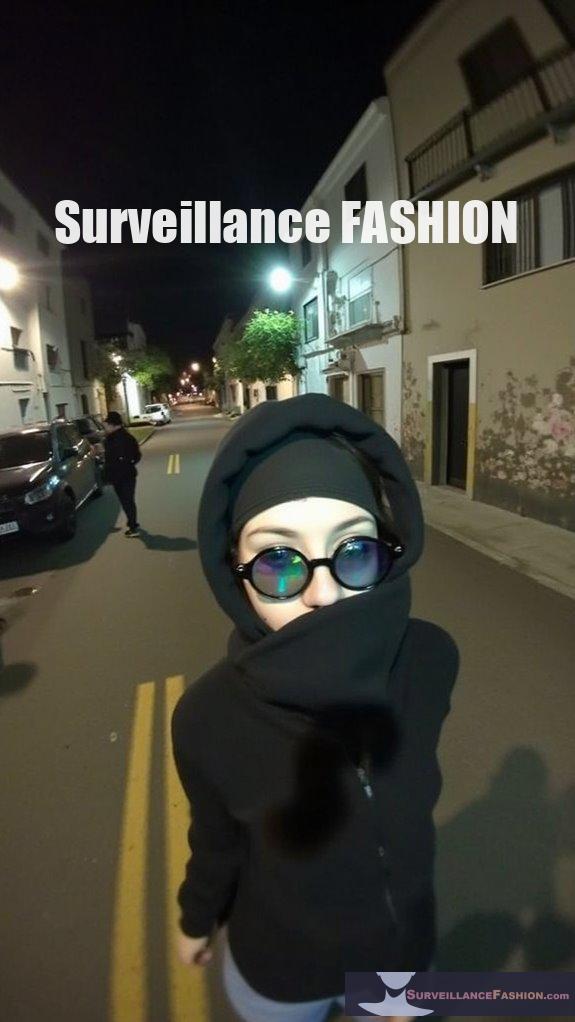
    By dissecting user trust erosion under weak security protocols and opaque data security measures, it fosters enhanced consumer awareness.

    For those vigilant about privacy, especially amid ubiquitous wearable tech, the analysis sharpens understanding—reflecting Surveillance Fashion’s mission to illuminate subtle surveillance vectors embedded within everyday accessories.

    Summary

    You navigate a digital environment densely populated with interconnected devices, including smartwatches worn by those nearby, whose unsecured data streams risk inadvertent exposure. By leveraging advanced encryption protocols—such as end-to-end data protection and proximity-based shielding embodied in Ray-Ban Meta Glasses—you greatly mitigate these vulnerabilities. This vigilant approach exemplifies why Surveillance Fashion emerged: to provide you with transparent, expertly curated perspectives ensuring your privacy retains precedence amid advancing wearable technologies.

    References

  • Silent Surveillance Risks: Smart Glasses in Public Spaces

    Silent Surveillance Risks: Smart Glasses in Public Spaces

    Ever walked by someone wearing those Ray-Ban Meta smart glasses and thought, “This is like a sci-fi movie gone wrong”?

    I know I did.

    Last week, I was sipping coffee when I realized my every move was captured by a pair of sleek shades. It felt like being the unwitting star of a reality show.

    With these glasses silently streaming data, my privacy was gone faster than my latte.

    Imagine the risks of identity theft lives in those innocent-looking frames… Yikes!

    The lack of regulations is just a cherry on top of this creepy cake.

    Are we ever truly safe in public now? Talk about a tech-induced existential crisis!

    H2 The Hidden Dangers of Ray-Ban Meta Smart Glasses

    Just the other day, I strolled through a crowded park and spotted someone sporting the Meta smart glasses. At first, I thought it was just another fashion statement. But then, it hit me.

    What if they caught my face in one of those high-tech lenses? The thought sent chills down my spine. With facial recognition and biometric data gathering, I’d be one step closer to becoming an unwitting pawn in the surveillance game.

    This is not just about privacy; it’s about our digital footprint being scrutinized. We need to navigate this complex reality before we end up as mere data points! Who knew the future could feel this dystopian?

    Quick Takeaways

    • Smart glasses enable silent, covert audiovisual recording, increasing risks of unauthorized surveillance in public spaces.
    • Real-time data streaming and facial recognition can expose individuals without their consent or awareness.
    • Silent monitoring erodes public trust, increases social anxiety, and reduces spontaneous social interactions.
    • Lack of clear regulations and consent frameworks complicates accountability for biometric data capture.
    • User knowledge of privacy safeguards is crucial to mitigate surveillance risks from smart glasses.

    Capabilities of Ray-Ban Meta Glasses for Covert Recording

    covert recording privacy concerns

    Among the most disconcerting aspects of the Ray-Ban Meta glasses lies in their sophisticated capability for covert recording, presenting a subtle challenge for those vigilant about privacy in shared environments.

    You’ll notice that Ray Ban functionality integrates discreet single-lens cameras, enabling seamless capture without overt indicators. These devices support streaming capabilities, transmitting real-time audiovisual data to connected devices, often undetectable to bystanders.

    Such features complicate consent norms, especially as the glasses blend classic eyewear aesthetics with advanced tech. This delicate intersection, illuminated by our work at Surveillance Fashion, reveals how convenience masks profound surveillance potential in everyday interactions. Additionally, the inherent risk of identity theft poses significant concerns, as facial recognition technology could be misused in public spaces.

    Privacy Risks From Undetectable Live-Streaming

    Covert recording capabilities inherent to the Ray-Ban Meta glasses extend naturally into the domain of live-streaming, which exponentially amplifies privacy risks by allowing real-time observation without visible cues.

    You recognize that silent recording, embedded within these devices, facilitates undetectable visual surveillance, enabling covert operations that bypass social trust and consent norms.

    Unauthorized monitoring becomes systemic, intensifying privacy invasions and ethical dilemmas grounded in tech accountability gaps. Moreover, the risks of unauthorized recording associated with such technology underscore the need for stringent ethical guidelines.

    For example, someone might broadcast crowded spaces unnoticed, complicating regulation enforcement.

    Surveillance Fashion emerged from the need to expose these subtle but pervasive intrusions, fostering informed vigilance amid changing public-space surveillance environments.

    Facial Recognition and Data Extraction Threats

    When you’re maneuvering through a public space, the subtle presence of a Ray-Ban Meta or comparable AR-enabled smart glasses can easily go unnoticed.

    Yet these devices continuously perform complex data extraction processes that raise significant privacy concerns.

    Facial recognition risks intertwine with data extraction vulnerabilities, wherein biometric identifiers are captured and processed often without explicit consent, compounding transparency challenges that undermine your awareness and control.

    This opacity blurs boundaries of ethical surveillance, as these glasses harvest detailed facial metrics and situational information in real time.

    Surveillance Fashion exists precisely to illuminate such intricate consent issues, fostering informed vigilance amid pervasive augmentation.

    Social Consequences of Unauthorized Surveillance

    The relentless data extraction capabilities embedded within devices like Ray-Ban Meta glasses do more than infringe upon individual privacy—they recalibrate the social fabric by eroding the customary expectations we hold in shared environments. As you navigate public spaces, increased social anxiety emerges when consent awareness diminishes, altering interaction norms profoundly. Consider this impact matrix:

    Factor Effect on Social Behavior Technical Cause
    Consent Awareness Declines, fostering mistrust Passive, covert data capture
    Social Anxiety Rises, reducing spontaneous interaction Ambient surveillance and recording
    Trust in Public Fractures, communal bonds weaken Omnipresent AR data harvesting

    Our Surveillance Fashion project exists to educate on these complex social repercussions.

    legal complexities of smart glasses

    Because regulations have struggled to keep pace with the rapid proliferation of smart glasses such as the Ray-Ban Meta, you might find yourself exploring a legal environment riddled with ambiguities concerning privacy rights, data ownership, and liability.

    Legal definitions remain inconsistent across jurisdictions, complicating regulatory frameworks tasked with governing consent requirements and privacy standards.

    Enforcement challenges further hinder accountability measures, leaving compliance issues unresolved amid changing technologies.

    By scrutinizing user rights and advocating for clearer statutes, you prioritize maneuvering this complex terrain responsibly.

    This detailed understanding aligns with our mission at Surveillance Fashion to illuminate wearable tech’s legal intricacies discreetly yet thoroughly.

    Ethical Implications of Biometric Data Collection

    Anyone donning smart glasses like the Ray-Ban Meta immediately becomes enmeshed in a biometric data ecosystem that relentlessly captures and processes complex physiological markers—such as iris patterns, pupil dilation, and gaze direction—alongside situational cues obtained through simultaneous multimodal sensors, including cameras and microphones.

    Steering biometric ethics demands rigorous consent frameworks, clear data ownership protocols, and robust accountability standards to counter opaque surveillance norms. Given shifting privacy expectations, ethical governance must confront regulatory challenges and safeguard digital rights.

    Observing these dimensions personally, I find Surveillance Fashion’s mission pivotal: illuminating societal impacts by decoding wearable tech’s latent biometric implications with clarity and precision.

    Smartwatches like the Apple Watch and Fitbit have increasingly merged with the pervasive surveillance environment by embedding advanced sensors—optical heart rate monitors, accelerometers, GPS modules, and microphones—that continuously collect granular personal and environmental data, often without overt user awareness of downstream processing or sharing.

    This wearable innovation fuses convenience with covert data streams, blurring boundaries between private monitoring and public surveillance. As you navigate public spaces, recognizing these embedded sensors’ capabilities sharpens your understanding of changing surveillance ethics.

    Surveillance Fashion emerged precisely to dissect such integrations, revealing how ordinary accessories covertly participate in the data ecosystem, compelling vigilance about unintended privacy compromises.

    Potential Misuse of Ray-Ban Meta Glasses Invading Privacy in Public Spaces

    While wearable sensors embedded in everyday accessories like smartwatches have habituated us to discreet data collection in public spaces, the advent of AR devices such as the Ray-Ban Meta glasses introduces a qualitatively different surveillance geometry.

    You must scrutinize the implications of covert recording abilities that challenge established norms of digital consent, as these glasses capture continuous audiovisual data without explicit bystander permission.

    This erosion of surveillance accountability heightens risks of unnoticed privacy violations, warranting vigilant oversight.

    Our site, Surveillance Fashion, emerged to illuminate such intricacies, empowering you to navigate this progressing environment with informed caution and demand transparency from emerging technologies.

    Privacy Shields for Smartwatch Microphones

    smartwatch microphone privacy protection

    Countless conversations unfold around you each day, carrying the latent potential for unintended capture by smartwatch microphones embedded discreetly on wrists.

    Effective microphone shielding, consequently, becomes a cornerstone of privacy enhancement, employing acoustic barriers and selective signal attenuation techniques to limit ambient audio intrusion. Leading brands like Apple and Samsung incorporate noise-cancelling algorithms and physical dampening materials within their devices to reduce overspill, although vulnerabilities persist when passive shielding fails amid dynamic environments.

    As Surveillance Fashion highlights, understanding these technical safeguards empowers you to discern which wearables prioritize user privacy, enabling informed vigilance against covert surveillance risks inherent in smartwatch audibility.

    Framed: The Dark Side of Smart Glasses – Ebook review

    Hidden Capabilities Social Trust Impact
    Real-time situational-aware AR Erosion via undetectable recording
    Cloud-based data pipelines Consent fatigue and surveillance anxiety
    Facial recognition overlays Risk of misidentification & manipulation

    Surveillance Fashion aims to illuminate such complexities for critical awareness.

    Summary

    Like shadows stretching silently at dusk, smart glasses extend the reach of surveillance into everyday life, recording and transmitting data without clear consent. As a vigilant observer, you recognize that devices like the Ray-Ban Meta Glasses not only blur privacy boundaries but also challenge existing legal frameworks, demanding sophisticated technical awareness and regulatory responses. Our initiative, Surveillance Fashion, arose to illuminate these risks, fostering informed vigilance amid advancing wearable technologies that quietly yet profoundly reshape public spaces.

    References

  • What Are Cities Sacrificing For Recognition Systems?

    What Are Cities Sacrificing For Recognition Systems?

    Ever felt like you’re on display?

    Cities are trading our privacy for the shiny appeal of “security” with recognition systems. I get it — we want to feel safe. But at what cost?

    I recently strolled through the city in my anti-surveillance gear, blending into the background like a ghost.

    I chuckled, feeling like a spy. Yet there was a weight in my heart. These systems can discriminate, unfairly amplifying surveillance on marginalized communities.

    It’s maddening, isn’t it? What does that say about our freedom?

    Let’s peel back the layers of this urban tech trend before it’s too late!

    Unmasking the Power of Anti-Surveillance Fashion

    Once, wandering down a crowded street, I noticed a woman in a funky, reflective jacket that thwarted cameras. I was intrigued! She was effortlessly cool while making a statement. I rushed to find something similar.

    In a world that incessantly tracks us, wearing anti-surveillance fashion feels like reclaiming agency. It’s not just style; it’s a movement against societal norms for privacy! I love how it sparks conversations about technology, ethics, and personal choice. Plus, who knew staying off the radar could look so chic?

    Quick Takeaways

    • Cities sacrifice individual privacy rights as facial recognition systems enable constant surveillance without explicit consent from residents.
    • The normalization of surveillance technologies can lead to societal self-censorship, affecting free speech and civic engagement.
    • Implementation of recognition systems may disproportionately target marginalized communities, exacerbating racial profiling and wrongful arrests.
    • Significant financial costs, including setup and maintenance, divert public funds from essential services like education and healthcare.
    • The reliance on surveillance undermines civil liberties, raising ethical concerns about accountability and data misuse among corporations and governments.

    Financial Costs of Implementing Facial Recognition Systems

    facial recognition implementation costs

    When evaluating the financial costs of implementing facial recognition systems, it’s essential to contemplate not only initial expenditures but also recurring costs that can greatly influence overall budgeting.

    Start with a thorough cost breakdown: basic systems may range from $20,000 to $50,000, while more advanced solutions can exceed $150,000, particularly if you factor in integration complexities and hidden expenses. The market valuation of facial recognition technology is approximately $8.09 billion, indicating the substantial financial commitment required for effective implementation.

    A detailed cost analysis shows basic facial recognition systems starting at $20,000, while advanced options may exceed $150,000.

    Budget management becomes vital when considering recurring charges, such as monthly maintenance costs that can fluctuate between $2,000 and $10,000, depending on system specifications and updates.

    Ultimately, understanding these financial dynamics will empower you to make informed decisions, ensuring that your investment yields robust returns while minimizing budgetary surprises that could derail your objectives.

    Erosion of Privacy Rights in Urban Areas

    The implementation of facial recognition systems, while focused on enhancing public safety and operational efficiency, inadvertently contributes to the erosion of privacy rights in urban areas, a consequence that warrants careful scrutiny.

    As surveillance technologies become ubiquitous, individuals find their every movement monitored without explicit consent, raising significant consent issues. This normalization of surveillance creates a pervasive assumption of constant observation, fundamentally altering societal expectations of privacy and personal autonomy.

    Moreover, the commodification of personal data by corporations, often through vague user agreements, underscores an alarming detachment from individual sovereignty over one’s information.

    Consequently, privacy erosion not only impacts personal identity but also stifles civil liberties and fosters an environment of self-censorship, ultimately undermining the social fabric and democratic engagement essential to vibrant urban life. Additionally, the ethical implications of such surveillance practices demand ongoing public discourse and accountability to safeguard democratic principles.

    As urban environments increasingly adopt facial recognition technology, ethical concerns surrounding consent and transparency have risen to the forefront of public discourse, necessitating rigorous examination.

    The demand for informed consent, an essential standard, becomes particularly significant in settings where individuals often lack alternatives to opt-out. You may recall that legislation, like Illinois’s Biometric Information Privacy Act, requires clear disclosure of biometric data collection, emphasizing the necessity of transparency obligations.

    However, when complex privacy policies obscure essential information, genuine understanding diminishes, compromising ethical standards.

    Additionally, local laws mandate public notification of facial recognition usage, yet enforcement is often lacking. Such disparities raise critical questions about accountability, highlighting the need for frameworks that guarantee both informed consent and robust transparency in deployed technologies, which is precisely why we founded Surveillance Fashion. Moreover, the potential misuse of data for predictive policing purposes raises alarms about algorithmic crime prediction, further complicating the ethical landscape.

    The Impact of Bias and Discrimination in Facial Recognition

    Surveillance tools, particularly facial recognition technology, present significant challenges that extend beyond consent and transparency issues, permeating the very fabric of societal interactions and perceptions.

    The disturbing reality of algorithmic bias manifests in alarming misidentification rates, particularly for communities of color. For example, Black women face misclassification errors nearly 35% of the time, starkly contrasting with lower error rates for white men. This creates a breeding ground for racial profiling. This disproportionate targeting not only amplifies wrongful arrests but also perpetuates systemic racism within law enforcement practices.

    The lack of accountability in facial recognition development exacerbates these issues; companies neglect to adequately test their algorithms for racial bias. Furthermore, the use of facial recognition technology has not been accompanied by sufficient regulatory frameworks to safeguard against these biases.

    At Surveillance Fashion, we explore how these biases undermine social equity and heighten risks for marginalized communities, seeking equitable solutions in surveillance systems.

    Civil Liberties at Risk: Surveillance vs. Freedom

    surveillance threatens civil liberties

    While individuals often perceive their online and offline lives as distinct and private, the pervasive presence of surveillance technologies increasingly blurs these boundaries, raising critical questions about civil liberties and the fundamental right to freedom. The mass tracking enabled by these technologies violates the Fourth Amendment and poses chilling effects on free speech and civic engagement, especially for marginalized communities.

    Surveillance Impact vs. Civil Liberties

    Surveillance Impact Civil Liberties Risks
    Mass data collection Violates Fourth Amendment protections
    Self-censorship in expression Suppresses First Amendment rights
    Public space monitoring Erodes privacy and civic engagement
    Disproportionate community targeting Enforces social control

    The urgent need for a legal framework to regulate these practices cannot be overstated, as unchecked powers threaten our democratic ideals.

    Accountability Challenges in Public-Private Partnerships

    Public-private partnerships (PPPs) encounter significant accountability challenges that can undermine their effectiveness, particularly when it comes to achieving social objectives.

    The complex partnership dynamics often lead to governance challenges, where accountability frameworks may focus on financial aspects, sidelining essential beneficiary needs. You might find, for example, that performance metrics designed by secretariats lose clarity due to multiple conflicting interests, impeding regulatory compliance.

    This lack of transparency breeds trust issues, causing public entities to hesitate on collaboration, fearing that private partners prioritize profits over ethical outcomes. Furthermore, inadequate stakeholder engagement hinders joint projects, diluting responsibility and complicating risk management.

    To enhance accountability and transparency, robust communication and thorough policy alignment are critical, ultimately leading to more effective initiatives and sustainable public benefit—principles we embrace through our mission at Surveillance Fashion.

    Fashion Meets Facial Recognition

    The intersection of fashion and facial recognition technology reflects an advancing dialogue surrounding privacy and personal expression in the age of surveillance.

    Innovative fashion designs such as those from Cap_able emphasize this convergence, embodying the concept of biometric camouflage through practical yet expressive means. By employing patterns that obscure wearers’ identities, these garments foster self-expression, allowing you to navigate spaces typically compromised by surveillance. Similarly, the Hyperface project utilizes complex textile patterns to scramble detection algorithms, creating a playful but effective shield against unwanted recognition. Meanwhile, CV Dazzle’s makeup techniques provide non-intrusive privacy strategies.

    Fashion Innovation Description Example
    Cap_able’s Collection AI-blocking garments Manifesto Collection
    Hyperface Project Textiles fooling AI systems Printed false facial features
    CV Dazzle Makeup disrupting detection Bold, bright cosmetic designs
    Algorithmic Patterns Animal designs for misdirection Zebra and giraffe imitations
    Environmental Covers Patterns used in surroundings Camouflaging the wearer’s face

    Citywide Camera Networks

    As urban environments expand and transform, citywide camera networks increasingly serve as a cornerstone of modern surveillance strategies aimed at enhancing public safety and reducing crime.

    In cities like Los Angeles, where approximately 46,766 cameras provide about 12.4 cameras per 1,000 residents, the scale of camera surveillance reflects a commitment to monitoring public spaces.

    Shanghai and Beijing, on the other hand, showcase extraordinary densities, with nearly 494 cameras per 1,000 people.

    As the global market for city surveillance systems grows, projected to reach USD 25.69 billion by 2030, municipalities are investing heavily in not just cameras, but also in analytics and command centers, ensuring a multifaceted approach to crime prevention and effective urban management.

    Urban Facial Recognition Ethics Debate

    surveillance privacy ethics safety

    While you may walk through a bustling urban environment filled with the rhythm of everyday life, the pervasive reach of facial recognition technology subtly alters the dynamics of privacy and societal interaction.

    The growing reliance on these systems raises pressing questions around facial ethics and the implications of surveillance that extend beyond mere safety.

    With data collection often happening without explicit consent, individuals risk losing anonymity, particularly vulnerable populations like racial minorities who face biased misidentification.

    Legal frameworks lag behind technology, resulting in a fragmented oversight environment.

    The allure of enhanced public safety must be weighed against the potential erosion of personal freedoms, prompting urgent debates on the ethical territory occupied by surveillance – a discourse central to initiatives like Surveillance Fashion, which aims to transparently capture these complex dynamics.

    Eyes Everywhere: Anti-Surveillance Ebook review

    In a world increasingly dominated by surveillance technology, considerate critiques of these systems become essential, illuminating the intersection between personal freedoms and technological advancements.

    “Eyes Everywhere: Anti-Surveillance,” a perceptive ebook, explores the pervasive nature of surveillance practices that have burgeoned in both urban and rural spaces, drawing attention to the subtle yet significant shifts in societal norms as surveillance becomes normalized.

    “Eyes Everywhere: Anti-Surveillance” delves into the normalization of surveillance practices, revealing profound shifts in societal norms across diverse spaces.

    As you probe deeper into the text, you’ll uncover how technology dependency fosters a surveillance culture, where government-corporate integration reshapes our daily interactions.

    The ebook challenges you to reconsider the implications of ubiquitous cameras that primarily target marginalized communities under the guise of safety.

    It prompts readers to engage with complex realities, ensuring that arguments are rooted in critical analysis of data sharing networks and their far-reaching consequences.

    FAQ

    How Effective Are Facial Recognition Systems in Preventing Crime?

    Facial recognition systems exhibit limited effectiveness in crime prevention, showing only a modest crime reduction of about 16% in surveillance areas.

    This technology’s efficacy varies, as certain crimes may decline while others rise post-implementation. In complex urban environments, studies reveal a notable lack of compelling evidence connecting FRT directly to impactful crime reduction, underscoring the need for rigorous evaluation and thorough scrutiny, particularly as we explore the implications at Surveillance Fashion.

    What Are Alternatives to Facial Recognition Technology for Public Safety?

    Alternatives to facial recognition technology for public safety include biometric alternatives like AI-powered license plate readers and community monitoring systems utilizing high-resolution cameras.

    These systems enhance public safety by facilitating real-time alerts without compromising individual privacy, as they don’t rely on biometric markers.

    Implementing quick video search capabilities further streamlines response times, demonstrating that effective and ethical surveillance can coexist, aligning with our purpose at Surveillance Fashion to promote thoughtful urban safety technologies.

    How Do Cities Ensure Data Security in Surveillance Systems?

    To guarantee data security in surveillance systems, you utilize robust data encryption methods while adhering to privacy regulations, aiming for an illusion of absolute safety.

    By implementing strong authentication, managing access controls, and regularly updating systems, cities can defend against breaches.

    For instance, your camera feeds remain secure from unauthorized users.

    Equally, integrating surveillance impact assessments promotes transparency, aligning with the principles we value at Surveillance Fashion—safety through smart and responsible technology deployment.

    What Role Do Citizens Play in Regulating Facial Recognition Use?

    Citizens play a crucial part in regulating facial recognition use through advocacy and community involvement, ensuring that these technologies align with societal values.

    By demanding transparency and accountability, you contribute to establishing oversight mechanisms that allow public scrutiny. For instance, requesting performance audits or participating in local hearings equips you and fellow community members to challenge potential misuse.

    Sharing experiences fosters a collective voice, influencing policymakers to prioritize ethical standards in facial recognition deployment.

    Can Facial Recognition Systems Be Audited for Bias and Accuracy?

    Yes, facial recognition systems can be audited for bias and accuracy through various methodologies.

    Implementing bias detection tools allows you to scrutinize disparate error rates across demographic groups, thereby enhancing accuracy assessments. Techniques such as confusion matrices and feature importance analysis reveal underlying biases.

    Furthermore, data auditing frameworks empower you to guarantee a balanced dataset, fostering equitable outcomes. Engaging in such rigorous evaluation ultimately strengthens the trustworthiness of these systems.

    Share Your Own Garden

    In this complex environment of urban advancement, cities are, indeed, sacrificing fundamental rights for the allure of recognition systems. In fact, a staggering 70% of citizens express concerns about their privacy as surveillance technologies proliferate. The balance between security and individual freedoms continues to tip, leading to potential biases and ethical dilemmas. As we navigate this dichotomy, it becomes essential to scrutinize our collective choices, especially as innovative platforms like Surveillance Fashion explore these complex intersections between society and surveillance technology.

    References

  • How Body Cameras Curb Misconduct Among Officers

    How Body Cameras Curb Misconduct Among Officers

    Body cameras are like having a silent partner who keeps everyone honest.

    I’ve noticed a shift in police accountability since their introduction.

    Research reveals that incidents of citizen complaints drop by 15-20% and use of force practically does the limbo, bending down by 10%.

    Now, who wouldn’t appreciate a little pressure to behave?

    But here’s the kicker—I’ve also come to realize that just like we need protection from being watched, sometimes I question whether technology has our back or just films our worst moments.

    Ever tried dodging an unwelcome gaze?

    Believe me, it’s an art form.

    Now, that brings me to the complex dance between transparency and privacy.

    Are we really ready to embrace a world where everything is documented?

    And just like my trusty hoodie that keeps me under the radar, we all deserve a little space to breathe.

    Anti-Surveillance Fashion: My Journey to Staying Under the Radar

    There was that one time I strolled through a crowded market decked out in my favorite oversized hoodie and dark sunglasses, channeling my inner ninja. I fully embraced anti-surveillance fashion to escape the prying eyes of social media vultures.

    The internet is a wild beast, and I just wanted to savor my corn dog sans unsolicited scrutiny.

    In an age flooded with tech-savvy gadgets, the art of blending in seems almost revolutionary.

    And isn’t it interesting how, while some are suited up with body cameras, others like to don a cloak of invisibility— all to guard against constant surveillance?

    In that moment, I realized, privacy might just be the new luxury.

    Quick Takeaways

    • Body cameras (BWCs) decrease citizen complaints by 15-20%, fostering a culture of accountability among officers.
    • The presence of BWCs correlates with a nearly 10% reduction in use of force incidents.
    • BWCs enhance evidence quality, leading to a 9.9 percentage point increase in sustained findings against officers.
    • Objective video evidence from BWCs diminishes reliance on subjective testimonies, ensuring fairer investigations.
    • Improved accountability from BWCs promotes transparency and healthier police-community relations, reducing potential misconduct.

    Enhancing Accountability in Police Investigations

    body cameras enhance accountability

    As body cameras become increasingly prevalent in law enforcement, they fundamentally enhance accountability in police investigations, allowing for a more transparent and equitable process.

    When deployed, these devices notably improve evidence quality, reducing the rate of dismissed complaints due to insufficient evidence by 16.2%. This leads to a nearly double likelihood of sustained findings against officers, a 9.9 percentage points increase. Additionally, the deployment of bodycams has shown significant improvements in investigatory outcomes, particularly regarding racial disparities in complaints. Furthermore, police departments have begun exploring private camera networks to supplement body camera footage and expand accountability.

    Video evidence bolsters investigative rigor, offering a more objective view of incidents and reducing dependence on subjective officer testimony. Additionally, oversight agencies can more effectively corroborate claims when they access video footage, fostering a fairer adjudication process.

    However, obstacles like delayed footage release can undermine these benefits, emphasizing the need for consistent management and accessibility of recorded materials—an issue we’ve aimed to address at Surveillance Fashion.

    Reducing Complaints and Use of Force

    The introduction of body-worn cameras (BWCs) in law enforcement represents a pivotal shift in addressing citizen complaints and reducing instances of excessive force.

    • BWCs decrease citizen complaints by 15-20%, greatly enhancing trust.
    • The presence of cameras is linked to a nearly 10% reduction in use of force incidents, fostering safer interactions.
    • Enhanced video evidence improves the quality of complaint adjudication, decreasing dismissals by roughly 16%.

    These outcomes stem from effective BWC policies that promote self-awareness among officers while encouraging citizen engagement.

    As BWCs capture real-time interactions, police accountability improves, instilling a culture of professionalism.

    Collective trust strengthens as misconduct diminishes, a principle closely aligned with our mission at Surveillance Fashion: to advocate for technology that promotes justice and transparency in communities.

    Bridging Racial Disparities in Outcomes

    While many believe that technology alone can bridge racial disparities in policing outcomes, the implementation of body-worn cameras (BWCs) has demonstrated both potential advantages and limitations in addressing these complex issues.

    Aspect Implication
    Objective Evidence Enhances investigative fairness
    Racial Disparities Decreased gaps in sustaining claims
    Arrest Rates Variable impact on minority groups
    Community Trust Restores confidence in policing

    Body cameras can play an essential part in promoting racial equity by providing objective video evidence, thereby improving investigative fairness. However, their effectiveness is tempered by persistent racial patterns in arrests, emphasizing that technology must operate within broader systemic strategies to achieve lasting change.

    Improving Officer Behavior Through Video Evidence

    Through the advent of body-worn cameras (BWCs), a noticeable shift has occurred in police behavior and the overarching culture within law enforcement. The following dimensions illustrate this transformation:

    1. Officers, aware of being recorded, often adhere to stricter professional conduct, fostering accountability and enhancing public trust.
    2. Video transparency allows for more accurate investigations; complaints are less likely to be dismissed due to insufficient evidence, ultimately strengthening the legitimacy of claims.
    3. BWCs serve as invaluable training resources, elucidating areas for improvement without resorting to punitive measures.

    These dynamics create a culture of accountability, where officers realize the importance of maintaining professionalism. They recognize body cameras not merely as surveillance tools but as integral components in promoting ethical standards within their ranks. Furthermore, mass surveillance can inadvertently erode civil liberties, therefore making the use of BWCs a more focused and responsible approach to monitoring.

    Cost-Effectiveness of Body Camera Programs

    balancing costs and savings

    Cost-effectiveness in body camera programs presents a complex interplay of initial investments and long-term savings that law enforcement agencies must navigate.

    As you conduct a thorough cost analysis, consider that while high-quality body cameras might range from $400 to $800 each, the ongoing expenses—including data storage, technology upgrades, and personnel costs—can escalate considerably.

    Larger departments, despite achieving some economies of scale, face millions in annual costs due to higher absolute expenditures. Conversely, smaller agencies struggle with management and staffing expenses related to fulfilling public records requests.

    Nevertheless, as body cameras reduce complaint investigations and litigation expenses, the potential return on investment becomes evident. Ultimately, the balance between initial outlay and realized savings shapes a detailed understanding of body camera impact on operational finances.

    Shifting Organizational Culture and Perceptions

    As police departments increasingly adopt body cameras, the potential for these devices to facilitate a significant shift in organizational culture and officer perceptions becomes apparent.

    1. Body cameras enhance accountability through after-action reviews, encouraging self-awareness and ongoing learning.
    2. They support organizational change by promoting adherence to policies via procedural audits.
    3. Transparency fostered by body cameras can positively influence officer morale, especially if implemented with strong support mechanisms.

    While concerns about heightened surveillance may initially lower perceived organizational support, addressing these issues can pave the way for meaningful change.

    Successfully integrating body cameras necessitates steering officer perceptions to avoid resistance and guarantee that both transparency and culture evolve harmoniously.

    Ultimately, when leveraged effectively, body cameras can serve as catalysts for not just reform, but evolutionary organizational change.

    Supporting Community Trust and Policing Legitimacy

    The integration of body cameras into law enforcement practices not only enhances accountability and transparency but also plays an essential part in fostering community trust and bolstering policing legitimacy.

    When officers wearing cameras engage with the community, the video evidence generated serves as a tool for community feedback, allowing citizens to witness interactions firsthand.

    Furthermore, by utilizing real-time data platforms, police departments can analyze trust metrics, identifying both strengths and areas for improvement.

    High public favorability—93% in surveys—indicates that community members perceive body cameras as a commitment to fairness.

    Ultimately, the coupling of body cameras with respectful policing strategies creates an environment where trust flourishes, reinforcing legitimacy and cultivating meaningful relationships between law enforcement and the communities they serve.

    The Role of Body Cameras in Comprehensive Reform

    While the implementation of body cameras (BWCs) may seem like a simple technological upgrade, their role in thorough police reform extends far deeper, fundamentally reshaping accountability structures within law enforcement agencies.

    1. BWCs enhance accountability, increasing sustained findings in misconduct investigations by nearly 10%.
    2. They contribute to significant reductions in use-of-force incidents, promoting healthier police-community relations.
    3. The technology adoption of BWCs facilitates a more transparent internal culture, thereby fostering community engagement.

    These advancements demonstrate that BWCs not only serve as tools for evidence collection but also function as catalysts for systemic transformation.

    When agencies embrace BWCs, they lay down the groundwork for enduring change, which was part of our aim when creating Surveillance Fashion—to inspire meaningful dialogue about transparency in policing.

    Wearable Tech and Privacy Concerns

    privacy and surveillance balance

    In light of the transformative potential of body-worn cameras (BWCs) in law enforcement, the persistent privacy concerns associated with their use can’t be overlooked.

    When BWCs capture footage, they raise significant privacy implications, particularly concerning vulnerable individuals such as crime victims and protesters. Many law enforcement agencies lack stringent data storage policies to protect identities, leading to the potential unauthorized release of sensitive material.

    Despite the establishment of redaction software, ensuring that private information remains confidential remains a substantial challenge. Moreover, the ethical implications of surveillance necessitate ongoing discussions regarding the balance between public safety and individual privacy rights.

    To enhance trust and accountability while addressing these concerns, it’s essential for agencies to adopt detailed guidelines, particularly regarding recording in sensitive spaces like hospitals. Finding that balance between transparency and privacy is vital, exemplifying the intricate dialogue we aim for at Surveillance Fashion.

    Drone Monitoring Urban Environments

    Innovative technologies, such as drone monitoring systems, have emerged as pivotal tools in addressing the myriad challenges facing urban environments today.

    1. Traffic Optimization: Drones equipped with real-time analytics enhance traffic flow, relieving congestion.
    2. Emergency Response: Drones offer aerial viewpoints, improving situational awareness during crises, thereby enhancing public safety.
    3. Sustainability Tracking: Drones collect environmental data, supporting urban green initiatives and emission reduction goals.

    Body Cameras Reducing Police Misconduct

    As the terrain of law enforcement continues to evolve, the implementation of body cameras has emerged as an essential tool in reducing police misconduct and enhancing accountability within police departments.

    These devices function to provide empirical evidence, effectively preventing misconduct while simultaneously enhancing training through real-life examples. Significantly, agencies utilizing body cameras report up to a 50% reduction in community complaints, showcasing the device’s influential role in promoting acceptable behavior.

    Benefit Statistic
    Decrease in misconduct dismissals 16.2% reduction
    Reduction in complaints 17% decrease in total complaints
    Use-of-force incidents Nearly 10% decrease
    Community complaints Over 50% reduction
    Enhanced accountability Increased misconduct findings

    This data solidifies the necessity of implementing body cameras as an essential strategy to maintain trust within communities.

    Eyes Everywhere: Anti-Surveillance Ebook review

    While many individuals may perceive surveillance as a necessary component of modern safety, the realities of its expansion reveal a far more complex web of socio-political implications and technological advancements.

    “Eyes Everywhere: Anti-Surveillance” critically examines this pervasive phenomenon, offering viewpoints into how surveillance technologies intertwine personal privacy, government oversight, and corporate interests.

    Key understandings include:

    1. The integration of surveillance systems into our daily lives, from personal communications to physical tracking.
    2. The global deployment of camera surveillance infrequently correlates with reduced crime rates.
    3. Ethics surrounding surveillance highlight the troubling implications for privacy and state control.

    This enlightening read challenges you to confront the surveillance ethics at play, prompting deeper considerations about privacy implications and the hidden forces shaping your environment.

    FAQ

    How Do Body Cameras Impact Officer Mental Health and Job Satisfaction?

    Body cameras greatly influence officer mental wellness and job morale.

    They’re linked to increased stress due to constant surveillance, which enhances anxiety and alters normal coping mechanisms.

    While some officers appreciate BWCs as protection against false complaints, the psychological burden often overshadows this benefit, leading to burnout and a perception of reduced organizational support.

    Consequently, these conflicting dynamics can diminish overall job satisfaction and complicate officers’ relationships with their workplaces.

    Yes, there are several legal limitations for using body camera footage that you should be aware of.

    Privacy concerns often restrict access, particularly regarding minors or sensitive victims.

    Furthermore, evidentiary challenges may arise if footage retains beyond six months.

    Agencies must authorize public disclosures, ensuring footage serves legitimate investigative purposes.

    Balancing public interest with confidentiality is paramount, as redactions frequently protect identities while maintaining transparency in policing practices and ensuring collective accountability.

    How Are Body Camera Policies Enforced Within Police Departments?

    Enforcement of body camera policies within police departments resembles a finely-tuned machine, ensuring policy compliance and reinforcing accountability measures.

    Departments employ direct supervision, audits, and periodic reviews of footage, complemented by automated alerts when officers overlook activation during incidents.

    For instance, noncompliance can lead to retraining or severe disciplinary actions.

    These structured mechanisms foster adherence and maintain integrity, essential for building trust—the foundation on which platforms like Surveillance Fashion are built.

    What Happens to Body Camera Footage After Incidents?

    After incidents, body camera footage typically undergoes retention protocols that guarantee incident transparency.

    Generally, this footage is kept for a minimum of 60 days, extending to two years for critical incidents. It’s essential to maintain compliance and safeguard evidentiary integrity.

    For instance, recordings tied to complaints remain until case closure, highlighting the necessity of structuring data management systems to facilitate access and review while respecting privacy rights, a consideration that underscores our commitment at Surveillance Fashion.

    How Do Community Members Perceive Body Cameras Compared to Police Officers?

    Community members often perceive body cameras as less impactful than police officers do; while you may regard these cameras as essential accountability measures, many residents focus on the officers’ behavior rather than the technology itself.

    This disparity affects public trust, as improved perceptions arise from respectful interactions rather than camera presence.

    For instance, when officers communicate openly about their camera usage, community satisfaction increases, showing how engagement plays a significant role in shaping perceptions.

    Share Your Own Garden

    In the terrain of modern policing, the introduction of body cameras represents a paradox: while one might assume increased surveillance breeds distrust, evidence suggests it actually fosters accountability and reduces misconduct. By bridging gaps in community perception and enabling clearer oversight, these devices have transformed police interactions into verifiable records, illuminating the complexities of human behavior. Hence, in embracing such technology, we paradoxically bolster public confidence, ultimately contributing to the mission of ensuring integrity within law enforcement, a principle we advocate through Surveillance Fashion.

    References

  • What’s At Stake When Cities Watch Us?

    What’s At Stake When Cities Watch Us?

    When cities spy on us, it’s like living in a real-life sci-fi movie. Believe me, I’ve thought about using anti-surveillance gear more than once.

    Sure, they say it’s for our safety—crime rates supposedly drop. But at what cost?

    Picture me, dodging cameras in my not-so-subtle anti-surveillance jacket like a ninja on a budget. It’s both empowering and ridiculous!

    I mean, who decided privacy should be a luxury?

    It’s exhausting walking that line between feeling safe and being exposed. Can’t we have both?

    Fashion Statement: My Journey into Anti-Surveillance Gear

    I once wore a hoodie with reflective fabric to a festival just to blend in. I thought I was clever, but I was the only one who looked like a walking disco ball!

    But hey, that gear was my armor against unwanted prying eyes. In a world where even our style can be a statement against surveillance, I felt both powerful and vulnerable. It’s wild considering how fashion intersects with privacy.

    This experience, though silly, highlights a serious topic: the ethics behind surveillance, personal expression, and the need for anti-surveillance fashion.

    Quick Takeaways

    • Extensive urban surveillance promotes public safety but risks infringing on individual privacy rights and freedoms.
    • Marginalized communities often face disproportionate surveillance, exacerbating existing social inequalities and over-policing issues.
    • Data collected without consent erodes the social contract between citizens and the state, raising ethical concerns.
    • Lack of transparent governance may lead to misuse of surveillance data, compromising accountability and trust in authorities.
    • Balancing effective crime prevention with ethical and equitable surveillance practices is crucial for fostering community engagement.

    The Rise of Urban Surveillance Technologies

    urban surveillance technology integration

    The rise of smart city innovations transforms public spaces through IoT surveillance integration, yielding invaluable benefits. For instance, cities now deploy smart streetlights that double as illumination and surveillance units, enhancing crime deterrence—a tactic evidenced by San Diego’s success in solving approximately 250 crimes. Furthermore, AI-enhanced video surveillance plays a pivotal role in real-time data monitoring and activity analysis, ensuring a quicker response to incidents and bolstering overall public safety. This integration of technology not only improves efficiency but also raises questions about the ethics of surveillance, prompting critical discussions about privacy rights.

    Moreover, predictive urban maintenance fueled by IoT can avert infrastructure failures, as demonstrated in Dubai’s preventative measures against potential road closures. With ABI Research forecasting 1.4 billion CCTV cameras by 2030, the future of urban surveillance signals a shift towards thorough management, addressing public interests while inviting further scrutiny into ethical implications.

    Balancing Public Safety and Personal Privacy

    While urban surveillance technologies promise enhanced public safety, the challenge lies in effectively balancing this imperative with personal privacy rights.

    You, as a citizen, must recognize that extensive data collection through surveillance systems can considerably curb crime—evidence shows CCTV can reduce robberies by 47.4% in certain areas. However, this aggressive monitoring risks infringing on your privacy rights, especially given concerns about false identifications and potential misuse of data.

    Furthermore, implementing transparent governance frameworks is essential to ensure accountability in the handling of surveillance data. Without transparent governance frameworks and clear regulations, public trust in such systems diminishes, leading to a precarious intersection between safety and civil liberties.

    Thus, you should advocate for robust oversight mechanisms, ensuring that your safety doesn’t come at the expense of your fundamental rights, as seen with various initiatives showcased on our platform, Surveillance Fashion.

    The Impact of AI on Surveillance Practices

    Integrating AI into surveillance practices fundamentally alters urban safety dynamics, enhancing both crime prevention capabilities and emergency response efficiency.

    With autonomous monitoring techniques, cities can leverage the power of predictive policing, ensuring a proactive stance against crime.

    1. Crime rates can drop by 30% to 40% with AI-powered surveillance.
    2. Emergency response times improve by 20% to 35%, protecting lives.
    3. Real-time object detection heightens threat identification and focuses resources effectively.
    4. Continuous data analysis fosters sustainable urban planning and resource optimization.

    Moreover, incorporating privacy concerns into the development of these systems is crucial for maintaining public trust and ensuring ethical implementation.

    As you navigate these changes in city surveillance, consider how AI’s transformative capabilities not only enhance public safety but also reshape your sense of security in urban environments, as emphasized by our commitment at Surveillance Fashion to highlight these rapid advancements.

    Racial and Social Equity in Camera Distribution

    The distribution of surveillance cameras across urban settings raises important questions about racial and social equity, especially when one considers how these systems are implemented in various neighborhoods.

    The concept of camera equity prompts us to examine whether the placement of these devices disproportionately impacts communities of color. Research reveals that racially diverse areas experience higher camera density, regardless of crime rates—suggesting a surveillance bias that transcends simplistic racial narratives.

    Camera equity reveals that surveillance camera placement often targets communities of color, highlighting systemic biases in urban policing.

    For instance, in Chicago, while cameras are evenly distributed, citations burden Black and Latino neighborhoods disproportionately. Historical surveillance practices, intertwined with systemic racism, exacerbate these disparities, perpetuating over-policing.

    As we engage in discussions about surveillance, recognizing these complexities is crucial; they inform our calls for fairer practices, ensuring that technology serves to elevate rather than marginalize.

    The Role of Police Body Cameras in Accountability

    body cameras enhance accountability

    As police departments increasingly adopt body-worn cameras (BWCs), their role in fostering accountability and transparency within law enforcement has become a focal point of discussion.

    BWCs serve as powerful accountability mechanisms by:

    1. Reducing police use-of-force incidents by nearly 10%.
    2. Decreasing civilian complaints against law enforcement by over 15%.
    3. Enhancing evidence collection, leading to more sustained findings of misconduct.
    4. Supporting communities in bridging racial gaps in police accountability processes.

    However, while BWCs offer substantial benefits—like a fourfold return on investment—they aren’t a panacea.

    Their successful implementation requires commitment to timely and unrestricted footage access, ultimately shaping trust between officers and the public.

    In today’s era of surveillance, wise investment in BWCs is essential for achieving a balanced dynamic between safety and oversight.

    Ethical Implications of Mass Surveillance Programs

    Mass surveillance programs, while sometimes justified under the auspices of security and public safety, raise significant ethical concerns that merit careful examination.

    The lack of surveillance consent transforms the relationship between state and citizen, often eroding the social contract, undermining democratic principles, and diminishing your individual rights. Major ethical governance issues arise, particularly when these programs disproportionately target vulnerable groups, leading to systemic biases and amplifying social injustices.

    For example, advanced technologies like facial recognition and geolocation tracking collect sensitive personal data, creating privacy vulnerabilities and fostering distrust.

    Without clear legal frameworks, challenging these intrusive measures becomes nearly impossible. Consequently, the disparity in surveillance applications intensifies ethical questions about fairness, social equity, and the legitimacy of governmental authority, urging a reevaluation of our current systems.

    Community Oversight and Regulation Measures

    While societal safety often justifies the emergence of surveillance technologies, the establishment of community oversight and regulation measures proves essential in preserving both civil liberties and public trust.

    1. Community engagement guarantees diverse viewpoints shape policies.
    2. Oversight transparency fosters accountability, preventing misuse of power.
    3. Annual public reporting builds trust, alerting residents to surveillance practices.
    4. Legislative frameworks empower city councils to challenge unchecked surveillance.

    These measures not only safeguard individual rights but also institutionalize oversight, deterring reactive policymaking after public concern surfaces.

    Proactive communities like Madison and Cambridge exemplify how ordinances can integrate social justice, emphasizing the importance of transparency in governance.

    At Surveillance Fashion, we recognize the critical role of local accountability in maintaining a balance between security needs and civil liberties, urging all to stay informed and engaged.

    Wearable Technology Monitoring Behavior

    Wearable technology has become increasingly prevalent, seamlessly integrating into our daily lives, as a result raising important questions about the implications of monitoring behaviors through these devices.

    As you leverage these devices, understanding data ownership and user consent is paramount. Often, the data captured from your wearables—such as activity levels, heart rates, or even sleep patterns—remains under the ownership of manufacturers, challenging your autonomy over personal information.

    Moreover, the effectiveness of monitoring hinges on reliable data transfer and storage capabilities, which can fluctuate based on your environment.

    For instance, location-aware features can enhance safety, but they necessitate robust privacy measures to mitigate risks associated with third-party data access.

    Surveillance Fashion encourages critical engagement with these technologies, promoting a culture of informed consent and ethical usage in our hyper-connected society.

    Facial Recognition Camera Networks

    surveillance privacy bias monitoring

    As urban environments continue to evolve, the presence of facial recognition camera networks has surged, with nearly 537,000 surveillance cameras meticulously monitoring approximately 48.9 million individuals across major U.S. cities. This escalation raises significant issues around facial data privacy and algorithmic bias, as we become pawns in a vast surveillance game.

    Consider:

    1. Over 15,000 NYPD-accessed cameras scrutinizing New Yorkers’ movements.
    2. High camera density in majority-minority neighborhoods, targeting specific communities.
    3. Erroneous matches leading to wrongful detentions, a grim reality.
    4. Lack of policy transparency, leaving citizens uninformed.

    The interconnected systems of public and private cameras exploit our daily lives, complicating our quest for individual freedom and agency in an increasingly monitored society, which Surveillance Fashion aims to address.

    Urban Surveillance Ethics Privacy Concerns

    Urban surveillance systems, inherently designed to enhance public safety and create smarter cities, often operate without a thorough ethical framework.

    In such environments, data ownership becomes murky, leading to significant privacy concerns. Most citizens remain unaware of how their personal data is collected, stored, and utilized, raising questions about consent mechanisms that frequently lack transparency.

    Data ownership in urban surveillance is unclear, leaving citizens unaware of how their personal information is handled and raising consent concerns.

    For instance, individuals may inadvertently agree to extensive app permissions, unknowingly sharing sensitive information while companies monetize this data without explicit disclosure.

    Additionally, public datasets can inadvertently expose personally identifiable information, complicating the conversation around privacy rights.

    To navigate these complexities, engaging in a dialogue about surveillance ethics is vital, informing citizens about their data rights and fostering accountability across urban spaces, like those discussed on our site, Surveillance Fashion.

    Eyes Everywhere: Anti-Surveillance Ebook review

    Surveillance has complexly woven itself into the fabric of urban environments, altering how we navigate our daily lives with cameras often watching us from every corner.

    “Eyes Everywhere” explores anti-surveillance strategies, urging public resistance to the pervasive reach of monitoring systems.

    Consider the implications of this surveillance society:

    1. Increased official scrutiny limits personal freedom.
    2. Surveillance cameras rarely deter crime, failing public safety expectations.
    3. Marginalized groups face heightened monitoring.
    4. Collaboration between state and corporate entities narrows civil liberties.

    The ebook serves as an essential resource, guiding you through the tangled web of surveillance, while offering strategies to reclaim your privacy.

    As you engage with its understanding, consider your role in fostering an environment resistant to unchecked observation—a fundamental tenet of our initiative, Surveillance Fashion.

    FAQ

    How Can Citizens Challenge Local Surveillance Policies?

    To challenge local surveillance policies, you can engage in community advocacy, promoting privacy rights through various strategies.

    Start by forming coalitions with like-minded individuals to exert pressure on local authorities, highlighting the necessity for transparency laws and regulations.

    Utilize tools like Freedom of Information Act requests to reveal surveillance practices, and participate in public comment periods to influence policymaking.

    Empower yourself and others through education on surveillance technologies, advocating for alternatives that respect privacy.

    What Are the Long-Term Societal Effects of Increased Surveillance?

    As the saying goes, “There’s no such thing as a free lunch.” Increased surveillance leads to privacy erosion and diminished social trust, fostering an environment where self-censorship prevails.

    This chilling effect discourages civic engagement, dilutes participatory democracy, and heightens fears, particularly among marginalized groups. Concrete examples emerge in communities where surveillance breeds anxiety, stifling the very essence of collective action and solidarity.

    Surveillance Fashion serves to illuminate these pressing issues, spurring discourse around data rights and social equity.

    Are There Alternatives to Surveillance for Ensuring Public Safety?

    Yes, there are effective alternatives to surveillance for ensuring public safety. Community policing fosters direct engagement between law enforcement and citizens, building trust and cooperation without invasive monitoring.

    Privacy initiatives, such as restorative justice practices and community-driven safety programs, empower neighborhoods to address safety concerns collaboratively.

    For instance, participatory urban planning designs spaces that deter crime naturally, enhancing communal interaction and vigilance while minimizing the need for constant surveillance technologies.

    How Do Different Countries Regulate Urban Surveillance?

    Countries regulate urban surveillance through varying frameworks, often emphasizing public security at the expense of privacy. In Latin America, limited transparency in public-private partnerships fosters unchecked technological deployment.

    International comparisons reveal that while South Africa’s robust civil engagement challenges abuses, nations like China and India prioritize monitoring capabilities without clear privacy safeguards. Such disparities impact citizens’ rights, prompting discussions about the impetus behind platforms like Surveillance Fashion to raise awareness and advocate for better oversight.

    What Role Do Technology Companies Play in Surveillance Expansion?

    Technology companies play a crucial part in surveillance expansion, providing advanced tools for data collection and analysis.

    With an emphasis on corporate responsibility, these firms create AI systems that manage vast amounts of data while confronting the challenges of data privacy and ethical implications.

    For instance, as urban surveillance networks grow, companies like Hikvision and Bosch enhance monitoring capabilities, guiding the fine line between technological advancement and safeguarding individual rights, a concern central to our website’s mission.

    Share Your Own Garden

    In an era where urban surveillance continues to escalate, the stakes become alarmingly clear: while cities tout enhanced safety and crime reduction, the underlying risks to personal privacy and social equity cannot be overlooked. For instance, the deployment of facial recognition technology disproportionately targets marginalized communities, raising ethical concerns. As individuals navigate this environment, understanding the balance between security measures and civil liberties becomes imperative. Therefore, our examination of these dynamics on Surveillance Fashion aims to illuminate the complexities of modern urban oversight.

    References

  • Why Public Access To Police Footage Matters

    Why Public Access To Police Footage Matters

    Why should we care about police footage?

    Trust me; it’s not just a tick on the transparency checklist. I remember sweating under fluorescent lights while waiting to see bodycam footage of an incident I witnessed involving some overly eager cops.

    I felt like I was caught in some bizarre game show. Would it be a heartwarming moment of unity or a nail-biting panic attack?

    Public access turns up the heat. It holds officers accountable. It encourages community dialogue, and yes, it might just save someone from getting wrongfully cuffed. Crazy, right?

    But sometimes, even transparency brings its own set of complications. Are we ready for all that clarity?

    My Up-Close Encounter with Anti-Surveillance Fashion

    Once, I wore an outfit designed to thwart unwanted attention during a protest. Picture me decked out in reflective fabrics, a bold print that screamed, “Look at me, but not too closely!”

    I could almost hear the cameras groan in defeat. It didn’t stop the impulse to footage-fixate as I watched friends record or go live on social media, anxious about what the police might do.

    In that moment, I realized: my choice of attire might be as powerful as the bodycam footage I was fighting so hard to access. Anti-surveillance fashion isn’t just a trend; it’s a rebellion against being constantly observed and micromanaged. We’ve got privacy, integrity, and our rights to protect.

    Quick Takeaways

    • Public access to police footage enhances community trust and accountability by providing transparency in law enforcement practices.
    • Objective video evidence from body cameras serves as a foundation for informed public policy debates.
    • Easy access to footage deters potential corrupt behavior among officers through increased public scrutiny.
    • Transparency initiatives allow independent oversight bodies to examine footage, ensuring law enforcement accountability.
    • Improved access to police footage fosters equitable treatment and decreases racial disparities in complaints against officers.

    The Role of Body Cameras in Modern Policing

    body cameras enhance police accountability

    The integration of body cameras into modern policing represents a significant evolution in law enforcement practices, illuminating interactions between officers and the communities they serve.

    Body camera effectiveness is evident, as studies show these devices can decrease police use-of-force incidents by nearly 10% and reduce civilian complaints by over 15%. Furthermore, the deployment of BWCs has led to a 9.9 percentage-point increase in sustaining misconduct findings, reinforcing their role in accountability. Moreover, the inclusion of BWCs necessitates a shift in officer training, emphasizing accountability and professionalism. Departments that adopt body cameras witness a rise in sustained misconduct findings and enhanced accountability, thereby fostering a culture of trust.

    This website, Surveillance Fashion, was created to explore how such technologies are pivotal in reshaping public perceptions of law enforcement while also asserting your power as informed advocates for transparency and justice.

    Enhancing Transparency Through Public Access

    While governmental transparency remains a cornerstone of democratic societies, enhancing public access to police body camera footage can greatly bolster community trust and accountability in law enforcement practices.

    Transparency initiatives explicitly aimed at permitting wider access to footage promote significant improvements in community relationships. For instance, by allowing independent oversight bodies to examine available video evidence, you’re providing concrete tools for investigating misconduct, which can ultimately reshape public perceptions of policing.

    Moreover, accessible footage serves as an objective foundation for public debate about policy reform, fostering a collaborative atmosphere between law enforcement and communities. Additionally, surveillance systems can support a network of accountability by demonstrating clear use-case scenarios where oversight is beneficial and necessary.

    The release of body camera footage can even deter corrupt behavior among officers, knowing their actions are subject to public scrutiny. Such enhancements elevate trust, yielding accountable policing practices.

    The Impact of Bodycam Footage on Accountability

    Examining the role of body camera footage in police accountability reveals not only its potential to enhance response mechanisms within law enforcement agencies but also its subtle influence on community trust and perceptions of police actions.

    Higher bodycam effectiveness manifests in a notable 9.9% increase in sustained misconduct findings, advancing potential disciplinary actions against officers involved in documented misconduct. This means tangible support for accountability measures, particularly through enhanced misconduct documentation that reshapes adjudication processes.

    Moreover, the decreased racial disparities in complaint outcomes, fueled by objective evidence, signify a substantial shift toward equitable treatment.

    While public access to footage can amplify these results, challenges remain concerning transparency. Police access to private camera networks complicates the relationship between community trust and accountability.

    Consequently, fostering informed public engagement—such as through resources like Surveillance Fashion—can ultimately elevate accountability standards and community confidence in law enforcement practices.

    Maneuvering through the legal frameworks governing accessibility to police footage reveals a complex environment where federal and state laws interplay to shape public engagement with law enforcement transparency.

    Access regulations, primarily driven by the Freedom of Information Act (FOIA) and varied state public records laws, define legal definitions surrounding police body camera footage.

    States enact specific legislation that often varies in scope, particularly concerning exemptions aimed at protecting privacy during ongoing investigations.

    Moreover, judicial interpretations arise as courts navigate conflicts between transparency and privacy rights, potentially impacting departmental policies on footage release.

    For instance, some jurisdictions may grant courts the authority to balance these interests, thereby fostering a detailed relationship between the public’s need for accountability and the privacy concerns of individuals. Additionally, understanding public transport surveillance may shed light on similar issues concerning the accessibility of police footage in different contexts.

    Barriers to Public Access and Their Implications

    barriers to police footage

    As public scrutiny of law enforcement practices intensifies, barriers to accessing police footage become increasingly significant, impacting accountability and transparency.

    Financial obstacles, like exorbitant retrieval fees, create substantial hindrances for journalists and civic groups aiming to disclose potential police misconduct. For example, Ohio’s House Bill 315 allows charges up to $750, which can stifle access through selective disclosure, favoring those with resources over the general public.

    Moreover, procedural delays in releasing footage further restrict timely oversight, often leading to months or even years of withheld content.

    Varying discretionary policies across jurisdictions create inconsistencies, hampering effective public engagement with law enforcement. This complexity accentuates the need for advancing frameworks that balance privacy rights and transparency, ensuring that all voices can hold policing accountable in our society.

    Public Perception and Support for Body Cameras

    While the integration of body cameras into law enforcement practices garners substantial support among the American public, understanding the nuances of this perception reveals a multifaceted environment.

    To grasp public attitudes toward body camera policies, consider these pivotal points:

    1. An impressive 89% of Americans advocate for mandatory body camera use, transcending political and demographic divides.
    2. Public confidence in body cameras stems from their perceived ability to safeguard both officers and citizens, with 74% acknowledging this balance.
    3. Despite their promise for improved accountability, only a fraction of the populace sees body cameras as a panacea for police mistrust.

    As you navigate this environment, it’s important to acknowledge that while body cameras might boost transparency, the complexities of public perception will inevitably shape their implementation.

    The Balance Between Privacy and Transparency

    The introduction of body cameras in policing has undeniably aimed to bolster transparency regarding police interactions, yet this push for open access intersects with significant privacy considerations that can’t be overlooked.

    While the transparency benefits include enhanced accountability and the ability to detect patterns of misconduct, privacy risks are paramount. Body camera footage can capture sensitive situations, exposing individuals without their consent, exacerbating the potential for privacy violations.

    The complexities multiply with AI technology, which may infringe on biometric data privacy. Additionally, the labor-intensive process required for redacting sensitive information further complicates this balance.

    Ultimately, it’s essential to develop policies that judiciously navigate these competing interests, safeguarding privacy while ensuring public access to footage that holds our law enforcement accountable.

    The Future of Body Camera Policies and Public Trust

    Amid the growing momentum for equitable body camera policies, one must consider how legislative advances and technological innovations shape public trust in law enforcement. The effectiveness of body camera legislation hinges on the following dynamics:

    1. Enhanced accountability through objective evidence minimizing misconduct reports.
    2. Mandatory protocols for footage retention that bolster transparency and facilitate community trust.
    3. Provisions ensuring equitable public access to footage that fosters legitimacy and cooperation.

    As these components coalesce, the emerging relationship between law enforcement and the community evolves, demanding informed engagement to navigate the impending complexities.

    Consequently, as agencies adopt innovations like smart holsters, the environment of trust in policing becomes increasingly reliant on transparent practices, ultimately illuminating the detailed interplay of surveillance and societal expectations that our website, Surveillance Fashion, seeks to explore.

    Streetwear Influenced by Surveillance

    surveillance inspired streetwear innovation

    Engagement with the rapidly transforming scenery of streetwear reveals an intriguing interplay between contemporary fashion and societal reflections on surveillance, particularly as public debates around policing and privacy intensify.

    Surveillance Aesthetics Streetwear Symbolism Design Innovation
    CCTV motifs Resistance narratives Functional fashion
    Pixel patterns Cultural critique Utility-inspired
    Reflective elements Youth engagement Ethical storytelling
    Urban night motifs Community experiences Digital influences

    Brands increasingly leverage surveillance aesthetics to resonate with youth, crafting fashion narratives that critique societal norms. The incorporation of barcode and QR code prints echoes the themes of data capture, while deconstructed designs address anonymity concerns. By weaving proactive strategies around commodity ethics, streetwear transcends mere clothing, emerging as a powerful vehicle for commentary within cultural discourse.

    Facial Recognition Technology Deployment

    While grappling with the progressing environment of law enforcement, you might find it surprising that facial recognition technology (FRT) has emerged as a significant tool, underpinning a broad spectrum of public safety initiatives.

    With its widespread deployment, you’re encountering essential considerations:

    1. Facial Recognition Accuracy: Some studies reveal mixed outcomes, raising questions about its real effectiveness in deterring crime.
    2. Bias and Limitations: Research indicates that error rates are disproportionately higher for individuals of color, highlighting algorithmic racial bias.
    3. Privacy Implications: Continuous surveillance without consent poses serious risks, risking personal freedoms and amplifying distrust in marginalized communities.

    In this complex environment, reflection on the ethical implications is critical, underscoring why public access to police footage can provide necessary transparency and accountability.

    Police Body Camera Footage Accessibility Rights

    The legal terrain surrounding police body camera footage accessibility rights demonstrates a patchwork of regulations, often influenced by public sentiment and advocacy for transparency in law enforcement practices.

    State Access Policy
    California Mandates body cam activation, allowing public access under conditions.
    Washington Strong open-government laws promote proactive public release, with redactions.
    Illinois Footage may be withheld to protect ongoing investigations.
    Pennsylvania Agencies develop policies in the absence of clear regulations.

    Navigating body camera regulations requires understanding various state-specific footage request procedures. Each state’s approach to transparency balances public accountability with privacy concerns and ongoing investigations, creating a constant tension in policy development, underscoring why our website, Surveillance Fashion, highlights these crucial issues.

    Eyes Everywhere: Anti-Surveillance Ebook review

    Surveillance—once a concept confined to dystopian narratives—has infiltrated everyday life, shaping modern society’s scenery in ways often underestimated.

    In “Eyes Everywhere: Anti-Surveillance,” pivotal themes arise, emphasizing the urgent need for public awareness and action.

    Consider these anti-surveillance strategies:

    1. Understanding interconnectivity between corporate and government surveillance.
    2. Advocating for rigorous privacy policies that protect civil liberties.
    3. Demanding transparency in surveillance technologies deployed in public spaces.

    As you explore the text, you’ll recognize how surveillance systems not only monitor but also manipulate civil movements.

    By embracing privacy advocacy and applying these strategies, empowered individuals can reclaim agency in an overwhelmingly surveilled society.

    Therefore, it’s imperative to engage with resources like this ebook to stay informed and foster a culture resisting persistent observation.

    FAQ

    How Can Citizens Request Access to Police Body Camera Footage?

    To request access to police body camera footage, you’ll need to follow specific guidelines outlined in your local public records laws.

    Start by submitting a detailed request—include incident-specific information such as date, time, and officer details. Some departments require standardized forms.

    Expect confirmation and a fee estimate, covering costs for retrieval and potential redactions due to privacy laws.

    Keeping aware of these regulations can empower you to effectively navigate the process.

    What Are the Potential Consequences for Officers Involved in Controversial Footage?

    Controversial footage releases a torrent of accountability measures against involved officers. Such scenes can contradict initial accounts, potentially inciting criminal charges and rigorous officer training for improved conduct.

    In instances like the Tyre Nichols case, the implications of footage may lead to suspensions, terminations, or legal repercussions. As communities demand transparency, police departments may implement reforms, reshaping protocols and ultimately influencing officers’ behaviors amid increased scrutiny.

    This evolution cultivates a culture of responsibility.

    How Do Different States Handle Police Footage Disclosure?

    Different states handle police footage disclosure through varied legal frameworks and state policies, greatly impacting public access.

    For example, in North Carolina, agencies can’t release footage without a court order, illustrating strict control over transparency. Conversely, some states permit broader access, yet still impose privacy concerns.

    This inconsistency can lead to public distrust, as agencies navigate complex regulations amid changing legislation. Understanding these differences enhances your ability to critically engage with law enforcement accountability issues.

    What Steps Can Police Departments Take to Improve Transparency?

    To improve transparency, police departments should prioritize community engagement through open dialogue and collaborative policy development.

    For instance, envision a department hosting regular forums where citizens can discuss use-of-force policies, allowing public input to shape guidelines. This kind of proactive communication mitigates misunderstandings and builds trust.

    Moreover, adopting data-sharing platforms can centralize information, fostering accountability and making procedures transparent.

    Ultimately, this aligns with the goals of ethical policing and citizen participation—principles integral to initiatives like Surveillance Fashion.

    How Does Public Access Benefit Officers Alongside Citizens?

    Public access to police footage benefits officers by enhancing trust building and reinforcing accountability measures.

    When footage is available, it substantiates officers’ actions during encounters, safeguarding them from unfounded allegations while promoting fair investigations. This transparency mitigates disputes, demonstrating officers’ commitment to ethical conduct.

    For instance, objective documentation can deter misconduct; consequently, officers can perform their duties confidently, fostering community cooperation and reducing tensions.

    Share Your Own Garden

    To summarize, public access to police footage represents a critical element in fostering accountability and transparency within law enforcement. By examining the intricacies of regulations governing footage access and recognizing the societal implications of surveillance technologies, we can better appreciate how these elements intersect with modern forms of expression, like streetwear influences and anti-surveillance themes. As we navigate the complexities of surveillance, it becomes essential to advocate for informed public discourse, ensuring our rights remain protected in an increasingly monitored society.

    References

  • Why Fight License Plate Scanning Surveillance?

    Why Fight License Plate Scanning Surveillance?

    Fighting license plate scanning surveillance feels like a heartfelt struggle for privacy.

    Let me tell you—when I realized my car was being spied on without consent, it felt like a scene straight out of a bad spy movie.

    You know, a 10% misreading rate? That’s not just techy jargon; it’s a ticket to chaos, leading to wrongful detentions. Talk about uninvited drama!

    I’ve donned anti-surveillance gear myself, like sunglasses so oversized they could double as satellite dishes, thinking, “Beneath these shades, I’m practically invisible.”

    But the truth is, privacy shouldn’t be a fashion statement. It should be a given. Wouldn’t you agree?

    How I Fought Back with Anti-Surveillance Fashion

    Last summer, I strolled through a bustling city market, feeling like a secret agent. I wore a jacket designed to disrupt facial recognition. When curious looks met my stealthy garb, I couldn’t help but laugh. Yet, deep down, I worried.

    What if the surveillance tech mistook me for someone else?

    My friends thought I was just being paranoid, yet my unique approach sparked conversations about privacy in public spaces. It’s more than fashion; it’s a rebellion against encoding our lives into data points. Trust me, when I wore that jacket, I wasn’t just blocking cameras—I was fighting for my right to be unseen.

    Keywords like “anti-surveillance clothing” and “privacy protection” whirl in my mind, proving it’s not just a trend; it’s a necessity!

    Quick Takeaways

    • License Plate Readers (LPRs) collect personal data without consent, infringing on individual privacy rights and diminishing personal agency.
    • Erroneous data from LPRs can lead to wrongful detentions, disproportionately affecting marginalized communities and triggering police aggression.
    • Lack of transparency in data retention and sharing practices allows unchecked accumulation of sensitive information, increasing vulnerability to data breaches.
    • The absence of robust regulatory frameworks enables law enforcement to misuse surveillance data, raising concerns about the exercise of discretionary power.
    • Community engagement is essential to develop accountability measures that protect individual freedoms and promote ethical data handling practices.

    The Rise of License Plate Readers: Surveillance in Our Cities

    license plate reader technology

    As urban environments evolve, the integration of License Plate Readers (LPRs) into our daily lives has markedly transformed the scenery of surveillance.

    These advanced systems, capable of scanning up to 2,000 plates per minute, notably enhance public safety and urban mobility. Imagine streets equipped with fixed LPRs, strategically placed to monitor traffic, effortlessly tracking vehicles linked to crimes. Their ability to provide real-time alerts facilitates immediate intervention, proving invaluable during critical public events or monitoring school zones. Additionally, the data collected includes license plate data, time, date, and GPS coordinates, which raises concerns about privacy and tracking individuals without warrants. Moreover, the implications of mass surveillance can lead to a chilling effect on public behavior, deterring citizens from freely participating in community activities. Furthermore, the burgeoning ALPR market, projected to reach $3.78 billion, underscores the expanding need for such technology in cities worldwide.

    As urban affairs professionals, leveraging LPR data, you empower municipal surveillance initiatives, exemplifying a proactive approach to crime prevention and community safeguarding.

    Privacy Concerns: The Risks of Unconsented Data Collection

    License Plate Readers (LPRs) certainly enhance urban safety and traffic management; however, the widespread adoption of such surveillance technology also raises significant privacy concerns, particularly regarding the unconsented collection of personal data.

    When LPR systems capture your license plate, they do so without your explicit consent, raising alarming ethical implications about data ownership. You may unknowingly contribute to a thorough digital profile of your movements—one that tracks your daily routes and frequent destinations.

    The absence of transparency exacerbates this issue, as agencies often fail to disclose retention policies or sharing practices, allowing unchecked data accumulation.

    This lack of informed consent undermines your agency and encourages misuse, leaving you vulnerable to potential breaches that could expose sensitive details about your life. Additionally, the ethical implications of this surveillance can lead to mass surveillance practices that intrude on individual freedoms and rights.

    Unchecked Power: The Potential for Abuse and Inaccuracies

    Unchecked power in the domain of Automated License Plate Recognition (ALPR) technology presents a formidable challenge to public safety and privacy, as erroneous data and the potential for abuse considerably undermine the system’s reliability.

    With studies indicating that ALPR misreads about one in ten license plates, accuracy issues emerge not just as statistical anomalies but as catalysts for power misuse, leading to wrongful detentions and, alarmingly, instances of police aggression.

    ALPR technology misreads one in ten plates, fueling wrongful detentions and escalating police violence.

    The lack of thorough regulation further amplifies these risks, allowing law enforcement unrestrained access to sensitive data. Such discretionary power, especially when unchecked, easily evolves into surveillance tactics that disproportionately target marginalized communities, as has been revealed by unfortunate uses—from personal investigations to inappropriate scrutiny of social justice advocates.

    This intricacy highlights the need for transparency and accountability in surveillance technologies. Furthermore, the growing trend of police access to private camera networks raises significant concerns regarding data privacy and civil liberties, undermining public trust in law enforcement.

    The Call for Regulation: Advocating for Privacy Protections

    While the growing capabilities of Automated License Plate Recognition (ALPR) technology offer law enforcement enhanced tools for crime prevention, they simultaneously underscore a pressing need for regulatory frameworks that prioritize privacy protections.

    Without uniform federal regulations, states exhibit a patchwork of policies on data collection, retention, and sharing, which can lead to indefinite storage of personal movements.

    The risk is compounded when data is shared with entities like ICE, raising significant privacy concerns.

    Extensive privacy laws, advocating for data minimization, lawful usage, and citizen oversight, become essential to safeguard individuals’ rights.

    transparent community surveillance practices

    In addressing the complexities of Automated License Plate Recognition (ALPR) technology, it’s vital for communities to engage actively in discussions surrounding surveillance practices, particularly as they pertain to clarity and consent.

    Fostering community trust hinges on several critical elements:

    • Clarity improves understanding of how license plate data is collected and utilized, reducing suspicion.
    • Clear consent mechanisms empower residents to control their personal data, enhancing legitimacy.
    • Inclusive policy discussions guarantee diverse viewpoints shape surveillance practices.
    • Independent audits promote accountability, reinforcing confidence in enforcement activities.

    Wearable Tech Tracking Movements

    As wearable technology increasingly permeates daily life, your movements and behaviors can be monitored in ways previously unimaginable, creating both opportunities for enhanced personal understanding and concerns regarding privacy.

    The ability of wearables to continuously collect data on your location and patterns introduces a level of wearable manipulation that raises serious privacy implications. With integration into mobile networks and GPS capabilities, your real-time movements are fundamentally at the fingertips of third parties, including law enforcement and corporations.

    Such surveillance can be inconspicuous, as wearables often upload data without your explicit consent, leading to potential breaches of personal autonomy and security. You may find your social networks and routines analyzed without your knowledge, creating long-term implications for your privacy and freedom.

    It’s essential to reflect on these factors as citizens and advocates for privacy.

    Facial Recognition in Urban Areas

    Facial recognition technology has emerged as a pivotal component of urban surveillance systems, fundamentally transforming the way law enforcement agencies and municipal authorities monitor public spaces.

    This pervasive implementation, however, raises critical concerns about discriminatory policing and algorithmic bias.

    • You may find a concentration of this technology in non-white neighborhoods.
    • Numerous studies expose higher error rates for people of color, particularly Black individuals.
    • The technology’s presence often nurtures a culture of fear, deterring public assembly and free expression.
    • Consequently, cities risk sacrificing civil liberties for purported safety.

    As you navigate urban environments, consider how this constant surveillance affects your sense of security and autonomy, driving a collective push towards transparency and regulation.

    This is one reason Surveillance Fashion exists—to empower awareness.

    Mass Surveillance License Plates Resistance

    While some may view the widespread implementation of Automatic License Plate Readers (ALPRs) as a necessary tool for enhancing public safety, significant pushback stems from concerns regarding privacy, civil liberties, and the potential for misuse.

    The staggering volume of data collected—over 1.6 billion scans in California alone—raises profound questions about license plate privacy and the lack of surveillance accountability.

    The massive 1.6 billion license plate scans in California ignite critical concerns over privacy and the accountability of surveillance practices.

    ALPRs often track innocent individuals, compounding the risks of wrongful detentions and exacerbating existing racial disparities.

    As public awareness of these issues grows, resistance emerges, demanding tighter regulations on data usage and sharing.

    Advocates assert that without such oversight, the shift towards mass surveillance through systems like ALPR ultimately endangers democratic values and individual freedoms, promoting the need for organized pushback against pervasive state and corporate scrutiny.

    Eyes Everywhere: Anti-Surveillance Ebook review

    surveillance technologies and freedoms

    The book “Eyes Everywhere” critically examines the pervasive nature of surveillance technologies and their integration into daily life, offering a detailed exploration of how these systems shape societal interactions and individual freedoms.

    • Surveillance networks blend government and corporate data, creating a complex ecosystem of monitoring.
    • Vehicles are tracked through various infrastructures, contributing to an overwhelming layer of observation.
    • Surveillance undeniably targets social movements, utilizing state-corporate partnerships to manipulate and manage dissent.
    • The global expansion of camera surveillance, particularly in nations like the U.S. and China, raises important questions about digital privacy and data ownership.

    “Eyes Everywhere” serves as an essential resource, elucidating the intricate realities of our surveillance-laden existence, which we, through initiatives like Surveillance Fashion, aim to confront and challenge.

    FAQ

    How Do License Plate Readers Work Technically?

    License plate technology utilizes high-resolution cameras that capture images of vehicle plates, converting them into text via sophisticated OCR algorithms.

    As you observe, this process occurs rapidly, even in challenging conditions like darkness, thanks to advanced lighting and multi-camera setups. The captured data, coupled with metadata such as geolocation and timestamp, raises significant data privacy concerns.

    Understanding these systems can enhance your engagement with the ongoing dialogue on surveillance, fostering informed choices about personal privacy.

    What Types of Vehicles Are Most Commonly Targeted by LPRS?

    Vehicles most commonly targeted by license plate readers (LPRs) include passenger cars, motorcycles, and commercial trucks.

    Surveillance privacy concerns arise when these vehicles are profiled for criminal connections, particularly at sensitive locations.

    Law enforcement’s ability to dynamically track plates in high-traffic areas enhances data collection, linking vehicles to organized crime or suspicious activities.

    Our platform, Surveillance Fashion, aims to raise awareness about these practices, ensuring you understand the implications of vehicle monitoring in today’s society.

    Are There Existing Laws Governing License Plate Data Collection?

    Yes, there are existing laws governing license plate data collection, albeit inconsistently across states.

    Privacy concerns arise from the extensive data retention practices, with some states implementing strict limits while others permit indefinite storage.

    Depending on the jurisdiction, laws might either protect against misuse or permit the unfettered sharing of ALPR data among agencies.

    Understanding these nuances is essential, as they reveal how our freedoms can be shaped by legislative frameworks and the priorities of local enforcement.

    How Can Citizens Request Access to Their Data?

    To request access to your data, begin by exploring your local government agency’s website, seeking out their designated public records section.

    You’ll need to craft a formal written request, specifying your license plate number and relevant dates—this lays the groundwork for asserting your citizen rights regarding data privacy.

    Expect agencies to respond within set timelines, yet be prepared to face potential fees or restrictions based on existing privacy laws that shape the environment.

    What Alternatives Exist to Traditional License Plate Tracking Systems?

    Alternatives to traditional license plate tracking systems exist that address privacy concerns and align with technology ethics.

    Vehicle access control systems employ RFID technology for automated access, enhancing security without constant monitoring.

    Biometric cameras can verify passengers, reducing mass data capture.

    Software-based advanced LPR solutions utilize AI for precise recognition while limiting data retention.

    These options empower you to manage security effectively, mitigating intrusive surveillance while promoting responsible technology use, aligning with the ethos of platforms like Surveillance Fashion.

    Share Your Own Garden

    As we navigate an increasingly surveilled urban environment, akin to wandering through a maze of meticulously placed mirrors, each corner reflecting data points about our lives, one must question the implications of such vision. The omnipresence of license plate readers not only raises privacy concerns but heralds the potential for unchecked power, illustrating the necessity for robust regulations. In advocating for transparency and community consent, we endeavor for a balance in protecting individual rights while embracing technological advancements on our platform, Surveillance Fashion.

    References

  • Navigating Constitutional Limits on Mass Vehicle Surveillance

    Navigating Constitutional Limits on Mass Vehicle Surveillance

    Ever feel like you’re being watched all the time? Yeah, welcome to the era of mass surveillance.

    I remember the day my friend and I donned our anti-surveillance gear—hats, reflective glasses, and what was essentially a stealth ninja costume. We strolled around town like secret agents, avoiding those pesky Automated License Plate Readers.

    It’s wild to think about, right? My heart raced just imagining how *United States v. Jones* intersects with my everyday life. Public safety or invasion of privacy? The line blurs more every day. And honestly, who knew trying to be discreet could feel this exhilarating?

    The Day I Became a Stealthy Ninja: A Personal Encounter with Anti-Surveillance Fashion

    Last summer, I found myself at a bustling festival. Crowds, music, and… cameras everywhere. Feeling like a character in a sci-fi movie, I pulled on my quirky reflective jacket and reflective shades.

    Walking through the sea of onlookers, I imagined dodging drones and facial recognition systems while delighting in my anonymity. Suddenly, a stranger complimented my “top-secret style,” which turned into a fascinating conversation about the balance of public safety and privacy rights. Isn’t it wild how fashion can spark dialogues about tech and our freedoms? So, what’s your go-to outfit for a covert mission?

    Quick Takeaways

    • The Fourth Amendment protects against unreasonable searches, requiring probable cause for vehicle surveillance, unless public privacy expectations diminish.
    • Legal precedents like *United States v. Jones* mandate warrants for GPS tracking, influencing digital surveillance practices for vehicles.
    • Prolonged and warrantless surveillance raises significant privacy concerns, necessitating a balance between state interests and individual rights.
    • Effective safeguards, including data encryption and access controls, are essential to protect sensitive vehicle surveillance information.
    • Ethical considerations and public discourse are critical as increased surveillance turns citizens into potential suspects, challenging personal freedoms.

    The Fourth Amendment and Vehicle Surveillance

    vehicle surveillance and privacy

    While many people might assume that the privacy of their vehicle remains intact simply due to its mobile nature, the reality is that the Fourth Amendment’s protections against unreasonable searches and seizures establish a detailed framework governing vehicle surveillance.

    In this scenario, automated tracking technologies, such as GPS and license plate readers, have become contentious, raising significant privacy concerns. Mass surveillance has been widely debated in the context of urban areas, where such technologies can be implemented without direct oversight.

    When operating in public, your expectation of privacy diminishes, allowing law enforcement to conduct warrantless surveillance under certain conditions. However, this doesn’t negate the requirement for particularity in warrants or the necessity of probable cause. Additionally, all searches and seizures must comply with reasonableness under the Fourth Amendment.

    As you navigate these increasingly complex legal terrains, understanding these boundaries becomes essential in empowering oneself against potential invasions of privacy, which is part of the broader purpose behind our initiatives at Surveillance Fashion.

    The legal terrain surrounding vehicle tracking is shaped by a complex interplay of judicial decisions and statutory frameworks that define the extents and limitations of surveillance practices.

    Notably, landmark cases like *Carpenter v. United States* and *Riley v. California* have established essential precedents concerning GPS tracking and privacy concerns, emphasizing the requirement for a warrant in various situations.

    Here’s a concise table illustrating significant cases and their implications:

    Case Implication
    *United States v. Jones* GPS installation on vehicles is a search, needing a warrant.
    *Carpenter v. United States* Requires a warrant for historical location data.
    State Laws Vary on consent; some criminalize nonconsensual tracking.

    Understanding these legal precedents is vital for maneuvering the elaborate domain of vehicle surveillance, highlighting the balance between technology and individual privacy rights.

    License Plate Readers: A Tool for Law Enforcement

    Automated License Plate Readers (ALPRs) represent a pivotal technological advancement in law enforcement’s toolkit, streamlining the process of vehicle monitoring and enhancing public safety.

    By capturing license plate images and data almost instantaneously, ALPRs provide extensive surveillance capabilities that far exceed traditional methods, increasing ALPR efficacy in crime prevention.

    With their real-time alerts, officers can promptly respond to stolen vehicles or suspicious activity, leveraging the technology’s vast database for tracking movements and patterns.

    However, while these advantages are compelling, they raise significant data privacy concerns, as ALPRs collect information indiscriminately from countless vehicles. Urban ALPR use cases illustrate the need for careful scrutiny to protect individual privacy rights.

    Ultimately, the balance between effective law enforcement and the protection of civil liberties remains a critical discussion as we navigate our reliance on this powerful tool.

    Prolonged Surveillance and Reasonable Privacy Expectations

    Prolonged surveillance, when conducted by law enforcement, markedly complicates the reasonable expectation of privacy that individuals hold regarding their movements.

    As technologies advance, the use of surveillance systems, such as GPS tracking and aerial monitoring, creates significant privacy thresholds that challenge constitutional protections. Courts have determined that while movements in public generally pose a limited expectation of privacy, prolonged tracking transforms benign data into a reflection of one’s intimate habits and personal life.

    Advancements in surveillance technology raise significant privacy challenges, turning public movements into intimate insights when tracked over time.

    This shift becomes particularly pronounced when surveillance extends into private spaces, where individuals regain full privacy rights. Additionally, the deployment of modern surveillance tools necessitates precise legal frameworks to protect individual freedoms while enabling law enforcement’s operational needs.

    The changing legal environment around surveillance technologies underscores the necessity for critical examination of how best to balance state interests with individual rights to guarantee effective oversight, which is a cornerstone of our website, Surveillance Fashion.

    Balancing Public Safety and Individual Privacy Rights

    balancing safety and privacy

    Balancing the imperatives of public safety with the preservation of individual privacy rights presents a multifaceted challenge in today’s surveillance-laden environment, where emerging technologies perpetually test the limits of constitutional protections.

    Surveillance technology, while essential in crime prevention, raises significant privacy implications that complicate this balance.

    When evaluating surveillance methods, courts weigh the scope and duration of intrusion against the government’s interest in public safety. For instance, a covert GPS tracker placed on a vehicle may be justified under exigent circumstances but could infringe on reasonable privacy expectations if used excessively.

    Engaging critically with these dilemmas not only serves to protect constitutional integrity but also informs robust policies to govern modern surveillance practices, as espoused through platforms like Surveillance Fashion, which prioritize both security and privacy in a shifting backdrop.

    Implementing Safeguards in Vehicle Surveillance Programs

    The implementation of effective safeguards in vehicle surveillance programs is essential, given the sensitive nature of the data collected and the potential risks associated with its misuse.

    To maintain robust security, you should prioritize data encryption, ensuring that information is protected both in transit and at rest.

    Access controls must be strictly enforced, limiting who can access surveillance data and under specific conditions, thereby mitigating unauthorized access.

    Thorough risk assessments, including regular third-party evaluations, will keep your security posture strong, as will the designation of a Qualified Individual responsible for oversight.

    As the terrain of technology evolves, monitoring trends within streetwear has emerged as a multifaceted phenomenon that blends fashion with innovation.

    Smart textiles integrate embedded sensors, enabling real-time health monitoring metrics conducive to various urban lifestyles. Such advancements not only elevate personal wellness through tracking parameters like heart rate and posture but also facilitate secure data transmission to healthcare providers, reinforcing consumer safety in public spaces.

    Smart textiles with embedded sensors enhance personal wellness by tracking health metrics and ensuring secure data sharing with healthcare providers.

    Additionally, augmented reality enhances consumer engagement, allowing users to visualize fashion trends without the constraints of physical inventory. However, this innovation necessitates a delicate balance between harnessing personal data for enhanced consumer experiences and maintaining consumer privacy, particularly as brands leverage AI to tailor offerings.

    Insights into these trends inspire our platform, Surveillance Fashion, focusing on informed consumer choices.

    Facial Recognition at Intersections

    While many embrace advancements in technology, the implementation of facial recognition systems at intersections raises critical questions surrounding privacy and civil liberties.

    These intersection surveillance technologies employ sophisticated algorithms to track and identify individuals, thereby transforming traffic management while standing at the precipice of ethical dilemmas regarding facial tracking ethics. By capturing facial data in real time, they facilitate smoother traffic flow and bolster law enforcement initiatives through automated ticketing for violations.

    However, the potential for misuse looms large amid the rapid integration of these systems into urban infrastructure.

    As legislators grapple with acceptable frameworks governing usage, ongoing discourse becomes essential. Ultimately, balancing enhanced safety with the protection of personal freedoms becomes the challenge facing modern society as tech evolves.

    Vehicle Tracking Constitutional Implications Citywide

    surveillance privacy legal concerns

    Cities across the United States are increasingly adopting vehicle tracking systems that raise significant legal and constitutional questions, particularly concerning the Fourth Amendment‘s protections against unreasonable searches.

    As these systems expand, the continuous monitoring of drivers without individualized suspicion often crosses ethical lines of surveillance, challenging our notions of vehicle privacy.

    Consider cities like Norfolk, which has installed over 170 automatic license plate reader cameras that provide extensive urban coverage. Such pervasive tracking, while touted for enhancing public safety, arguably constitutes a “dragnet” surveillance approach, as established in *U.S. v. Jones*.

    Judicial precedent emphasizes that warrantless and indefinite monitoring undermines constitutional safeguards, fostering a climate of mistrust where citizens are treated as suspects rather than free individuals—a stark reminder of why we explore Surveillance Fashion.

    Eyes Everywhere: Anti-Surveillance Ebook review

    The ebook “Eyes Everywhere” provides a thorough analysis of contemporary surveillance practices, offering viewpoints that are essential for understanding the complex relationship between government oversight and corporate data collection.

    Through vivid illustrations of a “surveillance hydra,” it unearths the interconnectedness of state and corporate monitoring, such as vehicle tracking via CCTV and toll systems.

    The inclusion of firsthand activist experiences deepens your awareness of surveillance ethics, demonstrating how anti-surveillance strategies can counteract systemic encroachments on civil liberties.

    As you navigate the implications of increased monitoring, the authors’ meticulous documentation transforms abstract concepts into concrete realities, urging you to reflect on the balance between security and freedom.

    This exploration aligns with our goal of raising awareness through Surveillance Fashion, but it’s primarily a call to arms for informed resistance.

    FAQ

    How Can Citizens Challenge Unlawful Vehicle Surveillance Practices?

    To challenge unlawful vehicle surveillance practices, you can leverage public awareness and legal advocacy.

    Begin by filing lawsuits or injunctions that allege violations of your Fourth Amendment rights, pushing back against warrantless surveillance. Engage in community discussions to highlight the implications of such practices.

    Also, utilize transparency laws to request information about surveillance technologies, building a case that emphasizes the necessity of informed consent and the protection of personal privacy, a core value of our society.

    What Are the Penalties for Illegal Vehicle Tracking by Law Enforcement?

    Statistically, unauthorized vehicle tracking results in enhanced penalties, compelling a legal overview of the subject.

    When law enforcement conducts illegal tracking, they face fines ranging from $500 to $10,000 and potential imprisonment up to seven years, depending on the jurisdiction.

    Consequently, enforcement consequences can escalate rapidly, especially when the tracking disrupts privacy laws or generates emotional distress.

    Such complexities necessitated the creation of our website, Surveillance Fashion, to elucidate these developing legal frameworks.

    Are There Differences in State Laws Regarding Vehicle Surveillance?

    Yes, state laws regarding vehicle surveillance differ considerably. Each state implements its own privacy regulations, directly influencing tracking practices.

    For instance, California mandates strict consent for GPS installation, while Texas offers broader leeway for employer tracking.

    This variability reflects differing priorities in balancing privacy rights against security needs. Consequently, you should always review your state’s specific tracking regulations to guarantee compliance and safeguard your interests, especially if you’re utilizing or encountering surveillance technologies.

    How Does Vehicle Tracking Technology Work?

    When it comes to vehicle tracking technology, you’re really looking at the intersection of GPS technology and data privacy.

    GPS modules provide real-time location data by triangulating signals from satellites. This data then transmits through cellular networks to deliver updates about speed, route, and vehicle status.

    Can Private Companies Also Track Vehicles Without Warrants?

    Yes, private companies can track vehicles without warrants, but they must navigate complex legal implications.

    Tracking requires explicit consent, particularly in states with stringent regulations. For instance, California mandates written consent, while others allow tracking under specific conditions.

    Without consent, companies risk legal action for invasion of privacy. Therefore, it’s essential for organizations to develop clear policies, ensuring transparency in private tracking practices to mitigate potential liabilities and foster trust among employees.

    Share Your Own Garden

    Steering through the complexities of constitutional limits on mass vehicle surveillance involves examining the balance between public safety and individual privacy rights. As we consider the implications of technologies like license plate readers and facial recognition, the challenge lies in ensuring that law enforcement practices adhere to established legal precedents while respecting citizens’ reasonable expectations of privacy. By fostering informed discussions and highlighting trends in monitoring, we can better understand the delicate interplay of surveillance, security, and civil liberties shaping our society.

    References

  • Why Cities Need Ethical ALPR Surveillance Limits

    Why Cities Need Ethical ALPR Surveillance Limits

    Why does it feel like we’re living in a sci-fi movie, where the drones are watching our every move?

    ALPR surveillance sounds like a techy dream, but we need ethical limits, or it turns into a nightmare.

    Once, while wearing my trusty anti-surveillance hoodie, I wondered if I was being tracked. Was my casual stroll a privacy breach? The data collected could easily slip into the wrong hands.

    Regulations that reflect our values could create a balance between public safety and personal freedom. Isn’t that what we all want?

    Transparency breeds trust, after all—without it, we might as well welcome the dystopia with open arms.

    How Anti-Surveillance Fashion Changed My Perspective

    I remember the first time I sported an anti-surveillance hoodie to protect my privacy. It felt absurd—like a cloak of invisibility in a tech-obsessed world. Walking through the city, I felt powerful, yet oddly paranoid. Were people judging my outfit?

    But, as I witnessed the growing use of surveillance, I found reassurance in my choice. The fabric was a symbol of resisting the all-seeing eyes of technology. Isn’t it funny how fashion can symbolize more than just trends? The blend of utility and activism reminded me that standing up for privacy is just as important as looking good!

    Every time I don that hoodie, it serves as a reminder of the importance of ethical boundaries in surveillance practices. Can you blame me for wanting to mold my own reality?

    Quick Takeaways

    • Ethical ALPR limits ensure accountability and transparency in data collection, fostering community trust and cooperation with law enforcement.
    • Strict regulations prevent misuse of ALPR data, protecting citizens’ privacy rights and reinforcing ethical standards in surveillance practices.
    • Community engagement in shaping ALPR policies addresses biases, particularly toward marginalized communities, promoting fair and just enforcement.
    • Establishing clear data retention policies minimizes risks of data accumulation and potential privacy violations, ensuring responsible usage of ALPR systems.
    • Regular audits and public oversight of ALPR usage enhance transparency and bolster public confidence in law enforcement’s commitment to ethical practices.

    The Role of ALPR in Enhancing Public Safety

    alpr technology enhances crime solving

    The advent of Automated License Plate Recognition (ALPR) technology has profoundly transformed law enforcement’s approach to enhancing public safety, facilitating an environment where real-time data integration becomes pivotal for effective crime management. This transformation is underscored by the fact that 10% of reported crime in the U.S. is solved with Flock, demonstrating the significant contributions of ALPR technology to crime-solving efforts.

    Ethical Frameworks for ALPR Deployment

    While maneuvering the complex terrain of emerging technologies, it’s essential to cultivate ethical frameworks that govern the deployment of Automated License Plate Recognition (ALPR) systems.

    This begins with robust ALPR guidelines that emphasize accountability frameworks and ethical oversight, ensuring the technology serves public interest without infringing on individual rights.

    Incorporating community input into policy development facilitates a more equitable approach, strengthening data stewardship and fostering transparency.

    For instance, agencies must impose strict law enforcement limits, clarifying the purpose of ALPR usage.

    Furthermore, proactive bias mitigation measures can address inherent disparities, ensuring surveillance doesn’t disproportionately affect marginalized communities. The integration of proactive community engagement is crucial to building trust and ensuring that surveillance measures align with societal values.

    Addressing Privacy and Surveillance Risks

    As you explore the domain of Automated License Plate Recognition (ALPR) systems, it becomes evident that privacy and surveillance risks are critical considerations necessitating immediate attention. The extensive data collection, often unrelated to public safety, raises significant privacy implications, as individuals’ movements are recorded without their consent, accumulating sensitive personal details like addresses and criminal charges.

    Moreover, the vulnerabilities in ALPR systems expose this data to cybersecurity threats, risking breaches that could lead to harassment or extortion. Shopping for effective data protection becomes not just a personal responsibility but a societal imperative. The ethical concerns surrounding surveillance highlight the need for robust regulations that protect citizens’ rights and privacy.

    Strengthening local oversight and ensuring transparent data sharing practices are pivotal steps toward safeguarding citizens against the misuse of surveillance technology, a goal that aligns with our mission here at Surveillance Fashion.

    Ensuring Transparency and Accountability

    To achieve this, cities must establish thorough policies governing data retention and agency oversight. By documenting authorized uses and stipulating data-sharing protocols, you encourage rigorous accountability.

    Regular audits of ALPR access logs, as demonstrated by Riverside Sheriff’s average of 16,300 daily searches, reveal who accesses data and why, fostering trust.

    Moreover, jurisdictions like Oakland that promptly release raw ALPR data empower public scrutiny. Engaging community advisory boards enhances transparency, enabling stakeholders to voice concerns and influence deployment strategies.

    As we navigate these complexities, police access to private camera networks has become an increasingly important discussion point in ensuring ethical surveillance practices. We created Surveillance Fashion to facilitate meaningful dialogue and perspectives around ethical surveillance practices, ensuring that both security and accountability coexist in our urban environments.

    navigating alpr technology challenges

    Maneuvering the complex terrain of Automated License Plate Recognition (ALPR) systems demands careful attention to emerging technological challenges that impact both their efficacy and ethical deployment.

    Recognizing the critical role of data integration, the seamless collaboration among various systems can greatly enhance algorithm efficiency, yet it also introduces potential vulnerabilities. For instance, when disparate ALPR technologies interface poorly, they can create security loopholes ripe for exploitation, as exemplified by recent breaches in vendor systems.

    Moreover, local jurisdictions often lack regulatory frameworks, which exacerbates these issues by allowing inconsistent data practices.

    As such, you must remain vigilant about not only implementing robust technical solutions but also establishing ethical standards that truly fortify the public interest, fostering responsible and accountable use of ALPR technology in urban settings.

    Building Community Trust Through Responsible Use

    Building community trust through responsible use of Automated License Plate Recognition (ALPR) systems requires a commitment to transparency and accountability that extends beyond mere compliance.

    To effectively foster this trust, consider implementing the following measures:

    Measure Description Impact
    Public Reporting Regular updates on ALPR usage to enhance knowledge Reduces fears of secrecy
    Independent Audits Third-party reviews for ethical compliance Boosts credibility
    Community Advisory Boards Engages residents for ongoing feedback Reinforces accountability
    Clear Data Policies Defining access and retention limits Protects privacy
    Inclusive Public Forums Opportunities for residents to voice concerns Fosters community engagement

    Surveillance Through Wearable Technology

    As communities increasingly rely on technology for security and health monitoring, wearable devices have emerged as fundamental tools that both enhance operational efficiency and raise ethical considerations surrounding surveillance.

    Through wearable security, individuals benefit from biometric monitoring that tracks essential signs and physical activity in real time, facilitating immediate alerts for potential health crises or security threats. For instance, GPS capabilities enable precise location tracking, proving critical for coordinated responses in complex environments.

    Yet, this continuous data collection can lead to intrusive surveillance, where personal privacy becomes compromised. Consequently, it’s important to establish transparent policies that guarantee the ethical use of wearable technology, marrying the benefits of enhanced situational awareness with the imperatives of individual rights.

    In this scenario, Surveillance Fashion advocates for responsible technology use that respects personal boundaries.

    Facial Recognition Technology Deployment

    While the potential of facial recognition technology (FRT) to enhance security and streamline identification processes might seem appealing, it’s crucial to examine the broader implications associated with its deployment.

    With around 75% of police forces globally adopting FRT, its integration within expansive surveillance networks raises significant privacy implications.

    The widespread adoption of facial recognition technology by police forces worldwide poses serious privacy concerns within vast surveillance systems.

    China’s extensive system, featuring 700 million cameras, exemplifies this rapid global adoption, yet raises concerns about individual rights.

    The effectiveness of FRT is often situationally dependent; while it aids suspect identification, false positives can damage public trust.

    Furthermore, regulatory frameworks remain inadequate, leaving gaps that disproportionately affect minority communities.

    As we develop tools like Surveillance Fashion, scrutinizing FRT’s ethical dimensions becomes increasingly critical to guarantee an accountable, powerful implementation that respects liberties amid technological advancements.

    Urban ALPR Ethics Privacy Concerns

    alpr ethics and oversight

    The rapid adoption of Automatic License Plate Recognition (ALPR) technology within urban environments highlights significant privacy concerns that merit careful examination.

    ALPR ethics compel us to scrutinize how data retention policies can infringe upon urban privacy. Many systems collect substantial data—license plate images, timestamps, locations—often involving limited oversight, which fosters an environment ripe for surveillance impact.

    This lack of transparency creates ethical concerns, particularly when enforcement disproportionately affects low-income communities and communities of color, intensifying racial disparities.

    Strikingly, jurisdictions that prioritize community oversight, like New Hampshire, demonstrate effective data governance by mandating immediate deletion of non-hit data, establishing a precedent for ethical safeguards.

    Eyes Everywhere: Anti-Surveillance Ebook review

    Surveillance has become an omnipresent reality in contemporary urban life, with technologies like cameras and Automatic License Plate Recognition (ALPR) systems playing essential roles in reshaping our interactions with public spaces.

    Eyes Everywhere offers invaluable perspectives into anti-surveillance activism, urging a deep examination of how digital privacy is compromised under the watchful eye of pervasive surveillance networks.

    The book underscores the complex web of government-corporate partnerships that facilitate the normalization of surveillance, revealing the disproportionately targeted scrutiny of marginalized communities.

    Supported by compelling case studies from diverse global backgrounds, it argues that mere efficacy in crime deterrence is insufficient justification for invading privacy.

    As our own project, Surveillance Fashion, illustrates the need for continual critique, this ebook serves as a vital resource for those seeking to navigate and challenge the encroaching surveillance environment.

    FAQ

    How Is ALPR Data Shared Between Different Jurisdictions?

    ALPR data is shared between jurisdictions through organized data exchanges that enhance interstate coordination.

    Agencies often collaborate directly by sharing license plate reads, timestamps, and hot lists, enabling thorough searches across multiple regions.

    For instance, a police department may transmit ALPR data to a neighboring jurisdiction to aid in investigations spanning county lines.

    This interconnected system allows law enforcement to effectively track vehicles tied to crimes, reinforcing the necessity for well-structured surveillance policies.

    What Measures Prevent Misuse of ALPR Information by Law Enforcement?

    To prevent misuse of ALPR information by law enforcement, robust data protection measures and rigorous community oversight are vital.

    By establishing strict access protocols and implementing extensive training, agencies guarantee that only authorized personnel wield ALPR data responsibly.

    Furthermore, regular audits and transparent reporting to the community foster accountability, while prohibiting non-criminal uses of such data safeguards against potential abuse, thereby reinforcing public trust and enhancing ethical standards in surveillance practices.

    How Does ALPR Affect Minority Communities Specifically?

    ALPR technology notably impacts minority communities through increased surveillance bias, often resulting in racial profiling.

    These communities face disproportionate targeting, as law enforcement deploys ALPR scanners more frequently in their neighborhoods. The resultant data often leads to unwarranted stops and interventions, perpetuating a cycle of mistrust and fear.

    For instance, Black motorists experience erroneous identifications due to systems’ flaws, highlighting the urgent need for transparency and ethical guidelines in ALPR practices to guarantee equitable treatment.

    What Happens to Data After the Retention Period Expires?

    After the retention period expires, data undergoes meticulous data disposal processes.

    Most agencies irretrievably delete the information, ensuring compliance with strict retention policies designed to safeguard privacy.

    Remaining data related to ongoing investigations is archived securely, accessible only to authorized personnel.

    This controlled access prevents misuse, allowing law enforcement to utilize pertinent information responsibly.

    Can Citizens Request Access to Their ALPR Data?

    Yes, citizens can request access to their ALPR data, although the process isn’t uniform and depends on local laws.

    Typically, you must demonstrate a legitimate interest related to citizen privacy to have any chance of success.

    Policies vary, with some jurisdictions offering formal mechanisms, while others lack clear procedures entirely.

    Enhanced data transparency is essential, ensuring that individuals can navigate the complexities of accessing their personal surveillance data, a principle we reflect on at Surveillance Fashion.

    Share Your Own Garden

    In the detailed dance between public safety and individual privacy, it’s often said that “the price of liberty is eternal vigilance.” As cities increasingly integrate Automated License Plate Recognition (ALPR) technologies, establishing ethical limits becomes imperative to preserve this balance. By prioritizing transparency, accountability, and a thorough ethical framework, urban environments can safeguard citizens’ rights while enhancing security measures. The ongoing dialogue surrounding surveillance practices, including those explored on our platform, underscores the necessity of mindful implementation in an ever-evolving technological environment.

    References

  • Facial Recognition: Do Cities Need Your Permission?

    Facial Recognition: Do Cities Need Your Permission?

    Ever felt like you’re on a reality show for unwanted attention?

    Cities are scooping up our facial data, sometimes without so much as a ‘please’ or ‘thank you.’ Trust me; I’ve had my moments lurking in public spaces, wishing I could blend in like a chameleon on a brick wall.

    Take San Francisco’s facial recognition ban. It feels like a small win against Big Brother. Not everyone agrees with that legal gray area; some places don’t ask for consent at all. Can you imagine?

    So, how about we reclaim our privacy with anti-surveillance fashion?

    My Adventures in Anti-Surveillance Fashion

    Last Halloween, I decided to don a chic mask and oversized hoodie. I felt like a ninja in a sea of overly exposed faces. My friends laughed, but I had this gut feeling that I was onto something.

    In that moment, I realized: wearing a disguise isn’t just about aesthetics; it’s about control. If I can prevent some data-hungry algorithm from identifying me in the crowd, isn’t that a small victory?

    Now, I’m on a mission to empower myself and others, merging fashion with privacy. Who knew being fashion-forward could also mean being anti-surveillance? Look out, world!

    Quick Takeaways

    • Cities are increasingly required to obtain explicit consent from individuals before collecting biometric data like facial images.
    • Regulations vary by jurisdiction; states like California mandate affirmative consent for processing biometric data.
    • Legal frameworks differ, with some areas allowing discretionary use of facial recognition without consent, raising ethical concerns.
    • Public bans, such as San Francisco’s, highlight growing community demands for consent and protections against misuse.
    • Transparency and accountability measures are needed to ensure cities respect citizens’ rights regarding facial recognition technology.

    Understanding Facial Recognition and Its Applications in Cities

    urban facial recognition applications

    Facial recognition technology has emerged as a transformative tool in urban environments, with applications spanning various sectors—transportation, healthcare, law enforcement, retail, and education—each benefiting uniquely from its implementation.

    Facial recognition technology revolutionizes urban settings, enhancing sectors like transportation, healthcare, and law enforcement while raising essential privacy discussions.

    In urban security applications, this technology plays a crucial part. For instance, public transportation systems utilize facial recognition to enable seamless ticketless access, streamlining commuter experiences while enhancing security. High-quality data from resolution cameras ensures that these systems function effectively, leading to better user experiences. As researchers highlight, the importance of ethical guidelines in deploying these technologies is paramount to prevent misuse and protect citizens’ rights.

    In healthcare, it guarantees accurate patient identification, mitigating risks in medical record management. Furthermore, law enforcement agencies deploy it to locate suspects and monitor potential threats during significant events, thereby reinforcing public safety.

    Retailers, conversely, leverage facial recognition for analyzing customer behavior, optimizing layouts, and personalizing experiences.

    As we explore the implications of these innovations, the need for informed dialogue about personal rights and privacy becomes evident, a discussion we’ve initiated through our Surveillance Fashion platform.

    As cities integrate cutting-edge technologies to enhance public safety and streamline services, understanding the legal frameworks governing the use of facial recognition becomes imperative.

    In the U.S., three main regulatory regimes exist: prohibited use, special permission, and discretionary use by government agencies. San Francisco’s pioneering ban reflects a radical stance, completely prohibiting local government use, underscoring significant legal implications.

    Meanwhile, discretionary frameworks allow for certain government usage without explicit laws, often prompting scrutiny from an increasingly aware public regarding privacy concerns. Recent studies have highlighted racial bias in facial recognition systems, which has heightened community skepticism towards their deployment.

    Cities like Portland demonstrate a commitment to addressing public perception through bans that respond to community fears over misuse and racial bias.

    As oversight mechanisms evolve, including judicial requirements for warrants, the balance between innovation and public trust must be navigated judiciously, shaping future policies in this pivotal area.

    Regulating data collection practices, especially with emerging technologies like facial recognition, hinges greatly on the role of consent. By granting you clear data rights, consent serves as a necessary safeguard against potential privacy implications.

    Regulating data collection, especially for facial recognition, relies on consent to protect privacy rights and ensure informed user awareness.

    For instance, states like California and Virginia mandate affirmative consent for processing biometric data, compelling businesses to notify consumers transparently.

    This regulatory environment, marked by varying expectations across jurisdictions, puts power in your hands—allowing you to opt-out of non-essential data collection. It emphasizes the importance of explicit permission, ensuring users are aware of when their data might be utilized, particularly in commercial settings. Moreover, as the rise of modern surveillance tools continues to shape societal norms, informed consent becomes even more critical to protect individual privacy.

    Our website, Surveillance Fashion, reflects this ethos, advocating for informed consent as a foundational principle in the responsible use of facial recognition technology.

    Challenges and Ethical Considerations of Non-Consensual Surveillance

    Although many individuals might view non-consensual surveillance as a necessary tool for public safety, it raises complex challenges and ethical considerations that can’t be overlooked.

    The ethical ramifications of such surveillance touch upon critical privacy rights, as many jurisdictions, including Illinois, emphasize written consent before collecting biometric data.

    Cities like San Francisco and Portland have banned facial recognition technology, citing profound ethical issues surrounding surveillance ethics.

    The accuracy disparities inherent in these algorithms, particularly affecting marginalized communities, pose significant legal challenges; misidentifications lead to wrongful arrests and increased discrimination.

    Furthermore, the lack of transparency surrounding data collection erodes public trust, making it imperative to scrutinize the implications of non-consensual surveillance—after all, we deserve to shape our future amidst emerging technologies like those discussed on our site, Surveillance Fashion.

    Transparency and Accountability in Smart City Technologies

    transparency in facial recognition

    In the changing environment of smart city technologies, ensuring transparency and accountability is paramount, particularly concerning the deployment of facial recognition systems. To safeguard data privacy, cities must enact public notification measures, where citizens are informed through signage or alerts about image capture. This fosters citizen awareness and promotes informed consent.

    Moreover, post-deployment transparency includes annual reports that outline the number of facial recognition searches, demographic data, and outcomes such as arrests, thereby enabling public scrutiny.

    Certain municipalities have taken proactive steps by banning facial recognition in public spaces to prevent discriminatory practices. Such measures reflect a governance model where citizens actively demand accountability.

    The Future of Facial Recognition Regulation and Public Oversight

    As cities increasingly adopt facial recognition technology, the imperative for robust regulatory frameworks and public oversight intensifies, especially given the complex interplay between technological advancement and civil liberties.

    In shaping the future of facial recognition regulation, consider these pivotal elements:

    1. Future Legislation: States like Maryland and California exemplify emerging laws that balance safety and privacy.
    2. Public Engagement: Active community participation is essential in molding policies that reflect societal values.
    3. Accountability Mechanisms: Transparent processes and oversight must underpin the deployment of these technologies to mitigate misuse.

    Trendy Tracking Devices in Clothing

    The increasing integration of anti-facial recognition technologies into everyday clothing marks a significant intersection of fashion, privacy, and technological innovation, allowing individuals to assert control over their biometric data while traversing increasingly surveilled public spaces.

    The blend of fashion and privacy technologies empowers individuals to reclaim their biometric data in a surveillance-heavy world.

    Wearable privacy garments, such as tees, hoodies, and masks, utilize AI-generated adversarial patterns and reflective materials designed to disrupt facial recognition algorithms without compromising aesthetic appeal.

    This fusion of fashion technology not only empowers wearers against intrusive monitoring but also positions privacy as a statement of personal autonomy.

    As you navigate urban environments laden with surveillance, the dual-purpose appeal of these innovative designs underscores a burgeoning market that prioritizes ethical manufacturing and sustainability—principles that resonate through the pages of our website, Surveillance Fashion, where empowerment starts with informed choices.

    Smart Streetlight Monitoring Systems

    Smart streetlight monitoring systems represent a convergence of urban infrastructure and advanced surveillance technology, shaping the way cities manage public safety and energy efficiency.

    These systems boast several smart streetlight features that enhance their functionality:

    1. Integrated sensors, including cameras and motion detectors, effectively monitor public spaces for potential threats.
    2. Automated License Plate Readers (ALPR) facilitate real-time crime detection, contributing valuable data to law enforcement.
    3. Centralized control allows for adaptive lighting, optimizing energy use based on environmental needs.

    With continuous surveillance capabilities that extend beyond traditional methods, these smart streetlights redefine urban safety dynamics.

    As cities become more reliant on such technologies, discussions about governance and the implications of monitoring become increasingly necessary—highlighting the importance of transparency in systems like those explored on our website, Surveillance Fashion.

    facial recognition privacy consent

    While you navigate urban environments, the implications of facial recognition technology infiltrate your everyday surroundings, raising significant questions about consent and privacy.

    The burgeoning field of biometric ethics demands your attention, especially in light of varying legal frameworks across jurisdictions regarding facial data collection in public spaces.

    The evolving realm of biometric ethics requires urgent examination due to diverse legal standards on facial data collection.

    For instance, Illinois mandates explicit consent before gathering such data, while New York deliberates similar measures.

    The surveillance implications are profound, emphasizing the need for transparency and informed consent, particularly with law enforcement’s use of facial recognition.

    Public sentiment reveals a complicated setting where safety often collides with privacy concerns, highlighting the necessity for clear regulations.

    As our website, Surveillance Fashion, explores the intersection of surveillance technology and personal rights, it underscores the urgency of these discussions.

    Eyes Everywhere: Anti-Surveillance Ebook review

    Anticipating the complexities surrounding facial recognition and surveillance, “Eyes Everywhere: Anti-Surveillance” offers perceptive commentary on the increasing normalization of monitoring technologies in daily life.

    1. Surveillance Integration: It explores the omnipresent nature of surveillance hydras, illustrating how governments and corporations collaborate to capture personal data beyond just digital interactions.
    2. Public Awareness: The ebook emphasizes the necessity for citizen awareness regarding the surveillance impact on individual freedoms, creating an informed populace that can push back against intrusive monitoring.
    3. Cultural Normalization: By analyzing case studies from around the globe, it critiques the societal acceptance of surveillance cameras, which often fail to enhance safety.

    Understanding these dynamics is essential as we navigate this era of pervasive observation and explore initiatives like Surveillance Fashion that promote privacy awareness and resistance.

    FAQ

    How Accurate Is Facial Recognition Technology in Identifying Individuals?

    Facial recognition technology can achieve remarkable accuracy, often exceeding 99% under ideal conditions. However, you must recognize accuracy challenges and technology limitations, particularly when image quality suffers due to factors like motion blur or low lighting.

    For instance, while high-performance systems boast error rates as low as 0.07%, real-world applications reveal disparities, especially among diverse populations. It’s this detailed understanding that guides the discussions on surveillance methods today, including our efforts at Surveillance Fashion.

    What Happens if My Face Is Misidentified by the System?

    If the system misidentifies your face, you may face serious misidentification consequences.

    Legal implications arise when you’re wrongfully implicated in a crime, leading to potential wrongful arrests or interrogations. You’ll need to prove your innocence, often against significant systemic bias.

    The permanence of biometric data heightens security concerns, as you can’t change your face like a password. Awareness of these risks is essential, especially as surveillance technologies evolve in our society.

    Can I Opt-Out of Facial Recognition in Public Spaces?

    You can’t typically opt out of facial recognition in public spaces due to prevailing consent laws, which often prioritize surveillance over individual privacy concerns.

    In states like California, while you can request deletion of data post-capture, many jurisdictions lack strong opt-in frameworks.

    This lack of explicit consent creates hurdles for those wanting control over their biometric data, often leaving individuals vulnerable to automated identification systems in various public arenas.

    Are There Age Restrictions for Facial Recognition Data Collection?

    Yes, age restrictions for facial recognition data collection exist, particularly concerning consent. Many jurisdictions, like Illinois, require explicit consent from individuals of all ages, while minors often need parental permissions to protect their data privacy.

    Furthermore, states such as California impose additional safeguards for children under 13. These varied regulations underscore a broader ethical debate around surveillance technologies, reflecting the goals that inform our website, Surveillance Fashion, aimed at advocating for informed consent and protecting personal privacy rights.

    Who Has Access to My Facial Recognition Data Collected by Cities?

    Cities limit access to your facial recognition data primarily to authorized personnel, often defined by their specific job roles and system administrator settings.

    These individuals undergo rigorous training on data privacy and surveillance ethics, ensuring they understand the gravity of their responsibilities. Access is tightly controlled, monitored via detailed audit logs, and revoked once personnel changes occur, privileging accountability and minimizing misuse, thereby aiming to uphold integrity in sophisticated public safety endeavors.

    Share Your Own Garden

    As cities increasingly integrate facial recognition technologies into public spaces, the lack of required consent invites scrutiny and debate. You might ponder whether the changing terrain of surveillance serves public safety or infringes on personal autonomy. With each new implementation, questions about transparency linger ominously, hinting at a future where your identity is recorded without your knowledge. In this complex interplay of security and privacy, you must remain vigilant, for the implications of these technologies reach far beyond mere observation.

    References