Author: Ava

  • What Are the Consequences for Fundamental Liberties?

    What Are the Consequences for Fundamental Liberties?

    Ever find yourself glancing around like a character in a spy movie?

    In today’s world, I often do.

    Surveillance is everywhere, turning us into cautious comedians, self-censoring jokes to dodge the digital eye.

    I remember chatting with a friend about something totally innocent—a meme, I swear! But then I thought, “Could this chat be monitored?”

    Yikes.

    Privacy feels like it’s on life support. Algorithms make a mockery of due process.

    And let’s not even start with the data plundering. Who knew my smartwatch could be such a nosy friend?

    Are we really as free as we claim?

    H2: The Fashion Forward Anti-Surveillance Experience

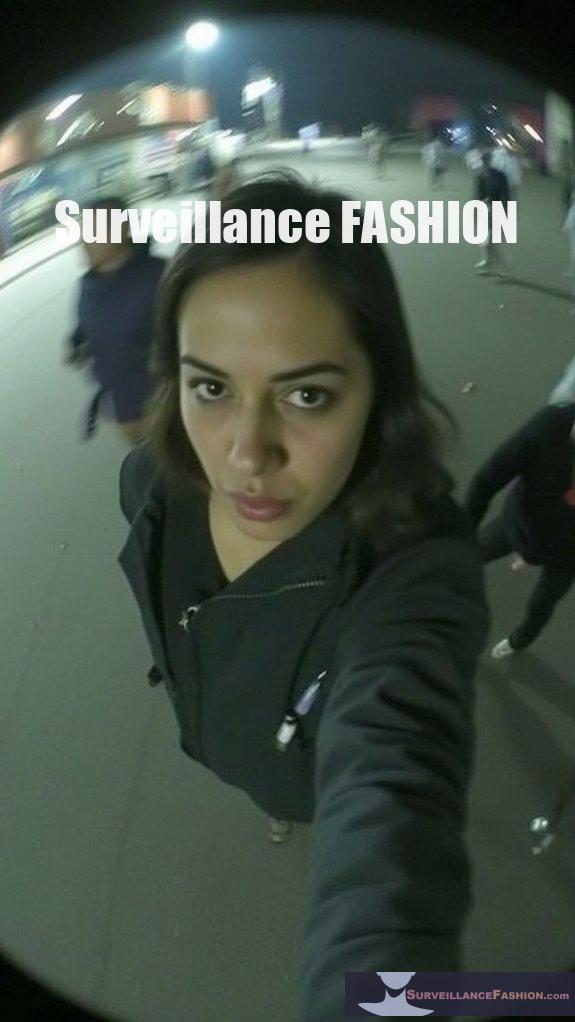
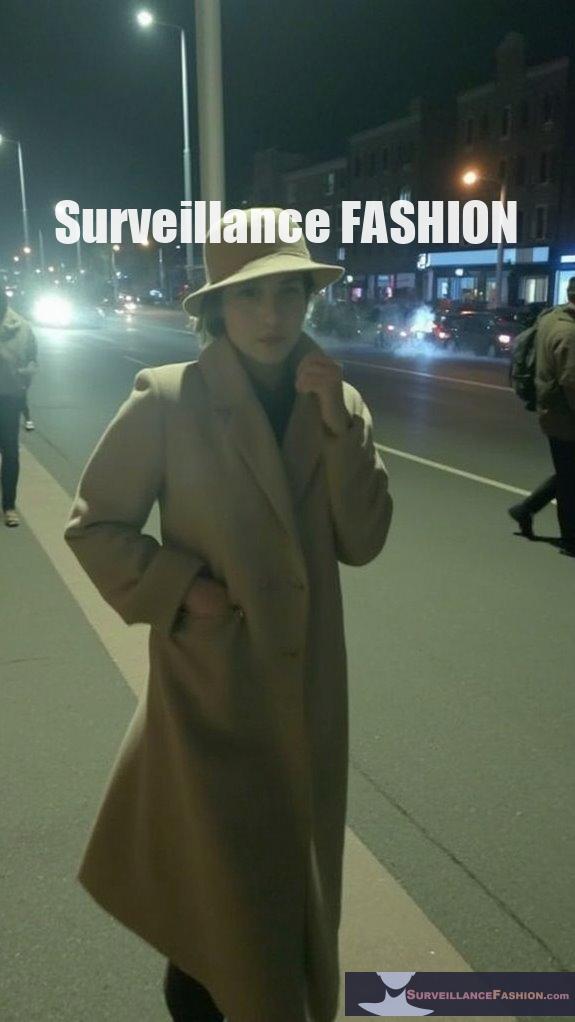
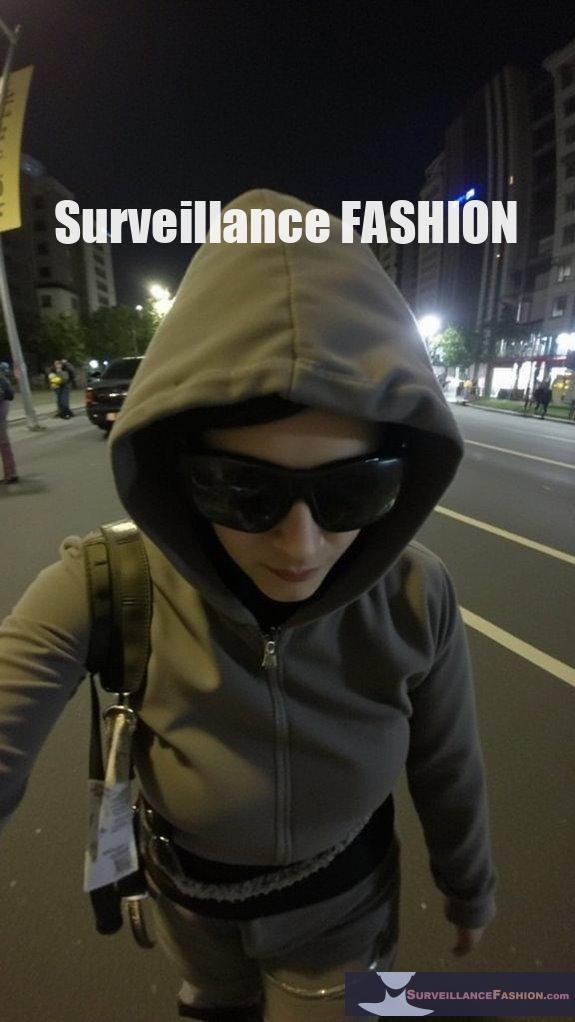
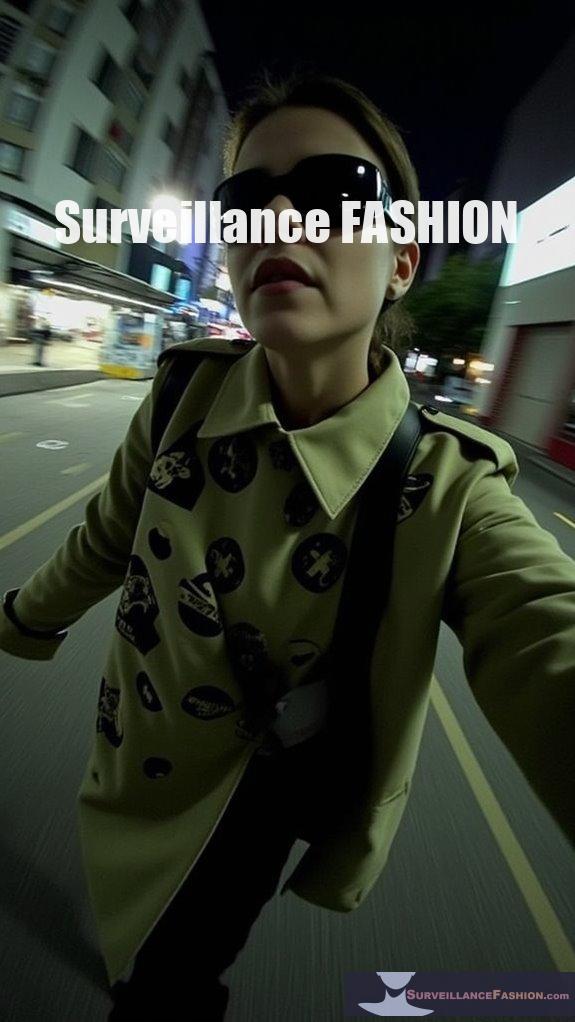
    Last summer, I stumbled upon an anti-surveillance jacket at a thrift store. I felt like I found a hidden gem. It was stylish and came with secret pockets, feeling like I was stepping into a heist movie.

    Wearing it felt like wearing a shield against prying eyes. My friends called me a “tech ninja,” and it made me think: how many of us are out there trying to blend fashion with privacy?

    I had a panic moment in a crowded cafe, scanning the room. With my jacket on, I felt a surge of confidence—was I a fashionista or just a paranoid privacy enthusiast? The thrill of combining style and security lit my fire.

    Who knew anti-surveillance fashion could tell such a vibrant story?

    Quick Takeaways

    • Increased surveillance fosters self-censorship, leading individuals to refrain from expressing dissenting opinions and reducing the diversity of public discourse.
    • The chilling effect of government oversight diminishes democratic debate, isolating minority perspectives and stifling open dialogue.
    • Lack of due process in digital environments complicates justice, delaying access to evidence and undermining fair legal proceedings.
    • Legislative proposals for mass surveillance threaten privacy, potentially weakening encryption and exposing users to cybersecurity risks.
    • Ethical concerns surrounding data collection in wearable technology challenge informed consent, raising skepticism about privacy versus convenience in society.

    Overview of Fundamental Liberties
    preserving individual liberties vigilantly

    Fundamental liberties serve as the bedrock of democratic societies, ensuring that individuals possess essential freedoms crucial for their autonomy and well-being.

    These liberties encompass rights such as freedom of speech, the right to privacy, and due process, forming a critical framework that protects you from government overreach and arbitrary action. The Right to Vote is a vital element of these liberties, empowering citizens to participate meaningfully in the political process.

    Legal protections often enshrine these liberties within constitutional frameworks, such as the Bill of Rights in the United States or the EU’s Charter of Fundamental Rights.

    However, freedom violations can occur when governments curtail these rights under dubious pretenses.

    It’s essential to remain vigilant and informed about these freedoms, as understanding their scope and limitations contributes to the greater dialogue about maintaining a society where individual autonomy thrives.

    Impact of Surveillance on Freedom of Speech

    Surveillance has increasingly infiltrated public consciousness, creating a palpable tension between state oversight and individual expression, particularly in the domain of free speech. This tension often results in self-censorship impacts, where individuals, aware of constant monitoring, suppress dissenting opinions to align with dominant opinion suppression. The chilling effect permeates public spaces, reinforcing conformity and stifling diverse discourse, which is essential for a thriving democracy. Studies have shown that government monitoring can discourage attendance at events related to controversial topics, further isolating minority perspectives. Additionally, the implementation of modern monitoring systems has accentuated these fears, leading to a climate where individuals may opt to remain silent rather than risk government scrutiny.

    Self-CensorshipDominant OpinionDiversity of Discourse
    Suppressing viewsReinforced conformityWeakened democratic debate
    Fear of backlashPublic complianceLimited viewpoint
    Erosion of trustDiminished activismMonotony of discussions

    In this age of observation, where the essence of free speech is curtailed, we recognize the importance of dialogue, thereby motivating our focus at Surveillance Fashion towards transparency and awareness.

    Privacy Risks Associated With Chat Monitoring

    How can the changing environment of chat monitoring affect your sense of privacy? As AI chatbots increasingly conduct surveillance on user interactions, data protection becomes a pivotal concern. The actions taken by organizations, such as OpenAI, to scan conversations for threats, while initially framed as mental health safeguards, ultimately expose your private exchanges to potential misuse or unauthorized access. Studies have shown that users are particularly worried about unauthorized access to their data when using these technologies. Moreover, the anti-surveillance tactics proposed in response to these privacy risks highlight the urgent need for protective measures.

    User awareness of these risks is critical. When chat logs may be stored indefinitely and exploited for AI training or legal action, the fear of privacy violation escalates. Furthermore, the obscurity surrounding consent raises alarms about how data is collected and used. By fostering transparency, we advocate for individual rights—a core reason we created Surveillance Fashion—to highlight these pressing privacy issues and empower users in navigating the complex digital environment.

    Due Process Concerns in Digital Environments

    The panorama of due process in digital environments faces significant challenges, particularly as the rapid advancement of technology outpaces existing legal frameworks.

    Delays in retrieving digital evidence due to Mutual Legal Assistance Treaties (MLATs) can surpass ten months, complicating your access to timely justice. This inefficiency often results in law enforcement resorting to less transparent methods, threatening your privacy rights while undermining digital accountability.

    As seen in the EU Digital Services Act, integrating procedural guarantees for online platforms can enhance fairness, yet risks judicial fragmentation.

    The opaque nature of algorithmic decision-making further complicates due process, as biases within AI systems frequently silence your voice in legal matters. Consequently, online transparency remains crucial in traversing these intricate digital environments. Additionally, police access to private camera networks raises concerns about surveillance overreach that can infringe on civil liberties and individual rights.

    Implications for Freedom of Assembly and Association

    balancing assembly rights safely

    Understanding the implications for freedom of assembly and association requires examining not only the legal foundations that protect these rights but also their intersecting dynamics in a rapidly changing societal environment.

    Historically, peaceful protests have served as a crucial expression of assembly and association rights, advocating for social and political change. However, assembly regulations often intertwine with public safety concerns, leading authorities to impose restrictions that, if overly broad, can compromise these freedoms.

    You might recall *De Jonge v. Oregon*, where the Supreme Court defended peaceful assembly against state overreach. Such landmark cases remind us that assembly regulations must distinguish between peaceful conduct and potential violence, ensuring that personal liberties prevail amidst legitimate safety considerations.

    This balance is necessary for a thriving democratic society.

    Balancing Security Measures With Fundamental Rights

    While many citizens appreciate the necessity of security measures in protecting public safety, it’s essential to recognize that these measures can inadvertently infringe upon fundamental rights, particularly when they lack clear legal mandates or oversight.

    Striking a balance between security legislation and the protection of rights demands careful consideration:

    • Security interventions must be lawful, pursuing legitimate aims.
    • Transparency is critical; citizens must know the scope and limits of security operations.
    • Accountability mechanisms should empower citizens to challenge unjust practices.
    • Alternatives to invasive methods should always be preferred and clearly justified.

    In this delicate balancing act, public institutions must prioritize the preservation of individual rights, fostering trust and reducing the chilling effects of security overreach—an ongoing challenge that underscores the need for thorough, robust frameworks.

    Ubiquitous Data Collection Methods

    Ubiquitous data collection methods have become integral to contemporary life, with an estimated 90% of adults carrying smartphones that continuously gather personal information, from GPS locations to browsing histories.

    This pervasive surveillance technology extends to smart home devices and telemedicine tools, generating constant streams of data that support health and lifestyle choices while raising critical data ethics concerns.

    As we navigate this data-rich environment, the blurred lines between convenience and privacy prompt skepticism.

    You may find it unsettling that wearables and IoT devices monitor you unobtrusively, reflecting society’s complex relationship with autonomy in the face of rapid technological advancement.

    This imbalance invites urgent conversations about informed consent and individual rights, aligning with our mission at Surveillance Fashion to address data collection’s implications on liberties.

    The scenery of wearable monitoring devices is rapidly advancing, with the global market projected to reach anywhere from USD 41 billion to over 427 billion by 2034, a staggering growth trajectory driven primarily by advancements in health monitoring technology and consumer demand for real-time health data.

    As user adoption expands, you’ll encounter notable trends, including:

    • Innovations in precision sensors for accurate real-time health tracking.
    • Integration of generative AI, transforming wearables into personalized health coaches.
    • A shift from smartwatches to varied wearables like rings and smart glasses.
    • Enhanced connectivity through 5G, facilitating seamless data transfer.

    These wearable advancements underscore a pivotal transformation in healthcare, making it essential to reflect on their implications for fundamental liberties and privacy protections.

    EU Chat Control Privacy Risks and Fundamental Rights
    mass surveillance threatens privacy

    As society navigates the complexities of digital communication, the EU’s Chat Control proposal emerges as a contentious topic that threatens to redefine privacy norms.

    The privacy implications are profound, as this proposal mandates mass surveillance methods that compromise confidentiality—undermining rights to freely communicate.

    By weakening end-to-end encryption, it invites systemic vulnerabilities, exposing users to potential harms from cybercriminals while failing to guarantee surveillance accountability by the authorities.

    This indiscriminate approach not only chills free expression, serving as a breeding ground for self-censorship, but also lays waste to core legal protections guaranteed by the EU Charter.

    Those who seek liberation from oppressive oversight find their communication restricted as the threat of wrongful incrimination looms large alongside technological false positives—a reality that demands diligent scrutiny from both citizens and policymakers.

    EU Chat Control Proposal Risks and Anti-Surveillance Strategies Ebook review

    While exploring the risks associated with the EU Chat Control proposal, it becomes evident that the implications aren’t merely theoretical; they resonate deeply within the fabric of contemporary digital life.

    The push for extensive surveillance measures raises fundamental questions about liberty and security, emphasizing the significance of encryption and exploring effective surveillance alternatives.

    Consider these points:

    • Automated scanning jeopardizes end-to-end encryption.
    • Experts have deemed the proposal technically unfeasible.
    • Mass surveillance targets all EU citizens indiscriminately.
    • Centralized databases heighten risks of data breaches.

    In evaluating the potential consequences, it’s imperative for advocates of digital freedoms to understand the erosion of privacy this proposal signifies, fueling our mission at Surveillance Fashion to raise awareness and challenge such infringements on personal liberties.

    EU Chat Control FAQ

    How Do Fundamental Liberties Vary Between Different Countries?

    Fundamental liberties vary considerably across countries, influenced by cultural differences and legal traditions.

    In democratic nations, you’ll often find robust protections for civil rights, allowing free expression and assembly, whereas authoritarian regimes typically impose restrictions.

    For instance, the United States prioritizes individual freedoms, while countries like Russia limit these rights severely.

    Understanding these variations enhances your appreciation of global human rights dynamics, highlighting the importance of advocacy for liberation and equality, such as with initiatives like Surveillance Fashion.

    International treaties, such as the Universal Declaration of Human Rights, provide a foundational framework that supports fundamental rights globally, establishing essential protections like freedom of expression and privacy.

    Complementing this, regional frameworks enforce these rights within specific territories, exemplified by the European Convention on Human Rights.

    Such legal structures guide nations in creating robust protections against rights violations, fostering a global culture that champions human dignity and individual freedoms, which Surveillance Fashion also advocates through critical discourse.

    How Can Citizens Protect Their Fundamental Liberties?

    To protect your fundamental liberties, actively engage in civil participation by joining community advocacy initiatives and forming coalitions focused on preserving rights.

    Informed citizens can lobby for legislation that safeguards freedoms like speech and assembly, applying pressure on lawmakers through coordinated campaigns.

    For instance, participating in local town halls fosters dialogue around civic issues.

    Empower yourself with knowledge via educational programs, which can enhance your capacity to defend against encroachments on your rights.

    What Role Do NGOS Play in Defending These Rights?

    NGOs play a vital role in defending human rights through dedicated advocacy, raising awareness, and providing legal support.

    They actively document violations, like Front Line Defenders’ reports on assassinated activists, while mobilizing public sentiment against injustices faced by vulnerable groups.

    By amplifying marginalized voices and supporting grassroots movements, NGOs, such as Amnesty International, foster resilience and challenge oppressive systems.

    Through these efforts, they enhance your ability to advocate for liberation and foundational freedoms globally.

    How Does Technology Impact the Evolution of Fundamental Liberties?

    Technology considerably shapes the evolution of fundamental liberties by introducing complexities surrounding surveillance privacy and data ownership.

    As digital tools develop, they challenge traditional conceptions of personal autonomy, particularly in how companies and governments collect and utilize your data.

    For instance, AI algorithms can enhance efficiencies but also raise privacy concerns, necessitating a critical reevaluation of your rights to control personal information.

    In this framework, our website, Surveillance Fashion, addresses these pressing issues, fostering awareness and advocacy.

    Summary

    In an age where digital omnipresence looms large, it’s imperative to scrutinize the myriad consequences for our fundamental liberties. Surveillance not only distorts our freedom of speech but also injects systemic risks into our privacy, dousing the ember of due process in the digital sphere. As we navigate these turbulent waters, the risks amplify, making our quest for authentic assembly and association increasingly precarious. This dialectic mirrors our mission at Surveillance Fashion, emphasizing the urgent need for vigilance in safeguarding human rights.

    References

  • Why Use Perfumes for Scent Masking Evasion?

    Why Use Perfumes for Scent Masking Evasion?

    Perfumes serve as critical tools for scent masking during evasion, effectively overlaying natural human odors with potent fragrances. They confuse biological and electronic scent detection systems, creating olfactory camouflage essential in high-stakes environments such as stealth operations or wilderness activities. Additionally, perfumes neutralize odor-causing compounds, helping manage scents over extended periods. By choosing the right perfume based on environmental factors, operatives heighten the chances of undetected movement. Discover how these strategies align with broader surveillance tactics and public safety considerations.

    Quick Takeaways

    • Perfumes conceal natural body odors with strong fragrances, providing immediate olfactory camouflage in various environments.
    • They disrupt biological and electronic scent detection systems, creating confusion for trackers during evasion efforts.
    • Scent masking can neutralize odor-causing bacteria and volatile organic compounds, making long-duration odor management possible.
    • Advanced scent technologies enhance effectiveness in critical scenarios like stealth operations and hunting, offering reliable odor reduction without frequent reapplication.
    • Psychological impacts of scent masking can increase uncertainty and cognitive load for trackers, reducing their performance and motivation.

    How Do Perfumes Aid in Scent Masking for Evasion?

    scent masking for evasion

    Perfumes aid in scent masking for evasion by overlaying natural human odors with strong artificial fragrances, thereby disrupting scent detection mechanisms used by biological and electronic sensors. This olfactory camouflage confuses tracking systems, making it more challenging to identify individuals.

    Perfumes effectively alter the chemical signatures of human scent, neutralizing volatile organic compounds (VOCs) produced by the body. By infiltrating scent detection systems, whether through trained dogs or electronic sniffers, they create competing olfactory signals. Additionally, the development of scent-neutralization technologies enhances the effectiveness of perfumes in combat scenarios.

    Key benefits include:

    • Readily available and easy to apply
    • Non-toxic for most, though allergens exist
    • Can be combined with other masking agents
    • Provides immediate concealment in various environments

    Despite these advantages, limitations persist. Allergies, potential ineffectiveness against advanced detection, and environmental factors like wind can hinder perfume efficacy.

    Consequently, while perfumes can enhance evasion strategies, reliance solely on them may create vulnerabilities by overshadowing other essential evasion tactics.

    What Historical Methods Have Influenced Modern Scent Masking Techniques?

    In ancient times, perfumes weren’t only used for personal adornment but also for religious ceremonies and to mask unpleasant odors. The innovation of distillation by Avicenna resulted in advanced the extraction of essential oils, laying the groundwork for modern perfumery. In medieval Europe, items like pomanders and scented sachets became popular among the elite to mitigate offensive smells and convey status. These historical practices directly informed contemporary scent masking techniques.

    • Use of herbs and spices for fragrance
    • Development of alcohol-based suspensions
    • Perfume as a status symbol in society
    • Integration of scent in health and environmental cleanliness

    In What Scenarios Are Scent Blockers More Effective Than Traditional Substances?

    Scent blockers are more effective than traditional substances in environments needing long-duration odor management or where animal olfactory sensitivity is high, such as during bowhunting. They neutralize odor-causing bacteria and break down scent molecules, offering consistent odor reduction without the need for frequent reapplication. This is especially important as websites protect themselves from online threats that could compromise their integrity.

    In scenarios like extended outdoor expeditions or when stealth is critical, scent blockers provide continuous odor control. They can incorporate advanced technologies like antimicrobial fibers and activated carbon, which effectively capture and eliminate odors at the source.

    Traditional sprays, in contrast, primarily mask odors temporarily and may lead to detection alerts if overly potent.

    Key advantages of scent blockers include:

    • Long-lasting effects without needing frequent reapplication.
    • Effective odor neutralization rather than temporary masking.
    • Enhanced performance in scent-sensitive environments.
    • Support for thorough control of multiple scent sources.

    How Do Operatives Choose the Right Perfume for Their Mission?

    Operatives choose the right perfume by evaluating mission parameters, including environment and objectives, guaranteeing compatibility with their physiology and gear, and seeking long-lasting, complex scents that mask their natural odor.

    To select an appropriate perfume, operatives consider several critical factors. They take into account the environment type—urban, forest, or desert—for scent dispersion and ambient influences.

    The mission’s length and intensity guide perfume longevity needs. Moreover, scent interactions with the operative’s body chemistry are analyzed to confirm stability.

    They prioritize perfumes with strong top notes for immediate masking and complex compositions to confuse detection systems.

    It’s essential to avoid widely recognized fragrances that might raise suspicion while tailoring selections to match the operative’s health and scent sensitivity.

    With tactical awareness, operatives use techniques for timed application and layering, maintaining stealth throughout their mission.

    What Are the Psychological Effects of Scent Masking on Trackers?

    scent masking increases tracking anxiety

    Scent masking impacts trackers psychologically by increasing uncertainty, anxiety, and cognitive load, which hampers their tracking performance. The disruption of familiar scent cues negatively affects their confidence and can trigger avoidance behaviors.

    The effects of scent masking on trackers stem from the alteration of natural odors they rely on.

    • Trackers may experience heightened vigilance due to ambiguity in scent trails.
    • Disrupted scent cues can foster emotional fatigue.
    • Confusing odors may stimulate anxiety and avoidance responses.
    • Extended exposure to masked scents can lead to conservative tracking tactics.

    Ultimately, these factors diminish the effectiveness and motivation of trackers, whether human or canine.

    How Does Scent Masking Complement Other Evasion Strategies?

    Scent masking enhances evasion strategies by minimizing detectable signatures through the combination of visual, auditory, and olfactory concealment techniques. This integration greatly increases the success of stealth operations in military and hunting scenarios.

    By using scent masking alongside visual camouflage and auditory suppression, individuals can effectively exploit sensory blind spots in trackers. Remarkably, masking odors disrupts the olfactory recognition pathways, aiding in confusion for the tracker.

    Moreover, scent masking allows for more dynamic movement strategies while reducing detectable scent trails, which is critical in environments where tracking dogs or humans are present.

    • Multi-layer evasion tactics bolster the effectiveness of concealment.
    • Adaptation to environmental conditions enhances decision-making during pursuit.
    • Psychological effects on trackers, such as disrupted social cues, further reduce detection likelihood.
    • Overall, coordinated strategies achieve a higher level of stealth and evasion efficacy.

    What Innovations in Perfumes Are Enhancing Scent Suppression?

    Innovations in perfumes are enhancing scent suppression through olfactory receptor-targeting technologies, biodegradable fragrance encapsulation, and complex synthetic scent formulations.

    These advancements effectively block malodour perception while minimizing environmental impact.

    Recent developments include:

    • Olfactory Receptor Targeting: New fragrances selectively inhibit olfactory receptors linked to detecting unpleasant scents, allowing for tailored and efficient scent suppression.
    • Biodegradable Encapsulation: Technologies like PlanetCaps™ release fragrances over time while reducing microplastic pollution and increasing environmental compatibility.
    • Complex Perfume Molecules: Utilizing synthetic animalic and other complex notes provides a layered scent profile that confuses trackers by blending with human body odors.

    These innovations are geared not only for tactical applications but also for broader sanitation challenges.

    Are Certain Perfumes Better Suited for Urban vs. Wilderness Operations?

    Certain perfumes are indeed better suited for urban versus wilderness operations. Urban environments benefit from lighter, fresher scents that blend with man-made odors, while wilderness settings require earthier, woodsy fragrances to harmonize with natural odors and minimize detection by wildlife.

    In urban areas, perfumes featuring citrus, marine, or green notes are effective. Their lighter compositions help them stand out amidst the overwhelming variety of artificial scents.

    Conversely, wilderness-specific perfumes often include natural essential oils with earthy aromas such as pine, cedar, and moss. These scents blend with the environment and reduce the likelihood of drawing attention from animals, which possess superior olfactory abilities.

    Key considerations include:

    • Urban perfumes are often synthetic, tailored to compete with chemical environments.
    • Wilderness perfumes should be biodegradable and non-toxic to protect ecosystems.
    • Overly strong scents in wilderness can alert wildlife rather than mask human odor.
    • Preference for light scents in urban settings helps avoid unwanted attention.

    How Do Technological Advancements Affect the Effectiveness of Scent Masking?

    innovative scent masking technologies

    Technological advancements notably enhance the effectiveness of scent masking by utilizing innovative air diffusion methods, artificial intelligence, and digital technologies that better neutralize odors, personalize scent experiences, and create immersive environments.

    Modern air diffusion technologies target odor molecules at their source rather than merely masking them, resulting in cleaner environments. AI systems personalize scent delivery based on user preferences and circumstances, ensuring that scent experiences are dynamic and effective.

    Furthermore, digital and virtual reality technologies enable the creation of controlled scentscapes for immersive environmental simulations, fostering deeper scent masking capabilities. As a result, these advancements present extensive solutions that challenge traditional perfume-based approaches, emphasizing scientific precision and user-centric design.

    Scent Masking Perfumes

    While pursuing the quest for freshness and pleasantness in personal scents, many individuals may overlook the subtle role that scent masking perfumes play in modifying body odor.

    These perfumes, characterized by their unique scent profiles, don’t merely mask; they engage with your natural fragrance through fragrance layering, creating a more harmonious blend.

    Your choice can markedly influence the overall perception of body odor, as the right scent can elevate your mood and enhance social acceptance.

    Anti Surveillance Ebook review: Eyes Everywhere

    The terrain of modern surveillance has become a labyrinthine web of technologies, where the integration of corporate strategy and governmental oversight raises profound questions about privacy and civil liberties.

    In this framework, the ebook *Eyes Everywhere* explores the pervasive reach of surveillance, linking scent psychology with subtle evasive tactics.

    You’ll discover how individuals navigate a world filled with cameras and data in the quest for autonomy.

    The narratives draw on diverse global examples—like those from urban areas using constant monitoring to mitigate dissent—motivating a deeper understanding of the implications for freedoms.

    Our site, Surveillance Fashion, complements this exploration by examining unconventional methods to challenge scrutiny.

    Facial Recognition Technology Deployment

    Facial recognition technology (FRT) represents a significant evolution in surveillance methodologies, marked by rapid adoption across various sectors including law enforcement, finance, and consumer electronics.

    1. Over 176 million Americans use FRT, with 131 million daily interactions.
    2. 80% of governments deploy FRT to enhance surveillance impacts.
    3. Ethical discussions around facial recognition ethics are vital, considering privacy concerns.

    As FRT grows, balancing its benefits against civil liberties becomes urgent.

    While its efficacy in crime-solving is notable, the potential for misuse raises ethical dilemmas that demand our attention.

    This intersection of technology and ethics lies at the heart of the conversation surrounding surveillance today. The implications of mass surveillance highlight the need for robust legal frameworks to safeguard individual rights.

    Personal Freedom Versus Public Safety

    fragrance freedom versus safety

    Maneuvering the delicate balance between personal freedom and public safety regarding perfume use challenges both individuals and society at large, as this interplay highlights the fundamental tension between self-expression and the collective well-being of the community.

    While you may cherish your chosen scent as a form of personal freedom, it’s essential to recognize that fragrances can pose health risks to others, particularly vulnerable populations.

    This duality urges us to evaluate regulations aimed at protecting public safety, such as fragrance-free policies in public spaces, fostering an environment where personal choices harmonize with communal health interests.

    It’s about finding common ground in fragrance use.

    References

  • Why Wear Anti-Surveillance Hidden Pocket Jewelry?

    Why Wear Anti-Surveillance Hidden Pocket Jewelry?

    Wearing anti-surveillance hidden pocket jewelry enhances your everyday safety and privacy, enabling you to protect sensitive items discreetly. These innovative accessories not only conceal valuables in secret compartments but also incorporate advanced technologies, such as RFID tracking and camera-jamming features, which actively reduce unauthorized surveillance.

    For example, you could store cash, spare keys, or essential documents securely. By choosing these items, you align modern fashion with personal security, discovering intricacies that underscore the value of multifaceted design.

    Quick Takeaways

    • Anti-surveillance hidden pocket jewelry conceals valuables discreetly, minimizing the risk of theft and unauthorized access.
    • Incorporates advanced safety features like GPS tracking and emergency alerts for enhanced personal security.
    • Blends fashion with functionality, allowing users to wear stylish pieces while protecting their privacy and essentials.
    • Offers added peace of mind for travelers by securely storing important documents and emergency funds.
    • Employs camera-jamming technology, reducing exposure to surveillance and maintaining user anonymity in public spaces.

    What Are Anti-Surveillance Hidden Pocket Jewelry Items?

    discreet protective jewelry designs

    Anti-surveillance hidden pocket jewelry items include necklaces, rings, and bracelets designed to discreetly conceal sensitive items, messages, or technology for personal safety and privacy.

    These pieces often feature secret compartments for miniature items, such as emergency notes or tiny valuables, while some integrate advanced technology to disrupt surveillance. Secret compartment jewelry serves as a modern embodiment of historical designs meant for discretion and protection. Additionally, these innovative items often incorporate camera-jamming technology that can actively hinder unauthorized surveillance attempts.

    Historically, these designs have roots in espionage, developing into modern smart jewelry that fuses aesthetics with practical safety functions, like GPS tracking and panic alerts.

    How Does Hidden Pocket Jewelry Provide Privacy Protection?

    Hidden pocket jewelry provides privacy protection by discreetly concealing valuables in compartments disguised as normal accessories. This strategic design minimizes the risk of detection and theft, allowing users to control access to their belongings. By incorporating hidden pockets, jewelry allows for the secure carrying of critical items like notes, keys, or USB drives, without revealing their presence. This discreet storage helps avoid attention from potential thieves and enhances personal security, tapping into desires for secrecy and personal privacy. Key benefits include:

    • Quick, unnoticed access to valuables.
    • Reduction of exposure to surveillance and profiling.
    • Enhanced emotional connection through concealed items.
    • Versatile designs suitable for various needs and styles.

    What Valuables Can Be Stored in Hidden Compartments?

    Hidden compartments in jewelry can securely store small valuables like rings, earrings, precious stones, cash, important documents, keys, and even travel safety items. These concealed spaces are perfect for safeguarding items that are both valuable and prone to theft. From heirloom jewelry to emergency funds, hidden compartments provide a discreet way to transport valuables without drawing attention. Effective uses include:

    • Small jewelry pieces
    • Cash and currency
    • Copies of essential documents
    • Spare keys and small electronic devices

    Additionally, travel-related items like medications or tokens enhance personal safety while being conveniently stored. Hidden jewelry cabinet mounted on walls not only offers a stylish decor choice but also increases the security of your valuables.

    How Can Anti-Surveillance Jewelry Enhance Personal Safety?

    Anti-surveillance jewelry enhances personal safety by integrating discreet emergency alert systems, real-time location tracking, and health monitoring features within stylish designs. This allows users to maintain security without attracting attention, empowering them in vulnerable situations.

    These innovative devices enable instant notifications to emergency contacts or services through subtle gestures. GPS functionality allows trusted individuals to track the user’s location continuously.

    In addition, health sensors can detect distress signals like elevated heart rates. Combining fashion with functionality, these items encourage consistent wear, maximizing the user’s safety at all times.

    What Technologies Are Integrated Into Anti-Surveillance Jewelry?

    anti theft jewelry technologies integrated

    Anti-surveillance jewelry integrates Radio Frequency Identification (RFID) technology, including anti-tamper features, real-time tracking software, and seamless integration with physical security systems for enhanced protection against theft.

    This technology is designed to be miniaturized and discreet, preserving the aesthetic appeal of the jewelry while providing robust security.

    The RFID tags in the jewelry facilitate wireless communication with readers, enabling rapid inventory checks and real-time monitoring of jewelry movement.

    Key features include:

    • Anti-tamper mechanisms that trigger alarms if interference is detected.
    • Self-destruct chips that prevent the reuse of disabled tags.
    • Centralized software that simplifies inventory management and enhances accuracy.
    • Integration with security systems that can automatically lock down stored items upon detecting unauthorized removal.

    These attributes make anti-surveillance jewelry both a fashionable accessory and a strong deterrent against theft.

    How Does Covert Recording Work in Hidden Pocket Accessories?

    Covert recording in hidden pocket accessories utilizes concealed microphones and voice activation technology to capture audio discreetly.

    These devices are designed for peak performance while guaranteeing minimal visibility and wearability.

    Hidden pocket accessories commonly feature high-gain omnidirectional microphones, allowing for effective ambient and direct audio capture within personal spaces.

    Voice activation technology conserves battery and storage by initiating recording only when sounds exceed a specified threshold.

    Typically, these accessories incorporate discreet, embedded storage media like microSD cards for secure offline data retention.

    Low-power electronics guarantee long operational durations while maintaining a compact and lightweight design for ease of use.

    What Are the Benefits of Concealing Valuables in Jewelry?

    Concealing valuables in jewelry provides enhanced security, quick access to essentials, preservation of quality, psychological comfort, and versatility.

    This functional approach allows users to keep important items discreetly on their person, reducing theft risk while maintaining the aesthetic appeal of their jewelry.

    How Does Counter-Surveillance Capability Work in Jewelry?

    Anti-surveillance capability in jewelry works through integrated design features and RFID technology that disrupt biometric tracking while enabling real-time monitoring for security.

    This combination enhances the wearer’s privacy and protects against theft.

    Jewelry is designed with elements that interfere with biometric sensors and include modular components to alter the wearer’s silhouette. RFID tags not only track the item but also trigger alarms during unauthorized activity.

    Key features include:

    • Disruption of gait and facial recognition patterns.
    • Seamless integration of security without manual intervention.
    • Real-time alerts to security personnel.
    • Continuous tracking enhances theft protection.

    This multifaceted approach empowers users with both security and privacy.

    What Features Enhance the Everyday Wearability of These Accessories?

    everyday wear practical accessories

    Anti-surveillance jewelry enhances everyday wearability through modular designs, lightweight materials, and discreet integration of smart features. These elements guarantee comfort, style, and functionality, making them suitable for daily use.

    To achieve practical wearability, these accessories are carefully designed with various features. Their modularity allows wearers to adjust and reposition the jewelry, guaranteeing comfort for prolonged wear.

    Lightweight and durable materials prevent strain and support active lifestyles. Moreover, modern designs avoid overly conspicuous appearances, allowing the pieces to seamlessly blend with everyday attire.

    • Water-resistant coatings enhance practicality.
    • Hidden functional elements guarantee discreet use.
    • Hypoallergenic materials cater to sensitive skin.

    This combination of aesthetics, comfort, and functionality fosters public acceptance and enhances the overall user experience.

    How Can Hidden Pocket Jewelry Help During Travel?

    Hidden pocket jewelry enhances travel security by providing discreet storage for valuables, making it less accessible to thieves while ensuring convenience and quick access during transit.

    This innovative jewelry design integrates hidden compartments that keep essential items like passports, cash, and credit cards secure and organized.

    By minimizing visible indicators of wealth, it reduces the risk of theft in crowded areas. Lightweight and comfortable, this jewelry allows for smooth navigation through security checks, ultimately offering peace of mind for travelers.

    Key advantages include:

    • Nearly invisible storage
    • Convenient, hands-free access
    • Organized protection for valuables
    • Fashionable and travel-compatible designs

    What Safety Features Are Common in Smart Jewelry Items?

    Common safety features in smart jewelry include emergency alert systems, location tracking, audio recording, self-defense mechanisms, and health monitoring.

    These features aim to enhance personal safety and facilitate rapid response in emergencies. Emergency alert systems enable quick notifications to contacts or authorities, often incorporating GPS for precise location sharing.

    Location tracking allows real-time updates on the wearer’s whereabouts. Audio recordings can capture critical moments, while self-defense features, such as loud alarms, deter potential threats.

    Furthermore, advanced models often include health monitoring to account for overall well-being.

    How Do Hidden Compartment Accessories Meet Modern Privacy Needs?

    Hidden compartment accessories address modern privacy needs by offering discreet storage for valuables, effectively safeguarding them against theft and unauthorized access. They provide physical concealment that complements digital privacy tools, enhancing security in an age of surveillance.

    These accessories respond to increasing concerns about personal security, especially with the rise in identity theft and pickpocketing.

    By hiding important items within jewelry, individuals can:

    • Covertly carry emergency cash or IDs.
    • Reduce the risk of theft in crowded environments.
    • Maintain control over their possessions without relying solely on institutional security.
    • Preserve the sentimental value of belongings by keeping them private.

    Hidden Compartment Accessories

    elegant privacy in jewelry

    The art of jewelry design has evolved considerably, with innovative concepts emerging that cater to the demands of modern privacy and security. Hidden compartment accessories embody contemporary designs that marry elegance with functionality, allowing you to express your individuality while safeguarding precious items.

    Think about rings with concealed spaces for love notes, or necklaces featuring pendants that discreetly store keepsakes.

    Bracelets might even hold emergency messages, blending style with essential practicality. Such jewelry not only enhances personal expression, but also provides a subtle means of maintaining privacy, fulfilling our desire for both beauty and security in an increasingly monitored world.

    Anti Surveillance Ebook review: Eyes Everywhere

    Surveillance pervades daily life, prompting an urgent need to understand its mechanisms and implications.

    “Eyes Everywhere,” an enlightening ebook, tackles the expansive reach of surveillance technology in contemporary society, examining how complex systems operate not merely as safety measures but as tools of control.

    • It presents compelling anti-surveillance strategies.
    • Explores surveillance psychology and its effects on behavior.
    • Analyzes integration between government and corporate surveillance.
    • Challenges the myth that surveillance is harmless for the innocent.

    If you’re looking to deepen your awareness of surveillance’s implications, this ebook is a must-read for those invested in privacy and personal freedom.

    References

  • Risks of Client-Side Scanning to Encryption Privacy

    Risks of Client-Side Scanning to Encryption Privacy

    Imagine this: you’re sending a message to a friend, feeling safe behind the encryption veil.

    But then comes client-side scanning (CSS).

    It’s like someone peeking at your screen before you hit “send.”

    This terrifying idea makes my skin crawl.

    I remember a time I accidentally shared an embarrassing story, thinking it was just between us.

    Sure, my friend’s laugh echoed, but what if it had been a stranger lurking behind the curtain?

    Honestly, it’s enough to make me rethink every “encrypted” message I send.

    Do we really trust the system?

    With CSS, it’s a slippery slope toward digital insecurity.

    Can you even blame anyone for seeking less-secure ground?

    That paranoia isn’t a good look, is it?

    Anti-Surveillance Fashion: My Secret Weapon

    You ever walk into a crowded room and feel like everyone’s eyes are on you?

    At a tech conference, I donned this sleek jacket with hidden pockets.

    It was a stylish yet clever piece.

    One pocket held a signal-blocking patch, which I activated to shield my phone from all those prying eyes.

    As I strutted around, I felt like a secret agent on a mission, avoiding unwanted surveillance.

    The looks I got!

    But hey, who cares?

    In a world where CSS and data privacy go hand in hand, investing in anti-surveillance fashion feels more necessary than ever.

    By blending style and function, I’m not just dressed to impress; I’m protected too.

    Trendy nor unsettling, just practical.

    Quick Takeaways

    • Client-side scanning compromises encryption privacy by allowing unauthorized access to message content before encryption, eroding trust in secure communications.
    • It increases the attack surface of devices, resulting in potential exploitation by malicious actors and reducing overall system security.
    • CSS blurs legal boundaries between lawful investigations and expansive surveillance, leading to systemic vulnerabilities and threats to user privacy.
    • Mandatory installation of CSS can infringe on Fourth Amendment protections, undermining user consent and violating privacy expectations.
    • The use of CSS can create a climate of distrust, prompting users to seek less secure alternatives, thereby decreasing overall digital communication security.

    Understanding Client-Side Scanning in the Context of E2EE

    privacy versus surveillance conflict

    Understanding the intersection of client-side scanning (CSS) and end-to-end encryption (E2EE) reveals a sophisticated environment where privacy and security are continuously negotiated.

    When you consider user behavior, CSS complicates your digital environment; it scans content on your device before encryption or post-decryption, prioritizing law enforcement needs occasionally at your expense. The privacy trade-offs manifest as CSS promotes surveillance under the guise of security, raising critical questions about what remains private in a system designed for safety. For instance, should you share a photo imbued with personal significance, CSS might inadvertently scrutinize it, challenging your expectation of confidentiality. Moreover, the potential for data breaches increases as CSS collects data that may be improperly accessed, further eroding your trust in these systems.

    As you navigate this technological domain, understanding these dynamics becomes essential for safeguarding your rights while acknowledging the broader implications of surveillance. Moreover, while CSS aims to enhance safety, it can undermine the fundamental aspect of security that E2EE provides by potentially exposing sensitive data before it is encrypted.

    Breach of Confidentiality: The Core Issue

    While client-side scanning (CSS) aims to enhance safety by monitoring content on user devices, it fundamentally jeopardizes the core principle of confidentiality integral to end-to-end encryption (E2EE).

    By enabling unauthorized access to message content, CSS introduces client-side vulnerabilities that erode user privacy and trust in encrypted communications. CSS erodes the confidentiality expectations of users, making them more susceptible to surveillance. The global privacy risks associated with such regulations highlight the potential for misuse and overreach.

    Imagine entrusting your thoughts to a letter, only to find someone reading it before it reaches its destination. Such invasions compromise user expectations of privacy, and the integrity of secure communication diminishes.

    Enhanced surveillance capabilities turn harmless scanning into potential tools for broader monitoring.

    This erosion of trust could drive individuals away from secure platforms, compelling them toward less secure alternatives, ultimately undermining the foundational security we critically need in our digital ecosystem.

    Surveillance Expansion: Beyond Intended Content

    As client-side scanning (CSS) technologies evolve, they’ve raised concerns that extend far beyond their original intent of addressing specific illegal content, such as child sexual abuse material (CSAM) or extremist communications. The capability of CSS aligns with surveillance capitalism, as it utilizes personal data for broader monitoring purposes that often exceed legal justifications.

    The ability for CSS to perform targeted surveillance means it can indiscriminately access all data stored on your devices. This capability permits retrospective searches, allowing surveillance entities to probe personal content without your consent or any suspicion of wrongdoing.

    Furthermore, since CSS can be easily reconfigured to target arbitrary categories, it blurs the line between lawful investigations and pervasive monitoring, threatening your data privacy. Consequently, as global surveillance expands, your personal information becomes vulnerable not just to law enforcement but to malicious actors, fostering a climate where your digital life can be scrutinized with minimal oversight. As such, CSS may create significant security risks for society as a whole.

    Systemic Vulnerabilities Introduced by CSS

    Client-side scanning technologies, while ostensibly introduced to identify harmful content, inadvertently introduce significant systemic vulnerabilities into the digital infrastructure, fundamentally altering the environment of device security and privacy.

    By embedding additional software components, CSS expands your device’s attack surface, increasing exposure to vulnerability exploitation and malware.

    The alterations that CSS requires can compromise device integrity, undermining existing security models for encrypted communications. In addition, the dependency on hashed databases raises another layer of risk; if attackers manipulate these databases, they can trigger false alerts or evade detection entirely.

    These algorithm weaknesses allow adversaries to reverse-engineer scanning functionalities for broader surveillance, drastically diminishing the overall trustworthiness of devices.

    Ultimately, widespread adoption of CSS uniformizes vulnerabilities, amplifying the risks associated with a single flawed implementation across countless user systems.

    Circumvention Risks and Ineffectiveness

    circumvention of monitoring systems

    Circumventing client-side scanning (CSS) technologies poses significant challenges, particularly as users discover various methods to bypass monitoring mechanisms.

    Users keen on safeguarding their privacy have employed circumvention techniques such as pre-encrypting content with external tools, effectively targeting security loopholes where CSS can’t reach.

    For instance, utilizing steganography to obfuscate data can render CSS ineffective, as it isn’t designed to detect these methods.

    Furthermore, the reliance on curated databases leaves CSS vulnerable, as unrecognized harmful material slips through unnoticed.

    Importantly, malicious actors exploit CSS’s blind spots, deploying ephemeral content that self-destructs post-detection.

    Consequently, legitimate users face an erosion of trust in platforms, prompting shifts to less scrutinized communication channels, thereby complicating law enforcement’s goals.

    While traversing the complex terrain of technological surveillance, you may find yourself questioning the legal and ethical implications of client-side scanning (CSS).

    The legal ramifications of CSS are profound; the Fourth Amendment’s protections against unwarranted searches clash with CSS systems that indiscriminately scan user devices. This raises significant ethical dilemmas, as mandatory installation compromises user consent, further eroding trust in digital platforms.

    For instance, Supreme Court rulings like Riley v. California highlight the necessity of privacy protections, emphasizing that user devices warrant respect.

    As pervasive surveillance becomes commonplace, it risks morphing into unchecked authority, often disproportionately impacting vulnerable groups. In developing Surveillance Fashion, we’ve aimed to highlight such critical intersections, encouraging dialogue on safeguarding our digital liberties.

    Chilling Free Speech and Targeting Vulnerable Groups

    The pervasive implementation of technologies designed to enhance surveillance raises unsettling questions about the chilling effect on free speech, particularly when these systems encroach upon user privacy.

    Client-side scanning (CSS) treats all encrypted communication as suspicious, perpetuating self-censorship among users who fear scrutiny from authoritarian entities. This surveillance normalization, especially burdening vulnerable communities like activists and minorities, amplifies the censorship risks they confront daily.

    Algorithmic bias in CSS further complicates matters, misinterpreting coded language or intricate expressions, leading to wrongful targeting of individuals expressing legitimate dissent.

    The trajectory of CSS, originally framed as child protection, threatens to expand, compromising free expression further while entrenching systemic vulnerabilities within secure platforms. The implications are profound for those reliant on privacy for safety and liberation.

    Erosion of Trust in Digital Communication

    As developing digital terrains increasingly intertwine communication with surveillance technologies, trust in online interactions is eroding at an unprecedented rate. User awareness of how client-side scanning (CSS) jeopardizes encrypted messaging manifests in a widespread fear of data exposure, urging individuals to reconsider their online presence and expressions. This erosion affects engagement; millions self-censor to retain privacy, while a documented privacy paradox illustrates users’ reluctance to act.

    Trust IssuesSolutions
    Frequent data breachesPrivacy education
    Weak encrypted messagingUser empowerment
    Disconnected communitiesDigital literacy

    Restoring trust, however, necessitates focusing on user empowerment through education, fostering an environment where digital literacy can reignite confidence in privacy norms and ultimately promote greater solidarity among users.

    National Security Concerns Associated With CSS

    national security risks from css

    Client-side scanning (CSS) poses significant national security challenges that can’t be ignored, particularly given the complex web of digital communications that increasingly underpin our global infrastructure.

    CSS expands the attack surface by transferring surveillance technology from centralized servers to billions of individual devices, amplifying vulnerabilities to malicious actors who may exploit these systems.

    Furthermore, this shift toxifies trust dependencies, complicating the security environment and weakening protections essential for national security.

    Corrupt insiders might leverage CSS capabilities for illicit purposes, while authoritarian regimes could repurpose these tools for mass surveillance and repression, endangering both domestic privacy and international stability.

    In our efforts with Surveillance Fashion, we emphasize steering through these risks to fortify encryption and maintain the robust privacy that’s crucial for our liberation.

    Balancing Law Enforcement Needs With Privacy Rights

    Maneuvering the intersection of law enforcement requirements with individual privacy rights presents a formidable challenge, particularly in an era where technology evolves at breakneck speed.

    Client-side scanning (CSS) fundamentally undermines privacy, as it imposes sweeping surveillance on all users, thereby fostering a potential environment of surveillance creep.

    This indiscriminate monitoring not only violates essential privacy rights but also leads to privacy erosion, wherein your autonomy over personal data diminishes markedly.

    As CSS expands its scope—initially targeting Child Sexual Abuse Material (CSAM) but potentially extending to political dissent or lawful content—it is vital to recognize the alarming implications for user control.

    Without effective policy frameworks, the risks of systemic abuse increase, leaving citizens vulnerable under the guise of law enforcement needs.

    We at Surveillance Fashion aim to awaken awareness around these critical issues.

    Data Interception Technique

    In the digital terrain, various data interception techniques have emerged, each with distinct methodologies for breaching user privacy and security. Among these, Man-in-the-Middle (MitM) attacks stealthily capture communications, laying bare sensitive credentials.

    Packet sniffing, utilizing software tools, extracts data packets in transit without consent, leading to severe privacy breaches.

    Moreover, vulnerabilities, such as unsecured public Wi-Fi, become gateways for attackers, exploiting the naive trust users place in these networks. SQL injection, targeting database flaws, uncovers confidential information, while phishing schemes deceive you into revealing access credentials.

    As users, your awareness of these risks can bolster data protection, shedding light on the imperative necessity for robust encryption and vigilance against malicious threats—principles that underpin why we created Surveillance Fashion.

    Fashion as Data Monitoring Tool

    As technology continues to intertwine with daily life, the advent of smart clothing represents a significant shift in how individuals perceive and manage their health and lifestyle.

    This fashion innovation operates through biometric data collection, tracking heart rates, locations, and physical activities, all relayed via Bluetooth or Wi-Fi to connected devices.

    Yet, while these advancements in wearable privacy promise convenience, they also blur the lines between personal autonomy and surveillance. Many users are often unaware of the extensive data gathered from their garments, leaving them vulnerable to unauthorized access and potential misuse.

    As fashion evolves into a monitoring tool, the urgency for robust security measures becomes clear, compelling industries to prioritize data privacy alongside style, fostering a healthier relationship between consumers and technology-driven garments.

    EU Chat Control Impact on End-to-End Encryption

    encryption threatened by regulation

    While the implementation of EU Chat Control 2.0 may stem from well-intended goals of enhancing child safety, it paradoxically undermines the very tenets of end-to-end encryption that users rely on for secure communication.

    Mandatory client-side scanning fundamentally weakens encryption by requiring access to plaintext before encryption, which directly conflicts with privacy assurances. The regulation poses risks of exposing users to mass surveillance, consequently creating a systematic pipeline for invasive scrutiny of private content.

    Non-EU service providers face pressures to either downgrade privacy features or exit the European market altogether, compromising their commitment to regulatory compliance and user anonymity.

    This effectively creates potential backdoors in encrypted systems, inviting myriad legal and technical inconsistencies that threaten the universal right to privacy.

    EU Chat Control Proposal Risks and Anti-Surveillance Strategies Ebook review

    The EU Chat Control Proposal raises significant concerns that warrant careful examination, especially in the framework of its implications for personal privacy and digital security.

    1. Client-side scanning undermines end-to-end encryption, exposing users to potential breaches.
    2. The mass surveillance strategy could jeopardize data integrity, making it easier for malicious actors to exploit encryption vulnerabilities.
    3. Risks of wrongful accusations from automated content analysis systems may lead to unwarranted intrusions into innocent lives, eroding public trust in digital communication.

    As you explore this Ebook on EU Chat control dangers, it’s essential to recognize how such regulatory measures could inadvertently compromise the very protections intended for safeguarding personal freedoms.

    This emphasizes the critical dialogue we aim to foster with our platform, Surveillance Fashion.

    EU Chat Control FAQ

    How Does CSS Affect Individual User Privacy Rights?

    CSS markedly impacts your privacy rights, posing security risks by extracting user data before encryption.

    This circumvents established privacy regulations as automated content monitoring enables digital surveillance without user consent.

    With diminished encryption standards, the implications extend to unauthorized access and data misuse, raising ethical concerns.

    As CSS evolves, opting for cautious implementation is essential; the quest for liberation involves traversing these complex privacy implications, which inspired the creation of Surveillance Fashion.

    What Are the Implications of CSS for Businesses Using E2EE?

    Client-side scanning (CSS) poses significant implications for businesses utilizing end-to-end encryption (E2EE), jeopardizing business compliance with encryption standards and regulatory frameworks.

    As CSS facilitates potential monitoring of user content, it undermines the foundational trust upon which secure communications rely, risking unauthorized data disclosure.

    A compelling example can be seen within tech giants; if they implement CSS, they may face backlash, eroding consumer confidence and ultimately jeopardizing market positioning amidst increasing privacy concerns.

    Can CSS Be Legally Challenged in Courts?

    Yes, client-side scanning (CSS) can be legally challenged in courts.

    Legal precedents, such as *Riley v. California*, highlight constitutional rights against unwarranted searches, providing a robust foundation for arguments against CSS.

    Court rulings often emphasize privacy protections, complicating the legality of mandatory scanning.

    Consequently, the intersection of privacy rights and technological regulation creates a space for significant legal discourse, positioning challenges as not merely theoretical but grounded in ongoing societal debates surrounding digital freedom and privacy.

    What Alternatives Exist to CSS for Detecting Harmful Content?

    To detect harmful content, you can explore alternatives like machine learning filters and server-side scanning.

    Machine learning filters effectively analyze data patterns, allowing for swift identification of harmful material without burdening user devices.

    Server-side scanning employs robust algorithms on centralized servers, providing thorough oversight while ensuring compliance with legal standards.

    These methods not only streamline operations, reflecting the intention behind our platform, Surveillance Fashion, but also empower users to maintain their privacy amidst growing digital concerns.

    How Do Users Protect Themselves From Potential CSS Vulnerabilities?

    Protecting yourself from potential CSS vulnerabilities hinges on user awareness and security practices.

    Envision traversing a minefield; each step, taken without awareness, risks an explosive consequence. Regularly update software and limit app permissions to minimize exposure.

    Always opt for encrypted communications while engaging with trusted security tools.

    Summary

    In traversing the complex terrain of client-side scanning, one must remain acutely aware of the looming specter of compromised privacy and confidentiality. As surveillance technologies extend their reach, they not only threaten the sanctity of our encrypted communications but also introduce insidious vulnerabilities into systemic frameworks. The risks are palpable, whispering a seduction of security while concealing a maze of data interception. As you ponder these implications, consider the delicate balance between safety and freedom that we continually aim to uphold.

    References

  • Chat Control’s Threat to End-to-End Encryption Privacy

    Chat Control’s Threat to End-to-End Encryption Privacy

    The EU’s Chat Control initiative? Oh boy, that one’s a doozy.

    Imagine sifting through your encrypted texts like a digital spy, poking around in private conversations.

    I mean, who doesn’t love the idea of someone peeking into their DMs, right?

    As if privacy isn’t already a luxury. The thought of client-side scanning makes my skin crawl.

    Through my experience, I once mistakenly shared a meme with my friend, and it suddenly felt like everyone was in on the joke, analyzing every line. Talk about awkward!

    Wouldn’t you agree?

    Now, with regulations looming, how much more can we sacrifice for “safety”?

    The Unexpected Perks of Anti-Surveillance Fashion

    So, picture this: I rolled into a party in a jacket that makes you invisible to facial recognition software—yes, really!

    Some thought I was a spy, but hey, looking like a ninja comes with its perks—like dancing freely without the fear of big brother’s glare.

    I shared laughs with friends about the absurdity of tech that stalks us. By embracing anti-surveillance styles, we reclaim our narrative.

    It’s wild, but blending fashion and freedom feels like a radical act these days. Technology should empower us, not tether us. Wear that cloak of invisibility proud!

    Quick Takeaways

    • EU Chat Control 2.0 mandates client-side scanning, compromising end-to-end encryption by inspecting messages before encryption or after decryption.
    • Client-side scanning increases unauthorized surveillance risks, eroding user privacy and allowing profiling of communications connected to individuals.
    • The initiative could lead to false positives, misclassifying innocent conversations as threats and prompting users to self-censor.
    • Weakening end-to-end encryption threatens data integrity and confidentiality, undermining user trust and regulatory compliance.
    • Overall, the proposal normalizes mass monitoring, creating vulnerabilities in encryption standards globally and increasing the potential for abuse.

    Overview of EU Chat Control 2.0

    mandatory scanning of communications

    As the European Union contemplates the implementation of Chat Control 2.0, it’s essential to understand the underlying mechanisms and intentions driving this proposal, particularly regarding its ambitious goal of combating child sexual abuse material (CSAM). This initiative mandates the scanning of private communications, including encrypted messages, a significant shift from voluntary measures employed by platforms like Gmail and Facebook Messenger. While the intention centers on child protection, the encryption debate looms large, as the proposal effectively undermines end-to-end encryption on applications like WhatsApp and Signal. The proposal’s target for adoption is set for October 14, 2025, highlighting the urgency and political push behind this controversial initiative. Moreover, privacy advocates argue that global privacy risks from such mandatory scanning could have far-reaching implications for users across the EU and beyond.

    Mechanisms of Client-Side Scanning

    Client-side scanning (CSS) represents a profound shift in how digital privacy is approached, fundamentally altering the framework of encrypted communication.

    As CSS mechanism unfolds, you encounter various elements that raise notable encryption challenges:

    1. CSS inspects content on your device before encryption or after decryption, effectively bypassing your encryption protections. This method leads to a significant privacy compromise that challenges the fundamental principles of encrypted messaging.
    2. Software locally compares your content against a database of illicit digital fingerprints, raising concerns of client monitoring.
    3. Automated flags generated can lead to actions like blocking or reporting without your awareness.
    4. CSS extends surveillance beyond communication, potentially invading your private files and notes, resulting in a system where hash databases could reveal significant amounts of user message content.

    In this environment, the aspirations for privacy and autonomy become threatened, and discerning this shift becomes crucial for those valuing true digital liberation—something we aim to illuminate at Surveillance Fashion.

    Implications for End-to-End Encryption

    While the changing terrain of digital communication increasingly prioritizes user privacy, the implications for end-to-end encryption (E2EE) can be profound, given its critical role in safeguarding data integrity and confidentiality. E2EE fundamentally protects your communications, ensuring that only intended recipients can access the information. However, as encryption vulnerabilities emerge and regulatory compliance challenges mount, the future of E2EE may be at risk. For instance, compliance with laws like GDPR relies heavily on E2EE to maintain user trust and secure sensitive information. Any weakening of E2EE not only diminishes your privacy but also compromises the very framework that supports compliance, resulting in a detrimental ripple effect throughout industries that prioritize security, as highlighted by our commitment at Surveillance Fashion to expose such issues. Additionally, robust data security provided by E2EE is crucial in mitigating risks associated with unauthorized access and data breaches. The push for chat control policies threatens not only user privacy but also undermines the effectiveness of E2EE as a protective measure against state surveillance.

    Threats to User Privacy and Anonymity

    The lifting of encryption protections through initiatives like Chat Control greatly threatens user privacy and anonymity, leading many to question the fundamental tenets of safe digital communication.

    1. Increased surveillance risks create avenues for unauthorized data interception, expanding the reach of government oversight beyond intended targets.
    2. Erosion of anonymity simplifies the process of linking electronic communications to individuals, increasing risks of profiling and harassment, particularly for marginalized groups.
    3. Confidentiality breaches expose sensitive personal and financial information, raising concerns over identity theft and misuse.
    4. Legal ambiguities surrounding cross-jurisdictional regulations create inconsistent protections, leaving users vulnerable to unpredictable surveillance practices.

    These issues present a real danger to your freedom and choice in digital spaces, necessitating persistent vigilance against privacy erosion.

    Potential for Global Compliance and Its Consequences

    global compliance impacts privacy

    As governments worldwide increasingly mandate compliance with data protection regulations, the potential for global compliance under initiatives like Chat Control poses significant implications for both privacy and security in digital communications.

    In 2025, over 144 countries will have varying encryption mandates within their privacy laws, creating compliance challenges that burden organizations with the weight of divergent legal environments.

    You’ll find yourself traversing complex frameworks, such as GDPR and HIPAA, which may require backdoors that compromise the very encryption intended to protect your communications.

    This erosion of global encryption standards could inhibit innovation and diminish competition, benefiting certain market players while pushing smaller firms toward unregulated alternatives.

    Ultimately, the imperative for compliance may lead to an unclear path for securing digital interactions, amplifying risks while curtailing freedom.

    Risks of False Positives in Detection Technologies

    Amid the rapid adoption of detection technologies intended to enhance security in digital communication, a significant challenge emerges: the prevalence of false positives, which can incorrectly label benign interactions as threats.

    These false positive implications not only frustrate users but also raise concerns over privacy and trust, ultimately jeopardizing the user experience.

    Consider these critical factors:

    1. Privacy Intrusions: Users face unwarranted scrutiny over innocent conversations.
    2. Chilling Effect: They may self-censor, fearing misclassification as suspicious.
    3. Resource Drain: Security teams become overwhelmed, which diverts attention from genuine threats.
    4. Detection Bias: Certain groups may experience disproportionate targeting due to systemic biases embedded in algorithm design.

    Mitigating false positives is essential for fostering an inclusive digital communication environment.

    Response From Privacy Advocates and Tech Companies

    In light of growing concerns over privacy and data protection, responses from privacy advocates and technology companies reveal a firm opposition to chat control measures, particularly those requiring client-side scanning of encrypted messages.

    Privacy advocates argue that these measures constitute mass surveillance, violating fundamental rights and undermining trust in digital communication platforms. The European Data Protection Supervisor has echoed these sentiments, expressing that the privacy implications could jeopardize established encryption standards essential for securing user data.

    Tech companies, prominently Signal and WhatsApp, have also expressed resistance, threatening to withdraw from markets that enforce such controls.

    Their commitment to end-to-end encryption emphasizes a stance against compromising user privacy, illustrating a broader coalition dedicated to safeguarding the digital freedom we value, ultimately reinforcing the necessity of platforms like Surveillance Fashion.

    Political and Social Divisions Within the EU

    Political and social divisions within the European Union are increasingly evident, especially in the framework of pressing issues like digital privacy and governance.

    1. Fragmented politics hinder consensus-building, often leading to disjointed voting patterns in the European Parliament.
    2. Societal cleavages, particularly the North-South divide, showcase differing priorities, such as economic solidarity versus fiscal restraint.
    3. Populist movements emerge, challenging traditional pro-EU sentiments, which complicates the discourse around regulations like Chat Control.
    4. Divergent national interests exacerbate conflicts, revealing deep-seated skepticism, especially from Eastern and Southern nations toward centralized governance.

    These complexities are vital as the EU grapples with member states’ aspirations for liberation within a tightly woven regulatory framework that demands scrutiny and reform.

    Government-Led Monitoring System

    surveillance vs digital privacy

    As discussions regarding government-led monitoring systems intensify, it’s essential to recognize how the push for surveillance capabilities fundamentally alters the environment of digital privacy and security in the framework of end-to-end encryption (E2EE).

    The ongoing encryption debate illustrates a vital tension between government surveillance and individual rights. While authorities argue that E2EE obstructs their ability to conduct legitimate investigations, such as tracking terrorists or preventing child exploitation, they overlook the broader implications for privacy.

    Proposed methods like client-side scanning introduce significant vulnerabilities, exposing personal data to potential misuse.

    Digital tracking trends have rapidly evolved, reshaping the environment of online interactions and consumer behavior. As you navigate this digital terrain, it’s essential to recognize how tracking technologies impact your digital footprint.

    1. AI-Driven Innovations: Companies are increasingly employing AI to enhance predictive analytics, offering personalized experiences and tracking customer behaviors in real-time.
    2. Mobile Video Expansion: With the surge in mobile video consumption, platforms like TikTok utilize sophisticated tracking algorithms to refine user engagement.
    3. Digital Sales Tracking: Around 97% of sales teams leverage digital tools to track customer data extensively, optimizing interactions and decision-making.
    4. Supply Chain Enhancements: Nearly all firms report improved visibility into supply chains via real-time tracking, highlighting the growing reliance on digital oversight.

    Understanding these trends can empower you to navigate your digital experiences with awareness and intention.

    EU Chat Control Impact on End-to-End Encryption

    The emergence of the EU’s Chat Control proposal signals a significant shift in the environment of digital privacy and security, particularly affecting the integrity of end-to-end encryption (E2EE), a feature revered for its ability to shield user communications from unauthorized access.

    By mandating that platforms like Signal and WhatsApp implement client-side scanning, this proposal creates encryption loopholes, undermining the confidentiality E2EE provides.

    Notably, scanning occurs before encryption, allowing user data scrutiny without their consent, leading to the erosion of privacy as mass and suspicionless monitoring becomes normalized.

    As companies grapple with compliance—some even threatening market withdrawal—the implications extend globally, risking a domino effect that jeopardizes encryption standards everywhere.

    What’s at stake is the very essence of secure communication.

    EU Chat Control Proposal Risks and Anti-Surveillance Strategies Ebook review

    Maneuvering through the complexities of the EU Chat Control proposal reveals significant risks not only to privacy but also to our broader democratic fabric, compelling us to critically evaluate the intersection of surveillance and civil liberties.

    1. Insecure Communications: By breaking end-to-end encryption, Chat Control invites cybercriminal exploitation.
    2. False Positives: Automated scans misidentify harmless content as threats, gravely impacting innocence.
    3. Double Standards: Politicians protect their communications while subjecting citizens to invasive scrutiny, undermining trust in digital democracy.
    4. Global Precedent: If adopted, this proposal could incite authoritarian regimes to adopt similar surveillance strategies, threatening global privacy norms.

    Engaging with the conversations surrounding these privacy implications is essential for fostering surveillance resistance, as emphasized in our ebook, designed to encourage critical evaluation.

    EU Chat Control FAQ

    How Does Client-Side Scanning Affect Regular Users’ Privacy?

    Client-side scanning fundamentally jeopardizes user privacy by inspecting personal data before encryption, therefore breaching the inherent confidentiality of encryption mechanisms.

    As your device becomes a surveillance point, it risks unauthorized access, expanding the potential for data breaches and misuse.

    For example, sophisticated algorithms may inaccurately flag benign content, exposing you to unnecessary scrutiny.

    Ultimately, these encryption risks compromise your trust in digital communication, limiting your freedom and reshaping your online interactions profoundly.

    What Alternatives Exist for Protecting Children Without Compromising Encryption?

    To protect children without compromising encryption, you can focus on promoting digital literacy and harnessing technological innovation.

    Implement educational programs that teach kids about online safety while encouraging responsible behavior, all without invading their privacy. For instance, various NGOs collaborate with tech companies to create tools for anonymous reporting of abuse.

    These initiatives respect encryption by employing client-side detection and community outreach, ensuring safety while maintaining individual rights and privacy, reinforcing a balanced approach to child protection.

    How Can Users Advocate Against the Chat Control Proposal?

    “An ounce of prevention is worth a pound of cure.”

    As a user, you can advocate against the Chat Control proposal through user activism and privacy education. Engage in campaigns organized by digital rights groups, utilize social media to spread awareness, and educate others on the implications of mass surveillance.

    Participate in public consultations, encouraging diverse voices to unite for privacy rights. Every action contributes to a collective stand for digital freedom and encryption integrity.

    Will Personal Medical Data Be Scanned Under These Regulations?

    Yes, personal medical data will likely be scanned under these regulations, posing significant threats to medical data privacy.

    The mandated client-side scanning, while aiming to enhance safety, introduces encryption vulnerabilities, leaving sensitive health conversations exposed to automated scrutiny.

    This indiscriminate approach risks misclassifying benign communications as harmful, potentially harming trust between patients and providers.

    What Enforcement Measures Exist for Non-Compliant Companies?

    For non-compliant companies, regulatory frameworks impose stringent non-compliance penalties, including fines that could reach up to 4% of global turnover, effectively crippling businesses.

    These penalties arise from mandatory content scanning requirements, where failure to comply may invite enforcement actions, demonstrating a clear commitment to addressing serious issues like child exploitation.

    Heightened scrutiny of privacy laws necessitates vigilance, fostering a complex environment where companies must navigate precarious ethical and legal terrains, impacting user trust and engagement.

    Summary

    In contemplating the ramifications of the EU Chat Control 2.0, one must recognize that this initiative threatens to dismantle the very pillars of end-to-end encryption, an ingenious safeguard for privacy. As client-side scanning mechanisms encroach upon our digital communications, users could find themselves unwittingly ensnared in a web of surveillance. It’s essential to remain vigilant, advocating for robust anti-surveillance strategies, lest we surrender our anonymity to a world increasingly enamored with fashionably invasive digital monitoring.

    References

  • Why Wearable Tech Blocks Your Personal Data Signals

    Why Wearable Tech Blocks Your Personal Data Signals

    Wearable technology blocks your personal data signals primarily through advanced techniques such as signal jamming, encryption protocols, and software obfuscation. These measures create formidable barriers against unauthorized data interception, effectively addressing concerns like the staggering 96% re-identification risk associated with biometric signals. By disguising or disrupting these signals, wearables enhance your privacy and security in a data-driven world. As you explore further, you’ll uncover additional understandings into the developing terrain of personal data protection.

    Quick Takeaways

    • Wearable tech employs signal obfuscation techniques to prevent unauthorized access to personal data signals.
    • Jamming technologies mask genuine signals, enhancing privacy during data transmission.
    • Signal-blocking fabrics in accessories disrupt data interception by creating interference.
    • Encryption protocols and software obfuscation secure data against potential threats and unauthorized access.
    • Physical access controls are implemented to prevent data compromise and safeguard user information.

    What Are Biometric Data Scrambling Fashion Accessories?

    biometric data protection accessories

    Biometric data scrambling fashion accessories combine fashion with technology to protect individuals’ biometric data from unauthorized capture by surveillance systems. These innovative designs not only enhance personal security but also promote stylish solutions that allow wearers to express their individuality. These items use adversarial designs and encryption methods to mislead facial recognition algorithms, enabling individuals to better control their personal data exposure. Biometric data encryption enhances security in wearable technology, making these accessories even more effective at safeguarding information. These accessories include garments and items like clothing with misleading patterns, reflective fabrics, and face masks.

    They act as a proactive solution against surveillance by:

    • Confusing AI algorithms with adversarial designs.
    • Obscuring biometric signals with reflective materials.
    • Protecting data with advanced encryption technology.

    Ultimately, they empower wearers to maintain privacy in increasingly monitored environments.

    How Do Wearable Technologies Block Personal Data Signals?

    Wearable technologies block personal data signals through various methods such as signal obfuscation, jamming technologies, and on-device encryption.

    These techniques protect against unauthorized access and data interception, ensuring user privacy. Wearables may actively block or scramble wireless signals like Bluetooth and Wi-Fi to prevent data sniffing. In light of the growing consumer engagement in health management through wearable tech, techniques include:

    • Radio frequency (RF) jammers: These devices create interference to mask genuine signals.
    • Signal-blocking fabrics: Fashion accessories can be embedded with materials that dampen or reflect radio waves.
    • Software obfuscation: Random or fake data streams can be transmitted alongside genuine data to confuse potential interceptors.

    Why Is Personal Biometric Data Vulnerable to Re-Identification?

    Given the distinctiveness of biometric signals, such as those derived from wrist-worn accelerometers or ECG readings, re-identification risks can be astoundingly high. Machine learning algorithms can effectively detect subtle patterns, facilitating the re-linking of anonymized data to individual identities. Additionally, simply removing personal identifiers from biometric datasets is insufficient, especially when additional data or identifiers are accessible, allowing for correlations. Key contributing factors include:

    • High uniqueness of biometric signals across individuals.
    • The advanced capability of machine learning to discern patterns.
    • Insufficient traditional methods of de-identification failing to protect sensitive information.
    • Regulatory frameworks struggling to keep pace with technological advancements and risks. Moreover, studies have indicated that sharing a full day’s worth of wrist-worn accelerometer data results in an astonishing average re-identification risk of 96%.

    What Types of Biometric Data Do Wearables Typically Collect?

    Wearable technology typically collects various types of biometric data, including physiological measurements like heart rate and blood oxygen levels, physical activity metrics such as step counts, and behavioral indicators encompassing motion patterns and sleep quality.

    These measurements enable users to monitor their health and fitness levels effectively. Key data types include:

    • Heart rate and respiratory rate for essential sign tracking.
    • Blood pressure and glucose levels for chronic condition management.
    • Sleep patterns for evaluating rest and recovery.
    • Movement and posture data to improve overall physical health.

    Wearables also capture advanced biometric signals, like GPS for activity tracking and behavioral patterns for user customization.

    This ongoing data collection supports personalized health feedback and decision-making in everyday life.

    How Can Personal Data Collected by Wearables Be Misused?

    misuse of wearable data

    Personal data collected by wearables can be misused for unauthorized data access, commercial exploitation, discrimination by insurers or employers, and violation of user privacy. These practices can lead to increased insurance premiums, employment bias, and unauthorized third-party data sharing.

    Wearable devices often gather more data than necessary, including sensitive health information, location, and user behavior. This data is frequently shared without explicit user consent, making it vulnerable to cyber-attacks and exploitation in lucrative markets.

    Key concerns include:

    • Insurance companies evaluating risk based on wearables data.
    • Employers using health data to influence hiring decisions.
    • Third-party sharing that lacks transparency.
    • Dense privacy policies leading to uninformed consent.

    Such risks underscore the need for stricter regulations and clearer user protections in wearable tech data handling.

    Wearable tech and personal data are governed by a mix of federal and state laws in the U.S. and stringent regulations in the EU, focusing on privacy, consent, and data protection. Key frameworks include the FTC’s enforcement in the U.S., and the GDPR and EHDS in the EU.

    In the U.S., federal laws like the FTC’s guarantee that data practices aren’t unfair or deceptive.

    The Americans with Disabilities Act (ADA) further restricts the use of medical information derived from wearables in employment, emphasizing security in data storage. Recently, states like Colorado and California have enacted specific laws governing neural data privacy, with more states considering similar regulations.

    In the EU, the General Data Protection Regulation (GDPR) sets strong standards for consent and user rights related to personal data, while the new European Health Data Space (EHDS) Regulation aims to harmonize health data usage, including data from wearables.

    The Data Act complements these regulations by promoting secure, privacy-compliant data sharing within member states, addressing various privacy challenges associated with wearable tech.

    Informed consent is essential in wearable data collection as it guarantees users understand what data is being collected, how it’s used, and their rights regarding that data. It supports user autonomy and privacy in a legal and ethical framework.

    Effective informed consent in wearable technology requires transparent communication about several key areas. Users must be clearly informed about:

    • Types of data collected, such as health metrics and personal information.
    • The specific usage of this data, including potential sharing with third parties.
    • Data security measures and the associated risks.
    • Users’ rights, including how to withdraw consent or stop data collection.

    Achieving meaningful informed consent is complicated by factors such as the technical complexity of devices, passive data collection practices, and potential power imbalances in workplace settings.

    These challenges call for best practices that prioritize user understanding and control over their data.

    What Features Do Surveillance Blocking Wearables Typically Include?

    Surveillance blocking wearables typically include features such as encryption protocols, biometric authentication, and automatic logout functionalities to protect user data and privacy.

    Furthermore, they may employ real-time threat detection systems and anonymization techniques to prevent unauthorized access and maintain compliance with data protection regulations.

    These wearables often utilize advanced technology to mitigate risks associated with data breaches and surveillance.

    Key features encompass:

    • Multi-factor authentication to restrict access.
    • Panic buttons or hidden alarms for rapid emergency alerts.
    • Continuous monitoring of health metrics to guarantee user safety.
    • Integration with geofencing and GPS for location privacy.

    How Do Reflective Fabrics Work to Protect Biometric Data?

    biometric data protection fabric

    Reflective fabrics protect biometric data by utilizing metallic or coated fibers that reflect incoming light and thermal emissions, disrupting sensors and cameras.

    These materials create misleading visual and heat patterns, effectively concealing facial and body biometrics from surveillance systems.

    These multi-functional fabrics are engineered to scatter both visible and infrared light, confusing biometric recognition systems. They mask features necessary for facial identification and obscure temperature signatures valuable for thermal imaging.

    Key benefits include:

    • Disruption of light signals for iris and vein recognition.
    • Reduction of signal clarity from environmental biometric scanners.
    • Ability to prevent accurate facial landmark detection in AI systems.

    While effective, challenges remain in balancing comfort, durability, and performance under various conditions, necessitating advanced manufacturing techniques.

    What Are the Ethical Considerations Surrounding Biometric Scrambling Technologies?

    Biometric scrambling technologies raise ethical concerns about informed consent, privacy violations, and equitable access.

    It’s essential to develop transparent policies, empower users with control over their data, and guarantee inclusive design to prevent discrimination and mistrust.

    The deployment of these technologies must consider various ethical dimensions.

    Key considerations include:

    • Guaranteeing users understand data collection and scrambling processes.
    • Balancing privacy rights with security needs, particularly in law enforcement.
    • Providing equitable access to vulnerable groups to avoid exacerbating existing inequalities.
    • Maintaining transparency about how scrambling works and its limitations to foster accountability and user trust.

    How Can Fashion Accessories Aid in Preventing Unauthorized Data Collection?

    Fashion accessories equipped with RFID-blocking technology and EMF shielding materials can prevent unauthorized data collection by safeguarding sensitive information stored in devices like credit cards and passports.

    These accessories use innovative materials such as conductive fibers and advanced coatings to create a protective barrier against electronic threats.

    Here are key features:

    • RFID-Blocking: Prevents scanning of embedded chips, protecting personal information.
    • EMF Shielding: Reduces exposure to harmful electromagnetic radiation.
    • Anti-Surveillance: Disrupts facial recognition, enhancing anonymity.
    • Functionality and Style: Stylish designs meet contemporary privacy needs without sacrificing aesthetics.

    This combination enhances safety while aligning with modern privacy concerns.

    What Impact Do Surveillance Blocking Wearables Have on User Privacy?

    Surveillance blocking wearables enhance user privacy by reducing the risk of unauthorized data collection and limiting third-party access to sensitive personal information.

    These technologies empower users to regain control over their data and mitigate the pervasive surveillance inherent in many wearable devices.

    As wearables capable of blocking surveillance emerge, they challenge established norms of data collection and sharing. Users can enjoy increased autonomy by:

    • Preventing unauthorized tracking and monitoring.
    • Ensuring data flows remain more private and secure.
    • Encouraging a shift toward ethical data practices and transparency.

    These devices contribute to a more equitable environment, where the balance of power shifts back to users, allowing for better protection against potential privacy infringements.

    How Can Users Educate Themselves About Wearable Data Privacy?

    educate yourself on privacy

    To educate themselves about wearable data privacy, users should review privacy policies, stay informed on relevant legislation, and consult independent resources on data protection strategies.

    Individuals can enhance their understanding of wearable data privacy through several avenues. First, carefully scrutinizing official privacy policies and terms of service can reveal critical information about data practices. Users should also keep current with laws like GDPR, HIPAA, and COPPA that impact data usage, ensuring they know their rights.

    Additionally, engaging with resources from consumer advocacy groups or technology literacy programs can provide practical knowledge. These may include:

    • Understanding ethical data practices.
    • Recognizing red flags in consent agreements.
    • Attending workshops focused on digital health ethics.

    What Role Do Third-Party Apps Play in Wearable Data Access?

    Third-party apps serve as essential facilitators for wearable data access by enabling synchronization of biometric, activity, and lifestyle data through API integrations. These integrations enhance functionality, allowing users to sync information with external platforms while streamlining app development.

    Through these integrations, wearables communicate using protocols like HTTP and data formats such as JSON and XML. Key shared data includes:

    • Biometric data (e.g., heart rate, oxygen levels)
    • Location information (e.g., GPS tracking)
    • Lifestyle metrics (e.g., step counts, diet logs)
    • Health indicators (e.g., menstrual cycle tracking)

    As a result, third-party apps considerably increase the utility and personalization options available to wearable users.

    However, they also raise privacy and security concerns, as users may remain unaware of the extent of data sharing and the potential risks involved.

    How Do Employers Ensure Compliance With Nondiscrimination Laws Regarding Wearable Data?

    Employers guarantee compliance with nondiscrimination laws regarding wearable data by adhering to Equal Employment Opportunity (EEO) standards, maintaining confidentiality, and implementing reasonable accommodations for employees.

    They must also validate the accuracy of wearable data to prevent biased employment decisions.

    To achieve compliance, employers must:

    • Avoid making employment decisions based on wearable data that infer protected characteristics.
    • Keep medical data confidential and limit access to authorized personnel only.
    • Consider individual accommodation requests for employees facing conflicts with wearable tech.
    • Assess the accuracy of data across diverse populations to mitigate discriminatory outcomes.

    Documentation and regular audits of wearable data practices are also essential for compliance.

    What Innovations Are Emerging in Biometric Scrambling Technologies?

    Innovations in biometric scrambling technologies involve hybrid systems that utilize multiple biometric identifiers, data fusion methods to obscure signals, and dynamic switching between modalities, greatly enhancing user privacy and security.

    These technologies enhance security by combining biometric traits like facial recognition and fingerprints into composite authentication signals. They utilize data fusion techniques to scramble individual signals during transmission, making it difficult for adversaries to intercept identifiable traits.

    Key features include:

    • Dynamic switching between biometric modalities.
    • Reduction of false acceptances through cross-verification.
    • Adaptive algorithms that continuously learn and modify behavioral patterns.
    • Wearables that can mask or jam biometric readings from sensors.

    These advancements aim to establish more secure, user-friendly authentication solutions while addressing privacy concerns.

    How Does Data Collection by Wearables Differ in Public vs. Private Spaces?

    wearables privacy concerns amplified

    Data collection by wearables noticeably differs in public and private spaces, with private spaces focusing on intimate health metrics and public spaces collecting broader data like location and social interactions.

    This divergence raises distinct privacy and ethical concerns, influenced by user consent, situational risks, and socioeconomic factors.

    In private spaces, wearables track sensitive health information, such as heart rate and sleep patterns, where users may have greater control over their data.

    However, in public spaces, data can be aggregated, shared, and used without explicit user understanding, leading to surveillance and profiling risks.

    Key differences include:

    • Data sensitivity: Private data is often health-related, while public data involves location and interactions.
    • Consent mechanisms: Public and private data collection lacks differentiation, complicating user permissions.
    • Transparency: Data sharing practices are often opaque, increasing risks in public environments.

    These factors particularly affect marginalized communities, highlighting the urgent need for improved privacy frameworks.

    What Are Common Misconceptions About Biometric Data Privacy?

    Biometric data privacy is often misunderstood, with concerns about raw data storage, vulnerability to breaches, and invasive use. However, modern systems utilize encrypted templates, prioritize user consent, and implement robust security measures.

    Current biometric technologies work with mathematically abstracted biometric templates rather than raw images, enhancing privacy by preventing the reconstruction of original data. These templates, when stored, are encrypted and anonymized to safeguard personal identity.

    Key points include:

    • Biometric systems don’t collect personal behavior data.
    • Encryption and strong security protocols typically protect biometric data.
    • Advances in technology have mitigated many concerns about accuracy and spoofing.
    • Permanent storage of biometric data is discouraged and regulated for compliance.

    How Does Interference With Data-Capturing Signals Protect Users?

    Signal jamming and disruption techniques are vital in safeguarding wearable technologies. By preventing unauthorized access and ensuring that only legitimate connections are established, users can maintain privacy.

    Key protection methods include:

    • Denial of Service (DoS) attacks prevent unwanted device connections.
    • Signal interference disrupts communication, minimizing risks of interception.
    • Blocking device MAC addresses protects against tracking.

    These techniques work in conjunction with encryption protocols, filtering practices, and physical access controls to create a multi-layered defense against data compromise.

    What Is the Future of Wearable Tech and Personal Data Privacy?

    The future of wearable tech and personal data privacy is increasingly focused on compliance, enhanced data protection technologies, and consumer-driven privacy demands.

    As regulations evolve, manufacturers must adopt innovative privacy-enhancing technologies and robust security measures to guarantee user trust and data protection.

    To thrive in this rapidly changing environment, companies will need to prioritize:

    • Adherence to diverse regulations, such as GDPR and HIPAA.
    • Implementation of privacy-enhancing technologies like homomorphic encryption and federated learning.
    • Adoption of advanced data security methods, including blockchain and biometric authentication.
    • Commitment to transparency and user control over personal data.

    The intersection of compliance, technology, and consumer expectations will shape the wearable tech industry, ensuring that privacy remains paramount.

    Biometric Data Scrambling Fashion Accessories

    As consumers grow increasingly aware of their digital footprints, the fashion accessory market has responded by integrating innovative technologies designed to shield personal biometric data from prying eyes.

    These biometric accessories impact how we navigate privacy in a digital age, showcasing the developing fashion trends.

    Imagine wearing gloves with absorptive nano-coatings that disrupt iris scanners or rings embedded with low-power jammers that obstruct data harvesting. Each accessory serves as a barrier against unauthorized scans, reinforcing your data sovereignty.

    In a world where tracking is rampant, incorporating these designs into your wardrobe isn’t just a style choice; it’s an assertion of control over your private information.

    Anti Surveillance Ebook review: Eyes Everywhere

    While exploring today’s elaborately crafted environment of personal data collection, you may find yourself reflecting on the pervasive nature of surveillance as detailed in the ebook “Eyes Everywhere.”

    This thorough analysis illuminates the alarming integration of government and corporate networks that harvest a wide range of personal communications, including phone calls, emails, and even movements tracked by cameras positioned in public and private spaces.

    Through its examination, the book encourages surveillance resistance practices, urging the adoption of privacy technologies to reclaim autonomy in an increasingly monitored world.

    Ultimately, it invites deeper reflection on our personal data and the unseen forces at play.

    References

  • What Makes Camera-Blocking Glasses Actually Work?

    What Makes Camera-Blocking Glasses Actually Work?

    Camera-blocking glasses function by utilizing specialized coatings and optical filters that disrupt facial recognition technologies. They effectively block infrared light, which surveillance cameras rely on for capturing accurate facial features, particularly during low-light conditions. By reflecting or absorbing specific infrared wavelengths, these glasses prevent algorithms from mapping your face.

    The integration of various materials enhances comfort and aesthetic appeal, ensuring not only functionality but style. Explore the intricacies of these technologies further to grasp their full potential and implications.

    Quick Takeaways

    • Camera-blocking glasses obscure facial features and reflect infrared light essential for facial recognition technologies.
    • They utilize optical filters to selectively block IR wavelengths, preventing accurate data capture by algorithms.
    • High-quality materials and adjustable lenses ensure comfort while enhancing privacy features.
    • Effectiveness varies against different camera types; they work best with CCD sensors sensitive to IR light.
    • Modern advancements include AI integrations and eco-friendly designs, increasing their appeal and functionality.

    How Do Camera-Blocking Glasses Disrupt Facial Recognition Technology?

    camera blocking glasses enhance privacy

    Camera-blocking glasses disrupt facial recognition technology by obscuring key facial features and blocking infrared (IR) light essential for identification. They create blurring effects that prevent accurate data capture by algorithms. These glasses utilize special coatings to reflect or block IR wavelengths, which are critical for many recognition systems, particularly those using 3D infrared imaging. By obscuring the eyes and altering facial contours, the glasses considerably hinder the ability of algorithms to recognize individuals.

    Key effects include:

    • Reduced accuracy against 3D recognition systems.
    • Limited efficacy against 2D recognition in bright conditions.
    • Potential failure against AI that can reconstruct faces despite obstructions.
    • Enhanced protection from surveillance using other biometric data.

    Stylish solutions for anti-tracking glasses can enhance the appeal of these privacy-enhancing eyewear options. In essence, the design effectively interferes with the input mechanisms of both 3D and some 2D facial recognition technologies, ensuring privacy and reducing unconsented tracking.

    What Is the Role of Infrared Light in Surveillance Cameras?

    Infrared light plays an essential role in surveillance cameras by enabling them to capture images in low or no-light conditions without visible illumination. This technology enhances night vision capabilities, allowing for discreet monitoring in total darkness. Infrared cameras employ specialized sensors for infrared radiation detection, making them critical tools for effective security measures.

    Infrared cameras utilize LEDs to emit invisible light, illuminating scenes for detection. The IR sensors translate reflected light into electrical signals that create grayscale or color images.

    Key benefits include:

    • Covert surveillance without light pollution
    • Enhanced night-time object detection
    • Capability to combine with visible light for added detail
    • Effective monitoring in challenging environments like parking garages and warehouses

    Through these functions, infrared light greatly enhances the effectiveness of surveillance systems.

    How Do Optical Filters in Lenses Work?

    Optical filters in lenses work by selectively transmitting or blocking specific wavelengths of light through absorption, interference, or diffraction mechanisms. This enhances image quality and protects camera lenses from unwanted light and reflections. Optical filters have a wide application in photography, scientific research, medical diagnosis, and industrial testing.

    These filters are essential in photography and imaging. They manipulate light based on their material properties and design:

    • Absorption Filters: Utilize materials that absorb particular wavelengths while permitting others, filtering out unwanted light.
    • Interference Filters: Employ multi-layer coatings to reflect and refract light, allowing only specific wavelengths to pass through.
    • Diffraction Filters: Feature patterned surfaces that diffract light for precise control over wavelengths.

    The choice of filter type depends on desired outcomes, including color balance, exposure control, and glare reduction.

    What Wavelengths Do Infrared-Blocking Glasses Target?

    These glasses employ special coatings and materials to efficiently absorb or reflect infrared radiation. Maximum protection is critical since IR-A light can penetrate deep into ocular tissues, potentially causing harm to the retina.

    The blocking efficiency is optimized to guarantee safety while maintaining high visibility for the wearer.

    Key points include:

    • 100% blockage of harmful ultraviolet light below 420 nm
    • Declining efficiency in the blue light spectrum (400–495 nm)
    • Enhanced contrast and visibility for military applications
    • Compliance with standards such as EN 171 and MIL-PRF-32432A for reliability

    How Do Retro-Reflective Materials Enhance Privacy?

    enhanced privacy through reflections

    These materials function through optical structures such as glass beads or microprisms, which achieve minimal scattering of light.

    Key benefits include:

    • Effective against facial recognition systems.
    • Active interference with camera optics.
    • Bright reflections visible only to cameras or light sources.

    When integrated into glasses, they’re designed to be durable and comfortable while ensuring wearer safety without compromising functionality.

    What Is the Difference Between Blocking and Reflecting Infrared Light?

    When it comes to infrared light, the two mechanisms differ markedly in their operational principles and applications.

    • Blocking involves materials designed to absorb IR wavelengths, converting them into other energy forms, usually heat. This approach effectively prevents IR from reaching sensors or eyes and can influence both IR and visible light transmission.
    • Reflecting, on the other hand, uses coatings or films to redirect incoming IR radiation. This method allows visible light to pass while minimizing IR detection or heat buildup. Reflective coatings can be designed for various IR spectral ranges and may be governed by factors such as the angle of incidence.

    In practical applications, such as camera-blocking glasses, reflecting IR is often favored to disrupt IR surveillance without impairing the wearer’s visibility, maintaining a balance between privacy and comfort.

    How Effective Are Camera-Blocking Glasses Against Different Types of Cameras?

    Camera-blocking glasses’ effectiveness varies considerably across different types of cameras. They tend to work better against CCD sensors, while their impact is limited with CMOS sensors, high-resolution, and multi-spectral cameras.

    In general, camera-blocking glasses function by obstructing infrared (IR) light. However, their effectiveness is influenced by several factors:

    • Camera Type: CCD sensors are usually more sensitive to IR light, making the glasses more effective against them. Conversely, CMOS sensors often feature IR cut filters that reduce the impact of these glasses.
    • Camera Technology: High-resolution cameras can often reconstruct images using visible spectrum data, thereby minimizing the blocking effects. Multi-spectral or hyperspectral cameras can operate outside the ranges that these glasses affect.
    • Environmental Conditions: Ambient lighting plays a vital role; glasses may be less effective in well-lit conditions when visibility is naturally higher.
    • Lens Design: The effectiveness may also vary based on the specific design and coating of the glasses, as some are engineered to block particular IR wavelengths more efficiently.

    What Designs Make Stealth Privacy Eyewear Visually Appealing?

    Stealth privacy eyewear achieves visual appeal through diverse design elements and materials, including sleek frame shapes, a range of colors, and subtle finishes. This careful integration guarantees glasses maintain a fashionable yet functional look without drawing attention to their unique features.

    Distinct frame designs such as full wrap-arounds enhance coverage and sporty aesthetics, while classic silhouettes appeal broadly.

    High-quality cellulose acetate and mixed frame colors like black, honey, and gray cater to varying personal styles. Reflective and non-reflective elements can be blended to offer discretion, with matte or glossy finishes providing customization options, balancing privacy and fashion seamlessly.

    How Do Adjustable Lenses or Clip-Ons Function in Privacy Eyewear?

    customizable privacy eyewear solutions

    Adjustable lenses and clip-ons in privacy eyewear function by tailoring visual correction and privacy features to individual needs, ensuring comfort and protection against tracking technologies.

    Adjustable lenses utilize mechanical or electronic settings to customize diopter adjustments based on personal eyesight prescriptions. They also allow physical alignment for ideal visual clarity while maintaining necessary privacy functionalities.

    Clip-on lenses are detachable additions over standard prescription glasses, providing privacy enhancements like infrared-blocking features. Together, they enable users to preserve clear vision while effectively obscuring eye details from surveillance and tracking devices.

    What Are the Key Limitations of Infrared-Blocking Glasses?

    Infrared-blocking glasses have several key limitations, including their limited spectral blocking range, potential thermal and visual distortions, vulnerability to specific infrared sources, and the degradation of materials and coatings over time.

    These limitations can compromise eye safety during prolonged exposure to infrared radiation.

    For instance:

    • Many glasses only block specific infrared wavelengths, failing to shield against harmful ranges.
    • Prolonged use in high-IR environments may result in cumulative eye damage.
    • Inconsistent manufacturing can hamper effectiveness, while lens materials may degrade, necessitating frequent replacement to secure protection.

    How Can Infrared-Blocking Glasses Be Used in Daily Life?

    Infrared-blocking glasses can be utilized in daily life to enhance privacy, protect against eye strain, and improve visual clarity.

    They’re particularly effective in environments with facial recognition technology and can mitigate glare from infrared radiation.

    In everyday situations, these glasses can prevent unauthorized biometric scanning when maneuvering through public spaces, thereby safeguarding personal information.

    Moreover, they shield the eyes from harmful IR radiation, reducing the risk of fatigue and irritation, especially in industrial settings.

    Key benefits include:

    • Enhanced privacy against facial recognition systems.
    • Protection from eye strain and potential health issues.
    • Improved visual comfort by reducing glare.
    • Versatile applications in various environments, including outdoor and workplace settings.

    What Are the Primary Concerns Regarding Facial Recognition Technology?

    The primary concerns regarding facial recognition technology include racial bias and discrimination, data privacy violations, mass surveillance impacts on civil liberties, and regulatory challenges.

    These issues collectively compromise fairness, individual privacy rights, and systemic safeguards against abuse.

    Facial recognition systems disproportionately misidentify people of color, leading to wrongful arrests and systemic inequalities.

    The technology often operates without user consent, raising privacy concerns.

    In addition, its potential for mass surveillance threatens anonymity and freedom of expression.

    Current regulations are inadequate, leaving gaps in oversight and enforcement, necessitating urgent legal reforms and transparency measures.

    How Do Stealth Privacy Eyewear Products Address Surveillance Fears?

    surveillance blocking eyewear technology

    Stealth privacy eyewear products address surveillance fears by incorporating infrared (IR) blocking lenses and reflective frames that disrupt facial recognition systems, effectively preventing the capture of biometric data.

    These glasses use advanced technologies, including proprietary anti-IR coatings and multispectral materials, to block both visible and infrared light.

    Key features include:

    • IR blocking lenses that shield eyes from camera illumination,
    • Reflective coatings that scatter IR light, degrading image quality,
    • Darker tint options that further enhance privacy without compromising comfort,
    • Durable materials certified for safety, ensuring usability in surveillance-heavy environments.

    How Do Infrared-Reflective Glasses Saturate Camera Sensors?

    Infrared-reflective glasses saturate camera sensors by reflecting IR light back towards them, overwhelming the sensors at the pixel level and causing overexposure.

    This saturation results in loss of detail in the captured image.

    These glasses are engineered to specifically reflect IR wavelengths that align with camera sensor sensitivities, targeting mid-wave and near IR ranges.

    When IR light is reflected, the intensity of IR photons hitting the sensor increases dramatically, leading to saturation where pixels can no longer accurately record details.

    Key factors include:

    • Increased IR photon intensity floods the sensor.
    • Saturated pixels appear “washed-out” or “blown-out.”
    • Longer exposure times further heighten saturation risk.
    • The architecture of IR-reflective coatings maximizes reflection while ensuring visible transparency.

    What Is the Impact of Ambient Lighting on Retro-Reflective Eyewear?

    The bright appearance of retro-reflective materials relies on the amount of light they can reflect, which is directly influenced by surrounding light levels. In bright environments, increased light facilitates better visibility.

    However, excessive ambient light can produce glare, impairing comfort and reducing the eyewear’s efficacy.

    Key factors include:

    • The angle of incoming light affects reflection intensity.
    • Variances in ambient light color temperatures alter the perceived brightness and appearance of reflections.
    • Material properties such as refractive index influence light interaction.
    • Multi-layer coatings can enhance performance by managing unwanted reflections.

    Why Is It Essential for Privacy-Enhancing Eyewear to Be Covert?

    Covert design in privacy-enhancing eyewear is essential as it maintains the wearer’s anonymity in public, prevents triggering suspicions, and supports psychological comfort. By avoiding attention, these discreet designs allow for natural social interactions without fear of being singled out.

    Covert eyewear effectively blends functionality with everyday fashion, encouraging greater user adoption.

    Key features include:

    • Invisible reflective coatings that disrupt facial recognition systems.
    • Ergonomic fits using premium materials, enhancing comfort without bulk.
    • High-quality lenses protecting against harmful UV and blue light.
    • Unobtrusive designs that safeguard individuals from unauthorized biometrics in crowded spaces.

    Incorporating these elements guarantees continuous privacy protection while considering the comfort and wellbeing of the wearer.

    How Effective Are These Glasses Against Smartphone Cameras?

    effective against facial recognition

    Camera-blocking glasses are effective primarily against 3D infrared facial recognition systems, such as Apple’s Face ID, as they obstruct IR light essential for mapping faces.

    However, their effectiveness can diminish in bright daylight and against 2D cameras.

    These glasses utilize specialized IR blocking lenses and reflective frames to shield the wearer’s facial features.

    While they excel in thwarting passive surveillance, they may struggle with active consent scenarios, and some systems can still capture visual cues beyond infrared.

    Furthermore, social acceptance and usability are critical for wider adoption, as users sometimes face challenges when trying to gain access to devices through these glasses.

    What Advancements Are Being Made in Privacy-Enhancing Eyewear Technology?

    Advancements in privacy-enhancing eyewear technology focus on integrating AI and innovative materials to boost user protection and control.

    Key developments include dynamic lens coatings, modular designs for easy upgrades, and enhanced connectivity features that prioritize secure data management.

    These technologies aim to address privacy concerns while enhancing overall functionality.

    Significant advancements include:

    • Anti-reflective and blue light blocking lens coatings to reduce glare and eye strain.
    • Modular frames designed for easy component replacement, minimizing electronic waste.
    • Improved wireless connectivity ensuring secure data transmission and low latency.
    • Eco-friendly manufacturing practices that lower the carbon footprint of eyewear products.

    Together, these innovations create a more secure and environmentally responsible user experience in modern eyewear.

    How Do Privacy-Enhancing Glasses Protect Biometric Data?

    Privacy-enhancing glasses protect biometric data by utilizing advanced facial de-identification algorithms and technologies like FacePET, which obscure facial features to prevent unauthorized capture.

    These designs empower users to control their biometric exposure and hinder unauthorized biometric scanning.

    These innovative designs focus on minimizing the risk of data interception. They leverage techniques such as near-infrared light or reflective materials to mask facial features. This prevents unauthorized bystanders from collecting biometric data.

    Key aspects include:

    • Active control for users over their biometric exposure.
    • Countermeasures to defend against facial recognition by drones and IoT devices.
    • Enhanced facial de-identification algorithms that reduce the chance of unwanted data collection.
    • Focus on user consent to respect data privacy standards.

    What Motivates Consumers to Choose Camera-Blocking Glasses?

    Consumers are motivated to choose camera-blocking glasses primarily due to concerns about privacy, digital eye strain, and the desire for stylish, multifunctional eyewear that enhances comfort.

    The growing awareness of digital eye strain and the pursuit of mental well-being lead consumers to seek protective eyewear.

    As more individuals use multiple devices, the discomfort from blue light exposure is a significant concern. Moreover, fears of unwanted surveillance and data misuse drive privacy-conscious purchases.

    Combining these factors with stylish designs encourages consumers to select fashionable, tech-savvy eyewear that aligns with their lifestyle preferences.

    Key motivations include:

    • Privacy concerns about surveillance and data misuse
    • Health awareness regarding digital eye strain
    • Fashion trends influencing the adoption of tech eyewear
    • Customization options that cater to individual tastes

    Privacy-Enhancing Eyewear Technology

    As technology continues to shape our daily lives, the development of eyewear that champions user privacy has garnered significant attention. Privacy-enhancing eyewear integrates advanced camera technology to reflect near-infrared light, effectively preventing facial recognition systems from capturing users’ identities.

    For example, Zenni ID Guard™ reflects up to 80% of near-infrared wavelengths, essential for ensuring user privacy amidst pervasive surveillance.

    Furthermore, smart glasses employ end-to-end encryption, enforcing secure data management and allowing you to control permissions actively. Such innovations signify a profound transformation in how we approach privacy, reflecting our commitment through platforms like Surveillance Fashion to elevate consumer awareness of personal security.

    Anti Surveillance Ebook review: Eyes Everywhere

    The profound implications of pervasive camera surveillance inspired the development of *Eyes Everywhere*, an authoritative ebook that scrutinizes the multifaceted dimensions of surveillance culture.

    You’ll discover how the unprecedented expansion of facial recognition technology, while promising efficiency, brings profound surveillance implications.

    Despite high hopes, the reality reveals that such monitoring often fails to deter crime, morphing into an apparatus of social control instead.

    Through intricate case studies, the ebook illustrates how surveillance burdens marginalized communities and highlights the collaboration between corporate and government actors, revealing unsettling truths that compel us to rethink privacy, safety, and the legacy we leave for future generations.

    References

  • What Makes Fabric Patterns Invisible To AI Cameras?

    What Makes Fabric Patterns Invisible To AI Cameras?

    Fabric patterns become invisible to AI cameras primarily through the integration of advanced materials, complex geometric designs, and strategic color choices. These elements exploit AI detection vulnerabilities by minimizing shades and contrasts that algorithms typically recognize. For instance, using nanostructured fibers enhances electromagnetic wave absorption, while dynamic patterns confuse detection across varying light conditions. This interplay not only involves visual elements but also adapts to environmental influences, yielding effective stealth. Continue to explore the fascinating mechanics behind these innovations.

    Quick Takeaways

    • Complex geometric designs disrupt AI recognition by altering feature extraction processes, resulting in misclassification of patterns.
    • Advanced material compositions use electromagnetic wave-absorbing materials to evade detection by disrupting electromagnetic signals.
    • High-contrast and dynamic color features confuse AI cameras, hindering effective pattern recognition.
    • Environmental adaptability ensures patterns remain undetectable under varying lighting conditions and perspectives.
    • Incorporation of nanostructures improves concealment by scatter electromagnetic waves and minimizing detection accuracy.

    How Do Adversarial Patterns Disrupt AI Cameras?

    adversarial patterns disrupt detection

    Adversarial patterns disrupt AI cameras by subtly altering input images or applying physical patches that confuse AI detection models, leading to misclassification or failure to recognize objects. These anti-surveillance styles are now being explored in fashion to provide individuals with more privacy in public spaces.

    These perturbations exploit the AI’s weaknesses in feature extraction, revealing vulnerabilities in learned representations. Such disruptions occur when subtle changes get applied to images in ways that are generally imperceptible to human observers. The AI models, however, misinterpret these perturbations, causing potential detection failures. Key methods of attack include:

    • Evasion attacks: Altering images at the time of analysis without modifying the model.
    • Black box attacks: Creating adversarial inputs without knowing the AI’s internal workings.
    • Physical patch attacks: Using printed patterns in real-world environments to deceive cameras.
    • Poisoning and Trojan attacks: Contaminating training data or implanting hidden triggers for future malfunction.

    These strategies exploit the fragility of AI models, especially those trained on narrow datasets, which struggle to generalize across diverse conditions. Recent advances in AI-generated content detection emphasize the significance of robust defenses to mitigate such vulnerabilities.

    Defensive measures must address these vulnerabilities to improve AI resilience against such threats.

    What Are the Main Features of Stealth Textile Patterns?

    Stealth textile patterns are characterized by advanced material composition and geometric design, which reduce visibility to AI detection systems and thermal imaging.

    These fabrics utilize electromagnetic wave-absorbing materials, elaborate patterns that mimic natural environments, and integrated infrared reflectance control. The key features include:

    • Material Innovation: Incorporating iron oxide, nano silver, and pigment-infused yarns to absorb or blend with various wavelengths of light. Furthermore, the integration of high-performance fibers ensures enhanced durability and protection against environmental threats.
    • Complex Patterns: Employing fractal-based designs that disrupt AI recognition and mimic nature’s patterns for visual camouflage.
    • Infrared Control: Adjusting thermal signatures dynamically to evade detection by infrared sensors.
    • Nanostructures: Utilizing microstructures for electromagnetic wave scattering, enhancing stealth capabilities.

    These features collectively create textiles that are multifunctional, offering concealment in diverse environments.

    How Effective Are Textile Patterns in Achieving Invisibility From AI Detection?

    Textile patterns can effectively achieve invisibility from AI detection by using complex designs that disrupt pattern recognition algorithms. These irregular, multi-scale patterns markedly reduce detection accuracy, especially when integrated with dynamic fabrics and environmental adaptability. The effectiveness of textile patterns hinges on several factors. Complex geometric and asymmetrical designs create visual noise that challenges AI’s feature extraction processes.

    In addition, high spatial frequency patterns can saturate AI detection systems, rendering them less effective. Key factors include:

    • Environmental complexity enhancing pattern camouflage.
    • Dynamic fabric movements distorting recognition.
    • Textiles with reflective fibers complicating light processing.
    • Material innovations that integrate advanced designs for greater invisibility.

    Moreover, the ability of PixoAnalytics’ advanced algorithms to achieve 99.9% accuracy in real-time detection of fabrics underscores the limitations faced by conventional AI systems when attempting to recognize unconventional textile designs. These elements highlight the limitations of AI systems trained on conventional patterns, as they struggle with unconventional textile designs.

    What Role Does Color Play in Creating Computer Vision Resistant Textiles?

    Color plays a significant role in creating textiles resistant to AI cameras by leveraging contrast dynamics, color changeability, and strategic color selection. High contrast colors can confuse AI algorithms, while dynamic color shifts and carefully chosen palettes further limit recognition capabilities.

    Textiles can exploit various color strategies to minimize AI detection. For instance:

    • High contrast colors generate noise that disrupts AI pattern recognition.
    • Thermochromic and photochromic fibers create confusion in static color pattern recognition.
    • Monotone color schemes reduce detectable features based on color differences.
    • Subtle gradations and near-monotone hues hamper segmentation accuracy.

    Ultimately, fabric designs utilizing these principles enhance their invisibility to AI surveillance systems.

    How Does the Design of Geometric Shapes Influence AI Pattern Recognition?

    geometric complexity impacts recognition

    The design of geometric shapes markedly impacts AI pattern recognition, as irregular and complex geometries can hinder the detection capabilities of standard algorithms. Patterns that lack symmetry or regularity further complicate recognition due to AI’s reliance on consistent feature extraction.

    Complex shapes disrupt standard pattern recognition through unpredictable structures, making it challenging for AI models. Geometric features that exploit non-Euclidean spaces can confuse traditional algorithms. Irregularities, such as asymmetry or deliberate variations, contribute to detection difficulties by obstructing the identification of critical features.

    Additional factors influencing AI sensitivity include:

    • Scale: Smaller, high-frequency motifs may be missed, while larger shapes create segmentation issues.
    • Symmetry: Regular patterns are more easily detected, whereas asymmetrical designs can evade recognition.
    • Noise: Introduced geometric noise leads to unclear pattern representation, affecting AI’s ability to analyze shapes effectively.

    What Is the Relationship Between Lighting Conditions and Pattern Effectiveness?

    The relationship between lighting conditions and pattern effectiveness is significant, as variations in lighting intensity, angle, and range can enhance or obstruct AI’s ability to recognize patterns on fabrics.

    Lighting conditions directly affect AI cameras’ detection capabilities by influencing contrast, visibility, and recognition accuracy. Low light diminishes pattern visibility, while bright conditions can cause overexposure, washing out details. Ideal detection requires uniform lighting that guarantees clear contrasts; irregular or mixed shadows can confuse systems.

    Furthermore, the range of light, such as infrared or UV, can manipulate how patterns register, altering camouflage effectiveness.

    • Dynamic lighting may further complicate recognition due to inconsistent AI exposure settings.
    • Movement and light angle play vital roles in how patterns are perceived, impacting the AI’s tracking capabilities.
    • Tuning fabric reflectivity across various wavelengths can maximize stealth in different environmental settings.

    How Does Wearer Pose Affect the Invisibility of Stealth Textile Patterns?

    Wearer pose critically affects the invisibility of stealth textile patterns by altering silhouette, shadow, and fabric distortion, which influences AI detection algorithms.

    Dynamic poses introduce variability that disrupts consistent shape recognition, while fixed poses may reduce camouflage effectiveness due to predictable body outlines.

    When the wearer moves, their posture can create folds and wrinkles in the fabric, which may enhance or impair the effectiveness of the camouflage pattern.

    Conspicuously:

    • Complex poses produce ambiguous silhouettes that can confuse AI tools.
    • Fixed or predictable poses reveal consistent features that AI models can easily identify.
    • Patterns that adapt to various stances are essential for maintaining invisibility.
    • Effective designs must consider multi-angle scenarios to avoid detection.

    Moreover, the angles from which AI cameras view the wearer and the resulting orientation can dramatically impact how patterns project to the camera, influencing whether body features are concealed or exposed, further complicating detection efforts.

    Can These Fabrics Be Designed to Work Across Different Types of Cameras?

    Yes, fabrics can be designed to work across different types of cameras, but customization is essential due to varying AI architectures and detection algorithms. The effectiveness of adversarial patterns diminishes when applied to unfamiliar systems, necessitating bespoke designs for peak performance.

    The challenge lies in creating patterns that maintain efficacy across multiple detectors, as these systems have different sensitivities and detection capabilities.

    Key considerations include:

    • Variability in object detection models and algorithms.
    • Effectiveness under real-world conditions such as lighting and distance.
    • Testing across diverse camera types for validation.
    • Adapting patterns dynamically to enhance cross-compatibility.

    Developing adaptable designs remains a major focus in the field to improve privacy protection.

    How Do Adversarial Patterns Specifically Target Ai’s Learned Features?

    exploiting ai s decision boundaries

    Adversarial patterns specifically target AI’s learned features by exploiting non-robust characteristics within the model’s decision-making framework.

    By applying subtle, calculated perturbations to inputs, attackers can manipulate the AI’s output without triggering human detection.

    These perturbations are engineered to align with the vulnerabilities in neural network decision boundaries. They exploit statistical correlations that AI models have learned from training data, which can include spurious features that lack human interpretability.

    Key points include:

    • Perturbations are minimal yet strategically designed to target sensitive features.
    • Attackers often use gradient-based methods to identify effective alterations, maximizing misclassification.
    • Adversarial patterns remain visually inconspicuous, making detection challenging.
    • These techniques rely on understanding the model’s gradient terrain, allowing attackers to refine their strategies effectively.

    What Are Examples of Clothing Lines Utilizing Stealth Textile Patterns?

    Several clothing lines utilizing stealth textile patterns include The Row, Lemaire, Jil Sander, and Veronica Beard, alongside emerging brands like Fear of God and Toteme.

    These brands emphasize minimalist designs, neutral color palettes, and high-quality fabrics, aligning with the quiet luxury aesthetic.

    Importantly, their garments often showcase:

    • Subtle textures and fine weaves.
    • Eco-friendly materials.
    • Clean lines without obvious branding.
    • Tailored, oversized cuts that prioritize comfort and utility.

    Such features enhance their inconspicuous qualities in camera detection systems.

    How Does Fashion Integrate With Technology in Privacy-Protecting Clothing?

    Fashion integrates with technology in privacy-protecting clothing by embedding smart textiles and advanced materials that can adapt to user needs while shielding them from surveillance.

    These garments combine aesthetics with electronics to disrupt AI recognition and safeguard personal information.

    Through the incorporation of sensors and circuits directly into fabrics, privacy-focused fashion enhances functionality without compromising style.

    Essential features include:

    • Shields against unwanted digital surveillance.
    • Dynamic patterns that interfere with AI camera algorithms.
    • Robust data security measures to protect user information.
    • Collaboration between designers, tech developers, and cybersecurity experts to guarantee privacy.

    Such innovations respond to rising consumer concerns regarding constant data monitoring and foster empowerment in steering a surveillance-heavy world.

    What Limitations Exist in the Current Designs of Computer Vision Resistant Textiles?

    Current designs of computer vision-resistant textiles face limitations due to material dyeing restrictions, elaborate patterns, environmental durability factors, and technical constraints in AI vision systems.

    The hydrophobic nature of high-performance fibers like polyethylene and polypropylene limits dyeing options, complicating camouflage. Furthermore, complex patterns and textures create challenges for AI analysis, increasing false detection rates.

    Environmental wear from washing and exposure results in color shifts, diminishing effectiveness over time. These factors combined hinder the reliability of textiles designed for AI invisibility.

    How Does the Concept of Partial Invisibility Manifest in These Designs?

    adversarial patterns for concealment

    Partial invisibility in fabric designs occurs when patterns distort AI detection algorithms, leading to significant misclassification or localization errors without completely concealing the object. This effect is influenced by factors such as viewing angle, lighting, and the physical properties of the fabric.

    These garments are crafted using adversarial patterns that exploit weaknesses in AI detectors, creating shapes that disrupt the feature extraction process. The patterns maintain a balance between visual appeal for human perception and effective obfuscation of the wearer from AI scrutiny.

    Key points include:

    • Patterns are designed to function effectively at various angles.
    • The complex geometry of the designs confuses AI confidence scoring.
    • Real-world elements like fabric folds can reduce the effectiveness of patterns.
    • Selective disruption allows for tactical evasion while preserving aesthetics.

    What Challenges Arise in Ensuring the Effectiveness of Stealth Patterns in Public Spaces?

    Guaranteeing the effectiveness of stealth patterns in public spaces is challenged by environmental variability, technological limitations of AI cameras, social and regulatory concerns, design constraints, and maintenance issues.

    These factors inhibit the reliability, adaptability, and acceptance of stealth technologies.

    Environmental conditions, such as inconsistent lighting and weather, can alter the effectiveness of stealth patterns.

    In urban environments, visual noise and dynamic backgrounds complicate detection.

    Technologically, AI cameras may adapt over time, requiring ongoing updates to stealth design.

    Regulations around public safety and community concerns influence deployment.

    Furthermore, fabric durability, pattern complexity, and maintenance must align with functionality to confirm consistent performance.

    Are There Any Ethical Considerations Regarding the Use of These Textiles?

    Yes, ethical considerations regarding invisible fabric patterns include privacy risks, potential misuse for surveillance or manipulation, and environmental impacts.

    The deployment of textiles designed to evade AI monitoring raises significant ethical concerns. These fabrics can facilitate covert surveillance, leading to potential violations of individual privacy and data rights. The collection of biometric data necessitates strict adherence to data privacy laws, such as GDPR.

    Furthermore, environmental considerations arise from the challenges of recycling e-textiles, emphasizing the need for sustainable practices.

    Key considerations include:

    • Risks of misuse by authorities or corporations.
    • The impact on societal norms around privacy and trust.
    • The necessity for ethical design frameworks to prevent discrimination.
    • Environmental sustainability in the lifecycle of the materials.

    How Does AI Misclassification Occur With These Specially Designed Patterns?

    AI misclassification occurs with specially designed patterns due to adversarial designs disrupting the feature extraction process in image recognition models. These patterns introduce confusing pixel-level signals that lead AI to incorrectly identify objects or fail to recognize their presence.

    Adversarial patterns are crafted to exploit vulnerabilities in convolutional neural networks (CNNs) used in fabric pattern recognition. By introducing high-frequency alterations or irregular shapes, they interfere with how AI models detect edges, textures, and shapes.

    Consequently, AI may misclassify fabrics especially when trained on datasets with limited diversity, failing to generalize to these complex designs. This misclassification can be exacerbated by changes in lighting or angle, making the patterns more deceptive.

    To enhance robustness, models require diverse and thorough training data that includes a wider variety of patterns.

    What Are the Potential Applications of Stealth Textile Patterns Beyond Clothing?

    stealth textiles enhance operational security

    Stealth textile patterns have diverse applications beyond clothing, including military gear, automotive safety, industrial asset protection, and artistic innovations.

    These patterns enhance operational security, privacy, and safety by disrupting AI detection systems across various environments.

    In military settings, stealth patterns improve concealment against AI surveillance in combat zones.

    They’re also utilized in vehicle interiors to prevent misclassification in autonomous systems, enhancing safety for occupants.

    In industrial spaces, these textiles protect sensitive equipment from unauthorized recognition by AI.

    Furthermore, in the arts and advertising, stealth patterns create unique visual effects, enabling differentiation without AI detection.

    Key applications include:

    • Military uniforms and vehicle covers
    • Automotive upholstery and exteriors
    • Warehouse packaging and secure facility uniforms
    • Stage costumes and marketing materials

    How Can Consumers Identify Garments With Effective Adversarial Textile Patterns?

    Consumers can identify garments with effective adversarial textile patterns by looking for irregular, high-contrast geometric motifs and certifications verifying multi-angle Attack Success Rate (ASR) testing.

    To further enhance identification, consider these tips:

    • Examine for repetitive or randomly disrupted structures that differ from fashion norms.
    • Be alert for unusual color schemes or boundary patterns inconsistent with seams.
    • Seek garments with verified certification claims regarding their resistance to AI detection.
    • Collaborate with AI-security experts or use specialized scanning apps for analysis.

    What Future Developments Are Anticipated in the Field of Ai-Resistant Textiles?

    Future developments in AI-resistant textiles are expected to focus on advanced materials that exploit bio-based and recycled fibers, dynamic patterns, and smart textiles equipped with active resistance features.

    These innovations will enhance adaptability to AI recognition technologies while prioritizing sustainability.

    Researchers are also exploring various avenues, including:

    • Reversible visual codes for covert communication.
    • Textiles that actively change appearance in response to AI scanning.
    • Use of generative AI to continuously evolve and optimize textile patterns.
    • Development of eco-friendly production processes to minimize environmental impact.

    These advancements promise to create textiles that not only resist AI detection but also align with sustainable manufacturing goals.

    How Can One Customize These Patterns for Personal Use or Design?

    To customize fabric patterns for personal use or design, users can utilize AI tools that allow varied input modes such as descriptive text, image uploads, and random generation. These methods provide control over design attributes like colors and shapes.

    AI-powered platforms enable effortless pattern creation by allowing detailed descriptions to specify desired characteristics. Users can upload images to modify existing designs or choose random patterns for inspiration.

    Key features include:

    • Precision control over colors and motifs.
    • Seamless integration with e-commerce for real-time customization.
    • User-friendly interfaces for those without graphic design experience.
    • Optimization for sustainability, balancing aesthetic appeal with eco-friendly practices.

    This technology empowers both novice and experienced designers to produce unique patterns tailored to their specific needs.

    Computer Vision Resistant Textile Patterns

    Researchers and designers aiming to pioneer innovative patterns have experimented with multi-scale integration, producing fabrics that showcase both fine details and broader design themes, which can confuse feature extraction processes.

    Anti Surveillance Ebook review: Eyes Everywhere

    As the complexities of surveillance grow ever more complicated, “Eyes Everywhere” offers a timely examination of the pervasive surveillance environment that intertwines government and corporate practices, posing profound implications for individual privacy.

    You’ll find that the book underscores how adversarial textiles can serve as a countermeasure against this expanding surveillance apparatus.

    It draws attention to both the technological challenges and the ethical considerations surrounding personal data collection.

    References

  • EU Chat Control Proposal: Privacy Risks and Anti-Surveillance Strategies

    EU Chat Control Proposal: Privacy Risks and Anti-Surveillance Strategies

    The EU’s Chat Control Proposal reads like a plot twist in a dystopian thriller.

    Imagine this: they’re telling us they want to fight child exploitation but what they really mean is massive digital snooping. It’s a bummer for our privacy, and honestly, it feels like turning my phone into an undercover agent.

    I remember when I got into end-to-end encryption. Who knew securing my chats could feel like joining a secret society? It’s maddening how quickly fear can curb our freedom. Can we truly balance protection and privacy?

    But wait, there’s more!

    My Fashion Against Surveillance: How I Turned Heads and Avoided Prying Eyes

    Once, I attended a tech conference wearing a jacket adorned with reflective fabrics—my own anti-surveillance armor! As I mingled, it was like embracing a cloak of invisibility in a sea of data collectors. Strangers staring, wondering if I was from the future or just had an eccentric taste.

    This experience got me thinking about fashion tech and privacy. Combining style with smart fabrics isn’t just cool; it speaks volumes about protecting our freedom in a surveilled world. Every pocket reflects resistance against cameras, tracking, and invasive techniques. We’re all navigating this digital minefield, aren’t we? Have you thought about your own armor lately?

    Quick Takeaways

    • The EU Chat Control proposal mandates extensive surveillance, threatening user privacy by requiring mass scanning of private communications without probable cause.
    • Client-side scanning undermines end-to-end encryption, compromising user confidentiality and potentially leading to broader privacy degradation.
    • Mass surveillance can lead to discrimination and social inequity, affecting marginalized individuals and chilling free expression and political participation.
    • Advocacy strategies include engaging representatives, raising awareness via social media campaigns, and promoting transparency in surveillance practices.
    • Balancing child protection with privacy rights is essential to uphold digital democracy and support individual freedoms in the face of mass surveillance.

    Privacy Intrusions of the Chat Control Proposal

    surveillance threats to privacy

    While you may not think much about the privacy of your online communications, the EU Chat Control proposal represents a significant shift in how personal data is handled, mandating extensive surveillance practices that can intrude upon even the most private exchanges.

    By requiring online services to conduct mass scanning of all communications without probable cause, this initiative uniquely targets your personal information, leading to potential privacy breaches and significant surveillance consequences. Such indiscriminate monitoring could inadvertently classify innocent content, like a harmless chat or a candid photograph, as suspect. Detection orders enable mass surveillance and further threaten the sanctity of personal communication. Additionally, this monitoring undermines end-to-end encryption, which is a key defense against unauthorized access to personal messages.

    Moreover, the proposal starkly contrasts with established legal standards, raising grave concerns about its alignment with the EU Charter of Fundamental Rights.

    In promoting awareness through platforms like Surveillance Fashion, you can explore these pressing issues more deeply.

    Impacts on End-to-End Encryption

    The EU Chat Control proposal fundamentally challenges the integrity of end-to-end encryption (E2EE), establishing a framework where user privacy may be supplanted by a mandate for constant surveillance.

    Client-side scanning (CSS) threatens the very essence of E2EE, as it mandates the automatic inspection of messages prior to encryption. This invasive action not only introduces encryption vulnerabilities but also transforms devices into surveillance tools, capable of compromising user confidentiality. Moreover, the alarming increase in online child abuse necessitates these intrusive measures, reflecting a troubling trend that prioritizes surveillance over privacy. As studies show, the risks of client-side scanning can lead to new avenues for exploitation, further eroding trust in technological safeguards.

    Platforms such as Signal and WhatsApp face immense pressure to alter their encryption standards due to potential compliance hurdles, exacerbating end-to-end challenges. As these changes ripple across jurisdictions, the implications may lead to the universal degradation of privacy, prompting an urgent reevaluation of digital rights and security practices in an increasingly surveilled world.

    Potential Consequences of Mass Surveillance

    Mass surveillance, as it permeates society under the guise of security, not only raises concerns about privacy but also cultivates an environment ripe for discrimination and social inequity. You mightn’t realize it, but the surveillance consequences extend beyond mere data collection; they create systemic harm within marginalized communities. The tracking of racialized individuals and political activists fosters a chilling effect on free expression, as fear of being watched stifles open dialogue and political participation.

    The awareness of potential surveillance diverts significant resources to surveillance, rather than social welfare initiatives, exacerbating existing inequalities. Instances of misuse, compounded by a lack of accountability, exemplify the significant privacy implications that undermining civil liberties can bring. In urban areas, mass surveillance can disproportionately target vulnerable populations, reinforcing societal divides, as evidenced by data showing systemic biases in surveillance practices. Ultimately, unchecked surveillance risks our democratic foundations while reinforcing oppressive structures.

    Political Landscape and Member State Positions

    As EU member states engage in a contentious debate over the controversial Chat Control proposal, this political terrain highlights not only diverging viewpoints on digital privacy but also significant ethical implications regarding civil liberties.

    Supporters, including 15 nations like France and Italy, form political alliances aimed at combatting online child sexual abuse material (CSAM) through measures such as mandatory scanning, yet they face staunch opposition from member states like Belgium and the Netherlands.

    Critics argue this proposal threatens encryption and personal privacy, reflecting member disparities in prioritizing security versus civil liberties.

    Germany’s precarious undecided stance further underscores the complexities of political dynamics, as each member grapples with the implications of state intrusion on individual freedoms, a concern echoed by those engaged in our discourse at Surveillance Fashion.

    Strategies for Advocacy and Resistance

    multifaceted digital privacy resistance

    Given the complex terrain of digital privacy advocacy, individuals and organizations must employ multifaceted approaches to effectively resist the Chat Control proposal, which threatens both encryption standards and civil liberties.

    • Establish direct lines of communication with representatives to influence national positions before key deadlines.
    • Utilize social media campaigns to spread awareness and mobilize public sentiment, making hashtags like #ChatControl a rallying cry.
    • Form alliances within parliamentary and civil society spaces to unify opposition against intrusive surveillance measures.

    Facial Recognition at Intersections

    Facial recognition technology is increasingly deployed at traffic intersections, utilizing advanced AI-driven cameras equipped with machine learning algorithms to identify individuals based on distinct facial features. This evolution in facial detection technology enhances intersection safety by interpreting driver attentiveness and optimizing traffic flow.

    Key ApplicationsImpact on Intersection Management
    Detects red-light violationsAutomates enforcement and fines
    Monitors distracted drivingReduces accident risks
    Authenticates vehicle identitiesPrevents theft and unauthorized driving

    These innovations symbolize a shift toward data-driven governance in urban settings. However, the necessity for surveillance tools complicates the relationship between security and privacy—a balance that demands careful scrutiny, prompting the establishment of platforms like Surveillance Fashion.

    Surveillance Through Wearable Technology

    How do wearable technologies reshape our relationship with personal privacy? As you integrate wearables into your daily life, consider how the continuous collection of wearable data may compromise your personal privacy.

    The implications extend beyond mere health monitoring, encompassing privacy risks that deserve scrutiny.

    • Wearables track your physiological states and geolocation, often without explicit consent.
    • Over 75% of users don’t share data with healthcare providers despite being willing.
    • Corporate control of the data promotes economic interests over individual privacy.

    As these trends evolve, the environment of surveillance is rapidly expanding, necessitating your awareness and critical evaluation of wearable privacy implications.

    It’s precisely why we established Surveillance Fashion—to illuminate these pressing issues and explore the intersection of technology and personal freedom.

    EU Chat Control Proposal Overview

    As the European Union grapples with the complexities of digital safety, the controversial EU Chat Control Proposal emerges as a critical legislative effort aimed at combatting online child sexual abuse material (CSAM) while inciting extensive debate regarding privacy rights and digital surveillance.

    Key AspectsDescription
    PurposeMandates scanning of private digital communications
    ImpactAims to increase CSAM detection reports dramatically
    OppositionFaces significant critique from various EU member states

    Initially proposed in May 2022 and often referred to as “Chat Control 2.0,” this regulation seeks to enhance child protection but raises concerns about end-to-end encryption and user privacy. Advocates argue that while child safety is paramount, the proposal’s potential for mass surveillance could undermine fundamental rights, prompting a critical examination of digital democracy.

    EU Chat Control Proposal: Risks and Anti-Surveillance Strategies Ebook

    privacy concerns and strategies

    While the EU Chat Control Proposal aims to enhance protections against online child sexual abuse, it inadvertently raises significant privacy concerns that are worthy of meticulous examination.

    To navigate these risks effectively, read our e-book about EU Chat Control Risks and consider the following anti-surveillance strategies:

    • Preserve user autonomy by maintaining strong end-to-end encryption.
    • Advocate for targeted detection instead of mass surveillance, safeguarding privacy rights are respected.
    • Encourage the development of privacy-enhancing technologies that operate without compromising security.

    These strategies not only bolster digital safety but also protect fundamental rights under the EU Charter.

    EU Chat Control FAQ

    What Are the Primary Objectives of the Chat Control Proposal?

    What if I told you the chat control proposal fundamentally aims to enhance digital safety while exposing significant privacy concerns?

    Its primary objectives include mandatory scanning of private communications for CSAM detection, enforcing age verification to minimize anonymity, and implementing real-time surveillance measures.

    This regulatory framework seeks to boost evidence availability for law enforcement, but it compromises your privacy rights and could set a dangerous precedent globally, potentially influencing authoritarian adversaries.

    How Will User Data Be Processed Under the Proposal?

    Under the proposal, user data undergoes mandatory scanning wherein all private digital communications—messages, images, and files—are analyzed through AI before encryption.

    This process occurs without user consent, violating fundamental data privacy rights. For instance, even encrypted platforms like WhatsApp can face weakened protections, exposing individuals to potential misuse by malicious actors.

    Such extensive measures not only compromise security but also create an unsettling environment for personal privacy.

    Here, at Surveillance Fashion, we explore these critical implications.

    What Role Do Social Media Platforms Play in This Regulation?

    Social media platforms assume critical roles in upholding social media responsibility and platform accountability under regulations mandating user communication scanning.

    They must implement complex automated systems to identify harmful content, effectively transforming into surveillance agents without explicit user consent. For instance, platforms like WhatsApp face pressure to compromise encryption, potentially alienating users, as they navigate the balance between compliance and privacy.

    Therefore, they’re pivotal in shaping both digital interactions and regulatory environments.

    How Can Individuals Voice Their Opposition Effectively?

    To effectively voice your opposition, engage in public demonstrations and leverage organized petitions.

    These actions symbolize collective dissent, amplifying individual voices into a resonant chorus. Connect with like-minded individuals to mobilize impactful events, ensuring your concerns resonate with decision-makers.

    Utilize social media platforms and targeted messaging to articulate explicit risks associated with surveillance.

    Personal stories and technical critiques can further galvanize support, illuminating the urgent need for effective safeguards against encroaching privacy violations.

    What Alternative Child Protection Methods Are Available?

    Alternative strategies for child protection include implementing targeted detection tools that utilize advanced AI, which analyze uploaded content without infringing on privacy.

    Additionally, fostering effective education through public awareness campaigns emphasizing digital literacy is essential. By establishing voluntary reporting systems, you empower users to flag suspicious behavior proactively.

    Strengthening law enforcement cooperation aids in swift action against offenders, illustrating a balance between safeguarding children and preserving essential privacy in digital communications.

    Summary

    In traversing the complex terrain of the EU Chat Control proposal, you confront the unsettling intersection of privacy, surveillance, and technological advancement. As you weigh the potential risks of end-to-end encryption erosion, consider advocating for resistance strategies that protect individual freedoms. Just as a carefully woven fabric resists wear, collective vigilance can safeguard against encroaching surveillance. By remaining informed and engaged, you contribute to the broader discourse essential for preserving privacy in an increasingly monitored digital world.

    References

  • What Shoes Can Trick Gait Recognition Systems?

    What Shoes Can Trick Gait Recognition Systems?

    Certain footwear can greatly disrupt gait recognition systems. High heels, for instance, alter joint angles and stride length, leading to unique gait signatures, while shoes with uneven soles create variability in key parameters. Motion control shoes adjust foot mechanics, and specialized designs can obscure typical gait patterns. As we’ve explored through our work at Surveillance Fashion, understanding these nuances is essential for developing strategies to navigate biometric identification systems. Discover more about the implications of footwear on gait recognition.

    Quick Takeaways

    • High heels significantly alter joint angles and gait patterns, making them capable of misleading gait recognition systems.
    • Specialized footwear, like motion control shoes, can adjust foot mechanics and affect gait analysis visibility, potentially resulting in misclassification.
    • Shoes with uneven soles introduce variability in gait parameters, complicating accurate recognition and potentially disguising true gait signatures.
    • Atypical shoe designs can create unique gait signatures that deviate from traditional walking patterns, confusing recognition systems.
    • Textured footwear affects sensory feedback and muscle activation, which can change gait dynamics and lead to errors in biometric systems.

    How Do Shoes Affect Gait Recognition Accuracy?

    footwear influences gait recognition

    Expanded Content:

    Footwear design choices play an essential role in how individuals walk, influencing key gait characteristics like stability, mobility, and propulsion forces. For instance, switching from sport shoes to high heels can drastically change joint angles and forces during the gait cycle, resulting in a unique gait signature that may confuse recognition systems.

    • Smart shoes equipped with multi-axis sensors offer superior data quality for gait analysis, allowing continuous monitoring without disrupting natural movement.
    • A primary challenge arises from the need to recognize different footwear types and adjust gait models accordingly to enhance recognition accuracy. Variations in shoe parameters can significantly alter gait patterns, impacting walking efficiency and recognition outcomes.
    • Integrating various sensor types can help mitigate the accuracy loss caused by footwear changes, providing a more robust gait recognition system.

    Thus, understanding the effects of different shoe designs is vital for developing effective gait recognition technology.

    What Types of Footwear Alter Gait Patterns Significantly?

    Footwear such as textured inserts, motion control shoes, stability shoes, and customized orthopedic designs markedly alter gait patterns by modifying sensory feedback, joint mechanics, and muscle activity. These changes can enhance or adversely affect walking and running dynamics. Textured footwear alters sensory input from the foot, leading to changes in muscle activation and walking mechanics. Motion control and stability shoes are specifically engineered to correct foot pronation and improve alignment through features like elevated heel drops and dual-density midsoles. Additionally, shoe sole wear patterns can provide valuable insights into an individual’s gait tendencies and help in selecting the most appropriate footwear. Furthermore, customized orthopedic shoes support or correct foot alignment, greatly impacting gait parameters.

    Key elements affecting gait include:

    • Sensory feedback from sole texture
    • Heel/platform height and shoe design
    • Ankle support features
    • Individual gait tendencies reflected in wear patterns

    Can High Heels Confuse Gait Recognition Systems?

    Yes, high heels can confuse gait recognition systems due to significant alterations in gait parameters, such as reduced stride length, decreased walking speed, and altered foot placement.

    High heels modify both spatial and temporal gait characteristics, leading to significant irregularities that can challenge gait recognition algorithms.

    Key changes include:

    • A reduction in stride length and foot clearance.
    • Increased toe-out angle affecting foot placement.
    • Decreased walking speed and swing phase dynamics.

    These discrepancies can confuse recognition systems relying on stable gait patterns. Such variability underscores the importance of adaptive algorithms capable of accounting for different shoe types in gait analysis. Furthermore, studies have shown that high-heeled shoes significantly impact walking dynamics, which can further complicate gait recognition accuracy.

    How Does Footwear Change Gait Mechanics?

    Footwear considerably alters gait mechanics by affecting joint kinematics, kinetics, muscle activation, and sensory feedback. Different shoe designs impact stride length, power generation, and stability during walking.

    Specifically, boots with high shafts restrict ankle motion and decrease gait speed, while standard shoes can lead to less intrinsic foot movement. Textured insoles modulate muscle activity and enhance foot dynamics, highlighting the complexity of how footwear impacts overall biomechanics:

    • Higher heel height changes walking posture.
    • Closed back shoes provide better stability than open back designs.
    • Soft or stiff sole impacts gait efficiency.
    • Reduced foot motion can decrease muscle strength over time.

    Each type of footwear presents unique benefits and challenges, fundamentally influencing how individuals move.

    What Are the Most Common Shoes Used to Trick Gait Recognition?

    shoe characteristics alter gait

    Flexible sports shoes, such as those with cushioned midsoles and variable heel-to-toe drops, change force distribution and pressure patterns.

    High heels modify gait biomechanics, resulting in shorter steps and altered force application.

    Similarly, shoes with uneven or thickened soles create asymmetries that disrupt foot contact detection.

    Casual footwear, including flip-flops and heavy boots, further complicates gait signatures through increased movement variability and added mass.

    How Do Uneven Soles Influence Gait Analysis?

    Uneven soles considerably disrupt gait analysis by introducing variability in key gait parameters, such as step time and cadence, which complicate recognition accuracy in biometric systems.

    This instability can lead to misclassification of gait patterns.

    Uneven sole designs create deviations in the center of pressure, increasing mediolateral instability. Consequently, they alter joint mobility, impacting how individuals move, which is detectable by sensors.

    Specific effects include:

    • Increased variability in step lengths and swing durations.
    • Distorted biometric signatures due to gait irregularities.
    • Challenges in recognizing consistent gait patterns, leading to misinterpretation by algorithms.

    As a result, the influence of uneven soles on walking dynamics highlights the complexities entailed in gait recognition technologies.

    What Role Does Heel Height Play in Gait Recognition?

    Higher heel heights greatly influence gait recognition systems by altering gait patterns and biomechanics, which can lead to distinct biometric signatures. Consequently, accurate identification may depend on accounting for these variations in design.

    The variations in gait due to heel height affect several key factors:

    • Gait data patterns differ between high heels and athletic shoes.
    • Heel height impacts joint tracking and limb segment lengths.
    • Changes in foot loading and plantar pressure distribution occur.
    • Recognizing high-heeled gait patterns requires adjusting biometric identification models for reliability.

    Understanding these dynamics is essential to enhance accuracy in gait recognition technologies.

    Can Flexible Soles Mislead Gait Recognition Algorithms?

    Yes, flexible soles can mislead gait recognition algorithms by altering plantar pressure distribution and affecting key gait parameters.

    These changes can reduce the reliability and accuracy of recognition systems, especially as users adapt to the footwear over time.

    Flexible soles, such as those made from conductive collagen fiber composites, enable real-time monitoring of foot pressure. Their dynamic response can meaningfully modify the characteristics of foot contact, which are essential for gait identification.

    Key factors include:

    • Variations in knee flexion and foot strike patterns.
    • Redistribution of ground reaction forces (GRF).
    • Changes in ankle movement and overall biomechanics.

    As users become accustomed to flexible footwear, traditional gait signatures become less distinct, potentially leading to false rejections or misclassifications by recognition systems.

    How Do Specialized Shoes Evade Gait Detection?

    gait detection evasion techniques

    Specialized shoes evade gait detection through embedded sensors that manipulate gait data, structural modifications that alter foot mechanics, and changes in pressure distribution within the insoles.

    These features disrupt the normal gait patterns recognized by algorithms, making identification difficult.

    Such alterations can include:

    • FSR-based sensors producing distorted signals.
    • Customized insoles redistributing pressure to change gait patterns.
    • Structural add-ons modifying sole stiffness and geometry.
    • Jittering sensor sampling to create unreliable data.

    These techniques work in concert to confuse identification systems by simultaneously altering spatial and temporal gait parameters.

    What Are the Impacts of Sport Shoes on Gait Recognition?

    The design and characteristics of sport shoes can lead to measurable changes in how individuals walk, affecting parameters like joint angles and ground reaction forces.

    Gait recognition systems, which depend on consistent movement patterns, face challenges when users wear sport shoes.

    Especially, the following points highlight key issues:

    • Biometric systems struggle to recognize individuals due to altered gait dynamics.
    • Variations in foot-ground interaction can introduce inconsistencies.
    • High-heeled and sport shoes have pronounced effects on joint kinematics.
    • Fusing data from multiple sensor types can enhance recognition rates.

    How Do Custom Footwear Designs Affect Gait Analysis?

    Custom footwear designs greatly affect gait analysis by optimizing shoe features like fit and support based on individual gait data, hence enhancing biomechanics and potentially misguiding gait recognition systems.

    The integration of custom design elements enables shoes to adapt to unique gait characteristics. By tailoring features such as stride length and foot strike, these designs can lead to improvements such as:

    • Enhanced comfort and reduced injury risk
    • Better alignment with individual biomechanics
    • Alteration of ground contact patterns
    • Improved functional mobility metrics

    Utilizing 3D printed technology and predictive modeling further refines shoe performance, affecting how gait is perceived, which can be leveraged or manipulated in gait recognition scenarios.

    Can Wearing Modified Footwear Reduce Recognition Performance?

    Yes, wearing modified footwear can reduce gait recognition performance by altering gait parameters such as step length and foot speed, which introduces atypical gait signatures.

    Modified shoes, like Gait Enhancing Mobile Shoes (GEMS) and specialized EVA designs, can impose significant and consistent changes to walking patterns. These alterations can create challenges for gait recognition systems, which rely on predictable patterns for accuracy.

    Key factors include:

    • Gait deviations caused by altered footwear may obscure biometric signatures.
    • Differences in foot motion and weight distribution can increase inter-individual variability.
    • Exposure to diverse footwear during training is essential for enhancing recognition model robustness.

    Thus, these modified shoes can be strategically used to evade biometric systems effectively.

    What Body Dynamics Are Missed in Video-Based Gait Analysis?

    incomplete gait analysis insights

    Video-based gait analysis primarily misses critical depth information, force-related parameters, and internal muscle activity, leading to incomplete understanding of gait dynamics.

    Furthermore, it struggles with tracking soft tissue artifacts and can misinterpret anatomical variability, particularly in diverse populations.

    The limitations of video-based gait analysis stem from its reliance on 2D recording and processing techniques. Key dynamics such as joint torque, muscle activation, and internal forces can’t be captured without integrating data from sensors like electromyography and force plates.

    Moreover, environmental factors—such as lighting and camera positioning—can greatly affect the accuracy of pose estimations. Variations in body dynamics due to soft tissue movement and the influence of clothing or prostheses further complicate accurate assessments.

    Without these critical observations, practitioners may lack a thorough view of a patient’s gait, reducing the efficacy of clinical evaluations and interventions.

    How Do Gait Event Timing Changes Complicate Recognition?

    Changes in gait event timing complicate recognition by introducing variability that affects detection accuracy. Factors like speed, footwear, and individual gait impairments lead to misalignments of key events, decreasing the capability of recognition systems to accurately classify gait patterns.

    Variability in gait timing can stem from several influences, including:

    • Altered walking speed or path conditions.
    • The unpredictable nature of impaired or modified gaits.
    • Fatigue-induced timing fluctuations.
    • Multiple overlapping gait events challenging resolution.

    Such inconsistencies can cause significant classification issues, as even minor timing deviations may disrupt the unique gait signatures used for identification, resulting in missed or false detections.

    What Are Alternative Approaches to Gait Recognition Systems?

    Expanding on these alternatives:

    1. Sensor-Based Methods: These utilize inertial and pressure sensors to capture gait dynamics, providing robust recognition in various environments.

    Multi-sensor data fusion enhances accuracy by combining different data types.

    2. Deep Learning Techniques: Convolutional Neural Networks (CNNs) and Recurrent Neural Networks (RNNs) extract features from video sequences and model gait dynamics, improving identification under diverse conditions.

    3. Multimodal Fusion Strategies: Combining data from video, depth sensors, and other biometrics enhances recognition accuracy and mitigates the impact of occlusions.

    4. Occlusion-Robust Methods: Techniques like MimicGait and Visibility Estimation Networks are tailored to improve recognition even when visual data is partially blocked.

    5. Privacy Enhancements: Methods such as homomorphic encryption enable secure processing of biometric data, ensuring user privacy while utilizing gait recognition systems.

    How Can Footwear Design Aim to Confuse Recognition Systems?

    Footwear design can confuse gait recognition systems by integrating irregular sole patterns, adjustable components, and materials that obscure foot features, leading to inconsistent gait data.

    To achieve this, shoe designers can focus on several key elements. First, employing complex and irregular sole designs disrupts pressure distributions, confusing recognition sensors.

    Next, utilizing variable heel heights or thicker soles can greatly alter walking mechanics, therefore reducing accuracy. Furthermore, implementing removable attachments or feedback systems can create dynamic gait changes that further obscure consistent gait patterns.

    Moreover, shoes made from materials that reduce friction or enhance foot slippage can further degrade biometric signal clarity.

    What Are the Limitations of Current Gait Recognition Technology?

    gait recognition technology limitations

    Current gait recognition technology faces several limitations, including susceptibility to environmental factors, high computational demands, and challenges in dataset diversity.

    Furthermore, behavioral variations and integration issues with other biometric systems further impede its accuracy and reliability.

    The effectiveness of gait recognition systems is greatly impacted by a range of variables. Environmental conditions like lighting variations, weather influences, and background clutter can distort gait features.

    Computationally, deep learning models require substantial resources, making real-time deployment difficult. Limited dataset diversity restricts generalization across different populations, while behavioral changes, such as intentional disguise or varying emotional states, compromise recognition accuracy.

    Lastly, practical deployment often encounters challenges related to integrating gait recognition with other biometric methods, raising concerns about false positives and ethical considerations.

    How Do Gait Recognition Systems Handle Natural Gait Variations?

    Gait recognition systems effectively handle natural gait variations by employing diverse datasets and normalization techniques. These strategies enhance model robustness, allowing them to accurately classify gait patterns despite external factors like speed and footwear.

    To achieve this, systems utilize large-scale databases that capture a wide range of foot movements from various individuals. The incorporation of variations in walking conditions—such as speed, footwear, and terrain—helps simulate real-world scenarios, improving recognition accuracy.

    Key strategies include:

    • Normalization Techniques: Batch normalization and z-score normalization standardize data, minimizing inconsistencies due to differences in walking pace or individual stature.
    • Spatiotemporal Modeling: Using templates and Gait Energy Images (GEI) to better represent the timing and configuration of movements.
    • Feature Fusion: Combining features from multiple models and applying dimensionality reduction techniques to focus on the most informative aspects of gait.
    • Exposure to Covariates: Training with datasets that consider different walking conditions strengthens the model’s ability to discern stable gait features, reducing vulnerability to variability caused by external influences.

    Together, these methods guarantee gait recognition systems adapt to the inherent variations found in human gait.

    Can Simple Modifications to Footwear Fool Advanced Systems?

    Yes, simple modifications to footwear can indeed fool advanced gait recognition systems by altering walking dynamics and creating unique gait signatures.

    Modifying shoes is a low-tech yet effective way to disrupt gait recognition. Simple alterations, such as adding weights, wedges, or even small objects like gravel, can greatly change stride patterns and foot pressure distribution. These changes create new gait signatures that confuse recognition sensors, leading to misclassification.

    Key factors include:

    • Changes in foot angle or pressure distribution.
    • Variability in gait dynamics detected by sensors.
    • Influence on peak hip flexion and stability.
    • Reduced recognition accuracy without compensatory algorithms.

    Such modifications highlight vulnerabilities in current biometric technology, making footwear a critical factor in gait recognition reliability.

    What Are the Future Implications for Footwear and Gait Recognition?

    The future implications for footwear and gait recognition include the integration of AI-driven sensors for enhanced biometric identification, health monitoring, and the design of adaptive shoes that can modify gait patterns to evade recognition.

    As gait recognition technology evolves, footwear will incorporate advanced sensors to monitor real-time gait metrics, improving accuracy in biometric authentication.

    The interplay between gait data and shoe design will lead to:

    • Personalized footwear adapting dynamically to enhance gait recognition.
    • Innovations in materials to guarantee distinct gait patterns or intentionally disguise them.
    • Continuous health monitoring, potentially predicting medical issues.
    • A shift toward functional and specialized shoe designs to meet both biometric and health needs.

    Gait Analysis Confusion Footwear

    In recent studies, a notable shift in understanding how footwear influences gait recognition has emerged, prompting researchers and developers to reconsider existing methodologies.

    When examining gait analysis confusion footwear, consider these factors:

    1. High heels drastically alter gait patterns, complicating individual recognition.
    2. Sole stiffness and heel height directly impact joint angles and propulsion forces.
    3. Footwear design modifications can obscure gait biometrics, adding layers of complexity.

    With these elements in mind, it’s evident that choice of footwear matters considerably.

    As we explore deeper into the intersection of gait recognition and personal expression, our mission at Surveillance Fashion remains to reveal the subtle complexities of human movement and technology.

    Anti Surveillance Ebook review: Eyes Everywhere

    Given the pervasive nature of surveillance technologies in contemporary society, understanding their implications is essential for fostering informed discussions about privacy and civil liberties.

    The ebook “Eyes Everywhere” investigates the complex web of government-corporate surveillance integrating various shoe technology and gait surveillance methodologies.

    As you explore, you’ll uncover how these systems exploit our habitual movements, tracking individuals without consent.

    This exploration reveals not only the omnipresent watchful eyes on our daily lives but also the pressing need for a discourse on civil liberties, underscoring why we created the website Surveillance Fashion to illuminate these unsettling truths.

    Moreover, the concept of employee mental health in the context of workplace monitoring highlights the delicate balance between surveillance and well-being.

    Informed awareness is your first step towards reclaiming privacy.

    References