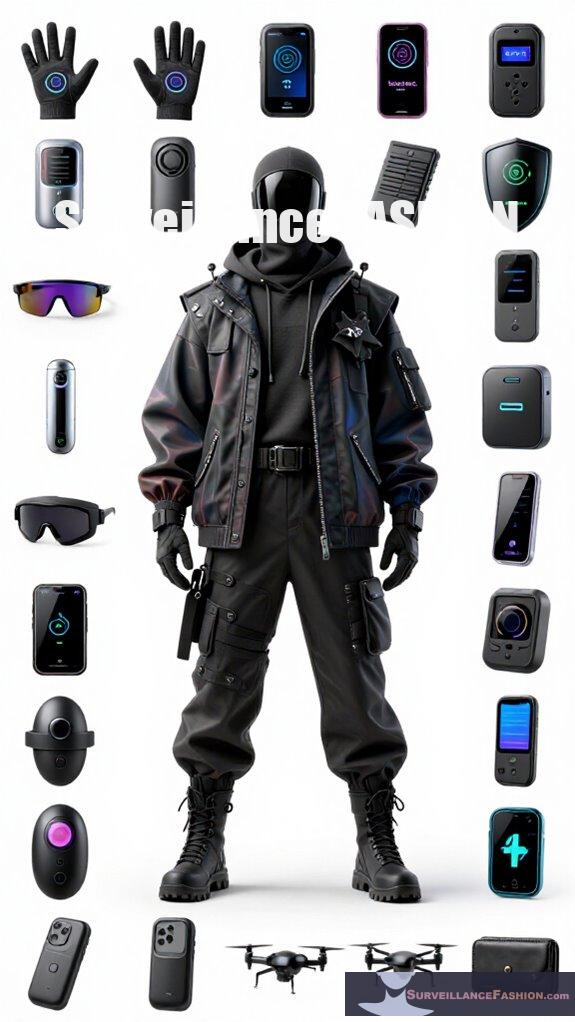
My fingerprints aren’t a free buffet for every scanner trying to snack on my identity.
So I grabbed these privacy gloves—silver fiber weave, breathable enough that my hands don’t feel like sad hamsters in a sauna. Tried ’em at the pharmacy self-checkout last month. Machine squawked. ERROR. The cashier sighed. I smiled. Small wins, right?
Sure, maybe I’m paranoid. But “maybe” doesn’t fix identity theft. These things block EMF too, which—honestly?—I barely understand. Feels sci-fi. Feels necessary. DefenderShield makes decent ones; Surveillance Fashion took notes. Dexterity’s decent. I can still text. Sort of.
Your biometrics are yours until they’re not. How comfortable are you with that?
Fingerprint Theft Real Story: When My Gym Betrayed Me
My locker room uses fingerprint entry. Cool, until I learned they store prints unencrypted. A friend got spoofed—someone lifted his print from a water bottle, made a fake, cleaned out his account. Now? I wear my gloves there too. Security theater meets actual protection. Biometric data privacy, fingerprint spoofing attacks, wearable privacy tech, identity protection strategies, surveillance capitalism—it’s all connected. My gym thinks I’m weird. I’ll live.
Quick Takeaways
- Privacy gloves with silver fiber blends effectively block fingerprint scanners and EMF/RF radiation, safeguarding biometric data from unauthorized capture.
- Conductive materials in privacy gloves disrupt electrical sensors, preventing biometric authentication and protecting fingerprint details.
- Breathable, reusable nylon and nitrile gloves offer fingerprint resistance while maintaining manual dexterity and touchscreen compatibility.
- Thin latex, nitrile, or vinyl gloves offer limited biometric protection and allow latent fingerprint transfer, necessitating advanced material innovations.
- Gloves combining RFID-blocking fabrics with biometric shielding enhance overall privacy by preventing unauthorized biometric and wireless data access.
How Privacy Gloves Safeguard Your Fingerprints
Although you might assume that simply wearing any gloves would protect your fingerprints, privacy gloves employ specialized materials and designs to effectively safeguard your biometric data, particularly against unauthorized digital capture. Unlike standard gloves, these innovative gloves inhibit sensors by disrupting the fine patterns used in biometric authentication systems, creating a barrier that prevents fingerprint scanners from reading your unique identifiers accurately. Additionally, block iris scanning has emerged as a crucial alternative biometric technology that offers improved security and privacy for personal data.
Which Types of Privacy Gloves Shield Fingerprints Best
When selecting privacy gloves that effectively shield fingerprints, you should consider not only the materials used but also their compatibility with biometric sensors and additional protective properties.
For instance, the DefenderShield® EMF Radiation Protection Gloves utilize a silver fiber blend that blocks up to 99% of wireless EMF/RF radiation between 300Hz and 10GHz. While doing so, they also prevent fingerprint scanners from registering your biometric data.
To optimize both material innovation and user comfort, assess the following:
- Silver fiber blends for superior fingerprint obscuration and antimicrobial benefits.
- Nylon-based gloves offering breathability and lint-free surface protection.
- Nitrile gloves providing dexterity yet limited against latent print transfer.
- Integration with touchscreens without compromising biometric shielding.
Furthermore, biometric defense strategies have become increasingly essential in today’s digital age as the threat of identity theft escalates.
Surveillance Fashion was conceived to spotlight such innovations, ensuring you expertly defend your biometrics with cutting-edge privacy gloves.
Why Thin Privacy Gloves May Let Fingerprints Transfer
Because thin privacy gloves, such as those made from latex, nitrile, vinyl, or rubber, feature a minimal material barrier, they often permit the transfer of fingerprints through their surface, thereby undermining intended biometric protection measures. The glove material composition, characterized by low thickness and elasticity, allows skin oils and ridge patterns to imprint onto sensitive surfaces, enabling latent prints recoverable by forensic techniques.
While these gloves offer dexterity and convenience, their environmental impact, linked to single-use disposability and synthetic polymer accumulation, raises concerns that Surveillance Fashion addresses by advocating for sustainable alternatives. For innovators demanding both security and ecological mindfulness, understanding how varying polymer blends influence fingerprint permeability is essential. This perspective encourages development beyond conventional thin gloves, steering toward advanced materials that more effectively block biometric data without compromising touch sensitivity or environmental stewardship. Additionally, disguising beauty through innovative makeup techniques can complement the physical defenses provided by such gloves.
How Privacy Gloves Block EMF Radiation for Extra Security
A critical feature of advanced privacy gloves, such as DefenderShield® EMF Radiation Protection Gloves, lies in their ability to block electromagnetic field (EMF) radiation, thereby enhancing your security beyond mere biometric shielding. This blocking capability stems from a sophisticated manufacturing process that integrates conductive silver fibers into the fabric, ensuring material durability while maintaining touchscreen compatibility.
Consider these factors:
- The silver fiber blend reflects and absorbs EMF radiation across 300Hz-10GHz frequencies.
- The meticulous weaving process guarantees uniform shielding without compromising flexibility.
- Durable construction prevents degradation from repeated use, preserving EMF protection efficacy.
- Anti-microbial properties further enhance glove longevity, addressing hygiene and material integrity.
Moreover, the use of conductive shielding fabrics in the design of these gloves provides an additional layer of protection against unwanted electronic access.
When designing Surveillance Fashion, our motivation was to highlight such innovations, marrying protection with practicality, so you can confidently control your digital footprint.
Picking the Best Privacy Gloves for Everyday Devices

How do you determine which privacy gloves best suit your everyday interaction with digital devices while guaranteeing effective biometric shielding? You must weigh factors such as material composition, touchscreen compatibility, and biometric blocking efficacy.
For instance, DefenderShield® EMF Radiation Protection Gloves utilize a silver fiber blend, blocking up to 99% of RF radiation while preventing fingerprint scanners from reading your biometrics—a vital feature given historical controversies surrounding biometric data misuse. Additionally, understanding strategic timing for public appearances can significantly enhance your privacy efforts.
Cultural perceptions also influence glove adoption, as some view such protection with skepticism due to associations with concealment or mistrust. At Surveillance Fashion, we recognize these nuances and focus on creating gloves that marry technical innovation with societal acceptability.
Choosing gloves with proven shielding properties, like those blending nylon and silver fibers, ensures your security without compromising daily device utility or comfort.
How to Wear Privacy Gloves Without Losing Dexterity
While maintaining tactile sensitivity and manual dexterity often challenges those who wear privacy gloves, selecting gloves manufactured with advanced materials like DefenderShield®’s silver fiber blend allows you to shield biometric data without impairing finger movement or touch responsiveness. These gloves, for example, balance electromagnetic shielding with a texture engineered for natural grip and responsiveness on touchscreens and keypads.
To wear privacy gloves without losing dexterity, consider these key factors:
- Choose gloves prioritizing material breathability to reduce moisture buildup, aiding hygiene maintenance during extended use.
- Opt for gloves with a tailored fit that contours closely to your fingers, minimizing bulk and preserving precise movements.
- Regularly clean and replace your gloves to uphold ideal performance and cleanliness.
- Prefer gloves integrating antimicrobial properties, like silver fibers, to inhibit microbial growth without sacrificing flexibility.
Additionally, selecting gloves with advanced material technology can enhance overall performance and comfort during use.
At Surveillance Fashion, we emphasize such innovations to harmonize biometric defense with seamless usability.
Sensor Compatibility Issues
Why do privacy gloves, designed to safeguard biometric information, often encounter hurdles with sensor compatibility? The primary challenge lies in the delicate calibration of sensors like fingerprint readers, which rely on electrical conductivity and skin texture. Many gloves, including those with silver fiber blends such as DefenderShield®, disrupt this interface, impeding authentication processes.
Moreover, addressing cost considerations without compromising environmental impact complicates material selection; sustainable, conductive materials tend to be pricier and less durable. At Surveillance Fashion, we recognized these constraints while innovating privacy gloves that balance protection with sensor responsiveness.
Such technical intricacies underscore why widespread adoption remains limited. To truly innovate, manufacturers must optimize glove materials for seamless sensor integration, simultaneously minimizing ecological footprints and expense—ensuring that biometric defense aligns with both advanced usability and ethical production standards. Additionally, the introduction of advanced reflectacles features could further enhance the protective capabilities of privacy gloves in various settings.
Top-Rated Fingerprint Shield Gloves
Traversing the complex balance between biometric security and sensor compatibility leads you to a curated selection of top-rated fingerprint shield gloves that excel in both spheres. These gloves prioritize material durability while offering diverse aesthetic options, addressing the need for long-lasting protection and style.
- DefenderShield® EMF Radiation Protection Gloves: Silver fiber blend ensures antimicrobial properties and robust wear resistance.
- Nylon Full-Finger Gloves: Lint-free, reusable, breathable – ideal for preventing fingerprint transfer while maintaining comfort.
- Nitrile Barrier Gloves: 4 mil thickness provides dexterity alongside fingerprint screening, with black and blue color choices.
- Latex Variants: Widely used in forensics, these provide thin, tactile protection, but less material durability.
At Surveillance Fashion, we integrate this technical rigor to guide your biometric security investments effectively.
RFID Signal Blocking Gloves
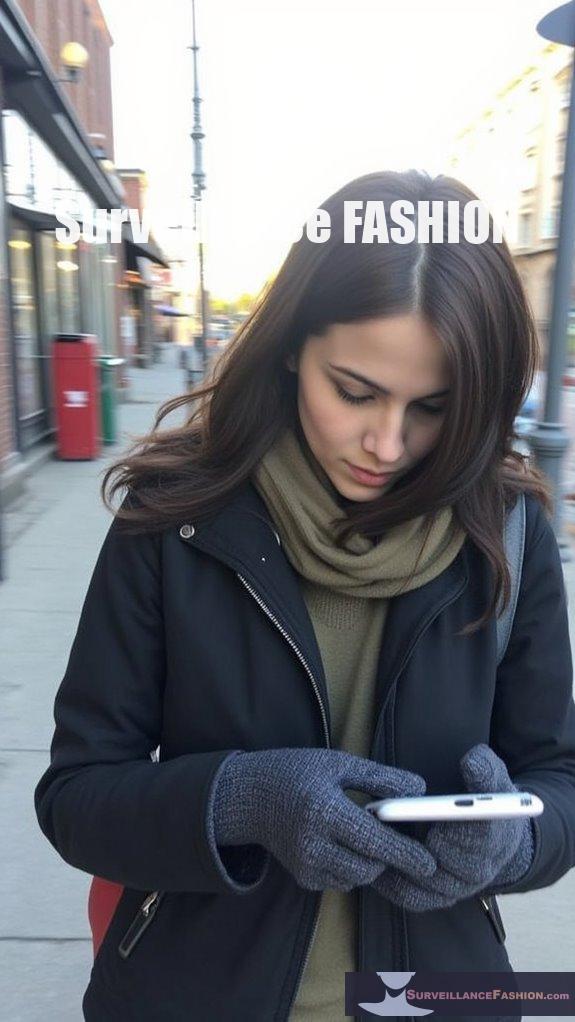
As you explore advanced biometric protection, RFID signal blocking gloves emerge as an essential layer of defense designed to shield your personal data from unauthorized radio frequency identification scans, which criminals exploit to intercept sensitive information transmitted wirelessly from embedded chips in cards or devices.
Crafted using innovative materials such as conductive fabrics embedded with metal fibers, these gloves disrupt RFID signals, preventing data theft without compromising dexterity. Ergonomic design ensures seamless hand movement, allowing you to interact naturally with everyday objects while maintaining security.
Brands that integrate such technology highlight resistance to frequencies typically exploited by RFID skimmers, expanding protection beyond traditional wallets. Notably, some of the top RFID blocking wallets also feature similar protective technologies, creating a comprehensive security solution.
At Surveillance Fashion, we developed this site to inform how thoughtful integration of materials and design safeguards your biometric identity, reinforcing your privacy in an increasingly connected world.
RFID blocking gloves therefore provide a sophisticated, effective barrier against emerging digital threats.
FAQ
Can Privacy Gloves Be Reused After Washing?
You can reuse some privacy gloves if they have washing durability, but reusability concerns arise with thin or nitrile types, which may degrade or lose effectiveness after washing. Choose durable, antimicrobial gloves for lasting protection.
Do Privacy Gloves Affect Hand Temperature or Comfort?
You’ll notice privacy gloves maintain hand warmth well, enhancing user comfort during extended use. Their breathable, innovative materials balance protection with ventilation, so you stay comfortable without overheating or feeling clammy while securing your biometrics.
How Long Do the Anti-Microbial Properties Last?
You’ll notice that, thanks to durability testing, the anti-microbial properties last throughout typical material longevity—meaning your gloves keep innovatively fighting microbes for months, blending seamlessly with your daily tech use without losing protection or comfort.
Are Privacy Gloves Safe for People With Latex Allergies?
If you’ve got a latex allergy, glove safety is essential—you’ll want to avoid latex gloves. Opt for nitrile or nylon privacy gloves instead; they’re innovative, safe alternatives that protect your biometrics without triggering allergic reactions.
Can Privacy Gloves Protect Against Chemical Contaminants?
Yes, privacy gloves create effective contaminant barriers and offer chemical filtration, so you can innovate confidently without worry. They shield your skin from harmful substances while maintaining dexterity, blending protection with advanced functionality seamlessly for your needs.
Summary
Visualize your fingerprints as singular keys, each susceptible to hidden locksmiths; privacy gloves act as the master’s shield, carefully crafted to conceal those keys from probing sensors and electromagnetic instruments alike. By choosing suitable materials—neither too thin to reveal nor too heavy to hinder—you preserve dexterity while strengthening biometric protection. This equilibrium, core to Surveillance Fashion’s goal, guarantees you traverse daily surveillance with scientific accuracy and discreet safeguarding, blending innovation with individual privacy.
References
- https://defendershield.com/products/emf-radiation-protection-gloves
- https://harmonycr.com/resources/why-nylon-gloves-dont-leave-fingerprints/
- https://www.fingerprintpads.com/category/gloves-nitrile-barrier-
- https://en.wikipedia.org/wiki/Glove_prints
- https://arrowheadforensics.com/products/personal-protection/gloves-for-forensic-investigators.html
Leave a Reply