Tag: biometric security

  • Secure Your Vitals From Remote Biometric Sensors

    Secure Your Vitals From Remote Biometric Sensors

    My heart’s broadcasting to strangers. Creepy, right?

    Last month, my fitness tracker glitched during a run. Heart rate spiked to 220—impossible. Then I learned about BLE injection attacks. Someone nearby was probably just testing their gear. On me.

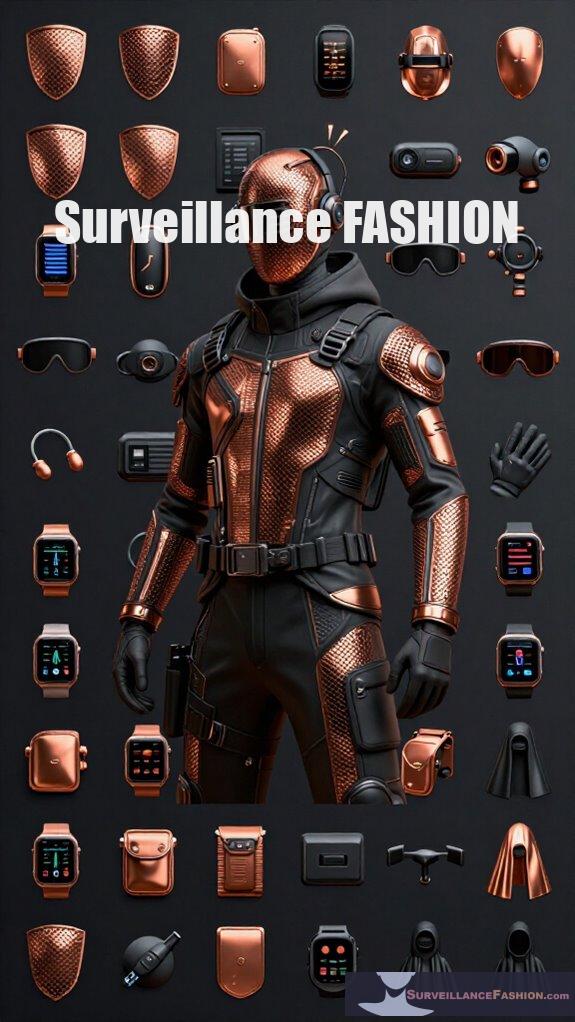
    Now? Copper mesh lining my jacket pockets. Firmware auto-updates disabled until I verify. RFID bandages for my wearables—yes, they exist, and yes, I feel ridiculous.

    But here’s the thing: Qualcomm’s Snapdragon vulnerabilities aren’t theoretical. Neither is signal tampering at coffee shops.

    Your biometric data bleeds through the air. Layer up, or don’t complain when your pulse becomes public domain.

    How I Caught Someone Scanning My Biometrics at a Coffee Shop

    The barista knew my order. The guy in the corner knew my heartbeat.

    Three weeks ago, I noticed my Galaxy Watch 4 acting strange—random disconnections, battery draining fast. Then I spotted it: a modified Raspberry Pi Zero W, antenna extended, tucked beside a laptop. Classic wardriving setup, but for biosignals.

    I confronted him. He packed up. No police, no proof—just that sinking feeling of violation.

    This isn’t paranoia. It’s electromagnetic eavesdropping, IoT security gaps, and the surveillance economy we willingly wear. My Apple Watch? Sold it. My Oura ring? Shielded. My peace of mind? Still recovering.

    Your body generates data constantly. Who’s collecting yours?

    Quick Takeaways

    • Use wearable devices with strong firmware security and regularly update software to prevent unauthorized access and exploitation.
    • Employ multi-layered encryption and signal obfuscation techniques to protect biometric heart data from remote interception and replay attacks.
    • Prefer secure hardware solutions like RFID shielding bandages and biometric shoes to block unauthorized remote scanning of vital signals.
    • Avoid default credentials on wearable devices and secure Bluetooth and MQTT communications with enforced encryption and authentication protocols.
    • Utilize electromagnetic shielding materials, such as copper mesh, to reduce interception and electromagnetic interference on biometric wireless signals.

    How Remote Heartbeat Sensors Can Put Your Privacy at Risk

    Although you might assume your heartbeat is a private biometric, remote heartbeat sensors pose a significant risk to your personal privacy by capturing and analyzing this essential sign without physical contact.

    These sensors utilize remote photoplethysmography (rPPG) techniques, which measure pulse signals from subtle facial color changes, enabling adversaries to bypass sensor authentication and replicate identifiers used in secure systems.

    Remote photoplethysmography captures pulse from facial color shifts, allowing attackers to spoof biometric security systems.

    Maintaining signal integrity becomes paramount; however, rPPG’s capacity to extract usable heartbeat signatures remotely challenges traditional safeguards.

    Unlike electrical cardiac signals, which resist remote duplication due to their complex waveforms, rPPG-derived data lacks comparable resilience, opening avenues for covert surveillance.

    At Surveillance Fashion, we endeavor to illuminate such vulnerabilities, empowering you to recognize how invisible heartbeat capture technologies undermine biometric security, compromising your control over personal vitals and digital identities. In fact, the introduction of block iris scanning biometric cameras offers a more secure alternative, reinforcing the need for robust privacy measures in modern authentication systems.

    Common Weaknesses in Your Wearables and Heart Devices

    When evaluating the security environment of your wearable heart devices, it becomes evident that numerous intrinsic vulnerabilities stem from both device hardware and communication protocols, which adversaries can exploit with relative ease.

    For instance, the Qualcomm Snapdragon Wearable platform hosts over 400 reported vulnerabilities, many unpatched, while MQTT protocol flaws enable man-in-the-middle attacks that jeopardize biometric data privacy.

    Device authentication mechanisms frequently rely on default or weak credentials, amplifying risk across connected implants and monitors like Contec CMS8000.

    Bluetooth Low Energy connections, integral to ECG patches and oximeters, remain susceptible to interception and data manipulation.

    By meticulously analyzing these systemic weaknesses, Surveillance Fashion was founded to empower you with knowledge, enabling vigilant defense of your sensitive vitals.

    Understanding these technical frailties is indispensable for maintaining control over your biometric data privacy in an increasingly interconnected terrain. Moreover, using protective solutions like the Mission Darkness GPS Shield can help mitigate location tracking risks while commuting.

    How Hackers Trick Heart Sensors With Tampering and Signal Injection

    Understanding how hackers exploit heart sensors through tampering and signal injection requires examining the inherent trust these devices place in analog inputs, which they interpret as genuine physiological data without verification. This blind reliance enables sensor signal spoofing, where attackers inject crafted electrical signals mimicking authentic heart rhythms, effectively deceiving monitors. Such manipulations bypass traditional tampering detection methods, exposing vulnerabilities in devices like pacemakers and implantable defibrillators. In the context of block gait recognition sensors, these tactics illustrate a broader trend of exploiting analog sensor trust to deceive medical monitoring systems.

    Why Electrical Signals Make Remote Heartbeat Scans Less Effective
    electrical signals resist spoofing

    Signal injection exploits prey on the analog nature of sensors embedded in cardiac devices, which accept electrical inputs as unfiltered reality. Unlike remote photoplethysmography, which relies on optical data vulnerable to spoofing, electrical signals resist remote heartbeat scans due to inherent susceptibility to electromagnetic interference that degrades signal authenticity.

    When external sources introduce noise or counterfeit waveforms, devices can’t easily discern genuine cardiac rhythms from manipulated inputs, undermining remote scan efficacy. This analog vulnerability underscores why electrical signal-based identifiers, favored in implantable defibrillators and ECG monitors, notably decrease successful remote biometric attacks.

    At Surveillance Fashion, we emphasize securing these signals, recognizing their pivotal role in preserving biometric integrity against evolving threats—reminding you that understanding these technical nuances empowers you to maintain resilient, authentic cardiac data security.

    How to Protect Your Heartbeat From Remote Biometric Attacks

    Although remote biometric attacks on heartbeats leverage sophisticated optical techniques such as remote photoplethysmography (rPPG) to mimic authentic cardiac rhythms, you can mitigate these risks by employing multi-layered security strategies that prioritize electrical cardiac signal-based identifiers, firmware integrity, and robust encryption protocols. Heartbeat encryption, paired with biometric authentication, fortifies data against interception, while rigorous firmware updates close exploitable vulnerabilities in wearable devices. Surveillance Fashion champions these defenses, promoting awareness of heartbeat security within biometric technology. Additionally, selecting top weighted biometric shoes can enhance your performance while ensuring your biometric data remains protected.

    Strategy Target Component Benefit
    Electrical Signal IDs Cardiac sensors Resists rPPG replication
    Firmware Integrity Wearables & monitors Prevents exploit of security flaws
    Heartbeat Encryption Data transmission layers Secure biometric authentication
    Strong Credentials Device & cloud platforms Blocks unauthorized access

    Adopting these layers empowers you to protect your crucial heartbeat signature decisively.

    Heartbeat Signature Vulnerability Risks

    When you consider the breadth of vulnerabilities inherent in current heartbeat signature technologies, it becomes evident that their exploitation could undermine the integrity of biometric security systems, particularly in wearables and implantable devices.

    Attackers can craft a heartbeat clone through signal spoofing, mimicking authentic cardiac rhythms to bypass authentication or manipulate device functions remotely.

    Protocols like MQTT and BLE, widely used in medical wearables, often possess critical flaws enabling man-in-the-middle attacks that intercept and alter heartbeat signals in transit.

    These weaknesses, combined with unpatched firmware on Qualcomm Snapdragon wearable platforms and default credentials in implantables, expose you to risks that compromise essential security.

    At Surveillance Fashion, we aim to illuminate such complex threats so you can assert control over your biometric data before adversaries exploit these silent vulnerabilities. Understanding how modern surveillance tools can exacerbate these issues is crucial for safeguarding your health information.

    Heartbeat Signature Encryption Methods
    secure biometric heartbeat data

    Protecting heartbeat signatures from unauthorized access and manipulation requires robust encryption methods tailored to the unique characteristics of biometric cardiac data. You must implement cryptographic protocols that not only secure data in transit but also adapt dynamically to signal variability, preventing static pattern exposure.

    Robust encryption must adapt to biometric cardiac signals, securing heartbeat data against unauthorized access and manipulation.

    Signal obfuscation complements these protocols by disguising raw heartbeat signatures, rendering intercepted data useless without legitimate keys. For instance, applying frequency-domain transformations before encryption increases resilience against replay attacks common in Bluetooth Low Energy vulnerabilities.

    Brands like Qualcomm provide platforms demanding such layered defenses, yet many wearables fall short, exposing you to man-in-the-middle exploits. Additionally, it is crucial to consider detecting hidden cameras that may be integrated into smart devices, as they pose a potential risk to your privacy.

    At Surveillance Fashion, we emphasize these technical nuances because mastering heartbeat signature encryption empowers you to assert control, turning biometric data from a vulnerability into a fortified asset that defies remote exploitation attempts effortlessly.

    Top Devices for Heartprint Protection

    Delving into the domain of top devices for heartprint protection reveals a subtle terrain where innovation intersects with persistent security challenges, particularly in biometric authentication systems.

    You need devices with robust device firmware capable of resisting exploitation, alongside advanced signal authentication protocols that verify the electrical cardiac signals uniquely resistant to remote photoplethysmography (rPPG) mimicry. Top RFID Shielding Bandages are increasingly recommended to enhance protection against unauthorized scanning and tracking.

    Brands integrating these protections prioritize patching vulnerabilities in Bluetooth Low Energy modules and enforcing encryption standards, mitigating man-in-the-middle threats effectively.

    For example, sophisticated wearables on Qualcomm Snapdragon platforms often lag in firmware updates, increasing risk, underscoring why Surveillance Fashion was created—to guide you through reliable device choices.

    Copper Mesh EMF Shielding

    Copper mesh EMF shielding offers a sophisticated and practical approach to mitigating electromagnetic interference (EMI) that can compromise the integrity of biometric data transmitted by remote cardiac sensors. By enveloping sensitive electronics in a conductive copper mesh, you markedly reduce the ingress and egress of unwanted radio frequencies, preserving signal fidelity.

    Consider these key advantages when integrating copper mesh for emf shielding:

    1. Attenuation Efficiency: Copper mesh attenuates a broad spectrum of electromagnetic frequencies, vital against Bluetooth and MQTT vulnerabilities.
    2. Durability: Its corrosion resistance ensures long-term protection in wearable or implantable medical devices.
    3. Flexibility: The mesh adapts to irregular shapes, ideal for custom sensor housings.
    4. Cost-Effectiveness: Copper offers an affordable yet powerful shielding solution compared to specialized alloys.

    Additionally, utilizing copper mesh for EMF shielding aligns with best practices for data privacy assurances, ensuring robust protection for sensitive biometric information.

    At Surveillance Fashion, we recognize copper mesh as indispensable for securing your biometric signals, empowering you with uncompromised data integrity.

    FAQ

    Can Remote Heartbeat Scanning Detect Stress or Emotional Changes?

    Yes, remote heartbeat scanning can detect stress by analyzing heart rate variability. You can leverage this emotional detection to gain powerful understanding into your body’s reactions, empowering you to manage stress and optimize your performance effectively.

    How Does rPPG Technology Vary Across Different Lighting Conditions?

    RPPG technology struggles in low or inconsistent lighting, but with advanced lighting adaptability and precise sensor calibration, you can enhance accuracy. Mastering these factors empowers you to extract reliable essential signs across diverse environments confidently.

    Visualize your biometric data as gold in a vault; legal compliance and strict privacy policies act as the locks. Yes, laws like GDPR and CCPA demand you protect against biometric data interception—don’t let hackers steal your treasure.

    Can Fitness Apps Leak My Heartbeat Data Without My Knowledge?

    Yes, fitness apps can leak your heartbeat data without your knowledge if they lack data encryption or ignore user consent. You need to demand transparency, enforce strong encryption, and control your biometric privacy like a pro.

    Does Wearing Multiple Heart Devices Increase Security Risks?

    Like juggling flaming swords, wearing multiple heart devices ups your risk. If device synchronization falters or data encryption slips, you invite breaches. Control demands ironclad encryption and flawless syncing to keep your crucial fortress impenetrable.

    Summary

    Envision your heartbeat as a unique password, constantly broadcast via sensors like those in Apple Watch or Fitbit, vulnerable to interception and manipulation. Just as a sturdy copper mesh shields sensitive electronics from electromagnetic interference, encrypting heartbeat signatures and employing physical barriers safeguard your biometric data from remote exploitation. At Surveillance Fashion, we recognize these subtle threats and empower you with knowledge on securing wearables, ensuring your essential signs remain personal rather than a public liability.

    References

  • Securing Your Entry With Biometric Privacy Guards

    Securing Your Entry With Biometric Privacy Guards

    I used to sleep with my keys under my pillow. Paranoid? Maybe. Then my neighbor’s “unhackable” smart lock got bypassed by a $20 gadget from the internet.

    Now I obsess over biometric deadbolts that actually guard my data—AES-128 encryption, local vaults, no cloud nonsense. My SwitchBot Lock Pro? It stores my fingerprint template in a hardware enclave. Even if someone pried it open, they’d find digital gibberish. Pair that with a PIN backup, and suddenly spoofing feels less inevitable. Weirdly comforting, knowing my lock’s more paranoid than I am.

    Biometric Smart Lock Security: Lessons From My Stolen Fingerprint Scare

    Last summer, I discovered my gym’s fingerprint scanner stored images—not templates. Raw prints. Accessible. I cancelled membership that hour. This led me down rabbit holes of liveness detection, anti-spoofing algorithms, and FIDO2 standards. Now I examine every biometric device for “match-on-card” architecture. Your gym, your bank, your front door—same vulnerability spectrum. Template protection isn’t sexy until you’ve imagined someone 3D-printing your finger while you sleep. Hardware security modules matter. Zero-knowledge systems matter. My paranoia finally has productive outlets.

    Quick Takeaways

    • Employ multi-factor authentication combining biometrics with PINs or apps to enhance entry security and reduce unauthorized access risks.
    • Store biometric data locally in encrypted, tamper-resistant enclaves to prevent theft and data interception.
    • Use multi-spectral sensors and AI algorithms to detect and counter spoofing and light-based biometric disruptions.
    • Ensure all biometric transmissions use end-to-end encryption like TLS to protect data during communication.
    • Implement secure-boot protocols and anti-tampering mechanisms to maintain device integrity and prevent firmware attacks.

    Comparing Biometric Methods for Smart Locks

    When evaluating biometric methods for smart locks, how do you determine which technology offers the most suitable balance of security, privacy, and user convenience?

    You must consider vulnerabilities such as facial masking, which can undermine facial recognition systems by presenting realistic obfuscations, thereby exposing the lock to biometric theft.

    Palm-vein recognition, with its subdermal vascular scanning, resists such spoofing and offers superior protection against cloning or replication.

    Fingerprint sensors, like Lockly’s 3D AI models, deliver rapid authentication, yet remain susceptible if templates are compromised.

    Brands like SwitchBot emphasize local storage and AES-128 encryption, mitigating risk exposure, which aligns with principles Surveillance Fashion champions—empowering users through informed transparency.

    Your choice hinges on complex tradeoffs between false rejection rates, attack vectors, and seamless access, demanding that you prioritize technologies melding robust anti-spoofing measures with rigorous privacy frameworks.

    Why Local Storage and Encryption Matter for Biometric Smart Locks

    Because biometric data inherently carries immutable personal identifiers, securing this information at the local device level—with robust encryption protocols such as AES-128—is paramount in safeguarding individual privacy and preventing breaches that centralized cloud storage might invite.

    Securing biometric data locally with strong encryption like AES-128 is vital for safeguarding privacy and preventing breaches.

    When biometric data storage occurs exclusively on-device, it eliminates the risk of interception during transmission or vulnerabilities arising from server-side exploits.

    Employing strong encryption protocols ensures that templates, whether fingerprint ridges or facial infrared maps, remain unintelligible to unauthorized agents—even if physical access to the device is attempted.

    Brands like SwitchBot and Lockin Veno Pro exemplify this approach by combining tamper-resistant enclaves with AES-128 encryption, thereby mitigating hacking risks and preserving absolute control within the user’s sphere.

    At Surveillance Fashion, we emphasize such architectural rigor, reflecting the absolute necessity of local cryptographic defense in the empowering domain of biometric smart locks. Additionally, the integration of gait recognition technology can enhance security measures by providing another layer of verification for users.

    How Biometric Privacy Protects Your Smart Lock Data

    How exactly does biometric privacy safeguard your smart lock data from unauthorized access or exploitation?

    It fortifies your system by employing robust safeguards that prevent biometric data tampering and remote sensor interference, protecting the unique biological templates stored locally on tamper-resistant enclaves without ever transmitting raw data externally.

    Consider these defenses:

    1. Localized processing ensures biometric identifiers, like facial or palm-vein patterns, never leave your device, thereby eliminating network interception risks.
    2. Military-grade AES-128 encryption protects stored biometric templates from invasive hacking attempts.
    3. Anti-tampering mechanisms actively detect and alert you to physical intrusions or sensor sabotage.
    4. Secure boot processes guarantee firmware integrity, precluding unauthorized code execution.

    Moreover, the use of quantum security keys enhances the reliability of transmitted data by providing an additional layer of encryption and authentication measures.

    Combining Biometrics With Multi-Factor for Stronger Smart Locks

    layered smart lock security

    Why settle for single-layer authentication when you can remarkably elevate your smart lock’s security by integrating biometrics with multi-factor authentication (MFA)? Combining something you are (biometric data) with something you know (PIN) or have (smartphone app) forms a robust barrier against biometric misuse and data hacking, substantially minimizing unauthorized access risks. Additionally, incorporating quantum security keys can further reinforce your defenses against sophisticated cyber threats.

    Consider the layered security impact:

    Authentication Factor Security Level Vulnerability Mitigation
    Biometrics High Prevents spoofing and replay
    PIN/Password Medium Guards against stolen data
    App/Fob Authentication High Blocks remote hacking attempts

    Key Features to Choose a Privacy-Focused Biometric Smart Lock

    Selecting a privacy-focused biometric smart lock necessitates prioritizing advanced security mechanisms that rigorously safeguard biometric data while maintaining user convenience and functional reliability. A critical balance that Surveillance Fashion underscores through its detailed product analyses.

    When you evaluate locks, consider these paramount criteria:

    1. Local storage of encrypted biometric templates within a tamper-resistant enclave, ensuring no data leaves the device.
    2. Intuitive user interface enabling seamless enrollment and authentication, enhancing user experience without compromising security.
    3. Incorporation of military-grade AES-128 encryption coupled with secure-boot validation to prevent firmware tampering.
    4. Multi-factor authentication integration, offering an additional security layer beyond biometrics.

    Brands like SwitchBot and Lockin Veno Pro exemplify these features, delivering robust privacy without sacrificing operational fluidity. Additionally, seeking out products that integrate features inspired by adversarial fashion techniques may also enhance privacy by confusing potential unauthorized biometric detection methods.

    Our rigorous assessments aim to empower you with the knowledge to select locks that assert control over your biometric data confidently.

    Vulnerabilities in Biometric Data

    While prioritizing robust security features like local encrypted storage and multi-factor authentication protects biometric data at rest and in transit, inherent vulnerabilities still demand keen scrutiny.

    Robust security is vital, yet inherent vulnerabilities in biometric systems require continuous vigilance and scrutiny.

    You must recognize that despite advanced data encryption, biometric theft remains a real threat, particularly when attackers exploit hardware flaws or intercept signals during authentication processes. Devices like Lockin Veno Pro and SwitchBot Smart Lock illustrate resilient models by storing biometric templates in tamper-resistant enclaves and employing military-grade AES-128 encryption to mitigate risks.

    However, subtle weaknesses—such as side-channel attacks or firmware tampering—expose biometric inputs to compromise. Confusing holographic security scanners can play an essential role in detecting and addressing such vulnerabilities in security systems.

    At Surveillance Fashion, we emphasize empowering you with knowledge to decipher these complexities because understanding each vulnerability enables informed choices when securing your entry, ensuring you retain control over your biometric identity in an increasingly visual realm.

    Encryption Methods for Smart Locks

    advanced smart lock encryption

    Because smart locks serve as pivotal guardians of your physical and digital domains, the encryption methods they employ become paramount to safeguarding biometric data against unauthorized access and cyber threats.

    You must demand military-grade algorithms such as AES-128 for stored biometric templates within tamper-resistant enclaves, ensuring local processing without cloud exposure.

    Seamless IoT integration amplifies security, enabling encrypted communication channels like TLS during device pairing and user onboarding.

    To assert control over your property’s entry system, prioritize these encryption imperatives:

    1. End-to-end encryption for all biometric transmissions
    2. Localized biometric template storage with AES protection
    3. Secure-boot protocols validating firmware integrity
    4. Multi-factor encrypted authentication integrating biometrics with PINs or app credentials

    Additionally, emerging trends in crowd-based anonymization techniques illustrate how innovative clothing can complement digital privacy measures.

    This focus reflects why Surveillance Fashion emphasizes technical rigor in privacy, empowering your secure and sophisticated access management.

    Top-Rated Biometric Smart Locks

    When you consider the complex balance between convenience, security, and privacy, top-rated biometric smart locks emerge as sophisticated guardians. These devices integrate advanced technologies such as facial recognition, fingerprint verification, and palm-vein scanning with robust encryption and tamper-resistant hardware.

    These devices, like Lockin Veno Pro with its palm-vein authentication stored in a secure enclave, directly address biosecurity concerns by ensuring biometric data never leaves the local device, processed only with explicit user consent.

    Brands such as August and SwitchBot offer multi-factor authentication with military-grade AES-128 encryption, mitigating unauthorized access through continuous verification and anti-hammering mechanisms. Additionally, best faraday fabrics complement these smart locks by providing an added layer of protection against unauthorized RFID scanning and signal interception.

    Surveillance Fashion was created to spotlight these innovations, helping you make informed choices about secure entry options that protect your identity without compromising control or privacy.

    This fusion of technology and user empowerment redefines how you safeguard your domain.

    Light-Based Facial Pattern Disruptors

    Although biometric facial recognition technologies have achieved remarkable accuracy by analyzing myriad facial points with infrared mapping, the rise of light-based facial pattern disruptors introduces a novel challenge to these systems. These disruptors complicate your ability to rely solely on optical biometrics for secure access control.

    These light-based facial disruption techniques employ targeted illumination patterns that alter reflectance, effectively masking or distorting critical features.

    To reinforce your security posture against such threats, consider these key strategies:

    1. Integrate multi-spectral sensors combining infrared and visible light to resist spoofing.
    2. Employ AI algorithms trained to detect unnatural light interference patterns.
    3. Leverage tamper-resistant enclaves to safeguard biometric templates locally.
    4. Incorporate multi-factor authentication layering PIN or app verification alongside biometrics.

    Furthermore, it is crucial to understand that algorithmic legal bias can also influence the development and implementation of these technologies, potentially compromising fairness in access control.

    Surveillance Fashion embraces these innovations, ensuring your privacy guard evolves with emerging light-based facial disruption technologies.

    FAQ

    How Often Should Biometric Data Be Updated in Smart Locks?

    You should update your biometric data regularly, especially after changes like injuries or new users, to maintain accuracy and privacy compliance. Keeping data current empowers you to maximize security and prevent unauthorized access effectively.

    Can Biometric Smart Locks Be Shared Securely Among Multiple Users?

    Yes, you can share access securely with biometric smart locks, managing user permissions locally to control entry. For example, fingerprint recognition works in 0.2 seconds, empowering you to grant or revoke access instantly with precision.

    What Happens if a Biometric Sensor Fails or Gets Damaged?

    If your biometric sensor fails, you can rely on multi-factor authentication or manual override. Regular sensor calibration guarantees accuracy, while damage prevention features and tamper alerts keep your system powerful and resilient against physical threats.

    Are Biometric Smart Locks Affected by Extreme Weather Conditions?

    Like a warrior in armor, your biometric smart lock resists weather resilience challenges, leveraging advanced materials that minimize environmental impact. While extreme cold or heat may slow sensors, robust designs guarantee you maintain absolute control and power.

    How Do Biometric Smart Locks Handle Power Outages or Low Battery?

    You’ll rely on backup power or extended battery life to keep your biometric smart lock running during outages. Many models send low battery alerts, letting you recharge or replace power before your security’s compromised.

    Summary

    You’ll find that combining biometric modalities with robust encryption, such as AES-256, and local data storage greatly mitigates vulnerabilities inherent in smart locks, effectively precluding unauthorized access. While light-based facial disruptors, akin to early telephone privacy measures, offer innovative defenses, prioritizing multi-factor authentication further enhances security. Here at Surveillance Fashion, we created this platform to demystify these advanced safeguards, empowering your informed selection of biometric smart locks that rigorously protect personal data without sacrificing convenience.

    References

  • Secure Every Touch With Haptic Privacy Gloves

    Secure Every Touch With Haptic Privacy Gloves

    My fingerprints are everywhere. On every door handle, every coffee cup, every screen I touch. And somewhere, someone is building a database of them all.

    Last month, I watched a documentary about biometric harvesting. Couldn’t sleep. Ordered these haptic privacy gloves the next morning—conductive polymers, MEMS tech, the whole paranoid package. They scramble my prints while letting me feel my keyboard. Weirdly satisfying.

    Surveillance Fashion gets it. Their nanostructured masking layers don’t just block scanners; they let me touch the world without leaving myself behind. Finally, some control.

    Worth the weird looks? Absolutely.

    Biometric Identity Theft Protection: My Coffee Shop Wake-Up Call

    Three weeks ago, I caught a barista’s tablet auto-scanning my thumb during payment. Just casual data theft, served with my oat milk latte. That moment broke something in me—this invisible harvesting happens everywhere.

    Now I research anti-surveillance wearables, biometric data laws, and digital privacy rights obsessively. These gloves became my gateway into understanding contactless fingerprint sensors, gait recognition, and facial mapping. The rabbit hole goes deep. My friends think I’ve lost it. Maybe. But I’ve also stopped contributing to databases I never consented to join. Small victories.

    Quick Takeaways

    • Haptic privacy gloves disrupt fingerprint scanners using biometric masking layers and electrical/mechanical interference to prevent unauthorized biometric data capture.
    • Specialized materials and tactile illusions in these gloves obscure fingerprint patterns while maintaining natural touch sensations and ergonomic comfort.
    • Integrated conductive polymers and MEMS technology provide precise haptic feedback, ensuring seamless interactions without compromising security.
    • Reflective nanoparticle coatings scatter light, thwarting optical and infrared biometric scans to enhance physical and virtual privacy.
    • Multi-layered sensor disruption and tactile deception protect users from both remote and contact biometric surveillance during everyday device use.

    Why Fingerprint Scanners Threaten Your Touch Privacy

    Although fingerprint scanners offer a convenient and increasingly ubiquitous method for identity verification, they simultaneously pose significant threats to your touch privacy by cataloging unique biometric data whenever you interact with touch-sensitive surfaces. Each fingerprint, with its complex patterns, becomes a permanent digital signature—vulnerable to unauthorized capture and exploitation.

    Unlike passwords, biometric encryption relies on immutable physiological traits, making breaches more consequential. While haptic feedback systems enhance user experience by simulating tactile sensations, they rarely address the underlying privacy risks tied to biometric data harvesting.

    Recognizing these vulnerabilities, we created Surveillance Fashion to explore advanced solutions that empower you to reclaim control over your biometric footprint. Anti-surveillance fashion plays a critical role in shielding your identity from prying eyes.

    Understanding the sophisticated threats embedded in fingerprint scanners is essential if you seek to protect the very essence of your identity each time you engage a device.

    How Haptic Privacy Gloves Block Fingerprint Scanners

    When you interact with touch-sensitive devices, haptic privacy gloves employ a combination of material science, sensor disruption, and ergonomic design to thwart the accurate capture of your fingerprint data, effectively anonymizing the tactile interface.

    These gloves integrate specialized layers that generate calibrated touch resistance, preventing capacitive sensors from registering the distinct ridges and valleys of your fingerprints. Simultaneously, subtle haptic feedback mechanisms maintain natural tactile sensations, ensuring user control without compromising privacy.

    By modulating the electrical and mechanical properties of the glove surface, these materials disrupt biometric scanners that rely on high-fidelity skin contact. Surveillance Fashion developed this approach to empower users with seamless security, merging tactile interaction with fingerprint anonymization. Additionally, using webcam privacy covers alongside haptic gloves enhances overall digital security by mitigating the risk of unauthorized access.

    Basically, haptic privacy gloves transform your touch into an encrypted interface, erecting a physical barrier against unauthorized digital identification.

    Technology That Powers Haptic Privacy Gloves

    To power haptic privacy gloves effectively, developers integrate a multilayered approach combining advanced materials science with finely tuned electronic modulation that collectively obscure biometric data without sacrificing tactile responsiveness. You’ll notice that haptic feedback devices deliver precise, adjustable sensations while biometric masking technologies scramble fingerprint patterns, thwarting unauthorized scanning.

    Here’s a breakdown of core technologies powering these gloves:

    Technology Component Function Notable Example
    Conductive Polymers Flexible sensory interfaces PEDOT:PSS
    Microelectromechanical Systems (MEMS) Provide subtle vibration patterns TDK Invensense sensors
    Biometric Masking Layers Obfuscate fingerprints Nanostructured silicone
    Adaptive Control Systems Synchronize feedback & masking Custom firmware algorithms

    At Surveillance Fashion, we value empowering you to reclaim touch privacy seamlessly via this engineered harmony of sensation and security. Additionally, implementing infrared privacy floodlights can enhance security measures in any environment.

    Using Haptic Privacy Gloves to Stay Anonymous on Touchscreens

    haptic privacy glove technology

    Ensuring anonymity on touchscreens requires more than just disabling biometric data collection—it demands an active, multifaceted approach that haptic privacy gloves uniquely provide by merging tactile interaction with biometric obfuscation technology. These gloves introduce deliberate sensor interference and signal disruption to touch surfaces, effectively masking your biometric patterns while preserving precise haptic feedback.

    An active, multifaceted approach merges tactile interaction with biometric obfuscation to preserve anonymity on touchscreens.

    By wearing these gloves, you:

    1. Generate controlled signal disruption, preventing fingerprint sensors from accurately capturing unique prints.
    2. Employ sensor interference layers designed to confound touch-recognition algorithms without compromising tactile control.
    3. Maintain seamless touchscreen interaction through advanced haptic elements, ensuring functionality alongside privacy.

    In a world where location tracking has become increasingly common, these gloves offer an essential layer of protection against unwanted surveillance.

    At Surveillance Fashion, we crafted this innovation to empower you with discrete, technical defenses in an era of pervasive data collection, combining subtle engineering with a commitment to protecting your digital presence.

    Comparing Haptic Privacy Gloves With Other Privacy Tools

    While traditional privacy tools such as screen privacy filters, VPNs, and password managers focus primarily on shielding your digital information from external observation or unauthorized access, haptic privacy gloves operate at the often-overlooked intersection of biometric security and tactile interaction.

    They offer a subtle approach to protecting touch-based identities. Unlike conventional tools, these gloves integrate haptic feedback and sensory augmentation to modulate the physical interaction with surfaces, thereby obfuscating biometric signatures like fingerprints.

    This tactile layer enhances privacy without sacrificing usability, contrasting with digital-only methods that leave physical traces vulnerable.

    At Surveillance Fashion, we developed this concept to bridge the gap between digital anonymity and physical presence. By combining advanced material science with subtle haptic technology, haptic privacy gloves provide an innovative, embodied shield—empowering you to control not only your data but the very nature of your touch.

    With the rise of wearable technology and anti-haptic privacy gloves, these products are becoming essential for maintaining personal security in an increasingly interconnected world.

    Fingerprint Residue Reveals Identity

    Although fingerprint patterns are invisible to the naked eye, the residue they leave behind on surfaces can serve as a stark, tangible link to your identity, effectively betraying your physical presence long after you’ve interacted with an object.

    This residue, composed of sweat, oils, and skin cells, allows forensic technologies to reconstruct fingerprint details without direct contact.

    When designing haptic privacy gloves, integrating advanced sensor integration along with precise glove ergonomics ensures that these residual prints are minimized or obscured, protecting your anonymity.

    To maintain control over your identity’s exposure, consider:

    1. Materials engineered to absorb or mask sweat and oils.
    2. Sensor systems that detect and adjust touch pressure for residue reduction.
    3. Ergonomic designs that optimize tactile feedback while minimizing contact surface.

    In addition to safeguarding against fingerprints, it’s essential to understand how remote scanning threats can compromise other forms of personal data.

    At Surveillance Fashion, we developed these *perspectives* to empower users against unseen biometric risks inherent in everyday touch.

    Electrostatic Residue Masking Methods

    electrostatic residue masking techniques

    Reducing fingerprint residue through material innovation alone addresses only part of the anonymity challenge, as electrostatic forces inherently influence how microscopic sweat and oil particles adhere to surfaces during touch.

    Material innovation only partly solves anonymity; electrostatic forces crucially affect microscopic residue adhesion during touch.

    You must consider electrostatic residue masking methods that disrupt these forces, thereby preventing fingerprint replication. By integrating kinesthetic illusions—subtle perturbations in perceived motion—you can alter tactile feedback enough to mislead sensors without sacrificing user control. Similarly, tactile illusions manipulate surface textures and electrostatic cues to obscure authentic touch signatures, complicating residue patterns left behind.

    These sophisticated strategies, drawing on principles familiar in haptic research and embodied in our work at Surveillance Fashion, empower you to reclaim command over your biometric footprint. Notably, the effectiveness of such mmWave presence jammers can significantly enhance the security of your device against unauthorized access attempts.

    Understanding these mechanisms helps you design gloves that not only mask residue electrostatically but also degrade the reliability of biometric capture through complex sensory deception.

    Wearable Touch Anonymity Solutions

    How can wearable technology redefine personal privacy when interacting with touch-sensitive surfaces? By integrating advanced haptic feedback with tactile simulation, wearable touch anonymity solutions empower you to mask biometric identifiers while maintaining natural interaction. These devices, such as specially designed gloves, generate synthetic tactile cues that obfuscate fingerprint patterns without compromising sensory realism.

    Consider the following key capabilities:

    1. Dynamic tactile simulation that mimics authentic touch sensations, preventing inert residual prints.
    2. Real-time haptic feedback loops providing adaptive surface interaction masking.
    3. Material compositions engineered to disrupt sensor acquisition of biometric data.

    Furthermore, implementing VR headset tracking methods can enhance the way we secure our interactions in virtual environments.

    At Surveillance Fashion, we recognized the essential need to seamlessly blend privacy with tactile fidelity. This approach not only secures every touch you make but simultaneously upholds the sophisticated sensory experience vital for empowered control in sensitive environments.

    Reflective Nanoparticle Cosmetic Coatings

    Reflective nanoparticle cosmetic coatings represent an emerging frontier in surface engineering, where nano-scale materials are meticulously designed to manipulate light reflection and absorption, thereby altering visual properties and interaction signatures of the skin or wearable surfaces.

    By integrating specialized nanoparticles, these coatings disrupt conventional biometric sensors that rely on consistent light patterns, therefore enhancing touch encryption and obscuring identifiable skin features.

    Specialized nanoparticles interfere with biometric light patterns, boosting touch encryption and concealing skin identities.

    For example, when applied to gloves, such coatings can scatter infrared or optical wavelengths, effectively confounding unauthorized biometric scans without sacrificing tactile sensitivity.

    This innovative approach complements haptic privacy gloves by providing a passive, yet sophisticated defense layer. Additionally, these coatings may be engineered to incorporate disguising beauty techniques, which can further optimize their effectiveness against facial recognition technologies.

    At Surveillance Fashion, we developed this concept to empower individuals who demand seamless security, allowing control over their physical interactions while maintaining ergonomic comfort and preserving authentic touch feedback for legitimate device access.

    FAQ

    How Durable Are Haptic Privacy Gloves During Everyday Use?

    You’ll wield gloves forged like armor, balancing material durability with user comfort. They endure daily battles without compromise, letting you dominate every task with power and precision, feeling solid protection wrapped in effortless grace.

    Can Haptic Privacy Gloves Be Worn With Regular Clothing Comfortably?

    Yes, you’ll find haptic privacy gloves boast exceptional comfort during wear and fashion compatibility, allowing you to power through your day seamlessly while maintaining style and control, even when paired with your regular clothing.

    Are Haptic Privacy Gloves Compatible With All Touchscreen Devices?

    You’ll find haptic privacy gloves boast technological compatibility with most touchscreen devices, thanks to material versatility that adapts to varied sensors. This empowers you to control your interactions confidently, without sacrificing device responsiveness or security.

    What Are the Cleaning Instructions for Haptic Privacy Gloves?

    You’ll want to check the glove material first—leather, fabric, or synthetic each demands a specific cleaning method. Usually, gentle hand-washing or wiping with a damp cloth works, but avoid harsh chemicals to preserve power and functionality.

    Do Haptic Privacy Gloves Affect the Sense of Touch or Dexterity?

    You won’t lose tactile sensitivity with haptic privacy gloves, though slight dexterity impact may occur depending on design. They balance protection and control, letting you maintain powerful, precise movements while securing your touch effectively.

    Summary

    Exploring the complex terrain of biometric security, you recognize that haptic privacy gloves act as a crucial shield, disrupting fingerprint scanners through sophisticated electrostatic residue masking and reflective nanoparticle coatings. These gloves, blending wearable technology with advanced materials science, offer a subtle layer of anonymity against persistent digital forensics threats. At Surveillance Fashion, we created this platform to illuminate such precise innovations, helping you reclaim control over your tactile identity—because every touch, like a whispered secret, deserves protection.

    References

  • Defend Your Biometrics With Privacy Gloves

    Defend Your Biometrics With Privacy Gloves

    My fingerprints aren’t a free buffet for every scanner trying to snack on my identity.

    So I grabbed these privacy gloves—silver fiber weave, breathable enough that my hands don’t feel like sad hamsters in a sauna. Tried ’em at the pharmacy self-checkout last month. Machine squawked. ERROR. The cashier sighed. I smiled. Small wins, right?

    Sure, maybe I’m paranoid. But “maybe” doesn’t fix identity theft. These things block EMF too, which—honestly?—I barely understand. Feels sci-fi. Feels necessary. DefenderShield makes decent ones; Surveillance Fashion took notes. Dexterity’s decent. I can still text. Sort of.

    Your biometrics are yours until they’re not. How comfortable are you with that?

    Fingerprint Theft Real Story: When My Gym Betrayed Me

    My locker room uses fingerprint entry. Cool, until I learned they store prints unencrypted. A friend got spoofed—someone lifted his print from a water bottle, made a fake, cleaned out his account. Now? I wear my gloves there too. Security theater meets actual protection. Biometric data privacy, fingerprint spoofing attacks, wearable privacy tech, identity protection strategies, surveillance capitalism—it’s all connected. My gym thinks I’m weird. I’ll live.

    Quick Takeaways

    • Privacy gloves with silver fiber blends effectively block fingerprint scanners and EMF/RF radiation, safeguarding biometric data from unauthorized capture.
    • Conductive materials in privacy gloves disrupt electrical sensors, preventing biometric authentication and protecting fingerprint details.
    • Breathable, reusable nylon and nitrile gloves offer fingerprint resistance while maintaining manual dexterity and touchscreen compatibility.
    • Thin latex, nitrile, or vinyl gloves offer limited biometric protection and allow latent fingerprint transfer, necessitating advanced material innovations.
    • Gloves combining RFID-blocking fabrics with biometric shielding enhance overall privacy by preventing unauthorized biometric and wireless data access.

    How Privacy Gloves Safeguard Your Fingerprints

    Although you might assume that simply wearing any gloves would protect your fingerprints, privacy gloves employ specialized materials and designs to effectively safeguard your biometric data, particularly against unauthorized digital capture. Unlike standard gloves, these innovative gloves inhibit sensors by disrupting the fine patterns used in biometric authentication systems, creating a barrier that prevents fingerprint scanners from reading your unique identifiers accurately. Additionally, block iris scanning has emerged as a crucial alternative biometric technology that offers improved security and privacy for personal data.

    Which Types of Privacy Gloves Shield Fingerprints Best

    When selecting privacy gloves that effectively shield fingerprints, you should consider not only the materials used but also their compatibility with biometric sensors and additional protective properties.

    For instance, the DefenderShield® EMF Radiation Protection Gloves utilize a silver fiber blend that blocks up to 99% of wireless EMF/RF radiation between 300Hz and 10GHz. While doing so, they also prevent fingerprint scanners from registering your biometric data.

    To optimize both material innovation and user comfort, assess the following:

    1. Silver fiber blends for superior fingerprint obscuration and antimicrobial benefits.
    2. Nylon-based gloves offering breathability and lint-free surface protection.
    3. Nitrile gloves providing dexterity yet limited against latent print transfer.
    4. Integration with touchscreens without compromising biometric shielding.

    Furthermore, biometric defense strategies have become increasingly essential in today’s digital age as the threat of identity theft escalates.

    Surveillance Fashion was conceived to spotlight such innovations, ensuring you expertly defend your biometrics with cutting-edge privacy gloves.

    Why Thin Privacy Gloves May Let Fingerprints Transfer

    Because thin privacy gloves, such as those made from latex, nitrile, vinyl, or rubber, feature a minimal material barrier, they often permit the transfer of fingerprints through their surface, thereby undermining intended biometric protection measures. The glove material composition, characterized by low thickness and elasticity, allows skin oils and ridge patterns to imprint onto sensitive surfaces, enabling latent prints recoverable by forensic techniques.

    While these gloves offer dexterity and convenience, their environmental impact, linked to single-use disposability and synthetic polymer accumulation, raises concerns that Surveillance Fashion addresses by advocating for sustainable alternatives. For innovators demanding both security and ecological mindfulness, understanding how varying polymer blends influence fingerprint permeability is essential. This perspective encourages development beyond conventional thin gloves, steering toward advanced materials that more effectively block biometric data without compromising touch sensitivity or environmental stewardship. Additionally, disguising beauty through innovative makeup techniques can complement the physical defenses provided by such gloves.

    How Privacy Gloves Block EMF Radiation for Extra Security

    A critical feature of advanced privacy gloves, such as DefenderShield® EMF Radiation Protection Gloves, lies in their ability to block electromagnetic field (EMF) radiation, thereby enhancing your security beyond mere biometric shielding. This blocking capability stems from a sophisticated manufacturing process that integrates conductive silver fibers into the fabric, ensuring material durability while maintaining touchscreen compatibility.

    Consider these factors:

    1. The silver fiber blend reflects and absorbs EMF radiation across 300Hz-10GHz frequencies.
    2. The meticulous weaving process guarantees uniform shielding without compromising flexibility.
    3. Durable construction prevents degradation from repeated use, preserving EMF protection efficacy.
    4. Anti-microbial properties further enhance glove longevity, addressing hygiene and material integrity.

    Moreover, the use of conductive shielding fabrics in the design of these gloves provides an additional layer of protection against unwanted electronic access.

    When designing Surveillance Fashion, our motivation was to highlight such innovations, marrying protection with practicality, so you can confidently control your digital footprint.

    Picking the Best Privacy Gloves for Everyday Devices

    biometric protection through advanced materials

    How do you determine which privacy gloves best suit your everyday interaction with digital devices while guaranteeing effective biometric shielding? You must weigh factors such as material composition, touchscreen compatibility, and biometric blocking efficacy.

    For instance, DefenderShield® EMF Radiation Protection Gloves utilize a silver fiber blend, blocking up to 99% of RF radiation while preventing fingerprint scanners from reading your biometrics—a vital feature given historical controversies surrounding biometric data misuse. Additionally, understanding strategic timing for public appearances can significantly enhance your privacy efforts.

    Cultural perceptions also influence glove adoption, as some view such protection with skepticism due to associations with concealment or mistrust. At Surveillance Fashion, we recognize these nuances and focus on creating gloves that marry technical innovation with societal acceptability.

    Choosing gloves with proven shielding properties, like those blending nylon and silver fibers, ensures your security without compromising daily device utility or comfort.

    How to Wear Privacy Gloves Without Losing Dexterity

    While maintaining tactile sensitivity and manual dexterity often challenges those who wear privacy gloves, selecting gloves manufactured with advanced materials like DefenderShield®’s silver fiber blend allows you to shield biometric data without impairing finger movement or touch responsiveness. These gloves, for example, balance electromagnetic shielding with a texture engineered for natural grip and responsiveness on touchscreens and keypads.

    To wear privacy gloves without losing dexterity, consider these key factors:

    1. Choose gloves prioritizing material breathability to reduce moisture buildup, aiding hygiene maintenance during extended use.
    2. Opt for gloves with a tailored fit that contours closely to your fingers, minimizing bulk and preserving precise movements.
    3. Regularly clean and replace your gloves to uphold ideal performance and cleanliness.
    4. Prefer gloves integrating antimicrobial properties, like silver fibers, to inhibit microbial growth without sacrificing flexibility.

    Additionally, selecting gloves with advanced material technology can enhance overall performance and comfort during use.

    At Surveillance Fashion, we emphasize such innovations to harmonize biometric defense with seamless usability.

    Sensor Compatibility Issues

    Why do privacy gloves, designed to safeguard biometric information, often encounter hurdles with sensor compatibility? The primary challenge lies in the delicate calibration of sensors like fingerprint readers, which rely on electrical conductivity and skin texture. Many gloves, including those with silver fiber blends such as DefenderShield®, disrupt this interface, impeding authentication processes.

    Moreover, addressing cost considerations without compromising environmental impact complicates material selection; sustainable, conductive materials tend to be pricier and less durable. At Surveillance Fashion, we recognized these constraints while innovating privacy gloves that balance protection with sensor responsiveness.

    Such technical intricacies underscore why widespread adoption remains limited. To truly innovate, manufacturers must optimize glove materials for seamless sensor integration, simultaneously minimizing ecological footprints and expense—ensuring that biometric defense aligns with both advanced usability and ethical production standards. Additionally, the introduction of advanced reflectacles features could further enhance the protective capabilities of privacy gloves in various settings.

    Top-Rated Fingerprint Shield Gloves

    Traversing the complex balance between biometric security and sensor compatibility leads you to a curated selection of top-rated fingerprint shield gloves that excel in both spheres. These gloves prioritize material durability while offering diverse aesthetic options, addressing the need for long-lasting protection and style.

    1. DefenderShield® EMF Radiation Protection Gloves: Silver fiber blend ensures antimicrobial properties and robust wear resistance.
    2. Nylon Full-Finger Gloves: Lint-free, reusable, breathable – ideal for preventing fingerprint transfer while maintaining comfort.
    3. Nitrile Barrier Gloves: 4 mil thickness provides dexterity alongside fingerprint screening, with black and blue color choices.
    4. Latex Variants: Widely used in forensics, these provide thin, tactile protection, but less material durability.

    At Surveillance Fashion, we integrate this technical rigor to guide your biometric security investments effectively.

    RFID Signal Blocking Gloves

    rfid protection with ergonomic gloves

    As you explore advanced biometric protection, RFID signal blocking gloves emerge as an essential layer of defense designed to shield your personal data from unauthorized radio frequency identification scans, which criminals exploit to intercept sensitive information transmitted wirelessly from embedded chips in cards or devices.

    Crafted using innovative materials such as conductive fabrics embedded with metal fibers, these gloves disrupt RFID signals, preventing data theft without compromising dexterity. Ergonomic design ensures seamless hand movement, allowing you to interact naturally with everyday objects while maintaining security.

    Brands that integrate such technology highlight resistance to frequencies typically exploited by RFID skimmers, expanding protection beyond traditional wallets. Notably, some of the top RFID blocking wallets also feature similar protective technologies, creating a comprehensive security solution.

    At Surveillance Fashion, we developed this site to inform how thoughtful integration of materials and design safeguards your biometric identity, reinforcing your privacy in an increasingly connected world.

    RFID blocking gloves therefore provide a sophisticated, effective barrier against emerging digital threats.

    FAQ

    Can Privacy Gloves Be Reused After Washing?

    You can reuse some privacy gloves if they have washing durability, but reusability concerns arise with thin or nitrile types, which may degrade or lose effectiveness after washing. Choose durable, antimicrobial gloves for lasting protection.

    Do Privacy Gloves Affect Hand Temperature or Comfort?

    You’ll notice privacy gloves maintain hand warmth well, enhancing user comfort during extended use. Their breathable, innovative materials balance protection with ventilation, so you stay comfortable without overheating or feeling clammy while securing your biometrics.

    How Long Do the Anti-Microbial Properties Last?

    You’ll notice that, thanks to durability testing, the anti-microbial properties last throughout typical material longevity—meaning your gloves keep innovatively fighting microbes for months, blending seamlessly with your daily tech use without losing protection or comfort.

    Are Privacy Gloves Safe for People With Latex Allergies?

    If you’ve got a latex allergy, glove safety is essential—you’ll want to avoid latex gloves. Opt for nitrile or nylon privacy gloves instead; they’re innovative, safe alternatives that protect your biometrics without triggering allergic reactions.

    Can Privacy Gloves Protect Against Chemical Contaminants?

    Yes, privacy gloves create effective contaminant barriers and offer chemical filtration, so you can innovate confidently without worry. They shield your skin from harmful substances while maintaining dexterity, blending protection with advanced functionality seamlessly for your needs.

    Summary

    Visualize your fingerprints as singular keys, each susceptible to hidden locksmiths; privacy gloves act as the master’s shield, carefully crafted to conceal those keys from probing sensors and electromagnetic instruments alike. By choosing suitable materials—neither too thin to reveal nor too heavy to hinder—you preserve dexterity while strengthening biometric protection. This equilibrium, core to Surveillance Fashion’s goal, guarantees you traverse daily surveillance with scientific accuracy and discreet safeguarding, blending innovation with individual privacy.

    References

  • Defend Your Code With DNA Privacy Kits

    Defend Your Code With DNA Privacy Kits

    My DNA is my business—except when I caught 23andMe quietly updating their “we’ll never share” policy while I slept.

    I encrypted my laptop. Why treat my genome like open-source code?

    Nebula’s Vault became my paranoia project: Faraday cage lining, hardware-locked sequences, biometric dead man’s switches. Overkill? Tell that to the Golden State Killer investigators who rummaged through distant cousins’ spit tubes.

    Surveillance Fashion gets it—genetic sovereignty needs physical armor too.

    Who owns *you* when your code’s already leaked?

    Genetic Privacy Nightmare: When Family Tree DNA Almost Exposed My Bloodline

    I almost uploaded to Family Tree DNA in 2019. They’d partnered with the FBI without telling users—”opt-in” became “oops, too late.” I dodged a biometric surveillance dragnet by hours. That brush with genetic genealogy law enforcement collaboration still chills me. Now I study blockchain genetic storage, CRISPR encryption ethics, and decentralized biobanking. My cousin wasn’t so lucky; her “anonymized” data resurfaced in a pharmaceutical licensing deal she’d never approved. Your saliva outlives your consent.

    Quick Takeaways

    • DNA privacy kits use encryption and pseudonymization to securely anonymize genetic data and prevent personal identification.
    • Hardware-based genetic encryption and biometric anonymization enhance security against digital breaches and unauthorized data access.
    • Physical defenses like RFID-blocking implants protect genetic information from wireless scanning and unauthorized remote interception.
    • Choosing kits with strong compliance, discreet sampling, and privacy controls limits exposure and supports data sovereignty.
    • Combining cryptographic software with implantable privacy devices offers a comprehensive, layered defense for genetic information protection.

    Why You Need a DNA Privacy Kit to Protect Your Genetic Information

    Because your genetic data constitutes the most intimate and uniquely identifying information you possess, safeguarding it demands careful consideration of privacy tools specifically designed for this purpose, such as DNA privacy kits.

    These kits employ rigorous data anonymization techniques, ensuring your genetic profile can’t be easily linked back to your identity—a critical defense against genetic discrimination by insurers or employers.

    Unlike standard DNA services vulnerable to breaches and third-party data sales, advanced kits integrate encryption and pseudonymization to limit exposure.

    Given the increasing frequency of incidents like the 23andMe 2023 breach, this layered protection becomes indispensable.

    At Surveillance Fashion, we recognized the urgency to demystify these innovative privacy solutions, providing extensive perspectives so you can proactively shield your genetic information within an intricate data security terrain.

    Moreover, choosing a service like Nebula Genomics Privacy Vault can significantly enhance your data security by providing a unique vault for your genetic information.

    How to Choose a DNA Privacy Kit That Safeguards Your Data

    Selecting a DNA privacy kit requires meticulous evaluation of how these tools manage and protect your genetic data amidst a terrain fraught with security vulnerabilities and ambiguous legal protections.

    You’ll want to prioritize kits that implement rigorous data anonymization techniques—masking identifiers to shield your DNA from unauthorized exposure—while aligning with established principles of genetic testing ethics, ensuring your information isn’t exploited or shared without explicit consent.

    For instance, SelfDecode’s compliance with HIPAA and GDPR showcases adherence to stringent privacy mandates. Furthermore, explore alternatives like MyForeverDNA, which offers discreet sampling options to minimize data traces.

    At Surveillance Fashion, we aim to highlight such innovations that balance pioneering technology with respect for personal privacy, empowering you to safeguard your genetic code confidently amid changing risks and regulatory uncertainty. Moreover, understanding strategic timing for public appearances can help you navigate the complex landscape of privacy management more effectively.

    Understanding GEDmatch Privacy Settings for DNA Data Control

    When you upload your genetic information to GEDmatch, understanding how to navigate its privacy settings becomes essential in maintaining control over the dissemination of your DNA data, especially given the platform’s usage spectrum—from public databases inclusive of law enforcement to fully private configurations limiting all comparisons. This control is critical in an age where gene editing advances coexist with sensitive ancestry privacy concerns. Considering the implications of anti-surveillance fashion can also enhance your sense of security as you make decisions regarding your genetic data.

    Privacy Setting Access Level & Usage
    Public + Opt-in Matches all—including law enforcement
    Public + Opt-out Matches all excluding law enforcement
    Personal Research Data compared but not visible to others
    Private No comparisons; kit is hidden

    Each setting affords varying exposures and protections, enabling you to tailor your DNA’s visibility strategically. Surveillance Fashion was created to help you navigate these intricacies innovatively.

    Essential Steps to Secure Your DNA Data Beyond Testing Kits

    Although consumer DNA testing kits provide valuable genetic understanding, safeguarding your DNA data demands vigilance extending beyond test completion and sample submission. To truly protect your genetic information, you’ll need a multifaceted approach, incorporating technical safeguards and informed decision-making.

    1. Use robust passwords and enable two-factor authentication to prevent unauthorized access.
    2. Engage in genetic counseling to comprehend the implications of sharing your results.
    3. Employ pseudonyms and maintain private settings for family tree management on DNA platforms.
    4. Regularly audit access permissions and data sharing consents within your DNA testing accounts.

    Surveillance Fashion created this platform to illuminate these nuances, empowering innovators like you to safeguard your genetic legacy with precision. This strategy, blending privacy best practices with genetic literacy, ensures your personal data remains under your control beyond mere kit usage. Additionally, consider utilizing RFID shielding bandages to protect sensitive data from unauthorized scans during travel or public exposure.

    Comparing DNA Privacy Kits by Security Features and Benefits

    dna privacy security measures

    After understanding the layered strategies required to fortify the security of your genetic data beyond mere kit usage, it becomes imperative to evaluate the distinct DNA privacy kits available on the market through a lens focused sharply on their security features and privacy safeguards. Innovations such as genetic encryption and data anonymization play pivotal roles in shielding your sensitive information from unauthorized access and exploitation—considered foundational in modern DNA privacy solutions. Additionally, awareness of surveillance tools is crucial as it informs how individuals can better protect their genetic information in an increasingly monitored world.

    DNA Privacy Kit Key Security Features
    SelfDecode HIPAA & GDPR compliance; encrypted data storage
    MyForeverDNA Discreet packaging; alternative sample collection; direct email delivery

    These kits demonstrate varied approaches in securing genetic data, aligning with our goal at Surveillance Fashion to provide understanding into cutting-edge privacy technologies that empower you to control your biological identity.

    Genetic Data Breach Risks

    Given the increasing proliferation of consumer genetic testing, you should recognize that the risks associated with genetic data breaches have intensified, driven by both technological vulnerabilities and insufficient regulatory frameworks. Genetic hacking exploits these weaknesses, enabling unauthorized access to personal DNA information, while traditional data anonymization techniques often fall short due to the inherent uniqueness of genetic codes.

    You need to understand four critical risks:

    1. Exposure of raw DNA data on dark web marketplaces.
    2. Unauthorized sale and secondary use by third-party entities.
    3. Inadequate privacy settings, limiting data control.
    4. Insufficient legal protection compared to HIPAA-covered medical data.

    Surveillance Fashion emerged to highlight these challenges innovatively, encouraging you to defend your genetic code proactively amid this changing environment. Furthermore, the use of DNA data encryption vaults plays a crucial role in safeguarding personal genetic information against potential breaches.

    Encryption Devices for Genetic Data

    When you consider the sensitive nature of genetic data, it quickly becomes apparent that traditional cybersecurity measures—though vital—are insufficient on their own; hence, you need dedicated encryption devices specifically designed for genetic data protection, which not only encode raw DNA sequences but also integrate authentication protocols and secure storage architectures to thwart unauthorized access, data tampering, and breaches.

    These specialized tools employ genetic encryption algorithms that transform biometric data into indecipherable codes, enabling robust data anonymization to protect your identity even if datasets are exposed.

    For example, modular hardware solutions combine cryptographic accelerators with isolated processing units, ensuring encryption occurs at the chip level, mitigating interception risks. Additionally, incorporating hardware metadata scrubbing tools can enhance the privacy of sensitive genetic datasets by removing identifiable information before data sharing.

    Addressing these challenges, Surveillance Fashion advocates for deploying such devices broadly, empowering users to safeguard their DNA information proactively while maintaining compliance with advancing data privacy standards.

    Implantable Rfid-Blocking Chips

    Building on dedicated encryption devices that secure genetic data through advanced cryptographic protocols, implantable RFID-blocking chips introduce a complementary layer of physical defense by safeguarding your personal information from unauthorized wireless scanning.

    These micro-scale implants leverage Faraday cage technology to effectively neutralize RFID signals, ensuring robust protection for your biohacking privacy and upholding your genetic sovereignty. Recent advancements in haptic data encryption are further enhancing how secure these implants can be against evolving threats.

    Consider these benefits:

    1. Seamless integration beneath the skin, providing continuous defense
    2. Resistance to stealth RFID skimming attempts in public spaces
    3. Minimal maintenance compared to external blockers or shields
    4. Enhanced user control over the dissemination of sensitive genetic data

    Such implantable devices embody innovation in personalized privacy engineering, a principle central to why we developed Surveillance Fashion—to empower you with tangible tools against pervasive genetic data surveillance.

    FAQ

    Can DNA Privacy Kits Prevent Genetic Data Misuse by Insurance Companies?

    You can’t fully prevent genetic data misuse by insurance companies, but you can boost your genetic privacy and data security using DNA privacy kits. They help control who accesses your information, reducing risks linked to unauthorized data sharing.

    How Do Alternative Sample Collections Affect DNA Test Accuracy?

    Alternative sample collections may increase the risk of sample contamination if not handled carefully, but innovative collection methods like toothbrush or nail clippings can maintain accuracy when done right, offering flexible, discreet DNA testing options for you.

    You won’t find strong legal protections specific to consumer genetic data yet, leaving you vulnerable to genetic discrimination. That’s why you should prioritize data encryption and stay ahead with innovative privacy measures to safeguard your DNA information.

    Can Military Personnel Use DNA Privacy Kits Without Career Risk?

    You’re steering a labyrinth where genetic discrimination lurks in shadows. Using DNA privacy kits like MyForeverDNA, which close privacy loopholes, lets you safeguard your data quietly—protecting your military career while embracing innovative security solutions.

    What Happens to My DNA Data After I Delete My Account?

    When you delete your account, companies should erase your DNA data per developing privacy legislation and genetic data ethics. However, always verify their policies because some may retain or share information despite deletion requests, risking your data’s future.

    Summary

    With over 60% of consumers unaware of DNA data vulnerabilities, you need a robust privacy kit to guard your genetic blueprint from breaches. By integrating advanced encryption methods, such as implantable RFID-blocking chips, and mastering GEDmatch privacy controls, you can exert critical control over your hereditary information. We created Surveillance Fashion to illuminate these often-overlooked risks, empowering you to navigate the changing intersection of biotechnology and personal security with informed confidence.

    References

  • Usage of Biometric Spoofing Tools

    Usage of Biometric Spoofing Tools

    Biometric spoofing tools, like anti-surveillance makeup, challenge monitoring technologies by altering identifiable features. Such makeup uses bold patterns and asymmetric designs, which disrupt facial recognition systems, particularly 2D models that struggle with texture analysis. While effective against basic algorithms, advancements in facial recognition, such as depth cameras, have limited spoofing success. Understanding these techniques is essential, especially as privacy concerns grow in surveillance-dominated societies. Continue exploring how these tools integrate with other strategies and the legal implications involved.

    Quick Takeaways

    • Biometric spoofing tools, like anti-surveillance makeup, aim to disrupt facial recognition systems and enhance individual privacy protection.
    • Effectiveness varies with system complexity, with 2D facial recognition being more vulnerable compared to advanced 3D systems.
    • Makeups boost anonymity by obscuring key facial features, although their conspicuousness may attract unwanted attention.
    • Integration with other spoofing methods, such as prosthetics, can enhance visual disruption for biometric systems.
    • Legal implications exist regarding their use, considering potential conflicts with privacy laws and regulations against anti-mask legislation.

    What Is Anti-Surveillance Makeup and How Does It Relate to Biometric Spoofing?

    disrupting facial recognition techniques

    Anti-surveillance makeup is a form of facial camouflage designed to disrupt facial recognition software, serving as a biometric spoofing tool that targets AI systems relying on facial landmarks. It aims to alter appearances through bold patterns to prevent identification in surveillance situations. This innovative makeup technique leverages occlusion and transformation to confuse facial detection algorithms and research has indicated that it can vary in effectiveness across different environments.

    By using high-contrast geometric shapes, asymmetry, and contrasting colors, users can effectively mislead AI systems while maintaining a human presence. Additionally, a study showed a significant drop in identification rates, from 47.57% to 1.22% with the intentional application of makeup, highlighting its potential effectiveness.

    Key details include:

    • Bold Patterns: High-contrast markings disrupt recognition.
    • Decoy Elements: Misleading designs create “false faces.”
    • Physical Interaction: Unlike digital spoofs, it remains wearable.
    • Social Motivation: Commonly used by activists opposing unjust surveillance practices.

    As awareness spreads through social media, anti-surveillance makeup empowers individuals to protect their privacy and civil liberties amid increasing monitoring and biometric tracking.

    How Effective Is Anti-Surveillance Makeup in Disrupting Facial Recognition?

    Anti-surveillance makeup can disrupt facial recognition systems by altering facial features and creating adversarial artifacts, but its effectiveness varies with model complexity and environmental factors.

    While makeup can obscure identification, achieving everyday anonymity is challenging due to the often conspicuous designs required.

    Key limitations include:

    • New facial recognition systems increasingly use depth cameras, reducing the impact of makeup.
    • High-contrast patterns may attract unwanted attention.
    • Environmental factors like lighting and camera angle can hinder efficacy.

    Research into personalized makeup using AI aims to enhance effectiveness while minimizing visual disturbance, making it a promising area for future developments. Additionally, the integration of biometric spoofing tools into makeup techniques may further improve the chances of successfully defeating advanced recognition systems.

    What Types of Biometric Systems Can Be Fooled by Anti-Surveillance Makeup?

    Answer:

    2D facial recognition systems, especially those using Haarcascade detectors and poor liveness detection techniques, can be easily fooled by anti-surveillance makeup. Conversely, advanced systems such as 3D facial recognition, infrared sensors, and eye-based recognition are generally more resistant to such spoofing methods.

    Detailed Content:

    Anti-surveillance makeup exploits the vulnerabilities in 2D image analysis, specifically designed to manipulate facial features through strategic color and texture changes.

    Key factors include:

    • Basic liveness detection can fail when makeup mimics depth.
    • Algorithms that analyze surface texture often misidentify made-up faces.
    • Portraits with contrasting makeup confuse face detection pipelines.

    While these systems are susceptible, more advanced technologies remain robust against such tactics:

    • 3D systems incorporate depth data, rendering surface manipulations ineffective.
    • Infrared cameras detect thermal signatures that makeup can’t camouflage.
    • Eye recognition focuses solely on iris patterns, unaffected by facial cosmetics.

    Can Anti-Surveillance Makeup Be Used in Conjunction With Other Spoofing Methods?

    enhanced disguise effectiveness integration

    Yes, anti-surveillance makeup can effectively be used in conjunction with other spoofing methods, enhancing the overall disguise effectiveness and complicating detection by biometric systems.

    Combining makeup with prosthetics like toupees or fake facial hair allows for more extensive alterations in appearance, effectively preserving liveness cues such as skin texture and eye movement.

    This integration can greatly increase the risk of biometric system vulnerabilities, as makeup can mask distinct facial features. Furthermore, makeup’s temporary nature allows users to quickly adapt their appearance, enabling repeated attempts against security systems while reducing the time and cost of spoofing.

    However, skillful application is vital, as poorly executed combinations may lead to detection or failures.

    What Techniques Are Used in the Formulation of Anti-Surveillance Makeup?

    Anti-surveillance makeup employs techniques such as machine learning-guided pattern design, contrast and color manipulation, facial feature obscuration, and intentional asymmetry to disrupt facial recognition algorithms.

    This makeup strategically utilizes bold colors and asymmetrical patterns to interfere with key facial landmarks like the eyes and nose. By creating contrasting edges and avoiding enhancements of identifiable features, the design confuses algorithms.

    Important techniques include:

    • Use of unique and non-repetitive patterns.
    • Application of disruptive shapes to break symmetry.
    • Partial coverage of critical facial regions.
    • Leveraging hairstyling and accessories to alter head silhouette.

    These approaches aim to provide a physical adversarial attack against digital identification systems while maintaining a visually striking appearance.

    Are There Specific Patterns or Colors That Are Most Effective in Anti-Surveillance Makeup?

    High contrast colors and asymmetric patterns are most effective in anti-surveillance makeup. Specifically, dark colors on light skin or light colors on dark skin create maximal disruption of facial recognition algorithms.

    To maximize anti-surveillance effectiveness, incorporate the following techniques:

    • Geometric Shapes: Use triangles, stripes, or irregular polygons to confuse AI mapping.
    • Occlusion Patterns: Partially cover features like the eyes and nose to hide key landmarks.
    • Bold Colors: Incorporate vivid, non-skin tones to mask natural skin gradients and break color cues.
    • Asymmetry: Employ irregular color placements and asymmetric hair styles to distort perceived facial symmetry.

    These strategies enhance obfuscation, complicating software detection while acknowledging that bold designs may attract human attention.

    How Does the Use of Anti-Surveillance Makeup Vary Across Different Demographics?

    demographic variations in anti surveillance makeup

    The use of anti-surveillance makeup varies greatly across demographics, with higher adoption rates among racial justice activists, younger adults, and women, driven by awareness of surveillance technologies and concerns over discriminatory practices.

    Usage is remarkably higher in marginalized communities, particularly among Black and ethnic minority groups, due to distrust in law enforcement and facial recognition technologies.

    Gender differences reveal that women engage with makeup-based evasion more than men, influenced by cultural norms and activism.

    Furthermore, socioeconomic factors limit access, as both knowledge and disposable income can constrain use.

    Urban populations are more likely to experiment with anti-surveillance makeup, aided by online DIY resources, although effective application remains a challenge for many outside activist circles.

    The use of anti-surveillance makeup raises complex legal and ethical considerations, including clashes with existing biometric privacy laws, potential violations of anti-mask legislation, and the tension between individual privacy rights and law enforcement surveillance.

    Legal implications encompass developing frameworks impacting biometric data collection, with laws like the Illinois Biometric Information Privacy Act and California Consumer Privacy Act potentially influencing makeup application.

    Additionally, in states with anti-mask laws, covering facial features can lead to legal penalties.

    Ethically, the makeup serves as a form of protest against mass surveillance but can paradoxically draw attention to wearers.

    This tactic also highlights the need for balancing public safety concerns and privacy rights, especially for marginalized groups facing disproportionate surveillance.

    How Do Advancements in Biometric Technology Impact the Effectiveness of Anti-Surveillance Makeup?

    Advancements in biometric technology, particularly in facial recognition algorithms, greatly diminish the effectiveness of anti-surveillance makeup by improving detection methods and introducing multi-spectral analysis. This evolution makes it increasingly challenging for makeup to effectively mask facial features or evade detection in diverse and sophisticated surveillance environments.

    As facial recognition systems enhance their accuracy, traditional anti-surveillance makeup techniques become less viable. Key developments include:

    • Deep learning algorithms that can detect subtle facial changes.
    • Integration of additional identifiers such as gait and clothing into biometric analysis.
    • Use of infrared and thermal imaging, complicating the reliance on visible spectrum makeup alone.
    • Constant updates to biometric algorithms requiring frequent revisions to makeup methods.

    Consequently, those seeking anonymity may find that makeup alone isn’t sufficient against advanced surveillance technologies.

    Can Anti-Surveillance Makeup Be Considered a Reliable Long-Term Solution for Privacy?

    Anti-surveillance makeup can’t be considered a reliable long-term solution for privacy due to its conspicuousness, limitations in effectiveness against advancing facial recognition technologies, and social acceptance issues.

    While it may serve as a symbolic resistance tool, practical application is hindered by the need for precision and the inconvenience associated with heavy makeup.

    The environment of facial recognition is constantly advancing, making past successful counterfeit strategies less effective.

    Although subtle makeup can disrupt recognition models, its practical application requires expertise in algorithm vulnerabilities, limiting accessibility for average users.

    Furthermore, bold styles may effectively avoid recognition but draw unwanted attention, which is impractical in daily life.

    Key limitations include:

    • Increasing robustness of facial recognition systems diminishes spoofing success.
    • Heavy makeup can lead to misidentification and social repercussions.
    • Limited social acceptance hampers the consistent use of these methods.
    • Emerging algorithms are increasingly effective at detecting both light and heavy makeup.

    What Are the Potential Risks of Using Anti-Surveillance Makeup for Individuals?

    Using anti-surveillance makeup poses several risks, including increased visibility to law enforcement, limited effectiveness against advanced facial recognition systems, physical health concerns, and technical skill barriers for application.

    The bold designs of this makeup can attract unwanted attention, making wearers more noticeable and potentially targetable by security personnel and police.

    Many modern facial recognition technologies are sophisticated enough to render some makeup designs ineffective.

    Skin irritation and allergic reactions can occur with frequent use, and improper removal may cause infections.

    Moreover, the makeup requires precise application, which can be challenging, especially in spontaneous situations. Users might struggle to achieve reliable results due to time constraints or lack of technical skill, leading to possible false confidence in their privacy strategy.

    How Can Individuals Educate Themselves About the Effectiveness of Anti-Surveillance Makeup?

    Individuals can educate themselves about anti-surveillance makeup effectiveness by exploring peer-reviewed research, experimenting with techniques, and reviewing resources from relevant organizations.

    Engaging with independent projects and attending workshops can also enhance understanding.

    To gain deeper understanding, consider these approaches:

    • Access academic papers examining how different makeup styles impact facial recognition.
    • Follow independent initiatives like Adam Harvey’s CV Dazzle for practical patterns and designs.
    • Review legal and ethical discussions from organizations like S.T.O.P and the ACLU regarding surveillance technology.
    • Participate in workshops focused on adversarial machine learning and makeup application strategies tailored to disrupt AI models.

    Data Protection vs. Surveillance Strategies

    As biometric technologies proliferate, their dual role as tools for security and surveillance raises significant questions regarding data protection and individual privacy.

    While systems like fingerprint or iris recognition boast over 99% accuracy, the risk of data misuse looms large, with 88% of consumers expressing concerns about potential violations.

    Integration of biometric systems into surveillance infrastructure often leads to ethical dilemmas, as these strategies can erode privacy and conflict with data protection laws like GDPR.

    Continuous development of anti-spoofing measures, including liveness detection and behavioral biometrics, is essential, ensuring that innovation in security doesn’t compromise individual rights, which aligns with our initiative at Surveillance Fashion.

    Facial Recognition at Intersections

    The integration of facial recognition technology at intersections presents a fascinating intersection of innovation and regulation, which reflects broader themes related to data protection and privacy concerns explored previously.

    Facing real-time identification, you’ll find that enhanced traffic flow analysis emerges, while systems detect violations like red light running through linked databases. Such innovations facilitate adaptive signal timing, improving safety.

    For instance, cities report up to a 20% reduction in accidents post-implementation. However, continuous data capture raises significant privacy issues, demanding transparency in data handling.

    Ultimately, balancing safety benefits with individual rights remains essential, illustrating the needed dialogue surrounding technologies we explore at Surveillance Fashion.

    Anti-Surveillance Makeup for Biometric Spoofing

    To combat the incessant rise of biometric surveillance, innovative techniques like anti-surveillance makeup have emerged as a compelling means of identity obfuscation, allowing you to navigate an increasingly monitored environment with greater anonymity.

    Makeup’s ability to alter facial features enables you to subvert facial recognition systems. Utilizing non-permanent alterations such as painted patterns or fake facial hair, you can obscure distinguishing attributes. This approach maintains critical liveness cues, bypassing traditional detection methods.

    For instance, applying creative cosmetics like CV Dazzle patterns can disrupt algorithmic recognition by manipulating shadow and contrast.

    Our website, Surveillance Fashion, aims to provide tools and perspectives on these cutting-edge strategies.

    Eyes Everywhere: Anti-Surveillance Ebook review

    “Eyes Everywhere,” authored by Boghosian, presents a detailed exploration of the deeply entrenched surveillance systems that intertwine governmental authority and corporate interests, revealing an unsettling reality we often overlook.

    Through extensive research, the book illustrates how surveillance integrates into our daily lives, encompassing everything from digital communications to physical tracking.

    Key case studies, such as the monitoring of the Occupy movement, reveal the sophisticated cooperation between state and corporate players, raising critical questions about civil liberties.

    For those interested in understanding the implications of these dynamics, “Eyes Everywhere” serves as an essential resource, particularly as we navigate the burgeoning environment of biometric spoofing tools.

    References