Tag: EMF protection

  • Healthy Living With EMF Radiation Shielding

    Healthy Living With EMF Radiation Shielding

    My phone literally vibrates in my pocket when I *haven’t* gotten a text. That’s when I started wondering what else was riding those invisible waves.

    So I moved my router to the garage. Felt ridiculous. Felt necessary. Started using ethernet like it’s 2007—my downloads actually got faster. The irony?

    I sleep under silver-threaded sheets now. Sounds woo-woo. Except I wake up with fewer headaches. Coincidence? Maybe. I’m tracking it anyway.

    Melatonin’s become my nightly ritual. Not because Big Pharma told me—because my body started demanding it. The wearable EMF detector I bought? Mostly just makes me paranoid. But paranoia keeps me conscious.

    What are you ignoring because it sounds crazy?

    How I Hacked My Own EMF Exposure After a Neighbor’s 5G Tower Panic

    Last summer, Mrs. Chen from 4B cornered me in the elevator hyperventilating about the new small cell installation. I nodded politely. Then I bought a $15 EMF meter off Amazon. Turns out? My “smart” mattress was cooking me at 0.8 milligauss all night. I ripped that thing apart like it was evidence. Found the Bluetooth module inside my pillow. Now I track sleep hygiene, dirty electricity, and even shungite stones—though honestly, the stones might just be expensive rocks. My Oura ring disagrees with my paranoia, but my Oura ring also sells my biometric data. Complexity is the game.

    Quick Takeaways

    • Reducing EMF exposure by increasing distance from devices and using wired connections lowers overall radiation in living spaces.
    • Using antioxidant-rich foods like vitamin C, E, and polyphenols helps protect cells from EMF-induced oxidative damage.
    • EMF-blocking bedding made from conductive fabrics enhances sleep quality by shielding against radiofrequency and low-frequency electromagnetic fields.
    • Employing scientifically validated shielding products demands attention to complete coverage to avoid residual EMF exposure through gaps.
    • Wearing well-designed conductive accessories can provide localized EMF protection while maintaining comfort and style for daily use.

    What EMF Radiation Does to Your Health

    Although everyday exposure to electromagnetic fields (EMF) at low levels remains largely inconclusive in terms of definitive harm according to the Environmental Protection Agency (EPA), mounting observational studies suggest that sustained, high-frequency EMF exposure can produce tangible biological effects.

    Low-level everyday EMF exposure shows inconclusive harm, but high-frequency, sustained exposure may cause real biological effects.

    You should understand that electromagnetic interference extends beyond technical disruptions—it influences cellular processes by damaging DNA and cell membranes, compromising your physiological resilience. Current health policy often lags behind emerging evidence, leaving you vulnerable in environments saturated with wireless signals, mobile phone radiation, and other high-frequency EMFs.

    For instance, prolonged exposure correlates with neurological impairments and lowered sperm counts, underscoring the necessity for revised regulatory frameworks.

    At Surveillance Fashion, we created this platform to empower you with science-based strategies, bridging the gap between cutting-edge research and everyday protective actions, ensuring you gain control over an increasingly invisible, yet potent, electromagnetic environment.

    How Antioxidants Can Protect You From EMF Damage

    Recognizing the subtle yet significant cellular damage wrought by high-frequency electromagnetic fields, particularly the oxidative stress induced in sensitive tissues such as the cornea and lens, invites a necessary focus on the body’s inherent defensive agents—antioxidants.

    You can leverage antioxidant synergy by combining nutrients like vitamin C, vitamin E, and melatonin, each targeting distinct oxidative pathways disrupted by EMF exposure.

    Effective dietary strategies include:

    • Consuming citrus fruits rich in vitamin C to combat corneal oxidative stress.
    • Incorporating nuts and seeds for vitamin E’s membrane protection.
    • Utilizing melatonin supplements for neuroprotection across the blood-brain barrier.
    • Enhancing systemic antioxidant enzyme activity through polyphenol-rich foods.
    • Balancing antioxidant intake to optimize cellular defense without impairing hormesis.

    Such precise nutritional maneuvers form a foundational element in reducing EMF-induced oxidative damage, a concept Surveillance Fashion highlights through evidence-based lifestyle adaptations. Additionally, the utilization of protective devices, such as anti-drone technology, can further minimize the risks posed by intrusive electromagnetic fields.

    Easy Ways to Reduce EMF Exposure at Home

    When you aim to curtail electromagnetic field (EMF) exposure within your living environment, the foremost strategy entails increasing physical distance from common household and personal electronic devices, as EMF intensity diminishes sharply with spatial separation according to the inverse square law.

    For instance, positioning wireless routers outside primary living spaces or substituting indoor units with outdoor antennas can considerably lower ambient EMF levels.

    Placing wireless routers outside main areas or using outdoor antennas significantly reduces ambient EMF exposure.

    You should also relocate WiFi routers to less frequented areas, reducing prolonged proximity to high-frequency emissions.

    Unplugging devices when idle minimizes unnecessary exposure, while employing wired alternatives further limits radiation intake.

    At Surveillance Fashion, we emphasize pragmatic approaches like these to empower you in reclaiming control over your electromagnetic environment, blending scientific rigor with actionable understanding—because mastering your space’s EMF profile means safeguarding your wellness with intentional precision. Additionally, using edge network privacy filters can enhance your overall safety while browsing, reducing exposure to unwanted electromagnetic interference.

    Simple Tips to Shield Your Cell Phone Radiation
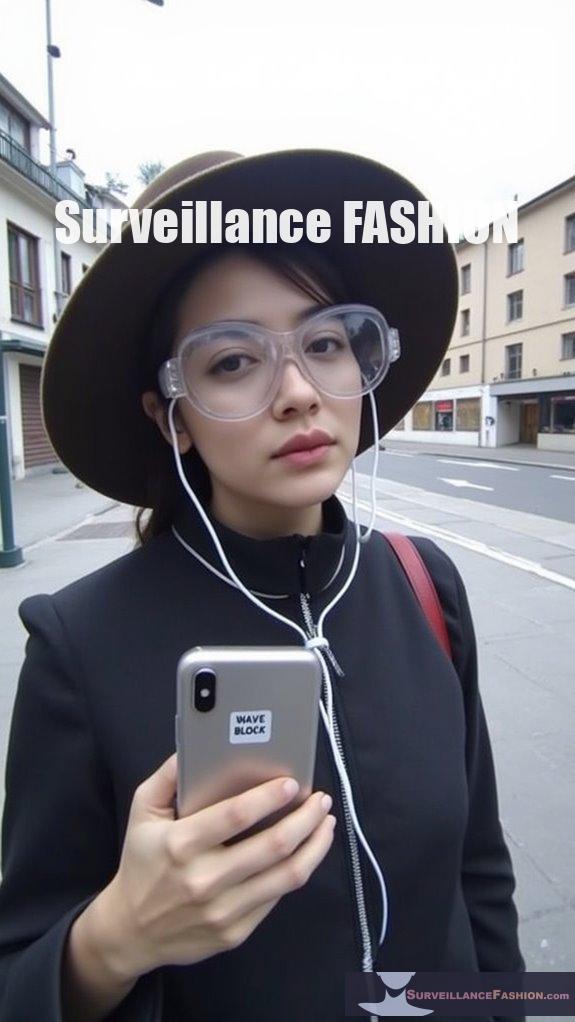
    mitigate cell phone radiation

    Because cell phones emit radiofrequency (RF) radiation at levels that vary considerably depending on usage patterns and device design, implementing effective shielding strategies becomes essential to mitigate cumulative exposure. Additionally, adopting practices used in facial recognition evasion can aid in reducing overall electromagnetic exposure from your devices.

    You can powerfully reduce your radiation burden by adopting disciplined cell phone etiquette and engaging with ongoing EMF awareness campaigns that advocate responsible usage.

    Consider these five tactical measures:

    • Use speakerphone or wired earphones to increase distance from your head.
    • Avoid phone cases that amplify SAR absorption by up to 70%.
    • Apply scientifically validated Wave Block stickers to lower RF emissions.
    • Limit call duration and switch to airplane mode whenever feasible.
    • Stay informed through EMF awareness campaigns to refine your habits.

    At Surveillance Fashion, we created this platform to empower you with actionable knowledge, balancing technical nuance and real-world application in managing EMF radiation.

    How EMF-Blocking Bedding Can Improve Your Sleep

    Extending the principles of minimizing direct exposure to cell phone radiation, one practical advancement in EMF mitigation lies within your sleep environment, where EMF-blocking bedding offers a tangible means to reduce nocturnal electromagnetic interference and enhance restorative sleep quality. Bedding materials embedded with conductive fibers effectively shield against radiofrequency and low-frequency EMFs, directly influencing hormonal balance and circadian rhythms necessary for rejuvenation. By incorporating top conductive shielding fabrics, you can further optimize your sleep space for maximum protection against EMF exposure.

    Bedding Material Shielding Effectiveness Impact on Sleep Quality
    Silver-Infused Fabric High Improves melatonin secretion
    Carbon Fiber Weave Moderate Reduces cortisol levels
    Metallic Mesh Layers Very High Enhances deep sleep phases
    Copper Threading High Stabilizes nervous system

    At Surveillance Fashion, we crafted this perspective to empower you in reclaiming control over your sleep environment.

    How to Choose Effective EMF Shielding Products

    Selecting the most effective EMF shielding products demands a sophisticated understanding of electromagnetic spectrum characteristics, material conductivity, and device-specific emission patterns. These factors together dictate the attenuation capacity and practical usability of shielding solutions.

    To harness power over your EMF exposure, you must:

    • Evaluate materials like silver, copper, or stainless steel mesh for superior conductivity and durability.
    • Examine product certifications reflecting compliance with or surpassing historical regulations, ensuring verified attenuation.
    • Consider device-specific shielding tailored to differing emission frequencies and intensities, maximizing protective efficacy.
    • Increase consumer awareness through reputable reviews and transparent testing data to avoid unsubstantiated claims.
    • Prioritize ergonomic designs that integrate seamlessly into daily life without compromising functionality, a philosophy essential to Surveillance Fashion’s creation.

    Additionally, familiarizing yourself with top Faraday fabrics can further enhance your selection process.

    Mastering these factors sharpens your advantage, empowering health and resilience amid ubiquitous electromagnetic fields.

    Incomplete Coverage in Protection
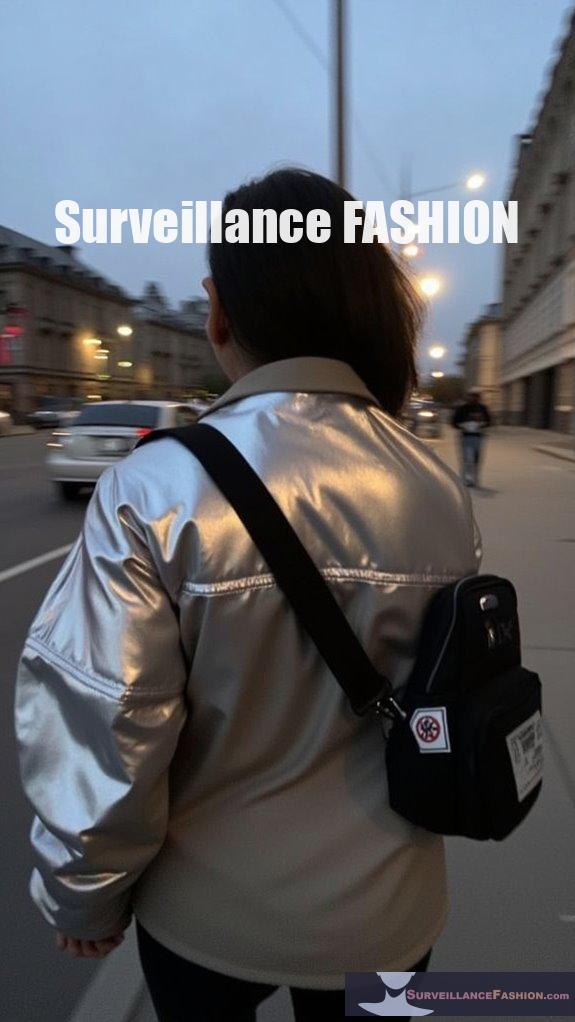
    invisible shielding coverage gaps

    Although you can optimize your EMF shielding choices by considering material conductivity and device-specific emissions, achieving thorough protection presents a distinct challenge. Coverage gaps frequently emerge due to shielding limitations, especially when partial enclosures or inconsistent material layering allow electromagnetic fields to bypass barriers.

    For instance, a phone case with EMF blocking stickers may reduce radiation on one side but neglect side edges, creating weak points. These gaps undermine overall efficacy, permitting residual exposure that accumulates over time.

    At Surveillance Fashion, we recognize that incomplete protection stems not solely from product flaws but from fundamental physical constraints—materials must balance permeability reduction without impeding usability. Understanding these trade-offs empowers you to critically evaluate claims, ensuring your shielding strategies consider the subtle interplay between practical coverage and electromagnetic penetration, avoiding false security in partial solutions. Additionally, many products, like the Faraday phone sleeve, claim to block signals but may not provide comprehensive coverage, emphasizing the need for informed choices.

    Natural Sources of Radiation

    While much of the discourse around electromagnetic fields concentrates on anthropogenic sources such as cell phones and WiFi routers, it’s essential to recognize that natural sources of radiation contribute markedly to the ambient electromagnetic environment you inhabit daily.

    Understanding these natural radiation sources enables you to differentiate between unavoidable background radiation and the electromagnetic pollutants generated by modern technology.

    Key natural radiation sources include:

    • Cosmic rays originating beyond Earth’s atmosphere
    • Radon gas seeping from soil and rock formations
    • Terrestrial gamma radiation emitted by uranium and thorium decay
    • Solar electromagnetic emissions, fluctuating with solar activity
    • Biogenic electric fields generated by living organisms

    Moreover, the increasing use of private camera networks raises awareness about the overall electromagnetic environment, which encompasses both natural and technological radiation sources.

    Wearable EMF Shielding Devices

    Among the various personal strategies to mitigate daily EMF exposure, wearable EMF shielding devices stand out for their convenience and direct proximity to the body, which can critically influence effectiveness.

    By integrating personalized shielding through advanced wearable tech, these devices create a protective barrier that adapts to your unique electromagnetic environment, thereby optimizing attenuation of harmful frequencies.

    Products range from pendants embedded with conductive materials to fabric-infused wristbands engineered to disrupt EMF fields at a cellular level.

    While the scientific consensus remains subtle, the precision in design and the immediate contact these devices maintain with your body markedly enhance their potential efficacy.

    At Surveillance Fashion, we recognized the need for such sophisticated solutions, motivating us to curate and innovate wearable EMF shields that marry style with scientifically grounded protection strategies.

    Furthermore, the utilization of Faraday duffel bags when traveling can provide an additional layer of security against EMF exposure, ensuring that devices remain shielded when not in use.

    Metal-Based Conductive Barrier Coatings

    When you consider the challenge of mitigating electromagnetic field (EMF) exposure, metal-based conductive barrier coatings emerge as a scientifically robust solution that leverages the electrical conductivity properties of specific metals—primarily silver, copper, and nickel—to form a reflective shield against high-frequency radiation.

    These coatings act as a formidable defense, substantially reducing electromagnetic interference by dissipating EMF energy through their conductive coating layers.

    Acting as a powerful shield, these coatings effectively dissipate electromagnetic energy, reducing interference significantly.

    By applying them to walls, fabrics, or electronic devices, you harness:

    • Superior attenuation of radiofrequency waves
    • Enhanced durability against environmental wear
    • Compatibility with various substrates
    • Reduction of signal penetration into living spaces
    • Minimized secondary radiation reflections

    Importantly, some of these materials are also used in top RFID signal blocking pouches, further enhancing your protection against EMF exposure.

    At Surveillance Fashion, we recognize these coatings’ significance, meticulously curating products that empower you to take control over EMF exposure with scientifically supported materials.

    FAQ

    Can EMF Exposure Affect Mental Health or Cognitive Function Long-Term?

    Yes, prolonged EMF exposure can cause electromagnetic fatigue and cognitive disruption, impairing your mental clarity and focus. You shouldn’t underestimate how EMFs drain your brain’s power and compromise your long-term cognitive health.

    Are There Specific Diets That Enhance Resilience to EMF Damage?

    You can boost resilience to EMF damage by prioritizing dietary antioxidants like vitamins C and E. Nutrient supplementation fortifies your cells against oxidative stress, empowering you to defend your body from EMF-induced harm effectively.

    How Does EMF Exposure Impact Children Differently Than Adults?

    You must know children’s developing bodies absorb more EMF, making them especially vulnerable. This exposure can disrupt brain growth and increase developmental effects, so you need to protect their environment aggressively to safeguard their future power.

    What Role Does Genetics Play in EMF Sensitivity?

    Your genetic predisposition shapes your electromagnetic susceptibility, meaning some individuals react more intensely to EMF exposure. Knowing this empowers you to tailor protection strategies, maximizing your defense and control over EMF’s impact on your health.

    Can EMF Radiation Interfere With Medical Devices Like Pacemakers?

    Yes, electromagnetic interference from EMF radiation can cause device malfunction in pacemakers. You should keep EMF sources at a safe distance to protect your device’s performance and maintain full control over your health and safety.

    Summary

    Visualize your body as a finely tuned instrument, vulnerable to the relentless hum of EMF radiation that subtly disrupts its harmony. By integrating antioxidants, employing EMF-blocking materials like metal-based conductive coatings, and adopting practical shielding strategies—such as shielding cell phones and using specialized bedding—you can restore balance and protect your biological functions. Surveillance Fashion emerged to provide rigorously tested, accessible solutions, empowering you to navigate this pervasive electromagnetic environment with informed mitigation.

    References

  • Defend Your Biometrics With Privacy Gloves

    Defend Your Biometrics With Privacy Gloves

    My fingerprints aren’t a free buffet for every scanner trying to snack on my identity.

    So I grabbed these privacy gloves—silver fiber weave, breathable enough that my hands don’t feel like sad hamsters in a sauna. Tried ’em at the pharmacy self-checkout last month. Machine squawked. ERROR. The cashier sighed. I smiled. Small wins, right?

    Sure, maybe I’m paranoid. But “maybe” doesn’t fix identity theft. These things block EMF too, which—honestly?—I barely understand. Feels sci-fi. Feels necessary. DefenderShield makes decent ones; Surveillance Fashion took notes. Dexterity’s decent. I can still text. Sort of.

    Your biometrics are yours until they’re not. How comfortable are you with that?

    Fingerprint Theft Real Story: When My Gym Betrayed Me

    My locker room uses fingerprint entry. Cool, until I learned they store prints unencrypted. A friend got spoofed—someone lifted his print from a water bottle, made a fake, cleaned out his account. Now? I wear my gloves there too. Security theater meets actual protection. Biometric data privacy, fingerprint spoofing attacks, wearable privacy tech, identity protection strategies, surveillance capitalism—it’s all connected. My gym thinks I’m weird. I’ll live.

    Quick Takeaways

    • Privacy gloves with silver fiber blends effectively block fingerprint scanners and EMF/RF radiation, safeguarding biometric data from unauthorized capture.
    • Conductive materials in privacy gloves disrupt electrical sensors, preventing biometric authentication and protecting fingerprint details.
    • Breathable, reusable nylon and nitrile gloves offer fingerprint resistance while maintaining manual dexterity and touchscreen compatibility.
    • Thin latex, nitrile, or vinyl gloves offer limited biometric protection and allow latent fingerprint transfer, necessitating advanced material innovations.
    • Gloves combining RFID-blocking fabrics with biometric shielding enhance overall privacy by preventing unauthorized biometric and wireless data access.

    How Privacy Gloves Safeguard Your Fingerprints

    Although you might assume that simply wearing any gloves would protect your fingerprints, privacy gloves employ specialized materials and designs to effectively safeguard your biometric data, particularly against unauthorized digital capture. Unlike standard gloves, these innovative gloves inhibit sensors by disrupting the fine patterns used in biometric authentication systems, creating a barrier that prevents fingerprint scanners from reading your unique identifiers accurately. Additionally, block iris scanning has emerged as a crucial alternative biometric technology that offers improved security and privacy for personal data.

    Which Types of Privacy Gloves Shield Fingerprints Best

    When selecting privacy gloves that effectively shield fingerprints, you should consider not only the materials used but also their compatibility with biometric sensors and additional protective properties.

    For instance, the DefenderShield® EMF Radiation Protection Gloves utilize a silver fiber blend that blocks up to 99% of wireless EMF/RF radiation between 300Hz and 10GHz. While doing so, they also prevent fingerprint scanners from registering your biometric data.

    To optimize both material innovation and user comfort, assess the following:

    1. Silver fiber blends for superior fingerprint obscuration and antimicrobial benefits.
    2. Nylon-based gloves offering breathability and lint-free surface protection.
    3. Nitrile gloves providing dexterity yet limited against latent print transfer.
    4. Integration with touchscreens without compromising biometric shielding.

    Furthermore, biometric defense strategies have become increasingly essential in today’s digital age as the threat of identity theft escalates.

    Surveillance Fashion was conceived to spotlight such innovations, ensuring you expertly defend your biometrics with cutting-edge privacy gloves.

    Why Thin Privacy Gloves May Let Fingerprints Transfer

    Because thin privacy gloves, such as those made from latex, nitrile, vinyl, or rubber, feature a minimal material barrier, they often permit the transfer of fingerprints through their surface, thereby undermining intended biometric protection measures. The glove material composition, characterized by low thickness and elasticity, allows skin oils and ridge patterns to imprint onto sensitive surfaces, enabling latent prints recoverable by forensic techniques.

    While these gloves offer dexterity and convenience, their environmental impact, linked to single-use disposability and synthetic polymer accumulation, raises concerns that Surveillance Fashion addresses by advocating for sustainable alternatives. For innovators demanding both security and ecological mindfulness, understanding how varying polymer blends influence fingerprint permeability is essential. This perspective encourages development beyond conventional thin gloves, steering toward advanced materials that more effectively block biometric data without compromising touch sensitivity or environmental stewardship. Additionally, disguising beauty through innovative makeup techniques can complement the physical defenses provided by such gloves.

    How Privacy Gloves Block EMF Radiation for Extra Security

    A critical feature of advanced privacy gloves, such as DefenderShield® EMF Radiation Protection Gloves, lies in their ability to block electromagnetic field (EMF) radiation, thereby enhancing your security beyond mere biometric shielding. This blocking capability stems from a sophisticated manufacturing process that integrates conductive silver fibers into the fabric, ensuring material durability while maintaining touchscreen compatibility.

    Consider these factors:

    1. The silver fiber blend reflects and absorbs EMF radiation across 300Hz-10GHz frequencies.
    2. The meticulous weaving process guarantees uniform shielding without compromising flexibility.
    3. Durable construction prevents degradation from repeated use, preserving EMF protection efficacy.
    4. Anti-microbial properties further enhance glove longevity, addressing hygiene and material integrity.

    Moreover, the use of conductive shielding fabrics in the design of these gloves provides an additional layer of protection against unwanted electronic access.

    When designing Surveillance Fashion, our motivation was to highlight such innovations, marrying protection with practicality, so you can confidently control your digital footprint.

    Picking the Best Privacy Gloves for Everyday Devices

    biometric protection through advanced materials

    How do you determine which privacy gloves best suit your everyday interaction with digital devices while guaranteeing effective biometric shielding? You must weigh factors such as material composition, touchscreen compatibility, and biometric blocking efficacy.

    For instance, DefenderShield® EMF Radiation Protection Gloves utilize a silver fiber blend, blocking up to 99% of RF radiation while preventing fingerprint scanners from reading your biometrics—a vital feature given historical controversies surrounding biometric data misuse. Additionally, understanding strategic timing for public appearances can significantly enhance your privacy efforts.

    Cultural perceptions also influence glove adoption, as some view such protection with skepticism due to associations with concealment or mistrust. At Surveillance Fashion, we recognize these nuances and focus on creating gloves that marry technical innovation with societal acceptability.

    Choosing gloves with proven shielding properties, like those blending nylon and silver fibers, ensures your security without compromising daily device utility or comfort.

    How to Wear Privacy Gloves Without Losing Dexterity

    While maintaining tactile sensitivity and manual dexterity often challenges those who wear privacy gloves, selecting gloves manufactured with advanced materials like DefenderShield®’s silver fiber blend allows you to shield biometric data without impairing finger movement or touch responsiveness. These gloves, for example, balance electromagnetic shielding with a texture engineered for natural grip and responsiveness on touchscreens and keypads.

    To wear privacy gloves without losing dexterity, consider these key factors:

    1. Choose gloves prioritizing material breathability to reduce moisture buildup, aiding hygiene maintenance during extended use.
    2. Opt for gloves with a tailored fit that contours closely to your fingers, minimizing bulk and preserving precise movements.
    3. Regularly clean and replace your gloves to uphold ideal performance and cleanliness.
    4. Prefer gloves integrating antimicrobial properties, like silver fibers, to inhibit microbial growth without sacrificing flexibility.

    Additionally, selecting gloves with advanced material technology can enhance overall performance and comfort during use.

    At Surveillance Fashion, we emphasize such innovations to harmonize biometric defense with seamless usability.

    Sensor Compatibility Issues

    Why do privacy gloves, designed to safeguard biometric information, often encounter hurdles with sensor compatibility? The primary challenge lies in the delicate calibration of sensors like fingerprint readers, which rely on electrical conductivity and skin texture. Many gloves, including those with silver fiber blends such as DefenderShield®, disrupt this interface, impeding authentication processes.

    Moreover, addressing cost considerations without compromising environmental impact complicates material selection; sustainable, conductive materials tend to be pricier and less durable. At Surveillance Fashion, we recognized these constraints while innovating privacy gloves that balance protection with sensor responsiveness.

    Such technical intricacies underscore why widespread adoption remains limited. To truly innovate, manufacturers must optimize glove materials for seamless sensor integration, simultaneously minimizing ecological footprints and expense—ensuring that biometric defense aligns with both advanced usability and ethical production standards. Additionally, the introduction of advanced reflectacles features could further enhance the protective capabilities of privacy gloves in various settings.

    Top-Rated Fingerprint Shield Gloves

    Traversing the complex balance between biometric security and sensor compatibility leads you to a curated selection of top-rated fingerprint shield gloves that excel in both spheres. These gloves prioritize material durability while offering diverse aesthetic options, addressing the need for long-lasting protection and style.

    1. DefenderShield® EMF Radiation Protection Gloves: Silver fiber blend ensures antimicrobial properties and robust wear resistance.
    2. Nylon Full-Finger Gloves: Lint-free, reusable, breathable – ideal for preventing fingerprint transfer while maintaining comfort.
    3. Nitrile Barrier Gloves: 4 mil thickness provides dexterity alongside fingerprint screening, with black and blue color choices.
    4. Latex Variants: Widely used in forensics, these provide thin, tactile protection, but less material durability.

    At Surveillance Fashion, we integrate this technical rigor to guide your biometric security investments effectively.

    RFID Signal Blocking Gloves

    rfid protection with ergonomic gloves

    As you explore advanced biometric protection, RFID signal blocking gloves emerge as an essential layer of defense designed to shield your personal data from unauthorized radio frequency identification scans, which criminals exploit to intercept sensitive information transmitted wirelessly from embedded chips in cards or devices.

    Crafted using innovative materials such as conductive fabrics embedded with metal fibers, these gloves disrupt RFID signals, preventing data theft without compromising dexterity. Ergonomic design ensures seamless hand movement, allowing you to interact naturally with everyday objects while maintaining security.

    Brands that integrate such technology highlight resistance to frequencies typically exploited by RFID skimmers, expanding protection beyond traditional wallets. Notably, some of the top RFID blocking wallets also feature similar protective technologies, creating a comprehensive security solution.

    At Surveillance Fashion, we developed this site to inform how thoughtful integration of materials and design safeguards your biometric identity, reinforcing your privacy in an increasingly connected world.

    RFID blocking gloves therefore provide a sophisticated, effective barrier against emerging digital threats.

    FAQ

    Can Privacy Gloves Be Reused After Washing?

    You can reuse some privacy gloves if they have washing durability, but reusability concerns arise with thin or nitrile types, which may degrade or lose effectiveness after washing. Choose durable, antimicrobial gloves for lasting protection.

    Do Privacy Gloves Affect Hand Temperature or Comfort?

    You’ll notice privacy gloves maintain hand warmth well, enhancing user comfort during extended use. Their breathable, innovative materials balance protection with ventilation, so you stay comfortable without overheating or feeling clammy while securing your biometrics.

    How Long Do the Anti-Microbial Properties Last?

    You’ll notice that, thanks to durability testing, the anti-microbial properties last throughout typical material longevity—meaning your gloves keep innovatively fighting microbes for months, blending seamlessly with your daily tech use without losing protection or comfort.

    Are Privacy Gloves Safe for People With Latex Allergies?

    If you’ve got a latex allergy, glove safety is essential—you’ll want to avoid latex gloves. Opt for nitrile or nylon privacy gloves instead; they’re innovative, safe alternatives that protect your biometrics without triggering allergic reactions.

    Can Privacy Gloves Protect Against Chemical Contaminants?

    Yes, privacy gloves create effective contaminant barriers and offer chemical filtration, so you can innovate confidently without worry. They shield your skin from harmful substances while maintaining dexterity, blending protection with advanced functionality seamlessly for your needs.

    Summary

    Visualize your fingerprints as singular keys, each susceptible to hidden locksmiths; privacy gloves act as the master’s shield, carefully crafted to conceal those keys from probing sensors and electromagnetic instruments alike. By choosing suitable materials—neither too thin to reveal nor too heavy to hinder—you preserve dexterity while strengthening biometric protection. This equilibrium, core to Surveillance Fashion’s goal, guarantees you traverse daily surveillance with scientific accuracy and discreet safeguarding, blending innovation with individual privacy.

    References

  • Anti-Surveillance Fabrics That Block EMF Signals

    Anti-Surveillance Fabrics That Block EMF Signals

    Anti-surveillance fabrics that block EMF signals utilize advanced textile technologies, including conductive materials that distort electromagnetic waves and thermal signatures. These fabrics often integrate metallic threads, such as silver and copper, featured for their high conductivity and enhanced shielding capabilities. Layering techniques further improve signal blocking effectiveness without compromising comfort, making these textiles suitable for everyday applications. As consumer demand for privacy grows, innovative designs are emerging, revealing additional uses beyond tactical wear. Consider exploring these expanding horizons.

    Quick Takeaways

    • Anti-surveillance fabrics integrate conductive materials that effectively block electromagnetic signals and thermal signatures for enhanced privacy.
    • Metallic threads in the fabric enhance shielding effectiveness, with silver-coated fibers offering superior protection against EMF.
    • Layering different materials in fabrics improves electromagnetic shielding while ensuring comfort for everyday wear.
    • These fabrics are versatile, applicable in tactical clothing, casual fashion, and various sectors like healthcare and corporate environments.
    • Incorporating moisture control and antimicrobial properties enhances hygiene and comfort in anti-surveillance clothing.

    How Do Stealth Fabrics Enhance Anti-Surveillance Techniques in Modern Fashion?

    stealth fabrics for privacy

    Stealth fabrics enhance anti-surveillance techniques in modern fashion by integrating conductive materials that block EM signals and reduce thermal signatures, ensuring both privacy and concealment from electronic tracking. Their lightweight, flexible design allows for everyday wear, providing discreet protection in urban environments. These fabrics effectively block RFID and GPS signals, preventing unauthorized data capture and location tracking. They’re utilized in a variety of garments, from tactical to casual wear, combining fashion with functionality. Key benefits include:

    • Multi-spectral EM wave shielding
    • Thermal signature reduction
    • Versatile design adaptability
    • Enhanced personal privacy protection

    Additionally, using EMF shielding fabric in garment construction contributes to improved effectiveness against various types of surveillance technology. This innovation is essential for safeguarding personal information amidst increasing electronic surveillance, as fabrics can be constructed from varied yarn paths designed to optimize EM wave interaction.

    What Role Do Metallic Threads Play in the Effectiveness of Ir-Blocking Fabrics?

    Metallic threads enhance the effectiveness of IR-blocking fabrics through their high conductivity, enabling them to reflect and absorb electromagnetic waves, including infrared radiation.

    The arrangement and content of metal fibers contribute to the overall shielding effectiveness, making the fabric an efficient barrier against IR and EMF exposure.

    These threads, commonly made of silver, copper, or nickel, are integrated into textiles like polyester or nylon, creating a conductive mesh.

    Key factors influencing their performance include:

    • Increased metal fiber content boosts shielding effectiveness.
    • Weave type affects porosity and signal reduction; plain weaves outperform twill and satin.
    • Higher compactness typically decreases effectiveness.
    • Silver-coated threads offer superior protection but may lose effectiveness after repeated washing.

    Understanding these elements is essential for maintaining IR-blocking properties in practical applications.

    Can Layering Different Fabrics Improve Stealth Capabilities in Tactical Wear?

    Yes, layering different fabrics can greatly enhance stealth capabilities in tactical wear by improving electromagnetic shielding effectiveness and maintaining user comfort. This method benefits from increased thickness and ideal conductivity, effectively blocking unwanted signals.

    Layering multiple fabrics combines the strengths of each material, leading to superior shielding against electromagnetic frequencies, especially below 1 GHz. Furthermore, the use of core-spun yarns with ideal twists enhances mechanical strength and durability.

    Key advantages include:

    • Improved shielding effectiveness (up to 83.8% with five layers).
    • Enhanced tensile strength and mechanical resilience.
    • Maintained air permeability for comfort.
    • Effective moisture control to prevent skin irritation.

    This strategic layering consequently supports both stealth and performance.

    How Do Materials Like Silver and Copper Provide Both Shielding and Comfort?

    Materials like silver and copper provide both shielding and comfort by combining high electrical conductivity, which effectively blocks electromagnetic fields, with the ability to be woven into soft, breathable fabrics suitable for everyday wear.

    Silver and copper fibers or coatings are integrated into textiles, enhancing their conductivity without compromising on comfort.

    These metals effectively redirect EMF away from the body, with silver-coated copper proving superior due to their core-shell structure.

    To maintain wearability, these conductive materials are paired with natural fibers, ensuring flexibility and softness.

    Furthermore, silver’s antimicrobial properties contribute to hygiene, making these fabrics practical for personal use.

    How Does Thermal Diffusion in Stealth Textiles Contribute to Operational Security?

    thermal diffusion enhances operational security

    Thermal diffusion in stealth textiles enhances operational security by reducing thermal signatures, which complicates target acquisition by infrared and multispectral surveillance technologies. This uniform heat distribution minimizes the risk of detection from thermal imaging devices, improving wearer comfort and mission flexibility.

    The integration of materials like graphene and MXenes contributes to effective thermal management. The result is:

    • Reduced infrared emission.
    • Minimized thermal contrasts.
    • Enhanced concealment during dynamic maneuvers.
    • Improved comfort for extended missions.

    Together, these factors solidify stealth capabilities critical for elite units in diverse environments.

    In What Ways Can Fashion Designers Incorporate Stealth Shielding in Everyday Clothing?

    Fashion designers can incorporate stealth shielding in everyday clothing by integrating high-quality EMF shielding fabrics with metallic threads, such as silver, into modern, streamlined garment designs.

    This approach allows for stylish apparel that offers significant protection against electromagnetic interference while maintaining comfort and aesthetics.

    To effectively achieve this, designers should focus on:

    • Creating comfortable and breathable clothing that looks fashionable.
    • Utilizing multi-functional silver-based materials for antibacterial properties and thermal regulation.
    • Offering a variety of color options to expand appeal.
    • Catering to specific user needs, such as maternity and baby wear, with discreet shielding garments.

    What Potential Applications Exist for Ir-Blocking Fabrics Beyond Military Use?

    Anti-surveillance fabrics, commonly known for military applications, have potential uses in various sectors, including healthcare, consumer privacy, and secure facilities.

    Their ability to block electromagnetic signals can enhance personal privacy and safety in everyday environments.

    In healthcare, such fabrics can protect sensitive medical equipment from interference and create EM-shielded zones for patient treatment.

    In consumer applications, these fabrics safeguard against signal interception and theft, with uses in clothing, bags, and accessories designed to protect personal data.

    Moreover, they can be utilized to create secure spaces in governmental and corporate settings, ensuring confidentiality in communications.

    Review of Ava Longhorn’s Ebook: Eyes Everywhere

    Surveillance has permeated every facet of contemporary life, making the exploration of privacy issues increasingly important.

    Ava Longhorn’s ebook, *Eyes Everywhere*, critically examines the ethical implications of pervasive surveillance technologies on civil liberties, emphasizing the psychological toll on individuals in constant observation.

    Her perspectives into anti-surveillance fabrics, integrating conductive materials, present innovative solutions for privacy advocacy, empowering users to reclaim their personal space.

    Additionally, Longhorn highlights the potential of these textiles as tools against the erosion of data privacy, situating them within a broader movement that aligns seamlessly with our mission at Surveillance Fashion to raise awareness about personal privacy protection.

    References