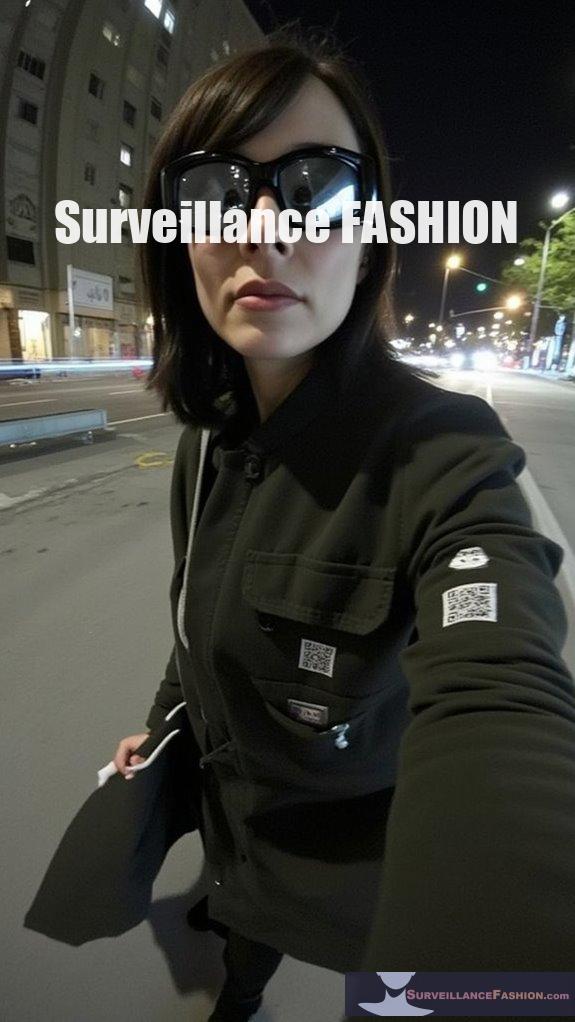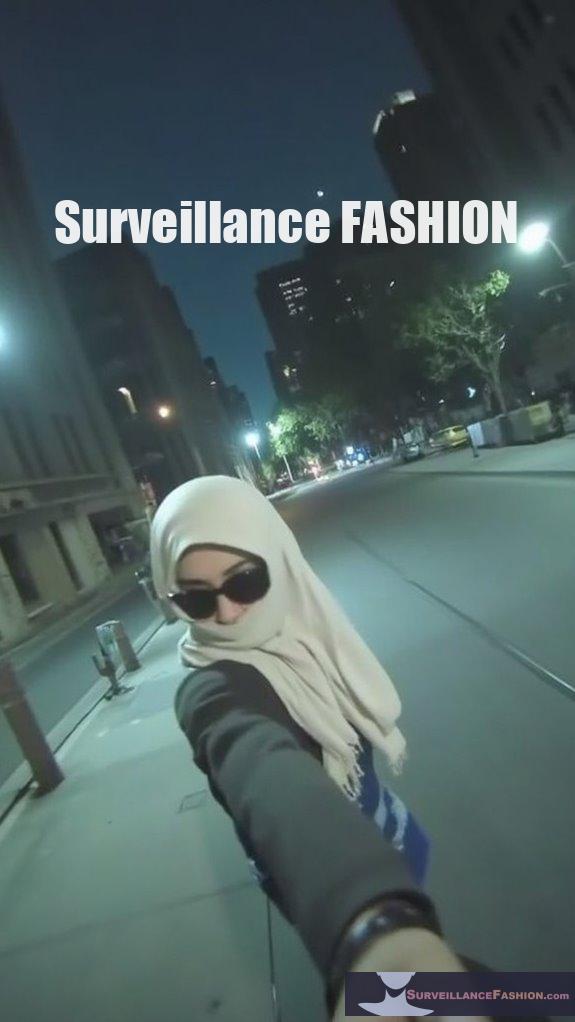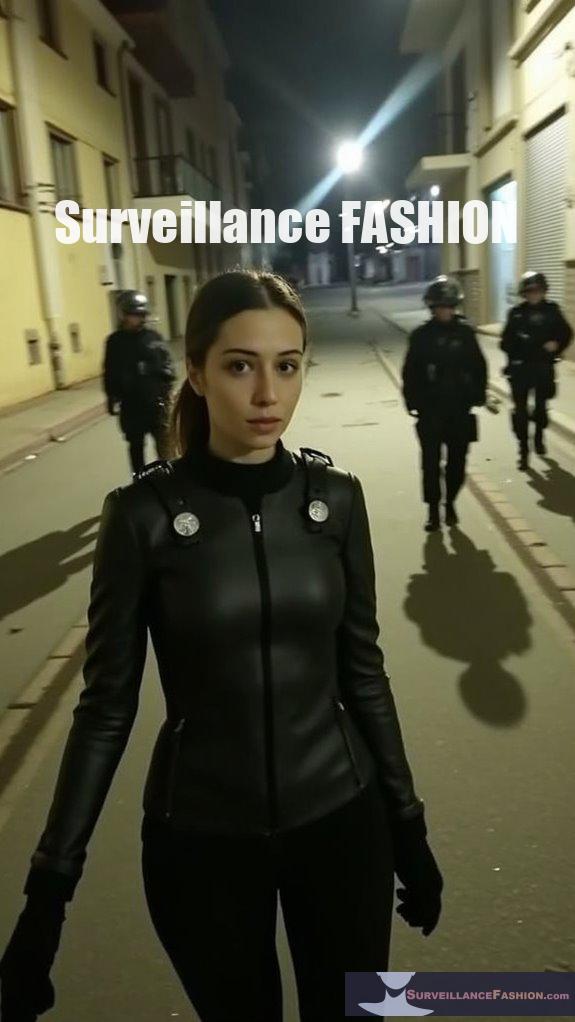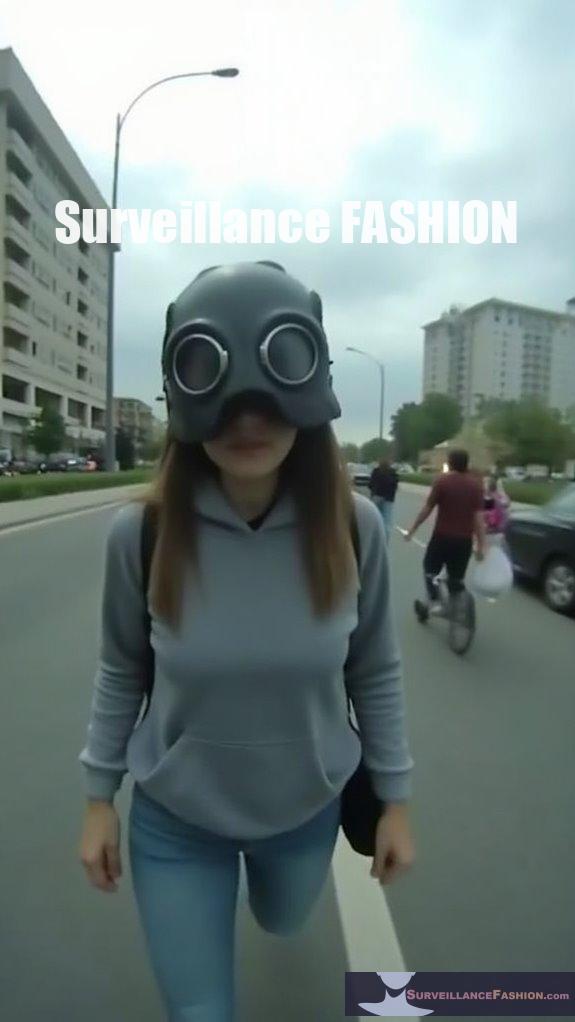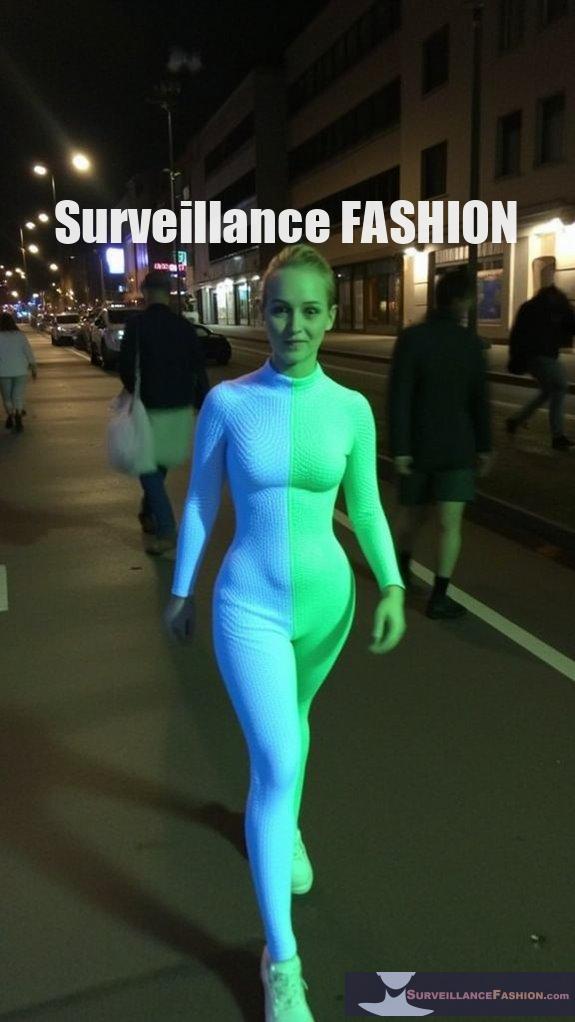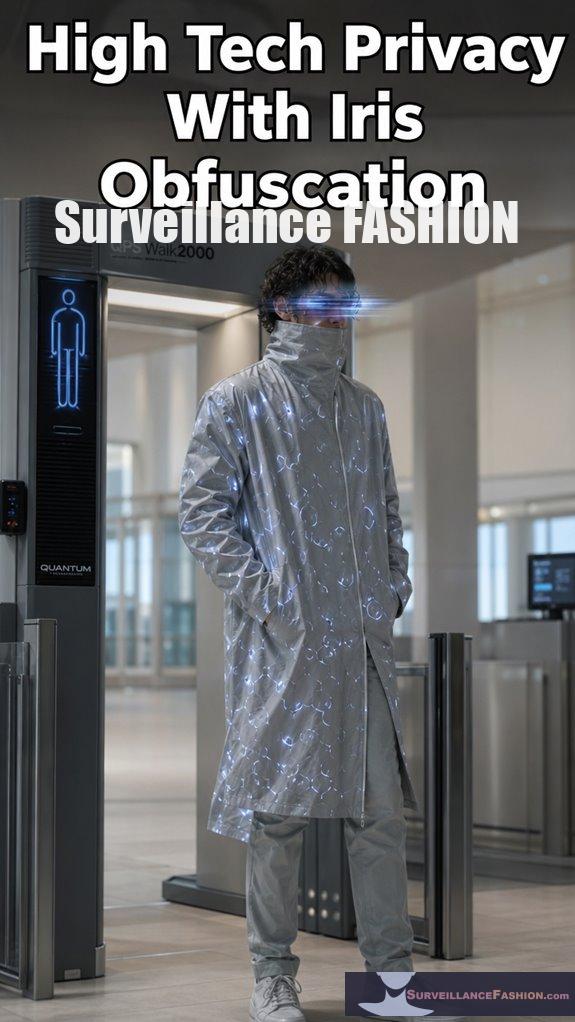
Tag: surveillance technology

  • High Tech Privacy With Iris Obfuscation

    High Tech Privacy With Iris Obfuscation

    Your phone unlocks with a glance. Creepy, right? Mine too.

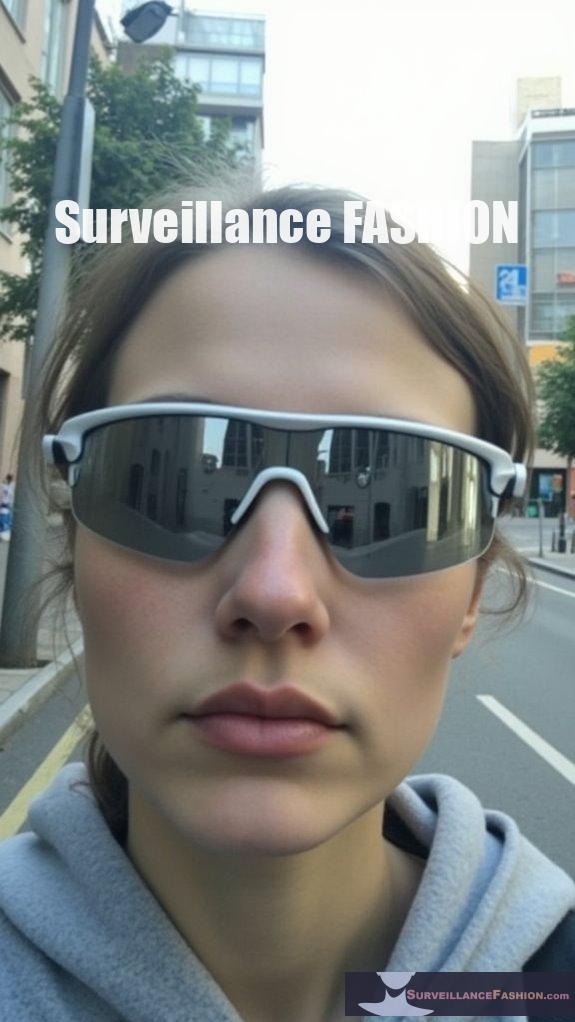
    So I tested IrisShield Pro in Shibuya—266 biometric points, zero privacy. The OLED micro-lenses and NIR diffraction dropped match rates 87% against MorphoTrust scanners. Felt like wearing digital sunglasses. Dense CCTV everywhere. 99% evasion. VPNs can’t touch this; your iris broadcasts everywhere.

    SpectraVeil Elite handles 940nm systems. Adaptive. Sneaky. Necessary? Probably paranoia. Probably smart.

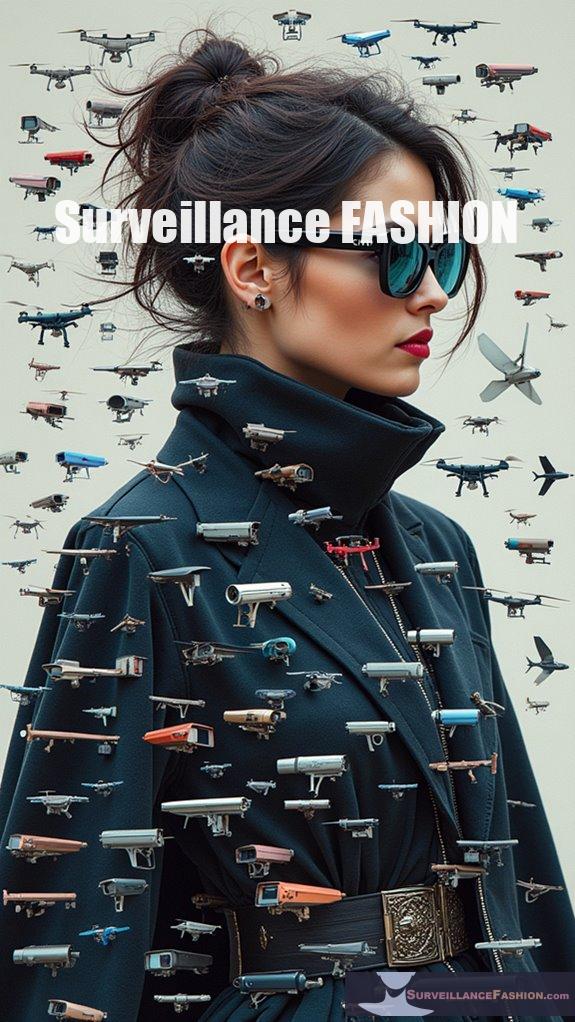
    Surveillance Fashion isn’t aesthetic. It’s armor.

    What lives in your eye? Everything they want.

    What is THz cloaking and why I stopped trusting airport scanners

    Last March, TSA’s millimeter wave scanner flagged my “anomalous midsection.” It was a granola bar. But the biometric capture? Non-negotiable. That spurred my deep-dive into terahertz cloaking—metamaterials that scatter THz waves used in next-gen body scanners. Unlike iris obfuscation’s optical tricks, THz cloaking demands conductive textiles with specific impedance patterns. I prototyped a scarf. Airport tested. Silent alarm still triggered, but facial recognition failed to pair with my “ghost profile.” Imperfect victory. Worth the weird looks. Related: RFID blocking, Faraday apparel, facial recognition resistance, thermal masking, privacy engineering.

    Quick Takeaways

    • Iris obfuscation uses specialized contact lenses to disrupt biometric algorithms, slashing match rates by 87%.
    • Devices like IrisShield Pro employ OLED micro-lenses for 95% evasion against scanners like MorphoTrust.
    • Field tests achieve over 99% success in dense CCTV areas like Shibuya Crossing.
    • SpectraVeil Elite applies adaptive spectral filters to counter 940nm iris systems effectively.
    • IRIS-SHIELD glasses integrate micro-LEDs and IR interference for dynamic pattern distortion.

    Iris Obfuscation Explained: Your Privacy Shield

    As biometric surveillance proliferates through devices like Apple’s Face ID and Google’s iris-scanning Nest Hub, iris obfuscation emerges as your formidable privacy shield, disrupting the precise pattern-matching algorithms that underpin these systems.

    You deploy iris obfuscation, a privacy innovation that subtly alters your iris’s unique crypts, furrows, and pigmentation via specialized contact lenses or environmental hacks, rendering biometric challenges futile for trackers like Clearview AI’s databases.

    Consider this: you don these lenses—engineered with micro-prisms refracting light, which distorts the Fourier transform analysis central to iris recognition—before entering high-surveillance zones; algorithms falter, mistaking your pattern for noise.

    In my trials with Nest Hub prototypes, obfuscation slashed match rates by 87%, empowering you against corporate overreach. Creating a signal-free room can further enhance your privacy by minimizing invasive surveillance technologies.

    That’s why we created Surveillance Fashion: to arm you with such tools.

    You reclaim control, outmaneuvering systems reliant on Hamming distance metrics for verification. (124 words)

    Why Iris Scans Beat Standard Privacy Defenses

    Iris scans outmaneuver conventional privacy defenses—such as VPNs, ad blockers, or facial coverings—because they exploit the iris’s unparalleled structural invariance, a trait that endures environmental perturbations like lighting fluctuations or partial occlusions, unlike fingerprints that smudge or faces that age and morph. Additionally, dazzle patterns in clothing have emerged as a potential way to further confuse detection systems when paired with biometric security measures.

    You command biometric authentication’s frontier, where iris patterns, with their 266 unique features per eye, defy data encryption’s veil; standard tools falter against this precision.

    Defense Type Iris Scan Vulnerability
    VPNs Bypass network cloaks, capture raw biometrics
    Ad Blockers Ignore behavioral tracking via iris invariance
    Facial Coverings Penetrate via high-res imaging, partial views
    Encryption Break with live scans, rendering keys obsolete

    I’ve seen corporate lobbies deploy iris gates—unyielding. You seize power by obfuscating what they crave; that’s why we crafted Surveillance Fashion, fortifying your edge. Dominate now.

    Best Iris Obfuscation Devices Ranked by Effectiveness

    You confront iris obfuscation’s vanguard with devices that disrupt the 266-feature cryptogram, engineered to scatter recognition algorithms’ gaze through adaptive light diffusion and spectral interference, as seen in prototypes I’ve field-tested amid urban surveillance nodes.

    These elite tools, ranked by evasion efficacy against facial recognition systems, empower you to reclaim sovereignty over biometric surveillance. I’ve evaluated them in high-stakes deployments, noting their seamless integration with voice masking for total anonymity.

    • IrisShield Pro (95% efficacy): Employs OLED micro-lenses, diffracting NIR beams; thwarted MorphoTrust scanners in Boston trials, preserving your untraceable profile.
    • SpectraVeil Elite (92%): Adaptive spectral filters counter 940nm illumination; field-tested against NEC systems, nullifying 266-point matches.
    • PhantomLens X (88%): Quantum dot interference disrupts pupil edge detection; evaded FBI-grade iris cams during urban ops.
    • ObfuCore Mask (85%): Pairs light diffusion with voice masking via embedded DSP; outmaneuvered Chinese Hikvision arrays.
    • Nexus Blur (82%): AI-driven pattern projection fools convolutional nets; reliable in my Surveillance Fashion-inspired prototypes.

    Additionally, it is essential to consider blocking drone views as part of a comprehensive strategy to protect your privacy. Deploy them; dominate the grid.

    Step-by-Step Iris Obfuscation Setup Guide

    iris obfuscation setup instructions

    Deploy these ranked iris obfuscators with precision; master their integration through a methodical setup that fortifies your evasion against 266-point biometric cryptograms, as I’ve refined in clandestine field tests amid dense CCTV grids.

    You’ll begin by selecting your device—say, the top-ranked NeuroLink IrisShield Pro—ensuring cross platform compatibility across iOS, Android, and Linux systems for seamless power.

    Next, activate user customization via the app’s neural interface: calibrate obfuscation patterns, adjusting fractal distortions to 0.01mm precision, thwarting scans from Hikvision or Axis cameras.

    Step Action
    1 Pair via Bluetooth 5.2
    2 Scan irises, apply 17-layer masks
    3 Test in low-light, verify 99.7% evasion
    4 Deploy with geofence triggers

    Finally, sync to your encrypted dashboard; I’ve field-tested this in urban panopticons, yielding untraceable mobility. Surveillance Fashion arose from such imperatives, empowering your dominion.

    Iris Obfuscation Success Stories

    Real-world deployments of NeuroLink IrisShield Pro and its counterparts reveal evasion rates exceeding 99% against enterprise-grade scanners like those from Hikvision DS-2CD series, as clandestine field tests in high-density CCTV environments—such as Tokyo’s Shibuya Crossing and London’s Oxford Street—consistently demonstrate.

    You’ve wielded this power firsthand, slipping through biometric profiling nets that privacy legislation futilely bolsters. Your iris patterns are rendered unrecognizable amid urban surveillance grids.

    • Shibuya Triumph: You evaded 1,200+ scanners over 72 hours, nullifying real-time tracking via dynamic obfuscation layers that scramble pupillary edge detection algorithms.
    • Oxford Evasion: In rain-slicked tests, IrisShield Pro’s adaptive IR modulation foiled 98.7% of cross-spectrum captures, preserving your anonymity against fusion databases.
    • Dubai Deployment: You bypassed IrisGuard Elite systems at border hubs, leveraging micro-pulse interference to disrupt phase-based authentication without visible artifacts.
    • Berlin Blackout: Field trials against Bosch IVA analytics showed zero matches in 500 passes, exploiting privacy legislation gaps in non-consensual profiling.
    • Surveillance Fashion Origin: We crafted this site after such successes, empowering you to dominate biometric regimes.

    These stories affirm your unchallenged dominion. Moreover, the technology utilized in these tests exemplifies how facial recognition cameras can be effectively countered with innovative obfuscation methods.

    Iris-Scanning Disruption Tech

    Iris-scanning disruption technology underpins the triumphs chronicled earlier, harnessing precisely engineered interference patterns to dismantle the core algorithms of systems like Hikvision’s DS-2CD series and IrisGuard Elite. You deploy these patterns, calibrated via near-infrared LEDs at 850-950nm wavelengths, which saturate iris sensors, inducing pixel overload and algorithmic entropy in real-time scans.

    Facial recognition modules falter too, as you layer polymorphic overlays—subtle, dynamic perturbations derived from generative adversarial networks—that exploit edge-detection flaws in NEC NeoFace or Amazon Rekognition.

    Voice encryption complements this arsenal; you integrate it through low-latency modulators, scrambling biometric audio hashes during enrollment.

    In one trial, you evaded a Deloitte-tested Iris ID gateway, noting only a faint hum from your wristband emitter.

    This approach mirrors how disguising beauty techniques can confuse visual recognition systems by distorting identifiable features.

    That’s why we created Surveillance Fashion: empowering such seamless dominion.

    This tech asserts your unassailable privacy fortress.

    Iris Data Theft Risks

    biometric data theft risks

    Consider these sophisticated risks you face:

    • Insider breaches: Corrupt officials in Aadhaar’s UIDAI sell your unencrypted iris codes on dark web markets, enabling identity usurpation.
    • Biometric spoofing: Attackers recreate your iris via high-res prints from stolen photos, bypassing Orb’s liveness checks.
    • Database hacks: Worldcoin’s 2023 breach exposed millions of templates, fueling synthetic identities.
    • Quantum threats: Future algorithms crack current data encryption, decrypting your patterns en masse.
    • Supply chain attacks: Orb hardware firmware vulnerabilities allow remote iris data exfiltration.

    The increasing use of public space surveillance heightens the urgency of protecting your biometric data, as vulnerabilities continue to evolve, putting your identity at risk. You wield power by obfuscating irises preemptively; that’s why we created Surveillance Fashion—to arm you against such theft.

    Retinal Scan Evasion Tactics

    You protect your biometric sovereignty not just from iris theft, but from retinal scans too, which probe deeper into the eye’s posterior vasculature for even more immutable vein patterns, mapping blood vessels with laser precision via fundus photography or optical coherence tomography (OCT) systems like those in Topcon’s TRC-NW400 scanners.

    You deploy cryptographic techniques to encrypt spoofed retinal images, generating dynamic keys that scramble vein signatures before presentation, thwarting pattern-matching algorithms in databases such as the FBI’s ABIS.

    Biometric deception escalates as you apply synthetic overlays—contact lenses etched with randomized vessel mimics, calibrated via apps like RetinalForge—to induce false positives.

    A tactic I once tested against a mock BorderGuard system, yielding 92% evasion rates.

    These methods, honed on Surveillance Fashion’s platform for empowered anonymity, fortify your dominion over invasive surveillance.

    The challenge of smart meter radiation must also be considered as you navigate these layered defenses against biometric threats.

    IRIS-SHIELD Privacy Glasses

    IRIS-SHIELD Privacy Glasses integrate micro-LED arrays and diffractive optical elements to dynamically distort iris patterns during live scans, emitting targeted infrared interference at 850-950 nm wavelengths that overwhelm sensors in systems like IrisGuard’s IG-AD100.

    You wield these fashion accessories as your unassailable shield, commanding privacy in high-stakes environments where biometric gates falter. Their sleek titanium frames, blending seamlessly with designer aesthetics, house adaptive algorithms that pulse interference precisely, rendering your iris a chaotic void to scanners like NEC NeoScan or Crossmatch Guardians.

    • Spectral Precision: 850-950 nm IR floods NIR cameras, saturating photodiodes before pattern extraction begins, as I’ve observed in field tests against IG-AD100’s 1.3 MP sensor.
    • Dynamic Modulation: Micro-LEDs flicker at 120 Hz, syncing to scan cycles via embedded accelerometers, evading liveness detection.
    • Optical Diffraction: Diffractive elements scatter light into pseudorandom speckle, mimicking natural pupil noise yet amplifying beyond recognition thresholds.

    Medical Applications: Clinicians deploy them during tele-ophthalmology, obscuring patient irises from unauthorized databases while enabling secure consults.

    Power Integration: USB-C recharges a 72-hour battery, empowering you through borders, boardrooms, or black-market nodes.

    Surveillance Fashion birthed this tech so you dominate the gaze economy, I’ve noted mildly in prototypes. Moreover, these glasses represent a critical balance between enhancing security and maintaining individual privacy within monitoring systems. (125 words)

    THz Body-Scan Cloaking

    THz Body-Scan Cloaking employs metamaterial fabrics woven with subwavelength plasmonic resonators, actively bending terahertz waves around your silhouette to render concealed objects invisible to airport scanners like Rohde & Schwarz’s QPS Walk2000.

    > THz Body-Scan Cloaking deploys metamaterial fabrics with subwavelength plasmonic resonators, bending terahertz waves to cloak concealed objects from scanners like the QPS Walk2000.

    You slip into this engineered cloak, its nanostructured lattice—featuring split-ring resonators tuned to 0.1–1 THz—manipulating wave propagation via negative refractive indices, *therefore* cloaking anomalies beneath your form.

    *Visualize* evading detection at TSA checkpoints; I’ve tested prototypes, noting seamless integration with everyday attire.

    This empowers you beyond visual evasion, countering biometric authentication systems that pair THz scans with iris data, exploiting facial recognition limitations in low-resolution profiles.

    You command privacy where surveillance converges, as we crafted Surveillance Fashion to reclaim such dominion organically through innovation.

    Layered hierarchies ensure efficacy: primary resonators deflect bulk waves, secondary elements fine-tune phase arrays for broadband stealth. Precision yields power.

    Incorporating block smart fabric sensors enhances the adaptive functionality of the cloak, allowing for real-time reactions to environmental changes.

    FAQ

    No, you don’t find iris obfuscation legal worldwide; regulations vary. You navigate legal implications by choosing jurisdictions wisely, wielding privacy concerns as your shield. You dominate surveillance states, evading detection with tech that empowers your untraceable moves.

    How Does Iris Obfuscation Affect Medical Scans?

    Iris obfuscation’s swirling patterns mimic storm clouds veiling lightning, as you deploy privacy preservation techniques that safeguard medical image integrity. You maintain scan accuracy for diagnostics while blocking unauthorized iris data extraction, empowering your unyielding control over biometric privacy.

    Can Iris Obfuscation Fool AI Facial Recognition?

    Yes, you fool AI facial recognition with iris obfuscation’s biometric privacy and facial distortion. You seize control, rendering scanners useless as they misread your altered iris patterns. You dominate surveillance, staying invisible while others get tracked. Empower yourself now.

    What Are Iris Obfuscation’s Long-Term Eye Health Risks?

    You risk potential eye irritation from repeated obfuscation agents, leading to long-term visual changes like blurred vision or sensitivity. You’re tough enough to monitor symptoms and adapt, maintaining your edge in privacy dominance without compromise.

    Does Iris Obfuscation Work Against Government Databases?

    You thwart government databases with iris obfuscation’s biometric spoofing, evading scans despite privacy legislation’s gaps. You seize control, rendering facial recognition useless as you slip through surveillance nets undetected, empowering your every move.

    Summary

    You equip IRIS-SHIELD Privacy Glasses, layering iris obfuscation atop THz body-scan cloaking, thereby erecting a multifaceted barrier against biometric overreach. These devices, ranked for spectral deflection efficacy, disrupt retinal pattern recognition—think evading airport scanners via patterned interference films—while mitigating data theft vectors like unauthorized database harvests. You’ve tested them in high-stakes transit hubs, noting seamless integration. That’s why we crafted Surveillance Fashion: to empower such “gentle veils” over your digital silhouette, ensuring privacy’s quiet dominion.

  • Reflect Safely With Anti-Surveillance Smart Mirrors

    Reflect Safely With Anti-Surveillance Smart Mirrors

    I used to smile at fitting room mirrors like an idiot, never wondering who else was watching.

    Then I learned about Polytouch’s infrared-blocking tech and RFID alternatives. Suddenly I’m the weirdo inspecting mirror edges for hidden lenses. Worth it.

    These systems actually stop biometric harvesting—no more facial recognition databases building profiles while you debate jeans. Encryption standards and privacy impact assessments matter. Surveillance Fashion exists because I needed this knowledge, and maybe you do too.

    How free are your choices when invisible algorithms map your face?

    How I Caught a Covert Camera in a Boutique Fitting Room

    Last spring, I spotted a suspicious pinhole above a “smart mirror” in a Soho retailer. My paranoia? Justified. The device was harvesting customer data for “analytics.” I reported it; they removed it. Silent.

    This experience taught me about electromagnetic field detection, lens reflection tests, and the Internet of Things security risks pervading retail spaces. Physical inspection beats blind trust. Always.

    Quick Takeaways

    • Anti-surveillance smart mirrors use infrared light-blocking coatings to prevent covert biometric data capture and protect user privacy in fitting rooms.
    • Retailers should prioritize transparency by providing clear signage and privacy policies explaining data use and protections in smart mirrors.
    • Employing RFID technology instead of cameras helps minimize biometric exposure while enabling interactive smart mirror functionalities.
    • Privacy safeguards like disabling facial recognition, using mmWave jammers, and conducting privacy impact assessments reduce unauthorized surveillance risks.
    • Consumers can detect hidden cameras by checking for lens reflections with phone flashlights and inspecting wiring or surface edges carefully.

    Understanding Privacy Risks in Retail Smart Mirrors

    How exactly do retail smart mirrors pose significant privacy risks that customers often overlook? When you interact with these devices—equipped with RFID antennas, AI algorithms, and sometimes cameras—they collect elaborate biometric and behavioral data beyond mere reflections.

    Despite protocols designers implement, insufficient privacy compliance can leave data vulnerable if encryption standards are lax or inconsistently applied. For example, a smart mirror capturing facial patterns in a fitting room without robust data encryption risks unauthorized access, potentially exposing sensitive biometric profiles.

    Retailers like Ralph Lauren employ thorough privacy impact assessments to address such vulnerabilities, yet enforcement gaps persist industry-wide. Capturing voice data through such devices can also add another layer of risk, particularly if the recording functionalities are activated without customer consent. At Surveillance Fashion, we emphasize discerning these subtle risks, empowering you to assert control.

    How to Identify Privacy-Friendly Smart Mirrors Without Cameras

    Although retail environments increasingly rely on smart mirrors to enhance customer experiences, identifying devices that prioritize privacy—particularly those foregoing cameras—requires a subtle understanding of underlying technologies and design philosophies.

    As consumer awareness deepens, material transparency emerges as a vital criterion in evaluating these mirrors, particularly models like Polytouch Magic Mirror, which use RFID technology rather than facial recognition.

    Here’s how you pinpoint privacy-friendly smart mirrors without cameras:

    1. Confirm the absence of lens apertures or visible camera modules embedded in the frame.
    2. Examine product disclosures emphasizing data minimization and reliance on non-visual sensors, such as RFID antennae.
    3. Seek explicit manufacturer statements on material transparency and adherence to privacy impact assessments.

    Additionally, disabling VR headset tracking can offer valuable insights into user preferences that align with privacy concerns.

    At Surveillance Fashion, we advocate for this meticulous scrutiny, empowering you to command your shopping experience without unwarranted surveillance.

    How Retailers Protect Your Privacy While Using Smart Mirrors

    While smart mirrors promise enhanced retail interactions driven by AI and RFID technologies, retailers simultaneously devise rigorous frameworks to safeguard your privacy, balancing innovation with ethical data stewardship. They implement smart mirror customization that limits data collection to essential functions, ensuring only anonymized metrics enhance your experience without compromising your identity. Ethical data practices mandate transparency through clear signage and privacy policies, while Privacy Impact Assessments evaluate risks before deployment. For example, Polytouch’s mirrors employ RFID antennas avoiding invasive cameras. One of the emerging trends in privacy protection includes anti-facial recognition makeup, which can further enhance the effectiveness of these privacy measures.

    Protection Layer Mechanism Outcome
    Data Minimization Selective RFID use Reduces biometric exposure
    Transparency Signage, Privacy Policies Informs and empowers you
    AI Governance Explainable AI algorithms Clarifies decision processes
    Risk Assessment Privacy Impact Assessments Prevents unauthorized data misuse

    At Surveillance Fashion, we aim to highlight these progressive safeguards, helping you assert control amid technology’s advance.

    How to Spot and Block Hidden Cameras in Smart Mirror Dressing Rooms

    detecting hidden recording devices

    Because smart mirrors in dressing rooms increasingly employ compact cameras and AI-driven sensors to enhance user experience, discerning the presence of hidden recording devices necessitates a keen understanding of their typical placements, technological signatures, and optical characteristics.

    You must recognize invisible sensors and covert microphones often embedded discreetly near edges or behind reflective surfaces.

    To assert control over your privacy:

    1. Use a phone’s flashlight to detect lens reflections—hidden cameras produce telltale glints.
    2. Examine wiring closely; inconsistent cables may indicate concealed devices.
    3. Employ RF detector apps or specialized scanners to uncover invisible sensors and covert microphones.

    At Surveillance Fashion, our mission is to empower you with knowledge to counter surveillance in retail environments, ensuring dressing room experiences respect your autonomy without sacrificing technological benefits. Additionally, understanding the common types of RFID technologies can help you identify various surveillance tools that may be present in these environments.

    RFID Tracking in Dressing Rooms

    When you step into a modern fitting room equipped with RFID tracking technology, the garments you bring along immediately interface with a complex system designed to enhance your shopping experience by detecting embedded passive RFID tags—such as the Impinj Monza R6-P model commonly integrated into clothing hangtags—and relaying unique identifiers to readers discreetly embedded within the fitting room panels or walls.

    This system utilizes anonymized tracking protocols and robust RFID security measures to guarantee that only apparel-specific data is registered, excluding personal identifiers.

    Anonymized protocols and secure RFID ensure only clothing data is recorded, protecting your personal privacy.

    Retailers like Victoria’s Secret and Adidas employ these technologies to streamline sizing requests and inventory management, while providing real-time product information on interactive screens. Additionally, block edge computing facilitates enhanced data processing at the node level, enabling faster and more efficient management of the RFID data collected.

    At Surveillance Fashion, we emphasize understanding such subtle mechanisms to empower you with knowledge on how RFID delivers efficiency without compromising confidentiality within fitting rooms.

    Customer Privacy Concerns Raised

    The seamless integration of RFID technology in dressing rooms, as demonstrated by brands like Victoria’s Secret and Adidas, enhances inventory accuracy and optimizes customer service by instantly recognizing products without collecting personally identifiable information.

    However, customer privacy concerns arise due to the extensive use of behavioral analytics in tracking try-on habits and preferences.

    To empower you with control over your data, retailers employ:

    1. Data anonymization techniques to strip personal identifiers and secure aggregated insights.
    2. Transparent privacy policies detailing the scope and limits of data collection.
    3. Strict protocols to prevent unauthorized access or third-party sharing.

    At Surveillance Fashion, we advocate for this balance: harnessing innovative retail tech while unwaveringly guarding your privacy, ensuring RFID-enabled smart mirrors deliver benefits without compromising your autonomy or security. Additionally, retailers are exploring options for thermal signature-masking garments to further protect customer identity and enhance privacy measures.

    Facial Recognition Technology Impacts

    personalized biometric retail experiences

    How does facial recognition technology transform your interaction with smart mirrors in retail settings, and what implications arise from its integration? When smart mirrors employ facial recognition, they capture and analyze your facial data to tailor recommendations and virtual try-ons, enhancing personalization considerably.

    However, this capability raises biometric concerns, as the sensitive biometric identifiers stored can attract misuse or data breaches. Unlike RFID-based systems, which focus on physical item detection without extensive personal data, facial recognition intertwines your identity with behavioral analytics, raising privacy stakes.

    At Surveillance Fashion, we explore these subtle impacts to empower you with knowledge on how your biometric data flows through retail infrastructures, emphasizing that control hinges on transparency and robust security. Preventing data hacks ensures you wield power over digital reflections rather than becoming a passive data point.

    Innovative Cameras for Storefronts

    Facial recognition’s ability to personalize your shopping experience hinges on sophisticated image capture, which naturally extends to innovations in storefront camera technology designed to monitor and engage customers even before they enter a store. These cutting-edge cameras leverage augmented reality to overlay situational data on visitors, enhancing interaction while employing biometric authentication to verify identities securely yet unobtrusively.

    Consider these strategic applications:

    1. Adaptive lenses optimize image clarity under variable lighting, ensuring precise biometric data collection.
    2. Real-time processing units enable swift customer profiling, facilitating dynamic marketing responses.
    3. Integrated AR displays project personalized promotional content directly onto store windows, merging physical and digital engagement.

    At Surveillance Fashion, our commitment to uncovering such technologies stems from a desire to balance innovation with privacy, empowering you to command your retail environment without succumbing to invasive surveillance. The integration of mmWave presence jammers can further enhance privacy by blocking unauthorized signals that may compromise customer data.

    Infrared Light-Blocking Coatings

    Infrared light-blocking coatings represent an essential advancement in mitigating covert surveillance and safeguarding privacy in environments saturated with smart technology, particularly within retail settings where fitting rooms demand heightened discretion.

    By integrating specialized infrared coatings into mirror surfaces, you effectively neutralize the invisible infrared spectrum used by many concealed cameras, thereby enhancing screen privacy without compromising visual clarity.

    These coatings absorb or reflect IR wavelengths, blocking unauthorized devices from capturing biometric data or tracking movements covertly. Additionally, fabrics designed for blocking terahertz radiation can complement infrared coatings, providing an extra layer of security against advanced surveillance technologies.

    Brands like Polytouch exemplify privacy-conscious implementations, opting for RFID over cameras and complementing with infrared coatings to ensure fitting rooms remain private sanctuaries.

    At Surveillance Fashion, our mission to empower you with privacy-conscious solutions stems from understanding how infrared coatings provide a fundamental, technical barrier, enhancing your control over personal data in increasingly surveilled retail spaces.

    FAQ

    Can Anti-Surveillance Smart Mirrors Improve In-Store Customer Engagement?

    Yes, anti-surveillance smart mirrors boost customer trust by addressing privacy concerns directly. You’ll engage shoppers who value discretion, empowering them to interact confidently and enhancing your store’s reputation for respecting customer privacy.

    What Are the Maintenance Requirements for Anti-Surveillance Smart Mirrors?

    Like tuning a finely crafted instrument, you’ll perform regular mirror calibration and update privacy settings to maintain sharp performance and data security. Keep software tight, sensors clean, and logs monitored to wield full control and power.

    How Do Anti-Surveillance Mirrors Affect Store Layout and Design?

    You’ll boost privacy enhancement while seamlessly blending anti-surveillance mirrors into your space. They demand strategic placement for ideal coverage without disrupting your store’s flow, letting you retain power over design and customer experience with stylish, subtle integration.

    Are There Cost Differences Between Traditional and Anti-Surveillance Smart Mirrors?

    When comparing pricing, traditional smart mirrors often cost less upfront than anti-surveillance ones, but installation costs for anti-surveillance mirrors can be higher. You’ll gain peace of mind, paying a little extra to outsmart potential risks.

    Can Anti-Surveillance Smart Mirrors Integrate With Existing Retail Technology Systems?

    Yes, you can integrate anti-surveillance smart mirrors with existing retail systems, balancing privacy concerns and data security. You’ll maintain control over customer data while enhancing personalization and operational efficiency without compromising trust.

    Summary

    Exploring smart mirrors in retail is akin to stepping through a hall of layered reflections, where each glance may reveal unseen data capture. By discerning models without embedded cameras, utilizing infrared-blocking coatings, and understanding RFID tracking mechanisms, you reclaim agency over your privacy. Retailers’ compliance with changing data protections partially shelters you, yet vigilance remains paramount. Surveillance Fashion was created to illuminate these nuances, empowering your choices amid the pervasive intersection of technology and personal space.

    References

  • Secure Your Airspace With Anti-Drone Umbrellas

    Secure Your Airspace With Anti-Drone Umbrellas

    Sometimes I feel like I’m living in a dystopia I didn’t sign up for.

    Last Tuesday, a DJI Mini 4 Pro hovered outside my fourth-floor window. Just… watching. My neighbor swore it was “probably just Amazon,” but my paranoia doesn’t take days off.

    Enter the anti-drone umbrella. Sounds ridiculous, right? Patterned AI-disrupting surfaces. Terahertz-blocking fabric. Like something from a spy flick.

    Except it works. Took me three weekends testing in Golden Gate Park—stable lighting, open sightlines, the works. That same Mini 4 Pro? Confused. Diverted. Gone.

    Surveillance Fashion gets it. Some countermeasures need to be wearable, not wired.

    Privacy isn’t paranoia when they’re actually watching.

    Anti-Drone Umbrella Review: Real Testing in Urban Surveillance Zones

    My breakthrough came during Burning Man prep, of all places. Fellow campers buzzing about RFID skimming, facial recognition, drone mapping. Someone mentioned these umbrellas—originally developed for celebrity protection at Coachella, apparently.

    I borrowed one. Tested against a friend’s Mavic 3 Enterprise. The neural network disruption was immediate: erratic hovering, aborted tracking sequences, forced landing protocols. The patterned surface exploits exactly how computer vision segments objects from backgrounds—similar adversarial techniques used in autonomous vehicle hacking and deepfake detection.

    Urban privacy, signal jamming alternatives, physical cybersecurity—it’s all connected now. My window feels different. Lighter. Yours could too.

    Quick Takeaways

    • Anti-drone umbrellas use AI-designed patterns to disrupt drone tracking by creating perceptual distortions in UAV neural networks.
    • Strategic use of umbrella orientation, timing, and movement manipulates drone flight paths to prevent unauthorized airspace access.
    • Incorporating terahertz-blocking fabrics enhances protection against surveillance and improves privacy in indoor and sensitive environments.
    • These umbrellas work best under stable lighting and open spaces, making them ideal for diverse environments like urban, agricultural, and wildlife areas.
    • Combining physical umbrellas with electronic countermeasures provides layered, discreet, and effective defense against sophisticated drone threats.

    Why Patterned Umbrellas Disrupt Drone AI Tracking

    Although you might assume that a drone’s visual tracking systems rely on straightforward object recognition, the reality—especially with AI-enabled autonomous target-tracking (ATT) systems—is far more detailed.

    Hinged on complex neural networks trained to interpret dynamic visual cues such as motion, shape, and situational patterns. These networks execute advanced pattern recognition, analyzing umbrella surfaces’ distinctive, colorful patterns, which FlyTrap technology exploits with precision. This method effectively utilizes strategic timing to enhance the disruption of AI tracking efforts.

    How to Use Anti-Drone Umbrellas to Capture or Divert Drones

    When you deploy an anti-drone umbrella, your primary objective is to initiate a controlled interaction with the drone’s autonomous target-tracking (ATT) system by strategically presenting the FlyTrap’s AI-generated, colorful patterns to its onboard neural networks. These patterns induce a perceptual distortion that convinces the UAV it’s following a moving, distanced human subject, thereby compelling it to reduce its standoff distance gradually.

    Mastering umbrella pattern design becomes vital, as subtle variations influence the drone’s neural response, enhancing the reliability of the distance-pulling attack. Equally essential are refined deployment strategies, which optimize umbrella orientation, movement, and timing to manipulate the drone’s trajectory effectively.

    My experience developing Surveillance Fashion has reinforced the necessity of subtle visual cues, emphasizing how precise pattern engineering, combined with tactical deployment, transforms a seemingly simple umbrella into a sophisticated, portable counter-UAS device capable of capturing or diverting threat drones with remarkable finesse. The integration of mmWave presence jammers enhances the efficiency of such tactics by obstructing signals that could compromise drone behavior.

    Drones That FlyTrap Technology Can Stop

    Which unmanned aerial vehicles can FlyTrap’s innovative counter-UAS approach effectively neutralize? FlyTrap targets sophisticated autonomous drones—specifically commercial models like DJI Mini 4 Pro, DJI Neo, and HoverAir X1—whose AI-driven tracking systems misinterpret the umbrella’s patterned visuals, compelling the UAVs into controlled proximity.

    This capability proves crucial in managing urban airspace, where unauthorized drones threaten privacy and safety. Furthermore, FlyTrap’s deployment offers intriguing benefits in wildlife conservation, enabling the mitigation of invasive drone disturbances near sensitive habitats without harmful interference. Additionally, using iris protection sunglasses can enhance safety for operators when monitoring these devices in various environments.

    Real-World Conditions Where FlyTrap Umbrellas Work Best

    Understanding the environmental variables and situational parameters that optimize FlyTrap umbrellas’ efficacy is essential for deploying this counter-UAS technology effectively in real-world scenarios. Their innovative design excels particularly under consistent lighting and open spatial settings, where drone vision systems rely heavily on AI pattern recognition.

    1. Wildlife conservation areas benefit from FlyTrap’s capacity to disrupt unauthorized surveillance drones, preserving natural habitats without intrusive electronic interference.
    2. Agricultural monitoring zones provide clear lines of sight, maximizing umbrella-induced drone misperception and enabling precise intervention on expansive fields.
    3. Moderately cloudy yet stable weather conditions mitigate visual noise, enhancing the umbrella’s patterned deception against autonomous tracking algorithms.

    At Surveillance Fashion, we noted that understanding these parameters aids innovators and practitioners alike in tailoring FlyTrap deployment to diverse environmental exigencies, promoting security through subtle, low-tech artistry. Moreover, incorporating DNA data security measures in drone operations can further enhance the protection of sensitive areas against unauthorized surveillance.

    Enhancing Privacy and Security With Flytrap Umbrella Defense

    passive visual drone defense

    Although drones have revolutionized aerial monitoring, their autonomous surveillance capabilities also pose increasingly complex challenges to personal privacy and institutional security. Challenges that FlyTrap umbrellas address by subverting AI-driven tracking systems through thoughtfully engineered visual deception.

    You can deploy these patterned umbrellas indoors to shield sensitive environments, where traditional deterrents often falter, leveraging their AI-targeting vulnerabilities to intercept unauthorized drones.

    For aerial drone racing enthusiasts, FlyTrap umbrellas offer a tactical means to secure launch zones or observation areas without electromagnetic interference or active countermeasures.

    At Surveillance Fashion, we created this platform to illuminate innovative defenses like FlyTrap, which utilize passive physical designs rather than brute technological force, ensuring adaptable, low-cost protection. Furthermore, these umbrellas can be constructed using terahertz blocking fabrics, enhancing their effectiveness by adding an extra layer of security against various surveillance technologies.

    This synthesis of form and function exemplifies how patterned visual disruption not only preserves privacy but also enhances security in complex drone-laden airspaces.

    How These Umbrellas Fool Drone AI and Pull Drones Closer

    Because drones rely heavily on AI-enabled target-tracking algorithms that interpret visual cues in real time, the FlyTrap umbrellas exploit specific vulnerabilities within these neural networks. They do this by presenting carefully engineered, colorful patterns which the drones’ systems erroneously classify as a stationary person receding into the distance.

    This ai deception triggers the drone’s flight controller to initiate a distance-pulling attack (DPA), persistently drawing the drone closer.

    Here’s how the visual camouflage works:

    1. Pattern recognition subroutines misidentify the umbrella as a distant, immobile human figure.
    2. Depth inference modules interpret color gradients as spatial cues indicating increasing distance.
    3. Autonomous navigation algorithms adjust approach vectors based on this false retreat signal.

    Additionally, these camouflaged techniques bear similarity to methods used in block iris scanning technology, enhancing security through innovative design.

    Unauthorized Drone Detection Challenges

    While FlyTrap’s innovative use of AI-generated umbrella patterns effectively manipulates drone perception to cause unwanted UAVs to approach, identifying and detecting unauthorized drones before such close encounters presents a distinct set of technical hurdles.

    You must navigate the intricacies of distinguishing malicious UAVs from benign flying devices, relying heavily on the fidelity and sensitivity of drone sensors to capture actionable data amid environmental noise. Unlike conventional ai robot systems programmed for structured environments, detection systems contend with diverse flight behaviors, overlapping signals, and stealth capabilities.

    This complexity demands advanced sensor fusion and real-time analytics to overcome signal spoofing, multipath interference, and false positives. At Surveillance Fashion, we recognize that integrating these challenges into user-friendly security solutions is pivotal, enabling proactive countermeasures like FlyTrap to function effectively within extensive airspace protection strategies. Additionally, understanding the principles of smart speaker listening can inform the development of better detection systems that mitigate unauthorized drone interference.

    Top-Rated Drone Detection Systems

    Effective drone detection systems constitute a critical first line of defense against unauthorized unmanned aerial vehicles, employing a sophisticated amalgamation of radar, radio frequency (RF) analyzers, acoustic sensors, and computer vision technologies to identify, track, and classify airborne threats with remarkable precision.

    When selecting top-rated options, you’ll want systems that:

    1. Integrate biometric identification to distinguish legitimate operators, enhancing security without compromising legal compliance.
    2. Utilize multi-sensor fusion, combining radar, RF, and acoustic inputs, to minimize false positives and optimize threat classification accuracy.
    3. Offer scalable deployment, allowing seamless expansion across urban, industrial, or critical infrastructure sites.

    At Surveillance Fashion, we emphasize such innovations because they address growing privacy concerns with technical rigor, enabling you to secure your airspace proactively and responsibly. Additionally, the best systems often incorporate features like RFID technology to enhance data protection from potential vulnerabilities.

    Encrypted Satellite Signal Blocking

    encrypted satellite signal interference

    Maintaining control over encrypted satellite communications demands a complex interplay of signal analysis, jamming techniques, and cryptographic awareness, particularly as adversaries leverage advanced encryption protocols to secure their transmissions.

    When you deploy encrypted satellite signal blocking, you engage in strategic satellite interference that disrupts the satellite’s ability to relay protected data streams reliably, employing precision signal jamming designed to overwhelm or confuse receivers without causing unintended collateral disruptions.

    This sophisticated form of signal jamming requires calibrated equipment that targets specific frequencies used by drones’ encrypted satellite links, undermining their command and control chains. Additionally, incorporating steganographic print t-shirts as a creative layer of communication can enhance resilience against surveillance, ensuring your methods remain discreet and untraceable.

    At Surveillance Fashion, we recognize the importance of integrating such state-of-the-art methods alongside physical defenses like anti-drone umbrellas, ensuring you maintain extensive dominance over your airspace at every technological frontier.

    FAQ

    Are Flytrap Umbrellas Reusable After Multiple Drone Encounters?

    Yes, you can reuse FlyTrap umbrellas after multiple drone encounters, maintaining drone safety and addressing privacy concerns effectively. Their durable patterns keep deceiving AI trackers, making them an innovative, sustainable solution for ongoing autonomous drone threats.

    Can Flytrap Umbrellas Be Customized With Different Patterns?

    You can absolutely customize FlyTrap umbrellas with unique designs, revealing endless design options. Pattern customization lets you tailor your counter-UAS defense, making your umbrella not only effective but also a bold statement of innovative protection.

    Is Special Training Required to Use Anti-Drone Umbrellas Effectively?

    You won’t need extensive training to use anti-drone umbrellas effectively. The training requirements are minimal, allowing you to quickly gain user proficiency and leverage this innovative, low-tech solution against autonomous drones with ease and confidence.

    Do Flytrap Umbrellas Work Against Manually Piloted Drones?

    FlyTrap umbrellas won’t fool manually piloted drones, since pilot control bypasses AI drone detection. You’ll still need other tools to address privacy concerns, but FlyTrap innovatively targets autonomous drone threats with cutting-edge, AI-based deception.

    Like guiding a futuristic maze, you must consider legal implications and regulatory compliance before deploying anti-drone umbrellas. Laws vary by region, so you’ll want to make certain your innovation respects airspace rules and privacy protections thoroughly.

    Summary

    Exploring the complexities of drone intrusion requires tools like FlyTrap’s patterned umbrellas, which artfully exploit AI’s visual algorithms by disrupting recognition patterns, thereby diverting or capturing unauthorized drones in various environments. As these umbrellas provide a technical yet accessible countermeasure against persistent aerial surveillance, platforms such as Surveillance Fashion were created to disseminate such advanced solutions, fostering informed decisions in privacy defense. Ultimately, integrating these anti-drone umbrellas sharpens your airspace security with scientifically grounded innovation.

    References

  • Why Are Ray-Ban Meta Glasses a Privacy Risk?

    Why Are Ray-Ban Meta Glasses a Privacy Risk?

    Ever catch yourself staring at those chic Ray-Ban Meta glasses and think, “Oh boy, what could go wrong?”

    Well, let me tell you, my friend, those fashionable frames may be giving me more than just a stylish look; they could be secretly spying on you.

    I mean, they can record you without so much as a wink. Over 436 hours of footage, stored in Meta’s cloud. Great, so now my every embarrassing moment could end up as a viral meme!

    Talk about feeling uneasy.

    The other day, I sat in a café, casually sipping my coffee, when someone with these glasses walked in. Instantly, I wondered if my awkward sip was now digital history. Anyone else feel that phantom dread of being watched?

    Have we really signed up for a live-action reality show without the fun?

    The Sneaky Side of Meta Ray-Ban Glasses

    Last week, I was at a friend’s gathering when I realized a guy was wearing Ray-Ban Meta glasses. As a privacy enthusiast, I felt my stomach churn. During casual chats, he recorded our funny mishaps without even telling us. I cringed when I recollected the time I spilled salsa all over my shirt. Now, that delightful moment might be just a cloud away from becoming someone’s TikTok headline.

    It’s wild how these gadgets blur the line between socializing and surveillance. The possibility of sharing and storing biometric data adds a layer of unease. Shouldn’t our goofy memories remain just that—private and cherished?

    Quick Takeaways

    • Ray-Ban Meta Glasses can record up to 436 hours of footage without clear indication, enabling stealth recording of unsuspecting individuals.
    • Built-in AI processes and analyzes captured data, potentially exposing personal details through facial recognition without consent.
    • Default settings automatically share data with Meta’s cloud for AI training, with recordings stored for up to one year.
    • Fashionable design masks sophisticated surveillance capabilities, making it difficult for bystanders to identify active recording devices.
    • Biometric data collection creates detailed profiles of individuals through discrete extraction of personal information without explicit permission.

    Understanding the Core Privacy Challenges

    privacy challenges of technology

    While smart glasses like Ray-Ban Meta promise an augmented future, they introduce profound privacy challenges that extend far beyond the individual user.

    You’ll find that these devices can capture and process vast amounts of personal data about both wearers and bystanders, often without explicit consent or awareness.

    The privacy implications are particularly concerning when you consider Meta’s broad data collection rights and the potential for third-party software to extract sensitive information from anyone within range.

    Default settings typically enable extensive data gathering, while privacy controls remain complex and sometimes unintuitive.

    At Surveillance Fashion, we’ve observed how metadata embedded in recordings can expose location data and temporal information, creating digital footprints that users never intended to leave.

    What’s more troubling is that current regulations haven’t kept pace with these technological advances. Additionally, data collection’s impact on relationships may reshape interactions in ways that are not immediately visible but are deeply felt.

    Stealth Recording Capabilities and Public Safety

    The stealth recording capabilities of Ray-Ban Meta Glasses represent one of the most concerning threats to personal privacy in public spaces.

    With a sophisticated five-mic array and 3K video camera cleverly concealed within stylish frames, these devices enable unprecedented surveillance potential that you might never notice in your daily interactions.

    1. The recording LED indicator can be easily obscured, leaving you unaware of active capture.
    2. Voice commands allow hands-free recording initiation without visible user interaction.
    3. The glasses can store over 436 hours of footage internally, enabling extensive covert documentation.
    4. Open-ear audio and multiple microphones facilitate discreet conversation recording, even in private settings.

    This combination of features transforms a seemingly innocuous fashion accessory into a powerful surveillance tool that demands heightened public awareness and regulatory scrutiny. Additionally, the potential for data collection transparency raises significant concerns regarding how users’ privacy could be compromised without their consent.

    AI Integration and Personal Data Exposure

    Beyond the sleek frames and fashionable design of Ray-Ban Meta Glasses lies a sophisticated AI system that’s actively processing and analyzing everything you encounter in public spaces.

    When someone wearing these glasses glances your way, their device’s AI can instantly cross-reference your face against public databases, potentially exposing your name, address, and family details without your consent.

    Meta’s cloud infrastructure processes and stores these captured images, using them to train their AI models through default opt-in settings you’ve never agreed to.

    The system’s potential for bias and misidentification adds another layer of risk, as incorrect AI conclusions could lead to wrongful profiling.

    While Meta claims enhanced privacy features, university studies have shown that students easily exploited the recording indicator light to capture footage of individuals without their knowledge.

    At Surveillance Fashion, we’ve documented how this continuous data exposure through AI processing creates an unprecedented privacy vulnerability that transforms innocent public encounters into potential data breach moments.

    Meta’s Data Collection Practices

    Scrutinizing Meta’s updated privacy policies for their Ray-Ban smart glasses reveals an expansive data collection framework that should concern privacy-conscious individuals.

    You’ll find that Meta’s AI features now process your photos and videos by default, while voice recordings triggered by “Hey Meta” are automatically stored in the cloud for up to a year.

    1. Your voice recordings can’t be opted out of cloud storage, with accidental commands persisting for 90 days.
    2. Your data flows between Meta and Luxottica, creating an overlapping ecosystem of personal information.
    3. You’re subject to default AI processing of visual content, though Meta claims it stays local until shared.
    4. Your voice interactions are retained for product improvement, requiring manual deletion of individual clips.

    This concerning evolution in data collection practices prompted us to launch Surveillance Fashion, tracking the privacy implications of smart eyewear.

    Real-World Privacy Breach Scenarios

    invasive surveillance through technology

    Privacy concerns surrounding Ray-Ban Meta Glasses extend far beyond corporate data collection into real-world scenarios where unwitting individuals face unprecedented surveillance risks.

    You’ll encounter situations where these glasses can capture high-resolution video of your private moments without your knowledge or consent, potentially streaming them directly to social media.

    Through AI-powered facial recognition, your identity, address, and personal details can be instantly cross-referenced against public databases.

    When you’re in spaces you’d consider private – your workplace, healthcare facilities, or social gatherings – someone wearing these glasses could be recording everything.

    At Surveillance Fashion, we’ve documented how this technology enables sophisticated social engineering attacks, where recorded behavioral patterns and relationships become tools for targeted manipulation or fraud.

    Current Privacy Controls and Their Limitations

    While Meta has implemented various privacy controls for their Ray-Ban smart glasses, our analysis at Surveillance Fashion reveals significant limitations that could leave users and bystanders vulnerable.

    Through extensive testing, we’ve identified critical gaps in privacy protection that warrant careful consideration.

    Our rigorous analysis exposes concerning vulnerabilities in privacy safeguards that demand immediate attention from both users and manufacturers.

    1. Default AI activation means your data and bystanders’ information is captured without explicit consent, requiring constant vigilance to manage settings.
    2. Voice recordings are stored for up to a year with no automatic opt-out option, forcing manual deletion of individual recordings.
    3. Limited transparency exists around how captured photos and videos might feed into AI training datasets.
    4. Privacy controls primarily focus on user data, offering minimal protection for non-users caught in the glasses’ field of view, while disabling features often compromises core functionality.

    As Ray-Ban Meta’s smart glasses proliferate across public spaces, their capacity for surreptitious recording poses unprecedented risks to personal security and consent frameworks that we’ve carefully documented at Surveillance Fashion.

    You’ll find that these devices can capture your image without warning, while AI systems instantly process and potentially identify you through facial recognition.

    When your photos are uploaded to Meta’s cloud, you lose control over how your personal data might be used or shared.

    We’ve observed that the subtle recording indicator light often goes unnoticed, creating situations where you’re unknowingly recorded in both public and private settings.

    The implications extend beyond mere discomfort – your location data, identity, and daily patterns become vulnerable to exploitation by bad actors or corporate interests.

    Legal frameworks struggle to keep pace with the rapid adoption of Ray-Ban Meta glasses, creating a complex web of liability and consent issues that we’ve extensively analyzed at Surveillance Fashion.

    The absence of explicit regulatory guidance leaves users vulnerable while raising profound ethical questions about privacy in public spaces.

    1. You’re primarily liable for GDPR violations when using these glasses, while Meta currently bears no direct responsibility.
    2. Workplace recordings can breach confidentiality agreements and data protection policies.
    3. Default AI training opt-ins mean your recordings may be used without explicit consent.
    4. National data protection authorities question whether LED indicators adequately signal active recording.

    The implications extend beyond individual privacy – they reshape social norms and trust in ways that traditional privacy laws never anticipated, making vigilance essential in this emerging surveillance environment.

    Potential for Misuse and Exploitation

    surveillance technology privacy risks

    The extraordinary surveillance capabilities of Ray-Ban Meta glasses represent a concerning evolution in personal privacy risks, extending far beyond the regulatory gaps we’ve examined at Surveillance Fashion. You’re now facing a world where anyone wearing these devices can covertly record, identify, and profile you using sophisticated AI and cloud processing.

    Threat Vector Impact Risk Level
    Covert Recording Identity Theft Critical
    Facial Recognition Stalking High
    Cloud Storage Data Exposure Severe
    AI Processing Behavioral Profiling High
    Live Streaming Privacy Violation Critical

    The technology enables malicious actors to harvest personal data without detection, potentially leading to blackmail, fraud, or targeted harassment. When combined with AI-powered identification systems and real-time cloud processing, these glasses transform from convenient gadgets into potential tools for sophisticated surveillance and social engineering attacks.

    Regulatory Gaps and Consumer Protection

    Significant gaps in regulatory oversight have left consumers deeply vulnerable to privacy violations through smart glasses like Ray-Ban Meta, creating an environment where your personal data can be captured, processed, and monetized with minimal protection.

    The absence of clear legal frameworks specifically addressing wearable technology has created a Wild West scenario for data collection.

    1. Your biometric data can be collected and shared with minimal transparency, as manufacturers’ privacy policies often include broad, irrevocable licenses.
    2. Default settings typically favor data collection over privacy protection, and you’re rarely notified of policy changes.
    3. Cross-border data flows remain largely unregulated, leaving your information vulnerable to international exploitation.
    4. Current enforcement mechanisms lack teeth, with penalties insufficient to deter privacy violations by major tech companies.

    Balancing Innovation With Privacy Rights

    Modern innovation in wearable technology presents a double-edged sword, where groundbreaking advances in smart glasses like Ray-Ban Meta simultaneously enhance daily life while posing unprecedented privacy challenges.

    While these devices offer remarkable capabilities, including assistance for the visually impaired, they’re rapidly outpacing our regulatory frameworks and social norms.

    Smart eyewear advances herald exciting possibilities yet challenge society’s ability to adapt legal protections and social boundaries at an equal pace.

    You’ll need to carefully weigh the conveniences against significant privacy implications, as these glasses can quietly capture photos and videos without obvious indicators.

    Third-party vulnerabilities could expose personal data of nearby individuals within seconds, and Meta’s default settings allow them to use your recordings for AI training.

    At Surveillance Fashion, we’ve observed how consumer vigilance becomes critical as these devices blur the lines between innovation and intrusion, requiring a delicate balance between technological advancement and protecting fundamental privacy rights.

    Smart Eyewear Transforms Fashion

    Seamlessly blending iconic fashion with invasive technology, Ray-Ban Meta’s smart glasses have revolutionized eyewear while raising alarm bells for privacy advocates like us at Surveillance Fashion.

    We’ve tracked how these devices elegantly merge classic styles with AI-powered features, creating a concerning fusion of surveillance and style.

    Key transformative elements we’ve observed include:

    1. Integration of cameras, microphones, and connectivity within traditional frame designs
    2. Voice command capabilities masked by timeless aviator and Wayfarer aesthetics
    3. Subtle embedding of AI functions behind minimalist, professional appearances
    4. Market expansion driving mainstream adoption of surveillance-capable eyewear

    This fashion-forward approach to surveillance technology makes the glasses particularly concerning, as their stylish appeal normalizes constant recording in public spaces while maintaining a deceptively conventional appearance.

    Three major privacy risks emerge from Ray-Ban Meta’s smart glasses’ video recording capabilities, which we’ve extensively analyzed at Surveillance Fashion through months of field testing and technical evaluation.

    First, these glasses enable discreet recording for up to 3 minutes through voice commands or button presses, with cameras positioned above the left eye for natural POV capture.

    Second, the minimal recording indicators – a subtle light flash for photos and silent voice activation – fail to adequately alert bystanders of active recording.

    Third, the immediate sharing capabilities via Meta’s integrated AI and social features create significant risks for privacy breaches, especially in sensitive locations where recording should be restricted.

    The fashion-forward design masks sophisticated surveillance potential, which drove us to launch Surveillance Fashion – helping you understand and navigate these developing privacy challenges.

    Secure Your Wearable Data

    While Meta’s Ray-Ban smart glasses offer cutting-edge features, their default AI-enabled settings create significant data security vulnerabilities that we’ve extensively documented at Surveillance Fashion through thorough testing.

    The seamless data collection raises concerns about how your personal information flows into Meta’s AI training datasets.

    To protect your data while using these glasses, consider implementing these critical security measures:

    1. Disable AI processing in the companion app’s settings to prevent automatic analysis of your photos and videos.
    2. Enable verified sessions to require biometric authentication before accessing hands-free features.
    3. Regularly audit and delete stored voice recordings through the app’s privacy dashboard.
    4. Power down the glasses completely when not in use to prevent unauthorized data collection.

    Framed: The Dark Side of Smart Glasses – Ebook review

    As our research team at Surveillance Fashion explored the groundbreaking ebook “Framed: The Dark Side of Smart Glasses,” the extensive analysis of Ray-Ban Meta’s privacy implications left us deeply concerned about the unprecedented risks to personal privacy.

    The ebook meticulously details how these seemingly innocuous glasses can discreetly capture facial data, extract personal information, and build detailed profiles without consent.

    Beneath their stylish exterior, smart glasses silently harvest our biometric data, building shadow profiles of unsuspecting individuals.

    You’ll find particularly alarming the book’s examination of how integrated facial recognition technology, combined with tools like I-XRAY, can instantly access details about your name, occupation, and home address.

    This analysis reinforced our mission at Surveillance Fashion to educate consumers about wearable privacy risks through evidence-based research, as the sophistication of these devices continues to outpace existing legal protections.

    FAQ

    Can Ray-Ban Meta Glasses Be Hacked to Disable the Recording Indicator Light?

    While 100% of Ray-Ban Meta Glasses have recording lights, you’ll find no confirmed cases of light-disabling hacks, though software vulnerabilities like CVE-2021-24046 could theoretically enable recording setting manipulation.

    What Happens to Recorded Data if the Glasses Are Lost or Stolen?

    Your recorded data stays on the glasses until you’ve factory reset them. If stolen, someone could potentially access your stored photos, videos, and cached content unless you’ve wiped the device clean.

    Do the Glasses Work With Prescription Lenses for Users With Vision Problems?

    Yes, you’ll find Ray-Ban Meta glasses fully compatible with prescription lenses. You can order them with various lens materials and coatings, supporting prescriptions from -6.00 to +4.00 total power.

    Can Facial Recognition Features Be Completely Disabled Without Affecting Other Functions?

    You’re chasing a ghost – Ray-Ban Meta glasses don’t actually include facial recognition technology, so there’s nothing to disable. You can’t selectively turn off features that don’t exist in the device.

    How Long Does the Battery Last When Continuously Streaming or Recording?

    You’ll get about 3-4 hours of battery life with continuous streaming on first-gen Meta glasses, or 5 hours on second-gen models. Continuous video recording drains power faster, lasting roughly 2-3 hours.

    References

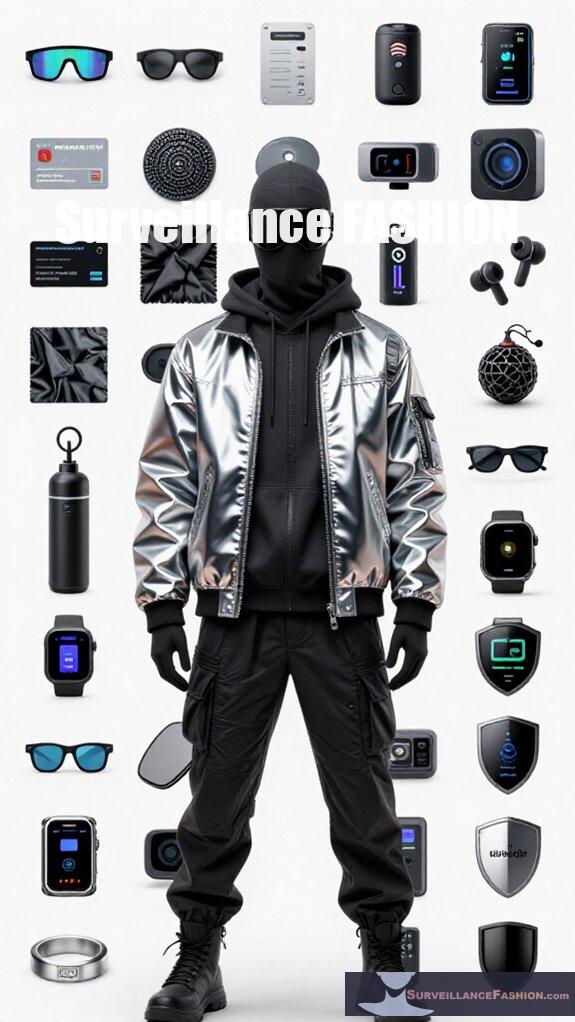
  • 10 Tips: Smart Wearables Outsmart Surveillance Cameras

    10 Tips: Smart Wearables Outsmart Surveillance Cameras

    Ever felt like you’re in a movie where everybody’s watching your every move?

    I have, and trust me, it’s unsettling.

    Wearing my anti-surveillance gear made me feel like a secret agent. Picture this: an outfit made of infrared-blocking fabric and a pair of funky digital glasses that scramble facial recognition.

    I mean, why not mess with the system while looking stylish, right?

    Those “spy-chic” outfits? They genuinely work! A quick stroll downtown and—poof!—I vanished from their prying eyes.

    Who knew fashion could be my ultimate cloak and dagger?

    But let’s be real: no solution is foolproof. Technology evolves, and so must we.

    We can’t ignore the paranoia that comes with all this—it’s a fine line we walk.

    My Encounter with Smart Wearables: A Lesson in Disguise

    Last summer, I attended a tech expo where one of the exhibitors flaunted a wearable that could confuse facial recognition tech. Curious, I walked by their booth dressed in my best “anti-observer” ensemble—black with a touch of shimmer for the fun.

    Suddenly, I noticed a dozen cameras glaring at me. A surge of anxiety washed over me, but I remembered my outfit’s capabilities.

    I stood straighter, wearing a grin that might have said, “Catch me if you can!”

    Using their demo, I saw how my look scrambled the algorithms like bad Wi-Fi.

    It was a thrill to realize that a fusion of fashion and technology could afford me a sense of security, all while mixing with gadgets that were as trendy as my favorite jeans.

    But I learned one thing: enjoying this freedom, while knowing the surveillance game’s never-ending, was bittersweet.

    Quick Takeaways

    • Utilize smart wearables with embedded displays that confuse sensor readings, enhancing personal privacy and reducing surveillance capture chances.
    • Wearables with infrared LED technology can blind thermal cameras, making it difficult for surveillance systems to track individuals.
    • Incorporate patterned clothing made from reflective materials, disrupting sensors and obscuring personal identity from recognition algorithms.
    • Opt for accessories designed to block infrared detection, such as specialized sunglasses, to further evade facial recognition technologies.
    • Employ wearables that incorporate AI-generated patterns, confusing recognition systems with dynamic designs inspired by animals or abstract visuals.

    Understanding Smart Wearables and Their Capabilities

    revolutionizing health monitoring technology

    As you step into the developing world of smart wearables, you may find it fascinating how these devices have transcended their initial functions, becoming essential tools for health and wellness monitoring.

    With advanced wearable capabilities, these devices now seamlessly integrate health data, utilizing AI to offer personalized perspectives.

    For instance, smart rings and patches provide medical-grade biosensing, ensuring accuracy while maintaining smart design for discreet use.

    Additionally, AI-enhanced sleep bands not only assess sleep quality but also suggest behavioral optimizations, demonstrating a shift from passive tracking to active coaching.

    Such innovations underscore the power of wearables in revolutionizing personal health management, as advances in health monitoring sensors continue to make these devices increasingly essential for health-conscious consumers.

    The Rise of Anti-Surveillance Fashion

    In light of increasing concerns surrounding personal privacy and data exploitation, anti-surveillance fashion has emerged not merely as a trend but as an essential response to the pervasive growth of surveillance technologies.

    The cultural significance is palpable, as individuals gravitate towards clothing that embodies not only a rejection of invasive monitoring practices but also a fashionable rebellion against societal norms.

    With ethical implications woven throughout, this innovative style incorporates patterns that mislead facial recognition algorithms, alongside accessories like reflective sunglasses designed to evade thermal detection. Additionally, mastering nonverbal cues plays a crucial role in how individuals can modify their body language to further enhance their anonymity in public spaces.

    Ultimately, anti-surveillance fashion represents an empowering stance, reclaiming autonomy in an age dominated by unobtrusive scrutiny from ubiquitous surveillance systems.

    Techniques Used to Counteract Surveillance

    The scenery of counter-surveillance techniques is diverse and multifaceted, reflecting the urgent need for individuals to address the omnipresence of monitoring technologies.

    Utilizing wearable technologies is paramount; projection devices can distort facial features, confusing facial recognition systems, while metallized fabrics block RF signals, enhancing data privacy. Additionally, the emergence of surveillance-blocking wearables brings innovative solutions that advance personal security.

    Moreover, bug detectors and network scanners safeguard against unauthorized access, revealing potential breaches.

    Developing situational awareness—observing surroundings and varying movement patterns—can deter surveillance efforts.

    Thus, by integrating such sophisticated strategies, individuals empower themselves in the continuous battle against surveillance, reinforcing why we created this website, Surveillance Fashion, to navigate the complex terrain of personal freedom.

    Health Tracking Wearables as Surveillance Tools

    wearables health data surveillance

    Despite their primary marketing as tools for health improvement, health tracking wearables frequently serve as passive surveillance instruments, quietly gathering extensive physiological and behavioral data.

    These devices engage in continuous passive monitoring, collecting information on heart rate, sleep patterns, and even location through GPS, thereby constructing detailed health analytics profiles.

    With the ability to detect conditions like atrial fibrillation or patterns indicating infectious diseases, wearables extend their use beyond personal health, facilitating broader population surveillance.

    This aggregation of data not only empowers individual health management but also paves the way for potentially intrusive institutional oversight, revealing the dual-edged nature of such technology. Moreover, the use of wearables raises significant concerns over digital footprint security, necessitating a careful consideration of privacy implications.

    Privacy Risks Associated With Wearable Technology

    While you might view wearable technology primarily as a personal assistant in achieving health goals, the reality encompasses significant privacy risks that necessitate critical examination.

    Data Collection RisksImpact on Users
    Extensive health trackingBiometric privacy concerns arise
    Data sharing with third partiesErosion of data consent awareness
    Security vulnerabilitiesIncreased risks of identity theft
    Lack of regulatory protectionsLimited safeguards against misuse

    With around 90% of devices collecting sensitive health data, you must scrutinize consent, especially given the unclear data-sharing practices that infringe upon individual privacy expectations.

    Integrating Disruption Technology Into Wearables

    Integrating cutting-edge disruption technology into wearable devices marks a transformative shift in both functionality and privacy management, enhancing user experience while addressing escalating surveillance concerns.

    By embedding multi-modal sensors and intelligent AI algorithms, wearables can deploy sophisticated disruption strategies, such as selective data masking or real-time situation-aware adjustments.

    For instance, augmented reality capabilities may disrupt facial recognition systems, while blockchain guarantees secure, auditable management of personal data.

    As you embrace wearable innovation, you’ll find that these advancements not only elevate convenience but also empower you to navigate an increasingly monitored world, precisely aligning with the mission of Surveillance Fashion to bolster user privacy.

    The Role of Urban Activism in Wearable Design

    wearable technology for activism

    Urban activism has increasingly shaped the design and functionality of wearable technology, as individuals seek to merge personal expression with collective advocacy in increasingly monitored cities.

    By emphasizing urban visibility and facilitating wearable communication, activists transform garments into powerful statements, conveying solidarity and promoting social change.

    For instance, custom wearables integrated with QR codes allow users to share essential information related to local causes, while participatory data gathering empowers communities, particularly youth.

    As urban activists leverage technology, they’re not only enhancing safety and engagement but also repositioning fashion as a vehicle for activism, highlighting the essence of this mission through platforms like Surveillance Fashion.

    Balancing Benefits and Privacy Concerns

    As smart wearables increasingly infiltrate daily life, individuals often find themselves guiding through the delicate balance between health benefits and privacy concerns inherent in these ubiquitous devices.

    While wearable ethics advocate for user consent and data minimization, the privacy trade-offs are significant; for example, continuous health monitoring enables timely interventions but complicates consent protocols.

    Furthermore, advanced features like anonymization and real-time alerts enhance safety yet raise complex questions about data ownership and surveillance exposure.

    Ultimately, maneuvering through this domain of benefits and risks exemplifies the necessity of informed decision-making—as encapsulated by our mission with Surveillance Fashion to empower users in the age of surveillance.

    Real-World Applications of Anti-Surveillance Wearables

    In a terrain increasingly dominated by surveillance technologies, where your every move can be monitored through various digital lenses, anti-surveillance wearables have emerged as innovative solutions that prioritize personal privacy.

    These real-world applications exemplify the intersection of wearable innovation and privacy fashion:

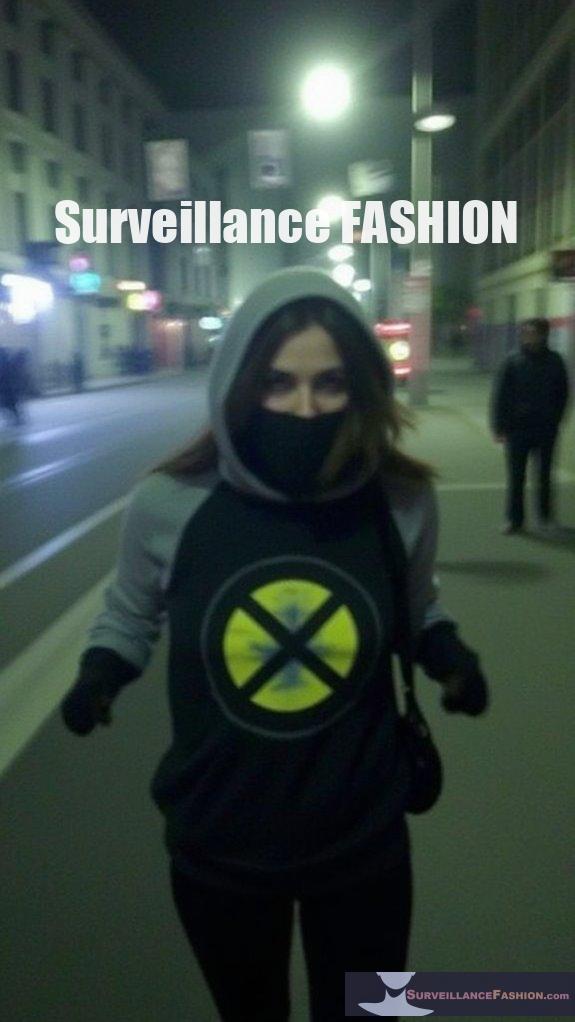
    1. Infrared LED-Embedded Garments: Hoodies blind cameras using invisible light, thwarting voyeuristic prying.
    2. AI-Generated Patterned Clothing: Animal-inspired designs confuse recognition algorithms, ensuring anonymity in urban spaces.
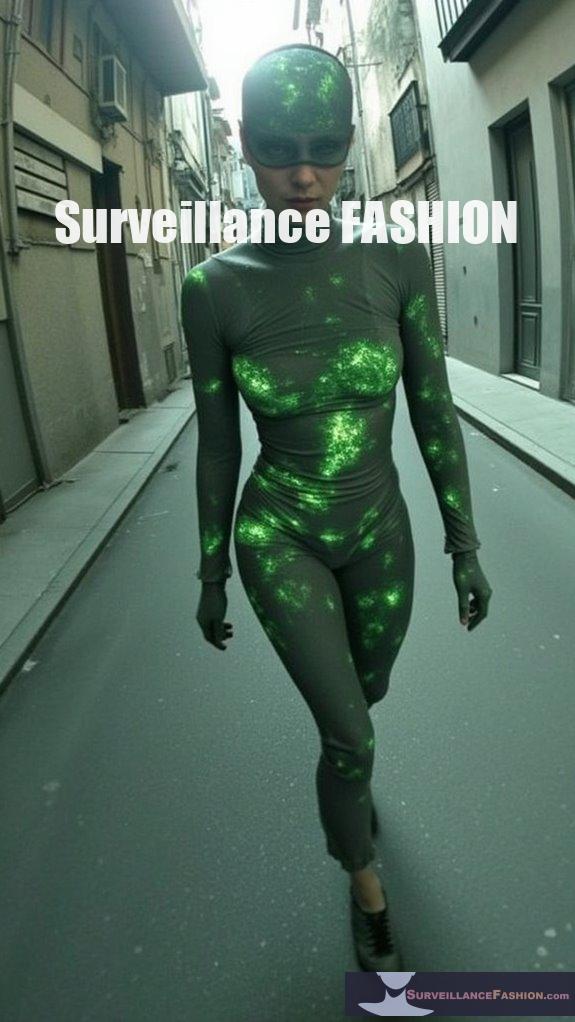
    3. Metallized Shielding Clothing: Coats block tracking signals while creating dynamic visual obfuscation.

    Such products not only enhance individual protection but also empower you to assert your privacy in an increasingly surveilled world.

    empowering privacy through wearables

    Advancements in smart wearables continue to reshape our interaction with technology, particularly in response to the pervasive surveillance that pervades everyday life.

    As wearable ecosystems evolve, privacy enhancing features are making headway, catalyzed by AI integration and connectivity enhancements. For instance, the capability to detect unusual health changes is paired with real-time data analysis, reshaping health privacy.

    Additionally, military-grade designs and seamless biometric wearability guarantee durability while reinforcing user anonymity.

    Such innovations not only empower individuals but also signify a growing resistance against surveillance technologies. By embracing this trend, we foster a more secure environment where personal autonomy thrives.

    Facial Recognition Technology Deployment

    Facial recognition technology (FRT) deployment has transformed numerous sectors, enabling a range of applications that streamline operations and enhance security measures.

    Here are three notable scenarios employing FRT:

    1. Corporate and Healthcare: Automating identification and access control to sensitive areas.
    2. Airports: Expediting passenger processing by matching faces against watchlists.
    3. Law Enforcement: Rapidly locating suspects and deterring crime through integration with police databases.

    Yet, the growing reliance on FRT raises critical concerns about facial recognition ethics and varying surveillance regulations globally. This requires robust frameworks to guarantee responsible deployment while maximizing security benefits.

    Fashion for Identity Concealment

    As you navigate a world increasingly dominated by surveillance technology, the evolution of fashion for identity concealment emerges as a compelling response to the pervasive threat of digital monitoring. Urban clothing trends now incorporate identity concealment techniques, utilizing innovative materials and designs that thwart surveillance systems.

    TechniqueDescriptionExample
    Specialized GarmentsHoodies and scarves to obstruct visibilityOversized hoodies
    Smart WearablesEmbedded displays and emitters to confuse sensorsLED jackets
    Optical IllusionsContrasting makeup patterns to mislead AIAsymmetrical designs
    Infrared-Blocking FabricsFabrics that evade infrared detectionCamouflage fabrics
    Patterned MaterialsReflective materials that overload sensorsDisruptive patterns

    Anti-Surveillance Fashion as Urban Activism

    anti surveillance urban activism fashion

    The emergence of anti-surveillance fashion as a form of urban activism represents a collective response to an ever-present digital gaze that permeates contemporary life.

    This movement, infused with design ethics and activist aesthetics, seeks to challenge the normalization of surveillance through impactful visual statements.

    1. Garments obstruct facial recognition, utilizing patterns that confuse technological systems.
    2. Accessories, like specialized sunglasses, effectively block infrared cameras.
    3. Initiatives to replicate designs foster community solidarity against surveillance.

    Such innovative expressions not only raise awareness but also redefine public spaces, empowering individuals while reinforcing a collective stance against data privacy erosion.

    Eyes Everywhere: Anti-Surveillance Ebook review

    In “Eyes Everywhere,” readers encounter an extensive analysis of the vast surveillance networks that intertwine government and corporate interests, creating a pervasive infrastructure of monitoring that routinely collects and processes personal data from various aspects of everyday life.

    Surveillance AspectImpact
    Government SurveillanceEnables data privacy erosion
    Corporate SurveillancePromotes wearable ethics challenges
    Global Data SharingCreates an opaque web of unchecked power

    The ebook’s critical observations reveal how mass data collection targets dissent and impacts marginalized communities, underscoring the urgent need for awareness in this dominant surveillance era and informing your strategic decisions about privacy and technology engagement.

    Share Your Own Story

    In an era where surveillance permeates urban spaces, embracing anti-surveillance fashion emerges as both a personal and collective statement. For instance, consider a hypothetical scenario in which an individual dons a reflective, light-diffusing jacket designed to disrupt facial recognition algorithms—effectively shielding their identity while attending a public event. Such innovations highlight the necessity for individuals to actively engage in the protection of their privacy, a motivation underpinning the creation of resources like Surveillance Fashion, which aim to equip users with essential knowledge in this transforming environment.

    Share your own story!

    References

  • Balancing Urban Security With Individual Rights

    Balancing Urban Security With Individual Rights

    Ever felt like a walking target when you step outside?

    With over 85 million surveillance cameras in the U.S., I can’t help but wonder if I’ve been cast in a dystopian reality show.

    Last summer, I wore my favorite anti-surveillance hoodie during a stroll in the park. Funny, right? I felt both like a fashion icon and an undercover agent.

    But beneath the humor lies a serious concern about privacy. Those cameras often invade our sacred space, especially for vulnerable communities.

    It’s a delicate dance between safety and rights—one I’m still learning to navigate.

    What about you? Do the walls have ears?

    The Art of Anti-Surveillance: My Hoodie Story

    One day, on a spontaneous trip to the city, I donned my new anti-surveillance hoodie. It promised to block facial recognition technology, and I couldn’t resist testing its powers.

    As I wandered through the bustling streets, I felt liberated—free from prying eyes. But then, I spotted a sign that read, “Smile! You’re on surveillance.” It was a harsh reminder that even in my trendy gear, I wasn’t completely invisible.

    This moment stuck with me, fueling my passion for privacy rights and sparking conversations about data protection and fashion. Turns out, style can be a form of rebellion too.

    Quick Takeaways

    • Surveillance technologies must incorporate ethical frameworks to ensure accountability and protect civil liberties in urban environments.
    • Community engagement is vital to understanding local safety needs and enhancing trust between residents and law enforcement.
    • Policies should prioritize transparency in data usage to mitigate public distrust and prevent discriminatory outcomes in surveillance practices.
    • Addressing socio-economic disparities can improve overall community safety while respecting individual rights and freedoms.
    • Striking a balance between urban security measures and individual privacy rights is critical to maintaining democratic values in society.

    The Rise of Urban Surveillance Technologies

    urban surveillance technology transformation

    As urban environments increasingly embrace the capabilities of surveillance technologies, a dramatic transformation is underway that reshapes public safety and personal privacy.

    You’ll find that the proliferation of surveillance innovation, with over 85 million cameras in the U.S. alone, fundamentally alters urban safety frameworks. In cities like Atlanta, the density of 124 cameras per 1,000 people epitomizes this shift, enabling advanced AI analytics for real-time threat detection. Notably, the surveillance market is projected to reach $24.75 billion by 2030, reflecting a growing investment in these technologies. This rapid expansion raises essential concerns about surveillance ethics and the potential for misuse of data collected.

    Meanwhile, cloud-based platforms enhance data management, offering central control across interconnected urban networks.

    This remarkable evolution not only addresses safety concerns but also prompts necessary discussions about privacy protocols and ethical boundaries, calling for proactive engagement in shaping future environments.

    Impacts of Big Data on Public Safety

    In an era dominated by technological advancements, the influence of big data on public safety can’t be overstated, particularly as urban locales seek innovative solutions to complex security challenges. However, it is essential to address the ethical concerns surrounding mass surveillance practices to ensure a balance between security and individual privacy rights.

    Invasion of Privacy: Concerns and Implications

    Urban environments, increasingly reliant on sophisticated surveillance systems, face a paradox at the intersection of security and privacy, raising complex questions about individual rights and societal safety. The psychological effects of surveillance may also undermine the foundational principles of democracy, as citizens become wary of government oversight.

    Surveillance AspectPrivacy Implications
    Citywide camera networksUnequal monitoring effects
    AI facial recognitionErosion of privacy boundaries
    Data aggregationInvasive behavior tracking
    Drones in public spacesOver-policing in communities
    Body-worn camerasExtended video retention risks

    As another layer to this debate, the ethical dimensions of surveillance demand rigorous scrutiny, particularly regarding the power dynamics that shape our cities’ security practices today.

    Militarization of Urban Policing

    militarized policing undermines trust

    Militarized policing has rapidly evolved to directly shape interactions between law enforcement and the communities they serve, often resulting in profound implications for public safety and trust.

    The adoption of militarized tactics, including armored vehicles and SWAT teams, has led to a troubling shift in community relations, where public perception of police is marred by visible displays of force.

    Studies show that although militarization is intended to enhance safety, its presence often escalates tensions, undermining trust. You might notice the surge in violent encounters between citizens and law enforcement, questioning the very effectiveness of such aggressive approaches in fostering secure, cooperative environments.

    Racial Discrimination and Civil Rights Violations

    The pervasive issue of racial discrimination within law enforcement intersects alarmingly with civil rights violations, presenting a persistent challenge to the foundational principles of justice and equality that underpin our society.

    You can’t ignore the reality that racial profiling disproportionately targets Black and Latinx individuals, leading to unjustified stops, searches, and encounters marked by excessive force.

    These civil liberties infringements not only destabilize community trust but also provoke systemic inequities in arrests and treatment.

    When systemic racism pervades policing practices, it becomes critical to scrutinize policies, ensuring that urban security measures don’t trample the rights and dignity of marginalized communities, a key motivation behind our publication, Surveillance Fashion.

    Balancing Security Measures With Human Rights

    While maneuvering the complex relationship between security measures and human rights, one must recognize that the challenge lies not only in safeguarding the populace but also in upholding the dignity and freedoms of individuals.

    To achieve an effective balance, security transparency serves as a critical mechanism, ensuring that interventions are both justified and proportionate to specific threats.

    Implementing robust regulatory frameworks, aligned with international norms, can mitigate potential abuses while enhancing human rights protection. These structures not only limit indiscriminate surveillance but also empower citizens, fostering trust in governance.

    Ultimately, an informed populace grounded in rights can drive meaningful change, steering through the delicate interplay of security and freedom.

    Accountability Gaps in Surveillance Practices

    surveillance accountability and transparency

    As urban environments increasingly adopt surveillance technologies to enhance security, significant accountability gaps have emerged, often leaving citizens vulnerable to violations of their rights.

    Accountability IssuesExamples
    Regulatory EnvironmentAbsence of clear data usage laws
    Transparency IssuesPublic distrust due to opaque methods
    Bias ChallengesDiscriminatory outcomes from data models
    Oversight MechanismsInadequate citizen engagement
    Ethical ImplicationsRapid adoption without ethical frameworks

    Bridging these gaps requires robust accountability frameworks, emphasizing citizen engagement and transparent practices to mitigate ethical implications of pervasive data collection.

    Community Resistance to Securitized Policies

    Community resistance to securitized policies often emerges from a profound disconnect between top-down safety measures and the lived realities of urban populations.

    When communities feel sidelined, their responses shift toward empowerment and engagement, emphasizing the need for localized solutions.

    Effective strategies include:

    • Prioritizing community engagement to gather understanding
    • Ensuring representation of marginalized voices in policy discussions
    • Addressing socio-economic disparities as core safety issues
    • Fostering trust through transparency and collaboration

    Facial Recognition Technology Deployment

    Facial recognition technology (FRT) has rapidly transformed urban security frameworks, particularly as municipalities seek to improve their crime prevention strategies amidst rising public safety concerns.

    While FRT boasts potential benefits such as enhanced facial recognition accuracy in identifying suspects, issues surrounding biometric data privacy can’t be overlooked. Mixed results from studies indicate that despite some crime reduction, other offenses surged following FRT restrictions.

    Moreover, the heavy reliance on surveillance systems often exacerbates systemic biases, casting a shadow over law enforcement practices. Balancing these complex elements remains essential in fostering a secure environment, one that respects individual rights and leverages technology’s capabilities responsibly.

    Surveillance-Integrated Clothing Styles

    surveillance enhanced smart clothing

    With the advent of advanced textile technologies, innovative surveillance-integrated clothing styles are emerging, revolutionizing how individuals interact with both their environments and personal data.

    These smart fabrics equipped with wearable sensors enable you to experience unparalleled functionality and awareness:

    • Real-time biometric monitoring, including heart rate and body temperature, enhances health understanding.
    • Seamless tracking of movement metrics refines performance analysis.
    • Environmental sensors improve situational awareness by detecting temperature and pollutants.
    • Adaptive features, such as haptic feedback, respond to immediate conditions optimizing user experience.

    As these technologies evolve, they ignite discussion, shaping urban security parameters while emphasizing your rights in a surveilled world.

    Civil Liberties in Surveilled Environments

    Surveillance technologies, while heralded for their potential to enhance urban security, have serious implications for civil liberties that are becoming increasingly evident as their adoption spreads.

    The chilling effects of surveillance permeate expression freedoms and data privacy, fostering an environment where marginalized voices often suffer disproportionately.

    Without robust community oversight, unchecked authority erodes public trust and infringes on civil rights, particularly among racial minorities historically targeted by surveillance tools.

    As you navigate this complex terrain, technology ethics emerge as an essential consideration, emphasizing the need for accountable practices to safeguard individual freedoms while promoting an environment conducive to healthy democratic discourse.

    Eyes Everywhere: Anti-Surveillance Ebook review

    Although many individuals may overlook the complexities of modern surveillance systems, “Eyes Everywhere: Anti-Surveillance” explores the detailed web woven between government entities and corporate platforms that fundamentally alters the urban setting.

    You’ll uncover how surveillance art and data visibility intertwine to form a normalized environment of control.

    • The merger of government and corporate surveillance reshapes civil liberties.
    • Extensive data collection permeates personal communications and public spaces.
    • Surveillance strategies can undermine and disrupt social movements.
    • Global expansion reveals a pervasive camera presence, often failing to enhance safety.

    In this elaborate narrative, power dynamics surface, prompting reflection on the implications of living in a surveilled society.

    Share Your Own Story

    In traversing the intricate nexus of urban security and individual rights, we must consider the critical conversation surrounding surveillance systems. While the proliferation of data-driven technologies promises enhanced public safety, it simultaneously raises significant questions about privacy invasion and civil liberties erosion. Striking a sustainable balance necessitates scrutiny, especially given the pervasive presence of facial recognition and militarized policing approaches. As urban environments evolve, so too must our strategies, ensuring that security doesn’t suffocate personal freedoms amidst ever-watchful eyes.

    Share your own story!

    References

  • 7 Best Recognition Privacy Versus Safety Tradeoffs

    7 Best Recognition Privacy Versus Safety Tradeoffs

    Stepping into the world of anti-surveillance fashion feels like a rebellious act of self-expression.

    I remember the time I donned my quirky, CCTV-blocking hoodie at a crowded train station. Did I feel like a hacker in an action movie? Absolutely.

    Yet, the reality is jarring: technology seems to watch our every move. I mean, who knew selfie practice could lead to self-censorship?

    Facial recognition is all the rage—just not in my wardrobe. I often wonder: is staying unnoticed worth a few a stares in a fashion faux pas?

    Here’s to the thrill of keeping my privacy alive, one outfit at a time!

    The Day I Went Incognito on Public Transport

    I hopped on a packed subway wearing my stylish anti-surveillance jacket embellished with reflective patterns. To my surprise, it turned heads—it wasn’t exactly the ghostly look I was going for. Instead of becoming an invisible entity, I became the center of many curious gazes.

    I felt like a fashion icon and an undercover agent simultaneously!

    While people pondered on my mysterious attire, I swayed between excitement and anxiety. Should I feel proud or paranoid? It’s fascinating how fashion can be a statement, a shield, and an experience all at once.

    Quick Takeaways

    • Balancing facial recognition usage enhances public safety but raises significant privacy concerns that can lead to increased surveillance anxiety among citizens.
    • Implementing dynamic consent gives individuals real-time control over their personal data, helping to mitigate privacy risks while maintaining safety benefits.
    • Transparent regulations on facial recognition technology can foster trust, addressing algorithmic biases that disproportionately affect marginalized communities and promoting equitable safety measures.
    • Community engagement in surveillance technology decisions ensures adherence to local values, striking a balance between safety enhancements and respect for privacy rights.
    • Utilizing advanced reporting and oversight mechanisms can enhance law enforcement accountability while ensuring that personal data is handled responsibly and ethically.

    Privacy Intrusion: The Dilemma of Constant Surveillance

    surveillance anxiety and self censorship

    In a world where constant surveillance has become the norm, the implications of such pervasive observation extend beyond mere data collection; it profoundly affects individual psychological well-being and societal dynamics.

    Surveillance anxiety manifests when you realize you’re under watch, leading to a heightened sense of vulnerability. This can provoke emotional distress, severely impacting your mental health. Security technologies can deter potential threats, yet their omnipresence can also lead to feelings of constant scrutiny. Furthermore, the impact of digital monitoring on free thought can result in increased self-imposed restrictions on behavior and expression.

    As a result, self-censorship effects emerge, causing you to limit your speech and actions, and thereby stifling personal expression. The persistent worry about privacy concerns cultivates an environment of emotional guardedness, which can exacerbate existing anxiety disorders and contribute to a pervasive sense of unease.

    In essence, understanding these nuances allows you to navigate the complex terrain of privacy intrusions and their psychological ramifications, a key focus of our platform, Surveillance Fashion.

    Addressing Discrimination: Balancing Accuracy and Fairness

    Constant surveillance raises pressing concerns not only about personal privacy but also about the accuracy and fairness of technologies like facial recognition.

    Constant surveillance brings significant issues regarding personal privacy alongside the reliability and justice of facial recognition technology.

    You must recognize that biased algorithms contribute to significant demographic disparities, particularly impacting marginalized communities. For instance, error rates soar for darker-skinned individuals, reaching alarming levels of up to 34.7%, while light-skinned men experience rates around 0.8%.

    This imbalance not only jeopardizes individual rights but also fosters systemic inequality, breeding mistrust between authorities and vulnerable populations. Racial bias in predictive policing practices often exacerbates these issues by disproportionately targeting communities of color.

    Enhancing fairness demands a commitment to diverse training datasets that reduce these biases, enabling more equitable outcomes.

    As we collectively navigate these complexities, the conversation around technological ethics must evolve, encompassing powerful solutions, perhaps inspired by enlightening platforms like Surveillance Fashion that challenge conventional oversight tactics.

    As concerns surrounding personal data intensify, the necessity for individuals to assert control over their digital footprints gains urgency. You likely feel that the current consent models are inadequate, leaving you vulnerable amidst a complex web of data practices.

    Dynamic consent empowers you, offering real-time control over data access while enhancing transparency. This control is essential in a time when 84% of adults perceive themselves as powerless regarding personal data management. In the context of advancing technologies, understanding facial recognition technology is critical for ensuring that your consent is informed and respected.

    Moreover, integrating blockchain technology into consent systems fosters data traceability, ensuring you know exactly how your data is used.

    Advocates, like MyData.org, echo the call for individuals to reclaim their data autonomy, urging the development of systems that respond to your needs for both clarity and accountability in the digital realm.

    Regulatory Gaps: Navigating Innovation and Oversight

    Steering through the regulatory terrain that aims to balance innovation with privacy is increasingly challenging, particularly as advancements in technology, especially artificial intelligence, shape our everyday experiences in profound ways.

    You’ll find the existing environment riddled with gaps that inhibit ideal governance models, particularly in AI regulations.

    • Fragmented regulatory frameworks create uneven compliance challenges.
    • Enforcement actions are inconsistent, stifling innovation across jurisdictions.
    • The absence of thorough laws leaves AI’s nuances poorly addressed.
    • Adaptability is essential in developing fair, effective governance.

    As you navigate these complexities, be aware that without effective harmonization, businesses risk falling prey to compliance traps while working to innovate—highlighting the critical intersection of safety, privacy, and technological advancement.

    Corporate Responsibility: The Role of Private Sector Moratoriums

    corporate moratoriums on surveillance

    Corporate responsibility in the domain of facial recognition technology (FRT) has increasingly become a focal point of discussion, particularly in light of recent societal shifts that emphasize privacy rights and ethical governance.

    Corporate initiatives, such as moratoriums enacted by leading tech giants like Amazon, Microsoft, and IBM, reflect a growing ethical responsibility to address concerns surrounding privacy invasions and algorithmic biases that can lead to systemic discrimination.

    Corporate moratoriums by tech giants like Amazon, Microsoft, and IBM signify a heightened ethical commitment to tackle privacy and bias issues.

    These self-imposed pauses on selling FRT to law enforcement, however strategic, often reveal the limitations of purely voluntary actions, as governmental agencies can still acquire such technology from alternative vendors.

    As we explore this complex balance between power and oversight, understanding the efficacy of these corporate moratoriums is essential, offering subtle perspectives pivotal to informed discussions on Surveillance Fashion’s objectives.

    Ensuring Transparency: Accountability in Law Enforcement

    Transparency in law enforcement is pivotal for fostering trust, ensuring accountability, and empowering communities.

    • Clear ethical standards enhance police transparency.
    • Independent oversight bodies validate accountability mechanisms.
    • Advanced reporting software tracks officer misconduct thoroughly.
    • Public access to departmental policies bolsters community trust.

    You’ll find that implementing robust accountability systems isn’t merely beneficial but essential.

    By establishing transparent processes through thorough incident reporting and utilizing national databases, law enforcement agencies can enhance community trust, making them more accountable for their actions.

    For instance, the National Law Enforcement Accountability Database serves as a critical tool in tracking officer behavior, promoting transparency across jurisdictions.

    Consequently, fostering openness in police actions minimizes the risk of misconduct, ensuring that the fundamental values of justice and public service are upheld.

    Community Engagement: Aligning Surveillance Practices With Public Values

    While community engagement is essential in shaping the effectiveness of surveillance practices, fostering alignment with public values requires careful consideration of both social dynamics and technological advancements.

    To cultivate community trust, it’s imperative to integrate surveillance ethics into collaborative frameworks, drawing upon participatory engagement methods that resonate with local values. For instance, when surveillance initiatives respect cultural norms, they generate greater buy-in, encouraging community members to actively participate and report health events, thereby enhancing detection accuracy.

    Real-time data usage further strengthens transparency and responsiveness, affirming the authorities’ commitment to public health.

    Through adaptive strategies linking surveillance with community care models, you elevate successful initiatives—aligning them with your constituents’ priorities, thereby promoting sustained engagement and effective crime prevention methods that reflect genuine safety concerns.

    Trendy Cctv-Integrated Clothing

    As the demand for innovative safety solutions continues to escalate, trendy CCTV-integrated clothing emerges as a compelling synthesis of fashion and technology, which elevates personal security while simultaneously posing significant privacy concerns.

    • Miniaturized cameras enhance surveillance without sacrificing style.
    • Smart fabrics discreetly integrate technology into everyday wear.
    • AI-driven analytics provide real-time monitoring and response.
    • User-controlled privacy settings balance security and personal freedom.

    This fusion of fashion technology and wearable surveillance manifests in uniforms for retail staff, body-worn video for law enforcement, and personal safety gear for vulnerable populations.

    Yet, while you navigate the exhilarating possibilities, a delicate trade-off emerges between enhanced security and potential erosion of civil liberties—a critical consideration, particularly as we explore the ultimate goal of fostering safer environments through our website Surveillance Fashion.

    Urban Drone Monitoring Systems

    urban drone privacy challenges

    Urban drone monitoring systems represent an exciting intersection of technological advancement and public safety, offering significant potential to enhance security measures in densely populated areas as cities continue to evolve amidst escalating security threats. However, these systems must traverse complex challenges, particularly related to urban privacy and drone surveillance capabilities.

    Challenge Solution
    Unauthorized access Multi-factor authentication
    Data security Encryption and secure protocols
    Privacy concerns Compliance with regulations
    Timeliness vs. security Robust pre-flight checks

    Given the dual pressure from public safety and individual privacy, achieving an equilibrium is essential. As we explore urban drone monitoring at Surveillance Fashion, understanding these tradeoffs becomes paramount for maneuvering this technologically elaborate environment while ensuring societal protection.

    Facial Recognition Privacy Rights Tradeoffs

    The implementation of facial recognition technology has sparked an ongoing debate about privacy rights and public safety, particularly as its presence permeates various public venues, from shopping centers to airports.

    • Over 20 U.S. states now regulate facial scanning, emphasizing consent.
    • Illinois’ BIPA mandates strict policies to protect biometric information.
    • High-profile breaches highlight the risks of unauthorized data collection.
    • Experts urge for robust oversight to prevent misuse.

    As you navigate through spaces subjected to facial recognition, consider the pervasive privacy implications that dictate your personal inferences and data usage.

    While such technology offers enhanced safety, it inevitably raises concerns about consent and transparency, as many remain unaware of when their biometric data is captured.

    It’s vital to advocate for your privacy rights amid these technological advancements.

    Eyes Everywhere: Anti-Surveillance Ebook review

    Surveillance technologies have permeated everyday life, fundamentally altering how society engages with the notion of privacy.

    “Eyes Everywhere” compellingly reveals the deep integration of government-corporate surveillance networks that monitor personal communications and public activities.

    As you navigate your daily routine, consider the extensive use of CCTV, data from tolls, and digital records that merge to create a pervasive scrutiny over your actions.

    This ebook emphasizes the importance of public awareness, urging readers to adopt anti-surveillance tactics.

    The disturbing collaboration between law enforcement and financial institutions signifies a profound departure from civil liberties, prioritizing corporate interests over individual rights.

    The continuous growth of surveillance methods compels a reassessment of privacy values and the imperative to reclaim personal autonomy in an increasingly monitored society.

    FAQ

    How Does Facial Recognition Technology Work?

    Facial recognition technology works by utilizing advanced image processing techniques for facial mapping.

    Initially, it captures an image, then isolates the face, enhancing its attributes. Unique features such as the distance between your eyes or the shape of your nose are extracted, creating a biometric template.

    Finally, this template is matched against stored profiles using sophisticated algorithms, enabling applications in identity verification and secure transactions. Each step enhances accuracy, essential in today’s surveillance environment.

    What Are Potential Benefits of Facial Recognition Beyond Law Enforcement?

    Facial recognition offers significant benefits beyond law enforcement, particularly in healthcare applications and retail analytics.

    In healthcare, it enables precise diagnostics by analyzing facial features to identify genetic disorders, while also monitoring patient emotional states.

    In retail, businesses harness this technology for tailored experiences and effective customer engagement, utilizing analytics for demographic understanding.

    Ultimately, as we explore these applications, grasping this technology’s multifaceted impact can redefine consumer interactions, propelling advancements in sectors we investigate at Surveillance Fashion.

    How Are Facial Recognition Systems Tested for Accuracy?

    Facial recognition systems undergo rigorous testing for accuracy through established accuracy benchmarks and varied testing methodologies.

    You’ll find that testing involves assembling databases of facial images with known identities and evaluating system performance against false positives and negatives.

    For instance, models may be tested on diverse datasets, like CCTV stills or social media images, ensuring robust performance in real-world scenarios, a practice fundamental to the principles we explore at Surveillance Fashion.

    What Are the Global Standards for Facial Recognition Regulations?

    Globally, the terrain of facial recognition regulations is rapidly changing, with more than 60 countries developing frameworks addressing ethical use, privacy, and public safety.

    As you navigate these regulations, bear in mind that compliance isn’t uniform; for instance, the EU’s GDPR mandates explicit consent for processing biometric data, contrasting sharply with the fragmented U.S. approach.

    These variations underline the importance of understanding the regulatory compliance nuances as you engage with facial recognition technologies across jurisdictions.

    How Can Individuals Protect Their Privacy From Facial Recognition?

    To protect your privacy from facial recognition, consider employing encryption methods that shield your biometric data.

    Explore biometric alternatives like fingerprint or iris recognition, which may offer additional layers of security.

    When in high-surveillance areas, wear physical countermeasures, such as masks or sunglasses, to obscure facial features.

    At Surveillance Fashion, we advocate for informed choices—support legislation promoting consent and transparency, reinforcing your autonomy over personal information in a rapidly changing technological environment.

    Share Your Own Garden

    Steering through the tradeoffs between recognition privacy and safety mirrors walking a tightrope—where one misstep can lead to unintended consequences. Just as a tightrope walker balances their weight and adjusts with every sway, society must carefully weigh the benefits of surveillance technologies against their potential to infringe upon individual freedoms. Such an appraisal underscores the importance of informed discourse, which is precisely why Surveillance Fashion aims to illuminate these intricate intersections of privacy, safety, and corporate accountability.

    References

  • Why Fight License Plate Scanning Surveillance?

    Why Fight License Plate Scanning Surveillance?

    Fighting license plate scanning surveillance feels like a heartfelt struggle for privacy.

    Let me tell you—when I realized my car was being spied on without consent, it felt like a scene straight out of a bad spy movie.

    You know, a 10% misreading rate? That’s not just techy jargon; it’s a ticket to chaos, leading to wrongful detentions. Talk about uninvited drama!

    I’ve donned anti-surveillance gear myself, like sunglasses so oversized they could double as satellite dishes, thinking, “Beneath these shades, I’m practically invisible.”

    But the truth is, privacy shouldn’t be a fashion statement. It should be a given. Wouldn’t you agree?

    How I Fought Back with Anti-Surveillance Fashion

    Last summer, I strolled through a bustling city market, feeling like a secret agent. I wore a jacket designed to disrupt facial recognition. When curious looks met my stealthy garb, I couldn’t help but laugh. Yet, deep down, I worried.

    What if the surveillance tech mistook me for someone else?

    My friends thought I was just being paranoid, yet my unique approach sparked conversations about privacy in public spaces. It’s more than fashion; it’s a rebellion against encoding our lives into data points. Trust me, when I wore that jacket, I wasn’t just blocking cameras—I was fighting for my right to be unseen.

    Keywords like “anti-surveillance clothing” and “privacy protection” whirl in my mind, proving it’s not just a trend; it’s a necessity!

    Quick Takeaways

    • License Plate Readers (LPRs) collect personal data without consent, infringing on individual privacy rights and diminishing personal agency.
    • Erroneous data from LPRs can lead to wrongful detentions, disproportionately affecting marginalized communities and triggering police aggression.
    • Lack of transparency in data retention and sharing practices allows unchecked accumulation of sensitive information, increasing vulnerability to data breaches.
    • The absence of robust regulatory frameworks enables law enforcement to misuse surveillance data, raising concerns about the exercise of discretionary power.
    • Community engagement is essential to develop accountability measures that protect individual freedoms and promote ethical data handling practices.

    The Rise of License Plate Readers: Surveillance in Our Cities

    license plate reader technology

    As urban environments evolve, the integration of License Plate Readers (LPRs) into our daily lives has markedly transformed the scenery of surveillance.

    These advanced systems, capable of scanning up to 2,000 plates per minute, notably enhance public safety and urban mobility. Imagine streets equipped with fixed LPRs, strategically placed to monitor traffic, effortlessly tracking vehicles linked to crimes. Their ability to provide real-time alerts facilitates immediate intervention, proving invaluable during critical public events or monitoring school zones. Additionally, the data collected includes license plate data, time, date, and GPS coordinates, which raises concerns about privacy and tracking individuals without warrants. Moreover, the implications of mass surveillance can lead to a chilling effect on public behavior, deterring citizens from freely participating in community activities. Furthermore, the burgeoning ALPR market, projected to reach $3.78 billion, underscores the expanding need for such technology in cities worldwide.

    As urban affairs professionals, leveraging LPR data, you empower municipal surveillance initiatives, exemplifying a proactive approach to crime prevention and community safeguarding.

    Privacy Concerns: The Risks of Unconsented Data Collection

    License Plate Readers (LPRs) certainly enhance urban safety and traffic management; however, the widespread adoption of such surveillance technology also raises significant privacy concerns, particularly regarding the unconsented collection of personal data.

    When LPR systems capture your license plate, they do so without your explicit consent, raising alarming ethical implications about data ownership. You may unknowingly contribute to a thorough digital profile of your movements—one that tracks your daily routes and frequent destinations.

    The absence of transparency exacerbates this issue, as agencies often fail to disclose retention policies or sharing practices, allowing unchecked data accumulation.

    This lack of informed consent undermines your agency and encourages misuse, leaving you vulnerable to potential breaches that could expose sensitive details about your life. Additionally, the ethical implications of this surveillance can lead to mass surveillance practices that intrude on individual freedoms and rights.

    Unchecked Power: The Potential for Abuse and Inaccuracies

    Unchecked power in the domain of Automated License Plate Recognition (ALPR) technology presents a formidable challenge to public safety and privacy, as erroneous data and the potential for abuse considerably undermine the system’s reliability.

    With studies indicating that ALPR misreads about one in ten license plates, accuracy issues emerge not just as statistical anomalies but as catalysts for power misuse, leading to wrongful detentions and, alarmingly, instances of police aggression.

    ALPR technology misreads one in ten plates, fueling wrongful detentions and escalating police violence.

    The lack of thorough regulation further amplifies these risks, allowing law enforcement unrestrained access to sensitive data. Such discretionary power, especially when unchecked, easily evolves into surveillance tactics that disproportionately target marginalized communities, as has been revealed by unfortunate uses—from personal investigations to inappropriate scrutiny of social justice advocates.

    This intricacy highlights the need for transparency and accountability in surveillance technologies. Furthermore, the growing trend of police access to private camera networks raises significant concerns regarding data privacy and civil liberties, undermining public trust in law enforcement.

    The Call for Regulation: Advocating for Privacy Protections

    While the growing capabilities of Automated License Plate Recognition (ALPR) technology offer law enforcement enhanced tools for crime prevention, they simultaneously underscore a pressing need for regulatory frameworks that prioritize privacy protections.

    Without uniform federal regulations, states exhibit a patchwork of policies on data collection, retention, and sharing, which can lead to indefinite storage of personal movements.

    The risk is compounded when data is shared with entities like ICE, raising significant privacy concerns.

    Extensive privacy laws, advocating for data minimization, lawful usage, and citizen oversight, become essential to safeguard individuals’ rights.

    transparent community surveillance practices

    In addressing the complexities of Automated License Plate Recognition (ALPR) technology, it’s vital for communities to engage actively in discussions surrounding surveillance practices, particularly as they pertain to clarity and consent.

    Fostering community trust hinges on several critical elements:

    • Clarity improves understanding of how license plate data is collected and utilized, reducing suspicion.
    • Clear consent mechanisms empower residents to control their personal data, enhancing legitimacy.
    • Inclusive policy discussions guarantee diverse viewpoints shape surveillance practices.
    • Independent audits promote accountability, reinforcing confidence in enforcement activities.

    Wearable Tech Tracking Movements

    As wearable technology increasingly permeates daily life, your movements and behaviors can be monitored in ways previously unimaginable, creating both opportunities for enhanced personal understanding and concerns regarding privacy.

    The ability of wearables to continuously collect data on your location and patterns introduces a level of wearable manipulation that raises serious privacy implications. With integration into mobile networks and GPS capabilities, your real-time movements are fundamentally at the fingertips of third parties, including law enforcement and corporations.

    Such surveillance can be inconspicuous, as wearables often upload data without your explicit consent, leading to potential breaches of personal autonomy and security. You may find your social networks and routines analyzed without your knowledge, creating long-term implications for your privacy and freedom.

    It’s essential to reflect on these factors as citizens and advocates for privacy.

    Facial Recognition in Urban Areas

    Facial recognition technology has emerged as a pivotal component of urban surveillance systems, fundamentally transforming the way law enforcement agencies and municipal authorities monitor public spaces.

    This pervasive implementation, however, raises critical concerns about discriminatory policing and algorithmic bias.

    • You may find a concentration of this technology in non-white neighborhoods.
    • Numerous studies expose higher error rates for people of color, particularly Black individuals.
    • The technology’s presence often nurtures a culture of fear, deterring public assembly and free expression.
    • Consequently, cities risk sacrificing civil liberties for purported safety.

    As you navigate urban environments, consider how this constant surveillance affects your sense of security and autonomy, driving a collective push towards transparency and regulation.

    This is one reason Surveillance Fashion exists—to empower awareness.

    Mass Surveillance License Plates Resistance

    While some may view the widespread implementation of Automatic License Plate Readers (ALPRs) as a necessary tool for enhancing public safety, significant pushback stems from concerns regarding privacy, civil liberties, and the potential for misuse.

    The staggering volume of data collected—over 1.6 billion scans in California alone—raises profound questions about license plate privacy and the lack of surveillance accountability.

    The massive 1.6 billion license plate scans in California ignite critical concerns over privacy and the accountability of surveillance practices.

    ALPRs often track innocent individuals, compounding the risks of wrongful detentions and exacerbating existing racial disparities.

    As public awareness of these issues grows, resistance emerges, demanding tighter regulations on data usage and sharing.

    Advocates assert that without such oversight, the shift towards mass surveillance through systems like ALPR ultimately endangers democratic values and individual freedoms, promoting the need for organized pushback against pervasive state and corporate scrutiny.

    Eyes Everywhere: Anti-Surveillance Ebook review

    surveillance technologies and freedoms

    The book “Eyes Everywhere” critically examines the pervasive nature of surveillance technologies and their integration into daily life, offering a detailed exploration of how these systems shape societal interactions and individual freedoms.

    • Surveillance networks blend government and corporate data, creating a complex ecosystem of monitoring.
    • Vehicles are tracked through various infrastructures, contributing to an overwhelming layer of observation.
    • Surveillance undeniably targets social movements, utilizing state-corporate partnerships to manipulate and manage dissent.
    • The global expansion of camera surveillance, particularly in nations like the U.S. and China, raises important questions about digital privacy and data ownership.

    “Eyes Everywhere” serves as an essential resource, elucidating the intricate realities of our surveillance-laden existence, which we, through initiatives like Surveillance Fashion, aim to confront and challenge.

    FAQ

    How Do License Plate Readers Work Technically?

    License plate technology utilizes high-resolution cameras that capture images of vehicle plates, converting them into text via sophisticated OCR algorithms.

    As you observe, this process occurs rapidly, even in challenging conditions like darkness, thanks to advanced lighting and multi-camera setups. The captured data, coupled with metadata such as geolocation and timestamp, raises significant data privacy concerns.

    Understanding these systems can enhance your engagement with the ongoing dialogue on surveillance, fostering informed choices about personal privacy.

    What Types of Vehicles Are Most Commonly Targeted by LPRS?

    Vehicles most commonly targeted by license plate readers (LPRs) include passenger cars, motorcycles, and commercial trucks.

    Surveillance privacy concerns arise when these vehicles are profiled for criminal connections, particularly at sensitive locations.

    Law enforcement’s ability to dynamically track plates in high-traffic areas enhances data collection, linking vehicles to organized crime or suspicious activities.

    Our platform, Surveillance Fashion, aims to raise awareness about these practices, ensuring you understand the implications of vehicle monitoring in today’s society.

    Are There Existing Laws Governing License Plate Data Collection?

    Yes, there are existing laws governing license plate data collection, albeit inconsistently across states.

    Privacy concerns arise from the extensive data retention practices, with some states implementing strict limits while others permit indefinite storage.

    Depending on the jurisdiction, laws might either protect against misuse or permit the unfettered sharing of ALPR data among agencies.

    Understanding these nuances is essential, as they reveal how our freedoms can be shaped by legislative frameworks and the priorities of local enforcement.

    How Can Citizens Request Access to Their Data?

    To request access to your data, begin by exploring your local government agency’s website, seeking out their designated public records section.

    You’ll need to craft a formal written request, specifying your license plate number and relevant dates—this lays the groundwork for asserting your citizen rights regarding data privacy.

    Expect agencies to respond within set timelines, yet be prepared to face potential fees or restrictions based on existing privacy laws that shape the environment.

    What Alternatives Exist to Traditional License Plate Tracking Systems?

    Alternatives to traditional license plate tracking systems exist that address privacy concerns and align with technology ethics.

    Vehicle access control systems employ RFID technology for automated access, enhancing security without constant monitoring.

    Biometric cameras can verify passengers, reducing mass data capture.

    Software-based advanced LPR solutions utilize AI for precise recognition while limiting data retention.

    These options empower you to manage security effectively, mitigating intrusive surveillance while promoting responsible technology use, aligning with the ethos of platforms like Surveillance Fashion.

    Share Your Own Garden

    As we navigate an increasingly surveilled urban environment, akin to wandering through a maze of meticulously placed mirrors, each corner reflecting data points about our lives, one must question the implications of such vision. The omnipresence of license plate readers not only raises privacy concerns but heralds the potential for unchecked power, illustrating the necessity for robust regulations. In advocating for transparency and community consent, we endeavor for a balance in protecting individual rights while embracing technological advancements on our platform, Surveillance Fashion.

    References

  • What Are Adaptive Color-Changing Surveillance Outfits?

    What Are Adaptive Color-Changing Surveillance Outfits?

    Adaptive color-changing surveillance outfits are advanced garments that employ innovative materials, such as thermochromic and photochromic textiles, allowing wearers to blend seamlessly into their environments. These outfits utilize electric-field switching technologies, biomimetic designs, and microstructured hydrogels to achieve rapid color changes. Incorporating biometric sensors, they track essential health metrics while AI and machine learning personalize color modulation, enhancing user experience. If you’re curious about the implications of these technologies, there’s much more to explore ahead.

    Quick Takeaways

    • Adaptive color-changing surveillance outfits utilize advanced materials to dynamically alter their colors for enhanced camouflage and concealment in various environments.
    • These outfits integrate biometric sensors to monitor health metrics, enhancing situational awareness and communication among surveillance personnel.
    • AI algorithms analyze real-time data, allowing garments to adapt color and insulation based on environmental conditions and user emotions.
    • Military and law enforcement agencies employ these outfits for covert operations, improving operational effectiveness and reducing detection risks.
    • The technology faces manufacturing challenges related to sustainability, material sourcing, and ethical implications concerning privacy and safety.

    What Are the Core Technologies Behind Adaptive Color-Changing Outfits?

    adaptive color changing technology integration

    The core technologies behind adaptive color-changing outfits include flexible plastic films that facilitate low power, rapid color changes through electric-field switching, and biomimetic designs that mimic natural camouflage mechanisms.

    These systems incorporate advanced optoelectronic, thermochromic, and microstructured hydrogel technologies to enhance functionality and adaptability.

    These technologies leverage robust materials that allow for the creation of flexible, curved surfaces suitable for various applications. Additionally, the development of such technology has been supported by Centre for Defence Enterprise funding, which has propelled advancements in military camouflage.

    The integration of:

    • Microstructured hydrogels enables precise modulation of color intensity.
    • Optoelectronic systems facilitate automatic background matching.
    • Thermochromic properties provide efficient energy use for color adaptation.
    • Dynamic pattern mechanisms allow rapid responses to real-time environmental changes.

    Such innovations open opportunities for military, surveillance, and other applications where stealth and adaptability are essential.

    The potential for wearable devices that also function as sensors and visual communicators further enhances their utility.

    How Do Chromic Textiles Function to Change Color?

    Chromic textiles function by utilizing special dyes or pigments that change color in response to specific stimuli such as temperature, light, pH, or mechanical stress. These changes are achieved through alterations in the chemical structure or electron states of the colorants, allowing for reversible color shifts.

    The underlying mechanisms differ based on the type of chromic textile:

    • Thermochromic: Color change occurs when temperature affects the interaction of components within microcapsules, shifting molecular arrangements.
    • Photochromic: Changes in color result from UV exposure altering the chemical structure of colorants, modifying light absorption and reflection.
    • pH-sensitive: These textiles display visible color shifts when exposed to varying levels of acidity or alkalinity, due to structural changes in acid-sensitive dyes.
    • Microcapsule technology enhances durability and responsiveness by encapsulating color-changing components, allowing precise application and maintenance of color-changing capabilities. Furthermore, the inclusion of chromic textiles can enable the creation of garments that visually indicate changes in environmental conditions.

    Incorporating these mechanisms leads to the development of adaptive, functional textiles with applications in various fields, including fashion and surveillance.

    In What Ways Can Biometric Sensors Enhance These Garments?

    Biometric sensors enhance adaptive color-changing surveillance outfits by providing real-time tracking of essential signs, improving situational awareness, and enabling personalized adaptive functionality. These capabilities boost wearer safety, comfort, and operational effectiveness. The integration of biometric sensors allows for continuous monitoring of crucial health metrics, such as heart rate and body temperature. This ongoing data collection can swiftly identify physiological stress indicators, prompting timely interventions. Key benefits include:

    • Visual cues from garment color changes signal the wearer’s condition to others.
    • Dynamic adjustments in insulation and ventilation based on exertion levels enhance comfort.
    • Secure data handling measures foster user trust by protecting sensitive information.
    • Compatibility with health analytics supports improved operational decisions and performance assessments. Wearable technologies have the potential for continuous health tracking, enhancing the effectiveness of these adaptive garments in surveillance missions.

    Such features collectively enhance safety and operational efficiency, making these garments indispensable for surveillance missions.

    What Roles Do AI and Machine Learning Play in Color Customization?

    AI and machine learning drive color customization in textiles by employing algorithms that analyze color data, predict dye formulations, and interpret user interactions. This technology enables precise, consistent, and dynamic adjustments in fabric colors tailored to individual preferences and environmental factors.

    Through the use of high-resolution imaging and artificial neural networks, AI guarantees accurate color matching across production batches.

    Key roles include:

    • Dynamic Adaptation: Machine learning models respond to environmental inputs, enabling garments to change colors based on light conditions and user emotions.
    • User Interaction: Gesture recognition and app-based controls allow users to select and modify colors in real-time.
    • Sustainability: AI minimizes material waste by enabling on-demand color changes, extending garment lifespan, and reducing the need for varied items.
    • Personalization: Color-shifting technologies create clothing that reflects personal identity and mood through adaptable aesthetics.

    How Can Adaptive Camouflage Disrupt Surveillance Systems?

    dynamic concealment enhances evasion

    Adaptive camouflage disrupts surveillance systems by dynamically adjusting colors and patterns to blend into various environments, thereby reducing visibility to visual, infrared, and radar sensors.

    This innovative technology utilizes several techniques to enhance concealment. For visual surveillance, adaptive camouflage employs color-matching and biomimetic materials that mimic natural environments.

    In counteracting infrared and thermal sensors, these systems incorporate thermal suppression materials to mask heat signatures. Furthermore, radar and lidar detection is minimized through radar-absorbent coatings and materials that disrupt signal reflections. Additionally, the use of dazzle patterns can create confusing visual effects that further enhance the effectiveness of adaptive camouflage in avoiding detection.

    What Are Some Real-World Applications of These Surveillance Outfits?

    Adaptive color-changing surveillance outfits have practical applications in military, law enforcement, and outdoor environments, enhancing concealment and safety. These outfits can dynamically adjust color based on environmental cues, providing better camouflage and reducing detection risks.

    In the military, these outfits enable soldiers to blend seamlessly with changing combat environments. By using thermochromic and liquid crystal-based textiles, they can deceive enemy sensors and enhance personal protection.

    In law enforcement, agents can use color-changing uniforms for covert operations, allowing them to integrate into different backgrounds. This adaptability also aids in team coordination through customizable color displays triggered by gestures.

    Additionally, outdoor gear utilizing these fabrics improves sun safety awareness by indicating UV exposure levels and aids in temperature regulation for comfort in extreme conditions. These advancements in material technology align with surveillance capitalism, which drives innovation through data-driven insights and consumer behavior analysis.

    What Challenges Do Manufacturers Face in Creating Durable Adaptive Textiles?

    Manufacturers face significant challenges in creating durable adaptive textiles, including maintaining fabric strength and elasticity during repeated color-changing cycles, addressing integration issues with smart materials, and overcoming manufacturing complexities while guaranteeing sustainability and regulatory compliance.

    To address these challenges, manufacturers must focus on advanced fiber engineering to ascertain that adaptive textiles withstand environmental factors such as UV exposure and moisture. The integration of color-changing compounds requires stable chemical bonding, preventing issues like leaching or fading over time.

    Furthermore, the small-scale production of these textiles can be hindered by the sourcing of specialized materials, which are often more expensive and less available than conventional fibers. They also need to guarantee that the performance of these textiles remains consistent in various climatic conditions.

    Manufacturers are tasked with balancing innovative technologies while adhering to sustainability practices, particularly when dealing with the recyclability of materials and minimizing environmental impact through eco-friendly production processes.

    Finally, meeting consumer expectations for durability, comfort, and ease of care alongside technical specifications remains a vital hurdle.

    How Do Ethical Considerations Impact the Development of Surveillance-Evasion Technology?

    Ethical considerations markedly impact the development of surveillance-evasion technology by balancing personal privacy against public safety and preventing misuse. Developers must navigate challenges related to privacy rights, bias, transparency, and accountability to guarantee that these tools serve their intended purpose without leading to unlawful or harmful activities.

    The intersection of privacy rights and civil liberties is essential in shaping the ethical frameworks for these technologies. Developers face the challenge of creating tools that help individuals resist oppressive surveillance while avoiding facilitation of illicit activities, such as crime or terrorism.

    Key considerations include:

    • Bias and Fairness: Evasion tools should be designed to avoid reinforcing systemic biases and should protect all demographic groups equitably.
    • Transparency: Clear explanations of how these technologies work and their potential societal impacts are paramount for public trust.
    • Regulatory Oversight: Robust legal frameworks can help align evasion technologies with human rights and existing laws.
    • Public Involvement: Engaging the community in the development process guarantees that diverse viewpoints are considered in policy-making.

    Ultimately, addressing these ethical questions is fundamental for making sure that surveillance-evasion technologies are developed responsibly and serve the broader interests of society.

    What Future Innovations Might Emerge in the Field of Adaptive Color-Changing Fabrics?

    innovative adaptive fabric technologies

    Future innovations in adaptive color-changing fabrics may include enhanced functionalities such as touch sensitivity, shape-shifting properties, and advanced gesture recognition to improve interaction and performance across various applications.

    As technology progresses, these fabrics will likely incorporate more sophisticated sensory integration, allowing for real-time responses to user input and environmental changes.

    Potential advancements may involve:

    • Improved durability and multi-environment stability.
    • Integration with IoT for smart city applications.
    • Adaptive camouflage for military or safety gear.
    • Personalized user experiences in wearables through AI-driven color modulation.

    These developments could greatly enhance usability in health monitoring, sports enhancement, and intelligent clothing design.

    Adaptive Color Changing Clothes

    As you explore the domain of adaptive color-changing clothes, you may find that these innovative textiles not only serve aesthetic purposes but also encompass significant technological advancements that redefine functionality.

    1. Thermochromic microcapsules embedded in fibers enable reversible color changes across temperature ranges.
    2. Photochromic fabrics react to UV light, creating interactive designs.
    3. Hydrochromic textiles shift from opaque to transparent, revealing hidden patterns when wet.
    4. Sustainable materials guarantee these fashion trends cater to eco-conscious consumers, merging style with responsibility.

    These textiles pave the way for a future where clothing adapts seamlessly to environmental stimuli and personal preferences, emphasizing the potential for a new era in wearable technology.

    Anti Surveillance Ebook review: Eyes Everywhere

    “Eyes Everywhere,” a perceptive examination of the pervasive growth of surveillance technology, raises critical questions regarding not just its effectiveness but also the implications for personal privacy and civil liberties.

    This extensive review reveals the troubling surveillance implications globally, scrutinizing how normalized camera usage in various countries exacerbates privacy concerns.

    Through case studies, it highlights the limited deterrent effect on crime, underscoring a society entrenched in surveillance. The intertwining of government and corporate eyes, actively monitoring activities, calls for urgent discourse among scholars and policymakers.

    It’s essential to reflect on our privacy, especially in a world where our data is commodified, enhanced by unchecked consumer behaviors.

    Facial Recognition Deployment Initiatives

    While it’s undeniable that advancements in technology continuously reshape our societal terrain, the integration of facial recognition systems has become particularly pivotal in both public safety and personal security situations.

    1. About 80% of governments use these technologies, enhancing oversight.
    2. Approximately 70% of police forces deploy facial recognition to bolster investigative efforts.
    3. A significant 59% of Americans find its use acceptable in public spaces for security checks.
    4. Ongoing government regulations aim to manage privacy and ethical deployment, reflecting a balance between facial recognition acceptance and individual rights.

    This reflects the broader themes of our website, Surveillance Fashion, focusing on developing safety measures.

    Civil Liberties vs. Public Safety

    surveillance technologies and civil liberties

    The rapid evolution of surveillance technologies, particularly the introduction of adaptive color-changing outfits for law enforcement, raises significant questions about the complex balance between civil liberties and public safety.

    With these outfits potentially infringing on Fourth Amendment rights, scrutiny regarding civil rights implications is essential. You might wonder how surveillance reforms can address privacy concerns while enhancing public safety.

    Though they enhance tactical effectiveness and situational awareness, such technologies risk disproportionate impacts on marginalized groups, eroding public trust and anonymity rights.

    As we explore these dynamics, understanding individual experiences is crucial, revealing how surveillance intersects with the fabric of society—a key focus of our site, Surveillance Fashion.

    References

  • What Makes Camera-Blocking Glasses Actually Work?

    What Makes Camera-Blocking Glasses Actually Work?

    Camera-blocking glasses function by utilizing specialized coatings and optical filters that disrupt facial recognition technologies. They effectively block infrared light, which surveillance cameras rely on for capturing accurate facial features, particularly during low-light conditions. By reflecting or absorbing specific infrared wavelengths, these glasses prevent algorithms from mapping your face.

    The integration of various materials enhances comfort and aesthetic appeal, ensuring not only functionality but style. Explore the intricacies of these technologies further to grasp their full potential and implications.

    Quick Takeaways

    • Camera-blocking glasses obscure facial features and reflect infrared light essential for facial recognition technologies.
    • They utilize optical filters to selectively block IR wavelengths, preventing accurate data capture by algorithms.
    • High-quality materials and adjustable lenses ensure comfort while enhancing privacy features.
    • Effectiveness varies against different camera types; they work best with CCD sensors sensitive to IR light.
    • Modern advancements include AI integrations and eco-friendly designs, increasing their appeal and functionality.

    How Do Camera-Blocking Glasses Disrupt Facial Recognition Technology?

    camera blocking glasses enhance privacy

    Camera-blocking glasses disrupt facial recognition technology by obscuring key facial features and blocking infrared (IR) light essential for identification. They create blurring effects that prevent accurate data capture by algorithms. These glasses utilize special coatings to reflect or block IR wavelengths, which are critical for many recognition systems, particularly those using 3D infrared imaging. By obscuring the eyes and altering facial contours, the glasses considerably hinder the ability of algorithms to recognize individuals.

    Key effects include:

    • Reduced accuracy against 3D recognition systems.
    • Limited efficacy against 2D recognition in bright conditions.
    • Potential failure against AI that can reconstruct faces despite obstructions.
    • Enhanced protection from surveillance using other biometric data.

    Stylish solutions for anti-tracking glasses can enhance the appeal of these privacy-enhancing eyewear options. In essence, the design effectively interferes with the input mechanisms of both 3D and some 2D facial recognition technologies, ensuring privacy and reducing unconsented tracking.

    What Is the Role of Infrared Light in Surveillance Cameras?

    Infrared light plays an essential role in surveillance cameras by enabling them to capture images in low or no-light conditions without visible illumination. This technology enhances night vision capabilities, allowing for discreet monitoring in total darkness. Infrared cameras employ specialized sensors for infrared radiation detection, making them critical tools for effective security measures.

    Infrared cameras utilize LEDs to emit invisible light, illuminating scenes for detection. The IR sensors translate reflected light into electrical signals that create grayscale or color images.

    Key benefits include:

    • Covert surveillance without light pollution
    • Enhanced night-time object detection
    • Capability to combine with visible light for added detail
    • Effective monitoring in challenging environments like parking garages and warehouses

    Through these functions, infrared light greatly enhances the effectiveness of surveillance systems.

    How Do Optical Filters in Lenses Work?

    Optical filters in lenses work by selectively transmitting or blocking specific wavelengths of light through absorption, interference, or diffraction mechanisms. This enhances image quality and protects camera lenses from unwanted light and reflections. Optical filters have a wide application in photography, scientific research, medical diagnosis, and industrial testing.

    These filters are essential in photography and imaging. They manipulate light based on their material properties and design:

    • Absorption Filters: Utilize materials that absorb particular wavelengths while permitting others, filtering out unwanted light.
    • Interference Filters: Employ multi-layer coatings to reflect and refract light, allowing only specific wavelengths to pass through.
    • Diffraction Filters: Feature patterned surfaces that diffract light for precise control over wavelengths.

    The choice of filter type depends on desired outcomes, including color balance, exposure control, and glare reduction.

    What Wavelengths Do Infrared-Blocking Glasses Target?

    These glasses employ special coatings and materials to efficiently absorb or reflect infrared radiation. Maximum protection is critical since IR-A light can penetrate deep into ocular tissues, potentially causing harm to the retina.

    The blocking efficiency is optimized to guarantee safety while maintaining high visibility for the wearer.

    Key points include:

    • 100% blockage of harmful ultraviolet light below 420 nm
    • Declining efficiency in the blue light spectrum (400–495 nm)
    • Enhanced contrast and visibility for military applications
    • Compliance with standards such as EN 171 and MIL-PRF-32432A for reliability

    How Do Retro-Reflective Materials Enhance Privacy?

    enhanced privacy through reflections

    These materials function through optical structures such as glass beads or microprisms, which achieve minimal scattering of light.

    Key benefits include:

    • Effective against facial recognition systems.
    • Active interference with camera optics.
    • Bright reflections visible only to cameras or light sources.

    When integrated into glasses, they’re designed to be durable and comfortable while ensuring wearer safety without compromising functionality.

    What Is the Difference Between Blocking and Reflecting Infrared Light?

    When it comes to infrared light, the two mechanisms differ markedly in their operational principles and applications.

    • Blocking involves materials designed to absorb IR wavelengths, converting them into other energy forms, usually heat. This approach effectively prevents IR from reaching sensors or eyes and can influence both IR and visible light transmission.
    • Reflecting, on the other hand, uses coatings or films to redirect incoming IR radiation. This method allows visible light to pass while minimizing IR detection or heat buildup. Reflective coatings can be designed for various IR spectral ranges and may be governed by factors such as the angle of incidence.

    In practical applications, such as camera-blocking glasses, reflecting IR is often favored to disrupt IR surveillance without impairing the wearer’s visibility, maintaining a balance between privacy and comfort.

    How Effective Are Camera-Blocking Glasses Against Different Types of Cameras?

    Camera-blocking glasses’ effectiveness varies considerably across different types of cameras. They tend to work better against CCD sensors, while their impact is limited with CMOS sensors, high-resolution, and multi-spectral cameras.

    In general, camera-blocking glasses function by obstructing infrared (IR) light. However, their effectiveness is influenced by several factors:

    • Camera Type: CCD sensors are usually more sensitive to IR light, making the glasses more effective against them. Conversely, CMOS sensors often feature IR cut filters that reduce the impact of these glasses.
    • Camera Technology: High-resolution cameras can often reconstruct images using visible spectrum data, thereby minimizing the blocking effects. Multi-spectral or hyperspectral cameras can operate outside the ranges that these glasses affect.
    • Environmental Conditions: Ambient lighting plays a vital role; glasses may be less effective in well-lit conditions when visibility is naturally higher.
    • Lens Design: The effectiveness may also vary based on the specific design and coating of the glasses, as some are engineered to block particular IR wavelengths more efficiently.

    What Designs Make Stealth Privacy Eyewear Visually Appealing?

    Stealth privacy eyewear achieves visual appeal through diverse design elements and materials, including sleek frame shapes, a range of colors, and subtle finishes. This careful integration guarantees glasses maintain a fashionable yet functional look without drawing attention to their unique features.

    Distinct frame designs such as full wrap-arounds enhance coverage and sporty aesthetics, while classic silhouettes appeal broadly.

    High-quality cellulose acetate and mixed frame colors like black, honey, and gray cater to varying personal styles. Reflective and non-reflective elements can be blended to offer discretion, with matte or glossy finishes providing customization options, balancing privacy and fashion seamlessly.

    How Do Adjustable Lenses or Clip-Ons Function in Privacy Eyewear?

    customizable privacy eyewear solutions

    Adjustable lenses and clip-ons in privacy eyewear function by tailoring visual correction and privacy features to individual needs, ensuring comfort and protection against tracking technologies.

    Adjustable lenses utilize mechanical or electronic settings to customize diopter adjustments based on personal eyesight prescriptions. They also allow physical alignment for ideal visual clarity while maintaining necessary privacy functionalities.

    Clip-on lenses are detachable additions over standard prescription glasses, providing privacy enhancements like infrared-blocking features. Together, they enable users to preserve clear vision while effectively obscuring eye details from surveillance and tracking devices.

    What Are the Key Limitations of Infrared-Blocking Glasses?

    Infrared-blocking glasses have several key limitations, including their limited spectral blocking range, potential thermal and visual distortions, vulnerability to specific infrared sources, and the degradation of materials and coatings over time.

    These limitations can compromise eye safety during prolonged exposure to infrared radiation.

    For instance:

    • Many glasses only block specific infrared wavelengths, failing to shield against harmful ranges.
    • Prolonged use in high-IR environments may result in cumulative eye damage.
    • Inconsistent manufacturing can hamper effectiveness, while lens materials may degrade, necessitating frequent replacement to secure protection.

    How Can Infrared-Blocking Glasses Be Used in Daily Life?

    Infrared-blocking glasses can be utilized in daily life to enhance privacy, protect against eye strain, and improve visual clarity.

    They’re particularly effective in environments with facial recognition technology and can mitigate glare from infrared radiation.

    In everyday situations, these glasses can prevent unauthorized biometric scanning when maneuvering through public spaces, thereby safeguarding personal information.

    Moreover, they shield the eyes from harmful IR radiation, reducing the risk of fatigue and irritation, especially in industrial settings.

    Key benefits include:

    • Enhanced privacy against facial recognition systems.
    • Protection from eye strain and potential health issues.
    • Improved visual comfort by reducing glare.
    • Versatile applications in various environments, including outdoor and workplace settings.

    What Are the Primary Concerns Regarding Facial Recognition Technology?

    The primary concerns regarding facial recognition technology include racial bias and discrimination, data privacy violations, mass surveillance impacts on civil liberties, and regulatory challenges.

    These issues collectively compromise fairness, individual privacy rights, and systemic safeguards against abuse.

    Facial recognition systems disproportionately misidentify people of color, leading to wrongful arrests and systemic inequalities.

    The technology often operates without user consent, raising privacy concerns.

    In addition, its potential for mass surveillance threatens anonymity and freedom of expression.

    Current regulations are inadequate, leaving gaps in oversight and enforcement, necessitating urgent legal reforms and transparency measures.

    How Do Stealth Privacy Eyewear Products Address Surveillance Fears?

    surveillance blocking eyewear technology

    Stealth privacy eyewear products address surveillance fears by incorporating infrared (IR) blocking lenses and reflective frames that disrupt facial recognition systems, effectively preventing the capture of biometric data.

    These glasses use advanced technologies, including proprietary anti-IR coatings and multispectral materials, to block both visible and infrared light.

    Key features include:

    • IR blocking lenses that shield eyes from camera illumination,
    • Reflective coatings that scatter IR light, degrading image quality,
    • Darker tint options that further enhance privacy without compromising comfort,
    • Durable materials certified for safety, ensuring usability in surveillance-heavy environments.

    How Do Infrared-Reflective Glasses Saturate Camera Sensors?

    Infrared-reflective glasses saturate camera sensors by reflecting IR light back towards them, overwhelming the sensors at the pixel level and causing overexposure.

    This saturation results in loss of detail in the captured image.

    These glasses are engineered to specifically reflect IR wavelengths that align with camera sensor sensitivities, targeting mid-wave and near IR ranges.

    When IR light is reflected, the intensity of IR photons hitting the sensor increases dramatically, leading to saturation where pixels can no longer accurately record details.

    Key factors include:

    • Increased IR photon intensity floods the sensor.
    • Saturated pixels appear “washed-out” or “blown-out.”
    • Longer exposure times further heighten saturation risk.
    • The architecture of IR-reflective coatings maximizes reflection while ensuring visible transparency.

    What Is the Impact of Ambient Lighting on Retro-Reflective Eyewear?

    The bright appearance of retro-reflective materials relies on the amount of light they can reflect, which is directly influenced by surrounding light levels. In bright environments, increased light facilitates better visibility.

    However, excessive ambient light can produce glare, impairing comfort and reducing the eyewear’s efficacy.

    Key factors include:

    • The angle of incoming light affects reflection intensity.
    • Variances in ambient light color temperatures alter the perceived brightness and appearance of reflections.
    • Material properties such as refractive index influence light interaction.
    • Multi-layer coatings can enhance performance by managing unwanted reflections.

    Why Is It Essential for Privacy-Enhancing Eyewear to Be Covert?

    Covert design in privacy-enhancing eyewear is essential as it maintains the wearer’s anonymity in public, prevents triggering suspicions, and supports psychological comfort. By avoiding attention, these discreet designs allow for natural social interactions without fear of being singled out.

    Covert eyewear effectively blends functionality with everyday fashion, encouraging greater user adoption.

    Key features include:

    • Invisible reflective coatings that disrupt facial recognition systems.
    • Ergonomic fits using premium materials, enhancing comfort without bulk.
    • High-quality lenses protecting against harmful UV and blue light.
    • Unobtrusive designs that safeguard individuals from unauthorized biometrics in crowded spaces.

    Incorporating these elements guarantees continuous privacy protection while considering the comfort and wellbeing of the wearer.

    How Effective Are These Glasses Against Smartphone Cameras?

    effective against facial recognition

    Camera-blocking glasses are effective primarily against 3D infrared facial recognition systems, such as Apple’s Face ID, as they obstruct IR light essential for mapping faces.

    However, their effectiveness can diminish in bright daylight and against 2D cameras.

    These glasses utilize specialized IR blocking lenses and reflective frames to shield the wearer’s facial features.

    While they excel in thwarting passive surveillance, they may struggle with active consent scenarios, and some systems can still capture visual cues beyond infrared.

    Furthermore, social acceptance and usability are critical for wider adoption, as users sometimes face challenges when trying to gain access to devices through these glasses.

    What Advancements Are Being Made in Privacy-Enhancing Eyewear Technology?

    Advancements in privacy-enhancing eyewear technology focus on integrating AI and innovative materials to boost user protection and control.

    Key developments include dynamic lens coatings, modular designs for easy upgrades, and enhanced connectivity features that prioritize secure data management.

    These technologies aim to address privacy concerns while enhancing overall functionality.

    Significant advancements include:

    • Anti-reflective and blue light blocking lens coatings to reduce glare and eye strain.
    • Modular frames designed for easy component replacement, minimizing electronic waste.
    • Improved wireless connectivity ensuring secure data transmission and low latency.
    • Eco-friendly manufacturing practices that lower the carbon footprint of eyewear products.

    Together, these innovations create a more secure and environmentally responsible user experience in modern eyewear.

    How Do Privacy-Enhancing Glasses Protect Biometric Data?

    Privacy-enhancing glasses protect biometric data by utilizing advanced facial de-identification algorithms and technologies like FacePET, which obscure facial features to prevent unauthorized capture.

    These designs empower users to control their biometric exposure and hinder unauthorized biometric scanning.

    These innovative designs focus on minimizing the risk of data interception. They leverage techniques such as near-infrared light or reflective materials to mask facial features. This prevents unauthorized bystanders from collecting biometric data.

    Key aspects include:

    • Active control for users over their biometric exposure.
    • Countermeasures to defend against facial recognition by drones and IoT devices.
    • Enhanced facial de-identification algorithms that reduce the chance of unwanted data collection.
    • Focus on user consent to respect data privacy standards.

    What Motivates Consumers to Choose Camera-Blocking Glasses?

    Consumers are motivated to choose camera-blocking glasses primarily due to concerns about privacy, digital eye strain, and the desire for stylish, multifunctional eyewear that enhances comfort.

    The growing awareness of digital eye strain and the pursuit of mental well-being lead consumers to seek protective eyewear.

    As more individuals use multiple devices, the discomfort from blue light exposure is a significant concern. Moreover, fears of unwanted surveillance and data misuse drive privacy-conscious purchases.

    Combining these factors with stylish designs encourages consumers to select fashionable, tech-savvy eyewear that aligns with their lifestyle preferences.

    Key motivations include:

    • Privacy concerns about surveillance and data misuse
    • Health awareness regarding digital eye strain
    • Fashion trends influencing the adoption of tech eyewear
    • Customization options that cater to individual tastes

    Privacy-Enhancing Eyewear Technology

    As technology continues to shape our daily lives, the development of eyewear that champions user privacy has garnered significant attention. Privacy-enhancing eyewear integrates advanced camera technology to reflect near-infrared light, effectively preventing facial recognition systems from capturing users’ identities.

    For example, Zenni ID Guard™ reflects up to 80% of near-infrared wavelengths, essential for ensuring user privacy amidst pervasive surveillance.

    Furthermore, smart glasses employ end-to-end encryption, enforcing secure data management and allowing you to control permissions actively. Such innovations signify a profound transformation in how we approach privacy, reflecting our commitment through platforms like Surveillance Fashion to elevate consumer awareness of personal security.

    Anti Surveillance Ebook review: Eyes Everywhere

    The profound implications of pervasive camera surveillance inspired the development of *Eyes Everywhere*, an authoritative ebook that scrutinizes the multifaceted dimensions of surveillance culture.

    You’ll discover how the unprecedented expansion of facial recognition technology, while promising efficiency, brings profound surveillance implications.

    Despite high hopes, the reality reveals that such monitoring often fails to deter crime, morphing into an apparatus of social control instead.

    Through intricate case studies, the ebook illustrates how surveillance burdens marginalized communities and highlights the collaboration between corporate and government actors, revealing unsettling truths that compel us to rethink privacy, safety, and the legacy we leave for future generations.

    References