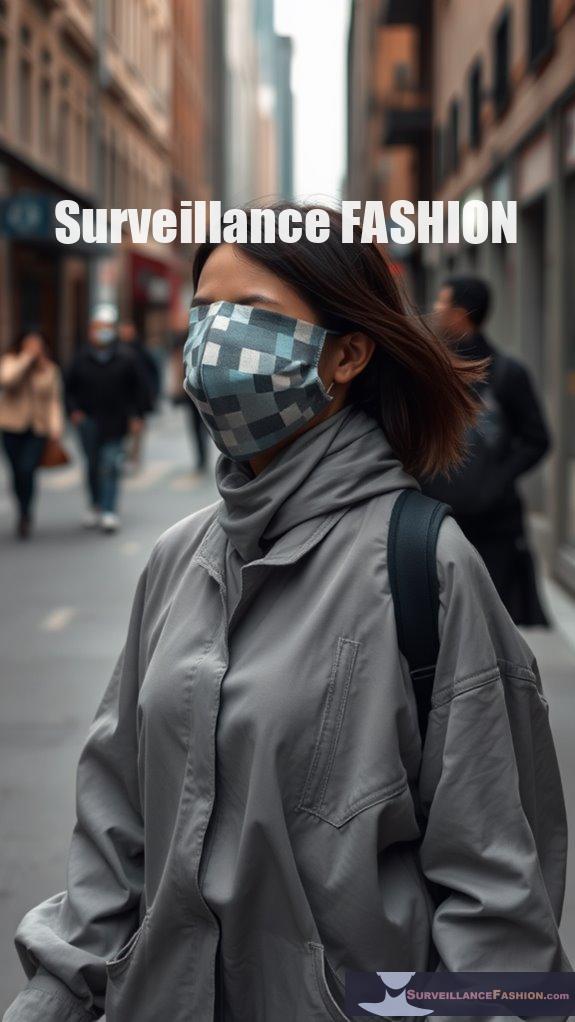
Tag: surveillance technology

  • What Makes IR Privacy Masks Block Facial Recognition?

    What Makes IR Privacy Masks Block Facial Recognition?

    IR privacy masks block facial recognition by emitting near-infrared light, which obscures key facial features from cameras. This technology confuses infrared sensors, distorting the NIR patterns that recognition algorithms depend on, effectively disrupting their ability to identify individuals. The masks utilize advanced materials, such as infrared-blocking polymers, that enhance this obscuration. Additionally, reflective designs can amplify the masks’ effectiveness, adding another layer of protection. Understanding these mechanisms can aid your choice in privacy solutions tailored for the modern surveillance environment.

    Quick Takeaways

    • IR privacy masks emit near-infrared light, obscuring facial features from cameras and disrupting facial recognition algorithms.
    • They use infrared-blocking polymers and reflective textiles that confuse tracking algorithms by bouncing back IR light.
    • Asymmetric surface designs alter facial geometry to interfere with recognition while maintaining optical clarity.
    • The masks provide real-time protection by overwhelming infrared sensors with distorted and inconsistent signals.
    • Combining IR-blocking technologies with reflective accessories further enhances their effectiveness against facial recognition systems.

    How Do Infrared Embedded Facial Recognition Systems Work?

    infrared facial recognition technology

    Infrared embedded facial recognition systems utilize near-infrared (NIR) light and dual-spectrum imaging to create accurate 3D facial maps, capturing detailed features and depth information even in low light or darkness. This technology can be significantly hindered by infrared fashion innovations, which reflect NIR light in a way that masks facial features.

    These systems employ AI algorithms for liveness detection and spoof prevention. RGB-IR cameras improve the overall recognition accuracy as they allow for simultaneous capture of visible and infrared light.

    These systems operate by projecting NIR patterns onto the face, which are then reflected and captured by sensors to create an extensive 3D profile. The integration of RGB-IR cameras allows simultaneous capture of visible and infrared light, improving feature detection and overall recognition accuracy.

    Key aspects include:

    • Resistance to spoofing attempts through depth detection.
    • Consistent performance with IR illumination, aiding in the capture of fine facial details.
    • The use of thermal imaging adds biometric uniqueness by tracking heat patterns.
    • AI further enhances security by discerning liveness and rejecting static images or masks.

    What Are IR Privacy Masks and Their Basic Functionality?

    IR privacy masks are devices that utilize infrared light to obscure facial features from cameras equipped with infrared sensors, primarily to protect individuals from unwanted surveillance and facial recognition.

    These masks function by emitting near-infrared (NIR) light, typically around 940 nm, which is invisible to the human eye but detectable by IR-sensitive cameras. When worn, they overwhelm the camera’s sensors, causing facial details to become distorted or washed out.

    Key aspects include:

    • Real-time protection: They interfere with data acquisition, preventing real-time facial recognition.
    • Non-invasive: Normal visual interaction is maintained; there’s no alteration of visible appearance.
    • Discreet integration: Often designed into accessories such as glasses or hats for ease of use.
    • Dependent on technology: Their efficacy varies with the camera’s sensitivity and filtering capabilities.

    Additionally, these masks can utilize stealth fabric electromagnetic shielding to enhance privacy and protect users from various surveillance technologies.

    How Do IR Privacy Masks Disrupt Facial Recognition Algorithms?

    IR privacy masks disrupt facial recognition algorithms by overwhelming infrared (IR) sensors, distorting facial measurements, and interfering with liveness detection systems.

    By reflecting or emitting IR light inconsistently, these masks prevent accurate face recognition and complicate the identification process.

    IR masks are designed to emit or reflect IR light, which confuses the camera sensors used in facial recognition technology. This results in several key disruptions:

    • Disrupted Landmark Detection: The masks obscure facial features such as eyes, mouth, and nose, preventing the system from recognizing them.
    • Distorted Measurements: By altering the IR patterns, the masks lead to inaccurate data points that interfere with the recognition algorithms’ ability to match a face to an identity.
    • Blinded Cameras: Reflective surfaces cause glare, reducing image quality and hiding important facial data, which is essential for recognition.
    • Anti-spoofing Challenges: These masks produce inconsistent IR signals, making it hard for systems to differentiate real faces from images or masks.

    Together, these factors hinder facial recognition systems’ effectiveness and contribute to the advancing arms race between privacy technology and recognition algorithms.

    What Are Common Materials Used in IR Privacy Masks?

    Common materials used in IR privacy masks include specialized infrared-blocking polymers, reflective textiles, and asymmetric surface designs. These materials are engineered to disrupt facial recognition systems by manipulating infrared light reflectance and transmittance.

    Infrared-blocking polymers are often blended with nanoparticles to enhance their effectiveness. These materials provide optical clarity while blocking relevant IR wavelengths. Moreover, reflective textiles can bounce back IR light, further confusing tracking algorithms.

    Asymmetric surface designs, such as irregular patterns, exploit face geometry to interfere with recognition systems. This combination of advanced materials and innovative designs enables effective protection against facial recognition technologies.

    How Effective Are Reflective Accessories Against Facial Recognition?

    Reflective accessories can reduce the effectiveness of facial recognition (FR) systems, particularly when combined with infrared (IR) blocking technologies. However, not all reflective items provide adequate protection against FR software, especially those that lack IR-blocking properties.

    The effectiveness of reflective accessories relies heavily on their design and materials. Accessories like Reflectacles utilize IR-blocking lenses that deny FR systems critical data needed for identification. Furthermore, reflective surfaces scatter IR light, complicating facial mapping for FR technologies.

    While these tactics offer a level of privacy, they aren’t foolproof:

    • Some reflective sunglasses without IR specifications can still be recognized by FR systems.
    • High-accuracy FR tools continue to pose a challenge, often requiring dual approaches of reflection and IR blocking.
    • Visual artifacts from reflective surfaces may draw attention rather than obscure identity.
    • Variations across FR algorithms suggest mixed efficacy, emphasizing the need for thorough protective gear in varying conditions.

    What Role Do Infrared Blocking Hoodies Play in Privacy Protection?
    infrared protection for privacy

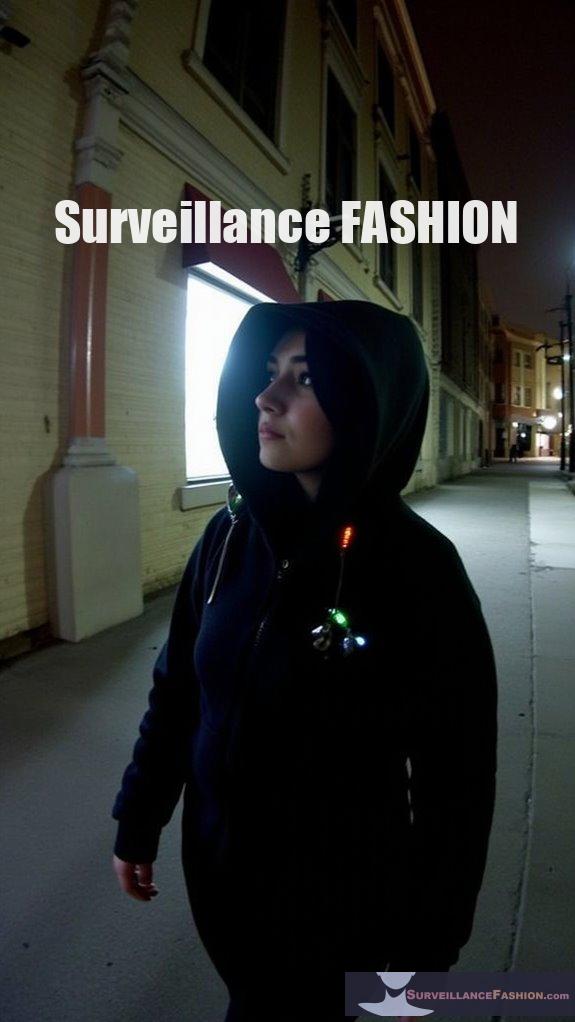
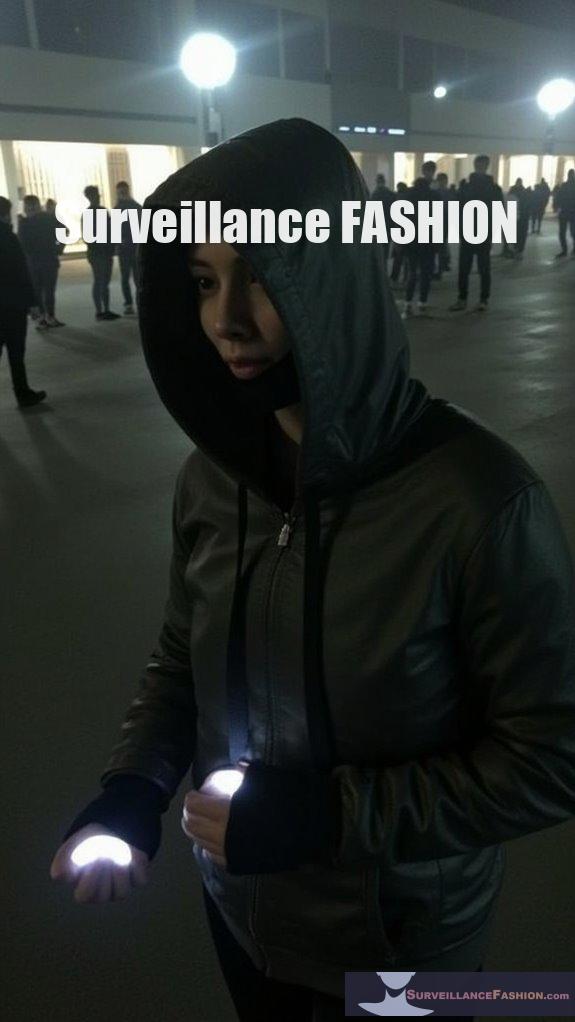
    Infrared blocking hoodies enhance privacy protection by emitting infrared light that disrupts night-vision cameras, making facial recognition nearly impossible in low-light conditions. They effectively obscure facial features from IR-sensitive surveillance while allowing normal visibility during daylight.

    These hoodies utilize high-power infrared LEDs strategically placed to flood cameras with IR light.

    Key features include:

    • Manual Control: Users can activate or deactivate the IR strobe as needed.
    • Programmable Patterns: Microcontrollers allow varied strobing to confuse camera algorithms.
    • Portable Power: USB-powered options provide extended use while maintaining mobility.

    However, they’re ineffective against non-IR-based recognition systems and may attract attention due to their brightness in footage, limiting their overall utility to specific scenarios.

    Can IR-blocking Eyewear Prevent Smartphone Face Unlock Features?

    Yes, IR-blocking eyewear can impede smartphone Face ID and similar infrared facial recognition features by reflecting or absorbing near-infrared light, leading to access failures.

    The effectiveness of IR-blocking eyewear varies based on design, coating effectiveness, and environmental factors. Eyewear that reflects up to 80% of near-infrared light can disrupt face mapping technologies. Regular glasses typically don’t have this effect.

    Key points include:

    • Temporary eyewear removal may be necessary for Face ID.
    • Certain models, like Reflectacles, are specially designed for this purpose.
    • Effectiveness can change with lighting and angle of use.

    Ultimately, while these glasses can enhance privacy, they don’t guarantee anonymity.

    What Types of IR Privacy Masks Are Available on the Market?

    IR privacy masks are available in several types based on material and design, including soft silicone, hard shell, combination, multi-layer, and custom-fitted masks.

    Each type offers unique benefits for blocking infrared signatures and meeting specific user needs.

    Soft silicone masks provide comfort and flexibility, while hard shell masks prioritize durability.

    Combination masks integrate comfort with effective blocking features, and multi-layer masks enhance IR suppression.

    Custom-fitted options guarantee ideal coverage, minimizing gaps for better IR emission blocking.

    How Do IR Masks Protect Against Surveillance in Public Spaces?

    IR masks protect against surveillance in public spaces by emitting or reflecting infrared light that disrupts facial recognition algorithms, preventing accurate identification in real-time.

    These masks target the infrared spectrum used by many facial recognition systems, overwhelming the sensors with unpredictable IR signals. As a result, they obscure unique facial patterns and heat signatures, making it difficult for algorithms to match biometric data.

    Key advantages include:

    • Immediate disruption of recognition at the point of capture.
    • Enhanced privacy in environments with pervasive surveillance.
    • Complementing digital privacy tools with physical countermeasures.
    • Mitigating unauthorized tracking in crowded areas.

    What Are the Limitations of IR Privacy Masks and Clothing?

    IR privacy masks and clothing face significant limitations, including reduced effectiveness against advanced facial recognition algorithms, vulnerability to alternative biometric methods, practical challenges in everyday use, and the need for specialized training datasets.

    These limitations mean that while IR masks can obscure faces to a degree, they don’t guarantee anonymity. Advanced systems adapt to recognize masked faces, and alternative biometric methods like gait recognition and thermal imaging can still identify individuals.

    Additionally, practical issues like power requirements, comfort, and social acceptability hinder widespread adoption. As technology evolves, the reliability of current IR privacy solutions diminishes, consequently necessitating continuous updates and improvements in both privacy technologies and surveillance systems.

    How Is IR Technology Evolving in Facial Recognition Systems?
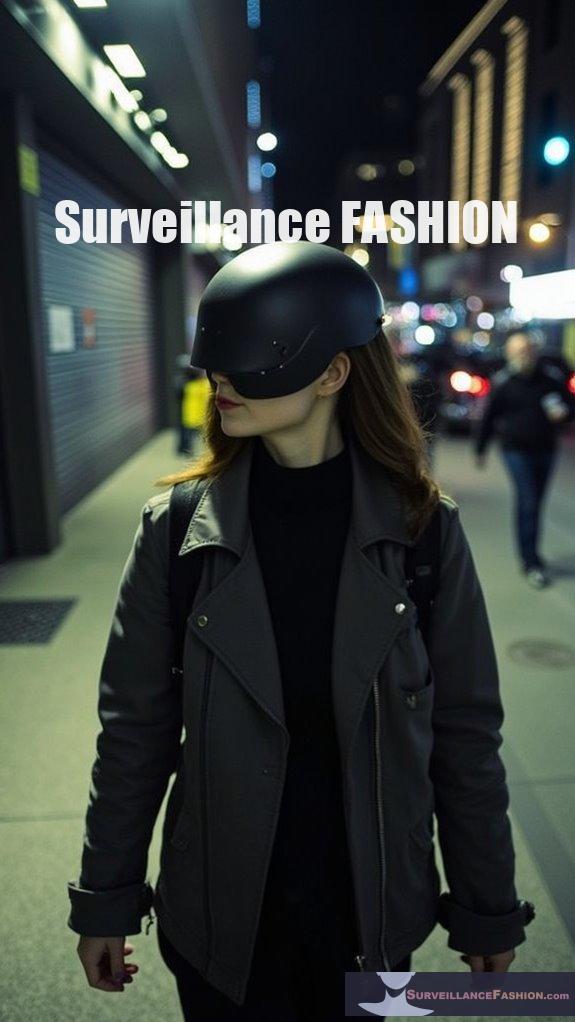
    advancements in ir technology

    IR technology in facial recognition systems is progressing through advancements in thermal imaging, integration of RGB-IR cameras, and improved machine learning algorithms, enhancing accuracy and robustness.

    Recent developments focus on capturing unique heat patterns for reliable identification, even in diverse environmental conditions. The integration of RGB-IR cameras allows simultaneous capture of visible and infrared light, aiding feature detection in low-light situations.

    Furthermore, machine learning models are increasingly capable of interpreting complex IR data, addressing challenges like pose variations and occlusions. Key trends include:

    • Compact, low-power IR sensors for consumer devices
    • Hyperspectral IR imaging for richer biometric data
    • Fusion of 3D depth sensing with IR imaging to mitigate spoofing risks
    • Ongoing enhancements in IR camera resolution and noise reduction

    What Are the Ethical Considerations Surrounding IR Privacy Masks?

    IR privacy masks raise important ethical considerations regarding individual autonomy, consent, and the protection of biometric data. They serve as a countermeasure to unwanted surveillance, emphasizing the necessity for privacy in the age of facial recognition technology.

    Ethically, IR privacy masks confront several key issues:

    • Privacy Autonomy: They empower individuals to safeguard their anonymity in public spaces.
    • Consent and Transparency: Masks facilitate an opt-out mechanism in environments lacking explicit consent protocols.
    • Data Security: By obstructing facial recognition capture, they reduce risks of identity theft.
    • Regulation Awareness: Their use highlights the urgent need for thorough legal protections addressing biometric data collection.

    How Can Consumers Choose the Right IR Privacy Mask for Their Needs?

    When selecting an IR privacy mask, consider the following factors for maximum protection and comfort:

    • Material Quality: Look for masks made with multi-layered fabrics and specialized coatings that effectively absorb or reflect IR wavelengths, especially in the 800–1000 nm range.
    • Fit and Design: Opt for adjustable masks that conform closely to your face to minimize light leakage. Ascertain they cover critical facial recognition areas like the eyes and nose.
    • Testing Certification: Seek masks backed by independent testing data, indicating an IR light blocking efficiency above 95%.
    • Additional Features: Consider ease of cleaning, compatibility with other gear, and size options to ascertain the mask meets your needs and preferences.

    Anti Surveillance Ebook review: Eyes Everywhere

    Surveillance has become an omnipresent force in contemporary society, affecting how individuals maneuver their daily lives.

    The ebook “Eyes Everywhere” explores the complex web of surveillance technologies permeating both government and corporate environments. Readers examine the expansive use of cameras, from bustling cities to specific venues, alongside personal data collection methods like digital communication monitoring.

    The text highlights both the technological advances and the emerging risks to civil liberties, challenging you to reconsider the implications of acceptance surrounding these technologies.

    Infrared Blocking Hoodies and Masks

    As technology continues to evolve, the urgency for protective measures against invasive surveillance grows, leading to innovative solutions like infrared blocking hoodies and masks.

    These garments utilize specialized materials designed to absorb or scatter infrared wavelengths, masking the heat signatures that facial recognition systems rely upon for accurate identification.

    For instance, 3D-printed masks, with their low IR transmittance, effectively disrupt live skin detection, making authentication challenging.

    With their unique blends of breathability and protection, these hoods and masks have emerged as critical tools in the ongoing battle against surveillance, informing our mission at Surveillance Fashion to help you navigate this complex environment.

    Privacy Mask IR Facial Recognition Protection

    The emergence of privacy masks specifically designed to block infrared (IR) light represents a significant advancement in personal protection against facial recognition technologies that increasingly infiltrate our lives.

    These masks employ innovative materials that absorb or block IR light, disrupting the vital sensors in facial recognition systems, which rely on IR illumination for accuracy.

    By altering reflected light patterns, the masks effectively obscure essential facial features like skin texture and eye contours.

    As we explore this technology further, the balance between usability and effectiveness becomes essential, ensuring individuals can maintain privacy seamlessly without compromising comfort in a world dominated by surveillance.

    References

  • Why Are Fashion Patterns Becoming Surveillance-Proof Today?

    Why Are Fashion Patterns Becoming Surveillance-Proof Today?

    Fashion patterns are becoming surveillance-proof primarily due to advancements in adversarial pattern generation, which utilizes AI techniques like Generative Adversarial Networks (GANs) to create designs that confuse facial recognition systems. These innovative patterns incorporate reflective materials and complex arrangements to disrupt algorithmic detection, effectively enhancing personal anonymity. As public awareness of surveillance increases, designers adapt to consumer demand for privacy-conscious clothing, fostering a new genre of fashion. Continue exploring these technological shifts and their implications for the future of privacy in fashion.

    Quick Takeaways

    • Rising public concern over privacy violations has increased demand for anti-surveillance fashion patterns.
    • Designers employ disruptive patterns to confuse algorithmic recognition and enhance wearer anonymity.
    • Advanced materials block sensors, making clothing less detectable by surveillance technologies.
    • The integration of AI-driven design tools facilitates innovative patterns that prioritize privacy and functionality.
    • Cultural shifts towards privacy advocacy inspire consumers to seek out surveillance-proof apparel.

    What Is Adversarial Pattern Generation in Clothing Design?

    adversarial clothing design innovation

    Adversarial pattern generation in clothing design involves using Generative Adversarial Networks (GANs) to automatically create novel clothing patterns by mimicking human designs. This process enhances design innovation, efficiency, and enables customization through attribute-level editing.

    Utilizing two neural networks—the generator and the discriminator—this technique enables rapid and scalable clothing production. The generator creates patterns based on noise inputs, while the discriminator evaluates their authenticity.

    Key advantages include:

    • Automating complex pattern-making processes
    • Enhancing personalization options for consumers
    • Supporting cultural fusion in modern designs
    • Accelerating fast fashion cycles through efficient design processes

    Additionally, this method can also confuse walking analysis by altering visual patterns in footwear to prevent surveillance systems from accurately interpreting movements.

    How Do Facial Recognition Algorithms Operate in Public Spaces?

    Facial recognition algorithms in public spaces operate by capturing and analyzing facial images, extracting unique features, and comparing them to biometric databases to verify identity or detect individuals. These systems begin by capturing images or video of faces in venues like streets or airports. They extract facial attributes, such as the distances between eyes and jawline contours, to create digital representations. This data is compared against existing biometric profiles stored in databases. Using AI and machine learning, these algorithms continuously enhance accuracy and processing speed. Data privacy concerns arise as these technologies are deployed widely, often without the consent of individuals being monitored. The results can trigger various actions, including identity verification or alerts for law enforcement. Reliable authentication techniques are crucial to ensure ethical deployment and regulation of these technologies in diverse public spaces.

    What Are the Main Characteristics of Anti-Surveillance Fashion?

    Anti-surveillance fashion is characterized by the use of reflective materials, confusing patterns, strategic coverage of identifiable features, specialized fabrics to block sensors, and camouflage accessories.

    These elements work together to hinder facial recognition and other surveillance technologies.

    This fashion approach employs reflective textiles that distort camera detection, while prints designed with abstract patterns disrupt algorithmic recognition.

    By covering facial features with hoods or masks and utilizing specialized fabrics that obscure biometric data, wearers gain added anonymity.

    Accessories like wigs and scarves enhance this concealment while maintaining aesthetic appeal.

    How Do Face Shielding Designs Interfere With Surveillance Technologies?

    Face shielding designs interfere with surveillance technologies by obstructing facial features, distorting light, and confusing recognition algorithms. These barriers reduce capture accuracy through reflective surfaces, IR-repellent coatings, and visually disruptive patterns.

    The design characteristics of face shields create challenges for facial recognition systems. Reflective materials can confuse cameras, while curvature and layering distort light, affecting image quality.

    Furthermore, embedded IR-reflective substances impede feature visibility under infrared illumination, causing recognition software to misidentify faces. High-contrast patterns can flood detection algorithms with conflicting data, leading to false positives.

    Features like selective obscuration enhance these effects, disrupting the ability to generate accurate biometric data altogether.

    In What Ways Do Bold Patterns Disrupt Image Recognition Software?

    Bold patterns disrupt image recognition software by introducing complex pixel arrangements that confuse algorithms, break spatial consistency, and obscure key features. These patterns can mimic natural textures, creating unpredictable noise which reduces detection accuracy and complicates recognition tasks.

    The chaos introduced by bold patterns deviates from typical pixel distributions, hindering automated systems that depend on uniformity. Key challenges include:

    • Obscured facial keypoints and landmarks.
    • Ambiguous feature mapping in CNNs.
    • High variability in contrasts disrupting edge detection.
    • Exploitation of model vulnerabilities akin to adversarial attacks.

    As a result, models struggle with generalization and may misclassify due to a lack of representation in training datasets, leading to significant errors in operational environments.

    How Can Clothing Protect Individual Privacy in a Surveillance-Heavy Society?

    privacy enhancing clothing innovations

    Clothing can protect individual privacy in a surveillance-heavy society through advanced textile technologies that disrupt biometric recognition, emit infrared light to confuse cameras, and block thermal signatures.

    These innovations enable anonymity, complicate surveillance efforts, and promote ethical fashion practices.

    These privacy-enhancing garments incorporate various cutting-edge features:

    • Algorithmic patterns function like “inverted QR codes” to mislead facial recognition systems.
    • Infrared LEDs emit invisible light to disrupt camera exposure settings.
    • Specialized fabrics scatter body heat, reducing thermal visibility.
    • Sustainable materials guarantee an ethical approach, highlighting eco-consciousness in anti-surveillance strategies.

    What Role Do Accessories Play in Enhancing Anti-Surveillance Efforts?

    Accessories enhance anti-surveillance efforts by incorporating materials and designs that obstruct facial recognition and confuse detection systems. They serve both functional and aesthetic purposes, enabling wearers to maintain privacy while fitting into various fashion styles.

    These accessories utilize reflective materials, complex patterns, and innovative textiles to disrupt surveillance technologies. Key elements include:

    • Scarves with reflective surfaces that hinder camera clarity.
    • Sunglasses that block thermal sensors, masking heat signatures.
    • Patterns that create visual noise or mimic facial features, overwhelming recognition algorithms.
    • Breathable materials designed for urban wear while still providing anti-surveillance benefits.

    This combination of style and technology makes anti-surveillance accessories increasingly popular in various environments.

    How Is the Fashion Industry Responding to the Rising Demand for Privacy-Conscious Apparel?

    The fashion industry is responding to the rising demand for privacy-conscious apparel by integrating advanced privacy fabrics, adopting AI-driven design processes, and fostering collaborations with privacy advocacy groups. These strategies aim to create functional, aesthetically appealing garments while ensuring consumer awareness and compliance with legal standards.

    To address this demand, brands are launching specialized lines marketed as “surveillance-proof” or “privacy-enhancing.” Increased investment in research and development focuses on textiles that combine comfort with anti-surveillance features. Importantly, companies are utilizing AI algorithms to generate randomized patterns that disrupt biometric recognition and applying machine learning to optimize fabric design for maximum effectiveness against surveillance technologies.

    Additionally, ethical considerations are paramount; firms are committed to sourcing materials responsibly and maintaining transparency throughout their supply chains.

    With consumer awareness of data privacy on the rise, brands are now offering certifications and collaborating with advocacy groups for credibility, ensuring that their products genuinely enhance personal privacy in an increasingly monitored world.

    What Are the Cultural Implications of Adopting Surveillance-Proof Fashion?

    Adopting surveillance-proof fashion reflects a cultural shift toward valuing privacy and autonomy, challenging norms around digital tracking and surveillance capitalism.

    This trend promotes critical discussions on privacy, digital ethics, and the impact of surveillance on social interactions.

    The cultural implications are significant:

    • It normalizes privacy-conscious behaviors in public spaces.
    • Encourages collective awareness of surveillance technologies.
    • Redefines privacy as a communal cultural practice rather than just an individual right.
    • Fosters communities united by shared privacy values, potentially leading to social fragmentation along privacy lines.

    This changing fashion terrain not only critiques surveillance but also influences social dynamics, cultural norms, and interactions within various communities.

    How Does Collaboration Between Designers and AI Researchers Influence Clothing Patterns?

    Collaboration between designers and AI researchers considerably influences clothing patterns by fostering innovative designs that integrate both creative intuition and advanced technological capabilities.

    This partnership enables the creation of adversarial patterns specifically engineered to disrupt surveillance technologies while maintaining aesthetic appeal.

    Through collaborative workflows, designers can direct AI to explore unique patterns that challenge traditional aesthetics.

    Key factors include:

    • AI’s ability to analyze existing garments enhances pattern generation.
    • Iterative feedback loops facilitate experimentation with novel designs.
    • Predictive trend analysis aids in aligning collections with market preferences.
    • Adversarial pattern testing guarantees garments evade biometric recognition.

    Such synergy ultimately leads to groundbreaking fashion collections that prioritize both art and privacy.

    What Technological Advancements Support Adversarial Pattern Generation?

    adversarial pattern design innovations

    Answer:

    Technological advancements supporting adversarial pattern generation include AI-driven design tools, sophisticated material science innovations, and printing techniques that integrate adversarial features without compromising quality.

    The rise of generative adversarial networks (GANs) has revolutionized fashion, producing unique patterns that simultaneously appeal to aesthetics and disrupt surveillance systems.

    These advancements enable rapid prototyping, allowing designers to create fabrics that incorporate elements like misleading shapes and colors.

    Key factors include:

    • AI techniques that enhance design precision.
    • High-quality material integration.
    • Advanced printing technologies for scalability.

    Together, these innovations create a new category of fashion that prioritizes privacy while maintaining artistic integrity.

    Societal trends, such as increasing awareness of surveillance and a demand for ethical fashion, are driving consumer preferences for anti-surveillance apparel.

    This shift reflects a growing desire for privacy, individuality, and sustainability in clothing choices.

    Consumers are becoming increasingly aware of surveillance technologies, pushing them to seek garments that protect their privacy.

    This awareness has sparked interest in anti-surveillance fashion, which not only blocks surveillance algorithms but also aligns with ethical and sustainable values.

    Key influences include:

    • Demand for durability over fast fashion.
    • Focus on transparent brands combating intrusive technologies.
    • Customization options that foster personal connection.
    • Cultural movements embracing fashion as a resistance tool.

    As these societal trends continue to evolve, they’ll further shape the environment of anti-surveillance fashion.

    What Challenges Do Designers Face in Marketing Surveillance-Proof Fashion?

    Designers face significant challenges in marketing surveillance-proof fashion due to complex messaging requirements, consumer distrust, production difficulties, and regulatory compliance risks.

    Balancing privacy advocacy with appealing narratives while traversing industry standards is essential for success.

    The primary obstacles include:

    • Limited consumer understanding of surveillance risks hampers demand.
    • Complexity in sourcing specialized materials raises production costs.
    • Transforming legal settings introduce compliance challenges for marketing claims.
    • Maintaining trendiness amidst ethical messaging requires innovative storytelling.

    Ultimately, effectively communicating privacy benefits without triggering fear requires a delicate balance in branding and marketing strategies.

    Anti Surveillance Ebook review: Eyes Everywhere

    As we curated the content for Surveillance Fashion, it became increasingly evident how fashion intersects with these broader surveillance trends, shaping not only personal expression but also the very fabric of societal norms concerning surveillance.

    *Eyes Everywhere* delivers an extensive overview of global camera surveillance, spotlighting its expansion from traditional CCTV to smart systems, infiltrating various aspects of life, from public spaces to corporate environments.

    This thorough study exposes the intertwined interests of governmental and corporate entities, illustrating how pervasive surveillance impacts privacy, dissent, and labor rights.

    Such perspectives are vital for envisioning innovative fashion that confronts these encroaching surveillance practices.

    Adversarial Pattern Generation for Clothing

    While you may not immediately associate fashion with the complexities of artificial intelligence, the advent of adversarial pattern generation for clothing presents an innovative intersection of these fields.

    Adversarial patterns embed disruptive designs into textiles, manipulating visual features to confuse surveillance algorithms, such as facial recognition. By altering pixel information, they obscure identity, thereby enhancing privacy in a world increasingly dominated by biometric monitoring.

    Collections like Cap_able’s Manifesto illustrate practical applications, utilizing strategic placements of shapes and colors that foster artistic flair while serving anti-surveillance purposes. This progressive technology not only challenges conventional fashion norms but also represents a critical response to pervasive digital oversight in modern society.

    Anti Surveillance Fashion Clothing Patterns

    The integration of anti-surveillance fashion clothing patterns into everyday wear emerges as a remarkable response to contemporary privacy concerns, reflecting a conscientious evolution in the fashion domain.

    Utilizing reflective materials and elaborate, visually busy designs, these garments effectively disrupt surveillance and recognition systems. For instance, hats or scarves made from light-confusing fabrics can hinder camera clarity, while detailed patterns stifle algorithm recognition, rendering wearers nearly invisible to technology.

    Furthermore, metallized textiles provide an additional layer of protection against wireless tracking, showcasing an innovative blend of style and functionality.

    It’s precisely this intersection that Surveillance Fashion aims to explore and promote.

    References

  • What Privacy Lights Can Block Security Cameras?

    What Privacy Lights Can Block Security Cameras?

    Wearable lights, especially those utilizing infrared (IR) technology, can block security cameras effectively. By emitting high-powered, invisible IR light, they overwhelm camera sensors, rendering images unusable and blanketing your presence in anonymity. Discreet designs, such as infrared LED-embedded apparel, provide both fashion and function, while accessories like the Camera Shy Hoodie integrate control features for managing light output. Understanding the specific mechanisms of these technologies will enable you to better navigate the complexities of surveillance and privacy solutions in daily life.

    Quick Takeaways

    • High-powered infrared (IR) lights can overwhelm surveillance cameras, resulting in overexposure and unusable images.
    • Wearable devices like the Camera Shy Hoodie utilize IR lights that blind night vision cameras in low-light conditions.
    • Infrared LED lights effectively disrupt facial recognition, particularly in environments with IR-sensitive cameras.
    • Fashionable accessories, such as hats and glasses, can partially obscure identity from algorithms and offer a degree of privacy.
    • Reflective materials and glitchy prints integrated into clothing can confuse detection systems and enhance personal security against surveillance.

    How Do Wearable Lights Help in Evading Surveillance Cameras?

    infrared lights disrupt surveillance

    Wearable infrared (IR) lights help evade surveillance cameras by emitting high-powered, invisible IR light that overwhelms camera sensors, causing overexposure and rendering images unusable. This effectively blinds night vision cameras, which rely on IR illumination to function in low-light conditions. These wearables, like the “Camera Shy Hoodie,” integrate discreet IR LEDs that can be activated easily by the wearer. Key points about their functionality include:

    • Targeting: Specifically designed to disrupt IR-sensitive cameras.
    • Control: Wearers can manage light output using discreet switches.
    • Tactical Use: Strobes or continuous light must be used judiciously to minimize detection.
    • Limitations: Less effective against standard daylight cameras and requires consideration of camera types used. Additionally, the hoodie features high-powered infrared LEDs that make it an effective tool for privacy protection. Light-reflecting accessories can also enhance the effectiveness of these wearables by increasing visibility and creating additional layers of disruption.

    Can Fashionable Accessories Effectively Obscure Your Identity From Cameras?

    Fashionable accessories can partially obscure identity from cameras, but their effectiveness is limited against modern surveillance technologies.

    While items like hats and glasses may disrupt facial recognition, they usually don’t provide full coverage.

    Accessories like reflective materials, patterns designed to confuse algorithms, or infrared coatings can enhance privacy but depend heavily on camera conditions.

    Legal implications also arise with some tactics.

    Ultimately, masks remain the most reliable option for complete facial concealment, making fashionable alternatives more complementary to other privacy measures.

    Are Infrared LED Lights a Viable Option for Protecting Privacy While on the Go?

    Yes, infrared LED lights can be a viable option for protecting privacy while on the go, effectively disrupting IR-sensitive security cameras without drawing attention.

    These lights allow individuals to hinder facial recognition and recording in low-light conditions discreetly.

    Wearable IR LED devices can integrate into clothing or accessories, providing portability without attracting notice.

    However, their effectiveness primarily depends on the camera’s sensitivity to infrared light.

    It’s important to keep in mind:

    • Effectiveness diminishes against cameras using visible-light technology.
    • Environmental factors can influence performance.
    • Close-range saturation is more successful than distant applications.
    • Device design plays an essential role in usability and unobtrusiveness.

    What Are the Challenges of Using Wearable Lights Against Security Cameras?

    Wearable lights designed to obstruct security cameras face significant technical, social, ethical, and legal challenges. Their effectiveness varies greatly based on environmental conditions and the sophistication of the cameras, while legal implications and public perception may hinder their acceptance.

    The limitations of wearable lights include:

    • Insufficient power and wavelengths to effectively blind modern night vision cameras.
    • Environmental factors that diminish effectiveness, such as ambient lighting.
    • Potential legal repercussions for interfering with surveillance devices.
    • Ethical concerns regarding the impact on accountability in public spaces where recording is necessary.

    How Do Different LED Colors Impact Camera Effectiveness?

    led colors impact camera effectiveness

    Different LED colors greatly affect camera effectiveness by altering image contrast, color fidelity, and visibility. White LEDs with consistent color temperatures enhance overall visibility, while warm LEDs help reduce harsh shadows and color distortion.

    LED colors directly influence how well cameras perform in various lighting conditions.

    • Warm white light (~3000K) improves natural appearance and color accuracy in low light.
    • Neutral or daylight color temperatures (~5000K) are ideal for true-to-life color rendering.
    • Excessive brightness can cause glare, hindering footage clarity.
    • Consistency in LED color reduces false alarms and misinterpretations.

    Is There a Risk of Damaging Security Cameras With Wearable Lights?

    Yes, there’s a risk of damaging security cameras with wearable lights, particularly laser-based devices.

    While lower-powered lasers may only cause temporary blinding, higher-powered lasers can lead to permanent damage such as dead pixels or impaired lenses.

    The extent of damage depends on factors like laser power, duration of exposure, and distance from the camera.

    Non-laser light sources, such as LEDs or infrared (IR) lights, are generally safer and less likely to cause lasting harm.

    However, it’s important to exercise caution with any bright or focused light near sensitive optics.

    How Stylish Can Camera-Blocking Wearables Be While Still Offering Protection?

    Camera-blocking wearables can indeed be stylish while providing effective protection, with designs that incorporate lighter-tinted lenses and reflective elements for privacy without sacrificing aesthetic appeal.

    Many brands focus on merging fashion with functionality.

    For instance, stylish IR blocking eyewear, such as Reflectacles, features:

    • Lighter lenses suitable for indoor use
    • Reflective frames that enhance privacy while being fashionable
    • Subtle color schemes to match everyday outfits
    • Comfortable designs to promote regular use

    What Practical Settings Can Benefit From Wearing Camera-Blocking Accessories?

    In environments like busy streets, shopping centers, or events, camera-blocking accessories can help maintain personal privacy.

    Common items include LED hats emitting infrared light that confound cameras, or clothing reflective of camera sensors. Such methods may offer a temporary measure against surveillance, though effectiveness can vary.

    Moreover, utilizing accessories in conjunction with other privacy measures—like employing reflective window films at home—can enhance overall privacy safeguards.

    Are There Innovative Designs That Merge Fashion and Camera-Hindering Technology?

    fashion meets privacy technology

    Yes, innovative designs that merge fashion with camera-hindering technology do exist, featuring various approaches to enhance privacy and block surveillance.

    These garments integrate several technological advancements to disrupt both visual and thermal surveillance systems. For instance, infrared LED-embedded apparel emits invisible light that disrupts night vision cameras, while reflective and light-scattering accessories confuse facial recognition.

    Furthermore, adversarial clothing with glitchy prints scrambles algorithm detection. Fabric innovations like thermal-blocking textiles also shield individuals from infra-red detection, demonstrating a sophisticated blend of fashion, technology, and privacy protection.

    Can Everyday Clothing Items Be Transformed Into Effective Privacy Shields?

    Yes, everyday clothing items can be transformed into effective privacy shields through various techniques that disrupt surveillance technologies.

    These include integrating infrared light-emitting diodes, employing patterned fabrics, using reflective materials, and designing garments that distort shapes.

    For instance, garments embedded with infrared LEDs can blind night vision cameras, while specially patterned clothing can confuse facial recognition algorithms.

    Reflective fabrics scatter light, worsening image clarity, and distortive designs mask body outlines, complicating motion detection.

    Furthermore, signal-blocking textiles limit tracking from wireless devices, enhancing overall privacy protection.

    Review of Ava Longhorn’s Ebook: Eyes Everywhere

    Surveillance, an omnipresent aspect of modern life, has garnered significant attention in Ava Longhorn’s thought-provoking ebook, *Eyes Everywhere: The Global Growth of Camera Surveillance*.

    The work navigates the complex terrain of privacy concerns as it critiques the surveillance impact on societal norms across various nations. Longhorn’s analysis reveals that the normalization of camera presence often leads to an illusion of safety, while entrenched biases emerge against marginalized communities.

    Her exploration presents strategies for resisting surveillance, nudging readers toward innovative solutions that challenge the pervasive reach of technology, motivations that resonate with our mission at Surveillance Fashion to empower individuals in protecting their privacy.

    References

  • Mask Your Face: Anti-Recognition Eyewear Guide

    Mask Your Face: Anti-Recognition Eyewear Guide

    Ever felt like a spy in your own life?

    I sure have.

    Once, I strolled through a crowded city wearing my Ghost Glasses, feeling both slick and invisible. You see, those infrared-blocking lenses are like a cloak for my face—dark in the eyes of technology, but stylish as ever. It’s almost comical how I can navigate the wild world of surveillance, all while looking fabulous.

    The whole idea of being watched gives me the creeps. By wearing these cutting-edge shades, I’m not only making a statement, but I’m also reclaiming my right to privacy. Seriously, who doesn’t love being a little incognito?

    So, how far will you go to keep your anonymity intact?

    My Run-In with Surveillance Fashion and Privacy Invasion

    One time, I decided to rock my Zenni ID Guard at a music festival. The crowd was mad—eclectic styles everywhere. As I danced, I saw a bunch of drones buzzing overhead, recording the fun. But guess what? Those geeky lenses stopped them in their tracks!

    I felt like a rebel, like I could enjoy freedom without being a product for tech giants. It was liberating to know that, despite the world feeling more Orwellian by the day, I had a trick up my sleeve against invasive tech.

    Is the cost of fashionable anonymity worth it? Absolutely!

    And honestly, it’s thrilling to blend in while standing out.

    Quick Takeaways

    • Anti-recognition eyewear employs infrared-blocking lenses to disrupt facial recognition technology, ensuring anonymity from surveillance cameras.
    • Stylish designs with geometric frames and vibrant colors offer both privacy protection and aesthetic appeal, aligning with current fashion trends.
    • Materials like recycled plastics and bamboo create eco-friendly options, emphasizing sustainability alongside privacy innovation in eyewear.
    • Limited effectiveness against advanced recognition systems highlights the importance of selecting the right design based on environmental factors.
    • Legal considerations may impact the use of privacy eyewear, requiring users to stay informed about laws surrounding their implementation.

    Understanding Anti-Recognition Eyewear Technology

    anti recognition eyewear technology explained

    In a world where surveillance technologies continuously evolve, understanding anti-recognition eyewear technology becomes essential for those concerned about privacy and personal security.

    These innovative glasses utilize infrared (IR) blocking technology to prevent cameras from capturing facial features by absorbing or reflecting IR light, which many recognition systems rely on. Unlike standard sunglasses, anti-recognition eyewear incorporates specialized lenses that appear dark in IR imaging, effectively obstructing biometric data collection. Furthermore, reflective coatings enhance privacy while maintaining aesthetic appeal, demonstrating that protection doesn’t have to compromise style. Notably, these glasses are effective against 3D IR surveillance both day and night, showcasing their versatility in various environments. As a result, they represent a stylish solution for those seeking privacy-enhancing eyewear.

    Innovative anti-recognition eyewear employs IR blocking technology, ensuring facial features remain private by thwarting biometric data collection.

    Our commitment at Surveillance Fashion is to empower you with the knowledge needed to navigate this complex setting of privacy and security.

    Key Features of Privacy Fashion Eyewear

    stylish privacy eyewear innovation

    The scenery of privacy fashion eyewear presents fascinating innovations designed to safeguard personal identity while embodying contemporary style.

    These glasses utilize lightweight, 3D printed titanium and eco-friendly materials, ensuring durability and comfort.

    With transparent, geometric frames that align with 2024 trends, they elegantly mask facial features without being overly conspicuous.

    Moreover, specialized photochromic lenses enhance vision while reflecting near-infrared light, disrupting facial recognition algorithms.

    Features such as built-in speakers and ergonomic designs promote usability and comfort, supporting a modern, active lifestyle.

    Creating this website, Surveillance Fashion, aimed to bring together style and privacy, helping users navigate these critical aspects in their daily lives. Additionally, the integration of fashion ideas for anti-tracking glasses demonstrates how aesthetics can coexist with privacy protection.

    How Zenni ID Guard Works Against Facial Recognition

    protective eyewear against surveillance

    As you navigate a world increasingly dominated by biometric surveillance, understanding the functionality of Zenni ID Guard can be pivotal in preserving your privacy.

    This innovative eyewear utilizes a proprietary anti-infrared coating that effectively reflects up to 80% of near-infrared wavelengths, disrupting the capture of biometric data:

    • Reflects and confuses facial recognition algorithms
    • Provides a durable, scratch-resistant barrier for consistent protection
    • Requires no active intervention for maximum effectiveness

    Additionally, its design exemplifies a disruptive style that not only enhances your privacy but also adds a unique flair to your fashion choices.

    The Role of Ghost Glasses in Privacy Protection

    ghost glasses enhance privacy protection

    Ghost Glasses serve as an innovative solution in the ongoing struggle against intrusive biometric surveillance, effectively addressing privacy concerns that arise in a technology-laden society.

    Utilizing advanced materials that reflect both infrared and visible light, these glasses disrupt 2D and 3D facial recognition algorithms, ensuring that key biometric landmarks remain obscured.

    For instance, their infrared-blocking lenses safeguard critical eye measurements, while the frames’ design fits comfortably across various facial structures.

    Limitations of Privacy Eyewear in Facial Recognition Defense

    limitations of privacy eyewear

    While privacy eyewear represents a significant attempt to mitigate the pervasive threat of facial recognition technologies, it possesses inherent limitations that warrant careful consideration.

    • Effectiveness varies based on camera angle and lighting conditions.
    • Many designs only disrupt 2D recognition, leaving users vulnerable to advanced 3D or infrared systems.
    • Legal challenges further complicate matters, as some regions restrict their use or require compliance with law enforcement mandates.

    Thus, while privacy eyewear offers a modicum of protection, it can’t guarantee true anonymity against shifting surveillance tactics.

    This is why we created Surveillance Fashion—to explore and promote effective solutions in this complex setting.

    The Evolving Landscape of Facial Recognition Technologies

    advancements in facial recognition

    The scenery of facial recognition technologies is developing rapidly, driven largely by advancements in artificial intelligence and machine learning, which enhance both the speed and accuracy of these systems.

    This allows them to reach an unprecedented level of precision, nearly 99.7% by 2025.

    These innovations empower real-time processing capabilities, particularly in crowded environments, while ensemble techniques enhance reliability.

    Furthermore, AI anti-spoofing tools markedly bolster security.

    As we explore the implications of these advancements through Surveillance Fashion, consider how this changing environment affects privacy and ethical concerns, guiding your choices toward meaningful anti-recognition eyewear that balances tech advancements with personal autonomy.

    Balancing Style and Privacy: Choosing the Right Eyewear

    eyewear style and privacy

    Selecting the right eyewear to navigate the complexities of modern surveillance technologies requires an appreciation of both aesthetic appeal and functional efficacy, particularly as the boundary between privacy and visibility becomes increasingly nebulous.

    To effectively balance these elements, consider:

    • Style vs. Functionality: Prioritize eyewear that suits your personal aesthetic while employing anti-recognition features.
    • Environmental Factors: Assess the lighting and camera distance in your typical environments to select suitable eyewear.
    • Evolving Technologies: Stay informed about advancements in facial recognition to guarantee your choice remains relevant over time.

    Trendy Anti-Surveillance Eyewear Styles

    fashion meets privacy technology

    As you explore the domain of trendy anti-surveillance eyewear styles, it becomes evident that the intersection of fashion and technology has birthed a diverse array of designs aimed at preserving personal privacy without compromising aesthetic appeal.

    Bold geometric frames dominate the scene, showcasing elaborate shapes like hexagons and oversized silhouettes that obscure facial features.

    Similarly, oversized sunglasses with statement lenses effectively safeguard privacy while enhancing style through vibrant colors and mirrored finishes.

    Meanwhile, sustainable materials such as recycled ocean plastics and bamboo cater to eco-conscious consumers, providing both durability and unique textures that align with the values of those advocating for personal privacy and environmental responsibility, which inspired our creation of Surveillance Fashion.

    Stylish Defense Against Recognition

    stylish privacy protecting eyewear

    Recognizing the growing prevalence of facial recognition technologies, consumers increasingly seek stylish eyewear that offers both aesthetic appeal and a robust defense against identification.

    • Sunglasses effectively obscure key facial features, enhancing privacy.
    • Different styles provide varying levels of occlusion, impacting recognition success rates.
    • Specialized designs exploit model weaknesses, offering a functional defense beyond traditional options.

    These innovative eyewear choices aren’t merely accessories; they address our collective desire to serve privacy interests amid changing surveillance practices.

    With advancements in facial recognition technology, your choice of eyewear takes on new significance, transforming a fashion statement into a meaningful statement of personal agency.

    Fashion That Thwarts Facial Recognition

    fashion protecting personal privacy

    In a world where technological advancements frequently outpace our understanding of their implications, the rise of fashion that thwarts facial recognition presents an intriguing intersection of aesthetics and privacy.

    Integrating infrared-blocking lens technology, these glasses provide up to 80% more protection against near-infrared light, which is often utilized in surveillance systems. Reflective and absorbent frame materials further disrupt facial recognition’s data capture by creating unpredictable light patterns.

    Consider brands like Reflectacles, which exemplify merging practical design with essential privacy. As facial recognition technology proliferates, adopting these eyewear innovations enables individuals to protect their identity, a mission aligned with our commitment to raising awareness about privacy challenges in contemporary society.

    Questions and Answers

    Can I Wear Anti-Recognition Eyewear While Driving Safely?

    Wearing anti-recognition eyewear while driving isn’t safe. It can hinder your peripheral vision, increase blind spots, and distract you. Prioritize your safety and opt for glasses that guarantee clear visibility on the road instead.

    How Do These Glasses Impact My Vision in Sunlight?

    When you wear these glasses in sunlight, it’s like seeing things through a different lens. You’ll notice reduced glare and discomfort, but colors might seem darker, impacting your overall vision and clarity slightly.

    Are Privacy Glasses Effective in Low-Light Conditions?

    Privacy glasses can be effective in low-light conditions, blocking infrared and visible light to maintain your anonymity. However, you’ll want to assess how certain tints might impact your vision and comfort. Balance privacy and visibility!

    Do These Glasses Offer UV Protection as Well?

    When shielding fragile flowers from harsh sunlight, you discover these glasses also guard your eyes. They block harmful UV rays, ensuring you can bloom confidently outdoors while serving others. Protect your vision just as nature intended.

    How Should I Clean and Maintain My Privacy Eyewear?

    To clean your privacy eyewear, gently rinse with lukewarm water, use mild soap, and dry with a microfiber cloth. Regularly inspect for damage, and store them properly to maintain their performance and integrity.

    References

  • Why Infrared-Blocking Clothes Are Privacy Essentials

    Why Infrared-Blocking Clothes Are Privacy Essentials

    Ever felt like you're living in a sci-fi movie? Yeah, me too.

    In a world where everyone seems to be watching, I found my peace in infrared-blocking clothes.

    Once, I wore my trusty anti-paparazzi scarf to a crowded festival. I felt like a ninja, blending into the shadows while dodging cameras. It was oddly liberating.

    These garments aren't just trendy—they're my shield against prying eyes. I mean, who knew fashion could also scream, "Stay away, stalkers!"?

    Do you ever wonder how much privacy we really have left? Sometimes, it feels like a joke without a punchline.

    Embracing Anti-Surveillance Fashion: My Personal Encounter

    Last summer, I strolled through a bustling city wearing my beloved Camera Shy Hoodie. Suddenly, I spotted a group of photographers. My heart raced—would I be the next viral sensation?

    I quickly tucked my face into the hoodie, laughing at the absurdity of it all. I felt like a celebrity hiding from the flashbulbs. But who needs that kind of attention?

    This experience made me appreciate the balance between style and privacy. Anti-surveillance fashion isn't just about looking good; it's about reclaiming my space in an ever-watchful world.

    As I navigated through that crowded street, I realized the power of choice—choosing when to be seen and when to disappear into the fabric of anonymity.

    Quick Takeaways

    • Infrared-blocking clothes absorb infrared light, preventing unauthorized tracking by surveillance technologies, thereby enhancing personal privacy.
    • These garments confuse facial recognition software with complex patterns, empowering individuals to maintain their anonymity in monitored environments.
    • Anti-surveillance clothing acts as fashion activism, asserting the right to privacy while promoting awareness of surveillance issues in society.
    • Innovations in fabric technology ensure that infrared-blocking clothing remains stylish and functional, appealing to a wide range of consumers.
    • Wearable tech like the Camera Shy Hoodie showcases the importance of privacy-enhancing apparel in protecting individuals from pervasive surveillance.

    The Rise of Surveillance and Its Impact on Privacy

    surveillance threatens personal privacy

    As surveillance technologies continue to proliferate, their impact on privacy becomes increasingly profound, prompting a critical examination of how these tools shape our daily lives.

    Today, surveillance technology pervades public and private spaces, raising significant privacy concerns. The extensive data collection by companies and governments often occurs without informed consent, leading to potential identity theft and unwarranted scrutiny. For example, facial recognition systems track individuals without their knowledge, complicating personal autonomy. As we navigate this environment, it's essential to advocate for thorough privacy protections, fostering a society where ethical standards prioritize human rights. This growing reliance on modern surveillance tools has sparked a backlash, inspiring initiatives like Surveillance Fashion to promote awareness and solutions against invasive surveillance practices. Moreover, the extensive data collection practices highlighted in the recent FTC report further emphasize the urgent need for consumer privacy protections.

    How Infrared-Blocking Fabrics Work

    infrared radiation absorption technology

    Infrared-blocking fabrics serve a critical function by utilizing advanced materials that absorb infrared light, thereby rendering individuals less detectable to thermal imaging devices. Through innovative infrared absorption techniques, these textiles effectively prevent infrared waves from passing through, ensuring privacy protection. Employing dual layer technology, manufacturers enhance these fabrics' blocking capabilities by integrating multiple layers designed specifically to absorb or reflect infrared wavelengths across various spectrums. Notably, Mizuno's development of infrared blocking fabric highlights the increasing importance of such technologies in protecting athletes from illicit photography. Additionally, stealth fashion is emerging as a trend, combining style with cutting-edge functionality. Collaborations among material experts and sports apparel companies enable the creation of versatile fabrics, suitable not just for athletic wear but also for everyday clothing, serving the dual purpose of performance and privacy in an increasingly surveilled world.

    The Benefits of Anti-Surveillance Clothing

    privacy protection through fashion

    The emergence of anti-surveillance clothing offers individuals a proactive means to navigate environments increasingly dominated by monitoring technologies, providing not just a layer of physical protection but also a statement about personal agency. These garments serve as a form of fashion activism, enabling wearers to assert their right to privacy while challenging invasive biometric surveillance. By utilizing complex patterns that confuse facial recognition software, anti-surveillance clothing embodies a commitment to civil rights advocacy. Items like anti-paparazzi scarves exemplify this trend, reflecting light and obscuring identities, thereby reinforcing the critical need for biometric protection in a world where personal data is often collected without consent. Additionally, these innovations often incorporate advanced textile technology that enhances their effectiveness against surveillance measures. The collection named Adversarial Fashion, designed by Kate Rose, features clothing that can disrupt automated license plate readers.

    Innovative Designs in Infrared-Blocking Fashion

    infrared blocking fashion innovations

    While many may not immediately consider the implications of infrared-blocking fashion, the innovative designs emerging from collaborative efforts among material scientists and sportswear manufacturers are transforming the environment of privacy protection. These functional innovations, inspired by stealth technology, incorporate specialized materials that effectively absorb infrared radiation, thereby enhancing user privacy without sacrificing performance. Furthermore, the introduction of infrared cameras has raised significant concerns about the safety and privacy of athletes. Moreover, the seamless integration of design aesthetics guarantees that these garments remain appealing and comfortable for athletes. As the demand for such advanced textiles grows, the sportswear industry responds by prioritizing both functionality and visual appeal, ultimately fostering a culture of awareness and protection against invasive imaging technologies.

    Real-World Applications for Privacy Protection

    privacy protection in practice

    As surveillance technology becomes a ubiquitous presence in our daily lives, the need for innovative solutions to protect personal privacy has never been more pressing. Clothing technology that incorporates infrared-blocking fabrics serves as a critical tool for identity protection, effectively disrupting facial recognition systems reliant on night vision. For instance, athletes donning such garments can prevent illicit photography during competitions, allowing them to focus on performance rather than privacy concerns. Moreover, these garments empower individuals in protests to engage civilly without fear of repercussions, illustrating the potential of infrared-blocking clothing to reclaim personal space in an increasingly monitored world. The Camera Shy Hoodie, featuring integrated high-powered infrared LEDs, exemplifies how wearable technology can actively combat surveillance efforts.

    Stylish Infrared-Resistant Jackets

    fashionable heat blocking outerwear

    How can one balance personal style with cutting-edge technology in today's fashion environment? Stylish infrared-resistant jackets exemplify this harmony, featuring unique materials that block infrared radiation while ensuring comfort.

    With functional aesthetics, these innovative designs incorporate advanced technologies, such as phase-change materials, enhancing thermal management. Available in sporty and classic styles, they cater to diverse preferences, all while maintaining high-quality construction and durability. One standout option is the UA Storm ColdGear® Infrared Shield 2.0 Mens Jacket, which utilizes ColdGear® Infrared technology to retain body heat without added weight.

    Zippered pockets and adjustable cuffs add practicality, complementing your daily needs. At Surveillance Fashion, we celebrate the intersection of privacy and style, offering options that empower you to protect yourself without sacrificing your wardrobe's elegance.

    Trendy Fabric Patterns and Textures

    stylish textile designs showcased

    In the domain of contemporary fashion, the convergence of innovative technology and aesthetic appeal manifests vividly through trendy fabric patterns and textures.

    1. Incorporation of IR-absorbing materials enhances camouflage without sacrificing style.
    2. Advanced dyeing techniques create vibrant patterns that mimic natural environments, enriching fabric aesthetics. The integration of IoT devices in healthcare showcases the potential for blending technology with everyday applications, much like the innovative designs in clothing.
    3. Blended fibers, combining cotton and polyester, improve durability and camouflage performance.
    4. Texture innovations, such as microfabrication, optimize functionality while maintaining visual appeal.

    As we explore infrared-blocking clothing, these elements serve not only to protect privacy but also to elevate style, reflecting our commitment at Surveillance Fashion to blend function with design.

    Definition of Privacy-Enhancing Apparel

    clothing that protects privacy

    Privacy-enhancing apparel represents a fascinating intersection of fashion, technology, and personal autonomy, a concept that resonates deeply in today's hyper-connected world.

    These garments utilize advanced garment technology to protect personal privacy by disrupting surveillance systems. For instance, stealth wear evades thermal imaging, while hyperface designs confuse facial recognition algorithms.

    Utilizing materials like signal-blocking fabrics and IR-reflective textiles, these innovative designs enable individuals to maintain anonymity in increasingly surveilled environments. As concerns about data collection and digital tracking grow, privacy-enhancing apparel emerges as an essential tool.

    Our website, Surveillance Fashion, aims to spotlight these developments, empowering you to navigate your privacy with confidence and style.

    References

  • Why AI Struggles With These Privacy Accessories

    Why AI Struggles With These Privacy Accessories

    Ever tried to outsmart the digital eye with fashion?

    I recently donned a CV Dazzle mask and felt like a secret agent—until my friend cracked up, calling me an "art installation gone wrong."

    But let me tell you, these quirky pieces really throw AI for a loop!

    Reflective surfaces and wild patterns? They're like a magician's smoke and mirrors, making facial recognition algorithms stumble.

    Sure, it's a bit darkly funny, but isn't it wild how something so stylish can keep prying eyes at bay?

    The fight for privacy in our surveilled world is real, and I'll take my fashion risks anytime to blend in with the shadows.

    My Experience with Anti-Surveillance Fashion: A Disguise with a Twist

    Last summer, I attended a music festival in a city rumored to have facial recognition tech everywhere. I decided to wear a chroMorphous jacket that changed colors based on the light. As I danced, I noticed a group of friends struggling to find me in the crowd.

    I chuckled, realizing my jacket was doing its job. The thrill was palpable!

    While I blended in, it got me thinking—how often do we let ourselves be seen? This experience reshaped my view on privacy and the lengths we go to guard it. It's not just about the aesthetics; it's about reclaiming our identities in a world that's always watching.

    Quick Takeaways

    • Privacy accessories often use complex patterns and asymmetrical designs that confuse AI algorithms, hindering accurate facial recognition.
    • Reflective surfaces and light-reflecting materials distort images, making it difficult for AI systems to identify faces.
    • Makeup techniques that incorporate unconventional colors further obscure facial features, challenging AI's ability to create a unique faceprint.
    • Camouflage patterns adapt to environments, disrupting visual recognition systems and complicating AI detection efforts.
    • Advanced technologies, such as chroMorphous fabrics, dynamically change appearance, making it hard for AI to maintain consistent recognition.

    The Mechanics of Facial Recognition Technology

    facial recognition technology explained

    While you might think of facial recognition technology as a modern marvel primarily reserved for high-security environments, its underlying mechanics are both complex and fascinating, engaging a variety of algorithms and processes that work seamlessly together.

    The system starts with face detection, utilizing methods like the Viola-Jones algorithm to pinpoint facial features. Additionally, advancements in infrared-reflecting materials can be used in anti-facial recognition clothing to disrupt these technologies. Following this, facial feature analysis measures key landmarks, creating a unique faceprint. Facial recognition technology is increasingly being integrated into various applications, from unlocking smartphones to enhancing airport security protocols.

    However, face identification challenges, such as algorithmic vulnerability, arise due to biases inherent in these systems, affecting recognition accuracy across demographics. By understanding these intricacies, you can appreciate how technology intersects with privacy, a concern central to our mission at Surveillance Fashion.

    How Face-Obscuring Accessories Disrupt AI Detection

    face covering items hinder recognition

    As facial recognition technology continues to advance, the rise of face-obscuring accessories presents a unique intersection of innovation and privacy concerns. These accessories, designed to confuse AI systems, utilize mask effectiveness through complex patterns or asymmetrical designs, like CV Dazzle, to obscure facial features. For instance, masks resembling pixelated faces or those employing infrared technology disrupt identification by overloading recognition algorithms with visual noise. Additionally, makeup techniques that incorporate unconventional colors and shapes can further enhance the effectiveness of these accessories. While these design innovations provide a temporary shield against detection, they're not infallible. As we explore these advancing tools on Surveillance Fashion, it's clear that the ongoing creativity reflects a broader desire for privacy and personal expression in an increasingly surveilled world. Notably, over half of adult Americans' faces are logged in police databases, highlighting the urgency of these privacy accessories.

    The Role of Reflective Surfaces in Privacy Accessories

    reflective surfaces enhance privacy

    Reflective surfaces play an important role in the design and functionality of privacy accessories, offering innovative solutions to the pervasive challenges of surveillance and visual monitoring. By utilizing reflective surface materials, privacy screen design effectively distorts or prevents vision through micro-louvre structures that manipulate light transmission. When viewed from wider angles, these surfaces enhance privacy by greatly increasing reflection, thereby limiting visibility. Additionally, the integration of these materials with advanced technologies can disrupt AI systems, particularly in facial recognition, illustrating how reflective surfaces serve as essential components in safeguarding personal privacy rights while complementing digital measures within the framework of Surveillance Fashion. This aligns with the concept of privacy safeguarding, which emphasizes the need for innovative solutions to protect individuals from unwanted surveillance. The incorporation of light-reflecting accessories provides an additional layer of defiance against prying eyes, making them a vital part of contemporary privacy strategies.

    Ethical Considerations of Misinformation Devices

    misinformation device ethics discussed

    The ethical considerations surrounding misinformation devices have become increasingly critical, especially given the pervasive impact they've on society's perception of truth and trust.

    Misinformation ethics necessitate accountability frameworks that hold creators and distributors responsible for the content they propagate. The potential for AI to perpetuate biases exacerbates this challenge, as misinformation can distort public understanding, particularly during elections or health crises. Maintaining user trust is essential in addressing these ethical dilemmas and ensuring that accurate information prevails in the digital landscape.

    Promoting transparency and developing robust legal standards are essential to mitigating harm. As creators of resources like Surveillance Fashion, we recognize the importance of ethical responsibility in combating misinformation, ensuring that technology serves society positively rather than undermining trust in essential institutions.

    Balancing Functionality and Privacy in AI Systems

    privacy conscious ai design

    While steering through the complex terrain of artificial intelligence, one must grapple with the dual imperatives of functionality and privacy, which often seem at odds with one another. AI's reliance on vast datasets for effectiveness raises critical data ethics concerns, particularly regarding user consent and the potential for unauthorized data collection. To strike a balance, AI systems should integrate privacy features from inception, ensuring data minimization and secure handling. Robust anonymization techniques are essential to mitigate risks associated with the collection and use of personal information.

    Camouflage Patterns for Privacy Gear

    disguised privacy protection designs

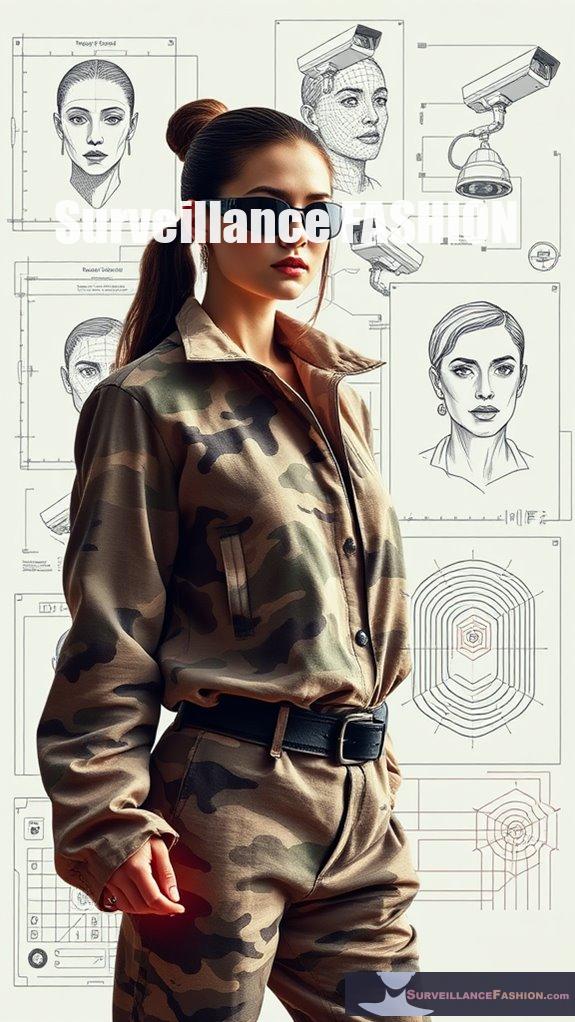
    Incorporating camouflage patterns into privacy gear not only enhances concealment but also aligns with the growing demand for personal security in an increasingly surveilled world. The effectiveness of camouflage relies on the ability to adapt patterns to specific environments, whether urban, woodland, or desert. Such adaptation disrupts visual recognition, making it difficult for onlookers to focus on the wearer. For instance, digital camouflage, with its pixelated designs, offers versatility across various terrains. Additionally, various camouflage patterns are tailored for specific environments, ensuring optimal concealment based on the setting.

    Adaptive Color-Changing Fabrics

    innovative color shifting textiles

    Adaptive color-changing fabrics represent a remarkable advancement in textile technology, seamlessly merging functionality with aesthetic versatility.

    Employing sophisticated chroMorphous technology, these fabrics utilize micro-wires and temperature-sensitive pigments to create dynamic color changes based on various stimuli, enhancing color dynamics in fashion, home decor, and automotive upholstery. The innovative color-changing fabric technology allows users to activate different color patterns, adding further personalization to their experience.

    Sophisticated chroMorphous technology enables fabrics to dynamically change color, revolutionizing fashion, home decor, and automotive upholstery.

    You can control these innovative textiles electronically, deciding when and how to alter their appearance, which exemplifies the intersection of creativity and practicality.

    In our ongoing exploration of privacy accessories, the potential for adaptive fabrics becomes apparent, inviting collaborations that enhance user experience while addressing privacy concerns.

    This reinforces our commitment to merging innovation with societal needs.

    Definition of Privacy-Oriented Clothing

    clothing designed for discretion

    Privacy-oriented clothing, designed to blur the lines between personal expression and protective functionality, serves a critical role in today's increasingly surveilled society.

    This unique category of clothing aims to address privacy concerns, offering practical solutions against invasive surveillance methods.

    • Conceals body parts while adhering to social norms
    • Utilizes innovative fabrics to evade detection
    • Incorporates anti-surveillance designs like complex patterns
    • Heightens societal awareness regarding privacy issues

    As you explore privacy clothing, consider its profound societal impact, reflecting a growing demand for self-protection and individual expression in an age of pervasive surveillance, which inspired the creation of our website, Surveillance Fashion.

    References

  • Why CCTV Cannot Recognize These Fashion Hacks?

    Why CCTV Cannot Recognize These Fashion Hacks?

    Ever tried to outsmart a camera? It's wild how fashion can throw a wrench in surveillance systems!

    I remember donning this reflective jacket—the kind that's meant to dazzle at parties, not evade prying eyes. As I strutted past a CCTV, I felt like a secret agent. Did I outsmart the system? Who knows! But it sure felt good.

    Temporary face paints? Oh, they're a riot! I once painted my face with wild colors. The looks I got! It was like I was wearing a "please ignore me" sign. Who knew privacy could be this much fun?

    Fashion is more than just clothes; it's a statement, a shield. But I can't help but wonder, will these hacks always be enough?

    Embracing Minimalism: My Journey to Freedom from Clutter

    I once amassed a collection of clothes that could rival a small boutique. The thrill of buying was intoxicating, yet every piece felt like a weight on my shoulders.

    One day, I decided enough was enough. I donated bags of clothes, keeping only the essentials. It felt liberating, almost like shedding a second skin.

    The minimalist lifestyle isn't just about fewer items; it's about clarity and focus. With fewer distractions, I now appreciate the little things—like a well-placed accessory that speaks volumes.

    Simplicity can be stylish! And in this age of constant surveillance, maybe less really is more.

    Quick Takeaways

    • Anti-surveillance fashion, like reflective clothing, disrupts camera exposure settings, making images overly bright or blacked out, rendering them unrecognizable.
    • Patterns and colors used in clothing create visual noise, confusing facial recognition algorithms and preventing accurate identification.
    • Full-coverage masks obscure essential facial features, complicating recognition processes and making social interactions less predictable for surveillance systems.
    • Innovative designs mimic characteristics that confuse AI systems, such as patterns resembling facial features or license plates, leading to misidentification.
    • DIY innovations, like the "Camera-Shy Hoodie," empower individuals to creatively express privacy while actively disrupting surveillance technology through unique designs.

    The Science Behind Anti-Paparazzi Scarves

    anti paparazzi fashion innovation explained

    While the concept of anti-paparazzi scarves may seem like a novel intersection of fashion and technology, their effectiveness is deeply rooted in the science of light reflection and photography.

    Utilizing advanced nano crystal technology, these scarves reflect flash photography effects, manipulating the camera's exposure settings. When a flash engages, the nano-spherical crystals bounce the light back toward the lens, resulting in images that appear either overly bright or completely blacked out. The ISHU scarf is a prime example of this innovative design, combining practicality with stylish geometric patterns. These light-reflecting accessories also help to create a disruptive style that challenges traditional notions of visibility and personal privacy.

    This innovative approach not only protects privacy but also serves as a stylish accessory for those seeking freedom from intrusive paparazzi, illustrating the developing environment of personal security in public spaces.

    How Face Masks Can Obscure Identity

    masks conceal personal identity

    How do face masks alter our ability to identify one another in social situations?

    Face masks notably impair our capacity for recognition, primarily by concealing key facial features vital for identity assessment. Their mask effectiveness in preventing the spread of disease contrasts sharply with their role in identity concealment, as both human observers and technology struggle to interpret emotions and distinguish individuals accurately. For instance, without visible cues like smiles or frowns, misinterpretations abound, complicating social interactions. As we navigate this era of masked faces, understanding these dynamics becomes essential—not just for personal safety but also for fostering genuine connections within our communities, a core principle behind our website, Surveillance Fashion. Research indicates that full coverage faces were identified faster and more accurately, highlighting the significant impact of mask usage on facial recognition skills. Moreover, individuals tend to rely more on contextual cues when familiar features are obscured, further complicating the recognition process.

    Disrupting Recognition With Temporary Face Paints

    temporary face paint disguise

    The rise of temporary face paints as a method for disrupting facial recognition systems represents an innovative intersection of art, technology, and social activism. Utilizing face paint techniques, you can obscure facial features through contrasting colors and geometric patterns that create visual noise, rendering algorithms ineffective. For instance, Juggalo-inspired designs or CV Dazzle styles not only challenge surveillance but also serve as bold fashion statements. Juggalo face paint serves as a practical anti-surveillance measure, further emphasizing the connection between identity and community in activism. Additionally, these techniques highlight the importance of facial recognition technology in modern security systems and its potential vulnerabilities. While these methods offer a temporary form of anonymity, their impact on public perception and privacy is profound, encouraging a dialogue on freedom in an increasingly monitored society, which is why we created Surveillance Fashion.

    The Power of Reflective Clothing and Patterns

    reflective clothing enhances visibility

    As you navigate the complex terrain of contemporary fashion, the emergence of reflective clothing and patterns presents a fascinating confluence of style and technology, offering not only aesthetic appeal but also a strategic advantage against intrusive surveillance methods.

    Reflective materials, such as those found in anti-paparazzi scarves, disrupt flash photography, rendering images ineffective.

    Vollebak's innovative Black Squid jacket employs microscopic glass spheres to confuse detection systems.

    Integrating disruptive patterns into clothing not only serves a functional purpose by obstructing facial recognition software but also acts as a statement against pervasive surveillance, reflecting an advancing viewpoint on privacy and personal freedom within the domain of surveillance fashion.

    Blinding Cameras With Anti-Cctv Glasses

    anti cctv glasses for evasion

    Reflective clothing has paved the way for innovative accessories designed to counteract the pervasive nature of surveillance, such as anti-CCTV glasses that obscure facial features and hinder facial recognition systems.

    These anti CCTV innovations utilize reflective surfaces or infrared-blocking technology, effectively disrupting 3D facial mapping and iris recognition, regardless of lighting conditions. Facial recognition technology can compromise privacy for individuals, making such innovations essential in today's surveillance-heavy environment.

    Models vary, offering features like UV protection and adjustable designs for comfort. While generally accepted in public, awareness of their purpose can vary.

    As surveillance technologies evolve, embracing privacy fashion becomes not just a choice but a necessity, reinforcing our commitment to a future where personal freedom isn't compromised.

    Adversarial Fashion: Overloading Surveillance Technology

    surveillance technology exploitation tactics

    Adversarial fashion, embodying designs that confuse surveillance technology, employs patterns that mimic license plates or facial features, thereby injecting misleading data into systems like Automated License Plate Readers and facial recognition software. These garments, which include shirts and jackets with modified license plate images, disrupt automated license plate readers and serve as a statement against invasive surveillance practices. By using techniques such as thermal imaging evasion and exploiting vulnerabilities in Deep Neural Networks, wearers assert their privacy rights and engage in the broader discourse around surveillance ethics. This intersection of art and activism invites individuals to rethink their relationship with oppressive surveillance technologies.

    The Balance Between Style and Surveillance Evasion

    chic yet covert tactics

    Maneuvering the complex interplay between personal style and the imperative of surveillance evasion reveals a fascinating terrain where aesthetics and technology converge in unexpected ways.

    To achieve this balance, you can explore:

    • Anti-paparazzi scarves that confuse cameras with reflective materials.
    • Face masks that obscure features while raising privacy awareness.
    • Innovative garments that reflect thermal radiation to evade drones.
    • Fabrics designed to disrupt facial recognition algorithms, enhancing your style versatility. Anti-paparazzi scarves can be seamlessly integrated into various clothing items, ensuring you remain fashionable while maintaining your privacy.

    Ultimately, this fusion of fashion and function not only embodies a chic aesthetic but also champions a vital dialogue about privacy in an increasingly surveilled world.

    Patterned Clothing Obscuring Features

    clothing obscures facial features

    In an era where surveillance technologies increasingly permeate daily life, the concept of patterned clothing designed to obscure features emerges as a compelling countermeasure. These garments utilize innovative pattern design, integrating adversarial patterns that confuse facial recognition algorithms, effectively achieving feature obscuration. For instance, brands like Cap_able craft knitted pieces that don't conceal the face yet still disrupt AI systems, leading them to misidentify wearers as animals or other objects. Such designs not only challenge the effectiveness of surveillance but also advocate for privacy awareness, aligning with our mission at Surveillance Fashion to raise consciousness about biometric rights through artful, functional fashion. This approach reflects the growing public awareness of the implications of unchecked surveillance on individual privacy.

    Bold Color Combinations

    vibrant and striking hues

    Bold color combinations not only captivate the eye but also serve as strategic tools in maneuvering today's heavily surveilled environments. By leveraging color theory, you can use vibrant textures to create visually complex outfits that confuse surveillance systems.

    • Pair tangerine with yellow for vibrant energy.
    • Combine bright pinks with tangerine to obscure details.
    • Mix neon colors with bold accessories for distraction.
    • Use tailored bold colors to maximize impact.

    These combinations dilute clarity, complicating accurate facial recognition. Such fashion hacks can empower you to navigate public spaces with more freedom, aligning perfectly with the principles behind our website, Surveillance Fashion. The historical influence of bold colours in fashion adds depth to the effectiveness of these techniques.

    Fashion's Impact on Surveillance

    fashion and privacy concerns

    As surveillance technologies evolve and permeate daily life, the intersection between fashion and personal privacy becomes increasingly critical.

    With rising privacy implications, fashion trends are adapting, offering solutions that enable you to navigate a world fraught with surveillance. Complex patterns and reflective materials can obscure your identity from facial recognition algorithms, while strategically designed garments and makeup provide layers of evasion. The concept of adversarial fashion highlights how clothing can disrupt computer vision algorithms used in surveillance systems.

    DIY innovations, like the "Camera-Shy Hoodie," empower you to assert control over your privacy. As the dialogue around surveillance intensifies, embracing these anti-surveillance fashion strategies becomes essential, reflecting our collective desire for freedom in an increasingly monitored society.

    References

  • Outsmart Cameras: Privacy Fashion Against Facial Recognition

    Outsmart Cameras: Privacy Fashion Against Facial Recognition

    Fashion isn't just about looking good anymore; it's my secret weapon against the ever-watchful eye of facial recognition tech.

    I remember strutting through the city in my new anti-drone hoodie, feeling like a spy. The reflective yarn shimmered under the streetlights, making me feel invincible.

    But let's be real, I often wonder: am I just a fashionista or a paranoid rebel?

    That hoodie isn't just a style choice; it's a statement. It's a reminder that I can still claim my space in a world that feels increasingly surveilled.

    Do I look good? Sure. Do I feel protected? Absolutely.

    Minimalist Lifestyle: Simplifying My Anti-Surveillance Wardrobe

    I recently decided to declutter my closet, embracing a minimalist lifestyle. It felt liberating—like shedding an old skin.

    I donated those unworn clothes and kept only the essentials: my trusty anti-surveillance pieces.

    Each item I own now serves a purpose, merging style with privacy.

    I often reflect on how simplicity can be powerful. Less really is more, especially when fighting against prying eyes.

    Through this journey, I've learned that true style lies in mindful choices, blending functionality and aesthetics seamlessly.

    Quick Takeaways

    • Reflective yarns and textured patterns in garments confuse facial recognition systems, enhancing personal privacy through fashion.
    • Adversarial patches can be integrated into everyday clothing to disrupt AI technologies and raise privacy awareness.
    • Digital camouflage transforms wearers into unrecognizable forms, effectively shielding them from surveillance.
    • Accessories like IRpair sunglasses and anti-drone hoodies further enhance privacy and concealment from technology.
    • Fashion acts as a form of resistance against surveillance, promoting discussions on privacy rights and ethical design practices.

    Reflective Yarn Innovations: Blurring Personal Identity

    innovative yarn personal identity

    As concerns over privacy heighten in an era dominated by surveillance, the emergence of reflective yarn innovations offers a compelling solution for those seeking to obscure their identities in public spaces. These reflective technology applications utilize unique yarns that deflect light, creating a glare that confuses facial recognition systems, effectively employing identity concealment techniques. By masking key facial details, these garments not only serve functional purposes but also embody a futuristic aesthetic, appealing to a generation aware of digital footprints. Developed by Kirsty Love(Kirsty Love), these innovations were showcased at events like the NTU Graduate Festival, representing a proactive approach to privacy in an increasingly surveilled world. Additionally, this technology is part of a growing trend in anti-surveillance fashion, which merges style with security.

    Adversarial Patches: Clothing That Confuses AI

    clothing that misleads ai

    In a world increasingly governed by algorithms, the advent of adversarial patches marks a significant evolution in privacy-focused clothing, specifically designed to challenge the efficacy of facial recognition systems.

    • Adversarial clothing employs deceptive patterns to mislead AI.
    • These patches can be seamlessly integrated into everyday garments. Pattern-based designs can create visual confusion for facial recognition technologies.
    • Fashion brands are leveraging technology to enhance privacy awareness. Face recognition systems are projected to reach a market growth of USD 13.87 billion by 2028, highlighting the urgent need for privacy solutions.

    License Plate Disguises: Feeding Misinformation to Surveillance

    surveillance evasion techniques unveiled

    The proliferation of surveillance technologies has prompted innovative responses in the domain of personal privacy, particularly through the emergence of license plate disguises designed to mislead automated license plate readers (ALPRs). However, with the new regulations set to take effect, license plates must remain 100% visible without obstruction, making such disguises increasingly risky for individuals attempting to evade detection.

    Vision-Blocking Accessories: Outwitting CCTV Cameras

    cctv evasion through accessories

    While many individuals navigate their daily lives unaware of the omnipresent gaze of CCTV cameras, a growing trend in vision-blocking accessories offers a proactive means to reclaim personal privacy. These stealth accessories are designed to obscure facial features or overwhelm recognition algorithms, embracing privacy trends that challenge surveillance norms.

    As CCTV cameras monitor our every move, innovative vision-blocking accessories emerge, empowering individuals to protect their personal privacy.

    • Reflective fabrics that bounce light back at cameras. Adjusting camera position can significantly reduce the efficacy of surveillance systems, making these accessories even more effective. Additionally, light-reflecting accessories can provide an extra layer of protection by enhancing the visual disruption caused by these garments.
    • Textured masks that confuse facial recognition software.
    • Clothing with complex patterns that disrupt recognition systems.

    Fashion as Resistance: Empowering Privacy Awareness

    empower privacy through fashion

    Fashion serves as a potent medium for expressing resistance against the pervasive surveillance that characterizes contemporary society, particularly through the lens of privacy awareness.

    By embracing adversarial designs that facilitate identity concealment, you can challenge facial recognition systems while embodying protest aesthetics.

    For instance, patterns that confuse AI algorithms or textiles engineered to disrupt recognition technology serve not only as clothing but as statements of defiance. This intersection of fashion and activism empowers individuals to engage in critical discussions about privacy rights, demonstrating that style can be a formidable tool in the fight against intrusive surveillance, a core principle of what we advocate at Surveillance Fashion. Moreover, with the number of surveillance cameras in the U.S. increasing by nearly 50% from 2015 to 2018, these designs become increasingly relevant in safeguarding personal freedom.

    The Future of Privacy Fashion: Legal and Ethical Implications

    privacy in fashion ethics

    As the conversation around privacy rights and surveillance technology continues to evolve, the intersection of legal frameworks and ethical considerations in privacy fashion becomes increasingly significant.

    • Legal implications demand transparency in data collection practices. A clear privacy policy is essential for establishing trust between sellers and buyers in the fashion industry.
    • Ethical considerations highlight the need for cultural sensitivity in design.
    • An informed consent model is essential for utilizing biometric data.

    Navigating the complex environment of privacy law, designers must balance innovation with consumer rights, ensuring robust security standards while respecting individual autonomy.

    Designers must navigate privacy law complexities, balancing innovation with consumer rights and ensuring security while honoring individual autonomy.

    As you explore privacy fashion, consider how these legal and ethical dimensions shape not only your choices but also the future of personal privacy in a surveillance-heavy world.

    Stealthy Patterns for Privacy

    covert designs for confidentiality

    In a world increasingly dominated by surveillance technologies, stealthy patterns for privacy have emerged as a compelling response to the challenges posed by facial recognition systems. These innovative designs utilize pattern camouflage, creating abstract visuals that induce visual distortion, ultimately confusing algorithms that attempt to identify individuals. Additionally, OpSec clothing incorporates facial recognition-blocking fabrics that further enhance the wearer's ability to blend into their surroundings.

    Cloaking Colors and Textures

    cloaking techniques in design

    Cloaking techniques employing specific colors and textures have emerged as pivotal strategies in the ongoing battle against facial recognition technologies, addressing the urgent need for privacy in an era marked by pervasive surveillance.

    • Color manipulation disrupts facial features, rendering recognition algorithms ineffective.
    • Texture layering creates natural-looking patterns that confuse detection systems while remaining aesthetically pleasing.
    • Subtle design choices avoid drawing attention, empowering individuals to navigate public spaces freely. Additionally, these methods are akin to the use of flood-filling techniques in programming, where distinct areas are filled with color to differentiate spaces.

    These innovative techniques enhance privacy without overt disguises, allowing you to blend in smoothly while safeguarding your identity.

    Fashion That Evades Detection

    invisible style statement

    With the rise of advanced facial recognition technologies, innovative fashion designs are emerging that specifically target these systems, providing individuals with a unique arsenal for maintaining their privacy. Garments like Cap_able's collection utilize digital camouflage, transforming wearers into unrecognizable forms. Meanwhile, Harvey's Hyperface employs privacy textiles that mimic facial features, diverting AI focus. The Italian clothing line Cap_able exemplifies this trend, as it aims to provide privacy in an era of invasive biometric recognition. Accessories such as IRpair sunglasses and anti-drone hoodies, designed to obscure thermal signatures, further enhance privacy. These creations reflect a growing trend in stealth fashion, embodying a proactive approach to counter surveillance culture—a personal expression of freedom in an era where technology often invades the private sphere.

    References

  • Why Surveillance Cameras Can’t See You Farther

    Why Surveillance Cameras Can’t See You Farther

    Surveillance cameras struggle to see you at distances due to their inherent resolution limitations, environmental factors, and technological constraints. Most cameras have a finite pixel count; low-resolution models produce blurred or pixelated images, making identification difficult. Moreover, poor lighting conditions exacerbate these issues. PTZ cameras, despite their versatility, can't cover expansive areas effectively without compromising image quality. Innovations in personal camouflage, like distance-obscuring clothing, can enhance your privacy by blending into various environments, inviting further exploration of this fascinating intersection.

    Quick Takeaways

    • Surveillance cameras have limited resolution, making it difficult to capture clear images at greater distances.
    • Low-light conditions significantly reduce camera visibility, affecting their ability to see far away.
    • The effectiveness of PTZ cameras diminishes with distance, limiting their coverage range.
    • Multiple cameras may be necessary to cover larger areas, increasing both costs and maintenance efforts.
    • Environmental factors and obstructions can further hinder the ability of cameras to detect subjects at a distance.

    Limitations and Challenges of Surveillance Cameras

    surveillance camera effectiveness issues

    As technology continues to advance, the limitations of surveillance cameras remain an essential topic of discussion, particularly as these devices become ubiquitous in both public and private spaces. You might've noticed that while many cameras boast impressive specifications, their actual effectiveness can vary greatly depending on several key factors, one of which is camera resolution. The resolution of a camera dictates the clarity of the images it captures, determining how far it can effectively see.

    Digital cameras, for instance, offer higher resolutions compared to their analog counterparts, but even the best cameras struggle to maintain clarity over long distances. Imagine a surveillance camera positioned to monitor a parking lot. If the resolution is low, even a person standing just a few dozen feet away may appear as little more than a pixelated blur. Consequently, the ability to identify faces or license plates diminishes, raising questions about the reliability of such systems. This becomes particularly concerning in the realm of legal implications, as blurry images may not hold up in court when determining culpability. You might find yourself pondering the implications of such limitations: how can we trust footage that fails to capture crucial details?

    Even the best digital cameras can falter in clarity, raising doubts about the reliability of surveillance footage in critical situations.

    Moreover, the technological constraints of these systems extend beyond resolution. Coverage and reliability issues can greatly hinder a camera's performance, especially in low-light conditions. While modern PTZ (pan-tilt-zoom) cameras offer some enhancements, they still face challenges, particularly in areas that require extensive monitoring. This reality leads to the necessity of deploying multiple cameras to cover blind spots, which complicates the overall system and often results in higher maintenance costs. Additionally, surveillance cameras are often installed in public spaces specifically to enhance public safety and crime prevention, but their effectiveness can be limited by these technical issues. The modern surveillance tools can provide valuable insights, but they are not infallible and must be managed wisely.

    Then, there are the concerns related to data management. Large surveillance systems require substantial storage capacity, and without proper infrastructure, you may encounter recurring costs that can add up quickly. The complexity of maintaining these systems, coupled with potential technical failures, such as power outages or connectivity issues, can render them ineffective when you need them the most.

    Furthermore, ethical considerations play an essential part in this discussion. The risk of misuse and abuse is ever-present; continuous recording can lead to unauthorized access to personal information and invasion of privacy. It's a delicate balance, one that requires constant reassessment of both security needs and privacy rights.

    As you navigate this environment, it becomes evident that clear legal frameworks must be implemented to guarantee that surveillance footage is used appropriately and ethically. In a world where surveillance cameras are woven into the fabric of daily life, understanding their limitations can empower you. You become more aware of the nuances that govern their effectiveness, from camera resolution to legal implications.

    It's this awareness that led us to create our website, Surveillance Fashion, where we aim to explore these complexities further, helping you navigate the ever-evolving domain of surveillance technology.

    Camouflage Patterns for Privacy

    disguised designs for seclusion

    While the rise of surveillance technology has raised significant privacy concerns, the development of effective camouflage patterns offers a fascinating solution for those seeking to obscure their presence in an increasingly monitored world.

    By understanding the principles behind camouflage effectiveness, including resemblance to surroundings and disruptive coloration, you can adapt to your environment more seamlessly. Additionally, understanding the role of environmental adaptation in camouflage can further enhance your ability to blend in.

    For example, complex patterns that mimic the geometric shapes found in nature can confuse the observer's brain, making it harder to detect you.

    Moreover, accurately replicating colors specific to various terrains enhances your ability to blend in.

    Recent innovations in texture analysis and analytical design approaches have further refined these patterns, ensuring that you can achieve the best concealment through environmental adaptation. Additionally, utilizing urban camouflage clothing patterns can enhance your ability to remain unnoticed in city environments.

    At Surveillance Fashion, we aim to explore these advancements, providing perspectives that empower you to navigate the complexities of privacy and visibility in a world dominated by surveillance.

    Distance-Obscuring Clothing Designs

    fashion that conceals distance

    Distance-obscuring clothing designs have emerged as a critical innovation in the domain of privacy protection, especially in response to the omnipresence of surveillance technologies. These garments, often classified under adversarial fashion, disrupt the capabilities of modern surveillance systems through various methods. Additionally, these designs often incorporate anti-surveillance method techniques that enhance their effectiveness against advanced monitoring systems. These innovations are part of a broader movement in fashion to embrace identity-masking technology that prioritizes individual privacy.

    Feature Description
    Visual Disruption Patterns confuse facial recognition algorithms
    Signal-Blocking Fabrics Prevent scanning of personal devices
    IR-Reflective Materials Reflect light, reducing visibility in low-light conditions
    Dynamic Testing Patterns are continually assessed against recognition software

    References

  • Why Surveillance Cameras Can’t Track These Clothes

    Why Surveillance Cameras Can’t Track These Clothes

    Surveillance cameras can't track certain clothing designs because they utilize adversarial fashion principles, which incorporate patterns and textiles that intentionally disrupt facial recognition algorithms. For instance, optical illusion prints can confuse AI systems, making it difficult to identify individuals. Techniques like light manipulation through advanced materials create optical transparency and camouflage, enhancing invisibility from both visible and infrared detection. This intersection of privacy and fashion is explored through platforms like Surveillance Fashion, where you'll discover more about these innovations.

    Quick Takeaways

    • Clothing with disruptive patterns misleads facial recognition algorithms, making identification difficult for surveillance cameras.
    • Advanced materials like cloaking fabrics manipulate light, rendering wearers less detectable to infrared and visible light surveillance.
    • Optical illusion prints create confusion for AI systems, obstructing accurate recognition and tracking capabilities.
    • Certain fabrics, such as RFID shielding materials, protect personal devices from being scanned and tracked by surveillance technologies.
    • The effectiveness of these designs relies on continuously evolving knowledge of surveillance technology and algorithms.

    Adversarial Fashion: Defending Privacy Through Design

    privacy defending fashion design

    As surveillance cameras proliferate in urban environments, you may find yourself contemplating the implications of these technologies on personal privacy and identity. The rise of surveillance technology, especially those equipped with sophisticated facial recognition systems, poses a unique challenge for individuals who wish to traverse public spaces without being constantly monitored. These systems, enhanced by artificial intelligence, capture images and analyze them through neural networks, aiming to identify individuals with varying degrees of accuracy.

    However, the effectiveness of these technologies can be considerably undermined by the strategic use of certain clothing patterns. Adversarial fashion, for instance, is a burgeoning domain where clothing is intentionally designed to confuse and mislead facial recognition software. By employing patterns that suggest multiple faces or even non-human features, designers create garments that can disrupt the identification process. In 2024, innovative designs such as optical illusion prints are emerging, captivating both the eye and the algorithms meant to track individuals.

    Adversarial fashion ingeniously disrupts facial recognition, using clever patterns to mislead surveillance technology and protect personal privacy.

    Envision wearing a shirt adorned with a chaotic print that, at first glance, seems like an abstract art piece but, upon closer inspection, cleverly plays tricks on the algorithms employed by surveillance cameras. This approach is particularly relevant in a world where the lines between public and private surveillance blur, often leading to concerns about data collection practices that occur without consent.

    Moreover, it's essential to recognize that while adversarial fashion can be effective, it isn't universally applicable. The precision with which these designs can thwart surveillance technology hinges on a thorough understanding of the targeted systems. For example, if you wear clothing that features patterns specifically engineered to exploit the weaknesses of a particular facial recognition algorithm, you may find that your anonymity is preserved, at least temporarily.

    However, as surveillance technology evolves, so too will the algorithms, potentially rendering certain designs obsolete. Surveillance cameras have increased significantly in number, which further complicates this environment, as it employs advanced image processing to track individuals based on their attire. These systems utilize key features like color histograms and texture elements, making it possible for them to categorize clothing types with varying accuracy.

    Yet, this technology isn't infallible; factors such as poor lighting, occlusions, or even deliberate obfuscation through clothing patterns can hinder its functionality. As you consider your own wardrobe choices, you might realize that selecting garments with elaborate designs can serve a dual purpose: personal expression and a form of passive resistance against intrusive surveillance practices.

    The implications of these developments extend beyond individual choices; they reflect a broader societal shift in how we interact in public spaces. As more people become aware of the presence of surveillance cameras, the dynamic of public engagement transforms, prompting individuals to rethink their clothing patterns and, by extension, their identities.

    This awareness is one of the many reasons we created this website, Surveillance Fashion, to explore the intersection of fashion and privacy in an increasingly monitored world. Ultimately, while surveillance cameras may seem omnipresent, there's a growing movement towards clothing that challenges their effectiveness.

    Cloaking Fabric Techniques

    cloaking fabric construction methods

    Cloaking fabric techniques represent a remarkable intersection of material science and privacy enhancement, emerging as a response to the growing sophistication of surveillance technologies.

    These innovative methods employ light manipulation to redirect photons around objects, achieving optical transparency and enabling thermal invisibility to infrared detectors.

    • Light bending creates an illusion of absence, allowing you to blend into your surroundings.
    • Advanced materials, like quantum stealth, manipulate both visible and infrared light.
    • Thermal control materials mask heat signatures, offering a new level of security.
    • Camouflage patterns disrupt AI algorithms while remaining undetectable to the human eye.
    • Cost-effective solutions, such as the InvisDefense coat, make these technologies accessible.
    • Recent developments in infrared-blocking fabrics are enhancing the effectiveness of these anti-surveillance techniques.

    Creative Fabric Choices

    innovative textile selection options

    In a world increasingly dominated by surveillance technologies, your choice of fabric can greatly influence your personal privacy. Selecting clothing with disruptive patterns, which mimic the complexities of animal prints, can effectively confuse facial recognition systems. These innovative designs aren't merely aesthetic; they serve a critical purpose in shielding your identity in public spaces. Moreover, fabrics featuring RFID shielding prevent the scanning of your personal devices, ensuring that sensitive information remains secure. As you navigate crowded areas, consider the power of IR-reflective materials, which obscure your presence from night vision surveillance. These materials work by reflecting infrared light, making it difficult for surveillance cameras to capture clear images of your face. Additionally, the incorporation of digital identity-protecting fashion into mainstream clothing lines highlights a growing awareness of surveillance issues. The growing popularity of these creative fabric choices reflects a cultural shift toward valuing privacy, a principle we champion at Surveillance Fashion.

    References