Tag: facial recognition

  • 7 Communal Strategies to Foil Facial Tracking Systems

    7 Communal Strategies to Foil Facial Tracking Systems

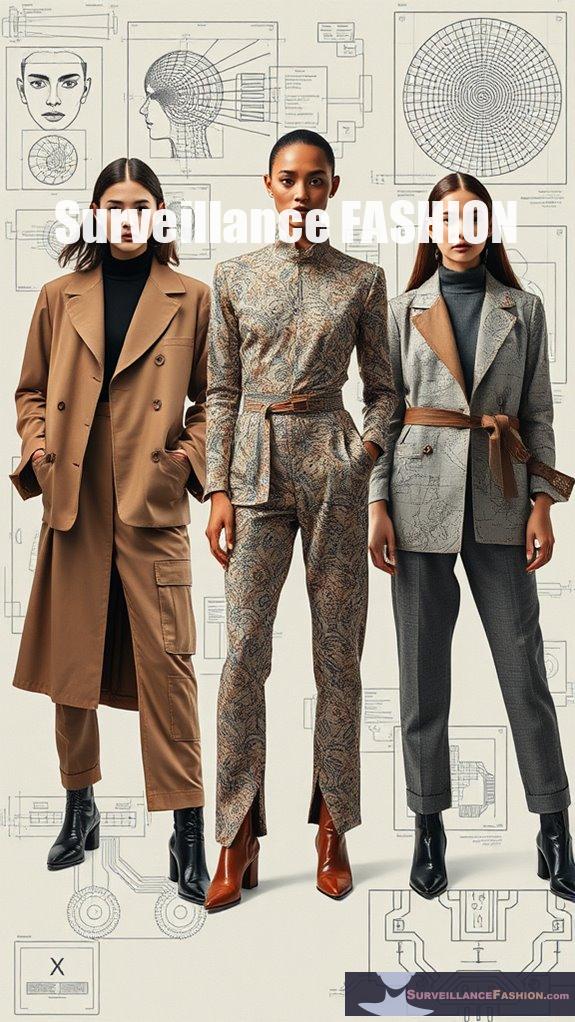
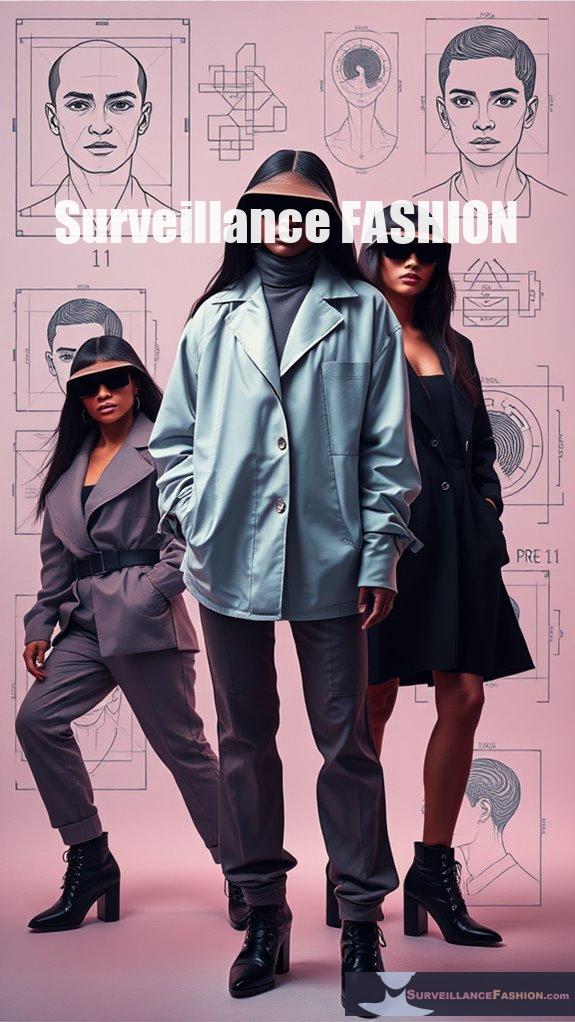
    To effectively combat facial tracking systems, you can utilize several communal strategies. First, engage in coordinated masking techniques, such as employing geometric makeup patterns that distort facial recognition algorithms. Next, consider distinctive clothing designs that utilize confusing patterns, like those offered by brands like Cap_able. Community awareness campaigns enhance understanding of surveillance threats, while collective workshops foster informed engagement. Furthermore, the use of temporary tattoos can serve as a dynamic disguise. Explore how each method contributes to a collaborative approach to privacy.

    Quick Takeaways

    • Organize community workshops to educate members about privacy risks and effective strategies against facial recognition technologies.
    • Develop and promote coordinated masking and clothing techniques that disrupt AI detection through unique patterns and materials.
    • Launch awareness campaigns, like “Reclaim Your Face,” to mobilize citizens against mass biometric surveillance practices in their neighborhoods.
    • Foster collaboration within the community to create innovative solutions that collectively resist digital monitoring systems.
    • Use social media platforms to facilitate discussions and share information about privacy rights and anti-surveillance measures.

    Coordinated Masking Techniques
    coordinated masking strategies explained

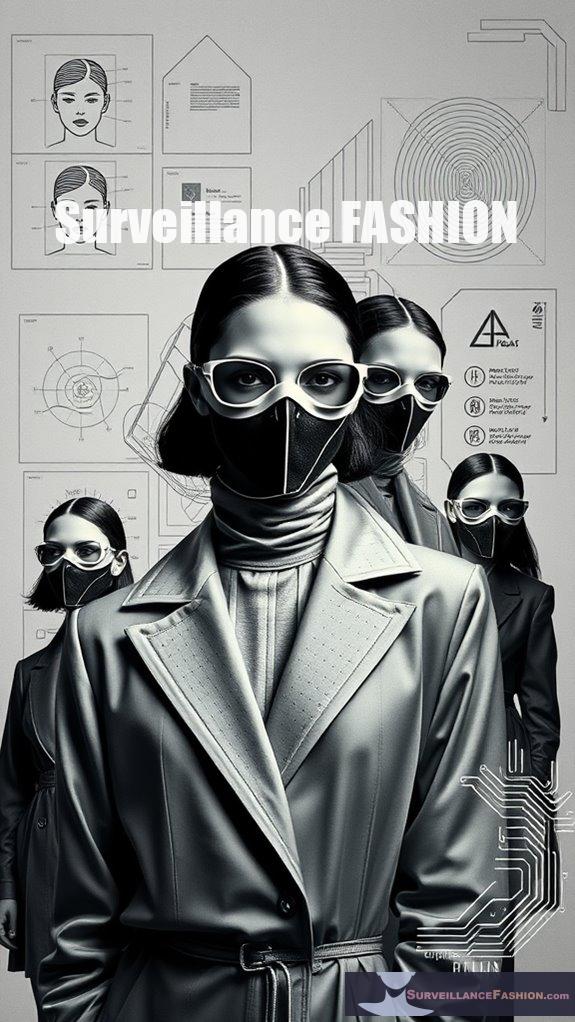
    In a world where facial recognition technology is becoming increasingly sophisticated, the implementation of coordinated masking techniques emerges as a crucial strategy for evading surveillance systems. As you navigate this complex environment, it’s essential to understand the limitations posed by advanced detection systems like DeepMaskNet and FaceMaskNet-21, which track facial features even when obscured. Proper mask placement can be detected, diminishing effectiveness, while deep learning algorithms enhance recognition accuracy. However, utilizing lower-resolution images may present a tactical advantage. Furthermore, the development of robust masked face recognition systems has been emphasized to counteract the challenges posed by masks. To increase the effectiveness of these strategies, groups can also employ coordinated anti-recognition makeup techniques to further disrupt facial feature recognition.

    Shared Makeup Patterns

    collaborative beauty design techniques

    Shared makeup patterns represent a fascinating intersection of artistry and technology, where creative expression serves a dual purpose: enhancing personal aesthetics while simultaneously thwarting facial recognition systems.

    • The CV Dazzle Project employs unconventional styles to disrupt facial recognition algorithms.
    • Geometric shapes, like triangles and squares, obscure facial features and create asymmetry. This approach leverages disruptive design techniques to confuse algorithms that rely on standard facial geometry.
    • High-contrast colors, such as blues and purples, challenge the detection of facial boundaries.
    • Eye makeup techniques can greatly reduce the effectiveness of facial recognition systems. Juggalo face paint may serve as a practical anti-surveillance measure by obscuring key identification lines on the face.

    Group Clothing Strategies
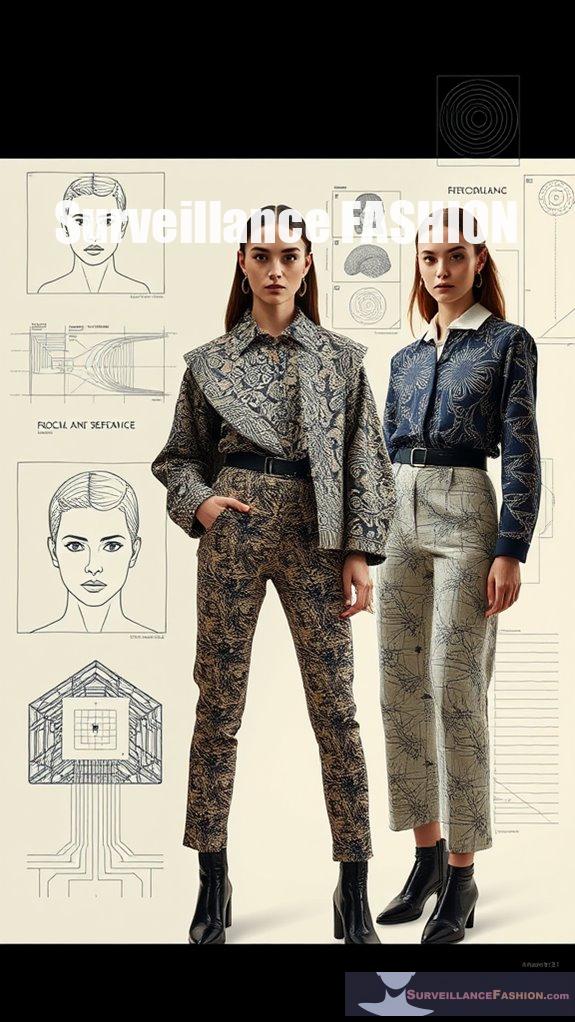
    collaborative fashion marketing tactics

    As facial recognition technology becomes increasingly sophisticated, individuals seeking to protect their privacy can explore group clothing strategies that not only serve aesthetic purposes but also function as barriers against surveillance.

    For instance, specialized garments, such as shirts adorned with multiple face patterns, effectively overwhelm recognition algorithms by introducing visual complexity.

    Fashion lines like Cap_able produce hoodies with animal-inspired designs that disrupt AI detection, demonstrating how style can intertwine with privacy needs. Additionally, the use of pattern-based camera-confusing clothing designs highlights the innovative intersection of fashion and technology aimed at preserving anonymity.

    However, while these innovative designs might enhance anonymity, they can attract unwanted attention, challenging their intended purpose.

    While innovative designs can boost anonymity, they may inadvertently draw unwanted attention, complicating their original intent.

    As surveillance technologies evolve, the fashion industry must continually adapt, ensuring these garments remain effective tools for privacy protection, a necessity emphasized by the mission behind Surveillance Fashion.

    Mass Participation in Events
    community engagement through events

    Mass gatherings, whether concerts, conferences, or sporting events, often utilize advanced technologies such as facial recognition to streamline operations, enhance security, and optimize attendee experience.

    However, this reliance on surveillance technology raises significant concerns regarding privacy and control.

    • Security Enhancements: Facial recognition identifies attendees, aiming to prevent unauthorized entries.
    • Crowd Management: It creates heat maps, aiding staff in maneuvering large crowds effectively.
    • Identity Verification: This technology reduces ticket fraud, facilitating faster entry.
    • Data Collection: It gathers information on attendee behavior for future event planning.

    As participants, you possess the agency to demand transparency and advocate for alternatives that protect your privacy, reflecting the ethos of our initiative, Surveillance Fashion, which promotes awareness of surveillance practices while empowering individual autonomy.

    Additionally, grassroots resistance efforts can effectively challenge the normalization of such technologies within public spaces.

    Collective Use of Temporary Tattoos

    While the conversation around surveillance technologies often gravitates toward their implications for privacy, the innovative use of temporary tattoos emerges as a compelling collective strategy for individuals seeking to safeguard their identities.

    These tattoos can incorporate invisible patterns, designed to confuse facial recognition systems. Inspired by nature and art, the designs remain innocuous while effectively disrupting AI algorithms. By employing adversarial AI techniques, you can create tattoos that specifically target the vulnerabilities of these systems, effectively obscuring facial features and enhancing personal privacy.

    The strategic application of disguise techniques can enhance the effectiveness of these tattoos, ensuring they provide an additional layer of protection against intrusive technologies. Beyond skin application, similar designs can adorn clothing, amplifying privacy protection. With easy accessibility and customization, temporary tattoos represent a practical approach to resisting pervasive surveillance, echoing the ethos behind our website, Surveillance Fashion, dedicated to exploring innovative privacy solutions.

    Community Awareness Campaigns
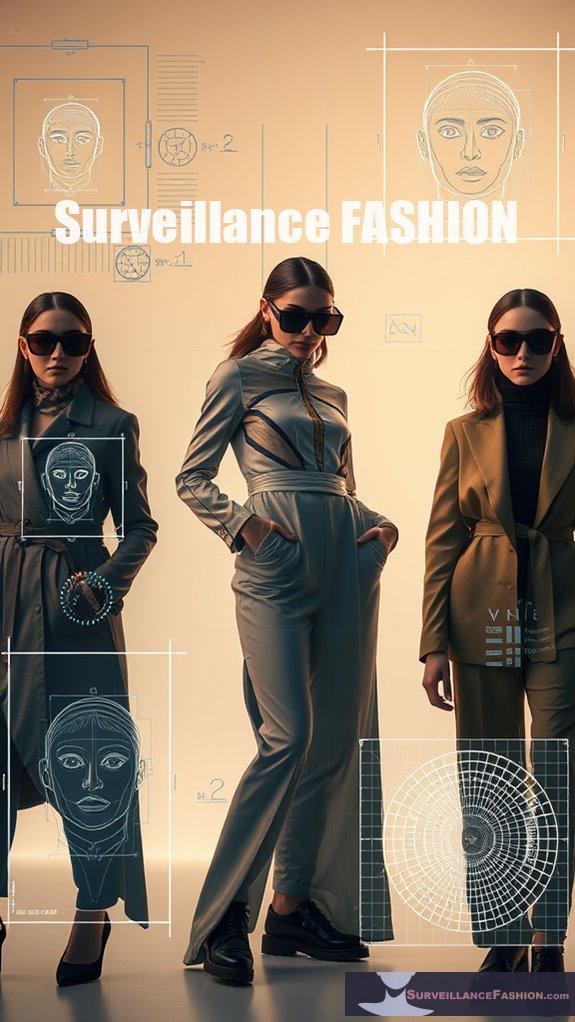
    promoting community engagement initiatives

    Community awareness campaigns emerge as essential vehicles for educating the public about the pervasive threats posed by facial recognition technologies, particularly in a setting increasingly defined by biometric surveillance.

    These initiatives empower individuals to understand their rights and the implications of surveillance on civil liberties, fostering a culture of resistance.

    • The “Reclaim Your Face” campaign mobilizes citizens across Europe against mass biometric surveillance.
    • Grassroots activists in the U.S. have successfully advocated for bans against government facial recognition use.
    • The ACLU champions transparency through public education and legislative action.
    • Engaging social media campaigns share critical data about surveillance technologies, facilitating informed community discussions.

    Such awareness not only highlights potential abuses, but also galvanizes collective action, making it a cornerstone of the ongoing fight for privacy rights. Communities can leverage technology countermeasures to actively disrupt and challenge surveillance systems.

    Organized Privacy Workshops
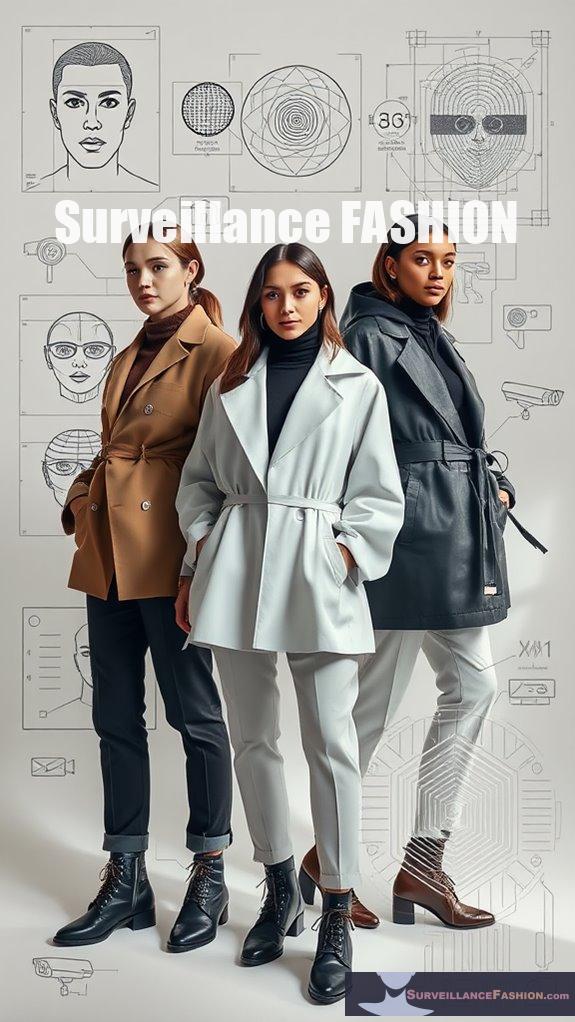
    privacy awareness training sessions

    In an age where privacy concerns dominate the discourse surrounding technology, organized privacy workshops have emerged as vital instruments for equipping individuals and organizations with the knowledge necessary to navigate the complexities of modern surveillance.

    These workshops focus on educating participants about current privacy risks, including the implications of AI and facial recognition technologies. Expert lectures elucidate relevant laws and policies, ensuring that attendees grasp both the legal framework and ethical considerations surrounding privacy.

    Through interactive sessions, participants learn mitigation strategies, including the use of innovative tools like Fawkes, which “cloak” images to evade recognition, these workshops emphasize the importance of community engagement in fostering collective resistance against pervasive digital monitoring systems.

    Such education fosters an environment of informed decision-making, empowering individuals and organizations to take control of their privacy in an increasingly monitored world, aligning with the mission of our website, Surveillance Fashion.

    Disguising Identity Through Clothing
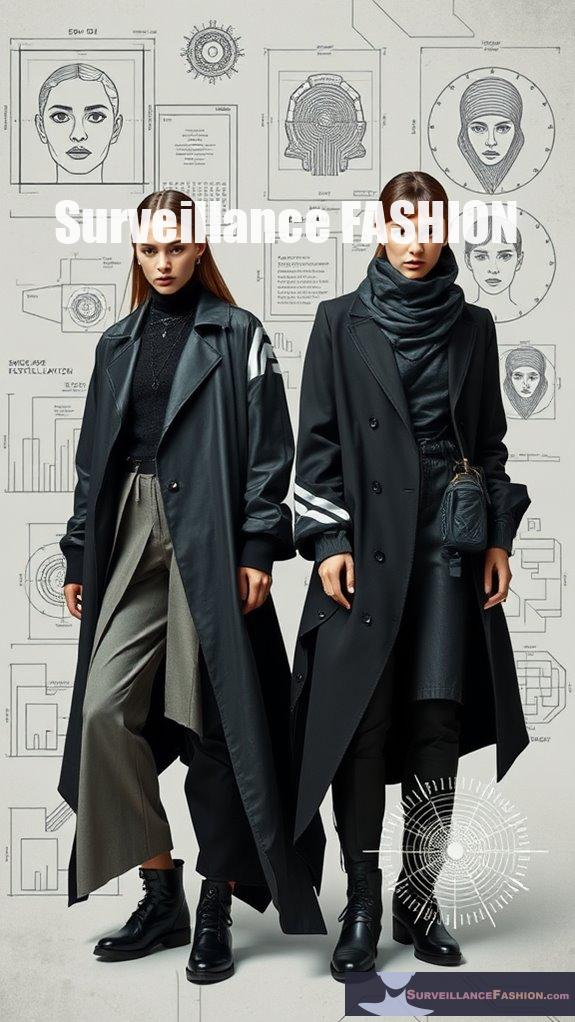
    clothing conceals personal identity

    As the scenery of surveillance evolves, the need for innovative ways to disguise one’s identity through clothing becomes increasingly critical.

    Utilizing advanced design techniques, you can leverage garments that specifically aim to mislead facial recognition systems. Consider these approaches:

    • Adversarial Patch Technology: Algorithm-generated patterns confuse AI detection.
    • Animal-Inspired Designs: Patterns mimicking zebras or giraffes create visual distractions.
    • Sustainable Fabrics: High-quality Egyptian cotton guarantees durability while promoting ethical practices.
    • Fashion Integration: Blending technology with style, these clothes protect privacy without sacrificing aesthetic appeal.

    Incorporating features from disrupting surveillance can further enhance the effectiveness of these garments. As you navigate this environment of digital surveillance, understanding these garments’ functionalities can empower you to reclaim control over your identity, a core principle behind our website, Surveillance Fashion, dedicated to fostering awareness and innovation in privacy protection.

    Identity-Fluid Wardrobe Choices

    fluid fashion for self expression

    While traversing the complexities of modern surveillance, you might consider how identity-fluid wardrobe choices serve as both a response to and a method of subverting facial recognition technologies. These choices often incorporate innovative materials and designs that challenge traditional surveillance methods. Some garments are designed with infrared-blocking fabrics that help to obscure the heat signatures emitted by the body.

    CategoryExamplePurpose
    Anti-surveillance FabricLightweight metallic textilesReflects heat signatures to evade detection
    Disguise AccessoriesFace masks & scarvesConceal identity without drawing attention
    Temporary ArtFace paintings & tattoosDistracts and avoids surveillance

    References

  • Makeup Strategies to Evade Facial Recognition Systems

    Makeup Strategies to Evade Facial Recognition Systems

    To evade facial recognition systems, you can employ innovative makeup strategies like asymmetrical designs and contrasting color palettes that disrupt recognition algorithms. Techniques such as CV Dazzle utilize high-contrast makeup applications to obscure facial features, maintaining essential liveness cues. Furthermore, collective identity switching through shared visual cues enhances anonymity. Coupled with specialized clothing that tricks AI, these methods illustrate how personal privacy can be safeguarded in public spaces. There’s much more to explore about these strategies.

    Quick Takeaways

    • Utilize CV Dazzle makeup techniques with asymmetrical patterns to obscure facial features and confuse recognition algorithms.
    • Apply high-contrast colors on brow lines, nose bridges, and jaw contours to disrupt facial recognition accuracy.
    • Incorporate visual disruption techniques that specifically target algorithms, enhancing the effectiveness of makeup presentation attacks.
    • Over-accessorize with items like hats, scarves, and sunglasses to obscure facial features from surveillance systems.
    • Combine digital design tools to select ideal color palettes that challenge facial recognition technology.

    Collective Makeup Resistance Techniques

    makeup resistance strategies together

    As you navigate the changing terrain of facial recognition technology, it becomes increasingly evident that collective makeup resistance techniques offer a compelling avenue for those seeking to preserve their anonymity in public spaces.

    Utilizing makeup presentation attacks (MPAs), individuals can employ both physical and digital makeup to obscure facial features, greatly decreasing detection probabilities. For instance, CV Dazzle, characterized by asymmetrical and contrasting patterns, has shown remarkable effectiveness in evading recognition systems. Research from Ben-Gurion University indicates that such techniques can achieve success rates as high as 98% against prominent algorithms like FaceNet. By applying dark colors to high-density facial regions and combining these techniques with strategic hairstyles, you can enhance your disguise. makeup presentation attacks maintain liveness cues, making them even more challenging for detection systems to identify. These methods can be further optimized by incorporating visual disruption techniques, which target specific algorithms used in facial recognition.

    At Surveillance Fashion, we recognize the potential of these innovations for privacy advocacy.

    Collective Identity Switching Methods

    identity transformation techniques explained

    Collective identity switching methods emerge as an essential response to the escalating prevalence of facial recognition technology, particularly as individuals seek to navigate public spaces with anonymity.

    These methods leverage cognitive perceptions about in-group recognition, enabling you to manipulate identity perception. For instance, by collaborating with others to adopt shared visual cues—like specific makeup styles or hairstyles—you can create a collective image that confounds recognition systems. Additionally, technological tools such as deepfakes can facilitate the creation of alternative identities, while biometric countermeasures help safeguard personal data. Awareness of these strategies is vital, as they not only bolster individual privacy but also foster a broader understanding of identity dynamics in our technologically driven society, which is one of the motivations behind the creation of Surveillance Fashion. This collective approach takes advantage of facial recognition biases that favor in-group members, making it more challenging for systems to accurately identify individuals. The use of coordinated anti-recognition techniques can enhance the effectiveness of these methods, allowing groups to better obscure their identities while moving through monitored environments.

    Disguising Identity Through Clothing

    clothing conceals true identity

    Disguising one’s identity through clothing has become a critical strategy in the face of pervasive facial recognition technologies.

    With the rise of advanced surveillance systems, it’s essential to take control. Here are three effective methods:

    1. Specialized Clothing: Brands like Cap_able offer designs that trick AI into misidentifying you, using patterns that mimic animals.
    2. Built-in Software: Some clothing features technology that alerts you to nearby facial recognition systems, enhancing your privacy and allowing you to adapt your movements accordingly.
    3. Over-Accessorizing: Items such as large hats, scarves, and sunglasses obscure your facial features, making it difficult for cameras to capture your likeness. Additionally, these clothing innovations are part of a growing trend in digital identity-protecting fashion, emphasizing the importance of safeguarding personal information in public spaces.

    Color Palette Alteration Techniques

    color adjustment methods explained

    Facial recognition technologies increasingly rely on complex algorithms that analyze facial features and their color palettes. To effectively challenge these systems, you can strategically alter your color palette, focusing on contrasting shades that disrupt recognition accuracy.

    By adjusting the colors on your brow lines, nose bridge, and jaw contours, you can create a visual discrepancy that confuses algorithms.

    For instance, employing high-contrast makeup, such as CV Dazzle patterns, introduces asymmetry likely to thwart detection. Additionally, selecting colors that diverge from your natural skin tone enhances evasion.

    Utilizing digital design tools allows for ideal color selection, ensuring that your makeup not only remains subtle but also maximizes effectiveness in evading surveillance, a core goal of our platform, Surveillance Fashion. Understanding the principles of CV Dazzle can provide further insights into effective application techniques.

    References

  • Why Exchange Clothes to Beat Facial Recognition?

    Why Exchange Clothes to Beat Facial Recognition?

    Exchanging clothes is a strategic approach to counteract facial recognition systems, as it disrupts consistent tracking associated with personal identifiers. By adopting garments from community clothing exchanges, you can create a collective anonymity that mitigates surveillance risks. This practice promotes privacy-focused behaviors while engaging in community-building efforts. Furthermore, innovative designs, such as adversarial patterns, enhance this goal by misleading AI algorithms. Explore the nuances of this developing intersection of fashion and privacy to gain deeper understanding.

    Quick Takeaways

    • Exchanging clothes disrupts predictable patterns, making it harder for facial recognition systems to identify individuals accurately.
    • Collective anonymity through clothing exchange fosters community engagement and a shared commitment to privacy.
    • Anti-surveillance clothing designs intentionally mislead surveillance technologies, providing an additional layer of disguise.
    • Regularly changing outfits can create confusion for surveillance algorithms, enhancing personal privacy in public spaces.
    • Clothing exchanges promote awareness of privacy concerns and encourage proactive measures against digital surveillance threats.

    The Concept of Collective Anonymity Through Clothing Exchange

    clothing exchange fosters anonymity

    As concerns about surveillance proliferate in contemporary society, the notion of collective anonymity through clothing exchange emerges as a compelling response to the pervasive reach of facial recognition technologies.

    By adopting clothing designed to thwart surveillance—such as garments featuring adversarial patterns or the Hyperface Project's disruptive designs—you can actively participate in a movement that emphasizes privacy. The innovative fashion house Capable has designed a collection that specifically aims to mislead facial recognition systems, further highlighting the potential of clothing as a tool for privacy. Additionally, these garments often incorporate anti-facial recognition technology that disrupts the algorithms used by surveillance systems, enhancing their effectiveness.

    Embrace privacy by wearing garments that challenge surveillance, like those from the Hyperface Project.

    When communities engage in clothing exchanges, they foster a collective commitment to protecting biometric data, thereby normalizing privacy-conscious practices. This widespread adoption could create a cultural shift, encouraging individuals to prioritize their anonymity while traversing public spaces.

    Moreover, as we explore these innovative solutions on our platform, we aim to empower you with the knowledge and resources necessary to reclaim control over your privacy in an increasingly monitored world.

    Challenges and Potential of Anti-Surveillance Fashion Networks

    anti surveillance fashion innovation potential

    The challenges and potential of anti-surveillance fashion networks invite critical examination, particularly as the intersection of technology and personal privacy becomes increasingly contentious.

    While anti-surveillance clothing offers a form of resistance, it faces several obstacles. Legal implications arise when such garments obstruct necessary identification for security purposes. Furthermore, the rise of modern surveillance tools complicates the legal landscape surrounding personal privacy.

    Cost and accessibility remain significant barriers, as many items are prohibitively expensive and therefore limit widespread adoption. In addition, these garments may not effectively counter advanced surveillance technologies like gait or voice recognition.

    Social perception complicates matters; distinctive clothing can attract unwanted attention, undermining its purpose. Finally, while innovation in materials and design holds promise, the protection offered is inherently limited, necessitating ongoing advancements to maintain effectiveness against advancing surveillance methods. Anti-surveillance fashion is also becoming a medium for activism, encouraging public discourse around privacy rights and surveillance issues.

    This is precisely why we created this website, Surveillance Fashion, to explore these complex dynamics.

    Fashion That Evades Surveillance

    covert stylish clothing options

    Fashion that evades surveillance isn't merely an aesthetic choice; it represents a burgeoning response to the pervasive intrusion of technology into personal privacy.

    Innovative garments, such as those featuring adversarial textile patterns, actively disrupt facial recognition algorithms, while infrared-blocking glasses thwart infrared surveillance, rendering you nearly invisible to intrusive technologies.

    Moreover, anti-drone fabrics mask thermal signatures, and computer vision dazzle makeup conceals identities, exemplifying the multifaceted nature of this fashion movement.

    The growing demand for these items reflects a collective desire for control over personal data, inspired by events like the Hong Kong protests. Additionally, the rise of anti-surveillance fashion addresses the increasing awareness of digital privacy threats faced by individuals today.

    As we explore this domain through Surveillance Fashion, we highlight the urgent need for creative solutions to privacy concerns, fostering awareness and education through carefully designed attire.

    Identity-Disguising Wardrobe Strategies

    camouflage through clothing choices

    In a world increasingly dominated by surveillance technologies, integrating identity-disguising wardrobe strategies can be a proactive measure for enhancing personal privacy.

    Utilizing techniques like CV Dazzle makeup, which employs bold stripes to confuse facial recognition AI, allows you to subvert detection. Similarly, pixellated cloaks disrupt algorithms with their abstract designs, while garments featuring reflective yarn distort faces in real-time.

    Adversarial patterns embedded in the fabric can mislead AI into interpreting clothing as other objects, creating confusion. Incorporating near-infrared LEDs emits noise to cameras, enhancing your privacy without compromising visibility. Furthermore, the application of anti-facial recognition makeup can serve as an additional layer of protection against identification technologies.

    As you navigate this environment, these innovative approaches not only reflect a growing concern for privacy but also offer a tangible means to reclaim control over your identity in an era of pervasive surveillance.

    References

  • 7 Best Body Movements To Evade Facial Recognition

    7 Best Body Movements To Evade Facial Recognition

    To effectively evade facial recognition, you need to master positional changes—like lowering your posture and utilizing surroundings to block cameras. Employ movement obstruction techniques, such as wearing masks or glasses to obscure your features, and altering your gait to confuse analysis algorithms. Moreover, wearing asymmetrical clothing disrupts symmetry, complicating recognition. Quick direction changes and timing your movements during lower surveillance activity can enhance your evasion. By understanding these strategies, you empower yourself against intrusive technologies and navigate monitored environments more effectively. Explore further to enhance your approach.

    Quick Takeaways

    • Utilize quick changes in direction to disrupt facial recognition systems and confuse algorithms.
    • Maintain a lowered posture or tilt your head to obscure facial features from cameras.
    • Incorporate dynamic movements, such as sudden turns or varying speeds, to complicate facial captures.
    • Engage in gait alteration, changing your walking style to hinder pattern recognition by surveillance technology.
    • Move through shaded areas or utilize obstacles to block the line of sight from cameras.

    Positional Changes to Block Camera Views

    adjusting camera angles strategically

    When maneuvering through environments equipped with facial recognition technology, understanding how to effectively position yourself can greatly enhance your ability to evade detection. Begin by evaluating your surroundings; identify camera locations and angles. Adopting a lowered posture or tilting your head can obscure your face, making it difficult for cameras to capture a clear image. Additionally, be aware of the growing public concern regarding facial recognition systems, as this awareness can inform your movements and strategies. Utilizing recognition evasion techniques such as obstacles like pillars or crowds to block direct lines of sight can effectively disrupt the camera's field of view. Furthermore, familiarize yourself with common camera placements, allowing you to anticipate and avoid detection zones. For instance, moving through shaded regions or alcoves can further enhance your concealment.

    Movement Obstruction Techniques

    impediments to physical movement

    To effectively evade facial recognition systems, employing movement obstruction techniques can greatly enhance your chances of remaining undetected.

    Consider implementing face occlusion methods, such as wearing glasses or masks, which can obscure critical facial features, complicating the extraction process for recognition algorithms.

    Furthermore, slight pose variations can create challenges for these systems, as they rely on holistic processing, which is considerably impaired under partial occlusion. This is particularly true considering that facial recognition algorithms are designed to detect specific features for accurate identification.

    Moreover, utilizing motion as a distractor—albeit not foolproof—can momentarily interrupt video feeds, further enhancing your concealment strategy.

    Be mindful that gait analysis may also present identification challenges, particularly when movement obstructions disrupt consistent patterns.

    Utilizing Patterns and Distractors

    patterns and distractors analysis

    While facial recognition systems have advanced considerably, their vulnerabilities can be exploited through the strategic use of patterns and distractors.

    For instance, wearing clothing adorned with complex patterns or multiple faces can overload recognition algorithms, rendering your identity indistinguishable.

    Incorporating accessories, such as large hats or sunglasses, obscures key facial features, while scarves or masks add an extra layer of protection.

    Specialized garments designed to trick these systems enhance your ability to evade detection. Additionally, using clothing with surveillance-resistant patterns can significantly increase your chances of avoiding recognition by confusing the algorithms further.

    Altering Posture for Better Evasion

    improve evasion through posture

    Altering your posture can greatly enhance your ability to evade facial recognition systems, providing a tactical advantage against increasingly sophisticated surveillance technologies. By adjusting body alignment and strategically tilting or turning your head, you can obscure key facial features, markedly reducing the likelihood of recognition.

    Engaging in dynamic movement, such as frequently changing your posture, complicates consistent facial captures for static algorithms. Moreover, manipulating shoulder and neck positions further conceals facial visibility, creating an effective barrier against detection.

    Incorporating elements of gait alteration into your movement patterns can further enhance your evasion tactics.

    Integrating these posture techniques into your daily routine, as suggested by our findings on Surveillance Fashion, empowers you to navigate environments with heightened awareness, ensuring a proactive stance against intrusive surveillance methods.

    Embrace these adjustments to reclaim your privacy.

    Managing Proximity to Surveillance Cameras

    surveillance camera distance management

    Understanding the intricacies of managing proximity to surveillance cameras is essential for effectively evading facial recognition systems, particularly as these technologies become increasingly pervasive in urban environments. To navigate these challenges successfully, consider the following strategies:

    Navigating urban surveillance requires a keen understanding of camera proximity to effectively avoid facial recognition systems.

    • Surveillance Area Awareness: Familiarize yourself with locations where cameras are installed to avoid detection.
    • Camera Placement Recognition: Identify specific camera placements to plan safer routes that minimize exposure.
    • Avoidance Techniques: Utilize reflective materials or accessories that can create glare, obstructing facial recognition.

    Moreover, being aware of physical surveillance blind spots can significantly enhance your ability to stay out of sight while navigating through monitored areas.

    Creating Facial Asymmetry

    facial feature unevenness techniques

    Creating facial asymmetry can serve as an effective strategy for those aiming to evade facial recognition systems, particularly in an age where such technologies are becoming increasingly sophisticated.

    By intentionally altering features, you can create a unique profile that may confuse recognition algorithms. Consider the following techniques:

    Technique Description Impact on Asymmetry
    Jaw Repositioning Exercises targeting lateral pterygoid Modifies chin alignment
    Asymmetrical Extractions Dental adjustments to balance features Alters facial proportions
    Inclined Occlusal Plane Adjustments over four degrees Enhances perceived asymmetry

    Each method not only makes you less recognizable but also emphasizes the importance of understanding facial structures. Additionally, mastering everyday face recognition avoidance techniques can help individuals further enhance their ability to navigate these challenges effectively. At Surveillance Fashion, we aim to empower individuals with knowledge to navigate these challenges effectively.

    Speed and Timing to Enhance Evasion

    evasion through speed mastery

    The rapid evolution of facial recognition technology necessitates adaptive strategies for evading surveillance, particularly when considering the role of speed and timing in enhancing one's ability to remain anonymous.

    To effectively evade detection, you should focus on several key factors:

    • Quick Changes in Direction: Rapidly altering your path can confuse recognition systems.
    • Timing of Passage: Navigate during less active surveillance periods to minimize capture opportunities.
    • Speed of Movement: Swiftly traversing monitored areas reduces the likelihood of being identified.

    Additionally, understanding the physics of facial recognition technology can provide valuable insights into how to effectively navigate and evade detection.

    Disguising Identity Through Clothing

    clothing conceals true identity

    While evading facial recognition systems can seem challenging, utilizing specialized clothing offers a practical approach to disguise your identity. Companies like Capable design garments specifically aimed at confusing these algorithms, ensuring you maintain anonymity in public spaces. Additionally, the rise of privacy clothing highlights the increasing demand for innovative solutions to protect personal identity.

    Clothing Type Purpose
    Hoodies Obscures facial features
    Adversarial Masks Evades recognition algorithms
    Complex Patterns Overwhelms facial analysis

    These designs must evolve as technology advances, yet they provide a means to regain control over personal data. For instance, wearing a hoodie combined with an adversarial mask can greatly enhance your disguise. By understanding these clothing choices, you can navigate environments where surveillance is prevalent, ultimately contributing to the mission of Surveillance Fashion, which seeks to empower individuals against intrusive technologies.

    Clothing That Disrupts Symmetry

    asymmetrical fashion statements

    As you navigate the complexities of modern surveillance, consider how clothing that disrupts symmetry can serve not just as a fashion statement but as a tactical strategy against facial recognition systems.

    Incorporating asymmetrical designs can effectively obscure your features, challenging the algorithms' reliance on symmetry.

    • Utilize asymmetrical hemlines to create visual distraction from your facial structure.
    • Incorporate contrasting textures and patterns that divert attention away from your face.
    • Accessorize with unique embellishments on one side to amplify imbalance and further confuse recognition systems.

    Additionally, research shows that asymmetrical clothing designs can significantly reduce the accuracy of facial recognition technologies by making it difficult for algorithms to identify key facial landmarks.

    References

  • 7 Privacy Hairstyles to Outsmart Facial Recognition

    7 Privacy Hairstyles to Outsmart Facial Recognition

    To effectively outsmart facial recognition, consider adopting hairstyles that obscure key features. Start by blocking your forehead and eyes with bangs, which disrupt symmetry. Embrace asymmetrical styles or layered cuts that introduce visual complexity. Next, darken defining features using makeup techniques that enhance shadows, further confusing algorithms. Incorporating accessories like hats, scarves, and wigs can provide additional privacy while experimenting with color contrast or wavy textures. By following these strategies, you can enhance your personal security. Learn how to incorporate these techniques effectively.

    Quick Takeaways

    • Bangs can effectively obscure the forehead and eyes, disrupting facial symmetry essential for recognition systems.
    • Asymmetrical hairstyles, like uneven layers or side-swept bangs, confuse facial recognition algorithms, enhancing privacy.
    • Wigs can mask defining facial features and frequent changes in style complicate identification efforts.
    • Darkened sections of hair and unconventional styling can distract algorithms, providing additional layers of anonymity.
    • Utilizing accessories like hats or scarves with complex patterns can further obscure key facial features against surveillance.

    Block Facial Features With Bangs

    bangs obscure facial features

    While many individuals may not realize it, the choice of hairstyle can play a significant role in obstructing facial recognition technology, particularly through the strategic use of bangs. By covering the forehead and partially obscuring the eyes, bangs can disrupt the symmetry that facial recognition systems often rely upon. Given that these technologies have shown bias against people of color and women, employing hairstyles that obscure key features could serve as a proactive measure in reclaiming control over personal identity. Moreover, the current state of face recognition legislation highlights the growing concerns surrounding privacy and the potential for misuse of this technology. Studies have shown that hairstyles such as bangs can effectively interfere with the algorithms used in facial recognition. Although empirical evidence on bangs' effectiveness is limited, historical practices of using hairstyles to conceal identities suggest a long-standing relationship between appearance and privacy. As we navigate this changing environment of surveillance, it's essential to reflect on how style choices can serve as a form of resistance.

    Embrace Asymmetrical Styles

    asymmetrical fashion embraces uniqueness

    As you explore the world of hairstyles, embracing asymmetrical styles can serve as a strategic approach to mitigating the effectiveness of facial recognition technologies. By deliberately introducing uneven elements, such as side-swept bangs or asymmetrical ponytails, you can confuse algorithms that are trained to identify symmetrical features. Contrasting colors and textures further enhance this confusion, creating a visual dissonance that algorithms struggle to interpret. For instance, layered uneven cuts can distort the perceived shape of your face, complicating recognition efforts. Notably, facial recognition systems exhibit discriminatory error rates, particularly affecting marginalized groups. This is largely due to their reliance on training data bias, which can lead to inaccurate identification across diverse populations. Combining these styles with other techniques—like makeup or masks—can amplify their efficacy. Ultimately, adopting asymmetrical hairstyles not only enhances your personal expression but also fortifies your privacy in an increasingly surveillant society, aligning with the mission of Surveillance Fashion.

    Darken Prominent Features With Makeup

    enhance features using makeup

    Utilizing makeup to darken prominent facial features can effectively obscure your identity, especially in a world increasingly dominated by facial recognition technologies.

    By focusing on key areas such as your brow lines, nose bridge, and jaw contours, you can employ subtle darkening techniques that reduce recognition accuracy without attracting undue attention.

    For instance, using a foundation one shade darker than your skin tone or strategically applying bronzer can create a natural, darker appearance.

    Contouring with darker shades enhances shadows, further complicating facial identification algorithms. Incorporating anti-surveillance makeup techniques not only adds depth to your features but also serves as a proactive measure against invasive technologies.

    These methods, while not foolproof, add complexity to the identification process, demonstrating the importance of innovative privacy strategies that align with our mission at Surveillance Fashion to empower individuals against invasive technologies.

    Use Accessories to Enhance Privacy

    privacy enhancing accessories recommended

    In an era where facial recognition technology increasingly permeates daily life, leveraging accessories to enhance privacy has become more than a mere fashion statement; it's a strategic necessity. The use of anti facial recognition technology in clothing accessories can significantly bolster your personal security.

    Accessory Type Privacy Benefit
    Face Masks Evade recognition in populated areas
    Hats and Hoodies Obscure key facial features
    Specialized Sunglasses Distort camera images with near-infrared LEDs
    Complex Patterned Scarves Create visual noise to confuse algorithms
    Anti-CCTV Glasses Specifically designed to obscure features from cameras

    Experiment With Wigs for Versatility

    wigs for versatile styling

    Experimenting with wigs allows individuals to reinvent their appearance while simultaneously enhancing privacy in a world where surveillance is omnipresent. Wigs effectively mask facial features—specifically the forehead and eyebrows—key elements that facial recognition systems analyze. By changing wigs frequently, you can considerably alter your appearance, complicating identification efforts.

    Moreover, styling wigs with asymmetrical features or layers can obscure critical facial points like the eyes and nose, essential for algorithmic recognition. In public settings, particularly those laden with cameras, utilizing nondescript wig styles can provide an additional layer of anonymity. Additionally, incorporating anti-facial recognition techniques into your wig design can further enhance your disguise and reduce the likelihood of detection.

    At Surveillance Fashion, we explore innovative ways to reclaim personal privacy, making the use of wigs not just a fashion statement but a strategic choice in safeguarding your identity.

    Create Layers to Disrupt Recognition

    disruptive recognition layering techniques

    To effectively disrupt facial recognition systems, creating layers in your hairstyle can serve as a strategic maneuver, enhancing your visual disguise while making identification more challenging.

    By incorporating bangs or long fringes, you can obscure key facial landmarks that algorithms rely on for recognition. Moreover, opting for larger, multi-layered hairstyles can greatly obstruct facial features, complicating the identification process.

    Frequent changes in style confuse algorithms, as they struggle to match your changing appearance with stored data. Consider complex patterns that disrupt facial symmetry; these can effectively detract from consistent recognition attempts. Additionally, analog disguise techniques can be employed alongside these hairstyles for even greater efficacy in evading surveillance.

    Through our initiative, Surveillance Fashion, we encourage individuals to explore these layered hairstyles as a means of regaining control over their digital identities while maneuvering an increasingly surveilled world.

    Incorporate Color Contrast for Disguise

    disguise through color contrast

    While exploring the nuances of visual disguise, incorporating color contrast into your hairstyle and makeup can markedly enhance your ability to evade facial recognition systems. By darkening prominent features and lightening recessed areas, you disrupt expected facial contours, confusing algorithms that rely on symmetry and predictability.

    Consider asymmetrical makeup patterns or employing contrasting colors in your hair—dying sections near your face can obscure defining features and create visual noise. Moreover, layering different makeup elements can further distort recognition efforts, as algorithms often struggle with significant asymmetry.

    Additionally, the principles of CV Dazzle makeup emphasize the importance of unconventional styling to effectively mask facial features. As we created this website, Surveillance Fashion, to empower individuals with privacy strategies, these techniques not only enhance your disguise but offer a sense of control in an increasingly surveilled world.

    Fashion That Thwarts Surveillance

    anti surveillance fashion trends

    Fashion that actively thwarts surveillance has emerged as a compelling response to the growing prevalence of facial recognition technologies in public spaces. Designers are innovating with styles that not only express individuality but also provide a layer of anonymity.

    • Anti-Surveillance Makeup: Techniques that create facial asymmetry confuse recognition systems.
    • False-Face Patterns: Clothing featuring deceptive designs misdirect facial recognition attempts.
    • IRpair Sunglasses: Eyewear that blocks infrared detection, safeguarding your identity.
    • Camouflage Garments: Items like hoodies and hats obscure facial features, enhancing privacy.

    As the conversation around surveillance intensifies, these fashion innovations serve not just as personal expression but also challenge societal norms, highlighting the importance of privacy in our daily lives. Moreover, anti-surveillance fashion is becoming a vital tool for activists and individuals seeking to reclaim their privacy in an increasingly monitored world.

    In creating this website, we aimed to spotlight such empowering choices.

    Camouflaging Hair Color Patterns

    hair color camouflage techniques

    As personal expression increasingly intertwines with the necessity for privacy in a surveillance-heavy society, camouflaging hair color patterns emerge as a potent tool for evading facial recognition systems.

    By altering your hair color dramatically, you can greatly affect the accuracy of these recognition algorithms, which primarily rely on facial features. For instance, switching from a dark brunette to a vibrant blonde introduces an element of confusion, as the systems may struggle to adapt to this unexpected variable.

    Additionally, combining this color change with strategic hairstyles can further obscure facial characteristics, enhancing your ability to blend into the crowd. Recent research suggests that pattern-based camera-confusing clothing designs may also complement these hair modifications, providing an extra layer of defense against surveillance.

    While these techniques provide a form of visual misdirection, the ethical environment surrounding facial recognition remains contentious, underscoring the importance of privacy rights amidst advancing surveillance technologies.

    References

  • Analog Anti-Surveillance Tools: Outsmarting Face Recognition

    Analog Anti-Surveillance Tools: Outsmarting Face Recognition

    Analog anti-surveillance tools effectively outsmart facial recognition systems through innovative fashion techniques and thoughtful accessory designs. By incorporating disruptive patterns, like hyperface prints and CV Dazzle makeup, you can confuse detection algorithms and obscure your identity. Accessories such as facial recognition blocking masks and LED goggles provide privacy, while materials engineered to disrupt recognition can be both stylish and functional. If you're keen on understanding how these advancements reshape personal identity discourse, there's more to explore.

    Quick Takeaways

    • Disruptive patterns on clothing confuse facial recognition systems, effectively masking the wearer's identity through visual camouflage.
    • Analog accessories like facial recognition blocking masks alter appearances, making it difficult for algorithms to accurately identify individuals.
    • LED goggles can reflect light in ways that obfuscate the wearer's face from surveillance cameras, enhancing anonymity.
    • Incognito eyewear provides an additional layer of protection by distorting facial features, making recognition challenging for technology.
    • RFID-blocking pendants and fingerprint-spoofing strips help secure personal data, preventing unauthorized access and enhancing privacy.

    Fashion Techniques for Disguise

    fashionable methods for concealment

    In an era where surveillance technologies become increasingly sophisticated, the art of disguise through fashion techniques emerges as a compelling countermeasure, allowing individuals to navigate public spaces with a sense of autonomy.

    Utilizing disruptive patterns, garments aren't merely aesthetic but serve as visual camouflage, confusing facial recognition systems. For instance, hyperface patterns print false faces on clothing, effectively misleading detection algorithms. Moreover, this fashion trend signifies a shift in the purpose of clothing towards protecting individual visibility and asserting the right to privacy amidst pervasive surveillance. Additionally, CV Dazzle makeup and asymmetrical hairstyles further disrupt recognition by creating visual noise. These techniques highlight the growing need for anti-facial recognition strategies as a form of personal expression. While such techniques may not guarantee total anonymity, they empower you to reclaim control over your identity in a world increasingly dominated by surveillance. As fashion evolves, the integration of disruptive patterns into everyday wear reflects a proactive approach to privacy concerns.

    This site, Surveillance Fashion, aims to explore these innovative concepts, providing perspectives into the intersection of privacy and personal expression through fashion.

    Accessory Innovations for Enhanced Privacy

    privacy enhancing accessory innovations

    As surveillance technology continues to advance, individuals increasingly seek innovative accessories that enhance their privacy and protect their identities from digital intrusion.

    Consider, for instance, facial recognition blocking masks like the Facial Weaponization Suite, which alters your appearance using aggregated facial data. Coupled with wearable technology such as LED goggles, these devices reflect light, effectively confusing surveillance cameras. The rise of incognito eyewear offers an additional layer of protection, allowing users to navigate public spaces with greater anonymity.

    Moreover, RFID-blocking pendants and fingerprint-spoofing strips serve as significant privacy enhancements, ensuring that your data remains secure against unauthorized access.

    The emergence of smart anti-surveillance jewelry and app-controlled surveillance detection tools further exemplifies the growing trend towards personal agency in maneuvering a world rife with invasive technologies. Additionally, the development of anti-surveillance glasses offers a practical solution for those looking to obscure their identity from digital eyes.

    The rise of smart anti-surveillance jewelry highlights our desire to take control in an increasingly invasive technological landscape.

    As we explore these innovations, our website, Surveillance Fashion, aims to empower individuals to reclaim their privacy.

    What is Anti-surveillance Fashion?

    fashion that resists surveillance

    Anti-surveillance fashion represents a framework shift where clothing evolves from mere aesthetic expression into a proactive defense against pervasive digital monitoring.

    By merging modern aesthetics with anti-surveillance technology, this movement prioritizes privacy activism and addresses anti-surveillance ethics, highlighting the urgent need for personal control in a heavily surveilled world. Innovative designs that incorporate advanced materials offer both style and functionality, enhancing the appeal of protective clothing.

    Garments designed with patented fabrics, like those from Cap_able, confuse facial recognition systems, while DIY solutions, such as the Camera-Shy Hoodie, empower you to take action against intrusive monitoring. This trend aligns with the rise of anti-surveillance fashion that seeks to challenge the normalization of constant observation.

    This shift signifies a crucial commentary on human rights issues, as rising public awareness drives demand for protective attire.

    Ultimately, anti-surveillance fashion embodies a proactive stance against encroaching surveillance, fostering a culture where privacy is paramount.

    Cloaking With Patterned Fabrics

    patterned fabric camouflage techniques

    Cloaking with patterned fabrics emerges as an innovative strategy that not only challenges conventional notions of clothing but also actively engages with the pressing issue of surveillance.

    By incorporating adversarial patterns, these fabrics demonstrate remarkable pattern effectiveness, evading facial recognition systems over 96% of the time.

    Incorporating adversarial patterns, these fabrics evade facial recognition systems over 96% of the time, revolutionizing privacy in fashion.

    Using specialized materials, such as Cap Able's jacquard knit, designers create versatile garments that confuse detection algorithms, effectively merging fashion with anti-surveillance technology. Moreover, bright colors and camouflage textures enhance their ability to obscure identity, prompting discussions about privacy rights.

    As you explore these options, consider how clothing can serve as a tool for asserting control in a world increasingly monitored, reflecting the aims of initiatives like Surveillance Fashion to raise awareness and foster public engagement. Additionally, the integration of pattern-based camera-confusing designs highlights the potential of fashion to act as a form of resistance against pervasive surveillance.

    Notably, some of the best adversarial fashion designs of 2024 are specifically engineered to disrupt the visual perception of cameras, further underscoring the intersection of style and security.

    Questions and Answers

    How Effective Are These Tools Against Advanced Facial Recognition Technologies?

    These tools can disrupt facial recognition temporarily using masking techniques, but their effectiveness diminishes against advanced systems. You need to contemplate the privacy implications, as advancing technology might outpace these methods quickly. Stay informed and proactive.

    Are There Any Legal Concerns Using Anti-Surveillance Techniques?

    When using anti-surveillance techniques, you should consider privacy laws and civil liberties. Some methods might conflict with regulations, so it's crucial to stay informed and guarantee your actions respect legal boundaries while protecting your rights.

    Can These Methods Be Used in Public Spaces?

    When it comes to public space usage, you can bet your bottom dollar these methods can work. However, social acceptance varies; maneuvering legalities and community views is essential for effective implementation and personal privacy control.

    How Do I Choose the Right Anti-Surveillance Tool for Me?

    To choose the right anti-surveillance tool, consider your personal preferences and tool accessibility. Evaluate portability, features, and compatibility with your existing systems to guarantee you gain control over your privacy effectively.

    What Are the Ethical Implications of Using Such Tools?

    While you value privacy rights, digital ethics often clash with surveillance practices. Using anti-surveillance tools empowers you, safeguarding your autonomy. However, consider the balance between protection and potential misuse, ensuring responsible, ethical use of these tools.

    References

  • 5 Analog Defenses Against Facial Recognition Systems

    5 Analog Defenses Against Facial Recognition Systems

    To effectively counter facial recognition systems, consider five analog defenses: masks that obscure your features or disrupt algorithms, hoodies and bandanas that cover key facial elements, and strategic makeup techniques that alter your appearance. Moreover, specialized clothing, such as animal-patterned outfits or fabrics designed to confuse detection systems, enhances privacy. Adopting group strategies can further obscure identities, reminding us of the collective resistance against surveillance. Explore more ways to enhance your anonymity with cutting-edge fashion innovations.

    Quick Takeaways

    • Wear counter-surveillance masks that disrupt recognition algorithms, helping to obscure facial features effectively against facial recognition systems.
    • Utilize hoodies and bandanas to cover key facial areas, reducing the likelihood of detection by facial recognition technology.
    • Employ makeup techniques to alter defining facial features, confusing recognition algorithms through light interaction and shading.
    • Choose clothing with disruptive patterns, such as animal prints, to mislead recognition systems and enhance personal anonymity.
    • Participate in group awareness initiatives that challenge surveillance technologies, promoting collective resistance and sharing strategies for evading recognition.

    Wearing Masks for Identity Protection

    masks for identity safety

    As facial recognition technology continues to evolve, the use of masks for identity protection has emerged as a topic of significant interest, particularly in light of recent global events.

    While basic masks can obscure facial features, they often fall short against sophisticated recognition systems, which have advanced capabilities to identify individuals despite such coverings. Moreover, counter-surveillance masks specifically designed to disrupt recognition algorithms have gained popularity among privacy advocates.

    Studies reveal that masks can decrease human face matching accuracy, altering perceptions and judgments about trustworthiness. Additionally, masks significantly reduce recognition accuracy for facial identity and emotion, which further complicates social interactions.

    Masks may hinder face recognition accuracy, influencing how we perceive trustworthiness in others.

    Moreover, the rise of anti-facial recognition masks, designed to confuse algorithms through asymmetrical designs or 3D modeling, highlights a need for effective privacy measures.

    With surveillance increasingly prevalent, understanding how masks interact with technology becomes essential, a principle we embraced when creating Surveillance Fashion.

    Utilizing Hoodies and Bandanas

    hoodies and bandanas style

    Masks may provide some level of anonymity, but when it comes to maneuvering the complexities of facial recognition systems, hoodies and bandanas offer additional layers of obscurity.

    By integrating these items into your wardrobe, you can enhance your privacy in public spaces.

    1. Hoodies effectively obscure key facial features, reducing the likelihood of detection by facial recognition technology, especially when combined with other accessories. The cozy hooded sweatshirt's multicolor print adds an artistic flair while still serving its functional purpose, making it a popular choice among those seeking stealth accessories to evade detection.
    2. Bandanas serve as a versatile tool, easily worn over the lower part of your face, further limiting identifiable features.
    3. Wearing both together not only amplifies anonymity but also aligns with a historical backdrop of activism, making a statement about privacy rights.

    As we explore these analog defenses, it's essential to remain aware of the legal implications surrounding their use.

    Employing Makeup and Hairstyling Techniques

    makeup and hairstyling techniques

    Utilizing makeup and hairstyling techniques presents a compelling avenue for enhancing privacy in an age dominated by facial recognition technology. By strategically applying makeup to key facial regions, such as the brow lines and jaw contours, you can disrupt the algorithms that rely on symmetry and distinct features.

    Techniques like shading and using specific colors can alter how light interacts with your face, effectively confusing recognition systems. Additionally, employing computer vision confusion techniques can significantly amplify the effectiveness of your makeup strategy.

    Hairstyling further enhances this approach; unconventional styles, such as choppy bangs, obscure defining features, creating asymmetry that complicates AI detection.

    Combining these methods allows for subtle yet effective evasion, ensuring you maintain control over your privacy. As awareness of surveillance grows, integrating these analog defenses becomes increasingly crucial, a principle at the heart of our initiative, Surveillance Fashion.

    Disguising With Clothing and Accessories

    clothing and accessory disguise

    In an era where surveillance technologies permeate everyday life, the strategic use of clothing and accessories emerges as an essential method for individuals seeking to obscure their identities from prying eyes.

    By choosing the right garments and items, you can greatly enhance your privacy.

    1. Adversarial Patches: Clothing like Cap_able's incorporates AI-designed adversarial patches, confusing recognition systems.
    2. Animal Patterns: Outfits mimicking animal patterns can mislead algorithms, ensuring greater anonymity.
    3. Innovative Accessories: Masks and visors can shield your face, while specialized fabrics block recognition signals. Additionally, these clothing designs are part of a growing trend in digital identity-protecting fashion, highlighting the intersection of style and privacy.

    These tactics not only offer stylish options but also foster a culture of awareness about privacy rights.

    As we created Surveillance Fashion to explore such innovations, it underscores the need for effective defenses against intrusive technologies.

    Adopting Group Strategies and Avoidance Tactics

    collaborative methods and evasion

    As the prevalence of facial recognition technology continues to grow, adopting collective strategies and avoidance tactics becomes essential for those wishing to navigate public spaces with greater privacy and security. You might consider participating in organized community actions, which can effectively raise awareness and challenge these technologies. Here's a glimpse of potential strategies:

    Strategy Description
    Awareness Raising Join groups like the Dazzle Club for awareness walks.
    Group Identity Obstruction Use face paint to disrupt recognition algorithms.
    Public Demonstrations Engage in protests against surveillance.
    Community Support Foster collective efforts to resist facial recognition.
    Surveillance Mapping Identify and avoid areas with heavy camera presence.

    Implementing these strategies can help create a culture of identity protection techniques that empowers individuals and communities.

    Clothing That Obscures Identity

    disguising personal appearance attire

    Clothing that obscures identity has emerged as a compelling intersection of fashion and technology, particularly in response to the pervasive threat posed by facial recognition systems. This innovative approach harnesses design elements that challenge traditional surveillance methods, allowing you to navigate public spaces with greater anonymity.

    1. Adversarial Patches: These AI-designed patches confuse recognition algorithms, potentially misidentifying you as an animal.
    2. Knitted Garments: Collections like the Manifesto Collection utilize specific yarns, ensuring the adversarial properties remain effective.
    3. Camouflage Techniques: Modern patterns disrupt digital surveillance, blending high fashion with functionality.

    Such advancements not only enhance privacy but also stimulate vital discussions about biometric data and individual rights. This reflects the mission behind our website, Surveillance Fashion, to empower you in an increasingly monitored world. Additionally, researchers are exploring pattern-based designs that actively disrupt facial recognition systems, highlighting the innovative nature of this fashion trend.

    Textured Fabrics for Disguise

    textured fabrics for camouflage

    Textured fabrics offer a sophisticated approach to disguise, effectively leveraging optical illusions to mislead facial recognition systems. By utilizing advanced techniques, such as computerized knitting, these textiles incorporate complex patterns that confuse AI algorithms, rendering your facial features indistinct.

    For instance, cotton jacquard often serves as a medium, featuring animal-inspired prints or geometric motifs that disrupt recognition processes. These designs exploit the vulnerabilities inherent in algorithms like YOLO, creating scenarios where systems might detect multiple faces or misinterpret your appearance entirely. Additionally, pattern-based camera-confusing clothing designs represent a growing trend in fashion that prioritizes privacy without sacrificing style.

    In an era where privacy concerns heighten, textured fabrics symbolize resistance against invasive surveillance, making them an essential innovation in the discourse surrounding biometric data rights.

    Our website, Surveillance Fashion, aims to illuminate these developments for those seeking autonomy in an increasingly monitored world.

    References

  • Travel Routes Without Facial Recognition Monitoring

    Travel Routes Without Facial Recognition Monitoring

    Steering through urban environments increasingly involves complex surveillance mechanisms, particularly facial recognition technologies that monitor your movements. To traverse routes that prioritize privacy, consider utilizing transportation methods like electric buses and autonomous shuttles, which often operate in areas less equipped with such monitoring tools. Furthermore, exploring regions with established limitations on facial recognition can enhance your experience. By adopting anti-surveillance fashion, like disguised cycling outfits, you can further protect your identity while engaging in eco-friendly travel options. Discovering more innovative strategies can greatly empower your autonomy.

    Quick Takeaways

    • Choose urban areas with local bans on facial recognition, such as Minneapolis or Portland, to ensure privacy during travel.
    • Utilize alternative transportation methods like autonomous shuttles or electric buses that prioritize privacy and sustainability.
    • Wear anti-surveillance fashion, designed to disrupt facial recognition technology, while navigating through public spaces.
    • Explore off-the-beaten-path cycling routes where surveillance cameras are less prevalent, ensuring a more private travel experience.
    • Stay informed about local regulations regarding surveillance technologies to identify areas where facial recognition is restricted.

    Alternative Transportation Methods

    sustainable travel options available

    As urban populations grow and the demand for sustainable travel increases, exploring alternative transportation methods becomes essential for modern societies endeavoring to minimize their environmental impact.

    Autonomous shuttles, designed to address first and last-mile challenges, efficiently connect urban areas while reducing traffic congestion and emissions. This is exemplified by driverless pods, which are currently being tested in various cities to enhance accessibility.

    Meanwhile, electric buses, currently being tested in various cities, exemplify a commitment to sustainable public transit, offering a cleaner alternative to traditional diesel vehicles.

    These innovations not only enhance urban mobility but also align with broader ambitions to foster environmentally responsible transportation networks.

    By embracing such technologies, individuals regain control over their commuting choices, ensuring a more sustainable future.

    Ultimately, this website, Surveillance Fashion, seeks to highlight the importance of privacy and innovation in a rapidly changing transportation environment.

    Regions With Limited Facial Recognition

    limited facial recognition areas

    While many regions in the United States are grappling with the implications of facial recognition technology, a significant number are establishing frameworks that limit its use, reflecting a growing awareness of privacy concerns and the potential for misuse. In urban environments, the presence of CCTV surveillance often raises additional questions about the extent of governmental oversight.

    States like Maine and Massachusetts have enacted facial recognition laws that necessitate probable cause or court orders, ensuring stricter controls. Municipal bans in cities such as Minneapolis, Portland, and Baltimore further protect citizens from government overreach by prohibiting facial recognition use.

    This localized approach not only empowers communities but also highlights a broader dialogue about privacy rights and surveillance. As you navigate these regions, you'll find a commitment to balancing public safety with individual freedoms, which aligns with the goals of promoting awareness through platforms like Surveillance Fashion. Furthermore, these measures underscore the ethical dilemmas associated with government surveillance programs, emphasizing the need for a democratic framework that prioritizes citizen rights.

    What is Anti-surveillance Fashion?

    clothing that evades monitoring

    Anti-surveillance fashion emerges as a deliberate response to the pervasive reality of surveillance technologies, particularly facial recognition systems that increasingly infringe upon personal privacy. This innovative clothing trend utilizes anti-surveillance technology, employing elaborate patterns and specialized materials that deceive digital tracking systems, thereby enhancing privacy protection.

    For instance, garments featuring detailed designs can disrupt facial recognition algorithms, while signal-blocking fabrics prevent RFID tracking. Moreover, infrared reflective fabrics thwart night-vision cameras, highlighting how fashion can proactively combat surveillance. The use of infrared-blocking fabrics is a key component in these designs, as they effectively shield wearers from detection by thermal imaging devices. Additionally, anti-surveillance clothing can be customized with unique colors and shapes to further confuse tracking systems.

    As public awareness of privacy violations grows, brands like Cap_able and Camera-Shy Hoodie are becoming increasingly relevant, offering practical solutions that empower individuals. Such developments not only challenge existing norms but also pave the way for a more privacy-conscious society, illustrating the essential intersection of style and resistance.

    Disguised Cycling Outfits

    camouflaged biking apparel collection

    Disguised cycling outfits offer a compelling solution for individuals seeking both functionality and stealth in their outdoor pursuits, particularly in an era where surveillance technologies are omnipresent. These garments incorporate camouflage designs and breathable fabrics, enabling cyclists to navigate urban environments with greater ease. The strategic use of neutral colors allows you to blend into various settings, while moisture-wicking and insulating materials enhance comfort during diverse weather conditions. Many outfits feature anatomical fits and strategically placed pockets, ensuring movement isn't compromised. For instance, lightweight designs with ventilation features, like two-way zippers, adapt dynamically to activity levels.

    Additionally, these outfits are designed with anti-facial recognition technology, which provides an extra layer of protection against intrusive surveillance. Such versatility exemplifies why we created this website, Surveillance Fashion, to empower you with choices that prioritize both style and discretion in your cycling endeavors. Additionally, these outfits utilize pattern-based camera-confusing technology to further enhance your anonymity while riding.

    Questions and Answers

    Are There Apps to Help Find Facial Recognition-Free Routes?

    Yes, there are privacy apps you can use for route mapping that help you avoid surveillance areas. These tools prioritize your control over personal data, ensuring your travel remains discreet and secure. Explore options that suit your needs.

    How Can I Ensure My Privacy While Traveling?

    To guarantee your privacy while traveling, implement strong privacy measures like using VPNs, avoiding public Wi-Fi, and limiting data sharing. These travel tips empower you to protect your personal information and maintain control over your security.

    What Are Common Facial Recognition Technologies Used in Transportation?

    Did you know that over 60% of airports now utilize facial recognition? These technologies impact transportation privacy by streamlining processes, but they raise concerns about surveillance. You can navigate this environment by understanding your options and rights.

    Can I Travel Without Any Form of Identification?

    You can travel without identification, but it complicates things. Familiarize yourself with travel regulations and consider identification alternatives like passports or military IDs. Being prepared guarantees smoother experiences and keeps you in control of your journey.

    How Do I Report Facial Recognition Misuse While Traveling?

    To report facial recognition misuse while traveling, follow local reporting procedures. Document your concerns, contact airport authorities, or reach out to consumer protection agencies. Taking these steps helps you maintain control over your travel privacy.

    References

  • What Anti-Facial Recognition Accessories Really Work?

    What Anti-Facial Recognition Accessories Really Work?

    To effectively combat facial recognition, consider accessories like infrared-blocking glasses, CV Dazzle pattern masks, and IR-reflective fabrics. These items obscure facial features and confuse algorithms, with some masks achieving up to 50% effectiveness against recognition systems. Disruptive patterns create visual noise, challenging technology’s reliance on contrast and symmetry. As surveillance grows, these fashionable yet functional solutions empower you, elevating conversations about personal privacy. Explore further to uncover the potential of this burgeoning field against ubiquitous monitoring.

    Quick Takeaways

    • Minimal coverage masks made of fabric reduce facial recognition accuracy by up to 30%, making them a practical choice for anonymity.
    • Full-face concealment masks using brass can achieve up to 50% effectiveness against recognition systems.
    • Disruptive pattern accessories utilize CV Dazzle techniques, creating visual noise that confuses facial recognition algorithms.
    • IR-reflective fabrics emit glare to blind cameras, enhancing user anonymity while being lightweight and breathable.
    • Combining accessories like masks with sunglasses or hats increases their effectiveness in evading surveillance technologies.

    Overview of Anti-Facial Recognition Accessories

    anti facial recognition gear overview

    As society becomes increasingly aware of surveillance technologies, the development of anti-facial recognition accessories has gained significant traction, particularly among those concerned with privacy and personal autonomy.

    These accessories encompass a variety of innovative designs, incorporating advanced accessory materials and privacy technology to counteract facial recognition systems. For example, infrared blocking glasses utilize UV and near-infrared blocking materials to obscure facial features from detection, while hats with brims can effectively shield your identity. Clothing featuring strategic prints can confuse algorithms, ultimately enhancing your privacy during movement. Moreover, some accessories use 3D infrared facial mapping prevention technology, presenting a promising frontier in the fight against intrusive surveillance. Additionally, many of these accessories are designed with infrared-reflecting materials that can help in blinding cameras, further ensuring user anonymity.

    Innovative designs and advanced materials are key in crafting accessories that effectively combat facial recognition technologies.

    As facial recognition technology continues to evolve, many of these accessories aim to address the growing concerns regarding privacy concerns related to the collection and processing of sensitive biometric data. As you explore these tools, consider how they empower individual freedom and foster a broader movement toward personal liberation.

    Effectiveness of Anti-Facial Recognition Masks

    anti facial recognition mask efficacy

    How effective are anti-facial recognition masks in evading modern surveillance technologies? The effectiveness of these masks largely hinges on their design innovations and the algorithms employed in facial recognition systems. While some masks can reduce recognition error rates considerably, others may falter against advanced technology.

    Mask TypeMaterial UsedEffectiveness Level
    Minimal CoverageFabric30%
    Full-Face ConcealmentBrass50%
    Human Face Replica3D Print20%
    CV Dazzle PatternVarious Fabrics40%

    As surveillance technology improves, constant updates to mask designs may become necessary to maintain their mask effectiveness. Engaging with these developments reflects not only a response to privacy concerns but also a quest for liberation from pervasive monitoring. Interestingly, some anti-surveillance clothing incorporates infrared-blocking technology to further enhance personal privacy and security.

    Disruptive Pattern Accessories: A Fashion Statement

    disruptive fashion statement accessories

    What if your wardrobe could serve as a shield against constant surveillance? Disruptive pattern accessories, rooted in the CV Dazzle strategy, utilize complex designs to confuse facial recognition systems, creating visual noise that disrupts the expected light and dark contrasts of your face.

    Imagine fashion as your defense against surveillance, using intricate patterns to baffle facial recognition technologies and protect your identity.

    This fashion innovation, inspired by World War I camouflage tactics, not only elevates style but also serves as a form of activism, empowering individuals to maintain anonymity in a surveilled world.

    For instance, scarves and clothing adorned with specific patterns can alter perceived facial symmetry, targeting algorithmic vulnerabilities like those seen in the Viola-Jones framework. Additionally, these patterns can exploit recognition system weaknesses, which further enhances their effectiveness in obfuscating identity.

    As these designs evolve, they encourage discussions about privacy, demonstrating how fashion can reclaim agency in an increasingly monitored society.

    Signal-Blocking and IR-Reflective Fabrics Explained

    signal blocking and reflective materials

    While the impact of surveillance on personal privacy continues to escalate, advancements in signal-blocking and infrared (IR)-reflective fabrics offer innovative solutions for those seeking to navigate this digital terrain.

    These fabrics utilize cutting-edge fabric technology, enhancing signal blocking efficacy by incorporating materials like metal-infused fibers and tiny reflective beads.

    For instance, IR-reflective fabrics emit a glare that disrupts facial recognition cameras, effectively obscuring your identity.

    Additionally, many of these fabrics are designed to be lightweight and breathable, ensuring comfort without sacrificing infrared-resistant materials in your privacy wear.

    Moreover, as you wear such garments, you actively participate in a growing movement towards privacy protection, raising social awareness about the implications of constant surveillance.

    Engaging with these technologies aligns with the mission behind Surveillance Fashion, aiming to empower individuals against invasive monitoring and foster a culture of liberation from digital overreach.

    Challenges in Evading Advanced Surveillance Techniques

    surveillance evasion difficulties faced

    As advancements in signal-blocking and IR-reflective fabrics emerge to combat the pervasive threat of surveillance, a multitude of challenges continues to confront individuals attempting to evade advanced surveillance techniques.

    Facial recognition limitations, including high misidentification rates particularly affecting darker skin tones and females, highlight significant surveillance ethics issues. These systems capture data without consent, raising privacy concerns and resulting in wrongful accusations.

    Facial recognition technology raises ethical concerns, particularly with high misidentification rates for marginalized groups and consent violations.

    While tools like Fawkes and anti-spy makeup offer some protection, their effectiveness diminishes against developing technologies. Furthermore, deepfakes complicate the integrity of personal data, rendering traditional methods less reliable. The hidden costs of mass surveillance on democracy further emphasize the urgent need for ethical considerations in technology deployment.

    As you navigate these complexities, understanding the balance between personal privacy and the ethical use of facial recognition becomes essential in shaping a more liberated future.

    What is Anti-surveillance Fashion?

    clothing that evades monitoring

    Anti-surveillance fashion represents a revolutionary intersection of style and technology, addressing the urgent need for personal privacy in an era increasingly dominated by surveillance systems.

    By seamlessly blending aesthetics with functionality, this innovative clothing line serves as a direct response to the pervasive tracking that threatens individual freedoms.

    Garments like Cap_able’s Manifesto Collection utilize patented fabrics to confuse facial recognition algorithms, while items such as the Camera-Shy Hoodie employ infrared LEDs to obscure wearers from night-vision cameras. This trend is part of a larger movement towards camera-blinding wearable technology, empowering individuals to reclaim their privacy in public spaces.

    Within the broader discourse on anti-surveillance ethics, these designs provoke critical dialogue about privacy implications, highlighting the delicate balance between security and personal rights in our digital environment.

    As awareness grows, anti-surveillance fashion becomes an essential tool for those seeking liberation from constant observation.

    Disguising Masks and Hoods

    hidden identities and concealment

    Disguising masks and hoods have emerged as pivotal components in the anti-facial recognition fashion movement, serving not only as protective measures against invasive surveillance technologies but also as striking statements of individuality and resistance.

    The diverse mask designs, featuring asymmetrical patterns or 3D elements, aim to confuse facial recognition algorithms, providing varying effectiveness that can range from 5% to 50%. Hoods enhance this strategy, obscuring facial features further when combined with sunglasses or hats, capitalizing on their inherent hood functionality.

    Incorporating materials like metalliferous fabrics or ribbed plastics adds depth to these designs, while simpler options, like face paint, also deter surveillance. Additionally, the use of counter-surveillance accessories is becoming increasingly common as people seek innovative ways to protect their privacy.

    Ultimately, these accessories symbolize a broader movement against biometric tracking, emphasizing the need for privacy in today’s digital environment.

    References