Author: Ava

  • What Makes IR Privacy Masks Block Facial Recognition?

    What Makes IR Privacy Masks Block Facial Recognition?

    IR privacy masks block facial recognition by emitting near-infrared light, which obscures key facial features from cameras. This technology confuses infrared sensors, distorting the NIR patterns that recognition algorithms depend on, effectively disrupting their ability to identify individuals. The masks utilize advanced materials, such as infrared-blocking polymers, that enhance this obscuration. Additionally, reflective designs can amplify the masks’ effectiveness, adding another layer of protection. Understanding these mechanisms can aid your choice in privacy solutions tailored for the modern surveillance environment.

    Quick Takeaways

    • IR privacy masks emit near-infrared light, obscuring facial features from cameras and disrupting facial recognition algorithms.
    • They use infrared-blocking polymers and reflective textiles that confuse tracking algorithms by bouncing back IR light.
    • Asymmetric surface designs alter facial geometry to interfere with recognition while maintaining optical clarity.
    • The masks provide real-time protection by overwhelming infrared sensors with distorted and inconsistent signals.
    • Combining IR-blocking technologies with reflective accessories further enhances their effectiveness against facial recognition systems.

    How Do Infrared Embedded Facial Recognition Systems Work?

    infrared facial recognition technology

    Infrared embedded facial recognition systems utilize near-infrared (NIR) light and dual-spectrum imaging to create accurate 3D facial maps, capturing detailed features and depth information even in low light or darkness. This technology can be significantly hindered by infrared fashion innovations, which reflect NIR light in a way that masks facial features.

    These systems employ AI algorithms for liveness detection and spoof prevention. RGB-IR cameras improve the overall recognition accuracy as they allow for simultaneous capture of visible and infrared light.

    These systems operate by projecting NIR patterns onto the face, which are then reflected and captured by sensors to create an extensive 3D profile. The integration of RGB-IR cameras allows simultaneous capture of visible and infrared light, improving feature detection and overall recognition accuracy.

    Key aspects include:

    • Resistance to spoofing attempts through depth detection.
    • Consistent performance with IR illumination, aiding in the capture of fine facial details.
    • The use of thermal imaging adds biometric uniqueness by tracking heat patterns.
    • AI further enhances security by discerning liveness and rejecting static images or masks.

    What Are IR Privacy Masks and Their Basic Functionality?

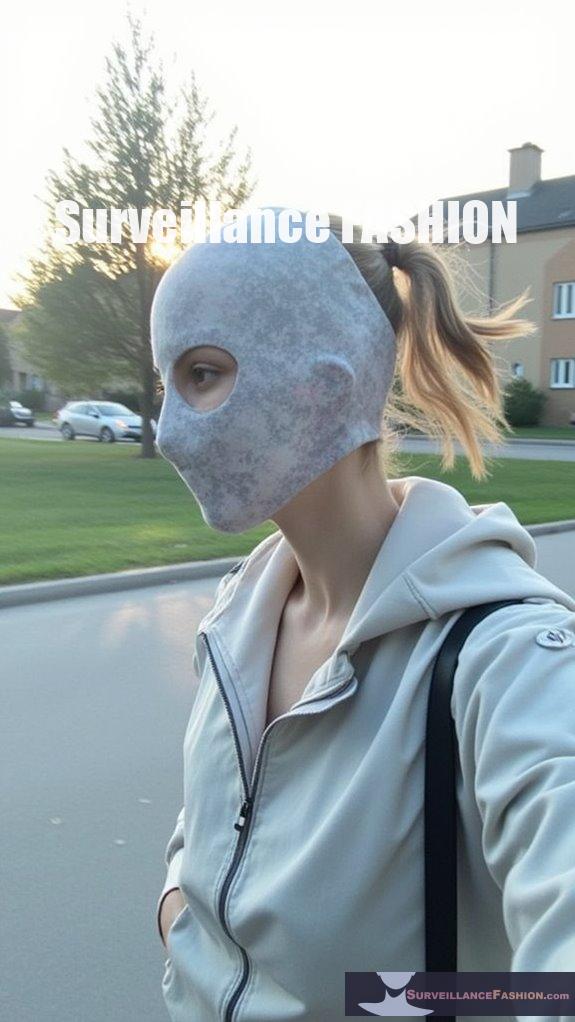
    IR privacy masks are devices that utilize infrared light to obscure facial features from cameras equipped with infrared sensors, primarily to protect individuals from unwanted surveillance and facial recognition.

    These masks function by emitting near-infrared (NIR) light, typically around 940 nm, which is invisible to the human eye but detectable by IR-sensitive cameras. When worn, they overwhelm the camera’s sensors, causing facial details to become distorted or washed out.

    Key aspects include:

    • Real-time protection: They interfere with data acquisition, preventing real-time facial recognition.
    • Non-invasive: Normal visual interaction is maintained; there’s no alteration of visible appearance.
    • Discreet integration: Often designed into accessories such as glasses or hats for ease of use.
    • Dependent on technology: Their efficacy varies with the camera’s sensitivity and filtering capabilities.

    Additionally, these masks can utilize stealth fabric electromagnetic shielding to enhance privacy and protect users from various surveillance technologies.

    How Do IR Privacy Masks Disrupt Facial Recognition Algorithms?

    IR privacy masks disrupt facial recognition algorithms by overwhelming infrared (IR) sensors, distorting facial measurements, and interfering with liveness detection systems.

    By reflecting or emitting IR light inconsistently, these masks prevent accurate face recognition and complicate the identification process.

    IR masks are designed to emit or reflect IR light, which confuses the camera sensors used in facial recognition technology. This results in several key disruptions:

    • Disrupted Landmark Detection: The masks obscure facial features such as eyes, mouth, and nose, preventing the system from recognizing them.
    • Distorted Measurements: By altering the IR patterns, the masks lead to inaccurate data points that interfere with the recognition algorithms’ ability to match a face to an identity.
    • Blinded Cameras: Reflective surfaces cause glare, reducing image quality and hiding important facial data, which is essential for recognition.
    • Anti-spoofing Challenges: These masks produce inconsistent IR signals, making it hard for systems to differentiate real faces from images or masks.

    Together, these factors hinder facial recognition systems’ effectiveness and contribute to the advancing arms race between privacy technology and recognition algorithms.

    What Are Common Materials Used in IR Privacy Masks?

    Common materials used in IR privacy masks include specialized infrared-blocking polymers, reflective textiles, and asymmetric surface designs. These materials are engineered to disrupt facial recognition systems by manipulating infrared light reflectance and transmittance.

    Infrared-blocking polymers are often blended with nanoparticles to enhance their effectiveness. These materials provide optical clarity while blocking relevant IR wavelengths. Moreover, reflective textiles can bounce back IR light, further confusing tracking algorithms.

    Asymmetric surface designs, such as irregular patterns, exploit face geometry to interfere with recognition systems. This combination of advanced materials and innovative designs enables effective protection against facial recognition technologies.

    How Effective Are Reflective Accessories Against Facial Recognition?

    Reflective accessories can reduce the effectiveness of facial recognition (FR) systems, particularly when combined with infrared (IR) blocking technologies. However, not all reflective items provide adequate protection against FR software, especially those that lack IR-blocking properties.

    The effectiveness of reflective accessories relies heavily on their design and materials. Accessories like Reflectacles utilize IR-blocking lenses that deny FR systems critical data needed for identification. Furthermore, reflective surfaces scatter IR light, complicating facial mapping for FR technologies.

    While these tactics offer a level of privacy, they aren’t foolproof:

    • Some reflective sunglasses without IR specifications can still be recognized by FR systems.
    • High-accuracy FR tools continue to pose a challenge, often requiring dual approaches of reflection and IR blocking.
    • Visual artifacts from reflective surfaces may draw attention rather than obscure identity.
    • Variations across FR algorithms suggest mixed efficacy, emphasizing the need for thorough protective gear in varying conditions.

    What Role Do Infrared Blocking Hoodies Play in Privacy Protection?
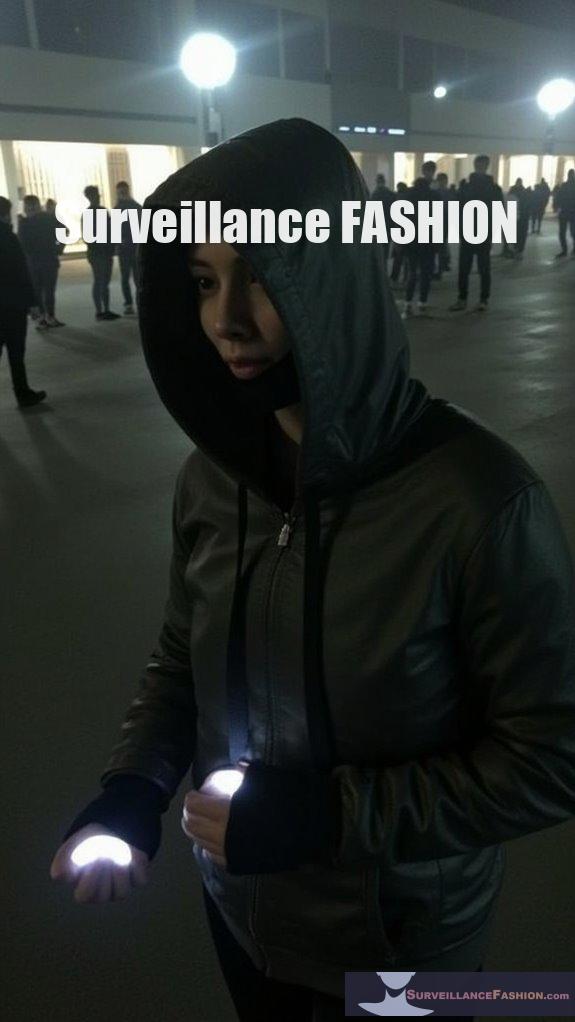
    infrared protection for privacy

    Infrared blocking hoodies enhance privacy protection by emitting infrared light that disrupts night-vision cameras, making facial recognition nearly impossible in low-light conditions. They effectively obscure facial features from IR-sensitive surveillance while allowing normal visibility during daylight.

    These hoodies utilize high-power infrared LEDs strategically placed to flood cameras with IR light.

    Key features include:

    • Manual Control: Users can activate or deactivate the IR strobe as needed.
    • Programmable Patterns: Microcontrollers allow varied strobing to confuse camera algorithms.
    • Portable Power: USB-powered options provide extended use while maintaining mobility.

    However, they’re ineffective against non-IR-based recognition systems and may attract attention due to their brightness in footage, limiting their overall utility to specific scenarios.

    Can IR-blocking Eyewear Prevent Smartphone Face Unlock Features?

    Yes, IR-blocking eyewear can impede smartphone Face ID and similar infrared facial recognition features by reflecting or absorbing near-infrared light, leading to access failures.

    The effectiveness of IR-blocking eyewear varies based on design, coating effectiveness, and environmental factors. Eyewear that reflects up to 80% of near-infrared light can disrupt face mapping technologies. Regular glasses typically don’t have this effect.

    Key points include:

    • Temporary eyewear removal may be necessary for Face ID.
    • Certain models, like Reflectacles, are specially designed for this purpose.
    • Effectiveness can change with lighting and angle of use.

    Ultimately, while these glasses can enhance privacy, they don’t guarantee anonymity.

    What Types of IR Privacy Masks Are Available on the Market?

    IR privacy masks are available in several types based on material and design, including soft silicone, hard shell, combination, multi-layer, and custom-fitted masks.

    Each type offers unique benefits for blocking infrared signatures and meeting specific user needs.

    Soft silicone masks provide comfort and flexibility, while hard shell masks prioritize durability.

    Combination masks integrate comfort with effective blocking features, and multi-layer masks enhance IR suppression.

    Custom-fitted options guarantee ideal coverage, minimizing gaps for better IR emission blocking.

    How Do IR Masks Protect Against Surveillance in Public Spaces?

    IR masks protect against surveillance in public spaces by emitting or reflecting infrared light that disrupts facial recognition algorithms, preventing accurate identification in real-time.

    These masks target the infrared spectrum used by many facial recognition systems, overwhelming the sensors with unpredictable IR signals. As a result, they obscure unique facial patterns and heat signatures, making it difficult for algorithms to match biometric data.

    Key advantages include:

    • Immediate disruption of recognition at the point of capture.
    • Enhanced privacy in environments with pervasive surveillance.
    • Complementing digital privacy tools with physical countermeasures.
    • Mitigating unauthorized tracking in crowded areas.

    What Are the Limitations of IR Privacy Masks and Clothing?

    IR privacy masks and clothing face significant limitations, including reduced effectiveness against advanced facial recognition algorithms, vulnerability to alternative biometric methods, practical challenges in everyday use, and the need for specialized training datasets.

    These limitations mean that while IR masks can obscure faces to a degree, they don’t guarantee anonymity. Advanced systems adapt to recognize masked faces, and alternative biometric methods like gait recognition and thermal imaging can still identify individuals.

    Additionally, practical issues like power requirements, comfort, and social acceptability hinder widespread adoption. As technology evolves, the reliability of current IR privacy solutions diminishes, consequently necessitating continuous updates and improvements in both privacy technologies and surveillance systems.

    How Is IR Technology Evolving in Facial Recognition Systems?
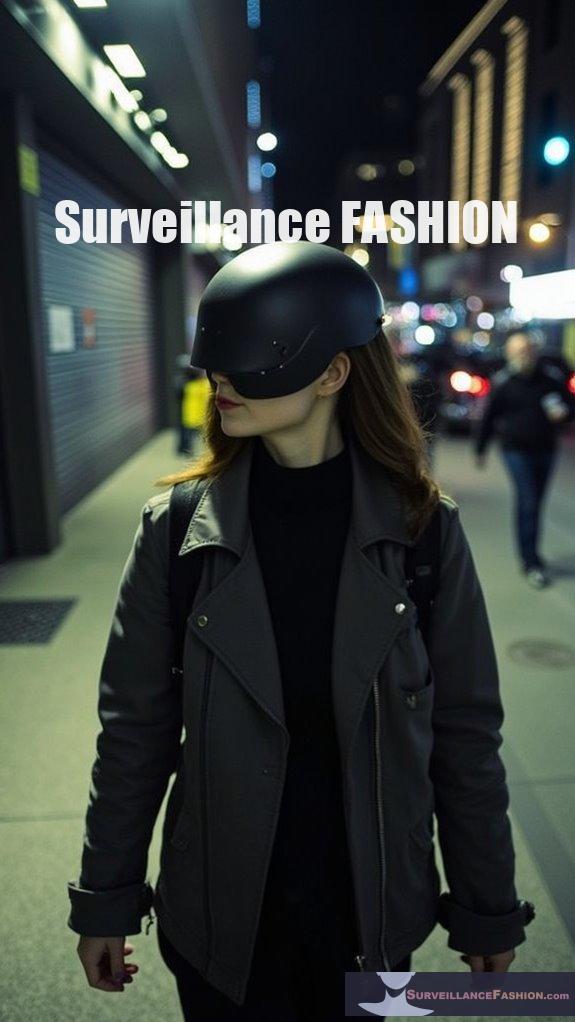
    advancements in ir technology

    IR technology in facial recognition systems is progressing through advancements in thermal imaging, integration of RGB-IR cameras, and improved machine learning algorithms, enhancing accuracy and robustness.

    Recent developments focus on capturing unique heat patterns for reliable identification, even in diverse environmental conditions. The integration of RGB-IR cameras allows simultaneous capture of visible and infrared light, aiding feature detection in low-light situations.

    Furthermore, machine learning models are increasingly capable of interpreting complex IR data, addressing challenges like pose variations and occlusions. Key trends include:

    • Compact, low-power IR sensors for consumer devices
    • Hyperspectral IR imaging for richer biometric data
    • Fusion of 3D depth sensing with IR imaging to mitigate spoofing risks
    • Ongoing enhancements in IR camera resolution and noise reduction

    What Are the Ethical Considerations Surrounding IR Privacy Masks?

    IR privacy masks raise important ethical considerations regarding individual autonomy, consent, and the protection of biometric data. They serve as a countermeasure to unwanted surveillance, emphasizing the necessity for privacy in the age of facial recognition technology.

    Ethically, IR privacy masks confront several key issues:

    • Privacy Autonomy: They empower individuals to safeguard their anonymity in public spaces.
    • Consent and Transparency: Masks facilitate an opt-out mechanism in environments lacking explicit consent protocols.
    • Data Security: By obstructing facial recognition capture, they reduce risks of identity theft.
    • Regulation Awareness: Their use highlights the urgent need for thorough legal protections addressing biometric data collection.

    How Can Consumers Choose the Right IR Privacy Mask for Their Needs?

    When selecting an IR privacy mask, consider the following factors for maximum protection and comfort:

    • Material Quality: Look for masks made with multi-layered fabrics and specialized coatings that effectively absorb or reflect IR wavelengths, especially in the 800–1000 nm range.
    • Fit and Design: Opt for adjustable masks that conform closely to your face to minimize light leakage. Ascertain they cover critical facial recognition areas like the eyes and nose.
    • Testing Certification: Seek masks backed by independent testing data, indicating an IR light blocking efficiency above 95%.
    • Additional Features: Consider ease of cleaning, compatibility with other gear, and size options to ascertain the mask meets your needs and preferences.

    Anti Surveillance Ebook review: Eyes Everywhere

    Surveillance has become an omnipresent force in contemporary society, affecting how individuals maneuver their daily lives.

    The ebook “Eyes Everywhere” explores the complex web of surveillance technologies permeating both government and corporate environments. Readers examine the expansive use of cameras, from bustling cities to specific venues, alongside personal data collection methods like digital communication monitoring.

    The text highlights both the technological advances and the emerging risks to civil liberties, challenging you to reconsider the implications of acceptance surrounding these technologies.

    Infrared Blocking Hoodies and Masks

    As technology continues to evolve, the urgency for protective measures against invasive surveillance grows, leading to innovative solutions like infrared blocking hoodies and masks.

    These garments utilize specialized materials designed to absorb or scatter infrared wavelengths, masking the heat signatures that facial recognition systems rely upon for accurate identification.

    For instance, 3D-printed masks, with their low IR transmittance, effectively disrupt live skin detection, making authentication challenging.

    With their unique blends of breathability and protection, these hoods and masks have emerged as critical tools in the ongoing battle against surveillance, informing our mission at Surveillance Fashion to help you navigate this complex environment.

    Privacy Mask IR Facial Recognition Protection

    The emergence of privacy masks specifically designed to block infrared (IR) light represents a significant advancement in personal protection against facial recognition technologies that increasingly infiltrate our lives.

    These masks employ innovative materials that absorb or block IR light, disrupting the vital sensors in facial recognition systems, which rely on IR illumination for accuracy.

    By altering reflected light patterns, the masks effectively obscure essential facial features like skin texture and eye contours.

    As we explore this technology further, the balance between usability and effectiveness becomes essential, ensuring individuals can maintain privacy seamlessly without compromising comfort in a world dominated by surveillance.

    References

  • Why Are IR-Blocking Plates Trending Among Fashion Rebels?

    Why Are IR-Blocking Plates Trending Among Fashion Rebels?

    IR-blocking plates are trending among fashion rebels, as they fuse privacy with personal expression, responding to heightened surveillance concerns in our contemporary society. These innovative accessories utilize advanced materials, such as nanotechnology and specialized pigments, to effectively disrupt infrared illumination essential for imaging. By influencing the clarity of surveillance footage, they enable users to safeguard their identities while making bold fashion statements. As this trend evolves, you’ll discover deeper understandings into how these plates are reshaping privacy culture.

    Quick Takeaways

    • IR-blocking plates serve as stylish accessories, enabling fashion rebels to express individuality while resisting intrusive surveillance measures.
    • These plates offer innovative privacy solutions that comply with legal requirements, addressing growing concerns about personal data security.
    • The design blends aesthetics with functionality, making IR-blocking items sought-after in street fashion and personal wearables.
    • They disrupt infrared imaging, making surveillance cameras less effective at capturing clear images and enhancing user privacy.
    • The cultural shift towards valuing privacy has led the fashion industry to incorporate IR-blocking technology into a variety of garments and accessories.

    What Are IR-Blocking Plates and How Do They Work?

    ir blocking plates functionality explained

    These plates are essential in applications where visibility from infrared cameras must be minimized, such as on license plates and in surveillance settings.

    Key features include:

    • Material Composition: They often use coatings like liquid crystal elements or nanotechnology to achieve IR blockage, making them popular in anti-surveillance fashion innovations.
    • Application Mechanism: Positioned strategically between camera lenses and sensors, these plates hinder IR illumination.
    • Effectiveness: They reduce the clarity of images taken by IR cameras, which rely on near-infrared radiation detection.
    • Stealth: Their passive nature avoids detection, contrasting with active jamming methods.

    Why Are Fashion Rebels Embracing Anti-Infrared License Plate Covers?

    Fashion rebels are embracing anti-infrared license plate covers as a stylish form of resistance against increasing surveillance.

    These covers offer privacy through innovative technology while adhering to legal requirements, appealing to a desire for autonomy in a hyperconnected world.

    The surge in surveillance cameras has heightened concerns about privacy, prompting fashion-conscious individuals to seek discreet solutions.

    Anti-IR covers blend functionality with aesthetics, allowing users to express their individuality against mass surveillance norms.

    Key reasons for their popularity include:

    • Legal compliance guarantees users avoid fines.
    • Non-obtrusive aesthetics preserve plate visibility.
    • Advanced technology provides ease of use and reliable privacy.
    • Cultural motivations reflect a broader movement advocating for digital privacy.

    These factors converge in a trend that combines social activism with personal style, appealing to those looking to challenge authoritative control over personal data. Additionally, stylish DIY wearables such as thermal signature-masking garments are gaining traction alongside these trends.

    How Do IR-Blocking Accessories Challenge Surveillance Technology?

    IR-blocking accessories challenge surveillance technology by disrupting infrared illumination essential for clear imaging. This disruption diminishes video quality and hinders biometric identification, thereby enhancing privacy against continuous surveillance.

    These accessories, including glasses and coatings, absorb or reflect IR wavelengths, making it difficult for cameras to capture clear images at night. As a result:

    • Surveillance footage may become unusable or ambiguous.
    • Facial recognition systems struggle to identify features accurately.
    • Video surveillance relies more heavily on visible light, which may be ineffective.
    • Privacy-conscious individuals use these accessories to thwart unauthorized monitoring effortlessly.

    In a world where surveillance is ubiquitous, IR-blocking technology is increasingly pivotal in protecting personal privacy.

    What Materials Are Commonly Used for IR-Blocking Plates?

    Common materials used for IR-blocking plates include nylon, cotton, and polymers like poly(vinyl butyral) (PVB), enhanced with pigments and nanoparticles such as tungsten disulfide (WS2) to improve IR absorption and reduce reflectance.

    These materials are selected for their ability to manipulate infrared light through various mechanisms. Nylon exhibits higher IR reflectance compared to cotton due to its fiber shape and texture.

    Incorporating IR-absorbing pigments, like carbon black, effectively lowers IR reflectance in fabrics.

    Additionally, advanced nanomaterials like fullerene-like WS2 nanoparticles considerably enhance thermal camouflage.

    These developments aim to optimize materials not just for IR performance, but also for durability in practical applications.

    How Do IR-Blocking Plates Fit Into the Anti-Surveillance Movement?

    IR-blocking plates play a significant role in the anti-surveillance movement by providing a discreet means to obstruct license plate recognition technologies without violating laws.

    They serve as a passive defense against increasing digital tracking by law enforcement and surveillance systems.

    These plates utilize passive IR-absorbing coatings that effectively disrupt infrared camera readings, thereby complicating automated identification processes.

    Key aspects include:

    • Minimal legal risk due to transparency.
    • Alignment with broader privacy rights movements.
    • Durable and low-maintenance technology.
    • Increased demand stemming from sophisticated surveillance systems.

    However, while effective, these plates don’t guarantee complete anonymity against all surveillance methods.

    What Role Does Sunflex Play in the IR-Blocking Trend?

    advanced ir blocking license covers

    Sunflex is a leading brand in the IR-blocking trend, providing advanced license plate covers that effectively filter infrared light to enhance vehicle privacy. Its innovative technology positions it at the forefront of passive IR-blocking solutions, appealing to privacy-conscious consumers.

    Sunflex utilizes over 300 nano-layers in its products, allowing visible light to pass while blocking IR light effectively. This cutting-edge design is nearly invisible to the human eye, ensuring discreet protection without attracting law enforcement attention.

    • The covers are shatterproof and resistant to yellowing, enhancing durability.
    • Independent testing confirms their effectiveness, although peak performance requires precise positioning.
    • User feedback highlights improved success rates in evading IR-based license plate cameras compared to competitors.
    • With a focus on privacy rights and a money-back guarantee, Sunflex promotes accessibility and confidence in its products.

    Fashion trends greatly influence the adoption of tech accessories as consumers increasingly seek items that blend style with functionality, pushing brands to innovate within their product offerings.

    This shift is evident as tech accessories evolve into essential elements of modern wardrobes.

    The rise of multifunctional tech accessories is closely tied to changing fashion dynamics. As consumers become more comfortable integrating technology into their style, fashion brands respond by incorporating digital features into their designs.

    Key influences include:

    • A focus on sustainability, where consumers prefer durable, quality items.
    • The role of digital tools and AI in enabling rapid adaptation to trends.
    • Social media driving visibility and purchase convenience for tech accessories.
    • The rise of mobile commerce providing seamless buying experiences, particularly for millennials.

    What Are the Latest Innovations in IR-Blocking License Plate Frames?

    The latest innovations in IR-blocking license plate frames include electronic blackout frames that utilize liquid crystal technology to switch between opaque and transparent states, providing on-demand concealment while preserving aesthetic appeal.

    These advanced frames are activated remotely, allowing drivers to shield their plates based on situational needs.

    Key features include:

    • Direct blocking of both IR and visible light.
    • Easy integration with vehicles while maintaining normal appearance when inactive.
    • Increasing compliance with legal standards due to their flexible visibility.
    • Enhanced privacy in high-surveillance areas, addressing modern security concerns.

    How Do Fashion Rebels Use Disruption Accessories for Personal Expression?

    Fashion rebels utilize disruption accessories to express individuality by embracing oversized, geometric designs and layering styles. These accessories challenge conventional norms and assert personal identity through bold statements and unique combinations.

    In 2025, accessories play an essential role in personal expression. Bold designs like oversized sunglasses and chunky jewelry dominate styles, moving away from minimalism. Layered necklaces and mixed accessories illustrate a personalized approach that defies temporal fashion boundaries.

    Key trends include:

    • Statement belts and slouchy bags that signify rebellion against traditional aesthetics.
    • Sustainability in fashion mirrors a conscious disruption, reflecting ethical values.
    • Exaggerated proportions in accessories assert dominance and confront uniformity.

    This shift towards maximalism encapsulates a deliberate branding strategy rooted in individuality and nonconformity.

    How Does the Concept of Privacy Shape Modern Fashion Choices?

    Privacy notably shapes modern fashion choices by influencing consumer trust, data participation, and brand loyalty.

    As consumers demand transparency in data usage, brands must balance personalization with ethical practices to maintain customer relationships.

    With rising concerns about data privacy, many consumers consider how their information is collected and utilized before engaging with a brand. This shift affects purchasing decisions, with over 70% preferring personalized brands while remaining wary of privacy risks.

    Key factors include:

    • Transparency: Clear communication about data practices builds trust.
    • Control: Options to opt-out and manage personal data empower consumers.
    • Regulation: Compliance with laws like GDPR shapes data handling policies.
    • Security: Brands must invest in cybersecurity to protect sensitive information.

    Ultimately, the interplay of privacy and personalization will determine the future framework of fashion, as brands navigate consumer expectations and ethical dilemmas.

    What Does the Rise of IR-Blocking Accessories Indicate About Cultural Attitudes Toward Surveillance?

    rise of privacy consciousness

    The rise of IR-blocking accessories reflects growing cultural awareness and concern over surveillance, leading individuals to actively seek control over their privacy. This trend indicates a societal shift towards proactive measures against data collection and a broader embrace of digital self-defense.

    As public knowledge of IR surveillance technologies increases, consumers are more inclined to protect their anonymity.

    IR-blocking fashion symbolizes resistance, revealing a desire for agency in an era of pervasive monitoring.

    Key observations include:

    • Acknowledgment of constant surveillance has normalized protective behaviors.
    • The fashion industry is responding to a market demand for privacy-focused products.
    • Users view IR-blocking accessories as essential for personal security.
    • Such trends highlight a cultural movement emphasizing data sovereignty.

    In What Ways Are IR-Blocking Plates Integrated Into Street Fashion?

    IR-blocking plates are integrated into street fashion through their incorporation into outerwear, hoodies, and caps as panels or discreet inserts, allowing for functional fashion statements that emphasize both style and personal privacy.

    These plates utilize advanced polymers and infrared-reflective nanoparticles, ensuring durability while maintaining a sleek aesthetic. Positioned on prominent areas like shoulder pads and collars, they create visual drama and align with modernist silhouettes.

    Their versatility accommodates diverse settings, serving both casual and artistic occasions, and they reflect a broader cultural trend emphasizing resistance to surveillance and individual expression.

    Key attributes include:

    • Lightweight and flexible design
    • Modular or detachable features
    • Integration with streetwear staples
    • Compatibility with layering trends.

    How Are IR-Blocking Plates Changing the Landscape of Automotive Accessories?

    IR-blocking plates are reshaping automotive accessories by enhancing privacy and reducing risks associated with automated traffic enforcement. This appeals to a growing consumer base concerned with digital surveillance and fines.

    These innovative plates employ advanced technologies, like nanofilm coatings and liquid crystal designs, to prevent infrared detection by surveillance systems while maintaining legal compliance. Their availability at various price points encourages widespread adoption.

    In addition, as consumer demand increases, manufacturers are motivated to innovate further, managing regulatory complexities while offering drivers both functionality and style.

    Anti Surveillance Ebook review: Eyes Everywhere

    Surveillance has become a pervasive element of contemporary society, weaving itself into the fabric of daily life in ways both subtle and overt.

    “Eyes Everywhere” explores this complex web, likening the surveillance apparatus to a “hydra” that collects personal data—from communications to movement—intersecting government and corporate interests.

    It scrutinizes the disproportionately targeted groups while detailing surveillance’s role in suppressing dissent, as illustrated by the Occupy movement.

    License Plate Reading Disruption Accessories

    Maneuvering the complex terrain of modern vehicular identification necessitates an understanding of various license plate disruption accessories, which have emerged as strategies employed by individuals seeking to shield their personal information from automated systems.

    Key examples include:

    1. Veil Stealth Coating: Absorbs IR light, markedly reducing its visibility to optical recognition.
    2. Reflective License Plate Covers: Reflect back IR signals, though performance may falter in bright conditions.
    3. Holographic Covers: Distort viewing angles, ensuring license plate readers struggle to capture clear images.

    As surveillance technology evolves, traversing legal nuances becomes essential—an integral consideration when choosing these innovative solutions for privacy, a motivator behind our website Surveillance Fashion.

    Anti-Infrared License Plate Cover Fashion

    As the proliferation of automated surveillance intensifies, the emergence of anti-infrared license plate covers not only highlights a technological response to privacy concerns but also signifies a cultural shift among individuals desiring to reclaim control over their digital identities.

    Utilizing advanced nano-layer technology, these covers filter IR light while remaining transparent to the human eye, ensuring legal compliance.

    Fashion rebels embrace these sleek, durable accessories, viewing them as stylish statements against intrusive surveillance tactics, while a burgeoning community advocates for such innovations.

    In a world dominated by monitoring, anti-IR covers are more than products; they symbolize a trend towards digital self-defense, aligning with our mission at Surveillance Fashion.

    References

  • Why Anti-Facial Recognition Fashion Blocks Your Identity

    Why Anti-Facial Recognition Fashion Blocks Your Identity

    Anti-facial recognition fashion effectively obscures your identity by utilizing cutting-edge designs and materials that disrupt surveillance technologies. For instance, hats often incorporate infrared LEDs, while scarves feature reflective elements and elaborate patterns that confuse recognition systems.

    By layering these fabrics, you create a complex visual environment that algorithms struggle to decipher. This innovative approach to privacy not only challenges corporate surveillance but also resonates with cultural dialogues around autonomy; keep exploring to uncover more intriguing facets.

    Quick Takeaways

    • Anti-facial recognition fashion uses unique designs and patterns to confuse detection algorithms, disrupting their ability to accurately identify individuals.
    • Incorporating reflective materials and infrared light emission helps block facial recognition systems that rely on visual symmetry for identification.
    • Techniques such as adversarial printed patterns create visual noise, overwhelming recognition algorithms and masking true facial features.
    • Accessories like hats and scarves can strategically cover critical facial areas, adding layers of privacy protection against invasive surveillance techniques.
    • The clothing’s structural elements and modular designs further complicate facial recognition, challenging the effectiveness of existing surveillance technologies.

    What Are the Key Features of Anti-Surveillance Hats?

    facial recognition disruption features

    Anti-surveillance hats are designed with several key features to disrupt facial recognition technology, including infrared light emission, reflective materials, adversarial designs, and physical coverage.

    These elements work together to obscure facial features and shield the wearer from recognition systems. The hats utilize infrared LEDs to emit noise that interferes with facial recognition cameras, particularly in low-light conditions. Reflective materials enhance this effect by creating glare that obscures facial contours, adversarial patterns are printed to confuse recognition algorithms by degrading confidence scores.

    In addition to these technologies, many hats are crafted from advanced fabrics that also enhance comfort and breathability, making them suitable for prolonged use. Finally, the design often incorporates visors or extensions to maximize shadow coverage, limiting camera visibility of key facial landmarks. In line with advancements in surveillance evasion, these hats are part of a growing trend to use adversarial clothing as a means to protect individual privacy.

    These features aren’t only functional but also focus on aesthetics and comfort for everyday wear.

    How Do Beanie Hats Disrupt Facial Recognition Systems?

    Beanie hats disrupt facial recognition systems primarily by integrating infrared LEDs to project patterns that interfere with machine vision sensors and confuse algorithmic input.

    Furthermore, their design provides partial facial occlusion, reducing identifiable features available to recognition software.

    The infrared projections emitted by the beanies create noise that misleads facial recognition algorithms, leading to misidentification. These projected patterns often render specific facial features unusable by shifting the AI’s focus toward non-facial elements.

    In conjunction with occlusion from the hat itself, the overall effect drastically reduces the accuracy of facial recognition systems, increasing the chance of error.

    • The combination of infrared interference and occlusion heightens confusion for recognition software.
    • Patterns can be tailored to confuse specific algorithms like ArcFace.
    • Beanies are socially acceptable and can be worn casually, enhancing user comfort.
    • Additionally, these infrared-reflecting materials significantly deter unauthorized surveillance and tracking.
    • The effectiveness may vary based on lighting conditions and camera technology.

    What Materials Enhance the Effectiveness of Anti-Surveillance Headwear?

    Answer:

    Effective anti-surveillance headwear incorporates infrared-emitting materials, adversarial patterned fabrics, and reflective thermal shielding to obscure recognition by cameras and thermal imaging systems.

    Expanded Content:

    1. Infrared-Emitting Materials: High-powered infrared (IR) LEDs can blind night vision cameras, preventing facial recognition without detection by the human eye.
    2. Adversarial Patterned Fabrics: These fabrics confuse AI detection systems by altering biometric data, making wearers appear as animals or objects.
    3. Reflective and Thermal Shielding Materials: Silver-plated fabrics reflect thermal signatures, thwarting heat-based detection methods, while glare from reflective surfaces can disrupt surveillance cameras.
    4. Disruptive Patterns and Makeup: Integrating dynamic patterns and asymmetrical makeup can mislead recognition algorithms by introducing visual noise.

    Combining these materials enhances the overall effectiveness of anti-surveillance headwear, ensuring better privacy for the wearer.

    How Do Reflective Elements in Scarves Confuse Surveillance Cameras?

    Reflective elements in scarves confuse surveillance cameras by redirecting infrared (IR) light and creating glare that obscures facial features.

    This interference disrupts image clarity, leading to loss of definition, sensor saturation, and challenges for facial recognition algorithms.

    The effectiveness of these reflective materials hinges on both their reflective properties and camera angles. Scarves designed with glossy or metallic finishes create significant glare under strong lighting, confusing image processing and diminishing facial detail recognition.

    Key mechanisms include:

    • Redirection of IR light, resulting in bright spots.
    • Triggering of auto-exposure adjustments causing blurriness.
    • Dynamic glare patterns complicating consistent identification.
    • Angle-dependent performance that maximizes obstruction when aligned with camera positions.

    While reflective elements can enhance anonymity, their efficacy may be limited by advanced surveillance technologies capable of mitigating such disruptions.

    What Role Do Layered Fabrics Play in Protecting Identity?

    Layered fabrics considerably enhance identity protection by increasing particle filtration efficiency and disrupting facial recognition algorithms through texture and structural irregularities. This combination obscures facial features and hinders detailed imaging, complicating AI pattern detection.

    The design of multilayered fabrics strategically employs varying weaves and densities to create unpredictable surface geometries, making it challenging for facial recognition technology to accurately map features.

    Key aspects include:

    • Texture Variability: Raised fibers and irregular surfaces interrupt the continuity of face-shaped pixels.
    • Filtration and Breathability: While layered materials improve particle capture, they must maintain airflow for comfort.
    • Optical Disruption: Layering alters light reflection, further confounding recognition algorithms.
    • Dynamic Movement Masking: Variability in fabric textures limits AI’s ability to track facial muscle movements, enhancing concealment.

    Collectively, these features work synergistically to bolster privacy in an era dominated by surveillance technologies.

    How Can Patterns on Hats Scramble Facial Recognition Algorithms?

    patterned hats disrupt recognition

    Patterns on hats can scramble facial recognition algorithms by creating visual noise and misleading cues that disrupt the detection of key facial landmarks. Irregular shapes and contrasting colors interfere with the algorithms’ ability to accurately map facial features, leading to increased error rates and false positives.

    The complexity of hat patterns affects facial recognition in several ways:

    • Visual noise: Layered textures and disruptive colors degrade image quality, causing algorithms to misinterpret facial regions.
    • Misleading cues: Patterns resembling eyes or mouths create false landmarks, skewing feature mapping.
    • Geometric disruption: Irregular shapes near the face disturb symmetry, leading to reduced identification accuracy.
    • Shadow manipulation: Patterns can alter expected light and shadow, affecting 3D model reconstruction.

    What Techniques Are Used in DIY Anti-Surveillance Fashion?

    DIY anti-surveillance fashion techniques include using conductive fabrics, adversarial printed patterns, infrared LED integration, and incorporating masks and accessories. These methods effectively disrupt facial recognition algorithms and enhance wearer anonymity.

    To expand on these techniques:

    • Conductive Fabrics: Incorporating fabrics embedded with conductive materials can block signals from biometric scanners and RFID readers.
    • Adversarial Patterns: Clothing with complex, multi-directional designs confuses facial recognition by obscuring key features.
    • Infrared LED Clothing: Attaching IR LEDs to garments creates bright spots for cameras, ensuring facial details are lost.
    • Face Masks and Reflective Accessories: Wearing masks or reflective materials can disrupt image capture while blending into common attire.

    These methods allow individuals to enhance their privacy in an increasingly surveilled environment.

    How Does the Design of Hyperface Clothing Work Against Recognition Systems?

    Hyperface clothing designs utilize patterns that mimic facial features to confuse facial recognition systems, effectively lowering the accuracy of identity detection. By introducing numerous false facial images, these garments disrupt algorithmic detection methods, rendering the wearer’s actual face difficult to identify.

    Hyperface patterns incorporate elements like eyes, mouths, and noses, laid out strategically to mislead recognition algorithms. This overload of visual data aims to trigger multiple detections, considerably reducing the confidence level of identification.

    Key points include:

    • The designs challenge algorithms dependent on edge detection and shape recognition.
    • Patterns appear as digital noise, disrupting the extraction of facial landmarks.
    • Clothing can adaptally be worn or used to cover environments, enhancing privacy.
    • Applications range from clothing to scarves, extending the potential anti-surveillance capabilities.

    The complexity and density of these patterns create a dynamic interaction with recognition systems, improving privacy for the wearer.

    What Are the Best Practices for Wearing Anti-Surveillance Hats and Scarves?

    Best Practices for Wearing Anti-Surveillance Hats and Scarves:

    To effectively wear anti-surveillance hats and scarves, choose dark or reflective materials. Opt for designs that cover key facial areas and utilize patterns that confuse recognition algorithms. Layering garments and considering the environment are also crucial for maximizing effectiveness.

    When selecting your anti-surveillance gear, consider these additional understandings:

    • Prioritize large-brimmed or hooded hats to cast shadows over your face.
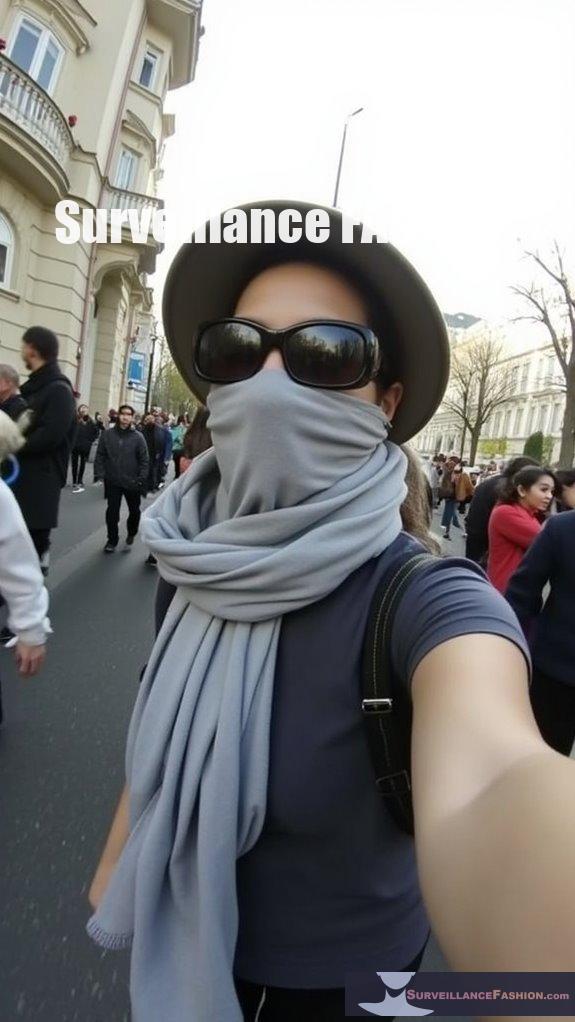
    • Choose scarves that cover the mouth and nose, obscuring critical facial landmarks.
    • Use patterns that include multiple face-like images to confuse detection algorithms.
    • Be aware of cultural norms regarding face coverings in your area to avoid drawing attention.

    Incorporating these strategies can greatly enhance anonymity in various settings.

    How Do Makeup and Face Paint Contribute to Anti-Surveillance Efforts?

    Makeup and face paint contribute to anti-surveillance efforts by disrupting the features used by facial recognition algorithms, effectively creating ‘anti-faces’ that confuse detection systems while remaining recognizable to human observers.

    This approach utilizes strategic darkening and asymmetric designs to reduce algorithm accuracy. These methods enable individuals to mask their identities without the need for cumbersome disguises.

    Key tactics include:

    • Targeted contouring on facial high-density regions.
    • Manipulation of facial patterns to break recognition.
    • Subtle application that avoids drawing attention.
    • Layered combinations with other anti-surveillance techniques to enhance efficacy.

    However, as facial recognition technology evolves, the effectiveness of makeup-based methods may diminish, highlighting the need for ongoing innovation in anti-surveillance strategies.

    What Impact Do Color Choices Have on Facial Recognition Error Rates?

    color choices impact recognition

    Color choices greatly impact facial recognition error rates, with high contrast and certain patterns increasing misidentification. This is particularly pronounced for individuals with darker skin tones, where color and design can obscure key facial features.

    High contrast colors near facial features can disrupt algorithms, leading to more errors. For instance, dark or vibrant clothing can obscure facial landmarks like the eyes and nose, which are essential for recognition.

    Furthermore, specific color choices might amplify biases present in algorithms trained on datasets favoring lighter skin tones, reducing their effectiveness on darker complexions.

    • Dark colors can obscure facial features.
    • High contrast patterns like masks increase misidentification.
    • Color choices affecting symmetry contribute to errors.
    • Certain hues can distort image quality, increasing algorithmic inaccuracies.

    How Can Anti-Surveillance Fashion Reflect Individual Style?

    Anti-surveillance fashion reflects individual style by integrating aesthetics with privacy protection, allowing wearers to express their identity while safeguarding against biometric tracking.

    This fashion movement combines innovative materials and design techniques to maintain versatility and align with socio-cultural values.

    Designers employ glitchy prints, reflective stripes, and customizable accessories to merge functionality with personal flair.

    Popular choices include:

    • Scarves and masks crafted from reflective materials
    • High-contrast patterns that disrupt recognition algorithms
    • Accessories like anti-CCTV glasses

    As public concern over surveillance increases, such fashion not only preserves anonymity but also serves as a statement on privacy and autonomy, enabling stylish self-expression amid growing scrutiny.

    What Is the Significance of Anti-Surveillance Fashion From a Political Perspective?

    Anti-surveillance fashion holds significant political value as it serves as visible resistance against state and corporate surveillance, critiques the legitimacy of these systems, and empowers individuals through accessible activism.

    This form of fashion not only interrupts the normalization of surveillance but also engages the public in discourse about privacy rights and individual anonymity. By utilizing creative designs that disrupt facial recognition technology, activists challenge government claims of infallibility.

    Key aspects of anti-surveillance fashion include:

    • Deliberate choices to conceal identity
    • Public events raising awareness about surveillance
    • Open-source designs that encourage participation
    • Everyday actions becoming significant political statements

    Ultimately, it democratizes resistance and amplifies voices of those disproportionately affected by surveillance.

    Anti Surveillance Ebook review: Eyes Everywhere

    Surveillance has become an omnipresent element of modern life, seamlessly woven into the fabric of both public and private environments, leaving individuals often feeling exposed and vulnerable.

    In “Eyes Everywhere,” the author dissects the pervasive nature of surveillance, emphasizing its global proliferation. Despite widespread camera installation, there’s scant evidence showing it effectively deters crime.

    The book explores the implications for social equity, as surveillance disproportionately targets marginalized groups. Offering a keen analysis of the technological evolution from traditional CCTV to advanced smart systems, it evaluates how our privacy erodes under the watchful eye, prompting us to rethink our societal structures—hence, the importance of Anti-Surveillance Fashion.

    Anti-Surveillance Hairstyles and Headwear

    Have you ever considered how the simplest changes to your hairstyle or headwear could potentially shield you from prying eyes?

    Innovative approaches like CV Dazzle demonstrate that asymmetric hairstyles can obscure key facial landmarks, thereby obstructing facial recognition algorithms that depend on symmetry.

    Implementing unique silhouettes, such as spiky or multi-directional styles, disrupts the predictable features these technologies target.

    Additionally, strategically designed headwear can cast shadows or project false facial landmarks, further complicating model detection.

    Ultimately, adopting such anti-surveillance hairstyles and headwear provides a wearable solution, allowing you to navigate daily life while maintaining an element of privacy in a scrutinized world.

    Anti Surveillance Hat Designs Tutorial

    As your journey into protective fashion evolves from hairstyles and headwear, exploring the design of hats specifically engineered to thwart facial recognition technology offers an innovative frontier.

    Utilizing infrared LEDs strategically placed around the hat’s brim, you can emit invisible light that overwhelms surveillance cameras, rendering your facial details indecipherable.

    Lightweight fabrics, embedded with conductive threads, discreetly integrate electronic components without compromising comfort. Modular elements and reflective surfaces further confuse detection algorithms, enhancing effectiveness.

    Testing these designs against various lighting conditions, coupled with smartphone filters, can validate their capability.

    This complex interplay of technology and style exemplifies why we created this website, Surveillance Fashion.

    References

  • 3 Ways Digital Camouflage Clothing Blocks Facial Recognition

    3 Ways Digital Camouflage Clothing Blocks Facial Recognition

    Digital camouflage clothing inhibits facial recognition through innovative design strategies. First, it deploys asymmetry in patterns and shapes to disrupt detection algorithms, making facial features appear as visual noise. Second, it uses occlusion techniques, effectively concealing critical facial landmarks with bold contrasts. Finally, adversarial patterns, embedded in the fabric, create false identities to mislead recognition systems. This fusion of art and technology not only reflects our commitment to personal privacy but also offers exciting understandings into emerging anti-surveillance methods. Keep exploring to uncover more.

    Quick Takeaways

    • Digital camouflage clothing uses bold geometric patterns to create visual noise, disrupting facial feature extraction by recognition algorithms.
    • By employing asymmetry and contrasting colors, these designs lower detection confidence by confusing facial geometry expectations.
    • Innovative materials reflect infrared signals, making it challenging for detection sensors to identify facial features accurately.
    • Strategic placement of disruptive shapes fragments recognizable facial landmarks, impeding the recognition process by creating competing focal points.
    • Constant adaptation of patterns and styles ensures effectiveness against evolving facial recognition technologies, enhancing personal safety.

    How Do Adversarial Patterns in Fabric Disrupt Facial Recognition Algorithms?

    adversarial patterns disrupt identification

    Adversarial patterns in fabric disrupt facial recognition algorithms by introducing high-contrast, irregular geometric shapes that confuse software in identifying key facial landmarks. These patterns create visual noise that impedes feature extraction, preventing accurate detection and recognition of faces. Additionally, the design of these fabrics can incorporate specific pattern-based techniques that further enhance their efficacy against recognition systems.

    The effectiveness of these patterns stems from their design, specifically aimed at exploiting vulnerabilities in facial detection systems. Key mechanisms include:

    • High-contrast shapes that interfere with landmark recognition.
    • Visual noise distracting algorithms from actual facial features.
    • Simulation of false edges, leading to misinterpretation of shapes.

    These cleverly crafted patterns can render existing algorithms ineffective, emphasizing the need for ongoing improvements in facial recognition technology. Notably, the project has been instrumental in highlighting the vulnerabilities in facial recognition systems that can be exploited through innovative design techniques. However, their success can be inconsistent, influenced by the specific algorithms employed and their adaptability to new adversarial inputs.

    What Role Do False Faces and Pattern Distractors Play in Reducing True Facial Detection?

    False faces and pattern distractors effectively reduce true facial detection by mimicking facial features that attract the algorithm’s attention, thereby lowering confidence scores for the actual face. This distraction is achieved through artificially generated patterns that confuse detection systems and fragment the recognition process.

    These techniques rely on manipulating visual cues that facial recognition algorithms depend upon. False faces typically distort or abstract key facial features, creating misleading high-confidence regions.

    • Distractors disrupt expected facial geometry using asymmetry and contrasting colors.
    • They can include repeated motifs or alternative features that create competing focal points.
    • This fragmentation makes it difficult for the algorithm to form a stable detection output.
    • Effective designs align with specific feature extraction parameters to guarantee maximum disruption.

    Combining these elements within digital camouflage clothing results in garments that protect the wearer from facial detection across various viewing angles while maintaining aesthetic appeal. Additionally, incorporating surveillance countermeasures can enhance the effectiveness of these designs against evolving recognition technologies.

    In What Ways Does CV Dazzle Adapt to Evolving Facial Recognition Technologies?

    CV Dazzle adapts to advancing facial recognition technologies by creating patterns that specifically disrupt algorithms’ ability to detect facial features through asymmetry, color contrast, and occlusion techniques. Continuous innovation is essential to address the increasing sophistication of detection methods employed by advanced algorithms.

    To effectively counteract advanced facial recognition, CV Dazzle designs incorporate various strategic elements:

    • Asymmetric hair styling and bold makeup that break up the symmetry of facial features.
    • Occlusion techniques that hide or distort critical landmarks like eyes, nose, and mouth.
    • Transformation of colors and shapes to mislead classifiers about face shape.
    • Utilization of infrared reflective materials to interfere with detection sensors.

    However, challenges such as human visibility, practical application in daily life, and the need for constant adaptation to new algorithms remain prominent. This ongoing progression emphasizes the necessity for users to stay informed or collaborate within community movements to maintain relevance against advancing recognition technologies.

    Anti Surveillance Ebook review: Eyes Everywhere

    While many consider the role of surveillance in modern society seldom discussed, an astute examination of the eBook “Eyes Everywhere” reveals the pervasive nature of camera surveillance and its implications for civil liberties.

    This collection of essays elucidates how government and corporate entities collaborate to surveil individuals, detailing the integration of advanced technologies that monitor physical movements through ubiquitous CCTV systems and digital communication channels.

    Digital Pattern Camouflage Techniques

    As surveillance technologies continue to evolve, the need for innovative countermeasures becomes increasingly apparent, prompting interest in digital pattern camouflage techniques.

    These methods leverage advanced algorithms and design principles to disrupt facial recognition systems effectively.

    • AI-Adversarial Camouflage utilizes embedded patterns altering pixel features, confusing recognition algorithms.
    • False Face Patterns create artificial facial features, steering algorithms toward decoys.
    • Color and Texture Models optimize blending using advanced similarity metrics, minimizing visible differences.

    With emerging technologies, our platform, Surveillance Fashion, aims to provide perspectives into these revolutionary approaches, fostering a deeper understanding of digital camouflage’s role in personal safety.

    Dazzle Pattern Clothing Anti Surveillance

    dazzle patterns for disguise

    Dazzle pattern clothing, originally conceived in the early 20th century for naval applications, has found renewed purpose in the domain of anti-surveillance technology, addressing the contemporary challenge of facial recognition systems.

    Utilizing bold, asymmetric designs, these garments confuse algorithms by disrupting facial landmarks and creating misleading visual data. For example, patterns can obscure eyes, noses, and mouths, transforming recognizable features into visual noise, which effectively misdirects machine vision.

    Moreover, the strategic placement of contrasting shapes plays a critical role, as it exploits the spatial relationships algorithms rely on.

    As the environment of surveillance evolves, so too must the designs, highlighting the necessity of ongoing innovations like those found on Surveillance Fashion.

    References

  • Why Thermal-Blocking Hoodies Defeat Modern Security Cameras

    Why Thermal-Blocking Hoodies Defeat Modern Security Cameras

    Thermal-blocking hoodies effectively thwart modern security cameras by employing advanced materials that greatly diminish observable heat signatures. Utilizing phase-change materials and graphene, these garments adapt to temperature changes, blending seamlessly with surroundings. The combination of cotton-polyester blends and copper pigments further enhances thermal emission reduction. As a result, users can avoid detection by sophisticated drone-mounted thermal imagers, enabling greater privacy and control over their environment—creating a heightened advantage in tactical settings. Unravel more about these innovations.

    Quick Takeaways

    • Thermal-blocking hoodies utilize advanced materials like PCM and graphene to adapt thermal emissions for effective heat signature reduction.
    • They reflect infrared radiation, making it difficult for security cameras to detect human body heat.
    • Loose-fitting designs enhance thermal blocking by maximizing the contrast between body heat and the surrounding environment.
    • Integration of materials such as vanadium dioxide films improves responsiveness to temperature changes, aiding concealment from thermal sensors.
    • While effective against many security cameras, these hoodies have limitations against advanced surveillance systems, necessitating caution in their use.

    What Is Drone Detection Avoidance Wear?

    drone surveillance evasion apparel

    These garments incorporate advanced materials and technologies, such as metallic fabrics functioning as Faraday cages to inhibit radio signals, and thermal-blocking layers that mask heat signatures. Methods to evade drone surveillance often involve clothing that can disrupt surveillance technologies, making these hoodies even more effective. Additionally, pattern-based clothing designs can confuse facial recognition systems, enhancing the effectiveness of these garments. Applications range from military and law enforcement tasks to protecting privacy for civilians against unauthorized surveillance, making them critical in various situations, including:

    • Tactical clothing for military use.
    • Protective wear for journalists and activists.
    • Everyday use for individuals concerned about drone monitoring.

    The design guarantees lightweight, durable, and discreet wearability, balancing protection with comfort.

    How Do Thermal Camouflage Hoodies Work?

    Thermal camouflage hoodies utilize phase-change materials (PCMs) that adapt their solid or liquid state around ~30°C to align with ambient temperatures, thereby minimizing thermal emissions.

    Moreover, graphene patches enhance thermal control by adjusting infrared radiation without changing actual temperature, allowing effective temperature matching with the environment.

    These hoodies operate by dynamically responding to temperature variations. When outdoor temperatures rise, the PCMs melt, absorbing heat and reducing visibility to infrared sensors.

    Conversely, in cooler conditions, the PCM solidifies, providing insulation and maintaining an external temperature akin to the surroundings.

    Key features include:

    • Graphene Technology: Each patch can manipulate thermal emission levels through electronic modulation, providing fine control over thermal signatures.
    • Instantaneous Adaptation: The system can rapidly respond to changing environments, simulating warmer or cooler surroundings without physical temperature shifts.
    • Programmability: Users can program the patches to match environmental conditions for enhanced camouflage.

    Additionally, these technologies have opened up a new realm of infrared-blocking style that combines functionality with fashion appeal.

    Despite their advantages, existing designs face challenges such as weight, limited duration, and design constraints.

    Ongoing research aims to develop lighter, more flexible options for improved comfort and usability in extreme conditions.

    What Materials Are Used in Thermal Camouflage Hoodies?

    Thermal camouflage hoodies are primarily made from cotton-polyester blends for comfort and durability, often featuring waffle knit linings for insulation.

    Advanced materials like vanadium dioxide films, conductive fibers, and copper pigments enhance thermal modulation and camouflage effectiveness.

    These hoodies exploit a variety of fabric combinations:

    • Outer Shells: Usually 80% cotton and 20% polyester blends or pure polyester for durability.
    • Insulation: Waffle knit linings with 65% polyester and 35% cotton guarantee moisture management.
    • Advanced Materials: Incorporation of vanadium dioxide and carbon nanotubes provides adaptive thermal camouflage through tunable infrared emissivity.
    • Patterning Techniques: Printed copper pigments create thermal contrast, disrupting outlines for improved concealment.

    These innovative designs make certain the hoodies are effective in various thermal conditions and scenarios.

    How Effective Are Thermal-Blocking Hoodies Against Drone Surveillance?

    Answer:

    Thermal-blocking hoodies are highly effective against drone surveillance utilizing thermal and infrared imaging, considerably reducing the wearer’s detectable heat signature. However, they’re less effective against visible light cameras and don’t provide protection against radar or radio frequency-based detection systems.

    Thermal-blocking hoodies use metalized fabrics, primarily composed of silver-nickel blends, to reflect heat away from the body. This reduces the infrared signature that drones detect, helping the wearer blend into the environment thermally.

    However, these garments have limitations:

    • They may still be visually noticeable due to their reflective materials.
    • Environmental factors can affect their effectiveness, particularly in direct sunlight.
    • Exposed body parts will continue to emit detectable heat.
    • They aren’t suitable for use in hostile environments, offering a basic level of privacy without complete stealth.

    As drone surveillance increases, these hoodies may gain popularity, though their effectiveness could decline with advances in sensor technology. Further research is necessary to evaluate their real-world performance and longevity under various conditions.

    What Is the Importance of Thermal Signature Reduction?

    Thermal signature reduction is vital for evading detection in surveillance situations, as it minimizes the risk of being identified by thermal imaging systems. By decreasing thermal output, individuals can better protect themselves against security measures that rely on detecting heat signatures, enhancing their chances of remaining undetected.

    Reducing thermal signatures is essential because thermal cameras can detect warmth emitted by humans, animals, and vehicles, making it easier for security systems to pinpoint potential threats. By effectively masking or reducing heat emissions, individuals greatly lower their risk of detection during covert operations or sensitive activities.

    Key aspects of thermal signature reduction include:

    • Increased stealth: Lowering heat output improves chances of avoiding detection.
    • Protection from surveillance: Individuals can engage in activities without alerting security measures.
    • Enhanced privacy: Reduced thermal emissions contribute to personal security in sensitive scenarios.
    • Strategic advantage: Keeping a low thermal profile allows for better planning and execution of operations.

    Can Thermal-Blocking Technology Be Combined With Other Camouflage Techniques?

    enhanced stealth camouflage integration

    Yes, thermal-blocking technology can be effectively combined with other camouflage techniques for enhanced stealth capabilities.

    By integrating multi-spectral and infrared camouflage materials with thermal-blocking hoodies, users can conceal themselves across visible, infrared, and radar spectra. This all-encompassing approach masks heat signatures and disrupts detection methods.

    Key methods include:

    • Special coatings that reduce mid and long-wave IR emissions.
    • The use of multispectral camouflage nets alongside thermal-blocking fabrics.
    • Implementation of nanotechnology for adaptive thermal management.
    • Military-grade anti-thermal coatings applied to fabrics for improved reflection and diffusion of IR radiation.

    These strategies collectively heighten concealment and protect against diverse sensor types.

    What Environments Are Most Suited for Wearing Thermal-Blocking Hoodies?

    In urban spaces, thermal-blocking hoodies can obscure users from face recognition and general surveillance tracking.

    In remote areas, these garments help mask heat when drones are deployed. They serve a tactical purpose in industrial settings where night vision cameras dominate, minimizing detection by thermal sensors.

    Cooler climates tend to increase effectiveness by creating a sharper contrast between body heat and the environment, while rainy or cloudy conditions provide additional cover.

    Key factors to take into account include:

    • Low ambient IR interference enhances effectiveness.
    • Suitable for both outdoor and urban settings based on time of day.
    • Synthetic fabrics with minimal heat conduction maximize thermal blocking.
    • Loose-fitting designs further improve heat concealment.

    How Do Thermal-Blocking Hoodies Impact Wearer Comfort?

    Thermal-blocking hoodies enhance wearer comfort through advanced moisture management, temperature regulation, and lightweight materials, ensuring a balance between warmth and breathability.

    Specialized design features further improve fit and functionality, supporting prolonged wear in varying conditions.

    These hoodies utilize breathable fabrics that wick moisture away from the skin, keeping the wearer dry. Quick-drying materials and ventilation zones prevent overheating while maintaining insulation.

    Their lightweight construction minimizes bulk, allowing for freedom of movement. Key design elements like adjustable hoods and extended collars enhance comfort by reducing drafts, while ergonomic fabrics accommodate diverse activity levels and climates, ensuring a superior wearing experience.

    What Are the Limitations of Thermal-Blocking Hoodies?

    Thermal-blocking hoodies have several limitations, including incomplete concealment against advanced sensors, vulnerability to physical constraints, high costs, and limited effectiveness against various camera types.

    Their reliance on user application and environmental conditions further reduces their effectiveness.

    These garments can allow heat signatures to leak through, especially with improper layering or mobility. They also may not protect extremities like hands and face, making detection more likely.

    High costs limit widespread use, while DIY solutions are technical and may be uncomfortable for prolonged wear.

    Moreover, many surveillance systems can bypass thermal blocking techniques, particularly when using visible light cameras or sophisticated multi-sensor setups.

    Overconfidence in these hoodies can lead to risky behaviors, emphasizing the need for caution in critical detection zones.

    How Do Drones Utilize Thermal Imaging for Detection?

    Drones utilize thermal imaging to detect heat signatures emitted by objects, enabling them to identify anomalies or specific targets even in low visibility conditions.

    This technology is essential for applications such as search and rescue, structural inspections, firefighting, wildlife monitoring, and security operations.

    What Real-World Scenarios Have Demonstrated the Effectiveness of Thermal-Blocking Hoodies?

    thermal blocking hoodies effectiveness demonstrated

    In search and rescue efforts, these hoodies have been tested with thermal imaging drones, allowing for a decrease in visibility to thermal cameras.

    In law enforcement, they aid in concealment during operations, particularly against surveillance systems equipped to detect infrared signatures.

    Key points of effectiveness include:

    • Significant reduction of visible heat signatures when combined with proper layering and air gaps.
    • Effective even in less-than-ideal conditions like rain or cloud cover.
    • Utilization by tactical teams in military scenarios to enhance stealth.
    • Demonstrated capacity to obstruct modern facial recognition technology through the use of integrated IR light sources in urban environments.

    However, the efficiency can vary based on environmental factors and the cover of non-blocking materials worn beneath the hoodie.

    How Do Automated Detection Algorithms Respond to Thermal-Blocking Materials?

    Automated detection algorithms struggle to accurately identify heat signatures when thermal-blocking materials are present. These materials reduce infrared radiation detection, leading to false negatives and positives due to fragmented or obscured heat patterns.

    Thermal-blocking materials, like Mylar or thick wool, reflect or absorb infrared radiation, disrupting the algorithm’s ability to detect and classify targets effectively.

    The following factors contribute to algorithmic challenges:

    • Reflection from polished metals misleads interpretations.
    • Absorption by insulating fabrics diminishes emitted signals.
    • Fragmentation of heat signatures causes misclassification.
    • Algorithms may require retraining to adapt to new thermal-blocking strategies.

    Ultimately, the integration of thermal detection with other sensor modalities can mitigate some effects, but thermal-blocking still poses significant detection hurdles.

    What Role Do Thermal Camouflage Hoodies Play in Tactical Operations?

    Thermal camouflage hoodies play an essential role in tactical operations by greatly reducing infrared emissions, thereby enhancing personnel’s concealment from thermal detection systems. They enable soldiers to evade surveillance from drones and infrared sensors, improving their survivability and effectiveness in the field.

    These hoodies utilize advanced materials and technologies to block or absorb body heat, disguising high-heat zones like the head and torso.

    Key features include:

    • Heat-resistant fabrics that limit infrared radiation.
    • Ventilation flaps to manage local heat concentrations.
    • Adaptive textiles that respond to environmental conditions for ideal concealment.

    However, their effectiveness can be compromised by tactical misuses, such as improper layering or reliance on outdated materials.

    Coordination with other camouflage techniques is essential for maximizing stealth and reducing detectability in combat scenarios.

    Anti Surveillance Ebook review: Eyes Everywhere

    As citizens navigate an increasingly monitored world, understanding the mechanisms of surveillance becomes imperative, especially when examining the perceptions presented in “Eyes Everywhere.”

    This book vividly illustrates the vast integration of surveillance systems that blur the lines between government oversight and corporate data collection, emphasizing how both sectors collaborate to compile a thorough profile of individuals’ daily activities.

    1. Surveillance encompasses personal communications and physical movement.
    2. Corporate entities thrive by leveraging collected data, impacting market dynamics.
    3. Local and federal agencies collaborate to monitor civil disobedience.
    4. Privacy erosion raises pressing concerns over civil liberties.

    In essence, knowledge is your greatest tool.

    Drone Detection Avoidance Wear

    In an age where drone technology is rapidly developing, the importance of effective drone detection avoidance wear can’t be overstated, especially for individuals seeking to evade surveillance and protect their privacy.

    To maximize concealment, these wearables leverage advanced materials that minimize thermal signatures while counteracting drone sensor capabilities. Proprietary textiles reduce thermal infrared discrepancies considerably, enhancing effectiveness in a layered detection environment.

    However, challenges arise as body heat and external conditions impact performance. As demonstrated, traditional materials may falter under close scrutiny.

    Consequently, innovation in design and materials remains vital, aligning perfectly with our goal at Surveillance Fashion to provide cutting-edge solutions for the vigilant individual.

    Thermal Camouflage Hoodie for Surveillance

    While your understanding of surveillance has likely evolved alongside technological advances, you may be surprised to learn how effectively a well-designed thermal camouflage hoodie can obscure your heat signature from detection systems.

    These innovative garments utilize advanced thermal-blocking fabrics that:

    1. Attenuate infrared radiation to blend with the environment.
    2. Incorporate infrared-reflective coatings for enhanced concealment.
    3. Adapt thermal emissions in real time based on surroundings.
    4. Confuse thermal image algorithms, improving stealth during movement.

    As you consider applications in counter-surveillance, such advancements compel further exploration, bringing us closer to a world where privacy can coexist with technology through initiatives like Surveillance Fashion.

    References

  • Why RF-Blocking Clothes Keep Surveillance Off You

    Why RF-Blocking Clothes Keep Surveillance Off You

    RF-blocking clothes minimize surveillance risks by employing materials that effectively reflect, absorb, and scatter radio frequency (RF) waves. By wearing garments made with conductive metals like silver or copper, you can create a barrier against unauthorized data interception, greatly enhancing your privacy. These fabrics are particularly effective against common communication frequencies, ensuring that signals can’t penetrate easily. Understanding their effectiveness can empower you in a world where constant monitoring is the norm, and there’s more to discover about optimizing your privacy.

    Quick Takeaways

    • RF-blocking clothes use conductive materials that reflect and absorb electromagnetic waves, interfering with surveillance signals directed at the wearer.
    • These garments effectively shield against common RF frequencies (0.9 GHz to 2.4 GHz) used in surveillance technologies.
    • Complete body coverage is essential to prevent signal leakage through seams, enhancing the effectiveness of RF-blocking apparel against surveillance.
    • RF-blocking clothing minimizes exposure to unauthorized RFID scanning and protects sensitive electronics from electromagnetic interference.
    • Proper maintenance and care of these garments are critical to preserving their shielding capabilities against surveillance and communication threats.

    What Are RF-Blocking Clothes?

    rf radiation protective clothing

    RF-blocking clothes are specially designed garments made from materials that shield the wearer from radio frequency (RF) radiation and electromagnetic fields (EMF). These clothes incorporate conductive metals like silver and copper, creating a barrier that reduces electromagnetic exposure to the body. Additionally, innovative fashion for infrared-blocking style is emerging, expanding the variety of options available for those concerned about their heat signature.

    The primary purpose of RF-blocking clothes is to protect against potential health risks associated with prolonged exposure to electromagnetic radiation. RF shielded garments are essential in various industries like healthcare, aerospace, and telecommunications, helping to enhance workplace safety.

    Common applications include:

    • Healthcare, where sensitive diagnostic equipment is used.
    • Aerospace, to shield pilots from interference with avionics systems.
    • Telecommunications, for workers near cell towers.
    • Military operations, providing EM exposure protection.

    How Do RF-Blocking Fabrics Work?

    RF-blocking fabrics work primarily through mechanisms like reflection, absorption, and scattering of electromagnetic waves, utilizing conductive materials and specific fabric structures to reduce signal strength.

    These fabrics commonly integrate conductive metallic threads that reflect signals, while fibers like carbon or nickel-iron absorb and convert electromagnetic energy into heat.

    Moreover, the fabric’s physical structure, including porosity and loop density, enhances performance by limiting direct pathways for signals. The effectiveness varies with frequency, requiring innovative designs for best shielding across different applications.

    Key factors influencing performance include:

    • Surface porosity: Lower porosity enhances blockage.
    • Yarn composition: Shielded threads boost lower frequency effectiveness.
    • Fabric orientation: Influences shielding depending on wave direction.
    • Three-dimensional structures: Improve absorption and mechanical strength.

    Additionally, advancements in integrative textile technology are helping to create more versatile RF-blocking fabrics that cater to various garments.

    What Materials Are Used in RF-Blocking Clothing?

    RF-blocking clothing is made from conductive metals such as silver, copper, nickel, and stainless steel, woven into base textiles like polyester, cotton, nylon, or bamboo fiber.

    These conductive metals provide high electrical conductivity, durability, and shielding effectiveness. Base textiles guarantee comfort and breathability while maintaining wearability.

    The combination creates fabrics that not only block RF signals but also incorporate additional properties such as antimicrobial effects. Common fabric construction techniques include weaving and plating metals to create effective shielding mechanisms, with various certifications confirming performance standards.

    How Effective Are RF-Blocking Clothes Against Surveillance?

    These garments are specifically designed to shield against RF signals, particularly in the 0.9 GHz to 2.4 GHz frequency range, commonly used in communication and tracking technologies.

    However, their shielding capabilities can deteriorate with washing and exposure to high RF levels.

    • Complete coverage is essential for peak effectiveness.
    • Signal leakage may occur through seams or damages.
    • High exposure risks like electrical shock exist in specific conditions.
    • They work best in conjunction with other security measures.

    While promising, RF-blocking clothes should be part of a broader surveillance countermeasure strategy, ensuring user comfort and safety.

    What Frequency Ranges Do RF-Blocking Fabrics Cover?

    RF-blocking fabrics generally cover frequencies from 10 kHz to 40 GHz. Most fabrics effectively shield key wireless communication bands, including cellular, WiFi, and Bluetooth signals.

    These fabrics vary in effectiveness across different frequency bands. For instance, military-grade materials like Mission Darkness TitanRF can block frequencies as low as a few MHz, while typical fabrics might protect against WiFi signals in the 2.4 GHz and 5 GHz bands.

    The shielding performance often decreases at higher frequencies above 7 GHz, with attenuation ranging from -17 dB to -38 dB in the 2–7 GHz band, influenced by fabric composition and weave.

    Furthermore, some RF-blocking materials can also shield RFID frequencies (125 kHz to 13.56 MHz) for enhanced security against unauthorized scans.

    How Is Shielding Effectiveness Measured?

    shielding effectiveness measurement methods

    Shielding effectiveness (SE) is measured by comparing the signal power transmitted through a material with and without the shield in place, typically expressed in decibels (dB). This involves various methods such as the insertion loss method, open field tests, and the use of specialized equipment like vector network analyzers.

    To accurately assess SE, key parameters such as the material’s conductivity, thickness, frequency range, and environmental conditions are considered.

    Common measurement methods include:

    • Insertion loss: This quantifies the difference in signal strength with and without the shield.
    • Open field tests: These provide realistic assessments of EMI emissions in non-controlled environments.
    • Shielded box tests: These isolate electromagnetic fields to compare levels inside and outside the enclosure.

    Standard protocols such as IEC 50147-1 guide these measurements, ensuring reproducibility and reliability across different testing conditions.

    What Maintenance Is Required for RF-Blocking Garments?

    Maintain RF-blocking garments by following proper washing, drying, inspection, and storage procedures to guarantee longevity and effectiveness.

    To effectively care for RF-blocking clothing, use distilled water for washing and avoid harsh detergents.

    Always air-dry the garments flat to preserve their shape and integrity.

    Regularly inspect for discoloration and corrosion, and store them in a cool, dry place, away from moisture and chemicals.

    Promptly repair any damage using conductive materials, and educate users on correct handling to prolong garment life.

    How Do Washing and Environmental Factors Affect Durability?

    Washing and environmental factors greatly degrade the durability of RF-blocking clothing.

    Wet cleaning causes rapid damage to silver-coated fibers, while exposure to moisture, salts, and pollutants accelerates corrosion, reducing shielding effectiveness.

    Frequent washing diminishes electromagnetic shielding effectiveness, with notable losses occurring more dramatically at higher frequencies, such as 2.4 GHz.

    Environmental factors, including humidity and UV exposure, further impair longevity.

    Key impacts include:

    • Corrosion from moisture and salts erodes conductivity.
    • Airborne pollutants and sweat can accelerate fabric degradation.
    • Discoloration and surface damage are visible indicators of reduced effectiveness.
    • Regular wear combined with environmental exposure compounds physical damage.

    What Certifications Should You Look for in RF-Blocking Clothing?

    When selecting RF-blocking clothing, look for certifications like MIL-STD-188-125, IEEE 299-2006, DIN 32780, and CE marking to guarantee effective electromagnetic shielding and safety compliance.

    These certifications confirm that fabrics have undergone rigorous testing for shielding effectiveness against a range of electromagnetic threats.

    Key points to take into account include:

    • Shielding performance: Performance validated through standard testing methods helps guarantee reliability.
    • Material composition: Use of trusted materials like copper/nickel blends or stainless steel fibers enhances effectiveness.
    • Field testing: Certifications confirm real-world usability in various environmental conditions.
    • Safety compliance: Adherence to safety limits for EMF exposure protects users.

    Choosing certified garments provides assurance of their protective capabilities against electromagnetic radiation.

    How Do RF-Blocking Clothes Prevent GPS Tracking?

    RF-blocking clothes prevent GPS tracking by creating a partial Faraday cage effect with conductive fabrics that absorb and reflect radio frequency (RF) signals, including those used by GPS devices.

    These fabrics incorporate conductive metals like copper and silver, woven into layers to block electromagnetic fields.

    The effectiveness hinges on the fabric’s metal composition and weave density.

    Critical features include:

    • Multiple fabric layers for increased shielding
    • Nonconductive inner liners to protect RF functionality
    • Special closures to minimize signal leakage

    While they provide significant protection against unauthorized GPS tracking, complete effectiveness requires the complete enclosure of GPS antennas without gaps.

    Can Rf-Blocking Fabrics Interfere With Essential Communications?

    rf fabrics disrupt communication safety

    Yes, RF-blocking fabrics can interfere with essential communications, including emergency signals, medical device transmissions, and public safety communications. Their effective shielding can unintentionally disrupt wireless connectivity vital for safety and health monitoring.

    Such fabrics create barriers against various frequencies, affecting devices like emergency radios used by first responders, healthcare monitoring systems, and even personal safety gadgets.

    Key impacts include:

    • Disruption of emergency call systems (e.g., 911)
    • Interference with wearable medical devices (e.g., pacemakers)
    • Complicated communication in crowded or emergency settings
    • Potential creation of dead zones that hinder emergency response efforts

    It is important to examine the implications of using RF-blocking materials in scenarios requiring reliable communication and connectivity.

    Proper use and compliance with regulatory standards are essential to mitigate risks.

    What Are the Real-World Applications of RF-Blocking Clothing?

    RF-blocking clothing has a variety of real-world applications across multiple sectors, including healthcare, military, telecommunications, consumer privacy, and environmental protection. These garments provide essential shielding against electromagnetic interference, enhancing safety and operational reliability.

    In healthcare, RF-blocking clothing safeguards both professionals and patients from electromagnetic disturbances during sensitive procedures, such as MRI scans. This reduces risks associated with harmful RF exposure and supports the integrity of medical devices.

    For military and aerospace applications, such clothing protects personnel from interference that could jeopardize flight operations. It’s also instrumental in stealth operations by absorbing radar waves.

    Telecommunications workers wear RF-blocking garments to minimize exposure to radiofrequency radiation while maintaining communication infrastructure.

    Additionally, these garments are increasingly used by consumers seeking privacy from unauthorized RFID scanning, particularly while traveling. They also help shield electronics from electromagnetic pollution, ensuring peak operation and longevity by mitigating exposure to high-frequency RF fields.

    How to Choose the Right RF-Blocking Apparel for Your Needs?

    To choose the right RF-blocking apparel, identify your primary RF sources, assess the fabric’s shielding effectiveness, and consider comfort and antimicrobial properties.

    Start by determining what RF threats you face, whether from smart meters, cellphones, or 5G networks.

    Look for fabrics independently tested with high dB attenuation ratings relevant to these frequencies. Verify the clothing is breathable and soft to promote wearability, and consider the durability of the fabric and its maintenance needs.

    Key factors include:

    • Shielding effectiveness across target frequencies
    • Antimicrobial properties for skin contact
    • Comfort and fit for regular use
    • Washing instructions to maintain performance

    Anti Surveillance Ebook review: Eyes Everywhere

    In an era where digital technologies permeate daily life, the omnipresence of surveillance has become a topic of significant concern and inquiry.

    “Eyes Everywhere” meticulously chronicles the alarming expansion of camera surveillance, exploring its integration into various facets of society in countries like Canada, the UK, and Brazil, among others.

    The book reveals the minimal impact of these technologies on crime deterrence, yet underscores their role in intensifying official scrutiny toward marginalized populations.

    Radio Frequency Blocking Clothing Materials

    While it’s easy to overlook the impact of electromagnetic radiation in our daily lives, the emergence of radio frequency (RF) blocking clothing materials offers a fascinating intersection of fashion and technology, where garments not only fulfill aesthetic desires but also serve protective functions.

    Innovative fabrics blend natural fibers like cotton with metals—silver and copper—enhancing conductivity for effective RF shielding. For instance, silver-coated polyamide can achieve up to 40 dB attenuation within critical mobile frequencies.

    Furthermore, maintaining breathability and comfort amid shielding density presents design challenges, yet cotton-metal blends exemplify a balance between practicality and high performance. This makes such materials ideal for your wardrobe as you embrace surveillance evasion.

    RF Blocking Fashion for Surveillance Evasion

    How can clothing simultaneously embody fashion and serve as a shield against modern surveillance techniques?

    RF-blocking garments utilize conductive materials—like copper or silver—integrated into stylish designs, creating a seamless barrier against intrusive radio waves. By reflecting or absorbing signals, these innovative fabrics disable common tracking mechanisms, ensuring your devices remain unresponsive to wireless scans.

    For instance, military operatives benefit from these stylish yet functional outfits, evading detection and maintaining privacy.

    Everyday civilians, too, can safeguard their personal information, preventing unauthorized access to contactless payment systems and biometric identifiers. Consequently, RF-blocking fashion isn’t merely about aesthetics; it represents a compelling fusion of style and security.

    References

  • What Makes Thermal-Masking Clothing Escape Detection Systems?

    What Makes Thermal-Masking Clothing Escape Detection Systems?

    Thermal-masking clothing escapes detection systems primarily by utilizing advanced materials and technologies that effectively minimize infrared heat signatures. By incorporating low-emissivity coatings, reflective surfaces, and innovative fabrics, these garments manage thermal radiation in a way that enables the wearer to blend seamlessly with their environment. For instance, adaptive thermal camouflage fabrics can dynamically alter their heat emissions. Such sophisticated features underscore the continuous evolution of concealment strategies in fields like surveillance fashion, inviting further exploration of their applications.

    Quick Takeaways

    • Thermal-masking clothing utilizes low-emissivity coatings to significantly reduce infrared heat signatures, making detection difficult for sensors.
    • Advanced materials like MXene coatings and IRR fabric technology manipulate thermal radiation, effectively blending the wearer with the environment.
    • Multi-layered camouflage designs scatter, absorb, and reflect infrared radiation, disrupting thermal profiles and enhancing concealment from heat-seeking devices.
    • Adaptive fabrics adjust thermal emissions based on environmental conditions, maintaining effective camouflage across varying climates and terrains.
    • Lightweight and breathable fabrics prevent overheating and moisture retention, enhancing wearers’ comfort and minimizing detection risks during movement.

    How Do Thermal-Masking Clothing Materials Work to Deceive Infrared Detection Systems?

    infrared heat signature concealment

    Thermal-masking clothing materials deceive infrared detection systems by utilizing low-emissivity coatings, reflective surfaces, and advanced insulation that reduce the wearer’s infrared heat signature. These designs effectively manipulate thermal radiation and control emissivity, blending the wearer into the surrounding environment. Additionally, this concept is enhanced by IRR fabric technology, which alters the reflection values of infrared light to further obscure heat signatures.

    These materials incorporate several key features to enhance stealth:

    • Emissivity Reduction: By lowering emissivity, they suppress emitted radiation, which helps avoid detection by thermal imaging. Moreover, these fabrics often employ advanced engineering techniques for improved functionality and efficiency.
    • Reflective Coatings: Metallic or reflective finishes reflect IR radiation, markedly decreasing apparent temperature.
    • Temperature Control: Advanced materials like aerogel block heat transfer, maintaining lower surface temperatures.
    • Patterning: Adversarial patterns can confuse IR detectors, breaking up consistent signatures and enhancing concealment.

    Together, these techniques create a multi-layered camouflage approach that notably reduces the chances of detection across various infrared wavelengths.

    What Types of Fabrics Provide Effective Thermal-Blocking Capabilities?

    Fabrics that provide effective thermal-blocking capabilities include patented materials like Carrington Textiles’ “Stealth,” graphene and MXene-coated cotton, and specialized multi-spectral infrared stealth fabrics.

    These innovations enable significant reductions in thermal signatures, enhancing concealment from infrared sensors.

    Advanced thermal-blocking fabrics utilize conductive technologies to manage energy waves across various infrared wavelengths, ensuring nearly invisible thermal signatures. Graphene and MXene-modified fabrics reflect body heat, serving dual functions of thermal camouflage and decoying.

    Key characteristics include:

    • Lightweight, durable construction
    • Resistance to extreme conditions
    • Mechanically robust and flame-resistant properties
    • Enhanced stealth against multiple detection platforms

    These fabrics are essential for military wear, improving operational stealth while maintaining comfort and mobility in the field. Furthermore, thermal signature reduction technologies are critical in developing future applications for personal and industrial use.

    How Do Infrared-Reflective Coatings Enhance Stealth in Clothing?

    Infrared-reflective coatings enhance stealth in clothing by considerably reducing IR emissions and mimicking natural environmental features, making wearers harder to detect by infrared sensors.

    These coatings scatter and reflect thermal radiation, lowering the infrared cross-section and blending the wearer’s thermal profile with the surroundings.

    The effectiveness of IR-reflective coatings lies in a few key mechanisms:

    • They utilize reflective fillers like indium tin oxide and aluminum powder to create a low emissivity surface.
    • Coatings are designed to scatter and diffuse thermal IR radiation, reducing signature visibility.
    • By mimicking the IR reflectance of natural surroundings, they disrupt IR signature matching.
    • Advanced coatings, such as those incorporating graphene, can adaptively modulate emissivity, offering dynamic camouflage.

    These attributes collectively enable clothing to conceal wearers from heat-seeking devices, enhancing tactical effectiveness in various environments.

    What Role Do Adaptive Thermal Camouflage Fabrics Play in Heat Signature Masking?

    Adaptive thermal camouflage fabrics play a significant role in heat signature masking by utilizing thermochromic and phase-transition materials that alter their color and emissivity based on environmental temperatures, effectively blending the wearer with surrounding thermal backgrounds.

    These innovative textiles rapidly respond to changes in heat, enabling the following advantages:

    • Reduce visibility to infrared (IR) sensors through dynamic color and emissivity adjustments.
    • Provide thermal insulation, further obscuring heat signatures.
    • Enhance flexibility and comfort through lightweight, conformable materials.
    • Integrate biomimetic designs, mimicking natural adaptive mechanisms for enhanced camouflage effectiveness.

    What Are Phase-Change Materials and How Do They Contribute to Thermal Camouflage?

    Phase-change materials (PCMs) are substances that absorb or release latent heat during phase alterations between solid and liquid states. They contribute to thermal camouflage by altering their emissivity, effectively modulating thermal signatures to blend with varying backgrounds, making objects less detectable by infrared sensors.

    PCMs, such as Ge2Sb2Te5, exhibit quick reversible phase changes that enhance their infrared emission capabilities. These materials can be integrated into textiles, providing intelligent temperature regulation, where microencapsulated PCMs absorb heat when melting and release it when solidifying, thereby lowering surface temperatures.

    Key properties that enhance their effectiveness include:

    • Dynamic modulation of emissivity to match background temperatures.
    • Integration possibilities with low-emissivity materials for advanced camouflage.
    • Robust performance across various observation angles and temperature ranges.
    • Application potential in military textiles, enhancing stealth in thermal environments.

    How Do Thermal Cloaks and Blankets Function in Reducing Infrared Signatures?

    infrared masking thermal technologies

    Thermal cloaks and blankets function by scattering, absorbing, and reflecting infrared radiation, effectively masking heat signatures. They utilize multi-spectral fabrics and adaptive materials to provide broad thermal shielding, maintaining concealment across various environments and conditions.

    These thermal masking technologies employ layered designs that combine physical insulation with infrared-reflective coatings.

    Key features include:

    • Adaptive materials: Adjust thermal emissions based on surrounding temperatures.
    • Heat insulation barriers: Limit body heat transmission.
    • Multi-spectral capabilities: Target various detection wavelengths, including SWIR, MWIR, and LWIR.
    • Durability: Fabrics are designed to resist wear while maintaining their thermal protective properties.

    What Makes the GHILLIE ATGS-17 an Effective Thermal-Masking Garment?

    The GHILLIE ATGS-17 is an effective thermal-masking garment due to its advanced infrared stealth technology, multi-spectral concealment capabilities, and proven operational effectiveness.

    It notably reduces detectability by thermal imaging systems and enhances survivability in contested environments.

    The garment incorporates advanced fabrics with coatings designed to minimize heat emissions across various infrared sensor bands, including NWIR, SWIR, MWIR, and LWIR.

    This design helps blend the wearer’s thermal signature into the surrounding environment, aiding in both personal and vehicle concealment.

    Key features include:

    • Flame-resistant and durable textile fibers for battlefield robustness.
    • Signature concealment that confuses automated recognition algorithms.
    • Proven effectiveness in operational settings, with successful evasion from enemy sensors.
    • Positive feedback from users highlighting its lightweight, near-invisibility performance.

    These attributes make the GHILLIE ATGS-17 a cutting-edge solution for modern combat scenarios.

    What Practical Considerations Must Be Addressed When Using Thermal-Masking Clothing?

    When using thermal-masking clothing, it’s essential to address material properties, environmental compatibility, comfort, durability, and integration with other concealment systems.

    Consideration of these factors optimizes thermal signature management and overall garment effectiveness.

    Practical considerations include:

    • Selecting materials with low thermal conductivity and sufficient breathability to manage heat.
    • Matching color and patterns to the surrounding environment for visual and thermal concealment.
    • Ensuring garments allow for natural movement while minimizing gaps.
    • Regular maintenance and careful storage to extend garment lifespan and performance.

    Adapting to environmental changes, including seasonal variations, enhances the garment’s thermal masking capability.

    How Can Movement Affect the Effectiveness of Thermal Camouflage?

    Movement greatly undermines the effectiveness of thermal camouflage, as moving objects disrupt uniform thermal profiles and attract attention through changes in thermal contrast and shape.

    When an object moves, several factors contribute to diminished camouflage effectiveness:

    • Motion onset captures observer attention more effectively than continuous motion, increasing detection risk.
    • The thermal contrast between the moving object and its background fluctuates with environmental conditions, affecting visibility.
    • Static camouflage designs may become ineffective due to disruptions in thermal patterns, especially if the camouflage doesn’t match the background.
    • Terrain type influences the interaction between movement and camouflage patterns, requiring adaptive solutions for varying environments.

    What Are the Risks Associated With Prolonged Use of Thermal Insulation Garments?

    Prolonged use of thermal insulation garments poses significant health risks, including heat stress, dehydration, impaired moisture and heat vapor permeability, and increased cardiovascular strain.

    These issues can lead to skin irritation, muscle cramps, reduced physical capacity, and fatigue.

    Extended wear of insulated clothing traps sweat, impeding heat dissipation and escalating internal temperatures. This results in:

    • Increased heart rate and cardiovascular workload
    • Risk of heat-related illnesses, particularly in hot environments
    • Skin conditions such as heat rash or infections
    • Muscle cramps from dehydration and electrolyte loss

    Moreover, the bulkiness and weight of these garments restrict movement, decreasing task efficiency and overall physical performance.

    Can Thermal-Masking Clothing Achieve Complete Invisibility to Detection Systems?

    thermal masking clothing limitations explained

    Thermal-masking clothing can’t achieve complete invisibility to detection systems. While these garments can appreciably reduce heat signatures, environmental factors and material limitations prevent total concealment.

    Thermal-masking technologies, such as phase-change materials and black silicon, work by absorbing and mitigating infrared emissions. However, their effectiveness diminishes over time due to body heat accumulation.

    Environmental variations complicate thermal matching, and even when optimized, differential temperature detection remains possible. Key challenges include:

    • Temporary efficacy due to heat buildup.
    • Dependence on environmental conditions.
    • Difficulty achieving multilayered angular effectiveness.
    • Potential for detection through multimodal sensor integration.

    What IR Wavelength Ranges Do Infrared Stealth Fabrics Typically Cover?

    Infrared stealth fabrics typically cover mid-wave infrared (MWIR: 3–8 μm) and long-wave infrared (LWIR: 8–14 μm) bands, targeting thermal radiation detectable by IR systems.

    Some advanced fabrics also extend coverage into the near-infrared (NIR: 0.76–3 μm).

    These fabrics mask human and vehicular heat signatures effectively.

    Key features include:

    • Low Emissivity: Values can reach as low as 0.042 across broader ranges.
    • Multi-band Strategies: Aim for simultaneous detection defeat.
    • Advanced Materials: Utilization of MXene coatings and silica aerogel enhances stealth.
    • Spectral Selectivity: Balances IR reduction without affecting visible light properties.

    How Do Advancements in Thermal Fabric Technology Push the Boundaries of Adaptive Camouflage?

    Advancements in thermal fabric technology enhance adaptive camouflage by incorporating materials that dynamically adjust thermal properties and modulate heat emissions in real time, greatly improving stealth capabilities against thermal detection systems.

    These innovations use phase-change materials to maintain a surface temperature near ambient levels, blending the wearer’s heat signature with the environment.

    This results in:

    • Improved concealment from infrared sensors.
    • Ability to change emissivity based on environmental conditions.
    • Protection across multiple infrared wavelengths.
    • Increased survivability in varied climates.

    Collectively, these factors advance the effectiveness of thermal-masking clothing in combat scenarios.

    Anti Surveillance Ebook review: Eyes Everywhere

    In an age where surveillance pervades every aspect of daily life, understanding the complexities of these systems becomes essential, particularly as illustrated in the compelling ebook, *Eyes Everywhere*.

    Delving into the elaborate web of government and corporate surveillance integration, it reveals how continuously tracking methods—ranging from urban cameras to digital communications—impinge on civil liberties.

    Such expansive oversight often targets activist movements, revealing a troubling collaboration between law enforcement and private interests.

    You’ll gain a clearer viewpoint on how pervasive surveillance shapes societal governance, underpinning our endeavor at Surveillance Fashion to craft innovative clothing that enhances privacy amidst advancing detection technologies.

    Heat Signature Masking Garment Technology

    While technologies for masking heat signatures have advanced greatly, equipping individuals with enhanced privacy options remains a paramount concern in our surveillance-laden society.

    Innovative garment technologies include:

    1. Phase-change materials (PCMs) that adapt thermal output by absorbing or releasing heat, maintaining temperature equilibrium.
    2. Thermoelectric systems that actively adjust the garment’s temperature, enabling rapid responses to environmental changes.
    3. Infrared radiation-absorbing films that conceal heat signatures, markedly reducing detectability.
    4. Layered clothing techniques designed for heat dissipation and reduced thermal contrasts with surroundings.

    Utilizing these advancements, you can strategically navigate environments while maintaining discretion, a fundamental ethos of our purpose at Surveillance Fashion.

    Heat Signature Camouflage Technology Clothing

    Heat signature camouflage technology clothing represents a significant evolution in the field of personal thermal concealment, effectively merging innovative textile science with practical applications in surveillance-sensitive environments.

    Utilizing Phase Change Materials (PCMs), these garments dynamically stabilize surface temperatures around 30 °C, mimicking human skin and reducing thermal contrast against surroundings. Advanced infrared emissivity control either absorbs or reflects thermal radiation, while non-uniform thermal conductivity guides heat flow, efficiently minimizing detectable emissions.

    Adaptive materials respond to environmental changes, continuously optimizing concealment. This technology is essential for operators traversing fluctuating thermal conditions, illustrating why we established Surveillance Fashion: to explore and engage with cutting-edge solutions for modern stealth challenges.

    References

  • Why Are Fashion Patterns Becoming Surveillance-Proof Today?

    Why Are Fashion Patterns Becoming Surveillance-Proof Today?

    Fashion patterns are becoming surveillance-proof primarily due to advancements in adversarial pattern generation, which utilizes AI techniques like Generative Adversarial Networks (GANs) to create designs that confuse facial recognition systems. These innovative patterns incorporate reflective materials and complex arrangements to disrupt algorithmic detection, effectively enhancing personal anonymity. As public awareness of surveillance increases, designers adapt to consumer demand for privacy-conscious clothing, fostering a new genre of fashion. Continue exploring these technological shifts and their implications for the future of privacy in fashion.

    Quick Takeaways

    • Rising public concern over privacy violations has increased demand for anti-surveillance fashion patterns.
    • Designers employ disruptive patterns to confuse algorithmic recognition and enhance wearer anonymity.
    • Advanced materials block sensors, making clothing less detectable by surveillance technologies.
    • The integration of AI-driven design tools facilitates innovative patterns that prioritize privacy and functionality.
    • Cultural shifts towards privacy advocacy inspire consumers to seek out surveillance-proof apparel.

    What Is Adversarial Pattern Generation in Clothing Design?

    adversarial clothing design innovation

    Adversarial pattern generation in clothing design involves using Generative Adversarial Networks (GANs) to automatically create novel clothing patterns by mimicking human designs. This process enhances design innovation, efficiency, and enables customization through attribute-level editing.

    Utilizing two neural networks—the generator and the discriminator—this technique enables rapid and scalable clothing production. The generator creates patterns based on noise inputs, while the discriminator evaluates their authenticity.

    Key advantages include:

    • Automating complex pattern-making processes
    • Enhancing personalization options for consumers
    • Supporting cultural fusion in modern designs
    • Accelerating fast fashion cycles through efficient design processes

    Additionally, this method can also confuse walking analysis by altering visual patterns in footwear to prevent surveillance systems from accurately interpreting movements.

    How Do Facial Recognition Algorithms Operate in Public Spaces?

    Facial recognition algorithms in public spaces operate by capturing and analyzing facial images, extracting unique features, and comparing them to biometric databases to verify identity or detect individuals. These systems begin by capturing images or video of faces in venues like streets or airports. They extract facial attributes, such as the distances between eyes and jawline contours, to create digital representations. This data is compared against existing biometric profiles stored in databases. Using AI and machine learning, these algorithms continuously enhance accuracy and processing speed. Data privacy concerns arise as these technologies are deployed widely, often without the consent of individuals being monitored. The results can trigger various actions, including identity verification or alerts for law enforcement. Reliable authentication techniques are crucial to ensure ethical deployment and regulation of these technologies in diverse public spaces.

    What Are the Main Characteristics of Anti-Surveillance Fashion?

    Anti-surveillance fashion is characterized by the use of reflective materials, confusing patterns, strategic coverage of identifiable features, specialized fabrics to block sensors, and camouflage accessories.

    These elements work together to hinder facial recognition and other surveillance technologies.

    This fashion approach employs reflective textiles that distort camera detection, while prints designed with abstract patterns disrupt algorithmic recognition.

    By covering facial features with hoods or masks and utilizing specialized fabrics that obscure biometric data, wearers gain added anonymity.

    Accessories like wigs and scarves enhance this concealment while maintaining aesthetic appeal.

    How Do Face Shielding Designs Interfere With Surveillance Technologies?

    Face shielding designs interfere with surveillance technologies by obstructing facial features, distorting light, and confusing recognition algorithms. These barriers reduce capture accuracy through reflective surfaces, IR-repellent coatings, and visually disruptive patterns.

    The design characteristics of face shields create challenges for facial recognition systems. Reflective materials can confuse cameras, while curvature and layering distort light, affecting image quality.

    Furthermore, embedded IR-reflective substances impede feature visibility under infrared illumination, causing recognition software to misidentify faces. High-contrast patterns can flood detection algorithms with conflicting data, leading to false positives.

    Features like selective obscuration enhance these effects, disrupting the ability to generate accurate biometric data altogether.

    In What Ways Do Bold Patterns Disrupt Image Recognition Software?

    Bold patterns disrupt image recognition software by introducing complex pixel arrangements that confuse algorithms, break spatial consistency, and obscure key features. These patterns can mimic natural textures, creating unpredictable noise which reduces detection accuracy and complicates recognition tasks.

    The chaos introduced by bold patterns deviates from typical pixel distributions, hindering automated systems that depend on uniformity. Key challenges include:

    • Obscured facial keypoints and landmarks.
    • Ambiguous feature mapping in CNNs.
    • High variability in contrasts disrupting edge detection.
    • Exploitation of model vulnerabilities akin to adversarial attacks.

    As a result, models struggle with generalization and may misclassify due to a lack of representation in training datasets, leading to significant errors in operational environments.

    How Can Clothing Protect Individual Privacy in a Surveillance-Heavy Society?

    privacy enhancing clothing innovations

    Clothing can protect individual privacy in a surveillance-heavy society through advanced textile technologies that disrupt biometric recognition, emit infrared light to confuse cameras, and block thermal signatures.

    These innovations enable anonymity, complicate surveillance efforts, and promote ethical fashion practices.

    These privacy-enhancing garments incorporate various cutting-edge features:

    • Algorithmic patterns function like “inverted QR codes” to mislead facial recognition systems.
    • Infrared LEDs emit invisible light to disrupt camera exposure settings.
    • Specialized fabrics scatter body heat, reducing thermal visibility.
    • Sustainable materials guarantee an ethical approach, highlighting eco-consciousness in anti-surveillance strategies.

    What Role Do Accessories Play in Enhancing Anti-Surveillance Efforts?

    Accessories enhance anti-surveillance efforts by incorporating materials and designs that obstruct facial recognition and confuse detection systems. They serve both functional and aesthetic purposes, enabling wearers to maintain privacy while fitting into various fashion styles.

    These accessories utilize reflective materials, complex patterns, and innovative textiles to disrupt surveillance technologies. Key elements include:

    • Scarves with reflective surfaces that hinder camera clarity.
    • Sunglasses that block thermal sensors, masking heat signatures.
    • Patterns that create visual noise or mimic facial features, overwhelming recognition algorithms.
    • Breathable materials designed for urban wear while still providing anti-surveillance benefits.

    This combination of style and technology makes anti-surveillance accessories increasingly popular in various environments.

    How Is the Fashion Industry Responding to the Rising Demand for Privacy-Conscious Apparel?

    The fashion industry is responding to the rising demand for privacy-conscious apparel by integrating advanced privacy fabrics, adopting AI-driven design processes, and fostering collaborations with privacy advocacy groups. These strategies aim to create functional, aesthetically appealing garments while ensuring consumer awareness and compliance with legal standards.

    To address this demand, brands are launching specialized lines marketed as “surveillance-proof” or “privacy-enhancing.” Increased investment in research and development focuses on textiles that combine comfort with anti-surveillance features. Importantly, companies are utilizing AI algorithms to generate randomized patterns that disrupt biometric recognition and applying machine learning to optimize fabric design for maximum effectiveness against surveillance technologies.

    Additionally, ethical considerations are paramount; firms are committed to sourcing materials responsibly and maintaining transparency throughout their supply chains.

    With consumer awareness of data privacy on the rise, brands are now offering certifications and collaborating with advocacy groups for credibility, ensuring that their products genuinely enhance personal privacy in an increasingly monitored world.

    What Are the Cultural Implications of Adopting Surveillance-Proof Fashion?

    Adopting surveillance-proof fashion reflects a cultural shift toward valuing privacy and autonomy, challenging norms around digital tracking and surveillance capitalism.

    This trend promotes critical discussions on privacy, digital ethics, and the impact of surveillance on social interactions.

    The cultural implications are significant:

    • It normalizes privacy-conscious behaviors in public spaces.
    • Encourages collective awareness of surveillance technologies.
    • Redefines privacy as a communal cultural practice rather than just an individual right.
    • Fosters communities united by shared privacy values, potentially leading to social fragmentation along privacy lines.

    This changing fashion terrain not only critiques surveillance but also influences social dynamics, cultural norms, and interactions within various communities.

    How Does Collaboration Between Designers and AI Researchers Influence Clothing Patterns?

    Collaboration between designers and AI researchers considerably influences clothing patterns by fostering innovative designs that integrate both creative intuition and advanced technological capabilities.

    This partnership enables the creation of adversarial patterns specifically engineered to disrupt surveillance technologies while maintaining aesthetic appeal.

    Through collaborative workflows, designers can direct AI to explore unique patterns that challenge traditional aesthetics.

    Key factors include:

    • AI’s ability to analyze existing garments enhances pattern generation.
    • Iterative feedback loops facilitate experimentation with novel designs.
    • Predictive trend analysis aids in aligning collections with market preferences.
    • Adversarial pattern testing guarantees garments evade biometric recognition.

    Such synergy ultimately leads to groundbreaking fashion collections that prioritize both art and privacy.

    What Technological Advancements Support Adversarial Pattern Generation?

    adversarial pattern design innovations

    Answer:

    Technological advancements supporting adversarial pattern generation include AI-driven design tools, sophisticated material science innovations, and printing techniques that integrate adversarial features without compromising quality.

    The rise of generative adversarial networks (GANs) has revolutionized fashion, producing unique patterns that simultaneously appeal to aesthetics and disrupt surveillance systems.

    These advancements enable rapid prototyping, allowing designers to create fabrics that incorporate elements like misleading shapes and colors.

    Key factors include:

    • AI techniques that enhance design precision.
    • High-quality material integration.
    • Advanced printing technologies for scalability.

    Together, these innovations create a new category of fashion that prioritizes privacy while maintaining artistic integrity.

    Societal trends, such as increasing awareness of surveillance and a demand for ethical fashion, are driving consumer preferences for anti-surveillance apparel.

    This shift reflects a growing desire for privacy, individuality, and sustainability in clothing choices.

    Consumers are becoming increasingly aware of surveillance technologies, pushing them to seek garments that protect their privacy.

    This awareness has sparked interest in anti-surveillance fashion, which not only blocks surveillance algorithms but also aligns with ethical and sustainable values.

    Key influences include:

    • Demand for durability over fast fashion.
    • Focus on transparent brands combating intrusive technologies.
    • Customization options that foster personal connection.
    • Cultural movements embracing fashion as a resistance tool.

    As these societal trends continue to evolve, they’ll further shape the environment of anti-surveillance fashion.

    What Challenges Do Designers Face in Marketing Surveillance-Proof Fashion?

    Designers face significant challenges in marketing surveillance-proof fashion due to complex messaging requirements, consumer distrust, production difficulties, and regulatory compliance risks.

    Balancing privacy advocacy with appealing narratives while traversing industry standards is essential for success.

    The primary obstacles include:

    • Limited consumer understanding of surveillance risks hampers demand.
    • Complexity in sourcing specialized materials raises production costs.
    • Transforming legal settings introduce compliance challenges for marketing claims.
    • Maintaining trendiness amidst ethical messaging requires innovative storytelling.

    Ultimately, effectively communicating privacy benefits without triggering fear requires a delicate balance in branding and marketing strategies.

    Anti Surveillance Ebook review: Eyes Everywhere

    As we curated the content for Surveillance Fashion, it became increasingly evident how fashion intersects with these broader surveillance trends, shaping not only personal expression but also the very fabric of societal norms concerning surveillance.

    *Eyes Everywhere* delivers an extensive overview of global camera surveillance, spotlighting its expansion from traditional CCTV to smart systems, infiltrating various aspects of life, from public spaces to corporate environments.

    This thorough study exposes the intertwined interests of governmental and corporate entities, illustrating how pervasive surveillance impacts privacy, dissent, and labor rights.

    Such perspectives are vital for envisioning innovative fashion that confronts these encroaching surveillance practices.

    Adversarial Pattern Generation for Clothing

    While you may not immediately associate fashion with the complexities of artificial intelligence, the advent of adversarial pattern generation for clothing presents an innovative intersection of these fields.

    Adversarial patterns embed disruptive designs into textiles, manipulating visual features to confuse surveillance algorithms, such as facial recognition. By altering pixel information, they obscure identity, thereby enhancing privacy in a world increasingly dominated by biometric monitoring.

    Collections like Cap_able’s Manifesto illustrate practical applications, utilizing strategic placements of shapes and colors that foster artistic flair while serving anti-surveillance purposes. This progressive technology not only challenges conventional fashion norms but also represents a critical response to pervasive digital oversight in modern society.

    Anti Surveillance Fashion Clothing Patterns

    The integration of anti-surveillance fashion clothing patterns into everyday wear emerges as a remarkable response to contemporary privacy concerns, reflecting a conscientious evolution in the fashion domain.

    Utilizing reflective materials and elaborate, visually busy designs, these garments effectively disrupt surveillance and recognition systems. For instance, hats or scarves made from light-confusing fabrics can hinder camera clarity, while detailed patterns stifle algorithm recognition, rendering wearers nearly invisible to technology.

    Furthermore, metallized textiles provide an additional layer of protection against wireless tracking, showcasing an innovative blend of style and functionality.

    It’s precisely this intersection that Surveillance Fashion aims to explore and promote.

    References

  • Privacy Shield Fashion: Anti-Recognition Face Wear Designs

    Privacy Shield Fashion: Anti-Recognition Face Wear Designs

    Privacy shield fashion features anti-recognition face wear designs that effectively obscure one’s identity in a world facing increasing surveillance. Employing asymmetrical shapes, high-contrast patterns, and specialized materials, these garments actively disrupt facial recognition technologies while enhancing personal security. Innovations such as infrared technology further complicate identification efforts, aiming to protect privacy in public spaces. As social norms shift, these designs evolve not just as functional items but as fashionable statements, prompting exploration into their future implications.

    Quick Takeaways

    • Anti-recognition face wear incorporates asymmetrical shapes and patterns that disrupt facial recognition algorithms, enhancing personal privacy in public spaces.
    • Specialized materials, including reflective fabrics and infrared technology, obscure identifiable features, improving security and confusion against surveillance efforts.
    • Comfort and style are prioritized in designs, utilizing lightweight breathable materials and customizable fits to ensure usability without sacrificing aesthetic appeal.
    • The rise in health consciousness has facilitated the acceptance of masks, further normalizing privacy protection while making fashion statements through trendy designs.
    • Innovations in adaptive materials and AI-assisted patterns promise to advance anti-surveillance fashion, combining privacy rights with stylish functionality and sustainability.

    What Are the Key Features of Anti-Recognition Face Wear Designs?

    privacy focused anti recognition designs

    Anti-recognition face wear designs feature asymmetrical shapes, patterns that disrupt facial recognition algorithms, and can incorporate infrared technology to confuse cameras while remaining unobtrusive. These designs are particularly important as they address the growing concern for privacy in a world increasingly reliant on masked face recognition technologies. By utilizing infrared-reflecting materials, these garments can enhance personal security and ensure that individuals can navigate public spaces without the fear of being identified or tracked.

    How Do Anti-Surveillance Fashion Items Protect Privacy?

    Anti-surveillance fashion items protect privacy by utilizing specialized materials and designs that disrupt facial recognition, block detection technologies, and obscure biometric identifiers. These features help to conceal individuals’ identities from surveillance systems.

    Such fashion integrates multiple techniques to guarantee effective protection. High-contrast patterns confuse algorithms, while reflective fabrics block sensor detection. Furthermore, garments like face masks and gloves can obscure identifiable features, reducing the effectiveness of biometric analysis.

    The acceptance of masks for health reasons further normalizes these anti-surveillance designs, making privacy protection less conspicuous. Additionally, incorporating anti-surveillance methods into everyday attire can enhance individuals’ ability to navigate public spaces without compromising their privacy.

    • Anti-surveillance coats shield against tracking signals.
    • Optical illusions in face paint mislead facial recognition.
    • Dynamic garments prevent consistent biometric capture.
    • Fashion enhances comfort while protecting privacy.

    What Materials Are Commonly Used in the Production of Privacy Visors and Face Shields?

    Common materials used in the production of privacy visors and face shields include clear polyester film, polycarbonate, PETG, PMMA (acrylic), and Mylar, each offering various benefits such as flexibility, durability, and impact resistance.

    These materials are selected based on their specific properties:

    • Polyester Film: Known for transparency and durability, ideal for lightweight shields.
    • Polycarbonate: Chosen for high impact resistance, suitable for industrial applications.
    • PETG: Valued for its flexibility and ease of mass production.
    • PMMA: An alternative rigid material with excellent optical clarity.
    • Mylar: A lightweight option for certain applications.

    For headband components, 3D printing materials like PETG, PLA, ABS, and Nylon are utilized for their combinable strength, rigidity, and comfort.

    The successful assembly relies on efficient cutting techniques and material compatibility, ensuring user safety and comfort.

    How Does Facial Recognition Technology Impact the Design of These Wearables?

    Facial recognition technology notably impacts wearable design by necessitating high-quality sensors and cameras for accurate identification while balancing user comfort and aesthetics.

    Furthermore, privacy concerns and data security requirements shape the development of features that obscure facial recognition.

    Designs must incorporate:

    • High-resolution imaging capabilities for feature analysis.
    • Strategic placement of sensors to enhance recognition accuracy.
    • Enhanced encryption and data protection measures to secure biometric information.
    • Consideration for user autonomy and privacy, including features to disrupt recognition algorithms.

    These factors result in a complex interplay between functionality, user experience, and ethical considerations in the creation of anti-recognition wearables.

    What Is the Role of Cap_Able in the Anti-Recognition Fashion Landscape?

    Cap_able plays a significant part in the anti-recognition fashion sphere by integrating patented AI camouflage technology into stylish garments, providing consumers with privacy protection against AI surveillance while promoting ethical fashion practices.

    The company’s pioneering approach combines fashion with advanced technology, resulting in garments that feature digitally embedded adversarial patterns designed to confuse AI recognition systems.

    Cap_able emphasizes the following aspects:

    • Commitment to privacy as a fundamental right.
    • Focus on sustainability through high-quality materials and manufacturing processes.
    • Stylish designs that appeal to both privacy-conscious consumers and fashion enthusiasts.
    • Advocacy for awareness on biometric data protection within the domains of style and technology.

    How Do Adversarial Patterns Work to Confuse Facial Recognition Systems?

    adversarial patterns deceive recognition systems

    Adversarial patterns confuse facial recognition systems by introducing subtle perturbations that alter facial feature representations, either through localized patches or global modifications. These alterations exploit vulnerabilities in deep learning models, allowing for successful dodging or impersonation attacks without obvious visual signals.

    These perturbations can be achieved through various techniques, such as Projected Gradient Descent (PGD) and Generative Adversarial Networks (GANs).

    Key aspects include:

    • Physical Attacks: Adversarial patterns can be integrated into everyday items like glasses, making them inconspicuous.
    • High Success Rates: Attacks in physical environments show strong effectiveness, with dodging reaching about 82% success.
    • Transferability: Patterns crafted for one model can often deceive others without modification, enhancing their widespread applicability.
    • Defense Challenges: Current defenses struggle more against impersonation than dodging, highlighting vulnerabilities in recognition systems.

    In What Ways Can Fashion and Privacy Technology Intersect?

    Fashion and privacy technology intersect by embedding discreet privacy features into stylish accessories, enabling users to maintain anonymity while enhancing personal security.

    This integration includes innovations like RFID-blocking bags, smart jewelry with notifications, and eyewear incorporating augmented reality. These elements enhance user protection without compromising aesthetic appeal.

    Moreover, technology seamlessly integrates into everyday fashion, allowing consumers to express personal style while benefiting from surveillance countermeasures and security enhancements, thereby creating a harmonious balance between style and privacy.

    What Innovative Textile Methods Are Used in Anti-Recognition Clothing?

    Innovative textile methods used in anti-recognition clothing include the integration of complex face-like patterns, dazzle camouflage designs, and strategically placed hyperrealistic facial motifs.

    These techniques confuse facial recognition algorithms, disrupt surveillance software, and generate junk data, effectively masking the wearer’s identity.

    These methods utilize various materials and designs to challenge detection technologies.

    Notable strategies include:

    • Face-like patterns that overwhelm camera sensors.
    • Dazzle camouflage inspired by historical naval designs to distort shapes.
    • Hyperrealistic motifs that overload recognition systems.

    How Effective Are Privacy Visors Compared to Traditional Masks in Controlling Aerosols?

    Privacy visors are notably less effective than traditional masks in controlling aerosols, blocking only about 2% of aerosol emissions compared to N95 respirators’ 99% and cloth masks’ 51%.

    While face shields offer some immediate protection against small inhaled particles during brief face-to-face encounters, their ability to reduce aerosol dissemination in environments is very limited.

    Key points include:

    • Masks provide substantial aerosol filtration and source control.
    • Visors allow aerosols to escape around their edges, leading to higher exposure.
    • Combining masks with shields enhances overall protection, achieving better particle reduction.
    • Masks without valves and gaps are preferred for effective aerosol management.

    Thus, privacy visors should be considered supplementary to masks rather than a standalone solution for controlling aerosol spread.

    The demand for designer face coverings is driven by rising health consciousness, fashion trends emphasizing self-expression, sustainability preferences, urban pollution concerns, and the influence of digital culture.

    Consumers increasingly view face masks as essential hygiene accessories and fashion statements. The popularity of customization and luxury collaborations reinforces personal style, while the desire for eco-friendly materials aligns with ethical consumerism trends.

    Moreover, urban air quality issues and workplace safety regulations further accelerate the need for fashionable and functional masks. Social media platforms amplify these trends, promoting unique designs and brand visibility.

    How Do Anti-Recognition Designs Maintain Comfort and Style?

    comfortable stylish anti recognition fashion

    Anti-recognition designs maintain comfort and style through the use of lightweight, breathable materials and innovative fashion elements that obscure facial features while enhancing aesthetics.

    They incorporate advanced technologies, ensuring usability without compromising on design appeal.

    These designs often feature:

    • Lightweight, breathable fabrics for comfort during extended wear.
    • Stylish patterns that confuse facial recognition algorithms.
    • Ergonomic shapes and customizable fits for personalization.
    • Optical enhancements that improve visibility while minimizing eye strain.

    What Challenges Do Designers Face When Creating Privacy-Focused Fashion?

    Designers face several challenges when creating privacy-focused fashion, including compliance with complex data protection regulations, cybersecurity risks, ethical dilemmas regarding user trust, trade-offs in design integration, and operational issues within supply chains.

    Compliance with regulations like GDPR and CCPA demands transparent consent protocols, risking severe penalties for non-conformance. Designers also grapple with cybersecurity vulnerabilities that can expose sensitive user data.

    Furthermore, ethical concerns arise from potential misuse of biometric data, requiring a delicate balance between privacy and user trust.

    Incorporating anti-recognition technology without sacrificing comfort and aesthetic can be challenging, necessitating close collaboration with technologists.

    Finally, data privacy assurance in fragmented global supply chains complicates security consistency, making operational integrity vital for maintaining brand reputation.

    How Might the Future of Anti-Surveillance Fashion Evolve?

    The future of anti-surveillance fashion is poised for significant evolution through advancements in technology, cultural shifts, and increased demand for privacy.

    Innovations will likely lead to more adaptive materials and designs that respond to real-time surveillance environments.

    As surveillance technologies become more sophisticated, anti-surveillance fashion will increasingly incorporate elements such as:

    • AI-assisted pattern design tailored to confuse algorithms.
    • Smart textiles that adjust appearance based on detected surveillance.
    • Expanded functionality of accessories, enhancing privacy without compromising style.
    • Greater accessibility through affordability, appealing to broader markets.

    These developments will foster a vibrant interaction between fashion, privacy concerns, and social expression, making anti-surveillance wear a staple in contemporary wardrobes.

    Anti Surveillance Ebook review: Eyes Everywhere

    As surveillance technologies proliferate, Boghosian’s “Eyes Everywhere” provides an alarming yet informative exploration of the complex web weaving together governmental and corporate interests in our daily lives through continuous monitoring.

    You’ll discover how vast amounts of personal data—encompassing phone calls, emails, and social media—headline this elaborate system.

    Surveillance extends beyond digital domains, with tracking via CCTV and even mail surveillance.

    Moreover, the chilling collaboration between law enforcement and corporations, particularly in monitoring social movements, highlights the erosion of civil liberties.

    Boghosian’s work serves as an essential call to reevaluate our collective relationship with ever-expanding surveillance—an important read for advocates of privacy and innovation.

    Privacy Visors and Face Shield Designs

    Innovative methods for enhancing personal privacy in our increasingly surveilled environments have led to the emergence of privacy visors and face shields, which not only offer protection from facial recognition technologies but also adapt to various everyday situations requiring safety and discretion.

    Take the Japanese Privacy Visor, for instance, designed to confuse recognition algorithms through light manipulation, transforming how we navigate public spaces.

    Or consider Zenni ID Guard lenses, which not only reflect near-infrared light to disrupt tracking but also enhance comfort and offer essential protections.

    These innovations pave the way for more secure interactions in a world where privacy concerns are paramount.

    Anti Surveillance Fashion Face Shield Pattern

    While traversing an era increasingly dominated by surveillance technologies, the design of anti-surveillance fashion face shields emerges as an essential response to the pressing need for privacy.

    Utilizing asymmetrical patterns disrupts facial recognition systems‘ expectations, while complex visuals overload AI’s processing capabilities, creating confusion and ambiguity.

    Innovations, such as infrared LEDs projecting hidden dot patterns, effectively obscure key facial nodal points critical to algorithmic analysis.

    Furthermore, materials like metallized fabrics and reflective surfaces further enhance this protective functionality, making your face a challenging target for intrusive surveillance.

    References

  • What Makeup Patterns Block Face Recognition Systems?

    What Makeup Patterns Block Face Recognition Systems?

    Adversarial makeup patterns can notably block facial recognition systems by manipulating key facial landmarks, specifically targeting regions like the eyes, nose, and mouth. Techniques such as CV Dazzle employ high-contrast, asymmetric designs to disrupt facial symmetry, complicating algorithmic detection. Unlike random applications, algorithmically crafted makeup demonstrates effectiveness, potentially reducing recognition rates to minimal levels. These methods illustrate how everyday cosmetics can serve as a form of privacy protection, rewarding further exploration into innovative strategies for anonymity.

    Quick Takeaways

    • Adversarial makeup patterns use digital optimization to create designs that exploit facial recognition system vulnerabilities, enhancing privacy.
    • Targeting facial landmarks, such as the eyes and mouth, with effective patterns can significantly disrupt recognition algorithms.
    • CV Dazzle techniques involve high-contrast asymmetry and unique color combinations to obstruct key facial regions and complicate detection.
    • Algorithmically crafted makeup patterns, informed by machine learning, have been shown to reduce identification accuracy to as low as 1.2%.
    • Combining makeup with physical accessories like scarves or sunglasses increases effectiveness against facial recognition systems.

    What Are Adversarial Makeup Patterns and How Do They Work?

    adversarial makeup privacy enhancement

    Adversarial makeup patterns are specific cosmetic techniques designed to manipulate facial features and mislead facial recognition algorithms while remaining inconspicuous to human observers. By exploiting FR model vulnerabilities, these patterns alter facial regions critical for identification, drastically reducing recognition success rates.

    Adversarial makeup utilizes digital optimization methods that create subtle changes in contours and shading. These modifications specifically target key facial landmark regions, challenging the effectiveness of recognition systems. Researchers employ generative adversarial networks (GANs) and diffusion models to produce these realistic patterns, using surrogate FR networks to refine their effectiveness. The technique was developed by researchers to offer a practical means for individuals to enhance privacy against surveillance. Recent studies have indicated that adversarial methods can significantly obscure facial features that are typically used in identification processes.

    Key aspects include:

    – Iterative testing guarantees minimal recognition confidence.

    – Patterns are applied unobtrusively with everyday cosmetic styles.

    – Results demonstrate significant drops in FR success rates, outperforming random makeup options.

    How Does Facial Recognition Technology Identify Human Faces?

    Facial recognition technology identifies human faces by detecting and analyzing unique facial features, transforming them into numerical faceprints for accurate matching against existing databases. This process involves face detection, feature mapping, and rapid matching using advanced algorithms.

    Initially, the system captures the presence and location of faces in images or video streams. Specific landmarks are mapped, including eye distance and jawline shape, resulting in a quantifiable dataset. The facial feature data is then converted into unique mathematical representations called faceprints, similar to fingerprints.

    These faceprints are compared against stored data in databases, enabling quick identity verification.

    Key steps in the process include:

    • Detecting faces and isolating them from the background.
    • Mapping about 80 nodal points that represent key facial features.
    • Creating numerical faceprints using deep learning models.
    • Rapidly matching faceprints to existing databases for identity verification.

    This technology is widely used for security, user authentication, and even law enforcement purposes, benefiting from increasing accuracy as AI models evolve.

    What Are the Most Effective Facial Landmarks to Target With Makeup?

    To effectively disrupt face recognition systems, target landmarks around the eyes, nose, mouth, and jawline with makeup techniques that alter shape, shading, and visibility. This includes using asymmetry, unusual colors, or obscuring key features.

    Focusing on these facial areas can greatly hinder recognition algorithms that rely on stable geometric relationships.

    Specifically, consider:

    • Eye Region: Use patterns or colors that create distortion.
    • Nose: Alter shading to confuse depth perception.
    • Mouth: Apply striking colors or patterns to occlude key points.
    • Jawline: Implement contouring to mislead shape detection.

    How Does CV Dazzle Makeup Disrupt Facial Recognition?

    CV Dazzle makeup disrupts facial recognition by obstructing key facial regions and creating high-contrast asymmetry that confuses detection algorithms, preventing successful identification. This approach leverages artistic application of makeup and hair styling to render facial landmarks unrecognizable to facial detection systems.

    The main strategies include:

    • Covering the bridge of the nose, a crucial reference point for algorithms.
    • Using hair styles like bangs to obscure facial features.
    • Implementing contrasting colors to disrupt facial contours.
    • Adding visual noise with reflective elements or abstract shapes, further complicating machine recognition.

    While effective against older systems, CV Dazzle faces challenges from modern, robust algorithms and is recommended to be combined with additional anti-surveillance methods.

    What Are the Differences Between Random and Algorithmically Crafted Makeup?

    Random makeup patterns reduce facial recognition accuracy moderately, while algorithmically crafted makeup considerably lowers identification rates, leveraging targeted perturbations that exploit recognition system vulnerabilities.

    Random makeup lacks the precision needed to disrupt facial recognition algorithms effectively. Recognition rates drop from 47.57% to 33.73% with random patterns, primarily due to their inconsistent nature.

    In contrast, algorithmically crafted makeup employs advanced machine learning techniques to create tailored adversarial patterns, achieving identification rates as low as 1.2%.

    Key differences include:

    • Targeting: Algorithmic makeup focuses on identifiable facial features, while random patterns do not.
    • Effectiveness: Crafting techniques can achieve nearly 100% success in digitally generated trials.
    • Consistency: Algorithmic patterns create firm perturbations, while random ones lack reliability.

    These structured approaches enhance the makeup’s impact on recognition systems, showcasing a clear disparity in effectiveness.

    How Do Makeup Patterns Create Adversarial Perturbations?

    adversarial makeup for deception

    Makeup patterns create adversarial perturbations by embedding localized modifications within natural-looking cosmetic designs. These subtle alterations manipulate key facial features to mislead face recognition models without greatly impacting human perception.

    Adversarial makeup utilizes generative models, such as diffusion models and GANs, to synthesize these perturbations seamlessly into makeup textures. By focusing on critical facial areas, like the eyes and lips, the crafted patterns enhance evasion or mimicry.

    Additionally, these perturbations are designed to maintain high naturalness and resist various transformations, optimizing their effectiveness across different face recognition systems without drawing suspicion.

    Can Transparent Layers Enhance the Effectiveness of Anti-Surveillance Makeup?

    Yes, transparent layers can markedly enhance the effectiveness of anti-surveillance makeup by creating subtle obfuscation that disrupts facial recognition systems while remaining less conspicuous to human observers.

    By leveraging transparency layers, users can obscure key facial features that algorithms rely on for detection. This dual-layer effect allows the face to remain visible to the human eye, while obscure to automated systems:

    • Manipulating alpha transparency can erase facial key-points without the need for bold makeup.
    • Combined with minimal cosmetic perturbations, transparent overlays can effectively evade modern recognition technologies.
    • The approach is less conspicuous than traditional high-contrast patterns, making it suitable for everyday use.
    • Precision in application is essential to achieve the right balance between visibility and obfuscation.

    This strategy presents a novel way to navigate the challenges of facial recognition while maintaining a natural appearance.

    What Challenges Exist in Creating Natural-Looking Adversarial Makeup?

    Creating natural-looking adversarial makeup presents challenges in achieving seamless blending with skin tones, ensuring robustness against various face recognition models, and maintaining social acceptability while still modifying key facial landmarks.

    These challenges encompass:

    • Physical Realism: The makeup must blend with natural skin textures and colors to remain undetectable.
    • Transferability: It must perform well across different recognition systems, requiring generalization strategies during development.
    • Localized Perturbation: Modifying specific facial areas without drawing attention is essential, yet often leads to weaker adversarial signals.
    • Human Perception: The makeup shouldn’t stand out socially, complicating the design process for effectiveness and acceptability.

    How Does Modern Surveillance Technology Impact the Effectiveness of Makeup Patterns?

    Modern surveillance technology greatly reduces the effectiveness of makeup patterns intended to obscure identity due to advancements in facial recognition accuracy, real-time processing, and deep learning algorithms.

    High-resolution imaging and automated alert systems enhance identification reliability, making transient makeup changes less impactful.

    With over 90% accuracy in ideal conditions, contemporary systems adapt to new data, improving resilience against makeup distortions.

    By employing multiple cameras and advanced image sensors, modern facial recognition can function effectively in various environments, ultimately limiting escape routes for individuals using adversarial makeup patterns.

    Key factors include:

    • Real-time data analysis minimizes the lag for identifying individuals.
    • Integration with access control allows for continuous verification.
    • Multiple angles help capture consistent facial data despite makeup.
    • Improved sensor technology guarantees recognition remains effective at long distances.

    What Practical Considerations Must Be Taken Into Account for Makeup Application in Protests?

    Practical considerations for applying makeup in protests include durability under outdoor conditions, the time and skill needed for application, and the balance between anonymity and visibility.

    Coordination among protesters and the possibility of attracting attention must also be addressed.

    Complex dazzle makeup requires significant preparation and materials, which may not be feasible for spontaneous protests. It should withstand elements like heat and rain while ensuring comfort and breathability.

    Moreover, coordination enhances the effectiveness of makeup, allowing protesters to blend visually. Striking appearances can make individuals stand out, increasing risk from law enforcement or counter-protesters.

    Therefore, careful assessment of these factors is essential for effective application.

    Are There Alternative Methods to Combat Facial Recognition Apart From Makeup?

    alternative facial recognition methods

    Yes, there are several alternative methods to combat facial recognition beyond the use of makeup. These include physical accessories, digital image perturbation tools, and low-technology visual disguise techniques.

    Physical accessories, such as anti-paparazzi scarves and specially designed glasses, can interfere with facial recognition systems.

    Furthermore, digital tools like Fawkes and Chameleon introduce pixel-level changes to images, disrupting AI identification.

    Low-tech methods such as wearing hats or sunglasses can partially occlude features, making it harder for algorithms to work effectively.

    Combining these techniques may enhance overall protection against facial recognition systems.

    How Can Makeup Be Designed to Reduce Human Recognition While Blocking AI Detection?

    Makeup can be designed to reduce human recognition and block AI detection by applying asymmetrical patterns, high-contrast geometric shapes, and occlusion techniques around key facial features.

    This approach disrupts the expected facial structure, confusing both human observers and facial recognition algorithms.

    To achieve effective results, consider the following techniques:

    • Use dark and light makeup strategically to break tonal gradients.
    • Obscure eyes and nose, which are crucial for recognition.
    • Incorporate bold, irregular designs that contrast with skin tone.
    • Integrate accessories and hairstyles to alter facial outlines.

    These methods combine to create a deceptive “anti-face,” markedly lowering the probability of detection by facial recognition systems.

    What Are the Limitations of Facial Recognition Systems Against Anti-Makeup Techniques?

    Facial recognition systems exhibit significant limitations when confronted with anti-makeup techniques, particularly due to high equal error rates influenced by makeup application.

    Targeted alterations to key facial features can successfully disrupt algorithms while remaining imperceptible to human observers.

    The application of makeup can obscure pivotal facial landmarks, leading to decreased recognition accuracy.

    Key limitations include:

    • High Equal Error Rates, reaching up to 23.68% with makeup.
    • Subtle makeup changes that affect identifiable features like brow lines and jaw contours.
    • Difficulty in sustaining performance across varying lighting and poses.
    • Inconsistency in effectiveness across different facial recognition models.

    Current adversarial makeup methods pose challenges for practical application, lacking reliability in real-world scenarios despite promising success rates in digital testing.

    How Do the Performance Metrics of Different Makeup Styles Vary Against Facial Recognition?

    Different makeup styles greatly affect facial recognition performance metrics, with light makeup leading to higher attractiveness but lower recognition accuracy, while heavy makeup drastically diminishes recognition accuracy.

    Light makeup yields moderate error rates, but recognition accuracy decreases substantially with heavy makeup due to reduced facial distinctiveness.

    Key findings include:

    • Lipstick alone causes minimal recognition errors.
    • Eye makeup greatly impacts matching capability.
    • Full-face makeup has the most detrimental effect on recognition scores.
    • Concealment and impersonation makeup attacks elevate false acceptance rates considerably.

    Review of Ava Longhorn’s Ebook: Eyes Everywhere

    Ava Longhorn’s ebook, “Eyes Everywhere,” profoundly challenges conventional perceptions about makeup, positioning it not merely as an aesthetic enhancement but as a strategic tool for evading sophisticated facial recognition technologies.

    In her work, Longhorn dives into the interplay between artistry and surveillance, exploring how high-contrast geometric shapes and fragmented color blocks can obstruct AI algorithms.

    By employing bold eye makeup to obscure identifying features and utilizing reflective pigments, you can markedly reduce successful face matches, which could have far-reaching implications for privacy rights.

    This innovative approach elegantly intertwines technical understanding with practical applications, fostering a new framework in anti-surveillance artistry.

    Anti-Facial Recognition Makeup Techniques

    Innovative makeup techniques serve as a compelling means to hinder recognition by advanced facial recognition systems, enabling individuals to navigate public spaces with heightened privacy.

    By employing highly contrasted markings to disrupt facial symmetry, you can obscure key features, confounding algorithms reliant on symmetrical patterns.

    For example, darkening brow lines or altering nose contours subtly interferes with recognition processes.

    Additionally, integrating asymmetric hair styling with CV Dazzle techniques allows for further disruption of detection algorithms, creating an “anti-face” that remains elusive.

    These approaches underscore the potential of everyday cosmetics to serve privacy needs, which is a fundamental notion we champion at Surveillance Fashion.

    Facial Recognition Defeating Cosmetic Patterns

    Facial recognition systems continually evolve, pushing the boundaries of their capabilities to identify individuals in diverse environments.

    This advancement has led to the emergence of innovative cosmetic patterns designed specifically to thwart these technologies. For instance, digital makeup applications target critical facial regions, substantially decreasing recognition rates. When makeup artists replicate these patterns, the success rate plummets to about 1.2%.

    Additionally, perturbations combined with transparency enhance invisibility to algorithms. As we explore these transformations, it’s clear that our project, Surveillance Fashion, seeks to unravel these complex interactions between cosmetic artistry and technology, reflecting on how everyday choices impact identity visibility.

    References