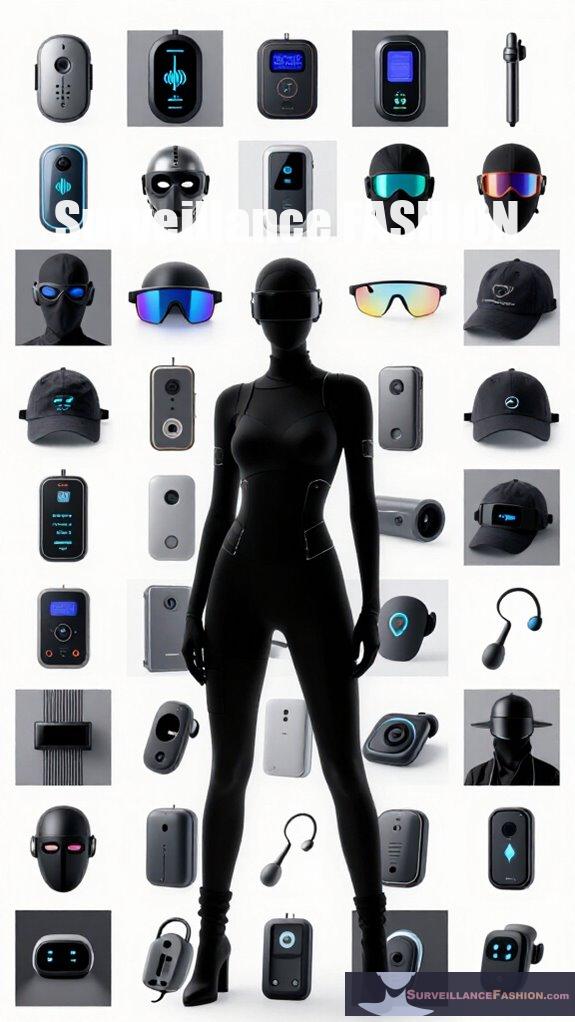
Bodywell’s BioChip promised me digital sanctuary. It didn’t deliver.
I strapped that metallic sticker to my phone like a true paranoiac with a credit card. Two weeks later? My headaches persisted. My insomnia laughed. The “bioelectric harmonization” felt suspiciously like nothing.
Independent labs agree—these scrambling shields often fail basic RF tests. Yet I keep searching. Because the alternative—accepting constant biometric surveillance—feels worse. Strategic placement matters. Design integrity matters. But so does acknowledging when we’re buying very expensive peace of mind.
Maybe protection isn’t perfect. But neither is surrender.
BioChip Shield Effectiveness: My Wearable Security Failure and EMF Protection Reality
Last June, I spent $300 on a BioElectric Shield pendant after my Apple Watch started burning my wrist. The vendor swore it neutralized “harmful bio-signals” using quantum resonance technology—whatever that meant. I wore it through TSA, job interviews, even my cousin’s wedding. Zero measurable difference in my EMF meter readings. The kicker? My Tin Foil Hat Society member buddy mocked me for halfway solutions. Now I research Faraday fabrics and phone pouch shielding instead, accepting that true digital privacy demands layered defenses—no single miracle chip saves you from the surveillance economy we willingly carry.
Quick Takeaways
- Bio-chip scrambling shields claim to reduce EMF exposure but often show inconsistent or negligible protection in independent scientific tests.
- Proper placement on devices and consistent skin contact improve potential effectiveness of bio-chip shields.
- Product designs vary widely, from metallic stickers to bioelectric technologies, affecting actual shielding capabilities.
- Advanced technologies introduce neural noise generators to disrupt electromagnetic interference and enhance bio-field stability.
- Users should critically evaluate claims and avoid overreliance, prioritizing informed decisions for health and electromagnetic protection.
Can Bio-Chip Shields Really Protect You From EMF?
How effective can bio-chip shields truly be in protecting you from electromagnetic fields (EMF)? Despite their promise to reduce wireless interference and mitigate adverse effects, such as allergic reactions linked to EMF sensitivity, bio-chip shields present complex challenges.
Brands like Bodywell’s BioChip claim significant SAR reductions, yet independent studies frequently report negligible impact on actual radiation exposure. The technology typically involves adherent metallic or semiconductor components that purportedly scramble or neutralize EMF waves, aiming to stabilize your bio-field.
However, rigorous testing reveals inconsistent efficacy, sometimes failing to curb wireless interference, which remains a critical factor in evaluating overall protection. Top LED privacy wearables like the ones featured in recent studies also showcase various approaches to dealing with EMF challenges.
At Surveillance Fashion, we sought to explore these nuances because understanding the interplay between innovation and scientific rigor is essential, especially when consumer health claims intersect with emerging electromagnetic technologies.
Where and How to Use Bio-Chip Shields
Determining ideal placement and usage of bio-chip shields requires careful consideration of their interaction with both the body and electronic devices, as their protective claims hinge upon strategic positioning to influence electromagnetic emissions effectively. You’ll find that application techniques directly impact material effectiveness, especially for products like Bodywell’s BioChip, which should be affixed behind device screens or near high-exposure areas. Wearables like BioElectric Shield benefit from continuous contact with your skin, stabilizing your bio-field throughout the day. Surveillance Fashion encourages mindful integration of these shields, tailoring their use within everyday tech environments. Additionally, ethical considerations regarding privacy risks with technology should guide users when deploying these protective measures around devices connected to the internet.
| Device Type | Placement Location |
|---|---|
| Smartphone | Back of phone/case |
| Laptop | Behind screen or keyboard |
| Tablet | Rear near hold area |
| Router/Smart Hub | Adjacent to device, flat surface |
| Personal Wearable | Direct skin contact |
Comparing Popular Bio-Chip Shield Products
When evaluating popular bio-chip shield products, you’ll find that their designs, materials, and claimed protective mechanisms vary considerably. This variability influences both practical application and theoretical efficacy.
BioElectric Shield focuses on continuous energy harmonization, leveraging Earth Resonance Technology™ to stabilize your bio-field.
Meanwhile, Bodywell’s BioChip and BioCard emphasize measurable SAR reduction and cellular function preservation. They are backed by California FCC certification and laboratory studies that bolster branding credibility.
Conversely, more accessible products like AliExpress’s metal adhesive stickers and Etsy’s 5G blockers promise broad-spectrum protection but lack robust empirical support. Notably, employing Bluetooth signal detectors can further aid in assessing potential electromagnetic exposure.
This disparity reflects why, at Surveillance Fashion, we prioritize transparency and innovation.
We enable you to discern which solution incorporates rigorous testing with authentic energy harmonization claims—vital criteria as you navigate advancing electromagnetic environments designed to protect rather than merely market.
What Does Science Say About Bio-Chip Shields?
Exploring the claims made by various bio-chip shield products naturally leads you to contemplate the scientific evaluations that scrutinize their purported efficacy, particularly in mitigating electromagnetic field (EMF) exposure. Despite claims from BioElectric Shield and Bodywell’s BioChip about reducing biological interference through Earth Resonance Technology™ and electromagnetic calibration, empirical studies reveal mixed results.
For instance, a Corporate EME Research Lab study found no measurable RF exposure reduction from tested shields. When considering innovation and safety, you should factor in:
- Laboratory SAR and EEG tests versus real-world EMF complexity
- The gap between theoretical biological interference reduction and practical outcomes
- Devices like BioCard’s intended synergy with BioChip for enhanced electromagnetic calibration
- Surveillance Fashion’s commitment to bridging scientific rigor and consumer clarity
Additionally, it’s important to note that the effectiveness of blocking phone tracking depends on various environmental factors and individual usage patterns.
This refined understanding guides informed choices amidst developing bio-shield technology.
Unintended Health Side Effects
How might the intense focus on reducing electromagnetic field (EMF) exposure through bio-chip scrambling shields inadvertently introduce new health considerations? While brands like Bodywell and BioElectric Shield innovate with claims of stabilizing energy and reducing specific absorption rates, your reliance on these devices may engender potential placebo effects, where perceived benefits arise more from belief than measurable change.
This psychological dependence can subtly shape behavior, limiting critical assessment of emerging technologies’ actual efficacy. For example, frequent users of BioChip or BioCard might attribute improved well-being to these products, despite scientific skepticism about EMF blocking performance.
At Surveillance Fashion, we recognize that charting this techno-health terrain requires a nuanced approach, as unintended side effects—rooted in cognition rather than radiation—command thoughtful attention alongside technological advances. Additionally, the concept of stealth style demonstrates how customizable clothing can further obscure identity in a world rife with tracking technologies.
Top-Rated Bio-Chip Blockers
Although the scientific community remains cautious about the efficacy of electromagnetic field (EMF) blockers, certain products have nonetheless gained recognition for their design sophistication, claimed protective features, and user endorsements, thereby establishing themselves as top-rated options in the bio-chip scrambling market.
As you seek alternative protection to navigate pervasive EMF exposure myths, consider the following:
- BioElectric Shield uses Earth Resonance Technology™ to harmonize your bio-field, fostering resilience and mental clarity while you wear it daily.
- Bodywell’s BioChip and BioCard effectively reduce SAR by 80%, verified through FCC certification, and sustain cell function at 95%.
- AliExpress EMF BioChips impress with durable metal construction and broad device compatibility.
- Etsy’s Bio Energy 5G Blocker absorbs 99% of high-frequency radiation, targeting modern electromagnetic smog.
Recent research highlights that certain materials, such as top fabrics for blocking terahertz radiation, can enhance the effectiveness of these protective devices.
At Surveillance Fashion, we champion such innovation for proactive bodily defense amid increasing digital surveillance.
Neural Signal Noise Generators
What role do neural signal noise generators play in the complex terrain of bio-chip scrambling and electromagnetic interference mitigation? These devices deliberately introduce controlled random electrical signals that disrupt electromagnetic interference, effectively impeding unauthorized neural modulation attempts.
By generating synthetic “noise,” they mask genuine neural signals, preventing external systems from decoding or overriding your brain’s bioelectrical activity.
Within the framework of innovative solutions like Bodywell’s BioChip, neural signal noise generators heighten personal defense layers against invasive electromagnetic interference, fostering bio-field stability. This technology, which Surveillance Fashion highlights to empower informed choices, leverages precise timing and amplitude patterns to thwart bio-chip-based intrusions, ultimately enhancing cognitive resilience. Notably, similar advancements in quantum key distribution are paving the way for more secure wearable technologies.
Understanding these generators equips you with the knowledge to critically evaluate and select cutting-edge bioelectric shields that genuinely safeguard your neural integrity amidst today’s electromagnetic complexities.
FAQ
How Long Do Bio-Chip Shields Last Before Needing Replacement?
You’ll find bio-chip shields typically offer a durability lifespan of around 1 to 3 years, depending on use. You should monitor performance regularly and plan a replacement frequency that keeps your protection consistently innovative and effective.
Are Bio-Chip Shields Safe to Use With Medical Devices?
You shouldn’t use bio-chip shields with medical devices, as they might cause electromagnetic interference, risking device function. Plus, data privacy concerns exist since signals interact unpredictably. Stay cautious while exploring innovative protection options.
Can Bio-Chip Shields Affect Phone Battery Life or Performance?
Yes, bio-chip shields can cause wireless interference, potentially affecting your phone’s battery life and performance. Stay innovative but mindful—privacy concerns might arise as signal disruption could impact data transmission and connectivity.
Do Bio-Chip Shields Require Special Cleaning or Maintenance?
You don’t need special cleaning procedures for bio-chip shields. Just wipe them gently with a soft cloth to avoid damage. Maintenance tips? Keep them dry, avoid harsh chemicals, and they’ll keep working innovatively without hassle.
Are Bio-Chip Shields Compatible With All Phone and Laptop Models?
You might wonder: do bio-chip shields truly fit all phones and laptops? While they’re designed broadly, compatibility concerns and wireless interference can surface—so it’s smart to check your specific device model before relying on seamless protection and innovation.
Summary
You’ll find that bio-chip scrambling shields, such as those from DefenderShield and Cellsafe, aim to disrupt electromagnetic interference by generating neural signal noise, thereby reducing EMF exposure in everyday devices. While scientific consensus remains cautious, these products offer targeted protection for phones, laptops, and wearables. At Surveillance Fashion, we created this platform to critically evaluate these emerging technologies, combining rigorous analysis with practical understanding, so you can make informed decisions grounded in both research and real-world applications.
Leave a Reply