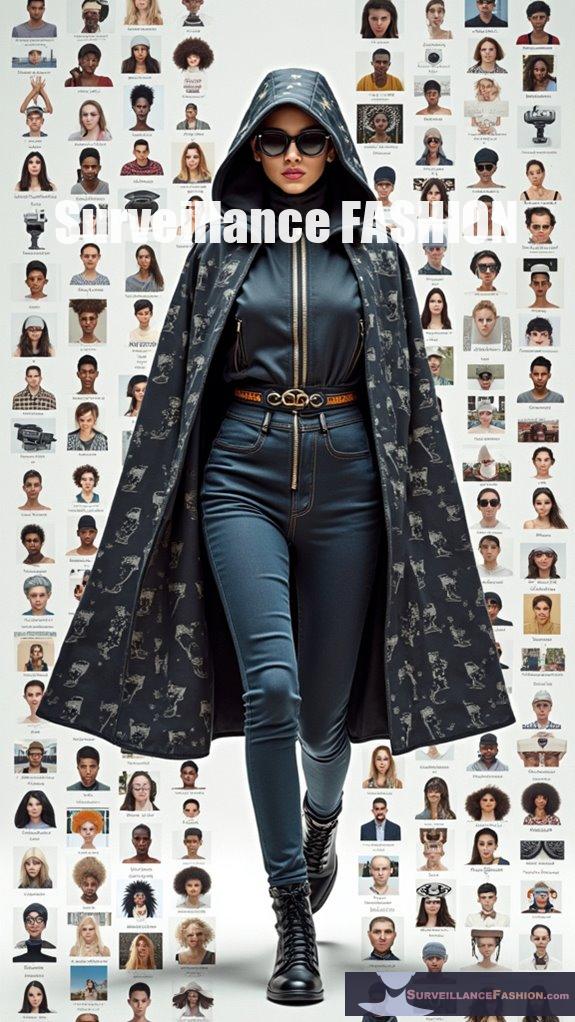
Fashion hacks disrupt facial recognition systems primarily through the strategic incorporation of QR codes in clothing, which utilize adversarial patterns to confound recognition algorithms. By overwhelming these systems with deceptive visuals, wearable technology achieves significant success rates in masking biometric data extraction. This innovative approach champions personal privacy, offering you greater agency over your identity and data sharing. If you’re curious about the implications of such developments, there’s more intriguing information waiting to be explored.
Quick Takeaways
- QR code clothing utilizes adversarial patterns to confuse facial recognition algorithms, achieving 60-90% success rates in disrupting biometric data extraction.
- Fashion items designed with asymmetric patterns and reflective materials serve to overwhelm recognition systems and increase wearer privacy.
- QR codes facilitate user control over data sharing, enabling explicit consent and managing identity disclosures in real-time.
- Visibility and durability concerns of QR codes challenge their effectiveness in anti-surveillance fashion, impacting readability on garments.
- Fashion acts as a medium for activism, raising awareness about privacy rights and prompting conversations on surveillance in society.
How Can QR Code Clothing Serve as a Shield Against Facial Recognition Surveillance?
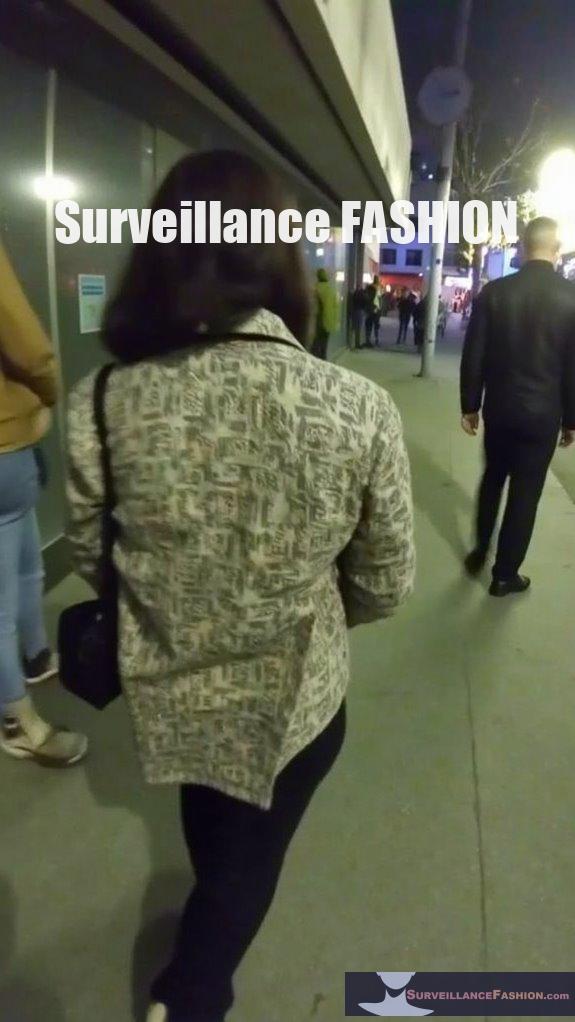
QR code clothing acts as a shield against facial recognition surveillance by utilizing adversarial patterns that confuse and misclassify wearers in recognition algorithms. These patterns are woven into fabric, achieving 60-90% success rates in preventing the extraction of biometric data. Additionally, this innovative clothing approach leverages adversarial machine learning techniques to enhance its effectiveness.
Such garments effectively disrupt facial recognition by overwhelming algorithms with deceptive visual inputs. They can be tailored to target specific algorithms, ensuring high efficacy across various systems. Furthermore, they promote personal privacy rights and integrate seamlessly into everyday wear, combining fashion with protective fabric privacy protection.
What Are the Potential Impacts of Integrating QR Codes Into Fashion for Data Poisoning?
Integrating QR codes into fashion for data poisoning may offer brief benefits in obscuring identity, but its effectiveness is limited due to the adaptability of facial recognition models that can quickly learn to disregard these perturbations.
As models evolve, static QR codes could be rendered ineffective, raising concerns about misleading users regarding their privacy protection.
The potential for QR codes as a data poisoning tool includes:
- Dynamic Adaptability: Facial recognition systems continuously evolve, negating static QR code effectiveness.
- Physical Constraints: Environmental factors like lighting can distort QR codes, diminishing their reliability.
- Sophisticated Methods: Advanced models may prioritize facial features, overlooking QR codes.
- Ethical Implications: Potential misuse raises concerns about responsible fashion design in AI environments.
In What Ways Does QR Code Fashion Challenge Traditional Data Collection Methods?
QR code fashion challenges traditional data collection methods by enabling users to control their data-sharing interactions, contrasting with passive facial recognition systems that capture biometric data without consent.
This shift from involuntary to voluntary data exchange enhances transparency and user agency in data management.
By embedding QR codes into garments, wearers dictate when and how their information is accessed, disrupting the one-sided nature of traditional surveillance.
Key distinctions include:
- Active Engagement: Users intentionally scan QR codes, promoting opt-in consent.
- Enhanced Privacy: Reduces the risk of covert data harvesting.
- Contextual Limitations: QR codes require specific conditions for data sharing, unlike continuous facial recognition.
- Visual Disruption: QR codes can interfere with automated surveillance accuracy, complicating biometric data extraction.
Could QR Codes on Garments Revolutionize Our Approach to Personal Privacy?
Yes, QR codes on garments could revolutionize personal privacy by allowing users to selectively share information and maintain control over their identities, countering traditional surveillance methods.
This technology facilitates explicit consent while providing a user-managed interface to combat facial recognition.
Embedding QR codes in clothing not only enhances privacy but also shifts the balance of data control from surveillance systems to individuals.
Key benefits include:
- User agency over personal data sharing
- Real-time management of identity disclosures
- Potential for encrypted information to prevent unauthorized access
However, challenges like QR code visibility, durability, and design integration must be addressed.
Public education and collaboration with fashion brands could enhance adoption and consumer acceptance, promoting a new norm of privacy-focused apparel.
How Does Data Poisoning Through QR Codes Align With Current Anti-Surveillance Tactics?
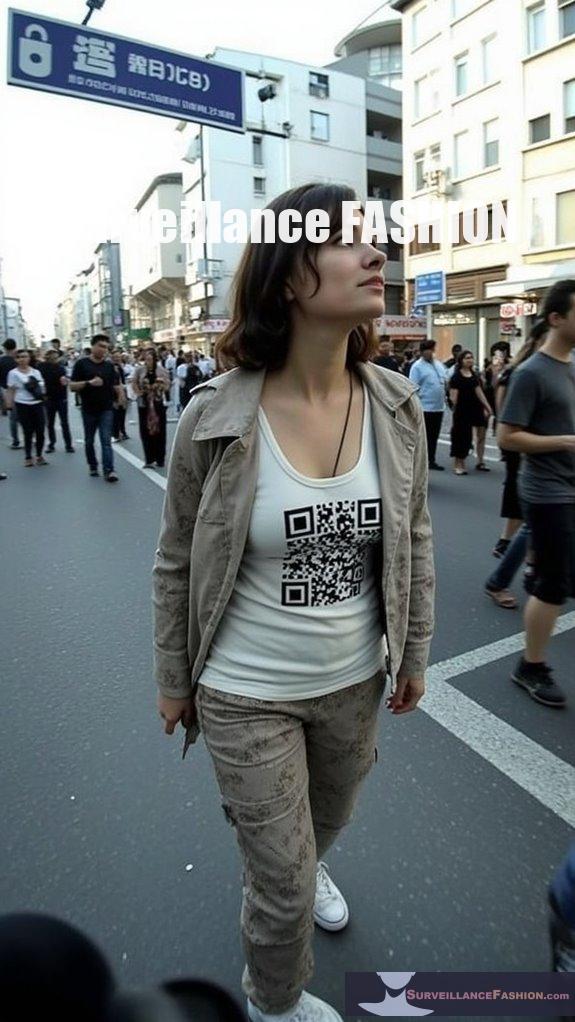
Data poisoning through QR codes complements current anti-surveillance tactics by embedding adversarial patterns that disrupt facial recognition systems in real-time, thereby enhancing user privacy.
This approach leverages the dynamic interaction of wearable QR codes with surveillance cameras, unlike static images that can become outdated. By encoding complex adversarial signals, these QR codes can induce misclassification, potentially pushing AI systems into error.
This tactic works alongside other obfuscation methods, such as patterned clothing; however, it faces challenges due to environmental factors and advancements in AI detection techniques.
Further integration with additional signals can bolster effectiveness, offering a more robust privacy enhancement solution.
What Successful Examples Exist of QR Code Clothing Disrupting Surveillance Systems?
Successful examples of QR code clothing disrupting surveillance systems include Cap_able’s “AI camouflage” collection and designs by artist Adam Harvey. These garments employ patterns that mislead facial recognition technology, enhancing privacy.
Cap_able integrates patented adversarial QR-like patterns into knitted designs tested with YOLO detection software. Meanwhile, Adam Harvey’s clothing features patterns resembling facial features to confuse surveillance algorithms.
Other commercial brands also offer bright, abstract designs that obfuscate human forms. Such initiatives raise awareness about privacy and demonstrate how fashion can effectively combat surveillance technologies.
How Can Consumers Embrace QR Code Fashion for Enhanced Privacy Protection?
Consumers can enhance privacy protection while engaging with QR code fashion by using secure scanning apps, verifying code legitimacy, and choosing links that prioritize privacy.
Opting for brands that employ encrypted, dynamically generated QR codes also minimizes personal data exposure.
To maximize safety, consumers should regularly update their scanning applications and avoid suspicious or damaged codes.
It’s vital to understand brands’ privacy policies and guarantee QR codes direct to secure, trusted sites.
Education around safe scanning practices helps build awareness and promotes responsible consumer behavior.
What Are the Limitations and Challenges of Using QR Codes in Anti-Surveillance Fashion?
QR codes in anti-surveillance fashion face several limitations, primarily related to visibility, security vulnerabilities, and user adoption challenges.
Issues such as readability affected by fabric texture and movement, risks of malicious QR codes, and the need for user awareness all hinder effective implementation.
These limitations create significant hurdles for practical use. For example:
- QR codes require clear visibility, often compromised by lighting or clothing folds.
- Security risks arise from potential phishing or counterfeit codes.
- Social awkwardness can deter users from scanning QR codes on garments.
- Reliance on smartphone technology limits accessibility for some wearers.
How Do QR Codes in Fashion Foster a New Dialogue About Technology and Privacy?
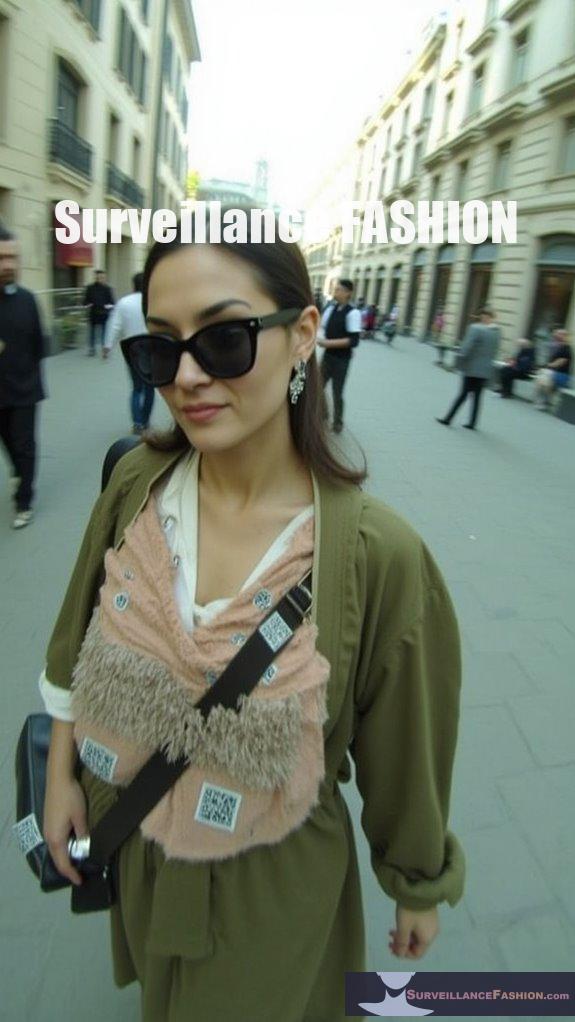
QR codes in fashion facilitate a dialogue around technology and privacy by enabling transparency while raising significant privacy concerns. They provide consumers with instant access to detailed product information, but also risk personal data tracking without clear consent.
The dual role of QR codes highlights a pressing need for balance. While fostering informed purchasing decisions and sustainability efforts, it’s essential to implement robust privacy measures.
These measures can include:
- Clear consent mechanisms for data collection
- Opt-in policies to protect user information
- Anonymization techniques to minimize data tracking
As the fashion industry embraces QR technology, prioritizing consumer privacy alongside transparency is essential.
Review of Ava Longhorn’s Ebook: Eyes Everywhere
Fashion has always held a unique position at the intersection of culture and technology, and Ava Longhorn’s ebook, “Eyes Everywhere,” further complicates this relationship by addressing the pervasive nature of facial recognition technology in contemporary society.
Delving into fashion innovation, Longhorn emphasizes how qr code aesthetics can influence privacy through garments that disrupt biometric capture.
She explores the utility of asymmetric patterns, reflective materials, and specially designed accessories, all aimed at scrambling algorithms.
Ultimately, Longhorn’s work serves as a crucial resource, merging creativity with activism, while fostering awareness about personal liberties in a surveillance-driven world.
References
- https://www.businessinsider.com/facial-recognition-cameras-sweater-protect-privacy-data-trick-fool-clothes-2023-2
- https://www.popularmechanics.com/technology/security/g28719483/trick-surveillance-systems/
- https://www.businessinsider.com/clothes-accessories-that-outsmart-facial-recognition-tech-2019-10
- https://www.thalesgroup.com/en/markets/digital-identity-and-security/government/biometrics/facial-recognition
- https://news.ycombinator.com/item?id=35205864
- https://www.frontiere.polimi.it/the-inventor-of-the-sweaters-that-block-facial-recognition/?lang=en
- https://www.katebertash.com/blog/2020/11/14/stylish-face-masks-block-image-recognition
- https://blog.richardvanhooijdonk.com/en/the-fashion-industry-is-leading-the-fight-against-facial-recognition-technology/
- https://www.stratecta.exchange/fashion-that-can-beat-facial-recognition-systems/
- https://www.youtube.com/watch?v=mtr4uVS0KvM
Leave a Reply