Tag: surveillance

  • Using Interchangeable Wigs for Anti-Surveillance Disguises

    Using Interchangeable Wigs for Anti-Surveillance Disguises

    Using interchangeable wigs for anti-surveillance disguises is highly effective due to their strategic design that disrupts facial recognition systems. The rapid transformation offered by these wigs allows you to alter your appearance swiftly, masking essential facial landmarks like the hairline and forehead. Lightweight materials guarantee comfort, while realistic textures enhance concealment against visual sensors. When paired with complementary accessories, these wigs greatly boost anonymity, which is vital in traversing today’s surveillance-laden environments—discover more as you explore this topic further.

    Quick Takeaways

    • Interchangeable wigs provide rapid transformation to obscure identity, enhancing operational flexibility in surveillance evasion.
    • Realistic textures and colors of wigs confuse visual sensors, significantly disrupting facial recognition capabilities.
    • Lightweight materials and a secure fit ensure comfort and prevent slips, making them suitable for dynamic environments.
    • Customizable features, including color matching and styling, allow for seamless integration with various disguises and attire.
    • Combining wigs with additional disguise elements like makeup and accessories further misleads identification systems.

    What Makes Quick-Change Wigs Effective for Evasion Disguises?

    quick change wig disguise effectiveness

    Quick-change wigs are effective for evasion disguises due to their rapid transformation capabilities, realistic appearance, and versatile styles.

    Their design allows for discreet alterations that reduce the risk of recognition, enhancing operational flexibility in surveillance situations. This is especially important because changing perception helps operatives evade tail teams and blend into new environments. Moreover, utilizing facial appearance changes through strategic wig use can significantly impact one’s overall disguise effectiveness.

    These wigs utilize advanced features like:

    • Magnetic and sewn-in attachments for easy swaps.
    • High-quality materials that mimic natural hair.
    • Custom color matching for seamless integration with attire.
    • Multiple style options to adapt quickly based on environments.

    The combination of these elements enables operatives to efficiently and convincingly alter their appearance, confusing potential pursuers and improving their chances of evasion.

    How Do Quick-Change Wigs Disrupt Facial Recognition?

    How Do Quick-Change Wigs Disrupt Facial Recognition?

    Quick-change wigs disrupt facial recognition by altering key facial landmarks, obscuring features relied upon by recognition algorithms, and modifying silhouette and shadow patterns. This prevents accurate mapping of facial characteristics, complicating identification processes.

    Facial recognition systems depend on consistent spatial relationships between facial features. Quick-change wigs obscure vital areas like the hairline, forehead, and eyebrows, making it difficult for the algorithms to effectively analyze and recognize faces.

    • Large or voluminous wigs can partially cover facial areas.
    • Rapid hairstyle changes prevent reliance on static hair features.
    • Makeup paired with wigs creates contrasting effects that confuse software.
    • The combination of wigs and disguises is categorized as presentation attacks, complicating security measures and introducing additional variables that challenge traditional recognition methods.

    To further enhance disguise effectiveness, hats with brims can be added to obscure the shape of the head and face, creating additional confusion for recognition systems.

    In essence, wigs introduce variability that reduces the efficacy of facial recognition technologies, thereby enhancing the potential for identity fraud and impersonation.

    What Are the Key Features of an Ideal Anti-Surveillance Wig?

    An ideal anti-surveillance wig should feature lightweight, realistic materials for comfort, a secure fit, and non-detectable components. It must also be durable and easy to maintain, while effectively blending with the wearer’s natural appearance. Such wigs employ advanced synthetic fibers that enhance comfort and reduce fatigue, much like stealth textiles which maximize concealment. They utilize lace front or monofilament caps for a natural hairline, and stretchable materials provide adaptability to various head shapes. Non-slip elements further guarantee stability.

    Key characteristics include:

    • Multi-dimensional color options that seamlessly blend with natural hair tones.
    • Lightweight construction that minimizes heat retention and discomfort.
    • Non-metallic components to avoid detection during security screenings, as TSA scanners detect both metallic and non-metallic objects.
    • Resistance to frizz and tangling, maintaining the wig’s disguise integrity over time.

    These features collectively support covert use and extend wearability in challenging environments.

    How Can Hair Color and Style Changes Enhance Anonymity?

    Changing hair color and style can greatly enhance anonymity by disrupting visual recognition processes and altering perceived identity. Variability in hair colors and styles can confuse surveillance systems and human observers, making individuals less recognizable.

    Hair color prediction systems demonstrate high accuracy for black, brown, and less so for blond, meaning unconventional hair colors can improve disguise effectiveness. Moreover, mixing hair colors complicates identification, while altering hair styles can change silhouettes, further aiding anonymity.

    Key strategies include:

    • Choosing culturally atypical hair colors to diminish recognition.
    • Utilizing styles that disrupt facial framing, such as varying hair length or texture.
    • Mimicking trends such as gray coverage to appear older or blend in.
    • Employing popular dye colors, like blonde, which are less conspicuous across demographic groups.

    What Additional Disguise Elements Should Be Used With Wigs?

    disguise elements enhance effectiveness

    In addition to interchangeable wigs, incorporating facial feature alterations and accessory strategies greatly enhances disguise effectiveness. This combination disrupts facial recognition and creates a varied visual profile.

    Utilizing facial modifications such as makeup to alter skin tone, changing eyebrow shapes, or applying prosthetics can mislead facial detection systems. Along with wigs, it’s beneficial to layer clothing, wear neutral colors, and use accessories like hats or scarves that distract from your identity.

    Consider these elements:

    • Non-reflective glasses to obscure facial outlines.
    • Anti-paparazzi scarves for low-light environments.
    • Patterned apparel to confuse recognition algorithms.
    • Behavioral modifications, including varied walking styles and postures, to complement physical disguises.

    In What Settings Are Wigs Most Effective for Identity Concealment?

    Wigs are most effective for identity concealment in security settings, crowded public places, and social environments where superficial features greatly influence recognition. Their effectiveness is heightened when observers are unfamiliar with the person’s original appearance.

    In security and surveillance situations, wigs can reduce facial recognition accuracy by approximately 30%. They offer a non-invasive means to alter visible identity traits, particularly where other props are restricted.

    In social situations, wigs can help individuals cope with identity challenges, especially for those with hair loss or other identity concerns. Their ability to mimic ordinary hairstyles further enhances concealment in crowded public spaces.

    The use of interchangeable wigs for anti-surveillance is generally legal, provided they aren’t used to commit crimes or obstruct law enforcement.

    Ethical considerations involve the balance between personal privacy rights and societal security needs.

    Legal frameworks governing disguise use allow for personal anonymity, but misuse for illegal purposes can incur penalties.

    Ethical issues also arise from potential deception, impacting accountability and security.

    Important considerations include:

    • Legal distinctions between disguising and unlawful surveillance
    • Variability of consent laws by jurisdiction
    • Risks of facilitating crime versus protecting individuals
    • Transparency of intent in using disguises

    How Do Surveillance Systems Adapt to Appearance Changes?

    Surveillance systems adapt to appearance changes by continuously updating subject appearance models through online learning methods, integrating facial recognition technologies with behavioral analysis and multi-sensor data fusion. This guarantees accurate identification regardless of modifications like wigs or makeup.

    To address varying appearances, advanced algorithms dynamically adjust feature representations, leveraging soft biometric attributes and continuous learning frameworks.

    This includes:

    • Tracking body shape and gait for robust identification.
    • Reconciling angle and lighting discrepancies in multi-camera setups.
    • Analyzing behavioral patterns that may indicate suspicious activities.
    • Using real-time alerts to enhance responsiveness during identity verification challenges.

    What Limitations Should Be Considered When Using Wigs for Disguise?

    wig disguise limitations considered

    When using wigs for disguise, one should consider their material limitations, comfort issues, maintenance challenges, fit difficulties, and environmental factors. These can impact the wig’s natural appearance, stability, and overall effectiveness in providing a convincing disguise.

    Wigs, particularly synthetic ones, often exhibit unnatural shine and texture that can reveal their use. The comfort of a wig can be compromised by weight, fit, and material, leading to irritation or discomfort during extended wear.

    Maintenance is essential, as improper care can result in premature degradation and an unnatural look. Furthermore, achieving a seamless fit while ensuring the wig matches one’s natural skin tone is essential for effectiveness.

    Environmental factors, such as weather and heat, can further limit the practicality of wig use in disguise scenarios.

    Quick Change Wigs

    In contemporary scenarios characterized by heightened surveillance, quick change wigs have emerged as a savvy solution for those looking to disrupt visual tracking while moving through public spaces.

    Designed for easy wig customization, they allow users to swiftly alter their appearance, effectively evading facial recognition systems. With lightweight materials and adjustable fittings, these wigs guarantee comfort during frequent changes, while their realistic textures and colors confuse visual sensors, enhancing privacy.

    Moreover, their integration with anti-surveillance clothing and makeup amplifies their performance implications, making them indispensable tools for protesters and privacy advocates committed to traversing surveillance-heavy environments.

    Anti Surveillance Ebook review: Eyes Everywhere

    Steering through the complex environment of contemporary surveillance necessitates an informed understanding of the pervasive systems at play, a theme thoroughly explored in the ebook “Eyes Everywhere.”

    This resource meticulously dissects the multifaceted nature of surveillance, revealing how it’s often employed not merely for public safety but primarily as a mechanism of social control, targeting political dissidents, journalists, and activists through elaborate frameworks of monitoring.

    • Surveillance as a tool for control, not safety
    • Global expansion of camera systems
    • The surveillance-state-corporate complex
    • Stigmatizing anonymity tools
    • Ethical dilemmas surrounding surveillance

    Understanding these elements enhances disguise effectiveness, igniting discussions about surveillance ethics.

    Urban Facial Recognition Systems

    How might urban environments transform as cities increasingly deploy facial recognition systems? You’ll notice a significant shift in daily life as facial recognition trends proliferate within smart city frameworks, heightening urban privacy concerns and creating a subtle undercurrent of surveillance.

    As systems become integrated into law enforcement, retail, and public spaces, your movements may be continuously monitored by AI-powered cameras, raising questions about anonymity and freedom.

    This intersection of technology and society invites discussion on how interchangeable wigs, as discussed on our Surveillance Fashion platform, offer a practical avenue for maintaining personal privacy amid an ever-watchful technological setting.

    Privacy vs. Surveillance Balance
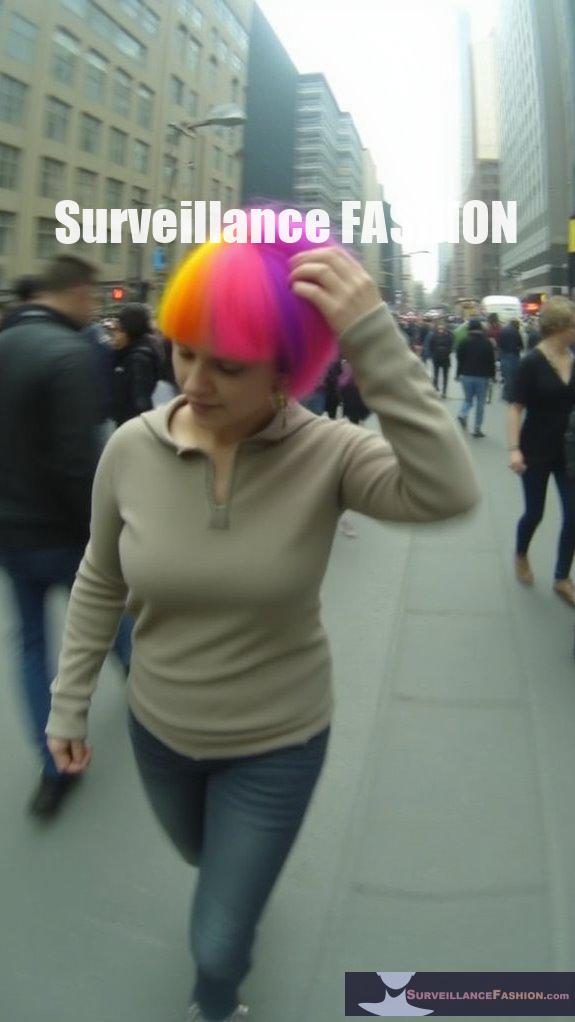
    privacy surveillance balance awareness

    A growing tension exists between individual privacy rights and the expanding reach of surveillance technologies, compelling society to navigate the complex balance between security and personal freedom.

    • Mass data collection infringes on personal space.
    • Individuals often feel resigned to constant monitoring.
    • Privacy implications become more pronounced with advancing technologies.
    • Disguise effectiveness plays a critical role in mitigating surveillance.
    • Open dialogue fosters community trust in surveillance policies.

    Emphasizing the importance of awareness, understanding surveillance’s nuances helps safeguard individual rights while also acknowledging necessary security measures.

    This reveals how effective disguises can restore a sense of privacy amidst increasing overreach.

    References

  • What Are the Consequences for Fundamental Liberties?

    What Are the Consequences for Fundamental Liberties?

    Ever find yourself glancing around like a character in a spy movie?

    In today’s world, I often do.

    Surveillance is everywhere, turning us into cautious comedians, self-censoring jokes to dodge the digital eye.

    I remember chatting with a friend about something totally innocent—a meme, I swear! But then I thought, “Could this chat be monitored?”

    Yikes.

    Privacy feels like it’s on life support. Algorithms make a mockery of due process.

    And let’s not even start with the data plundering. Who knew my smartwatch could be such a nosy friend?

    Are we really as free as we claim?

    H2: The Fashion Forward Anti-Surveillance Experience

    Last summer, I stumbled upon an anti-surveillance jacket at a thrift store. I felt like I found a hidden gem. It was stylish and came with secret pockets, feeling like I was stepping into a heist movie.

    Wearing it felt like wearing a shield against prying eyes. My friends called me a “tech ninja,” and it made me think: how many of us are out there trying to blend fashion with privacy?

    I had a panic moment in a crowded cafe, scanning the room. With my jacket on, I felt a surge of confidence—was I a fashionista or just a paranoid privacy enthusiast? The thrill of combining style and security lit my fire.

    Who knew anti-surveillance fashion could tell such a vibrant story?

    Quick Takeaways

    • Increased surveillance fosters self-censorship, leading individuals to refrain from expressing dissenting opinions and reducing the diversity of public discourse.
    • The chilling effect of government oversight diminishes democratic debate, isolating minority perspectives and stifling open dialogue.
    • Lack of due process in digital environments complicates justice, delaying access to evidence and undermining fair legal proceedings.
    • Legislative proposals for mass surveillance threaten privacy, potentially weakening encryption and exposing users to cybersecurity risks.
    • Ethical concerns surrounding data collection in wearable technology challenge informed consent, raising skepticism about privacy versus convenience in society.

    Overview of Fundamental Liberties

    preserving individual liberties vigilantly

    Fundamental liberties serve as the bedrock of democratic societies, ensuring that individuals possess essential freedoms crucial for their autonomy and well-being.

    These liberties encompass rights such as freedom of speech, the right to privacy, and due process, forming a critical framework that protects you from government overreach and arbitrary action. The Right to Vote is a vital element of these liberties, empowering citizens to participate meaningfully in the political process.

    Legal protections often enshrine these liberties within constitutional frameworks, such as the Bill of Rights in the United States or the EU’s Charter of Fundamental Rights.

    However, freedom violations can occur when governments curtail these rights under dubious pretenses.

    It’s essential to remain vigilant and informed about these freedoms, as understanding their scope and limitations contributes to the greater dialogue about maintaining a society where individual autonomy thrives.

    Impact of Surveillance on Freedom of Speech

    Surveillance has increasingly infiltrated public consciousness, creating a palpable tension between state oversight and individual expression, particularly in the domain of free speech. This tension often results in self-censorship impacts, where individuals, aware of constant monitoring, suppress dissenting opinions to align with dominant opinion suppression. The chilling effect permeates public spaces, reinforcing conformity and stifling diverse discourse, which is essential for a thriving democracy. Studies have shown that government monitoring can discourage attendance at events related to controversial topics, further isolating minority perspectives. Additionally, the implementation of modern monitoring systems has accentuated these fears, leading to a climate where individuals may opt to remain silent rather than risk government scrutiny.

    Self-CensorshipDominant OpinionDiversity of Discourse
    Suppressing viewsReinforced conformityWeakened democratic debate
    Fear of backlashPublic complianceLimited viewpoint
    Erosion of trustDiminished activismMonotony of discussions

    In this age of observation, where the essence of free speech is curtailed, we recognize the importance of dialogue, thereby motivating our focus at Surveillance Fashion towards transparency and awareness.

    Privacy Risks Associated With Chat Monitoring

    How can the changing environment of chat monitoring affect your sense of privacy? As AI chatbots increasingly conduct surveillance on user interactions, data protection becomes a pivotal concern. The actions taken by organizations, such as OpenAI, to scan conversations for threats, while initially framed as mental health safeguards, ultimately expose your private exchanges to potential misuse or unauthorized access. Studies have shown that users are particularly worried about unauthorized access to their data when using these technologies. Moreover, the anti-surveillance tactics proposed in response to these privacy risks highlight the urgent need for protective measures.

    User awareness of these risks is critical. When chat logs may be stored indefinitely and exploited for AI training or legal action, the fear of privacy violation escalates. Furthermore, the obscurity surrounding consent raises alarms about how data is collected and used. By fostering transparency, we advocate for individual rights—a core reason we created Surveillance Fashion—to highlight these pressing privacy issues and empower users in navigating the complex digital environment.

    Due Process Concerns in Digital Environments

    The panorama of due process in digital environments faces significant challenges, particularly as the rapid advancement of technology outpaces existing legal frameworks.

    Delays in retrieving digital evidence due to Mutual Legal Assistance Treaties (MLATs) can surpass ten months, complicating your access to timely justice. This inefficiency often results in law enforcement resorting to less transparent methods, threatening your privacy rights while undermining digital accountability.

    As seen in the EU Digital Services Act, integrating procedural guarantees for online platforms can enhance fairness, yet risks judicial fragmentation.

    The opaque nature of algorithmic decision-making further complicates due process, as biases within AI systems frequently silence your voice in legal matters. Consequently, online transparency remains crucial in traversing these intricate digital environments. Additionally, police access to private camera networks raises concerns about surveillance overreach that can infringe on civil liberties and individual rights.

    Implications for Freedom of Assembly and Association

    balancing assembly rights safely

    Understanding the implications for freedom of assembly and association requires examining not only the legal foundations that protect these rights but also their intersecting dynamics in a rapidly changing societal environment.

    Historically, peaceful protests have served as a crucial expression of assembly and association rights, advocating for social and political change. However, assembly regulations often intertwine with public safety concerns, leading authorities to impose restrictions that, if overly broad, can compromise these freedoms.

    You might recall *De Jonge v. Oregon*, where the Supreme Court defended peaceful assembly against state overreach. Such landmark cases remind us that assembly regulations must distinguish between peaceful conduct and potential violence, ensuring that personal liberties prevail amidst legitimate safety considerations.

    This balance is necessary for a thriving democratic society.

    Balancing Security Measures With Fundamental Rights

    While many citizens appreciate the necessity of security measures in protecting public safety, it’s essential to recognize that these measures can inadvertently infringe upon fundamental rights, particularly when they lack clear legal mandates or oversight.

    Striking a balance between security legislation and the protection of rights demands careful consideration:

    • Security interventions must be lawful, pursuing legitimate aims.
    • Transparency is critical; citizens must know the scope and limits of security operations.
    • Accountability mechanisms should empower citizens to challenge unjust practices.
    • Alternatives to invasive methods should always be preferred and clearly justified.

    In this delicate balancing act, public institutions must prioritize the preservation of individual rights, fostering trust and reducing the chilling effects of security overreach—an ongoing challenge that underscores the need for thorough, robust frameworks.

    Ubiquitous Data Collection Methods

    Ubiquitous data collection methods have become integral to contemporary life, with an estimated 90% of adults carrying smartphones that continuously gather personal information, from GPS locations to browsing histories.

    This pervasive surveillance technology extends to smart home devices and telemedicine tools, generating constant streams of data that support health and lifestyle choices while raising critical data ethics concerns.

    As we navigate this data-rich environment, the blurred lines between convenience and privacy prompt skepticism.

    You may find it unsettling that wearables and IoT devices monitor you unobtrusively, reflecting society’s complex relationship with autonomy in the face of rapid technological advancement.

    This imbalance invites urgent conversations about informed consent and individual rights, aligning with our mission at Surveillance Fashion to address data collection’s implications on liberties.

    The scenery of wearable monitoring devices is rapidly advancing, with the global market projected to reach anywhere from USD 41 billion to over 427 billion by 2034, a staggering growth trajectory driven primarily by advancements in health monitoring technology and consumer demand for real-time health data.

    As user adoption expands, you’ll encounter notable trends, including:

    • Innovations in precision sensors for accurate real-time health tracking.
    • Integration of generative AI, transforming wearables into personalized health coaches.
    • A shift from smartwatches to varied wearables like rings and smart glasses.
    • Enhanced connectivity through 5G, facilitating seamless data transfer.

    These wearable advancements underscore a pivotal transformation in healthcare, making it essential to reflect on their implications for fundamental liberties and privacy protections.

    EU Chat Control Privacy Risks and Fundamental Rights

    mass surveillance threatens privacy

    As society navigates the complexities of digital communication, the EU’s Chat Control proposal emerges as a contentious topic that threatens to redefine privacy norms.

    The privacy implications are profound, as this proposal mandates mass surveillance methods that compromise confidentiality—undermining rights to freely communicate.

    By weakening end-to-end encryption, it invites systemic vulnerabilities, exposing users to potential harms from cybercriminals while failing to guarantee surveillance accountability by the authorities.

    This indiscriminate approach not only chills free expression, serving as a breeding ground for self-censorship, but also lays waste to core legal protections guaranteed by the EU Charter.

    Those who seek liberation from oppressive oversight find their communication restricted as the threat of wrongful incrimination looms large alongside technological false positives—a reality that demands diligent scrutiny from both citizens and policymakers.

    EU Chat Control Proposal Risks and Anti-Surveillance Strategies Ebook review

    While exploring the risks associated with the EU Chat Control proposal, it becomes evident that the implications aren’t merely theoretical; they resonate deeply within the fabric of contemporary digital life.

    The push for extensive surveillance measures raises fundamental questions about liberty and security, emphasizing the significance of encryption and exploring effective surveillance alternatives.

    Consider these points:

    • Automated scanning jeopardizes end-to-end encryption.
    • Experts have deemed the proposal technically unfeasible.
    • Mass surveillance targets all EU citizens indiscriminately.
    • Centralized databases heighten risks of data breaches.

    In evaluating the potential consequences, it’s imperative for advocates of digital freedoms to understand the erosion of privacy this proposal signifies, fueling our mission at Surveillance Fashion to raise awareness and challenge such infringements on personal liberties.

    EU Chat Control FAQ

    How Do Fundamental Liberties Vary Between Different Countries?

    Fundamental liberties vary considerably across countries, influenced by cultural differences and legal traditions.

    In democratic nations, you’ll often find robust protections for civil rights, allowing free expression and assembly, whereas authoritarian regimes typically impose restrictions.

    For instance, the United States prioritizes individual freedoms, while countries like Russia limit these rights severely.

    Understanding these variations enhances your appreciation of global human rights dynamics, highlighting the importance of advocacy for liberation and equality, such as with initiatives like Surveillance Fashion.

    International treaties, such as the Universal Declaration of Human Rights, provide a foundational framework that supports fundamental rights globally, establishing essential protections like freedom of expression and privacy.

    Complementing this, regional frameworks enforce these rights within specific territories, exemplified by the European Convention on Human Rights.

    Such legal structures guide nations in creating robust protections against rights violations, fostering a global culture that champions human dignity and individual freedoms, which Surveillance Fashion also advocates through critical discourse.

    How Can Citizens Protect Their Fundamental Liberties?

    To protect your fundamental liberties, actively engage in civil participation by joining community advocacy initiatives and forming coalitions focused on preserving rights.

    Informed citizens can lobby for legislation that safeguards freedoms like speech and assembly, applying pressure on lawmakers through coordinated campaigns.

    For instance, participating in local town halls fosters dialogue around civic issues.

    Empower yourself with knowledge via educational programs, which can enhance your capacity to defend against encroachments on your rights.

    What Role Do NGOS Play in Defending These Rights?

    NGOs play a vital role in defending human rights through dedicated advocacy, raising awareness, and providing legal support.

    They actively document violations, like Front Line Defenders’ reports on assassinated activists, while mobilizing public sentiment against injustices faced by vulnerable groups.

    By amplifying marginalized voices and supporting grassroots movements, NGOs, such as Amnesty International, foster resilience and challenge oppressive systems.

    Through these efforts, they enhance your ability to advocate for liberation and foundational freedoms globally.

    How Does Technology Impact the Evolution of Fundamental Liberties?

    Technology considerably shapes the evolution of fundamental liberties by introducing complexities surrounding surveillance privacy and data ownership.

    As digital tools develop, they challenge traditional conceptions of personal autonomy, particularly in how companies and governments collect and utilize your data.

    For instance, AI algorithms can enhance efficiencies but also raise privacy concerns, necessitating a critical reevaluation of your rights to control personal information.

    In this framework, our website, Surveillance Fashion, addresses these pressing issues, fostering awareness and advocacy.

    Summary

    In an age where digital omnipresence looms large, it’s imperative to scrutinize the myriad consequences for our fundamental liberties. Surveillance not only distorts our freedom of speech but also injects systemic risks into our privacy, dousing the ember of due process in the digital sphere. As we navigate these turbulent waters, the risks amplify, making our quest for authentic assembly and association increasingly precarious. This dialectic mirrors our mission at Surveillance Fashion, emphasizing the urgent need for vigilance in safeguarding human rights.

    References

  • 7 Hairstyles That Outsmart Surveillance Cameras

    7 Hairstyles That Outsmart Surveillance Cameras

    To outsmart surveillance cameras, consider disruptive hairstyles like asymmetrical cuts, which alter facial symmetry and confuse algorithms. Employ contrasting hair colors, such as blonde and black, to create visual camouflage. Techniques like bangs can obscure key features, while dynamic accessories add movement that distracts recognition systems. Furthermore, integrating makeup to distort expected skin tones enhances your disguise. Adapting styles to environmental conditions further increases your anonymity, allowing for greater privacy. Discover more innovative methods to enhance your privacy.

    Quick Takeaways

    • Asymmetrical cuts disrupt facial symmetry, confusing facial recognition algorithms and making identification challenging.
    • Bangs can obscure key facial features, enhancing anonymity in monitored environments.
    • Dynamic hairstyles that incorporate layers and angles redirect attention from primary facial landmarks.
    • Hair colors that contrast sharply can confuse surveillance systems, aiding in evasion strategies.
    • Seasonal accessories like hats or scarves can further obscure facial outlines, enhancing disguise effectiveness.

    Asymmetrical Cuts for Disruption

    disruptive asymmetrical design strategy

    As you explore the domain of hairstyling, the allure of asymmetrical cuts emerges not only as a bold fashion choice but also as a strategic maneuver against surveillance technologies.

    Asymmetrical cuts blend bold style with a clever shield against facial recognition, merging fashion with personal privacy.

    These haircuts, characterized by uneven lengths on either side of the head, effectively disrupt facial recognition algorithms by altering facial symmetry, rendering identification more challenging.

    Moreover, their versatility allows you to style them in numerous ways, continuously changing your appearance. For instance, incorporating layers can create visual depth, while sharp angles redirect attention away from key facial landmarks. Fringes further obscure your features, enhancing the haircut's disruptive qualities.

    Ultimately, asymmetrical cuts not only serve an aesthetic purpose but also align with a growing movement focused on personal privacy, underscoring the connection between fashion and control. Additionally, these styles can be part of a broader strategy known as analog disguise techniques, which emphasize non-digital methods to evade surveillance systems.

    Contrasting Colors to Confuse Algorithms

    color confusion for algorithms

    While many may underestimate the role of color in hairstyles, employing contrasting shades can serve as an innovative strategy to confound surveillance algorithms. By creating a visual camouflage effect, contrasting colors may disrupt the recognition capabilities of certain surveillance systems, leading to an increased chance of evasion. Staying informed about surveillance technology is crucial, as it allows individuals to adapt their strategies effectively. Understanding the principles of facial recognition can also enhance the effectiveness of these techniques.

    Hair Color 1 Hair Color 2 Effect on Surveillance
    Blonde Black High confusion
    Red Green Moderate confusion
    Blue Yellow Low confusion
    Brown White Minimal confusion
    Gray Purple Variable effectiveness

    However, it's essential to recognize that while these techniques can be effective, they're not universally successful against advanced algorithms, which highlights the importance of understanding one's environment and the technology at play.

    Key Feature Obscuration Techniques

    techniques for hiding features

    Understanding the various techniques for key feature obscuration can greatly enhance your ability to navigate environments laden with surveillance technology. By employing specific styles and accessories, you can effectively disrupt facial recognition systems and maintain your privacy.

    Mastering key feature obscuration techniques empowers you to traverse surveillance-heavy environments with confidence and anonymity.

    Consider these strategies:

    1. Bangs: Forehead-covering bangs obscure significant facial landmarks, enhancing anonymity. Anti-recognition hairstyling techniques are crucial for successfully blending into crowded spaces.
    2. Wide-Brimmed Hats: These shields block facial visibility, especially when paired with a mask.
    3. Asymmetrical Makeup: Unconventional patterns can confound algorithms designed to recognize faces.
    4. Dynamic Accessories: Items that move or shift can create confusion for surveillance systems, obscuring your identity. Incorporating adversarial clothing can enhance your ability to evade detection, similar to how certain hairstyles can obscure key features. As we explore these techniques, keep in mind that the combination of strategic styling and thoughtful accessory choices can empower you, reflecting the mission behind Surveillance Fashion—helping you regain control in an increasingly monitored world.

    Altering Head Shape With Styling

    styling techniques for head shape

    Altering head shape through styling techniques can greatly impact your ability to evade facial recognition systems, providing a practical method for enhancing privacy in a surveillance-laden society.

    Choosing hairstyles that manipulate your perceived head shape, like bowl cuts or extensive toupees, effectively disrupts detection algorithms. Texturizing hair with products can create volume, altering how your facial features appear, while headgear such as hats or hoodies can obscure your head's contours entirely.

    Additionally, employing layered haircuts generates multiple outlines, complicating face detection. Using angular styles creates irregular shapes that confuse surveillance systems. Incorporating elements of identity-masking technology can further enhance the effectiveness of these styling techniques.

    Integrating Makeup for Enhanced Evasion

    makeup for stealthy disguise

    Integrating makeup into your evasion strategy can greatly enhance your ability to navigate a world increasingly dominated by surveillance technologies. By manipulating facial features with cosmetic techniques, you can markedly reduce your detection risk.

    Integrating makeup into your evasion strategy can significantly lower your detection risk in a surveillance-heavy world.

    Consider these key strategies:

    1. Obscure key features, like your eyes and mouth, to confuse facial recognition systems.
    2. Utilize contrasting colors to disrupt expected skin tones, enhancing your disguise.
    3. Break facial symmetry with asymmetric patterns, as algorithms often rely on symmetry for identification.
    4. Employ CV Dazzle techniques to distort your features, keeping you one step ahead of surveillance.

    While these methods may draw attention, combining them with hairstyling techniques can bolster your defenses, a principle that inspired the creation of Surveillance Fashion. Additionally, understanding how facial recognition systems operate can provide insights on the most effective methods to evade them.

    Multi-Layered Styling With Accessories

    accessorize for layered looks

    Multi-layered styling with accessories represents a significant advancement in the domain of evading surveillance technologies, as it creates a sophisticated interplay between hair and adornments that effectively obscures facial recognition.

    By incorporating elements such as wide-brimmed hats or strategically placed hair clips, you can disrupt facial symmetry, thereby complicating detection by recognition algorithms.

    Additionally, layered cuts add depth, casting shadows that hinder the visibility of key facial features, while textured layers enhance visual noise, further confusing surveillance systems.

    Moreover, combining dynamic elements like loose ends with elaborate accessories can create movement, complicating recognition efforts. This approach is akin to pattern-based camera-confusing clothing designs, which also aim to disrupt surveillance technologies.

    These techniques, highlighted in our Surveillance Fashion initiative, empower individuals to regain control over their identities in public spaces, shaping a new narrative around personal privacy.

    Adapting Styles to Environmental Conditions

    adjusting designs for surroundings

    While adapting your hairstyle to different environmental conditions may initially seem superficial, it can considerably enhance your ability to evade surveillance technologies that rely on facial recognition algorithms.

    Consider these strategies:

    1. Utilize Shadows: Position your hair to create shadow patterns that disrupt facial recognition.
    2. Adjust for Lighting: Choose styles that play with contrasts, tailoring your look to the specific lighting of your environment.
    3. Incorporate Seasonal Accessories: Use hats or scarves in colder months to obscure facial outlines, enhancing anonymity.
    4. Modify for Weather: In humid or rainy conditions, select hairstyles that endure, maintaining the effectiveness of your anti-surveillance approach. Additionally, understanding how dynamic lighting techniques can create unpredictable environments can further bolster your efforts to remain unrecognizable.

    Fashion That Conceals Identity

    identity concealing fashion styles

    Fashion that conceals identity has emerged as a significant response to the pervasive nature of surveillance technologies, reflecting a growing societal concern over privacy and personal autonomy.

    Innovative designs, such as reflective fabrics, utilize silver-plated materials to evade detection by drones, while disguising accessories like hats and veils obscure essential facial features, thereby enhancing anonymity.

    Avant-garde makeup techniques, such as CV Dazzle, disrupt facial symmetry, confounding recognition algorithms.

    Moreover, garments featuring hyperface patterns mislead facial recognition systems, while pixelated masks effectively distort true identities. The rise of pattern-based camera-confusing clothing showcases the creativity in fashion as a means to challenge surveillance.

    As privacy activism gains momentum, many opt for these anti-surveillance fashions to reclaim control over their personal information.

    This proactive approach to wardrobe choices signifies a broader desire for autonomy in an age where surveillance is increasingly normalized, underscoring the website Surveillance Fashion's intention to empower individuals.

    Cloaking Haircuts for Anonymity

    disguised hairstyles for privacy

    Cloaking haircuts have emerged as a practical strategy for individuals seeking to navigate the complexities of modern surveillance systems without sacrificing personal style or identity.

    Consider these techniques that can enhance your anonymity:

    1. Forehead Coverage: Bangs can obscure key facial features.
    2. Asymmetrical Styles: Disrupting facial symmetry confuses recognition algorithms.
    3. Face-Framing Hairstyles: Altering the perceived shape of your face helps to mislead systems.
    4. Dramatic Hair Color Changes: This can profoundly alter visual cues for recognition.

    References

  • Social Media Surveillance: Mind Games We Play Daily

    Social Media Surveillance: Mind Games We Play Daily

    Social media surveillance creates a complex game of self-censorship where every post, comment, and interaction is scrutinized. This pervasive monitoring heightens your anxiety, compelling you to alter your behavior to evade judgment, which ultimately shapes your online identity. The erosion of trust between users and platforms further complicates interactions, as individuals hesitate to express themselves openly. This constant psychological strain can be overwhelming. To navigate such challenges, exploring innovative responses like anti-surveillance fashion may shed light on practical solutions.

    Quick Takeaways

    • Constant monitoring on social media fosters anxiety, leading users to self-censor and curate polished personas to avoid judgment.
    • Surveillance culture erodes trust between users and platforms, altering authentic interactions and prompting users to seek alternative spaces.
    • The ethical dilemma of balancing privacy and safety results in compromised personal autonomy, as data collection often serves capitalist motives.
    • Coping mechanisms such as mindfulness and social support can help mitigate stress and anxiety related to social media scrutiny.
    • Anti-surveillance fashion emerges as a response, utilizing design innovations to protect privacy and promote ethical consumerism in the digital age.

    The Psychological Impact of Constant Monitoring

    surveillance affects mental health

    The psychological impact of constant monitoring manifests in various ways, particularly influencing individual behaviors and mental well-being.

    You'll likely notice heightened anxiety, as the pervasive sense of being observed fosters a fear that can lead to self-censorship, stifling your authentic expression and personal freedoms. This environment may exacerbate existing mental health conditions, amplifying anxiety and paranoia, while encouraging conformity through self-restraint to avoid scrutiny. The result is a continuous state of alertness, where you feel compelled to alter your behavior to fit societal expectations. As these pressures mount, they erode personal autonomy and trust, not just in yourself but also in your relationships, leading to a profound sense of mental exhaustion. Moreover, the integration of security technologies serves to enhance safety in various environments, which can paradoxically contribute to increased surveillance-related stress. This phenomenon can lead to a diminished sense of democratic engagement, as individuals may withdraw from civic participation due to fear of being monitored. This website, Surveillance Fashion, aims to illuminate these issues and inspire liberation.

    Altered Social Interactions in a Surveillance Culture

    surveillance impacts social behavior

    In a world where social media platforms meticulously track user interactions, altered social interactions become an inevitable consequence of pervasive surveillance.

    As you navigate these digital spaces, you're likely aware that your posts, comments, and likes are meticulously collected, monitored, and potentially shared, prompting you to self-censor or curate your content strategically. This awareness erodes trust between you and these platforms, fundamentally reshaping your online interactions.

    The presence of surveillance tools, often wielded by law enforcement, further complicates this dynamic, manifesting in hesitancy to express certain views. Consequently, you may find solace in alternative, less mainstream platforms, seeking environments free from such scrutiny. This cycle of self-censorship not only diminishes the authenticity of online discourse but also amplifies the psychological effects of feeling constantly watched.

    Surveillance tools, particularly from law enforcement, breed reluctance in expressing views, driving users toward alternative, less scrutinized platforms.

    Through these experiences, we created Surveillance Fashion, aiming to illuminate the nuances of digital privacy while advocating for liberated communication.

    The Ethical Dilemma of Privacy vs. Safety

    privacy versus safety debate

    While traversing the complex terrain of social media, you may find yourself grappling with the ethical dilemma that arises when privacy rights clash with the imperative of safety.

    On one hand, the expansive data collection practices employed by social media companies, driven by capitalist motives, often compromise individual privacy, commodifying personal information. This vast surveillance ecosystem raises pressing ethical concerns, prompting you to question the transparency of algorithms that govern your online experience.

    Conversely, the argument for safety emerges, as surveillance tools assist law enforcement in crime prevention, presenting a compelling case for their efficacy. Additionally, the normalization of mass surveillance practices has led to a pervasive culture of monitoring that can undermine societal trust.

    Yet, the challenge remains: how do you reconcile the need for public safety with the erosion of fundamental privacy rights? Finding a balance is essential, as it directly impacts your sense of autonomy and trust in digital spaces.

    Fear of Judgment: How Surveillance Shapes Behavior

    surveillance influences behavioral choices

    Surveillance, particularly in the domain of social media, profoundly influences how individuals present themselves online, as the ever-present awareness of being monitored fosters a pervasive fear of judgment.

    This fear compels you to self-censor, curating a polished persona that may not reflect your true self. The stress of potential scrutiny can inhibit authentic expression, leading to anxiety and mental health struggles. Moreover, the psychological effects of constant surveillance can create a heightened sense of vulnerability in individuals, further complicating their relationship with privacy.

    Behavior Change Motivation Result
    Self-censorship Fear of negative feedback Altered online persona
    Polished presentations Desire for acceptance Reduced authenticity
    Avoidance of sensitive topics Concern for repercussions Limited discourse
    Increased monitoring awareness Desire for safety Normalization of surveillance

    This dynamic can stifle liberation, making platforms like Surveillance Fashion necessary for exploring genuine self-expression beyond the confines of societal judgment.

    The Role of Trust in Social Media Engagement

    trust drives social engagement

    Trust underpins the complex web of social media engagement, serving as a cornerstone for how individuals interact with platforms and each other. When users perceive tangible benefits, such as enhanced connectivity or informative content, their trust in these platforms grows, fostering deeper engagement.

    Clear privacy guidelines further solidify this trust, as knowledge of privacy practices empowers users, allowing them to navigate these spaces with confidence.

    Moreover, trusted platforms encourage you to share personal information, enhancing not only your engagement but also your community building. For example, when you trust a brand, you're more likely to engage in networking activities, amplifying your social capital.

    Understanding these dynamics is crucial, especially in an era where social media surveillance influences daily interactions, as highlighted by our initiative, Surveillance Fashion. Furthermore, it's essential to recognize that personal data collection can significantly impact users' sense of security and trust in these platforms.

    Coping Mechanisms for Living Under Surveillance

    surviving constant observation stress

    As the pervasive nature of surveillance becomes an integral aspect of modern life, individuals often find themselves grappling with heightened levels of anxiety and stress that accompany this reality. Studies show that constant surveillance can lead to long-term psychological effects, further complicating the mental health landscape.

    To cope effectively, consider the following strategies:

    1. Increase Awareness of Stressors: Acknowledge the impact of social media on your mental health, recognizing triggers that amplify anxiety.
    2. Seek Social Support: Leverage social media as a platform for connection, utilizing your network to find comfort and understanding.
    3. Practice Mindfulness: Engage in mindfulness exercises to cultivate a sense of presence, reducing the pressure of surveillance.
    4. Limit Exposure: Reduce time spent on platforms that induce stress, creating boundaries that foster personal freedom.

    These coping mechanisms can empower you to navigate the complexities of living under constant scrutiny, promoting resilience amidst modern challenges.

    How Does Anti-surveillance Fashion Work?

    anti surveillance fashion techniques explained

    With the ubiquity of facial recognition technologies and the growing concerns surrounding privacy violations, anti-surveillance fashion emerges as a compelling response to these challenges.

    This innovative clothing category employs patterns and materials specifically designed to confuse surveillance algorithms, effectively masking your identity in public spaces. For instance, garments adorned with false-face patterns or made from reflective fabrics serve as shields against thermal and visual surveillance.

    Techniques like Computer Vision Dazzle utilize unconventional makeup to deceive facial recognition systems, while smart fabrics can make the wearer appear as an animal to software. Additionally, these designs often draw inspiration from anti-facial recognition clothing to enhance their effectiveness.

    As awareness of surveillance risks increases, these fashion innovations not only provide practical solutions but also advocate for privacy rights—a mission that inspired the creation of our website, Surveillance Fashion.

    Eco-Friendly Clothing for Privacy

    sustainable fashion for privacy

    Eco-friendly clothing serves as a significant intersection between sustainability and privacy, particularly in a world where surveillance technologies increasingly encroach upon personal freedoms.

    By choosing eco-friendly options, you align your fashion choices with a commitment to environmental consciousness and personal autonomy.

    1. Plant-based fabrics: Opt for organic cotton or hemp, which are biodegradable and cultivated sustainably.
    2. Animal-friendly alternatives: Consider vegan leather, like Stella McCartney's Eco Alter-Nappa, for cruelty-free fashion.
    3. Recycled fabrics: Seek garments made from recycled polyester to minimize waste.
    4. Durable construction: Invest in long-lasting clothing, decreasing the need for frequent replacements.

    Embracing eco-friendly clothing can empower you to reject the pervasive surveillance of fast fashion, allowing you to express individuality while supporting ethical consumerism.

    References

  • Why Does Surveillance Silence Our Freedom to Protest?

    Why Does Surveillance Silence Our Freedom to Protest?

    Surveillance silences your freedom to protest by creating a chilling effect that discourages self-expression, especially among marginalized communities often disproportionately targeted by invasive technologies. With tools like facial recognition and predictive policing algorithms, authorities can track and misidentify individuals, resulting in wrongful accusations. The legal framework offers inadequate protections, further exacerbating these issues. Addressing this reality, innovative anti-surveillance fashion has emerged, reflecting a societal need for privacy. Explore how these developments can counteract surveillance in the ongoing fight for freedom.

    Quick Takeaways

    • Pervasive surveillance fosters self-censorship, making individuals hesitant to express dissenting views or engage in protests.
    • Marginalized communities face heightened risks of wrongful arrests due to biased surveillance technologies like facial recognition.
    • Predictive policing perpetuates discrimination, leading to over-policing of protests without evidence against marginalized groups.
    • Surveillance technologies create a climate of fear, discouraging participation and limiting vibrant public discourse essential for social change.
    • Legal barriers, such as excessive permitting and strict regulations, further hinder the effectiveness of protests and amplify the chilling effect.

    The Chilling Effect on Free Expression

    censorship stifles free speech

    The chilling effect on free expression emerges as a significant concern in an era marked by pervasive surveillance, particularly when individuals perceive their speech and actions as subject to scrutiny.

    When you realize your online activities might be monitored, you might hesitate to explore controversial topics, fearing repercussions. This self-censorship extends beyond mere speech; it permeates your willingness to engage in political discussions or attend events deemed suspicious. As studies reveal, the awareness of surveillance discourages not only personal expression but also the exploration of novel ideas, stifling innovation. The First Amendment jurisprudence highlights how surveillance influences individuals to conform to perceived group norms, ultimately hampering the vibrant discourse necessary for progress. In this context, the concept of self-censorship becomes a pivotal factor in understanding how surveillance shapes our interactions and thoughts.

    The fear of surveillance breeds self-censorship, stifling not only speech but also the willingness to engage in vital political discourse.

    In a society where privacy erodes, the dynamic between state power and individual autonomy shifts, ultimately hampering the vibrant discourse necessary for progress. At Surveillance Fashion, we aim to highlight these vital intersections, encouraging dialogue on freedom's fragility.

    Disproportionate Impact on Marginalized Communities

    marginalized communities face inequalities

    Surveillance practices often exacerbate existing inequalities, manifesting a disproportionate impact on marginalized communities that already face systemic challenges.

    For instance, facial recognition technology frequently misidentifies people of color, leading to wrongful arrests and further entrenching racial disparities within the justice system.

    Similarly, predictive policing algorithms perpetuate bias, resulting in over-policing of communities without justifiable evidence of heightened crime rates.

    Additionally, mobile phone surveillance tactics, such as Stingrays, disproportionately affect these communities, while social media monitoring specifically targets protest organizers among marginalized groups.

    Historical circumstances, like the FBI's COINTELPRO actions against civil rights leaders, exemplify a long tradition of such practices.

    As we navigate these complex dynamics, understanding these nuances becomes essential for fostering equitable innovations in surveillance policies, a core objective of platforms like Surveillance Fashion. Moreover, the pervasive nature of social media surveillance can instill a chilling effect on free expression, discouraging individuals from voicing dissent or engaging in activism.

    Legal Gaps and Challenges in Protecting Rights

    rights protection challenges identified

    While laws designed to protect the right to protest exist, gaps and challenges remain that complicate the exercise of these rights.

    Protesters often face several barriers, including:

    • Excessive permitting requirements that deter participation.
    • Strict time, place, and manner restrictions limiting protest effectiveness.
    • Law enforcement's use of excessive force, escalating tensions.
    • Criminalization of protest activities chilling free speech and assembly.
    • Surveillance practices that intimidate and infringe on privacy rights.

    These legal complexities can stifle civic engagement, making it essential for you to understand the nuances of your rights. Moreover, in a surveillance culture, these practices can lead to self-censorship and a chilling effect on public dissent.

    Advocating for transparency and reform in surveillance policies can help bridge these gaps, ensuring that the right to protest isn't only preserved but also actively protected.

    This website, Surveillance Fashion, aims to illuminate these critical issues.

    Technological Tools Used in Protest Surveillance

    protest surveillance technology tools

    As individuals exercise their right to protest, they're increasingly met with a sophisticated array of technological tools designed to monitor their activities.

    Automated license plate readers, like those from Flock Safety, track vehicles associated with protesters, while facial recognition technology identifies individuals, as seen during the Baltimore protests.

    Drones equipped with cameras provide high-altitude surveillance, capturing real-time footage. Law enforcement also employs social media monitoring tools to analyze posts related to demonstrations.

    Body cameras and video analysis enhance the documentation of protests.

    These innovations, while seemingly efficient, raise significant ethical concerns, particularly regarding misidentification risks and the chilling effect on participation. The presence of surveillance cameras can create a psychological impact that discourages individuals from exercising their rights freely.

    These surveillance innovations provoke serious ethical dilemmas, particularly concerning misidentification and their potential to deter public participation.

    Understanding these surveillance techniques is vital, not just for the protection of rights, but for fostering informed discussions on privacy and protest dynamics, which is a core purpose of our website, Surveillance Fashion.

    Strategies for Mitigating Surveillance Risks

    surveillance risk reduction strategies

    Understanding the various strategies for mitigating surveillance risks becomes essential when you consider the complex web of monitoring technologies that can infringe upon individuals' rights during protests.

    By employing innovative tactics, you can enhance your privacy and security.

    • Enable device encryption to safeguard your data.
    • Use end-to-end encrypted messaging apps like Signal for secure communications.
    • Activate Airplane Mode during protests to minimize tracking.
    • Consider prepaid phones to maintain anonymity and avoid traceable identities.
    • Regularly back up data to secure external storage, ensuring you don't lose critical information.

    These strategies illustrate a proactive approach to managing surveillance risks, which is important in today's environment. Additionally, incorporating privacy-preserving protest gathering techniques can further ensure that individuals' rights are respected during demonstrations.

    At Surveillance Fashion, we aim to provide resources to empower individuals with knowledge and tools for safe protests.

    Reflective Materials Disrupt Cameras

    reflective surfaces hinder visibility

    Reflective materials serve as an innovative solution to disrupt surveillance cameras, particularly in environments where privacy is at risk. By reflecting light back to its source, these materials can overwhelm cameras, making it challenging for them to capture usable images.

    For instance, retro-reflective materials, similar to those found in high-visibility jackets, exploit this principle, complicating flash photography and reducing exposure accuracy.

    During nighttime, reflective clothing can obscure facial features, hindering detection capabilities in low-light conditions. Although some infrared-sensitive tapes may highlight objects, they often fail to disrupt surveillance effectively.

    As security cameras evolve, incorporating advanced AI and improved low-light performance, the impact of reflective materials may diminish. Nevertheless, these innovations remain an essential tool for those seeking to protect their privacy in increasingly monitored spaces. Moreover, incorporating anti-surveillance fashion into personal attire can empower individuals by promoting awareness of their privacy rights.

    Privacy-Enhancing Clothing Designs

    privacy focused apparel innovations

    The emergence of privacy-enhancing clothing designs marks a significant evolution in the intersection of fashion and personal security, particularly in response to increasing surveillance technologies.

    The rise of privacy-enhancing clothing signifies a pivotal shift in fashion, addressing the challenges posed by growing surveillance technologies.

    These innovative garments incorporate various techniques to protect your identity and guarantee privacy, including:

    • Specialized Fabrics that block RFID and GPS signals.
    • Camouflage Techniques that blend with surroundings, reducing detection.
    • Infrared Absorption/Reflection to distort visibility at night.
    • Metamaterials aimed at bending light, akin to an invisibility cloak.
    • Pattern Disruption to confuse facial recognition systems.

    As the demand for privacy-enhancing fashion grows, designers increasingly reflect societal concerns about surveillance, contributing to a movement that balances style and security. This trend is driven by advancements in infrared-blocking fabrics, which enhance the effectiveness of anti-surveillance clothing.

    This is why we created this website, Surveillance Fashion, to spotlight these groundbreaking innovations.

    References

  • The Psychological Toll of Surveillance Through History

    The Psychological Toll of Surveillance Through History

    The psychological toll of surveillance throughout history manifests as a complicated interplay of fear, anxiety, and altered behavior. Constant observation fosters a sense of vulnerability, particularly among marginalized communities, amplifying stress and mistrust. Historical instances, like the U.S. Census of 1790 or military surveillance in the Philippines, reflect a systemic tendency to monitor populations. Consequently, individuals learn to self-censor and conform to societal norms. Understanding this complicated relationship illuminates how these dynamics shape modern practices, including innovative developments such as reflective fabric clothing.

    Quick Takeaways

    • Historical surveillance practices, like the Lantern Laws, fostered anxiety and fear of being watched among citizens, impacting their behavior and interactions.
    • Marginalized communities experience heightened scrutiny, leading to over-policing and racial profiling, which exacerbates feelings of isolation and mistrust.
    • Constant surveillance induces self-censorship, as individuals suppress their true thoughts and behaviors due to fear of judgment and repercussions.
    • Workplace monitoring has led to increased stress and decreased job satisfaction, with employees feeling mistrusted and invaded in their personal privacy.
    • The psychological impact of surveillance throughout history includes a pervasive sense of fear, conformity pressure, and erosion of trust within communities.

    The Origins of Surveillance: Power and Control

    surveillance as power tool

    The origins of surveillance, deeply rooted in the interplay of power and control, reflect a historical continuum that spans from ancient civilizations to modern states.

    In ancient Egypt, for instance, spies gathered intelligence essential for military strategy, such as during the battle of Kadesh, illustrating early examples of surveillance as a tool for dominance.

    Similarly, the Lantern Laws in 1700s New York mandated specific groups to carry lanterns, creating a primitive yet effective surveillance mechanism. The first U.S. Census conducted in 1790 represents a systematic gathering of information about citizens, marking an early effort to formalize surveillance practices.

    The U.S. military's occupation of the Philippines further solidified these practices, laying the groundwork for contemporary surveillance methodologies.

    The U.S. military's occupation of the Philippines established foundational practices that shaped modern surveillance techniques.

    As you explore these historical developments, consider how they inform today's innovations in technology and governance, which the website Surveillance Fashion critically examines, fostering a dialogue around the implications of surveillance in our lives.

    The Impact of Surveillance on Marginalized Communities

    surveillance harms marginalized communities

    Surveillance technologies have become deeply embedded in the fabric of modern society, yet their impact is felt most acutely in marginalized communities, where the implications of constant monitoring manifest uniquely.

    Aspect Impact on Marginalized Communities Examples
    Increased Vulnerability Heightened perception of being constantly watched Greater anxiety in public spaces
    Disproportionate Surveillance More scrutiny than affluent areas Over-policing and racial profiling
    Economic Exclusion Limited access to resources and legal protections Barriers for undocumented immigrants
    Psychological Effects Increased stress and mistrust Feelings of isolation and stigmatization

    These factors collectively reinforce systemic inequalities, illustrating why we created this website, Surveillance Fashion, to explore and critique these pervasive issues in innovative ways, advocating for equitable surveillance practices. The psychological effects of constant surveillance can lead to a pervasive sense of paranoia and helplessness among those who are monitored.

    Psychological Consequences of Historical Surveillance Practices

    surveillance s lasting psychological impact

    While many may view surveillance as a modern phenomenon, its psychological consequences have roots deeply embedded in historical practices, shaping how individuals interact with authority and perceive their own autonomy.

    1. Surveillance-induced anxiety can create a pervasive sense of fear, leading to self-censorship and a reluctance to express individuality.
    2. Conformity pressure emerges as individuals adjust behaviors to align with perceived societal norms, stifling creativity and spontaneity.
    3. Erosion of trust develops over time, altering social dynamics and fostering suspicion among communities. The impact of self-censorship in a watched world illustrates how individuals may suppress their true thoughts and feelings due to the fear of being monitored.

    These psychological burdens reflect a complex tapestry of historical surveillance, underscoring the need for a deeper understanding of its implications today—a goal that resonates with our initiative at Surveillance Fashion, where we explore the intersection of surveillance and personal expression.

    The Role of Surveillance in Shaping Social Behavior

    surveillance influences social behavior

    In an era dominated by advanced technologies, you likely find that increased visibility, facilitated by surveillance systems, urges you to conform to societal norms. The omnipresence of cameras and digital monitoring makes you acutely aware of being observed, which often alters your behavior, prompting you to present a polished, socially acceptable image.

    Moreover, social media platforms, acting as tools for peer surveillance, encourage you to share curated glimpses of your life, further reinforcing compliance with social expectations. As algorithms analyze your interactions, you may notice subtle shifts in your responses, reflecting a heightened sensitivity to perceived judgment, which demonstrates how surveillance has profoundly shaped social dynamics, influencing your interactions in profound yet intricate ways. This phenomenon can lead to social anxiety, as individuals grapple with the pressure of constant observation and the fear of judgment.

    Workplace Surveillance: A Historical Perspective on Employee Mental Health

    employee mental health history

    As the scenery of workplace environments has transformed over the decades, the methods used to monitor employee activities have also undergone a significant evolution, reflecting broader societal shifts towards increased oversight and control.

    You might consider the historical implications of workplace surveillance on mental health, particularly through:

    1. Increased stress levels, as employees are acutely aware of being monitored.
    2. Decreased job satisfaction stemming from feelings of mistrust and invasion of privacy.
    3. A paradox where intended productivity enhancements lead to inefficiencies due to stress.

    These factors illustrate how surveillance can erode workplace morale and foster an environment where innovation is stifled. Additionally, modern monitoring systems have been shown to exacerbate feelings of anxiety among employees as they grapple with the pressure of constant scrutiny.

    Surveillance can undermine workplace morale, creating a culture that inhibits creativity and innovation.

    As we navigate these challenges, understanding the complex dynamics of surveillance can inform better practices, aligning with our commitment to transparency at Surveillance Fashion.

    Evolving Technologies and Their Psychological Implications

    technological evolution affects psychology

    Transforming surveillance technologies have fundamentally reshaped how we perceive our environments and ourselves, often leading to profound psychological implications that reverberate throughout society.

    The leap from analog to digital systems, enhanced by AI and machine learning, allows for complex data analysis, creating an omnipresent sense of being monitored. For instance, the evolution of CCTV—from rudimentary cameras to IP-based systems—enables more extensive surveillance capabilities, subtly shifting individual behaviors.

    Moreover, the integration of drones and IoT devices intensifies feelings of scrutiny, fostering anxiety and impacting self-identity. This constant awareness of being watched can distort personal interactions, causing you to self-censor. The prevalence of surveillance cameras in public spaces, often justified for safety, can ironically lead to a heightened sense of paranoia among individuals.

    At Surveillance Fashion, we explore these dynamics, examining how emerging technologies influence societal norms and individual psyches, ultimately shaping the fabric of modern life.

    Disguising Body Heat Signatures

    concealing thermal detection signals

    In your quest to evade detection by thermal imaging technologies, understanding the nuances of disguising body heat signatures becomes paramount, especially as advancements in surveillance continue to evolve.

    Consider these strategies:

    1. Natural Barriers: Utilize solid structures like walls and hills, or dense canopies of forests, to block thermal signatures effectively.
    2. Insulating Materials: Employ Mylar blankets or thick wool to reflect heat, rendering you nearly invisible to thermal imaging. Additionally, consider wearing clothing made with infrared-blocking fabrics to enhance your concealment further.
    3. Environmental Manipulation: Create distractions by producing small heat sources or standing near warm surfaces to confuse thermal cameras.

    Reflective Fabric Clothing

    high visibility safety apparel

    Reflective fabric clothing represents a significant evolution in personal safety gear, blending functionality with an increasing aesthetic appeal. Originating in the early 1900s for cyclists, these garments now find applications across various professions and lifestyle products. With advancements in materials, such as 3M Scotchlite and carbon black technology, these clothes offer high visibility while maintaining comfort and style. Additionally, the rise of modern surveillance tools has further highlighted the importance of visibility in enhancing personal security.

    Feature Description Benefits
    Retroreflective Materials Reflect light back to the source Enhances visibility across angles
    High-Tech Fabrics Water, wind-resistant, and breathable Durable and flexible for various uses
    Psychological Impact Boosts perceived safety and reduces anxiety Increases confidence in low-light areas

    As we explore innovative solutions, reflective clothing embodies the intersection of safety and fashion, essential in today's surveillance-oriented society.

    References

  • 5 Tips: Modern Surveillance Reshapes Privacy Rights Today

    5 Tips: Modern Surveillance Reshapes Privacy Rights Today

    Modern surveillance practices continuously reshape privacy rights, compelling individuals to adapt to a world where constant monitoring alters behavior and self-expression. Historical frameworks, like early censuses and colonial oversight, guide contemporary responses to privacy infringements. With advancements in technology, ethical considerations arise, highlighting biases in surveillance systems and mass data collection. For example, privacy-enhancing clothing can disrupt facial recognition, empowering personal identity. Such innovations are essential in society's developing approach to privacy, revealing more about the intersection of surveillance and individual rights.

    Quick Takeaways

    • Understand the historical evolution of surveillance to grasp its current impact on privacy rights and legal frameworks.
    • Recognize the psychological effects of constant monitoring, which can lead to self-censorship and anxiety about personal behavior.
    • Stay informed on the ethical implications of surveillance technologies, including systemic discrimination and privacy infringements.
    • Explore privacy-enhancing clothing innovations that challenge surveillance systems and reclaim individual rights.
    • Advocate for transparency and accountability in data collection practices to protect personal privacy in an increasingly monitored society.

    The Historical Context of Surveillance Practices

    evolution of surveillance methods

    The historical backdrop of surveillance practices reveals a complex interplay between governance, societal control, and individual rights, which has evolved considerably over centuries.

    From early censuses in the Roman Empire, designed for military and civilian oversight, to the Lantern Laws of the 1700s mandating enslaved people to carry lit lanterns, surveillance has always served to maintain order. The impact of these mass surveillance practices on civil liberties remains a critical issue in discussions about democracy.

    Colonialism further expanded these practices, reflecting a desire to manage subjugated populations. As urbanization accelerated, bureaucratic systems emerged, leading to early data collection exemplified by the first U.S. census in 1790. Notably, surveillance of Black individuals dates back to the seventeenth century, highlighting the persistent racial dimensions of monitoring practices.

    These practices laid the groundwork for modern surveillance technologies, compelling us to reflect on privacy rights today.

    The website Surveillance Fashion emphasizes understanding these historical circumstances to navigate contemporary challenges effectively.

    Psychological Impacts of Surveillance on Individuals

    surveillance induced psychological effects

    Surveillance practices, having evolved from historical methods of societal control, now permeate daily life in ways that considerably affect individual psychology.

    As you navigate this environment, prolonged exposure to constant monitoring often heightens stress levels, leading to pervasive anxiety and a blurred line between normal worry and clinical disorders. You might find yourself engaging in self-censorship, altering your behavior to conform to perceived expectations, ultimately eroding your sense of personal freedom.

    Moreover, the omnipresent gaze fosters hyper-sensitivity to social interactions, making exchanges feel staged or overly calculated. This psychological impact not only limits genuine intimacy but also stifles creativity and free expression, as the fear of misinterpretation looms large. In fact, the psychological toll of living in a constantly observed world can lead to increased feelings of isolation and loneliness, compounding the effects of social anxiety.

    At Surveillance Fashion, we explore how these dynamics influence your everyday experiences.

    Social Implications of Constant Monitoring

    surveillance impacts societal behavior

    While many may perceive constant monitoring as a mere aspect of modern life, its social implications extend far beyond the surface, complexly reshaping interpersonal dynamics and community interactions.

    Surveillance fosters a culture of caution, where you might find yourself second-guessing your words and actions, leading to guarded personal relationships. This environment breeds suspicion, stifling open communication and creativity, as individuals tailor their behaviors to conform to perceived societal norms.

    Moreover, the normalization of surveillance diminishes discussions about privacy rights, subtly embedding itself in daily routines, often without your conscious acknowledgment. This pervasive oversight can lead to what is termed the panopticon effect, causing individuals to modify their behavior due to the awareness of being watched.

    As you integrate these technologies into your life, keep in mind that the innovative spirit thrives in spaces where freedom and trust flourish, rather than in the confines of constant scrutiny, which our platform, Surveillance Fashion, seeks to illuminate.

    Ethical Concerns Surrounding Surveillance Technologies

    surveillance technology ethical issues

    As you navigate the complexities of modern life, it becomes increasingly apparent that ethical concerns surrounding surveillance technologies aren't just theoretical discussions but essential issues that impact your daily experiences.

    With the rise of data collection tools like facial recognition and automatic license plate readers, you're faced with privacy infringements that can create detailed profiles without your consent. The lack of transparency in these systems further complicates your understanding of how your data is used, raising the specter of data breaches and identity theft.

    Moreover, biases inherent in these technologies can lead to systemic discrimination, necessitating robust ethical frameworks and policies. The implications of mass surveillance practices have sparked debates about the balance between security and individual privacy rights.

    Engaging with initiatives like Surveillance Fashion helps foster awareness, encouraging informed discussions that align innovation with ethical standards, ensuring your rights are respected amidst technological advancements.

    The Evolution of Privacy Rights in Response to Surveillance

    surveillance prompts privacy evolution

    The trajectory of privacy rights has progressed significantly in response to the relentless expansion of surveillance technologies, compelling society to confront the delicate balance between individual freedom and collective security.

    The evolution of privacy rights reflects the ongoing struggle to balance personal freedoms with the demands of collective safety amid advancing surveillance technologies.

    Historically, foundational privacy protections emerged from the U.S. Constitution and the Bill of Rights, alongside early scandals like New York's 1916 wiretapping incident that raised awareness about privacy abuses.

    Legislative measures, such as the Foreign Intelligence Surveillance Act of 1978 and the Electronic Communications Privacy Act of 1986, introduced essential safeguards.

    As digital technology advanced, mass data collection presented new challenges, prompting innovations in encryption that simultaneously enhanced security and complicated law enforcement efforts. This has led to a growing reliance on modern monitoring systems that further blur the lines of privacy rights.

    This dynamic interplay between surveillance and privacy underscores the necessity for ongoing legal frameworks that adapt to changing technologies, a central theme explored on our Surveillance Fashion platform.

    Reflective Materials Disrupt Cameras

    reflective surfaces hinder cameras

    In an era increasingly defined by pervasive surveillance, innovative reflective materials have emerged as intriguing tools for individuals seeking to reclaim a measure of privacy.

    These materials manipulate light to disrupt camera functionality, offering a unique way to counteract surveillance techniques.

    • Retro-reflective materials: Reflect light back to its source, altering perceived brightness and confusing camera flashes.
    • Applications in fashion: These materials find use in anti-paparazzi clothing and high-visibility jackets, providing a dual benefit of privacy and safety.
    • Limitations: While effective, they're not foolproof; savvy photographers can adjust settings to bypass these defenses. Additionally, the use of reflective fashion accessories can further enhance personal privacy in public spaces.

    Privacy-Enhancing Clothing Designs

    clothing for personal privacy

    Innovative designs in privacy-enhancing clothing are gaining traction as individuals seek tangible solutions to the growing concerns surrounding surveillance.

    For instance, privacy fabrics featuring specific patterns can communicate your privacy preferences directly to recording devices, effectively enabling face blurring without the need for cumbersome hardware.

    Wearable technologies, like privacy bracelets, serve as simple toggles to notify devices of your desire for obscured identification, blending seamlessly with your existing wardrobe.

    Additionally, anti-surveillance fashion concepts, such as Adam Harvey's Stealth Wear, aim to confuse facial recognition technologies by incorporating numerous face-like features.

    Anti-surveillance fashion, like Adam Harvey's Stealth Wear, disrupts facial recognition by blending in multiple face-like attributes.

    These innovations reflect a broader trend towards anti-facial recognition clothing that empowers individuals to reclaim their digital identities while making a statement about their right to privacy.

    Together, these advancements not only protect your privacy but also make a human rights statement, reflecting a societal shift towards valuing personal space in an increasingly monitored world.

    References

  • Eyes Everywhere: Surviving Surveillance – Download Ava Longhorn’s Ebook

    Eyes Everywhere: Surviving Surveillance – Download Ava Longhorn’s Ebook

    In “Eyes Everywhere: Surviving Surveillance” Ava Longhorn scrutinizes the complexities of modern surveillance, illustrating how pervasive monitoring shapes daily existence. She emphasizes the psychological toll of constant observation, linking heightened anxiety and self-censorship to societal norms.

    Longhorn explores innovative strategies for reclaiming autonomy, including the idea of surveillance fashion, which creatively integrates privacy-preserving accessories. This compelling narrative not only informs but also motivates collective action.

    Discover how these observations can help you navigate a world increasingly dominated by surveillance.

    Download free! “Eyes Everywhere: Surviving Surveillance” by Ava Longhorn

    Quick Takeaways

    • Ava Longhorn’s ebook, “Eyes Everywhere: Surviving Surveillance,” explores the pervasive nature of surveillance and its psychological impacts on individuals.
    • The book provides practical anti-surveillance strategies, emphasizing the importance of reclaiming privacy through individual and collective actions.
    • Longhorn discusses ethical dilemmas surrounding surveillance, highlighting the tension between security and personal autonomy within contemporary society.
    • The ebook critiques corporate surveillance practices, shedding light on how profit motives undermine individual privacy rights and contribute to mental health issues.
    • “Eyes Everywhere” encourages readers to cultivate awareness and adopt technical and non-technical measures to navigate the surveillance landscape effectively.

    Overview of Surveillance in Modern Society

    surveillance impacts daily life

    As we navigate the complexities of modern society, it’s impossible to ignore the omnipresence of surveillance—a phenomenon that, while often invisible, profoundly influences your daily life.

    Social media surveillance is a prime example, where platforms collect vast amounts of personal data, often without your explicit consent. This data, harvested from your interactions, shapes targeted advertisements and influences your online experience, all while you remain largely unaware. Surveillance tools have evolved to become more intrusive, creating an environment where privacy is increasingly compromised. The ethical implications of personal data collection necessitate a critical examination of how companies utilize your information.

    The psychological effects of constant surveillance can lead to heightened anxiety and a sense of vulnerability among individuals. In a democracy, mass surveillance poses a significant threat to civil liberties, as it can suppress dissent and stifle free expression.

    The erosion of data privacy has become a critical concern, as individuals increasingly relinquish control over their personal information, often in exchange for convenience. Surveillance technologies, ranging from ubiquitous cameras to sophisticated algorithms, not only monitor your behavior but also create a thorough profile of your preferences and habits.

    Digital footprints play a significant role in this process, as they capture your online activities and contribute to the information available for surveillance. This continuous tracking can instill a feeling of being constantly observed, which impacts personal freedom and self-expression.

    To regain control, consider exploring anti-surveillance strategies, including techniques promoted by resources like Surveillance Fashion, which advocate for privacy-conscious choices that can disrupt pervasive monitoring.

    Historical Context of Surveillance Technologies

    Surveillance technologies have deep historical roots that stretch back centuries, with their evolution reflecting societal changes and technological advancements.

    To understand this framework, consider these key phases of historical surveillance:

    1. Ancient Monitoring: Early forms of surveillance, such as watchtowers and sentinels, were utilized to monitor borders and protect communities.
    2. State Control: In the Renaissance, governments began employing spies and informants, laying the groundwork for organized surveillance efforts.
    3. Industrial Age Innovations: The invention of photography and telegraphy transformed how surveillance was conducted, enabling rapid information dissemination and the rise of state-sponsored oversight. This period marked the beginning of systematic government surveillance as a tool for maintaining order and control.
    4. Digital Revolution: The advent of the internet and digital technologies has led to unprecedented levels of surveillance, with data collection becoming integral to both commerce and security.

    The rise of mass surveillance practices has raised critical questions regarding privacy rights and ethical considerations in modern society.

    This technological evolution signifies a shift toward an increasingly interconnected world, where every action can be observed and analyzed, prompting the necessity to reclaim privacy through informed choices and innovative strategies, as discussed in Longhorn’s work and the supportive resource of Surveillance Fashion.

    The Pervasive Nature of Surveillance

    In a world where nearly every aspect of daily life is monitored, you might find yourself questioning the boundaries between safety and intrusion. Surveillance permeates our reality, from government systems to commercial data collection, compelling you to reflect on the implications of such oversight.

    Understanding surveillance psychology is essential; it reveals how constant observation influences behavior, often leading to self-censorship and anxiety. The psychological impact of being under surveillance can be profound, leading to increased feelings of vulnerability in everyday situations. Self-censorship in response to surveillance can create a feedback loop that exacerbates feelings of isolation and distrust. This pervasive surveillance culture poses ethical dilemmas, challenging the balance between security and privacy.

    The psychological toll of living under constant observation can significantly impact mental health, contributing to heightened stress levels and social anxiety, as well as undermining democratic values in society. Additionally, the normalization of surveillance threatens to reshape social interactions and community dynamics, fostering a culture of self-policing.

    Surveillance psychology uncovers how constant monitoring shapes behavior, fostering self-censorship and raising ethical questions around security and privacy. – Longhorn

    As a participant in this environment, your awareness can drive privacy activism, encouraging you to advocate for your rights and those of others. Engaging with innovative solutions, such as those presented in Eyes Everywhere, provides a roadmap for reclaiming your autonomy.

    Through practical strategies, including the use of anti-surveillance fashion—an initiative stemming from the Surveillance Fashion website—you can actively resist and navigate this complex environment, fostering a more secure and private existence.

    Psychological Impact of Constant Monitoring

    surveillance induced psychological distress

    While you navigate a world saturated with surveillance, it’s essential to recognize the psychological ramifications of this constant monitoring, which can subtly shape your behavior and mindset. The effects manifest in various ways, influencing your social interactions and personal well-being.

    1. Self-censorship: You may find yourself altering your expressions, fearing judgment or repercussions. This behavior often stems from a larger context of data collection practices that impact how individuals communicate openly.
    2. Anxiety: The omnipresence of monitoring can create a perpetual state of unease, leading to heightened stress levels. The fear of being constantly watched can exacerbate feelings of insecurity and vulnerability.
    3. Erosion of social trust: Constant observation can diminish your faith in others, fostering a culture of suspicion. This shift in trust dynamics can lead to a breakdown in community bonds and shared experiences.
    4. Psychological resilience: Developing coping strategies is crucial; understanding these impacts can empower you to reclaim your autonomy. Moreover, the presence of surveillance can shape public gathering behavior, ultimately influencing how communities engage with one another in shared spaces.

    Ethical Dilemmas in the Surveillance Era

    As society grapples with the rapid evolution of surveillance technologies, ethical dilemmas emerge that challenge our understanding of privacy, security, and individual rights.

    You may find yourself maneuvering ethical privacy concerns as you ponder the balance between safety and personal autonomy. Surveillance morality debates often pit collective security against individual freedoms, creating a complex environment where your choices could impact not only yourself but others as well. The pervasive nature of surveillance can lead to a chilling effect on dissent and public protest, as individuals may fear repercussions for expressing their views in public spaces.

    For instance, when a government implements widespread monitoring for crime prevention, questions arise about the justification of such measures. Are the benefits worth the potential erosion of civil liberties? The rise of community coordination efforts demonstrates how individuals can unite to resist the encroachment of surveillance. Recent initiatives have shown that community-led countermeasures can effectively challenge oppressive surveillance practices. Moreover, employing identity protection techniques has proven beneficial for communities seeking to safeguard their personal data from invasive surveillance.

    In this situation, the growing popularity of anti-surveillance fashion—an initiative inspired by the Surveillance Fashion website—highlights individual agency in response to these ethical dilemmas. Furthermore, the emergence of surveillance resistance movements illustrates how collective action can empower communities facing invasive monitoring. Grassroots movements often advocate for community strategies that resist surveillance networks, emphasizing the importance of collective action in protecting civil liberties.

    Legal Frameworks Governing Surveillance

    The complex terrain of legal frameworks governing surveillance presents a multifaceted challenge for individuals seeking to navigate their rights in a technology-driven society.

    As you explore this environment, it’s essential to understand how data protection laws and privacy rights intersect and inform your daily life.

    Consider these key components:

    1. Constitutional Protections: Various amendments safeguard against unreasonable searches, yet interpretations vary by jurisdiction and can be influenced by CCTV surveillance practices. Additionally, courts continue to grapple with the implications of employee monitoring software on constitutional rights. The evolving landscape of social media privacy further complicates these interpretations as new technologies emerge. The impact of digital surveillance on mental health underscores the need for robust protections in this area.
    2. Data Protection Regulations: Laws like GDPR in Europe emphasize individuals’ rights over personal data, shaping corporate behavior.
    3. Surveillance Oversight: Agencies often operate under opaque guidelines, leading to potential abuses without proper checks.
    4. Public Awareness: Empowering yourself with knowledge fosters advocacy for stronger legal protections against intrusive surveillance practices. Additionally, the rise of surveillance capitalism has necessitated a reevaluation of existing privacy protections to better safeguard consumer behavior. Understanding the ethical implications of monitoring can also enhance public discourse on necessary reforms.

    The Role of Governments in Surveillance

    government surveillance responsibilities explained

    Governments play an essential part in the orchestration of surveillance practices, often justifying their actions through the lens of national security and public safety. This rationale can lead to an erosion of civil liberties, as agencies prioritize their objectives over the fundamental rights of individuals. The psychological effects of constant surveillance can further exacerbate feelings of anxiety and mistrust among the populace. The prevalence of workplace monitoring has also raised concerns about how surveillance impacts employee well-being and trust in their organizations. Additionally, studies have shown that workplace relationships can suffer as employees become increasingly wary of how their interactions may be perceived under scrutiny.

    Moreover, the pervasive nature of social media surveillance has contributed to a culture of self-censorship, as individuals alter their behaviors due to the fear of being watched. You may find it concerning that government transparency often falls short, with opaque policies leaving citizens in the dark about how their data is utilized. This lack of clarity can prevent effective surveillance accountability, allowing for abuses of power without consequence.

    Consider the implications of surveillance legislation like the USA PATRIOT Act, which expanded governmental authority under the guise of safety, but with minimal checks on its application. Furthermore, the rise of surveillance capitalism has fueled a market where personal data is commodified, intensifying the need for critical scrutiny of government practices.

    As you navigate this environment, understanding these dynamics is vital. With perspectives from “Eyes Everywhere,” you can advocate for stronger oversight measures and demand greater transparency from your government, empowering yourself and your community against unwarranted surveillance.

    Corporate Contributions to Surveillance Culture

    In addition to governmental oversight, corporations greatly shape the surveillance culture, often prioritizing profit over individual privacy. Their corporate motivations drive a complex ecosystem where consumer complicity plays a critical role in perpetuating invasive practices.

    Consider the following elements:

    1. Data Monetization: Corporations collect vast amounts of personal information, creating valuable consumer profiles for targeted advertising. This practice often leads to increased mental health concerns as individuals feel their privacy is constantly under threat. Furthermore, the stressful pressure of being constantly monitored can exacerbate anxiety and depression among employees. As a result, many individuals are now seeking resistance strategies to protect their personal data and mental well-being.
    2. Technology Partnerships: Collaborations with tech companies enable enhanced data collection and real-time monitoring capabilities. These partnerships often lead to increased surveillance measures that further compromise personal privacy.
    3. Smart Devices: The proliferation of Internet of Things (IoT) devices facilitates constant surveillance, often with users unaware of the risks involved.
    4. User Agreements: Lengthy terms and conditions, frequently ignored, obscure how personal data will be used and shared.

    As you navigate this environment, awareness of these corporate contributions empowers you to reclaim control over your information. Additionally, understanding employee privacy rights is crucial in recognizing how surveillance practices can affect workplace dynamics.

    Tools like Surveillance Fashion illustrate how awareness can manifest in practical strategies to protect privacy.

    Everyday Surveillance: Individual Participation

    While many individuals may view surveillance as an external phenomenon imposed by institutions, it’s essential to recognize that personal participation plays a vital role in perpetuating this culture. Your individual choices, from the data you willingly share on social media to the apps you download, contribute greatly to the surveillance environment. Mastering evasion techniques can further enhance your ability to navigate this landscape effectively. Additionally, understanding temporal variation in appearance patterns can aid in developing strategies to avoid detection. Engaging in recognition avoidance techniques can also empower you to maintain your privacy in public spaces. Furthermore, employing strategic public appearance timing can help you minimize exposure to surveillance during critical moments.

    Societal norms often encourage this behavior, pushing you to prioritize connectivity over privacy, thereby normalizing the act of being constantly monitored. For instance, consider how sharing your location through various applications not only enhances your social interactions but also unwittingly feeds into the surveillance ecosystem.

    Moreover, engaging with platforms that monetize personal data underscores your complicity in this framework. The book “Eyes Everywhere” urges you to reflect on these choices, empowering you to reclaim your autonomy. Additionally, mastering timing and anti-surveillance methods can significantly reduce your visibility in a world saturated with monitoring technologies.

    Ultimately, understanding your role is essential in steering through a world where surveillance has become almost ubiquitous, fostering a culture of awareness and deliberate action.

    Non-Technical Anti-Surveillance Strategies

    Amidst the pervasive reach of surveillance technologies, adopting non-technical anti-surveillance strategies can greatly enhance your ability to maintain privacy in everyday life. By consciously altering your personal habits and engaging in community initiatives, you can reclaim a degree of autonomy over your personal information.

    1. Cultivate Awareness: Stay informed about surveillance practices in your community and online, fostering a proactive mindset against invasive monitoring. Understanding anti-surveillance fashion can also empower you to make informed choices about your clothing. Additionally, recognizing the importance of crowd-based anonymization techniques can provide further strategies for protecting your identity in public spaces. Awareness of how group identity protection can be enhanced through collective efforts is also crucial. Being aware of anti-surveillance clothing essentials can help you better prepare for potential surveillance encounters.
    2. Practice Discretion: Limit the sharing of personal information, especially on social media platforms, to mitigate the risk of data collection.
    3. Engage in Collective Action: Participate in community initiatives focused on privacy advocacy, strengthening local networks against surveillance.
    4. Adopt Anti-Surveillance Fashion: Consider clothing choices that disrupt recognition technologies, a concept explored on our website, Surveillance Fashion, where style meets privacy. Utilizing modified clothing can confuse surveillance systems and enhance personal privacy.

    These strategies empower you to navigate a surveillance-laden world with more confidence and control over your privacy.

    Technical Countermeasures for Privacy Protection

    As you navigate the complexities of modern surveillance, employing technical countermeasures for privacy protection becomes essential in safeguarding your personal information from prying eyes.

    Utilizing encryption tools, for instance, guarantees that your communications remain confidential, effectively transforming readable data into a coded format that only authorized parties can decipher. This practice is critical when transmitting sensitive information over insecure channels, such as public Wi-Fi networks. Additionally, incorporating infrared accessories designed to blind cameras can provide an extra layer of security against surveillance. The use of infrared-reflective makeup can also help in avoiding detection by obscuring your facial features from infrared surveillance technologies. Moreover, applying UV patterns can confuse algorithms used in facial recognition systems, further enhancing your camouflage. By integrating UV makeup techniques, you can effectively disrupt the patterns that these algorithms rely on for identification.

    Moreover, anonymity services, like VPNs or Tor, allow you to obscure your online identity, making it notably more difficult for third parties to track your digital activities. These services create layers of protection that effectively shield your browsing habits from intrusive surveillance.

    Incorporating these technical measures not only enhances your privacy but also empowers you to reclaim control over your personal data. This illustrates the intersection of technology and self-determination that defines the ethos of our platform, Surveillance Fashion. Additionally, considering the use of infrared-reflecting materials can further protect your identity by blinding facial recognition cameras.

    The Concept of Surveillance Fashion

    Surveillance Fashion emerges as a compelling intersection of style and privacy, transforming the way we perceive clothing in a world dominated by monitoring technologies. This innovative approach encapsulates the essence of surveillance aesthetics, inviting individuals to reclaim their agency through fashion.

    Surveillance Fashion redefines clothing, blending style with privacy to empower individuals in a world of constant monitoring.

    1. Disruption of Facial Recognition: Clothing designed to confuse or evade recognition algorithms.
    2. RFID Blocking Accessories: Items that prevent unauthorized scanning of personal information.
    3. Material Choices: Fabrics that obscure body heat signatures, complicating surveillance efforts.
    4. Layering Techniques: Strategic outfit combinations that conceal one’s identity and movements.

    This concept encourages a dialogue about the implications of fashion innovation, allowing you to express individuality while simultaneously asserting control over privacy.

    Fashion has evolved beyond mere aesthetics, emerging as a significant component in the fight for privacy protection in an era dominated by surveillance technologies. As you navigate a world increasingly reliant on digital monitoring, embracing anti-surveillance clothing can empower you to reclaim your personal autonomy.

    Privacy fashion, designed to thwart intrusive technologies, offers innovative solutions like garments equipped with materials that disrupt facial recognition or accessories that shield against RFID tracking.

    For instance, consider a jacket embedded with reflective materials that camouflage your identity in crowded spaces, effectively rendering you invisible to prying eyes. These practical applications underscore how clothing can serve dual purposes: self-expression and a robust defense against surveillance. Additionally, the use of disruptive design patterns in clothing can significantly enhance the effectiveness of these anti-surveillance strategies.

    Here at Surveillance Fashion, we emphasize these strategies, showcasing how your wardrobe can become an essential tool in safeguarding your privacy. By thoughtfully integrating privacy-enhancing designs into your attire, you not only enhance your personal security but also assert your control in an ever-watchful society.

    Innovative Clothing and Accessories for Privacy

    privacy focused fashion items

    In a world where privacy is increasingly compromised, the emergence of innovative clothing and accessories specifically designed for privacy protection offers a fascinating solution.

    You might consider anti-surveillance accessories that not only elevate your wardrobe but also serve a critical function. For instance, certain jackets are crafted with fabrics that reflect or disrupt facial recognition technologies, effectively masking your identity in public spaces.

    Privacy conscious fashion brands are now integrating RFID-blocking materials into everyday items, such as bags and wallets, which prevent unauthorized scanning of personal information.

    Moreover, specialized eyewear is being developed to thwart cameras equipped with advanced recognition algorithms, allowing you to navigate surveillance-laden environments with greater ease.

    Practical Solutions for Navigating Surveillance

    Maneuvering the complexities of modern surveillance requires a multifaceted approach that goes beyond merely donning innovative clothing and accessories.

    To effectively navigate this environment, consider implementing the following strategies:

    Consider integrating diverse strategies to adeptly maneuver through the complexities of modern surveillance.

    1. Engage in Digital Detox: Regularly disconnect from devices to reduce your digital footprint. This practice fosters a sense of control over your online presence.
    2. Adopt Privacy Mindfulness: Cultivate awareness about data-sharing practices. Always question what personal information you’re providing and to whom.
    3. Utilize Encryption Tools: Employ secure communication channels, such as encrypted messaging apps, to safeguard your conversations from prying eyes.
    4. Practice Behavioral Modulation: Adjust your public behavior—be mindful of your surroundings, and alter your routines to minimize predictability.

    The Call to Action for Privacy Advocacy

    Understanding the necessity for privacy advocacy becomes increasingly crucial as we navigate an era marked by relentless monitoring and data collection. You must recognize that your autonomy hinges on effective activism strategies, especially in a setting dominated by invasive surveillance technologies.

    By employing privacy technology, you can reclaim control over your personal data and counteract the pervasive influence of surveillance. For instance, using encryption tools can safeguard your communications, while adopting anti-surveillance fashion can disrupt facial recognition systems, illustrating a seamless blend of style and security.

    Moreover, engaging with community initiatives amplifies your voice, fostering collective action against oppressive monitoring practices. Ava Longhorn’s perspectives remind us that while individual efforts are significant, systemic change requires a united front.

    Ultimately, embracing privacy advocacy isn’t merely an option; it’s a necessity to protect your rights and freedoms in a society increasingly defined by surveillance.

  • How Modern Surveillance Tools Impact Personal Privacy

    How Modern Surveillance Tools Impact Personal Privacy

    Modern surveillance tools, such as pervasive CCTV, drones, and facial recognition software, considerably impact personal privacy by closely monitoring individuals in both public and private domains. This constant observation often breeds anxiety and alters behaviors, as people may adjust their actions to align with perceived societal expectations. The ethical implications of such surveillance extend to issues of consent and data management, which are vital for maintaining autonomy. If you continue exploring this topic, you’ll uncover deeper understandings into these complex dynamics.

    Quick Takeaways

    • Modern surveillance tools, such as CCTV and drones, significantly infringe on personal privacy by constantly monitoring individuals in various settings.
    • The use of facial recognition and license plate readers raises concerns about data collection without consent and potential misuse of personal information.
    • Surveillance practices can lead to self-censorship, causing individuals to alter their behavior and suppress authentic self-expression due to fear of being watched.
    • The psychological impact of being monitored contributes to increased anxiety, hypervigilance, and feelings of distrust within communities.
    • Legal frameworks often lag behind technological advancements, resulting in insufficient protection of individual privacy rights against invasive surveillance practices.

    Understanding Different Types of Surveillance Tools

    types of surveillance tools

    When you consider the terrain of modern surveillance, it’s essential to recognize the myriad tools employed for monitoring individuals and environments, tools that have evolved considerably over the years.

    Surveillance technology encompasses a variety of monitoring devices, from electronic systems like CCTV cameras equipped with night vision to drones that conduct aerial assessments for law enforcement. Electronic surveillance techniques such as GPS trackers are increasingly being utilized to enhance monitoring capabilities. The proliferation of these tools has sparked a debate over mass surveillance and its implications for civil liberties.

    Surveillance technology includes diverse monitoring devices, from night-vision CCTV cameras to drones used in law enforcement assessments.

    In addition, computer surveillance tracks digital interactions, while social media surveillance gathers understandings from online behaviors. Financial surveillance meticulously examines transactions for anomalies, adding layers to our comprehension of security.

    As we navigate these advancements, the integration of these tools into daily life raises crucial questions about privacy and ethics, which is part of why we created Surveillance Fashion—to explore these intersections thoughtfully.

    The Psychological Impact of Constant Monitoring

    surveillance effects on mental health

    As you navigate through the complexities of modern society, the omnipresence of surveillance can markedly shape your psychological environment.

    The constant awareness of being watched may heighten your anxiety, fostering hypervigilance that alters your behavior. You might find yourself modifying actions to align with perceived societal norms, leading to self-censorship and a loss of authenticity in interactions. This pervasive monitoring not only amplifies stress but can also trigger underlying trauma, particularly for those predisposed to anxiety disorders. In fact, the psychological impact of constant monitoring fundamentally cultivates a sense of vulnerability and powerlessness, eroding your privacy boundaries. Research indicates that the effects of surveillance on mental health can lead to increased feelings of distrust and isolation among individuals.

    Hence, recognizing these psychological impacts becomes vital for effective anxiety management and fostering genuine connections in an increasingly surveilled world, which is why we created Surveillance Fashion.

    Social Implications of Public Space Surveillance

    Surveillance in public spaces, while often justified under the guise of enhancing safety and crime prevention, fundamentally alters the dynamics of social interaction and personal freedom.

    When you walk through areas densely populated with cameras, you might feel an increased self-consciousness, prompting you to modify your behavior and limiting genuine community engagement. This chilling effect not only stifles spontaneous interactions but also skews public perception, creating an illusion of safety that doesn’t necessarily correlate with reduced crime rates. increased surveillance can lead to a decline in the perceived value of public and commercial spaces, making them less inviting for social gatherings. Studies have shown that social anxiety can intensify in environments where individuals feel they are constantly monitored.

    Furthermore, the disproportionate focus on specific demographics, particularly in urban settings like New York, exacerbates social tensions and challenges democratic rights. As you navigate these surveilled environments, you may find that the once-vibrant public spaces transform into restrictive zones, ultimately impacting how you and others connect within your community.

    Ethical Concerns Surrounding Surveillance Technologies

    surveillance technology ethical issues

    While ethical considerations surrounding surveillance technologies might initially appear to be secondary to their practical applications, they are, in fact, fundamental to the discourse on privacy and individual rights.

    You’re likely aware of the privacy implications inherent in tools like facial recognition and automatic license plate readers. These technologies often present ethical dilemmas, especially when deployed without sufficient oversight, risking infringement on individual rights. For instance, facial recognition can perpetuate biases if trained on flawed datasets, leading to wrongful identifications. Moreover, government surveillance programs can exacerbate these issues by normalizing invasive practices that undermine democratic principles.

    To mitigate such risks, it’s essential to adopt privacy-by-design approaches, ensuring transparency in data collection and usage policies. Implementing regular ethical audits can also foster responsible use, aligning innovations with societal values, which is a key tenet of our mission at Surveillance Fashion. Furthermore, strong policies and ethical guidelines are crucial for mitigating the risks associated with these technologies.

    Balancing Security Needs With Privacy Rights

    security versus privacy balance

    Balancing security needs with privacy rights presents a complex challenge, particularly in an era where technological advancements outpace the development of ethical standards. You might find it essential to contemplate surveillance ethics as you navigate this environment, where the implications of privacy can’t be ignored.

    Data minimization strategies, for example, limit the information collected to what’s necessary, effectively reducing potential privacy risks. The ripple effect of data collection can significantly impact social bonds, making it imperative to consider how surveillance practices alter interpersonal relationships. Transparency and consent are vital; when organizations clearly communicate data use, individuals can make informed choices. robust security measures like encryption safeguard personal information. As security breaches often compromise personal data, it becomes crucial to implement strong protective measures to maintain trust.

    As you reflect on these factors, keep in mind that fostering a culture of education and awareness can empower you and others to understand the delicate balance between security and privacy, a principal concern at Surveillance Fashion.

    The Role of Data Privacy Laws in Surveillance Practices

    data privacy and surveillance

    Understanding the complex relationship between data privacy laws and surveillance practices is vital, particularly as technology evolves at an unprecedented pace.

    Data privacy laws aim to regulate data collection and guarantee legal compliance, which can directly influence surveillance technologies.

    Key aspects include:

    • Consent: Individuals must be informed and provide agreement before data collection occurs.
    • Purpose Limitation: Data should only be used for explicitly stated purposes, limiting misuse.
    • Data Minimization: Collecting only necessary data helps respect individual privacy.

    As you navigate this environment, it’s important to comprehend how these laws shape the development and implementation of surveillance tools.

    Moreover, understanding the implications of surveillance capitalism is crucial, as it highlights the ways in which consumer behavior is manipulated through the data collected.

    At Surveillance Fashion, we explore how innovations can balance safety with privacy, making sure that technological advancements don’t overshadow your rights.

    Cloaking Fabrics for Disguise?

    invisible materials for concealment

    As concerns about personal privacy escalate, cloaking fabrics have emerged as innovative solutions designed to help you evade detection by advanced surveillance tools.

    These fabrics leverage cutting-edge cloaking technology to obscure your presence in a surveillance-heavy environment, utilizing several sophisticated features:

    • Signal-blocking materials to prevent RFID scanning.
    • IR-reflective or absorbent properties to disrupt night-time surveillance.
    • Camouflage patterns that confuse facial recognition algorithms.

    With ongoing fabric innovations, such as metamaterials that bend light, the potential for cloaking fabrics extends beyond personal use, promising applications in various fields, including military operations. Additionally, advancements in RFID-blocking fabrics are enhancing the effectiveness of these technologies in protecting personal information.

    As you explore these advancements, consider how Surveillance Fashion aims to keep you informed about the intersection of privacy and technology, ultimately empowering you in an increasingly monitored world.

    References