Tag: privacy rights

  • Why Smart Cities Compromise Our Privacy Rights

    Why Smart Cities Compromise Our Privacy Rights

    Ever feel like you’re being watched? Welcome to the era of smart cities, where our every move may be tracked.

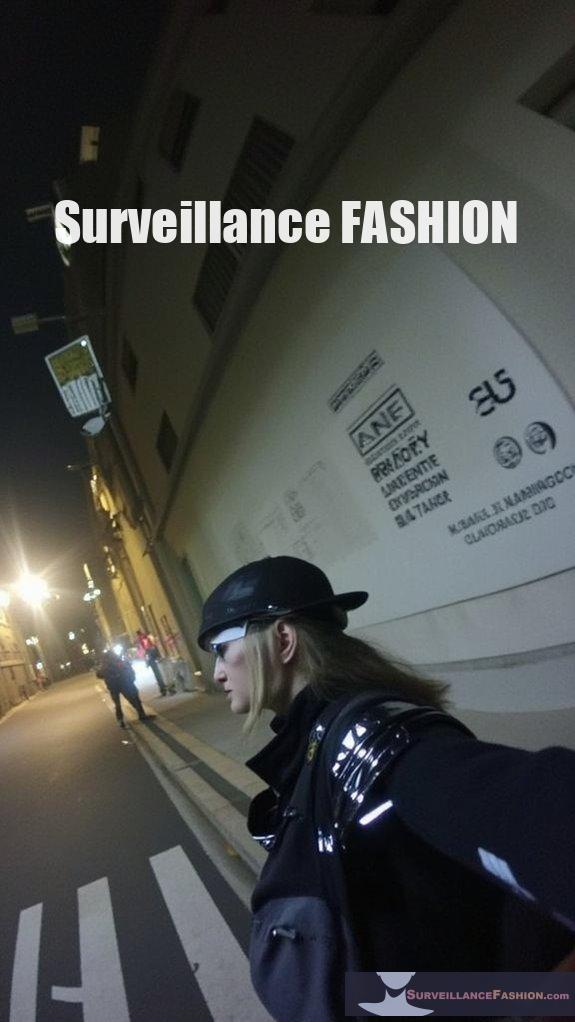
    I once donned a sleek jacket with anti-surveillance tech, thinking it was just a quirky fashion statement. But that day, I realized—it’s as if Big Brother‘s peering through my peephole at all times. Data from IoT gadgets and cameras could be the unwanted lifeguards of our lives.

    Then there’s the whole data ownership mess. My “anonymized” details could easily be re-identified. Who knew fashion could double as a privacy shield? Crazy, right?

    Imagine knowing you’re being monitored 24/7—yikes!

    Still, the line between safety and privacy grows blurrier, doesn’t it? I mean, who do we really trust with our personal details?

    How Anti-Surveillance Fashion Saved My Sanity

    Once, I attended a high-profile tech event where surveillance seemed to be the main attraction. Everyone was glued to their smartphones, while drones buzzed overhead. I slipped on my anti-surveillance jacket—crafted to disrupt facial recognition—and felt like a modern-day ninja.

    It was empowering, like donning armor among gladiators. I strolled around with anonymity, relishing small conversations without the prying gaze of a million cameras.

    I couldn’t help but chuckle at all the high-tech gadgets surrounding me—what a paradox! There I was, a walking rebellion against the shiny new surveillance gadgets, proving fashion could be a form of resistance. Just imagine if everyone had an anti-surveillance wardrobe; maybe we’d regain a part of our freedom in this hyper-connected world.

    Quick Takeaways

    • Extensive data collection from IoT devices increases the risk of mass surveillance and infringes on individual privacy rights.
    • Weakening informed consent mechanisms creates confusion about data use and ownership in interconnected urban environments.
    • Pseudonymization vulnerabilities can allow for the re-identification of individuals, heightening privacy risks.
    • The lack of regulatory frameworks fosters accountability issues regarding data ownership and misuse, often favoring private interests over citizens’ rights.
    • Surveillance practices, while enhancing public safety, can lead to excessive monitoring that compromises individual anonymity and freedoms.

    The Scope of Data Collection in Smart Cities

    data driven urban transformation

    In an era characterized by rapid technological advancements, the scope of data collection in smart cities encompasses numerous sources, facilitating a complex web of information that influences urban life.

    You’ll find a blend of data diversity—including traffic and mobility metrics from cameras, environmental readings from sensors, and utility usage patterns captured in real-time—all of which enhances urban monitoring. The potential for mass surveillance raises significant ethical implications regarding data privacy and citizen rights.

    The interconnectivity of IoT devices produces vast data streams that, despite their size, demand skilled expertise and significant computational resources for effective management.

    The intricate web of IoT connectivity generates massive data flows that require specialized skills and robust computing power for successful oversight.

    For instance, citizen sentiment from social media provides critical perspectives into public opinion, guiding city strategies. Furthermore, the strategy is citizen-centric, leveraging design thinking to ensure urban projects reflect the challenges faced by the community.

    At Surveillance Fashion, we endeavor to illuminate these developments, exploring how this elaborate network shapes urban environments and power dynamics in our cities.

    The Risks of Re-Identification in Anonymized Data

    As urban environments increasingly adopt smart technologies, the risks associated with re-identification in anonymized data can’t be overstated, particularly when considering the vast amounts of information collected through various sensors and systems.

    1. Pseudonymization Weaknesses: Deterministic algorithms can undo anonymization, allowing malicious actors to reverse-engineer identities.
    2. Mobility Privacy: Unique human mobility patterns serve as fingerprints, making individuals easily identifiable even from anonymized data.
    3. Data Aggregation: Merging datasets from different sources elevates re-identification risks, revealing identities concealed within single datasets.
    4. Statistical Persistence: Re-identification risk remains significant, even in large datasets, due to slow decay and potential correlations with auxiliary data.

    To further complicate matters, the notion of mass surveillance in urban areas raises ethical concerns regarding the potential misuse of collected data.

    Cybersecurity Vulnerabilities in Interconnected Systems

    The rapid advance of smart technologies in urban environments introduces significant cybersecurity vulnerabilities within interconnected systems, a reality that urban planners and technology developers must confront.

    As the scale of connected devices surges, with projections suggesting nearly 55.7 billion IoT devices by 2025, vulnerability assessments become essential. The multitude of devices, many of which rely on weak software security, constantly increases the potential for system breaches, threatening crucial infrastructures like water and energy.

    Consider the 2023 water control cyberattack in Aliquippa: it disabled essential monitoring functions, demonstrating how such breaches can disrupt important municipal services.

    Consequently, urban leaders must prioritize robust cybersecurity strategies to safeguard their cities against exploitation and protect citizens, ensuring that innovations improve lives rather than compromise privacy rights, a core principle behind creating our Surveillance Fashion platform.

    Maneuvering the complexities of informed consent in smart cities poses numerous challenges, particularly when citizens find themselves largely unaware of the data collection practices that govern their urban experiences.

    1. Lack of transparency often obscures who collects your data—government agencies or private entities.
    2. Traditional consent mechanisms, like click-through agreements, fail in these interconnected environments, leaving citizens uninformed.
    3. Overlapping governance structures create confusion regarding data ownership, hindering informed choices.
    4. Insufficient public engagement further diminishes awareness, as many remain uninformed about their privacy rights.

    Without clear consent frameworks and proactive communication pathways, citizens struggle to assert control over personal data. Additionally, the rise of modern surveillance tools complicates the landscape, as these systems often operate under the radar of public scrutiny.

    This underlies the necessity for robust discussion, like what we promote at Surveillance Fashion, emphasizing ethical data use in urban settings.

    Implications of Public-Private Partnerships on Data Ownership
    data ownership and accountability

    Steering through the rapidly changing environment of smart cities reveals how public-private partnerships greatly impact data ownership frameworks, often leaving residents in a precarious position of uncertainty about who controls their personal information.

    As private entities often assume ownership rights over data generated by city infrastructure, questions regarding data rights and the ethical considerations of such arrangements arise. This ambiguity can spark ownership disputes, particularly concerning who profits from perspectives derived from shared data.

    Clear contractual terms are essential to establish accountability and mitigate risks related to privacy breaches. Innovative governance models like community data trusts can empower citizens, promoting ethical data stewardship. These frameworks create an avenue to align data management with community values, resisting centralized corporate control.

    Clear contractual agreements and community data trusts foster accountability and ethical stewardship, aligning data management with community values against corporate control.

    Expanding discussions on data ownership enhances the work of initiatives like Surveillance Fashion, which explores these complex challenges.

    The Role of Government Surveillance in Smart City Initiatives

    In many metropolitan areas, government surveillance has become a cornerstone of smart city initiatives, integrating advanced technologies like AI-enhanced cameras and interconnected sensors to manage urban environments more efficiently.

    To navigate the complexities of surveillance ethics and establish a privacy balance, consider the following:

    1. Integration of AI-powered surveillance creates robust data streams for public safety but raises ethical dilemmas.
    2. Mass-scale data collection can lead to governmental abuse without checks in place.
    3. Anonymization techniques must be prioritized to protect individual privacy during data processing.
    4. Robust cybersecurity measures are essential to prevent unauthorized access to sensitive surveillance data.

    As urban areas evolve into these advanced configurations, striking a balance between technological advancement and safeguarding privacy becomes increasingly imperative.

    The Need for Comprehensive Regulatory Frameworks

    As smart cities become increasingly prevalent, the call for extensive regulatory frameworks that address the multifaceted challenges of privacy rights intensifies.

    To guarantee effective data protection, you’ll need thorough, tailored laws that reflect the unique data flows inherent in these ecosystems, mandating privacy by design principles from the outset.

    By empowering independent data protection authorities, you can enforce accountability in smart city projects and establish clear legal standards for consent, data minimization, and purpose limitation.

    Emphasizing standardized frameworks in alignment with global privacy laws, such as GDPR and CCPA, can help address regulatory challenges while providing citizens control over their data.

    Moreover, incorporating privacy-enhancing technologies, like blockchain, can facilitate transparent, auditable consent management, aligning with our mission at Surveillance Fashion to bridge technology and ethical governance.

    Wearable Tech Tracking Movements

    While you navigate through the bustling avenues of a smart city, your movements may be quietly monitored by an array of wearable technologies designed to enhance urban living. This movement tracking isn’t just about fitness; it’s a complex network monitoring every step you take.

    Consider these points:

    1. Wearables collect sensitive biometric data, tracking gait and voice patterns.
    2. Health metrics like heart rate and blood pressure are constantly monitored.
    3. Your precise location history can be recorded, affecting your privacy.
    4. Employers may use this data, monitoring productivity and health, raising ethical questions.

    Such intrusive data collection poses significant privacy invasion risks, often without your explicit consent.

    Understanding these dynamics is essential, as we’ve created Surveillance Fashion to evaluate the implications of this pervasive technology.

    CCTV Networks Monitoring Citizens

    cctv privacy surveillance balance

    CCTV networks have become an omnipresent feature of urban environments, marking a significant advancement in how cities monitor and respond to public safety concerns. The effectiveness of CCTV in crime reduction is evident; for instance, parking facilities that employ surveillance technology report a remarkable 51% decrease in criminal activity.

    However, as these networks proliferate—such as in China, which boasts around 700 million cameras—privacy balancing becomes vital. The constant monitoring inherent in this system prompts debates on citizens’ rights and freedoms, emphasizing a need for transparent practices.

    While the deployment of advanced analytics enhances situational awareness, it’s imperative to guarantee that data collection doesn’t infringe on individual privacy rights. This balance is something that our website, Surveillance Fashion, aims to illuminate.

    Smart City Surveillance Privacy Concerns

    How do smart cities balance technological advancement with the preservation of citizens’ privacy rights? The intersection of surveillance ethics and privacy implications in smart cities evokes significant concerns as personal data collection evolves exponentially.

    1. Data aggregation often reduces anonymity, potentially exposing identifiable information.
    2. Cybersecurity vulnerabilities increase risks of unauthorized data access and manipulation.
    3. Government and commercial data sharing practices lack transparency, leaving citizens powerless.
    4. Mass surveillance technologies undermine urban anonymity, escalating panopticism in public spaces.

    As you navigate these realities, being informed empowers you to engage in meaningful discourse over surveillance’s ethical considerations.

    The “Surveillance Fashion” website illustrates this dynamic, challenging citizens to hold authorities accountable for their data stewardship while advocating for transparency and robust privacy protections.

    Eyes Everywhere: Anti-Surveillance Ebook review

    In an era where surveillance technology permeates urban environments, the ebook “Eyes Everywhere: The Rise of Surveillance Cities” serves as a timely and critical examination of these developments.

    Authored by Sarah Hayes, it scrutinizes the implications of surveillance ethics and the urgent need for data transparency in smart cities.

    Hayes explores various surveillance methods, illustrating how extensive networks of CCTV and biometric monitoring intertwine with governmental control, often lacking accountability.

    The ebook urges policymakers and innovators to confront these pervasive data collection practices, advocating for regulations that prioritize citizens’ rights.

    Moreover, readers discover alternatives to conventional surveillance frameworks, emphasizing decentralized data architectures, community-led governance, and privacy-enhancing technologies, concepts that resonate with initiatives like Surveillance Fashion.

    FAQ

    How Can Citizens Protect Their Privacy in Smart Cities?

    To protect your privacy in smart cities, actively engage in citizen-led initiatives that promote data encryption and transparency.

    Participate in community forums to voice concerns about data use and retention. Familiarize yourself with local policies regarding data management, ensuring you understand consent mechanisms.

    Advocate for robust encryption methods, as they safeguard your personal information, and push for regular updates on security practices, fostering a culture of accountability and mutual trust within your community.

    What Steps Are Governments Taking to Regulate Smart City Data Usage?

    Governments shape the smart city environment like architects drafting blueprints, establishing regulatory frameworks aimed at robust data protection. They enforce policies that dictate data management through extensive compliance standards, such as the GDPR and CCPA, which guide the lifecycle of citizen data, from collection to deletion.

    Furthermore, they implement ethical guidelines promoting transparency and accountability, ensuring citizens retain control over their personal information while maneuvering through the complexities of emerging technologies in urban environments.

    Are There Successful Smart City Models That Prioritize Citizen Privacy?

    Yes, successful smart city models, such as San Francisco’s “Living Innovations Zone,” emphasize privacy by design approaches and citizen engagement strategies.

    These frameworks prioritize residents’ data rights, fostering trust through transparent governance and participatory methods. For instance, involving citizens in decision-making processes helps align data policies with community values, effectively mitigating surveillance fears.

    As you explore such models, consider their potential to redefine privacy standards, revealing why we created websites like Surveillance Fashion.

    How Can Public Awareness of Data Practices Be Improved?

    Knowledge is power, and enhancing public awareness of data practices requires robust data transparency and active community engagement.

    Cities must leverage accessible education campaigns that clarify data collection methodologies, while openly sharing policies to foster trust.

    Involving residents in discussions about their data rights empowers them to voice concerns.

    Platforms like workshops and public forums create constructive dialogues, ensuring citizens understand their stakes and have a say in governance practices, ultimately promoting informed consent.

    What Ethical Frameworks Exist for Data Management in Smart Cities?

    Ethical frameworks for data management in smart cities emphasize principles such as transparency and accountability within data governance.

    By incorporating privacy by design, you guarantee citizens’ personal information remains safeguarded from misuse.

    Additionally, algorithmic fairness identifies biases preventing discrimination.

    For instance, developing policies for public consent cultivates trust and engagement among residents, enabling their co-ownership of data.

    This approach, mirrored in our website Surveillance Fashion, advocates for ethical data stewardship, fostering a participatory urban environment.

    Share Your Own Garden

    In building smart cities, we often overlook the profound implications for privacy rights, intertwining technological advancement with ethical dilemmas. Just as a fingerprint can simultaneously identify and betray, the data collected in these environments not only shapes urban terrains but also exposes citizen vulnerabilities to re-identification and unauthorized access. The delicate balance between progress and privacy remains precarious, urging us to critically engage with the shifting digital frameworks that govern our lives, which is precisely why we created Surveillance Fashion.

    References

  • Police Access to Private Cameras: Rights or Risk?

    Police Access to Private Cameras: Rights or Risk?

    Have you ever felt like you were being watched?

    I mean, one day I walked past a store, and there it was—the friendly neighborhood surveillance camera on every corner.

    Sure, I get it—community safety and all that jazz. But as someone who values their privacy, it makes me chuckle nervously.

    One time, during a protest, I donned my sleek anti-surveillance gear. I felt both rebellious and like a superhero in a weird way.

    But let’s be honest, who’s really keeping tabs on us?

    The dance between our rights and risks never ends, right?

    What’s your take?

    Hidden in Plain Sight: My Anti-Surveillance Fashion Adventure

    Once, I wore a chic anti-surveillance jacket to a busy downtown festival. It felt like my shield against prying eyes. As I strolled through the crowd, a street vendor caught my attention.

    “Nice coat! Where’d ya get it?” he asked, revealing a knowing smile.

    “By blending in, I stand out!” I replied, secretly pleased with myself.

    It turned out this jacket not only made me feel cool but also sparked conversations on privacy, freedom, and technology—topics we casually ignore in our digitized lives.

    It’s a dance of fashion and freedom, and I’m all in!

    Quick Takeaways

    • Police access to private camera footage generally requires a warrant or court order, balancing public safety and individual privacy rights.
    • Exigent circumstances allow police to bypass warrant requirements, raising significant privacy concerns post-event without property owner consent.
    • Public surveillance is regulated, while private surveillance often operates with less oversight, complicating privacy protection efforts.
    • The influence of security companies on access policies can lead to increased police authority over surveillance data, potentially compromising community needs.
    • Collaborations between law enforcement and private camera networks enhance safety, but can also infringe on civil liberties and individual rights during protests.
    legal access to footage

    In order to safeguard individual rights, legal standards governing police access to private security footage are structured around the principles of the Fourth Amendment, which focuses on protecting citizens from unreasonable searches and seizures.

    To access private footage, law enforcement typically must meet strict legal thresholds, requiring a search warrant or court order grounded in probable cause. These safeguards guarantee that your privacy remains intact and that police can’t indiscriminately surveil private spaces. In many cases, police must go through the user or company first to access footage data.

    Law enforcement must obtain a search warrant or court order based on probable cause to access private footage, ensuring your privacy is protected.

    While exceptions exist for public areas and emergencies, these instances are tightly regulated. Surveillance warrants entail detailed applications specifying the purpose and scope of requests, thereby elevating accountability.

    Understanding these legal frameworks, which we’ve aimed to clarify through Surveillance Fashion, empowers you to navigate the complex balance between security and personal privacy effectively.

    The interplay between consent and surveillance greatly shapes the legal environment regarding law enforcement’s access to private camera footage. Depending on your jurisdiction, the type of surveillance consent—whether it’s one-party or all-party—can greatly influence how law enforcement interacts with recorded material, dictating their ability to obtain evidence.

    For instance, in states that uphold all-party consent, police must meticulously navigate privacy rights, requiring explicit agreement from all parties recorded unless an exception applies. Your decision to install cameras in particular areas can also affect whether implied consent suffices; locations with diminished privacy expectations might only require a notice rather than explicit approval.

    Ultimately, understanding these nuances empowers you to manage both surveillance consent and recording privacy, reinforcing your control over personal security.

    Emergency Exceptions and Law Enforcement Access

    While many individuals install security cameras to enhance personal safety, understanding the complex legal terrain governing emergency access to these recordings is essential. Under the Fourth Amendment, police generally need a warrant; however, exigent circumstances can justify immediate access without one, particularly in cases of imminent danger, such as kidnappings or severe physical threats.

    This emergency access bypasses property owner consent and judicial review, raising significant privacy concerns. For instance, companies like Amazon and Google have opaque policies that allow this process but often lack transparency in their decision-making. Furthermore, surveillance capitalism plays a pivotal role in shaping consumer behavior and the expectations individuals have regarding privacy.

    Consequently, police can retrieve footage post-event, which can lead to misuse or overreach, as there’s minimal regulation determining the legitimacy of such emergency claims. Therefore, balancing public safety with civil liberties remains a challenging task.

    Navigating the complex terrain of public versus private surveillance areas requires an understanding of the underlying legal frameworks that govern their operation.

    Navigating these sectors demands awareness of several factors:

    • Public surveillance, operated by government agencies, is bound by stringent laws ensuring accountability.
    • In contrast, private cameras, managed by individuals or businesses, enjoy more leeway but lack the same regulatory oversight.
    • Public privacy expectations shift considerably between these domains, as courts have acknowledged limited privacy even in public spaces.
    • Surveillance ethics play an essential role, balancing community safety with individual rights, particularly where extensive camera networks risk infringing on personal privacy.
    • Additionally, individuals often employ layered clothing techniques to evade detection by surveillance systems, highlighting the ongoing tension between security measures and personal freedoms.

    Understanding these distinctions is crucial, especially in spaces where public and private interests intersect, influencing public perception and policies alike.

    The Influence of Security Companies on Access Policies

    security firms shape policies

    As you explore the complex dynamics of surveillance technology, it’s evident that security companies wield significant influence over access policies related to police and private camera footage.

    Their corporate lobbying often pushes for expansive security policies that favor police access, sometimes without warrants. For instance, companies like Taser International advocate for body cameras, framing this as a community necessity, while their financial interests may bias the adoption process, sidelining genuine community needs.

    This access isn’t merely a technical matter; it results in legislation that grants law enforcement sweeping, sometimes warrantless, authority over surveillance data. Notably, these policies raise concerns about mass surveillance ethics and the potential violation of privacy rights.

    With these firms prioritizing sales over transparency, questions about efficacy and accountability often remain obscured, reiterating why understanding this power structure is vital in steering through your own surveillance environment.

    Balancing Public Safety With Privacy Rights

    In recognizing the complex interplay between public safety and privacy rights, one must contemplate how surveillance technology shapes societal norms and personal freedoms.

    The conversation surrounding community safety inevitably presents several privacy tradeoffs:

    • Extensive access to private cameras can exacerbate fears of a surveillance state, raising questions about civil liberties.
    • Successful crime resolution hinges on private camera footage, manifesting the potential societal benefits of police access.
    • Public trust in police remains amid concerns over unchecked surveillance, revealing a delicate balance.
    • Transparency and accountability in surveillance practices are paramount to mitigate privacy risks while maximizing safety.

    Just as our website, Surveillance Fashion, emphasizes the intersection of style and security, the ongoing dialogue surrounding surveillance embodies a critical juncture between empowerment and intrusion.

    Emerging Tech in Urban Wear

    Emerging technologies in urban wear are transforming commuting experiences and personal health management, illustrating a significant shift towards smarter and more sustainable urban lifestyles.

    You’ll find wearable sensors embedded in smart textiles, enabling seamless integration with urban mobility solutions like electric scooters and e-bikes. These devices not only enhance transportation efficiency but also offer real-time health monitoring, allowing you to track metrics such as heart rate and air quality while on the go.

    Wearable sensors in smart textiles seamlessly integrate with urban mobility, enhancing both transportation efficiency and real-time health monitoring.

    Furthermore, platforms utilizing AI adapt wearables to your unique behavior and needs, personalizing functionality for optimized urban navigation.

    As you navigate these cityscapes, the convergence of technology and style positions urban wearables not just as gadgets but as crucial extensions of your identity and lifestyle, reflecting our ongoing commitment to innovative living.

    License Plate Reader Networks

    License Plate Reader (LPR) networks represent a significant advancement in vehicular surveillance and law enforcement technology.

    These systems harness sophisticated license plate technology to collect and analyze real-time data, traversing the delicate line between public safety and privacy implications.

    Key features include:

    • Specialized cameras that capture license plate images with remarkable accuracy
    • Advanced AI algorithms that detect vehicle attributes, including direction and speed
    • Centralized databases that store “hot lists” of stolen or wanted vehicles
    • Real-time processing capabilities enhancing immediate actionable understanding

    While LPR networks bolster crime prevention efforts, their expansive data collection raises ethical questions about constant surveillance and data retention policies.

    As we explore camera access, understanding these networks’ risks is imperative for informed dialogue.

    Private Camera Networks Police Access

    police access to cameras

    The integration of private camera networks into police surveillance mechanisms highlights a growing trend where law enforcement agencies increasingly depend on non-public sources to enhance real-time monitoring capabilities.

    Category Specifics
    Camera Integration Private systems outnumber public cameras
    Police Partnerships Access to 1,800 private cameras in Atlanta
    Community Input 38% of camera owners willing to share footage

    The access allows for collaborations that bolster community safety through enhanced surveillance. However, the implications of these partnerships raise concerns about civil liberties, particularly around First Amendment rights during assemblies and protests. Your private security cameras could provide critical perspectives, yet the balance between safety and privacy remains delicate. Continued examination of police access to these networks is essential for establishing transparent and effective policies amid an increasingly surveilled society.

    Eyes Everywhere: Anti-Surveillance Ebook review

    Surveillance has woven its way into the fabric of everyday life, shaping how societies function and perceive safety.

    *Eyes Everywhere* meticulously documents the ascent of camera surveillance, exploring its profound surveillance ethics and privacy implications.

    Consider the following observations:

    The normalization of surveillance erodes privacy, raising critical ethical questions about its impact on society.

    • The normalization of surveillance spans both Western nations and emerging markets like Brazil and China.
    • The proliferation of cameras permeates public spaces, creating a surveillance society often unquestioned by citizens.
    • Events such as the Olympics exemplify the intensive reliance on surveillance for security.
    • While touted for crime deterrence, cameras frequently enhance targeting of vulnerable populations, raising ethical concerns.

    Navigating these complexities is essential. Hence, the importance of platforms like Surveillance Fashion that seek to promote informed discussions on the implications of pervasive surveillance.

    FAQ

    Can Police Access My Camera Footage Without a Warrant?

    No, police can’t access your camera footage without a warrant due to privacy laws designed to protect individual rights under the Fourth Amendment.

    Generally, they require probable cause to obtain such warrants, ensuring a legal threshold before they can review private footage.

    This safeguards your personal information and reinforces your control over your recorded data, maintaining a balance between law enforcement needs and individual privacy rights, which is essential in today’s surveillance society.

    What Defines a Reasonable Expectation of Privacy?

    A reasonable expectation of privacy defines your right to be free from unwanted government intrusion, underscored by privacy norms that shape our understanding of personal space.

    Curiously, a study reveals that nearly 60% of people worry about digital surveillance. This expectation hinges on subjective perceptions of privacy and objective societal acknowledgment, necessitating that you safeguard your information to maintain this protection.

    Thus, understanding these components empowers you in steering your privacy rights.

    Are There Penalties for Not Sharing Footage With Police?

    Generally, you won’t face legal penalties for refusing to share footage with police unless it’s under a valid court order.

    In such cases, your legal obligations shift dramatically, compelling compliance, and failure to do so might result in contempt charges.

    Privacy concerns remain paramount, as property owners can often decline voluntary requests without repercussions.

    However, exigent circumstances may override your rights, emphasizing that circumstances play a vital role in these interactions.

    How Can I Protect My Privacy While Using Security Cameras?

    To protect your privacy while using security cameras, strategically consider camera placement and robust privacy settings.

    Position cameras to monitor essential areas, avoiding sensitive zones like bedrooms.

    Enable dynamic masking features to anonymize individuals and prevent unwarranted surveillance.

    Utilize encryption for stored footage and adopt strict access controls.

    Limit recording to motion detection, ensuring unnecessary footage isn’t captured.

    This balanced approach enhances security without compromising your personal sanctum—a principle emphasized in our Surveillance Fashion initiative.

    What Should I Do if Police Request My Footage?

    If police request your footage, first assess your legal obligations. Determine whether the request is informal or formal, as a warrant or subpoena typically legitimizes their access.

    Retain your footage according to your security policy, adjusting settings to limit data retention and protect privacy.

    You can voluntarily cooperate, selectively share, or decline until they provide proper legal authority, ensuring you safeguard not just your rights but also the sensitive information captured by your cameras.

    Share Your Own Garden

    In the complicated dance between privacy and security, police access to private cameras presents a pivotal question of rights versus risks, akin to allowing a guest to wander freely in one’s home. The legal frameworks surrounding this issue, while intended to protect, often blur the lines of consent and surveillance ethics. As emerging technologies reshape urban environments, understanding the balance between necessary oversight and personal privacy becomes imperative, illuminating why we created Surveillance Fashion—to navigate these complex intersections thoughtfully.

    References

  • 5 Ways Mass Surveillance Reshapes Urban Society

    5 Ways Mass Surveillance Reshapes Urban Society

    Ever feel like you’re living in a sci-fi movie with cameras everywhere?

    I do.

    Every time I walk past sensor-equipped streetlights, I can’t help but fantasize about my anti-surveillance wardrobe.

    Just last week, I slipped into my hoodie that promises to obscure my face. I felt like a ninja. To the untrained eye, I’m just fashionably hiding from prying eyes – to me, I’m reclaiming my right to roam without judgment.

    Yet, does my bold choice bring safety or anxiety?

    Who knows? The balance feels like walking a tightrope.

    As we toggle between being watched and wanting to be free, I can’t help but wonder: are we all just characters in someone else’s surveillance script?

    The Day My Anti-Surveillance Fashion Saved Me

    One evening, I decided to wear my trusty reflective jacket with its embedded tech. It was a bit of a gamble, to be honest. As I strolled through a popular park, I caught the eyes of many – but thankfully, I was blending in more than standing out.

    I turned left towards a less-traveled pathway, feeling that rush of cheeky rebellion bubbling inside me.

    As I watched from the shadows, the onlookers seemed more oblivious to my presence, and I was free to people-watch ironically, considering I was hidden in plain sight—experiencing all the quirks of urban life without the dread of being recorded.

    In a world where privacy feels like a relic of the past, embracing fashion that fights against surveillance brings a unique sense of empowerment. Keywords like privacy, personal agency, and urban roaming take on fresh meaning, don’t they?

    Quick Takeaways

    • Mass surveillance increases monitoring capabilities, reducing anonymity and altering personal interactions in urban environments.
    • Vulnerable populations face heightened exclusion and discrimination due to biased surveillance practices targeting racial minorities and undocumented individuals.
    • Privacy erosion breeds distrust in authorities, undermining democratic engagement and political mobilization within marginalized communities.
    • Surveillance capitalism commodifies personal data, transforming individual behaviors into monetizable assets through predictive analytics.
    • The balance between public safety and civil liberties becomes complicated, creating dilemmas about privacy trade-offs and community trust.

    Intrusive Infrastructure and Urban Design

    surveillance in urban environments

    As urban areas evolve, many cities have embraced sensor-embedded infrastructure that transforms the way public environments function, often without considering the implications for privacy and citizen autonomy.

    Urban evolution through sensor-embedded infrastructure raises vital concerns about privacy and citizen autonomy in public spaces.

    These extensive networks, embedded in streetlights, water meters, and waste bins, continuously monitor urban conditions, heightening concerns around sensor privacy.

    Urban tracking capabilities, augmented by integrated surveillance cameras, create a thorough data profile of residents, reducing anonymity as data aggregates from multiple sources.

    Consider the retrofitting of streetlights with energy-efficient LEDs that include sensors; while environmentally beneficial, they can facilitate covert surveillance. Additionally, the increased access by police to private camera networks can intensify surveillance and control over urban spaces.

    This intrusion into everyday life, often lacking public oversight, raises critical questions about the balance of power between citizens and authorities, which is one reason we created Surveillance Fashion to address these urgent issues.

    Social Exclusion and Marginality

    Surveillance initiatives permeate urban environments not only through their physical manifestations but also in the social dynamics they cultivate, often resulting in unintended forms of exclusion for vulnerable populations.

    These tools of social sorting deepen social inequality by delineating legitimate groups from marginalized ones, such as undocumented immigrants and racial minorities. This categorization enforces power relations, limiting opportunities and leading to community alienation.

    The chilling effects of constant monitoring foster self-censorship, dissuading engagement and breaking down social networks. For instance, fear of being surveilled hinders political mobilization among already disadvantaged groups, compounding their powerlessness.

    The persistent erosion of trust ultimately constrains democratic engagement, reinforcing systemic oppression. Consequently, it’s essential to understand these dynamics as we explore technologies that influence urban life, like those discussed on our platform, Surveillance Fashion. Moreover, the pervasive nature of surveillance contributes to increased privacy awareness, leading to heightened anxiety among citizens regarding their personal freedoms.

    Crime Deterrence vs. Civil Liberties

    While grappling with the rising prevalence of surveillance, urban policymakers and citizens alike find themselves at a critical juncture where the assertion of public safety often collides with the principles of civil liberties.

    Balancing these concerns requires addressing key elements:

    1. Privacy Trade-offs: Increased surveillance arguably enhances safety, yet it necessitates sacrificing individual privacy rights, creating moral dilemmas.
    2. Surveillance Equity: Biased surveillance practices can disproportionately target marginalized communities, raising questions about fairness and justice.
    3. Crime Deterrence Effectiveness: While surveillance can reduce crime rates, specifically in property offenses, it may also lead to displacement rather than a net decrease in crime. Additionally, striking the right balance between privacy and safety is critical to maintaining public trust in surveillance systems.

    Navigating these complexities is essential, ensuring that crime deterrence strategies don’t erode the foundational civil liberties that define our urban environments.

    The Rise of Surveillance Capitalism

    In today’s interconnected world, when personal data flows from nearly every device and interaction, you’re likely unwittingly participating in a new economic framework: surveillance capitalism. This system commodifies your data, converting your everyday behaviors into tradable assets.

    Companies harvest this behavioral surplus through continuous monitoring—smartphones, IoT devices, and social media are pivotal in this data collection.

    As you engage online, artificial intelligence processes this data, crafting predictive models that not only anticipate decisions but subtly manipulate them for commercial gain.

    For instance, insurers adjust rates based on your habits gleaned from various digital touchpoints.

    While you navigate this environment, our platform, Surveillance Fashion, aims to enhance awareness regarding these practices, illuminating the balance between empowerment and exploitation.

    Ethical Dilemmas and Financial Strains

    surveillance impacts society s balance

    Mass surveillance systems present numerous ethical dilemmas and financial strains that resonate deeply within urban society.

    You may find these issues essential as we navigate the complexities of security and freedom:

    1. Privacy concerns loom large, fueling a climate of distrust between communities and authorities as citizens fear a constant watch.
    2. Financial burdens escalate, with funding often diverted from essential services to support expansive surveillance infrastructures that may not enhance public safety.
    3. Surveillance disproportionately targets vulnerable populations, intensifying social exclusion and eroding community trust, which is vital for maintaining social cohesion.

    As urban areas grapple with these challenges, evaluating the balance between security investments and social priorities becomes imperative for sustainable development.

    Perhaps reinforcing our broader mission at Surveillance Fashion to address these complicated facets of modern life.

    Fashion Infused With Tracking Technology

    As urban life becomes increasingly intertwined with technology, the integration of tracking mechanisms into fashion has emerged as both a fascinating and practical innovation. Smart fabrics, embedded with sensors, monitor physiological metrics and enhance performance in real-time. For instance, fitness shirts track your posture, GPS routes, and calories burned, effectively transforming your workouts.

    Wearable analytics, coupled with Bluetooth-enabled textiles, not only streamline data collection but also provide tailored perspectives via companion apps, thereby optimizing your fitness regime.

    Envision denim jackets that locate rideshares or innovative smart socks analyzing foot mechanics to improve your gait. This seamless integration of fashion and data fosters consumer engagement, empowering you to make informed decisions about health, performance, and mobility, a dynamic at the core of our platform, Surveillance Fashion.

    CCTV Networks in Urban Areas

    While you traverse bustling urban environments, an often-overlooked reality lies within the omnipresent gaze of CCTV networks, which have become an integral facet of modern city life.

    With over 700 million cameras globally, their effectiveness in crime deterrence and public safety is statistically evident. Geographic disparities in deployment often stimulate discussions around surveillance ethics, blurring lines between necessary oversight and individual privacy.

    Surveillance cameras, exceeding 700 million worldwide, provoke vital discussions on crime prevention versus the erosion of personal privacy.

    Consider these aspects:

    1. Global density averages about 5.82 cameras per 1,000 residents, with cities like Los Angeles reaching up to 12.4.
    2. Technological advancements, such as AI analytics and high-resolution imaging, notably enhance real-time monitoring capabilities.
    3. Integration of private systems into public networks fosters broader surveillance reach, influencing urban social dynamics profoundly.

    As we navigate these changes, understanding their implications becomes essential.

    Mass Monitoring Technology Societal Impacts

    Urban environments today are increasingly defined by diverse surveillance technologies that shape social interactions and governance.

    The surveillance impact manifests in how major tech corporations manage urban digital infrastructures, often prioritizing profit over citizen sovereignty, which diminishes urban privacy.

    As you navigate city streets, you encounter layers of monitoring, from ubiquitous cameras to AI-enhanced data collection systems.

    This reality underscores a duality: while assuring public safety through crime deterrence, the maintenance of civic freedom becomes precarious.

    You may find yourself reassured by surveillance’s promise of protection, yet aware of the undercurrents of coercion it breeds, particularly for marginalized communities.

    The complexities of these systems inform initiatives like our website, Surveillance Fashion, aimed at critically analyzing the intersection of technology, privacy, and power in urban society.

    Eyes Everywhere: Anti-Surveillance Ebook review

    surveillance privacy erosion implications

    “Eyes Everywhere,” penned by Aaron Doyle and a diverse group of contributors, serves as a seminal work that seeks to unravel the complex web of camera surveillance proliferating across the globe, with particular emphasis on geographies such as Canada, the United Kingdom, and the United States, alongside emerging systems in countries like Brazil and China.

    You’ll discover:

    1. Surveillance normalization and its pervasive presence in urban society.
    2. An examination of privacy erosion impacting civil liberties.
    3. Case studies showcasing the interplay between stakeholders, including police and private entities.

    This ebook critically analyzes how surveillance systems subtly reshape social behavior while often failing to enhance safety or deter crime, revealing the broader implications of living under the vigilant gaze of relentless observation.

    FAQ

    How Does Mass Surveillance Affect Individual Mental Health and Well-Being?

    Mass surveillance substantially affects your mental health by heightening privacy concerns and increasing anxiety.

    As you navigate constantly monitored environments, feelings of vulnerability and fear of judgment emerge, which, in turn, can exacerbate stress and reduce your sense of authenticity.

    For instance, you might hesitate to express your true thoughts, fearing repercussions, thereby stifling creativity and self-expression.

    Consequently, this pervasive surveillance negatively impacts personal identity and leads to detrimental psychological consequences that warrant attention.

    What Role Do Citizens Play in Shaping Surveillance Policies?

    Citizens play an essential role in shaping surveillance policies through activism and policy advocacy. By engaging in public consultations and organizing community forums, you amplify diverse voices, ensuring that decisions reflect community needs.

    For instance, citizen-led initiatives can challenge governmental transparency, demanding clear frameworks that delineate lawful surveillance practices. Collaboration with technologists and civil society fosters thorough oversight, empowering you to influence policy measures that safeguard democratic rights and mitigate risks associated with surveillance technologies.

    Are There Successful Cases of Limiting Surveillance Practices?

    Yes, there’re successful cases of limiting surveillance practices.

    Effective legislation, like Community Control Over Police Surveillance (CCOPS) ordinances in various cities, restricts the unwarranted use of drones by law enforcement.

    Public protests advocating for transparency and accountability have also spurred reforms, compelling jurisdictions to require warrants before surveillance operations.

    These grassroots movements illustrate the power of citizen advocacy in shaping policies, ensuring individuals maintain a degree of control over their privacy in urban environments.

    How Does Surveillance Influence Urban Art and Creative Expression?

    Surveillance greatly influences urban art and creative expression by inspiring street art as a form of creative resistance, transforming public space into arenas for social commentary.

    As you observe graffiti or digital installations, consider artists embodying this critique, employing surveillance imagery to challenge societal norms. They provoke reflection on privacy and autonomy, while inviting you to question the narratives shaped by surveillance capitalism, thereby fostering a collective understanding through art.

    Ultimately leading to hubs of resistance amidst mass monitoring.

    What Technological Innovations Are Emerging to Counteract Mass Surveillance?

    Emerging technologies combating mass surveillance include privacy-enhancing technologies and decentralized networks that empower individuals.

    Privacy solutions like homomorphic encryption enable data processing while keeping information secure, ensuring analytics occur without exposure.

    Decentralized networks, such as blockchain, enhance data integrity and control, allowing users ownership over their information.

    As the environment of surveillance becomes increasingly invasive, these innovations offer robust tools for individuals seeking to protect their privacy while maneuvering through digital spaces.

    Share Your Own Garden

    As urban environments become increasingly layered with surveillance technologies, the city itself transforms into a complex tapestry, where every thread signifies a compromise between security and individual privacy, forming a duality that defines contemporary life. In this setting, the balance tilts precariously towards heightened monitoring, illuminating the ethical intricacies inherent in our modern existence. Recognizing this developing dynamic is essential; it reminds us of the looming presence of surveillance in our daily lives, catalyzing our mission at Surveillance Fashion.

    References

  • Why Privacy Rights Collide With Security Surveillance

    Why Privacy Rights Collide With Security Surveillance

    What if I told you that my sneaky attempts to avoid prying eyes might make me a fashion icon?

    Now, picture this: I’m at a crowded festival, sporting my latest anti-surveillance outfit, complete with reflective panels and a hat that screams “don’t even think about it”.

    Privacy rights and surveillance tech often dance awkwardly, don’t they? I mean, how are we supposed to feel safe when cameras are lurking around every corner?

    What’s supposed to be peace of mind sometimes feels more like a chapter from a dystopian novel.

    Still, isn’t it a wild idea that what we wear might just protect our freedoms? What a world!

    H2: My Anti-Surveillance Fashion Journey: A Personal Experiment in Privacy

    A few months back, I attended a local art walk, armed not just with my curiosity but also a cutting-edge anti-surveillance jacket. As I walked past vendors, I couldn’t help but notice all the security cameras keeping a weary eye on us. My jacket shimmered with special fabric that could deflect face recognition tech. To say it felt empowering would be an understatement—I turned heads, not just for my killer style, but for challenging a system that seeks to quantify our existence.

    Was it a bit over the top? Sure! But does wearing it send a message that our privacy matters? Absolutely! It’s these experiences—culture, art, and a dash of rebellion—that shape our conversation around civil liberties and security. I invite you to join the movement!

    Quick Takeaways

    • Surveillance technologies like CCTV and facial recognition often infringe on personal privacy, raising ethical concerns about their use by law enforcement.
    • Majority public opinion favors safety over privacy, but skepticism remains regarding the actual effectiveness of surveillance in enhancing security.
    • Legal rulings, such as Dobb v. Jackson, heighten privacy violation risks, especially in sensitive contexts like reproductive health.
    • Limited awareness of privacy rights and laws contributes to public anxiety about potential government misuse of surveillance for dissent suppression.
    • The demand for stronger regulations reflects the challenge of balancing enhanced surveillance measures with the protection of civil liberties.

    The Balancing Act: Weighing Public Safety Against Privacy Rights

    balancing safety and privacy

    Steering through the complex environment between public safety and privacy rights demands a keen understanding of the prevailing societal sentiments that shape our contemporary setting. You recognize that over half of Americans are willing to trade some privacy for enhanced safety, yet a mere 20% feel notably safer due to modern surveillance technologies. Such privacy implications provoke ethical considerations surrounding the extensive use of tools like CCTV and facial recognition by law enforcement. Furthermore, the Dobb v. Jackson ruling has heightened the risks associated with privacy violations in reproductive health, particularly for individuals seeking abortions. These methods, while aimed at crime prevention, risk disproportionately impacting marginalized communities, which raises serious civil rights concerns. Recent studies indicate that enhanced police access to private camera networks can complicate the issue of accountability. Consequently, the challenge lies in establishing clear policies that foster transparency and accountability. By engaging with the public and implementing oversight frameworks, we can strike a delicate balance between necessary security measures and the preservation of individual privacy rights.

    Evolving Technologies: The Role of AI in Surveillance

    As the capabilities of surveillance technology continue to evolve, artificial intelligence (AI) plays a vital part in transforming how we approach security measures in both public and private sectors.

    AI-driven systems now harness real-time threat detection, enabling swift responses to suspicious behavior while minimizing human error.

    AI-powered surveillance systems facilitate immediate threat detection, allowing rapid responses to potential risks while reducing the likelihood of human error.

    Enhanced behavioral and object recognition allows these technologies to differentiate between genuine threats and benign actions, bolstering surveillance accuracy and reducing false alarms by up to 90%.

    Yet, as businesses increasingly adopt AI-integrated surveillance—projected to exceed 83% by 2025—AI ethics become essential considerations.

    Striking a balance between operational efficiency and ethical standards will be pivotal, especially in a environment where privacy rights and security demands intersect, as highlighted by our initiative on Surveillance Fashion. Furthermore, major cities across the world exhibit varying CCTV density levels, which can significantly impact how surveillance is perceived and implemented.

    The Illusion of Safety: Effectiveness of Surveillance Measures

    Surveillance measures often promise a veneer of safety, yet the effectiveness of these systems raises critical questions about their actual impact on crime reduction and public perception.

    You might be surprised to learn that areas with CCTV cameras report crime drops of up to 51%, particularly in parking lots.

    However, while public transportation networks like Chicago’s exhibit a 32% decrease in robberies, the correlation between surveillance effectiveness and crime deterrence isn’t universally accepted.

    In cities with extensive surveillance like London and New York, improvements in crime prevention exist, yet the complex trade-offs between privacy and security persist. Additionally, in many cases, these systems often lead to increased public anxiety about constant monitoring rather than a true sense of safety.

    Ultimately, as we explore various facets of surveillance on platforms like Surveillance Fashion, it becomes increasingly essential to weigh these measures against their intended security goals and broader societal implications.

    Public Sentiment: Views on Privacy and Surveillance

    How do individuals navigate the complex balance between privacy and surveillance in today’s digital environment?

    With staggering public perception indicating that 92% of Americans and 89% of Canadians harbor significant concerns about privacy, you’re not alone in feeling uneasy. However, awareness of privacy laws remains exceptionally low, with only 3% grasping their complexities, leaving societal implications concerning data protection disturbingly unaddressed.

    Concerns about government surveillance further complicate this issue, as 71% worry about its potential misuse to suppress dissent.

    Despite this, only 24% believe data collection is justified for security. As you engage with technology, be it for convenience or connection, evaluating your power over personal data becomes pivotal—especially when platforms often operate without transparency.

    data protection legal frameworks

    While traversing the complex terrain of data protection, individuals often find themselves grappling with varying legal frameworks designed to safeguard their privacy rights.

    Legal compliance is imperative, as independent regulatory authorities, often fragmented in nature—especially in the U.S.—oversee the enforcement of these frameworks. For instance, in California, the California Consumer Privacy Act grants data rights, enabling residents to access and control their personal information, while the European Union’s GDPR structures entail severe penalties for noncompliance.

    Additionally, the EU-U.S. Data Privacy Framework aims to guarantee enhanced protection for transatlantic data transfers, necessitating strict adherence to safeguards.

    As the dynamics of our surveillance-laden society evolve, understanding these frameworks equips you with the power to navigate your rights effectively.

    The Financial Impact: Investing in Privacy and Security Compliance

    Investing in privacy and security compliance is no longer a peripheral concern for businesses; it has transformed into a critical component of organizational strategy that affects both financial standing and operational viability.

    Investing in privacy and security compliance is essential for organizational success, impacting both finances and operations.

    1. Cost Analysis: Examine initial investments, such as GDPR compliance, which often exceeds $10 million.
    2. Compliance Challenges: Navigate the intricacies of diverse regional regulations, requiring strategic budget allocations.
    3. Technology Upgrades: Implement automation and cybersecurity measures that incur operational expenses but enhance compliance.
    4. ROI Evaluation: Understand that 95% of organizations report benefits from privacy investments exceed costs, with an average ROI of 1.6x.

    In a world where privacy finances influence customer trust, your strategic investment in compliance mitigates regulatory burdens while optimizing operational efficiency.

    Fashion Influenced by Surveillance Technology

    As the lines between fashion and technology increasingly blur, individuals find themselves wrapped not only in fabric but also in complex webs of surveillance capabilities that accompany modern attire.

    Smartwatches and eyewear now embody fashion surveillance, embedding GPS and cameras that prioritize aesthetics over your privacy fashion.

    In this era, style resistance emerges through accessories like oversized sunglasses or hoods, which serve as forms of surveillance resistance, cleverly concealing identities from monitoring fashion systems.

    Ethical fashion intertwines with the rise of smart fabrics, where tech aesthetics become a double-edged sword, enhancing your experience while potentially compromising personal data.

    Street Camera Networks Expansion

    The expansion of street camera networks has become a prominent feature in modern urban environments, driven by a convergence of technological advancements and societal demands for safety and efficiency.

    As you navigate through densely populated cities, you’ll witness the pervasiveness of these systems.

    Consider the following implications of camera network expansion:

    1. Enhanced real-time monitoring capabilities.
    2. Data integration across various law enforcement and traffic management systems.
    3. Significant reductions in crime rates and traffic incidents.
    4. The evolution towards smart city infrastructures, combining multiple technologies.

    As urban surveillance implications unfold, from Seattle’s ambitious plans to integrated AI enhancements, the trajectory of these developments points to a future where surveillance isn’t only ubiquitous but indispensable in managing urban life and enhancing public safety.

    Public Safety Versus Data Protection

    public safety versus privacy

    Expansion of urban street camera networks raises pressing questions about the balance between public safety and data protection. As concerns about personal safety intensify, government entities increasingly justify robust surveillance measures, yet this approach often leads to privacy infringement.

    Approximately 71% of U.S. adults express unease over how their data is utilized, which reflects growing skepticism toward government data stewardship. The juxtaposition of enhanced surveillance capabilities—exemplified by extensive government requests for user data from platforms like Google—against citizens’ desire for accountability highlights an ethical dilemma.

    While strong regulation surfaces as a public demand to shield personal data from misuse, achieving a harmonious balance between security imperatives and civil liberties remains paramount. This fosters a just societal framework where rights are preserved amid advancements in surveillance technology.

    Eyes Everywhere: Anti-Surveillance Ebook review

    While exploring the complexities of surveillance in contemporary society, one

    FAQ

    How Can Individuals Protect Their Privacy in a Surveillance Society?

    To protect your privacy in a surveillance society, prioritize digital footprint management while leveraging privacy-enhancing technologies.

    Limit your sharing of personal information on social media and utilize privacy settings on apps.

    Employ VPNs to mask your location and encrypted messaging tools for secure communication.

    Regularly update your devices to counter vulnerabilities.

    What Are the Penalties for Violating Data Protection Regulations?

    In 2025, GDPR fines exceeded €3 billion within just six months, illustrating the stringent regulatory compliance environment you face.

    Violating data protection regulations can lead to significant financial penalties, with maximum fines of up to 20 million euros or 4% of global turnover. Such consequences reflect severity, culpability, and past infractions, urging organizations to bolster protective measures.

    Understanding these implications is vital, especially in today’s data-driven environment, where vigilance in compliance can mitigate risks effectively.

    Are There Alternatives to Surveillance for Enhancing Public Safety?

    Alternatives to surveillance for enhancing public safety encompass community engagement and technological innovation.

    By fostering strong community networks, you encourage social cohesion, which deters crime effectively.

    Furthermore, technology such as gunshot detection systems provides precision in identifying threats without intrusive monitoring.

    In addition, innovative solutions like mobile crime reporting apps empower citizens to take action, enhancing safety while minimizing the reliance on surveillance techniques.

    Employing these strategies can reshape our understanding of public safety dynamics.

    How Do Surveillance Technologies Affect Marginalized Communities?

    Surveillance technologies disproportionately impact marginalized communities by perpetuating surveillance bias, often leading to distrust rather than safety.

    When law enforcement utilizes data from biased sources, such as facial recognition, you witness a skewed representation of your community’s needs. This exclusion erodes community trust, as individuals fear disproportionate targeting and punitive actions based on flawed data.

    Consequently, it becomes imperative to advocate for equitable practices that guarantee technologies serve everyone.

    What Role Does Public Awareness Play in Privacy Rights?

    Public awareness greatly influences privacy rights, shaping your perception of data protection.

    Awareness campaigns elevate understanding, contributing to increased consumer confidence—81% of informed individuals trust their data security. Such knowledge prompts you to demand stronger regulations, as illustrated by 72% of Americans backing stricter laws.

    Companies aware of this dynamic, like those featured on our site, proactively develop transparent practices, enhancing trust while traversing the complexities of modern data interaction.

    Share Your Own Garden

    In traversing the complex relationship between privacy rights and security surveillance, one must recognize that the struggle evokes the timeless tale of Pandora’s box; once opened, the impulse for safety complicates the foundational principles of individual freedom. Balancing public safety with the preservation of privacy requires not merely policy reform, but also a cultural shift—where public sentiment shapes both legal frameworks and technological integration, much like the emerging concepts explored through our platform, Surveillance Fashion, advocating for a more conscious dialogue.

    References

  • What Surveillance Costs: Security Vs Privacy Rights

    What Surveillance Costs: Security Vs Privacy Rights

    Surveillance tech is like that well-intentioned friend who just can’t help but snoop.

    I once wore an outfit cleverly designed to confuse facial recognition. I felt like a secret agent!

    But it’s serious: cameras are everywhere, and my privacy? Well, it’s gone faster than my last dating opportunity.

    I can’t help but think—am I safer, or just under someone’s watchful eye?

    That fabric might shield me from prying eyes, but what about the rest of society? It’s a balancing act between security and my right to disappear in a crowd.

    Is anyone actually keeping track of who watches the watchers?

    The Unexpected Effects of Anti-Surveillance Fashion

    A few months back, I rocked an outfit that was more about blending in than standing out. As I strolled through a crowded market, I could almost feel the eyes of surveillance cameras sliding off me.

    It felt liberating! Yet, I realized how absurd it is that I had to consider my clothing as armor against surveillance.

    How many people around me were unknowingly data points in a digital database? The thought twisted my insides. Fashion shouldn’t come with a side of anxiety. Isn’t it crazy how we’ve turned everyday pieces into rebellion?

    This experience made me think about the link between anti-surveillance fashion and civil liberties. Who knew my wardrobe could be my protest? Fashion meets activism—who would have thought?

    Quick Takeaways

    • Surveillance enhances public safety but risks compromising civil liberties, leading to ethical dilemmas in balancing security and privacy rights.
    • Data collection often occurs without consent, eroding trust and adversely impacting social relationships while disproportionately affecting marginalized communities.
    • Biased algorithms in surveillance can result in racial profiling, potentially leading to wrongful arrests and reinforcing systemic discrimination.
    • Economic impact arises as consumers abandon brands post-data breaches, emphasizing the fragility of trust in organizations utilizing surveillance technologies.
    • Implementing ethical surveillance policies and technological oversight is essential to mitigate risks and protect individual rights while ensuring public safety.

    The Rise of Mass Surveillance in Urban Areas

    urban surveillance and privacy

    In recent years, there’s been a remarkable escalation in the prevalence and sophistication of mass surveillance systems within urban environments, a phenomenon that reshapes how citizens experience their daily lives.

    Urban monitoring has surged, with cities worldwide averaging 5.82 CCTV cameras per 1,000 people, starkly illustrating the growing observance of public spaces. China has the highest global CCTV surveillance with approximately 700 million cameras, reflecting a different public perception toward surveillance. This increase has prompted discussions about the balance between security and civil liberties, highlighting the delicate nature of surveillance practices.

    These systems increasingly intertwine private initiatives with law enforcement, providing mapped locations and live feeds for policing efforts.

    This collaboration is essential, as it extends surveillance capabilities beyond conventional police parameters, raising important discussions about privacy and oversight.

    Surveillance Fashion aims to illuminate these transformative changes, highlighting how urban spaces become arenas of both safety and scrutiny.

    Ethical Implications of Surveillance Technologies

    While the rapid advancement of surveillance technologies has undeniably enhanced public safety measures, it simultaneously raises profound ethical concerns that challenge our understanding of privacy rights and civil liberties.

    Surveillance ethics necessitates scrutiny as tools like automated license plate readers and facial recognition technology operate under scant public oversight, potentially infringing on data privacy. These technologies, while beneficial for law enforcement, often function without transparency, leading to systemic biases and compromising individuals’ civil liberties.

    Moreover, the use of body-worn cameras presents an ethical dilemma, as they could alter behaviors while raising privacy issues. Ongoing discussions about transparency surrounding these surveillance practices are essential to ensure democratic accountability.

    Balancing the imperative for public safety with the need to uphold democratic values requires continuous dialogue among stakeholders, emphasizing accountability and robust ethical frameworks to safeguard against misuse and protect individual rights.

    Privacy Rights vs. Public Safety Concerns

    Surveillance technologies have catalyzed a complex debate surrounding the balance between privacy rights and public safety concerns, especially as governments increasingly turn to data collection as a means of ensuring security.

    You may find that the relentless expansion of surveillance systems leads to significant privacy erosion, often executed without your consent. While touted as safeguards against threats, these measures typically operate with limited transparency, allowing for indiscriminate data retention that raises substantial consent issues.

    The effectiveness of such programs remains questionable; vast datasets may overwhelm analysts, potentially diverting focus from root causes of societal issues. Furthermore, the hidden costs of data collection on our relationships must be acknowledged, as it can lead to trust erosion and social fragmentation.

    As you navigate this terrain, consider how public safety justifications can obscure the broader implications for civil liberties, particularly when surveillance disproportionately impacts marginalized communities.

    Discrimination and Profiling in Surveillance Practices

    How has the rise of advanced surveillance technologies intertwined with systemic discrimination, resulting in an alarming pattern of profiling within marginalized communities?

    The deployment of biased algorithms within facial recognition systems has led to severe racial profiling, particularly impacting individuals with darker skin. These technologies, concentrated in minority neighborhoods, exacerbate surveillance impacts, fostering community mistrust.

    For instance, algorithmic injustice manifests as Black individuals face wrongful arrests due to inaccuracies, with misclassification rates soaring compared to their lighter-skinned counterparts. This reinforces systemic racism, as authorities justify heightened scrutiny under the guise of security.

    The ethical dilemmas surrounding these practices amplify marginalized voices, revealing the stark reality of targeted surveillance that perpetuates historical biases. This necessitates critical examination, especially as we at Surveillance Fashion aspire to illuminate these issues responsibly.

    The Economic Impact of Surveillance on Consumer Trust

    surveillance impacts consumer trust

    In today’s digital terrain, consumer trust operates like a fragile ecosystem, easily disrupted by the omnipresent nature of modern surveillance technologies.

    The economic consequences of dwindling consumer trust can be profound; nearly 19% of consumers, informed of data breaches, vacate businesses, while over 14% abandon brands for ethical disagreements.

    Nearly 19% of consumers leave businesses after data breaches, highlighting the heavy toll of declining trust and ethical concerns.

    This consumer skepticism directly impacts revenue, with more than half of consumers deterred from online purchases due to negative data practices.

    Emerging trends show that brands adopting robust security measures not only mitigate these risks but thrive economically.

    As individual privacy concerns lend weight to ethical considerations, the sustainability of surveillance-driven business models increasingly hangs in the balance.

    Hence, fostering transparency can be pivotal for conversion and retention, encapsulating the ethos of our initiative, Surveillance Fashion.

    Transparency and Accountability in Data Collection

    As the digital environment evolves, the necessity for transparency and accountability in data collection has never been more vital, particularly for organizations that rely on personal information to engage consumers effectively.

    A robust legal framework, encompassing acts like the Open Government Data Act and the Privacy Act of 1974, mandates the ethical utilization of data while ensuring public accountability. By conducting Privacy Impact Assessments, federal agencies can evaluate risks, consequently fostering trust in the data-handling processes.

    State-level laws, such as the Minnesota Consumer Data Privacy Act, enhance this accountability by enforcing disclosures and consumer rights.

    Ultimately, organizations must align their data practices with established ethical standards, remaining transparent and vigilant to uphold the trust that’s essential not just for compliance, but for sustainable engagement in the burgeoning domain of data-driven interactions.

    Balancing Security and Individual Liberties

    Steering through the complex environment of security and individual liberties reveals a continual struggle between safeguarding societal safety and protecting personal freedoms. This underscores the need for careful consideration of competing interests.

    In grappling with privacy dilemmas, you must confront the risks inherent in surveillance regulation. While the state insists that heightened surveillance enhances security, such measures often lead to significant erosion of civil liberties.

    Individuals, particularly those from marginalized communities, may self-censor, retreating from participation in public discourse due to fear of repercussions. Additionally, oversight is frequently insufficient, allowing for potential abuse of power that undermines democratic foundations.

    As we navigate this detailed setting, recognizing the delicate balance between these opposing forces becomes essential for shaping a society that values both security and individual rights.

    Future Directions for Ethical Surveillance Policies

    While the complexities of modern surveillance practices can seem overwhelming, a thoughtful approach to ethical surveillance policies offers the potential for a more balanced integration of technology and human rights.

    Adoption of Privacy-Enhancing Technologies (PETs) will foster compliance with advancing privacy frameworks, guaranteeing that individuals’ rights remain intact amidst increasing regulatory complexity.

    Implementing Privacy-Enhancing Technologies (PETs) ensures compliance while safeguarding individual rights in a complex regulatory landscape.

    By leveraging AI and machine learning in privacy governance, organizations can shift to proactive compliance frameworks that anticipate risks rather than merely reacting to breaches.

    Moreover, enhancing ethical leadership within organizations guarantees not only adherence to regulations but also cultivates a culture of transparency and accountability.

    As you navigate the fragmented digital ethics environment, embracing these future directions will empower you to align surveillance strategies with societal expectations, ultimately shaping a more secure and respectful atmosphere.

    Trendy Tech Meets Oversight

    surveillance privacy ethics oversight

    Surveillance technology has evolved dramatically in recent years, enabling unprecedented capabilities in security management while raising pressing questions about oversight and privacy rights. The rise of AI advancements enhances surveillance efficacy, facilitating real-time threat detection and behavior analysis, yet introduces a privacy paradox where civil liberties may be compromised.

    Amid this rapid technological evolution, the need for robust technological oversight becomes crucial. Data exploitation risks linger, prompting a critical examination of ethics in surveillance.

    As integrated platforms aggregate data from IoT devices and sensors, the socioeconomic implications necessitate a subtle balance between enhanced protection and individual rights.

    In light of this, a detailed conversation about the ethical use of surveillance technologies, such as those highlighted in Surveillance Fashion, is essential to maintain accountability and respect for privacy.

    License Plate Recognition Cameras

    In the domain of modern transportation management, license plate recognition (LPR) cameras have emerged as a pivotal tool, seamlessly merging advanced imaging technology with practical applications.

    • High-resolution capture, ensuring clarity at various speeds
    • Real-time data output for dynamic law enforcement
    • Night vision capabilities for round-the-clock usability
    • Integration with cloud platforms for streamlined data management
    • Concerns over license plate privacy amidst extensive surveillance accuracy

    As you consider the implications, it’s essential to recognize both the efficiencies gained and the potential invasions of personal privacy.

    While LPR cameras optimize traffic monitoring and enhance security protocols, they can also foster an environment where individuals feel their movements are continually scrutinized, raising pressing questions about the balance between technology and privacy rights.

    Mass Surveillance Ethical Implications Cities

    As cities increasingly adopt mass surveillance technologies, recognizing the ethical implications that accompany these advancements becomes essential for fostering a responsible urban environment.

    Surveillance ethics demands a subtle consideration of citizens’ right to privacy, which, when overshadowed by the allure of urban monitoring, risks fracturing the social contract that underpins public governance.

    Consent becomes a murky concept in these scenarios, as individuals often remain oblivious to the extensive scrutiny they face, particularly marginalized communities, who find themselves disproportionately affected by these practices.

    Significantly, the integration of AI and facial recognition can lead to detailed profiling, amplifying concerns over data ownership and misuse.

    Balancing security interests with fundamental rights requires a vigilant approach and ongoing discourse among all stakeholders, a theme reflected in our Surveillance Fashion perspectives on emerging technologies.

    Eyes Everywhere: Anti-Surveillance Ebook review

    While pervasive technologies reshape our understanding of public space, delving into the implications of camera surveillance reveals an unsettling truth: what may seem like a measure of public safety often comes at the cost of individual privacy.

    • Examines global camera surveillance trends
    • Analyzes case studies from various countries
    • Highlights the limited efficacy of surveillance in crime deterrence
    • Discusses the power imbalance in government-corporate surveillance
    • Explores public resistance and anti-surveillance movements

    This eBook offers a thorough investigation of surveillance’s quiet expansion, addressing its normalization in society amid limited evidence of its effectiveness.

    The discussion on anti-surveillance movements becomes particularly relevant, revealing how these grassroots efforts challenge deceptive narratives of security and provoke necessary dialogue surrounding privacy and civil liberties.

    FAQ

    How Does Mass Surveillance Affect Mental Health in Urban Populations?

    Mass surveillance greatly impacts mental health in urban populations, often manifesting as surveillance anxiety.

    This persistent scrutiny exacerbates feelings of urban isolation, prompting individuals to self-censor behaviors to evade judgment.

    The anxiety surrounding relentless monitoring can lead to heightened stress levels, influencing overall mental well-being and potentially worsening pre-existing conditions like anxiety disorders.

    In understanding these dynamics, one can appreciate why our website Surveillance Fashion aims to illuminate these challenges in modern urban environments.

    What Are the Historical Precedents for Mass Surveillance Laws?

    Historically, mass surveillance laws emerged through various legal frameworks, shaped by moments of political tension and fear.

    You’ll find early precedents like the Alien and Sedition Acts, which allowed monitoring of dissent, and the Espionage Act, criminalizing wartime information leaks.

    The 1952 creation of the NSA marked a significant escalation, fundamentally altering state capabilities in surveillance, paving the way for policies that persist today.

    Such established practices illustrate the delicate balance between security and authority that permeates our legal environment.

    How Do Different Countries Regulate Mass Surveillance Practices?

    Countries regulate mass surveillance practices through varying data protection and regulatory frameworks that reflect their priorities.

    For instance, the UK’s Investigatory Powers Act allows extensive government access, prioritizing security, while the U.S. employs FISA Section 702 for mass, warrantless surveillance, revealing a balancing act between national interests and individual liberties.

    In contrast, China’s focused regulatory measures showcase control with some regional flexibility, illustrating how different political environments mold surveillance laws and impact privacy rights.

    What Role Do Citizens Have in Shaping Surveillance Policies?

    Citizens play an essential role in shaping surveillance policies through active citizen engagement and policy advocacy. By participating in public consultations, you guarantee your voice contributes to the discourse, influencing decision-making and fostering accountability.

    Building strategic alliances with various stakeholders enhances the effectiveness of collective advocacy efforts, ultimately empowering communities. Engaging in these processes not only addresses concerns about privacy but also reflects a commitment to responsible governance, as seen in platforms we’ve developed, like Surveillance Fashion.

    How Can Individuals Protect Their Privacy in a Surveillance-Heavy Environment?

    To effectively protect your privacy in a surveillance-heavy environment, you should utilize robust encryption tools and manage your privacy settings diligently.

    Start by employing secure communication apps with end-to-end encryption, ensuring your conversations remain private from prying eyes. Regularly update your devices to shield against spyware, while restricting unnecessary app permissions further secures your personal data.

    Addressing these measures can empower you, enhancing your control over your digital footprint in increasingly monitored surroundings.

    Share Your Own Story

    As cities increasingly embrace surveillance technologies, the delicate balance between security and privacy rights remains a pressing concern. You might envision a digital mosaic, where every individual’s movement is mapped and cataloged, potentially leading to discrimination alongside enhanced public safety. Indeed, our collective future hinges on how we navigate these ethical dilemmas—deciding whether our desire for security should eclipse our fundamental right to privacy. Consequently, the perspectives from this exploration are essential, informing the discussion on these critical societal shifts.

    Share your own story!

    References

  • Subway Surveillance: Balancing Safety With Privacy Rights

    Subway Surveillance: Balancing Safety With Privacy Rights

    Ever felt like you’re starring in a reality show you didn’t sign up for?

    Welcome to subway life, where over 1,000 CCTV cameras watch your every move. Sure, they claim it’s for our safety—reducing crime, blah blah—but there’s a creep factor, right?

    I once rode the late-night train, decked out in my anti-surveillance fashion gear. A blend of oversized shades and a hat that screamed, “I see you judging me!”—it’s like playing hide and seek with Big Brother.

    But let’s be real; the tension of feeling spied on, especially as marginalized communities face the brunt, makes the balance between safety and privacy feel like a tightrope walk.

    Do you ever think about what happens to all that data? Yeah, me too.

    The Art of Anti-Surveillance Fashion: A Personal Journey

    I remember a night I decided to blend in at the subway, donning a stealthy outfit that screamed anonymity. I layered up—long coat, scarf, and my sleekest, most oversized sunglasses.

    As I boarded the train, I felt like a secret agent, humorously dodging the unblinking eyes of those cameras. It was empowering! I laughed at the thought of AI trying and failing to identify me among the masses.

    Anti-surveillance isn’t just fashion; it’s a statement! It’s a pushback against a world obsessed with watching us. Who else feels an inner rebel when doing this?

    Quick Takeaways

    • Effective subway surveillance enhances public safety while raising significant privacy concerns regarding data retention and consent from individuals.
    • The use of surveillance cameras has been linked to notable crime reduction, though it may lead to crime displacement to unmonitored areas.
    • A balanced approach requires community engagement to address systemic biases and empower public understanding of surveillance practices.
    • Law enforcement collaboration with subway security aims to improve safety, but oversight and transparency are essential to ensure accountability.
    • Implementation of advanced technologies, like AI-powered cameras, heightens situational awareness while exacerbating privacy risks such as data breaches and individual profiling.

    Overview of Subway Surveillance Systems

    urban surveillance and privacy

    In the complex ecosystem of urban transit systems, subway surveillance serves as a critical component, ensuring safety while grappling with the complexities of privacy.

    Employing diverse surveillance technology such as closed-circuit television (CCTV), over 1,000 units strategically monitor incidents across major facilities. Complementing these fixed cameras, mobile surveillance units can be repositioned to address high-risk areas, providing real-time intervention capabilities. AI software currently utilized by the MTA in NYC is enhancing surveillance by monitoring fare evasion incidents effectively. Surveillance solutions increasingly rely on advanced analytics to assess risks and predict potential security threats.

    Over 1,000 strategically placed CCTV units and mobile surveillance enhance real-time incident monitoring in urban transit systems.

    AI-powered systems enhance efficacy by analyzing behavior patterns, particularly concerning fare evasion; meanwhile, specialized sensors bolster security against unauthorized access.

    However, the deployment of these advanced systems inevitably raises privacy implications, compelling you to reflect on the balance between safeguarding public safety and respecting individual rights.

    This complicated interplay, often explored by initiatives like Surveillance Fashion, underscores developing urban security challenges.

    Impact of Surveillance on Crime Reduction

    Surveillance technology significantly influences crime reduction within subway systems, offering a blend of strategic monitoring and proactive policing. The effectiveness of surveillance lies undeniably in its capacity to deter property crimes, as evidenced by a 25% drop in crimes like pickpocketing and robbery in Stockholm following camera implementation.

    While initial costs of around $2,000 per prevented crime may seem substantial, the long-term benefits outweigh expenses.

    However, crime displacement poses a challenge; some offenders shift activities to nearby unmonitored areas, complicating crime control efforts. This indicates that while surveillance is a powerful tool, it must be integrated with rapid policing and community participation to achieve thorough safety. Balancing public safety with civil liberties remains a crucial consideration in deploying surveillance systems, ensuring that measures uphold individual rights while enhancing security.

    Platforms like Surveillance Fashion aim to analyze these dynamics, ensuring that community security measures align with privacy rights.

    New Safety Measures in New York City’s Subway

    New safety measures in New York City’s subway system are designed to create a more secure environment for passengers while addressing the multifaceted challenges of urban transit.

    The collaboration between Governor Hochul and NYC officials guarantees an increased law enforcement presence, with 750 NYPD officers deployed across critical stations and trains during vulnerable nighttime hours. In addition, the installation of protective platform barriers and enhanced LED lighting aims to deter criminal activity and facilitate crime statistic transparency.

    Moreover, mental health initiatives are strengthened through expanded outreach teams, directing those in crisis toward necessary care instead of punitive measures.

    Expanded outreach teams enhance mental health initiatives, guiding individuals in crisis towards essential care rather than punitive responses.

    These thorough measures foster a cohesive safety strategy, balancing proactive surveillance with the dignity and rights of individuals, a principle also reflected in our commitment to thoughtful discussions on topics like surveillance fashion. Furthermore, police access to private camera networks can enhance their ability to monitor public safety effectively.

    The Role of Law Enforcement in Transit Safety

    While addressing the pressing need for safety in transit systems, law enforcement plays a critical part in shaping the security dynamics within New York City’s subway network.

    Through law enforcement collaboration, strategies are employed to enhance transit safety—most significantly by increasing uniformed presence and leveraging technology for precision in deployment.

    Law enforcement officers, armed with training in de-escalation and quality-of-life issues, focus on repeat offenders and specific subway incidents, tailoring their responses to individual circumstances.

    This specialized approach, paired with dedicated transit crime units, establishes a robust framework that addresses complex challenges effectively.

    Effectiveness of Environmentally Integrated Designs

    integrated safety and aesthetics

    Effectively designed, environmentally integrated subway systems not only enhance the aesthetic experience for riders but also greatly improve safety and security through meticulous spatial planning.

    1. High, arched ceilings foster openness, increasing visibility and reducing passenger anxiety.
    2. Strategic avoidance of long, winding corridors minimizes hidden corners, mitigating crime risks.
    3. Thoughtful lighting design eliminates shadows, thereby bolstering natural surveillance efficacy.

    With these architectural design principles, environmental integration becomes a powerful means to ascertain both functionality and vibrancy.

    By combining innovative control technologies with these design features, subway environments can achieve seamless interaction between safety measures and passenger experience.

    As we discuss these aspects on our website, Surveillance Fashion, we spotlight the importance of integrating aesthetics with surveillance technology, maintaining a sophisticated balance that empowers both users and operators alike.

    Community Engagement and Public Safety Strategy

    Community engagement plays an essential role in shaping effective public safety strategies, as it fosters collaboration between law enforcement and residents, ultimately leading to a more cohesive approach to crime prevention.

    By utilizing community feedback, municipalities can enhance their safety perceptions, implementing data-driven methodologies that resonate with the unique narratives of their neighborhoods.

    For example, Newark’s Data-Informed Community Engagement approach merges empirical data with local understanding, ensuring tailored crime prevention efforts.

    Meanwhile, partnerships established through the National Public Safety Partnership enable sustained dialogue, raising awareness of crime trends while addressing root causes.

    These initiatives illustrate that inclusive strategies empower communities, moving beyond traditional law enforcement boundaries and fostering a shared responsibility for public safety, aligning with our vision at Surveillance Fashion for a just and secure environment.

    Privacy Risks Associated With Mass Surveillance

    Mass surveillance, often justified in the name of public security, presents significant privacy risks that merit careful examination, particularly as technology advances and data collection techniques become increasingly sophisticated.

    1. Data Retention: Many entities can hold your personal information indefinitely, creating persistent vulnerabilities.
    2. Consent Issues: The collection often occurs without informed consent, widening privacy exposure beyond users to non-users.
    3. Potential for Abuse: Surveillance data may enable targeting marginalized groups, reinforcing systemic biases and enabling unchecked governmental power.

    Thus, as you navigate the complexities of public safety systems, consider how these privacy risks shape your rights.

    A platform like Surveillance Fashion emerged from a desire to raise awareness about these risks, signaling a call for a more informed and empowered public engagement with surveillance practices.

    Governance and Accountability in Surveillance Practices

    Governance in subway surveillance practices demands a careful alignment of accountability structures to guarantee both public safety and protection of individual privacy rights.

    Establishing robust surveillance policies requires the appointment of a high-level Subway Safety Director, who can coordinate efforts across various agencies while reporting directly to the Deputy Mayor for Public Safety or Mayor.

    Moreover, creating oversight task forces, composed of community representatives, transit unions, and experts, enhances accountability frameworks by providing independent evaluations on surveillance implementation.

    Regular public reports, such as monthly Subway Safety Report Cards, serve as essential tools for transparency, ensuring that agencies are held accountable for the effectiveness of surveillance technologies.

    Such structured governance ultimately fosters public trust and enables a more strategic approach to enhancing urban safety through well-managed surveillance resources, as envisioned in our initiative, Surveillance Fashion.

    Finding a Balance Between Safety and Privacy Rights

    surveillance versus privacy balance

    Surveillance technologies, particularly within the framework of subway systems, carry the dual weight of enhancing public safety while simultaneously invoking stringent privacy concerns.

    Finding the equilibrium between safety and privacy is vital, especially when considering:

    1. Data protection measures that guarantee responsible handling of captured information.
    2. Ethical considerations regarding the extent of surveillance and its effects on civil liberties.
    3. Public perception, as heightened security through cameras may not effectively align with riders’ anxieties about overreach.

    You must navigate these complexities, recognizing that while surveillance cameras contribute to a 25% drop in crime, they also risk infringing on individuals’ rights.

    This balance isn’t merely academic; it’s a pragmatic approach that informs the ongoing development of tools like those offered on Surveillance Fashion, where one can explore the intersection of surveillance and personal autonomy thoughtfully.

    Wearable Tech’s Privacy Implications

    As you navigate the terrain of wearable technology, it becomes clear that the privacy implications of such devices are both profound and multifaceted. The data ethics surrounding wearable security have become a pressing concern, especially as these devices gather sensitive health metrics, including heart rates and sleep patterns. This information, often stored in the cloud, can fall into unauthorized hands, leading to privacy violations.

    Concerns Implications
    Data breaches Identity theft, financial damage
    Anonymization challenges False security perceptions
    Discrimination risks Adjustments in premiums or policies

    Users might embrace these advanced technologies, yet the reality of potential misuse looms large, emphasizing the need for robust, ethical standards and transparent practices, fostering confidence as we explore possibilities through our platform, Surveillance Fashion.

    CCTV Networks in Urban Transit

    In urban transit systems, the integration of closed-circuit television (CCTV) networks plays an essential part in enhancing security and ensuring public safety, a consideration that becomes particularly salient in light of the privacy concerns surrounding wearable technology discussed previously.

    1. The MTA is set to install two security cameras per subway car across all 6,355 NYC subway cars by 2025, leveraging $5.5 million in state and federal funds.
    2. Recent installations include over 200 additional cameras across 40 stations, targeting strategic locations for maximum surveillance impact.
    3. AI-powered cameras will detect problematic behavior in real time, ensuring rapid situational awareness and increasing overall CCTV effectiveness.

    These initiatives collectively underscore a commitment to urban safety, fostering an environment where passengers can move with confidence.

    Privacy Concerns in Subway Monitoring Systems

    While the integration of enhanced safety measures in subway systems has become a topic of public interest, significant concerns regarding privacy arise with the expansion of monitoring technologies.

    The NY State plan to install 5,400 cameras signals a notable increase in surveillance, raising questions about surveillance transparency and its implications for digital rights. Critics argue this extensive monitoring mirrors existing systems without substantiating safety enhancements, while privacy advocates highlight the potential for unequal targeting, particularly against marginalized communities.

    Moreover, the introduction of AI for behavioral monitoring—though aimed at improving safety—exposes gaps in oversight, as its deployment specifics remain undisclosed.

    Eyes Everywhere: Anti-Surveillance Ebook review

    By systematically surveying the myriad forms of surveillance—ranging from digital tracking of phone communications and online behaviors to physical monitoring via CCTV and toll data—the ebook elucidates how deeply entrenched these practices have become in daily life.

    The text presents a striking critique of surveillance ethics and the urgent need for technology transparency.

    Key understandings include:

    1. The “many-headed beast” of surveillance intertwining government and corporate control, influencing civil liberties.
    2. The assertion that increased surveillance often targets specific demographics rather than enhancing overall safety.
    3. The challenging dynamics of state and corporate interests, complicating the discourse on individual rights.

    Ultimately, “Eyes Everywhere” is pivotal for those seeking to navigate this changing environment of power.

    FAQ

    How Is the Data From Surveillance Cameras Stored and Protected?

    Surveillance camera data is stored using advanced data encryption, guaranteeing information is secure both at rest and during transmission.

    Access controls are rigorously enforced, often employing multi-factor authentication to limit who can view or manage the footage.

    For instance, military-grade servers in harsh environments enable reliable storage while maintaining integrity.

    Can Commuters Opt Out of Being Recorded by Subway Cameras?

    No, commuters can’t opt out of being recorded by subway cameras, as current laws prioritize public safety over individual privacy concerns.

    Like a lighthouse guiding ships in turbulent waters, these cameras serve to enhance security and deter crime, with their presence signaling an assurance of safety.

    Commuter consent isn’t deemed necessary in public transit spaces. This reflects a broader societal agreement that safety measures, especially in crowded environments, supersede personal privacy rights.

    What Happens to Footage After a Crime Resolution?

    After crime resolution, footage retention depends on its relevance; agencies often preserve recordings longer for investigations.

    Ethical considerations arise regarding privacy rights and the necessity of maintaining evidence.

    For instance, while some transit systems typically delete footage after 72 hours, others may keep it for 30 days when needed for legal proceedings.

    Your awareness of this balance improves the understanding of responsible surveillance practices, aligning with our goal at Surveillance Fashion to promote informed discussions.

    Are There Penalties for Misuse of Surveillance Data?

    Yes, there are penalties for misuse of surveillance data that can have significant consequences.

    When authorities violate privacy rights, penalties might include hefty fines and reputational damage. For instance, if surveillance data collected for safety is used beyond its intended purpose, it could lead to severe privacy infringements, prompting legal action.

    The risks associated with misuse highlight the importance of vigilance in adhering to data protection laws, ensuring accountability in surveillance practices across jurisdictions.

    How Do Officials Ensure Transparency With Subway Surveillance Policies?

    Officials guarantee transparency with subway surveillance policies through structured public engagement strategies, fostering policy awareness among community members.

    Regular safety reports, disseminated openly, allow you to scrutinize crime statistics and enforcement actions, thereby holding agencies accountable.

    Oversight task forces, including diverse community stakeholders, evaluate implementation impact, guaranteeing that decisions reflect public interests while safeguarding privacy rights.

    This collaborative framework enables informed dialogue around surveillance practices, promoting transparency and building trust between authorities and commuters.

    Share Your Own Garden

    Steering through the labyrinth of subway surveillance invites a delicate balance, akin to a tightrope walker balancing on a thin wire, where public safety and individual privacy dangle in the balance. As we embrace progressing technologies—CCTV, wearable tech, and integrated designs—we must reflect on their implications. Maintaining our safety should not overshadow personal rights; consequently, fostering dialogue and transparency is essential. Only then can we make sure that the unseen guardians of our transit systems respect both our need for security and our right to privacy.

    References

  • 7 Tips: Urban Surveillance Limits Ethics Legality

    7 Tips: Urban Surveillance Limits Ethics Legality

    Urban surveillance? It’s like a creepy neighbor peeking through your window but on a major scale—chilling, right?

    I mean, when I first encountered those all-seeing cameras downtown, I felt like I was in a sci-fi movie. Strangely, I didn’t want to be the leading character.

    Transparency is key, folks. If they’re watching us, we should at least know why!

    What really gets me is how the system can spiral out of control. We need to ensure monitoring is proportional. No overreach, please—let’s keep it to the real threats!

    Once, I wore this wild anti-surveillance outfit to a protest. I felt like a superhero. But am I fighting the good fight or just playing dress-up? It’s a murky world we live in.

    Do you ever wonder who really watches the watchers? Sometimes, I feel like we’re in this ethical maze with no exit.

    My Unforgettable Anti-Surveillance Fashion Experience

    Last summer, I donned a fashionable jacket designed to block facial recognition cameras. As I strolled through the bustling streets, I couldn’t help but feel a rush of rebellion. It was exhilarating!

    Suddenly, I spotted a group of friends trying to grab my attention. Their puzzled expressions were priceless—was I wearing a superhero cape or just trying to outsmart Big Brother?

    In that moment, my anti-surveillance gear didn’t just make a statement; it sparked a conversation about privacy and civil liberties. It reminded me that our clothes can be a canvas for our beliefs, intertwining fashion with activism.

    In a world where tracking our every move is the norm, I realized we could all be a little more creative in protecting our identities. After all, privacy shouldn’t go out of style!

    Quick Takeaways

    • Implement transparency initiatives, such as Citizens’ Privacy Councils, to foster community trust and engagement in urban surveillance practices.
    • Conduct rigorous impact assessments to ensure surveillance measures are proportional to identified threats and minimize community bias.
    • Regularly audit surveillance algorithms to assess and mitigate biases, promoting equitable treatment and accountability in data use.
    • Establish clear legal frameworks governing data retention and access, ensuring personal autonomy and protecting individual rights against intrusive surveillance.
    • Promote ongoing dialogue around ethical implications to balance urban safety innovations with respect for privacy and civil liberties.

    Transparency in Surveillance Practices

    transparency in policing practices

    To achieve this, we must prioritize data accessibility and robust public engagement. Transparency litigation, exemplified by the Police Reporting Law in NYC, plays an essential role by legally mandating disclosure of surveillance data. Such frameworks facilitate public oversight, enabling communities to challenge and monitor policing technologies effectively. Furthermore, proactive community involvement fosters trust and strengthens accountability. Initiatives like Citizens’ Privacy Councils demonstrate how inclusive policy-making can enhance surveillance oversight. Importantly, initiatives must also address the gap in accountability created by warrantless surveillance practices and lack of judicial oversight. Clear communication regarding surveillance goals, usage policies, and potential risks empowers residents, allowing informed public discourse. Moreover, ethical considerations must be incorporated into the development of surveillance technologies to ensure they align with societal values. The aim of this website, Surveillance Fashion, is to promote these significant conversations, ensuring that technology serves the public interest without compromising fundamental rights.

    Ensuring Proportionality in Monitoring

    Ensuring proportionality in monitoring is essential to strike a balance between the necessity of urban safety and the preservation of individual liberties, particularly when contemplating the ethical implications of surveillance technology.

    To achieve this balance, you must conduct thorough impact assessments that evaluate the severity of potential threats against the extent of surveillance measures implemented.

    Surveillance strategies must be tailored, distinguishing between degrees of wrongdoing, ensuring that responses align closely with the gravity of suspected offenses.

    Employ risk assessment methods to quantify potential impact, while overriding the temptation of over-fortification driven by subjective biases. Additionally, mass surveillance can inadvertently lead to a chilling effect on community trust and engagement, making it crucial to prioritize ethical considerations in surveillance practices.

    Establishing Accountability Mechanisms

    Establishing accountability mechanisms for urban surveillance not only enhances transparency but also reinforces the ethical framework within which such technologies operate. You can actively contribute to surveillance accountability through robust oversight technology by implementing thorough strategies.

    • Public annual reports promote community understanding and technological comprehension.
    • Mandated transparency prevents undisclosed vendor negotiations, fostering community trust.
    • Community oversight bodies assess privacy impacts, influencing legislative frameworks.
    • Implementation of complaint tracking identifies potential misuse and strengthens accountability.
    • Regular algorithmic reviews guarantee responsiveness to biases within data systems.

    Incorporating these measures can significantly mitigate risks associated with public safety versus data protection, balancing the need for security with the importance of individual rights.

    Commitment to Non-discrimination

    While the potential for urban surveillance systems to enhance public safety is widely recognized, the commitment to non-discrimination must remain at the forefront of these technologies’ development and deployment.

    Equitable surveillance is critical in mitigating bias and ensuring that no demographic is unfairly targeted. The following table illustrates key elements you should prioritize:

    Equity Goals Implementation Strategies
    Data Diversity Inclusive stakeholder engagement
    Algorithm Audits Regular bias assessments
    Policy Frameworks Transparent accountability

    Implementing Privacy Protections

    surveillance with privacy protections

    As cities increasingly adopt surveillance technologies, implementing robust privacy protections becomes indispensable to safeguard individual freedoms and rights.

    You’ll want to emphasize urban anonymity and guarantee data consent within your strategies.

    • Utilize facial feature masking to protect identities in monitoring feeds.
    • Implement AI-powered anonymization techniques to bolster utility without compromising privacy.
    • Adopt real-time data processing to avoid storing personally identifiable information.
    • Employ multi-factor authentication for exclusive access to surveillance data.
    • Integrate automated data management systems that enforce retention policies.

    These measures encourage an ecosystem where surveillance serves public safety without infringing on personal privacy.

    Adhering to legal compliance in urban surveillance is essential not only for safeguarding individual privacy but also for ensuring the technology’s legitimacy within the community. Understanding the legal frameworks governing surveillance is vital, as they dictate consent requirements and operational transparency.

    Legal Compliance Aspect Key Considerations
    Federal Laws Respect privacy mandates, such as the Federal Wiretap Act.
    State & Local Regulations Adhere to specific surveillance placement laws and notification requirements.
    Data Protection Standards Secure storage and access limitations on surveillance footage.

    For powerful stakeholders, maintaining compliance isn’t merely a legal obligation; it exemplifies a commitment to ethical governance. This approach fosters community trust, solidifies authority, and reassures all parties of the legitimacy of surveillance practices. Therefore, an organization’s dedication to rigorous legal adherence sets the groundwork for successful surveillance systems.

    Upholding Social Media Monitoring Ethics

    The ethical environment of social media monitoring is increasingly significant as its prevalence intensifies in urban settings where surveillance practices can intersect with personal privacy in unsettling ways.

    Upholding ethical standards requires you to navigate numerous ethical dilemmas, prioritizing user consent and transparency in your monitoring methodologies.

    • Apply anonymization techniques to preserve individual identities.
    • Limit information collection to what’s explicitly permitted and necessary.
    • Guarantee informed consent by clearly communicating monitoring purposes.
    • Maintain transparency through documented social media policies.
    • Respect privacy laws while continuously monitoring public data.

    Fashion Meets Digital Monitoring

    Fashion, once primarily an expression of personal style and identity, has transformed into an active exchange of technology and surveillance, prompting an urgent inquiry into the ethical implications of smart clothing. The incorporation of smart textiles, embedding biometric monitoring features, may enhance our lives but simultaneously raises significant privacy concerns.

    Aspect Benefits Risks
    Health Monitoring Real-time data collection Data breaches
    Convenience Hands-free interaction Digital tracking
    Safety Enhanced visibility Misuse by authorities
    Empowerment Informed lifestyle choices Loss of autonomy

    As you navigate this world of innovative woven technology, keep in mind that the line between advanced functionality and invasive surveillance grows increasingly blurred.

    Facial Recognition at Intersections

    facial recognition for safety

    Urban intersections, often bustling with vehicles and pedestrians, have become focal points for the implementation of advanced facial recognition technologies that promise to revolutionize traffic management and public safety.

    • Automatized fines for traffic violations enhance law enforcement efficiency.
    • Real-time monitoring of driver attention mitigates accident risks.
    • Integration with toll systems streamlines urban mobility.
    • Dynamic signal adjustments improve pedestrian safety.
    • Ethical implications necessitate technology transparency to maintain public trust.

    While the potential benefits of these systems are evident, concerns regarding privacy and bias deserve thorough examination.

    Society grapples with balancing safety and civil rights. In recognizing these ethical implications, we must ascertain that advancements serve the greater good without compromising personal freedoms.

    Ultimately, technology must promote the subtle intersection of innovation and responsibility.

    Maneuvering through the complicated terrain of urban surveillance ethics reveals a provocative intersection of legal boundaries and personal freedoms that shapes our modern experience in public spaces.

    As you engage with surveillance technology, consider the privacy implications inherent in its deployment, particularly concerning data retention and access limitations mandated by legislation. The necessity of transparency, alongside the requirement of Data Protection Impact Assessments, guarantees an ethical framework exists—one that protects individual rights while addressing public safety.

    In cases like Bridges v. South Wales Police, the legal ramifications of surveillance practices become evident, challenging your understanding of consent in often unobtrusive environments.

    Balancing personal freedoms with the imperative for security necessitates a constant dialogue that navigates these complicated legal terrains, thereby fostering a deeper connection to your surveillance choices.

    Eyes Everywhere: Anti-Surveillance Ebook review

    Surveillance technologies have pervaded modern life, extending far beyond mere legal considerations and entering the domain of ethical debates that surround resilience and autonomy.

    The ebook “Eyes Everywhere” offers a compelling critique of the pervasive surveillance society, highlighting the necessity for anti-surveillance strategies and promoting surveillance resistance.

    • Explores global government-corporate data collection systems
    • Documents case studies on the Occupy movement and its suppression
    • Analyzes the proliferation of camera surveillance worldwide
    • Discusses the interconnectedness of surveillance, economic interests, and politics
    • Advocates for awareness and action against invasive technologies

    FAQ

    How Does Surveillance Impact Community Trust in Law Enforcement?

    Surveillance greatly impacts community trust in law enforcement by complicating perceptions of transparency initiatives and community engagement.

    When citizens perceive surveillance as intrusive, it can breed distrust and create a divide between residents and officers.

    Conversely, implementing transparent communication regarding surveillance practices fosters understanding, encouraging community cooperation.

    For example, open discussions about surveillance implementation can lead residents to feel more involved, consequently increasing perceived safety and reducing tensions, ultimately strengthening community ties with police forces.

    What Role Do Citizens Play in Surveillance Oversight Processes?

    Citizens play a crucial role in surveillance oversight processes, primarily through active participation and enhancing surveillance transparency. By joining oversight bodies, you contribute to policy reviews, ensuring government accountability.

    Furthermore, mechanisms like public complaints foster an environment where your concerns shape practices. For instance, initiatives such as Ukraine’s DoZorro empower you to monitor and adjust government actions, reaffirming the democratic principle that surveillance, while necessary, must remain subject to public scrutiny and ethical standards.

    Are There Alternatives to Surveillance for Ensuring Public Safety?

    Alternatives to surveillance for ensuring public safety include robust community programs and restorative justice initiatives.

    By fostering environments where neighbors engage proactively, you empower local citizens to uphold safety collectively.

    For instance, community patrols not only enhance awareness but also promote trust among residents, effectively addressing conflicts without invasive measures.

    Such approaches can transform neighborhoods into collaborative havens, prioritizing accountability and empathy over technological overreach.

    This shift challenges existing frameworks, enriching community ties while ensuring safety.

    How Are Surveillance Technologies Tested for Effectiveness Before Deployment?

    Surveillance technologies undergo rigorous technology evaluation to guarantee effectiveness before deployment. In controlled settings, algorithms are refined using metrics like detection rates and false positives, with scenarios simulating various environmental factors.

    Pilot deployments in real urban settings assess performance against actual human and vehicular activity, continuously monitoring outcomes against established effectiveness metrics. This systematic approach guarantees that emerging technologies meaningfully contribute to public safety, which is an overarching goal we explore through platforms like Surveillance Fashion.

    What Are the Consequences of Surveillance Misuse for Authorities?

    Surveillance misuse, marked by unauthorized monitoring, bears serious consequences for authorities.

    You risk facing lawsuits for violations of constitutional rights, undermining public trust and eroding community relations.

    Mismanagement often leads to judicial scrutiny, which can establish stricter regulations, stifling your operational flexibility.

    Furthermore, improper data usage may invite transparency demands, revealing the need for robust surveillance accountability.

    As we navigate this complex environment, maintaining ethical standards remains essential for sustaining societal confidence.

    Share Your Own Garden

    As urban environments become canvases for surveillance, it’s vital to recognize that the ethical and legal frameworks surrounding these practices are the scaffolding upon which our societal values stand. By integrating transparency, accountability, and privacy protections, we weave a fabric that not only supports safety but champions dignity. Ultimately, just as fashion shapes identity, our response to surveillance determines how we navigate the delicate interplay between security and freedom, guiding the collective consciousness of our interconnected world.

    References

  • 5 Tips: Balancing Biometrics With Civil Liberties

    5 Tips: Balancing Biometrics With Civil Liberties

    Biometrics and civil liberties—it’s a slippery slope, right?

    I remember the first time I realized how invasive technology can be. I was in a café, obscured by my anti-surveillance hoodie with far too many pockets. Pretty stylish, I thought. But, I couldn’t help but chuckle—was I more fashion icon or covert operative?

    Transparency is key! Algorithms need to be out in the open. And hey, we all deserve fairness, don’t we? When I see biased tech at work, it stings.

    So let’s talk about accountability and have real conversations about these issues.

    Still, is it just me, or does the world feel a little too monitored these days?

    Standing Out: My Experience with Anti-Surveillance Fashion

    There was that one summer festival where I donned an anti-surveillance jacket. You know, the kind that bounces signals and keeps prying eyes at bay? It felt like hiding in plain sight. As I wandered through crowds, I simultaneously embraced freedom and paranoia.

    Ever had that moment where you walk through a crowd and feel completely invisible? With every snap of a photo, my heart raced. Was someone documenting me? Yet, in my quirky getup, I felt a mix of rebellion and empowerment, challenging the surveillance-heavy world around me.

    Fashion can be more than style; it can be a statement. Isn’t it interesting how clothing can become armor against an overbearing digital world?

    Quick Takeaways

    • Establish clear legal standards prioritizing privacy, consent, and human rights in biometric technology deployment.
    • Embed independent oversight bodies to ensure accountability and address public grievances effectively.
    • Engage communities through education and public forums to raise awareness about biometric implications and privacy risks.
    • Mandate transparency in algorithmic processes and decision-making to combat bias and uphold fairness.
    • Promote responsible usage of biometric systems while balancing public safety interests with civil liberties.

    Implement a Human Rights Framework

    human rights in biometric technology

    Implementing a human rights framework in the domain of biometrics is fundamental not only for safeguarding individual freedoms but also for guaranteeing that technological advancements align with fundamental rights. This is particularly critical in urban settings where the prevalence of mass surveillance raises unique ethical challenges.

    To achieve this, you must establish legal standards that explicitly uphold privacy and other human rights, integrating biometric ethics into every stage of technology development. Current applications of biometric technologies, such as live facial recognition, underscore the urgent need for such regulations to ensure responsible deployment.

    Establishing legal standards that prioritize privacy and human rights is essential in biometric technology development.

    By embedding principles of legitimacy, necessity, and proportionality, you secure legal compliance while tightening regulations on data collection to the lawful and necessary limit. This is particularly important in high-risk situations like counter-terrorism, where the stakes are higher.

    Incorporating robust oversight bodies enhances accountability, guaranteeing that biometric systems operate transparently. As we at Surveillance Fashion emphasize, integrating these frameworks is crucial to prevent misuse and uphold individual liberties in our increasingly digital world.

    Establish Transparent and Accountable Governance

    Transparent and accountable governance stands as a pillar in the effective management of biometric technologies, ensuring that these systems operate within a framework that respects individual rights and fosters public trust.

    Regulatory clarity is essential, as explicit thresholds and barriers establish firm parameters for data use, collection, and sharing, ultimately preventing unauthorized misuse.

    Furthermore, ethical assessments must guide the deployment of biometric technologies, demanding mandatory disclosure of algorithms and decision-making processes.

    By fostering independent oversight bodies, organizations can enforce compliance and address potential grievances in real-time, reinforcing accountability.

    Through active engagement and transparency in media discourse, you contribute to a societal dialogue that balances power dynamics, fostering an environment where ethical standards govern and uphold user privacy rights. Additionally, incorporating techniques such as anti-surveillance makeup can further enhance individual defenses against intrusive biometric systems.

    Address Algorithmic Bias and Accuracy

    In various situations where biometric technologies are deployed, addressing algorithmic bias and accuracy isn’t just a technical consideration—it’s a matter of fundamental fairness and ethical responsibility.

    To achieve algorithmic fairness, one must scrutinize the performance metrics used to evaluate these systems. Standard accuracy rates can be deceptively misleading, especially when working with imbalanced datasets that reflect societal inequities.

    For instance, facial recognition algorithms can exhibit error rates as high as 35% for darker-skinned individuals, vastly overshadowing the less than 1% for lighter-skinned males. Utilizing metrics such as the F1 score and implementing tailored loss functions can mitigate these disparities, ensuring equitable outcomes. Moreover, the *debate over the ethical implications of urban facial recognition technology* underscores the urgent need for robust oversight in deploying these systems.

    Legislate Limits and Safeguards

    While it may seem that the rapid advancement of biometric technologies offers unparalleled convenience and security, the necessity for legislating limits and safeguards has never been more pressing.

    The current legislative gaps, particularly at the federal level, expose citizens to various security implications, ranging from unauthorized data collection to wrongful arrests due to misidentification.

    Extensive frameworks, like Illinois’ Biometric Information Privacy Act (BIPA), serve as critical examples of how laws can enforce transparency and consent requirements.

    By mandating explicit written consent and defining clear data retention protocols, such statutes not only protect individual rights but also set a precedent for broader legislative initiatives.

    Adopting similar measures nationwide can mitigate risks, promoting responsible biometric utilization while safeguarding civil liberties and privacy concerns.

    Ensure Public Participation and Awareness

    public understanding of biometrics

    As the dialogue about biometric technologies evolves, ensuring public participation and awareness becomes a significant aspect of shaping responsible policy and practice.

    Engaging citizens through public forums and community workshops cultivates a deeper understanding of biometric systems and their implications. This education empowers individuals to demand accountability from those implementing these technologies.

    By focusing on the nuances of biometric modalities, such as facial recognition and fingerprint scanning, you can highlight the associated risks, including privacy infringements and surveillance potential.

    Inclusivity is essential; actively seek input from marginalized groups disproportionately affected by misuse. Transparency in discussions fosters trust and community consent, making it vital for policymakers to articulate data usage and storage clearly, all while collaborating with platforms like Surveillance Fashion to promote informed discourse.

    Fashion’s Role in Data Collection

    Understanding fashion’s role in data collection reveals a complex interplay between personal identity and technology; clothing, often dismissed as mere fabric, emerges as a powerful conduit for biometric information.

    Today, your apparel can serve as soft biometrics, identifying you through its unique attributes, such as sleeve length and neckline shape.

    In the domain of ethical fashion, this advancement demands a careful balancing act, ensuring consumer privacy remains paramount.

    As retailers implement biometric systems for secure transactions and personalized shopping experiences, the potential for data-driven design flourishes.

    Smart textiles, embedded with sensors, monitor physiological signals, enhancing comfort and performance while prolonging garment usage.

    This innovative environment necessitates a vigilant examination of how fashion influences data gathering, urging a collective awareness as we navigate consumer rights and privacy.

    Smart Streetlight Surveillance Systems

    Smart streetlight surveillance systems represent a confluence of technological innovation and urban infrastructure, integrating advanced lighting with a suite of sensors and cameras that extend beyond mere illumination.

    These systems employ LED technology, utilizing motion detection to enhance safety, while enabling real-time data sharing through wireless communication. With features like Automated License Plate Recognition (ALPR), they bolster law enforcement’s crime-fighting measures.

    However, the extensive data collection raises compelling questions about data security and surveillance ethics.

    As deployed across cities, smart streetlights can illuminate areas effectively, yet the potential for privacy infringement has triggered necessary public discourse.

    Striking the right balance guarantees that while urban safety sees enhancements, civil liberties remain safeguarded against the encroachment of unwarranted surveillance.

    Biometric Tracking Public Safety Tradeoffs

    While the potential for biometric tracking to enhance public safety is often lauded, it’s essential to also consider the myriad tradeoffs associated with these technologies. You might find that despite impressive accuracy claims, these systems face significant biometric efficacy challenges, particularly in uncontrolled environments, leading to frequent misidentifications, especially within minority communities.

    Moreover, the ethical dilemmas surrounding surveillance raise concerns about fairness and discrimination, given that historical biases in data can exacerbate over-policing.

    Without robust frameworks regulating this technology, the rapid deployment of biometric systems often overshadows the critical need for public consent and accountability.

    Consequently, as we navigate these complex tradeoffs, the importance of weighing both public safety advances and civil liberties must remain paramount in our discussions around surveillance, a perspective underpinning the mission of Surveillance Fashion.

    Eyes Everywhere: Anti-Surveillance Ebook review

    anti surveillance strategies for liberation

    How deeply do you recognize the pervasive nature of surveillance in your daily life?

    “Eyes Everywhere” dissects a world dominated by a surveillance hydra, where government and corporate interests merge, leading to a coordinated assault on civil liberties.

    Your engagement with this ebook reveals potent anti-surveillance strategies essential to maneuvering today’s digital privacy debates, illustrating the grim reality of political monitoring aimed at social justice movements like Occupy.

    Explore vital anti-surveillance strategies that highlight the threats to social justice movements and the ongoing digital privacy wars.

    Through compelling case studies and expert documentation, it exposes the often-ignored relationship between financial institutions and security, which disregards human rights.

    As you explore these perceptions, consider how they empower your understanding, fostering awareness essential for reclaiming your rights in an increasingly surveilled world—something our initiative, Surveillance Fashion, ardently champions.

    FAQ

    How Do Biometric Systems Impact Personal Data Ownership Rights?

    Biometric systems greatly impact personal data ownership rights by altering how you control your sensitive information.

    When systems collect data such as fingerprints or facial recognition, they inherently challenge traditional notions of ownership, complicating your power over personal data.

    For instance, without proper consent forms, entities might misuse or indefinitely store your data, emphasizing the necessity of understanding legal frameworks like BIPA to reinforce your ownership rights amid changing technological environments.

    What Are the Potential Health Risks of Biometric Surveillance Technologies?

    Biometric surveillance technologies pose significant health risks, primarily through continuous monitoring that fosters privacy concerns.

    You might experience increased stress and anxiety, stemming from the sensation of being constantly observed, impacting both mental well-being and job satisfaction.

    For example, biometric data collection could lead to feelings of autonomy loss, affecting productivity.

    As our website, Surveillance Fashion, explores, understanding these implications is essential in exploring the intersection of health, privacy, and technology responsibly.

    How Can Individuals Protect Their Biometric Data Privately?

    To protect your biometric data privately, utilize biometric encryption and data anonymization techniques that mask your identity during data transmission.

    By regularly updating your digital devices with the latest security measures, you reduce the risk of breaches.

    Furthermore, be vigilant in monitoring accounts linked to biometric authentication for any irregular activity.

    Engaging in these practices fosters a perception of control over your personal data, underscoring a profound commission to privacy in an increasingly surveilled society.

    Are There International Standards for Biometric Technology Usage?

    Yes, international standards exist for biometric technology usage, primarily exemplified by the ISO/IEC JTC 1/SC 37 and ICAO regulations.

    These frameworks govern biometric data interchange formats, ensuring systems worldwide are interoperable and secure.

    With over 100 countries adopting these biometric standards, their influence on processes like e-passports and national identity programs is evident.

    Upholding these standards not only enhances efficiency but also fosters trust in the increasing integration of biometric solutions in society.

    What Technological Alternatives Exist to Biometrics for Security Purposes?

    Alternatives to biometrics for security include hardware tokens, such as RFID chips, and multi-factor authentication (MFA) systems.

    Hardware tokens require physical possession for access, enhancing security against impersonation via attacks like phishing.

    MFA combines various methods—passwords, security keys—offering flexibility while minimizing reliance on sensitive data.

    For example, many organizations implement OTP protocols, reducing risks associated with traditional biometric systems.

    Fundamentally, these methods enhance security by maintaining user privacy, emphasizing a balance that our website, Surveillance Fashion, seeks to explore.

    Share Your Own Garden

    In traversing the complex environment of biometric technologies, balancing civil liberties with enhanced security is akin to walking a tightrope, where each step requires caution and precision. By implementing a human rights framework, fostering transparent governance, and addressing algorithmic biases, we can cultivate a setting that prioritizes public welfare while respecting individual autonomy. Engaging the public in this discourse not only enlightens citizens but also enriches our collective understanding, as demonstrated in our exploration of Surveillance Fashion and its implications.

    References

  • Why Are Smart Glasses Challenging Bystander Rights?

    Why Are Smart Glasses Challenging Bystander Rights?

    Ever had that sinking feeling when someone’s casually recording your every move?

    Yeah, me too.

    With smart glasses like Ray-Ban Meta, it’s the new norm.

    Imagine being out at a café, sipping coffee, and suddenly realizing those high-tech shades might be capturing your every awkward moment—without you even knowing.

    It’s like living in a Black Mirror episode!

    The AI-driven facial recognition? That’s just a cherry on top of the privacy nightmare sundae.

    Am I overreacting or should we really be concerned?

    Is there even a chance we can put a leash on this tech circus?

    I’ll let you ponder that.

    The Dangers of Ray-Ban Meta Smart Glasses

    I recall visiting a busy market last summer when I spotted someone sporting those smart glasses. The guy seemed innocuous, but my gut told me otherwise.

    As I walked past, I caught snippets of conversations he was recording. Yikes!

    Privacy’s a precious commodity, and here I am, wondering if my lunch order was about to be broadcasted on social media.

    I couldn’t shake off that feeling as I noticed how easily they lull us into complacency, inadvertently inviting the digital world into our personal lives. How many others are unwittingly caught in the crossfire?

    Smart tech is great, but at what cost? Are we trading comfort for constant surveillance?

    Let’s dig deeper into this tangled web of privacy and security.

    Quick Takeaways

    • Smart glasses enable covert recording, bypassing traditional consent and undermining bystander informed consent and ethical surveillance norms.
    • Ambient noise and distractions hinder notification effectiveness, allowing unnoticed data capture of bystanders.
    • Advanced facial recognition in smart glasses captures bystanders’ biometric data without consent, raising significant privacy and ethical concerns.
    • Current laws and regulations vary widely and fail to address the surreptitious recording capabilities that threaten bystander privacy.
    • Continuous data collection from wearable tech extends surveillance to bystanders, eroding privacy and complicating transparency and data protection.

    Discreet Recording Features and Their Implications

    invasive discreet recording technology

    Although smart glasses like the Ray-Ban Meta have mainstreamed augmented reality overlays, it’s the discreet recording features embedded within these devices that merit close scrutiny, as they fundamentally alter the boundaries of personal privacy and bystander rights.

    You must recognize that discreet recording—facilitated by miniature cameras and inconspicuous activation mechanisms—circumvents traditional consent models, enabling capture without explicit acknowledgment.

    This stealth undermines informed consent, complicating ethical surveillance norms. Moreover, the extensive data collection practices associated with these technologies heighten concerns about user and bystander privacy. Our site, Surveillance Fashion, exists to illuminate such covert functionalities, emphasizing how unobtrusive sensor suites challenge established privacy systems, compelling you to critically assess everyday exposures and the latent risks posed by ubiquitous wearable devices.

    AI-Driven Recognition and Data Extraction Risks

    While you might assume that smart glasses only passively capture visual data, the integration of AI-driven recognition systems transforms these devices into powerful tools capable of extracting far more than mere images, encompassing facial features, gait patterns, and even emotional cues with increasing granularity.

    This advanced facial recognition processes biometric data in real time, enabling identification without consent, thereby intensifying privacy concerns. As someone vigilant about surveillance, you recognize how such invasiveness extends beyond optics into data extraction pipelines, justifying why Surveillance Fashion emerged: to critically examine the convergence of wearables and privacy erosion through technical scrutiny. Additionally, the potential for unauthorized video recording raises further ethical dilemmas regarding consent and bystander rights.

    Challenges in Notifying Bystanders of Recording

    Because smart glasses like the Ray-Ban Meta seamlessly integrate unobtrusive cameras, notifying bystanders that they are being recorded becomes a complex technical and ethical challenge, especially in dynamic public spaces where consent mechanisms struggle to keep pace. Traditional notification mechanisms—such as visible LEDs or audible alerts—prove insufficient amid ambient noise and visual distractions. You face consent challenges when notification fails to reach all present parties promptly, risking covert data capture. Surveillance Fashion exists to illuminate these intricacies, dissecting how advancing notification designs either safeguard or undermine your bystander rights.

    Notification Type Technical Limitations Privacy Impact
    LED Indicators Easily overlooked in crowds Low transparency
    Audible Alerts Ineffective in noisy environments Partial awareness
    App-Based Consent Requires prior setup Minimal spontaneous notification

    User Compliance Versus Actual Privacy Protection

    Even when users diligently activate consent settings or observe recommended privacy practices on devices such as Ray-Ban Meta smart glasses, these actions seldom guarantee robust protection for bystanders’ privacy in complex environments.

    You encounter persistent transparency issues and ethical dilemmas that undercut user consent as a reliable safeguard. Privacy expectations become tenuous amid technical complexities and social ambiguities.

    Consider:

    • Inadequate notifications to unaware bystanders
    • Consent settings limited in scope and enforceability
    • Ambiguous data retention and sharing policies
    • Discrepancies between user intent and real-time data capture
    • Challenges integrating privacy-preserving architectures

    Surveillance Fashion highlights this divergence, urging a mastery of sophisticated protective strategies beyond mere compliance.

    Potential for Unauthorized Data Use and Sharing

    unauthorized data sharing risks

    Given the pervasive connectivity and vast sensor arrays embedded in devices like Ray-Ban Meta smart glasses, unauthorized data use and sharing emerge as critical concerns demanding vigilant scrutiny.

    You must recognize that bystanders often unwittingly become data points captured without explicit consent, increasingly vulnerable to opaque data flows. Unauthorized data sharing exploits this imbalance, transmitting sensitive visual and biometric information beyond user control, frequently without bystander awareness.

    This reality underscores why Surveillance Fashion was conceived: to illuminate how such wearables complicate traditional privacy frameworks, urging stakeholders to critically evaluate consent structures and implement robust transparency measures essential for safeguarding bystander rights.

    Impact on Vulnerable Populations and Accessibility Concerns

    While smart glasses like Ray-Ban Meta promise to augment reality seamlessly, they simultaneously introduce disproportionate risks for vulnerable populations, including individuals with disabilities, minors, and marginalized communities, whose privacy and accessibility needs often remain overlooked.

    You must consider how these devices exacerbate accessibility concerns by:

    • Complicating signal detection for users with sensory impairments
    • Heightening involuntary data capture of minors lacking consent capacity
    • Enabling covert surveillance in marginalized neighborhoods
    • Undermining social trust where cultural privacy norms differ
    • Impairing environments designed for accessibility with unregulated digital overlays

    At Surveillance Fashion, we emphasize these nuances, highlighting how smart glasses redefine boundaries often without equitable safeguards.

    The legal terrain governing wearable camera privacy, particularly regarding devices like the Ray-Ban Meta smart glasses, reveals a fragmented collection of statutes and regulatory frameworks that often struggle to keep pace with rapid technological innovation.

    You’ll find camera regulation varies widely across jurisdictions, lacking specificity around continuous, surreptitious recording capabilities embedded in such wearables. This regulatory lag exacerbates the privacy impact on bystanders, whose consent and awareness remain insufficiently protected.

    At Surveillance Fashion, we recognized this gap, prompting us to spotlight how current laws inadequately address the complex data flows and real-time capture inherent in these devices.

    Ethical Considerations in Balancing Wearer and Bystander Rights

    Although smartwatches like those equipped with persistent audio and gesture sensors may appear innocuous, their capacity to continuously monitor both wearer and bystander activity demands a subtle ethical framework that carefully weighs individual autonomy against collective privacy rights.

    You must engage in ethical balancing, respecting bystander autonomy without undermining wearer freedoms.

    Consider these principles:

    • Informed consent mechanisms adjustable in real time
    • Transparency in data capture and processing
    • Situation-sensitive restrictions on sensor activation
    • Accountability protocols for misuse or breaches
    • Equitable treatment ensuring marginalized groups’ protections

    At Surveillance Fashion, we aim to illuminate these complexities for conscientious users like you.

    Wearable Tech Blurring Privacy Boundaries

    wearable tech privacy erosion

    Because wearable technologies like smartwatches, including pervasive models from Apple, Samsung, and Fitbit, continuously collect multifaceted streams of biometric, locational, and situational data, they effectively dissolve traditional privacy boundaries by extending surveillance not only to wearers themselves but also to unsuspecting bystanders within proximity. This pervasive wearable surveillance accelerates privacy erosion through continuous data capture and aggregation. For instance:

    Data Type Collection Method Privacy Implication
    Biometric Heart rate sensors, skin temp Unintended physiological profiling
    Location GPS, Wi-Fi triangulation Tracking without explicit consent
    Situational Microphones, ambient sensors Audio capture in private contexts

    At Surveillance Fashion, we analyze such nuances to heighten your vigilance.

    Impact of Ray-Ban Meta Glasses on Bystanders’ Privacy Rights

    When you encounter someone wearing Ray-Ban Meta glasses, it’s essential to recognize how their embedded sensor array—comprising dual cameras, microphones, and infrared depth sensors—captures rich streams of visual and auditory data from your immediate environment without your explicit consent.

    This raises substantial privacy implications, particularly concerning bystander consent.

    Consider these factors:

    • Continuous, covert recording in public spaces
    • Real-time data transmission to cloud platforms
    • Potential for biometric information extraction
    • Absence of explicit opt-in from bystanders
    • Difficulties distinguishing casual wearers from active recorders

    Surveillance Fashion exists to illuminate such complex threats, guiding you in managing emerging risks.

    Privacy Safeguards Against Smartwatch Sensors

    As smartwatches like the Apple Watch Series 9 and Samsung Galaxy Watch 6 increasingly integrate advanced sensors, including continuous heart rate monitors, accelerometers, gyroscopes, microphones, and even SpO2 sensors, you find yourself steering through an environment where intimate biometric and situational data can be harvested, often without explicit bystander awareness or consent.

    Upholding sensor ethics demands wearable transparency, ensuring these devices clearly disclose data collection practices. For instance, on-device processing can limit raw data exposure, fostering privacy resilience.

    Surveillance Fashion was created to alert vigilant users like you to such subtleties, empowering informed scrutiny over pervasive yet discreet smartwatch surveillance capabilities.

    Framed: The Dark Side of Smart Glasses – Ebook review

    Smart glasses like the Ray-Ban Meta, exemplified in the ebook “Framed: The Dark Side of Smart Glasses,” present a subtle challenge that extends the surveillance concerns familiar from smartwatches into the augmented reality (AR) arena.

    These devices, equipped with sophisticated sensor assemblies—including multi-directional cameras, depth sensors, and eye-tracking modules—continuously capture and process ambient data.

    You’ll find the ebook reveals:

    • How design choices amplify privacy implications
    • The dynamic ethical environment reshaping surveillance norms
    • Wearable tech’s societal impact and regulatory challenges
    • Data manipulation risks and framing tactics in AR
    • The necessity for transparency and consent mechanisms

    Surveillance Fashion arose to spotlight these intricate risks.

    Summary

    Maneuvering a public space today means existing alongside smart glasses that record and analyze your presence with near-invisible precision, much like a shadow that follows unnoticed yet persistently. These devices’ covert recording, AI-powered identification, and opaque data practices render traditional privacy assumptions obsolete, demanding rigorous regulatory advancements. At Surveillance Fashion, we examine such wearables—like Ray-Ban Meta glasses—to illuminate how technological innovation continually reshapes the boundaries between bystanders’ rights and pervasive surveillance.

    References

  • Why Fight License Plate Scanning Surveillance?

    Why Fight License Plate Scanning Surveillance?

    Fighting license plate scanning surveillance feels like a heartfelt struggle for privacy.

    Let me tell you—when I realized my car was being spied on without consent, it felt like a scene straight out of a bad spy movie.

    You know, a 10% misreading rate? That’s not just techy jargon; it’s a ticket to chaos, leading to wrongful detentions. Talk about uninvited drama!

    I’ve donned anti-surveillance gear myself, like sunglasses so oversized they could double as satellite dishes, thinking, “Beneath these shades, I’m practically invisible.”

    But the truth is, privacy shouldn’t be a fashion statement. It should be a given. Wouldn’t you agree?

    How I Fought Back with Anti-Surveillance Fashion

    Last summer, I strolled through a bustling city market, feeling like a secret agent. I wore a jacket designed to disrupt facial recognition. When curious looks met my stealthy garb, I couldn’t help but laugh. Yet, deep down, I worried.

    What if the surveillance tech mistook me for someone else?

    My friends thought I was just being paranoid, yet my unique approach sparked conversations about privacy in public spaces. It’s more than fashion; it’s a rebellion against encoding our lives into data points. Trust me, when I wore that jacket, I wasn’t just blocking cameras—I was fighting for my right to be unseen.

    Keywords like “anti-surveillance clothing” and “privacy protection” whirl in my mind, proving it’s not just a trend; it’s a necessity!

    Quick Takeaways

    • License Plate Readers (LPRs) collect personal data without consent, infringing on individual privacy rights and diminishing personal agency.
    • Erroneous data from LPRs can lead to wrongful detentions, disproportionately affecting marginalized communities and triggering police aggression.
    • Lack of transparency in data retention and sharing practices allows unchecked accumulation of sensitive information, increasing vulnerability to data breaches.
    • The absence of robust regulatory frameworks enables law enforcement to misuse surveillance data, raising concerns about the exercise of discretionary power.
    • Community engagement is essential to develop accountability measures that protect individual freedoms and promote ethical data handling practices.

    The Rise of License Plate Readers: Surveillance in Our Cities

    license plate reader technology

    As urban environments evolve, the integration of License Plate Readers (LPRs) into our daily lives has markedly transformed the scenery of surveillance.

    These advanced systems, capable of scanning up to 2,000 plates per minute, notably enhance public safety and urban mobility. Imagine streets equipped with fixed LPRs, strategically placed to monitor traffic, effortlessly tracking vehicles linked to crimes. Their ability to provide real-time alerts facilitates immediate intervention, proving invaluable during critical public events or monitoring school zones. Additionally, the data collected includes license plate data, time, date, and GPS coordinates, which raises concerns about privacy and tracking individuals without warrants. Moreover, the implications of mass surveillance can lead to a chilling effect on public behavior, deterring citizens from freely participating in community activities. Furthermore, the burgeoning ALPR market, projected to reach $3.78 billion, underscores the expanding need for such technology in cities worldwide.

    As urban affairs professionals, leveraging LPR data, you empower municipal surveillance initiatives, exemplifying a proactive approach to crime prevention and community safeguarding.

    Privacy Concerns: The Risks of Unconsented Data Collection

    License Plate Readers (LPRs) certainly enhance urban safety and traffic management; however, the widespread adoption of such surveillance technology also raises significant privacy concerns, particularly regarding the unconsented collection of personal data.

    When LPR systems capture your license plate, they do so without your explicit consent, raising alarming ethical implications about data ownership. You may unknowingly contribute to a thorough digital profile of your movements—one that tracks your daily routes and frequent destinations.

    The absence of transparency exacerbates this issue, as agencies often fail to disclose retention policies or sharing practices, allowing unchecked data accumulation.

    This lack of informed consent undermines your agency and encourages misuse, leaving you vulnerable to potential breaches that could expose sensitive details about your life. Additionally, the ethical implications of this surveillance can lead to mass surveillance practices that intrude on individual freedoms and rights.

    Unchecked Power: The Potential for Abuse and Inaccuracies

    Unchecked power in the domain of Automated License Plate Recognition (ALPR) technology presents a formidable challenge to public safety and privacy, as erroneous data and the potential for abuse considerably undermine the system’s reliability.

    With studies indicating that ALPR misreads about one in ten license plates, accuracy issues emerge not just as statistical anomalies but as catalysts for power misuse, leading to wrongful detentions and, alarmingly, instances of police aggression.

    ALPR technology misreads one in ten plates, fueling wrongful detentions and escalating police violence.

    The lack of thorough regulation further amplifies these risks, allowing law enforcement unrestrained access to sensitive data. Such discretionary power, especially when unchecked, easily evolves into surveillance tactics that disproportionately target marginalized communities, as has been revealed by unfortunate uses—from personal investigations to inappropriate scrutiny of social justice advocates.

    This intricacy highlights the need for transparency and accountability in surveillance technologies. Furthermore, the growing trend of police access to private camera networks raises significant concerns regarding data privacy and civil liberties, undermining public trust in law enforcement.

    The Call for Regulation: Advocating for Privacy Protections

    While the growing capabilities of Automated License Plate Recognition (ALPR) technology offer law enforcement enhanced tools for crime prevention, they simultaneously underscore a pressing need for regulatory frameworks that prioritize privacy protections.

    Without uniform federal regulations, states exhibit a patchwork of policies on data collection, retention, and sharing, which can lead to indefinite storage of personal movements.

    The risk is compounded when data is shared with entities like ICE, raising significant privacy concerns.

    Extensive privacy laws, advocating for data minimization, lawful usage, and citizen oversight, become essential to safeguard individuals’ rights.

    transparent community surveillance practices

    In addressing the complexities of Automated License Plate Recognition (ALPR) technology, it’s vital for communities to engage actively in discussions surrounding surveillance practices, particularly as they pertain to clarity and consent.

    Fostering community trust hinges on several critical elements:

    • Clarity improves understanding of how license plate data is collected and utilized, reducing suspicion.
    • Clear consent mechanisms empower residents to control their personal data, enhancing legitimacy.
    • Inclusive policy discussions guarantee diverse viewpoints shape surveillance practices.
    • Independent audits promote accountability, reinforcing confidence in enforcement activities.

    Wearable Tech Tracking Movements

    As wearable technology increasingly permeates daily life, your movements and behaviors can be monitored in ways previously unimaginable, creating both opportunities for enhanced personal understanding and concerns regarding privacy.

    The ability of wearables to continuously collect data on your location and patterns introduces a level of wearable manipulation that raises serious privacy implications. With integration into mobile networks and GPS capabilities, your real-time movements are fundamentally at the fingertips of third parties, including law enforcement and corporations.

    Such surveillance can be inconspicuous, as wearables often upload data without your explicit consent, leading to potential breaches of personal autonomy and security. You may find your social networks and routines analyzed without your knowledge, creating long-term implications for your privacy and freedom.

    It’s essential to reflect on these factors as citizens and advocates for privacy.

    Facial Recognition in Urban Areas

    Facial recognition technology has emerged as a pivotal component of urban surveillance systems, fundamentally transforming the way law enforcement agencies and municipal authorities monitor public spaces.

    This pervasive implementation, however, raises critical concerns about discriminatory policing and algorithmic bias.

    • You may find a concentration of this technology in non-white neighborhoods.
    • Numerous studies expose higher error rates for people of color, particularly Black individuals.
    • The technology’s presence often nurtures a culture of fear, deterring public assembly and free expression.
    • Consequently, cities risk sacrificing civil liberties for purported safety.

    As you navigate urban environments, consider how this constant surveillance affects your sense of security and autonomy, driving a collective push towards transparency and regulation.

    This is one reason Surveillance Fashion exists—to empower awareness.

    Mass Surveillance License Plates Resistance

    While some may view the widespread implementation of Automatic License Plate Readers (ALPRs) as a necessary tool for enhancing public safety, significant pushback stems from concerns regarding privacy, civil liberties, and the potential for misuse.

    The staggering volume of data collected—over 1.6 billion scans in California alone—raises profound questions about license plate privacy and the lack of surveillance accountability.

    The massive 1.6 billion license plate scans in California ignite critical concerns over privacy and the accountability of surveillance practices.

    ALPRs often track innocent individuals, compounding the risks of wrongful detentions and exacerbating existing racial disparities.

    As public awareness of these issues grows, resistance emerges, demanding tighter regulations on data usage and sharing.

    Advocates assert that without such oversight, the shift towards mass surveillance through systems like ALPR ultimately endangers democratic values and individual freedoms, promoting the need for organized pushback against pervasive state and corporate scrutiny.

    Eyes Everywhere: Anti-Surveillance Ebook review

    surveillance technologies and freedoms

    The book “Eyes Everywhere” critically examines the pervasive nature of surveillance technologies and their integration into daily life, offering a detailed exploration of how these systems shape societal interactions and individual freedoms.

    • Surveillance networks blend government and corporate data, creating a complex ecosystem of monitoring.
    • Vehicles are tracked through various infrastructures, contributing to an overwhelming layer of observation.
    • Surveillance undeniably targets social movements, utilizing state-corporate partnerships to manipulate and manage dissent.
    • The global expansion of camera surveillance, particularly in nations like the U.S. and China, raises important questions about digital privacy and data ownership.

    “Eyes Everywhere” serves as an essential resource, elucidating the intricate realities of our surveillance-laden existence, which we, through initiatives like Surveillance Fashion, aim to confront and challenge.

    FAQ

    How Do License Plate Readers Work Technically?

    License plate technology utilizes high-resolution cameras that capture images of vehicle plates, converting them into text via sophisticated OCR algorithms.

    As you observe, this process occurs rapidly, even in challenging conditions like darkness, thanks to advanced lighting and multi-camera setups. The captured data, coupled with metadata such as geolocation and timestamp, raises significant data privacy concerns.

    Understanding these systems can enhance your engagement with the ongoing dialogue on surveillance, fostering informed choices about personal privacy.

    What Types of Vehicles Are Most Commonly Targeted by LPRS?

    Vehicles most commonly targeted by license plate readers (LPRs) include passenger cars, motorcycles, and commercial trucks.

    Surveillance privacy concerns arise when these vehicles are profiled for criminal connections, particularly at sensitive locations.

    Law enforcement’s ability to dynamically track plates in high-traffic areas enhances data collection, linking vehicles to organized crime or suspicious activities.

    Our platform, Surveillance Fashion, aims to raise awareness about these practices, ensuring you understand the implications of vehicle monitoring in today’s society.

    Are There Existing Laws Governing License Plate Data Collection?

    Yes, there are existing laws governing license plate data collection, albeit inconsistently across states.

    Privacy concerns arise from the extensive data retention practices, with some states implementing strict limits while others permit indefinite storage.

    Depending on the jurisdiction, laws might either protect against misuse or permit the unfettered sharing of ALPR data among agencies.

    Understanding these nuances is essential, as they reveal how our freedoms can be shaped by legislative frameworks and the priorities of local enforcement.

    How Can Citizens Request Access to Their Data?

    To request access to your data, begin by exploring your local government agency’s website, seeking out their designated public records section.

    You’ll need to craft a formal written request, specifying your license plate number and relevant dates—this lays the groundwork for asserting your citizen rights regarding data privacy.

    Expect agencies to respond within set timelines, yet be prepared to face potential fees or restrictions based on existing privacy laws that shape the environment.

    What Alternatives Exist to Traditional License Plate Tracking Systems?

    Alternatives to traditional license plate tracking systems exist that address privacy concerns and align with technology ethics.

    Vehicle access control systems employ RFID technology for automated access, enhancing security without constant monitoring.

    Biometric cameras can verify passengers, reducing mass data capture.

    Software-based advanced LPR solutions utilize AI for precise recognition while limiting data retention.

    These options empower you to manage security effectively, mitigating intrusive surveillance while promoting responsible technology use, aligning with the ethos of platforms like Surveillance Fashion.

    Share Your Own Garden

    As we navigate an increasingly surveilled urban environment, akin to wandering through a maze of meticulously placed mirrors, each corner reflecting data points about our lives, one must question the implications of such vision. The omnipresence of license plate readers not only raises privacy concerns but heralds the potential for unchecked power, illustrating the necessity for robust regulations. In advocating for transparency and community consent, we endeavor for a balance in protecting individual rights while embracing technological advancements on our platform, Surveillance Fashion.

    References