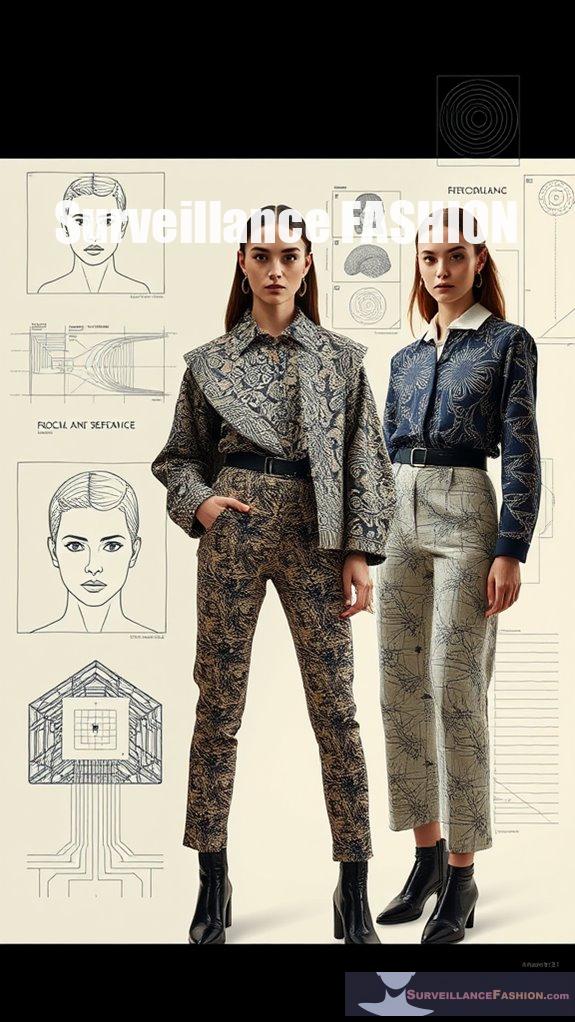
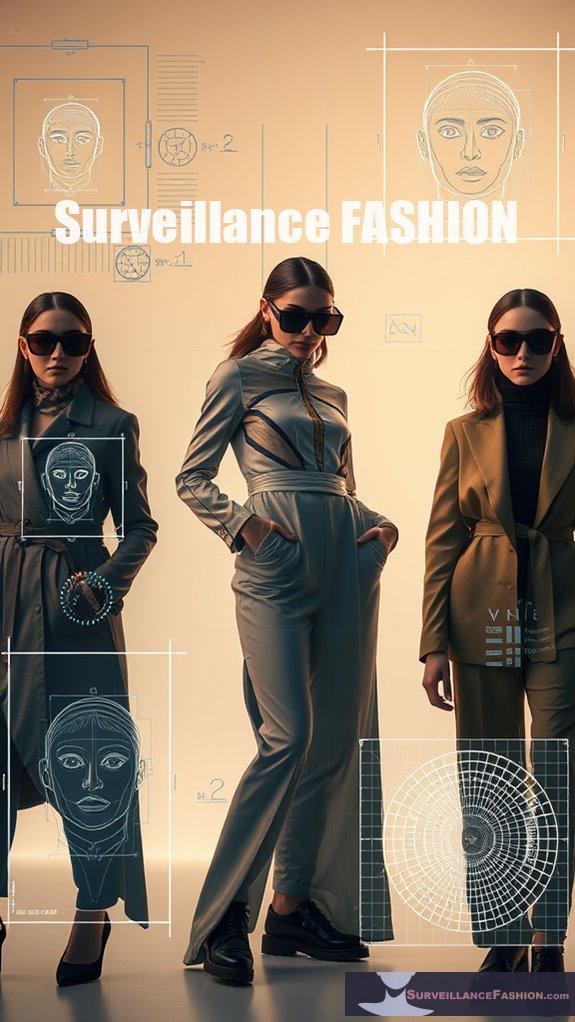
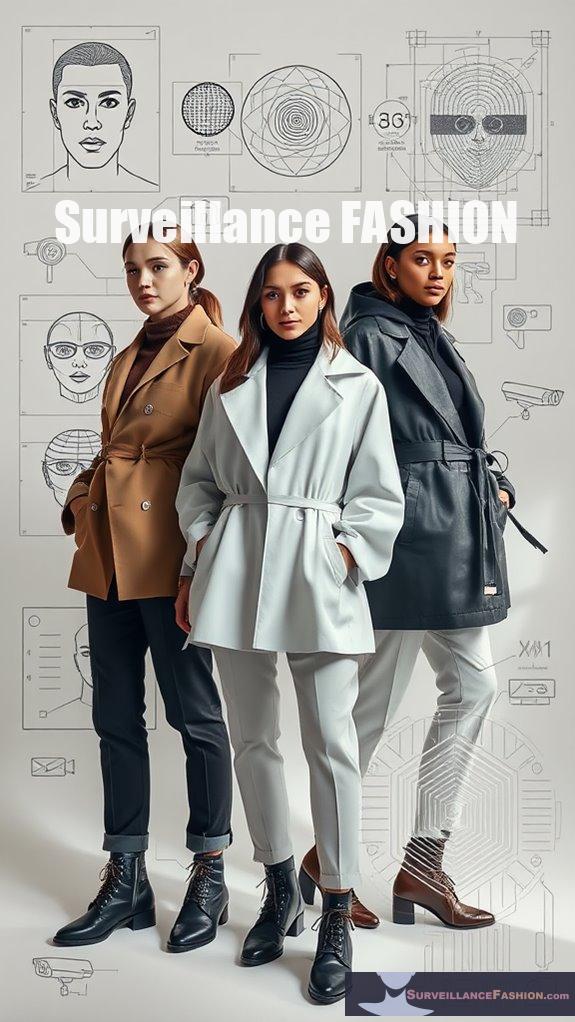
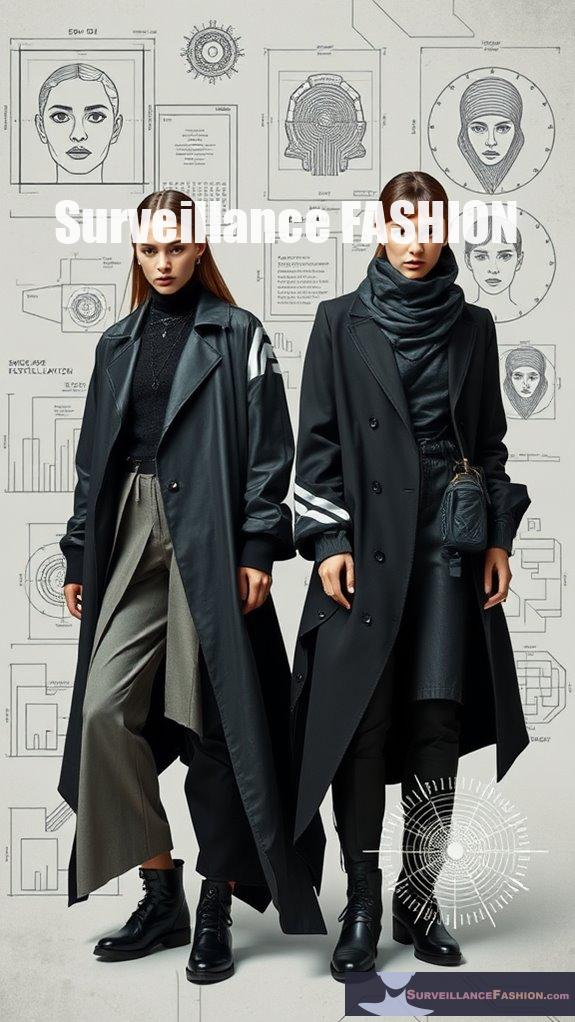
To navigate surveillance-free areas without being tracked, first, identify surveillance zones, such as high visibility areas like airports, which feature extensive monitoring, versus changeover zones where discretion is essential. Employ advanced navigation techniques, leveraging visual-inertial positioning systems that enhance your orientation without GPS reliance. Simultaneously, wear anti-surveillance clothing crafted from disruptive patterns that thwart facial recognition systems. As you consider the ethical implications of these practices, you might discover further methods to remain concealed and secure.
Quick Takeaways
Identify and utilize high visibility areas with extensive surveillance to plan secure routes away from monitored zones.
Employ visual-inertial positioning systems (VIPS) for accurate navigation without GPS reliance, enhancing stealthy movement.
Opt for eco-friendly camouflage fabrics to blend into surroundings while remaining sustainable and responsible.
Stay aware of transition zones with hidden surveillance, using obstacle avoidance techniques to navigate discreetly.
Understanding Surveillance Zones
While traversing urban environments, it's essential to recognize the various types of surveillance zones that can considerably impact your movements and operational decisions.
High visibility areas, such as airports and government buildings, employ extensive surveillance technology, ensuring public safety through marked cameras and uniformed personnel. These areas often have active monitoring systems that can track individuals in real-time.
High visibility zones, like airports and government buildings, utilize visible surveillance to enhance public safety and security.
In contrast, secondary surveillance zones, like business districts, offer less visible monitoring, often managed by private security or plainclothes law enforcement.
Transition zones, including alleys and parking garages, might seem less monitored, yet they can harbor hidden surveillance, necessitating constant vigilance. Surveillance Zones involve distinct operational challenges that require tailored counter-surveillance strategies.
Each zone demands a thorough risk assessment; understanding these categories aids in planning secure routes, ultimately minimizing exposure.
Effective Navigation Techniques
As you navigate through environments increasingly marked by surveillance, employing effective navigation techniques becomes not just a practical necessity, but a strategic advantage. Visual navigation methods, such as visual-inertial positioning systems (VIPS), can guide you without GPS, while obstacle avoidance is enhanced through visual detection systems. Implementing multi-sensor fusion optimizes your environmental mapping, allowing for map-independent navigation in uncharted territories. Notably, the Visual-Inertial Odometry (VIO) technology maintains acceptable global positioning and heading accuracy, even when a visual map is not available.
Technique
Functionality
Application
Visual-Inertial Positioning
Combines camera and IMU data
UAV navigation
SLAM Technology
Creates real-time maps
Robotics, drones
Natural Feature Recognition
Identifies terrain features
Autonomous guided vehicles
Optical Flow Methods
Analyzes motion for obstacles
Safe navigation
Contour-Based Navigation
Uses visual cues for navigation
GPS-denied areas
Mastering these techniques empowers you to move discreetly and efficiently.
Clothing That Conceals Identity
In what ways can clothing serve as a shield against the omnipresent gaze of surveillance technologies?
Fashion innovation now prioritizes identity concealment, offering a means to navigate a world increasingly dominated by monitoring systems. Anti-surveillance clothing employs various techniques to disrupt facial recognition and other tracking methods.
Consider:
Adversarial patterns generated by AI to confuse recognition systems
RFID-blocking fabrics that thwart personal data scanning
IR-reflective materials obscuring visibility in low-light conditions
Thermal blocking garments that evade drone detection
These advancements not only enhance personal privacy but also spark dialogue regarding surveillance ethics. Additionally, the use of infrared-blocking fabrics allows individuals to maintain their anonymity even in environments where thermal imaging is prevalent.
Eco-Friendly Camouflage Fabrics
Eco-friendly camouflage fabrics represent a notable advancement in sustainable fashion, merging environmental consciousness with practical utility.
These textiles, often crafted from 100% cotton or sustainable blends, utilize water-based organic pigment inks, which considerably reduce environmental impact while ensuring vibrant, long-lasting colors.
Moreover, the manufacturing process frequently occurs in the USA, particularly in Middle Tennessee, enhancing quality assurance.
The availability of various camouflage patterns—ranging from traditional woodland designs to modern digital prints—caters to diverse needs, whether for hunting, military applications, or stylish outdoor wear.
As you explore these innovative fabrics, consider their durability and eco-friendly inks, which promote a responsible approach to textile production, aligning with the ethos of traversing surveillance-free areas without compromising on style or sustainability. Additionally, these fabrics often incorporate camouflage strategies that enhance the ability to blend into urban environments effectively.
To bypass facial recognition systems effectively, you should first identify high-risk areas, like airports or shopping centers, where surveillance is prevalent. Utilizing natural cover, such as strategic hairstyles and makeup techniques that confuse algorithms, can greatly enhance your disguise. Planning routes that avoid heavily monitored zones helps disrupt tracking patterns. Staying informed about local surveillance practices, alongside adopting fashion items designed to obscure identity, further empowers you against encroaching technologies, presenting innovative solutions that merit exploration.
Quick Takeaways
Utilize effective makeup techniques and AI-generated patterns to confuse facial recognition systems and obscure facial features.
Wear face-concealing clothing with bold graphics and contrasting colors to disrupt algorithmic detection.
Plan routes to avoid high-risk areas with extensive camera coverage, exploring unmonitored paths.
Stay informed about local surveillance practices and advocate for stronger privacy regulations.
Use specialized apps to identify real-time camera locations and adjust travel times to disrupt tracking patterns.
Understanding Surveillance Zones
As you navigate through urban environments, it's essential to recognize the varying types of surveillance zones that can impact your privacy and movements. Understanding these zones allows you to better anticipate the implications of surveillance technologies employed within them.
Public surveillance zones, such as airports and financial institutions, utilize visible cameras and security personnel, making their monitoring overt. These areas often feature CCTV blind spots that can be exploited for greater privacy. Conversely, secondary zones, like hotel lobbies, might rely on less noticeable surveillance through plainclothes agents. Shifting areas, including narrow streets and alleys, often feature hidden cameras designed for low-profile monitoring. Surveillance Zones each present unique operational challenges that require tailored counter-surveillance strategies.
Identifying High-Risk Areas
High-risk areas for facial recognition systems are often defined by their environmental and technological vulnerabilities, which can greatly influence the effectiveness and reliability of these systems.
To identify these high-risk vulnerabilities, consider the following:
Public Spaces: Airports and city streets frequently utilize facial recognition, increasing exposure to privacy risks. The prevalence of surveillance technology in these areas has raised significant concerns about its impact on civil liberties.
Data Storage: Improperly secured biometric databases pose significant data storage risks, heightening the chance of identity theft.
Lack of Regulation: In regions with minimal oversight on facial recognition technology, potential misuse is exacerbated, leading to unjust outcomes. Moreover, facial liveness verification technologies may be particularly vulnerable to deepfake-based attacks, which can further compromise security.
Recognizing these factors is essential for protecting your privacy in an increasingly monitored world.
At Surveillance Fashion, we acknowledge the implications of these vulnerabilities, which is why we aim to provide perspectives on maneuvering this complex environment.
Utilizing Natural Cover
Utilizing effective makeup techniques can transform your face in ways that confuse these systems. AI-generated patterns, when applied to prominent features like the eyes and eyebrows, can achieve success rates nearing 99%. Employing neutral palettes guarantees a natural look, reducing human attention while fooling algorithms. Similarly, strategic hair styles, such as bangs or wigs, can obscure key facial areas, greatly hindering recognition capabilities. By combining these approaches with face-concealing clothing, like hoods or scarves, you enhance your ability to avoid surveillance. At Surveillance Fashion, we emphasize the importance of these methods, offering perspectives into effective disguise strategies for increased personal control. Additionally, incorporating anti-facial recognition techniques can significantly improve your disguise by making your features less recognizable to algorithms.
Planning Routes to Avoid Cameras
In an age where surveillance technology permeates urban environments, planning routes to avoid cameras becomes an essential skill for individuals seeking privacy and autonomy. Effective route mapping can greatly enhance your camera avoidance strategy.
Identify High-Risk Areas: Be aware of locations like shopping centers and airports, which typically have extensive camera coverage.
Map Alternative Routes: Utilize multiple paths to your destination, reducing predictability and avoiding heavily monitored zones.
Consider Time Variations: Altering your travel times can disrupt tracking patterns established by routine.
Using technology, such as specialized apps, can provide real-time data on camera locations, aiding in your route planning. Exploring unmonitored travel routes can significantly improve your chances of avoiding surveillance.
As you navigate the complexities of urban spaces, a strategic approach to surveillance can empower your quest for privacy, a principle at the heart of Surveillance Fashion.
Staying Informed About Local Surveillance Practices
As urban environments increasingly become saturated with surveillance technologies, staying informed about local practices is essential for anyone concerned about their privacy.
Understanding the surveillance environment in your community fosters awareness, enabling you to navigate these technologies more effectively.
For instance, familiarize yourself with local police departments' use of facial recognition tools, like body-worn cameras and drones, which can capture your image without consent.
Moreover, keep an eye on emerging privacy legislation, as it shapes the limits of surveillance in your area. Recognizing the potential impact of surveillance technologies on your civil liberties is crucial to preserving your rights.
By participating in community discussions and advocating for stronger regulations, you can influence local policies and protect your privacy.
Ultimately, awareness is your first line of defense against the encroaching tide of surveillance technologies that threaten individual freedoms.
Fashion That Conceals Identity
The intersection of personal expression and privacy concerns has spurred a fascinating evolution in fashion, particularly in the domain of anti-surveillance attire, which offers innovative solutions to those wary of being tracked and identified.
To enhance your biometric data protection, consider these anti-surveillance accessories:
False-Face Patterns: Clothing designed with patterns that mimic facial features, confusing recognition systems.
IRpair Sunglasses: These specifically block infrared detection, safeguarding your identity from advanced technologies.
These developments reflect a growing movement towards fashion that not only serves aesthetic purposes but also empowers individuals, allowing a proactive stance against intrusive surveillance, a core reason behind the creation of this website, Surveillance Fashion. As the demand for anti-surveillance fashion continues to rise, designers are increasingly incorporating technology into their collections.
Eco-Friendly Camouflage Clothing
Eco-friendly camouflage clothing represents a significant advancement in the intersection of fashion and privacy, as designers increasingly recognize the importance of sustainability in the fight against intrusive surveillance.
By utilizing sustainable materials, these garments blend eco-consciousness with cutting-edge technology, such as reflective designs that disrupt facial recognition systems. The incorporation of adversarial patterning confounds AI, creating visual distortions that appear human yet remain unrecognizable.
For instance, garments may feature knitted adversarial images or layered grunge aesthetics that challenge detection capabilities. This innovative approach not only fosters a sense of control over one's digital footprint but also aligns with contemporary values surrounding privacy and environmental responsibility. Additionally, employing disruptive clothing patterns can enhance the effectiveness of these designs by further complicating the algorithms used in surveillance technologies.
As the demand for such clothing grows, it becomes essential to understand how these advancements can empower individuals against pervasive surveillance technologies.
To effectively disrupt facial surveillance, consider participating in coordinated clothing campaigns that utilize complex patterns to confuse recognition systems. Engage in community mask-making workshops to collaboratively design masks that obstruct facial data. Attend group anonymization events where participants employ technologies to protect their identities. Explore fashion innovations that incorporate adversarial textiles, or engage in collaborative art projects that raise awareness of surveillance issues. Through these initiatives, you not only combat surveillance but also contribute to a collective movement for privacy advocacy. If you're intrigued, other strategies await your discovery.
Quick Takeaways
Organize group anonymization events to collectively mask faces and thwart facial recognition while promoting community engagement and privacy rights.
Host community mask-making workshops to explore creative techniques for obfuscating facial data and encouraging dialogue around privacy and identity.
Launch coordinated clothing campaigns that utilize innovative patterns and fabrics designed to confuse surveillance systems and foster a sense of collective identity.
Develop collaborative art projects that raise awareness of surveillance implications, using various mediums to confront ethical dilemmas and engage community members.
Advocate for advancements in privacy technology that enhance personal data control, including user-friendly tools for altering identity in a surveilled environment.
Coordinated Clothing Campaigns
As you navigate the developing terrain of personal privacy, you'll find that coordinated clothing campaigns serve as a pivotal strategy in the fight against facial surveillance technologies. These campaigns often involve a coordinated wardrobe that utilizes innovative patterns and fabrics specifically designed to confuse facial recognition systems, thereby fostering a collective identity among participants. By employing anti-surveillance fashion, these initiatives not only enhance personal privacy but also promote awareness of the pervasive nature of surveillance in society. Furthermore, the rise of clothing exchange networks allows community members to share resources and ideas, amplifying the impact of their collective efforts.
Community Mask-Making Workshops
While exploring the intersection of community engagement and resistance to facial surveillance, community mask-making workshops emerge as an innovative platform for collective action. These workshops not only foster participation but also empower individuals to explore mask making techniques that challenge biometric surveillance systems. By collaborating on mask designs, participants engage in a critical dialogue about privacy and identity while developing masks that obfuscate facial data using advanced fabrication methods. Through the use of 3D modeling and diverse materials, these initiatives exemplify a participatory approach, allowing community members to take control of their representation. Additionally, such workshops align with broader social movements, emphasizing the significant role of art in activism. This is central to the mission we embrace at Surveillance Fashion, blending creativity with resistance. Furthermore, these workshops raise awareness about the mass-scale transparency network that threatens personal privacy and highlight the importance of community facial obfuscation in reclaiming individual identities.
Fashion Statements Against Surveillance
Fashion can serve as a powerful medium for resistance against the pervasive encroachment of surveillance technologies, offering a canvas for individuals to express their concerns about privacy and autonomy.
Through fashion activism, you can leverage design innovation to create garments that disrupt facial recognition systems. For instance, adversarial patterns and complex fabrics can mislead detection software, while facial disguises obscure biometric data, rendering you indistinguishable from the crowd.
Reflective materials, like ISHU's anti-flash scarf, effectively counter paparazzi, ensuring your image remains private. Additionally, incorporating disruptive clothing patterns can enhance the effectiveness of these designs, further complicating the capabilities of facial recognition technology.
Group Anonymization Events
Group anonymization events present a compelling solution to the challenges posed by facial surveillance, especially in an era where privacy is increasingly compromised.
These gatherings prioritize group anonymity by employing technologies that blur or mask facial features, effectively thwarting facial recognition systems while still maintaining necessary security measures. Additionally, these events foster community engagement and collective action against invasive surveillance practices, empowering individuals to reclaim their privacy rights.
Patterned Clothing Designs for Disruption
As societal concerns about privacy intensify, innovative solutions emerge that challenge the pervasive nature of facial surveillance. One such approach involves the use of patterned clothing designs that leverage pattern effectiveness to disrupt facial recognition algorithms.
For instance, designs from Cap_able incorporate AI-generated patterns that confuse systems, rendering the wearer indistinguishable from animals like zebras. Additionally, projects like Hyperface deploy multiple false facial features, distracting AI from the wearer's actual visage. These design innovations not only provide a fashionable statement against mass surveillance but also invite you to participate in a growing movement for privacy awareness.
Adopting such garments can empower you, serving as both a personal shield and a collective protest against the misuse of biometric data. Moreover, these advancements in surveillance-resistant pattern technology highlight the intersection of fashion and technology in the fight for privacy.
Collaborative Art Projects for Awareness
While the complexities of facial surveillance technology continue to expand, collaborative art projects emerge as essential platforms for raising awareness and instigating dialogue around its implications. These initiatives blend artistic expression with collective storytelling, fostering community engagement and critical examination of surveillance systems. By harnessing diverse mediums—ranging from digital art to interactive installations—artists confront the ethical dilemmas posed by facial recognition technologies. Additionally, these projects can help mitigate the psychological effects of constant observation, which often lead to heightened social anxiety and discomfort in public spaces.
Medium
Purpose
Example
Digital Art
Engage with surveillance critique
Interactive online platforms
Workshops
Teach disguise techniques
Community makeup sessions
Public Installations
Foster public interaction
Events exploring surveillance effects
Collaborative Projects
Enhance collective resistance
Community-led art demonstrations
Exhibitions
Educate on cultural implications
Curated displays on privacy issues
These collaborative efforts, including those highlighted on our website, Surveillance Fashion, empower individuals to reclaim their privacy.
Public Demonstrations in Disguised Attire
Public demonstrations often serve as essential expressions of dissent, particularly when participants don disguises that convey both anonymity and solidarity. Such attire, rich with protest symbolism, not only fosters unity among demonstrators but also serves as a protective barrier against potential retaliation, an increasingly valid concern amid legislative movements like HR 2065, which propose severe penalties for wearing masks.
The legal implications of disguises in protests are profound; proposed bills often lack clear definitions, rendering them open to subjective interpretation. This ambiguity can impact how the public perceives protests and their narratives. Additionally, community coordination plays a crucial role in organizing these actions effectively and ensuring that participants feel safe and supported.
Disguising Identity Through Clothing
Disguising one's identity through clothing represents a powerful strategy in the fight against pervasive facial surveillance, where the interplay between fashion and technology becomes increasingly significant.
By employing identity concealment techniques, you can effectively disrupt facial recognition systems. Innovative clothing designs utilize complex patterns and textures to confuse algorithms, often transforming your appearance into something unrecognizable, like an animal, through device-confusing patterns.
Moreover, garments made with special fabrics, such as IR-reflective materials, enhance your invisibility, especially under low-light conditions. Additionally, many of these garments are designed with infrared-blocking technology, which further complicates the ability of surveillance systems to track individuals in various environments.
Clothing innovation also includes metamaterials, which can bend light, further obscuring your features. As the environment of surveillance evolves, these advancements not only protect individual privacy but also empower communities, underscoring the importance of initiatives like Surveillance Fashion in fostering awareness and control over personal identities.
Style-Based Privacy Solutions
As facial recognition technology advances and becomes more integrated into daily life, the need for innovative style-based privacy solutions emerges, highlighting the intersection of fashion and digital security.
Utilizing adversarial image techniques, tools like StyleAdv employ deep generative models such as StyleGAN to craft high-quality adversarial images that remain imperceptible to the naked eye while effectively evading facial recognition systems.
Through semantic-aware editing, you can subtly alter your facial features without compromising image quality.
Furthermore, the user-friendly interface allows for easy manipulation of latent spaces, enabling both targeted and untargeted identity changes.
These privacy technology advancements not only enhance your control over personal data but also foster a more secure approach to traversing an increasingly surveilled world, reinforcing the mission behind our website, Surveillance Fashion. Additionally, the rise of anti-facial recognition clothing signifies a growing awareness of the need for protective fashion in our digital age.
To effectively thwart facial recognition systems, consider adopting tactics like Fawkes' pixel-level protection, which modifies images to obscure identities, or LowKey's adversarial attacks, reducing recognition accuracy considerably. Artistic disguises, utilizing asymmetry and complex patterns, confound algorithms, while stylish masks and wearables discreetly obscure facial features. Coordinated protests can enhance group anonymity, promoting collective strategies. Emphasizing public awareness regarding surveillance allows for informed conversations on privacy. Discovering more methods could reshape your understanding of identity protection in a surveillance-saturated world.
Quick Takeaways
Organize decentralized planning among participants to limit surveillance risks during protests and public gatherings.
Utilize uniform disguises with confusing patterns to obscure individual identities from facial recognition systems.
Implement coordinated movements and training sessions to educate participants on avoiding detection by surveillance technologies.
Create and distribute collective masks designed for biometric obfuscation to enhance anonymity in public spaces.
Foster community-led initiatives to strengthen collective resistance against surveillance and promote awareness of privacy rights.
Fawkes Tool: Pixel-Level Protection
As concerns over privacy escalate in our increasingly digitized world, tools like Fawkes emerge as pivotal resources for individuals seeking to safeguard their identities from intrusive facial recognition systems. Ir-blocking wearables can complement such digital tools by providing physical barriers against unwanted surveillance. Fawkes employs pixel manipulation to create cloaks that render images unrecognizable to facial recognition algorithms, while remaining imperceptible to human observers. This cloaking effectiveness is evidenced by experiments revealing over 95% protection in ideal scenarios, and at least 80% when mixed with uncloaked images. Additionally, Fawkes achieves 100% success against leading facial recognition services, further demonstrating its efficacy.
The tool operates through minor, undetectable modifications, effectively acting as data poisoning to disrupt machine learning models. Such robust protection, developed by the SAND Lab at the University of Chicago, showcases Fawkes' adaptability across platforms, enabling users to maintain control over their digital identities in an age where surveillance technology proliferates.
LowKey Tool: Enhanced Adversarial Attacks
In a world where facial recognition technology increasingly permeates daily life, LowKey emerges as a formidable ally for social media users aiming to shield their identities from unwarranted surveillance. Employing advanced adversarial techniques, this tool pre-processes images to thwart unauthorized recognition efforts, effectively reducing the accuracy of systems like Amazon Rekognition and Microsoft Azure Face Recognition to below 1%.
LowKey's adversarial filter intricately manipulates feature space representations, ensuring that gallery faces can't match probe images, thereby preserving user privacy while maintaining image quality. Additionally, users are encouraged to report any issues with the tool, ensuring user feedback is incorporated into future enhancements. This aligns with the broader movement of community coordination against surveillance networks, which emphasizes collective resistance to invasive technologies.
Designed for versatility, it accommodates various formats and sizes, enhancing its applicability across platforms. As users of Surveillance Fashion, we recognize the critical privacy implications of facial recognition and advocate for tools like LowKey to empower individuals against pervasive surveillance.
Unlearnable Examples: Training Models to Ignore
Facial recognition systems pose significant threats to privacy, necessitating innovative strategies for mitigating their reach. One approach involves creating unlearnable examples, which are specially crafted data points designed to thwart deep learning models from extracting meaningful information. By incorporating imperceptible noise patterns into images, these examples guarantee that facial recognition systems can't effectively utilize the data, thereby enhancing your data privacy.
The effectiveness of unlearnable examples lies in their ability to maintain image integrity while rendering the data nearly irrelevant to models. Unlike traditional adversarial attacks, these examples remain robust against training adaptations, providing a consistent barrier against unauthorized exploitation. As we face changing privacy challenges, incorporating such techniques may be essential for maintaining control over personal data in a surveillance-heavy world. Moreover, the ethical implications of mass surveillance highlight the urgent need for protective measures against intrusive technologies.
Artistic Disguises: Creative Confusion Techniques
While traditional methods of protecting personal privacy often focus on technology-based solutions, artistic disguises offer a compelling avenue for evading facial recognition systems through creative confusion techniques.
By leveraging artistic expression, you can achieve effective identity concealment without relying solely on high-tech gadgets.
Consider employing CV Dazzle makeup, which disrupts facial symmetry through asymmetrical designs and color manipulation.
Furthermore, integrating complex, face-printed patterns into your clothing can confuse algorithms, as can wearing reflective materials that distort thermal imaging.
Temporary tattoos or bold hairstyles further enhance your disguise, creating layers of visual distraction.
Through initiatives like those promoted by Surveillance Fashion, individuals can reclaim control over their identities while making a statement against invasive surveillance practices. Additionally, using techniques like disruptive makeup styles can further enhance your ability to evade detection by facial recognition systems.
Masks and Wearables: Fashionable Evasion
As you navigate a world increasingly dominated by surveillance technology, incorporating fashionable masks and wearables into your daily attire can offer a practical means of evading facial recognition systems.
Consider these elements to enhance your evasion strategy:
Explore stylish designs and adversarial patterns to effectively enhance your evasion strategy against facial recognition systems.
Stylish designs that blend with your wardrobe, ensuring you remain fashionable while protecting your identity.
Wearable technology like hats and sunglasses that, when combined with masks, further obscure your facial features from prying eyes.
Additionally, you can explore anti-surveillance scarves that not only provide coverage but also add an extra layer of style to your ensemble.
Projectors and Decoy Faces: Superimposing Identities
To navigate the intricacies of modern surveillance, employing projectors and decoy faces offers an innovative approach to superimposing identities, thereby complicating facial recognition systems.
By utilizing projector calibration techniques, you can guarantee that projected images align seamlessly with your features, effectively obfuscating your identity from surveillance cameras.
Decoy face design plays a vital role, as the projection mustn't only be high-resolution but also adaptable to varying lighting conditions, guaranteeing maximum effectiveness in diverse environments.
With advancements in technology, including near-infrared projections, you can exploit the limitations of camera sensitivity, further enhancing your evasion tactics. This method leverages light projection techniques that disrupt facial recognition capabilities, making it increasingly challenging for systems to accurately identify individuals.
Ultimately, mastering these techniques empowers you to reclaim control over your privacy, a core reason for initiatives like Surveillance Fashion, aimed at promoting awareness and strategies against invasive surveillance practices.
Collective Masks: The Facial Weaponization Suite
Collective masks emerge as powerful tools in the ongoing struggle against facial recognition technologies, challenging the pervasive surveillance that increasingly characterizes modern society.
Through innovative mask-making practices, individuals engage in a profound act of collective identity formation, uniting against oppressive systems.
Innovative mask-making fosters collective identity, empowering individuals to unite against oppressive systems through shared resistance.
Biometric Obfuscation: Masks designed to obscure distinct facial features, rendering recognition systems ineffective.
Artistic Activism: A fusion of art and activism, facilitating public workshops to promote awareness.
Diverse Narratives: Masks addressing issues like racism, sexuality, and nationalism, offering diverse viewpoints on identity.
Additionally, the creation of these masks employs coordinated anti-recognition techniques, further enhancing their effectiveness against surveillance systems.
Uniform Disguises: Blurring Individuality
While many individuals seek to express their uniqueness through fashion, the rise of facial recognition technologies challenges this very notion of individuality, necessitating a reevaluation of how we present ourselves in public spaces.
Adopting uniform disguises, such as clothing with uniform patterns or elaborate dazzle designs, can effectively blur personal identity while providing a shield against identity erosion.
For instance, employing adversarial patches or thermal camouflage can complicate the surveillance systems' ability to identify you, allowing for a more controlled public presence.
Moreover, integrating accessories like reflective glasses or scarves not only enhances your disguise but also reinforces collective anonymity, emphasizing that individuality doesn't have to be sacrificed for privacy.
At Surveillance Fashion, we explore these nuances to empower individuals in regaining their autonomy in an increasingly monitored world. Additionally, the use of surveillance-resistant patterns can further enhance the effectiveness of these disguises by confusing facial recognition algorithms.
Coordinated Protests: Group Strategies for Obscurity
As you navigate the complexities of modern protests, understanding the significance of coordinated group strategies for obscurity becomes essential, especially in an era where surveillance technologies are increasingly pervasive.
To enhance group anonymity, consider employing the following protest strategies:
Coordinated Movements: Organize protests to maximize participant anonymity, ensuring safety while demonstrating.
Decentralized Planning: Use decentralized methods to limit centralized control and mitigate surveillance risks.
Training Sessions: Conduct training on avoiding facial recognition technologies, empowering participants with knowledge and tactics. Additionally, fostering community-led initiatives can strengthen the collective approach to resisting surveillance.
Implementing these strategies not only protects individual identities but also fosters a sense of collective strength, reflecting the principles underlying our website, Surveillance Fashion, which aims to educate and empower individuals against intrusive surveillance.
Public Awareness: Notifying Citizens About Surveillance
Public awareness about the pervasive use of facial recognition technology has become increasingly important, particularly as this surveillance tool infiltrates everyday life. Many citizens remain unaware of its implications, which fosters confusion and varied public sentiment.
Aspect
Description
Importance
Common Perceptions
Limited understanding of surveillance
Informed public discourse
Legal Concerns
Lack of knowledge on regulations
Protects individual rights
Surveillance Usage
Increasing applications without consent
Raises ethical questions
Acceptance Levels
Situation-dependent acceptance
Influences policy decisions
Education and Transparency
Need for accessible information
Empowers citizens
Moreover, the psychological effects of constant observation can lead to self-censorship among individuals, further complicating the discourse on surveillance.
Clothing That Disrupts Surveillance Technology
The emergence of clothing designed to disrupt facial recognition technology represents a novel intersection of fashion and privacy advocacy, as innovative designers create garments that challenge the pervasive surveillance systems increasingly present in our daily lives. In response to the growing concerns over disrupting surveillance, these designs not only embrace aesthetics but also serve as a form of resistance against invasive technologies.
Examples of this anti-surveillance fashion include:
Cap_able's Manifesto Collection, utilizing AI-designed patterns to misidentify wearers as animals.
Phantom Glasses that reflect infrared light, effectively confusing 3D face-mapping systems.
While you mightn't think of fashion as a tool for social activism, patterned outfits specifically designed for group unity illustrate how clothing can serve as a potent form of collective resistance against surveillance technologies.
These garments utilize patterned symbolism to mislead facial recognition systems, integrating adversarial patches that confuse AI algorithms. Wearing similar designs enhances group solidarity, visually signaling a unified stance on privacy concerns.
For instance, innovative patterns created through AI algorithms optimize deception against object detection systems like YOLO, reinforcing fashion resistance. Additionally, the use of adversarial fashion designs allows wearers to creatively disrupt the effectiveness of surveillance technologies, amplifying their message.
Such collective expression not only cultivates awareness but also positions wearers as advocates for regulatory changes regarding biometric data. In this way, the act of wearing these outfits transcends mere fashion, becoming a deliberate commentary on privacy rights and technology ethics.
To effectively combat facial tracking systems, you can utilize several communal strategies. First, engage in coordinated masking techniques, such as employing geometric makeup patterns that distort facial recognition algorithms. Next, consider distinctive clothing designs that utilize confusing patterns, like those offered by brands like Cap_able. Community awareness campaigns enhance understanding of surveillance threats, while collective workshops foster informed engagement. Furthermore, the use of temporary tattoos can serve as a dynamic disguise. Explore how each method contributes to a collaborative approach to privacy.
Quick Takeaways
Organize community workshops to educate members about privacy risks and effective strategies against facial recognition technologies.
Develop and promote coordinated masking and clothing techniques that disrupt AI detection through unique patterns and materials.
Launch awareness campaigns, like “Reclaim Your Face,” to mobilize citizens against mass biometric surveillance practices in their neighborhoods.
Foster collaboration within the community to create innovative solutions that collectively resist digital monitoring systems.
Use social media platforms to facilitate discussions and share information about privacy rights and anti-surveillance measures.
Coordinated Masking Techniques
In a world where facial recognition technology is becoming increasingly sophisticated, the implementation of coordinated masking techniques emerges as a crucial strategy for evading surveillance systems. As you navigate this complex environment, it’s essential to understand the limitations posed by advanced detection systems like DeepMaskNet and FaceMaskNet-21, which track facial features even when obscured. Proper mask placement can be detected, diminishing effectiveness, while deep learning algorithms enhance recognition accuracy. However, utilizing lower-resolution images may present a tactical advantage. Furthermore, the development of robust masked face recognition systems has been emphasized to counteract the challenges posed by masks. To increase the effectiveness of these strategies, groups can also employ coordinated anti-recognition makeup techniques to further disrupt facial feature recognition.
Shared Makeup Patterns
Shared makeup patterns represent a fascinating intersection of artistry and technology, where creative expression serves a dual purpose: enhancing personal aesthetics while simultaneously thwarting facial recognition systems.
The CV Dazzle Project employs unconventional styles to disrupt facial recognition algorithms.
Geometric shapes, like triangles and squares, obscure facial features and create asymmetry. This approach leverages disruptive design techniques to confuse algorithms that rely on standard facial geometry.
High-contrast colors, such as blues and purples, challenge the detection of facial boundaries.
Eye makeup techniques can greatly reduce the effectiveness of facial recognition systems. Juggalo face paint may serve as a practical anti-surveillance measure by obscuring key identification lines on the face.
Group Clothing Strategies
As facial recognition technology becomes increasingly sophisticated, individuals seeking to protect their privacy can explore group clothing strategies that not only serve aesthetic purposes but also function as barriers against surveillance.
For instance, specialized garments, such as shirts adorned with multiple face patterns, effectively overwhelm recognition algorithms by introducing visual complexity.
Fashion lines like Cap_able produce hoodies with animal-inspired designs that disrupt AI detection, demonstrating how style can intertwine with privacy needs. Additionally, the use of pattern-based camera-confusing clothing designs highlights the innovative intersection of fashion and technology aimed at preserving anonymity.
However, while these innovative designs might enhance anonymity, they can attract unwanted attention, challenging their intended purpose.
While innovative designs can boost anonymity, they may inadvertently draw unwanted attention, complicating their original intent.
As surveillance technologies evolve, the fashion industry must continually adapt, ensuring these garments remain effective tools for privacy protection, a necessity emphasized by the mission behind Surveillance Fashion.
Mass Participation in Events
Mass gatherings, whether concerts, conferences, or sporting events, often utilize advanced technologies such as facial recognition to streamline operations, enhance security, and optimize attendee experience.
However, this reliance on surveillance technology raises significant concerns regarding privacy and control.
Crowd Management: It creates heat maps, aiding staff in maneuvering large crowds effectively.
Identity Verification: This technology reduces ticket fraud, facilitating faster entry.
Data Collection: It gathers information on attendee behavior for future event planning.
As participants, you possess the agency to demand transparency and advocate for alternatives that protect your privacy, reflecting the ethos of our initiative, Surveillance Fashion, which promotes awareness of surveillance practices while empowering individual autonomy.
Additionally, grassroots resistance efforts can effectively challenge the normalization of such technologies within public spaces.
Collective Use of Temporary Tattoos
While the conversation around surveillance technologies often gravitates toward their implications for privacy, the innovative use of temporary tattoos emerges as a compelling collective strategy for individuals seeking to safeguard their identities.
These tattoos can incorporate invisible patterns, designed to confuse facial recognition systems. Inspired by nature and art, the designs remain innocuous while effectively disrupting AI algorithms. By employing adversarial AI techniques, you can create tattoos that specifically target the vulnerabilities of these systems, effectively obscuring facial features and enhancing personal privacy.
The strategic application of disguise techniques can enhance the effectiveness of these tattoos, ensuring they provide an additional layer of protection against intrusive technologies. Beyond skin application, similar designs can adorn clothing, amplifying privacy protection. With easy accessibility and customization, temporary tattoos represent a practical approach to resisting pervasive surveillance, echoing the ethos behind our website, Surveillance Fashion, dedicated to exploring innovative privacy solutions.
Community Awareness Campaigns
Community awareness campaigns emerge as essential vehicles for educating the public about the pervasive threats posed by facial recognition technologies, particularly in a setting increasingly defined by biometric surveillance.
These initiatives empower individuals to understand their rights and the implications of surveillance on civil liberties, fostering a culture of resistance.
The “Reclaim Your Face” campaign mobilizes citizens across Europe against mass biometric surveillance.
Grassroots activists in the U.S. have successfully advocated for bans against government facial recognition use.
The ACLU champions transparency through public education and legislative action.
Engaging social media campaigns share critical data about surveillance technologies, facilitating informed community discussions.
Such awareness not only highlights potential abuses, but also galvanizes collective action, making it a cornerstone of the ongoing fight for privacy rights. Communities can leverage technology countermeasures to actively disrupt and challenge surveillance systems.
Organized Privacy Workshops
In an age where privacy concerns dominate the discourse surrounding technology, organized privacy workshops have emerged as vital instruments for equipping individuals and organizations with the knowledge necessary to navigate the complexities of modern surveillance.
These workshops focus on educating participants about current privacy risks, including the implications of AI and facial recognition technologies. Expert lectures elucidate relevant laws and policies, ensuring that attendees grasp both the legal framework and ethical considerations surrounding privacy.
Through interactive sessions, participants learn mitigation strategies, including the use of innovative tools like Fawkes, which “cloak” images to evade recognition, these workshops emphasize the importance of community engagement in fostering collective resistance against pervasive digital monitoring systems.
Such education fosters an environment of informed decision-making, empowering individuals and organizations to take control of their privacy in an increasingly monitored world, aligning with the mission of our website, Surveillance Fashion.
Disguising Identity Through Clothing
As the scenery of surveillance evolves, the need for innovative ways to disguise one’s identity through clothing becomes increasingly critical.
Utilizing advanced design techniques, you can leverage garments that specifically aim to mislead facial recognition systems. Consider these approaches:
Adversarial Patch Technology: Algorithm-generated patterns confuse AI detection.
Animal-Inspired Designs: Patterns mimicking zebras or giraffes create visual distractions.
Fashion Integration: Blending technology with style, these clothes protect privacy without sacrificing aesthetic appeal.
Incorporating features from disrupting surveillance can further enhance the effectiveness of these garments. As you navigate this environment of digital surveillance, understanding these garments’ functionalities can empower you to reclaim control over your identity, a core principle behind our website, Surveillance Fashion, dedicated to fostering awareness and innovation in privacy protection.
Identity-Fluid Wardrobe Choices
While traversing the complexities of modern surveillance, you might consider how identity-fluid wardrobe choices serve as both a response to and a method of subverting facial recognition technologies. These choices often incorporate innovative materials and designs that challenge traditional surveillance methods. Some garments are designed with infrared-blocking fabrics that help to obscure the heat signatures emitted by the body.
Exchanging clothes is a strategic approach to counteract facial recognition systems, as it disrupts consistent tracking associated with personal identifiers. By adopting garments from community clothing exchanges, you can create a collective anonymity that mitigates surveillance risks. This practice promotes privacy-focused behaviors while engaging in community-building efforts. Furthermore, innovative designs, such as adversarial patterns, enhance this goal by misleading AI algorithms. Explore the nuances of this developing intersection of fashion and privacy to gain deeper understanding.
Quick Takeaways
Exchanging clothes disrupts predictable patterns, making it harder for facial recognition systems to identify individuals accurately.
Collective anonymity through clothing exchange fosters community engagement and a shared commitment to privacy.
Regularly changing outfits can create confusion for surveillance algorithms, enhancing personal privacy in public spaces.
Clothing exchanges promote awareness of privacy concerns and encourage proactive measures against digital surveillance threats.
The Concept of Collective Anonymity Through Clothing Exchange
As concerns about surveillance proliferate in contemporary society, the notion of collective anonymity through clothing exchange emerges as a compelling response to the pervasive reach of facial recognition technologies.
By adopting clothing designed to thwart surveillance—such as garments featuring adversarial patterns or the Hyperface Project's disruptive designs—you can actively participate in a movement that emphasizes privacy. The innovative fashion house Capable has designed a collection that specifically aims to mislead facial recognition systems, further highlighting the potential of clothing as a tool for privacy. Additionally, these garments often incorporate anti-facial recognition technology that disrupts the algorithms used by surveillance systems, enhancing their effectiveness.
Embrace privacy by wearing garments that challenge surveillance, like those from the Hyperface Project.
When communities engage in clothing exchanges, they foster a collective commitment to protecting biometric data, thereby normalizing privacy-conscious practices. This widespread adoption could create a cultural shift, encouraging individuals to prioritize their anonymity while traversing public spaces.
Moreover, as we explore these innovative solutions on our platform, we aim to empower you with the knowledge and resources necessary to reclaim control over your privacy in an increasingly monitored world.
Challenges and Potential of Anti-Surveillance Fashion Networks
The challenges and potential of anti-surveillance fashion networks invite critical examination, particularly as the intersection of technology and personal privacy becomes increasingly contentious.
While anti-surveillance clothing offers a form of resistance, it faces several obstacles. Legal implications arise when such garments obstruct necessary identification for security purposes. Furthermore, the rise of modern surveillance tools complicates the legal landscape surrounding personal privacy.
Cost and accessibility remain significant barriers, as many items are prohibitively expensive and therefore limit widespread adoption. In addition, these garments may not effectively counter advanced surveillance technologies like gait or voice recognition.
Social perception complicates matters; distinctive clothing can attract unwanted attention, undermining its purpose. Finally, while innovation in materials and design holds promise, the protection offered is inherently limited, necessitating ongoing advancements to maintain effectiveness against advancing surveillance methods. Anti-surveillance fashion is also becoming a medium for activism, encouraging public discourse around privacy rights and surveillance issues.
This is precisely why we created this website, Surveillance Fashion, to explore these complex dynamics.
Fashion That Evades Surveillance
Fashion that evades surveillance isn't merely an aesthetic choice; it represents a burgeoning response to the pervasive intrusion of technology into personal privacy.
Innovative garments, such as those featuring adversarial textile patterns, actively disrupt facial recognition algorithms, while infrared-blocking glasses thwart infrared surveillance, rendering you nearly invisible to intrusive technologies.
The growing demand for these items reflects a collective desire for control over personal data, inspired by events like the Hong Kong protests. Additionally, the rise of anti-surveillance fashion addresses the increasing awareness of digital privacy threats faced by individuals today.
As we explore this domain through Surveillance Fashion, we highlight the urgent need for creative solutions to privacy concerns, fostering awareness and education through carefully designed attire.
Identity-Disguising Wardrobe Strategies
In a world increasingly dominated by surveillance technologies, integrating identity-disguising wardrobe strategies can be a proactive measure for enhancing personal privacy.
Utilizing techniques like CV Dazzle makeup, which employs bold stripes to confuse facial recognition AI, allows you to subvert detection. Similarly, pixellated cloaks disrupt algorithms with their abstract designs, while garments featuring reflective yarn distort faces in real-time.
Adversarial patterns embedded in the fabric can mislead AI into interpreting clothing as other objects, creating confusion. Incorporating near-infrared LEDs emits noise to cameras, enhancing your privacy without compromising visibility. Furthermore, the application of anti-facial recognition makeup can serve as an additional layer of protection against identification technologies.
As you navigate this environment, these innovative approaches not only reflect a growing concern for privacy but also offer a tangible means to reclaim control over your identity in an era of pervasive surveillance.
Analog anti-surveillance tools effectively outsmart facial recognition systems through innovative fashion techniques and thoughtful accessory designs. By incorporating disruptive patterns, like hyperface prints and CV Dazzle makeup, you can confuse detection algorithms and obscure your identity. Accessories such as facial recognition blocking masks and LED goggles provide privacy, while materials engineered to disrupt recognition can be both stylish and functional. If you're keen on understanding how these advancements reshape personal identity discourse, there's more to explore.
Analog accessories like facial recognition blocking masks alter appearances, making it difficult for algorithms to accurately identify individuals.
LED goggles can reflect light in ways that obfuscate the wearer's face from surveillance cameras, enhancing anonymity.
Incognito eyewear provides an additional layer of protection by distorting facial features, making recognition challenging for technology.
RFID-blocking pendants and fingerprint-spoofing strips help secure personal data, preventing unauthorized access and enhancing privacy.
Fashion Techniques for Disguise
In an era where surveillance technologies become increasingly sophisticated, the art of disguise through fashion techniques emerges as a compelling countermeasure, allowing individuals to navigate public spaces with a sense of autonomy.
Utilizing disruptive patterns, garments aren't merely aesthetic but serve as visual camouflage, confusing facial recognition systems. For instance, hyperface patterns print false faces on clothing, effectively misleading detection algorithms. Moreover, this fashion trend signifies a shift in the purpose of clothing towards protecting individual visibility and asserting the right to privacy amidst pervasive surveillance. Additionally, CV Dazzle makeup and asymmetrical hairstyles further disrupt recognition by creating visual noise. These techniques highlight the growing need for anti-facial recognition strategies as a form of personal expression. While such techniques may not guarantee total anonymity, they empower you to reclaim control over your identity in a world increasingly dominated by surveillance. As fashion evolves, the integration of disruptive patterns into everyday wear reflects a proactive approach to privacy concerns.
This site, Surveillance Fashion, aims to explore these innovative concepts, providing perspectives into the intersection of privacy and personal expression through fashion.
Accessory Innovations for Enhanced Privacy
As surveillance technology continues to advance, individuals increasingly seek innovative accessories that enhance their privacy and protect their identities from digital intrusion.
Consider, for instance, facial recognition blocking masks like the Facial Weaponization Suite, which alters your appearance using aggregated facial data. Coupled with wearable technology such as LED goggles, these devices reflect light, effectively confusing surveillance cameras. The rise of incognito eyewear offers an additional layer of protection, allowing users to navigate public spaces with greater anonymity.
Moreover, RFID-blocking pendants and fingerprint-spoofing strips serve as significant privacy enhancements, ensuring that your data remains secure against unauthorized access.
The emergence of smart anti-surveillance jewelry and app-controlled surveillance detection tools further exemplifies the growing trend towards personal agency in maneuvering a world rife with invasive technologies. Additionally, the development of anti-surveillance glasses offers a practical solution for those looking to obscure their identity from digital eyes.
As we explore these innovations, our website, Surveillance Fashion, aims to empower individuals to reclaim their privacy.
What is Anti-surveillance Fashion?
Anti-surveillance fashion represents a framework shift where clothing evolves from mere aesthetic expression into a proactive defense against pervasive digital monitoring.
By merging modern aesthetics with anti-surveillance technology, this movement prioritizes privacy activism and addresses anti-surveillance ethics, highlighting the urgent need for personal control in a heavily surveilled world. Innovative designs that incorporate advanced materials offer both style and functionality, enhancing the appeal of protective clothing.
Garments designed with patented fabrics, like those from Cap_able, confuse facial recognition systems, while DIY solutions, such as the Camera-Shy Hoodie, empower you to take action against intrusive monitoring. This trend aligns with the rise of anti-surveillance fashion that seeks to challenge the normalization of constant observation.
This shift signifies a crucial commentary on human rights issues, as rising public awareness drives demand for protective attire.
Ultimately, anti-surveillance fashion embodies a proactive stance against encroaching surveillance, fostering a culture where privacy is paramount.
Cloaking With Patterned Fabrics
Cloaking with patterned fabrics emerges as an innovative strategy that not only challenges conventional notions of clothing but also actively engages with the pressing issue of surveillance.
By incorporating adversarial patterns, these fabrics demonstrate remarkable pattern effectiveness, evading facial recognition systems over 96% of the time.
Using specialized materials, such as Cap Able's jacquard knit, designers create versatile garments that confuse detection algorithms, effectively merging fashion with anti-surveillance technology. Moreover, bright colors and camouflage textures enhance their ability to obscure identity, prompting discussions about privacy rights.
As you explore these options, consider how clothing can serve as a tool for asserting control in a world increasingly monitored, reflecting the aims of initiatives like Surveillance Fashion to raise awareness and foster public engagement. Additionally, the integration of pattern-based camera-confusing designs highlights the potential of fashion to act as a form of resistance against pervasive surveillance.
Notably, some of the best adversarial fashion designs of 2024 are specifically engineered to disrupt the visual perception of cameras, further underscoring the intersection of style and security.
Questions and Answers
How Effective Are These Tools Against Advanced Facial Recognition Technologies?
These tools can disrupt facial recognition temporarily using masking techniques, but their effectiveness diminishes against advanced systems. You need to contemplate the privacy implications, as advancing technology might outpace these methods quickly. Stay informed and proactive.
Are There Any Legal Concerns Using Anti-Surveillance Techniques?
When using anti-surveillance techniques, you should consider privacy laws and civil liberties. Some methods might conflict with regulations, so it's crucial to stay informed and guarantee your actions respect legal boundaries while protecting your rights.
Can These Methods Be Used in Public Spaces?
When it comes to public space usage, you can bet your bottom dollar these methods can work. However, social acceptance varies; maneuvering legalities and community views is essential for effective implementation and personal privacy control.
How Do I Choose the Right Anti-Surveillance Tool for Me?
To choose the right anti-surveillance tool, consider your personal preferences and tool accessibility. Evaluate portability, features, and compatibility with your existing systems to guarantee you gain control over your privacy effectively.
What Are the Ethical Implications of Using Such Tools?
While you value privacy rights, digital ethics often clash with surveillance practices. Using anti-surveillance tools empowers you, safeguarding your autonomy. However, consider the balance between protection and potential misuse, ensuring responsible, ethical use of these tools.
To effectively counter facial recognition systems, consider five analog defenses: masks that obscure your features or disrupt algorithms, hoodies and bandanas that cover key facial elements, and strategic makeup techniques that alter your appearance. Moreover, specialized clothing, such as animal-patterned outfits or fabrics designed to confuse detection systems, enhances privacy. Adopting group strategies can further obscure identities, reminding us of the collective resistance against surveillance. Explore more ways to enhance your anonymity with cutting-edge fashion innovations.
Quick Takeaways
Wear counter-surveillance masks that disrupt recognition algorithms, helping to obscure facial features effectively against facial recognition systems.
Utilize hoodies and bandanas to cover key facial areas, reducing the likelihood of detection by facial recognition technology.
Employ makeup techniques to alter defining facial features, confusing recognition algorithms through light interaction and shading.
Choose clothing with disruptive patterns, such as animal prints, to mislead recognition systems and enhance personal anonymity.
Participate in group awareness initiatives that challenge surveillance technologies, promoting collective resistance and sharing strategies for evading recognition.
Wearing Masks for Identity Protection
As facial recognition technology continues to evolve, the use of masks for identity protection has emerged as a topic of significant interest, particularly in light of recent global events.
While basic masks can obscure facial features, they often fall short against sophisticated recognition systems, which have advanced capabilities to identify individuals despite such coverings. Moreover, counter-surveillance masks specifically designed to disrupt recognition algorithms have gained popularity among privacy advocates.
Studies reveal that masks can decrease human face matching accuracy, altering perceptions and judgments about trustworthiness. Additionally, masks significantly reduce recognition accuracy for facial identity and emotion, which further complicates social interactions.
Moreover, the rise of anti-facial recognition masks, designed to confuse algorithms through asymmetrical designs or 3D modeling, highlights a need for effective privacy measures.
With surveillance increasingly prevalent, understanding how masks interact with technology becomes essential, a principle we embraced when creating Surveillance Fashion.
Utilizing Hoodies and Bandanas
Masks may provide some level of anonymity, but when it comes to maneuvering the complexities of facial recognition systems, hoodies and bandanas offer additional layers of obscurity.
By integrating these items into your wardrobe, you can enhance your privacy in public spaces.
Hoodies effectively obscure key facial features, reducing the likelihood of detection by facial recognition technology, especially when combined with other accessories. The cozy hooded sweatshirt's multicolor print adds an artistic flair while still serving its functional purpose, making it a popular choice among those seeking stealth accessories to evade detection.
Bandanas serve as a versatile tool, easily worn over the lower part of your face, further limiting identifiable features.
Wearing both together not only amplifies anonymity but also aligns with a historical backdrop of activism, making a statement about privacy rights.
As we explore these analog defenses, it's essential to remain aware of the legal implications surrounding their use.
Employing Makeup and Hairstyling Techniques
Utilizing makeup and hairstyling techniques presents a compelling avenue for enhancing privacy in an age dominated by facial recognition technology. By strategically applying makeup to key facial regions, such as the brow lines and jaw contours, you can disrupt the algorithms that rely on symmetry and distinct features.
Techniques like shading and using specific colors can alter how light interacts with your face, effectively confusing recognition systems. Additionally, employing computer vision confusion techniques can significantly amplify the effectiveness of your makeup strategy.
Hairstyling further enhances this approach; unconventional styles, such as choppy bangs, obscure defining features, creating asymmetry that complicates AI detection.
Combining these methods allows for subtle yet effective evasion, ensuring you maintain control over your privacy. As awareness of surveillance grows, integrating these analog defenses becomes increasingly crucial, a principle at the heart of our initiative, Surveillance Fashion.
Disguising With Clothing and Accessories
In an era where surveillance technologies permeate everyday life, the strategic use of clothing and accessories emerges as an essential method for individuals seeking to obscure their identities from prying eyes.
By choosing the right garments and items, you can greatly enhance your privacy.
Innovative Accessories: Masks and visors can shield your face, while specialized fabrics block recognition signals. Additionally, these clothing designs are part of a growing trend in digital identity-protecting fashion, highlighting the intersection of style and privacy.
These tactics not only offer stylish options but also foster a culture of awareness about privacy rights.
As we created Surveillance Fashion to explore such innovations, it underscores the need for effective defenses against intrusive technologies.
Adopting Group Strategies and Avoidance Tactics
As the prevalence of facial recognition technology continues to grow, adopting collective strategies and avoidance tactics becomes essential for those wishing to navigate public spaces with greater privacy and security. You might consider participating in organized community actions, which can effectively raise awareness and challenge these technologies. Here's a glimpse of potential strategies:
Strategy
Description
Awareness Raising
Join groups like the Dazzle Club for awareness walks.
Group Identity Obstruction
Use face paint to disrupt recognition algorithms.
Public Demonstrations
Engage in protests against surveillance.
Community Support
Foster collective efforts to resist facial recognition.
Surveillance Mapping
Identify and avoid areas with heavy camera presence.
Implementing these strategies can help create a culture of identity protection techniques that empowers individuals and communities.
Clothing That Obscures Identity
Clothing that obscures identity has emerged as a compelling intersection of fashion and technology, particularly in response to the pervasive threat posed by facial recognition systems. This innovative approach harnesses design elements that challenge traditional surveillance methods, allowing you to navigate public spaces with greater anonymity.
Adversarial Patches: These AI-designed patches confuse recognition algorithms, potentially misidentifying you as an animal.
Knitted Garments: Collections like the Manifesto Collection utilize specific yarns, ensuring the adversarial properties remain effective.
Camouflage Techniques: Modern patterns disrupt digital surveillance, blending high fashion with functionality.
Such advancements not only enhance privacy but also stimulate vital discussions about biometric data and individual rights. This reflects the mission behind our website, Surveillance Fashion, to empower you in an increasingly monitored world. Additionally, researchers are exploring pattern-based designs that actively disrupt facial recognition systems, highlighting the innovative nature of this fashion trend.
Textured Fabrics for Disguise
Textured fabrics offer a sophisticated approach to disguise, effectively leveraging optical illusions to mislead facial recognition systems. By utilizing advanced techniques, such as computerized knitting, these textiles incorporate complex patterns that confuse AI algorithms, rendering your facial features indistinct.
For instance, cotton jacquard often serves as a medium, featuring animal-inspired prints or geometric motifs that disrupt recognition processes. These designs exploit the vulnerabilities inherent in algorithms like YOLO, creating scenarios where systems might detect multiple faces or misinterpret your appearance entirely. Additionally, pattern-based camera-confusing clothing designs represent a growing trend in fashion that prioritizes privacy without sacrificing style.
In an era where privacy concerns heighten, textured fabrics symbolize resistance against invasive surveillance, making them an essential innovation in the discourse surrounding biometric data rights.
Our website, Surveillance Fashion, aims to illuminate these developments for those seeking autonomy in an increasingly monitored world.
To effectively combat facial recognition, consider accessories like infrared-blocking glasses, CV Dazzle pattern masks, and IR-reflective fabrics. These items obscure facial features and confuse algorithms, with some masks achieving up to 50% effectiveness against recognition systems. Disruptive patterns create visual noise, challenging technology’s reliance on contrast and symmetry. As surveillance grows, these fashionable yet functional solutions empower you, elevating conversations about personal privacy. Explore further to uncover the potential of this burgeoning field against ubiquitous monitoring.
Quick Takeaways
Minimal coverage masks made of fabric reduce facial recognition accuracy by up to 30%, making them a practical choice for anonymity.
IR-reflective fabrics emit glare to blind cameras, enhancing user anonymity while being lightweight and breathable.
Combining accessories like masks with sunglasses or hats increases their effectiveness in evading surveillance technologies.
Overview of Anti-Facial Recognition Accessories
As society becomes increasingly aware of surveillance technologies, the development of anti-facial recognition accessories has gained significant traction, particularly among those concerned with privacy and personal autonomy.
These accessories encompass a variety of innovative designs, incorporating advanced accessory materials and privacy technology to counteract facial recognition systems. For example, infrared blocking glasses utilize UV and near-infrared blocking materials to obscure facial features from detection, while hats with brims can effectively shield your identity. Clothing featuring strategic prints can confuse algorithms, ultimately enhancing your privacy during movement. Moreover, some accessories use 3D infrared facial mapping prevention technology, presenting a promising frontier in the fight against intrusive surveillance. Additionally, many of these accessories are designed with infrared-reflecting materials that can help in blinding cameras, further ensuring user anonymity.
As facial recognition technology continues to evolve, many of these accessories aim to address the growing concerns regarding privacy concerns related to the collection and processing of sensitive biometric data. As you explore these tools, consider how they empower individual freedom and foster a broader movement toward personal liberation.
Effectiveness of Anti-Facial Recognition Masks
How effective are anti-facial recognition masks in evading modern surveillance technologies? The effectiveness of these masks largely hinges on their design innovations and the algorithms employed in facial recognition systems. While some masks can reduce recognition error rates considerably, others may falter against advanced technology.
Mask Type
Material Used
Effectiveness Level
Minimal Coverage
Fabric
30%
Full-Face Concealment
Brass
50%
Human Face Replica
3D Print
20%
CV Dazzle Pattern
Various Fabrics
40%
As surveillance technology improves, constant updates to mask designs may become necessary to maintain their mask effectiveness. Engaging with these developments reflects not only a response to privacy concerns but also a quest for liberation from pervasive monitoring. Interestingly, some anti-surveillance clothing incorporates infrared-blocking technology to further enhance personal privacy and security.
Disruptive Pattern Accessories: A Fashion Statement
What if your wardrobe could serve as a shield against constant surveillance? Disruptive pattern accessories, rooted in the CV Dazzle strategy, utilize complex designs to confuse facial recognition systems, creating visual noise that disrupts the expected light and dark contrasts of your face.
Imagine fashion as your defense against surveillance, using intricate patterns to baffle facial recognition technologies and protect your identity.
This fashion innovation, inspired by World War I camouflage tactics, not only elevates style but also serves as a form of activism, empowering individuals to maintain anonymity in a surveilled world.
For instance, scarves and clothing adorned with specific patterns can alter perceived facial symmetry, targeting algorithmic vulnerabilities like those seen in the Viola-Jones framework. Additionally, these patterns can exploit recognition system weaknesses, which further enhances their effectiveness in obfuscating identity.
As these designs evolve, they encourage discussions about privacy, demonstrating how fashion can reclaim agency in an increasingly monitored society.
Signal-Blocking and IR-Reflective Fabrics Explained
While the impact of surveillance on personal privacy continues to escalate, advancements in signal-blocking and infrared (IR)-reflective fabrics offer innovative solutions for those seeking to navigate this digital terrain.
These fabrics utilize cutting-edge fabric technology, enhancing signal blocking efficacy by incorporating materials like metal-infused fibers and tiny reflective beads.
For instance, IR-reflective fabrics emit a glare that disrupts facial recognition cameras, effectively obscuring your identity.
Additionally, many of these fabrics are designed to be lightweight and breathable, ensuring comfort without sacrificing infrared-resistant materials in your privacy wear.
Moreover, as you wear such garments, you actively participate in a growing movement towards privacy protection, raising social awareness about the implications of constant surveillance.
Engaging with these technologies aligns with the mission behind Surveillance Fashion, aiming to empower individuals against invasive monitoring and foster a culture of liberation from digital overreach.
Challenges in Evading Advanced Surveillance Techniques
As advancements in signal-blocking and IR-reflective fabrics emerge to combat the pervasive threat of surveillance, a multitude of challenges continues to confront individuals attempting to evade advanced surveillance techniques.
Facial recognition limitations, including high misidentification rates particularly affecting darker skin tones and females, highlight significant surveillance ethics issues. These systems capture data without consent, raising privacy concerns and resulting in wrongful accusations.
While tools like Fawkes and anti-spy makeup offer some protection, their effectiveness diminishes against developing technologies. Furthermore, deepfakes complicate the integrity of personal data, rendering traditional methods less reliable. The hidden costs of mass surveillance on democracy further emphasize the urgent need for ethical considerations in technology deployment.
As you navigate these complexities, understanding the balance between personal privacy and the ethical use of facial recognition becomes essential in shaping a more liberated future.
What is Anti-surveillance Fashion?
Anti-surveillance fashion represents a revolutionary intersection of style and technology, addressing the urgent need for personal privacy in an era increasingly dominated by surveillance systems.
By seamlessly blending aesthetics with functionality, this innovative clothing line serves as a direct response to the pervasive tracking that threatens individual freedoms.
Garments like Cap_able’s Manifesto Collection utilize patented fabrics to confuse facial recognition algorithms, while items such as the Camera-Shy Hoodie employ infrared LEDs to obscure wearers from night-vision cameras. This trend is part of a larger movement towards camera-blinding wearable technology, empowering individuals to reclaim their privacy in public spaces.
Within the broader discourse on anti-surveillance ethics, these designs provoke critical dialogue about privacy implications, highlighting the delicate balance between security and personal rights in our digital environment.
As awareness grows, anti-surveillance fashion becomes an essential tool for those seeking liberation from constant observation.
Disguising Masks and Hoods
Disguising masks and hoods have emerged as pivotal components in the anti-facial recognition fashion movement, serving not only as protective measures against invasive surveillance technologies but also as striking statements of individuality and resistance.
The diverse mask designs, featuring asymmetrical patterns or 3D elements, aim to confuse facial recognition algorithms, providing varying effectiveness that can range from 5% to 50%. Hoods enhance this strategy, obscuring facial features further when combined with sunglasses or hats, capitalizing on their inherent hood functionality.
Incorporating materials like metalliferous fabrics or ribbed plastics adds depth to these designs, while simpler options, like face paint, also deter surveillance. Additionally, the use of counter-surveillance accessories is becoming increasingly common as people seek innovative ways to protect their privacy.
Ultimately, these accessories symbolize a broader movement against biometric tracking, emphasizing the need for privacy in today’s digital environment.
To protect your privacy and control your social media traces, regularly audit your privacy settings across platforms and customize visibility options. For instance, on Facebook, limit post visibility, while on Twitter, adjust tweet protections. Be mindful of location sharing and delete unused app permissions. Furthermore, understanding digital footprints, ethical concerns about data collection, and the psychological effects of surveillance can empower your decision-making. As you explore these strategies, you’ll uncover innovative ways to safeguard your identity.
Quick Takeaways
Regularly customize privacy settings on social media platforms to control who can see your posts and personal information.
Conduct periodic audits of your friends and followers to ensure that only trusted individuals have access to your content.
Be mindful of location sharing and revoke permissions for apps that you no longer use to reduce unnecessary data exposure.
Utilize privacy tools, like visual noise or identity masking techniques, to protect your image from facial recognition technologies.
Stay informed about privacy regulations and adjust your data practices to comply with evolving laws and consumer demands for transparency.
Understanding Digital Footprints
How often do you consider the digital trail you leave behind with every click and interaction? Your digital footprint comprises both active and passive data, revealing your online habits, preferences, and interactions across various platforms.
Active footprints, like social media posts, are intentionally created, while passive footprints, such as tracking cookies, accumulate without your direct involvement. The permanence of digital footprints can have lasting effects on your online reputation, as deleted posts may still be traceable through servers or screenshots. Moreover, the ripple effect of data collection can extend beyond individual privacy, influencing trust and relationships within communities.
The permanence of public digital footprints can shape your privacy and online reputation, as they’re viewed by potential employers or advertisers. For instance, your online shopping habits or fitness data not only reflect your interests but may also influence targeted marketing strategies.
Understanding these footprints is vital for managing your online presence and maintaining privacy, which is why we created Surveillance Fashion, to empower informed choices.
The Impact of Surveillance on Daily Life
Surveillance profoundly influences daily life in ways that often go unnoticed, quietly shaping our behaviors, interactions, and even our perceptions of privacy.
For instance, the visible presence of surveillance cameras can deter crime, yet simultaneously engender a chilling effect, compelling individuals to modify their actions due to increased self-consciousness. Moreover, extensive data collection from social media contributes to detailed personal profiles, often without your explicit consent, leading to significant privacy concerns. Security technologies can foster a sense of safety, but they also heighten awareness of being monitored, making individuals more cautious about their online and offline behaviors. This heightened awareness can lead to a greater understanding of surveillance ethics and the implications of having one’s personal information tracked. You might find yourself reconsidering what you post, aware that your digital footprint is under constant scrutiny.
Psychological Effects of Data Collection
The pervasive nature of data collection in today’s digital environment profoundly impacts your psychological well-being, intertwining with the ways you engage with social media and perceive yourself.
As you navigate these platforms, consider the following psychological effects:
Excessive engagement heightens anxiety and loneliness, often leading to depressive symptoms.
Constant notifications and comparisons distort your self-image, fostering low self-esteem.
The algorithm-driven personalization of content may reinforce addictive behaviors, complicating your mental health.
Additionally, the presence of surveillance systems can create a sense of constant monitoring, which may exacerbate feelings of paranoia and stress.
Ethical Implications of Social Media Tracking
What happens when social media tracking intertwines seamlessly with our daily lives, often without our explicit awareness? This integration raises significant ethical concerns, particularly regarding privacy and consent.
Social media platforms collect extensive user data, often sharing it with third parties without clear consent, leading to potential privacy breaches. Additionally, algorithms designed to enhance engagement can manipulate user behaviors through targeted content, sometimes reinforcing biases that contribute to societal polarization. This manipulation can lead to addictive usage patterns that further complicate users’ relationships with these platforms. Mass surveillance practices in modern society exacerbate these issues by normalizing the collection of personal data without sufficient oversight.
Such practices may not only influence mental health but also perpetuate discrimination, particularly against marginalized groups. To foster a more ethical environment, transparency in data collection and robust regulations are essential, ensuring users understand and control how their data is utilized.
This is central to our mission at Surveillance Fashion.
Common Privacy Concerns in Social Media
While traversing the complex terrain of social media, users often encounter numerous privacy concerns that can greatly impact their online experiences.
Navigating the intricate landscape of social media reveals various privacy challenges that significantly affect user experiences.
Data Mining: Platforms collect your data for targeted advertising, which can feel intrusive.
Surveillance Advertising: Your activities across various apps are tracked, leading to personalized ads that may feel like an invasion of privacy.
Data Breaches: Sensitive information, such as private messages, can be leaked, exposing you to various risks.
As you engage with social media, understanding these concerns is essential for protecting your personal information. Ethical issues surrounding personal data collection increasingly highlight the need for users to be vigilant about their digital footprints.
At Surveillance Fashion, we’ve recognized the necessity of awareness in steering through these digital environments, empowering you to maintain control over your data and privacy in an increasingly interconnected world.
The Role of Consumer Awareness
Maneuvering the intricacies of social media privacy requires a keen understanding of consumer awareness, which has become increasingly significant in today’s digital environment.
As privacy laws gain traction, with 53% of consumers now aware of their national regulations, awareness fosters confidence. For instance, 81% of informed consumers feel secure regarding their data, a stark contrast to the 44% of those unaware.
However, many still overlook specific policies, especially on social platforms, where 80% admit to skimming privacy documents. This lack of engagement underscores the necessity for clear, concise policies.
As we at Surveillance Fashion aim to illuminate these complexities, increasing awareness catalyzes proactive behaviors, like adjusting privacy settings, ultimately enhancing your control over personal data.
Embracing this knowledge empowers you to navigate social media with greater security.
Strategies for Managing Your Online Presence
As you navigate the digital terrain, understanding strategies for managing your online presence becomes essential for effectively controlling your digital footprint.
By implementing innovative tactics, you can enhance visibility and engage with your audience more meaningfully.
Innovative strategies can significantly boost your visibility and foster deeper connections with your audience.
Content Creation: Develop valuable content that attracts and retains your target audience, offering them useful information and perspectives.
SEO Optimization: Conduct regular SEO audits to elevate your search engine rankings, ensuring that your content reaches a wider audience.
Influencer Partnerships: Collaborate with influencers whose values align with yours, helping you tap into new markets and expand your reach.
Navigating Privacy Settings: A Step-by-Step Guide
How can you effectively safeguard your online privacy in an age where digital footprints are easily traced?
Start by customizing privacy settings on platforms like Facebook, where you can select “Who can see future posts” and manage friend requests.
For Twitter, adjust tweet visibility and control direct messages.
On Instagram, limit post visibility and story interactions.
Regularly review your privacy settings, auditing friends and followers to maintain control.
Manage location sharing and revoke permissions from unused third-party apps.
Consider implementing strong, unique passwords across accounts and activate two-factor authentication where available.
Such practices not only enhance your security but also align with the principles behind Surveillance Fashion, fostering a mindful approach to digital presence while traversing an increasingly complex online environment. Additionally, understanding the implications of surveillance capitalism can empower you to make informed decisions about your online interactions and data sharing.
The Importance of Data Transparency
In an era characterized by rapid technological advancement and increasing reliance on data, understanding the importance of data transparency becomes essential for both consumers and businesses alike.
Data transparency fosters trust and accountability, which are vital in today’s digital environment.
Consider these key benefits:
Enhanced Trust: Ethical data practices cultivate reliable relationships with customers.
Informed Decision-Making: Access to transparent data empowers strategic planning, ensuring decisions are based on accurate information.
Regulatory Compliance: Adhering to transparency standards minimizes legal risks, aligning with changing data privacy regulations.
Future Trends in Privacy and Surveillance
Emerging trends in privacy and surveillance present a complex domain that demands critical analysis, particularly as technology continues to evolve at an unprecedented pace.
As AI integrates into data processing, concerns arise regarding consent and transparency, prompting calls for robust regulatory frameworks. Biometric data handling faces increased scrutiny, especially amid rising privacy breaches. The global influence of GDPR inspires extensive laws, compelling businesses to adapt their data practices.
Simultaneously, consumers are asserting their rights, seeking greater control over personal information, which correlates with heightened privacy literacy.
Social media platforms grapple with safeguarding user privacy as surveillance tools, like facial recognition, proliferate. The pervasive nature of surveillance can undermine democratic values, highlighting the urgent need for public awareness and action.
In this domain, we created Surveillance Fashion to inform users about these trends, helping you navigate your privacy in an increasingly connected world.
Visual Noise for Identity Masking
As advancements in facial recognition technology escalate, the necessity for effective identity masking techniques becomes increasingly urgent, especially in a world where personal data can be easily exploited.
One innovative solution is the use of visual noise, which obscures facial features and complicates identification.
Here are three critical aspects of visual noise for identity masking:
Purpose: It safeguards identities by making it challenging for systems to recognize individuals.
PMask System: This system excels by injecting minimal noise, ensuring that visual quality remains intact while outperforming alternatives like Fawkes and TIP-IM.
Social Media Application: Applying visual noise to shared photographs can notably reduce unauthorized facial recognition risks. Additionally, employing anti-surveillance UV patterns can further enhance the effectiveness of these visual noise techniques.
In an era marked by privacy concerns, incorporating visual noise represents a promising approach to enhancing personal security and digital reputation.
Dazzle Makeup for Privacy
The evolution of privacy protection strategies has led to innovative solutions, such as dazzle makeup, which draws inspiration from historical camouflage techniques originally designed to mislead and obscure.
Developed by Adam Harvey in response to the growing threat of facial recognition technology, this method employs cubist-inspired angular shapes and contrasting colors to obscure key facial features, such as the nose bridge.
While initially effective against older algorithms, modern deep learning systems pose challenges, necessitating further experimentation with bold colors, geometric patterns, and even accessories like press-on gems. Additionally, the effectiveness of anti-facial recognition makeup continues to evolve as technology advances, prompting ongoing innovation in this field.
As you navigate this scenery, consider integrating dazzle makeup into your broader privacy strategies, especially during protests. This approach not only combats surveillance but also fosters awareness around privacy concerns, aligning with our mission at Surveillance Fashion.
Questions and Answers
How Can I Effectively Delete My Social Media Accounts?
To effectively delete your social media accounts, navigate to your settings, follow the specific deletion steps for each platform, and guarantee you’ve backed up important data. After deletion, consider enhancing your privacy measures for future use.
What Are the Best Practices for Password Management?
Envision you’re using a password manager like Bitwarden to generate unique, complex passwords. To improve security, guarantee you’re using long passphrases, enabling multi-factor authentication, and regularly updating your passwords for ideal protection.
Can I Prevent Advertisers From Targeting Me Online?
You can prevent advertisers from targeting you online by using ad blockers, browsing in incognito mode, and adjusting privacy settings. Consider employing VPNs and opting out of tracking to enhance your online privacy further.
How Often Should I Review My Privacy Settings?
You should review your privacy settings at least every six months. Regular checks keep you aware of updates and help you adjust preferences, ensuring your online presence aligns with your desired level of sharing and security.
What Steps Should I Take if My Data Is Breached?
If your data’s breached, act quickly. Monitor your accounts, set fraud alerts, change passwords, and consider credit freezes. Report the incident, log details, and assess potential risks to protect yourself from further harm.