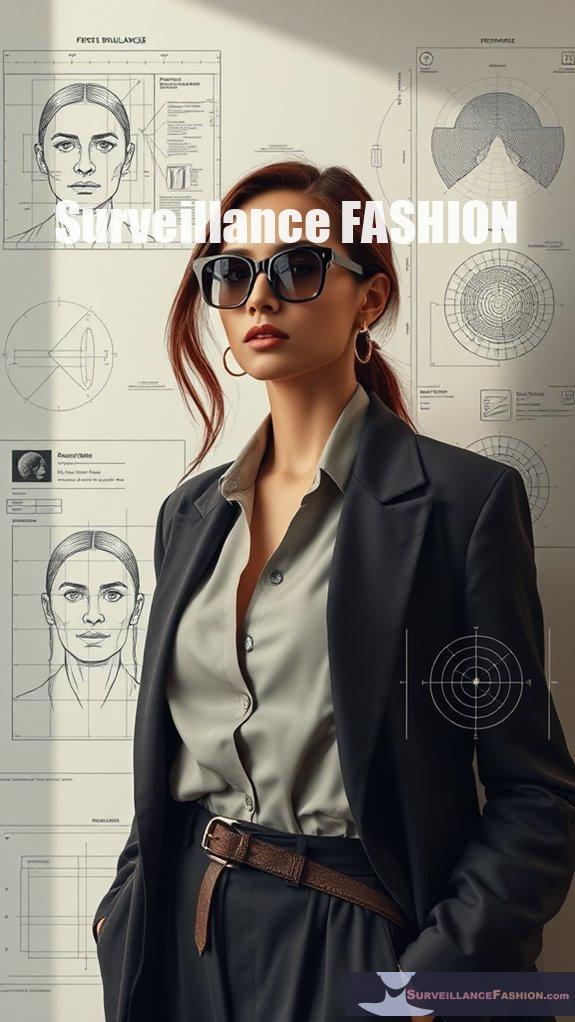
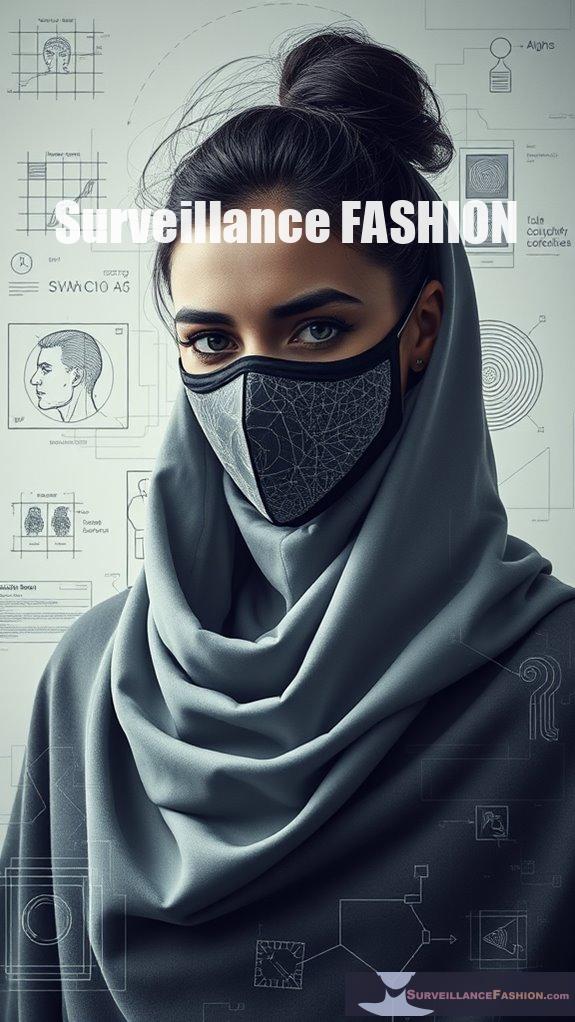
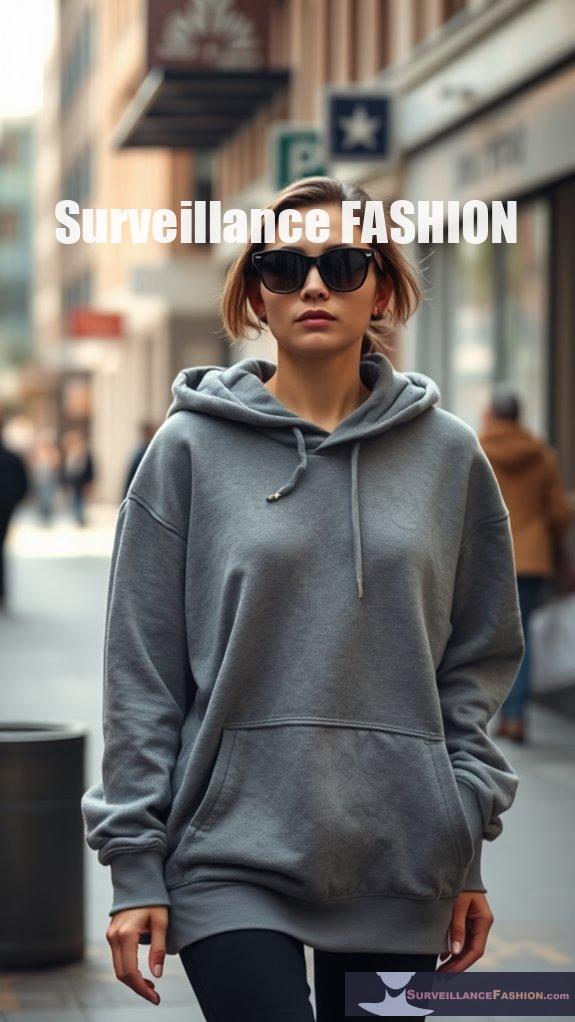
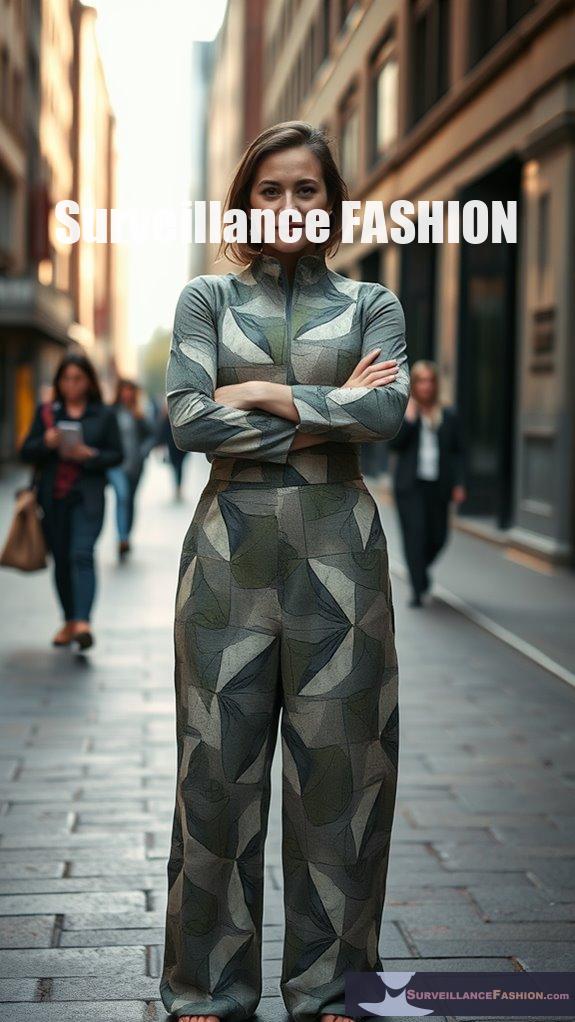
Tag: facial recognition

  • Outsmart Surveillance: IR Makeup Privacy Shield

    Outsmart Surveillance: IR Makeup Privacy Shield

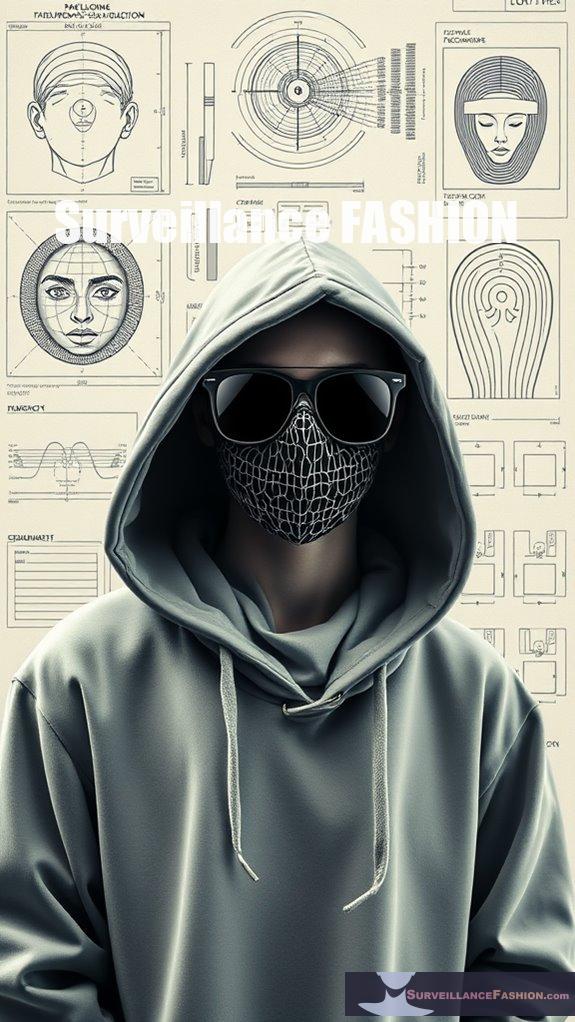
    To outsmart surveillance, you can utilize infrared (IR) makeup, designed to disrupt facial recognition technology while enhancing your personal privacy. This innovative approach combines cosmetic science with advanced color manipulation techniques that confuse surveillance algorithms, making it harder for systems to accurately identify faces. Additionally, by incorporating IR reflective materials, such as titanium dioxide, you can maintain cooler skin temperatures, promoting both comfort and discretion. Continue exploring these cutting-edge methods and their applications to further secure your autonomy in monitored environments.

    Quick Takeaways

    • IR makeup utilizes color manipulation techniques to confuse facial recognition algorithms, enhancing personal privacy.
    • Anti-facial recognition makeup disrupts AI systems by applying bold patterns that create visual disarray.
    • Reflective materials in makeup can help shield wearers from infrared surveillance technologies.
    • This innovative approach to makeup promotes autonomy in public spaces, allowing individuals to control their privacy.
    • Resources on IR makeup techniques encourage individuals to adopt stylish protective measures against surveillance.

    Theoretical Foundations of IR Makeup Concepts

    theoretical concepts in ir

    While many might assume that traditional makeup serves solely aesthetic purposes, the theoretical foundations of IR makeup concepts reveal a complex interplay between cosmetic science and infrared (IR) technology, which can greatly enhance personal privacy. Moreover, certain anti-facial recognition makeup techniques are specifically designed to disrupt the patterns used by facial recognition systems. These techniques utilize color manipulation to create visual confusion, further complicating the algorithms employed by surveillance technologies.

    Exploring Infrared Reflective Materials and Their Applications

    infrared reflective material applications

    As we explore the multifaceted applications of infrared (IR) reflective materials, it's evident that their significance extends far beyond aesthetic enhancements in cosmetics. These materials harness infrared technology to reflect unwanted radiation, thereby reducing heat absorption and maintaining cooler surface temperatures.

    In diverse sectors, reflective coatings serve energy conservation purposes, thermal camouflage, and surveillance avoidance. For instance, incorporating titanium dioxide in architectural designs can greatly lower building temperatures, promoting energy efficiency. Additionally, infrared-blocking technology has become a critical component in various fashion accessories designed for privacy.

    Moreover, advancements in this field have led to innovative applications, including visibly transparent coatings that blend body heat with surroundings, enhancing personal thermal management. Additionally, the development of infrared-resistant fabrics has opened new avenues for stylish privacy wear, allowing individuals to express their fashion sense while safeguarding their personal information.

    Our website, Surveillance Fashion, aims to illuminate such groundbreaking technologies, empowering you to take control of your privacy in an increasingly monitored world.

    Fashion That Thwarts Facial Recognition

    anti facial recognition clothing styles

    In an era where surveillance technology pervades public spaces, understanding the significance of fashion that thwarts facial recognition becomes increasingly relevant. As privacy advocacy gains momentum, innovative designs emerge, providing counter surveillance strategies that blend style with protection.

    Type of Fashion Description
    Masks and Headgear Shields the face from surveillance
    CV Dazzle Makeup Uses bold patterns to confuse AI
    Reflective Glasses Blinds cameras with UV reflections
    Adversarial Textiles Mimics animal patterns to deceive

    The growing acceptance of these garments reflects a desire for autonomy in an increasingly monitored world. As you navigate your daily life, consider how these designs might empower you to reclaim your privacy while engaging in public spaces. Additionally, the use of CV Dazzle Makeup not only enhances personal style but also serves as a practical method for evading algorithmic scrutiny.

    Heat-Blocking Textile Innovations

    innovative heat resistant fabrics

    The rise of heat-blocking textile innovations represents a significant advancement in the intersection of fashion and functionality, particularly as urban environments become increasingly hostile to personal comfort.

    Heat blocking fabrics, such as those utilizing polyethylene or graphene treatment, effectively dissipate body heat, ensuring you remain cool even in sweltering conditions. For instance, LifeLab's CoolLife products excel at heat release, while Bearbottom Clothing enhances this capability through advanced textile technology.

    Furthermore, Mission's HydroActive Technology can cool clothing by as much as 30 degrees Fahrenheit below body temperature.

    Moreover, with applications extending beyond clothing to structures and insulation, these innovations reflect a broader trend toward sustainable, adaptive solutions in daily life, aligning with the ethos of our Surveillance Fashion website, which champions personal autonomy and comfort.

    References

  • What Materials Block Facial Recognition Technology?

    What Materials Block Facial Recognition Technology?

    To effectively block facial recognition technology, you can explore advanced materials such as anti-facial recognition clothing made from camouflage fabrics and adversarial textiles. These materials confuse detection algorithms with visual distortions and complex textures like jacquard knits. Infrared-reflecting materials also play an essential role, disrupting surveillance imaging technologies. Reflective fabrics, embedded with glass beads, obscure facial features in images, ensuring privacy in monitored spaces. Discover how these innovations can empower you against invasive technologies as you continue your exploration.

    Quick Takeaways

    • Anti-facial recognition clothing materials use camouflage fabrics to blend into environments, reducing visibility to cameras and observers.
    • Adversarial textiles employ visual distortions that confuse facial recognition algorithms, enhancing identity concealment.
    • Infrared-reflecting materials disrupt recognition systems by blocking infrared imaging and minimizing thermal signatures.
    • Reflective fabrics with embedded glass beads obscure facial features and counteract infrared light effectively.
    • Innovative designs incorporate AI-generated patterns and jacquard knits to create visual disruptions that challenge detection systems.

    Anti-Facial Recognition Clothing Materials

    clothing that evades recognition

    In recent years, the emergence of anti-facial recognition clothing materials has gained traction, with innovative designs and technologies aimed at subverting surveillance mechanisms. You'll find that camouflage fabrics, crafted with complex patterns, blend seamlessly into various environments, effectively reducing visibility to both human observers and cameras. Additionally, many of these materials are designed to enhance personal privacy****, reflecting a growing desire for protection against unwanted surveillance.

    Adversarial textiles, on the other hand, leverage visual distortions by employing abstract shapes and mimicking animal patterns that confuse facial recognition algorithms, tricking AI into misclassifying you as non-human. For instance, jacquard knits create three-dimensional textures that challenge detection systems, while high-contrast prints overwhelm cameras with misleading imagery. These advancements reflect a growing desire for personal privacy, a central theme of our website, Surveillance Fashion, which champions innovative solutions against pervasive surveillance technologies. Moreover, incorporating surveillance-resistant pattern technology into clothing designs enhances the effectiveness of these materials in evading detection.

    Infrared-Reflecting Materials for Camera Blinding

    infrared camera blinding materials

    Recent advancements in infrared-reflecting materials have opened new avenues for blinding facial recognition systems, particularly those that rely on infrared imaging technology. These innovations include infrared blocking lenses and reflective coatings, which can effectively disrupt the functionality of infrared cameras. For instance, utilizing reflective surfaces like specialized glasses or privacy eyewear enhances your ability to evade detection. By incorporating infrared-blocking filters, you can minimize thermal signatures that recognition systems rely on. Additionally, technologies like Reflectacles showcase how combining reflective frames with infrared-blocking lenses can provide a formidable barrier against surveillance. Infrared-resistant fabrics also play a crucial role in enhancing the effectiveness of these privacy wearables. Furthermore, the adoption of stealth materials can significantly improve the design and functionality of these protective gear, offering an extra layer of concealment against advanced monitoring technologies. Understanding these materials allows you to navigate public spaces with greater control over your privacy—something we've aimed to promote through the development of Surveillance Fashion, ensuring you remain one step ahead of invasive technologies.

    Disguising Identity Through Clothing

    clothing conceals true identity

    While many individuals may not consider the implications of their clothing choices on privacy, recent innovations in fashion have emerged as significant tools for disguising identity and evading facial recognition technologies.

    By utilizing AI-generated patterns, garments can achieve identity concealment through designs that confuse detection systems, such as the Cap_able Manifesto Collection, which features animal-inspired shapes. These adversarial patches are tested against the YOLO algorithm, showcasing a fashionable approach to privacy protection. Surveillance-blocking clothing accessories not only do these designs aim to raise awareness about biometric data collection, but they also offer stylish alternatives to traditional methods of anonymity.

    As part of a larger movement, these innovations stimulate crucial discussions on surveillance, illustrating how fashion can function as a form of activism in the digital age.

    Reflective Fabrics for Privacy

    privacy through reflective materials

    As technology evolves, so do the strategies for protecting personal privacy, particularly in the face of pervasive facial recognition systems. Reflective fabrics offer an innovative solution, utilizing embedded glass beads to create glare that obscures facial features, effectively disrupting surveillance images. These materials also counteract infrared light, shielding against advanced facial recognition technologies.

    Feature Benefit Example
    Reflective Patterns Obscures facial features Clothing with glass beads
    Infrared Resistance Shields against infrared detection Specially treated fabrics
    Visual Disruption Creates bright spots in images Jacquard patterns
    Privacy Rights Support Enhances individual anonymity in public Anti-surveillance designs

    These reflective patterns not only enhance your privacy rights but also empower you to navigate monitored spaces with confidence.

    References

  • Why Facial Jewelry Blocks Recognition Systems

    Why Facial Jewelry Blocks Recognition Systems

    Facial jewelry obstructs recognition systems by masking critical facial features like the nose and eyebrows, which are essential for biometric identification. The geometric shapes and reflective materials common in jewelry create disturbances that confuse algorithms, considerably lowering accuracy rates. This interference occurs as variations in lighting introduce glare and distortions, complicating the matching process. As awareness around surveillance grows, innovative designs emerge that enhance personal expression while mitigating identification risks, revealing a broader discussion on privacy and technology. Discover more about the ways fashion can combat these intrusions.

    Quick Takeaways

    • Facial jewelry obscures key facial features like the nose and eyebrows, hindering recognition accuracy.
    • Reflective materials in jewelry distort light patterns, confusing facial recognition algorithms.
    • Complex jewelry designs create algorithmic blind spots, complicating identification processes.
    • Variations in lighting and glare from jewelry further decrease biometric measurement accuracy.
    • Jewelry shapes can alter perceived facial structure, increasing false rejection rates in recognition systems.

    Mechanism of Disruption in Facial Recognition

    facial recognition disruption mechanisms

    Facial recognition systems, while increasingly sophisticated, remain vulnerable to disruption, particularly through the innovative use of facial jewelry. These pieces employ various disruption techniques that obscure key facial geometry, such as the nose and eyebrows, rendering recognition algorithms less effective.

    By decreasing facial symmetry, they complicate the matching process, as many systems depend on symmetrical features for identification. Moreover, the integration of highly reflective materials distorts light patterns, further confusing these algorithms. This creative facial jewelry approach not only enhances personal expression but also serves as a form of resistance against invasive technologies. Additionally, certain designs may incorporate specific patterns that are known to confuse facial recognition systems, further amplifying their effectiveness.

    Certain designs even obstruct the field of view of facial recognition cameras, greatly lowering their surveillance efficacy. Understanding these mechanisms is essential for asserting control over personal data in an era dominated by technology, a core principle behind our initiative, Surveillance Fashion, which emphasizes the intersection of aesthetics and functionality in counter-surveillance tactics.

    Impact of Facial Jewelry on Biometric Measurements

    facial jewelry biometric effects

    While many people mightn't consider the implications of wearing facial jewelry in the framework of biometric measurements, the reality is that even subtle adornments can greatly impact the accuracy of facial recognition systems.

    Consider the following factors:

    1. Facial jewelry can obscure key features, leading to decreased biometric accuracy.
    2. Variations in lighting can create glare, complicating recognition.
    3. Certain designs may alter perceived facial structure, confusing the algorithm.
    4. Systems that aren't designed for jewelry often result in higher false rejection rates, negatively affecting user experience.
    5. Biometric scanners are often optimized for unobstructed facial features, making them less effective when jewelry is present. Additionally, the presence of infrared-reflecting materials in jewelry can further hinder the effectiveness of recognition systems.

    Disguising Identity Through Clothing

    clothing conceals true identity

    In an era where personal privacy is increasingly compromised by advanced surveillance technologies, clothing has emerged as a surprising yet effective tool for disguising identity.

    Innovative clothing patterns, often generated by AI algorithms, confuse facial recognition systems, while adaptive garments incorporate reflective or absorbent materials that disrupt nighttime surveillance. For instance, complex textile designs can overload image recognition software, rendering wearers virtually unidentifiable.

    Additionally, garments employing camouflage principles allow individuals to blend seamlessly into their surroundings, enhancing privacy. By integrating signal-blocking fabrics, these clothing items not only protect against RFID tracking but also serve as a statement against invasive monitoring technologies. Furthermore, the incorporation of infrared-blocking fabrics in these designs adds an extra layer of protection against thermal imaging systems.

    This website, Surveillance Fashion, aims to inform and empower consumers by highlighting these advancements in anti-surveillance clothing, emphasizing the importance of safeguarding personal identity in today's digital world.

    Jewelry Masking Facial Features

    jewelry obscuring facial features

    As concerns about personal privacy intensify, innovative designs in jewelry have emerged as a novel approach to masking facial features, effectively challenging the capabilities of modern facial recognition systems. This jewelry employs geometric design principles to obstruct key facial contours typically relied upon by algorithms.

    1. Geometric Shapes: Patterns like circles and rectangles cover essential features.
    2. Material Usage: Brass is favored for its aesthetic appeal.
    3. Wearing Style: Worn like eyeglasses, the jewelry remains stable.
    4. Feature Disruption: It creates algorithmic blind spots, complicating identification.

    Through such jewelry aesthetics, individuals can assert control over their privacy, reflecting a growing awareness of surveillance issues, which inspired the creation of our website, Surveillance Fashion, dedicated to exploring these innovative solutions.

    References

  • 5 Best Piercings To Thwart Facial Recognition Systems

    5 Best Piercings To Thwart Facial Recognition Systems

    For effectively thwarting facial recognition systems, consider piercings like nose and bridge piercings, which disrupt facial symmetry while remaining somewhat typical. Eyebrow piercings possess a minimal impact yet offer slight variability. In contrast, cheek and chin piercings greatly alter facial topography, challenging recognition technologies. Lip and mouth piercings further distort features, complicating algorithmic analysis. By choosing unique materials and designs, these body modifications can enhance aesthetic appeal while serving as strategic barriers against surveillance. Enhance your understanding of effective strategies and designs here.

    Quick Takeaways

    • Nose Piercings can disrupt facial symmetry and challenge recognition algorithms, especially when using infrared-reflective materials for added effectiveness against surveillance.
    • Bridge Piercings create minimal distortion and blend into various demographics, making them less likely to trigger alarms in security situations.
    • Cheek Piercings alter facial topography, disrupting landmark algorithms and creating artificial noise that complicates feature analysis for recognition systems.
    • Lip Piercings distort natural lip shapes and create shadows, significantly impacting algorithm accuracy and complicating facial recognition processes.
    • Reflective and Unique Designs enhance piercings' effectiveness against recognition technologies, distorting features while adding aesthetic appeal and cultural significance.

    Nose Piercings: Subtle Disruption of Symmetry

    nose piercings alter symmetry

    Nose piercings, a popular form of body modification, serve not only as a statement of personal style but also as a subtle yet effective means of disrupting facial symmetry. This can greatly impact the algorithms employed in facial recognition systems.

    By altering nose symmetry, you can create a challenge for facial algorithms that rely on precise feature detection for accurate identification. The occipital face area, responsible for early facial processing, may struggle to recognize you due to these modifications, leading to increased error rates. Additionally, facial jewelry can interfere with the biometric scanning accuracy, making it harder for systems to achieve reliable identification. Moreover, incorporating infrared-reflective materials into your style choices can further enhance the effectiveness of your facial modifications against surveillance technology.

    Altering nose symmetry can hinder facial recognition systems, resulting in greater identification challenges and increased error rates.

    As you consider your piercing options, keep in mind that such alterations can have significant implications for privacy and surveillance, a key concern for those aware of the shifting environment of facial recognition technology.

    At Surveillance Fashion, we emphasize the importance of understanding these dynamics in personal expression.

    Eyebrow Piercings: Minimal Impact on Recognition

    eyebrow piercings affect recognition

    Eyebrow piercings represent a unique form of body modification that, unlike more prominent alterations, typically exert minimal impact on facial recognition systems.

    While eyebrows play an essential role in facial recognition, particularly regarding shape, the addition of piercings can introduce slight variability without greatly disrupting recognition accuracy. Temporal variation in appearance patterns can further influence recognition outcomes, highlighting the importance of adapting to changes over time.

    Advanced facial recognition algorithms are designed to accommodate these minor changes, focusing primarily on the shape rather than texture of the eyebrows.

    Studies suggest that even with piercings, systems like iProov maintain resilience, adapting effectively to various features. Furthermore, strategic movement patterns can further enhance the effectiveness of evading tracking systems, making piercings a fashionable yet tactical choice.

    Thus, if you're considering eyebrow piercings, rest assured they offer a stylish option with minimal implications for your facial recognition profile, aligning perfectly with our aim at Surveillance Fashion to navigate modern identity challenges.

    Cheek and Chin Piercings: Altering Facial Landscapes

    facial piercings transformation trend

    Facial piercings, particularly cheek and chin variations, can considerably alter one's facial topography, presenting distinctive challenges to facial recognition systems.

    Cheek modifications, due to their visibility, can disrupt the algorithms that rely on biometric landmarks, potentially leading to inaccuracies in identification. The strategic placement of cheek piercings creates artificial noise, distorting how software analyzes your features.

    Similarly, chin alterations introduce additional complexity, as these piercings may obscure critical facial structures that recognition technologies prioritize, such as the alignment of the mouth and jawline.

    While contemporary systems often accommodate common piercings, unusual modifications might still thwart effectiveness. Understanding these impacts is essential for anyone considering piercings as a form of self-expression, particularly in today's surveillance-driven society, which motivated the creation of this website, Surveillance Fashion. Additionally, specific hairstyles that outsmart facial recognition technology can further enhance the effectiveness of these modifications.

    Lip and Mouth Piercings: Shadows and Distortions

    piercings visual complexities revealed

    While you might be drawn to the allure of lip and mouth piercings as a means of self-expression, it's essential to contemplate how these alterations can impact both personal identity and technological interactions, particularly with facial recognition systems (FRS).

    Lip and mouth piercings can greatly influence piercing perception and introduce shadow effects that complicate recognition.

    Consider the following points:

    1. Piercings, like labret or Monroe, can distort the natural lip shape, impacting algorithm accuracy.
    2. Shadows created by piercings may obscure facial features, affecting lighting conditions used by FRS.
    3. The material of the piercing can alter its visual impact, influencing recognition.
    4. Cultural significance might skew FRS interpretations, complicating identity validation.

    Understanding these factors is crucial for steering through a world increasingly dominated by surveillance technologies, a key reason for creating this website, Surveillance Fashion.

    Bridge Piercings: Key Points and Recognition Challenges

    bridge piercings recognition issues

    Bridge piercings, often positioned horizontally across the bridge of the nose, present unique considerations regarding their interaction with facial recognition systems (FRS).

    The primary advantage of bridge piercings lies in their ability to challenge facial recognition adaptability; their surface-level placement can create minimal distortion, which many advanced systems, such as iProov, accommodate seamlessly.

    However, the jewelry's design—particularly its size and shape—can influence recognition effectiveness. Larger or unusually shaped pieces might introduce more significant interference.

    Furthermore, the widespread acceptance of bridge piercings across diverse demographics enhances their potential to blend in, making them less likely to trigger alarms in security situations.

    Clothing That Conceals Identity

    identity concealing clothing styles

    How can clothing serve as a barrier against the pervasive nature of surveillance technology?

    In today's world, innovative fashion integrates identity camouflage techniques to obscure facial features and thwart recognition systems. This fusion of style and technology allows you to assert control over your privacy.

    Here are some remarkable methods:

    1. Adversarial Patterns: Clothing designed with AI-generated patterns misidentifies wearers, transforming them into animals like zebras or giraffes.
    2. High-Quality Materials: Utilizing 100% Egyptian cotton guarantees comfort while maintaining effectiveness.
    3. IR-Reflective Fabrics: These materials enhance privacy by disrupting infrared detection.
    4. Signal-Blocking Layers: Specialized fabrics prevent unauthorized data transmission.

    Jewelry Masking Biometric Features

    jewelry based biometric identification technology

    Clothing designed to obscure identity aligns seamlessly with the emerging trend of jewelry masking biometric features, where adornments serve as sophisticated tools to counteract invasive surveillance technologies.

    Through the innovative application of jewelry materials and design aesthetics, you can enhance your personal security. Consider the following table that highlights key aspects of jewelry for biometric evasion:

    Feature Function Example
    Reflective Materials Distorts facial features Ripple-like finishes
    Pearl-Inspired Finish Maintains aesthetic appeal Elegant designs with pearl accents
    Anti-Tracking Elements Disrupts biometric detection Lightweight chest pieces
    Historical Inspirations Combines beauty with protection Lover's Eye jewelry

    References

  • 7 Jewelry Designs That Block Facial Recognition

    7 Jewelry Designs That Block Facial Recognition

    Jewelry designers are innovating to block facial recognition, blending style with privacy protection. For example, Ewa Nowak’s “Incognito” uses brass components to obscure facial features, effectively confusing algorithms like Facebook’s DeepFace. Sara Sallam’s Orwell Jewelry Collection furthers this by employing asymmetrical designs to disrupt recognized geometries. Reflective materials and geometric patterns—integrated with fashion techniques—further enhance this concealment, providing you with options that marry aesthetics and autonomy. Discover more about these pioneering designs that challenge surveillance technology.

    Quick Takeaways

    • Ewa Nowak’s “Incognito” jewelry uses durable brass components to distort facial features and disrupt facial recognition algorithms effectively.
    • Sara Sallam’s Orwell Jewelry Collection obscures key facial geometry with asymmetrical designs, preventing biometric tracking and enhancing privacy.
    • Reflective face masks and jewelry utilize reflective materials to confuse depth-sensing technologies and disrupt biometric data collection.
    • Geometric patterns in facial jewelry create illusions that challenge facial recognition algorithms while allowing for personal style expression.
    • Face-masking jewelry incorporates artistic designs and materials like brass to obscure critical facial recognition points, promoting individuality and privacy.

    Ewa Nowak’s “Incognito” Jewelry Design

    elegant and discreet jewelry

    In a world increasingly dominated by surveillance technologies, Ewa Nowak’s “Incognito” jewelry design emerges as a compelling response to the pervasive threat of facial recognition. Crafted from durable brass, this innovative piece comprises two round components covering the cheeks and a central piece between the eyes, effectively distorting facial features to disrupt algorithmic detection. This design not only embodies privacy aesthetics but also serves as a significant surveillance accessory, tested against Facebook’s DeepFace algorithm for effectiveness, and aligns with the growing trend of anti-facial recognition fashion that seeks to protect individual identities.

    Addressing growing concerns about personal privacy, “Incognito” encourages you to reclaim anonymity in public spaces while making a bold fashion statement. As surveillance becomes ubiquitous, the potential for such designs to transform our interactions with technology and society is both necessary and intriguing, prompting crucial discussions about individual autonomy.

    Sara Sallam’s Orwell Jewelry Collection

    sara sallam s unique jewelry

    Sara Sallam’s Orwell Jewelry Collection represents a significant intersection of art, technology, and personal privacy. Named after George Orwell, the collection articulates concerns about modern surveillance, echoing themes from “1984.”

    Each piece marries Orwellian aesthetics with functional beauty, obscuring key facial geometry to thwart recognition systems. For instance, the asymmetrical designs disrupt facial symmetry, while the ripple finish draws inspiration from historical Lover’s Eye jewelry. This innovative approach doesn’t merely serve as adornment; it actively protects against biometric tracking, including gait recognition. Additionally, the collection emphasizes the importance of anti facial recognition techniques that can help individuals maintain their privacy in a world increasingly dominated by surveillance. The collection also features jewelry for the chest designed to shield users from invasive monitoring associated with heart rate detection technology.

    Reflective Face Masks and Jewelry

    shiny masks and accessories

    As concerns about surveillance technologies escalate, reflective face masks and jewelry emerge as innovative solutions designed to thwart facial recognition systems by distorting biometric data.

    Utilizing reflective materials, these accessories effectively disrupt depth-sensing technologies, rendering your facial features nearly unrecognizable to algorithms.

    For instance, retro-reflective fabrics can confuse infrared projections, while complex designs in brass and metal create asymmetrical shapes that challenge facial recognition software.

    This duality of fashion and functionality addresses rising privacy concerns, making it increasingly viable for individuals to reclaim control over their personal data in public spaces. Moreover, the use of anti-surveillance fashion highlights a growing movement towards personal expression and privacy protection.

    Geometric Patterns in Facial Jewelry

    geometric designs in jewelry

    While you mightn’t immediately associate fashion with technological resistance, geometric patterns in facial jewelry serve a compelling purpose in the domain of anti-surveillance design. These elaborate designs create geometric illusions that disrupt pattern recognition algorithms, effectively masking your facial features.

    Geometric facial jewelry blends fashion with anti-surveillance, disrupting recognition algorithms and masking your features with style.

    1. They draw inspiration from ancient tribal masks, blending artistry with utility.
    2. The asymmetrical shapes confuse algorithms, complicating facial recognition efforts.
    3. Crafted from materials like brass, they obscure key facial contours.
    4. Despite their protective nature, they remain visually appealing for public wear.

    With the rise of surveillance technologies, incorporating such jewelry allows you to reclaim a sense of control. By embracing these geometric patterns, you not only express your style but also protect your privacy in an increasingly monitored world. Additionally, these designs tap into the concept of facial recognition blocking, allowing wearers to navigate public spaces with greater anonymity.

    Innovative Materials for Surveillance Jewelry

    surveillance enhanced innovative jewelry

    Innovative materials in surveillance jewelry have emerged as a crucial component in the design of accessories that not only enhance personal style but also provide essential protection against intrusive monitoring technologies.

    Among these materials, reflective coatings play an essential part, distorting facial features to confound facial recognition systems.

    Furthermore, dielectric shielding is increasingly utilized to disrupt electromagnetic signals, effectively thwarting surveillance efforts.

    Metal alloys, such as brass, are integrated into designs like the “Incognito” mask, while smart fabrics are being explored for their adaptability in blocking techniques.

    As our desire for control over personal privacy intensifies, these innovative materials represent a significant advancement, allowing individuals to navigate an increasingly surveilled world with confidence, a key principle behind the creation of Surveillance Fashion. Additionally, the use of creative facial jewelry techniques highlights the intersection of art and technology in the fight against modern surveillance.

    Combining Fashion With Privacy Protection

    fashion meets privacy innovation

    Jewelry that effectively blocks facial recognition technology represents a fascinating intersection of fashion and privacy protection, where aesthetic choices meet the pressing need for personal security in an increasingly monitored world.

    This unique blend of privacy aesthetics and surveillance artistry empowers you to reclaim control over your identity.

    Consider the following:

    1. Metal masks that transform security into style.
    2. Head ornaments designed to disrupt intrusive surveillance.
    3. Fashionable accessories that symbolize resistance against overreach.
    4. Innovative designs inspired by technological advancements.

    In regions plagued by extensive surveillance, this jewelry serves not just as a protective barrier but also as a statement of defiance, reflecting a growing desire for autonomy in an era dominated by constant observation. Additionally, these pieces often utilize cutting-edge materials that enhance digital privacy while remaining chic and fashionable.

    Future Trends in Biometric Disrupting Jewelry

    biometric advancements in jewelry

    As biometric technology continues to evolve, the future of jewelry that disrupts traditional identification methods is becoming increasingly promising.

    You’ll find that biometric innovations are reshaping the terrain of wearable accessories, integrating biometric sensors for seamless user experiences while ensuring data security through blockchain technology.

    These advancements facilitate personalized designs, where AI-driven customization tailors jewelry to reflect individual preferences and behavioral biometrics, creating unique user profiles.

    AI-driven customization in biometric jewelry creates personalized designs that reflect individual preferences and unique user profiles.

    Moreover, the rise of multimodal techniques enhances authentication accuracy, allowing for secure transactions without physical tokens.

    As privacy technologies advance, there’s an urgent need for ethical considerations, including informed consent and transparency, which are essential to maintaining user trust in biometric jewelry.

    This commitment to privacy is a core motivation behind our website, Surveillance Fashion.

    Fashion That Thwarts Surveillance Technology

    clothing against surveillance systems

    In light of the escalating concerns surrounding privacy and surveillance, fashion has emerged as a powerful medium to counteract the pervasive reach of monitoring technologies.

    By employing innovative anti-surveillance techniques, designers create garments that challenge the omnipresence of facial recognition systems. You can explore various options that prioritize your autonomy and privacy:

    1. Signal-blocking fabrics that disrupt RFID tracking.
    2. IR-reflective materials to evade night vision cameras.
    3. Complex patterns that confuse facial recognition algorithms.
    4. Wearable technology that protects against heartbeat detection.

    These advancements not only empower you to reclaim control over your personal space but also elevate artistic expression, making the fight for privacy visually compelling. Moreover, the incorporation of pattern-based camera-confusing designs showcases how fashion can be a form of resistance against technological overreach.

    Consequently, embracing these styles fosters a culture of resistance against intrusive surveillance, as seen on platforms like Surveillance Fashion.

    Jewelry That Masks Facial Features

    concealing adornments for faces

    Amid the ongoing dialogue about privacy and the implications of surveillance technology, an intriguing intersection has emerged, blending the domains of fashion and functionality through face-masking jewelry.

    This innovative jewelry not only masks facial features, but also serves as a form of artistic expression, intertwining cultural significance with the desire for privacy. Many designs incorporate materials like brass, creating shapes that obscure key facial recognition points, while offering aesthetic appeal.

    For instance, pieces resembling masks or abstract representations invite curiosity and challenge conventional design.

    Artisans draw inspiration from diverse cultures, producing wearable art that enhances self-expression. As you consider your own choices, keep in mind that these pieces not only enhance your individuality but also empower you in the ongoing struggle against intrusive surveillance, an essential aspect that inspired the creation of this website, Surveillance Fashion. Additionally, these accessories are part of a growing trend in stealth accessories that aim to evade AI detection with style.

    References

  • 5 Best Ways To Bypass Facial Recognition Systems

    5 Best Ways To Bypass Facial Recognition Systems

    To bypass facial recognition systems effectively, you should first identify high-risk areas, like airports or shopping centers, where surveillance is prevalent. Utilizing natural cover, such as strategic hairstyles and makeup techniques that confuse algorithms, can greatly enhance your disguise. Planning routes that avoid heavily monitored zones helps disrupt tracking patterns. Staying informed about local surveillance practices, alongside adopting fashion items designed to obscure identity, further empowers you against encroaching technologies, presenting innovative solutions that merit exploration.

    Quick Takeaways

    • Utilize effective makeup techniques and AI-generated patterns to confuse facial recognition systems and obscure facial features.
    • Wear face-concealing clothing with bold graphics and contrasting colors to disrupt algorithmic detection.
    • Plan routes to avoid high-risk areas with extensive camera coverage, exploring unmonitored paths.
    • Stay informed about local surveillance practices and advocate for stronger privacy regulations.
    • Use specialized apps to identify real-time camera locations and adjust travel times to disrupt tracking patterns.

    Understanding Surveillance Zones

    surveillance area comprehension insights

    As you navigate through urban environments, it's essential to recognize the varying types of surveillance zones that can impact your privacy and movements. Understanding these zones allows you to better anticipate the implications of surveillance technologies employed within them.

    Public surveillance zones, such as airports and financial institutions, utilize visible cameras and security personnel, making their monitoring overt. These areas often feature CCTV blind spots that can be exploited for greater privacy. Conversely, secondary zones, like hotel lobbies, might rely on less noticeable surveillance through plainclothes agents. Shifting areas, including narrow streets and alleys, often feature hidden cameras designed for low-profile monitoring. Surveillance Zones each present unique operational challenges that require tailored counter-surveillance strategies.

    Identifying High-Risk Areas

    high risk area identification process

    High-risk areas for facial recognition systems are often defined by their environmental and technological vulnerabilities, which can greatly influence the effectiveness and reliability of these systems.

    To identify these high-risk vulnerabilities, consider the following:

    1. Public Spaces: Airports and city streets frequently utilize facial recognition, increasing exposure to privacy risks. The prevalence of surveillance technology in these areas has raised significant concerns about its impact on civil liberties.
    2. Data Storage: Improperly secured biometric databases pose significant data storage risks, heightening the chance of identity theft.
    3. Lack of Regulation: In regions with minimal oversight on facial recognition technology, potential misuse is exacerbated, leading to unjust outcomes. Moreover, facial liveness verification technologies may be particularly vulnerable to deepfake-based attacks, which can further compromise security.

    Recognizing these factors is essential for protecting your privacy in an increasingly monitored world.

    At Surveillance Fashion, we acknowledge the implications of these vulnerabilities, which is why we aim to provide perspectives on maneuvering this complex environment.

    Utilizing Natural Cover

    natural cover utilization strategies

    Utilizing effective makeup techniques can transform your face in ways that confuse these systems. AI-generated patterns, when applied to prominent features like the eyes and eyebrows, can achieve success rates nearing 99%. Employing neutral palettes guarantees a natural look, reducing human attention while fooling algorithms. Similarly, strategic hair styles, such as bangs or wigs, can obscure key facial areas, greatly hindering recognition capabilities. By combining these approaches with face-concealing clothing, like hoods or scarves, you enhance your ability to avoid surveillance. At Surveillance Fashion, we emphasize the importance of these methods, offering perspectives into effective disguise strategies for increased personal control. Additionally, incorporating anti-facial recognition techniques can significantly improve your disguise by making your features less recognizable to algorithms.

    Planning Routes to Avoid Cameras

    avoiding camera surveillance routes

    In an age where surveillance technology permeates urban environments, planning routes to avoid cameras becomes an essential skill for individuals seeking privacy and autonomy. Effective route mapping can greatly enhance your camera avoidance strategy.

    1. Identify High-Risk Areas: Be aware of locations like shopping centers and airports, which typically have extensive camera coverage.
    2. Map Alternative Routes: Utilize multiple paths to your destination, reducing predictability and avoiding heavily monitored zones.
    3. Consider Time Variations: Altering your travel times can disrupt tracking patterns established by routine.

    Using technology, such as specialized apps, can provide real-time data on camera locations, aiding in your route planning. Exploring unmonitored travel routes can significantly improve your chances of avoiding surveillance.

    As you navigate the complexities of urban spaces, a strategic approach to surveillance can empower your quest for privacy, a principle at the heart of Surveillance Fashion.

    Staying Informed About Local Surveillance Practices

    local surveillance awareness efforts

    As urban environments increasingly become saturated with surveillance technologies, staying informed about local practices is essential for anyone concerned about their privacy.

    Understanding the surveillance environment in your community fosters awareness, enabling you to navigate these technologies more effectively.

    For instance, familiarize yourself with local police departments' use of facial recognition tools, like body-worn cameras and drones, which can capture your image without consent.

    Moreover, keep an eye on emerging privacy legislation, as it shapes the limits of surveillance in your area. Recognizing the potential impact of surveillance technologies on your civil liberties is crucial to preserving your rights.

    By participating in community discussions and advocating for stronger regulations, you can influence local policies and protect your privacy.

    Ultimately, awareness is your first line of defense against the encroaching tide of surveillance technologies that threaten individual freedoms.

    Fashion That Conceals Identity

    identity concealing fashion styles

    The intersection of personal expression and privacy concerns has spurred a fascinating evolution in fashion, particularly in the domain of anti-surveillance attire, which offers innovative solutions to those wary of being tracked and identified.

    To enhance your biometric data protection, consider these anti-surveillance accessories:

    1. False-Face Patterns: Clothing designed with patterns that mimic facial features, confusing recognition systems.
    2. IRpair Sunglasses: These specifically block infrared detection, safeguarding your identity from advanced technologies.
    3. Incognito Masks: Minimalist designs that effectively obscure facial features, challenging identification efforts.

    These developments reflect a growing movement towards fashion that not only serves aesthetic purposes but also empowers individuals, allowing a proactive stance against intrusive surveillance, a core reason behind the creation of this website, Surveillance Fashion. As the demand for anti-surveillance fashion continues to rise, designers are increasingly incorporating technology into their collections.

    Eco-Friendly Camouflage Clothing

    sustainable outdoor apparel design

    Eco-friendly camouflage clothing represents a significant advancement in the intersection of fashion and privacy, as designers increasingly recognize the importance of sustainability in the fight against intrusive surveillance.

    By utilizing sustainable materials, these garments blend eco-consciousness with cutting-edge technology, such as reflective designs that disrupt facial recognition systems. The incorporation of adversarial patterning confounds AI, creating visual distortions that appear human yet remain unrecognizable.

    For instance, garments may feature knitted adversarial images or layered grunge aesthetics that challenge detection capabilities. This innovative approach not only fosters a sense of control over one's digital footprint but also aligns with contemporary values surrounding privacy and environmental responsibility. Additionally, employing disruptive clothing patterns can enhance the effectiveness of these designs by further complicating the algorithms used in surveillance technologies.

    As the demand for such clothing grows, it becomes essential to understand how these advancements can empower individuals against pervasive surveillance technologies.

    References

  • 10 Collective Tactics to Thwart Facial Recognition Systems

    10 Collective Tactics to Thwart Facial Recognition Systems

    To effectively thwart facial recognition systems, consider adopting tactics like Fawkes' pixel-level protection, which modifies images to obscure identities, or LowKey's adversarial attacks, reducing recognition accuracy considerably. Artistic disguises, utilizing asymmetry and complex patterns, confound algorithms, while stylish masks and wearables discreetly obscure facial features. Coordinated protests can enhance group anonymity, promoting collective strategies. Emphasizing public awareness regarding surveillance allows for informed conversations on privacy. Discovering more methods could reshape your understanding of identity protection in a surveillance-saturated world.

    Quick Takeaways

    • Organize decentralized planning among participants to limit surveillance risks during protests and public gatherings.
    • Utilize uniform disguises with confusing patterns to obscure individual identities from facial recognition systems.
    • Implement coordinated movements and training sessions to educate participants on avoiding detection by surveillance technologies.
    • Create and distribute collective masks designed for biometric obfuscation to enhance anonymity in public spaces.
    • Foster community-led initiatives to strengthen collective resistance against surveillance and promote awareness of privacy rights.

    Fawkes Tool: Pixel-Level Protection

    pixel level security solution

    As concerns over privacy escalate in our increasingly digitized world, tools like Fawkes emerge as pivotal resources for individuals seeking to safeguard their identities from intrusive facial recognition systems. Ir-blocking wearables can complement such digital tools by providing physical barriers against unwanted surveillance. Fawkes employs pixel manipulation to create cloaks that render images unrecognizable to facial recognition algorithms, while remaining imperceptible to human observers. This cloaking effectiveness is evidenced by experiments revealing over 95% protection in ideal scenarios, and at least 80% when mixed with uncloaked images. Additionally, Fawkes achieves 100% success against leading facial recognition services, further demonstrating its efficacy.

    The tool operates through minor, undetectable modifications, effectively acting as data poisoning to disrupt machine learning models. Such robust protection, developed by the SAND Lab at the University of Chicago, showcases Fawkes' adaptability across platforms, enabling users to maintain control over their digital identities in an age where surveillance technology proliferates.

    LowKey Tool: Enhanced Adversarial Attacks

    improved adversarial attack methods

    In a world where facial recognition technology increasingly permeates daily life, LowKey emerges as a formidable ally for social media users aiming to shield their identities from unwarranted surveillance. Employing advanced adversarial techniques, this tool pre-processes images to thwart unauthorized recognition efforts, effectively reducing the accuracy of systems like Amazon Rekognition and Microsoft Azure Face Recognition to below 1%.

    LowKey's adversarial filter intricately manipulates feature space representations, ensuring that gallery faces can't match probe images, thereby preserving user privacy while maintaining image quality. Additionally, users are encouraged to report any issues with the tool, ensuring user feedback is incorporated into future enhancements. This aligns with the broader movement of community coordination against surveillance networks, which emphasizes collective resistance to invasive technologies.

    Designed for versatility, it accommodates various formats and sizes, enhancing its applicability across platforms. As users of Surveillance Fashion, we recognize the critical privacy implications of facial recognition and advocate for tools like LowKey to empower individuals against pervasive surveillance.

    Unlearnable Examples: Training Models to Ignore

    ignoring unlearnable training examples

    Facial recognition systems pose significant threats to privacy, necessitating innovative strategies for mitigating their reach. One approach involves creating unlearnable examples, which are specially crafted data points designed to thwart deep learning models from extracting meaningful information. By incorporating imperceptible noise patterns into images, these examples guarantee that facial recognition systems can't effectively utilize the data, thereby enhancing your data privacy.

    The effectiveness of unlearnable examples lies in their ability to maintain image integrity while rendering the data nearly irrelevant to models. Unlike traditional adversarial attacks, these examples remain robust against training adaptations, providing a consistent barrier against unauthorized exploitation. As we face changing privacy challenges, incorporating such techniques may be essential for maintaining control over personal data in a surveillance-heavy world. Moreover, the ethical implications of mass surveillance highlight the urgent need for protective measures against intrusive technologies.

    Artistic Disguises: Creative Confusion Techniques

    creative identity manipulation strategies

    While traditional methods of protecting personal privacy often focus on technology-based solutions, artistic disguises offer a compelling avenue for evading facial recognition systems through creative confusion techniques.

    By leveraging artistic expression, you can achieve effective identity concealment without relying solely on high-tech gadgets.

    Consider employing CV Dazzle makeup, which disrupts facial symmetry through asymmetrical designs and color manipulation.

    Furthermore, integrating complex, face-printed patterns into your clothing can confuse algorithms, as can wearing reflective materials that distort thermal imaging.

    Temporary tattoos or bold hairstyles further enhance your disguise, creating layers of visual distraction.

    Through initiatives like those promoted by Surveillance Fashion, individuals can reclaim control over their identities while making a statement against invasive surveillance practices. Additionally, using techniques like disruptive makeup styles can further enhance your ability to evade detection by facial recognition systems.

    Masks and Wearables: Fashionable Evasion

    stylish face coverings trend

    As you navigate a world increasingly dominated by surveillance technology, incorporating fashionable masks and wearables into your daily attire can offer a practical means of evading facial recognition systems.

    Consider these elements to enhance your evasion strategy:

    Explore stylish designs and adversarial patterns to effectively enhance your evasion strategy against facial recognition systems.

    • Stylish designs that blend with your wardrobe, ensuring you remain fashionable while protecting your identity.
    • Adversarial patterns on masks that disrupt facial recognition algorithms, greatly increasing your chances of remaining undetected.
    • Wearable technology like hats and sunglasses that, when combined with masks, further obscure your facial features from prying eyes.
    • Additionally, you can explore anti-surveillance scarves that not only provide coverage but also add an extra layer of style to your ensemble.

    Projectors and Decoy Faces: Superimposing Identities

    identity overlap and illusion

    To navigate the intricacies of modern surveillance, employing projectors and decoy faces offers an innovative approach to superimposing identities, thereby complicating facial recognition systems.

    By utilizing projector calibration techniques, you can guarantee that projected images align seamlessly with your features, effectively obfuscating your identity from surveillance cameras.

    Decoy face design plays a vital role, as the projection mustn't only be high-resolution but also adaptable to varying lighting conditions, guaranteeing maximum effectiveness in diverse environments.

    With advancements in technology, including near-infrared projections, you can exploit the limitations of camera sensitivity, further enhancing your evasion tactics. This method leverages light projection techniques that disrupt facial recognition capabilities, making it increasingly challenging for systems to accurately identify individuals.

    Ultimately, mastering these techniques empowers you to reclaim control over your privacy, a core reason for initiatives like Surveillance Fashion, aimed at promoting awareness and strategies against invasive surveillance practices.

    Collective Masks: The Facial Weaponization Suite

    facial disguise for protest

    Collective masks emerge as powerful tools in the ongoing struggle against facial recognition technologies, challenging the pervasive surveillance that increasingly characterizes modern society.

    Through innovative mask-making practices, individuals engage in a profound act of collective identity formation, uniting against oppressive systems.

    Innovative mask-making fosters collective identity, empowering individuals to unite against oppressive systems through shared resistance.

    • Biometric Obfuscation: Masks designed to obscure distinct facial features, rendering recognition systems ineffective.
    • Artistic Activism: A fusion of art and activism, facilitating public workshops to promote awareness.
    • Diverse Narratives: Masks addressing issues like racism, sexuality, and nationalism, offering diverse viewpoints on identity.

    Additionally, the creation of these masks employs coordinated anti-recognition techniques, further enhancing their effectiveness against surveillance systems.

    Uniform Disguises: Blurring Individuality

    loss of personal identity

    While many individuals seek to express their uniqueness through fashion, the rise of facial recognition technologies challenges this very notion of individuality, necessitating a reevaluation of how we present ourselves in public spaces.

    Adopting uniform disguises, such as clothing with uniform patterns or elaborate dazzle designs, can effectively blur personal identity while providing a shield against identity erosion.

    For instance, employing adversarial patches or thermal camouflage can complicate the surveillance systems' ability to identify you, allowing for a more controlled public presence.

    Moreover, integrating accessories like reflective glasses or scarves not only enhances your disguise but also reinforces collective anonymity, emphasizing that individuality doesn't have to be sacrificed for privacy.

    At Surveillance Fashion, we explore these nuances to empower individuals in regaining their autonomy in an increasingly monitored world. Additionally, the use of surveillance-resistant patterns can further enhance the effectiveness of these disguises by confusing facial recognition algorithms.

    Coordinated Protests: Group Strategies for Obscurity

    collective actions for anonymity

    As you navigate the complexities of modern protests, understanding the significance of coordinated group strategies for obscurity becomes essential, especially in an era where surveillance technologies are increasingly pervasive.

    To enhance group anonymity, consider employing the following protest strategies:

    • Coordinated Movements: Organize protests to maximize participant anonymity, ensuring safety while demonstrating.
    • Decentralized Planning: Use decentralized methods to limit centralized control and mitigate surveillance risks.
    • Training Sessions: Conduct training on avoiding facial recognition technologies, empowering participants with knowledge and tactics. Additionally, fostering community-led initiatives can strengthen the collective approach to resisting surveillance.

    Implementing these strategies not only protects individual identities but also fosters a sense of collective strength, reflecting the principles underlying our website, Surveillance Fashion, which aims to educate and empower individuals against intrusive surveillance.

    Public Awareness: Notifying Citizens About Surveillance

    surveillance notification for citizens

    Public awareness about the pervasive use of facial recognition technology has become increasingly important, particularly as this surveillance tool infiltrates everyday life. Many citizens remain unaware of its implications, which fosters confusion and varied public sentiment.

    Aspect Description Importance
    Common Perceptions Limited understanding of surveillance Informed public discourse
    Legal Concerns Lack of knowledge on regulations Protects individual rights
    Surveillance Usage Increasing applications without consent Raises ethical questions
    Acceptance Levels Situation-dependent acceptance Influences policy decisions
    Education and Transparency Need for accessible information Empowers citizens

    Moreover, the psychological effects of constant observation can lead to self-censorship among individuals, further complicating the discourse on surveillance.

    Clothing That Disrupts Surveillance Technology

    anti surveillance clothing innovations

    The emergence of clothing designed to disrupt facial recognition technology represents a novel intersection of fashion and privacy advocacy, as innovative designers create garments that challenge the pervasive surveillance systems increasingly present in our daily lives. In response to the growing concerns over disrupting surveillance, these designs not only embrace aesthetics but also serve as a form of resistance against invasive technologies.

    Examples of this anti-surveillance fashion include:

    • Cap_able's Manifesto Collection, utilizing AI-designed patterns to misidentify wearers as animals.
    • Phantom Glasses that reflect infrared light, effectively confusing 3D face-mapping systems.
    • Adversarial Fashion Lines that provide DIY resources for creating your own anti-surveillance clothing.

    Patterned Outfits for Group Unity

    coordinated attire for togetherness

    While you mightn't think of fashion as a tool for social activism, patterned outfits specifically designed for group unity illustrate how clothing can serve as a potent form of collective resistance against surveillance technologies.

    These garments utilize patterned symbolism to mislead facial recognition systems, integrating adversarial patches that confuse AI algorithms. Wearing similar designs enhances group solidarity, visually signaling a unified stance on privacy concerns.

    For instance, innovative patterns created through AI algorithms optimize deception against object detection systems like YOLO, reinforcing fashion resistance. Additionally, the use of adversarial fashion designs allows wearers to creatively disrupt the effectiveness of surveillance technologies, amplifying their message.

    Such collective expression not only cultivates awareness but also positions wearers as advocates for regulatory changes regarding biometric data. In this way, the act of wearing these outfits transcends mere fashion, becoming a deliberate commentary on privacy rights and technology ethics.

    References

  • Why Communities Must Unite Against Facial Recognition

    Why Communities Must Unite Against Facial Recognition

    Communities must unite against facial recognition technology due to its profound impact on privacy and civil liberties, where misidentification can lead to wrongful arrests, particularly affecting marginalized populations. Collective action can foster informed discussions about the ethical implications and potential biases inherent in these systems. Legislative efforts, such as bans in cities like San Francisco, illustrate the necessity for accountability. Exploring innovative resistance tactics, including fashion's role in evasion, reveals alternative pathways to safeguard individual rights and autonomy, inviting further exploration of emerging solutions.

    Quick Takeaways

    • Communities must unite to raise awareness about the risks and ethical concerns surrounding facial recognition technology and its potential misuse.
    • A collective resistance can amplify efforts for legislation, like the Facial Recognition and Biometric Technology Moratorium Act, to regulate surveillance practices.
    • By working together, communities can share experiences of misidentification and wrongful arrests, emphasizing the urgent need for accountability measures.
    • Collaborative fashion resistance can empower individuals to creatively combat surveillance, promoting privacy rights while fostering a sense of community solidarity.
    • Engaging in community workshops encourages informed conversations that can lead to effective strategies against the pervasive nature of surveillance technologies.

    Building Awareness Through Community Education

    community education for awareness

    As communities grapple with the implications of facial recognition technology, understanding its risks becomes crucial. Community workshops serve as important platforms for education, allowing you to engage directly with experts about the potential misuse of facial recognition, particularly in schools where privacy concerns loom large. These workshops foster informed conversations, empowering you to question the ethical ramifications and biases inherent in such technologies. Additionally, discussions about the SAFR technology implementation at schools like St. Therese highlight the need for careful consideration of security measures versus privacy rights. By building community resistance against surveillance tactics, you can help ensure that technology serves the public interest rather than infringing on individual rights. Public campaigns, like those initiated by organizations such as Fight for the Future, play a fundamental role in disseminating knowledge, helping you and your peers grasp the nuances of surveillance culture.

    Legal and Coordinated Resistance Against Surveillance

    surveillance resistance through coordination

    While many individuals may remain unaware of the extensive implications of surveillance technologies like facial recognition, a growing coalition of communities, legal advocates, and policymakers is actively pushing back against these practices.

    Legislative proposals, such as the Facial Recognition and Biometric Technology Moratorium Act, aim to halt the government's unchecked use of facial recognition until thorough rules are established. Concerns about misidentification leading to wrongful arrests further highlight the urgent need for such measures. Moreover, the risk of surveillance chilling effects on free expression underscores the importance of robust legal protections.

    State-level restrictions further enhance this effort, with numerous jurisdictions enacting laws that mandate accountability measures, including public notifications and warrant requirements for facial recognition use.

    Cities like San Francisco and Oakland have taken decisive steps by banning government application of this technology altogether.

    Through coordinated resistance, communities can assert control over their privacy and challenge the pervasive surveillance state that threatens civil liberties.

    Disguising Identity Through Clothing

    clothing conceals personal identity

    The evolution of anti-surveillance clothing has become a critical countermeasure in the ongoing battle against facial recognition technologies, with a diverse array of innovative designs emerging that aim to obscure one's identity from prying eyes.

    Disguise techniques, such as Harvey's Hyperface, utilize false facial patterns to mislead detection algorithms, while CV Dazzle employs high-contrast makeup to create intentional facial asymmetries that disrupt recognition.

    Moreover, black masks have proven more effective than lighter-toned options, greatly increasing error rates in these systems.

    Fashion innovation doesn't stop there; anti-paparazzi devices like CamoFlash and privacy eyewear such as IRpair sunglasses exemplify the continuous push for effective means of evasion. Pattern-based designs are gaining traction as a notable strategy for confusing surveillance technologies.

    As we created this website, Surveillance Fashion, to highlight these advancements, it's clear that the intertwining of style and security is paramount in cultivating personal autonomy.

    Fashion Resistance Network Collaboration

    fashion collaboration for resistance

    Fashion resistance, rooted in the collaboration between designers, activists, and technologists, serves as a powerful response to the pervasive threat of facial recognition technologies.

    By engaging in fashion activism, you can contribute to a movement that prioritizes privacy rights through innovative design practices. Consider these strategies for effective collaboration:

    1. Community Engagement: Gather perspectives from those affected by surveillance to inform your designs.
    2. Partnerships: Collaborate with diverse experts to fuse creativity with technical know-how.
    3. Awareness Campaigns: Host workshops that educate the public on privacy issues and the role of fashion.
    4. Diverse Design Approaches: Use artistic techniques that mislead facial recognition while maintaining aesthetics.

    Additionally, incorporating surveillance-blocking clothing into your designs can enhance the effectiveness of your fashion resistance efforts. These collaborations highlight the essential need for design innovation in combating surveillance, reinforcing the mission behind our website, Surveillance Fashion.

    References

  • 7 Community Tactics To Resist Facial Recognition

    7 Community Tactics To Resist Facial Recognition

    Communities can employ several tactics to resist facial recognition technology effectively. First, adopt everyday resistance techniques, like wearing clothing that obscures identity. Second, engage in grassroots activism, advocating for bans on biometric surveillance. Third, organize educational workshops to inform locals about privacy rights. Fourth, utilize fashion innovations, such as the Hyperface Project, to confuse detection systems. Fifth, document instances of misuse through reverse surveillance. By fostering collective action, you contribute to a stronger push against invasive technologies. Explore more strategies that empower communities to reclaim privacy.

    Quick Takeaways

    • Organize community workshops to educate residents about facial recognition technology and privacy rights implications.
    • Form coalitions to advocate for local bans on government facial recognition use and raise awareness about civil liberties.
    • Utilize fashion and wearable technology, like Anti-Paparazzi Scarves, to disrupt surveillance systems while promoting privacy rights.
    • Engage in grassroots activism to support legislative initiatives aimed at halting facial recognition technology and promoting digital privacy.
    • Collaborate with NGOs to influence policy changes and mobilize public opinion against invasive surveillance practices.

    Everyday Resistance Techniques

    subtle forms of defiance

    Everyday resistance against facial recognition technology manifests in a variety of techniques that individuals can employ to reclaim their privacy and protect their anonymity.

    To assert your digital anonymity, consider adopting practices that obscure your identity in public spaces, such as wearing masks or using clothing designed to disrupt facial recognition algorithms. These tactics are especially important given that face recognition technology has led to wrongful arrests of individuals, particularly among marginalized communities. Additionally, it's crucial to recognize that privacy-preserving techniques can significantly reduce the effectiveness of surveillance systems.

    Engaging in privacy advocacy, you might also support local initiatives aimed at banning government use of this technology, reflecting a collective desire for autonomy over personal data.

    Furthermore, participating in community discussions about the implications of surveillance can amplify awareness, fostering a culture that prioritizes consent and transparency.

    Exploring artistic expressions that challenge these technologies can contribute to a broader resistance ethos, aligning with the objectives of platforms like Surveillance Fashion, which promote creative countermeasures against invasive surveillance practices.

    Distortion Methods for Evading Surveillance

    surveillance evasion techniques discussed

    While the rise of facial recognition technology has heightened privacy concerns, a variety of distortion methods exist that individuals can employ to evade surveillance effectively.

    Physical disguises, such as hats, glasses, or specially designed masks, can obscure facial features, complicating recognition. You can also use contrasting makeup techniques to alter contours or change skin tone, enhancing your anonymity. Facial recognition systems rely heavily on quality input data, which means that even minor alterations can significantly improve your chances of evading detection. Makeup techniques can be particularly effective when applied strategically to disrupt the facial symmetry that these systems depend on.

    Physical disguises and makeup techniques can effectively obscure your features, enhancing your anonymity in a world of surveillance.

    Digital manipulation plays a crucial role, too; deepfakes can create altered images that confuse algorithms.

    Additionally, innovative accessories like infrared LED glasses disrupt camera functions, ensuring your identity remains concealed.

    As we continue to explore these strategies, our website, Surveillance Fashion, aims to empower individuals with knowledge about personal privacy tactics, enabling you to reclaim control over your image in an increasingly monitored world.

    Blocking Moves: Activism Against Surveillance Infrastructure

    activism against surveillance systems

    As communities become increasingly aware of the pervasive nature of surveillance infrastructure, they're mobilizing to challenge and dismantle facial recognition technologies.

    Through the formation of community coalitions, individuals are uniting to advocate for digital privacy and resist invasive monitoring practices.

    For instance, grassroots activism has led to successful bans on government facial recognition in over twenty U.S. cities, demonstrating the power of collective action.

    Global campaigns, such as Amnesty International's *Ban the Scan*, have amplified these efforts, urging a halt to facial recognition surveillance in public spaces.

    In tandem, legislative initiatives, including the Facial Recognition and Biometric Technology Moratorium Act, are gaining traction, asserting communities' rights to regulate the technologies that impact their lives directly, thereby reclaiming their autonomy. The development of community-led countermeasures is essential in fostering resilience against surveillance technologies.

    Reverse Surveillance: Documenting Misuse

    misuse of surveillance documented

    In an era where surveillance technologies dominate public spaces, documenting the misuse of facial recognition has become an essential countermeasure against the encroachment on civil liberties. This misuse documentation serves not only as a record of civil rights violations but also as a tool for accountability, enabling communities to challenge the unchecked power of law enforcement.

    Establishing robust reporting channels allows individuals to report instances of misuse, fostering a culture of transparency and vigilance. For instance, civil rights commissions can leverage these reports to address systemic issues, while advocacy groups utilize the collected data to push for policy changes. Additionally, communities can adopt strategies for facial obfuscation methods that enhance privacy and protect individual identities from intrusive surveillance practices.

    Organizing Protests for Collective Action

    protests for collective action

    Organizing protests against facial recognition technology becomes a pivotal strategy for communities seeking to reclaim their civil liberties, particularly in a terrain increasingly dominated by surveillance.

    To effectively mobilize, you'll need to focus on protest logistics and coalition building, ensuring diverse groups unite under a common cause. Start by coordinating with local organizations that share your concerns regarding civil liberties, allowing for a more robust turnout.

    Focus on coalition building and logistics to unite diverse groups in a powerful, collective stand for civil liberties.

    Utilizing creative tactics—such as patterned clothing to disrupt recognition systems—can enhance your visibility while minimizing risks.

    Additionally, disseminating information about the implications of facial recognition through social media campaigns can raise public awareness, further galvanizing support for policy reforms. These efforts can include discussions about identity protection techniques, which equip individuals with the knowledge to safeguard their privacy.

    Through your combined efforts, community-driven initiatives like Surveillance Fashion can challenge oppressive surveillance practices and advocate for policy change.

    Community Engagement and Education Initiatives

    community involvement and learning

    Understanding the implications of facial recognition technology requires not just knowledge, but also active community engagement and education initiatives that empower individuals to navigate this complex environment.

    Community workshops can serve as essential platforms for educating participants about how facial recognition works, alongside its potential implications on privacy rights. These workshops not only provide practical strategies for evading surveillance but also foster discussions concerning ethical concerns, which in turn enables informed decision-making.

    Moreover, educational resources, including literature and online platforms, can amplify awareness of privacy violations and the biases inherent in these technologies. Additionally, organizing community coalitions can strengthen collective resistance efforts against surveillance practices and promote a united front in advocating for privacy rights.

    Collaborating With NGOS for Policy Change

    ngo partnership for policy reform

    While the rise of facial recognition technology prompts significant concerns regarding privacy and civil liberties, collaborating with non-governmental organizations (NGOs) offers a strategic avenue for communities seeking policy change.

    Through NGO partnerships, communities can engage in policy advocacy aimed at establishing legal frameworks that protect individuals from invasive surveillance tactics. By mobilizing grassroots support and raising public awareness, NGOs can effectively influence corporate decisions, urging companies to halt their sales of facial recognition technology. Moreover, the impact of surveillance on civil liberties can serve as a powerful motivator for community action.

    Collaboration Strategies Effective Policy Change
    Common Goals Multistakeholder Engagement
    Grassroots Support Evidence-Based Interventions
    Public Awareness Legal Frameworks
    Influencing Corporate Decisions Transparency and Accountability
    Government Lobbying

    These collaborations harness collective power, transforming community concerns into actionable policy initiatives.

    Fashion That Obscures Identity

    concealing personal style choices

    Emerging as an innovative response to the pervasive threat of facial recognition technology, fashion that obscures identity represents a unique intersection of art, activism, and technology. This anti-surveillance fashion not only challenges identity disruption but also empowers you to reclaim your privacy. Consider these options:

    • Cap_able's Manifesto Collection, using AI patterns to mislead facial recognition systems.
    • Hyperface Project textiles, which confuse software by displaying multiple facial features.
    • Anti-Paparazzi Scarves, designed with reflective materials that disrupt camera detection.

    These garments exemplify how fashion can actively resist surveillance, while also serving as a medium for raising awareness about privacy rights. As the demand for digital identity protection grows, designers continue to innovate in this crucial area.

    Collective Style Against Surveillance

    resisting surveillance together collectively

    As communities increasingly confront the encroachment of surveillance technologies, collective style emerges as an essential form of resistance, uniting creativity and activism in a shared effort to protect privacy rights.

    By harnessing community art, groups engage in public displays that challenge facial recognition, often through artistic protests and interactive installations. These projects not only raise awareness but also foster a sense of agency among participants, empowering them to reclaim their narratives through digital storytelling.

    For instance, educational initiatives inform the public about the implications of surveillance, while collaborative actions encourage collective monitoring of these technologies to guarantee ethical use. Additionally, adopting recognition avoidance strategies can significantly bolster community efforts against invasive surveillance practices.

    Such efforts exemplify how art and activism can intertwine, forming an effective front against the pervasive reach of surveillance systems, which we aim to address through our platform, Surveillance Fashion.

    References

  • 7 Community Tactics to Thwart Facial Recognition

    7 Community Tactics to Thwart Facial Recognition

    To effectively thwart facial recognition, you can engage in community tactics such as enforcing local surveillance regulations, creating public forums to discuss ethical implications, and collaborating with civil rights organizations like the ACLU. Furthermore, leveraging technology for anonymization, conducting surveillance impact reports, and fostering grassroots initiatives can empower individuals. Implementing collective resistance strategies not only addresses invasive technologies but also enhances local privacy culture. By exploring these methods, you’ll discover how communities can robustly counter surveillance threats.

    Quick Takeaways

    • Establish Community Control of Police Surveillance (CCOPS) ordinances to ensure local oversight of surveillance technologies and practices.
    • Organize public forums to discuss ethical use of facial recognition and advocate for stronger privacy regulations.
    • Collaborate with organizations like the ACLU to empower legal challenges against invasive surveillance practices.
    • Create surveillance impact reports to raise awareness of facial recognition’s effects on community privacy.
    • Foster grassroots movements that encourage collective action and resistance against facial recognition technologies.

    Fashion and Accessories as Countermeasures

    fashion as protective gear

    As facial recognition technology increasingly permeates public and private spaces, individuals have begun to explore innovative strategies through fashion and accessories to safeguard their privacy and evade surveillance. This burgeoning trend, known as anti-surveillance fashion, incorporates specialized fabrics and designs aimed at confounding facial recognition systems. For instance, CV Dazzle makeup employs historical camouflage principles, transforming facial features to render them unrecognizable to artificial intelligence, while the Hyperface Project utilizes garments adorned with artificial facial attributes to induce false positives in recognition algorithms. Additionally, it is noteworthy that over half of adult Americans’ faces are logged in police databases, highlighting the urgency of these protective measures. Furthermore, anti-surveillance fashion has gained traction as a creative means to resist invasive technologies. Moreover, accessories like Phantom glasses and IR-reflective fabrics enhance this protective layer, challenging invasive surveillance practices.

    As you navigate this setting, a keen awareness of advancing fashion technologies empowers you to reclaim your privacy, which is precisely why we created this website, Surveillance Fashion, to inform and inspire.

    Online Countermeasures

    digital defense strategies implemented

    Online countermeasures against facial recognition technology have emerged as a significant aspect of protecting personal privacy in an increasingly monitored digital environment. Crowd-based anonymization techniques can also play a vital role in enhancing these measures.

    To combat the virality of facial data collection, consider adopting strategies like avoiding personal photo uploads or utilizing apps such as Fawkes, which corrupts images to evade recognition algorithms.

    You can also implement tagging avoidance by refraining from tagging yourself or others in photos, thereby limiting your contribution to vast facial recognition databases.

    Furthermore, creating misleading data, or “data spoiling,” can confuse these systems, while engaging friends and family to refrain from sharing personal images adds another layer of protection.

    At Surveillance Fashion, we aim to empower you with knowledge and tools, enabling you to take proactive steps toward safeguarding your privacy online.

    Community Coordination Against Surveillance Networks

    community action against surveillance

    Understanding the impact of surveillance networks on communities is essential, particularly in an era where technology increasingly infiltrates daily life.

    By implementing Community Control of Police Surveillance (CCOPS) ordinances, you can guarantee that your local government maintains oversight of surveillance technologies, limiting their misuse.

    Implementing CCOPS ordinances ensures local government oversight of surveillance technologies, safeguarding against potential misuse.

    Engaging in public forums fosters dialogue about ethical use, allowing you to advocate for stricter regulations that protect privacy rights.

    Moreover, collaborating with organizations like the ACLU enhances your community’s legal stance against unethical surveillance practices.

    Developing surveillance impact reports equips you with critical information, while open communication between law enforcement and the community promotes transparency.

    Joining forces with advocacy networks further amplifies your voice, creating a powerful coalition for change in the fight against intrusive surveillance systems. Additionally, grassroots efforts to build community resistance can empower individuals to take a stand against invasive technologies.

    Technological Tools for Privacy

    privacy enhancing technological solutions

    In a world increasingly dominated by digital interactions and surveillance technologies, leveraging technological tools for privacy has become crucial for individuals seeking to safeguard their personal information.

    One effective method involves using software like Fawkes, which subtly alters your photos to mislead facial recognition algorithms, ensuring your images remain protected from unauthorized databases.

    Additionally, adjusting device settings—such as disabling facial recognition and employing VPNs—can further enhance your privacy by masking your online activities.

    Legal frameworks, including BIPA and GDPR, emphasize the importance of consent in handling biometric data, empowering you to reclaim control over your personal information.

    At Surveillance Fashion, we recognize these tools and regulations as critical resources for maintaining autonomy in an era where privacy is increasingly at risk. Moreover, wearing anti-surveillance glasses can provide an additional layer of protection against invasive camera systems.

    Behavioral Strategies to Evade Detection

    evasion techniques for detection

    As digital surveillance continues to proliferate, individuals must employ behavioral strategies to evade detection by facial recognition systems, which have become ubiquitous in public spaces. Utilizing disguises, like masks or large sunglasses, can greatly obscure your facial features. Moreover, altering your physical appearance through changes in hairstyle or clothing can confuse recognition algorithms. Anti-surveillance fashion solutions, such as modified clothing, can provide additional layers of protection against these systems.

    StrategyDescriptionExample
    DisguisesMasks, hats, and scarvesWearing a patterned hoodie
    AnonymityLimiting online presenceAvoiding tagged photos
    Group PresenceBlending into crowdsParticipating in rallies
    Visual DisruptionUsing complex patternsCV Dazzle camouflage

    Researching Facial Recognition Weaknesses

    facial recognition vulnerability analysis

    While many individuals navigate public spaces under the watchful gaze of surveillance technology, a deeper exploration into the weaknesses of facial recognition systems reveals considerable vulnerabilities that can be exploited.

    Understanding these weaknesses empowers you to take control of your privacy.

    • Facial recognition algorithms misidentify racial minorities more frequently.
    • Poor image quality considerably reduces accuracy across diverse conditions.
    • Simple disguises, like hats or sunglasses, can easily deceive these systems.
    • Operational biases often stem from uneven decision thresholds affecting different races.
    • Incorporating makeup techniques can further obscure facial features and enhance privacy.

    Legal Challenges Against Misuse of Surveillance

    surveillance misuse legal battles

    Legal challenges against the misuse of surveillance technologies, particularly facial recognition, have become increasingly significant as concerns about privacy rights and racial equity gain traction.

    Litigation often targets both governmental and corporate entities misusing these technologies, with organizations like the ACLU challenging NSA programs that infringe on digital privacy.

    For instance, Illinois’ Biometric Information Privacy Act mandates opt-in consent for biometric data collection, setting a legal standard for privacy protections.

    However, judicial review complicates these efforts; courts frequently require plaintiffs to demonstrate direct targeting by surveillance to establish standing.

    As we advocate for extensive legislation addressing these issues, it’s essential to remain vigilant and informed, ensuring that our collective right to privacy isn’t compromised by unchecked technological advancements. Moreover, the ethical implications of mass surveillance highlight the need for robust safeguards against potential abuses of power in our society.

    Disguising Identity Through Clothing

    clothing conceals true identity

    The ongoing legal battles surrounding surveillance technologies highlight a pressing need for innovative strategies to protect personal privacy. This has prompted exploration into how clothing can serve as a form of disguise against facial recognition systems.

    You can utilize various clothing strategies to obscure your identity:

    • Adversarial patches: Patterns that deceive algorithms, making you appear as non-human entities, like zebras.
    • Animal-inspired garments: Clothes mimicking animals can prevent surveillance cameras from analyzing your face.
    • Complex accessories: Scarves and brightly colored images can obscure key facial features.
    • DIY tools: Innovative fashion lines provide affordable options to counteract surveillance, raising awareness simultaneously.

    These methods underscore the necessity for continuous adaptation as facial recognition technology evolves. They frame a proactive approach to asserting your privacy. Additionally, the rise of pattern-based clothing designs reflects a growing movement towards using fashion as a shield against invasive technology.

    Fashion Collective Against Surveillance

    fashion activism against surveillance

    As awareness of privacy concerns heightens, the fashion collective against surveillance emerges as an essential player in the ongoing dialogue about personal freedoms and technological encroachment.

    By creatively integrating style with privacy protection, designers develop garments like the Incognitio Mask, which obscures facial features, and the Hyperface Project, which deploys multiple decoy faces to confuse recognition systems. These innovative pieces not only challenge surveillance technology but also spark public debate surrounding the ethics of such systems, particularly regarding their disproportionate impact on marginalized communities.

    The rise of anonymous wearable technology is encouraging more individuals to rethink their relationship with personal data and privacy in public spaces. As these anti-surveillance trends gain traction, they cultivate a culture of privacy awareness, pushing you to reflect on your own choices in a world increasingly dominated by surveillance.

    This is precisely why we created this website, Surveillance Fashion.

    References