Tag: data protection

  • 7 Ways to Combat Social Surveillance Overreach

    7 Ways to Combat Social Surveillance Overreach

    Ever feel like Big Brother is just lurking over your shoulder?

    Let me share my journey through the world of social surveillance.

    I used to be an open book on social media, sharing everything from my breakfast to my weekend plans. But after a particularly hilarious incident—losing my phone at the park only to realize my selfies were the latest meme sensation—I decided it was time to fight back.

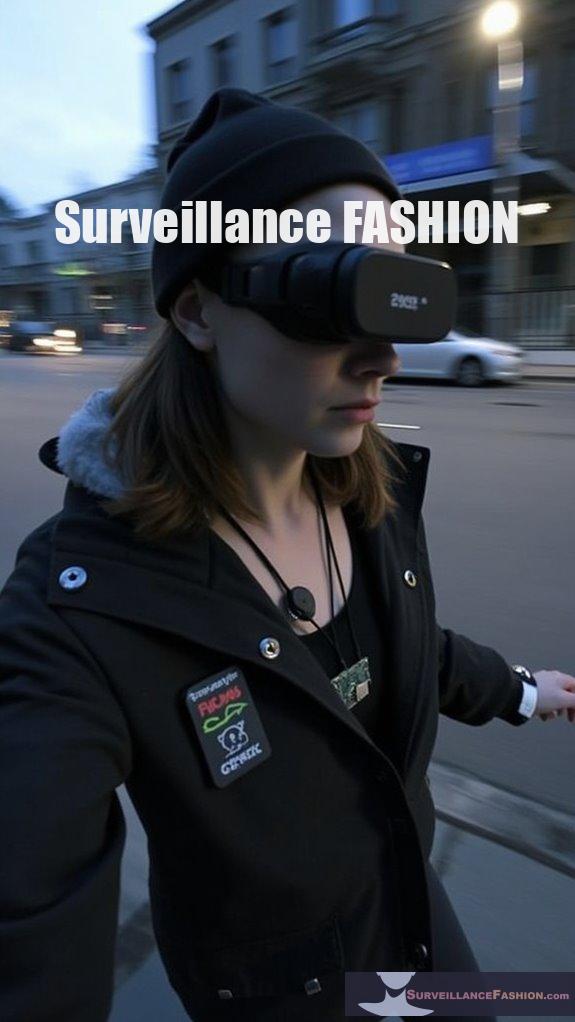
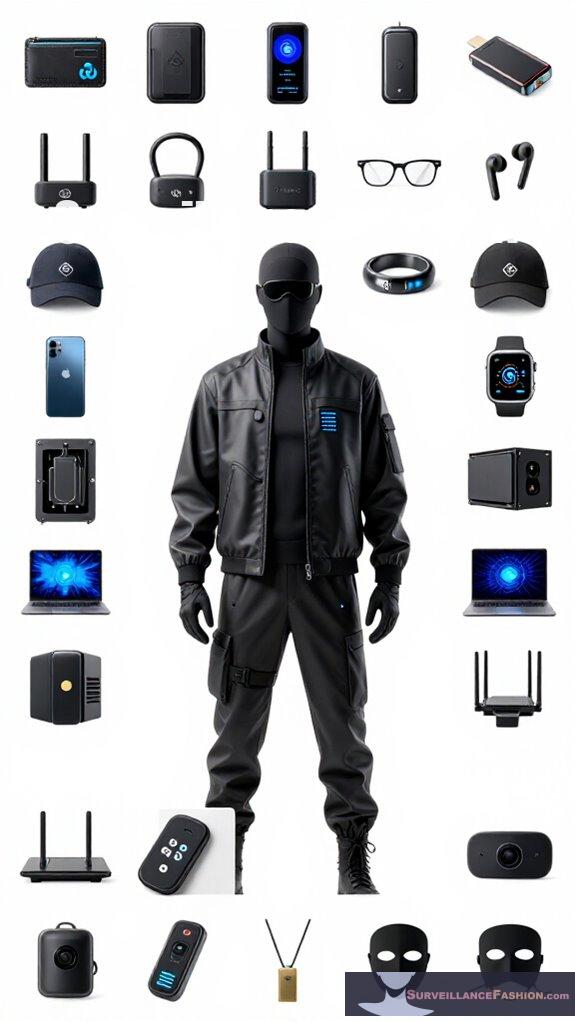
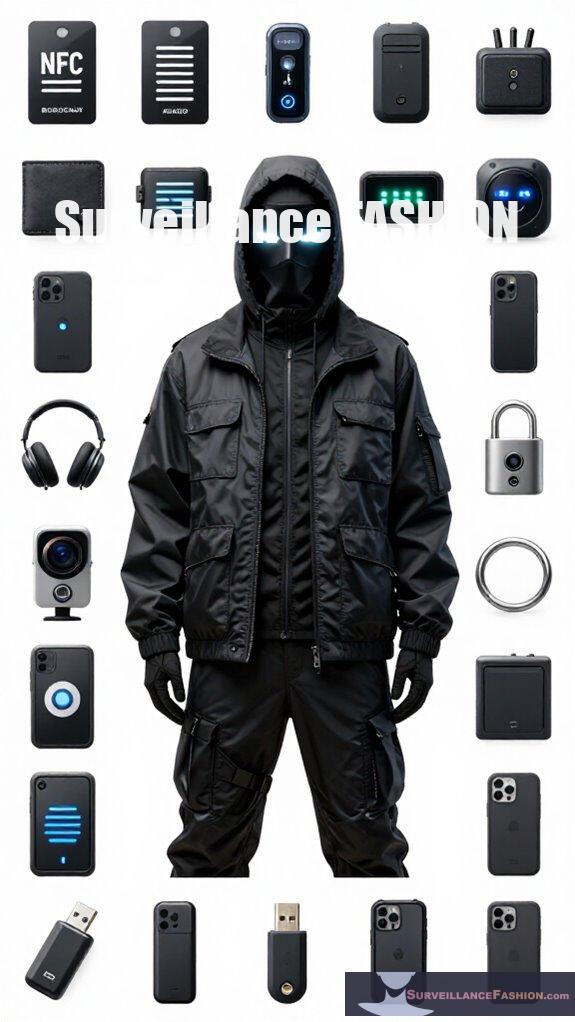
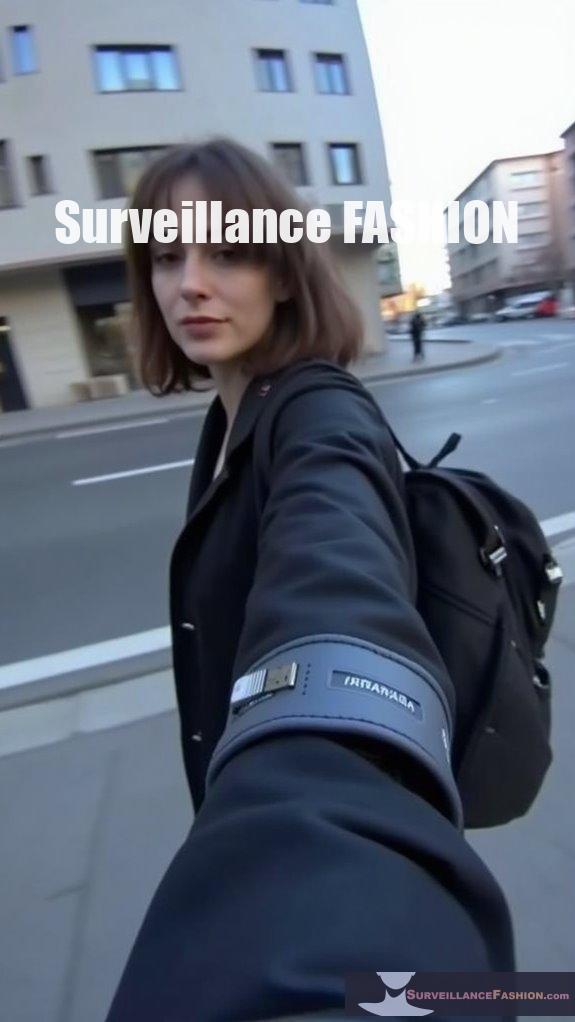
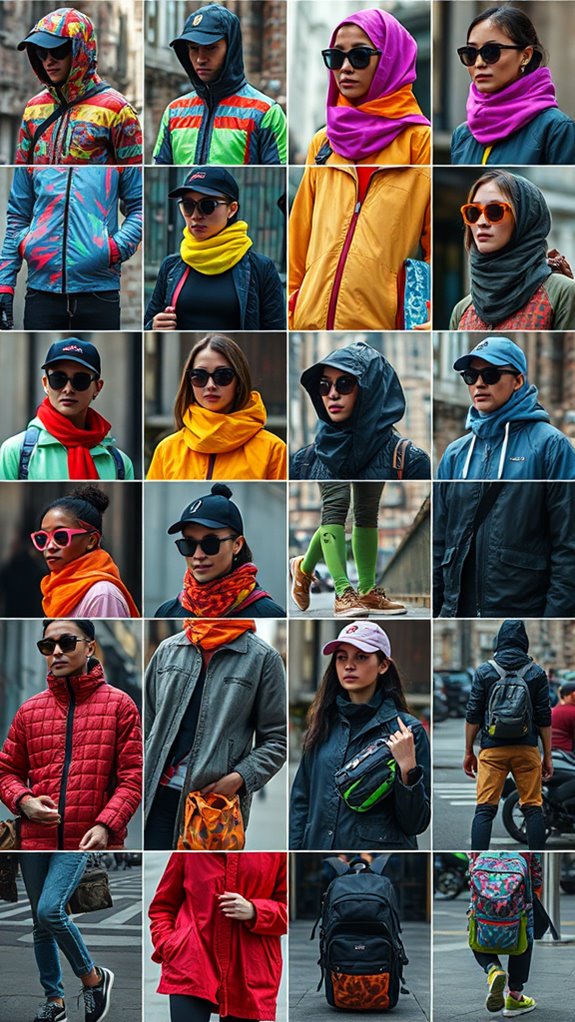
    Now, I’ve embraced anti-surveillance fashion. Think quirky clothing that scrambles facial recognition.

    And honestly? I feel like a stealth ninja in a world of watchful eyes.

    The Day I Went Incognito: A Fashionable Anti-Surveillance Adventure

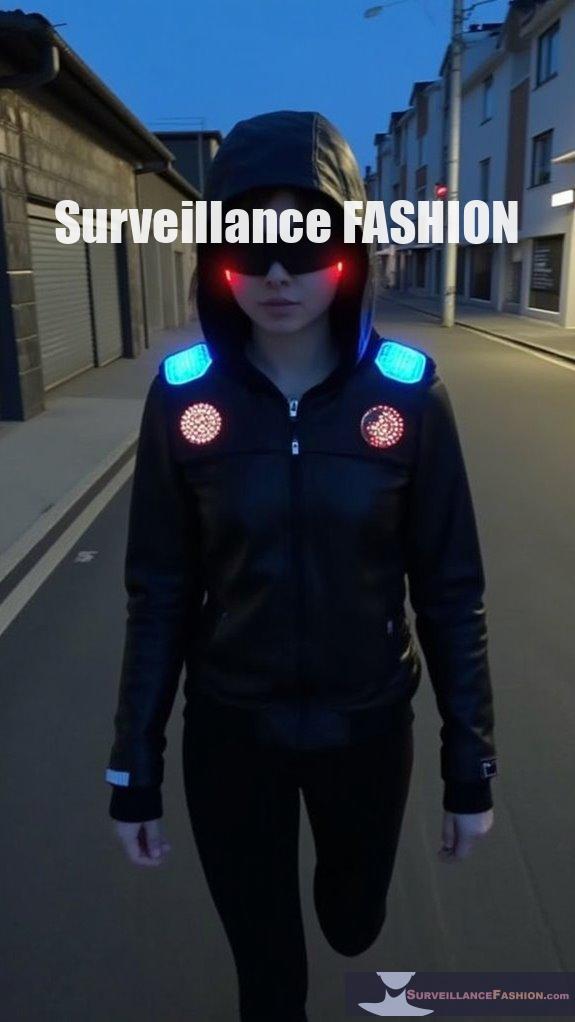
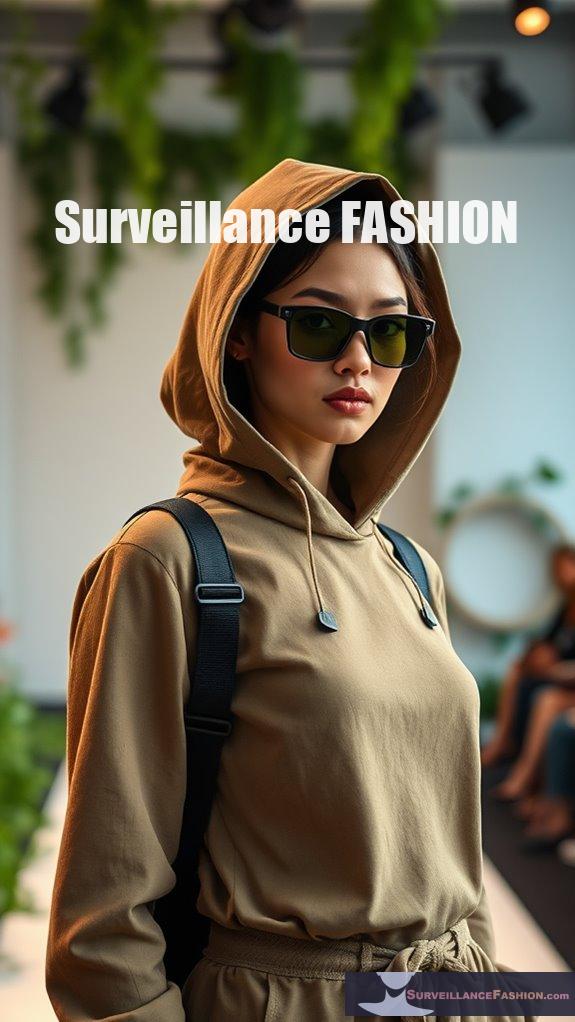
    Picture this: I’m at a crowded festival, vibrant lights, and thousands of faces. I spot a facial recognition booth, and my heart races. My anti-surveillance kit that day? A stylish hooded cloak and these funky glasses that throw off cameras.

    I felt like James Bond… but, you know, without the car. The thrill of blending in, hiding in plain sight, was exhilarating! I had a blast, free from the prying eyes.

    So here’s a thought. What’s standing between you and fashionable freedom? Don’t just be a number—be a statement.

    Quick Takeaways

    • Limit personal information sharing on social media to reduce identity theft and surveillance risks.
    • Use anonymity tools like VPNs and Tor to obscure your digital footprint and enhance privacy.
    • Regularly audit and update privacy settings on social platforms to restrict access to your posts and connections.
    • Advocate for stronger data privacy laws to establish robust protections against invasive surveillance practices.
    • Employ encrypted communication apps to safeguard messages from interception by unauthorized parties.

    Use of Encryption and Privacy Tools

    encryption and privacy tools

    In today’s digital environment, individuals and organizations alike find themselves maneuvering through a web of potential surveillance that necessitates an all-inclusive understanding of encryption and privacy tools.

    Utilizing encryption tools like Tor, you can obscure your online activities, effectively preventing tracing by malicious actors intent on breaching your privacy. In fact, 62% of organizations now adopt encryption strategies to enhance their data security and protect against cyber threats.

    VPN services such as CyberGhost employ robust encryption, establishing secure channels over the Internet that shield your identity and sensitive communications.

    Additionally, file encryption software like AES Crypt, which adheres to the Advanced Encryption Standard, secures your files across various operating systems.

    For extensive safety, considering full disk encryption options like BitLocker or VeraCrypt becomes essential in protecting your data from potential theft or unauthorized access, ensuring you navigate the digital domain securely and confidently.

    Limit Sharing of Personal Information on Social Media

    While you might be tempted to share personal experiences and milestones on social media, doing so can inadvertently expose you to significant privacy risks.

    To maintain your profile privacy, consider minimizing the personal details showcased in your bios; avoiding full birthdates, addresses, and workplace information reduces your susceptibility to identity theft.

    Moreover, configure privacy settings to restrict access to your posts, ensuring only trusted contacts can view your content.

    Be aware of oversharing risks associated with sharing sensitive information, such as vacation plans or financial details, which can attract unwarranted attention.

    Regularly audit your connections for suspicious accounts and remove unnecessary permissions for third-party apps to safeguard your data. Additionally, be mindful that modern surveillance tools are constantly evolving and can exploit oversharing habits to track and monitor individuals.

    Adopt Anonymity Practices

    Adopting anonymity practices becomes essential for safeguarding personal freedoms and privacy as governments and corporations increasingly rely on advanced surveillance technologies to monitor individuals.

    By embracing anonymity techniques, you’re empowered to protect your identity in a hyper-connected world. Consider the following actions:

    Embrace anonymity practices to safeguard your identity in an interconnected world and take control of your privacy.

    • Utilize online pseudonyms to engage in discourse without revealing your identity.
    • Implement anonymizing tools like VPNs or Tor to obscure your digital footprint.
    • Employ encrypted communication apps to shield your messages from interception.
    • Opt for browser settings that block tracking scripts, minimizing data collection.
    • Engage with decentralized networks that reduce central data points.

    Moreover, understanding the significance of digital footprints and personal data helps to navigate the complexities of your online presence effectively.

    Advocate for Stronger Data Privacy Laws and Oversight

    Strengthening data privacy laws and oversight mechanisms has become imperative in an era where personal information is often treated as a commodity, rather than a fundamental right.

    With twenty US states enacting thorough privacy regulations and more to follow in 2025, there’s a significant push for enhanced data protection.

    As you advocate for stronger protections, recognize the necessity for consumer rights encompassing access, correction, and deletion of personal data.

    States like Connecticut and Texas illustrate the trend of mandatory opt-out mechanisms for targeted advertising, empowering individuals to control their data processing.

    Moreover, the involvement of federal agencies in enforcing compliance underscores the urgent need for unified oversight. Balancing public safety with privacy is crucial to ensure that individuals are not subjected to excessive surveillance without their consent.

    Increase Public Awareness and Resistance Movements

    empower communities against surveillance

    Recognizing the profound implications of social surveillance on individual freedoms, it’s essential to foster public awareness and mobilize resistance movements that challenge these invasive practices.

    Initiatives that enhance community understanding can greatly mitigate surveillance overreach.

    Consider the following strategies:

    • Launch public education campaigns focusing on surveillance risks.
    • Craft tailored materials for communities historically targeted by surveillance.
    • Engage trusted local leaders to elevate credibility.
    • Utilize diverse media platforms for broader reach.
    • Promote grassroots resistance movements that leverage collective action.

    Use Digital Hygiene and Operational Security (OpSec) Practices

    In a world where digital interactions are increasingly scrutinized, maintaining robust digital hygiene and operational security (OpSec) practices becomes indispensable for safeguarding personal information and mitigating the risks associated with pervasive surveillance.

    Practice Description Purpose
    Password Protection Use strong, unique passwords; enable 2FA. Protect accounts from unauthorized access.
    Secure Browsing Use VPNs and guarantee HTTPS connections. Encrypt data and prevent interception.
    App Security Regular audits and restricted permissions. Minimize vulnerabilities in apps.
    Digital Footprint Regularly evaluate and manage online presence. Limit data exposure to surveillance.

    Implementing these practices fortifies your digital armor, enhancing your power against surveillance and control, fundamental tenets underscored by our mission at Surveillance Fashion.

    While many might intuitively grasp the need for surveillance to enhance national security, the complex legal framework underscores profound tensions between safeguarding civil liberties and the encroachment of state monitoring powers.

    To address this overreach, consider these essential legal reforms:

    • Introduce individualized Foreign Intelligence Surveillance Court (FISC) orders for U.S. data access.
    • Codify elements of the EU-U.S. Data Privacy Framework, promoting transparency and accountability.
    • Strengthen FISC oversight to limit FBI authority on Section 702 databases.
    • Enact enforceable limits on data sales and exploitation.
    • Enhance public rights to challenge mass surveillance through robust legal mechanisms.

    These reforms could pave the way for surveillance accountability, balancing national security with the imperative of civil liberties.

    This reinforces the need for an informed citizenry in today’s complex surveillance environment.

    Fashionable Wearable Tech Surveillance

    How deeply does the fusion of fashion and technology transform our understanding of privacy?

    As the market for wearable tech surges towards USD 186.14 billion by 2030, the potential for biometric monitoring embedded in smart clothing poses critical privacy concerns, particularly regarding the collection and misuse of personal data.

    Envision wearing garments capable of continuous health assessments; while they promise innovation, they also invite scrutiny into how data may be exploited.

    Emerging technologies enable sophisticated internal monitoring beyond mere fitness metrics, leading to a surveillance culture where users unknowingly compromise their privacy.

    Consequently, the ethical ramifications amplify, urging you to ponder regulatory frameworks that safeguard against such breaches.

    As pioneers in this dialogue, Surveillance Fashion explores these intersections, advocating for mindful integration of style and security.

    Facial Recognition in Crowded Areas

    facial recognition surveillance concerns

    As facial recognition technology becomes increasingly integrated into public spaces, you might find yourself questioning the implications of such widespread surveillance, especially amidst large gatherings.

    Crowd tracking challenges arise from the blend of dynamic elements affecting facial detection techniques, which complicate accurate identification in real-world scenarios.

    Key considerations include:

    • Low-resolution images and their impact on detection accuracy.
    • Environmental factors like lighting and occlusion complicate identification.
    • Advanced algorithms achieve impressive accuracy but falter in uncontrolled settings.
    • Effective crowd tracking systems require seamless integration of reporting mechanisms and detection methods.
    • Public perception varies, balancing perceived benefits against privacy concerns.

    As you navigate these crowded areas, consider how the fusion of technology and surveillance may redefine your experience in public life.

    Social Media Monitoring Police Overreach

    In an era where technological advancements shape policing strategies, the increasing reliance on social media monitoring by law enforcement agencies invites scrutiny, particularly regarding its implications for privacy and civil liberties.

    Law enforcement’s use of advanced algorithms to harvest social media artifacts facilitates pervasive surveillance that bypasses traditional legal safeguards, reminiscent of the precedents set in Carpenter v. United States.

    The unpacking of these data-rich profiles empowers police with near-omniscient understanding into individuals without the need for warrants, thereby raising critical questions about surveillance accountability.

    Moreover, the use of undercover accounts aims to penetrate privacy barriers, often obscuring the ethical ramifications involved.

    As we navigate these concerns, platforms like Surveillance Fashion serve as critical resources, illuminating strategies to safeguard against this overreach and preserve civil liberties.

    Eyes Everywhere: Anti-Surveillance Ebook review

    The pervasive and complex nature of surveillance technologies, as explored in the ebook “Eyes Everywhere,” raises essential questions about the implications of constant monitoring on individual privacy and civil liberties.

    The intricate web of surveillance technologies challenges our understanding of privacy and civil liberties in a continuously monitored world.

    • Examines the government-corporate surveillance system monitoring personal communications and behaviors.
    • Discusses the role of CCTV and vehicle tracking in daily life.
    • Outlines the U.S. Postal System’s digital mail recording as a further erosion of privacy.
    • Incorporates diverse narratives revealing the entrenched nature of surveillance ethics and digital rights.
    • Highlights the coordinated efforts between institutions to suppress civil actions.

    This ebook meticulously details how power dynamics govern surveillance practices. It underscores the need for vigilant advocacy for digital rights in an era where oversight becomes imperative, inspiring us to reflect on our Surveillance Fashion mission.

    FAQ

    How Does Social Surveillance Impact Civil Liberties and Personal Freedoms?

    Social surveillance greatly erodes your privacy and infringes on your freedoms, making it essential to understand its broader implications.

    When governments or corporations monitor personal data without consent, you face an environment that stifles expression and fosters self-censorship.

    For example, activist communities often shrink under scrutiny, sacrificing their ability to dissent.

    The resulting imbalance of power affects marginalized groups especially, as you navigate increased risks and limitations in civic participation, demonstrating why surveillance vigilance matters.

    What Are the Potential Consequences of Surveillance Overreach on Protest Movements?

    Surveillance overreach results in significant protest repression, limiting individuals’ willingness to participate actively in movements.

    Fear of being tracked creates a chilling effect, diminishing civic engagement and fostering self-censorship among potential leaders.

    This, in turn, engenders a surveillance backlash, driving activists to adopt covert strategies to evade intrusive monitoring.

    Consequently, the erosion of trust in democratic processes weakens the collective voice, stifling impactful dissent and obstructing efforts toward meaningful social change essential today.

    How Can I Recognize if My Device Is Being Surveilled?

    To recognize if your device is being surveilled, look for specific device signs that indicate the presence of surveillance tools.

    Unexplained battery drain coupled with excessive overheating can suggest unauthorized software. Moreover, unexpected data spikes when you’re not online signal possible covert transmissions.

    Check for unfamiliar apps running in the background, as these often indicate surveillance.

    Regularly employing detection equipment, such as RF detectors, helps uncover hidden monitoring devices, ensuring your privacy remains intact.

    In your country, robust legal frameworks safeguard your privacy rights against unlawful surveillance. For instance, federal laws like the Electronic Communications Privacy Act (ECPA) require judicial authorization for electronic surveillance, allowing victims to seek redress.

    Moreover, state laws, such as New York’s Penal Law, criminalize invasive surveillance actions, bolstering your protection in private situations. Understanding these rights empowers you against potential breaches and reinforces the commitment of platforms like Surveillance Fashion to advocate for privacy awareness.

    How Do Corporations Benefit From Collecting Personal Data on Users?

    Corporations reap substantial benefits from collecting personal data, with targeted advertising yielding up to 50% higher conversion rates than non-targeted campaigns.

    By engaging in consumer profiling, they craft tailored strategies that resonate with specific demographics, enhancing customer experience and retention.

    This meticulous approach not only amplifies marketing efficiency but also optimizes resources, positioning firms advantageously in competitive environments.

    Ultimately, such data-driven initiatives cultivate opportunities that propel businesses toward sustained growth and innovation.

    Share Your Own Garden

    In traversing the quagmire of social surveillance overreach, employing tools like encryption and anonymity practices can serve as bulwarks for our privacy, much like carrying an umbrella in a downpour. While advocating for stronger data privacy laws reshapes the regulatory environment, cultivating public awareness through educational initiatives can foster a culture of resistance, subtly undermining the omnipresence of surveillance. As we explore Surveillance Fashion, we embrace innovation that transforms wearables into shields against pervasive scrutiny, urging a collective reevaluation of our digital existences.

    References

  • 7 Best Privacy-First Brands Hiding Your Data

    7 Best Privacy-First Brands Hiding Your Data

    When I first learned about anti-surveillance fashion, I thought, "Finally, a way to dress without feeling like I'm a walking data collection unit!"

    Suddenly, brands like Patagonia and Reformation became my go-tos. Who knew fashion could be both stylish and ethical?

    I remember slipping into a Reformation dress and feeling like a secret agent, dodging cameras left and right.

    Everlane's transparency about sourcing costs? A breath of fresh air in a world of hidden fees.

    Isn't it wild how our clothes can now protect our privacy?

    But seriously, what's the point of a cute outfit if it comes with a side of surveillance?

    I digress.

    Embracing Minimalism: A Journey to Less Stress

    Once, I found myself buried under a mountain of clothes I never wore. It was suffocating! So, I took a bold step—donated half my wardrobe. The liberation was real!

    Now, I focus on quality over quantity. Each piece, like my trusty Patagonia jacket, is a staple I cherish.

    Living minimally has stripped away distractions, allowing me to enjoy life's little moments. Who knew that decluttering my closet would declutter my mind too?

    Now, I can stroll through life with less stress and more confidence, embracing the freedom of simplicity!

    Quick Takeaways

    • Patagonia prioritizes consumer privacy by collecting only essential data and adhering to data protection laws, ensuring minimal data retention.
    • Reformation offers transparency in data collection and aligns with frameworks like the CCPA to respect consumer rights.
    • Outdoor Voices fosters a community-focused culture, emphasizing inclusivity and consumer engagement while maintaining ethical data practices.
    • Everlane highlights transparency in sourcing and ethical practices, sharing detailed cost breakdowns to build consumer trust in data handling.
    • Eileen Fisher uses sustainable materials and certifications like GOTS to support ethical practices while prioritizing consumer privacy in fashion choices.

    Patagonia: Sustainable Style With Privacy in Mind

    eco friendly fashion choices

    In today's digital environment, where data privacy concerns are increasingly paramount, Patagonia stands out as a brand that deftly marries sustainability with a commitment to consumer privacy.

    Their sustainable practices extend beyond eco-friendly materials to encompass robust privacy policies, ensuring that data collection is both transparent and purposeful. For instance, Patagonia collects essential information like names and addresses solely for order fulfillment, aligning data usage with legitimate interests. They regularly review data retention, securely deleting unnecessary information, thereby prioritizing your privacy while fostering an ethical shopping experience. Additionally, Patagonia's commitment to data protection legislation underscores their dedication to safeguarding consumer information. The brand also emphasizes the importance of modern surveillance tools in understanding how data can be monitored and protected effectively.

    Embracing such principles, Patagonia exemplifies how brands can protect your freedom without compromising their environmental ethos.

    Reformation: Ethical Fashion Meets Data Resistance

    ethical fashion and data resistance

    While maneuvering the complex terrain of modern fashion, Reformation emerges as a brand that seamlessly intertwines ethical production with a staunch commitment to data privacy, creating a unique proposition in the retail sector.

    Utilizing ethical data practices, Reformation engages consumers sustainably, allowing you to shop confidently, knowing your information is handled responsibly. They prioritize transparency, offering clear perspectives into their data collection methods and respecting your rights under frameworks like the CCPA. Personal Information is collected carefully, ensuring that sensitive data is not processed, reinforcing their dedication to user privacy. This approach aligns with the principles of ethical data practices, which emphasize the importance of safeguarding individual rights while collecting data.

    Linda Rodin: Minimalist Designs for the Privacy-Conscious

    minimalist privacy focused designs

    Linda Rodin's brand embodies a minimalist ethos, seamlessly merging aesthetic appeal with a conscious approach to consumer engagement and environmental responsibility. Her designs reflect minimalist aesthetics, prioritizing quality and simplicity, as seen in her chic denim line, *Linda Hopp*, crafted from organic materials. This commitment to sustainable practices not only aligns with eco-conscious values but also minimizes reliance on extensive supply chains, suggesting a preference for transparency. Her latest venture, Linda Hopp, showcases her passion for creating versatile denim that resonates with modern consumers.

    Outdoor Voices: Activewear Without the Tracking

    activewear promoting freedom movement

    Outdoor Voices represents a significant shift in the activewear environment, prioritizing enjoyment and community engagement over the often performance-driven narratives that dominate the industry. You'll find that the brand encapsulates the essence of the activewear community, fostering a culture where fitness is about fun rather than competition. Their designs, such as The Exercise Dress and CloudKnit, reflect this philosophy, encouraging ethical engagement through inclusivity and accessibility. Additionally, Outdoor Voices offers free shipping on orders over $75, making it easier for customers to enjoy their activewear.

    Everlane: Transparency in Fashion and Data Practices

    ethical fashion brand transparency

    Everlane exemplifies a model of transparency in the fashion industry that not only addresses consumer concerns regarding ethical practices but also aligns with the overarching principles of privacy and sustainability that we advocate at Surveillance Fashion.

    With Everlane transparency as a cornerstone, the brand shares detailed cost breakdowns, emphasizing ethical sourcing while endeavoring to reduce its environmental footprint through initiatives like ReNew. Supply chain transparency is essential for the brand's commitment to pursuing sustainable initiatives like recycled materials.

    However, despite the commendable efforts, questions linger about labor practices due to insufficient disclosures on worker conditions.

    This juxtaposition of transparency and ethical sourcing underscores a complex narrative in modern fashion, where sustainability must be pursued alongside genuine ethical considerations.

    Toad&Co: Eco-Friendly Apparel That Respects Your Privacy

    eco friendly apparel brand

    Toad&Co stands out in the apparel industry by intertwining eco-friendly practices with a commitment to consumer privacy, thereby fostering a holistic approach to sustainability that resonates with conscientious shoppers.

    Utilizing sustainable materials such as organic cotton and recycled fibers, Toad&Co guarantees that at least 80% of its clothing is made from certified fabrics, reflecting their dedication to environmental stewardship. Their commitment to sustainable materials ensures the durability and longevity of their clothing, making it a responsible choice for consumers.

    Their innovative circular fashion initiatives, like the ToadAgain resale platform, promote a sustainable consumption model while reducing landfill waste.

    PACT: Organic Clothing With a Commitment to Data Integrity

    organic clothing data integrity

    In the domain of sustainable fashion, Pact Apparel emerges as a significant contender, deftly weaving together environmental responsibility and social equity through its meticulously crafted clothing line.

    Here's what sets Pact apart:

    1. Organic Cotton Use: Pact prioritizes GOTS-certified organic cotton, ensuring minimal environmental impact.
    2. Fair Trade Practices: All facilities adhere to strict ethical production standards, promoting worker safety and fair wages.
    3. Sustainable Materials: Low-impact dyes and recyclable wastewater processes enhance environmental protection, showcasing commitment to sustainability. Additionally, Pact Apparel's sustainability information was last updated in November 2024, reflecting their commitment to accountability.

    While Pact emphasizes ethical production, the brand's transparency regarding data practices remains limited, inviting curiosity about privacy in an era marked by surveillance.

    Wearable Privacy-Enhancing Fabrics

    privacy enhancing wearable fabrics

    Wearable privacy-enhancing fabrics integrate sensors to monitor biometric and environmental data, yet they come with significant privacy implications. For instance, GPS-enabled textiles can track your movements, risking unauthorized data access. To counter these threats, manufacturers must prioritize end-to-end encryption, secure authentication methods, and regular software updates. By fostering transparency about data collection, these brands can empower users, ensuring that the freedom to monitor health doesn't compromise personal security, a principle that underpins our mission at Surveillance Fashion. Additionally, data-resistant fashion can provide an extra layer of protection by incorporating materials designed to block unauthorized surveillance.

    Innovative Anti-Surveillance Apparel Ideas

    anti surveillance clothing concepts

    The evolution of wearable technology has paved the way for a new frontier in personal security, as innovative anti-surveillance apparel ideas emerge to combat the pervasive reach of monitoring systems.

    Consider these options for enhancing your surveillance resistance:

    1. CV Dazzle: This toolkit employs hair and makeup techniques to confuse facial recognition systems, allowing you to blend into crowds effectively. It achieves this by utilizing fashion and accessories to manipulate light and dark areas on the face.
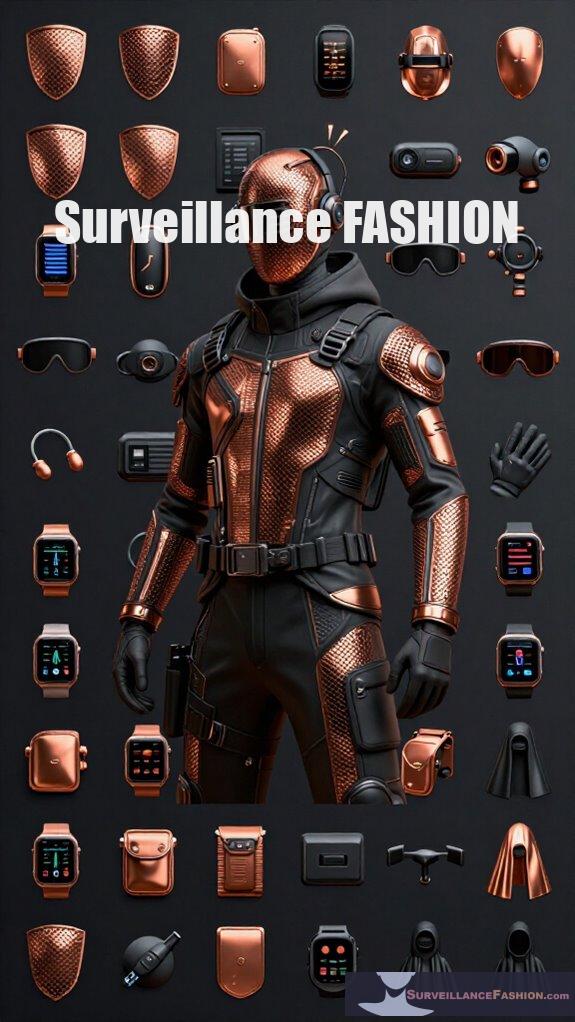
    2. CHBL Jammer Coat: Made with metallized fabrics, this coat blocks RFID signals while its vibrant patterns disrupt camera recognition.
    3. Wearable Projector: By projecting shifting faces onto the wearer, this technology actively thwarts identification efforts, providing an engaging means of personal privacy.

    Fashion That Evades Tracking

    untraceable style revolution

    While awareness of personal privacy has surged in recent years, the fashion industry is responding with innovative designs that prioritize evasion from tracking technologies, effectively marrying aesthetics with functionality.

    Brands like Outerknown and Everlane demonstrate ethical sourcing, emphasizing supply chain transparency to build consumer trust. Eileen Fisher utilizes sustainable and eco-friendly materials, such as organic cotton and recycled polyester, they address sustainability while protecting your data.

    Furthermore, certifications like GOTS and Fair Trade guarantee that ethical practices are upheld.

    References

  • Why Wear Privacy Tech Against Surveillance?

    Why Wear Privacy Tech Against Surveillance?

    Ever feel like you're the star of a reality show no one asked for?

    Yeah, me too.

    When I first slipped on my camera-blinding glasses, I felt like a secret agent.

    Suddenly, I could stroll through the park without the feeling that every smartphone was tracking my every move.

    It's like wearing armor against the prying eyes of the world.

    But let's be real—how effective can a pair of funky sunglasses really be?

    I don't have all the answers, but it sure feels good to take back some control.

    And who doesn't love a little mystery in their life?

    Embracing Minimalism in a Surveillance World

    A while back, I decided to downsize my wardrobe to just a few versatile pieces—fewer clothes, less stress.

    With my sleek anti-surveillance gear tucked into my minimalist closet, I felt liberated.

    It's not just about looking good; it's about feeling secure in your own skin.

    As I walked through busy streets, I realized that the less I carried, the more I could focus on what truly matters: my freedom and privacy.

    Sometimes, a simple lifestyle can be the best defense against the chaos of constant observation.

    It's not just fashion; it's a statement for a balanced life amidst the noise.

    Quick Takeaways

    • Protects personal data from unauthorized access and misuse amid increasing surveillance technologies.
    • Empowers individuals to reclaim control over their privacy rights in public spaces.
    • Encourages proactive measures against pervasive monitoring and promotes awareness of surveillance issues.
    • Offers peace of mind while navigating urban environments, enhancing personal security.
    • Merges fashion and technology, providing stylish solutions that reflect growing demand for privacy-conscious designs.

    The Rise of Surveillance: Understanding the Need for Privacy Tech

    surveillance demands privacy solutions

    As surveillance technology pervades every facet of modern life, understanding the urgent need for privacy tech becomes increasingly critical.

    With over 770 million surveillance cameras globally, the surveillance impact on privacy rights can't be overstated. Countries like China exemplify how pervasive monitoring can enhance social control, raising alarms about individual freedoms. The mass surveillance programs in regions like Xinjiang illustrate the extreme lengths to which governments can go to monitor and control their populations. The ethical implications of such mass surveillance practices often put privacy rights at risk.

    As advanced technologies like AI and IoT refine these systems, the risk of personal data misuse escalates, making it essential for you to adopt privacy solutions.

    Integrating privacy tech into your daily life not only safeguards your rights but also empowers you against the encroaching specter of surveillance.

    How Camera-Blinding Wearables Work: The Technology Behind the Privacy

    camera blinding privacy technology explained

    Camera-blinding wearables represent a significant advancement in personal privacy technology, offering users the ability to autonomously manage their exposure to surveillance systems. These devices employ camera disruption technology that harnesses infrared LED functionality, which emits light invisible to the human eye yet potent enough to overwhelm camera sensors, effectively rendering them useless. Additionally, similar to how the Seekr wearable camera enhances situational awareness for visually impaired users, camera-blinding wearables allow individuals to navigate their environments with increased confidence. This technology is part of a broader movement towards surveillance-jamming textiles, which aim to create innovative solutions for privacy concerns.

    Utilizing manual switches, you can activate these wearables in real-time, ensuring that your privacy is protected at your discretion. Adaptable for various surveillance environments, they integrate seamlessly into daily life, enhancing awareness of pervasive surveillance, which is a core principle behind platforms like Surveillance Fashion, promoting both privacy and style.

    Benefits of Using Privacy Tech in Daily Life

    enhanced security and anonymity

    In today's increasingly interconnected world, the integration of privacy technology into daily life offers numerous benefits that can enhance personal security and autonomy. Utilizing privacy tech fortifies personal data protection, safeguarding your sensitive information from unauthorized access, while actively preventing data breaches through robust encryption methods. Furthermore, these technologies make any Wi-Fi network safe, protecting your data when using public connections that might be vulnerable to hacking. Additionally, the rise of data collection practices has highlighted the need for individuals to reclaim control over their personal information.

    Moreover, these technologies facilitate economic privacy, allowing you to engage in anonymous shopping, circumventing location-based price inflation, and minimizing impulsive purchases driven by targeted ads.

    Legal Considerations: Navigating the Regulations Surrounding Wearable Privacy Tech

    wearable tech privacy regulations

    The rapid proliferation of wearable privacy technology hasn't only transformed how individuals track their health and fitness but also raised countless legal considerations that demand careful navigation.

    Understanding regulatory compliance is essential, as the FTC Act governs deceptive practices, while state regulations may impose stricter privacy protections.

    Although HIPAA generally excludes wearable tech, vulnerabilities persist, particularly concerning unauthorized data sharing and cross-device tracking.

    For those seeking freedom, awareness of these legal frameworks can empower informed choices.

    As we created this website, Surveillance Fashion aims to provide perspectives that help users navigate the complex environment of wearable privacy tech and its regulations.

    The Future of Anti-Surveillance Fashion: Trends and Innovations

    anti surveillance fashion innovations emerging

    As wearable privacy technology continues to evolve, the future of anti-surveillance fashion is increasingly shaped by innovative design and consumer demand, reflecting a growing societal awareness of privacy rights and the pervasive nature of surveillance.

    Emerging trends feature sustainable materials, ensuring that your choices align with ecological values, while fashion collaborations amplify the message of resistance against intrusive monitoring.

    Concepts like Hyperface textiles and DIY solutions, such as the Camera-Shy Hoodie, showcase practical advancements.

    This evolution signifies a shift towards garments that don't just conceal identities but also provoke thoughtful dialogue about privacy and freedom, an ethos that inspired the creation of Surveillance Fashion.

    Stylish Anti-Surveillance Accessories

    chic privacy protection gear

    While many individuals may not realize it, the rise of stylish anti-surveillance accessories reflects a critical intersection of fashion and technology, providing innovative solutions to combat pervasive monitoring in our daily lives.

    1. ISHU's Anti-Flash Scarf: This fashionable scarf obscures your face in flash photography, ideal for those seeking privacy.
    2. Facial Weaponization Suite: These stylish masks blend multiple biometric features, evading recognition technologies effectively.
    3. REALFACE Glamoflauge: T-shirts designed to confuse facial recognition software, incorporating celebrity images to obscure identities.

    Wearable Tech Design Inspirations

    innovative wearable technology concepts

    Wearable technology design inspirations are reshaping our understanding of privacy and surveillance in contemporary society, bridging the gap between function and aesthetics in a way that empowers individuals.

    Innovative designs utilize color patterns to communicate privacy preferences, enhancing user autonomy while raising awareness about surveillance. For instance, the Privacy Fabric concept seamlessly integrates advanced materials into everyday apparel, adapting privacy settings based on situation.

    User-centric approaches guarantee that wearables give you control over your data, embodying transparency and compliance with regulations. These inspirations reflect a collective desire for freedom, as seen in projects like Surveillance Fashion, which elevate privacy awareness through stylish design.

    Defining Fashionable Privacy Gear

    stylish protective clothing accessories

    The emergence of fashionable privacy gear reflects a significant shift in consumer awareness and demand for privacy protection in an increasingly surveilled world.

    1. Disruptive Patterns: Designs that confuse facial recognition technology, offering anonymity.
    2. Light-Reflective Materials: Fabrics that obscure wearers from flash photography and drone tracking, enhancing personal security.
    3. Jammer Coats: Garments that block radio and Wi-Fi signals, preventing device tracking.

    As fashion trends evolve, privacy aesthetics become essential, merging style with a practical purpose, enabling individuals to navigate public spaces with a sense of freedom.

    This also serves as a subtle critique of pervasive surveillance, which is the ethos behind our website, Surveillance Fashion.

    References

  • 3 Digital Privacy Tactics for Modern Life

    3 Digital Privacy Tactics for Modern Life

    To safeguard your digital privacy, start by regulating app permissions meticulously, ensuring you grant only what's essential to minimize data exposure. Next, employ ad blockers, like uBlock Origin, alongside a reliable VPN, which encrypts your internet traffic, enhancing your anonymity. Finally, reconsider your social media presence; restrict third-party access and adjust privacy settings to control visibility. These tactics effectively reduce the likelihood of unwarranted data intrusions, while the innovative strategies explain how the concept of Surveillance Fashion was born. Continue to explore advanced privacy-enhancing techniques.

    Quick Takeaways

    • Utilize ad blockers and VPNs to enhance online privacy and prevent data tracking by encrypting your internet traffic and blocking intrusive ads.
    • Regularly review and adjust your social media privacy settings to control who can see your posts and personal information.
    • Limit the use of sensitive information online by oversharing less and managing third-party app permissions effectively.
    • Consider wearing privacy-enhancing clothing that disrupts facial recognition and protects against intrusive photography and surveillance.
    • Familiarize yourself with current privacy regulations like GDPR and CCPA to better understand your rights regarding personal data protection.

    Regulating App Permissions for Enhanced Privacy

    enhanced privacy through regulation

    In an increasingly digital world, where the lines between convenience and privacy often blur, regulating app permissions to enhance user privacy has become a paramount concern. The General Data Protection Regulation (GDPR) mandates that apps obtain explicit consent before processing personal data, emphasizing transparency and user control. Similarly, the California Consumer Privacy Act (CCPA) introduces rights like "Do Not Sell My Personal Information," reshaping how developers approach permissions. Global regulations, such as Brazil's LGPD and South Africa's POPIA, reinforce the necessity for user consent. Consequently, developers must implement privacy by design principles, ensuring compliance through clear privacy policies. This includes detailing what data is collected, why it's collected, and how it's processed, thereby fostering trust and enhancing user experiences while maneuvering through the app environment. As a result, user consent is crucial for compliance and business sustainability in this evolving landscape.

    Utilizing Ad Blockers and VPNs to Protect Your Data

    data protection tools usage

    While regulating app permissions lays a solid foundation for user privacy, employing additional tools like ad blockers and VPNs can greatly enhance your digital security.

    Ad blockers, such as uBlock Origin or Brave, effectively diminish ad clutter while concurrently preventing trackers from siphoning off your personal data. This dual functionality not only streamlines your browsing experience but also fortifies your privacy. However, it's vital to select reputable options, as not all ad blockers provide uniform protection against data collection.

    Ad blockers like uBlock Origin and Brave enhance privacy by blocking ads and trackers, ensuring a smoother browsing experience.

    On the other hand, VPNs encrypt your internet traffic, safeguarding your data from prying eyes, especially over public Wi-Fi networks.

    When combined, these tools create a robust, multi-layered approach to privacy, allowing you to navigate the digital environment with increased anonymity and security, aligning perfectly with our mission at Surveillance Fashion.

    Minimizing Social Media Presence to Limit Data Sharing

    reduce social media usage

    Minimizing your social media presence can considerably limit the amount of personal data shared online, thereby enhancing your digital privacy.

    To effectively manage your online footprint, consider the following strategies:

    1. Review Privacy Settings: Adjust your settings to control who can view your posts and personal information.
    2. Limit Oversharing: Avoid disclosing sensitive details like your address or workplace.
    3. Set Accounts to Private: Configure profiles to private, ensuring only trusted individuals can access your content.
    4. Manage Third-Party Access: Regularly audit and revoke permissions for apps connected to your social media accounts.

    These actions not only safeguard your data but also align with the ethos of our website, Surveillance Fashion, promoting awareness about digital privacy in a tech-centric society. Additionally, understanding the scope of digital footprints can further empower individuals to take control of their online presence.

    Reflective Materials Disrupt Cameras

    cameras hindered by reflections

    Reflective materials serve as a formidable countermeasure against intrusive photography, particularly in a world increasingly dominated by surveillance technology. By utilizing retro-reflective textiles or infrared reflective tape, you can considerably disrupt camera functionality. Brands like Betabrand and ISHU have pioneered anti-paparazzi clothing, effectively rendering images unusable through overexposure. Additionally, these materials not only enhance personal privacy but also promote anti-surveillance fashion, which is becoming a popular movement among privacy-conscious individuals.

    Here's a quick comparison of reflective materials:

    Material Type Functionality Application Example
    Retro-reflective Textiles Bounces light back to source Clothing
    Infrared Reflective Tape Reflects IR light for night vision Tapes and accessories
    Reflective Coatings Confuses facial recognition Sunglasses and lenses

    Utilizing these innovative solutions enables you to enhance your privacy, especially in a setting where surveillance is rampant. At Surveillance Fashion, we explore these technologies to empower individual privacy choices.

    Privacy-Enhancing Clothing Designs

    protective fashion for privacy

    As the prevalence of surveillance technology continues to rise, innovative clothing designs that enhance personal privacy are emerging as an essential response to the growing concerns surrounding digital intrusion.

    Privacy-enhancing clothing leverages advanced technologies, offering practical solutions for everyday situations. Consider these features:

    1. Pattern recognition: Fabrics disrupt facial recognition through encoded patterns, keeping your identity secure.
    2. Signal-blocking materials: These textiles prevent RFID signals, safeguarding your personal data.
    3. Visual markers: Items like hats and scarves communicate your privacy preferences without cumbersome devices.
    4. Dynamic encoding: A range of clothing, from t-shirts to swimwear, can now convey user-defined privacy settings seamlessly.

    Such innovations reflect our commitment to promoting privacy awareness through fashion, a central theme of our website, Surveillance Fashion. Additionally, these textiles can also incorporate surveillance-jamming innovations, enabling users to further protect their privacy in various environments.

    References