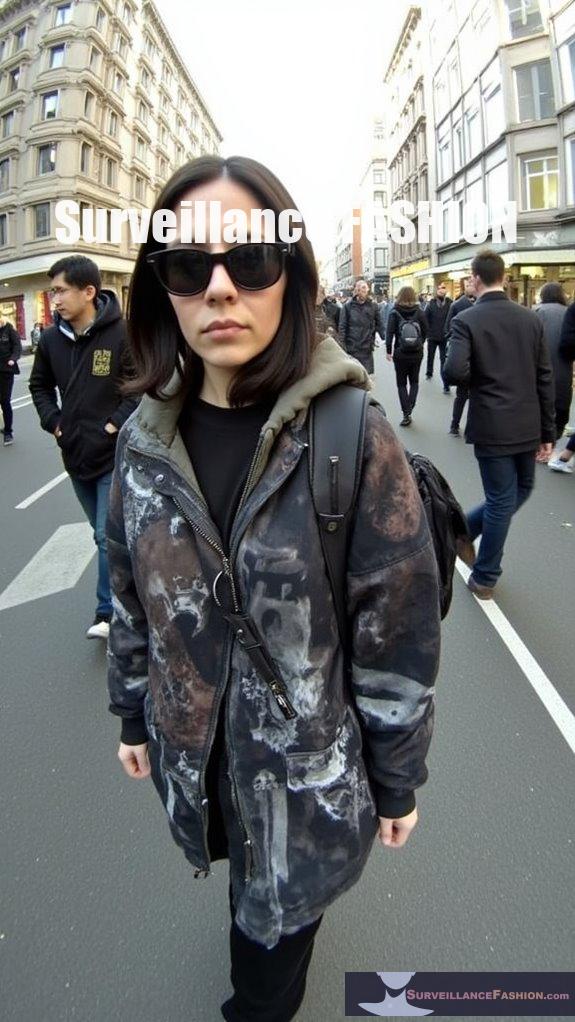
Let’s talk about mass surveillance. It’s like a game of hide-and-seek, but I’m always the one hiding while others seek.
I remember when I ditched my usual outfits for some stylish anti-surveillance fashion. I felt like a secret agent in my funky reflective hoodie that honestly looks like it came straight out of a sci-fi movie. I’d dash past cameras with a smirk, thinking, “Catch me if you can!”
But honestly, with all this spying, the anxiety can be suffocating. You become suspicious of everyone, even your neighbor’s cat. Is it really just napping, or is it the eyes of Big Brother?
The trust erodes slowly, almost like a slow leak in a balloon—deflation at its finest.
How do we regain that trust?
We need a blend of transparency and a bit of humor, maybe. Can’t be serious all the time, right?
Anti-Surveillance Fashion: My Urban Ninja Experience
Once, I took a stroll through the city wearing my favorite anti-surveillance gear—a jacket that blocks cameras and a stylish face mask. It felt fantastic to strut down the street, feeling like I had control over my privacy.
Suddenly, I bumped into an old friend who immediately commented on my “ninja” look. We laughed, and I shared why I adorned the outfit. It sparked a deep conversation about privacy, technology, and why fashion should empower us, not expose us.
In that moment, I realized how impactful these discussions could be. Fashion could be the gateway to broader conversations about surveillance, a playful yet serious statement on societal issues. Isn’t that a reason to dress up?
Quick Takeaways
- Mass surveillance fosters a chilling effect, leading to self-censorship and decreased civic engagement within communities.
- Secretive surveillance practices erode trust, fragmenting communities and increasing alienation from law enforcement.
- Transparency in surveillance measures can enhance community trust and foster accountability among law enforcement agencies.
- Marginalized groups experience compounded exclusion and fear from mass surveillance, undermining their participation in political processes.
- Visible security technologies can sometimes reinforce community cohesion by promoting safety perceptions and collective responsibility among residents.
The Role of Transparency in Earning Community Trust
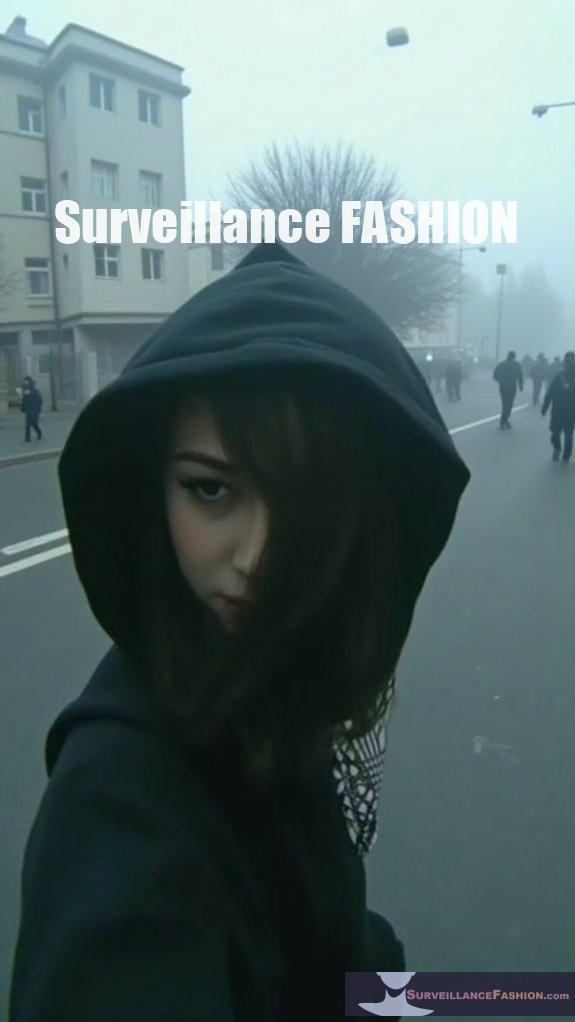
Transparency plays an important part in fostering community trust, particularly in situations saturated with surveillance and police interactions, where perceptions can shape relationships and cooperation. Implementing transparency measures—such as brief statements from officers clarifying their intentions—significantly reduces feelings of threat among community members, cultivating a sense of connection. Research shows that transparency statements can disrupt negative interactions, fostering trust, which is crucial in community-police dynamics. Additionally, ethical surveillance practices can guide how information is collected and utilized, reinforcing the integrity of law enforcement activities.
These trust-building strategies, requiring minimal training, demonstrate a feasible approach to enhancing relations across diverse demographics. Moreover, public engagement in surveillance decision-making processes establishes essential accountability, ensuring that civil liberties are upheld through community oversight. When citizens understand the purpose behind surveillance technologies, it not only diminishes suspicion but actively involves them in maintaining a balance between safety and privacy.
Ultimately, fostering transparency is indispensable for rebuilding critical community trust.
The Breakdown of Trust Due to Secretive Surveillance Practices
The erosion of trust between communities and state agencies often stems from the implementation of secretive surveillance practices that operate without public knowledge or consent. Such practices foster community fragmentation, effectively isolating individuals within their neighborhoods, while amplifying surveillance distrust toward law enforcement.
For instance, post-9/11 police monitoring of Muslim communities in New York led to diminished intercommunity trust, as those surveilled became wary of their own neighbors, fearing constant observation. This invasive watch fosters self-censorship, stifling natural interactions and damaging the fabric of community solidarity.
When state oversight lacks transparency, it creates fertile ground for abuse, further alienating marginalized groups. As a result, the chilling effect of surveillance on protest freedoms can exacerbate the challenges faced by communities in building trust and solidarity.
Consequently, the combination of invasive surveillance and opacity erodes community bonds and undermines the trust necessary for cohesive, functional societies.
The Chilling Effect of Social Media Monitoring
Amidst a milieu marked by pervasive digital surveillance, users often find themselves traversing an environment fraught with apprehension, where the potential for misuse lurks at every click.
The chilling effects of social media monitoring can fundamentally alter your digital expression, prompting behaviors designed to minimize exposure and risk.
You may notice shifts in your online presence, including:
- Avoiding controversial topics altogether.
- Sharing less personal or opinionated content.
- Hesitating to engage in discussions online.
- Adjusting privacy settings for heightened security.
These self-imposed limitations stem from fears of legal repercussions, reputational harm, and the watchful eye of surveillance that restricts freedom of expression. Furthermore, the prevalence of government surveillance programs erodes public trust in democratic values and creates a culture of self-censorship.
As you navigate this environment, consider the subtle ways these fears shape communication and interaction, driving the need for tools like Surveillance Fashion that help elevate awareness around these issues.
The Impact of Surveillance on Political Engagement
In environments saturated with surveillance, you may find your political engagement subtly, yet considerably, altered. The pervasive fear of being monitored often leads to self-censorship, stifling diverse political discourse and fostering political apathy among activists and citizens alike. This chilling effect can result in civic disengagement, as individuals wary of reprisal hesitate to mobilize or collaborate.
Moreover, marginalized groups disproportionately bear the brunt of this scrutiny, compounding their exclusion from political processes. As trust erodes within activist communities, the collective capacity for meaningful political action diminishes.
The manipulation of public opinion through targeted surveillance further distorts political realities, limiting exposure to alternative viewpoints. Therefore, mass surveillance not only undermines democratic engagement but also weakens the foundations upon which resilient political communities are built.
How Visible Security Technologies Foster Community Cohesion

Visible security technologies play an essential role in fostering community cohesion, as they not only enhance safety perceptions but also cultivate a sense of collective responsibility among residents.
When communities visibly embrace security measures, they ignite a dynamic of active participation and shared vigilance. Consider these key elements:
- Surveillance cameras signal a commitment to community safety, reinforcing trust among neighbors.
- Neighborhood watch programs encourage collaborative problem-solving and deter crime through united efforts.
- Technology engagement empowers residents, integrating real-time alerts and collective reporting mechanisms.
- Active collaboration with technology creators guarantees tools are responsive to genuine community needs.
Through these elements, technology becomes more than passive observation; it transforms into an important component of cohesive, engaged neighborhoods, a fundamental ethos of initiatives like Surveillance Fashion, fostering an environment conducive to enduring relationships.
The Psychological Consequences of Pervasive Surveillance
While many may view surveillance as a tool for enhancing safety and security, the pervasive nature of monitoring technologies can lead to profound psychological consequences for individuals within communities.
You might experience heightened surveillance anxiety, where the awareness of being watched induces persistent stress, heightening your self-consciousness and leading to guarded behaviors.
This stress can exacerbate existing mental health conditions, contributing to symptoms similar to PTSD, particularly in high-pressure environments.
Furthermore, the fear of scrutiny often triggers self-censorship, causing you to modify or suppress your genuine expression to conform to perceived norms.
As this becomes normalized, authentic social interactions diminish, ultimately eroding community trust.
Such complexities underscore our need to reflect on the psychological toll of surveillance, which is why we created Surveillance Fashion.
Rebuilding Trust in the Age of Surveillance
Although the digital age has ushered in a wave of surveillance technologies aimed at enhancing public safety, these tools often overshadow the foundational element of trust that binds communities together.
To rebuild trust, it’s essential to prioritize community input and transparency, which can be achieved through:
- Regular transparency statements by law enforcement, particularly to marginalized groups.
- Public forums and community advisory boards that channel residents’ concerns into actionable perspectives.
- Collaborative policing strategies focused on youth and community projects that foster engagement.
- Privacy-first principles in policy development that guarantee minimal and regulated data collection.
Clothing Embedded With Tracking Devices
In an era where technology seamlessly intertwines with daily life, clothing embedded with tracking devices represents a significant leap in both convenience and safety for wearers. These garments, integrated with sensors that monitor movement and biometric data, generate real-time awareness transmitted wirelessly to smartphones, allowing for immediate feedback.
However, tracking device implications raise substantial privacy concerns. While such technology aids in protecting children and vulnerable populations—offering assurance through geo-fencing alerts—it also invites scrutiny regarding data security and user consent.
Institutions increasingly adopt smart clothing, yet wearers must weigh the benefits of enhanced safety against potential surveillance and loss of anonymity.
As we explore these dynamics through Surveillance Fashion, you harness the power of knowledge to navigate this complex environment.
CCTV Cameras in Public Spaces

As the integration of CCTV cameras into public spaces continues to escalate, communities increasingly grapple with the dual-edged implications of enhanced safety and privacy concerns.
While CCTV effectiveness can lead to significant crime reductions, such as a 51% drop in parking lot incidents or a 30% decrease in high-crime zones, the trade-offs aren’t so clear-cut.
Consider the following:
- Surveillance creates a sense of safety but fosters distrust among residents.
- Constant monitoring may deter crime but heightens privacy implications.
- The presence of cameras alters community behaviors, leading to a feeling of being watched.
- Increased police access to private camera feeds raises ethical questions.
Thus, balancing public safety and individual rights is essential, an understanding we aim to cultivate through our platform at Surveillance Fashion.
Mass Surveillance Impact on Communities
Mass surveillance has emerged as a significant factor that shapes community dynamics, particularly as it alters the complex relationships among residents and between citizens and state institutions.
The utilization of various surveillance mechanisms erodes trust within marginalized communities, resulting in self-censorship and heightened anxiety. This persistent monitoring replaces informal social controls, engendering a pervasive atmosphere of suspicion that undermines community resilience.
The erosion of trust from surveillance cultivates self-censorship and anxiety, weakening community resilience and fostering suspicion.
Consequently, individuals may disengage from civic life, fearing repercussions, and diminishing collective empowerment. The encroachment of surveillance not only generates stress but also inflicts long-term psychological impacts that fracture social networks.
To counteract these adverse effects, initiatives like our Surveillance Fashion website aim to enhance transparency, thereby fostering communication and rebuilding trust, essential for restoring community cohesion in an era of pervasive surveillance.
Eyes Everywhere: Anti-Surveillance Ebook review
Surveillance permeates daily life, extending beyond the urban environments marred by CCTV cameras and extending to a convoluted network of data collection orchestrated by both governmental and corporate entities.
In “Eyes Everywhere,” A. Boghosian dissects this complex web, illuminating vital themes such as:
- The consolidation of power between surveillance technologies and private corporations.
- The covert tracking via both digital communications and physical monitoring systems.
- The pervasive ethical dilemmas surrounding surveillance practices, particularly regarding marginalized communities.
- The alarming inconsistencies in representation for civil liberties within surveillance governance structures.
Through a meticulous examination of surveillance ethics and privacy concerns, this ebook serves as an essential resource for anyone seeking to reclaim agency in a world where surveillance has become normalized.
FAQ
How Does Mass Surveillance Affect Individual Privacy Rights?
Mass surveillance notably infringes upon your individual privacy rights by undermining data protection and eroding consent rights.
When agencies collect vast personal information without explicit permission, your autonomy diminishes, as you become subject to monitoring without your knowledge.
Consequently, this lack of transparency breeds discomfort and self-censorship in everyday behaviors.
For instance, knowing your communications are analyzed can deter you from expressing dissenting opinions, affecting your personal and political engagement.
What Are the Legal Implications of Covert Surveillance Practices?
Covert operations rely heavily on complex legal frameworks, and maneuvering through these laws is essential to avoid severe repercussions.
You’ll find that maintaining compliance with privacy regulations and obtaining necessary warrants can seem paradoxical—protecting individual rights while ensuring security.
For example, numerous jurisdictions have specific stipulations, such as the necessity for informed consent, complicating these covert practices.
How Can Communities Advocate Against Harmful Surveillance?
Communities can advocate against harmful surveillance through organized initiatives focusing on privacy advocacy, utilizing local ordinances to demand public accountability from authorities.
For example, campaigns for public meetings educate citizens on the implications of surveillance, thereby empowering them to engage with legislative processes. Additionally, grassroots efforts, such as petition drives, cultivate a united front while fostering awareness about the nuances of privacy rights.
Are There Successful Examples of Rebuilding Trust After Surveillance Breaches?
Yes, there are successful examples of rebuilding trust after surveillance breaches; organizations often implement transparency initiatives and foster community dialogue.
For instance, following a notable data breach, a tech firm actively communicated with stakeholders, detailing the breach and engaging them through forums for feedback.
How Do Different Cultures Perceive Mass Surveillance?
Cultural differences substantially shape how you perceive mass surveillance, influencing trust dynamics within societies.
For instance, collectivist cultures, such as China, often embrace surveillance technologies, prioritizing community security over individual privacy.
Conversely, individualistic societies might exhibit skepticism, as citizens value personal autonomy.
This divergence illustrates how deep-rooted cultural norms dictate acceptance levels and, subsequently, trust in surveillance systems.
Understanding these dynamics can foster a more informed dialogue about surveillance’s role, as seen in our initiative, Surveillance Fashion.
Share Your Own Garden
To sum up, the elaborate interplay between mass surveillance and community trust cannot be overstated. Research indicates that approximately 64% of individuals feel more anxious about being monitored than they do about experiencing crime, illuminating the pervasive unease in contemporary society. These dynamics not only hinder civic engagement but also reshape social interactions in profound ways. By exploring these complexities, we aim to foster informed dialogue around surveillance practices, emphasizing the emerging discipline of Surveillance Fashion as a relevant narrative in this discourse.
References
- https://www.nature.com/articles/s41467-024-55709-6
- http://www.diva-portal.org/smash/get/diva2:1699038/FULLTEXT01.pdf
- https://www.aclunc.org/docs/20160325-making_smart_decisions_about_surveillance.pdf
- https://pmc.ncbi.nlm.nih.gov/articles/PMC10918303/
- https://academic.oup.com/jhrp/article/16/1/397/7234270
- https://www.arcadian.ai/blogs/blogs/how-video-surveillance-can-improve-police-community-relations
- https://www.aclu-mo.org/en/community-control-over-police-surveillance
- https://www.youtube.com/watch?v=0fNn_mRCfqs
- https://www.hartman.law/blog/2024/august/the-pros-and-cons-of-government-surveillance-pro/
- https://www.frontiersin.org/journals/communication/articles/10.3389/fcomm.2025.1565289/full
- https://ijoc.org/index.php/ijoc/article/download/19999/4437
- https://journals.sagepub.com/doi/10.1177/20539517211065368
- https://policyreview.info/articles/analysis/internet-surveillance-regulation-and-chilling-effects-online-comparative-case
- https://btlj.org/data/articles2016/vol31/31_1/0117_0182_Penney_ChillingEffects_WEB.pdf
- https://policyreview.info/articles/analysis/transformation-of-surveillance-in-digitalisation-discourse
- https://www.ned.org/big-question-how-does-digital-privacy-matter-for-democracy-and-its-advocates/
- https://www.harvardmagazine.com/2016/12/surveillance-capitalism-personal-information
- https://www.pogo.org/analysis/we-built-a-surveillance-state-what-now
- https://moldstud.com/articles/p-boosting-public-safety-with-community-engagement-strategies
- https://www.patrolenforcement.com/blog/empowering-communities-for-enhanced-security-through-engagement