Tag: civil liberties

  • Urban Surveillance: Ethics Rights and Technological Limits

    Urban Surveillance: Ethics Rights and Technological Limits

    Urban surveillance feels like a plot twist gone wrong.

    Sure, I like the idea of safer streets, but at what cost?

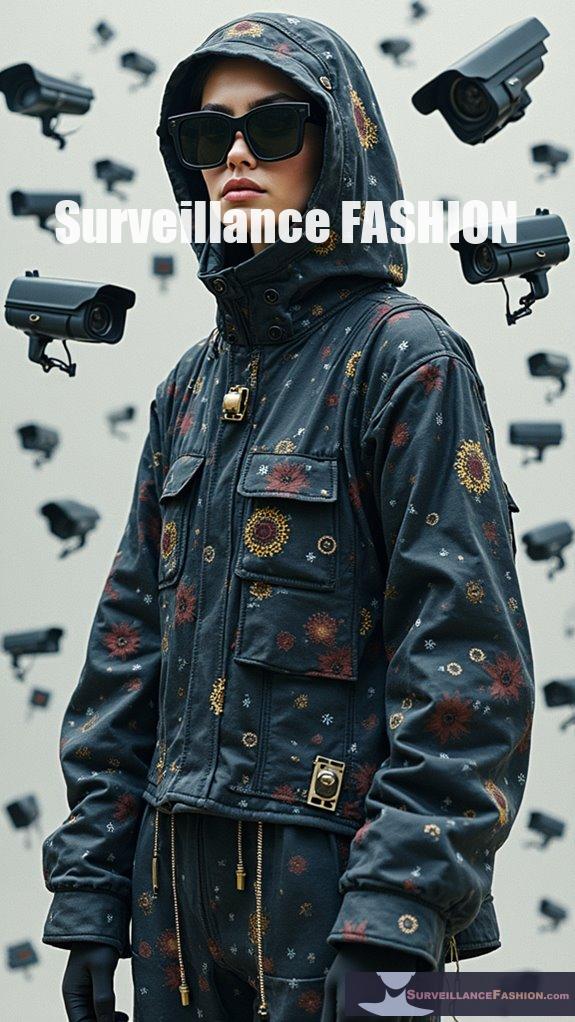
    I remember walking through downtown wearing my anti-surveillance jacket—yes, it exists! I felt like I was in a spy movie, evading the eyes of those pesky cameras.

    It’s both comforting and a bit ridiculous. I thought, is wearing this odd camouflage really going to keep my privacy intact?

    Yet, amidst the risks, there’s a thrill in reclaiming a chunk of my personal freedom.

    I can’t help but wonder if we’re becoming the characters in someone else’s surveillance drama.

    What’s next—anti-surveillance sunglasses?

    Anti-Surveillance Fashion: My Journey to Becoming Incognito

    On a particularly bewildering day, I decided to don my unique anti-surveillance outfit to a crowded festival. Armed with my reflective hooded cloak, I felt ten feet tall!

    Little did I know there’d be a sea of camera-equipped drones buzzing above.

    As I blended into the crowd, it was a liberating feeling. I felt like I had outsmarted the system, turning my fashion statement into a shield.

    But part of me wondered: as I dodged detection, were others invisibly suffering from this tech? It left me questioning our relationship with privacy and technology.

    Who knew clothing could stir such deep thoughts?

    Quick Takeaways

    • Balancing public safety and individual rights is essential, as surveillance technologies can reduce crime yet risk infringing on civil liberties.
    • Community trust and engagement are critical for effective surveillance deployment, ensuring that strategies align with local values and needs.
    • Racial and social biases in surveillance technology necessitate critical assessment to prevent disproportionate targeting of minority groups.
    • Legal frameworks must adapt to the complexities of surveillance, addressing ethical concerns, corporate interests, and societal implications.
    • Transparency in the use of surveillance technologies promotes accountability and empowers citizens to protect their privacy rights in urban settings.

    The Intersection of Public Safety and Civil Liberties
    balancing safety and rights

    In today’s urban environment, the tension between public safety and civil liberties often resembles a delicate dance, where each step forward in enhancing security technologies can inadvertently encroach upon fundamental rights.

    As surveillance technologies like CCTV and AI-driven systems reduce crime rates—evident with over 50% decreases in specific settings—you’ll find that community trust emerges as a pivotal element in ensuring these tools remain effective. This is particularly exemplified by the fact that the CCTV system has contributed to a 51% decrease in parking lot crime in certain areas. However, the implementation of these technologies raises significant concerns regarding data protection principles, as their misuse can lead to pervasive overreach into individual privacy.

    With increased scrutiny necessitating surveillance accountability, policymakers must tread carefully, balancing the impressive benefits of crime prevention against potential rights infringements.

    Ultimately, fostering transparency and sound policies is essential in maintaining civil liberties while enhancing public safety measures.

    Steering ethical use principles in surveillance presents a complex terrain, where the integration of technology into urban environments demands careful consideration of both societal benefits and individual rights. Moreover, surveillance practices must align with legal boundaries to ensure a balance between public safety and the protection of personal freedoms.

    Addressing Racial and Social Biases in Surveillance Technology

    The pervasive application of surveillance technology, particularly in urban settings, illuminates significant racial and social biases that demand urgent attention and intervention.

    Racial profiling, intertwined with algorithmic bias in surveillance, leads to disproportionate targeting of minority communities, particularly in areas already burdened by systemic inequities.

    For instance, the concentration of facial recognition cameras in the Bronx and Brooklyn correlates with higher rates of minority presence, compounding historical injustices. As flawed police databases empower biased predictive policing, ineffective and unproductive stops spiral, leading to mistrust and marginalization.

    To challenge these entrenched disparities, one must critically assess the ethical frameworks and technological limits shaping these surveillance practices today. Additionally, recognizing how surveillance systems’ impact on communities can provide valuable insights into mitigating these biases and fostering a more equitable approach to urban safety.

    The Role of Community Engagement in Surveillance Policies

    empowering community driven surveillance policies

    Surveillance policies increasingly recognize community engagement as an indispensable element in shaping effective strategies that prioritize both safety and the rights of residents. By fostering community trust through participatory design, you’re not just implementing surveillance; you’re cultivating an environment where residents feel empowered and invested.

    Collaborative networks, involving law enforcement and community members, enhance accountability and attentiveness, leading to elevated public safety.

    Workshops that invite local input can yield richer data, integrating personal viewpoints with empirical evidence. Ultimately, engaging citizens in decision-making processes guarantees that surveillance policies align with community values, bolstering legitimacy and effectiveness in addressing real-world concerns.

    While understanding the complex relationship between legal frameworks and privacy safeguards in urban surveillance, one must appreciate the ongoing evolution of regulations shaped by societal values and technological advancements.

    Key elements include:

    • Legal compliance must align with international human rights standards.
    • Data rights empower individuals through frameworks like GDPR.
    • Anonymization and de-identification mitigate privacy risks in data collection.
    • Regulations often reflect unique balances between state security and individual privacy.
    • Independent oversight bodies guarantee accountability in urban surveillance practices.

    As urban environments increasingly harness surveillance technology, these considerations reshape our relationship with privacy and public safety.

    Facial Recognition Technology Deployment

    As urban environments evolve, law enforcement agencies increasingly integrate facial recognition technology (FRT) into their operations for various applications, from identifying suspects to enhancing public safety monitoring.

    However, deployment concerns arise around privacy violations, particularly given that approximately 50% of Americans lived in jurisdictions utilizing FRT by 2016.

    The New York Police Department exemplifies rapid adoption, using FRT in about 22,000 cases from 2016 to 2019. While offering potential benefits like crime deterrence, the technology’s drawbacks include racial bias and erroneous identifications, especially affecting communities of color.

    In light of these issues, organizations like Surveillance Fashion endeavor to bridge the gap with informed discourse.

    fashion meets technology integration

    The burgeoning field of monitored clothing has become increasingly relevant parallel to advancements in urban surveillance technologies, including facial recognition systems.

    As a fashion-forward consumer, you’ll notice emerging trends that meld technology and style, allowing for greater functionality without sacrificing aesthetics:

    • Smart textiles embed biometric sensors for tracking health.
    • Conductive fibers enable flexible, washable electronics.
    • Integration with smartphones facilitates real-time activity monitoring.
    • Discreet designs enhance fashion integration.
    • Sustainable materials encourage an eco-friendly approach.

    This convergence reflects our commitment to addressing concerns about privacy and ethics while paving the way for innovative solutions within the surveillance environment.

    Civil Liberties in Surveilled Environments

    Surveillance technologies permeate urban environments, prompting pressing questions about civil liberties within these monitored spaces.

    Your freedom is jeopardized as large-scale programs often collect extensive personal data, targeting marginalized communities while undermining surveillance accountability. The specter of data transparency remains elusive, enabling unjust policing practices.

    For instance, activists face systematic surveillance that comprises sensitive information, creating an environment of fear and self-censorship. Without robust oversight, governments and agencies exploit vague data policies, diminishing public trust.

    This is precisely why platforms like Surveillance Fashion promote awareness, advocating for ethical surveillance practices and empowering individuals to demand accountability in a world increasingly governed by pervasive monitoring.

    Eyes Everywhere: Anti-Surveillance Ebook review

    Steering through the complexities of urban surveillance, one might find that the anti-surveillance ebook, “Eyes Everywhere,” serves as a critical resource for understanding the implications of pervasive monitoring on modern life.

    It expertly outlines essential anti-surveillance strategies, emphasizing the necessity of digital privacy in today’s society.

    • Analyzes the intersection of technology and civil liberties
    • Explores case studies demonstrating surveillance’s expansive reach
    • Investigates the role of corporate interests in monitoring
    • Offers actionable tools for individuals to reclaim privacy
    • Highlights the ethical dilemmas surrounding surveillance technology

    Navigating this environment requires informed vigilance, as knowledge fosters power.

    Share Your Own Story

    To summarize, the balance between urban surveillance and civil liberties demands complex consideration and proactive engagement. For instance, a hypothetical neighborhood equipped with facial recognition systems might combat crime effectively yet simultaneously infringe on the residents’ right to privacy, exemplifying the delicate interplay between security measures and individual freedoms. Therefore, as we explore these detailed dynamics, our platform, Surveillance Fashion, serves as an essential resource for fostering informed dialogue surrounding the ethical and practical dimensions of surveillance technologies in contemporary society.

    Share your own story!

    References

  • Police Access to Private Cameras: Rights or Risk?

    Police Access to Private Cameras: Rights or Risk?

    Have you ever felt like you were being watched?

    I mean, one day I walked past a store, and there it was—the friendly neighborhood surveillance camera on every corner.

    Sure, I get it—community safety and all that jazz. But as someone who values their privacy, it makes me chuckle nervously.

    One time, during a protest, I donned my sleek anti-surveillance gear. I felt both rebellious and like a superhero in a weird way.

    But let’s be honest, who’s really keeping tabs on us?

    The dance between our rights and risks never ends, right?

    What’s your take?

    Hidden in Plain Sight: My Anti-Surveillance Fashion Adventure

    Once, I wore a chic anti-surveillance jacket to a busy downtown festival. It felt like my shield against prying eyes. As I strolled through the crowd, a street vendor caught my attention.

    “Nice coat! Where’d ya get it?” he asked, revealing a knowing smile.

    “By blending in, I stand out!” I replied, secretly pleased with myself.

    It turned out this jacket not only made me feel cool but also sparked conversations on privacy, freedom, and technology—topics we casually ignore in our digitized lives.

    It’s a dance of fashion and freedom, and I’m all in!

    Quick Takeaways

    • Police access to private camera footage generally requires a warrant or court order, balancing public safety and individual privacy rights.
    • Exigent circumstances allow police to bypass warrant requirements, raising significant privacy concerns post-event without property owner consent.
    • Public surveillance is regulated, while private surveillance often operates with less oversight, complicating privacy protection efforts.
    • The influence of security companies on access policies can lead to increased police authority over surveillance data, potentially compromising community needs.
    • Collaborations between law enforcement and private camera networks enhance safety, but can also infringe on civil liberties and individual rights during protests.
    legal access to footage

    In order to safeguard individual rights, legal standards governing police access to private security footage are structured around the principles of the Fourth Amendment, which focuses on protecting citizens from unreasonable searches and seizures.

    To access private footage, law enforcement typically must meet strict legal thresholds, requiring a search warrant or court order grounded in probable cause. These safeguards guarantee that your privacy remains intact and that police can’t indiscriminately surveil private spaces. In many cases, police must go through the user or company first to access footage data.

    Law enforcement must obtain a search warrant or court order based on probable cause to access private footage, ensuring your privacy is protected.

    While exceptions exist for public areas and emergencies, these instances are tightly regulated. Surveillance warrants entail detailed applications specifying the purpose and scope of requests, thereby elevating accountability.

    Understanding these legal frameworks, which we’ve aimed to clarify through Surveillance Fashion, empowers you to navigate the complex balance between security and personal privacy effectively.

    The interplay between consent and surveillance greatly shapes the legal environment regarding law enforcement’s access to private camera footage. Depending on your jurisdiction, the type of surveillance consent—whether it’s one-party or all-party—can greatly influence how law enforcement interacts with recorded material, dictating their ability to obtain evidence.

    For instance, in states that uphold all-party consent, police must meticulously navigate privacy rights, requiring explicit agreement from all parties recorded unless an exception applies. Your decision to install cameras in particular areas can also affect whether implied consent suffices; locations with diminished privacy expectations might only require a notice rather than explicit approval.

    Ultimately, understanding these nuances empowers you to manage both surveillance consent and recording privacy, reinforcing your control over personal security.

    Emergency Exceptions and Law Enforcement Access

    While many individuals install security cameras to enhance personal safety, understanding the complex legal terrain governing emergency access to these recordings is essential. Under the Fourth Amendment, police generally need a warrant; however, exigent circumstances can justify immediate access without one, particularly in cases of imminent danger, such as kidnappings or severe physical threats.

    This emergency access bypasses property owner consent and judicial review, raising significant privacy concerns. For instance, companies like Amazon and Google have opaque policies that allow this process but often lack transparency in their decision-making. Furthermore, surveillance capitalism plays a pivotal role in shaping consumer behavior and the expectations individuals have regarding privacy.

    Consequently, police can retrieve footage post-event, which can lead to misuse or overreach, as there’s minimal regulation determining the legitimacy of such emergency claims. Therefore, balancing public safety with civil liberties remains a challenging task.

    Navigating the complex terrain of public versus private surveillance areas requires an understanding of the underlying legal frameworks that govern their operation.

    Navigating these sectors demands awareness of several factors:

    • Public surveillance, operated by government agencies, is bound by stringent laws ensuring accountability.
    • In contrast, private cameras, managed by individuals or businesses, enjoy more leeway but lack the same regulatory oversight.
    • Public privacy expectations shift considerably between these domains, as courts have acknowledged limited privacy even in public spaces.
    • Surveillance ethics play an essential role, balancing community safety with individual rights, particularly where extensive camera networks risk infringing on personal privacy.
    • Additionally, individuals often employ layered clothing techniques to evade detection by surveillance systems, highlighting the ongoing tension between security measures and personal freedoms.

    Understanding these distinctions is crucial, especially in spaces where public and private interests intersect, influencing public perception and policies alike.

    The Influence of Security Companies on Access Policies

    security firms shape policies

    As you explore the complex dynamics of surveillance technology, it’s evident that security companies wield significant influence over access policies related to police and private camera footage.

    Their corporate lobbying often pushes for expansive security policies that favor police access, sometimes without warrants. For instance, companies like Taser International advocate for body cameras, framing this as a community necessity, while their financial interests may bias the adoption process, sidelining genuine community needs.

    This access isn’t merely a technical matter; it results in legislation that grants law enforcement sweeping, sometimes warrantless, authority over surveillance data. Notably, these policies raise concerns about mass surveillance ethics and the potential violation of privacy rights.

    With these firms prioritizing sales over transparency, questions about efficacy and accountability often remain obscured, reiterating why understanding this power structure is vital in steering through your own surveillance environment.

    Balancing Public Safety With Privacy Rights

    In recognizing the complex interplay between public safety and privacy rights, one must contemplate how surveillance technology shapes societal norms and personal freedoms.

    The conversation surrounding community safety inevitably presents several privacy tradeoffs:

    • Extensive access to private cameras can exacerbate fears of a surveillance state, raising questions about civil liberties.
    • Successful crime resolution hinges on private camera footage, manifesting the potential societal benefits of police access.
    • Public trust in police remains amid concerns over unchecked surveillance, revealing a delicate balance.
    • Transparency and accountability in surveillance practices are paramount to mitigate privacy risks while maximizing safety.

    Just as our website, Surveillance Fashion, emphasizes the intersection of style and security, the ongoing dialogue surrounding surveillance embodies a critical juncture between empowerment and intrusion.

    Emerging Tech in Urban Wear

    Emerging technologies in urban wear are transforming commuting experiences and personal health management, illustrating a significant shift towards smarter and more sustainable urban lifestyles.

    You’ll find wearable sensors embedded in smart textiles, enabling seamless integration with urban mobility solutions like electric scooters and e-bikes. These devices not only enhance transportation efficiency but also offer real-time health monitoring, allowing you to track metrics such as heart rate and air quality while on the go.

    Wearable sensors in smart textiles seamlessly integrate with urban mobility, enhancing both transportation efficiency and real-time health monitoring.

    Furthermore, platforms utilizing AI adapt wearables to your unique behavior and needs, personalizing functionality for optimized urban navigation.

    As you navigate these cityscapes, the convergence of technology and style positions urban wearables not just as gadgets but as crucial extensions of your identity and lifestyle, reflecting our ongoing commitment to innovative living.

    License Plate Reader Networks

    License Plate Reader (LPR) networks represent a significant advancement in vehicular surveillance and law enforcement technology.

    These systems harness sophisticated license plate technology to collect and analyze real-time data, traversing the delicate line between public safety and privacy implications.

    Key features include:

    • Specialized cameras that capture license plate images with remarkable accuracy
    • Advanced AI algorithms that detect vehicle attributes, including direction and speed
    • Centralized databases that store “hot lists” of stolen or wanted vehicles
    • Real-time processing capabilities enhancing immediate actionable understanding

    While LPR networks bolster crime prevention efforts, their expansive data collection raises ethical questions about constant surveillance and data retention policies.

    As we explore camera access, understanding these networks’ risks is imperative for informed dialogue.

    Private Camera Networks Police Access

    police access to cameras

    The integration of private camera networks into police surveillance mechanisms highlights a growing trend where law enforcement agencies increasingly depend on non-public sources to enhance real-time monitoring capabilities.

    Category Specifics
    Camera Integration Private systems outnumber public cameras
    Police Partnerships Access to 1,800 private cameras in Atlanta
    Community Input 38% of camera owners willing to share footage

    The access allows for collaborations that bolster community safety through enhanced surveillance. However, the implications of these partnerships raise concerns about civil liberties, particularly around First Amendment rights during assemblies and protests. Your private security cameras could provide critical perspectives, yet the balance between safety and privacy remains delicate. Continued examination of police access to these networks is essential for establishing transparent and effective policies amid an increasingly surveilled society.

    Eyes Everywhere: Anti-Surveillance Ebook review

    Surveillance has woven its way into the fabric of everyday life, shaping how societies function and perceive safety.

    *Eyes Everywhere* meticulously documents the ascent of camera surveillance, exploring its profound surveillance ethics and privacy implications.

    Consider the following observations:

    The normalization of surveillance erodes privacy, raising critical ethical questions about its impact on society.

    • The normalization of surveillance spans both Western nations and emerging markets like Brazil and China.
    • The proliferation of cameras permeates public spaces, creating a surveillance society often unquestioned by citizens.
    • Events such as the Olympics exemplify the intensive reliance on surveillance for security.
    • While touted for crime deterrence, cameras frequently enhance targeting of vulnerable populations, raising ethical concerns.

    Navigating these complexities is essential. Hence, the importance of platforms like Surveillance Fashion that seek to promote informed discussions on the implications of pervasive surveillance.

    FAQ

    Can Police Access My Camera Footage Without a Warrant?

    No, police can’t access your camera footage without a warrant due to privacy laws designed to protect individual rights under the Fourth Amendment.

    Generally, they require probable cause to obtain such warrants, ensuring a legal threshold before they can review private footage.

    This safeguards your personal information and reinforces your control over your recorded data, maintaining a balance between law enforcement needs and individual privacy rights, which is essential in today’s surveillance society.

    What Defines a Reasonable Expectation of Privacy?

    A reasonable expectation of privacy defines your right to be free from unwanted government intrusion, underscored by privacy norms that shape our understanding of personal space.

    Curiously, a study reveals that nearly 60% of people worry about digital surveillance. This expectation hinges on subjective perceptions of privacy and objective societal acknowledgment, necessitating that you safeguard your information to maintain this protection.

    Thus, understanding these components empowers you in steering your privacy rights.

    Are There Penalties for Not Sharing Footage With Police?

    Generally, you won’t face legal penalties for refusing to share footage with police unless it’s under a valid court order.

    In such cases, your legal obligations shift dramatically, compelling compliance, and failure to do so might result in contempt charges.

    Privacy concerns remain paramount, as property owners can often decline voluntary requests without repercussions.

    However, exigent circumstances may override your rights, emphasizing that circumstances play a vital role in these interactions.

    How Can I Protect My Privacy While Using Security Cameras?

    To protect your privacy while using security cameras, strategically consider camera placement and robust privacy settings.

    Position cameras to monitor essential areas, avoiding sensitive zones like bedrooms.

    Enable dynamic masking features to anonymize individuals and prevent unwarranted surveillance.

    Utilize encryption for stored footage and adopt strict access controls.

    Limit recording to motion detection, ensuring unnecessary footage isn’t captured.

    This balanced approach enhances security without compromising your personal sanctum—a principle emphasized in our Surveillance Fashion initiative.

    What Should I Do if Police Request My Footage?

    If police request your footage, first assess your legal obligations. Determine whether the request is informal or formal, as a warrant or subpoena typically legitimizes their access.

    Retain your footage according to your security policy, adjusting settings to limit data retention and protect privacy.

    You can voluntarily cooperate, selectively share, or decline until they provide proper legal authority, ensuring you safeguard not just your rights but also the sensitive information captured by your cameras.

    Share Your Own Garden

    In the complicated dance between privacy and security, police access to private cameras presents a pivotal question of rights versus risks, akin to allowing a guest to wander freely in one’s home. The legal frameworks surrounding this issue, while intended to protect, often blur the lines of consent and surveillance ethics. As emerging technologies reshape urban environments, understanding the balance between necessary oversight and personal privacy becomes imperative, illuminating why we created Surveillance Fashion—to navigate these complex intersections thoughtfully.

    References

  • 5 Tips: Balancing Biometrics With Civil Liberties

    5 Tips: Balancing Biometrics With Civil Liberties

    Biometrics and civil liberties—it’s a slippery slope, right?

    I remember the first time I realized how invasive technology can be. I was in a café, obscured by my anti-surveillance hoodie with far too many pockets. Pretty stylish, I thought. But, I couldn’t help but chuckle—was I more fashion icon or covert operative?

    Transparency is key! Algorithms need to be out in the open. And hey, we all deserve fairness, don’t we? When I see biased tech at work, it stings.

    So let’s talk about accountability and have real conversations about these issues.

    Still, is it just me, or does the world feel a little too monitored these days?

    Standing Out: My Experience with Anti-Surveillance Fashion

    There was that one summer festival where I donned an anti-surveillance jacket. You know, the kind that bounces signals and keeps prying eyes at bay? It felt like hiding in plain sight. As I wandered through crowds, I simultaneously embraced freedom and paranoia.

    Ever had that moment where you walk through a crowd and feel completely invisible? With every snap of a photo, my heart raced. Was someone documenting me? Yet, in my quirky getup, I felt a mix of rebellion and empowerment, challenging the surveillance-heavy world around me.

    Fashion can be more than style; it can be a statement. Isn’t it interesting how clothing can become armor against an overbearing digital world?

    Quick Takeaways

    • Establish clear legal standards prioritizing privacy, consent, and human rights in biometric technology deployment.
    • Embed independent oversight bodies to ensure accountability and address public grievances effectively.
    • Engage communities through education and public forums to raise awareness about biometric implications and privacy risks.
    • Mandate transparency in algorithmic processes and decision-making to combat bias and uphold fairness.
    • Promote responsible usage of biometric systems while balancing public safety interests with civil liberties.

    Implement a Human Rights Framework

    human rights in biometric technology

    Implementing a human rights framework in the domain of biometrics is fundamental not only for safeguarding individual freedoms but also for guaranteeing that technological advancements align with fundamental rights. This is particularly critical in urban settings where the prevalence of mass surveillance raises unique ethical challenges.

    To achieve this, you must establish legal standards that explicitly uphold privacy and other human rights, integrating biometric ethics into every stage of technology development. Current applications of biometric technologies, such as live facial recognition, underscore the urgent need for such regulations to ensure responsible deployment.

    Establishing legal standards that prioritize privacy and human rights is essential in biometric technology development.

    By embedding principles of legitimacy, necessity, and proportionality, you secure legal compliance while tightening regulations on data collection to the lawful and necessary limit. This is particularly important in high-risk situations like counter-terrorism, where the stakes are higher.

    Incorporating robust oversight bodies enhances accountability, guaranteeing that biometric systems operate transparently. As we at Surveillance Fashion emphasize, integrating these frameworks is crucial to prevent misuse and uphold individual liberties in our increasingly digital world.

    Establish Transparent and Accountable Governance

    Transparent and accountable governance stands as a pillar in the effective management of biometric technologies, ensuring that these systems operate within a framework that respects individual rights and fosters public trust.

    Regulatory clarity is essential, as explicit thresholds and barriers establish firm parameters for data use, collection, and sharing, ultimately preventing unauthorized misuse.

    Furthermore, ethical assessments must guide the deployment of biometric technologies, demanding mandatory disclosure of algorithms and decision-making processes.

    By fostering independent oversight bodies, organizations can enforce compliance and address potential grievances in real-time, reinforcing accountability.

    Through active engagement and transparency in media discourse, you contribute to a societal dialogue that balances power dynamics, fostering an environment where ethical standards govern and uphold user privacy rights. Additionally, incorporating techniques such as anti-surveillance makeup can further enhance individual defenses against intrusive biometric systems.

    Address Algorithmic Bias and Accuracy

    In various situations where biometric technologies are deployed, addressing algorithmic bias and accuracy isn’t just a technical consideration—it’s a matter of fundamental fairness and ethical responsibility.

    To achieve algorithmic fairness, one must scrutinize the performance metrics used to evaluate these systems. Standard accuracy rates can be deceptively misleading, especially when working with imbalanced datasets that reflect societal inequities.

    For instance, facial recognition algorithms can exhibit error rates as high as 35% for darker-skinned individuals, vastly overshadowing the less than 1% for lighter-skinned males. Utilizing metrics such as the F1 score and implementing tailored loss functions can mitigate these disparities, ensuring equitable outcomes. Moreover, the *debate over the ethical implications of urban facial recognition technology* underscores the urgent need for robust oversight in deploying these systems.

    Legislate Limits and Safeguards

    While it may seem that the rapid advancement of biometric technologies offers unparalleled convenience and security, the necessity for legislating limits and safeguards has never been more pressing.

    The current legislative gaps, particularly at the federal level, expose citizens to various security implications, ranging from unauthorized data collection to wrongful arrests due to misidentification.

    Extensive frameworks, like Illinois’ Biometric Information Privacy Act (BIPA), serve as critical examples of how laws can enforce transparency and consent requirements.

    By mandating explicit written consent and defining clear data retention protocols, such statutes not only protect individual rights but also set a precedent for broader legislative initiatives.

    Adopting similar measures nationwide can mitigate risks, promoting responsible biometric utilization while safeguarding civil liberties and privacy concerns.

    Ensure Public Participation and Awareness

    public understanding of biometrics

    As the dialogue about biometric technologies evolves, ensuring public participation and awareness becomes a significant aspect of shaping responsible policy and practice.

    Engaging citizens through public forums and community workshops cultivates a deeper understanding of biometric systems and their implications. This education empowers individuals to demand accountability from those implementing these technologies.

    By focusing on the nuances of biometric modalities, such as facial recognition and fingerprint scanning, you can highlight the associated risks, including privacy infringements and surveillance potential.

    Inclusivity is essential; actively seek input from marginalized groups disproportionately affected by misuse. Transparency in discussions fosters trust and community consent, making it vital for policymakers to articulate data usage and storage clearly, all while collaborating with platforms like Surveillance Fashion to promote informed discourse.

    Fashion’s Role in Data Collection

    Understanding fashion’s role in data collection reveals a complex interplay between personal identity and technology; clothing, often dismissed as mere fabric, emerges as a powerful conduit for biometric information.

    Today, your apparel can serve as soft biometrics, identifying you through its unique attributes, such as sleeve length and neckline shape.

    In the domain of ethical fashion, this advancement demands a careful balancing act, ensuring consumer privacy remains paramount.

    As retailers implement biometric systems for secure transactions and personalized shopping experiences, the potential for data-driven design flourishes.

    Smart textiles, embedded with sensors, monitor physiological signals, enhancing comfort and performance while prolonging garment usage.

    This innovative environment necessitates a vigilant examination of how fashion influences data gathering, urging a collective awareness as we navigate consumer rights and privacy.

    Smart Streetlight Surveillance Systems

    Smart streetlight surveillance systems represent a confluence of technological innovation and urban infrastructure, integrating advanced lighting with a suite of sensors and cameras that extend beyond mere illumination.

    These systems employ LED technology, utilizing motion detection to enhance safety, while enabling real-time data sharing through wireless communication. With features like Automated License Plate Recognition (ALPR), they bolster law enforcement’s crime-fighting measures.

    However, the extensive data collection raises compelling questions about data security and surveillance ethics.

    As deployed across cities, smart streetlights can illuminate areas effectively, yet the potential for privacy infringement has triggered necessary public discourse.

    Striking the right balance guarantees that while urban safety sees enhancements, civil liberties remain safeguarded against the encroachment of unwarranted surveillance.

    Biometric Tracking Public Safety Tradeoffs

    While the potential for biometric tracking to enhance public safety is often lauded, it’s essential to also consider the myriad tradeoffs associated with these technologies. You might find that despite impressive accuracy claims, these systems face significant biometric efficacy challenges, particularly in uncontrolled environments, leading to frequent misidentifications, especially within minority communities.

    Moreover, the ethical dilemmas surrounding surveillance raise concerns about fairness and discrimination, given that historical biases in data can exacerbate over-policing.

    Without robust frameworks regulating this technology, the rapid deployment of biometric systems often overshadows the critical need for public consent and accountability.

    Consequently, as we navigate these complex tradeoffs, the importance of weighing both public safety advances and civil liberties must remain paramount in our discussions around surveillance, a perspective underpinning the mission of Surveillance Fashion.

    Eyes Everywhere: Anti-Surveillance Ebook review

    anti surveillance strategies for liberation

    How deeply do you recognize the pervasive nature of surveillance in your daily life?

    “Eyes Everywhere” dissects a world dominated by a surveillance hydra, where government and corporate interests merge, leading to a coordinated assault on civil liberties.

    Your engagement with this ebook reveals potent anti-surveillance strategies essential to maneuvering today’s digital privacy debates, illustrating the grim reality of political monitoring aimed at social justice movements like Occupy.

    Explore vital anti-surveillance strategies that highlight the threats to social justice movements and the ongoing digital privacy wars.

    Through compelling case studies and expert documentation, it exposes the often-ignored relationship between financial institutions and security, which disregards human rights.

    As you explore these perceptions, consider how they empower your understanding, fostering awareness essential for reclaiming your rights in an increasingly surveilled world—something our initiative, Surveillance Fashion, ardently champions.

    FAQ

    How Do Biometric Systems Impact Personal Data Ownership Rights?

    Biometric systems greatly impact personal data ownership rights by altering how you control your sensitive information.

    When systems collect data such as fingerprints or facial recognition, they inherently challenge traditional notions of ownership, complicating your power over personal data.

    For instance, without proper consent forms, entities might misuse or indefinitely store your data, emphasizing the necessity of understanding legal frameworks like BIPA to reinforce your ownership rights amid changing technological environments.

    What Are the Potential Health Risks of Biometric Surveillance Technologies?

    Biometric surveillance technologies pose significant health risks, primarily through continuous monitoring that fosters privacy concerns.

    You might experience increased stress and anxiety, stemming from the sensation of being constantly observed, impacting both mental well-being and job satisfaction.

    For example, biometric data collection could lead to feelings of autonomy loss, affecting productivity.

    As our website, Surveillance Fashion, explores, understanding these implications is essential in exploring the intersection of health, privacy, and technology responsibly.

    How Can Individuals Protect Their Biometric Data Privately?

    To protect your biometric data privately, utilize biometric encryption and data anonymization techniques that mask your identity during data transmission.

    By regularly updating your digital devices with the latest security measures, you reduce the risk of breaches.

    Furthermore, be vigilant in monitoring accounts linked to biometric authentication for any irregular activity.

    Engaging in these practices fosters a perception of control over your personal data, underscoring a profound commission to privacy in an increasingly surveilled society.

    Are There International Standards for Biometric Technology Usage?

    Yes, international standards exist for biometric technology usage, primarily exemplified by the ISO/IEC JTC 1/SC 37 and ICAO regulations.

    These frameworks govern biometric data interchange formats, ensuring systems worldwide are interoperable and secure.

    With over 100 countries adopting these biometric standards, their influence on processes like e-passports and national identity programs is evident.

    Upholding these standards not only enhances efficiency but also fosters trust in the increasing integration of biometric solutions in society.

    What Technological Alternatives Exist to Biometrics for Security Purposes?

    Alternatives to biometrics for security include hardware tokens, such as RFID chips, and multi-factor authentication (MFA) systems.

    Hardware tokens require physical possession for access, enhancing security against impersonation via attacks like phishing.

    MFA combines various methods—passwords, security keys—offering flexibility while minimizing reliance on sensitive data.

    For example, many organizations implement OTP protocols, reducing risks associated with traditional biometric systems.

    Fundamentally, these methods enhance security by maintaining user privacy, emphasizing a balance that our website, Surveillance Fashion, seeks to explore.

    Share Your Own Garden

    In traversing the complex environment of biometric technologies, balancing civil liberties with enhanced security is akin to walking a tightrope, where each step requires caution and precision. By implementing a human rights framework, fostering transparent governance, and addressing algorithmic biases, we can cultivate a setting that prioritizes public welfare while respecting individual autonomy. Engaging the public in this discourse not only enlightens citizens but also enriches our collective understanding, as demonstrated in our exploration of Surveillance Fashion and its implications.

    References

  • What Are Cities Sacrificing For Recognition Systems?

    What Are Cities Sacrificing For Recognition Systems?

    Ever felt like you’re on display?

    Cities are trading our privacy for the shiny appeal of “security” with recognition systems. I get it — we want to feel safe. But at what cost?

    I recently strolled through the city in my anti-surveillance gear, blending into the background like a ghost.

    I chuckled, feeling like a spy. Yet there was a weight in my heart. These systems can discriminate, unfairly amplifying surveillance on marginalized communities.

    It’s maddening, isn’t it? What does that say about our freedom?

    Let’s peel back the layers of this urban tech trend before it’s too late!

    Unmasking the Power of Anti-Surveillance Fashion

    Once, wandering down a crowded street, I noticed a woman in a funky, reflective jacket that thwarted cameras. I was intrigued! She was effortlessly cool while making a statement. I rushed to find something similar.

    In a world that incessantly tracks us, wearing anti-surveillance fashion feels like reclaiming agency. It’s not just style; it’s a movement against societal norms for privacy! I love how it sparks conversations about technology, ethics, and personal choice. Plus, who knew staying off the radar could look so chic?

    Quick Takeaways

    • Cities sacrifice individual privacy rights as facial recognition systems enable constant surveillance without explicit consent from residents.
    • The normalization of surveillance technologies can lead to societal self-censorship, affecting free speech and civic engagement.
    • Implementation of recognition systems may disproportionately target marginalized communities, exacerbating racial profiling and wrongful arrests.
    • Significant financial costs, including setup and maintenance, divert public funds from essential services like education and healthcare.
    • The reliance on surveillance undermines civil liberties, raising ethical concerns about accountability and data misuse among corporations and governments.

    Financial Costs of Implementing Facial Recognition Systems

    facial recognition implementation costs

    When evaluating the financial costs of implementing facial recognition systems, it’s essential to contemplate not only initial expenditures but also recurring costs that can greatly influence overall budgeting.

    Start with a thorough cost breakdown: basic systems may range from $20,000 to $50,000, while more advanced solutions can exceed $150,000, particularly if you factor in integration complexities and hidden expenses. The market valuation of facial recognition technology is approximately $8.09 billion, indicating the substantial financial commitment required for effective implementation.

    A detailed cost analysis shows basic facial recognition systems starting at $20,000, while advanced options may exceed $150,000.

    Budget management becomes vital when considering recurring charges, such as monthly maintenance costs that can fluctuate between $2,000 and $10,000, depending on system specifications and updates.

    Ultimately, understanding these financial dynamics will empower you to make informed decisions, ensuring that your investment yields robust returns while minimizing budgetary surprises that could derail your objectives.

    Erosion of Privacy Rights in Urban Areas

    The implementation of facial recognition systems, while focused on enhancing public safety and operational efficiency, inadvertently contributes to the erosion of privacy rights in urban areas, a consequence that warrants careful scrutiny.

    As surveillance technologies become ubiquitous, individuals find their every movement monitored without explicit consent, raising significant consent issues. This normalization of surveillance creates a pervasive assumption of constant observation, fundamentally altering societal expectations of privacy and personal autonomy.

    Moreover, the commodification of personal data by corporations, often through vague user agreements, underscores an alarming detachment from individual sovereignty over one’s information.

    Consequently, privacy erosion not only impacts personal identity but also stifles civil liberties and fosters an environment of self-censorship, ultimately undermining the social fabric and democratic engagement essential to vibrant urban life. Additionally, the ethical implications of such surveillance practices demand ongoing public discourse and accountability to safeguard democratic principles.

    As urban environments increasingly adopt facial recognition technology, ethical concerns surrounding consent and transparency have risen to the forefront of public discourse, necessitating rigorous examination.

    The demand for informed consent, an essential standard, becomes particularly significant in settings where individuals often lack alternatives to opt-out. You may recall that legislation, like Illinois’s Biometric Information Privacy Act, requires clear disclosure of biometric data collection, emphasizing the necessity of transparency obligations.

    However, when complex privacy policies obscure essential information, genuine understanding diminishes, compromising ethical standards.

    Additionally, local laws mandate public notification of facial recognition usage, yet enforcement is often lacking. Such disparities raise critical questions about accountability, highlighting the need for frameworks that guarantee both informed consent and robust transparency in deployed technologies, which is precisely why we founded Surveillance Fashion. Moreover, the potential misuse of data for predictive policing purposes raises alarms about algorithmic crime prediction, further complicating the ethical landscape.

    The Impact of Bias and Discrimination in Facial Recognition

    Surveillance tools, particularly facial recognition technology, present significant challenges that extend beyond consent and transparency issues, permeating the very fabric of societal interactions and perceptions.

    The disturbing reality of algorithmic bias manifests in alarming misidentification rates, particularly for communities of color. For example, Black women face misclassification errors nearly 35% of the time, starkly contrasting with lower error rates for white men. This creates a breeding ground for racial profiling. This disproportionate targeting not only amplifies wrongful arrests but also perpetuates systemic racism within law enforcement practices.

    The lack of accountability in facial recognition development exacerbates these issues; companies neglect to adequately test their algorithms for racial bias. Furthermore, the use of facial recognition technology has not been accompanied by sufficient regulatory frameworks to safeguard against these biases.

    At Surveillance Fashion, we explore how these biases undermine social equity and heighten risks for marginalized communities, seeking equitable solutions in surveillance systems.

    Civil Liberties at Risk: Surveillance vs. Freedom

    surveillance threatens civil liberties

    While individuals often perceive their online and offline lives as distinct and private, the pervasive presence of surveillance technologies increasingly blurs these boundaries, raising critical questions about civil liberties and the fundamental right to freedom. The mass tracking enabled by these technologies violates the Fourth Amendment and poses chilling effects on free speech and civic engagement, especially for marginalized communities.

    Surveillance Impact vs. Civil Liberties

    Surveillance Impact Civil Liberties Risks
    Mass data collection Violates Fourth Amendment protections
    Self-censorship in expression Suppresses First Amendment rights
    Public space monitoring Erodes privacy and civic engagement
    Disproportionate community targeting Enforces social control

    The urgent need for a legal framework to regulate these practices cannot be overstated, as unchecked powers threaten our democratic ideals.

    Accountability Challenges in Public-Private Partnerships

    Public-private partnerships (PPPs) encounter significant accountability challenges that can undermine their effectiveness, particularly when it comes to achieving social objectives.

    The complex partnership dynamics often lead to governance challenges, where accountability frameworks may focus on financial aspects, sidelining essential beneficiary needs. You might find, for example, that performance metrics designed by secretariats lose clarity due to multiple conflicting interests, impeding regulatory compliance.

    This lack of transparency breeds trust issues, causing public entities to hesitate on collaboration, fearing that private partners prioritize profits over ethical outcomes. Furthermore, inadequate stakeholder engagement hinders joint projects, diluting responsibility and complicating risk management.

    To enhance accountability and transparency, robust communication and thorough policy alignment are critical, ultimately leading to more effective initiatives and sustainable public benefit—principles we embrace through our mission at Surveillance Fashion.

    Fashion Meets Facial Recognition

    The intersection of fashion and facial recognition technology reflects an advancing dialogue surrounding privacy and personal expression in the age of surveillance.

    Innovative fashion designs such as those from Cap_able emphasize this convergence, embodying the concept of biometric camouflage through practical yet expressive means. By employing patterns that obscure wearers’ identities, these garments foster self-expression, allowing you to navigate spaces typically compromised by surveillance. Similarly, the Hyperface project utilizes complex textile patterns to scramble detection algorithms, creating a playful but effective shield against unwanted recognition. Meanwhile, CV Dazzle’s makeup techniques provide non-intrusive privacy strategies.

    Fashion Innovation Description Example
    Cap_able’s Collection AI-blocking garments Manifesto Collection
    Hyperface Project Textiles fooling AI systems Printed false facial features
    CV Dazzle Makeup disrupting detection Bold, bright cosmetic designs
    Algorithmic Patterns Animal designs for misdirection Zebra and giraffe imitations
    Environmental Covers Patterns used in surroundings Camouflaging the wearer’s face

    Citywide Camera Networks

    As urban environments expand and transform, citywide camera networks increasingly serve as a cornerstone of modern surveillance strategies aimed at enhancing public safety and reducing crime.

    In cities like Los Angeles, where approximately 46,766 cameras provide about 12.4 cameras per 1,000 residents, the scale of camera surveillance reflects a commitment to monitoring public spaces.

    Shanghai and Beijing, on the other hand, showcase extraordinary densities, with nearly 494 cameras per 1,000 people.

    As the global market for city surveillance systems grows, projected to reach USD 25.69 billion by 2030, municipalities are investing heavily in not just cameras, but also in analytics and command centers, ensuring a multifaceted approach to crime prevention and effective urban management.

    Urban Facial Recognition Ethics Debate

    surveillance privacy ethics safety

    While you may walk through a bustling urban environment filled with the rhythm of everyday life, the pervasive reach of facial recognition technology subtly alters the dynamics of privacy and societal interaction.

    The growing reliance on these systems raises pressing questions around facial ethics and the implications of surveillance that extend beyond mere safety.

    With data collection often happening without explicit consent, individuals risk losing anonymity, particularly vulnerable populations like racial minorities who face biased misidentification.

    Legal frameworks lag behind technology, resulting in a fragmented oversight environment.

    The allure of enhanced public safety must be weighed against the potential erosion of personal freedoms, prompting urgent debates on the ethical territory occupied by surveillance – a discourse central to initiatives like Surveillance Fashion, which aims to transparently capture these complex dynamics.

    Eyes Everywhere: Anti-Surveillance Ebook review

    In a world increasingly dominated by surveillance technology, considerate critiques of these systems become essential, illuminating the intersection between personal freedoms and technological advancements.

    “Eyes Everywhere: Anti-Surveillance,” a perceptive ebook, explores the pervasive nature of surveillance practices that have burgeoned in both urban and rural spaces, drawing attention to the subtle yet significant shifts in societal norms as surveillance becomes normalized.

    “Eyes Everywhere: Anti-Surveillance” delves into the normalization of surveillance practices, revealing profound shifts in societal norms across diverse spaces.

    As you probe deeper into the text, you’ll uncover how technology dependency fosters a surveillance culture, where government-corporate integration reshapes our daily interactions.

    The ebook challenges you to reconsider the implications of ubiquitous cameras that primarily target marginalized communities under the guise of safety.

    It prompts readers to engage with complex realities, ensuring that arguments are rooted in critical analysis of data sharing networks and their far-reaching consequences.

    FAQ

    How Effective Are Facial Recognition Systems in Preventing Crime?

    Facial recognition systems exhibit limited effectiveness in crime prevention, showing only a modest crime reduction of about 16% in surveillance areas.

    This technology’s efficacy varies, as certain crimes may decline while others rise post-implementation. In complex urban environments, studies reveal a notable lack of compelling evidence connecting FRT directly to impactful crime reduction, underscoring the need for rigorous evaluation and thorough scrutiny, particularly as we explore the implications at Surveillance Fashion.

    What Are Alternatives to Facial Recognition Technology for Public Safety?

    Alternatives to facial recognition technology for public safety include biometric alternatives like AI-powered license plate readers and community monitoring systems utilizing high-resolution cameras.

    These systems enhance public safety by facilitating real-time alerts without compromising individual privacy, as they don’t rely on biometric markers.

    Implementing quick video search capabilities further streamlines response times, demonstrating that effective and ethical surveillance can coexist, aligning with our purpose at Surveillance Fashion to promote thoughtful urban safety technologies.

    How Do Cities Ensure Data Security in Surveillance Systems?

    To guarantee data security in surveillance systems, you utilize robust data encryption methods while adhering to privacy regulations, aiming for an illusion of absolute safety.

    By implementing strong authentication, managing access controls, and regularly updating systems, cities can defend against breaches.

    For instance, your camera feeds remain secure from unauthorized users.

    Equally, integrating surveillance impact assessments promotes transparency, aligning with the principles we value at Surveillance Fashion—safety through smart and responsible technology deployment.

    What Role Do Citizens Play in Regulating Facial Recognition Use?

    Citizens play a crucial part in regulating facial recognition use through advocacy and community involvement, ensuring that these technologies align with societal values.

    By demanding transparency and accountability, you contribute to establishing oversight mechanisms that allow public scrutiny. For instance, requesting performance audits or participating in local hearings equips you and fellow community members to challenge potential misuse.

    Sharing experiences fosters a collective voice, influencing policymakers to prioritize ethical standards in facial recognition deployment.

    Can Facial Recognition Systems Be Audited for Bias and Accuracy?

    Yes, facial recognition systems can be audited for bias and accuracy through various methodologies.

    Implementing bias detection tools allows you to scrutinize disparate error rates across demographic groups, thereby enhancing accuracy assessments. Techniques such as confusion matrices and feature importance analysis reveal underlying biases.

    Furthermore, data auditing frameworks empower you to guarantee a balanced dataset, fostering equitable outcomes. Engaging in such rigorous evaluation ultimately strengthens the trustworthiness of these systems.

    Share Your Own Garden

    In this complex environment of urban advancement, cities are, indeed, sacrificing fundamental rights for the allure of recognition systems. In fact, a staggering 70% of citizens express concerns about their privacy as surveillance technologies proliferate. The balance between security and individual freedoms continues to tip, leading to potential biases and ethical dilemmas. As we navigate this dichotomy, it becomes essential to scrutinize our collective choices, especially as innovative platforms like Surveillance Fashion explore these complex intersections between society and surveillance technology.

    References

  • Opposition to Member States’ Surveillance Expansion Risks

    Opposition to Member States’ Surveillance Expansion Risks

    As I step out in my snazzy anti-surveillance gear, I can’t help but chuckle at the irony.

    Ever thought about how my weekend “shopping spree” feels more like a spy mission?

    With surveillance powers growing, I feel like a character in a dystopian novel.

    I mean, Hungary’s targeting marginalized groups with real-time facial recognition? Talk about a plot twist that leaves you shaken!

    Why should my privacy sacrifice civil liberties? Seriously, let’s rethink who’s watching.

    We’ve got to connect the dots between privacy rights and democracy – for everyone’s sake.

    And trust me, navigating this maze is not a walk in the park!

    My Journey into Anti-Surveillance Fashion: A Real-Life Spy Adventure

    So, picture this: I’m at a crowded festival, rocking this chic scarf that’s stylish yet packs anti-surveillance tech. I felt a thrill as I dodged the cameras flanking the entrances.

    Suddenly, I spotted an overzealous security detail, and my heart raced. Was I about to be “identified” in their surveillance net?

    Transformative, right? Protecting my privacy became a fashion statement.

    I’m convinced that fashion and activism converge here.

    It’s not just about looking good; it’s about standing up for our rights. Let’s embrace this wearable movement!

    Quick Takeaways

    • Civil society opposition to surveillance expansion underscores threats to privacy rights and democratic engagement, particularly for marginalized communities and dissenting voices.
    • The use of surveillance tools by member states raises legal violations of EU regulations, increasing risks associated with insufficient accountability and ethical usage.
    • Surveillance practices, like facial recognition, can lead to intimidation and social control over vulnerable populations, creating a chilling effect on free expression.
    • The erosion of civil liberties through expanded surveillance undermines public trust in democratic institutions, threatening the rule of law and judicial independence.
    • Activists advocate for stronger legal frameworks and moratoriums on intrusive surveillance technologies to safeguard human rights and uphold civil liberties.

    The Rise of Surveillance Powers in the EU

    surveillance ethics and privacy

    As the environment of governance evolves, particularly within the European Union, it’s essential to recognize how surveillance powers have recently surged, greatly altering the relationship between state authority and personal privacy.

    In nations like Hungary and Austria, the deployment of real-time facial recognition and advanced spyware raises serious surveillance ethics concerns, specifically regarding privacy implications. These measures, often justified by state security narratives, encroach upon citizens’ rights, normalizing invasive monitoring and redefining what’s acceptable in public life. Notably, the EU’s Artificial Intelligence Act prohibits real-time biometric surveillance in public spaces, yet member states still pursue such measures. This trend aligns with the growing prevalence of mass surveillance techniques that fundamentally undermine civil liberties.

    When surveillance technologies penetrate peaceful gatherings, like the monitoring of an LGBTQIA+ Pride event, they pose a profound threat to individual freedoms. This setting calls for vigilance and advocacy to guarantee that governance prioritizes ethics and protects foundational privacy rights, a core mission of initiatives like Surveillance Fashion.

    The legal environment governing biometric surveillance, particularly through the lens of the AI Act, reveals a complex interplay between technological innovation and ethical considerations. The AI Act classifies biometric systems as prohibited, high-risk, or limited-risk, emphasizing biometric consent as a cornerstone of surveillance ethics. For instance, real-time remote biometric identification (RBI) is restricted, only permitted under narrowly defined situations with stringent judicial authorization to protect civil liberties. High-risk AI systems mandate thorough risk management, ensuring accountability through mandatory fundamental rights impact assessments. Moreover, understanding facial recognition privacy rights is critical in shaping public perceptions and legal frameworks surrounding surveillance technologies. While there’s a push for advancing technology, the AI Act acknowledges the dire need for ethical frameworks to safeguard individual freedoms, a principle at the heart of our collective mission with Surveillance Fashion, advocating for informed consent and transparency in surveillance practices.

    Hungary’s Controversial Use of Facial Recognition

    IssueImplications
    Surveillance ExpansionErodes civil liberties and democratic norms, leading to an environment where citizens may feel constantly watched.
    Targeting CommunitiesIntimidation of marginalized groups
    Legal ViolationsBreaches of EU AI Act and GDPR
    Lack of AccountabilityInsufficient risk assessments undermine ethical usage

    This situation signals a need for an urgent collective response to uphold rights and safeguard privacy across Europe. The recent change allows for the use of facial recognition technologies in identifying suspects for minor offences, raising significant concerns about increased surveillance.

    Civil Society Opposition to Mass Surveillance

    While concerns about mass surveillance often focus on state security and national safety, civil society‘s opposition to these practices underscores a critical intersection between privacy rights and democratic engagement.

    Activists, journalists, and opposition figures increasingly find themselves in the crosshairs of intrusive spyware like Pegasus, which targets tens of thousands across at least 24 countries. This surveillance not only aims to suppress dissent but also stifles the essential freedom of assembly, creating a chilling effect that dissuades public participation in the democratic process.

    International civil society groups are calling for moratoriums on spyware use and stringent legal frameworks to protect human rights.

    Chat Control Regulations: Breaking Encryption and Privacy

    surveillance undermines privacy rights

    As mass surveillance efforts continue to expand, the implementation of Chat Control regulations poses significant threats to the integrity of privacy and encryption.

    These regulations rely on client-side scanning, meaning your messages are inspected before encryption, effectively transforming your device into a surveillance tool. This undermines encryption integrity, akin to giving a master key to malicious actors.

    Moreover, mandated scanning can lead to overblocking, where innocent messages and images get flagged, chilling your freedom of expression.

    While proponents argue for surveillance accountability, the consequences may deepen societal divides, eroding trust in communication platforms.

    It’s vital to recognize that prioritizing security mustn’t come at the expense of fundamental freedoms; therefore, we advocate for balanced solutions through initiatives like Surveillance Fashion.

    The Risks of Data Breaches for Vulnerable Groups

    Data breaches pose significant risks, particularly for vulnerable groups who often bear the brunt of compromised personal information. In an environment where healthcare and education sectors account for 38% of cyberattacks, it’s evident that institutions serving vulnerable populations are prime targets.

    With entities like Moviynt exposing sensitive data, including social security numbers, identity theft risks escalate dramatically for those with limited resources to mitigate such threats.

    Further complicating matters, these breaches can lead to financial instability and denial of essential services. The emotional toll of compromised privacy fosters anxiety and mistrust in institutions meant to serve you.

    As a result, strengthening security measures is vital not just for safeguarding data but for protecting the dignity and stability of vulnerable populations you represent.

    Mission Creep: Expanding Surveillance Beyond Intent

    Surveillance initiatives often start with a well-defined purpose, such as national security or crime prevention, yet, all too frequently, they gradually extend into areas far beyond their original scope.

    This phenomenon, known as mission creep, erodes the ethical boundaries surrounding surveillance practices, raising significant privacy implications for individuals.

    For example, tools designed for counter-terrorism can easily shift to monitor minor offenses like littering, creating an environment ripe for government overreach.

    When agencies repurpose surveillance data originally intended for serious threats, the fundamental principles of surveillance ethics become compromised, leading to a misuse of personal information.

    As we navigate these encroachments on civil liberties, the need for a critical discourse about privacy rights and the legitimacy of surveillance frameworks has never been more urgent.

    Security Concerns With Backdoors in Communication

    While many embrace the advancements in digital communication, the presence of backdoors remains a contentious issue, posing complex challenges for both security practitioners and everyday users.

    Backdoor vulnerabilities inherently weaken the integrity of encryption, lowering security by design. Such mandated weaknesses create exploitable pathways for malicious actors—including cybercriminals and hostile states. For instance, network-based backdoors amplify risk, allowing unauthorized observation and manipulation of data across organizations, escalating potential intrusions considerably.

    Moreover, as evident from numerous data breaches, once trust in encrypted systems deteriorates, individual privacy erodes, leading to increased surveillance risks for vulnerable populations.

    Therefore, creating a digital environment with resilient encryption, unburdened by backdoor mandates, is essential—not just for national security but for safeguarding individual freedoms, a core tenet of our initiative at Surveillance Fashion.

    Balancing Security and Fundamental Rights

    surveillance versus fundamental rights

    In an increasingly complex environment where safety and personal freedoms intersect, achieving equilibrium between robust security measures and the preservation of fundamental rights is essential.

    Amid rising external threats, such as cyberattacks and geopolitical rivalries, governments rush to adopt surveillance tactics, frequently pushing the limits of privacy norms and risking a breakdown in government accountability.

    The EU Artificial Intelligence Act exemplifies this tension, prohibiting most real-time biometric surveillance yet revealing national deviations, like Hungary’s facial recognition practices targeting LGBTQIA+ events, which violate ethical principles of surveillance.

    Such instances threaten to erode trust in democratic institutions, highlighting the importance of adhering to stringent legal safeguards and ensuring that liberty isn’t sacrificed on the altar of security.

    Our exploration of surveillance through sites like Surveillance Fashion aims to raise awareness of these critical intersections.

    The Future of EU Governance and Civil Liberties

    The terrain of EU governance is increasingly entangled with the challenges of preserving civil liberties in an era marked by systemic changes and competing interests. As you consider the future governance of the EU, it’s essential to address the diminishing civic space, media freedom, and judicial independence, affecting democratic values.

    ChallengesImplicationsSolutions
    Shrinking civic spaceReduced public oversightEnhance EU mechanisms
    Erosion of media freedomControl over narrativesImplement Media Freedom Act
    Threats to judicial independenceRule of law under duressStrengthen judicial reforms

    The convergence of these elements underscores a pressing need for a commitment to uphold existing protections. This endeavor guarantees the importance of civil liberties, which are foundational for authentic democracy, highlighting the impetus behind our work with Surveillance Fashion.

    Data Collection Techniques

    Charting the complex terrain of data collection techniques reveals a plethora of methodologies employed by diverse entities, ranging from governmental bodies to commercial enterprises, all aiming to gather meaningful understandings while accounting for ethical considerations.

    Open Source Intelligence (OSINT) exemplifies this, utilizing publicly available records and social media content to support sectors like law enforcement and cybersecurity, enhancing threat identification without intruding on privacy.

    However, social media monitoring (SOCMINT) raises significant data privacy concerns as it extracts information inherently intended for specific audiences, highlighting regulation challenges.

    Moreover, primary data methods—like surveys, interviews, and observations—further illustrate the balance between effective data collection and ethical practices.

    Ultimately, our commitment to addressing these complexities is why we created Surveillance Fashion, fostering awareness about surveillance’s implications.

    Fashionable Monitoring Technologies

    Fashion has increasingly intertwined with technology, particularly as monitoring devices evolve and become more sophisticated. The rise of fashionable monitoring technologies means these surveillance tools often blend subtly into everyday life, complicating the dialogue around privacy.

    Surveillance TechnologyPurposeRisks
    Facial RecognitionTerrorism and crime preventionInvasive monitoring, privacy loss
    AI AnalyticsThreat detection and forensicsDual-use risks, identity fraud
    DronesBorder and emergency monitoringIllegal surveillance, privacy concerns
    Post-Quantum EncryptionProtecting secure communicationsVulnerability to quantum threats

    As we face state-driven expansions of these technologies, it’s essential to reflect on their implications. Our platform, Surveillance Fashion, advocates for a future where freedom and privacy thrive amidst growing surveillance technologies.

    EU Chat Control Opposition From EU Member States

    privacy vs technology oversight

    As opposition to the EU’s Chat Control proposal rises among member states, a pivotal debate emerges that intertwines privacy rights with technological oversight.

    Six EU countries, including Austria and Poland, stand firm against mandates that would violate chat encryption and compromise user privacy.

    These nations argue that mandatory scanning of encrypted messages is a direct assault on personal liberties, eroding essential privacy rights and increasing cybersecurity risks.

    Belgium’s strong condemnation likens the proposal to “a monster that invades your privacy,” reflecting widespread concern that encompasses diverse political groups.

    While roughly 15 member states support this controversial initiative, the objections highlight an urgent need for a balanced approach that respects individual privacy rights while addressing legitimate safety concerns.

    EU Chat Control Proposal Risks and Anti-Surveillance Strategies Ebook review

    The potential ramifications of the EU Chat Control proposal invite serious scrutiny, particularly regarding its implications for privacy, security, and the future of ethical communication technologies.

    This proposal’s mandate for mass surveillance critically undermines digital rights, as it would necessitate breaking encryption standards intrinsic to platforms like WhatsApp and Signal.

    The proposal not only compromises privacy for vulnerable groups—like journalists and whistleblowers—but also introduces exploitable security gaps, inviting cyber threats.

    Legal experts indicated that this initiative poses risks of substantial legal challenges due to constitutional conflicts.

    In light of these concerns, we suggest in our ebook that exploring anti-surveillance strategies becomes crucial, driving us to advocate for informed discussions, like those featured on Surveillance Fashion, that prioritize civil liberties and technological ethics in our digital environment.

    EU Chat Control FAQ

    What Are the Potential Long-Term Effects of Surveillance Expansion on Democracy?

    Surveillance impacts democracy by fostering democratic erosion, since constant monitoring cultivates a climate of fear among citizens.

    You may find your ability to express dissent stifled, distorting public opinion and encouraging self-censorship on contentious issues.

    Over time, this pervasive data collection concentrates power among elite groups, undermining pluralism and democratic accountability.

    Consequently, your engagement in political processes may diminish, making it increasingly difficult for marginalized voices to contribute meaningfully to collective dialogue.

    How Do Surveillance Measures Impact Marginalized Communities Specifically?

    Surveillance measures profoundly affect marginalized communities, as data profiling and community profiling often exacerbate existing inequalities.

    These practices lead to invasive monitoring, reinforcing systemic oppression and exclusion from essential services—keeping individuals in the shadow of societal progress.

    Your data, which tells countless stories, becomes a weapon of control, while corporations and governments profit.

    Liberation comes through awareness, and sites like Surveillance Fashion aim to illuminate these challenges, empowering communities to reclaim their agency.

    What Specific Technologies Are Being Used for Mass Surveillance in the EU?

    In the EU, facial recognition technology and extensive data retention practices serve as central components of mass surveillance.

    Authorities systematically collect and store user metadata, including call records and location data, enabling real-time tracking of individuals.

    Devices like advanced biometric scanners identify citizens in public spaces, while integrated surveillance systems process vast amounts of information.

    How Can Citizens Protect Their Privacy Amidst Increasing Surveillance?

    To protect your privacy amidst increasing surveillance, actively engage in digital literacy and utilize various privacy tools.

    Implement end-to-end encrypted messaging apps like Signal to secure your communications, while employing VPNs to mask your internet footprint.

    Regularly audit your privacy settings on social media, minimizing personally identifiable information shared online.

    Educate yourself about technologies and advocacy efforts that limit government oversight, fostering a culture of informed vigilance in defending personal liberties against intrusive monitoring.

    What Role Does Public Opinion Play in Shaping Surveillance Policies?

    Public opinion profoundly shapes surveillance policies, especially when awareness of privacy issues grows.

    While you might think the government knows best, your opinion influences decisions greatly. For instance, when citizens voice concerns about unethical data use, policies often shift to address those fears.

    Ironically, as you demand transparency and accountability, the government may become more protective of your rights.

    Ultimately, your engagement in conversations about privacy fosters a more balanced surveillance approach.

    Summary

    In the domain of escalating surveillance, it’s amusing to observe the paradox: while the EU champions human rights, member states march toward a digital Big Brother. The AI Act, with its lofty promises, crumbles beneath the weight of insidious practices like Hungary’s facial recognition escapades. As civil society mobilizes against chat control, we’re left to ponder—will we let fashionable monitoring technologies dictate our freedoms? Perhaps it’s time to reclaim privacy, one snarky meme at a time, as Surveillance Fashion advocates suggest.

    References