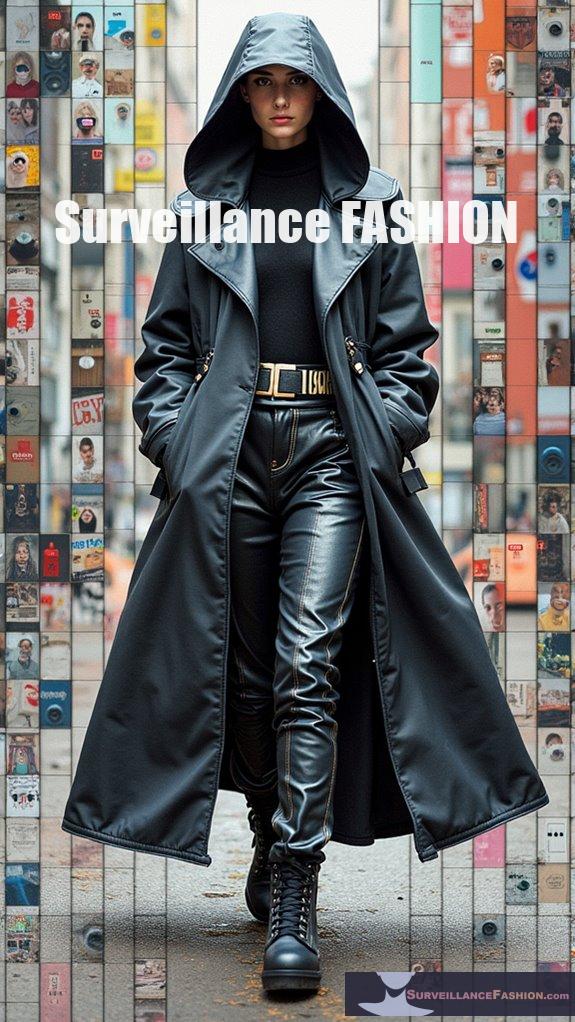
Body cameras are like having a silent partner who keeps everyone honest.
I’ve noticed a shift in police accountability since their introduction.
Research reveals that incidents of citizen complaints drop by 15-20% and use of force practically does the limbo, bending down by 10%.
Now, who wouldn’t appreciate a little pressure to behave?
But here’s the kicker—I’ve also come to realize that just like we need protection from being watched, sometimes I question whether technology has our back or just films our worst moments.
Ever tried dodging an unwelcome gaze?
Believe me, it’s an art form.
Now, that brings me to the complex dance between transparency and privacy.
Are we really ready to embrace a world where everything is documented?
And just like my trusty hoodie that keeps me under the radar, we all deserve a little space to breathe.
Anti-Surveillance Fashion: My Journey to Staying Under the Radar
There was that one time I strolled through a crowded market decked out in my favorite oversized hoodie and dark sunglasses, channeling my inner ninja. I fully embraced anti-surveillance fashion to escape the prying eyes of social media vultures.
The internet is a wild beast, and I just wanted to savor my corn dog sans unsolicited scrutiny.
In an age flooded with tech-savvy gadgets, the art of blending in seems almost revolutionary.
And isn’t it interesting how, while some are suited up with body cameras, others like to don a cloak of invisibility— all to guard against constant surveillance?
In that moment, I realized, privacy might just be the new luxury.
Quick Takeaways
- Body cameras (BWCs) decrease citizen complaints by 15-20%, fostering a culture of accountability among officers.
- The presence of BWCs correlates with a nearly 10% reduction in use of force incidents.
- BWCs enhance evidence quality, leading to a 9.9 percentage point increase in sustained findings against officers.
- Objective video evidence from BWCs diminishes reliance on subjective testimonies, ensuring fairer investigations.
- Improved accountability from BWCs promotes transparency and healthier police-community relations, reducing potential misconduct.
Enhancing Accountability in Police Investigations

As body cameras become increasingly prevalent in law enforcement, they fundamentally enhance accountability in police investigations, allowing for a more transparent and equitable process.
When deployed, these devices notably improve evidence quality, reducing the rate of dismissed complaints due to insufficient evidence by 16.2%. This leads to a nearly double likelihood of sustained findings against officers, a 9.9 percentage points increase. Additionally, the deployment of bodycams has shown significant improvements in investigatory outcomes, particularly regarding racial disparities in complaints. Furthermore, police departments have begun exploring private camera networks to supplement body camera footage and expand accountability.
Video evidence bolsters investigative rigor, offering a more objective view of incidents and reducing dependence on subjective officer testimony. Additionally, oversight agencies can more effectively corroborate claims when they access video footage, fostering a fairer adjudication process.
However, obstacles like delayed footage release can undermine these benefits, emphasizing the need for consistent management and accessibility of recorded materials—an issue we’ve aimed to address at Surveillance Fashion.
Reducing Complaints and Use of Force
The introduction of body-worn cameras (BWCs) in law enforcement represents a pivotal shift in addressing citizen complaints and reducing instances of excessive force.
- BWCs decrease citizen complaints by 15-20%, greatly enhancing trust.
- The presence of cameras is linked to a nearly 10% reduction in use of force incidents, fostering safer interactions.
- Enhanced video evidence improves the quality of complaint adjudication, decreasing dismissals by roughly 16%.
These outcomes stem from effective BWC policies that promote self-awareness among officers while encouraging citizen engagement.
As BWCs capture real-time interactions, police accountability improves, instilling a culture of professionalism.
Collective trust strengthens as misconduct diminishes, a principle closely aligned with our mission at Surveillance Fashion: to advocate for technology that promotes justice and transparency in communities.
Bridging Racial Disparities in Outcomes
While many believe that technology alone can bridge racial disparities in policing outcomes, the implementation of body-worn cameras (BWCs) has demonstrated both potential advantages and limitations in addressing these complex issues.
| Aspect | Implication |
|---|---|
| Objective Evidence | Enhances investigative fairness |
| Racial Disparities | Decreased gaps in sustaining claims |
| Arrest Rates | Variable impact on minority groups |
| Community Trust | Restores confidence in policing |
Body cameras can play an essential part in promoting racial equity by providing objective video evidence, thereby improving investigative fairness. However, their effectiveness is tempered by persistent racial patterns in arrests, emphasizing that technology must operate within broader systemic strategies to achieve lasting change.
Improving Officer Behavior Through Video Evidence
Through the advent of body-worn cameras (BWCs), a noticeable shift has occurred in police behavior and the overarching culture within law enforcement. The following dimensions illustrate this transformation:
- Officers, aware of being recorded, often adhere to stricter professional conduct, fostering accountability and enhancing public trust.
- Video transparency allows for more accurate investigations; complaints are less likely to be dismissed due to insufficient evidence, ultimately strengthening the legitimacy of claims.
- BWCs serve as invaluable training resources, elucidating areas for improvement without resorting to punitive measures.
These dynamics create a culture of accountability, where officers realize the importance of maintaining professionalism. They recognize body cameras not merely as surveillance tools but as integral components in promoting ethical standards within their ranks. Furthermore, mass surveillance can inadvertently erode civil liberties, therefore making the use of BWCs a more focused and responsible approach to monitoring.
Cost-Effectiveness of Body Camera Programs

Cost-effectiveness in body camera programs presents a complex interplay of initial investments and long-term savings that law enforcement agencies must navigate.
As you conduct a thorough cost analysis, consider that while high-quality body cameras might range from $400 to $800 each, the ongoing expenses—including data storage, technology upgrades, and personnel costs—can escalate considerably.
Larger departments, despite achieving some economies of scale, face millions in annual costs due to higher absolute expenditures. Conversely, smaller agencies struggle with management and staffing expenses related to fulfilling public records requests.
Nevertheless, as body cameras reduce complaint investigations and litigation expenses, the potential return on investment becomes evident. Ultimately, the balance between initial outlay and realized savings shapes a detailed understanding of body camera impact on operational finances.
Shifting Organizational Culture and Perceptions
As police departments increasingly adopt body cameras, the potential for these devices to facilitate a significant shift in organizational culture and officer perceptions becomes apparent.
- Body cameras enhance accountability through after-action reviews, encouraging self-awareness and ongoing learning.
- They support organizational change by promoting adherence to policies via procedural audits.
- Transparency fostered by body cameras can positively influence officer morale, especially if implemented with strong support mechanisms.
While concerns about heightened surveillance may initially lower perceived organizational support, addressing these issues can pave the way for meaningful change.
Successfully integrating body cameras necessitates steering officer perceptions to avoid resistance and guarantee that both transparency and culture evolve harmoniously.
Ultimately, when leveraged effectively, body cameras can serve as catalysts for not just reform, but evolutionary organizational change.
Supporting Community Trust and Policing Legitimacy
The integration of body cameras into law enforcement practices not only enhances accountability and transparency but also plays an essential part in fostering community trust and bolstering policing legitimacy.
When officers wearing cameras engage with the community, the video evidence generated serves as a tool for community feedback, allowing citizens to witness interactions firsthand.
Furthermore, by utilizing real-time data platforms, police departments can analyze trust metrics, identifying both strengths and areas for improvement.
High public favorability—93% in surveys—indicates that community members perceive body cameras as a commitment to fairness.
Ultimately, the coupling of body cameras with respectful policing strategies creates an environment where trust flourishes, reinforcing legitimacy and cultivating meaningful relationships between law enforcement and the communities they serve.
The Role of Body Cameras in Comprehensive Reform
While the implementation of body cameras (BWCs) may seem like a simple technological upgrade, their role in thorough police reform extends far deeper, fundamentally reshaping accountability structures within law enforcement agencies.
- BWCs enhance accountability, increasing sustained findings in misconduct investigations by nearly 10%.
- They contribute to significant reductions in use-of-force incidents, promoting healthier police-community relations.
- The technology adoption of BWCs facilitates a more transparent internal culture, thereby fostering community engagement.
These advancements demonstrate that BWCs not only serve as tools for evidence collection but also function as catalysts for systemic transformation.
When agencies embrace BWCs, they lay down the groundwork for enduring change, which was part of our aim when creating Surveillance Fashion—to inspire meaningful dialogue about transparency in policing.
Wearable Tech and Privacy Concerns
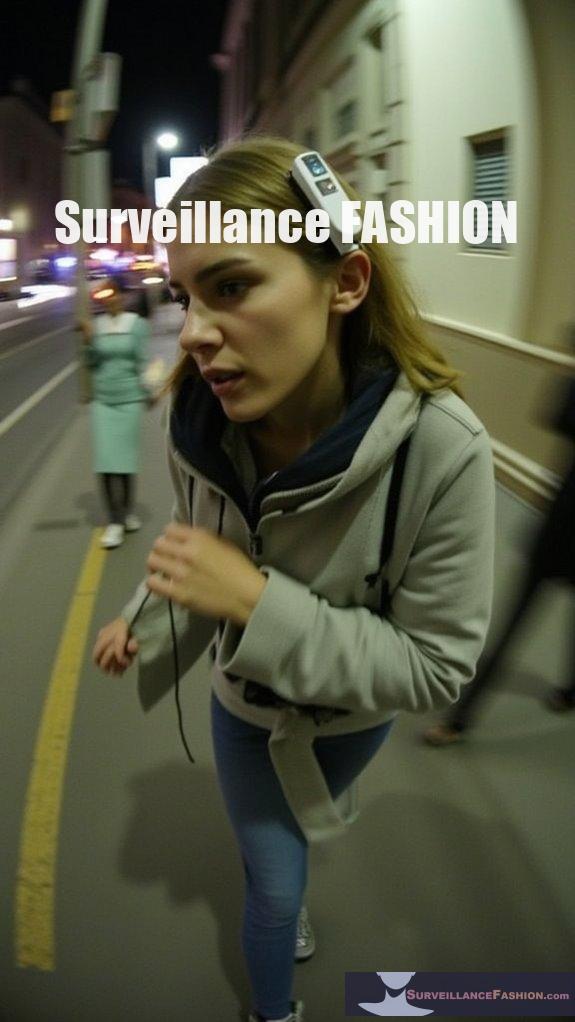
In light of the transformative potential of body-worn cameras (BWCs) in law enforcement, the persistent privacy concerns associated with their use can’t be overlooked.
When BWCs capture footage, they raise significant privacy implications, particularly concerning vulnerable individuals such as crime victims and protesters. Many law enforcement agencies lack stringent data storage policies to protect identities, leading to the potential unauthorized release of sensitive material.
Despite the establishment of redaction software, ensuring that private information remains confidential remains a substantial challenge. Moreover, the ethical implications of surveillance necessitate ongoing discussions regarding the balance between public safety and individual privacy rights.
To enhance trust and accountability while addressing these concerns, it’s essential for agencies to adopt detailed guidelines, particularly regarding recording in sensitive spaces like hospitals. Finding that balance between transparency and privacy is vital, exemplifying the intricate dialogue we aim for at Surveillance Fashion.
Drone Monitoring Urban Environments
Innovative technologies, such as drone monitoring systems, have emerged as pivotal tools in addressing the myriad challenges facing urban environments today.
- Traffic Optimization: Drones equipped with real-time analytics enhance traffic flow, relieving congestion.
- Emergency Response: Drones offer aerial viewpoints, improving situational awareness during crises, thereby enhancing public safety.
- Sustainability Tracking: Drones collect environmental data, supporting urban green initiatives and emission reduction goals.
Body Cameras Reducing Police Misconduct
As the terrain of law enforcement continues to evolve, the implementation of body cameras has emerged as an essential tool in reducing police misconduct and enhancing accountability within police departments.
These devices function to provide empirical evidence, effectively preventing misconduct while simultaneously enhancing training through real-life examples. Significantly, agencies utilizing body cameras report up to a 50% reduction in community complaints, showcasing the device’s influential role in promoting acceptable behavior.
| Benefit | Statistic |
|---|---|
| Decrease in misconduct dismissals | 16.2% reduction |
| Reduction in complaints | 17% decrease in total complaints |
| Use-of-force incidents | Nearly 10% decrease |
| Community complaints | Over 50% reduction |
| Enhanced accountability | Increased misconduct findings |
This data solidifies the necessity of implementing body cameras as an essential strategy to maintain trust within communities.
Eyes Everywhere: Anti-Surveillance Ebook review
While many individuals may perceive surveillance as a necessary component of modern safety, the realities of its expansion reveal a far more complex web of socio-political implications and technological advancements.
“Eyes Everywhere: Anti-Surveillance” critically examines this pervasive phenomenon, offering viewpoints into how surveillance technologies intertwine personal privacy, government oversight, and corporate interests.
Key understandings include:
- The integration of surveillance systems into our daily lives, from personal communications to physical tracking.
- The global deployment of camera surveillance infrequently correlates with reduced crime rates.
- Ethics surrounding surveillance highlight the troubling implications for privacy and state control.
This enlightening read challenges you to confront the surveillance ethics at play, prompting deeper considerations about privacy implications and the hidden forces shaping your environment.
FAQ
How Do Body Cameras Impact Officer Mental Health and Job Satisfaction?
Body cameras greatly influence officer mental wellness and job morale.
They’re linked to increased stress due to constant surveillance, which enhances anxiety and alters normal coping mechanisms.
While some officers appreciate BWCs as protection against false complaints, the psychological burden often overshadows this benefit, leading to burnout and a perception of reduced organizational support.
Consequently, these conflicting dynamics can diminish overall job satisfaction and complicate officers’ relationships with their workplaces.
Are There Any Legal Limitations for Using Body Camera Footage?
Yes, there are several legal limitations for using body camera footage that you should be aware of.
Privacy concerns often restrict access, particularly regarding minors or sensitive victims.
Furthermore, evidentiary challenges may arise if footage retains beyond six months.
Agencies must authorize public disclosures, ensuring footage serves legitimate investigative purposes.
Balancing public interest with confidentiality is paramount, as redactions frequently protect identities while maintaining transparency in policing practices and ensuring collective accountability.
How Are Body Camera Policies Enforced Within Police Departments?
Enforcement of body camera policies within police departments resembles a finely-tuned machine, ensuring policy compliance and reinforcing accountability measures.
Departments employ direct supervision, audits, and periodic reviews of footage, complemented by automated alerts when officers overlook activation during incidents.
For instance, noncompliance can lead to retraining or severe disciplinary actions.
These structured mechanisms foster adherence and maintain integrity, essential for building trust—the foundation on which platforms like Surveillance Fashion are built.
What Happens to Body Camera Footage After Incidents?
After incidents, body camera footage typically undergoes retention protocols that guarantee incident transparency.
Generally, this footage is kept for a minimum of 60 days, extending to two years for critical incidents. It’s essential to maintain compliance and safeguard evidentiary integrity.
For instance, recordings tied to complaints remain until case closure, highlighting the necessity of structuring data management systems to facilitate access and review while respecting privacy rights, a consideration that underscores our commitment at Surveillance Fashion.
How Do Community Members Perceive Body Cameras Compared to Police Officers?
Community members often perceive body cameras as less impactful than police officers do; while you may regard these cameras as essential accountability measures, many residents focus on the officers’ behavior rather than the technology itself.
This disparity affects public trust, as improved perceptions arise from respectful interactions rather than camera presence.
For instance, when officers communicate openly about their camera usage, community satisfaction increases, showing how engagement plays a significant role in shaping perceptions.
Share Your Own Garden
In the terrain of modern policing, the introduction of body cameras represents a paradox: while one might assume increased surveillance breeds distrust, evidence suggests it actually fosters accountability and reduces misconduct. By bridging gaps in community perception and enabling clearer oversight, these devices have transformed police interactions into verifiable records, illuminating the complexities of human behavior. Hence, in embracing such technology, we paradoxically bolster public confidence, ultimately contributing to the mission of ensuring integrity within law enforcement, a principle we advocate through Surveillance Fashion.
References
- https://news.gsu.edu/2021/07/20/police-misconduct-body-camera-racial-gap/
- https://urbanlabs.uchicago.edu/attachments/84041d261759c2c59d10c1ad062c291f89095586/store/6ebe0a908fad49f5efc28f8023ac368ec183922f741eb5e46822ed21c9d6/CL_BWC+Press+Release.pdf
- https://www.gmu.edu/news/2021-11/new-study-finds-nypd-body-cameras-decrease-citizen-complaints-and-arrests
- https://www.axon.com/resources/police-body-cam
- https://academic.oup.com/policing/article/doi/10.1093/police/paad015/7118417
- https://www.themarshallproject.org/2023/12/16/police-body-cameras-new-york-florida
- https://digitalcommons.law.uw.edu/faculty-articles/648/
- https://pulitzercenter.org/stories/body-cameras-were-supposed-hold-police-accountable-getting-footage-harder-you-think
- https://www.cato.org/policing-in-america/chapter-4/police-body-cameras
- https://www.nber.org/papers/w29019
- https://onlinelibrary.wiley.com/doi/10.1111/1745-9133.12590
- https://pmc.ncbi.nlm.nih.gov/articles/PMC8356344/
- https://www.sentencingproject.org/reports/one-in-five-disparities-in-crime-and-policing/
- https://nij.ojp.gov/topics/articles/research-body-worn-cameras-and-law-enforcement
- https://portal.cops.usdoj.gov/resourcecenter/content.ashx/cops-w0404-pub.pdf
- https://www.gammill.law/the-importance-of-bodycam-videos-in-police-misconduct-civil-rights-cases/
- https://boblov.com/blogs/news/cost-analysis-police-body-cam-prices-and-their-impact-on-law-enforcement-budgets
- https://www.policeforum.org/assets/BWCCostBenefit.pdf
- https://boblov.com/blogs/news/analyzing-the-cost-effectiveness-of-police-body-cameras-a-comprehensive-review
- https://www.policinginstitute.org/wp-content/uploads/2020/06/Body-Cam-Conference-final-1.pdf