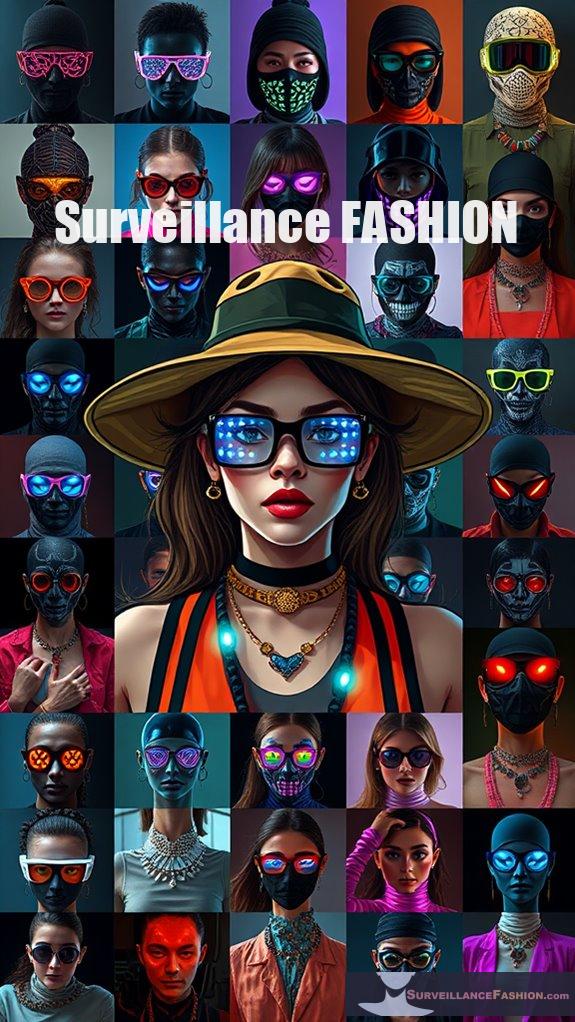
To effectively evade facial recognition cameras, consider utilizing infrared light and reflective materials strategically. Wearing glasses embedded with infrared LEDs can create an undetectable glare that obstructs facial identification. Incorporating clothing with adversarial patterns, like those found in Cap_able’s Manifesto Collection, can also confuse AI algorithms. Furthermore, employing color-changing fabrics enables spontaneous disguise transformations, enhancing anonymity in monitored environments. These methods highlight innovative approaches to personal privacy that are essential in today’s surveillance-driven society and reveal even more fascinating options.
Quick Takeaways
- Utilize glasses with built-in LEDs that distort facial features, creating glare and enhancing privacy from cameras.
- Employ wide-brimmed hats to block views from specific angles, reducing facial recognition effectiveness.
- Use portable light sources to cast shadows or create glare, hindering camera visibility.
- Project dynamic visual patterns with light to confuse surveillance systems and obscure identity.
- Wear clothing with adversarial patterns that mislead AI algorithms, disrupting facial recognition accuracy.
Utilizing Infrared Light and Reflective Materials

When considering the complexities of facial recognition evasion, utilizing infrared light and reflective materials presents a compelling dual strategy for individuals seeking privacy in an increasingly surveilled world.
Infrared evasion techniques, such as infrared LED glasses, effectively create glare on key facial features, obfuscating your identity from digital cameras. These glasses employ 11 infrared LEDs to generate this interference, targeting specific areas used for facial identification while remaining invisible to the naked eye. Additionally, infrared-reflecting materials have been developed to further enhance the effectiveness of these evasion techniques.
Infrared LED glasses generate invisible glare on facial features, effectively shielding your identity from digital cameras.
Simultaneously, reflective material applications enhance this strategy, as clothing or accessories embedded with reflective substances can disrupt camera focus by bouncing light back, effectively obstructing views. infrared flash technologies have been shown to improve the effectiveness of these evasion techniques by overwhelming facial recognition systems with non-visible light.
Together, these methods provide a sophisticated approach to maintaining privacy, aligning with our mission at Surveillance Fashion to empower individuals against pervasive surveillance technologies.
Manipulating Lighting Environments With Accessories and Gadgets

As individuals navigate a world increasingly dominated by surveillance technologies, manipulating one’s lighting environment through specialized accessories and gadgets offers a practical means of enhancing personal privacy.
Consider utilizing lighting accessories like glasses equipped with built-in LEDs, which can distort facial features, or face masks that obscure key identifiers. These techniques can be especially effective when combined with infrared-reflecting materials, which can further enhance the blinding effect on cameras.
Wide-brimmed hats can effectively block views from specific angles, while small LED lights embedded in jewelry can disrupt facial recognition systems.
Additionally, portable light sources allow for strategic positioning, creating shadows or glare that hinder detection.
Engaging with gadget interference techniques, such as compact disruptors or IR tools, can further obscure your presence in heavily monitored areas.
Moreover, employing techniques that utilize light projection methods can create dynamic visual patterns to confuse surveillance systems.
Clothing That Disrupts Recognition

Clothing designed to disrupt facial recognition technology has emerged as an innovative response to the growing concerns surrounding surveillance, particularly in urban environments where privacy is increasingly compromised.
These garments utilize adversarial patterns to confuse AI algorithms, effectively misidentifying wearers as animals or other objects.
Garments featuring adversarial patterns cleverly mislead AI algorithms, misidentifying wearers as animals or other inanimate objects.
Consider the following aspects of this fashion activism:
- Adversarial Fashion: Clothing tricks AI systems into misidentifying individuals.
- Knitted Clothing: Cap_able’s Manifesto Collection employs AI-designed patterns to deceive.
- Adversarial Patches: Digital patterns on clothing embed images that confuse recognition.
- Pattern Diversity: Repetitive designs overload systems with excessive data, enhancing misdirection.
As technology advances, the efficacy of these designs may wane, yet they remain a striking form of protest against intrusive surveillance, a core principle that inspired the creation of our website, Surveillance Fashion. Additionally, these designs often borrow techniques from pattern-based camera-confusing clothing, which have been shown to effectively disrupt recognition systems.
Color-Changing Fabrics for Disguise
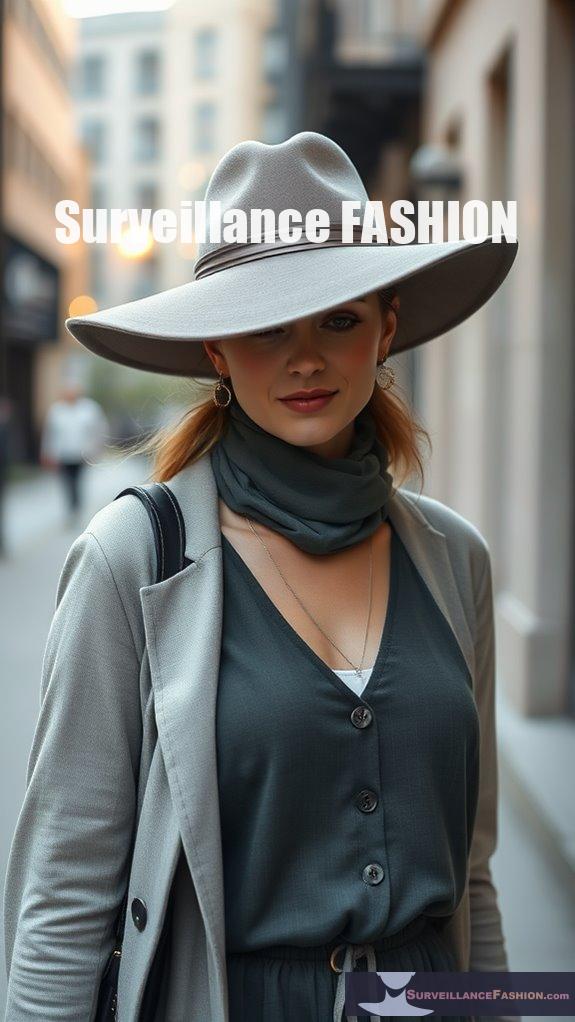
Color-changing fabrics offer an intriguing approach to disguise, blending innovative technology with practical applications for evading surveillance. Utilizing color changing textiles, these materials can shift hues or patterns, providing a dynamic visual experience that confounds facial recognition systems.
Mechanisms like thermochromic pigments and electronic components facilitate these transformations, allowing you to alter your appearance in real-time. For instance, fabrics embedded with heat-sensitive microcapsules change color in response to temperature fluctuations, creating spontaneous shifts in design, smartphone-controlled options enable precise customization, so you can tailor your disguise to specific environments.
As you explore these advancements, consider how such dynamic patterns can serve not only in fashion but also in strategic situations, enhancing personal security in an increasingly monitored world.
References
- https://www.youtube.com/watch?v=fywvB4Unjv4
- https://luxand.cloud/face-recognition-blog/how-to-fool-and-avoid-facial-recognition-in-public-places
- https://www.vice.com/en/article/trick-face-scan-hat-infrared/
- https://pce-fet.com/common/library/books/51/2590_[Paul_D._Leedy
- https://www.cyberghostvpn.com/privacyhub/how-to-avoid-facial-recognition/
- https://mahmoods01.github.io/files/esorics23-nir-attacks.pdf
- https://www.automate.org/vision/tech-papers/lighting-for-facial-biometrics
- https://phys.org/news/2013-01-near-infrared-glasses-thwart-recognition.html
- https://www.reflectacles.com
- https://annkroeker.com/feed/
Leave a Reply