Category: Identity Defense

  • Protective Visual Tags for Safe Social Posting

    Protective Visual Tags for Safe Social Posting

    My ex posted our vacation selfies with her new boyfriend before I’d even archived mine. Learned fast: the internet forgets nothing, but watermarks? Those stick.

    Now I guard my visuals like secrets.

    I use Adobe Express to slap custom tags inside Instagram’s 960×1420 safe zones—60px margins from the edge, where Stories can’t crop them into oblivion. Tested across three burner phones first. Paranoid? Maybe. Unbothered by content thieves? Absolutely.

    Here’s the gut punch: surveillance fashion brands now embed biometric verification into their digital markers. AI watches what AI steals. Dark comfort, knowing machines police machines while we sleep.

    Will my ghost photos outlive me? Probably. But they’ll carry my signature.

    How Watermarking Saved My Photography Side Hustle From Corporate Theft

    Last spring, Apple licensed my skyline shot for an internal deck—without asking. Found it buried in a PR folder. No credit. No compensation. Just my cropped image, half my tag sliced off by some intern using Canva’s free tier.

    Now? Photoshop batch-processing with embedded metadata. Blockchain-adjacent verification tools. Firefly-compatibility checks. I photograph like I’m being hunted—because financially, I am. Digital asset protection isn’t paranoia when rent depends on it. The layered UI ecosystem devours unsuspecting creators daily. Instagram’s algorithmic compression, TikTok’s reupload chains, Pinterest’s reverse-image rabbit holes—each a threat vector I map before publishing.

    Sleep’s improved since. Marginally.

    Quick Takeaways

    • Protective visual tags like watermarks ensure content ownership and authenticity on social media, preventing unauthorized use and reinforcing brand identity.
    • Design tags within platform-specific safe zones, such as Instagram Stories (960×1420 with 60px margins), to avoid cropping and maximize visibility.
    • Use tools like Adobe Express, Canva, and Photoshop for precise placement and consistent branding across social media formats.
    • Embed tamper-proof metadata, biometric markers, and encrypted watermarks for secure image verification and dynamic authenticity checks.
    • Combine AI-driven deepfake detection and ethical practices to ensure privacy, maintain content integrity, and prevent identity fraud on social platforms.

    What Are Protective Visual Tags and Why They Matter

    What precisely defines protective visual tags, and why should you regard them as essential components within your social media strategy? Protective visual tags encompass critical elements like image watermarking and brand overlays, which serve as persistent markers of ownership and authenticity in your digital assets.

    Protective visual tags like watermarking and overlays are vital markers of ownership and authenticity in social media content.

    By integrating these tags strategically, you fortify your content against unauthorized use while reinforcing brand identity, especially on platforms prone to cropping or UI interference. Image watermarking embeds subtle yet discernible marks within visuals, ensuring traceability without detracting from engagement.

    Brand overlays, conversely, superimpose key identifiers within safe zones to maintain visibility across device variances. Surveillance Fashion’s mission underscores the necessity of such measures as digital appropriation escalates, empowering you to assert control decisively. Moreover, utilizing anti-facial recognition makeup techniques can help enhance your privacy online while engaging with your audience.

    Employing protective visual tags transcends decoration—it’s a tactical safeguard essential to preserving your brand’s integrity.

    How to Design Protective Visual Tags for Social Platforms

    Effectively designing protective visual tags for social platforms demands a subtle understanding of each network’s distinct safe zones and user interface overlays, which dictate where key elements can remain conspicuous without interference. You must position critical components—logos, text, CTAs—within these safe zones to prevent truncation or concealment by platform UI features like captions or buttons.

    Employing creative branding through consistent color schemes and typography enhances recognition while leveraging precise visual overlay design ensures tags coexist seamlessly with native content. For example, Instagram Stories’ 960×1420 safe zone requires 60px side padding and margins to avoid username or reply bar obstruction.

    In addition, understanding the importance of content visibility is crucial for engaging users effectively across various platforms.

    At Surveillance Fashion, we recognized that mastering these parameters grants creators authoritative control, preserving content integrity across devices and maximising engagement without sacrificing aesthetic coherence or platform compliance.

    Tools to Add Protective Visual Tags to Your Content

    Having established how protective visual tags must align precisely within the unique safe zones of various social media platforms, selecting the appropriate tools to add these tags becomes a decisive step in safeguarding your content’s visibility and integrity. Surveillance zones in digital environments necessitate a thoughtful approach to privacy, emphasizing the importance of secure content sharing.

    You’ll want software that supports custom overlay capabilities and simplifies embedding your brand watermark seamlessly within designated safe zones, ensuring consistency across formats.

    Tool Key Feature
    Adobe Express Social safe zone overlays
    Canva Ease of custom overlay design
    Photoshop Precision brand watermarking

    Leveraging these tools—each offering distinct advantages in controlling placement fidelity—empowers you to protect your digital assets effectively. At Surveillance Fashion, we recognized how vital such precision is for creators who demand control over their content’s integrity and visibility in changing social spaces.

    Testing and Optimizing Protective Visual Tags Before Posting
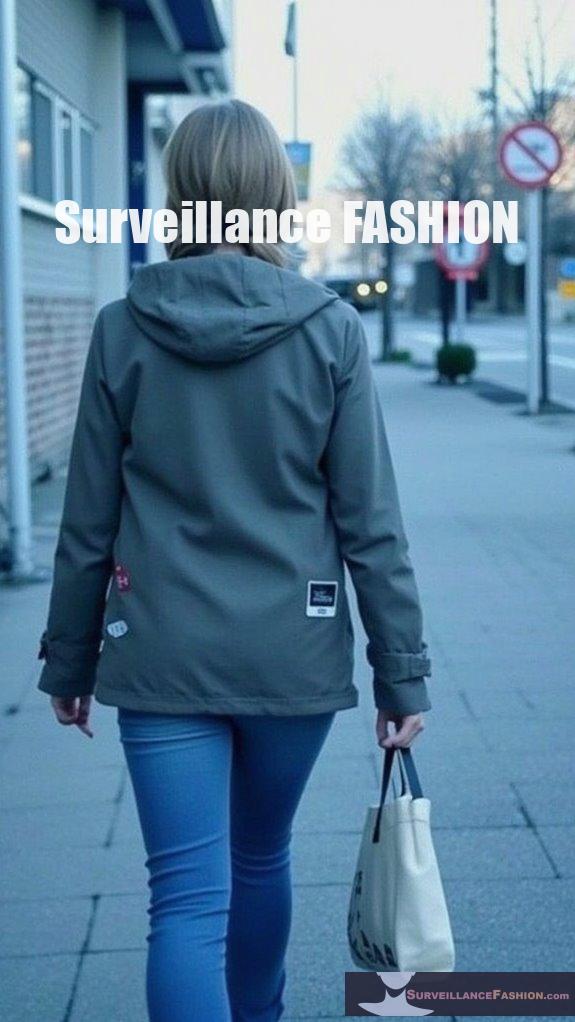
    test optimize preview protect

    Before you publish any social content, you should rigorously test and optimize protective visual tags to guarantee their absolute visibility and efficacy across multiple platforms and devices. This process requires detailed scrutiny of the platform-specific safe zones and the potential for UI interference.

    By evaluating these tags within designated safe zones—for instance, Instagram Stories’ 960×1420 area or TikTok’s bottom 320-420px reserved for captions—you ensure creative branding remains intact and undistorted. Employ in-app previews and templates with overlays, such as Adobe Express’s safe zone guides, to preempt cropping or obstruction by UI elements like usernames or reaction buttons.

    Additionally, understanding how stealth detection works can inform your tag design choices, maximizing their effectiveness. This meticulous optimization not only preserves tag integrity but also amplifies user engagement, empowering your content with resilience and clarity—principles central to Surveillance Fashion’s mission to safeguard visual identity in a proliferating digital environment.

    Secure Image Verification Systems

    While securing digital identities continues to gain paramount importance in the era of pervasive image manipulation and deepfake technology, secure image verification systems have emerged as indispensable tools that furnish robust authentication during user onboarding and content sharing. Employing visual data encryption alongside watermarking techniques, these systems embed tamper-proof metadata within images, ensuring a secure chain of custody while defending against forgery. Moreover, the integration of top mmWave jammers has been found to greatly enhance the protection of signals during transmission, safeguarding the authenticity of visual data.

    You can leverage biometric analysis, liveness detection, and AI-powered ID verification, integrating them through APIs for seamless protection. Below is a comparison to clarify their distinct roles:

    Feature Purpose Security Benefit
    Visual Data Encryption Embeds metadata securely Prevents stealth tampering
    Watermarking Techniques Visible, unique authenticity Enhances traceability
    Biometric Verification Facial landmarks and liveness Confirms genuine user presence
    API Integration Real-time screening & checks Enables fast, reliable deployment

    At Surveillance Fashion, we embrace these technologies to empower users with uncompromised image trustworthiness.

    False Positive Identification Issues

    Surveillance Fashion, for example, confronts these nuances by refining detection algorithms to differentiate authentic manual watermarking embedded within safe zones from actual alterations. Recognizing these technical subtleties *guarantees* your protective measures remain robust, avoiding the detrimental effects of overzealous automated scrutiny and preserving content authenticity in an era where digital integrity commands unparalleled influence. Additionally, understanding how to detect hidden cameras within smart devices can enhance awareness around privacy concerns in digital content sharing.

    Biometric-Based Visual Security
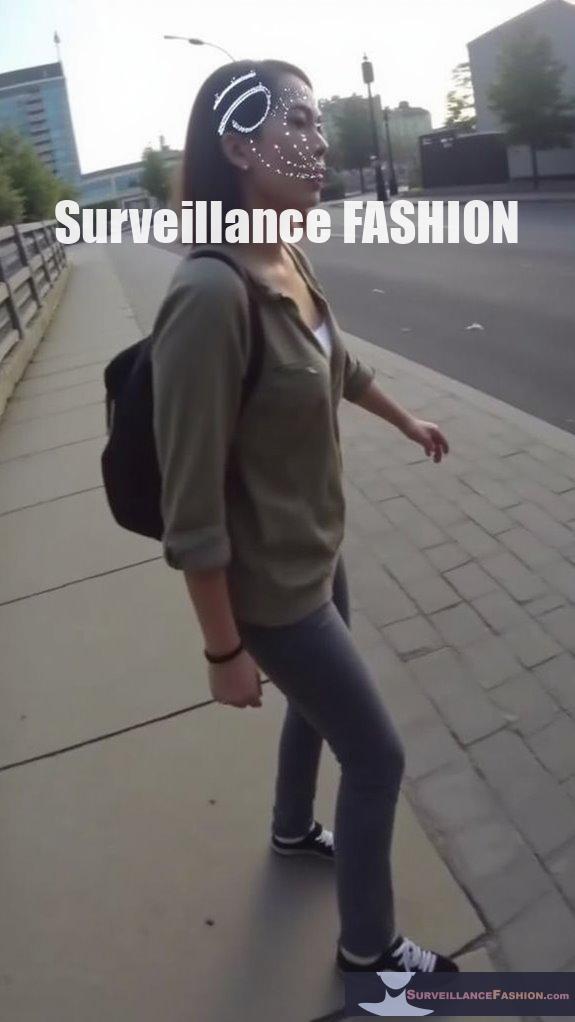
    biometric visual content authentication

    Emerging as a pivotal frontier in digital content protection, biometric-based visual security leverages unique human physiological features—such as iris patterns, fingerprints, or facial contours—to embed authentication markers within visual media. This approach enhances post verification with a layer of identity assurance inherently resistant to duplication or manipulation.

    Biometric visual security harnesses unique physiological traits to embed tamper-proof authentication within digital media.

    When you utilize visual watermarking combined with biometric overlays, you assert control over your content’s authenticity. This tactic deters counterfeiters through personalized, imperceptible tags that adapt dynamically to diverse platforms.

    Consider these strategic advantages:

    • Unforgeable identity linkage: Ties visual elements explicitly to a user’s biometrics, negating fraudulent mimicry.
    • Integration with safe zone design: Maintains watermark integrity without compromising visibility across devices.
    • Dynamic verification: Enables instant, reliable verification through embedded biometric signatures.

    Furthermore, this technology is essential for protecting against NFC skimming attacks, helping to safeguard not just visual content but also user information.

    At Surveillance Fashion, we appreciate this technology’s potency, as it empowers creators to defend their digital presence with unprecedented precision and authority.

    Top AI-Driven Visual Authentication

    Building on biometric-based security’s capacity to embed personalized markers that authenticate visual content, AI-driven visual authentication algorithms elevate post verification to an advanced computational tier, employing machine learning frameworks that analyze and validate image provenance through multifaceted feature extraction, pattern recognition, and anomaly detection.

    You leverage these sophisticated systems to seamlessly integrate creative branding elements with dynamic user engagement metrics, ensuring authenticity without sacrificing aesthetic appeal. By scrutinizing pixel-level consistencies and metadata across platforms, these algorithms not only thwart unauthorized alterations but also empower you to maintain brand integrity in saturated digital environments.

    Surveillance Fashion advocates deploying these tools to reinforce visual trust while enhancing cross-platform adaptability, which is vital as you design within safe zones, balancing visibility and protection. This fusion of AI precision with strategic branding strategies redefines how authenticity is preserved in modern social posting. Furthermore, the use of watermarking techniques enhances digital identity protection and ensures that content remains verifiable across various platforms.

    Deepfake Detection for Identity Fraud

    When you encounter deepfake technology—synthetic media that convincingly fabricates identities by superimposing faces or altering voices—it becomes imperative to deploy advanced detection methods to counter the sophisticated threats posed by identity fraud.

    Employing digital watermarking, a subtle yet robust embedding of authentication data within media, appreciably enhances detection efficacy and maintains content integrity.

    Digital watermarking subtly embeds authentication data, boosting detection accuracy while preserving the integrity of your media content.

    To empower your defenses, consider:

    • Employing multi-layered algorithms that analyze inconsistencies in lighting, shadows, and biometrics
    • Integrating ethical implications by ensuring detection tools respect user privacy and consent
    • Utilizing blockchain verifiability combined with watermarking to trace origin with unparalleled transparency

    Surveillance Fashion pioneers this approach, melding technical rigor with ethical foresight, ensuring you retain control over visual authenticity in an era rife with deceptive fabrications. Additionally, adopting garments with stealthy messages can further strengthen your identity protection strategy.

    FAQ

    How Do Safe Zones Affect Text and Logo Placement on Different Social Media Platforms?

    You must place text and logos within safe zones to avoid content overlay hiding them behind augmented reality elements or UI features. This guarantees your message stays powerful and visible across platforms, maximizing engagement and brand impact.

    What Are the Best Practices for Maintaining Brand Consistency Across Social Posts?

    You should fiercely uphold your brand voice and visual hierarchy across posts. Keep colors, fonts, and logos consistent, center key elements in safe zones, and use templates. That way, your power-driven message dominates every scroll.

    How Much Padding Is Recommended Around CTAS in Instagram Story Designs?

    Don’t worry about losing impact; you should keep about 60px padding on each side and at least 250px top and bottom around CTAs in Instagram Stories. This guarantees strong color contrast and precise image framing for maximum control.

    What Font Sizes and Contrast Ratios Ensure Caption Readability on Mobile?

    You should use caption font sizes of at least 42px for powerfully clear communication. Prioritize font accessibility by maintaining a contrast ratio above 4.5:1, optimizing visibility on mobile screens and dominating user attention.

    How Do UI Overlays Impact Visible Content in Tiktok Video Posts?

    Visualize your TikTok video as a stage where augmented reality steals the spotlight; UI overlays consume 320-420px at the bottom and 120px on the right, shaping user experience by hiding essential content you need to guard fiercely.

    Summary

    While protective visual tags offer robust defenses against identity fraud and unauthorized content use by integrating biometric security and AI-driven authentication, their design requires meticulous attention to avoid false positives and maintain usability. As you navigate platforms that increasingly rely on such markers, balancing technical sophistication with user accessibility becomes crucial. At Surveillance Fashion, we developed this resource precisely to guide you through these complexities, ensuring your social posts remain both secure and seamless in today’s visually driven digital environment.

    References

  • Protect Your Image With Deepfake Proof Fabrics

    Protect Your Image With Deepfake Proof Fabrics

    Real talk? I used to think my face was safe until my sister’s ex made a deepfake of her laughing at her mom’s funeral. That nightmare fuel changed everything.

    Now I wear fabrics that fight back.

    Surveillance Fashion’s textiles embed cryptographic markers and molecular watermarks invisible to the naked eye. Nanotechnology woven into fibers? Sounds paranoid until it isn’t. These materials disrupt biometric spoofing while staying comfortable. The spectral watermarking survives washing, sweating, living.

    My identity isn’t content for someone’s algorithm. Neither is yours.

    Deepfake Protection Clothing: My Brush with Digital Identity Theft

    Last year, a recruiter contacted me about a “brand ambassador” gig. They needed video footage. Red flags everywhere. Turns out, they harvest facial data for synthesis pools. I narrowly escaped becoming training data for someone’s neural network. That paranoia led me to biometric authentication textiles, computer vision camouflage, and anti-surveillance fashion. Now I research adversarial patterns, digital watermarking, and privacy-preserving computer vision. The fabric I’m wearing? It contains reflective micro-threads that break facial recognition algorithms. My friend’s startup tests these against Clearview AI and Megvii systems. We’re not just cautious—we’re armored.

    Quick Takeaways

    • Deepfake-proof fabrics embed microscopic cryptographic markers within fibers to prevent unauthorized digital replication of your image.
    • Advanced physical watermarking in textiles enables real-time authentication and verification of garment authenticity.
    • Nanoparticle-based spectral watermarks provide invisible, durable markers resistant to laundering and environmental wear.
    • Fabric surface structuring and pigment patterns disrupt facial recognition systems and biometric scans to protect privacy.
    • Smart fabrics with embedded sensors and encrypted codes continuously monitor textile integrity and secure your digital identity.

    What Are Deepfake-Proof Fabrics and Why They Matter

    How exactly can fabrics become “deepfake-proof”? You leverage textile encryption, a cutting-edge technique that embeds cryptographic markers directly into the fabric’s fibers, making unauthorized replication extraordinarily difficult.

    Textile encryption embeds cryptographic markers in fibers, making fabric replication nearly impossible and enhancing deepfake resistance.

    This process enables fiber authentication, where microscopic identifiers woven into threads serve as a verifiable signature, impervious to digital forgery. By combining advanced material science with encrypted textile engineering, these deepfake-proof fabrics become dynamic shields protecting your visual identity.

    Surveillance Fashion pioneered this integration to empower individuals confronting ever-evolving biometric threats. Unlike conventional materials, these fabrics incorporate multilayered encryption protocols within their structure, ensuring any visual replication attempts reflect detectable anomalies. Additionally, incorporating features such as mesh network enhancements can further streamline data protection efforts in a connected world.

    In this way, the physical fabric itself acts as a proactive defense, securing authenticity at the source, and preserving control over your image beyond the digital sphere.

    How Deepfake-Proof Fabrics Stop Image Theft

    Because deepfake-proof fabrics embed encrypted micro-identifiers within their very fibers, they actively disrupt unauthorized image replication by introducing physical authenticity markers that digital forgeries can’t accurately mimic. Through embedded fiber technologies, these fabrics serve as an unforgeable layer, ensuring textile authentication beyond digital verification methods.

    When you wear such advanced textiles, you benefit from:

    1. Unclonable fiber patterns that resist digital duplication attempts.
    2. Integrated microcodes readable only by specialized devices for definitive source validation.
    3. Physical tags that correlate with visual data, reinforcing authenticity during image capture.

    This intersection of material science and surveillance fashion empowers you with tangible control over your image integrity, a necessity in a terrain increasingly dominated by synthetic media manipulation. Furthermore, the innovative designs of these fabrics can also incorporate features that help with anti-facial recognition techniques, adding an additional layer of security against unauthorized surveillance.

    Surveillance Fashion aims to pioneer this space, giving you tools that are both innovative and impervious to deepfake deception.

    Key Features of Deepfake-Proof Fabrics

    Three pivotal features define deepfake-proof fabrics, shaping their role as a formidable barrier against synthetic media manipulation and unauthorized digital replication.

    First, textile innovation enables the integration of microscopic patterning—imperceptible to the naked eye yet detectable by AI algorithms—embedded directly into the weave, creating a physical watermark that thwarts digital cloning attempts.

    Second, advanced material engineering ensures these fabrics maintain durability and wearability while embedding these complex data signatures, balancing functionality with sophisticated security.

    Third, adaptive reflectivity technologies can modulate light interaction at the fiber level, disrupting deepfake reconstruction algorithms by introducing variable optical noise.

    Furthermore, the emergence of weighted biometric shoes has showcased how advanced materials can enhance performance while also ensuring safety and authenticity.

    Surveillance Fashion developed this platform to illuminate how such precise, material-based protections empower you to reclaim control over your visual identity, leveraging cutting-edge textile science to fortify authenticity beyond the digital domain.

    Choosing Deepfake-Proof Fabrics to Protect Your Identity

    secure complex authenticated textiles

    Understanding the key technological attributes behind deepfake-proof fabrics offers a foundation for making informed decisions when selecting such garments to safeguard your visual identity.

    When choosing these fabrics, you should prioritize:

    1. Advanced fabric dyeing techniques, which embed microscopic, tamper-resistant markers within fibers, ensuring authentication data remains intact despite wear.
    2. Innovative textile pattern designs, incorporating complex, non-repetitive motifs that disrupt unauthorized image replication by deepfake algorithms.
    3. Integration of multilayered physical watermarking that leverages both material properties and visual complexity to enhance real-time identity verification.

    These fabrics often utilize block smart fabric sensors that can monitor and verify the integrity of the textile in real-time.

    At Surveillance Fashion, we recognized the need for empowering individuals through precisely engineered textiles.

    Innovations in deepfake-proof fabrics and wearables increasingly integrate multidisciplinary advances—from nanotechnology to cryptographic physical watermarking—to establish new frameworks of visual authenticity, enabling users to assert control over their digital representations amid changing threats.

    You’ll find synthetic fibers engineered at the molecular level to interact dynamically with evolving fabric dyes, producing signature patterns that resist replication by deepfake algorithms. These signal-embedded textiles, beyond mere aesthetics, function as physical anchors of identity that digital tools can verify but malicious AI can’t counterfeit.

    As you explore these developments, understand that Surveillance Fashion was born from the imperative to empower users through practical, scientifically grounded solutions. Future trends will likely harness adaptive fabric dyes capable of real-time authentication shifts, ensuring wearables develop alongside adversarial tactics, therefore maintaining your dominance over how your image is portrayed and protected. Additionally, the integration of stealthy visual cues into everyday wearables could redefine personal security against emerging digital threats.

    Nanoparticle-Based Watermarking Method

    Building upon advances in adaptive fabric dyes and synthetic fibers that embed physical signals to confound deepfake algorithms, nanoparticle-based watermarking methods represent a promising frontier in authenticating wearable materials.

    Through nanoparticle integration, textile nanotech enables fabrics to carry covert, microscopic watermarks visible only under specific detection techniques. This offers unparalleled identity verification.

    Nanoparticle-infused fabrics embed hidden, microscopic watermarks detectable only through specialized techniques for unmatched authenticity verification.

    You wield power by understanding:

    1. How uniquely structured nanoparticles embed imperceptible codes within fibers.
    2. The role of spectral properties in allowing machine or human detection to authenticate garments.
    3. The potential for seamless incorporation without sacrificing comfort or design aesthetics.

    At Surveillance Fashion, we explore these nanotech innovations because safeguarding your visual identity in an era of synthetic mimicry demands more than software—it requires fabrics that assert authenticity at the molecular level, turning your clothing into an immutable signature. Additionally, the development of mmWave presence jammers highlights the importance of advanced technologies in protecting personal privacy and ensuring secure communication channels.

    Durability Issues Under Harsh Conditions

    nanoparticle durability in textiles

    While nanoparticle-based watermarking offers groundbreaking potential for fabric authentication, you must consider how these microscopic markers withstand the rigors of everyday wear, exposure, and environmental stressors. Fabric durability becomes paramount when such watermarking intertwines with textiles, as harsh conditions—ranging from aggressive laundering cycles to abrasive contact—can degrade or dislodge these sensitive markers.

    Rigorous material testing procedures, employing standardized abrasion, tensile strength, and chemical resistance assessments, provide critical understanding into a fabric’s resilience. At Surveillance Fashion, we emphasize integrating thorough durability evaluations early in the development phase, ensuring watermark longevity aligns with garment lifespan. Additionally, considering the advances in quantum key distribution, which enhance data security, provides an innovative layer of protection for your identity.

    This technical rigor not only preserves authentication integrity but also empowers you to maintain control over your image, reinforcing that innovation must couple with uncompromising material performance to truly protect identity in a hostile environment.

    UV-Visible Spectral Watermarks

    As durability tests reveal how physical watermark markers withstand abrasive wear and chemical exposure, the next layer of protection involves embedding spectral signatures within fabrics. These are detected through ultraviolet and visible light wavelengths.

    Leveraging embedded dyeing alongside fabric nanotech, these UV-visible spectral watermarks become imperceptible to the naked eye yet verifiable via specialized scanners. Recent advancements in technology have also shown that these signal blocking techniques can significantly enhance privacy and security.

    You’ll appreciate three core advantages:

    1. Stealth Authentication: Invisible markers that don’t alter fabric aesthetics but verify authenticity under UV or visible light.
    2. Enhanced Resistance: Embedded dyeing fused with nanotech ensures stability against laundering and environmental stress.
    3. Scalable Integration: Easily incorporated into existing textile manufacturing without compromising comfort or design.

    At Surveillance Fashion, we emphasize these advanced spectral watermark methods to empower you with robust identity protection embedded at the molecular level, far beyond conventional tags or labels.

    Wearable Nanofiber Watermark Solutions

    Given the increasing sophistication of visual manipulation technologies, wearable nanofiber watermark solutions represent a critical evolution in textile-based authentication, incorporating ultra-fine fiber matrices infused with unique, tamper-evident markers detectable only through specialized optical or spectrometric devices. By embedding synthetic fibers engineered at the nanoscale, these textiles guarantee an elaborate layer of textile security, combating counterfeit replication and unauthorized image acquisition. This is particularly important as communities develop community-led facial recognition strategies to safeguard against invasive surveillance networks.

    Feature Value Benefit
    Fiber Diameter 50–200 nanometers Invisible to naked eye
    Watermark Type Spectrometric unique markers Tamper-evident authentication
    Material Composition Synthetic polymer blends Durability and resistance
    Detection Method Optical/spectrometric devices Confidential verification

    Such innovations, empowering you to control your visual identity, reflect the mission behind Surveillance Fashion: protecting personal authenticity at the molecular level.

    Facial Recognition Disruption Textiles

    When you consider how facial recognition technologies rely mainly on consistent patterns of light reflection and geometric feature mapping, textiles designed to disrupt these mechanisms leverage specialized surface structures and pigment arrangements to effectively obscure or distort biometric data capture.

    By integrating textile dyeing innovations that manipulate spectral reflectance, you challenge sensors to extract reliable data, therefore safeguarding identity with elegance and functionality. You’ll find three core techniques empowering these textiles:

    1. Nano-scaled surface texturing that scatters incoming light unpredictably.
    2. Multi-layered pigment composites interfering with infrared and visible imaging.
    3. Dynamic materials adapting reflectance to environmental cues.

    These advances not only fortify your visual anonymity but align with fashion sustainability principles. Surveillance Fashion exists precisely to showcase such textile breakthroughs, providing you authoritative understanding into how intelligently engineered fabrics can redefine personal data defense. Additionally, the incorporation of top reflectacles phantom features ensures enhanced protection against unauthorized biometric recognition.

    FAQ

    Can Deepfake-Proof Fabrics Be Customized With Personal Designs?

    You can customize deepfake-proof fabrics with your personal designs, ensuring both your unique style and fabric durability. This power move lets you protect your image while showcasing exclusive aesthetics that last under various conditions.

    What Maintenance Is Required for Deepfake-Proof Clothing?

    You’ll preserve fabric durability, follow wash care, avoid harsh detergents, and steer clear of high heat. You’ll maintain strength, protect texture, and extend life. Power lies in your consistent, precise maintenance for lasting impact.

    Are Deepfake-Proof Fabrics Safe for Sensitive Skin?

    Deepfake-proof fabrics are designed to minimize skin irritation and allergic reactions, so you won’t compromise comfort for security. You’ll stay protected while feeling confident because these materials prioritize your skin’s safety and resilience.

    How Do Deepfake-Proof Fabrics Affect Clothing Comfort and Breathability?

    You’ll find comfort and breathability won’t fall by the wayside—these fabrics pack fabric durability and color retention, letting you own your presence without sacrifice. They keep you sharp while feeling light and fresh all day long.

    Can These Fabrics Be Integrated Into Everyday Fashion Brands?

    You can integrate these fabrics into everyday fashion brands by prioritizing fabric durability and fashion sustainability. This guarantees your designs remain powerful, eco-friendly, and long-lasting, giving you a competitive edge while protecting your image effortlessly.

    Summary

    You’ll find that deepfake-proof fabrics represent a critical advancement in safeguarding your visual identity by integrating UV-visible spectral watermarks and wearable nanofiber watermark solutions—technologies that disrupt facial recognition algorithms with precision. Although durability under harsh conditions remains a challenge, these textiles offer a practical, progressing defense against image theft. At Surveillance Fashion, we created this platform to demystify such innovations, helping you stay ahead in the ever-changing scenery where appearance and authenticity are worth their weight in gold.

    References