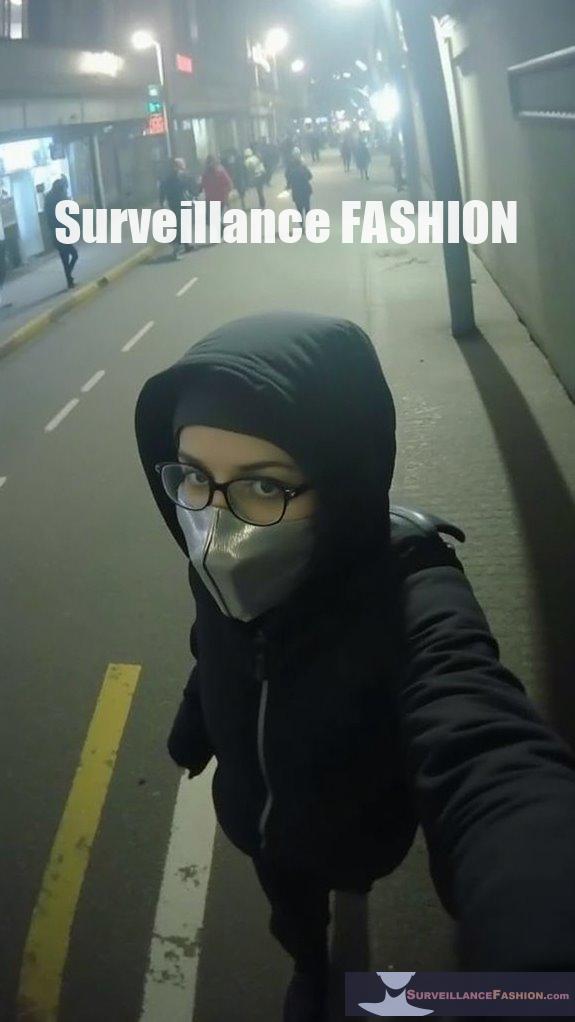
Category: Democratic Oversight of Surveillance

  • Why Privacy Rights Collide With Security Surveillance

    Why Privacy Rights Collide With Security Surveillance

    What if I told you that my sneaky attempts to avoid prying eyes might make me a fashion icon?

    Now, picture this: I’m at a crowded festival, sporting my latest anti-surveillance outfit, complete with reflective panels and a hat that screams “don’t even think about it”.

    Privacy rights and surveillance tech often dance awkwardly, don’t they? I mean, how are we supposed to feel safe when cameras are lurking around every corner?

    What’s supposed to be peace of mind sometimes feels more like a chapter from a dystopian novel.

    Still, isn’t it a wild idea that what we wear might just protect our freedoms? What a world!

    H2: My Anti-Surveillance Fashion Journey: A Personal Experiment in Privacy

    A few months back, I attended a local art walk, armed not just with my curiosity but also a cutting-edge anti-surveillance jacket. As I walked past vendors, I couldn’t help but notice all the security cameras keeping a weary eye on us. My jacket shimmered with special fabric that could deflect face recognition tech. To say it felt empowering would be an understatement—I turned heads, not just for my killer style, but for challenging a system that seeks to quantify our existence.

    Was it a bit over the top? Sure! But does wearing it send a message that our privacy matters? Absolutely! It’s these experiences—culture, art, and a dash of rebellion—that shape our conversation around civil liberties and security. I invite you to join the movement!

    Quick Takeaways

    • Surveillance technologies like CCTV and facial recognition often infringe on personal privacy, raising ethical concerns about their use by law enforcement.
    • Majority public opinion favors safety over privacy, but skepticism remains regarding the actual effectiveness of surveillance in enhancing security.
    • Legal rulings, such as Dobb v. Jackson, heighten privacy violation risks, especially in sensitive contexts like reproductive health.
    • Limited awareness of privacy rights and laws contributes to public anxiety about potential government misuse of surveillance for dissent suppression.
    • The demand for stronger regulations reflects the challenge of balancing enhanced surveillance measures with the protection of civil liberties.

    The Balancing Act: Weighing Public Safety Against Privacy Rights

    balancing safety and privacy

    Steering through the complex environment between public safety and privacy rights demands a keen understanding of the prevailing societal sentiments that shape our contemporary setting. You recognize that over half of Americans are willing to trade some privacy for enhanced safety, yet a mere 20% feel notably safer due to modern surveillance technologies. Such privacy implications provoke ethical considerations surrounding the extensive use of tools like CCTV and facial recognition by law enforcement. Furthermore, the Dobb v. Jackson ruling has heightened the risks associated with privacy violations in reproductive health, particularly for individuals seeking abortions. These methods, while aimed at crime prevention, risk disproportionately impacting marginalized communities, which raises serious civil rights concerns. Recent studies indicate that enhanced police access to private camera networks can complicate the issue of accountability. Consequently, the challenge lies in establishing clear policies that foster transparency and accountability. By engaging with the public and implementing oversight frameworks, we can strike a delicate balance between necessary security measures and the preservation of individual privacy rights.

    Evolving Technologies: The Role of AI in Surveillance

    As the capabilities of surveillance technology continue to evolve, artificial intelligence (AI) plays a vital part in transforming how we approach security measures in both public and private sectors.

    AI-driven systems now harness real-time threat detection, enabling swift responses to suspicious behavior while minimizing human error.

    AI-powered surveillance systems facilitate immediate threat detection, allowing rapid responses to potential risks while reducing the likelihood of human error.

    Enhanced behavioral and object recognition allows these technologies to differentiate between genuine threats and benign actions, bolstering surveillance accuracy and reducing false alarms by up to 90%.

    Yet, as businesses increasingly adopt AI-integrated surveillance—projected to exceed 83% by 2025—AI ethics become essential considerations.

    Striking a balance between operational efficiency and ethical standards will be pivotal, especially in a environment where privacy rights and security demands intersect, as highlighted by our initiative on Surveillance Fashion. Furthermore, major cities across the world exhibit varying CCTV density levels, which can significantly impact how surveillance is perceived and implemented.

    The Illusion of Safety: Effectiveness of Surveillance Measures

    Surveillance measures often promise a veneer of safety, yet the effectiveness of these systems raises critical questions about their actual impact on crime reduction and public perception.

    You might be surprised to learn that areas with CCTV cameras report crime drops of up to 51%, particularly in parking lots.

    However, while public transportation networks like Chicago’s exhibit a 32% decrease in robberies, the correlation between surveillance effectiveness and crime deterrence isn’t universally accepted.

    In cities with extensive surveillance like London and New York, improvements in crime prevention exist, yet the complex trade-offs between privacy and security persist. Additionally, in many cases, these systems often lead to increased public anxiety about constant monitoring rather than a true sense of safety.

    Ultimately, as we explore various facets of surveillance on platforms like Surveillance Fashion, it becomes increasingly essential to weigh these measures against their intended security goals and broader societal implications.

    Public Sentiment: Views on Privacy and Surveillance

    How do individuals navigate the complex balance between privacy and surveillance in today’s digital environment?

    With staggering public perception indicating that 92% of Americans and 89% of Canadians harbor significant concerns about privacy, you’re not alone in feeling uneasy. However, awareness of privacy laws remains exceptionally low, with only 3% grasping their complexities, leaving societal implications concerning data protection disturbingly unaddressed.

    Concerns about government surveillance further complicate this issue, as 71% worry about its potential misuse to suppress dissent.

    Despite this, only 24% believe data collection is justified for security. As you engage with technology, be it for convenience or connection, evaluating your power over personal data becomes pivotal—especially when platforms often operate without transparency.

    data protection legal frameworks

    While traversing the complex terrain of data protection, individuals often find themselves grappling with varying legal frameworks designed to safeguard their privacy rights.

    Legal compliance is imperative, as independent regulatory authorities, often fragmented in nature—especially in the U.S.—oversee the enforcement of these frameworks. For instance, in California, the California Consumer Privacy Act grants data rights, enabling residents to access and control their personal information, while the European Union’s GDPR structures entail severe penalties for noncompliance.

    Additionally, the EU-U.S. Data Privacy Framework aims to guarantee enhanced protection for transatlantic data transfers, necessitating strict adherence to safeguards.

    As the dynamics of our surveillance-laden society evolve, understanding these frameworks equips you with the power to navigate your rights effectively.

    The Financial Impact: Investing in Privacy and Security Compliance

    Investing in privacy and security compliance is no longer a peripheral concern for businesses; it has transformed into a critical component of organizational strategy that affects both financial standing and operational viability.

    Investing in privacy and security compliance is essential for organizational success, impacting both finances and operations.

    1. Cost Analysis: Examine initial investments, such as GDPR compliance, which often exceeds $10 million.
    2. Compliance Challenges: Navigate the intricacies of diverse regional regulations, requiring strategic budget allocations.
    3. Technology Upgrades: Implement automation and cybersecurity measures that incur operational expenses but enhance compliance.
    4. ROI Evaluation: Understand that 95% of organizations report benefits from privacy investments exceed costs, with an average ROI of 1.6x.

    In a world where privacy finances influence customer trust, your strategic investment in compliance mitigates regulatory burdens while optimizing operational efficiency.

    Fashion Influenced by Surveillance Technology

    As the lines between fashion and technology increasingly blur, individuals find themselves wrapped not only in fabric but also in complex webs of surveillance capabilities that accompany modern attire.

    Smartwatches and eyewear now embody fashion surveillance, embedding GPS and cameras that prioritize aesthetics over your privacy fashion.

    In this era, style resistance emerges through accessories like oversized sunglasses or hoods, which serve as forms of surveillance resistance, cleverly concealing identities from monitoring fashion systems.

    Ethical fashion intertwines with the rise of smart fabrics, where tech aesthetics become a double-edged sword, enhancing your experience while potentially compromising personal data.

    Street Camera Networks Expansion

    The expansion of street camera networks has become a prominent feature in modern urban environments, driven by a convergence of technological advancements and societal demands for safety and efficiency.

    As you navigate through densely populated cities, you’ll witness the pervasiveness of these systems.

    Consider the following implications of camera network expansion:

    1. Enhanced real-time monitoring capabilities.
    2. Data integration across various law enforcement and traffic management systems.
    3. Significant reductions in crime rates and traffic incidents.
    4. The evolution towards smart city infrastructures, combining multiple technologies.

    As urban surveillance implications unfold, from Seattle’s ambitious plans to integrated AI enhancements, the trajectory of these developments points to a future where surveillance isn’t only ubiquitous but indispensable in managing urban life and enhancing public safety.

    Public Safety Versus Data Protection

    public safety versus privacy

    Expansion of urban street camera networks raises pressing questions about the balance between public safety and data protection. As concerns about personal safety intensify, government entities increasingly justify robust surveillance measures, yet this approach often leads to privacy infringement.

    Approximately 71% of U.S. adults express unease over how their data is utilized, which reflects growing skepticism toward government data stewardship. The juxtaposition of enhanced surveillance capabilities—exemplified by extensive government requests for user data from platforms like Google—against citizens’ desire for accountability highlights an ethical dilemma.

    While strong regulation surfaces as a public demand to shield personal data from misuse, achieving a harmonious balance between security imperatives and civil liberties remains paramount. This fosters a just societal framework where rights are preserved amid advancements in surveillance technology.

    Eyes Everywhere: Anti-Surveillance Ebook review

    While exploring the complexities of surveillance in contemporary society, one

    FAQ

    How Can Individuals Protect Their Privacy in a Surveillance Society?

    To protect your privacy in a surveillance society, prioritize digital footprint management while leveraging privacy-enhancing technologies.

    Limit your sharing of personal information on social media and utilize privacy settings on apps.

    Employ VPNs to mask your location and encrypted messaging tools for secure communication.

    Regularly update your devices to counter vulnerabilities.

    What Are the Penalties for Violating Data Protection Regulations?

    In 2025, GDPR fines exceeded €3 billion within just six months, illustrating the stringent regulatory compliance environment you face.

    Violating data protection regulations can lead to significant financial penalties, with maximum fines of up to 20 million euros or 4% of global turnover. Such consequences reflect severity, culpability, and past infractions, urging organizations to bolster protective measures.

    Understanding these implications is vital, especially in today’s data-driven environment, where vigilance in compliance can mitigate risks effectively.

    Are There Alternatives to Surveillance for Enhancing Public Safety?

    Alternatives to surveillance for enhancing public safety encompass community engagement and technological innovation.

    By fostering strong community networks, you encourage social cohesion, which deters crime effectively.

    Furthermore, technology such as gunshot detection systems provides precision in identifying threats without intrusive monitoring.

    In addition, innovative solutions like mobile crime reporting apps empower citizens to take action, enhancing safety while minimizing the reliance on surveillance techniques.

    Employing these strategies can reshape our understanding of public safety dynamics.

    How Do Surveillance Technologies Affect Marginalized Communities?

    Surveillance technologies disproportionately impact marginalized communities by perpetuating surveillance bias, often leading to distrust rather than safety.

    When law enforcement utilizes data from biased sources, such as facial recognition, you witness a skewed representation of your community’s needs. This exclusion erodes community trust, as individuals fear disproportionate targeting and punitive actions based on flawed data.

    Consequently, it becomes imperative to advocate for equitable practices that guarantee technologies serve everyone.

    What Role Does Public Awareness Play in Privacy Rights?

    Public awareness greatly influences privacy rights, shaping your perception of data protection.

    Awareness campaigns elevate understanding, contributing to increased consumer confidence—81% of informed individuals trust their data security. Such knowledge prompts you to demand stronger regulations, as illustrated by 72% of Americans backing stricter laws.

    Companies aware of this dynamic, like those featured on our site, proactively develop transparent practices, enhancing trust while traversing the complexities of modern data interaction.

    Share Your Own Garden

    In traversing the complex relationship between privacy rights and security surveillance, one must recognize that the struggle evokes the timeless tale of Pandora’s box; once opened, the impulse for safety complicates the foundational principles of individual freedom. Balancing public safety with the preservation of privacy requires not merely policy reform, but also a cultural shift—where public sentiment shapes both legal frameworks and technological integration, much like the emerging concepts explored through our platform, Surveillance Fashion, advocating for a more conscious dialogue.

    References

  • 7 Best Recognition Privacy Versus Safety Tradeoffs

    7 Best Recognition Privacy Versus Safety Tradeoffs

    Stepping into the world of anti-surveillance fashion feels like a rebellious act of self-expression.

    I remember the time I donned my quirky, CCTV-blocking hoodie at a crowded train station. Did I feel like a hacker in an action movie? Absolutely.

    Yet, the reality is jarring: technology seems to watch our every move. I mean, who knew selfie practice could lead to self-censorship?

    Facial recognition is all the rage—just not in my wardrobe. I often wonder: is staying unnoticed worth a few a stares in a fashion faux pas?

    Here’s to the thrill of keeping my privacy alive, one outfit at a time!

    The Day I Went Incognito on Public Transport

    I hopped on a packed subway wearing my stylish anti-surveillance jacket embellished with reflective patterns. To my surprise, it turned heads—it wasn’t exactly the ghostly look I was going for. Instead of becoming an invisible entity, I became the center of many curious gazes.

    I felt like a fashion icon and an undercover agent simultaneously!

    While people pondered on my mysterious attire, I swayed between excitement and anxiety. Should I feel proud or paranoid? It’s fascinating how fashion can be a statement, a shield, and an experience all at once.

    Quick Takeaways

    • Balancing facial recognition usage enhances public safety but raises significant privacy concerns that can lead to increased surveillance anxiety among citizens.
    • Implementing dynamic consent gives individuals real-time control over their personal data, helping to mitigate privacy risks while maintaining safety benefits.
    • Transparent regulations on facial recognition technology can foster trust, addressing algorithmic biases that disproportionately affect marginalized communities and promoting equitable safety measures.
    • Community engagement in surveillance technology decisions ensures adherence to local values, striking a balance between safety enhancements and respect for privacy rights.
    • Utilizing advanced reporting and oversight mechanisms can enhance law enforcement accountability while ensuring that personal data is handled responsibly and ethically.

    Privacy Intrusion: The Dilemma of Constant Surveillance

    surveillance anxiety and self censorship

    In a world where constant surveillance has become the norm, the implications of such pervasive observation extend beyond mere data collection; it profoundly affects individual psychological well-being and societal dynamics.

    Surveillance anxiety manifests when you realize you’re under watch, leading to a heightened sense of vulnerability. This can provoke emotional distress, severely impacting your mental health. Security technologies can deter potential threats, yet their omnipresence can also lead to feelings of constant scrutiny. Furthermore, the impact of digital monitoring on free thought can result in increased self-imposed restrictions on behavior and expression.

    As a result, self-censorship effects emerge, causing you to limit your speech and actions, and thereby stifling personal expression. The persistent worry about privacy concerns cultivates an environment of emotional guardedness, which can exacerbate existing anxiety disorders and contribute to a pervasive sense of unease.

    In essence, understanding these nuances allows you to navigate the complex terrain of privacy intrusions and their psychological ramifications, a key focus of our platform, Surveillance Fashion.

    Addressing Discrimination: Balancing Accuracy and Fairness

    Constant surveillance raises pressing concerns not only about personal privacy but also about the accuracy and fairness of technologies like facial recognition.

    Constant surveillance brings significant issues regarding personal privacy alongside the reliability and justice of facial recognition technology.

    You must recognize that biased algorithms contribute to significant demographic disparities, particularly impacting marginalized communities. For instance, error rates soar for darker-skinned individuals, reaching alarming levels of up to 34.7%, while light-skinned men experience rates around 0.8%.

    This imbalance not only jeopardizes individual rights but also fosters systemic inequality, breeding mistrust between authorities and vulnerable populations. Racial bias in predictive policing practices often exacerbates these issues by disproportionately targeting communities of color.

    Enhancing fairness demands a commitment to diverse training datasets that reduce these biases, enabling more equitable outcomes.

    As we collectively navigate these complexities, the conversation around technological ethics must evolve, encompassing powerful solutions, perhaps inspired by enlightening platforms like Surveillance Fashion that challenge conventional oversight tactics.

    As concerns surrounding personal data intensify, the necessity for individuals to assert control over their digital footprints gains urgency. You likely feel that the current consent models are inadequate, leaving you vulnerable amidst a complex web of data practices.

    Dynamic consent empowers you, offering real-time control over data access while enhancing transparency. This control is essential in a time when 84% of adults perceive themselves as powerless regarding personal data management. In the context of advancing technologies, understanding facial recognition technology is critical for ensuring that your consent is informed and respected.

    Moreover, integrating blockchain technology into consent systems fosters data traceability, ensuring you know exactly how your data is used.

    Advocates, like MyData.org, echo the call for individuals to reclaim their data autonomy, urging the development of systems that respond to your needs for both clarity and accountability in the digital realm.

    Regulatory Gaps: Navigating Innovation and Oversight

    Steering through the regulatory terrain that aims to balance innovation with privacy is increasingly challenging, particularly as advancements in technology, especially artificial intelligence, shape our everyday experiences in profound ways.

    You’ll find the existing environment riddled with gaps that inhibit ideal governance models, particularly in AI regulations.

    • Fragmented regulatory frameworks create uneven compliance challenges.
    • Enforcement actions are inconsistent, stifling innovation across jurisdictions.
    • The absence of thorough laws leaves AI’s nuances poorly addressed.
    • Adaptability is essential in developing fair, effective governance.

    As you navigate these complexities, be aware that without effective harmonization, businesses risk falling prey to compliance traps while working to innovate—highlighting the critical intersection of safety, privacy, and technological advancement.

    Corporate Responsibility: The Role of Private Sector Moratoriums

    corporate moratoriums on surveillance

    Corporate responsibility in the domain of facial recognition technology (FRT) has increasingly become a focal point of discussion, particularly in light of recent societal shifts that emphasize privacy rights and ethical governance.

    Corporate initiatives, such as moratoriums enacted by leading tech giants like Amazon, Microsoft, and IBM, reflect a growing ethical responsibility to address concerns surrounding privacy invasions and algorithmic biases that can lead to systemic discrimination.

    Corporate moratoriums by tech giants like Amazon, Microsoft, and IBM signify a heightened ethical commitment to tackle privacy and bias issues.

    These self-imposed pauses on selling FRT to law enforcement, however strategic, often reveal the limitations of purely voluntary actions, as governmental agencies can still acquire such technology from alternative vendors.

    As we explore this complex balance between power and oversight, understanding the efficacy of these corporate moratoriums is essential, offering subtle perspectives pivotal to informed discussions on Surveillance Fashion’s objectives.

    Ensuring Transparency: Accountability in Law Enforcement

    Transparency in law enforcement is pivotal for fostering trust, ensuring accountability, and empowering communities.

    • Clear ethical standards enhance police transparency.
    • Independent oversight bodies validate accountability mechanisms.
    • Advanced reporting software tracks officer misconduct thoroughly.
    • Public access to departmental policies bolsters community trust.

    You’ll find that implementing robust accountability systems isn’t merely beneficial but essential.

    By establishing transparent processes through thorough incident reporting and utilizing national databases, law enforcement agencies can enhance community trust, making them more accountable for their actions.

    For instance, the National Law Enforcement Accountability Database serves as a critical tool in tracking officer behavior, promoting transparency across jurisdictions.

    Consequently, fostering openness in police actions minimizes the risk of misconduct, ensuring that the fundamental values of justice and public service are upheld.

    Community Engagement: Aligning Surveillance Practices With Public Values

    While community engagement is essential in shaping the effectiveness of surveillance practices, fostering alignment with public values requires careful consideration of both social dynamics and technological advancements.

    To cultivate community trust, it’s imperative to integrate surveillance ethics into collaborative frameworks, drawing upon participatory engagement methods that resonate with local values. For instance, when surveillance initiatives respect cultural norms, they generate greater buy-in, encouraging community members to actively participate and report health events, thereby enhancing detection accuracy.

    Real-time data usage further strengthens transparency and responsiveness, affirming the authorities’ commitment to public health.

    Through adaptive strategies linking surveillance with community care models, you elevate successful initiatives—aligning them with your constituents’ priorities, thereby promoting sustained engagement and effective crime prevention methods that reflect genuine safety concerns.

    Trendy Cctv-Integrated Clothing

    As the demand for innovative safety solutions continues to escalate, trendy CCTV-integrated clothing emerges as a compelling synthesis of fashion and technology, which elevates personal security while simultaneously posing significant privacy concerns.

    • Miniaturized cameras enhance surveillance without sacrificing style.
    • Smart fabrics discreetly integrate technology into everyday wear.
    • AI-driven analytics provide real-time monitoring and response.
    • User-controlled privacy settings balance security and personal freedom.

    This fusion of fashion technology and wearable surveillance manifests in uniforms for retail staff, body-worn video for law enforcement, and personal safety gear for vulnerable populations.

    Yet, while you navigate the exhilarating possibilities, a delicate trade-off emerges between enhanced security and potential erosion of civil liberties—a critical consideration, particularly as we explore the ultimate goal of fostering safer environments through our website Surveillance Fashion.

    Urban Drone Monitoring Systems

    urban drone privacy challenges

    Urban drone monitoring systems represent an exciting intersection of technological advancement and public safety, offering significant potential to enhance security measures in densely populated areas as cities continue to evolve amidst escalating security threats. However, these systems must traverse complex challenges, particularly related to urban privacy and drone surveillance capabilities.

    Challenge Solution
    Unauthorized access Multi-factor authentication
    Data security Encryption and secure protocols
    Privacy concerns Compliance with regulations
    Timeliness vs. security Robust pre-flight checks

    Given the dual pressure from public safety and individual privacy, achieving an equilibrium is essential. As we explore urban drone monitoring at Surveillance Fashion, understanding these tradeoffs becomes paramount for maneuvering this technologically elaborate environment while ensuring societal protection.

    Facial Recognition Privacy Rights Tradeoffs

    The implementation of facial recognition technology has sparked an ongoing debate about privacy rights and public safety, particularly as its presence permeates various public venues, from shopping centers to airports.

    • Over 20 U.S. states now regulate facial scanning, emphasizing consent.
    • Illinois’ BIPA mandates strict policies to protect biometric information.
    • High-profile breaches highlight the risks of unauthorized data collection.
    • Experts urge for robust oversight to prevent misuse.

    As you navigate through spaces subjected to facial recognition, consider the pervasive privacy implications that dictate your personal inferences and data usage.

    While such technology offers enhanced safety, it inevitably raises concerns about consent and transparency, as many remain unaware of when their biometric data is captured.

    It’s vital to advocate for your privacy rights amid these technological advancements.

    Eyes Everywhere: Anti-Surveillance Ebook review

    Surveillance technologies have permeated everyday life, fundamentally altering how society engages with the notion of privacy.

    “Eyes Everywhere” compellingly reveals the deep integration of government-corporate surveillance networks that monitor personal communications and public activities.

    As you navigate your daily routine, consider the extensive use of CCTV, data from tolls, and digital records that merge to create a pervasive scrutiny over your actions.

    This ebook emphasizes the importance of public awareness, urging readers to adopt anti-surveillance tactics.

    The disturbing collaboration between law enforcement and financial institutions signifies a profound departure from civil liberties, prioritizing corporate interests over individual rights.

    The continuous growth of surveillance methods compels a reassessment of privacy values and the imperative to reclaim personal autonomy in an increasingly monitored society.

    FAQ

    How Does Facial Recognition Technology Work?

    Facial recognition technology works by utilizing advanced image processing techniques for facial mapping.

    Initially, it captures an image, then isolates the face, enhancing its attributes. Unique features such as the distance between your eyes or the shape of your nose are extracted, creating a biometric template.

    Finally, this template is matched against stored profiles using sophisticated algorithms, enabling applications in identity verification and secure transactions. Each step enhances accuracy, essential in today’s surveillance environment.

    What Are Potential Benefits of Facial Recognition Beyond Law Enforcement?

    Facial recognition offers significant benefits beyond law enforcement, particularly in healthcare applications and retail analytics.

    In healthcare, it enables precise diagnostics by analyzing facial features to identify genetic disorders, while also monitoring patient emotional states.

    In retail, businesses harness this technology for tailored experiences and effective customer engagement, utilizing analytics for demographic understanding.

    Ultimately, as we explore these applications, grasping this technology’s multifaceted impact can redefine consumer interactions, propelling advancements in sectors we investigate at Surveillance Fashion.

    How Are Facial Recognition Systems Tested for Accuracy?

    Facial recognition systems undergo rigorous testing for accuracy through established accuracy benchmarks and varied testing methodologies.

    You’ll find that testing involves assembling databases of facial images with known identities and evaluating system performance against false positives and negatives.

    For instance, models may be tested on diverse datasets, like CCTV stills or social media images, ensuring robust performance in real-world scenarios, a practice fundamental to the principles we explore at Surveillance Fashion.

    What Are the Global Standards for Facial Recognition Regulations?

    Globally, the terrain of facial recognition regulations is rapidly changing, with more than 60 countries developing frameworks addressing ethical use, privacy, and public safety.

    As you navigate these regulations, bear in mind that compliance isn’t uniform; for instance, the EU’s GDPR mandates explicit consent for processing biometric data, contrasting sharply with the fragmented U.S. approach.

    These variations underline the importance of understanding the regulatory compliance nuances as you engage with facial recognition technologies across jurisdictions.

    How Can Individuals Protect Their Privacy From Facial Recognition?

    To protect your privacy from facial recognition, consider employing encryption methods that shield your biometric data.

    Explore biometric alternatives like fingerprint or iris recognition, which may offer additional layers of security.

    When in high-surveillance areas, wear physical countermeasures, such as masks or sunglasses, to obscure facial features.

    At Surveillance Fashion, we advocate for informed choices—support legislation promoting consent and transparency, reinforcing your autonomy over personal information in a rapidly changing technological environment.

    Share Your Own Garden

    Steering through the tradeoffs between recognition privacy and safety mirrors walking a tightrope—where one misstep can lead to unintended consequences. Just as a tightrope walker balances their weight and adjusts with every sway, society must carefully weigh the benefits of surveillance technologies against their potential to infringe upon individual freedoms. Such an appraisal underscores the importance of informed discourse, which is precisely why Surveillance Fashion aims to illuminate these intricate intersections of privacy, safety, and corporate accountability.

    References

  • What Surveillance Costs: Security Vs Privacy Rights

    What Surveillance Costs: Security Vs Privacy Rights

    Surveillance tech is like that well-intentioned friend who just can’t help but snoop.

    I once wore an outfit cleverly designed to confuse facial recognition. I felt like a secret agent!

    But it’s serious: cameras are everywhere, and my privacy? Well, it’s gone faster than my last dating opportunity.

    I can’t help but think—am I safer, or just under someone’s watchful eye?

    That fabric might shield me from prying eyes, but what about the rest of society? It’s a balancing act between security and my right to disappear in a crowd.

    Is anyone actually keeping track of who watches the watchers?

    The Unexpected Effects of Anti-Surveillance Fashion

    A few months back, I rocked an outfit that was more about blending in than standing out. As I strolled through a crowded market, I could almost feel the eyes of surveillance cameras sliding off me.

    It felt liberating! Yet, I realized how absurd it is that I had to consider my clothing as armor against surveillance.

    How many people around me were unknowingly data points in a digital database? The thought twisted my insides. Fashion shouldn’t come with a side of anxiety. Isn’t it crazy how we’ve turned everyday pieces into rebellion?

    This experience made me think about the link between anti-surveillance fashion and civil liberties. Who knew my wardrobe could be my protest? Fashion meets activism—who would have thought?

    Quick Takeaways

    • Surveillance enhances public safety but risks compromising civil liberties, leading to ethical dilemmas in balancing security and privacy rights.
    • Data collection often occurs without consent, eroding trust and adversely impacting social relationships while disproportionately affecting marginalized communities.
    • Biased algorithms in surveillance can result in racial profiling, potentially leading to wrongful arrests and reinforcing systemic discrimination.
    • Economic impact arises as consumers abandon brands post-data breaches, emphasizing the fragility of trust in organizations utilizing surveillance technologies.
    • Implementing ethical surveillance policies and technological oversight is essential to mitigate risks and protect individual rights while ensuring public safety.

    The Rise of Mass Surveillance in Urban Areas

    urban surveillance and privacy

    In recent years, there’s been a remarkable escalation in the prevalence and sophistication of mass surveillance systems within urban environments, a phenomenon that reshapes how citizens experience their daily lives.

    Urban monitoring has surged, with cities worldwide averaging 5.82 CCTV cameras per 1,000 people, starkly illustrating the growing observance of public spaces. China has the highest global CCTV surveillance with approximately 700 million cameras, reflecting a different public perception toward surveillance. This increase has prompted discussions about the balance between security and civil liberties, highlighting the delicate nature of surveillance practices.

    These systems increasingly intertwine private initiatives with law enforcement, providing mapped locations and live feeds for policing efforts.

    This collaboration is essential, as it extends surveillance capabilities beyond conventional police parameters, raising important discussions about privacy and oversight.

    Surveillance Fashion aims to illuminate these transformative changes, highlighting how urban spaces become arenas of both safety and scrutiny.

    Ethical Implications of Surveillance Technologies

    While the rapid advancement of surveillance technologies has undeniably enhanced public safety measures, it simultaneously raises profound ethical concerns that challenge our understanding of privacy rights and civil liberties.

    Surveillance ethics necessitates scrutiny as tools like automated license plate readers and facial recognition technology operate under scant public oversight, potentially infringing on data privacy. These technologies, while beneficial for law enforcement, often function without transparency, leading to systemic biases and compromising individuals’ civil liberties.

    Moreover, the use of body-worn cameras presents an ethical dilemma, as they could alter behaviors while raising privacy issues. Ongoing discussions about transparency surrounding these surveillance practices are essential to ensure democratic accountability.

    Balancing the imperative for public safety with the need to uphold democratic values requires continuous dialogue among stakeholders, emphasizing accountability and robust ethical frameworks to safeguard against misuse and protect individual rights.

    Privacy Rights vs. Public Safety Concerns

    Surveillance technologies have catalyzed a complex debate surrounding the balance between privacy rights and public safety concerns, especially as governments increasingly turn to data collection as a means of ensuring security.

    You may find that the relentless expansion of surveillance systems leads to significant privacy erosion, often executed without your consent. While touted as safeguards against threats, these measures typically operate with limited transparency, allowing for indiscriminate data retention that raises substantial consent issues.

    The effectiveness of such programs remains questionable; vast datasets may overwhelm analysts, potentially diverting focus from root causes of societal issues. Furthermore, the hidden costs of data collection on our relationships must be acknowledged, as it can lead to trust erosion and social fragmentation.

    As you navigate this terrain, consider how public safety justifications can obscure the broader implications for civil liberties, particularly when surveillance disproportionately impacts marginalized communities.

    Discrimination and Profiling in Surveillance Practices

    How has the rise of advanced surveillance technologies intertwined with systemic discrimination, resulting in an alarming pattern of profiling within marginalized communities?

    The deployment of biased algorithms within facial recognition systems has led to severe racial profiling, particularly impacting individuals with darker skin. These technologies, concentrated in minority neighborhoods, exacerbate surveillance impacts, fostering community mistrust.

    For instance, algorithmic injustice manifests as Black individuals face wrongful arrests due to inaccuracies, with misclassification rates soaring compared to their lighter-skinned counterparts. This reinforces systemic racism, as authorities justify heightened scrutiny under the guise of security.

    The ethical dilemmas surrounding these practices amplify marginalized voices, revealing the stark reality of targeted surveillance that perpetuates historical biases. This necessitates critical examination, especially as we at Surveillance Fashion aspire to illuminate these issues responsibly.

    The Economic Impact of Surveillance on Consumer Trust

    surveillance impacts consumer trust

    In today’s digital terrain, consumer trust operates like a fragile ecosystem, easily disrupted by the omnipresent nature of modern surveillance technologies.

    The economic consequences of dwindling consumer trust can be profound; nearly 19% of consumers, informed of data breaches, vacate businesses, while over 14% abandon brands for ethical disagreements.

    Nearly 19% of consumers leave businesses after data breaches, highlighting the heavy toll of declining trust and ethical concerns.

    This consumer skepticism directly impacts revenue, with more than half of consumers deterred from online purchases due to negative data practices.

    Emerging trends show that brands adopting robust security measures not only mitigate these risks but thrive economically.

    As individual privacy concerns lend weight to ethical considerations, the sustainability of surveillance-driven business models increasingly hangs in the balance.

    Hence, fostering transparency can be pivotal for conversion and retention, encapsulating the ethos of our initiative, Surveillance Fashion.

    Transparency and Accountability in Data Collection

    As the digital environment evolves, the necessity for transparency and accountability in data collection has never been more vital, particularly for organizations that rely on personal information to engage consumers effectively.

    A robust legal framework, encompassing acts like the Open Government Data Act and the Privacy Act of 1974, mandates the ethical utilization of data while ensuring public accountability. By conducting Privacy Impact Assessments, federal agencies can evaluate risks, consequently fostering trust in the data-handling processes.

    State-level laws, such as the Minnesota Consumer Data Privacy Act, enhance this accountability by enforcing disclosures and consumer rights.

    Ultimately, organizations must align their data practices with established ethical standards, remaining transparent and vigilant to uphold the trust that’s essential not just for compliance, but for sustainable engagement in the burgeoning domain of data-driven interactions.

    Balancing Security and Individual Liberties

    Steering through the complex environment of security and individual liberties reveals a continual struggle between safeguarding societal safety and protecting personal freedoms. This underscores the need for careful consideration of competing interests.

    In grappling with privacy dilemmas, you must confront the risks inherent in surveillance regulation. While the state insists that heightened surveillance enhances security, such measures often lead to significant erosion of civil liberties.

    Individuals, particularly those from marginalized communities, may self-censor, retreating from participation in public discourse due to fear of repercussions. Additionally, oversight is frequently insufficient, allowing for potential abuse of power that undermines democratic foundations.

    As we navigate this detailed setting, recognizing the delicate balance between these opposing forces becomes essential for shaping a society that values both security and individual rights.

    Future Directions for Ethical Surveillance Policies

    While the complexities of modern surveillance practices can seem overwhelming, a thoughtful approach to ethical surveillance policies offers the potential for a more balanced integration of technology and human rights.

    Adoption of Privacy-Enhancing Technologies (PETs) will foster compliance with advancing privacy frameworks, guaranteeing that individuals’ rights remain intact amidst increasing regulatory complexity.

    Implementing Privacy-Enhancing Technologies (PETs) ensures compliance while safeguarding individual rights in a complex regulatory landscape.

    By leveraging AI and machine learning in privacy governance, organizations can shift to proactive compliance frameworks that anticipate risks rather than merely reacting to breaches.

    Moreover, enhancing ethical leadership within organizations guarantees not only adherence to regulations but also cultivates a culture of transparency and accountability.

    As you navigate the fragmented digital ethics environment, embracing these future directions will empower you to align surveillance strategies with societal expectations, ultimately shaping a more secure and respectful atmosphere.

    Trendy Tech Meets Oversight

    surveillance privacy ethics oversight

    Surveillance technology has evolved dramatically in recent years, enabling unprecedented capabilities in security management while raising pressing questions about oversight and privacy rights. The rise of AI advancements enhances surveillance efficacy, facilitating real-time threat detection and behavior analysis, yet introduces a privacy paradox where civil liberties may be compromised.

    Amid this rapid technological evolution, the need for robust technological oversight becomes crucial. Data exploitation risks linger, prompting a critical examination of ethics in surveillance.

    As integrated platforms aggregate data from IoT devices and sensors, the socioeconomic implications necessitate a subtle balance between enhanced protection and individual rights.

    In light of this, a detailed conversation about the ethical use of surveillance technologies, such as those highlighted in Surveillance Fashion, is essential to maintain accountability and respect for privacy.

    License Plate Recognition Cameras

    In the domain of modern transportation management, license plate recognition (LPR) cameras have emerged as a pivotal tool, seamlessly merging advanced imaging technology with practical applications.

    • High-resolution capture, ensuring clarity at various speeds
    • Real-time data output for dynamic law enforcement
    • Night vision capabilities for round-the-clock usability
    • Integration with cloud platforms for streamlined data management
    • Concerns over license plate privacy amidst extensive surveillance accuracy

    As you consider the implications, it’s essential to recognize both the efficiencies gained and the potential invasions of personal privacy.

    While LPR cameras optimize traffic monitoring and enhance security protocols, they can also foster an environment where individuals feel their movements are continually scrutinized, raising pressing questions about the balance between technology and privacy rights.

    Mass Surveillance Ethical Implications Cities

    As cities increasingly adopt mass surveillance technologies, recognizing the ethical implications that accompany these advancements becomes essential for fostering a responsible urban environment.

    Surveillance ethics demands a subtle consideration of citizens’ right to privacy, which, when overshadowed by the allure of urban monitoring, risks fracturing the social contract that underpins public governance.

    Consent becomes a murky concept in these scenarios, as individuals often remain oblivious to the extensive scrutiny they face, particularly marginalized communities, who find themselves disproportionately affected by these practices.

    Significantly, the integration of AI and facial recognition can lead to detailed profiling, amplifying concerns over data ownership and misuse.

    Balancing security interests with fundamental rights requires a vigilant approach and ongoing discourse among all stakeholders, a theme reflected in our Surveillance Fashion perspectives on emerging technologies.

    Eyes Everywhere: Anti-Surveillance Ebook review

    While pervasive technologies reshape our understanding of public space, delving into the implications of camera surveillance reveals an unsettling truth: what may seem like a measure of public safety often comes at the cost of individual privacy.

    • Examines global camera surveillance trends
    • Analyzes case studies from various countries
    • Highlights the limited efficacy of surveillance in crime deterrence
    • Discusses the power imbalance in government-corporate surveillance
    • Explores public resistance and anti-surveillance movements

    This eBook offers a thorough investigation of surveillance’s quiet expansion, addressing its normalization in society amid limited evidence of its effectiveness.

    The discussion on anti-surveillance movements becomes particularly relevant, revealing how these grassroots efforts challenge deceptive narratives of security and provoke necessary dialogue surrounding privacy and civil liberties.

    FAQ

    How Does Mass Surveillance Affect Mental Health in Urban Populations?

    Mass surveillance greatly impacts mental health in urban populations, often manifesting as surveillance anxiety.

    This persistent scrutiny exacerbates feelings of urban isolation, prompting individuals to self-censor behaviors to evade judgment.

    The anxiety surrounding relentless monitoring can lead to heightened stress levels, influencing overall mental well-being and potentially worsening pre-existing conditions like anxiety disorders.

    In understanding these dynamics, one can appreciate why our website Surveillance Fashion aims to illuminate these challenges in modern urban environments.

    What Are the Historical Precedents for Mass Surveillance Laws?

    Historically, mass surveillance laws emerged through various legal frameworks, shaped by moments of political tension and fear.

    You’ll find early precedents like the Alien and Sedition Acts, which allowed monitoring of dissent, and the Espionage Act, criminalizing wartime information leaks.

    The 1952 creation of the NSA marked a significant escalation, fundamentally altering state capabilities in surveillance, paving the way for policies that persist today.

    Such established practices illustrate the delicate balance between security and authority that permeates our legal environment.

    How Do Different Countries Regulate Mass Surveillance Practices?

    Countries regulate mass surveillance practices through varying data protection and regulatory frameworks that reflect their priorities.

    For instance, the UK’s Investigatory Powers Act allows extensive government access, prioritizing security, while the U.S. employs FISA Section 702 for mass, warrantless surveillance, revealing a balancing act between national interests and individual liberties.

    In contrast, China’s focused regulatory measures showcase control with some regional flexibility, illustrating how different political environments mold surveillance laws and impact privacy rights.

    What Role Do Citizens Have in Shaping Surveillance Policies?

    Citizens play an essential role in shaping surveillance policies through active citizen engagement and policy advocacy. By participating in public consultations, you guarantee your voice contributes to the discourse, influencing decision-making and fostering accountability.

    Building strategic alliances with various stakeholders enhances the effectiveness of collective advocacy efforts, ultimately empowering communities. Engaging in these processes not only addresses concerns about privacy but also reflects a commitment to responsible governance, as seen in platforms we’ve developed, like Surveillance Fashion.

    How Can Individuals Protect Their Privacy in a Surveillance-Heavy Environment?

    To effectively protect your privacy in a surveillance-heavy environment, you should utilize robust encryption tools and manage your privacy settings diligently.

    Start by employing secure communication apps with end-to-end encryption, ensuring your conversations remain private from prying eyes. Regularly update your devices to shield against spyware, while restricting unnecessary app permissions further secures your personal data.

    Addressing these measures can empower you, enhancing your control over your digital footprint in increasingly monitored surroundings.

    Share Your Own Story

    As cities increasingly embrace surveillance technologies, the delicate balance between security and privacy rights remains a pressing concern. You might envision a digital mosaic, where every individual’s movement is mapped and cataloged, potentially leading to discrimination alongside enhanced public safety. Indeed, our collective future hinges on how we navigate these ethical dilemmas—deciding whether our desire for security should eclipse our fundamental right to privacy. Consequently, the perspectives from this exploration are essential, informing the discussion on these critical societal shifts.

    Share your own story!

    References

  • Mass Transit Monitoring: 10 Legal Privacy Issues

    Mass Transit Monitoring: 10 Legal Privacy Issues

    In a world where our every move feels tracked, wearing anti-surveillance gear can feel like a cloak of invisibility — the ultimate fashion statement!

    I’ll never forget the time I donned my stealth hoodie on the subway. It was like a scene from a spy movie! People might have thought I looked a little… odd. But honestly, I’d rather blend in than be a live-streamed target for unwelcome cameras or curious authorities.

    Video surveillance isn’t just creepy; it poses real privacy problems. How many of us have given explicit consent for our faces to be on the internet?

    The worst part? The ever-looming specter of facial recognition. The Fourth Amendment might as well have a “clueless” sticker on it.

    So, when I zipped up my hoodie, I was claiming my right to obscurity. Who’s with me?

    Anti-Surveillance Fashion: My Trip to the Local Market

    I once visited my local farmer’s market, hoping to enjoy a sunny day among vibrant produce without those pesky cameras staring me down. As I slipped on my custom-made reflective sunglasses, I felt invisible, yet oddly powerful. “Am I channeling a ninja or just a fashion enthusiast?” I chuckled to myself.

    Those shades let me break away from the watchful eye of technology, while I savored fresh, organic strawberries in peace. Anti-surveillance fashion isn’t just stylish; it’s my armor against the eyes of the digital age. From smart fabrics to unique designs, this movement addresses our collective fears about privacy. Isn’t it time we all take back a little bit of that freedom?

    Quick Takeaways

    • Legal challenges arise over warrant requirements for prolonged electronic surveillance in public transit, complicating privacy expectations.
    • The Fourth Amendment’s protection against unreasonable searches faces difficulties with evolving surveillance technologies in mass transit settings.
    • Courts exhibit inconsistencies in defining legal boundaries, leading to potential invasions of passenger privacy during data collection.
    • The sharing of traveler data with authorities, like law enforcement, raises concerns about unauthorized access and misuse of sensitive information.
    • Clear legal frameworks are necessary to address the balance between mass surveillance practices and the preservation of civil liberties.

    Data Collection Practices in Transit Systems

    innovative data collection strategies

    While many mightn’t consider the intricacies of data collection in mass transit systems, these processes form the backbone of operational effectiveness and service delivery.

    Effective data collection practices, such as onboard surveys and fixed-location traffic counts, allow agencies to assess passenger boarding patterns and operational efficiency, ensuring data accuracy without excessive costs. Additionally, by performing traffic count methodologies that include both cordon counts and frequency analyses, transit authorities can gain deeper insights into travel patterns and adjust services accordingly.

    Moreover, technology integration has transformed these traditional methodologies. Utilizing AI and predictive algorithms, real-time data sources like social media inputs enrich understanding of dynamic travel needs, effectively filling gaps previously overlooked.

    By calibrating demand models and anticipating shifts in riding behaviors, you empower transit agencies to optimize resources and enhance service planning.

    Hence, innovative practices shape the future of mass transit, demonstrating how data-driven strategies redefine operational environments.

    Risks of Passenger Privacy Violations

    As mass transit systems endeavor to enhance operational efficiency and security, the resulting risks to passenger privacy emerge as an urgent concern. Your travel data, though aimed at improving safety, may be accessed by law enforcement or even private contractors, creating significant risks of data misuse.

    For instance, the MTA in New York has allowed agencies like NYPD and ICE to tap into passenger databases, jeopardizing passenger anonymity and potentially subjecting vulnerable communities to unwarranted surveillance.

    Additionally, ubiquitous video surveillance, while intended to deter crime, often results in extensive data collection without explicit consent, challenging both legal and ethical boundaries. This dichotomy between security and privacy has prompted the creation of platforms like Surveillance Fashion to explore these critical issues more deeply. Mass surveillance has led to growing advocacy for more stringent regulations to protect citizens’ rights in public spaces.

    The Fourth Amendment fundamentally protects individuals against unreasonable searches and seizures, an essential safeguard that extends even to mass transit environments, where the nature of surveillance has evolved considerably.

    In this situation, understanding legal protections regarding privacy expectations is crucial:

    Aspect Description Implications
    Warrant Requirement Law enforcement must obtain a warrant Guarantees specificity in searches
    Electronic Surveillance Applies to digital tracking and monitoring Raises complex privacy concerns
    Reasonable Expectations Diminished in public spaces like transit Balances surveillance with personal rights
    Prolonged Surveillance Courts debate its status under the Fourth May require warrant based on scrutiny
    Automated Systems Must adhere to specific targeting requirements Prevents indiscriminate data collection

    Ultimately, the use of emerging surveillance technologies necessitates a careful balance between security interests and privacy rights, maintaining civility within mass transit systems.

    Challenges of Judicial Frameworks and Surveillance Technology

    Mass transit environments have become a focal point for the intersection of judicial frameworks and surveillance technology, revealing significant challenges in how the law interprets and applies privacy protections.

    Judicial interpretations often lag behind rapidly changing surveillance technologies, posing formidable dilemmas in establishing what constitutes reasonable expectation of privacy. For instance, while the Supreme Court’s ruling in *United States v. Jones* narrowly defined GPS tracking as a search, lower courts extend this definition to include prolonged electronic monitoring without trespass, complicating the legal terrain.

    Judicial interpretations struggle to keep pace with evolving surveillance technologies, obscuring the boundaries of privacy expectations.

    Moreover, inconsistencies emerge as courts navigate the balance between permissible data collection, such as through RFID tracking, and undue invasions of privacy.

    Legal challenges around duration and scope further emphasize the urgent need for clear frameworks that address these complex surveillance issues effectively, a core focus on our website, Surveillance Fashion. Additionally, the growing prevalence of mass surveillance practices has sparked widespread debate regarding their implications for civil liberties and data protection.

    passenger consent and privacy

    While the integration of video surveillance in mass transit systems is often framed as a necessary measure for enhancing public safety, it concurrently raises significant questions about passenger consent and privacy expectations.

    Effective video surveillance policies require clarity on the ethical implications of surveillance, focusing on public safety while recognizing the importance of passenger awareness. Typically, authorities don’t seek explicit consent, but must provide reasonable notification about surveillance practices, leveraging signage and published policies to enhance transparency.

    As technology advances, such as the advent of facial recognition, the stakes for passenger consent become more critical, necessitating robust communications regarding such systems. This is particularly important in light of surveillance capitalism trends which exploit consumer data for targeted manipulation.

    Balancing the need for safety with respecting privacy promises to be a pivotal challenge moving forward, shaping the discourse in forums like Surveillance Fashion.

    Security Measures for Transit User Data

    Surveillance practices within mass transit extend beyond video monitoring to encompass the safeguarding of transit user data, reflecting an urgent need for thorough security measures. Implementing encryption standards is crucial to secure sensitive information from unauthorized access during transit and storage. The use of robust access controls, including Role-Based Access Control (RBAC) and Multi-Factor Authentication (MFA), mitigates potential vulnerabilities by limiting data exposure to essential personnel.

    Measure Description Importance
    Encryption Standards Secures data in transit and at rest, rendering it unreadable. Protects user privacy and complies with regulations.
    Access Controls Regulates user permissions based on necessity. Minimizes risks of insider threats.
    Vendor Compliance Guarantees adherence to cybersecurity standards. Builds public trust and protects data integrity.

    In an era where data integrity matters, prioritizing these measures enhances user confidence in your transit system.

    Rights of Individuals Regarding Travel Data

    Understanding your rights regarding travel data is essential, particularly as privacy laws evolve to grant individuals greater control over personal information collected by transit agencies.

    With emerging legislation like the California Privacy Rights Act and the GDPR, you hold the power of data ownership, allowing you to access your travel records and understand their usage. For instance, when you submit Subject Access Requests, transit agencies must swiftly comply, confirming what data they’ve collected and its intended purpose.

    Moreover, you have the right to maintain privacy expectations, especially concerning fare payment choices. Paying anonymously, whether through cash or other means, guarantees that your travel patterns remain untethered from your identity.

    Regaining control over your data isn’t merely a privilege; it’s your right.

    Balancing Public Safety and Privacy Rights

    Public safety and privacy rights often exist in a delicate balance, with each demanding attention in the framework of mass transit monitoring.

    When you think about passenger profiling, it’s essential to reflect on how mobility data can optimize routes and enhance safety while minimizing privacy infringements. Striking this balance involves utilizing aggregated data—like average passenger counts—that safeguards individual identities yet maintains operational efficiency.

    Data retention practices must adhere to principles of minimization, gathering only what’s necessary for safety and effectiveness, thereby curtailing potential breaches.

    This delicate approach to mass transit monitoring is what inspired the creation of Surveillance Fashion, as it embodies the necessity of addressing privacy concerns without sacrificing public security, showcasing the fine line we traverse in modern transit systems.

    Oversight of Surveillance Technologies

    oversight of surveillance technologies

    As the terrain of mass transit evolves, guaranteeing proper oversight of surveillance technologies becomes increasingly vital to protect both the efficiency of transit operations and the rights of individuals.

    Implementing robust surveillance accountability mechanisms and conducting regular technology audits are critical steps in this process.

    Robust surveillance accountability and regular technology audits are essential for safeguarding privacy and maintaining operational integrity.

    For instance, jurisdictions like New York City require transit departments to publicize their surveillance policies, inviting community feedback during specified comment periods. This transparency promotes trust and enables you, as a stakeholder, to influence the frameworks within which these technologies operate.

    Furthermore, establishing internal tracking systems guarantees that these technologies are monitored effectively, preserving their integrity while safeguarding your privacy.

    Ethical Implications of Data Sharing in Transit Agencies

    While the integration of data sharing in transit agencies can enhance operational efficiency, it carries significant ethical implications that warrant serious consideration. You must embrace ethical data stewardship, ensuring that data collection aligns strictly with defined purposes to mitigate privacy risks. This means avoiding unnecessary data accumulation, a critical aspect of responsible management.

    Moreover, when sharing data with third parties, including law enforcement and private organizations, clear boundaries are essential to retain control over personal information. Implementing robust privacy risk management strategies—like anonymization techniques and strict data retention policies—can bolster public trust.

    You should engage in transparent discussions with stakeholders, fostering an informed community aware of data use policies. Only then can you navigate the complex environment of data ethics in transit effectively.

    Fashion That Tracks Wearers

    Smart clothing—an innovative blend of fashion and technology—offers the promise of tracking wearers’ health metrics in real time, seamlessly integrating advanced sensors and connectivity features into everyday garments.

    This smart fashion, embedded with conductive yarns, microcontrollers, and Wi-Fi modules, serves as wearable technology that continuously monitors physiological parameters, including heart rate and hydration levels.

    For instance, these garments facilitate early detection of medical conditions through unobtrusive monitoring, supporting proactive health management.

    However, the transmission of sensitive data raises significant privacy concerns, especially in public arenas like mass transit.

    As we explore this new frontier, our website Surveillance Fashion aims to provide perspectives into the evolution of smart textiles, emphasizing the importance of sophisticated data protection measures against unauthorized access and potential misuse.

    Facial Recognition in Stations

    Facial recognition technology (FRT) has rapidly transformed how individuals navigate transit systems, fundamentally altering the experience of daily commuting.

    With its remarkable facial recognition efficiency, FRT has streamlined various operational aspects, enhancing passenger interactions within stations.

    In cities like Beijing, users can simply scan their faces for ticketing, markedly improving entry speed and minimizing contact.

    Similarly, biometric fare collection innovations in the Seoul metro enable seamless payments linked to user accounts, reducing fare evasion and friction.

    Transit authorities, utilizing advanced analytics and crowd monitoring—exemplified by Tokyo—are optimizing operations and improving safety.

    The implications of these technologies extend beyond mere convenience; they redefine how we engage with our urban environments, which is a focal point of what we explore on Surveillance Fashion.

    As public transportation systems increasingly rely on surveillance technologies to enhance security and operational efficiency, understanding the legal implications surrounding these practices has never been more essential.

    Understanding these implications involves maneuvering

    Navigating the intricate legal landscape of surveillance in public transportation requires careful consideration of privacy rights and regulations.

    1. Federal and state laws that govern privacy protections in transit monitoring.
    2. Specific statutes detailing access to surveillance records, balancing transparency with individual privacy rights.
    3. Regulations mandating retention periods for surveillance footage, essential for compliance.
    4. Differentiations between video and audio recordings, particularly concerning consent and privacy expectations.

    Each facet contributes to a complex framework of privacy concerns, necessitating ongoing scrutiny.

    Awareness and comprehension of these legal frameworks enable you to engage effectively in discussions about surveillance’s role in public safety, while addressing the delicate balance between security and privacy rights.

    Eyes Everywhere: Anti-Surveillance Ebook review

    Although the proliferation of surveillance technologies might feel overwhelming, “Eyes Everywhere” investigates thoroughly the complex and often troubling environment of modern surveillance, illuminating how interconnected governmental and corporate practices infiltrate our daily lives. The author, with an activist viewpoint, reveals how surveillance entropy contributes to privacy erosion, demonstrating the collaboration between state agencies like the DHS and private corporations.

    Surveillance Aspect Implications
    Ubiquitous Cameras Tracking beyond digital to physical lives
    Corporate-State Alliances Tech tyranny profiting from oppression
    Global Surveillance Trends Targeting marginalized communities
    Activist Monitoring Suppression of dissent through coordinated actions

    This ebook underscores the necessity of vigilance against rising surveillance practices, mirroring our mission at Surveillance Fashion to empower users in understanding the implications of their monitored environment.

    FAQ

    How Can Passengers Opt-Out of Data Collection in Transit Systems?

    You can opt-out of data collection in transit systems by asserting your passenger rights through data consent mechanisms.

    Start by declining consent for data processing, especially regarding marketing or tracking. Familiarize yourself with transit agencies’ privacy policies and seek options that allow cash payments or anonymous fare cards.

    Keep in mind, effective advocacy for privacy options means demanding transparency about data use, ensuring that your choices are respected without compromising safety and operational needs.

    What Are the Consequences of Data Breaches in Transit Agencies?

    Data breaches in transit agencies result in severe legal implications and substantial data protection challenges.

    These breaches can trigger costly compliance investigations, leading to significant legal fees and potential fines.

    In addition, the exposure of sensitive personal data may incite lawsuits from affected individuals, complicating the agency’s operational focus.

    For instance, a breach could divert resources, impeding the enhancement of services—critical for gaining public trust and ensuring operational efficacy in an increasingly complex digital environment.

    Are There Any State-Specific Privacy Laws Affecting Transit Data?

    Yes, there are state-specific privacy laws affecting transit data. For example, Massachusetts prohibits transit authorities from sharing personal transit data without a warrant, showcasing stringent state regulations on data sharing.

    Furthermore, laws in states like Kentucky classify precise geolocation data as sensitive, mandating stricter protections. Your understanding of these legal frameworks enhances your ability to navigate and advocate for privacy rights effectively, especially as transit systems evolve in an increasingly data-driven society.

    How Do Transit Agencies Ensure Data Security During Transit?

    Transit agencies guarantee data security during transit through stringent data encryption and secure access measures.

    By implementing robust encryption protocols, they protect sensitive information like financial details during transmission, preventing unauthorized interception.

    Access control mechanisms, including multi-factor authentication, limit data exposure to only essential personnel, thereby enhancing security.

    These practices are vital in maintaining public trust and safeguarding operational integrity, which echoes our commitment to exploring such significant topics at Surveillance Fashion.

    Can Passengers Request Deletion of Their Travel Data?

    Yes, you can technically request deletion of your travel data, but don’t bet on it being straightforward.

    Your privacy rights remain in a gray area; transit agencies often lack strict policies on data ownership and deletion. While some might consider case-by-case modifications, systematic options are rare, undermining your agency over personal information.

    As we explore privacy advocacy, clear frameworks supporting individual deletion rights become indispensable, allowing passengers to reclaim control in this complex digital environment.

    Share Your Own Garden

    In a world increasingly reliant on mass transit, one might ironically consider the paradox of seeking convenience at the expense of privacy, where every tap on a card may lead to an unwarranted surveillance experience. The legal frameworks designed to protect you often lag behind technological advancements, leaving you vulnerable to both overt and subtle invasions of privacy. As we navigate this complex setting, it becomes ever more essential to examine how everyday choices may inadvertently compromise our most intimate freedoms.

    References

  • Subway Surveillance: Balancing Safety With Privacy Rights

    Subway Surveillance: Balancing Safety With Privacy Rights

    Ever felt like you’re starring in a reality show you didn’t sign up for?

    Welcome to subway life, where over 1,000 CCTV cameras watch your every move. Sure, they claim it’s for our safety—reducing crime, blah blah—but there’s a creep factor, right?

    I once rode the late-night train, decked out in my anti-surveillance fashion gear. A blend of oversized shades and a hat that screamed, “I see you judging me!”—it’s like playing hide and seek with Big Brother.

    But let’s be real; the tension of feeling spied on, especially as marginalized communities face the brunt, makes the balance between safety and privacy feel like a tightrope walk.

    Do you ever think about what happens to all that data? Yeah, me too.

    The Art of Anti-Surveillance Fashion: A Personal Journey

    I remember a night I decided to blend in at the subway, donning a stealthy outfit that screamed anonymity. I layered up—long coat, scarf, and my sleekest, most oversized sunglasses.

    As I boarded the train, I felt like a secret agent, humorously dodging the unblinking eyes of those cameras. It was empowering! I laughed at the thought of AI trying and failing to identify me among the masses.

    Anti-surveillance isn’t just fashion; it’s a statement! It’s a pushback against a world obsessed with watching us. Who else feels an inner rebel when doing this?

    Quick Takeaways

    • Effective subway surveillance enhances public safety while raising significant privacy concerns regarding data retention and consent from individuals.
    • The use of surveillance cameras has been linked to notable crime reduction, though it may lead to crime displacement to unmonitored areas.
    • A balanced approach requires community engagement to address systemic biases and empower public understanding of surveillance practices.
    • Law enforcement collaboration with subway security aims to improve safety, but oversight and transparency are essential to ensure accountability.
    • Implementation of advanced technologies, like AI-powered cameras, heightens situational awareness while exacerbating privacy risks such as data breaches and individual profiling.

    Overview of Subway Surveillance Systems

    urban surveillance and privacy

    In the complex ecosystem of urban transit systems, subway surveillance serves as a critical component, ensuring safety while grappling with the complexities of privacy.

    Employing diverse surveillance technology such as closed-circuit television (CCTV), over 1,000 units strategically monitor incidents across major facilities. Complementing these fixed cameras, mobile surveillance units can be repositioned to address high-risk areas, providing real-time intervention capabilities. AI software currently utilized by the MTA in NYC is enhancing surveillance by monitoring fare evasion incidents effectively. Surveillance solutions increasingly rely on advanced analytics to assess risks and predict potential security threats.

    Over 1,000 strategically placed CCTV units and mobile surveillance enhance real-time incident monitoring in urban transit systems.

    AI-powered systems enhance efficacy by analyzing behavior patterns, particularly concerning fare evasion; meanwhile, specialized sensors bolster security against unauthorized access.

    However, the deployment of these advanced systems inevitably raises privacy implications, compelling you to reflect on the balance between safeguarding public safety and respecting individual rights.

    This complicated interplay, often explored by initiatives like Surveillance Fashion, underscores developing urban security challenges.

    Impact of Surveillance on Crime Reduction

    Surveillance technology significantly influences crime reduction within subway systems, offering a blend of strategic monitoring and proactive policing. The effectiveness of surveillance lies undeniably in its capacity to deter property crimes, as evidenced by a 25% drop in crimes like pickpocketing and robbery in Stockholm following camera implementation.

    While initial costs of around $2,000 per prevented crime may seem substantial, the long-term benefits outweigh expenses.

    However, crime displacement poses a challenge; some offenders shift activities to nearby unmonitored areas, complicating crime control efforts. This indicates that while surveillance is a powerful tool, it must be integrated with rapid policing and community participation to achieve thorough safety. Balancing public safety with civil liberties remains a crucial consideration in deploying surveillance systems, ensuring that measures uphold individual rights while enhancing security.

    Platforms like Surveillance Fashion aim to analyze these dynamics, ensuring that community security measures align with privacy rights.

    New Safety Measures in New York City’s Subway

    New safety measures in New York City’s subway system are designed to create a more secure environment for passengers while addressing the multifaceted challenges of urban transit.

    The collaboration between Governor Hochul and NYC officials guarantees an increased law enforcement presence, with 750 NYPD officers deployed across critical stations and trains during vulnerable nighttime hours. In addition, the installation of protective platform barriers and enhanced LED lighting aims to deter criminal activity and facilitate crime statistic transparency.

    Moreover, mental health initiatives are strengthened through expanded outreach teams, directing those in crisis toward necessary care instead of punitive measures.

    Expanded outreach teams enhance mental health initiatives, guiding individuals in crisis towards essential care rather than punitive responses.

    These thorough measures foster a cohesive safety strategy, balancing proactive surveillance with the dignity and rights of individuals, a principle also reflected in our commitment to thoughtful discussions on topics like surveillance fashion. Furthermore, police access to private camera networks can enhance their ability to monitor public safety effectively.

    The Role of Law Enforcement in Transit Safety

    While addressing the pressing need for safety in transit systems, law enforcement plays a critical part in shaping the security dynamics within New York City’s subway network.

    Through law enforcement collaboration, strategies are employed to enhance transit safety—most significantly by increasing uniformed presence and leveraging technology for precision in deployment.

    Law enforcement officers, armed with training in de-escalation and quality-of-life issues, focus on repeat offenders and specific subway incidents, tailoring their responses to individual circumstances.

    This specialized approach, paired with dedicated transit crime units, establishes a robust framework that addresses complex challenges effectively.

    Effectiveness of Environmentally Integrated Designs

    integrated safety and aesthetics

    Effectively designed, environmentally integrated subway systems not only enhance the aesthetic experience for riders but also greatly improve safety and security through meticulous spatial planning.

    1. High, arched ceilings foster openness, increasing visibility and reducing passenger anxiety.
    2. Strategic avoidance of long, winding corridors minimizes hidden corners, mitigating crime risks.
    3. Thoughtful lighting design eliminates shadows, thereby bolstering natural surveillance efficacy.

    With these architectural design principles, environmental integration becomes a powerful means to ascertain both functionality and vibrancy.

    By combining innovative control technologies with these design features, subway environments can achieve seamless interaction between safety measures and passenger experience.

    As we discuss these aspects on our website, Surveillance Fashion, we spotlight the importance of integrating aesthetics with surveillance technology, maintaining a sophisticated balance that empowers both users and operators alike.

    Community Engagement and Public Safety Strategy

    Community engagement plays an essential role in shaping effective public safety strategies, as it fosters collaboration between law enforcement and residents, ultimately leading to a more cohesive approach to crime prevention.

    By utilizing community feedback, municipalities can enhance their safety perceptions, implementing data-driven methodologies that resonate with the unique narratives of their neighborhoods.

    For example, Newark’s Data-Informed Community Engagement approach merges empirical data with local understanding, ensuring tailored crime prevention efforts.

    Meanwhile, partnerships established through the National Public Safety Partnership enable sustained dialogue, raising awareness of crime trends while addressing root causes.

    These initiatives illustrate that inclusive strategies empower communities, moving beyond traditional law enforcement boundaries and fostering a shared responsibility for public safety, aligning with our vision at Surveillance Fashion for a just and secure environment.

    Privacy Risks Associated With Mass Surveillance

    Mass surveillance, often justified in the name of public security, presents significant privacy risks that merit careful examination, particularly as technology advances and data collection techniques become increasingly sophisticated.

    1. Data Retention: Many entities can hold your personal information indefinitely, creating persistent vulnerabilities.
    2. Consent Issues: The collection often occurs without informed consent, widening privacy exposure beyond users to non-users.
    3. Potential for Abuse: Surveillance data may enable targeting marginalized groups, reinforcing systemic biases and enabling unchecked governmental power.

    Thus, as you navigate the complexities of public safety systems, consider how these privacy risks shape your rights.

    A platform like Surveillance Fashion emerged from a desire to raise awareness about these risks, signaling a call for a more informed and empowered public engagement with surveillance practices.

    Governance and Accountability in Surveillance Practices

    Governance in subway surveillance practices demands a careful alignment of accountability structures to guarantee both public safety and protection of individual privacy rights.

    Establishing robust surveillance policies requires the appointment of a high-level Subway Safety Director, who can coordinate efforts across various agencies while reporting directly to the Deputy Mayor for Public Safety or Mayor.

    Moreover, creating oversight task forces, composed of community representatives, transit unions, and experts, enhances accountability frameworks by providing independent evaluations on surveillance implementation.

    Regular public reports, such as monthly Subway Safety Report Cards, serve as essential tools for transparency, ensuring that agencies are held accountable for the effectiveness of surveillance technologies.

    Such structured governance ultimately fosters public trust and enables a more strategic approach to enhancing urban safety through well-managed surveillance resources, as envisioned in our initiative, Surveillance Fashion.

    Finding a Balance Between Safety and Privacy Rights

    surveillance versus privacy balance

    Surveillance technologies, particularly within the framework of subway systems, carry the dual weight of enhancing public safety while simultaneously invoking stringent privacy concerns.

    Finding the equilibrium between safety and privacy is vital, especially when considering:

    1. Data protection measures that guarantee responsible handling of captured information.
    2. Ethical considerations regarding the extent of surveillance and its effects on civil liberties.
    3. Public perception, as heightened security through cameras may not effectively align with riders’ anxieties about overreach.

    You must navigate these complexities, recognizing that while surveillance cameras contribute to a 25% drop in crime, they also risk infringing on individuals’ rights.

    This balance isn’t merely academic; it’s a pragmatic approach that informs the ongoing development of tools like those offered on Surveillance Fashion, where one can explore the intersection of surveillance and personal autonomy thoughtfully.

    Wearable Tech’s Privacy Implications

    As you navigate the terrain of wearable technology, it becomes clear that the privacy implications of such devices are both profound and multifaceted. The data ethics surrounding wearable security have become a pressing concern, especially as these devices gather sensitive health metrics, including heart rates and sleep patterns. This information, often stored in the cloud, can fall into unauthorized hands, leading to privacy violations.

    Concerns Implications
    Data breaches Identity theft, financial damage
    Anonymization challenges False security perceptions
    Discrimination risks Adjustments in premiums or policies

    Users might embrace these advanced technologies, yet the reality of potential misuse looms large, emphasizing the need for robust, ethical standards and transparent practices, fostering confidence as we explore possibilities through our platform, Surveillance Fashion.

    CCTV Networks in Urban Transit

    In urban transit systems, the integration of closed-circuit television (CCTV) networks plays an essential part in enhancing security and ensuring public safety, a consideration that becomes particularly salient in light of the privacy concerns surrounding wearable technology discussed previously.

    1. The MTA is set to install two security cameras per subway car across all 6,355 NYC subway cars by 2025, leveraging $5.5 million in state and federal funds.
    2. Recent installations include over 200 additional cameras across 40 stations, targeting strategic locations for maximum surveillance impact.
    3. AI-powered cameras will detect problematic behavior in real time, ensuring rapid situational awareness and increasing overall CCTV effectiveness.

    These initiatives collectively underscore a commitment to urban safety, fostering an environment where passengers can move with confidence.

    Privacy Concerns in Subway Monitoring Systems

    While the integration of enhanced safety measures in subway systems has become a topic of public interest, significant concerns regarding privacy arise with the expansion of monitoring technologies.

    The NY State plan to install 5,400 cameras signals a notable increase in surveillance, raising questions about surveillance transparency and its implications for digital rights. Critics argue this extensive monitoring mirrors existing systems without substantiating safety enhancements, while privacy advocates highlight the potential for unequal targeting, particularly against marginalized communities.

    Moreover, the introduction of AI for behavioral monitoring—though aimed at improving safety—exposes gaps in oversight, as its deployment specifics remain undisclosed.

    Eyes Everywhere: Anti-Surveillance Ebook review

    By systematically surveying the myriad forms of surveillance—ranging from digital tracking of phone communications and online behaviors to physical monitoring via CCTV and toll data—the ebook elucidates how deeply entrenched these practices have become in daily life.

    The text presents a striking critique of surveillance ethics and the urgent need for technology transparency.

    Key understandings include:

    1. The “many-headed beast” of surveillance intertwining government and corporate control, influencing civil liberties.
    2. The assertion that increased surveillance often targets specific demographics rather than enhancing overall safety.
    3. The challenging dynamics of state and corporate interests, complicating the discourse on individual rights.

    Ultimately, “Eyes Everywhere” is pivotal for those seeking to navigate this changing environment of power.

    FAQ

    How Is the Data From Surveillance Cameras Stored and Protected?

    Surveillance camera data is stored using advanced data encryption, guaranteeing information is secure both at rest and during transmission.

    Access controls are rigorously enforced, often employing multi-factor authentication to limit who can view or manage the footage.

    For instance, military-grade servers in harsh environments enable reliable storage while maintaining integrity.

    Can Commuters Opt Out of Being Recorded by Subway Cameras?

    No, commuters can’t opt out of being recorded by subway cameras, as current laws prioritize public safety over individual privacy concerns.

    Like a lighthouse guiding ships in turbulent waters, these cameras serve to enhance security and deter crime, with their presence signaling an assurance of safety.

    Commuter consent isn’t deemed necessary in public transit spaces. This reflects a broader societal agreement that safety measures, especially in crowded environments, supersede personal privacy rights.

    What Happens to Footage After a Crime Resolution?

    After crime resolution, footage retention depends on its relevance; agencies often preserve recordings longer for investigations.

    Ethical considerations arise regarding privacy rights and the necessity of maintaining evidence.

    For instance, while some transit systems typically delete footage after 72 hours, others may keep it for 30 days when needed for legal proceedings.

    Your awareness of this balance improves the understanding of responsible surveillance practices, aligning with our goal at Surveillance Fashion to promote informed discussions.

    Are There Penalties for Misuse of Surveillance Data?

    Yes, there are penalties for misuse of surveillance data that can have significant consequences.

    When authorities violate privacy rights, penalties might include hefty fines and reputational damage. For instance, if surveillance data collected for safety is used beyond its intended purpose, it could lead to severe privacy infringements, prompting legal action.

    The risks associated with misuse highlight the importance of vigilance in adhering to data protection laws, ensuring accountability in surveillance practices across jurisdictions.

    How Do Officials Ensure Transparency With Subway Surveillance Policies?

    Officials guarantee transparency with subway surveillance policies through structured public engagement strategies, fostering policy awareness among community members.

    Regular safety reports, disseminated openly, allow you to scrutinize crime statistics and enforcement actions, thereby holding agencies accountable.

    Oversight task forces, including diverse community stakeholders, evaluate implementation impact, guaranteeing that decisions reflect public interests while safeguarding privacy rights.

    This collaborative framework enables informed dialogue around surveillance practices, promoting transparency and building trust between authorities and commuters.

    Share Your Own Garden

    Steering through the labyrinth of subway surveillance invites a delicate balance, akin to a tightrope walker balancing on a thin wire, where public safety and individual privacy dangle in the balance. As we embrace progressing technologies—CCTV, wearable tech, and integrated designs—we must reflect on their implications. Maintaining our safety should not overshadow personal rights; consequently, fostering dialogue and transparency is essential. Only then can we make sure that the unseen guardians of our transit systems respect both our need for security and our right to privacy.

    References

  • 7 Ways Mass Surveillance Reshapes Community Trust

    7 Ways Mass Surveillance Reshapes Community Trust

    Let’s talk about mass surveillance. It’s like a game of hide-and-seek, but I’m always the one hiding while others seek.

    I remember when I ditched my usual outfits for some stylish anti-surveillance fashion. I felt like a secret agent in my funky reflective hoodie that honestly looks like it came straight out of a sci-fi movie. I’d dash past cameras with a smirk, thinking, “Catch me if you can!”

    But honestly, with all this spying, the anxiety can be suffocating. You become suspicious of everyone, even your neighbor’s cat. Is it really just napping, or is it the eyes of Big Brother?

    The trust erodes slowly, almost like a slow leak in a balloon—deflation at its finest.

    How do we regain that trust?

    We need a blend of transparency and a bit of humor, maybe. Can’t be serious all the time, right?

    Anti-Surveillance Fashion: My Urban Ninja Experience

    Once, I took a stroll through the city wearing my favorite anti-surveillance gear—a jacket that blocks cameras and a stylish face mask. It felt fantastic to strut down the street, feeling like I had control over my privacy.

    Suddenly, I bumped into an old friend who immediately commented on my “ninja” look. We laughed, and I shared why I adorned the outfit. It sparked a deep conversation about privacy, technology, and why fashion should empower us, not expose us.

    In that moment, I realized how impactful these discussions could be. Fashion could be the gateway to broader conversations about surveillance, a playful yet serious statement on societal issues. Isn’t that a reason to dress up?

    Quick Takeaways

    • Mass surveillance fosters a chilling effect, leading to self-censorship and decreased civic engagement within communities.
    • Secretive surveillance practices erode trust, fragmenting communities and increasing alienation from law enforcement.
    • Transparency in surveillance measures can enhance community trust and foster accountability among law enforcement agencies.
    • Marginalized groups experience compounded exclusion and fear from mass surveillance, undermining their participation in political processes.
    • Visible security technologies can sometimes reinforce community cohesion by promoting safety perceptions and collective responsibility among residents.

    The Role of Transparency in Earning Community Trust

    transparency fosters community trust

    Transparency plays an important part in fostering community trust, particularly in situations saturated with surveillance and police interactions, where perceptions can shape relationships and cooperation. Implementing transparency measures—such as brief statements from officers clarifying their intentions—significantly reduces feelings of threat among community members, cultivating a sense of connection. Research shows that transparency statements can disrupt negative interactions, fostering trust, which is crucial in community-police dynamics. Additionally, ethical surveillance practices can guide how information is collected and utilized, reinforcing the integrity of law enforcement activities.

    These trust-building strategies, requiring minimal training, demonstrate a feasible approach to enhancing relations across diverse demographics. Moreover, public engagement in surveillance decision-making processes establishes essential accountability, ensuring that civil liberties are upheld through community oversight. When citizens understand the purpose behind surveillance technologies, it not only diminishes suspicion but actively involves them in maintaining a balance between safety and privacy.

    Ultimately, fostering transparency is indispensable for rebuilding critical community trust.

    The Breakdown of Trust Due to Secretive Surveillance Practices

    The erosion of trust between communities and state agencies often stems from the implementation of secretive surveillance practices that operate without public knowledge or consent. Such practices foster community fragmentation, effectively isolating individuals within their neighborhoods, while amplifying surveillance distrust toward law enforcement.

    For instance, post-9/11 police monitoring of Muslim communities in New York led to diminished intercommunity trust, as those surveilled became wary of their own neighbors, fearing constant observation. This invasive watch fosters self-censorship, stifling natural interactions and damaging the fabric of community solidarity.

    When state oversight lacks transparency, it creates fertile ground for abuse, further alienating marginalized groups. As a result, the chilling effect of surveillance on protest freedoms can exacerbate the challenges faced by communities in building trust and solidarity.

    Consequently, the combination of invasive surveillance and opacity erodes community bonds and undermines the trust necessary for cohesive, functional societies.

    The Chilling Effect of Social Media Monitoring

    Amidst a milieu marked by pervasive digital surveillance, users often find themselves traversing an environment fraught with apprehension, where the potential for misuse lurks at every click.

    The chilling effects of social media monitoring can fundamentally alter your digital expression, prompting behaviors designed to minimize exposure and risk.

    You may notice shifts in your online presence, including:

    • Avoiding controversial topics altogether.
    • Sharing less personal or opinionated content.
    • Hesitating to engage in discussions online.
    • Adjusting privacy settings for heightened security.

    These self-imposed limitations stem from fears of legal repercussions, reputational harm, and the watchful eye of surveillance that restricts freedom of expression. Furthermore, the prevalence of government surveillance programs erodes public trust in democratic values and creates a culture of self-censorship.

    As you navigate this environment, consider the subtle ways these fears shape communication and interaction, driving the need for tools like Surveillance Fashion that help elevate awareness around these issues.

    The Impact of Surveillance on Political Engagement

    In environments saturated with surveillance, you may find your political engagement subtly, yet considerably, altered. The pervasive fear of being monitored often leads to self-censorship, stifling diverse political discourse and fostering political apathy among activists and citizens alike. This chilling effect can result in civic disengagement, as individuals wary of reprisal hesitate to mobilize or collaborate.

    Moreover, marginalized groups disproportionately bear the brunt of this scrutiny, compounding their exclusion from political processes. As trust erodes within activist communities, the collective capacity for meaningful political action diminishes.

    The manipulation of public opinion through targeted surveillance further distorts political realities, limiting exposure to alternative viewpoints. Therefore, mass surveillance not only undermines democratic engagement but also weakens the foundations upon which resilient political communities are built.

    How Visible Security Technologies Foster Community Cohesion

    community cohesion through security

    Visible security technologies play an essential role in fostering community cohesion, as they not only enhance safety perceptions but also cultivate a sense of collective responsibility among residents.

    When communities visibly embrace security measures, they ignite a dynamic of active participation and shared vigilance. Consider these key elements:

    • Surveillance cameras signal a commitment to community safety, reinforcing trust among neighbors.
    • Neighborhood watch programs encourage collaborative problem-solving and deter crime through united efforts.
    • Technology engagement empowers residents, integrating real-time alerts and collective reporting mechanisms.
    • Active collaboration with technology creators guarantees tools are responsive to genuine community needs.

    Through these elements, technology becomes more than passive observation; it transforms into an important component of cohesive, engaged neighborhoods, a fundamental ethos of initiatives like Surveillance Fashion, fostering an environment conducive to enduring relationships.

    The Psychological Consequences of Pervasive Surveillance

    While many may view surveillance as a tool for enhancing safety and security, the pervasive nature of monitoring technologies can lead to profound psychological consequences for individuals within communities.

    You might experience heightened surveillance anxiety, where the awareness of being watched induces persistent stress, heightening your self-consciousness and leading to guarded behaviors.

    This stress can exacerbate existing mental health conditions, contributing to symptoms similar to PTSD, particularly in high-pressure environments.

    Furthermore, the fear of scrutiny often triggers self-censorship, causing you to modify or suppress your genuine expression to conform to perceived norms.

    As this becomes normalized, authentic social interactions diminish, ultimately eroding community trust.

    Such complexities underscore our need to reflect on the psychological toll of surveillance, which is why we created Surveillance Fashion.

    Rebuilding Trust in the Age of Surveillance

    Although the digital age has ushered in a wave of surveillance technologies aimed at enhancing public safety, these tools often overshadow the foundational element of trust that binds communities together.

    To rebuild trust, it’s essential to prioritize community input and transparency, which can be achieved through:

    • Regular transparency statements by law enforcement, particularly to marginalized groups.
    • Public forums and community advisory boards that channel residents’ concerns into actionable perspectives.
    • Collaborative policing strategies focused on youth and community projects that foster engagement.
    • Privacy-first principles in policy development that guarantee minimal and regulated data collection.

    Clothing Embedded With Tracking Devices

    In an era where technology seamlessly intertwines with daily life, clothing embedded with tracking devices represents a significant leap in both convenience and safety for wearers. These garments, integrated with sensors that monitor movement and biometric data, generate real-time awareness transmitted wirelessly to smartphones, allowing for immediate feedback.

    However, tracking device implications raise substantial privacy concerns. While such technology aids in protecting children and vulnerable populations—offering assurance through geo-fencing alerts—it also invites scrutiny regarding data security and user consent.

    Institutions increasingly adopt smart clothing, yet wearers must weigh the benefits of enhanced safety against potential surveillance and loss of anonymity.

    As we explore these dynamics through Surveillance Fashion, you harness the power of knowledge to navigate this complex environment.

    CCTV Cameras in Public Spaces

    surveillance vs privacy balance

    As the integration of CCTV cameras into public spaces continues to escalate, communities increasingly grapple with the dual-edged implications of enhanced safety and privacy concerns.

    While CCTV effectiveness can lead to significant crime reductions, such as a 51% drop in parking lot incidents or a 30% decrease in high-crime zones, the trade-offs aren’t so clear-cut.

    Consider the following:

    • Surveillance creates a sense of safety but fosters distrust among residents.
    • Constant monitoring may deter crime but heightens privacy implications.
    • The presence of cameras alters community behaviors, leading to a feeling of being watched.
    • Increased police access to private camera feeds raises ethical questions.

    Thus, balancing public safety and individual rights is essential, an understanding we aim to cultivate through our platform at Surveillance Fashion.

    Mass Surveillance Impact on Communities

    Mass surveillance has emerged as a significant factor that shapes community dynamics, particularly as it alters the complex relationships among residents and between citizens and state institutions.

    The utilization of various surveillance mechanisms erodes trust within marginalized communities, resulting in self-censorship and heightened anxiety. This persistent monitoring replaces informal social controls, engendering a pervasive atmosphere of suspicion that undermines community resilience.

    The erosion of trust from surveillance cultivates self-censorship and anxiety, weakening community resilience and fostering suspicion.

    Consequently, individuals may disengage from civic life, fearing repercussions, and diminishing collective empowerment. The encroachment of surveillance not only generates stress but also inflicts long-term psychological impacts that fracture social networks.

    To counteract these adverse effects, initiatives like our Surveillance Fashion website aim to enhance transparency, thereby fostering communication and rebuilding trust, essential for restoring community cohesion in an era of pervasive surveillance.

    Eyes Everywhere: Anti-Surveillance Ebook review

    Surveillance permeates daily life, extending beyond the urban environments marred by CCTV cameras and extending to a convoluted network of data collection orchestrated by both governmental and corporate entities.

    In “Eyes Everywhere,” A. Boghosian dissects this complex web, illuminating vital themes such as:

    • The consolidation of power between surveillance technologies and private corporations.
    • The covert tracking via both digital communications and physical monitoring systems.
    • The pervasive ethical dilemmas surrounding surveillance practices, particularly regarding marginalized communities.
    • The alarming inconsistencies in representation for civil liberties within surveillance governance structures.

    Through a meticulous examination of surveillance ethics and privacy concerns, this ebook serves as an essential resource for anyone seeking to reclaim agency in a world where surveillance has become normalized.

    FAQ

    How Does Mass Surveillance Affect Individual Privacy Rights?

    Mass surveillance notably infringes upon your individual privacy rights by undermining data protection and eroding consent rights.

    When agencies collect vast personal information without explicit permission, your autonomy diminishes, as you become subject to monitoring without your knowledge.

    Consequently, this lack of transparency breeds discomfort and self-censorship in everyday behaviors.

    For instance, knowing your communications are analyzed can deter you from expressing dissenting opinions, affecting your personal and political engagement.

    Covert operations rely heavily on complex legal frameworks, and maneuvering through these laws is essential to avoid severe repercussions.

    You’ll find that maintaining compliance with privacy regulations and obtaining necessary warrants can seem paradoxical—protecting individual rights while ensuring security.

    For example, numerous jurisdictions have specific stipulations, such as the necessity for informed consent, complicating these covert practices.

    How Can Communities Advocate Against Harmful Surveillance?

    Communities can advocate against harmful surveillance through organized initiatives focusing on privacy advocacy, utilizing local ordinances to demand public accountability from authorities.

    For example, campaigns for public meetings educate citizens on the implications of surveillance, thereby empowering them to engage with legislative processes. Additionally, grassroots efforts, such as petition drives, cultivate a united front while fostering awareness about the nuances of privacy rights.

    Are There Successful Examples of Rebuilding Trust After Surveillance Breaches?

    Yes, there are successful examples of rebuilding trust after surveillance breaches; organizations often implement transparency initiatives and foster community dialogue.

    For instance, following a notable data breach, a tech firm actively communicated with stakeholders, detailing the breach and engaging them through forums for feedback.

    How Do Different Cultures Perceive Mass Surveillance?

    Cultural differences substantially shape how you perceive mass surveillance, influencing trust dynamics within societies.

    For instance, collectivist cultures, such as China, often embrace surveillance technologies, prioritizing community security over individual privacy.

    Conversely, individualistic societies might exhibit skepticism, as citizens value personal autonomy.

    This divergence illustrates how deep-rooted cultural norms dictate acceptance levels and, subsequently, trust in surveillance systems.

    Understanding these dynamics can foster a more informed dialogue about surveillance’s role, as seen in our initiative, Surveillance Fashion.

    Share Your Own Garden

    To sum up, the elaborate interplay between mass surveillance and community trust cannot be overstated. Research indicates that approximately 64% of individuals feel more anxious about being monitored than they do about experiencing crime, illuminating the pervasive unease in contemporary society. These dynamics not only hinder civic engagement but also reshape social interactions in profound ways. By exploring these complexities, we aim to foster informed dialogue around surveillance practices, emphasizing the emerging discipline of Surveillance Fashion as a relevant narrative in this discourse.

    References

  • 7 Ways to Combat Social Surveillance Overreach

    7 Ways to Combat Social Surveillance Overreach

    Ever feel like Big Brother is just lurking over your shoulder?

    Let me share my journey through the world of social surveillance.

    I used to be an open book on social media, sharing everything from my breakfast to my weekend plans. But after a particularly hilarious incident—losing my phone at the park only to realize my selfies were the latest meme sensation—I decided it was time to fight back.

    Now, I’ve embraced anti-surveillance fashion. Think quirky clothing that scrambles facial recognition.

    And honestly? I feel like a stealth ninja in a world of watchful eyes.

    The Day I Went Incognito: A Fashionable Anti-Surveillance Adventure

    Picture this: I’m at a crowded festival, vibrant lights, and thousands of faces. I spot a facial recognition booth, and my heart races. My anti-surveillance kit that day? A stylish hooded cloak and these funky glasses that throw off cameras.

    I felt like James Bond… but, you know, without the car. The thrill of blending in, hiding in plain sight, was exhilarating! I had a blast, free from the prying eyes.

    So here’s a thought. What’s standing between you and fashionable freedom? Don’t just be a number—be a statement.

    Quick Takeaways

    • Limit personal information sharing on social media to reduce identity theft and surveillance risks.
    • Use anonymity tools like VPNs and Tor to obscure your digital footprint and enhance privacy.
    • Regularly audit and update privacy settings on social platforms to restrict access to your posts and connections.
    • Advocate for stronger data privacy laws to establish robust protections against invasive surveillance practices.
    • Employ encrypted communication apps to safeguard messages from interception by unauthorized parties.

    Use of Encryption and Privacy Tools

    encryption and privacy tools

    In today’s digital environment, individuals and organizations alike find themselves maneuvering through a web of potential surveillance that necessitates an all-inclusive understanding of encryption and privacy tools.

    Utilizing encryption tools like Tor, you can obscure your online activities, effectively preventing tracing by malicious actors intent on breaching your privacy. In fact, 62% of organizations now adopt encryption strategies to enhance their data security and protect against cyber threats.

    VPN services such as CyberGhost employ robust encryption, establishing secure channels over the Internet that shield your identity and sensitive communications.

    Additionally, file encryption software like AES Crypt, which adheres to the Advanced Encryption Standard, secures your files across various operating systems.

    For extensive safety, considering full disk encryption options like BitLocker or VeraCrypt becomes essential in protecting your data from potential theft or unauthorized access, ensuring you navigate the digital domain securely and confidently.

    Limit Sharing of Personal Information on Social Media

    While you might be tempted to share personal experiences and milestones on social media, doing so can inadvertently expose you to significant privacy risks.

    To maintain your profile privacy, consider minimizing the personal details showcased in your bios; avoiding full birthdates, addresses, and workplace information reduces your susceptibility to identity theft.

    Moreover, configure privacy settings to restrict access to your posts, ensuring only trusted contacts can view your content.

    Be aware of oversharing risks associated with sharing sensitive information, such as vacation plans or financial details, which can attract unwarranted attention.

    Regularly audit your connections for suspicious accounts and remove unnecessary permissions for third-party apps to safeguard your data. Additionally, be mindful that modern surveillance tools are constantly evolving and can exploit oversharing habits to track and monitor individuals.

    Adopt Anonymity Practices

    Adopting anonymity practices becomes essential for safeguarding personal freedoms and privacy as governments and corporations increasingly rely on advanced surveillance technologies to monitor individuals.

    By embracing anonymity techniques, you’re empowered to protect your identity in a hyper-connected world. Consider the following actions:

    Embrace anonymity practices to safeguard your identity in an interconnected world and take control of your privacy.

    • Utilize online pseudonyms to engage in discourse without revealing your identity.
    • Implement anonymizing tools like VPNs or Tor to obscure your digital footprint.
    • Employ encrypted communication apps to shield your messages from interception.
    • Opt for browser settings that block tracking scripts, minimizing data collection.
    • Engage with decentralized networks that reduce central data points.

    Moreover, understanding the significance of digital footprints and personal data helps to navigate the complexities of your online presence effectively.

    Advocate for Stronger Data Privacy Laws and Oversight

    Strengthening data privacy laws and oversight mechanisms has become imperative in an era where personal information is often treated as a commodity, rather than a fundamental right.

    With twenty US states enacting thorough privacy regulations and more to follow in 2025, there’s a significant push for enhanced data protection.

    As you advocate for stronger protections, recognize the necessity for consumer rights encompassing access, correction, and deletion of personal data.

    States like Connecticut and Texas illustrate the trend of mandatory opt-out mechanisms for targeted advertising, empowering individuals to control their data processing.

    Moreover, the involvement of federal agencies in enforcing compliance underscores the urgent need for unified oversight. Balancing public safety with privacy is crucial to ensure that individuals are not subjected to excessive surveillance without their consent.

    Increase Public Awareness and Resistance Movements

    empower communities against surveillance

    Recognizing the profound implications of social surveillance on individual freedoms, it’s essential to foster public awareness and mobilize resistance movements that challenge these invasive practices.

    Initiatives that enhance community understanding can greatly mitigate surveillance overreach.

    Consider the following strategies:

    • Launch public education campaigns focusing on surveillance risks.
    • Craft tailored materials for communities historically targeted by surveillance.
    • Engage trusted local leaders to elevate credibility.
    • Utilize diverse media platforms for broader reach.
    • Promote grassroots resistance movements that leverage collective action.

    Use Digital Hygiene and Operational Security (OpSec) Practices

    In a world where digital interactions are increasingly scrutinized, maintaining robust digital hygiene and operational security (OpSec) practices becomes indispensable for safeguarding personal information and mitigating the risks associated with pervasive surveillance.

    Practice Description Purpose
    Password Protection Use strong, unique passwords; enable 2FA. Protect accounts from unauthorized access.
    Secure Browsing Use VPNs and guarantee HTTPS connections. Encrypt data and prevent interception.
    App Security Regular audits and restricted permissions. Minimize vulnerabilities in apps.
    Digital Footprint Regularly evaluate and manage online presence. Limit data exposure to surveillance.

    Implementing these practices fortifies your digital armor, enhancing your power against surveillance and control, fundamental tenets underscored by our mission at Surveillance Fashion.

    While many might intuitively grasp the need for surveillance to enhance national security, the complex legal framework underscores profound tensions between safeguarding civil liberties and the encroachment of state monitoring powers.

    To address this overreach, consider these essential legal reforms:

    • Introduce individualized Foreign Intelligence Surveillance Court (FISC) orders for U.S. data access.
    • Codify elements of the EU-U.S. Data Privacy Framework, promoting transparency and accountability.
    • Strengthen FISC oversight to limit FBI authority on Section 702 databases.
    • Enact enforceable limits on data sales and exploitation.
    • Enhance public rights to challenge mass surveillance through robust legal mechanisms.

    These reforms could pave the way for surveillance accountability, balancing national security with the imperative of civil liberties.

    This reinforces the need for an informed citizenry in today’s complex surveillance environment.

    Fashionable Wearable Tech Surveillance

    How deeply does the fusion of fashion and technology transform our understanding of privacy?

    As the market for wearable tech surges towards USD 186.14 billion by 2030, the potential for biometric monitoring embedded in smart clothing poses critical privacy concerns, particularly regarding the collection and misuse of personal data.

    Envision wearing garments capable of continuous health assessments; while they promise innovation, they also invite scrutiny into how data may be exploited.

    Emerging technologies enable sophisticated internal monitoring beyond mere fitness metrics, leading to a surveillance culture where users unknowingly compromise their privacy.

    Consequently, the ethical ramifications amplify, urging you to ponder regulatory frameworks that safeguard against such breaches.

    As pioneers in this dialogue, Surveillance Fashion explores these intersections, advocating for mindful integration of style and security.

    Facial Recognition in Crowded Areas

    facial recognition surveillance concerns

    As facial recognition technology becomes increasingly integrated into public spaces, you might find yourself questioning the implications of such widespread surveillance, especially amidst large gatherings.

    Crowd tracking challenges arise from the blend of dynamic elements affecting facial detection techniques, which complicate accurate identification in real-world scenarios.

    Key considerations include:

    • Low-resolution images and their impact on detection accuracy.
    • Environmental factors like lighting and occlusion complicate identification.
    • Advanced algorithms achieve impressive accuracy but falter in uncontrolled settings.
    • Effective crowd tracking systems require seamless integration of reporting mechanisms and detection methods.
    • Public perception varies, balancing perceived benefits against privacy concerns.

    As you navigate these crowded areas, consider how the fusion of technology and surveillance may redefine your experience in public life.

    Social Media Monitoring Police Overreach

    In an era where technological advancements shape policing strategies, the increasing reliance on social media monitoring by law enforcement agencies invites scrutiny, particularly regarding its implications for privacy and civil liberties.

    Law enforcement’s use of advanced algorithms to harvest social media artifacts facilitates pervasive surveillance that bypasses traditional legal safeguards, reminiscent of the precedents set in Carpenter v. United States.

    The unpacking of these data-rich profiles empowers police with near-omniscient understanding into individuals without the need for warrants, thereby raising critical questions about surveillance accountability.

    Moreover, the use of undercover accounts aims to penetrate privacy barriers, often obscuring the ethical ramifications involved.

    As we navigate these concerns, platforms like Surveillance Fashion serve as critical resources, illuminating strategies to safeguard against this overreach and preserve civil liberties.

    Eyes Everywhere: Anti-Surveillance Ebook review

    The pervasive and complex nature of surveillance technologies, as explored in the ebook “Eyes Everywhere,” raises essential questions about the implications of constant monitoring on individual privacy and civil liberties.

    The intricate web of surveillance technologies challenges our understanding of privacy and civil liberties in a continuously monitored world.

    • Examines the government-corporate surveillance system monitoring personal communications and behaviors.
    • Discusses the role of CCTV and vehicle tracking in daily life.
    • Outlines the U.S. Postal System’s digital mail recording as a further erosion of privacy.
    • Incorporates diverse narratives revealing the entrenched nature of surveillance ethics and digital rights.
    • Highlights the coordinated efforts between institutions to suppress civil actions.

    This ebook meticulously details how power dynamics govern surveillance practices. It underscores the need for vigilant advocacy for digital rights in an era where oversight becomes imperative, inspiring us to reflect on our Surveillance Fashion mission.

    FAQ

    How Does Social Surveillance Impact Civil Liberties and Personal Freedoms?

    Social surveillance greatly erodes your privacy and infringes on your freedoms, making it essential to understand its broader implications.

    When governments or corporations monitor personal data without consent, you face an environment that stifles expression and fosters self-censorship.

    For example, activist communities often shrink under scrutiny, sacrificing their ability to dissent.

    The resulting imbalance of power affects marginalized groups especially, as you navigate increased risks and limitations in civic participation, demonstrating why surveillance vigilance matters.

    What Are the Potential Consequences of Surveillance Overreach on Protest Movements?

    Surveillance overreach results in significant protest repression, limiting individuals’ willingness to participate actively in movements.

    Fear of being tracked creates a chilling effect, diminishing civic engagement and fostering self-censorship among potential leaders.

    This, in turn, engenders a surveillance backlash, driving activists to adopt covert strategies to evade intrusive monitoring.

    Consequently, the erosion of trust in democratic processes weakens the collective voice, stifling impactful dissent and obstructing efforts toward meaningful social change essential today.

    How Can I Recognize if My Device Is Being Surveilled?

    To recognize if your device is being surveilled, look for specific device signs that indicate the presence of surveillance tools.

    Unexplained battery drain coupled with excessive overheating can suggest unauthorized software. Moreover, unexpected data spikes when you’re not online signal possible covert transmissions.

    Check for unfamiliar apps running in the background, as these often indicate surveillance.

    Regularly employing detection equipment, such as RF detectors, helps uncover hidden monitoring devices, ensuring your privacy remains intact.

    In your country, robust legal frameworks safeguard your privacy rights against unlawful surveillance. For instance, federal laws like the Electronic Communications Privacy Act (ECPA) require judicial authorization for electronic surveillance, allowing victims to seek redress.

    Moreover, state laws, such as New York’s Penal Law, criminalize invasive surveillance actions, bolstering your protection in private situations. Understanding these rights empowers you against potential breaches and reinforces the commitment of platforms like Surveillance Fashion to advocate for privacy awareness.

    How Do Corporations Benefit From Collecting Personal Data on Users?

    Corporations reap substantial benefits from collecting personal data, with targeted advertising yielding up to 50% higher conversion rates than non-targeted campaigns.

    By engaging in consumer profiling, they craft tailored strategies that resonate with specific demographics, enhancing customer experience and retention.

    This meticulous approach not only amplifies marketing efficiency but also optimizes resources, positioning firms advantageously in competitive environments.

    Ultimately, such data-driven initiatives cultivate opportunities that propel businesses toward sustained growth and innovation.

    Share Your Own Garden

    In traversing the quagmire of social surveillance overreach, employing tools like encryption and anonymity practices can serve as bulwarks for our privacy, much like carrying an umbrella in a downpour. While advocating for stronger data privacy laws reshapes the regulatory environment, cultivating public awareness through educational initiatives can foster a culture of resistance, subtly undermining the omnipresence of surveillance. As we explore Surveillance Fashion, we embrace innovation that transforms wearables into shields against pervasive scrutiny, urging a collective reevaluation of our digital existences.

    References

  • 7 Tips: Urban Surveillance Limits Ethics Legality

    7 Tips: Urban Surveillance Limits Ethics Legality

    Urban surveillance? It’s like a creepy neighbor peeking through your window but on a major scale—chilling, right?

    I mean, when I first encountered those all-seeing cameras downtown, I felt like I was in a sci-fi movie. Strangely, I didn’t want to be the leading character.

    Transparency is key, folks. If they’re watching us, we should at least know why!

    What really gets me is how the system can spiral out of control. We need to ensure monitoring is proportional. No overreach, please—let’s keep it to the real threats!

    Once, I wore this wild anti-surveillance outfit to a protest. I felt like a superhero. But am I fighting the good fight or just playing dress-up? It’s a murky world we live in.

    Do you ever wonder who really watches the watchers? Sometimes, I feel like we’re in this ethical maze with no exit.

    My Unforgettable Anti-Surveillance Fashion Experience

    Last summer, I donned a fashionable jacket designed to block facial recognition cameras. As I strolled through the bustling streets, I couldn’t help but feel a rush of rebellion. It was exhilarating!

    Suddenly, I spotted a group of friends trying to grab my attention. Their puzzled expressions were priceless—was I wearing a superhero cape or just trying to outsmart Big Brother?

    In that moment, my anti-surveillance gear didn’t just make a statement; it sparked a conversation about privacy and civil liberties. It reminded me that our clothes can be a canvas for our beliefs, intertwining fashion with activism.

    In a world where tracking our every move is the norm, I realized we could all be a little more creative in protecting our identities. After all, privacy shouldn’t go out of style!

    Quick Takeaways

    • Implement transparency initiatives, such as Citizens’ Privacy Councils, to foster community trust and engagement in urban surveillance practices.
    • Conduct rigorous impact assessments to ensure surveillance measures are proportional to identified threats and minimize community bias.
    • Regularly audit surveillance algorithms to assess and mitigate biases, promoting equitable treatment and accountability in data use.
    • Establish clear legal frameworks governing data retention and access, ensuring personal autonomy and protecting individual rights against intrusive surveillance.
    • Promote ongoing dialogue around ethical implications to balance urban safety innovations with respect for privacy and civil liberties.

    Transparency in Surveillance Practices

    transparency in policing practices

    To achieve this, we must prioritize data accessibility and robust public engagement. Transparency litigation, exemplified by the Police Reporting Law in NYC, plays an essential role by legally mandating disclosure of surveillance data. Such frameworks facilitate public oversight, enabling communities to challenge and monitor policing technologies effectively. Furthermore, proactive community involvement fosters trust and strengthens accountability. Initiatives like Citizens’ Privacy Councils demonstrate how inclusive policy-making can enhance surveillance oversight. Importantly, initiatives must also address the gap in accountability created by warrantless surveillance practices and lack of judicial oversight. Clear communication regarding surveillance goals, usage policies, and potential risks empowers residents, allowing informed public discourse. Moreover, ethical considerations must be incorporated into the development of surveillance technologies to ensure they align with societal values. The aim of this website, Surveillance Fashion, is to promote these significant conversations, ensuring that technology serves the public interest without compromising fundamental rights.

    Ensuring Proportionality in Monitoring

    Ensuring proportionality in monitoring is essential to strike a balance between the necessity of urban safety and the preservation of individual liberties, particularly when contemplating the ethical implications of surveillance technology.

    To achieve this balance, you must conduct thorough impact assessments that evaluate the severity of potential threats against the extent of surveillance measures implemented.

    Surveillance strategies must be tailored, distinguishing between degrees of wrongdoing, ensuring that responses align closely with the gravity of suspected offenses.

    Employ risk assessment methods to quantify potential impact, while overriding the temptation of over-fortification driven by subjective biases. Additionally, mass surveillance can inadvertently lead to a chilling effect on community trust and engagement, making it crucial to prioritize ethical considerations in surveillance practices.

    Establishing Accountability Mechanisms

    Establishing accountability mechanisms for urban surveillance not only enhances transparency but also reinforces the ethical framework within which such technologies operate. You can actively contribute to surveillance accountability through robust oversight technology by implementing thorough strategies.

    • Public annual reports promote community understanding and technological comprehension.
    • Mandated transparency prevents undisclosed vendor negotiations, fostering community trust.
    • Community oversight bodies assess privacy impacts, influencing legislative frameworks.
    • Implementation of complaint tracking identifies potential misuse and strengthens accountability.
    • Regular algorithmic reviews guarantee responsiveness to biases within data systems.

    Incorporating these measures can significantly mitigate risks associated with public safety versus data protection, balancing the need for security with the importance of individual rights.

    Commitment to Non-discrimination

    While the potential for urban surveillance systems to enhance public safety is widely recognized, the commitment to non-discrimination must remain at the forefront of these technologies’ development and deployment.

    Equitable surveillance is critical in mitigating bias and ensuring that no demographic is unfairly targeted. The following table illustrates key elements you should prioritize:

    Equity Goals Implementation Strategies
    Data Diversity Inclusive stakeholder engagement
    Algorithm Audits Regular bias assessments
    Policy Frameworks Transparent accountability

    Implementing Privacy Protections

    surveillance with privacy protections

    As cities increasingly adopt surveillance technologies, implementing robust privacy protections becomes indispensable to safeguard individual freedoms and rights.

    You’ll want to emphasize urban anonymity and guarantee data consent within your strategies.

    • Utilize facial feature masking to protect identities in monitoring feeds.
    • Implement AI-powered anonymization techniques to bolster utility without compromising privacy.
    • Adopt real-time data processing to avoid storing personally identifiable information.
    • Employ multi-factor authentication for exclusive access to surveillance data.
    • Integrate automated data management systems that enforce retention policies.

    These measures encourage an ecosystem where surveillance serves public safety without infringing on personal privacy.

    Adhering to legal compliance in urban surveillance is essential not only for safeguarding individual privacy but also for ensuring the technology’s legitimacy within the community. Understanding the legal frameworks governing surveillance is vital, as they dictate consent requirements and operational transparency.

    Legal Compliance Aspect Key Considerations
    Federal Laws Respect privacy mandates, such as the Federal Wiretap Act.
    State & Local Regulations Adhere to specific surveillance placement laws and notification requirements.
    Data Protection Standards Secure storage and access limitations on surveillance footage.

    For powerful stakeholders, maintaining compliance isn’t merely a legal obligation; it exemplifies a commitment to ethical governance. This approach fosters community trust, solidifies authority, and reassures all parties of the legitimacy of surveillance practices. Therefore, an organization’s dedication to rigorous legal adherence sets the groundwork for successful surveillance systems.

    Upholding Social Media Monitoring Ethics

    The ethical environment of social media monitoring is increasingly significant as its prevalence intensifies in urban settings where surveillance practices can intersect with personal privacy in unsettling ways.

    Upholding ethical standards requires you to navigate numerous ethical dilemmas, prioritizing user consent and transparency in your monitoring methodologies.

    • Apply anonymization techniques to preserve individual identities.
    • Limit information collection to what’s explicitly permitted and necessary.
    • Guarantee informed consent by clearly communicating monitoring purposes.
    • Maintain transparency through documented social media policies.
    • Respect privacy laws while continuously monitoring public data.

    Fashion Meets Digital Monitoring

    Fashion, once primarily an expression of personal style and identity, has transformed into an active exchange of technology and surveillance, prompting an urgent inquiry into the ethical implications of smart clothing. The incorporation of smart textiles, embedding biometric monitoring features, may enhance our lives but simultaneously raises significant privacy concerns.

    Aspect Benefits Risks
    Health Monitoring Real-time data collection Data breaches
    Convenience Hands-free interaction Digital tracking
    Safety Enhanced visibility Misuse by authorities
    Empowerment Informed lifestyle choices Loss of autonomy

    As you navigate this world of innovative woven technology, keep in mind that the line between advanced functionality and invasive surveillance grows increasingly blurred.

    Facial Recognition at Intersections

    facial recognition for safety

    Urban intersections, often bustling with vehicles and pedestrians, have become focal points for the implementation of advanced facial recognition technologies that promise to revolutionize traffic management and public safety.

    • Automatized fines for traffic violations enhance law enforcement efficiency.
    • Real-time monitoring of driver attention mitigates accident risks.
    • Integration with toll systems streamlines urban mobility.
    • Dynamic signal adjustments improve pedestrian safety.
    • Ethical implications necessitate technology transparency to maintain public trust.

    While the potential benefits of these systems are evident, concerns regarding privacy and bias deserve thorough examination.

    Society grapples with balancing safety and civil rights. In recognizing these ethical implications, we must ascertain that advancements serve the greater good without compromising personal freedoms.

    Ultimately, technology must promote the subtle intersection of innovation and responsibility.

    Maneuvering through the complicated terrain of urban surveillance ethics reveals a provocative intersection of legal boundaries and personal freedoms that shapes our modern experience in public spaces.

    As you engage with surveillance technology, consider the privacy implications inherent in its deployment, particularly concerning data retention and access limitations mandated by legislation. The necessity of transparency, alongside the requirement of Data Protection Impact Assessments, guarantees an ethical framework exists—one that protects individual rights while addressing public safety.

    In cases like Bridges v. South Wales Police, the legal ramifications of surveillance practices become evident, challenging your understanding of consent in often unobtrusive environments.

    Balancing personal freedoms with the imperative for security necessitates a constant dialogue that navigates these complicated legal terrains, thereby fostering a deeper connection to your surveillance choices.

    Eyes Everywhere: Anti-Surveillance Ebook review

    Surveillance technologies have pervaded modern life, extending far beyond mere legal considerations and entering the domain of ethical debates that surround resilience and autonomy.

    The ebook “Eyes Everywhere” offers a compelling critique of the pervasive surveillance society, highlighting the necessity for anti-surveillance strategies and promoting surveillance resistance.

    • Explores global government-corporate data collection systems
    • Documents case studies on the Occupy movement and its suppression
    • Analyzes the proliferation of camera surveillance worldwide
    • Discusses the interconnectedness of surveillance, economic interests, and politics
    • Advocates for awareness and action against invasive technologies

    FAQ

    How Does Surveillance Impact Community Trust in Law Enforcement?

    Surveillance greatly impacts community trust in law enforcement by complicating perceptions of transparency initiatives and community engagement.

    When citizens perceive surveillance as intrusive, it can breed distrust and create a divide between residents and officers.

    Conversely, implementing transparent communication regarding surveillance practices fosters understanding, encouraging community cooperation.

    For example, open discussions about surveillance implementation can lead residents to feel more involved, consequently increasing perceived safety and reducing tensions, ultimately strengthening community ties with police forces.

    What Role Do Citizens Play in Surveillance Oversight Processes?

    Citizens play a crucial role in surveillance oversight processes, primarily through active participation and enhancing surveillance transparency. By joining oversight bodies, you contribute to policy reviews, ensuring government accountability.

    Furthermore, mechanisms like public complaints foster an environment where your concerns shape practices. For instance, initiatives such as Ukraine’s DoZorro empower you to monitor and adjust government actions, reaffirming the democratic principle that surveillance, while necessary, must remain subject to public scrutiny and ethical standards.

    Are There Alternatives to Surveillance for Ensuring Public Safety?

    Alternatives to surveillance for ensuring public safety include robust community programs and restorative justice initiatives.

    By fostering environments where neighbors engage proactively, you empower local citizens to uphold safety collectively.

    For instance, community patrols not only enhance awareness but also promote trust among residents, effectively addressing conflicts without invasive measures.

    Such approaches can transform neighborhoods into collaborative havens, prioritizing accountability and empathy over technological overreach.

    This shift challenges existing frameworks, enriching community ties while ensuring safety.

    How Are Surveillance Technologies Tested for Effectiveness Before Deployment?

    Surveillance technologies undergo rigorous technology evaluation to guarantee effectiveness before deployment. In controlled settings, algorithms are refined using metrics like detection rates and false positives, with scenarios simulating various environmental factors.

    Pilot deployments in real urban settings assess performance against actual human and vehicular activity, continuously monitoring outcomes against established effectiveness metrics. This systematic approach guarantees that emerging technologies meaningfully contribute to public safety, which is an overarching goal we explore through platforms like Surveillance Fashion.

    What Are the Consequences of Surveillance Misuse for Authorities?

    Surveillance misuse, marked by unauthorized monitoring, bears serious consequences for authorities.

    You risk facing lawsuits for violations of constitutional rights, undermining public trust and eroding community relations.

    Mismanagement often leads to judicial scrutiny, which can establish stricter regulations, stifling your operational flexibility.

    Furthermore, improper data usage may invite transparency demands, revealing the need for robust surveillance accountability.

    As we navigate this complex environment, maintaining ethical standards remains essential for sustaining societal confidence.

    Share Your Own Garden

    As urban environments become canvases for surveillance, it’s vital to recognize that the ethical and legal frameworks surrounding these practices are the scaffolding upon which our societal values stand. By integrating transparency, accountability, and privacy protections, we weave a fabric that not only supports safety but champions dignity. Ultimately, just as fashion shapes identity, our response to surveillance determines how we navigate the delicate interplay between security and freedom, guiding the collective consciousness of our interconnected world.

    References

  • Predicting Crime Fairly: Ethical AI Challenges Ahead

    Predicting Crime Fairly: Ethical AI Challenges Ahead

    Predictive policing? Sounds high-tech, right?

    But let me tell you, it’s more like playing Monopoly with real lives at stake.

    I once wore a mask—yes, like a ninja—to a protest against surveillance. It was thrilling to feel that sense of anonymity, but then I collided with the reality of algorithmic bias. Those sneaky AI systems could target communities based on past crime data without blinking an eye.

    Talk about a trap! Who knew my anti-surveillance fashion choice would spark such deep reflections?

    In a world like this, we must tread carefully between safety and personal freedom. Are we willing to be the guinea pigs for this tech experiment?

    The Time I Became a Human Billboard Against Surveillance

    It was during a chilly winter day, I decided to don my reflective, anti-surveillance jacket. I felt like a superhero fighting against the unseen watchful eyes. As I walked through the city, I noticed people staring, some smiling, some confused.

    I realized this fashion choice wasn’t just about protecting my data; it started conversations. “Isn’t it wild how we’re always being watched?” I overheard someone say. The dialogue around surveillance and civil liberties ignited a fire in my heart.

    This jacket sparked curiosity but also frustration. I’ve seen the impact of bias in predictive policing firsthand, and I know there’s a long road ahead. The intersection of fashion and activism? Now that’s a project worth pursuing.

    Quick Takeaways

    • Algorithmic bias perpetuates systemic inequities, leading to misidentification and unfair treatment of marginalized communities in crime predictions.
    • Predictive policing technologies require ethical oversight to prevent disproportionate impacts on Black and Brown neighborhoods, fostering community distrust.
    • Enhanced data privacy protocols are essential to safeguard individual rights amidst the increasing use of wearable technology in law enforcement.
    • Ethical AI considerations must address biases within historical data, ensuring fairness and accuracy in crime prediction algorithms.
    • Community engagement and transparency are vital to building trust and collaboration between law enforcement and the communities they serve.

    The Role of Predictive Policing in Modern Law Enforcement

    predictive policing community integration

    As law enforcement agencies increasingly embrace technology, predictive policing emerges as a vital strategy designed to enhance public safety by anticipating criminal activity. This innovative approach utilizes advanced algorithms and artificial intelligence to forecast potential crime locations and times, enabling you to allocate resources more efficiently.

    By identifying geographic areas with higher crime probabilities, the model targets specific risks, resulting in a more proactive law enforcement stance. Additionally, integrating community engagement is essential; transparency and collaboration guarantee accountability measures are in place, fostering trust within communities. The use of urban facial recognition technology raises important ethical questions that must be navigated carefully to uphold civil liberties.

    For example, combining police perspectives with community feedback can refine predictive models, tailoring them to actual needs rather than historical biases. This integration of technology with community insight not only enhances predictive policing effectiveness but also addresses crucial concerns regarding bias and ethical implications.

    This synergy of technology and community support exemplifies a modern framework shift in effective law enforcement.

    Understanding Algorithmic Bias in Crime Prediction

    Predictive policing, while designed to improve efficiency in crime-fighting, grapples with significant ethical dilemmas stemming from algorithmic bias in crime prediction.

    The algorithms often utilize crime statistics that reflect systemic biases inherent in police records, which disproportionately document offenses from minority and low-income communities.

    Such data, influenced by increased policing, leads to inflated crime rates in these areas, perpetuating a cycle where algorithms misidentify higher risk individuals, particularly among Black defendants, at a staggering 77% greater rate than their white counterparts.

    This imbalance threatens algorithmic fairness, as biased data further entrenches inequities in the justice system. Moreover, government surveillance programs often exploit these algorithmic misjudgments, exacerbating the challenges of achieving equitable law enforcement practices.

    Without essential evaluation, these algorithms risk solidifying historical injustices, an issue highlighted by our website, Surveillance Fashion, aimed at fostering awareness in these vital discussions.

    Case Studies: Successes and Failures of Predictive Policing

    Case studies of predictive policing reveal a dichotomy of results, illuminating both impressive successes and notable failures that help clarify the complexities of crime prediction technology.

    For instance, the Dubai Police’s crime prediction solution achieved a remarkable 25% reduction in major crimes by focusing on high-risk locations and times, effectively reallocating resources based on data.

    Similarly, New York City’s Strategic Prevention Unit demonstrated a 5.1% decline in homicides through targeted outreach, proving that integration with community efforts can yield substantial success stories.

    New York City’s Strategic Prevention Unit achieved a 5.1% decline in homicides through community-focused targeted outreach efforts.

    However, not all initiatives have triumphed; Plainfield, New Jersey, encountered disheartening failed predictions, with less than 0.5% accuracy in crime forecasting.

    This illustrates how dependence on flawed algorithms can lead to wasted resources and misplaced enforcement priorities.

    The Impact of Predictive Policing on Marginalized Communities

    The ramifications of crime prediction technologies extend far beyond the numerical success rates highlighted in case studies; they markedly impact marginalized communities, where the intertwining of algorithmic bias and systemic inequities creates an environment of heightened surveillance and unfair targeting.

    Predictive policing models, often built upon flawed historical crime data, disproportionately affect Black and Brown neighborhoods, escalating over-policing practices. This amplifies the distrust within communities, eroding essential community trust.

    The principles of algorithmic accountability become pivotal; without scrutiny and transparency, these technologies perpetuate social and economic harms.

    Moreover, the routine misidentification of individuals through facial recognition further exacerbates the cycle of surveillance, generating stigmatization and diminishing economic mobility.

    As we explore these dynamics, it’s critical to understand the need for thorough ethical oversight in predictive policing frameworks.

    Strategies for Ethical Implementation of Predictive Policing

    ethical predictive policing strategies

    While traversing the complex terrain of crime prevention, it’s essential to prioritize ethical implementation strategies that guarantee fairness and accountability within predictive policing.

    Engaging the community isn’t just beneficial; it’s a necessity to foster trust and assure their concerns shape policing strategies. Establishing clear accountability frameworks is crucial, as transparency regarding algorithm use and data processes invites necessary scrutiny, promoting ethical conduct within law enforcement.

    Engaging the community is essential for trust, ensuring policing strategies reflect their concerns and maintaining accountability in law enforcement.

    Regular independent audits can reveal biases, thereby refining algorithms to reflect fair practices. Furthermore, by embedding these practices within established governance frameworks, you cultivate an environment where continuous evaluation and community feedback are integral.

    These strategies not only bolster the integrity of predictive policing efforts but also highlight our commitment at Surveillance Fashion to build fairer surveillance systems.

    The Balance Between Efficiency and Civil Rights in Policing

    Balancing the need for efficient policing with the protection of civil rights presents a formidable challenge, particularly as communities grapple with the inherent tensions between law enforcement practices and the perception of fairness.

    Achieving enforcement equity requires a sophisticated understanding of racial disparities, particularly those evident in traffic and pedestrian stops. Despite police departments aiming for efficiency, statistics reveal a concerning trend; Black Californians face disproportionate searches, yielding little contraband.

    The pursuit of civil rights protections mustn’t be overshadowed by the urgency for crime prevention.

    Reforms aimed at reducing police encounters for low-level offenses signal an important shift, promoting trust and legitimacy within communities.

    These initiatives, which we highlight on Surveillance Fashion, underscore the critical intersection of effective policing and civil liberties, proving that efficiency doesn’t have to come at the cost of justice.

    Wearable Tech and Data Collection

    As technology evolves, wearable devices increasingly permeate our daily lives, raising critical questions about their implications for privacy and data ethics in crime prediction.

    Wearables like WristSense continuously monitor physiological signals, enabling law enforcement to predict aggressive behavior. This raises issues of wearable ethics, particularly concerning consent and the potential for misuse of personal data.

    With an annual growth rate of 18.7% in this market, extensive data gathered from devices, including fitness trackers, offer valuable revelations for criminal investigations. However, this capability demands rigorous attention to data privacy to safeguard individual rights. The hidden cost of data collection on personal relationships must also be considered to understand the broader implications of surveillance technology.

    The rapid growth of wearable technology necessitates careful consideration of data privacy to protect individual rights in criminal investigations.

    Surveillance Fashion seeks to navigate these complexities, exploring how society can leverage technology responsibly while preserving essential ethical standards that protect civil liberties in an increasingly monitored world.

    Facial Recognition at Intersections

    Facial recognition technology (FRT) is reshaping urban surveillance, particularly at intersections where law enforcement often deploys it to monitor and investigate criminal activities. By comparing live or recorded images against extensive databases, FRT enhances the capability to identify suspects rapidly, theoretically increasing the perceived risk of detection, which may deter potential offenders.

    However, the facial ethics involved raise pressing questions around consent and the surveillance impacts on civil liberties, especially as inaccurate matches disproportionately affect certain demographic groups.

    These considerations become essential as jurisdictions implement varied regulations; hence, transparency and governance are indispensable. Leveraging such technology, especially at intersections, epitomizes the balance of power in modern policing—a necessary evolution, but one enveloped in ethical ambiguity.

    Ethics of Algorithm-Based Crime Prediction

    algorithmic fairness in policing

    While the potential of algorithms to predict crime may seem promising in enhancing law enforcement efficiency and resource allocation, it’s crucial to scrutinize the ethical implications that accompany their deployment.

    The pursuit of algorithm fairness is essential, as failure to address embedded biases in historical crime data could exacerbate systemic disparities. For instance, targeting marginalized communities could lead to heightened mistrust and resentment, hindering effective policing.

    Moreover, transparency regarding data sources and algorithmic design fosters public accountability, allowing communities to challenge decisions affecting them directly. Without regulatory oversight and continuous audits, algorithms risk perpetuating mistakes rather than correcting them.

    Ultimately, addressing these ethical implications guarantees that predictive policing can operate not just within legal frameworks but also align with societal values, promoting trust and cooperation while traversing complex challenges.

    Eyes Everywhere: Anti-Surveillance Ebook review

    How do we navigate a world increasingly governed by surveillance, where the boundaries of personal privacy blur in the face of relentless data collection?

    In “Eyes Everywhere,” the pervasive reach of surveillance—from government agencies to corporate entities—is meticulously documented, illustrating a multi-headed “hydra” profoundly affecting our lives.

    This ebook exposes the chilling effects of surveillance fatigue and the resulting erosion of privacy, showing how our every interaction, from emails to movement, fuels a data-hungry machine.

    The comparison of camera omnipresence across nations reflects a disturbing normalization of monitoring despite minimal efficacy in crime deterrence.

    Real-world examples reveal how specific demographics face heightened scrutiny, reinforcing societal inequalities, which is vital for anyone seeking to reclaim autonomy in an increasingly watched world.

    FAQ

    How Can Predictive Policing Impact Community-Police Relationships?

    Predictive policing greatly impacts community-police relationships, as community trust hinges on policing transparency. When law enforcement utilizes data-driven strategies without clear communication, residents may feel targeted, resulting in distrust.

    Conversely, ethical implementation that invites community input fosters collaboration, enhancing transparency and potentially reducing crime. However, bias in historical data can undermine these efforts, reinforcing negative stereotypes and perpetuating tensions.

    As a result, successful integration necessitates ongoing evaluation and adherence to community viewpoints to bridge gaps effectively.

    What Role Does Public Opinion Play in Predictive Policing?

    Public opinion plays a crucial role in shaping predictive policing strategies, greatly influencing community trust and the policies that ensue.

    When public perception skews negative, often from documented bias concerns or civil rights issues, police departments may retract or modify initiatives to rebuild trust.

    For instance, community feedback led to changes in Los Angeles’s Operation LASER, underscoring the necessity of transparency and collaboration to promote ethical AI use in law enforcement practices.

    How Do Police Departments Choose Predictive Policing Technologies?

    Police departments choose predictive policing technologies by aligning their operational goals with precise data sources, essential for tailored crime reduction strategies.

    They prioritize algorithm transparency, ensuring communities understand how data influences predictions. Budget constraints and existing systems also dictate technology adoption, while ongoing evaluations maintain accountability.

    Engaging stakeholders, like community members, fosters trust, and departments custom-build solutions, illustrating the necessity for local relevance in a developing policing environment, as highlighted in our exploration on Surveillance Fashion.

    Are There Alternatives to Predictive Policing Strategies?

    Absolutely, alternatives to predictive policing exist.

    For instance, consider a community-based approach where social workers respond to nonviolent 911 calls. This method enhances data privacy by reducing excessive police involvement, fostering trust and deeper connections within neighborhoods.

    Such a framework promotes collaboration between social services and law enforcement, allowing for tailored interventions without algorithmic biases.

    Integrating these strategies can lead to more effective crime prevention while respecting individual rights, resonating with our mission at Surveillance Fashion.

    How Can Victims of Over-Policing Seek Justice?

    Victims of over-policing can seek justice through various avenues, particularly legal recourse via civil lawsuits, where they advocate for their rights against police misconduct.

    While maneuvering this complex legal environment presents challenges, such as the protection of officers by sovereign immunity, individuals must emphasize documentation and report incidents to bolster their cases.

    Furthermore, victim advocacy groups offer essential support, facilitating access to resources that empower victims, thereby enhancing their chances for just resolutions.

    Share Your Own Garden

    As the intersection of technology and law enforcement evolves, the need for ethical frameworks in predictive policing becomes essential. You may recall instances where data-driven policing both mitigated crime rates and inadvertently reinforced biases, raising questions about fairness and accountability. By fostering a culture of transparency and implementing rigorous oversight mechanisms, communities can, in tandem with advancements like Surveillance Fashion, guarantee that predictive technologies serve as tools for justice rather than perpetuators of inequality. Balancing these interests demands continuous vigilance and collaboration.

    References

  • Algorithmic Bias: Racial Inequities in Predictive Justice

    Algorithmic Bias: Racial Inequities in Predictive Justice

    Ever felt like you were living in a sci-fi movie?

    Yeah, me too.

    Algorithmic bias in predictive justice feels like an unwelcome plot twist. I mean, these systems pull from historical crime data that’s more outdated than my high school yearbook photo!

    As a result, they unfairly target communities of color. I remember a friend who lived in a predominantly Black neighborhood. Random predictions sent police there, increasing their presence by 400%. Talk about turning up the heat!

    It’s like watching a cycle of unfairness play out in real-time, and honestly, it leaves you wondering how we can escape this scripted life.

    But how proactive can we be?

    Can we really wear our anti-surveillance fashion armor and protect ourselves from those glaring eyes?

    H2: My Experience with Anti-Surveillance Fashion

    I’ll never forget that day at the park. I was sporting my favorite hoodie—crafted specifically to obscure facial recognition tech. People often laughed, but I felt like a superhero.

    Out of nowhere, a couple of friends started filming random events. I could feel that tech lurking in the background.

    A lightbulb went off! With anti-surveillance fashion, I felt empowered—daring to challenge the norms of over-policing. This gear wasn’t just fabric; it embodied a stand against invasive surveillance.

    It’s wild how a simple garment can spark such a conversation about privacy, racial justice, and the human spirit.

    Quick Takeaways

    • Predictive policing algorithms often reinforce racial biases due to reliance on historical crime data that misrepresents marginalized communities.
    • Over-policing in minority neighborhoods results from biased algorithmic forecasts, creating systemic issues and escalating arrests.
    • Lack of algorithmic transparency hinders accountability and fair contestation of biased outcomes under the Equal Protection Clause.
    • Continuous data collection practices raise privacy concerns, emphasizing the need for equitable and transparent approaches in predictive justice.
    • Integrating diverse data sources can enhance algorithmic fairness and promote ethical policing through informed community participation.

    Understanding Predictive Policing Algorithms

    predictive policing algorithm complexities

    When examining predictive policing algorithms, you quickly realize that their complexity is rooted in their dual focus—both location-based and person-based predictions—which serve distinct yet interrelated purposes within law enforcement.

    These algorithms utilize extensive data inputs, including historical crime records, demographic factors, and even social media analytics, to predict crime hotspots and identify potential offenders or victims.

    In achieving algorithm transparency, agencies can engage communities, building trust through shared understanding of how these tools operate.

    For instance, some cities enhance predictive models with real-time crime detection systems, optimizing resource allocation considerably.

    As we explore the subtleties of predictive justice, we recognize that a detailed approach fosters accountability, ultimately establishing a more proactive stance in crime prevention while ensuring community safety and engagement.

    The Role of Historical Data in Racial Bias

    The reliance on historical crime data in predictive policing algorithms, while ostensibly neutral, often perpetuates ingrained racial biases that distort the fabric of justice. These biases stem from a historical framework that inaccurately reflects actual crime rates and policing practices, undermining data integrity.

    The use of historical crime data in predictive policing, though seemingly impartial, reinforces deep-rooted racial biases within the justice system.

    Consider these pervasive issues:

    1. Incompleteness of Data: Police databases don’t represent all crimes, disproportionately focusing on marginalized communities.
    2. Static Nature of Historical Data: Algorithms remain locked into outdated trends, failing to adapt to shifting societal dynamics.
    3. Feedback Loops: Over-policing gets reinforced through biased historical inputs, creating entrenched racial disparities.

    Moreover, the ethical implications of mass surveillance practices must be scrutinized to fully understand their impact on communities and justice outcomes. Addressing these concerns is vital for developing justice systems, which is why we created this website, Surveillance Fashion, to foster a dialogue around these pressing matters.

    The Feedback Loop of Over-Policing

    Feedback loops inherent in over-policing perpetuate systemic issues that entrench racial disparities within criminal justice systems, with the implications reaching far beyond mere statistical anomalies.

    When predictive policing algorithms, trained on biased historical data, target minority communities, they create a cycle of increased surveillance. As police presence escalates, so do arrests and reports, feeding back into a flawed data set. This compromises community trust, undermining the foundational concept of surveillance ethics, where fairness and accountability ought to prevail.

    Consequently, these intensified policing measures skew crime statistics, inaccurately reinforcing the notion that these communities warrant greater scrutiny.

    This self-reinforcing loop not only perpetuates racial bias but also complicates efforts to rectify these injustices, marking

    Disproportionate Targeting of Minority Communities

    As predictive policing algorithms are increasingly integrated into law enforcement practices, it becomes clear that these systems disproportionately target minority communities, perpetuating cycles of discrimination that have deep historical roots.

    1. Biased Data: Historical crime data, often riddled with racial bias, skews algorithmic forecasts, inaccurately flagging minority neighborhoods.
    2. Surveillance Disparities: Studies reveal that in Black and Latino areas, police presence can surge by up to 400%, reinforcing over-policing based on flawed predictions.
    3. Community Resistance: As alarmingly disproportionate arrests occur, demands for algorithm accountability grow, prompting communities to push back against these unjust practices.

    These realities illustrate the urgent need for reform in predictive policing methodologies, ensuring they don’t continue to exploit vulnerable populations, as organizations like Surveillance Fashion endeavor to illuminate these pressing issues. Additionally, issues of data protection become pivotal as communities seek transparency and accountability in how their information is utilized.

    Implications for Constitutional Protections

    algorithmic bias in justice

    While many might assume that advancements in technology automatically enhance fairness within the criminal justice system, the reality is that the integration of predictive policing algorithms raises significant constitutional concerns that merit careful analysis and scrutiny.

    These algorithms, often relying on historical crime data, challenge the Equal Protection Clause, as they perpetuate systemic biases that disproportionately impact minority communities.

    Without algorithmic transparency, affected individuals face barriers in contesting biased outcomes, undermining their due process rights.

    Moreover, the Fourth Amendment’s privacy implications become pronounced when such algorithms necessitate extensive data collection, often without the requisite warrants.

    The struggle for judicial accountability further complicates the environment, as opaque decision-making processes hinder courts from effectively evaluating fairness and bias, emphasizing the urgent need for reform in this developing domain of predictive justice.

    Addressing Bias Through Algorithmic Design

    Addressing bias in algorithmic design isn’t just an academic exercise; it’s an imperative for a just criminal justice system. You must prioritize algorithmic accountability and implement robust bias remediation strategies to guarantee fairness.

    Addressing algorithmic bias is essential for ensuring justice and fairness in our criminal justice system.

    Consider these steps:

    1. Adopt advanced techniques like adversarial debiasing and fairness-aware machine learning to minimize inherent biases in training data.
    2. Collaborate across disciplines with social scientists to enhance detection and correction of systemic biases, thereby fostering a more equitable outcome.
    3. Conduct mandatory pre-deployment audits that rigorously evaluate potential disparate impacts, guaranteeing that algorithms serve all communities equitably and justly.

    The Need for Transparency in Predictive Tools

    Have you ever wondered how much you truly understand the algorithms that influence critical decisions in the criminal justice system? The urgency for transparency in predictive tools cannot be overstated, as algorithmic accountability hinges on clear standards of transparency. Without such openness, complex models become black boxes, obscuring their inner workings and preventing meaningful oversight.

    Aspect Transparency Benefits Risks of Opaqueness
    Data Inputs Enables critique of accuracy and fairness Misinterpretation leads to bias
    Model Interpretability Judges comprehend risk scores Trust erodes in decision-making
    Bias Detection Open analysis identifies potential biases Systemic biases perpetuated
    Public Scrutiny Empowers stakeholders to challenge outputs Victimizes marginalized communities

    Transparent algorithms foster genuine understanding, empowering judges, legal actors, and the public to address inherent biases and systemic inequities effectively.

    Integrating Social Context Into Policing Algorithms

    Integrating social environment into policing algorithms emerges as both a promising advancement and a potential minefield, as the complexity of human behavior necessitates a detailed approach to predictive justice.

    By leveraging social surroundings, you can enhance algorithm fairness while promoting community engagement. Consider these three critical aspects:

    1. Diversified Data Sources: Incorporating socioeconomic indicators and historical crime data can refine predictions beyond mere statistics.
    2. Network Analysis: Utilizing social media activity helps identify potential suspects and understand community dynamics more deeply.
    3. Addressing Bias: Balancing social indicators to offset past prejudices is essential for ethical policing practices, ensuring algorithms don’t perpetuate inequities.

    Through strategic implementation, you can harness the power of social surroundings to foster more just and effective policing systems, while remaining aware of the potential pitfalls.

    Broader Consequences Beyond Policing

    algorithmic bias affects communities

    While the reach of algorithmic bias might initially seem confined to policing, its consequences ripple across various sectors, considerably impacting marginalized communities.

    In healthcare, predictive models often result in lower quality care for African American patients, primarily due to biased proxies that disregard socio-economic realities. The systemic inequalities then reinforce broader economic hardships, where disproportionate arrests and convictions diminish community resilience.

    Legal systems face similar challenges; algorithm-generated risk assessments can violate fundamental rights, perpetuating historic biases. Moreover, the use of surveillance technologies, including private camera networks, can exacerbate these biases, leading to a pervasive culture of distrust and further marginalization of already vulnerable communities.

    Shifting towards algorithmic fairness demands inclusive data and thorough reforms, enhancing transparency that shapes equitable outcomes.

    Embracing algorithmic fairness requires diverse data and comprehensive reforms to ensure transparency and promote equitable outcomes for all communities.

    As we explore these facets on Surveillance Fashion, recognizing that tech must serve all communities equitably illustrates the significance of addressing algorithmic bias in every sector.

    Wearable Technology and Privacy Concerns

    As wearable technology rapidly evolves, it offers unprecedented capabilities for monitoring health and wellness, but it simultaneously raises significant privacy concerns that can’t be overlooked.

    1. Biometric Data Sensitivity: The continuous collection of data like heart rate and GPS poses risks of unauthorized access.
    2. Consent Mechanisms: Users often lack clear options to control data sharing, leaving them vulnerable to exploitation.
    3. Security Vulnerabilities: Many devices have weak encryption, increasing the likelihood of data breaches.

    Due to these factors, wearables may undermine user awareness of data ownership, exacerbating ethical considerations surrounding informed consent.

    As you consider adopting such technology, ascertain that manufacturers prioritize robust privacy protections.

    After all, in an era where wearable privacy is paramount, being informed empowers you against potential exploitations.

    CCTV Networks Monitoring Public Spaces

    CCTV networks monitor public spaces increasingly, offering both heightened security for communities and entrenching existing biases within law enforcement practices.

    While the effectiveness of CCTV has undeniable merits, particularly in crime deterrence, the ethical implications of surveillance can’t be overlooked, especially in non-white neighborhoods.

    Areas such as the Bronx and Brooklyn face a disproportionate concentration of cameras coupled with facial recognition technology, raising concerns about privacy invasions and civil rights violations.

    Moreover, the integration of biased policing systems with CCTV exacerbates racial disparities, where historical targeting feeds the data used in these technologies, further entrenching systemic racism.

    As such, demands for transparency in surveillance practices echo widely, highlighting the urgent need for ethical considerations in the deployment of these security measures, which also fuels our mission at Surveillance Fashion.

    Predictive Policing Racial Bias Impacts

    Predictive policing, often touted as a modern solution to crime prevention, inadvertently reflects and amplifies systemic racial biases ingrained in historical data.

    This results in tangible impacts on minority communities, which can be understood through three primary effects:

    1. Over-Policing: Algorithmic predictions lead to increased police presence in Black and Latino neighborhoods, perpetuating a cycle of scrutiny and distrust.
    2. Community Erosion: The resultant surveillance feeds perceptions of marginalization, affecting community trust in law enforcement and undermining public safety perceptions.
    3. Algorithmic Accountability: The proprietary nature of these algorithms limits transparency, hampering effective community engagement and oversight.

    To foster equitable justice mechanisms, it’s essential to prioritize algorithmic accountability, ensuring that policing practices don’t entrench existing biases further.

    Eyes Everywhere: Anti-Surveillance Ebook review

    The expansion of surveillance technologies presents a significant challenge to individual privacy rights in today’s digital age, highlighting the pervasive nature of state and corporate interests converging on the everyday lives of citizens. “Eyes Everywhere” meticulously documents the elaborate web of surveillance that shapes our reality, revealing how monitoring technologies, such as CCTV and smart surveillance, infringe upon our personal liberties.

    Theme Key Observations
    Surveillance Ethics Complex moral implications of monitoring practices
    Privacy Rights Erosion of civil liberties through constant scrutiny
    Global Collaboration Interconnected systems bypassing national borders
    Impact on Activism Surveillance suppresses dissent and disrupts movements
    Corporate-State Nexus Profit motivations complicating civil rights

    This striking exposé uncovers the depth of systemic inequities intertwined with privacy violations, making it essential reading for those seeking power in the age of surveillance.

    FAQ

    How Can Communities Challenge Biased Predictive Policing Practices?

    Communities can effectively challenge biased predictive policing practices through focused community activism and demands for data transparency.

    By organizing campaigns, you can advocate for government audits that expose discriminatory algorithms, compelling law enforcement to disclose their data sources and methodologies.

    Engaging community members in decision-making processes on AI use fosters trust and accountability while empowering you to address specific local concerns, ultimately driving systemic change and promoting a just policing environment.

    What Role Does Community Feedback Play in Algorithm Development?

    Community feedback plays a critical function in algorithm development by enhancing transparency and ensuring stakeholder engagement.

    When you actively participate, your user input can illuminate hidden biases, guiding developers to create more equitable systems.

    For instance, community-centric approaches foster inclusive design processes, as evidenced by collaborative projects that replace flawed predictive tools.

    Such engagement not only refines the algorithms but also cultivates trust, enabling ongoing critique and adaptation to align better with community values.

    Are There Successful Case Studies of Bias Mitigation in Predictive Algorithms?

    One remarkable case highlights that replacing cost-based metrics with health indicators tripled the enrollment of high-risk Black patients into care programs, from 17.7% to 46.5%.

    This successful intervention demonstrates the power of algorithm adjustments, wherein direct health metrics mitigate biases.

    Through recalibration and the utilization of advanced ML techniques, organizations can greatly enhance predictive fairness, addressing disparities while ensuring equitable access to essential services—a core principle behind the creation of our website, Surveillance Fashion.

    How Do Algorithmic Biases Affect Prison Populations Specifically?

    Algorithmic biases greatly impact prison populations by reinforcing racial profiling, exacerbating sentencing disparities, and contributing to prison overcrowding.

    For instance, predictive algorithms often overestimate recidivism rates for minority groups, resulting in harsher sentences and reduced access to rehabilitation.

    Consequently, low-risk individuals, particularly from these populations, face increased incarceration. This cycle not only hinders rehabilitation but also perpetuates systemic inequalities, emphasizing the urgent need for scrutiny and reform in predictive justice systems.

    What Steps Can Individuals Take to Advocate for Fairness in Policing?

    To advocate for fairness in policing, you can elevate public awareness through community organizing that addresses systemic issues.

    Join or initiate local forums focused on police accountability, pushing for independent oversight and bias reduction training.

    Engage with local budgeting councils to advocate for resources that prioritize community well-being over punitive measures.

    Share Your Own Garden

    In contemplating the pervasive issue of algorithmic bias within predictive policing, we must ask ourselves: how can we reconcile the pursuit of safety with the ethical obligation to uphold equity? The intersection of technology and justice underscores the pressing need for vigilance against historical biases ingrained in data systems. By recognizing these patterns, communities can advocate for more transparent practices in law enforcement, driving forward a narrative that not only protects civil liberties but also demands accountability in our increasingly surveilled society.

    References