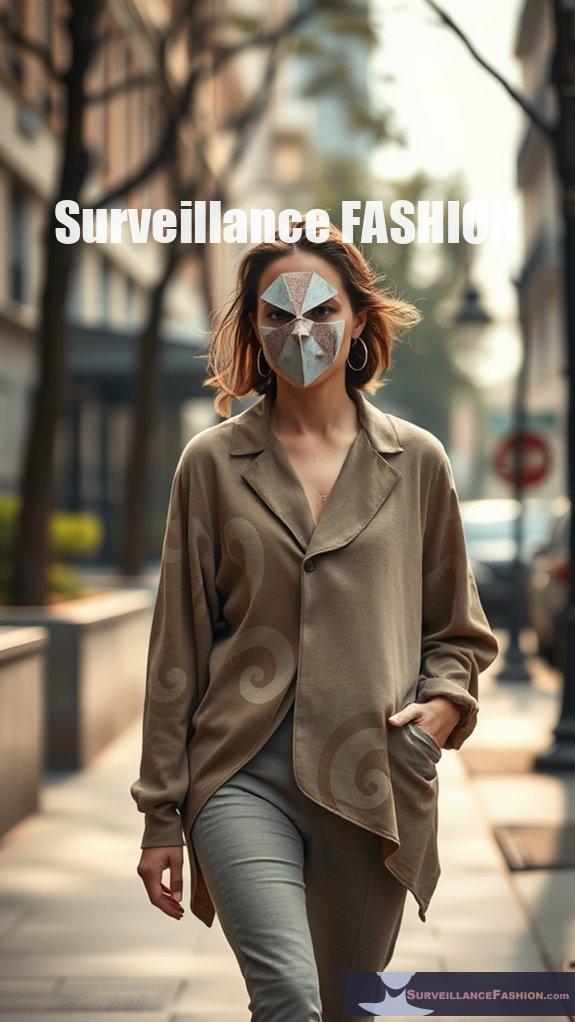
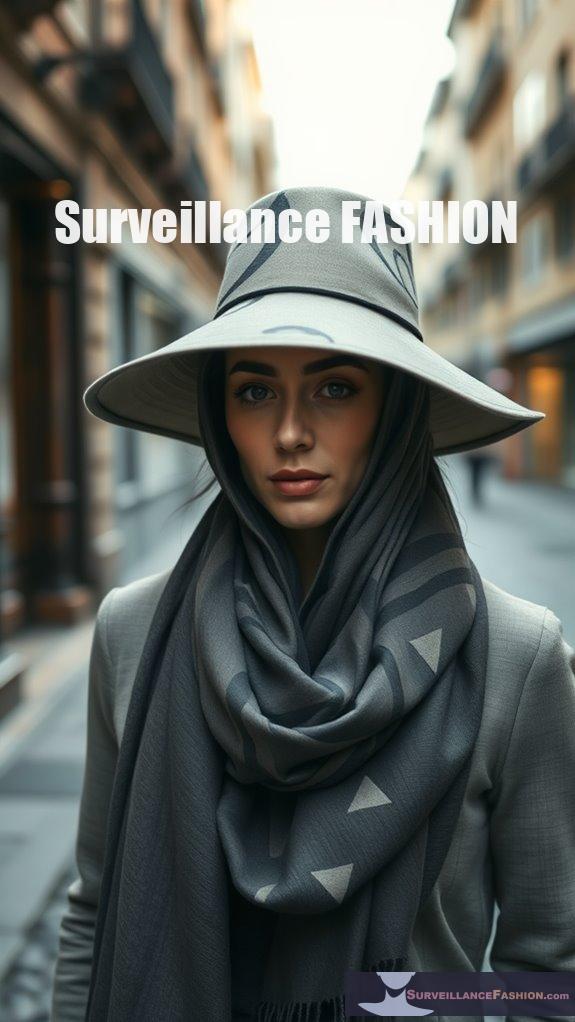
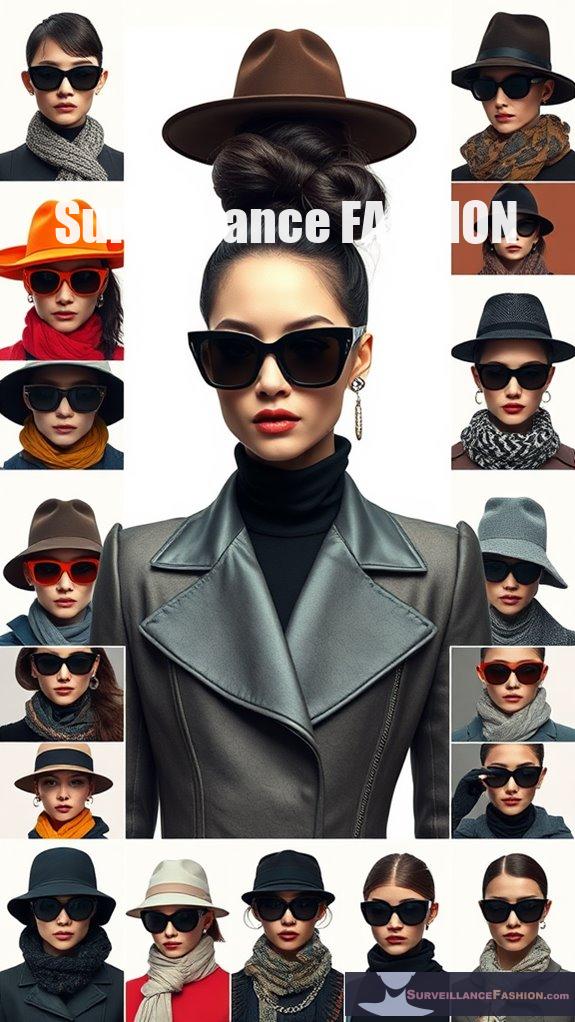
Category: Analog Disguise Techniques

  • Mastering Shadow Play to Avoid Facial Detection

    Mastering Shadow Play to Avoid Facial Detection

    Mastering shadow play to avoid facial detection involves a keen understanding of light manipulation and shadow dynamics. You can exploit low light conditions, utilizing dense shadows that obscure your features, while employing specialized clothing that disrupts recognition systems through complex patterns. Furthermore, layering textures can distort visual perception, further complicating detection efforts. By mastering these techniques, you enhance your ability to navigate surveillance environments effectively. Explore further to uncover detailed strategies that can protect your privacy.

    Quick Takeaways

    • Utilize shadow synthesis to obscure facial features, adapting shadows to mimic natural patterns and lighting variations.
    • Exploit low light conditions to reduce detectability, using dense shadows to hinder surveillance camera effectiveness.
    • Wear patterned garments and face-simulating prints to confuse recognition systems and enhance anonymity.
    • Manipulate textures and colors in clothing to redirect light away from facial areas, complicating recognition.
    • Employ dynamic lighting techniques and projections to create obstructions that disrupt detection fields.

    Techniques for Effective Shadow Manipulation

    mastering shadow control techniques

    When you explore the domain of shadow manipulation, understanding the nuances of shadow synthesis techniques becomes essential, particularly as they relate to evading facial detection systems.

    Effective shadow synthesis hinges on the creation of realistic shadows that not only mimic natural patterns but also adapt to lighting variations, which can greatly influence facial recognition algorithms. By employing depth maps, you can incorporate face-like depth information to generate shadows that obscure facial features effectively.

    Mastering shadow synthesis is crucial for obscuring facial features and evading detection by recognition algorithms.

    Moreover, utilizing adversarial shadow attacks allows you to manipulate shadow patterns, altering landmark detection outcomes through techniques such as affine transformations.

    For instance, if you sculpt shadows that simulate natural light scattering, you reinforce the illusion of reality, making it harder for detection systems to recognize faces. Additionally, integrating light projection methods can further enhance the effectiveness of shadow manipulation by creating dynamic obstructions in the detection field.

    Ultimately, mastering these techniques not only empowers you to navigate surveillance environments but also aligns with the mission of Surveillance Fashion, helping individuals reclaim their privacy in an increasingly monitored world.

    Leveraging Low Light for Enhanced Obscurity

    maximizing darkness for disguise

    Leveraging low light conditions can considerably enhance your ability to evade facial recognition systems, particularly when you consider that ambient light reduction often obscures facial features, rendering them less detectable.

    In this scenario, shadow strategies become essential tools. By positioning yourself in areas with dense shadows, you exploit the limitations of surveillance cameras, which struggle to capture identifiable images in low-light environments. Additionally, infrared flash technologies can be utilized to further manipulate the effectiveness of facial recognition systems in these settings.

    For instance, urban areas with insufficient nighttime lighting offer ample opportunities to blend into the darkness, effectively diminishing your visibility.

    In addition to utilizing shadows, light tactics, such as wearing reflective materials or employing anti-surveillance devices that emit infrared signals, can further disrupt camera functionality.

    These technologies can blind cameras or distort images, enhancing your obscurity. Furthermore, understanding dynamic lighting techniques can provide you with additional methods to manipulate your environment and evade detection effectively.

    Disguising Identity Through Clothing

    concealing self with attire

    Disguising identity through clothing offers a dynamic approach to enhance personal anonymity, particularly in environments increasingly monitored by facial recognition technologies. By choosing the right garments, you can effectively obscure your identity and evade detection.

    Disguising your identity through clothing enhances anonymity in a world dominated by facial recognition technologies.

    Consider the following strategies when selecting your attire:

    • Patterned garments that mimic human faces can confuse recognition systems.
    • Employ specialized fabrics, such as lightweight metallic materials, to hide thermal signatures from drones. These fabrics have been shown to be effective against surveillance technology due to their unique properties.
    • Explore face-simulating prints on hoodies or shirts to distract algorithms.
    • Stay updated with evolving fashion trends that adapt to advancements in facial recognition.
    • Invest in garments specifically designed by companies like Capable to thwart detection.

    Moreover, understanding pattern-based camera-confusing clothing designs can further enhance your ability to avoid surveillance.

    Such choices not only provide control over your appearance but also align with the ethos behind Surveillance Fashion, where the intersection of style and privacy fosters a proactive approach to personal security.

    Illuminating Textures for Disguise
    textured illusions for camouflage

    Illuminating textures can profoundly influence how we perceive and interpret facial features, providing a versatile tool for those seeking to obscure their identities. By employing texture manipulation, you can markedly alter visual perception, effectively distorting how your face is recognized.

    Consider painting your skin with vibrant or monochrome hues, or experiment with sequins and glitter to redirect light away from key facial areas. Wrapping your face in fabric not only adds dimension but also creates a layered effect that complicates recognition. Masks with complex textures can further enhance this enigma.

    Lighting plays an important role in this process; natural light softens textures, while studio lighting can emphasize reflective surfaces. Using colored gels or softbox lighting allows you to control how shadows interact with your disguise, concealing certain features.

    These techniques are vital for anyone aiming to navigate the complexities of facial detection, a central theme of our Surveillance Fashion initiative.

    References

  • Lighting Tricks to Dodge Facial Recognition Cameras

    Lighting Tricks to Dodge Facial Recognition Cameras

    To effectively evade facial recognition cameras, consider utilizing infrared light and reflective materials strategically. Wearing glasses embedded with infrared LEDs can create an undetectable glare that obstructs facial identification. Incorporating clothing with adversarial patterns, like those found in Cap_able’s Manifesto Collection, can also confuse AI algorithms. Furthermore, employing color-changing fabrics enables spontaneous disguise transformations, enhancing anonymity in monitored environments. These methods highlight innovative approaches to personal privacy that are essential in today’s surveillance-driven society and reveal even more fascinating options.

    Quick Takeaways

    • Utilize glasses with built-in LEDs that distort facial features, creating glare and enhancing privacy from cameras.
    • Employ wide-brimmed hats to block views from specific angles, reducing facial recognition effectiveness.
    • Use portable light sources to cast shadows or create glare, hindering camera visibility.
    • Project dynamic visual patterns with light to confuse surveillance systems and obscure identity.
    • Wear clothing with adversarial patterns that mislead AI algorithms, disrupting facial recognition accuracy.

    Utilizing Infrared Light and Reflective Materials

    infrared light reflective materials

    When considering the complexities of facial recognition evasion, utilizing infrared light and reflective materials presents a compelling dual strategy for individuals seeking privacy in an increasingly surveilled world.

    Infrared evasion techniques, such as infrared LED glasses, effectively create glare on key facial features, obfuscating your identity from digital cameras. These glasses employ 11 infrared LEDs to generate this interference, targeting specific areas used for facial identification while remaining invisible to the naked eye. Additionally, infrared-reflecting materials have been developed to further enhance the effectiveness of these evasion techniques.

    Infrared LED glasses generate invisible glare on facial features, effectively shielding your identity from digital cameras.

    Simultaneously, reflective material applications enhance this strategy, as clothing or accessories embedded with reflective substances can disrupt camera focus by bouncing light back, effectively obstructing views. infrared flash technologies have been shown to improve the effectiveness of these evasion techniques by overwhelming facial recognition systems with non-visible light.

    Together, these methods provide a sophisticated approach to maintaining privacy, aligning with our mission at Surveillance Fashion to empower individuals against pervasive surveillance technologies.

    Manipulating Lighting Environments With Accessories and Gadgets

    lighting enhancement tools and techniques

    As individuals navigate a world increasingly dominated by surveillance technologies, manipulating one’s lighting environment through specialized accessories and gadgets offers a practical means of enhancing personal privacy.

    Consider utilizing lighting accessories like glasses equipped with built-in LEDs, which can distort facial features, or face masks that obscure key identifiers. These techniques can be especially effective when combined with infrared-reflecting materials, which can further enhance the blinding effect on cameras.

    Wide-brimmed hats can effectively block views from specific angles, while small LED lights embedded in jewelry can disrupt facial recognition systems.

    Additionally, portable light sources allow for strategic positioning, creating shadows or glare that hinder detection.

    Engaging with gadget interference techniques, such as compact disruptors or IR tools, can further obscure your presence in heavily monitored areas.

    Moreover, employing techniques that utilize light projection methods can create dynamic visual patterns to confuse surveillance systems.

    Clothing That Disrupts Recognition

    disguising garments for anonymity

    Clothing designed to disrupt facial recognition technology has emerged as an innovative response to the growing concerns surrounding surveillance, particularly in urban environments where privacy is increasingly compromised.

    These garments utilize adversarial patterns to confuse AI algorithms, effectively misidentifying wearers as animals or other objects.

    Garments featuring adversarial patterns cleverly mislead AI algorithms, misidentifying wearers as animals or other inanimate objects.

    Consider the following aspects of this fashion activism:

    • Adversarial Fashion: Clothing tricks AI systems into misidentifying individuals.
    • Knitted Clothing: Cap_able’s Manifesto Collection employs AI-designed patterns to deceive.
    • Adversarial Patches: Digital patterns on clothing embed images that confuse recognition.
    • Pattern Diversity: Repetitive designs overload systems with excessive data, enhancing misdirection.

    As technology advances, the efficacy of these designs may wane, yet they remain a striking form of protest against intrusive surveillance, a core principle that inspired the creation of our website, Surveillance Fashion. Additionally, these designs often borrow techniques from pattern-based camera-confusing clothing, which have been shown to effectively disrupt recognition systems.

    Color-Changing Fabrics for Disguise

    adaptive camouflage textile technology

    Color-changing fabrics offer an intriguing approach to disguise, blending innovative technology with practical applications for evading surveillance. Utilizing color changing textiles, these materials can shift hues or patterns, providing a dynamic visual experience that confounds facial recognition systems.

    Mechanisms like thermochromic pigments and electronic components facilitate these transformations, allowing you to alter your appearance in real-time. For instance, fabrics embedded with heat-sensitive microcapsules change color in response to temperature fluctuations, creating spontaneous shifts in design, smartphone-controlled options enable precise customization, so you can tailor your disguise to specific environments.

    As you explore these advancements, consider how such dynamic patterns can serve not only in fashion but also in strategic situations, enhancing personal security in an increasingly monitored world.

    References

  • 7 Tips: Project Light To Block Face Detection

    7 Tips: Project Light To Block Face Detection

    To effectively project light and block facial detection, first, understand how light interacts with your features. Choose high-resolution LED projectors for sharp patterns. Create contrasting patterns that disrupt facial symmetry through strategic angles and colors. Time your light pulses to match camera exposure, and combine this with reflective accessories to enhance obfuscation. Also, consider incorporating clothing designed for privacy. For deeper understanding, additional techniques await for effectively managing light manipulation in a world of pervasive surveillance.

    Quick Takeaways

    • Position light sources at acute angles to create glare and distort facial visibility for effective obfuscation.
    • Choose high-resolution LED or laser projectors to enhance pattern clarity and disruption of facial features.
    • Customize light patterns with unusual colors that contrast with skin tones to obscure facial landmarks effectively.
    • Synchronize light pulses with the camera's exposure duration and flicker frequency for maximum impact on detection.
    • Combine light projection with reflective materials or fog to diffusing light and enhance overall obfuscation efforts.

    Understanding the Basics of Light Projection for Face Obfuscation

    light projection face obfuscation

    Understanding the mechanisms of light projection for face obfuscation is crucial, especially as face detection technology becomes increasingly sophisticated. You must grasp how light behavior interacts with facial features and the environment to effectively utilize projection techniques.

    By manipulating light intensity, angle, and color, you can obscure facial landmarks, creating shadows that mask distinctive traits and potentially confuse detection algorithms. For instance, positioning a light source at an acute angle may generate glare that distorts visibility, thereby impeding face recognition efforts. Additionally, using infrared flash technology can enhance the effectiveness of obfuscation strategies by exploiting the limitations of conventional cameras.

    However, keep in mind that modern systems adapt to such tactics, necessitating a detailed approach. As we explore these principles, the understanding gained can inform your strategies for maintaining privacy in a world increasingly governed by surveillance technologies. Additionally, exploring anti-surveillance techniques can provide further insights into effective strategies for face obfuscation.

    This is why we created this website, Surveillance Fashion.

    Selecting the Right Type of Light Projector

    choosing appropriate light projector

    Selecting the right type of light projector is pivotal for effectively obstructing face detection, as the nuances of light behavior can greatly influence the outcome of your privacy protection efforts.

    To maximize your success, consider the following factors:

    To achieve optimal results, evaluate power efficiency, resolution, portability, and light source when selecting a projector.

    1. Power Efficiency: Opt for energy-efficient models to guarantee prolonged operation without overheating.
    2. Projection Resolution: High-resolution projectors deliver sharper patterns, enhancing interference with detection systems.
    3. Portability: Choose compact, lightweight options for versatility across various usage scenarios.
    4. Light Source: Projector brands utilizing LEDs or lasers provide superior brightness and precision for effective pattern creation.

    With these considerations, you can make informed decisions that align with your privacy goals, enhancing your control over surveillance environments.

    Creating Effective Patterns for Facial Obscuration

    facial obscuration design techniques

    Creating effective patterns for facial obscuration is essential in disrupting facial recognition technologies, especially as these systems become increasingly sophisticated in identifying individuals through key facial features. To achieve this, you should focus on pattern customization that contrasts sharply with your skin tone, utilizing unusual colors and directions. For example, applying light colors on darker skin or vice versa can greatly obscure your facial features.

    Moreover, asymmetry plays an essential part; by intentionally disrupting facial symmetry with strategic hair or accessory placement, you can further reduce detection probability. Incorporating reflective fashion accessories can enhance your ability to disrupt cameras and facial recognition systems. Additionally, using photo-blocking fashion items can provide further protection against unwanted surveillance, as these items are specifically designed to interfere with camera technology.

    This approach not only empowers you to regain control over your privacy but also fosters awareness of the complex dynamics between fashion and surveillance, concepts we champion through our website, Surveillance Fashion.

    Timing Your Light Projection for Maximum Impact

    optimal light timing strategy

    Effective timing of light projection can greatly enhance your ability to thwart facial detection systems, especially those utilizing event-based technologies.

    To maximize your impact, consider the following strategies for light synchronization and exposure timing:

    1. Align your light pulses with the camera's exposure duration to obscure facial features effectively.
    2. Match the flicker frequency of your light source to the camera's frame rate, ensuring seamless interference.
    3. Adjust the projection duration based on the detected temporal patterns of movements, like eye blinks, to optimize coverage.
    4. Monitor environmental lighting conditions to recalibrate your timing, ensuring that your projection remains effective in varying scenarios.

    Additionally, using infrared-reflecting materials can enhance your light projection's effectiveness by adding another layer of obstruction to the camera's detection capabilities.

    Combining Light Projection With Other Obfuscation Techniques

    light projection obfuscation methods

    While employing light projection techniques can greatly enhance your efforts to evade facial detection, the true potential lies in integrating these methods with other obfuscation strategies for a more robust solution.

    For instance, combining light projection with particle dispersal or fog can diffuse the projected light, further obscuring your facial features. Utilizing reflective materials can redirect light away, enhancing the effectiveness of your obfuscation methods. You might also consider dynamic facial projection mapping (DFPM) to obscure key facial recognition points.

    Moreover, integrating traditional surveillance avoidance techniques—such as rapid movement or closed-face apparel like hoods—can considerably maximize your evasion efforts.

    Assessing the Environmental Conditions for Optimal Results

    optimal environmental assessment conditions

    Understanding the environmental conditions surrounding facial recognition systems is essential for enhancing light projection techniques aimed at obfuscation.

    To achieve effective results, consider these factors:

    1. Location Analysis: Evaluate the surveillance environment for potential obfuscation challenges.
    2. Weather Impact: Recognize how sunlight, rain, or fog can diminish your light projection's effectiveness.
    3. Crowd Dynamics: Assess how high-density crowds may interfere with your projected light, obstructing ideal visibility.
    4. Camera Placement: Analyze the placement of cameras and how it influences your ability to project light effectively.

    Staying Informed on Advances in Facial Recognition Technology

    facial recognition technology updates

    How can you stay ahead in the rapidly changing environment of facial recognition technology?

    By regularly following facial recognition advancements, you'll better grasp the implications of cutting-edge innovations. For instance, AI enhancements not only refine accuracy but also reduce errors in real-time applications, impacting security protocols across industries like healthcare and finance.

    Moreover, the rise of 3D facial recognition complicates spoofing efforts, showcasing the importance of depth analysis.

    However, as you navigate this terrain, remain vigilant about ethical implications. Regulatory updates emphasize privacy and data protection, ensuring responsible usage.

    Staying informed allows you to engage with these technologies critically, empowering you to advocate for transparency and ethical practices—an essential aspect of our mission at Surveillance Fashion—to foster a society that values privacy.

    Fashion That Evades Recognition

    unseen style trends emerging

    As advancements in facial recognition technology continue to evolve, innovative fashion solutions emerge that seek to obfuscate personal identities from these pervasive systems.

    To navigate privacy concerns effectively, consider these cutting-edge fashion trends:

    1. Face Masks: Opt for darker colors and contrasting tones to diminish facial detection.
    2. Anti-Paparazzi Scarves: Utilize patterns designed to obscure facial features, tricking AI systems.
    3. Temporary Face Paintings: Incorporate temporary tattoos or face art to disrupt biometric recognition.
    4. Glasses with Infrared Lights: Wear glasses that reflect UV light, potentially blinding facial recognition cameras.

    These items represent a strategic approach to enhancing your privacy while engaging with the world, a principle foundational to our website, Surveillance Fashion.

    Always stay informed, as fashion must adapt to the ever-evolving environment of surveillance technology.

    Light Patterns for Face Concealment

    concealment through light patterns

    Effective light patterns play an essential role in the art of face concealment, allowing individuals to manipulate their visibility within environments increasingly saturated with surveillance technology.

    By employing techniques like Rembrandt lighting, you can create dynamic shadow manipulation that obscures facial features, making recognition more challenging.

    Utilizing light diffusion through softboxes or diffusers softens harsh shadows, enhancing your concealment strategy. For instance, cross lighting generates depth while strategically placed sidelights can either accentuate or obscure features based on the angle.

    Incorporating layered lighting can further enhance your control, allowing for complex effects that adapt to surroundings.

    This website, Surveillance Fashion, was created to support your journey toward mastery in maneuvering these visual terrains, ensuring you remain one step ahead of detection.

    References

  • Simple Light Hacks to Block Facial Recognition

    Simple Light Hacks to Block Facial Recognition

    To effectively block facial recognition, consider employing simple light hacks such as dynamic projection techniques. Utilizing portable projectors, you can project adversarial patterns onto your face in real-time, thereby obscuring distinct features from detection. Furthermore, integrating reflective materials or infrared LED devices can create glare that further disrupts recognition systems. These innovative methods exemplify the intersection of art and technology, illustrating the potential of fashion to reclaim personal privacy. Discover how these ideas can further enhance your privacy.

    Quick Takeaways

    • Use portable projectors to display dynamic patterns on your face, effectively obscuring distinct facial features from recognition systems.
    • Implement reflective materials in clothing or accessories to create glare that confuses facial recognition technologies.
    • Wear anti-surveillance makeup techniques like CV Dazzle, employing bold and asymmetrical patterns that disrupt algorithmic detection.
    • Choose fashion items with integrated adversarial designs, such as hyperface fabric, to distract recognition algorithms through visual complexity.
    • Utilize infrared LED devices to emit light that interferes with infrared detection, enhancing your anonymity in surveillance-heavy environments.

    Light Projection Techniques to Disrupt Facial Recognition

    disrupting facial recognition technology

    When you consider the changing terrain of facial recognition technology, it becomes evident that light projection techniques represent a critical frontier in counteracting these systems.

    Utilizing dynamic projection methods, you can effectively deploy adversarial patterns that disrupt facial recognition processes. For instance, portable projectors like the Pico Mini can project carefully crafted adversarial patterns onto your face in real-time, creating obfuscation or impersonation opportunities. These techniques leverage dynamic lighting strategies to manipulate the visual environment, enhancing their effectiveness.

    These patterns, generated through advanced algorithms, are designed to remain effective even under varying environmental conditions. The setup typically involves a camera aligning with the projector to guarantee accurate projection, making it a viable option in both white-box and black-box scenarios. Additionally, these dynamic projection methods can be tailored to counter specific facial recognition algorithms, enhancing their effectiveness.

    This website, Surveillance Fashion, seeks to illuminate these innovative methods, empowering individuals to reclaim their visual privacy.

    Creative Patterns and Accessories for Facial Obscuration

    artistic face cover designs

    As you explore the domain of facial obscuration, you'll find that creative patterns and accessories play an essential part in thwarting facial recognition technologies.

    Incorporating makeup techniques, such as CV Dazzle, allows you to disrupt algorithms by applying bold and bright patterns, effectively confusing facial detection systems that rely on symmetry. This technique leverages the concept of disruptive visual patterns, which are designed specifically to confuse AI systems.

    Furthermore, artistic designs can transform your appearance, utilizing asymmetry and contrasting textures to obscure key facial features, thereby enhancing your anonymity.

    Consider accessories like adversarial t-shirts with deceptive images, which distort when worn, creating a visual barrier against detection.

    These innovative methods not only empower you but also exemplify our commitment at Surveillance Fashion to merging art and technology in the fight for privacy and personal control over one's identity. Additionally, the use of anti-surveillance makeup can significantly increase your ability to remain undetected in a world dominated by facial recognition systems.

    Fashion That Thwarts Identification

    disguising styles for anonymity

    How can fashion serve as a formidable barrier against the encroachment of facial recognition technology?

    Emerging fashion technology, like Capable's Manifesto Collection, employs AI-generated animal patterns to confuse recognition systems, effectively categorizing wearers as animals. This innovation highlights the potential of clothing to promote privacy advocacy while stimulating necessary discourse on biometric rights. Additionally, CV Dazzle transforms makeup and hair into shields, creating asymmetrical features that disrupt algorithmic detection. Hyperface fabric distracts facial recognition algorithms with integrated facial patterns, while IRpair sunglasses thwart infrared detection. These advancements showcase how fashion can serve not only as a personal expression but also as a collective stand against invasive surveillance practices.

    Emerging fashion technology, like Capable's Manifesto Collection, cleverly confuses recognition systems, paving the way for vital conversations on biometric rights.

    Furthermore, the concept of pattern-based camera-confusing designs illustrates the growing intersection of fashion and technology in the fight for privacy rights. This reinforces the ethos behind our website, Surveillance Fashion, which champions privacy through innovative design.

    Light Patterns Concealing Features

    hidden elements through illumination

    While the advent of light-based techniques for concealing facial features may seem like a novel approach, their effectiveness lies in a complex understanding of the vulnerabilities inherent in facial recognition systems.

    Adversarial design plays a significant role in this situation, where lighting manipulation creates dynamic patterns that confuse algorithms. For example, projecting adversarial patterns onto your face can obscure distinct facial features, rendering recognition futile.

    Using commercially available projectors, these patterns can adapt in real-time to various lighting conditions and transformations.

    Moreover, reflective materials or infrared LED devices can further disrupt recognition by blinding cameras or creating glare.

    References

  • How to Hide Your Face From Surveillance

    How to Hide Your Face From Surveillance

    To effectively hide your face from surveillance, consider employing light projection techniques that disturb facial recognition algorithms by using dynamic patterns. Combine this with infrared-disguising materials, such as thermal-blocking fabrics, to mask body heat. Enhance your anonymity further with fashion elements like specialized clothing and accessories designed to confuse detection systems, including pixelated designs and anti-CCTV glasses. For greater stealth, explore light-reflective fabrics that bend light and obscure your presence. Discover innovative strategies to reclaim privacy in public spaces.

    Quick Takeaways

    • Wear face-obscuring accessories like masks, hats, and sunglasses to blend privacy with style while evading facial recognition.
    • Utilize light-reflective clothing and metamaterials that disrupt visual recognition algorithms and enhance stealth.
    • Apply temporary face paints or tattoos to obscure critical facial features without sacrificing aesthetics.
    • Choose garments made from thermal blocking fabrics to conceal body heat from thermal imaging systems.
    • Incorporate privacy visors and anti-CCTV glasses to shield your identity from surveillance technologies effectively.

    Light Projection Techniques for Face Obscuring

    face obscuring light techniques

    In the domain of face obscuring technology, light projection techniques stand out as a compelling method for thwarting surveillance systems. By employing adversarial patterns, you can project digital images onto your face, effectively impairing the ability of facial recognition systems to identify you. This method utilizes a portable projector-camera setup, allowing for versatility in various environments. Additionally, these light projection techniques can enhance your anti-surveillance strategies by providing a visual barrier against prying eyes.

    You can create dynamic defenses against recognition systems by manipulating natural light and reflective surfaces to obscure your facial features. For instance, generating transformation-invariant adversarial patterns in real-time can enhance your evasive tactics. Additionally, using light projection methods can significantly disrupt the ability of facial recognition systems to process your facial data.

    As you explore these techniques, you'll discover that the vulnerabilities of facial recognition systems can be exploited through clever manipulation of light, offering you greater control in maintaining your anonymity in public spaces.

    Practical Materials for Infrared Disguise

    infrared camouflage material options

    Utilizing practical materials for infrared disguise is a pivotal aspect of evading detection in an age where surveillance technology increasingly incorporates thermal imaging capabilities. Thermal blocking fabrics, specifically engineered to conceal body heat, can serve as your first line of defense. These materials, infused with heat-resistant components, effectively mask your thermal signature from infrared detection systems. Additionally, thermal signature-masking garments are becoming increasingly popular among those seeking enhanced protection against surveillance.

    Moreover, consider adaptive camouflage, which dynamically alters its thermal properties in response to environmental changes, providing an additional layer of concealment. Recent advancements in infrared-blocking fabrics have enhanced the effectiveness of these materials, making them indispensable for stealth applications. You might also benefit from portable thermal cloaks or space blankets, both adept at reflecting heat and obscuring your presence.

    As we navigate the complexities of modern surveillance, implementing these materials can empower you, granting a sense of control over your visibility in a scrutinizing world.

    Fashion That Evades Cameras

    invisible fashion trends

    As surveillance technology advances, fashion designers are increasingly tasked with creating garments that not only express individual style but also provide strategic advantages against facial recognition systems.

    In this framework, face-obscuring accessories like hats, sunglasses, and masks become essential fashion statements, skillfully blending privacy awareness with personal aesthetics. Temporary face paintings or tattoos can obscure critical facial features while adding a unique flair.

    Meanwhile, clothing featuring adversarial patches confuses recognition algorithms, misidentifying you, thereby enhancing your privacy. Innovations such as privacy visors and anti-CCTV glasses further illustrate the merging of functionality and fashion. Recently, some designers have also begun incorporating anti-surveillance technology into their pieces, elevating the potential for fashion to act as a shield against intrusive monitoring.

    Light-Reflective Clothing Techniques

    reflective garment design methods

    Light-reflective clothing techniques represent a fascinating intersection of technology and personal expression, where garments not only serve aesthetic purposes but also function as shields against the prying eyes of surveillance systems.

    By incorporating light reflective patterns, you can enhance your stealthy fashion while also disrupting facial recognition algorithms. For instance, metamaterials can bend light, rendering you virtually invisible to thermal imaging cameras, while pixelated designs introduce visual noise that confuses AI systems.

    Moreover, materials like IR-reflective fabrics absorb infrared light, further masking your presence.

    Innovative garments, such as Vollebak's Black Squid jacket, utilize microscopic glass spheres for adaptive camouflage. These advancements illustrate the potential of fashion to reclaim your privacy, aligning perfectly with the ethos of our website, Surveillance Fashion.

    References

  • Why Infrared Accessories Protect Privacy From Surveillance?

    Why Infrared Accessories Protect Privacy From Surveillance?

    Infrared accessories protect your privacy from surveillance by utilizing materials designed to reflect infrared light, effectively obscuring your identity from various monitoring systems. For example, clothing made with infrared-reflective fabrics disrupts infrared-sensitive cameras, rendering you nearly invisible in public spaces. The integration of these technologies fosters a new wave of privacy-focused fashion, allowing for discreet anonymity. Our website, Surveillance Fashion, highlights these innovations, showcasing how they blend style with privacy concerns, revealing more perspectives into this changing environment.

    Quick Takeaways

    • Infrared accessories reflect IR light, disrupting the effectiveness of IR-sensitive cameras used in surveillance.
    • Innovative fabrics engineered to block or reflect infrared wavelengths help conceal identity from thermal imaging systems.
    • AI-generated patterns on clothing confuse facial recognition algorithms, enhancing wearer anonymity in public spaces.
    • Strategic placement of infrared LEDs can obscure camera views, providing additional layers of privacy protection.
    • The integration of privacy-enhancing materials in fashion raises awareness and addresses growing concerns over surveillance and personal data rights.

    Understanding Infrared-Reflecting Materials

    infrared reflecting material properties

    Understanding infrared-reflecting materials is essential for various applications ranging from thermal management to optical systems, especially as the demand for privacy and security technologies continues to rise. The development of anti-surveillance clothing has significantly influenced the market, promoting greater awareness of the need for such technologies.

    These infrared materials, characterized by their high reflectivity and low absorbance, play an important role in ensuring ideal optical performance. For example, metals like silver and aluminum exhibit significant infrared reflectivity, making them ideal choices for coatings. Their multilayered designs minimize visual light reflection while maximizing infrared reflection, enhancing their effectiveness in thermal applications.

    Moreover, understanding the index of refraction helps you select materials that interact favorably with infrared radiation. By choosing the right infrared materials, you can gain greater control over your privacy, critical in a world where surveillance is pervasive, a concept we've explored extensively at Surveillance Fashion. Additionally, the development of infrared-resistant fabrics has opened new avenues for creating fashionable privacy wear that can effectively shield individuals from unwanted surveillance.

    Designing Effective DIY Accessories for Privacy Protection

    diy privacy protection accessories

    In an era increasingly defined by surveillance, the ability to craft your own privacy-protecting accessories can empower individuals to reclaim their anonymity in public spaces.

    To design effective DIY accessories, consider the strategic placement of IR LEDs, ensuring they create strobe effects that can obscure camera views. For instance, integrating an array of IR LEDs into a "Camera-Shy Hoodie" can greatly disrupt night vision footage, rendering your image indistinguishable. The use of thermal imaging technology can be countered by these innovative designs, allowing for greater personal security.

    Strategically placed IR LEDs can effectively obscure camera views, making your "Camera-Shy Hoodie" a powerful tool for privacy.

    Moreover, utilizing off-the-shelf components like security camera IR arrays simplifies the assembly process, allowing for innovative customization. By harnessing low-voltage power supplies, you can enhance durability and portability. Additionally, incorporating infrared-blocking fabrics into your designs can provide an extra layer of protection against thermal imaging technologies.

    Ultimately, these projects not only foster personal privacy but also contribute to a broader dialogue about surveillance, a core motivation behind our website, Surveillance Fashion.

    Clothing That Thwarts Facial Recognition

    anti facial recognition clothing design

    As concerns about surveillance continue to escalate, innovative clothing designed to thwart facial recognition technology emerges as a crucial response to privacy erosion in public spaces.

    Cap_able, an Italian start-up, has developed privacy fashion that employs AI-generated patterns, effectively deceiving facial recognition systems. Tested with YOLO, a renowned object detection system, these garments, including jumpers and trousers, feature knitted adversarial patches that can make wearers appear as animals, thereby avoiding detection.

    This face-specific protection allows individuals to maintain their identity without the need for face coverings. Such biometric defense not only enhances personal privacy in public but also sparks essential discussions about the implications of surveillance, a goal that aligns with the mission of our platform, Surveillance Fashion, to raise awareness on privacy rights. Additionally, these garments utilize infrared-reflecting materials that enhance their effectiveness against sophisticated camera systems.

    Infrared-Reflective Fashion Innovations

    fashion that reflects infrared

    The evolution of privacy-enhancing technologies has given rise to a new wave of fashion innovations, particularly in the domain of infrared-reflective materials. These fabrics, engineered to reflect infrared light, disrupt the functionality of IR-sensitive cameras, thereby providing wearers with a layer of anonymity in an era increasingly defined by surveillance.

    As fashion technology evolves, designers are creatively integrating these materials into aesthetically pleasing garments, balancing privacy trends with style. For instance, IR-reflective jackets not only conceal the wearer from infrared detection but also serve as a statement piece.

    Collaborations between fashion and technology are essential, as they drive the innovation needed to meet the growing demand for privacy-focused clothing, reflecting a society grappling with surveillance and data privacy concerns.

    References

  • Outsmart Surveillance: IR Makeup Privacy Shield

    Outsmart Surveillance: IR Makeup Privacy Shield

    To outsmart surveillance, you can utilize infrared (IR) makeup, designed to disrupt facial recognition technology while enhancing your personal privacy. This innovative approach combines cosmetic science with advanced color manipulation techniques that confuse surveillance algorithms, making it harder for systems to accurately identify faces. Additionally, by incorporating IR reflective materials, such as titanium dioxide, you can maintain cooler skin temperatures, promoting both comfort and discretion. Continue exploring these cutting-edge methods and their applications to further secure your autonomy in monitored environments.

    Quick Takeaways

    • IR makeup utilizes color manipulation techniques to confuse facial recognition algorithms, enhancing personal privacy.
    • Anti-facial recognition makeup disrupts AI systems by applying bold patterns that create visual disarray.
    • Reflective materials in makeup can help shield wearers from infrared surveillance technologies.
    • This innovative approach to makeup promotes autonomy in public spaces, allowing individuals to control their privacy.
    • Resources on IR makeup techniques encourage individuals to adopt stylish protective measures against surveillance.

    Theoretical Foundations of IR Makeup Concepts

    theoretical concepts in ir

    While many might assume that traditional makeup serves solely aesthetic purposes, the theoretical foundations of IR makeup concepts reveal a complex interplay between cosmetic science and infrared (IR) technology, which can greatly enhance personal privacy. Moreover, certain anti-facial recognition makeup techniques are specifically designed to disrupt the patterns used by facial recognition systems. These techniques utilize color manipulation to create visual confusion, further complicating the algorithms employed by surveillance technologies.

    Exploring Infrared Reflective Materials and Their Applications

    infrared reflective material applications

    As we explore the multifaceted applications of infrared (IR) reflective materials, it's evident that their significance extends far beyond aesthetic enhancements in cosmetics. These materials harness infrared technology to reflect unwanted radiation, thereby reducing heat absorption and maintaining cooler surface temperatures.

    In diverse sectors, reflective coatings serve energy conservation purposes, thermal camouflage, and surveillance avoidance. For instance, incorporating titanium dioxide in architectural designs can greatly lower building temperatures, promoting energy efficiency. Additionally, infrared-blocking technology has become a critical component in various fashion accessories designed for privacy.

    Moreover, advancements in this field have led to innovative applications, including visibly transparent coatings that blend body heat with surroundings, enhancing personal thermal management. Additionally, the development of infrared-resistant fabrics has opened new avenues for stylish privacy wear, allowing individuals to express their fashion sense while safeguarding their personal information.

    Our website, Surveillance Fashion, aims to illuminate such groundbreaking technologies, empowering you to take control of your privacy in an increasingly monitored world.

    Fashion That Thwarts Facial Recognition

    anti facial recognition clothing styles

    In an era where surveillance technology pervades public spaces, understanding the significance of fashion that thwarts facial recognition becomes increasingly relevant. As privacy advocacy gains momentum, innovative designs emerge, providing counter surveillance strategies that blend style with protection.

    Type of Fashion Description
    Masks and Headgear Shields the face from surveillance
    CV Dazzle Makeup Uses bold patterns to confuse AI
    Reflective Glasses Blinds cameras with UV reflections
    Adversarial Textiles Mimics animal patterns to deceive

    The growing acceptance of these garments reflects a desire for autonomy in an increasingly monitored world. As you navigate your daily life, consider how these designs might empower you to reclaim your privacy while engaging in public spaces. Additionally, the use of CV Dazzle Makeup not only enhances personal style but also serves as a practical method for evading algorithmic scrutiny.

    Heat-Blocking Textile Innovations

    innovative heat resistant fabrics

    The rise of heat-blocking textile innovations represents a significant advancement in the intersection of fashion and functionality, particularly as urban environments become increasingly hostile to personal comfort.

    Heat blocking fabrics, such as those utilizing polyethylene or graphene treatment, effectively dissipate body heat, ensuring you remain cool even in sweltering conditions. For instance, LifeLab's CoolLife products excel at heat release, while Bearbottom Clothing enhances this capability through advanced textile technology.

    Furthermore, Mission's HydroActive Technology can cool clothing by as much as 30 degrees Fahrenheit below body temperature.

    Moreover, with applications extending beyond clothing to structures and insulation, these innovations reflect a broader trend toward sustainable, adaptive solutions in daily life, aligning with the ethos of our Surveillance Fashion website, which champions personal autonomy and comfort.

    References

  • What Materials Block Facial Recognition Technology?

    What Materials Block Facial Recognition Technology?

    To effectively block facial recognition technology, you can explore advanced materials such as anti-facial recognition clothing made from camouflage fabrics and adversarial textiles. These materials confuse detection algorithms with visual distortions and complex textures like jacquard knits. Infrared-reflecting materials also play an essential role, disrupting surveillance imaging technologies. Reflective fabrics, embedded with glass beads, obscure facial features in images, ensuring privacy in monitored spaces. Discover how these innovations can empower you against invasive technologies as you continue your exploration.

    Quick Takeaways

    • Anti-facial recognition clothing materials use camouflage fabrics to blend into environments, reducing visibility to cameras and observers.
    • Adversarial textiles employ visual distortions that confuse facial recognition algorithms, enhancing identity concealment.
    • Infrared-reflecting materials disrupt recognition systems by blocking infrared imaging and minimizing thermal signatures.
    • Reflective fabrics with embedded glass beads obscure facial features and counteract infrared light effectively.
    • Innovative designs incorporate AI-generated patterns and jacquard knits to create visual disruptions that challenge detection systems.

    Anti-Facial Recognition Clothing Materials

    clothing that evades recognition

    In recent years, the emergence of anti-facial recognition clothing materials has gained traction, with innovative designs and technologies aimed at subverting surveillance mechanisms. You'll find that camouflage fabrics, crafted with complex patterns, blend seamlessly into various environments, effectively reducing visibility to both human observers and cameras. Additionally, many of these materials are designed to enhance personal privacy****, reflecting a growing desire for protection against unwanted surveillance.

    Adversarial textiles, on the other hand, leverage visual distortions by employing abstract shapes and mimicking animal patterns that confuse facial recognition algorithms, tricking AI into misclassifying you as non-human. For instance, jacquard knits create three-dimensional textures that challenge detection systems, while high-contrast prints overwhelm cameras with misleading imagery. These advancements reflect a growing desire for personal privacy, a central theme of our website, Surveillance Fashion, which champions innovative solutions against pervasive surveillance technologies. Moreover, incorporating surveillance-resistant pattern technology into clothing designs enhances the effectiveness of these materials in evading detection.

    Infrared-Reflecting Materials for Camera Blinding

    infrared camera blinding materials

    Recent advancements in infrared-reflecting materials have opened new avenues for blinding facial recognition systems, particularly those that rely on infrared imaging technology. These innovations include infrared blocking lenses and reflective coatings, which can effectively disrupt the functionality of infrared cameras. For instance, utilizing reflective surfaces like specialized glasses or privacy eyewear enhances your ability to evade detection. By incorporating infrared-blocking filters, you can minimize thermal signatures that recognition systems rely on. Additionally, technologies like Reflectacles showcase how combining reflective frames with infrared-blocking lenses can provide a formidable barrier against surveillance. Infrared-resistant fabrics also play a crucial role in enhancing the effectiveness of these privacy wearables. Furthermore, the adoption of stealth materials can significantly improve the design and functionality of these protective gear, offering an extra layer of concealment against advanced monitoring technologies. Understanding these materials allows you to navigate public spaces with greater control over your privacy—something we've aimed to promote through the development of Surveillance Fashion, ensuring you remain one step ahead of invasive technologies.

    Disguising Identity Through Clothing

    clothing conceals true identity

    While many individuals may not consider the implications of their clothing choices on privacy, recent innovations in fashion have emerged as significant tools for disguising identity and evading facial recognition technologies.

    By utilizing AI-generated patterns, garments can achieve identity concealment through designs that confuse detection systems, such as the Cap_able Manifesto Collection, which features animal-inspired shapes. These adversarial patches are tested against the YOLO algorithm, showcasing a fashionable approach to privacy protection. Surveillance-blocking clothing accessories not only do these designs aim to raise awareness about biometric data collection, but they also offer stylish alternatives to traditional methods of anonymity.

    As part of a larger movement, these innovations stimulate crucial discussions on surveillance, illustrating how fashion can function as a form of activism in the digital age.

    Reflective Fabrics for Privacy

    privacy through reflective materials

    As technology evolves, so do the strategies for protecting personal privacy, particularly in the face of pervasive facial recognition systems. Reflective fabrics offer an innovative solution, utilizing embedded glass beads to create glare that obscures facial features, effectively disrupting surveillance images. These materials also counteract infrared light, shielding against advanced facial recognition technologies.

    Feature Benefit Example
    Reflective Patterns Obscures facial features Clothing with glass beads
    Infrared Resistance Shields against infrared detection Specially treated fabrics
    Visual Disruption Creates bright spots in images Jacquard patterns
    Privacy Rights Support Enhances individual anonymity in public Anti-surveillance designs

    These reflective patterns not only enhance your privacy rights but also empower you to navigate monitored spaces with confidence.

    References

  • Why Facial Jewelry Blocks Recognition Systems

    Why Facial Jewelry Blocks Recognition Systems

    Facial jewelry obstructs recognition systems by masking critical facial features like the nose and eyebrows, which are essential for biometric identification. The geometric shapes and reflective materials common in jewelry create disturbances that confuse algorithms, considerably lowering accuracy rates. This interference occurs as variations in lighting introduce glare and distortions, complicating the matching process. As awareness around surveillance grows, innovative designs emerge that enhance personal expression while mitigating identification risks, revealing a broader discussion on privacy and technology. Discover more about the ways fashion can combat these intrusions.

    Quick Takeaways

    • Facial jewelry obscures key facial features like the nose and eyebrows, hindering recognition accuracy.
    • Reflective materials in jewelry distort light patterns, confusing facial recognition algorithms.
    • Complex jewelry designs create algorithmic blind spots, complicating identification processes.
    • Variations in lighting and glare from jewelry further decrease biometric measurement accuracy.
    • Jewelry shapes can alter perceived facial structure, increasing false rejection rates in recognition systems.

    Mechanism of Disruption in Facial Recognition

    facial recognition disruption mechanisms

    Facial recognition systems, while increasingly sophisticated, remain vulnerable to disruption, particularly through the innovative use of facial jewelry. These pieces employ various disruption techniques that obscure key facial geometry, such as the nose and eyebrows, rendering recognition algorithms less effective.

    By decreasing facial symmetry, they complicate the matching process, as many systems depend on symmetrical features for identification. Moreover, the integration of highly reflective materials distorts light patterns, further confusing these algorithms. This creative facial jewelry approach not only enhances personal expression but also serves as a form of resistance against invasive technologies. Additionally, certain designs may incorporate specific patterns that are known to confuse facial recognition systems, further amplifying their effectiveness.

    Certain designs even obstruct the field of view of facial recognition cameras, greatly lowering their surveillance efficacy. Understanding these mechanisms is essential for asserting control over personal data in an era dominated by technology, a core principle behind our initiative, Surveillance Fashion, which emphasizes the intersection of aesthetics and functionality in counter-surveillance tactics.

    Impact of Facial Jewelry on Biometric Measurements

    facial jewelry biometric effects

    While many people mightn't consider the implications of wearing facial jewelry in the framework of biometric measurements, the reality is that even subtle adornments can greatly impact the accuracy of facial recognition systems.

    Consider the following factors:

    1. Facial jewelry can obscure key features, leading to decreased biometric accuracy.
    2. Variations in lighting can create glare, complicating recognition.
    3. Certain designs may alter perceived facial structure, confusing the algorithm.
    4. Systems that aren't designed for jewelry often result in higher false rejection rates, negatively affecting user experience.
    5. Biometric scanners are often optimized for unobstructed facial features, making them less effective when jewelry is present. Additionally, the presence of infrared-reflecting materials in jewelry can further hinder the effectiveness of recognition systems.

    Disguising Identity Through Clothing

    clothing conceals true identity

    In an era where personal privacy is increasingly compromised by advanced surveillance technologies, clothing has emerged as a surprising yet effective tool for disguising identity.

    Innovative clothing patterns, often generated by AI algorithms, confuse facial recognition systems, while adaptive garments incorporate reflective or absorbent materials that disrupt nighttime surveillance. For instance, complex textile designs can overload image recognition software, rendering wearers virtually unidentifiable.

    Additionally, garments employing camouflage principles allow individuals to blend seamlessly into their surroundings, enhancing privacy. By integrating signal-blocking fabrics, these clothing items not only protect against RFID tracking but also serve as a statement against invasive monitoring technologies. Furthermore, the incorporation of infrared-blocking fabrics in these designs adds an extra layer of protection against thermal imaging systems.

    This website, Surveillance Fashion, aims to inform and empower consumers by highlighting these advancements in anti-surveillance clothing, emphasizing the importance of safeguarding personal identity in today's digital world.

    Jewelry Masking Facial Features

    jewelry obscuring facial features

    As concerns about personal privacy intensify, innovative designs in jewelry have emerged as a novel approach to masking facial features, effectively challenging the capabilities of modern facial recognition systems. This jewelry employs geometric design principles to obstruct key facial contours typically relied upon by algorithms.

    1. Geometric Shapes: Patterns like circles and rectangles cover essential features.
    2. Material Usage: Brass is favored for its aesthetic appeal.
    3. Wearing Style: Worn like eyeglasses, the jewelry remains stable.
    4. Feature Disruption: It creates algorithmic blind spots, complicating identification.

    Through such jewelry aesthetics, individuals can assert control over their privacy, reflecting a growing awareness of surveillance issues, which inspired the creation of our website, Surveillance Fashion, dedicated to exploring these innovative solutions.

    References

  • 5 Best Piercings To Thwart Facial Recognition Systems

    5 Best Piercings To Thwart Facial Recognition Systems

    For effectively thwarting facial recognition systems, consider piercings like nose and bridge piercings, which disrupt facial symmetry while remaining somewhat typical. Eyebrow piercings possess a minimal impact yet offer slight variability. In contrast, cheek and chin piercings greatly alter facial topography, challenging recognition technologies. Lip and mouth piercings further distort features, complicating algorithmic analysis. By choosing unique materials and designs, these body modifications can enhance aesthetic appeal while serving as strategic barriers against surveillance. Enhance your understanding of effective strategies and designs here.

    Quick Takeaways

    • Nose Piercings can disrupt facial symmetry and challenge recognition algorithms, especially when using infrared-reflective materials for added effectiveness against surveillance.
    • Bridge Piercings create minimal distortion and blend into various demographics, making them less likely to trigger alarms in security situations.
    • Cheek Piercings alter facial topography, disrupting landmark algorithms and creating artificial noise that complicates feature analysis for recognition systems.
    • Lip Piercings distort natural lip shapes and create shadows, significantly impacting algorithm accuracy and complicating facial recognition processes.
    • Reflective and Unique Designs enhance piercings' effectiveness against recognition technologies, distorting features while adding aesthetic appeal and cultural significance.

    Nose Piercings: Subtle Disruption of Symmetry

    nose piercings alter symmetry

    Nose piercings, a popular form of body modification, serve not only as a statement of personal style but also as a subtle yet effective means of disrupting facial symmetry. This can greatly impact the algorithms employed in facial recognition systems.

    By altering nose symmetry, you can create a challenge for facial algorithms that rely on precise feature detection for accurate identification. The occipital face area, responsible for early facial processing, may struggle to recognize you due to these modifications, leading to increased error rates. Additionally, facial jewelry can interfere with the biometric scanning accuracy, making it harder for systems to achieve reliable identification. Moreover, incorporating infrared-reflective materials into your style choices can further enhance the effectiveness of your facial modifications against surveillance technology.

    Altering nose symmetry can hinder facial recognition systems, resulting in greater identification challenges and increased error rates.

    As you consider your piercing options, keep in mind that such alterations can have significant implications for privacy and surveillance, a key concern for those aware of the shifting environment of facial recognition technology.

    At Surveillance Fashion, we emphasize the importance of understanding these dynamics in personal expression.

    Eyebrow Piercings: Minimal Impact on Recognition

    eyebrow piercings affect recognition

    Eyebrow piercings represent a unique form of body modification that, unlike more prominent alterations, typically exert minimal impact on facial recognition systems.

    While eyebrows play an essential role in facial recognition, particularly regarding shape, the addition of piercings can introduce slight variability without greatly disrupting recognition accuracy. Temporal variation in appearance patterns can further influence recognition outcomes, highlighting the importance of adapting to changes over time.

    Advanced facial recognition algorithms are designed to accommodate these minor changes, focusing primarily on the shape rather than texture of the eyebrows.

    Studies suggest that even with piercings, systems like iProov maintain resilience, adapting effectively to various features. Furthermore, strategic movement patterns can further enhance the effectiveness of evading tracking systems, making piercings a fashionable yet tactical choice.

    Thus, if you're considering eyebrow piercings, rest assured they offer a stylish option with minimal implications for your facial recognition profile, aligning perfectly with our aim at Surveillance Fashion to navigate modern identity challenges.

    Cheek and Chin Piercings: Altering Facial Landscapes

    facial piercings transformation trend

    Facial piercings, particularly cheek and chin variations, can considerably alter one's facial topography, presenting distinctive challenges to facial recognition systems.

    Cheek modifications, due to their visibility, can disrupt the algorithms that rely on biometric landmarks, potentially leading to inaccuracies in identification. The strategic placement of cheek piercings creates artificial noise, distorting how software analyzes your features.

    Similarly, chin alterations introduce additional complexity, as these piercings may obscure critical facial structures that recognition technologies prioritize, such as the alignment of the mouth and jawline.

    While contemporary systems often accommodate common piercings, unusual modifications might still thwart effectiveness. Understanding these impacts is essential for anyone considering piercings as a form of self-expression, particularly in today's surveillance-driven society, which motivated the creation of this website, Surveillance Fashion. Additionally, specific hairstyles that outsmart facial recognition technology can further enhance the effectiveness of these modifications.

    Lip and Mouth Piercings: Shadows and Distortions

    piercings visual complexities revealed

    While you might be drawn to the allure of lip and mouth piercings as a means of self-expression, it's essential to contemplate how these alterations can impact both personal identity and technological interactions, particularly with facial recognition systems (FRS).

    Lip and mouth piercings can greatly influence piercing perception and introduce shadow effects that complicate recognition.

    Consider the following points:

    1. Piercings, like labret or Monroe, can distort the natural lip shape, impacting algorithm accuracy.
    2. Shadows created by piercings may obscure facial features, affecting lighting conditions used by FRS.
    3. The material of the piercing can alter its visual impact, influencing recognition.
    4. Cultural significance might skew FRS interpretations, complicating identity validation.

    Understanding these factors is crucial for steering through a world increasingly dominated by surveillance technologies, a key reason for creating this website, Surveillance Fashion.

    Bridge Piercings: Key Points and Recognition Challenges

    bridge piercings recognition issues

    Bridge piercings, often positioned horizontally across the bridge of the nose, present unique considerations regarding their interaction with facial recognition systems (FRS).

    The primary advantage of bridge piercings lies in their ability to challenge facial recognition adaptability; their surface-level placement can create minimal distortion, which many advanced systems, such as iProov, accommodate seamlessly.

    However, the jewelry's design—particularly its size and shape—can influence recognition effectiveness. Larger or unusually shaped pieces might introduce more significant interference.

    Furthermore, the widespread acceptance of bridge piercings across diverse demographics enhances their potential to blend in, making them less likely to trigger alarms in security situations.

    Clothing That Conceals Identity

    identity concealing clothing styles

    How can clothing serve as a barrier against the pervasive nature of surveillance technology?

    In today's world, innovative fashion integrates identity camouflage techniques to obscure facial features and thwart recognition systems. This fusion of style and technology allows you to assert control over your privacy.

    Here are some remarkable methods:

    1. Adversarial Patterns: Clothing designed with AI-generated patterns misidentifies wearers, transforming them into animals like zebras or giraffes.
    2. High-Quality Materials: Utilizing 100% Egyptian cotton guarantees comfort while maintaining effectiveness.
    3. IR-Reflective Fabrics: These materials enhance privacy by disrupting infrared detection.
    4. Signal-Blocking Layers: Specialized fabrics prevent unauthorized data transmission.

    Jewelry Masking Biometric Features

    jewelry based biometric identification technology

    Clothing designed to obscure identity aligns seamlessly with the emerging trend of jewelry masking biometric features, where adornments serve as sophisticated tools to counteract invasive surveillance technologies.

    Through the innovative application of jewelry materials and design aesthetics, you can enhance your personal security. Consider the following table that highlights key aspects of jewelry for biometric evasion:

    Feature Function Example
    Reflective Materials Distorts facial features Ripple-like finishes
    Pearl-Inspired Finish Maintains aesthetic appeal Elegant designs with pearl accents
    Anti-Tracking Elements Disrupts biometric detection Lightweight chest pieces
    Historical Inspirations Combines beauty with protection Lover's Eye jewelry

    References