Author: Ava

  • Travel Routes Without Facial Recognition Monitoring

    Travel Routes Without Facial Recognition Monitoring

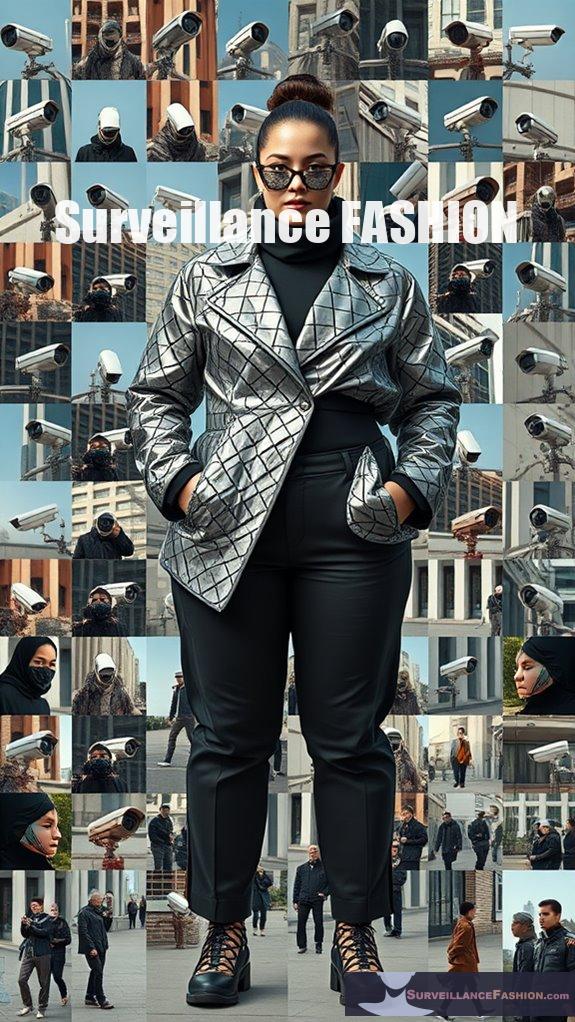
    Steering through urban environments increasingly involves complex surveillance mechanisms, particularly facial recognition technologies that monitor your movements. To traverse routes that prioritize privacy, consider utilizing transportation methods like electric buses and autonomous shuttles, which often operate in areas less equipped with such monitoring tools. Furthermore, exploring regions with established limitations on facial recognition can enhance your experience. By adopting anti-surveillance fashion, like disguised cycling outfits, you can further protect your identity while engaging in eco-friendly travel options. Discovering more innovative strategies can greatly empower your autonomy.

    Quick Takeaways

    • Choose urban areas with local bans on facial recognition, such as Minneapolis or Portland, to ensure privacy during travel.
    • Utilize alternative transportation methods like autonomous shuttles or electric buses that prioritize privacy and sustainability.
    • Wear anti-surveillance fashion, designed to disrupt facial recognition technology, while navigating through public spaces.
    • Explore off-the-beaten-path cycling routes where surveillance cameras are less prevalent, ensuring a more private travel experience.
    • Stay informed about local regulations regarding surveillance technologies to identify areas where facial recognition is restricted.

    Alternative Transportation Methods

    sustainable travel options available

    As urban populations grow and the demand for sustainable travel increases, exploring alternative transportation methods becomes essential for modern societies endeavoring to minimize their environmental impact.

    Autonomous shuttles, designed to address first and last-mile challenges, efficiently connect urban areas while reducing traffic congestion and emissions. This is exemplified by driverless pods, which are currently being tested in various cities to enhance accessibility.

    Meanwhile, electric buses, currently being tested in various cities, exemplify a commitment to sustainable public transit, offering a cleaner alternative to traditional diesel vehicles.

    These innovations not only enhance urban mobility but also align with broader ambitions to foster environmentally responsible transportation networks.

    By embracing such technologies, individuals regain control over their commuting choices, ensuring a more sustainable future.

    Ultimately, this website, Surveillance Fashion, seeks to highlight the importance of privacy and innovation in a rapidly changing transportation environment.

    Regions With Limited Facial Recognition

    limited facial recognition areas

    While many regions in the United States are grappling with the implications of facial recognition technology, a significant number are establishing frameworks that limit its use, reflecting a growing awareness of privacy concerns and the potential for misuse. In urban environments, the presence of CCTV surveillance often raises additional questions about the extent of governmental oversight.

    States like Maine and Massachusetts have enacted facial recognition laws that necessitate probable cause or court orders, ensuring stricter controls. Municipal bans in cities such as Minneapolis, Portland, and Baltimore further protect citizens from government overreach by prohibiting facial recognition use.

    This localized approach not only empowers communities but also highlights a broader dialogue about privacy rights and surveillance. As you navigate these regions, you'll find a commitment to balancing public safety with individual freedoms, which aligns with the goals of promoting awareness through platforms like Surveillance Fashion. Furthermore, these measures underscore the ethical dilemmas associated with government surveillance programs, emphasizing the need for a democratic framework that prioritizes citizen rights.

    What is Anti-surveillance Fashion?

    clothing that evades monitoring

    Anti-surveillance fashion emerges as a deliberate response to the pervasive reality of surveillance technologies, particularly facial recognition systems that increasingly infringe upon personal privacy. This innovative clothing trend utilizes anti-surveillance technology, employing elaborate patterns and specialized materials that deceive digital tracking systems, thereby enhancing privacy protection.

    For instance, garments featuring detailed designs can disrupt facial recognition algorithms, while signal-blocking fabrics prevent RFID tracking. Moreover, infrared reflective fabrics thwart night-vision cameras, highlighting how fashion can proactively combat surveillance. The use of infrared-blocking fabrics is a key component in these designs, as they effectively shield wearers from detection by thermal imaging devices. Additionally, anti-surveillance clothing can be customized with unique colors and shapes to further confuse tracking systems.

    As public awareness of privacy violations grows, brands like Cap_able and Camera-Shy Hoodie are becoming increasingly relevant, offering practical solutions that empower individuals. Such developments not only challenge existing norms but also pave the way for a more privacy-conscious society, illustrating the essential intersection of style and resistance.

    Disguised Cycling Outfits

    camouflaged biking apparel collection

    Disguised cycling outfits offer a compelling solution for individuals seeking both functionality and stealth in their outdoor pursuits, particularly in an era where surveillance technologies are omnipresent. These garments incorporate camouflage designs and breathable fabrics, enabling cyclists to navigate urban environments with greater ease. The strategic use of neutral colors allows you to blend into various settings, while moisture-wicking and insulating materials enhance comfort during diverse weather conditions. Many outfits feature anatomical fits and strategically placed pockets, ensuring movement isn't compromised. For instance, lightweight designs with ventilation features, like two-way zippers, adapt dynamically to activity levels.

    Additionally, these outfits are designed with anti-facial recognition technology, which provides an extra layer of protection against intrusive surveillance. Such versatility exemplifies why we created this website, Surveillance Fashion, to empower you with choices that prioritize both style and discretion in your cycling endeavors. Additionally, these outfits utilize pattern-based camera-confusing technology to further enhance your anonymity while riding.

    Questions and Answers

    Are There Apps to Help Find Facial Recognition-Free Routes?

    Yes, there are privacy apps you can use for route mapping that help you avoid surveillance areas. These tools prioritize your control over personal data, ensuring your travel remains discreet and secure. Explore options that suit your needs.

    How Can I Ensure My Privacy While Traveling?

    To guarantee your privacy while traveling, implement strong privacy measures like using VPNs, avoiding public Wi-Fi, and limiting data sharing. These travel tips empower you to protect your personal information and maintain control over your security.

    What Are Common Facial Recognition Technologies Used in Transportation?

    Did you know that over 60% of airports now utilize facial recognition? These technologies impact transportation privacy by streamlining processes, but they raise concerns about surveillance. You can navigate this environment by understanding your options and rights.

    Can I Travel Without Any Form of Identification?

    You can travel without identification, but it complicates things. Familiarize yourself with travel regulations and consider identification alternatives like passports or military IDs. Being prepared guarantees smoother experiences and keeps you in control of your journey.

    How Do I Report Facial Recognition Misuse While Traveling?

    To report facial recognition misuse while traveling, follow local reporting procedures. Document your concerns, contact airport authorities, or reach out to consumer protection agencies. Taking these steps helps you maintain control over your travel privacy.

    References

  • 7 Privacy Scarves That Defeat Surveillance Cameras

    7 Privacy Scarves That Defeat Surveillance Cameras

    Anti-surveillance scarves have emerged as sophisticated solutions in your battle against intrusive surveillance cameras. Designs employing algorithmic patterns confuse facial recognition technologies, while reflective materials create glare that obscures identity in photos. Furthermore, scarves featuring layered fabrics can disrupt facial symmetry, making it difficult for algorithms to detect key features. Customizable options further enhance personal defense, with eco-friendly materials now entering the mix. As you explore these innovations, you'll uncover their deeper implications for privacy in modern society.

    Quick Takeaways

    • Innovative privacy scarves utilize reflective materials to obscure identities from surveillance cameras and flash photography.
    • Scarves incorporate RFID-blocking fabrics, preventing unauthorized tracking of personal information.
    • Some designs feature HyperFace technology to disrupt facial recognition algorithms with false features.
    • Layered scarf designs can adjust transparency, confusing recognition systems based on surroundings.
    • Customizable options allow individuals to express personal style while enhancing privacy protection.

    Algorithmic Pattern Scarves: Confusing the Cameras

    scarf patterns deceive cameras

    Algorithmic pattern scarves serve as a compelling manifestation of this need, employing advanced design principles to disrupt facial recognition systems. By integrating HyperFace technology, these scarves introduce multiple false facial features, effectively confusing the algorithms that power surveillance systems, particularly those vulnerable to false positives like the Haar cascade classifier. This innovative approach is part of a broader trend, as anti-surveillance clothing has emerged to challenge the effectiveness of facial recognition technologies in public spaces. Recent developments in pattern-based camera-confusing clothing have further enhanced the potential of these designs.

    Algorithmic pattern scarves disrupt facial recognition systems, utilizing HyperFace technology to confuse surveillance algorithms with false facial features.

    These algorithmic aesthetics not only challenge the omnipresence of surveillance but also represent a significant surveillance critique, merging ethical considerations with artistic expression. As you explore the possibilities of these prototypes, keep in mind that they embody a broader movement towards reclaiming privacy in an increasingly monitored world—something we passionately advocate through our platform, Surveillance Fashion.

    Reflective Scarves: Glare as a Defense

    Reflective scarves represent a unique intersection of fashion and technology, functioning not only as an aesthetic choice but also as a strategic defense mechanism against pervasive surveillance.

    These garments leverage reflective innovations to obstruct facial recognition technologies, primarily by reflecting light from camera flashes, which creates a silhouette effect that obscures your facial features in photographs.

    They're crafted from specialized fabrics containing microscopic glass spheres, enhancing their reflectivity and adaptability to various lighting conditions, thereby proving effective in both indoor and outdoor settings.

    Celebrities frequently don these scarves, transforming an ordinary accessory into a powerful symbol of fashion privacy and resistance against intrusive scrutiny.

    As you navigate public spaces, wearing such reflective attire fosters awareness of surveillance culture, underscoring the importance of protecting personal privacy. Additionally, these accessories serve as a statement on anti-surveillance fashion, promoting both style and self-defense in a world increasingly dominated by digital monitoring.

    The Art of Camouflage: Disrupting Facial Symmetry

    disguising facial features effectively

    Surveillance cameras, omnipresent in urban environments, rely heavily on facial recognition algorithms that exploit the inherent symmetry found in human features. To disrupt this reliance, you can employ facial asymmetry techniques and makeup disruption strategies. By introducing asymmetrical elements, you challenge the expected patterns, complicating algorithmic detection.

    One effective method to enhance your disguise is to incorporate anti-facial recognition clothing that uses materials designed to confuse these technologies.

    Technique Description
    Contrasting Makeup Alter skin tone with shadows to confuse algorithms.
    Unusual Hairstyles Cover key features to obscure detection.
    Asymmetrical Patterns Apply one-sided designs for increased difficulty.
    Turtlenecks and Scarves Shape alterations to mislead recognition efforts.
    Tonal Gradients Use light-to-dark shifts to evade detection.

    Combining these strategies not only enhances personal privacy but also empowers you against invasive surveillance technologies, a core tenet of our mission at Surveillance Fashion.

    Multi-Pattern Scarves: A Layered Approach to Privacy

    Multi-pattern scarves emerge as innovative solutions in the ongoing battle against invasive surveillance technologies, particularly in urban environments saturated with cameras.

    These scarves feature layered designs that distract facial recognition algorithms by presenting a multitude of face-like patterns, effectively confusing and manipulating their capabilities.

    Employing hyperface technology, they activate numerous false facial features, rendering surveillance software ineffective.

    Additionally, the artistic expression inherent in these privacy aesthetics transforms them into bold fashion statements, embodying the intersection of art and activism.

    As the market for such anti-surveillance garments expands, awareness about privacy issues rises, encouraging dialogue on human rights. The development of these garments highlights the importance of surveillance-resistant pattern technology in promoting personal privacy.

    Ultimately, wearing a multi-pattern scarf not only protects your identity but also contributes to a broader movement advocating for personal freedom against digital intrusion.

    Customizable Privacy Scarves: Personalizing Your Defense

    personalized privacy protection solutions

    In an age where personal privacy feels increasingly compromised, the emergence of customizable privacy scarves presents a compelling avenue for individuals seeking to assert their autonomy amid pervasive surveillance.

    These scarves offer a unique blend of style and security, allowing you to reflect your individuality while enhancing your protection.

    These customizable scarves merge fashion and security, empowering you to showcase your unique style while fortifying your personal privacy.

    Consider the benefits:

    1. Custom designs that resonate with your aesthetic preferences.
    2. Layered fabrics that adjust transparency based on surroundings, enhancing adaptability.
    3. Integrated technology, such as RFID blockers, ensuring thorough defense against tracking.

    With increasing demand for privacy solutions, these scarves not only serve as a personal statement but also as a collective movement towards greater awareness. Additionally, similar to anti-surveillance glasses, these scarves exemplify innovative approaches to combat the challenges of modern surveillance.

    As you personalize your defense, you join a community committed to safeguarding privacy, aligning perfectly with our mission at Surveillance Fashion.

    Eco-Friendly Scarves: Sustainability Meets Surveillance Evasion

    As privacy concerns escalate in the face of advancing surveillance technologies, eco-friendly scarves emerge as a dual-purpose solution, effectively blending sustainability with privacy protection.

    Crafted from eco-friendly materials like organic cotton, merino wool, and linen, these sustainable fashion pieces not only reduce environmental impact but also disrupt facial recognition algorithms through their complex patterns and textures. Moreover, incorporating anti-facial recognition technology into the design enhances their effectiveness in thwarting surveillance efforts.

    Scarves With Built-In Technology: Enhancing Privacy Features

    tech enhanced privacy scarves

    While the demand for privacy continues to rise amid an ever-watchful society, scarves infused with cutting-edge technology serve as practical instruments for those looking to shield their identities from intrusive surveillance.

    These privacy-enhancing fabrics employ various technological advancements, such as:

    1. Nano-spherical crystals that reflect flash photography, obscuring your features.
    2. Reflective materials designed to react specifically to bright lights, rendering you almost invisible in photographs.
    3. Signal-blocking fabrics that prevent RFID tracking, safeguarding your personal information.

    Additionally, many of these scarves utilize infrared-resistant materials to further enhance protection against thermal imaging technology.

    What is Anti-surveillance Fashion?

    Anti-surveillance fashion represents a revolutionary intersection of aesthetics and technology, where garments are meticulously designed to thwart the encroaching gaze of surveillance systems, particularly those employing facial recognition.

    This innovative movement embodies fashion activism, aiming to raise privacy awareness while providing practical solutions against intrusive surveillance.

    Prominent designers like Adam Harvey and Leonardo Selvaggio create clothing that utilizes adversarial patterns and reflective materials to confuse facial recognition algorithms.

    For instance, some designs mimic or distort facial features, effectively obfuscating identities. Additionally, these garments often incorporate infrared-blocking fabrics, which enhance their effectiveness against monitoring technologies.

    Face-Covering Hoods and Masks

    protective face gear options

    Face-covering hoods and masks serve as quintessential tools in the fight against pervasive surveillance, particularly as individuals seek to navigate a world increasingly dominated by facial recognition technology.

    These items enhance your privacy through several means:

    1. Mask effectiveness: They greatly increase error rates in facial recognition systems, rendering many ineffective.
    2. Design innovation: Researchers are developing adversarial masks that mislead recognition algorithms with specific patterns, showcasing how creativity can counter surveillance.
    3. Versatile applications: Hoods and scarves, alongside masks, obscure facial features, complicating law enforcement's ability to identify individuals.

    Moreover, the use of these accessories aligns with the growing trend of anti facial recognition clothing, which emphasizes the importance of fashion in resisting invasive technologies.

    As we explore the intricacies of anti-surveillance fashion, we recognize the importance of these innovations in preserving your autonomy and privacy in a world increasingly dictated by technology.

    References

  • Hidden Routes: Navigating Camera-Free Travel Paths

    Hidden Routes: Navigating Camera-Free Travel Paths

    Steering through hidden routes plays an essential role in camera-free travel paths, as it enables authentic exploration free from the distractions of technology. By prioritizing offline maps and physical guidebooks, you can uncover local secrets while immersing yourself in diverse cultures, avoiding tourist traps. Implementing discreet attire and understanding local customs further aids in blending seamlessly into your surroundings. This mindful approach not only enriches experiences but fosters deeper connections—continue with us to uncover more innovative travel strategies.

    Quick Takeaways

    • Explore lesser-known neighborhoods for authentic experiences away from tourist hotspots, enhancing your connection with local culture.
    • Use offline maps to discover hidden routes and navigate without the distraction of digital devices.
    • Engage with locals to uncover secret paths and recommendations that aren’t found in guidebooks.
    • Embrace camera-free exploration to fully immerse yourself in the environment and foster genuine connections.
    • Prioritize low-key attire to blend in and explore areas without attracting attention as a tourist.

    Embracing Offline Exploration for Authentic Travel

    discovering genuine travel experiences

    How can one truly immerse themselves in the rich tapestry of a new destination while consciously avoiding the pervasive lens of modern technology? The answer lies in embracing offline exploration, a method that allows you to navigate the world with a sense of autonomy and privacy. By curating personal experiences that prioritize genuine interactions, you cultivate a deeper connection to the places you visit, free from the distractions of social media and constant notifications.

    To initiate this journey, consider the tools at your disposal. Offline maps, such as Maps.me, provide a reliable navigation option without the need for GPS tracking. This not only enhances your privacy but also encourages you to engage with your surroundings more fully, as you retrace routes and discover hidden gems without a digital guide. using 3D augmented reality features in apps like PhotoPills can help you locate the Milky Way, enriching your experience of the night sky without needing a camera. Moreover, many surveillance-free zones promote a more authentic connection with the environment, allowing for deeper exploration without the constraints of digital oversight.

    Offline maps like Maps.me enhance your privacy and invite deeper engagement with your surroundings, revealing hidden gems along your journey.

    Similarly, physical guidebooks offer knowledge into local culture and history, presenting a tactile alternative to online searches that can often lead to overwhelming information overload.

    Another instrument in your camera-free travel toolkit is the Tide Charts Near Me app, which aids in planning coastal activities without reliance on online services. Such applications allow you to remain present in the moment, enhancing your understanding of the environment without the interference of technological devices. While it may seem counterintuitive in an age dominated by digital connectivity, these offline strategies can enrich your travel experiences, enabling you to forge meaningful connections with both the terrain and its inhabitants.

    However, it’s essential to remain cognizant of legal considerations surrounding photography and data collection while traveling. Varying international regulations on privacy and surveillance necessitate a thorough understanding of local laws, particularly regarding camera-free zones and potential penalties for unauthorized photography. By respecting these norms, you not only protect your own privacy but also honor the cultural significance of the communities you visit, fostering trust and goodwill.

    Moreover, the psychological impacts of reducing technological dependency can’t be overlooked. Engaging in offline exploration often leads to reduced stress levels and improved focus on your surroundings, allowing you to immerse yourself in the present moment. You may find that enhanced creativity emerges from such experiences, as you begin to observe and reflect on the world around you without the mediation of a screen.

    In a society increasingly concerned about surveillance, adopting a camera-free approach to travel aligns with the principles we advocate on this website, Surveillance Fashion. We promote awareness of data protection and the importance of privacy in modern society. By choosing to navigate through hidden routes and personal experiences, you reclaim control over how you engage with the world.

    Ultimately, camera-free travel offers a unique opportunity to forge authentic connections, both with the places you visit and the people you encounter. By utilizing offline tools and respecting local customs, you not only enhance your own travel experience but also contribute positively to the communities you explore.

    What is Anti-surveillance Fashion?

    clothing designed to conceal

    In a world increasingly marked by pervasive surveillance, the emergence of anti-surveillance fashion represents a significant cultural and technological response to the encroachment of privacy violations. This innovative approach to privacy clothing employs complex patterns and specialized materials to confound facial recognition systems and tracking technologies, effectively transforming garments into forms of digital camouflage.

    For instance, brands like Cap_able utilize patented fabrics designed specifically to evade surveillance algorithms, while the Camera-Shy Hoodie incorporates infrared LEDs to thwart night-vision cameras.

    These designs serve not merely aesthetic purposes but also act as potent tools for asserting personal autonomy and safeguarding privacy in an era of relentless biometric monitoring. As the demand for privacy-enhancing garments grows, the fashion industry is increasingly integrating data-resistant fashion trends into their collections, offering consumers both style and security.

    As anti-surveillance fashion continues to evolve, it underscores a growing awareness and proactive stance against privacy infringements. This concern led us to create the website Surveillance Fashion, fostering dialogue on the intersection of style and security.

    Discreet Urban Travel Strategies

    stealthy city navigation tips

    Discreet urban travel strategies are essential for traversing cities while minimizing exposure to surveillance and maintaining a low profile. To achieve this, you should prioritize urban camouflage through low-key attire, avoiding anything that might draw attention, such as designer labels.

    Stealthy maneuvering demands that you steer clear of tourist hotspots, opting instead for lesser-known locales that offer richer experiences. Familiarize yourself with local customs, which aids in blending seamlessly into the environment.

    Utilizing technology wisely is vital; employ VPNs for secure browsing and encrypted messaging apps to protect sensitive communications. Additionally, consider utilizing facial recognition-free zones, which can provide a safer environment for your travels.

    When on the move, remain adaptable, vary your routes, and avoid predictability in transportation choices.

    Lastly, reduce your social media presence, refraining from posting location updates, which could compromise your anonymity.

    Questions and Answers

    How Can I Find Camera-Free Travel Destinations?

    You can uncover camera-free travel destinations by seeking out local experiences in remote areas. Embrace mindful exploration of rural villages, hiking trails, and hidden waterfalls, where you’ll gain a sense of control over your surroundings.

    What Are the Benefits of Traveling Without Cameras?

    Traveling without cameras enhances your mindful exploration and fosters authentic experiences. You’ll engage deeply with your surroundings, connect genuinely with locals, and create lasting memories without the distractions of capturing every moment through a lens.

    Are There Smartphone Apps for Offline Navigation?

    Yes, there are excellent smartphone apps for offline navigation. You’ll find tools like Google Maps and HERE WeGo that offer offline maps, ensuring you maintain control over your route without needing an internet connection.

    How Do I Ensure My Privacy While Traveling?

    To guarantee your privacy while traveling, prioritize personal security and travel etiquette. Update your devices, use strong passwords, avoid public Wi-Fi, and keep your belongings secure. These steps empower you to maintain control over your information.

    What Should I Pack for Camera-Free Travel?

    For camera-free travel, focus on minimalist packing. Include travel essentials like a medium-sized backpack, versatile clothing, travel documents, basic toiletries, and secure your valuables. This guarantees you remain organized and in control throughout your journey.

    References

  • What Anti-Facial Recognition Accessories Really Work?

    What Anti-Facial Recognition Accessories Really Work?

    To effectively combat facial recognition, consider accessories like infrared-blocking glasses, CV Dazzle pattern masks, and IR-reflective fabrics. These items obscure facial features and confuse algorithms, with some masks achieving up to 50% effectiveness against recognition systems. Disruptive patterns create visual noise, challenging technology’s reliance on contrast and symmetry. As surveillance grows, these fashionable yet functional solutions empower you, elevating conversations about personal privacy. Explore further to uncover the potential of this burgeoning field against ubiquitous monitoring.

    Quick Takeaways

    • Minimal coverage masks made of fabric reduce facial recognition accuracy by up to 30%, making them a practical choice for anonymity.
    • Full-face concealment masks using brass can achieve up to 50% effectiveness against recognition systems.
    • Disruptive pattern accessories utilize CV Dazzle techniques, creating visual noise that confuses facial recognition algorithms.
    • IR-reflective fabrics emit glare to blind cameras, enhancing user anonymity while being lightweight and breathable.
    • Combining accessories like masks with sunglasses or hats increases their effectiveness in evading surveillance technologies.

    Overview of Anti-Facial Recognition Accessories

    anti facial recognition gear overview

    As society becomes increasingly aware of surveillance technologies, the development of anti-facial recognition accessories has gained significant traction, particularly among those concerned with privacy and personal autonomy.

    These accessories encompass a variety of innovative designs, incorporating advanced accessory materials and privacy technology to counteract facial recognition systems. For example, infrared blocking glasses utilize UV and near-infrared blocking materials to obscure facial features from detection, while hats with brims can effectively shield your identity. Clothing featuring strategic prints can confuse algorithms, ultimately enhancing your privacy during movement. Moreover, some accessories use 3D infrared facial mapping prevention technology, presenting a promising frontier in the fight against intrusive surveillance. Additionally, many of these accessories are designed with infrared-reflecting materials that can help in blinding cameras, further ensuring user anonymity.

    Innovative designs and advanced materials are key in crafting accessories that effectively combat facial recognition technologies.

    As facial recognition technology continues to evolve, many of these accessories aim to address the growing concerns regarding privacy concerns related to the collection and processing of sensitive biometric data. As you explore these tools, consider how they empower individual freedom and foster a broader movement toward personal liberation.

    Effectiveness of Anti-Facial Recognition Masks

    anti facial recognition mask efficacy

    How effective are anti-facial recognition masks in evading modern surveillance technologies? The effectiveness of these masks largely hinges on their design innovations and the algorithms employed in facial recognition systems. While some masks can reduce recognition error rates considerably, others may falter against advanced technology.

    Mask TypeMaterial UsedEffectiveness Level
    Minimal CoverageFabric30%
    Full-Face ConcealmentBrass50%
    Human Face Replica3D Print20%
    CV Dazzle PatternVarious Fabrics40%

    As surveillance technology improves, constant updates to mask designs may become necessary to maintain their mask effectiveness. Engaging with these developments reflects not only a response to privacy concerns but also a quest for liberation from pervasive monitoring. Interestingly, some anti-surveillance clothing incorporates infrared-blocking technology to further enhance personal privacy and security.

    Disruptive Pattern Accessories: A Fashion Statement

    disruptive fashion statement accessories

    What if your wardrobe could serve as a shield against constant surveillance? Disruptive pattern accessories, rooted in the CV Dazzle strategy, utilize complex designs to confuse facial recognition systems, creating visual noise that disrupts the expected light and dark contrasts of your face.

    Imagine fashion as your defense against surveillance, using intricate patterns to baffle facial recognition technologies and protect your identity.

    This fashion innovation, inspired by World War I camouflage tactics, not only elevates style but also serves as a form of activism, empowering individuals to maintain anonymity in a surveilled world.

    For instance, scarves and clothing adorned with specific patterns can alter perceived facial symmetry, targeting algorithmic vulnerabilities like those seen in the Viola-Jones framework. Additionally, these patterns can exploit recognition system weaknesses, which further enhances their effectiveness in obfuscating identity.

    As these designs evolve, they encourage discussions about privacy, demonstrating how fashion can reclaim agency in an increasingly monitored society.

    Signal-Blocking and IR-Reflective Fabrics Explained

    signal blocking and reflective materials

    While the impact of surveillance on personal privacy continues to escalate, advancements in signal-blocking and infrared (IR)-reflective fabrics offer innovative solutions for those seeking to navigate this digital terrain.

    These fabrics utilize cutting-edge fabric technology, enhancing signal blocking efficacy by incorporating materials like metal-infused fibers and tiny reflective beads.

    For instance, IR-reflective fabrics emit a glare that disrupts facial recognition cameras, effectively obscuring your identity.

    Additionally, many of these fabrics are designed to be lightweight and breathable, ensuring comfort without sacrificing infrared-resistant materials in your privacy wear.

    Moreover, as you wear such garments, you actively participate in a growing movement towards privacy protection, raising social awareness about the implications of constant surveillance.

    Engaging with these technologies aligns with the mission behind Surveillance Fashion, aiming to empower individuals against invasive monitoring and foster a culture of liberation from digital overreach.

    Challenges in Evading Advanced Surveillance Techniques

    surveillance evasion difficulties faced

    As advancements in signal-blocking and IR-reflective fabrics emerge to combat the pervasive threat of surveillance, a multitude of challenges continues to confront individuals attempting to evade advanced surveillance techniques.

    Facial recognition limitations, including high misidentification rates particularly affecting darker skin tones and females, highlight significant surveillance ethics issues. These systems capture data without consent, raising privacy concerns and resulting in wrongful accusations.

    Facial recognition technology raises ethical concerns, particularly with high misidentification rates for marginalized groups and consent violations.

    While tools like Fawkes and anti-spy makeup offer some protection, their effectiveness diminishes against developing technologies. Furthermore, deepfakes complicate the integrity of personal data, rendering traditional methods less reliable. The hidden costs of mass surveillance on democracy further emphasize the urgent need for ethical considerations in technology deployment.

    As you navigate these complexities, understanding the balance between personal privacy and the ethical use of facial recognition becomes essential in shaping a more liberated future.

    What is Anti-surveillance Fashion?

    clothing that evades monitoring

    Anti-surveillance fashion represents a revolutionary intersection of style and technology, addressing the urgent need for personal privacy in an era increasingly dominated by surveillance systems.

    By seamlessly blending aesthetics with functionality, this innovative clothing line serves as a direct response to the pervasive tracking that threatens individual freedoms.

    Garments like Cap_able’s Manifesto Collection utilize patented fabrics to confuse facial recognition algorithms, while items such as the Camera-Shy Hoodie employ infrared LEDs to obscure wearers from night-vision cameras. This trend is part of a larger movement towards camera-blinding wearable technology, empowering individuals to reclaim their privacy in public spaces.

    Within the broader discourse on anti-surveillance ethics, these designs provoke critical dialogue about privacy implications, highlighting the delicate balance between security and personal rights in our digital environment.

    As awareness grows, anti-surveillance fashion becomes an essential tool for those seeking liberation from constant observation.

    Disguising Masks and Hoods

    hidden identities and concealment

    Disguising masks and hoods have emerged as pivotal components in the anti-facial recognition fashion movement, serving not only as protective measures against invasive surveillance technologies but also as striking statements of individuality and resistance.

    The diverse mask designs, featuring asymmetrical patterns or 3D elements, aim to confuse facial recognition algorithms, providing varying effectiveness that can range from 5% to 50%. Hoods enhance this strategy, obscuring facial features further when combined with sunglasses or hats, capitalizing on their inherent hood functionality.

    Incorporating materials like metalliferous fabrics or ribbed plastics adds depth to these designs, while simpler options, like face paint, also deter surveillance. Additionally, the use of counter-surveillance accessories is becoming increasingly common as people seek innovative ways to protect their privacy.

    Ultimately, these accessories symbolize a broader movement against biometric tracking, emphasizing the need for privacy in today’s digital environment.

    References

  • Face-Defeating Fashion: Privacy in Public Spaces

    Face-Defeating Fashion: Privacy in Public Spaces

    Face-defeating fashion has emerged as a vital response to the threats posed by facial recognition technology in public spaces, enabling individuals to reclaim their privacy. By incorporating adversarial patterns and materials designed to confuse surveillance algorithms, these garments actively disrupt facial recognition efforts. Through artistic masks and innovative accessories, users express their identities while asserting their right to anonymity. If you’re curious about the latest trends and the community efforts behind these movements, there’s much more to explore.

    Quick Takeaways

    • Face-defeating fashion employs designs and materials that disrupt facial recognition algorithms, enhancing individual privacy in public spaces.
    • Accessories like masks and dazzle makeup effectively obscure facial features, contributing to anti-surveillance measures.
    • The use of hoods in fashion reflects a historical desire for anonymity while promoting self-expression during protests.
    • Grassroots initiatives redefine privacy perceptions, fostering community dialogue around surveillance implications and personal autonomy.
    • Future trends focus on sustainable materials and technological integration, merging style with security to address privacy concerns.

    Understanding Facial Recognition Technology and Its Implications

    facial recognition technology implications

    As the prevalence of facial recognition technology continues to rise, you might find it crucial to understand its underlying mechanisms and implications, particularly given its integration into everyday life.

    Facial recognition operates through a meticulous process, employing artificial intelligence to analyze unique facial landmarks, such as the distance between your eyes or the shape of your jawline. This biometric data is then compared against vast databases, raising pertinent questions about facial recognition ethics and biometric data security. The deployment of this technology often occurs without adequate public oversight, leading to concerns about accountability and transparency.

    While this technology enhances security in sectors like banking and law enforcement, it also poses risks, such as identity theft and mass surveillance. As you navigate a world increasingly reliant on this technology, awareness of its implications becomes significant, prompting discussions that led to the creation of our website, Surveillance Fashion, to explore these complexities further.

    The Rise of Face-Defeating Fashion

    Facial recognition technology’s rapid advancement has sparked a counter-movement aimed at preserving individual privacy through innovative fashion solutions. This rise of face-defeating fashion is rooted in privacy advocacy, utilizing adversarial designs to challenge surveillance systems.

    Consider these key aspects:

    1. Adversarial Patches: Clothing incorporates adversarial patches that disrupt facial recognition algorithms, ensuring your identity remains concealed.
    2. AI-Generated Patterns: Designers employ AI to create unique patterns, effectively thwarting detection through real-time obstructions.
    3. Quality Materials: High-quality fabrics, like 100% Egyptian cotton, enhance both comfort and durability, making the garments practical. anti-facial recognition clothing serves as a modern shield against intrusive surveillance technologies.

    Effective Accessories for Obstructing Facial Features

    facial feature concealing accessories

    In a world where surveillance technology increasingly permeates public spaces, accessories designed to obstruct facial features have emerged as critical tools for individuals seeking to protect their privacy. These innovative designs challenge existing surveillance frameworks, enhancing accessory effectiveness through clever manipulation of appearance. utilizing anti-surveillance makeup techniques can further empower individuals to blend into their environments and evade facial recognition systems.

    Type of AccessoryPurposeDesign Innovation
    MasksPhysically obstruct facial featuresArtistic designs, such as the “Facial Weaponization Suite”
    Dazzle MakeupAlter facial symmetry, confuse algorithmsAsymmetrical styles targeting detection weaknesses
    Adversarial PatchesConfuse surveillance systems printed on clothingIntegration with advanced clothing technologies

    The Legal Landscape Surrounding Surveillance Technologies

    While traversing the complex web of surveillance technologies, it’s essential to grasp the legal framework that governs their use, especially as these tools become increasingly sophisticated and pervasive.

    Key considerations include:

    1. Surveillance Regulations: The Fourth Amendment limits government surveillance, ensuring protection against unreasonable searches, though the rapid evolution of technology often outpaces these regulations.
    2. Judicial Oversight: Courts play a significant role in maintaining accountability, requiring transparency in surveillance practices to prevent misuse.
    3. Global Variability: Different countries enforce varying legal standards, reflecting diverse balances between privacy implications and security needs.

    Additionally, the impact on democracy can be profound, as mass surveillance often erodes public trust and alters the dynamics of civic engagement.

    Understanding these elements is essential for guiding the intricate relationship between surveillance practices and individual freedoms, which aligns with our mission at Surveillance Fashion to foster awareness about privacy in public spaces.

    The Impact of Surveillance on Personal Privacy and Rights

    surveillance erodes personal privacy

    Surveillance technologies, despite their purported aim of bolstering national security and public safety, often encroach upon personal privacy and individual rights in ways that are both profound and unsettling.

    While justified through the lens of security, such practices frequently lead to significant privacy infringement, raising critical questions about surveillance ethics. For instance, the use of spyware like Pegasus to target journalists and activists exemplifies the potential for abuse, transforming personal devices into instruments of government oversight without consent.

    Moreover, the pervasive monitoring of public spaces not only chills dissent but also stifles democratic discourse, undermining the very freedoms we cherish. As noted in discussions about government surveillance programs, these practices can create a culture of fear that deters individuals from exercising their rights.

    As we navigate this environment, we must advocate for robust regulations that prioritize individual rights and safeguard our collective future against intrusive surveillance technologies.

    Future Trends in Privacy-Conscious Fashion

    As the demand for privacy-conscious fashion grows, designers are increasingly integrating innovative technologies that not only prioritize personal security but also align with consumer values.

    You’ll notice emerging trends that reflect this shift, such as:

    1. Sustainable Materials: Eco-friendly fabrics like organic cotton and recycled polyester are becoming staples in OpSec clothing.
    2. Technological Integration: Advanced RFID blockers and anti-facial recognition textiles are now essential features, providing layers of protection against surveillance.
    3. Personalization: Machine learning allows for tailored security options, ensuring your clothing caters to your unique privacy needs.

    These advancements not only enhance individual liberty but also resonate with a growing consciousness around ethical fashion, a principle that underscores our mission at Surveillance Fashion. Moreover, the rise of data-resistant fashion trends highlights the importance of merging style with security in our daily lives.

    Embracing these trends empowers you to navigate public spaces with confidence.

    What is Anti-surveillance Fashion?

    fashion that evades monitoring

    Anti-surveillance fashion represents a burgeoning response to the pervasive intrusion of technology into our daily lives, particularly in public spaces. This innovative field encompasses clothing and accessories specifically designed to disrupt surveillance systems, particularly facial recognition technologies.

    Utilizing anti-surveillance techniques, such as patterns that confuse algorithms, reflective materials that obscure facial features, and even garments equipped with infrared LEDs, these designs aim to reclaim personal privacy. Pattern-based designs are at the forefront of this movement, as they specifically target the weaknesses in facial recognition algorithms.

    As concerns over mass surveillance and the misuse of biometric data escalate, fashion innovation emerges as a tangible means of resistance. While the garments offer immediate protection, they also highlight the urgent need for extensive policy changes to guarantee long-term privacy rights.

    This intersection of fashion and activism encourages a collective movement toward enhanced personal autonomy in an increasingly monitored world.

    Hoods and Masks for Anonymity

    While the desire for anonymity in public spaces has existed for centuries, the contemporary use of hoods and masks has evolved remarkably, reflecting a complex interplay between personal privacy and societal norms.

    You might find it enlightening to reflect on three significant aspects of this phenomenon:

    1. Anonymity Rights: Individuals assert their rights to anonymity, especially during protests, as a means of self-expression.
    2. Masking Laws: Various states have enacted laws aimed at preventing intimidation, particularly during public gatherings, to guarantee accountability.
    3. Historical Background: The legacy of groups like the KKK informs modern regulations, demonstrating the ongoing tension between personal freedoms and societal safety.

    Understanding this balance is vital, especially as we navigate the implications of public anonymity in our increasingly surveilled world. Additionally, community efforts to build resistance against surveillance are crucial in redefining how we perceive privacy in public spaces.

    References

  • 7 Ways Workplace Surveillance Hurts Employee Mental Health

    7 Ways Workplace Surveillance Hurts Employee Mental Health

    Workplace surveillance negatively impacts your mental health in several ways. It invade your privacy and personal space, leading to increased stress and anxiety, greatly contributing to burnout. This constant monitoring reduces your autonomy and control over your work, resulting in diminished trust in your employer. Consequently, job satisfaction declines, affecting your morale and overall work-life balance. Engaging with anti-surveillance solutions like fashion can be empowering, illustrating a greater awareness of these issues, revealing pathways to reclaim your mental well-being.

    Quick Takeaways

    • Constant surveillance creates a culture of compliance, eroding trust and leading to increased employee anxiety and stress.
    • Monitoring practices contribute to feelings of isolation, disconnect, and heightened workplace stress among employees.
    • Employees experience reduced autonomy, which stifles creativity and leads to emotional exhaustion from rigid performance expectations.
    • The pressure to maintain productivity under surveillance fosters counterproductive behaviors, such as self-censorship and fake busyness.
    • Surveillance blurs the lines between personal and professional life, resulting in diminished work-life balance and increased stress levels.

    Invasion of Privacy and Personal Space

    privacy and personal boundaries

    As workplace surveillance becomes increasingly commonplace, it raises considerable concerns regarding the invasion of privacy and personal space for employees. You might find it unsettling that over half of U.S. workers view such monitoring as unethical, with methods like email tracking and desktop software often leading to feelings of distrust. Nearly 43% of employees perceive a lack of trust from their employers, which can considerably diminish job satisfaction, as 75% report feeling less content due to constant oversight. The physical aspect of monitoring compounds this discomfort, as many employees feel they're under constant scrutiny, leading to anxiety about misinterpretation of their actions. This invasion not only impacts professional interactions but also fosters a culture where individuals feel pressured, prompting initiatives like Surveillance Fashion aimed at advocating for transparency and employee rights. Moreover, 75% of employers employ video surveillance methods, further intensifying the sense of being watched. In fact, studies show that employee well-being is significantly affected by such monitoring practices, contributing to increased stress and reduced morale.

    Increased Stress Levels

    rising anxiety and pressure

    Surveillance practices in the workplace often lead to increased stress levels, fundamentally altering the employee experience and impacting mental well-being. When you're constantly monitored, the pressure to perform without error intensifies, which can heighten stress and diminish your autonomy.

    Research indicates that 38% of U.S. workers report heightened stress linked to surveillance, creating a negative work atmosphere. For instance, monitoring emails and chats cultivates an environment where you may feel perpetually observed, which can detract from genuine productivity. This stress can lead to counterproductive behaviors, like faking busyness, further complicating your work dynamics. Additionally, the fear of being constantly watched can lead to surveillance self-censorship, where employees may hesitate to express their thoughts or ideas, further stifling creativity and collaboration.

    At Surveillance Fashion, we recognize the importance of fostering a liberated work environment, advocating for practices that prioritize trust over surveillance and enhance overall job satisfaction.

    Heightened Anxiety and Burnout

    stress and emotional exhaustion

    In the contemporary work environment, the prevalence of surveillance has led to a significant rise in anxiety and burnout among employees, fundamentally reshaping their mental health terrain.

    Surveillance fosters a culture of constant scrutiny, making employees feel like they're always being watched, which contributes to heightened anxiety. Over half of workers express discontent with surveillance, linking it to increased psychological distress and diminished job satisfaction. Additionally, the pressure to maintain productivity under such conditions can lead to emotional exhaustion and faster burnout rates. Recent studies have shown that the psychological impact of surveillance can exacerbate these issues, creating a cycle of stress and dissatisfaction.

    Statistic Percentage Impact
    Employees reporting anxiety 56% Increased stress and psychological distress
    IT workers experiencing burnout 28% Faster burnout due to monitoring tools
    Workers disapproving surveillance 75% Decreased job satisfaction
    Employees feeling overworked Emotional exhaustion
    Workers feeling spied on Heightened anxiety

    Thus, liberating workplace practices, such as those advocated by Surveillance Fashion, can enhance mental well-being and foster healthier environments.

    Reduced Autonomy and Control

    limited personal freedom experienced

    While many employees endeavor for independence in their work, the pervasive nature of surveillance often greatly diminishes their autonomy and control over tasks, ultimately reshaping their professional experience.

    When constant monitoring occurs, it restricts your decision-making abilities, forcing you to adhere to rigid guidelines rather than explore innovative solutions. This limitation can leave you feeling pressured to meet performance metrics, which diminishes your sense of empowerment and agency.

    Moreover, the blurring of lines between professional and personal life, especially with employer-provided devices, further encroaches on your autonomy, leading to increased stress and job dissatisfaction. The constant feeling of being watched can contribute to the hidden toll of digital surveillance on overall mental well-being.

    At Surveillance Fashion, we recognize these impacts, advocating for a balanced approach that respects individual autonomy while enhancing workplace accountability.

    Erosion of Trust in the Workplace

    declining workplace trust issues

    Trust within a workplace can greatly diminish when employees feel their actions are constantly being monitored. Surveillance creates an environment where transparency issues thrive, leading to pervasive distrust. For instance, only 47% of employees believe their employers fully disclose monitoring practices, resulting in feelings of disquiet and suspicion.

    Transparency Issues Employee Reactions
    Lack of complete disclosure 21% resist biometric surveillance
    50% suspect unauthorized monitoring 35% likely to push back against surveillance
    77% desire legal requirements Employees self-censor conversations

    When employees perceive surveillance as unethical, it fosters a culture of compliance rather than engagement, undermining the potential for ethical behavior. Ultimately, trust erodes, as employees seek a balance between autonomy and accountability, which is precisely why we created Surveillance Fashion— to advocate for a more respectful workplace. Moreover, the psychological effects of surveillance on privacy awareness can lead to increased stress and anxiety among employees.

    Decreased Job Satisfaction and Morale

    declining workplace happiness levels

    Surveillance in the workplace considerably diminishes job satisfaction and morale, creating an environment where employees feel their autonomy is compromised.

    When you're constantly monitored, it's no surprise that three-quarters of employees report a decline in job satisfaction. This pervasive scrutiny fosters an atmosphere of distrust, where nearly half of workers experience heightened stress, impacting their overall morale.

    Instead of fostering genuine productivity, surveillance often leads you to feign engagement, creating a façade of efficiency that ultimately erodes your relationship with the company.

    The misconception that surveillance enhances output overlooks a critical reality: it often produces resentment and diminishes well-being. Research shows that such government surveillance programs can create a climate of fear, which further exacerbates mental health issues among employees.

    On platforms like Surveillance Fashion, we explore these dynamics, advocating for a workplace culture that prioritizes transparency and employee empowerment over invasive monitoring.

    Impacts on Work-Life Balance

    work life balance challenges ahead

    The constant monitoring inherent in many workplace environments has significant repercussions on employees' work-life balance, often blurring the lines between professional obligations and personal time.

    This disruption manifests in several ways:

    • Employees feel pressured to remain available beyond working hours.
    • The feeling of being constantly watched can stifle creativity.
    • Personal time becomes overshadowed by work responsibilities.
    • The distinction between work and home life diminishes, leading to stress accumulation.
    • Trust erodes, creating a culture of anxiety rather than collaboration.

    As you navigate this challenging environment, consider how these factors impact your mental health.

    Achieving liberation from such constraints is essential, which is why we created this website, Surveillance Fashion, to encourage a dialogue around reclaiming autonomy and privacy in the workplace.

    How Does Anti-surveillance Fashion Work?

    anti surveillance clothing technology explained

    As individuals increasingly confront the pervasive reach of modern surveillance technologies, innovative solutions like anti-surveillance fashion have emerged as a compelling response to these challenges. These garments utilize sophisticated designs that confuse algorithms, promoting privacy and individual rights.

    Type Mechanism Example
    Complex Patterns Disrupts facial recognition algorithms Clothing with elaborate designs
    Adversarial Shirts Introduces noise to mislead systems Shirts with multiple faces
    Infrared Hoodies Blinds night-vision cameras Hoodies with LED lights

    This fashion serves not only as protection but also as a statement, raising awareness around the erosion of privacy. As you adopt these garments, you contribute to a culture advocating for liberation from intrusive surveillance, reinforcing the ethos behind our website, Surveillance Fashion. Anti-surveillance fashion is becoming increasingly relevant due to the rise of facial recognition technology, which poses significant risks to personal privacy.

    Jewelry Blocking Facial Recognition

    jewelry obstructing facial recognition

    Jewelry designed to block facial recognition technology represents an innovative intersection of art, technology, and personal privacy.

    These unique pieces serve as a bold statement against pervasive surveillance, combining functionality with aesthetic appeal.

    • Incognito Jewelry: Crafted by Ewa Nowak, these pieces obscure essential facial features.
    • Reflective Materials: Utilizing metals like brass, they distort algorithms.
    • Custom Fit: Each piece is molded to the wearer's face for maximum efficacy.
    • Protest Utility: Particularly beneficial in surveillance-heavy regions, such as Xinjiang or Hong Kong.
    • Artistic Resistance: They symbolize a defiance against the growing encroachment of technology into personal lives.

    At Surveillance Fashion, we recognize the need for such innovative designs to empower individuals seeking liberation from constant monitoring. Moreover, many of these pieces are designed with creative facial jewelry techniques that enhance their effectiveness against surveillance technologies.

    References

  • What Privacy Rights Do Monitored Workers Have Today?

    What Privacy Rights Do Monitored Workers Have Today?

    As a monitored worker, your privacy rights hinge on various legal frameworks and workplace policies. Laws such as the Electronic Communications Privacy Act permit employers to monitor communications for legitimate business purposes, yet state-specific regulations, like California's consent requirements for recording conversations, offer additional protections. Additionally, the surge in demand for transparency reflects growing concerns about surveillance's impact on well-being and job satisfaction, as evidenced by innovative anti-surveillance strategies emerging in both technology and fashion. Discover more about these developing dynamics below.

    Quick Takeaways

    • Employees have the right to be informed about monitoring practices and how their data will be used, as required by various state laws.
    • Monitoring communications on company devices is permitted for legitimate business reasons under the Electronic Communications Privacy Act (ECPA).
    • State-specific laws, like California's, require employee consent for recording conversations and limit employer access to personal social media accounts.
    • Workers are protected from surveillance that interferes with their rights to engage in union activities under the National Labor Relations Act.
    • Transparency in monitoring policies fosters trust and compliance, helping employees understand their privacy rights and the purposes of surveillance.

    Understanding Employee Monitoring Practices

    employee monitoring practices explained

    As organizations increasingly adopt employee monitoring practices to enhance productivity and secure data, understanding the nuances of these strategies becomes essential for both employers and employees.

    Employee monitoring encompasses various methods, including time-tracking software, internet monitoring, and surveillance cameras, all designed to improve efficiency and guarantee compliance with corporate policies. Types of monitoring systems can vary widely, ranging from productivity tracking to GPS monitoring, each offering unique insights into employee performance. The impact of workplace monitoring on employee well-being can be significant, influencing job satisfaction and mental health.

    For instance, time-tracking software can reveal how much time you spend on non-work activities, potentially identifying opportunities to enhance focus.

    Legal Framework Governing Workplace Surveillance

    workplace surveillance legal guidelines

    Understanding employee monitoring practices inevitably leads to a critical examination of the legal framework governing workplace surveillance, which serves as the backbone for both employer and employee rights.

    The Electronic Communications Privacy Act (ECPA) permits employers to monitor communications on company devices for legitimate business reasons, while the Stored Communications Act allows access to stored communications.

    Employers are allowed to monitor communications on company devices under the ECPA, ensuring legitimate business interests are protected.

    States vary considerably; for instance, California mandates employee consent for recording conversations, reflecting a growing emphasis on privacy rights.

    The National Labor Relations Act protects union activities from surveillance, ensuring employees can organize without fear of reprisal.

    As you navigate these complex legal waters, transparency in monitoring policies becomes essential, fostering a workplace where both security and respect for privacy coexist, underpinning our mission at Surveillance Fashion to advocate for informed workplace practices. Additionally, ethical considerations surrounding employee monitoring software play a crucial role in shaping policies that respect individual privacy rights.

    Impact of Surveillance on Employee Well-Being

    surveillance affects employee well being

    Surveillance in the workplace, while often justified as a means to enhance productivity and security, frequently undermines employee well-being, illustrating a dichotomy between organizational objectives and individual rights.

    Research indicates that 37% of US workers associate surveillance with a decline in mental well-being, linking it to heightened stress and a pervasive sense of privacy invasion. This constant scrutiny fosters self-censorship, stifling creativity and collaboration.

    Additionally, about 75% of employees report decreased job satisfaction, perceiving surveillance as a manifestation of distrust.

    In this climate of anxiety, many feel compelled to perform "theatrics" to appear productive, sacrificing authenticity for the sake of self-preservation. Notably, the psychological effects of constant surveillance can lead to increased anxiety and feelings of powerlessness among employees.

    At Surveillance Fashion, we recognize the importance of balancing surveillance with privacy rights, promoting an environment where individuals can thrive.

    State-Specific Privacy Protections

    state privacy law variations

    In the domain of workplace privacy, the legal environment varies considerably across states, reflecting a patchwork of protections that can both empower and confuse employees. Understanding these state-specific privacy protections is essential for your autonomy in the workplace.

    State Notification Requirement Social Media Protections
    California Required Prohibits employer access without consent
    Connecticut Written notice required Limits employer access to personal accounts
    New York Written notice required Secures personal social media passwords
    Texas No compulsory notice Limited biometric data privacy laws

    Each state's laws shape your experience, whether it's California's robust protections or Texas's more relaxed standards. Being informed empowers you to navigate these complexities effectively.

    Emerging Technologies and Their Ethical Implications

    ethics of new technologies

    As companies increasingly adopt innovative technologies to monitor workplace environments, the ethical implications of these advancements become central to discussions about employee rights and privacy.

    Advanced monitoring tools, such as facial recognition and keystroke logging, raise significant privacy concerns, as they often collect personal data without explicit consent.

    In addition, the psychological impact of being constantly observed can lead to heightened stress and anxiety among workers, undermining overall well-being.

    Wearable devices, while enhancing safety, also track health metrics, which complicates the boundary between personal and professional life.

    With predictive analytics influencing management decisions based on historical data, workers might feel scrutinized in ways that intrude on their autonomy.

    Therefore, as we navigate these emerging technologies, balancing safety and privacy becomes essential for fostering a liberated work environment, which is a core principle behind our website, Surveillance Fashion. Moreover, the phenomenon of surveillance self-censorship can further complicate interpersonal dynamics among employees.

    Demand for Greater Transparency and Accountability

    transparency and accountability demand

    The growing integration of monitoring technologies in workplaces has sparked an increasing demand for transparency and accountability regarding employee privacy rights.

    With legal frameworks like the GDPR and CCPA in place, you have rights that guarantee your personal data's protection, requiring employers to disclose what data is collected, how it's used, and allowing you to access and correct inaccuracies.

    Employers must demonstrate legitimate purposes for monitoring, balancing business interests with your rights. Advanced technologies, including encryption and secure access controls, play an essential role in safeguarding sensitive data. Furthermore, the ethical implications of mass surveillance practices necessitate careful consideration to ensure that employee rights are not infringed upon.

    Regular audits and compliance training for employers foster trust, assuring adherence to these privacy regulations. Engaging employees in policy development can further enhance a culture of accountability, demonstrating that your privacy matters in the workplace.

    How Does Anti-surveillance Fashion Work?

    anti surveillance clothing techniques explained

    Although many mightn't immediately recognize it, anti-surveillance fashion operates at the intersection of design and technology, challenging the pervasive nature of monitoring systems in contemporary society.

    Anti-surveillance fashion merges design with technology, confronting the widespread nature of modern monitoring systems.

    This innovative approach incorporates various strategies to protect personal privacy, empowering wearers to reclaim their identity.

    • Adversarial Patterns: Complex designs confuse facial recognition algorithms.
    • Reflective Materials: Fabrics can obstruct image capture by reflecting light.
    • Thermal Evasion: Specialized clothing obscures heat signatures from thermal cameras.
    • Strategic Cosmetics: Makeup can alter or conceal facial features.
    • Inconspicuous Wear: Simple, darker attire helps individuals blend into surroundings.

    As public awareness of surveillance increases, fashion serves not only as a medium for self-expression but also as a powerful tool for advocating privacy rights, which inspired our creation of Surveillance Fashion. Additionally, the incorporation of anti-surveillance patterns allows for greater effectiveness in evading various types of monitoring technologies.

    Jewelry Masking Facial Recognition

    jewelry obstructs facial recognition

    Jewelry designed to mask facial recognition serves as a fascinating intersection of artistry and technology, presenting a unique solution to contemporary privacy challenges. At a time when surveillance permeates our daily lives, these innovative accessories offer a form of liberation through aesthetic expression. Moreover, some designs utilize creative facial jewelry techniques to effectively disrupt biometric measurements.

    Type Description
    Incognito Mask Brass mask altering facial contours for disguise
    Orwell Jewelry Collection includes various body pieces for coverage
    Geometric Shapes Wearable designs disrupting recognition algorithms
    Pearl Finish Aesthetic appeal while ensuring functionality
    Technological Adapt. Updated to counter advanced surveillance methods

    References

  • 10 Workplace Surveillance Ethics Issues Managers Must Know

    10 Workplace Surveillance Ethics Issues Managers Must Know

    Managers must navigate various ethical issues in workplace surveillance, including the outdated legal frameworks that often clash with technological advancements. Employee stress can rise from excessive monitoring, leading to diminished morale and autonomy. Privacy violations erode trust, impacting job satisfaction. Transparency is essential; clear policies foster open communication. Ethical leadership balances productivity with employee rights while adapting to future trends like GDPR compliance and privacy innovations, such as anti-surveillance fashion. Explore further to uncover more complexities in surveillance ethics.

    Quick Takeaways

    • Employers must ensure clear communication about monitoring practices to maintain transparency and comply with legal requirements, fostering trust among employees.
    • Excessive surveillance can lead to increased employee stress, anxiety, and diminished job satisfaction, negatively impacting overall workplace morale.
    • Respect for employee privacy and autonomy is crucial; surveillance practices should not undermine trust or alter work behaviors in a detrimental way.
    • Ethical leadership is essential for navigating workplace surveillance, balancing productivity goals with respect for employee privacy and well-being.
    • Organizations should establish explicit monitoring policies that outline ethical boundaries and consent mechanisms to comply with legal standards and protect employee rights.

    The Outdated Legal Framework of Workplace Surveillance

    inadequate workplace surveillance laws

    As the terrain of workplace surveillance continues to evolve with rapid technological advancements, the legal framework governing such practices often feels antiquated and insufficiently responsive to contemporary challenges.

    The Electronic Communications Privacy Act (ECPA) allows employers to monitor communications, but its exceptions often lack clarity, leaving employees vulnerable to invasive practices. Federal and state laws can impose stricter limitations on monitoring practices and further complicate the landscape for employers.

    State variations complicate matters further; some jurisdictions mandate explicit consent, while others grant broader powers to employers.

    The National Labor Relations Board asserts that surveillance must respect Section 7 rights, yet enforcement remains inconsistent.

    With the rise of advanced monitoring technologies, including keystroke tracking, clarity in policies is essential. Employers should communicate their monitoring practices transparently, fostering an environment of trust amid a milieu where privacy rights are increasingly threatened.

    Psychological Consequences of Excessive Monitoring

    mental health impacts increase

    Excessive monitoring in the workplace, while often justified by employers as a means of enhancing productivity and ensuring security, can inadvertently lead to significant psychological consequences for employees.

    As you navigate this environment, you may find heightened stress and anxiety infiltrating your daily routine, stemming from the constant scrutiny that diminishes your sense of autonomy.

    These pressures often result in emotional exhaustion, diminishing both your job satisfaction and overall well-being. Instead of fostering creativity, excessive monitoring can compel you towards performative behaviors, as you scramble to maintain visibility.

    Excessive monitoring can lead to emotional exhaustion, stifling creativity and driving employees towards mere performative actions instead of genuine engagement.

    Ultimately, this surveillance creates a culture of distrust, where your feelings of powerlessness can spiral into disengagement, leading to burnout and higher turnover rates. Research indicates that constant surveillance can also lead to a decline in mental health, exacerbating feelings of isolation and disconnection among employees.

    Such dynamics highlight the urgent need for balanced surveillance practices that support, rather than stifle, employee potential.

    Privacy Violations and Employee Trust

    employee trust and privacy

    While workplace surveillance can ostensibly enhance efficiency and protect organizational assets, it often raises significant concerns regarding privacy violations, which can, in turn, erode employee trust. With about 80% of U.S. employers engaging in electronic monitoring, it's no surprise that 70% of employees feel uncomfortable, leading to a noticeable decrease in trust and autonomy.

    Privacy Concerns Employee Trust Impact
    82% believe employers shouldn't access personal communications 60% express distrust due to increased surveillance
    Legal penalties can reach $1.5 million for non-compliance High trust correlates with a 50% lower turnover rate
    Transparency fosters more trust Violations diminish job satisfaction and loyalty

    As we explore these complex dynamics, it becomes clear that respecting privacy is not just ethical—it's essential for cultivating a liberated workplace culture. Additionally, the balance between employee monitoring and mental health is critical to ensuring that surveillance does not negatively impact well-being.

    Ethical Framework for Transparency in Surveillance

    transparent surveillance ethical guidelines

    Maneuvering the ethical terrain of workplace surveillance requires a commitment to transparency, as it establishes the foundation for trust between employers and employees.

    To foster this transparency, consider these essential components:

    1. Clear Communication: Inform employees about the type and purpose of monitoring measures.
    2. Explicit Policies: Set clear guidelines to define ethical boundaries surrounding surveillance practices.
    3. Consent Mechanisms: Guarantee compliance with legal requirements by obtaining consent from employees.
    4. Visible Signage: Display notices regarding monitoring to promote awareness and openness.

    Additionally, it's important to recognize that excessive workplace monitoring can lead to negative outcomes such as decreased employee morale and well-being, which highlights the need for a balanced approach to surveillance impact.

    Impacts on Employee Autonomy and Control

    employee freedom and empowerment

    Surveillance in the workplace can considerably impact employee autonomy and control, often leading to unintended consequences that extend beyond mere oversight. Employees frequently feel their personal freedoms invaded, which might alter their work behaviors as they focus more on evading detection than enhancing productivity. This not only reduces their sense of self-management but also erodes trust between them and management, resulting in low morale. Additionally, this environment fosters surveillance self-censorship, where employees modify their behavior to avoid scrutiny, further complicating workplace dynamics.

    Impact Positive Effects Negative Effects
    Employee Autonomy Enhanced self-management Erosion of trust
    Job Control Improved feedback Increased stress levels
    Work Satisfaction Sense of value Decreased job satisfaction

    Ultimately, excessive surveillance shifts focus from empowerment to control, undermining the very culture of trust essential for a thriving workplace.

    The Role of Employee Consent in Monitoring Practices

    employee consent in monitoring

    How do organizations navigate the complex balance between employee privacy and the necessity for monitoring in today's workplaces?

    Employee consent plays an essential role in establishing this balance, ensuring that monitoring practices align with ethical standards. Here are key aspects to reflect on:

    1. Legal Framework: Familiarize yourself with federal and state laws governing monitoring and consent.
    2. Policy Development: Create clear policies outlining monitoring types and purposes in employee handbooks.
    3. Transparency: Use visible notices and explicit documentation to inform employees about monitoring practices.
    4. Trust Building: Foster trust through open communication regarding how data will be handled and protected.

    Understanding these factors can help cultivate a workplace environment where employees feel respected and informed, ultimately enhancing both ethical standards and organizational integrity.

    At Surveillance Fashion, we emphasize the importance of informed consent to maintain this delicate equilibrium.

    Behavioral Reactions to Surveillance: Morale and Productivity

    surveillance impacts morale negatively

    While many organizations believe that effective monitoring enhances productivity, the reality often reveals a more complex relationship between surveillance and employee behavior.

    Excessive surveillance can lead to distrust, prompting disengagement and diminished morale among employees. As you might experience, constant monitoring often translates into a loss of autonomy, resulting in heightened stress and decreased job satisfaction.

    This environment fosters emotional labor, as you may feel compelled to perform a façade rather than express genuine thoughts or creativity.

    Moreover, when you focus more on adhering to imposed rules rather than innovating, productivity can decline.

    Balancing effective monitoring with respect for privacy is essential, as transparent communication can cultivate trust, ultimately promoting a more engaged and productive workforce. The psychological effects of surveillance on privacy awareness can further complicate these dynamics, as employees become increasingly aware of their monitored environment and its implications.

    At Surveillance Fashion, we advocate for ethical practices that honor this delicate equilibrium.

    Mitigating Negative Effects Through Self-Monitoring

    self monitoring reduces negative effects

    Excessive monitoring can foster an environment rife with distrust and disengagement, ultimately stifling employee morale and productivity. To counteract these effects, consider implementing self-monitoring strategies that empower employees while enhancing transparency and trust.

    Excessive monitoring breeds distrust; empowering employees through self-monitoring fosters transparency, trust, and enhanced productivity.

    1. Increased Transparency: Employees review their performance data, fostering control.
    2. Data Ownership: Shifting data control to employees mitigates negative surveillance reactions.
    3. Reduced Stressors: Autonomy over work pace alleviates surveillance-related stress.
    4. Performance Feedback: Constructive self-monitoring feedback promotes self-improvement rather than fear.

    Moreover, encouraging employee privacy rights can help maintain a balance between monitoring and respect for individual autonomy.

    These strategies can create an atmosphere that emphasizes personal development and ethical practices, essential for fostering a liberated workplace.

    The Importance of Ethical Leadership in Surveillance

    ethical leadership in surveillance

    In an era where workplace surveillance technologies are increasingly pervasive, ethical leadership emerges as a critical component in steering through the complexities associated with monitoring practices.

    Leaders must establish ethical frameworks that balance productivity with employee privacy, fostering trust through transparent policies. Approximately 60% of employers utilize some form of employee surveillance, making it essential to communicate clear guidelines that explain what's monitored and why.

    By promoting fairness, empathy, and honesty, ethical leaders can enhance engagement and morale, prioritizing trust over micromanagement.

    Conducting training programs and regular reviews of surveillance practices guarantees alignment with ethical standards and organizational goals. Furthermore, understanding the implications of mass surveillance ethics can provide leaders with essential insights into the responsible implementation of monitoring technologies.

    As we navigate this changing environment, understanding the importance of ethical leadership in surveillance becomes paramount for creating a respectful workplace culture, which is a key focus of our platform, Surveillance Fashion.

    Future Trends in Workplace Surveillance Ethics

    workplace surveillance ethical considerations

    As organizations increasingly embrace sophisticated workplace surveillance technologies, the ethical dimensions of these practices are coming into sharper focus, necessitating a critical examination of their implications for employee rights and organizational culture.

    1. The influence of GDPR sets a high standard for data protection globally.
    2. Nearly 50% of businesses lack clear monitoring policies, underscoring the need for regulation.
    3. AI and biometric systems are revolutionizing employee tracking, raising privacy concerns.
    4. Remote work blurs the line between personal and professional life, complicating ethical surveillance.

    In this changing environment, organizations must prioritize transparency and employee autonomy, ensuring that monitoring practices respect individual rights. Moreover, the ripple effect of data collection can significantly impact social bonds within the workplace, highlighting the need for ethical considerations in surveillance practices. This balance not only fosters trust but also enhances productivity, a principle we champion through initiatives like Surveillance Fashion, which advocate for ethical surveillance solutions.

    How Does Anti-surveillance Fashion Work?

    anti surveillance clothing technology explained

    While many might view fashion merely as a form of self-expression, anti-surveillance fashion emerges as a poignant response to the growing concerns surrounding privacy in an increasingly monitored world. This innovative clothing aims to confuse surveillance technologies, utilizing specialized fabrics and elaborate patterns to mislead algorithms, effectively protecting individual privacy. Additionally, these designs often employ pattern-based camera-confusing clothing techniques that cater to various surveillance scenarios.

    Strategy Purpose Example
    Pattern Disruption Confuse facial recognition Adversarial Shirts
    Infrared LEDs Disrupt night-vision cameras Camera-Shy Hoodie
    Concealment Obscure facial features Concealing Cosmetics

    Jewelry That Obscures Facial Features

    facial feature hiding jewelry

    Jewelry designed to obscure facial features has emerged as a fascinating intersection of fashion, privacy, and technology, offering individuals a unique means of maneuvering an increasingly surveilled environment.

    Consider the following types:

    1. Chunky Necklaces: These create fullness around the chin and distract from facial features.
    2. Large Earrings: Oversized designs divert attention away from facial details.
    3. Facial Sculptures: Unconventional jewels that cover parts of the face challenge traditional aesthetics.
    4. Ornamental Masks: These can completely obscure facial features, making dramatic statements.

    As designers push boundaries, they not only redefine beauty standards but also provoke discussions on personal expression and surveillance ethics. The rise of such jewelry reflects a growing awareness of anti-surveillance fashion in response to the pervasive nature of biometric tracking.

    The website Surveillance Fashion aims to explore these intersections, encouraging thoughtful dialogue about identity and privacy in today's world.

    References

  • 5 Best Ways Surveillance Capitalism Invades Your Life

    5 Best Ways Surveillance Capitalism Invades Your Life

    Surveillance capitalism invades your life through various mechanisms, particularly unconsented data collection that compromises your privacy. It manipulates consumer behavior by predicting actions, based on past interactions, evident in e-commerce's dynamic pricing. Economic disparities arise from monopolistic practices, with powerful corporations commodifying personal data for profit, undermining individual agency. Ethical concerns surface due to regulatory gaps, making exploitation easier. As awareness spreads, the rise of anti-surveillance fashion and eco-friendly clothing emerge as proactive responses, encouraging more informed consumer choices. Exploring these trends further reveals the complex relationship between personal privacy and fashion innovation.

    Quick Takeaways

    • Surveillance capitalism collects personal data without consent, creating detailed profiles that manipulate consumer behavior and decision-making processes.
    • Algorithmic influence tailors content and advertisements to users, often leading to choices misaligned with their true preferences.
    • E-commerce platforms adjust prices and recommendations in real-time based on user behavior, undermining individual agency and empowerment.
    • The commodification of personal data fosters economic inequality, as wealth becomes concentrated among corporations that exploit consumer information.
    • Regulatory gaps in privacy laws allow powerful entities to manipulate behavior, perpetuating social inequalities and eroding trust in online environments.

    Data Collection Without Consent

    unauthorized data gathering practices

    How often do you consider the implications of data collection happening without your explicit consent? Many tech giants, like Google, utilize both active and passive methods, collecting data through your interactions and background processes unbeknownst to you.

    For instance, web browsers and mobile apps track your behavior via cookies, creating detailed profiles that support the machinery of surveillance capitalism. A staggering 38% of websites engage in this practice, undermining your autonomy and privacy while contributing to a growing distrust in digital platforms. Furthermore, non-compliance can damage your trust and company reputation, highlighting the urgency for better data practices. The manipulation of consumer behavior through this data tracking exacerbates the issue, leading to choices that may not align with your true preferences.

    The inconsistency in global laws, such as the GDPR and CCPA, leaves you vulnerable. As public awareness rises, the need for stronger regulations becomes apparent, underscoring the importance of platforms like Surveillance Fashion that advocate for your rights in this digital environment.

    Manipulation of Consumer Behavior

    influencing buyer decision making processes

    As you navigate the digital environment, the subtle yet pervasive manipulation of your consumer behavior often goes unnoticed, shaping your preferences and choices in ways that can feel almost instinctual.

    Algorithmic influence, driven by artificial intelligence, tailors content specifically aimed at engaging you, while behavioral analysis uncovers patterns in your interactions to predict your next move.

    For instance, when you browse an e-commerce site, real-time data processing adjusts prices and product recommendations based on your past behaviors, creating a customized shopping experience.

    Moreover, gamification techniques keep you hooked, subtly altering your decision-making process.

    Ultimately, understanding these strategies not only empowers you but also aligns with our mission at Surveillance Fashion: to illuminate the pervasive forces shaping your consumer environment.

    Erosion of Personal Privacy

    declining individual privacy rights

    Although you mightn't realize it, the erosion of personal privacy in today's digital environment is a consequence of pervasive data collection practices that have become embedded in many aspects of daily life.

    Every time you interact with a smart device, from your smartphone to your home assistant, it silently collects vast amounts of data, including your preferences and daily routines, often without explicit consent. This data, aggregated with information from various apps, creates detailed profiles that tech companies use to predict and manipulate your behavior.

    Moreover, the lines separating your online and offline activities blur, leaving you vulnerable to institutional data collection by banks, schools, and health providers. This ripple effect of data collection extends beyond individual privacy, influencing social bonds and community trust as individuals become more guarded in their interactions.

    As we explore these issues on Surveillance Fashion, understanding this erosion is vital for reclaiming your autonomy in an increasingly surveilled world.

    Economic Disparities and Market Dynamics

    wealth inequality and markets

    While the rise of surveillance capitalism reshapes market dynamics, it simultaneously exacerbates economic disparities, creating an environment where only a few corporations thrive at the expense of broader societal equity.

    Corporations, by commodifying personal data, establish dominance that stifles competition and innovation, particularly for smaller entities. This data monopoly leads to significant barriers for newcomers, while wealth concentration further entrenches economic inequality across diverse groups.

    Corporations commodify personal data, creating monopolies that hinder competition and deepen economic inequality across communities.

    Behavioral futures markets exemplify how predictions about consumer behavior shape market strategies, often prioritizing profit over societal good. The ethics of mass surveillance play a crucial role in understanding the long-term implications of these practices on individual freedoms and societal structures.

    As you navigate this environment, understanding the implications of targeted advertising and algorithmic pricing becomes essential. This awareness is vital for reclaiming agency in a system designed to prioritize corporate interests over personal empowerment, a core tenet of our mission at Surveillance Fashion.

    Regulatory Gaps and Ethical Implications

    regulation ethics gaps implications

    The regulatory environment surrounding surveillance capitalism remains fraught with significant gaps, which ultimately undermines individual privacy rights and societal equity.

    While the General Data Protection Regulation (GDPR) represents a pivotal effort in data protection, inconsistencies across global jurisdictions weaken its effectiveness, leaving many unprotected.

    With corporations exploiting legal loopholes, ethical concerns arise regarding data commodification and behavioral manipulation, which erode individual autonomy.

    The alarming knowledge asymmetry fosters social inequalities, as powerful entities leverage personal data to influence behavior and outcomes without transparent consent.

    To combat these issues, stronger antitrust laws and enhanced regulatory frameworks are essential.

    As surveillance practices have evolved, historical evolution highlights the ongoing struggle for privacy rights.

    As we explore how anti-surveillance fashion can serve as a form of resistance, we must recognize the urgent need for collective awareness and action against these ethical violations.

    How Does Anti-surveillance Fashion Work?

    anti surveillance clothing technology explained

    Surveillance capitalism's encroachment on daily life has motivated individuals to explore innovative countermeasures, among which anti-surveillance fashion stands out as a multifaceted approach to protecting personal privacy.

    This fashion movement employs various design principles and techniques to outsmart surveillance technologies, emphasizing both functionality and aesthetics. Here are some methods you might encounter:

    1. CV Dazzle: Makeup patterns that confuse facial recognition algorithms.
    2. Hyperface: Textiles featuring patterns that mimic facial features to distract recognition software.
    3. Stealth Wear: Garments made from materials that reflect thermal radiation to evade drone surveillance.
    4. Privacy Eyewear: Devices that block infrared facial recognition, ensuring your identity remains shielded.

    Additionally, many practitioners of CV Dazzle makeup have developed intricate techniques to enhance the effectiveness of their disguises.

    Eco-friendly Anti-surveillance Clothing

    sustainable privacy protecting apparel

    As you navigate the complex terrain of privacy in today's world, eco-friendly anti-surveillance clothing emerges as a compelling intersection of sustainability and personal security.

    These garments utilize recyclable materials, fundamentally reducing textile waste while simultaneously challenging surveillance mechanisms.

    Eco-friendly anti-surveillance clothing combines recyclable materials to minimize waste while actively resisting surveillance technologies.

    Incorporating designs that confuse facial recognition software, they blend innovation with aesthetic appeal, showcasing patterns that evoke a sense of eco-awareness.

    Fabric technologies, such as signal-blocking capabilities for RFID protection and thermal imaging resistance, further enhance your personal security.

    Available on platforms like Etsy, these unique pieces embody a growing movement toward ethical fashion, encouraging you to make meaningful, informed choices. Moreover, the rise of data-resistant fashion trends reflects a broader cultural shift towards privacy-conscious consumerism.

    References

  • Why Digital Tracking Shapes Your Every Purchase Decision?

    Why Digital Tracking Shapes Your Every Purchase Decision?

    Digital tracking shapes your every purchase decision by collecting detailed data on your online behaviors, preferences, and interactions, enabling businesses to create personalized marketing strategies. This tailored approach often manifests through targeted advertisements, which can enhance your likelihood of purchase considerably. For instance, products accompanied by positive reviews can see a remarkable increase in consumer interest. As you engage further with this topic, you'll discover how these practices intersect with privacy concerns and developing fashion trends that advocate for data protection.

    Quick Takeaways

    • Digital tracking collects data on consumer behaviors, enabling businesses to tailor marketing strategies to individual preferences.
    • Personalized advertisements based on tracking data enhance customer experiences and increase the likelihood of purchases.
    • Online reviews, influenced by social media interactions, shape consumer perceptions and decision-making processes.
    • Augmented reality tools engage consumers by allowing them to visualize products, improving confidence in purchase decisions.
    • Privacy concerns surrounding digital tracking can deter consumers, highlighting the need for ethical data management practices.

    The Mechanics of Digital Tracking in Consumer Behavior

    digital tracking consumer insights

    As digital technology becomes increasingly intertwined with consumer behavior, understanding the mechanics of digital tracking emerges as essential for both businesses and consumers alike.

    Digital tracking involves collecting data on your online activities through methods such as cookies and device IDs, which monitor your website visits and interactions across devices. This data informs businesses about your preferences, allowing them to tailor marketing campaigns that resonate with your habits. Consumer tracking enables brands to optimize products and services based on consumer data, enhancing overall satisfaction and loyalty.

    Digital tracking gathers insights on your online behavior, enabling businesses to customize marketing efforts that align with your preferences.

    For instance, when you browse a product, analytics software captures your engagement patterns, leading to more relevant advertisements. This synergy between consumer behavior and digital tools not only enhances your shopping experience but also empowers businesses to stay competitive.

    At Surveillance Fashion, we aim to demystify these processes, shedding light on how they influence your purchasing decisions while advocating for greater transparency and understanding.

    Personalization: The Double-Edged Sword of Targeted Marketing

    targeted marketing benefits and risks

    While many consumers appreciate the tailored experiences that personalization offers, the complicated balance between customer satisfaction and privacy concerns makes it a double-edged sword in targeted marketing.

    On one hand, personalization enhances customer experiences by aligning marketing strategies with individual preferences, thereby fostering loyalty and increasing conversion rates. Companies leveraging AI and machine learning can generate remarkable revenue growth—up to 40%—by crafting targeted messages that resonate with specific segments.

    Conversely, over-personalization can lead to perceptions of intrusiveness and data privacy concerns, eroding trust. The challenge lies in steering through this elaborate environment, ensuring that while brands invest in building long-term relationships, they also respect consumer autonomy. Additionally, understanding the ethics of data collection is crucial in maintaining this balance.

    This delicate equilibrium is essential, which is why we created Surveillance Fashion, to shed light on these issues.

    The Power of Online Reviews and Social Media

    influence of digital feedback

    Understanding the profound impact of online reviews and social media on purchasing decisions is essential, particularly in today's digital environment, where consumer opinions shape brand perceptions.

    You mightn't realize that a staggering 93% of consumers acknowledge the influence of online reviews on their choices. Products boasting five reviews can see a remarkable 270% increase in purchase likelihood. Additionally, authentic feedback from verified buyers can enhance credibility, boosting purchase odds by 15%.

    Social media, too, plays a crucial part; 87% of customers trust peer reviews over celebrity endorsements. Engaging with customers on these platforms, and responding promptly to reviews, fosters a sense of community and trust.

    This is a core value of our website, Surveillance Fashion, which emphasizes transparency in consumer interactions.

    The Role of Augmented Reality in Shaping Purchase Decisions

    augmented reality influences purchases

    Augmented reality (AR) has emerged as a transformative tool in the realm of consumer purchasing, fundamentally altering how individuals interact with products before making a decision. By enabling immersive experiences, AR enhances customer engagement, allowing you to visualize products in real-world scenarios and reducing the risk associated with online purchases.

    Interactive elements foster a hands-on understanding, thereby improving brand perception and decision confidence. For instance, virtual try-ons let you assess fit and style before making a purchase.

    Interactive features enhance understanding and confidence, allowing you to virtually try on products for the perfect fit and style.

    Moreover, AR's ability to provide detailed perspectives aids in informed decision-making, ultimately increasing conversion rates. As you explore new products, AR diminishes anxiety, facilitating adoption across various categories.

    This innovative approach mirrors our vision at Surveillance Fashion, where we seek to elevate consumer experiences through cutting-edge technology.

    Privacy Concerns and the Future of Data Control

    data control and privacy

    As digital tracking technologies proliferate, privacy concerns have surged, compelling consumers to question the implications of their data being collected, analyzed, and shared.

    You may find yourself unaware that apps track your location or share sensitive information with third parties, often without explicit consent. This lack of transparency means you might unknowingly consent to extensive data collection, hindering your control over your digital footprint.

    Regulatory frameworks like GDPR emphasize clear consent, yet many businesses struggle to comply, risking significant fines. The ethical implications of mass surveillance practices are increasingly scrutinized, highlighting the need for a balance between security and individual rights.

    As consumers demand more control, the future of data management hinges on transparency, robust security measures, and effective privacy-enhancing technologies.

    At Surveillance Fashion, we advocate for greater awareness, empowering individuals to reclaim their autonomy in a digitally tracked world.

    Navigating the Ethical Implications of Digital Tracking

    ethical concerns of tracking

    Digital tracking technologies, while providing businesses with valuable understanding and enhanced marketing capabilities, introduce a complex web of ethical implications that warrant careful consideration. You must recognize the importance of transparency in data use; consumers deserve to know how their information is collected and utilized. Obtaining explicit user consent becomes vital, ensuring individuals have agency over their data. Furthermore, securing this data from unauthorized access is paramount, as breaches can erode trust. Companies must be held accountable for their data practices, avoiding manipulation or misuse. Adhering to changing regulations like GDPR is essential, as these frameworks offer guidance for ethical tracking. Additionally, the impact of data collection can extend beyond individual choices, influencing social bonds and community dynamics. At Surveillance Fashion, we advocate for awareness of these issues, fostering a culture where informed decisions empower consumers in the digital environment.

    How Does Anti-surveillance Fashion Work?

    counteracting surveillance technology

    While many may perceive fashion purely as a medium for self-expression, anti-surveillance fashion emerges as a critical response to the escalating concerns surrounding personal privacy in an age dominated by pervasive monitoring technologies.

    This innovative approach employs various strategies, such as utilizing infrared LEDs to blind night-vision cameras, effectively disrupting surveillance recordings. Moreover, specific patterns on garments create algorithmic confusion, misleading facial recognition systems by generating false positives or negatives.

    Artists engaged in projects like CV Dazzle utilize hair and makeup to obscure facial contours, enhancing anonymity.

    High-end brands, like Cap_able, cater to an increasing market demand for privacy-protecting clothing, reflecting broader public awareness regarding surveillance risks. Such garments not only protect but also challenge pervasive privacy violations, emphasizing the importance of personal freedom. Additionally, the rise of anti-facial recognition clothing highlights a growing intersection between fashion and technology in the fight for privacy.

    Eco-friendly Fashion Against Surveillance

    sustainable style privacy protection

    The intersection of eco-friendly fashion and surveillance resistance presents a complex tapestry woven with sustainability and privacy concerns. As you explore this domain, consider how eco-conscious choices can liberate you from both environmental degradation and invasive tracking. Additionally, with the rise of anti-data collection clothing, consumers can now find stylish options that also prioritize their privacy.

    Eco-Friendly Materials Circular Economy
    Ethical wool Textile recycling
    Plant-based leathers Resale and repair models
    Bio-based materials Second-hand markets
    Natural fiber textiles Closed-loop systems

    References