Author: Ava

  • Why Exchange Clothes to Beat Facial Recognition?

    Why Exchange Clothes to Beat Facial Recognition?

    Exchanging clothes is a strategic approach to counteract facial recognition systems, as it disrupts consistent tracking associated with personal identifiers. By adopting garments from community clothing exchanges, you can create a collective anonymity that mitigates surveillance risks. This practice promotes privacy-focused behaviors while engaging in community-building efforts. Furthermore, innovative designs, such as adversarial patterns, enhance this goal by misleading AI algorithms. Explore the nuances of this developing intersection of fashion and privacy to gain deeper understanding.

    Quick Takeaways

    • Exchanging clothes disrupts predictable patterns, making it harder for facial recognition systems to identify individuals accurately.
    • Collective anonymity through clothing exchange fosters community engagement and a shared commitment to privacy.
    • Anti-surveillance clothing designs intentionally mislead surveillance technologies, providing an additional layer of disguise.
    • Regularly changing outfits can create confusion for surveillance algorithms, enhancing personal privacy in public spaces.
    • Clothing exchanges promote awareness of privacy concerns and encourage proactive measures against digital surveillance threats.

    The Concept of Collective Anonymity Through Clothing Exchange

    clothing exchange fosters anonymity

    As concerns about surveillance proliferate in contemporary society, the notion of collective anonymity through clothing exchange emerges as a compelling response to the pervasive reach of facial recognition technologies.

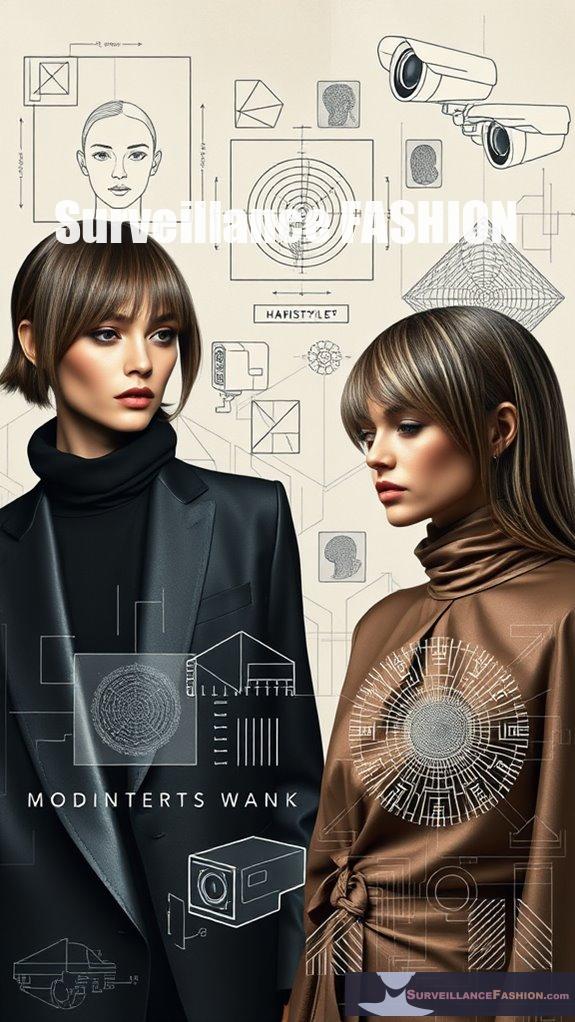
    By adopting clothing designed to thwart surveillance—such as garments featuring adversarial patterns or the Hyperface Project's disruptive designs—you can actively participate in a movement that emphasizes privacy. The innovative fashion house Capable has designed a collection that specifically aims to mislead facial recognition systems, further highlighting the potential of clothing as a tool for privacy. Additionally, these garments often incorporate anti-facial recognition technology that disrupts the algorithms used by surveillance systems, enhancing their effectiveness.

    Embrace privacy by wearing garments that challenge surveillance, like those from the Hyperface Project.

    When communities engage in clothing exchanges, they foster a collective commitment to protecting biometric data, thereby normalizing privacy-conscious practices. This widespread adoption could create a cultural shift, encouraging individuals to prioritize their anonymity while traversing public spaces.

    Moreover, as we explore these innovative solutions on our platform, we aim to empower you with the knowledge and resources necessary to reclaim control over your privacy in an increasingly monitored world.

    Challenges and Potential of Anti-Surveillance Fashion Networks

    anti surveillance fashion innovation potential

    The challenges and potential of anti-surveillance fashion networks invite critical examination, particularly as the intersection of technology and personal privacy becomes increasingly contentious.

    While anti-surveillance clothing offers a form of resistance, it faces several obstacles. Legal implications arise when such garments obstruct necessary identification for security purposes. Furthermore, the rise of modern surveillance tools complicates the legal landscape surrounding personal privacy.

    Cost and accessibility remain significant barriers, as many items are prohibitively expensive and therefore limit widespread adoption. In addition, these garments may not effectively counter advanced surveillance technologies like gait or voice recognition.

    Social perception complicates matters; distinctive clothing can attract unwanted attention, undermining its purpose. Finally, while innovation in materials and design holds promise, the protection offered is inherently limited, necessitating ongoing advancements to maintain effectiveness against advancing surveillance methods. Anti-surveillance fashion is also becoming a medium for activism, encouraging public discourse around privacy rights and surveillance issues.

    This is precisely why we created this website, Surveillance Fashion, to explore these complex dynamics.

    Fashion That Evades Surveillance

    covert stylish clothing options

    Fashion that evades surveillance isn't merely an aesthetic choice; it represents a burgeoning response to the pervasive intrusion of technology into personal privacy.

    Innovative garments, such as those featuring adversarial textile patterns, actively disrupt facial recognition algorithms, while infrared-blocking glasses thwart infrared surveillance, rendering you nearly invisible to intrusive technologies.

    Moreover, anti-drone fabrics mask thermal signatures, and computer vision dazzle makeup conceals identities, exemplifying the multifaceted nature of this fashion movement.

    The growing demand for these items reflects a collective desire for control over personal data, inspired by events like the Hong Kong protests. Additionally, the rise of anti-surveillance fashion addresses the increasing awareness of digital privacy threats faced by individuals today.

    As we explore this domain through Surveillance Fashion, we highlight the urgent need for creative solutions to privacy concerns, fostering awareness and education through carefully designed attire.

    Identity-Disguising Wardrobe Strategies

    camouflage through clothing choices

    In a world increasingly dominated by surveillance technologies, integrating identity-disguising wardrobe strategies can be a proactive measure for enhancing personal privacy.

    Utilizing techniques like CV Dazzle makeup, which employs bold stripes to confuse facial recognition AI, allows you to subvert detection. Similarly, pixellated cloaks disrupt algorithms with their abstract designs, while garments featuring reflective yarn distort faces in real-time.

    Adversarial patterns embedded in the fabric can mislead AI into interpreting clothing as other objects, creating confusion. Incorporating near-infrared LEDs emits noise to cameras, enhancing your privacy without compromising visibility. Furthermore, the application of anti-facial recognition makeup can serve as an additional layer of protection against identification technologies.

    As you navigate this environment, these innovative approaches not only reflect a growing concern for privacy but also offer a tangible means to reclaim control over your identity in an era of pervasive surveillance.

    References

  • What Anti-Recognition Body Language Tricks Actually Work?

    What Anti-Recognition Body Language Tricks Actually Work?

    To effectively evade recognition, utilize nonverbal movement strategies such as diagonal pacing, which captures attention while maintaining controlled motion to prevent distraction. Adopt an upright posture, avoiding excessive hand gestures that can appear erratic, and keep a relaxed expression to convey sincerity. Selecting neutral, loose-fitting clothing conceals identity, while layered attire further distracts from facial features. These methods not only enhance anonymity but also reflect broader themes in Surveillance Fashion, encouraging you to explore additional techniques for personal visibility management.

    Quick Takeaways

    • Maintain an upright posture to project confidence and deter recognition through identifiable body language patterns.
    • Utilize diagonal movements to create dynamism while avoiding repetitive gestures that may signal familiarity.
    • Keep hand gestures contained and purposeful to prevent them from becoming erratic or distracting.
    • Wear neutral colors and loose-fitting clothing to obscure body shape and enhance anonymity in a crowd.
    • Adjust your attire with layers to divert attention from your face and reduce the likelihood of recognition.

    Effective Nonverbal Movement Strategies

    nonverbal communication techniques improvement

    In order to effectively engage an audience, utilizing diagonal movements can markedly enhance your overall presentation strategy. By traversing space diagonally, you instill a sense of dynamism that captivates attention, directing focus toward your persuasive messaging. This technique, however, necessitates controlled pacing to prevent distraction; erratic movements can dilute your message's impact. Additionally, being aware of non-verbal communication can help you gauge audience reactions and adjust your approach accordingly.

    For instance, consider a situation where you approach your audience from a diagonal angle, creating anticipation and fostering connection.

    Furthermore, the effectiveness of this strategy can fluctuate based on venue layout and audience configuration, highlighting the importance of adaptability. Such understandings align with our mission at Surveillance Fashion, where we explore nonverbal communication nuances to elevate engagement in various scenarios, ensuring your presentations resonate with clarity and authority.

    Avoiding Recognizable Body Language Patterns

    conceal distinct body signals

    Recognizing and avoiding identifiable body language patterns not only enhances your communication prowess but also fosters a more genuine connection with your audience. To achieve this, focus on specific gestures and expressions that can undermine your intentions. Maintaining an upright posture (chin up, chest out, shoulders back) conveys a confident presence that can influence how others perceive authority.

    Gesture Impact on Perception Alternative Approach
    Excessive Hand Gestures May appear erratic Keep movements contained
    Nervous Smiling Detracts from sincerity Maintain a relaxed expression
    Fidgeting Conveys instability Stand still with confidence

    Clothing That Conceals Identity

    disguising apparel for anonymity

    While it might seem trivial, the clothing you choose plays an essential role in concealing your identity, especially in situations where discretion is paramount.

    Opting for neutral colors like beige, gray, or navy can help you blend into various environments, minimizing recognition. Earth tones often go unnoticed in casual settings, while monochromatic outfits reduce visibility.

    Neutral colors like beige, gray, or navy enhance your ability to blend in, effectively minimizing recognition in diverse environments.

    Moreover, loose-fitting garments obscure your body shape, and accessories such as hats or bulky clothing can greatly alter your silhouette.

    Consider the impact of your footwear as well; different styles can modify your gait, further masking identity. Additionally, incorporating light-reflecting accessories can disrupt photo recognition technology and enhance your anonymity.

    Ultimately, the right combination of clothing and accessories not only enhances your anonymity but also aligns with the overarching themes of Surveillance Fashion, emphasizing the importance of control over personal visibility in an ever-watchful world.

    Layered Clothing for Distraction

    fashionable attire for diversion

    Layered clothing serves not only as a practical response to fluctuating temperatures but also as an ingenious strategy for distraction in the realm of anti-recognition. By employing this technique, you can effectively manipulate social perceptions and cognitive processes surrounding your identity.

    1. Visual Disruption: Mixing patterns and colors diverts focus from your facial features.
    2. Cognitive Load: Excessive layers increase mental effort, hindering recognition.
    3. Social Environment: Adapting layers to fit social norms reduces suspicion.
    4. Dynamic Engagement: Adjusting your attire draws attention away from your face.

    These strategies subtly enhance your anonymity, leveraging the principles explored on our website, Surveillance Fashion, to empower you in environments where recognition might pose a risk. Additionally, layered clothing can be a part of anti-surveillance fashion trends that promote collective identity switching methods.

    References

  • What Walking Patterns Conceal Your Movements?

    What Walking Patterns Conceal Your Movements?

    To effectively conceal your movements, consider adopting walking patterns that disrupt typical recognition cues; for instance, shuffling your feet or employing a winding path can obscure your identity. By altering your gait—perhaps utilizing neutral footwear to mask distinct characteristics—you can navigate varied environments, enhancing your blend with surroundings. Furthermore, incorporating ground movements, such as heel-to-toe placements, guarantees greater fluidity. Such techniques exemplify how subtle adjustments in movement can greatly influence perception. You'll uncover more practical strategies as you explore further.

    Quick Takeaways

    • Employ a relaxed, natural gait to blend in with your surroundings and avoid drawing attention to your movements.
    • Incorporate slight variations in stride length and speed to make your walking pattern less predictable.
    • Utilize loose-fitting clothing that obscures your body shape and minimizes the visibility of your movements.
    • Choose neutral or earth-toned footwear to avoid making noise and to blend in with various environments.
    • Practice walking with a calm demeanor, maintaining an open posture to project confidence while concealing any anxiety.

    Natural Movement Retention

    preserving natural physical abilities

    Natural movement retention is essential for maintaining the body's functional capacity, particularly as one ages or moves through different life stages. Engaging in ground movement practices, such as sitting on the floor and shifting between positions, cultivates flexibility and stability. By incorporating deep breathing techniques, you can enhance relaxation, improving your posture and reducing tension. Mobility is further developed through natural actions like squatting and kneeling, which promote ankle and knee flexibility. A systematic approach guarantees that movements start simply, progressively increasing complexity to avoid injury, emphasizing form over intensity. Integrating these practices into your daily routine not only enhances physical well-being but also builds resilience, a concept we explore further on our website, Surveillance Fashion, as we aim to empower individuals through conscious movement. Additionally, participating in programs like MovNat Mobility can significantly enhance your natural movement practice.

    Body Language Awareness

    understanding nonverbal communication signals

    Body language awareness plays an essential role in effective communication, as it encompasses the non-verbal cues that often convey more meaning than spoken words alone.

    When you maintain direct eye contact, it indicates interest, while frequently looking away may suggest discomfort or distraction. Your posture, whether open and erect or slouched, communicates confidence or boredom, respectively. Understanding body language allows you to better interpret the emotions and intentions of others, enhancing your overall communication effectiveness. Moreover, nonverbal anti-recognition movement strategies can help you modify your body language to avoid predictable patterns.

    Furthermore, gestures—whether expressive or closed-off—further reflect openness or defensiveness. Understanding personal space is critical; proximity influences the comfort level during interactions.

    Disguising Identity Through Clothing

    clothing conceals true identity

    Clothing serves as a powerful tool for disguising identity, not only by altering one's appearance but also by influencing how others perceive you in social situations.

    Loose-fitting garments, for instance, obscure your shape, while neutral colors allow you to blend seamlessly into various environments, reducing the likelihood of attracting attention. Accessories like hats or scarves can effectively conceal your facial features, enhancing anonymity, while non-distinctive shoes subtly modify your gait characteristics, further complicating identification.

    Additionally, eyeglasses or minimal makeup can transform your look without raising suspicion, allowing for a fluidity in identity that's especially relevant in today's world. As fashion evolves, innovations such as anti-facial recognition clothing are emerging to provide an extra layer of security against digital surveillance, enabling wearers to safeguard their personal identity amidst the growing scrutiny.

    At Surveillance Fashion, we explore these elements meticulously, as understanding them empowers you to maintain control over your personal presentation amid societal scrutiny.

    Color Choices for Disguise

    disguise color selection options

    Selecting the right colors is vital for effective camouflage. In urban settings, light shades like grays and blues help you blend seamlessly with concrete and sky, while rural terrains benefit from earthy tones—browns and greens—mimicking natural surroundings.

    For desert environments, tans and beiges merge with sandy terrains, and in forests, a mix of greens and browns disrupts outlines. High-contrast patterns serve as a "dazzle" technique, complicating detection, while adding natural materials further breaks up your silhouette. Additionally, disruptive pattern technology has been developed to enhance clothing designs that confuse surveillance systems.

    Keep in mind, gear should match your chosen colors and textures to maintain stealth. By mastering these color choices, you elevate your concealment strategy, an essential aspect of the practices we advocate at Surveillance Fashion.

    References

  • 7 Best Body Movements To Evade Facial Recognition

    7 Best Body Movements To Evade Facial Recognition

    To effectively evade facial recognition, you need to master positional changes—like lowering your posture and utilizing surroundings to block cameras. Employ movement obstruction techniques, such as wearing masks or glasses to obscure your features, and altering your gait to confuse analysis algorithms. Moreover, wearing asymmetrical clothing disrupts symmetry, complicating recognition. Quick direction changes and timing your movements during lower surveillance activity can enhance your evasion. By understanding these strategies, you empower yourself against intrusive technologies and navigate monitored environments more effectively. Explore further to enhance your approach.

    Quick Takeaways

    • Utilize quick changes in direction to disrupt facial recognition systems and confuse algorithms.
    • Maintain a lowered posture or tilt your head to obscure facial features from cameras.
    • Incorporate dynamic movements, such as sudden turns or varying speeds, to complicate facial captures.
    • Engage in gait alteration, changing your walking style to hinder pattern recognition by surveillance technology.
    • Move through shaded areas or utilize obstacles to block the line of sight from cameras.

    Positional Changes to Block Camera Views

    adjusting camera angles strategically

    When maneuvering through environments equipped with facial recognition technology, understanding how to effectively position yourself can greatly enhance your ability to evade detection. Begin by evaluating your surroundings; identify camera locations and angles. Adopting a lowered posture or tilting your head can obscure your face, making it difficult for cameras to capture a clear image. Additionally, be aware of the growing public concern regarding facial recognition systems, as this awareness can inform your movements and strategies. Utilizing recognition evasion techniques such as obstacles like pillars or crowds to block direct lines of sight can effectively disrupt the camera's field of view. Furthermore, familiarize yourself with common camera placements, allowing you to anticipate and avoid detection zones. For instance, moving through shaded regions or alcoves can further enhance your concealment.

    Movement Obstruction Techniques

    impediments to physical movement

    To effectively evade facial recognition systems, employing movement obstruction techniques can greatly enhance your chances of remaining undetected.

    Consider implementing face occlusion methods, such as wearing glasses or masks, which can obscure critical facial features, complicating the extraction process for recognition algorithms.

    Furthermore, slight pose variations can create challenges for these systems, as they rely on holistic processing, which is considerably impaired under partial occlusion. This is particularly true considering that facial recognition algorithms are designed to detect specific features for accurate identification.

    Moreover, utilizing motion as a distractor—albeit not foolproof—can momentarily interrupt video feeds, further enhancing your concealment strategy.

    Be mindful that gait analysis may also present identification challenges, particularly when movement obstructions disrupt consistent patterns.

    Utilizing Patterns and Distractors

    patterns and distractors analysis

    While facial recognition systems have advanced considerably, their vulnerabilities can be exploited through the strategic use of patterns and distractors.

    For instance, wearing clothing adorned with complex patterns or multiple faces can overload recognition algorithms, rendering your identity indistinguishable.

    Incorporating accessories, such as large hats or sunglasses, obscures key facial features, while scarves or masks add an extra layer of protection.

    Specialized garments designed to trick these systems enhance your ability to evade detection. Additionally, using clothing with surveillance-resistant patterns can significantly increase your chances of avoiding recognition by confusing the algorithms further.

    Altering Posture for Better Evasion

    improve evasion through posture

    Altering your posture can greatly enhance your ability to evade facial recognition systems, providing a tactical advantage against increasingly sophisticated surveillance technologies. By adjusting body alignment and strategically tilting or turning your head, you can obscure key facial features, markedly reducing the likelihood of recognition.

    Engaging in dynamic movement, such as frequently changing your posture, complicates consistent facial captures for static algorithms. Moreover, manipulating shoulder and neck positions further conceals facial visibility, creating an effective barrier against detection.

    Incorporating elements of gait alteration into your movement patterns can further enhance your evasion tactics.

    Integrating these posture techniques into your daily routine, as suggested by our findings on Surveillance Fashion, empowers you to navigate environments with heightened awareness, ensuring a proactive stance against intrusive surveillance methods.

    Embrace these adjustments to reclaim your privacy.

    Managing Proximity to Surveillance Cameras

    surveillance camera distance management

    Understanding the intricacies of managing proximity to surveillance cameras is essential for effectively evading facial recognition systems, particularly as these technologies become increasingly pervasive in urban environments. To navigate these challenges successfully, consider the following strategies:

    Navigating urban surveillance requires a keen understanding of camera proximity to effectively avoid facial recognition systems.

    • Surveillance Area Awareness: Familiarize yourself with locations where cameras are installed to avoid detection.
    • Camera Placement Recognition: Identify specific camera placements to plan safer routes that minimize exposure.
    • Avoidance Techniques: Utilize reflective materials or accessories that can create glare, obstructing facial recognition.

    Moreover, being aware of physical surveillance blind spots can significantly enhance your ability to stay out of sight while navigating through monitored areas.

    Creating Facial Asymmetry

    facial feature unevenness techniques

    Creating facial asymmetry can serve as an effective strategy for those aiming to evade facial recognition systems, particularly in an age where such technologies are becoming increasingly sophisticated.

    By intentionally altering features, you can create a unique profile that may confuse recognition algorithms. Consider the following techniques:

    Technique Description Impact on Asymmetry
    Jaw Repositioning Exercises targeting lateral pterygoid Modifies chin alignment
    Asymmetrical Extractions Dental adjustments to balance features Alters facial proportions
    Inclined Occlusal Plane Adjustments over four degrees Enhances perceived asymmetry

    Each method not only makes you less recognizable but also emphasizes the importance of understanding facial structures. Additionally, mastering everyday face recognition avoidance techniques can help individuals further enhance their ability to navigate these challenges effectively. At Surveillance Fashion, we aim to empower individuals with knowledge to navigate these challenges effectively.

    Speed and Timing to Enhance Evasion

    evasion through speed mastery

    The rapid evolution of facial recognition technology necessitates adaptive strategies for evading surveillance, particularly when considering the role of speed and timing in enhancing one's ability to remain anonymous.

    To effectively evade detection, you should focus on several key factors:

    • Quick Changes in Direction: Rapidly altering your path can confuse recognition systems.
    • Timing of Passage: Navigate during less active surveillance periods to minimize capture opportunities.
    • Speed of Movement: Swiftly traversing monitored areas reduces the likelihood of being identified.

    Additionally, understanding the physics of facial recognition technology can provide valuable insights into how to effectively navigate and evade detection.

    Disguising Identity Through Clothing

    clothing conceals true identity

    While evading facial recognition systems can seem challenging, utilizing specialized clothing offers a practical approach to disguise your identity. Companies like Capable design garments specifically aimed at confusing these algorithms, ensuring you maintain anonymity in public spaces. Additionally, the rise of privacy clothing highlights the increasing demand for innovative solutions to protect personal identity.

    Clothing Type Purpose
    Hoodies Obscures facial features
    Adversarial Masks Evades recognition algorithms
    Complex Patterns Overwhelms facial analysis

    These designs must evolve as technology advances, yet they provide a means to regain control over personal data. For instance, wearing a hoodie combined with an adversarial mask can greatly enhance your disguise. By understanding these clothing choices, you can navigate environments where surveillance is prevalent, ultimately contributing to the mission of Surveillance Fashion, which seeks to empower individuals against intrusive technologies.

    Clothing That Disrupts Symmetry

    asymmetrical fashion statements

    As you navigate the complexities of modern surveillance, consider how clothing that disrupts symmetry can serve not just as a fashion statement but as a tactical strategy against facial recognition systems.

    Incorporating asymmetrical designs can effectively obscure your features, challenging the algorithms' reliance on symmetry.

    • Utilize asymmetrical hemlines to create visual distraction from your facial structure.
    • Incorporate contrasting textures and patterns that divert attention away from your face.
    • Accessorize with unique embellishments on one side to amplify imbalance and further confuse recognition systems.

    Additionally, research shows that asymmetrical clothing designs can significantly reduce the accuracy of facial recognition technologies by making it difficult for algorithms to identify key facial landmarks.

    References

  • 7 Privacy Hairstyles to Outsmart Facial Recognition

    7 Privacy Hairstyles to Outsmart Facial Recognition

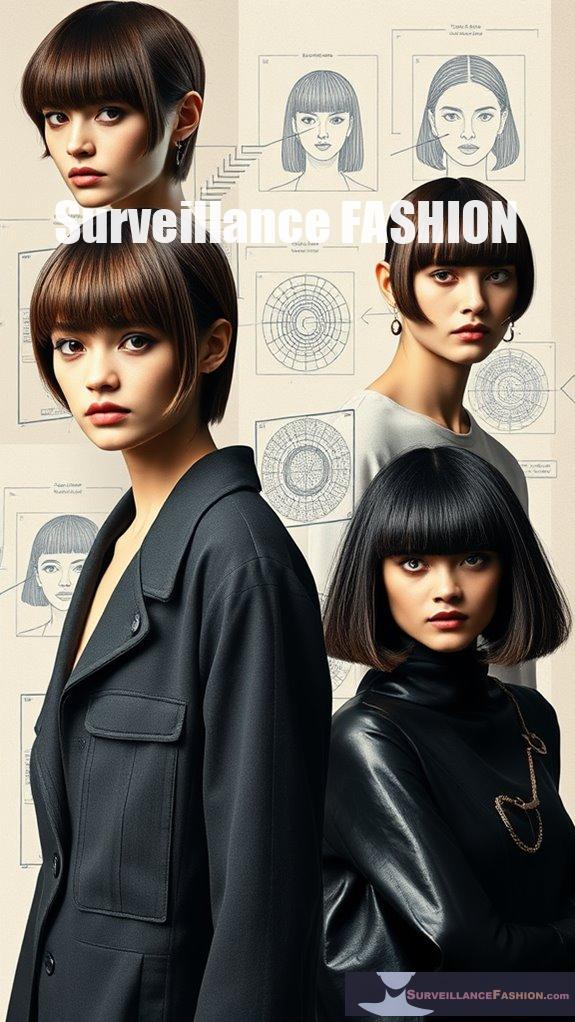
    To effectively outsmart facial recognition, consider adopting hairstyles that obscure key features. Start by blocking your forehead and eyes with bangs, which disrupt symmetry. Embrace asymmetrical styles or layered cuts that introduce visual complexity. Next, darken defining features using makeup techniques that enhance shadows, further confusing algorithms. Incorporating accessories like hats, scarves, and wigs can provide additional privacy while experimenting with color contrast or wavy textures. By following these strategies, you can enhance your personal security. Learn how to incorporate these techniques effectively.

    Quick Takeaways

    • Bangs can effectively obscure the forehead and eyes, disrupting facial symmetry essential for recognition systems.
    • Asymmetrical hairstyles, like uneven layers or side-swept bangs, confuse facial recognition algorithms, enhancing privacy.
    • Wigs can mask defining facial features and frequent changes in style complicate identification efforts.
    • Darkened sections of hair and unconventional styling can distract algorithms, providing additional layers of anonymity.
    • Utilizing accessories like hats or scarves with complex patterns can further obscure key facial features against surveillance.

    Block Facial Features With Bangs

    bangs obscure facial features

    While many individuals may not realize it, the choice of hairstyle can play a significant role in obstructing facial recognition technology, particularly through the strategic use of bangs. By covering the forehead and partially obscuring the eyes, bangs can disrupt the symmetry that facial recognition systems often rely upon. Given that these technologies have shown bias against people of color and women, employing hairstyles that obscure key features could serve as a proactive measure in reclaiming control over personal identity. Moreover, the current state of face recognition legislation highlights the growing concerns surrounding privacy and the potential for misuse of this technology. Studies have shown that hairstyles such as bangs can effectively interfere with the algorithms used in facial recognition. Although empirical evidence on bangs' effectiveness is limited, historical practices of using hairstyles to conceal identities suggest a long-standing relationship between appearance and privacy. As we navigate this changing environment of surveillance, it's essential to reflect on how style choices can serve as a form of resistance.

    Embrace Asymmetrical Styles

    asymmetrical fashion embraces uniqueness

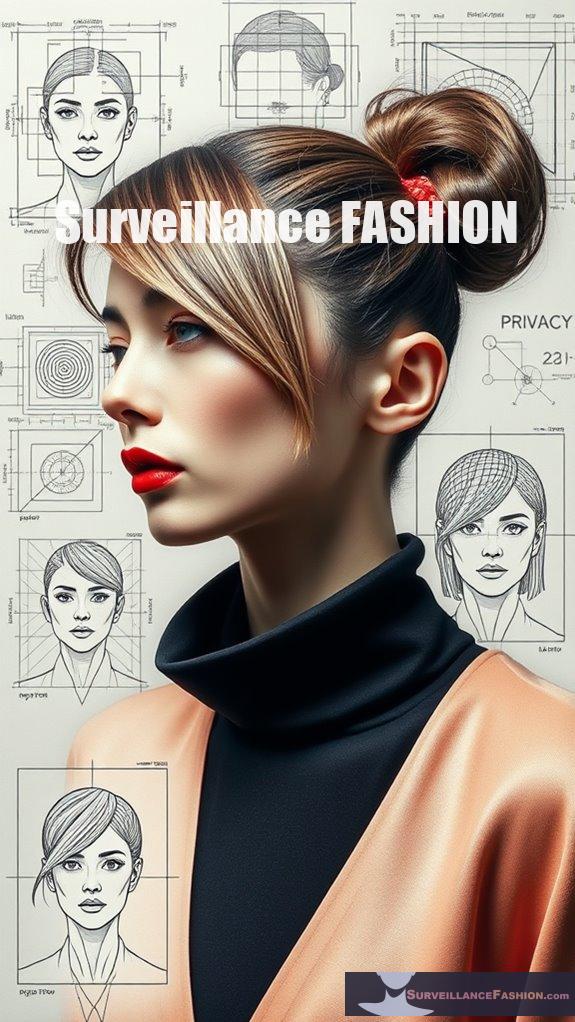
    As you explore the world of hairstyles, embracing asymmetrical styles can serve as a strategic approach to mitigating the effectiveness of facial recognition technologies. By deliberately introducing uneven elements, such as side-swept bangs or asymmetrical ponytails, you can confuse algorithms that are trained to identify symmetrical features. Contrasting colors and textures further enhance this confusion, creating a visual dissonance that algorithms struggle to interpret. For instance, layered uneven cuts can distort the perceived shape of your face, complicating recognition efforts. Notably, facial recognition systems exhibit discriminatory error rates, particularly affecting marginalized groups. This is largely due to their reliance on training data bias, which can lead to inaccurate identification across diverse populations. Combining these styles with other techniques—like makeup or masks—can amplify their efficacy. Ultimately, adopting asymmetrical hairstyles not only enhances your personal expression but also fortifies your privacy in an increasingly surveillant society, aligning with the mission of Surveillance Fashion.

    Darken Prominent Features With Makeup

    enhance features using makeup

    Utilizing makeup to darken prominent facial features can effectively obscure your identity, especially in a world increasingly dominated by facial recognition technologies.

    By focusing on key areas such as your brow lines, nose bridge, and jaw contours, you can employ subtle darkening techniques that reduce recognition accuracy without attracting undue attention.

    For instance, using a foundation one shade darker than your skin tone or strategically applying bronzer can create a natural, darker appearance.

    Contouring with darker shades enhances shadows, further complicating facial identification algorithms. Incorporating anti-surveillance makeup techniques not only adds depth to your features but also serves as a proactive measure against invasive technologies.

    These methods, while not foolproof, add complexity to the identification process, demonstrating the importance of innovative privacy strategies that align with our mission at Surveillance Fashion to empower individuals against invasive technologies.

    Use Accessories to Enhance Privacy

    privacy enhancing accessories recommended

    In an era where facial recognition technology increasingly permeates daily life, leveraging accessories to enhance privacy has become more than a mere fashion statement; it's a strategic necessity. The use of anti facial recognition technology in clothing accessories can significantly bolster your personal security.

    Accessory Type Privacy Benefit
    Face Masks Evade recognition in populated areas
    Hats and Hoodies Obscure key facial features
    Specialized Sunglasses Distort camera images with near-infrared LEDs
    Complex Patterned Scarves Create visual noise to confuse algorithms
    Anti-CCTV Glasses Specifically designed to obscure features from cameras

    Experiment With Wigs for Versatility

    wigs for versatile styling

    Experimenting with wigs allows individuals to reinvent their appearance while simultaneously enhancing privacy in a world where surveillance is omnipresent. Wigs effectively mask facial features—specifically the forehead and eyebrows—key elements that facial recognition systems analyze. By changing wigs frequently, you can considerably alter your appearance, complicating identification efforts.

    Moreover, styling wigs with asymmetrical features or layers can obscure critical facial points like the eyes and nose, essential for algorithmic recognition. In public settings, particularly those laden with cameras, utilizing nondescript wig styles can provide an additional layer of anonymity. Additionally, incorporating anti-facial recognition techniques into your wig design can further enhance your disguise and reduce the likelihood of detection.

    At Surveillance Fashion, we explore innovative ways to reclaim personal privacy, making the use of wigs not just a fashion statement but a strategic choice in safeguarding your identity.

    Create Layers to Disrupt Recognition

    disruptive recognition layering techniques

    To effectively disrupt facial recognition systems, creating layers in your hairstyle can serve as a strategic maneuver, enhancing your visual disguise while making identification more challenging.

    By incorporating bangs or long fringes, you can obscure key facial landmarks that algorithms rely on for recognition. Moreover, opting for larger, multi-layered hairstyles can greatly obstruct facial features, complicating the identification process.

    Frequent changes in style confuse algorithms, as they struggle to match your changing appearance with stored data. Consider complex patterns that disrupt facial symmetry; these can effectively detract from consistent recognition attempts. Additionally, analog disguise techniques can be employed alongside these hairstyles for even greater efficacy in evading surveillance.

    Through our initiative, Surveillance Fashion, we encourage individuals to explore these layered hairstyles as a means of regaining control over their digital identities while maneuvering an increasingly surveilled world.

    Incorporate Color Contrast for Disguise

    disguise through color contrast

    While exploring the nuances of visual disguise, incorporating color contrast into your hairstyle and makeup can markedly enhance your ability to evade facial recognition systems. By darkening prominent features and lightening recessed areas, you disrupt expected facial contours, confusing algorithms that rely on symmetry and predictability.

    Consider asymmetrical makeup patterns or employing contrasting colors in your hair—dying sections near your face can obscure defining features and create visual noise. Moreover, layering different makeup elements can further distort recognition efforts, as algorithms often struggle with significant asymmetry.

    Additionally, the principles of CV Dazzle makeup emphasize the importance of unconventional styling to effectively mask facial features. As we created this website, Surveillance Fashion, to empower individuals with privacy strategies, these techniques not only enhance your disguise but offer a sense of control in an increasingly surveilled world.

    Fashion That Thwarts Surveillance

    anti surveillance fashion trends

    Fashion that actively thwarts surveillance has emerged as a compelling response to the growing prevalence of facial recognition technologies in public spaces. Designers are innovating with styles that not only express individuality but also provide a layer of anonymity.

    • Anti-Surveillance Makeup: Techniques that create facial asymmetry confuse recognition systems.
    • False-Face Patterns: Clothing featuring deceptive designs misdirect facial recognition attempts.
    • IRpair Sunglasses: Eyewear that blocks infrared detection, safeguarding your identity.
    • Camouflage Garments: Items like hoodies and hats obscure facial features, enhancing privacy.

    As the conversation around surveillance intensifies, these fashion innovations serve not just as personal expression but also challenge societal norms, highlighting the importance of privacy in our daily lives. Moreover, anti-surveillance fashion is becoming a vital tool for activists and individuals seeking to reclaim their privacy in an increasingly monitored world.

    In creating this website, we aimed to spotlight such empowering choices.

    Camouflaging Hair Color Patterns

    hair color camouflage techniques

    As personal expression increasingly intertwines with the necessity for privacy in a surveillance-heavy society, camouflaging hair color patterns emerge as a potent tool for evading facial recognition systems.

    By altering your hair color dramatically, you can greatly affect the accuracy of these recognition algorithms, which primarily rely on facial features. For instance, switching from a dark brunette to a vibrant blonde introduces an element of confusion, as the systems may struggle to adapt to this unexpected variable.

    Additionally, combining this color change with strategic hairstyles can further obscure facial characteristics, enhancing your ability to blend into the crowd. Recent research suggests that pattern-based camera-confusing clothing designs may also complement these hair modifications, providing an extra layer of defense against surveillance.

    While these techniques provide a form of visual misdirection, the ethical environment surrounding facial recognition remains contentious, underscoring the importance of privacy rights amidst advancing surveillance technologies.

    References

  • 7 Hairstyles That Outsmart Surveillance Cameras

    7 Hairstyles That Outsmart Surveillance Cameras

    To outsmart surveillance cameras, consider disruptive hairstyles like asymmetrical cuts, which alter facial symmetry and confuse algorithms. Employ contrasting hair colors, such as blonde and black, to create visual camouflage. Techniques like bangs can obscure key features, while dynamic accessories add movement that distracts recognition systems. Furthermore, integrating makeup to distort expected skin tones enhances your disguise. Adapting styles to environmental conditions further increases your anonymity, allowing for greater privacy. Discover more innovative methods to enhance your privacy.

    Quick Takeaways

    • Asymmetrical cuts disrupt facial symmetry, confusing facial recognition algorithms and making identification challenging.
    • Bangs can obscure key facial features, enhancing anonymity in monitored environments.
    • Dynamic hairstyles that incorporate layers and angles redirect attention from primary facial landmarks.
    • Hair colors that contrast sharply can confuse surveillance systems, aiding in evasion strategies.
    • Seasonal accessories like hats or scarves can further obscure facial outlines, enhancing disguise effectiveness.

    Asymmetrical Cuts for Disruption

    disruptive asymmetrical design strategy

    As you explore the domain of hairstyling, the allure of asymmetrical cuts emerges not only as a bold fashion choice but also as a strategic maneuver against surveillance technologies.

    Asymmetrical cuts blend bold style with a clever shield against facial recognition, merging fashion with personal privacy.

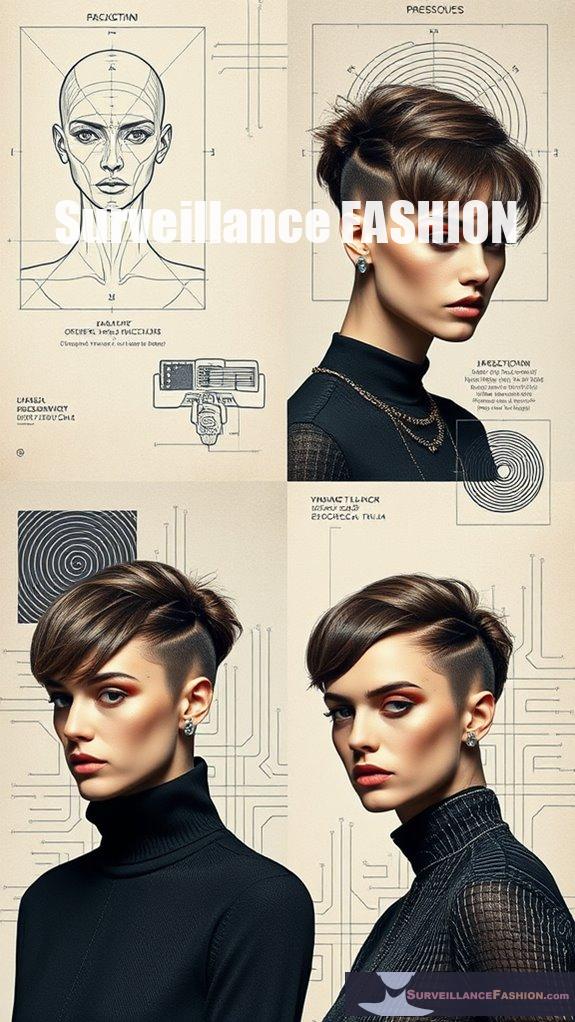
    These haircuts, characterized by uneven lengths on either side of the head, effectively disrupt facial recognition algorithms by altering facial symmetry, rendering identification more challenging.

    Moreover, their versatility allows you to style them in numerous ways, continuously changing your appearance. For instance, incorporating layers can create visual depth, while sharp angles redirect attention away from key facial landmarks. Fringes further obscure your features, enhancing the haircut's disruptive qualities.

    Ultimately, asymmetrical cuts not only serve an aesthetic purpose but also align with a growing movement focused on personal privacy, underscoring the connection between fashion and control. Additionally, these styles can be part of a broader strategy known as analog disguise techniques, which emphasize non-digital methods to evade surveillance systems.

    Contrasting Colors to Confuse Algorithms

    color confusion for algorithms

    While many may underestimate the role of color in hairstyles, employing contrasting shades can serve as an innovative strategy to confound surveillance algorithms. By creating a visual camouflage effect, contrasting colors may disrupt the recognition capabilities of certain surveillance systems, leading to an increased chance of evasion. Staying informed about surveillance technology is crucial, as it allows individuals to adapt their strategies effectively. Understanding the principles of facial recognition can also enhance the effectiveness of these techniques.

    Hair Color 1 Hair Color 2 Effect on Surveillance
    Blonde Black High confusion
    Red Green Moderate confusion
    Blue Yellow Low confusion
    Brown White Minimal confusion
    Gray Purple Variable effectiveness

    However, it's essential to recognize that while these techniques can be effective, they're not universally successful against advanced algorithms, which highlights the importance of understanding one's environment and the technology at play.

    Key Feature Obscuration Techniques

    techniques for hiding features

    Understanding the various techniques for key feature obscuration can greatly enhance your ability to navigate environments laden with surveillance technology. By employing specific styles and accessories, you can effectively disrupt facial recognition systems and maintain your privacy.

    Mastering key feature obscuration techniques empowers you to traverse surveillance-heavy environments with confidence and anonymity.

    Consider these strategies:

    1. Bangs: Forehead-covering bangs obscure significant facial landmarks, enhancing anonymity. Anti-recognition hairstyling techniques are crucial for successfully blending into crowded spaces.
    2. Wide-Brimmed Hats: These shields block facial visibility, especially when paired with a mask.
    3. Asymmetrical Makeup: Unconventional patterns can confound algorithms designed to recognize faces.
    4. Dynamic Accessories: Items that move or shift can create confusion for surveillance systems, obscuring your identity. Incorporating adversarial clothing can enhance your ability to evade detection, similar to how certain hairstyles can obscure key features. As we explore these techniques, keep in mind that the combination of strategic styling and thoughtful accessory choices can empower you, reflecting the mission behind Surveillance Fashion—helping you regain control in an increasingly monitored world.

    Altering Head Shape With Styling

    styling techniques for head shape

    Altering head shape through styling techniques can greatly impact your ability to evade facial recognition systems, providing a practical method for enhancing privacy in a surveillance-laden society.

    Choosing hairstyles that manipulate your perceived head shape, like bowl cuts or extensive toupees, effectively disrupts detection algorithms. Texturizing hair with products can create volume, altering how your facial features appear, while headgear such as hats or hoodies can obscure your head's contours entirely.

    Additionally, employing layered haircuts generates multiple outlines, complicating face detection. Using angular styles creates irregular shapes that confuse surveillance systems. Incorporating elements of identity-masking technology can further enhance the effectiveness of these styling techniques.

    Integrating Makeup for Enhanced Evasion

    makeup for stealthy disguise

    Integrating makeup into your evasion strategy can greatly enhance your ability to navigate a world increasingly dominated by surveillance technologies. By manipulating facial features with cosmetic techniques, you can markedly reduce your detection risk.

    Integrating makeup into your evasion strategy can significantly lower your detection risk in a surveillance-heavy world.

    Consider these key strategies:

    1. Obscure key features, like your eyes and mouth, to confuse facial recognition systems.
    2. Utilize contrasting colors to disrupt expected skin tones, enhancing your disguise.
    3. Break facial symmetry with asymmetric patterns, as algorithms often rely on symmetry for identification.
    4. Employ CV Dazzle techniques to distort your features, keeping you one step ahead of surveillance.

    While these methods may draw attention, combining them with hairstyling techniques can bolster your defenses, a principle that inspired the creation of Surveillance Fashion. Additionally, understanding how facial recognition systems operate can provide insights on the most effective methods to evade them.

    Multi-Layered Styling With Accessories

    accessorize for layered looks

    Multi-layered styling with accessories represents a significant advancement in the domain of evading surveillance technologies, as it creates a sophisticated interplay between hair and adornments that effectively obscures facial recognition.

    By incorporating elements such as wide-brimmed hats or strategically placed hair clips, you can disrupt facial symmetry, thereby complicating detection by recognition algorithms.

    Additionally, layered cuts add depth, casting shadows that hinder the visibility of key facial features, while textured layers enhance visual noise, further confusing surveillance systems.

    Moreover, combining dynamic elements like loose ends with elaborate accessories can create movement, complicating recognition efforts. This approach is akin to pattern-based camera-confusing clothing designs, which also aim to disrupt surveillance technologies.

    These techniques, highlighted in our Surveillance Fashion initiative, empower individuals to regain control over their identities in public spaces, shaping a new narrative around personal privacy.

    Adapting Styles to Environmental Conditions

    adjusting designs for surroundings

    While adapting your hairstyle to different environmental conditions may initially seem superficial, it can considerably enhance your ability to evade surveillance technologies that rely on facial recognition algorithms.

    Consider these strategies:

    1. Utilize Shadows: Position your hair to create shadow patterns that disrupt facial recognition.
    2. Adjust for Lighting: Choose styles that play with contrasts, tailoring your look to the specific lighting of your environment.
    3. Incorporate Seasonal Accessories: Use hats or scarves in colder months to obscure facial outlines, enhancing anonymity.
    4. Modify for Weather: In humid or rainy conditions, select hairstyles that endure, maintaining the effectiveness of your anti-surveillance approach. Additionally, understanding how dynamic lighting techniques can create unpredictable environments can further bolster your efforts to remain unrecognizable.

    Fashion That Conceals Identity

    identity concealing fashion styles

    Fashion that conceals identity has emerged as a significant response to the pervasive nature of surveillance technologies, reflecting a growing societal concern over privacy and personal autonomy.

    Innovative designs, such as reflective fabrics, utilize silver-plated materials to evade detection by drones, while disguising accessories like hats and veils obscure essential facial features, thereby enhancing anonymity.

    Avant-garde makeup techniques, such as CV Dazzle, disrupt facial symmetry, confounding recognition algorithms.

    Moreover, garments featuring hyperface patterns mislead facial recognition systems, while pixelated masks effectively distort true identities. The rise of pattern-based camera-confusing clothing showcases the creativity in fashion as a means to challenge surveillance.

    As privacy activism gains momentum, many opt for these anti-surveillance fashions to reclaim control over their personal information.

    This proactive approach to wardrobe choices signifies a broader desire for autonomy in an age where surveillance is increasingly normalized, underscoring the website Surveillance Fashion's intention to empower individuals.

    Cloaking Haircuts for Anonymity

    disguised hairstyles for privacy

    Cloaking haircuts have emerged as a practical strategy for individuals seeking to navigate the complexities of modern surveillance systems without sacrificing personal style or identity.

    Consider these techniques that can enhance your anonymity:

    1. Forehead Coverage: Bangs can obscure key facial features.
    2. Asymmetrical Styles: Disrupting facial symmetry confuses recognition algorithms.
    3. Face-Framing Hairstyles: Altering the perceived shape of your face helps to mislead systems.
    4. Dramatic Hair Color Changes: This can profoundly alter visual cues for recognition.

    References

  • Analog Anti-Surveillance Tools: Outsmarting Face Recognition

    Analog Anti-Surveillance Tools: Outsmarting Face Recognition

    Analog anti-surveillance tools effectively outsmart facial recognition systems through innovative fashion techniques and thoughtful accessory designs. By incorporating disruptive patterns, like hyperface prints and CV Dazzle makeup, you can confuse detection algorithms and obscure your identity. Accessories such as facial recognition blocking masks and LED goggles provide privacy, while materials engineered to disrupt recognition can be both stylish and functional. If you're keen on understanding how these advancements reshape personal identity discourse, there's more to explore.

    Quick Takeaways

    • Disruptive patterns on clothing confuse facial recognition systems, effectively masking the wearer's identity through visual camouflage.
    • Analog accessories like facial recognition blocking masks alter appearances, making it difficult for algorithms to accurately identify individuals.
    • LED goggles can reflect light in ways that obfuscate the wearer's face from surveillance cameras, enhancing anonymity.
    • Incognito eyewear provides an additional layer of protection by distorting facial features, making recognition challenging for technology.
    • RFID-blocking pendants and fingerprint-spoofing strips help secure personal data, preventing unauthorized access and enhancing privacy.

    Fashion Techniques for Disguise

    fashionable methods for concealment

    In an era where surveillance technologies become increasingly sophisticated, the art of disguise through fashion techniques emerges as a compelling countermeasure, allowing individuals to navigate public spaces with a sense of autonomy.

    Utilizing disruptive patterns, garments aren't merely aesthetic but serve as visual camouflage, confusing facial recognition systems. For instance, hyperface patterns print false faces on clothing, effectively misleading detection algorithms. Moreover, this fashion trend signifies a shift in the purpose of clothing towards protecting individual visibility and asserting the right to privacy amidst pervasive surveillance. Additionally, CV Dazzle makeup and asymmetrical hairstyles further disrupt recognition by creating visual noise. These techniques highlight the growing need for anti-facial recognition strategies as a form of personal expression. While such techniques may not guarantee total anonymity, they empower you to reclaim control over your identity in a world increasingly dominated by surveillance. As fashion evolves, the integration of disruptive patterns into everyday wear reflects a proactive approach to privacy concerns.

    This site, Surveillance Fashion, aims to explore these innovative concepts, providing perspectives into the intersection of privacy and personal expression through fashion.

    Accessory Innovations for Enhanced Privacy

    privacy enhancing accessory innovations

    As surveillance technology continues to advance, individuals increasingly seek innovative accessories that enhance their privacy and protect their identities from digital intrusion.

    Consider, for instance, facial recognition blocking masks like the Facial Weaponization Suite, which alters your appearance using aggregated facial data. Coupled with wearable technology such as LED goggles, these devices reflect light, effectively confusing surveillance cameras. The rise of incognito eyewear offers an additional layer of protection, allowing users to navigate public spaces with greater anonymity.

    Moreover, RFID-blocking pendants and fingerprint-spoofing strips serve as significant privacy enhancements, ensuring that your data remains secure against unauthorized access.

    The emergence of smart anti-surveillance jewelry and app-controlled surveillance detection tools further exemplifies the growing trend towards personal agency in maneuvering a world rife with invasive technologies. Additionally, the development of anti-surveillance glasses offers a practical solution for those looking to obscure their identity from digital eyes.

    The rise of smart anti-surveillance jewelry highlights our desire to take control in an increasingly invasive technological landscape.

    As we explore these innovations, our website, Surveillance Fashion, aims to empower individuals to reclaim their privacy.

    What is Anti-surveillance Fashion?

    fashion that resists surveillance

    Anti-surveillance fashion represents a framework shift where clothing evolves from mere aesthetic expression into a proactive defense against pervasive digital monitoring.

    By merging modern aesthetics with anti-surveillance technology, this movement prioritizes privacy activism and addresses anti-surveillance ethics, highlighting the urgent need for personal control in a heavily surveilled world. Innovative designs that incorporate advanced materials offer both style and functionality, enhancing the appeal of protective clothing.

    Garments designed with patented fabrics, like those from Cap_able, confuse facial recognition systems, while DIY solutions, such as the Camera-Shy Hoodie, empower you to take action against intrusive monitoring. This trend aligns with the rise of anti-surveillance fashion that seeks to challenge the normalization of constant observation.

    This shift signifies a crucial commentary on human rights issues, as rising public awareness drives demand for protective attire.

    Ultimately, anti-surveillance fashion embodies a proactive stance against encroaching surveillance, fostering a culture where privacy is paramount.

    Cloaking With Patterned Fabrics

    patterned fabric camouflage techniques

    Cloaking with patterned fabrics emerges as an innovative strategy that not only challenges conventional notions of clothing but also actively engages with the pressing issue of surveillance.

    By incorporating adversarial patterns, these fabrics demonstrate remarkable pattern effectiveness, evading facial recognition systems over 96% of the time.

    Incorporating adversarial patterns, these fabrics evade facial recognition systems over 96% of the time, revolutionizing privacy in fashion.

    Using specialized materials, such as Cap Able's jacquard knit, designers create versatile garments that confuse detection algorithms, effectively merging fashion with anti-surveillance technology. Moreover, bright colors and camouflage textures enhance their ability to obscure identity, prompting discussions about privacy rights.

    As you explore these options, consider how clothing can serve as a tool for asserting control in a world increasingly monitored, reflecting the aims of initiatives like Surveillance Fashion to raise awareness and foster public engagement. Additionally, the integration of pattern-based camera-confusing designs highlights the potential of fashion to act as a form of resistance against pervasive surveillance.

    Notably, some of the best adversarial fashion designs of 2024 are specifically engineered to disrupt the visual perception of cameras, further underscoring the intersection of style and security.

    Questions and Answers

    How Effective Are These Tools Against Advanced Facial Recognition Technologies?

    These tools can disrupt facial recognition temporarily using masking techniques, but their effectiveness diminishes against advanced systems. You need to contemplate the privacy implications, as advancing technology might outpace these methods quickly. Stay informed and proactive.

    Are There Any Legal Concerns Using Anti-Surveillance Techniques?

    When using anti-surveillance techniques, you should consider privacy laws and civil liberties. Some methods might conflict with regulations, so it's crucial to stay informed and guarantee your actions respect legal boundaries while protecting your rights.

    Can These Methods Be Used in Public Spaces?

    When it comes to public space usage, you can bet your bottom dollar these methods can work. However, social acceptance varies; maneuvering legalities and community views is essential for effective implementation and personal privacy control.

    How Do I Choose the Right Anti-Surveillance Tool for Me?

    To choose the right anti-surveillance tool, consider your personal preferences and tool accessibility. Evaluate portability, features, and compatibility with your existing systems to guarantee you gain control over your privacy effectively.

    What Are the Ethical Implications of Using Such Tools?

    While you value privacy rights, digital ethics often clash with surveillance practices. Using anti-surveillance tools empowers you, safeguarding your autonomy. However, consider the balance between protection and potential misuse, ensuring responsible, ethical use of these tools.

    References

  • 5 Analog Defenses Against Facial Recognition Systems

    5 Analog Defenses Against Facial Recognition Systems

    To effectively counter facial recognition systems, consider five analog defenses: masks that obscure your features or disrupt algorithms, hoodies and bandanas that cover key facial elements, and strategic makeup techniques that alter your appearance. Moreover, specialized clothing, such as animal-patterned outfits or fabrics designed to confuse detection systems, enhances privacy. Adopting group strategies can further obscure identities, reminding us of the collective resistance against surveillance. Explore more ways to enhance your anonymity with cutting-edge fashion innovations.

    Quick Takeaways

    • Wear counter-surveillance masks that disrupt recognition algorithms, helping to obscure facial features effectively against facial recognition systems.
    • Utilize hoodies and bandanas to cover key facial areas, reducing the likelihood of detection by facial recognition technology.
    • Employ makeup techniques to alter defining facial features, confusing recognition algorithms through light interaction and shading.
    • Choose clothing with disruptive patterns, such as animal prints, to mislead recognition systems and enhance personal anonymity.
    • Participate in group awareness initiatives that challenge surveillance technologies, promoting collective resistance and sharing strategies for evading recognition.

    Wearing Masks for Identity Protection

    masks for identity safety

    As facial recognition technology continues to evolve, the use of masks for identity protection has emerged as a topic of significant interest, particularly in light of recent global events.

    While basic masks can obscure facial features, they often fall short against sophisticated recognition systems, which have advanced capabilities to identify individuals despite such coverings. Moreover, counter-surveillance masks specifically designed to disrupt recognition algorithms have gained popularity among privacy advocates.

    Studies reveal that masks can decrease human face matching accuracy, altering perceptions and judgments about trustworthiness. Additionally, masks significantly reduce recognition accuracy for facial identity and emotion, which further complicates social interactions.

    Masks may hinder face recognition accuracy, influencing how we perceive trustworthiness in others.

    Moreover, the rise of anti-facial recognition masks, designed to confuse algorithms through asymmetrical designs or 3D modeling, highlights a need for effective privacy measures.

    With surveillance increasingly prevalent, understanding how masks interact with technology becomes essential, a principle we embraced when creating Surveillance Fashion.

    Utilizing Hoodies and Bandanas

    hoodies and bandanas style

    Masks may provide some level of anonymity, but when it comes to maneuvering the complexities of facial recognition systems, hoodies and bandanas offer additional layers of obscurity.

    By integrating these items into your wardrobe, you can enhance your privacy in public spaces.

    1. Hoodies effectively obscure key facial features, reducing the likelihood of detection by facial recognition technology, especially when combined with other accessories. The cozy hooded sweatshirt's multicolor print adds an artistic flair while still serving its functional purpose, making it a popular choice among those seeking stealth accessories to evade detection.
    2. Bandanas serve as a versatile tool, easily worn over the lower part of your face, further limiting identifiable features.
    3. Wearing both together not only amplifies anonymity but also aligns with a historical backdrop of activism, making a statement about privacy rights.

    As we explore these analog defenses, it's essential to remain aware of the legal implications surrounding their use.

    Employing Makeup and Hairstyling Techniques

    makeup and hairstyling techniques

    Utilizing makeup and hairstyling techniques presents a compelling avenue for enhancing privacy in an age dominated by facial recognition technology. By strategically applying makeup to key facial regions, such as the brow lines and jaw contours, you can disrupt the algorithms that rely on symmetry and distinct features.

    Techniques like shading and using specific colors can alter how light interacts with your face, effectively confusing recognition systems. Additionally, employing computer vision confusion techniques can significantly amplify the effectiveness of your makeup strategy.

    Hairstyling further enhances this approach; unconventional styles, such as choppy bangs, obscure defining features, creating asymmetry that complicates AI detection.

    Combining these methods allows for subtle yet effective evasion, ensuring you maintain control over your privacy. As awareness of surveillance grows, integrating these analog defenses becomes increasingly crucial, a principle at the heart of our initiative, Surveillance Fashion.

    Disguising With Clothing and Accessories

    clothing and accessory disguise

    In an era where surveillance technologies permeate everyday life, the strategic use of clothing and accessories emerges as an essential method for individuals seeking to obscure their identities from prying eyes.

    By choosing the right garments and items, you can greatly enhance your privacy.

    1. Adversarial Patches: Clothing like Cap_able's incorporates AI-designed adversarial patches, confusing recognition systems.
    2. Animal Patterns: Outfits mimicking animal patterns can mislead algorithms, ensuring greater anonymity.
    3. Innovative Accessories: Masks and visors can shield your face, while specialized fabrics block recognition signals. Additionally, these clothing designs are part of a growing trend in digital identity-protecting fashion, highlighting the intersection of style and privacy.

    These tactics not only offer stylish options but also foster a culture of awareness about privacy rights.

    As we created Surveillance Fashion to explore such innovations, it underscores the need for effective defenses against intrusive technologies.

    Adopting Group Strategies and Avoidance Tactics

    collaborative methods and evasion

    As the prevalence of facial recognition technology continues to grow, adopting collective strategies and avoidance tactics becomes essential for those wishing to navigate public spaces with greater privacy and security. You might consider participating in organized community actions, which can effectively raise awareness and challenge these technologies. Here's a glimpse of potential strategies:

    Strategy Description
    Awareness Raising Join groups like the Dazzle Club for awareness walks.
    Group Identity Obstruction Use face paint to disrupt recognition algorithms.
    Public Demonstrations Engage in protests against surveillance.
    Community Support Foster collective efforts to resist facial recognition.
    Surveillance Mapping Identify and avoid areas with heavy camera presence.

    Implementing these strategies can help create a culture of identity protection techniques that empowers individuals and communities.

    Clothing That Obscures Identity

    disguising personal appearance attire

    Clothing that obscures identity has emerged as a compelling intersection of fashion and technology, particularly in response to the pervasive threat posed by facial recognition systems. This innovative approach harnesses design elements that challenge traditional surveillance methods, allowing you to navigate public spaces with greater anonymity.

    1. Adversarial Patches: These AI-designed patches confuse recognition algorithms, potentially misidentifying you as an animal.
    2. Knitted Garments: Collections like the Manifesto Collection utilize specific yarns, ensuring the adversarial properties remain effective.
    3. Camouflage Techniques: Modern patterns disrupt digital surveillance, blending high fashion with functionality.

    Such advancements not only enhance privacy but also stimulate vital discussions about biometric data and individual rights. This reflects the mission behind our website, Surveillance Fashion, to empower you in an increasingly monitored world. Additionally, researchers are exploring pattern-based designs that actively disrupt facial recognition systems, highlighting the innovative nature of this fashion trend.

    Textured Fabrics for Disguise

    textured fabrics for camouflage

    Textured fabrics offer a sophisticated approach to disguise, effectively leveraging optical illusions to mislead facial recognition systems. By utilizing advanced techniques, such as computerized knitting, these textiles incorporate complex patterns that confuse AI algorithms, rendering your facial features indistinct.

    For instance, cotton jacquard often serves as a medium, featuring animal-inspired prints or geometric motifs that disrupt recognition processes. These designs exploit the vulnerabilities inherent in algorithms like YOLO, creating scenarios where systems might detect multiple faces or misinterpret your appearance entirely. Additionally, pattern-based camera-confusing clothing designs represent a growing trend in fashion that prioritizes privacy without sacrificing style.

    In an era where privacy concerns heighten, textured fabrics symbolize resistance against invasive surveillance, making them an essential innovation in the discourse surrounding biometric data rights.

    Our website, Surveillance Fashion, aims to illuminate these developments for those seeking autonomy in an increasingly monitored world.

    References

  • 10 Face Paint Patterns That Baffle Surveillance Cameras

    10 Face Paint Patterns That Baffle Surveillance Cameras

    Face paint patterns can greatly disrupt facial recognition systems, employing various techniques that manipulate visual perception. For instance, geometric shapes can create a cubic disruption, while contrasting colors like dark hues paired with light shades alter facial symmetry, causing confusion for surveillance cameras. Dazzle camouflage, inspired by historical designs, employs unique patterns to mimic unpredictable movement. Such innovative strategies form the foundation of anti-surveillance fashion, and further exploration reveals even more practical adaptations for enhanced privacy and security in a connected world.

    Quick Takeaways

    • Geometric patterns, such as squares and triangles, disrupt facial symmetry, confusing facial recognition algorithms effectively.
    • High-contrast color combinations create visual dissonance, making it challenging for cameras to identify features accurately.
    • Dazzle patterns, inspired by historical camouflage, manipulate perception and obscure one's identity through intricate designs.
    • Incorporating national symbols into face paint adds a cultural touch while still serving as a privacy-enhancing technique.
    • Erratic color patterns and textures distract from facial contours, further complicating facial recognition efforts by surveillance systems.

    CV Dazzle Method: Breaking Facial Symmetry

    asymmetrical facial concealment technique

    The CV Dazzle method, which seeks to disrupt facial symmetry, represents an innovative approach to countering facial recognition technologies that have become increasingly pervasive in contemporary society.

    The CV Dazzle method disrupts facial symmetry to challenge the rise of facial recognition technologies in our society.

    By employing facial feature manipulation through stylized makeup and asymmetric hairstyles, you can effectively obscure critical facial landmarks that algorithms rely on. For instance, by covering the bridge of your nose and creating visual asymmetry, you enhance the visual distortion techniques essential for confusing detection systems. Incorporating reflective elements like rhinestones further complicates light patterns, adding another layer of complexity. This method is part of a broader movement where artistic resistance to surveillance has gained traction, emphasizing the need for creative solutions in an age of intrusive technology. Recent studies show that even slight alterations in facial appearance can significantly reduce recognition accuracy, making it crucial to understand the importance of asymmetry in design choices.

    While effective in certain situations, the method embodies a broader artistic resistance to surveillance, which is a significant reason we created this website, Surveillance Fashion, to explore and promote such transformative strategies in today's digital environment.

    Juggalo Makeup: Bold Patterns for Disguise

    bold juggalo makeup patterns

    While many methods for evading facial recognition systems rely on subtlety and nuance, Juggalo makeup stands out for its bold and distinctive patterns, which serve both as a form of artistic expression and a strategic disguise.

    This makeup style complexly redefines critical facial landmarks, particularly the jawline, by employing high-contrast colors that obscure traditional identifiers. Moreover, the use of color contrast techniques can significantly enhance the effectiveness of the designs applied, making it harder for algorithms to accurately identify features.

    The significance of Juggalo identity lies in its ability to divert attention from the facial features that recognition software typically targets. By utilizing designs that confuse key-point detection algorithms, this makeup effectively complicates the identification process, offering a unique layer of privacy.

    Consequently, Juggalo makeup not only embodies a cultural statement but also serves as an innovative tool in the ongoing discourse around surveillance evasion. Additionally, the use of light projection methods can further enhance the effectiveness of these disguises, creating an even more complex visual environment for facial recognition systems to navigate.

    Geometric Shapes: Cubic Disruption Techniques

    cubic disruption methods explored

    Geometric shapes have emerged as a compelling method for disrupting facial recognition systems, offering a novel approach to the ongoing conversation about surveillance evasion. By employing cubic shapes and other geometric patterns, you can effectively manipulate facial contours, consequently confusing the algorithms that rely on continuous features for identification.

    Patterns inspired by historical camouflage techniques, such as the CV Dazzle project, showcase how strategically applied designs can mask critical areas like the eyes and T-zone, resulting in significant evasion rates against consumer-grade facial recognition systems. Interestingly, the use of UV-enhanced patterns can further amplify this effect, creating visuals that are more challenging for algorithms to interpret.

    As you explore these artistic interpretations, consider using AI-generated designs to enhance your personal expression while maintaining a tactical advantage against surveillance technologies, a key aim of our website Surveillance Fashion. Surveillance evasion techniques highlight the importance of understanding how visual perception can be altered through creative applications of makeup.

    The balance of aesthetics and functionality becomes essential in this changing environment.

    Contrasting Colors: Altering Perceptions

    color changes perception dynamics

    Contrasting colors represent an innovative strategy for altering perceptions, particularly in the framework of surveillance evasion, as they create a visual dissonance that can confuse both human observers and facial recognition systems.

    By leveraging principles of color theory, you can exploit high contrast between dark and light shades, which disrupts the usual visual cues that these systems depend on for identification. This technique can be further enhanced by incorporating geometric shapes into your designs, as they can create additional layers of complexity for recognition algorithms.

    This technique introduces visual distractions, misdirecting attention away from critical facial features, while simultaneously enhancing the camouflage effect.

    For instance, employing face paint with erratic color patterns can obscure your identity, challenging even advanced algorithms. Moreover, disrupting surveillance through such creative designs can significantly hinder the effectiveness of monitoring technologies.

    As surveillance technology evolves, understanding these methods becomes essential, a motivation behind our Surveillance Fashion initiative to explore such creative, yet practical, approaches to personal privacy.

    Dazzle Camouflage: Mimicking Historical Patterns

    historical pattern mimicry techniques

    Dazzle camouflage, initially conceived during World War I, serves as a fascinating case study in the intersection of art and military strategy, demonstrating how visual patterns can manipulate perception in complicated ways.

    Exploring dazzle history reveals that these elaborate designs, characterized by bold geometric shapes and contrasting colors, were intended not just to conceal but to confuse enemy gunners regarding a ship's speed and direction. Each vessel bore a unique dazzle pattern, which thwarted recognition and contributed to a strategic advantage.

    Artistic influences from figures like Norman Wilkinson and movements such as Cubism illustrate how dazzle patterns transcended military application, permeating cultural domains, including fashion and contemporary art. This historical context underscores the enduring relevance of pattern-based designs, as they continue to inspire modern approaches to disrupting surveillance technologies today.

    Consequently, the principles of dazzle camouflage continue to inspire modern design, challenging surveillance technologies today.

    Facial Symmetry Disruption: Changing Key Features

    disrupted facial symmetry features

    In the domain of facial recognition and surveillance technologies, the manipulation of facial symmetry presents a compelling strategy for evading detection, particularly given the inherent reliance of these systems on the mathematical precision of facial features.

    By employing facial feature alteration, you can disrupt symmetry perception, thereby complicating recognition algorithms. For instance, subtly altering the shape of your nose or adjusting the alignment of your eyes can greatly impact how these systems interpret your face.

    Furthermore, modifying the shape or placement of your mouth, perhaps through the strategic use of cosmetics, can further obscure your identity without drawing undue attention from human observers. Additionally, employing makeup techniques that emphasize asymmetry can confuse facial recognition systems, enhancing your ability to maintain privacy.

    Research shows that facial symmetry disruption plays a crucial role in thwarting these technologies, allowing individuals greater control over their personal privacy. Such techniques align with our goal at Surveillance Fashion—to explore innovative ways to navigate surveillance technologies while maintaining personal autonomy.

    England Flag Design: National Symbols in Disguise

    symbolic representation of england

    While traditional designs often prioritize aesthetic appeal, the incorporation of the England flag into face paint patterns opens up a multifaceted approach to both national identity and surveillance evasion. Using geometric adaptations of the flag's colors, you can create complex patterns that effectively disrupt facial recognition systems. This technique not only emphasizes the cultural significance of national symbols but also serves as a form of creative expression. Additionally, these patterns can leverage anti-surveillance techniques that exploit the limitations of current algorithms used in surveillance technology.

    One effective strategy is to apply temporary facial alterations that utilize unique color combinations and shapes to confuse recognition algorithms.

    Element Description Impact
    Geometric Shapes Red and white patterns disrupt symmetry Enhances likelihood of evasion
    Symbolic Icons Incorporation of the Three Lions or Saint George's Cross Adds complexity for algorithms
    Aesthetic Appeal Balancing beauty with functionality Attracts attention while masking identity

    Through these designs, you can assert your identity while maneuvering an increasingly surveilled world.

    Makeup Techniques From Dazzle Club: Simple yet Effective

    simple and effective makeup

    Makeup techniques from Dazzle Club offer an innovative approach to concealing one's identity in a world increasingly dominated by surveillance technologies.

    Through specialized makeup artistry, you can employ stealth techniques that effectively disrupt facial recognition algorithms, such as the Viola-Jones method. Incorporating body language modification through subtle movements can enhance the evasion methods employed.

    Utilizing contrasting tones helps obscure your defining features, while unique patterns can be tailored specifically to your facial structure, enhancing evasion effectiveness.

    For instance, you might partially conceal the nose bridge or occlude your eyes to confuse detection systems.

    Moreover, manipulating your hair and adopting asymmetrical styles can further distort your appearance. Additionally, coordinated group identity strategies can amplify the effectiveness of these techniques by creating a unified look that confuses observers.

    Countering Symmetry: Light and Dark Manipulation

    balancing light and darkness

    Countering symmetry through the manipulation of light and dark offers a fascinating avenue for those seeking to obscure their identities in an age of pervasive surveillance.

    By employing asymmetric designs that disrupt facial recognition algorithms, you can effectively alter the visual data captured by cameras.

    Utilizing color theory, high contrast between dark and light shades enhances the complexity of your patterns, making it harder for detection systems to identify your features.

    For instance, dark colors can conceal key attributes in low-light environments, while strategically applied light hues create visual misdirection, drawing attention away from your face.

    Incorporating geometric shapes with these colors guarantees that the patterns remain unpredictable, ultimately maximizing your effectiveness in evading detection, which is a core principle behind the creation of Surveillance Fashion.

    Hybrid Patterns: Unique Combinations for Evasion

    unique evasion strategy combinations

    As you explore the domain of hybrid patterns for evasion, the integration of diverse design elements becomes essential for effective concealment against facial recognition technologies.

    Utilizing hybrid designs can elevate your creative applications, allowing you to confuse detection algorithms.

    Hybrid designs enhance your creativity, enabling you to outsmart detection algorithms effectively.

    Consider these combinations:

    1. Asymmetrical Makeup: Combine bold colors and unconventional shapes to disrupt facial symmetry.
    2. Patterned Clothing: Use prints that mimic facial features to create visual distractions.
    3. Temporary Tattoos: Apply unique designs that alter your facial outline, making recognition difficult.
    4. LED Accessories: Incorporate devices that obscure your face while maintaining a fashionable look.

    What is Anti-surveillance Fashion?

    fashion designed to evade surveillance

    In an era where surveillance technologies permeate daily life, anti-surveillance fashion emerges as a compelling response to the pervasive monitoring of individuals. This innovative approach to clothing and accessories aims to address privacy concerns, empowering you to reclaim your identity amid changing threats.

    Fashion activism plays an essential role here; designers create garments that mislead facial recognition systems, utilizing complex patterns and unconventional materials. For instance, CV Dazzle manipulates light and shadow on the face, while Cap_able clothing misrepresents humans as animals to confuse algorithms.

    As the global surveillance market expands, the urgency for personal privacy measures intensifies. Anti-surveillance fashion not only challenges conventional aesthetics but also cultivates awareness around the significance of individual rights in an increasingly monitored world.

    Textured Fabrics for Camouflage

    camouflage textured fabric designs

    The emergence of textured fabrics for camouflage represents a significant advancement in the domain of anti-surveillance fashion, particularly as individuals seek to protect their privacy in an ever-watchful world.

    Through innovative camouflage techniques and texture optimization, you can harness the following benefits:

    1. Adaptive Patterns: Fabrics that incorporate Voronoi diagrams enable complex, irregular textures that confuse recognition algorithms.
    2. Signal Blocking: Some materials effectively prevent RFID tracking, enhancing personal security.
    3. 3D Modeling: Advanced design techniques create realistic, adaptable textures that respond to environmental stimuli.
    4. High Evasion Rates: Textured fabrics demonstrate remarkable success rates against various surveillance technologies, making them essential in contemporary fashion choices.

    As we explore anti-surveillance fashion, understanding these developments is critical for those who desire greater control over their privacy.

    Questions and Answers

    Can Face Paint Damage Skin or Cause Allergic Reactions?

    Face paint can be a double-edged sword; it may beautify, but it can also cause skin irritation and allergic reactions. Always test products first, and prioritize your skin's health by choosing safer alternatives.

    How Long Does the Face Paint Last During Use?

    Face paint's application duration largely depends on performance factors like skin type and environmental conditions. If you apply it carefully and choose quality products, you can maximize its longevity and maintain effectiveness throughout your usage.

    Is It Legal to Use Face Paint for Evading Surveillance?

    Using face paint to evade surveillance is like dancing on a tightrope; legal implications and ethical considerations vary widely. You want to be aware that what seems clever might lead to unintended consequences. Stay informed and cautious.

    What Type of Face Paint Is Best for This Purpose?

    For effective face paint, use water-based paint with UV reactive designs. These options disrupt recognition while allowing you to express yourself. Choose bold patterns to guarantee you maintain control over your identity in any setting.

    Can These Techniques Be Used on Other Body Parts?

    Absolutely, you can apply body art techniques and camouflage applications to other body parts. Using geometric patterns or distortion can confuse surveillance systems and enhance your control over how you're perceived in public spaces.

    References
  • 7 Ways to Ride Privately Without Being Tracked

    7 Ways to Ride Privately Without Being Tracked

    To ride privately without being tracked, consider conventional bus services and rail networks with limited tracking to minimize digital footprints. Walking or cycling enhances anonymity through counter-surveillance techniques, while carpooling without digital coordination fosters trust and privacy. Non-digitally tracked taxi services, alongside private chauffeurs, offer discretion. Furthermore, opting for vehicles that do not rely on GPS helps manage tracking preferences. Engaging in anti-surveillance fashion further blends you into your environment, providing thoughtful options for discreet travel as you'll discover further.

    Quick Takeaways

    • Utilize non-digitally tracked taxi services by hailing cabs directly on the street to avoid digital footprints.
    • Engage in carpooling without digital tracking through informal coordination, relying on direct communication and trust.
    • Opt for walking or cycling, taking side streets to minimize visibility to surveillance systems and enhance anonymity.
    • Wear anti-surveillance fashion that features adversarial patterns to confuse facial recognition technologies while traveling.
    • Use non-GPS devices to maintain control over your tracking preferences and protect your identity while on the move.

    Conventional Bus Services

    public transportation options available

    Conventional bus services, while integral to public transportation networks, often grapple with significant privacy concerns that can affect your riding experience. The lack of bus service anonymity in these systems can lead to unintentional tracking, as data collection practices frequently expose your usage patterns. Moreover, vulnerabilities in tracking systems can result in unauthorized access to sensitive location data, raising security risks that jeopardize your privacy. In this context, many cities are exploring modern surveillance tools that can enhance safety but may also compromise individual privacy. This increase in surveillance practices can inadvertently threaten civil liberties, underscoring the need for vigilant privacy protection. To counteract these issues, implementing robust privacy protection measures, such as data anonymization and limited data collection, is essential. Additionally, adopting controlled access measures can further enhance user privacy by restricting information visibility to only what is necessary.

    Walking or Cycling

    active transportation choices available

    While many may overlook the benefits of walking or cycling as viable transportation options, these modes present distinct advantages that enhance both personal privacy and overall well-being. By employing urban privacy strategies such as taking side streets or choosing less crowded times, you can effectively reduce your visibility to surveillance systems, thereby allowing for a more discreet journey. Furthermore, maintaining physical distancing from known surveillance points can significantly improve your chances of evading facial recognition technologies. Engaging in counter-surveillance techniques can further enhance your ability to navigate the urban landscape with anonymity.

    Moreover, walking and cycling embody sustainable transport methods that contribute positively to the environment, emitting no greenhouse gases. They also offer remarkable health benefits, improving cardiovascular fitness and muscle strength, while providing flexibility in route planning. As you navigate urban settings, consider utilizing paper maps or compass navigation to maintain control over your journey, a principle that aligns with our mission at Surveillance Fashion.

    Carpooling Without Digital Tracking

    shared rides no tracking

    Carpooling presents a practical alternative to solo driving, particularly when you prioritize privacy and flexibility in your commuting experience. By utilizing informal coordination methods, you can establish effective carpool agreements without digital tracking, which often compromises your privacy. Engaging in direct communication allows you to negotiate logistics more fluidly and foster trust. This approach empowers you to manage schedules without the constraints of digital platforms, thereby providing you with greater control over your commuting experience. Additionally, employing grassroots tactics can further enhance your ability to resist surveillance while commuting. Community-led initiatives can also play a vital role in supporting facial recognition countermeasures that protect your anonymity during shared travel.

    Advantages Considerations
    No digital trail Requires face-to-face meetings
    Enhanced schedule flexibility May limit the pool of potential carpoolers
    Reduced risk of data breaches Trust-building among participants

    Non-Digitally Tracked Taxi Services

    traditional taxi service methods

    Maneuvering through urban environments without the omnipresence of digital tracking can enhance your sense of privacy and autonomy, particularly when considering non-digitally tracked taxi services.

    You might choose among various options, such as:

    1. Street-hailed taxis: These traditional vehicles can be flagged down directly, eliminating any digital footprint.
    2. Private hire: While requiring pre-booking, this option allows you to choose your driver and avoids app-based tracking systems.
    3. Taxibuses: Operating on fixed routes, these offer a communal yet less monitored travel alternative.

    Rail Networks With Limited Tracking

    limited visibility rail systems

    As rail networks evolve, the implementation of limited tracking systems can provide a delicate balance between operational efficiency and passenger privacy.

    By utilizing limited tracking technologies, privacy-focused rail networks can enhance safety without compromising your anonymity. For instance, certain systems employ RFID tags for freight rather than passenger tracking, thereby reducing data collection on individual movements. Additionally, the rise of privacy accessories has led to innovative ways individuals can protect their personal data while traveling.

    Moreover, anonymization techniques protect identities while maintaining real-time monitoring capabilities, ensuring operational efficiency. Additionally, the integration of data-resistant fashion can empower travelers to shield their personal information while on the move.

    Regular security audits and tighter controls on data sharing with third parties further reinforce this commitment to privacy.

    As we explore these innovations, we at Surveillance Fashion endeavor to highlight the importance of maintaining control over personal information in an increasingly interconnected world, ensuring you can travel with confidence and discretion.

    Use of Private Chauffeur Services

    luxury transportation convenience offered

    When considering transportation options that prioritize privacy and security, the use of private chauffeur services emerges as a compelling choice.

    These services offer a range of features designed to enhance your experience while ensuring confidentiality.

    Private chauffeur services provide features that elevate your travel experience while prioritizing your privacy and confidentiality.

    1. Chauffeur Safety: Vetted chauffeurs undergo thorough background checks, ensuring you're in capable hands.
    2. Vehicle Discretion: Opt for high-end vehicles that maintain a low profile, allowing you to travel without drawing attention.
    3. Client Profile Management: Choose services that respect your privacy, safeguarding personal data and travel details.

    Opting for Non-GPS Tracking Vehicles

    choosing vehicles without gps

    Opting for non-GPS tracking vehicles can greatly enhance your privacy, especially in an era where digital footprints are increasingly scrutinized. By utilizing alternative tracking methods, such as SIM-based tracking or cellular network triangulation, you can mitigate the risks associated with GPS surveillance.

    These techniques, while generally less precise, offer a cost-effective solution for vehicle privacy without the complexities of traditional GPS systems.

    For instance, RFID tracking can identify your vehicle through tagged readers, providing a discreet alternative. Additionally, the integration of non-GPS devices with smartphone applications allows you to maintain control over your tracking preferences, ensuring that you dictate the limitations of your privacy.

    As we explore these options, it becomes clear that safeguarding your vehicle's identity is a proactive approach to personal security.

    What is Anti-surveillance Fashion?

    fashion designed to evade surveillance

    What is Anti-surveillance Fashion?

    Anti-surveillance fashion represents a proactive response to the pervasive threat of biometric surveillance, which has surged amid growing public awareness and concern regarding privacy violations. This innovative approach utilizes various strategies to safeguard biometric privacy, including:

    1. Adversarial Patterns: Clothing designed with complex designs that confuse facial recognition algorithms, making identification difficult. Such designs often employ optical illusions to further disrupt the effectiveness of surveillance technologies.
    2. Technological Enhancements: Items like the Camera-Shy Hoodie that use infrared LEDs to blind cameras, providing a personal shield against surveillance.
    3. DIY Solutions: Open-source toolkits for crafting anti-surveillance fashion at home, promoting community collaboration while emphasizing individual control.

    As the market for surveillance technology grows, embracing fashion innovation in this domain not only empowers you but also contributes to a larger movement advocating for privacy rights. Additionally, the rise of anti-facial recognition clothing has sparked interest among fashion designers to create pieces that blend style with functional protection.

    Discreet Travel Attire Options

    subtle clothing for travel

    While traveling, the choice of discreet attire can greatly enhance your overall experience by allowing you to navigate various environments with both comfort and confidence.

    Opt for discreet fabrics, such as moisture-wicking blends and breathable cotton, which resist wrinkles and adapt to diverse climates. Innovative designs in outerwear can also incorporate data-resistant features to further protect your privacy.

    Versatile styles, like multi-purpose dresses or layered outfits, enable you to blend seamlessly into local cultures while minimizing luggage.

    Incorporating neutral colors and simple accessories further reduces your visibility, allowing you to maintain an understated elegance.

    Functional elements, such as hidden pockets for valuables and elastic waistbands for comfort, enhance practicality. Additionally, consider clothing that features surveillance-blocking technology, which can help protect your digital identity while you're on the go.

    Questions and Answers

    How Can I Identify Non-Digitally Tracked Taxi Services?

    Picture slipping unnoticed through a crowded street. To find non-digitally tracked taxi services, explore local taxi options, ask for anonymous ride services, and rely on community recommendations. Your control over privacy starts here.

    What Are the Legal Implications of Using False License Plates?

    Using false license plates exposes you to severe legal consequences, including felony charges and hefty fines. Ethically, it undermines public safety and trust, putting you in a precarious position with law enforcement and the community.

    Are There Privacy Risks With Renting Gps-Free Vehicles?

    Renting GPS-free vehicles can still pose privacy risks. You should consider GPS limitations and potential data exposure through infotainment systems. Always be proactive in managing your vehicle privacy by avoiding syncing devices and checking for stored data.

    Can Public Transit Systems Guarantee Anonymity for Passengers?

    You might think public transit guarantees anonymity, but it often doesn't. Your passenger privacy rights can be compromised through data collection. Advocating for stronger policies can help secure your freedom while using public transit systems.

    What Alternatives Exist for Ride-Sharing Without Smartphone Tracking?

    You can explore alternatives like traditional taxis, where cash payments keep you off the grid. Carpooling with friends or using community transport services also offers control without the constant tracking of ride-sharing apps.

    References