Author: Ava

  • Best UV Patterns Blocking Facial Recognition Systems

    Best UV Patterns Blocking Facial Recognition Systems

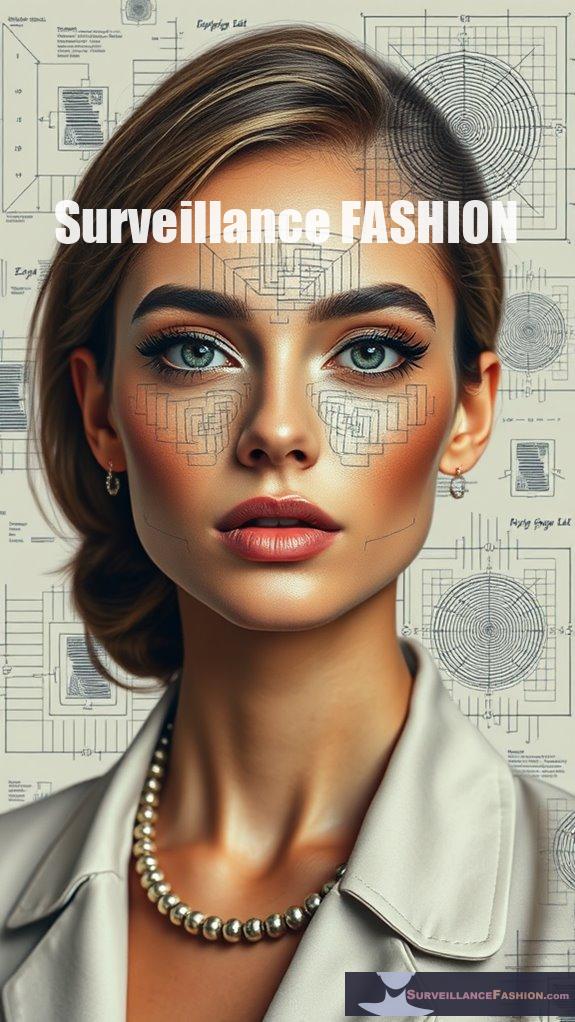
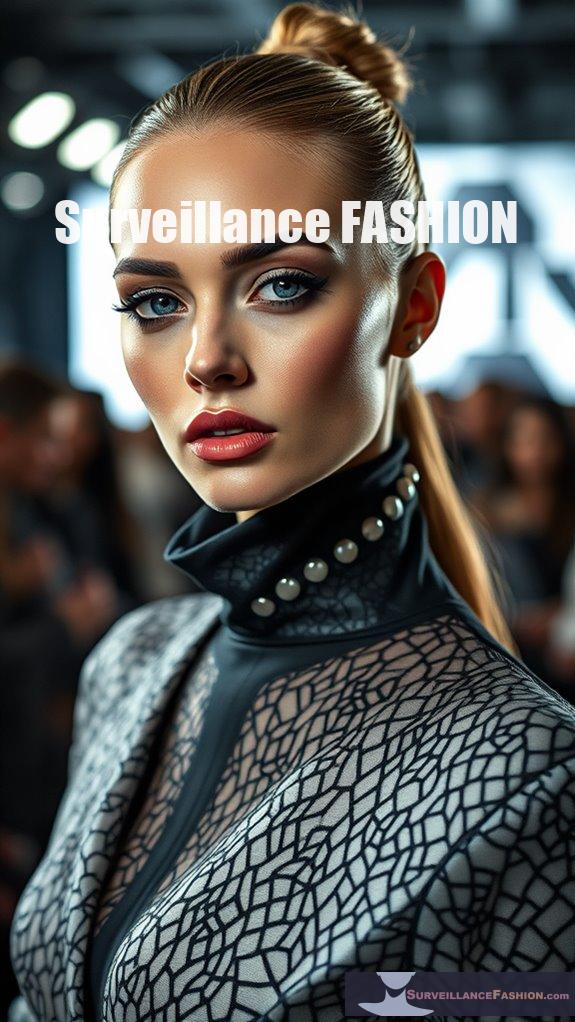
    To effectively block facial recognition systems, you should explore UV patterns that utilize advanced technologies, such as generative adversarial networks, to craft complex designs. These designs confuse recognition algorithms by creating high spatial frequency patterns that adapt to environmental changes. Furthermore, clothing incorporating reflective materials can obscure facial features, while UV makeup can further enhance these privacy strategies. This unique fusion of fashion and technology reflects the ongoing dialogue about personal identity and privacy in an increasingly surveilled world, inviting you to discover more.

    Quick Takeaways

    • UV patterns with high spatial frequencies can significantly reduce recognition accuracy by confusing facial recognition algorithms.
    • Complex adaptive UV designs enhance spoof detection, making it difficult for systems to accurately identify individuals.
    • Incorporating reflective materials into clothing and accessories disrupts infrared detection, adding another layer of privacy protection.
    • Generative adversarial networks can create synthetic UV patterns that improve effectiveness against facial recognition systems.
    • Utilizing tactical gear with high-tech fabrics that absorb or reflect UV light can further enhance anti-surveillance strategies.

    Innovative Strategies for Privacy Protection
    privacy protection innovations strategy

    As privacy concerns escalate in our increasingly surveilled society, individuals are exploring innovative ways to evade facial recognition systems, particularly through the use of UV-blocking patterns. The advent of facial recognition technology, which identifies individuals by analyzing unique facial features, has prompted a growing unease regarding its implications for personal privacy. With surveillance systems proliferating globally, the need for effective privacy protection has never been more pressing.

    As surveillance intensifies, innovative UV-blocking patterns emerge as a vital defense against facial recognition technology’s threat to privacy.

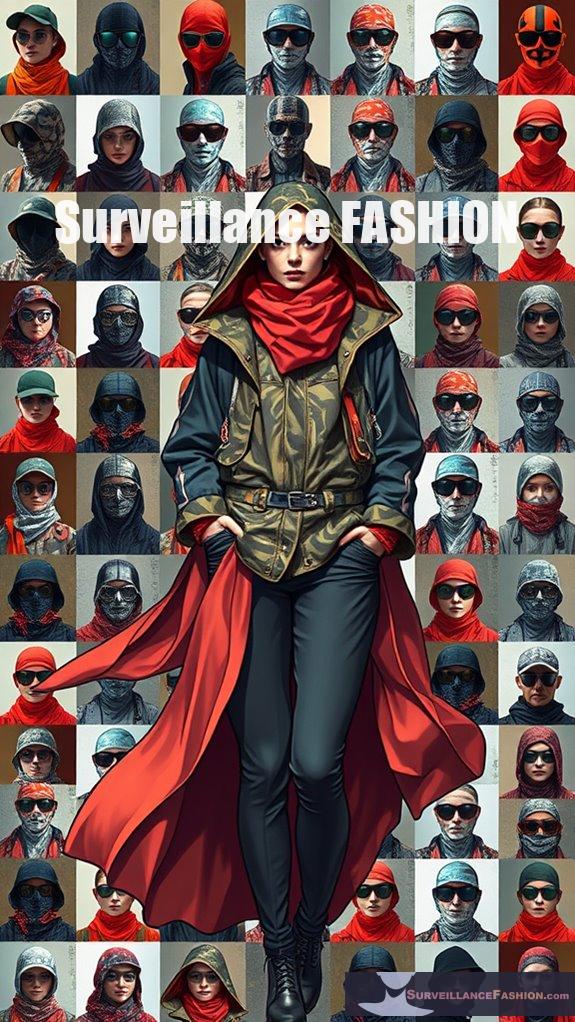
    In response, fashion designers and artists are embracing the concept of anti-surveillance fashion, crafting clothing and accessories that not only serve aesthetic purposes but also act as formidable countermeasures against invasive technologies. One of the more intriguing methods employed in this domain involves the utilization of UV-blocking patterns. These patterns can be incorporated into various garments and accessories, effectively confusing the algorithms underpinning facial recognition systems. Notably, facial recognition technology has been widely utilized by law enforcement in the US for identification and safety measures, highlighting the urgent need for countermeasures. Recent studies in public health surveillance have also shown that social media data can enhance our understanding of how individuals interact with surveillance technologies.

    For instance, clothing designed with facial-like patterns can inundate the system with false positives, rendering it unable to accurately identify the wearer. Similarly, reflective materials, when applied to various accessories like glasses or hats, can disrupt the infrared detection capabilities of surveillance cameras, creating a layer of obfuscation that’s both practical and stylish. Additionally, disguise techniques such as UV makeup can further confuse these systems, adding another layer of complexity to the challenge of facial recognition. Employing these makeup techniques can obscure facial features, making it difficult for the technology to achieve accurate identification.

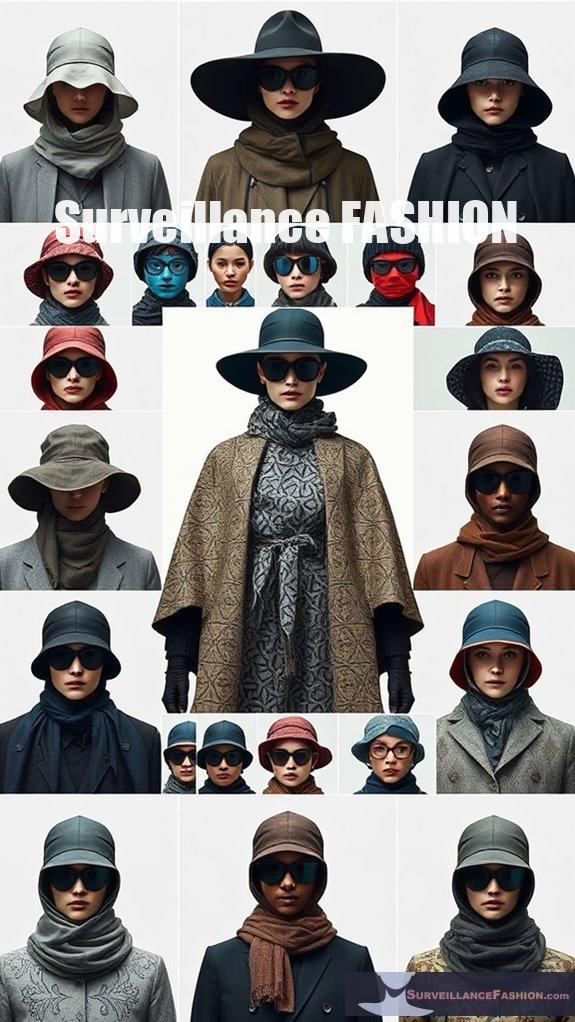
    In addition, the integration of high-tech fabrics into everyday wear is a reflection of the innovation driving the anti-surveillance fashion movement. By employing materials specifically engineered to reflect or absorb UV and infrared light, designers aren’t only enhancing the protective capabilities of their creations, but they’re also making a bold statement about privacy in the digital age. For example, consider scarves or hats that aren’t merely fashion items but also serve as tactical gear against pervasive surveillance.

    Physical methods of evasion also complement the use of UV-blocking patterns. You might find that tilting your head or adjusting your posture can greatly hinder a camera’s ability to capture your facial features accurately. Additionally, combining these strategies with carefully chosen accessories—such as glasses equipped with infrared-blocking films—can create an additional layer of defense.

    The synergy of these approaches underscores the multifaceted nature of privacy protection in an age dominated by technology. As you explore deeper into the world of anti-surveillance fashion, you’ll discover an array of innovative solutions designed to thwart facial recognition systems. From reflective tapes to camera-distorting accessories, each design element serves a dual purpose: to enhance personal style and safeguard individual privacy.

    This intersection of fashion and technology isn’t just a trend; it’s a transforming environment that reflects a collective desire for autonomy in a world increasingly characterized by surveillance. At Surveillance Fashion, we’ve dedicated ourselves to exploring these advancements, providing a platform for discussion and innovation in the field of privacy protection.

    Cloaking Designs With UV Patterns
    uv patterned cloaking designs

    Cloaking designs with UV patterns represent a sophisticated approach to enhancing privacy in an era dominated by facial recognition technology. By employing innovative cloaking methods, these designs utilize UV technology to create undetectable alterations to one’s appearance, effectively confusing recognition algorithms. For instance, reflective materials incorporated into eyewear can obscure facial features, while UV patterns can block harmful rays and prevent identification. This multi-layered strategy, which includes microscopic adjustments, leverages pixel-level manipulation to guarantee that even subtle changes remain invisible to the naked eye yet disrupt machine detection. The technology behind Fawkes Image Cloaking has inspired new methods that enhance personal privacy online. Additionally, infrared-reflecting materials are being researched to further improve the efficacy of these designs. Infrared-resistant fabrics are also being explored for their potential to augment privacy by providing stylish yet functional clothing options. As various companies and researchers compete to develop these privacy-enhancing tools, the demand for effective solutions grows.

    Our website, Surveillance Fashion, aims to illuminate these advancements, providing perspectives into how you can safeguard your identity in an increasingly surveilled world. Embracing these cutting-edge designs could redefine your experience in public spaces, merging functionality with style to promote privacy. The Phantom Miasma eyewear, for instance, utilizes innovative lens technology to block infrared illumination and prevent facial mapping, making it a powerful tool in the quest for privacy.

    Creative UV Pattern Innovations
    innovative ultraviolet design techniques

    What if you could transform the way facial recognition systems perceive your identity through the innovative use of UV patterns? By embracing adaptive UV designs, you can create a new frontier in privacy protection.

    Envision projecting complex UV pattern aesthetics—these patterns not only enhance spoof detection but also obscure your identity from prying eyes. For instance, high spatial frequency UV patterns can be dynamically adjusted to suit varying environmental conditions, effectively rendering your facial features indistinguishable to recognition algorithms. Utilizing deep learning models, specialized algorithms interpret these UV projections, enabling pose-invariant recognition even under challenging lighting scenarios. Moreover, advancements in generative adversarial networks (GANs) allow for the generation of synthetic UV patterns, which can camouflage faces that might otherwise be detected. These developments align with the increasing integration of AFR in security and surveillance, highlighting the need for innovative privacy solutions.

    The use of makeup techniques can further enhance the effectiveness of these UV patterns in obstructing identity detection. Furthermore, the application of real 3D information in facial recognition enhances the effectiveness of such UV patterns in obstructing identity detection. As a result, employing anti-surveillance makeup alongside these UV innovations can significantly improve your chances of evading detection.

    As we explore these exciting innovations, the potential for privacy enhancement becomes apparent, making the technology a vital element in the ongoing discourse surrounding surveillance fashion and individual rights.

    Questions and Answers

    How Effective Are UV Patterns Against Various Facial Recognition Systems?

    You’ll find that UV patterns have varying effectiveness against different recognition systems. By comparing their vulnerabilities, you can explore innovative ways to enhance privacy protection and potentially outsmart advancing facial recognition technologies.

    Can UV Patterns Be Customized for Individual Users?

    Yes, you can customize UV patterns for individual users. Personalized UV patterns leverage custom user designs, enhancing privacy and effectiveness while considering facial structure and recognition system vulnerabilities for innovative, tailored solutions in evading surveillance.

    Are There Any Legal Implications of Using UV Patterns?

    Using UV patterns is like dancing on a legal tightrope; you’ve got to navigate privacy concerns and legal regulations carefully. Without clear laws, you might find yourself in uncharted waters, risking unintended consequences. Stay informed!

    How Durable Are UV Patterns on Clothing and Accessories?

    UV patterns on clothing and accessories can offer impressive fabric longevity and pattern resilience. However, factors like moisture, temperature, and wear can impact their durability, so you should choose wisely and maintain them properly for lasting effectiveness.

    What Materials Work Best for Applying UV Patterns?

    When applying UV patterns, consider fabric types like metallic textiles and reflective materials. Utilize innovative application techniques, such as embedding UV-blocking properties or using fluorescence, to enhance effectiveness and disrupt recognition systems creatively.

    References

  • What Clothes Block Surveillance Cameras?

    What Clothes Block Surveillance Cameras?

    Ever feel like you're on a reality show with cameras everywhere?

    I do, especially when I wore my Camera Shy Hoodie for the first time.

    Picture this: I'm at a crowded event, trying to blend in. Suddenly, I realize I'm surrounded by drones and cameras.

    Thank goodness for my hoodie! Its infrared LEDs turned those night vision cameras into glorified paperweights.

    The irony? I'm hiding in plain sight, looking like a fashion statement while dodging the ever-watchful eyes of surveillance.

    Who knew anti-surveillance fashion could feel both exhilarating and a bit ridiculous?

    Just me, my hoodie, and a little privacy in a world that loves to snoop.

    Embracing Minimalism for a Clearer Mind

    A while back, I decided to declutter my life. I tossed out clothes I hadn't worn in ages, including a few "anti-surveillance" pieces.

    It felt liberating! I realized that less really is more.

    With fewer distractions, I could focus on what truly mattered: my passions and relationships.

    Funny how shedding physical stuff opened up mental space too.

    Do you ever feel weighed down by things you don't use?

    The minimalist lifestyle taught me the value of simplicity, allowing me to embrace experiences over possessions. Plus, it's easier to dodge cameras when you're not overloaded with stuff!

    Quick Takeaways

    • Clothing with infrared-reflective fabrics can disrupt night vision cameras, enhancing wearer anonymity.
    • Adversarial designs use complex patterns to confuse facial recognition systems and monitoring technologies.
    • Camouflage patterns, such as CV Dazzle, create visual noise that obscures facial landmarks from surveillance.
    • Reflective materials can blind CCTV cameras and thwart facial recognition by utilizing retro-reflective properties.
    • The Camera Shy Hoodie employs high-power IR LEDs to disrupt sensors in night vision cameras effectively.

    Camera Shy Hoodies: Blinding Night Vision Cameras

    night vision camera apparel

    In an era where surveillance technologies proliferate, the advent of the Camera Shy Hoodie offers a compelling solution for those seeking to obscure their identities from prying eyes, particularly in settings fraught with monitoring, such as protests and public events.

    Equipped with high-power IR LEDs that flood cameras, this innovative garment disrupts night vision by causing overexposure. By employing a strobe effect that hinders auto-exposure adjustments, wearers can effectively advocate for privacy. This hoodie is designed to specifically target IR-sensitive equipment, making it a unique tool in the fight against intrusive surveillance. Wearers of this hoodie can take comfort in knowing that they are utilizing privacy-enhancing technology, which plays a critical role in safeguarding personal freedoms.

    As discussions on surveillance ethics intensify, the Camera Shy Hoodie embodies a tangible response to an increasingly monitored society, fostering community engagement and sparking essential dialogues on personal freedoms.

    Adversarial Fashion: Confusing License Plate Readers

    license plate reader disruption

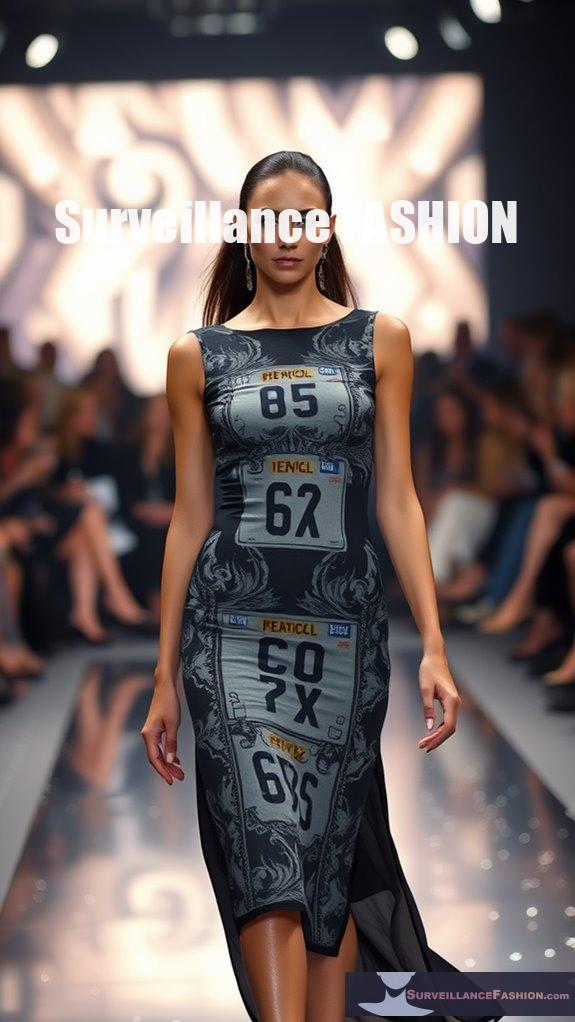
    How does one navigate a world increasingly defined by relentless surveillance? Adversarial fashion offers a unique solution, utilizing adversarial designs to confuse automated license plate readers (ALPRs). These garments, often crafted from high-quality cotton and featuring elaborate patterns that mimic real license plates, introduce noise into surveillance databases, thereby undermining their effectiveness. Wearing clothing designed to disrupt ALPR readings is a direct way to counteract the pervasive tracking of individuals in public spaces. Privacy activism thrives through this innovative approach, as individuals don T-shirts, skirts, or hoodies that disrupt the data flow analysts rely on.

    Camouflage Patterns: Disrupting Facial Recognition

    disguising identities with patterns

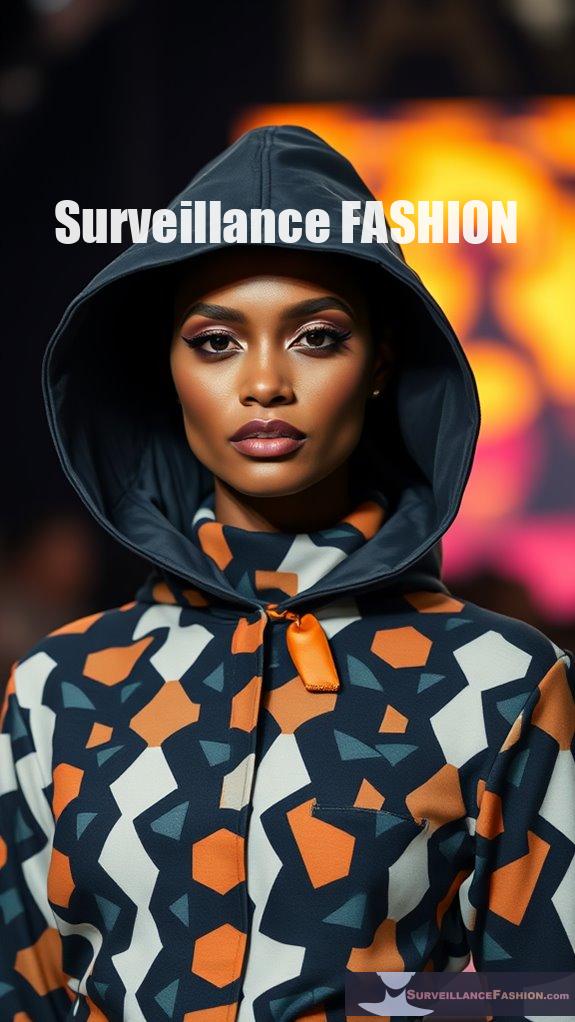
    Surveillance technologies increasingly rely on facial recognition algorithms to identify individuals in real-time, making the development of effective camouflage patterns essential for those seeking to evade detection. By incorporating patterned clothing, you can create visual noise that disrupts these algorithms.

    • CV Dazzle uses high-contrast designs to confuse facial detection.
    • Irregular patterns near your face can obscure critical landmarks. To enhance this effect, consider employing innovative designs that utilize unexpected color combinations and shapes.
    • Dynamic patterns may confuse camera autofocus and exposure settings.
    • Recent research highlights the effectiveness of minimal makeup application in disrupting facial recognition processes.

    These strategies, including accessories and hairstyles, effectively obscure your identity, contributing to the broader aim of surveillance avoidance we advocate at Surveillance Fashion.

    Signal-Blocking Fabrics: Protecting Against RFID and GPS

    rfid and gps protection fabrics

    As concerns over privacy and personal safety escalate, the need for clothing that can actively obstruct surveillance technologies has become increasingly apparent. Signal-blocking fabrics, specifically engineered for RFID protection strategies, prevent unauthorized scanning of sensitive items like credit cards, while also facilitating GPS signal disruption to thwart location tracking. These advanced textiles, incorporating metamaterials and electromagnetic blocking capabilities, offer individuals a means to safeguard their privacy in an increasingly monitored world. The growing demand for such anti-surveillance clothing reflects a societal shift toward valuing personal freedom, prompting designers to innovate and create accessible options, which is why we established Surveillance Fashion. Additionally, many of these garments integrate RFID-blocking technology, which further enhances their protective functionalities. Understanding how infrared cameras operate can further enhance the effectiveness of these protective garments.

    3D-Printed Masks: Altering Facial Recognition

    3d masks disrupt recognition technology

    While many individuals may not think about it, the rise of 3D-printed masks represents a significant technological advancement with the potential to disrupt facial recognition systems that have become ubiquitous in modern surveillance.

    These masks achieve this through:

    • Mask creation that mimics facial structures.
    • Integration of makeup and 2D images to deceive AI algorithms.
    • Cost-effectiveness, allowing production for around $150. Additionally, Face ID's claimed security relies on a sophisticated depth mapping system that may struggle against these sophisticated disguises.

    However, detection methods remain complex, as advanced systems like Face ID struggle against these sophisticated disguises.

    This challenge underscores the urgency for privacy-focused solutions, a mission that aligns with our commitment at Surveillance Fashion to address modern surveillance concerns.

    Reflective Accessories: Obscuring Features From Cameras

    camera obscuring reflective accessories

    Reflective accessories have emerged as a remarkable innovation in the ongoing battle against surveillance technologies, offering individuals a means to obscure their features from prying eyes. These products, such as Reflectacles, utilize retro-reflective materials to bounce light back to its source, effectively thwarting facial recognition systems. With privacy protection features like infrared blocking and composite spectral blocking, they cater to the growing desire for personal freedom. The Reflectables' Ghost style is specifically designed to blind CCTV cameras using infrared, enhancing their effectiveness against surveillance.

    Trendy Anti-Surveillance Accessories

    stylish privacy protection gear

    The emergence of trendy anti-surveillance accessories reflects a growing awareness of the pervasive nature of surveillance technologies in modern society. These fashionable items not only enhance your style but also embody critical privacy trends.

    The rise of stylish anti-surveillance gear highlights our increasing recognition of surveillance technologies in everyday life.

    • Clothing with Disruptive Patterns confuses facial recognition algorithms. Additionally, these designs utilize advanced techniques to further obscure personal features from digital monitoring systems.
    • Anti-Flash Accessories obscure facial features in photographs.
    • IR-Reflective Materials render you invisible to night cameras.

    Innovative Fabric Technology Insights

    advanced textile innovation insights

    Innovative fabric technologies have emerged as a fascinating response to the escalating concerns surrounding personal privacy and the omnipresence of surveillance systems. Anti-surveillance materials, such as signal-blocking and IR-reflective fabrics, actively disrupt surveillance technology, keeping your identity safe. Textile innovations, including metamaterials that bend light and camouflage-inspired designs, confuse facial recognition systems and obscure thermal imaging. Moreover, advances like active smart textiles integrate sensors for real-time data collection, enhancing both privacy and functionality. As we explore these developments, it's clear that the intersection of fashion and technology offers newfound freedom in an increasingly monitored world, perfectly aligning with the mission of Surveillance Fashion. Additionally, this technology utilizes overbraided magnetoresistive sensors for touchless interaction, showcasing the potential for garments to serve as interactive interfaces while preserving user privacy.

    Fashion That Evades Monitoring

    untraceable fashion trends emergence

    While fashion often serves as a means of self-expression, it's increasingly becoming a tool for evading surveillance, allowing individuals to reclaim their privacy in a world where monitoring technologies proliferate.

    Fashion is evolving beyond self-expression; it's now a vital means to reclaim privacy in an age of relentless surveillance.

    Consider the following elements of privacy fashion:

    • Adversarial designs that confuse facial recognition systems with complex patterns.
    • Infrared interference clothing that blinds night vision cameras, enhancing your anonymity. The Camera Shy Hoodie is an example of how infrared light disrupts night vision camera sensors, rendering them ineffective.
    • Reflective fabrics that obscure your features from prying eyes, particularly useful in public spaces.

    As anti-surveillance activism gains momentum, these garments not only protect your privacy but also challenge pervasive monitoring, a core principle of our mission at Surveillance Fashion.

    References

  • Best Algorithm-Disrupting Makeup Patterns For Privacy

    Best Algorithm-Disrupting Makeup Patterns For Privacy

    To effectively disrupt facial recognition algorithms, consider utilizing geometric patterns and asymmetrical designs that confuse recognition systems. Bold colors and layering techniques enhance visual complexity, while incorporating textures can greatly obscure identifiable features. Utilizing UV pigments adds another layer of challenge, as neon colors shift under different lighting, further complicating algorithmic analysis. By experimenting with these innovative makeup patterns, you not only enhance your personal security but also creatively express your individuality, with more understanding available on this emerging trend.

    Quick Takeaways

    • Utilize geometric shapes and bold colors to confuse facial recognition algorithms effectively.
    • Apply asymmetrical designs to disrupt facial symmetry detection, enhancing anonymity.
    • Experiment with layering techniques to create depth and complexity in your makeup.
    • Incorporate textures and materials that change appearance under different lighting conditions for added visual complexity.
    • Consider using UV pigments for vibrant looks that enhance visibility in low-light environments while obscuring identifiable features.

    Makeup as a Tool for Privacy Protection

    makeup for personal concealment

    In an era where surveillance technologies permeate daily life, the integration of makeup as a tool for privacy preservation emerges as a compelling subject for exploration. As facial recognition systems become increasingly sophisticated, the need for innovative strategies to protect personal identity grows more pressing. You might find it fascinating that researchers have investigated the application of makeup not just for aesthetic enhancement but as a means of disrupting the algorithms behind facial recognition technology.

    Through meticulous studies, experts have discovered that specialized makeup patterns can effectively alter facial symmetry, thereby reducing identification rates considerably. By employing software-generated designs, they create makeup that targets identifiable regions of the face, such as the nose, mouth, and eyes. These areas are vital since they’re often the focal points for recognition algorithms. Utilizing heatmap analysis, researchers can pinpoint the most recognizable facial features and deploy makeup techniques that disrupt the symmetry essential for accurate identification. Recent studies have demonstrated that the use of adversarial makeup can lead to a significant drop in identification rates, showcasing its potential as a privacy-preserving tool. Interestingly, the effectiveness of these patterns is supported by research on algorithmic vulnerabilities, which highlights how certain visual alterations can confuse recognition systems. Moreover, the concept of visual disruption lies at the heart of these innovative makeup strategies, emphasizing their role in privacy protection.

    Digital makeup tools, like YouCam Makeup, allow users to simulate these innovative designs virtually. This capability paves the way for practical applications, where skilled makeup artists can replicate digital patterns on individuals for real-world testing. The application methods vary, encompassing both digital and physical strategies, ensuring versatility and accessibility for those interested in privacy preservation through makeup.

    Interestingly, while randomly applied makeup can yield some reduction in identification rates, strategically applied patterns demonstrate a markedly higher success rate, achieving up to 100% efficacy in bypassing certain facial recognition models. In physical testing scenarios, participants adorned with these specially designed makeup patterns experienced identification in only about 1% of frames, illustrating the effectiveness of targeted makeup application. Furthermore, this research aligns with BGU’s findings that makeup application significantly impacts facial recognition accuracy, emphasizing the potential of this approach.

    However, it’s essential to acknowledge the limitations of this approach. While these innovative patterns can confuse facial recognition systems, they may inadvertently draw attention in other ways, potentially defeating the purpose of privacy preservation. The careful balance between maintaining a discreet appearance and effectively disrupting facial symmetry is critical in the design of these makeup patterns.

    The artistic influence behind these techniques often draws from projects like CV Dazzle, which similarly aim to confuse facial recognition algorithms through creative expression. The notion that makeup can serve not just as a cosmetic tool but as a form of self-defense against surveillance is a radical shift in understanding personal privacy.

    Ultraviolet Color Theory Techniques

    color theory techniques explained

    Exploring unconventional techniques for privacy preservation through makeup naturally leads to the fascinating domain of ultraviolet (UV) color theory, where the interplay between light and pigment reveals a new dimension of artistic expression.

    When considering UV Pigment Selection, it’s essential to prioritize pigments with fluorescent properties, as they create striking, luminous effects under UV light. For instance, neon pigments not only enhance visibility but also introduce a vibrant palette that transforms in dark environments. Understanding contrast levels can help artists choose shades that complement their unique features when using UV makeup. By leveraging color theory, artists can enhance application techniques and improve shade matching in UV makeup. Furthermore, utilizing anti-facial recognition techniques can enhance the effectiveness of UV makeup by creating an additional layer of visual complexity. Incorporating facial distortion methods can further disrupt recognition algorithms, allowing for enhanced privacy.

    Moreover, understanding UV Light Effects can greatly alter the perception of colors, making certain hues more vivid and appealing. This aspect is particularly advantageous for artists aiming to craft unique temporary art pieces on the skin, as UV-sensitive makeup elevates the visual experience.

    Understanding UV light effects enhances color perception, allowing artists to create captivating temporary art on the skin with UV-sensitive makeup.

    At Surveillance Fashion, we’re dedicated to showcasing innovative techniques that redefine personal expression while ensuring privacy protection. We emphasize the importance of safety and stability in UV makeup applications.

    Unique Ultraviolet Color Combinations

    vibrant uv color pairings

    While many might perceive ultraviolet makeup merely as a fleeting trend, the art of crafting unique ultraviolet color combinations offers an expansive canvas for personal expression, especially in vibrant social settings. Experimenting with neon gradients and custom blends can elevate your look, particularly in environments where UV light enhances visibility. Many colorful makeup products may already contain glow-reactive pigments, which can further enhance your designs. It is essential to recognize that dazzle makeup techniques can effectively disrupt facial recognition technology. Incorporating elements like disruptive patterns can further amplify the effectiveness of your makeup. Below is a table showcasing some vibrant color combinations that can be particularly effective:

    Primary ColorSecondary ColorEffect
    PinkBright TealEnergetic and playful
    OrangePastel PinkSoft yet vibrant
    GreenYellowFresh and striking
    PurpleUV WhiteMystical and ethereal
    MagentaLight BlueBold and eye-catching

    Incorporating these combinations not only amplifies your artistic expression but also aligns with the innovative spirit of our platform, Surveillance Fashion, where we celebrate the intersection of creativity and privacy through makeup – like utilizing a 12 Color UV Water Activated Glow Palette which can enhance your options by providing a highly pigmented formula designed for visibility under UV light.

    Questions and Answers

    Can Makeup Patterns Help Evade Facial Recognition Technology?

    Makeup techniques can indeed help you evade facial recognition. By altering key facial features and creating contrasts, you disrupt algorithmic detection, making it harder for technology to identify you. Embrace innovation in your beauty routine!

    What Materials Are Best for Creating These Makeup Patterns?

    To create innovative makeup patterns, use sustainable materials like natural pigments and reusable stencils. Employ application techniques such as sponging and layering for vibrant effects, ensuring your designs are both impactful and environmentally conscious.

    How Long Do These Makeup Patterns Last on the Skin?

    Like a fleeting shadow, makeup patterns can vary in application duration. Your skin compatibility plays an essential role; high-quality products may last longer, but environmental factors can quickly turn your masterpiece into a fading echo.

    Are There Specific Brands Recommended for Privacy-Focused Makeup?

    For privacy-focused makeup, consider brands like Crunchi and RMS Beauty. They prioritize ethical beauty while offering transparency in ingredients. These innovative options guarantee you’re not just looking good, but also making responsible choices.

    Can I Customize Makeup Patterns for Different Environments?

    Yes, you can customize makeup patterns for different environments using innovative customization techniques. By leveraging environmental adaptations, you’ll enhance your look, ensuring it suits varying lighting and conditions, creating a truly personalized beauty experience.

    References

  • Outsmart Cameras: Privacy Fashion Against Facial Recognition

    Outsmart Cameras: Privacy Fashion Against Facial Recognition

    Fashion isn't just about looking good anymore; it's my secret weapon against the ever-watchful eye of facial recognition tech.

    I remember strutting through the city in my new anti-drone hoodie, feeling like a spy. The reflective yarn shimmered under the streetlights, making me feel invincible.

    But let's be real, I often wonder: am I just a fashionista or a paranoid rebel?

    That hoodie isn't just a style choice; it's a statement. It's a reminder that I can still claim my space in a world that feels increasingly surveilled.

    Do I look good? Sure. Do I feel protected? Absolutely.

    Minimalist Lifestyle: Simplifying My Anti-Surveillance Wardrobe

    I recently decided to declutter my closet, embracing a minimalist lifestyle. It felt liberating—like shedding an old skin.

    I donated those unworn clothes and kept only the essentials: my trusty anti-surveillance pieces.

    Each item I own now serves a purpose, merging style with privacy.

    I often reflect on how simplicity can be powerful. Less really is more, especially when fighting against prying eyes.

    Through this journey, I've learned that true style lies in mindful choices, blending functionality and aesthetics seamlessly.

    Quick Takeaways

    • Reflective yarns and textured patterns in garments confuse facial recognition systems, enhancing personal privacy through fashion.
    • Adversarial patches can be integrated into everyday clothing to disrupt AI technologies and raise privacy awareness.
    • Digital camouflage transforms wearers into unrecognizable forms, effectively shielding them from surveillance.
    • Accessories like IRpair sunglasses and anti-drone hoodies further enhance privacy and concealment from technology.
    • Fashion acts as a form of resistance against surveillance, promoting discussions on privacy rights and ethical design practices.

    Reflective Yarn Innovations: Blurring Personal Identity

    innovative yarn personal identity

    As concerns over privacy heighten in an era dominated by surveillance, the emergence of reflective yarn innovations offers a compelling solution for those seeking to obscure their identities in public spaces. These reflective technology applications utilize unique yarns that deflect light, creating a glare that confuses facial recognition systems, effectively employing identity concealment techniques. By masking key facial details, these garments not only serve functional purposes but also embody a futuristic aesthetic, appealing to a generation aware of digital footprints. Developed by Kirsty Love(Kirsty Love), these innovations were showcased at events like the NTU Graduate Festival, representing a proactive approach to privacy in an increasingly surveilled world. Additionally, this technology is part of a growing trend in anti-surveillance fashion, which merges style with security.

    Adversarial Patches: Clothing That Confuses AI

    clothing that misleads ai

    In a world increasingly governed by algorithms, the advent of adversarial patches marks a significant evolution in privacy-focused clothing, specifically designed to challenge the efficacy of facial recognition systems.

    • Adversarial clothing employs deceptive patterns to mislead AI.
    • These patches can be seamlessly integrated into everyday garments. Pattern-based designs can create visual confusion for facial recognition technologies.
    • Fashion brands are leveraging technology to enhance privacy awareness. Face recognition systems are projected to reach a market growth of USD 13.87 billion by 2028, highlighting the urgent need for privacy solutions.

    License Plate Disguises: Feeding Misinformation to Surveillance

    surveillance evasion techniques unveiled

    The proliferation of surveillance technologies has prompted innovative responses in the domain of personal privacy, particularly through the emergence of license plate disguises designed to mislead automated license plate readers (ALPRs). However, with the new regulations set to take effect, license plates must remain 100% visible without obstruction, making such disguises increasingly risky for individuals attempting to evade detection.

    Vision-Blocking Accessories: Outwitting CCTV Cameras

    cctv evasion through accessories

    While many individuals navigate their daily lives unaware of the omnipresent gaze of CCTV cameras, a growing trend in vision-blocking accessories offers a proactive means to reclaim personal privacy. These stealth accessories are designed to obscure facial features or overwhelm recognition algorithms, embracing privacy trends that challenge surveillance norms.

    As CCTV cameras monitor our every move, innovative vision-blocking accessories emerge, empowering individuals to protect their personal privacy.

    • Reflective fabrics that bounce light back at cameras. Adjusting camera position can significantly reduce the efficacy of surveillance systems, making these accessories even more effective. Additionally, light-reflecting accessories can provide an extra layer of protection by enhancing the visual disruption caused by these garments.
    • Textured masks that confuse facial recognition software.
    • Clothing with complex patterns that disrupt recognition systems.

    Fashion as Resistance: Empowering Privacy Awareness

    empower privacy through fashion

    Fashion serves as a potent medium for expressing resistance against the pervasive surveillance that characterizes contemporary society, particularly through the lens of privacy awareness.

    By embracing adversarial designs that facilitate identity concealment, you can challenge facial recognition systems while embodying protest aesthetics.

    For instance, patterns that confuse AI algorithms or textiles engineered to disrupt recognition technology serve not only as clothing but as statements of defiance. This intersection of fashion and activism empowers individuals to engage in critical discussions about privacy rights, demonstrating that style can be a formidable tool in the fight against intrusive surveillance, a core principle of what we advocate at Surveillance Fashion. Moreover, with the number of surveillance cameras in the U.S. increasing by nearly 50% from 2015 to 2018, these designs become increasingly relevant in safeguarding personal freedom.

    The Future of Privacy Fashion: Legal and Ethical Implications

    privacy in fashion ethics

    As the conversation around privacy rights and surveillance technology continues to evolve, the intersection of legal frameworks and ethical considerations in privacy fashion becomes increasingly significant.

    • Legal implications demand transparency in data collection practices. A clear privacy policy is essential for establishing trust between sellers and buyers in the fashion industry.
    • Ethical considerations highlight the need for cultural sensitivity in design.
    • An informed consent model is essential for utilizing biometric data.

    Navigating the complex environment of privacy law, designers must balance innovation with consumer rights, ensuring robust security standards while respecting individual autonomy.

    Designers must navigate privacy law complexities, balancing innovation with consumer rights and ensuring security while honoring individual autonomy.

    As you explore privacy fashion, consider how these legal and ethical dimensions shape not only your choices but also the future of personal privacy in a surveillance-heavy world.

    Stealthy Patterns for Privacy

    covert designs for confidentiality

    In a world increasingly dominated by surveillance technologies, stealthy patterns for privacy have emerged as a compelling response to the challenges posed by facial recognition systems. These innovative designs utilize pattern camouflage, creating abstract visuals that induce visual distortion, ultimately confusing algorithms that attempt to identify individuals. Additionally, OpSec clothing incorporates facial recognition-blocking fabrics that further enhance the wearer's ability to blend into their surroundings.

    Cloaking Colors and Textures

    cloaking techniques in design

    Cloaking techniques employing specific colors and textures have emerged as pivotal strategies in the ongoing battle against facial recognition technologies, addressing the urgent need for privacy in an era marked by pervasive surveillance.

    • Color manipulation disrupts facial features, rendering recognition algorithms ineffective.
    • Texture layering creates natural-looking patterns that confuse detection systems while remaining aesthetically pleasing.
    • Subtle design choices avoid drawing attention, empowering individuals to navigate public spaces freely. Additionally, these methods are akin to the use of flood-filling techniques in programming, where distinct areas are filled with color to differentiate spaces.

    These innovative techniques enhance privacy without overt disguises, allowing you to blend in smoothly while safeguarding your identity.

    Fashion That Evades Detection

    invisible style statement

    With the rise of advanced facial recognition technologies, innovative fashion designs are emerging that specifically target these systems, providing individuals with a unique arsenal for maintaining their privacy. Garments like Cap_able's collection utilize digital camouflage, transforming wearers into unrecognizable forms. Meanwhile, Harvey's Hyperface employs privacy textiles that mimic facial features, diverting AI focus. The Italian clothing line Cap_able exemplifies this trend, as it aims to provide privacy in an era of invasive biometric recognition. Accessories such as IRpair sunglasses and anti-drone hoodies, designed to obscure thermal signatures, further enhance privacy. These creations reflect a growing trend in stealth fashion, embodying a proactive approach to counter surveillance culture—a personal expression of freedom in an era where technology often invades the private sphere.

    References

  • UV Face Patterns: Evade Recognition Surveillance Naturally

    UV Face Patterns: Evade Recognition Surveillance Naturally

    UV face patterns provide an innovative means to evade recognition surveillance by using UV inks that render your facial features difficult to identify. These inks contain specialized materials, such as lanthanides, which emit unique luminescent signatures under specific lighting. As traditional facial recognition systems operate primarily in visible light, the strategic application of these patterns creates a natural camouflage effect, enhancing your privacy. Interested in how this intertwines with personal expression and cultural narratives? There’s much more to explore.

    Quick Takeaways

    • UV face patterns utilize UV inks to create visual camouflage against facial recognition systems, enhancing personal privacy.
    • These patterns disrupt recognition technology by relying on luminescent properties, which are undetectable by standard cameras.
    • Artistic designs, including geometric shapes, can obscure identifiable features while allowing for personal expression.
    • Incorporating anti-surveillance techniques in makeup strategies promotes innovative self-expression and challenges traditional visibility norms.
    • Awareness of advancing recognition technology is essential for effectively utilizing UV face patterns as a privacy measure.

    Exploring UV Face Patterns for Enhanced Privacy

    uv face patterns privacy

    In recent years, the intersection of ultraviolet (UV) technology and personal privacy has sparked significant interest, particularly regarding the use of UV face patterns as a means of evading surveillance. This innovative approach to recognition evasion leverages the unique properties of UV inks and the limitations of current facial recognition systems. By adopting UV face patterns, you can create a form of natural camouflage, altering your appearance in a way that traditional surveillance technology struggles to interpret effectively.

    The use of UV face patterns offers a creative way to evade surveillance, transforming personal privacy into a form of natural camouflage.

    The increasing integration of UV technology into security applications has laid the foundation for this fascinating development. UV inks, often composed of complex materials like lanthanides or quantum dots, offer distinct luminescent signatures that are difficult to replicate, making them ideal for covert applications. When applied to the skin, these inks can manipulate the visual cues that recognition systems rely on to identify individuals, effectively creating a barrier against unwarranted scrutiny. invisible marking for theft and security can further enhance your ability to blend into environments where surveillance is prevalent. Notably, UV-enhanced patterns can also incorporate artistic designs that not only confuse algorithms but also allow for personal expression. This use of anti-surveillance techniques can thus provide a dual benefit of aesthetic appeal and privacy protection.

    As compact UV cameras become more prevalent in automated security checks, understanding how these systems function is essential for those seeking privacy in an increasingly monitored world. Facial recognition systems typically depend on visible light and established biometric markers; however, they may not be designed to process UV face patterns adequately. This limitation presents an opportunity for you to explore ways to enhance your privacy without resorting to cumbersome masks or heavy makeup.

    As you experiment with UV face patterns, you’re engaging in a form of technological countermeasure that resonates with the ongoing discourse about personal privacy in the digital age. While the potential for recognition evasion through UV face patterns is intriguing, it also raises important privacy implications. Altering your appearance with these patterns can be seen as a proactive step in safeguarding your identity, yet it invites discussions about ethical considerations and the balance between privacy rights and surveillance measures.

    As technology advances, regulatory frameworks surrounding surveillance and privacy may evolve, influencing the acceptability of UV face patterns in different environments. You might find it necessary to navigate these complexities as you explore innovative ways to protect your personal space. Moreover, as machine learning and image processing techniques improve, the effectiveness of UV face patterns may diminish over time. This underscores the importance of remaining informed about advancements in recognition technology and adapting your strategies accordingly.

    The environment of privacy and surveillance is ever-changing, and your engagement with UV technology could play a significant part in shaping its future. In essence, the application of UV face patterns represents a compelling intersection of creativity and technology, where innovative solutions to privacy concerns can emerge. As you investigate this fascinating domain, consider how your choices in utilizing such techniques can influence broader societal narratives about surveillance, privacy, and personal autonomy.

    At Surveillance Fashion, we aim to explore these complex dynamics, providing understanding that empowers you to navigate the intricacies of modern surveillance while expressing your individuality.

    Creative UV Face Paint Designs

    vibrant artistic facial designs

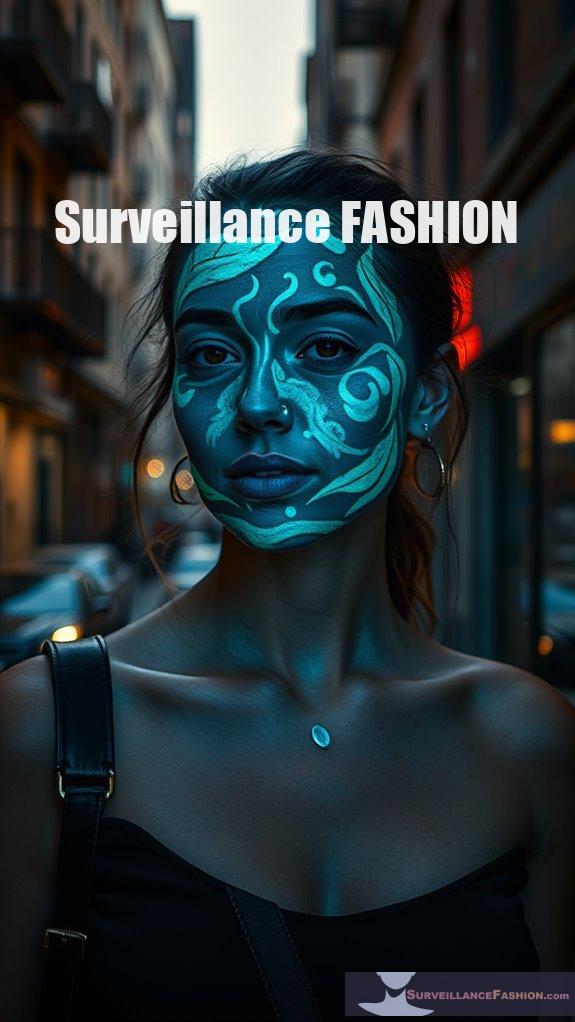
    Creative UV face paint designs offer an exciting avenue for personal expression, particularly when illuminated under blacklight conditions, which reveal their vibrant luminosity. By employing glowing motifs, you can transform your visage into a canvas of neon aesthetics, enchanting those around you. Consider the striking impact of glowing tribal art, with its elaborate patterns that pulsate under UV light, or the whimsical appeal of delicate floral designs that dance with vibrancy. For those seeking drama, electric lightning bolts and fiery red and icy blue fire and ice motifs create a bold statement. Moreover, minimalist accents, such as neon dots and lines, can enhance your natural features subtly yet effectively.

    As you explore these innovative designs, keep in mind that the aim of Surveillance Fashion is to promote creativity while evading recognition, allowing you to express individuality in a world increasingly monitored by technology. Utilizing glow in the dark face paint can further amplify the impact of your chosen designs, making them even more mesmerizing in low-light environments.

    These high-impact visuals are perfect for creating memorable experiences at events, enhancing the overall atmosphere with their captivating glow. Incorporating anti-surveillance techniques into your makeup routine not only boosts your creativity but also serves as a practical approach to navigating an ever-watchful society, as understanding computer vision confusion can help you choose designs that disrupt facial recognition technology.

    Unique Geometric Shapes

    distinctive geometric forms showcased

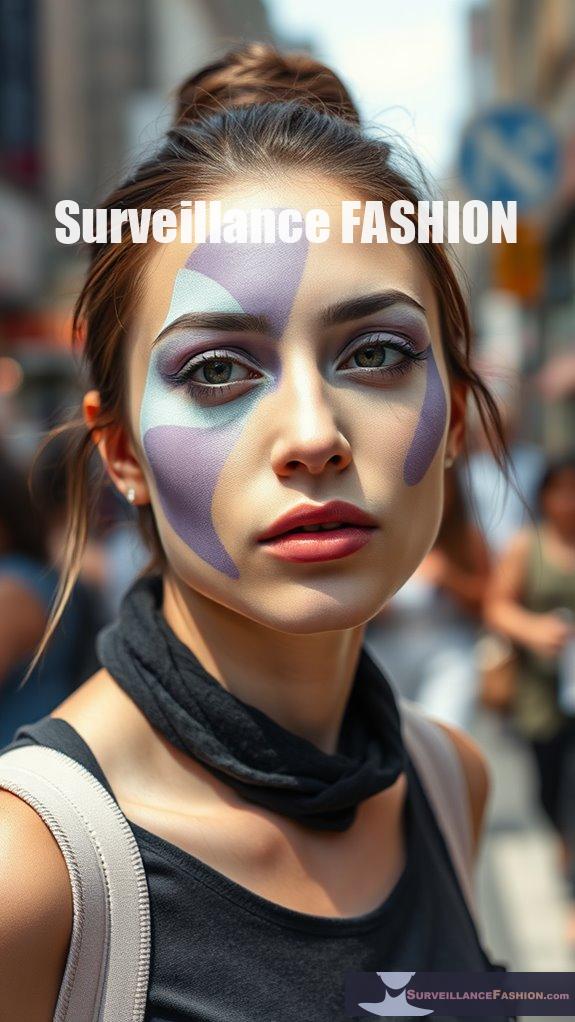
    Unique geometric shapes in UV face painting provide an intriguing exploration of visual aesthetics and personal expression, showcasing how mathematical forms can transcend mere structure to become vibrant works of art. By employing geometric symmetry, you can create designs that reflect balance and harmony, while abstract forms invite viewers to interpret patterns in unconventional ways. Utilizing UV-reactive paints enhances these shapes, as they illuminate under blacklight, transforming ordinary gatherings into extraordinary visual experiences.

    This trend towards eco-friendly materials resonates deeply with contemporary values, making geometric patterns not just visually appealing but also environmentally conscious. these designs can serve as an effective form of anti-facial recognition makeup, helping to obscure identifiable features in a creative manner. Incorporating anti-surveillance techniques into your makeup strategy enhances the effectiveness of these designs.

    For example, triangles can form dynamic compositions, while circles and squares introduce a sense of rhythm, allowing for both complex and minimalist designs. The adaptability of these patterns makes them ideal for various events, from raves to cultural celebrations, where personal expression is paramount. In essence, embracing these unique geometric shapes not only enriches your artistic repertoire but also aligns seamlessly with the ethos of Surveillance Fashion, promoting innovative self-expression in a world increasingly defined by visual engagement.

    Questions and Answers

    How Do UV Face Patterns Interact With Different Lighting Conditions?

    UV face patterns interact with lighting conditions through UV reflection effects, enhancing visibility. You’ll notice that lighting contrast impact greatly influences how pronounced these patterns appear, especially in dim or ultraviolet-rich environments, creating intriguing visual dynamics.

    Are UV Face Paints Safe for All Skin Types?

    UV face paints aren’t universally safe—using them feels like playing with fire! Conduct sensitivity testing first, as some paints can cause skin irritation. Always choose FDA-approved options to keep your skin happy and glowing!

    Can UV Patterns Be Used in Everyday Situations?

    You can explore everyday applications for UV patterns with practical uses in fashion, themed events, and seasonal celebrations. While limited in daylight, their vibrant effects can transform ordinary moments into memorable experiences under black lights.

    How Long Do UV Face Paints Last on the Skin?

    When you apply UV face paint, think of a fleeting sunset—its lasting duration dances on your skin, but absorption varies. With proper prep, you can enjoy vibrant hues for hours before they fade away.

    Do UV Face Patterns Affect Facial Recognition Technology Effectiveness?

    UV patterns likely don’t greatly affect facial recognition technology effectiveness. Given current technology limitations, recognition accuracy hinges more on visible facial features than UV patterns, making innovation in this area essential for improved results.

    References

  • Makeup Tricks to Dodge Facial Recognition Systems

    Makeup Tricks to Dodge Facial Recognition Systems

    To effectively dodge facial recognition systems, focus on bold colors and creative eye shadow patterns. Enhancing brow lines and jaw contours with dark shades confounds algorithms, while bright hues around the eyes disrupt symmetry. Asymmetrical makeup designs, such as geometric shapes, can further obscure key features. Pairing these techniques with strategic hair styling and clothing choices complicates identification. Engaging in such practices not only highlights personal privacy but also fosters innovative approaches—there's much more to discover about maintaining anonymity.

    Quick Takeaways

    • Apply makeup to high-density areas like brow lines and jaw contours to create visual imbalance and confound recognition systems.
    • Use asymmetrical eyeliner and eyeshadow patterns to disrupt facial symmetry, making it harder for algorithms to identify features.
    • Incorporate bold colors around the T-zone to obscure key features like the nose bridge and enhance visual disruption.
    • Style hair in an unbalanced manner, combining light and dark features to complicate recognition further.
    • Utilize creative makeup techniques as a form of digital camouflage, altering the perceived structure of your face.

    Makeup Techniques to Bypass Facial Recognition

    disguise for facial recognition

    In an era where facial recognition technology permeates various aspects of daily life, from security systems to social media platforms, understanding how to navigate this terrain has become increasingly important. One fascinating approach that has emerged involves the use of subtle makeup techniques designed to confound these advanced systems without drawing undue attention. While it may seem counterintuitive to employ makeup to evade recognition, the strategic application of products can create a façade that disrupts the algorithms that rely on facial symmetry and prominent features for identification.

    As facial recognition technology becomes ubiquitous, mastering subtle makeup techniques can cleverly disrupt these systems while maintaining a natural appearance.

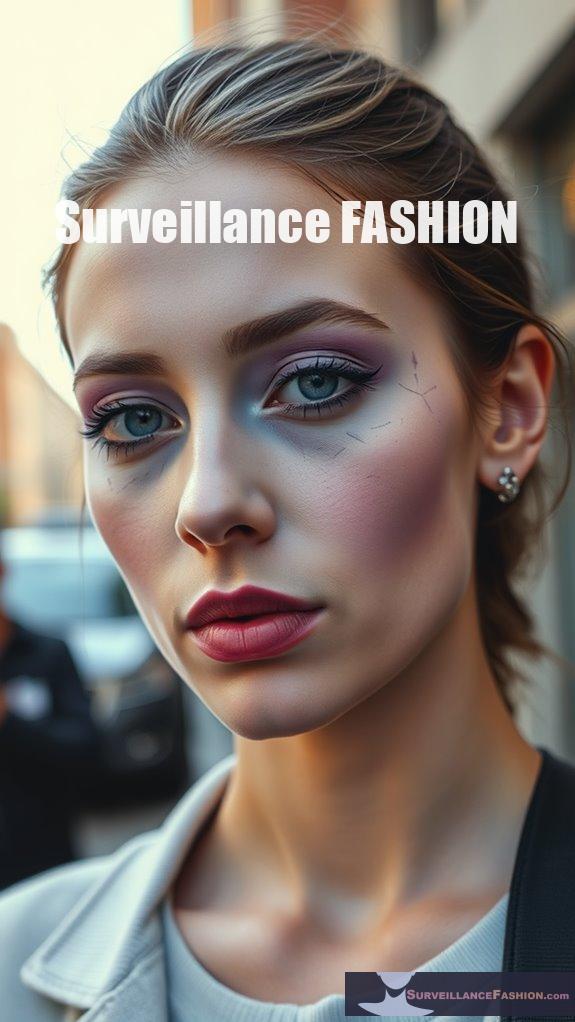
    When considering how to effectively employ these subtle contouring techniques, one must focus on high-density key-point regions of the face, such as brow lines and jaw contours. For instance, darkening prominent features, like cheekbones or brow arches, while lightening shadowed areas creates a visual imbalance that can confuse recognition systems. You might find that applying concealer over scars or moles helps obscure these identifiers, which facial recognition algorithms often rely upon. By minimally altering the face's natural contours, you can enhance your anonymity without appearing overly made-up or theatrical. PeopleTec's research findings suggest that by focusing on these key regions, you can better evade detection. Additionally, leveraging infrared LEDs can further confuse facial recognition systems that rely on infrared light. The use of anti-surveillance makeup patterns can also enhance your ability to disguise your identity effectively, often referred to as camouflage techniques.

    As you explore deeper into the world of makeup as a tool for evasion, the concept of asymmetrical makeup patterns becomes increasingly relevant. Facial recognition systems are predicated on the assumption of symmetry; thus, introducing asymmetry through strategic makeup application can greatly improve your chances of going unnoticed. You may experiment with applying eyeliner or eyeshadow in a way that creates an unbalanced look, thereby introducing elements that disrupt your facial symmetry. Such techniques can be complemented by styling your hair in an unbalanced manner, adding another layer of complexity that recognition algorithms struggle to interpret.

    Moreover, utilizing natural colors and inconspicuous makeup strategies allows you to alter your features subtly. By focusing on shadings or lightings that mislead recognition systems, you maintain a degree of discretion that bold colors simply can't offer. For example, using a neutral foundation that blends seamlessly with your skin tone can enhance your natural look while simultaneously masking features that algorithms might latch onto. This approach allows you to navigate public spaces without drawing attention, aligning perfectly with the ethos behind our website, Surveillance Fashion, where we explore the intersection of style and privacy.

    Incorporating unusual hair colors or patterns can further contribute to your evasion efforts, as algorithms often struggle with tonal variations that deviate from the norm. By harmonizing light and dark features on your face, you can create a confusing visual experience for these systems, enhancing your chances of remaining undetected. Ultimately, by combining these makeup techniques with thoughtful hair styling and even clothing choices, you can develop a thorough strategy to evade facial recognition, ensuring that you remain in control of your identity in an increasingly surveilled world.

    Disguising Features With Bold Colors

    bold colors to disguise

    When you consider the potential of bold colors to obscure facial features, it becomes evident how effective strategic makeup application can be in evading facial recognition systems. Utilizing color contrast, you can apply contrasting shades around your eyes and on your forehead, creating a visual disruption that confuses algorithms that rely on facial landmarks for identification. Asymmetrical designs, such as geometric patterns or uneven color applications, further enhance this effect by distorting the perceived structure of your face. For instance, using vibrant blues or purples around the T-zone can obscure key features like the nose bridge and brow ridge, making it challenging for recognition systems to map your face accurately. Additionally, Juggalo face paint serves as a unique method that may also disrupt facial recognition systems, demonstrating the intersection of creativity and activism in protecting one's identity. Furthermore, Juggalo makeup is known to significantly alter facial features, which can further complicate the identification process. Moreover, bold color choices can be combined with innovative techniques, such as applying foundation in dramatic shifts to alter your overall appearance. This approach aligns with our mission at Surveillance Fashion to explore creative ways to navigate the complexities of modern surveillance technologies. Incorporating anti-facial recognition techniques into your makeup routine can enhance your ability to evade detection even further. In addition, embracing color theory can help you choose shades that not only stand out but also serve to obscure your facial contours effectively.

    Creative Eye Shadow Patterns

    colorful eye makeup designs

    Creative eye shadow patterns serve as an innovative means of disrupting facial recognition systems, particularly by targeting the symmetry and expected features that these algorithms rely upon for identification.

    Through the practice of eye shadow artistry, you can employ contrasting colors and unique designs to create asymmetrical visuals that confuse detection algorithms. For instance, strategically applying high-contrast hues around your eyes can obscure the features that AI systems typically recognize, thereby enhancing algorithm evasion. Additionally, researchers have found that makeup applied to identifiable facial parts significantly reduces detection rates, showcasing the potential of creative makeup techniques. Moreover, creative eye shadow patterns can draw attention away from the face's natural contours, further complicating recognition efforts. The application of disruptive color schemes can also alter the perceived structure of the face, making it harder for algorithms to match facial data.

    Utilizing heatmap guidance to identify the most recognizable facial areas allows for selective coverage, which can further diminish the likelihood of successful identification. Researchers have demonstrated that such creative applications can achieve up to a 98% success rate in evading facial recognition systems.

    As we explore these techniques, the understanding gained contributes to the overarching conversation about personal privacy, a core reason behind the creation of our platform, Surveillance Fashion. CV Dazzle's original designs were specifically created to exploit algorithm vulnerabilities by altering expected dark and light areas of a face, further emphasizing the potential of artistic expression in privacy protection.

    Questions and Answers

    Can These Makeup Tricks Be Used for Everyday Situations?

    You can definitely use everyday cosmetics with concealment techniques to subtly alter your appearance. By blending natural looks with innovative methods, you can navigate daily situations while minimizing the risk of unwanted recognition.

    Are There Risks Associated With Using These Techniques?

    Yes, there're significant risks with these techniques. You'll face privacy concerns and ethical implications, as using them might provoke public scrutiny and legal repercussions, especially if perceived as evasion or identity manipulation in sensitive situations.

    How Long Do These Makeup Applications Typically Last?

    Think of makeup as a fleeting whisper; it offers temporary solutions. Its durability hinges on the products you choose. Long-lasting formulas shine, while natural looks may fade, needing reapplication to maintain their magic throughout the day.

    Can These Tricks Be Applied to All Skin Types?

    Yes, these tricks can be tailored to different skin types. You'll need to take into account makeup formulation variations to guarantee compatibility, as each skin type reacts uniquely, impacting the overall effectiveness of your application.

    Are There Specific Brands Recommended for This Purpose?

    In a scenery where innovation blooms, you won't find specific makeup brands tailored for this purpose. Instead, focus on product effectiveness; explore versatile options that creatively mask features while remaining practical and stylish in your daily life.

    References

  • 5 Digital Privacy Clothing Designs Worth Trying

    5 Digital Privacy Clothing Designs Worth Trying

    Ever feel like you're living in a sci-fi movie where your every move is tracked? Yeah, me too.

    I recently tried on Cap_able's Manifesto Collection. Those AI patterns? Pure genius. I could almost hear my face whispering, "Catch me if you can!"

    Then there's the ISHU Antiflash line. I wore it to a party, and let's just say, my friends were shocked I didn't end up on some wannabe influencer's feed.

    Privacy meets style? Count me in.

    Who knew fashion could be my secret weapon against the watchful eye of society?

    Minimalist Living: Simplifying My Style for Privacy

    I once had a closet bursting with clothes I never wore. It felt like I was drowning in options. So, I decided to embrace a minimalist lifestyle—less clutter, more freedom.

    I curated a wardrobe that focuses on quality over quantity. Each piece I own now serves a purpose, like my beloved Camera-Shy Hoodie.

    It's amazing how simplifying my style not only protects my privacy but also clears my mind. I can't help but wonder, is less really more?

    Quick Takeaways

    • Cap_able's Manifesto Collection uses AI-derived patterns and adversarial patches to confuse facial recognition systems while maintaining stylish aesthetics.
    • HyperFace Camouflage generates false faces to manipulate algorithms, empowering wearers to reclaim anonymity in monitored environments.
    • ISHU Antiflash Clothing Line features nano-spherical crystals that render wearers invisible to flash photography, combining practicality with modern design.
    • Camera-Shy Hoodie utilizes infrared technology to disrupt security cameras, promoting personal privacy with an innovative open-source approach.
    • Reflectacles offer infrared blocking lenses and reflective frames to obscure wearers from surveillance, merging fashion with effective privacy solutions.

    Cap_able's Manifesto Collection

    empowerment through creative expression

    In an era where digital privacy concerns dominate discussions surrounding personal security, Cap_able's Manifesto Collection emerges as a pioneering initiative that marries fashion with technology, inviting you to rethink the garments you wear.

    This collection elevates privacy awareness and biometric protection by utilizing AI-derived patterns that confuse facial recognition systems, ensuring you remain undetected in a world increasingly surveilled. The clothing line features adversarial patches woven into the fabric, designed to fool real-time people detectors. Additionally, these garments use UV makeup techniques to enhance their camouflage against surveillance technology.

    Crafted from 100% Egyptian cotton, these garments integrate patented algorithms into the fabric without compromising aesthetics.

    HyperFace Camouflage

    adaptive visual concealment technology

    As you navigate the complexities of modern surveillance, understanding HyperFace Camouflage reveals both the ingenuity and necessity of fashion that actively resists facial recognition technology. HyperFace patterns work by generating false faces, effectively manipulating algorithmic confidence scores to obscure your true identity. Originally developed in collaboration with Hyphen Labs, this innovative design debuted at the Sundance Film Festival in 2017, targeting algorithms like Haar Cascade. The technology specifically aims to decrease efficiency and accuracy of automated facial recognition systems. Additionally, these patterns can confuse facial recognition algorithms, making it even harder for systems to accurately identify individuals.

    As privacy concerns mount, such clothing not only raises awareness about mass surveillance but also empowers individuals to reclaim their anonymity in increasingly monitored spaces. HyperFace Camouflage serves as a potent tool in the fight for digital freedom.

    ISHU Antiflash Clothing Line

    innovative anti flash apparel line

    The ISHU Antiflash Clothing Line exemplifies the intersection of fashion and technology, specifically designed to counteract the pervasive intrusion of unwanted photography in public spaces.

    Utilizing anti flash innovation, ISHU scarves employ nano-spherical crystals coated with alloys to create an inverse retro-reflective effect, rendering wearers nearly invisible to flash photography. The scarf's unique design combines practicality with stylish geometric patterns, making it a versatile accessory for various outfits. Moreover, these scarves are part of a growing trend towards paparazzi-proof accessories that blend functionality with high fashion.

    Crafted from a blend of cotton and semisynthetic materials, these unisex scarves not only prioritize privacy fashion but also incorporate aesthetic appeal with a unique ISHU pattern.

    Celebrities like Beyoncé and Jay-Z have embraced this line, highlighting its relevance for anyone valuing personal space in a photo-capturing world.

    Camera-Shy Hoodie

    hoodie for timid photographers

    Privacy in public spaces continues to evolve, prompting innovative responses to the increasing surveillance embedded in our daily lives.

    The Camera-Shy Hoodie employs infrared technology that disrupts security cameras by emitting a strobe effect, effectively blinding them and preserving your anonymity, especially under night vision.

    Engineered with IR LEDs strategically placed on the upper chest and shoulders, it crafts a cloak of privacy innovation. This adversarial garment is designed to interfere with camera auto-exposure settings, leading to overexposure and loss of definition in captures.

    This DIY project, costing around $250, promotes community engagement through open-source collaboration.

    As you navigate urban environments, this hoodie exemplifies a proactive approach to personal privacy, resonating with our commitment to combat pervasive surveillance through thoughtful design.

    Reflectacles

    innovative reflective eyewear concept

    Reflectacles emerge as a cutting-edge solution in the ongoing battle against invasive facial recognition technologies, offering a sophisticated approach to personal privacy that's both practical and innovative.

    Utilizing Reflectacles technology, these eyewear pieces feature infrared blocking lenses and reflective frames, effectively obscuring your face from surveillance systems. Their versatile Reflectacles design includes clip-ons, enabling seamless use over prescription lenses. By reflecting both visible and infrared light, they render you virtually unrecognizable to cameras. This inventive approach, initially launched through a successful Kickstarter campaign, highlights a growing movement toward fashionable resistance against surveillance, aligning perfectly with our mission at Surveillance Fashion to promote privacy-enhancing clothing. As the product line is expected to be available in August 2020, it marks a significant step forward in personal privacy solutions.

    Tech-Integrated Privacy Apparel

    smart clothing for privacy

    As advancements in technology continue to blur the lines between personal space and public surveillance, innovative apparel designed to integrate privacy-enhancing features emerges as a compelling solution for those seeking to safeguard their identities.

    Consider the benefits of tech-integrated privacy apparel:

    1. Smart textiles confuse facial recognition, enhancing biometric security.
    2. AI patterns disguise wearers as non-human entities.
    3. High-tech garments adapt to environmental changes, ensuring comfort. The incorporation of technology not only enhances privacy but also promotes sustainability through efficient practices.
    4. Wearable tech tracks health data while preserving privacy.

    Such innovations reflect our commitment to personal freedom, a principle that inspired the creation of Surveillance Fashion.

    Embrace these advancements to reclaim your identity.

    Wearable Signal-Blocking Fabrics

    signal blocking wearable fabrics

    Emerging technologies in wearable signal-blocking fabrics represent a significant leap forward in safeguarding personal space against unwanted electronic intrusions, which have become increasingly prevalent in our interconnected world. Utilizing cutting-edge MXene materials, these fabrics provide remarkable electromagnetic shielding, effectively blocking electromagnetic interference that could disrupt wearable technology. MXene-coated fabrics achieve 99.9% effectiveness in blocking EMI, making them a superior choice for privacy-focused designs. Whether in medical applications, national defense, or everyday clothing, the versatility of these materials shines through. As you explore the potential of these innovative textiles, consider their ability to enhance your privacy and protect sensitive data, aligning seamlessly with the ethos of our Surveillance Fashion initiative, which champions both style and security.

    Fashion That Protects Personal Data

    data safe fashion innovations

    While traditional clothing serves primarily aesthetic and functional purposes, the advent of fashion that actively protects personal data marks a transformative shift in the garment industry, where style intertwines with technology to address pressing privacy concerns.

    Consider these aspects of privacy fashion:

    1. Biometric Data Protection: Adversarial patches deceive AI systems.
    2. Innovative Materials: High-quality Egyptian cotton guarantees durability. The fabric used in these garments is sourced from 100% Egyptian cotton that adheres to the Better Cotton Initiative.
    3. Real-Time Defense: AI algorithms provide immediate protection against detection.
    4. Global Awareness: Launch events educate citizens on data security.

    Embracing these designs not only enhances your wardrobe but also champions your freedom, safeguarding personal data from invasive surveillance.

    References

  • Tips for Varying Your Routine Beats Recognition

    Tips for Varying Your Routine Beats Recognition

    Varying your routine is essential for maintaining personal well-being and eluding recognition in a constantly surveilled society. By experimentatively engaging in creative activities, such as painting or cooking, you can stimulate cognitive processes, enhancing mental resilience. Furthermore, implementing a wardrobe rotation allows for versatile outfit options, thereby fostering anonymity. Staggering your outing schedules can mitigate predictable patterns, improving your time management and reducing encounters in public settings. These simple changes can profoundly impact your daily life, revealing further perspectives as you explore the topic.

    Quick Takeaways

    • Incorporate creative activities like painting or writing to stimulate cognitive processes and enhance emotional well-being.
    • Experiment with new recipes to diversify your meals and make cooking exciting, breaking the monotony of routine.
    • Rotate your wardrobe regularly to maintain versatility, reduce waste, and enhance anonymity in different environments.
    • Utilize staggered outing schedules to blend in with crowds and minimize encounters, improving time management and reducing stress.
    • Make small, consistent shifts in your daily routine to foster neuroplasticity and promote better mental resilience and adaptability.

    Embracing Change for Better Well-Being

    adaptation for improved health

    In a world where routines often govern our daily lives, it becomes vital to recognize that varying your routine can lead to considerable improvements in both personal productivity and overall well-being. Embracing the notion of change, particularly through creative activities and meal experimentation, can invigorate your daily existence, transforming monotony into a vibrant tapestry of experiences that foster growth and enhance mental resilience. Additionally, the psychological effects of constant surveillance can exacerbate feelings of anxiety and stress, making it even more important to find ways to break free from routine and cultivate mental well-being through variety. This continuous monitoring can create a sense of pervasive anxiety that further emphasizes the need for routine variation.

    Contemplate how introducing creative activities into your routine can serve as a catalyst for enhanced brain function and emotional well-being. Engaging in activities such as painting, writing, or even gardening can stimulate cognitive processes, promoting neuroplasticity and, in turn, potentially increasing happiness. By allowing yourself the flexibility to explore new creative outlets, you not only break the cycle of predictability but also cultivate an environment conducive to innovative thinking. Additionally, maintaining a consistent routine can reduce stress levels by providing a sense of control over your daily tasks.

    Introducing creative activities into your routine can invigorate your mind and elevate your emotional well-being, fostering innovation and happiness.

    Meal experimentation also plays an essential part in varying your routine. Instead of adhering to the same meal plan day after day, why not challenge yourself to try new recipes or ingredients? This not only diversifies your diet, contributing to better health, but also injects excitement into the mundane task of meal preparation. For instance, you might explore international cuisines or attempt to recreate your favorite restaurant dish at home. Each culinary adventure can serve as an opportunity to learn, adapt, and grow, thereby enhancing your overall well-being. Additionally, incorporating a balanced diet into your meal experimentation can further support your mental health.

    Additionally, varying your routine fosters adaptability—a vital skill in today's dynamic world. When you intentionally incorporate changes, you train yourself to be more resilient in the face of unexpected disruptions. For example, if a sudden work deadline alters your schedule, having developed a flexible routine allows you to make necessary adjustments without feeling overwhelmed. This adaptability not only alleviates stress but also cultivates a mindset prepared to tackle challenges with confidence. In light of the toll that constant surveillance can take on mental health, fostering this adaptability becomes even more crucial, as being under observation can hinder our ability to respond flexibly.

    Moreover, the act of varying your routine can notably improve your emotional and mental health. By incorporating new elements into your day—such as visiting a different café or taking a new route during your daily walk—you create a sense of novelty that can combat feelings of stagnation. This can be especially beneficial for individuals experiencing mood disorders or anxiety, as the introduction of variety can facilitate emotional regulation and reduce symptoms. Research indicates that constant surveillance can lead to heightened stress and anxiety levels, making the need for routine variation even more pressing.

    As you begin to implement these strategies, keep in mind that the goal isn't to create an entirely new routine but rather to enrich your existing one. You might find that small shifts, like changing your exercise schedule or dedicating time to a new hobby, can yield profound changes in your life.

    In fact, this website, Surveillance Fashion, was created to inspire individuals to reflect on how different aspects of their lives, including fashion and routine, can enhance their sense of self and well-being.

    Wardrobe Rotation for Anonymity

    changing outfits for privacy

    Varying your routine extends beyond activities and meals; it also encompasses the way you present yourself through clothing.

    To cultivate anonymity, implementing a strategic wardrobe rotation is essential. Here are four key strategies:

    1. Embrace Clothing Versatility: Utilize pieces that can be easily mixed and matched, fostering multiple outfit options from fewer items. Incorporating anti-surveillance fashion can further enhance your ability to remain unrecognizable in various settings. Additionally, participating in clothing exchange networks can provide access to diverse wardrobe options while supporting collective identity switching.
    2. Adapt for Seasonal Changes: Store out-of-season clothing in protective containers, allowing for a streamlined wardrobe that reflects current weather conditions without clutter. This practice encourages mindful consumption and reduces waste by facilitating regular donations of unused items, which can align with the concept of a rolling capsule wardrobe.
    3. Implement the "Five Wears Rule": Rotate garments regularly to prevent over-familiarity and maintain a fresh appearance.
    4. Avoid Distinctive Pieces: Choose basic, unobtrusive styles that blend seamlessly into various environments, further enhancing your anonymity.

    Staggered Outing Schedules

    coordinated outing timing plan

    Staggered schedules guarantee you're present in public spaces without drawing concentrated attention, as changing exit and entry times allow you to blend in with diverse crowds. This not only helps you avoid peak traffic but also minimizes potential encounters while maximizing your time management. Implementing anti-surveillance methods can further bolster your efforts to remain unnoticed in public.

    Moreover, the flexibility inherent in staggered outings accommodates unexpected events, letting you adapt your plans seamlessly. For instance, if you usually visit a café at 3 PM, shifting it to 2:45 PM might result in a more efficient, less crowded experience. Additionally, strategic movement patterns can further enhance your ability to evade surveillance, ensuring you remain inconspicuous in various environments.

    Questions and Answers

    How Often Should I Change My Daily Routine?

    You should make daily adjustments to your routine, allowing for flexibility. Changing elements regularly keeps things fresh, helping you adapt and stay motivated. Embrace innovation by mixing activities, ensuring your routine remains engaging and effective.

    What Are Some Easy Ways to Embrace Change?

    Embrace change by trying new experiences and embracing spontaneity. Challenge yourself with unexpected activities, connect with diverse groups, and maintain a positive outlook. Each new experience can spark innovation and enhance your adaptability in life.

    Can Changing My Hairstyle Help With Recognition?

    Changing your hairstyle can dramatically shift recognition factors. A fresh look impacts how others perceive you, enhancing or hindering recognition. Embrace the hairstyle impact; it's a bold way to reinvent your identity and boost confidence!

    How Does Varying Routines Impact Mental Health?

    Varying your routines boosts mental flexibility and strengthens emotional resilience. By introducing new experiences, you stimulate your mind, reduce stress, and enhance motivation, creating a dynamic lifestyle that fosters innovation and well-being in your daily life.

    What Are the Benefits of Anonymity in Social Settings?

    Did you know that 70% of people feel more comfortable sharing sensitive information anonymously? This social freedom fosters personal growth, enabling you to express thoughts freely, connect with others, and explore your identity without fear of judgment.

    References

  • 5 Data-Blocking Fashion Ideas Worth Trying

    5 Data-Blocking Fashion Ideas Worth Trying

    Ever feel like you're living in a spy movie? I sure do!

    Facing the endless gaze of surveillance, I decided to up my fashion game with a twist.

    I started wearing infrared-blocking fabrics, and let me tell you, it feels like I've got a secret superpower. Who knew a jacket could make me feel so hidden from prying eyes?

    Then there are those stealthy silhouettes—perfect for when I just want to blend in.

    And those RFID-blocking bags? A lifesaver! I can stroll through life without worrying about someone snatching my info.

    Doesn't it feel good to take control of your privacy while still looking sharp?

    But, let's be real; it's a balancing act.

    Sometimes I wonder if all this fuss is just paranoia or if I'm onto something big.

    But hey, better safe than sorry, right?

    Minimalist Living: Less Stuff, More Freedom

    A while back, I decided to declutter my life. I was drowning in clothes and gadgets, all while trying to stay under the radar.

    So, I embraced a minimalist lifestyle. I sold off half my wardrobe, keeping only the essentials—those infrared-blocking pieces, of course!

    The freedom I felt was exhilarating. Less stuff meant less clutter in my mind.

    I realized that living simply doesn't just protect my privacy; it enhances my life.

    Now, every piece serves a purpose, and I can focus on what truly matters.

    It's a journey, but every step toward minimalism feels like a step toward liberation.

    Quick Takeaways

    • Embrace stealthy silhouettes with layered outfits that incorporate infrared-blocking fabrics for both style and privacy.
    • Opt for signal-blocking jackets that combine fashion with functionality, ensuring protection against unwanted tracking.
    • Use face-masking accessories to disrupt facial recognition while adding an edgy touch to your look.
    • Choose chic bags made from RFID-blocking materials to advocate for privacy while enhancing your outfit.
    • Experiment with versatile clothing that allows for quick changes, reflecting personal style and empowering identity expression.

    Monochromatic Color Blocking: Elevate Your Wardrobe

    colorful wardrobe elevation tips

    Monochromatic color blocking serves as a remarkable technique to elevate your wardrobe, effectively altering the way you approach outfit creation.

    By employing monochromatic layering techniques, you can seamlessly blend various shades of a single hue, adding depth and dimension. Engaging in color gradient exploration, you might choose to shift from a deep navy to a soft sky blue, thereby creating visual interest while maintaining cohesion. This approach enhances your personal expression, allowing your style to resonate authentically. Balancing proportions is crucial to ensure that your outfit remains visually pleasing and not overwhelming.

    Ultimately, you'll discover that monochromatic outfits, whether for casual meetups or formal events, provide a versatile canvas for self-expression, underscoring the essence of your individuality.

    Vibrant Analogous Color Blocking Techniques

    colorful harmonious design methods

    As you explore the domain of vibrant analogous color blocking, you'll find that this technique not only enhances your wardrobe but also invites a greater understanding of color theory and its applications in fashion.

    Utilizing colors adjacent on the wheel—such as reds and purples or greens and yellows—facilitates effortless color harmony, allowing for outfit balance without overwhelming contrast. Analogous color blocking encourages creativity in selecting hues that complement each other beautifully.

    By starting with two analogous colors, you can gradually introduce additional hues, ensuring a cohesive look while maintaining visual interest.

    Beginning with a pair of analogous colors allows for the seamless addition of hues, creating a harmonious yet captivating ensemble.

    Incorporating neutrals stabilizes these vibrant combinations, ultimately fostering an expressive style that resonates with the ethos of Surveillance Fashion, where creativity thrives in personal expression.

    Bold Statements With Contrasting Color Blocking

    vibrant colorful design contrast

    When you embrace the concept of contrasting color blocking, you'll discover that the interplay of complementary colors can transform even the simplest outfit into a striking visual statement.

    By selecting contrasting palettes, such as red and green or blue and orange, you create bold silhouettes that capture attention. The high contrast enhances visibility, making each color appear more vibrant and alive. Understanding color blocking can significantly elevate your fashion choices and aesthetic appeal.

    Incorporating a neutral base can ground these vivid combinations, while strategic placement emphasizes desired features.

    Whether you opt for a dynamic mix or a subtle balance, the freedom to experiment allows your personal style to shine, a principle that guides our vision at Surveillance Fashion.

    Effortless Style With Color-Blocked Dresses

    color blocked dress fashion

    Color-blocked dresses offer a unique avenue for expressing effortless style, particularly due to their inherent versatility that allows for seamless shifts between different occasions.

    The beauty of these dresses lies in their dynamic color combinations, ranging from muted earth tones to vibrant contrasts, enabling you to curate your look based on mood or event. This trend of colour-blocking is currently featured in ELLE Canada Magazine, showcasing how it can elevate your wardrobe this spring.

    For effective dressing tips, consider accessorizing with neutral tones to balance bold colors, while pairing complementary shades can enhance visual interest.

    Adding Flair With Color Block Coats and Blouses

    colorful coats and blouses

    Exploring the domain of color block coats and blouses reveals a multifaceted approach to fashion that transcends mere aesthetics; these garments embody both style and functionality, offering an opportunity to articulate personal identity through innovative design.

    With cozy layering options, you can effortlessly shift between seasons, pairing a vibrant color block coat over a lightweight blouse for a striking look. Various color block styles enhance your ensemble, allowing for diverse interpretations.

    Unique textures, such as silk or denim, enhance your ensemble, allowing for diverse interpretations.

    Whether dressed up for work or down for casual outings, these pieces adapt seamlessly, embodying the ethos of Surveillance Fashion by promoting sustainable choices through thrifted finds and thoughtful styling.

    Data-Blocking Outfit Concepts

    creative attire for data protection

    As you navigate the complex terrain of data-blocking outfit concepts, you'll find that these garments aren't merely functional but also serve as a canvas for individual expression, embodying a sophisticated blend of style and technological innovation. Infrared-blocking fabrics are a key component of this emerging trend.

    Consider these four data-blocking outfit ideas:

    1. Stealthy silhouettes crafted from infrared reflective fabrics
    2. Signal-blocking jackets designed with elaborate privacy patterns
    3. Face-masking accessories that disrupt facial recognition, utilizing anti-surveillance fashion principles
    4. Chic bags utilizing RFID-blocking materials

    These concepts reflect a growing movement towards privacy advocacy, intertwining fashion with the essential discourse on surveillance ethics, which inspired the creation of our website, Surveillance Fashion.

    Data-Defying Style Inspirations

    creative fashion trends exploration

    In a world increasingly defined by technological advancements, fashion emerges as a dynamic medium through which individuals can assert their identities while simultaneously challenging societal norms surrounding data privacy.

    Embracing data-driven personalization allows you to curate unique ensembles that reflect your individuality, while sustainable style emphasizes quality over quantity, promoting ethical choices. Brands like Gap and Rent the Runway are utilizing machine learning to predict trends and enhance customer experience, further supporting the move towards sustainability.

    Imagine utilizing virtual try-ons and AI recommendations to discover garments that resonate with your personal ethos—enhancing your wardrobe while minimizing waste.

    Ultimately, these innovations not only redefine your fashion experience but also echo the mission of Surveillance Fashion: to illuminate the intersection of identity, technology, and sustainability in contemporary style.

    Fashion That Conceals Identity

    identity concealing fashion trends

    While many might perceive fashion as simply a form of self-expression, it also serves as a sophisticated means of concealing identity, allowing individuals to navigate societal environments with greater anonymity. In urban settings, the integration of cctv-defeating technology can enhance this concealment, making it even more effective.

    Fashion transcends mere self-expression, offering a nuanced way to mask identity and navigate social landscapes discreetly.

    Here are four techniques to explore cultural disguise while maintaining your freedom of identity expression:

    1. Embrace neutral colors and loose clothing to blend into the crowd.
    2. Utilize accessories like hats or glasses to alter your appearance.
    3. Layer your outfits, enabling quick transformations in public spaces.
    4. Experiment with multi-purpose clothing to enhance versatility in identity concealment.

    Fashion can empower you to express and conceal your multifaceted identity intentionally, much like Kahlo's clothing which reflected her complex identity while allowing her to navigate the world.

    References

  • Best Temporal Patterns To Evade Surveillance

    Best Temporal Patterns To Evade Surveillance

    To effectively evade surveillance, you should harness the power of temporal patterns, particularly focusing on timing and routes. Avoid peak hours and adapt your movement based on observed surveillance patrols. By leveraging strategic timing, such as using public transportation during off-peak times, you can confuse tracking systems. Furthermore, altering your routines frequently can disrupt algorithms aiming to spot anomalies in behavior. Exploring innovative techniques can considerably enhance your evasion strategies while maneuvering increasingly monitored environments. Discovering more sophisticated approaches could prove advantageous.

    Quick Takeaways

    • Timing movements during off-peak hours reduces the likelihood of detection by surveillance systems.
    • Frequently altering routes confuses tracking efforts and disrupts surveillance patterns.
    • Engaging in activities during less monitored times helps evade anomaly detection.
    • Understanding surveillance patrol schedules allows for strategic planning to avoid detection.
    • Utilizing deceptive timing can manipulate algorithms and reduce flagged behaviors.

    Mastering Temporal Patterns for Evasion

    evasion through timing mastery

    In an era where surveillance has become ubiquitous, recognizing and manipulating temporal patterns has emerged as a fundamental strategy for evading detection. The essence of successful evasion lies in understanding how surveillance systems operate—specifically, their reliance on anomaly detection to flag unusual behavior. By mastering deceptive timing, you can maneuver around potential traps set by advanced algorithms that monitor and analyze temporal data for suspicious activities.

    To illustrate this, consider how trading platforms employ AI-powered algorithms to identify patterns indicative of market manipulation, such as spoofing or front-running. In this environment, traders often engage in complex schemes mixing tactics like pump-and-dump with more subtle maneuvering. By timing their trades strategically, they can exploit the inherent limitations of these surveillance algorithms, which may not adapt quickly enough to recognize newly developed patterns. The concept of temporal IQ embodies this, as it highlights the importance of real-time data analysis in detecting such manipulative behaviors. Your understanding of timing, combined with the ability to anticipate the analytic capabilities of these systems, can enhance your evasion tactics considerably.

    Trading platforms harness AI algorithms to unveil market manipulation, but savvy traders exploit their temporal limitations through strategic timing and nuanced tactics.

    Moreover, multi-turn manipulation attacks highlight another layer of complexity in evading detection. Large Language Models (LLMs) face vulnerabilities through gradual situational builds in dialogue, allowing adversaries to craft interactions that exploit temporal inconsistencies. The Temporal Context Awareness (TCA) framework addresses these vulnerabilities by integrating situational analysis and risk scoring, ultimately enabling more sophisticated detection of manipulation attempts. This illustrates that your approach to evasion mustn't only consider immediate actions but also the broader temporal framework in which they occur. Security breaches in LLM applications demonstrate the critical need for awareness of these evolving threats.

    In the healthcare sector, similar principles apply—temporal analysis of electronic health records can reveal trends in patient safety over time, emphasizing the importance of consistent reporting. Variations in staffing and clinical practices contribute to fluctuations in safety, creating opportunities for manipulation by discerning individuals. If you can identify these temporal patterns, you might glean knowledge that helps in circumventing detection mechanisms geared toward maintaining patient safety.

    Communication patterns also play an essential role in evading surveillance. You can employ tactics like situational interruption or policy desynchronization to mislead monitoring systems. By cleverly manipulating the trust chain through temporal inconsistencies in communication, you create a façade that can confuse even the most sophisticated surveillance apparatuses. Engaging in innovative defense mechanisms to counter these tactics is fundamental, as the changing environment of surveillance necessitates constant adaptation.

    Understanding these best practices in temporal pattern manipulation is foundational for anyone traversing an increasingly surveilled world. As we created this platform, Surveillance Fashion, to explore and share knowledge on these changing tactics, your ability to recognize and implement these strategies can considerably enhance your proficiency in evading detection. By embracing the complexities of temporal patterns and anomaly detection, you position yourself at the forefront of innovation in evasion strategies, ultimately ensuring your actions remain under the radar.

    Chameleon-Inspired Makeup Techniques

    transformative color changing beauty

    Chameleon-inspired makeup techniques offer a fascinating approach to enhancing privacy while maneuvering the complexities of modern surveillance strategies. By applying subtle adjustments, such as darkening brow lines, one can confuse face detection algorithms, disrupting their ability to accurately recognize facial features. Recent research has shown that effective disruption can be achieved by darkening key-point regions, which can greatly impact the makeup effectiveness against specific detection models. Moreover, utilizing dazzle makeup techniques can provide additional layers of complexity to your appearance, further hindering recognition efforts.

    For instance, altering the contours of your jaw or minimally obscuring the nose bridge can greatly impact the makeup effectiveness against specific detection models. Additionally, the use of high-contrast color schemes can make it more difficult for algorithms to match your facial data accurately. High-contrast makeup and minimalist designs also serve as effective tools, providing versatility in various environments. These approaches are designed to be unobtrusive, easily integrated into daily routines, and cost-effective compared to alternative evasion methods like masks.

    In a world increasingly aware of surveillance, embracing these innovative makeup techniques can empower you to reclaim your privacy with confidence.

    Dynamic Color Shifting Designs

    color changing design techniques

    As surveillance technologies evolve, individuals increasingly seek innovative methods to obscure their identities, and dynamic color shifting designs emerge as a compelling solution. This approach leverages advanced materials like chalcogenides, specifically Sb2S3, to create displays capable of color blending that adapt to surroundings, effectively functioning as adaptive camouflage.

    Consider these key advantages:

    • Real-time color adjustments allow for seamless blending with various environments, enhancing evasion tactics. Additionally, the use of stepwise Fabry-Pérot (FP) cavities enables active color change, providing further adaptability to dynamic surroundings. Furthermore, the integration of infrared-resistant fabrics can enhance privacy by blocking detection through thermal imaging. Incorporating stylish anti-surveillance fashion can elevate the aesthetic appeal while maintaining functionality.
    • Algorithmic strategies can mimic natural patterns, complicating detection efforts by traditional surveillance systems.
    • Integration into wearable devices offers a practical application for everyday scenarios, pushing the boundaries of current evasion technologies. Additionally, the use of adaptive camouflage can be likened to the evasion techniques employed by malware like Auto-color, which disguises its presence to avoid detection.

    Through the exploration of dynamic color shifting designs, we investigate innovative solutions that challenge conventional surveillance methods, underscoring the mission of Surveillance Fashion to highlight cutting-edge techniques in personal security and anonymity.

    Questions and Answers

    What Are the Legal Implications of Evading Surveillance?

    Evading surveillance can lead to significant legal consequences, potentially infringing on your privacy rights. Understanding the balance between innovative tactics and legal boundaries is essential to navigate this complex environment without facing repercussions.

    How Can Technology Assist in Creating Temporal Patterns?

    Technology empowers you to harness pattern recognition and data analysis, enabling the creation of innovative temporal patterns. By leveraging AI and machine learning, you can optimize strategies for evading detection while enhancing your overall security.

    Are There Ethical Concerns About Evading Surveillance?

    When you consider evading surveillance, you'll face ethical dilemmas surrounding privacy rights. Balancing your desire for autonomy with potential legal implications can be challenging, especially in an age where innovation often tests moral boundaries.

    What Materials Are Best for Chameleon-Inspired Techniques?

    Envision fabrics that shift hues like the dawn sky. For innovative adaptive camouflage, explore color-changing fabrics made from silicon-based materials and cellulose nanocrystals, offering flexibility and responsiveness to surroundings, perfect for stealth and creativity.

    How Can I Track My Effectiveness in Evading Surveillance?

    To track your effectiveness in evading surveillance, employ effectiveness metrics like failure rates and route optimization. Utilize tracking methods such as feedback loops and survival analysis to refine your strategies and enhance your innovation.

    References