Author: Ava

  • Why LED Accessories Block Cameras and Protect Privacy

    Why LED Accessories Block Cameras and Protect Privacy

    LED accessories block cameras and protect your privacy by utilizing infrared (IR) LEDs, which emit invisible light that saturates camera sensors. This saturation results in the distortion of facial features, consequently amplifying user anonymity in a highly surveilled environment. High-powered IR LEDs, often made from compound semiconductors like gallium aluminum arsenide, operate most effectively at specific wavelengths, maximizing their efficacy against diverse lighting conditions. To further understand these technologies and make informed choices, consider exploring additional information on this topic.

    Quick Takeaways

    • LED accessories emit infrared light that saturates camera sensors, causing “sensor bloom” to obscure facial details from recognition.
    • The effectiveness of these accessories depends on the wavelength of emitted light and environmental conditions impacting camera performance.
    • High-powered IR LEDs, using compound semiconductors, are engineered for optimal light emission tailored to specific wavelengths for enhanced privacy protection.
    • These accessories primarily protect against visual recording threats but do not safeguard against thermal imaging or audio surveillance methods.
    • Ethical considerations and adherence to safety guidelines are crucial to ensure the responsible use of IR light technology in public settings.

    What Are LED Accessories and How Do They Function to Block Cameras?

    ir led camera blockers

    LED accessories designed to block cameras utilize infrared (IR) LEDs, which emit invisible light that saturates the sensors of security cameras, resulting in obscured images and protected user privacy. These accessories can take the form of wearable items, such as headbands, glasses, or clothing embedded with IR LEDs. The main goal is to direct intense infrared light towards the camera lenses, causing saturation or “sensor bloom” in which facial details become indistinguishable. Notably, the use of mixed reactions regarding surveillance highlights the societal context in which these privacy-enhancing technologies are being developed. Additionally, the growing interest in anti-surveillance fashion has spurred innovation in this field, leading to more aesthetically pleasing designs.

    For effectiveness, these accessories require:

    • Powerful brightness for practical distances
    • Proper LED placement to face camera lenses
    • Adequate battery power for sustained use

    However, their effectiveness is limited by camera quality, power constraints, and the angle or distance from the camera, making complete blocking challenging.

    How Do Infrared (IR) LEDS Interact With Surveillance Cameras?

    Infrared (IR) LEDs interact with surveillance cameras by emitting light in wavelengths typically invisible to the human eye, enabling cameras to capture images in low-light conditions by reflecting this light back to their sensors.

    The effectiveness of this interaction depends on the wavelength of the IR LED, as well as the camera’s sensitivity to that specific wavelength.

    IR LEDs usually emit light around 850 nm or 940 nm. While 850 nm is more detectable and provides better illumination, 940 nm is nearly invisible to humans but less efficient for camera use.

    Cameras rely heavily on this reflected IR light; ideal performance is achieved when the IR illumination is evenly spread across the camera’s field of view.

    Advanced systems adjust the shape and intensity of IR light to improve image clarity while reducing glare. However, excessive IR can saturate the sensors, leading to image washout.

    Factors such as the positioning of LEDs and environmental conditions, like fog or rain, further influence the interaction between IR LED lights and camera systems. Additionally, infrared-resistant fabrics can enhance privacy by reducing the effectiveness of surveillance technologies.

    What Is the Technology Behind High-Powered IR LEDS?

    High-powered IR LEDs utilize compound semiconductors, primarily gallium aluminum arsenide (GaAlAs), refined through thin-film technology, featuring engineered layers for improved electron-hole recombination and efficient IR light emission between 850 nm and 940 nm.

    These LEDs are designed for peak performance with features such as:

    • Tailored bandgap for desired IR wavelengths.
    • Optical lenses managed for specific beam angles.
    • Robust thermal management to dissipate heat and maintain performance.
    • High wall-plug efficiency, achieving up to 50% for near-infrared applications.

    The integration of multiple chips enhances overall output, while precise electrical characteristics guarantee stable operation in demanding conditions.

    How Effective Are LED Accessories in Different Environments?

    LED accessories are highly effective in both indoor and outdoor environments for disrupting camera image capture, though their performance varies based on ambient lighting and environmental conditions.

    Indoor settings allow for more controlled and precise modulation of LED intensity, while outdoor situations require high-intensity designs to combat natural light.

    Indoors, LED accessories can overwhelm camera sensors with strong, consistent illumination. The ability to control lighting conditions enables precise adjustment of LED intensity and flicker, thereby enhancing privacy protection. Proximity to LEDs is essential; closer placement improves disruption efficiency and reduces interference from ambient light.

    Outdoors, LEDs face challenges from natural light, necessitating more robust designs and strategic placement. Weatherproof LEDs retain effectiveness despite rain, snow, or dust. Effective use outdoors often mandates high-intensity or flickered LEDs to maintain privacy.

    Furthermore, environmental elements like fog may mitigate the impact of LED light, underscoring the need for careful deployment strategies.

    What Types of Cameras Are Most Susceptible to LED Blocking?

    Night vision cameras heavily depend on IR LEDs for functionality, making them vulnerable to excess light. Indoor cameras looking through glass may suffer from internal reflections caused by IR light, leading to distorted images.

    Cameras with auto exposure adjustments are particularly sensitive to bright LED light, which can degrade image quality.

    Key aspects include:

    • Short exposure times may fail to capture LED light correctly.
    • Narrow field-of-view cameras can be easily blocked by frontal LEDs.
    • Basic security cameras often lack sufficient processing power and technology to manage LED interference.
    • Older cameras may not have firmware updates, making them less resilient to LED-blocking accessories.

    What Are the Limitations of Using LED Accessories for Privacy Protection?
    led privacy protection limitations

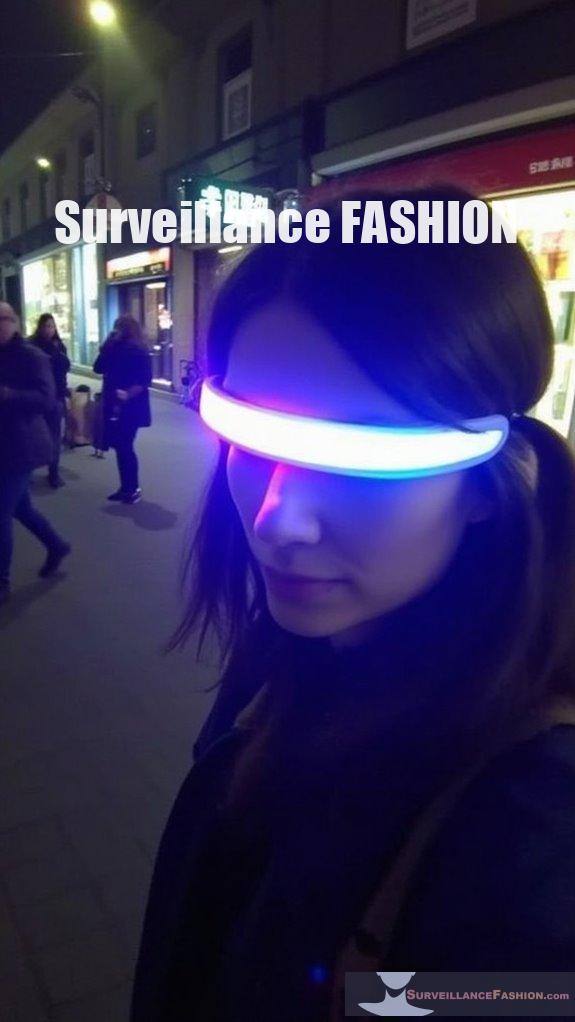
    LED accessories for privacy protection have several limitations, including reduced effectiveness in strong ambient light, dependency on camera characteristics, technical constraints, and a limited scope of protection against various sensing modalities.

    The primary limitations are as follows:

    • Ambient Light Interference: Strong external lighting diminishes the effectiveness of LED privacy solutions, often leading to reliance on embedded barcodes that require additional software support for enforcement.
    • Camera Variability: Different camera sensors may bypass LED blockages due to their exposure settings and advanced image processing capabilities.
    • Technical Barriers: The precise engineering necessary for effective LED modulation poses implementation challenges, including increased costs and limited battery life.
    • Scope of Protection: LEDs only obstruct visual recording within their illuminated area and can’t prevent other types of surveillance such as thermal imaging or audio capture.

    How Do Dynamic Smart IR Technologies Affect the Effectiveness of LED Blinding?

    Dynamic Smart IR technologies notably reduce the effectiveness of LED blinding techniques used against cameras.

    By adjusting infrared emission based on object distance, these systems prevent overexposure, making it harder for fixed-intensity IR LEDs to obscure camera sensors.

    This adaptive adjustment guarantees that cameras equipped with Dynamic Smart IR can maintain image quality even in the presence of strong LED interference.

    Key points include:

    • Reduced saturation of camera sensors from IR glare.
    • Greater detail preservation for facial recognition and object identification.
    • Increased need for more sophisticated LED strategies to effectively disrupt Smart IR.
    • Ongoing advancements in IR technologies and AI could further enhance the resilience of surveillance systems against blinding attempts in the future.

    What Design Considerations Are Important for Fashion Accessories Incorporating IR LEDS?

    Design considerations for fashion accessories incorporating IR LEDs include material compatibility, power management, user comfort, and aesthetic integration. These factors guarantee effective functionality while maintaining fashion appeal.

    To achieve peak performance, it’s essential to select lightweight textiles that support electronic components for durability and comfort. Effective power management is vital, utilizing low consumption IR LEDs and compact rechargeable sources to extend battery life.

    Comfort is enhanced through breathable materials, ergonomic designs, and strategically placed LEDs that avoid skin or eye irritation. Finally, aesthetics mustn’t be compromised; discreet integration of IR LEDs, in conjunction with appealing visual elements, assures that fashion sensibility is preserved.

    How Can Individuals Use Camera-Blocking LED Accessories in Daily Life?

    Individuals can use camera-blocking LED accessories in daily life by integrating them into wearable items like hats, clothing, or jewelry designed to disrupt camera sensors with infrared light. These accessories provide privacy protection in various environments, especially in areas where surveillance cameras are prevalent.

    By incorporating IR LEDs that emit frequencies invisible to the human eye, these accessories effectively prevent unauthorized recording and enhance privacy.

    Practical scenarios include:

    • Urban settings with extensive CCTV coverage.
    • Professional or sensitive environments, safeguarding identity.
    • Nighttime use against infrared-sensitive cameras.
    • Outdoor activities where multiple camera angles are present.

    The design focuses on comfort and aesthetics, ensuring that users are inclined to wear them regularly.

    Moreover, features like battery life, durability, and sensor activation enhance their practicality for everyday use.

    What Are the Safety and Ethical Implications of Using These Accessories?

    Using LED camera-blocking accessories entails safety risks from potential infrared light exposure and raises ethical concerns related to privacy intrusion and trust violations. Users must navigate these implications while guaranteeing compliance with relevant laws.

    The safety considerations primarily focus on the infrared (IR) emissions from these LEDs. While typically low-risk, prolonged or close contact with high-intensity IR can lead to eye and skin damage, necessitating adherence to established exposure guidelines.

    Furthermore, the option for pulsed IR light helps reduce these risks while maintaining effectiveness in blocking surveillance.

    Ethically, the use of such accessories can protect personal privacy but may also infringe upon transparency principles. Affected individuals might remain unaware of camera blockages, eroding trust in public spaces.

    Users should consider:

    • Informed consent from individuals in shared environments.
    • Balancing personal privacy against potential misuse of blocking technology.
    • Understanding legal implications concerning electronic surveillance and interference.

    It is essential for users and developers alike to guarantee their actions align with local regulations and ethical standards to mitigate legal liability and uphold the integrity of privacy efforts.

    How Do LED Camera-Blocking Accessories Compare to Other Privacy Protection Methods?
    led interference vs blockers

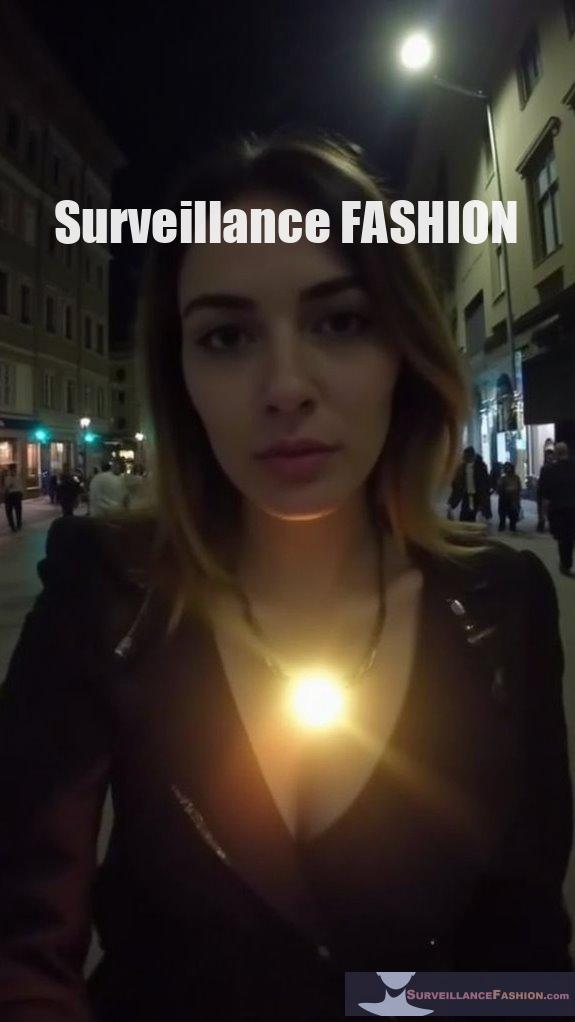
    LED camera-blocking accessories offer dynamic light interference, preserving user appearance while competing against passive methods such as physical blockers. However, they’re less effective than software solutions for all-encompassing privacy, as they don’t prevent audio or non-light-based data capture.

    LED accessories use infrared light to disrupt camera functionality without altering device aesthetics, making them non-invasive. In contrast, physical blockers can be tampered with, and while they guarantee blockage, they may harm device appearance.

    Key points include:

    • LED effectiveness diminishes with specialty cameras.
    • High-power LEDs may drain batteries quickly.
    • Unlike software solutions, LED accessories don’t disable audio recording.

    Emerging trends in privacy-protecting fashion technology include the integration of blockchain for decentralized data storage, AI-driven adaptive privacy settings, and robust embedded security features. These innovations address consumer demand for enhanced data privacy while maintaining a focus on sustainability.

    Fashion technology is progressing rapidly, emphasizing user control over sensitive information.

    Key developments involve:

    • Decentralized systems providing resistance to unauthorized access.
    • AI algorithms optimizing encryption and threat detection.
    • Embedded security measures like biometric authentication to guarantee user authorization.
    • Sustainable design practices that promote eco-friendly materials without compromising data protection.

    These advancements cater to privacy-conscious consumers while addressing environmental concerns, making fashion tech both secure and responsible.

    How Can Consumers Choose the Right LED Accessory for Their Privacy Needs?

    To choose the right LED accessory for privacy needs, consumers should assess environmental conditions, select LED types with dense chip distribution, prioritize compatible or integrated diffusers, and consider adjustable brightness and color customization features.

    Consumers can enhance privacy by evaluating specific factors:

    • Determine if warm or cool tones are more effective in minimizing visibility.
    • Opt for COB LED strips for continuous light distribution that reduces sharp points of light.
    • Choose diffusers—opal or textured—to obscure individual light spots, thereby softening glare for camera lenses.
    • Consider smart LED options for personalized control over lighting conditions as needed.

    Anti Surveillance Ebook review: Eyes Everywhere

    “Eyes Everywhere” offers a profound examination of the complex and sometimes alarming web of surveillance that now permeates our daily lives, both online and offline.

    It reveals an integrated surveillance system, likened to a “hydra,” where government and corporations fuse to monitor personal communications and physical movements through omnipresent CCTV and toll systems.

    The book meticulously documents extensive evidence, citing court decisions and whistleblower accounts to expose how state surveillance targets political activism, such as the Occupy movements.

    With pervasive corporate surveillance exemplified by Amazon, the text advocates for regulatory intervention, emphasizing the urgent need to guard civil liberties amidst technological encroachment.

    Camera-Blinding LED Accessories and Jewelry

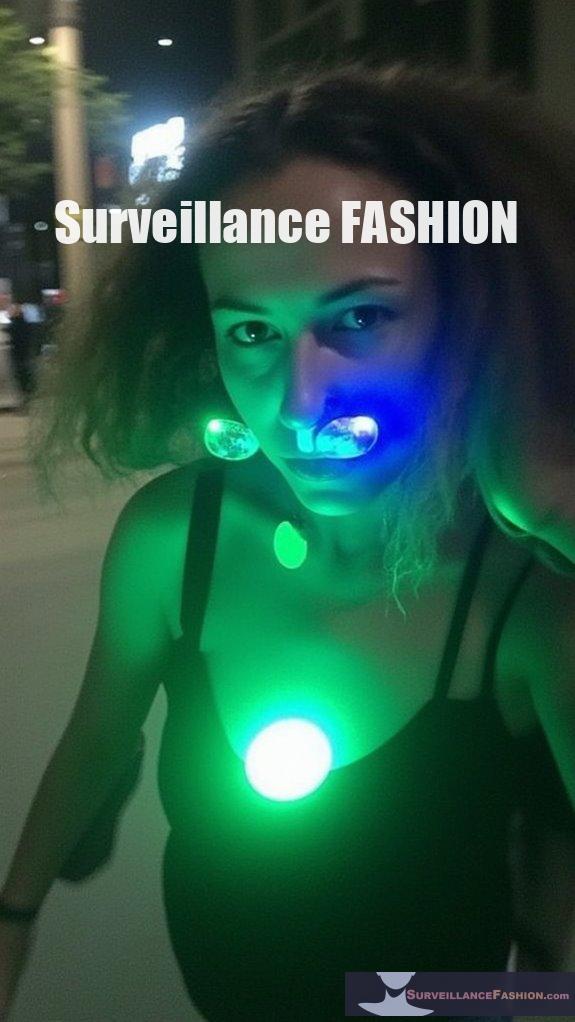
    In an era where the very fabric of personal privacy is constantly under siege, innovative camera-blinding LED accessories and jewelry have entered the scene as a functional, albeit stylish, solution.

    Consider these transformative designs:

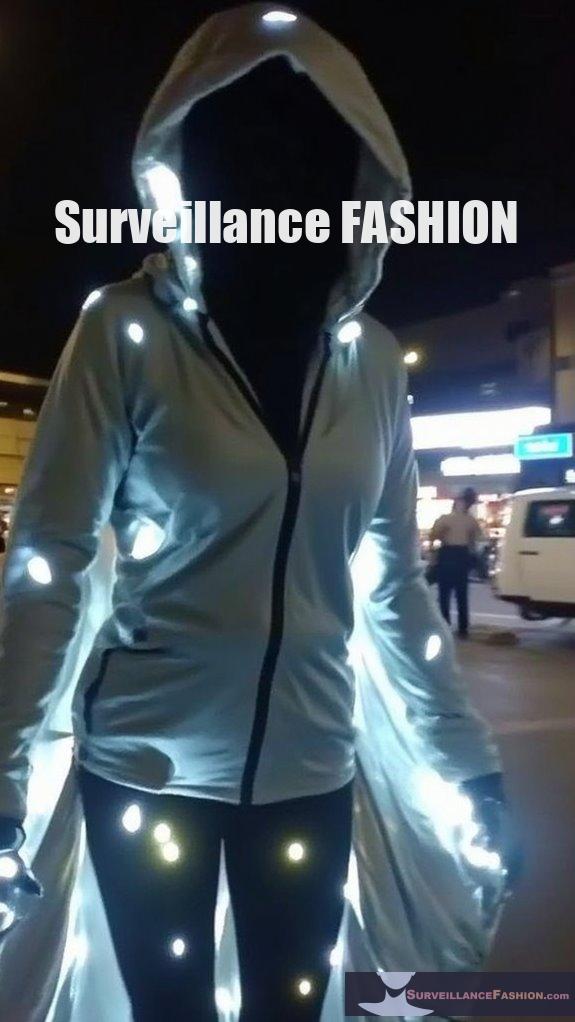
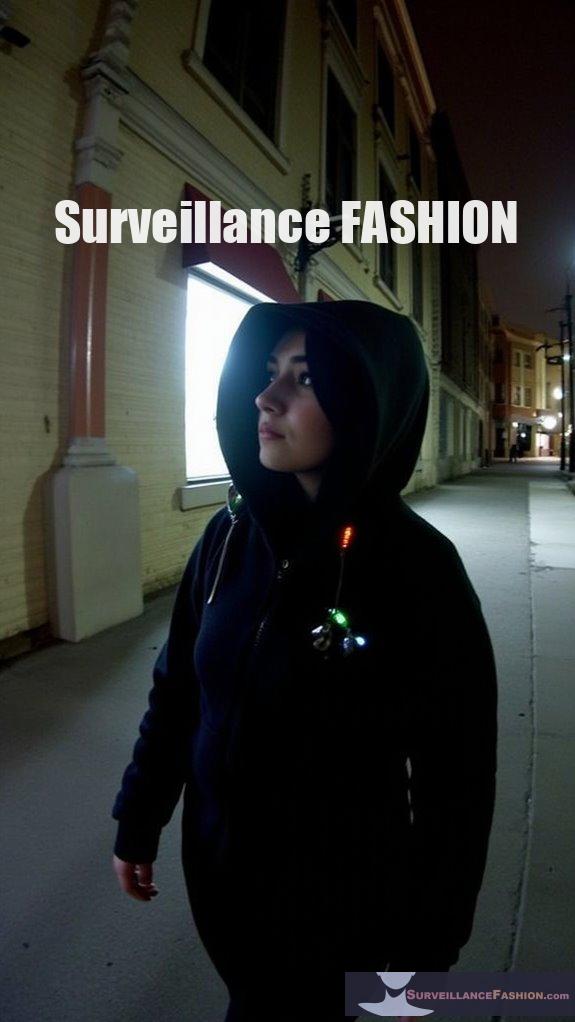
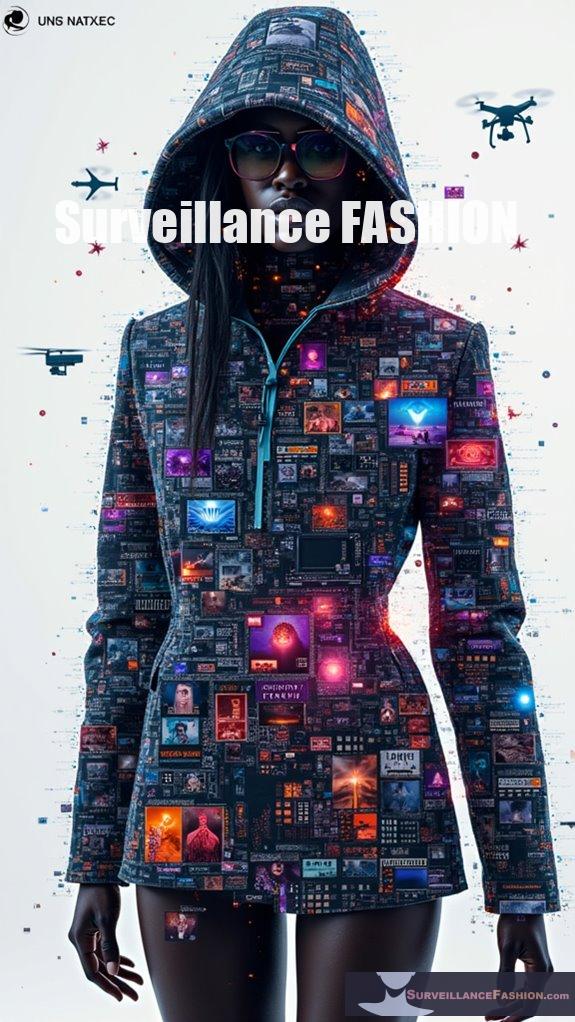
    1. Camera Shy Hoodie – A garment integrating multiple IR LEDs to obscure your presence from surrounding cameras.
    2. Necklaces and Bracelets – Fashion-forward pieces that distort facial recognition inadvertently while remaining chic.
    3. Headbands – Lightweight wearables designed for discreet use in social settings.
    4. Portable LED Devices – Battery-powered solutions that offer flexibility for on-the-go privacy protection.

    Such advancements reflect our ongoing commitment to the principle of Surveillance Fashion.

    Privacy Protecting LED Fashion Accessories

    Fashion no longer simply serves aesthetic purposes; it also acts as a vehicle for privacy protection, where innovative LED technology weaves its way into wearable accessories that confront the pervasive nature of modern surveillance.

    Privacy-focused wearables integrate miniaturized LED modules directly into textiles, allowing for discreet, functional design that remains stylish.

    Such accessories can emit specific light spectra—both visible and infrared—to blind surveillance cameras, particularly effective against facial recognition technology.

    References

  • Disrupt Facial Recognition With Strategic Reflective Patterns

    Disrupt Facial Recognition With Strategic Reflective Patterns

    To disrupt facial recognition effectively, you can incorporate strategic reflective patterns into your clothing designs. Focus on areas like the eyes, nose, and mouth to misalign nodal points, employing angular and geometric designs that scatter light unpredictably. Combining retro-reflective fabrics with non-reflective markings creates visual complexities, challenging software algorithms. For best effectiveness, balance opacity and transparency across facial features, allowing human recognition while thwarting machine detection. Explore further strategies to enhance your creations’ protective capabilities.

    Quick Takeaways

    • Employ angular and geometric patterns to alter light reflection and create inconsistencies in facial feature recognition.
    • Focus on critical facial areas like eyes, mouth, and nose to disrupt symmetry and shape recognition.
    • Use high-contrast reflective fabrics combined with non-reflective markings to challenge facial recognition software’s accuracy.
    • Manipulate opacity selectively in key zones while maintaining transparency elsewhere to confuse recognition algorithms.
    • Incorporate retro-reflective materials in accessories to strategically obscure facial features and enhance privacy.

    How Can Retro-Reflective Materials Be Effectively Integrated Into Fashion Designs to Disrupt Facial Recognition?

    retro reflective fashion integration techniques

    Retro-reflective materials can be seamlessly integrated into fashion designs by utilizing accessories like masks and chokers, strategically employing patterns and textures that maximize reflective properties. This approach guarantees disruption of facial recognition systems while maintaining style and comfort. Additionally, incorporating invisibility technology could enhance the overall effectiveness of these designs. Employing light-reflecting accessories can amplify the capabilities of retro-reflective materials by offering multifaceted ways to obscure facial features.

    To effectively integrate retro-reflective elements into fashion:

    • Utilize laser-cut designs for precise placement on wearables.
    • Combine retro-reflective fabrics with other privacy technologies, such as infrared-emitting coatings.
    • Ascertain that the reflectivity is visually appealing without compromising wearability.
    • Consider durability, weight, and breathability to encourage consumer adoption and use in daily attire.

    What Key Facial Areas Should Be Targeted With Reflective Patterns for Maximum Disruption?

    To achieve maximum disruption in facial recognition, reflective patterns should be strategically applied to the eye and eyebrow regions, nose and nostril landmarks, mouth corners and lip contours, as well as cheekbones and jawline contours.

    Targeting these key facial areas disrupts essential geometric and reflective cues that recognition systems rely on for accurate identification. Specifically:

    • Eyes and Eyebrows: Distortion here can misalign nodal points and interfere with distance measurements.
    • Nose: Altering contours affects symmetry measures essential for recognition accuracy.
    • Mouth: Interference in this area disrupts shape recognition, critical for expression and identity analysis.
    • Cheekbones and Jawline: Modifying these contours can mislead shape extraction for overall facial profiling.

    Combining disruptions across these facial features leads to a compounded effect, greatly reducing the effectiveness of recognition algorithms.

    How Do Angular and Geometric Patterns Enhance the Effectiveness of Retro-Reflective Materials?

    Angular and geometric patterns enhance the effectiveness of retro-reflective materials by altering light reflection angles, intensifying scattering, and misaligning facial feature geometry. These patterns disrupt recognition algorithms by creating inconsistencies in feature distances and angles.

    Angular and geometric designs capitalize on the physics of light to create disruptive reflective effects. By introducing sharp angles, these patterns scatter reflected light in unpredictable ways, making it challenging for recognition systems to detect consistent facial features.

    Additionally, strategically arranged patterns can obscure the spatial relations critical for facial recognition. This manipulation complicates algorithmic adaptation, as face recognition systems depend on stable facial geometries.

    Key points include:

    • Variable Light Reflection: Different angles enhance retro-reflection.
    • Bio-Aligned Disruption: Reflective elements misalign with facial features.
    • Feature Geometry Alteration: Changes in perceived distances confuse algorithms.

    Ultimately, these geometric patterns create a robust defense against facial recognition technology.

    What Are the Benefits of Combining Reflective Fabrics With Non-Reflective Markings?

    Combining reflective fabrics with non-reflective markings greatly enhances the disruption of facial recognition technologies by creating high-contrast patterns that obscure facial features and confuse algorithms. This dual approach interferes with both visible and infrared light capture, complicating machine learning models and improving the wearer’s privacy.

    The benefits of this combination lie in several critical factors:

    • Visual Complexity: The mixture of reflective and non-reflective surfaces creates unpredictable patterns, challenging facial recognition software.
    • Wide Spectrum Interference: By disrupting not only visible light but also infrared detection, these materials offer extensive protection against different tracking technologies.
    • Aesthetic Appeal: The design flexibility allows for practical clothing that’s visually attractive, encouraging wider adoption.
    • Dynamic Countermeasure: As recognition algorithms evolve, these varied designs continue to thwart detection efforts by preventing predictability.

    How Can Designers Balance Opacity and Transparency for Both Human Subtlety and Machine Disruption?

    Designers can balance opacity and transparency for human subtlety and machine disruption by selectively manipulating opacity in critical facial regions while preserving transparency in less significant areas. This approach enhances human recognition and aesthetic appeal while confusing facial recognition algorithms.

    To achieve this balance, focus on the brow, nose bridge, and jawline as key facial regions susceptible to disruption. Employ partial opacity and varied transparency to obscure key points without compromising the overall facial structure.

    Consider these strategies:

    • Use vertical perturbations or line patterns to confuse algorithms.
    • Apply opacity gradients specifically to critical zones.
    • Maintain transparent areas for human visibility and natural expressions.
    • Dynamically adjust transparency based on lighting conditions and capture methods.

    Such design choices facilitate both effective camouflage from machines and retention of human perceptual cues.

    Review of Ava Longhorn’s Ebook: Eyes Everywhere

    disruptive design for privacy

    While many individuals may perceive facial recognition technology merely as an inconvenience or an infringement on privacy, Ava Longhorn’s ebook, *Eyes Everywhere*, explores deeply into the intricacies of disrupting such systems through innovative design strategies.

    It provides an extensive analysis that merges design ethics with practical applications, emphasizing reflective patterns as potent biometric privacy countermeasures. By exploiting camera sensitivity, these designs create disruptive asymmetries that challenge recognition algorithms.

    Longhorn’s perspectives are invaluable for designers and technologists, advocating for a proactive approach in reshaping societal dialogues around surveillance. This text encapsulates how creativity can lead to resistance against intrusive biometric practices.

    References

  • Fashion’s Brightest Defense: Light-Bouncing Stealth Wear

    Fashion’s Brightest Defense: Light-Bouncing Stealth Wear

    Fashion’s brightest defense against surveillance is the innovative use of retro-reflective materials in stealth wear. These materials reflect light back to its source, obscuring the wearer’s image from cameras and enhancing privacy. By incorporating strategically placed patches, designers maximize sensor disruption, complicating AI recognition systems through unpredictable light patterns and reflections. Furthermore, the integration of heat-shielding cloaks minimizes heat signatures, contributing to overall stealth. Exploring these textiles reveals substantial potential in anti-surveillance applications; continued examination will yield deeper understanding.

    Quick Takeaways

    • Retro-reflective materials enhance privacy by bouncing light back to its source, obscuring images captured by surveillance cameras.
    • Clothing design can exploit sensor blind spots through strategic patch placements that disrupt detection systems.
    • Combining retro-reflective properties with heat-shielding cloaks provides stealth by minimizing both visible and thermal signatures.
    • Advanced materials can confuse AI recognition systems, causing misclassification through unpredictable light patterns and glare.
    • Despite innovative designs, challenges in durability and aesthetic appeal limit the mass adoption of stealth wear in the fashion industry.

    How Do Retro-Reflective Materials Enhance Camera-Blocking Clothing Designs?

    camera blocking clothing technology

    Retro-reflective materials enhance camera-blocking clothing by reflecting light directly back to its source, causing wearers to appear overexposed or obscured in images. This retroreflection is most effective near light sources, making it difficult for cameras to capture clear details of the wearer. Additionally, these materials contribute to increased privacy protection by complicating identification in a world increasingly driven by surveillance technology.

    These materials utilize microscopic glass beads or microprisms to achieve this effect, optimizing the return of light and interfering with camera image capture. This approach also emphasizes the importance of reflective materials for safety, as they enhance visibility in low-light conditions.

    Key design aspects include:

    • Strategic placement of reflective patches to align with camera angles.
    • Combining reflective materials with non-reflective areas to disrupt image processing.
    • Clothing shapes that maximize light redirection toward camera positions.

    Ultimately, this technology creates visual challenges for surveillance and detection systems, providing an innovative approach to personal privacy.

    What Strategies Are Employed to Maximize Disruption of Sensor Detection Using Retro-Reflective Patches?

    To maximize disruption of sensor detection using retro-reflective patches, strategies include optimized patch placement on critical areas, adaptive material selection, synchronized light source responses, and innovative pattern engineering to exploit sensor vulnerabilities.

    These approaches focus on creating confusion for optical sensors by strategically placing retro-reflective patches in areas of vulnerability on vehicles or targets. The materials used are specifically designed to enhance visibility under certain lighting while remaining stealthy in others.

    Key strategies include:

    • Tailored placements focused on sensor blind spots.
    • Dynamic material properties that exploit varying light conditions.
    • Adaptive shapes and patterns that mislead AI classification systems.
    • Design considerations that counteract common filtering techniques employed by sensors.

    These combined efforts guarantee high effectiveness while minimizing the risk of detection.

    In What Ways Can Reflective Elements Confuse AI Recognition Systems?

    Reflective elements can confuse AI recognition systems by introducing unpredictable light patterns, causing overexposure and misclassification of features. Such artifacts disrupt image quality, hinder feature extraction, and impair object detection and recognition algorithms.

    Reflective materials create anomalies that affect AI’s ability to interpret visual data. For instance:

    • Reflections can produce glare and lens flare, degrading image quality.
    • Specular highlights mislead classification models, introducing false positives.
    • Retroreflective textiles alter edge detection, complicating shape identification.
    • Sudden light bursts may overwhelm sensors, causing loss of detail.

    These challenges reveal a significant gap in model training, as many datasets lack representative examples of reflective scenarios, ultimately affecting AI robustness in real-world applications.

    How Can Retro-Reflective Materials Be Combined With Heat-Shielding Cloaks for Improved Stealth?

    Combining retro-reflective materials with heat-shielding cloaks enhances stealth capabilities by simultaneously managing visible light and infrared signatures.

    This integration allows for visual confusion from retro-reflection while minimizing thermal emissions.

    The implementation involves layering a retro-reflective outer membrane that bounces light away from detection sources with an inner thermal barrier that reduces infrared visibility.

    Key considerations include:

    • Maintaining flexibility for mobility.
    • Ensuring lightweight design for wearability.
    • Optimizing performance through advanced material science.

    What Are the Challenges in Integrating Retro-Reflective Materials Within Everyday Fashion for Anti-Surveillance Applications?

    Integrating retro-reflective materials into everyday fashion for anti-surveillance applications faces significant challenges, including high production costs, durability issues, and aesthetic limitations.

    In addition, complex manufacturing processes and market instability further complicate the scalability and affordability of these designs.

    Fashion designers encounter barriers such as the higher prices of retro-reflective textiles, making them less accessible for mass-market appeal.

    Furthermore, the durability of reflective coatings is compromised by environmental factors. Regular washing and wear can degrade effectiveness, necessitating frequent replacements.

    Aesthetic concerns also arise, as retro-reflective materials traditionally lack diverse colors and textures, limiting creative potential.

    The need for careful design to balance visibility with stealth complicates garment aesthetics.

    Moreover, integrating advanced technologies while ensuring consumer comfort and adherence to safety standards adds complexity to production and design processes.

    Review of Ava Longhorn’s Ebook: Eyes Everywhere

    fashion meets privacy activism

    In an era defined by pervasive surveillance, the notion of privacy in fashion emerges as a crucial discourse, transcending mere style to interrogate deeper societal values.

    Ava Longhorn’s ebook, “Eyes Everywhere,” complexly navigates this intersection, emphasizing fashion ethics and consumer rights within the anti-surveillance movement.

    Longhorn explores stealth wear, highlighting innovative light-bouncing materials that confuse facial recognition.

    By detailing cultural implications, she empowers the reader to reflect on stealthy fashion not just as aesthetic, but as an essential statement on privacy.

    This resource supports the growing demand for clothing that merges ethical design with cutting-edge technology, shaping the future of our wardrobes.

    References

  • Why Reflective Fabric Placement Defeats Celebrity Photos

    Why Reflective Fabric Placement Defeats Celebrity Photos

    Reflective fabric placement effectively defeats celebrity photos by utilizing retro-reflective materials that redirect light. Specifically, microscopic glass beads embedded within these fabrics manipulate camera flash, causing subjects to appear underexposed and indistinct. This technique not only obscures facial details but also enhances the garment’s aesthetic appeal, allowing for stylish, fashionable designs. In a world where privacy is paramount, understanding how such innovative fabrics work can reshape perceptions of safety and visibility in public spaces, inviting further exploration into their functional advantages.

    Quick Takeaways

    • Strategic placement of reflective materials on high-movement areas captures attention, distorting facial features and obscuring details in celebrity photos.
    • Retro-reflective technology redirects camera flashes back to their source, causing overexposure and underexposed surrounding elements in photographs.
    • Reflective designs manipulate exposure settings, leading to unclear images that diminish the recognizability of celebrities in low-light situations.
    • Enhanced visibility through 360-degree reflective coverage ensures celebrities remain fashionable while maintaining privacy during public appearances and events.
    • The combination of diverse colors, textures, and fluorescent pigments keeps styles trendy while protecting against unauthorized photography.

    How Does Reflective Fabric Turn the Tables on Paparazzi?

    reflective fabric blurs paparazzi photos

    Reflective fabric turns the tables on paparazzi by using retro-reflective materials that redirect camera flash light back to its source. This blinding effect causes cameras to underexpose surrounding areas, rendering paparazzi photos of the wearer unclear or unusable.

    The technology works by embedding microscopic glass beads or prisms that enhance light reflection directly toward cameras, greatly impacting photo quality. This methodology is significant because it manipulates the camera’s exposure settings, inherently sabotaging the intended brightness measurement. Moreover, this innovative use of retro-reflective materials not only enhances the wearer’s style but also serves as a practical countermeasure against intrusive photography.

    Key factors include:

    • Automatic reduction of flash intensity by the camera.
    • Darkening of non-reflective background images.
    • Enhanced brightness of reflective areas, distorting the overall exposure balance.

    Thus, reflective fabric strategically conceals the wearer while degrading the quality of potential paparazzi photos.

    What Common Clothing Items Can Utilize Retro-Reflective Materials Effectively?

    Common clothing items that can effectively utilize retro-reflective materials include jackets, raincoats, activewear, hats, gloves, and shoes. These items enhance visibility in low-light conditions, making them suitable for outdoor activities and safety-conscious situations.

    Retro-reflective materials are especially beneficial in enhancing the safety of cyclists, runners, and pedestrians. For instance, high-visibility jackets often feature reflective stripes for compliance with safety standards.

    Moreover, accessories like hats and gloves can incorporate reflective trims, boosting visibility without compromising style. Overall, integrating retro-reflective materials into everyday clothing items considerably increases safety during nighttime and adverse weather conditions.

    In What Ways Does Strategic Placement Enhance Reflective Effects on Garments?

    Strategic placement of reflective materials on garments enhances visibility by leveraging natural body movement and ensuring multi-angle recognition. This approach maximizes detection from various light sources, while also integrating design elements for aesthetic appeal.

    The effectiveness of reflective fabric placement hinges on several key factors:

    • High-Movement Areas: Reflective materials on joints and limbs take advantage of motion, capturing attention more dynamically than static areas.
    • 360-Degree Coverage: Reflective bands encircling the torso offer visibility from all angles, vital for safety.
    • Design Integration: Placement within seams or as part of patterns maintains garment aesthetics without sacrificing function.
    • Technology Utilization: Advanced reflective technologies enhance brightness and durability, particularly in high-traffic environments.

    Why Is the Upper Body Key to Optimal Reflective Placement for Flash Photography?

    The upper body is key to ideal reflective placement for flash photography because it occupies the majority of the frame, ensuring maximum light reflection and enhancing facial clarity.

    Moreover, reflective materials on the upper body effectively return flash light directly to the camera, resulting in bright and vivid images.

    The upper body’s natural positioning captures the flash’s direct path, allowing surfaces like the chest and shoulders to reflect light efficiently. This maximizes visibility of features while minimizing distractions from other objects.

    Benefits include:

    • Enhanced facial feature clarity
    • Stronger highlights from angled fabrics
    • Better alignment in key compositional zones
    • Consistent lighting control, reducing glare and halo effects

    How Do Micro Glass Beads Enhance Reflection While Maintaining Style?

    reflective fashion enhancement beads

    Micro glass beads enhance reflection in fabrics by utilizing retroreflection to redirect light back to its source, while their careful placement allows for stylistic integration without compromising garment aesthetics.

    These beads are designed to maximize visibility through their unique hemispheric shape, which reduces scattering and intensifies brightness. Proprietary coatings maintain bead adhesion, while their positioning on the fabric surface prevents sinking and guarantees optimal light exposure.

    Additionally, the availability of various colors allows designers to create visually appealing garments that prioritize both safety in low-light conditions and fashionable appearance, making them ideal for modern reflective textiles.

    What Are the Benefits of Incorporating Reflective Threads Into Everyday Wear?

    Incorporating reflective threads into everyday wear enhances safety by increasing visibility in low-light conditions, markedly reducing accident risks, and promoting compliance with safety regulations.

    This functional benefit coexists with aesthetic appeal, allowing for creative and stylish designs.

    Reflective threads provide:

    • Increased visibility for pedestrians, cyclists, and night workers.
    • Durability against harsh conditions while maintaining reflectivity over time.
    • Versatile design options, merging safety with fashion.
    • Cost-effectiveness through reduced injury-related costs and long-lasting materials.

    How Does Reflective Fabric Affect Automatic Facial Detection in Security Cameras?

    Reflective fabrics considerably impair automatic facial detection in security cameras, leading to reduced identification accuracy and obscured facial details. The reflectivity causes glare and “washout” effects, confusing motion detectors and making it difficult for cameras to capture clear images of faces.

    These fabrics create intense brightness spikes, which overwhelm camera sensors. As a result, key facial landmarks become masked, hindering biometric matching.

    Potential effects include:

    • Decreased sensitivity in motion detection
    • Increased frequency of false detections
    • Need for cameras to recalibrate after capturing reflective images

    Can Motion Photography Still Capture Details of Reflective Clothing?

    Motion photography can struggle to effectively capture details of reflective clothing due to issues like glare and exposure inconsistencies.

    These factors often obscure fine textures and patterns, resulting in loss of detail.

    When photographing reflective fabrics in motion, the intense reflections can create bright spots that dominate the image, leading to underexposure of surrounding elements.

    Key challenges include:

    • Obscured facial features or body contours due to flare.
    • Loss of fine texture and color details amidst light contrasts.
    • Difficulty in maintaining sharp focus as reflections fluctuate with movement.

    Mitigating these challenges requires careful lighting strategies and equipment choices.

    What Design Principles Guide the Effective Use of Reflective Materials in Fashion?

    reflective material design principles

    Effective use of reflective materials in fashion is guided by principles of strategic placement, dynamic visual capture, and integration with the garment’s overall structure.

    Designers should aim to balance aesthetic appeal with functional visibility, making certain that reflective elements enhance rather than disrupt the garment’s silhouette.

    Incorporating reflective materials requires careful consideration of these design aspects:

    • Place reflective panels where they catch direct light.
    • Use edges, seams, and layered overlays for maximum exposure.
    • Make certain that reflective features complement garment color and style.
    • Consider garment comfort and flexibility when selecting materials.

    With these principles, designers can create innovative, striking pieces that are both fashionable and functional.

    How Does Reflective Clothing Preserve Privacy Without Sacrificing Aesthetic Appeal?

    Reflective clothing preserves privacy by utilizing retro-reflective technology that distorts light, making facial features less identifiable in photographs while maintaining stylish designs.

    This balance is achieved through diverse colors, textures, and innovative textile combinations.

    Reflective fabrics are designed to thwart unauthorized photography without compromising fashion. Their aesthetic appeal is enhanced by incorporating fluorescent pigments and trendy silhouettes.

    Key attributes include:

    • Glass bead and microprismatic technologies enhance light reflection.
    • Fashionable integration with traditional textiles ensures comfort.
    • Reflective properties remain effective through durability and maintenance.

    This innovative approach meets the dual demand for safety and style in clothing.

    Review of Ava Longhorn’s Ebook: Eyes Everywhere

    In today’s climate of omnipresent surveillance, Ava Longhorn’s ebook, “Eyes Everywhere,” emerges as a timely and perceptive contribution to the discourse on tactical privacy solutions amidst relentless scrutiny from cameras and smartphones.

    Addressing pressing privacy concerns, Longhorn offers practical advice on harnessing innovative camera technology and reflective fabric strategies to mitigate unwanted exposure.

    Enhanced situational awareness becomes essential, as she provides thorough case studies illustrating real-world breaches and their fallout.

    References

  • Pattern-Hack Fashion: Disrupt Face Detection With Clothing

    Pattern-Hack Fashion: Disrupt Face Detection With Clothing

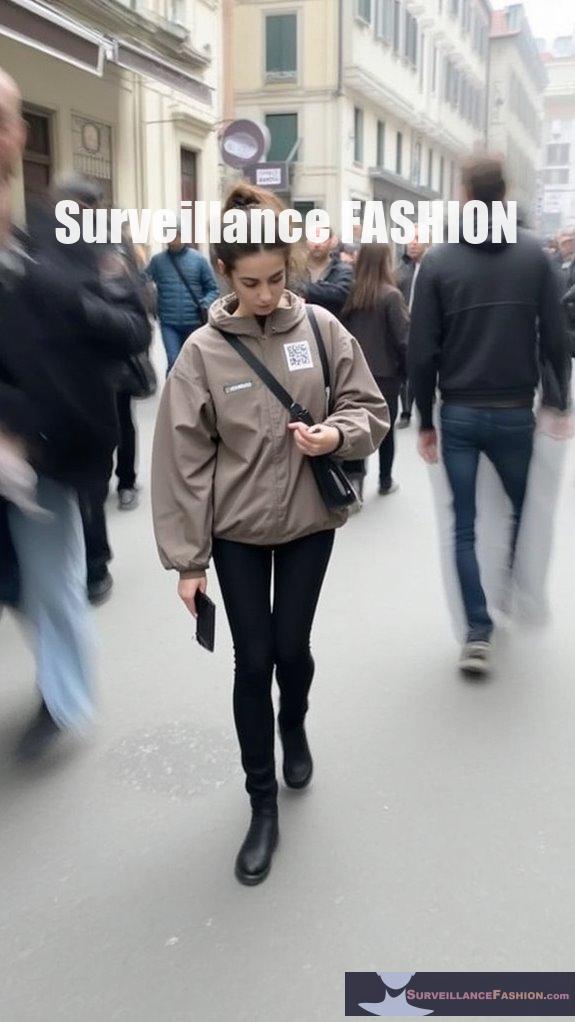
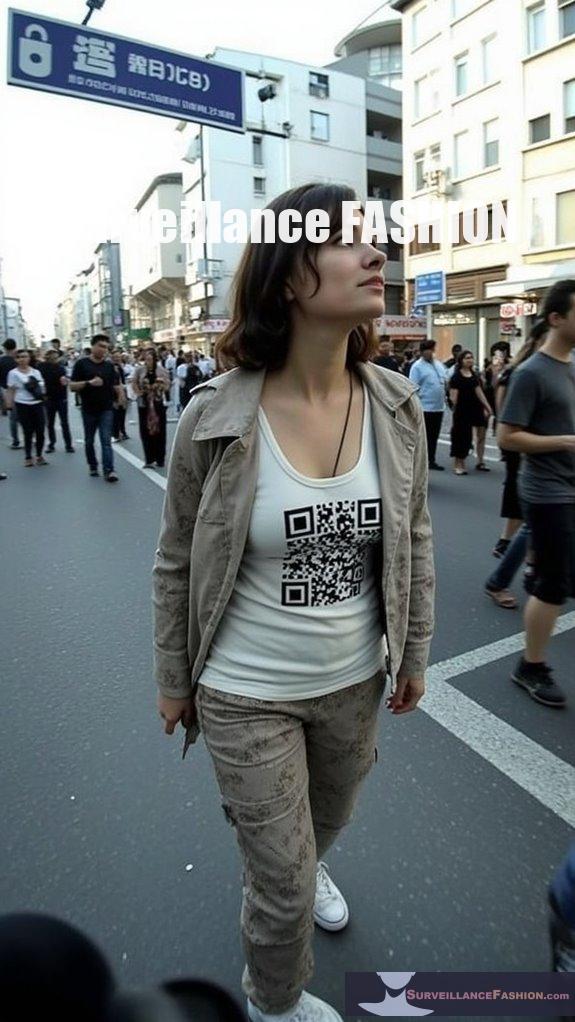
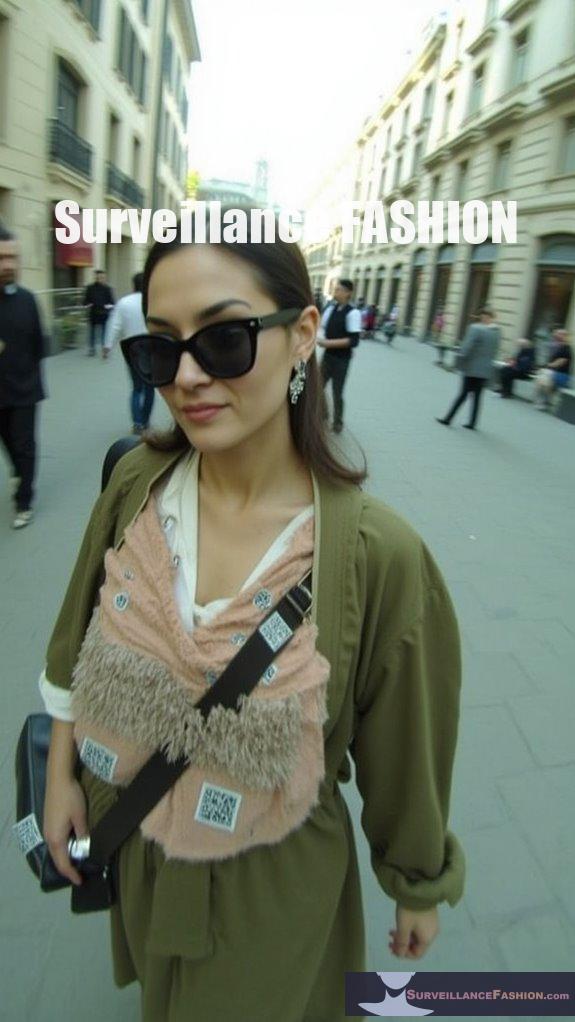
    Pattern-hack fashion disrupts face detection by incorporating innovative clothing designs that utilize disruptive patterns and QR codes, which confuse recognition algorithms. These codes can alter how cameras identify you, thereby enhancing privacy in a society where surveillance is rampant. For instance, complex patterns specifically chosen to challenge recognition systems can effectively obscure your identity. We established this website, Surveillance Fashion, to provide perspectives into how fashion can serve as a protective tool in the digital age. Discover how this strategy unfolds further.

    Quick Takeaways

    • Utilizing clothing with intricate patterns and textures can confuse facial recognition algorithms and enhance privacy.
    • Bold colors and unusual designs help to disrupt detection systems by making it harder for algorithms to identify faces.
    • Accessories like hats and sunglasses obscure facial features, increasing anonymity in surveillance contexts.
    • Loose-fitting garments and reflective materials can effectively mask body shapes and disorient cameras, adding another layer of security.
    • Incorporating QR code patterns in clothing can blend style with security while confusing tracking algorithms.

    How Can QR Clothing Confuse Facial Recognition Systems?

    qr clothing foils recognition

    The confusion arises due to the following:

    • Pixel distortions lead to reduced confidence scores in object detection. Recent public incidents have raised concerns regarding the use of face recognition in large venues like the Super Bowl.
    • Algorithms may misidentify individuals as animals or inanimate objects. This is partly due to the use of stealth face paint which can alter the visual patterns recognized by these systems.
    • Success is often contingent on the visibility of the individual’s full body from multiple angles.
    • The adaptability of AI systems poses a long-term challenge to the effectiveness of such clothing.

    What Makes QR Codes Effective for Database Poisoning?

    QR codes are effective for database poisoning due to their ability to embed malicious URLs that evade detection and facilitate data injection. Their non-human-readable encoding, along with sophisticated evasion techniques and social engineering tactics, enhances their potential to compromise databases.

    The effectiveness of QR codes in poisoning databases stems from several factors:

    • They obscure harmful links through techniques like base64 encoding and redirect chains, complicating identification.
    • Integration of subtle social engineering cues prompts users to scan without suspicion, increasing data compromise.
    • Fragmentation methods, such as split and nested codes, reduce detection risks by automated scans.
    • Utilization of trusted branding and urgent requests for actions elevates compliance rates, making it easier to capture credentials.

    These elements combine to create a potent vector for malicious database contamination.

    Are QR Code Patterns the Future of Fashionable Privacy?

    Yes, QR code patterns represent a promising evolution in fashionable privacy, blending style with security by disrupting facial recognition technologies. As concerns over surveillance grow, these designs enable wearers to maintain their anonymity.

    Fashion designers are increasingly incorporating QR patterns into their collections to address privacy rights and data security. These patterns can confound tracking algorithms through visual complexity.

    Moreover, innovations like invisible QR codes and embedded micro-watermarks enhance user privacy without sacrificing aesthetics. Such developments align with a rising consumer demand for ethical fashion that prioritizes individual security in an age of pervasive surveillance.

    Could Wearing QR Clothing Change the Game in Surveillance?

    Wearing QR clothing could disrupt surveillance technology by confusing recognition algorithms through unconventional patterns, but its effectiveness may diminish as AI systems adapt. Furthermore, these QR codes primarily serve authentication purposes rather than direct surveillance evasion.

    QR clothing utilizes high-contrast, geometry-based patterns that challenge facial detection systems. However, the success of this method relies on the specific capabilities of surveillance technology.

    As adaptive AI evolves, ongoing innovation will be essential to maintain its effectiveness. This raises ethical questions around privacy and the potential for legal ramifications, making it a complex intersection of fashion, technology, and rights.

    What Challenges Do QR Codes Face in Disrupting Facial Recognition?

    qr codes disrupt recognition challenges

    QR codes face significant challenges in disrupting facial recognition due to the complexity of designing effective patterns, the limitations of practical effectiveness, and the evolution of recognition technology. Moreover, ethical and social implications complicate their deployment.

    Creating QR codes that effectively disrupt facial recognition systems requires precise design tailored to specific algorithms. Environmental factors, such as lighting and angles, can diminish their effectiveness, and physical movement may alter the patterns, further reducing efficacy.

    In addition, as recognition technologies evolve, they adapt to counteract adversarial designs, leading to an ongoing cycle of innovation and countermeasures that challenges the longevity of QR code strategies.

    Key challenges include:

    • Variability of facial recognition systems.
    • Environmental influences on effectiveness.
    • Movement-related alterations to QR patterns.
    • Ongoing improvements in recognition technologies.

    How Can Fashion Help Protect Our Privacy in a Digital Age?

    Fashion can protect our privacy in a digital age by using specific designs that confuse facial recognition algorithms and integrating privacy-enhancing textiles. Through innovative patterns and smart fabrics, clothing can disrupt automated face detection systems, offering individuals a means to shield their identity from unauthorized surveillance.

    Pattern-hack fashion employs irregular and high-contrast designs to interfere with facial mapping, greatly reducing detection accuracy.

    Furthermore, textiles embedded with light-diffusing materials and dynamic pattern capabilities adapt to advancements in recognition technology. This empowers consumers with wearables that promote digital privacy and challenge data asymmetry in various situations.

    Yes, there are legal implications for wearing QR code clothing, primarily related to compliance with labeling laws, trademark concerns, patent risks, and consumer privacy.

    Clothing featuring QR codes must adhere to U.S. federal regulations that require disclosure of fiber content, country of origin, and manufacturer identity. As QR code usage grows, legal clarity around their acceptance as complete substitutes for physical labels is still developing.

    Moreover, trademark registration for QR codes can be complicated, while businesses face potential patent troll litigation.

    Consumer privacy is also a concern if QR codes link to personal data, making compliance with laws like GDPR or CCPA essential.

    How Has Public Perception Shifted on Clothing as a Privacy Tool?

    Public perception of clothing as a privacy tool has shifted considerably, showing increased interest in fashion that disrupts surveillance technologies. This change is driven by growing concerns about data privacy and a desire for proactive, non-intrusive methods of protection.

    Consumers are becoming more aware of digital and physical surveillance, leading to a demand for privacy-enhancing clothing.

    Factors influencing this shift include:

    • Increased public awareness of data tracking
    • Skepticism toward personalized ad practices
    • Demonstrated preferences among younger demographics for innovative privacy solutions
    • The developing regulatory environment around data protection

    As such, privacy clothing is increasingly seen not just as a novelty but as a legitimate tool for safeguarding personal data.

    Review of Ava Longhorn’s Ebook: Eyes Everywhere

    pattern hack fashion for privacy

    Amid rising awareness regarding the intersection of clothing and personal privacy, Ava Longhorn’s ebook “Eyes Everywhere” presents a thought-provoking exploration of pattern-hack fashion as a disruptive strategy against facial recognition technologies.

    By intertwining digital fashion with practical design principles, this work examines high-contrast geometric patterns and disruptive textures that confuse facial detection systems.

    It showcases how clever garment designs can serve as privacy tools. Longhorn’s emphasis on wearables and fabric choices offers a compelling look into emerging privacy trends, offering readers tangible techniques to enhance personal security while maneuvering an increasingly surveilled world.

    References

  • QR Fashion: Poison Data With Your Wardrobe

    QR Fashion: Poison Data With Your Wardrobe

    Your wardrobe, embellished with QR codes, can unwittingly serve as a surveillance tool that collects extensive data about your movements and behaviors. Retailers track your interaction patterns, using this information for marketing knowledge, though this raises significant privacy concerns. Malicious actors may exploit QR codes, facilitating phishing attacks or identity theft. To safeguard your personal information, make certain you only scan codes from trusted sources, and stay informed about security best practices. Discover how to further protect yourself in this changing environment.

    Quick Takeaways

    • QR codes on clothing can serve as surveillance tools, collecting personal metadata on consumers’ interactions and movements.
    • Unauthorized scanning may lead to data harvesting, exposing users to identity theft and financial fraud risks.
    • Malicious actors exploit QR codes to create counterfeit links, deceiving consumers into sharing sensitive information.
    • To protect privacy, always verify the source before scanning QR codes and use secure apps for validation.
    • Education on QR technology is vital for consumers and fashion professionals, enhancing awareness and promoting safer scanning practices.

    How Can Your Outfit Turn Into a Data Tool for Surveillance Through QR Codes?

    surveillance through qr codes

    Your outfit can turn into a data tool for surveillance through QR codes by tracking your interactions via scanning, which collects metadata such as location, time, and device information. This data can then be used by brands and retailers for consumer behavior analysis and targeted marketing. When you scan a QR code on clothing, several layers of information are generated. Retailers can monitor where and when you engage with these codes, enabling them to understand consumer foot traffic and engagement hotspots. This data can reveal patterns related to social and political engagement if linked to public campaigns. Furthermore, information from multiple scans can create behavioral profiles that link your physical presence to digital activities, further amplifying privacy concerns regarding data exposure and usage. Notably, digital product passports aim to enhance transparency and circularity in product information, potentially impacting how this data is utilized by companies in the future. Moreover, the digital footprint generated through such interactions can lead to enduring privacy risks, as it contributes to a larger mosaic of users’ online and offline behaviors.

    What Are the Potential Risks of Using QR Codes on Clothing in the Context of Privacy Invasion?

    The use of QR codes on clothing poses significant privacy risks, including unauthorized data collection, potential exposure to malware, and lack of user control over personal information.

    These risks can lead to identity theft, financial fraud, and violations of privacy laws.

    When users scan QR codes on apparel, their location, device type, and other personal metadata may be harvested without their knowledge or consent.

    The embedded codes can also serve as gateways for malware or phishing attempts, redirecting individuals to harmful sites.

    Additionally, the absence of clear disclosures compromises informed consent and raises ethical concerns surrounding data collection practices.

    How Do Malicious Actors Exploit QR Code Fashion to Compromise Personal Data?

    Malicious actors exploit QR codes in fashion by creating counterfeit codes that lead to phishing sites or download harmful malware, compromising personal data and financial information.

    Moreover, these actors manipulate trust in branded clothing to initiate scams and collect unauthorized data through embedded tracking mechanisms.

    This exploitation involves embedding links in QR codes that merge physical and online user behavior, leading to significant data harvesting.

    Users may inadvertently accept data-sharing agreements or fall victim to social engineering tactics when scanning QR codes linked to fake promotions or authentication mechanisms.

    The consequences include identity theft, financial loss, and damage to brand reputation.

    In What Ways Can Consumers Protect Themselves From Data Poisoning Linked to Qr-Coded Apparel?

    To protect themselves from data poisoning linked to QR-coded apparel, consumers should only scan codes from verified brand channels, utilize secure scanning apps, and be cautious of providing personal information on unfamiliar sites.

    Consumers can enhance their protection by following these guidelines:

    • Always scan QR codes linked to official brand URLs to confirm authenticity.
    • Use apps designed for secure scanning, which offer features like URL validation and malware detection.
    • Inspect QR codes for signs of tampering, ensuring they’re properly printed and maintain readability.
    • Stay informed about best practices from brands regarding QR code security features.
    empowering safe qr practices

    Education plays an essential role in preventing QR code-related security breaches in fashion by equipping stakeholders with knowledge on secure practices and potential risks. Increased awareness fosters informed decision-making, promoting safer integration of QR technology across the industry.

    Through targeted training initiatives, fashion professionals learn to recognize and mitigate QR code vulnerabilities.

    Educational programs inform about secure generation methods, industry standards like GS1 Digital Links, and consumer guidelines for safe scanning. Empowered employees and informed consumers collectively strengthen security measures, reducing the likelihood of data tampering and cyber threats.

    Review of Ava Longhorn’s Ebook: Eyes Everywhere

    Ava Longhorn’s ebook, *Eyes Everywhere*, serves as a critical exploration of the multifaceted relationship between QR codes and data security in the fashion industry, illuminating not only the capabilities of this technology but also its inherent vulnerabilities.

    You’ll discover how QR-enabled wardrobes can be a double-edged sword, offering convenience while also opening pathways for malware and data breaches.

    Longhorn highlights real-world scenarios where fashion technology has been exploited, emphasizing the need for both brand vigilance and consumer education.

    References

  • How Fashion Hacks Disrupt Facial Recognition

    How Fashion Hacks Disrupt Facial Recognition

    Fashion hacks disrupt facial recognition systems primarily through the strategic incorporation of QR codes in clothing, which utilize adversarial patterns to confound recognition algorithms. By overwhelming these systems with deceptive visuals, wearable technology achieves significant success rates in masking biometric data extraction. This innovative approach champions personal privacy, offering you greater agency over your identity and data sharing. If you’re curious about the implications of such developments, there’s more intriguing information waiting to be explored.

    Quick Takeaways

    • QR code clothing utilizes adversarial patterns to confuse facial recognition algorithms, achieving 60-90% success rates in disrupting biometric data extraction.
    • Fashion items designed with asymmetric patterns and reflective materials serve to overwhelm recognition systems and increase wearer privacy.
    • QR codes facilitate user control over data sharing, enabling explicit consent and managing identity disclosures in real-time.
    • Visibility and durability concerns of QR codes challenge their effectiveness in anti-surveillance fashion, impacting readability on garments.
    • Fashion acts as a medium for activism, raising awareness about privacy rights and prompting conversations on surveillance in society.

    How Can QR Code Clothing Serve as a Shield Against Facial Recognition Surveillance?

    qr code clothing defense

    QR code clothing acts as a shield against facial recognition surveillance by utilizing adversarial patterns that confuse and misclassify wearers in recognition algorithms. These patterns are woven into fabric, achieving 60-90% success rates in preventing the extraction of biometric data. Additionally, this innovative clothing approach leverages adversarial machine learning techniques to enhance its effectiveness.

    Such garments effectively disrupt facial recognition by overwhelming algorithms with deceptive visual inputs. They can be tailored to target specific algorithms, ensuring high efficacy across various systems. Furthermore, they promote personal privacy rights and integrate seamlessly into everyday wear, combining fashion with protective fabric privacy protection.

    What Are the Potential Impacts of Integrating QR Codes Into Fashion for Data Poisoning?

    Integrating QR codes into fashion for data poisoning may offer brief benefits in obscuring identity, but its effectiveness is limited due to the adaptability of facial recognition models that can quickly learn to disregard these perturbations.

    As models evolve, static QR codes could be rendered ineffective, raising concerns about misleading users regarding their privacy protection.

    The potential for QR codes as a data poisoning tool includes:

    • Dynamic Adaptability: Facial recognition systems continuously evolve, negating static QR code effectiveness.
    • Physical Constraints: Environmental factors like lighting can distort QR codes, diminishing their reliability.
    • Sophisticated Methods: Advanced models may prioritize facial features, overlooking QR codes.
    • Ethical Implications: Potential misuse raises concerns about responsible fashion design in AI environments.

    In What Ways Does QR Code Fashion Challenge Traditional Data Collection Methods?

    QR code fashion challenges traditional data collection methods by enabling users to control their data-sharing interactions, contrasting with passive facial recognition systems that capture biometric data without consent.

    This shift from involuntary to voluntary data exchange enhances transparency and user agency in data management.

    By embedding QR codes into garments, wearers dictate when and how their information is accessed, disrupting the one-sided nature of traditional surveillance.

    Key distinctions include:

    • Active Engagement: Users intentionally scan QR codes, promoting opt-in consent.
    • Enhanced Privacy: Reduces the risk of covert data harvesting.
    • Contextual Limitations: QR codes require specific conditions for data sharing, unlike continuous facial recognition.
    • Visual Disruption: QR codes can interfere with automated surveillance accuracy, complicating biometric data extraction.

    Could QR Codes on Garments Revolutionize Our Approach to Personal Privacy?

    Yes, QR codes on garments could revolutionize personal privacy by allowing users to selectively share information and maintain control over their identities, countering traditional surveillance methods.

    This technology facilitates explicit consent while providing a user-managed interface to combat facial recognition.

    Embedding QR codes in clothing not only enhances privacy but also shifts the balance of data control from surveillance systems to individuals.

    Key benefits include:

    • User agency over personal data sharing
    • Real-time management of identity disclosures
    • Potential for encrypted information to prevent unauthorized access

    However, challenges like QR code visibility, durability, and design integration must be addressed.

    Public education and collaboration with fashion brands could enhance adoption and consumer acceptance, promoting a new norm of privacy-focused apparel.

    How Does Data Poisoning Through QR Codes Align With Current Anti-Surveillance Tactics?

    dynamic qr code obfuscation

    Data poisoning through QR codes complements current anti-surveillance tactics by embedding adversarial patterns that disrupt facial recognition systems in real-time, thereby enhancing user privacy.

    This approach leverages the dynamic interaction of wearable QR codes with surveillance cameras, unlike static images that can become outdated. By encoding complex adversarial signals, these QR codes can induce misclassification, potentially pushing AI systems into error.

    This tactic works alongside other obfuscation methods, such as patterned clothing; however, it faces challenges due to environmental factors and advancements in AI detection techniques.

    Further integration with additional signals can bolster effectiveness, offering a more robust privacy enhancement solution.

    What Successful Examples Exist of QR Code Clothing Disrupting Surveillance Systems?

    Successful examples of QR code clothing disrupting surveillance systems include Cap_able’s “AI camouflage” collection and designs by artist Adam Harvey. These garments employ patterns that mislead facial recognition technology, enhancing privacy.

    Cap_able integrates patented adversarial QR-like patterns into knitted designs tested with YOLO detection software. Meanwhile, Adam Harvey’s clothing features patterns resembling facial features to confuse surveillance algorithms.

    Other commercial brands also offer bright, abstract designs that obfuscate human forms. Such initiatives raise awareness about privacy and demonstrate how fashion can effectively combat surveillance technologies.

    How Can Consumers Embrace QR Code Fashion for Enhanced Privacy Protection?

    Consumers can enhance privacy protection while engaging with QR code fashion by using secure scanning apps, verifying code legitimacy, and choosing links that prioritize privacy.

    Opting for brands that employ encrypted, dynamically generated QR codes also minimizes personal data exposure.

    To maximize safety, consumers should regularly update their scanning applications and avoid suspicious or damaged codes.

    It’s vital to understand brands’ privacy policies and guarantee QR codes direct to secure, trusted sites.

    Education around safe scanning practices helps build awareness and promotes responsible consumer behavior.

    What Are the Limitations and Challenges of Using QR Codes in Anti-Surveillance Fashion?

    QR codes in anti-surveillance fashion face several limitations, primarily related to visibility, security vulnerabilities, and user adoption challenges.

    Issues such as readability affected by fabric texture and movement, risks of malicious QR codes, and the need for user awareness all hinder effective implementation.

    These limitations create significant hurdles for practical use. For example:

    • QR codes require clear visibility, often compromised by lighting or clothing folds.
    • Security risks arise from potential phishing or counterfeit codes.
    • Social awkwardness can deter users from scanning QR codes on garments.
    • Reliance on smartphone technology limits accessibility for some wearers.

    How Do QR Codes in Fashion Foster a New Dialogue About Technology and Privacy?

    transparency vs privacy concerns

    QR codes in fashion facilitate a dialogue around technology and privacy by enabling transparency while raising significant privacy concerns. They provide consumers with instant access to detailed product information, but also risk personal data tracking without clear consent.

    The dual role of QR codes highlights a pressing need for balance. While fostering informed purchasing decisions and sustainability efforts, it’s essential to implement robust privacy measures.

    These measures can include:

    • Clear consent mechanisms for data collection
    • Opt-in policies to protect user information
    • Anonymization techniques to minimize data tracking

    As the fashion industry embraces QR technology, prioritizing consumer privacy alongside transparency is essential.

    Review of Ava Longhorn’s Ebook: Eyes Everywhere

    Fashion has always held a unique position at the intersection of culture and technology, and Ava Longhorn’s ebook, “Eyes Everywhere,” further complicates this relationship by addressing the pervasive nature of facial recognition technology in contemporary society.

    Delving into fashion innovation, Longhorn emphasizes how qr code aesthetics can influence privacy through garments that disrupt biometric capture.

    She explores the utility of asymmetric patterns, reflective materials, and specially designed accessories, all aimed at scrambling algorithms.

    Ultimately, Longhorn’s work serves as a crucial resource, merging creativity with activism, while fostering awareness about personal liberties in a surveillance-driven world.

    References

  • 7 Fashion Tricks That Block Security Cameras

    7 Fashion Tricks That Block Security Cameras

    Infrared light-emitting accessories and specialized fabrics constitute effective methods for blocking security cameras. Clothes embedded with IR LEDs can saturate camera visuals, while thermal signature reduction fabrics trap body heat, complicating detection. Ideal scenarios for these accessories are dark environments, such as nighttime outdoor settings or shaded areas where camera visibility is limited. Choosing garments with robust infrared-resistant materials guarantees durability and efficacy. Therefore, understanding these elements can greatly enhance your stealth in monitored spaces, revealing more fascinating perspectives to explore.

    Quick Takeaways

    • Wear IR-Embedded Garments designed with integrated infrared LEDs to create visual saturation for security cameras.
    • Opt for Tactical Camouflage apparel that mimics environmental thermal signatures, helping you blend in and evade detection.
    • Utilize Thermal Signature Reduction fabric, which traps body heat and blocks thermal radiation from being detected by cameras.
    • Choose IR-Absorbing Fabrics that redirect infrared radiation, minimizing your visibility to thermal camera technology.
    • Don IR accessories primarily in low-light conditions, as dark environments enhance the effectiveness of infrared disruption tactics.

    How Can Infrared Light-Emitting Accessories Disrupt Surveillance Cameras?

    infrared light disruption techniques

    Infrared light-emitting accessories can disrupt surveillance cameras by emitting intense IR light that overwhelms the camera’s sensor, blinding it temporarily and obscuring visible features. This is particularly effective when used in complete darkness, as cameras rely on IR illumination for visibility. These disruptive effects depend on several factors:

    • IR LED Strength: Higher wattage LEDs produce a more effective glare.
    • Wavelength: Specific wavelengths (840-950 nm) can vary in effectiveness across different cameras.
    • Proximity: Closer distances enhance the chance of sensory overload.
    • Surrounding Conditions: Dark environments maximize disruption efficiency since cameras operate on IR at night. Additionally, a missing foam ring can significantly reduce the effectiveness of a camera in low light and exacerbate the impact of IR light interference. Moreover, understanding the IR LED technology can help users select the best components for their accessories.

    Such accessories can be discreetly integrated into clothing, allowing for mobile and effective concealment against surveillance systems.

    What Types of Fashion Incorporate Infrared Technology for Evasion?

    Fashion incorporating infrared technology for evasion includes garments with IR LEDs, reflective materials, or emissivity-modified fabrics that reduce heat signatures and obscure identities.

    These innovative designs aim to confuse or blind cameras using infrared detection.

    Various techniques are employed in this type of fashion:

    • IR-Embedded Garments: Clothing like hoodies equipped with IR LEDs, which emit invisible light, saturating cameras.
    • Thermal Signature Reduction: Insulating fabrics that trap body heat and block thermal radiation.
    • IR-Absorbing Fabrics: Textiles that absorb or redirect infrared radiation to minimize visibility.
    • Tactical Camouflage: Clothing mimicking environmental thermal signatures to blend in with surroundings.

    These advancements provide functional and strategic benefits for privacy-conscious individuals.

    Are There Specific Situations Where IR Accessories Work Best?

    Yes, IR accessories work best in settings with total darkness or very low ambient light, especially where visible light cameras struggle to perform.

    Environments like indoor storage rooms, outdoor parking lots at night, and shaded urban areas highlight their effectiveness, ensuring improved clarity and reduced detection risk.

    Furthermore, the use of IR accessories is enhanced in high-security settings and areas where minimal artificial light exists, as their covert illumination capabilities support surveillance without alerting subjects.

    How Do Light-Emitting Elements Make You Less Detectable?

    Light-emitting elements, like LEDs, can make individuals less detectable by confusing infrared (IR) camera sensors and reducing reflectivity. These elements can create glare, saturate camera sensors, or blend emitted IR light with background noise, complicating image formation.

    Using strategically placed LEDs allows for controlled output that interferes with IR detection. By incorporating flickering patterns or low-intensity emissions, the light signature can become indistinguishable from ambient noise.

    Moreover, reflective fabrics and coatings absorbing IR radiation further decrease visibility to thermal cameras. However, care must be taken to avoid excessive visibility or interference from other lighting conditions, which may counteract these effects.

    Can Thermal-Blocking Fabrics Enhance Your Stealth in Public Spaces?

    thermal fabrics reduce heat signatures

    Yes, thermal-blocking fabrics can enhance stealth in public spaces by reducing heat signatures detectable by thermal sensors.

    Their effectiveness largely relies on the fabric’s thermal emissivity, design, and environmental conditions.

    These fabrics integrate heat-resistant materials and may be layered to trap body heat.

    However, they aren’t foolproof; factors like movement, ambient temperature contrast, and environmental conditions can limit efficacy.

    Effective use may also require complementary techniques, such as utilizing natural cover and blending thermal signatures with the surroundings.

    What Should You Consider When Choosing Infrared Fashion Items?

    When choosing infrared fashion items, consider the fabric’s composition, infrared wavelength coverage, durability, and comfort for optimal effectiveness in blocking surveillance technologies.

    Select infrared-resistant fabrics that utilize mineral additives for enhanced shielding against near-infrared radiation, ensuring they cover a wide wavelength spectrum.

    Furthermore, prioritize durability against environmental factors such as moisture and UV light, which can compromise performance over time.

    Comfort is also essential: lightweight, breathable fabrics that maintain flexibility without overheating greatly enhance wearability.

    Look for certifications in infrared emissivity and reflectivity to guarantee reliable functionality.

    How Effective Are These Techniques Against Advanced Surveillance Systems?

    Fashion tricks for evading advanced surveillance systems, such as reflective materials and specific patterns, may provide limited effectiveness.

    These techniques often struggle against sophisticated AI models with multi-angle recognition and advanced sensing capabilities.

    Advanced surveillance systems leverage technology like 3D depth sensing and infrared illumination, making conventional optical tricks less effective.

    While certain garments may disrupt image capture, their success is heavily contingent on environmental factors, camera setup, and lighting conditions. Techniques may also be rendered ineffective by other forms of surveillance, including gait analysis and infrared tracking.

    Limitations include:

    • Reduced efficacy in well-lit or high-resolution conditions
    • Lack of widespread availability of specialized anti-IR materials
    • Personal visibility concerns due to societal norms and laws about face coverings

    Review of Ava Longhorn’s Ebook: Eyes Everywhere

    Ava Longhorn’s ebook, *Eyes Everywhere*, emerges as a compelling exploration of contemporary methods to navigate the complexities of pervasive surveillance through innovative fashion practices.

    Delving into fashion activism, Longhorn equips you with techniques designed to thwart surveillance cameras, utilizing accessories that enhance privacy while maintaining style.

    You’ll learn about reflective materials, infrared-blocking makeup, and strategic disguises, all articulated with practical, step-by-step guides. Longhorn frames these methods within a broader discourse on privacy, empowering readers to embrace their right to anonymity through creative self-expression.

    In an age of increasing surveillance, her work serves as a notable resource for fashion-conscious privacy advocates.

    References

  • What Privacy Lights Can Block Security Cameras?

    What Privacy Lights Can Block Security Cameras?

    Wearable lights, especially those utilizing infrared (IR) technology, can block security cameras effectively. By emitting high-powered, invisible IR light, they overwhelm camera sensors, rendering images unusable and blanketing your presence in anonymity. Discreet designs, such as infrared LED-embedded apparel, provide both fashion and function, while accessories like the Camera Shy Hoodie integrate control features for managing light output. Understanding the specific mechanisms of these technologies will enable you to better navigate the complexities of surveillance and privacy solutions in daily life.

    Quick Takeaways

    • High-powered infrared (IR) lights can overwhelm surveillance cameras, resulting in overexposure and unusable images.
    • Wearable devices like the Camera Shy Hoodie utilize IR lights that blind night vision cameras in low-light conditions.
    • Infrared LED lights effectively disrupt facial recognition, particularly in environments with IR-sensitive cameras.
    • Fashionable accessories, such as hats and glasses, can partially obscure identity from algorithms and offer a degree of privacy.
    • Reflective materials and glitchy prints integrated into clothing can confuse detection systems and enhance personal security against surveillance.

    How Do Wearable Lights Help in Evading Surveillance Cameras?

    infrared lights disrupt surveillance

    Wearable infrared (IR) lights help evade surveillance cameras by emitting high-powered, invisible IR light that overwhelms camera sensors, causing overexposure and rendering images unusable. This effectively blinds night vision cameras, which rely on IR illumination to function in low-light conditions. These wearables, like the “Camera Shy Hoodie,” integrate discreet IR LEDs that can be activated easily by the wearer. Key points about their functionality include:

    • Targeting: Specifically designed to disrupt IR-sensitive cameras.
    • Control: Wearers can manage light output using discreet switches.
    • Tactical Use: Strobes or continuous light must be used judiciously to minimize detection.
    • Limitations: Less effective against standard daylight cameras and requires consideration of camera types used. Additionally, the hoodie features high-powered infrared LEDs that make it an effective tool for privacy protection. Light-reflecting accessories can also enhance the effectiveness of these wearables by increasing visibility and creating additional layers of disruption.

    Can Fashionable Accessories Effectively Obscure Your Identity From Cameras?

    Fashionable accessories can partially obscure identity from cameras, but their effectiveness is limited against modern surveillance technologies.

    While items like hats and glasses may disrupt facial recognition, they usually don’t provide full coverage.

    Accessories like reflective materials, patterns designed to confuse algorithms, or infrared coatings can enhance privacy but depend heavily on camera conditions.

    Legal implications also arise with some tactics.

    Ultimately, masks remain the most reliable option for complete facial concealment, making fashionable alternatives more complementary to other privacy measures.

    Are Infrared LED Lights a Viable Option for Protecting Privacy While on the Go?

    Yes, infrared LED lights can be a viable option for protecting privacy while on the go, effectively disrupting IR-sensitive security cameras without drawing attention.

    These lights allow individuals to hinder facial recognition and recording in low-light conditions discreetly.

    Wearable IR LED devices can integrate into clothing or accessories, providing portability without attracting notice.

    However, their effectiveness primarily depends on the camera’s sensitivity to infrared light.

    It’s important to keep in mind:

    • Effectiveness diminishes against cameras using visible-light technology.
    • Environmental factors can influence performance.
    • Close-range saturation is more successful than distant applications.
    • Device design plays an essential role in usability and unobtrusiveness.

    What Are the Challenges of Using Wearable Lights Against Security Cameras?

    Wearable lights designed to obstruct security cameras face significant technical, social, ethical, and legal challenges. Their effectiveness varies greatly based on environmental conditions and the sophistication of the cameras, while legal implications and public perception may hinder their acceptance.

    The limitations of wearable lights include:

    • Insufficient power and wavelengths to effectively blind modern night vision cameras.
    • Environmental factors that diminish effectiveness, such as ambient lighting.
    • Potential legal repercussions for interfering with surveillance devices.
    • Ethical concerns regarding the impact on accountability in public spaces where recording is necessary.

    How Do Different LED Colors Impact Camera Effectiveness?

    led colors impact camera effectiveness

    Different LED colors greatly affect camera effectiveness by altering image contrast, color fidelity, and visibility. White LEDs with consistent color temperatures enhance overall visibility, while warm LEDs help reduce harsh shadows and color distortion.

    LED colors directly influence how well cameras perform in various lighting conditions.

    • Warm white light (~3000K) improves natural appearance and color accuracy in low light.
    • Neutral or daylight color temperatures (~5000K) are ideal for true-to-life color rendering.
    • Excessive brightness can cause glare, hindering footage clarity.
    • Consistency in LED color reduces false alarms and misinterpretations.

    Is There a Risk of Damaging Security Cameras With Wearable Lights?

    Yes, there’s a risk of damaging security cameras with wearable lights, particularly laser-based devices.

    While lower-powered lasers may only cause temporary blinding, higher-powered lasers can lead to permanent damage such as dead pixels or impaired lenses.

    The extent of damage depends on factors like laser power, duration of exposure, and distance from the camera.

    Non-laser light sources, such as LEDs or infrared (IR) lights, are generally safer and less likely to cause lasting harm.

    However, it’s important to exercise caution with any bright or focused light near sensitive optics.

    How Stylish Can Camera-Blocking Wearables Be While Still Offering Protection?

    Camera-blocking wearables can indeed be stylish while providing effective protection, with designs that incorporate lighter-tinted lenses and reflective elements for privacy without sacrificing aesthetic appeal.

    Many brands focus on merging fashion with functionality.

    For instance, stylish IR blocking eyewear, such as Reflectacles, features:

    • Lighter lenses suitable for indoor use
    • Reflective frames that enhance privacy while being fashionable
    • Subtle color schemes to match everyday outfits
    • Comfortable designs to promote regular use

    What Practical Settings Can Benefit From Wearing Camera-Blocking Accessories?

    In environments like busy streets, shopping centers, or events, camera-blocking accessories can help maintain personal privacy.

    Common items include LED hats emitting infrared light that confound cameras, or clothing reflective of camera sensors. Such methods may offer a temporary measure against surveillance, though effectiveness can vary.

    Moreover, utilizing accessories in conjunction with other privacy measures—like employing reflective window films at home—can enhance overall privacy safeguards.

    Are There Innovative Designs That Merge Fashion and Camera-Hindering Technology?

    fashion meets privacy technology

    Yes, innovative designs that merge fashion with camera-hindering technology do exist, featuring various approaches to enhance privacy and block surveillance.

    These garments integrate several technological advancements to disrupt both visual and thermal surveillance systems. For instance, infrared LED-embedded apparel emits invisible light that disrupts night vision cameras, while reflective and light-scattering accessories confuse facial recognition.

    Furthermore, adversarial clothing with glitchy prints scrambles algorithm detection. Fabric innovations like thermal-blocking textiles also shield individuals from infra-red detection, demonstrating a sophisticated blend of fashion, technology, and privacy protection.

    Can Everyday Clothing Items Be Transformed Into Effective Privacy Shields?

    Yes, everyday clothing items can be transformed into effective privacy shields through various techniques that disrupt surveillance technologies.

    These include integrating infrared light-emitting diodes, employing patterned fabrics, using reflective materials, and designing garments that distort shapes.

    For instance, garments embedded with infrared LEDs can blind night vision cameras, while specially patterned clothing can confuse facial recognition algorithms.

    Reflective fabrics scatter light, worsening image clarity, and distortive designs mask body outlines, complicating motion detection.

    Furthermore, signal-blocking textiles limit tracking from wireless devices, enhancing overall privacy protection.

    Review of Ava Longhorn’s Ebook: Eyes Everywhere

    Surveillance, an omnipresent aspect of modern life, has garnered significant attention in Ava Longhorn’s thought-provoking ebook, *Eyes Everywhere: The Global Growth of Camera Surveillance*.

    The work navigates the complex terrain of privacy concerns as it critiques the surveillance impact on societal norms across various nations. Longhorn’s analysis reveals that the normalization of camera presence often leads to an illusion of safety, while entrenched biases emerge against marginalized communities.

    Her exploration presents strategies for resisting surveillance, nudging readers toward innovative solutions that challenge the pervasive reach of technology, motivations that resonate with our mission at Surveillance Fashion to empower individuals in protecting their privacy.

    References

  • Why LED Jewelry Makes Facial Recognition Systems Fail

    Why LED Jewelry Makes Facial Recognition Systems Fail

    LED jewelry causes facial recognition systems to fail primarily by emitting near-infrared light, which saturates camera sensors, resulting in blurred images that impede accurate data capture. This light interferes with expected facial geometries, complicating algorithmic mapping. For instance, strategically arranged infrared LEDs project dynamic patterns that confuse detection algorithms, effectively lowering their accuracy. If you’re curious about how different designs enhance privacy, exploring their situational effectiveness can provide further understanding into this innovative intersection of technology and fashion.

    Quick Takeaways

    • LED jewelry emits near-infrared light that saturates camera sensors, causing overexposure and obscuring facial features.
    • The dynamic light patterns projected by the jewelry confuse detection algorithms, significantly lowering recognition accuracy.
    • In low-light environments, the effectiveness of LED jewelry is amplified, hindering facial mapping by cameras.
    • Movement while wearing the jewelry disrupts stable detection, leading to misinterpretation of facial geometry.
    • Combining LED jewelry with masks and sunglasses creates synergistic effects that further complicate facial recognition accuracy.

    How Do Anti-Facial Recognition LED Accessories Work?

    infrared disruption for privacy

    Anti-facial recognition LED accessories work by emitting near-infrared light that interferes with the illumination used by facial recognition systems, resulting in sensor overexposure and obscured facial features. This disruption prevents accurate biometric data capture, leading to recognition failures or misidentifications.

    These accessories incorporate strategically arranged LEDs or specialized coatings that reflect or scatter infrared light. Their patterns disrupt the expected facial geometry, complicating algorithmic landmark mapping. Key features can be masked, and the technology relies on environmental factors for efficacy, making it harder for systems like Apple Face ID to function correctly.

    anti-paparazzi technology provides a proactive approach to privacy protection by using similar principles to thwart intrusive surveillance methods. Many inventions aim to conceal identities from facial-recognition technology by utilizing creative design elements.

    What Types of LED Jewelry Can Prevent Facial Recognition?

    Various types of LED jewelry can prevent facial recognition by utilizing infrared LEDs or visible light emitters that disrupt camera sensors, creating patterns that confuse detection algorithms. This includes accessories like hats, brooches, or necklaces embedded with LED arrays.

    These LED designs project dynamic light patterns that saturate sensors, lowering algorithm confidence and increasing false negatives.

    For ideal results, wearing infrared-blocking glasses alongside LED jewelry enhances resistance against both visual and IR-based recognition systems.

    Key features of effective LED jewelry include:

    • Integration of infrared LEDs
    • Dynamic light patterns
    • Aesthetics balanced with functionality
    • Compatibility with other anti-recognition accessories

    Are There Specific Situations Where LED Accessories Are Most Effective?

    In low-light settings, LED accessories create strong visual interference that cameras struggle to process.

    Movement adds unpredictability, making it hard for algorithms to accurately map facial features.

    Moreover, when paired with masks, sunglasses, or reflective materials, they further obscure identifiable facial landmarks.

    These combinations maximize the effectiveness of LED jewelry in various environments, especially crowded or dynamic public spaces.

    How Do Infrared LEDs Disrupt Facial Recognition Technology?

    Infrared LEDs disrupt facial recognition technology by emitting invisible light, which saturates camera sensors and obscures critical facial features.

    This interference creates bright spots and excessive IR noise, leading to blurred images and a failure in accurately recognizing facial landmarks.

    The effectiveness of IR LEDs against facial recognition systems varies based on the technology used.

    Systems reliant on 2D infrared cameras are particularly vulnerable because they can’t cope with the overload from IR emissions.

    Key disruption mechanisms include:

    • Overloading sensors causing optical distractions.
    • Interfering with autofocus and exposure settings.
    • Creating unpredictable IR patterns that confuse software.

    Advanced systems, such as those utilizing depth sensing, are more resistant to these IR LED disruptions, maintaining functionality even in IR-rich environments.

    Can Consumers Really Rely on LED Jewelry for Privacy Protection?

    led jewelry privacy limitations

    LED jewelry, like Sara Sallam’s Orwell piece, uses reflective materials to disrupt facial recognition systems, potentially reducing identification accuracy.

    However, this protection is situation-dependent and not foolproof, especially against higher-resolution cameras or multi-modal systems.

    Consumers should be aware of the risks of overestimating protection and potential legal issues in regulated areas.

    Regular testing and awareness of environmental conditions are essential for effective use.

    What Are the Limitations of Using Anti-Surveillance Accessories?

    Anti-surveillance accessories like LED jewelry have significant limitations, including variability in effectiveness, challenges in design and practicality, and escalating surveillance system advancements. Their performance can be inconsistent, and reliance on complex patterns can attract attention, while costs and accessibility hinder their widespread use.

    The effectiveness of such accessories is heavily influenced by the progressive nature of facial recognition technology. High-end surveillance systems are adept at overcoming many obfuscation methods, achieving success rates up to 96%. Moreover, as these surveillance systems continuously improve their algorithms, existing anti-surveillance strategies may quickly become obsolete.

    The complexity of designing aesthetically pleasing yet effective accessories discourages general use, and users often struggle with practical applications, further undermining the intended privacy benefits.

    How Is Fashion Evolving to Address Privacy Concerns in Public Spaces?

    Fashion is changing to address privacy concerns in public spaces by integrating technology that disrupts surveillance systems, and prioritizing individuality and sustainability.

    These trends manifest in the use of LED accessories, smart textiles, and unique designs that serve both aesthetic and anti-surveillance purposes.

    As consumers become more aware of public surveillance, they seek fashion that reflects their values.

    The emergence of bold statement pieces, reflective materials, and eco-conscious brands emphasizes functionality alongside style.

    This blend of privacy protection and fashion creates a growing market for unique, tech-enhanced accessories that resonate with personal identity.

    Review of Ava Longhorn’s Ebook: Eyes Everywhere

    As surveillance technologies proliferate in public spaces, the manner in which individuals protect their privacy has taken on new dimensions, epitomized by Ava Longhorn’s enlightening ebook, *Eyes Everywhere*.

    In this compelling work, Longhorn explores the ethical implications of facial recognition and how accessible innovations, such as LED jewelry, empower people to reclaim their privacy rights.

    By detailing case studies of activists employing LED accessories to thwart surveillance, she elucidates a growing societal trend toward counter-surveillance fashion.

    This ebook not only critiques the pervasive reach of biometric systems but also advocates for a future where personal privacy is both respected and actively safeguarded.

    References