Tag: surveillance tactics

  • Evade Facial Recognition With Clothing Patterns

    Evade Facial Recognition With Clothing Patterns

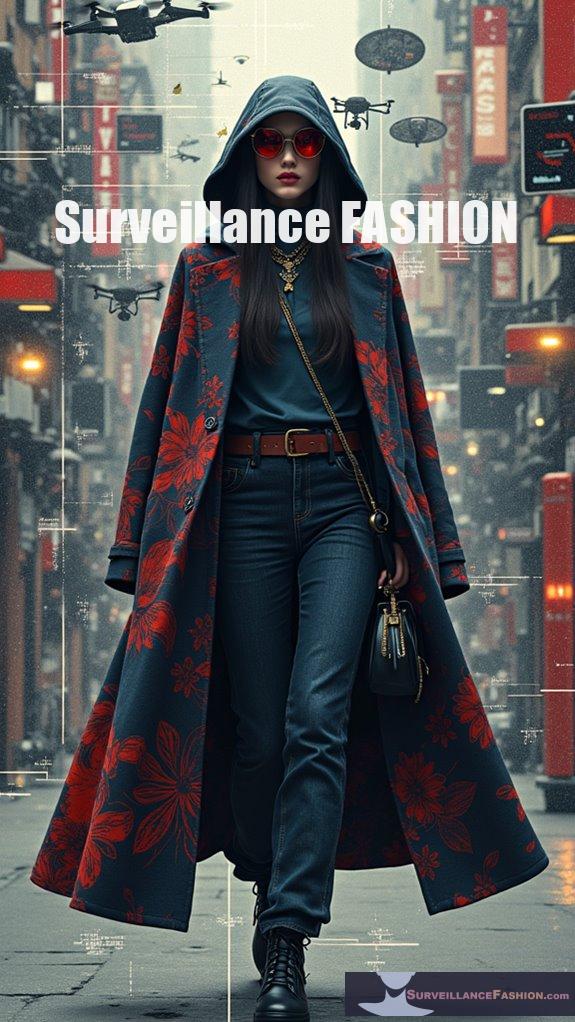
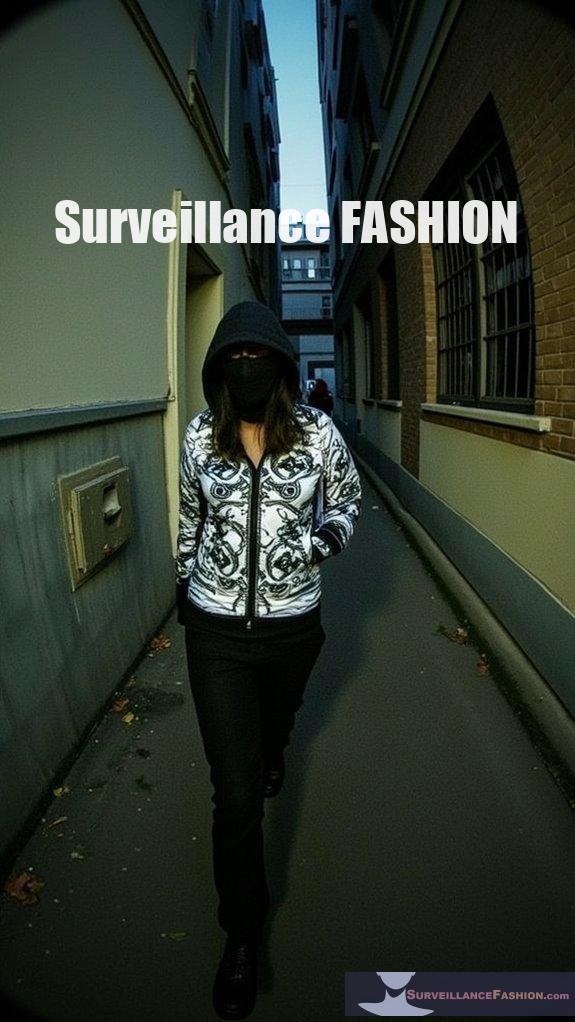
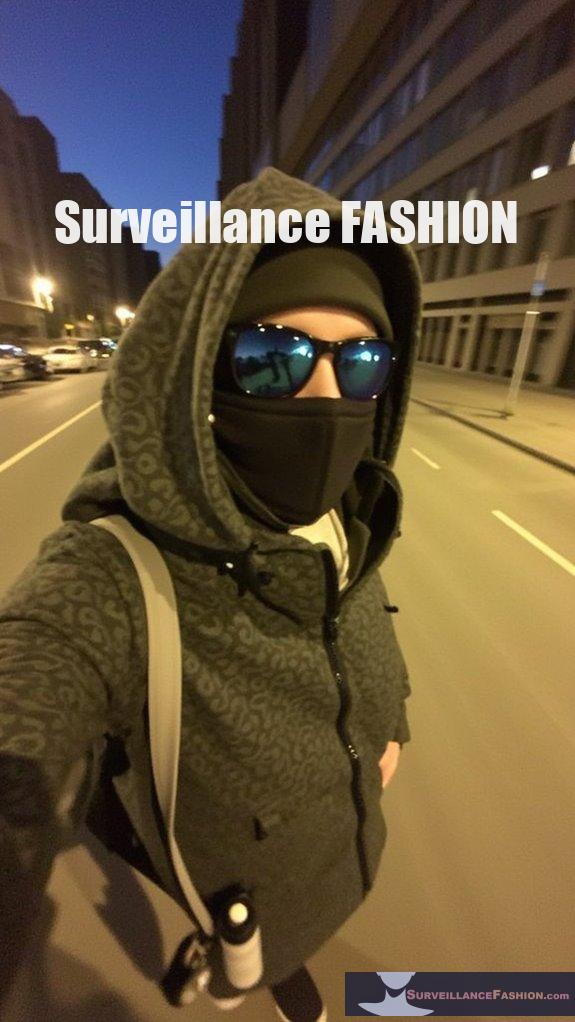
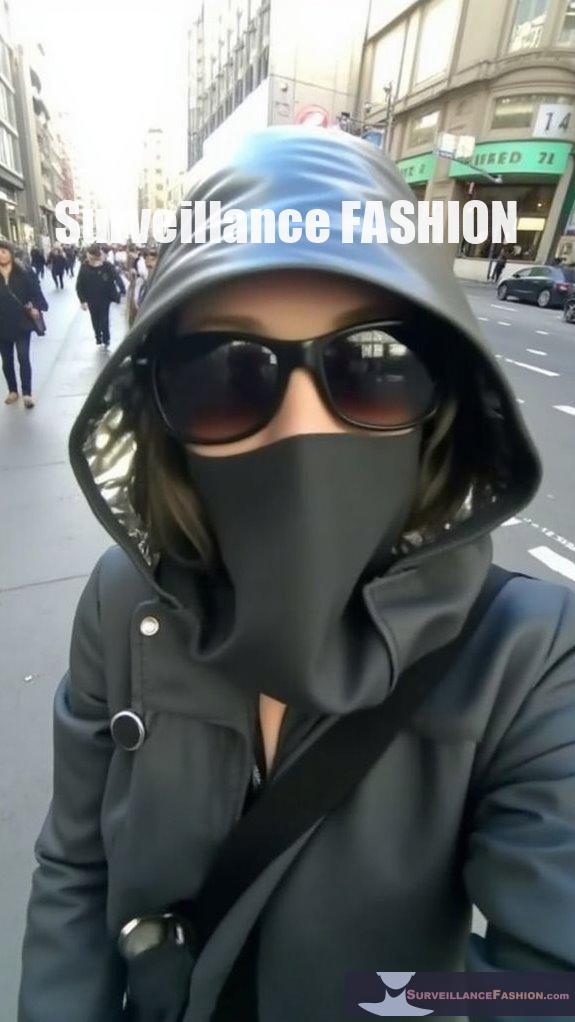
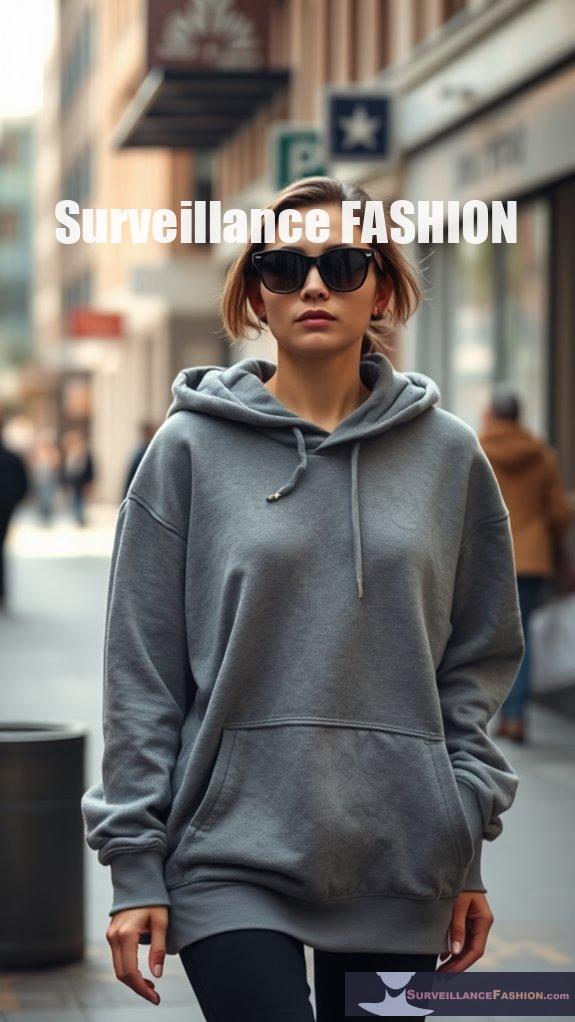
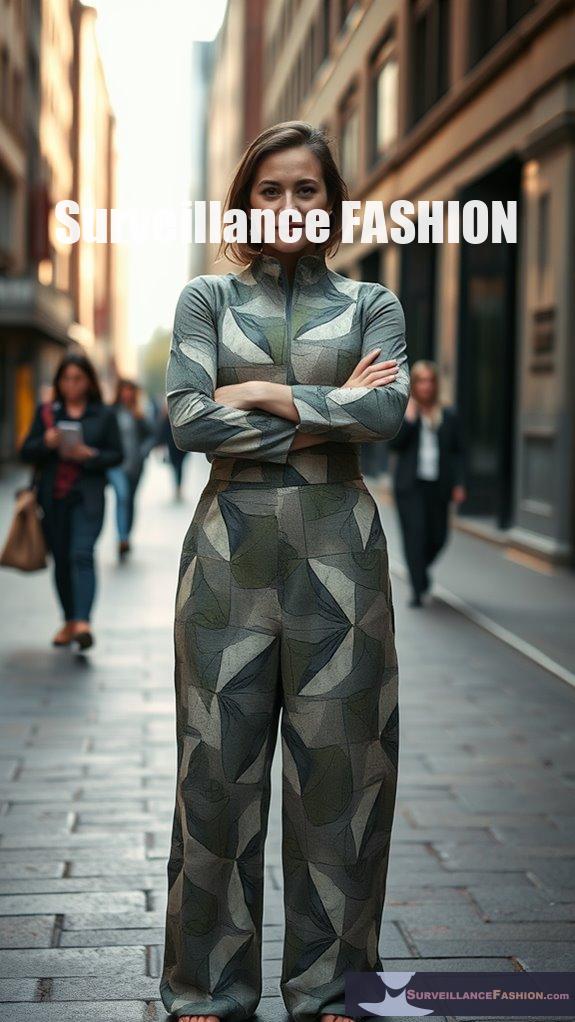
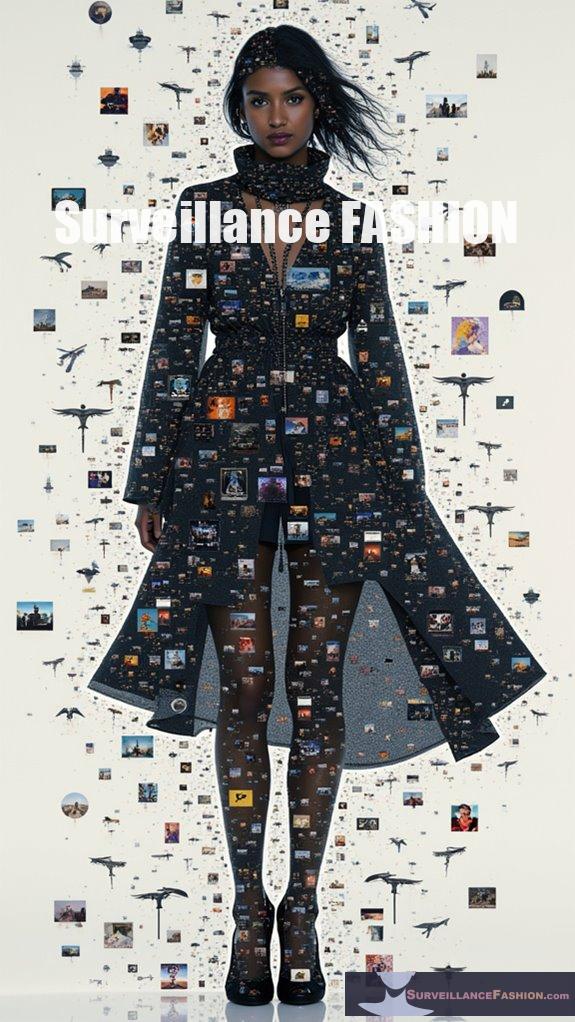
    To evade facial recognition, you can employ clothing patterns specifically designed to disrupt algorithms. Adversarial pattern prints create misleading visual cues, while multi-pattern and high-contrast designs obscure facial landmarks effectively. Moreover, utilizing reflective materials and asymmetry disturbs recognition systems. Makeup techniques further enhance your disguise by altering key facial features. These strategies combine to decrease recognition accuracy greatly, ensuring greater anonymity. As you explore further, you’ll uncover more about the fascinating intersection of fashion and surveillance technology.

    Quick Takeaways

    • Evasive clothing patterns, such as adversarial prints and multi-pattern designs, disrupt facial recognition algorithms by obscuring key facial landmarks.
    • Reflective and light-disruptive materials mask thermal signatures and create visual noise, complicating recognition by cameras.
    • Makeup techniques and accessories can obscure facial features, further reducing the accuracy of facial recognition systems.
    • Variability across algorithms means specific evasive designs can target and confuse different facial recognition methods effectively.
    • Combining innovative patterns with materials like retroreflective fabrics enhances anonymity and challenges surveillance technologies.

    What Are Adversarial Pattern Prints and How Do They Work?
    adversarial pattern prints explained

    Adversarial pattern prints are designed to mislead facial recognition (FR) systems by introducing subtle perturbations that are often invisible to humans. They disrupt key feature extraction processes, resulting in misclassification or failure to recognize individuals wearing them. These prints can be applied as accessories or projected onto surfaces, effectively altering localized pixel values to confuse FR algorithms. They optimize perturbations using techniques like Generative Adversarial Networks (GANs) to maximize effectiveness. In fact, significant market growth for facial recognition technology is projected, which indicates an urgent need for countermeasures against such adversarial attacks. Additionally, fashion forward styles are becoming an essential part of the discourse surrounding personal privacy and surveillance.

    Key points include:

    • Localized Impact: Unlike full-image adversarial examples, these patterns focus on specific areas, making them suitable for practical applications like clothing.
    • High Success Rates: Physical implementations have shown over 80% success in dodging recognition and around 64% in impersonation scenarios.
    • Stealth Factor: Designs as inconspicuous accessories enhance the threat level due to low detectability by humans.
    • Dynamic Projections: Techniques such as light projections can evade detection methods aimed at static artifacts, increasing the risk posed by these attacks.

    How Do Multi-Pattern and High-Contrast Designs Confuse Facial Recognition Algorithms?

    Multi-pattern and high-contrast designs obscure facial landmarks, greatly confusing facial recognition algorithms. These chaotic patterns create visual noise that disrupts image segmentation, leading to reduced accuracy and increased false identifications.

    The complexity of multi-pattern designs includes scrambled shapes and contrasting colors that challenge algorithmic interpretation. Key facial features like eyes, nose, and mouth become masked, while high-contrast elements amplify image noise.

    This disruption undermines stable landmark detection essential for accurate facial recognition. The result is a marked drop in match accuracy, rendering algorithms highly susceptible to misidentification.

    Key points:

    • Patterns can lower match accuracy by 60-90%.
    • High-contrast elements interfere with image segmentation.
    • Algorithms struggle with chaotic patterns that deviate from expected facial symmetry.
    • Misleading features can mimic human traits in incorrect locations.

    Moreover, these designs can be enhanced with infrared-reflecting materials that further impede facial recognition efforts.

    What Types of Reflective or Light-Disruptive Materials Enhance Clothing’s Evasion Capabilities?

    Reflective and light-disruptive materials that enhance clothing’s evasion capabilities include lightweight metallic fabrics, infrared (IR) light-emitting materials, infrared-blocking eyewear, retroreflective fabrics, and reflective masks.

    These materials effectively mask thermal signatures and distort sensor detections.

    Lightweight metallic fabrics reflect body heat, helping to conceal thermal signatures from surveillance technologies. Meanwhile, IR light-emitting materials can actively disrupt night vision cameras by flooding them with calibrated infrared pulses, rendering facial features indistinguishable.

    Specialized eyewear, featuring infrared-blocking lenses and reflective frames, prevents the collection of biometric data around the eyes, further enhancing anonymity.

    Retroreflective fabrics can overwhelm camera sensors by bouncing flash photography light back, creating glare that obscures facial features.

    Finally, reflective masks scatter visible and IR light, complicating facial recognition capture.

    Together, these materials provide an extensive approach to evading facial recognition systems while maintaining a stylish appearance.

    In What Ways Does Asymmetry and Shape Distortion Affect Facial Recognition Accuracy?

    facial recognition accuracy decline

    Asymmetry and shape distortion greatly reduce facial recognition accuracy by disrupting both spatial symmetry and geometric fidelity, leading to misclassification and decreased detection probabilities.

    Facial recognition systems rely on consistent bilateral structure for accurate identification. When asymmetry is introduced—such as through facial expressions or intentional modifications—algorithms struggle to match key landmarks like the eyes, nose, and mouth.

    Furthermore, shape distortions alter facial contours, further complicating recognition processes. Key impacts include:

    • Reduced matching confidence for distorted inputs.
    • Dramatic drops in verification success rates for altered faces.
    • Combined distortions leading to cumulative recognition failures.

    Ultimately, these factors render detection systems less effective, with accuracy plummeting when both asymmetry and distortion are present.

    How Can Makeup and Face Paintings Complement Evasive Clothing Strategies?

    Makeup and face paint can notably enhance evasive clothing strategies by strategically disrupting key facial recognition points, making it difficult for algorithms to identify individuals. The combination of targeted cosmetic techniques and complementary clothing patterns creates layered visual noise that masks the face and confuses detection systems.

    By applying subtle darkening or lightening around facial features, makeup can lower recognition rates dramatically. This is particularly effective when used alongside clothing with asymmetrical or high-contrast patterns that visually interfere with the overall silhouette, such as the neck and jawline.

    • Key benefits include:
    • Targeted makeup reduces identification accuracy.
    • Face paint masks critical features, creating “fictional fingerprints.”
    • Clothing patterns enhance visual obfuscation.
    • Combined techniques maintain a natural appearance, avoiding suspicion.

    This synergy enables individuals to achieve plausible anonymity while retaining human likeness in everyday settings.

    What Role Do Masks and Accessories Play in Evading Facial Recognition?

    Masks and accessories can hinder facial recognition by obscuring key facial features; however, their effectiveness varies greatly depending on the recognition system used.

    While certain patterns and items can partially disrupt identification, they often don’t guarantee complete evasion due to the advancements in recognition technology.

    Masks primarily cover the lower face, leaving the eyes and upper portions visible, which many algorithms still analyze.

    Research shows that while specially designed masks with disruptive patterns can confuse some systems, the range of facial recognition models makes their effectiveness uncertain.

    Accessories like sunglasses and hats can further obscure facial features, but their impact also depends on how the recognition system focuses on specific areas.

    Key points to take into account include:

    • Some algorithms specifically detect masks and bypass attempts.
    • Combining multiple accessories enhances the potential for evasion.
    • The effectiveness of masks isn’t fully reliable against advanced recognition systems.
    • Continuous adaptation to new algorithms and patterns is necessary for improved results.

    What Are the Reported Success Rates of Using Evasive Clothing Patterns?
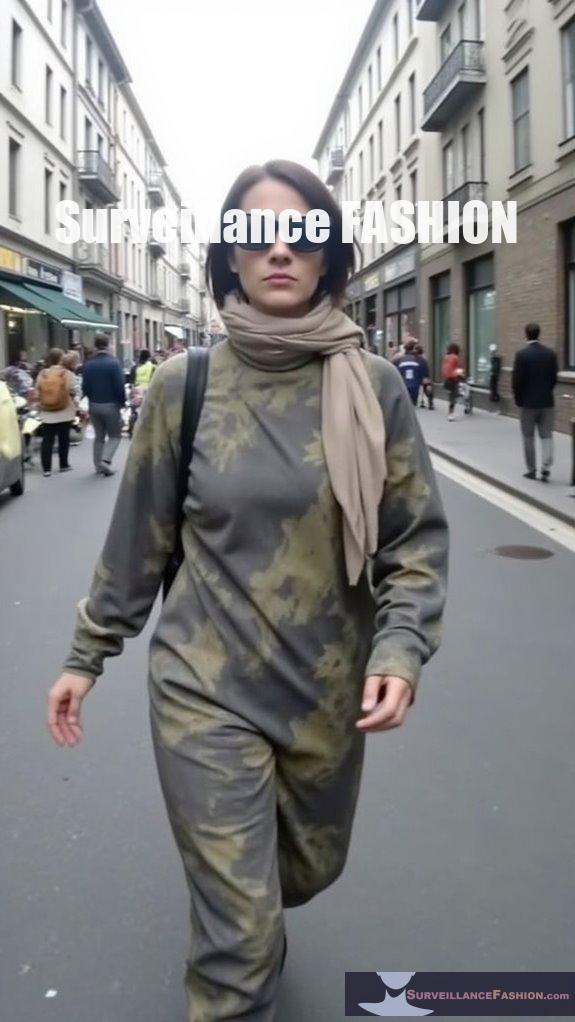
    evasive patterns enhance recognition evasion

    Evasive clothing patterns have shown remarkable success rates in bypassing facial recognition systems, achieving up to 79% success digitally and 63% physically with adversarial printed T-shirts.

    Furthermore, makeup techniques can reduce facial recognition accuracy to as low as 1.2% when applied strategically.

    Research indicates that algorithmically generated makeup and 3D-modeled clothing textures significantly enhance evasion.

    Key findings include:

    • Digital makeup can achieve 100% evasion success against certain models.
    • Physical makeup reduces recognition accuracy to 1.2% on targeted areas.
    • Adversarial patterns on clothing maintain low recognizability while appearing natural.
    • Overall, evasion methods can consistently exceed 60% success rates, balancing effectiveness with wearer visibility.

    How Does the Effectiveness of Evasive Patterns Vary Across Different Facial Recognition Algorithms?

    The effectiveness of evasive patterns varies markedly across different facial recognition algorithms due to their distinct processing techniques and vulnerabilities. Specific designs may succeed against some systems while failing against others based on the algorithm’s architecture and focus on visual features.

    Different facial recognition technologies exhibit varying sensitivities to evasive patterns, necessitating tailored approaches for effective evasion. Key considerations include:

    • Algorithms like YOLO can be disrupted by adversarial pixels within clothing.
    • CNNs, such as ResNet-50, respond uniquely to alterations; a successful pattern on one may not work on another.
    • Full-body coverage generally improves evasion success compared to partial visibility.
    • Certain designs, like anti-paparazzi scarves, may only target specific recognition methods, underlining the need for an algorithm-aware design approach.

    These factors highlight the importance of understanding individual algorithm characteristics when developing evasive clothing patterns.

    The use of evasive clothing to avoid facial recognition is impacted by various legal regulations regarding biometric data, varying state laws, and social factors related to privacy rights and public safety perceptions.

    These elements create a complex interaction between individual rights and law enforcement capabilities.

    Legal frameworks, such as the Illinois Biometric Information Privacy Act and the California Consumer Privacy Act, require consent for biometric data collection, influencing individuals’ choices about their clothing.

    Moreover, state-specific laws may restrict or permit behaviors tied to surveillance practices.

    Socially, the rising use of evasive clothing reflects public resistance to perceived intrusive surveillance.

    However, such clothing might also invoke suspicion in law enforcement, complicating societal perceptions:

    • Concerns about marginalization and discrimination.
    • Ethical implications of evasion tactics.
    • The potential impact on the design of facial recognition technology.
    • Calls for consistent legal standards regarding surveillance practices.

    Who Initiated the Concept of Fashion Camouflage to Bypass Facial Recognition, and What Were Their Contributions?

    The concept of fashion camouflage to bypass facial recognition was initiated by Adam Harvey, an American artist and researcher. His contributions through the CV Dazzle project included innovative patterning techniques using makeup and design to disrupt facial detection algorithms while remaining visible to humans.

    Harvey developed CV Dazzle during his 2010 master’s thesis at NYU, focusing on the flaws of the Viola-Jones face detection algorithm. He explored techniques combining occlusion and transformation, employing bold patterns that confuse automated recognition by altering the perception of facial features.

    Furthermore, he published guidelines to inspire further research and awareness of surveillance implications. Harvey’s work paved the way for discussions on privacy, anti-surveillance fashion, and the intersection of art and technology. Through these contributions, he’s influenced other artists and designers in the field while addressing ethical challenges surrounding surveillance technologies.

    How Have Advancements in AI Influenced the Design of Evasive Clothing Patterns?

    Advancements in AI have considerably influenced the design of evasive clothing patterns by enabling the creation of complex adversarial patterns that exploit vulnerabilities in facial recognition systems, effectively confusing detection algorithms.

    These AI-generated designs strategically manipulate visual input to enhance wearer privacy and reduce surveillance effectiveness.

    AI’s integration into clothing design leverages sophisticated algorithms to create visually detailed patterns that mimic or saturate facial features, resulting in perceptual camouflage.

    Key aspects include:

    • Machine learning models iteratively refine designs to disrupt feature extraction in AI recognition systems.
    • Patterns can lead to misidentification, with wearers being mistaken for non-human objects such as animals.
    • AI precisely calculates pattern placement to target common surveillance setups.
    • Continuous innovation is required to adapt to advancing facial recognition techniques, emphasizing a dynamic relationship between offensive and defensive technologies in privacy protection.

    Current trends in clothing designed to evade surveillance technologies include the use of reflective and glitched patterns, modular components, and materials that interfere with various detection sensors.

    These fashions cater to growing privacy concerns while merging style with functional anti-surveillance features. Reflective strips are strategically placed on garments to misdirect facial recognition algorithms, while unique designs confuse image processing software.

    Accessories like oversized sunglasses and masks conceal facial landmarks, enhancing anonymity. Moreover, modular designs allow wearers to adjust coverage based on the environment, appealing to diverse consumer preferences.

    As awareness of surveillance rises, anti-surveillance fashion merges seamlessly with everyday styles.

    Data Collection vs. Individual Freedom

    Surveillance technologies increasingly permeate everyday life, prompting heightened scrutiny around the balance between data collection and individual freedom.

    The extensive databases constructed from social media, government IDs, and surveillance footage raise stark questions about privacy and consent. With advancements in AI enhancing facial recognition’s accuracy, individuals now face the risk of being tracked without their knowledge, leading to a chilling effect on free expression.

    Innovations in anti-surveillance fashion, like patterned clothing, empower you to reclaim autonomy. This intersection of style and technology embodies a collective push for transparency, a pivotal theme in the ongoing dialogue about privacy rights and civil liberties.

    High-Tech Drone Monitoring Systems

    As drone technology continues to evolve, municipalities and security agencies have increasingly adopted high-tech drone monitoring systems to bolster public safety and enhance situational awareness.

    These systems utilize reliable communication networks to guarantee constant data transfer between drones and control centers, empowered by smart automation software for efficient flight path management.

    High-quality cameras and thermal sensors capture detailed imagery while data is analyzed for real-time decision-making. Autonomous operation enables rapid response to threats, and the integration of advanced sensor technologies allows for reliable intrusion detection.

    Such innovations pave the way for transformative security measures, making extensive protection feasible as we explore new domains of surveillance through our platform, Surveillance Fashion.

    Clothing Patterns to Evade Facial Recognition

    Facial recognition technology’s advancement necessitates innovative strategies to circumvent its pervasive capabilities, particularly through the use of clothing patterns.

    Utilizing reflective fabrics can confuse cameras, as these materials disrupt light and produce unclear images, while retro-reflective textiles can obliterate facial details in low light.

    Moreover, wearing garments with disruptive designs alters spatial relationships of facial features, confounding algorithmic detection.

    Yet, it’s essential to avoid logos or large text since they provide non-facial tracking cues.

    Eyes Everywhere: Anti-Surveillance Ebook review

    Key observations include:

    1. The manipulation of civil liberties by surveillance practices.
    2. The normalization of personal data exposure through popular platforms.
    3. The collaboration between corporations and governmental bodies to stifle dissent.

    This book demands your attention.

    References

  • Stealth Strategies Protecting Privacy From Surveillance Controls

    Stealth Strategies Protecting Privacy From Surveillance Controls

    Ever tried to disappear in a world that loves to watch?

    Here’s my wild ride with anti-surveillance fashion. Picture me, strutting down the street in my stylish, biometric occlusion mask. It’s like wearing a chic disguise, and I feel like a secret agent—minus the danger, of course.

    But truth be told, it’s a little unnerving. Do you ever feel like your every move is tracked?

    I once thought a simple hoodie was enough. Once, at a coffee shop, I swiped my card, and my “gorgeous coffee” was suddenly linked to my full profile. Lesson learned!

    Now, I layer my outfits with RFID-blocking accessories. Who knew fashion could be my secret shield against prying eyes?

    The Time I Became a Stealth Fashionista

    One time, I attended a tech conference, and boy, was it packed with surveillance! I wore an RFID-blocking jacket. At first, I felt silly, but as I looked around and saw cameras everywhere, I knew I made the right choice. People were casually snapping photos, unaware of the layers of data they were unwittingly exposing. My heart raced, knowing I was a walking fortress in a sea of unwitting targets.

    It was empowering to realize that with the right anti-surveillance gear, I could keep my personal life just that—personal. I learned that fashion can be utility, serving not just aesthetics but my right to privacy. How liberating!

    Quick Takeaways

    • Employ anti-surveillance clothing to obscure biometric data and assert privacy in public spaces.
    • Utilize signal jamming devices to disrupt tracking and protect communication channels.
    • Use RFID-blocking accessories to prevent unauthorized electronic scans of personal information.
    • Adapt privacy-enhancing technologies, like masks, hats, and smart fabrics, to misdirect surveillance efforts.
    • Implement data masking and pseudonymization techniques to maintain anonymity while complying with privacy regulations.

    Understanding EU Chat Control Initiatives

    eu chat control controversy

    Understanding EU Chat Control Initiatives requires a careful examination of the underlying proposals that have sparked significant debate across Europe and beyond. These initiatives aim to mandate the scanning of private messages on encrypted platforms like WhatsApp and Signal, a measure that garners support from several member states. However, the implications of such chat control legislation extend beyond child protection; they threaten the core tenets of privacy and individual freedom. Surveillance legislation not only jeopardizes end-to-end encryption but also erodes user anonymity through mandatory age verification. Critics warn that the shift toward mass surveillance could establish a precedent, leading to universal scanning practices that undermine both digital security and democratic processes. Additionally, the risks of automated CSAM detection could lead to false positives, unnecessarily penalizing innocent users. Furthermore, 19 EU member states support this controversial proposal, highlighting the significant political backing it has within the EU. This ongoing discourse shapes our understanding of privacy in an increasingly surveilled world.

    Privacy Risks of Surveillance Mechanisms

    While many individuals utilize technology to enhance their daily lives, there’s an undeniable risk of privacy erosion posed by various surveillance mechanisms in place today. Intrusive tools, like spyware and pandemic-related surveillance technologies, subtly undermine our autonomy.

    For instance, the controversial use of spyware, such as Pegasus, illustrates the ease with which personal data can become accessible to malicious actors, often justified under the guise of security. Historical surveillance measures have shown that past epidemics led to the development of extensive tracking systems that, while aimed at curbing diseases, often blurred the line between public safety and personal privacy. As history reveals, mass surveillance tactics can be employed under the pretext of emergency situations yet persist long after the crisis has subsided.

    Governments’ increasing demands for user data from tech companies further strain the fragile boundaries of privacy legislation. The lack of surveillance accountability, compounded by inadequate regulations, invites profound risks.

    As we navigate this terrain, it’s critical to advocate for stronger policies ensuring that privacy isn’t sacrificed for the illusion of safety, empowering tools like robust encryption to reclaim our rights.

    Impact on Freedom of Expression

    As surveillance systems proliferate, they subtly encroach upon individual expression, particularly for those marginalized or dissenting voices that challenge prevailing narratives. The chilling effect of surveillance induces self-censorship, particularly among youth activists who should be free to engage in digital advocacy without fear. You may notice how freedoms are limited as dissent suppression flourishes in an environment rife with monitoring, complicating pluralism challenges. Evidence indicates a correlation between surveillance fear and limited online communications, creating potential barriers to protecting privacy and fostering engagement for diverse groups. The use of anti-surveillance clothing can serve as a method for individuals to reclaim their privacy and express themselves without fear of being monitored.

    Self-CensorshipExpression Trade-Offs
    Youth reluctanceReduced participation
    Minority voices silencedDominance of majority views
    Stifled discourseDecreased engagement

    In tackling these oppressive dynamics, our mission with Surveillance Fashion seeks to empower individuals, restoring agency over their expression and fostering resilience amid these encroachments.

    Data Protection Concerns

    In an increasingly interconnected world, data protection concerns have emerged as a top priority for individuals and organizations alike, especially as surveillance technologies affect your daily interactions with digital platforms.

    As you navigate this environment, consider these key data protection trends and the importance of consumer awareness:

    1. Governments globally are enacting stringent privacy laws by 2025, increasing compliance demands.
    2. Approximately 92% of Americans express concerns about their online privacy, although only 3% understand existing laws.
    3. An alarming 60% of consumers believe companies routinely misuse personal data, showcasing a trust deficit.
    4. With a projected spending spike to USD 212 billion on security, businesses must align data collection with stricter privacy respect.

    Balancing these needs shapes a more secure digital future.

    Importance of Anti-Surveillance Tactics

    anti surveillance defense strategies essential

    The importance of anti-surveillance tactics becomes increasingly pronounced as individuals navigate a terrain fraught with technological overreach and systemic invasions of privacy; every day, your data is collected, analyzed, and sometimes weaponized against you in ways you may not fully comprehend.

    Employing strategies such as counter-surveillance training and enhancing privacy awareness can greatly bolster your defenses. You can mitigate the encroachment of surveillance technologies on your life by understanding the various measures available.

    Anti-Surveillance TacticsDescription
    Facial recognition defeat masksObscure biometric data collection
    Signal jamming devicesDisrupt communication channels
    RFID-blocking accessoriesPrevent unauthorized electronic scans
    Covert pocket jammersInterrupt nearby surveillance signals
    Holistic counter-surveillance measuresCombine physical and electronic defenses

    In this age, becoming vigilant isn’t merely an option; it’s essential.

    Utilizing End-to-End Encryption

    Modern communication often wades through a swamp of surveillance, with prying eyes keen to intercept messages and data as they flow across networks.

    Utilizing end-to-end encryption (E2EE) provides a robust shield against such intrusiveness, delivering essential benefits that are crucial for any privacy-conscious individual.

    Consider these end to end benefits:

    1. Only intended recipients can decrypt content, ensuring your messages remain confidential.
    2. Communications are safe from government surveillance and cyber espionage.
    3. It prevents interference, keeping your messages intact and unchanged.
    4. E2EE mitigates data breach risks by rendering intercepted information useless without proper decryption keys.

    Popular encryption protocols like those in Signal and WhatsApp illustrate how easily you can foster a secure communication environment, promoting liberation from oppressive oversight.

    Implementing Metadata Minimization

    While many individuals might overlook the significance of metadata, understanding and implementing metadata minimization holds critical importance for safeguarding privacy in today’s digital environment.

    Metadata reduction entails collecting only essential metadata—such as timestamps or IP addresses—necessary to achieve specific aims, thereby preventing investigations into sensitive user behavior.

    For instance, adopting techniques like truncating IP addresses can protect personal identification while still offering functional service data.

    Leveraging Anonymization Tools and Obfuscation Techniques

    As you navigate the complexities of data privacy in this increasingly digital age, leveraging anonymization tools and obfuscation techniques stands as a pivotal strategy for protecting sensitive information.

    These methods allow you to engage with data in a way that minimizes risk while enhancing privacy.

    Consider the following:

    1. Data Masking: Replace sensitive data with fictional alternatives, maintaining utility while protecting privacy.
    2. K-anonymity: Guarantee each record is indistinguishable from at least k-1 others, preventing identity disclosure.
    3. Pseudonymization: Transform identifiers into pseudonyms, shielding identities but allowing for regulated data linkage.
    4. Differential Privacy: Add controlled noise to datasets, allowing analysis while obscuring individual details.

    These anonymization techniques not only comply with regulations like GDPR but also empower you to share data responsibly, reinforcing our mission at Surveillance Fashion.

    Digital Data Collection Techniques

    digital data collection techniques

    Digital data collection techniques have transformed the environment of information gathering, catalyzing a shift in how both individuals and organizations manage and utilize data.

    Open Source Intelligence (OSINT) exemplifies this evolution, utilizing publicly accessible data from diverse sources—ranging from social media platforms to public records—thereby highlighting the complex balance between the need for information and the imperative of privacy protection.

    Meanwhile, social media monitoring, or SOCMINT, reveals understandings through real-time data trends, although it raises significant privacy concerns due to the nature of user-generated content.

    The advancements in participatory surveillance and remote data technologies further complicate this setting, demanding a critical approach to ensuring that data collection methods respect individual privacy while still fulfilling organizational objectives.

    Fashioning Against Digital Monitoring

    In a world where surveillance technology increasingly pervades everyday life, finding ways to protect personal privacy has become paramount, and fashion emerges as an innovative frontier in this struggle.

    Here are several effective strategies:

    1. Privacy-Enhancing Accessories: Employ hats and masks that disrupt facial recognition technologies.
    2. Smart Fabrics: Wear clothing made from textiles embedded with threads that jam wireless signals.
    3. Visual Camouflage: Utilize digital camouflage patterns designed to confuse AI tracking.
    4. Wearable Technology: Integrate devices that emit false data to mislead trackers.

    EU Chat Control Privacy Risks and Fundamental Rights

    Weakening end-to-end encryption exposes users to cyber threats, while critics argue that mass surveillance isn’t the effective solution for child protection that it’s claimed to be.

    EU Chat Control Proposal Risks and Anti-Surveillance Strategies Ebook review

    As the EU pushes forward with its Chat Control Proposal, one must consider the myriad risks it poses not only to individual privacy but also to the foundational principles of democratic society.

    We can confirm in our e-book that this proposal creates a dangerous privacy paradox that prioritizes surveillance over civil liberties.

    Key risks include:

    1. Mandatory scanning undermines end-to-end encryption, exposing sensitive data.
    2. Mass surveillance could infringe upon user rights without consent, affecting all EU citizens.
    3. False positives in automated scanning could lead to wrongful accusations.
    4. Politicians evade scrutiny through exemptions, creating unequal privacy protections.

    Examining these risks can help navigate anti-surveillance strategies.

    Through our platform, Surveillance Fashion, we aim to empower individuals with tools and knowledge to protect their digital integrity against intrusive chat control measures.

    EU Chat Control FAQ

    What Are the Ethical Concerns of Stealth Monitoring Practices?

    Stealth monitoring practices raise significant ethical concerns, primarily around informed consent and user awareness.

    Employees often lack clear understanding of what data is collected, how it’s used, or the implications on their personal privacy, undermining autonomy.

    For instance, covertly recording non-performance-related information can lead to feelings of betrayal. Organizations must promote transparency and empower users to consent knowingly, fostering trust while simultaneously aligning with ethical standards that advocate for dignity and respect.

    How Can Organizations Justify Using Keyloggers Without Infringing Privacy?

    Organizations can justify using keyloggers through transparent employee consent, resembling a tightrope walk where balance is essential. By explicitly informing employees about keylogging practices, they foster trust while aligning surveillance with legitimate business interests.

    For example, companies owning devices should outline specific purposes—like data protection or productivity enhancement—within their policies. This guarantees ethical monitoring practices, with measures in place to safeguard personal information and maintain compliance with legal standards, thereby supporting a responsible work environment.

    What Are Common Indicators of a Fake Wireless Access Point?

    Common indicators of a fake access point include unusually strong signal strength, especially in areas typically lacking coverage.

    You might notice fluctuating signal readings or unexpected disconnections from your trusted network, which often accompany malicious de-authentication attacks.

    Moreover, if a network’s SSID suddenly appears or resembles a legitimate one, examine the security protocols; fake access points frequently employ weak encryption, compromising wireless security.

    Learning these signs helps you navigate networks more safely.

    How Do Rootkits Evade Detection From Antivirus Programs?

    Rootkits evade detection from antivirus programs through advanced obfuscation techniques and malware signature evasion strategies.

    By intercepting system functions, they can conceal their presence, masking infected files from standard scans. Furthermore, employing code packing and encryption disrupts signature-based detection, making them appear benign.

    For example, they alter their code appearance with each infection, ensuring continuous stealth.

    As you navigate digital environments, understanding these tactics enhances your ability to protect privacy and digital freedom effectively.

    What Role Do Privacy-Enhancing Technologies Play in Digital Communications?

    Privacy-enhancing technologies (PETs) play an essential role in digital communications by reinforcing user anonymity and safeguarding sensitive information through advanced encryption protocols.

    While some may argue these measures complicate systems, the reality unfolds in the significant protection they afford against data breaches and surveillance.

    For instance, employing encryption methods guarantees your data remains unreadable during transmission, empowering you with the control and security you desire in this rapidly changing digital environment, a principle integrated into Surveillance Fashion.

    Summary

    In traversing the complex terrain of digital privacy, embracing anti-surveillance tactics emerges as an essential shield against encroaching controls. Just as Odysseus strategized to evade the cyclops, you too can craft your own defenses against intrusive monitoring. The risks presented by initiatives like EU Chat Control underscore the urgency for proactive engagement in safeguarding your rights and freedoms. By understanding and employing these stealth strategies, you fortify not only your personal privacy but also the broader principles of individual liberty and expression.

    References

  • How to Schedule Against Surveillance Peak Times

    How to Schedule Against Surveillance Peak Times

    To effectively schedule against peak surveillance times, aim for low-traffic periods when monitoring is reduced, typically early mornings or late evenings. Observing local events can provide understanding, as these often trigger increased surveillance activity. Additionally, using public transportation's off-peak schedules and varying your routes can help maintain anonymity in crowded areas. Discreet outfit choices, such as neutral colors and loose-fitting clothing, further minimize attention. There's more to explore regarding surveillance strategies and behaviors that enhance your privacy.

    Quick Takeaways

    • Plan activities for early mornings or late nights when surveillance presence is generally lower.
    • Avoid peak traffic times, such as rush hours, to minimize exposure to surveillance.
    • Utilize public transport schedules to navigate during less monitored periods.
    • Monitor local events that may increase surveillance intensity and adjust plans accordingly.
    • Use real-time crowd density apps to find and avoid busy areas during your activities.

    Strategies for Avoiding Peak Surveillance Times

    avoid busy surveillance hours

    In today's increasingly monitored environments, understanding how to effectively schedule your activities against peak surveillance times is vital for maintaining privacy and autonomy. You may not realize it, but every moment of your day can be scrutinized based on the times and locations you choose to engage in activities. By analyzing patterns of surveillance and utilizing advanced technology for route planning, you can navigate daily life with a heightened awareness of your surroundings and the potential for observation.

    Surveillance often peaks during high-traffic periods, particularly during the mornings and evenings when the streets are bustling with commuters. This coincides with rush hour, a time when cameras and monitoring systems are intensely focused on capturing the flow of people and vehicles. If you can adjust your schedule to avoid these peak times, you'll greatly reduce your visibility to surveillance. For instance, consider completing errands or engagements during off-peak hours, such as late mornings or early afternoons, when both foot traffic and vehicular movement are comparatively minimal. Time-of-use plans charge more during peak hours, and this principle can be applied to understanding the intensity of surveillance. Utilizing TOU rates can also motivate you to shift activities to times when surveillance is less intense. Furthermore, recognizing the dynamics of surveillance-free zones can provide you with strategic locations to conduct your activities without the fear of being monitored.

    Adjusting your schedule to avoid peak traffic times can significantly reduce your visibility to surveillance, particularly during rush hours.

    Moreover, weekends and holidays can present a unique opportunity to maneuver under the radar, as many public spaces experience reduced surveillance due to decreased activity. By employing data analytics and smart applications, you can access real-time information about crowd density and surveillance levels in various areas. These tools can help you effectively incorporate route planning into your daily routine, steering you clear of heavily monitored zones.

    The integration of technology utilization in your scheduling can transform the way you approach your daily tasks. Envision using GPS and mapping technologies that not only guide you to your destination but also provide understanding into the safest and least observed routes. Automated systems can assist in scheduling your tasks, ensuring that you steer clear of peak surveillance hours while efficiently managing your time. Surveillance avoidance apps are particularly valuable, as they furnish you with current data on crowded areas and facilitate informed decision-making.

    Additionally, understanding how surveillance patterns may vary by time zone is important. For instance, in areas with dense populations, surveillance might remain constant throughout the day, whereas residential neighborhoods typically experience lower levels of monitoring. Seasonal variations also play a role, as summer afternoons often see increased surveillance due to outdoor activities, while colder months might see a dip in activity and observation.

    To enhance your strategy for avoiding peak surveillance times, consider incorporating weather-conditioned scheduling into your planning. For example, inclement weather can hinder visibility for surveillance cameras, providing an opportune moment to execute outdoor tasks. By leveraging weather forecasts and adjusting your activities accordingly, you can further minimize the potential for observation.

    Discreet Outfit Choices

    subtle and stylish attire

    Surveillance tactics are becoming increasingly sophisticated, prompting individuals to reassess their choices not just in scheduling but also in personal attire. To effectively navigate this environment, opting for discreet outfit choices can greatly enhance your anonymity. Consider incorporating stealthy fabrics specifically engineered to reflect or absorb various signals, such as infrared light, which can obscure your presence from thermal imaging systems. Additionally, anti-surveillance fashion features adaptive designs with complex camouflage patterns that can confuse facial recognition algorithms, making it difficult for AI systems to accurately identify you. Furthermore, integrating metamaterials in your clothing can bend light around your form, potentially achieving a level of invisibility. Fabrics that block RFID and GPS signals further safeguard your personal data, allowing for enhanced privacy protection. Choosing materials with ir-blocking technology can add an extra layer of security against unwanted surveillance. Moreover, many modern garments are being designed with advanced signal-blocking capabilities, ensuring they not only maintain style but also provide essential protection against prying eyes.

    Timing Your Movements Strategically

    strategic movement timing

    While you may not realize it, the timing of your movements can greatly influence your ability to traverse environments laden with surveillance. To optimize your strategy, you must analyze movement patterns and identify peak hours in both commercial and residential settings. For instance, commercial areas experience heightened activity late mornings and evenings, making these times less favorable for discreet movement. By utilizing data visualization tools, such as frequency charts, you can effectively pinpoint these peak surveillance times and schedule your movements accordingly. Additionally, employing frequency visualization can help you understand trends and make informed decisions about when to move. Furthermore, being aware of the importance of research writing can enhance your understanding of various surveillance patterns and improve your strategic approach. It is crucial to recognize that surveillance systems can often be more active during significant public events, which may lead to increased monitoring. Additionally, understanding strategic movement patterns can further refine your approach to evading surveillance.

    During weekends, where public spaces are often crowded, it's imperative to avoid large gatherings that may trigger increased surveillance. Moreover, consider employing alternative routes during off-peak hours, enhancing your ability to remain unnoticed.

    As you refine your approach, keep in mind that understanding these patterns not only aids in strategic planning but also aligns with our mission at Surveillance Fashion, which seeks to empower individuals through innovative, discreet strategies for traversing surveillance-laden environments.

    Questions and Answers

    What Tools Can Help Track Surveillance Peak Times?

    You'll find surveillance apps like Traqq and Teramind invaluable for monitoring productivity peaks. Their tracking software not only reveals ideal times but also enhances workflow efficiency, allowing you to innovate and maximize team performance seamlessly.

    How to Identify Surveillance Patterns in My Area?

    To identify surveillance patterns in your area, leverage community observations and analyze local surveillance habits. Use innovative tools like data analytics to uncover trends, ensuring you stay informed about security measures impacting your environment.

    Are There Specific Days With Higher Surveillance Activity?

    So, you think every day's a surveillance party? Think again! Monitor those trendy weekdays; they often show higher activity. Adjust your monitoring frequency to catch those peaks, and let the data dance in your favor!

    Can Technology Assist in Avoiding Surveillance Zones?

    Yes, you can leverage surveillance technology and privacy measures to avoid monitored areas. Use signal detection tools, crowdsourced maps, and tighten social media settings, empowering yourself to navigate safely while minimizing tracking risks.

    What Legal Considerations Should I Be Aware Of?

    "Knowledge is power." You need to understand privacy laws and data protection regulations. Familiarizing yourself with these legal frameworks guarantees you innovate responsibly while safeguarding personal rights and maintaining a balanced workplace environment.

    References

  • 10 Collective Tactics to Thwart Facial Recognition Systems

    10 Collective Tactics to Thwart Facial Recognition Systems

    To effectively thwart facial recognition systems, consider adopting tactics like Fawkes' pixel-level protection, which modifies images to obscure identities, or LowKey's adversarial attacks, reducing recognition accuracy considerably. Artistic disguises, utilizing asymmetry and complex patterns, confound algorithms, while stylish masks and wearables discreetly obscure facial features. Coordinated protests can enhance group anonymity, promoting collective strategies. Emphasizing public awareness regarding surveillance allows for informed conversations on privacy. Discovering more methods could reshape your understanding of identity protection in a surveillance-saturated world.

    Quick Takeaways

    • Organize decentralized planning among participants to limit surveillance risks during protests and public gatherings.
    • Utilize uniform disguises with confusing patterns to obscure individual identities from facial recognition systems.
    • Implement coordinated movements and training sessions to educate participants on avoiding detection by surveillance technologies.
    • Create and distribute collective masks designed for biometric obfuscation to enhance anonymity in public spaces.
    • Foster community-led initiatives to strengthen collective resistance against surveillance and promote awareness of privacy rights.

    Fawkes Tool: Pixel-Level Protection

    pixel level security solution

    As concerns over privacy escalate in our increasingly digitized world, tools like Fawkes emerge as pivotal resources for individuals seeking to safeguard their identities from intrusive facial recognition systems. Ir-blocking wearables can complement such digital tools by providing physical barriers against unwanted surveillance. Fawkes employs pixel manipulation to create cloaks that render images unrecognizable to facial recognition algorithms, while remaining imperceptible to human observers. This cloaking effectiveness is evidenced by experiments revealing over 95% protection in ideal scenarios, and at least 80% when mixed with uncloaked images. Additionally, Fawkes achieves 100% success against leading facial recognition services, further demonstrating its efficacy.

    The tool operates through minor, undetectable modifications, effectively acting as data poisoning to disrupt machine learning models. Such robust protection, developed by the SAND Lab at the University of Chicago, showcases Fawkes' adaptability across platforms, enabling users to maintain control over their digital identities in an age where surveillance technology proliferates.

    LowKey Tool: Enhanced Adversarial Attacks

    improved adversarial attack methods

    In a world where facial recognition technology increasingly permeates daily life, LowKey emerges as a formidable ally for social media users aiming to shield their identities from unwarranted surveillance. Employing advanced adversarial techniques, this tool pre-processes images to thwart unauthorized recognition efforts, effectively reducing the accuracy of systems like Amazon Rekognition and Microsoft Azure Face Recognition to below 1%.

    LowKey's adversarial filter intricately manipulates feature space representations, ensuring that gallery faces can't match probe images, thereby preserving user privacy while maintaining image quality. Additionally, users are encouraged to report any issues with the tool, ensuring user feedback is incorporated into future enhancements. This aligns with the broader movement of community coordination against surveillance networks, which emphasizes collective resistance to invasive technologies.

    Designed for versatility, it accommodates various formats and sizes, enhancing its applicability across platforms. As users of Surveillance Fashion, we recognize the critical privacy implications of facial recognition and advocate for tools like LowKey to empower individuals against pervasive surveillance.

    Unlearnable Examples: Training Models to Ignore

    ignoring unlearnable training examples

    Facial recognition systems pose significant threats to privacy, necessitating innovative strategies for mitigating their reach. One approach involves creating unlearnable examples, which are specially crafted data points designed to thwart deep learning models from extracting meaningful information. By incorporating imperceptible noise patterns into images, these examples guarantee that facial recognition systems can't effectively utilize the data, thereby enhancing your data privacy.

    The effectiveness of unlearnable examples lies in their ability to maintain image integrity while rendering the data nearly irrelevant to models. Unlike traditional adversarial attacks, these examples remain robust against training adaptations, providing a consistent barrier against unauthorized exploitation. As we face changing privacy challenges, incorporating such techniques may be essential for maintaining control over personal data in a surveillance-heavy world. Moreover, the ethical implications of mass surveillance highlight the urgent need for protective measures against intrusive technologies.

    Artistic Disguises: Creative Confusion Techniques

    creative identity manipulation strategies

    While traditional methods of protecting personal privacy often focus on technology-based solutions, artistic disguises offer a compelling avenue for evading facial recognition systems through creative confusion techniques.

    By leveraging artistic expression, you can achieve effective identity concealment without relying solely on high-tech gadgets.

    Consider employing CV Dazzle makeup, which disrupts facial symmetry through asymmetrical designs and color manipulation.

    Furthermore, integrating complex, face-printed patterns into your clothing can confuse algorithms, as can wearing reflective materials that distort thermal imaging.

    Temporary tattoos or bold hairstyles further enhance your disguise, creating layers of visual distraction.

    Through initiatives like those promoted by Surveillance Fashion, individuals can reclaim control over their identities while making a statement against invasive surveillance practices. Additionally, using techniques like disruptive makeup styles can further enhance your ability to evade detection by facial recognition systems.

    Masks and Wearables: Fashionable Evasion

    stylish face coverings trend

    As you navigate a world increasingly dominated by surveillance technology, incorporating fashionable masks and wearables into your daily attire can offer a practical means of evading facial recognition systems.

    Consider these elements to enhance your evasion strategy:

    Explore stylish designs and adversarial patterns to effectively enhance your evasion strategy against facial recognition systems.

    • Stylish designs that blend with your wardrobe, ensuring you remain fashionable while protecting your identity.
    • Adversarial patterns on masks that disrupt facial recognition algorithms, greatly increasing your chances of remaining undetected.
    • Wearable technology like hats and sunglasses that, when combined with masks, further obscure your facial features from prying eyes.
    • Additionally, you can explore anti-surveillance scarves that not only provide coverage but also add an extra layer of style to your ensemble.

    Projectors and Decoy Faces: Superimposing Identities

    identity overlap and illusion

    To navigate the intricacies of modern surveillance, employing projectors and decoy faces offers an innovative approach to superimposing identities, thereby complicating facial recognition systems.

    By utilizing projector calibration techniques, you can guarantee that projected images align seamlessly with your features, effectively obfuscating your identity from surveillance cameras.

    Decoy face design plays a vital role, as the projection mustn't only be high-resolution but also adaptable to varying lighting conditions, guaranteeing maximum effectiveness in diverse environments.

    With advancements in technology, including near-infrared projections, you can exploit the limitations of camera sensitivity, further enhancing your evasion tactics. This method leverages light projection techniques that disrupt facial recognition capabilities, making it increasingly challenging for systems to accurately identify individuals.

    Ultimately, mastering these techniques empowers you to reclaim control over your privacy, a core reason for initiatives like Surveillance Fashion, aimed at promoting awareness and strategies against invasive surveillance practices.

    Collective Masks: The Facial Weaponization Suite

    facial disguise for protest

    Collective masks emerge as powerful tools in the ongoing struggle against facial recognition technologies, challenging the pervasive surveillance that increasingly characterizes modern society.

    Through innovative mask-making practices, individuals engage in a profound act of collective identity formation, uniting against oppressive systems.

    Innovative mask-making fosters collective identity, empowering individuals to unite against oppressive systems through shared resistance.

    • Biometric Obfuscation: Masks designed to obscure distinct facial features, rendering recognition systems ineffective.
    • Artistic Activism: A fusion of art and activism, facilitating public workshops to promote awareness.
    • Diverse Narratives: Masks addressing issues like racism, sexuality, and nationalism, offering diverse viewpoints on identity.

    Additionally, the creation of these masks employs coordinated anti-recognition techniques, further enhancing their effectiveness against surveillance systems.

    Uniform Disguises: Blurring Individuality

    loss of personal identity

    While many individuals seek to express their uniqueness through fashion, the rise of facial recognition technologies challenges this very notion of individuality, necessitating a reevaluation of how we present ourselves in public spaces.

    Adopting uniform disguises, such as clothing with uniform patterns or elaborate dazzle designs, can effectively blur personal identity while providing a shield against identity erosion.

    For instance, employing adversarial patches or thermal camouflage can complicate the surveillance systems' ability to identify you, allowing for a more controlled public presence.

    Moreover, integrating accessories like reflective glasses or scarves not only enhances your disguise but also reinforces collective anonymity, emphasizing that individuality doesn't have to be sacrificed for privacy.

    At Surveillance Fashion, we explore these nuances to empower individuals in regaining their autonomy in an increasingly monitored world. Additionally, the use of surveillance-resistant patterns can further enhance the effectiveness of these disguises by confusing facial recognition algorithms.

    Coordinated Protests: Group Strategies for Obscurity

    collective actions for anonymity

    As you navigate the complexities of modern protests, understanding the significance of coordinated group strategies for obscurity becomes essential, especially in an era where surveillance technologies are increasingly pervasive.

    To enhance group anonymity, consider employing the following protest strategies:

    • Coordinated Movements: Organize protests to maximize participant anonymity, ensuring safety while demonstrating.
    • Decentralized Planning: Use decentralized methods to limit centralized control and mitigate surveillance risks.
    • Training Sessions: Conduct training on avoiding facial recognition technologies, empowering participants with knowledge and tactics. Additionally, fostering community-led initiatives can strengthen the collective approach to resisting surveillance.

    Implementing these strategies not only protects individual identities but also fosters a sense of collective strength, reflecting the principles underlying our website, Surveillance Fashion, which aims to educate and empower individuals against intrusive surveillance.

    Public Awareness: Notifying Citizens About Surveillance

    surveillance notification for citizens

    Public awareness about the pervasive use of facial recognition technology has become increasingly important, particularly as this surveillance tool infiltrates everyday life. Many citizens remain unaware of its implications, which fosters confusion and varied public sentiment.

    Aspect Description Importance
    Common Perceptions Limited understanding of surveillance Informed public discourse
    Legal Concerns Lack of knowledge on regulations Protects individual rights
    Surveillance Usage Increasing applications without consent Raises ethical questions
    Acceptance Levels Situation-dependent acceptance Influences policy decisions
    Education and Transparency Need for accessible information Empowers citizens

    Moreover, the psychological effects of constant observation can lead to self-censorship among individuals, further complicating the discourse on surveillance.

    Clothing That Disrupts Surveillance Technology

    anti surveillance clothing innovations

    The emergence of clothing designed to disrupt facial recognition technology represents a novel intersection of fashion and privacy advocacy, as innovative designers create garments that challenge the pervasive surveillance systems increasingly present in our daily lives. In response to the growing concerns over disrupting surveillance, these designs not only embrace aesthetics but also serve as a form of resistance against invasive technologies.

    Examples of this anti-surveillance fashion include:

    • Cap_able's Manifesto Collection, utilizing AI-designed patterns to misidentify wearers as animals.
    • Phantom Glasses that reflect infrared light, effectively confusing 3D face-mapping systems.
    • Adversarial Fashion Lines that provide DIY resources for creating your own anti-surveillance clothing.

    Patterned Outfits for Group Unity

    coordinated attire for togetherness

    While you mightn't think of fashion as a tool for social activism, patterned outfits specifically designed for group unity illustrate how clothing can serve as a potent form of collective resistance against surveillance technologies.

    These garments utilize patterned symbolism to mislead facial recognition systems, integrating adversarial patches that confuse AI algorithms. Wearing similar designs enhances group solidarity, visually signaling a unified stance on privacy concerns.

    For instance, innovative patterns created through AI algorithms optimize deception against object detection systems like YOLO, reinforcing fashion resistance. Additionally, the use of adversarial fashion designs allows wearers to creatively disrupt the effectiveness of surveillance technologies, amplifying their message.

    Such collective expression not only cultivates awareness but also positions wearers as advocates for regulatory changes regarding biometric data. In this way, the act of wearing these outfits transcends mere fashion, becoming a deliberate commentary on privacy rights and technology ethics.

    References