Surveillance tech is like that well-intentioned friend who just can’t help but snoop.
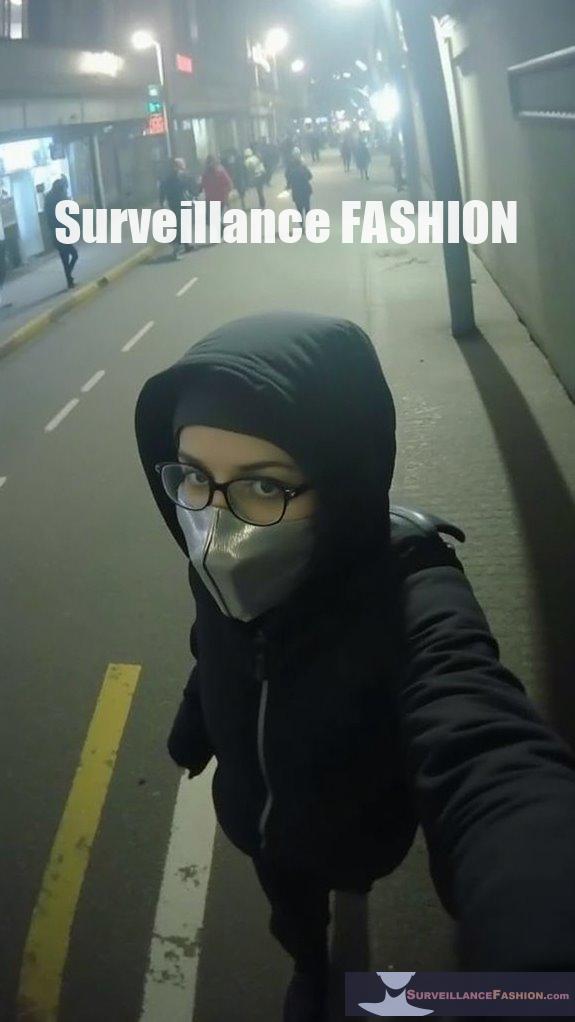
I once wore an outfit cleverly designed to confuse facial recognition. I felt like a secret agent!
But it’s serious: cameras are everywhere, and my privacy? Well, it’s gone faster than my last dating opportunity.
I can’t help but think—am I safer, or just under someone’s watchful eye?
That fabric might shield me from prying eyes, but what about the rest of society? It’s a balancing act between security and my right to disappear in a crowd.
Is anyone actually keeping track of who watches the watchers?
The Unexpected Effects of Anti-Surveillance Fashion
A few months back, I rocked an outfit that was more about blending in than standing out. As I strolled through a crowded market, I could almost feel the eyes of surveillance cameras sliding off me.
It felt liberating! Yet, I realized how absurd it is that I had to consider my clothing as armor against surveillance.
How many people around me were unknowingly data points in a digital database? The thought twisted my insides. Fashion shouldn’t come with a side of anxiety. Isn’t it crazy how we’ve turned everyday pieces into rebellion?
This experience made me think about the link between anti-surveillance fashion and civil liberties. Who knew my wardrobe could be my protest? Fashion meets activism—who would have thought?
Quick Takeaways
- Surveillance enhances public safety but risks compromising civil liberties, leading to ethical dilemmas in balancing security and privacy rights.
- Data collection often occurs without consent, eroding trust and adversely impacting social relationships while disproportionately affecting marginalized communities.
- Biased algorithms in surveillance can result in racial profiling, potentially leading to wrongful arrests and reinforcing systemic discrimination.
- Economic impact arises as consumers abandon brands post-data breaches, emphasizing the fragility of trust in organizations utilizing surveillance technologies.
- Implementing ethical surveillance policies and technological oversight is essential to mitigate risks and protect individual rights while ensuring public safety.
The Rise of Mass Surveillance in Urban Areas
In recent years, there’s been a remarkable escalation in the prevalence and sophistication of mass surveillance systems within urban environments, a phenomenon that reshapes how citizens experience their daily lives.
Urban monitoring has surged, with cities worldwide averaging 5.82 CCTV cameras per 1,000 people, starkly illustrating the growing observance of public spaces. China has the highest global CCTV surveillance with approximately 700 million cameras, reflecting a different public perception toward surveillance. This increase has prompted discussions about the balance between security and civil liberties, highlighting the delicate nature of surveillance practices.
These systems increasingly intertwine private initiatives with law enforcement, providing mapped locations and live feeds for policing efforts.
This collaboration is essential, as it extends surveillance capabilities beyond conventional police parameters, raising important discussions about privacy and oversight.
Surveillance Fashion aims to illuminate these transformative changes, highlighting how urban spaces become arenas of both safety and scrutiny.
Ethical Implications of Surveillance Technologies
While the rapid advancement of surveillance technologies has undeniably enhanced public safety measures, it simultaneously raises profound ethical concerns that challenge our understanding of privacy rights and civil liberties.
Surveillance ethics necessitates scrutiny as tools like automated license plate readers and facial recognition technology operate under scant public oversight, potentially infringing on data privacy. These technologies, while beneficial for law enforcement, often function without transparency, leading to systemic biases and compromising individuals’ civil liberties.
Moreover, the use of body-worn cameras presents an ethical dilemma, as they could alter behaviors while raising privacy issues. Ongoing discussions about transparency surrounding these surveillance practices are essential to ensure democratic accountability.
Balancing the imperative for public safety with the need to uphold democratic values requires continuous dialogue among stakeholders, emphasizing accountability and robust ethical frameworks to safeguard against misuse and protect individual rights.
Privacy Rights vs. Public Safety Concerns
Surveillance technologies have catalyzed a complex debate surrounding the balance between privacy rights and public safety concerns, especially as governments increasingly turn to data collection as a means of ensuring security.
You may find that the relentless expansion of surveillance systems leads to significant privacy erosion, often executed without your consent. While touted as safeguards against threats, these measures typically operate with limited transparency, allowing for indiscriminate data retention that raises substantial consent issues.
The effectiveness of such programs remains questionable; vast datasets may overwhelm analysts, potentially diverting focus from root causes of societal issues. Furthermore, the hidden costs of data collection on our relationships must be acknowledged, as it can lead to trust erosion and social fragmentation.
As you navigate this terrain, consider how public safety justifications can obscure the broader implications for civil liberties, particularly when surveillance disproportionately impacts marginalized communities.
Discrimination and Profiling in Surveillance Practices
How has the rise of advanced surveillance technologies intertwined with systemic discrimination, resulting in an alarming pattern of profiling within marginalized communities?
The deployment of biased algorithms within facial recognition systems has led to severe racial profiling, particularly impacting individuals with darker skin. These technologies, concentrated in minority neighborhoods, exacerbate surveillance impacts, fostering community mistrust.
For instance, algorithmic injustice manifests as Black individuals face wrongful arrests due to inaccuracies, with misclassification rates soaring compared to their lighter-skinned counterparts. This reinforces systemic racism, as authorities justify heightened scrutiny under the guise of security.
The ethical dilemmas surrounding these practices amplify marginalized voices, revealing the stark reality of targeted surveillance that perpetuates historical biases. This necessitates critical examination, especially as we at Surveillance Fashion aspire to illuminate these issues responsibly.
The Economic Impact of Surveillance on Consumer Trust

In today’s digital terrain, consumer trust operates like a fragile ecosystem, easily disrupted by the omnipresent nature of modern surveillance technologies.
The economic consequences of dwindling consumer trust can be profound; nearly 19% of consumers, informed of data breaches, vacate businesses, while over 14% abandon brands for ethical disagreements.
Nearly 19% of consumers leave businesses after data breaches, highlighting the heavy toll of declining trust and ethical concerns.
This consumer skepticism directly impacts revenue, with more than half of consumers deterred from online purchases due to negative data practices.
Emerging trends show that brands adopting robust security measures not only mitigate these risks but thrive economically.
As individual privacy concerns lend weight to ethical considerations, the sustainability of surveillance-driven business models increasingly hangs in the balance.
Hence, fostering transparency can be pivotal for conversion and retention, encapsulating the ethos of our initiative, Surveillance Fashion.
Transparency and Accountability in Data Collection
As the digital environment evolves, the necessity for transparency and accountability in data collection has never been more vital, particularly for organizations that rely on personal information to engage consumers effectively.
A robust legal framework, encompassing acts like the Open Government Data Act and the Privacy Act of 1974, mandates the ethical utilization of data while ensuring public accountability. By conducting Privacy Impact Assessments, federal agencies can evaluate risks, consequently fostering trust in the data-handling processes.
State-level laws, such as the Minnesota Consumer Data Privacy Act, enhance this accountability by enforcing disclosures and consumer rights.
Ultimately, organizations must align their data practices with established ethical standards, remaining transparent and vigilant to uphold the trust that’s essential not just for compliance, but for sustainable engagement in the burgeoning domain of data-driven interactions.
Balancing Security and Individual Liberties
Steering through the complex environment of security and individual liberties reveals a continual struggle between safeguarding societal safety and protecting personal freedoms. This underscores the need for careful consideration of competing interests.
In grappling with privacy dilemmas, you must confront the risks inherent in surveillance regulation. While the state insists that heightened surveillance enhances security, such measures often lead to significant erosion of civil liberties.
Individuals, particularly those from marginalized communities, may self-censor, retreating from participation in public discourse due to fear of repercussions. Additionally, oversight is frequently insufficient, allowing for potential abuse of power that undermines democratic foundations.
As we navigate this detailed setting, recognizing the delicate balance between these opposing forces becomes essential for shaping a society that values both security and individual rights.
Future Directions for Ethical Surveillance Policies
While the complexities of modern surveillance practices can seem overwhelming, a thoughtful approach to ethical surveillance policies offers the potential for a more balanced integration of technology and human rights.
Adoption of Privacy-Enhancing Technologies (PETs) will foster compliance with advancing privacy frameworks, guaranteeing that individuals’ rights remain intact amidst increasing regulatory complexity.
Implementing Privacy-Enhancing Technologies (PETs) ensures compliance while safeguarding individual rights in a complex regulatory landscape.
By leveraging AI and machine learning in privacy governance, organizations can shift to proactive compliance frameworks that anticipate risks rather than merely reacting to breaches.
Moreover, enhancing ethical leadership within organizations guarantees not only adherence to regulations but also cultivates a culture of transparency and accountability.
As you navigate the fragmented digital ethics environment, embracing these future directions will empower you to align surveillance strategies with societal expectations, ultimately shaping a more secure and respectful atmosphere.
Trendy Tech Meets Oversight

Surveillance technology has evolved dramatically in recent years, enabling unprecedented capabilities in security management while raising pressing questions about oversight and privacy rights. The rise of AI advancements enhances surveillance efficacy, facilitating real-time threat detection and behavior analysis, yet introduces a privacy paradox where civil liberties may be compromised.
Amid this rapid technological evolution, the need for robust technological oversight becomes crucial. Data exploitation risks linger, prompting a critical examination of ethics in surveillance.
As integrated platforms aggregate data from IoT devices and sensors, the socioeconomic implications necessitate a subtle balance between enhanced protection and individual rights.
In light of this, a detailed conversation about the ethical use of surveillance technologies, such as those highlighted in Surveillance Fashion, is essential to maintain accountability and respect for privacy.
License Plate Recognition Cameras
In the domain of modern transportation management, license plate recognition (LPR) cameras have emerged as a pivotal tool, seamlessly merging advanced imaging technology with practical applications.
- High-resolution capture, ensuring clarity at various speeds
- Real-time data output for dynamic law enforcement
- Night vision capabilities for round-the-clock usability
- Integration with cloud platforms for streamlined data management
- Concerns over license plate privacy amidst extensive surveillance accuracy
As you consider the implications, it’s essential to recognize both the efficiencies gained and the potential invasions of personal privacy.
While LPR cameras optimize traffic monitoring and enhance security protocols, they can also foster an environment where individuals feel their movements are continually scrutinized, raising pressing questions about the balance between technology and privacy rights.
Mass Surveillance Ethical Implications Cities
As cities increasingly adopt mass surveillance technologies, recognizing the ethical implications that accompany these advancements becomes essential for fostering a responsible urban environment.
Surveillance ethics demands a subtle consideration of citizens’ right to privacy, which, when overshadowed by the allure of urban monitoring, risks fracturing the social contract that underpins public governance.
Consent becomes a murky concept in these scenarios, as individuals often remain oblivious to the extensive scrutiny they face, particularly marginalized communities, who find themselves disproportionately affected by these practices.
Significantly, the integration of AI and facial recognition can lead to detailed profiling, amplifying concerns over data ownership and misuse.
Balancing security interests with fundamental rights requires a vigilant approach and ongoing discourse among all stakeholders, a theme reflected in our Surveillance Fashion perspectives on emerging technologies.
Eyes Everywhere: Anti-Surveillance Ebook review
While pervasive technologies reshape our understanding of public space, delving into the implications of camera surveillance reveals an unsettling truth: what may seem like a measure of public safety often comes at the cost of individual privacy.
- Examines global camera surveillance trends
- Analyzes case studies from various countries
- Highlights the limited efficacy of surveillance in crime deterrence
- Discusses the power imbalance in government-corporate surveillance
- Explores public resistance and anti-surveillance movements
This eBook offers a thorough investigation of surveillance’s quiet expansion, addressing its normalization in society amid limited evidence of its effectiveness.
The discussion on anti-surveillance movements becomes particularly relevant, revealing how these grassroots efforts challenge deceptive narratives of security and provoke necessary dialogue surrounding privacy and civil liberties.
FAQ
How Does Mass Surveillance Affect Mental Health in Urban Populations?
Mass surveillance greatly impacts mental health in urban populations, often manifesting as surveillance anxiety.
This persistent scrutiny exacerbates feelings of urban isolation, prompting individuals to self-censor behaviors to evade judgment.
The anxiety surrounding relentless monitoring can lead to heightened stress levels, influencing overall mental well-being and potentially worsening pre-existing conditions like anxiety disorders.
In understanding these dynamics, one can appreciate why our website Surveillance Fashion aims to illuminate these challenges in modern urban environments.
What Are the Historical Precedents for Mass Surveillance Laws?
Historically, mass surveillance laws emerged through various legal frameworks, shaped by moments of political tension and fear.
You’ll find early precedents like the Alien and Sedition Acts, which allowed monitoring of dissent, and the Espionage Act, criminalizing wartime information leaks.
The 1952 creation of the NSA marked a significant escalation, fundamentally altering state capabilities in surveillance, paving the way for policies that persist today.
Such established practices illustrate the delicate balance between security and authority that permeates our legal environment.
How Do Different Countries Regulate Mass Surveillance Practices?
Countries regulate mass surveillance practices through varying data protection and regulatory frameworks that reflect their priorities.
For instance, the UK’s Investigatory Powers Act allows extensive government access, prioritizing security, while the U.S. employs FISA Section 702 for mass, warrantless surveillance, revealing a balancing act between national interests and individual liberties.
In contrast, China’s focused regulatory measures showcase control with some regional flexibility, illustrating how different political environments mold surveillance laws and impact privacy rights.
What Role Do Citizens Have in Shaping Surveillance Policies?
Citizens play an essential role in shaping surveillance policies through active citizen engagement and policy advocacy. By participating in public consultations, you guarantee your voice contributes to the discourse, influencing decision-making and fostering accountability.
Building strategic alliances with various stakeholders enhances the effectiveness of collective advocacy efforts, ultimately empowering communities. Engaging in these processes not only addresses concerns about privacy but also reflects a commitment to responsible governance, as seen in platforms we’ve developed, like Surveillance Fashion.
How Can Individuals Protect Their Privacy in a Surveillance-Heavy Environment?
To effectively protect your privacy in a surveillance-heavy environment, you should utilize robust encryption tools and manage your privacy settings diligently.
Start by employing secure communication apps with end-to-end encryption, ensuring your conversations remain private from prying eyes. Regularly update your devices to shield against spyware, while restricting unnecessary app permissions further secures your personal data.
Addressing these measures can empower you, enhancing your control over your digital footprint in increasingly monitored surroundings.
Share Your Own Story
As cities increasingly embrace surveillance technologies, the delicate balance between security and privacy rights remains a pressing concern. You might envision a digital mosaic, where every individual’s movement is mapped and cataloged, potentially leading to discrimination alongside enhanced public safety. Indeed, our collective future hinges on how we navigate these ethical dilemmas—deciding whether our desire for security should eclipse our fundamental right to privacy. Consequently, the perspectives from this exploration are essential, informing the discussion on these critical societal shifts.
Share your own story!
References
- https://secureframe.com/blog/data-privacy-statistics
- https://www.eff.org/deeplinks/2024/08/fight-surveillance-pricing-we-need-privacy-first
- https://www.singletonschreiber.com/theblog/the-risks-of-surveillance-pricing-and-how-your-personal-data-can-influence-what-you-pay
- https://www.ftc.gov/news-events/news/press-releases/2025/01/ftc-surveillance-pricing-study-indicates-wide-range-personal-data-used-set-individualized-consumer
- https://www.securitymagazine.com/articles/101436-hidden-costs-of-compromised-privacy-protecting-brands-and-customers
- https://www.comparitech.com/vpn-privacy/the-worlds-most-surveilled-cities/
- https://www.urban.org/sites/default/files/publication/101649/public_surveillance_cameras_and_crime.pdf
- https://metrocrime.org/neighborhoods-watched-the-rise-of-urban-mass-surveillance/
- https://watson.brown.edu/costsofwar/files/cow/imce/papers/2023/Surveillance Report 2023 .pdf
- https://www.eff.org/deeplinks/2020/03/unchecked-smart-cities-are-surveillance-cities-what-we-need-are-smart-enough
- https://www.police1.com/ethical-frontiers-the-unintended-consequences-of-surveillance-technologies
- https://premierscience.com/pjds-24-359/
- https://www.state.gov/wp-content/uploads/2023/04/Guiding-Principles-on-Government-Use-of-Surveillance-Technologies.pdf
- https://pmc.ncbi.nlm.nih.gov/articles/PMC8320316/
- https://pavion.com/resource/balancing-ethics-and-privacy-ethical-considerations-and-privacy-concerns-for-ai-video-surveillance-in-retail/
- https://www.aclu.org/issues/national-security/privacy-and-surveillance
- https://www.hartman.law/blog/2024/august/the-pros-and-cons-of-government-surveillance-pro/
- https://www.ohchr.org/en/press-releases/2022/09/spyware-and-surveillance-threats-privacy-and-human-rights-growing-un-report
- https://www.safehome.org/family-safety/safety-privacy-sentiment/
- https://www.brookings.edu/articles/police-surveillance-and-facial-recognition-why-data-privacy-is-an-imperative-for-communities-of-color/