Tag: stealth fashion

  • Fashion’s Brightest Defense: Light-Bouncing Stealth Wear

    Fashion’s Brightest Defense: Light-Bouncing Stealth Wear

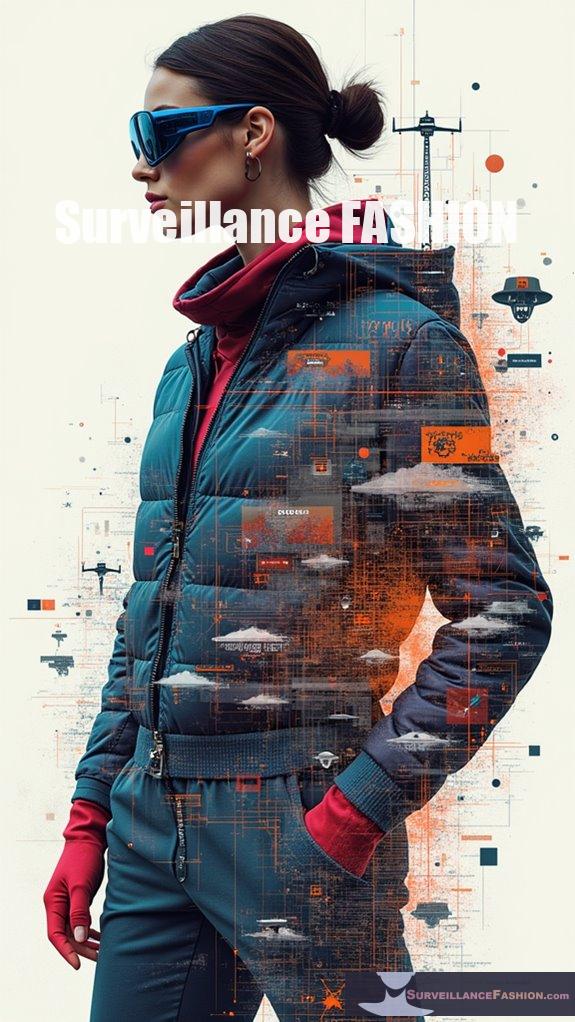
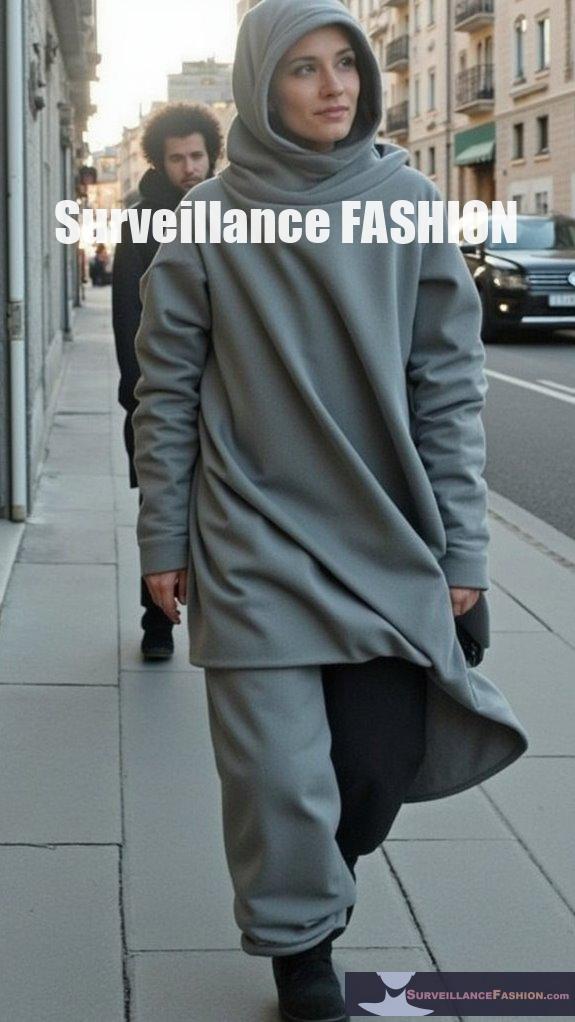
    Fashion’s brightest defense against surveillance is the innovative use of retro-reflective materials in stealth wear. These materials reflect light back to its source, obscuring the wearer’s image from cameras and enhancing privacy. By incorporating strategically placed patches, designers maximize sensor disruption, complicating AI recognition systems through unpredictable light patterns and reflections. Furthermore, the integration of heat-shielding cloaks minimizes heat signatures, contributing to overall stealth. Exploring these textiles reveals substantial potential in anti-surveillance applications; continued examination will yield deeper understanding.

    Quick Takeaways

    • Retro-reflective materials enhance privacy by bouncing light back to its source, obscuring images captured by surveillance cameras.
    • Clothing design can exploit sensor blind spots through strategic patch placements that disrupt detection systems.
    • Combining retro-reflective properties with heat-shielding cloaks provides stealth by minimizing both visible and thermal signatures.
    • Advanced materials can confuse AI recognition systems, causing misclassification through unpredictable light patterns and glare.
    • Despite innovative designs, challenges in durability and aesthetic appeal limit the mass adoption of stealth wear in the fashion industry.

    How Do Retro-Reflective Materials Enhance Camera-Blocking Clothing Designs?
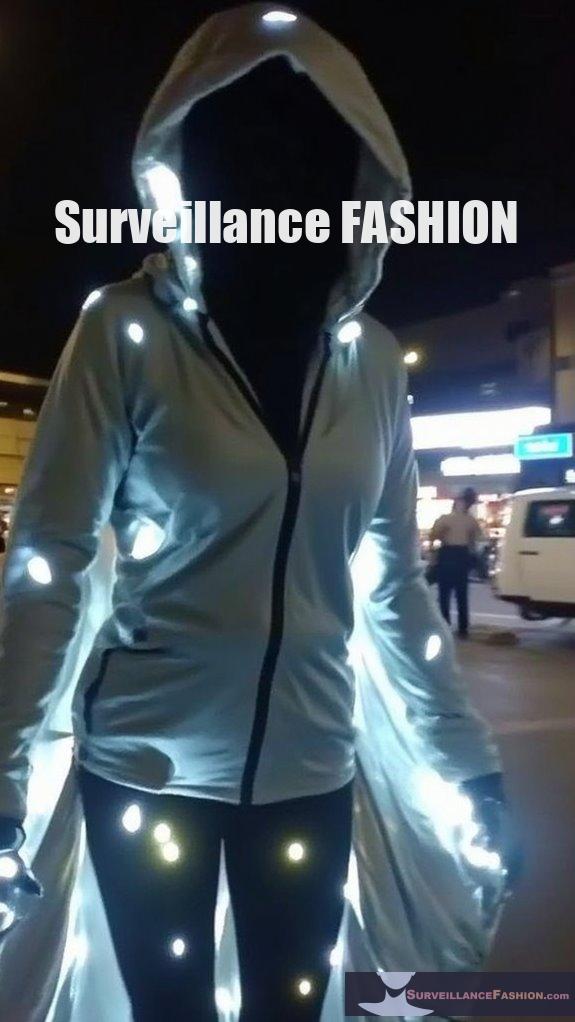
    camera blocking clothing technology

    Retro-reflective materials enhance camera-blocking clothing by reflecting light directly back to its source, causing wearers to appear overexposed or obscured in images. This retroreflection is most effective near light sources, making it difficult for cameras to capture clear details of the wearer. Additionally, these materials contribute to increased privacy protection by complicating identification in a world increasingly driven by surveillance technology.

    These materials utilize microscopic glass beads or microprisms to achieve this effect, optimizing the return of light and interfering with camera image capture. This approach also emphasizes the importance of reflective materials for safety, as they enhance visibility in low-light conditions.

    Key design aspects include:

    • Strategic placement of reflective patches to align with camera angles.
    • Combining reflective materials with non-reflective areas to disrupt image processing.
    • Clothing shapes that maximize light redirection toward camera positions.

    Ultimately, this technology creates visual challenges for surveillance and detection systems, providing an innovative approach to personal privacy.

    What Strategies Are Employed to Maximize Disruption of Sensor Detection Using Retro-Reflective Patches?

    To maximize disruption of sensor detection using retro-reflective patches, strategies include optimized patch placement on critical areas, adaptive material selection, synchronized light source responses, and innovative pattern engineering to exploit sensor vulnerabilities.

    These approaches focus on creating confusion for optical sensors by strategically placing retro-reflective patches in areas of vulnerability on vehicles or targets. The materials used are specifically designed to enhance visibility under certain lighting while remaining stealthy in others.

    Key strategies include:

    • Tailored placements focused on sensor blind spots.
    • Dynamic material properties that exploit varying light conditions.
    • Adaptive shapes and patterns that mislead AI classification systems.
    • Design considerations that counteract common filtering techniques employed by sensors.

    These combined efforts guarantee high effectiveness while minimizing the risk of detection.

    In What Ways Can Reflective Elements Confuse AI Recognition Systems?

    Reflective elements can confuse AI recognition systems by introducing unpredictable light patterns, causing overexposure and misclassification of features. Such artifacts disrupt image quality, hinder feature extraction, and impair object detection and recognition algorithms.

    Reflective materials create anomalies that affect AI’s ability to interpret visual data. For instance:

    • Reflections can produce glare and lens flare, degrading image quality.
    • Specular highlights mislead classification models, introducing false positives.
    • Retroreflective textiles alter edge detection, complicating shape identification.
    • Sudden light bursts may overwhelm sensors, causing loss of detail.

    These challenges reveal a significant gap in model training, as many datasets lack representative examples of reflective scenarios, ultimately affecting AI robustness in real-world applications.

    How Can Retro-Reflective Materials Be Combined With Heat-Shielding Cloaks for Improved Stealth?

    Combining retro-reflective materials with heat-shielding cloaks enhances stealth capabilities by simultaneously managing visible light and infrared signatures.

    This integration allows for visual confusion from retro-reflection while minimizing thermal emissions.

    The implementation involves layering a retro-reflective outer membrane that bounces light away from detection sources with an inner thermal barrier that reduces infrared visibility.

    Key considerations include:

    • Maintaining flexibility for mobility.
    • Ensuring lightweight design for wearability.
    • Optimizing performance through advanced material science.

    What Are the Challenges in Integrating Retro-Reflective Materials Within Everyday Fashion for Anti-Surveillance Applications?

    Integrating retro-reflective materials into everyday fashion for anti-surveillance applications faces significant challenges, including high production costs, durability issues, and aesthetic limitations.

    In addition, complex manufacturing processes and market instability further complicate the scalability and affordability of these designs.

    Fashion designers encounter barriers such as the higher prices of retro-reflective textiles, making them less accessible for mass-market appeal.

    Furthermore, the durability of reflective coatings is compromised by environmental factors. Regular washing and wear can degrade effectiveness, necessitating frequent replacements.

    Aesthetic concerns also arise, as retro-reflective materials traditionally lack diverse colors and textures, limiting creative potential.

    The need for careful design to balance visibility with stealth complicates garment aesthetics.

    Moreover, integrating advanced technologies while ensuring consumer comfort and adherence to safety standards adds complexity to production and design processes.

    Review of Ava Longhorn’s Ebook: Eyes Everywhere

    fashion meets privacy activism

    In an era defined by pervasive surveillance, the notion of privacy in fashion emerges as a crucial discourse, transcending mere style to interrogate deeper societal values.

    Ava Longhorn’s ebook, “Eyes Everywhere,” complexly navigates this intersection, emphasizing fashion ethics and consumer rights within the anti-surveillance movement.

    Longhorn explores stealth wear, highlighting innovative light-bouncing materials that confuse facial recognition.

    By detailing cultural implications, she empowers the reader to reflect on stealthy fashion not just as aesthetic, but as an essential statement on privacy.

    This resource supports the growing demand for clothing that merges ethical design with cutting-edge technology, shaping the future of our wardrobes.

    References

  • IR-Blocking Materials For Stealth Fashion

    IR-Blocking Materials For Stealth Fashion

    IR-blocking materials for stealth fashion, particularly in military applications, utilize advanced textiles to minimize detectability through effective thermal emission management. For example, PU–ATO composite fibers provide flexible and lightweight solutions, while metallic threads enhance durability and reduce heat signatures. Smart textiles, embedded with conductive yarns, further improve temperature regulation, allowing garments to adapt in real time. These innovations not only support camouflage in combat situations but also pave the way for advanced civilian wear. Explore the emerging trends to enhance your understanding of this fascinating field.

    Quick Takeaways

    • PU–ATO composite fibers provide effective IR detection shielding with adjustable blocking capabilities, suitable for lightweight stealth clothing.
    • Metallic threads significantly lower IR emissivity and improve heat dissipation, enhancing garment durability and stealth performance.
    • Smart textiles with conductive yarns offer dynamic heat management, reducing apparent temperature by up to 30% for optimal thermal camouflage.
    • Silver threads deliver antimicrobial protection and moisture-wicking properties, extending garment lifespan while minimizing scent signatures.
    • Innovative multilayer films and brication techniques enhance IR shielding while maintaining comfort and flexibility in stealth fashion designs.

    How Can Pu–Ato Composite Fibers Revolutionize Stealth Fashion for Military Applications?

    stealthy durable military textiles

    PU–ATO composite fibers can revolutionize stealth fashion for military applications by providing lightweight, flexible, and durable materials that effectively shield against infrared detection. Their unique combination of mechanical integrity and adjustable IR-blocking capabilities makes them ideal for modern stealth textiles.

    The use of polyurethane with antimony tin oxide nanoparticles allows for tunable properties through varying ATO concentrations. These fibers exhibit mechanical strength around 4 MPa and high elongation (~340%), ensuring comfort and mobility. Additionally, incorporating thermal signature masking techniques enhances the effectiveness of these garments.

    Thermal annealing further enhances fiber toughness, making them suitable for harsh environments. Moreover, their breathability and moisture management contribute to prolonged wear. This innovative material incorporates effective stealth methods such as the use of insulating materials, ensuring soldiers have enhanced camouflage against infrared surveillance, aligning with contemporary stealth technology demands.

    What Role Do Metallic Threads Play in Enhancing the Effectiveness of Ir-Blocking Garments?

    Metallic threads notably enhance the effectiveness of IR-blocking garments by reducing emissivity, dissipating heat, and improving electromagnetic interference shielding.

    These threads, when woven into textiles, create patterns that maximize IR light scattering and minimize thermal signatures, making detection by IR sensors more challenging.

    Metalized threads, such as those coated with silver, can lower IR emissivity to as low as 0.04, drastically reducing the apparent temperature of the fabric.

    The unbalanced weaving techniques often employed allow for strategic placement of metallic fibers, optimizing IR-blocking efficiency.

    Additionally, these specialized threads offer superior durability against wear, washing, and environmental exposures, ensuring long-lasting stealth capabilities for the wearer.

    How Do Smart Textiles With Conductive Yarns Improve Thermal Concealment in Everyday Wear?

    Smart textiles with conductive yarns enhance thermal concealment by reducing infrared (IR) emissivity, thereby lowering emitted thermal radiation and making wearers less detectable by IR sensors. These textiles utilize advanced materials and mechanisms to actively manage heat flow, providing dynamic thermal camouflage suitable for everyday use.

    The integration of conductive yarns allows for significant reductions in apparent temperature, with studies indicating up to a 30% decrease under certain conditions.

    Key mechanisms include:

    • Reducing surface temperature through lower emissivity.
    • Employing reversible electrochemical mechanisms for dynamic adjustments.
    • Combining thermochromic and electrochromic fibers for adaptive thermal management.

    This combination guarantees that wearers maintain comfort while benefiting from enhanced stealth capabilities against thermal detection.

    What Are the Key Benefits of Integrating Silver Threads Into Stealth Clothing Designs?

    Integrating silver threads into stealth clothing designs offers significant benefits, including strong antimicrobial protection, odor control, enhanced comfort, and durability.

    These properties help reduce infections, maintain freshness during extended wear, and guarantee long-lasting performance.

    Silver threads release antimicrobial ions that neutralize harmful microbes, inhibiting up to 99.7% of bacteria on fabric. This not only prevents infections but also controls odors, allowing for less frequent washing, which is environmentally sustainable.

    Furthermore, the moisture-wicking properties keep the wearer comfortable by regulating temperature and reducing sweat discomfort.

    Key benefits include:

    • Extended garment lifespan through durability.
    • Enhanced stealth by minimizing scent signatures.
    • Comfortable fit and breathability for various conditions.

    How Do Multilayer Films Enhance the Functionality of Conventional Fabrics for Infrared Deterrence?

    multilayer films for stealth

    Multilayer films enhance the functionality of conventional fabrics for infrared deterrence by considerably reducing IR reflection and absorption, thereby minimizing detectability by IR sensors. These films integrate seamlessly with fabrics, maintaining their inherent properties while providing stealth capabilities across a broad IR wavelength range.

    The CoGaZnSe multilayer films are meticulously crafted through techniques like pulse laser deposition, allowing control over thickness and structure. By strategically combining materials with varying refractive indices, they exploit destructive interference to suppress IR emissions.

    Key benefits include:

    • Reduction of detection efficiency by 83%–86% for wool substrates.
    • Compatibility with existing textile methods, ensuring ease of integration.
    • Enhanced durability against environmental degradation and mechanical stress.

    This technology addresses the need for multifunctional, stealthy clothing in both military and civilian applications.

    Can Ultrathin IR Stealth Sheets Completely Mask Human Body Heat From Detection Systems?

    Ultrathin IR stealth sheets can considerably reduce the detectability of human body heat by absorbing around 94% of infrared light.

    However, while they effectively mask heat signatures, complete invisibility may depend on full coverage and deployment conditions.

    These sheets, typically less than one millimeter thick, incorporate nanostructured materials optimized for infrared absorption.

    Key features include:

    • Integration of silver nanoparticles to enhance absorption.
    • Design that minimizes IR reflection and transmission.
    • Micro air-channels promoting thermal insulation and passive dissipation.

    Such capabilities enable passive and active camouflage, confusing thermal sensors with programmable false signals.

    Continued developments focus on practical applications for complete thermal masking in various environments.

    In What Ways Can Thermal Camouflage Materials Adapt to Dynamic Environmental Changes?

    The incorporation of electrically controllable thin films allows for noticeable visible color changes while maintaining high infrared emittance.

    For instance, VO2 films can shift between IR transparent and reflective states with temperature shifts. Moreover, nanoscale metal films adjust thermal radiation efficiently without altering surface temperatures.

    This flexibility enables:

    • Adaptation to distinct visual environments.
    • Effective thermal insulation while optimizing camouflage.
    • Scalable fabrication for larger applications.

    Collectively, these technologies enhance stealth capabilities in dynamic circumstances, mimicking natural adaptive strategies.

    How Do Advanced Textiles Maintain a Balance Between Flexibility and IR Shielding Effectiveness?

    Advanced textiles maintain a balance between flexibility and infrared (IR) shielding effectiveness through the use of nanomaterials, layered designs, and careful microstructure enhancement.

    Techniques such as embedding conductive layers and employing microfabrication methods allow for lightweight yet strong textile compositions.

    Incorporating nanomaterials like graphene and MXene reduces emissivity while guaranteeing the fabric remains flexible.

    Multi-layer composites combine IR-reflective coatings with flexible textiles to enhance wearability.

    Furthermore, microfabrication techniques enable the precise application of IR-shielding agents, preserving the textile’s drape and tensile strength.

    Overall, innovative designs and materials guarantee that IR protection doesn’t compromise comfort or mobility.

    Key points include:

    • Nanomaterials enhance flexibility and IR performance.
    • Multi-layer designs provide effective shielding while maintaining comfort.
    • Precise microfabrication guarantees efficient application without added weight.

    What Innovative Applications Can Emerge From Combining Thermal Cloaks With Visual Camouflage?

    advanced stealth technology fusion

    Combining thermal cloaks with visual camouflage can lead to advanced stealth technologies that enhance concealment across multiple spectrums and improve tactical operations.

    This integrated approach allows for real-time adaptation to varying environments while misleading detection systems.

    Such innovative applications may include:

    • Dynamic Adaptation: Real-time color and thermal adjustments to blend seamlessly with surroundings.
    • False Signature Generation: Producing deceptive thermal and visual profiles to mislead sensors.
    • Improved Combat Clothing: Stealth garments that increase soldier survivability against multispectral surveillance.
    • Energy Efficiency: Utilizing thermoelectric and phase-change materials for sustained stealth operations without heavy power demands.

    This fusion of technologies supports enhanced effectiveness in diverse combat scenarios.

    How Might the Future of Stealth Fashion Evolve With Advancements in Ir-Blocking Technologies?

    The future of stealth fashion will likely incorporate advanced IR-blocking technologies that utilize dynamic emission control, AI optimization, and multi-spectral capabilities to enhance concealment in diverse environments.

    As these technologies evolve, stealth fashion will experience significant shifts. Dynamic IR signature control materials can adapt to thermal changes, ensuring wearers remain undetectable. AI’s role will additionally enhance this adaptability by predicting environmental shifts, allowing garments to autonomously adjust their properties.

    Moreover, the integration of energy-harvesting methods will enable these materials to operate autonomously without a power source. The convergence of aesthetics and functionality will also blur the lines between military gear and civilian fashion, promoting wider adoption and innovation within everyday wearables.

    • Adaptive materials for thermal conditions
    • AI optimizing garment performance
    • Energy harvesting for prolonged use

    Review of Ava Longhorn’s Ebook: Eyes Everywhere

    Ava Longhorn’s ebook, “Eyes Everywhere,” serves as a valuable resource for those maneuvering the complex world of stealth fashion, particularly through the lens of infrared (IR)-blocking materials.

    You’ll discover:

    1. Enhancements in stealth aesthetics via innovative fabrics.
    2. Practical applications and design principles that redefine everyday apparel.
    3. A thorough exploration of market trends and consumer perspectives driving this field.

    Longhorn effectively blends scientific research with actionable knowledge, making it essential for enthusiasts and professionals alike.

    This ebook not only informs but also inspires a deeper understanding of how IR-blocking textiles can transform both casual fashion and tactical gear.

    References