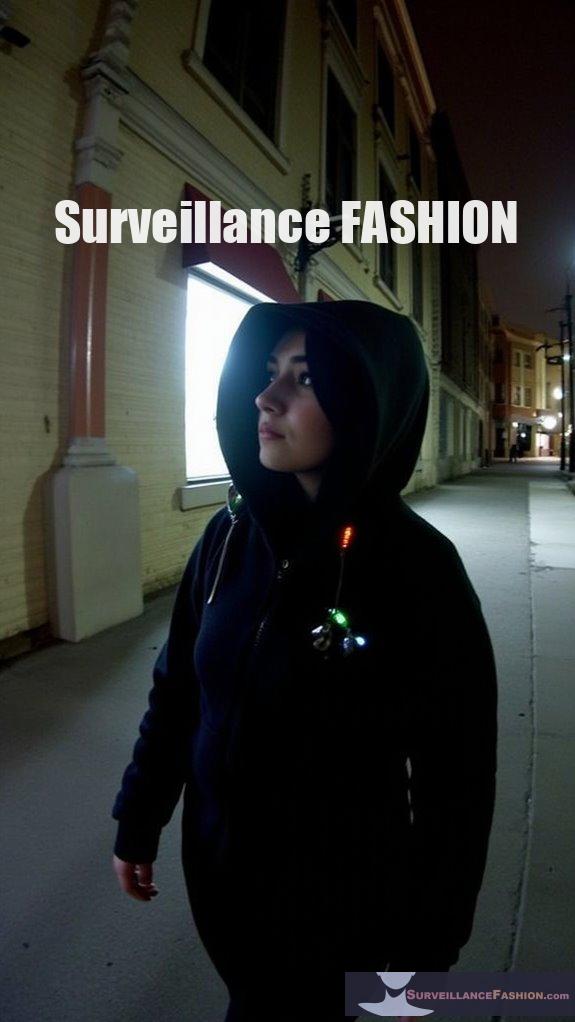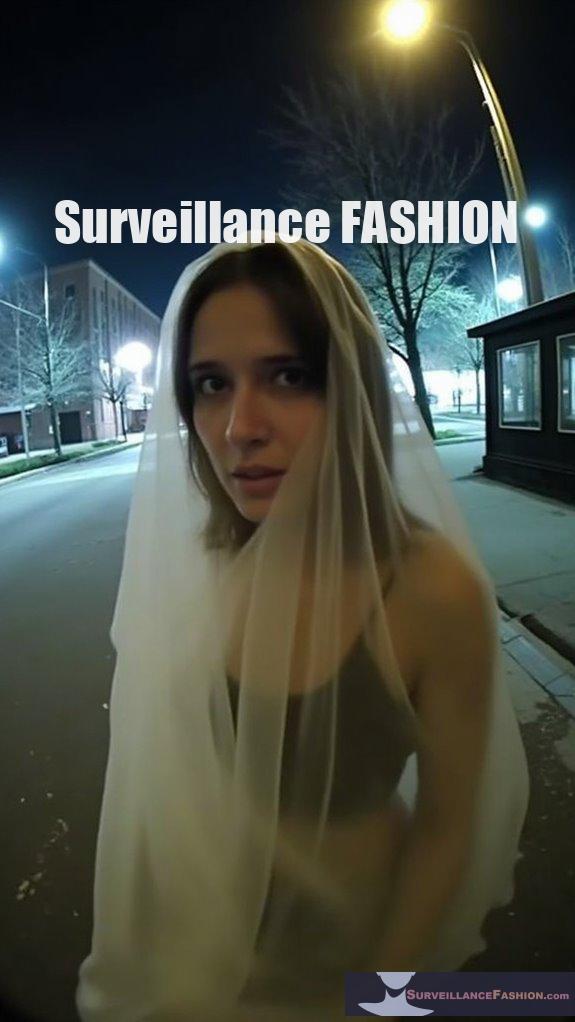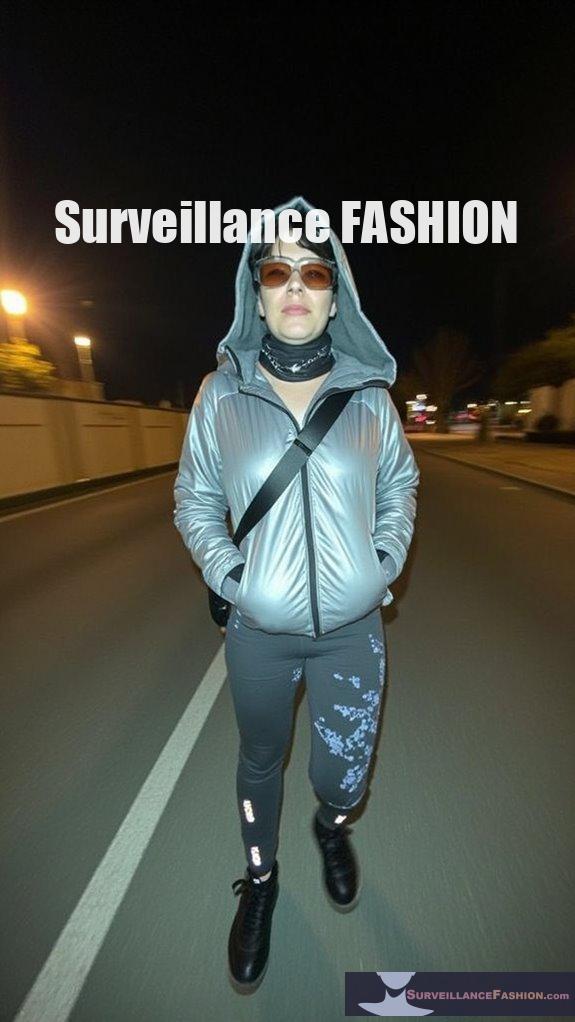
Thermal-blocking hoodies effectively thwart modern security cameras by employing advanced materials that greatly diminish observable heat signatures. Utilizing phase-change materials and graphene, these garments adapt to temperature changes, blending seamlessly with surroundings. The combination of cotton-polyester blends and copper pigments further enhances thermal emission reduction. As a result, users can avoid detection by sophisticated drone-mounted thermal imagers, enabling greater privacy and control over their environment—creating a heightened advantage in tactical settings. Unravel more about these innovations.
Quick Takeaways
- Thermal-blocking hoodies utilize advanced materials like PCM and graphene to adapt thermal emissions for effective heat signature reduction.
- They reflect infrared radiation, making it difficult for security cameras to detect human body heat.
- Loose-fitting designs enhance thermal blocking by maximizing the contrast between body heat and the surrounding environment.
- Integration of materials such as vanadium dioxide films improves responsiveness to temperature changes, aiding concealment from thermal sensors.
- While effective against many security cameras, these hoodies have limitations against advanced surveillance systems, necessitating caution in their use.
What Is Drone Detection Avoidance Wear?

These garments incorporate advanced materials and technologies, such as metallic fabrics functioning as Faraday cages to inhibit radio signals, and thermal-blocking layers that mask heat signatures. Methods to evade drone surveillance often involve clothing that can disrupt surveillance technologies, making these hoodies even more effective. Additionally, pattern-based clothing designs can confuse facial recognition systems, enhancing the effectiveness of these garments. Applications range from military and law enforcement tasks to protecting privacy for civilians against unauthorized surveillance, making them critical in various situations, including:
- Tactical clothing for military use.
- Protective wear for journalists and activists.
- Everyday use for individuals concerned about drone monitoring.
The design guarantees lightweight, durable, and discreet wearability, balancing protection with comfort.
How Do Thermal Camouflage Hoodies Work?
Thermal camouflage hoodies utilize phase-change materials (PCMs) that adapt their solid or liquid state around ~30°C to align with ambient temperatures, thereby minimizing thermal emissions.
Moreover, graphene patches enhance thermal control by adjusting infrared radiation without changing actual temperature, allowing effective temperature matching with the environment.
These hoodies operate by dynamically responding to temperature variations. When outdoor temperatures rise, the PCMs melt, absorbing heat and reducing visibility to infrared sensors.
Conversely, in cooler conditions, the PCM solidifies, providing insulation and maintaining an external temperature akin to the surroundings.
Key features include:
- Graphene Technology: Each patch can manipulate thermal emission levels through electronic modulation, providing fine control over thermal signatures.
- Instantaneous Adaptation: The system can rapidly respond to changing environments, simulating warmer or cooler surroundings without physical temperature shifts.
- Programmability: Users can program the patches to match environmental conditions for enhanced camouflage.
Additionally, these technologies have opened up a new realm of infrared-blocking style that combines functionality with fashion appeal.
Despite their advantages, existing designs face challenges such as weight, limited duration, and design constraints.
Ongoing research aims to develop lighter, more flexible options for improved comfort and usability in extreme conditions.
What Materials Are Used in Thermal Camouflage Hoodies?
Thermal camouflage hoodies are primarily made from cotton-polyester blends for comfort and durability, often featuring waffle knit linings for insulation.
Advanced materials like vanadium dioxide films, conductive fibers, and copper pigments enhance thermal modulation and camouflage effectiveness.
These hoodies exploit a variety of fabric combinations:
- Outer Shells: Usually 80% cotton and 20% polyester blends or pure polyester for durability.
- Insulation: Waffle knit linings with 65% polyester and 35% cotton guarantee moisture management.
- Advanced Materials: Incorporation of vanadium dioxide and carbon nanotubes provides adaptive thermal camouflage through tunable infrared emissivity.
- Patterning Techniques: Printed copper pigments create thermal contrast, disrupting outlines for improved concealment.
These innovative designs make certain the hoodies are effective in various thermal conditions and scenarios.
How Effective Are Thermal-Blocking Hoodies Against Drone Surveillance?
Answer:
Thermal-blocking hoodies are highly effective against drone surveillance utilizing thermal and infrared imaging, considerably reducing the wearer’s detectable heat signature. However, they’re less effective against visible light cameras and don’t provide protection against radar or radio frequency-based detection systems.
Thermal-blocking hoodies use metalized fabrics, primarily composed of silver-nickel blends, to reflect heat away from the body. This reduces the infrared signature that drones detect, helping the wearer blend into the environment thermally.
However, these garments have limitations:
- They may still be visually noticeable due to their reflective materials.
- Environmental factors can affect their effectiveness, particularly in direct sunlight.
- Exposed body parts will continue to emit detectable heat.
- They aren’t suitable for use in hostile environments, offering a basic level of privacy without complete stealth.
As drone surveillance increases, these hoodies may gain popularity, though their effectiveness could decline with advances in sensor technology. Further research is necessary to evaluate their real-world performance and longevity under various conditions.
What Is the Importance of Thermal Signature Reduction?
Thermal signature reduction is vital for evading detection in surveillance situations, as it minimizes the risk of being identified by thermal imaging systems. By decreasing thermal output, individuals can better protect themselves against security measures that rely on detecting heat signatures, enhancing their chances of remaining undetected.
Reducing thermal signatures is essential because thermal cameras can detect warmth emitted by humans, animals, and vehicles, making it easier for security systems to pinpoint potential threats. By effectively masking or reducing heat emissions, individuals greatly lower their risk of detection during covert operations or sensitive activities.
Key aspects of thermal signature reduction include:
- Increased stealth: Lowering heat output improves chances of avoiding detection.
- Protection from surveillance: Individuals can engage in activities without alerting security measures.
- Enhanced privacy: Reduced thermal emissions contribute to personal security in sensitive scenarios.
- Strategic advantage: Keeping a low thermal profile allows for better planning and execution of operations.
Can Thermal-Blocking Technology Be Combined With Other Camouflage Techniques?
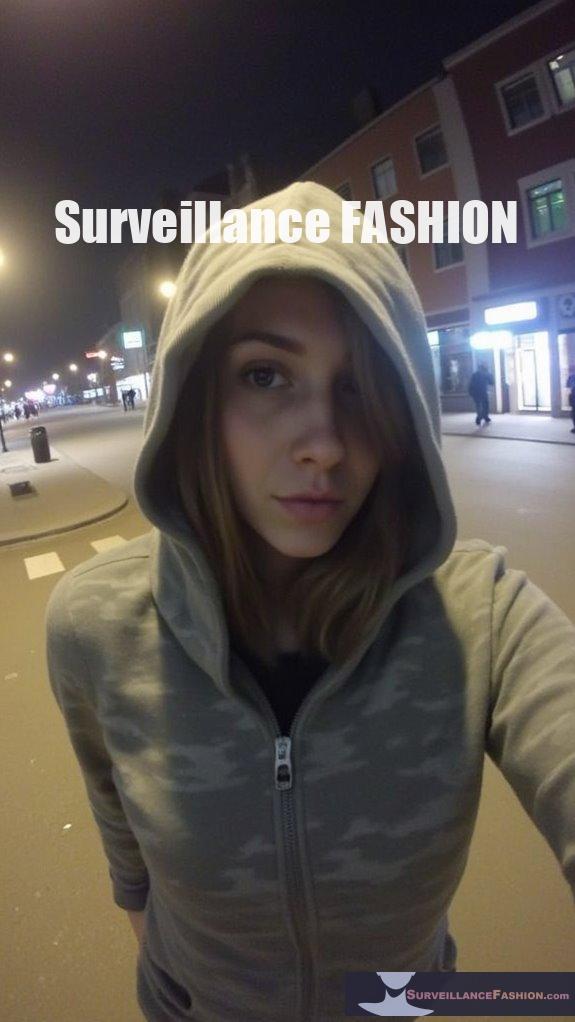
Yes, thermal-blocking technology can be effectively combined with other camouflage techniques for enhanced stealth capabilities.
By integrating multi-spectral and infrared camouflage materials with thermal-blocking hoodies, users can conceal themselves across visible, infrared, and radar spectra. This all-encompassing approach masks heat signatures and disrupts detection methods.
Key methods include:
- Special coatings that reduce mid and long-wave IR emissions.
- The use of multispectral camouflage nets alongside thermal-blocking fabrics.
- Implementation of nanotechnology for adaptive thermal management.
- Military-grade anti-thermal coatings applied to fabrics for improved reflection and diffusion of IR radiation.
These strategies collectively heighten concealment and protect against diverse sensor types.
What Environments Are Most Suited for Wearing Thermal-Blocking Hoodies?
In urban spaces, thermal-blocking hoodies can obscure users from face recognition and general surveillance tracking.
In remote areas, these garments help mask heat when drones are deployed. They serve a tactical purpose in industrial settings where night vision cameras dominate, minimizing detection by thermal sensors.
Cooler climates tend to increase effectiveness by creating a sharper contrast between body heat and the environment, while rainy or cloudy conditions provide additional cover.
Key factors to take into account include:
- Low ambient IR interference enhances effectiveness.
- Suitable for both outdoor and urban settings based on time of day.
- Synthetic fabrics with minimal heat conduction maximize thermal blocking.
- Loose-fitting designs further improve heat concealment.
How Do Thermal-Blocking Hoodies Impact Wearer Comfort?
Thermal-blocking hoodies enhance wearer comfort through advanced moisture management, temperature regulation, and lightweight materials, ensuring a balance between warmth and breathability.
Specialized design features further improve fit and functionality, supporting prolonged wear in varying conditions.
These hoodies utilize breathable fabrics that wick moisture away from the skin, keeping the wearer dry. Quick-drying materials and ventilation zones prevent overheating while maintaining insulation.
Their lightweight construction minimizes bulk, allowing for freedom of movement. Key design elements like adjustable hoods and extended collars enhance comfort by reducing drafts, while ergonomic fabrics accommodate diverse activity levels and climates, ensuring a superior wearing experience.
What Are the Limitations of Thermal-Blocking Hoodies?
Thermal-blocking hoodies have several limitations, including incomplete concealment against advanced sensors, vulnerability to physical constraints, high costs, and limited effectiveness against various camera types.
Their reliance on user application and environmental conditions further reduces their effectiveness.
These garments can allow heat signatures to leak through, especially with improper layering or mobility. They also may not protect extremities like hands and face, making detection more likely.
High costs limit widespread use, while DIY solutions are technical and may be uncomfortable for prolonged wear.
Moreover, many surveillance systems can bypass thermal blocking techniques, particularly when using visible light cameras or sophisticated multi-sensor setups.
Overconfidence in these hoodies can lead to risky behaviors, emphasizing the need for caution in critical detection zones.
How Do Drones Utilize Thermal Imaging for Detection?
Drones utilize thermal imaging to detect heat signatures emitted by objects, enabling them to identify anomalies or specific targets even in low visibility conditions.
This technology is essential for applications such as search and rescue, structural inspections, firefighting, wildlife monitoring, and security operations.
What Real-World Scenarios Have Demonstrated the Effectiveness of Thermal-Blocking Hoodies?

In search and rescue efforts, these hoodies have been tested with thermal imaging drones, allowing for a decrease in visibility to thermal cameras.
In law enforcement, they aid in concealment during operations, particularly against surveillance systems equipped to detect infrared signatures.
Key points of effectiveness include:
- Significant reduction of visible heat signatures when combined with proper layering and air gaps.
- Effective even in less-than-ideal conditions like rain or cloud cover.
- Utilization by tactical teams in military scenarios to enhance stealth.
- Demonstrated capacity to obstruct modern facial recognition technology through the use of integrated IR light sources in urban environments.
However, the efficiency can vary based on environmental factors and the cover of non-blocking materials worn beneath the hoodie.
How Do Automated Detection Algorithms Respond to Thermal-Blocking Materials?
Automated detection algorithms struggle to accurately identify heat signatures when thermal-blocking materials are present. These materials reduce infrared radiation detection, leading to false negatives and positives due to fragmented or obscured heat patterns.
Thermal-blocking materials, like Mylar or thick wool, reflect or absorb infrared radiation, disrupting the algorithm’s ability to detect and classify targets effectively.
The following factors contribute to algorithmic challenges:
- Reflection from polished metals misleads interpretations.
- Absorption by insulating fabrics diminishes emitted signals.
- Fragmentation of heat signatures causes misclassification.
- Algorithms may require retraining to adapt to new thermal-blocking strategies.
Ultimately, the integration of thermal detection with other sensor modalities can mitigate some effects, but thermal-blocking still poses significant detection hurdles.
What Role Do Thermal Camouflage Hoodies Play in Tactical Operations?
Thermal camouflage hoodies play an essential role in tactical operations by greatly reducing infrared emissions, thereby enhancing personnel’s concealment from thermal detection systems. They enable soldiers to evade surveillance from drones and infrared sensors, improving their survivability and effectiveness in the field.
These hoodies utilize advanced materials and technologies to block or absorb body heat, disguising high-heat zones like the head and torso.
Key features include:
- Heat-resistant fabrics that limit infrared radiation.
- Ventilation flaps to manage local heat concentrations.
- Adaptive textiles that respond to environmental conditions for ideal concealment.
However, their effectiveness can be compromised by tactical misuses, such as improper layering or reliance on outdated materials.
Coordination with other camouflage techniques is essential for maximizing stealth and reducing detectability in combat scenarios.
Anti Surveillance Ebook review: Eyes Everywhere
As citizens navigate an increasingly monitored world, understanding the mechanisms of surveillance becomes imperative, especially when examining the perceptions presented in “Eyes Everywhere.”
This book vividly illustrates the vast integration of surveillance systems that blur the lines between government oversight and corporate data collection, emphasizing how both sectors collaborate to compile a thorough profile of individuals’ daily activities.
- Surveillance encompasses personal communications and physical movement.
- Corporate entities thrive by leveraging collected data, impacting market dynamics.
- Local and federal agencies collaborate to monitor civil disobedience.
- Privacy erosion raises pressing concerns over civil liberties.
In essence, knowledge is your greatest tool.
Drone Detection Avoidance Wear
In an age where drone technology is rapidly developing, the importance of effective drone detection avoidance wear can’t be overstated, especially for individuals seeking to evade surveillance and protect their privacy.
To maximize concealment, these wearables leverage advanced materials that minimize thermal signatures while counteracting drone sensor capabilities. Proprietary textiles reduce thermal infrared discrepancies considerably, enhancing effectiveness in a layered detection environment.
However, challenges arise as body heat and external conditions impact performance. As demonstrated, traditional materials may falter under close scrutiny.
Consequently, innovation in design and materials remains vital, aligning perfectly with our goal at Surveillance Fashion to provide cutting-edge solutions for the vigilant individual.
Thermal Camouflage Hoodie for Surveillance
While your understanding of surveillance has likely evolved alongside technological advances, you may be surprised to learn how effectively a well-designed thermal camouflage hoodie can obscure your heat signature from detection systems.
These innovative garments utilize advanced thermal-blocking fabrics that:
- Attenuate infrared radiation to blend with the environment.
- Incorporate infrared-reflective coatings for enhanced concealment.
- Adapt thermal emissions in real time based on surroundings.
- Confuse thermal image algorithms, improving stealth during movement.
As you consider applications in counter-surveillance, such advancements compel further exploration, bringing us closer to a world where privacy can coexist with technology through initiatives like Surveillance Fashion.
References
- https://www.expressvpn.com/blog/4-ways-to-hide-from-drone-surveillance/
- https://mydefence.com/wearable-solutions/
- https://www.stratecta.exchange/fashion-that-can-beat-facial-recognition-systems/
- https://www.robinradar.com/resources/10-counter-drone-technologies-to-detect-and-stop-drones-today
- https://www.youtube.com/watch?v=Pdy0uxaJl0E
- https://www.popularmechanics.com/technology/design/a31227704/wearable-thermal-camouflage/
- https://www.vice.com/en/article/wild-thermal-camouflage-jacket-could-be-key-part-of-an-invisibility-cloak/
- https://gearjunkie.com/apparel/vollebak-thermal-camouflage-invisibility-jacket
- https://vollebak.com/en-us/pages/thermal
- https://pinesurvey.com/thermal-vision-and-camouflage-a-reality-check/
- https://armyu.com/shop-by/tactical-thermal-hoodie-camo-zipper-sweatshirt-comfortable-waffle-knit-warm/
- https://pmc.ncbi.nlm.nih.gov/articles/PMC8307034/
- https://pmc.ncbi.nlm.nih.gov/articles/PMC8398730/
- https://ufpro.com/us/blog/nir-compliant-clothing
- https://www.temu.com/mens-heavyweight-winter-hoodie-thermal-insulated-camo-jacket-with-hood-loose-fit-outdoor-pullover-in-gray-blue-black-white-front-pockets-for-camping-hiking-cold-weather-machine-washable-winter-camping-gear-hiking-jacket–jacket-fuzzy-lined–hiking-apparel-durable-fabric-g-601102140644736.html
- https://www.cnet.com/culture/anti-drone-hoodie-and-burqa-hide-you-from-surveillance/
- https://www.youtube.com/watch?v=yCs4Z3EHhV4
- https://www.smithsonianmag.com/arts-culture/drone-couture-designing-invisibility-9799518/
- https://www.prio.org/SecurityDialogue/2019/07/dressing-for-a-machine-readable-world-an-interview-with-adam-harvey/
- https://www.mic.com/articles/32721/anti-drone-hoodie-can-it-really-protect-you-from-the-government-s-eyes-in-the-sky