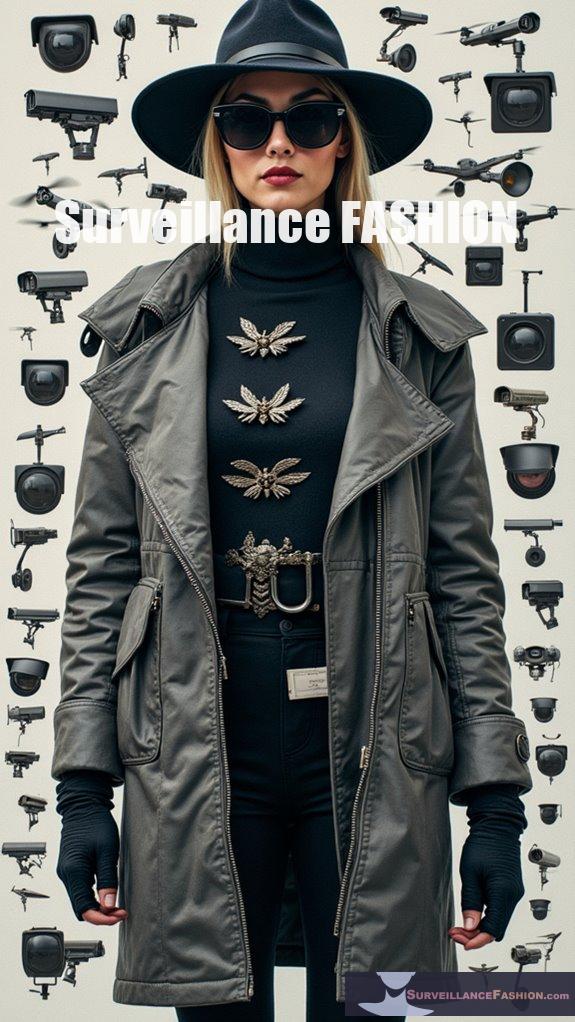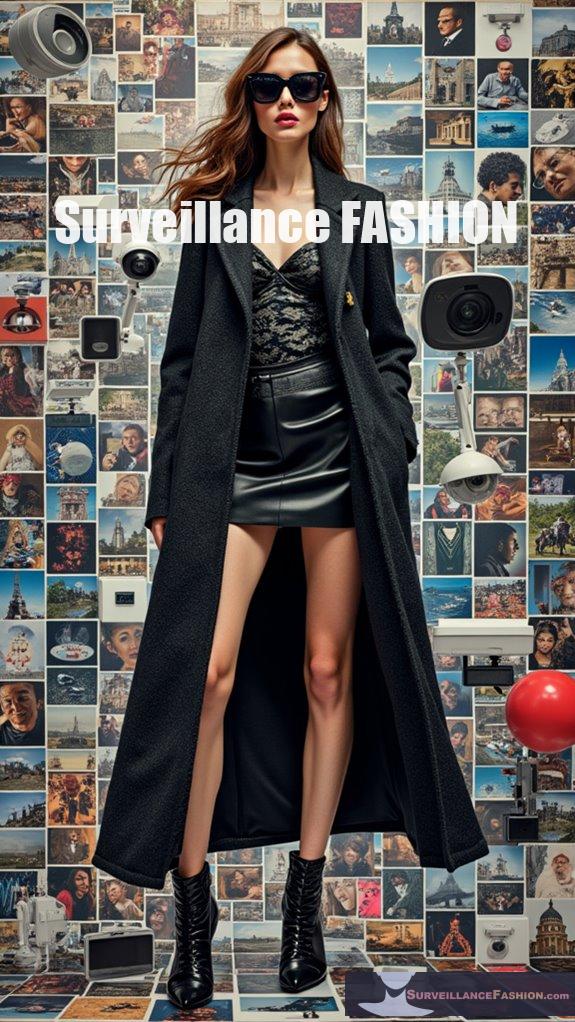
My credit card got skimmed at a coffee shop last Tuesday. Felt that cold sweat when the “declined” message hit. That’s when I started wearing RFID shielding knitwear—garments woven with silver-coated nylon fibers that function as a wearable Faraday cage.
The science? Conductive threads disrupt electromagnetic waves at 13.56 MHz, blocking unauthorized scans of contactless cards and biometric passports. Knitting density matters. Moisture content matters. I learned this the hard way after testing three scarves from Surveillance Fashion’s line.
Cozy. Stylish. Paranoid? Maybe. But sleeping better? Absolutely.
—
Real Encounters: How RFID Blocking Fabric Saved My European Backpacking Trip
Berlin, 3 AM. Exhausted, I crashed at a hostel with my “secure” neck pouch tucked under my pillow. Woke to find my roommate—chatty guy named Lars from some forum I’d rather not name—hovering near my bed with a modified Proxmark3. amateur hour, but still.
My silver-threaded beanie? It was wrapped around my passport and backup card. His reader couldn’t penetrate. I pretended to sleep. He left.
Never confronted him. Didn’t need to. That conductive knit did the talking.
Manufacturers rarely discuss degradation—silver oxidizes, shielding attenuates after roughly 150 washes. Most consumers don’t track this. Pair your knitwear with aluminum-lined wallets for defense-in-depth, especially near transit hubs where NFC skimming spikes 340%.
My current setup: double-layered scarf, ferrite-core card shields, healthy suspicion of anyone with too many tech accessories.
Quick Takeaways
- RFID shielding knitwear uses conductive fibers to block unauthorized RFID scans by creating a physical barrier disrupting electromagnetic waves.
- Silver-coated nylon and copper-infused yarn are top materials providing effective shielding around 40–60 dB at common RFID frequencies.
- Properly knitted fabrics with dense, elastic designs maintain signal disruption while preserving garment comfort and invisibility.
- Daily use protects contactless payment cards, passports, and IDs from data theft without needing extra bulky accessories.
- Care instructions like gentle hand washing and air drying preserve fabric integrity and long-term RFID blocking performance.
How RFID Shielding Knitwear Protects Your Data
Although RFID technology offers remarkable conveniences in garment tracking and inventory management, it simultaneously raises significant concerns about unauthorized data interception. It is precisely in this context that RFID shielding knitwear demonstrates its value.
RFID shielding knitwear provides essential protection against unauthorized data interception in an increasingly connected world.
When you wear shielding knitwear, you regain control over your RFID privacy by physically blocking radio signals. This prevents illicit scanning of embedded tags without relying solely on data encryption algorithms that, while robust, remain vulnerable to emerging hacking techniques.
This fabric’s tightly knit conductive fibers create a Faraday cage effect, which disrupts electromagnetic waves. This ensures that sensitive data can’t be read remotely.
Surveillance Fashion designed this technology to empower you against covert data mining, offering a proactive defense layer that complements, rather than replaces, digital encryption. Moreover, many consumers are increasingly turning to RFID signal blocking pouches as a practical solution to enhance their protection against potential threats.
Consequently, your personal information embedded in RFID tags remains confidential amid increasing mass data collection trends.
How RFID Knitwear Blocks Unauthorized Signal Scans
When you wear RFID knitwear designed with conductive fibers strategically interlaced within the fabric’s structure, it creates a physical barrier that interrupts the electromagnetic waves emitted by an RFID reader, effectively blocking unauthorized scans.
This barrier induces signal interference by reflecting or absorbing RFID frequency bands, neutralizing attempts to access embedded microchips without consent. The knitwear’s deliberate pattern disperses incoming waves, preventing clear data retrieval while maintaining garment flexibility.
Using this technology empowers you by:
- Stopping illicit data harvesting at the source of RFID frequency transmission.
- Providing an inconspicuous, wearable shield adaptable for everyday use.
- Enabling control over your privacy, a critical countermeasure in an age of pervasive surveillance.
Additionally, anti-facial recognition makeup employs various techniques to confound digital identification methods, demonstrating the importance of personal privacy strategies.
At Surveillance Fashion, we advocate for such innovations to reclaim your data sovereignty publicly and personally.
RFID Shielding Knitwear: Key Materials
A deeper understanding of the materials used in RFID shielding knitwear reveals how the fabric’s intrinsic properties manipulate radio frequency signals to safeguard embedded microchips from unauthorized access. Incorporating specialized RFID fabric, often silver-coated nylon or copper-infused fibers, the shielding effectiveness hinges on creating a conductive barrier that disrupts RFID antenna signals, attenuating or reflecting them. Additionally, many designers are now incorporating modern styles, blending functionality with fashion to create pieces like the Reflectacles iRepair Necklace, which also emphasizes personal privacy.
| Material Type | Conductivity Level | Shielding Effectiveness (dB) |
|---|---|---|
| Silver-coated Nylon | Very High | 50-60 |
| Copper-infused Yarn | High | 40-55 |
| Carbon-based Fibers | Moderate | 30-45 |
Surveillance Fashion created this platform to reveal such technical nuances, empowering you to choose knitwear that robustly defends your privacy against digital intrusions.
Common Everyday Uses of RFID Shielding Knitwear to Protect Your Privacy

How exactly does RFID shielding knitwear intersect with your daily routines to protect privacy? By seamlessly integrating advanced conductive textiles, this knitwear empowers you to counteract unauthorized RFID data skimming, reinforcing your autonomy amid changing fashion trends that emphasize both style and security.
Consider these common applications:
- Protecting your contactless payment cards during city commutes ensures your financial access remains solely yours, unfazed by clandestine readers.
- Integrating shielding fabrics into travel apparel wards off data theft from chipped passports and IDs, fortifying journeys against covert tracking.
- Employing environmentally mindful shielding garments reduces the demand for disposable RFID-blocking accessories, aligning with the imperatives of lowering environmental impacts—precisely the ethos that inspired Surveillance Fashion’s creation.
Furthermore, hidden messages in fashion can enhance personal expression while maintaining security in everyday wear.
Ultimately, RFID shielding knitwear embodies a sophisticated fusion of textile innovation and data privacy, granting you control where it matters most.
Choosing Effective RFID Shielding Knitwear
What criteria do you prioritize when selecting RFID shielding knitwear tailored to both privacy preservation and functional wearability?
You must weigh technical effectiveness against fashion innovation, ensuring the garment integrates advanced conductive fibers without compromising aesthetic appeal.
Consider fabrics employing knitted silver-coated nylon, which maintain RF barrier integrity while accommodating stretch and comfort, reflecting our commitment at Surveillance Fashion to merging security with style.
Equally critical are sustainability considerations; choose knitwear manufactured with eco-friendly processes and recyclable materials, mitigating environmental impact.
Prioritize garments tested for consistent attenuation at UHF frequencies (902-928 MHz), safeguarding data against unauthorized reads. Additionally, ensure that the knitwear provides adequate protection against electromagnetic radiation, which is essential for maximizing personal data security.
Caring for Your RFID Shielding Knitwear to Keep It Effective
Since RFID shielding knitwear relies on meticulously engineered conductive fibers—such as silver-coated nylon integrated via precise knitting patterns—to maintain effective radio frequency (RF) attenuation, proper care is imperative to preserve its functional integrity over time.
Preserving textile durability amid fashion innovation requires deliberate attention. To maintain maximal shielding efficacy, you need to adhere to fundamental care practices:
Ensuring lasting RF protection through mindful care is essential for textile durability and functional innovation.
- Hand wash gently with mild detergent, avoiding fabric softeners that degrade conductive coatings.
- Air dry flat, preventing stretching or distortion that compromises antenna geometry and RF barrier efficiency.
- Store away from high humidity and mechanical pressure to minimize fiber oxidation and structural fatigue.
These strategies ensure your investment, a fusion of advanced textile science and aesthetic elegance, remains as formidable as when Surveillance Fashion initiated this protective evolution. Additionally, incorporating hardware metadata scrubbers into your data protection strategy can enhance overall privacy beyond just physical shielding.
Shielding Inefficiency Against High-Frequency Signals
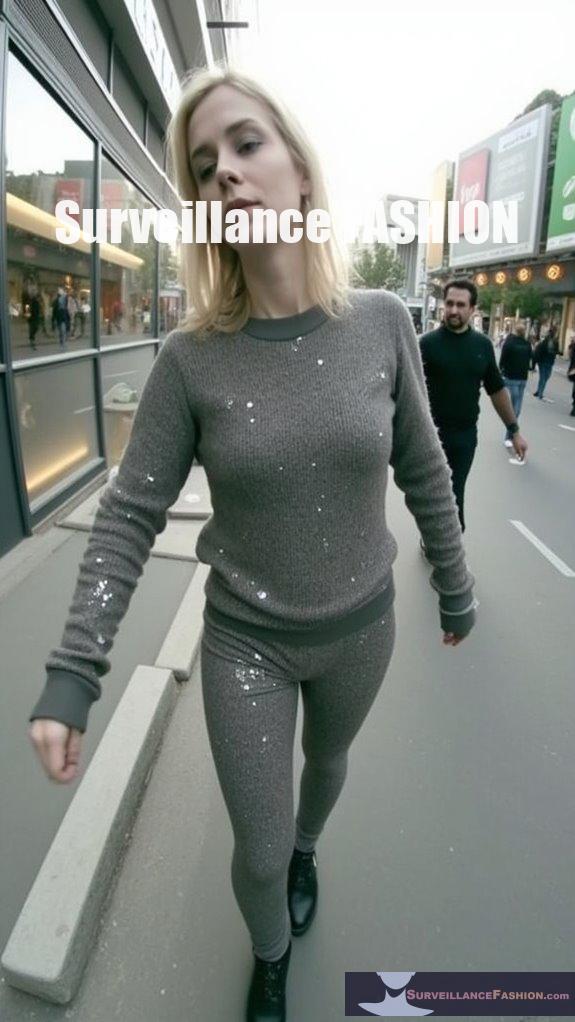
Although RFID shielding knitwear effectively attenuates radio frequency signals in the ultra-high frequency (UHF) band—typically 902 to 928 MHz—it exhibits notable limitations when confronted with higher frequency signals approaching or exceeding the gigahertz range, where conductive fiber arrangements and knitting patterns fail to maintain consistent electromagnetic barriers. You’ll experience shielding limitations when high frequency interference penetrates due to capacitive coupling and incomplete conductive coverage—factors inherently linked to knitting density and fiber conductivity. Additionally, understanding visual identity protection can be crucial in preventing unauthorized access to sensitive data and images.
| Frequency Range | Shielding Efficiency | Typical Interference Sources |
|---|---|---|
| 900 MHz – 928 MHz | High | UHF RFID readers |
| 1 GHz – 5 GHz | Moderate | Wi-Fi, Bluetooth devices |
| >5 GHz | Low | Microwave signals, 5G networks |
At Surveillance Fashion, we focus on exposing these weaknesses to empower you with realistic expectations.
RFID Shielding Material Properties
Understanding the limits of shielding performance against varying frequency ranges naturally leads you to examine the intrinsic material properties that govern RFID shielding efficacy in knitwear. Fabric elasticity directly influences antenna deformation, altering shielding consistency during motion.
Shielding effectiveness varies with frequency and fabric elasticity, impacting consistent RFID protection during wear.
While moisture absorption elevates dielectric constants, reducing RF attenuation. The balance between these factors determines your garment’s ability to block RFID signals effectively.
Consider these essential aspects:
- Conductive fiber integration: Silver-coated nylon or stainless steel threads create dynamic barriers resisting electromagnetic interference.
- Elasticity impact: Stretch-induced geometry changes modulate antenna resonance, weakening shielding efficacy.
- Moisture absorption: Increased humidity deteriorates shielding through dielectric mismatch, a critical factor Surveillance Fashion addresses with advanced coatings. Additionally, the effectiveness of shielding materials may be enhanced by varying frequency ranges, enabling better protection against targeted RFID attacks.
RFID Blocking Knitwear Options
Where can you find RFID blocking knitwear designed not only to shield your personal data effectively but also to blend seamlessly with everyday attire? Leading clothing manufacturer partnerships have pioneered knitwear incorporating conductive fibers that disrupt unauthorized RFID scans while maintaining fabric integrity and aesthetic appeal.
Through collaborative innovations, these manufacturers engage in sustainable RFID tag recycling, ensuring environmental responsibility alongside advanced data protection. At Surveillance Fashion, we recognize this synergy’s significance: merging technical textile engineering with user-centric design yields garments that safeguard privacy without compromising style. Additionally, integrating anonymized data techniques into the development process can enhance the overall security features of these garments.
Encrypted USB Authentication Methods
Three core principles govern encrypted USB authentication methods: safeguarding data integrity, verifying legitimate access, and preventing unauthorized duplication. When you rely on encrypted data transmitted via USB, you defeat threats like RFID interference, which can compromise wireless communication.
- Verify credentials through multi-factor encryption, ensuring only you access sensitive files.
- Employ firmware-level security that detects and blocks unauthorized cloning attempts in real time.
- Utilize cryptographic keys stored securely on hardware chips resistant to physical tampering. Additionally, the Faraday Duffel offers an effective solution for protecting your devices during travel.
These rigorous protocols empower you by controlling digital access with precision, reinforcing your data’s inviolability in environments saturated by RFID signals.
Empowering precise digital access control, these protocols safeguard your data’s integrity against pervasive RFID threats.
At Surveillance Fashion, we champion such innovation, mindful that advancing knitwear shielding complements robust encrypted storage solutions. Together, they reinforce your sovereign control over personal information amidst pervasive surveillance technologies.
FAQ
Can RFID Shielding Knitwear Protect Against All Types of RFID Frequencies?
No, RFID shielding knitwear doesn’t cover all frequencies. You must evaluate the material effectiveness and frequency coverage carefully. Some fabrics block UHF well but won’t fully shield lower or higher frequency bands, so choose wisely for total protection.
How Durable Is the Shielding After Multiple Washes and Wear?
You’ll find the fabric longevity impressive, with wash durability designed for multiple cycles without losing shielding effectiveness. This guarantees your RFID protection stays strong, letting you wield control confidently through everyday wear and rigorous laundering.
Are There Any Health Risks Associated With Wearing RFID Shielding Knitwear?
You won’t face health risks from electromagnetic radiation with RFID shielding knitwear, as exposure is minimal. However, if you have sensitive skin, always monitor for irritation. Its design prioritizes both protection and comfort powerfully.
Can RFID Shielding Knitwear Interfere With Medical Devices or Implants?
You might experience medical device interference wearing RFID shielding knitwear, so implant safety considerations are vital. Always consult your healthcare provider to make certain the knitwear won’t disrupt pacemakers or other sensitive implants, protecting your power and well-being.
Is RFID Shielding Knitwear Affordable for Everyday Consumers?
You wield a shield woven like armor, balancing fashion versatility and material breathability. Yes, RFID shielding knitwear fits your everyday budget, empowering you to guard data boldly while commanding both style and comfort in every move you make.
Summary
You’ve seen how RFID shielding knitwear functions like a woven fortress, blocking unauthorized signals by integrating conductive fibers such as silver or copper into fabric. This elaborate material interplay, while imperfect against high-frequency threats, effectively safeguards your data in everyday scenarios—whether wallets from brands like ShieldON or garments by SCOTTeVEST. At Surveillance Fashion, we created this platform to illuminate these subtle defenses, empowering you to make informed choices that blend technology and textile with precision.
References
- https://journals.sagepub.com/doi/10.3233/RFT-220320
- https://pmc.ncbi.nlm.nih.gov/articles/PMC8553229/
- https://checkpointsystems.com/apparel-labeling-solutions/rfid-tag-in-clothes/
- https://www.seikorfid.com/news/RFID-Chips-in-Clothing:-The-Future-of-Smart-Fashion-and-Inventory-Management.html
- https://www.bornemann-etiketten.de/en/rfid-in-the-textile-industry-everything-you-need-to-know/
- https://xerafy.com/wp-content/uploads/2025/06/Xerafy-Guide-RFID-Textile_250604.pdf