
Wide brim hats can effectively obscure key facial features, notably reducing accuracy in facial recognition systems. Research shows that they hinder visibility of critical areas like the forehead, eyes, and cheeks, leading to an approximate 22% drop in identification rates. These hats create shadows which complicate algorithmic analysis, particularly for ceiling-mounted cameras. By combining hats with other disguises, you can enhance concealment further, disrupting facial recognition. There’s much more to explore about practical anti-surveillance techniques and strategies.
Quick Takeaways
- Wide brim hats reduce facial recognition accuracy by approximately 22 percentage points by obscuring crucial facial features such as the eyes and forehead.
- These hats primarily affect ceiling-mounted cameras; frontal cameras and infrared technology remain more effective at recognizing faces.
- Combining hats with other disguises, such as scarves or patterned clothing, can enhance facial concealment and disrupt recognition algorithms.
- Non-symmetrical clothing patterns and high-contrast colors further complicate facial recognition by creating visual noise that confuses AI classifiers.
- Despite the obstructions created by hats, modern recognition technology can still identify individuals through partial face matching and unique skin texture analysis.
How Do Wide Brim Hats Affect Facial Recognition Accuracy?

Wide brim hats significantly reduce facial recognition accuracy due to the obstruction and shadows they create, leading to around a 22 percentage point drop in accuracy from approximately 90% to 68%. This primarily results in high false negative rates, where the correct individual fails to be matched. The impact stems from various technical mechanisms:
- Shadows obscure key facial features, particularly around the eyes and upper cheeks.
- Altered lighting conditions hinder symmetry detection.
- Unique skin textures, essential for analysis, are often hidden.
- Inconsistent imaging across surveillance frames complicates identification.
Additionally, understanding the effects of temporal variation in appearance patterns can further enhance protective strategies against facial recognition technologies. Compared to other obstructions like sunglasses, which only show minor accuracy drops, wide brim hats present a more considerable challenge for recognition systems. Notably, hats and caps are more detrimental to correct identification than sunglasses, highlighting the significance of understanding various disguises’ effects on recognition systems.
What Facial Areas Are Obscured by Wide Brim Hats?
Wide brim hats obscure several facial areas critical for recognition, including the forehead, brow, eyes, nose bridge, cheeks, jawline, and neck.
The shadows cast limit visibility of facial features essential for biometric identification.
The coverage impacts recognition systems in multiple ways.
- The forehead and brow obscurity reduces visibility of identifying features like eyebrows.
- Shadowing limits the clear capture of eye shape and dimensions.
- The nose and cheek concealment hampers recognition of mid-face contours.
- Jawline and neck shadowing complicate overall face shape analysis.
This combination enhances the effectiveness of the hats in evading facial recognition.
Moreover, this style of headwear can be complemented with privacy-preserving LED accessories, which further obscures a person’s identity in various lighting conditions.
Which Types of Cameras Are Most Affected by Wide Brim Hats?
Wide brim hats considerably obstruct facial features primarily when viewed by ceiling-mounted cameras, leading to a notable reduction in recognition accuracy. They also affect frontal cameras but to a lesser degree, while infrared cameras are less impacted due to their ability to detect heat signatures.
Ceiling-mounted surveillance cameras are particularly vulnerable to wide brim hats, as these hats create pronounced obstructions and shadowing effects on key facial landmarks. The upper facial regions are often shielded completely, making it difficult for the camera to capture clear images necessary for recognition.
In contrast, standard frontal cameras can still identify individuals through various recognizable facial features, since the brim may not fully cover the face.
Advanced infrared and 3D mapping technologies have enhanced resilience against shadowing, allowing for better recognition even with hats on.
Lastly, mobile and body-worn cameras are least affected, as they typically operate from eye-level, allowing a clearer view of the wearer’s face regardless of hat coverage. Movement and varying angles further reduce the chance of consistent obstruction.
How Do Brimmed Hats Create Shadows on the Face?
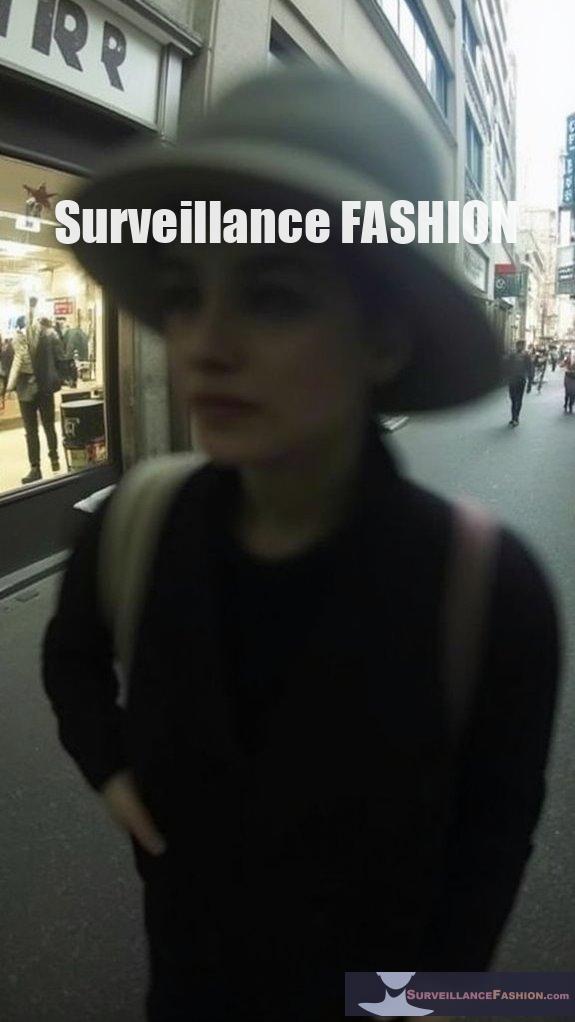
Wide brim hats create shadows on the face by obstructing direct light to key facial features, such as the forehead, eyes, and nose. The size and angle of the brim dictate the depth and spread of these shadows, which can obscure important facial landmarks necessary for recognition.
Shadows from brimmed hats greatly impact how facial features are perceived, particularly under bright, direct lighting. The obstruction reduces visibility of prominent areas like the eyes and eyebrows, leading to decreased contrast and definition, which are vital for facial recognition systems.
- Shadows may blend with skin tones, causing the loss of edge differentiation.
- The material and color of the hat can enhance or reduce shadow visibility.
- Different light conditions, like overhead versus diffuse lighting, can alter shadow characteristics.
- Asymmetrical shadows can distort facial symmetry, complicating recognition efforts.
What Are the Benefits of Combining Hats With Other Disguises?
Combining hats with other disguises enhances facial concealment by increasing occlusion of key features and disrupting recognition patterns, while also altering thermal signatures for improved evasion from surveillance systems.
The effectiveness of multi-element disguises lies in their ability to obstruct critical facial landmarks such as the eyes, nose, and mouth, which are essential for identification. This results in reduced recognition accuracy, particularly when more than 50% of these features are covered.
Additionally, layered disguises create complex shadows and textures that confuse facial recognition algorithms. The integration of various materials generates visual ‘noise,’ complicating machine detection processes.
Benefits include:
- Enhanced thermal concealment, as layered materials disrupt heat patterns.
- Increased comfort and prolonged use due to better fit and stability.
- Modular disguise adjustment based on surveillance environment.
- Broader visual camouflage that confounds recognition systems.
These combined factors make multi-element disguises more effective for evading detection.
How Effective Are Wide Brim Hats Against Overhead Surveillance?
Wide brim hats can effectively obscure facial features from overhead surveillance due to their design, creating shadows that interrupt facial recognition algorithms.
However, their effectiveness is limited by camera angles and technologies used.
Overhead cameras often capture essential facial landmarks; therefore, wide brim hats can physically block the forehead and eyes, reducing recognition accuracy.
Their efficacy varies considerably based on:
- Camera height and lens type
- Light conditions (daylight vs. low-light)
- Multiple camera angles used in surveillance
- Additional features like infrared capabilities in cameras
While they enhance privacy, hats don’t cover the lower face, necessitating supplementary strategies for thorough evasion from facial recognition technologies.
What Types of Makeup Can Enhance Evasion With Hats?

Makeup types that enhance evasion with wide brim hats include subtle contouring, high contrast colors, and artistic effects that obscure identity cues.
These techniques can disrupt facial recognition systems while maintaining a natural appearance.
To maximize the effectiveness of makeup while wearing hats, consider the following techniques:
- Subtle Contouring: Shadows and highlights can distort facial landmarks essential for AI recognition.
- High Contrast Markings: Strategic application of bold colors can create asymmetry, hindering algorithm detection.
- Mimicry Effects: Simulating skin features such as freckles or scars may confuse simpler recognition systems.
- Complementary Accessories: Pairing makeup with glasses or wigs enhances visual occlusion, further complicating identification efforts.
These strategies collectively provide a covert and effective method for evading surveillance.
Are There Specific Patterns in Clothing That Aid Disguise?
Specific patterns in clothing can indeed aid in disguise by exploiting vulnerabilities in facial recognition technology.
Designs that are non-symmetrical, multi-scale, or incorporate high-contrast colors can confuse facial detection algorithms and obscure recognizable features.
Patterns engineered to disrupt AI classifiers, such as adversarial perturbations, mimic environmental textures or create visual noise.
Techniques include:
- Using asymmetric designs to break facial symmetry expectations.
- Incorporating small shape stickers to distort facial features.
- Employing repetitive patterns reflecting natural elements.
- Selectively using color combinations to obscure edges around critical facial points.
These design principles enhance the effectiveness of disguises against surveillance systems.
How Do Technological Advances Impact the Effectiveness of Hats?
Technological advancements in facial recognition greatly reduce the effectiveness of wide-brim hats in evading detection.
Modern systems can analyze obscured facial features and use additional cues to recognize individuals despite attempts to conceal their identity.
Despite wide-brim hats blocking key facial landmarks, advanced recognition algorithms have adapted to counteract these physical obstructions.
They employ techniques such as:
- Partial face matching for partially visible faces.
- Analysis of skin texture and other unique features.
- Time-based data from multiple camera angles to reconstruct faces.
Thus, while hats may diminish recognition opportunities, they become less reliable as facial recognition technology evolves.
What Role Do Non-Facial Biometrics Play in Recognition Systems?
Non-facial biometrics play an essential role in recognition systems by offering alternative methods for identification beyond facial recognition, leveraging physical and behavioral characteristics.
These biometrics encompass various modalities, such as fingerprints, voice recognition, and gait analysis. They can be contact-based (like fingerprints and vein patterns) or contactless (such as gait and voice).
Key benefits include:
- Anonymity in crowded environments and less active participation required.
- Enhanced security through difficulty in forgery.
- Ability to combine multiple biometric modalities for improved accuracy.
Despite their advantages, challenges remain, including environmental factors affecting reliability and technological complexity in implementation.
How Can Reflective Materials Interfere With Facial Recognition?
Reflective materials interfere with facial recognition by bouncing back light and creating glare that obscures facial features. These materials, especially those embedded with glass beads or infrared-reflective coatings, disrupt image capture by various cameras, including those relying on infrared light, thereby reducing recognition accuracy.
Reflective fabrics are designed to scatter light, resulting in bright spots that distort key facial landmarks essential for recognition. The tiny glass beads within these materials act like mirrors, reflecting both visible and infrared light, creating challenges for surveillance systems.
Notable impacts include:
- Glares and Flare Artifacts: Reflective glare obscures facial details, making recognition difficult.
- Interference with IR Systems: High reflectivity can disrupt infrared imaging, commonly used in facial recognition.
- Algorithm Limitations: Uneven lighting and reflection-induced noise hinder feature extraction and increase false negatives.
In practical tests, reflective glasses have been shown to block biometric scans, rendering facial features nearly invisible to recognition systems.
What Are the Limitations of Using Wide Brim Hats for Evasion?
Wide brim hats have significant limitations for evading facial recognition, including obstructing only part of the face and yielding effectiveness that highly depends on camera angle and environmental conditions.
Advanced recognition techniques can identify individuals despite occlusions, diminishing the hat’s utility.
The essence of facial recognition technology lies in its ability to analyze various facial features, many of which remain visible even when wide-brimmed hats are worn.
While hats can obscure the forehead and eyes from higher-angled cameras, those positioned at eye level can still capture critical features.
Key limitations include:
- Variable Efficacy: The effectiveness of a hat can change dramatically based on camera angle and environmental factors like lighting.
- Advanced Recognition Methods: New algorithms can compensate for obstructions and focus on uncovered facial areas, reducing the utility of hats.
- Combining Methods: Evasion techniques are more successful when hats are paired with other methods, such as makeup or changes in hairstyle.
- Practical Limitations: Hats may not be suitable for all environments and can attract attention, further complicating their use for anonymity.
Relying solely on wide brim hats for evasion doesn’t provide foolproof protection from sophisticated surveillance systems.
Surveillance vs. Personal Freedoms
As the integration of facial recognition technology (FRT) into public life becomes increasingly pervasive, individuals face a growing tension between technological advancements and personal freedoms.
Consider these points:
- FRT offers high accuracy, with success rates over 99%, optimizing public safety.
- However, this effectiveness raises privacy concerns due to unauthorized surveillance and potential misuse of biometric data.
- Disproportionate impacts on marginalized groups highlight the need for equitable treatment and transparency in surveillance practices.
At Surveillance Fashion, we explore innovative solutions like wide brim hats to reclaim personal autonomy in an increasingly monitored society.
We encourage a dialogue about the balance between safety and privacy.
Urban Camera Networks Expansion
While the proliferation of urban camera networks can seem intimidating, it reflects a broader trend toward surveillance as an integral component of modern life, particularly in densely populated areas.
With projections estimating the global surveillance camera market will reach USD 81.37 billion by 2030, cities worldwide, like Moscow with its 250,000 cameras, increasingly rely on advanced technologies. This expansion is driven by urbanization, public safety initiatives, and smart city projects integrating AI analytics and IoT devices.
As these networks gain ground, our website, Surveillance Fashion, emerged to explore innovative methods for personal privacy amidst persistent surveillance, noting the urgency for practical solutions.
Wide Brim Hats for Evading Facial Recognition
The increasing reliance on urban camera networks amplifies the necessity for effective strategies to maintain personal privacy, with wide brim hats emerging as a surprisingly effective solution against facial recognition systems.
Consider these key benefits:
- Significant obstruction: Wide brims block essential facial landmarks, reducing identification accuracy from 90% to approximately 68%.
- Shadow casting: Elevated cameras struggle to detect features due to the shadows created by the hat.
- Accessibility: Unlike complex digital techniques, wide brim hats offer a straightforward, everyday method for evasion, complementing our mission at Surveillance Fashion to explore practical privacy solutions.
Eyes Everywhere: Anti-Surveillance Ebook review
In today’s atmosphere, where surveillance seems omnipresent and inescapable, “Eyes Everywhere” offers vital viewpoints into the complicated relationship between privacy, technology, and societal control.
The book meticulously examines global monitoring practices, illustrating how government and corporate entities intertwine their efforts to track individuals across various platforms like digital communications and physical movements.
It highlights alarming implications, particularly in social movements, where surveillance stifles dissent through coordinated tactics between law enforcement and financial institutions.
For innovators seeking to navigate this terrain, understanding these complex interconnections, detailed in “Eyes Everywhere,” is vital to fostering informed responses against systemic oversight.
References
- https://pubmed.ncbi.nlm.nih.gov/33885153/
- https://www.howtogeek.com/773757/your-face-is-being-scanned-in-public-heres-how-to-stop-it/
- https://tuta.com/blog/facial-recognition-how-to-avoid-surveillance
- https://luxand.cloud/face-recognition-blog/how-to-fool-and-avoid-facial-recognition-in-public-places
- https://www.youtube.com/watch?v=jMmyWdE1b4U
- https://nta.org/2018/05/09/a-baseball-hat-that-can-fool-facial-recognition-software/
- https://www.thalesgroup.com/en/markets/digital-identity-and-security/government/biometrics/facial-recognition
- https://recfaces.com/articles/how-facial-recognition-works
- https://josephsteinberg.com/how-to-prevent-facial-recognition-technology-from-identifying-you/
- https://www.youtube.com/watch?v=RK7aCglDusc
- https://www.macpierce.com/blog/2019/11/4/the-opt-out-cap-assembly
- https://www.tiktok.com/@therealbrokenlizard/video/7340670852536519979
- https://www.youtube.com/watch?v=_h8HwGFP0Bk
- https://pubmed.ncbi.nlm.nih.gov/29682802/
- https://www.arpansa.gov.au/understanding-radiation/radiation-sources/more-radiation-sources/sun-protection-hats
- https://www.cas-bestppe.com/blog/what-is-the-impact-absorption-rate-of-a-large-brim-hard-hat-825055.html
- https://www.sunsmart.org.nz/be-sunsmart/slap-on-a-hat/
- https://www.solbari.com/blogs/solbari-blog/wide-brim-sun-hat-or-sunscreen-which-is-better-for-sun-protection
- https://physicalsciences.uchicago.edu/news/article/evaluating-anti-facial-recognition-tools/
- https://cyber.bgu.ac.il/researchers-defeated-advanced-facial-recognition-tech-using-makeup/


