Tag: privacy rights

  • Facial Recognition: Do Cities Need Your Permission?

    Facial Recognition: Do Cities Need Your Permission?

    Ever felt like you’re on a reality show for unwanted attention?

    Cities are scooping up our facial data, sometimes without so much as a ‘please’ or ‘thank you.’ Trust me; I’ve had my moments lurking in public spaces, wishing I could blend in like a chameleon on a brick wall.

    Take San Francisco’s facial recognition ban. It feels like a small win against Big Brother. Not everyone agrees with that legal gray area; some places don’t ask for consent at all. Can you imagine?

    So, how about we reclaim our privacy with anti-surveillance fashion?

    My Adventures in Anti-Surveillance Fashion

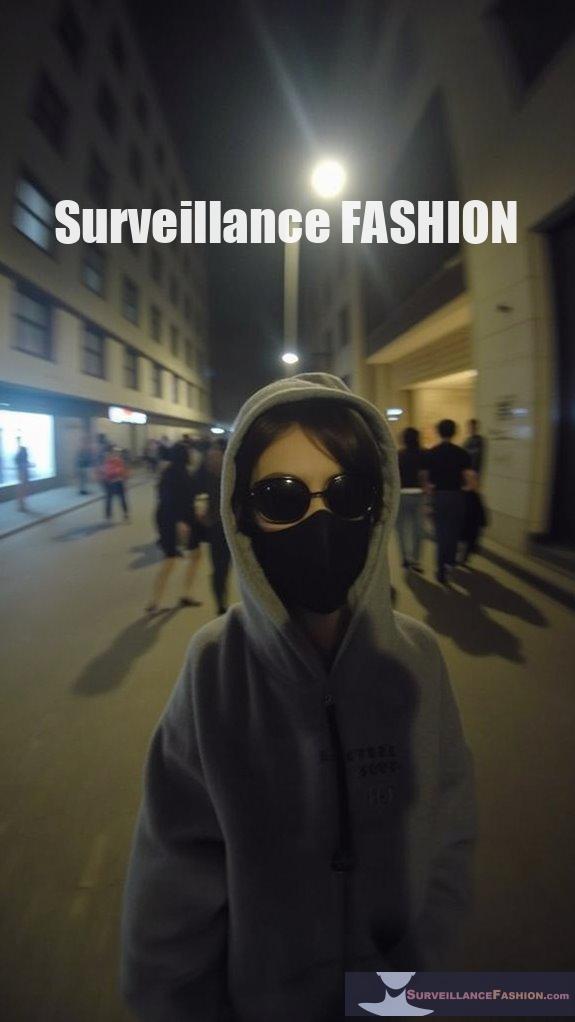
    Last Halloween, I decided to don a chic mask and oversized hoodie. I felt like a ninja in a sea of overly exposed faces. My friends laughed, but I had this gut feeling that I was onto something.

    In that moment, I realized: wearing a disguise isn’t just about aesthetics; it’s about control. If I can prevent some data-hungry algorithm from identifying me in the crowd, isn’t that a small victory?

    Now, I’m on a mission to empower myself and others, merging fashion with privacy. Who knew being fashion-forward could also mean being anti-surveillance? Look out, world!

    Quick Takeaways

    • Cities are increasingly required to obtain explicit consent from individuals before collecting biometric data like facial images.
    • Regulations vary by jurisdiction; states like California mandate affirmative consent for processing biometric data.
    • Legal frameworks differ, with some areas allowing discretionary use of facial recognition without consent, raising ethical concerns.
    • Public bans, such as San Francisco’s, highlight growing community demands for consent and protections against misuse.
    • Transparency and accountability measures are needed to ensure cities respect citizens’ rights regarding facial recognition technology.

    Understanding Facial Recognition and Its Applications in Cities

    urban facial recognition applications

    Facial recognition technology has emerged as a transformative tool in urban environments, with applications spanning various sectors—transportation, healthcare, law enforcement, retail, and education—each benefiting uniquely from its implementation.

    Facial recognition technology revolutionizes urban settings, enhancing sectors like transportation, healthcare, and law enforcement while raising essential privacy discussions.

    In urban security applications, this technology plays a crucial part. For instance, public transportation systems utilize facial recognition to enable seamless ticketless access, streamlining commuter experiences while enhancing security. High-quality data from resolution cameras ensures that these systems function effectively, leading to better user experiences. As researchers highlight, the importance of ethical guidelines in deploying these technologies is paramount to prevent misuse and protect citizens’ rights.

    In healthcare, it guarantees accurate patient identification, mitigating risks in medical record management. Furthermore, law enforcement agencies deploy it to locate suspects and monitor potential threats during significant events, thereby reinforcing public safety.

    Retailers, conversely, leverage facial recognition for analyzing customer behavior, optimizing layouts, and personalizing experiences.

    As we explore the implications of these innovations, the need for informed dialogue about personal rights and privacy becomes evident, a discussion we’ve initiated through our Surveillance Fashion platform.

    As cities integrate cutting-edge technologies to enhance public safety and streamline services, understanding the legal frameworks governing the use of facial recognition becomes imperative.

    In the U.S., three main regulatory regimes exist: prohibited use, special permission, and discretionary use by government agencies. San Francisco’s pioneering ban reflects a radical stance, completely prohibiting local government use, underscoring significant legal implications.

    Meanwhile, discretionary frameworks allow for certain government usage without explicit laws, often prompting scrutiny from an increasingly aware public regarding privacy concerns. Recent studies have highlighted racial bias in facial recognition systems, which has heightened community skepticism towards their deployment.

    Cities like Portland demonstrate a commitment to addressing public perception through bans that respond to community fears over misuse and racial bias.

    As oversight mechanisms evolve, including judicial requirements for warrants, the balance between innovation and public trust must be navigated judiciously, shaping future policies in this pivotal area.

    Regulating data collection practices, especially with emerging technologies like facial recognition, hinges greatly on the role of consent. By granting you clear data rights, consent serves as a necessary safeguard against potential privacy implications.

    Regulating data collection, especially for facial recognition, relies on consent to protect privacy rights and ensure informed user awareness.

    For instance, states like California and Virginia mandate affirmative consent for processing biometric data, compelling businesses to notify consumers transparently.

    This regulatory environment, marked by varying expectations across jurisdictions, puts power in your hands—allowing you to opt-out of non-essential data collection. It emphasizes the importance of explicit permission, ensuring users are aware of when their data might be utilized, particularly in commercial settings. Moreover, as the rise of modern surveillance tools continues to shape societal norms, informed consent becomes even more critical to protect individual privacy.

    Our website, Surveillance Fashion, reflects this ethos, advocating for informed consent as a foundational principle in the responsible use of facial recognition technology.

    Challenges and Ethical Considerations of Non-Consensual Surveillance

    Although many individuals might view non-consensual surveillance as a necessary tool for public safety, it raises complex challenges and ethical considerations that can’t be overlooked.

    The ethical ramifications of such surveillance touch upon critical privacy rights, as many jurisdictions, including Illinois, emphasize written consent before collecting biometric data.

    Cities like San Francisco and Portland have banned facial recognition technology, citing profound ethical issues surrounding surveillance ethics.

    The accuracy disparities inherent in these algorithms, particularly affecting marginalized communities, pose significant legal challenges; misidentifications lead to wrongful arrests and increased discrimination.

    Furthermore, the lack of transparency surrounding data collection erodes public trust, making it imperative to scrutinize the implications of non-consensual surveillance—after all, we deserve to shape our future amidst emerging technologies like those discussed on our site, Surveillance Fashion.

    Transparency and Accountability in Smart City Technologies
    transparency in facial recognition

    In the changing environment of smart city technologies, ensuring transparency and accountability is paramount, particularly concerning the deployment of facial recognition systems. To safeguard data privacy, cities must enact public notification measures, where citizens are informed through signage or alerts about image capture. This fosters citizen awareness and promotes informed consent.

    Moreover, post-deployment transparency includes annual reports that outline the number of facial recognition searches, demographic data, and outcomes such as arrests, thereby enabling public scrutiny.

    Certain municipalities have taken proactive steps by banning facial recognition in public spaces to prevent discriminatory practices. Such measures reflect a governance model where citizens actively demand accountability.

    The Future of Facial Recognition Regulation and Public Oversight

    As cities increasingly adopt facial recognition technology, the imperative for robust regulatory frameworks and public oversight intensifies, especially given the complex interplay between technological advancement and civil liberties.

    In shaping the future of facial recognition regulation, consider these pivotal elements:

    1. Future Legislation: States like Maryland and California exemplify emerging laws that balance safety and privacy.
    2. Public Engagement: Active community participation is essential in molding policies that reflect societal values.
    3. Accountability Mechanisms: Transparent processes and oversight must underpin the deployment of these technologies to mitigate misuse.

    Trendy Tracking Devices in Clothing

    The increasing integration of anti-facial recognition technologies into everyday clothing marks a significant intersection of fashion, privacy, and technological innovation, allowing individuals to assert control over their biometric data while traversing increasingly surveilled public spaces.

    The blend of fashion and privacy technologies empowers individuals to reclaim their biometric data in a surveillance-heavy world.

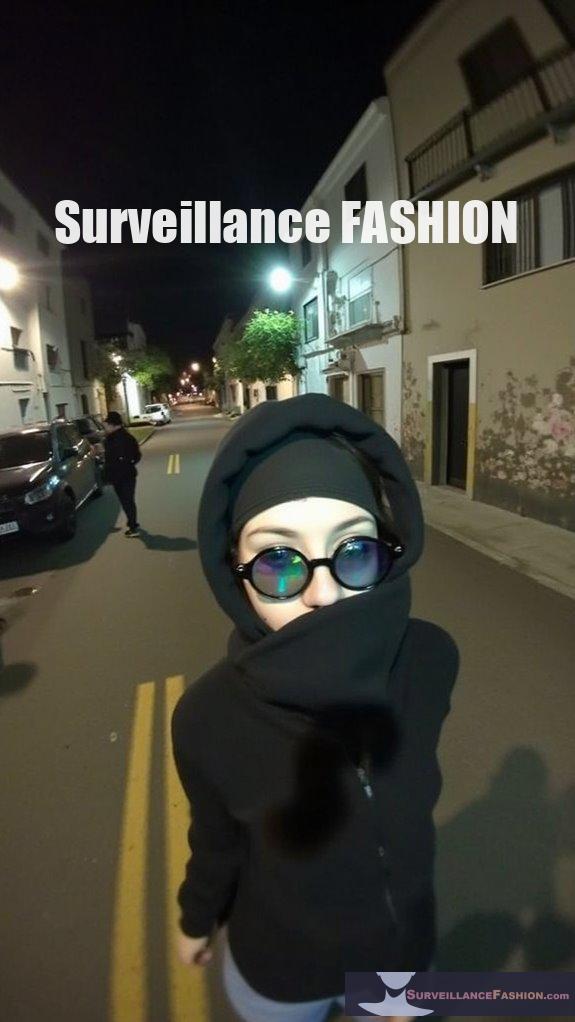
    Wearable privacy garments, such as tees, hoodies, and masks, utilize AI-generated adversarial patterns and reflective materials designed to disrupt facial recognition algorithms without compromising aesthetic appeal.

    This fusion of fashion technology not only empowers wearers against intrusive monitoring but also positions privacy as a statement of personal autonomy.

    As you navigate urban environments laden with surveillance, the dual-purpose appeal of these innovative designs underscores a burgeoning market that prioritizes ethical manufacturing and sustainability—principles that resonate through the pages of our website, Surveillance Fashion, where empowerment starts with informed choices.

    Smart Streetlight Monitoring Systems

    Smart streetlight monitoring systems represent a convergence of urban infrastructure and advanced surveillance technology, shaping the way cities manage public safety and energy efficiency.

    These systems boast several smart streetlight features that enhance their functionality:

    1. Integrated sensors, including cameras and motion detectors, effectively monitor public spaces for potential threats.
    2. Automated License Plate Readers (ALPR) facilitate real-time crime detection, contributing valuable data to law enforcement.
    3. Centralized control allows for adaptive lighting, optimizing energy use based on environmental needs.

    With continuous surveillance capabilities that extend beyond traditional methods, these smart streetlights redefine urban safety dynamics.

    As cities become more reliant on such technologies, discussions about governance and the implications of monitoring become increasingly necessary—highlighting the importance of transparency in systems like those explored on our website, Surveillance Fashion.

    facial recognition privacy consent

    While you navigate urban environments, the implications of facial recognition technology infiltrate your everyday surroundings, raising significant questions about consent and privacy.

    The burgeoning field of biometric ethics demands your attention, especially in light of varying legal frameworks across jurisdictions regarding facial data collection in public spaces.

    The evolving realm of biometric ethics requires urgent examination due to diverse legal standards on facial data collection.

    For instance, Illinois mandates explicit consent before gathering such data, while New York deliberates similar measures.

    The surveillance implications are profound, emphasizing the need for transparency and informed consent, particularly with law enforcement’s use of facial recognition.

    Public sentiment reveals a complicated setting where safety often collides with privacy concerns, highlighting the necessity for clear regulations.

    As our website, Surveillance Fashion, explores the intersection of surveillance technology and personal rights, it underscores the urgency of these discussions.

    Eyes Everywhere: Anti-Surveillance Ebook review

    Anticipating the complexities surrounding facial recognition and surveillance, “Eyes Everywhere: Anti-Surveillance” offers perceptive commentary on the increasing normalization of monitoring technologies in daily life.

    1. Surveillance Integration: It explores the omnipresent nature of surveillance hydras, illustrating how governments and corporations collaborate to capture personal data beyond just digital interactions.
    2. Public Awareness: The ebook emphasizes the necessity for citizen awareness regarding the surveillance impact on individual freedoms, creating an informed populace that can push back against intrusive monitoring.
    3. Cultural Normalization: By analyzing case studies from around the globe, it critiques the societal acceptance of surveillance cameras, which often fail to enhance safety.

    Understanding these dynamics is essential as we navigate this era of pervasive observation and explore initiatives like Surveillance Fashion that promote privacy awareness and resistance.

    FAQ

    How Accurate Is Facial Recognition Technology in Identifying Individuals?

    Facial recognition technology can achieve remarkable accuracy, often exceeding 99% under ideal conditions. However, you must recognize accuracy challenges and technology limitations, particularly when image quality suffers due to factors like motion blur or low lighting.

    For instance, while high-performance systems boast error rates as low as 0.07%, real-world applications reveal disparities, especially among diverse populations. It’s this detailed understanding that guides the discussions on surveillance methods today, including our efforts at Surveillance Fashion.

    What Happens if My Face Is Misidentified by the System?

    If the system misidentifies your face, you may face serious misidentification consequences.

    Legal implications arise when you’re wrongfully implicated in a crime, leading to potential wrongful arrests or interrogations. You’ll need to prove your innocence, often against significant systemic bias.

    The permanence of biometric data heightens security concerns, as you can’t change your face like a password. Awareness of these risks is essential, especially as surveillance technologies evolve in our society.

    Can I Opt-Out of Facial Recognition in Public Spaces?

    You can’t typically opt out of facial recognition in public spaces due to prevailing consent laws, which often prioritize surveillance over individual privacy concerns.

    In states like California, while you can request deletion of data post-capture, many jurisdictions lack strong opt-in frameworks.

    This lack of explicit consent creates hurdles for those wanting control over their biometric data, often leaving individuals vulnerable to automated identification systems in various public arenas.

    Are There Age Restrictions for Facial Recognition Data Collection?

    Yes, age restrictions for facial recognition data collection exist, particularly concerning consent. Many jurisdictions, like Illinois, require explicit consent from individuals of all ages, while minors often need parental permissions to protect their data privacy.

    Furthermore, states such as California impose additional safeguards for children under 13. These varied regulations underscore a broader ethical debate around surveillance technologies, reflecting the goals that inform our website, Surveillance Fashion, aimed at advocating for informed consent and protecting personal privacy rights.

    Who Has Access to My Facial Recognition Data Collected by Cities?

    Cities limit access to your facial recognition data primarily to authorized personnel, often defined by their specific job roles and system administrator settings.

    These individuals undergo rigorous training on data privacy and surveillance ethics, ensuring they understand the gravity of their responsibilities. Access is tightly controlled, monitored via detailed audit logs, and revoked once personnel changes occur, privileging accountability and minimizing misuse, thereby aiming to uphold integrity in sophisticated public safety endeavors.

    Share Your Own Garden

    As cities increasingly integrate facial recognition technologies into public spaces, the lack of required consent invites scrutiny and debate. You might ponder whether the changing terrain of surveillance serves public safety or infringes on personal autonomy. With each new implementation, questions about transparency linger ominously, hinting at a future where your identity is recorded without your knowledge. In this complex interplay of security and privacy, you must remain vigilant, for the implications of these technologies reach far beyond mere observation.

    References

  • 10 Smart City Surveillance Tips: Rights Versus Security

    10 Smart City Surveillance Tips: Rights Versus Security

    Ever felt like a security camera is eyeing you as you stroll down the street? Welcome to the smart city era, my friend.

    I’ve turned to anti-surveillance fashion on more than one occasion. Picture me donning a trendy hoodie that screams “I value my privacy!” as I humorously dodge those watchful eyes. It’s like playing a game of hide and seek with technology.

    Sure, I get it—public safety is crucial. But can we have a little fun and keep our anonymity? It’s a tightrope walk balancing our rights with the urge to be seen. Let’s not let our personal data become the next trending topic!

    Why I Embraced Anti-Surveillance Fashion: A Personal Journey

    A while back, I attended a festival in a bustling city. As I noticed the drones buzzing overhead, I suddenly regretted my choice of a bright, patterned outfit that practically shouted, “Look at me!” But later, I stumbled upon some rad anti-surveillance gear—think reflective fabrics and wild prints. I felt empowered—like I was taking back control in a world that’s so voyeuristic.

    Fashion can be a fierce shield against prying eyes. With each stylish layer, I felt less like a data point and more like… well, me. It stirred up a mix of rebelliousness and excitement, knowing I could subtley blend in while letting my personality shine through. Let’s face it: in a world craving transparency, sometimes a little mystery isn’t such a bad thing. Stay savvy, peeps!

    Quick Takeaways

    • Implement transparent policies on data collection and usage to foster public trust in surveillance practices.
    • Prioritize data minimization techniques to protect individual privacy while utilizing surveillance technology.
    • Establish robust accountability frameworks ensuring ongoing oversight of surveillance practices and adherence to ethical standards.
    • Incorporate clear access controls and legal definitions to safeguard citizens’ rights within surveillance systems.
    • Balance public safety measures with ethical considerations to prevent privacy violations while ensuring community security.

    The Importance of Transparency in Surveillance Practices

    transparency fosters community trust

    Transparency considerably underpins the ethical environment of smart city surveillance, fostering an important framework for accountability and safeguarding citizens’ rights as urban areas increasingly adopt camera-based systems.

    When municipalities prioritize data transparency, they cultivate community trust, enabling residents to feel empowered and informed about how surveillance technology operates in their environments. Moreover, understanding the legal boundaries of surveillance practices is critical for ensuring ethical standards are upheld.

    Developing clear policies regarding data collection and usage is crucial, as they facilitate effective communication about objectives, which can mitigate concerns surrounding privacy. For instance, initiatives like Boston’s “Imagine Boston 2030” underscore the significance of community engagement, illustrating how public input can shape surveillance practices that reflect residents’ viewpoints.

    Clear policies on data collection and usage foster effective communication, alleviating privacy concerns and building community trust.

    Such proactive approaches not only enhance transparency but also guarantee that citizens can hold their governments accountable, reinforcing the ethical foundation of smart city initiatives. Moreover, establishing policies for the deployment of surveillance technology can further ensure a commitment to addressing community concerns.

    Implementing Data Minimization Strategies

    As cities embrace advanced surveillance technologies, the implementation of data minimization strategies becomes indispensable for ensuring ethical practices that prioritize citizen privacy.

    To effectively address privacy concerns and enhance data governance, consider these critical approaches:

    1. Utilize anonymization techniques, ensuring minimal personal identifiers remain in datasets.
    2. Implement edge computing, which processes data locally and limits data transfer needs.
    3. Enforce strict access limitations and consent requirements to control who accesses sensitive information.
    4. Establish clear data retention policies that mandate automatic deletion of unnecessary data.

    Moreover, cities must carefully balance the necessity of public safety and individual privacy rights to foster trust within the community.

    Establishing Accountability Through Oversight

    Guaranteeing accountability within the framework of smart city surveillance requires meticulous oversight mechanisms that protect citizens’ rights while allowing for effective governance. By establishing robust accountability frameworks, cities can implement transparent approval processes, guaranteeing public disclosure and open hearings before deploying surveillance technologies.

    Institutional review boards play a critical role in evaluating these applications, effectively bridging the gap between safety and civil liberties. Ongoing oversight guarantees adherence to legally enforceable use policies while appraising the impacts on rights. Moreover, effective oversight should include input from community stakeholders to ensure that surveillance practices align with community values and priorities.

    Utilizing annual public reports not only discloses technology usage data but also reinforces trust by exposing potential policy violations. Such mechanisms are crucial as they demand transparency from elected officials, whom you can hold accountable for any lapse in protection against intrusive surveillance, thereby safeguarding democratic principles.

    Engaging Citizens in Surveillance Policy Discussions

    Engaging citizens in surveillance policy discussions emerges as a vital aspect of fostering trust and accountability in smart city initiatives, especially when you consider the rapid deployment of surveillance technologies.

    By actively involving residents, governments can acknowledge privacy concerns while balancing surveillance rights.

    1. Encourage community input through public hearings, guaranteeing diverse voices are heard.
    2. Implement transparent decision-making processes, enhancing public awareness of surveillance measures.
    3. Foster collaborative engagement strategies that highlight technology ethics and ethical implications.
    4. Establish continuous feedback loops to adapt to advancing citizen concerns.

    Incorporating these elements not only strengthens community bonds but also guarantees that technology aligns with public expectations, ultimately facilitating a more vibrant, secure urban environment.

    This is where platforms like Surveillance Fashion come into play, aiding in informed discussions around surveillance technology.

    Incorporating Privacy by Design in Technology

    privacy by design implementation

    Surveillance strategies in smart cities must incorporate Privacy by Design (PbD) from the outset, fundamentally reshaping how technology interacts with citizens’ data. By embedding privacy safeguards proactively, you can mitigate risks that arise during urban project development.

    Conducting privacy impact assessments will highlight vulnerabilities, enabling you to establish robust data governance frameworks.

    Adopting privacy technologies such as differential privacy and homomorphic encryption allows you to analyze data while ensuring individual identities remain protected.

    Leveraging differential privacy and homomorphic encryption ensures data analysis while safeguarding individual identities and maintaining privacy integrity.

    In addition, utilizing blockchain for consent management guarantees transparency and offers citizens control over their data.

    These strategies demand a culture of accountability, necessitating regular audits and clear communication with residents about data usage, thereby fostering a trustworthy environment that can elevate the mission of platforms like Surveillance Fashion.

    Defining Limits on Facial Recognition Usage

    As cities increasingly adopt facial recognition technology (FRT) to enhance public safety and streamline urban operations, it becomes imperative to define clear limits on its usage to balance efficiency with individual privacy rights.

    You should consider the following facial recognition limitations and usage regulations:

    1. Authorization Requirements: Guarantee all deployed FRT systems undergo legislative scrutiny before installation.
    2. Police Usage Limits: Mandate that law enforcement can only employ FRT for serious crimes, preserving judicial oversight through warrants.
    3. Real-Time Surveillance Restrictions: Enforce strict guidelines when using live FRT, protecting the innocent from unwarranted scrutiny.
    4. Transparency and Accountability: Require agencies to disclose their FRT usage policies, fostering community trust and guaranteeing ethical practices.

    Conducting Regular Privacy and Ethical Audits

    While many cities embrace smart technologies to enhance public safety and improve civic engagement, the significance of conducting regular privacy and ethical audits can’t be overstated, especially when it comes to the responsible implementation of surveillance systems.

    Establishing a robust privacy framework guarantees compliance with ethical criteria, addressing essential audit metrics for surveillance technology. Engaging stakeholder involvement throughout the auditing process fosters collective accountability, leading to stronger consent management strategies.

    Data transparency remains vital; citizens deserve to know how their information is collected, used, and safeguarded. For instance, regular assessments can monitor compliance with established ethical standards, mitigating risks associated with surveillance creep.

    Ultimately, these audits serve as a foundation for ethical compliance, balancing individual rights with the demands of modern security needs.

    Maintaining Strict Access Controls on Surveillance Data

    Maintaining strict access controls on surveillance data is crucial in modern smart cities, where the volume and sensitivity of information collected necessitate fortified security measures.

    Maintaining stringent access controls on surveillance data is vital for enhancing security in today’s smart cities.

    To effectively manage this complexity, consider the following:

    1. Implement Zero Trust Data Access (ZTDA) authentication protocols, requiring constant verification.
    2. Define clear roles within your user management system to restrict data access based on operational needs.
    3. Maintain meticulous audit trails to track all access and modifications, facilitating accountability and transparency.
    4. Cultivate robust security governance frameworks that deter insider threats and privilege escalation.
    protecting rights in surveillance

    Robust legal frameworks designed to protect citizens’ rights in the area of surveillance aren’t merely beneficial; they’re necessary in an age where technology pervades every facet of urban life.

    Achieving legal clarity begins with explicitly defining “surveillance technology” within legislation, ensuring uniform understanding across government agencies, and mandating detailed inventories of technologies in use.

    Framework development should incorporate human rights protections, applying the proportionality principle to prevent overreach. High-risk technologies, such as facial recognition, must undergo rigorous rights impact analyses prior to deployment.

    Additionally, transparency mechanisms, such as public-facing surveillance impact reports and independent advisory boards, foster public trust and accountability.

    When societies embrace these principles, they not only safeguard their citizens but also strengthen the legal fabric inherent in smart city dynamics, an objective that underpins our interest in promoting Surveillance Fashion.

    Ensuring a Public Safety Focus in Surveillance Systems

    In an age where urban environments are increasingly intertwined with sophisticated surveillance technologies, ensuring a strong public safety focus in these systems becomes vital.

    1. Embrace AI and predictive analytics to anticipate threats before they escalate.
    2. Foster community trust through transparency in surveillance practices.
    3. Integrate diverse data sources for thorough situational awareness.
    4. Customize surveillance parameters to address unique local safety challenges.

    Balancing surveillance ethics and safety is essential; without this balance, safeguards often falter, leading to potential breaches of privacy.

    Striking the right balance between surveillance ethics and safety is crucial to prevent privacy breaches and uphold public trust.

    Attaining effective public safety requires leveraging technology.

    Surveillance as Everyday Attire

    Surveillance technologies are advancing at a rapid pace, embedding themselves into the very fabric of urban life, prompting a re-examination of our relationship with privacy through the lens of everyday attire.

    You can leverage anti-surveillance fashion, strategically designed to provide wearable privacy. Through specific patterns, garments confuse facial recognition systems, while reflective accessories impede camera clarity, enhancing your personal anonymity. However, be mindful of local laws that may restrict such innovations.

    Anti-Surveillance Item Purpose
    Camouflage Patterns Confuses facial recognition systems
    Reflective Accessories Impairs clear facial capture
    Smart Nanotechnology Protects from wireless tracking

    CCTV Networks on City Streets

    CCTV networks have become an integral aspect of modern urban environments, influencing not only public safety practices but also the elaborate dynamics of privacy and personal security.

    You might want to weigh the following key points regarding CCTV effectiveness and urban safety:

    1. The average city hosts about 11 cameras per 1,000 people, enhancing visibility and deterrence.
    2. Visible security cameras make homes 300% less likely to experience burglary.
    3. In cities like New York, over 70,000 cameras operate, creating a pervasive safety network.
    4. Traffic cameras have led to a 14% reduction in injuries, showcasing their role in safeguarding our streets.

    Such advancements emphasize the delicate balance between security and privacy.

    This is why our website, Surveillance Fashion, explores these critical themes.

    Smart City Security Versus Civil Liberties

    As the evolution of smart cities progresses, the tension between security measures and civil liberties becomes increasingly pronounced, leading citizens and policymakers alike to confront crucial dilemmas regarding the appropriate application of surveillance technologies.

    Security Measure Civil Liberty Concern
    Facial recognition advancements Bias against underrepresented groups
    Drones and license plate readers Potential for over-policing
    Data sharing with law enforcement Erosion of community trust

    Given these ethical considerations, it’s imperative that transparency remains central to discussions of smart city surveillance. Engaging the community in decision-making fosters trust and accountability, enabling residents to scrutinize potential infringements on their rights. Ultimately, without robust oversight, smart city initiatives risk compromising democratic governance, inadvertently granting undue power to external corporate entities, which is a concern we aim to address through our website, Surveillance Fashion.

    Eyes Everywhere: Anti-Surveillance Ebook review

    The rapid expansion of camera surveillance across the globe invites scrutiny not just of its impact on security but also on social and political dynamics, as emphasized in the thoughtful critique found in “Eyes Everywhere: The Global Growth of Camera Surveillance.”

    This extensive volume examines the complex relationship between surveillance technology and societal structures, presenting a compelling analysis of its effectiveness—or lack thereof—when it comes to deterring crime.

    Here are four essential observations to reflect upon:

    1. Surveillance often fails to deter criminal activity effectively.
    2. Marginalized groups frequently face intensified scrutiny and monitoring.
    3. A global network fosters collaboration among oppressive regimes.
    4. Anti-surveillance strategies highlight the necessity for surveillance education.

    Understanding these dynamics is vital for shaping a resilient society against pervasive surveillance and reclaiming individual power.

    FAQ

    What Technologies Are Used in Smart City Surveillance Systems?

    Smart city surveillance systems leverage advanced technologies like facial recognition and drone monitoring to enhance urban safety.

    You’ll find facial recognition swiftly identifying individuals, streamlining access control in secured areas.

    Meanwhile, drone monitoring provides an aerial vantage point, gathering data over expansive regions, detecting incidents like crowd disturbances or unauthorized activities.

    This integration of AI-driven observations and automated responses creates an efficient environment for proactive security measures in urban settings, making cities safer for everyone.

    How Is AI Enhancing Threat Detection in Smart Cities?

    AI enhances threat detection in smart cities primarily through facial recognition technologies and predictive analytics.

    By swiftly identifying potential threats, facial recognition enables authorities to act in real-time, while predictive analytics examines historical crime data, allowing you to anticipate incidents before they transpire.

    This combination creates a robust framework for maintaining safety, as cities leverage these sophisticated tools to monitor unusual behaviors and ultimately fortify their infrastructures against emerging threats.

    What Are the Potential Drawbacks of Widespread Surveillance?

    Widespread surveillance presents significant drawbacks, primarily privacy concerns and data misuse.

    For instance, in a hypothetical scenario, a city’s surveillance system records your movements, leading to your profile being sold to advertisers. This erodes your autonomy and personal space.

    Enhanced data gathering risks amplifying instances of unauthorized access and manipulation.

    As you navigate this digital terrain, the tension between societal security and your fundamental rights becomes increasingly evident, underscoring the importance of informed engagement with smart city technologies.

    How Can Cities Ensure Ethical Use of Surveillance Data?

    To guarantee ethical use of surveillance data, cities must prioritize data privacy through robust ethical guidelines.

    Implementing privacy by design principles from the outset, while employing anonymization techniques—such as real-time face blurring—preserves individual identities.

    Furthermore, establishing citizen oversight boards allows for community involvement, making certain data collection serves declared purposes.

    Regular audits and mandatory reporting on data use enhance accountability, creating a system that respects individual rights and maintains public trust in surveillance practices.

    What Role Do Citizens Play in Surveillance Policy Development?

    Citizens play a crucial role in surveillance policy development through active engagement, fostering both policy transparency and accountability.

    When you participate in public workshops or advisory committees, you guarantee diverse viewpoints shape governance frameworks. By co-designing policies with your community, you can highlight ethical concerns, promoting transparency and responsiveness in technology use.

    Your involvement empowers decentralized oversight, making certain that surveillance practices align with public interests, thereby enhancing the legitimacy of these systems in practice.

    Share Your Own Garden

    In maneuvering the complex balance between surveillance and civil rights, one must ponder: how do we safeguard our privacy without compromising our security? As you consider the implications of widespread surveillance technologies, recall the critical role transparency, accountability, and citizen engagement play in shaping these practices. By fostering an environment that values input, enabling privacy by design, and critically analyzing our CCTV networks, we can create smart cities that honor both innovation and individual liberties, exemplifying our purpose here at Surveillance Fashion.

    References

  • The Ethics of Urban Facial Recognition Surveillance

    The Ethics of Urban Facial Recognition Surveillance

    I rolled my eyes the last time I spotted a facial recognition camera glaring down at me. Seriously?

    I’ve embraced anti-surveillance fashion like it’s the latest trend. Picture this: oversized hoodies, reflective sunglasses—I’ve become a walking “please don’t track me” billboard.

    But I can’t help but feel uneasy. These cameras are stealing snippets of our lives. What happens to our faces in those digital databases, anyway?

    It’s a strange world when staying anonymous feels like an act of rebellion. Am I paranoid? Maybe a little. But who wouldn’t want a smidgen of privacy in a hyper-monitored society?

    I wonder, am I the only one?

    The Day My Hoodie Saved Me: Embracing Anti-Surveillance Fashion

    One day, I strolled through downtown, armed with my trusty anti-surveillance hoodie. I felt like a superhero dodging the watchful eyes of algorithms.

    As I passed by a high-tech shopping mall, a bright flash from a surveillance camera flickered in my periphery. My heart raced. Could they actually track me?

    With a smirk, I pulled my hood tighter, channeling an undercover vibe. Sneaky selfies, dodging the digital gaze—it’s a thrill! I felt unseen, like a ghost in this modern city.

    Navigating urban spaces, I realized that anti-surveillance fashion isn’t just clothing; it’s a statement about individuality, freedom, and maybe a touch of mischief.

    Quick Takeaways

    • Urban facial recognition surveillance presents ethical dilemmas when balancing public safety against individual privacy rights and autonomy.
    • The potential for biased recognition raises significant concerns for marginalized groups, necessitating equitable algorithm design and oversight.
    • Informed consent mechanisms, such as opt-in frameworks, are essential to uphold ethical standards in surveillance practices.
    • The fragmented regulatory environment complicates accountability, emphasizing the need for unified frameworks governing facial recognition technology.
    • Mass surveillance risks undermining civil liberties, highlighting the importance of transparent data governance and public oversight.

    The Rise of Facial Recognition Technology in Urban Areas

    facial recognition surveillance expansion

    As urban areas increasingly adopt advanced surveillance technologies, the rise of facial recognition systems presents both opportunities and challenges that demand careful scrutiny.

    You’ll find cities like Moscow with over 217,000 CCTV cameras integrated into AI-powered facial recognition networks, while China operates a staggering 700 million cameras nationwide. The push for urban monitoring through facial recognition aims to enhance public safety, with police forces leveraging this technology to identify suspects and deter criminal activity. Notably, smart city initiatives are accelerating in regions like Africa and Asia, expanding the scope and potential for such surveillance systems. Additionally, mass surveillance ethics are coming under increasing debate as concerns about privacy and civil liberties gain momentum.

    However, the real power lies in how these systems evolve; improvements in accuracy and efficiency, driven by continuous algorithm development, blend with the logistical capabilities of large-scale deployment—factors that will shape your authority and control in future urban settings.

    The evolution of facial recognition technology will redefine authority and control in urban environments.

    The emerging terrain underscores the need for strategic oversight, which is why we created Surveillance Fashion.

    Privacy Concerns and the Erosion of Anonymity

    While traversing through bustling urban environments, you may feel a sense of anonymity—an illusion that rapidly dissipates in the face of advancing facial recognition technology. The erosion of anonymity in public spaces becomes stark as unique facial features link directly to identifiable personal data, fundamentally threatening any concept of privacy formerly cherished.

    In cities employing extensive surveillance systems, you might experience surveillance fatigue, where the constant identification undermines your autonomy, making every movement subject to scrutiny.

    The blending of biometric data with big data analytics amplifies your vulnerability, inviting exploitation and profiling that infringes upon your rights. Consequently, traditional notions of privacy crumble, transforming public areas into perpetual monitoring zones, exposing the limitations of current regulations and leaving you questioning the implications for freedom in your urban existence. Moreover, balancing privacy and safety becomes crucial as urban populations increasingly navigate these intrusive technologies.

    Informed consent, a cornerstone of ethical surveillance practices, emerges as an essential element in the deployment of facial recognition technology, prompting questions of individual autonomy in public spaces. You need to recognize that consent frameworks dictate not only the necessity of explicit and informed consent but also the obligations on organizations to disclose how these technologies operate. This transparency is paramount for user autonomy, fostering trust and accountability. Additionally, ensuring robust consent mechanisms serves to mitigate potential harms stemming from mass surveillance practices, which can lead to a chilling effect on individuals’ willingness to engage freely in public life.

    Consent Mechanism Description
    Opt-in Users provide explicit approval before data collection.
    Opt-out Users can refuse participation in data collection.
    Transparent Disclosure Organizations must clarify operational details.

    When user autonomy is compromised, it not only disturbs ethical norms, but also activates privacy concerns, thereby reinforcing the significance of consent frameworks in surveillance practices.

    Recognizing the critical role of legal frameworks surrounding facial recognition technology (FRT) is paramount, especially as you navigate the complexities posed by rapid advancements in surveillance practices.

    Several salient federal guidelines and state laws govern this domain:

    • Maryland’s 2024 law limits FRT use to serious crime investigations and emphasizes transparency.
    • Montana and Utah necessitate warrants for deployments, strengthening privacy protections.
    • Illinois employs the Biometric Information Privacy Act (BIPA), mandating consent for data collection.
    • Colorado prohibits continuous real-time surveillance without warrants, focusing on consent.

    These regulations illustrate a piecemeal approach, where the absence of thorough federal FRT legislation creates a fragmented regulatory environment.

    This fragmentation compels you to understand the complex interplay of privacy rights and surveillance efficacy in urban areas.

    The Ethical Implications of Biased and Inaccurate Recognition

    biased facial recognition risks

    The ethical implications of biased and inaccurate recognition in facial recognition technology (FRT) pose significant challenges, especially in urban settings where surveillance systems frequently intersect with diverse populations.

    Algorithm reliability is crucial, as biases in recognition accuracy can lead to severe consequences—erroneous identifications disproportionately impact marginalized groups. For instance, studies show demographic disparities, with significant error rates observed in recognizing women and individuals of darker skin tones.

    Such biases highlight critical issues in surveillance ethics, especially when the technology’s implications perpetuate systemic inequities.

    A notable error analysis reveals that lower-quality images further exacerbate algorithm performance, complicating civil rights protections. As technology evolves, understanding bias evaluation becomes essential, ensuring that our urban environments don’t fall victim to unreliable and potentially harmful surveillance practices.

    Impact on Marginalized Communities and Human Rights

    Facial recognition technology (FRT) has escalated state and corporate surveillance practices, particularly affecting marginalized communities who bear the brunt of intensified scrutiny.

    • Increased racial profiling exacerbates policing disparities.
    • Biometric databases contain millions of photos, often without consent.
    • Community activism serves as a powerful tool for surveillance resistance.
    • The erosion of civil liberties heightens vulnerability in these groups.

    Discriminatory practices thrive in these environments, wherein FRT not only amplifies the surveillance burden but also perpetuates systemic inequalities.

    Discriminatory practices flourish in an environment where facial recognition technology exacerbates both surveillance and systemic inequalities.

    As seen with initiatives like Detroit’s Project Green Light, racial minorities confront invasive scrutiny that undermines their rights and freedoms.

    While mass surveillance tactics can chill community activism.

    Ultimately, the unchecked use of FRT jeopardizes human rights, demanding a reevaluation of our collective ethical stance in urban surveillance discourse.

    The Need for Accountability and Oversight in Surveillance Technology

    As concerns about surveillance technologies grow, the need for accountability and oversight in their deployment has never been more critical. Regulatory frameworks must integrate effective accountability measures and oversight committees to establish ethical standards for facial recognition technology (FRT) use. Implementing mandatory surveillance audits, along with stringent technology regulations, can safeguard data protection and promote public transparency. The table below illustrates essential components of this oversight framework:

    Component Description
    Accountability Measures Systems ensuring agencies are answerable for misuse
    Oversight Committees Groups tasked with monitoring FRT implementation
    Surveillance Audits Regular assessments of FRT practices for compliance
    Enforcement Mechanisms Tools for applying penalties on negligent agencies

    Governing Personal Image Choices

    Surveillance technologies exert significant influence over personal image choices, raising complex discussions about individual autonomy and privacy in a world increasingly reliant on facial recognition systems.

    • Insidious unauthorized image use threatens personal autonomy.
    • Consent is paramount; mere public posting doesn’t relinquish your image rights.
    • Laws such as Illinois BIPA emphasize your control over biometric data.
    • Regulatory frameworks must safeguard against misuse, especially for vulnerable groups.

    As you navigate this digital environment, it’s essential to understand that your rights remain intact, even amid public exposure.

    Engaging with regulations guarantees accountability, compelling corporations to prioritize transparency in their practices.

    At Surveillance Fashion, we recognize the importance of celebrating personal autonomy in image choices, ultimately advocating for ethical governance that respects your dignity and privacy in the domain of facial recognition.

    Smart Camera Networks Deployment

    advanced urban surveillance networks

    In the domain of urban development, understanding smart camera networks becomes essential for comprehending their multifaceted roles within the Internet of Things (IoT) ecosystems.

    These networks, with their robust smart camera capabilities, utilize advanced AI-powered analytics to enhance urban security. As you deploy these cameras, consider their adaptive nature; they dynamically adjust surveillance intensity based on real-time threat assessments.

    Seamlessly integrated with other sensors and privacy technology, they synthesize vast data inputs, leading to actionable understandings that empower city governance.

    Additionally, they replace outdated physical security measures with virtual perimeters, optimizing safety and flexibility. In a world where we created Surveillance Fashion to explore these advancements, leveraging smart camera networks becomes not just a technological ambition but a necessity for agile urban management and enhanced civic life.

    CCTV Facial Recognition Ethical Implications Cities

    Facial recognition technology (FRT) in urban environments introduces a complex interplay between modern security measures and ethical dilemmas, sparking significant debate regarding privacy and civil rights.

    • Ethical considerations around consent are often disregarded in public environments, leaving individuals vulnerable to constant identification.
    • Algorithmic bias exacerbates racial and gender inequalities, challenging the integrity of urban safety initiatives.
    • Mass surveillance risks eroding fundamental civil liberties, demanding rigorous democratic oversight to uphold privacy values.
    • Data governance remains ambiguous, raising critical concerns over how collected facial data is stored and utilized.

    As cities increasingly adopt FRT for perceived safety, it becomes imperative to maintain a balance between effective urban management and upholding the rights of individuals, reminding us of why we created Surveillance Fashion—to monitor these essential debates.

    Eyes Everywhere: Anti-Surveillance Ebook review

    An elaborate web of power dynamics and technological innovation unfolds in “Eyes Everywhere,” a compelling examination of contemporary surveillance practices that resonate deeply within urban environments.

    An intricate tapestry of power and technology reveals the pervasive nature of urban surveillance in “Eyes Everywhere.”

    You’ll discover how the intertwined government-corporate surveillance nexus functions as an extensive system capturing personal data through both digital and physical means.

    This exploration reveals the insidious nature of surveillance culture and the consequential privacy trade-offs that individuals navigate unconsciously.

    From the ordinary presence of C.C.T.V. cameras on city streets to the covert monitoring of protest movements, the book meticulously details the alarming reach of surveillance technologies.

    As you immerse yourself in this critical discourse, consider the implications for civil liberties, as the book offers essential perspectives into a world where eyes are indisputably everywhere.

    FAQ

    How Can Individuals Protect Their Privacy in Publicly Monitored Areas?

    To protect your privacy in publicly monitored areas, leverage privacy-enhancing technologies and stay informed about legal frameworks designed to safeguard your biometric data.

    Consider employing accessories like hats or sunglasses to disrupt facial recognition capabilities.

    Additionally, familiarize yourself with your rights under local privacy laws, like those preventing unauthorized data usage.

    What Are Some Alternatives to Facial Recognition Technology in Urban Settings?

    Some effective alternatives to facial recognition technology in urban settings include anonymity tools like LiDAR, which analyzes real-time data without compromising individual identities.

    You can explore surveillance alternatives that utilize non-identifiable monitoring systems, such as networked sensors and smart lampposts, to enhance security without invasive data collection.

    Engaging in community-driven initiatives further empowers you to advocate for transparency in surveillance, aligning with the ethos of platforms like Surveillance Fashion that encourage informed participation in urban safety.

    How Do Different Countries Regulate Facial Recognition Technology?

    Regulating facial recognition technology varies greatly across the globe, much like a kaleidoscope continuously shifting views.

    Countries implement diverse privacy frameworks to govern this technology, with examples from China’s strict device-specific regulations to the U.S.’s fragmented state-level laws.

    The European Union demands explicit consent under GDPR, emphasizing transparency.

    Nations prioritize their citizens’ rights, working for security while traversing complex ethical environments, prompting initiatives like our website, Surveillance Fashion, to spotlight these pressing issues.

    What Accountability Measures Exist for Misuse of Facial Recognition Data?

    To counter data misuse, robust accountability frameworks are essential, mandating organizations to establish clear governance policies while ensuring compliance.

    For instance, audit trails must meticulously document every interaction with facial recognition systems, enabling transparent oversight.

    Furthermore, third-party audits and bias testing bolster the integrity of these frameworks, allowing you to pinpoint and rectify misuse effectively.

    Ultimately, emphasizing user rights and informed consent fosters a culture of accountability, reinforcing trust in facial recognition technology’s implementation.

    How Is Public Awareness About Facial Recognition Technology Being Raised?

    Public awareness about facial recognition technology is raised primarily through community outreach and education initiatives.

    Governments and NGOs organize workshops, distribute informative materials, and collaborate with schools to integrate privacy ethics into curricula.

    Furthermore, media reporting amplifies concerns regarding misuse, highlighting transparency issues and fostering public debate.

    This multifaceted approach, including expert discussions and public service announcements, effectively engages citizens, ensuring they comprehend the profound implications of facial recognition surveillance in their daily lives.

    Share Your Own Garden

    In a world where urban surveillance employs facial recognition technology with increasing fervor, the irony lies in our quest for security, often overshadowed by the unsettling erosion of privacy. While cities adopt smart camera networks in the name of safety, the potential for biased algorithms raises ethical questions. Consequently, as you navigate these streets, consider that the very systems designed to protect you may simultaneously strip away your anonymity—a paradox of modern urban existence we’ve sought to explore through our work on Surveillance Fashion.

    References

  • Why Communities Must Unite Against Facial Recognition

    Why Communities Must Unite Against Facial Recognition

    Communities must unite against facial recognition technology due to its profound impact on privacy and civil liberties, where misidentification can lead to wrongful arrests, particularly affecting marginalized populations. Collective action can foster informed discussions about the ethical implications and potential biases inherent in these systems. Legislative efforts, such as bans in cities like San Francisco, illustrate the necessity for accountability. Exploring innovative resistance tactics, including fashion's role in evasion, reveals alternative pathways to safeguard individual rights and autonomy, inviting further exploration of emerging solutions.

    Quick Takeaways

    • Communities must unite to raise awareness about the risks and ethical concerns surrounding facial recognition technology and its potential misuse.
    • A collective resistance can amplify efforts for legislation, like the Facial Recognition and Biometric Technology Moratorium Act, to regulate surveillance practices.
    • By working together, communities can share experiences of misidentification and wrongful arrests, emphasizing the urgent need for accountability measures.
    • Collaborative fashion resistance can empower individuals to creatively combat surveillance, promoting privacy rights while fostering a sense of community solidarity.
    • Engaging in community workshops encourages informed conversations that can lead to effective strategies against the pervasive nature of surveillance technologies.

    Building Awareness Through Community Education

    community education for awareness

    As communities grapple with the implications of facial recognition technology, understanding its risks becomes crucial. Community workshops serve as important platforms for education, allowing you to engage directly with experts about the potential misuse of facial recognition, particularly in schools where privacy concerns loom large. These workshops foster informed conversations, empowering you to question the ethical ramifications and biases inherent in such technologies. Additionally, discussions about the SAFR technology implementation at schools like St. Therese highlight the need for careful consideration of security measures versus privacy rights. By building community resistance against surveillance tactics, you can help ensure that technology serves the public interest rather than infringing on individual rights. Public campaigns, like those initiated by organizations such as Fight for the Future, play a fundamental role in disseminating knowledge, helping you and your peers grasp the nuances of surveillance culture.

    Legal and Coordinated Resistance Against Surveillance

    surveillance resistance through coordination

    While many individuals may remain unaware of the extensive implications of surveillance technologies like facial recognition, a growing coalition of communities, legal advocates, and policymakers is actively pushing back against these practices.

    Legislative proposals, such as the Facial Recognition and Biometric Technology Moratorium Act, aim to halt the government's unchecked use of facial recognition until thorough rules are established. Concerns about misidentification leading to wrongful arrests further highlight the urgent need for such measures. Moreover, the risk of surveillance chilling effects on free expression underscores the importance of robust legal protections.

    State-level restrictions further enhance this effort, with numerous jurisdictions enacting laws that mandate accountability measures, including public notifications and warrant requirements for facial recognition use.

    Cities like San Francisco and Oakland have taken decisive steps by banning government application of this technology altogether.

    Through coordinated resistance, communities can assert control over their privacy and challenge the pervasive surveillance state that threatens civil liberties.

    Disguising Identity Through Clothing

    clothing conceals personal identity

    The evolution of anti-surveillance clothing has become a critical countermeasure in the ongoing battle against facial recognition technologies, with a diverse array of innovative designs emerging that aim to obscure one's identity from prying eyes.

    Disguise techniques, such as Harvey's Hyperface, utilize false facial patterns to mislead detection algorithms, while CV Dazzle employs high-contrast makeup to create intentional facial asymmetries that disrupt recognition.

    Moreover, black masks have proven more effective than lighter-toned options, greatly increasing error rates in these systems.

    Fashion innovation doesn't stop there; anti-paparazzi devices like CamoFlash and privacy eyewear such as IRpair sunglasses exemplify the continuous push for effective means of evasion. Pattern-based designs are gaining traction as a notable strategy for confusing surveillance technologies.

    As we created this website, Surveillance Fashion, to highlight these advancements, it's clear that the intertwining of style and security is paramount in cultivating personal autonomy.

    Fashion Resistance Network Collaboration

    fashion collaboration for resistance

    Fashion resistance, rooted in the collaboration between designers, activists, and technologists, serves as a powerful response to the pervasive threat of facial recognition technologies.

    By engaging in fashion activism, you can contribute to a movement that prioritizes privacy rights through innovative design practices. Consider these strategies for effective collaboration:

    1. Community Engagement: Gather perspectives from those affected by surveillance to inform your designs.
    2. Partnerships: Collaborate with diverse experts to fuse creativity with technical know-how.
    3. Awareness Campaigns: Host workshops that educate the public on privacy issues and the role of fashion.
    4. Diverse Design Approaches: Use artistic techniques that mislead facial recognition while maintaining aesthetics.

    Additionally, incorporating surveillance-blocking clothing into your designs can enhance the effectiveness of your fashion resistance efforts. These collaborations highlight the essential need for design innovation in combating surveillance, reinforcing the mission behind our website, Surveillance Fashion.

    References

  • 7 Community Tactics To Resist Facial Recognition

    7 Community Tactics To Resist Facial Recognition

    Communities can employ several tactics to resist facial recognition technology effectively. First, adopt everyday resistance techniques, like wearing clothing that obscures identity. Second, engage in grassroots activism, advocating for bans on biometric surveillance. Third, organize educational workshops to inform locals about privacy rights. Fourth, utilize fashion innovations, such as the Hyperface Project, to confuse detection systems. Fifth, document instances of misuse through reverse surveillance. By fostering collective action, you contribute to a stronger push against invasive technologies. Explore more strategies that empower communities to reclaim privacy.

    Quick Takeaways

    • Organize community workshops to educate residents about facial recognition technology and privacy rights implications.
    • Form coalitions to advocate for local bans on government facial recognition use and raise awareness about civil liberties.
    • Utilize fashion and wearable technology, like Anti-Paparazzi Scarves, to disrupt surveillance systems while promoting privacy rights.
    • Engage in grassroots activism to support legislative initiatives aimed at halting facial recognition technology and promoting digital privacy.
    • Collaborate with NGOs to influence policy changes and mobilize public opinion against invasive surveillance practices.

    Everyday Resistance Techniques

    subtle forms of defiance

    Everyday resistance against facial recognition technology manifests in a variety of techniques that individuals can employ to reclaim their privacy and protect their anonymity.

    To assert your digital anonymity, consider adopting practices that obscure your identity in public spaces, such as wearing masks or using clothing designed to disrupt facial recognition algorithms. These tactics are especially important given that face recognition technology has led to wrongful arrests of individuals, particularly among marginalized communities. Additionally, it's crucial to recognize that privacy-preserving techniques can significantly reduce the effectiveness of surveillance systems.

    Engaging in privacy advocacy, you might also support local initiatives aimed at banning government use of this technology, reflecting a collective desire for autonomy over personal data.

    Furthermore, participating in community discussions about the implications of surveillance can amplify awareness, fostering a culture that prioritizes consent and transparency.

    Exploring artistic expressions that challenge these technologies can contribute to a broader resistance ethos, aligning with the objectives of platforms like Surveillance Fashion, which promote creative countermeasures against invasive surveillance practices.

    Distortion Methods for Evading Surveillance

    surveillance evasion techniques discussed

    While the rise of facial recognition technology has heightened privacy concerns, a variety of distortion methods exist that individuals can employ to evade surveillance effectively.

    Physical disguises, such as hats, glasses, or specially designed masks, can obscure facial features, complicating recognition. You can also use contrasting makeup techniques to alter contours or change skin tone, enhancing your anonymity. Facial recognition systems rely heavily on quality input data, which means that even minor alterations can significantly improve your chances of evading detection. Makeup techniques can be particularly effective when applied strategically to disrupt the facial symmetry that these systems depend on.

    Physical disguises and makeup techniques can effectively obscure your features, enhancing your anonymity in a world of surveillance.

    Digital manipulation plays a crucial role, too; deepfakes can create altered images that confuse algorithms.

    Additionally, innovative accessories like infrared LED glasses disrupt camera functions, ensuring your identity remains concealed.

    As we continue to explore these strategies, our website, Surveillance Fashion, aims to empower individuals with knowledge about personal privacy tactics, enabling you to reclaim control over your image in an increasingly monitored world.

    Blocking Moves: Activism Against Surveillance Infrastructure

    activism against surveillance systems

    As communities become increasingly aware of the pervasive nature of surveillance infrastructure, they're mobilizing to challenge and dismantle facial recognition technologies.

    Through the formation of community coalitions, individuals are uniting to advocate for digital privacy and resist invasive monitoring practices.

    For instance, grassroots activism has led to successful bans on government facial recognition in over twenty U.S. cities, demonstrating the power of collective action.

    Global campaigns, such as Amnesty International's *Ban the Scan*, have amplified these efforts, urging a halt to facial recognition surveillance in public spaces.

    In tandem, legislative initiatives, including the Facial Recognition and Biometric Technology Moratorium Act, are gaining traction, asserting communities' rights to regulate the technologies that impact their lives directly, thereby reclaiming their autonomy. The development of community-led countermeasures is essential in fostering resilience against surveillance technologies.

    Reverse Surveillance: Documenting Misuse

    misuse of surveillance documented

    In an era where surveillance technologies dominate public spaces, documenting the misuse of facial recognition has become an essential countermeasure against the encroachment on civil liberties. This misuse documentation serves not only as a record of civil rights violations but also as a tool for accountability, enabling communities to challenge the unchecked power of law enforcement.

    Establishing robust reporting channels allows individuals to report instances of misuse, fostering a culture of transparency and vigilance. For instance, civil rights commissions can leverage these reports to address systemic issues, while advocacy groups utilize the collected data to push for policy changes. Additionally, communities can adopt strategies for facial obfuscation methods that enhance privacy and protect individual identities from intrusive surveillance practices.

    Organizing Protests for Collective Action

    protests for collective action

    Organizing protests against facial recognition technology becomes a pivotal strategy for communities seeking to reclaim their civil liberties, particularly in a terrain increasingly dominated by surveillance.

    To effectively mobilize, you'll need to focus on protest logistics and coalition building, ensuring diverse groups unite under a common cause. Start by coordinating with local organizations that share your concerns regarding civil liberties, allowing for a more robust turnout.

    Focus on coalition building and logistics to unite diverse groups in a powerful, collective stand for civil liberties.

    Utilizing creative tactics—such as patterned clothing to disrupt recognition systems—can enhance your visibility while minimizing risks.

    Additionally, disseminating information about the implications of facial recognition through social media campaigns can raise public awareness, further galvanizing support for policy reforms. These efforts can include discussions about identity protection techniques, which equip individuals with the knowledge to safeguard their privacy.

    Through your combined efforts, community-driven initiatives like Surveillance Fashion can challenge oppressive surveillance practices and advocate for policy change.

    Community Engagement and Education Initiatives

    community involvement and learning

    Understanding the implications of facial recognition technology requires not just knowledge, but also active community engagement and education initiatives that empower individuals to navigate this complex environment.

    Community workshops can serve as essential platforms for educating participants about how facial recognition works, alongside its potential implications on privacy rights. These workshops not only provide practical strategies for evading surveillance but also foster discussions concerning ethical concerns, which in turn enables informed decision-making.

    Moreover, educational resources, including literature and online platforms, can amplify awareness of privacy violations and the biases inherent in these technologies. Additionally, organizing community coalitions can strengthen collective resistance efforts against surveillance practices and promote a united front in advocating for privacy rights.

    Collaborating With NGOS for Policy Change

    ngo partnership for policy reform

    While the rise of facial recognition technology prompts significant concerns regarding privacy and civil liberties, collaborating with non-governmental organizations (NGOs) offers a strategic avenue for communities seeking policy change.

    Through NGO partnerships, communities can engage in policy advocacy aimed at establishing legal frameworks that protect individuals from invasive surveillance tactics. By mobilizing grassroots support and raising public awareness, NGOs can effectively influence corporate decisions, urging companies to halt their sales of facial recognition technology. Moreover, the impact of surveillance on civil liberties can serve as a powerful motivator for community action.

    Collaboration Strategies Effective Policy Change
    Common Goals Multistakeholder Engagement
    Grassroots Support Evidence-Based Interventions
    Public Awareness Legal Frameworks
    Influencing Corporate Decisions Transparency and Accountability
    Government Lobbying

    These collaborations harness collective power, transforming community concerns into actionable policy initiatives.

    Fashion That Obscures Identity

    concealing personal style choices

    Emerging as an innovative response to the pervasive threat of facial recognition technology, fashion that obscures identity represents a unique intersection of art, activism, and technology. This anti-surveillance fashion not only challenges identity disruption but also empowers you to reclaim your privacy. Consider these options:

    • Cap_able's Manifesto Collection, using AI patterns to mislead facial recognition systems.
    • Hyperface Project textiles, which confuse software by displaying multiple facial features.
    • Anti-Paparazzi Scarves, designed with reflective materials that disrupt camera detection.

    These garments exemplify how fashion can actively resist surveillance, while also serving as a medium for raising awareness about privacy rights. As the demand for digital identity protection grows, designers continue to innovate in this crucial area.

    Collective Style Against Surveillance

    resisting surveillance together collectively

    As communities increasingly confront the encroachment of surveillance technologies, collective style emerges as an essential form of resistance, uniting creativity and activism in a shared effort to protect privacy rights.

    By harnessing community art, groups engage in public displays that challenge facial recognition, often through artistic protests and interactive installations. These projects not only raise awareness but also foster a sense of agency among participants, empowering them to reclaim their narratives through digital storytelling.

    For instance, educational initiatives inform the public about the implications of surveillance, while collaborative actions encourage collective monitoring of these technologies to guarantee ethical use. Additionally, adopting recognition avoidance strategies can significantly bolster community efforts against invasive surveillance practices.

    Such efforts exemplify how art and activism can intertwine, forming an effective front against the pervasive reach of surveillance systems, which we aim to address through our platform, Surveillance Fashion.

    References

  • CCTV Surveillance: Hidden Costs To Public Freedom

    CCTV Surveillance: Hidden Costs To Public Freedom

    CCTV surveillance infiltrates daily life, fundamentally jeopardizing public freedom through the erosion of privacy rights, fostering distrust, and generating a chilling effect on free expression. Constant monitoring shapes behavior, resulting in self-censorship, particularly among marginalized groups wary of being watched. The economic burden on businesses further complicates the issue, as costs accrue both from setup and ongoing operation. To navigate these complexities, innovative anti-surveillance fashion, like those showcased on Surveillance Fashion, is emerging; learn how these solutions address privacy concerns.

    Quick Takeaways

    • Pervasive CCTV surveillance fosters a culture of self-censorship, limiting free expression and political activism among individuals, especially in marginalized communities.
    • The constant monitoring associated with CCTV systems contributes to heightened feelings of paranoia and anxiety, impacting emotional well-being and personal freedom.
    • Surveillance technologies can erode public trust, particularly when marginalized groups feel excessively monitored, leading to a breakdown in community relations.
    • Misuse of surveillance data risks personal privacy and can result in unauthorized access, violating ethical and legal standards, further compromising public trust.
    • The chilling effect of surveillance stifles dissent and controversial discussions, ultimately undermining democratic engagement and individual liberties.

    The Erosion of Privacy Rights

    diminishing personal privacy protections

    As surveillance technology permeates our daily lives, you might find yourself questioning the extent to which your privacy rights are being compromised, particularly in public spaces where surveillance cameras capture your image without consent. The rise of CCTV systems has led to continuous monitoring, often lacking clear policies to protect individual privacy rights. This invasive presence not only affects your personal space but also facilitates extensive biometric data collection, raising ethical concerns about misuse. Mass surveillance programs can lead to the normalization of constant observation, further eroding the boundaries of personal freedom. Legal precedents, like the Fourth Amendment, struggle to keep pace with such pervasive technology, leaving gaps in protection. Consequently, this environment fosters self-censorship and discourages political activism, particularly among marginalized communities, who face disproportionate surveillance impacts. The psychological effects of surveillance on privacy awareness can create a chilling effect on individual behavior, leading to increased conformity and reduced willingness to express dissent. At Surveillance Fashion, we endeavor to illuminate these issues, advocating for a balance between innovation and privacy rights.

    Surveillance and Public Trust

    balancing security and privacy

    Surveillance systems, particularly when deployed in public settings, can greatly impact the dynamics of trust between citizens and institutions, prompting a reevaluation of how these technologies are perceived.

    When you consider the relationship between surveillance and public trust, it becomes evident that high levels of trust in institutions often correlate with positive attitudes toward such technologies.

    For instance, in communities where surveillance is prevalent, feelings of increased scrutiny can lead to a breakdown of trust, especially among marginalized groups.

    Conversely, transparency initiatives—such as clear communication about monitoring purposes—can foster acceptance. Moreover, the presence of surveillance technology has been shown to deter certain types of crime, but it can simultaneously create an atmosphere of fear and mistrust among the public.

    Transparency initiatives, like clear communication on monitoring, can enhance public acceptance of surveillance technologies.

    At Surveillance Fashion, we recognize the importance of balancing security needs with ethical considerations, ensuring that surveillance technologies are utilized responsibly while maintaining public confidence and autonomy.

    The Economic Burden of CCTV Systems

    cctv costs and implications

    The financial implications of implementing CCTV systems often extend beyond the initial setup costs, necessitating a thorough understanding of both immediate and ongoing expenses that can impose a significant economic burden.

    Initial investments include equipment, installation, and sometimes access control systems, with smaller businesses typically spending a few thousand dollars, while larger properties might require tens of thousands.

    Furthermore, ongoing operational costs, such as electricity consumption and data storage for high-resolution footage, can accumulate rapidly. Regular maintenance and potential staffing for monitoring add further complexity to budgets.

    However, despite these costs, CCTV systems can yield economic benefits, including crime reduction, lower insurance premiums, and enhanced operational efficiencies. This illustrates the complicated balance between investment and potential savings that we explore on our site, Surveillance Fashion. Additionally, the ripple effect of data collection can influence community dynamics and trust levels among residents, impacting the overall social fabric.

    The Chilling Effect on Freedom of Expression

    chilling effect on expression

    While many individuals may not realize it, the pervasive nature of surveillance greatly shapes their willingness to express dissenting views or engage in controversial discussions.

    The chilling effect emerges as individuals, fearful of being monitored, self-censor their thoughts, avoiding any expression that might draw unwanted attention. Both governmental and corporate surveillance contribute to this phenomenon, as mass Internet tracking and metadata collection enable inferences about personal beliefs and activities.

    For instance, the use of facial recognition technology in public spaces can deter participation in political demonstrations.

    Global revelations, such as those by Edward Snowden, have illuminated extensive surveillance practices, leading to increased conformity and reduced innovation, as individuals shy away from exploring unconventional ideas. This psychological impact of surveillance underscores the critical need for privacy, which Surveillance Fashion seeks to address.

    The Misuse of Surveillance Data

    inappropriate use of surveillance

    Concerns about the misuse of surveillance data extend far beyond mere privacy infringements, touching upon significant ethical, legal, and technological dimensions that affect both individuals and organizations.

    For instance, companies like Ring have faced troubling instances where employees accessed customer videos without authorization, highlighting a glaring failure in internal security protocols.

    Additionally, the lack of stringent monitoring systems permits unauthorized access, while credential mismanagement exacerbates the risk.

    External threats further complicate the issue, with hackers exploiting vulnerabilities through credential stuffing or brute force attacks.

    Legal ramifications arise when organizations fail to comply with regulations like GDPR, underscoring the necessity for clear consent and accountability. Furthermore, the rise of modern surveillance tools amplifies these challenges, making it imperative for stakeholders to prioritize robust security measures.

    At Surveillance Fashion, we aim to promote awareness around these critical issues, advocating for innovative solutions that protect user data effectively.

    The Psychological Impact of Constant Monitoring

    surveillance affects mental health

    Surveillance's omnipresence in modern society creates a unique psychological environment, greatly shaping how individuals perceive themselves and interact with others.

    Surveillance pervades our lives, profoundly influencing self-perception and interpersonal interactions.

    The constant monitoring you experience can lead to significant psychological effects, such as:

    • Heightened stress and decreased trust in interpersonal relationships.
    • Increased sensitivity to social cues, making interactions feel more pressured.
    • An overwhelming fear of judgment, prompting self-censorship.
    • Behavioral changes, where creativity and spontaneity are stifled.
    • Mental health concerns that mirror anxiety disorders, resulting in hyper-vigilance.

    These psychological impacts not only influence personal dynamics but also subtly alter societal norms. Additionally, the prevalence of surveillance cameras has been shown to exacerbate feelings of paranoia and anxiety in individuals.

    As you navigate this complex terrain of surveillance, consider how these factors mold your daily experiences. This awareness is foundational to understanding the hidden costs associated with constant monitoring, a core focus of our website, Surveillance Fashion.

    Reflective Materials Disrupt Cameras

    reflective materials hinder cameras

    As you navigate the changing terrain of privacy concerns in an age dominated by surveillance, understanding how reflective materials can disrupt CCTV cameras becomes increasingly relevant.

    These innovative materials, such as retro-reflective films and infrared blocking coatings, reflect both visible and infrared light, thereby overwhelming camera sensors and potentially blinding them.

    For instance, eyewear like Reflectables Ghost Frames utilizes silver retro-reflective film to obscure identity, effectively targeting night vision capabilities of CCTV systems.

    While these technologies offer a layer of privacy, they're not foolproof; adaptations in camera technology may negate their effectiveness, leaving you partially exposed.

    Moreover, incorporating anti-surveillance fashion into your wardrobe can enhance your personal defenses against pervasive monitoring.

    At Surveillance Fashion, we explore these advancements, aiming to foster a dialogue around innovative solutions to preserving personal privacy in an increasingly monitored world.

    Disguised Clothing With Patterns

    patterned disguised clothing styles

    In a world increasingly governed by surveillance technologies, the advent of disguised clothing featuring complex patterns offers a novel approach to subverting intrusive monitoring systems. This innovative fashion trend is designed to confuse facial recognition algorithms and disrupt surveillance cameras, making it a compelling choice for those concerned about privacy.

    • License Plate Patterns: Confuse Automated License Plate Readers (ALPRs).
    • Facial Distortion Patterns: Present multiple false faces to disrupt recognition.
    • Abstract Art Patterns: Use bright colors to evade identification.
    • Diverse Garment Options: Available in shirts, dresses, and jackets.
    • Integration of Technology: Combines aesthetic appeal with privacy-enhancing designs.

    As ongoing research and creativity shape this niche, you may find opportunities to explore these garments through resources provided by platforms like Surveillance Fashion. Moreover, the incorporation of camera-confusing designs is essential for enhancing personal privacy in public spaces.

    References

  • 5 Tips: Modern Surveillance Reshapes Privacy Rights Today

    5 Tips: Modern Surveillance Reshapes Privacy Rights Today

    Modern surveillance practices continuously reshape privacy rights, compelling individuals to adapt to a world where constant monitoring alters behavior and self-expression. Historical frameworks, like early censuses and colonial oversight, guide contemporary responses to privacy infringements. With advancements in technology, ethical considerations arise, highlighting biases in surveillance systems and mass data collection. For example, privacy-enhancing clothing can disrupt facial recognition, empowering personal identity. Such innovations are essential in society's developing approach to privacy, revealing more about the intersection of surveillance and individual rights.

    Quick Takeaways

    • Understand the historical evolution of surveillance to grasp its current impact on privacy rights and legal frameworks.
    • Recognize the psychological effects of constant monitoring, which can lead to self-censorship and anxiety about personal behavior.
    • Stay informed on the ethical implications of surveillance technologies, including systemic discrimination and privacy infringements.
    • Explore privacy-enhancing clothing innovations that challenge surveillance systems and reclaim individual rights.
    • Advocate for transparency and accountability in data collection practices to protect personal privacy in an increasingly monitored society.

    The Historical Context of Surveillance Practices

    evolution of surveillance methods

    The historical backdrop of surveillance practices reveals a complex interplay between governance, societal control, and individual rights, which has evolved considerably over centuries.

    From early censuses in the Roman Empire, designed for military and civilian oversight, to the Lantern Laws of the 1700s mandating enslaved people to carry lit lanterns, surveillance has always served to maintain order. The impact of these mass surveillance practices on civil liberties remains a critical issue in discussions about democracy.

    Colonialism further expanded these practices, reflecting a desire to manage subjugated populations. As urbanization accelerated, bureaucratic systems emerged, leading to early data collection exemplified by the first U.S. census in 1790. Notably, surveillance of Black individuals dates back to the seventeenth century, highlighting the persistent racial dimensions of monitoring practices.

    These practices laid the groundwork for modern surveillance technologies, compelling us to reflect on privacy rights today.

    The website Surveillance Fashion emphasizes understanding these historical circumstances to navigate contemporary challenges effectively.

    Psychological Impacts of Surveillance on Individuals

    surveillance induced psychological effects

    Surveillance practices, having evolved from historical methods of societal control, now permeate daily life in ways that considerably affect individual psychology.

    As you navigate this environment, prolonged exposure to constant monitoring often heightens stress levels, leading to pervasive anxiety and a blurred line between normal worry and clinical disorders. You might find yourself engaging in self-censorship, altering your behavior to conform to perceived expectations, ultimately eroding your sense of personal freedom.

    Moreover, the omnipresent gaze fosters hyper-sensitivity to social interactions, making exchanges feel staged or overly calculated. This psychological impact not only limits genuine intimacy but also stifles creativity and free expression, as the fear of misinterpretation looms large. In fact, the psychological toll of living in a constantly observed world can lead to increased feelings of isolation and loneliness, compounding the effects of social anxiety.

    At Surveillance Fashion, we explore how these dynamics influence your everyday experiences.

    Social Implications of Constant Monitoring

    surveillance impacts societal behavior

    While many may perceive constant monitoring as a mere aspect of modern life, its social implications extend far beyond the surface, complexly reshaping interpersonal dynamics and community interactions.

    Surveillance fosters a culture of caution, where you might find yourself second-guessing your words and actions, leading to guarded personal relationships. This environment breeds suspicion, stifling open communication and creativity, as individuals tailor their behaviors to conform to perceived societal norms.

    Moreover, the normalization of surveillance diminishes discussions about privacy rights, subtly embedding itself in daily routines, often without your conscious acknowledgment. This pervasive oversight can lead to what is termed the panopticon effect, causing individuals to modify their behavior due to the awareness of being watched.

    As you integrate these technologies into your life, keep in mind that the innovative spirit thrives in spaces where freedom and trust flourish, rather than in the confines of constant scrutiny, which our platform, Surveillance Fashion, seeks to illuminate.

    Ethical Concerns Surrounding Surveillance Technologies

    surveillance technology ethical issues

    As you navigate the complexities of modern life, it becomes increasingly apparent that ethical concerns surrounding surveillance technologies aren't just theoretical discussions but essential issues that impact your daily experiences.

    With the rise of data collection tools like facial recognition and automatic license plate readers, you're faced with privacy infringements that can create detailed profiles without your consent. The lack of transparency in these systems further complicates your understanding of how your data is used, raising the specter of data breaches and identity theft.

    Moreover, biases inherent in these technologies can lead to systemic discrimination, necessitating robust ethical frameworks and policies. The implications of mass surveillance practices have sparked debates about the balance between security and individual privacy rights.

    Engaging with initiatives like Surveillance Fashion helps foster awareness, encouraging informed discussions that align innovation with ethical standards, ensuring your rights are respected amidst technological advancements.

    The Evolution of Privacy Rights in Response to Surveillance

    surveillance prompts privacy evolution

    The trajectory of privacy rights has progressed significantly in response to the relentless expansion of surveillance technologies, compelling society to confront the delicate balance between individual freedom and collective security.

    The evolution of privacy rights reflects the ongoing struggle to balance personal freedoms with the demands of collective safety amid advancing surveillance technologies.

    Historically, foundational privacy protections emerged from the U.S. Constitution and the Bill of Rights, alongside early scandals like New York's 1916 wiretapping incident that raised awareness about privacy abuses.

    Legislative measures, such as the Foreign Intelligence Surveillance Act of 1978 and the Electronic Communications Privacy Act of 1986, introduced essential safeguards.

    As digital technology advanced, mass data collection presented new challenges, prompting innovations in encryption that simultaneously enhanced security and complicated law enforcement efforts. This has led to a growing reliance on modern monitoring systems that further blur the lines of privacy rights.

    This dynamic interplay between surveillance and privacy underscores the necessity for ongoing legal frameworks that adapt to changing technologies, a central theme explored on our Surveillance Fashion platform.

    Reflective Materials Disrupt Cameras

    reflective surfaces hinder cameras

    In an era increasingly defined by pervasive surveillance, innovative reflective materials have emerged as intriguing tools for individuals seeking to reclaim a measure of privacy.

    These materials manipulate light to disrupt camera functionality, offering a unique way to counteract surveillance techniques.

    • Retro-reflective materials: Reflect light back to its source, altering perceived brightness and confusing camera flashes.
    • Applications in fashion: These materials find use in anti-paparazzi clothing and high-visibility jackets, providing a dual benefit of privacy and safety.
    • Limitations: While effective, they're not foolproof; savvy photographers can adjust settings to bypass these defenses. Additionally, the use of reflective fashion accessories can further enhance personal privacy in public spaces.

    Privacy-Enhancing Clothing Designs

    clothing for personal privacy

    Innovative designs in privacy-enhancing clothing are gaining traction as individuals seek tangible solutions to the growing concerns surrounding surveillance.

    For instance, privacy fabrics featuring specific patterns can communicate your privacy preferences directly to recording devices, effectively enabling face blurring without the need for cumbersome hardware.

    Wearable technologies, like privacy bracelets, serve as simple toggles to notify devices of your desire for obscured identification, blending seamlessly with your existing wardrobe.

    Additionally, anti-surveillance fashion concepts, such as Adam Harvey's Stealth Wear, aim to confuse facial recognition technologies by incorporating numerous face-like features.

    Anti-surveillance fashion, like Adam Harvey's Stealth Wear, disrupts facial recognition by blending in multiple face-like attributes.

    These innovations reflect a broader trend towards anti-facial recognition clothing that empowers individuals to reclaim their digital identities while making a statement about their right to privacy.

    Together, these advancements not only protect your privacy but also make a human rights statement, reflecting a societal shift towards valuing personal space in an increasingly monitored world.

    References

  • Mass Surveillance: Our Privacy and Freedom at Stake

    Mass Surveillance: Our Privacy and Freedom at Stake

    Mass surveillance increasingly threatens your privacy and individual freedoms, employing advanced technologies like metadata collection and facial recognition. Post-9/11, national security frameworks, such as the Patriot Act, have expanded these practices, justifying invasive monitoring under the guise of protection. Marginalized communities, particularly Black, Indigenous, and Muslim populations, often bear the brunt of this scrutiny. As a response, innovative solutions like privacy-enhancing fashion emerge to counteract these encroachments. Explore further to understand the broader implications of this critical issue.

    Quick Takeaways

    • Mass surveillance erodes individual privacy rights, often justified under national security frameworks like the Patriot Act.
    • Targeted communities, especially marginalized groups, face disproportionate scrutiny and psychological impacts from pervasive surveillance practices.
    • The lack of transparency in data collection breeds distrust and fuels concerns about consent validity and individual autonomy.
    • Innovative privacy-enhancing technologies and anti-surveillance fashion are emerging responses to protect personal security and challenge invasive practices.
    • Grassroots advocacy and legal efforts are crucial in resisting overreaching surveillance and preserving constitutional freedoms, such as those outlined in the Fourth Amendment.

    Understanding Mass Surveillance and Its Evolution

    mass surveillance historical progression

    As you explore the concept of mass surveillance, it becomes evident that understanding its evolution isn’t merely an academic exercise but a necessary inquiry into the fabric of modern society.

    The surveillance history reveals a trajectory from early monitoring practices, such as the U.S. Black Chamber during WWI, to contemporary dataveillance, where digital technologies enable extensive data collection. Each phase reflects an ongoing privacy evolution, shaped by societal norms and technological advancements. Post-9/11 surveillance expansion led to unprecedented increases in domestic and international surveillance capabilities, fundamentally changing the landscape of privacy. This transformation is characterized by the rise of surveillance technologies that enable real-time monitoring on an unprecedented scale.

    For instance, post-WWII programs like COINTELPRO exemplified surveillance’s political dimensions, illustrating its role in social control.

    As you engage with these narratives, consider how they inform your viewpoint on innovations in surveillance and their implications for personal freedoms—a focus that drives initiatives like Surveillance Fashion to raise critical awareness.

    The Intersection of Surveillance and National Security

    surveillance impacts national security

    The interplay between surveillance and national security has transformed markedly, especially as technological advancements have redefined the boundaries of both concepts.

    National security agencies, like the NSA, utilize sophisticated tools such as boomerang routing and metadata collection to enhance surveillance capabilities, often justifying these actions under legislative frameworks like the Patriot Act. However, this raises significant surveillance ethics concerns, as the expansion of these powers can erode individual privacy rights, leading to a chilling effect on free expression. While oversight mechanisms exist, such as the PCLOB, they often lack thorough access to operational details, leaving room for potential abuses. Furthermore, the ACLU’s advocacy emphasizes the need for accountability in surveillance practices to protect civil liberties. As modern surveillance tools continue to evolve, the implications for personal privacy become increasingly complex and concerning.

    As we navigate this complex terrain, the balance between protecting national security and safeguarding civil liberties remains a pressing challenge.

    Target Groups: Who Is Most Affected?

    most vulnerable populations impacted

    Who truly bears the brunt of mass surveillance in contemporary society?

    In examining the dynamics of surveillance impact, it becomes evident that targeted communities, such as Black, Indigenous, and immigrant groups, suffer disproportionately. Historical precedents, including colonial surveillance and systemic racism, have led to a legacy of control that persists today. The ripple effect of data collection on social bonds further exacerbates the isolation experienced by these communities.

    For instance, racial profiling practices often subject these communities to heightened scrutiny, resulting in increased arrests and incarceration rates. Furthermore, policies post-9/11 further exacerbate this problem, particularly for Muslim and Arab populations. The integration of advanced technologies, such as facial recognition and data mining, compounds these issues, leading to a pervasive environment of surveillance that undermines privacy and freedom. Mass surveillance enables unchecked state power and control over individuals, which disproportionately affects marginalized communities.

    At Surveillance Fashion, we endeavor to illuminate these inequities through innovative discourse and awareness.

    mental impact of monitoring

    Mass surveillance has far-reaching implications that extend beyond mere privacy concerns; it fundamentally alters the psychological terrain of individuals subjected to constant monitoring.

    You may experience heightened anxiety, a pervasive sense of vulnerability, and stress due to the incessant need for self-censorship. This psychological burden intensifies existing mental health disorders, making anxiety management increasingly challenging. Studies have shown that surveillance impacts mental health by creating a constant state of alertness and fear.

    For instance, the fear of being watched can lead to self-imposed restrictions, altering your behavior and stifling your creativity. The pervasive use of security technologies in public spaces contributes to a heightened sense of surveillance, reinforcing these feelings of vulnerability.

    As you navigate daily life, the impact of constant observation may reshape your interactions, compelling you to filter thoughts and expressions in ways that ultimately hinder authentic connection, a theme we’ve explored through Surveillance Fashion.

    Ethical Concerns Surrounding Data Collection

    data collection ethical issues

    As individuals increasingly integrate digital technologies into their daily lives, ethical concerns surrounding data collection have emerged as one of the foremost dilemmas of our time. The implications of this phenomenon are profound, often raising issues of consent validity and privacy.

    • Intrusion into personal lives can feel overwhelming, as data collection becomes pervasive. Additionally, the consequences of digital footprints can extend beyond immediate concerns, affecting individuals’ futures in unforeseen ways.
    • Lack of transparency regarding data usage breeds distrust, particularly following scandals like Cambridge Analytica.
    • Constant surveillance can stifle behavior, deterring individuals from expressing themselves freely. Ethical practices in data collection contribute to corporate responsibility and customer trust.
    • Informed consent often lacks validity, with users agreeing to complex terms they don’t fully understand.

    These ethical dilemmas highlight the urgent need for a balanced approach to data collection, fostering an environment where innovation thrives without compromising individual rights, a principle we champion at Surveillance Fashion.

    The Role of Technology in Modern Surveillance

    surveillance enhanced by technology

    The pervasive influence of technology in contemporary surveillance can’t be overstated, as advancements in various fields fundamentally reshape how security measures are implemented and experienced.

    Smart technology plays a crucial role in this evolution, with AI integration allowing for thorough data analysis and predictive analytics that enhance proactive security management.

    Smart technology, powered by AI, transforms security through advanced data analysis and predictive analytics for enhanced management.

    Surveillance advancements, such as IoT systems, enable seamless connectivity between devices, integrating video data with motion sensors to guarantee real-time monitoring. High-definition cameras improve image quality, while facial recognition systems bolster access control and threat identification.

    In addition, cloud computing facilitates efficient data storage and retrieval, optimizing response times. These innovations not only enhance security but also inform our approach to modern surveillance, inspiring platforms like Surveillance Fashion to examine the delicate balance between protection and privacy. Furthermore, the psychological effects of surveillance contribute to a heightened privacy awareness that influences how individuals interact with technology and their environment.

    Community Responses to Surveillance Practices

    community reactions to surveillance

    While communities grapple with the implications of surveillance practices, they increasingly recognize the importance of mobilizing collective action to address these challenges.

    Here are some effective community responses:

    • Public Meetings help educate and raise awareness about surveillance implications.
    • Collaboration with Organizations fosters stronger advocacy networks, ensuring broader outreach and impact.
    • Legal Assistance through clinics allows communities to tackle legal challenges, such as filing FOIA requests.
    • Protests Against Surveillance technologies can galvanize public opinion and push for legislative reforms.

    Additionally, communities are employing grassroots surveillance resistance tactics to build stronger networks of support and action against these invasive practices.

    The Impact of Surveillance on Trust in Institutions

    surveillance erodes institutional trust

    Surveillance practices profoundly influence the trust citizens place in public institutions, shaping perceptions and acceptance in subtle ways. When you consider the ramifications of mass surveillance, it becomes evident that trust erosion occurs as institutional suspicion grows among communities.

    Citizens often perceive surveillance as a signal that they’re viewed as potential wrongdoers, fostering an environment of distrust.

    In quantitative studies, you may notice a correlation between institutional trust and acceptance of surveillance; however, qualitative analyses reveal a more complex picture, indicating that while some may accept monitoring, others feel alienated.

    This duality underscores the challenge of maintaining trust in institutions amidst pervasive surveillance, ultimately impacting social cohesion and communal solidarity, concepts that resonate deeply with our mission at Surveillance Fashion. Furthermore, the presence of public space surveillance can stifle dissent and discourage participation in civic activities, further complicating the trust dynamic.

    Advocating for Privacy Protections and Reforms

    privacy protection advocacy reforms

    As trust in public institutions wanes due to pervasive surveillance practices, the necessity for robust privacy protections and reforms becomes increasingly apparent. You can advocate for privacy legislation and surveillance reforms by:

    • Supporting the Fourth Amendment Restoration Act, which mandates warrants for data collection, enhancing personal privacy.
    • Engaging with civil liberties groups, like the ACLU, that challenge overreaching surveillance in courts.
    • Promoting state initiatives, such as the Kansas Fourth Amendment Preservation and Protection Act, that limit NSA cooperation.
    • Encouraging the development of privacy-enhancing technologies to safeguard communication. Additionally, it is crucial to recognize that government surveillance programs can lead to a chilling effect on free expression and participation in democratic processes.

    Face-Covering Hoods and Masks

    In a world where your image can be captured and analyzed in mere seconds, the rise of face-covering hoods and masks represents a significant response to growing concerns about privacy and personal security.

    As facial recognition technology becomes increasingly pervasive, innovative mask designs emerge, aimed not only at providing protest anonymity but also at confusing surveillance systems. Various styles, from elaborate fabric patterns to bold plastic masks, serve to obscure facial features, complicating identification processes.

    Research indicates that certain masks can effectively disrupt facial recognition algorithms, yielding error rates that highlight systemic biases within these technologies. Additionally, the incorporation of anti-surveillance scarves into personal fashion choices has gained popularity as a means of enhancing privacy.

    As the public grapples with the implications of surveillance, the discourse surrounding mask usage intensifies, revealing a complex interplay between individual rights and societal oversight. This changing environment underscores the need for thoughtful dialogue on privacy.

    Adaptive Color-Changing Fabrics

    dynamic hue shifting textiles

    Adaptive color-changing fabrics represent a groundbreaking innovation at the intersection of technology and design, offering a fascinating glimpse into the future of wearable textiles.

    Adaptive color-changing fabrics merge technology and design, revolutionizing the future of wearable textiles with dynamic color capabilities.

    With their unique capabilities, these fabrics embody the essence of fashion technology and color adaptability.

    • ChroMorphous technology uses conductive micro-wires to trigger color changes through temperature variations.
    • The fabric composition integrates synthetic polymers with thermochromic pigments, allowing for dynamic color responses.
    • Users can control patterns and hues via smartphone apps, providing a personalized experience.
    • Future developments will incorporate more complex patterns by integrating fibers in both warp and weft.

    As we explore these advancements through our website, Surveillance Fashion, you’ll appreciate how clothing can become an interactive canvas, fundamentally transforming the way we express ourselves.

    References