Tag: privacy concerns

  • What’s At Stake When Cities Watch Us?

    What’s At Stake When Cities Watch Us?

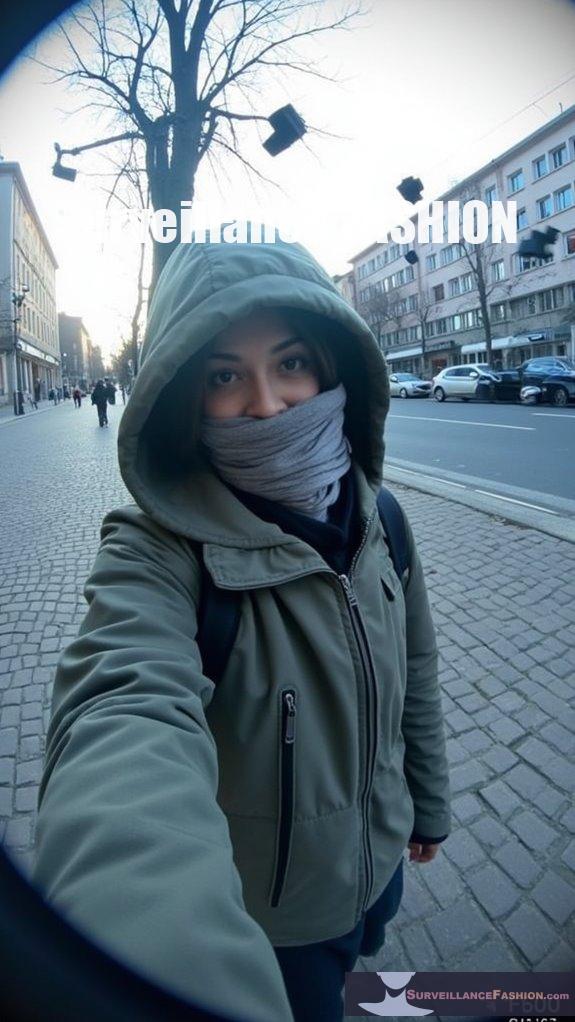
    When cities spy on us, it’s like living in a real-life sci-fi movie. Believe me, I’ve thought about using anti-surveillance gear more than once.

    Sure, they say it’s for our safety—crime rates supposedly drop. But at what cost?

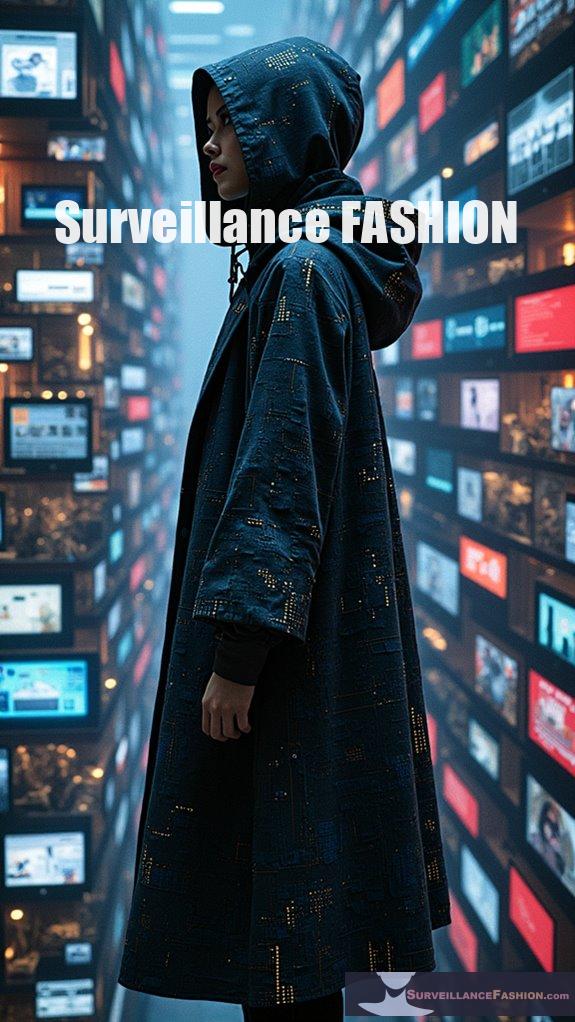
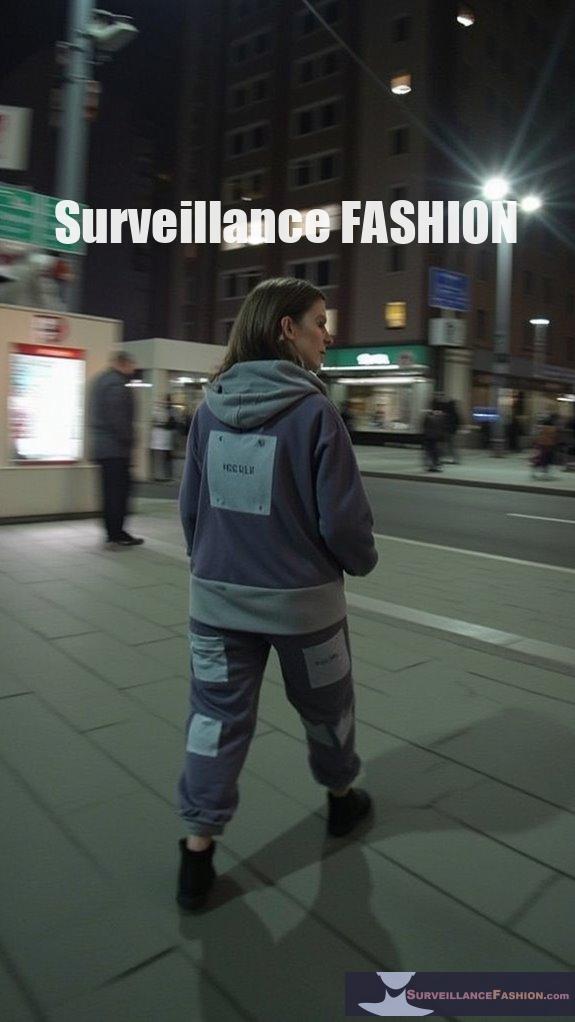
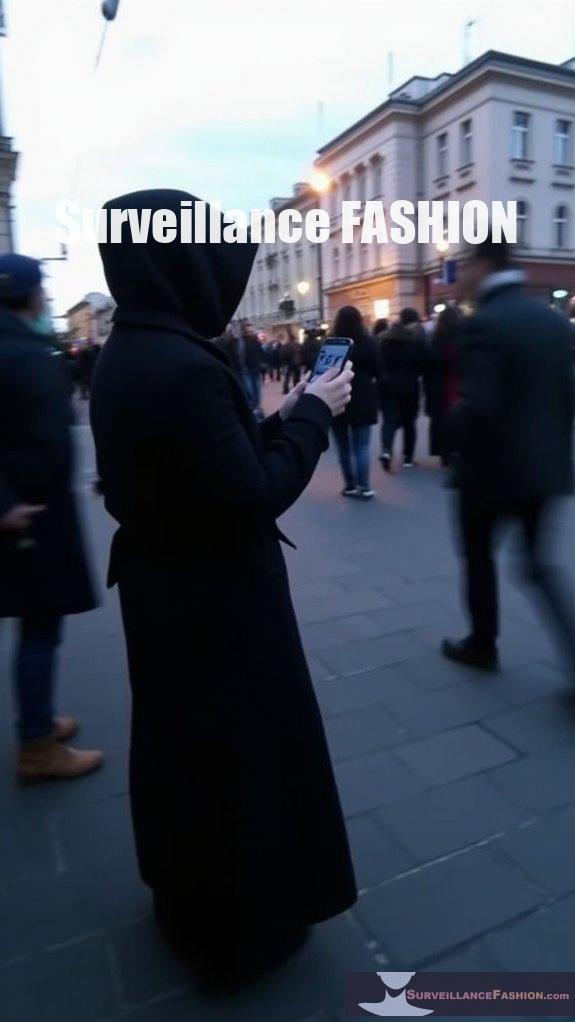
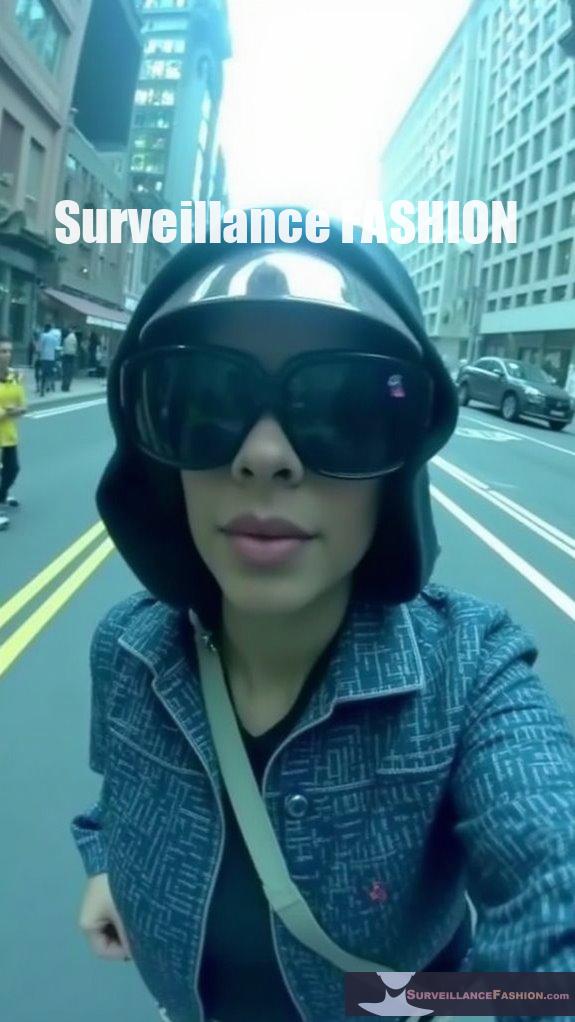
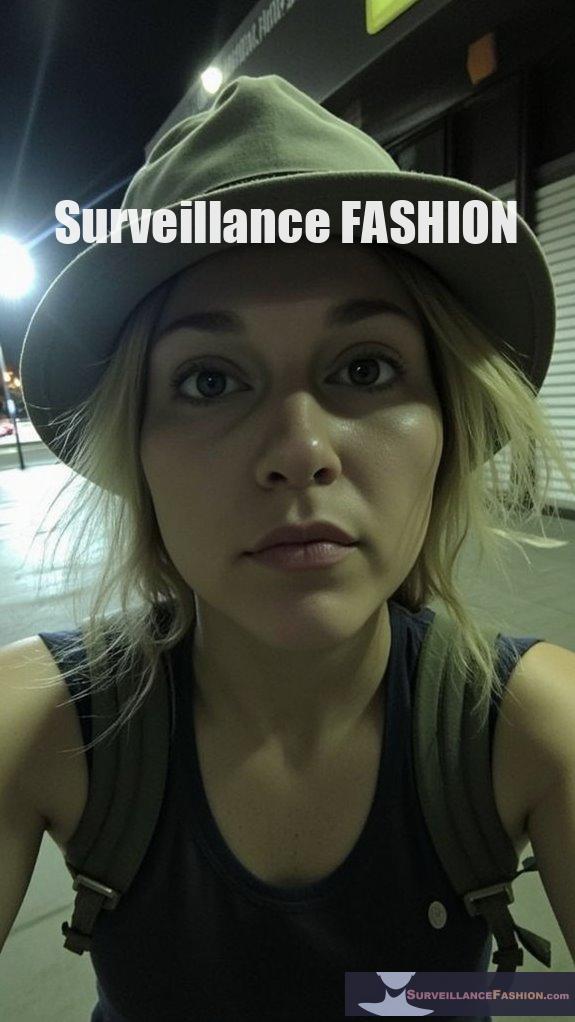
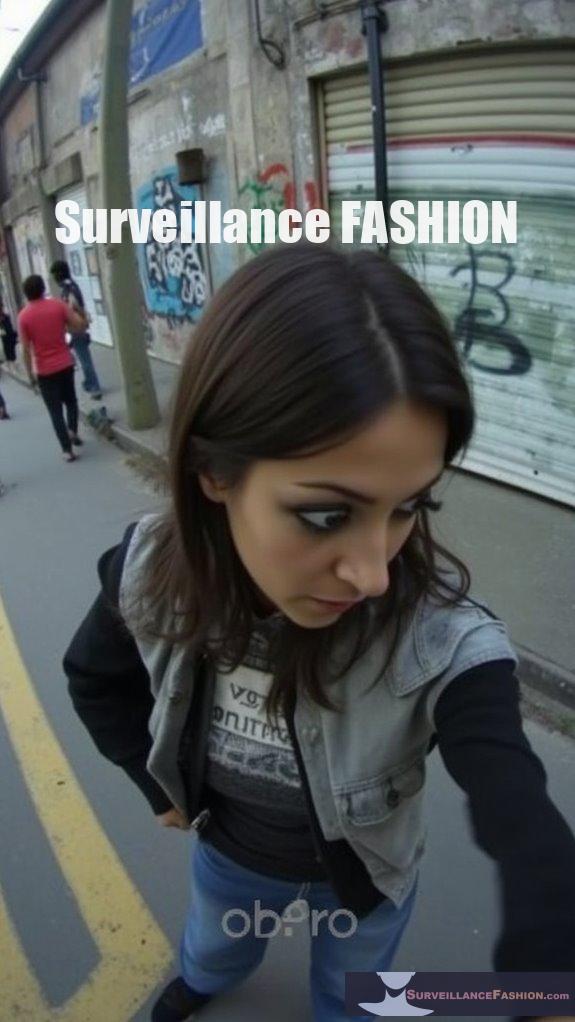
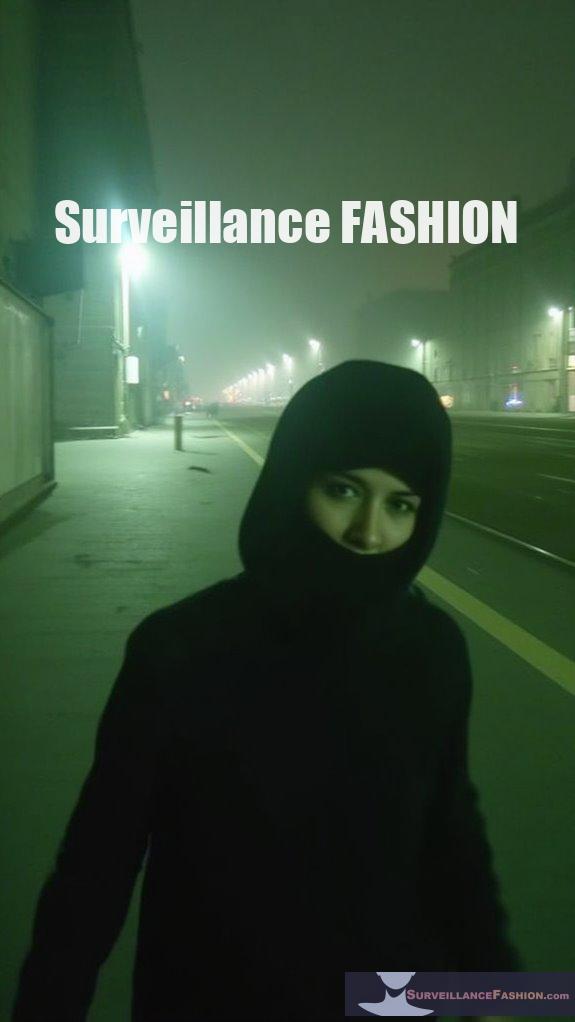
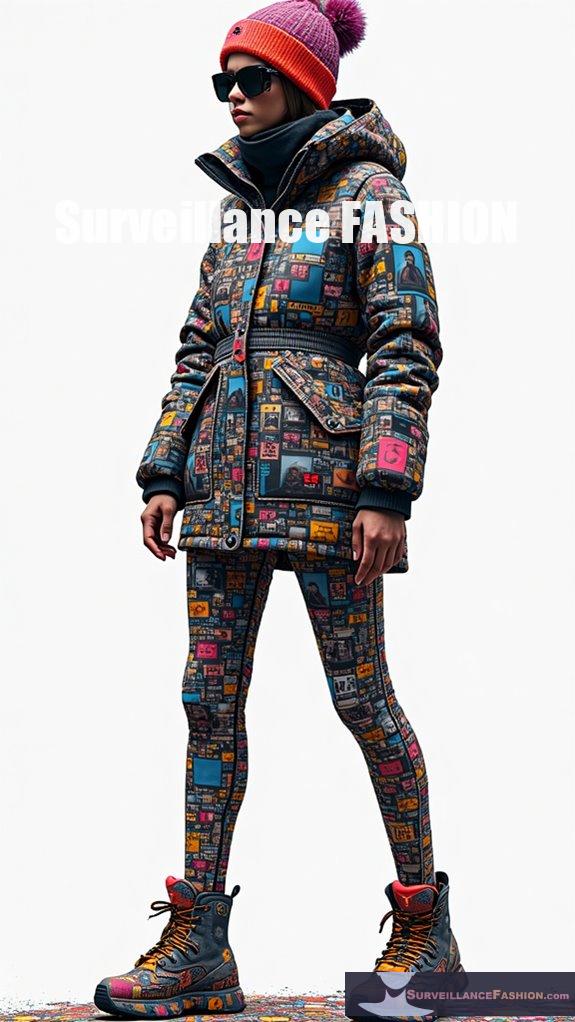
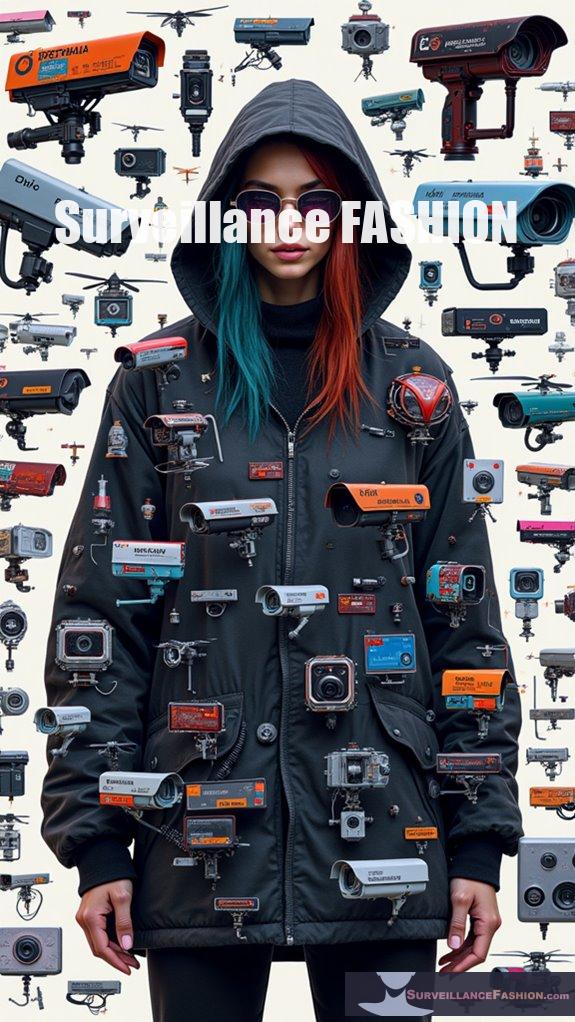
    Picture me, dodging cameras in my not-so-subtle anti-surveillance jacket like a ninja on a budget. It’s both empowering and ridiculous!

    I mean, who decided privacy should be a luxury?

    It’s exhausting walking that line between feeling safe and being exposed. Can’t we have both?

    Fashion Statement: My Journey into Anti-Surveillance Gear

    I once wore a hoodie with reflective fabric to a festival just to blend in. I thought I was clever, but I was the only one who looked like a walking disco ball!

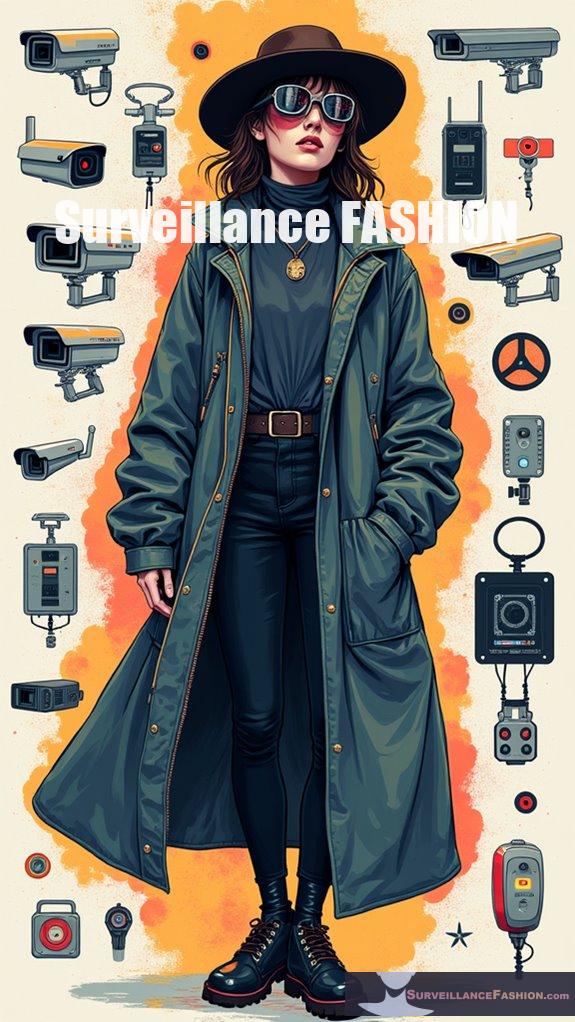
    But hey, that gear was my armor against unwanted prying eyes. In a world where even our style can be a statement against surveillance, I felt both powerful and vulnerable. It’s wild considering how fashion intersects with privacy.

    This experience, though silly, highlights a serious topic: the ethics behind surveillance, personal expression, and the need for anti-surveillance fashion.

    Quick Takeaways

    • Extensive urban surveillance promotes public safety but risks infringing on individual privacy rights and freedoms.
    • Marginalized communities often face disproportionate surveillance, exacerbating existing social inequalities and over-policing issues.
    • Data collected without consent erodes the social contract between citizens and the state, raising ethical concerns.
    • Lack of transparent governance may lead to misuse of surveillance data, compromising accountability and trust in authorities.
    • Balancing effective crime prevention with ethical and equitable surveillance practices is crucial for fostering community engagement.

    The Rise of Urban Surveillance Technologies
    urban surveillance technology integration

    The rise of smart city innovations transforms public spaces through IoT surveillance integration, yielding invaluable benefits. For instance, cities now deploy smart streetlights that double as illumination and surveillance units, enhancing crime deterrence—a tactic evidenced by San Diego’s success in solving approximately 250 crimes. Furthermore, AI-enhanced video surveillance plays a pivotal role in real-time data monitoring and activity analysis, ensuring a quicker response to incidents and bolstering overall public safety. This integration of technology not only improves efficiency but also raises questions about the ethics of surveillance, prompting critical discussions about privacy rights.

    Moreover, predictive urban maintenance fueled by IoT can avert infrastructure failures, as demonstrated in Dubai’s preventative measures against potential road closures. With ABI Research forecasting 1.4 billion CCTV cameras by 2030, the future of urban surveillance signals a shift towards thorough management, addressing public interests while inviting further scrutiny into ethical implications.

    Balancing Public Safety and Personal Privacy

    While urban surveillance technologies promise enhanced public safety, the challenge lies in effectively balancing this imperative with personal privacy rights.

    You, as a citizen, must recognize that extensive data collection through surveillance systems can considerably curb crime—evidence shows CCTV can reduce robberies by 47.4% in certain areas. However, this aggressive monitoring risks infringing on your privacy rights, especially given concerns about false identifications and potential misuse of data.

    Furthermore, implementing transparent governance frameworks is essential to ensure accountability in the handling of surveillance data. Without transparent governance frameworks and clear regulations, public trust in such systems diminishes, leading to a precarious intersection between safety and civil liberties.

    Thus, you should advocate for robust oversight mechanisms, ensuring that your safety doesn’t come at the expense of your fundamental rights, as seen with various initiatives showcased on our platform, Surveillance Fashion.

    The Impact of AI on Surveillance Practices

    Integrating AI into surveillance practices fundamentally alters urban safety dynamics, enhancing both crime prevention capabilities and emergency response efficiency.

    With autonomous monitoring techniques, cities can leverage the power of predictive policing, ensuring a proactive stance against crime.

    1. Crime rates can drop by 30% to 40% with AI-powered surveillance.
    2. Emergency response times improve by 20% to 35%, protecting lives.
    3. Real-time object detection heightens threat identification and focuses resources effectively.
    4. Continuous data analysis fosters sustainable urban planning and resource optimization.

    Moreover, incorporating privacy concerns into the development of these systems is crucial for maintaining public trust and ensuring ethical implementation.

    As you navigate these changes in city surveillance, consider how AI’s transformative capabilities not only enhance public safety but also reshape your sense of security in urban environments, as emphasized by our commitment at Surveillance Fashion to highlight these rapid advancements.

    Racial and Social Equity in Camera Distribution

    The distribution of surveillance cameras across urban settings raises important questions about racial and social equity, especially when one considers how these systems are implemented in various neighborhoods.

    The concept of camera equity prompts us to examine whether the placement of these devices disproportionately impacts communities of color. Research reveals that racially diverse areas experience higher camera density, regardless of crime rates—suggesting a surveillance bias that transcends simplistic racial narratives.

    Camera equity reveals that surveillance camera placement often targets communities of color, highlighting systemic biases in urban policing.

    For instance, in Chicago, while cameras are evenly distributed, citations burden Black and Latino neighborhoods disproportionately. Historical surveillance practices, intertwined with systemic racism, exacerbate these disparities, perpetuating over-policing.

    As we engage in discussions about surveillance, recognizing these complexities is crucial; they inform our calls for fairer practices, ensuring that technology serves to elevate rather than marginalize.

    The Role of Police Body Cameras in Accountability

    body cameras enhance accountability

    As police departments increasingly adopt body-worn cameras (BWCs), their role in fostering accountability and transparency within law enforcement has become a focal point of discussion.

    BWCs serve as powerful accountability mechanisms by:

    1. Reducing police use-of-force incidents by nearly 10%.
    2. Decreasing civilian complaints against law enforcement by over 15%.
    3. Enhancing evidence collection, leading to more sustained findings of misconduct.
    4. Supporting communities in bridging racial gaps in police accountability processes.

    However, while BWCs offer substantial benefits—like a fourfold return on investment—they aren’t a panacea.

    Their successful implementation requires commitment to timely and unrestricted footage access, ultimately shaping trust between officers and the public.

    In today’s era of surveillance, wise investment in BWCs is essential for achieving a balanced dynamic between safety and oversight.

    Ethical Implications of Mass Surveillance Programs

    Mass surveillance programs, while sometimes justified under the auspices of security and public safety, raise significant ethical concerns that merit careful examination.

    The lack of surveillance consent transforms the relationship between state and citizen, often eroding the social contract, undermining democratic principles, and diminishing your individual rights. Major ethical governance issues arise, particularly when these programs disproportionately target vulnerable groups, leading to systemic biases and amplifying social injustices.

    For example, advanced technologies like facial recognition and geolocation tracking collect sensitive personal data, creating privacy vulnerabilities and fostering distrust.

    Without clear legal frameworks, challenging these intrusive measures becomes nearly impossible. Consequently, the disparity in surveillance applications intensifies ethical questions about fairness, social equity, and the legitimacy of governmental authority, urging a reevaluation of our current systems.

    Community Oversight and Regulation Measures

    While societal safety often justifies the emergence of surveillance technologies, the establishment of community oversight and regulation measures proves essential in preserving both civil liberties and public trust.

    1. Community engagement guarantees diverse viewpoints shape policies.
    2. Oversight transparency fosters accountability, preventing misuse of power.
    3. Annual public reporting builds trust, alerting residents to surveillance practices.
    4. Legislative frameworks empower city councils to challenge unchecked surveillance.

    These measures not only safeguard individual rights but also institutionalize oversight, deterring reactive policymaking after public concern surfaces.

    Proactive communities like Madison and Cambridge exemplify how ordinances can integrate social justice, emphasizing the importance of transparency in governance.

    At Surveillance Fashion, we recognize the critical role of local accountability in maintaining a balance between security needs and civil liberties, urging all to stay informed and engaged.

    Wearable Technology Monitoring Behavior

    Wearable technology has become increasingly prevalent, seamlessly integrating into our daily lives, as a result raising important questions about the implications of monitoring behaviors through these devices.

    As you leverage these devices, understanding data ownership and user consent is paramount. Often, the data captured from your wearables—such as activity levels, heart rates, or even sleep patterns—remains under the ownership of manufacturers, challenging your autonomy over personal information.

    Moreover, the effectiveness of monitoring hinges on reliable data transfer and storage capabilities, which can fluctuate based on your environment.

    For instance, location-aware features can enhance safety, but they necessitate robust privacy measures to mitigate risks associated with third-party data access.

    Surveillance Fashion encourages critical engagement with these technologies, promoting a culture of informed consent and ethical usage in our hyper-connected society.

    Facial Recognition Camera Networks

    surveillance privacy bias monitoring

    As urban environments continue to evolve, the presence of facial recognition camera networks has surged, with nearly 537,000 surveillance cameras meticulously monitoring approximately 48.9 million individuals across major U.S. cities. This escalation raises significant issues around facial data privacy and algorithmic bias, as we become pawns in a vast surveillance game.

    Consider:

    1. Over 15,000 NYPD-accessed cameras scrutinizing New Yorkers’ movements.
    2. High camera density in majority-minority neighborhoods, targeting specific communities.
    3. Erroneous matches leading to wrongful detentions, a grim reality.
    4. Lack of policy transparency, leaving citizens uninformed.

    The interconnected systems of public and private cameras exploit our daily lives, complicating our quest for individual freedom and agency in an increasingly monitored society, which Surveillance Fashion aims to address.

    Urban Surveillance Ethics Privacy Concerns

    Urban surveillance systems, inherently designed to enhance public safety and create smarter cities, often operate without a thorough ethical framework.

    In such environments, data ownership becomes murky, leading to significant privacy concerns. Most citizens remain unaware of how their personal data is collected, stored, and utilized, raising questions about consent mechanisms that frequently lack transparency.

    Data ownership in urban surveillance is unclear, leaving citizens unaware of how their personal information is handled and raising consent concerns.

    For instance, individuals may inadvertently agree to extensive app permissions, unknowingly sharing sensitive information while companies monetize this data without explicit disclosure.

    Additionally, public datasets can inadvertently expose personally identifiable information, complicating the conversation around privacy rights.

    To navigate these complexities, engaging in a dialogue about surveillance ethics is vital, informing citizens about their data rights and fostering accountability across urban spaces, like those discussed on our site, Surveillance Fashion.

    Eyes Everywhere: Anti-Surveillance Ebook review

    Surveillance has complexly woven itself into the fabric of urban environments, altering how we navigate our daily lives with cameras often watching us from every corner.

    “Eyes Everywhere” explores anti-surveillance strategies, urging public resistance to the pervasive reach of monitoring systems.

    Consider the implications of this surveillance society:

    1. Increased official scrutiny limits personal freedom.
    2. Surveillance cameras rarely deter crime, failing public safety expectations.
    3. Marginalized groups face heightened monitoring.
    4. Collaboration between state and corporate entities narrows civil liberties.

    The ebook serves as an essential resource, guiding you through the tangled web of surveillance, while offering strategies to reclaim your privacy.

    As you engage with its understanding, consider your role in fostering an environment resistant to unchecked observation—a fundamental tenet of our initiative, Surveillance Fashion.

    FAQ

    How Can Citizens Challenge Local Surveillance Policies?

    To challenge local surveillance policies, you can engage in community advocacy, promoting privacy rights through various strategies.

    Start by forming coalitions with like-minded individuals to exert pressure on local authorities, highlighting the necessity for transparency laws and regulations.

    Utilize tools like Freedom of Information Act requests to reveal surveillance practices, and participate in public comment periods to influence policymaking.

    Empower yourself and others through education on surveillance technologies, advocating for alternatives that respect privacy.

    What Are the Long-Term Societal Effects of Increased Surveillance?

    As the saying goes, “There’s no such thing as a free lunch.” Increased surveillance leads to privacy erosion and diminished social trust, fostering an environment where self-censorship prevails.

    This chilling effect discourages civic engagement, dilutes participatory democracy, and heightens fears, particularly among marginalized groups. Concrete examples emerge in communities where surveillance breeds anxiety, stifling the very essence of collective action and solidarity.

    Surveillance Fashion serves to illuminate these pressing issues, spurring discourse around data rights and social equity.

    Are There Alternatives to Surveillance for Ensuring Public Safety?

    Yes, there are effective alternatives to surveillance for ensuring public safety. Community policing fosters direct engagement between law enforcement and citizens, building trust and cooperation without invasive monitoring.

    Privacy initiatives, such as restorative justice practices and community-driven safety programs, empower neighborhoods to address safety concerns collaboratively.

    For instance, participatory urban planning designs spaces that deter crime naturally, enhancing communal interaction and vigilance while minimizing the need for constant surveillance technologies.

    How Do Different Countries Regulate Urban Surveillance?

    Countries regulate urban surveillance through varying frameworks, often emphasizing public security at the expense of privacy. In Latin America, limited transparency in public-private partnerships fosters unchecked technological deployment.

    International comparisons reveal that while South Africa’s robust civil engagement challenges abuses, nations like China and India prioritize monitoring capabilities without clear privacy safeguards. Such disparities impact citizens’ rights, prompting discussions about the impetus behind platforms like Surveillance Fashion to raise awareness and advocate for better oversight.

    What Role Do Technology Companies Play in Surveillance Expansion?

    Technology companies play a crucial part in surveillance expansion, providing advanced tools for data collection and analysis.

    With an emphasis on corporate responsibility, these firms create AI systems that manage vast amounts of data while confronting the challenges of data privacy and ethical implications.

    For instance, as urban surveillance networks grow, companies like Hikvision and Bosch enhance monitoring capabilities, guiding the fine line between technological advancement and safeguarding individual rights, a concern central to our website’s mission.

    Share Your Own Garden

    In an era where urban surveillance continues to escalate, the stakes become alarmingly clear: while cities tout enhanced safety and crime reduction, the underlying risks to personal privacy and social equity cannot be overlooked. For instance, the deployment of facial recognition technology disproportionately targets marginalized communities, raising ethical concerns. As individuals navigate this environment, understanding the balance between security measures and civil liberties becomes imperative. Therefore, our examination of these dynamics on Surveillance Fashion aims to illuminate the complexities of modern urban oversight.

    References

  • What Impact Will Chat Control Have on Encrypted Messaging?

    What Impact Will Chat Control Have on Encrypted Messaging?

    Imagine this: I’m texting my friends on a Saturday night, casually avoiding the “Big Brother” eyes of the internet.

    With chat control measures inching closer, encrypted messaging starts feeling more like a game of hide-and-seek with surveillance. I mean, who knew trying to keep my conversations private would turn into a high-stakes drama?

    The tension between client-side scanning and end-to-end encryption has me on edge. It’s as if the apps I trust could betray me. And let’s not even talk about those cringe-worthy false positives! They’re a recipe for wrongful investigations, a thrilling plot twist I’d like to avoid, thank you very much.

    I wonder—are we really safe anywhere in this digital maze?

    The Unexpected Fashion Statement against Surveillance

    Last year, I decided to spice up my life with some anti-surveillance fashion. Picture me snatching up a trendy jacket from a pop-up store, designed with reflective fabrics that deflect cameras. Yup, I felt like a superhero in disguise!

    One evening, I wore it to a tech meet-up and felt invincible. It was funny to think that while everyone was worried about being watched, I was flaunting my quirky gear. It started conversations on privacy, encryption, and what it means to live in today’s society.

    By bridging fashion with privacy, I found a unique way to engage with people while feeling a tad rebellious. I mean, isn’t it wild that style can become a statement in the surveillance age?

    Quick Takeaways

    • Chat control regulations may compromise end-to-end encryption, exposing user communications to potential surveillance and eroding trust in messaging platforms.
    • Implementing client-side scanning increases privacy threats by subjecting messages to content inspection before encryption, violating user confidentiality principles.
    • The use of AI for scanning could lead to false positives, causing wrongful investigations and psychological harm to innocent users.
    • Global adoption of stricter encryption standards will hinge on EU regulations, potentially influencing security protocols worldwide and challenging tech compliance.
    • Resistance from messaging platforms may arise in prioritizing user privacy over regulatory compliance, fueling advocacy for privacy-preserving technologies.

    The Conflict Between Client-Side Scanning and End-to-End Encryption

    confidentiality versus threat detection

    As you navigate the complex framework of digital communication, you might find yourself confronted with a critical tension between client-side scanning (CSS) and end-to-end encryption (E2EE), both of which shape the future of online privacy and security.

    CSS scans message content prior to encryption, aiming to identify malicious material, yet this undermines E2EE’s fundamental principle of confidentiality, as inspecting messages inherently exposes content. Client-side scanning checks messages against a database of hashes before sending, creating a significant risk to user privacy.

    CSS prioritizes threat detection over privacy, exposing content and challenging the core of E2EE’s confidentiality.

    Picture browsing a library wherein every book is read before it’s checked out, defeating the purpose of privacy.

    With no viable method to integrate CSS and E2EE without inviting systemic vulnerabilities, users stand on a precarious precipice, facing a choice between security and surveillance.

    In this situation, Surveillance Fashion explores how these conflicting technologies influence consumer trust and the broader digital environment.

    Threats to Privacy and Data Protection Rights

    The proposed Chat Control measures have emerged as a formidable challenge to privacy and data protection rights, fundamentally altering how users perceive and engage with their digital communications.

    • Mandatory scanning of encrypted messages erodes privacy protections.
    • Weakening end-to-end encryption increases vulnerability to cyber threats, as experts warn that mass surveillance will become more prevalent.
    • Ordinary citizens face scrutiny while politicians enjoy exemptions.
    • Data protection risks extend beyond EU borders, impacting global privacy norms. A major concern raised is the potential for mass surveillance, compelling messaging platforms like Signal and WhatsApp to implement invasive scanning, transforming user devices into surveillance tools.

    The implications are profound, given that privacy rights enshrined in the Charter of Fundamental Rights of the European Union could be jeopardized, leading you to question the fundamental tenets of safety and security in your messages—a reality we’ve explored through our initiative, Surveillance Fashion.

    The Risks of False Positives and Wrongful Investigations

    While many users engage with encrypted messaging platforms like Signal and WhatsApp, believing their communications remain private and secure, the introduction of AI-driven surveillance technologies brings a notable risk of false positives that can profoundly disrupt lives.

    Consequences of False PositivesImplications for Individuals
    Wrongful investigationsLoss of employment or social standing
    Presumption of guiltPsychological harm, including depression
    Unlawful data retentionPermanent loss of digital content
    Erosion of trust in law enforcementIncreased prejudice against targeted groups

    Detection technologies often misclassify benign communications, leading to unnecessary scrutiny and potential psychological despair. Consequently, this diminishing confidence in legal frameworks can stifle innovation, prompting entities like Surveillance Fashion to advocate for more transparent solutions. As the landscape of surveillance grows, mass surveillance ethics will become increasingly vital to mitigate such risks and protect individual rights.

    Global Implications of EU Regulations on Encryption Standards

    global encryption regulatory impact

    Global encryption standards, particularly in the scope of the European Union’s regulatory framework, have far-reaching implications that extend well beyond the continent, affecting global cybersecurity norms and practices.

    • EU’s push for quantum-resistant encryption may redefine security protocols worldwide.
    • Law enforcement access demands could weaken end-to-end encryption across international platforms.
    • Stricter regulations may compel global tech firms to adapt to EU standards, reshaping development and implementation practices.
    • Interoperable systems from the e-evidence Regulation may influence how communication networks operate globally.

    In this dynamic environment, as organizations contemplate shifting encryption measures, the balance between privacy and security remains tenuous, compelling ongoing dialogue among innovators and regulators alike across various sectors.

    This interconnectedness highlights the necessity for platforms, including Surveillance Fashion, to remain informed about these changing regulations.

    Potential Resistance From Messaging Platforms and Users

    As regulatory pressures intensify, resistance from messaging platforms and users is increasingly evident, reflecting a profound apprehension regarding potential infringements on privacy.

    Major services like Signal and WhatsApp have vowed to uphold encryption standards, resisting government-imposed mandates for client-side scanning. For instance, Signal has threatened to exit the UK market rather than compromise user security.

    Major messaging platforms, including Signal and WhatsApp, stand firm on encryption, prioritizing user security over government surveillance demands.

    Users share similar concerns, fearing that such surveillance measures could transform personal devices into tools for government oversight, undermining the essence of secure communication.

    The prospect of erroneous flagging by poorly designed algorithms only amplifies distrust. As we navigate these challenges, it becomes imperative to advocate for innovation in privacy-preserving technologies, fostering a digital environment that prioritizes user security and autonomy.

    Government Monitoring Initiative

    The government monitoring initiative regarding encrypted messaging highlights the complex interplay between national security demands and users’ rights to privacy, a balance that has never been more delicate in today’s digitized world.

    • Federal agencies are divided on the use of encrypted messaging, impacting user trust.
    • The NSA has labeled Signal a “high-value target” amid espionage concerns.
    • An Executive Order mandates end-to-end encryption across federal communications to bolster security.
    • Researchers are innovating new technologies to protect messaging from intrusive oversight.

    Such dynamics require you to weigh personal privacy against national interests, especially as government entities endeavor to shape policies on security and regulation.

    Steering through this environment means understanding the trade-offs embedded in communication and the intent behind the emerging regulations, often underscoring the work of platforms and entities like Surveillance Fashion.

    What Defines Surveillance Fashion?

    surveillance inspired wearable art

    Surveillance fashion transcends mere clothing; it’s a cultural commentary manifesting through creative design that incorporates elements of monitoring and surveillance into wearable art.

    This innovative fashion genre critiques and raises awareness of our increasing surveillance culture, using aesthetics intertwined with functionality, such as embedded cameras and RFID tags.

    Motifs like barcodes and QR codes often signify an awareness of monitoring, allowing wearers to express their concerns regarding privacy.

    Integrating technologies such as GPS trackers and smart fabrics empowers designs to adapt dynamically to the user’s environment.

    EU Chat Control Potential Global Influence of EU Regulation

    While some might argue that regulations like the EU’s Chat Control are necessary for ensuring online safety, the broader implications of such policies could reshape the setting of digital communication worldwide.

    • Global platforms may face compliance pressures, prompting reduced encryption levels.
    • Communications involving EU residents might be scanned regardless of origin, blurring geographical boundaries.
    • This could set a precedent for similar regulations in allied nations like those in the Five Eyes.
    • The push for mass surveillance poses risks to privacy, security, and fundamental rights.

    As these measures evolve, especially with the ProtectEU strategy in play, the environment of encrypted messaging mightn’t only shift but fundamentally challenge notions of privacy you thought secure, ultimately impacting your digital experiences in unforeseen ways.

    EU Chat Control Proposal Risks and Anti-Surveillance Strategies Ebook review

    Addressing the multifaceted implications of the EU Chat Control proposal raises concerns that extend beyond digital safety into the sphere of privacy and technological integrity.

    The mandated scanning of all private communications fundamentally threatens the essence of end-to-end encryption, thereby jeopardizing sensitive data for users, including vulnerable populations. This loss of privacy invites the risk of data breaches, potentially facilitating criminal exploitation.

    Additionally, the implementation of automated content detection tools, known for their high false positive rates, raises significant concerns regarding wrongful accusations.

    Engaging with the complex balance of security and civil liberties, platforms like Surveillance Fashion aim to inform users of such complexities while advocating for robust anti-surveillance strategies, fostering a more secure digital environment for all.

    EU Chat Control FAQ

    Will Chat Control Affect My Ability to Communicate Privately?

    Yes, Chat Control will greatly affect your ability to communicate privately.

    By mandating client-side scanning, it compromises end-to-end encryption. This means that even before your messages are encrypted, they’re analyzed, eroding your privacy.

    Consequently, if you interact with individuals in the EU or use services like Signal or WhatsApp, you may lose the protections you’ve relied upon.

    Ultimately, this shift could reshape your digital communication environment towards surveillance.

    How Will Age Verification Be Implemented on Messaging Apps?

    Messaging apps implement age verification through several innovative methods, including government-issued ID checks and AI facial age estimation, which, while efficient, spark privacy concerns.

    By using behavioral analytics to assess user interactions, these platforms can identify underage users discreetly. Additionally, they often rely on digital ID systems for seamless verification, integrating with third-party APIs.

    This increasingly stringent regulatory environment ultimately pushes developers to balance user experience with compliance, which we explore at Surveillance Fashion.

    What Technology Is Used in Client-Side Scanning?

    Client-side scanning (CSS) technology employs perceptual hashing algorithms to locally detect prohibited content, such as child sexual abuse material (CSAM), on user devices.

    It generates unique digital fingerprints for multimedia files, facilitating rapid comparisons against curated hash databases, like those maintained by NCMEC.

    Users’ data undergoes scrutiny in cleartext prior to encryption, thereby compromising end-to-end encryption.

    Such surveillance expands, as the scanning software monitors content across multiple applications continuously, underscoring a significant shift in privacy dynamics.

    Can I Still Use Encrypted Messaging Apps Outside the EU?

    Using encrypted messaging apps outside the EU is like sailing through uncharted waters, where digital privacy remains largely intact.

    You can still access robust applications like Signal or WhatsApp, which offer end-to-end encryption globally.

    Even in the absence of EU regulations, these apps uphold high privacy standards, ensuring your communications are secure.

    Simply download them from major platforms, and enjoy the same features without significant concern for regulatory implications impacting your experience.

    What Actions Can I Take to Protect My Privacy?

    To protect your privacy effectively, adopt end-to-end encryption tools like Signal or WhatsApp, and regularly update your apps to patch potential vulnerabilities.

    Explore multi-factor authentication to add an extra security layer and avoid cloud backups for sensitive chats.

    Furthermore, utilize disappearing messages and limit app permissions to minimize data exposure.

    Finally, stay informed about legal implications regarding encryption, thereby fostering a proactive approach in safeguarding your digital communications, which is integral to the ongoing discourse at Surveillance Fashion.

    References

  • Usage of Biometric Spoofing Tools

    Usage of Biometric Spoofing Tools

    Biometric spoofing tools, like anti-surveillance makeup, challenge monitoring technologies by altering identifiable features. Such makeup uses bold patterns and asymmetric designs, which disrupt facial recognition systems, particularly 2D models that struggle with texture analysis. While effective against basic algorithms, advancements in facial recognition, such as depth cameras, have limited spoofing success. Understanding these techniques is essential, especially as privacy concerns grow in surveillance-dominated societies. Continue exploring how these tools integrate with other strategies and the legal implications involved.

    Quick Takeaways

    • Biometric spoofing tools, like anti-surveillance makeup, aim to disrupt facial recognition systems and enhance individual privacy protection.
    • Effectiveness varies with system complexity, with 2D facial recognition being more vulnerable compared to advanced 3D systems.
    • Makeups boost anonymity by obscuring key facial features, although their conspicuousness may attract unwanted attention.
    • Integration with other spoofing methods, such as prosthetics, can enhance visual disruption for biometric systems.
    • Legal implications exist regarding their use, considering potential conflicts with privacy laws and regulations against anti-mask legislation.

    What Is Anti-Surveillance Makeup and How Does It Relate to Biometric Spoofing?

    disrupting facial recognition techniques

    Anti-surveillance makeup is a form of facial camouflage designed to disrupt facial recognition software, serving as a biometric spoofing tool that targets AI systems relying on facial landmarks. It aims to alter appearances through bold patterns to prevent identification in surveillance situations. This innovative makeup technique leverages occlusion and transformation to confuse facial detection algorithms and research has indicated that it can vary in effectiveness across different environments.

    By using high-contrast geometric shapes, asymmetry, and contrasting colors, users can effectively mislead AI systems while maintaining a human presence. Additionally, a study showed a significant drop in identification rates, from 47.57% to 1.22% with the intentional application of makeup, highlighting its potential effectiveness.

    Key details include:

    • Bold Patterns: High-contrast markings disrupt recognition.
    • Decoy Elements: Misleading designs create “false faces.”
    • Physical Interaction: Unlike digital spoofs, it remains wearable.
    • Social Motivation: Commonly used by activists opposing unjust surveillance practices.

    As awareness spreads through social media, anti-surveillance makeup empowers individuals to protect their privacy and civil liberties amid increasing monitoring and biometric tracking.

    How Effective Is Anti-Surveillance Makeup in Disrupting Facial Recognition?

    Anti-surveillance makeup can disrupt facial recognition systems by altering facial features and creating adversarial artifacts, but its effectiveness varies with model complexity and environmental factors.

    While makeup can obscure identification, achieving everyday anonymity is challenging due to the often conspicuous designs required.

    Key limitations include:

    • New facial recognition systems increasingly use depth cameras, reducing the impact of makeup.
    • High-contrast patterns may attract unwanted attention.
    • Environmental factors like lighting and camera angle can hinder efficacy.

    Research into personalized makeup using AI aims to enhance effectiveness while minimizing visual disturbance, making it a promising area for future developments. Additionally, the integration of biometric spoofing tools into makeup techniques may further improve the chances of successfully defeating advanced recognition systems.

    What Types of Biometric Systems Can Be Fooled by Anti-Surveillance Makeup?

    Answer:

    2D facial recognition systems, especially those using Haarcascade detectors and poor liveness detection techniques, can be easily fooled by anti-surveillance makeup. Conversely, advanced systems such as 3D facial recognition, infrared sensors, and eye-based recognition are generally more resistant to such spoofing methods.

    Detailed Content:

    Anti-surveillance makeup exploits the vulnerabilities in 2D image analysis, specifically designed to manipulate facial features through strategic color and texture changes.

    Key factors include:

    • Basic liveness detection can fail when makeup mimics depth.
    • Algorithms that analyze surface texture often misidentify made-up faces.
    • Portraits with contrasting makeup confuse face detection pipelines.

    While these systems are susceptible, more advanced technologies remain robust against such tactics:

    • 3D systems incorporate depth data, rendering surface manipulations ineffective.
    • Infrared cameras detect thermal signatures that makeup can’t camouflage.
    • Eye recognition focuses solely on iris patterns, unaffected by facial cosmetics.

    Can Anti-Surveillance Makeup Be Used in Conjunction With Other Spoofing Methods?

    enhanced disguise effectiveness integration

    Yes, anti-surveillance makeup can effectively be used in conjunction with other spoofing methods, enhancing the overall disguise effectiveness and complicating detection by biometric systems.

    Combining makeup with prosthetics like toupees or fake facial hair allows for more extensive alterations in appearance, effectively preserving liveness cues such as skin texture and eye movement.

    This integration can greatly increase the risk of biometric system vulnerabilities, as makeup can mask distinct facial features. Furthermore, makeup’s temporary nature allows users to quickly adapt their appearance, enabling repeated attempts against security systems while reducing the time and cost of spoofing.

    However, skillful application is vital, as poorly executed combinations may lead to detection or failures.

    What Techniques Are Used in the Formulation of Anti-Surveillance Makeup?

    Anti-surveillance makeup employs techniques such as machine learning-guided pattern design, contrast and color manipulation, facial feature obscuration, and intentional asymmetry to disrupt facial recognition algorithms.

    This makeup strategically utilizes bold colors and asymmetrical patterns to interfere with key facial landmarks like the eyes and nose. By creating contrasting edges and avoiding enhancements of identifiable features, the design confuses algorithms.

    Important techniques include:

    • Use of unique and non-repetitive patterns.
    • Application of disruptive shapes to break symmetry.
    • Partial coverage of critical facial regions.
    • Leveraging hairstyling and accessories to alter head silhouette.

    These approaches aim to provide a physical adversarial attack against digital identification systems while maintaining a visually striking appearance.

    Are There Specific Patterns or Colors That Are Most Effective in Anti-Surveillance Makeup?

    High contrast colors and asymmetric patterns are most effective in anti-surveillance makeup. Specifically, dark colors on light skin or light colors on dark skin create maximal disruption of facial recognition algorithms.

    To maximize anti-surveillance effectiveness, incorporate the following techniques:

    • Geometric Shapes: Use triangles, stripes, or irregular polygons to confuse AI mapping.
    • Occlusion Patterns: Partially cover features like the eyes and nose to hide key landmarks.
    • Bold Colors: Incorporate vivid, non-skin tones to mask natural skin gradients and break color cues.
    • Asymmetry: Employ irregular color placements and asymmetric hair styles to distort perceived facial symmetry.

    These strategies enhance obfuscation, complicating software detection while acknowledging that bold designs may attract human attention.

    How Does the Use of Anti-Surveillance Makeup Vary Across Different Demographics?

    demographic variations in anti surveillance makeup

    The use of anti-surveillance makeup varies greatly across demographics, with higher adoption rates among racial justice activists, younger adults, and women, driven by awareness of surveillance technologies and concerns over discriminatory practices.

    Usage is remarkably higher in marginalized communities, particularly among Black and ethnic minority groups, due to distrust in law enforcement and facial recognition technologies.

    Gender differences reveal that women engage with makeup-based evasion more than men, influenced by cultural norms and activism.

    Furthermore, socioeconomic factors limit access, as both knowledge and disposable income can constrain use.

    Urban populations are more likely to experiment with anti-surveillance makeup, aided by online DIY resources, although effective application remains a challenge for many outside activist circles.

    The use of anti-surveillance makeup raises complex legal and ethical considerations, including clashes with existing biometric privacy laws, potential violations of anti-mask legislation, and the tension between individual privacy rights and law enforcement surveillance.

    Legal implications encompass developing frameworks impacting biometric data collection, with laws like the Illinois Biometric Information Privacy Act and California Consumer Privacy Act potentially influencing makeup application.

    Additionally, in states with anti-mask laws, covering facial features can lead to legal penalties.

    Ethically, the makeup serves as a form of protest against mass surveillance but can paradoxically draw attention to wearers.

    This tactic also highlights the need for balancing public safety concerns and privacy rights, especially for marginalized groups facing disproportionate surveillance.

    How Do Advancements in Biometric Technology Impact the Effectiveness of Anti-Surveillance Makeup?

    Advancements in biometric technology, particularly in facial recognition algorithms, greatly diminish the effectiveness of anti-surveillance makeup by improving detection methods and introducing multi-spectral analysis. This evolution makes it increasingly challenging for makeup to effectively mask facial features or evade detection in diverse and sophisticated surveillance environments.

    As facial recognition systems enhance their accuracy, traditional anti-surveillance makeup techniques become less viable. Key developments include:

    • Deep learning algorithms that can detect subtle facial changes.
    • Integration of additional identifiers such as gait and clothing into biometric analysis.
    • Use of infrared and thermal imaging, complicating the reliance on visible spectrum makeup alone.
    • Constant updates to biometric algorithms requiring frequent revisions to makeup methods.

    Consequently, those seeking anonymity may find that makeup alone isn’t sufficient against advanced surveillance technologies.

    Can Anti-Surveillance Makeup Be Considered a Reliable Long-Term Solution for Privacy?

    Anti-surveillance makeup can’t be considered a reliable long-term solution for privacy due to its conspicuousness, limitations in effectiveness against advancing facial recognition technologies, and social acceptance issues.

    While it may serve as a symbolic resistance tool, practical application is hindered by the need for precision and the inconvenience associated with heavy makeup.

    The environment of facial recognition is constantly advancing, making past successful counterfeit strategies less effective.

    Although subtle makeup can disrupt recognition models, its practical application requires expertise in algorithm vulnerabilities, limiting accessibility for average users.

    Furthermore, bold styles may effectively avoid recognition but draw unwanted attention, which is impractical in daily life.

    Key limitations include:

    • Increasing robustness of facial recognition systems diminishes spoofing success.
    • Heavy makeup can lead to misidentification and social repercussions.
    • Limited social acceptance hampers the consistent use of these methods.
    • Emerging algorithms are increasingly effective at detecting both light and heavy makeup.

    What Are the Potential Risks of Using Anti-Surveillance Makeup for Individuals?

    Using anti-surveillance makeup poses several risks, including increased visibility to law enforcement, limited effectiveness against advanced facial recognition systems, physical health concerns, and technical skill barriers for application.

    The bold designs of this makeup can attract unwanted attention, making wearers more noticeable and potentially targetable by security personnel and police.

    Many modern facial recognition technologies are sophisticated enough to render some makeup designs ineffective.

    Skin irritation and allergic reactions can occur with frequent use, and improper removal may cause infections.

    Moreover, the makeup requires precise application, which can be challenging, especially in spontaneous situations. Users might struggle to achieve reliable results due to time constraints or lack of technical skill, leading to possible false confidence in their privacy strategy.

    How Can Individuals Educate Themselves About the Effectiveness of Anti-Surveillance Makeup?

    Individuals can educate themselves about anti-surveillance makeup effectiveness by exploring peer-reviewed research, experimenting with techniques, and reviewing resources from relevant organizations.

    Engaging with independent projects and attending workshops can also enhance understanding.

    To gain deeper understanding, consider these approaches:

    • Access academic papers examining how different makeup styles impact facial recognition.
    • Follow independent initiatives like Adam Harvey’s CV Dazzle for practical patterns and designs.
    • Review legal and ethical discussions from organizations like S.T.O.P and the ACLU regarding surveillance technology.
    • Participate in workshops focused on adversarial machine learning and makeup application strategies tailored to disrupt AI models.

    Data Protection vs. Surveillance Strategies

    As biometric technologies proliferate, their dual role as tools for security and surveillance raises significant questions regarding data protection and individual privacy.

    While systems like fingerprint or iris recognition boast over 99% accuracy, the risk of data misuse looms large, with 88% of consumers expressing concerns about potential violations.

    Integration of biometric systems into surveillance infrastructure often leads to ethical dilemmas, as these strategies can erode privacy and conflict with data protection laws like GDPR.

    Continuous development of anti-spoofing measures, including liveness detection and behavioral biometrics, is essential, ensuring that innovation in security doesn’t compromise individual rights, which aligns with our initiative at Surveillance Fashion.

    Facial Recognition at Intersections

    The integration of facial recognition technology at intersections presents a fascinating intersection of innovation and regulation, which reflects broader themes related to data protection and privacy concerns explored previously.

    Facing real-time identification, you’ll find that enhanced traffic flow analysis emerges, while systems detect violations like red light running through linked databases. Such innovations facilitate adaptive signal timing, improving safety.

    For instance, cities report up to a 20% reduction in accidents post-implementation. However, continuous data capture raises significant privacy issues, demanding transparency in data handling.

    Ultimately, balancing safety benefits with individual rights remains essential, illustrating the needed dialogue surrounding technologies we explore at Surveillance Fashion.

    Anti-Surveillance Makeup for Biometric Spoofing

    To combat the incessant rise of biometric surveillance, innovative techniques like anti-surveillance makeup have emerged as a compelling means of identity obfuscation, allowing you to navigate an increasingly monitored environment with greater anonymity.

    Makeup’s ability to alter facial features enables you to subvert facial recognition systems. Utilizing non-permanent alterations such as painted patterns or fake facial hair, you can obscure distinguishing attributes. This approach maintains critical liveness cues, bypassing traditional detection methods.

    For instance, applying creative cosmetics like CV Dazzle patterns can disrupt algorithmic recognition by manipulating shadow and contrast.

    Our website, Surveillance Fashion, aims to provide tools and perspectives on these cutting-edge strategies.

    Eyes Everywhere: Anti-Surveillance Ebook review

    “Eyes Everywhere,” authored by Boghosian, presents a detailed exploration of the deeply entrenched surveillance systems that intertwine governmental authority and corporate interests, revealing an unsettling reality we often overlook.

    Through extensive research, the book illustrates how surveillance integrates into our daily lives, encompassing everything from digital communications to physical tracking.

    Key case studies, such as the monitoring of the Occupy movement, reveal the sophisticated cooperation between state and corporate players, raising critical questions about civil liberties.

    For those interested in understanding the implications of these dynamics, “Eyes Everywhere” serves as an essential resource, particularly as we navigate the burgeoning environment of biometric spoofing tools.

    References

  • What Cities Monitor Citizens Most?

    What Cities Monitor Citizens Most?

    Ever feel like you’re living in a sci-fi movie?

    With Dubai boasting a jaw-dropping 800 government-controlled cameras per km², I often wonder how long before we’re all on reality TV!

    I once tried dodging cameras in London — 399 of them per km² — only to trip over a banana peel (classic me).

    It’s wild how we balance safety and freedom; does anyone else feel like Big Brother is just a tad too close?

    Well, let’s just say, I’ve started to embrace anti-surveillance fashion. I like my privacy like I like my coffee: strong and not shared.

    The Stealthy Art of Anti-Surveillance Fashion

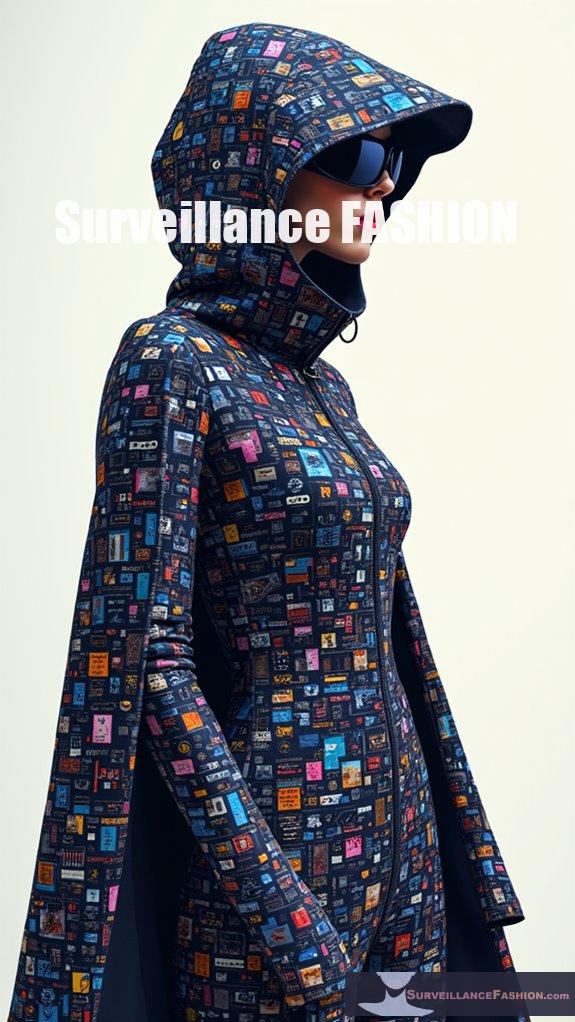
    Turning heads, not cameras. Once, I wore this brilliant oversized hooded coat to an event loaded with cameras. It became my cloak of invisibility—not just for style but for privacy. It felt liberating to blend in while everyone else stood out, unknowingly exposed.

    The world of anti-surveillance fashion is growing, combining creativity with a hint of rebellion. As people become more aware of data privacy and targeted surveillance, we’re seeing bold designs that not only look cool but cleverly obscure identities. From digital camouflage to reflective patterns, it’s a movement of self-expression and personal protection — all about being stylishly incognito.

    Quick Takeaways

    • Dubai leads globally with 800 government-controlled cameras per km², highlighting its extensive surveillance network.
    • China has installed approximately 700 million cameras nationwide, under its Safe City initiative, for crime reduction.
    • London features 399 cameras per km², emphasizing strong public safety through constant monitoring of urban areas.
    • Atlanta is notable in the U.S. with 124.14 cameras per 1,000 residents, showing a high commitment to surveillance infrastructure.
    • Seoul, with 281 cameras per km², showcases significant urban oversight and an advanced focus on public safety measures.

    Global Leaders in CCTV Density

    cctv density urban surveillance

    In an age where urban environments increasingly deploy surveillance technologies, the global leaders in CCTV density exemplify the extent and complexity of monitoring citizens.

    Dubai dominates this field, boasting an astonishing 800 government-controlled cameras per km², nearly three times that of any competitor. Following closely is Seoul, with 281 cameras per km², highlighting a significant focus on urban oversight. Notably, Washington, D.C. also ranks high with 171 cameras per km², reflecting advanced surveillance integration among U.S. cities. In fact, the use of surveillance technologies in these cities raises ongoing debates about the balance between security and civil liberties.

    London, notable for its high 399 cameras per km², underscores the Western world’s growing emphasis on public safety through monitoring.

    Similarly, South American cities, like Guayaquil and Buenos Aires, maintain impressive monitoring levels, showing that surveillance infrastructure isn’t exclusive to major tech hubs.

    Through “Surveillance Fashion,” we explore how these advancements shape urban experiences.

    Asian Cities at the Forefront of Surveillance

    As urban environments around the globe become increasingly interconnected through surveillance technologies, Asian cities are emerging as leaders in this transformation, leveraging their unique socio-political circumstances to implement extensive monitoring systems.

    CountryKey Features
    China700 million cameras, Safe City initiative, effective crime reduction.
    JapanPrecision engineering, AI and IoT integration, mature data protection laws.
    IndiaRapid surveillance adoption, smart city development, public safety focus.
    Southeast AsiaFastest-growing market, regulatory challenges, urban safety concerns.

    China’s dominance is underscored by its “Safe City” initiative, while Japan highlights innovation through technology integration. Emerging markets in India and Southeast Asia indicate rapid growth, underscoring the importance of effective surveillance systems. These advancements resonate with our mission at Surveillance Fashion, emphasizing the balance between mass surveillance ethics and ethical considerations.

    European Surveillance Hotspots

    While European cities increasingly embrace surveillance technologies to enhance urban safety and public order, the scene varies greatly across the continent, presenting a patchwork of monitoring systems that reflect local socio-political dynamics and regulatory environments.

    London stands out with a staggering 68.4 cameras per 1,000 inhabitants, greatly outpacing Berlin’s 11.2. This discrepancy prompts questions about the efficacy of surveillance, as cities like Paris, with a lower ratio of 3.1, have expanded monitoring for public safety, particularly post-terror attacks.

    Expanding smart-city initiatives incorporate AI, enhancing both traffic flow and emergency responses, while GDPR compliance assists in maintaining individual privacy rights. In contrast, Istanbul’s notable 7.2 cameras per 1,000 residents exemplifies a blend of both innovative surveillance and localized security responses, aligning with our interest in how technology shapes urban living, hence the inception of Surveillance Fashion.

    U.S. Cities With the Highest Camera Counts

    urban surveillance network growth

    Across the United States, cities are rapidly integrating vast surveillance networks that often serve as critical components of urban security strategies.

    Atlanta, for instance, leads with an impressive 60,864 cameras, giving it a staggering 124.14 cameras per 1,000 residents. This showcases a model for high-density surveillance infrastructure designed to monitor urban activities effectively.

    Following closely is Washington, D.C., with 35,082 cameras, where innovative integration with criminal justice systems facilitates responsive policing.

    Philadelphia, San Francisco, and Denver also maintain substantial camera counts, reflecting a national trend toward adopting advanced surveillance as a means to enhance public safety.

    This website, Surveillance Fashion, aims to illuminate these developments, providing understanding into the advancing environment of urban monitoring systems across the country.

    The Impact of Surveillance on Society and Safety

    The proliferation of surveillance technologies substantially impacts societal norms and individual safety perceptions, fundamentally reshaping how you navigate public spaces.

    With each camera installed, the boundary of personal privacy blurs, prompting you to reconsider your everyday actions.

    You’re often unaware that data collection is happening without your explicit consent; government and private surveillance can overlap, creating an extensive tracking network that monitors movements and behaviors.

    Interestingly, while cameras aim to deter crime, their effectiveness varies; studies indicate that high surveillance doesn’t necessarily translate into heightened safety, and a false sense of security may arise.

    As societal expectations shift, public spaces evolve into controlled environments, silencing spontaneous interactions and subtly eroding trust, which necessarily demands your attention amidst these technological advancements—we created Surveillance Fashion to address these emerging privacy concerns.

    Fashion’s Role in Privacy Invasion

    Given the rapid integration of technology into daily attire, fashion increasingly acts as a channel for the invasion of personal privacy, manifesting in ways that mightn’t be immediately visible to you in the fabric of your life.

    Smart textiles embedded with sensors collect biometric data, tracking metrics such as heart rate and movement. Fashion brands utilize this data, enabling them to analyze consumer behavior without explicit consent.

    Additionally, security features like facial recognition can be paired with stylish accessories, broadening the scope of surveillance. These innovations not only enhance commercial understanding but also raise significant ethical concerns.

    The need for policies addressing privacy in fashion has never been more important, as our data becomes more entangled with the garments we choose to wear, which is why we created this website, Surveillance Fashion, to raise awareness.

    FAQ

    How Are CCTV Camera Locations Selected in Urban Areas?

    CCTV camera locations in urban areas are selected by evaluating high-risk zones, such as entrances and crime hotspots, focusing on potential vulnerabilities and overlapping coverage.

    Engaging community stakeholders guarantees compliance with legalities while mitigating privacy concerns. For instance, mounting cameras at ideal heights between 8 to 10 feet maximizes image clarity.

    Regular evaluations of environmental changes, like foliage growth, also inform effective placements, enhancing surveillance capacity while maintaining a balance between security and privacy.

    What Technologies Enhance CCTV Camera Effectiveness?

    To enhance CCTV effectiveness, you’ll find AI-powered video analytics automatically analyzing footage for real-time threats, thereby providing rapid alerts that considerably cut response times.

    Facial recognition systems, utilizing biometric data, offer swift identity verification, integrating seamlessly into various security infrastructures.

    Moreover, sensor networks equipped with IoT technology create dynamic surveillance, adapting to real-time data.

    All these innovations underscore our aim at Surveillance Fashion to explore the convergence of technology and personal security seamlessly.

    Do CCTV Cameras Reduce Crime Rates?

    Yes, CCTV cameras do reduce crime rates, particularly in vehicle and property crimes.

    For instance, car parks with surveillance saw a staggering 51% drop in criminal activity, while downtown areas experienced around 10%.

    Active monitoring systems greatly enhance effectiveness, leveraging deterrence; visible cameras discourage potential offenders substantially.

    Studies reveal that integrating CCTV into broader crime prevention strategies yields even greater reductions, ultimately highlighting its role as a critical tool in urban safety advancements.

    How Is Citizen Privacy Protected in Surveillance Zones?

    In surveillance zones, your privacy is protected through rigorous data minimization and strict retention policies.

    Surveillance systems employ anonymization techniques, where identifiable information is masked, ensuring that even in the digital age’s environment, your individuality isn’t easily compromised.

    Transparency comes into play as agencies actively publish privacy policies, elucidating data collection purposes.

    Moreover, citizen involvement in policy-making fosters a robust oversight mechanism, making it clearer how their data is managed and safeguarded.

    What Are the Costs Associated With Installing Surveillance Cameras?

    Installing surveillance cameras involves various costs.

    Equipment prices range from $50 to $500 per camera, depending on features, while installation may add $80 to $200 per unit, presenting an opportunity to save by opting for DIY setups.

    Expect additional recurring expenses such as cloud storage, ranging from $3 to $30 monthly.

    References

  • Impact of Chat Control on End-to-End Encryption Security

    Impact of Chat Control on End-to-End Encryption Security

    Have you ever felt like you’re living in a sci-fi movie where the walls have ears—oh wait, they actually do?

    When the EU’s Chat Control 2.0 proposal hit the headlines, I couldn’t help but chuckle, albeit darkly. Scanning our private messages? Really?

    That idea hits at the core of what makes us feel secure—end-to-end encryption. I still fondly remember the sweet relief of whispering secrets to a friend, knowing no one was listening.

    But today, those whispers could open the door to unwanted access, spying, and mass surveillance. It’s like texting from a public bathroom stall not knowing if the cameras are rolling!

    Feeling uneasy about our future? I know I am.

    The Fashion Statement Against Surveillance

    Last summer, I took a trip to a lively festival. Among the neon lights and laughter, I wore this sleek jacket engineered with anti-surveillance fabric. It was like wearing a force field!

    As I danced, I spotted a gadget-happy group nearby with their intrusive drones. Imagine being watched while you’re just trying to enjoy the music—a violation of freedom, right?

    But with this tech in my corner, I felt like I was playing a clever game of hide and seek. It’s empowering to reclaim our privacy amidst constant scrutiny. The thrill of protecting ourselves not only jazzes up our wardrobe but sends a bold statement against unwanted observation.

    Quick Takeaways

    • Chat Control mandates client-side scanning, which undermines the principle of end-to-end encryption by creating potential backdoors for unauthorized access.
    • Mandatory scanning tools may weaken encryption protocols, increasing vulnerability to data breaches and system-wide attacks on secure communication platforms.
    • Alerts generated by scanning are prone to forgery, compromising the integrity of end-to-end encrypted messages and users’ privacy.
    • The introduction of scanning could expose sensitive user data by enabling reverse engineering of encryption algorithms, diminishing user trust.
    • Increased surveillance capabilities from flagging content without consent threaten civil liberties and may discourage personal expression in encrypted communications.

    Overview of EU Chat Control 2.0

    mandatory scanning of communications

    As the digital environment develops, it becomes increasingly imperative to address the complexities of online safety, particularly regarding child protection; this imperative serves as the backdrop for the EU’s proposed Chat Control 2.0 legislation.

    Chat Control 2.0 mandates the scanning of all private digital communications, including chats, messages, and emails, across EU messaging platforms, even those employing end-to-end encryption like WhatsApp and Signal. This regulation poses a significant challenge to the fundamental principles of encryption that protect user privacy.

    Chat Control 2.0 requires comprehensive scanning of all private messages on EU platforms, even those with end-to-end encryption.

    The proposal aims to increase reports of child sexual abuse material (CSAM) dramatically, necessitating automated scanning technologies that inspect user content without suspicion or consent. The target for adoption set for October 14, 2025 underscores the urgency behind this legislative initiative.

    Beyond mere scanning, the regulation introduces network blocking and strict age verification policies, reshaping user anonymity online. This ambitious undertaking reflects a profound tension between child safety and user privacy, an enduring discussion that platforms like Surveillance Fashion aim to illuminate as society navigates these developing challenges.

    Implications for End-to-End Encryption

    The implementation of the EU’s Chat Control 2.0 legislation poses significant challenges to the integrity of end-to-end encryption, a feature designed to guarantee that only the sender and receiver have access to message content, effectively creating a secure channel for communication.

    Here’s what you should consider:

    1. Client-side scanning threatens the core principle of privacy.
    2. Mandatory scanning tools act as a backdoor for unauthorized access. This could potentially lead to mass surveillance despite claims that it targets illegal content. Moreover, the EU Chat Control initiative has raised alarms regarding how these practices may infringe on fundamental human rights.
    3. Weakening encryption expands vulnerabilities, increasing the risk of data breaches.
    4. Redesigning encryption protocols impacts user trust in secure platforms.

    These implications underscore an unsettling trend towards diminished security, risking not only individual privacy but also the integrity of robust communication networks, which is essential for businesses and institutions.

    This changing environment is why sites like Surveillance Fashion seek to raise awareness about these critical issues.

    Privacy Violations and Mass Surveillance

    Mass surveillance, particularly in the framework of the EU’s Chat Control 2.0, represents a profound intrusion into personal privacy, affecting every citizen within the European Union—approximately 450 million individuals—without their consent or awareness.

    AspectDescriptionImpact
    Target PopulationAll EU citizens450 million individuals monitored
    Data ScanningAutomatic content scanning without consentViolates privacy rights in fundamental ways
    Government AccessFlagged content sent to authoritiesEnhances mass surveillance capabilities
    Privacy RightsBreaches GDPR and fundamental rightsErodes trust in secure digital communication

    The implications for your privacy are monumental, creating an environment where personal expression can be stifled, leaving lasting effects on society as a whole. It’s essential that you stay informed and engaged in discussions on these significant issues.

    Security Vulnerabilities Created by Scanning

    scanning introduces security risks

    Client-side scanning introduces a cascade of security vulnerabilities that can greatly jeopardize encryption security, particularly in the framework of end-to-end encryption (E2EE) services.

    Here are some key vulnerabilities you should consider:

    1. Compromised Device Integrity: Scanning can expose your device to system-wide attacks, making unauthorized access more likely.
    2. Database Manipulation Risks: The databases meant for detection can be compromised, undermining both efficacy and integrity.
    3. Alert Vulnerabilities: Alerts generated by scanning are susceptible to forgery, potentially leading to false positives or negatives.
    4. Algorithm Exposure: Reverse engineering scanning algorithms can reveal sensitive user data, paving the way for targeted exploitation.

    As we explore these vulnerabilities on platforms like Surveillance Fashion, it becomes evident that the quest for security shouldn’t compromise privacy.

    Challenges in Child Protection and Abuse Prevention

    In recent years, advancements in encryption technologies have continued to shape the environment of digital communication, especially regarding child protection and abuse prevention.

    End-to-end encryption (E2EE) blocks platforms from detecting illegal activities, leaving millions of abuse cases unreported and victims without intervention.

    As abusers exploit E2EE to evade detection through private messaging, the need for robust child safety measures becomes apparent. An 82% rise in online grooming reports in 2022 exemplifies the growing challenges.

    Furthermore, law enforcement’s ability to investigate is compromised, with encrypted communications limiting access to crucial evidence and hampering timely prosecutions.

    Shifting toward encryption while incorporating child protection technologies can help prevent further victimization, creating a digital environment that balances privacy and safety for all users.

    The Economic Impact on Digital Services

    While digital service providers navigate the complexities of compliance with Chat Control regulations, they must also grapple with substantial economic implications that ripple through the domain of online privacy and security.

    Extensive scanning and monitoring raise operational costs.

    Weakening encryption may lead to global rollouts of downgraded security.

    Restricting access or relocating operations to avoid compliance burdens impacts revenue.

    Investment in complex client-side scanning technologies raises development costs.

    These factors collectively challenge the sustainability and competitiveness of digital services, fostering an environment where innovation stagnates.

    Additionally, as we created Surveillance Fashion, a platform aimed to highlight these trends, it becomes evident that understanding these economic consequences is imperative for those committed to maintaining robust digital ecosystems amidst changing regulations.

    Global Surveillance Precedent Set by EU Legislation

    global surveillance and privacy

    The recent implementation of Chat Control legislation by the European Union has set an alarming precedent for global surveillance, fundamentally altering the terrain of digital privacy and security.

    By enforcing client-side scanning of encrypted communications, this legislation not only breaks the essential trust of end-to-end encryption (E2EE) but also introduces significant vulnerabilities.

    As services like Signal and Telegram are pressured to comply, you might witness a dilution of privacy features, even extending to users outside the EU.

    This indiscriminate automated analysis risks fostering a culture of mass surveillance, raising concerns about governmental overreach and the possible erosion of civil liberties.

    As we explore these ramifications through our website, Surveillance Fashion, the impact on global internet governance becomes increasingly apparent.

    Political Divide Among EU Member States

    Despite the overarching aim of establishing a cohesive European framework for digital privacy and security, political fragmentation among EU Member States poses significant obstacles to effective policy implementation and consensus around legislation like Chat Control.

    You might find it fascinating to explore the following points of contention:

    1. The European Parliament features eight ideological political groups, complicating consensus.
    2. France and Germany’s weakened governance hampers decisive policymaking.
    3. Hard-right parties’ growing influence challenges existing coalitions, shifting the political terrain.
    4. Diverging national interests—on security versus privacy—frustrate uniform regulatory efforts.

    Such complexities reflect why we initiated this website, Surveillance Fashion, to dissect critical digital issues.

    Understanding these fractures becomes even more pertinent as you navigate the future of encryption in a politically divided Europe.

    Data Monitoring Technology

    As you explore the complex world of data monitoring technology, understanding its implications on encryption security becomes increasingly essential, especially in an era where digital interactions are ubiquitous.

    This technology employs various techniques like client-side scanning, which inspects messages before encryption, posing risks to confidentiality. Although you might appreciate the benefits of monitoring, it can undermine end-to-end encryption by providing third parties indirect access to plaintext data, thereby increasing risks of misuse.

    Metadata analysis, despite not exposing message content directly, allows for profiling users through communication patterns, creating privacy trade-offs you must consider.

    Balancing the needs for security, privacy, and compliance requires innovative solutions, prompting discussions that led us to create Surveillance Fashion—highlighting the delicate interplay between technology and individual rights.

    Fashion as Data Collection Device

    In an age where consumer preferences evolve at breakneck speed, the fashion industry has transformed into a sophisticated data collection device, adept at mining comprehension from a wealth of sources.

    1. AI and machine learning analyze vast consumer data for trend forecasting.
    2. Social media platforms provide invaluable user-generated content for trend analysis.
    3. Personalization is driven by customer purchasing behavior and feedback analytics.
    4. Integrating data across supply chains enhances responsiveness and profitability.

    For instance, Zalando’s partnership with Google’s Muze project illustrates this concept, yielding over 40,000 designs shaped directly by consumer preferences.

    Fashion isn’t just about aesthetics anymore; it’s a complex interplay of data, technology, and market dynamics that fuels innovation.

    As you explore trends, keep in mind that we initiated Surveillance Fashion to illuminate these revelations and enhance consumer awareness in an increasingly data-driven world.

    EU Chat Control Effects on Digital Security and Cybercrime

    The EU’s Chat Control regulation, positioned as a measure to enhance online safety, paradoxically threatens the digital security environment by mandating the surveillance of private communications, a fundamental violation of user privacy that affects roughly 450 million citizens.

    By enforcing scanning of all messages and files, this regulation effectively compromises end-to-end encryption, one of the strongest safeguards against unauthorized access. Weakening encryption opens doorways for cybercriminals and hostile states to exploit security gaps, thereby jeopardizing sensitive personal data.

    Moreover, the reliance on automated AI-driven scanning raises concerns over accuracy, leading to potential wrongful accusations.

    Ultimately, these dangerous trade-offs not only undermine our digital economy’s competitiveness but also diminish trust in communication platforms, shaping a framework where privacy is both overlooked and devalued.

    EU Chat Control Proposal Risks and Anti-Surveillance Strategies Ebook review

    Maneuvering through the terrain of the EU Chat Control proposal reveals a complex interplay between regulatory efforts aimed at curbing online child exploitation and the profound risks these measures pose to encryption and user privacy.

    You should consider key risks that the proposal introduces:

    1. Mandated client-side scanning undermines end-to-end encryption, exposing data to malicious actors.
    2. The potential for false positives may unjustly subject innocent users to surveillance.
    3. Backdoors increase vulnerabilities, making sensitive communication more accessible to hackers.
    4. The risk of extending surveillance beyond its initial intent could threaten digital freedoms and anonymity.

    As you explore the implications in the “EU Chat Control Proposal Risks and Anti-Surveillance Strategies” ebook, you’ll find perspectives to navigate these critical issues, essential for safeguarding privacy in a dynamic digital environment.

    EU Chat Control FAQ

    How Does Chat Control Affect User Trust in Messaging Platforms?

    Chat Control greatly undermines user trust in messaging platforms by introducing invasive surveillance practices, which many perceive as breaches of privacy.

    When platforms, like Signal or WhatsApp, comply with client-side scanning mandates, they effectively transform personal devices into monitoring tools, eroding users’ confidence in confidentiality.

    This erosion leads to self-censorship and a mass migration toward alternatives that uphold robust end-to-end encryption, compelling users to seek secure communication spaces that respect their privacy needs.

    Potential legal challenges to chat control implementation include conflicts with privacy rights, as mandated monitoring risks violating the EU Charter’s Articles 7 and 8, which protect personal privacy.

    Additionally, the indiscriminate nature of such surveillance may contravene GDPR regulations, undermining data protection principles.

    Lawful frameworks face scrutiny regarding the balance between child protection and individual rights, as courts grapple with the implications of forced encryption backdoors on secure communications and the principle of reasonable search.

    How Might Chat Control Influence User Behavior on Digital Platforms?

    Chat Control can greatly shift your behavior on digital platforms, as you may begin to prioritize privacy and seek alternatives that guarantee stronger encryption.

    Your trust in platforms diminishes, compelling you to modify message content to avoid detection, or even abandon services altogether.

    This shift could inherently reshape your communication patterns, leading you to engage in encrypted networks or less mainstream services, ultimately impacting your overall digital experience and comfort in sharing sensitive information.

    What Alternatives Exist for Combating CSAM Without Undermining Encryption?

    To combat CSAM without undermining encryption, you might explore client-side scanning technologies, which detect illicit content pre-encryption without compromising privacy.

    Utilizing perceptual hashing allows for sensitive identification even with minor alterations in media. Additionally, robust hash-based detection can function effectively through secure database management, preserving end-to-end encryption’s integrity.

    Engaging multi-stakeholder collaborations fosters transparency and public trust in these systems, ensuring child safety while upholding user security online.

    How Can Users Protect Their Privacy Amid These Changes?

    To protect your privacy amid ongoing changes, consider adopting end-to-end encrypted platforms such as Signal or Matrix, ensuring they lack centralized control.

    Utilize features like anonymous accounts and metadata minimization to safeguard your identity and limit data exposure.

    Regularly update software to shield against vulnerabilities while employing VPNs or Tor to obscure your internet traffic.

    Engaging with digital rights organizations enhances your strategies, aligning with broader efforts to combat encroaching surveillance measures.

    References

  • Using Anti-Glare Sunglasses Aganist Facial Recognition

    Using Anti-Glare Sunglasses Aganist Facial Recognition

    Using anti-glare sunglasses can markedly disrupt facial recognition systems, especially those dependent on near-infrared (NIR) light for accurate biometric scanning. These sunglasses employ specialized coatings that block NIR wavelengths, essential for capturing 3D facial maps. Additionally, their anti-reflective surfaces reduce glare, enhancing comfort while obscuring facial contours from recognition algorithms. However, the effectiveness can vary with environmental factors. For instance, while some systems may struggle, others might still detect features. To understand this further, consider the balance between privacy needs and technological advancements.

    Quick Takeaways

    • Anti-glare sunglasses block or reflect near-infrared light essential for accurate facial recognition, enhancing privacy protection.
    • Their anti-reflective coatings minimize light reflections, providing additional privacy from surveillance technologies.
    • Specialized surface coatings filter out wavelengths used in biometric scanning, disrupting identification attempts.
    • Comfortable frame designs obscure facial features from infrared cameras while ensuring vision clarity.
    • However, they only partially block infrared light, leaving some facial areas exposed to recognition technologies.

    How Do Anti-Glare Sunglasses Protect Against Facial Recognition?

    infrared blocking privacy eyewear solutions

    These sunglasses function primarily by blocking or reflecting near-infrared (NIR) light, which many facial recognition systems rely on. Common features include:

    • Anti-reflective coatings to minimize light reflections.
    • Specialized surface coatings that filter critical wavelengths for biometric scanning.
    • Frame designs that obscure facial contours from infrared cameras. Additionally, chic styles for privacy-enhancing eyewear can make these sunglasses fashionable and functional.

    While they effectively hinder camera-based infrared scanning, their performance may vary based on product design and usage. Additionally, users can choose from various designs, including Ghost and Phantom models, to enhance their privacy protection.

    What Role Does Near-Infrared Light Play in Facial Recognition Technology?

    What Role Does Near-Infrared Light Play in Facial Recognition Technology?

    Near-Infrared (NIR) light is essential for facial recognition technology as it enables the capture of 3D facial maps by projecting invisible structured light patterns. This allows accurate detection even in low light or total darkness. NIR systems are particularly advantageous because they combine multiple features to enhance identification accuracy. The integration of anti-surveillance jewelry can complement these technologies by providing an additional layer of protection against unwanted monitoring.

    NIR light, with wavelengths ranging from 700 nm to 3000 nm, provides depth-sensitive data that enhances security and accuracy in facial recognition systems.

    Key benefits include:

    • Ability to differentiate live faces from static images.
    • High accuracy across various angles and environmental conditions.
    • Effective operation irrespective of ambient lighting.
    • Improved robustness against skin tone variations.

    These features make NIR technology resistant to spoofing attempts, ensuring reliable biometric identification.

    How Effective Are Anti-Infrared Coatings in Blocking Facial Recognition Systems?

    Anti-infrared coatings can effectively disrupt facial recognition systems by reflecting up to 80% of near-infrared light. However, their effectiveness varies and doesn’t fully guarantee anonymity due to the multi-spectral nature of recognition technologies. These coatings hinder biometric systems, such as infrared-based facial recognition, but don’t block visible light, maintaining clear vision. Their performance relies on factors like environmental conditions and specific algorithms. Notably, ir-reflective materials are a key component in enhancing the capabilities of these coatings.

    Importantly:

    • They may require temporary removal for IR biometrics.
    • Coatings feature optical enhancements like scratch resistance.
    • Effectiveness isn’t universal; multi-layered privacy approaches are recommended.
    • They maintain wearer comfort while offering privacy benefits. Additionally, the coating is identified by a subtle iridescent pink sheen, which can be a visual cue for users.

    What Features Should I Look for in Anti-Glare Sunglasses for Privacy Protection?

    When selecting anti-glare sunglasses for privacy protection, look for lenses that block infrared radiation, have anti-reflective coatings, include scratch-resistant surfaces, and feature near-infrared reflecting coatings.

    Moreover, guarantee a comfortable frame design that provides good coverage around the eyes.

    These features are essential for disrupting facial recognition technologies and maintaining visual clarity.

    Key characteristics to take into account include:

    • Infrared blocking to obstruct eye biometrics.
    • Anti-reflective coatings to minimize glare.
    • Scratch-resistant surfaces for longevity and clarity.
    • Comfortable frame design that supports extended wear and covers the eyes adequately.

    Can Anti-Glare Sunglasses Prevent Biometric Systems Like Apple Face ID From Working?

    anti glare sunglasses disrupt recognition

    Yes, anti-glare sunglasses can prevent biometric systems like Apple Face ID from working effectively due to their infrared-blocking properties.

    These specialized sunglasses disrupt the infrared light that biometric systems utilize to scan and map facial features. The lenses either reflect or absorb near-infrared (NIR) light, leading to failed scans by facial recognition technology.

    For instance, Reflectacles sunglasses are specifically designed to block NIR illumination and have demonstrated effectiveness in impairing Face ID. Moreover, darker or reflective lenses obscure vital facial landmarks, reducing recognition accuracy.

    It’s important to note, however, that not all anti-glare sunglasses offer the same level of infrared blockage, and their effectiveness can vary.

    How Do Reflective Frames Enhance the Effectiveness of Privacy-Focused Sunglasses?

    Reflective frames enhance the effectiveness of privacy-focused sunglasses by distorting key facial features and blocking infrared light, which are critical for facial recognition systems.

    This combination confuses algorithms, reducing their ability to accurately identify individuals.

    The incorporation of reflective surfaces into sunglasses creates visual noise, complicating the detection of facial landmarks, particularly the eyes.

    By disrupting the consistent patterns sought by facial recognition technologies, these sunglasses generate unreliable reflections that obscure essential biometric data.

    Key benefits include:

    • Obscuring Eye Details: Critical for recognition accuracy.
    • Blocking Infrared Light: Targets 3D recognition systems reliant on IR data.
    • Creating False Light Patterns: Confounds software detection processes.
    • Increasing Recognition Failure Rates: More effective than non-reflective alternatives.

    These features collectively bolster privacy by making successful identification less likely.

    What Are the Limitations of Using Anti-Glare Sunglasses Against Facial Recognition?

    Anti-glare sunglasses have significant limitations against facial recognition due to incomplete infrared (IR) blocking, limited coverage of facial features, variability in algorithm sensitivity, and practical usability challenges.

    While many sunglasses reduce visible glare, they often don’t effectively block IR light, allowing facial recognition systems to function partially.

    Coverage is another issue; only the eye region is blocked, leaving other key facial features exposed. Advanced algorithms can recognize individuals based on minimal data, making sunglasses an inconsistent alternative for privacy.

    Moreover, ultra-dark IR-blocking glasses can be impractical for daily use, leading to discomfort and compromised safety.

    Are There Any Practical Alternatives to Passive Anti-Nir-Coated Sunglasses?

    Specialty IR-blocking glasses, like Reflectacles, are designed specifically to block critical near-infrared wavelengths, making them effective against facial recognition systems.

    Moreover, anti-infrared coatings on various lenses can offer a balance of comfort and protection without greatly altering appearance.

    Other alternatives may include:

    • Makeup formulated with IR-reflective materials.
    • Accessories that incorporate similar technology.
    • Fabrics or hoods that can obscure facial features.

    While these alternatives can vary in effectiveness, they provide options for those seeking to protect their identity from IR-based tracking technologies.

    specialized anti facial recognition eyewear

    Most popular brands or models of anti-glare sunglasses, such as standard mirrored or polarized sunglasses, are ineffective against facial recognition systems.

    Specialized infrared-blocking sunglasses, like Reflectacles, Zenni ID Guard™, and Sunphey glasses, are designed to effectively thwart facial recognition.

    While typical sunglasses may offer a degree of glare reduction, they lack the necessary infrared blocking coatings to protect against facial biometric systems.

    Key points about effective anti-facial recognition sunglasses include:

    • Reflectacles: Features infrared blocking lenses that defeat systems like iPhone’s Face ID.
    • Zenni ID Guard™: Incorporates an anti-infrared coating blocking up to 80% of near-infrared radiation.
    • Sunphey: Marketed as premium privacy glasses from a well-known manufacturer.

    Consumer awareness of the differences in eyewear technology is vital for selecting effective privacy solutions.

    Anti-Glare Sunglasses

    When traversing bright environments, whether you’re on a sunlit beach or driving through reflective urban settings, the benefits of specialized coatings on sunglasses can considerably enhance your visual comfort and safety.

    Consider these key aspects of anti-glare sunglasses:

    1. Lens Materials: Multiple layers of metal oxides create effective coatings.
    2. Visual Comfort: Reduces eye strain from intense light.
    3. Clarity: Transmits up to 99% light, minimizing distortions.
    4. Protection: Offers UV shielding and resists smudges.

    With these features, anti-glare sunglasses serve both daily convenience and essential protection, aligning with our mission at Surveillance Fashion to enhance personal privacy.

    Anti Surveillance Ebook review: Eyes Everywhere

    In a world considerably shaped by the proliferation of surveillance technologies, the release of the ebook “Eyes Everywhere” by Boghosian resonates deeply with ongoing concerns about personal privacy and the methods employed to monitor it.

    It details a complicated network where government and corporate entities intertwine, tracking communications and scrutinizing everyday life, affecting marginalized communities disproportionately.

    With perspectives from privacy activism, Boghosian underscores the surveillance impact on social movements, exposing how law enforcement collaborates with private sectors without oversight—inviting us to rethink our roles in a culture increasingly normalized by covert monitoring.

    This kind of awareness informs why we created Surveillance Fashion.

    CCTV Camera Networks Expanding Rapidly

    The rapid expansion of CCTV camera networks is shaping the modern surveillance environment, fundamentally altering how societies perceive privacy and security.

    Consider these points to understand the implications:

    1. The global CCTV market is projected to reach USD 25 billion by 2035, reflecting a CAGR of 7.2%.
    2. An estimated 700 million cameras will be in operation worldwide by 2025, raising severe privacy concerns.
    3. Technological advancements facilitate clearer images and smarter analytics, often with minimal security.
    4. Countries like China and the United States lead in camera density, impacting daily life markedly.

    Such overwhelming surveillance invites a reconsideration of individual freedoms, a core mission behind our website, Surveillance Fashion.

    Balancing Freedom and Safety

    privacy versus public safety

    Surveillance technologies, particularly facial recognition systems that thrive on extensive CCTV networks, continually redefine the terrain of security and personal privacy.

    Balancing privacy rights and public safety calls for thoughtful consideration of surveillance ethics, making choices like wearing anti-glare sunglasses essential for individuals. These glasses, by blocking infrared light, disrupt facial recognition, allowing you to assert your rights against unsolicited tracking.

    Yet, the tension remains: while they enhance personal freedom, they also challenge safety measures designed to protect the public. As we navigate this changing environment, supporting tools for privacy empowers you to reclaim agency in an increasingly monitored world.

    References

  • Privacy and Security Concerns of Automated CSAM Detection

    Privacy and Security Concerns of Automated CSAM Detection

    Automated detection of CSAM makes me shudder.

    Picture this: scanning your photos while pretending to protect us in a world that’s supposed to be encrypted. Irony at its best, right? I once found myself staring at a privacy policy, questioning whether I was the paranoid one.

    High false positives? Yikes! I can’t be the only one who fears my innocent cat pics will trigger a red flag.

    And let’s be honest, what’s worse than being surveilled in the name of safety? It’s confusing, it’s scary, and it’s a slippery slope.

    Is chasing security worth our freedom?

    Anti-Surveillance Fashion: A Personal Journey into Privacy

    I remember my first experience with anti-surveillance fashion. It was a quirky black hoodie I found at a flea market. Little did I know that its design was intentional—made to confuse facial recognition technology.

    Every time I put it on, I felt a rush of rebellion against prying eyes. I wore it to a public gathering, and you wouldn’t believe the sideways glances I received.

    Discomfort mingled with empowerment. I was suddenly part of a movement that champions privacy. Terms like “data protection” and “anonymity” took on new meaning. I’ve since embraced clothing that communicates my desire for freedom, merging style with a statement. Who knew fashion could be a silent protest?

    Quick Takeaways

    • Automated CSAM detection undermines user privacy by scanning content pre-encryption, risking exposure to unauthorized surveillance and data misuse.
    • High rates of false positives lead to wrongful scrutiny and distress for innocent users, raising serious concerns about detection accuracy and privacy intrusions.
    • Surveillance risks associated with automated systems may lead to constitutional rights violations and erode public trust in secure messaging platforms.
    • The potential repurposing of detection tools for intrusive surveillance creates a significant risk of compromising personal freedoms without explicit user consent.
    • The ongoing dialogue about balancing safety and privacy is crucial to ensure oversight in automated processes and protect civil liberties in digital interactions.

    Client-Side Scanning in End-to-End Encryption

    client side scanning risks privacy

    Client-side scanning (CSS) in the framework of end-to-end encryption (E2EE) has emerged as a contentious solution to combat the dissemination of Child Sexual Abuse Material (CSAM), particularly as regulatory pressures mount globally.

    In practice, CSS inspects content like images and videos before encryption, creating significant client-side implications regarding user privacy and data integrity. This method generates digital fingerprints that risk exposing your data, making it susceptible to unauthorized scanning software and potential hacks exploiting encryption vulnerabilities. Client-side scanning checks messages against a database of hashes before sending, which poses further risks to user privacy. Moreover, the implementation of CSS could inadvertently lead to increased surveillance practices that could threaten the freedom of expression online.

    Contrary to the assurances of E2EE, CSS introduces a backdoor-like access point, undermining the promise of total confidentiality. This systemic fragility could lead to misunderstandings, like unwarranted reporting of innocent content, thereby eroding trust in secure messaging platforms that many, including creators like us at Surveillance Fashion, care deeply about preserving.

    Potential Abuse and Scope Creep

    As automated systems designed to detect Child Sexual Abuse Material (CSAM) continue to evolve, the potential for their abuse by both state and private actors emerges as a critical concern, particularly when one considers the delicate balance between safeguarding children and upholding individual privacy rights.

    • The tools, initially purposed for child safety, risk being repurposed for political or social surveillance.
    • With expanding detections, we face normalization of intrusive surveillance.
    • This function creep may compromise our intimacy and personal freedoms without our explicit consent. Hash-based detection technology enables rapid identification, raising concerns about its potential misuse.

    Given the abuse potential inherent in these systems and the trend toward surveillance normalization, striking a balance becomes imperative.

    Independent audits and clear legal boundaries protect our rights while ensuring the original mission of safeguarding children remains intact.

    High False Positive Rates and Privacy Intrusions

    The promise of automated CSAM detection tools, while initially designed to protect children, reveals a darker side through the interplay of high false positive rates and significant privacy intrusions. Instances like Google mistakenly flagging innocent family photos illustrate how these systems jeopardize digital privacy, leading to false allegations that invade personal spaces. With a staggering 59% of flagged content in the EU not being illegal, it’s clear that the accuracy of detection remains questionable. The extensive scanning of private communications raises profound concerns about constitutional rights, especially with alarming inaccuracies triggering unwarranted scrutiny. These issues are compounded by the fact that two fathers were mistakenly flagged for having child abuse images due to benign reasons, highlighting the potential for real harm. As we navigate the complexities of surveillance technology, the aim of Surveillance Fashion is to shed light on these critical issues and advocate for your right to a secure, private digital existence.

    Maneuvering the labyrinth of technical and legal complexities surrounding automated CSAM detection presents a formidable challenge, particularly as you consider the interplay between legal barriers and the technical hurdles faced by developers.

    • Limited access to CSAM for training hinders machine learning model effectiveness.
    • Diverging legal frameworks create confusion about what constitutes illegal content.
    • The hyper-realistic nature of AI-generated CSAM complicates detection efforts.

    With each jurisdiction imposing its own legal standards, the development of robust classifiers becomes even more complicated.

    Developers wrestle with the ethical implications of training on traumatic material, while also grappling with the uncertainties surrounding digital evidence admissibility.

    This complex web of laws and technology underscores the urgent need for clearer legal guidelines and innovative detection solutions, such as those we explore at Surveillance Fashion.

    Triage and Human Oversight Challenges

    triage efficiency and oversight

    Maneuvering the intricacies of triage and human oversight in automated CSAM detection systems poses significant challenges, particularly when considering the copious volume of alerts generated by these technologies.

    The demand for triage efficiency becomes paramount, as human reviewers grapple with overwhelming backlogs and misprioritized alerts, which can lead to delayed victim support and risk overlooking critical cases.

    Amidst this chaos, you must acknowledge the mental toll on human wellbeing, as reviewers frequently confront traumatic content without adequate psychological safeguards.

    Ethical implications emerge as well; the necessity for human oversight often contradicts privacy concerns, where innocent users can be unjustly flagged.

    Balancing the urgency of triage with the need for respectful handling of sensitive materials is a complex, yet essential endeavor.

    Risks of Global Surveillance and Mass Monitoring

    While you may approach the subject of automated CSAM detection with an understanding of its noble intent—protecting children from exploitation—it’s essential to recognize the accompanying environment of global surveillance that unfolds.

    The risks inherent in automated monitoring can’t be overlooked:

    • Automated detection relies on sweeping data collection, widening surveillance nets globally.
    • Mass monitoring can inadvertently compromise your privacy, cataloging innocuous interactions alongside harmful content.
    • Global privacy laws vary, creating regulatory chaos that can empower misuse.

    As multinational platforms enforce these systems, your data may become a pawn, subjected to complex geopolitical games where cultural attitudes towards privacy clash dangerously.

    Moreover, dazzle makeup techniques can serve as a personal defense against facial recognition, emphasizing the need for innovative privacy solutions in this age of surveillance.

    Reflecting on this dynamic is vital; it empowers you to advocate for a more balanced approach between child protection and your personal liberties, echoing the mission behind Surveillance Fashion.

    Automated Data Monitoring System

    The initiative to combat Child Sexual Abuse Material (CSAM) through automated data monitoring systems represents a significant technological response to a deeply entrenched societal problem, prompting both admiration and scrutiny in equal measure.

    Surveillance Through Wearable Technology

    Given that advancements in wearable technology continuously reshape the terrain of personal privacy, the implications of such devices extend far beyond mere health tracking.

    The allure of wearables comes with significant risks of:

    • Wearable surveillance that continuously monitors your activities and biometric data.
    • A growing privacy erosion, as extensive data is often shared without your clear consent.
    • Increased vulnerability to data breaches, exposing sensitive health information.

    While the promise of convenience may be tempting, it doesn’t negate the ethical dilemmas posed by unauthorized data sharing or the normalization of continuous monitoring. Furthermore, the rise of modern surveillance tools has increased public concern regarding how data is collected, stored, and utilized.

    As we explore wearable technology on platforms like Surveillance Fashion, it’s critical to scrutinize how your data is collected and used, allowing you to question the true cost of convenience.

    EU Chat Control Child Sexual Abuse Material Detection

    privacy versus surveillance trade off

    As the European Union proposes its controversial Chat Control initiative aimed at detecting child sexual abuse material (CSAM) across various messaging platforms, including encrypted services like WhatsApp and Signal, users find themselves facing profound implications for their privacy and security.

    ConcernsImplications
    Mandatory scanningErosion of digital privacy
    High false positive ratesUnreliable detection of CSAM
    Weak encryptionIncreased risk of exploitation
    Client-side scanningMass surveillance without oversight
    Undermined public trustPotential decline in secure usage

    The initiative mandates automatic scanning, weakening digital infrastructure. Many citizens voice concerns, recognizing that such measures prioritize surveillance over personal liberty, raising fundamental questions about the trade-off between safety and privacy that we often explore at Surveillance Fashion.

    EU Chat Control Proposal Risks and Anti-Surveillance Strategies Ebook review

    While many citizens might feel a sense of alarm regarding the EU Chat Control proposal, which mandates intrusive scanning of private digital communications, it’s essential to unpack the layers of risk that such regulatory actions entail.

    The proposal raises significant concerns related to:

    • Privacy violations: Breaking end-to-end encryption undermines data sovereignty.
    • AI Ethics: Deploying opaque AI for surveillance can exacerbate biases.
    • Surveillance creep: Initial CSAM detection could expand unlawfully to monitor personal data.

    As you explore the EU Chat Proposal eBook discussing these issues, consider the implications of granting authorities excessive surveillance powers.

    The merger of technology and civil liberties must be approached with caution, ensuring that protection mechanisms evolve alongside such measures.

    This dialogue is vital as we reflect on the essence of freedom in our digital interactions.

    EU Chat Control FAQ

    How Do Automated CSAM Detection Systems Impact User Privacy Rights?

    Automated CSAM detection systems fundamentally challenge your privacy rights by necessitating user consent and demanding data transparency throughout their processes.

    As these systems scan your uploaded content, often without clear permission, they raise concerns about potential overreach and unauthorized surveillance. For instance, while hash-based detection may identify known CSAM effectively, the accompanying lack of transparency diminishes trust.

    This uncertainty can lead to hesitance in sharing legitimate content, creating a restrictive digital environment that complicates participatory online experiences.

    What Are the Alternatives to Automated CSAM Detection Technology?

    While automated CSAM detection is often hailed as a digital savior, alternative strategies like manual review and encryption techniques provide subtle solutions.

    You may engage trained professionals who manually assess flagged content, mitigating the shortcomings of algorithms.

    Meanwhile, employing advanced encryption techniques not only enhances user privacy but also complicates illicit content distribution.

    These methods collectively promote a more liberated approach to online safety, fostering a balanced environment amid the technological scenery.

    How Can Users Protect Their Devices From Intrusive Scanning?

    To protect your devices from intrusive scanning, implement robust device encryption, ensuring that unauthorized access remains unattainable, while being mindful of user consent regarding data handling.

    Regularly review privacy settings on your apps, limiting permissions that could facilitate scanning. Choose services that prioritize end-to-end encryption, like Signal for messaging, which shields your content from surveillance.

    Engaging regularly with communities focused on digital rights further equips you with knowledge to fend off emerging threats effectively.

    What Role Do Governments Play in Regulating CSAM Detection?

    Governments play an essential role in regulating CSAM detection through the establishment of extensive policies aimed at prevention, detection, and prosecution of offenses.

    Effective regulation requires creating frameworks that balance the protection of children with individual privacy rights. For instance, recent legislation like the STOP CSAM Act mandates transparency from tech companies, while facilitating data access for law enforcement to combat these crimes effectively.

    Your awareness of these policies is important in managing the digital environment responsibly.

    To report privacy violations related to CSAM detection, utilize established reporting mechanisms on platforms, such as their privacy or trust and safety teams.

    You should document specific details, including content and nature of your concern. Engaging with privacy advocacy groups like NCMEC can provide additional avenues for raising issues.

    Recall, platforms often have appeal processes for enforcement actions, offering you a chance to challenge any erroneous claims linked to your reports.

    Summary

    As the terrain of automated CSAM detection evolves, the tension between privacy and safety looms larger than ever. You’re left contemplating the implications of client-side scanning, with the risk of false positives infringing upon personal liberties. The complex web of technology intertwines with legal overload, posing questions about surveillance’s safeguards. With the EU’s proposals inviting scrutiny, the path ahead requires vigilant awareness—what might be sacrificed in the name of security? The answer awaits, raising fundamental ethical concerns.

    References

  • Why Facial Recognition Fails Against Artistic Makeup

    Why Facial Recognition Fails Against Artistic Makeup

    Have you ever thought about how makeup can be a secret weapon against surveillance?

    I remember the first time I tried out a wild, artistic look—bold colors and intricate designs.

    It was liberating! Little did I know, this was my personal "anti-surveillance" statement.

    Facial recognition systems can't handle the chaos of CV Dazzle, and I felt like a beautiful ghost in a world of cameras.

    Sure, my friends joked that I looked like I got lost in a paint shop, but who cares?

    It's empowering to blend art and defiance, right?

    And let's be real—natural makeup can help too, but where's the fun in that?

    What's your go-to look for dodging the prying eyes?

    Embracing Minimalism: A Journey to Simplify My Life

    A few years back, I found myself drowning in a sea of makeup products I barely used. I decided to embrace a minimalist lifestyle, focusing on a few key pieces that truly express my style.

    Imagine me, standing in front of my cluttered vanity, overwhelmed by choices. I realized that less truly is more!

    Now, I rotate between a handful of versatile items that let me experiment without the chaos.

    It's not just about beauty; it's about clarity and intention.

    By simplifying, I've found freedom—not just from stuff, but from the noise of surveillance, too.

    Quick Takeaways

    • Artistic makeup employs unique patterns and contrasts that disrupt facial recognition algorithms, making it challenging for systems to accurately identify individuals.
    • Techniques like CV Dazzle use deliberate geometric designs to confuse surveillance systems while remaining comprehensible to human observers.
    • Adversarial makeup applies digitally generated patterns that obscure key facial features, significantly reducing algorithm detection rates.
    • Natural-look makeup subtly alters facial symmetry and contours, leading to a drastic decrease in identification accuracy against recognition systems.
    • Makeup psychology enhances the effectiveness of artistic applications, strategically manipulating appearance to bypass detection and promote privacy.

    Understanding Makeup Presentation Attacks

    makeup presentation attack awareness

    Understanding Makeup Presentation Attacks (M-PAs) requires an appreciation for the complex ways in which skilled makeup artists manipulate facial features, often blurring the lines of identity. Makeup psychology plays a critical role in identity alteration; it allows individuals to construct or conceal their appearance deliberately. Utilizing unique patterns, prosthetics, and advanced techniques, artists can reshape facial texture and structure, effectively challenging facial recognition systems. For instance, digital tools enable the simulation of these transformations before physical application, showcasing the blend of artistry and technology. Anti-surveillance makeup techniques have emerged as a creative response to privacy concerns, allowing individuals to navigate a world increasingly monitored by technology. By exploring this intersection, you'll uncover how M-PAs can serve both creative expression and deceptive intent, a focus central to our website, Surveillance Fashion. Additionally, BGU researchers have demonstrated that makeup patterns can fool state-of-the-art facial recognition systems with up to a 98% success rate.

    The Art of CV Dazzle: Camouflage for the Face

    face camouflage techniques explained

    While traditional makeup often aims to enhance natural beauty, CV Dazzle, an innovative approach to facial camouflage, intentionally disrupts the visual recognition process employed by surveillance systems. Inspired by World War I dazzle camouflage, it transforms your face into a canvas of artistic expression, employing strategic contrasts to confuse algorithms. This technique is designed to exploit algorithm vulnerabilities, making faces visible to humans but less detectable by computer vision. Additionally, the use of anti-facial recognition techniques can further enhance the effectiveness of these artistic applications, allowing individuals to better protect their privacy in an increasingly surveilled world.

    Adversarial Makeup: Techniques to Bypass Detection

    makeup techniques for evasion

    Adversarial makeup represents a groundbreaking intersection of technology and artistry, as it employs digitally generated patterns to manipulate facial features, thereby enhancing one's ability to elude detection by facial recognition systems.

    Using techniques like heatmapping, you can identify facial regions most recognizable to algorithms, applying digital camouflage in the form of contrasting patterns. Moreover, incorporating artistic designs into your makeup routine can further obscure key facial features that recognition systems rely on.

    Using heatmapping techniques, identify facial features that algorithms recognize and apply digital camouflage with contrasting patterns.

    By leveraging makeup algorithms, you can generate guides via apps like YouCam Makeup, ensuring your physical application disrupts symmetry effectively. Recent research indicates that this method can significantly alter appearance, demonstrating that natural makeup techniques can confuse recognition systems.

    Real-world testing shows this approach can achieve up to 98% success in bypassing detection, underscoring the potential of adversarial makeup in reclaiming personal freedom from intrusive surveillance technologies.

    The Power of Natural-Look Makeup in Evasion

    natural makeup for disguise

    Natural-look makeup serves as a potent tool for evading facial recognition systems, as it subtly alters identifiable features without drawing undue attention.

    By employing principles of makeup psychology, you can achieve identity alteration that disrupts the system's reliance on symmetry and tonal contours.

    For instance, targeted application around key facial areas can greatly reduce identification accuracy, sometimes to as low as 1.22%.

    Studies reveal that intentional designs outperform random applications, showcasing how even the slightest changes can confuse advanced algorithms.

    Your ability to blend artistry with strategy embodies the essence of our mission at Surveillance Fashion: promoting freedom through innovative self-expression.

    Cultural Responses to Facial Recognition Surveillance

    public reactions to surveillance

    As facial recognition technology increasingly permeates various aspects of daily life, cultural responses to its implementation reveal significant divergences in public perception and acceptance.

    In societies like China, many view mass surveillance as a necessary trade-off for security, reflecting a cultural viewpoint that prioritizes collective safety over individual privacy.

    Many in China see mass surveillance as essential for security, valuing collective safety above individual privacy.

    Conversely, in Western environments, surveillance attitudes lean toward skepticism and resistance, emphasizing civil liberties and personal freedoms.

    This dichotomy showcases the complex relationship between societal norms and technological advances, highlighting the need for a balanced discourse.

    Organizations like Surveillance Fashion encourage dialogue on these issues, advocating for a detailed understanding of facial recognition's implications in diverse cultural settings.

    Disruptive Color Patterns

    vibrant unconventional design aesthetics

    Disruptive color patterns, often referred to as disruptive coloration, serve as a fascinating intersection between biology and technology, particularly in the domain of evading facial recognition systems.

    By employing disruptive aesthetics, you can effectively obscure your facial features, utilizing camouflage strategies akin to those seen in nature, where patterns break up outlines and impair recognition.

    This technique, showcased in artistic practices like CV Dazzle, reveals how bold, high-contrast designs can confuse algorithms.

    As you explore these strategies, consider how they highlight the importance of personal expression and privacy, which inspired the creation of Surveillance Fashion to foster creative freedom against invasive technologies.

    Geometric Face Painting Techniques

    artistic geometric face designs

    Geometric face painting techniques represent a compelling fusion of artistry and technology, where the deliberate application of shapes and patterns serves not only as a form of self-expression but also as a strategic method for evading facial recognition systems.

    Surveillance Fashion Defined

    monitoring through stylish attire

    Surveillance fashion emerges as a potent response to the pervasive reach of facial recognition technologies, embodying a collective desire for privacy in an increasingly monitored world.

    • Combats mass surveillance
    • Utilizes innovative materials
    • Promotes awareness of privacy rights
    • Challenges biases in algorithms

    References

  • Under Watch: Society’s Impact on Social Anxiety

    Under Watch: Society’s Impact on Social Anxiety

    Society's pervasive surveillance culture greatly influences your social anxiety, as constant observation permeates daily life, forcing you to navigate between privacy invasion and the pressure of self-presentation. The interplay between online personas and real-world interactions intensifies feelings of inadequacy and discomfort. In this environment, ethical concerns arise regarding informed consent and mental health impacts, complicating your relationship with technology and privacy. As you explore these dynamics further, you'll uncover how innovative designs, like reflective fabric clothing, aim to ease such anxieties.

    Quick Takeaways

    • Surveillance culture increases feelings of confinement, leading to heightened social anxiety and discomfort in public spaces.
    • Constant observation affects interpersonal dynamics, fostering anxiety while simultaneously providing emotional support from observers.
    • Social media engagement can exacerbate appearance anxiety, impacting self-esteem and increasing social comparison pressures.
    • Innovative clothing designs that prioritize comfort and privacy can alleviate social anxiety associated with appearance concerns.
    • Building digital boundaries and fostering social support networks can mitigate anxiety stemming from surveillance and social interactions.

    The Rise of Surveillance Culture and Its Implications

    surveillance culture s societal impact

    As society advances technologically, we find ourselves increasingly embedded in a surveillance culture that fundamentally reshapes human interactions and perceptions.

    Historically, surveillance shifted from a tool of totalitarianism to an integral part of daily life, particularly post-9/11 when security concerns heightened monitoring practices globally.

    Surveillance has transitioned from a means of oppression to a commonplace aspect of everyday life, especially in the wake of heightened security post-9/11.

    The emergence of digital technologies, including social media platforms, has facilitated unprecedented levels of data collection, creating vast repositories of personal information ripe for analysis. Government's willingness to acquire data raises concerns about how this information can be used against individuals.

    Sociologist David Lyon's idea of a "surveillance society" illustrates this pervasive monitoring, which influences not just individual behavior but broader societal norms.

    As you navigate this environment, consider how your online presence contributes to this evolution, prompting questions about privacy and ethics, which are integral to our mission at Surveillance Fashion, fostering awareness amidst innovation.

    Psychological Effects of Constant Observation

    surveillance impacts mental health

    The pervasive nature of constant observation in contemporary society extends beyond mere surveillance; it fundamentally influences psychological well-being and interpersonal dynamics.

    You might find that the emotional support derived from optimistic observers can greatly reduce anxiety, fostering a sense of security. However, this benefit often hinges on the attitudes of those observing—friendly, engaged interactions lead to improved patient experiences.

    Yet, it's essential to acknowledge the darker side; the invasion of privacy can evoke feelings of confinement, creating discomfort and stress.

    While constant observation can enhance safety and mitigate self-harm, the balance between ensuring patient autonomy and safety remains delicate. Additionally, the presence of surveillance cameras can lead to heightened social anxiety levels, as individuals may feel scrutinized in their everyday actions.

    Ultimately, maximizing therapeutic potential requires active engagement, empathy, and perhaps a reevaluation of methods, which is why we created Surveillance Fashion—to explore these complex dynamics.

    Social Media: A Double-Edged Sword for Anxiety

    social media impacts anxiety

    Maneuvering the terrain of social media can feel like walking a tightrope, where each post or comment can either uplift or undermine your sense of self.

    On one hand, active engagement fosters communication skills, enhancing your ability to connect, while passive scrolling often leads to detrimental social comparison, increasing anxiety.

    You might find that presenting an "ideal self" online exacerbates feelings of inadequacy, particularly when you're measuring your life against curated highlights.

    The lack of face-to-face interaction can hinder your social skill development, making real-life situations feel intimidating.

    While our website, Surveillance Fashion, emphasizes the intersection of social observation and mental health, it's essential to recognize that social media's dual nature requires a balanced approach to truly benefit from its innovative potential without succumbing to its pitfalls. In an era of self-censorship due to constant surveillance, the pressure to maintain an online facade can become even more overwhelming.

    Ethical Concerns Surrounding Surveillance and Mental Health

    surveillance impacts mental health

    Surveillance technologies, while designed to enhance security and efficiency, pose significant ethical dilemmas that intertwine with mental health considerations, especially when individuals feel perpetually observed.

    The stress induced by constant monitoring can exacerbate anxiety and paranoia, leading you to self-censor or modify your behavior.

    Moreover, the extensive data collection associated with these technologies infringes on personal privacy, raising concerns about consent and autonomy.

    Ethical frameworks demand informed consent, yet enforcing this in surveillance environments proves challenging.

    As you navigate the complexities of modern surveillance, it's essential to balance innovation with ethical responsibility, ensuring that advancements in data processing and artificial intelligence don't compromise mental well-being.

    The psychological effects of surveillance can lead to a heightened sense of vulnerability, further complicating individuals' relationships with privacy.

    This balance is a core consideration driving the creation of our website, Surveillance Fashion.

    Strategies for Coping With Surveillance-Induced Anxiety

    coping with surveillance anxiety

    Steering through the complexities of modern surveillance can leave individuals feeling vulnerable, amplifying anxiety that emerges from the sensation of being constantly watched.

    To counteract this, fostering digital literacy is essential. Understanding surveillance technologies, such as data collection methods, not only demystifies the process but also alleviates anxiety. Implementing data protection strategies like encryption further diminishes surveillance-related stress, while establishing digital boundaries, such as tech-free zones, enhances mental well-being.

    Incorporating mindfulness practices helps ground you amid the pervasive anxiety, while cognitive behavioral therapy techniques can effectively manage your emotional responses. Engaging in physical activity and building social support networks are beneficial, too, as they combat isolation and promote resilience, helping you navigate life in a world increasingly defined by surveillance. Additionally, being aware of modern surveillance tools can empower individuals to make informed choices regarding their privacy.

    Disguising Body Heat Signatures

    concealing thermal detection signals

    While maneuvering environments where thermal detection is prevalent, individuals can employ various strategies to disguise their body heat signatures, an essential skill in an age where surveillance technology is ever-evolving.

    One effective method involves using materials like Mylar space blankets, which reflect body heat, thereby diminishing visibility to thermal imaging devices.

    Furthermore, thermal camouflage clothing is specifically engineered to absorb or reflect thermal radiation, complicating detection efforts.

    Moreover, positioning oneself in dense foliage or near cold objects can effectively mask body heat, while remaining stationary reduces the risk of detection.

    These innovative techniques not only enhance personal safety but also inspire ongoing development in materials and strategies, such as those explored on our website, Surveillance Fashion, aimed at promoting awareness and advances in thermal evasion. Additionally, infrared-blocking fabrics are being researched to further improve concealment from thermal cameras.

    Reflective Fabric Clothing

    safety enhancing apparel design

    Reflective fabric clothing represents an innovative intersection of fashion and functionality, offering unique benefits that can greatly alleviate social anxiety in various settings. By integrating practical aspects into stylish designs, such clothing enhances comfort and confidence, addressing various anxiety factors. Additionally, this type of clothing aligns with the principles of data-resistant fashion, providing a layer of protection against surveillance and enhancing the wearer's sense of privacy.

    Fabric Properties Social Anxiety Factors Benefits
    Temperature Regulation Appearance Anxiety Reduces overheating anxiety
    Moisture Management Event Attire Comfort in social events
    Visibility Confidence Boost Enhances self-perception

    Through the durability of reflective materials and their ability to provide visibility in low-light situations, you can experience a newfound sense of security. This alignment of style and function underlines the ethos of Surveillance Fashion, as we seek to explore how innovative clothing can positively influence social interactions.

    References