Tag: privacy accessories

  • How to Block GPS With Fashion Hats

    How to Block GPS With Fashion Hats

    To block GPS signals with fashion hats, you should seek designs incorporating conductive materials like copper or silver-infused fabrics, which disrupt electromagnetic frequencies. These hats typically create a Faraday cage effect, reflecting and absorbing signals. While they may reduce GPS tracking effectiveness, they don’t guarantee complete blockage. Durability can also diminish with use and washing, impacting performance. Exploring the nuances of materials and designs could reveal better options for enhancing personal privacy in surveillance-heavy environments.

    Quick Takeaways

    • Choose hats made from metallic fabrics or conductive textiles, like copper-nickel or silver mesh, for effective GPS signal disruption.
    • Look for designs with multi-layered materials to enhance shielding and create a Faraday cage effect.
    • Ensure a snug fit to maintain continuity of shielding layers and limit signal penetration.
    • Opt for hats that feature small mesh patterns to reduce leakage of GPS signals.
    • Be aware that hats provide partial signal reduction; consider combining them with other privacy accessories for enhanced protection.

    What Are Fashion Hats Designed to Block GPS Signals?

    fashion hats block gps

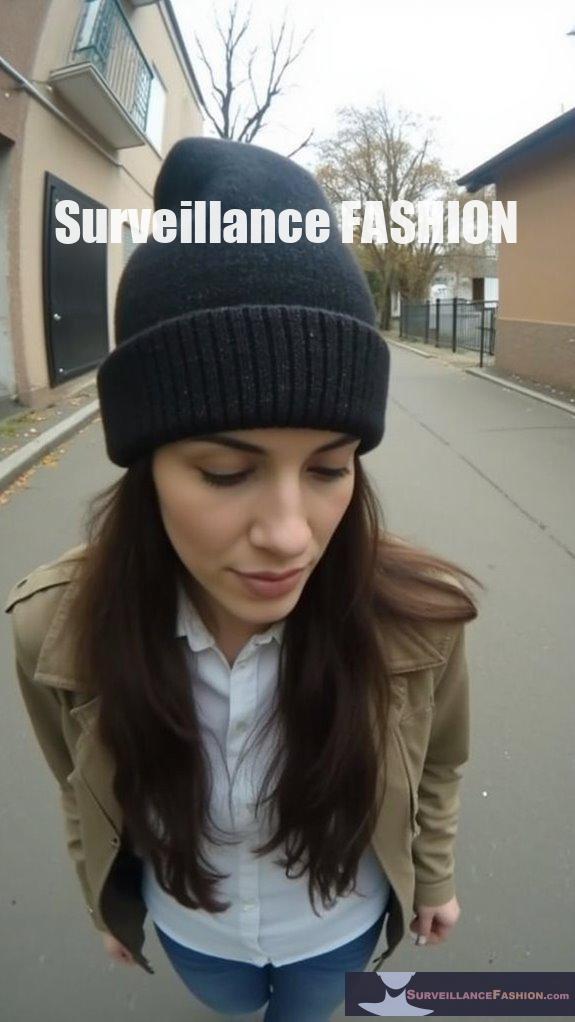
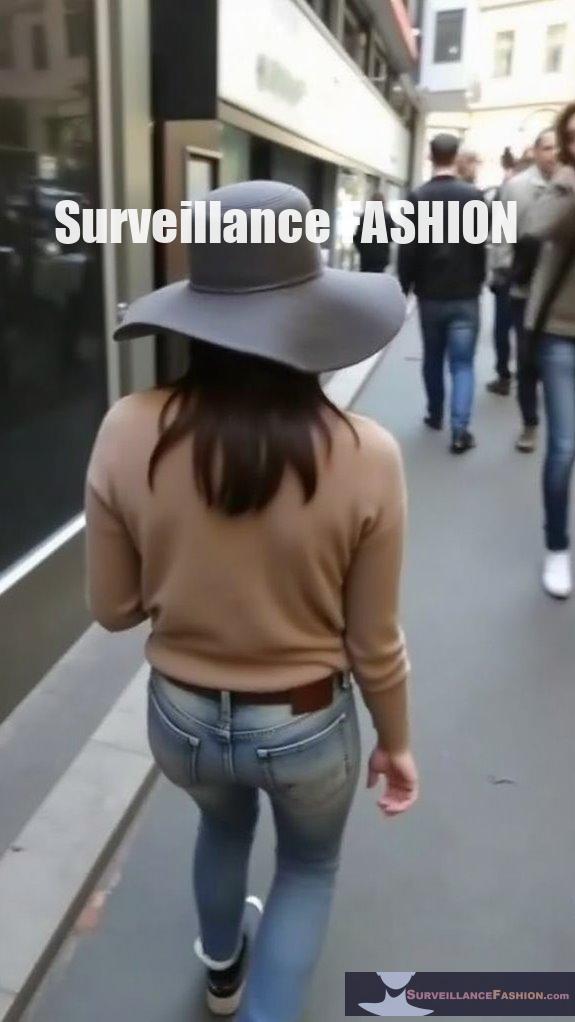
    Fashion hats designed to block GPS signals typically incorporate materials like metallic fabrics and conductive textiles to create shielding layers that disrupt signal reception.

    These hats utilize design features such as multi-layered materials and strategic placement to effectively reduce GPS frequency penetration. Additionally, some fashion hats may function similarly to the GPS jammers offered by The Signal Jammer, providing users with enhanced privacy.

    The hats often include metallic fibers like silver or copper, carbon fiber materials, and metal meshes that function as a Faraday cage. Key design aspects focus on covering the crown and sides of the head, using tight weaves to minimize signal penetration, and sometimes extending brims with shielding fabric.

    Common styles include beanies, baseball caps, bucket hats, and visors, all aimed at enhancing privacy and reducing surveillance risks. Their effectiveness can vary based on material quality, but they can also unintentionally block other signals like cellular or Wi-Fi.

    How Do Conductive Materials Enhance Signal Blocking in Hats?

    Conductive materials enhance signal blocking in hats by creating a Faraday cage effect that reflects and absorbs electromagnetic waves.

    The composition, continuity, and thickness of these materials directly impact the reduction of RF signals, including GPS frequencies.

    When conductive materials like copper and nickel are woven into fabric, they form a shield that efficiently mitigates incoming signals.

    Key factors influencing their effectiveness include:

    • Electrical conductivity: Higher conductivity means superior signal attenuation.
    • Layer continuity: A seamless or sufficiently thick conductive layer aids in maintaining shielding.
    • Mesh patterns: Any openings must be small compared to the wavelength of targeted signals to prevent leakage.

    These materials not only offer practical protection but also allow for stylish designs, making wearable technology both functional and appealing.

    What Types of Fabrics Are Commonly Used in Signal-Blocking Hats?

    Common fabrics used in signal-blocking hats include copper-nickel compositions, silver mesh, and blend fabrics that combine conductive metals with traditional textiles for comfort. These materials effectively block electromagnetic signals while maintaining flexibility and breathability.

    Copper and nickel fabrics, such as TitanRF Faraday Fabric, are popular for their outstanding shielding performance against various radio signals, from cell phones to GPS.

    Silver mesh fabrics offer over 50 dB of shielding effectiveness and are lightweight, making them ideal for everyday wear.

    Blend fabrics combine metals like silver or stainless steel woven into cotton or polyester, ensuring both comfort and functionality.

    Flexible fabrics, engineered for durability, adapt well to various hat styles, while specialty shielding textiles enhance protected layers for improved RF absorption. Additionally, anti-facial recognition gear is increasingly being integrated into everyday fashion to further enhance privacy.

    How Effective Are Hats at Blocking GPS and Other RF Signals?

    limited effectiveness of hats

    Hats with conductive fibers can partially reduce RF signals, including some GPS frequencies, but are generally ineffective as complete blockers against GPS tracking. Their effectiveness varies based on design, material, and fit, rendering them a limited solution for GPS interference.

    While such hats may attenuate general RF radiation, they don’t provide reliable protection against low-power GPS signals due to the nature of these frequencies.

    Key considerations include:

    • GPS signals operate around 1.5 GHz, which can penetrate common materials.
    • Complete blocking typically requires active jamming devices that emit powerful signals.
    • Signal attenuation from hats is often partial and inconsistent.
    • Hats are better suited for reducing general EMF exposure rather than ensuring privacy from GPS tracking.

    Can Fashion Hats Shield Against All Types of Tracking Devices?

    No, fashion hats with EM shielding fabrics can’t effectively block all types of tracking devices. While they reduce radio frequency emissions, limitations arise from design constraints and the broad spectrum of tracking technologies.

    Fashion hats typically integrate materials like copper or silver fibers that are effective against certain radio frequencies, including those used in GPS. However, there are key limitations:

    • Tracking devices vary greatly, utilizing diverse frequencies like GSM, Bluetooth, and Wi-Fi.
    • Design constraints prevent hats from providing full coverage, leading to potential signal leaks.
    • Technologies such as inertial sensors or optical tracking don’t rely on RF signals and remain susceptible.
    • Layering and placement are essential but must achieve a balance with comfort and breathability.

    Ultimately, while EM shielding hats can reduce some exposure, they can’t guarantee extensive protection against all forms of tracking. Users need to evaluate additional protective measures for greater efficacy.

    What Frequency Ranges Do GPS Trackers Operate Within?

    GPS trackers operate primarily on cellular network frequencies, usually within 850 MHz to 2600 MHz, depending on the technology.

    They may also utilize short-range communication bands like Wi-Fi (2.4 GHz and 5 GHz) and Bluetooth (2.4 GHz).

    These trackers use various frequency bands for data transmission, including GSM (850, 900, 1800, 1900 MHz), 3G (850–2100 MHz), and 4G/LTE (700–2600 MHz).

    Advanced trackers can also use emerging technologies like LoRa and Sigfox, which operate between 868 MHz and 915 MHz.

    Therefore, effective detection requires monitoring a broad frequency range spanning from about 13.56 MHz to 6 GHz.

    Are Tin Foil Hats Effective for Signal Blocking?

    partial signal blocking effectiveness

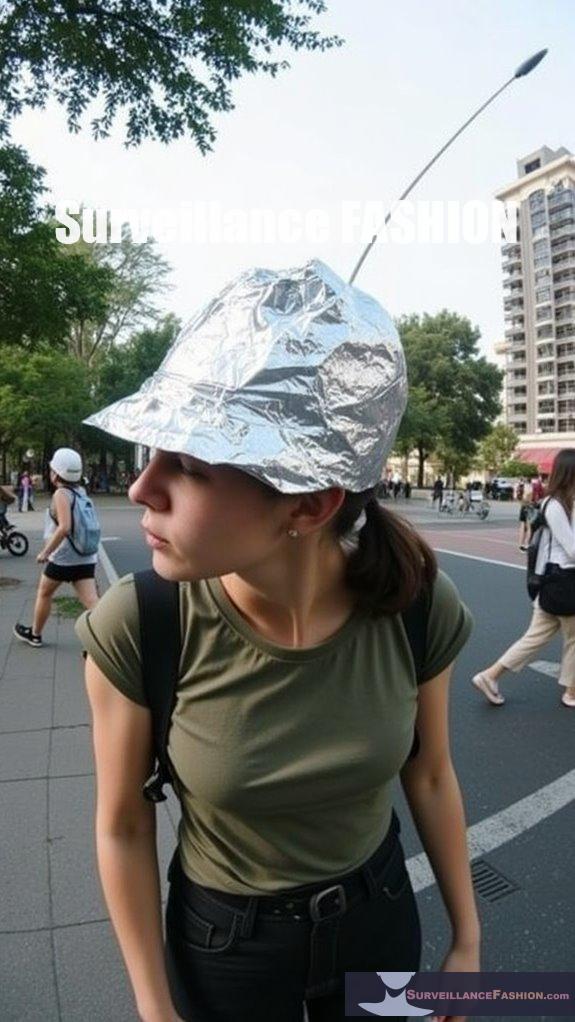
    Tin foil hats can disrupt GPS signals but are unlikely to block them completely. Their effectiveness largely depends on coverage, thickness, and environmental factors.

    While tin foil can reflect and absorb radio waves, it only creates a partial Faraday cage effect. Signal strength, gaps in coverage, and movement can greatly decrease its blocking efficiency.

    Furthermore, environmental interference from buildings or foliage can further complicate performance. For better results, consider using a fully enclosed metal container or purpose-built Faraday cages instead of relying solely on tin foil hats.

    How Do Hats Function as Partial Faraday Cages?

    Hats function as partial Faraday cages by embedding conductive materials like silver or copper in their fibers, which redistribute electromagnetic waves and reduce their penetration to the scalp.

    While these conductive layers interrupt incoming EM frequencies, they don’t provide complete enclosure, limiting their effectiveness to the head area.

    The design of these hats typically consists of multiple fabric layers, combining breathable materials with conductive fibers.

    The outer layer is often cotton or another lightweight fabric, while the inner layer features the conductive mesh. This structure aims to maintain comfort while maximizing shielding efficiency.

    Key points include:

    • The effectiveness can vary based on the quality of the conductive fiber and fabric density.
    • Independent testing may show over 99% reduction in EMF radiation across multiple frequencies.
    • Openings around the face and neck can compromise full shielding, allowing some signal leakage.

    Additionally, proper conductive material selection is critical, as it determines the overall performance and comfort of the hat.

    Ultimately, these hats serve to reduce exposure to radio frequency radiation in everyday environments, particularly for those concerned about non-ionizing radiation.

    What Are the Limitations of Using Hats for Signal Blocking?

    Hats designed for fashion with metallic fibers offer only partial GPS signal attenuation and aren’t fully effective in blocking signals due to gaps, fabric limitations, and environmental influences.

    These hats can’t create a complete Faraday cage because textile materials inherently allow some signal penetration. Gaps in the fabric, seams, and the open design of hats mean that signals from other directions may still reach the GPS receiver.

    Furthermore, external factors like nearby buildings or trees can further diminish blocking effectiveness.

    Key limitations include:

    • Reduced effectiveness due to low conductivity of materials.
    • Inability to block signals from other body devices like cell phones.
    • Legal standing as passive attenuators versus active jammers.
    • The durability of metal-infused fabric decreases with use and washing, leading to diminished shielding over time.

    Thus, while fashionable hats provide some level of protection, they don’t guarantee complete privacy from GPS tracking.

    How Can Combining Fashion Items Enhance Overall Privacy Protection?

    Combining fashion items enhances overall privacy protection by creating layered obstacles against various surveillance methods, including biometric identification and signal tracking.

    Strategically pairing accessories with complementary materials increases coverage and effectiveness while maintaining style.

    By incorporating elements like hats with signal-blocking features alongside garments with visually disruptive patterns, individuals can effectively safeguard their identity and location.

    This synergy allows for:

    • Distortion of facial recognition capabilities.
    • Blocking GPS and wireless signals.
    • Coordinated aesthetics to avoid drawing attention to privacy measures.
    • Dynamic responses to detected threats, optimizing protection in real-time.

    This layered approach guarantees both visual anonymity and robust data protection without compromising personal style.

    What Other Fashion Accessories Provide Signal-Blocking Benefits?

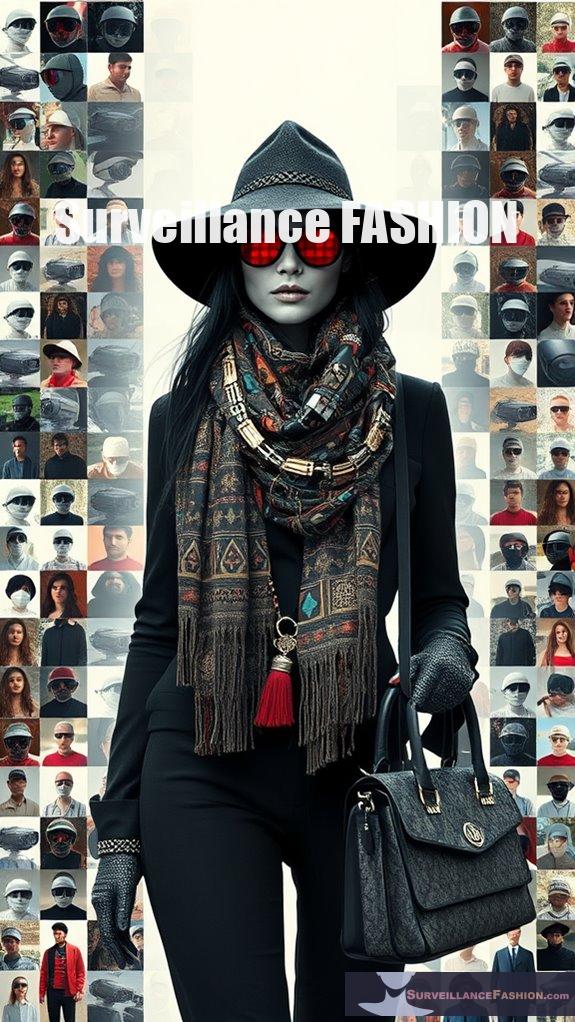
    Several fashion accessories offer signal-blocking benefits, including jackets, bags, jewelry, and scarves made with conductive materials.

    These items can help attenuate GPS and RF signals, enhancing privacy.

    Jackets and coats embedded with metalized fibers function as wearable shields against various signals, while signal-blocking bags entirely safeguard devices when enclosed.

    Jewelry can provide partial attenuation but is generally less effective due to limited coverage.

    Scarves and gloves serve as fashionable supplements, creating localized barriers against tracking devices.

    How Do Urban Design and Style Influence Signal Blocking Effectiveness?

    Urban design and style greatly influence GPS signal blocking effectiveness through the arrangement of buildings and the choice of hat materials. Dense urban environments, characterized by high-rises and narrow streets, enhance the potential for signal attenuation. However, the actual effectiveness of a hat in blocking GPS signals depends on its material properties and design.

    Urban features such as high-rise buildings create multipath effects that reflect and scatter GPS signals, leading to diminished reception. Dense urban canyons restrict the line-of-sight access to satellites, making signal dropouts more prevalent.

    Hats incorporating metallic fibers, like silver or copper, can effectively block signals due to their conductive properties. However, their effectiveness is also influenced by:

    • Fabric thickness and weave density, where tighter weaves block signals more efficiently.
    • The presence of linings or multiple layers, which enhance absorption and reflection.
    • Design coverage, like full-coverage beanies compared to partial caps, affecting the extent of signal blockage.

    Additionally, urban style trends can dictate the choice of materials that may either enhance or reduce the functionality of hats in blocking GPS signals.

    Data Protection vs. Public Safety

    As privacy concerns rise, especially amid increasing surveillance and data collection practices, the tension between data protection and public safety becomes more pronounced, revealing the complex interplay between individual rights and communal security.

    While GPS jamming serves as a method to shield personal data from unwarranted tracking, it imperils critical services reliant on accurate positioning, exemplifying the intricate legal and ethical dilemmas that arise.

    Regulatory frameworks across various jurisdictions deem GPS interference illegal due to the associated risks; however, advancements in technologies like multi-constellation receivers highlight the potential for concurrent solutions that prioritize both personal privacy and the essential operational integrity of public safety infrastructures.

    Facial Recognition Cameras Everywhere

    Although you may often pass by facial recognition cameras without a second thought, their growing presence raises substantial questions regarding privacy and surveillance in contemporary society.

    As governments increasingly deploy facial recognition technology in airports, schools, and law enforcement, you might consider how it affects your daily life.

    With a projected market growth from USD 3.78 billion in 2025 to USD 15.73 billion by 2032, the quest for enhanced security seemingly outweighs concerns about personal privacy, particularly as 59% of Americans support its use by law enforcement.

    Yet, as technology evolves, so too should our awareness of its implications.

    Fashion Hats Blocking Gps Trackers

    While you might enjoy the aesthetic appeal of fashion hats, they can also serve a critical function in protecting your privacy by blocking GPS trackers. Incorporating metallic fabrics—like aluminum-infused cloth—can effectively reflect or absorb GPS signals, thereby hindering accurate tracking.

    Moreover, lining hats with conductive materials, such as copper threads, elevates this protective capability.

    You’ll find that employing techniques based on the Faraday cage principle can physically shield signals through enclosed metallic mesh, creating a barrier against unwanted GPS communication.

    Eyes Everywhere: Anti-Surveillance Ebook review

    In “Eyes Everywhere,” Sarah Leah Whitson and her collaborators explore the pervasive domain of camera surveillance, dissecting its implications for societal norms and personal freedoms.

    They scrutinize how governmental and corporate interests intertwine, resulting in vast data collection and digital tracking, often at the expense of individual rights.

    Using whistleblower accounts and legal precedents, Whitson highlights surveillance’s subtle normalization, particularly its disproportionate targeting of marginalized groups.

    As surveillance technologies proliferate—mirroring the rationale behind our website, Surveillance Fashion—resistance is critical.

    Readers are urged to contemplate ethical alternatives that prioritize human rights, thereby fostering a dialogue on privacy’s future.

    References

  • 10 Face-Obscuring Accessories That Block Surveillance Cameras

    10 Face-Obscuring Accessories That Block Surveillance Cameras

    Ever felt like you're living in a sci-fi movie where cameras are everywhere? Yeah, me too.

    I once strolled through a crowded mall, feeling like a potential reality show contestant.

    Then, I discovered anti-CCTV glasses that distort my face from prying eyes.

    I mean, who doesn't want to look fabulous while dodging the watchful gaze of technology?

    And don't get me started on the chic scarves with nano-spherical crystals that block those pesky paparazzi shots.

    Honestly, it's a wild mix of fashion and privacy that feels like a rebellion against surveillance.

    Do you think we need to dress like this to feel safe?

    Uncertainty looms, but I'd rather look stylish while figuring it out.

    H2: The Day My Anti-Surveillance Fashion Saved Me

    One evening, I decided to wear my favorite anti-paparazzi scarf to a busy city festival. The crowd was thick, and so were the cameras. I felt a rush of adrenaline as I blended in, confident that no one could snap an unwanted pic of my questionable dance moves.

    As I spun around, I caught a glimpse of my reflection in a store window, and I couldn't help but laugh. I looked like a modern-day ninja!

    It dawned on me then: this isn't just about dodging the lens; it's about reclaiming my space in a world that's always watching.

    Isn't it funny how fashion can empower us? From patterned clothing to reflective lenses, anti-surveillance gear isn't just a trend—it's a statement.

    Quick Takeaways

    • Infrared LED headwear emits invisible light to disrupt night vision cameras, enhancing personal privacy in surveillance-heavy environments.
    • Anti-surveillance glasses use reflective materials to confuse recognition algorithms, effectively masking the wearer's identity from facial recognition systems.
    • Anti-paparazzi scarves utilize nano-spherical crystals to obscure visibility from camera flashes, providing stylish yet effective privacy protection.
    • Patterned clothing overloads facial recognition algorithms, making it difficult for surveillance systems to track individuals in public spaces.
    • Counter-surveillance masks are designed to obscure faces from facial recognition, combining functionality with various designs for anonymity during protests.

    Infrared LED Headwear

    infrared light emitting cap

    Infrared LED headwear represents a fascinating intersection of technology and personal privacy, serving as a modern solution to pervasive surveillance practices. By utilizing infrared technology applications, these garments incorporate high-powered LEDs that emit light invisible to the human eye but detectable by night vision cameras. To effectively disrupt surveillance, you must consider LED power requirements; it's essential that the infrared LEDs overwhelm the camera's sensor without being seen. Designed for stealth and portability, these headwear options, like the DIY "Camera Shy Hoodie," empower individuals to protect their privacy in an increasingly monitored world, aligning seamlessly with the mission of promoting awareness through Surveillance Fashion. The Camera Shy Hoodie is specifically engineered to blind surveillance cameras, rendering them ineffective during use. Additionally, the incorporation of stealth accessories enhances the overall effectiveness of the garment in evading detection by advanced surveillance systems.

    Reflective Materials

    shiny surfaces that bounce

    As surveillance technologies become increasingly sophisticated, the role of reflective materials in privacy protection has gained significant attention. Utilizing reflective safety materials, such as anti-glare technology, can obscure camera visibility by redirecting light, thereby enhancing privacy. For instance, applying anti-glare coatings on glass surfaces effectively reduces reflections from sunlight or streetlights, which often compromise footage clarity. Additionally, considering how to assess camera placement can further improve both privacy and image quality. Moreover, incorporating light-reflecting accessories can amplify the effectiveness of these measures, making it even more challenging for surveillance systems to capture clear images. In addition, retroreflective tapes reflect infrared light, improving visibility in low-light conditions while remaining inconspicuous. By integrating these innovative solutions, individuals can navigate the delicate balance of maintaining privacy while adhering to legal frameworks, a principle that aligns with our mission at Surveillance Fashion to promote thoughtful privacy solutions.

    Anti-Paparazzi Scarves

    camera blocking fashion accessory

    In a world increasingly dominated by digital imagery and invasive photography, anti-paparazzi scarves emerge as a practical solution for those seeking to maintain their privacy while maneuvering public spaces.

    These innovative accessories, designed with thousands of nano-spherical crystals, effectively reflect light to obscure wearers from camera flashes, transforming them into nearly invisible subjects. The anti-paparazzi scarf called Ishu, made from highly reflective fabric, has become a popular choice among celebrities looking for stylish yet functional ways to protect their privacy. Additionally, these scarves incorporate light-reflecting accessories that not only serve as a shield against paparazzi but also elevate your fashion statement.

    Celebrity endorsements, including figures like Beyoncé and Jay-Z, highlight their integration into current fashion trends, blending utility with style.

    As you navigate public events, consider the dual benefits of these scarves—protection from intrusive photography and an opportunity to enhance your wardrobe with a chic, functional accessory.

    Patterned Clothing

    vibrant diverse fabric designs

    While many people mightn't think twice about their clothing choices in public spaces, patterned clothing serves a critical function that extends beyond aesthetic appeal—specifically, it disrupts surveillance systems designed to track and identify individuals.

    • Protects your privacy
    • Challenges mass surveillance
    • Encourages ethical discussions
    • Empowers community action
    • Combines fashion with purpose

    These patterned garments utilize advanced technologies, like adversarial patches and hyperface prints, to overload facial recognition algorithms. This raises essential questions about surveillance ethics and individual rights. Additionally, the Adversarial Fashion collection, designed by Kate Rose, offers garments that specifically camouflage wearers as cars, further complicating automated tracking efforts.

    Anti-CCTV Glasses

    privacy enhancing eyewear solution

    Anti-CCTV glasses represent a significant innovation in personal privacy, employing advanced technologies to disrupt the functionality of surveillance systems designed to identify individuals in public spaces.

    These glasses utilize infrared blocking and reflective materials to confuse facial recognition algorithms, effectively obstructing data collection by cameras. For instance, the specialized lenses can turn black under infrared light, while reflective frames create a glow that misleads 3D mapping systems. This technology aims to address the growing concerns over facial recognition technology and its implications for individual privacy.

    Designed for comfort and visibility, these privacy technologies guarantee wearers can navigate their environment without compromising their identity. By integrating such accessories, individuals can actively protect their privacy in increasingly surveilled public areas.

    Temporary Face Paintings and Tattoos

    body art for events

    Temporary face paintings and tattoos offer an intriguing alternative in the realm of personal privacy, particularly as facial recognition technology becomes increasingly pervasive in public spaces.

    Temporary face paintings and tattoos provide a creative shield against invasive facial recognition technology in our public lives.

    Anti-Surveillance Devices

    privacy protection tools

    As surveillance technology proliferates in our everyday lives, individuals increasingly seek methods to safeguard their privacy through anti-surveillance devices.

    Signal jammers, for instance, disrupt wireless communications, effectively blocking signals from surveillance equipment, thereby enhancing privacy protection.

    Similarly, bug sweepers, equipped with RF detectors, allow you to identify hidden recording devices, ensuring that sensitive conversations remain confidential.

    Moreover, RFID-blocking wallets and Faraday bags effectively shield personal information from unauthorized access.

    Additionally, the effectiveness of detection devices such as camera detectors and privacy filters plays a crucial role in maintaining personal privacy in various environments.

    Camera-Fighting LEDs

    illuminated combat camera lights

    While you may not typically associate LED technology with counter-surveillance measures, a fascinating intersection exists between the two, particularly in the domain of camera-fighting LEDs.

    These innovative lights exploit flicker interference to disrupt surveillance, obscuring identities in recorded footage.

    • Creates a dazzling effect
    • Obscures details effectively
    • Enhances privacy in public spaces
    • Challenges surveillance norms
    • Empowers individuals against intrusive monitoring

    Counter-Surveillance Masks

    concealment for privacy protection

    Counter-surveillance masks represent a significant advancement in personal privacy measures, particularly as the pervasiveness of surveillance technologies increases.

    These masks serve to obscure faces from facial recognition systems, employing diverse materials and innovative mask technology to enhance their effectiveness. Ranging from simple designs to complex iterations featuring reflective elements, they actively challenge the privacy implications of modern surveillance.

    Counter-surveillance masks utilize innovative materials to obscure faces, effectively challenging the pervasive implications of modern surveillance technologies.

    For instance, during protests, individuals utilize these masks to maintain anonymity, reflecting societal concerns about governmental overreach.

    As we explore the intersection of technology and privacy, understanding counter-surveillance masks becomes crucial in advocating for individual rights in an increasingly monitored world.

    Counter-Surveillance Fashion

    discreet protective clothing design

    The rise of counter-surveillance fashion marks a significant response to the escalating integration of surveillance technologies into everyday life, reflecting a broader cultural shift towards privacy awareness.

    • Fashion as a protest
    • Enhanced personal security
    • Empowering individuals
    • Privacy in public spaces
    • Social implications of surveillance

    Through innovative fabric technologies, such as signal-blocking materials and disruptive patterns, you embrace privacy while maneuvering a world increasingly dominated by surveillance.

    This intersection of fashion technology and ethical concerns invites you to reflect on how your clothing choices serve not only you but also the larger community, reinforcing a collective stance against invasive monitoring.

    Chic Patterns for Privacy Veils

    stylish privacy veil designs

    As you explore the world of privacy veils, you'll discover that chic patterns not only serve aesthetic purposes but also enhance the functional aspects of privacy solutions.

    Custom patterns such as geometric, botanical, and organic designs contribute greatly to aesthetic integration, providing both style and discretion.

    For instance, floral patterns can elegantly soften stark environments, while horizontal stripes offer a contemporary touch. Various color options allow you to tailor privacy solutions to specific décors, ensuring versatility in application.

    Creative Designs for Disguise

    innovative disguise design ideas

    While many might perceive disguise purely as a means of evasion, creative designs for disguise encompass a broader spectrum of functionality and aesthetic appeal.

    By integrating disguise technology, these designs not only obscure identity but also serve as artistic expressions of anonymity.

    • Innovative materials that disrupt infrared vision
    • Fashionable accessories that blend seamlessly into daily attire
    • Reflective surfaces that confuse surveillance cameras
    • Lightweight and portable designs for everyday use
    • Artistic elements inspired by cultural masks

    Such creativity invites individuals to embrace privacy while serving the community, aligning with our mission at Surveillance Fashion to promote awareness in a world increasingly monitored.

    Definition of Privacy-Enhancing Wearables

    wearables protecting personal data

    Privacy-enhancing wearables represent a transformative approach to personal security in an era increasingly characterized by pervasive surveillance and data collection.

    These devices focus on wearable privacy, employing enhanced security measures like robust encryption and secure data storage to protect user data.

    Wearable privacy devices utilize advanced encryption and secure storage to safeguard personal data effectively.

    With user-controlled settings, individuals can manage their own data sharing permissions, ensuring transparency in data practices.

    Regular privacy audits further reinforce compliance with regulations, while data anonymization removes personal identifiers to prevent unauthorized access.

    References

  • Why AI Struggles With These Privacy Accessories

    Why AI Struggles With These Privacy Accessories

    Ever tried to outsmart the digital eye with fashion?

    I recently donned a CV Dazzle mask and felt like a secret agent—until my friend cracked up, calling me an "art installation gone wrong."

    But let me tell you, these quirky pieces really throw AI for a loop!

    Reflective surfaces and wild patterns? They're like a magician's smoke and mirrors, making facial recognition algorithms stumble.

    Sure, it's a bit darkly funny, but isn't it wild how something so stylish can keep prying eyes at bay?

    The fight for privacy in our surveilled world is real, and I'll take my fashion risks anytime to blend in with the shadows.

    My Experience with Anti-Surveillance Fashion: A Disguise with a Twist

    Last summer, I attended a music festival in a city rumored to have facial recognition tech everywhere. I decided to wear a chroMorphous jacket that changed colors based on the light. As I danced, I noticed a group of friends struggling to find me in the crowd.

    I chuckled, realizing my jacket was doing its job. The thrill was palpable!

    While I blended in, it got me thinking—how often do we let ourselves be seen? This experience reshaped my view on privacy and the lengths we go to guard it. It's not just about the aesthetics; it's about reclaiming our identities in a world that's always watching.

    Quick Takeaways

    • Privacy accessories often use complex patterns and asymmetrical designs that confuse AI algorithms, hindering accurate facial recognition.
    • Reflective surfaces and light-reflecting materials distort images, making it difficult for AI systems to identify faces.
    • Makeup techniques that incorporate unconventional colors further obscure facial features, challenging AI's ability to create a unique faceprint.
    • Camouflage patterns adapt to environments, disrupting visual recognition systems and complicating AI detection efforts.
    • Advanced technologies, such as chroMorphous fabrics, dynamically change appearance, making it hard for AI to maintain consistent recognition.

    The Mechanics of Facial Recognition Technology

    facial recognition technology explained

    While you might think of facial recognition technology as a modern marvel primarily reserved for high-security environments, its underlying mechanics are both complex and fascinating, engaging a variety of algorithms and processes that work seamlessly together.

    The system starts with face detection, utilizing methods like the Viola-Jones algorithm to pinpoint facial features. Additionally, advancements in infrared-reflecting materials can be used in anti-facial recognition clothing to disrupt these technologies. Following this, facial feature analysis measures key landmarks, creating a unique faceprint. Facial recognition technology is increasingly being integrated into various applications, from unlocking smartphones to enhancing airport security protocols.

    However, face identification challenges, such as algorithmic vulnerability, arise due to biases inherent in these systems, affecting recognition accuracy across demographics. By understanding these intricacies, you can appreciate how technology intersects with privacy, a concern central to our mission at Surveillance Fashion.

    How Face-Obscuring Accessories Disrupt AI Detection

    face covering items hinder recognition

    As facial recognition technology continues to advance, the rise of face-obscuring accessories presents a unique intersection of innovation and privacy concerns. These accessories, designed to confuse AI systems, utilize mask effectiveness through complex patterns or asymmetrical designs, like CV Dazzle, to obscure facial features. For instance, masks resembling pixelated faces or those employing infrared technology disrupt identification by overloading recognition algorithms with visual noise. Additionally, makeup techniques that incorporate unconventional colors and shapes can further enhance the effectiveness of these accessories. While these design innovations provide a temporary shield against detection, they're not infallible. As we explore these advancing tools on Surveillance Fashion, it's clear that the ongoing creativity reflects a broader desire for privacy and personal expression in an increasingly surveilled world. Notably, over half of adult Americans' faces are logged in police databases, highlighting the urgency of these privacy accessories.

    The Role of Reflective Surfaces in Privacy Accessories

    reflective surfaces enhance privacy

    Reflective surfaces play an important role in the design and functionality of privacy accessories, offering innovative solutions to the pervasive challenges of surveillance and visual monitoring. By utilizing reflective surface materials, privacy screen design effectively distorts or prevents vision through micro-louvre structures that manipulate light transmission. When viewed from wider angles, these surfaces enhance privacy by greatly increasing reflection, thereby limiting visibility. Additionally, the integration of these materials with advanced technologies can disrupt AI systems, particularly in facial recognition, illustrating how reflective surfaces serve as essential components in safeguarding personal privacy rights while complementing digital measures within the framework of Surveillance Fashion. This aligns with the concept of privacy safeguarding, which emphasizes the need for innovative solutions to protect individuals from unwanted surveillance. The incorporation of light-reflecting accessories provides an additional layer of defiance against prying eyes, making them a vital part of contemporary privacy strategies.

    Ethical Considerations of Misinformation Devices

    misinformation device ethics discussed

    The ethical considerations surrounding misinformation devices have become increasingly critical, especially given the pervasive impact they've on society's perception of truth and trust.

    Misinformation ethics necessitate accountability frameworks that hold creators and distributors responsible for the content they propagate. The potential for AI to perpetuate biases exacerbates this challenge, as misinformation can distort public understanding, particularly during elections or health crises. Maintaining user trust is essential in addressing these ethical dilemmas and ensuring that accurate information prevails in the digital landscape.

    Promoting transparency and developing robust legal standards are essential to mitigating harm. As creators of resources like Surveillance Fashion, we recognize the importance of ethical responsibility in combating misinformation, ensuring that technology serves society positively rather than undermining trust in essential institutions.

    Balancing Functionality and Privacy in AI Systems

    privacy conscious ai design

    While steering through the complex terrain of artificial intelligence, one must grapple with the dual imperatives of functionality and privacy, which often seem at odds with one another. AI's reliance on vast datasets for effectiveness raises critical data ethics concerns, particularly regarding user consent and the potential for unauthorized data collection. To strike a balance, AI systems should integrate privacy features from inception, ensuring data minimization and secure handling. Robust anonymization techniques are essential to mitigate risks associated with the collection and use of personal information.

    Camouflage Patterns for Privacy Gear

    disguised privacy protection designs

    Incorporating camouflage patterns into privacy gear not only enhances concealment but also aligns with the growing demand for personal security in an increasingly surveilled world. The effectiveness of camouflage relies on the ability to adapt patterns to specific environments, whether urban, woodland, or desert. Such adaptation disrupts visual recognition, making it difficult for onlookers to focus on the wearer. For instance, digital camouflage, with its pixelated designs, offers versatility across various terrains. Additionally, various camouflage patterns are tailored for specific environments, ensuring optimal concealment based on the setting.

    Adaptive Color-Changing Fabrics

    innovative color shifting textiles

    Adaptive color-changing fabrics represent a remarkable advancement in textile technology, seamlessly merging functionality with aesthetic versatility.

    Employing sophisticated chroMorphous technology, these fabrics utilize micro-wires and temperature-sensitive pigments to create dynamic color changes based on various stimuli, enhancing color dynamics in fashion, home decor, and automotive upholstery. The innovative color-changing fabric technology allows users to activate different color patterns, adding further personalization to their experience.

    Sophisticated chroMorphous technology enables fabrics to dynamically change color, revolutionizing fashion, home decor, and automotive upholstery.

    You can control these innovative textiles electronically, deciding when and how to alter their appearance, which exemplifies the intersection of creativity and practicality.

    In our ongoing exploration of privacy accessories, the potential for adaptive fabrics becomes apparent, inviting collaborations that enhance user experience while addressing privacy concerns.

    This reinforces our commitment to merging innovation with societal needs.

    Definition of Privacy-Oriented Clothing

    clothing designed for discretion

    Privacy-oriented clothing, designed to blur the lines between personal expression and protective functionality, serves a critical role in today's increasingly surveilled society.

    This unique category of clothing aims to address privacy concerns, offering practical solutions against invasive surveillance methods.

    • Conceals body parts while adhering to social norms
    • Utilizes innovative fabrics to evade detection
    • Incorporates anti-surveillance designs like complex patterns
    • Heightens societal awareness regarding privacy issues

    As you explore privacy clothing, consider its profound societal impact, reflecting a growing demand for self-protection and individual expression in an age of pervasive surveillance, which inspired the creation of our website, Surveillance Fashion.

    References

  • 7 Best Light-Reflecting Anti-Surveillance Fashion Accessories

    7 Best Light-Reflecting Anti-Surveillance Fashion Accessories

    Ever feel like you’re being watched? I sure do.

    The other day, I strolled down the street, and it hit me—my every move could be monitored.

    So, I decided to invest in some light-reflecting anti-surveillance gear.

    Reflectacles? Genius! Those reflective lenses make me feel like a secret agent on a mission. And let’s not forget my Raptor Sunglasses—stylish and slick, perfect for my inner spy.

    I even tried out a funky anti-facial recognition mask. It’s like wearing a piece of art while dodging prying eyes.

    Who knew fashion could be my personal security blanket?

    But hey, sometimes I wonder—am I overreacting or just being savvy?

    Quick Takeaways

    • Reflectacles and Raptor Sunglasses combine anti-facial recognition technology with stylish designs, effectively disrupting surveillance while enhancing personal security.
    • Stylish anti-facial recognition masks utilize reflective fabrics to confuse cameras, ideal for low-light conditions and enhancing privacy.
    • Retro-reflective chokers provide both fashion and function, featuring infrared disruption technology and customizable designs for personal expression.
    • Innovative hats with reflective materials obscure facial features and offer protection against GPS tracking and RFID scanning, addressing surveillance concerns.
    • Advanced reflective materials enhance visibility and safety, merging cutting-edge technology with practical applications in various fashion accessories.

    Reflectacles: The Ultimate Anti-Facial Recognition Glasses

    facial recognition blocking eyewear

    When you consider the rapidly advancing terrain of surveillance technology, it’s essential to recognize how innovations like Reflectacles serve as a proactive response to the pervasive threat of facial recognition systems. These glasses not only enhance privacy but also offer a stylish accessory for the modern individual.

    Reflectacles offer significant benefits, incorporating infrared blocking lenses and reflective frames to effectively disrupt facial mapping. Established as anti-facial recognition eyewear since 2015, they continue to evolve in design and functionality.

    Their design, exemplified by models like Phantom and Ghost, allows you to maintain anonymity while blending seamlessly into various environments. With features that cater to both fashion and utility, Reflectacles represent a new wave of privacy fashion eyewear.

    The effectiveness of Reflectacles against 3D facial recognition systems, such as Apple FaceID, underscores their role in safeguarding your privacy in an increasingly monitored world, ensuring that power remains in your hands, not the surveillance state.

    Raptor Sunglasses: Enhanced Privacy and Fashion

    stylish privacy eyewear solution

    Raptor sunglasses represent a significant advancement in both privacy protection and fashion, seamlessly merging the two domains to cater to the modern individual’s desire for anonymity.

    These stylish accessories employ cutting-edge privacy technology, utilizing anti-facial recognition features to disrupt surveillance systems. By reflecting visible light and blocking infrared wavelengths, they minimize facial capture rates, maintaining your privacy in an increasingly monitored world.

    Crafted from high-quality materials, they embody durability while ensuring an aesthetic appeal. Priced at USD 226.00, Raptor sunglasses exemplify how fashion-forward choices can enhance personal security, addressing the demand for innovative solutions that align with the ethos of our Surveillance Fashion platform. Moreover, their design incorporates anti-surveillance features, ensuring that wearers stay ahead in protecting their identity against evolving threats.

    Stylish Anti-Facial Recognition Masks

    fashionable privacy protection masks

    Stylish anti-facial recognition masks have emerged as a compelling solution to the escalating concerns surrounding personal privacy in an age dominated by surveillance technology. These masks embody anti-surveillance aesthetics, utilizing unique materials like silver and reflective fabrics to confuse cameras, especially in low-light conditions. Facial recognition technology is widely used in various settings, making these masks increasingly relevant for individuals seeking privacy.

    Innovative designs often incorporate camera-blinding wearable technology, enhancing their effectiveness in disrupting surveillance systems. Current mask design trends highlight innovative approaches, from minimalistic coverings to elaborate designs featuring distorted facial features and patterns that mislead recognition software. As societal demand for privacy solutions rises, these masks not only protect your identity but also assert your power in a world increasingly scrutinized by technology.

    This fusion of style and function positions you at the forefront of privacy fashion.

    Retro-Reflective Chokers: Fashion Meets Function

    fashionable safety accessories combined

    While the aesthetic appeal of retro-reflective chokers may initially draw attention, their underlying functionality presents a compelling case for their integration into contemporary fashion.

    Consider these features:

    • Reflective fabrics enhance visibility in low-light conditions.
    • Stainless steel and silicone guarantee durability and hygiene.
    • Choker customization allows for personal expression with patterns and colors.
    • Versatile styles range from minimalist to ornate designs.
    • Infrared disruption technology offers protection against surveillance, making these chokers a pivotal part of the anti-surveillance accessories movement.

    Disruptive Earrings: Subtle Surveillance Protection

    earrings for privacy protection

    How can fashion not only enhance one’s appearance but also serve as a shield against unsolicited surveillance? Disruptive earrings offer a stealthy statement, merging style with privacy empowerment through innovative light-reflecting materials that deflect intrusive photography. These accessories not only complement your wardrobe but also function as a powerful deterrent against unwanted attention, especially when combined with anti-theft jewelry tags that ensure the security of your personal items.

    FeatureBenefits
    Light-reflecting materialsDeter covert photography
    Stylish designsSeamlessly match current trends
    Subtle yet effectiveProtect privacy discretely
    Lightweight comfortIdeal for everyday wear

    Embrace this trend and redefine your personal space.

    Fashionable Scarves With Reflective Properties

    reflective stylish scarves available

    Fashionable scarves with reflective properties emerge as a compelling extension of the anti-surveillance movement championed by accessories like disruptive earrings.

    These scarves offer:

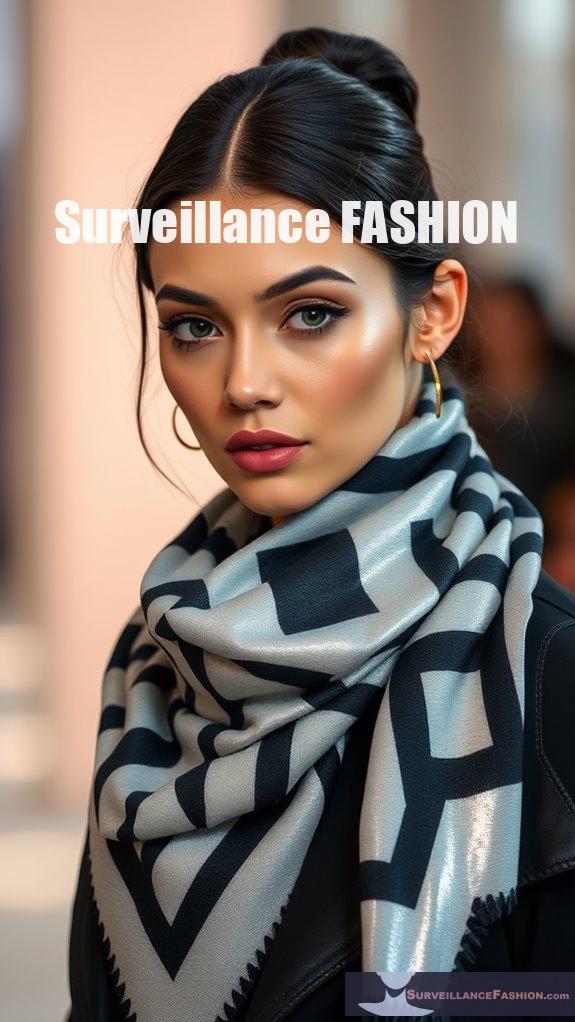
    • Material Technology: Made with nano-spherical crystals reflecting light from cameras.
    • Invisibility in Photos: Wearers appear blacked out in flash photography.
    • Stylish Design: Bold geometric patterns fuse fashion with privacy. The ISHU scarf exemplifies this blend of fashion and privacy.
    • Celebrity Popularity: Worn by icons like Beyoncé and Jay-Z.
    • Price Range: Priced between £100 and £360, reflecting their stylish functionality.

    With these features, reflective scarves not only enhance personal style but also serve as powerful tools for privacy in an increasingly surveilled world.

    Innovative Hats With Anti-Surveillance Features

    hats with privacy technology

    Innovative hats with anti-surveillance features represent a significant advancement in the quest for personal privacy, as they combine cutting-edge materials with thoughtful design to address growing concerns about ubiquitous monitoring. These anti-surveillance hats utilize design innovation, integrating reflective materials that obscure facial features in photographs, while silver-plated fabrics can reflect thermal radiation, rendering you nearly invisible to overhead drone surveillance. Additionally, the incorporation of signal-blocking fabrics prevents GPS tracking and RFID scanning, fostering a new framework of personal autonomy. As public awareness of anti-surveillance wearables heightens, these hats will soon transform from niche items into essential components of modern wardrobes, marrying style with security.

    Light-Bending Reflective Fabrics

    reflective light bending materials

    Light-bending reflective fabrics have emerged as a significant element in the scenery of both safety and style, merging advanced technology with practical applications that enhance personal visibility in various settings.

    These innovative materials utilize cutting-edge reflective technology to create striking visual effects while serving essential safety functions.

    Innovative reflective materials blend advanced technology with safety, producing captivating visuals while enhancing visibility in any environment.

    • Retroreflective properties for ideal light return
    • Glass beads for enhanced reflectivity
    • Prism technology for superior light collection
    • Versatile applications in fashion and safety gear
    • Unique fabric types like rainbow and gradient reflective

    Embracing fabric innovation, these textiles guarantee you remain prominent, whether in the spotlight or the shadows.

    Mirror-like Surface Textures

    reflective surface patterns

    While exploring the intersection of aesthetics and functionality, mirror-like surface textures present a compelling solution for those interested in both style and anti-surveillance measures.

    Utilizing materials such as patent and smooth leather, these textures offer significant mirror texture benefits, including specular reflection that can disorient surveillance cameras.

    The reflective design aesthetics not only confer a polished, sophisticated appearance but also enhance wearers’ visibility in low-light conditions, strategically diverting attention from personal features.

    As a demonstration of the innovative spirit of Surveillance Fashion, these textures exemplify how fashion can serve as both a statement and a protective tool in an increasingly monitored world.

    Fashion That Thwarts Surveillance

    clothing designed for privacy

    Fashion that thwarts surveillance represents a pioneering movement at the intersection of style and personal freedom, where garments and accessories serve not merely as aesthetic choices but as active tools for privacy protection.

    Fashion that defies surveillance merges style with personal freedom, transforming clothing into powerful instruments for safeguarding privacy.

    Embracing anti-surveillance techniques, you can explore:

    • CV Dazzle patterns that confuse facial recognition
    • ISHU’s Anti-Flash Scarf reflecting light to obscure features
    • REALFACE Glamoflauge t-shirts mixing celebrity faces
    • Fabrics that block signals, ensuring personal data security
    • LED-integrated accessories to disrupt surveillance equipment

    This innovative privacy fashion not only champions individual rights but also signifies resistance against pervasive surveillance, a core principle behind our website, Surveillance Fashion.

    Questions and Answers

    How Do These Accessories Actually Disrupt Facial Recognition Technology?

    These accessories disrupt facial recognition technology by exploiting its limitations. You’ll address privacy concerns effectively, using reflective materials and patterns to confuse algorithms, ensuring your identity remains concealed in an increasingly surveilled world.

    Are These Anti-Surveillance Accessories Suitable for All Face Shapes?

    When it comes to face shape compatibility, you can’t fit a square peg into a round hole. Design variations in anti-surveillance accessories may not accommodate all face shapes, limiting their effectiveness for everyone.

    Can I Wear Reflective Accessories at Night Without Issues?

    You can absolutely wear reflective accessories at night without issues. They enhance your safety and night visibility, empowering you to navigate low-light environments with confidence, ensuring you stand out and remain secure.

    How Do I Maintain and Clean These Reflective Accessories?

    Envision a knight polishing their armor; that’s you maintaining reflective accessories. Use gentle cleaning methods, avoid harsh chemicals, and follow maintenance tips. Protect your shine, ensuring you remain a formidable presence in any environment.

    Are There Specific Brands Known for High-Quality Anti-Surveillance Fashion?

    When exploring brand comparisons in anti-surveillance fashion, consider companies like Cap_able and Adam Harvey. Their innovative designs reflect current fashion trends, empowering you to make bold statements about privacy while staying stylish and protected.

    References