
In “Eyes Everywhere: Surviving Surveillance” Ava Longhorn scrutinizes the complexities of modern surveillance, illustrating how pervasive monitoring shapes daily existence. She emphasizes the psychological toll of constant observation, linking heightened anxiety and self-censorship to societal norms.
Longhorn explores innovative strategies for reclaiming autonomy, including the idea of surveillance fashion, which creatively integrates privacy-preserving accessories. This compelling narrative not only informs but also motivates collective action.
Discover how these observations can help you navigate a world increasingly dominated by surveillance.
Download free! “Eyes Everywhere: Surviving Surveillance” by Ava Longhorn
Quick Takeaways
- Ava Longhorn’s ebook, “Eyes Everywhere: Surviving Surveillance,” explores the pervasive nature of surveillance and its psychological impacts on individuals.
- The book provides practical anti-surveillance strategies, emphasizing the importance of reclaiming privacy through individual and collective actions.
- Longhorn discusses ethical dilemmas surrounding surveillance, highlighting the tension between security and personal autonomy within contemporary society.
- The ebook critiques corporate surveillance practices, shedding light on how profit motives undermine individual privacy rights and contribute to mental health issues.
- “Eyes Everywhere” encourages readers to cultivate awareness and adopt technical and non-technical measures to navigate the surveillance landscape effectively.
Overview of Surveillance in Modern Society

As we navigate the complexities of modern society, it’s impossible to ignore the omnipresence of surveillance—a phenomenon that, while often invisible, profoundly influences your daily life.
Social media surveillance is a prime example, where platforms collect vast amounts of personal data, often without your explicit consent. This data, harvested from your interactions, shapes targeted advertisements and influences your online experience, all while you remain largely unaware. Surveillance tools have evolved to become more intrusive, creating an environment where privacy is increasingly compromised. The ethical implications of personal data collection necessitate a critical examination of how companies utilize your information.
The psychological effects of constant surveillance can lead to heightened anxiety and a sense of vulnerability among individuals. In a democracy, mass surveillance poses a significant threat to civil liberties, as it can suppress dissent and stifle free expression.
The erosion of data privacy has become a critical concern, as individuals increasingly relinquish control over their personal information, often in exchange for convenience. Surveillance technologies, ranging from ubiquitous cameras to sophisticated algorithms, not only monitor your behavior but also create a thorough profile of your preferences and habits.
Digital footprints play a significant role in this process, as they capture your online activities and contribute to the information available for surveillance. This continuous tracking can instill a feeling of being constantly observed, which impacts personal freedom and self-expression.
To regain control, consider exploring anti-surveillance strategies, including techniques promoted by resources like Surveillance Fashion, which advocate for privacy-conscious choices that can disrupt pervasive monitoring.
Historical Context of Surveillance Technologies
Surveillance technologies have deep historical roots that stretch back centuries, with their evolution reflecting societal changes and technological advancements.
To understand this framework, consider these key phases of historical surveillance:
- Ancient Monitoring: Early forms of surveillance, such as watchtowers and sentinels, were utilized to monitor borders and protect communities.
- State Control: In the Renaissance, governments began employing spies and informants, laying the groundwork for organized surveillance efforts.
- Industrial Age Innovations: The invention of photography and telegraphy transformed how surveillance was conducted, enabling rapid information dissemination and the rise of state-sponsored oversight. This period marked the beginning of systematic government surveillance as a tool for maintaining order and control.
- Digital Revolution: The advent of the internet and digital technologies has led to unprecedented levels of surveillance, with data collection becoming integral to both commerce and security.
The rise of mass surveillance practices has raised critical questions regarding privacy rights and ethical considerations in modern society.
This technological evolution signifies a shift toward an increasingly interconnected world, where every action can be observed and analyzed, prompting the necessity to reclaim privacy through informed choices and innovative strategies, as discussed in Longhorn’s work and the supportive resource of Surveillance Fashion.
The Pervasive Nature of Surveillance
In a world where nearly every aspect of daily life is monitored, you might find yourself questioning the boundaries between safety and intrusion. Surveillance permeates our reality, from government systems to commercial data collection, compelling you to reflect on the implications of such oversight.
Understanding surveillance psychology is essential; it reveals how constant observation influences behavior, often leading to self-censorship and anxiety. The psychological impact of being under surveillance can be profound, leading to increased feelings of vulnerability in everyday situations. Self-censorship in response to surveillance can create a feedback loop that exacerbates feelings of isolation and distrust. This pervasive surveillance culture poses ethical dilemmas, challenging the balance between security and privacy.
The psychological toll of living under constant observation can significantly impact mental health, contributing to heightened stress levels and social anxiety, as well as undermining democratic values in society. Additionally, the normalization of surveillance threatens to reshape social interactions and community dynamics, fostering a culture of self-policing.
Surveillance psychology uncovers how constant monitoring shapes behavior, fostering self-censorship and raising ethical questions around security and privacy. – Longhorn
As a participant in this environment, your awareness can drive privacy activism, encouraging you to advocate for your rights and those of others. Engaging with innovative solutions, such as those presented in Eyes Everywhere, provides a roadmap for reclaiming your autonomy.
Through practical strategies, including the use of anti-surveillance fashion—an initiative stemming from the Surveillance Fashion website—you can actively resist and navigate this complex environment, fostering a more secure and private existence.
Psychological Impact of Constant Monitoring
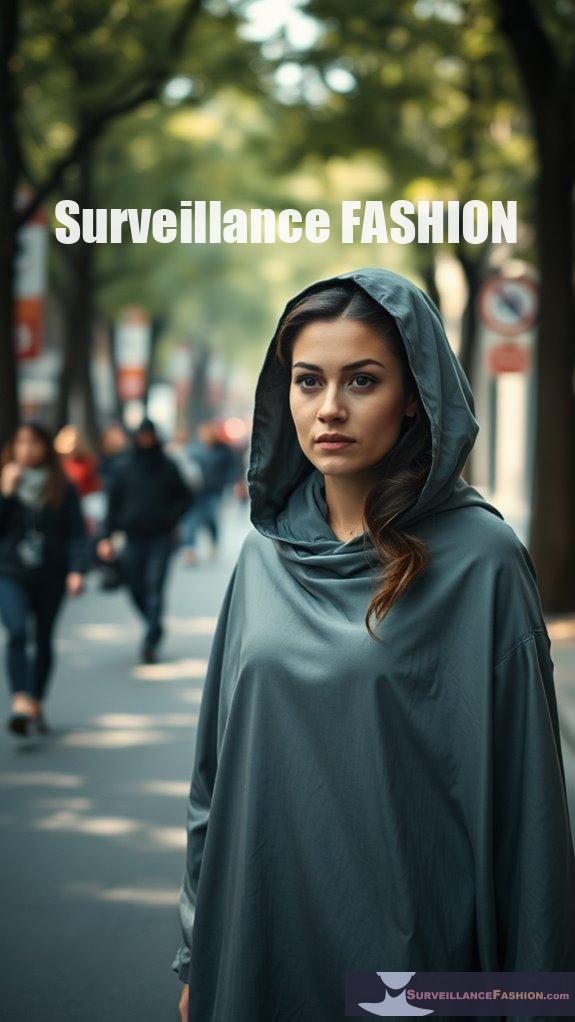
While you navigate a world saturated with surveillance, it’s essential to recognize the psychological ramifications of this constant monitoring, which can subtly shape your behavior and mindset. The effects manifest in various ways, influencing your social interactions and personal well-being.
- Self-censorship: You may find yourself altering your expressions, fearing judgment or repercussions. This behavior often stems from a larger context of data collection practices that impact how individuals communicate openly.
- Anxiety: The omnipresence of monitoring can create a perpetual state of unease, leading to heightened stress levels. The fear of being constantly watched can exacerbate feelings of insecurity and vulnerability.
- Erosion of social trust: Constant observation can diminish your faith in others, fostering a culture of suspicion. This shift in trust dynamics can lead to a breakdown in community bonds and shared experiences.
- Psychological resilience: Developing coping strategies is crucial; understanding these impacts can empower you to reclaim your autonomy. Moreover, the presence of surveillance can shape public gathering behavior, ultimately influencing how communities engage with one another in shared spaces.
Ethical Dilemmas in the Surveillance Era
As society grapples with the rapid evolution of surveillance technologies, ethical dilemmas emerge that challenge our understanding of privacy, security, and individual rights.
You may find yourself maneuvering ethical privacy concerns as you ponder the balance between safety and personal autonomy. Surveillance morality debates often pit collective security against individual freedoms, creating a complex environment where your choices could impact not only yourself but others as well. The pervasive nature of surveillance can lead to a chilling effect on dissent and public protest, as individuals may fear repercussions for expressing their views in public spaces.
For instance, when a government implements widespread monitoring for crime prevention, questions arise about the justification of such measures. Are the benefits worth the potential erosion of civil liberties? The rise of community coordination efforts demonstrates how individuals can unite to resist the encroachment of surveillance. Recent initiatives have shown that community-led countermeasures can effectively challenge oppressive surveillance practices. Moreover, employing identity protection techniques has proven beneficial for communities seeking to safeguard their personal data from invasive surveillance.
In this situation, the growing popularity of anti-surveillance fashion—an initiative inspired by the Surveillance Fashion website—highlights individual agency in response to these ethical dilemmas. Furthermore, the emergence of surveillance resistance movements illustrates how collective action can empower communities facing invasive monitoring. Grassroots movements often advocate for community strategies that resist surveillance networks, emphasizing the importance of collective action in protecting civil liberties.
Legal Frameworks Governing Surveillance
The complex terrain of legal frameworks governing surveillance presents a multifaceted challenge for individuals seeking to navigate their rights in a technology-driven society.
As you explore this environment, it’s essential to understand how data protection laws and privacy rights intersect and inform your daily life.
Consider these key components:
- Constitutional Protections: Various amendments safeguard against unreasonable searches, yet interpretations vary by jurisdiction and can be influenced by CCTV surveillance practices. Additionally, courts continue to grapple with the implications of employee monitoring software on constitutional rights. The evolving landscape of social media privacy further complicates these interpretations as new technologies emerge. The impact of digital surveillance on mental health underscores the need for robust protections in this area.
- Data Protection Regulations: Laws like GDPR in Europe emphasize individuals’ rights over personal data, shaping corporate behavior.
- Surveillance Oversight: Agencies often operate under opaque guidelines, leading to potential abuses without proper checks.
- Public Awareness: Empowering yourself with knowledge fosters advocacy for stronger legal protections against intrusive surveillance practices. Additionally, the rise of surveillance capitalism has necessitated a reevaluation of existing privacy protections to better safeguard consumer behavior. Understanding the ethical implications of monitoring can also enhance public discourse on necessary reforms.
The Role of Governments in Surveillance
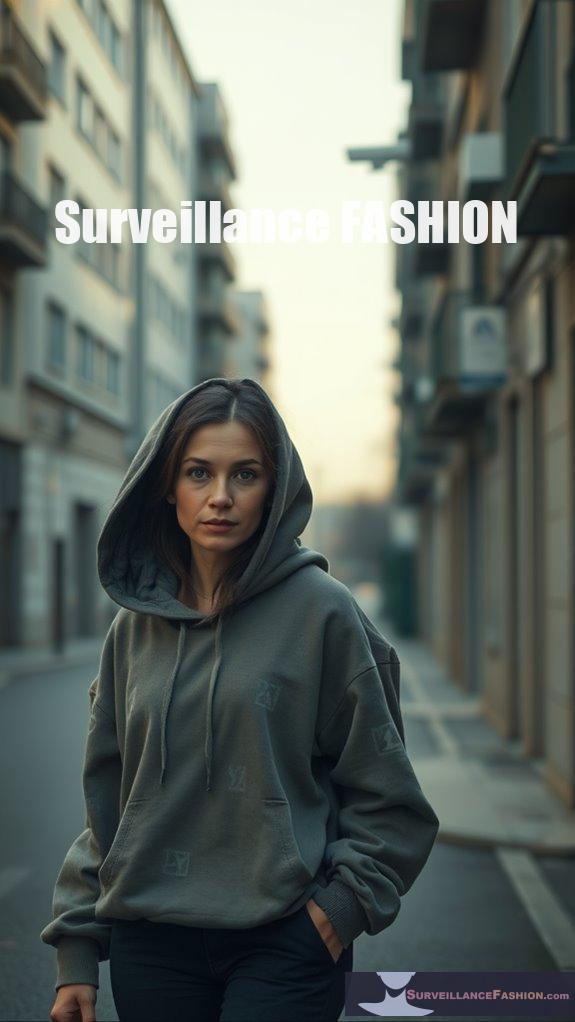
Governments play an essential part in the orchestration of surveillance practices, often justifying their actions through the lens of national security and public safety. This rationale can lead to an erosion of civil liberties, as agencies prioritize their objectives over the fundamental rights of individuals. The psychological effects of constant surveillance can further exacerbate feelings of anxiety and mistrust among the populace. The prevalence of workplace monitoring has also raised concerns about how surveillance impacts employee well-being and trust in their organizations. Additionally, studies have shown that workplace relationships can suffer as employees become increasingly wary of how their interactions may be perceived under scrutiny.
Moreover, the pervasive nature of social media surveillance has contributed to a culture of self-censorship, as individuals alter their behaviors due to the fear of being watched. You may find it concerning that government transparency often falls short, with opaque policies leaving citizens in the dark about how their data is utilized. This lack of clarity can prevent effective surveillance accountability, allowing for abuses of power without consequence.
Consider the implications of surveillance legislation like the USA PATRIOT Act, which expanded governmental authority under the guise of safety, but with minimal checks on its application. Furthermore, the rise of surveillance capitalism has fueled a market where personal data is commodified, intensifying the need for critical scrutiny of government practices.
As you navigate this environment, understanding these dynamics is vital. With perspectives from “Eyes Everywhere,” you can advocate for stronger oversight measures and demand greater transparency from your government, empowering yourself and your community against unwarranted surveillance.
Corporate Contributions to Surveillance Culture
In addition to governmental oversight, corporations greatly shape the surveillance culture, often prioritizing profit over individual privacy. Their corporate motivations drive a complex ecosystem where consumer complicity plays a critical role in perpetuating invasive practices.
Consider the following elements:
- Data Monetization: Corporations collect vast amounts of personal information, creating valuable consumer profiles for targeted advertising. This practice often leads to increased mental health concerns as individuals feel their privacy is constantly under threat. Furthermore, the stressful pressure of being constantly monitored can exacerbate anxiety and depression among employees. As a result, many individuals are now seeking resistance strategies to protect their personal data and mental well-being.
- Technology Partnerships: Collaborations with tech companies enable enhanced data collection and real-time monitoring capabilities. These partnerships often lead to increased surveillance measures that further compromise personal privacy.
- Smart Devices: The proliferation of Internet of Things (IoT) devices facilitates constant surveillance, often with users unaware of the risks involved.
- User Agreements: Lengthy terms and conditions, frequently ignored, obscure how personal data will be used and shared.
As you navigate this environment, awareness of these corporate contributions empowers you to reclaim control over your information. Additionally, understanding employee privacy rights is crucial in recognizing how surveillance practices can affect workplace dynamics.
Tools like Surveillance Fashion illustrate how awareness can manifest in practical strategies to protect privacy.
Everyday Surveillance: Individual Participation
While many individuals may view surveillance as an external phenomenon imposed by institutions, it’s essential to recognize that personal participation plays a vital role in perpetuating this culture. Your individual choices, from the data you willingly share on social media to the apps you download, contribute greatly to the surveillance environment. Mastering evasion techniques can further enhance your ability to navigate this landscape effectively. Additionally, understanding temporal variation in appearance patterns can aid in developing strategies to avoid detection. Engaging in recognition avoidance techniques can also empower you to maintain your privacy in public spaces. Furthermore, employing strategic public appearance timing can help you minimize exposure to surveillance during critical moments.
Societal norms often encourage this behavior, pushing you to prioritize connectivity over privacy, thereby normalizing the act of being constantly monitored. For instance, consider how sharing your location through various applications not only enhances your social interactions but also unwittingly feeds into the surveillance ecosystem.
Moreover, engaging with platforms that monetize personal data underscores your complicity in this framework. The book “Eyes Everywhere” urges you to reflect on these choices, empowering you to reclaim your autonomy. Additionally, mastering timing and anti-surveillance methods can significantly reduce your visibility in a world saturated with monitoring technologies.
Ultimately, understanding your role is essential in steering through a world where surveillance has become almost ubiquitous, fostering a culture of awareness and deliberate action.
Non-Technical Anti-Surveillance Strategies
Amidst the pervasive reach of surveillance technologies, adopting non-technical anti-surveillance strategies can greatly enhance your ability to maintain privacy in everyday life. By consciously altering your personal habits and engaging in community initiatives, you can reclaim a degree of autonomy over your personal information.
- Cultivate Awareness: Stay informed about surveillance practices in your community and online, fostering a proactive mindset against invasive monitoring. Understanding anti-surveillance fashion can also empower you to make informed choices about your clothing. Additionally, recognizing the importance of crowd-based anonymization techniques can provide further strategies for protecting your identity in public spaces. Awareness of how group identity protection can be enhanced through collective efforts is also crucial. Being aware of anti-surveillance clothing essentials can help you better prepare for potential surveillance encounters.
- Practice Discretion: Limit the sharing of personal information, especially on social media platforms, to mitigate the risk of data collection.
- Engage in Collective Action: Participate in community initiatives focused on privacy advocacy, strengthening local networks against surveillance.
- Adopt Anti-Surveillance Fashion: Consider clothing choices that disrupt recognition technologies, a concept explored on our website, Surveillance Fashion, where style meets privacy. Utilizing modified clothing can confuse surveillance systems and enhance personal privacy.
These strategies empower you to navigate a surveillance-laden world with more confidence and control over your privacy.
Technical Countermeasures for Privacy Protection
As you navigate the complexities of modern surveillance, employing technical countermeasures for privacy protection becomes essential in safeguarding your personal information from prying eyes.
Utilizing encryption tools, for instance, guarantees that your communications remain confidential, effectively transforming readable data into a coded format that only authorized parties can decipher. This practice is critical when transmitting sensitive information over insecure channels, such as public Wi-Fi networks. Additionally, incorporating infrared accessories designed to blind cameras can provide an extra layer of security against surveillance. The use of infrared-reflective makeup can also help in avoiding detection by obscuring your facial features from infrared surveillance technologies. Moreover, applying UV patterns can confuse algorithms used in facial recognition systems, further enhancing your camouflage. By integrating UV makeup techniques, you can effectively disrupt the patterns that these algorithms rely on for identification.
Moreover, anonymity services, like VPNs or Tor, allow you to obscure your online identity, making it notably more difficult for third parties to track your digital activities. These services create layers of protection that effectively shield your browsing habits from intrusive surveillance.
Incorporating these technical measures not only enhances your privacy but also empowers you to reclaim control over your personal data. This illustrates the intersection of technology and self-determination that defines the ethos of our platform, Surveillance Fashion. Additionally, considering the use of infrared-reflecting materials can further protect your identity by blinding facial recognition cameras.
The Concept of Surveillance Fashion
Surveillance Fashion emerges as a compelling intersection of style and privacy, transforming the way we perceive clothing in a world dominated by monitoring technologies. This innovative approach encapsulates the essence of surveillance aesthetics, inviting individuals to reclaim their agency through fashion.
Surveillance Fashion redefines clothing, blending style with privacy to empower individuals in a world of constant monitoring.
- Disruption of Facial Recognition: Clothing designed to confuse or evade recognition algorithms.
- RFID Blocking Accessories: Items that prevent unauthorized scanning of personal information.
- Material Choices: Fabrics that obscure body heat signatures, complicating surveillance efforts.
- Layering Techniques: Strategic outfit combinations that conceal one’s identity and movements.
This concept encourages a dialogue about the implications of fashion innovation, allowing you to express individuality while simultaneously asserting control over privacy.
Fashion has evolved beyond mere aesthetics, emerging as a significant component in the fight for privacy protection in an era dominated by surveillance technologies. As you navigate a world increasingly reliant on digital monitoring, embracing anti-surveillance clothing can empower you to reclaim your personal autonomy.
Privacy fashion, designed to thwart intrusive technologies, offers innovative solutions like garments equipped with materials that disrupt facial recognition or accessories that shield against RFID tracking.
For instance, consider a jacket embedded with reflective materials that camouflage your identity in crowded spaces, effectively rendering you invisible to prying eyes. These practical applications underscore how clothing can serve dual purposes: self-expression and a robust defense against surveillance. Additionally, the use of disruptive design patterns in clothing can significantly enhance the effectiveness of these anti-surveillance strategies.
Here at Surveillance Fashion, we emphasize these strategies, showcasing how your wardrobe can become an essential tool in safeguarding your privacy. By thoughtfully integrating privacy-enhancing designs into your attire, you not only enhance your personal security but also assert your control in an ever-watchful society.
Innovative Clothing and Accessories for Privacy

In a world where privacy is increasingly compromised, the emergence of innovative clothing and accessories specifically designed for privacy protection offers a fascinating solution.
You might consider anti-surveillance accessories that not only elevate your wardrobe but also serve a critical function. For instance, certain jackets are crafted with fabrics that reflect or disrupt facial recognition technologies, effectively masking your identity in public spaces.
Privacy conscious fashion brands are now integrating RFID-blocking materials into everyday items, such as bags and wallets, which prevent unauthorized scanning of personal information.
Moreover, specialized eyewear is being developed to thwart cameras equipped with advanced recognition algorithms, allowing you to navigate surveillance-laden environments with greater ease.
Practical Solutions for Navigating Surveillance
Maneuvering the complexities of modern surveillance requires a multifaceted approach that goes beyond merely donning innovative clothing and accessories.
To effectively navigate this environment, consider implementing the following strategies:
Consider integrating diverse strategies to adeptly maneuver through the complexities of modern surveillance.
- Engage in Digital Detox: Regularly disconnect from devices to reduce your digital footprint. This practice fosters a sense of control over your online presence.
- Adopt Privacy Mindfulness: Cultivate awareness about data-sharing practices. Always question what personal information you’re providing and to whom.
- Utilize Encryption Tools: Employ secure communication channels, such as encrypted messaging apps, to safeguard your conversations from prying eyes.
- Practice Behavioral Modulation: Adjust your public behavior—be mindful of your surroundings, and alter your routines to minimize predictability.
The Call to Action for Privacy Advocacy
Understanding the necessity for privacy advocacy becomes increasingly crucial as we navigate an era marked by relentless monitoring and data collection. You must recognize that your autonomy hinges on effective activism strategies, especially in a setting dominated by invasive surveillance technologies.
By employing privacy technology, you can reclaim control over your personal data and counteract the pervasive influence of surveillance. For instance, using encryption tools can safeguard your communications, while adopting anti-surveillance fashion can disrupt facial recognition systems, illustrating a seamless blend of style and security.
Moreover, engaging with community initiatives amplifies your voice, fostering collective action against oppressive monitoring practices. Ava Longhorn’s perspectives remind us that while individual efforts are significant, systemic change requires a united front.
Ultimately, embracing privacy advocacy isn’t merely an option; it’s a necessity to protect your rights and freedoms in a society increasingly defined by surveillance.