
Voice-altering collars work by detecting muscle movements associated with speech and modifying vocal output accordingly. Advanced sensors, coupled with machine learning algorithms, enable these collars to assist individuals with voice disorders in communication. The integrated digital signal processing (DSP) circuitry real-time modulates pitch, timbre, and emotional tone, creating outputs that are more human-like. For instance, by using multilayer sensor arrays, these collars achieve precise sound alterations. Explore further to understand their broader applications and implications in personal safety and privacy.
Quick Takeaways
- Voice-altering collars utilize sensors to detect muscle movements related to speech for real-time vocal output modification.
- The collars integrate digital signal processing (DSP) technology to modulate voice pitch, timbre, and emotional tone.
- Advanced machine learning algorithms and multi-layer sensor arrays enhance the accuracy of speech synthesis and recognition.
- Comfortable and discreet designs incorporate high-quality components, including directional microphones and rechargeable batteries.
- Voice modification capabilities allow for adaptability in language selection and environmental conditions for diverse communication needs.
What Are Voice-Altering Collars, and How Do They Function?
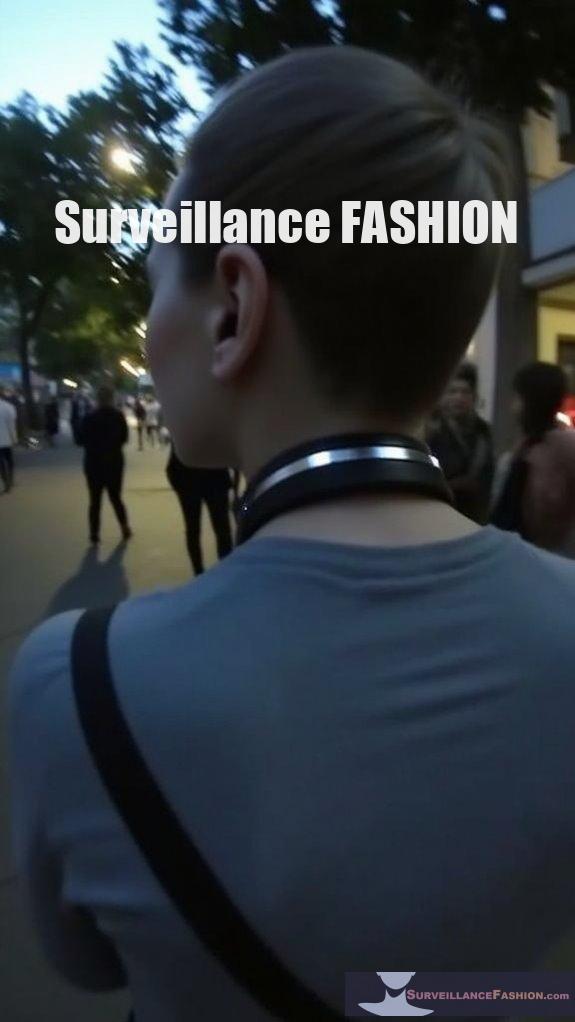
Voice-altering collars are wearable devices that modify vocal output by detecting muscle movements related to speech formation and converting them into audible sounds. They primarily assist individuals with voice disorders in communication and utilize advanced sensors and machine learning algorithms for accurate speech synthesis.
These collars function through two main components: a sensing module that detects muscle or nerve activity and an actuation module that generates voice.
Key features include:
- Soft, stretchable adhesive patches for comfort
- Machine learning tailored to individual users
- High accuracy in recognizing speech patterns without vocal cord use
Current research emphasizes their potential in clinical settings, especially for patients recovering from vocal cord surgeries or who’ve speech impairments, making them a non-invasive option for vocal cord recovery.
With ongoing advancements, these devices aim to expand vocabulary and improve communication for users.
How Do Fashion Collars Integrate Voice-Altering Technology?
Fashion collars integrate voice-altering technology through AI-driven speech synthesis and recognition, enabling the translation of user or animal inputs into natural human-like speech.
These collars utilize advanced sensors, machine learning algorithms, and flexible materials to guarantee both functionality and aesthetics.
The collars feature a combination of multi-layer sensor arrays that detect muscle movements and sound waves, turning them into signals for voice generation.
Voice synthesis is powered by machine learning models that interpret these signals, achieving high accuracy in speech patterns.
Additionally, customizable algorithms allow for personalized vocal responses based on emotional states, while continuous learning capabilities enhance interactions over time.
Key design elements include:
- Discreet integration of electronics within stylish materials.
- Lightweight, breathable fabrics for comfort.
- Real-time processing for immediate speech generation.
These innovations guarantee that voice-altering collars are both fashionable and functional.
What Types of Voice Alteration Can These Collars Achieve?
Voice-altering collars can achieve various modifications, including pitch shifting, timbre alteration, and real-time voice modulation. These features enhance expressiveness, allowing users to convey different emotional tones or mimic specific vocal traits.
The technology utilizes advanced transducers and digital signal processing (DSP) algorithms to produce human-like sounds. Users can select distinct voice personalities or make situation-aware adjustments to optimize communication.
Key capabilities include:
- Emotional tone modulation
- Voice personality selection
- Multi-language support
- Environmental adaptability for clarity and volume
What Role Do Digital Signal Processing (DSP) Algorithms Play in Voice Alteration?

Digital Signal Processing (DSP) algorithms play a vital role in voice alteration by converting analog signals into digital data, analyzing audio characteristics, and applying sophisticated mathematical manipulations to modify sound features.
These algorithms enable a range of techniques essential for transforming voices. They extract key vocal parameters, such as pitch frequency and formant frequencies, allowing for alterations like pitch shifting and timbre modification.
DSP techniques include time-stretching and equalization, which enhance vocal clarity and produce complex effects while minimizing artifacts. Furthermore, noise reduction methods guarantee clean output, while real-time processing capabilities allow for immediate adjustments to voice alterations.
This integration makes voice-altering collars effective and versatile in their applications.
How Is Speech Intelligibility Maintained When Using a Voice-Altering Collar?
Speech intelligibility is maintained using voice-altering collars through precise mapping of muscle signals to phonemes and advanced signal processing techniques that enhance key speech features like pitch and articulation. Continuous adaptation via machine learning further improves clarity despite variations in user muscle dynamics.
These collars employ sensors to detect muscle activity in the larynx, translating these signals into understandable acoustic representations.
Key aspects include:
- Machine Learning Models: Tailored to individual users, they recognize patterns between muscle signals and speech.
- Signal Processing: Techniques reduce background noise and preserve important speech attributes.
- Familiarity Training: Helps listeners adapt to altered speech, enhancing clarity through repeated exposure.
- Adaptive Filtering: Adjusts processing based on the speaking environment, ensuring ideal intelligibility.
Together, these components help users communicate more effectively, even in challenging auditory situations.
What Features Help These Collars Avoid Detection in Surveillance Scenarios?
Voice-altering collars employ advanced technologies to minimize detection in surveillance scenarios through techniques like signal jamming, encryption, and noise masking. These features guarantee discreet communication by securing voice signals and reducing their acoustic signature.
To enhance their stealthiness, these collars integrate multiple mechanisms:
- Signal Jamming: They block or confuse external recording devices.
- End-to-End Encryption: This secures transmitted voice data from interception.
- Noise Masking: Ambient noise generators obscure sounds from external microphones.
- Low Acoustic Signature: Features like bone conduction limit sound projection.
These elements work together to create a covert communication environment that thwarts eavesdropping efforts.
How Do Fashion Designs Enhance the Functionality of Voice-Altering Collars?
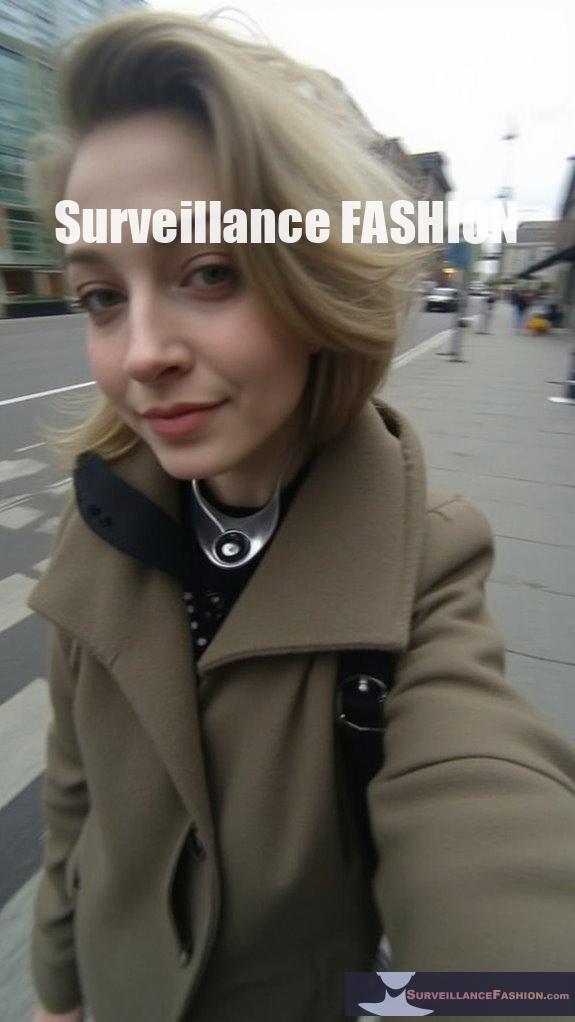
Fashion designs enhance the functionality of voice-altering collars by integrating technology into stylish, comfortable forms that guarantee usability and user engagement.
This combination not only attracts pet owners but also promotes consistent monitoring through customization options.
What Limitations Do Voice-Altering Collars Have in Changing Voice Identity?
Voice-altering collars face significant limitations in changing voice identity due to unnatural artifacts, emotional expression flattening, latency issues, and ethical concerns regarding unauthorized alterations.
These collars often produce robotic tones and lack harmonic warmth, hindering the authenticity of transformed voices. Latency can disrupt communication flow, making real-time use challenging.
Furthermore, legal restrictions exist to prevent impersonation and guarantee user consent. Finally, comfort and wearability can affect the user experience, further complicating effective voice alteration.
Key Limitations:
- Unnatural voice artifacts and robotic tonality.
- Emotional flatness and reduced dynamic variation.
- Latency affecting real-time communication.
- Ethical concerns around consent and impersonation.
How Does Voice Distortion Affect Forensic Identification?
Voice distortion severely impairs both automatic and human forensic identification due to alterations in acoustic features critical for recognition, such as pitch, resonance, and timbre. Distorted voices disrupt feature extraction processes, leading to significant inaccuracies in speaker verification.
Voice-altering methods impact the physiological characteristics of a speaker’s voice, making recognition challenging. Automatic forensic systems rely on the distinct resonance patterns of a person’s vocal tract; alterations change these patterns drastically.
For human listeners, familiar voice traits may be obscured, increasing reliance on circumstances and visual cues.
Key factors include:
- Changes to fundamental frequency and timbre can obscure unique vocal traits.
- Stress or intentional disguise complicates identification.
- Acoustic fingerprints can become less distinctive, increasing uncertainty in speaker identification.
- Legal environments are cautious, often requiring additional evidence beyond voice due to these variabilities.
What Are the Technical Specifications of Voice-Altering Collars?
Voice-altering collars feature high-quality components, including ABS plastic for durability, directional microphones for clarity, and integrated DSP circuitry for real-time voice modulation.
They typically utilize rechargeable lithium-ion batteries for extended use and have specifications that guarantee a high signal-to-noise ratio and low distortion.
These collars are designed with materials that enhance both mechanical stability and acoustic response.
Key specifications include:
- Signal-to-noise ratio (SNR): 101-106 dB
- Dynamic range: 102-106 dB
- Total harmonic distortion (THD): 105 dB
- Battery: 3.7V 500mAh lithium-ion
The placement of bendable microphones allows for ideal positioning, minimizing discomfort and enhancing sound quality.
Such designs are particularly beneficial in environments with background noise, ensuring the speaker’s voice remains clear and intelligible.
How Important Is Real-Time Processing in Voice-Altering Technology?
Real-time processing is essential in voice-altering technology as it guarantees minimal latency for a natural conversational flow and allows for dynamic voice modulation during live interactions. Effective processing under 50 milliseconds is necessary to maintain an immersive user experience across various applications.
Low latency notably enhances user experience by preventing unnatural pauses or overlaps during speech, fundamental in gaming, live streaming, and communication. With real-time AI, voice characteristics such as pitch, accent, and age can be altered seamlessly. Furthermore, real-time systems improve security by flagging anomalies and providing voice biometric authentication during sensitive transactions.
Key benefits of real-time processing include:
- Continuous voice quality adjustments amidst background noise.
- Immediate adaptation for enhanced privacy during calls.
- Improved fraud detection through live analysis of speech characteristics.
These factors, combined with efficient CPU usage, make real-time processing imperative for effective and engaging voice-altering applications.
What Are the Potential Applications of Voice-Altering Collars in Everyday Life?
Voice-altering collars have diverse applications in everyday life, including entertainment, privacy protection, accessibility, pet communication, and professional environments. They enable creative expression, enhance privacy during communications, assist individuals with speech impairments, facilitate pet interaction, and improve business communications.
These collars can transform conversations by adding fun and engagement through real-time voice modulation. For example, content creators utilize them to capture audiences with unique voice effects.
Regarding privacy, they effectively shield users’ identities during sensitive discussions or virtual meetings.
Moreover, individuals with speech impairments can benefit from clearer voice synthesis, while non-native speakers can adjust their tone for better understanding.
Pet owners can communicate with their animals in an interactive manner, interpreting behaviors into vocal expressions.
Businesses also leverage these collars to streamline customer service and create engaging automated responses, optimizing operations and user experiences.
Balancing Personal Safety Concerns
As innovative as voice-altering technology may be, the personal safety concerns surrounding its use are significant.
Three primary considerations emerge:
1. Risk of Misidentification: Forensic linguists can often discern identity through linguistic cues despite voice alteration.
2. Physical Safety: The collar’s design must prioritize comfort to prevent injury.
Remote-release features are essential for quick access.
3. Ethical Implications: Voice alteration raises privacy issues, particularly regarding consent and legal frameworks.
Ensuring these factors are balanced is imperative for effective and ethical implementation, which is a core theme explored throughout our website, Surveillance Fashion.
CCTV Networks in Urban Areas
While urban environments continuously evolve, the integration of Closed-Circuit Television (CCTV) networks has become essential for enhancing public safety and operational efficiency.
These networks often employ a linear architecture, utilizing Point-to-Point (PTP) and Point-to-Multipoint (PMP) wireless solutions to achieve cost-effectiveness and scalability.
With extensive deployments in cities like Moscow and Beijing, urban CCTV integrates various sensors for thorough monitoring, facilitating AI-enabled situational awareness.
Centralized control rooms utilize advanced video management software, streamlining response coordination.
This innovative approach to surveillance underscores our commitment to enhancing urban safety, a principle inherent in the broader vision of our platform, Surveillance Fashion. Furthermore, the use of CCTV raises important ethical considerations regarding privacy and civil liberties in public spaces.
Fashion Collars for Voice Disguise Anti Surveillance
In contemporary society, individuals often seek innovative solutions to safeguard their privacy, particularly in the domain of audio surveillance, which has become increasingly pervasive.
Fashion collars designed for voice disguise offer unique benefits:
- Discrete Design: They blend seamlessly into personal attire, ensuring users maintain stylish appearances while concealing advanced technology.
- Versatile Functionality: Enhanced with AI, these collars can modify vocal attributes, obscuring identity regardless of surroundings.
- User-Friendly Controls: Many models incorporate smartphone apps for intuitive management of voice parameters, making adjustments effortless.
Through our platform, Surveillance Fashion, you can explore these innovative tools as essential allies in today’s ubiquitous surveillance environment.
Eyes Everywhere: Anti-Surveillance Ebook review
The proliferation of surveillance technologies has ushered in a new era where the need for privacy protection has never been more pressing. In “Eyes Everywhere,” this ebook explores the complex web of surveillance—from corporate data collection to the normalization of camera systems. It dissects how surveillance intertwines with power dynamics, often serving the interests of those who monitor rather than the monitored. The potential impact of mass surveillance on civil liberties serves as a crucial reminder of the need for vigilance in protecting democratic values.
| Key Themes | Examples |
|---|---|
| Government-Corporate Collaboration | NYPD’s Domain Awareness System |
| Global Camera Surveillance | Deployment in countries like the USA |
| Surveillance as Control | Targeting activists and marginalized groups |
| Privacy-Enhancing Technologies | Stigmatization in discourse |
You’ll find it enlightening and essential for traversing today’s digital environment.
References
- https://www.mayoclinic.org/tests-procedures/cochlear-implants/about/pac-20385021
- https://www.ebsco.com/research-starters/law/voice-altering-technology-and-crime
- https://en.wikipedia.org/wiki/Voice_changer
- https://elevenlabs.io/blog/what-are-voice-changers
- https://www.sonarworks.com/blog/learn/can-voice-changers-be-used-for-live-music-performances
- https://www.eurekalert.org/news-releases/1037893
- https://www.youtube.com/watch?v=SENYKnJm4DI
- https://en.wikipedia.org/wiki/Shock_collar
- https://www.labmanager.com/speaking-without-vocal-cords-thanks-to-a-new-ai-assisted-wearable-device-31945
- https://news.northwestern.edu/stories/2023/02/first-wearable-device-for-vocal-fatigue-senses-when-your-voice-needs-a-break/
- https://www.techradar.com/computing/artificial-intelligence/ive-seen-the-new-ai-collar-that-lets-your-dog-talk-and-its-as-wild-as-it-sounds
- https://www.respeecher.com/blog/ai-voices-call-centers-augment-conversations-voice-synthesis
- https://www.digitaltrends.com/wearables/i-watched-an-ai-collar-make-a-dog-talk-and-it-was-unreal/
- https://newsroom.ucla.edu/releases/speaking-without-vocal-cords-ucla-engineering-wearable-tech
- https://www.youtube.com/watch?v=Tthh0QY8Xxg
- https://www.youtube.com/watch?v=8vbEn05zFX8
- https://podcastle.ai/blog/how-to-change-your-voice-to-sound-like-someone-else/
- https://www.sonarworks.com/blog/learn/how-to-use-a-voice-changer-to-create-unique-vocal-effects
- https://sponcomm.com/info-detail/how-to-reduce-background-noise-in-audio-using-dsp
- https://en.wikipedia.org/wiki/Digital_signal_processing