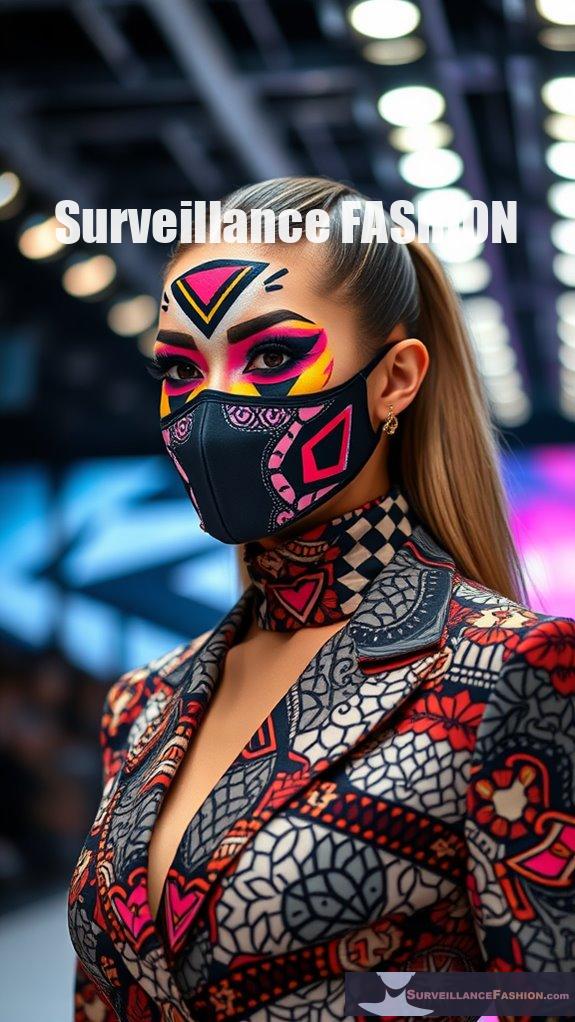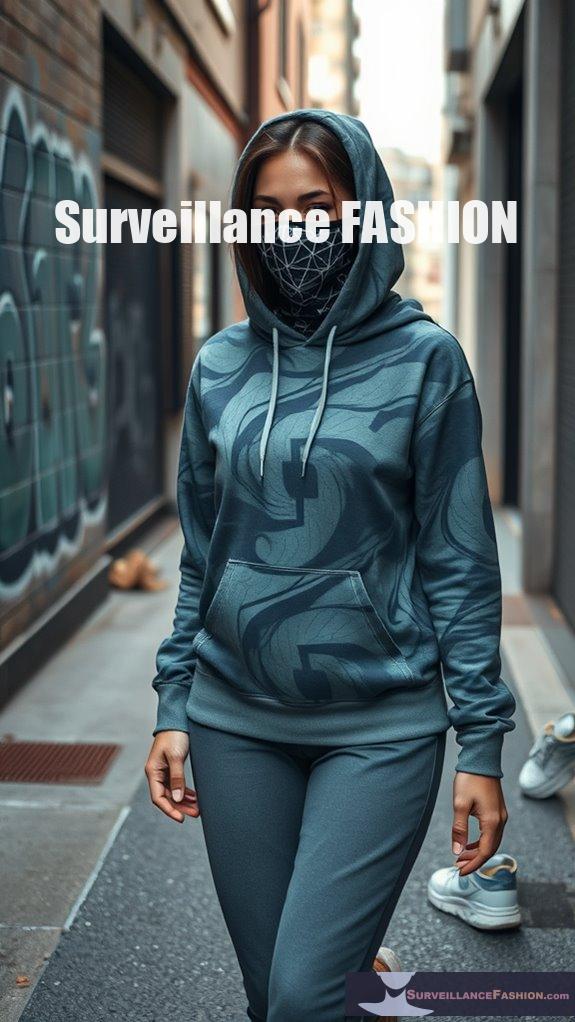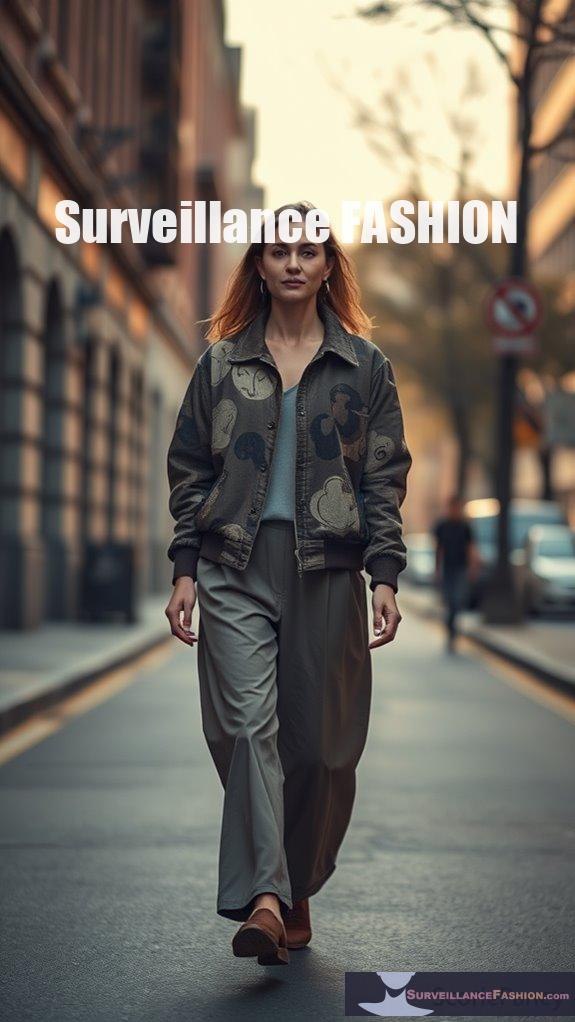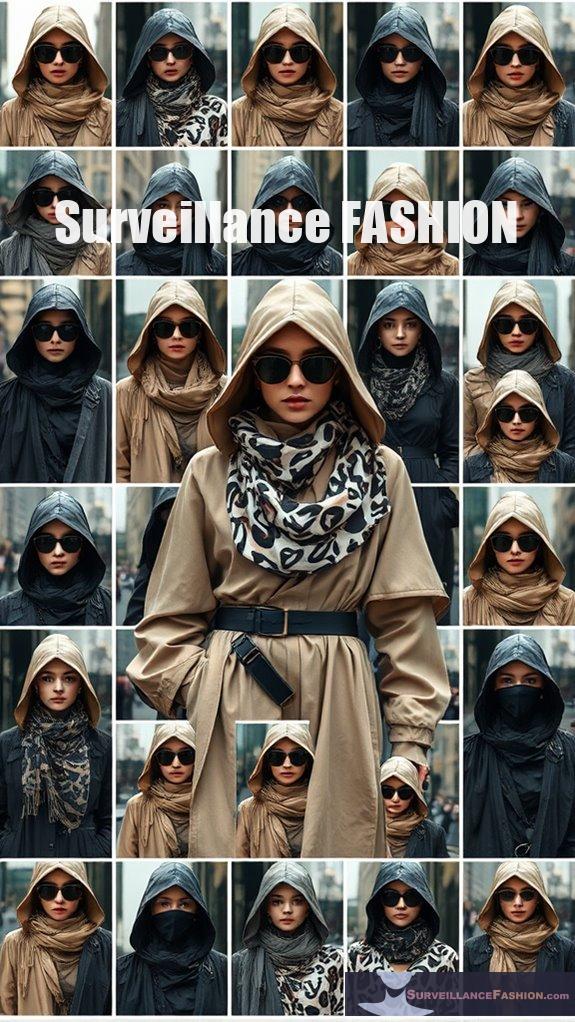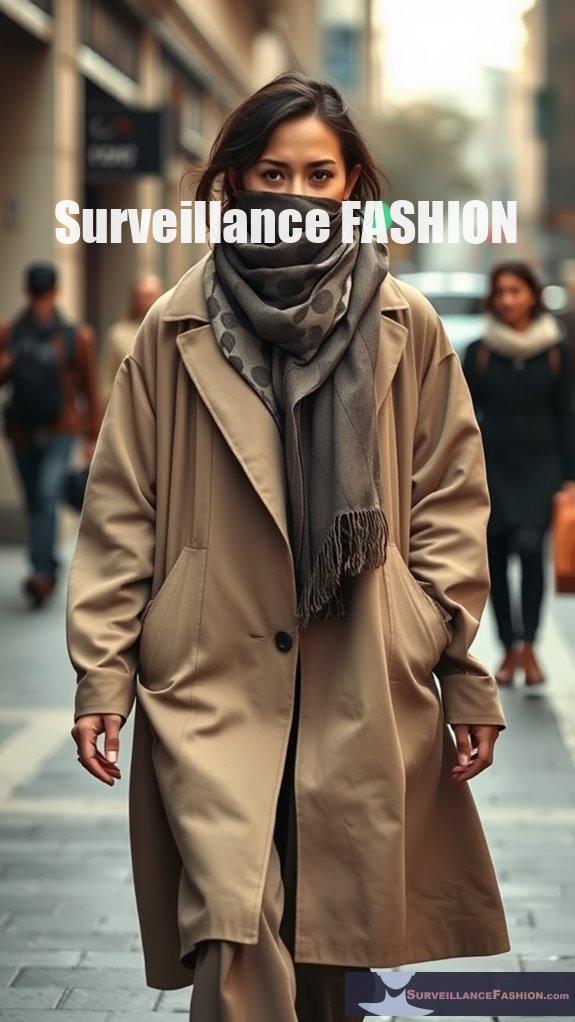
Biodegradable fashion decoys, designed from natural fibers like organic cotton and hemp, serve dual purposes: promoting sustainability and countering surveillance. Through their rapid decomposition, they enrich soil while using signal-blocking materials to disrupt tracking. For effective implementation, choose garments that minimize synthetic blends and incorporate features for surveillance evasion, such as thermal imaging blockers. This innovative fusion mirrors our commitment to eco-friendly practices. Continue with us to explore the complex mechanics of these advanced sustainable solutions.
Quick Takeaways
- Understand the materials: Choose garments made from natural fibers like organic cotton, hemp, and linen to ensure biodegradability.
- Wash and care: Use cold water, eco-friendly detergents, and air dry garments to prolong their lifespan and enhance biodegradation.
- Select sustainable brands: Prioritize brands that focus on eco-friendly practices and transparent sourcing of biodegradable materials.
- Incorporate practical features: Consider designs with signal-blocking fabrics and customizable options for surveillance evasion while maintaining biodegradability.
- Educate yourself and others: Advocate for the ecological benefits of sustainable materials and promote awareness of issues related to synthetic fashion.
What Are Biodegradable Fashion Decoys?

Biodegradable fashion decoys are garments made from natural fibers designed to decompose rapidly in the environment, promoting sustainable practices in the fashion industry. They aim to reduce pollution and support circular economy principles by enriching the soil instead of adding to landfill waste.
These garments are primarily made from organic materials like cotton, linen, and hemp, which fully biodegrade under proper conditions. Innovations in textiles, such as Bananatex® and wood-based fabrics, also contribute to this movement. Key benefits include:
- Mitigation of carbon emissions from the fashion industry.
- Reduction in toxic wastewater production by avoiding harmful chemicals.
- Decrease in microplastic pollution through fully biodegradable fibers. Additionally, many biodegradable materials improve soil health when they decompose, further enhancing their environmental impact.
- Promotion of nutrient cycling via composting, enhancing soil fertility.
Awareness around misconceptions, such as varying standards of biodegradability, is vital to guarantee accurate claims in the market.
How Do Biodegradable Fashion Decoys Work?
Biodegradable fashion decoys work by utilizing natural fibers, such as organic cotton and hemp, that microorganisms can break down into water, carbon dioxide, and biomass, ensuring environmentally friendly disposal.
These decoys are designed with minimal synthetic materials and chemical treatments. They feature natural dyes and finishing processes that support biodegradation.
Environmental factors like moisture, temperature, and microbial activity greatly influence their decay rates. This sustainable approach not only reduces waste but also benefits ecosystems by returning nutrients to the soil.
What Materials Are Used in Biodegradable Fashion Decoys?
Biodegradable fashion decoys utilize a variety of materials, including natural fibers like organic cotton, hemp, linen, and bamboo, along with regenerated cellulose fibers such as Tencel.
Additional options include recycled textiles and compostable materials, all designed to break down naturally without harmful residues.
These materials are chosen for their environmental benefits and ability to return to the soil post-use:
- Natural Fibers: Cotton, hemp, linen, wool, and bamboo are key due to their biodegradability and low environmental impact.
- Regenerated Cellulose: Tencel, modal, and viscose offer softness and are derived from sustainably sourced wood pulp.
- Recycled Materials: Recycled polyester and cotton reduce waste while maintaining durability.
- Compostability Criteria: Materials must be free from synthetic blends and toxic dyes to guarantee effective biodegradation.
How to Choose the Right Decoy for Surveillance Evasion?
To choose the right decoy for surveillance evasion, prioritize high-fidelity decoys that align with current attack techniques and seamlessly integrate into your operational environment. Confirm minimal deployment for maximum effectiveness while allowing for customization based on specific threat profiles.
Effective decoy selection involves understanding your unique surveillance threat setting. Focus on deploying decoys that are compatible with your systems—whether on-premises, in the cloud, or across hybrid environments.
Furthermore, decoys should mimic user behavior, reducing the chance of detection by attackers.
Key considerations include:
- Integration with existing security tools like SIEM and UEBA.
- Adaptability to changing attacker tactics and techniques.
- Customization to reflect your organization’s specific risks.
- Continuous updates to maintain relevance and effectiveness.
Balancing these factors will enhance your ability to intercept adversaries while minimizing operational disruptions.
Can Biodegradable Decoys Effectively Protect Against Facial Recognition?
Biodegradable decoys can potentially protect against facial recognition by disrupting the detection of facial features; however, their effectiveness varies based on design, materials, and environmental conditions.
The concept relies on the ability of decoys to obscure or alter facial landmarks, essential for facial recognition systems. While biodegradable materials offer an eco-friendly option, challenges remain.
Key factors include:
- Natural appearance and comfort during wear.
- Variability in robustness among facial recognition systems.
- Environmental influences, such as lighting and angles.
- Durability during use and harmless decomposition afterward.
Further research is needed to quantify the effectiveness of biodegradable designs specifically, given the current understanding is primarily based on general anti-surveillance techniques. Incorporating anti-surveillance methods may enhance the design of these decoys to further increase their effectiveness.
How Do Anti-Drone Wearables Function?
Anti-drone wearables function by employing radio frequency scanning and AI algorithms to detect and identify drones, while providing real-time alerts through various feedback methods.
They also utilize tracking technologies and can deploy countermeasures for threat neutralization.
These devices use broadband antennas covering frequencies from 400 MHz to 6 GHz, ensuring wide detection capabilities. Operating passively, they maintain user stealth while precise location tracking enhances situational awareness.
Key features include:
- RF direction-finding for accurate positioning.
- Integration of drone identification technologies like Remote ID.
- Real-time user alerts through visual and haptic feedback.
- Multiple mitigation methods such as jamming or physical capture.
Lightweight and compact, these wearables are designed for frontline use, enabling intuitive, on-the-move operation while keeping operators safe and discreet.
What Are the Benefits of Using Biodegradable Decoys?

Biodegradable decoys offer significant benefits by reducing environmental impact, conserving resources, and promoting human and animal health. They support sustainable fashion practices by ensuring safe decomposition and minimizing pollution.
Utilizing biodegradable materials, such as organic cotton and hemp, leads to lower carbon emissions and less water usage in production. These fabrics decompose naturally, preventing microplastic pollution and returning nutrients to the soil.
In addition, they don’t contain harmful chemicals, reducing skin irritation risks and fostering safer working conditions. Biodegradable decoys also enhance consumer habits by offering durable, quality wear that lasts longer than synthetic alternatives, contributing to a more sustainable fashion cycle.
How to Incorporate Biodegradable Decoys Into Your Wardrobe?
To incorporate biodegradable decoys into your wardrobe, select garments made from organic cotton, linen, hemp, or bamboo Lyocell, and layer these pieces with traditional fashion items for a stylish yet eco-friendly look.
Begin by choosing sustainable brands that prioritize biodegradable materials and transparent sourcing practices.
Opt for breathable fabrics like linen and bamboo Lyocell during warmer months for comfort. Incorporate earthy tones to minimize dye usage, and consider biodegradable accessories to enhance your outfits.
Regular maintenance, like lower temperature washes and air drying, will also help prolong the lifespan of these garments.
What Are the Potential Use Cases for Biodegradable Fashion Decoys?
Biodegradable fashion decoys can be utilized in sustainable fashion initiatives, consumer education, innovative textiles, material testing, and brand differentiation.
These applications foster environmental awareness while promoting circularity in the fashion industry.
They serve as educational models, highlighting the ecological benefits of sustainable materials versus conventional textiles.
Furthermore, they support the development of advanced wearable technology and compostable alternatives to traditional fabrics.
In addition, they aid designers in testing compostable fibers and help brands showcase their commitment to eco-friendly practices, appealing to environmentally conscious consumers.
What Challenges Exist in Creating Biodegradable Fashion Decoys?
Creating biodegradable fashion decoys faces multiple challenges, including scalability, cost barriers, durability issues, consumer perception, and environmental constraints. These factors hinder the widespread adoption and production of truly sustainable biodegradable fashion alternatives.
The production of biodegradable fashion decoys requires significant investment in sustainable infrastructure, alongside reliable biomass feedstock, which faces competition from food production and resource limitations. High costs associated with sustainable materials and ethical labor can restrict market competitiveness.
Durability remains a key concern, as biodegradable materials often don’t match the longevity of synthetic options, leading to increased waste.
Moreover, misleading claims about sustainability can erode consumer trust, complicating the market terrain.
Finally, environmental impacts related to raw material cultivation must be carefully managed to verify that the benefits of biodegradability don’t come at the cost of biodiversity and labor rights.
Where to Find or Purchase Biodegradable Fashion Decoy Items?
You can find biodegradable fashion decoy items through various online marketplaces, including Etsy, sustainable outdoor gear sites, and eco-focused e-commerce platforms.
Moreover, contacting manufacturers directly can lead to custom orders and options for biodegradable materials.
To source biodegradable decoys, consider exploring:
- Etsy: A platform featuring artisan-made eco-friendly items.
- Sustainable Gear Marketplaces: Dedicated sites for outdoor gear with an emphasis on environmental responsibility.
- Industrial Eco-Marketplaces: These may offer bulk biodegradable options for commercial use.
- Direct Manufacturer Inquiries: Engaging with producers can yield tailored solutions and material specifics.
How to Care for Biodegradable Fashion Decoys?
To care for biodegradable fashion decoys, wash in cold water with eco-friendly detergents on gentle cycles, avoid overwashing, and air dry in the shade.
Handle and store items carefully, using padded hangers and avoiding harsh chemicals.
For ideal maintenance, always wash similar materials and colors together to prevent damage and color bleeding.
Air out garments instead of washing frequently, and lay delicate fabrics flat to maintain shape.
When ironing, use low heat or steam, and avoid bleach and fabric softeners.
Civil Liberties vs. Safety Measures
As concerns surrounding national security grow, an inherent tension between civil liberties and safety measures becomes increasingly pronounced.
You may find your support for stringent security policies rising during perceived threats like terrorism or pandemics, as personal circumstances often dictate the value placed on privacy.
After significant incidents, public acceptance of invasive safety measures tends to peak, yet it diminishes over time, prompting a restoration of civil liberties.
This balance, historically managed by courts and legislation, reveals a complex relationship: while safeguarding rights, essential security frameworks evolve, influenced by trauma and the collective desire for innovation in an ever-changing environment.
Facial Recognition Technology Deployment
Facial recognition technology has become a pivotal force in various sectors, often reshaping how individuals interact with security protocols, especially in areas such as law enforcement and border control.
- Envision seamless travel
- Picture enhanced public safety
- Visualize secure banking
- Consider streamlined identity verification
With projections estimating the market will reach approximately USD 19–21 billion by 2034, your interactions could transform notably.
Adopting innovative applications like 3D facial recognition enhances accuracy, while AI integration bolsters adaptability. However, the widespread deployment of such technologies raises critical ethical implications regarding privacy and individual rights.
As we navigate this changing environment through our initiative, Surveillance Fashion, you’ll uncover solutions that merge aesthetics with technological advancement.
Biodegradable Fashion Decoys for Surveillance Evasion
While technology has fostered unprecedented surveillance capabilities, innovative solutions have emerged in the domain of fashion to counteract these advancements. Biodegradable Fashion Decoys blend aesthetics with advanced materials for effective surveillance evasion.
| Feature | Description |
|---|---|
| Signal-Blocking Fabrics | Integrate metal-infused fibers to disrupt tracking signals. |
| Detachable Components | Use removable pockets to shield devices from location tracking. |
| Thermal Imaging Blockers | Layer fabrics designed to obscure body heat from sensors. |
| Modular Design | Customize garments based on surveillance risk level. |
Eyes Everywhere: Anti-Surveillance Ebook review
How can one truly comprehend the pervasive nature of modern surveillance as outlined in the ebook “Eyes Everywhere”? This compelling read reveals a sophisticated government-corporate surveillance complex that collects extensive personal data.
You’ll discover shocking realities:
- Global proliferation of surveillance cameras
- Coordination between federal agencies and local police
- Profound impacts on civil liberties
- Exclusion of civil rights advocates from oversight
Through a lens of activism, “Eyes Everywhere” leverages case studies across multiple nations, making it an essential resource for those craving innovation in privacy advocacy.
It’s a wake-up call to rethink how our lives are surveilled.
References
- https://www.vice.com/en/article/1984-inspired-fashion-collection-protects-your-phone-with-anti-surveillance-tech/
- https://www.vice.com/en/article/evade-technologys-gaze-with-counter-surveillance-fashion/
- https://manteco.com/biodegradability-in-fashion-all-you-need-to-know/
- https://fashion-declares.org/the-biodegradable-illusion-breaking-down-the-greenwashing-trend-in-fashion/
- https://www.livekindly.com/what-is-biodegradable-fashion/
- https://planetpristine.com/sustainable/products/biodegradable-materials-in-fashion-industry/
- https://www.considerate-consumer.com/sustainable-fashion-terminology
- https://www.vue.ai/blog/leaders-in-retail/the-rise-of-biodegradable-fashion/
- https://www.education.sanmar.com/decorator-relations/embracing-sustainability/
- https://www.gofynd.com/thecloset/what-is-sustainable-fashion
- https://thedecisionlab.com/biases/decoy-effect
- https://www.eco-stylist.com/a-guide-to-the-most-and-least-sustainable-fabrics/
- https://bamboorose.com/blog/top-8-sustainable-fashion-materials-for-clothing-brands/
- https://consciousfashion.co/guides/compostable-clothing
- https://www.4ocean.com/blogs/fashion-retail/eco-friendly-fashion-how-brands-are-weaving-sustainability-into-their-designs
- https://arxiv.org/html/2404.12783v3
- http://www.arxiv.org/pdf/2404.12783
- https://www.sentinelone.com/blog/deception-technology-checklist/
- https://www.ziprecruiter.com/hiring/how-to-hire/undercover-decoy
- https://www.smokescreen.io/deception-technology-101/