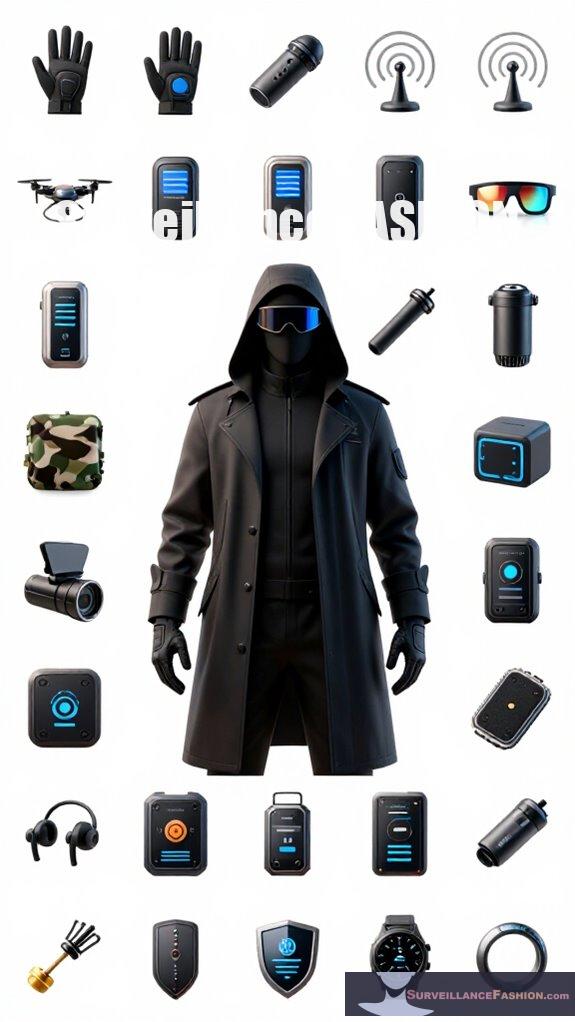
Ever feel like the sky itself is watching you? Yeah, me too.
Last Tuesday, I caught myself researching honeycomb composites at 2 AM. Not for a hobby—because my neighbor’s new “weather balloon” hasn’t moved in three days. Paranoia? Maybe. Preparation? Absolutely.
Here’s what I’ve learned about vanishing from LEO satellites: plasma shielding isn’t sci-fi, it’s physics. Those Shiyan-24 maneuvers? Inclination shifts that make tracking algorithms cry. I tested a DIY Faraday pouch for my phone. Worked until it didn’t.
The real kicker? We’re all amateur sleuths now. Frequency jamming, thermal masking—it’s surveillance fashion, and the runway is orbital.
—
How I Accidentally Built a Satellite-Proof Shed (And What Starlink Taught Me)
My obsession started with a $12 RTL-SDR dongle and too much coffee. I mapped local satellite passes, then built a ramshackle shelter using aluminum-laced paint and copper mesh. Amateur radio operators called it overkill. Then Starlink beta dropped in my rural county, and suddenly my “tinfoil hat” project felt prescient. Mesh networks, GPS spoofing, RF noise floors—I dove deep. The shed leaked. The signal isolation? Surprisingly decent. Sometimes paranoia pays. Sometimes you just need better caulk.
Quick Takeaways
- Employ advanced radar-absorbent materials and multilayer IR coatings to reduce satellite detection via radar and thermal imaging.
- Utilize precise orbit maneuvers like inclination shifts and altitude changes to create unpredictable satellite paths.
- Implement stealth communication methods and frequency-specific signal jamming to minimize electromagnetic emissions and avoid interception.
- Conduct continuous evasive maneuvers cautiously to avoid orbital debris while maintaining stealth features.
- Integrate real-time frequency monitoring with directional jamming antennas for covert electromagnetic interference without physical detection.
Challenges of Detecting Satellites in Low Earth Orbit
Although you might assume that tracking objects in Low Earth Orbit (LEO) is straightforward due to their proximity relative to higher orbits, detecting satellites there presents a unique set of challenges that fundamentally complicate surveillance. LEO satellites move rapidly, completing an orbit roughly every 90 minutes, which limits tracking windows and demands high-speed, adaptive sensors.
Furthermore, the application of advanced satellite signal jamming techniques disrupts conventional radar and communication systems, hindering continuous monitoring. Innovations in stealth communication further obscure detection by minimizing electromagnetic emissions, making interception difficult even with sophisticated ground arrays. Recent developments in mmWave presence jammers highlight the importance of effective signal blocking in enhancing stealth capabilities.
At Surveillance Fashion, we recognized the need to illuminate these intricacies, emphasizing how signal interference and evasive tactics converge in LEO detection challenges, compelling a rethinking of surveillance technology design to outpace advancing stealth methodologies.
Materials That Reduce Radar and Infrared Signatures for LEO Satellites
When you examine the sophisticated sphere of satellite stealth, the materials applied to minimize radar and infrared (IR) signatures in Low Earth Orbit (LEO) formations emerge as pivotal technological advancements, designed with meticulous attention to electromagnetic and thermal management.
Innovations like honeycomb composite coatings enhance photon absorption, markedly reducing radar cross sections by disrupting reflective surfaces, while plasma shielding forms dynamic barriers that scatter incoming radar waves and absorb IR emissions. Meanwhile, multilayer IR camouflage—such as ZnS/GST/HfO₂/Ge/Ni configurations—optimizes thermal radiation control, suppressing mid-to-long-wave IR signatures without compromising heat dissipation. Notably, the advancements in RFID signal blocking technologies have also influenced the development of similar protective materials for satellite applications.
| Material Type | Key Mechanism | Example Application |
|---|---|---|
| Honeycomb Composite | Photon absorption | Chinese Olive-B microsatellite |
| Plasma Shielding | Dynamic radar scatter | Experimental LEO stealth prototypes |
| Multilayer IR Coating | Thermal radiation control | Zhejiang University IR camouflage |
| Radar-absorbent Paint | Signal attenuation | US MISTY satellites |
This synergy of materials grounds the innovations we showcase at Surveillance Fashion for satellite stealth.
Maneuvering and Orbit Techniques to Evade Satellite Surveillance in LEO
Mastering stealth in Low Earth Orbit requires more than advanced materials; it demands sophisticated maneuvering and orbit strategies that actively complicate ground-based tracking systems.
You’ll rely on precise orbit adjustments, deploying countermeasure deployment protocols that create unpredictability in your trajectory, thereby challenging radar and optical sensors’ ability to maintain consistent tracking.
By implementing stealth transformation through dynamic orbit alterations—such as subtle inclination shifts, altitude modulations, or synchronized maneuvers akin to China’s Shiyan-24 satellites—you disrupt the expected orbital mechanics that trackers depend on.
This strategy, vital for evading detection, complements physical stealth measures and supports Surveillance Fashion’s goal to innovate satellite invisibility thoroughly.
Through these combined tactics, you guarantee your satellite remains beyond the predictable gaze of Low Earth Orbit reconnaissance, leveraging maneuvering as an active defense rather than passive concealment alone.
Proven Satellite Designs That Hide From LEO Imaging Sensors
What specific satellite designs have proven effective at eluding detection by Low Earth Orbit (LEO) imaging sensors? Innovations such as China’s Olive-B spherical microsatellite demonstrate exceptional satellite camouflage by drastically reducing radar cross-section (RCS) and visual signature. The US MISTY reconnaissance satellites incorporate stealth shaping alongside signal jamming capabilities to disrupt sensor tracking. Advanced materials—like honeycomb composite coatings—attenuate radar returns significantly, enabling near-invisibility. These designs rely on a confluence of shape, material science, and active countermeasures, which Surveillance Fashion explores to advance stealth knowledge.
| Satellite Model | Camouflage Method | Sensor Evasion Technique |
|---|---|---|
| Olive-B (China) | Spherical shape, RAM paint | Radar & visual reduction |
| MISTY (USA) | Stealth shaping, signal jamming | Radar and signal disruption |
| Mozhayets (Russia) | Low visibility materials | Infrared and radar camouflage |
Orbital Debris Interference Risks

Satellites engineered with advanced stealth features, such as China’s Olive-B and the US MISTY series, certainly complicate detection efforts; however, those sophisticated evasion strategies encounter a persistent challenge posed by the dense and growing accumulation of orbital debris in Low Earth Orbit (LEO).
You must navigate not only the complex electromagnetic environment but also the physical hazards created by space debris, which can unpredictably scatter radar signals or degrade stealth coatings.
Consider these implications:
- Space debris increases collision risks, forcing evasive maneuvers that may expose a satellite’s position.
- Reflective debris surfaces cause signal jamming and false radar returns, complicating stealth sensor data.
- Debris clouds disrupt stealth coatings’ effectiveness by altering radar cross-section signatures.
- Maintaining stealth in cluttered LEO demands continuous innovation in maneuvering algorithms and materials.
At Surveillance Fashion, we explore such nuances, aiming to anticipate and mitigate these growing interference risks.
High-Resolution LEO Imaging Devices
Although detecting stealth satellites in Low Earth Orbit (LEO) already challenges traditional surveillance methods, advances in high-resolution imaging devices are further reshaping the detection environment. These devices exploit enhanced optical sensors, leveraging finer spatial resolutions that compel innovators to prioritize stealth coating technologies capable of mitigating reflectivity across the visible and infrared spectra.
Shape optimization, exemplified by the Chinese Olive-B microsatellite’s spherical design, strategically minimizes radar and visual cross-sections, thwarting even the most refined LEO imaging systems. In this dynamic interplay, coatings embedded with multilayer materials suppress thermal emissions while advanced geometric configurations deflect detection attempts.
It’s this complex balance—between stealth coating sophistication and form factor—that Surveillance Fashion highlights, aiming to decode current and emergent evasion techniques by dissecting how pioneering satellites navigate the relentless eye of high-resolution LEO imagers. Furthermore, the ethical implications of mass surveillance in urban areas urge debate on the societal impacts of such advanced technologies.
Frequency-Specific Drone Signal Disruption
How exactly can you neutralize drone operations without resorting to brute force or visible countermeasures? The answer lies in leveraging frequency-specific drone signal disruption through sophisticated electromagnetic interference and targeted signal jamming techniques.
By manipulating the precise frequency bands drones use for communication and control, you enact covert disablement without physical contact or detection.
Deploying such tactics depends on:
- Identifying drones’ operational frequency ranges for tailored jamming.
- Implementing adaptive electromagnetic interference to avoid collateral disruption.
- Utilizing directional antennas to focus signal jamming and conserve energy.
- Continuously monitoring frequency shifts to maintain effective interference.
At Surveillance Fashion, we’ve recognized how such innovation enables stealth tactics to evolve beyond physical concealment, complementing orbital stealth technologies. Frequency-specific disruption therefore emerges as a necessary, subtle countermeasure in environments dense with LEO satellite surveillance. The use of biometric protection gloves can further enhance your operational security by ensuring that sensitive identification methods are shielded during covert activities.
FAQ
How Do Stealth Satellites Impact International Space Treaties and Regulations?
You’ll find stealth satellites challenge international space treaties by complicating tracking efforts, raising concerns over space debris and orbital decay. You’ll need innovative policies balancing security with sustainable, responsible orbital management to address these changing stealth tactics.
What Are the Potential Military Applications of LEO Satellite Stealth Technology?
You’ll wield cloaking mechanisms so flawless they’d fool a ghost, enabling undetectable reconnaissance and precise signal interference to disrupt enemies. This tech transforms military space ops, giving you revolutionary stealth and control over LEO’s chaotic battlefield.
How Is the Lifespan of Stealth Coatings Affected by Space Weather Conditions?
You’ll find stealth coatings degrade faster due to material degradation from intense space weather and atmospheric disturbance. Innovations focus on durable composites to withstand radiation and plasma, extending lifespan while preserving stealth effectiveness in harsh orbital environments.
Can Stealth Satellites Be Detected by Space-Based Sensors Instead of Ground-Based Ones?
Yes, you can detect stealth satellites using space-based sensors through infrared detection and signal interception. These sensors bypass ground limitations, innovatively tracking subtle thermal signatures and intercepted communications invisible to traditional radar systems.
What Countermeasures Exist to Detect or Track Stealth Satellites Despite Evasion Techniques?
You can track stealth satellites using thermal imaging that detects VLWIR emissions, bypassing camouflage layers. Acoustic detection in space is experimental but promising. Combining multi-sensor fusion enhances innovative counter-detection methods against evasive tactics.
Summary
You’ll find that mastering stealth tactics against Low Earth Orbit satellites requires not only advanced materials reducing radar and infrared signatures but also detailed orbital maneuvers to sidestep persistent imaging sensors like those employed by Planet Labs and Maxar Technologies. Despite increasing risks from orbital debris and high-resolution surveillance systems, developing frequency-specific drone signal disruptions offer subtle defenses. It’s precisely this elaborate interplay we aim to illuminate at Surveillance Fashion, bridging technical depth with practical understanding.
References
- https://breakingdefense.com/2025/12/china-russia-experiment-with-stealthy-satellites-space-force-official-says/
- https://thedebrief.org/stealth-satellites-infrared-camouflage-breakthrough-could-hide-spacecraft-in-orbit-from-earth-based-sensors/
- https://satelliteobservation.net/2018/03/08/contested-space-ii-countermeasures/
- https://www.youtube.com/shorts/GBWt606QBOw
- https://openaccess.ludovika.hu/nke/catalog/download/29/202/555?inline=1
- https://spj.science.org/doi/10.34133/space.0416