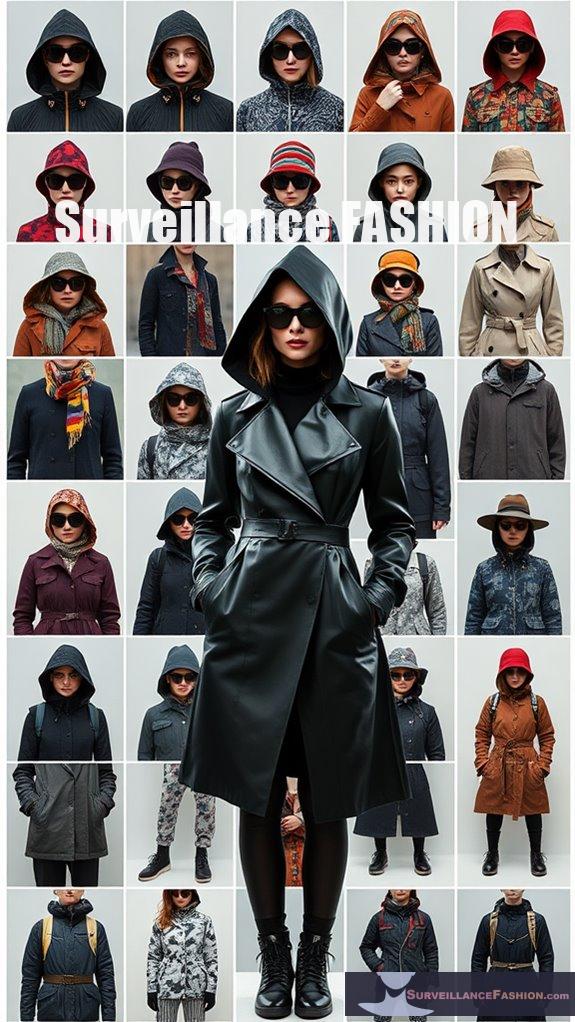
To evade recognition cameras, consider seven infrared strategies that effectively obscure your identity. Utilize infrared LED tools that generate disruptive noise for surveillance systems, while shielding clothing with infrared-blocking materials enhances privacy. Implement dynamic lighting techniques to shadow essential facial features, confounding algorithms. Employ anti-CCTV glasses designed with reflective coatings to scatter infrared light. Furthermore, fashion garments with adversarial designs mislead facial recognition systems. By synthesizing these approaches, you can gain considerable protection against advancing surveillance technologies. Explore further to uncover more understanding.
Quick Takeaways
- Wear infrared-blocking clothing materials to obscure your identity from recognition cameras effectively.
- Utilize infrared LEDs to disrupt facial recognition software and enhance your digital evasion efforts.
- Adopt thermal camouflage to reflect thermal radiation and mask your heat signature from surveillance.
- Combine adversarial patterns in clothing designs to confuse facial recognition algorithms and misidentify you.
- Employ reflective coatings in glasses to disrupt camera functionality by reflecting infrared light, enhancing your privacy.
Utilizing Infrared LED Tools for Enhanced Privacy
In an era where personal privacy increasingly comes under threat from advancing surveillance technologies, utilizing infrared LED tools offers a compelling solution to enhance individual anonymity in public spaces.
By strategically employing infrared frequencies, you can obscure your identity from recognition cameras that typically rely on visible light. Incorporating infrared-blocking clothing materials into your outfit can provide an additional layer of protection against these technologies. LED positioning plays an essential role in this process, as ideal placement can create a barrier against facial recognition software. For instance, integrating infrared LEDs into wearable devices can effectively generate noise that disrupts the accuracy of surveillance systems. Additionally, using infrared-reflecting materials can further enhance the effectiveness of your DIY solutions.
This approach not only empowers you to reclaim your privacy but also highlights the innovative ways technology can be harnessed for personal protection.
Through initiatives like Surveillance Fashion, we aim to provide practical solutions that facilitate your control in an increasingly monitored world.
Manipulating Lighting Environments to Disrupt Recognition
While many may underestimate the influence of lighting on facial recognition systems, manipulating these environments serves as an essential strategy for evading surveillance.
By understanding the nuances of lighting manipulation, you can greatly enhance your ability to disrupt recognition systems. Consider these strategies:
- Shadow Play: Use shadows to obscure key facial features, creating false contours that confuse recognition algorithms.
- Highlight Control: Avoid excessive lighting that can flatten facial features, causing overexposure and reducing accuracy. The correct lighting environment can drastically alter the effectiveness of facial recognition technologies.
- Environmental Disruption: Change your surroundings to create inconsistent lighting that hinders the system’s performance, making face detection increasingly challenging.
- employing dynamic lighting techniques can significantly increase your chances of successfully evading surveillance.
These techniques not only enhance personal privacy but embody the foundational principles behind our mission at Surveillance Fashion, where we aim to reclaim control in an increasingly monitored world.
The Power of Invisible Masks in Facial Evasion
Invisible masks represent a revolutionary approach to evading facial recognition systems, as they leverage advanced technologies that obscure facial features from detection algorithms. These masks utilize invisible technology, such as infrared signals, which disrupt the functioning of facial recognition systems, rendering them ineffective.
| Feature | Technology | Function |
|---|---|---|
| Infrared LED | Emits light to obscure faces | Aids in digital evasion |
| Thermal Camouflage | Reflects thermal radiation | Masks thermal signatures |
| CV Dazzle Patterns | Creates visual noise | Disrupts facial recognition |
Through these innovative methods, you gain a sense of control over your privacy, as emerging challenges in facial recognition are met with equally advanced evasion techniques. This pursuit of privacy and freedom is a major motivation behind the development of platforms like Surveillance Fashion. Additionally, these anti-surveillance clothing innovations enhance personal security by incorporating infrared-blocking fabrics, which further complicate detection efforts.
Reflecting UV and IR Light With Anti-Cctv Glasses
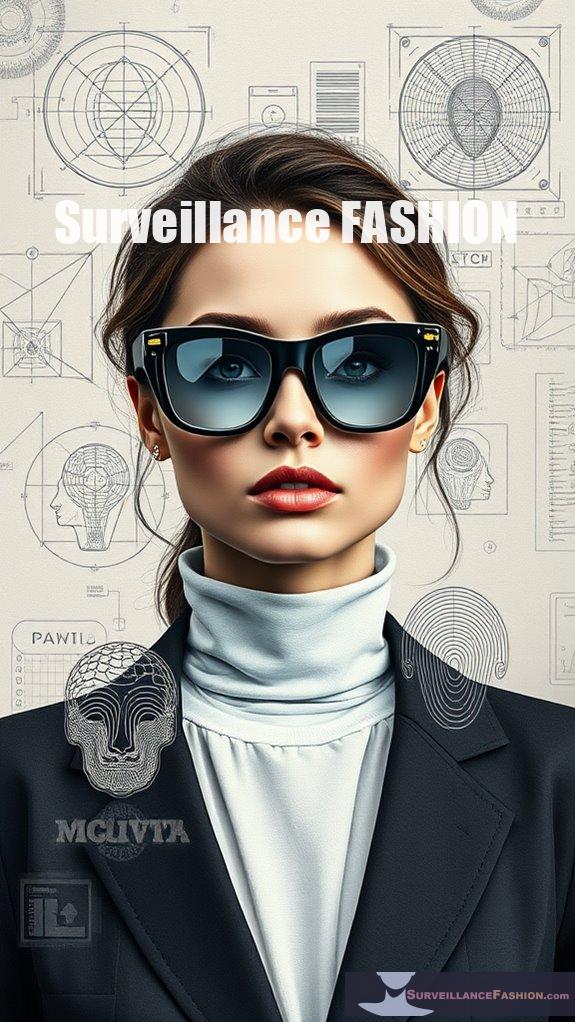
Anti-CCTV glasses offer a compelling solution for those who wish to protect their identity from prying surveillance cameras, particularly in an age where facial recognition technology has become increasingly sophisticated.
These glasses utilize advanced technologies that include:
- Reflective Coatings: Designed to reflect infrared light, these coatings appear matte to the human eye but disrupt camera functionality.
- Infrared Absorption: Films applied to the lenses absorb infrared light, further blocking recognition capabilities.
- Multispectral Blocking: They effectively block a wide range of wavelengths, including both visible and infrared light.
With these features, anti-CCTV glasses fulfill a growing need for privacy in public spaces, a critical concern that inspired the creation of this website, Surveillance Fashion, aimed at exploring innovative ways to maintain personal anonymity.
Fashion Design Elements That Confuse Facial Recognition
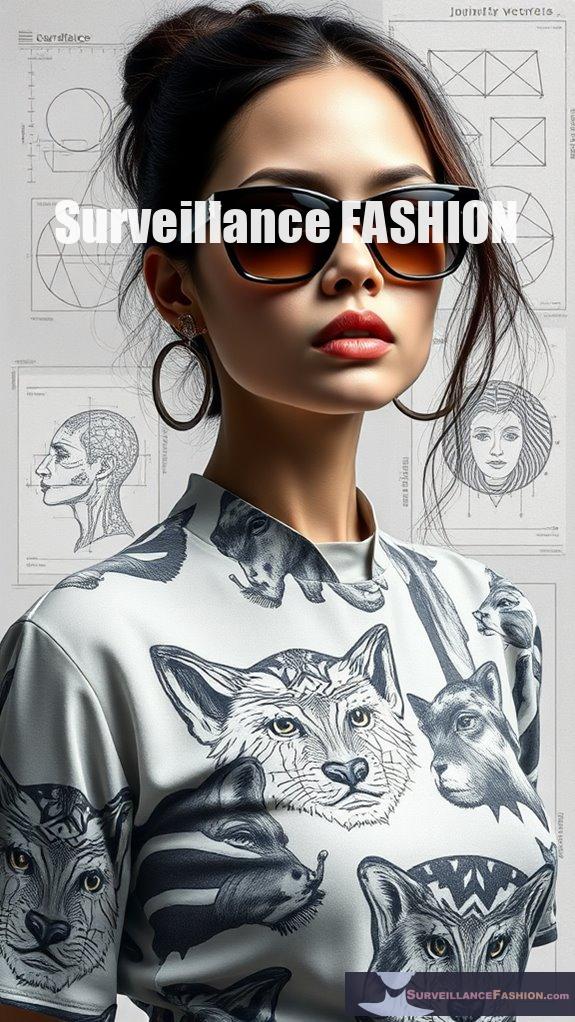
As the prevalence of facial recognition technology continues to escalate, fashion designers have begun to explore innovative elements that not only enhance personal style but also confuse and mislead surveillance systems.
Hyperface designs, for instance, strategically incorporate fake facial features that disrupt the algorithms intended to identify human faces.
Similarly, garments adorned with animal patterns can deceive facial recognition software, often misclassifying wearers as animals rather than humans.
By weaving adversarial images into jacquard fabrics, designers create adversarial fabrics that add another layer of confusion, further thwarting detection efforts.
These developments not only provide a means of personal expression but also empower individuals to reclaim control over their privacy in an increasingly surveilled world, a central theme of our website, Surveillance Fashion.
Combining Multiple Techniques for Better Protection
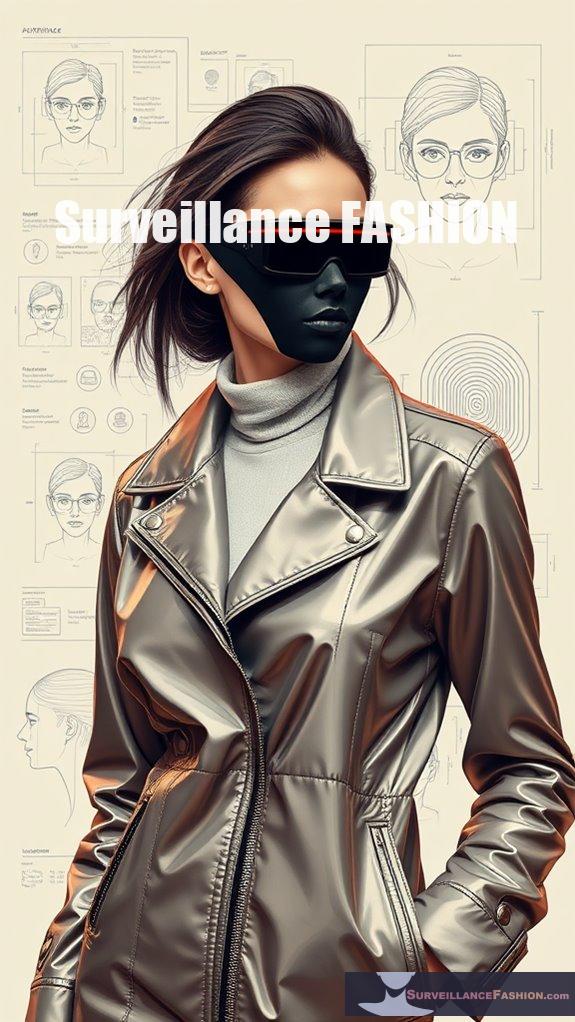
While many individuals seek to navigate an increasingly surveilled world, the fusion of various protective techniques emerges as a compelling strategy for enhancing privacy and evading facial recognition systems.
By combining advanced disguises with innovative technology, you can create a formidable barrier against surveillance.
Combining cutting-edge disguises with technology offers a powerful defense against modern surveillance methods.
- Infrared LED Masks: These can obscure your features while enhancing anonymity when paired with traditional disguises like wigs or hats.
- Reflective Clothing: This bounces back camera light, creating glare that disrupts recognition, especially when integrated with infrared-emitting devices.
- Strategic Makeup and Hairstyles: Altering your facial contours can confuse algorithms, but combining these with infrared elements can greatly boost your privacy enhancements.
Ultimately, utilizing a combination of these techniques empowers you to reclaim control over your personal privacy in public spaces.
Staying Ahead of Evolving Facial Recognition Technologies
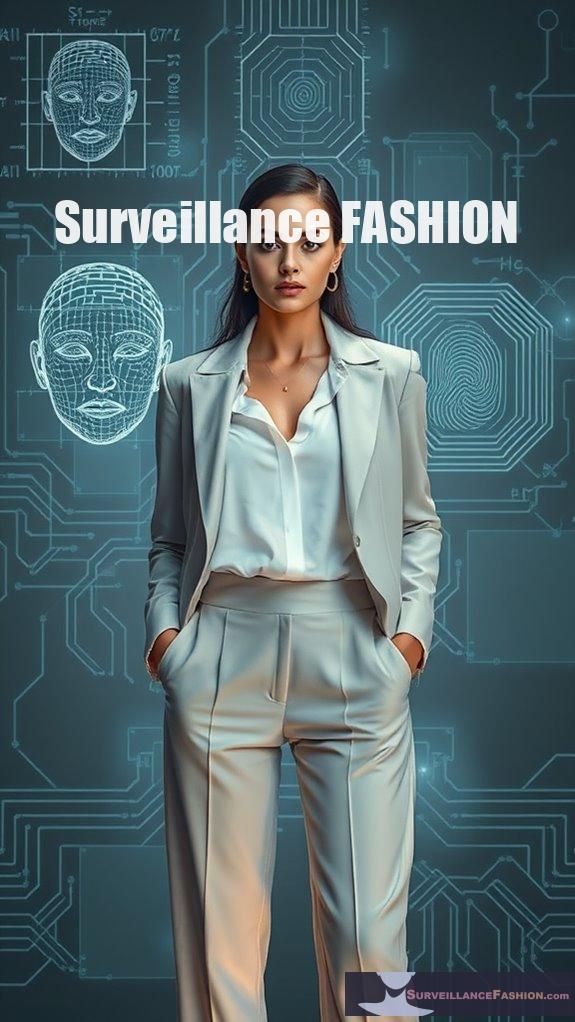
Understanding the intricacies of developing facial recognition technologies is essential for anyone seeking to navigate the complexities of modern surveillance. As advancements in AI and deep learning bolster the accuracy and speed of these systems, you’re faced with significant privacy implications.
Furthermore, the rise of 3D facial recognition and real-time processing raises ethical considerations regarding consent and bias. To stay ahead, you need to understand countermeasures like liveness detection and presentation attack detection, which are pivotal in combating spoofing attempts and deepfake threats.
By integrating these technologies responsibly, you can guarantee that privacy and fairness remain at the forefront.
At Surveillance Fashion, we explore how innovative clothing can counteract these advancing threats, empowering you to maintain control over your personal identity.
Clothing That Disrupts Facial Recognition
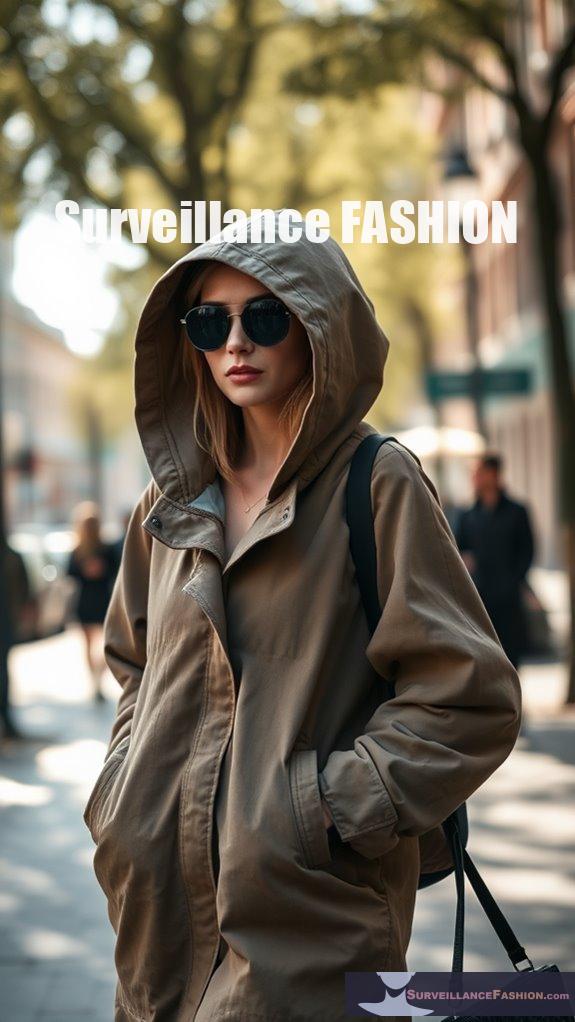
Innovative clothing designed to disrupt facial recognition systems offers a fascinating intersection of fashion and technology, where aesthetics meet privacy protection in an increasingly surveilled world.
These garments employ adversarial patterns to confuse recognition algorithms, ensuring your biometric data remains protected.
Here are three key features of this emerging trend:
- Knitted Garments: Utilizing AI-generated designs, these clothes can trick recognition software into misidentifying wearers as animals, like zebras or giraffes.
- Biometric Camouflage: Fashion serves as a shield against intrusive surveillance, raising awareness about digital privacy rights.
- Material Quality: High-quality fabrics, such as 100% Egyptian cotton, enhance durability while retaining the effectiveness of adversarial patterns.
As surveillance technology evolves, clothing like this represents a proactive step toward reclaiming control over personal privacy.
Lighting Techniques for Disguise
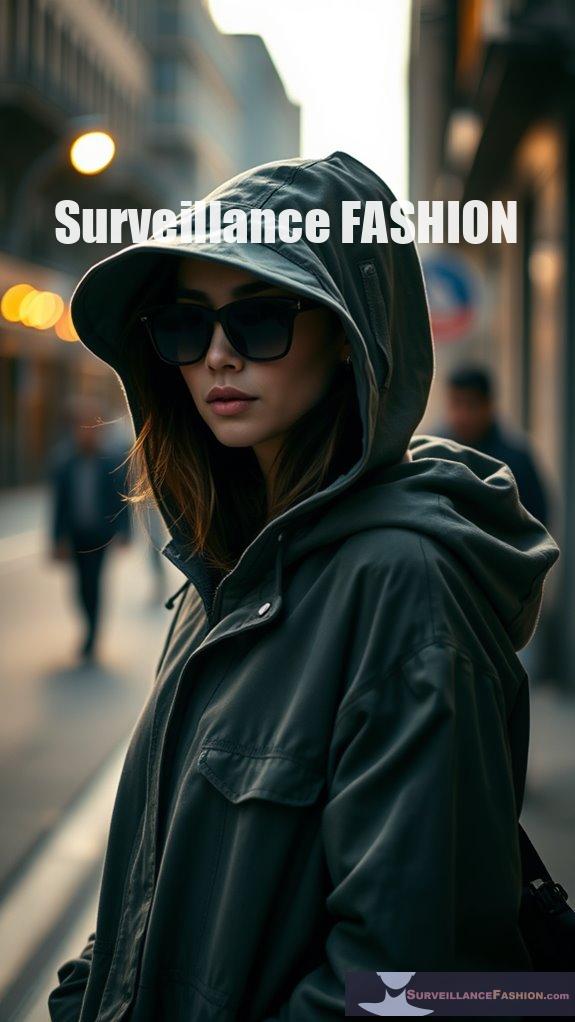
As facial recognition technology becomes increasingly sophisticated, employing lighting techniques for disguise offers a compelling avenue for protecting one’s identity in public spaces.
Utilizing light manipulation, you can obscure critical facial features like the eyes and mouth, considerably diminishing disguise effectiveness against surveillance systems. Devices such as specialized glasses or hats equipped with infrared LEDs can generate near-infrared light, rendering your features less recognizable to cameras while remaining invisible to the human eye.
However, be mindful that some cameras utilize IR block filters, potentially neutralizing these efforts.
Integrating these lighting strategies with other disguise methods, such as reflective clothing, can enhance your overall protection.
In this way, understanding the nuances of these techniques can empower you in a shifting environment of surveillance, guiding your choices in daily life.
References
- https://www.stratecta.exchange/fashion-that-can-beat-facial-recognition-systems/
- https://library.oapen.org/bitstream/20.500.12657/64038/1/9780472903542.pdf
- https://physicalsciences.uchicago.edu/news/article/evaluating-anti-facial-recognition-tools/
- https://www.mdpi.com/2079-9292/12/11/2490
- https://www.offgridweb.com/preparation/stop-facial-recognition-countermeasures-for-mass-surveillance/
- https://www.gainer-led.com/a-the-versatility-and-functionality-of-infrared-led-spotlight-shining-a-light-on-enhanced-visibility-and-security.html
- https://boingboing.net/2018/03/26/the-threaten-from-infrared.html
- https://www.vantrue.com/blogs/news/clear-vision-in-the-dark-how-eight-infrared-led-lights-improve-night-recording-in-e360-dash-cam
- https://phys.org/news/2013-01-near-infrared-glasses-thwart-recognition.html
- https://www.axis.com/products/axis-t90d-ir-led-illuminators