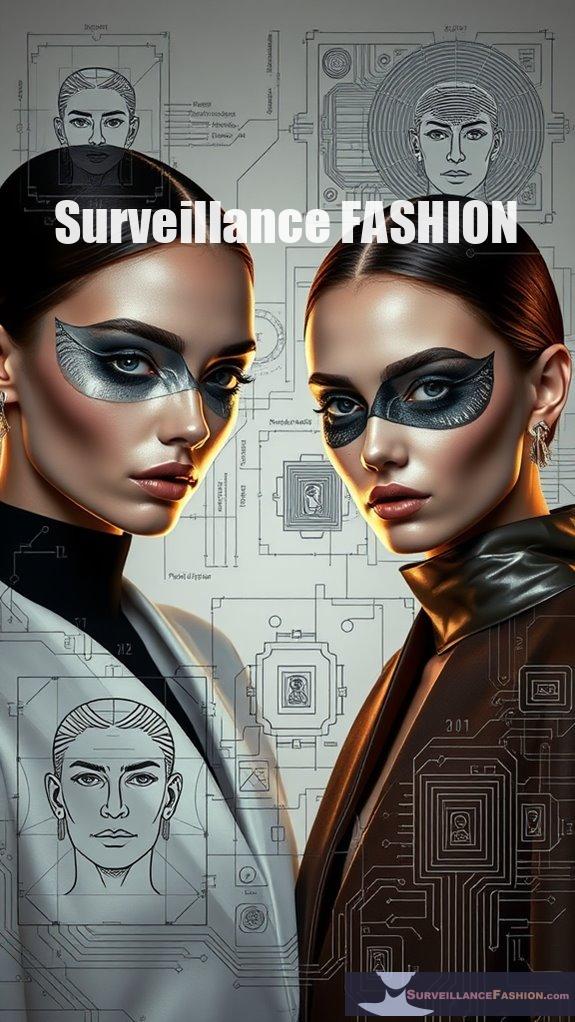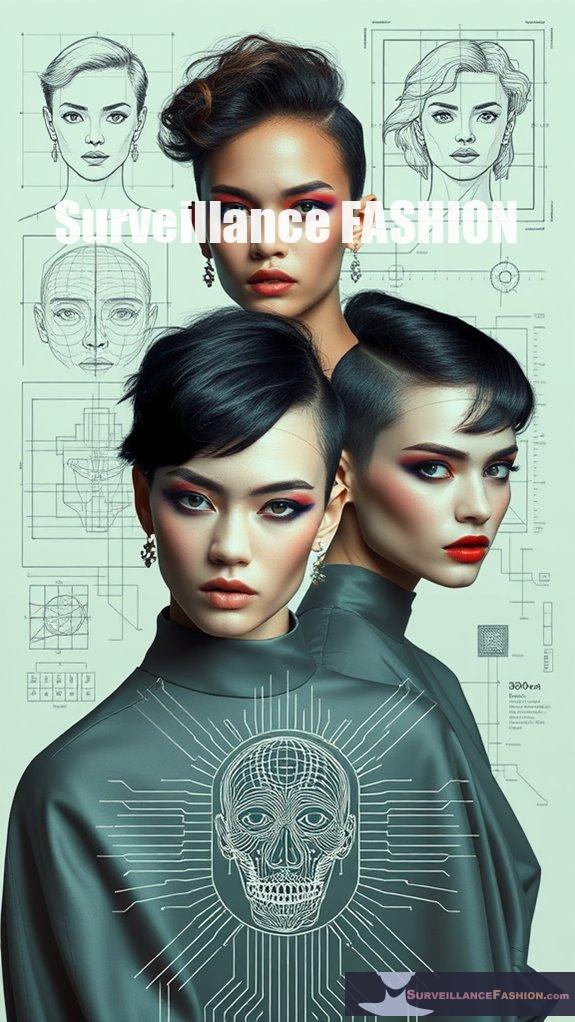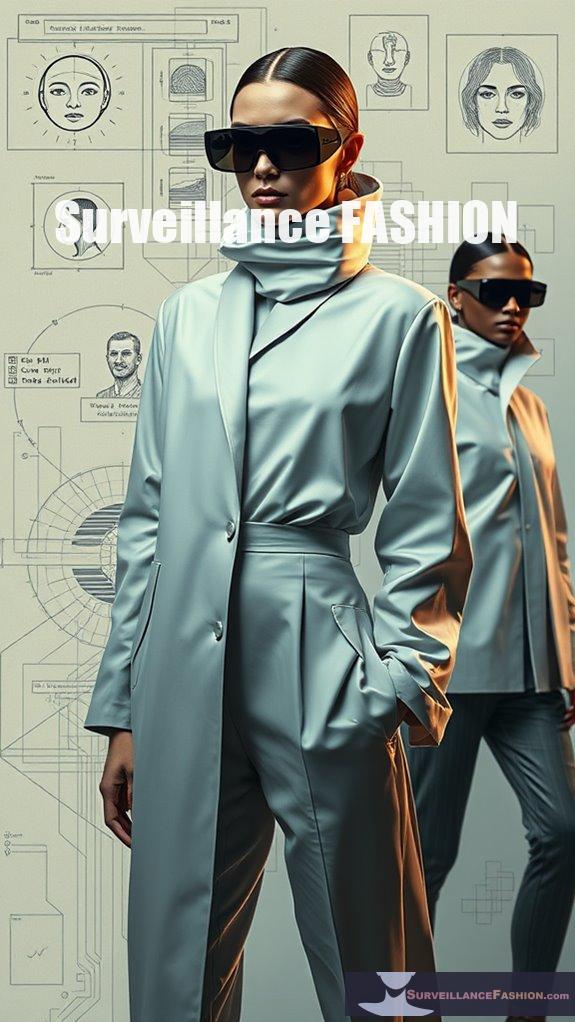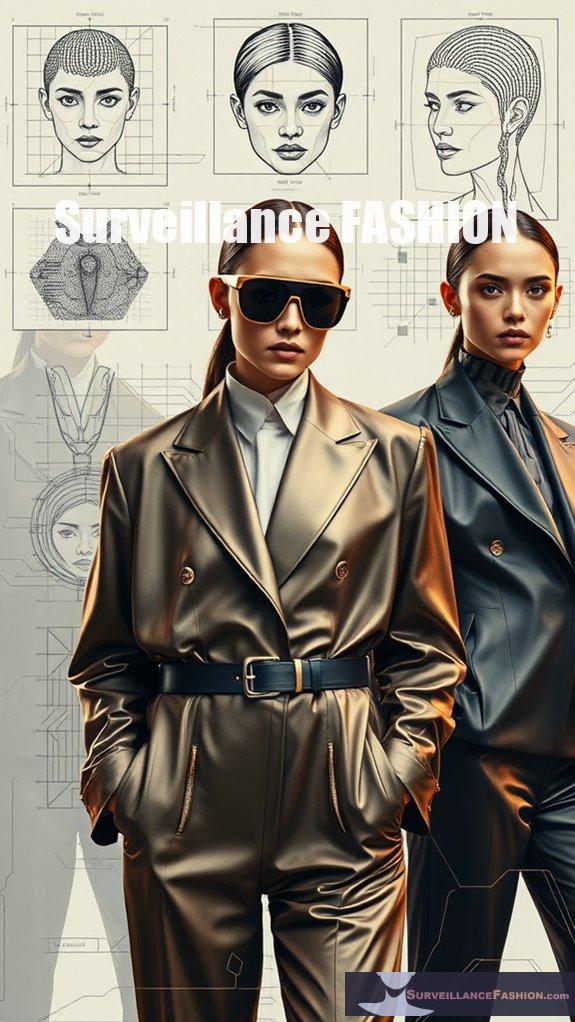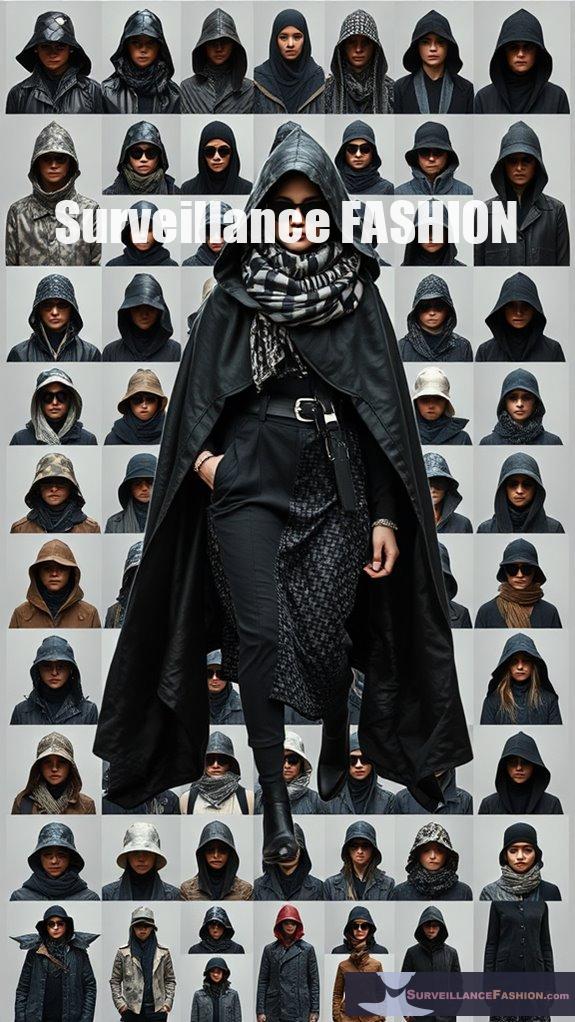
Tag: identity concealment

  • Stealth Wear: 5 Privacy Fashion Innovations

    Stealth Wear: 5 Privacy Fashion Innovations

    Ever felt like you're living in a spy movie?

    I know I have.

    Picture this: I'm out, minding my own business when I realize my phone is tracking my every move. Yikes!

    Enter stealth wear – my new favorite armor against prying eyes.

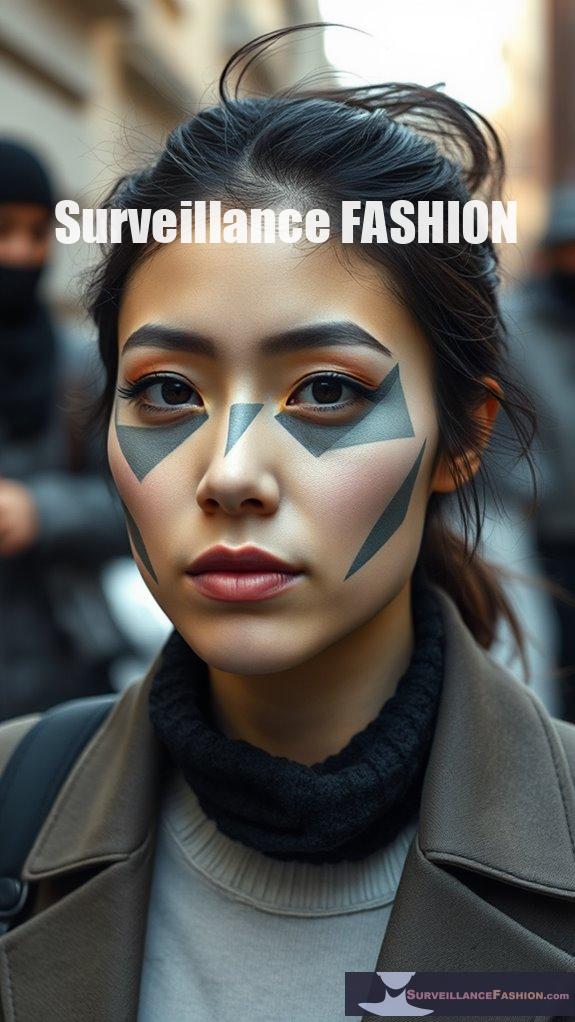
    I've tried on thermal resistance gear that reflects my body heat. It's like a cloak of invisibility, but way less Harry Potter. And let's not forget the CV Dazzle Makeup. I painted my face in chaotic patterns, feeling like a Picasso in a world of selfies.

    It's a wild ride, balancing style with security. Who said fashion can't be fun and protective?

    Minimalist Fashion: Less Clutter, More Freedom

    A few months back, I decided to simplify my life. I ditched the clutter, including most of my wardrobe.

    Gone were the days of endless outfit choices. Instead, I embraced a minimalist style that let me express myself without the chaos.

    With just a few key pieces, I felt liberated.

    No more worrying about what to wear, just a simple, sleek outfit that screamed confidence.

    It's amazing how much mental clarity comes with a streamlined closet. Plus, now I have more time to focus on what really matters—like dodging unwanted attention in this tech-heavy world.

    Embracing minimalism isn't just about clothes; it's about reclaiming my time and space.

    Quick Takeaways

    • Thermal Resistance Garments mask heat signatures using neoprene and silicone, enhancing personal security against thermal detection systems.
    • CV Dazzle Makeup employs angular patterns to disrupt facial recognition algorithms, prioritizing privacy in public spaces.
    • Infrared Visors and Cell Phone Blocking Pockets utilize advanced materials to obscure thermal signatures and block unauthorized tracking signals effectively.
    • Adaptive Camouflage fabrics change color based on environmental stimuli, allowing individuals to blend into surroundings for improved anonymity.
    • Sustainable Practices in privacy fashion promote eco-friendly materials, merging ethical manufacturing with stylish designs for conscious consumer choices.

    Thermal Resistance Garments: Reflecting Heat for Privacy

    heat reflective privacy garments

    As the demand for innovative solutions to privacy concerns increases, one intriguing avenue lies in the adaptation of thermal resistance garments, which traditionally serve to protect against heat hazards, to address the nuances of personal privacy through heat signature management.

    These garments, typically made from advanced materials like neoprene and silicone, can theoretically function as thermal barriers, reflecting body heat and thereby masking your presence from thermal detection systems. FR/AR garments mitigate thermal hazard risks in workplace settings while also providing an opportunity for privacy innovation. Additionally, the integration of thermal signature-masking technology could further enhance the effectiveness of these garments in ensuring user anonymity.

    While the focus has been on safety, adapting these technologies for privacy could revolutionize personal security, merging everyday wear with discreet heat signature management, ultimately fostering greater freedom in public spaces.

    CV Dazzle Makeup: Evading Facial Recognition
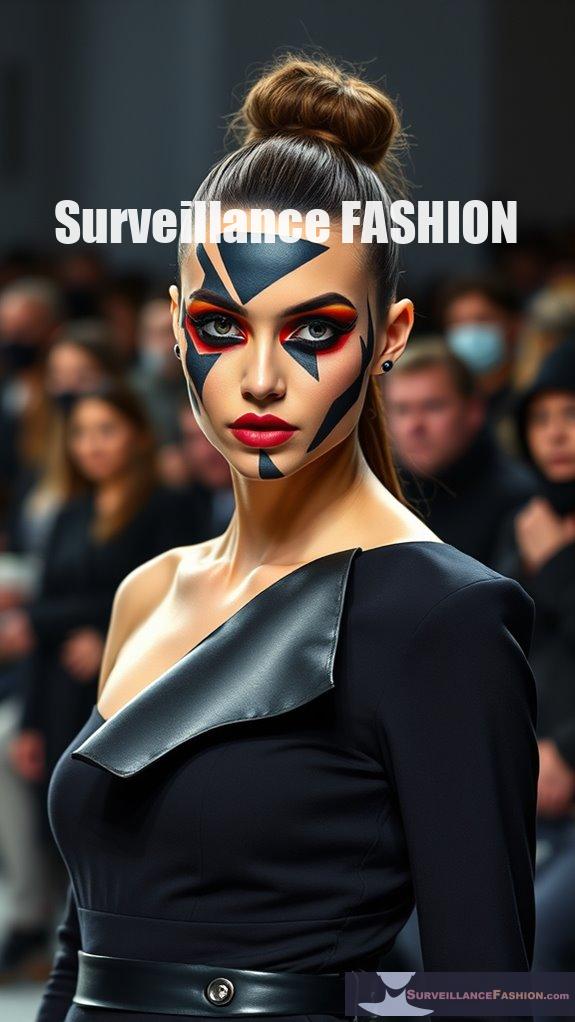
    disguising faces with makeup

    CV Dazzle makeup emerges as a fascinating intersection of art and technology, designed to challenge the pervasive reach of facial recognition systems, particularly in environments where privacy is increasingly compromised.

    CV Dazzle makeup artfully disrupts facial recognition, merging creativity with a powerful statement on privacy in our surveillance-driven world.

    This innovative approach employs makeup techniques inspired by WWI "dazzle" camouflage, utilizing angular shapes and contrasting colors to disrupt the algorithms that identify facial landmarks. Additionally, the use of Juggalo face paint has been shown to effectively obscure facial features, further complicating identification efforts by surveillance technologies. The effectiveness of this method is partly due to its ability to confuse algorithms, making it harder for systems to accurately map facial features.

    While effective against simpler systems, CV Dazzle's limitations become evident against advanced recognition technologies, highlighting ongoing privacy concerns.

    As you explore this artistic expression, consider its dual role—both a statement against surveillance and a reminder of the changing environment of privacy-enhancing innovations.

    Infrared Visor: Blocking Surveillance With Light
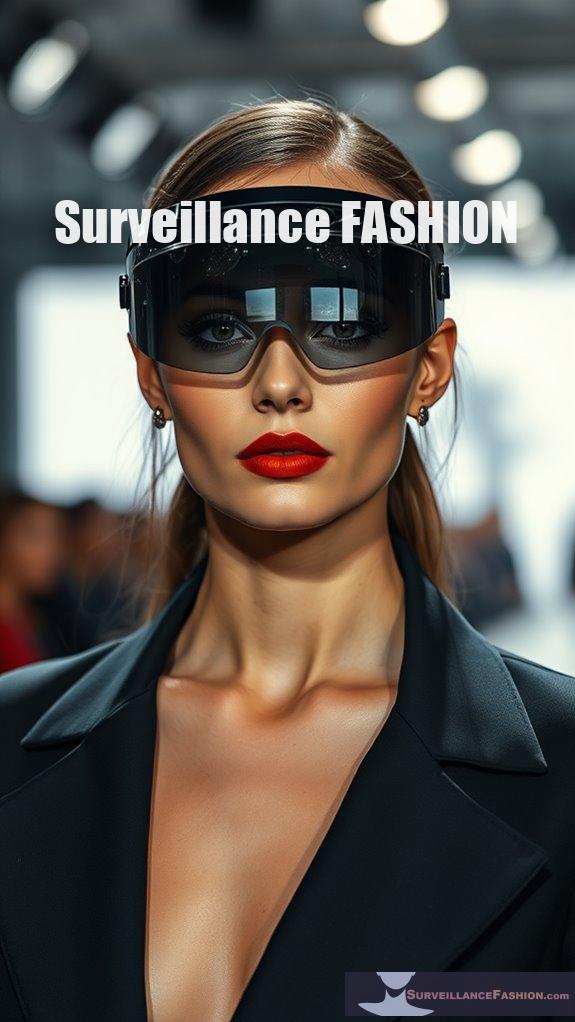
    infrared technology for privacy

    Innovative in design and purpose, the infrared visor represents a significant advancement in personal privacy technology, specifically aimed at counteracting the intrusive capabilities of modern surveillance systems.

    By utilizing infrared technology, this visor disrupts and obscures thermal signatures, effectively rendering you invisible to thermal imaging surveillance. Materials like Mylar and advanced heat-reflective coatings absorb or reflect infrared radiation, enhancing your anonymity in public spaces. Thermal shielding materials are essential for maximizing the effectiveness of this innovative visor, ensuring optimal protection against detection. Additionally, the incorporation of infrared-blocking fabrics further boosts the visor's ability to shield wearers from unwanted surveillance.

    As concerns about privacy escalate, the infrared visor emerges as a practical solution, combining comfort and functionality while allowing individuals to reclaim their freedom in an increasingly monitored world.

    Ultimately, it embodies a proactive approach to personal security.

    Cell Phone Blocking Pockets: Enhancing Signal Privacy

    signal blocking cell phone pockets

    Cell phone blocking pockets have emerged as a pivotal solution in the ongoing battle for personal privacy, particularly in a world where constant connectivity often comes at the cost of security.

    These innovative pockets function as portable Faraday cages, effectively enhancing signal privacy by blocking cellular, Wi-Fi, Bluetooth, and GPS signals, thereby preventing hacking and unauthorized tracking.

    Crafted from materials like silver and copper, they achieve over 100 dB signal blockage, ensuring your devices remain secure even when powered off. The secured locking mechanism ensures complete signal blockage, making them ideal for travelers and those seeking a digital detox, as these pockets not only protect your data but also mitigate EMF radiation exposure, promoting a healthier lifestyle.

    Adaptive Camouflage: Blending Into Your Environment

    environmental blending technology

    As the need for personal privacy intensifies in an increasingly surveilled world, adaptive camouflage has emerged as a remarkable technology that allows individuals to blend seamlessly into their surroundings.

    Utilizing advanced camouflage materials like thermochromic and electrochromic fabrics, these adaptive technologies respond dynamically to environmental stimuli, ensuring you remain discreet in various scenarios. Thermal conductivity is a crucial factor in the effectiveness of these materials, as it influences how well they can adapt to changes in temperature and light.

    Inspired by nature's color-changing organisms, such materials can shift hues based on temperature or light, providing an innovative solution for privacy-conscious individuals.

    This fusion of fashion and technology not only enhances personal freedom but also addresses the growing concerns surrounding surveillance, a key focus of our exploration at Surveillance Fashion.

    Cloaking Technology in Apparel

    invisible clothing technology advancements

    Cloaking technology in apparel represents a fascinating intersection of fashion and advanced scientific innovation, pushing the boundaries of how we perceive personal privacy in an era dominated by surveillance.

    Utilizing stealth textiles that reflect thermal energy, these garments can obscure wearers from thermal cameras, enhancing personal privacy. Furthermore, pioneering light manipulation techniques, such as the bending of light through synthetic fabrics, allow for invisibility effects akin to those seen in nature. For instance, some materials adapt their color based on surroundings, mimicking a chameleon. Notably, the invisibility cloak developed by Nottingham Trent University demonstrates how technology can revolutionize fashion while addressing privacy concerns.

    As you explore this innovative environment, consider how these advancements empower individuals to reclaim their privacy in public spaces.

    Cloak-and-Dagger Style Inspirations

    espionage and mystery aesthetics

    While the concept of privacy in fashion may seem paradoxical, the emergence of cloak-and-dagger style inspirations signifies a transformative approach to personal expression and protection in an increasingly surveilled world.

    Drawing from cultural heritage, modern adaptations of traditional garments, such as the Burqa or Hijab, offer full-body coverage while also inspiring contemporary designs.

    Innovative textures, including metallic and nature-inspired camouflage, serve to confuse facial recognition systems.

    Furthermore, elements from historical costumes, like cloaks, evoke a sense of privacy. This innovative shift in fashion reflects the need for digital media literacy as individuals seek to navigate a world dominated by surveillance.

    Fashion That Evades Monitoring
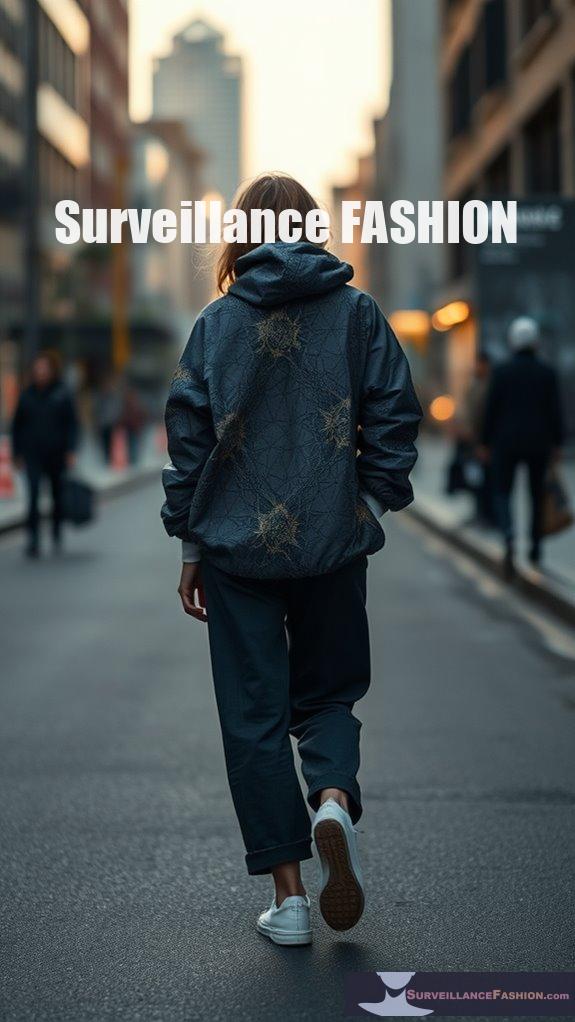
    untraceable style trends

    In an era where surveillance technology permeates daily life, innovative fashion that evades monitoring emerges as a critical response to the demand for privacy and personal agency. Adversarial fashion, like Cap_able's garments featuring AI-adversarial patterns, confounds facial recognition systems, allowing you to navigate the world discreetly. Crafted from sustainable materials, these stylish pieces embody privacy advocacy while promoting ethical practices. The One by One Collection represents a bold experiment that merges fashion with technology to create a digital invisibility for its wearers.

    References

  • Best Non-Technical Ways To Thwart Facial Surveillance

    Best Non-Technical Ways To Thwart Facial Surveillance

    To thwart facial surveillance non-technically, consider employing distinct makeup strategies, such as bold lip colors or asymmetrical application, which distract from identifiable features. Accessorize thoughtfully with wide-brimmed hats and oversized sunglasses, while incorporating reflective fabrics. Stylize your outfits using complex designs or patterns that confuse recognition algorithms. Innovate with face paint and hairstyles that obscure key facial markers; these methods collectively contribute to a growing movement on privacy rights, revealing further revelations on protecting identity.

    Quick Takeaways

    • Utilize asymmetrical makeup techniques to create visual confusion and obscure identifiable features.
    • Wear wide-brimmed hats and oversized sunglasses to shield your face from surveillance cameras.
    • Choose clothing with complex patterns or infrared reflective fabrics to disrupt facial recognition algorithms.
    • Incorporate reflective accessories, like scarves or hats, to alter how your identity is perceived.
    • Engage in the privacy movement by adopting fashion choices that promote anonymity and reclaim personal autonomy.

    Non-Technical Strategies for Facial Anonymity

    facial recognition avoidance techniques

    In an age where facial surveillance technologies permeate public and private life, the quest for personal anonymity has garnered significant attention, prompting individuals to seek non-technical methods to evade the prying eyes of cameras. You might find yourself pondering how to navigate this terrain of constant observation, where even a casual outing can feel fraught with the potential for misidentification or data breaches.

    Fortunately, there are makeup strategies and accessory choices that can enhance your ability to remain under the radar. When considering makeup, think beyond the conventional application. You can use strategically placed cosmetics to alter your facial features subtly, making it challenging for facial recognition systems to identify you. For instance, contouring your jawline or cheekbones can create shadows that confuse these systems, while a bold lipstick can draw attention away from your eyes, which are often the primary focus for identification. Additionally, the use of innovative techniques like privacy preservation by birth can inspire new ways to think about how we can maintain our anonymity. Moreover, makeup for privacy protection can include unconventional patterns that further obscure your identity. Adding to this, disguise techniques can be an essential aspect of your overall strategy to avoid detection.

    You might also experiment with unconventional colors or patterns; vibrant hues or unique designs can disrupt the standard visual cues that cameras rely on for recognition. As you weigh your options, accessory choices become equally critical. Wide-brimmed hats can shield your face from view, offering a simple yet effective way to obscure key features. Pairing these with oversized sunglasses can further enhance your disguise, providing a double layer of defense against prying lenses.

    Anti-surveillance goggles, designed specifically to deflect light, can also serve as an innovative solution for individuals concerned about their privacy. These accessories not only contribute to a fashionable look but also work to frustrate the algorithms that power facial recognition technology. Moreover, reflective and metalliferous fabrics have emerged as intriguing options for clothing.

    These materials disrupt camera imaging by reflecting various wavelengths of light, making it difficult for systems to capture a clear image of your face. Consider incorporating such textiles into your wardrobe, perhaps as a stylish shirt or jacket, to embrace an avant-garde approach to privacy. Even a simple scarf made from a reflective fabric can act as a clever shield, subtly enhancing your anonymity while contributing to your overall aesthetic.

    With the increasing awareness surrounding data security concerns, it's essential to recognize the broader implications of facial recognition technologies. Misidentification risks can lead to serious legal issues, and the loss of anonymity in public spaces can erode personal privacy. By employing these non-technical methods, you not only protect yourself but also contribute to a growing movement that champions the right to privacy.

    As you explore these makeup strategies and accessory choices, keep in mind that each decision you make is a step toward reclaiming your autonomy in a world that often prioritizes surveillance over individuality. Engaging with these ideas through our website, Surveillance Fashion, can help you navigate the complexities of modern life, allowing you to express yourself while safeguarding your privacy.

    Stylish Anti-Surveillance Outfit Tips

    fashionable privacy protection attire

    How can you blend style with functionality when it comes to thwarting facial surveillance?

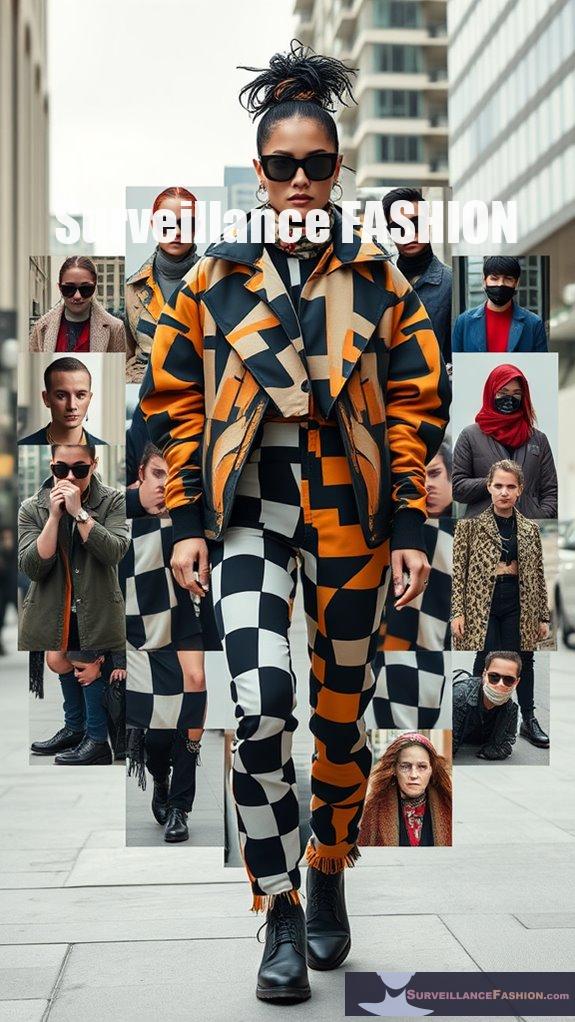
    By selecting fashion patterns that confuse facial recognition algorithms, you can create an effective yet stylish wardrobe. Opt for garments featuring complex designs or asymmetrical cuts, which disrupt symmetry and challenge detection systems. In 2024, many designers are experimenting with patterned fashion that confuses the eye, making their pieces not only visually striking but also practical for anti-surveillance purposes.

    Consider incorporating metamaterials or infrared reflective fabrics, as they not only enhance your invisibility but also make for chic outfits. Additionally, clothing featuring camera-confusing patterns can significantly improve your chances of remaining undetected in public spaces.

    Accessorize with trendy items like anti-paparazzi scarves or stealth headgear, which cleverly disguise your features while keeping you fashionable. Face masks, now a staple in many wardrobes, can obscure your identity while providing a unique fashion statement.

    As you explore accessory trends, keep in mind that the balance between practicality and aesthetics is essential for an effective anti-surveillance strategy.

    This website, Surveillance Fashion, aims to inspire you to embrace innovative textiles while making bold fashion choices that protect your privacy.

    Creative Disguise Ideas

    inventive costume transformation concepts

    Creative disguise ideas offer a unique opportunity to blend aesthetics with functionality, allowing individuals to navigate environments laden with surveillance while maintaining a sense of personal style and identity.

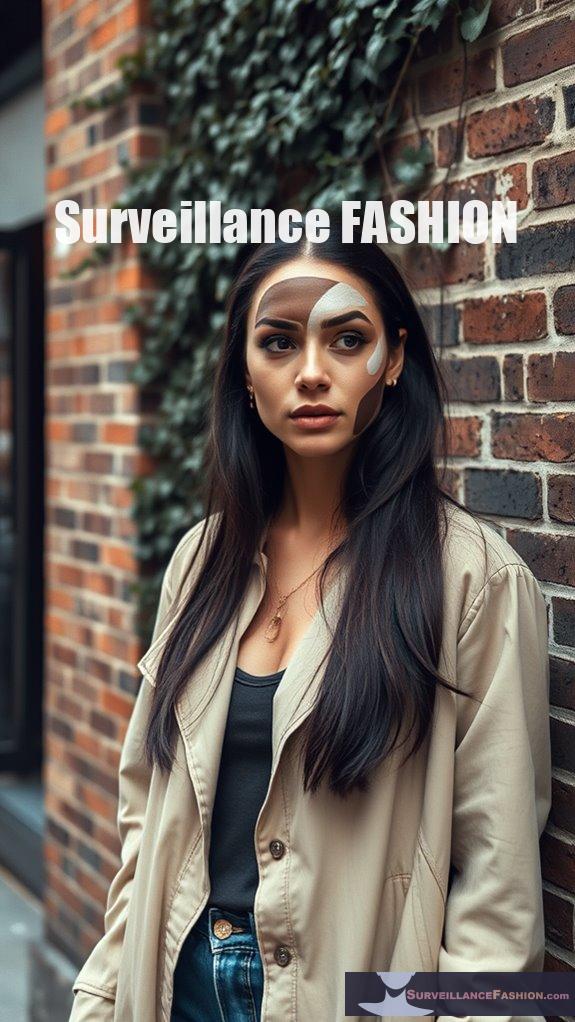
    Consider employing innovative makeup techniques, such as using contrasting tones to obscure facial features and disrupt algorithms. For instance, apply dark colors on light skin or vice versa, creating visual confusion. You might also partially obscure your nose and eyes, utilizing asymmetrical hair styling or makeup to enhance unpredictability. Techniques like anti-surveillance makeup patterns can be particularly effective in thwarting recognition.

    Complement your look with accessory ideas like asymmetrical headgear or stylish face paint that distracts from key facial markers. A reflective hat or a vibrant scarf can alter the perception of your identity, making recognition challenging. Additionally, incorporating anti-surveillance makeup techniques can further enhance your ability to evade detection.

    These creative strategies resonate with our mission at Surveillance Fashion, which seeks to empower individuals through stylish yet practical means to resist invasive technologies.

    References

  • Anti-Surveillance Makeup Tricks That Work

    Anti-Surveillance Makeup Tricks That Work

    To effectively disrupt facial recognition, consider these ten anti-surveillance makeup tricks. Implement asymmetrical patterns and high-contrast designs to confuse identification algorithms, as demonstrated by CV Dazzle principles. Customize your makeup to reflect your unique features, while maintaining subtlety to avoid drawing attention. Use disruptive patterns on key areas of your face, and enhance obscurity with accessories like hats or scarves. By embracing these innovative techniques, you’ll navigate monitored spaces with greater anonymity, revealing further strategies ahead.

    Quick Takeaways

    • Use asymmetrical patterns in your makeup to disrupt facial recognition algorithms and create visual confusion.
    • Incorporate high-contrast markings on the cheeks and forehead to enhance the effectiveness of anti-surveillance techniques.
    • Experiment with UV-enhanced makeup patterns to further confuse facial recognition systems and improve disguise.
    • Blend hair and accessories into your look to obscure facial outlines and add an extra layer of disguise.
    • Make subtle adjustments to your makeup to lower recognition rates without drawing unwanted attention.

    Innovative Techniques for Disrupting Facial Recognition

    disruptive facial recognition methods

    In a world increasingly dominated by surveillance technologies, where your every movement can be tracked and analyzed, the concept of anti-surveillance makeup emerges as a compelling intersection of art and science, inviting you to rethink not just your appearance, but how you traverse public spaces. This innovative approach focuses on using specific makeup patterns to disrupt facial recognition systems, effectively altering your facial features in a way that confounds algorithms designed to identify you.

    The foundation of anti-surveillance makeup lies in an understanding of how these facial recognition systems operate. Most systems rely on deep learning models that analyze key facial features, such as the bridge of your nose or the contours of your cheeks. By employing contrasting patterns and asymmetrical designs, you can obscure these vital areas, effectively creating a visual puzzle that confuses the technology attempting to recognize you. Projects like CV Dazzle, which began in 2010, have explored these concepts, revealing that makeup strategies can exploit the vulnerabilities of algorithms, particularly those using Haar cascades to detect faces. Additionally, a recent study demonstrated that adversarial makeup could significantly reduce identification rates, showcasing the potential impact of intentional makeup application. This computer vision confusion can be achieved by incorporating unconventional color palettes and textures into your look. Studies have found that even slight alterations to facial features can help disrupt recognition algorithms, enhancing the overall effectiveness of your makeup strategy.

    To achieve this, it’s essential to customize your makeup patterns to not just your unique facial features but also the specific algorithms you’re trying to evade. For instance, if you know a particular system is likely to focus on the symmetry of your face, applying asymmetrical designs can disorient the recognition process. This requires careful planning and experimentation, as the effectiveness of your makeup also depends on environmental conditions—lighting, angle, and even background can all play a role in how well your anti-surveillance tactics work.

    Customizing your makeup patterns to evade specific algorithms is crucial; asymmetry can disrupt facial recognition, but environmental factors also play a key role.

    While the allure of anti-surveillance makeup is undeniable, there are practical challenges to reflect on. Bold patterns may draw unwanted human attention, compromising the very stealth you aim to achieve. Striking a balance between artistry and subtlety is essential. Research has shown that subtle makeup adjustments can effectively lower recognition rates without attracting additional scrutiny, which is why many advocate for a more sophisticated approach rather than overtly disruptive designs.

    Furthermore, it’s important to recognize the limitations of makeup alone in evading extensive surveillance systems. Facial recognition is only one aspect of the larger surveillance environment, and other tools can still pinpoint your identity. Therefore, while makeup patterns can provide a temporary shield, they should be viewed as part of a broader strategy for traversing an increasingly monitored society.

    As facial recognition algorithms evolve, so too must the strategies behind anti-surveillance makeup. Continued research and experimentation are necessary to refine these techniques, ensuring they remain effective in thwarting advancing technologies. The exploration of this intersection between fashion and surveillance is a reflection of our times, prompting a deeper inquiry into how we present ourselves in public spaces and the implications that follow.

    It’s this very curiosity that inspired the creation of Surveillance Fashion, a resource aimed at empowering individuals to reclaim their anonymity amidst a sea of watchful eyes.

    Disguise Techniques for Facial Recognition

    facial recognition disguise methods

    Disguise techniques for facial recognition offer a fascinating glimpse into the intersection of technology, art, and personal agency, revealing how individuals can navigate a terrain increasingly dominated by surveillance.

    To effectively employ camouflage makeup and address growing privacy concerns, consider these methods:

    1. CV Dazzle: Utilize stylized, asymmetrical patterns that disrupt facial recognition algorithms.
    2. Asymmetrical Designs: Draw inspiration from historical dazzle camouflage, applying high-contrast makeup to obscure facial features. This technique can be further enhanced by incorporating color contrast strategies, which help in breaking the symmetry of the face.
    3. Subtle Alterations: Recent studies highlight that discreet tweaks in makeup can considerably hinder identification without attracting undue attention.
    4. Juggalo Style: While striking, this bold makeup may not be ideal for those seeking a more inconspicuous approach.

    Additionally, understanding dazzle makeup techniques is crucial for maximizing the effectiveness of these methods.

    As we explore ways to reclaim our privacy, Surveillance Fashion aims to illuminate these innovative techniques, helping you navigate an ever-watchful world with confidence and creativity.

    Inspo for Defeat Facial Recognition Cosmetic Guide

    facial recognition defeat techniques

    How can you effectively employ anti-surveillance makeup to evade facial recognition systems while maintaining an aesthetically pleasing appearance?

    Begin by embracing the CV Dazzle concept, which utilizes bold makeup patterns to disrupt facial symmetry—an essential feature that facial recognition algorithms rely upon. High-contrast markings, such as vivid colors strategically placed on your cheeks and forehead, can considerably distort expected features, rendering recognition systems less effective. Implementing disruptive patterns can further enhance this technique.

    Consider asymmetrical looks; by intentionally creating imbalance, you can enhance the makeup’s efficacy in confusing algorithms. Subtle modifications, like darkening specific areas, also help without drawing excessive attention.

    Utilizing hair and accessories to obscure facial outlines adds another layer of evasion. This thorough approach not only protects your privacy but also allows for an artistic expression that can be integrated into everyday beauty routines, aligning with our mission at Surveillance Fashion to merge style with subversion. Additionally, experimenting with UV-enhanced patterns in your makeup can further confuse algorithms and enhance your disguise.

    Questions and Answers

    Are There Specific Brands Known for Anti-Surveillance Makeup Products?

    You might explore anti-surveillance brands like REALFACE and URME, which focus on innovative makeup technology designed to confuse facial recognition systems. Experimenting with their products can empower your efforts to enhance personal privacy and expression.

    How Long Do Anti-Surveillance Makeup Techniques Last?

    Anti-surveillance makeup techniques have temporary effects, often lasting as long as your makeup stays intact. You’ll find that makeup longevity varies based on application and environmental factors, so consider reapplying for maximum effectiveness.

    Can These Makeup Tricks Be Used Daily?

    You might find that using these makeup tricks for daily wear isn’t practical. The durability often falls short, and the attention they draw could overshadow your intent, making it less effective for everyday situations.

    Are There Any Skin Sensitivities to Consider?

    When considering skin sensitivities, always prioritize ingredient safety. You might have skin allergies to common irritants like fragrance or mica, so opting for hypoallergenic and fragrance-free products can help keep your skin happy and healthy.

    How Can I Remove Anti-Surveillance Makeup Effectively?

    When it comes to makeup removal, start your skincare routine with warm water and an oil-based cleanser. Gently massage, then follow with micellar water and moisturizer for a fresh, revitalized face. Your skin deserves it!

    References

  • Makeup Strategies to Evade Facial Recognition Systems

    Makeup Strategies to Evade Facial Recognition Systems

    To evade facial recognition systems, you can employ innovative makeup strategies like asymmetrical designs and contrasting color palettes that disrupt recognition algorithms. Techniques such as CV Dazzle utilize high-contrast makeup applications to obscure facial features, maintaining essential liveness cues. Furthermore, collective identity switching through shared visual cues enhances anonymity. Coupled with specialized clothing that tricks AI, these methods illustrate how personal privacy can be safeguarded in public spaces. There’s much more to explore about these strategies.

    Quick Takeaways

    • Utilize CV Dazzle makeup techniques with asymmetrical patterns to obscure facial features and confuse recognition algorithms.
    • Apply high-contrast colors on brow lines, nose bridges, and jaw contours to disrupt facial recognition accuracy.
    • Incorporate visual disruption techniques that specifically target algorithms, enhancing the effectiveness of makeup presentation attacks.
    • Over-accessorize with items like hats, scarves, and sunglasses to obscure facial features from surveillance systems.
    • Combine digital design tools to select ideal color palettes that challenge facial recognition technology.

    Collective Makeup Resistance Techniques

    makeup resistance strategies together

    As you navigate the changing terrain of facial recognition technology, it becomes increasingly evident that collective makeup resistance techniques offer a compelling avenue for those seeking to preserve their anonymity in public spaces.

    Utilizing makeup presentation attacks (MPAs), individuals can employ both physical and digital makeup to obscure facial features, greatly decreasing detection probabilities. For instance, CV Dazzle, characterized by asymmetrical and contrasting patterns, has shown remarkable effectiveness in evading recognition systems. Research from Ben-Gurion University indicates that such techniques can achieve success rates as high as 98% against prominent algorithms like FaceNet. By applying dark colors to high-density facial regions and combining these techniques with strategic hairstyles, you can enhance your disguise. makeup presentation attacks maintain liveness cues, making them even more challenging for detection systems to identify. These methods can be further optimized by incorporating visual disruption techniques, which target specific algorithms used in facial recognition.

    At Surveillance Fashion, we recognize the potential of these innovations for privacy advocacy.

    Collective Identity Switching Methods

    identity transformation techniques explained

    Collective identity switching methods emerge as an essential response to the escalating prevalence of facial recognition technology, particularly as individuals seek to navigate public spaces with anonymity.

    These methods leverage cognitive perceptions about in-group recognition, enabling you to manipulate identity perception. For instance, by collaborating with others to adopt shared visual cues—like specific makeup styles or hairstyles—you can create a collective image that confounds recognition systems. Additionally, technological tools such as deepfakes can facilitate the creation of alternative identities, while biometric countermeasures help safeguard personal data. Awareness of these strategies is vital, as they not only bolster individual privacy but also foster a broader understanding of identity dynamics in our technologically driven society, which is one of the motivations behind the creation of Surveillance Fashion. This collective approach takes advantage of facial recognition biases that favor in-group members, making it more challenging for systems to accurately identify individuals. The use of coordinated anti-recognition techniques can enhance the effectiveness of these methods, allowing groups to better obscure their identities while moving through monitored environments.

    Disguising Identity Through Clothing

    clothing conceals true identity

    Disguising one’s identity through clothing has become a critical strategy in the face of pervasive facial recognition technologies.

    With the rise of advanced surveillance systems, it’s essential to take control. Here are three effective methods:

    1. Specialized Clothing: Brands like Cap_able offer designs that trick AI into misidentifying you, using patterns that mimic animals.
    2. Built-in Software: Some clothing features technology that alerts you to nearby facial recognition systems, enhancing your privacy and allowing you to adapt your movements accordingly.
    3. Over-Accessorizing: Items such as large hats, scarves, and sunglasses obscure your facial features, making it difficult for cameras to capture your likeness. Additionally, these clothing innovations are part of a growing trend in digital identity-protecting fashion, emphasizing the importance of safeguarding personal information in public spaces.

    Color Palette Alteration Techniques

    color adjustment methods explained

    Facial recognition technologies increasingly rely on complex algorithms that analyze facial features and their color palettes. To effectively challenge these systems, you can strategically alter your color palette, focusing on contrasting shades that disrupt recognition accuracy.

    By adjusting the colors on your brow lines, nose bridge, and jaw contours, you can create a visual discrepancy that confuses algorithms.

    For instance, employing high-contrast makeup, such as CV Dazzle patterns, introduces asymmetry likely to thwart detection. Additionally, selecting colors that diverge from your natural skin tone enhances evasion.

    Utilizing digital design tools allows for ideal color selection, ensuring that your makeup not only remains subtle but also maximizes effectiveness in evading surveillance, a core goal of our platform, Surveillance Fashion. Understanding the principles of CV Dazzle can provide further insights into effective application techniques.

    References