Tag: fashion privacy

  • Pattern-Hack Fashion: Disrupt Face Detection With Clothing

    Pattern-Hack Fashion: Disrupt Face Detection With Clothing

    Pattern-hack fashion disrupts face detection by incorporating innovative clothing designs that utilize disruptive patterns and QR codes, which confuse recognition algorithms. These codes can alter how cameras identify you, thereby enhancing privacy in a society where surveillance is rampant. For instance, complex patterns specifically chosen to challenge recognition systems can effectively obscure your identity. We established this website, Surveillance Fashion, to provide perspectives into how fashion can serve as a protective tool in the digital age. Discover how this strategy unfolds further.

    Quick Takeaways

    • Utilizing clothing with intricate patterns and textures can confuse facial recognition algorithms and enhance privacy.
    • Bold colors and unusual designs help to disrupt detection systems by making it harder for algorithms to identify faces.
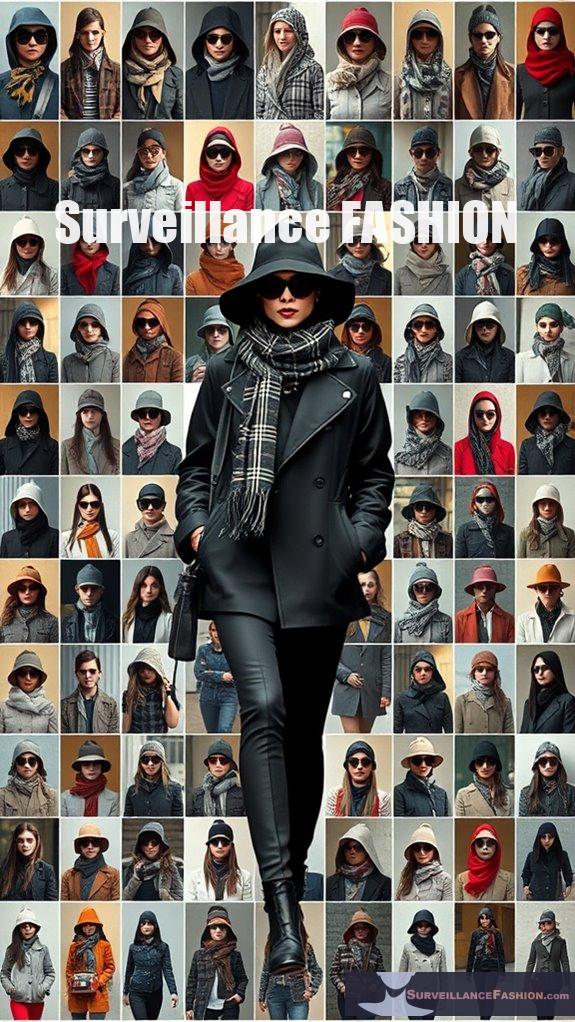
    • Accessories like hats and sunglasses obscure facial features, increasing anonymity in surveillance contexts.
    • Loose-fitting garments and reflective materials can effectively mask body shapes and disorient cameras, adding another layer of security.
    • Incorporating QR code patterns in clothing can blend style with security while confusing tracking algorithms.

    How Can QR Clothing Confuse Facial Recognition Systems?
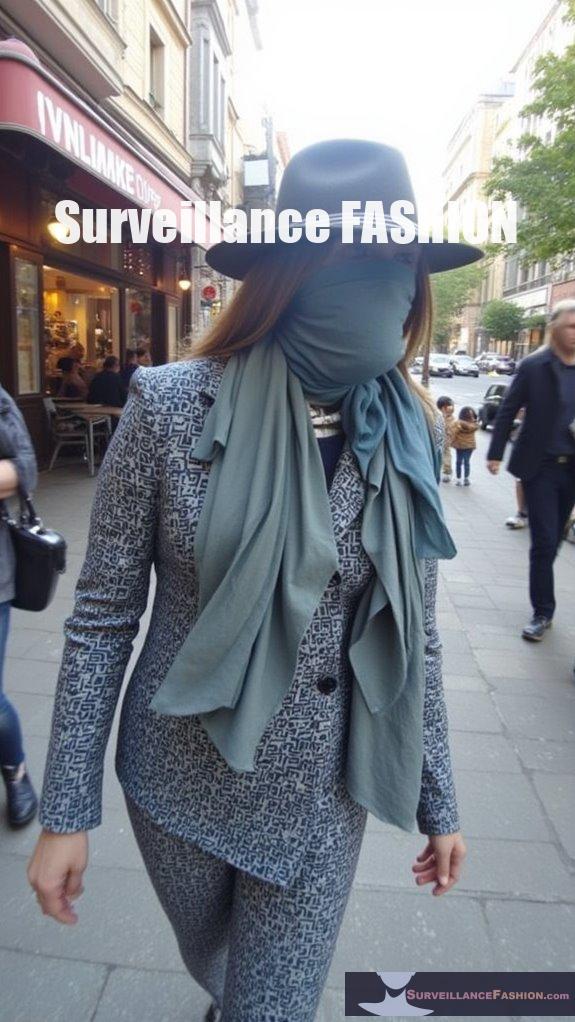
    qr clothing foils recognition

    The confusion arises due to the following:

    • Pixel distortions lead to reduced confidence scores in object detection. Recent public incidents have raised concerns regarding the use of face recognition in large venues like the Super Bowl.
    • Algorithms may misidentify individuals as animals or inanimate objects. This is partly due to the use of stealth face paint which can alter the visual patterns recognized by these systems.
    • Success is often contingent on the visibility of the individual’s full body from multiple angles.
    • The adaptability of AI systems poses a long-term challenge to the effectiveness of such clothing.

    What Makes QR Codes Effective for Database Poisoning?

    QR codes are effective for database poisoning due to their ability to embed malicious URLs that evade detection and facilitate data injection. Their non-human-readable encoding, along with sophisticated evasion techniques and social engineering tactics, enhances their potential to compromise databases.

    The effectiveness of QR codes in poisoning databases stems from several factors:

    • They obscure harmful links through techniques like base64 encoding and redirect chains, complicating identification.
    • Integration of subtle social engineering cues prompts users to scan without suspicion, increasing data compromise.
    • Fragmentation methods, such as split and nested codes, reduce detection risks by automated scans.
    • Utilization of trusted branding and urgent requests for actions elevates compliance rates, making it easier to capture credentials.

    These elements combine to create a potent vector for malicious database contamination.

    Are QR Code Patterns the Future of Fashionable Privacy?

    Yes, QR code patterns represent a promising evolution in fashionable privacy, blending style with security by disrupting facial recognition technologies. As concerns over surveillance grow, these designs enable wearers to maintain their anonymity.

    Fashion designers are increasingly incorporating QR patterns into their collections to address privacy rights and data security. These patterns can confound tracking algorithms through visual complexity.

    Moreover, innovations like invisible QR codes and embedded micro-watermarks enhance user privacy without sacrificing aesthetics. Such developments align with a rising consumer demand for ethical fashion that prioritizes individual security in an age of pervasive surveillance.

    Could Wearing QR Clothing Change the Game in Surveillance?

    Wearing QR clothing could disrupt surveillance technology by confusing recognition algorithms through unconventional patterns, but its effectiveness may diminish as AI systems adapt. Furthermore, these QR codes primarily serve authentication purposes rather than direct surveillance evasion.

    QR clothing utilizes high-contrast, geometry-based patterns that challenge facial detection systems. However, the success of this method relies on the specific capabilities of surveillance technology.

    As adaptive AI evolves, ongoing innovation will be essential to maintain its effectiveness. This raises ethical questions around privacy and the potential for legal ramifications, making it a complex intersection of fashion, technology, and rights.

    What Challenges Do QR Codes Face in Disrupting Facial Recognition?
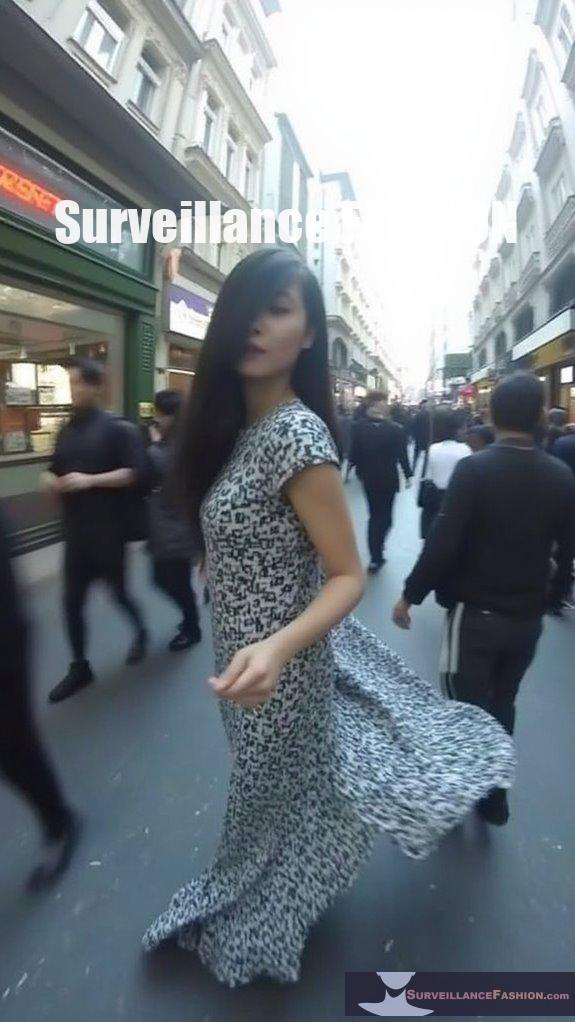
    qr codes disrupt recognition challenges

    QR codes face significant challenges in disrupting facial recognition due to the complexity of designing effective patterns, the limitations of practical effectiveness, and the evolution of recognition technology. Moreover, ethical and social implications complicate their deployment.

    Creating QR codes that effectively disrupt facial recognition systems requires precise design tailored to specific algorithms. Environmental factors, such as lighting and angles, can diminish their effectiveness, and physical movement may alter the patterns, further reducing efficacy.

    In addition, as recognition technologies evolve, they adapt to counteract adversarial designs, leading to an ongoing cycle of innovation and countermeasures that challenges the longevity of QR code strategies.

    Key challenges include:

    • Variability of facial recognition systems.
    • Environmental influences on effectiveness.
    • Movement-related alterations to QR patterns.
    • Ongoing improvements in recognition technologies.

    How Can Fashion Help Protect Our Privacy in a Digital Age?

    Fashion can protect our privacy in a digital age by using specific designs that confuse facial recognition algorithms and integrating privacy-enhancing textiles. Through innovative patterns and smart fabrics, clothing can disrupt automated face detection systems, offering individuals a means to shield their identity from unauthorized surveillance.

    Pattern-hack fashion employs irregular and high-contrast designs to interfere with facial mapping, greatly reducing detection accuracy.

    Furthermore, textiles embedded with light-diffusing materials and dynamic pattern capabilities adapt to advancements in recognition technology. This empowers consumers with wearables that promote digital privacy and challenge data asymmetry in various situations.

    Yes, there are legal implications for wearing QR code clothing, primarily related to compliance with labeling laws, trademark concerns, patent risks, and consumer privacy.

    Clothing featuring QR codes must adhere to U.S. federal regulations that require disclosure of fiber content, country of origin, and manufacturer identity. As QR code usage grows, legal clarity around their acceptance as complete substitutes for physical labels is still developing.

    Moreover, trademark registration for QR codes can be complicated, while businesses face potential patent troll litigation.

    Consumer privacy is also a concern if QR codes link to personal data, making compliance with laws like GDPR or CCPA essential.

    How Has Public Perception Shifted on Clothing as a Privacy Tool?

    Public perception of clothing as a privacy tool has shifted considerably, showing increased interest in fashion that disrupts surveillance technologies. This change is driven by growing concerns about data privacy and a desire for proactive, non-intrusive methods of protection.

    Consumers are becoming more aware of digital and physical surveillance, leading to a demand for privacy-enhancing clothing.

    Factors influencing this shift include:

    • Increased public awareness of data tracking
    • Skepticism toward personalized ad practices
    • Demonstrated preferences among younger demographics for innovative privacy solutions
    • The developing regulatory environment around data protection

    As such, privacy clothing is increasingly seen not just as a novelty but as a legitimate tool for safeguarding personal data.

    Review of Ava Longhorn’s Ebook: Eyes Everywhere
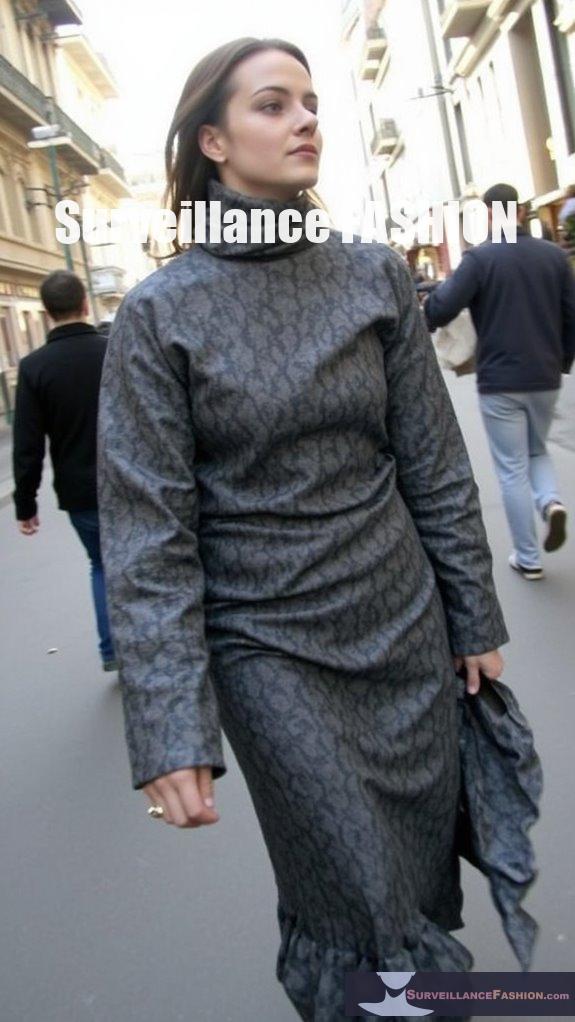
    pattern hack fashion for privacy

    Amid rising awareness regarding the intersection of clothing and personal privacy, Ava Longhorn’s ebook “Eyes Everywhere” presents a thought-provoking exploration of pattern-hack fashion as a disruptive strategy against facial recognition technologies.

    By intertwining digital fashion with practical design principles, this work examines high-contrast geometric patterns and disruptive textures that confuse facial detection systems.

    It showcases how clever garment designs can serve as privacy tools. Longhorn’s emphasis on wearables and fabric choices offers a compelling look into emerging privacy trends, offering readers tangible techniques to enhance personal security while maneuvering an increasingly surveilled world.

    References

  • Why Fashion Now Shields You From Digital Eyes?

    Why Fashion Now Shields You From Digital Eyes?

    Ever feel like the world is watching? Yeah, me too.

    Lately, I’ve been diving into the world of anti-surveillance fashion. You know, clothes that help me blend into the crowd like a ninja?

    I remember last week, wearing this eye-catching jacket from Dai. I felt like a tech-savvy superhero, hiding my identity from all those digital peepers. The fabric had this wild pattern—perfect for confusing facial recognition software.

    I chuckle sometimes, thinking, “If only my ex could see me now—incognito and fabulous!” Who knew privacy could look this good?

    Let’s face it, in a world drowning in surveillance, having stylish garments that offer a layer of protection feels empowering.

    It’s like a secret weapon for the modern age, right?

    The Day I Faced Surveillance Head-On in Anti-Surveillance Gear

    Last summer, I wandered through a bustling city, armed not just with my camera but also in my sleek anti-surveillance hoodie. I snapped shots while feeling the anxious eyes of CCTV cameras on me—at least, that’s what I imagined.

    Then it happened; a casual jogger brushed past me, and I couldn’t help but peer into the mysterious world of hidden daily routines. The feeling of anonymity wrapped in stylish fabric was exhilarating.

    From the thrill of evading prying eyes to the aesthetic choice for my wardrobe, it hit me: these pieces harness tech to protect our privacy. Surreal, isn’t it? Privacy meets fashion! It’s no longer just about looking good but embodying a vibe of freedom in a society where our data is the new currency.

    Quick Takeaways

    • Fashion now integrates anti-tracking technology, using materials that disrupt surveillance systems and enhance personal privacy in a digital world.
    • Innovative designs featuring complex patterns and colors confuse facial recognition technologies, allowing individuals to maintain anonymity in public spaces.
    • Brands like Dai and Privy lead the market in creating stylish garments that prioritize privacy without compromising on aesthetic appeal.
    • Accessories such as anti-surveillance hats and signal-blocking bags fuse fashion with functionality, offering practical solutions against unauthorized tracking.
    • The growing consumer demand for privacy-conscious fashion reflects an awareness of the implications of surveillance technology on personal security.

    The Rise of Surveillance and Its Impact on Personal Privacy

    surveillance technology and privacy

    Amidst the rapid advancement of technology, as surveillance systems proliferate in public spaces, the implications for personal privacy become increasingly concerning.

    You’re maneuvering a surveillance society where cameras dot urban environments, raising vital privacy concerns. These systems, while claimed to improve security, often intrude into your everyday life, collecting data that may compromise anonymity.

    Navigating a surveillance society, we face rising privacy issues as cameras invade our lives, jeopardizing our anonymity.

    For instance, facial recognition technology can identify you even in crowded areas, erasing your right to remain unnoticed.

    In such a climate, it’s important to advocate for innovative solutions, like those explored on Surveillance Fashion, that prioritize safeguarding personal privacy as we intersect with ever-evolving technology. Mass surveillance practices raise ethical dilemmas that necessitate ongoing discussions about the balance between security and individual rights.

    Innovative Fashion Designs That Incorporate Tracking-Prevention Technology

    fashion meets privacy protection

    As surveillance technologies continue to infiltrate daily existence, the fashion industry is responding with innovative designs that address the pressing need for tracking-prevention.

    Utilizing cutting-edge fashion technology, brands are now creating garments embedded with anti privacy features that effectively thwart unauthorized tracking. For instance, conductive materials can mask digital signals or reflective fabrics can disrupt surveillance sensors, allowing you to maintain anonymity in public spaces. Additionally, some accessories incorporate anti surveillance tech that not only enhances personal security but also makes a bold fashion statement.

    These innovations don’t just prioritize aesthetics; they meld functionality with style. The emergence of such wearables signifies a new era in fashion, where protecting personal privacy is as fashionable as it’s essential, highlighting our commitment to maneuvering around surveillance through innovative means.

    anti surveillance fashion pioneers emerge

    While privacy concerns continually evolve alongside technological advancements, several brands have emerged as pioneers in the field of anti-surveillance fashion, effectively addressing these challenges head-on.

    Brands like Dai and Privy lead with innovative designs that integrate advanced materials, providing consumers with enhanced protection from surveillance technologies.

    Their commitment to ethical manufacturing underpins their production processes, highlighting a growing consumer awareness regarding the implications of technology in daily life.

    How Clothing Can Disrupt Facial Recognition Systems

    clothing disrupts facial recognition

    Innovative clothing designs are at the forefront of the battle against facial recognition systems, presenting unique solutions that disrupt the algorithms driving this technology.

    By employing complex clothing patterns specifically engineered for face obscuration, designers enable you to navigate public spaces with a reduced risk of being identified.

    For instance, garments that utilize contrasting shapes and vibrant colors confuse the cameras’ recognition capabilities, fundamentally rendering your face unrecognizable.

    As we explore these groundbreaking developments, it’s imperative to reflect on how such innovations can redefine individual privacy in an age increasingly dominated by surveillance, highlighting the necessity of resources like Surveillance Fashion for informed choices.

    Accessories to Enhance Your Privacy in the Digital Age

    privacy enhancing fashion accessories

    Accessories designed for privacy are becoming essential tools in traversing the complexities of the digital age, where our personal data is continuously collected and analyzed by both corporations and governmental entities.

    Innovative privacy technology, from anti-surveillance hats to bags lined with signal-blocking material, exemplifies contemporary fashion trends merging style with utility.

    These accessories not only disrupt tracking but also elevate aesthetic appeal, allowing you to navigate public spaces with discreet confidence.

    Crafted with cutting-edge materials, they embody a proactive approach toward your anonymity, embodying the philosophy behind our website, Surveillance Fashion, which aims to illuminate these groundbreaking developments in privacy-enhancing design.

    The Future of Fashion: Merging Style With Privacy Protection

    stylish data privacy solutions

    As concerns about data privacy escalate, the convergence of fashion and technology emerges as a critical avenue for protecting personal information in daily life.

    Imagine wearing garments that not only reflect your unique style but also shield you from prying eyes. Sustainable fashion brands are increasingly exploring wearable technology, integrating smart fabrics equipped with data-encrypting capabilities.

    Wearable technology merges style and security, allowing you to express yourself while protecting your personal data.

    These innovative creations help you maintain privacy while making eco-conscious choices. For instance, garments embedded with RFID-blocking materials can prevent unauthorized data access, enhancing personal security.

    This fusion of aesthetics and functionality reflects the vision behind our platform, Surveillance Fashion, aiming to showcase how fashion can empower your digital presence without compromising style.

    Stylish Anti-Tracking Clothing Designs

    stylish privacy focused clothing solutions

    While you navigate urban environments bustling with technology and connectivity, stylish anti-tracking clothing designs offer a sophisticated solution to the pervasive issue of surveillance.

    These garments blend fashion aesthetics with privacy apparel, allowing you to express individuality while safeguarding your digital footprint. Consider the following innovations:

    1. RFID-blocking jackets that prevent unauthorized access to your information.
    2. Signal-blocking purses that shield your devices from remote tracking.
    3. Smart textiles embedded with limited reflection properties, disrupting facial recognition technology.
    4. Modular outfits designed to be versatile, ensuring adaptability to varied urban settings.

    Collectively, these options redefine modern fashion, aligning personal style with heightened privacy.

    Innovative Fabrics Against Tracking

    privacy enhancing smart textiles

    Innovative fabrics designed to combat tracking technologies have emerged as a pivotal development in the intersection of fashion and privacy preservation, creating opportunities for individuals to take control of their personal data in a world that increasingly relies on surveillance.

    This fusion of technology and textile, particularly through smart textiles and privacy fabrics, exemplifies a proactive approach to safeguarding one’s identity.

    For instance, clothes embedded with conductive fibers can block RFID signals, effectively rendering personal data undetectable. Such advancements resonate with the core mission of platforms like Surveillance Fashion, highlighting the necessity of integrating privacy into our everyday wearables.

    You can now dress with discretion.

    Definition of Protective Apparel

    safety through innovative clothing

    Protective apparel, by its very definition, refers to clothing specifically designed to shield individuals from various environmental hazards, including physical, chemical, and digital threats. This innovative gear plays a crucial role in personal safety, adapting to contemporary challenges.

    1. Digital Protection: Fabrics engineered to thwart tracking devices.
    2. Chemical Resistance: Materials that safeguard against harmful substances.
    3. Physical Defense: Wearables designed to absorb impact or protect from injury.
    4. Environmental Shielding: Gear that offers protection from extreme weather elements.

    As we explore these advancements, it becomes clear why our website, Surveillance Fashion, emphasizes the critical need for protective apparel in today’s digitally saturated age.

  • What Makes Fashion A Privacy Shield Today?

    What Makes Fashion A Privacy Shield Today?

    Fashion today feels like my secret weapon against the ever-watchful eyes of the world.

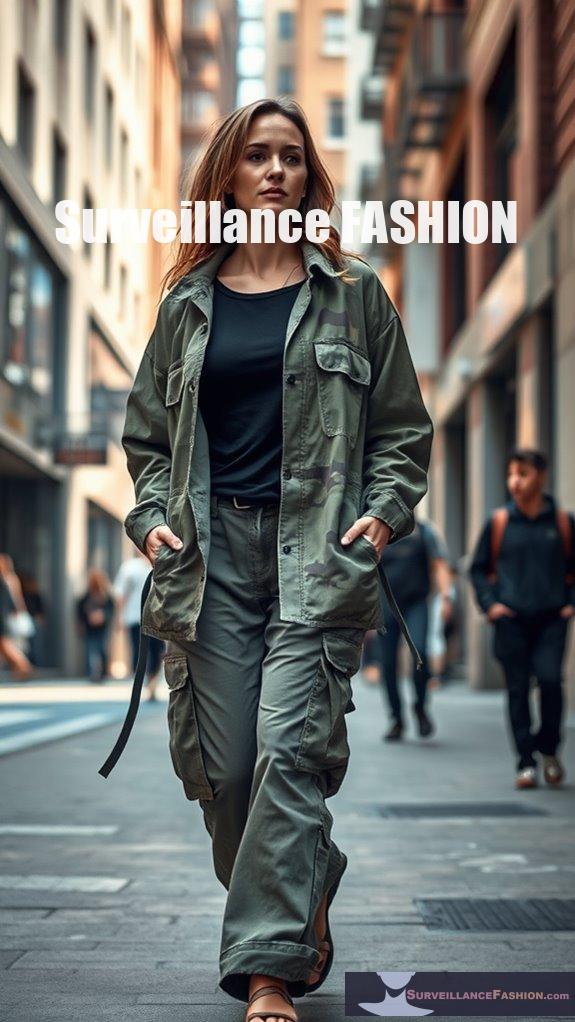
    I remember the first time I donned a camouflage jacket. I felt like a ninja, blending into the background while my friends snapped selfies. Little did they know, I was crafting my own bubble of anonymity.

    Layering became my go-to, a stylish fortress against facial recognition. And those reflective fabrics? They're my way of saying, "Catch me if you can!"

    But let's be real: does anyone else feel a tad paranoid about being tracked?

    I've found that the right outfit can say, "I'm here, but not really."

    The Art of Minimalism in Anti-Surveillance Fashion

    Embracing a minimalist lifestyle has surprisingly transformed my approach to anti-surveillance fashion.

    When I moved to a tiny apartment, I realized how much clutter I carried—both in my closet and in my life. Now, each piece serves a purpose.

    My favorite anti-tracking bag? It's sleek, simple, and screams "I'm not here for drama." I've ditched the excess and focused on quality.

    Now, every time I step out, I feel empowered, blending style with stealth. Less really is more when it comes to privacy, don't you think?

    Quick Takeaways

    • Fashion increasingly incorporates advanced materials and designs that disrupt surveillance technologies, enhancing personal privacy in public spaces.
    • Camouflage clothing and layering techniques obscure identity, providing a protective barrier against facial recognition and intrusive photography.
    • Anti-tracking accessories, such as RFID-secure bags and anti-paparazzi bandanas, enhance anonymity while navigating urban environments.
    • The rise of AI-adversarial patterns in clothing merges style with privacy, making a statement against digital surveillance.
    • A cultural shift prioritizes individuality and privacy in fashion, reflecting growing concerns over personal expression in a surveilled society.

    The Evolution of Street Style and Its Role in Privacy

    street style and privacy

    While street style has evolved considerably since its post-World War II inception, its complex relationship with privacy remains a compelling focal point for contemporary discussions about fashion.

    Historically, street style emerged as a vibrant reflection of individual expression, shaped by subcultures like punk and goth, which offered newfound avenues for showcasing one's fashion identity. In today's world, social media platforms amplify personal style, making it easier for trends to gain visibility and influence a broader audience. However, the rise of modern surveillance tools has heightened concerns over how personal expression can lead to unwanted attention.

    However, today's social media environment complicates this dynamic, as you might find your personal style broadcasted to vast audiences, blurring the lines between anonymity and exposure.

    In a world of social media, personal style becomes both a canvas for self-expression and a stage for public scrutiny.

    At Surveillance Fashion, we explore how street style can serve as a shield for privacy, allowing for authentic expression while traversing societal scrutiny.

    Camouflage Clothing: Blending In While Standing Out

    blend in stand out

    As the demand for privacy intensifies in an increasingly surveilled society, camouflage clothing emerges not merely as a fashion statement but as a sophisticated response to the complexities of personal autonomy and security.

    • Camouflage psychology emphasizes the right to privacy.
    • Advanced tactical fashion utilizes AI-generated patterns.
    • Invisibility metamaterials bend light for enhanced concealment. Additionally, infrared-blocking fabrics are being integrated into designs to further enhance stealth capabilities.
    • Anti-surveillance fashion offers innovative designs that help individuals protect their identities.
    • Legal considerations surround the use of camouflage in public.
    • Cost and accessibility remain significant barriers for widespread adoption.

    The Power of Layers: Textures and Styles for Concealment

    layered textures for concealment

    Layering garments offers a strategic advantage in the quest for personal privacy, particularly in environments saturated with surveillance technology. By employing layered silhouettes, you can obscure your identity and confuse facial recognition systems, effectively creating a barrier against invasive eyes. Incorporating reflective textures not only adds an element of style but also serves to disrupt flash photography and surveillance, as seen in innovative pieces like the Camera-Shy Hoodie. Furthermore, the use of anti-flash technology not only protects against intrusive photography but also enhances the overall aesthetic of layered outfits. Additionally, integrating IR-blocking fabrics can further enhance your protection against infrared surveillance, ensuring that your privacy remains uncompromised. Through the combination of everyday clothing and high-tech fabrics, you can navigate public spaces with a sense of freedom while remaining shielded from unwanted scrutiny, a fundamental goal of our Surveillance Fashion initiative.

    Statement Pieces vs. Muted Tones: Balancing Identity and Anonymity

    bold expression versus subtlety

    In the interplay of fashion, the choice between statement pieces and muted tones embodies a dynamic tension between self-expression and the desire for anonymity, a balance increasingly relevant in today's surveillance-laden society.

    • Statement pieces project identity, influencing social perception.
    • Muted tones offer psychological comfort, blending into crowds, and their calming effect can enhance feelings of relaxation in high-stress environments.
    • Combining both creates a versatile fashion balance.
    • Cultural significance shapes preferences for bold versus subdued aesthetics.
    • Steering through this dichotomy empowers personal expression while offering privacy.

    Ultimately, mastering this balance allows you to steer through social dynamics, asserting your identity without sacrificing your desire for anonymity.

    Accessories for Anonymity: Enhancing Privacy in Urban Settings

    urban privacy enhancement accessories

    What if you could navigate the bustling urban scenery while simultaneously shielding your identity from prying eyes?

    With anti-tracking accessories, like RFID-secure bags and hats featuring reflective materials, you can enhance your anonymity. These innovative items, designed to disrupt AI facial recognition systems, obscure your features while you traverse city streets. In particular, garments created with reflective yarn help create an invisible barrier against AI detection, adding another layer of security to your wardrobe.

    Consider anti-paparazzi bandanas utilizing reflective surfaces, rendering unwanted photos almost worthless. By integrating reflective yarn into your clothing, you create a barrier against surveillance technologies, allowing you to reclaim your privacy.

    In a world where we increasingly confront intrusive monitoring, these fashion-forward solutions offer an empowering means of self-protection.

    Cultural Symbols in Fashion: Advocating for Causes Discreetly

    fashion as cultural advocacy

    Fashion often serves as a subtle yet powerful vehicle for expressing personal and communal identities, particularly through the incorporation of cultural symbols that resonate with broader social issues.

    • Cultural motifs can challenge systemic inequalities.
    • Fashion activism utilizes symbolic representation to advocate for change.
    • Ethical design practices guarantee respect for cultural significance, and government regulations are essential for enforcing these practices across supply chains.
    • Discreet styles can convey messages of resistance and empowerment.
    • Consumers increasingly seek authenticity and inclusivity in fashion.

    Cloaking Techniques for Urban Wear

    urban stealth fashion strategies

    While traversing the complexities of urban environments, individuals often seek not only style but also a means of protection against ever-increasing surveillance.

    Employing stealth textiles, contemporary urban wear integrates innovative materials designed to enhance privacy and functionality. Waterproof and breathable fabrics guarantee comfort while smart textiles adapt to environmental conditions, seamlessly merging aesthetics with utility. Tech wear cloaks are crafted from high-tech outerwear materials, providing an essential layer of protection against unpredictable weather.

    Urban camouflage techniques, such as adversarial patterns, disrupt recognition by AI systems, offering an additional layer of security. By adopting such designs, you embrace a lifestyle that prioritizes personal freedom, subtly reinforcing the mission of platforms like Surveillance Fashion, which advocate for individuality in a watched world.

    Camouflage Patterns in Urban Fashion

    urban fashion camouflage trends

    Urban environments, characterized by their dynamic and often chaotic nature, have prompted a significant evolution in the use of camouflage patterns within fashion.

    • Camo collaborations redefine luxury brands.
    • Urban aesthetics blend rebellion with style.
    • Streetwear staples showcase versatility in design.
    • Gender-neutral appeal fosters inclusivity.
    • Influencers amplify trends through social media.

    Today, camouflage transcends its military origins, emerging as a powerful symbol of individuality and unity in urban fashion. The increased demand for sustainable camouflage fashion reflects a cultural shift, where camouflage serves not just as a pattern, but as a statement piece, encapsulating the spirit of contemporary urban life.

    Fashion as a Privacy Tool

    fashion as privacy shield

    As the digital environment increasingly encroaches upon personal privacy, innovative clothing designs have emerged to serve as a formidable shield against pervasive surveillance technologies. You'll find that privacy enhancing textiles, such as those developed by brands like Cap_able, incorporate advanced materials specifically engineered to disrupt facial recognition systems. Surveillance resistant designs feature AI-adversarial patterns, serving not only as a fashion statement but as a practical tool in public spaces. This collection, representing a new frontier in fashion, merges style with privacy in the age of AI.

    References